All species › Passerines › Shrike-babblers, Erpornis and vireos › Mangrove Vireo
Position in the tree Birds Aves › Birds with a flexible palate Neognathae › All other modern birds Neoaves › Landbirds Telluraves › Falcons, parrots and passerines Australaves › Falcons and passerines Eufalconimorphae › Parrots and passerines Psittacopasserae
Mangrove Vireo | Vireo pallens
Mangrovevireo | Vireo manglero
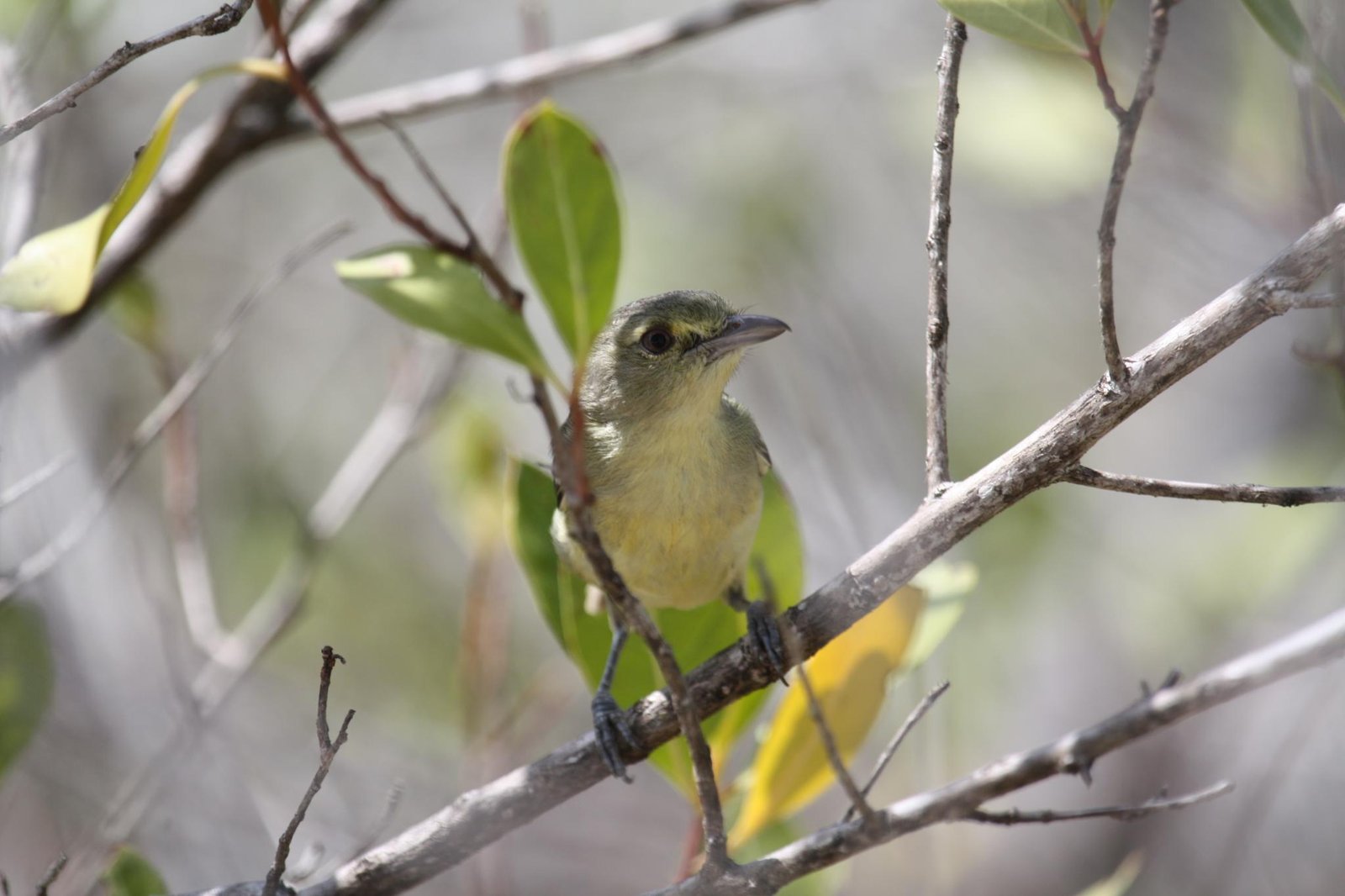
The Mangrove Vireo is a small, dull olive vireo of mangroves and coastal scrub. It lives only in the guide area, along both coasts from Mexico to Costa Rica, and often stays hidden in dense foliage.
Voice
Gives a rapidly repeated series of short, somewhat nasal notes, and also a hoarse, rasping chatter.
Recording: Alán Palacios — CC BY-NC-SA 4.0 · converted to mono · xeno-canto
Identification
11–12 cm. Upperparts greyish olive-green, underparts dull yellowish. Yellowish lores and a pale line above the eye. Two whitish wing bars. Birds on the Caribbean side are generally yellower below than those on the Pacific side.
Confusion species
White-eyed Vireo Vireo griseus, a winter visitor, has a white eye and yellow spectacles that continue around the eye. Bell's Vireo Vireo bellii is greyer, with less yellow and less obvious lores. Cozumel Vireo Vireo bairdi (only on Cozumel) has cinnamon sides to the head and flanks.
Habitat
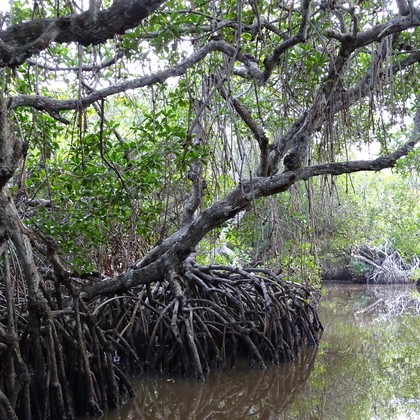
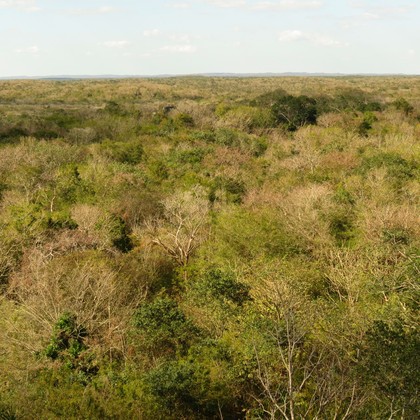
Mangroves, coastal scrub and edges of low coastal woodland; on the Yucatán Peninsula and in Belize and Petén locally also inland in scrub and secondary forest. It searches for insects low to mid-level in dense foliage.
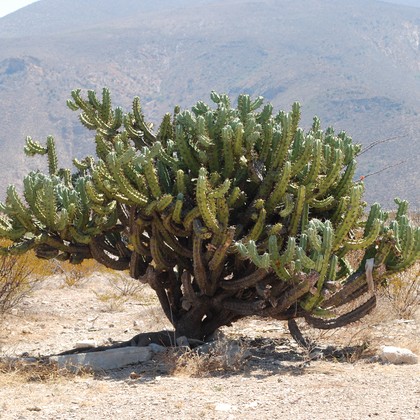
Where the bird is most at home, classified by the vegetation units of Mexico and Central America.

Range and movements
Along the Pacific coast from north-western Mexico to Costa Rica, and on the Caribbean side from the Yucatán Peninsula south to Nicaragua, including the Bay Islands of Honduras. It does not occur outside the guide area.
- Resident
- dark = core range, pale = thinly spread
How and when to look
Best found by its voice along the edges of mangroves; often hard to see in the dense foliage.
Conservation status
Not threatened. Locally fairly common; loss of mangrove forest is a risk.
Scientific name
Vireo pallens | Salvin, 1863
Salvin described the species in 1863 and placed it straight away in the genus where it still stands. The genus Vireo was introduced in 1808 by Vieillot. Vireo was used by Latin authors for a small, green, migratory bird, probably the Eurasian golden oriole, though the European greenfinch has also been suggested. pallens is Latin for 'pale', after the drab, low-contrast plumage. The specimen the first description was based on came from Realejo, Nicaragua (disputed; possibly Puntarenas, Costa Rica).