All species › Pelicans, herons and ibises › Herons, egrets and bitterns › Snowy Egret
Position in the tree Birds Aves › Birds with a flexible palate Neognathae › All other modern birds Neoaves › Birds of the elements Elementaves › Tropicbirds and waterbirds Phaethoquornithes › Core waterbirds Aequornithes
Snowy Egret | Egretta thula
Amerikaanse kleine zilverreiger | Garceta pie dorado
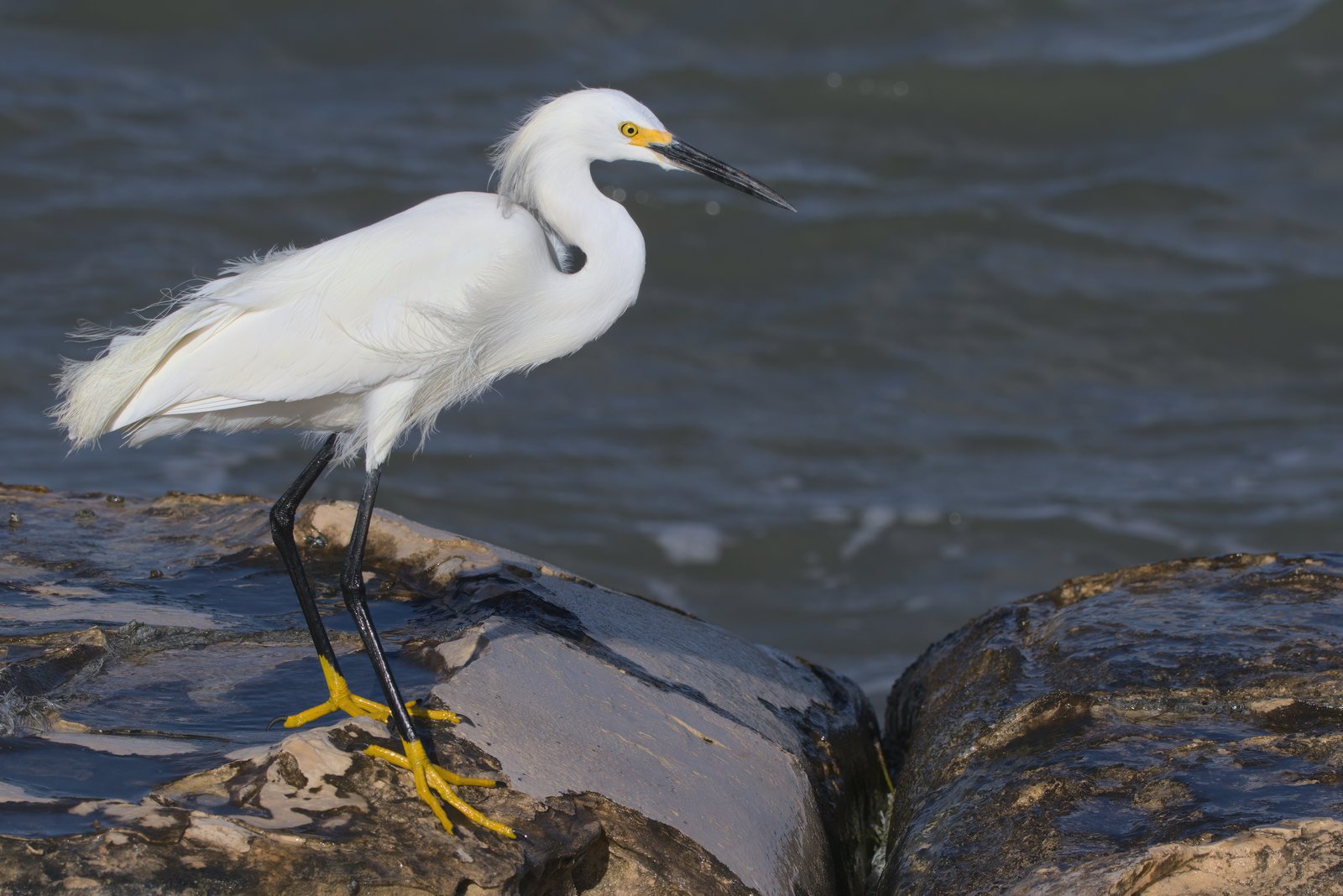
The Snowy Egret is a slender, all-white heron with a black bill, black legs and yellow feet. It hunts actively in shallow water, often stirring the bottom with one foot. In the guide area it is a common resident of coasts and fresh waters from Mexico to Panama, joined in winter by birds from North America.
Voice
Usually silent away from the colony. When flushed and at the colony a raw, grating aarr; at the colony also bubbling sounds.
Recording: Paul Driver — CC BY-NC-SA 4.0 · converted to mono · xeno-canto
Identification
56–66 cm. A slender, all-white heron with a thin black bill, yellow lores, black legs and yellow feet. In the breeding season the bird carries long plumes on the back that curl up at the tip, a full, shaggy crest of many feathers on the hindcrown and plumes on the breast; during courtship the lores and sometimes the feet turn orange-red. Juveniles have greenish legs with yellow on the rear and a paler bill base; the yellow feet are already present. The sexes are alike.
Confusion species
Young Little Blue Herons Egretta caerulea are white, but have a grey-blue bill with a dark tip, greenish legs and feet and often dark wingtips. Great Egret Ardea alba is much larger, with a yellow bill and all-black legs. Cattle Egret Ardea ibis is smaller and stockier, with a short yellow bill. The white morph of Reddish Egret Egretta rufescens is larger, with blue-black legs and in the breeding season a pink bill with a black tip. In Panama, Capped Heron Pilherodius pileatus has a black cap and a blue bill.
Habitat
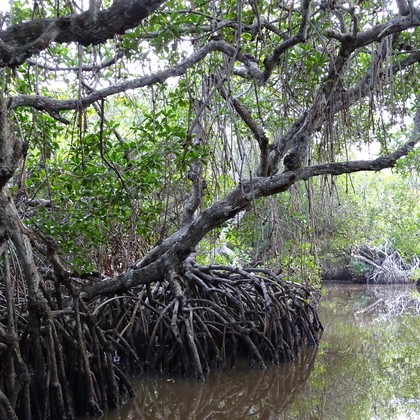
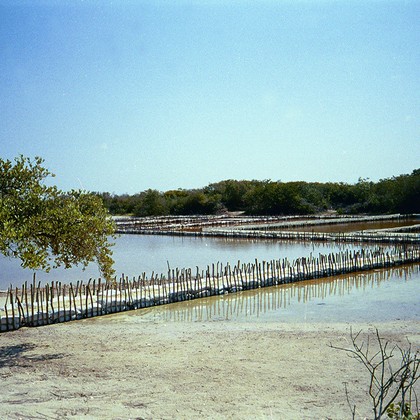
A wide range of shallow waters, salt and fresh: lagoons, salt pans, mangroves, tidal mudflats, freshwater marshes, lakes, ponds, rice fields and ditches. It eats small fish, shrimps, crabs, insects and other small animals. It breeds in mixed heron colonies in mangroves and other scrub, often over water.
Where the bird is most at home, classified by the vegetation units of Mexico and Central America.



Range and movements
Throughout Mexico along both coasts, from Baja California and Sonora and from Tamaulipas southwards, including the Yucatán Peninsula, and inland at lakes, reservoirs and marshes, also on the central plateau. Further in the lowlands of all of Central America, from Belize and Guatemala to Panama. Outside the guide area in the United States, the Caribbean and South America, south to Chile and Argentina.
- Resident
- dark = core range, pale = thinly spread
How and when to look
Seen almost anywhere at coastal lagoons and freshwater marshes. The yellow feet are the best feature, but are often under water; they are easy to see when the bird takes off or stands on the bank. In breeding plumage the curled back plumes stand out.
Conservation status
Not threatened. It declined sharply in the late nineteenth century through hunting for plumes, then recovered. In the guide area common, but sensitive to the loss of wetlands and mangroves.
Scientific name
Egretta thula | (Molina, 1782)
Molina described the species in 1782 as Ardea Thula; because it was later moved to another genus, the author and year stand in brackets. The genus Egretta was introduced in 1817 by Forster. Egretta comes from Provençal aigrette, the name for the little egret, a diminutive of aigron 'heron'. thula is the Mapudungun name for the black-necked swan, applied to this egret in error by the Chilean naturalist Juan Ignacio Molina (1740–1829) in 1782. The specimen the first description was based on came from Chile.