All species › Passerines › Wrens › Socorro Wren
Position in the tree Birds Aves › Birds with a flexible palate Neognathae › All other modern birds Neoaves › Landbirds Telluraves › Falcons, parrots and passerines Australaves › Falcons and passerines Eufalconimorphae › Parrots and passerines Psittacopasserae
Socorro Wren | Troglodytes sissonii
Socorrowinterkoning | Chivirín de Socorro
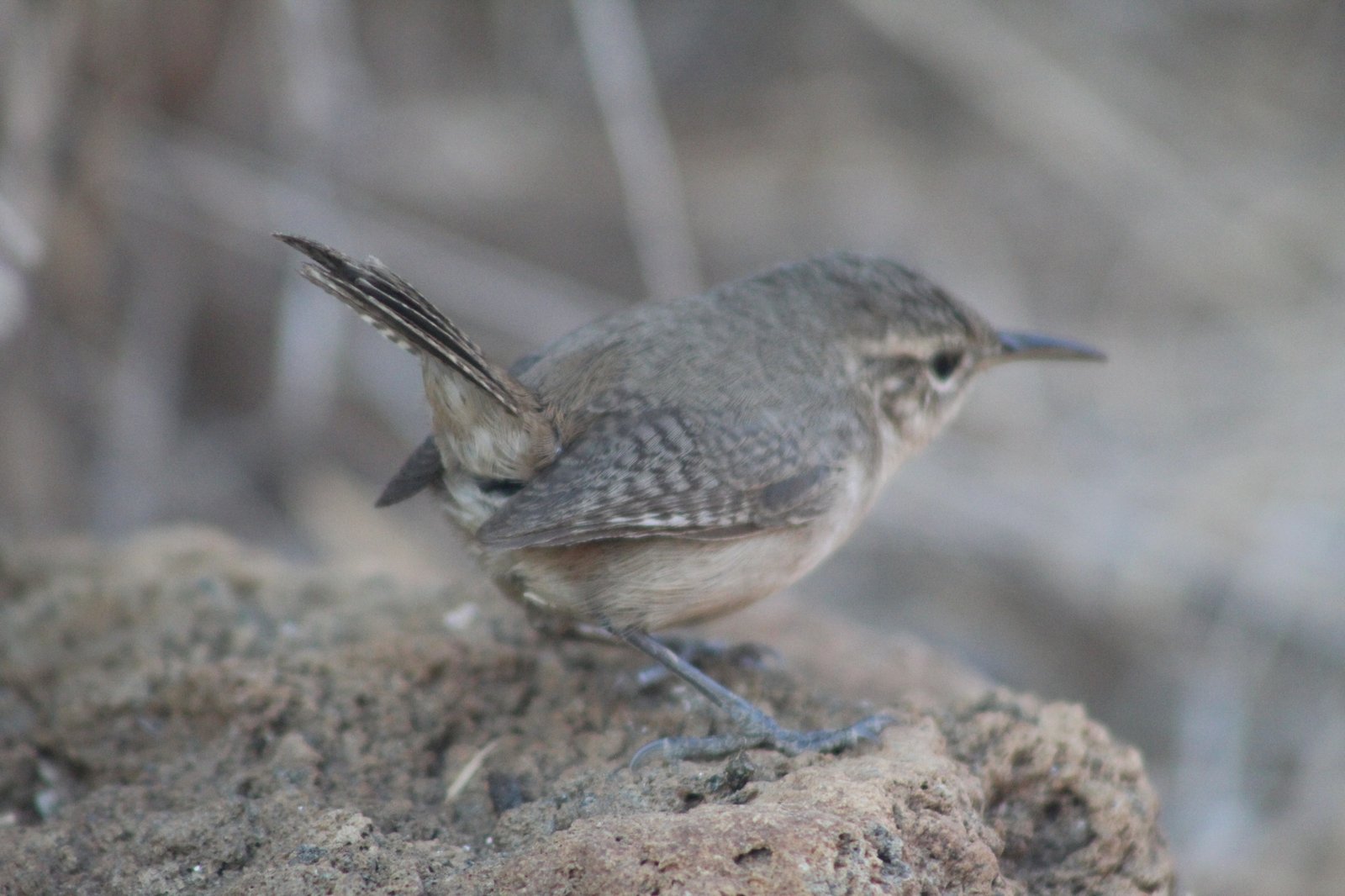
The Socorro Wren is a plain, greyish-brown wren found only on Isla Socorro, the largest of the Revillagigedo Islands in the Pacific Ocean. It was formerly placed in the genus Thryomanes, but is related to the house wrens. On the island it is a fairly common resident.
Voice
A varied song of clear, rapid trills and whistles. Calls include a dry, rattling chatter.
Recording: Alán Palacios — CC BY-NC-SA 4.0 · shortened to the first 60 s, mono · xeno-canto
Identification
11–12 cm. Upperparts greyish brown, wings and fairly long tail with dark bars. A pale greyish supercilium and a dark eye-stripe. Underparts dull white to pale greyish buff, flanks slightly warmer. Bill thin and slightly curved. Male and female are alike.
Confusion species
No other wren occurs on Isla Socorro. Clarion Wren Troglodytes tanneri lives only on Isla Clarión and is larger, with a heavier bill. The house wrens of the mainland are warmer brown.
Habitat
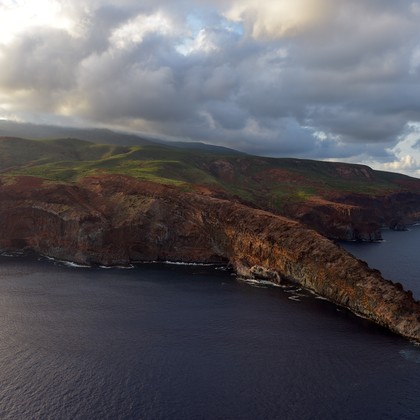
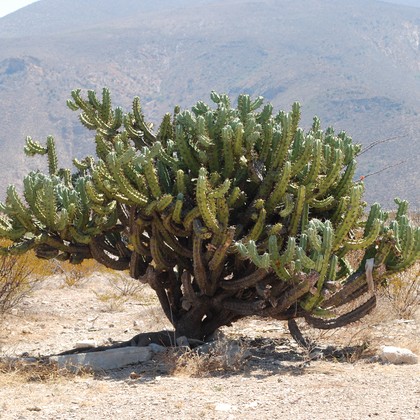
Scrub, low forest and vegetated rocky slopes across the island, from the coast to the highest parts of the volcano. It forages low in vegetation and among rocks for insects and other small invertebrates.
Where the bird is most at home, classified by the vegetation units of Mexico and Central America.

Range and movements
Endemic to Isla Socorro in the Revillagigedo Islands, Mexico. Does not occur outside the guide area.
- Resident
- Winter visitor (c. Oct–Mar)
- Passage (Mar–Apr, Oct–Nov)
- dark = core range, pale = thinly spread
How and when to look
Isla Socorro is a protected area and can be visited only with permission from the Mexican authorities, usually from a dive boat. Visitors allowed ashore can find the species fairly easily in the scrub.
Conservation status
Near Threatened. Its range is limited to a single island. Feral sheep long damaged the vegetation and have since been removed; feral cats remain a threat.
Scientific name
Troglodytes sissonii | (Grayson, 1868)
Grayson described the species in 1868 as Thyrothorus sissonii; because it was later moved to another genus, the author and year stand in brackets. The genus Troglodytes was introduced in 1809 by Vieillot. Troglodytes is Greek, from troglē 'hole, crevice' and dyein 'to creep into': 'cave-dweller', after the habit of disappearing into crevices and holes while foraging. sissonii honours Isaac Sisson (1828–1906), US consul at Mazatlán, Mexico. The specimen the first description was based on came from Socorro Island, Revillagigedo Islands, Mexico.