All species › Carnivores › Raccoons and coatis
Raccoons and coatis | Procyonidae
Wasberen en neusberen | Prociónidos
Plantigrade omnivores with five toes on each foot and curved, non-retractile claws. In the raccoon the palm and fingers are set with an exceptionally dense field of touch corpuscles: it finds its food by feel in shallow water and under stones, and that sense of touch is sharper than its sight — in water it grows more sensitive still, which explains the familiar 'washing'. The hind foot can be turned far enough for the animal to come down a tree head first. The tail is long and ringed. The teeth are an omnivore's: the shearing action is blunted and the cheekteeth are broad. The coati departs from the pattern with a long, highly mobile snout for rooting through leaf litter, and with females and young that travel in bands while the adult males live alone. Both European species are American in origin and escaped from captivity.
Introduced species 2 species
Species that do not occur here by nature but were brought in or escaped and have held on since. They follow the sequence of the list, not the genera.
-
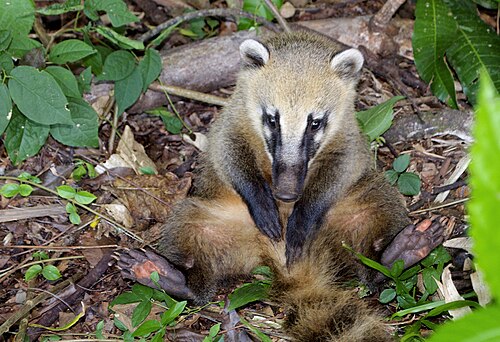
South American coati
Nasua nasua Broadleaved evergreen woodland
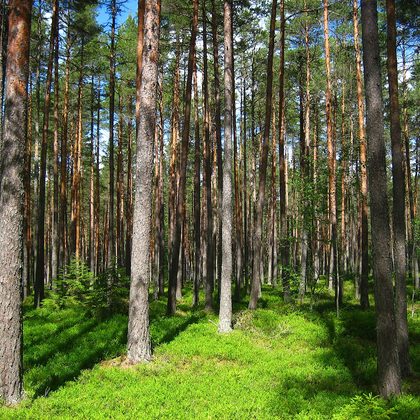 Coniferous woodland
-

Raccoon
Procyon lotor Broadleaved deciduous woodland
 Mixed deciduous and coniferous woodland
 Surface standing waters
 Surface running waters
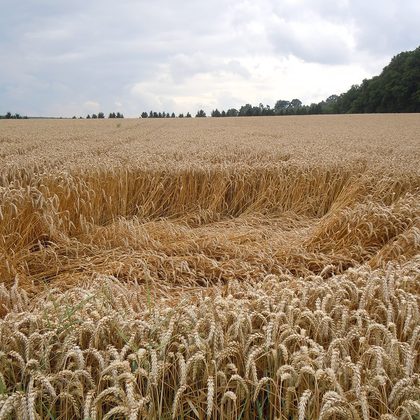 Arable land and market gardens
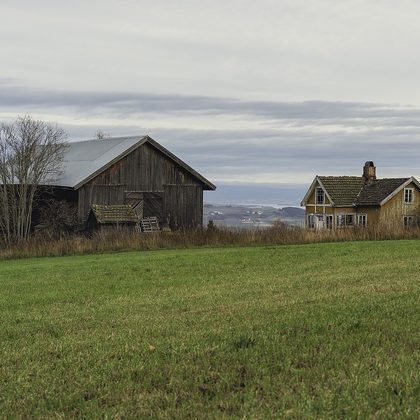 Low density buildings
 Buildings of cities, towns and villages