All species › Bats › Mouse-tailed bats
Mouse-tailed bats | Rhinopomatidae
Muisstaartvleermuizen | Rinopomátidos
Bats with a tail nearly as long as the body, trailing free behind the animal: the tail membrane is reduced to a narrow rim and leaves most of the tail outside it. The nostrils are slit-shaped and can be closed against blowing sand, and above the muzzle stands a small rounded noseleaf. The ears are large and joined across the forehead. The wings are broad and the flight slow and undulating, low over open desert and along oases. They roost in caves, wells, ruins and tomb chambers, often in loose groups. What is unusual is how they deal with the season: in the good months they lay down large fat stores in the abdomen, on which they pass weeks at a time in torpor through the cool or dry season — an uncommon solution for a bat of hot country.
Native species 2 species
Species that occur here by nature, including those released to bring back a population that had gone. They are arranged by genus, in the sequence of the list.
Rhinopoma 2 species
-
Arabian Mouse-tailed Bat
Rhinopoma cystops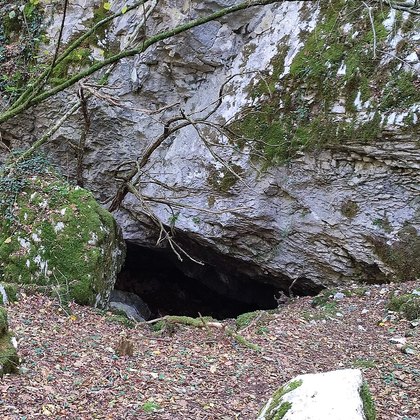 Terrestrial underground caves and cave systems
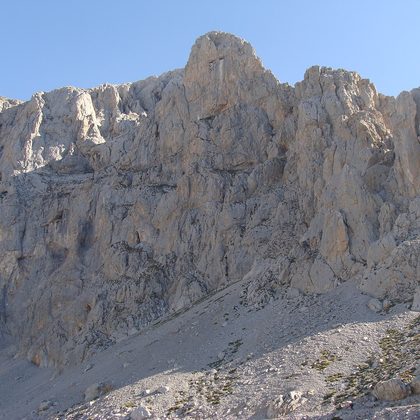 Inland cliffs, rock pavements and outcrops
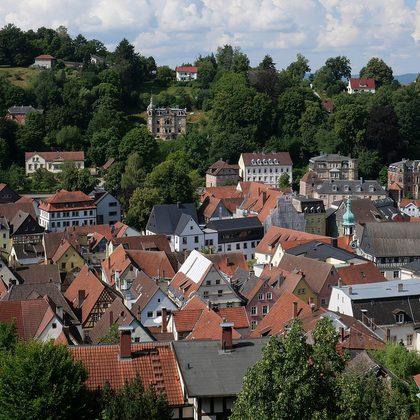 Buildings of cities, towns and villages
 Low density buildings
 Miscellaneous inland habitats with sparse or no vegetation
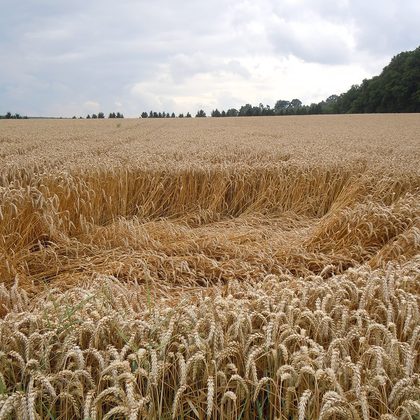 Arable land and market gardens
 Surface running waters
-
Greater mouse-tailed bat
Rhinopoma microphyllum- Terrestrial underground caves and cave systems
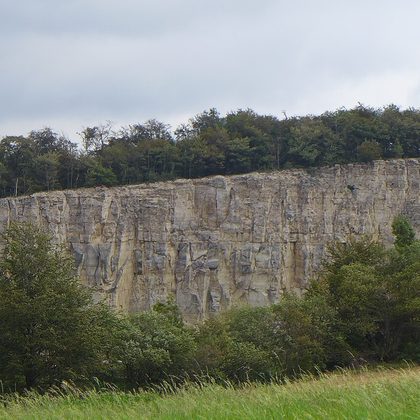
- Inland cliffs, rock pavements and outcrops
 Extractive industrial sites
- Buildings of cities, towns and villages
- Low density buildings
- Miscellaneous inland habitats with sparse or no vegetation
- Arable land and market gardens