All species › Rodents › Cavies and maras › Patagonian mara
Patagonian mara | Dolichotis patagonum
Mara | Mara O Liebre Patagónica
The Patagonian Mara (Dolichotis patagonum) is a rodent of seven to nine kilos with long legs and long ears, native to the Argentine steppe. In Europe the species occurs only as individual animals that have escaped from zoos, deer parks or private collections and are seen in the countryside. No established population exists in Europe.
Tracks
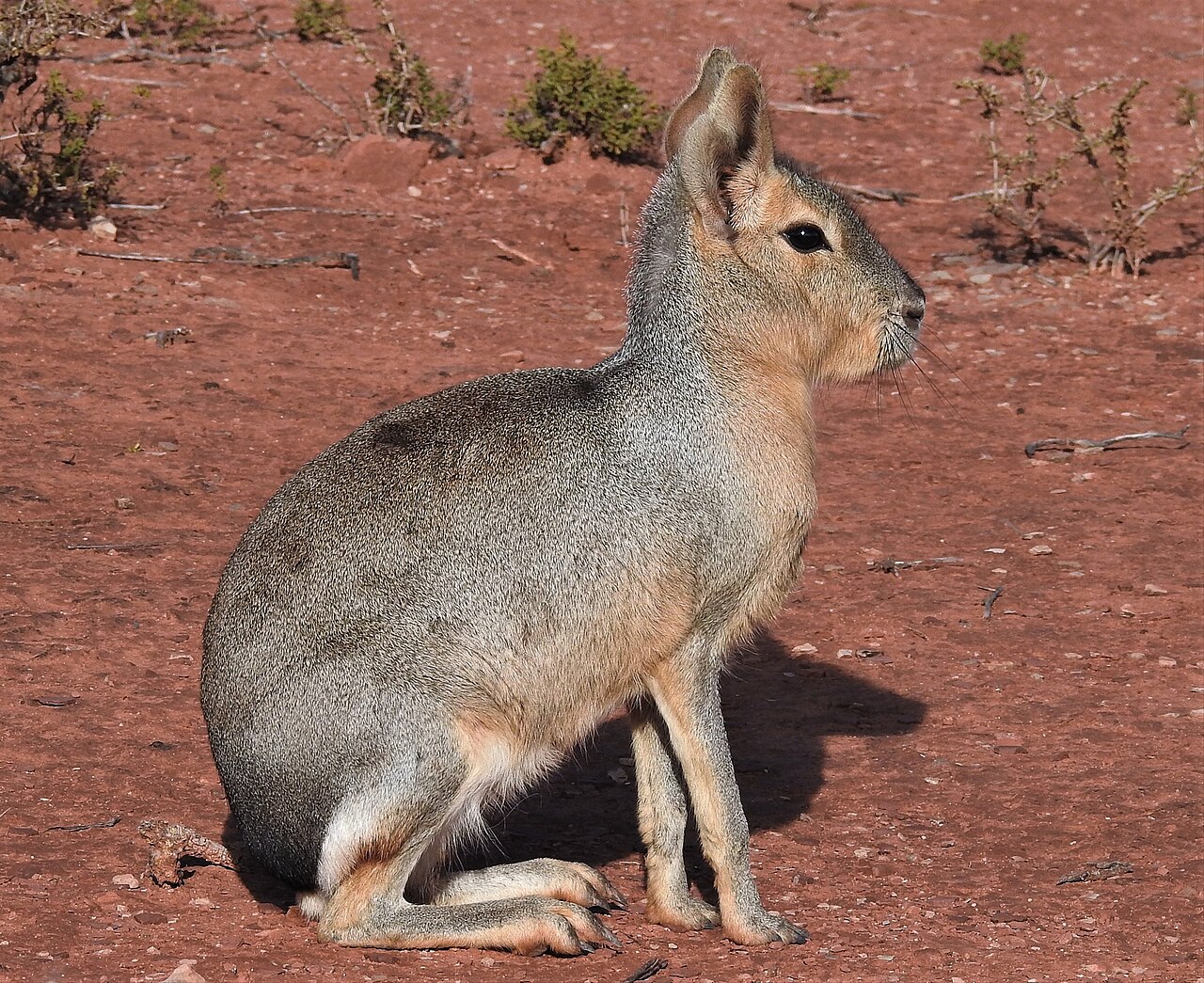
Almost nothing has been published on the signs of free-living maras in Europe. In the native range the communal warrens are the best-known sign: a single broad entrance in soft, open ground, with a spoil fan in front and a trampled patch around it, dug by the females and sometimes used by dozens of pairs to house their young. Around such a warren the droppings lie in large heaps: dark, elongated, fibrous pellets resembling a hare's but larger. The hind-foot print shows three broad, blunt, hoof-like toes and resembles that of a small ungulate more than that of a rodent; the fore foot shows four narrower toes with sharp claws. There are also grazed tussocks and, where animals stay longer, worn trails. In Europe the most frequently reported evidence consists of road casualties and animals seen at the same spot for weeks.
In its habitat
The young
Identification
A large, long-legged rodent with a head-body length of sixty to eighty centimetres and a weight of seven to nine kilos, with long, erect ears of nearly ten centimetres, large dark eyes and long, slender legs. The back is grizzled grey (agouti); flanks, cheeks, chin and chest are orange-brown, the belly white. On the rump is a sharply defined white patch with a dark band above it; by this the animal can be recognised from behind and at a distance. The tail is a bare, flattened stub of at most four centimetres and is not visible in the field. The hind feet have three toes with hoof-like, compressed nails, the fore feet four toes with sharp claws. The animal often sits on its haunches with forelegs extended, and moves at a walk, trot, gallop and in bounds in which all four feet leave the ground together.
Similar species
No native European species resembles the mara, but most reports come from observers who see a grey, hare-like animal crossing a field and think of a Brown Hare. The hare is somewhat shorter (head-body 55 to 75 cm), weighs three to five kilos, has a short black-and-white tail that is raised when fleeing and much shorter legs. Escaped wallabies, free-living in England and sometimes on the continent, have a heavy, long tail and hop on the hind legs only. From a roe deer fawn the mara differs in its ears, the white rump patch and the absence of hooves. The smaller Chacoan Mara (Dolichotis salinicola) is hardly kept in Europe. An animal the size of a roe fawn without a visible tail is a mara.
Habitat
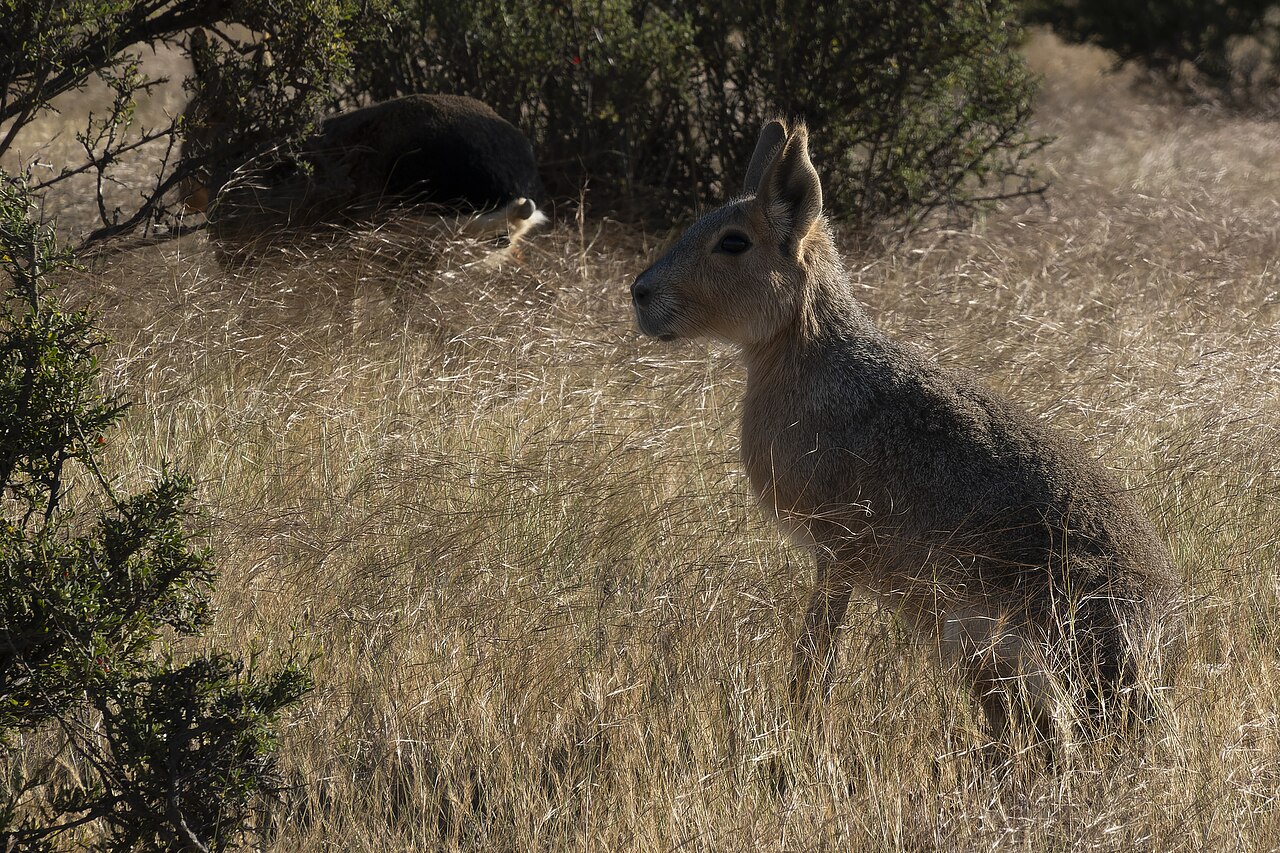
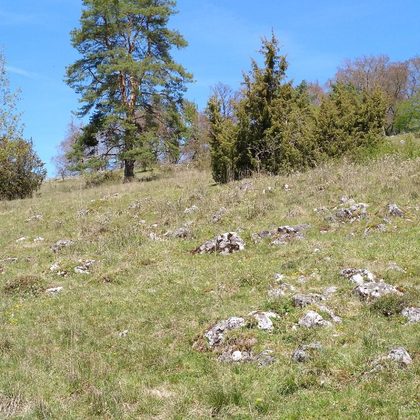
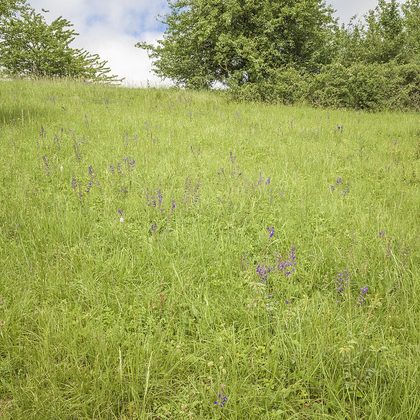
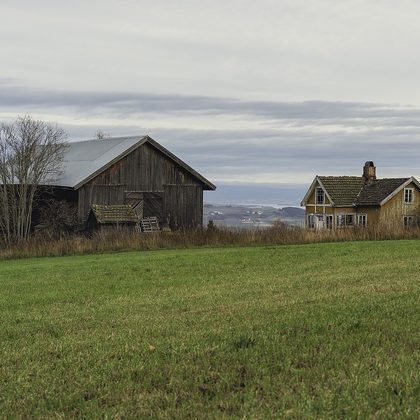
In Argentina, open, dry country: the shrub steppe of the Monte, grass plains, sandy and stony flats with scattered bushes and transitions to open woodland. The species needs a clear view, since it flees rather than seeking cover, and for breeding it needs open, sandy ground in which burrows remain stable; where livestock keep the vegetation short, breeding success declines. Escaped animals in Europe keep to pasture, field margins, dykes, park lawns and farmyards, usually close to where they escaped. They can survive there for some time, but wet winters, dogs and traffic limit survival.
Where the animal is most at home, classified with EUNIS — the European standard for habitats.



Distribution
Argentina only, from about 28° to 50° south, with a north-western subspecies in Catamarca, La Rioja, Santiago del Estero and Córdoba and the nominate form from Buenos Aires to Santa Cruz; the species may just reach Chile. In Europe it is nowhere established. GBIF holds just over a hundred European records; apart from two from Germany, all come from Belgium, from the datasets in which Flanders and Wallonia record non-native species. They are widely scattered and almost always concern a single animal, at most two or three; at a few places, near Antwerp and around Veurne and Aalter, records came from the same area in several successive years, suggesting a small group that remained for some time. Evidence of breeding in the wild is lacking. Some records concern road casualties or animals found dead.
- Established introduction
- dark = core range, pale = thinly spread
Way of life
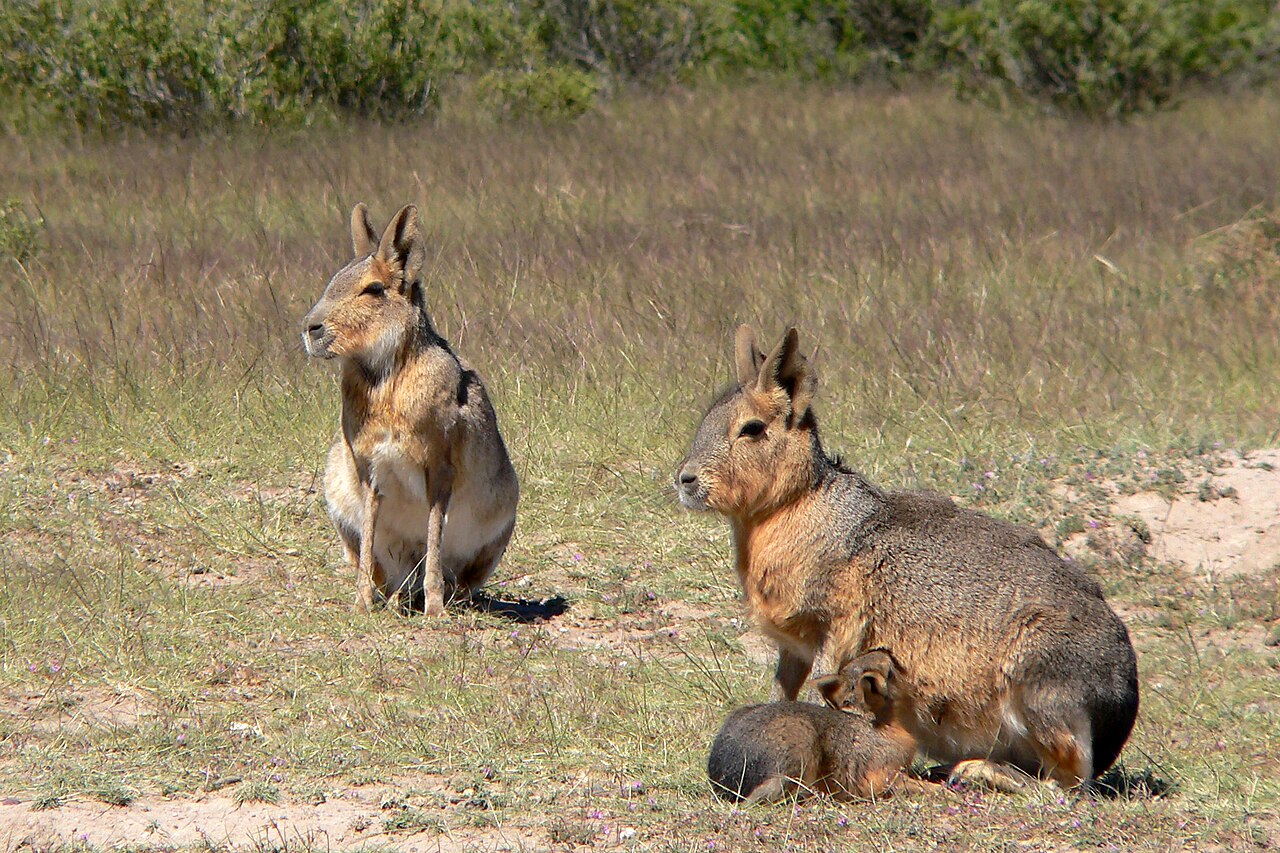
Diurnal, with peaks in the early morning and late afternoon; no winter dormancy. A herbivore preferring grasses, even where other plants are more abundant, supplemented with forbs and shrub leaves. The species is monogamous: a pair stays together for life and changes partner only after one of them dies. The male follows the female continuously and defends her rather than a place, so the territory moves with the pair. The home range averages about a hundred hectares, with values from thirty to two hundred. For breeding a pair joins other pairs at a communal warren; in Argentina up to twenty-nine pairs keep their young in the same burrow. Each mother suckles only her own young and calls them out to do so. After a gestation of about a hundred days usually two young are born, furred, open-eyed and walking within a day. Females are mature at about eight months.
Where and when to look
In Europe a mara search means following up a report. The Flemish and Walloon recording databases show where an animal has recently been seen; an escaped mara often stays within a few hundred metres for weeks, grazes in the open by day and can be seen well from a distance. Early morning and the last light are the best times. Record the sighting with a photograph and submit it; since there is no population, each animal is followed individually to check whether it remains a matter of single animals. In the native range the species can be seen on the Valdés Peninsula and in the reserves of Río Negro and Chubut, where the animals are visible from the road in open country by day.
Conservation status
Near Threatened globally (NT, 2016), with an estimated decline of about thirty per cent in ten years. The causes lie in Argentina: conversion of shrub steppe to livestock pasture, which removes the open, sandy ground for communal warrens, habitat fragmentation and hunting. In Europe the mara is an alien species without an established population: it is not on the Union list of Regulation 1143/2014, no management targets it and there is no evidence of breeding. All European animals originate from zoos, deer parks or private collections.
Scientific name
Dolichotis patagonum | (E. A. W. von Zimmermann, 1780)
E. A. W. von Zimmermann described the species in 1780 as Cavia patagonum; because it was later moved to another genus, the author and year stand in brackets. Dolichotis is Greek, from dolichos, 'long', and ous, genitive ōtos, 'ear': the long-eared one. patagonum is the genitive plural of Patagones and means 'of the Patagonians', after Patagonia in southern Argentina. The specimen the first description was based on came from Argentina, Patagonia.