All species › Waders, gulls and terns › Plovers and lapwings
Plovers and lapwings | Charadriidae
Plevieren | Chorlitos y avefrías | Batuíras e quero-queros
Fourteen species in seven genera occur in this guide. Compact birds with a large head, short neck and a short bill thickened towards the tip, made for picking prey from the surface rather than probing into the ground. They feed with a characteristic run, stop and peck pattern, also in the dark, and some species patter one foot on wet ground to bring prey to the surface. Black bands across breast and head break up the outline on bare ground. The clutch usually consists of three or four pear-shaped eggs in a scrape on bare sand, gravel or short-grazed grassland; when danger threatens the parents lead an intruder away with a feigned broken wing. Some species are resident here: the Pied Lapwing on sandbars along the rivers of Amazonia, the Collared Plover on beaches and riverbanks, and the Southern Lapwing, which lives in open country across much of the guide area, carries a sharp spur at the bend of the wing and noisily attacks anyone who approaches its nest. Others are migrants from the far north that winter here or pass through, such as Grey Plover and Semipalmated Plover on the coast and American Golden Plover on its way to the grasslands of the Pampa, with long, pointed wings for the flight from the tundra; the Rufous-chested Plover comes instead from the south and winters in southern Brazil. Four species have been recorded only as vagrants.
Native species 10 species
Species that occur here by nature: breeding birds, winter visitors and passage migrants. They are arranged by genus, in the sequence of the list.
Pluvialis 2 species
-

Black-Bellied Plover
Pluvialis squatarola Mudflats, lagoons and salt flats
 Sandy beaches and dunes
 Mangroves
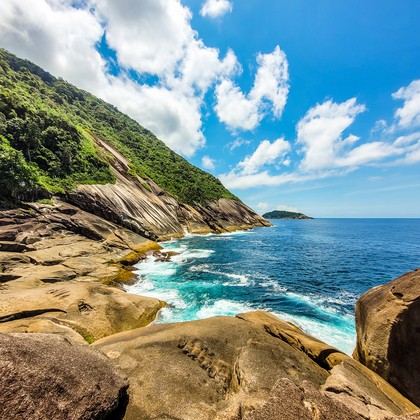 Rocky shores and cliffs
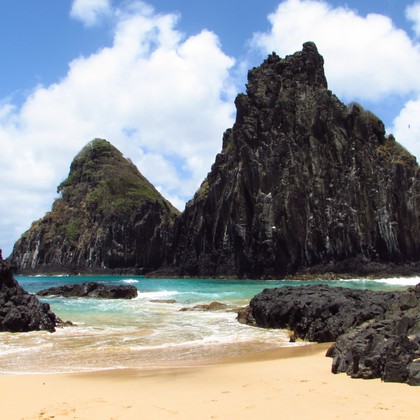 Oceanic islands and rocks
-

American Golden-Plover
Pluvialis dominica Pampa grassland
 Pasture and arable land
 Large rivers and sandbars
- Mudflats, lagoons and salt flats
 Cerrado savanna
Hoploxypterus 1 species






Zonibyx 1 species

Charadrius 2 species



Vanellus 1 species



Anarhynchus 3 species
-

Wilson's Plover
Anarhynchus wilsonia- Sandy beaches and dunes
- Mudflats, lagoons and salt flats
- Mangroves
-

Collared Plover
Anarhynchus collaris- Large rivers and sandbars
- Sandy beaches and dunes
- Mudflats, lagoons and salt flats
 Seasonally flooded plain
-

Two-banded Plover
Anarhynchus falklandicus- Sandy beaches and dunes
- Mudflats, lagoons and salt flats
 Southern marshes and lagoons
Vagrants 4 species
Birds blown in from other continents. They have no range here, and so no distribution map.
-

Tawny-throated Dotterel
Oreopholus ruficollis- Pampa grassland
- Pasture and arable land
- Sandy beaches and dunes
-

Common Ringed Plover
Charadrius hiaticula- Mudflats, lagoons and salt flats
- Sandy beaches and dunes
-

Piping Plover
Charadrius melodus- Sandy beaches and dunes
- Mudflats, lagoons and salt flats
-

Northern Lapwing
Vanellus vanellus- Pasture and arable land
- Mudflats, lagoons and salt flats