All species › Kingfishers, bee-eaters and rollers › Kingfishers
Kingfishers | Alcedinidae
IJsvogels | Martines pescadores
Compactly built birds with a large head, a long straight dagger of a bill, a very short tail and small syndactyl feet that are hardly walked on. They fish from a branch over the water or from a hover: the bird drops in head first, seizes the fish crosswise, stuns it against the perch and swallows it head first, bringing bones and scales back up as pellets. The flight is fast, low and dead straight over the water, on whirring wings. The nest is an unlined chamber at the end of a tunnel in a steep earth bank; the round white eggs lie on the remains of pellets, and the young carry their growing feathers for a long time in horny sheaths.
Native species 6 species
Species that occur here by nature: breeding birds, winter visitors and passage migrants. They are arranged by genus, in the sequence of the list.
Megaceryle 2 species
-
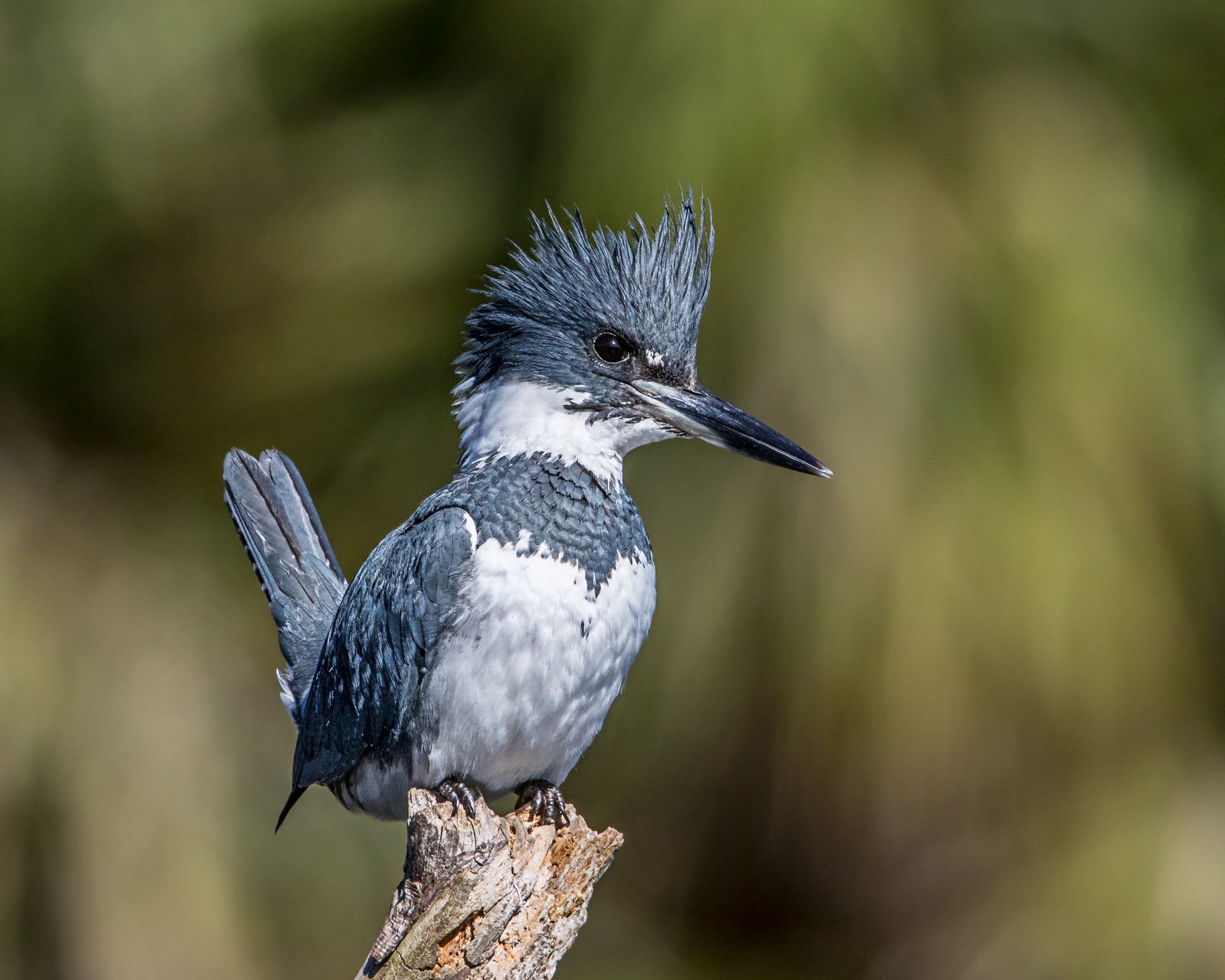
Belted Kingfisher
Megaceryle alcyon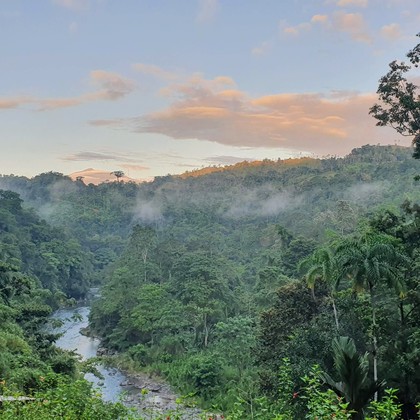 Rivers and streams
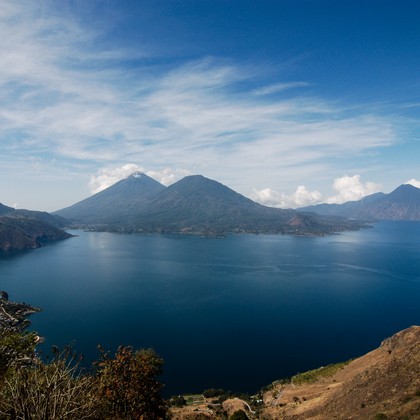 Lakes, reservoirs and ponds
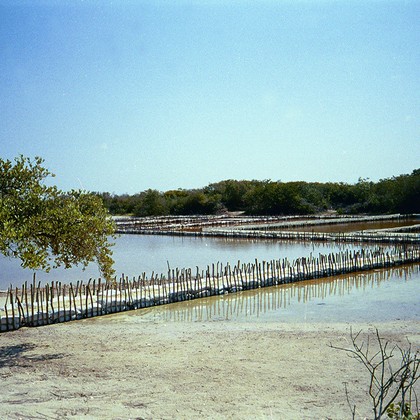 Lagoon, estuary and salt pan
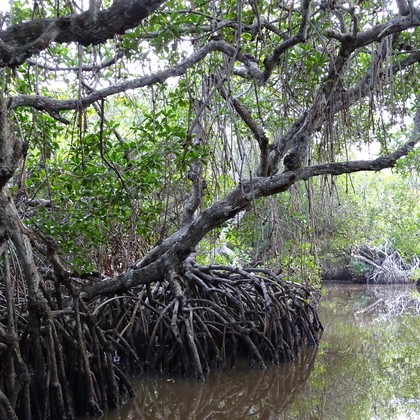 Mangrove
 Rice fields and fish ponds
-

Ringed Kingfisher
Megaceryle torquata- Rivers and streams
- Lakes, reservoirs and ponds
- Lagoon, estuary and salt pan
- Mangrove
 Floodplain and gallery forest
- Rice fields and fish ponds
Chloroceryle 4 species
-
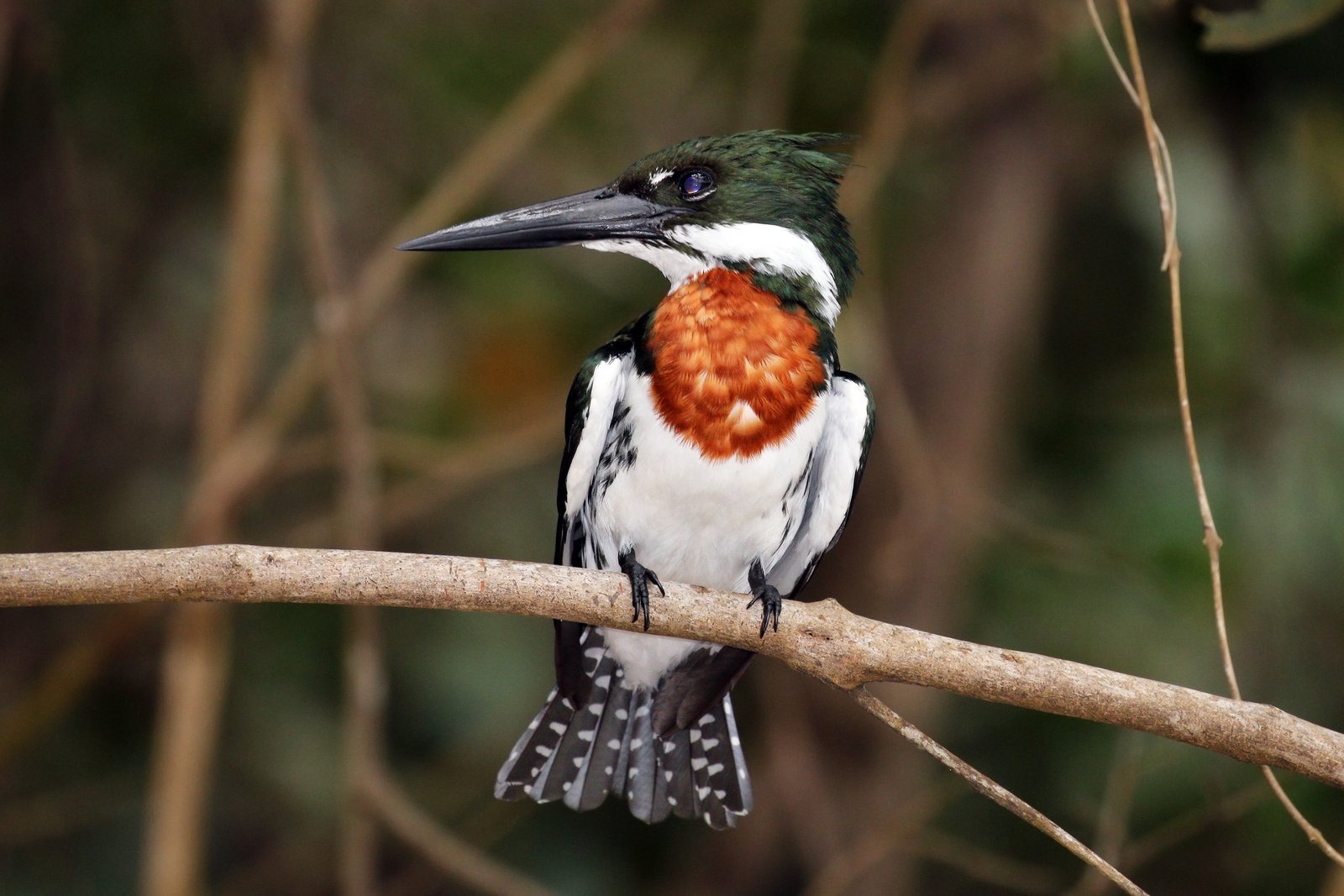
Amazon Kingfisher
Chloroceryle amazona- Rivers and streams
- Lakes, reservoirs and ponds
- Lagoon, estuary and salt pan
- Mangrove
- Floodplain and gallery forest
-

American Pygmy Kingfisher
Chloroceryle aenea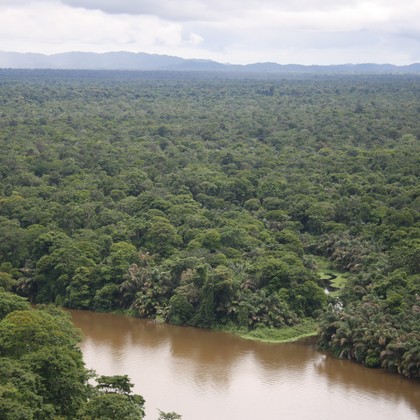 Swamp forest and palm swamp
- Floodplain and gallery forest
 Lowland rainforest
 Secondary forest and forest edge
- Mangrove
- Rivers and streams
-
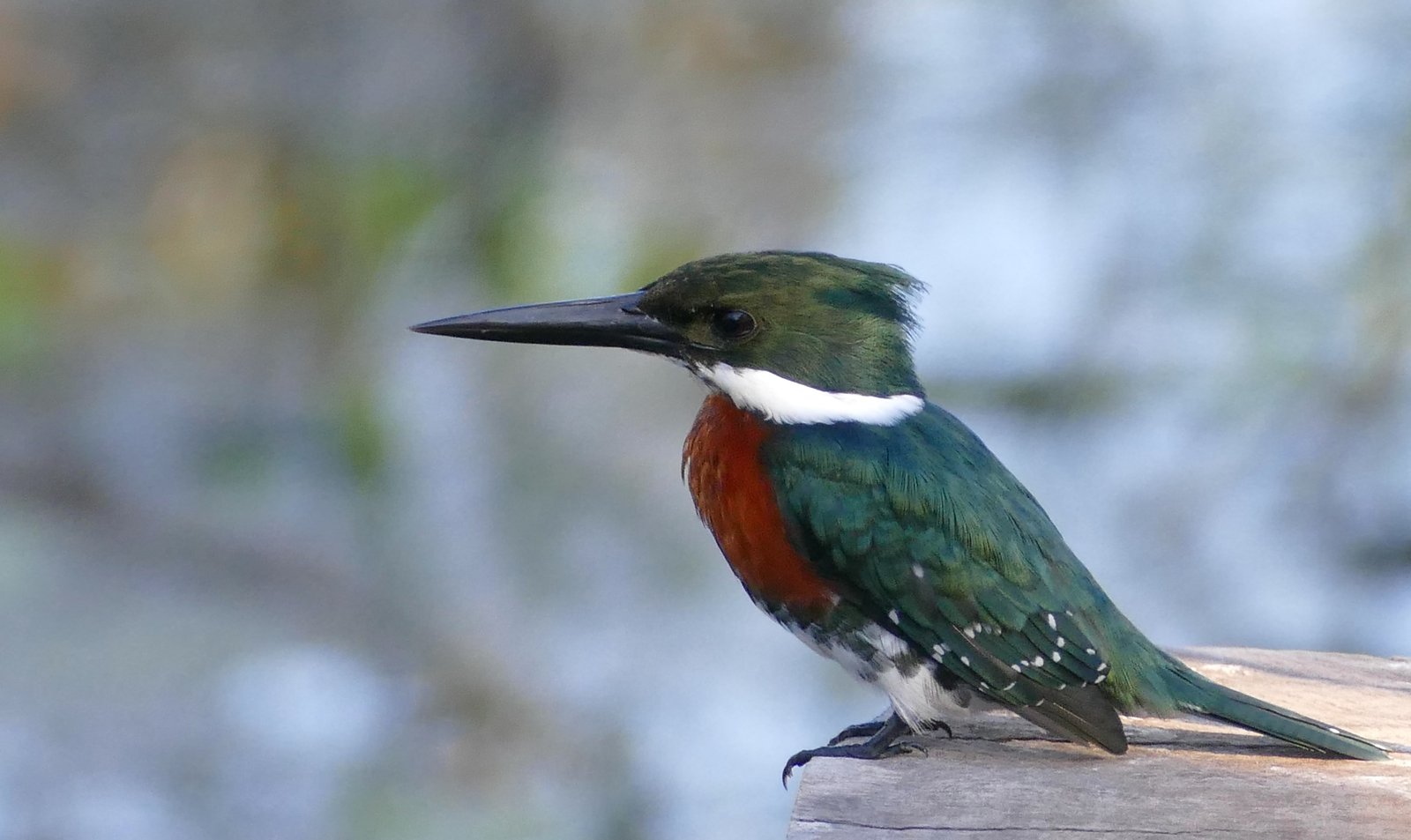
Green Kingfisher
Chloroceryle americana- Rivers and streams
- Lakes, reservoirs and ponds
- Floodplain and gallery forest
 Riparian woodland in arid and temperate regions
- Mangrove
- Rice fields and fish ponds
-
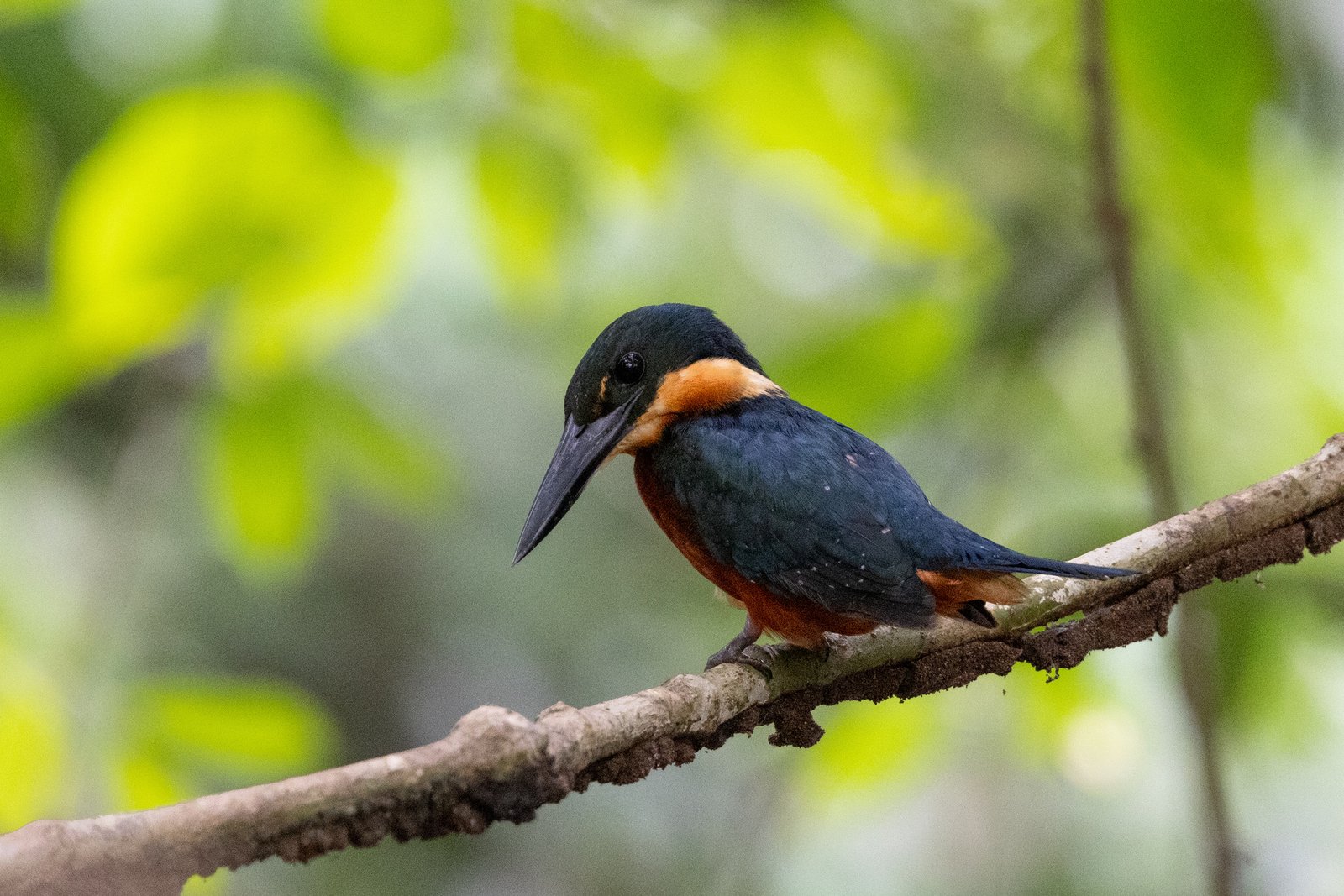
Green-and-rufous Kingfisher
Chloroceryle inda- Swamp forest and palm swamp
- Floodplain and gallery forest
- Lowland rainforest
 Chocó-Darién rainforest
- Mangrove
- Rivers and streams