All species › Swifts › Hummingbirds › Black-chinned Hummingbird
Position in the tree Birds Aves › Birds with a flexible palate Neognathae › All other modern birds Neoaves › Birds of the elements Elementaves › Nightjars and swifts Strisores
Black-chinned Hummingbird | Archilochus alexandri
Zwartkinkolibrie | Colibrí barba negra
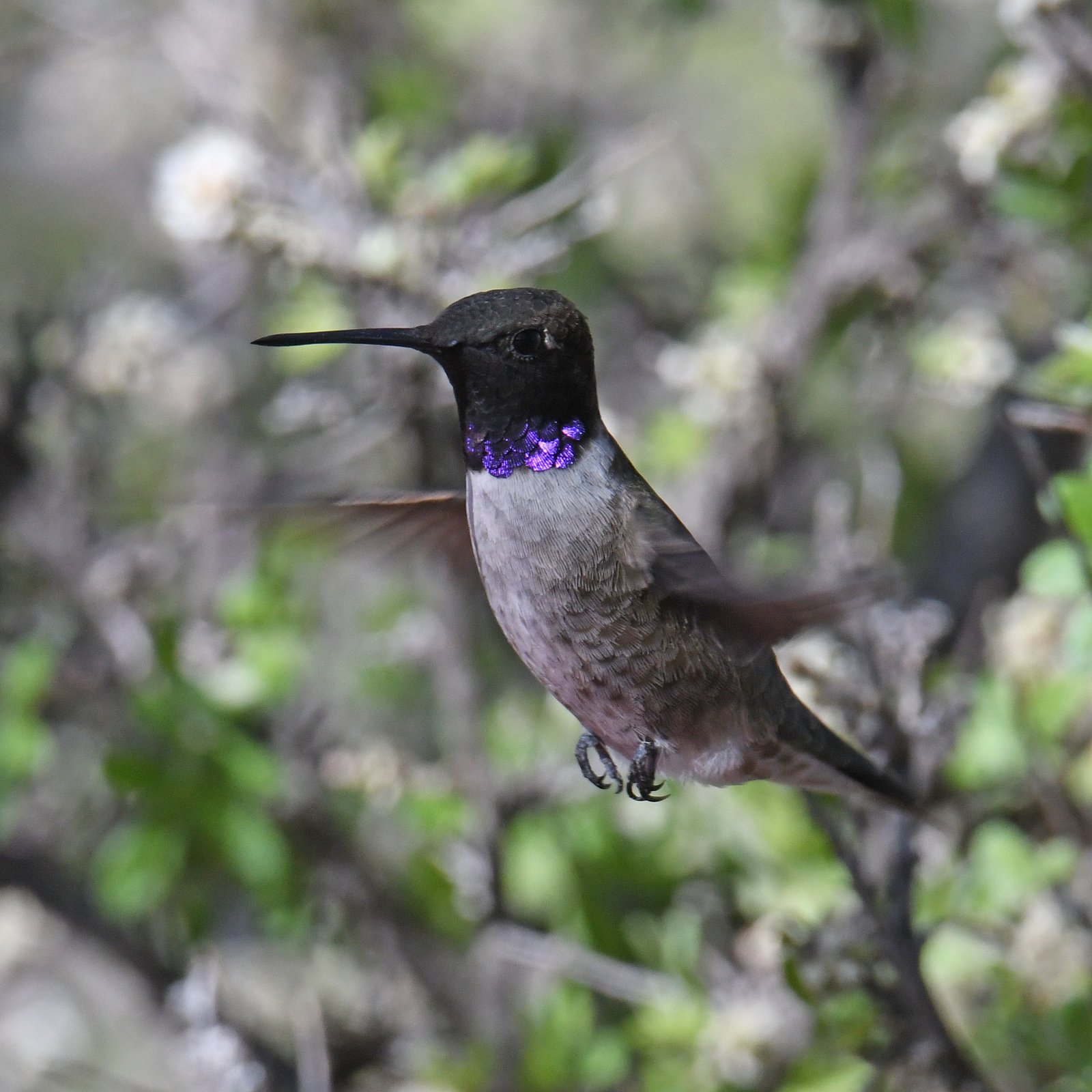
The Black-chinned Hummingbird is the western counterpart of the Ruby-throated Hummingbird. It breeds in the western United States and northern Mexico and winters mainly in western Mexico. In the guide area it is therefore a summer visitor in the north and a winter visitor further south. When perched it pumps its tail constantly.
Voice
A soft, dry chew or chip, and in chases a rapid twitter. The male's wings give a dry, low buzz in flight.
Recording: Thomas G. Graves — CC BY-NC-SA 4.0 · converted to mono · xeno-canto
Identification
8–9 cm, with a fairly long, straight black bill. The male is dull green above, with a dull, greyish-green crown, a velvety black throat with a narrow, glittering violet lower border visible only in good light, a white band below the throat and greyish-green flanks; the tail is slightly forked and dark. The female has an off-white throat, sometimes with fine grey spots, greyish-white underparts with pale greyish-brown flanks and a rounded tail with white tips to the outer feathers.
Confusion species
Female and young Ruby-throated Hummingbird Archilochus colubris are almost identical; that species has a slightly shorter bill, narrower and more pointed inner primaries and a greener crown, and pumps its tail less. Costa's Hummingbird Calypte costae is smaller, with a shorter tail; the male has a purple crown and a purple throat with long side points. Anna's Hummingbird Calypte anna is larger and greyer, and the female often has a rose-red spot in the centre of the throat. Female Lucifer Sheartail Calothorax lucifer has a decurved bill and buff underparts.
Habitat
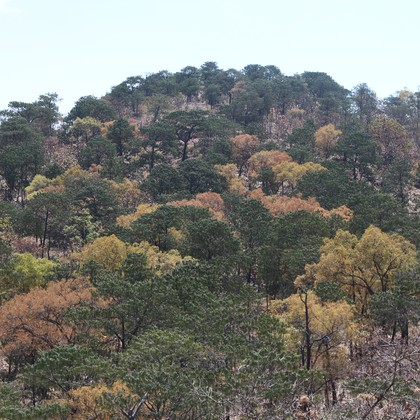
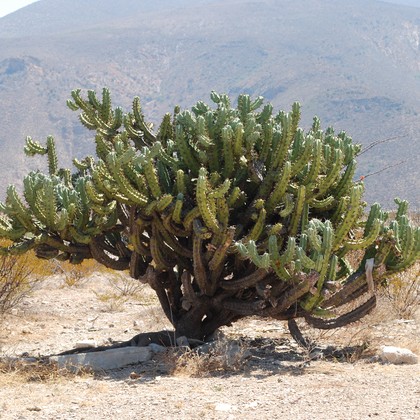
Breeds in dry country along streams and rivers with willows, cottonwoods and sycamores, in canyons with oak woodland, in desert washes and in gardens in villages and towns. In winter in tropical dry forest, thorn scrub, forest edges and gardens, from sea level into the highlands.
Where the bird is most at home, classified by the vegetation units of Mexico and Central America.




Range and movements
Breeds in northern Mexico, including Baja California, Sonora, Chihuahua, Coahuila, Nuevo León and Durango, and further north in the western United States to southwestern Canada. Winters mainly in western Mexico, from Sinaloa through Nayarit, Jalisco and Colima to Michoacán and Guerrero, and in smaller numbers in the central highlands. Rare further south in the guide area.
- Resident
- Summer visitor (c. Apr–Sep)
- Winter visitor (c. Oct–Mar)
- Passage (Mar–Apr, Oct–Nov)
- dark = core range, pale = thinly spread
How and when to look
In winter at flowering trees and shrubs and at feeders in the Pacific lowlands and slopes of Nayarit and Jalisco; in summer along streams and in gardens in Sonora, Chihuahua and Coahuila.
Conservation status
Least Concern. The world population is large and appears stable or increasing. The species adapts well to gardens and settled areas.
Scientific name
Archilochus alexandri | (Bourcier & Mulsant, 1846)
Bourcier & Mulsant described the species in 1846 as Trochilus Alexandri; because it was later moved to another genus, the author and year stand in brackets. The genus Archilochus was introduced in 1854 by Reichenbach. Archilochus honours the Greek poet Archilochus of Paros (7th century BC); Reichenbach named many hummingbird genera after classical figures. alexandri honours Dr Alexandre, a French physician who collected birds in Mexico in the 1840s. The specimen the first description was based on came from Sierra Madre, Mexico.