All species › Nightjars › Nightjars
Nightjars | Caprimulgidae
Nachtzwaluwen | Chotacabras
Long pointed wings and a long tail give a light, floating flight in which insects are hawked low over open ground and along woodland edges. The claw of the middle toe is drawn out along one side into a small comb with fine teeth, with which the bird grooms its head and facial bristles. The song is a long, mechanical churring delivered from a perch; in display the male shows white spots at the wingtips and tail corners and claps his wings together above his back. Two eggs are laid straight onto the litter with no nest; hunting goes best by moonlight, and breeding is timed so that the young are being raised through the bright half of the lunar month.
Native species 4 species
Species that occur here by nature: breeding birds, winter visitors and passage migrants. They are arranged by genus, in the sequence of the list.
Caprimulgus 4 species
-
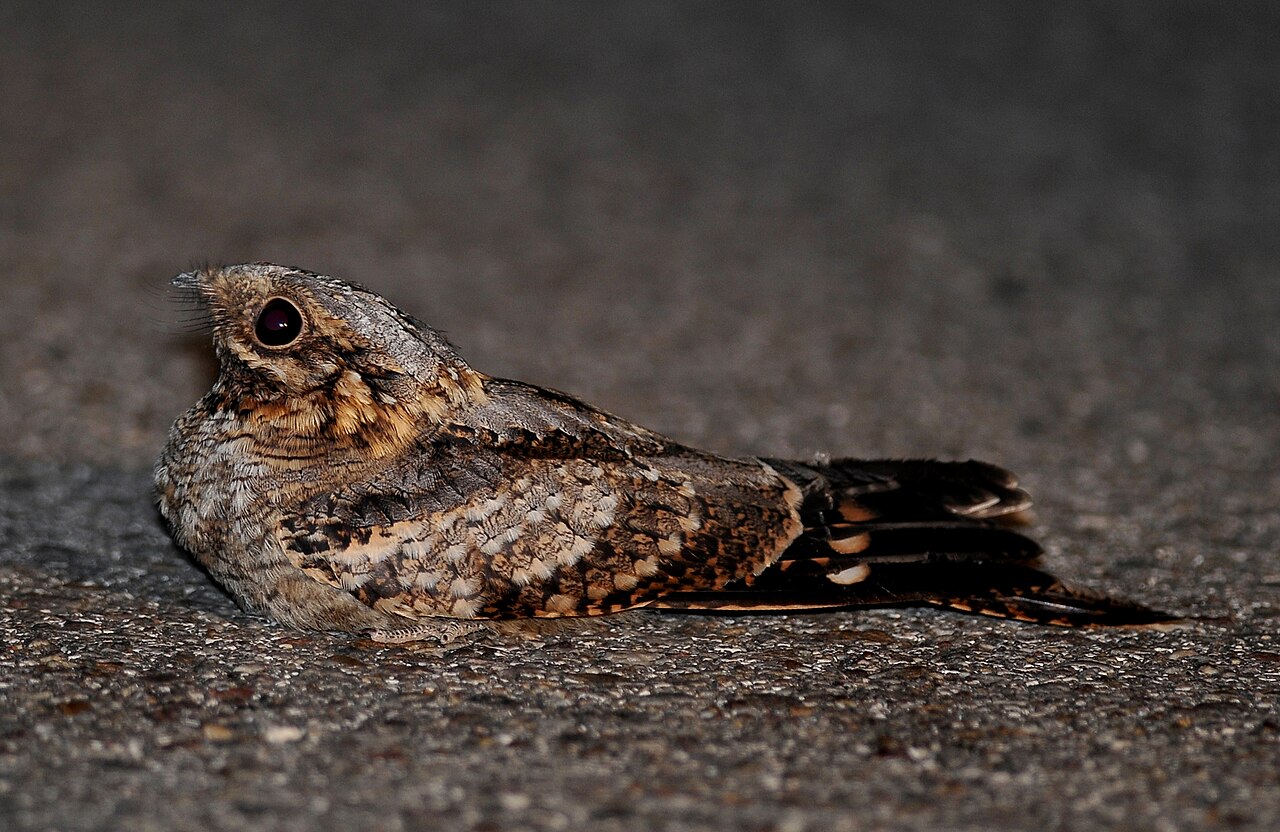
Red-necked nightjar
Caprimulgus ruficollis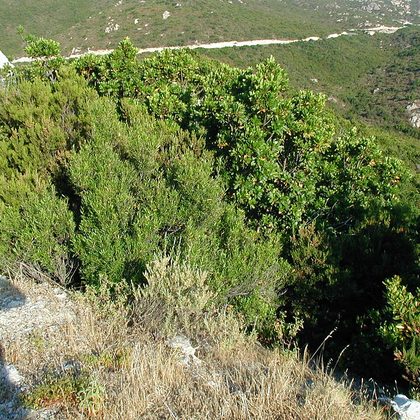 Maquis, arborescent matorral and thermo-Mediterranean brush
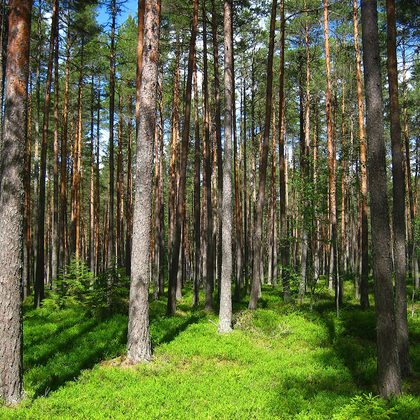 Coniferous woodland
 Garrigue
 Sparsely wooded grasslands
 Miscellaneous inland habitats with sparse or no vegetation
-

Eurasian nightjar
Caprimulgus europaeus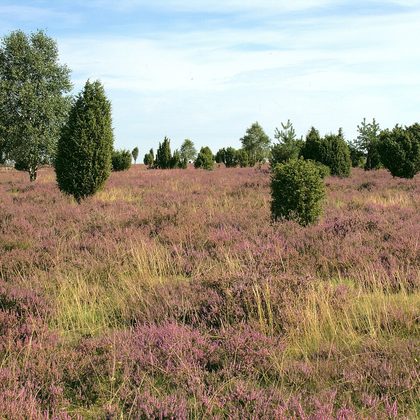 Temperate shrub heathland
 Lines of trees, small woods, felled and early-stage woodland
- Coniferous woodland
- Miscellaneous inland habitats with sparse or no vegetation
-
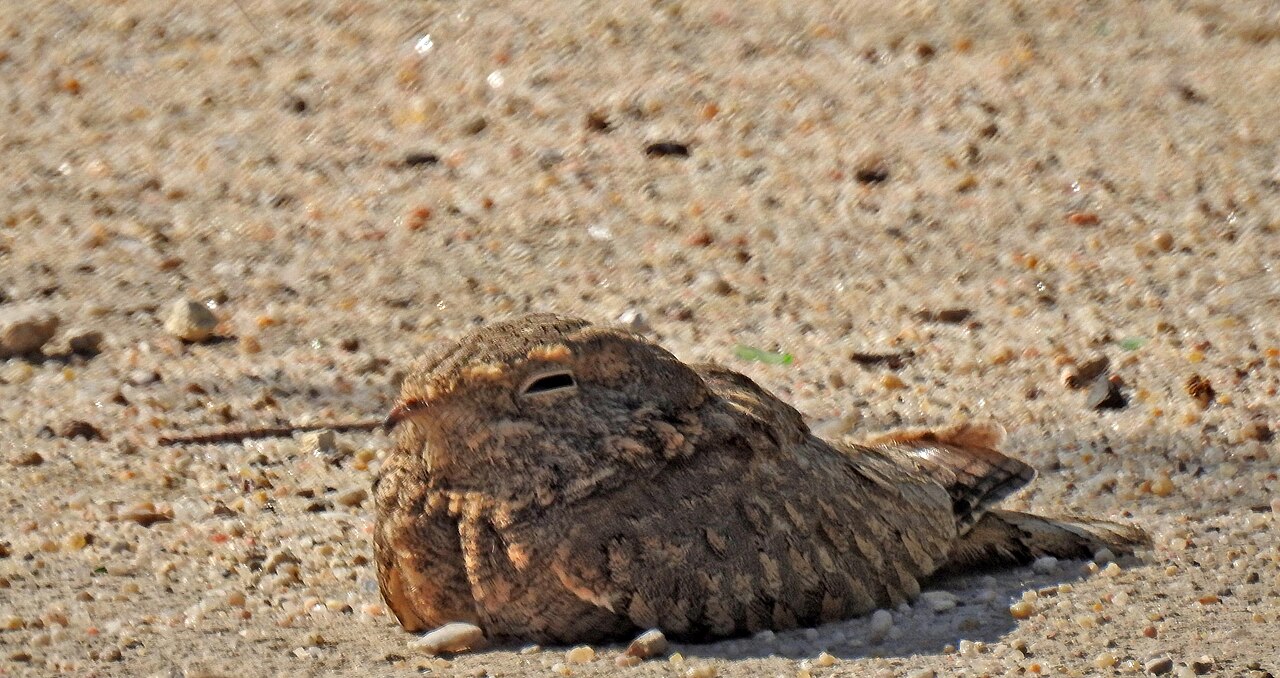
Egyptian nightjar
Caprimulgus aegyptius- Miscellaneous inland habitats with sparse or no vegetation
 Dry grasslands
 Riverine and fen scrub
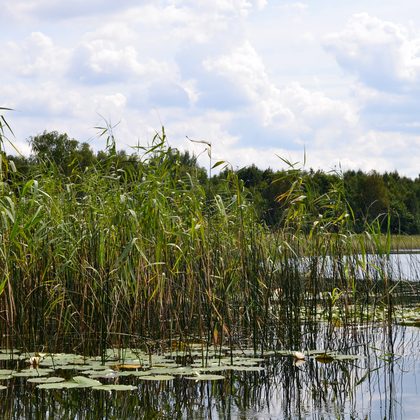 Littoral zone of inland surface waterbodies
-
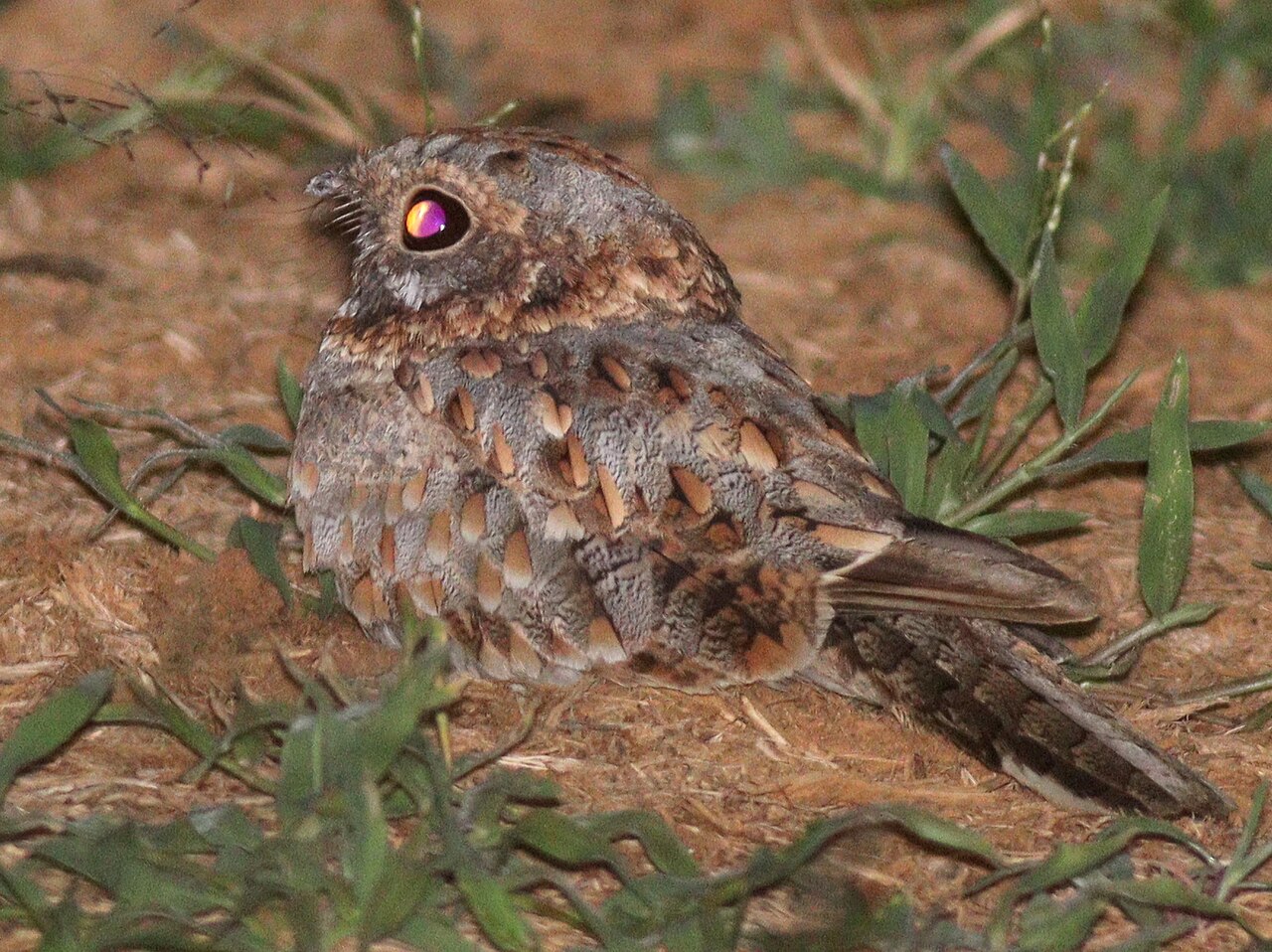
Nubian nightjar
Caprimulgus nubicus Inland saline and brackish marshes and reedbeds
- Riverine and fen scrub
- Miscellaneous inland habitats with sparse or no vegetation
 Arable land and market gardens