All species › Passerines › Tits
Tits | Paridae
Mezen | Páridos
Small, compact birds with a short strong bill and powerful legs; they forage acrobatically at the tips of twigs, hanging upside down, and wedge a seed under one foot to hammer it open. Almost all species nest in a cavity and lay large clutches there — eight to twelve eggs is normal, more than most songbirds manage. They store food in bark crevices and moss, and outside the breeding season travel in noisy mixed flocks through the wood. The head pattern is sharply drawn in every species and is the dependable field mark.
Native species 10 species
Species that occur here by nature: breeding birds, winter visitors and passage migrants. They are arranged by genus, in the sequence of the list.
Cyanistes 3 species
-
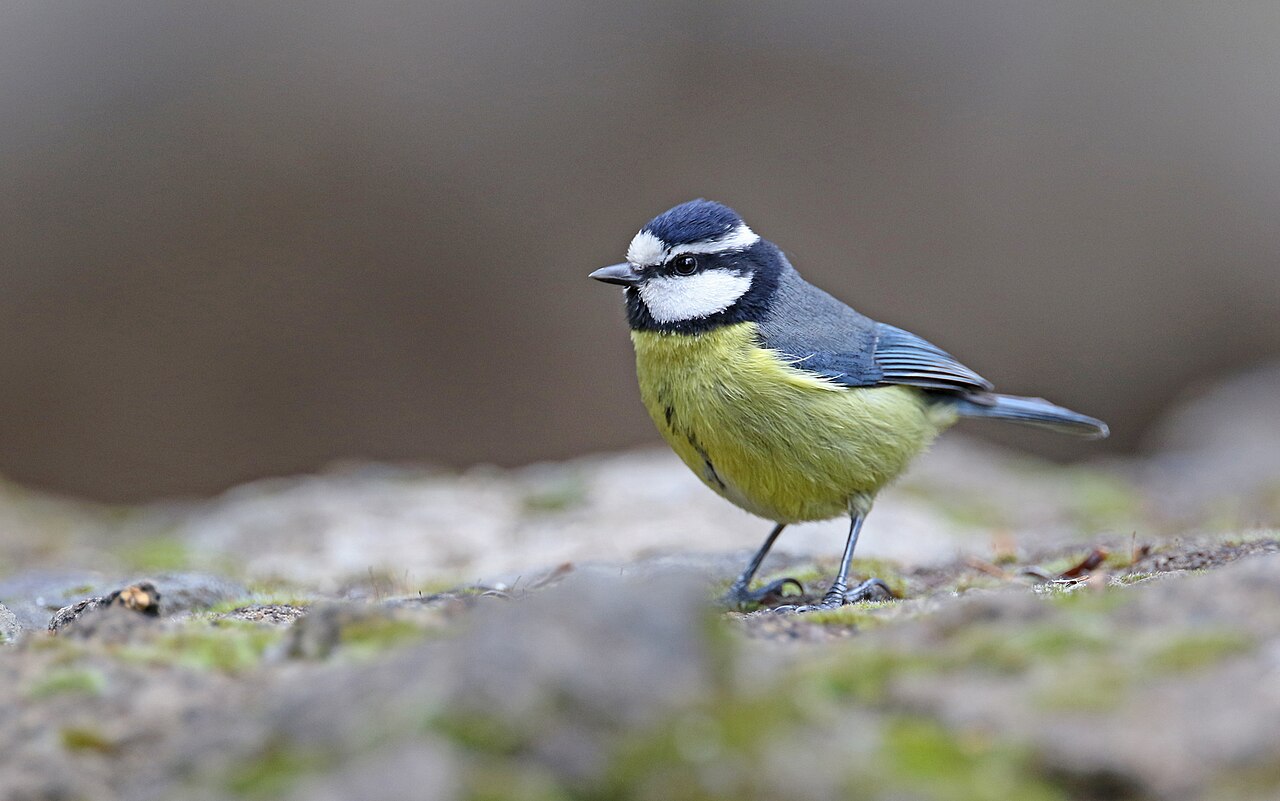
African blue tit
Cyanistes teneriffae Coniferous woodland
 Broadleaved evergreen woodland
 Cultivated areas of gardens and parks
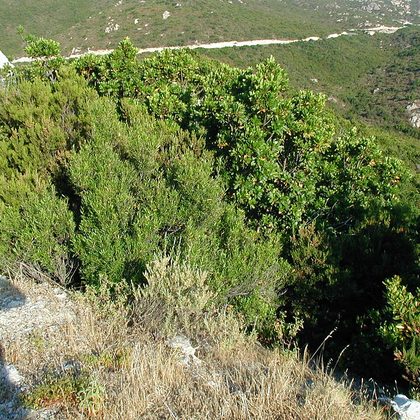 Maquis, arborescent matorral and thermo-Mediterranean brush
-
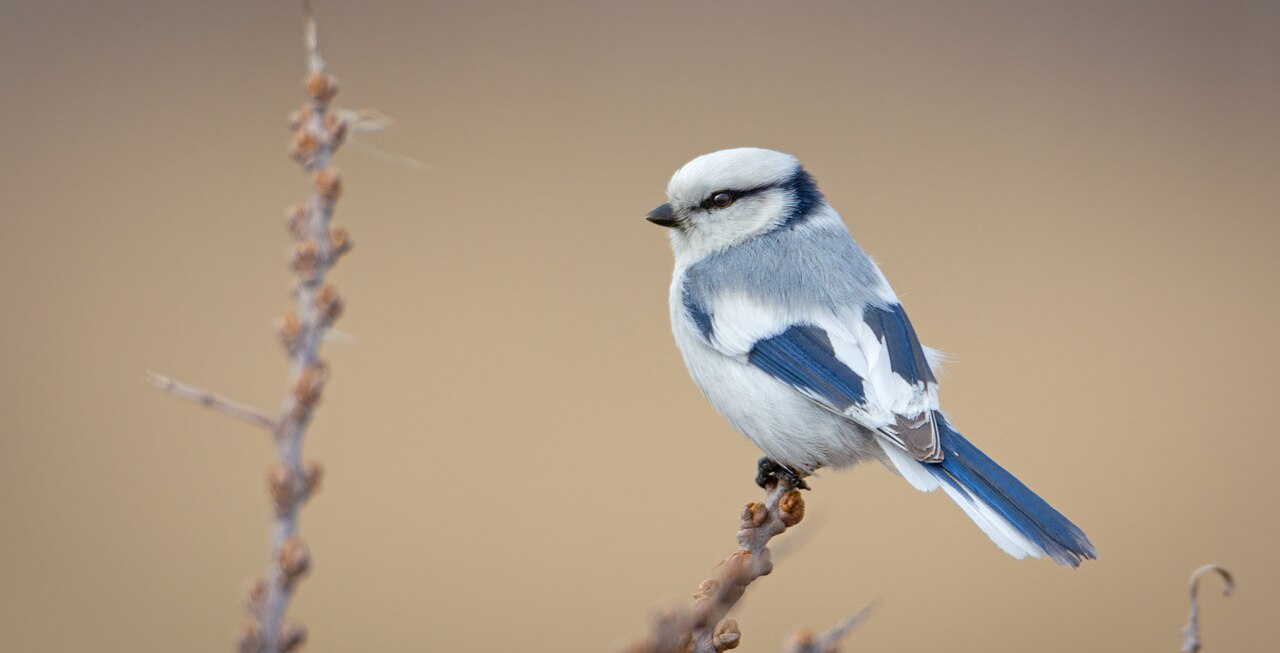
Azure tit
Cyanistes cyanus Riverine and fen scrub
 Sedge and reedbeds without free-standing water
 Broadleaved deciduous woodland
-
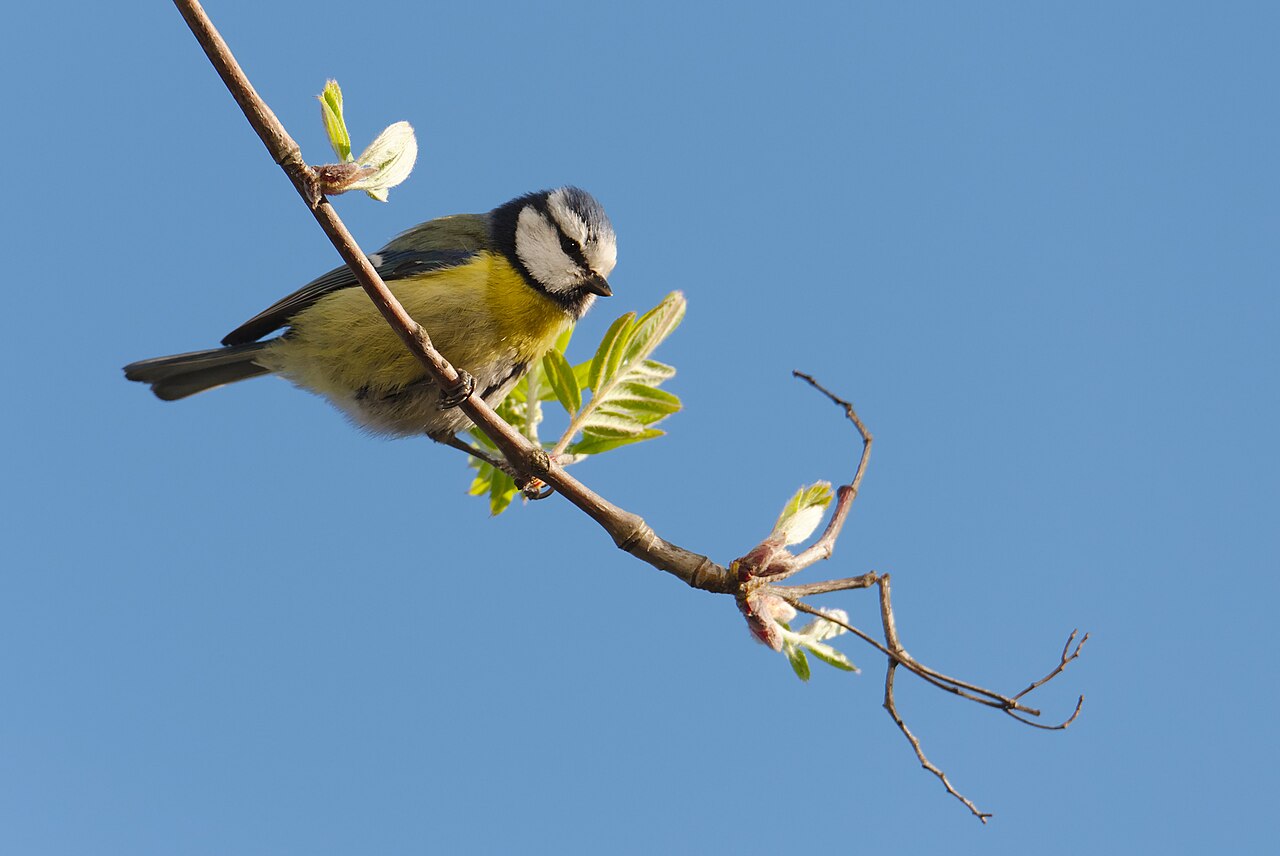
Eurasian blue tit
Cyanistes caeruleus- Broadleaved deciduous woodland
- Cultivated areas of gardens and parks
 Mixed deciduous and coniferous woodland
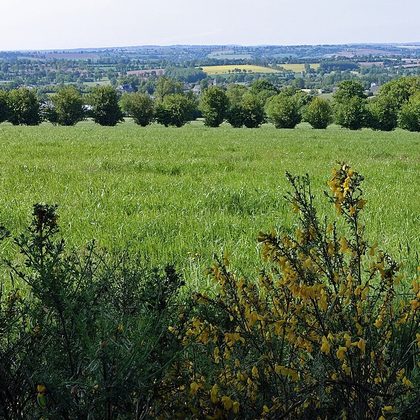 Hedgerows

Periparus 1 species

Lophophanes 1 species
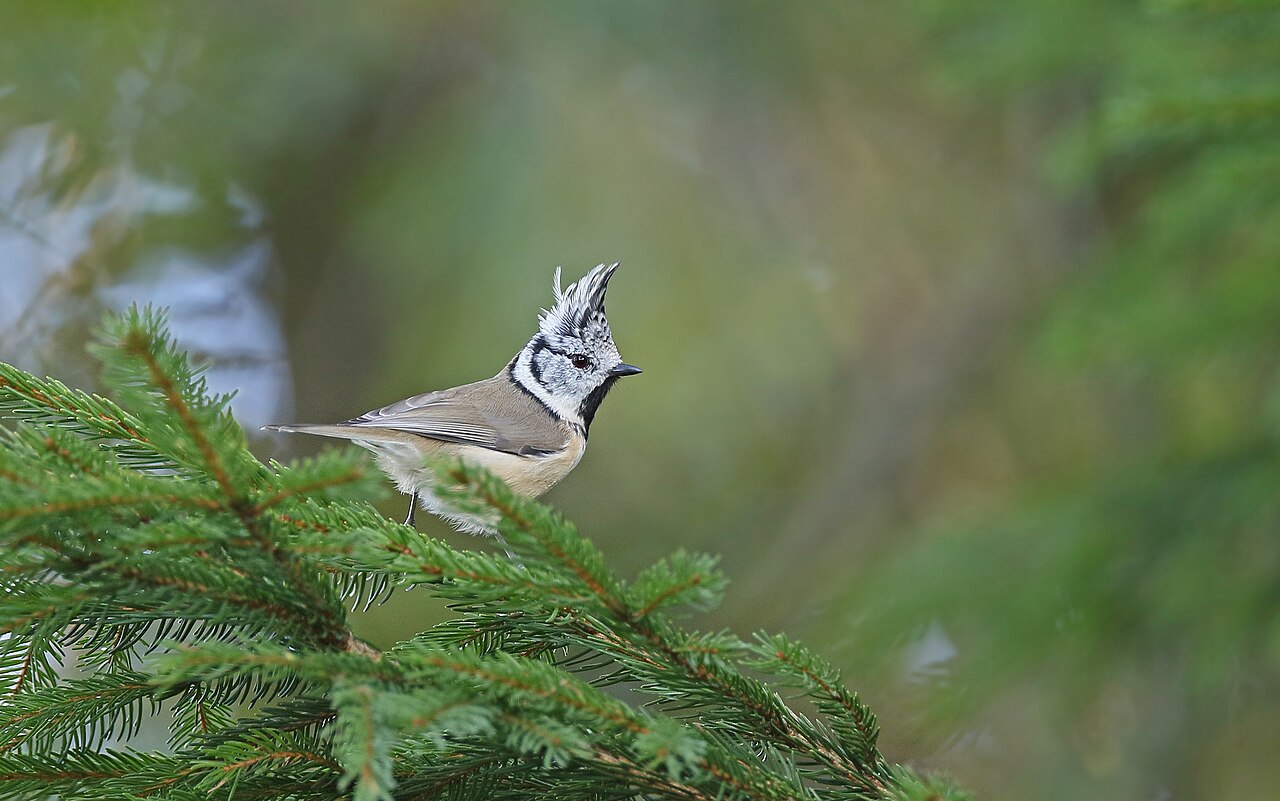
Poecile 4 species
-

Sombre tit
Poecile lugubris- Broadleaved deciduous woodland
 Sparsely wooded grasslands
- Maquis, arborescent matorral and thermo-Mediterranean brush
- Mixed deciduous and coniferous woodland
-
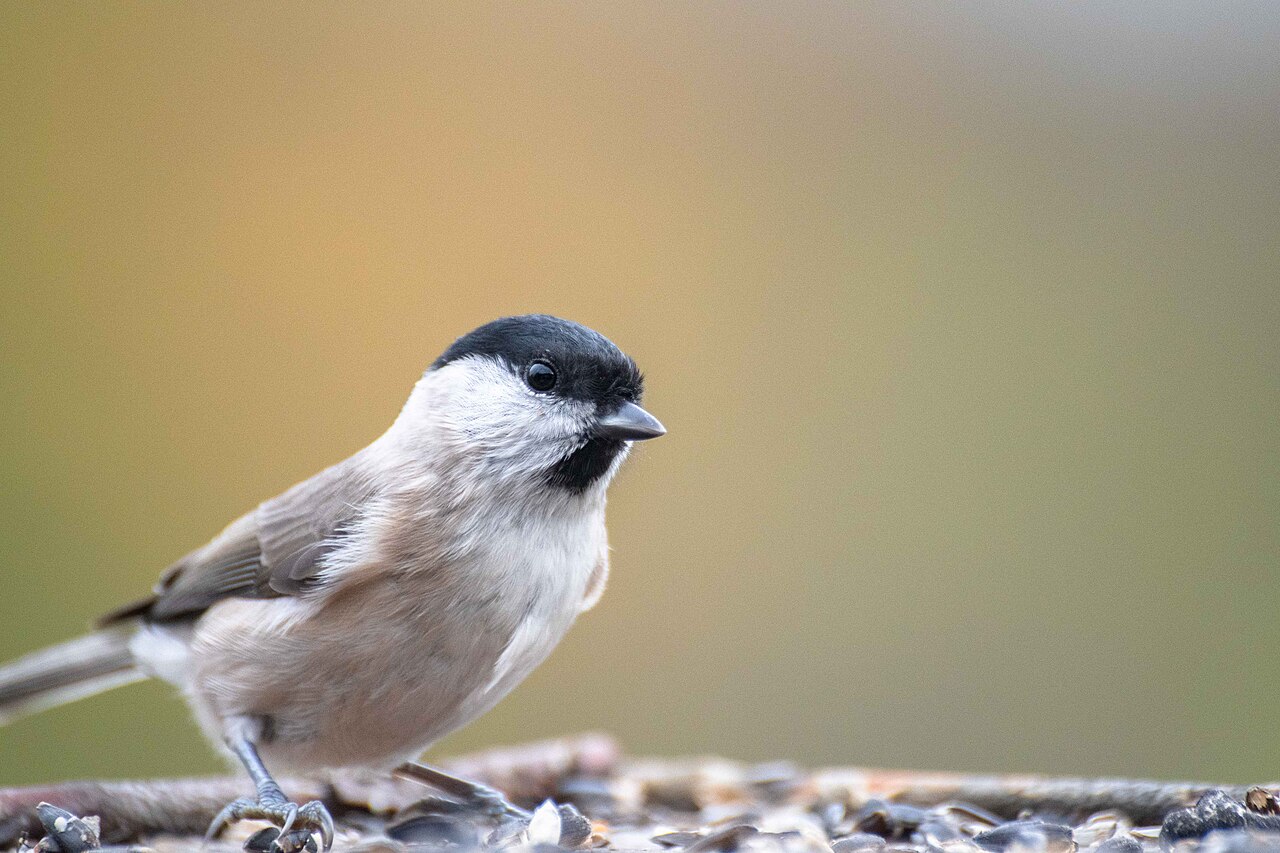
Marsh tit
Poecile palustris- Broadleaved deciduous woodland
- Mixed deciduous and coniferous woodland
- Cultivated areas of gardens and parks
-
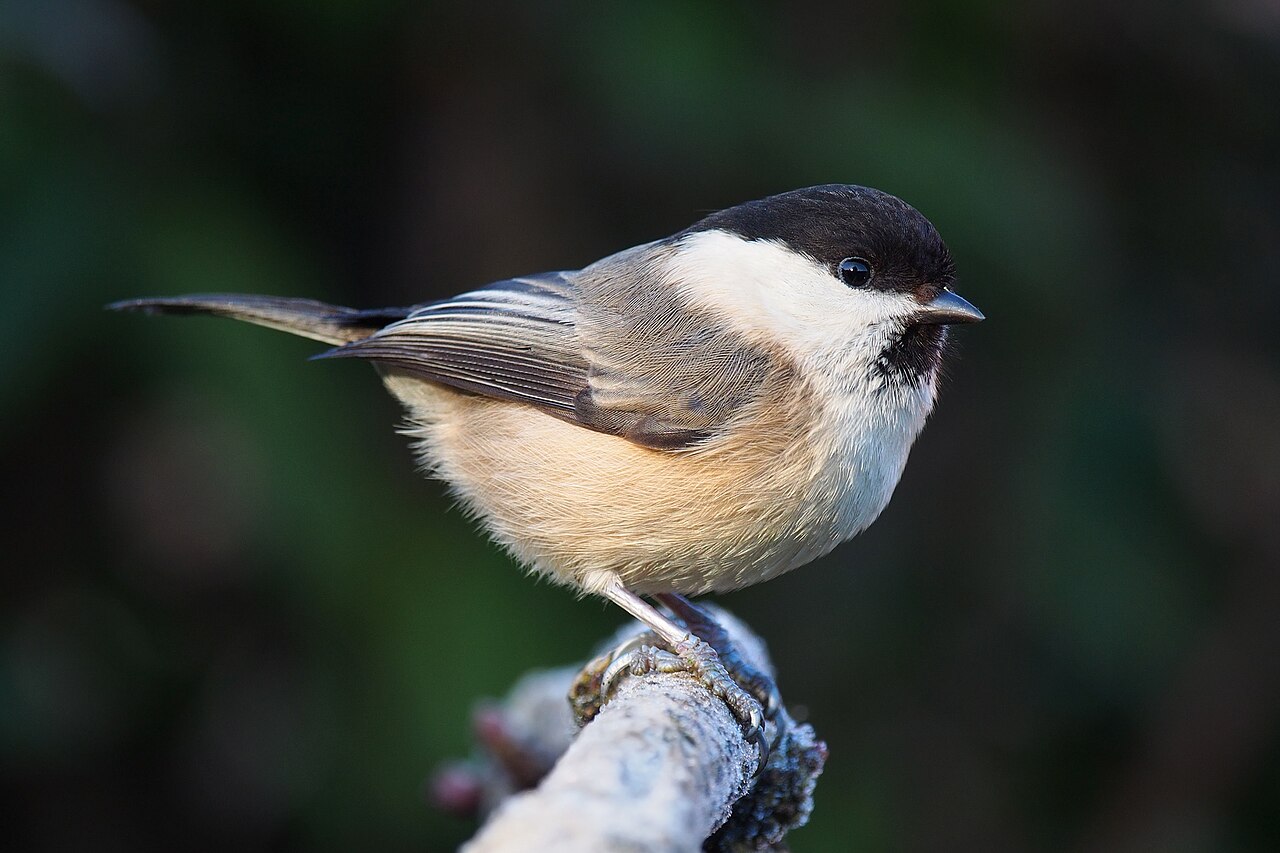
Willow tit
Poecile montanus- Broadleaved deciduous woodland
- Riverine and fen scrub
 Lines of trees, small woods, felled and early-stage woodland
- Coniferous woodland
-

Grey-headed chickadee
Poecile cinctus- Coniferous woodland
- Broadleaved deciduous woodland
- Mixed deciduous and coniferous woodland
- Riverine and fen scrub