All species › Passerines › Gnatwrens and gnatcatchers
Gnatwrens and gnatcatchers | Polioptilidae
Muggenvangers | Perlitas | Bico-assovelados e balança-rabos
A small American family of songbirds numbering eight species in three genera in this guide: Microbates, Ramphocaenus and Polioptila. They range from rainforest and várzea in Amazonia and the Guianas to dry forest and scrub in the Cerrado, the Caatinga and the Pantanal and forest in the Atlantic Forest. They are small, slim, active birds with a thin, pointed bill. The gnatcatchers (Polioptila) are mostly blue-grey above and white or pale grey below, with a long, narrow black tail with white outer feathers that they constantly cock, spread and wave from side to side; in several species the male has a black cap or a black mask. Tropical, Guianan and Para Gnatcatchers live in the canopy of lowland forest, Masked Gnatcatcher in drier, more open woodland in the south and south-east, and Creamy-bellied Gnatcatcher in the Atlantic Forest. The gnatwrens (Microbates, Ramphocaenus) are browner, with a longer, very fine bill and a short or long, often cocked tail, and live in the undergrowth and vine tangles of humid forest. All species search restlessly for small insects and spiders in the foliage, the gnatcatchers often in mixed flocks. The voice consists of thin, nasal or squeaky calls; the song is a soft warble, and that of the Trilling Gnatwren a clear, even trill. The gnatcatchers' nest is a deep, neat cup of plant fibres bound with spider silk and often covered with lichen, placed on a branch.
Native species 8 species
Species that occur here by nature: breeding birds, winter visitors and passage migrants. They are arranged by genus, in the sequence of the list.
Microbates 1 species

Ramphocaenus 2 species
-

Chattering Gnatwren
Ramphocaenus sticturus Bamboo and liana forest
 Secondary forest and forest edge
 Tall terra firme forest
 Cerradão and dry woodland
-

Trilling Gnatwren
Ramphocaenus melanurus- Secondary forest and forest edge
- Tall terra firme forest
 Coastal lowland forest
 Várzea (whitewater flooded forest)
 Montane forest of the Venezuelan coastal range
 Montane forest of the Venezuelan Andes and Perijá
Polioptila 5 species
-
Guianan Gnatcatcher
Polioptila guianensis- Tall terra firme forest
- Secondary forest and forest edge
 Highland forest of the Guiana Shield
-

Para Gnatcatcher
Polioptila paraensis- Tall terra firme forest
- Secondary forest and forest edge
 White-sand forest and campina
-

Masked Gnatcatcher
Polioptila dumicola Cerrado savanna
- Cerradão and dry woodland
 Veredas and gallery forest
 Gallery forest and woodland islands of the Pantanal
 Towns, cities and gardens
-
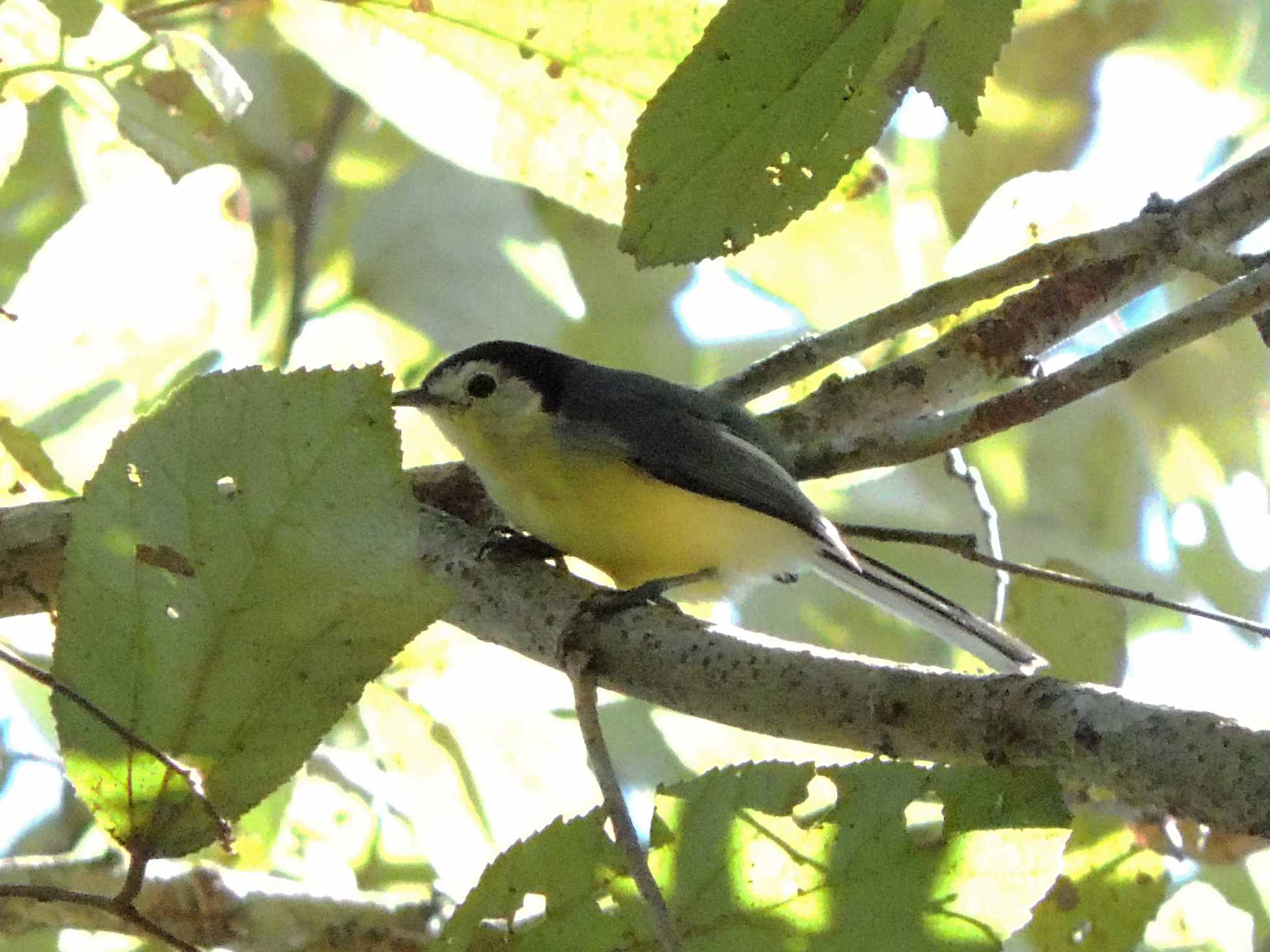
Creamy-bellied Gnatcatcher
Polioptila lactea Interior semi-deciduous forest
 Araucaria forest
- Coastal lowland forest
-

Tropical Gnatcatcher
Polioptila plumbea- Secondary forest and forest edge
- Várzea (whitewater flooded forest)
 Caatinga scrub
 Dry forest and thorn scrub of northern Venezuela
- Veredas and gallery forest