Todas as espécies › Passerines › Crows, jays and magpies
Crows, jays and magpies | Corvidae
Kraaiachtigen | Crows, jays and magpies | Córvidos
In this region the family is represented by jays alone: the guide includes twelve species in two genera, the small, blue Cyanolyca jays of cloud forest on the Andean slopes and the larger Cyanocorax jays of lowland forest, forest edge and dry woodland, such as the White-tailed Jay of the Tumbesian region and the green-and-yellow Inca Jay of montane forest. Crows and magpies are absent. Jays have a powerful all-purpose bill, bristly feathers over the nostrils and strong legs used for walking as much as hopping. They eat almost anything, hide food for later and remember where they put it; the family has the largest brains for body size of any bird. True song is absent — the calls are mostly harsh and grating — but some species mimic other sounds. They often move through the forest in noisy family groups, pairs stay together for a long time, they build a nest of twigs, and the sexes look alike.
Espécies nativas 12 espécies
Espécies que ocorrem aqui naturalmente: reprodutoras, visitantes de inverno e migrantes de passagem. Estão organizadas por gênero, na sequência da lista.
Cyanolyca 4 espécies
-
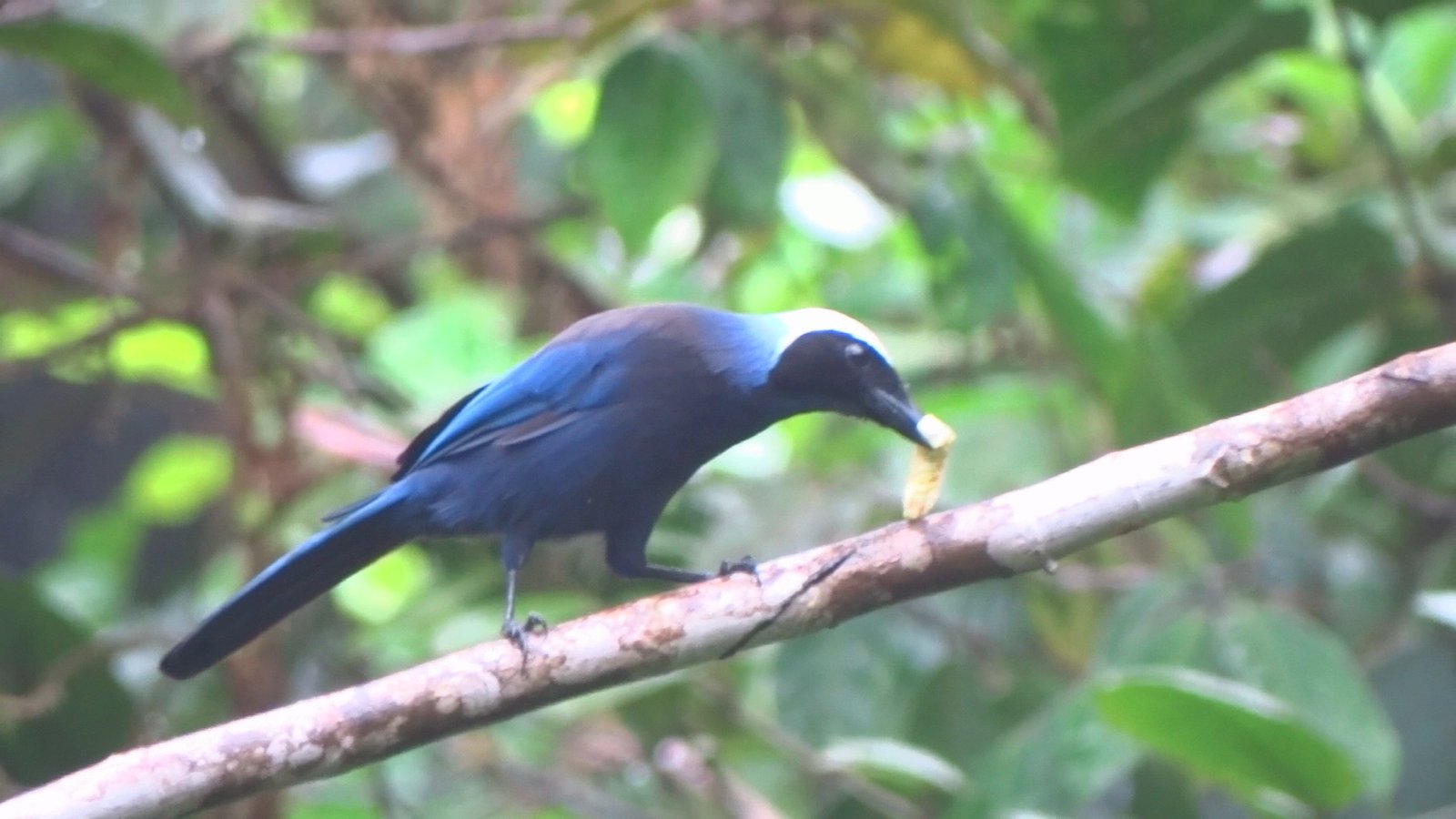
Gralha-formosa
Cyanolyca pulchra Northern Andean subtropical forest
 Northern Andean cloud forest and temperate forest
 Western Ecuador humid forest
 Secondary forest and forest edge
-
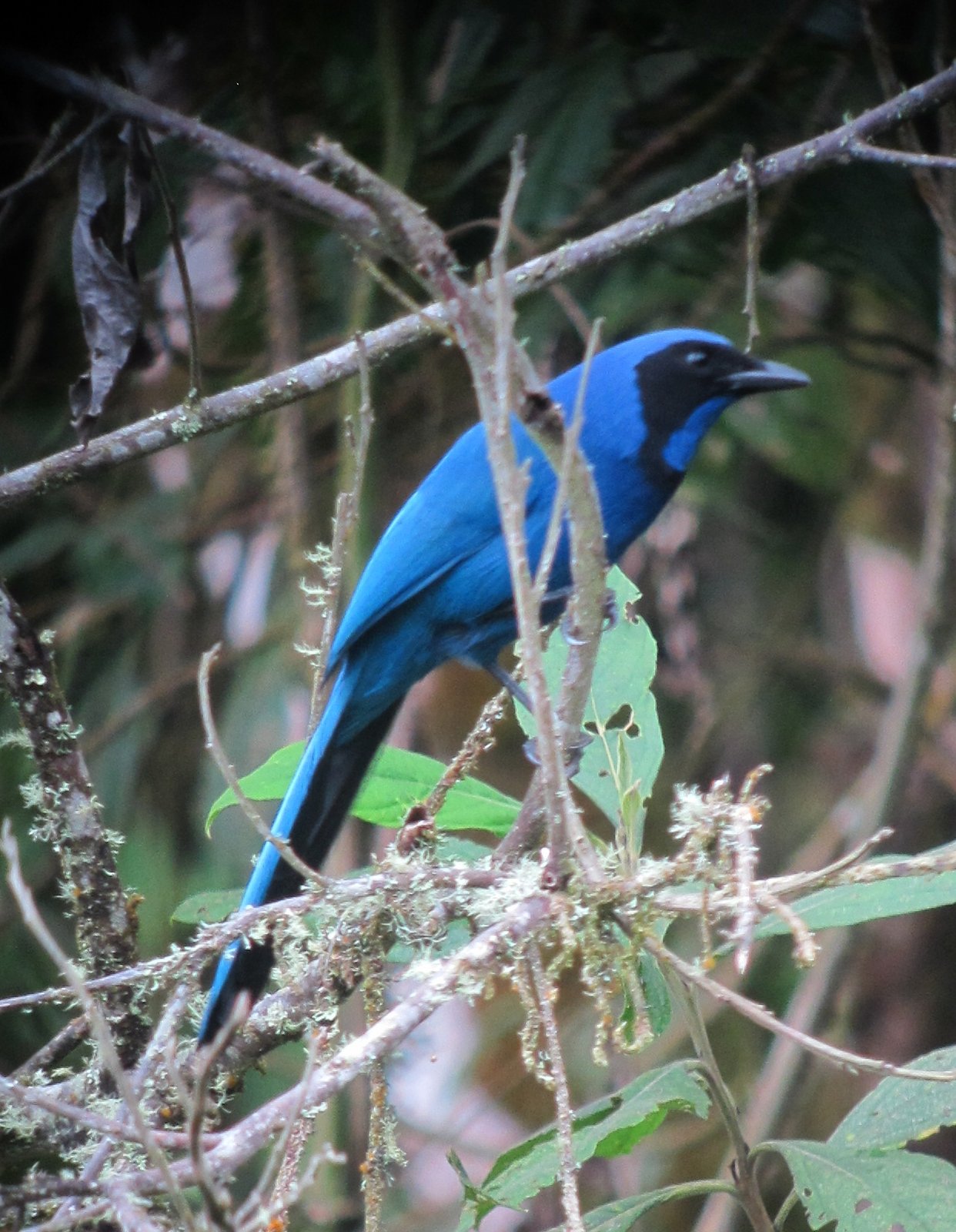
Gralha-de-colar-preto
Cyanolyca armillata- Northern Andean cloud forest and temperate forest
- Northern Andean subtropical forest
- Secondary forest and forest edge
-
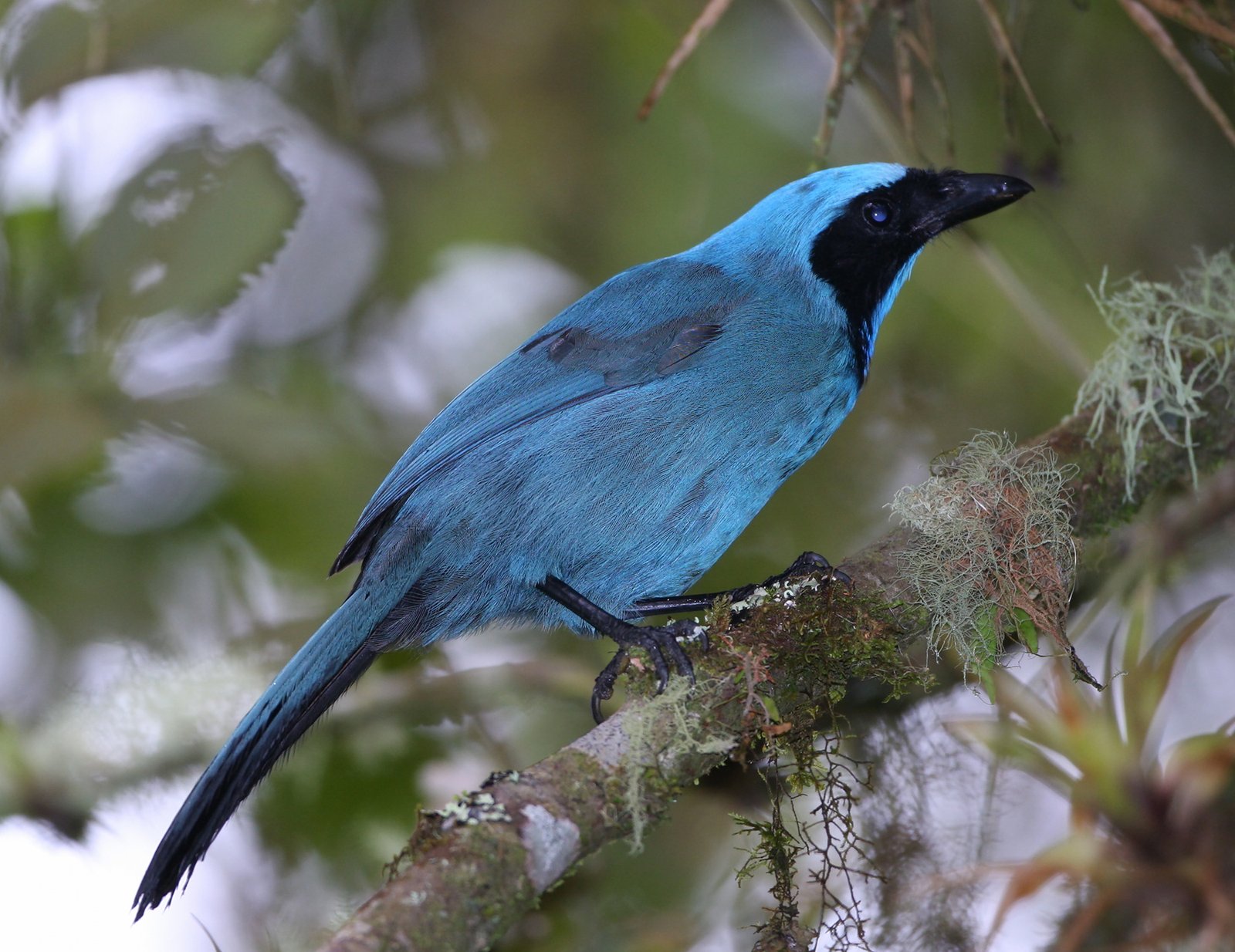
Gralha-turquesa
Cyanolyca turcosa- Northern Andean cloud forest and temperate forest
- Northern Andean subtropical forest
- Secondary forest and forest edge
-
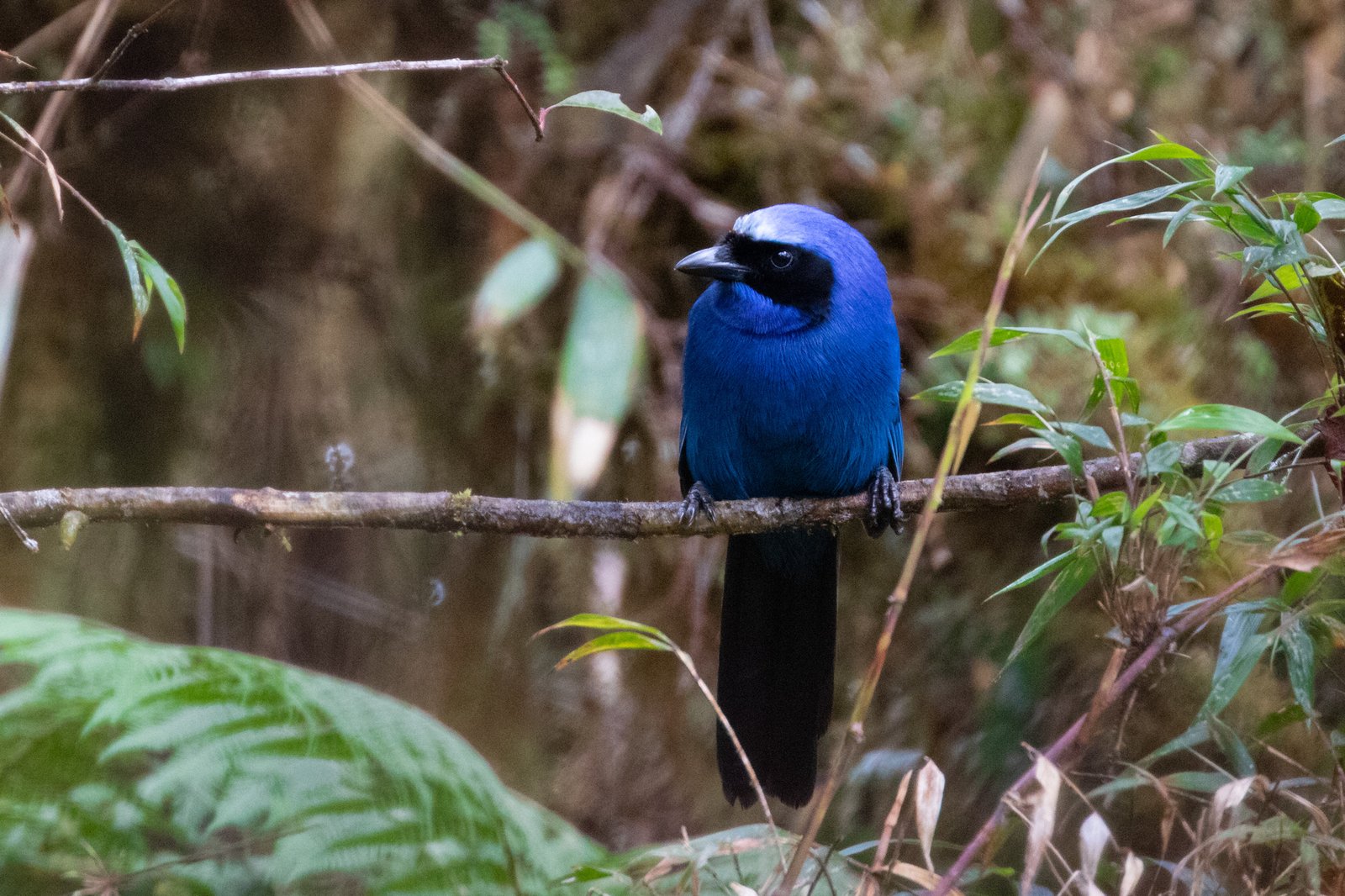
Gralha-de-colar-branco
Cyanolyca viridicyanus Upper Yungas cloud forest
- Northern Andean cloud forest and temperate forest
 Lower Yungas forest
- Secondary forest and forest edge
Cyanocorax 8 espécies
-
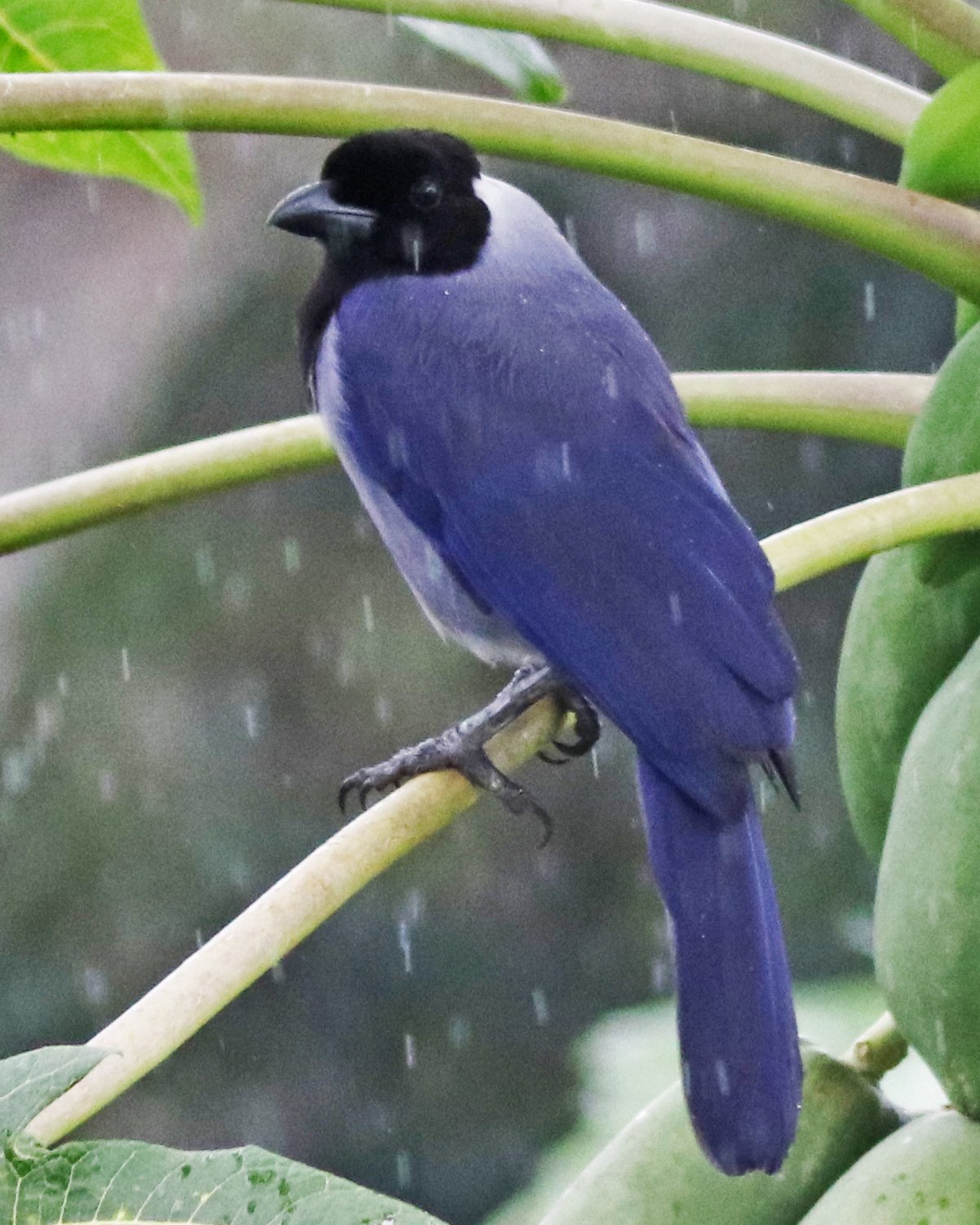
Gralha-violácea
Cyanocorax violaceus- Secondary forest and forest edge
 Várzea, igapó and river islands
 Amazonian terra firme rainforest
 Eastern Andean foothill forest
 Pasture and ranchland
-
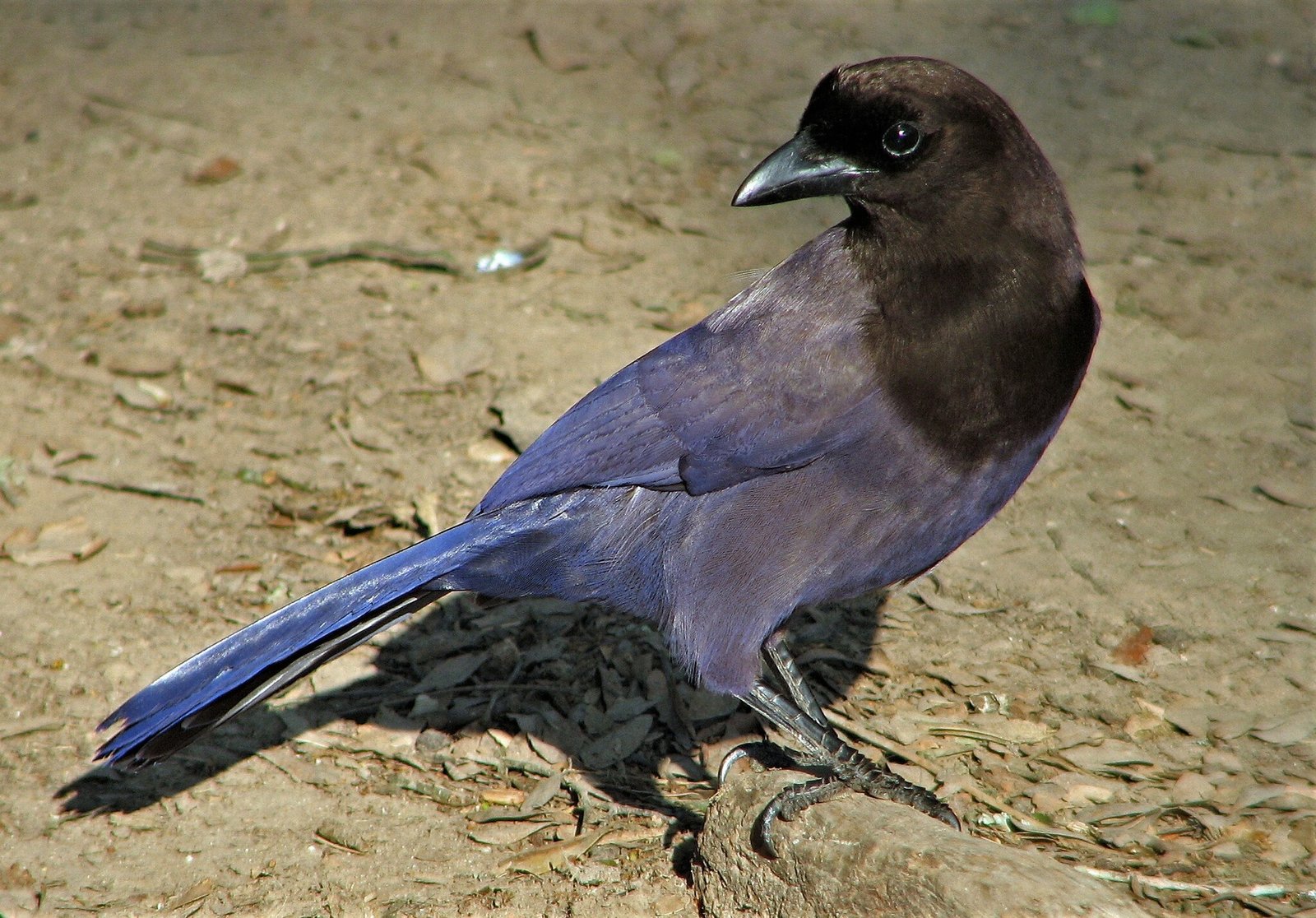
Gralha-do-pantanal
Cyanocorax cyanomelas Chiquitano dry forest and Chaco
 Beni savanna and cerrado
- Secondary forest and forest edge
- Pasture and ranchland
-
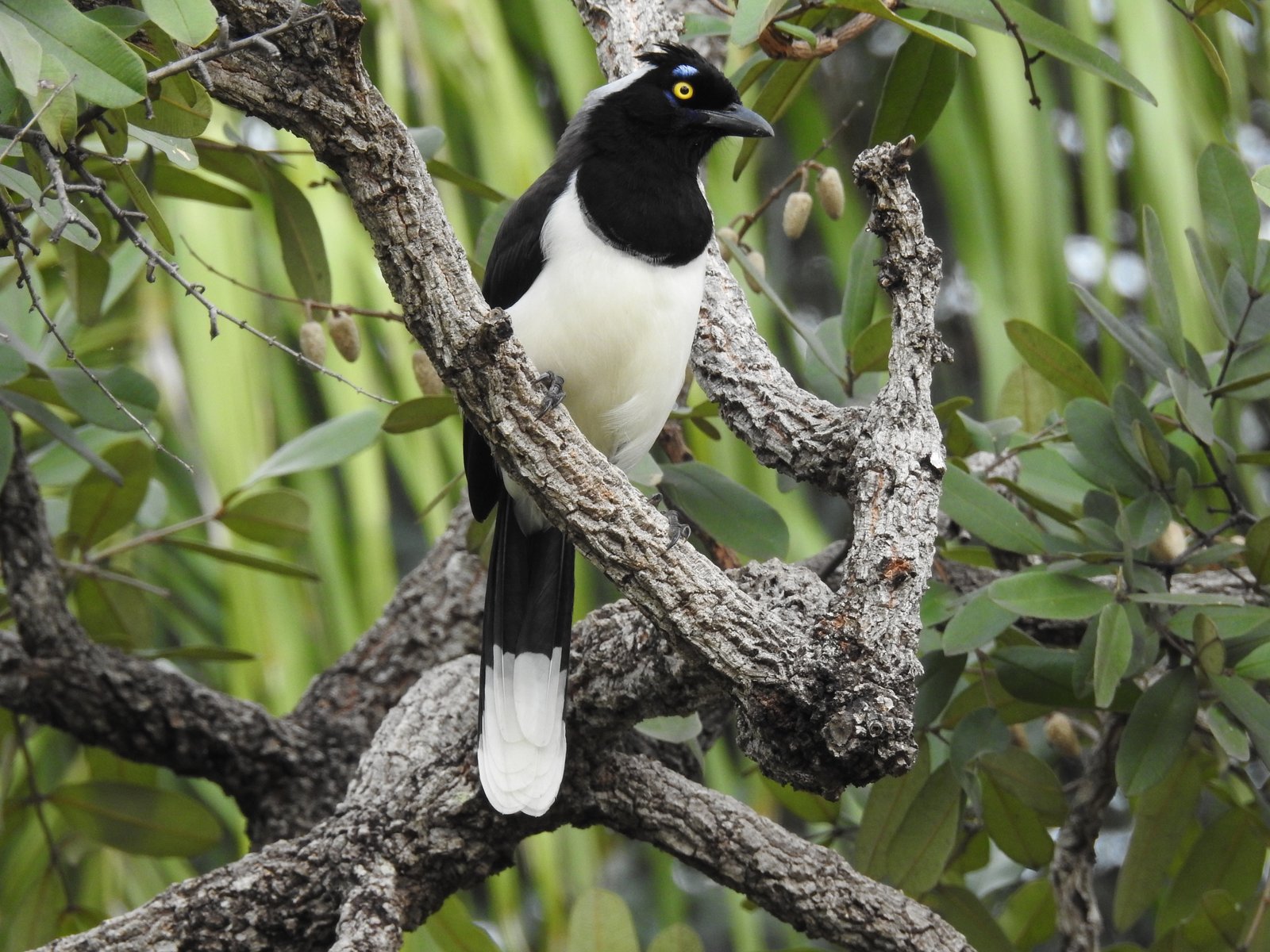
Gralha-do-campo
Cyanocorax cristatellus- Beni savanna and cerrado
- Chiquitano dry forest and Chaco
- Secondary forest and forest edge
- Pasture and ranchland
-
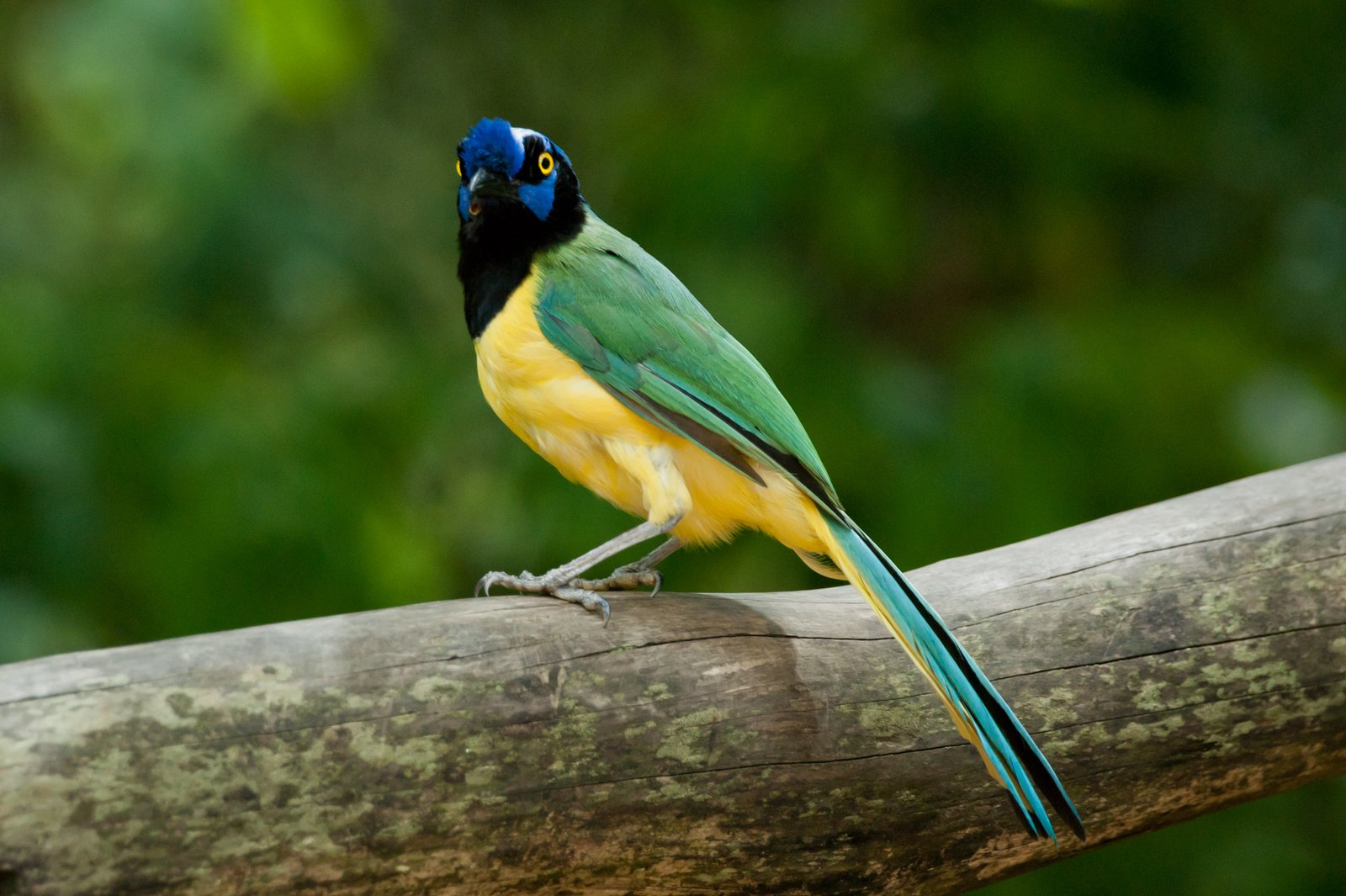
Gralha-verde
Cyanocorax yncas- Northern Andean subtropical forest
- Northern Andean cloud forest and temperate forest
- Lower Yungas forest
- Upper Yungas cloud forest
- Secondary forest and forest edge
 Coffee, cacao and agroforestry
-
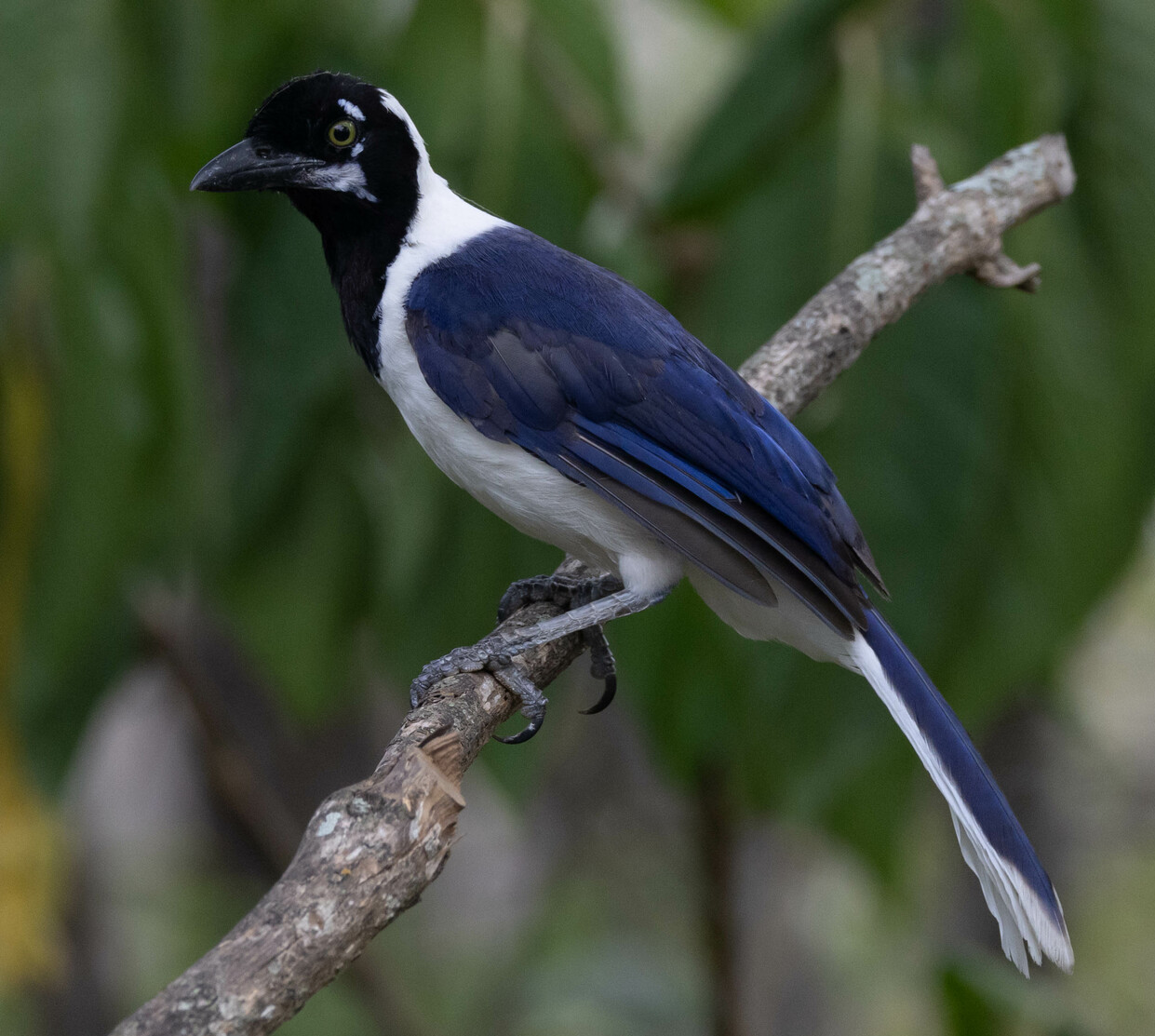
Gralha-de-cauda-branca
Cyanocorax mystacalis Tumbesian dry forest and thorn scrub
 Riparian woodland of the Andes and coastal valleys
- Secondary forest and forest edge
- Pasture and ranchland
-
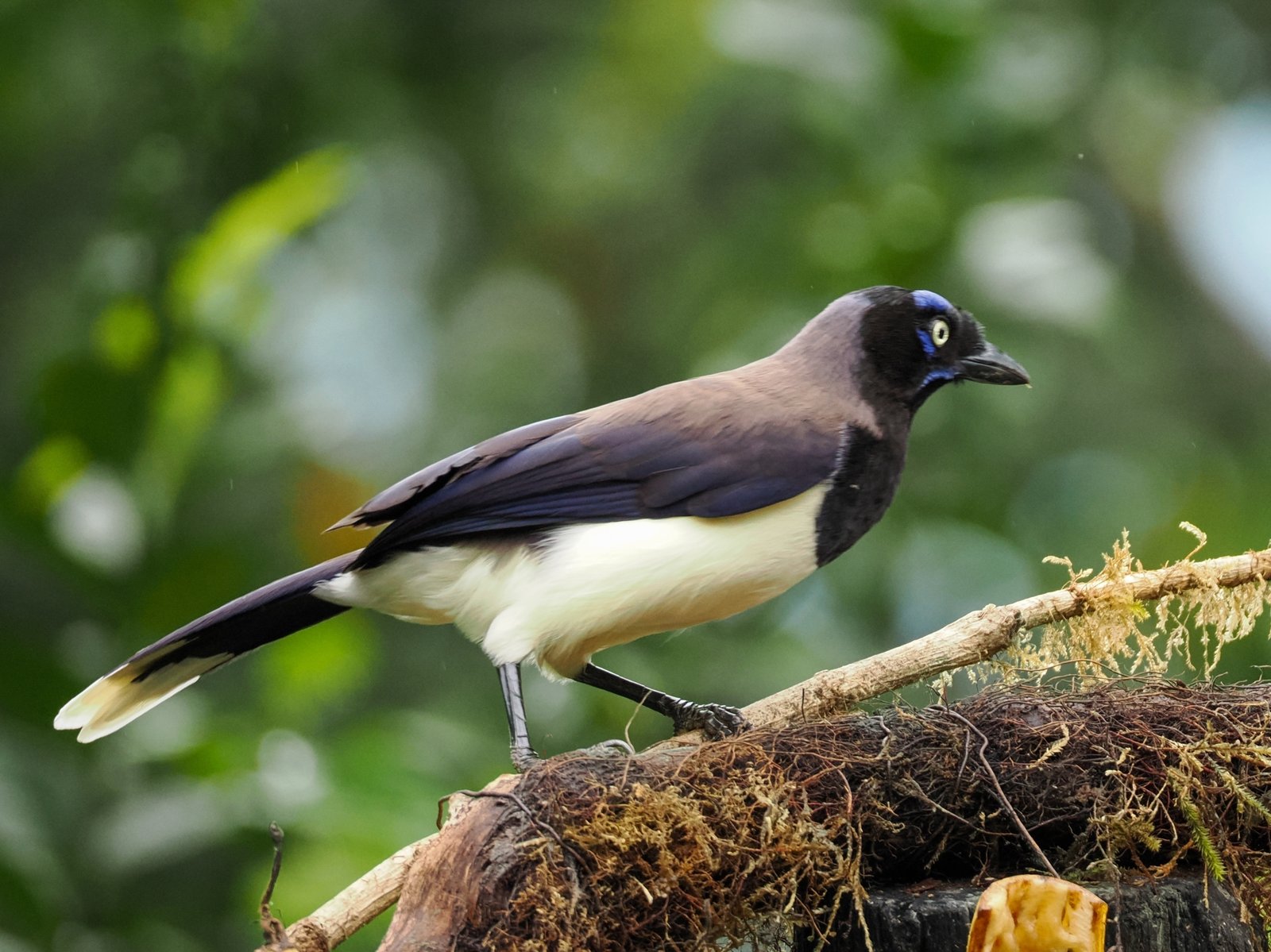
Gralha-de-peito-preto
Cyanocorax affinis- Secondary forest and forest edge
 Chocó rainforest
- Northern Andean subtropical forest
- Coffee, cacao and agroforestry
- Riparian woodland of the Andes and coastal valleys
-
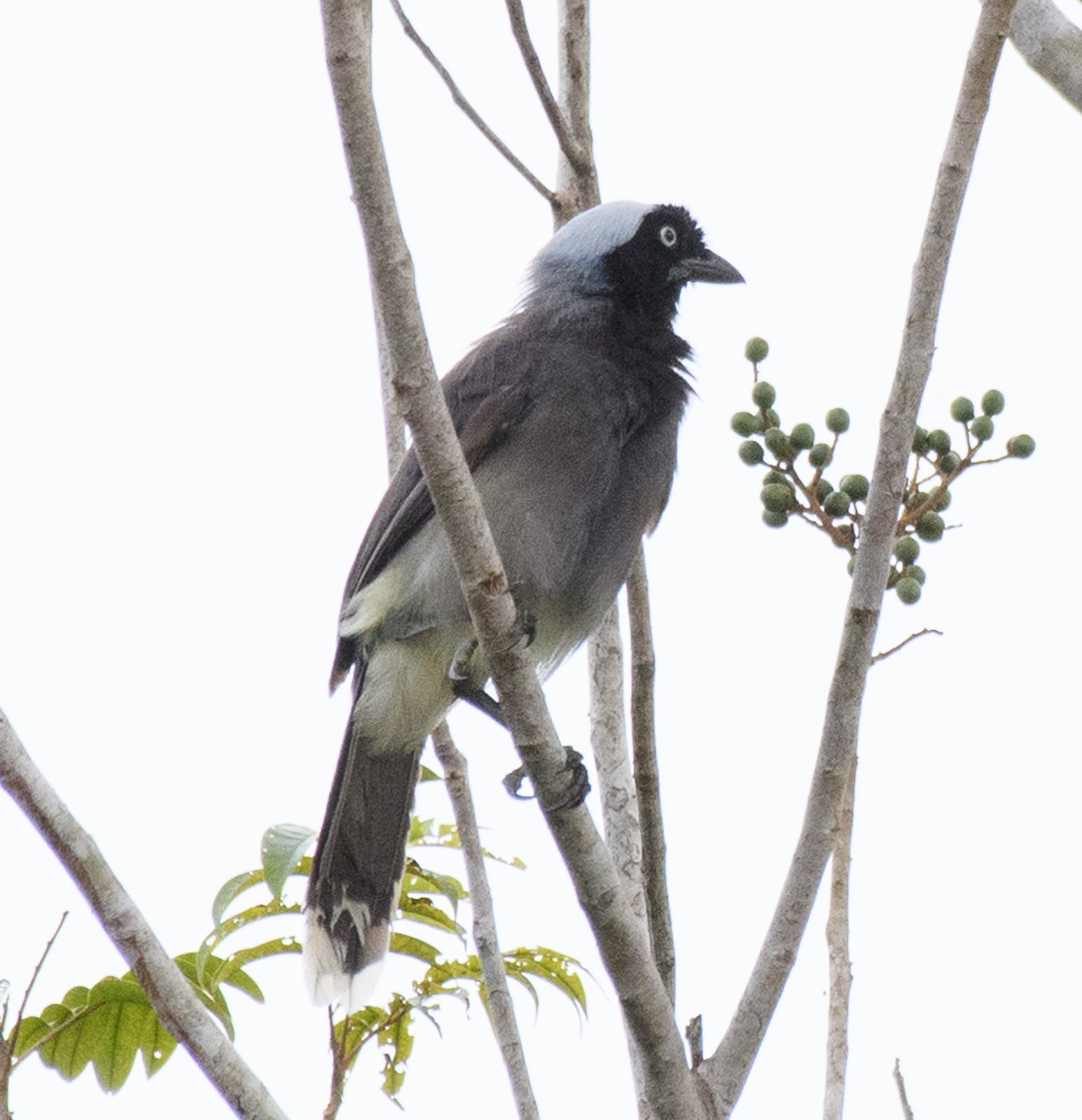
Gralha-de-nuca-azul
Cyanocorax heilprini- Amazonian terra firme rainforest
- Secondary forest and forest edge
 Llanos savanna
-
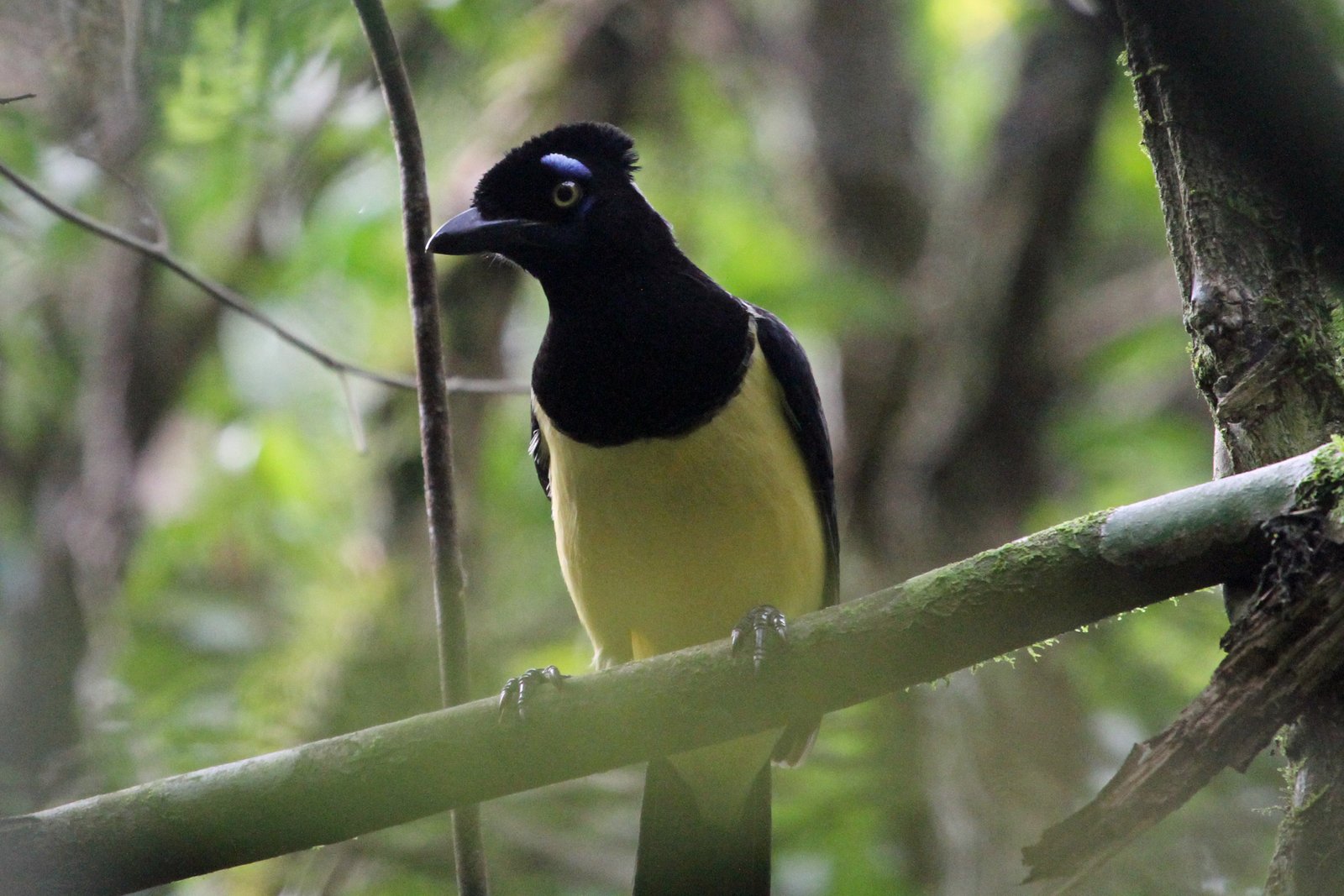
Gralha-picaça
Cyanocorax chrysops- Chiquitano dry forest and Chaco
- Lower Yungas forest
- Secondary forest and forest edge
- Riparian woodland of the Andes and coastal valleys
- Beni savanna and cerrado