Todas as espécies › Passerines › Cotingas
Cotingas | Cotingidae
Cotinga's | Cotingas | Cotingas
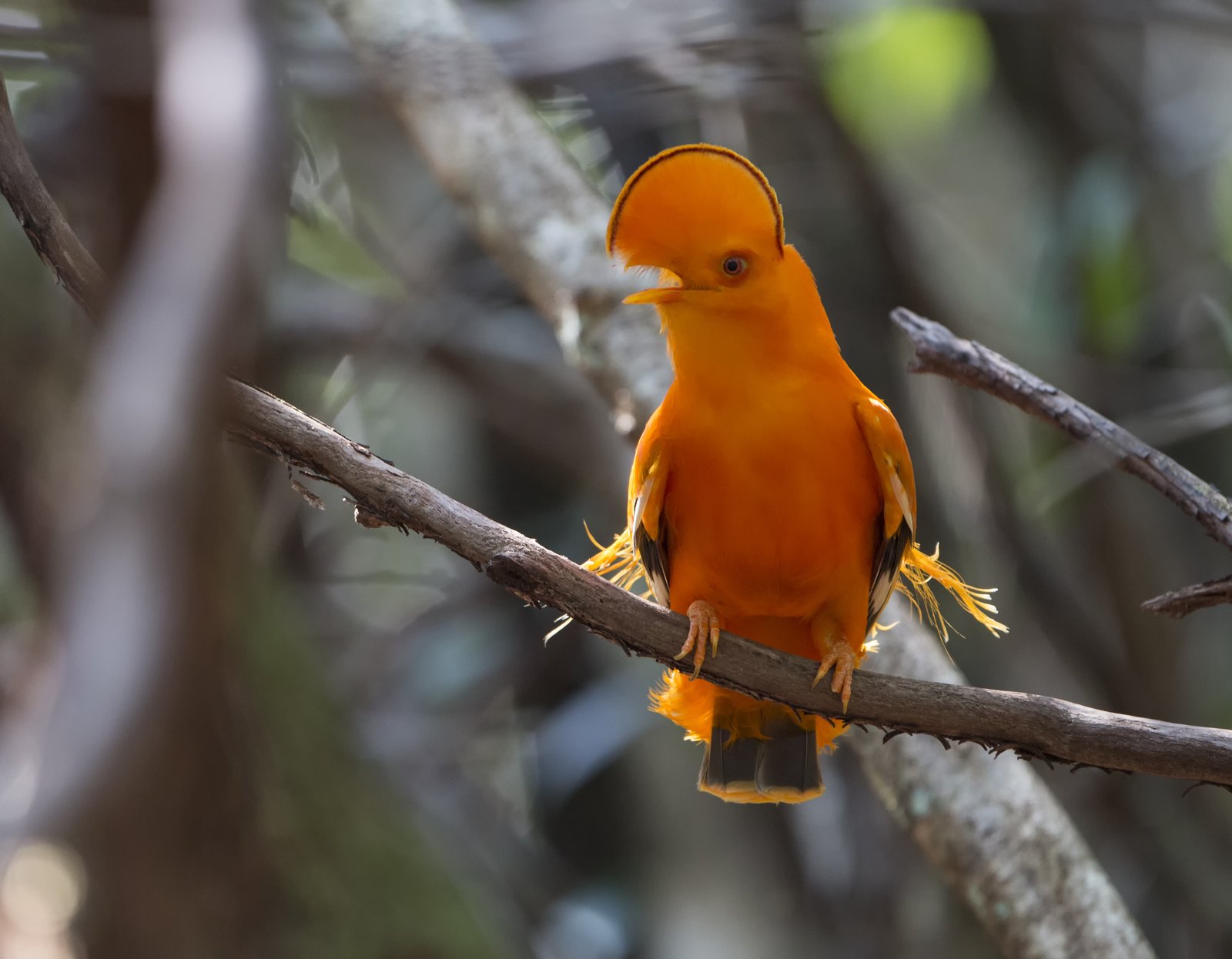
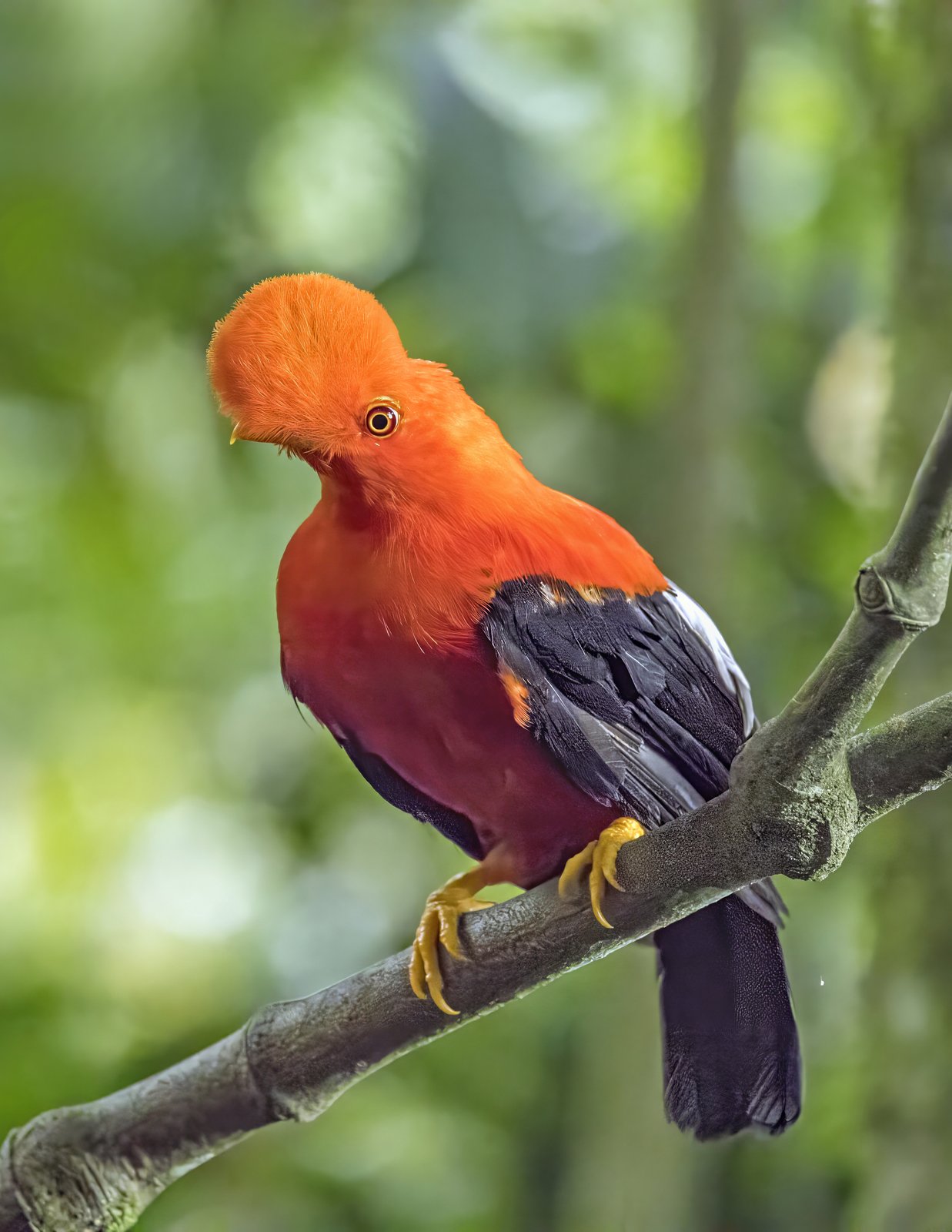
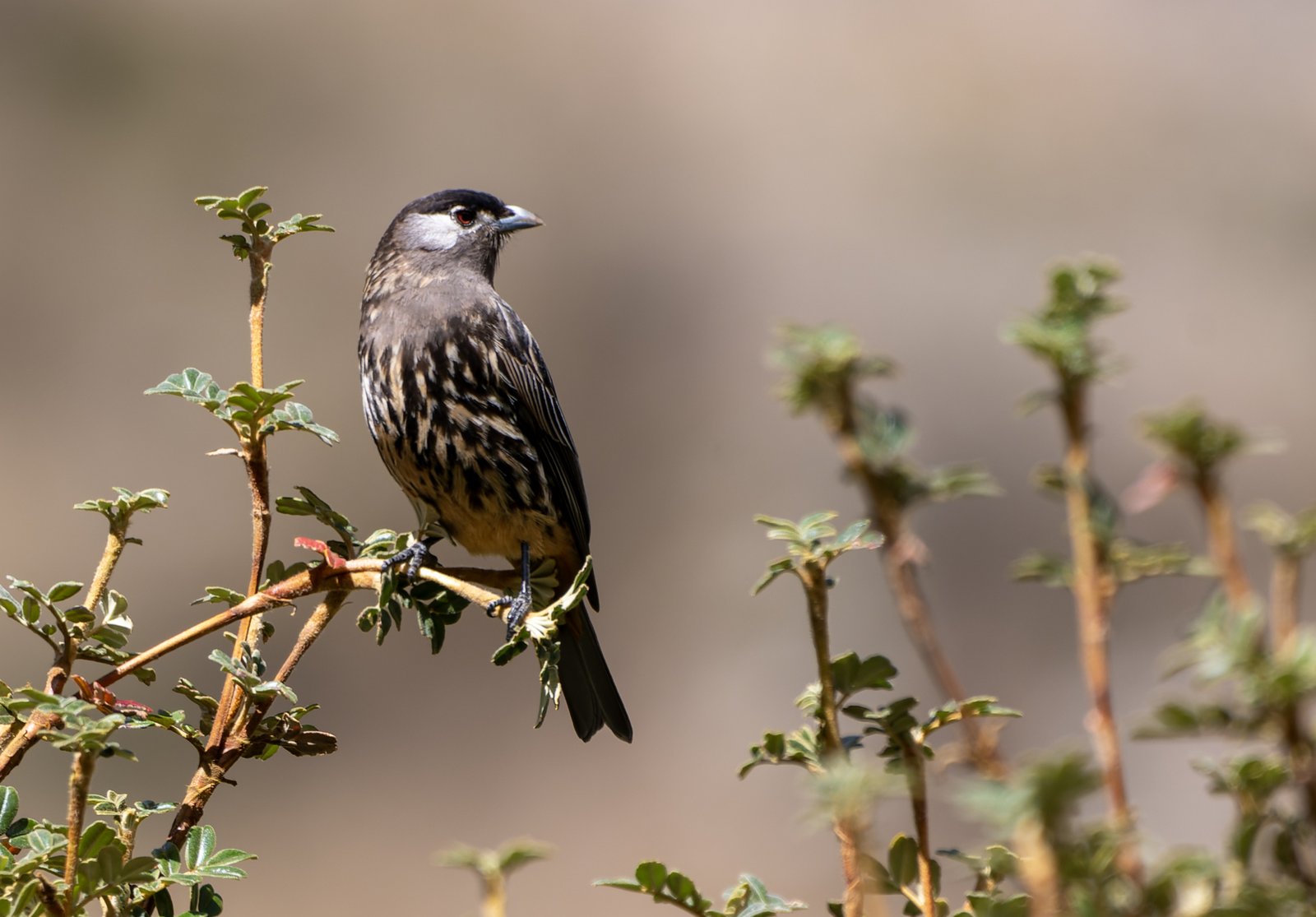
In the Andes and the adjoining lowlands the family numbers 44 species in 22 genera, and few families show such a range of forms: the Andean Cock-of-the-rock, national bird of Peru, which displays in groups in cloud-forest ravines, the green-and-black fruiteaters (Pipreola) of the montane forests, the grey, red-crested cotingas of scrub and Polylepis woodland high in the Andes, the plantcutters (Phytotoma) with a serrated bill for snipping off leaves and buds, and in the Amazonian lowlands the Purple-throated Fruitcrow, Bare-necked Fruitcrow, Amazonian Umbrellabird and Screaming Piha. Most are fruit-eaters with a short, broad bill and a wide gape, swallowing fruit whole and so carrying the seeds of laurels and other trees over long distances. In most species the sexes differ strongly: the male is colourful or carries wattles, a throat sac or a crest and attracts females with a striking call or display, while the female alone builds the nest and raises the young. The Screaming Piha gives one of the loudest and most characteristic sounds of the Amazon forest, a piercing whistled 'pee-pee-yoo'. The nest is usually a small, flimsy cup high in a tree, holding a single egg; the cock-of-the-rock instead plasters a nest of mud and plant material onto a rock face.
Espécies nativas 43 espécies
Espécies que ocorrem aqui naturalmente: reprodutoras, visitantes de inverno e migrantes de passagem. Estão organizadas por gênero, na sequência da lista.
Ampelioides 1 espécie
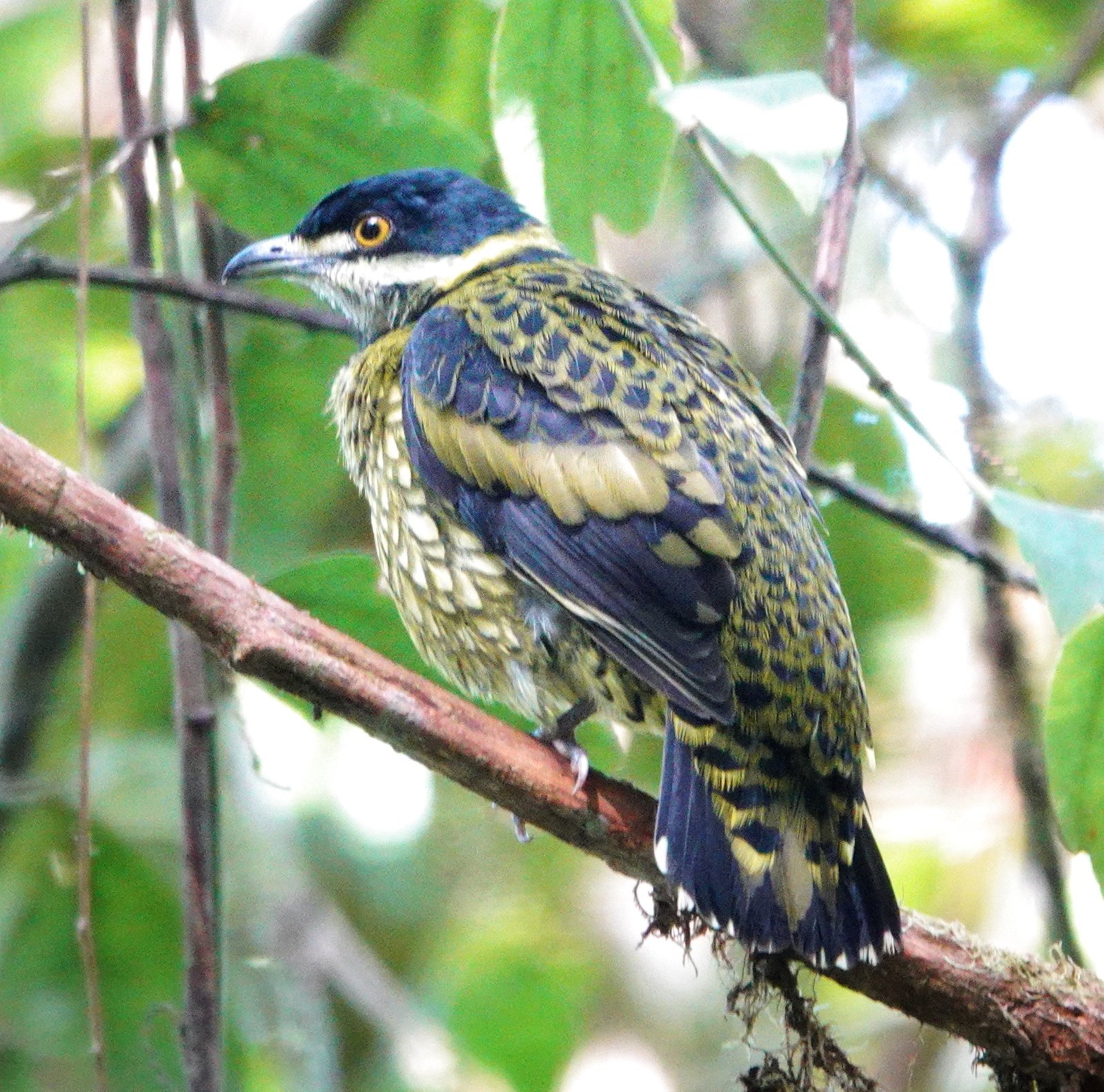
Pipreola 9 espécies
-
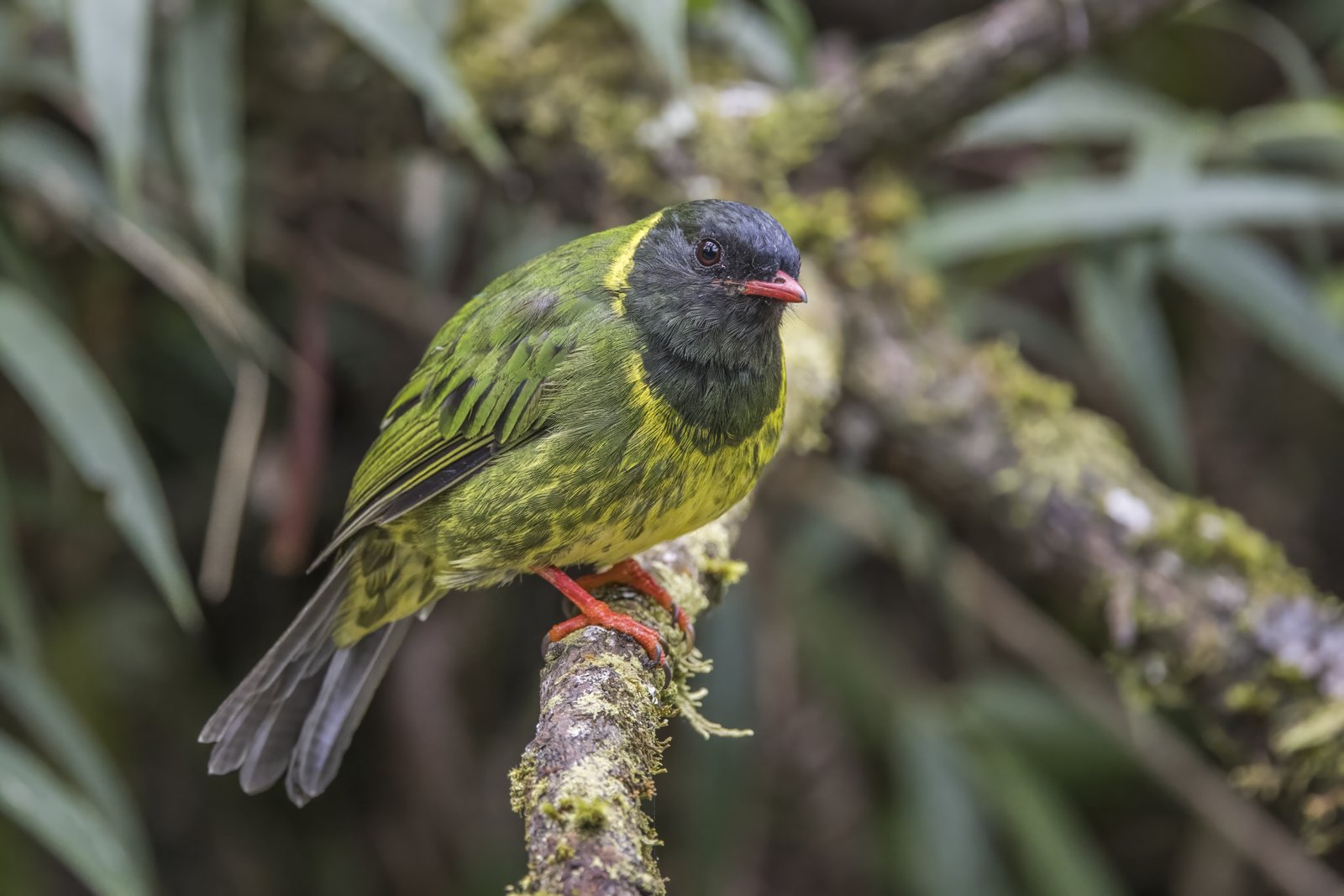
Anambé-verde-e-preto
Pipreola riefferii Northern Andean cloud forest and temperate forest
 Northern Andean subtropical forest
 Upper Yungas cloud forest
 Secondary forest and forest edge
-
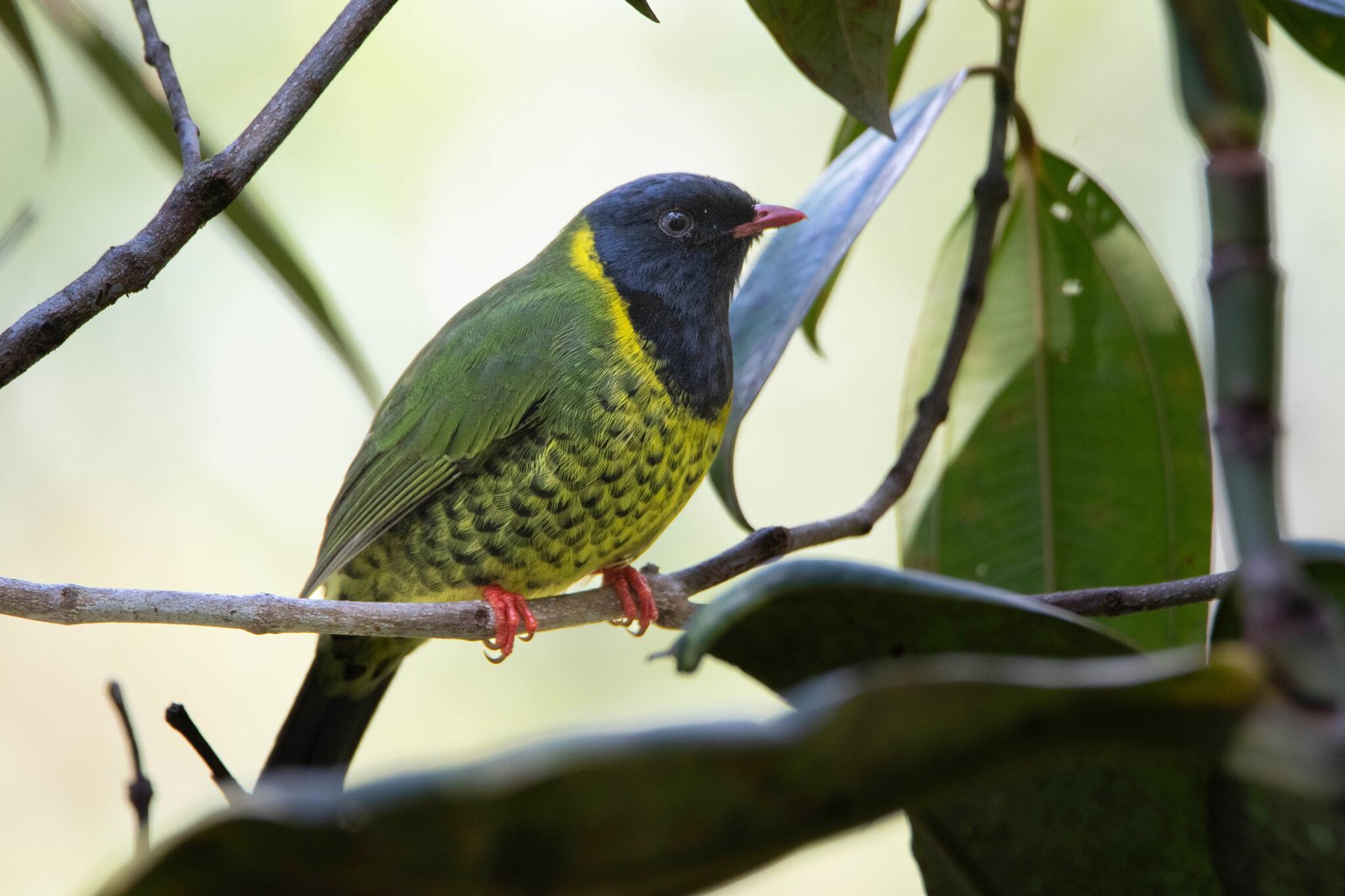
Anambé-de-cauda-barrada
Pipreola intermedia- Upper Yungas cloud forest
- Northern Andean cloud forest and temperate forest
 Lower Yungas forest
- Secondary forest and forest edge
-
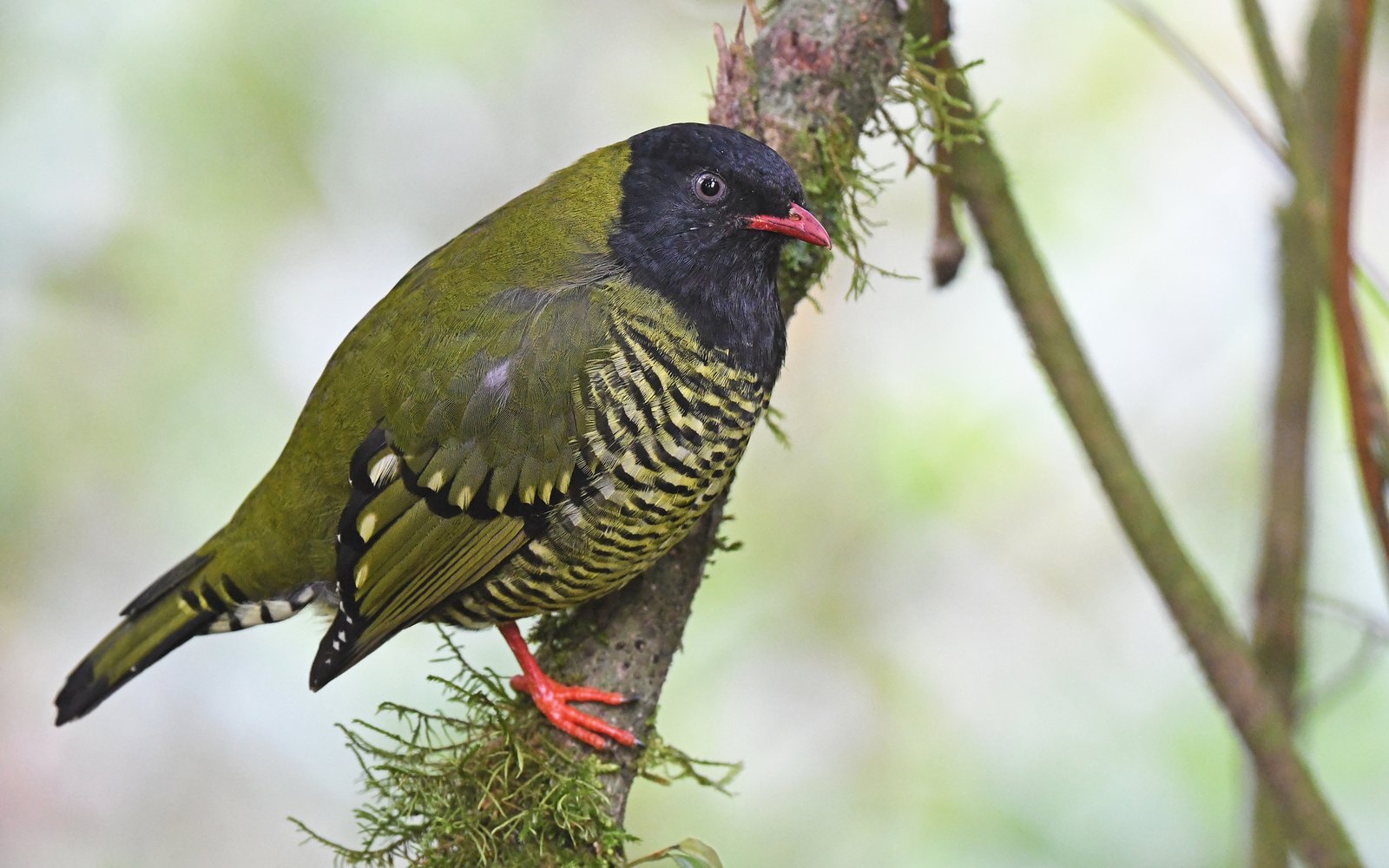
Anambé-barrado
Pipreola arcuata- Northern Andean cloud forest and temperate forest
- Upper Yungas cloud forest
 Polylepis woodland
- Secondary forest and forest edge
-

Anambé-de-peito-dourado
Pipreola aureopectus- Northern Andean subtropical forest
- Northern Andean cloud forest and temperate forest
- Secondary forest and forest edge
-
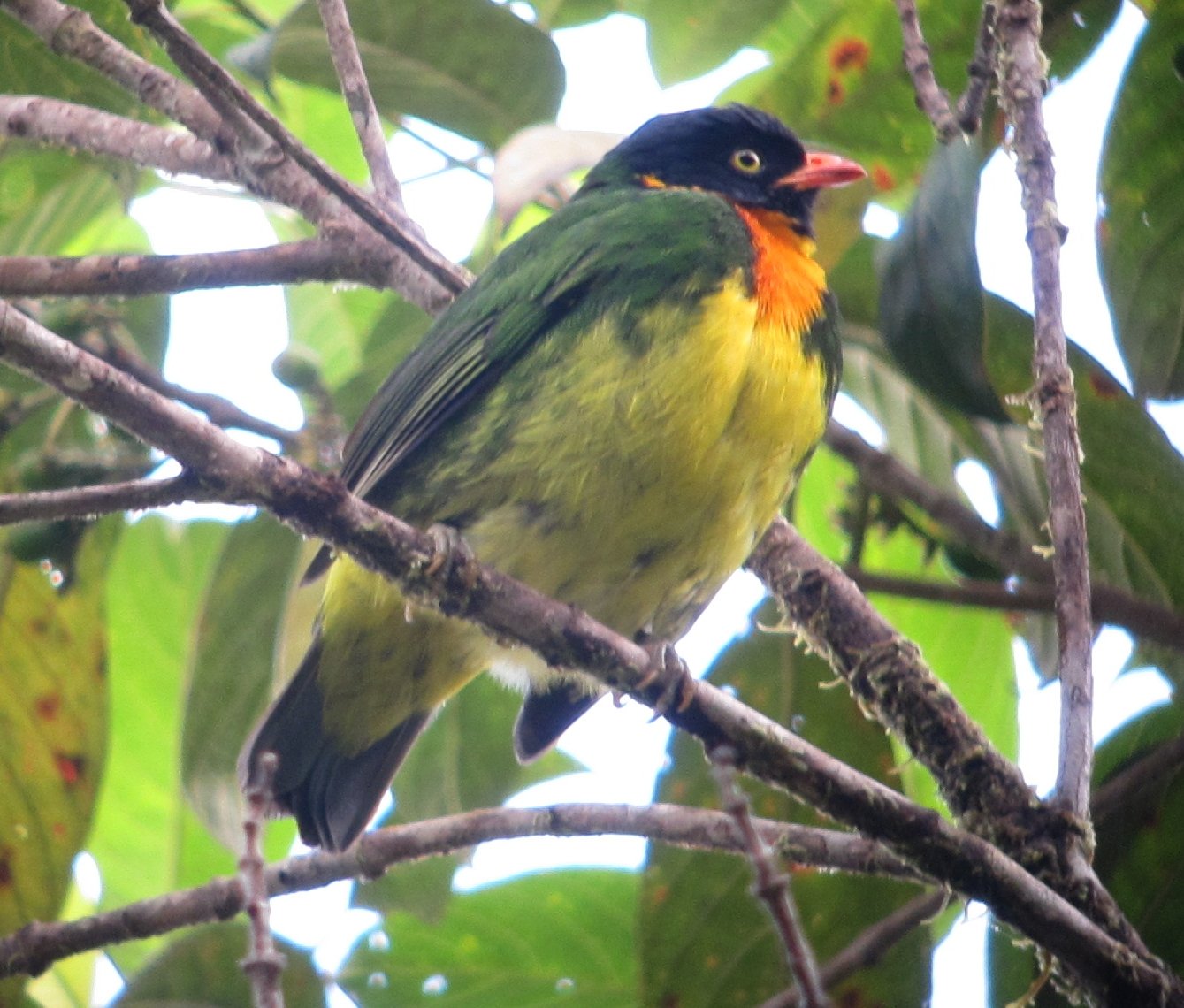
Anambé-de-peito-laranja
Pipreola jucunda- Northern Andean subtropical forest
 Western Ecuador humid forest
 Chocó rainforest
- Secondary forest and forest edge
-
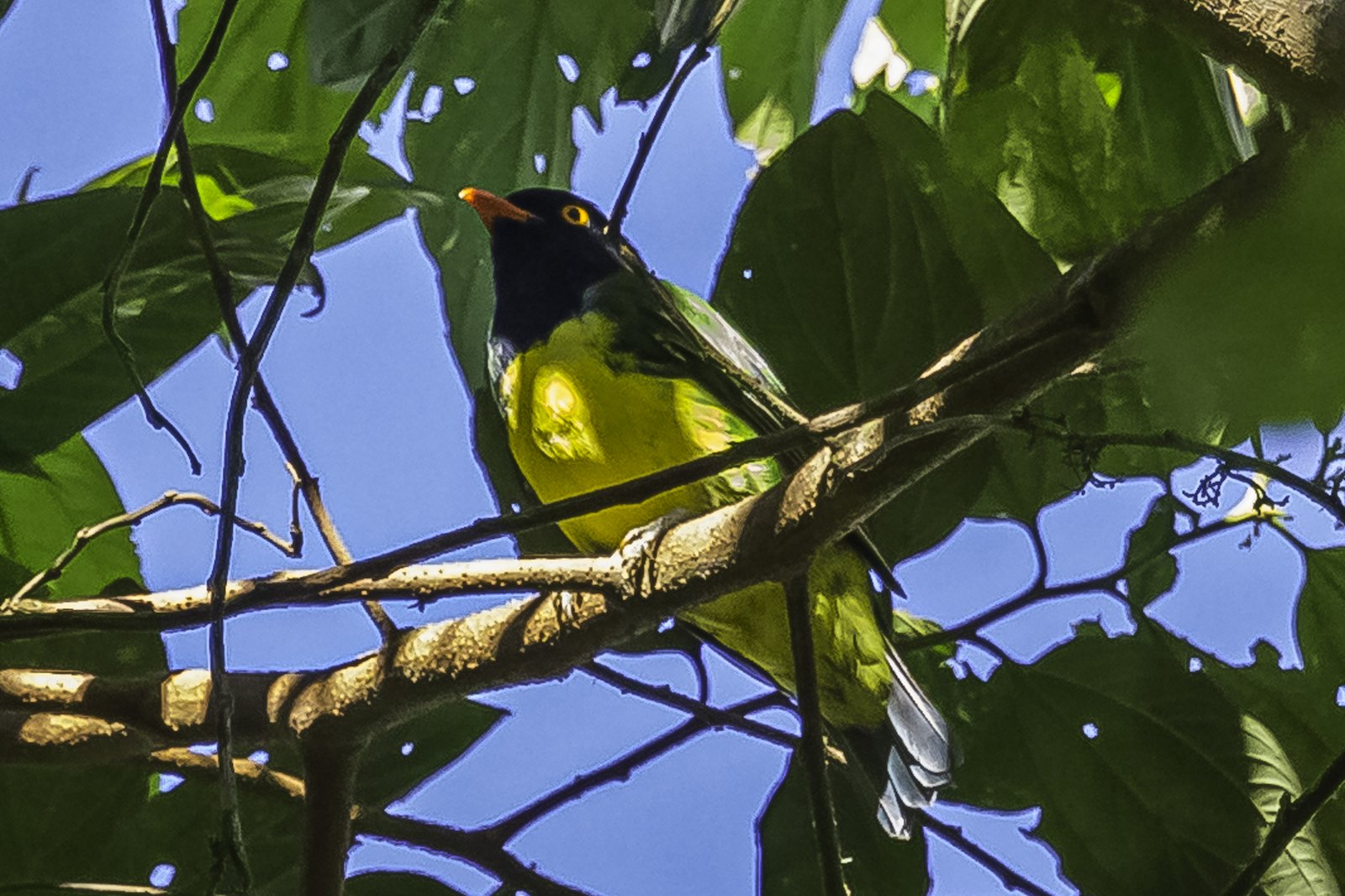
Anambé-de-peito-preto
Pipreola lubomirskii- Northern Andean cloud forest and temperate forest
- Northern Andean subtropical forest
 Eastern Andean foothill forest
-
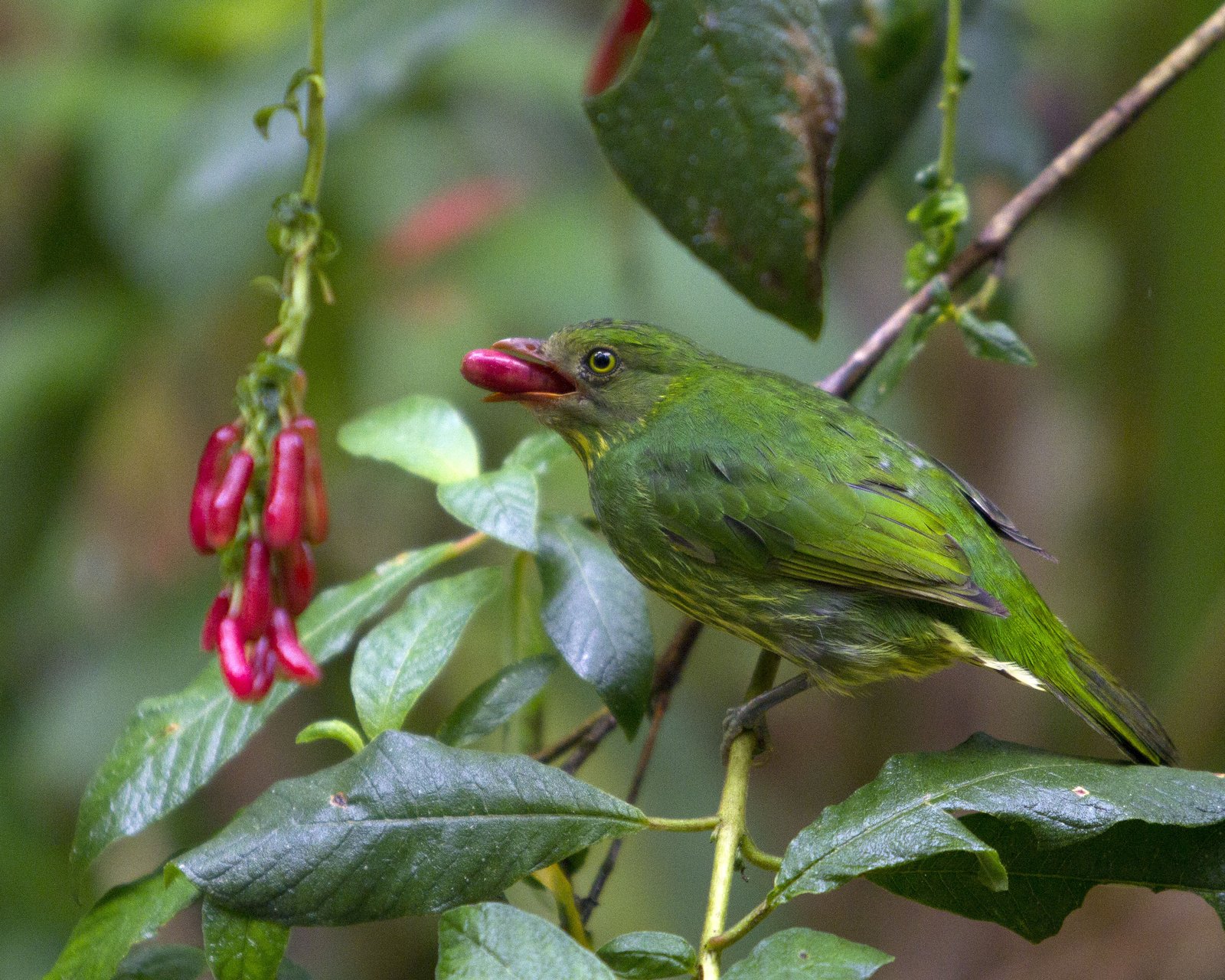
Anambé-mascarado
Pipreola pulchra- Upper Yungas cloud forest
- Lower Yungas forest
- Northern Andean cloud forest and temperate forest
- Secondary forest and forest edge
-
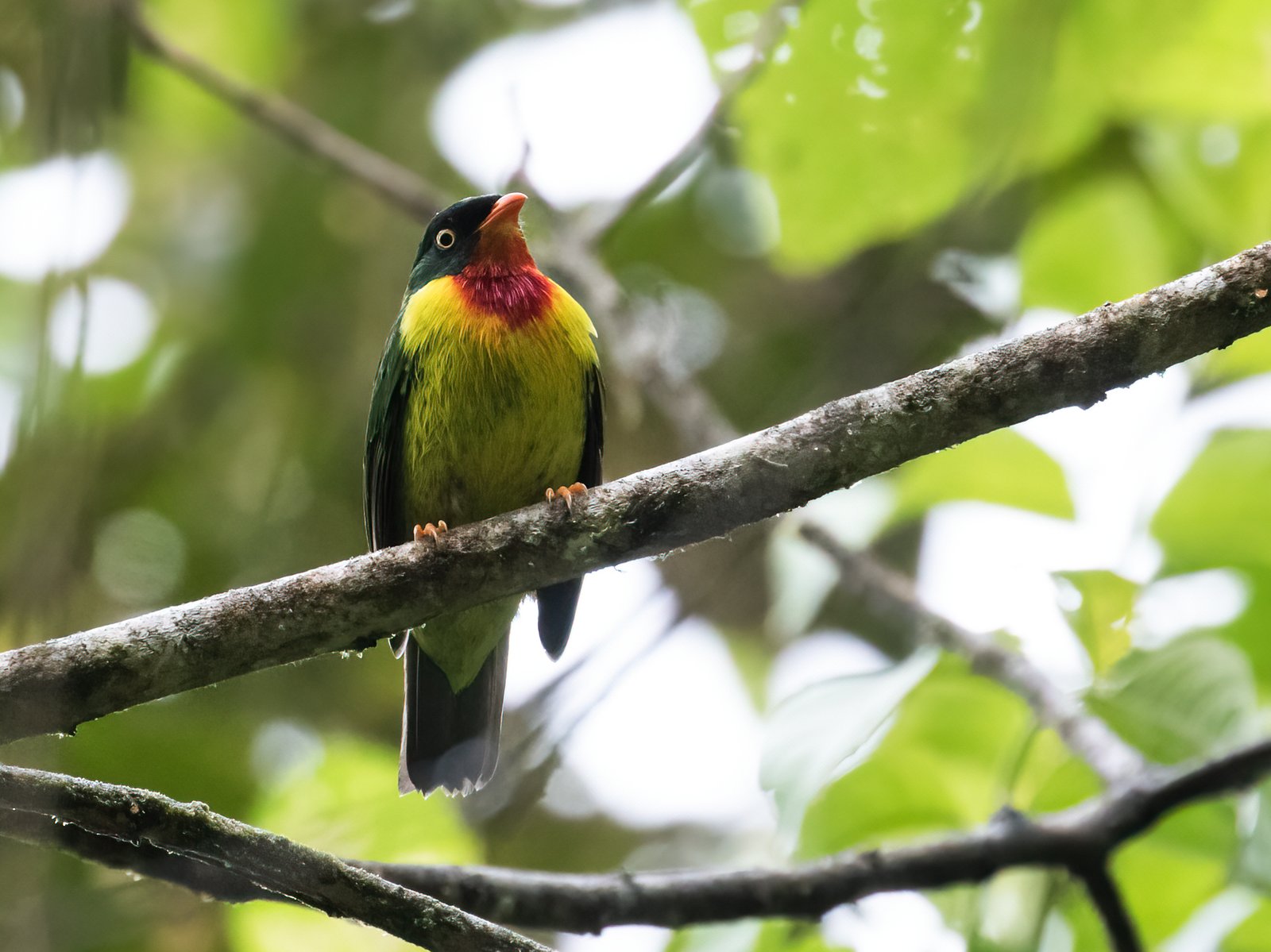
Anambé-de-peito-escarlate
Pipreola frontalis- Eastern Andean foothill forest
- Lower Yungas forest
- Northern Andean subtropical forest
- Secondary forest and forest edge
-
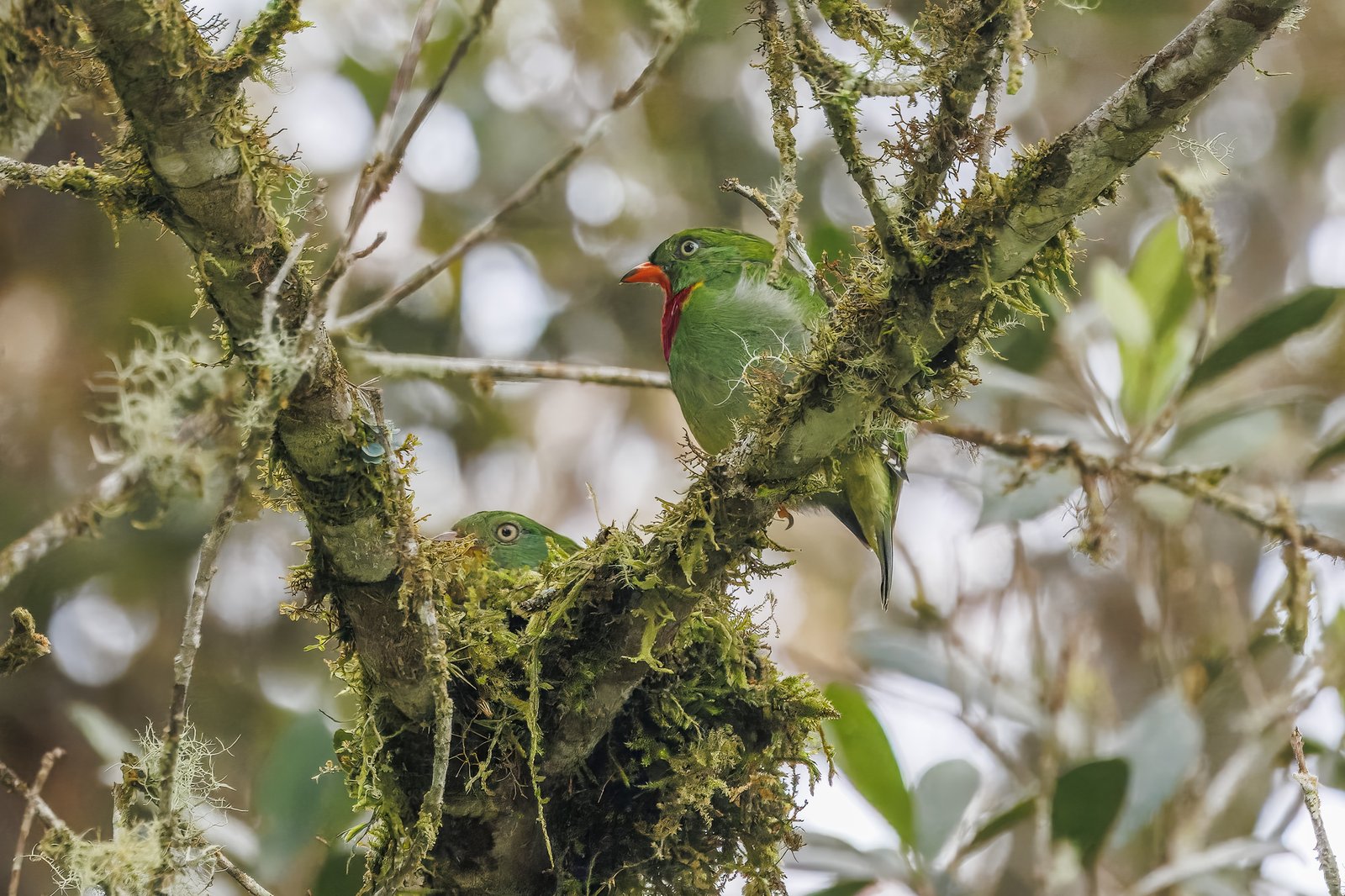
Anambé-de-garganta-de-fogo
Pipreola chlorolepidota- Eastern Andean foothill forest
- Northern Andean subtropical forest
- Lower Yungas forest
Snowornis 2 espécies

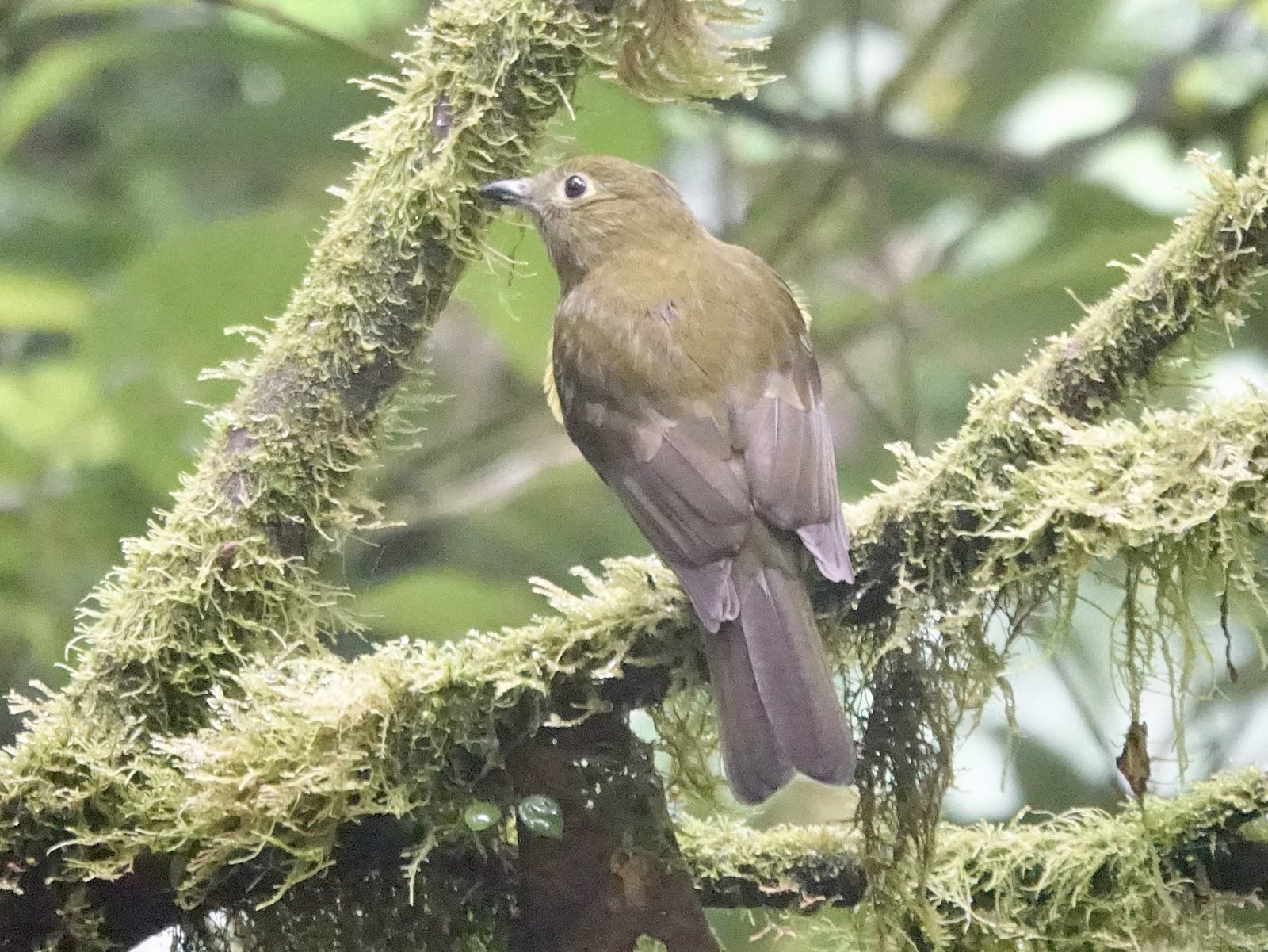
Phoenicircus 1 espécie
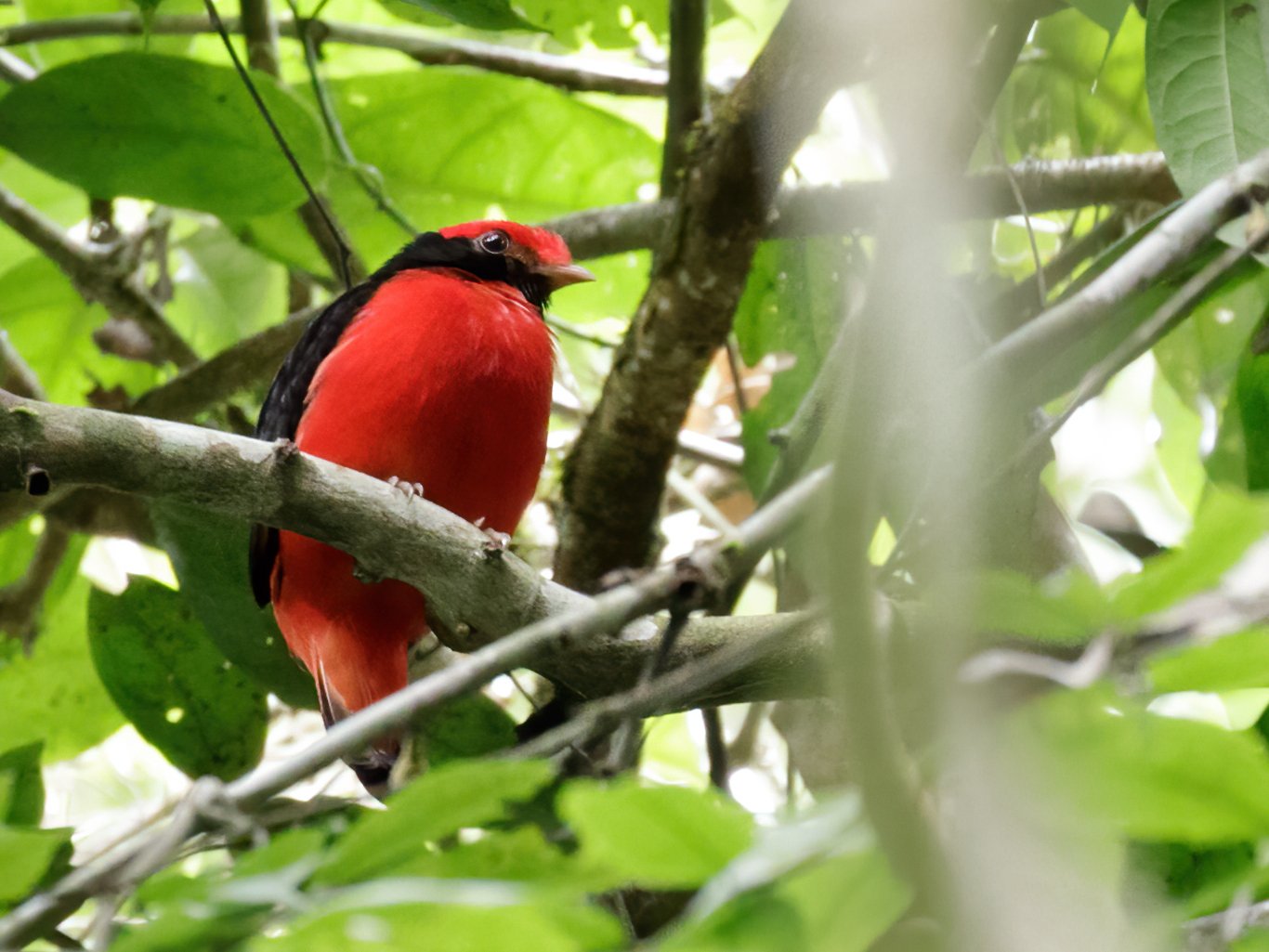
Rupicola 2 espécies


Zaratornis 1 espécie

Phibalura 1 espécie

Phytotoma 2 espécies
-
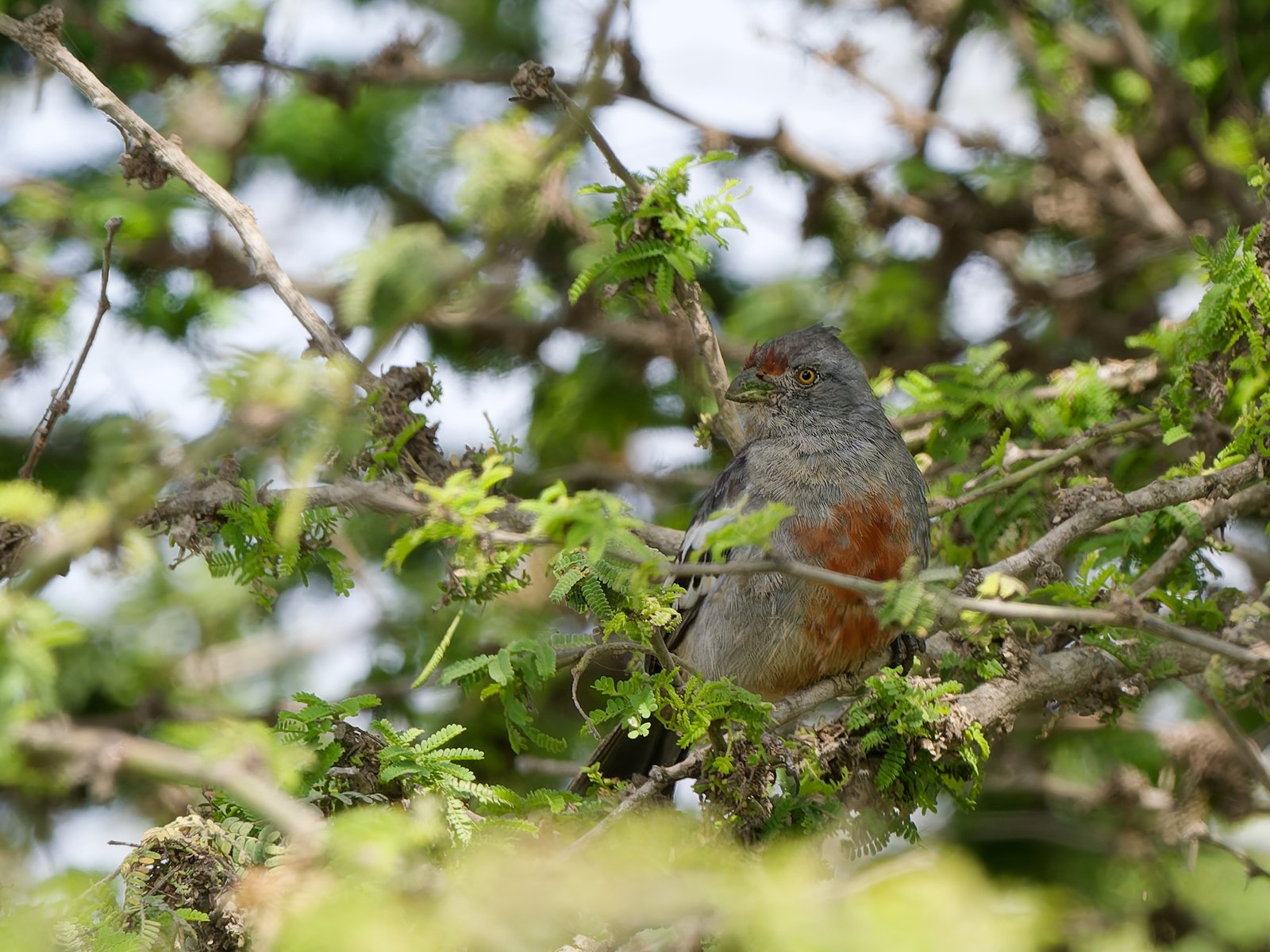
Corta-ramos-peruano
Phytotoma raimondii Tumbesian dry forest and thorn scrub
 Coastal desert
 Riparian woodland of the Andes and coastal valleys
-
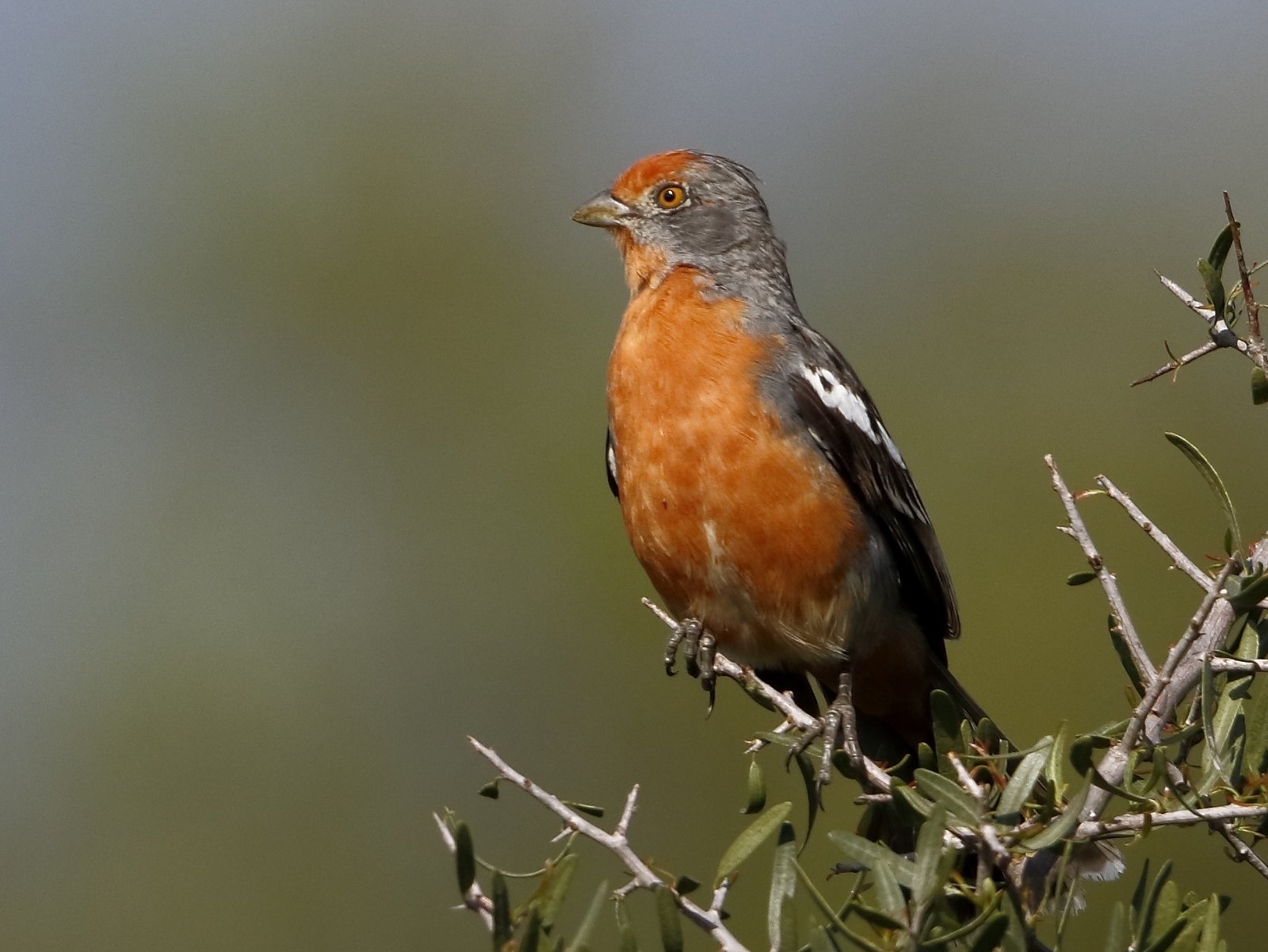
Corta-ramos-de-rabo-branco
Phytotoma rutila Central Andean dry valleys
 Chiquitano dry forest and Chaco
- Riparian woodland of the Andes and coastal valleys
 Andean fields and terraces
Doliornis 2 espécies
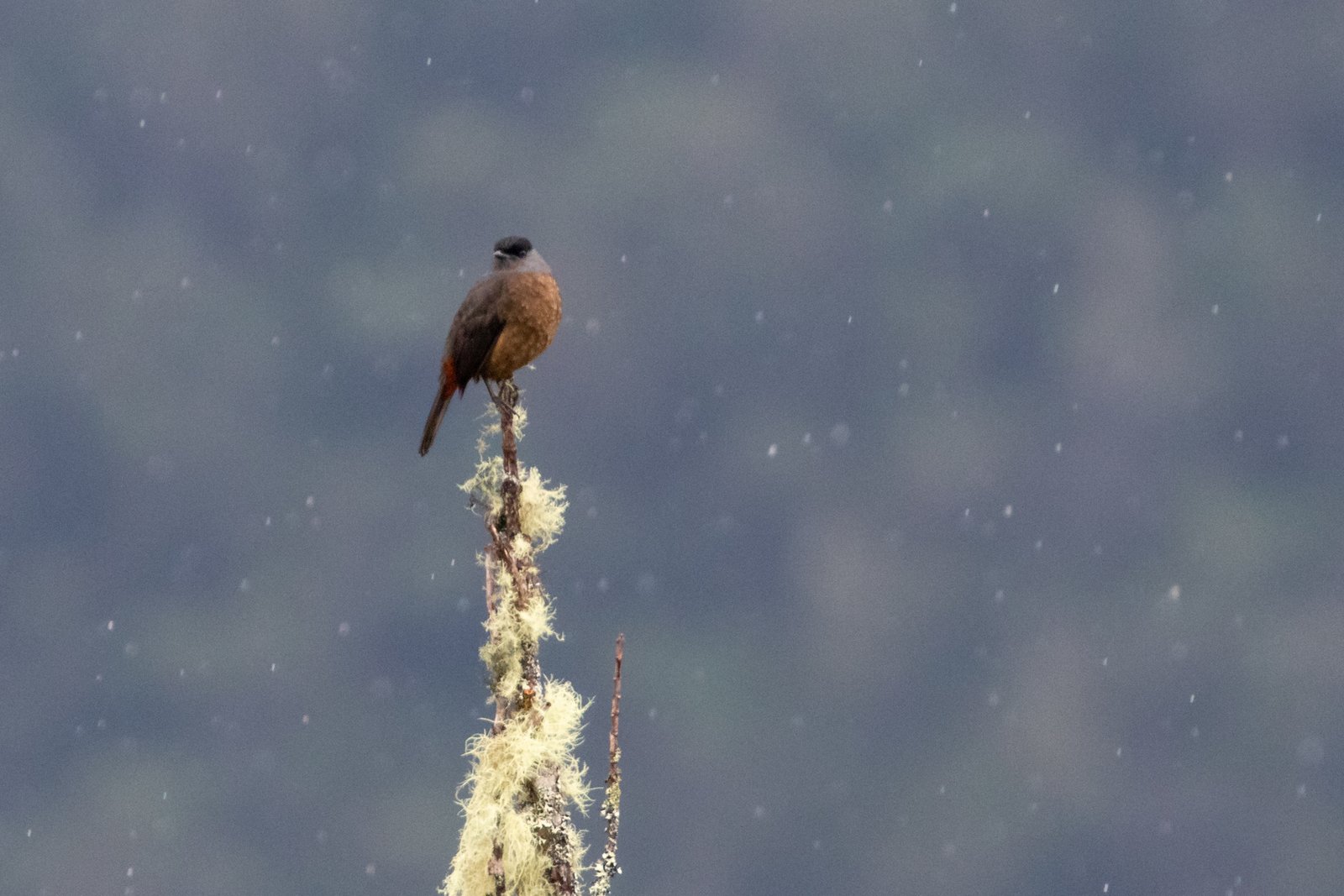
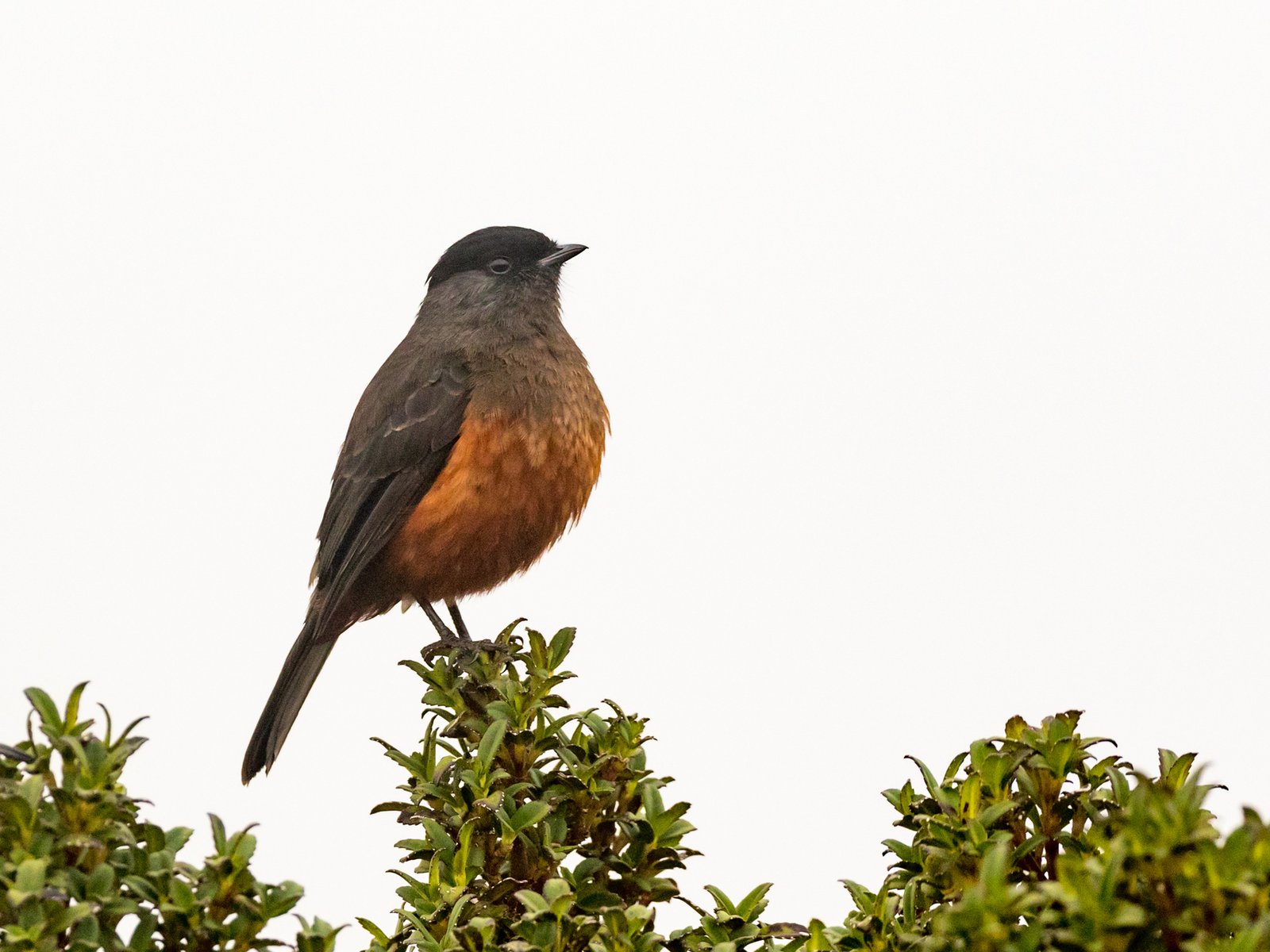
Ampelion 2 espécies
-
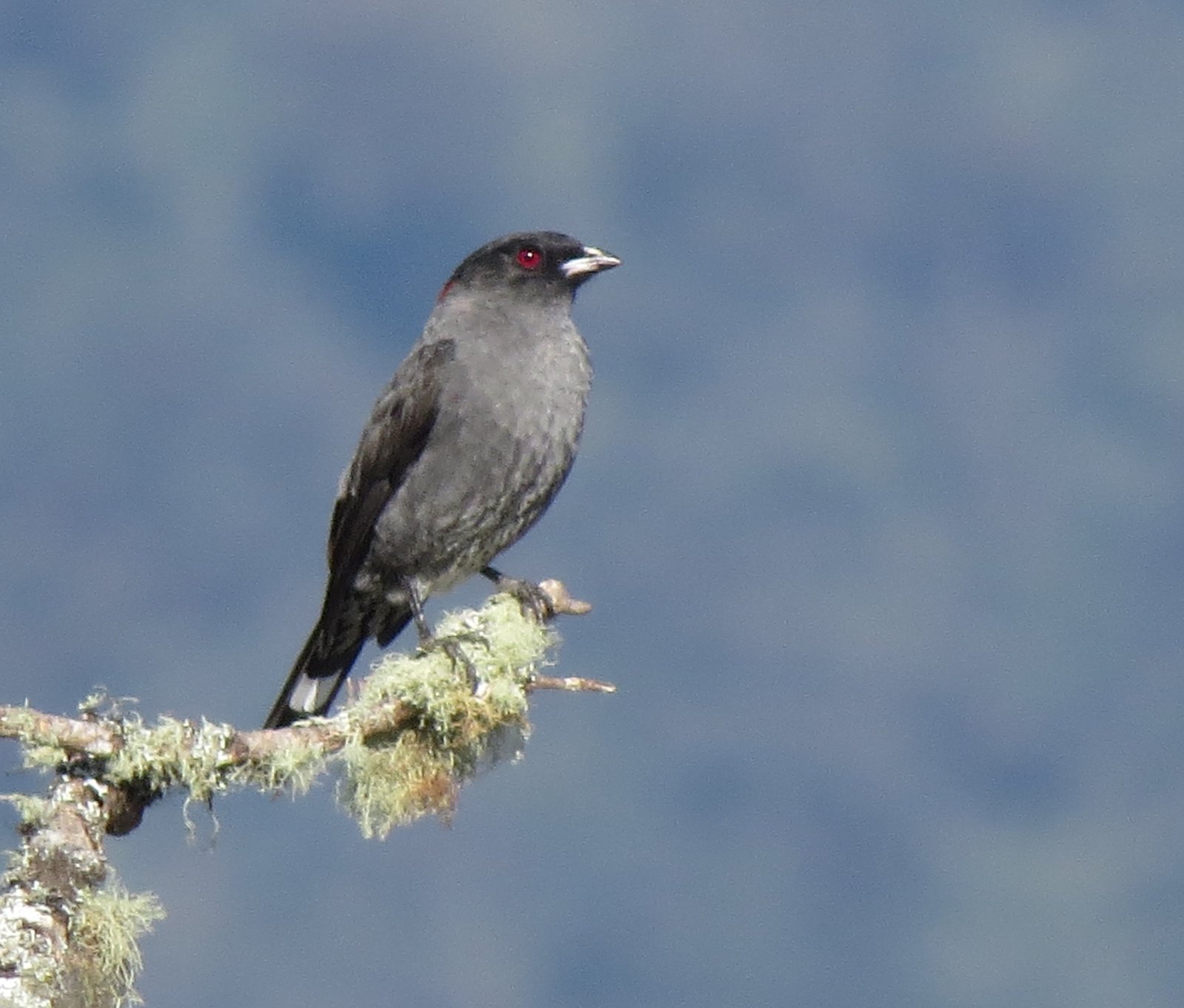
Cotinga-de-crista-vermelha
Ampelion rubrocristatus- Northern Andean cloud forest and temperate forest
- Upper Yungas cloud forest
- Polylepis woodland
 Páramo
- Secondary forest and forest edge
-
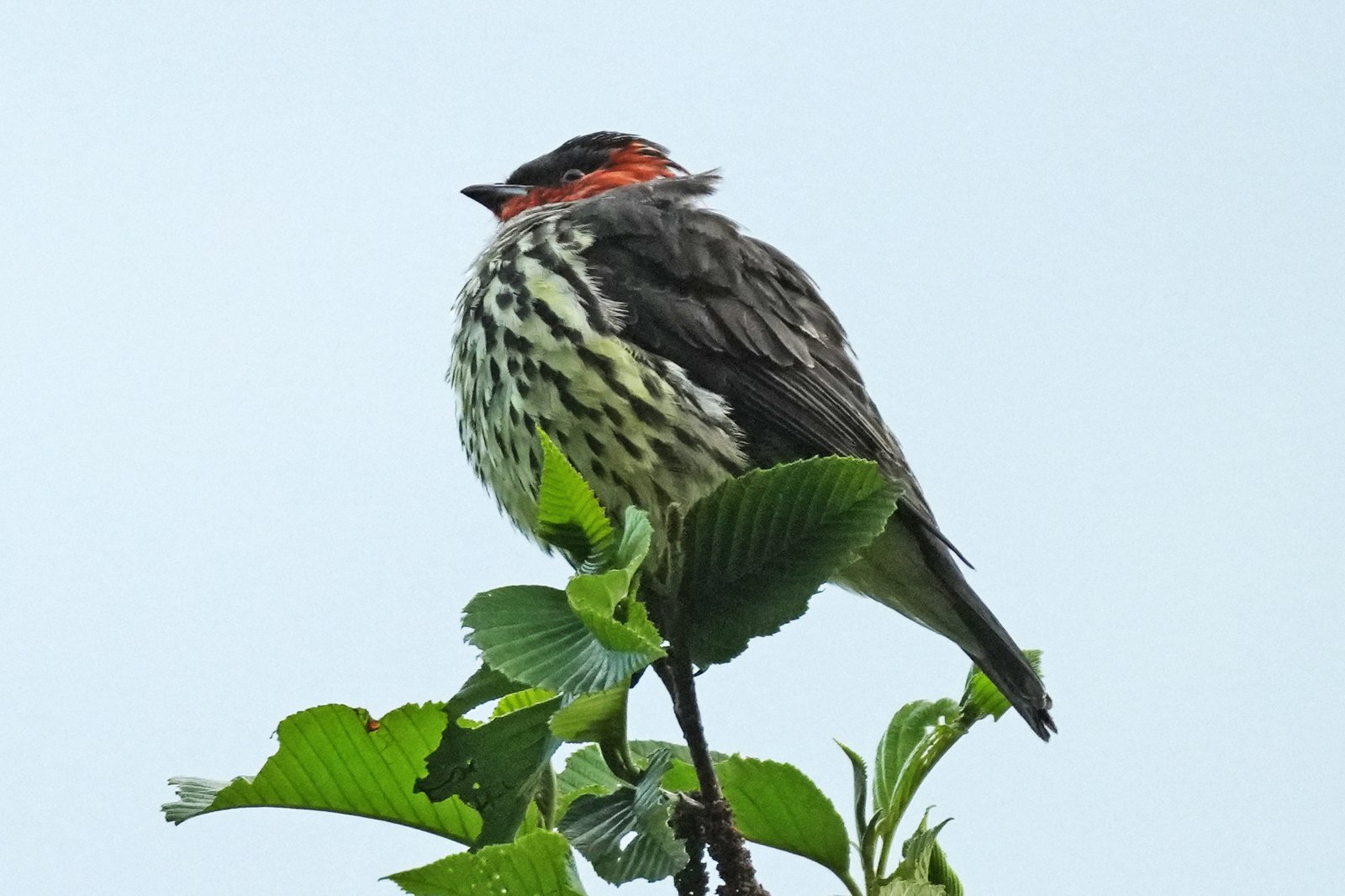
Cotinga-de-crista-castanha
Ampelion rufaxilla- Northern Andean cloud forest and temperate forest
- Upper Yungas cloud forest
- Northern Andean subtropical forest
- Lower Yungas forest
Perissocephalus 1 espécie
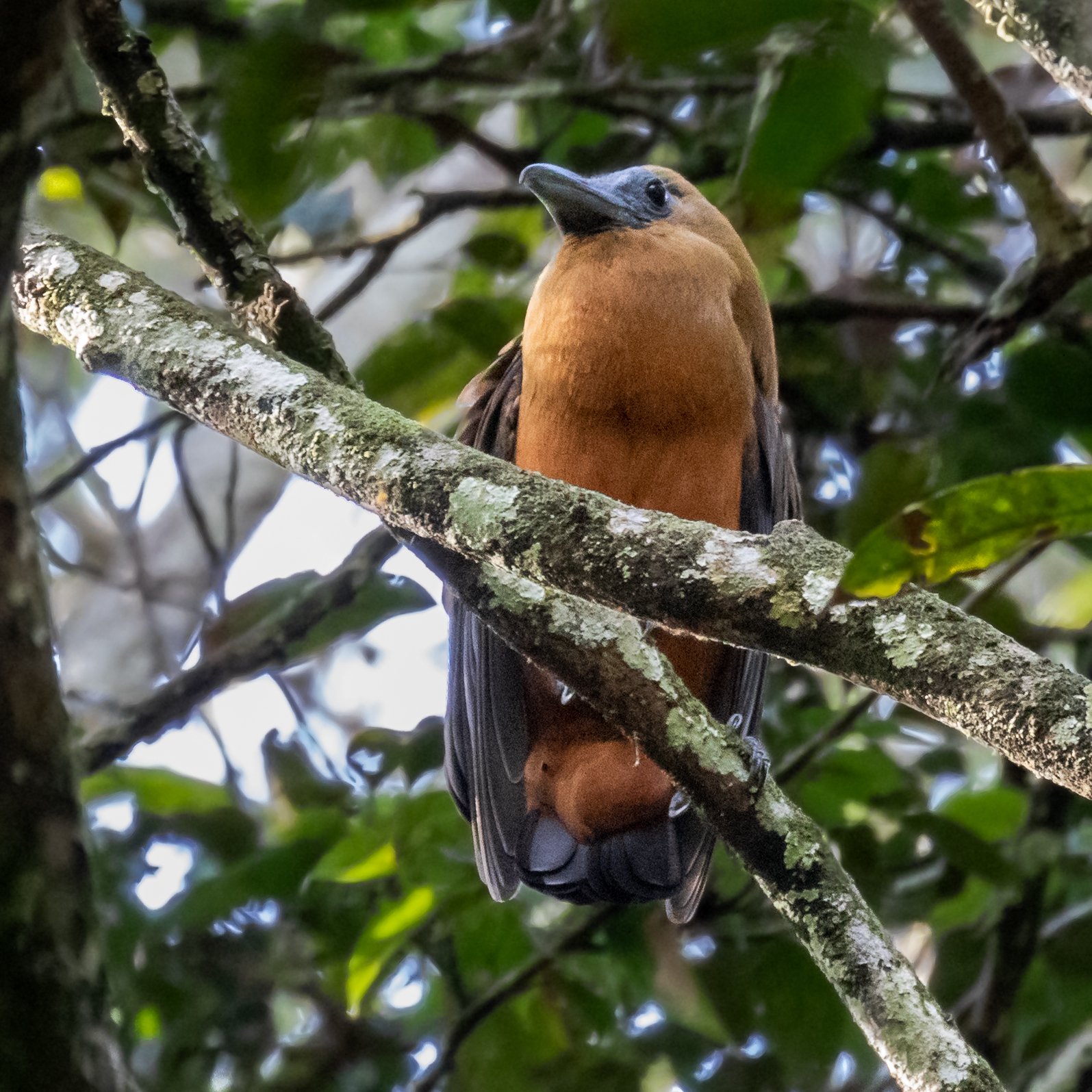
Cephalopterus 2 espécies
-
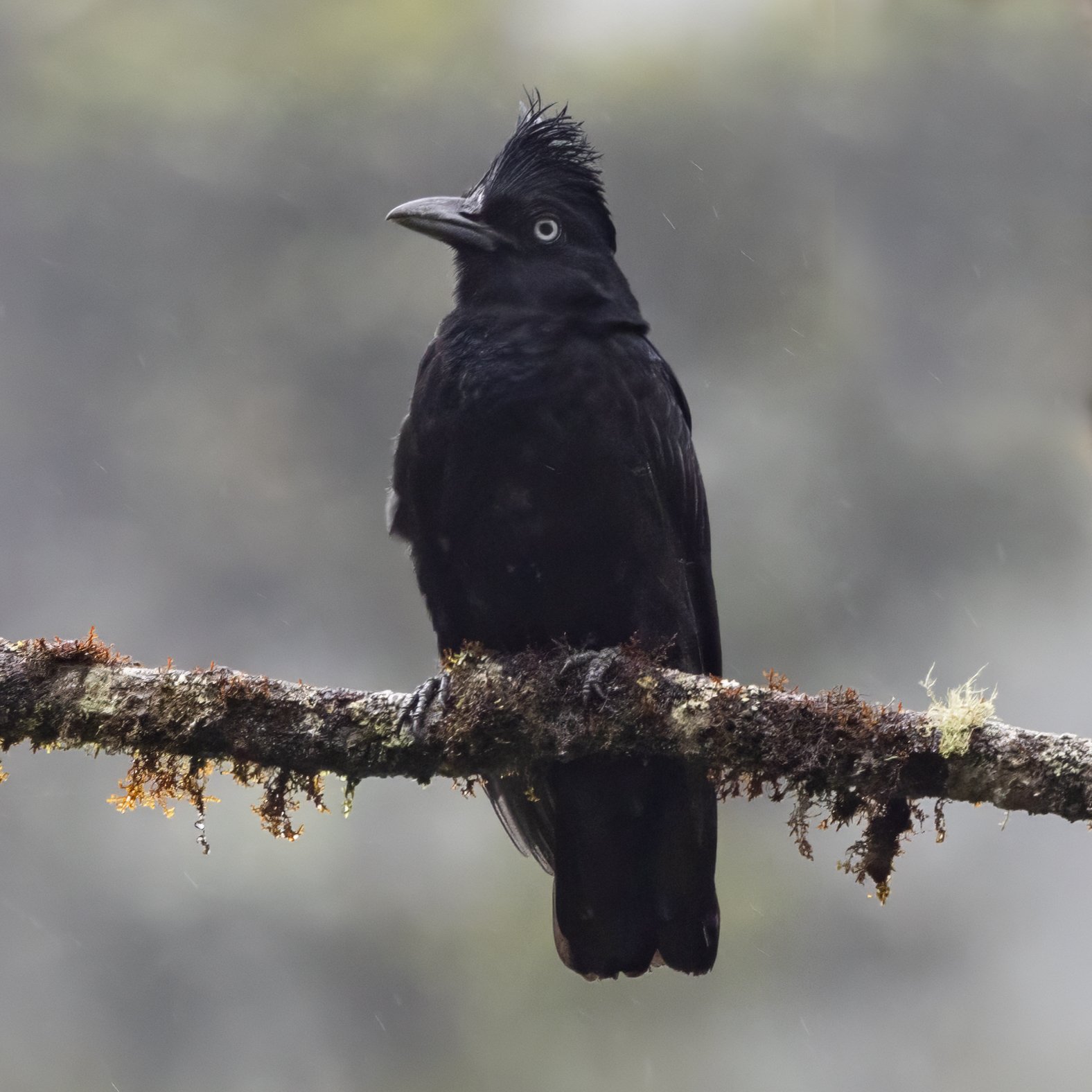
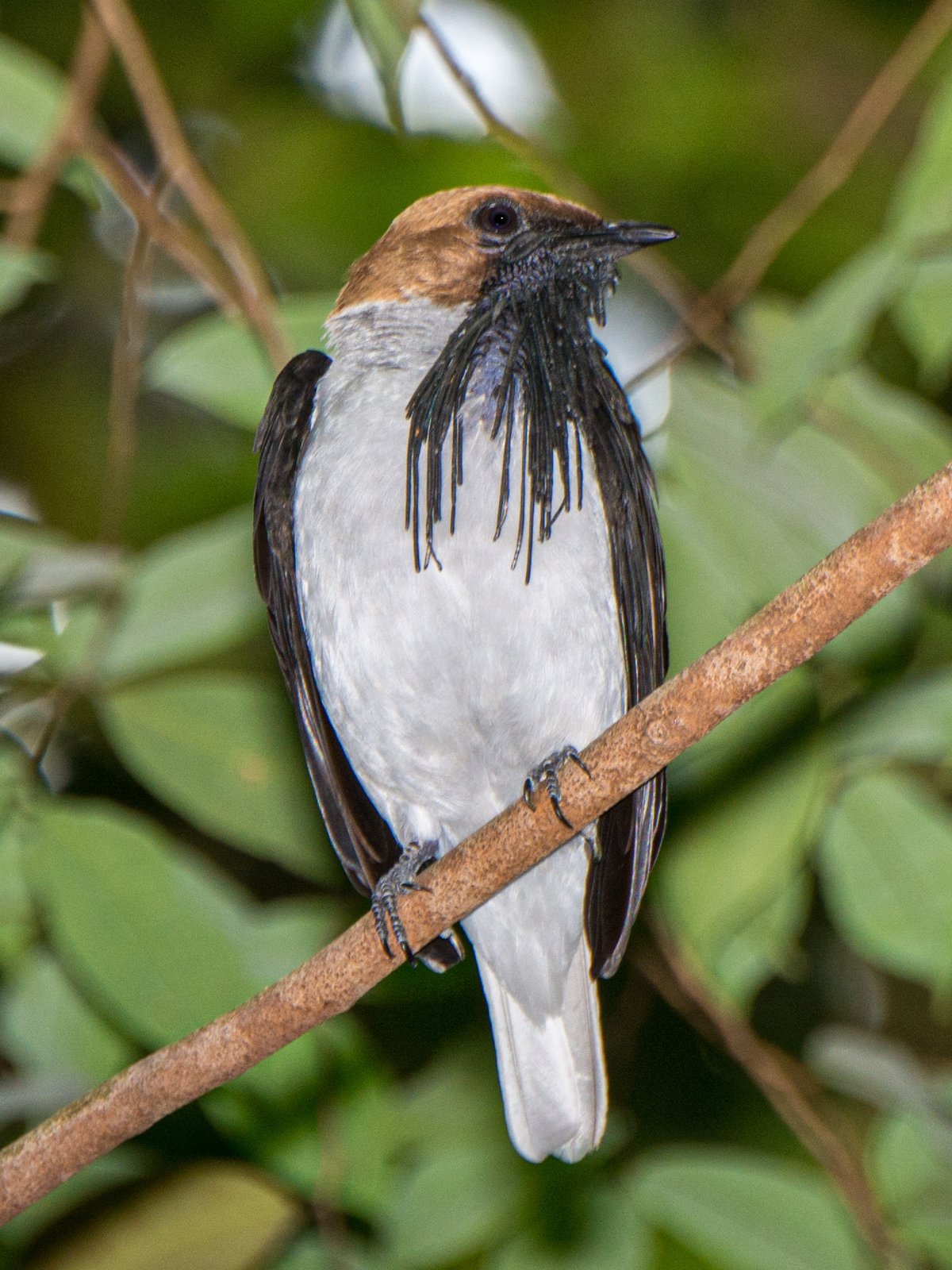
Anambé-preto
Cephalopterus ornatus Várzea, igapó and river islands
- Eastern Andean foothill forest
 Amazonian terra firme rainforest
 Lowland rivers and sandbars
- Secondary forest and forest edge
-
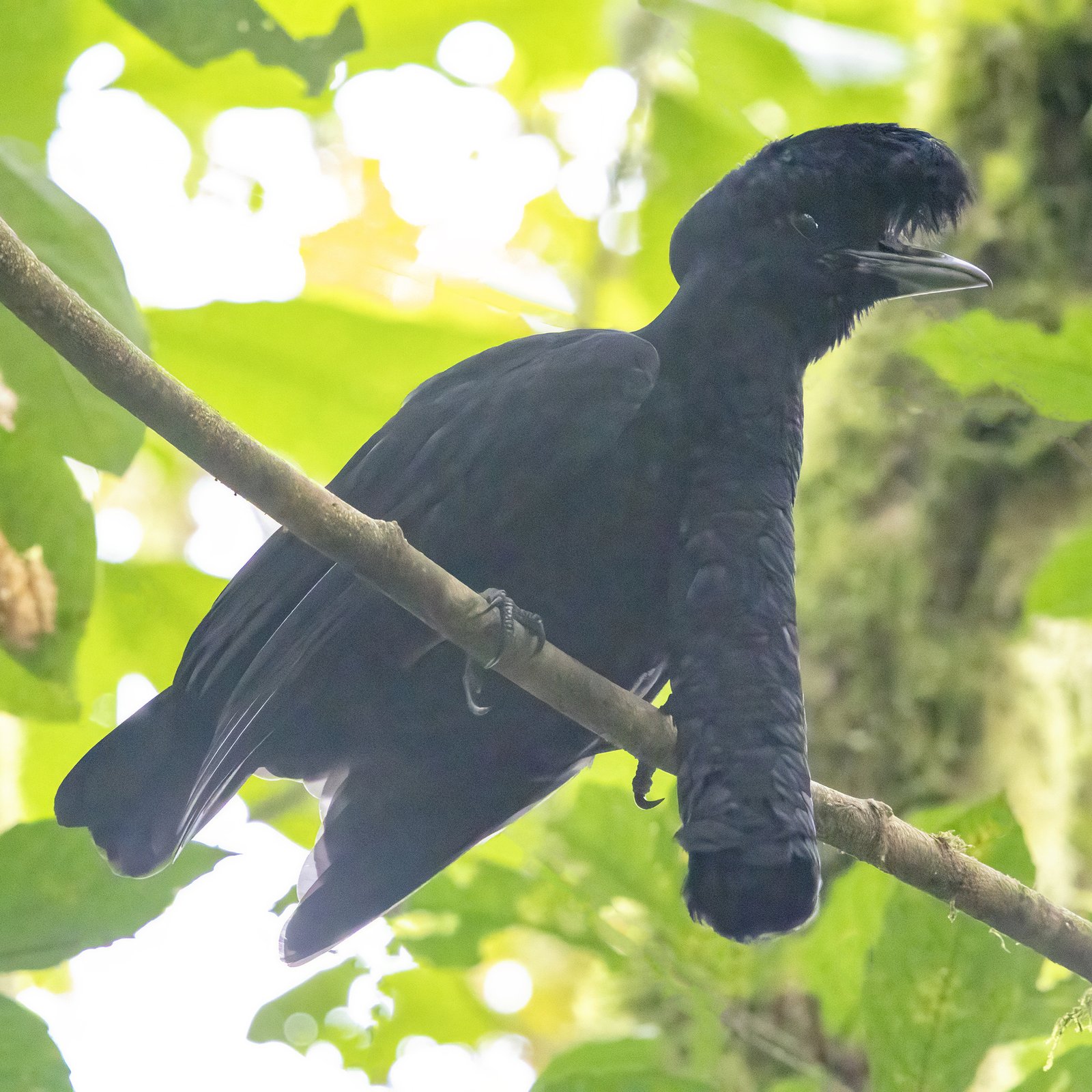
Anambé-de-barbela-comprida
Cephalopterus penduliger- Chocó rainforest
- Western Ecuador humid forest
- Northern Andean subtropical forest
- Secondary forest and forest edge
Porphyrolaema 1 espécie
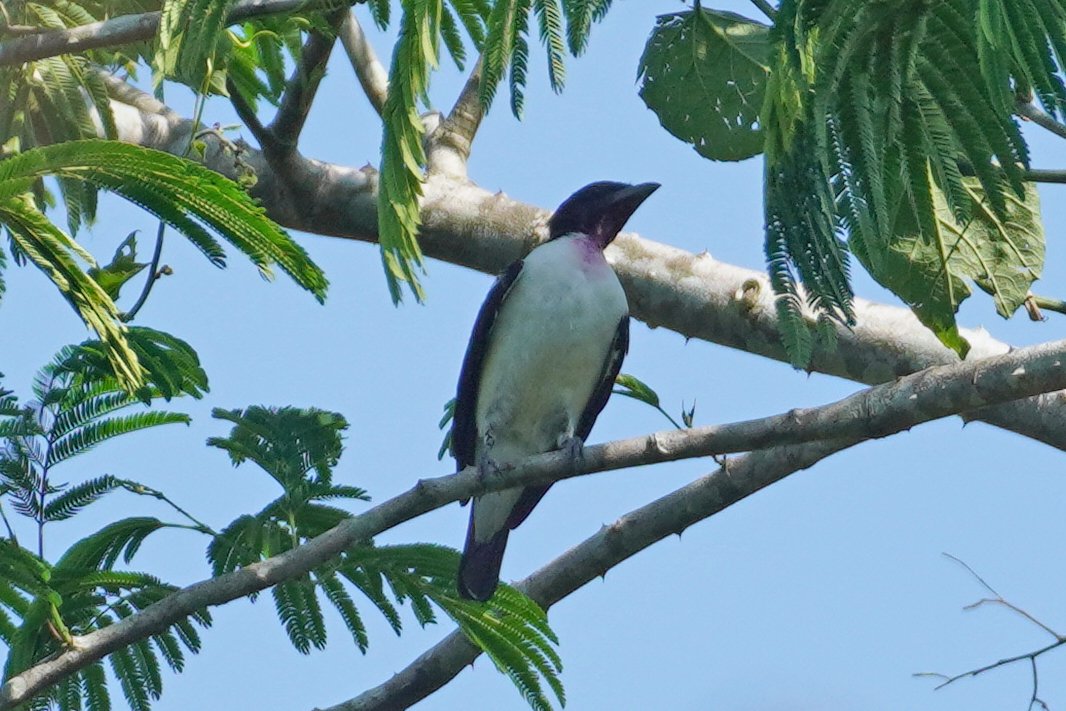
Gymnoderus 1 espécie
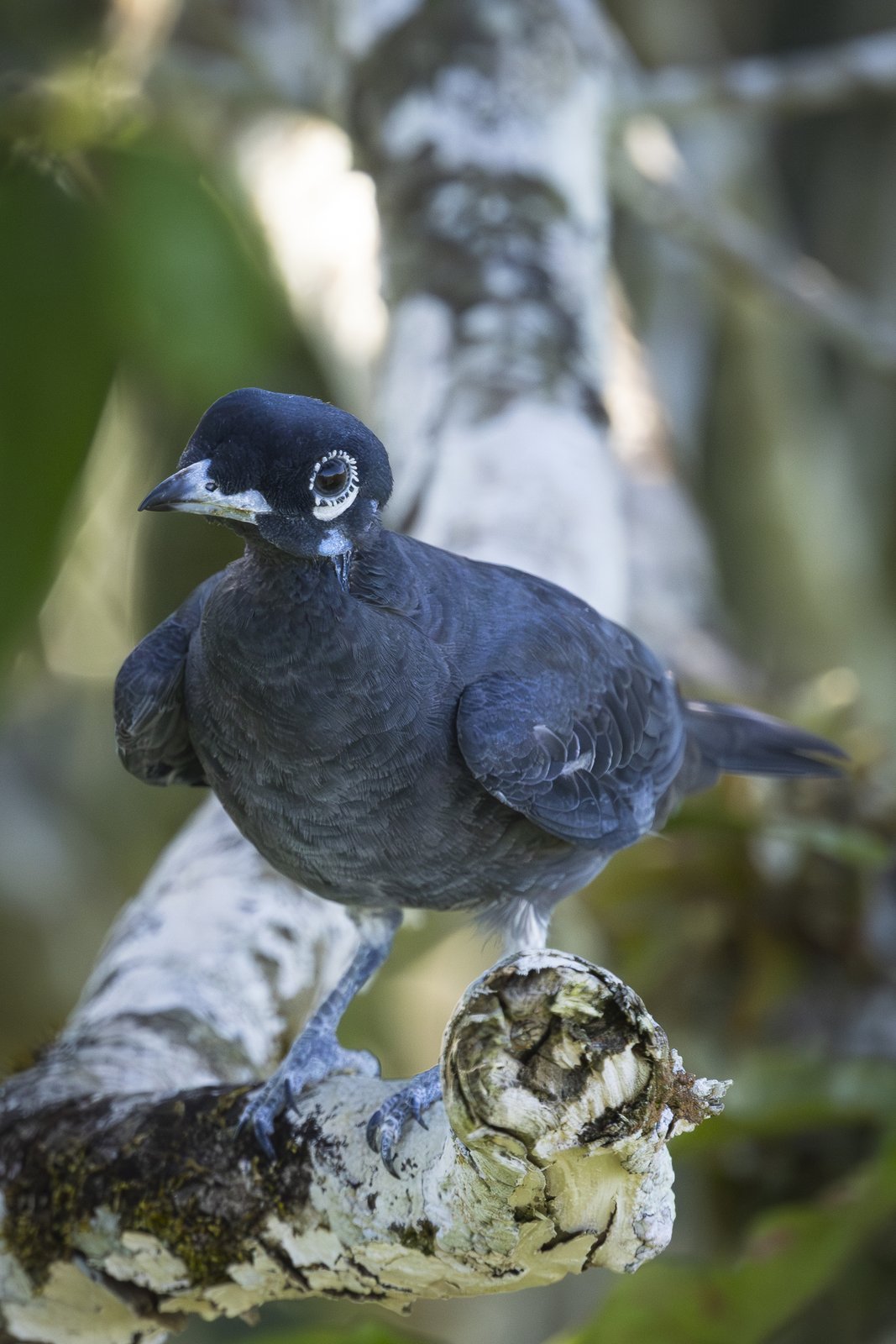
Conioptilon 1 espécie
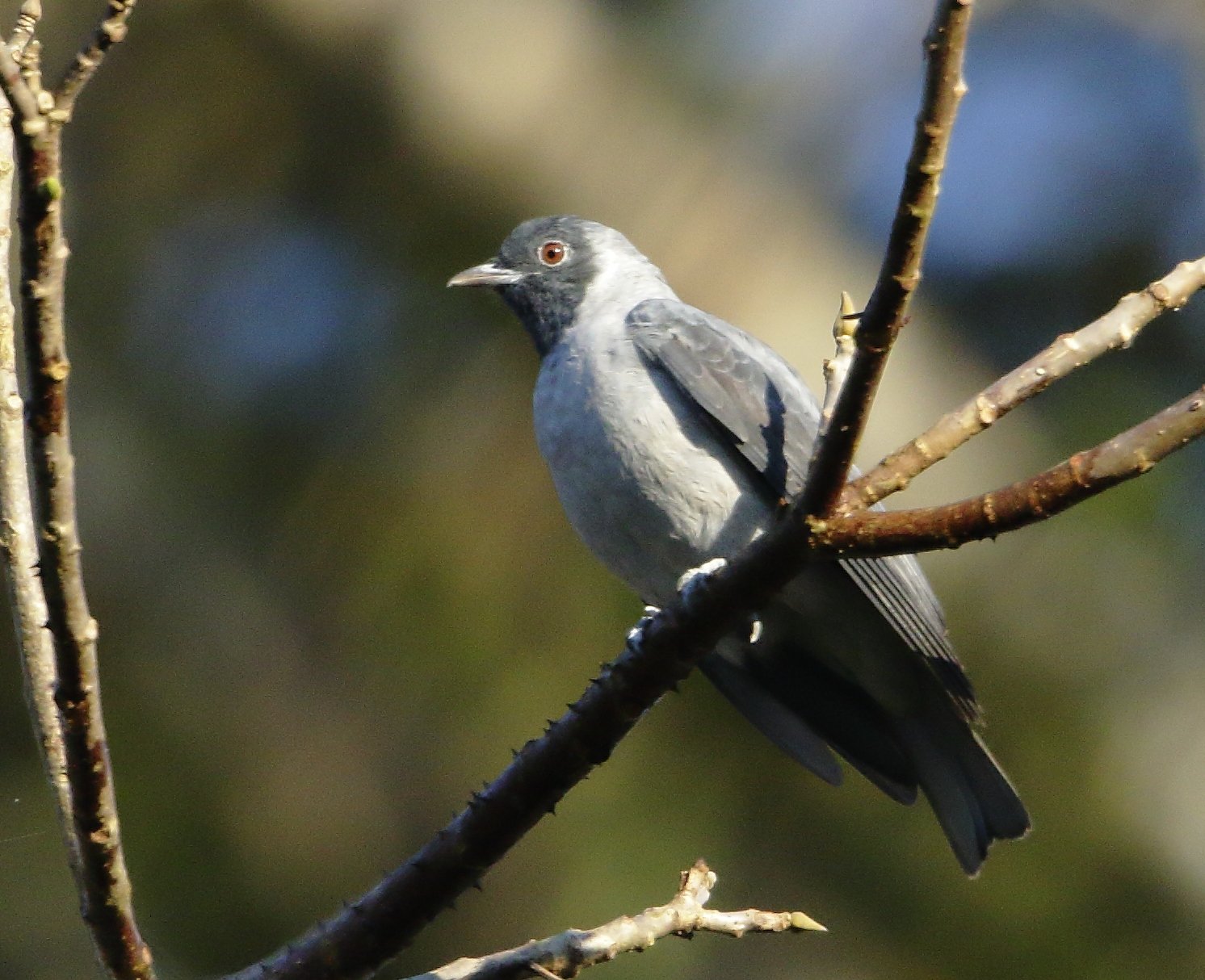

Xipholena 1 espécie
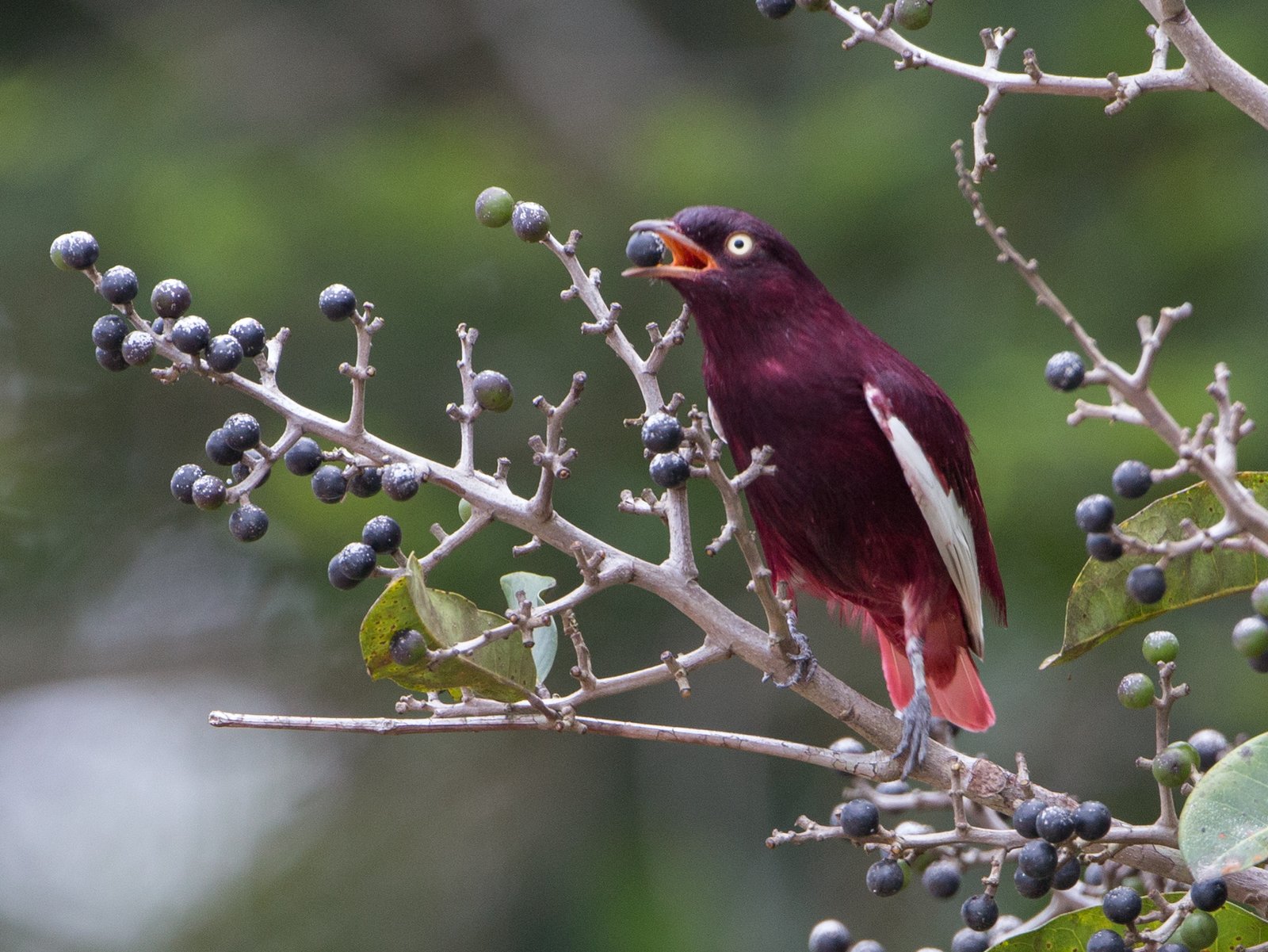
Carpodectes 2 espécies
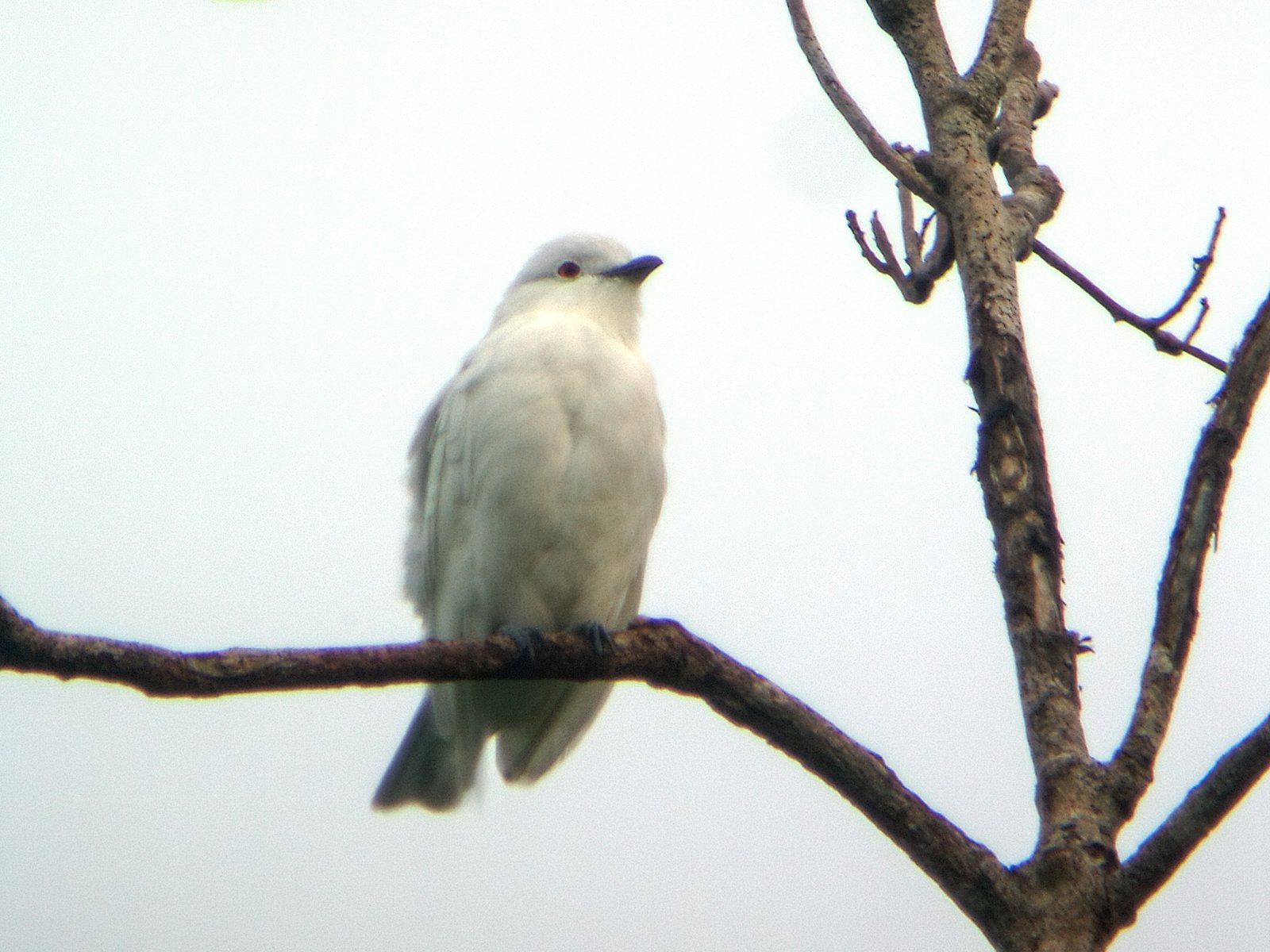
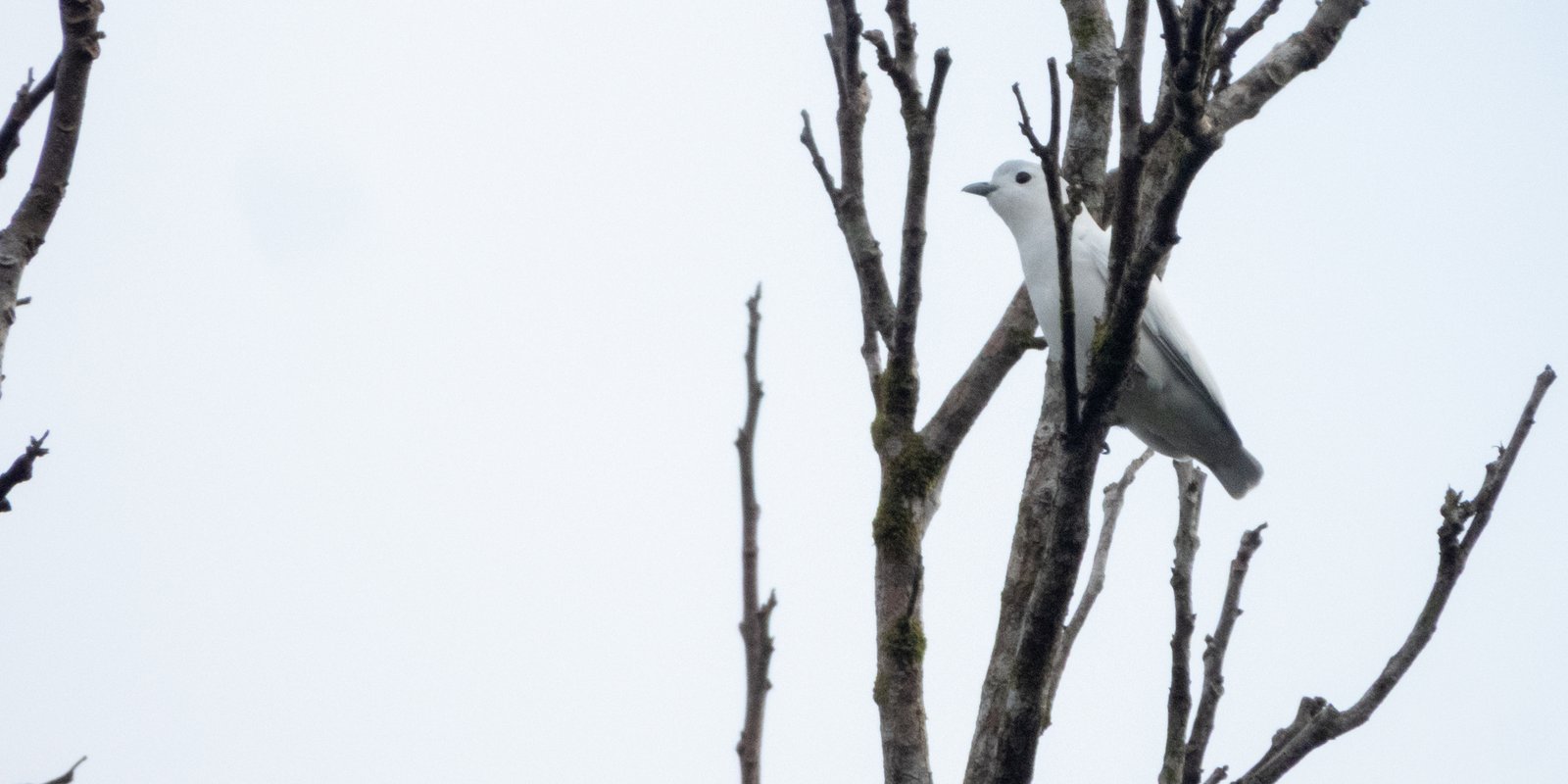
Cotinga 4 espécies
-
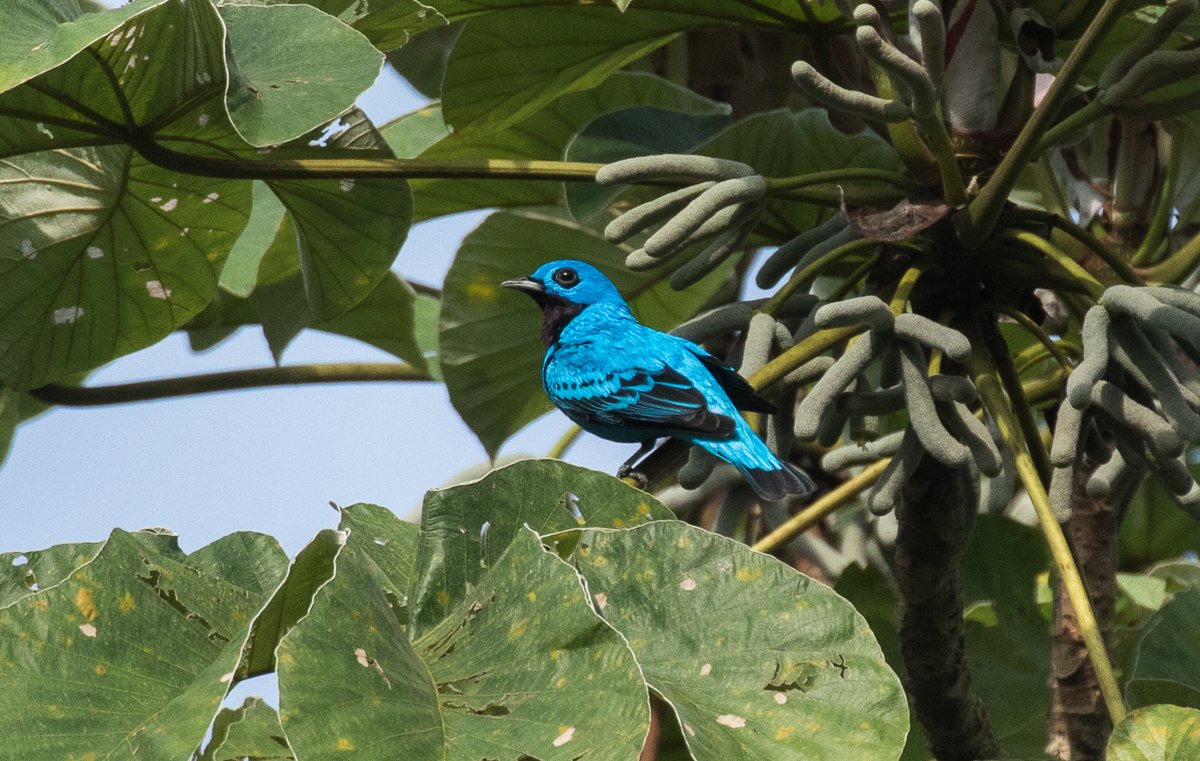
Cotinga-azul
Cotinga nattererii- Chocó rainforest
- Western Ecuador humid forest
- Secondary forest and forest edge
- Northern Andean subtropical forest
-
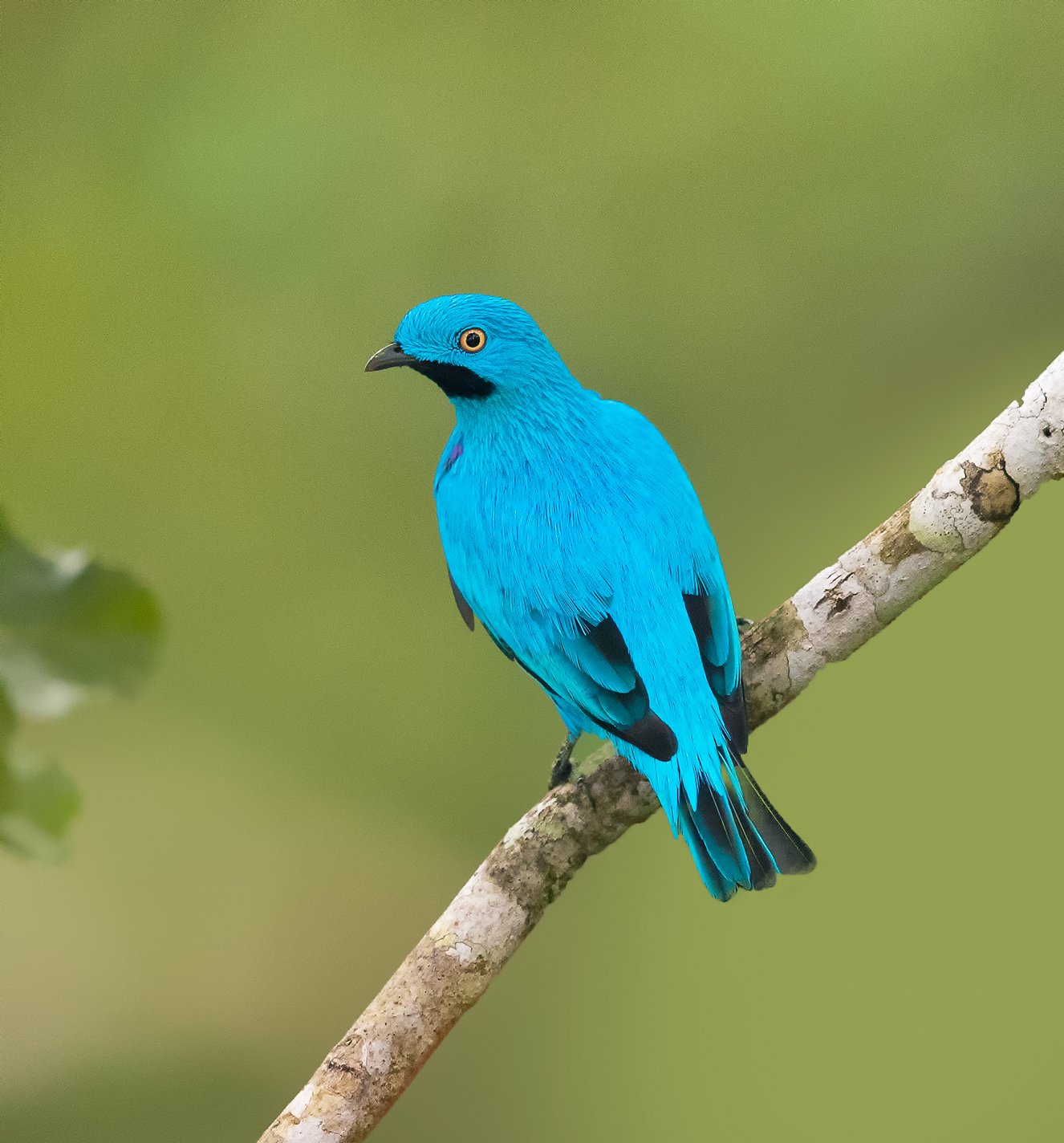
Cotinga-de-garganta-roxa
Cotinga maynana- Amazonian terra firme rainforest
- Várzea, igapó and river islands
- Eastern Andean foothill forest
- Secondary forest and forest edge
-
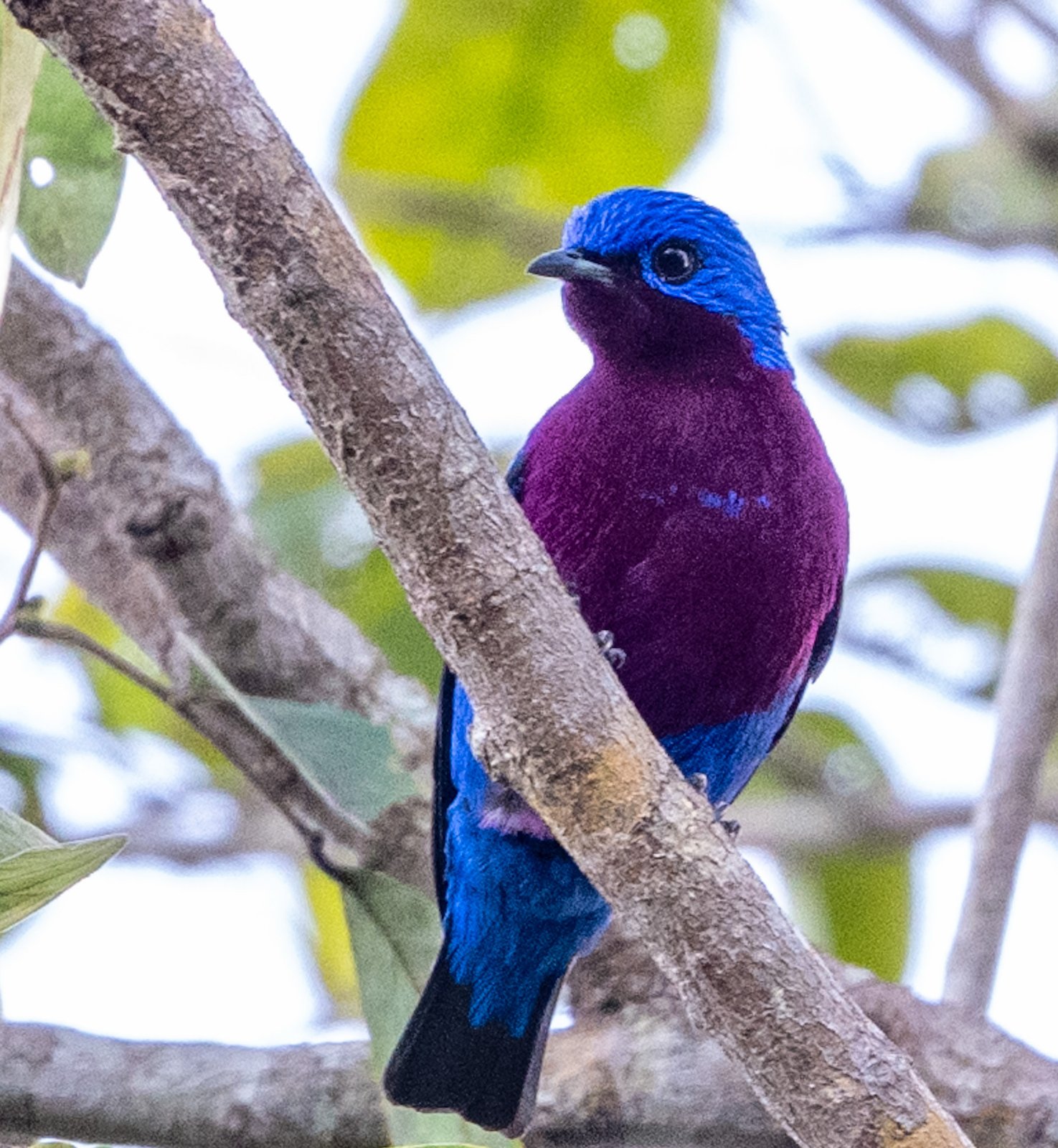
Anambé-de-peito-roxo
Cotinga cotinga- Amazonian terra firme rainforest
- Secondary forest and forest edge
-
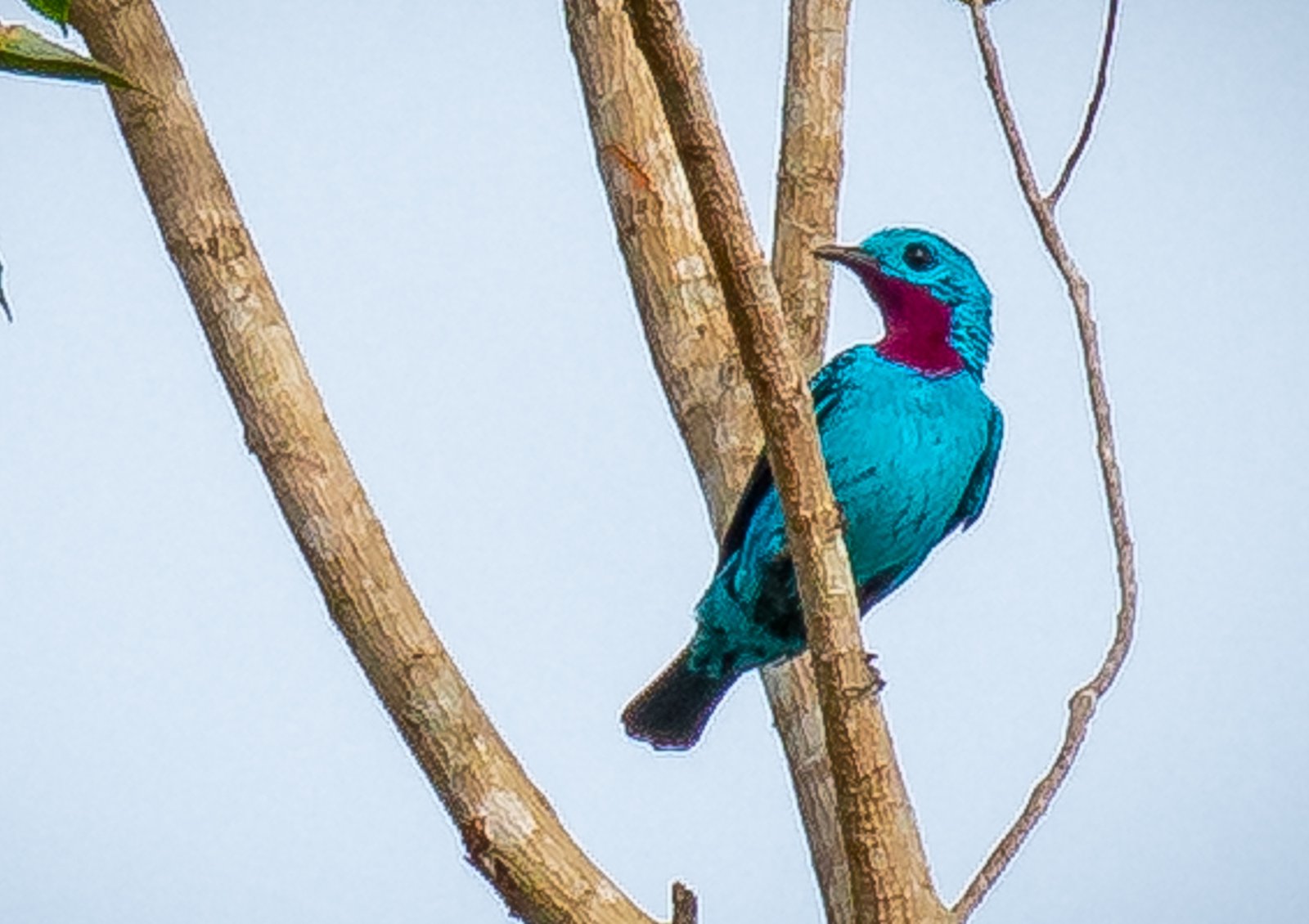
Anambé-azul
Cotinga cayana- Amazonian terra firme rainforest
- Várzea, igapó and river islands
- Secondary forest and forest edge
- Eastern Andean foothill forest
Lipaugus 5 espécies
-
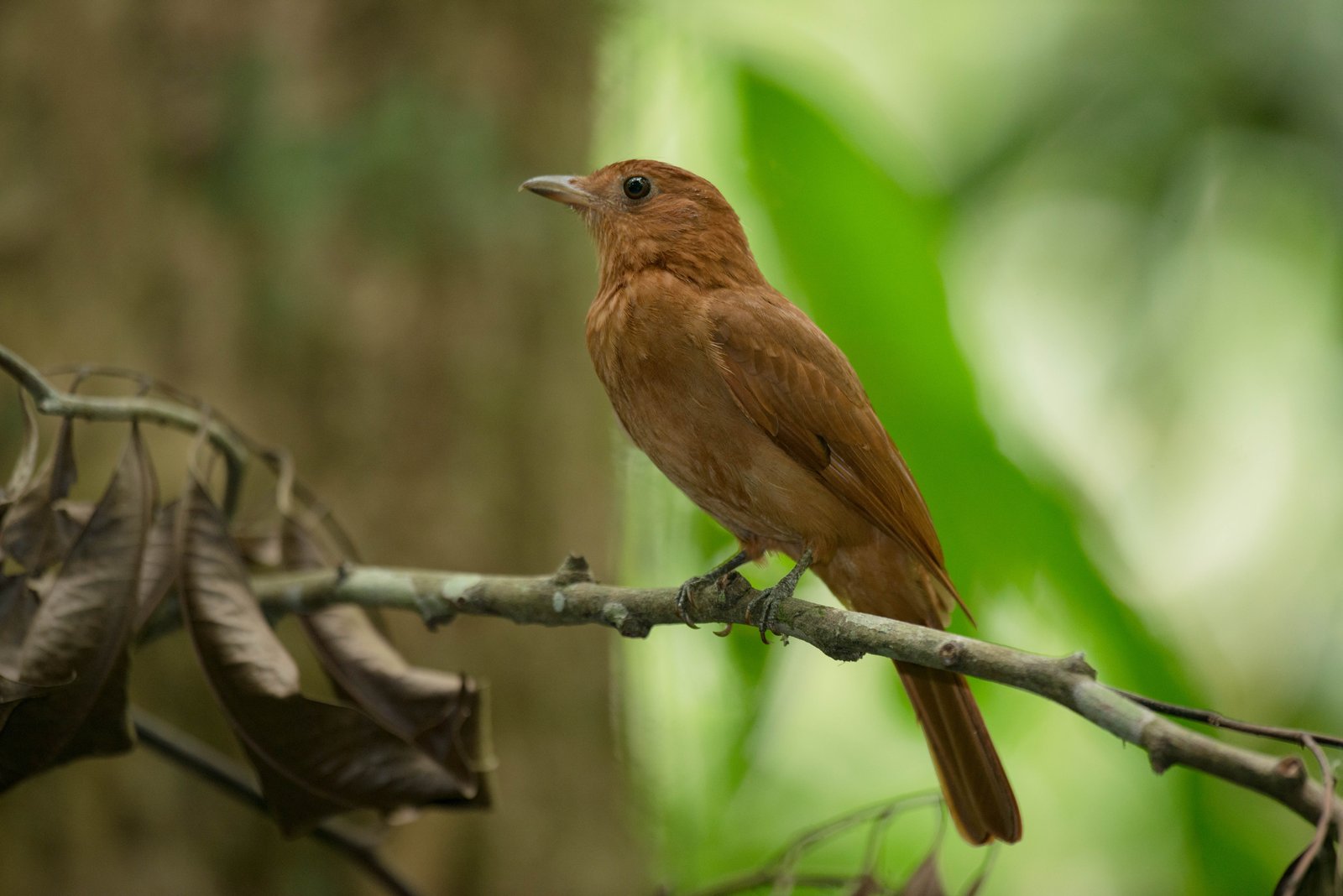
Cricrió-ruivo
Lipaugus unirufus- Chocó rainforest
- Western Ecuador humid forest
- Secondary forest and forest edge
-
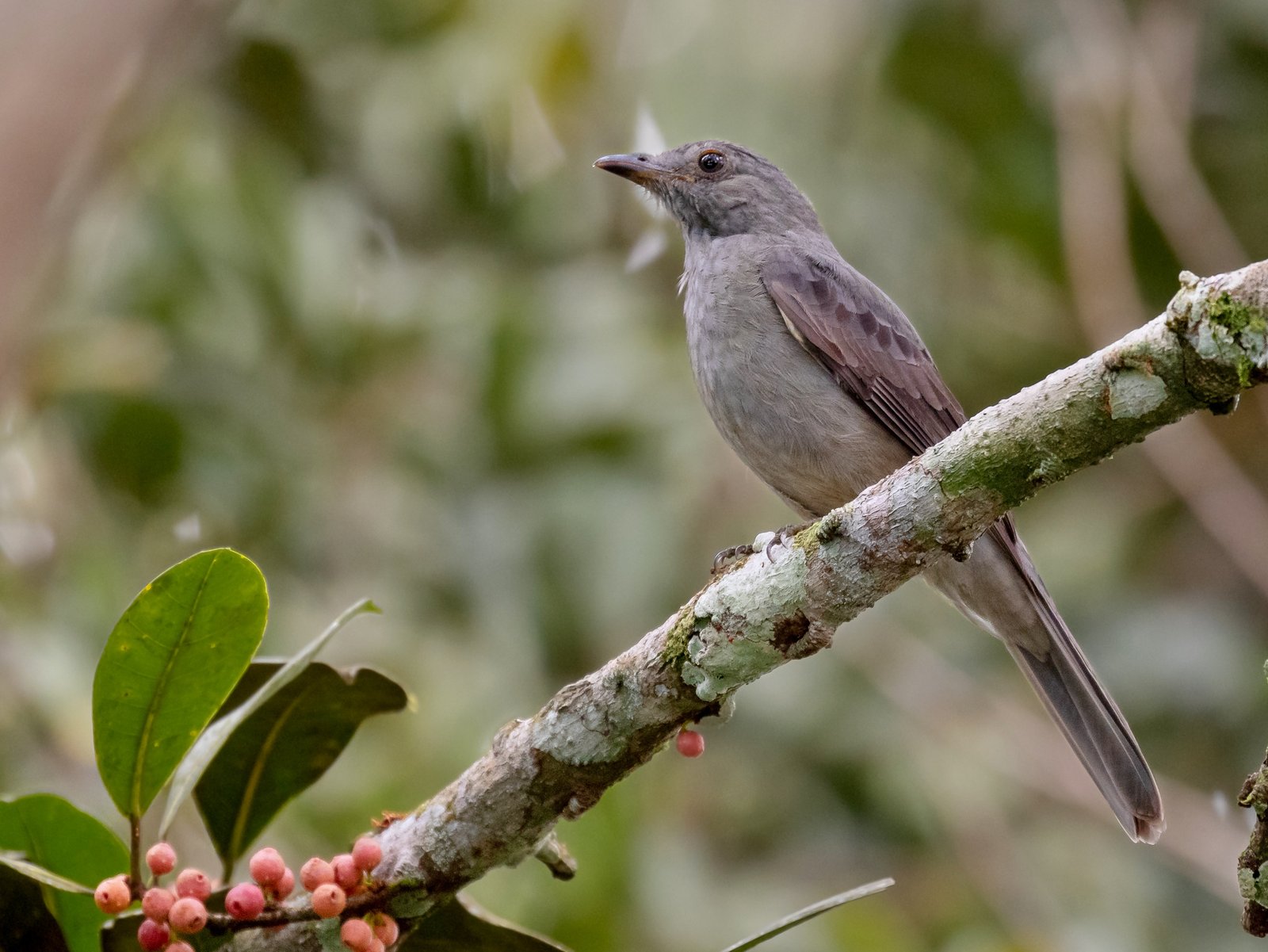
Cricrió
Lipaugus vociferans- Amazonian terra firme rainforest
- Várzea, igapó and river islands
- Eastern Andean foothill forest
- Secondary forest and forest edge
-
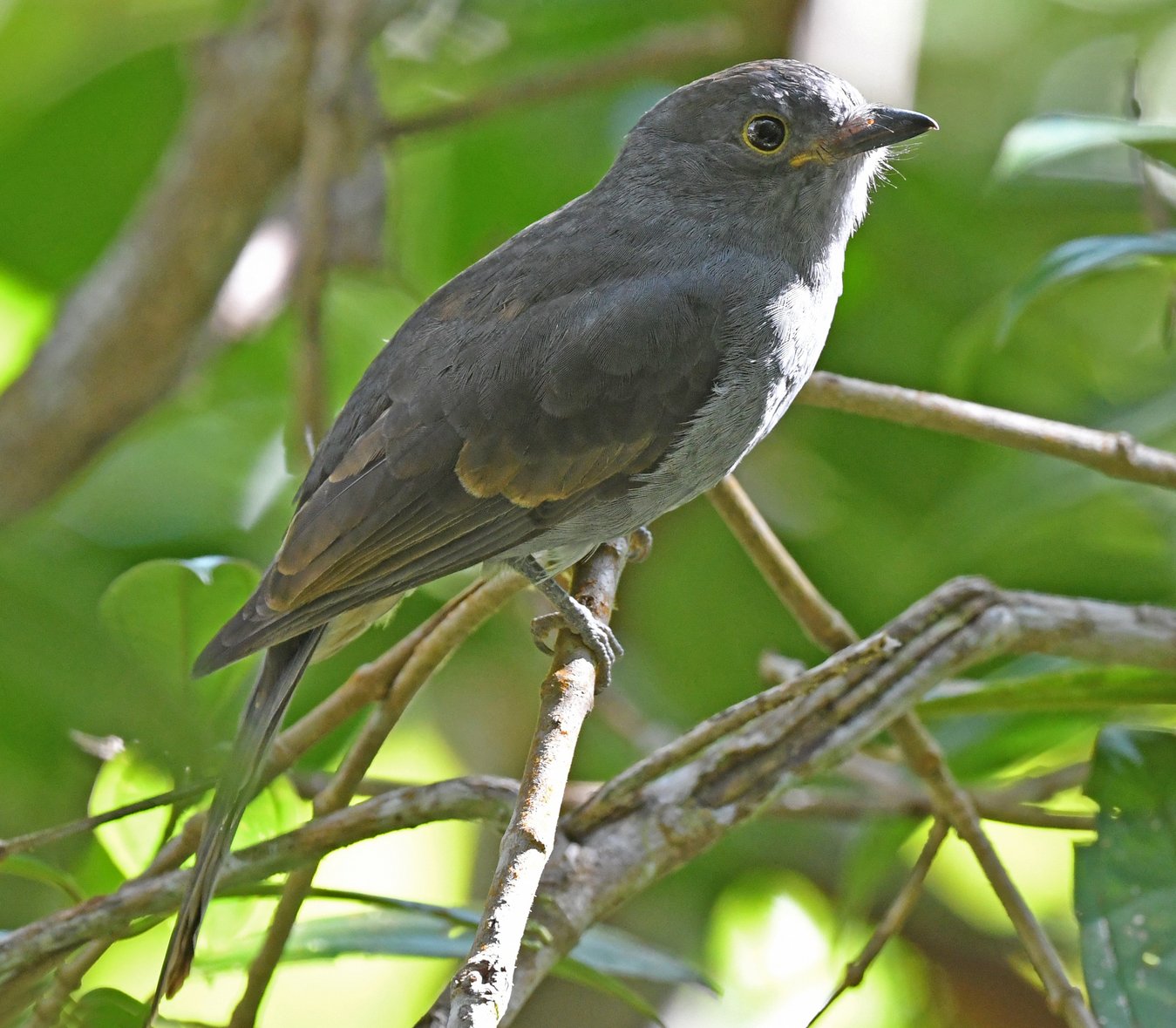
Cricrió-de-boné-castanho
Lipaugus weberi- Northern Andean subtropical forest
- Northern Andean cloud forest and temperate forest
-

Cricrió-escuro
Lipaugus fuscocinereus- Northern Andean cloud forest and temperate forest
- Northern Andean subtropical forest
-
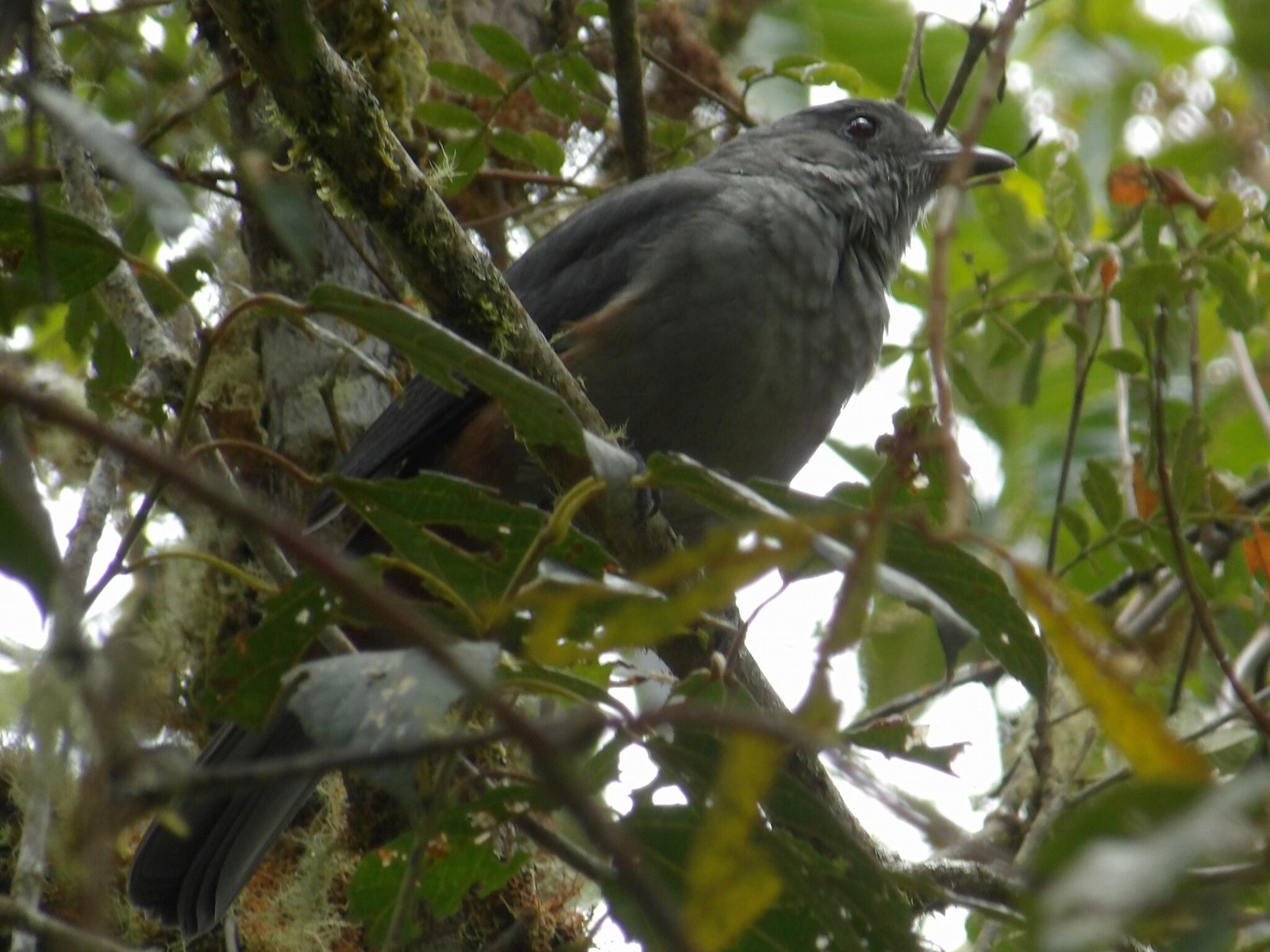
Cricrió-de-asa-curva
Lipaugus uropygialis- Upper Yungas cloud forest
- Lower Yungas forest
Vagantes 1 espécie
Aves trazidas pelo vento de outros continentes. Não têm área de distribuição aqui e, por isso, não têm mapa de distribuição.