Todas as espécies › Waders, gulls and terns › Sandpipers and allies
Sandpipers and allies | Scolopacidae
Strandlopers en snippen | Sandpipers and allies | Correlimos y agachadizas
The bill is not only long and sensitive but mobile: the tip of the upper mandible alone can be raised, so the bird can seize a worm deep in the mud without opening the bill along its whole length. Length and curvature differ greatly from species to species, so that birds feeding side by side on the same flat reach different depths and different prey. Forty-two species in ten genera occur in this guide; most are migrants from North America that winter along the Pacific coast, on riverbanks and at the lakes of the high Andes, while the snipes (Gallinago) also breed here in boggy parts of the páramo and puna. The plumage is grey-brown and finely marked, and changes completely twice a year: a conspicuous breeding dress and a plain winter one. Four pear-shaped eggs in a scrape, chicks that find their own food from the first day, and outside the breeding season large flocks that wheel as one over the tidal flats.
Espécies nativas 35 espécies
Espécies que ocorrem aqui naturalmente: reprodutoras, visitantes de inverno e migrantes de passagem. Estão organizadas por gênero, na sequência da lista.
Bartramia 1 espécie
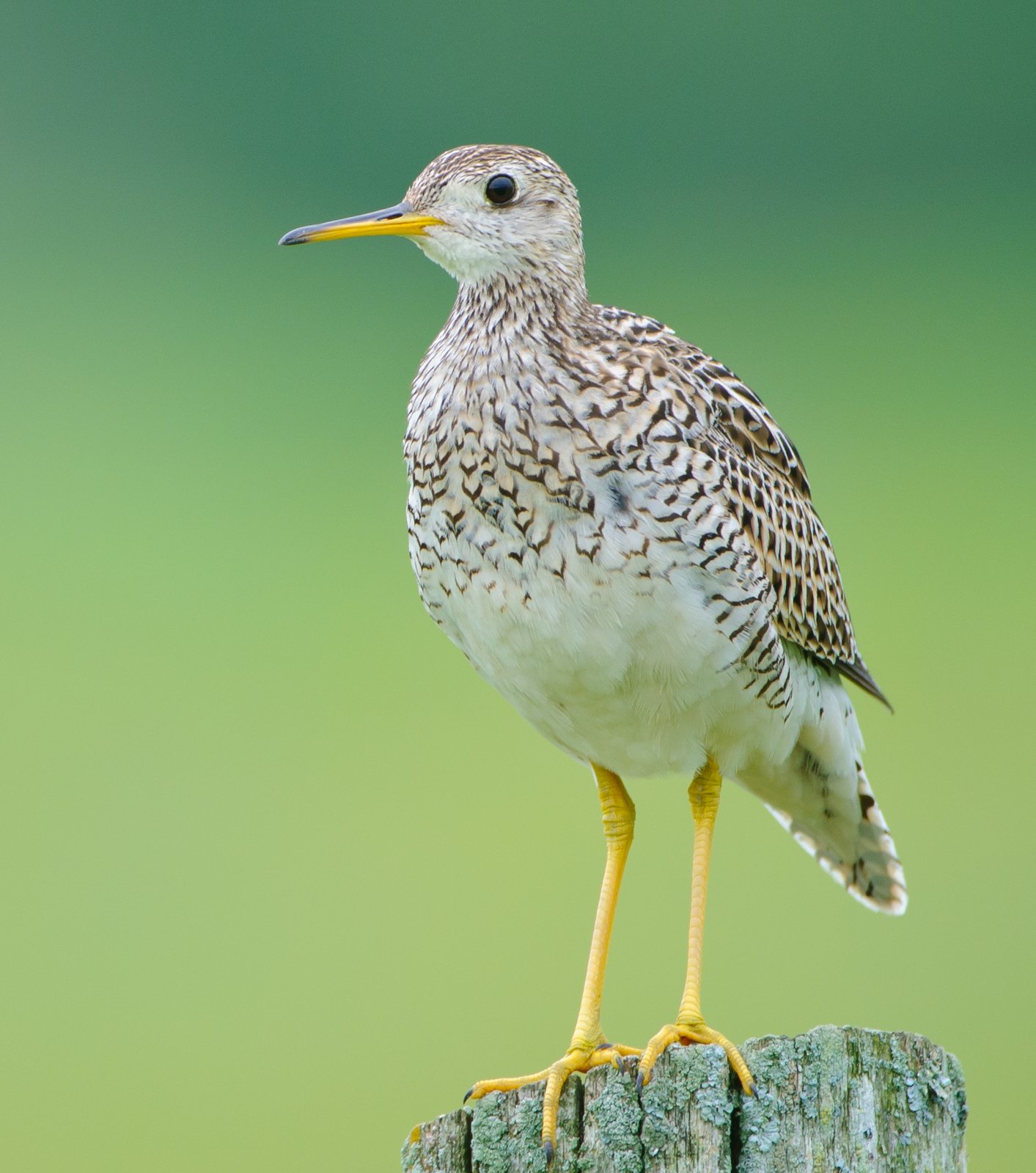
Numenius 2 espécies
-
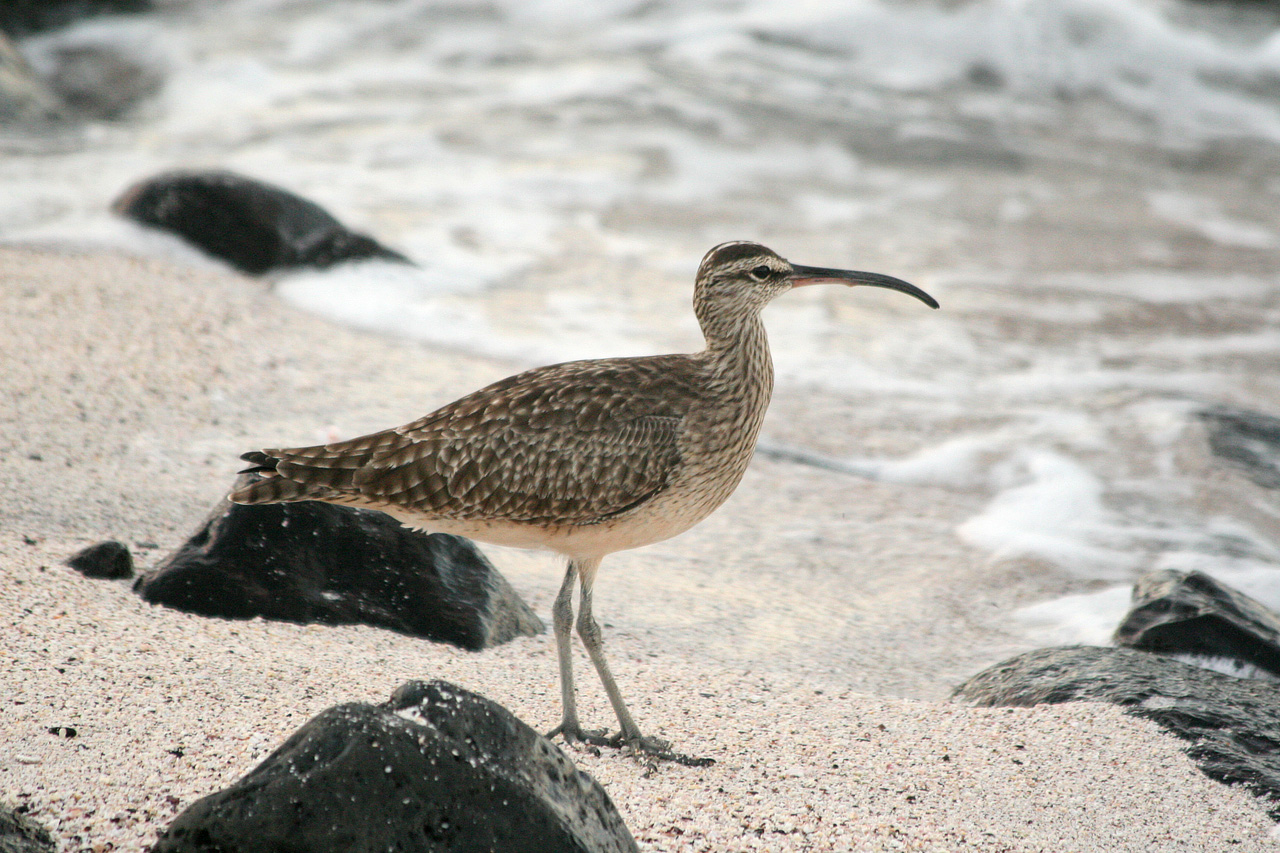
Maçarico-galego
Numenius hudsonicus Tidal flats, lagoons and estuaries
 Sandy beach and dunes
 Rocky shore and sea cliffs
 Mangrove
 Galápagos coast and lava fields
 Salt marsh and salt pans
-
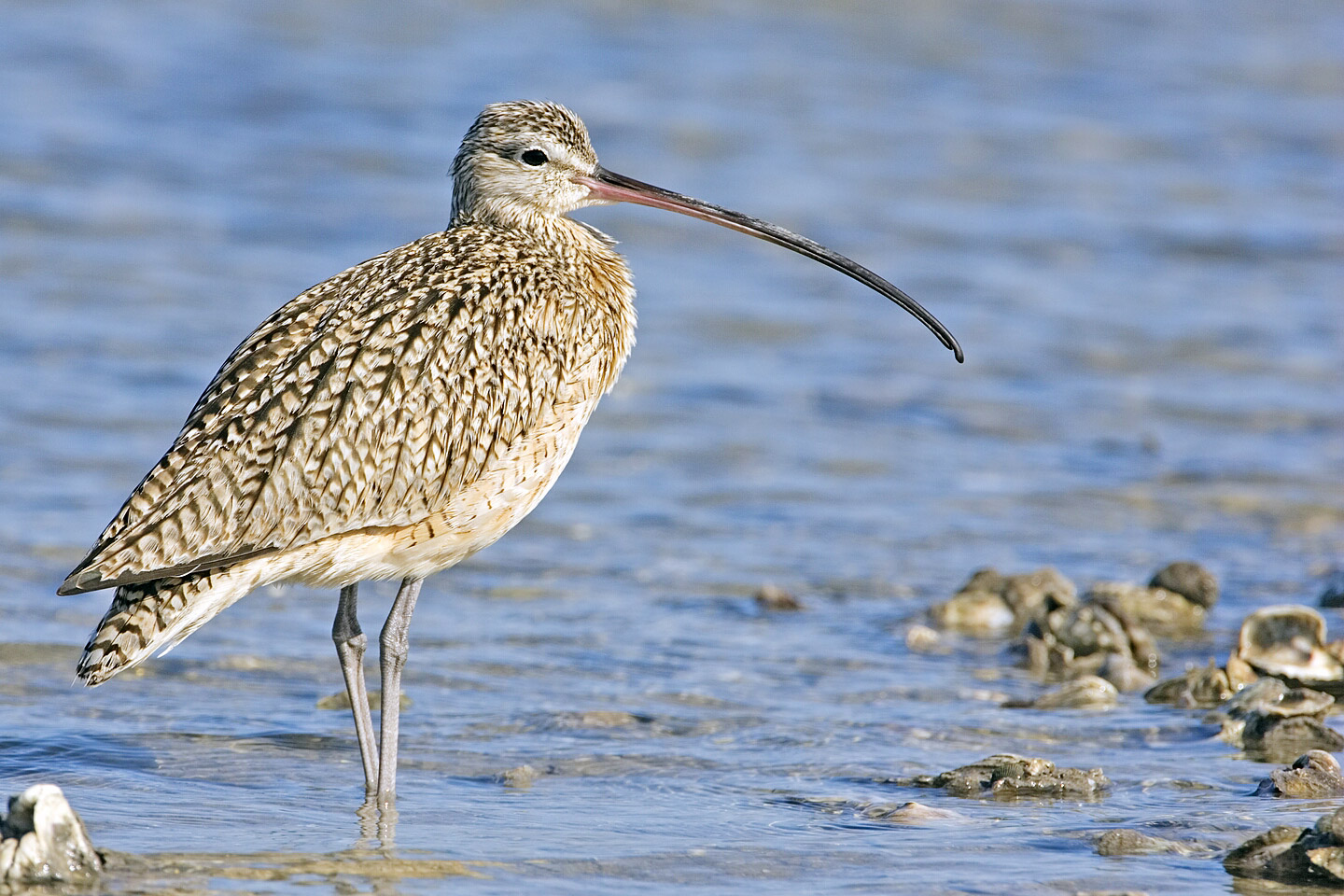
Maçarico-de-bico-comprido
Numenius americanus- Tidal flats, lagoons and estuaries
- Sandy beach and dunes
- Salt marsh and salt pans
 Pasture and ranchland
Limosa 2 espécies
-
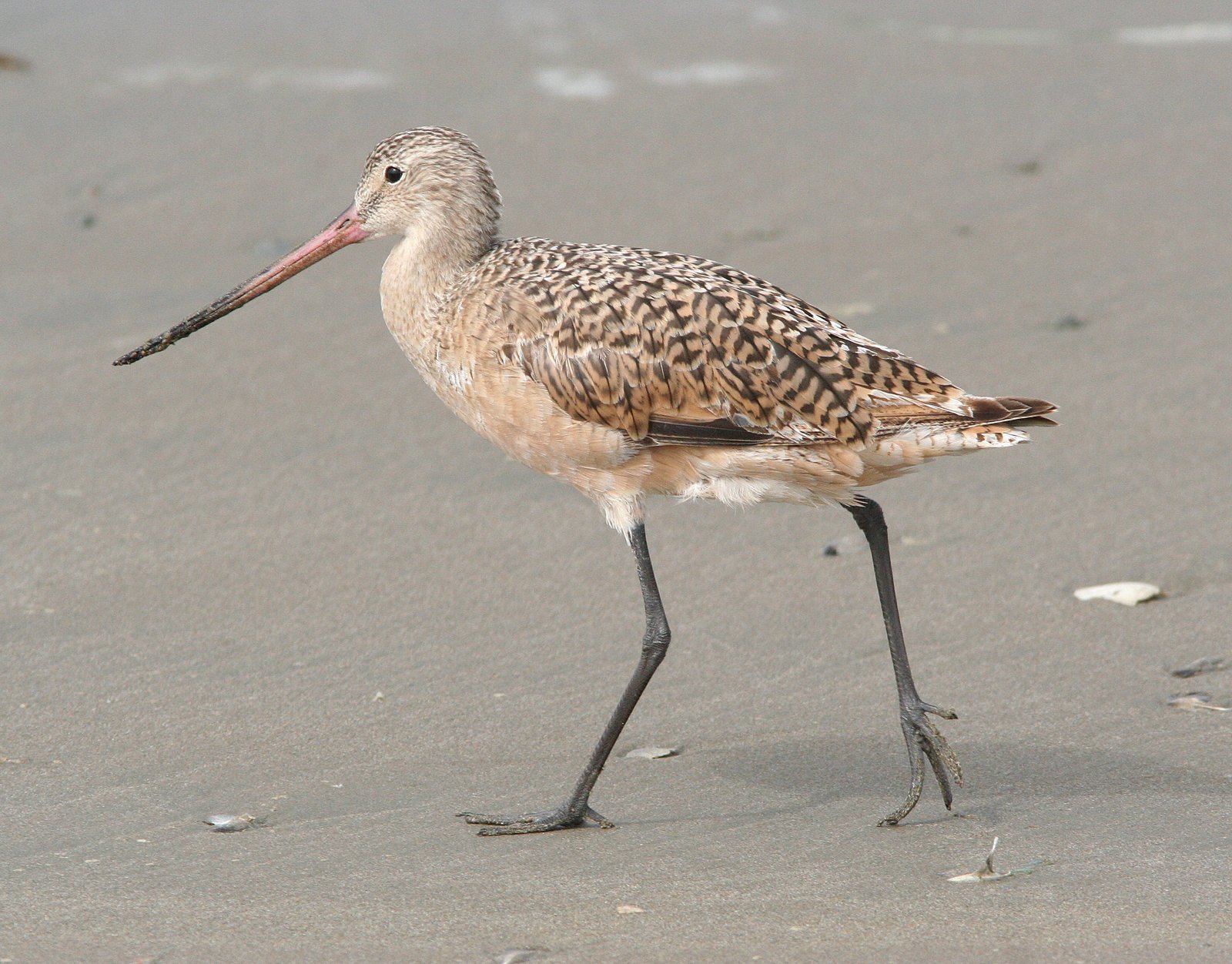
Maçarico-marmóreo
Limosa fedoa- Tidal flats, lagoons and estuaries
- Sandy beach and dunes
- Salt marsh and salt pans
-
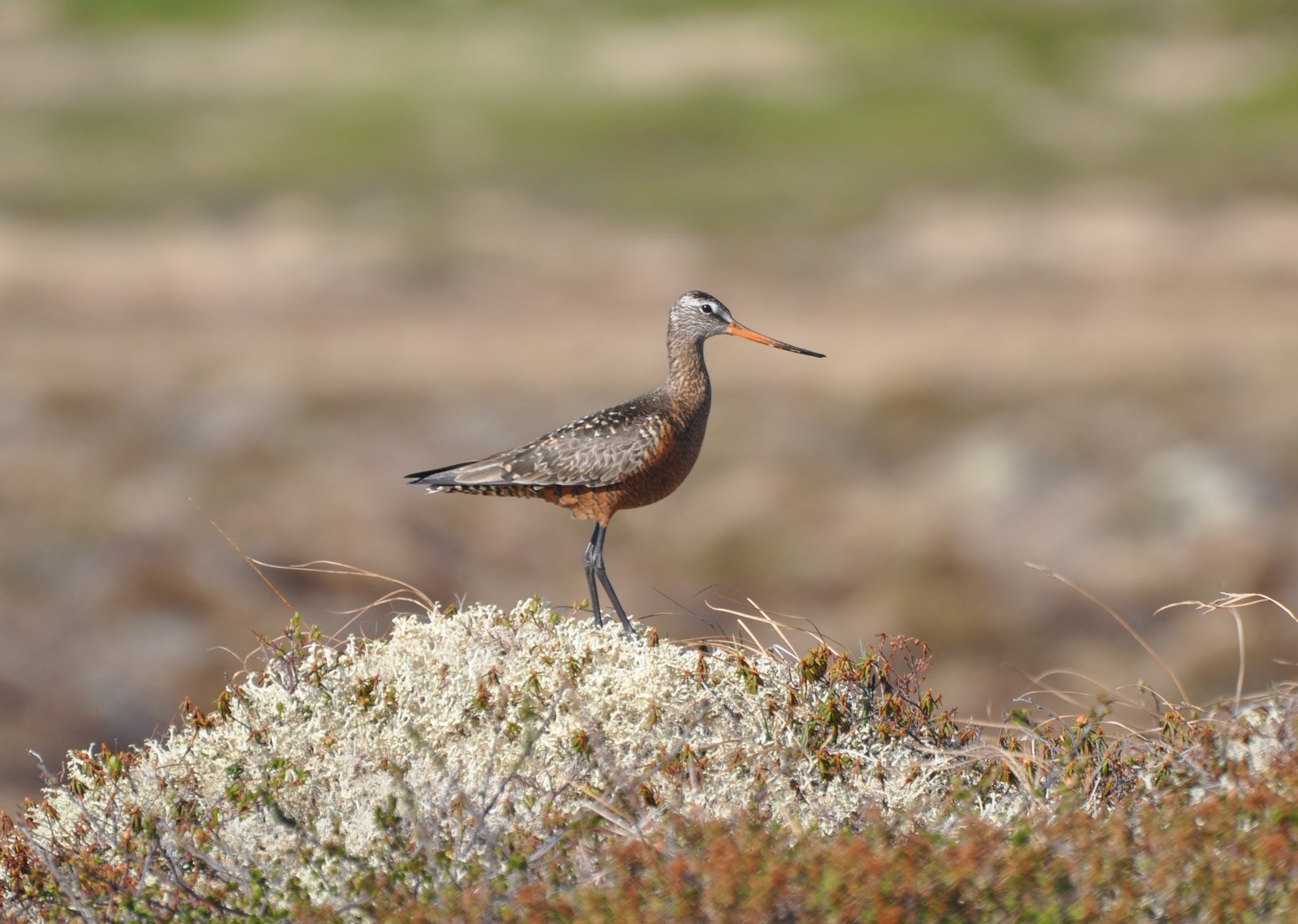
Maçarico-de-bico-virado
Limosa haemastica- Tidal flats, lagoons and estuaries
 Lowland marshes and wet meadows
 Lowland rivers and sandbars
 Andean and high-plateau lakes
- Salt marsh and salt pans
Limnodromus 2 espécies
-
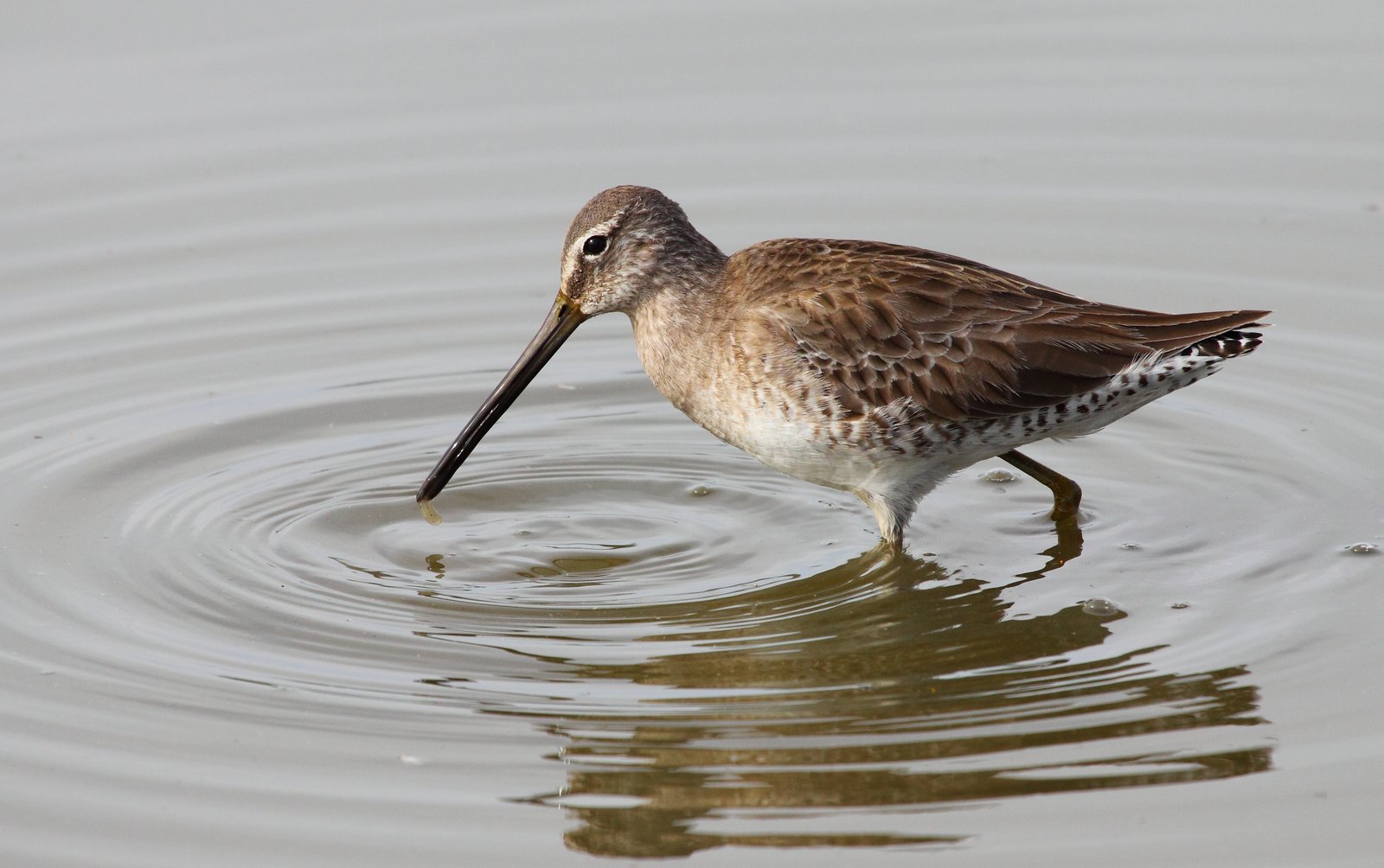
Maçarico-de-bico-longo
Limnodromus scolopaceus- Tidal flats, lagoons and estuaries
- Lowland marshes and wet meadows
 Lowland lakes and oxbows
 Irrigated farmland and rice fields
-
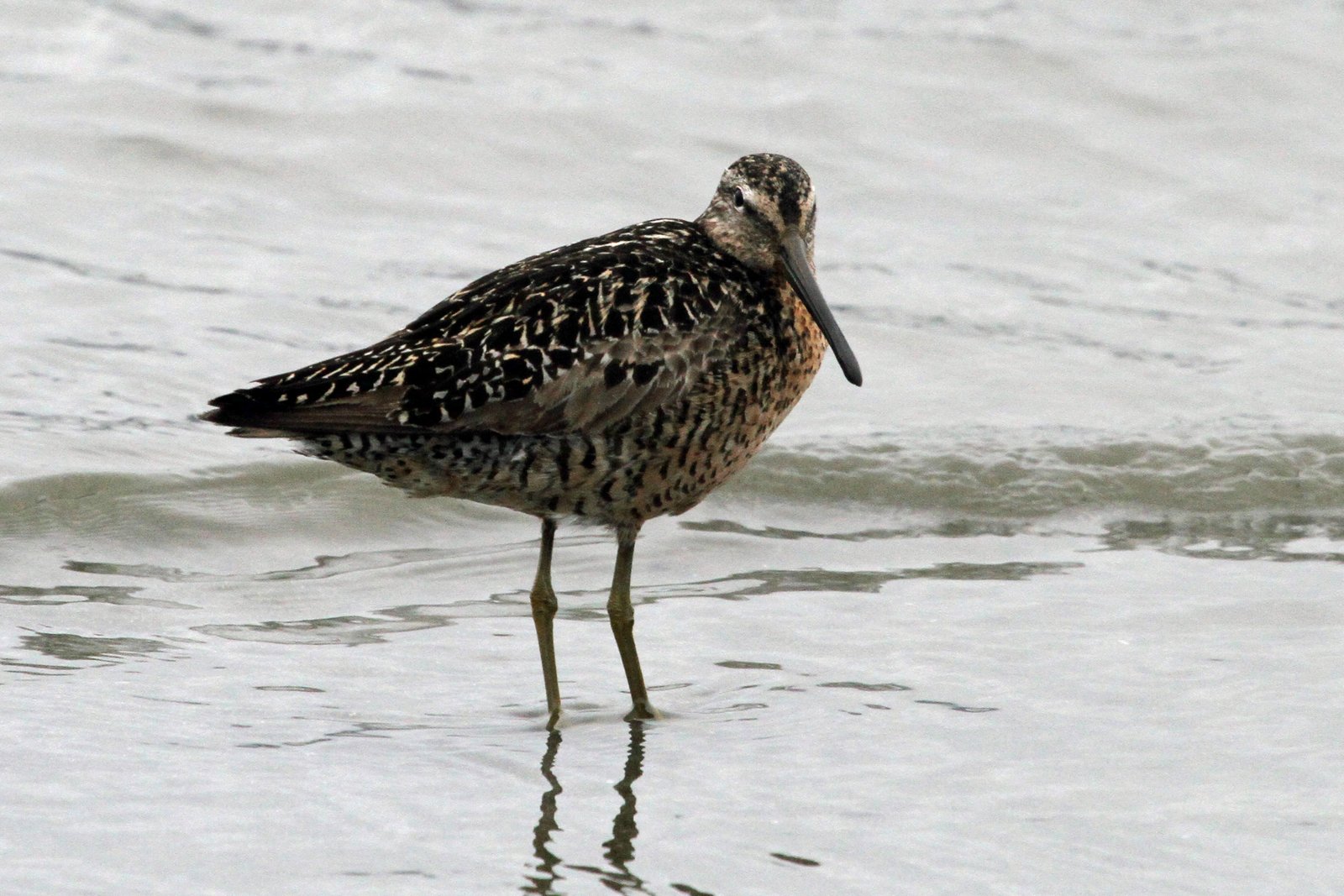
Maçarico-de-costas-brancas
Limnodromus griseus- Tidal flats, lagoons and estuaries
- Mangrove
- Salt marsh and salt pans
 Harbors, dumps and fish ponds
- Sandy beach and dunes
Gallinago 7 espécies
-
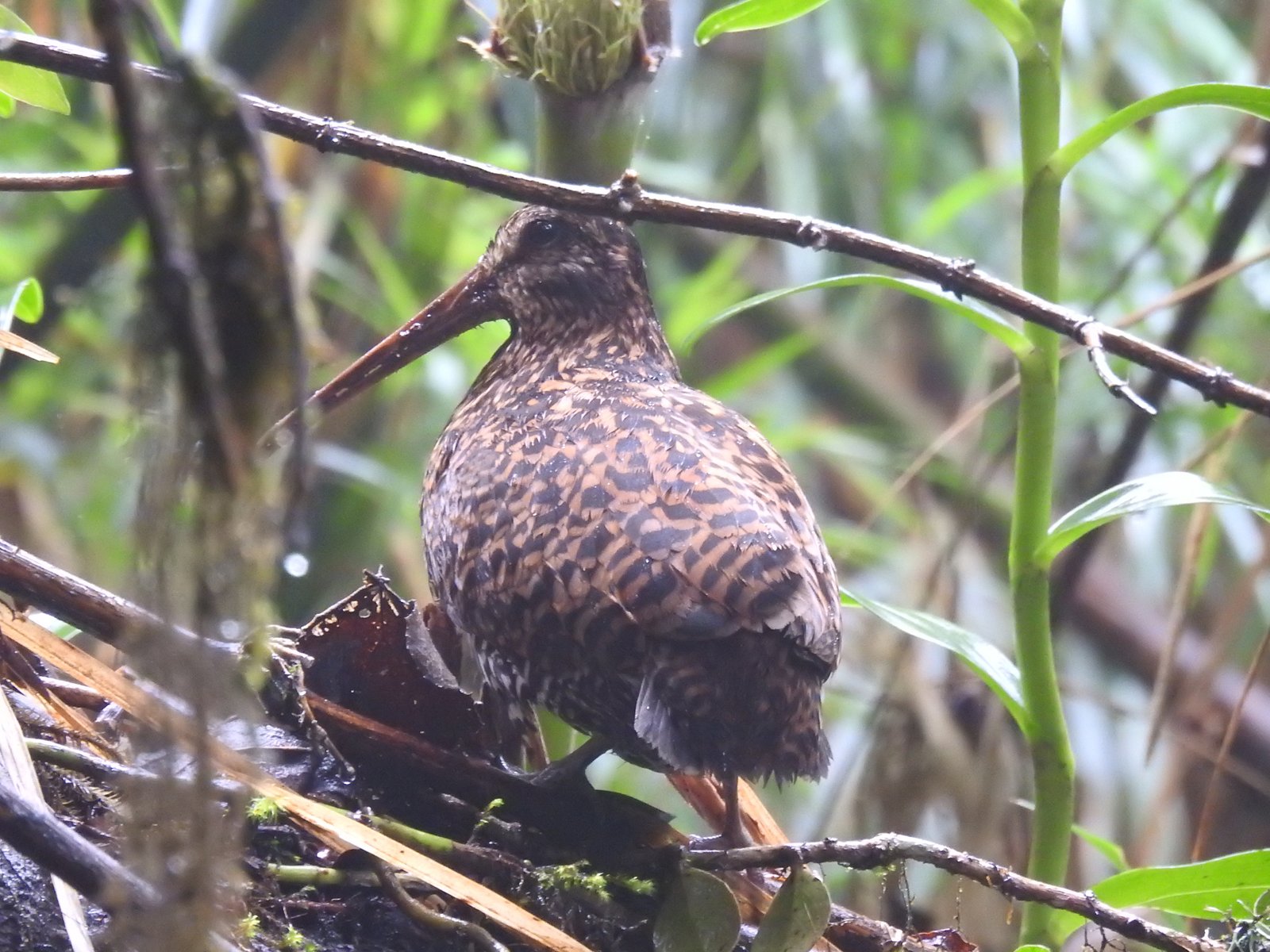
Narceja-imperial
Gallinago imperialis Northern Andean cloud forest and temperate forest
 Upper Yungas cloud forest
 Páramo
 Andean bogs and bofedales
-
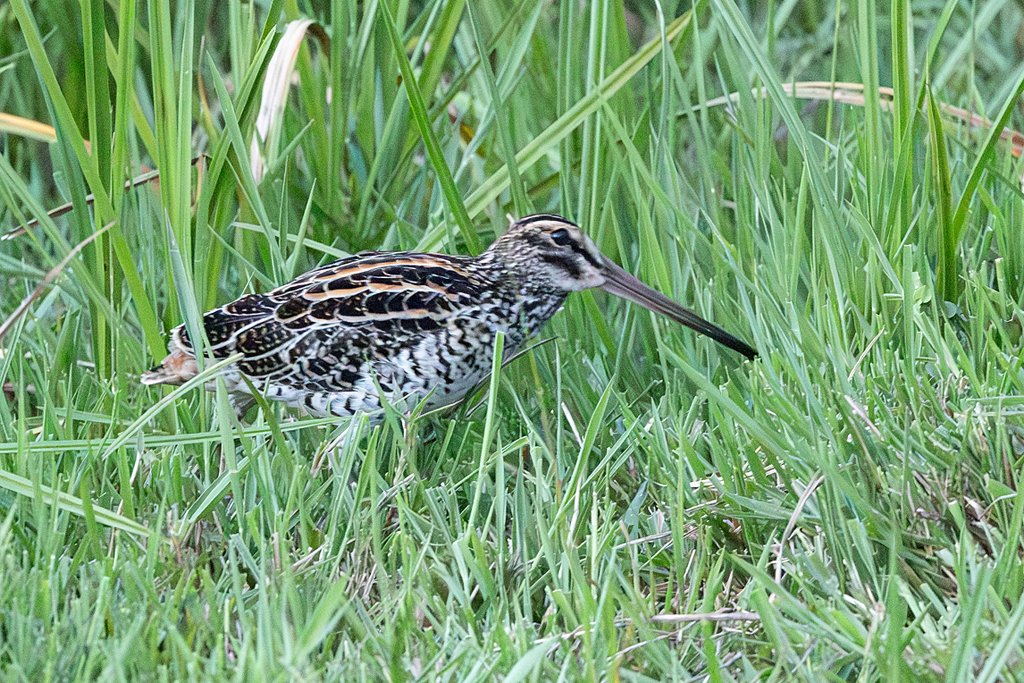
Narcejão
Gallinago undulata- Lowland marshes and wet meadows
 Llanos savanna
 Beni savanna and cerrado
- Pasture and ranchland
-
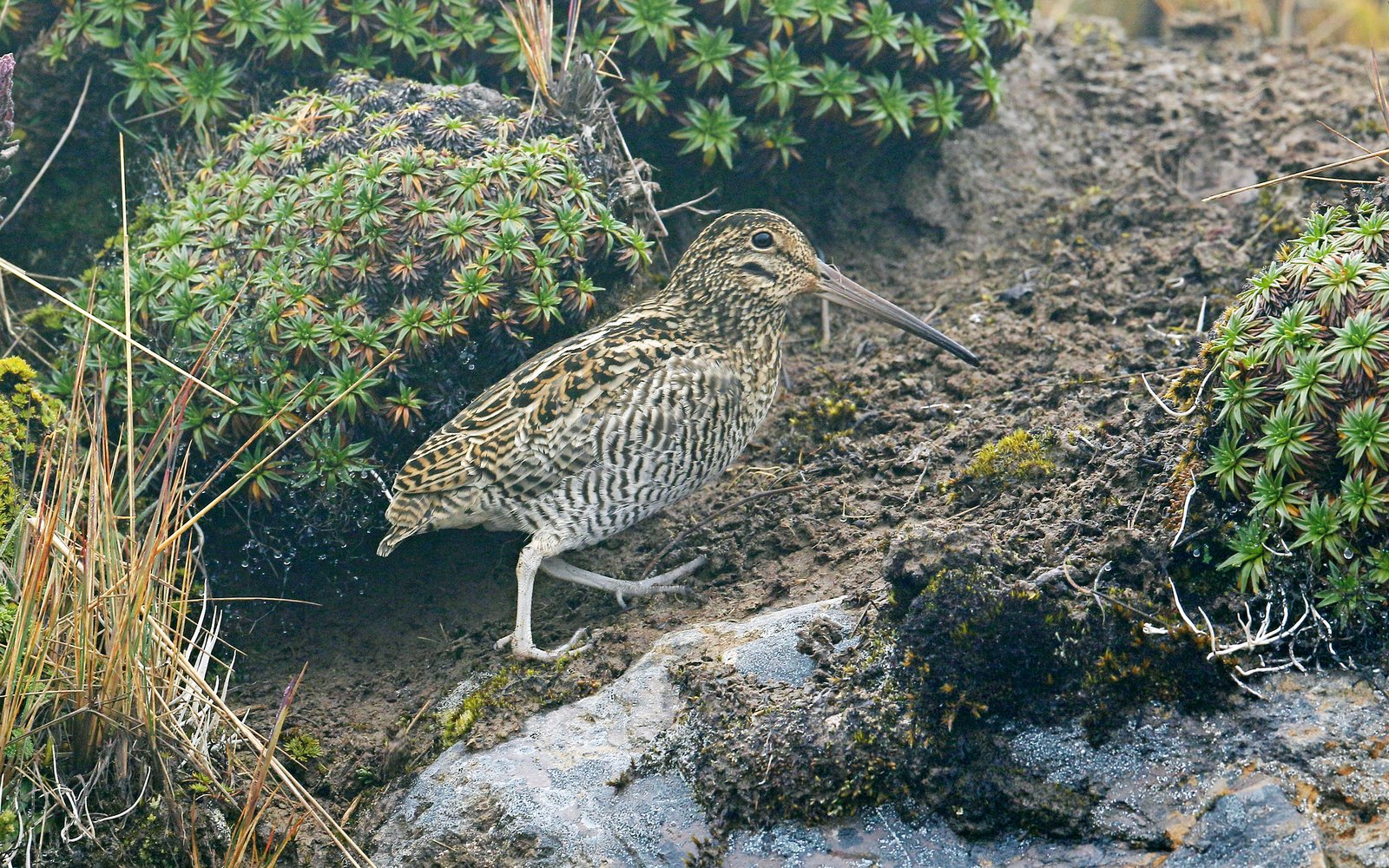
Narceja-andina
Gallinago jamesoni- Páramo
- Andean bogs and bofedales
 Humid puna
 Jalca
- Northern Andean cloud forest and temperate forest
-
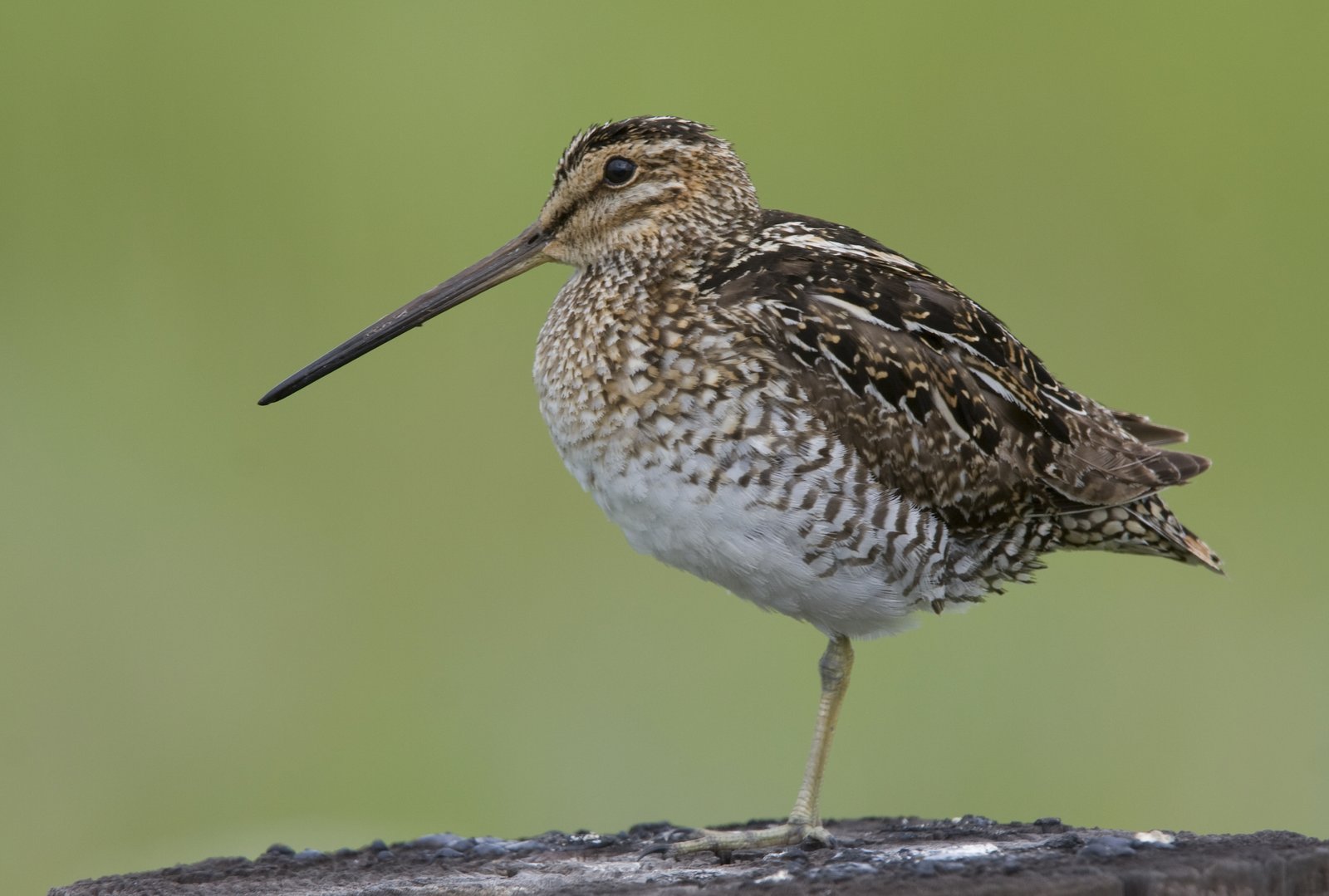
Narceja-de-wilson
Gallinago delicata- Lowland marshes and wet meadows
- Andean bogs and bofedales
- Irrigated farmland and rice fields
- Andean and high-plateau lakes
- Pasture and ranchland
-
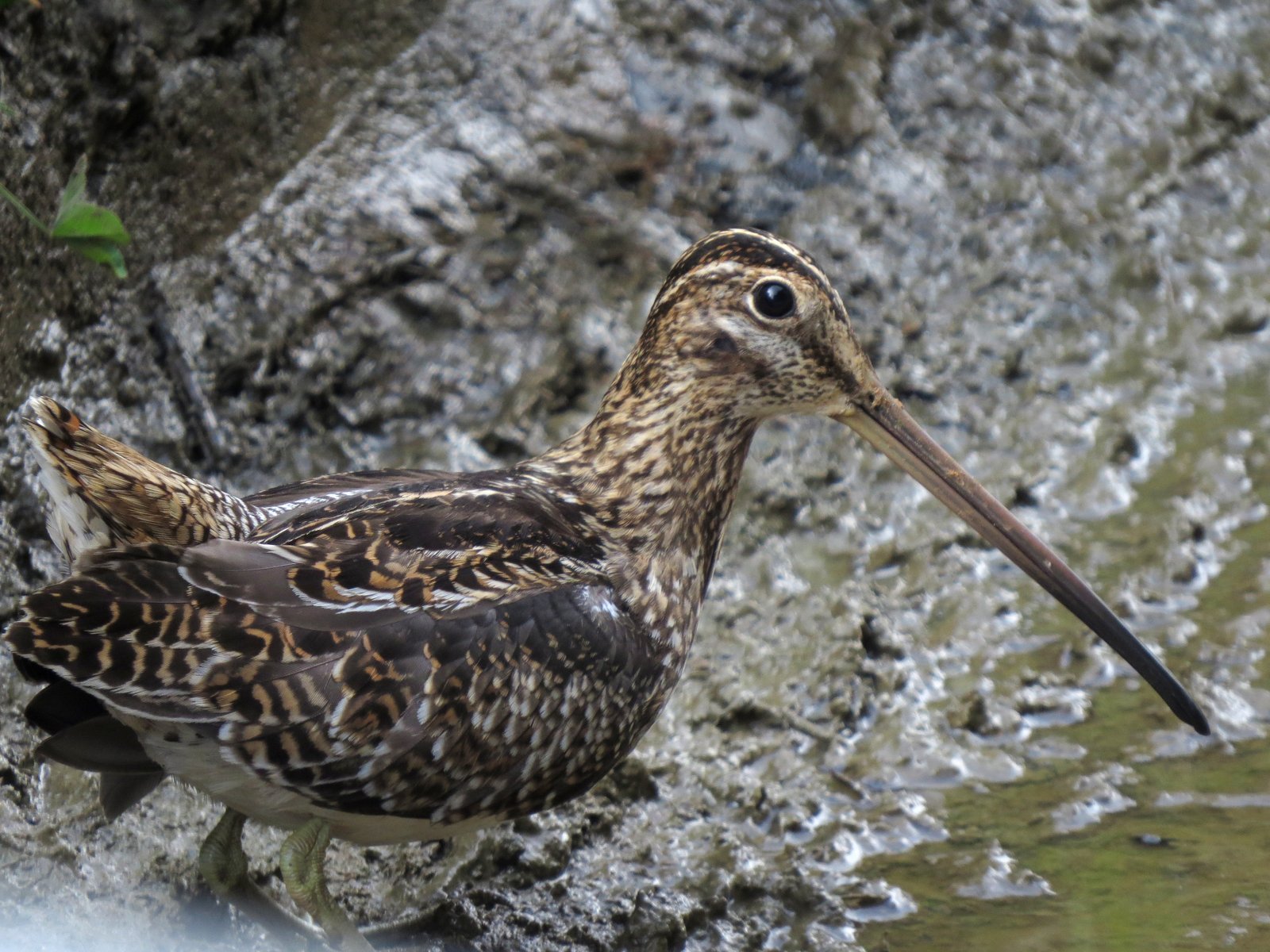
Narceja-nobre
Gallinago nobilis- Páramo
- Andean bogs and bofedales
- Jalca
- Pasture and ranchland
-
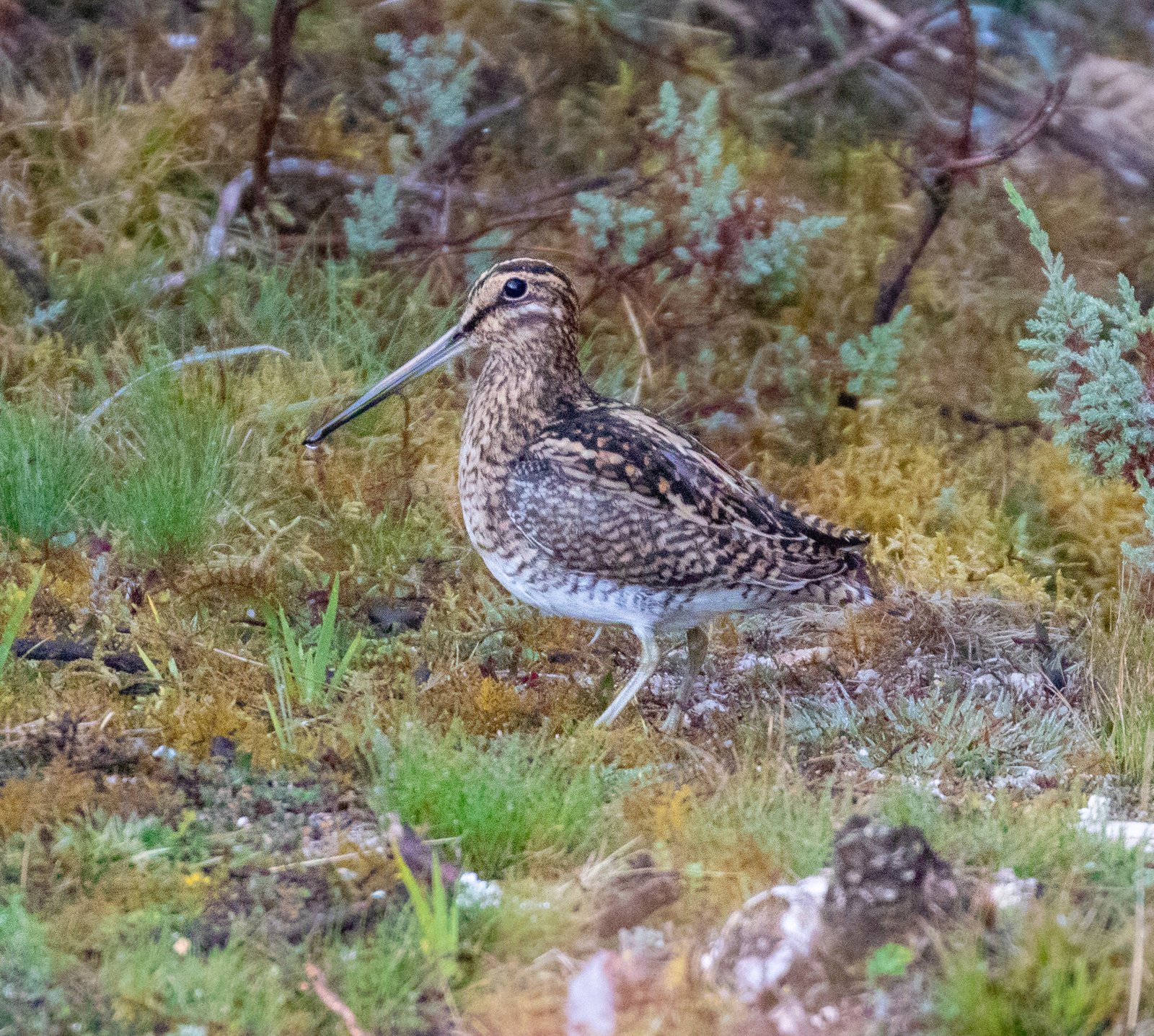
Narceja-da-puna
Gallinago andina- Andean bogs and bofedales
- Humid puna
- Andean and high-plateau lakes
 Dry puna and altiplano
-
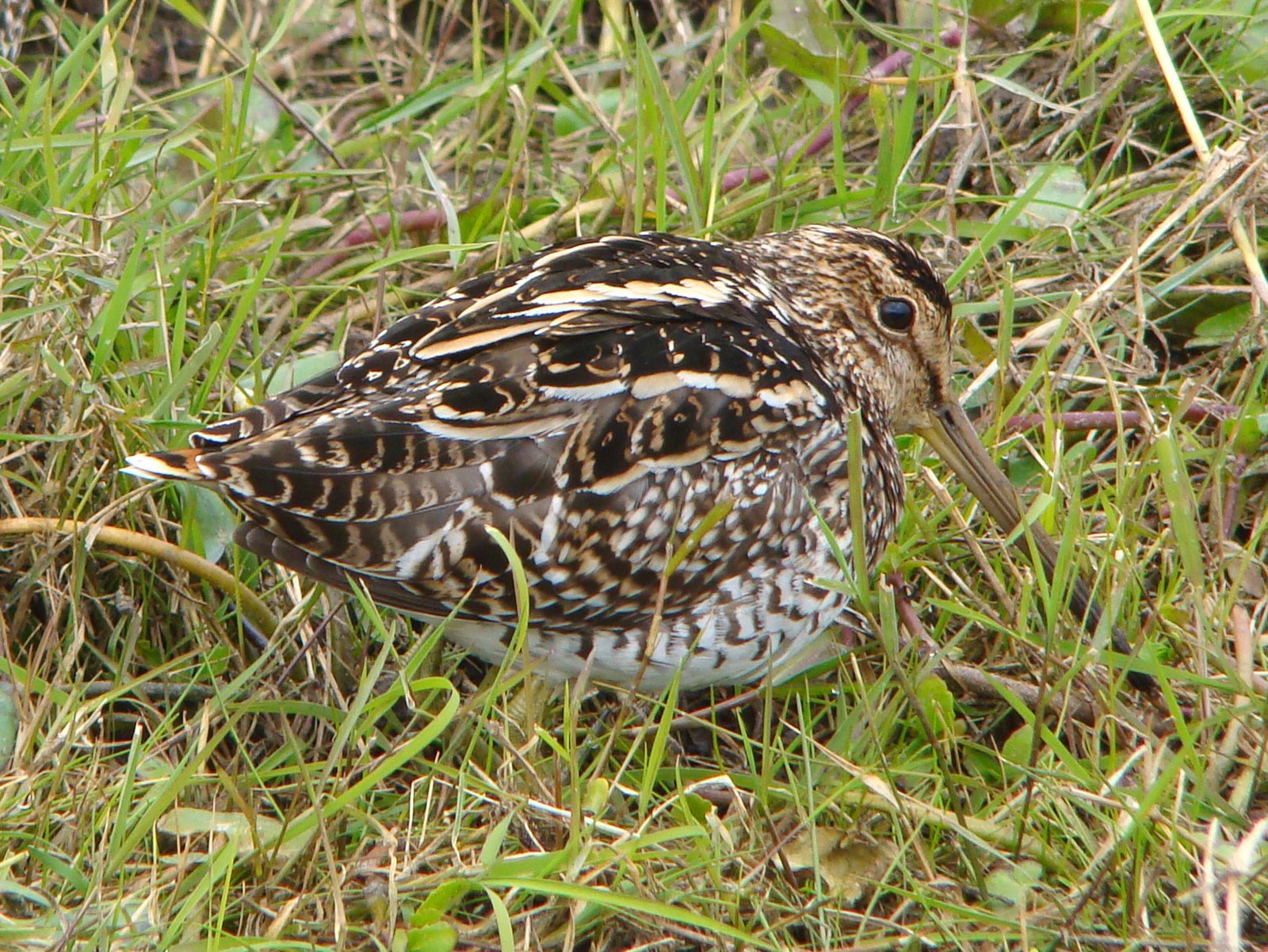
Narceja
Gallinago paraguaiae- Lowland marshes and wet meadows
- Beni savanna and cerrado
- Llanos savanna
- Irrigated farmland and rice fields
- Lowland lakes and oxbows
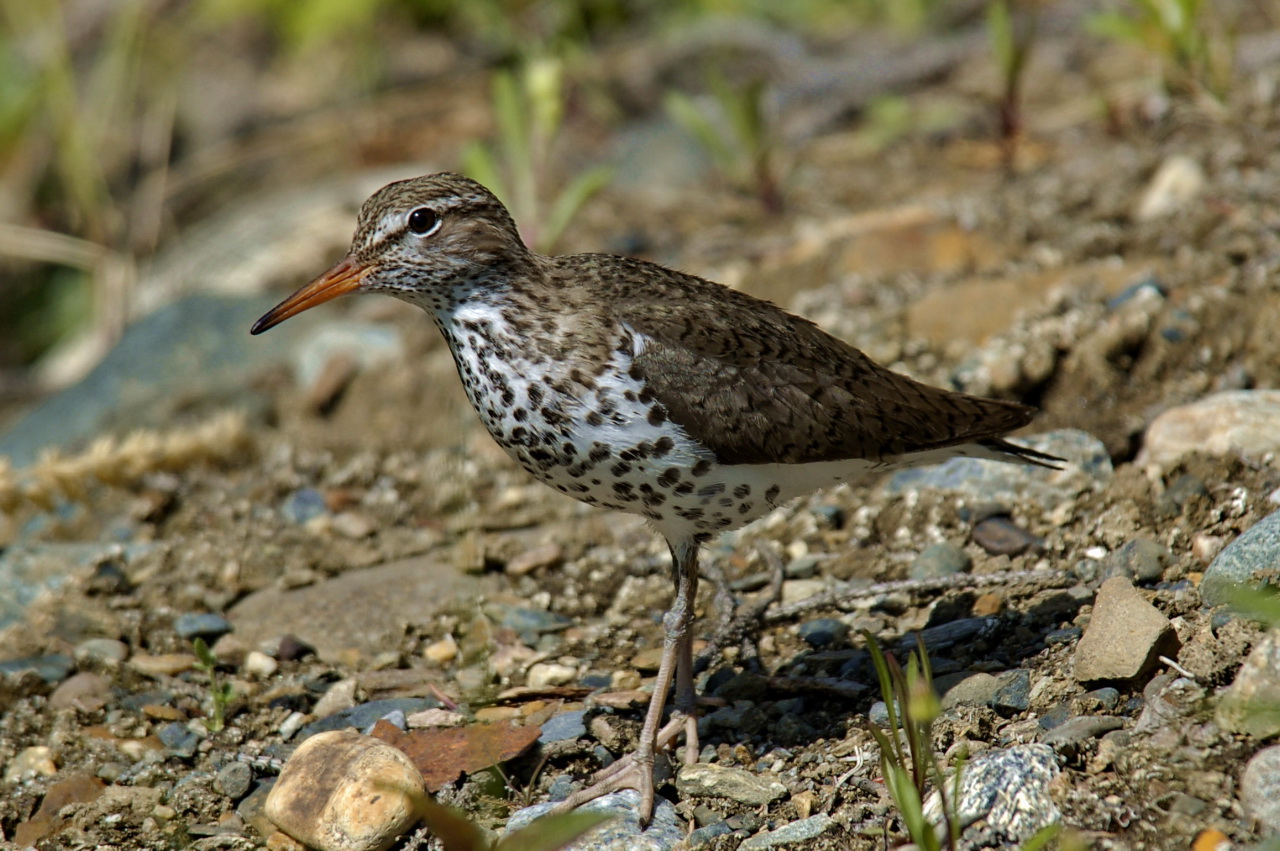

Phalaropus 3 espécies
-
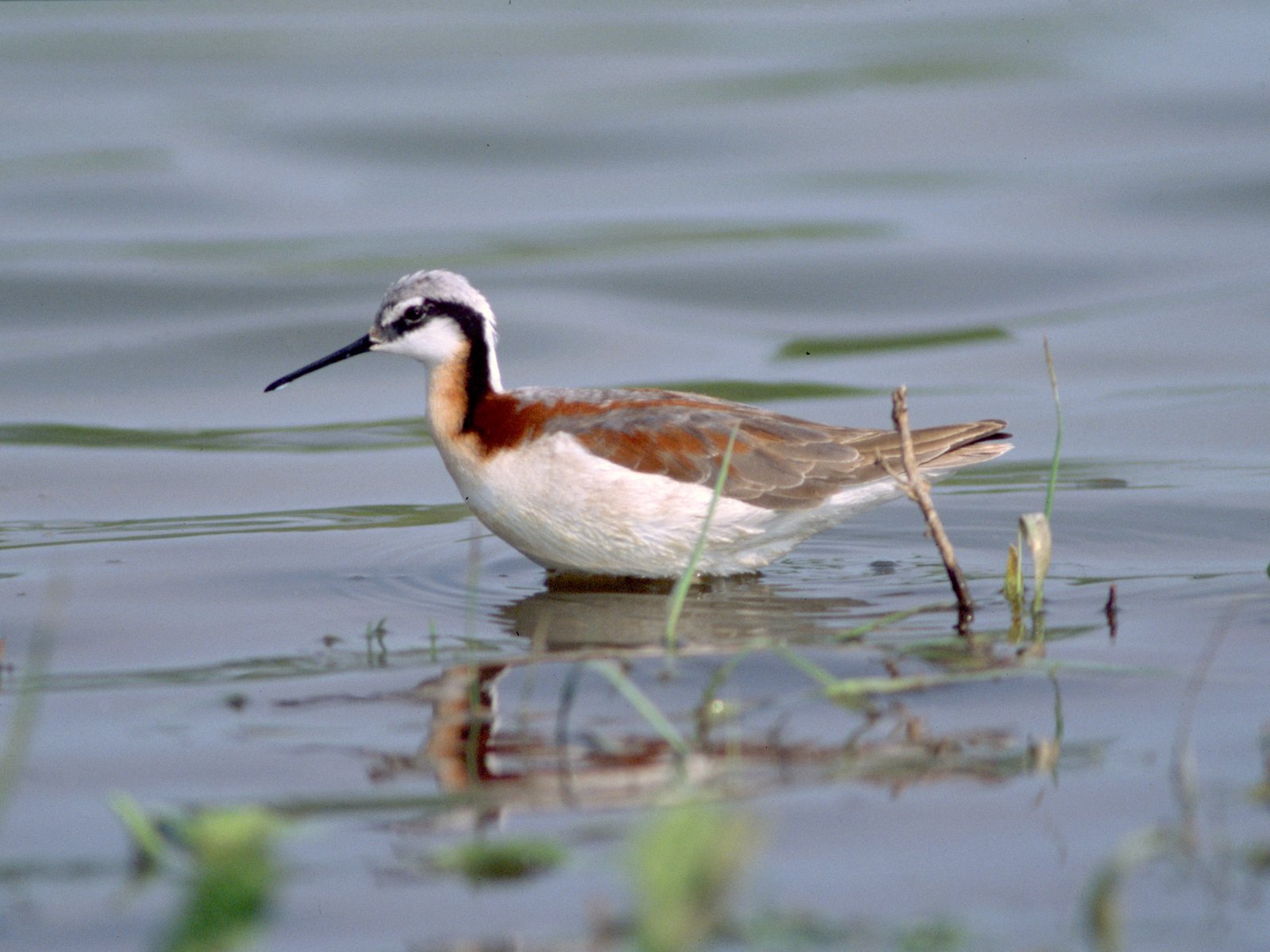
Pisa-n'água
Phalaropus tricolor Altiplano salt lakes and salt flats
- Andean and high-plateau lakes
- Salt marsh and salt pans
- Tidal flats, lagoons and estuaries
- Andean bogs and bofedales
-
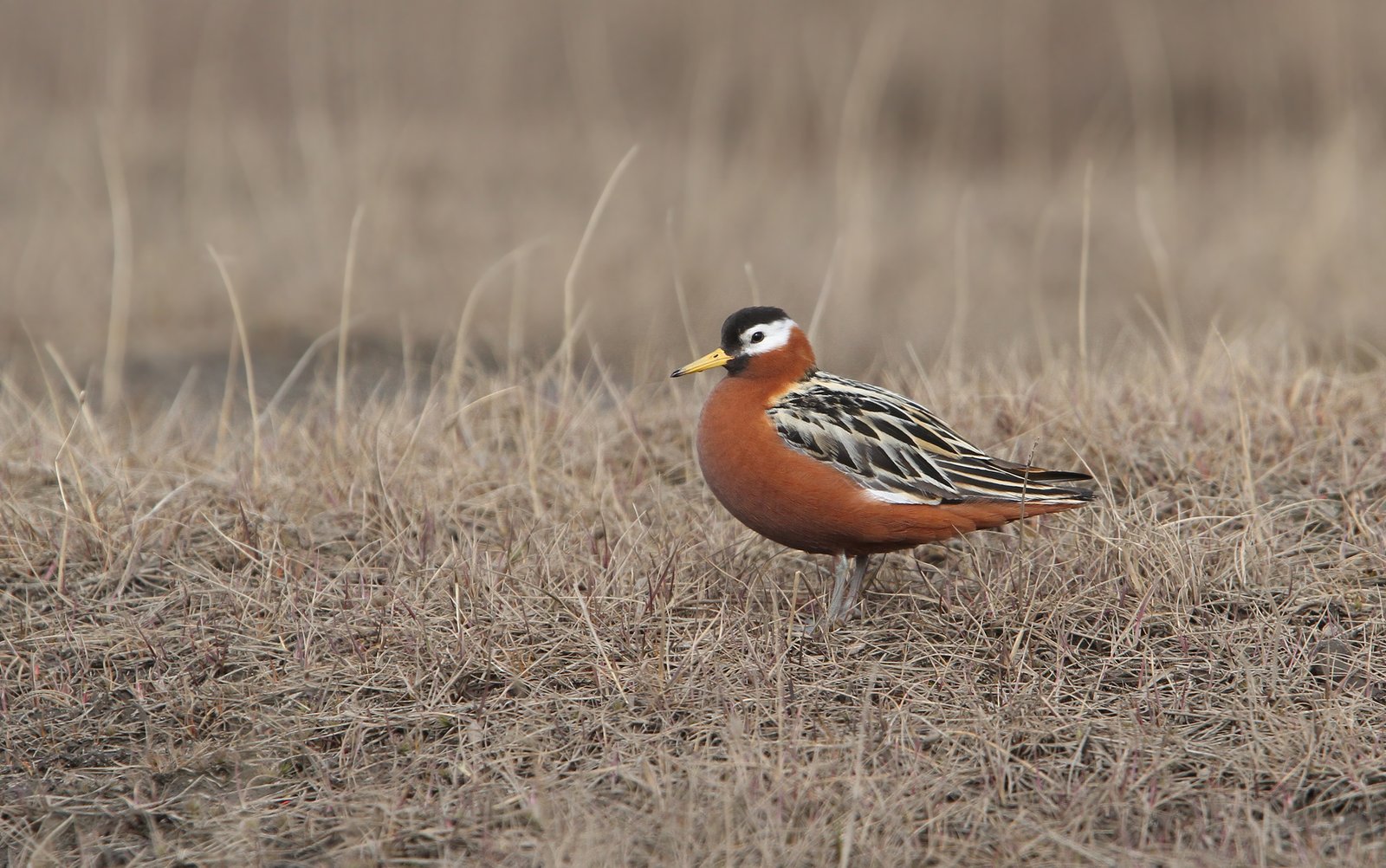
Falaropo-de-bico-grosso
Phalaropus fulicarius Humboldt Current and inshore waters
 Open ocean
- Tidal flats, lagoons and estuaries
-

Falaropo-de-bico-fino
Phalaropus lobatus- Humboldt Current and inshore waters
- Open ocean
- Tidal flats, lagoons and estuaries
- Andean and high-plateau lakes
Tringa 5 espécies
-
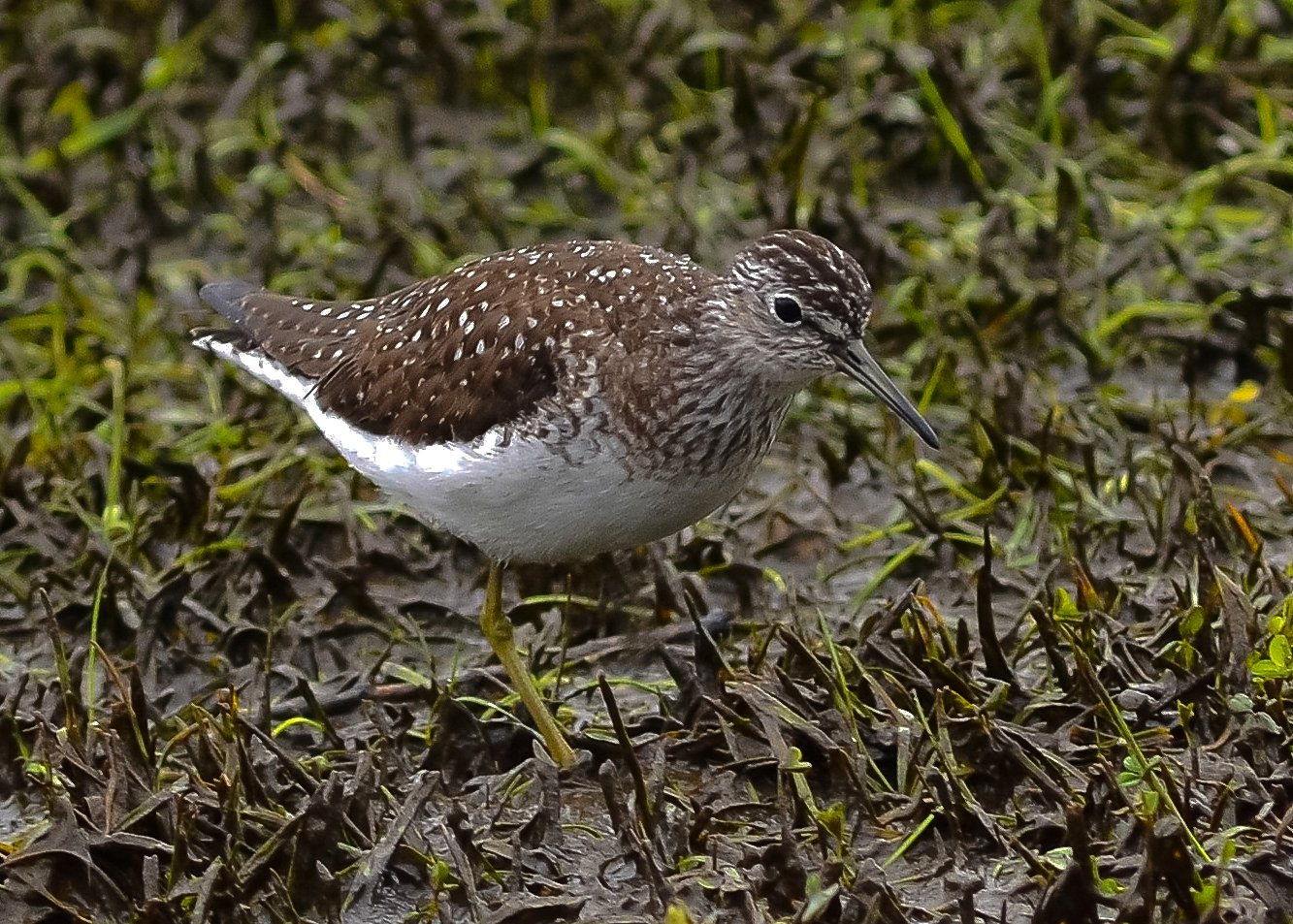
Maçarico-solitário
Tringa solitaria- Lowland marshes and wet meadows
- Lowland lakes and oxbows
- Lowland rivers and sandbars
 Várzea, igapó and river islands
- Irrigated farmland and rice fields
-
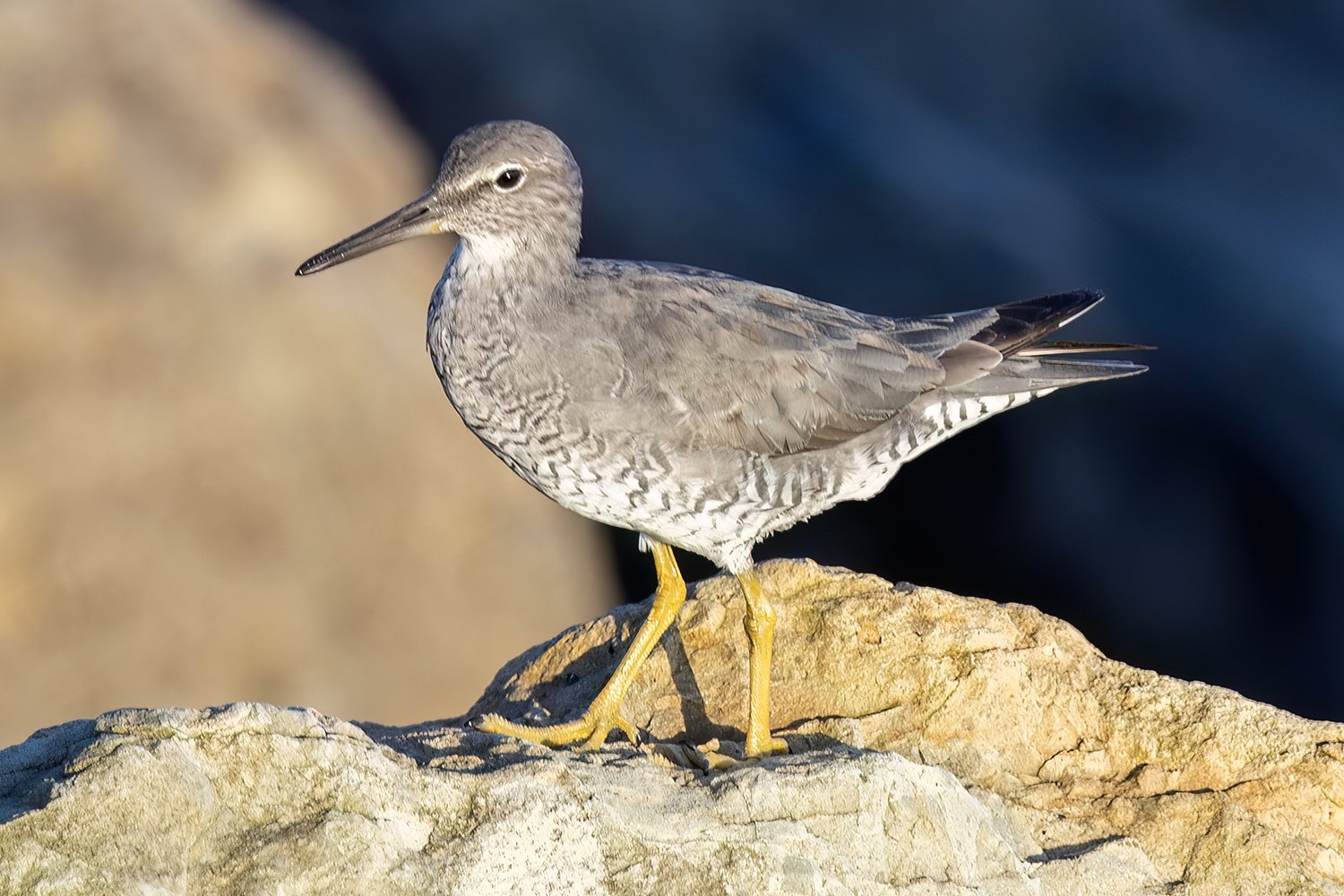
Maçarico-errante
Tringa incana- Rocky shore and sea cliffs
- Galápagos coast and lava fields
- Sandy beach and dunes
- Tidal flats, lagoons and estuaries
-
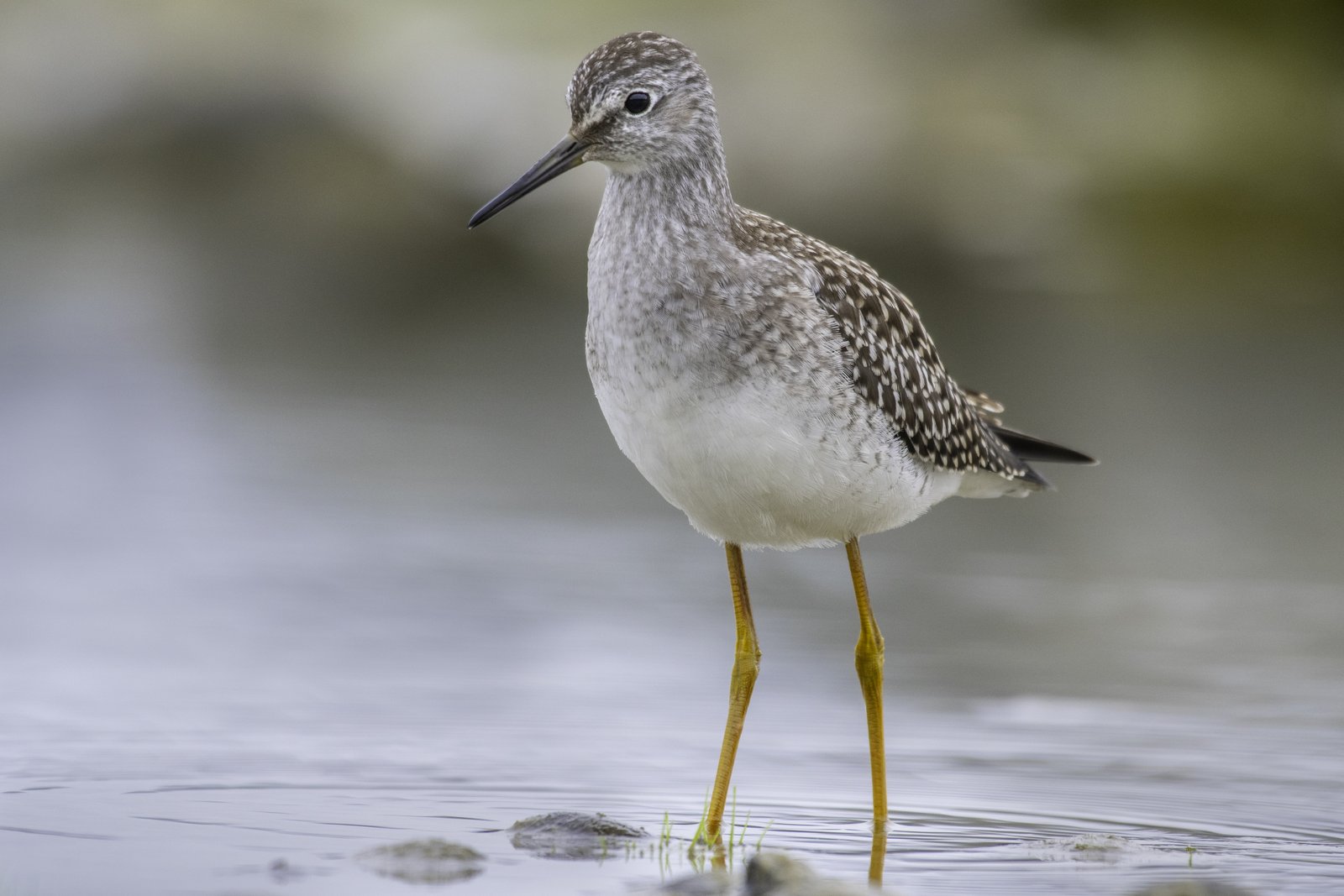
Maçarico-de-perna-amarela
Tringa flavipes- Tidal flats, lagoons and estuaries
- Lowland marshes and wet meadows
- Lowland lakes and oxbows
- Andean and high-plateau lakes
- Salt marsh and salt pans
- Irrigated farmland and rice fields
- Andean bogs and bofedales
-
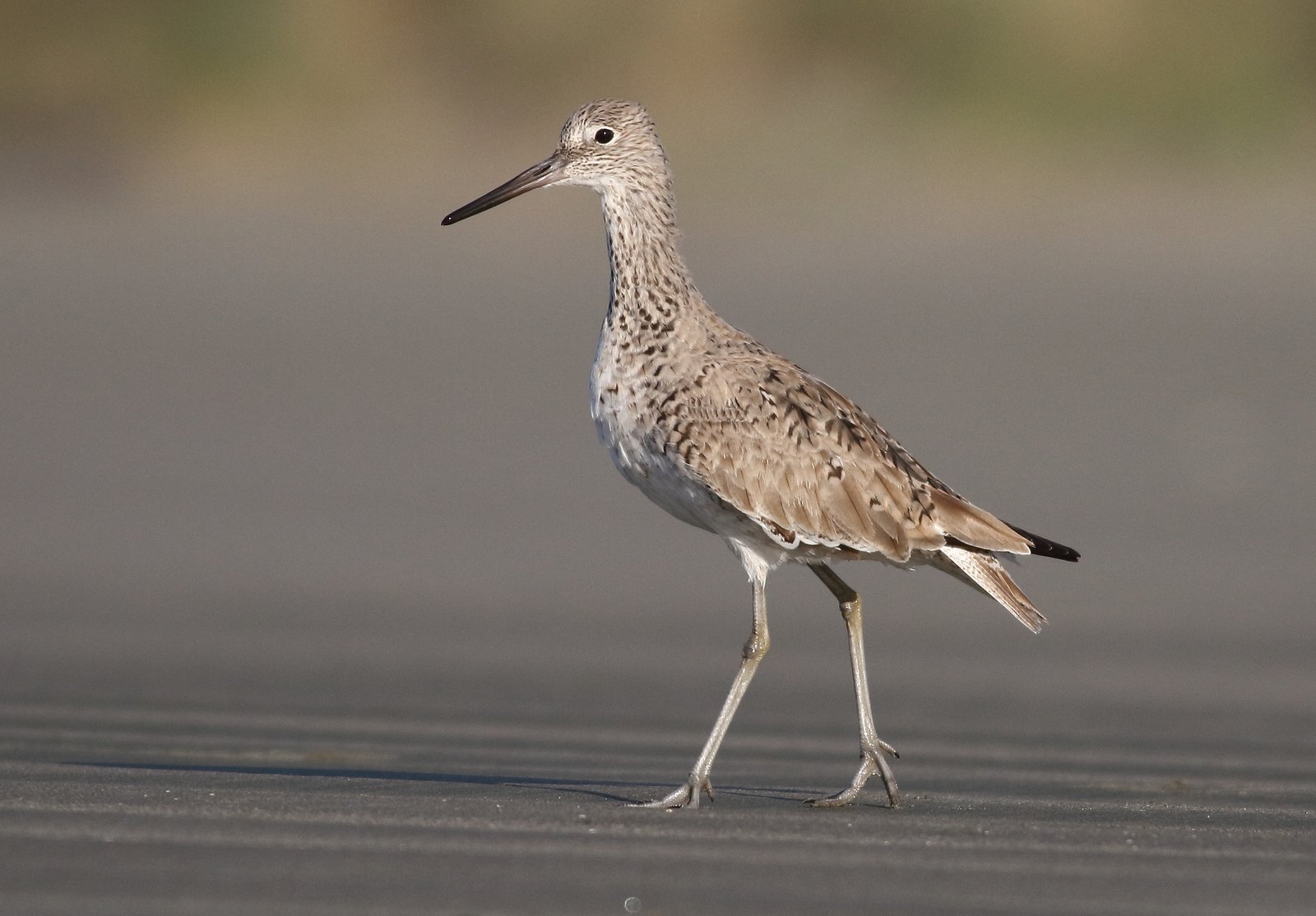
Maçarico-de-asa-branca
Tringa semipalmata- Tidal flats, lagoons and estuaries
- Sandy beach and dunes
- Mangrove
- Salt marsh and salt pans
- Galápagos coast and lava fields
-
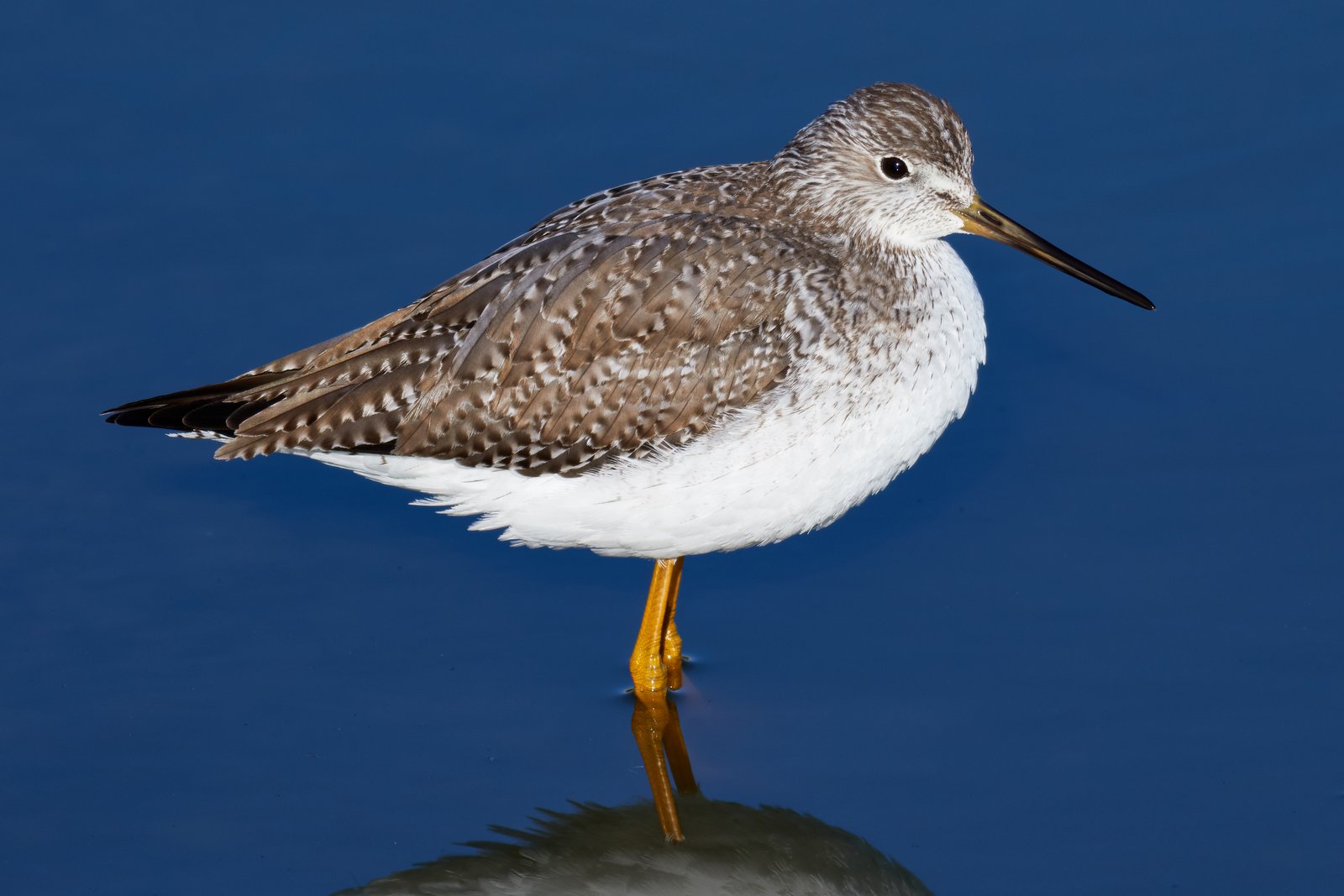
Maçarico-grande-de-perna-amarela
Tringa melanoleuca- Tidal flats, lagoons and estuaries
- Lowland marshes and wet meadows
- Andean and high-plateau lakes
- Lowland lakes and oxbows
- Salt marsh and salt pans
- Andean bogs and bofedales
- Irrigated farmland and rice fields
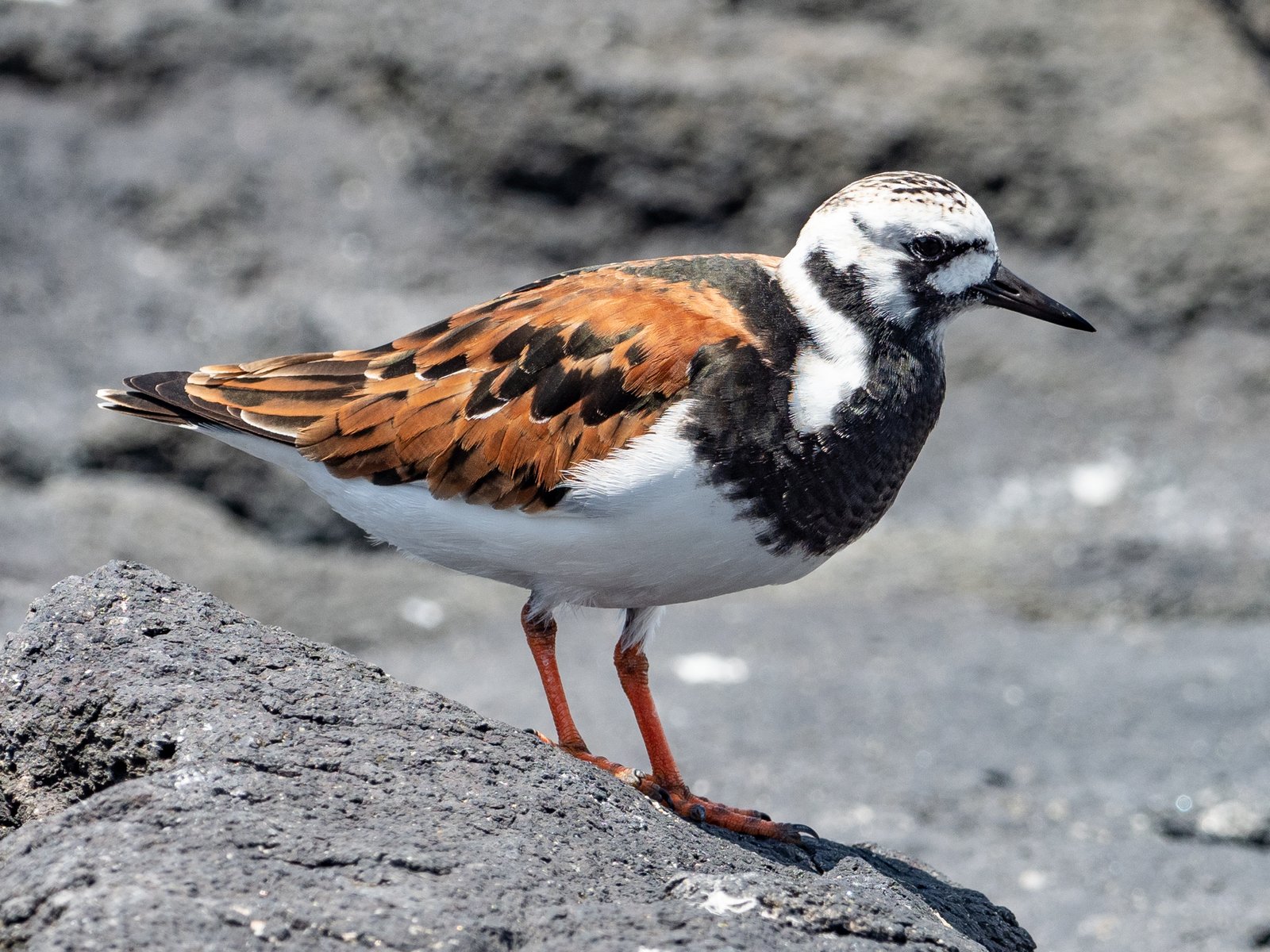

Calidris 11 espécies
-
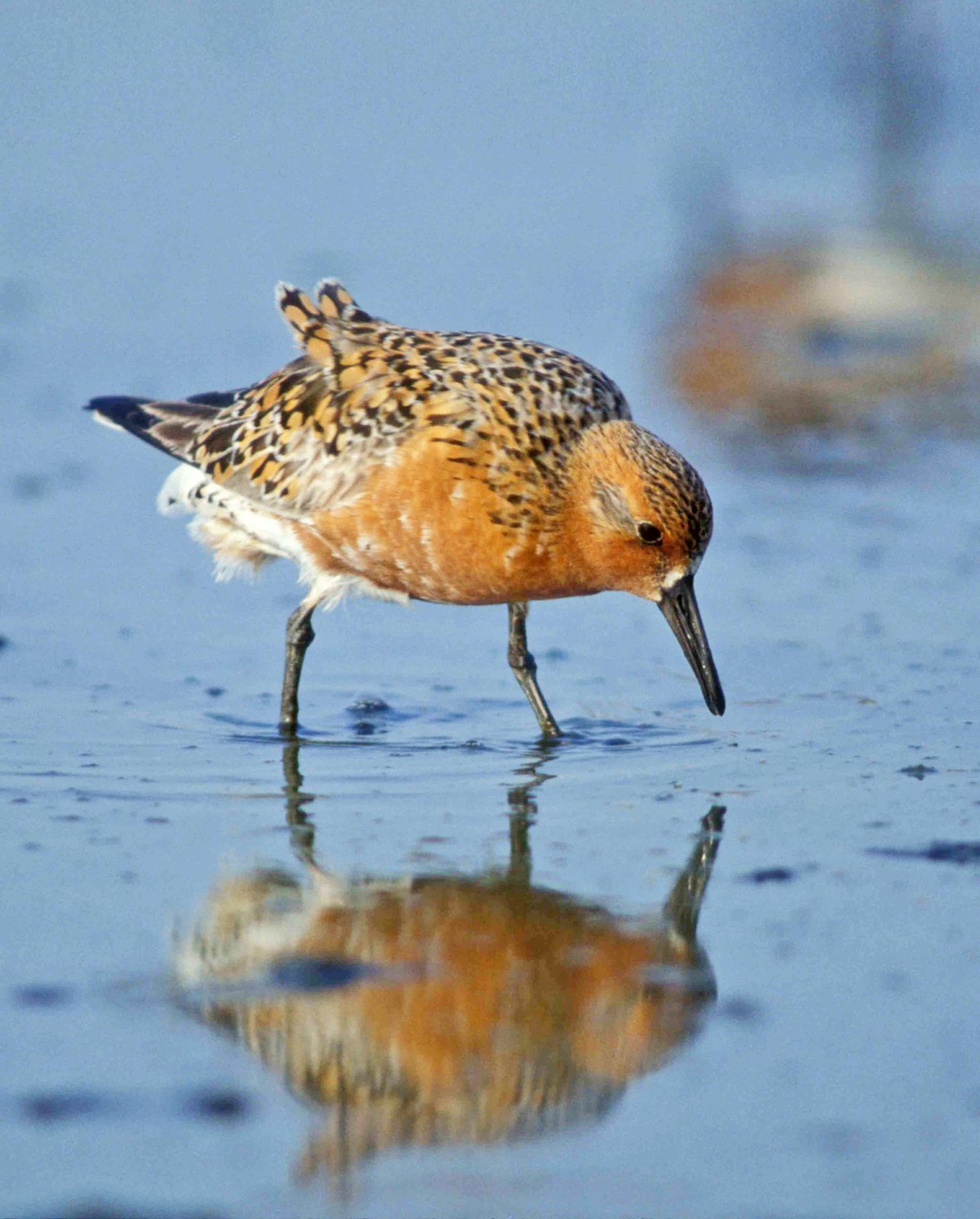
Maçarico-de-papo-vermelho
Calidris canutus- Tidal flats, lagoons and estuaries
- Sandy beach and dunes
- Salt marsh and salt pans
-
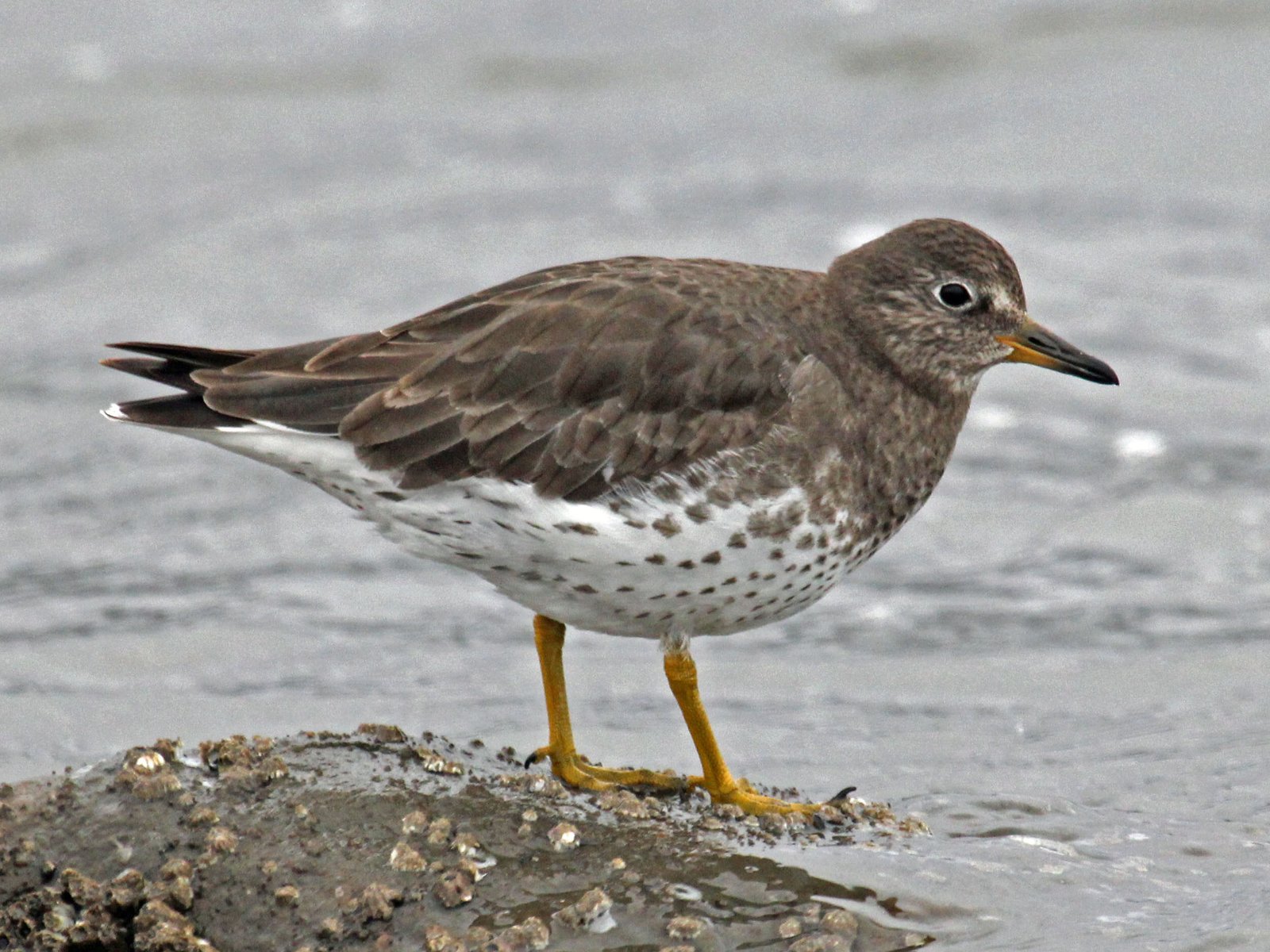
Maçarico-da-arrebentação
Calidris virgata- Rocky shore and sea cliffs
- Galápagos coast and lava fields
- Sandy beach and dunes
- Tidal flats, lagoons and estuaries
-
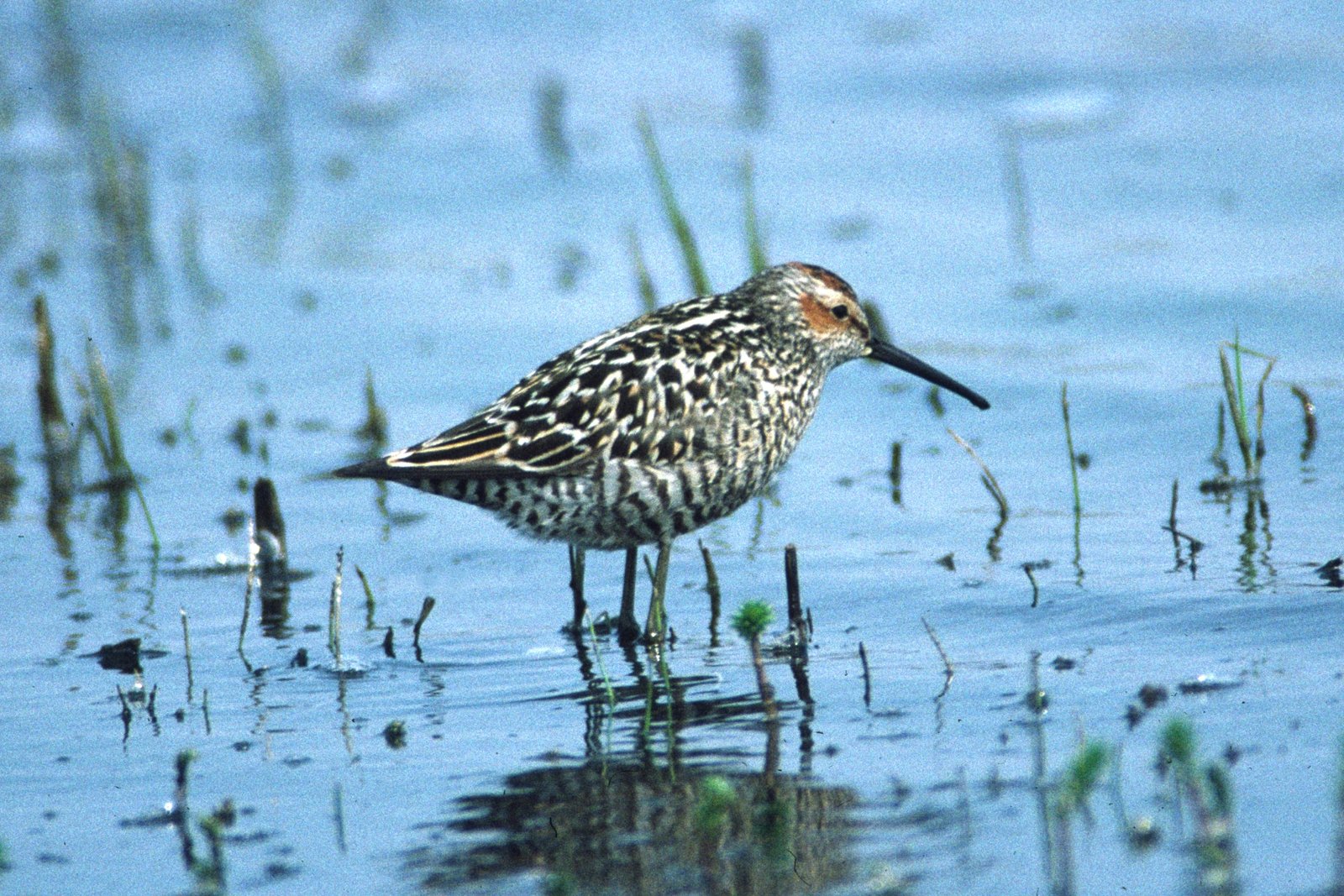
Maçarico-pernilongo
Calidris himantopus- Salt marsh and salt pans
- Harbors, dumps and fish ponds
- Tidal flats, lagoons and estuaries
- Lowland lakes and oxbows
- Lowland marshes and wet meadows
- Irrigated farmland and rice fields
-
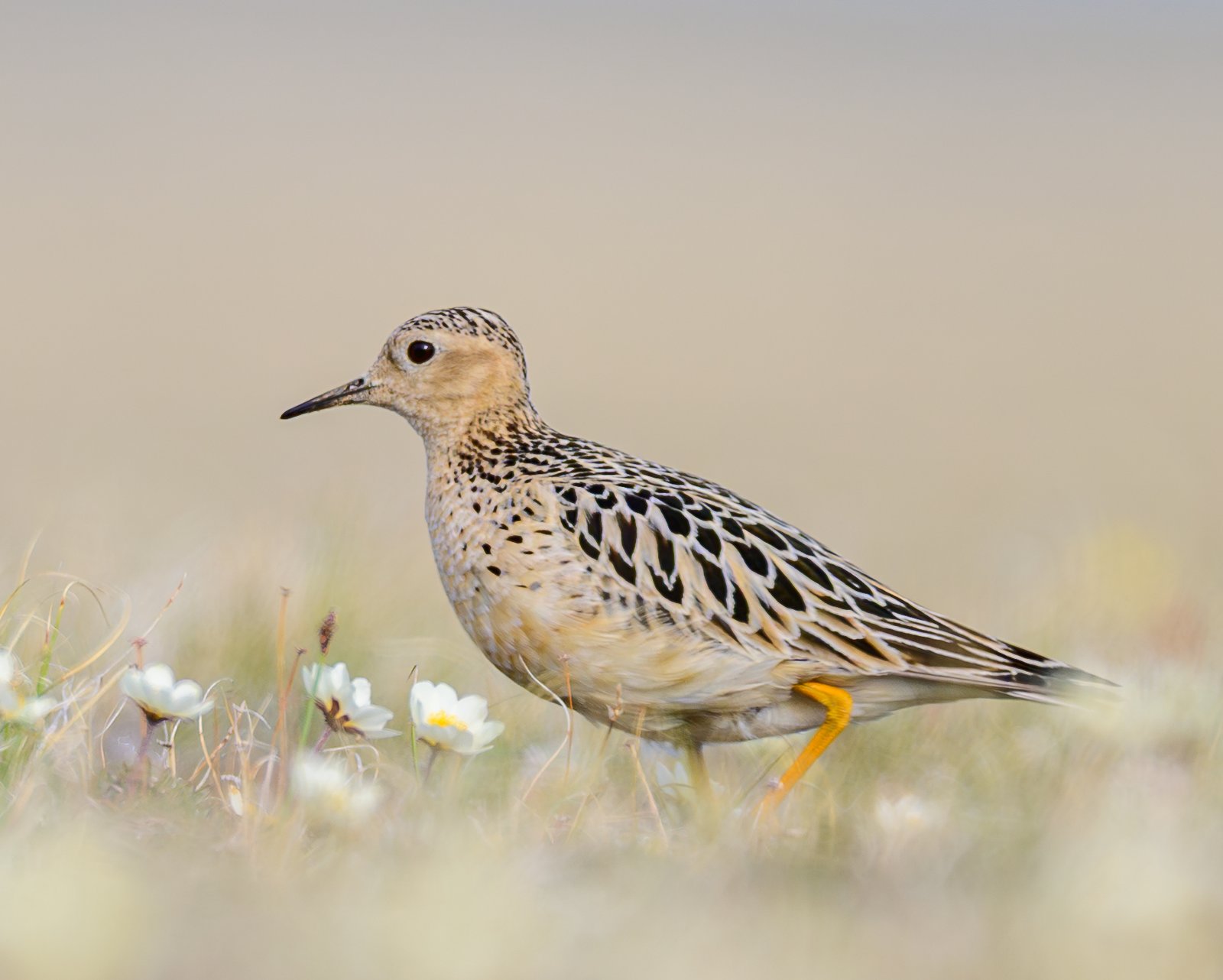
Maçarico-acanelado
Calidris subruficollis- Pasture and ranchland
- Lowland rivers and sandbars
- Beni savanna and cerrado
- Llanos savanna
- Lowland marshes and wet meadows
-
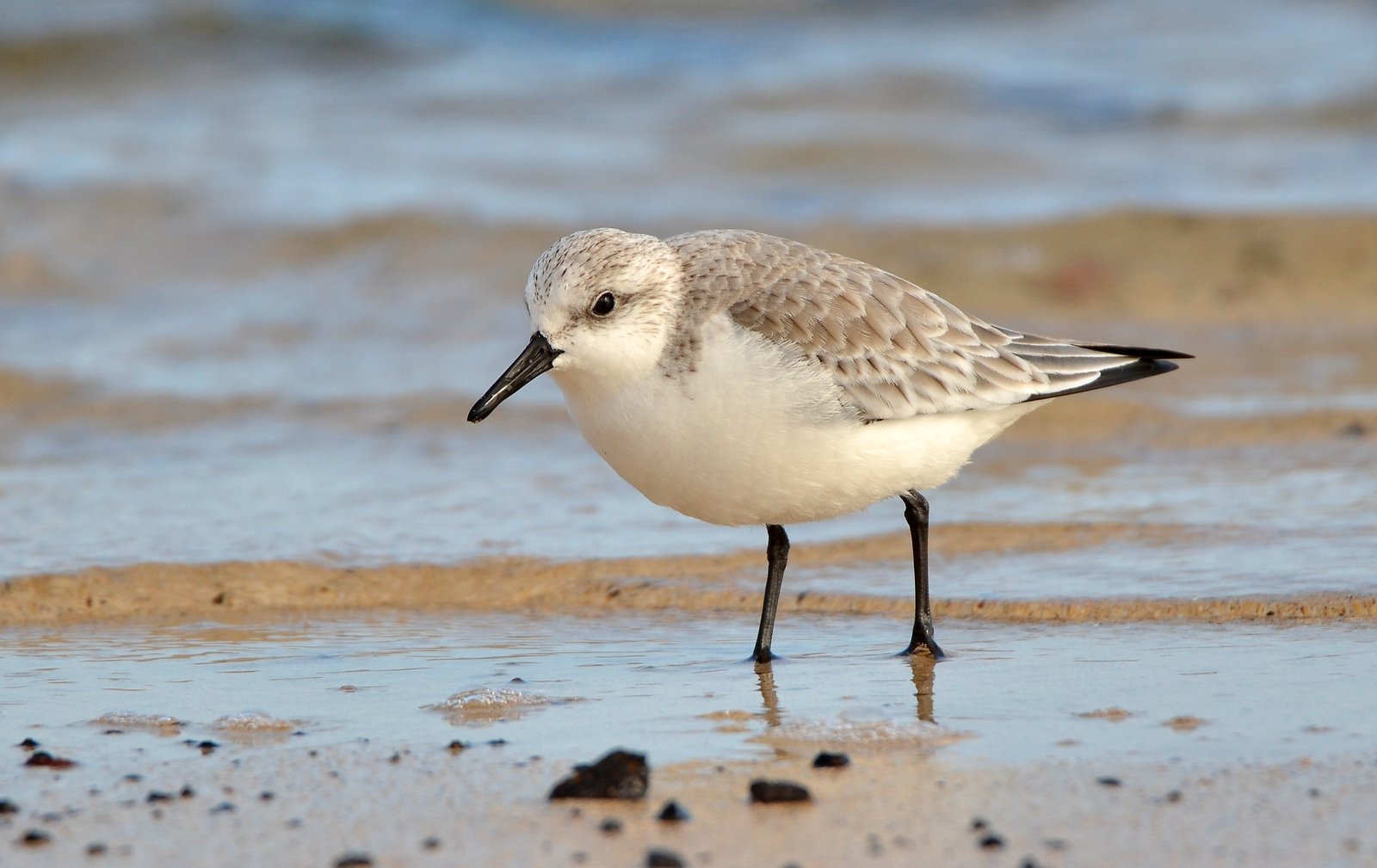
Maçarico-branco
Calidris alba- Sandy beach and dunes
- Tidal flats, lagoons and estuaries
- Galápagos coast and lava fields
- Rocky shore and sea cliffs
-
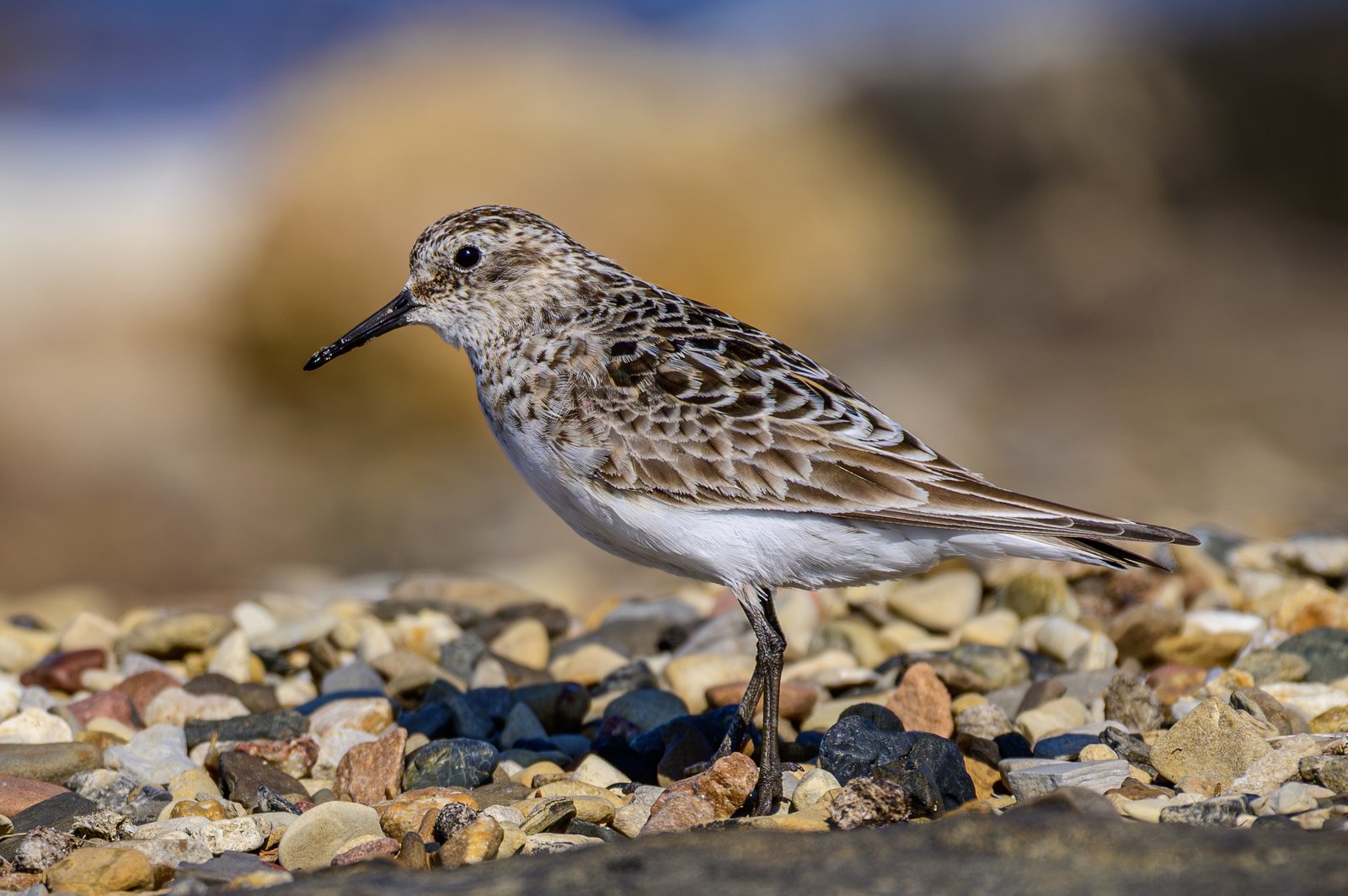
Maçarico-de-bico-fino
Calidris bairdii- Andean and high-plateau lakes
- Andean bogs and bofedales
- Humid puna
- Altiplano salt lakes and salt flats
- Tidal flats, lagoons and estuaries
-
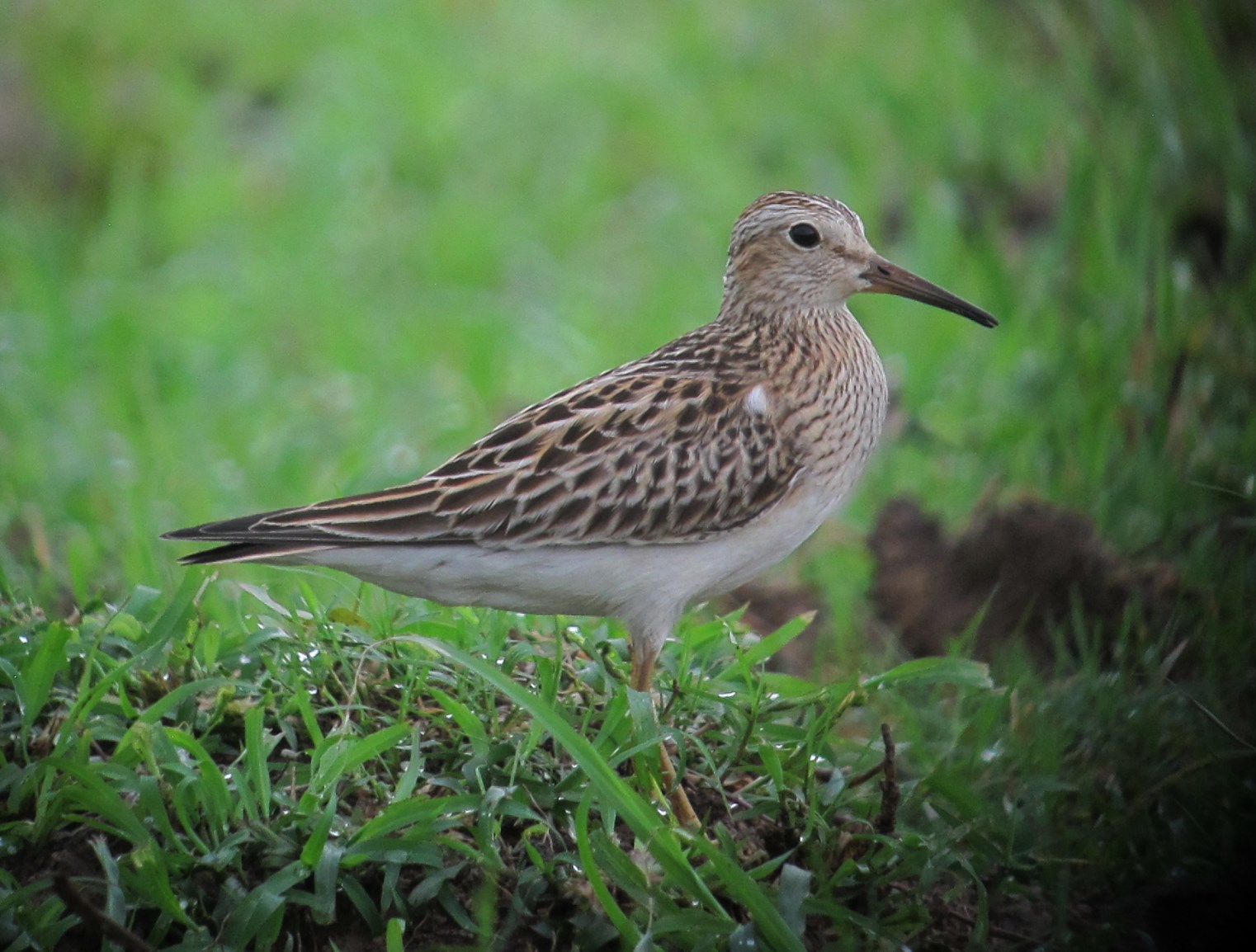
Maçarico-de-colete
Calidris melanotos- Lowland marshes and wet meadows
- Lowland lakes and oxbows
- Andean bogs and bofedales
- Andean and high-plateau lakes
- Irrigated farmland and rice fields
- Salt marsh and salt pans
-
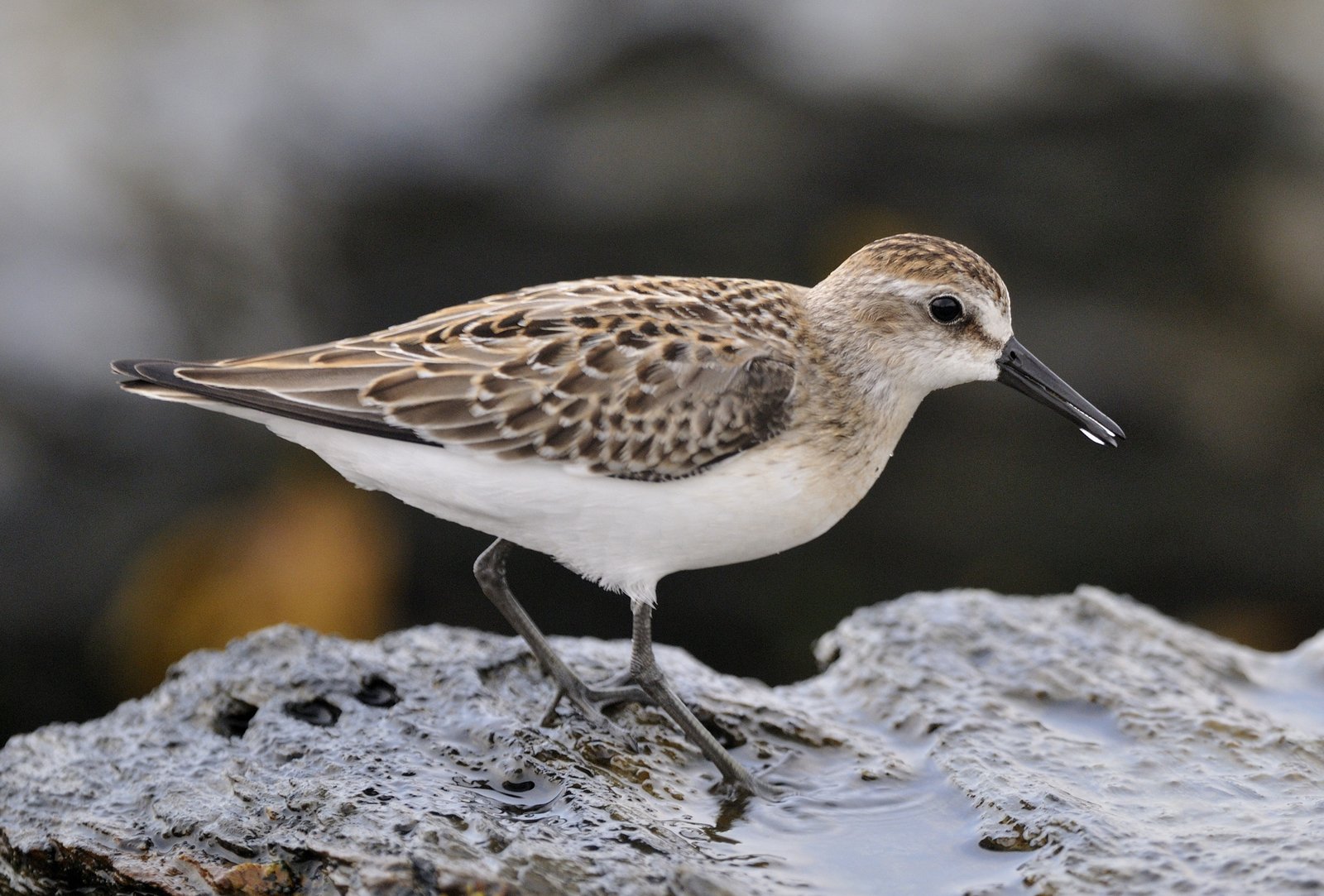
Maçarico-rasteirinho
Calidris pusilla- Tidal flats, lagoons and estuaries
- Salt marsh and salt pans
- Sandy beach and dunes
- Lowland lakes and oxbows
-
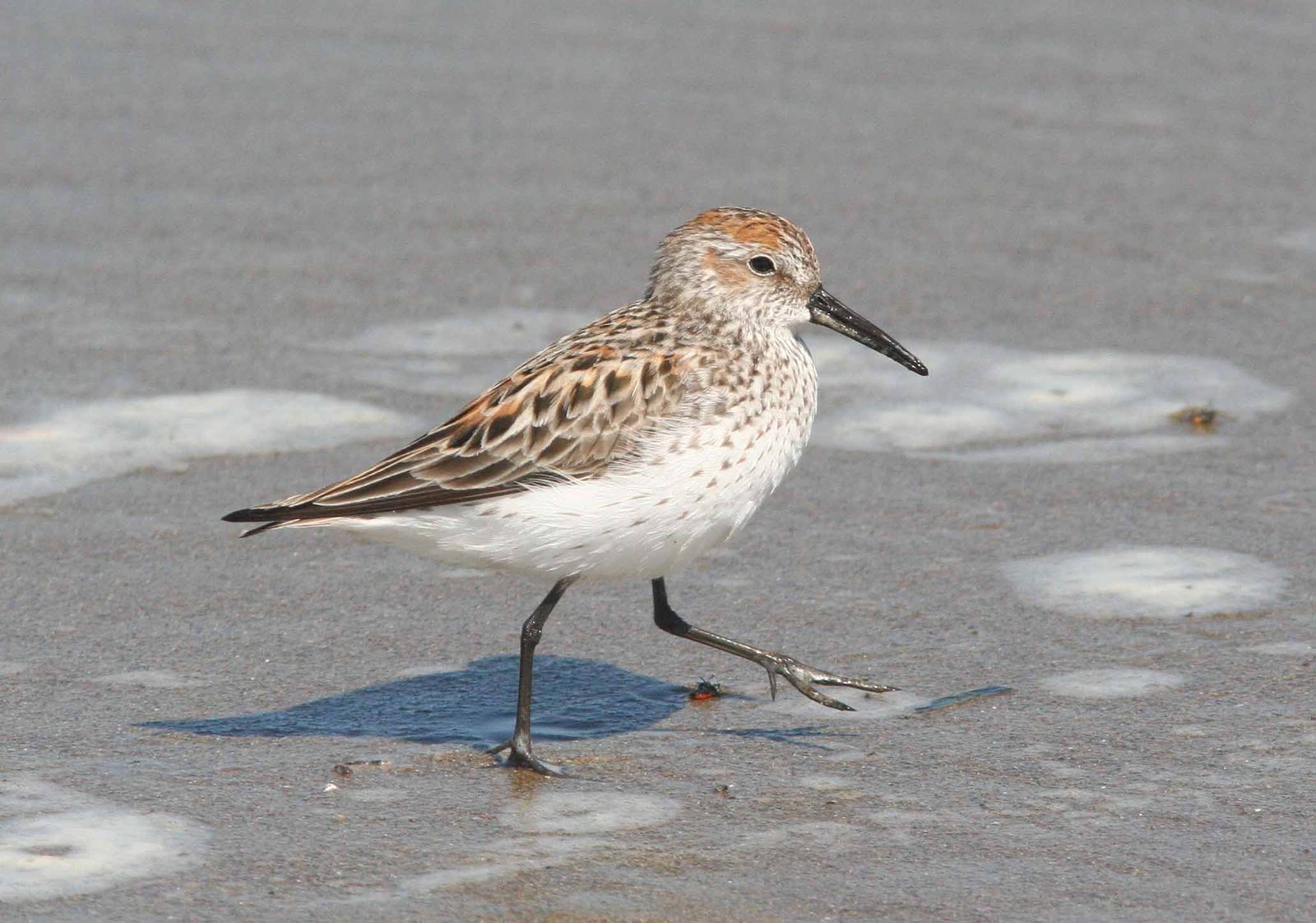
Maçarico-ocidental
Calidris mauri- Tidal flats, lagoons and estuaries
- Salt marsh and salt pans
- Sandy beach and dunes
- Galápagos coast and lava fields
- Harbors, dumps and fish ponds
-
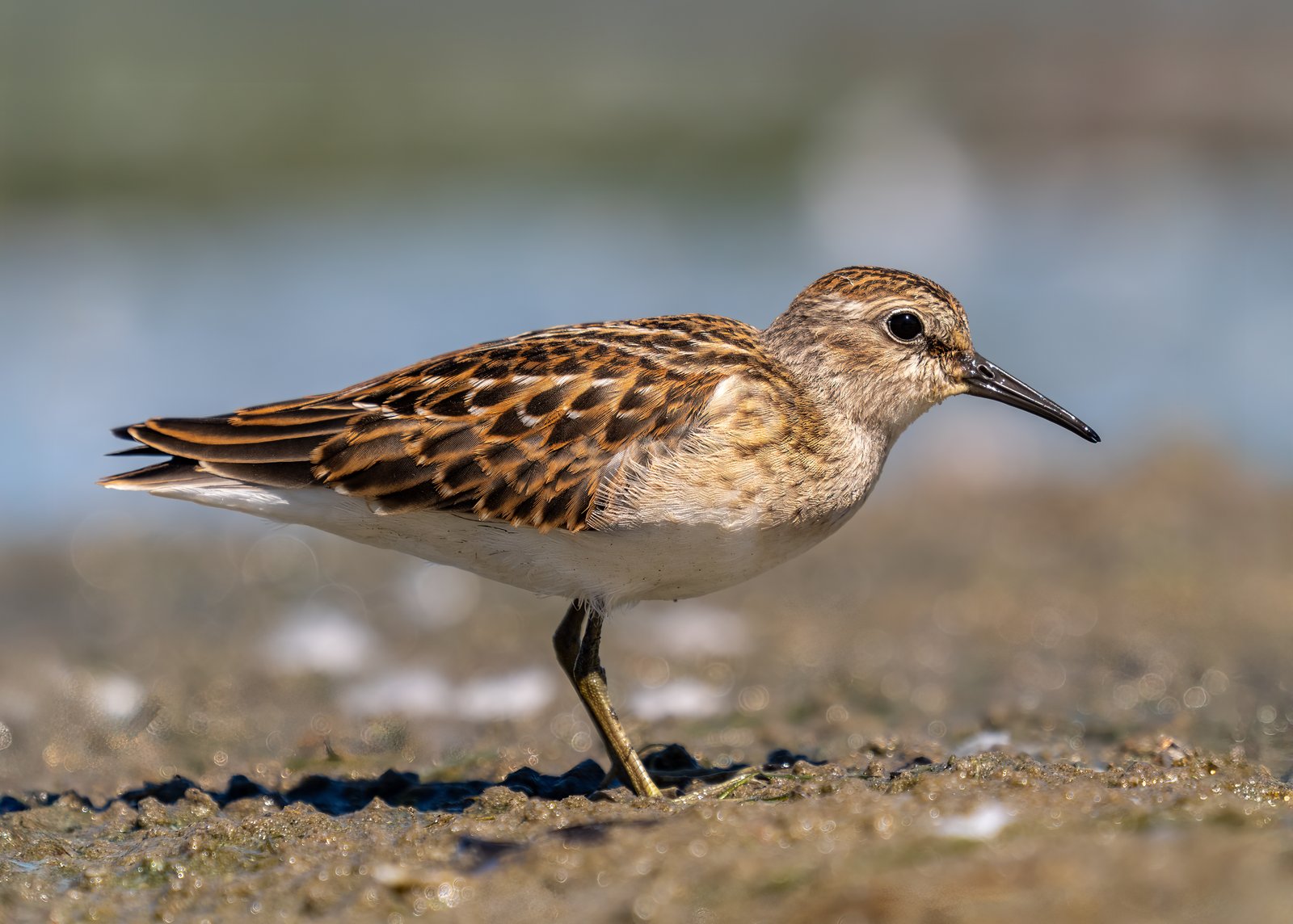
Maçarico-miúdo
Calidris minutilla- Tidal flats, lagoons and estuaries
- Salt marsh and salt pans
- Lowland lakes and oxbows
- Lowland marshes and wet meadows
- Andean and high-plateau lakes
- Galápagos coast and lava fields
-
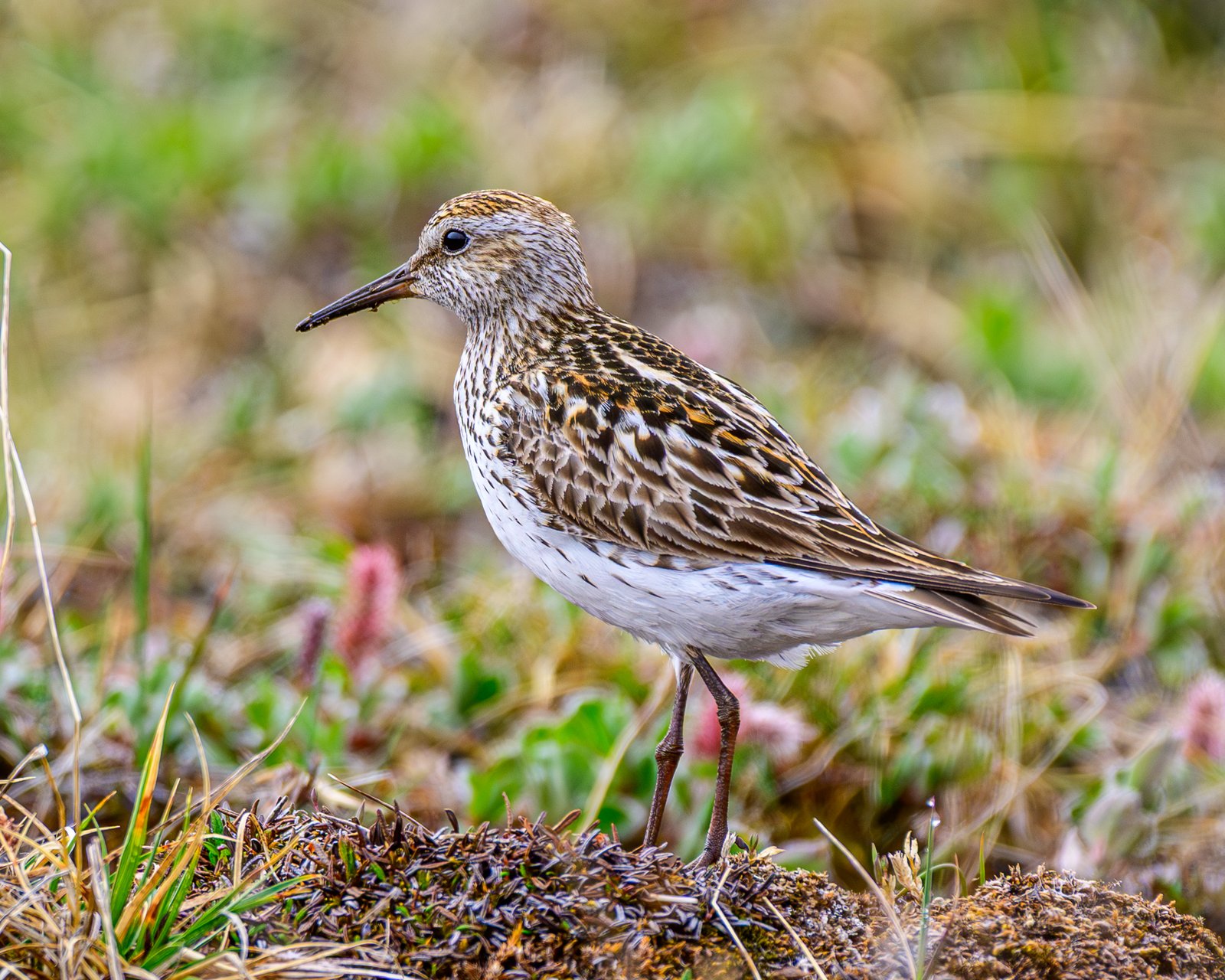
Maçarico-de-sobre-branco
Calidris fuscicollis- Lowland lakes and oxbows
- Lowland marshes and wet meadows
- Lowland rivers and sandbars
- Andean and high-plateau lakes
- Tidal flats, lagoons and estuaries
- Andean bogs and bofedales
Vagantes 7 espécies
Aves trazidas pelo vento de outros continentes. Não têm área de distribuição aqui e, por isso, não têm mapa de distribuição.
-
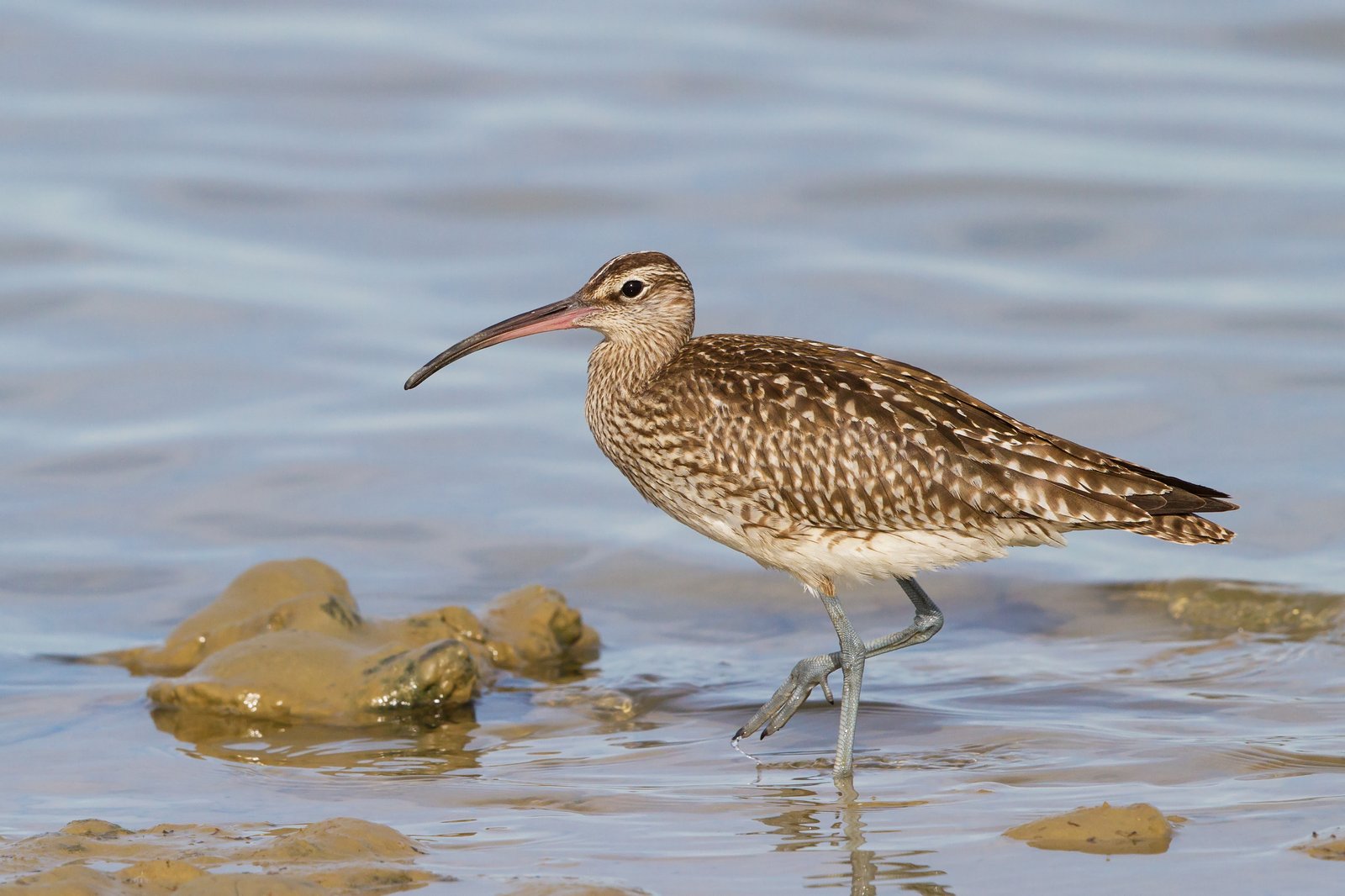
Maçarico-galego-euroasiático
Numenius phaeopus- Tidal flats, lagoons and estuaries
- Sandy beach and dunes
- Rocky shore and sea cliffs
-
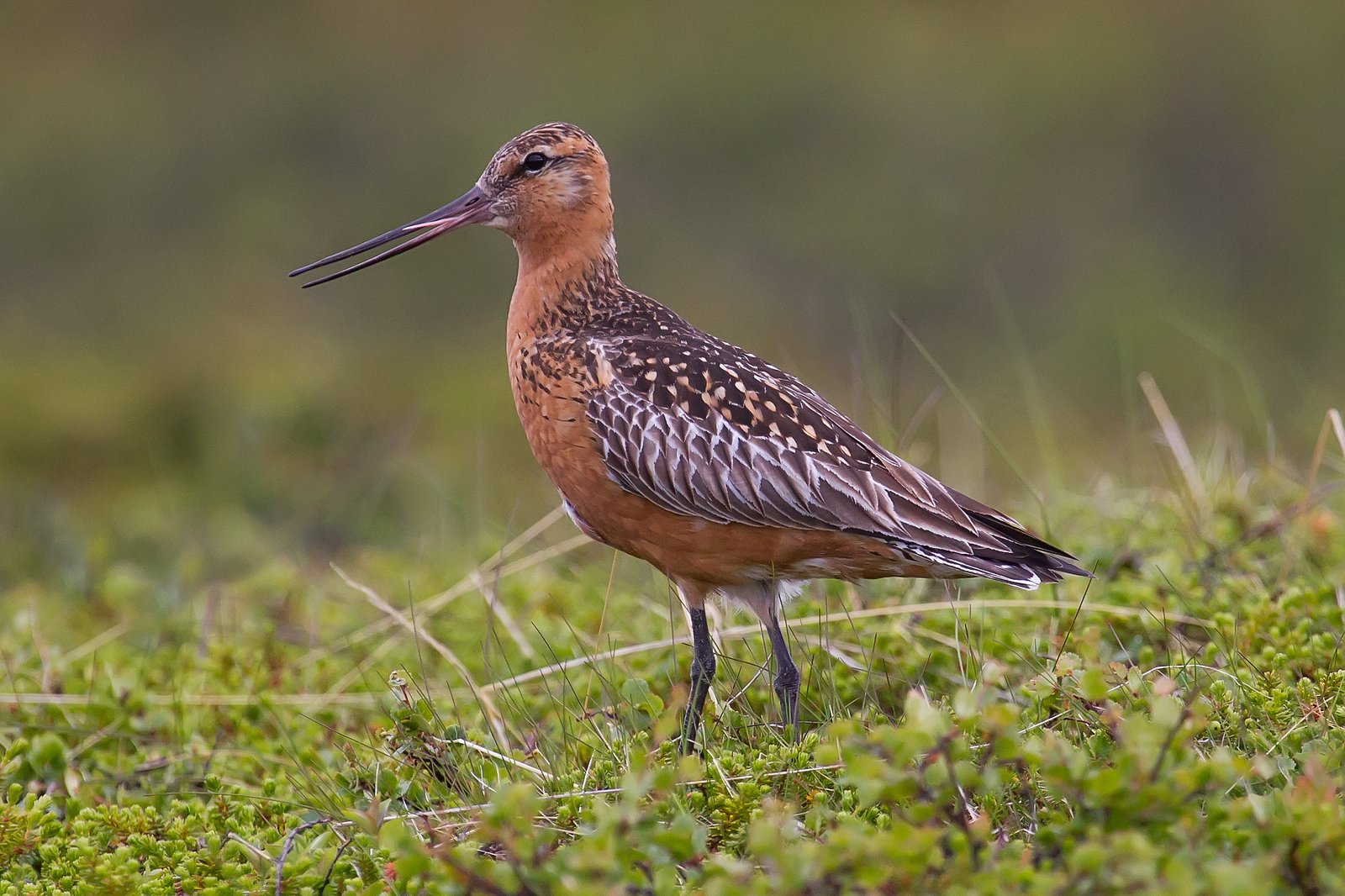
Fuselo
Limosa lapponica- Tidal flats, lagoons and estuaries
- Sandy beach and dunes
-
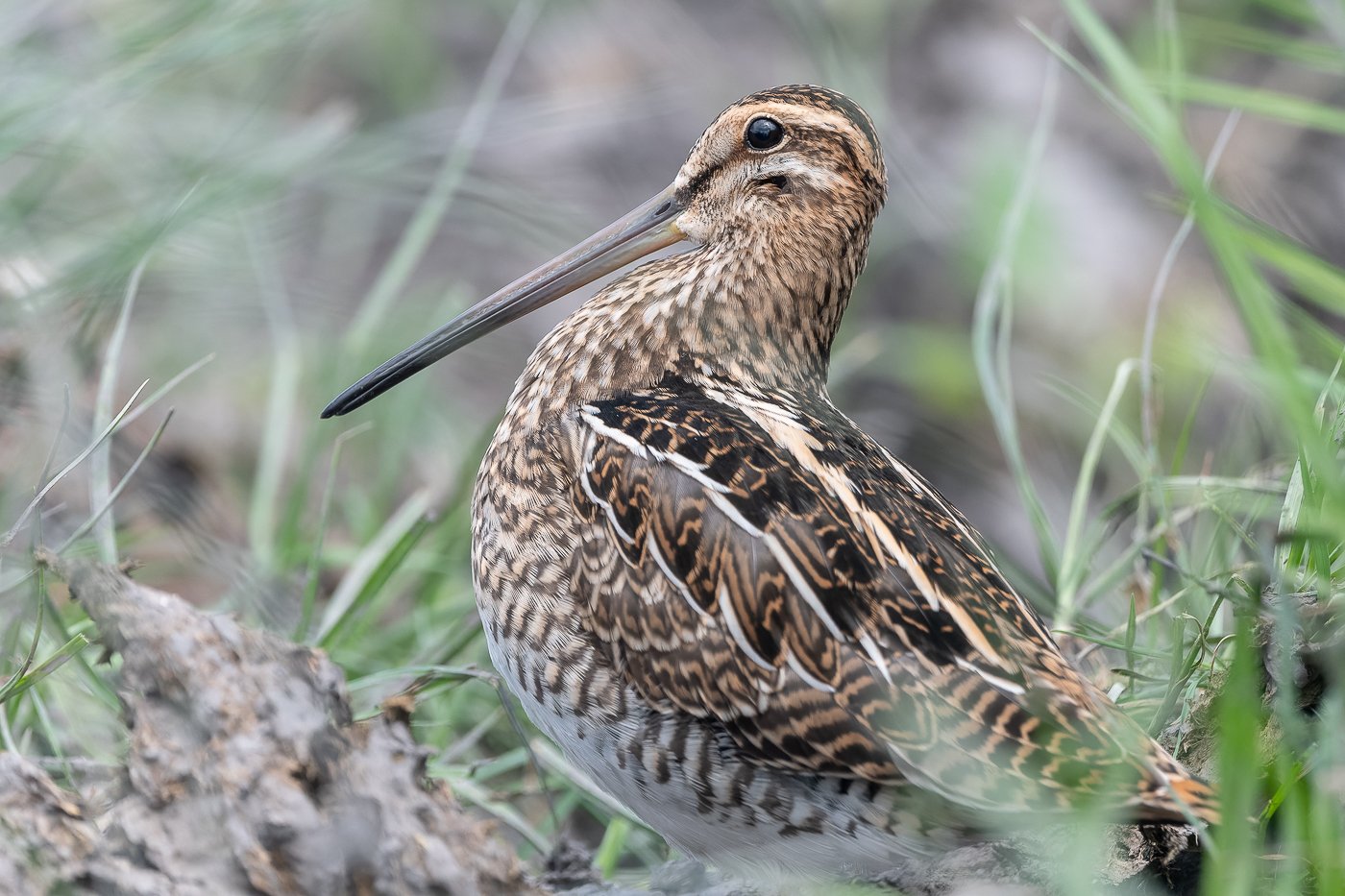
Narceja-comum
Gallinago gallinago- Lowland marshes and wet meadows
- Irrigated farmland and rice fields
- Salt marsh and salt pans
-
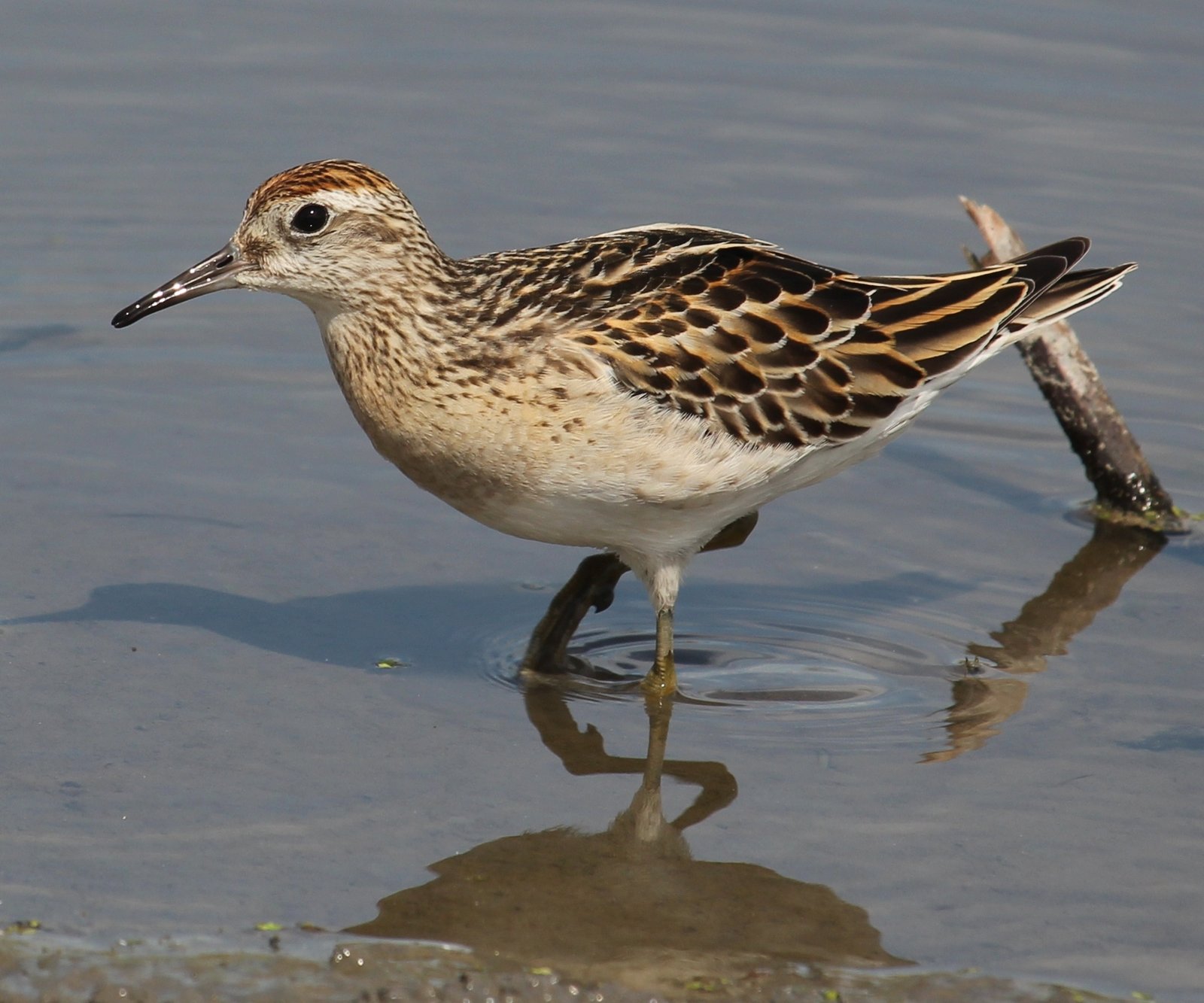
Maçarico-de-cauda-aguda
Calidris acuminata- Tidal flats, lagoons and estuaries
- Salt marsh and salt pans
- Lowland marshes and wet meadows
-
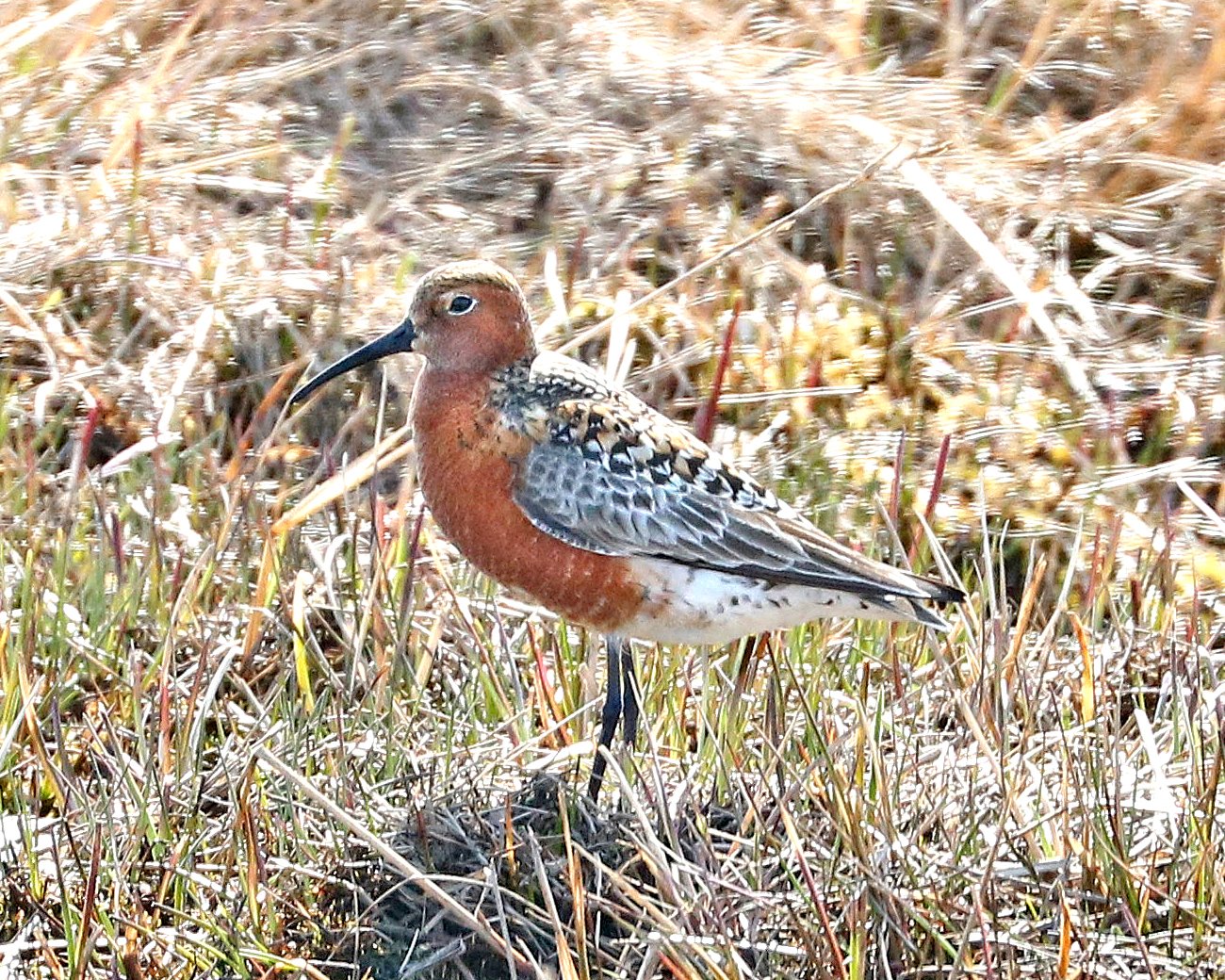
Maçarico-de-bico-curvo
Calidris ferruginea- Tidal flats, lagoons and estuaries
- Salt marsh and salt pans
- Sandy beach and dunes
-
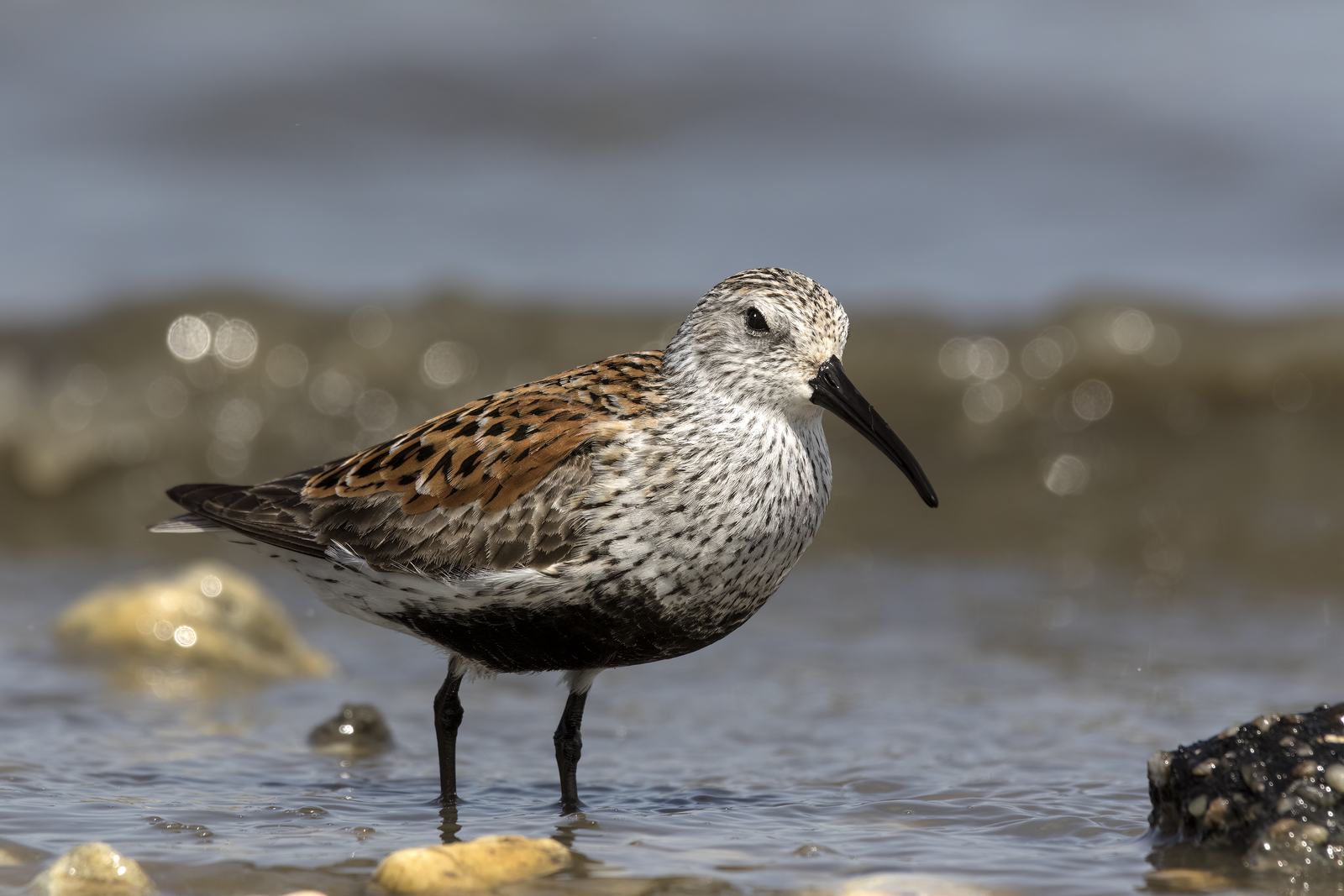
Maçarico-de-papo-preto
Calidris alpina- Tidal flats, lagoons and estuaries
- Salt marsh and salt pans
- Sandy beach and dunes
-
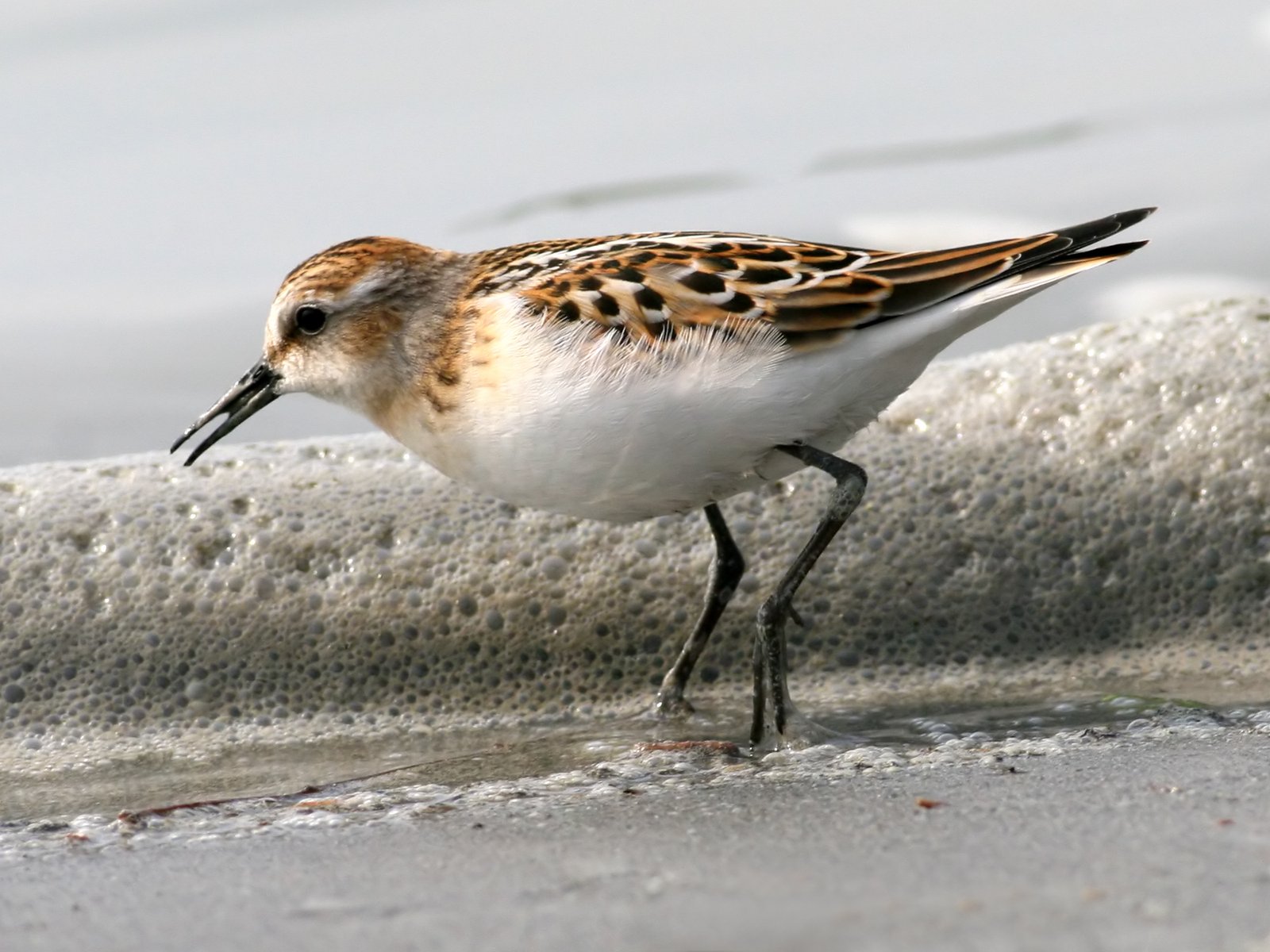
Maçarico-pequeno
Calidris minuta- Tidal flats, lagoons and estuaries
- Salt marsh and salt pans
- Lowland lakes and oxbows