Todas as espécies › Swifts › Hummingbirds
Hummingbirds | Trochilidae
Kolibries | Hummingbirds | Colibríes
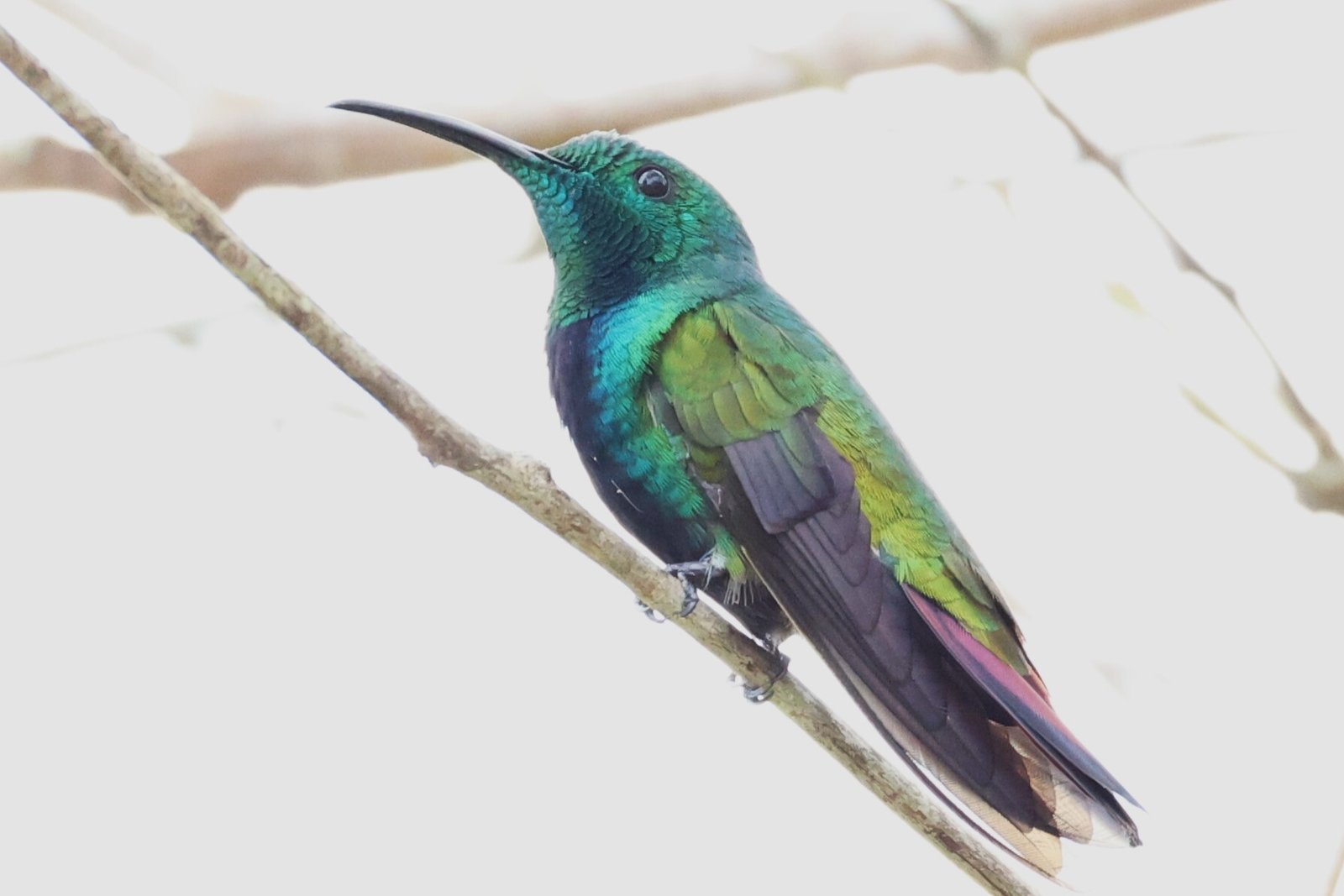
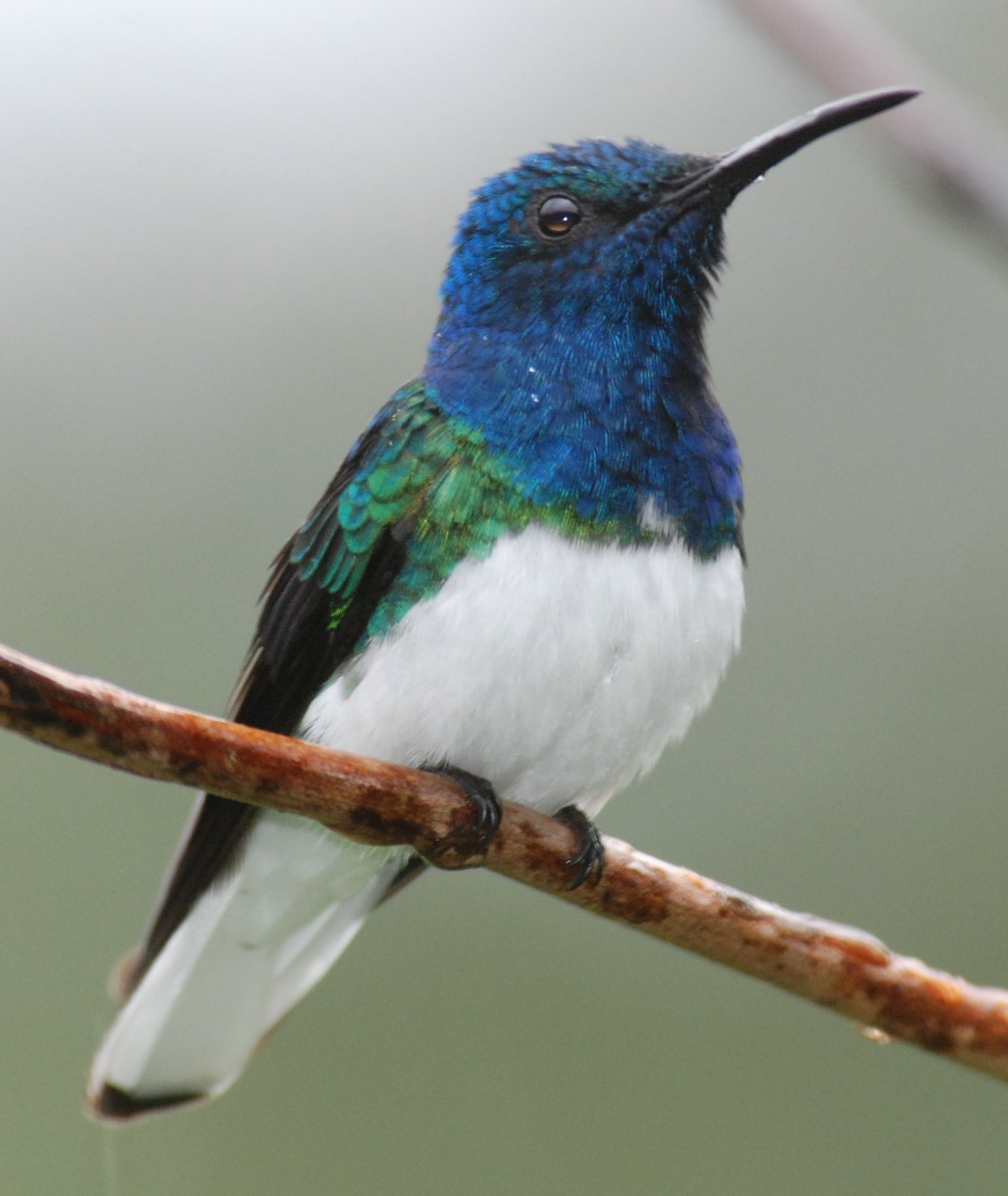
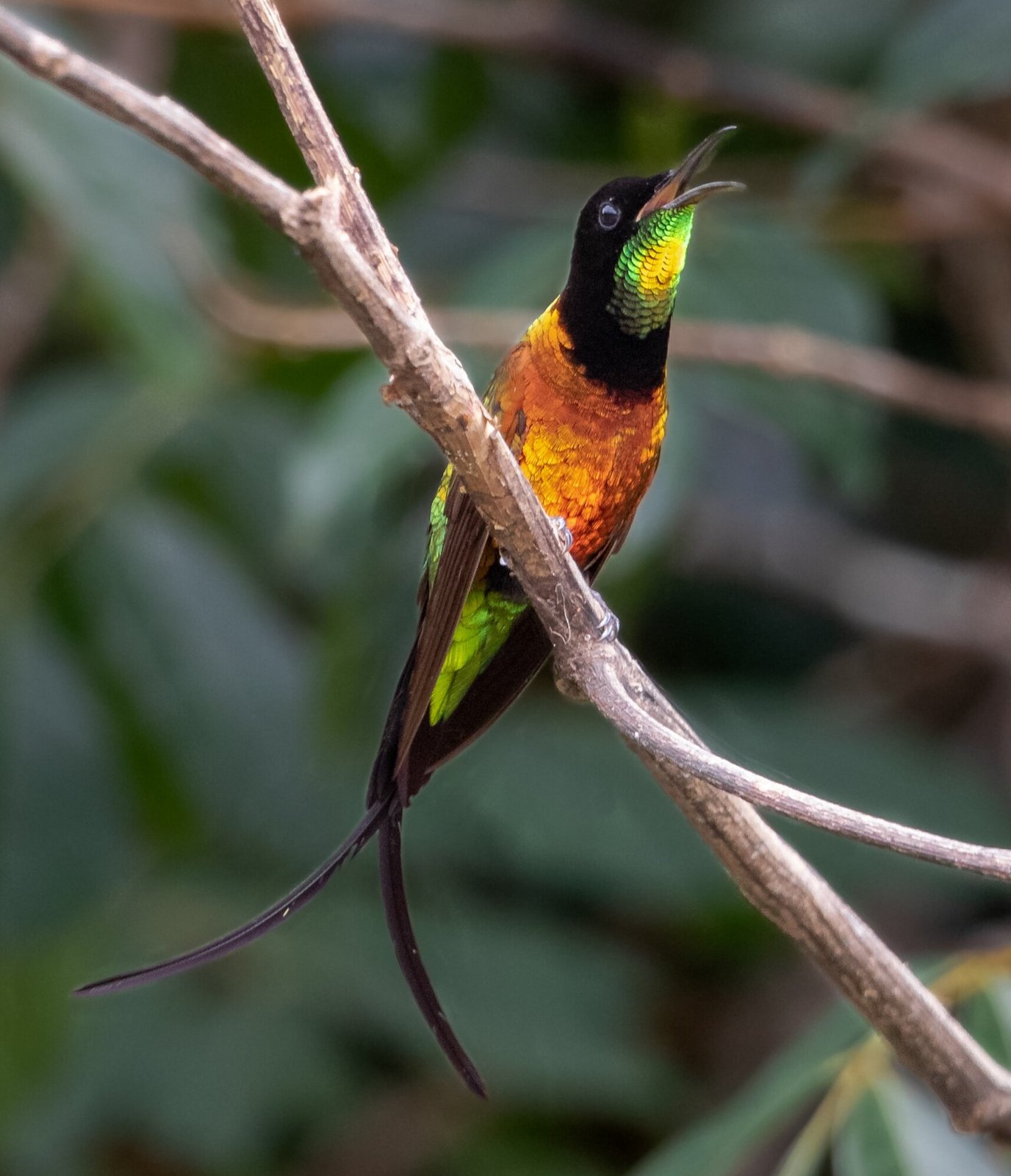
With two hundred and thirty-one species in eighty-two genera, the hummingbirds are the richest family of the Andes and the west coast; nowhere in the world do more species live than in the northern Andes. They are present from the rainforest of the Chocó and the Amazonian foothills through cloud forest to páramo and puna, and even in oases and gardens of the coastal desert; the hermits live in the shade of the rainforest understorey, most other species in cloud forest, forest edges and flowering scrub. The family includes the smallest birds in the world, but also the Giant Hummingbird, as large as a starling. They have a needle-like bill, in the Sword-billed Hummingbird longer than the rest of the body, and a long tongue, forked at the tip, with which they lap up nectar. The wing turns almost entirely from the shoulder, so that they can hover and even fly backwards, beating dozens of times a second. This requires an exceptionally high metabolism; at night they can enter torpor and lower their body temperature to save energy, which matters above all in the cold high mountains. Besides nectar they take small insects and spiders, the main source of protein for the young. The feet are so small that they cannot walk, only perch. In many species the male has a metallic gorget or crown that flashes only at the right angle. The female alone builds a tiny cup of plant down and spider silk, often covered with lichen or moss, and lays two white eggs.
Espécies nativas 218 espécies
Espécies que ocorrem aqui naturalmente: reprodutoras, visitantes de inverno e migrantes de passagem. Estão organizadas por gênero, na sequência da lista.
Topaza 1 espécie

Eutoxeres 2 espécies
-
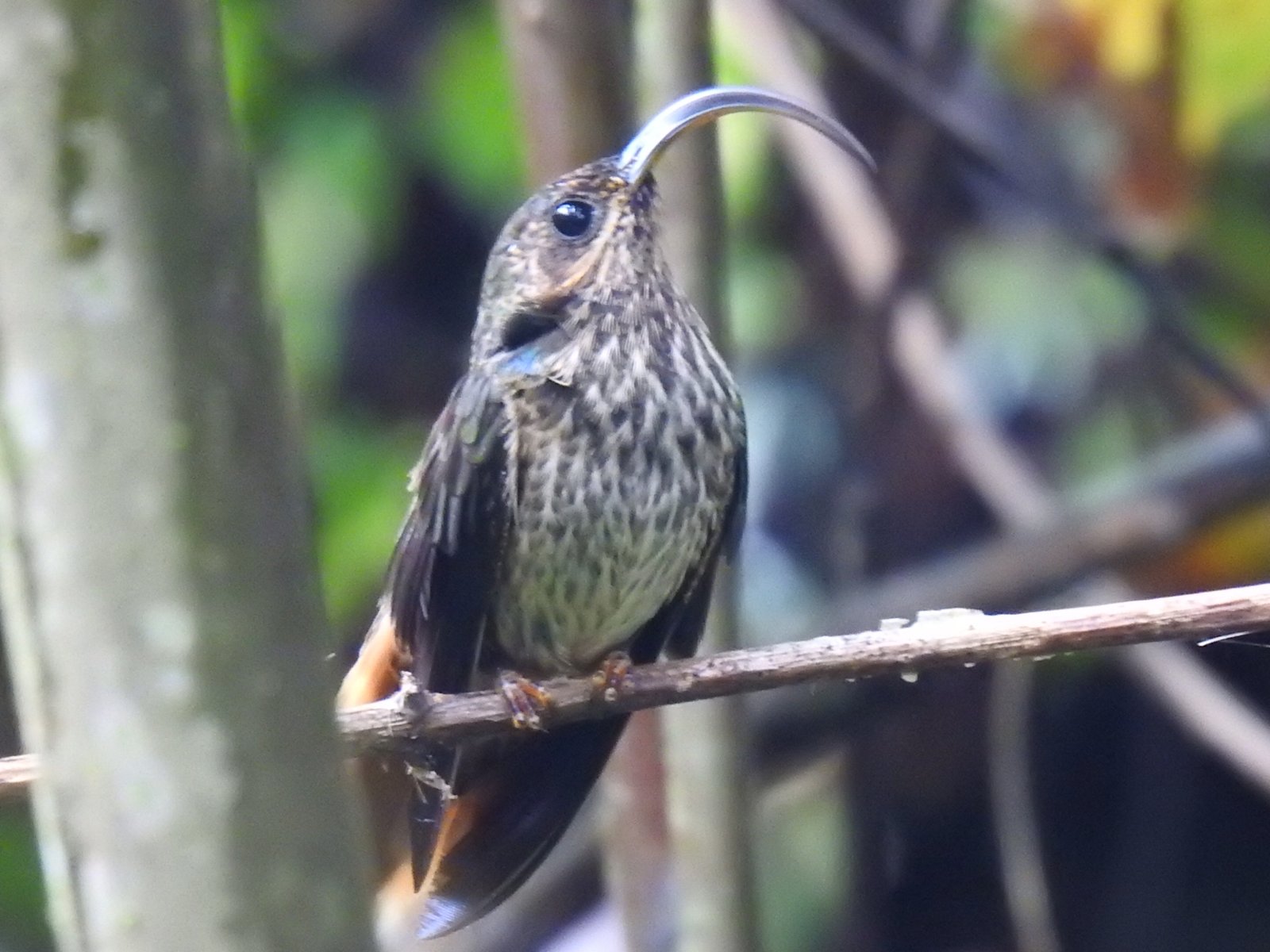
Bico-de-foice-de-cauda-canela
Eutoxeres condamini Northern Andean subtropical forest
 Lower Yungas forest
 Eastern Andean foothill forest
 Secondary forest and forest edge
-
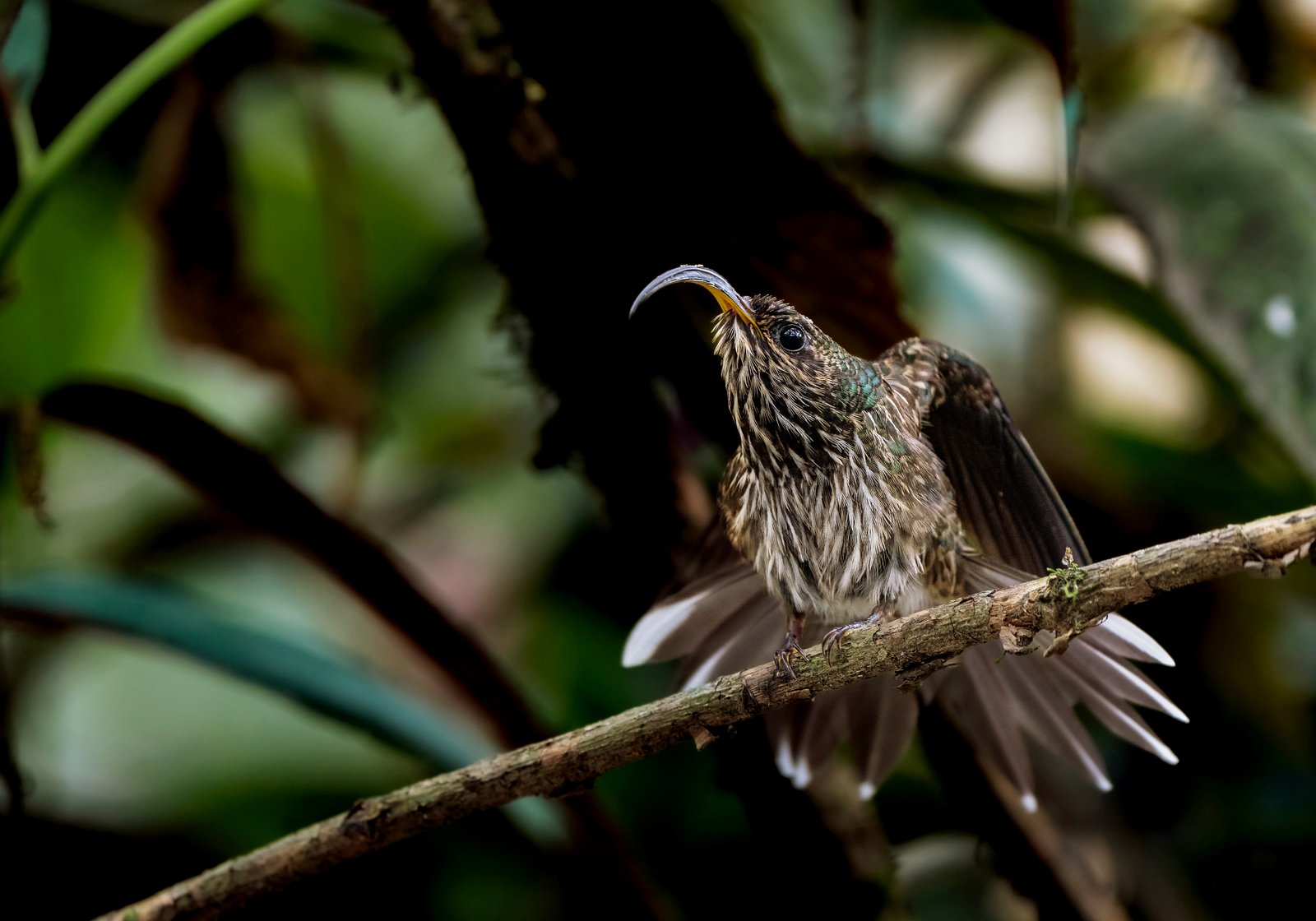
Bico-de-foice-de-ponta-branca
Eutoxeres aquila Chocó rainforest
- Northern Andean subtropical forest
 Western Ecuador humid forest
- Eastern Andean foothill forest
- Secondary forest and forest edge
Glaucis 2 espécies
-
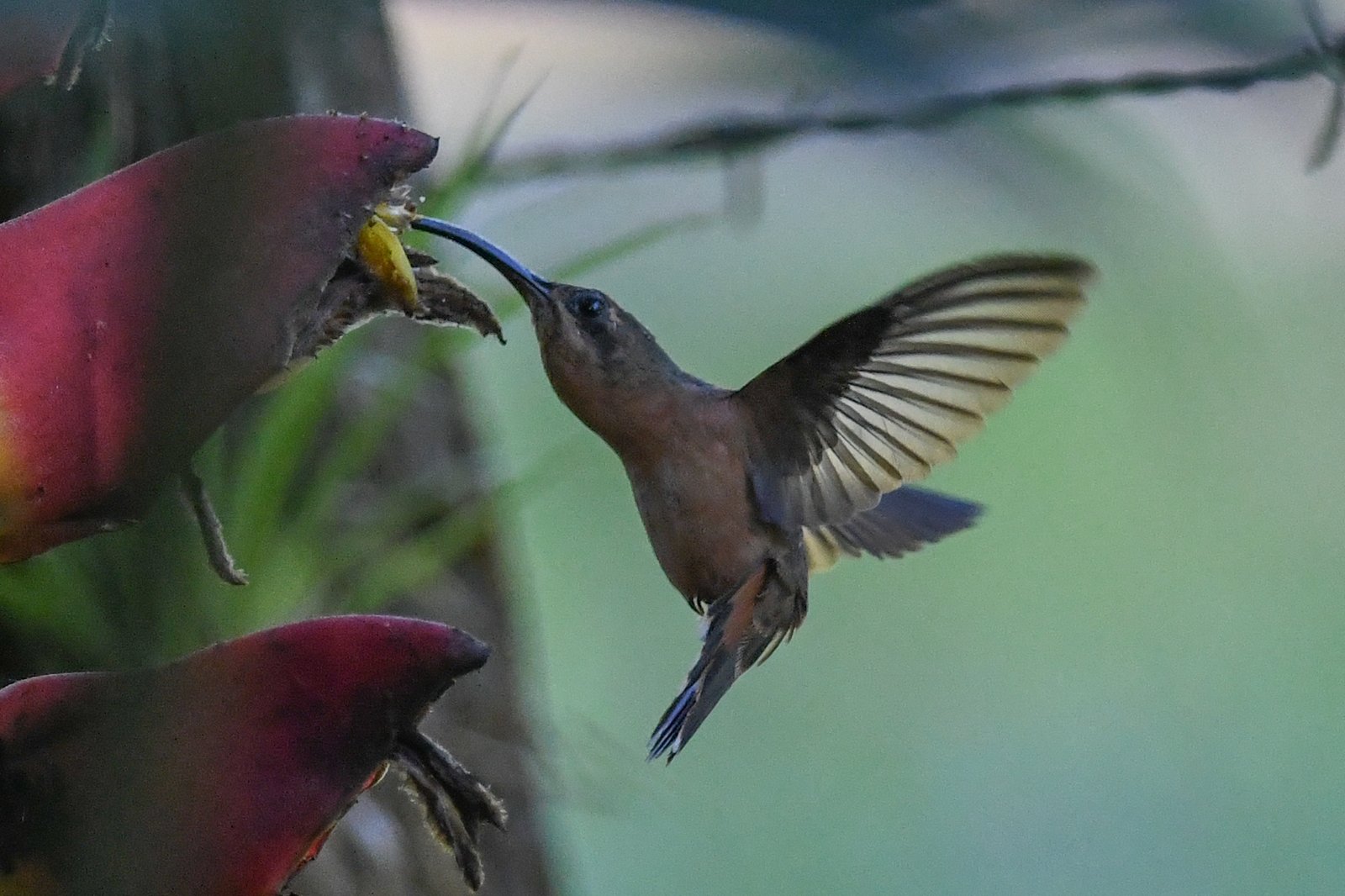
Balança-rabo-bronzeado
Glaucis aeneus- Secondary forest and forest edge
- Chocó rainforest
- Western Ecuador humid forest
 Coffee, cacao and agroforestry
-
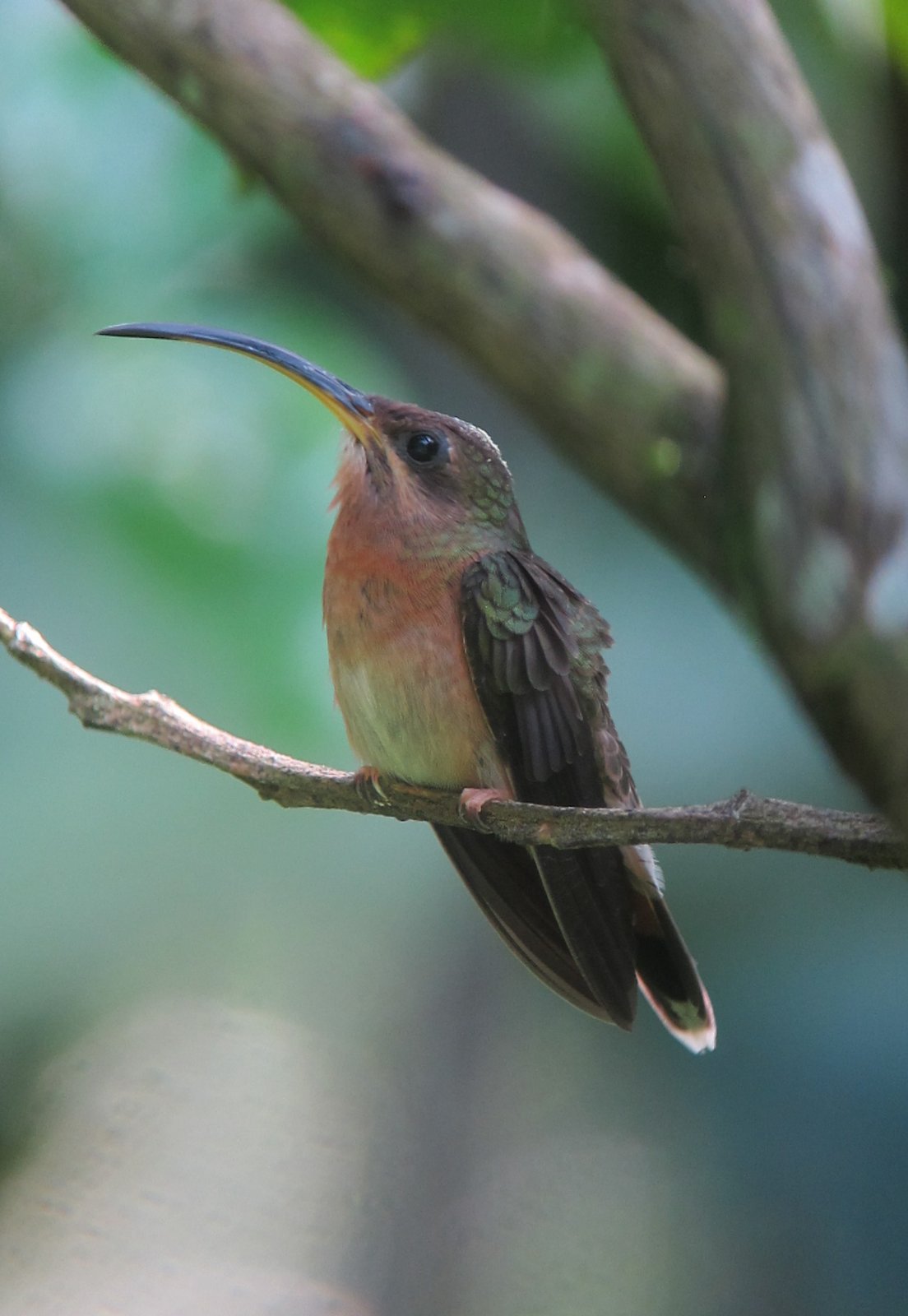
Balança-rabo-de-bico-torto
Glaucis hirsutus- Secondary forest and forest edge
 Várzea, igapó and river islands
 Amazonian terra firme rainforest
- Eastern Andean foothill forest
- Coffee, cacao and agroforestry
Threnetes 2 espécies
-
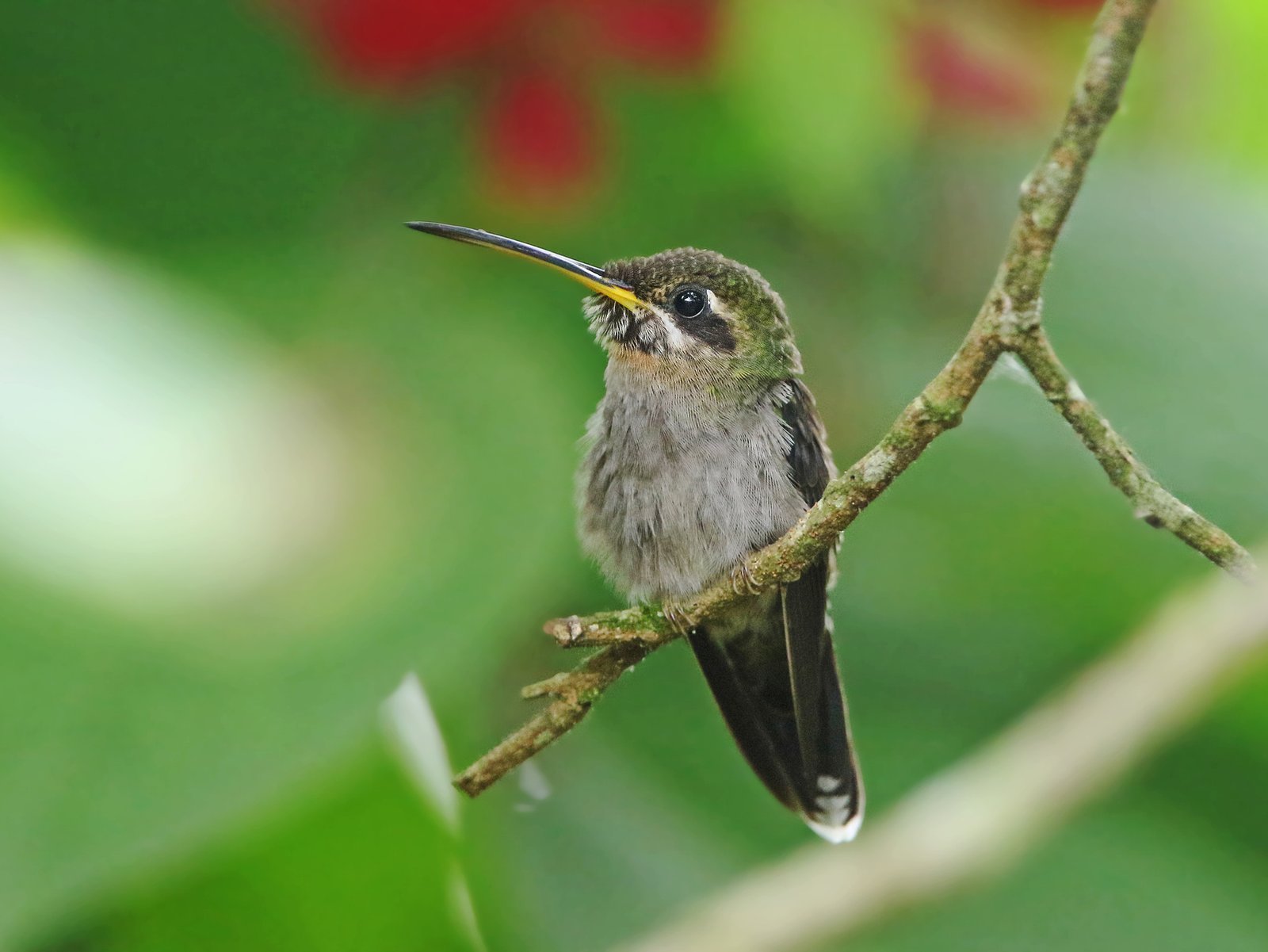
Balança-rabo-de-cauda-barrada
Threnetes ruckeri- Secondary forest and forest edge
- Chocó rainforest
- Western Ecuador humid forest
- Coffee, cacao and agroforestry
-
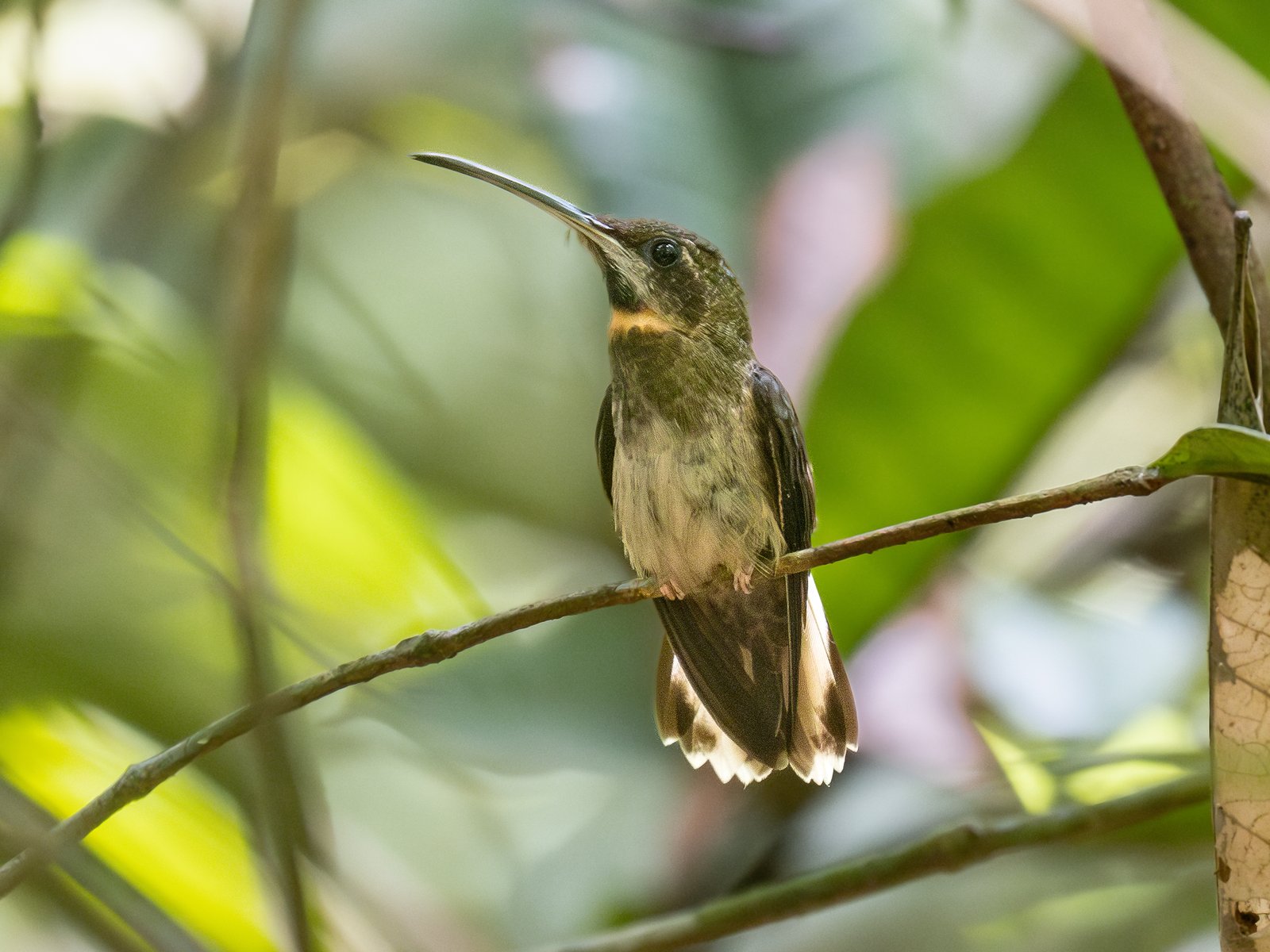
Balança-rabo-de-garganta-preta
Threnetes leucurus- Secondary forest and forest edge
- Várzea, igapó and river islands
- Amazonian terra firme rainforest
- Eastern Andean foothill forest
Phaethornis 20 espécies
-
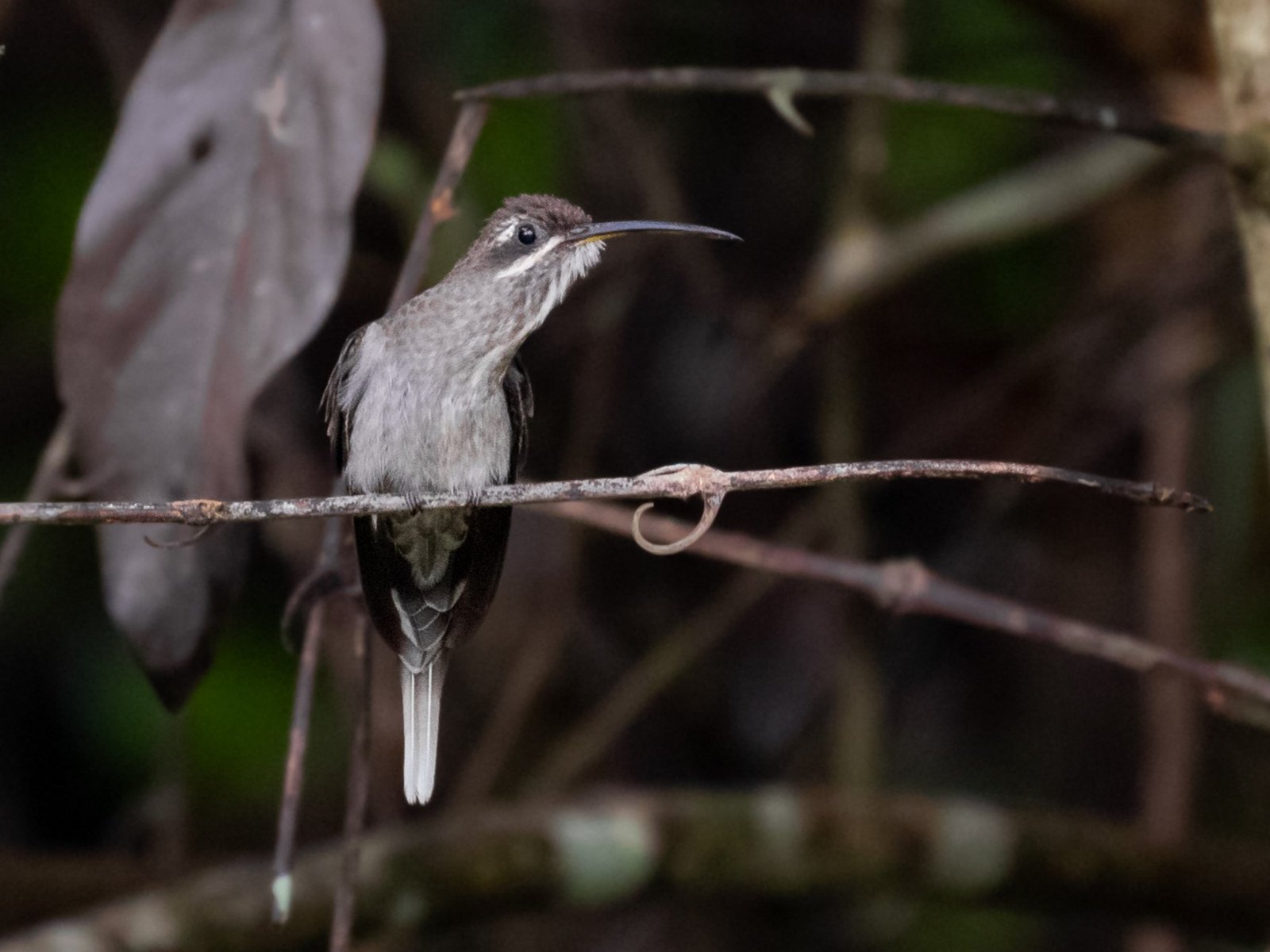
Rabo-branco-cinza
Phaethornis hispidus- Várzea, igapó and river islands
- Secondary forest and forest edge
- Amazonian terra firme rainforest
 Palm swamps and swamp forest
-
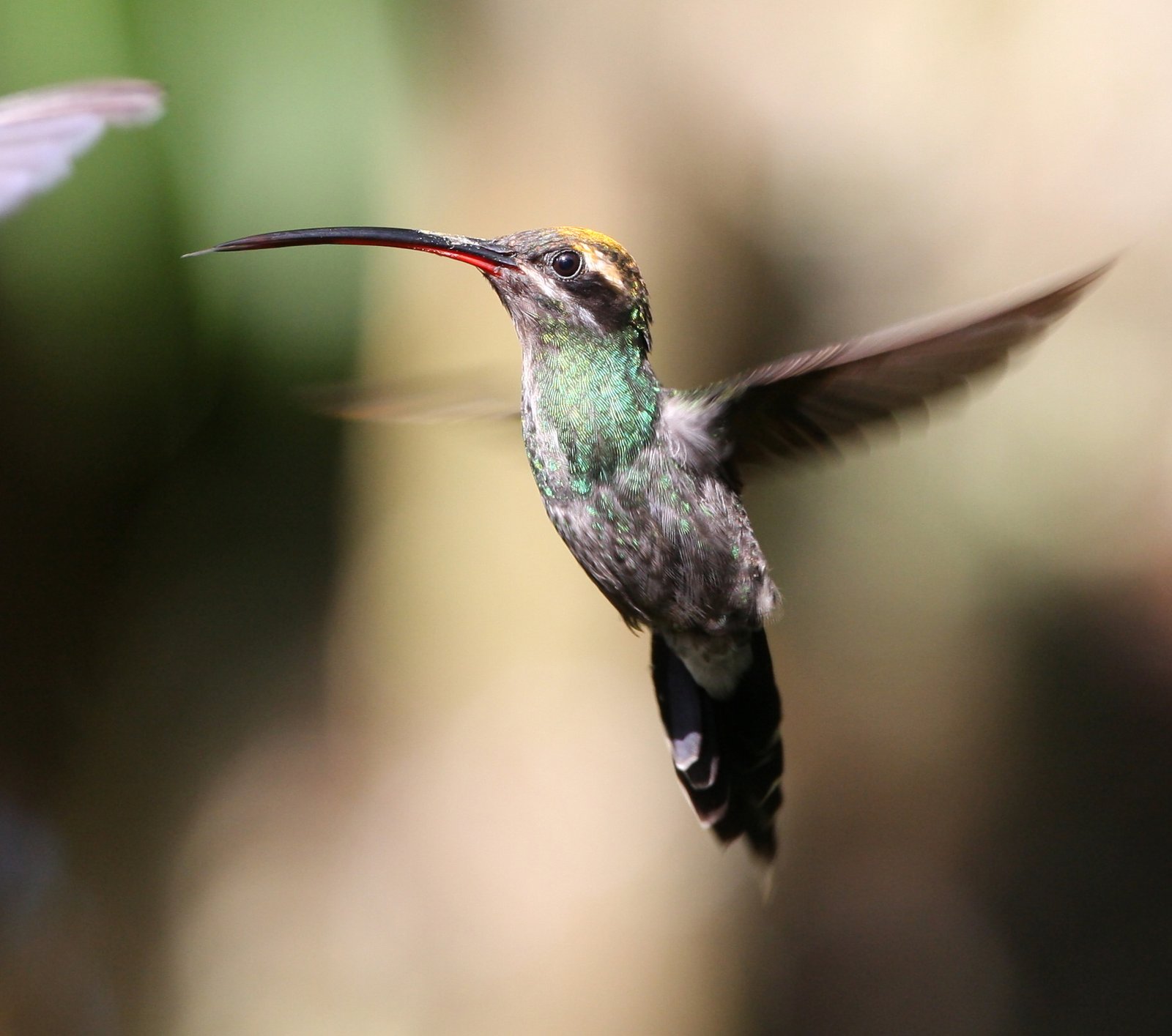
Rabo-branco-de-bigode-branco
Phaethornis yaruqui- Chocó rainforest
- Western Ecuador humid forest
- Secondary forest and forest edge
- Northern Andean subtropical forest
- Coffee, cacao and agroforestry
-
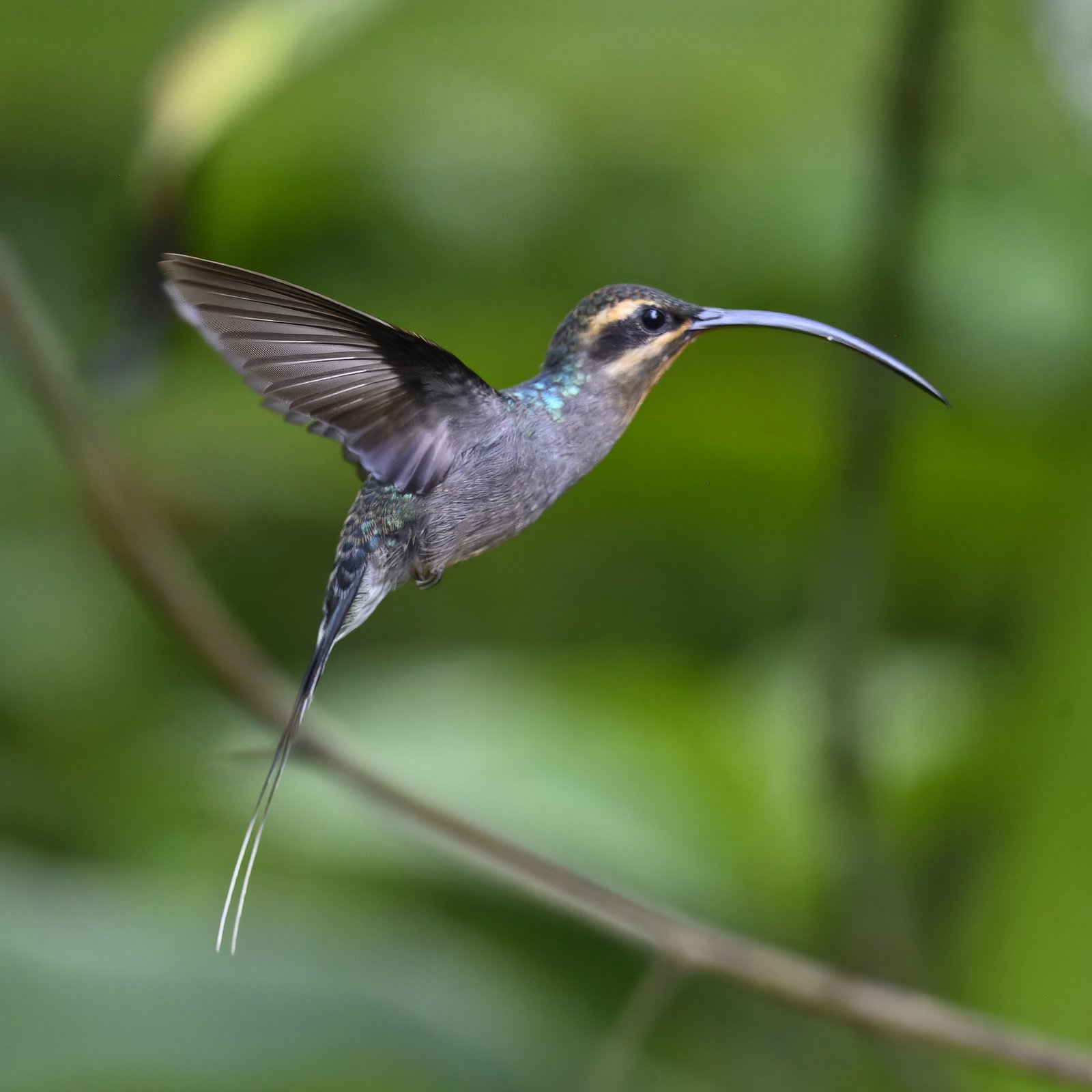
Rabo-branco-verde
Phaethornis guy- Northern Andean subtropical forest
- Eastern Andean foothill forest
- Lower Yungas forest
- Secondary forest and forest edge
-
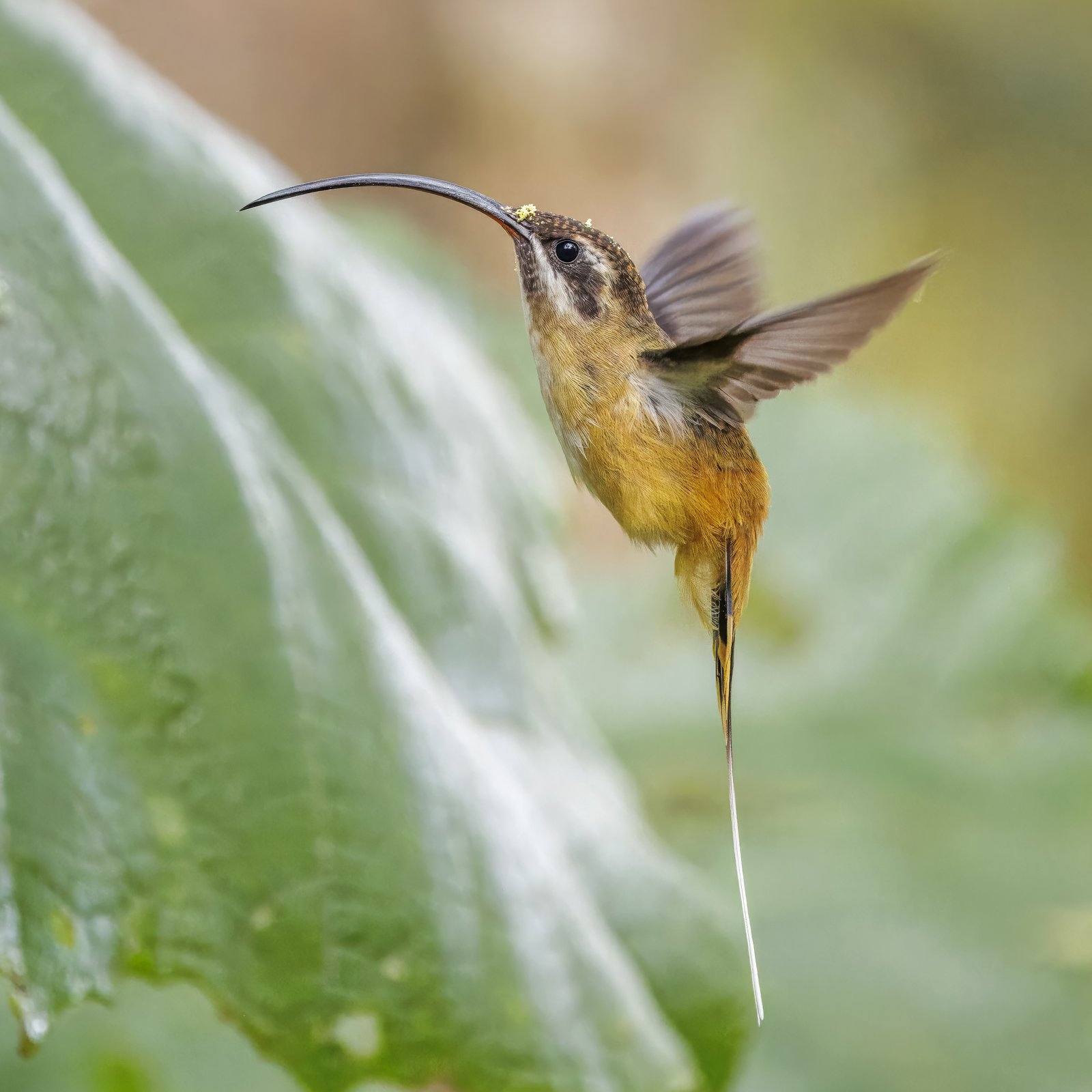
Rabo-branco-de-barriga-fulva
Phaethornis syrmatophorus- Northern Andean subtropical forest
 Northern Andean cloud forest and temperate forest
- Secondary forest and forest edge
-
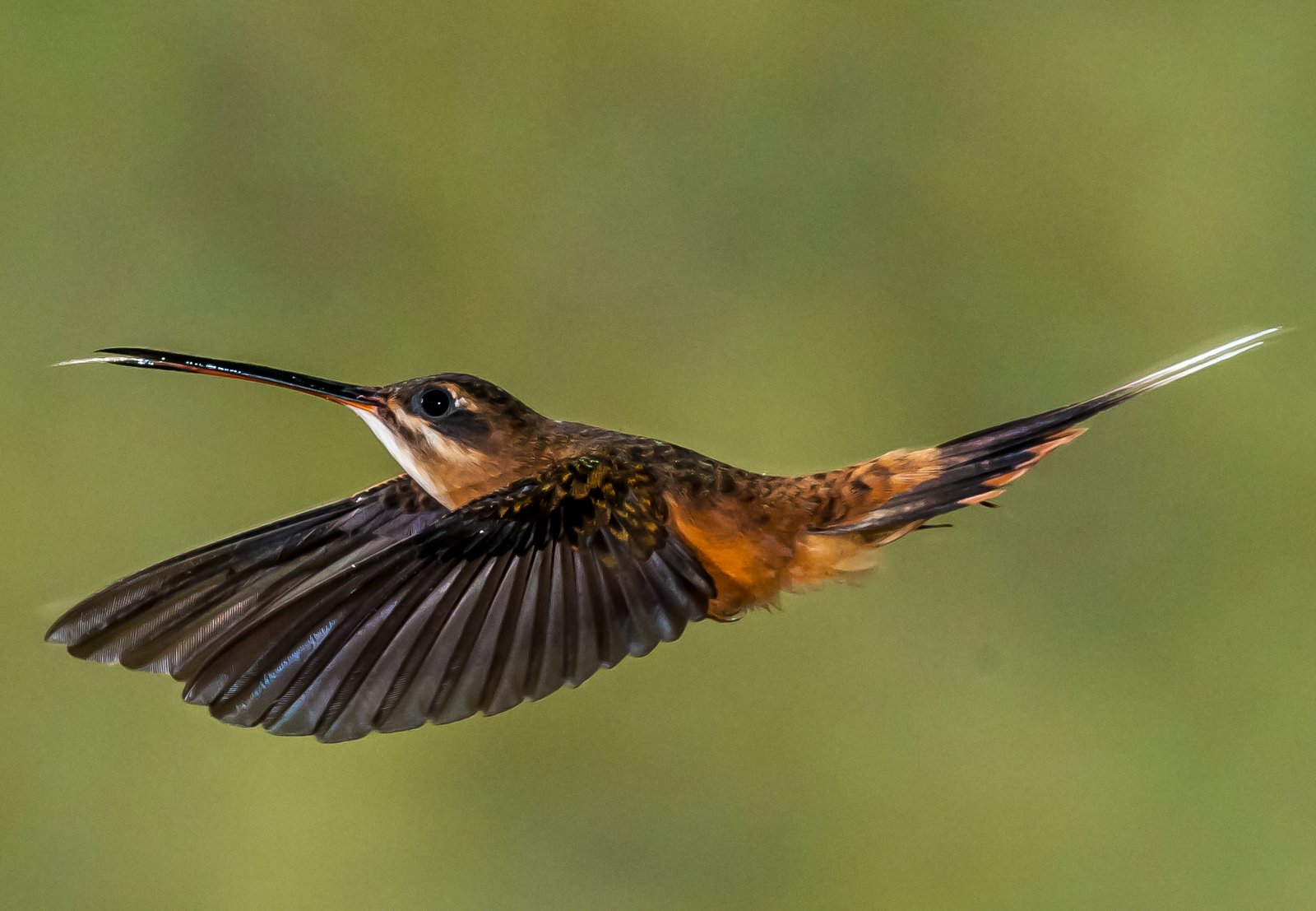
Rabo-branco-de-koepcke
Phaethornis koepckeae- Eastern Andean foothill forest
- Lower Yungas forest
-
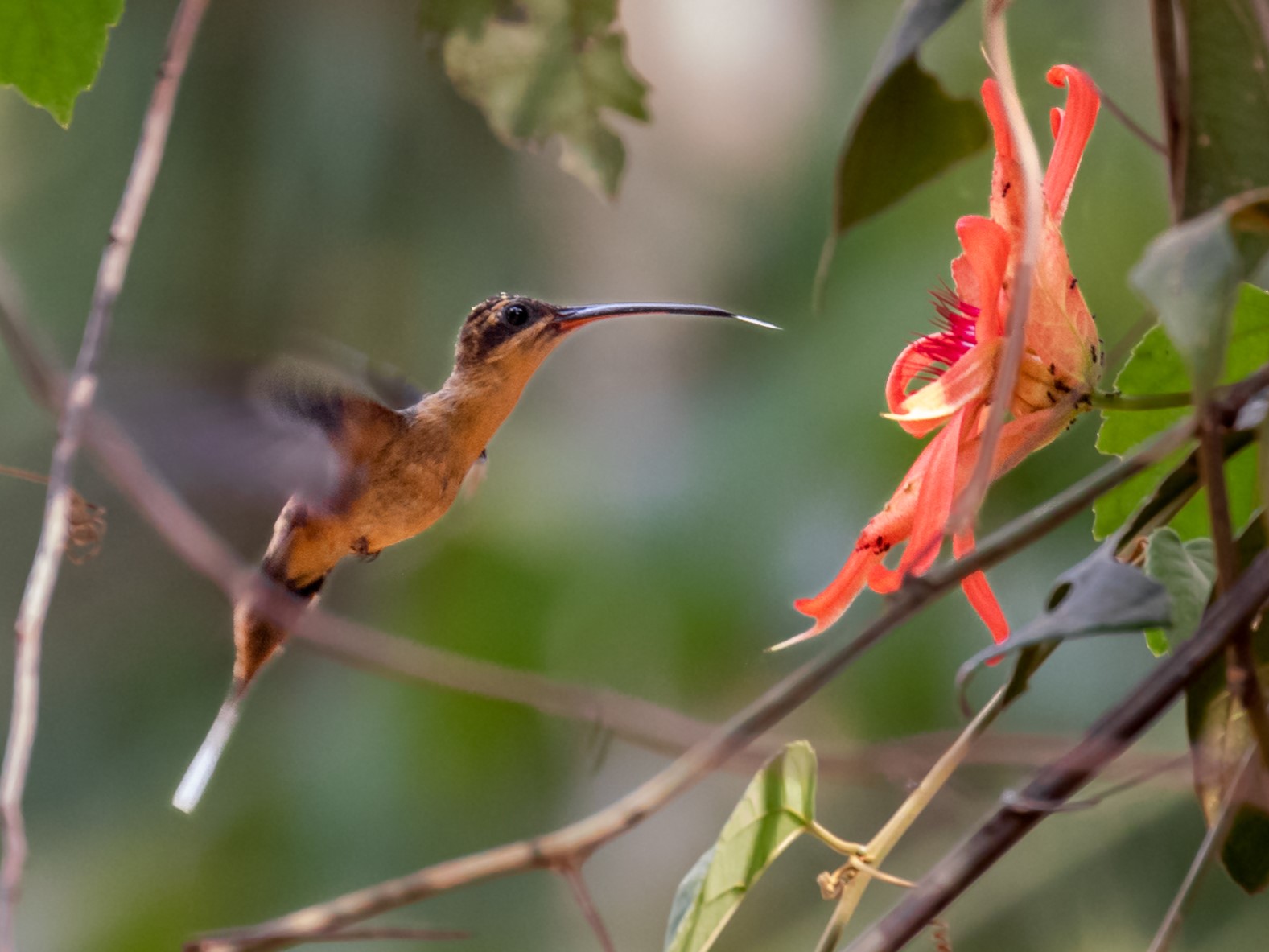
Rabo-branco-amarelo
Phaethornis philippii- Amazonian terra firme rainforest
- Várzea, igapó and river islands
 Bamboo forest
- Secondary forest and forest edge
-
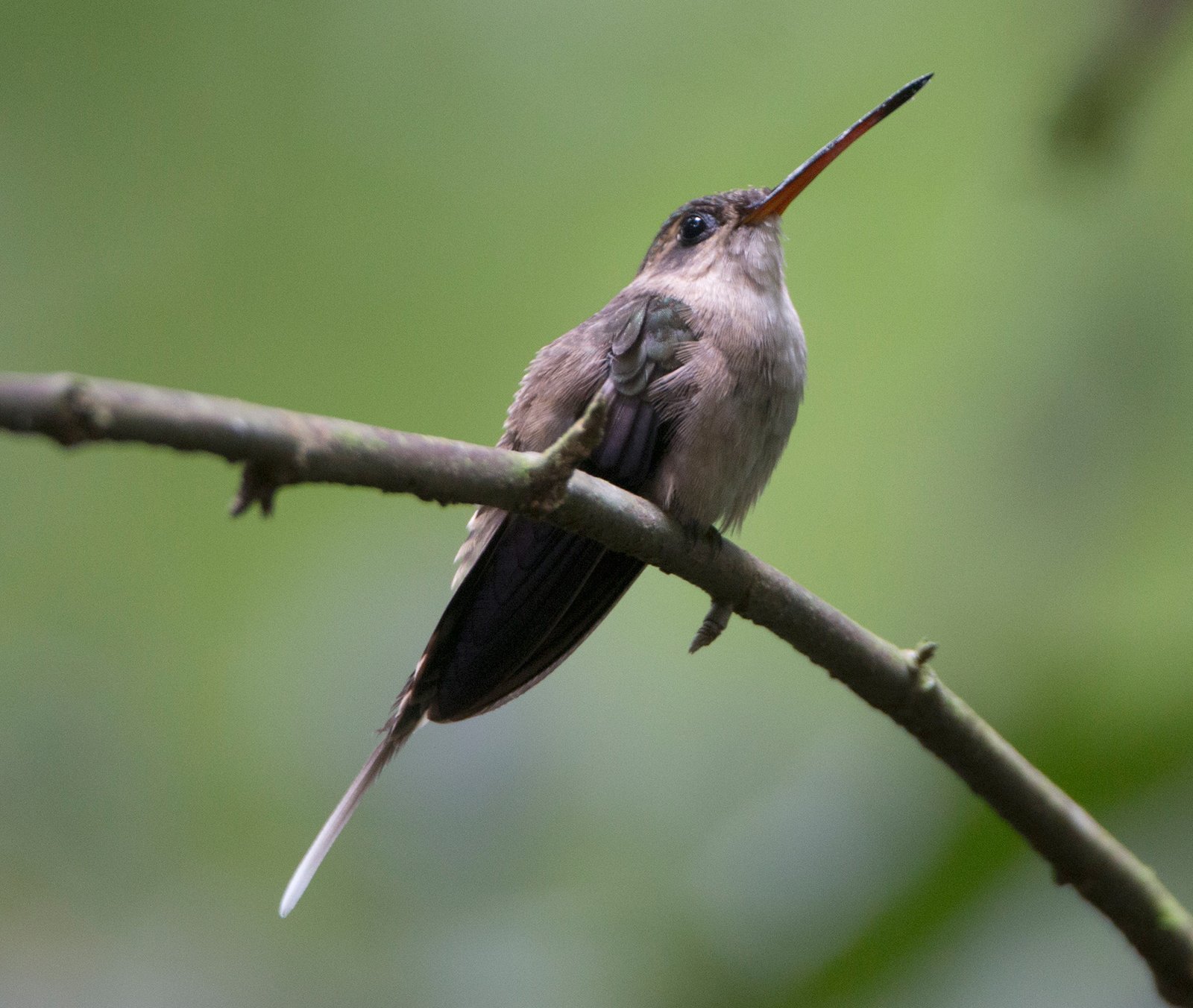
Rabo-branco-de-bico-reto
Phaethornis bourcieri- Amazonian terra firme rainforest
- Eastern Andean foothill forest
- Secondary forest and forest edge
-
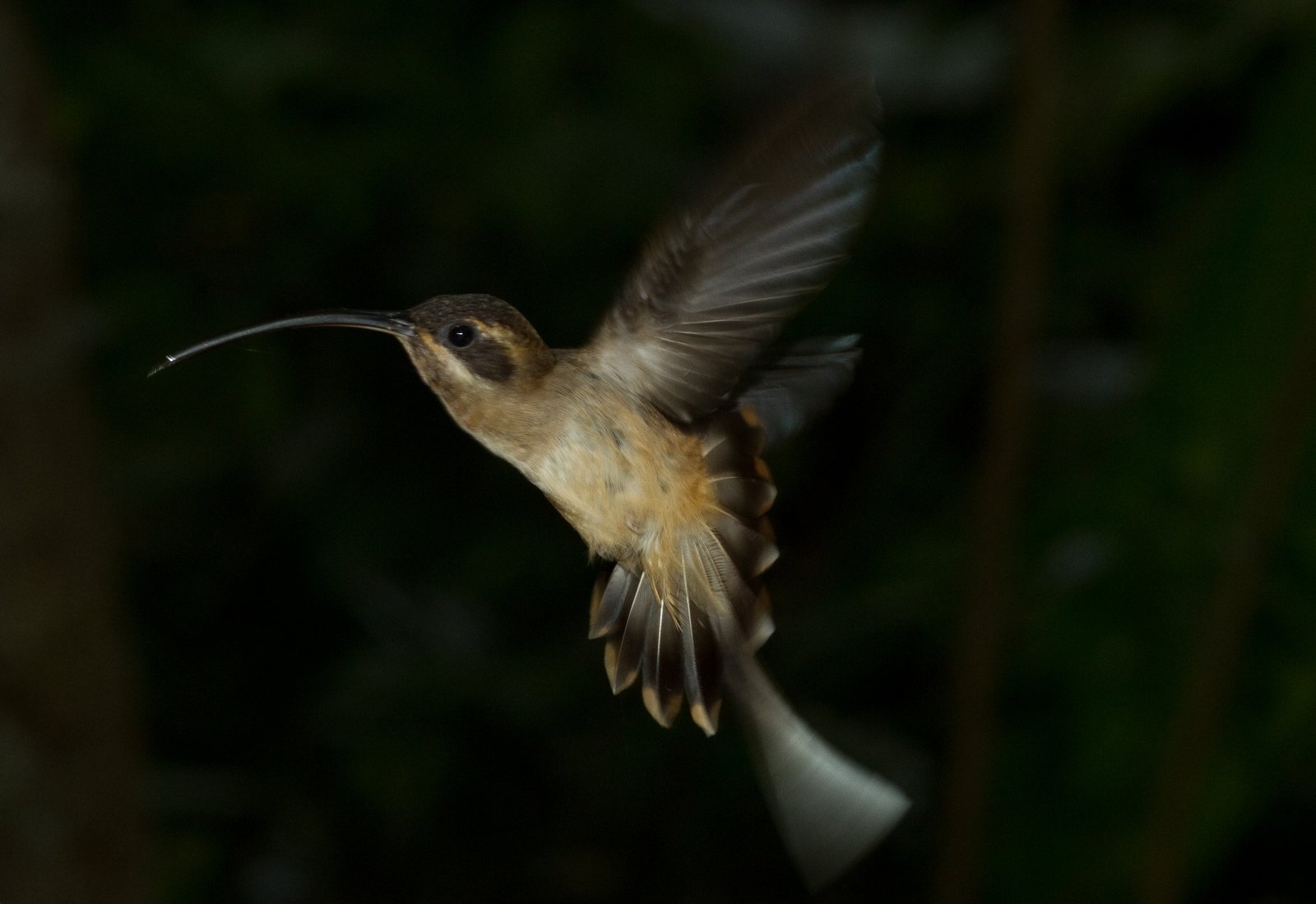
Rabo-branco-de-bico-comprido
Phaethornis longirostris- Chocó rainforest
- Western Ecuador humid forest
- Secondary forest and forest edge
- Northern Andean subtropical forest
- Coffee, cacao and agroforestry
-
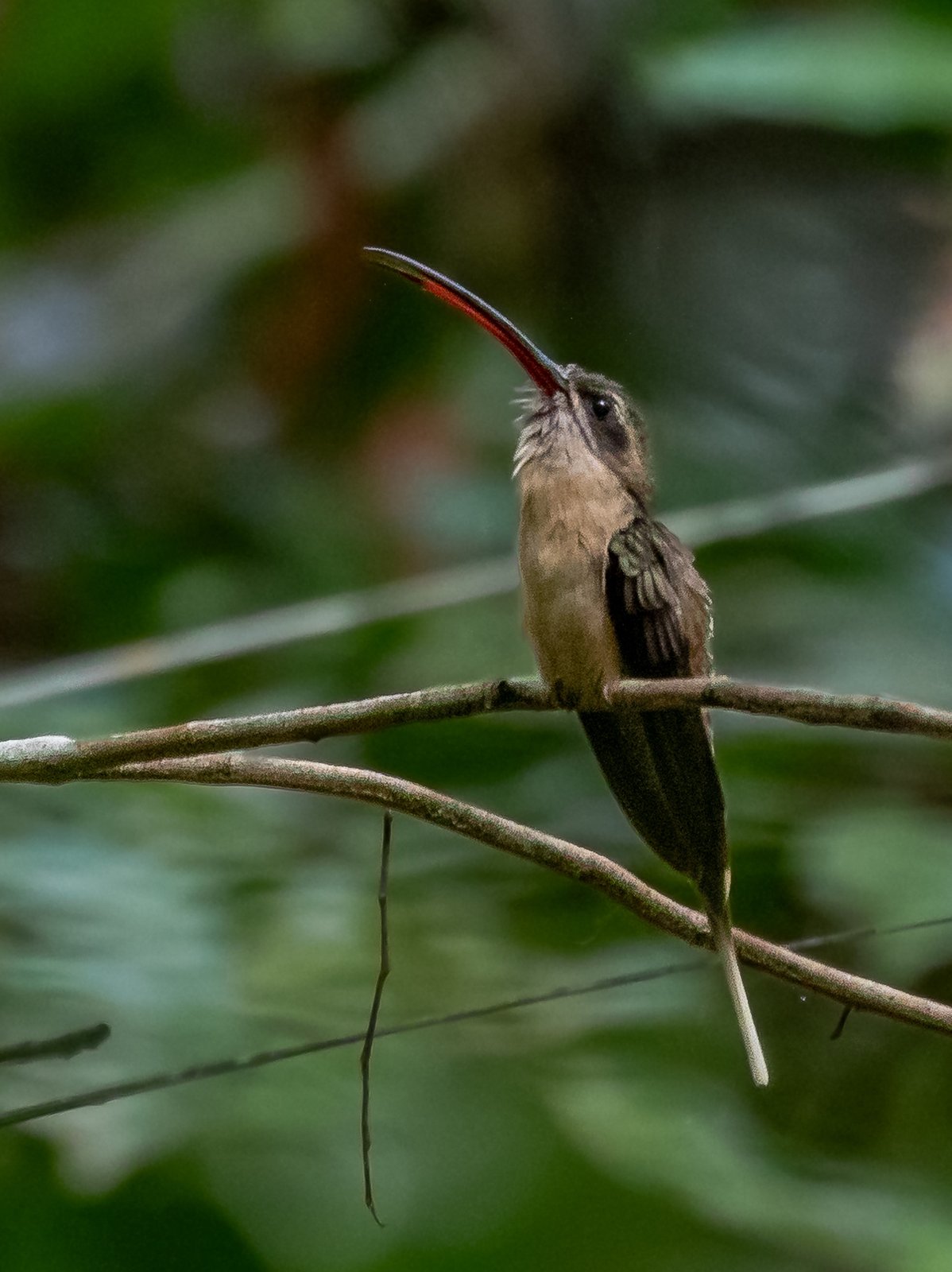
Besourão-de-bico-grande
Phaethornis malaris- Amazonian terra firme rainforest
- Eastern Andean foothill forest
- Várzea, igapó and river islands
- Secondary forest and forest edge
- Lower Yungas forest
-
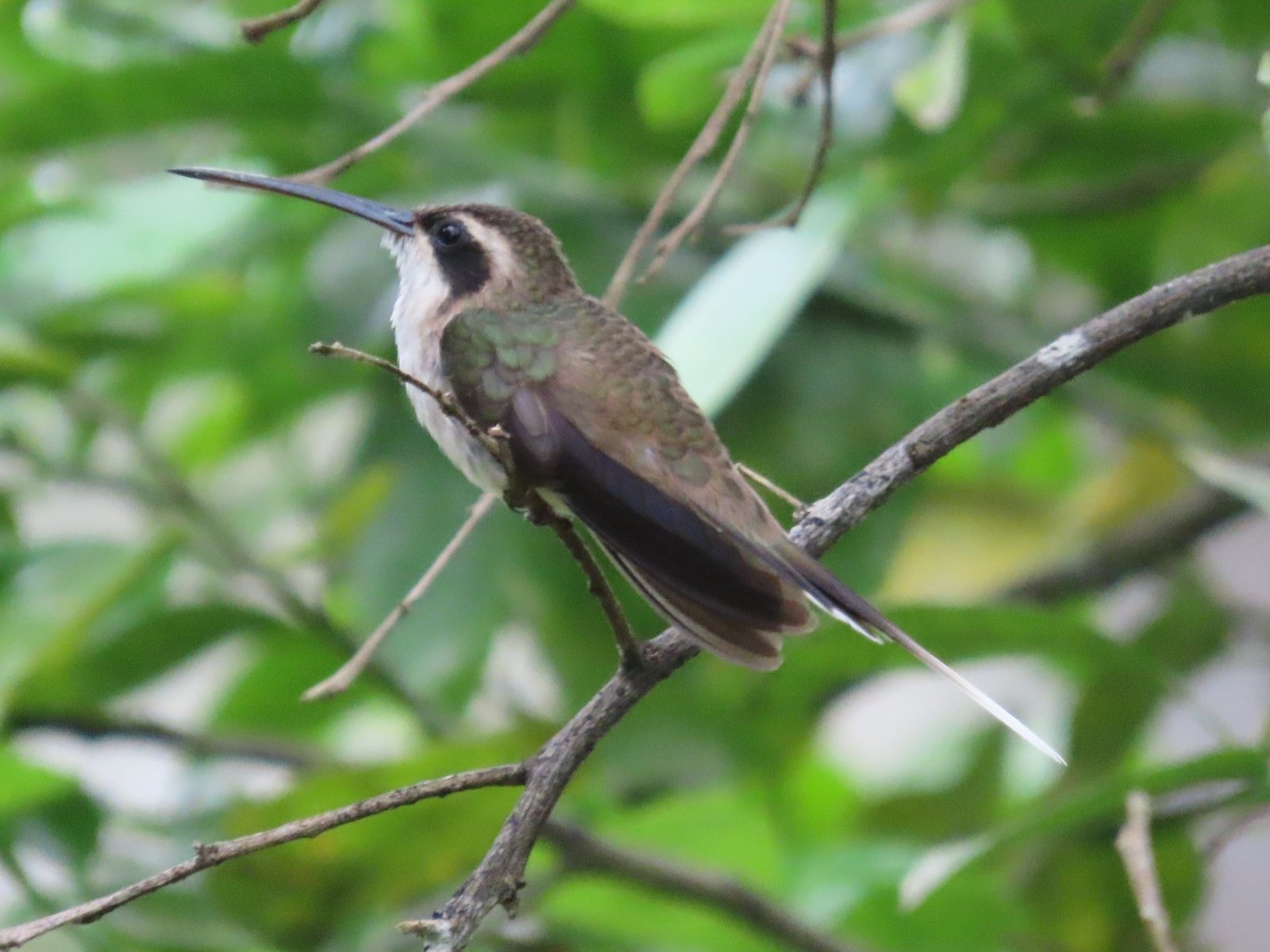
Rabo-branco-de-barriga-pálida
Phaethornis anthophilus- Secondary forest and forest edge
 Marañón and northern inter-Andean dry forest
 Riparian woodland of the Andes and coastal valleys
- Coffee, cacao and agroforestry
-
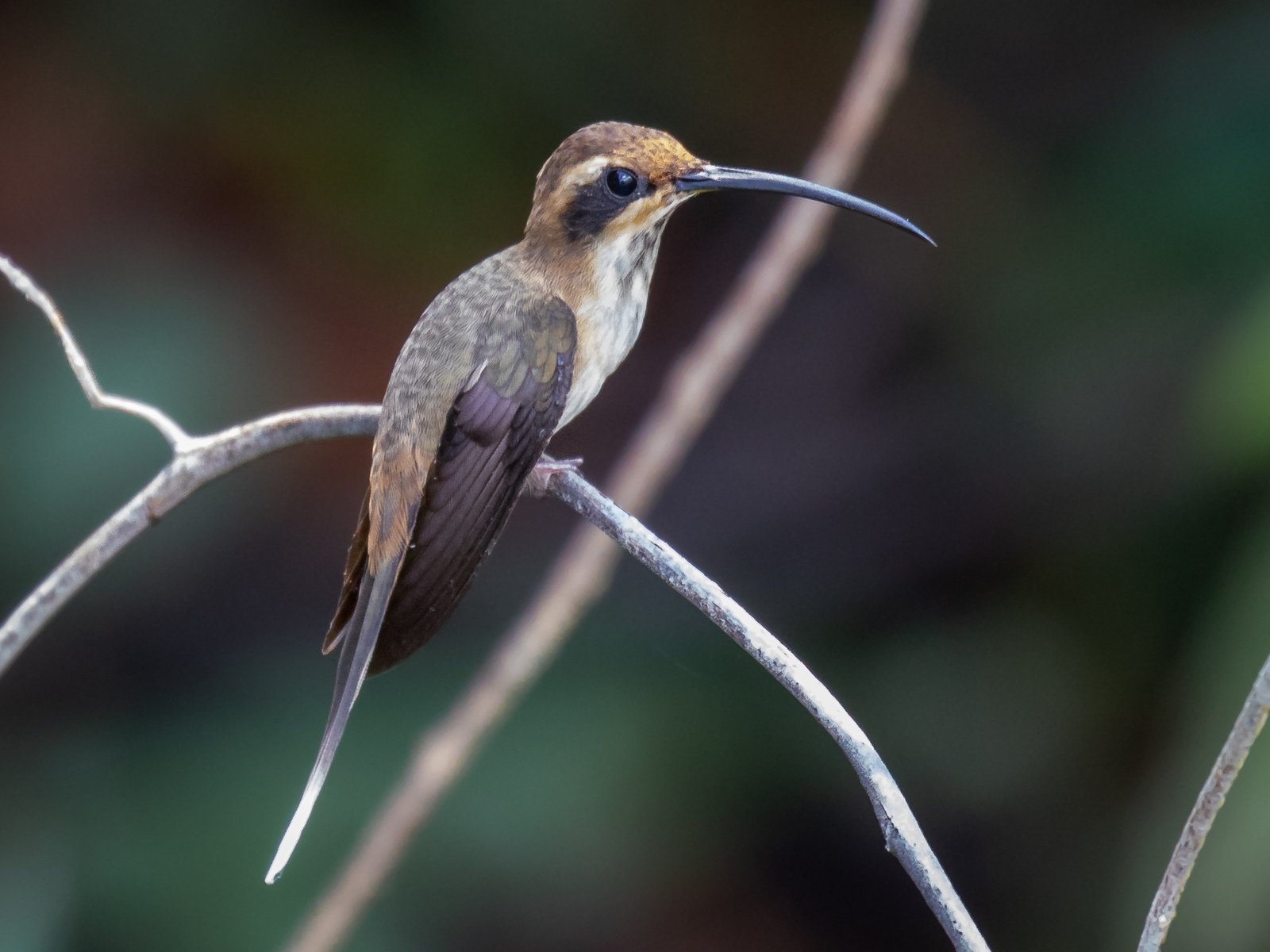
Rabo-branco-do-rupununi
Phaethornis rupurumii- Riparian woodland of the Andes and coastal valleys
- Secondary forest and forest edge
 Llanos savanna
- Várzea, igapó and river islands
-
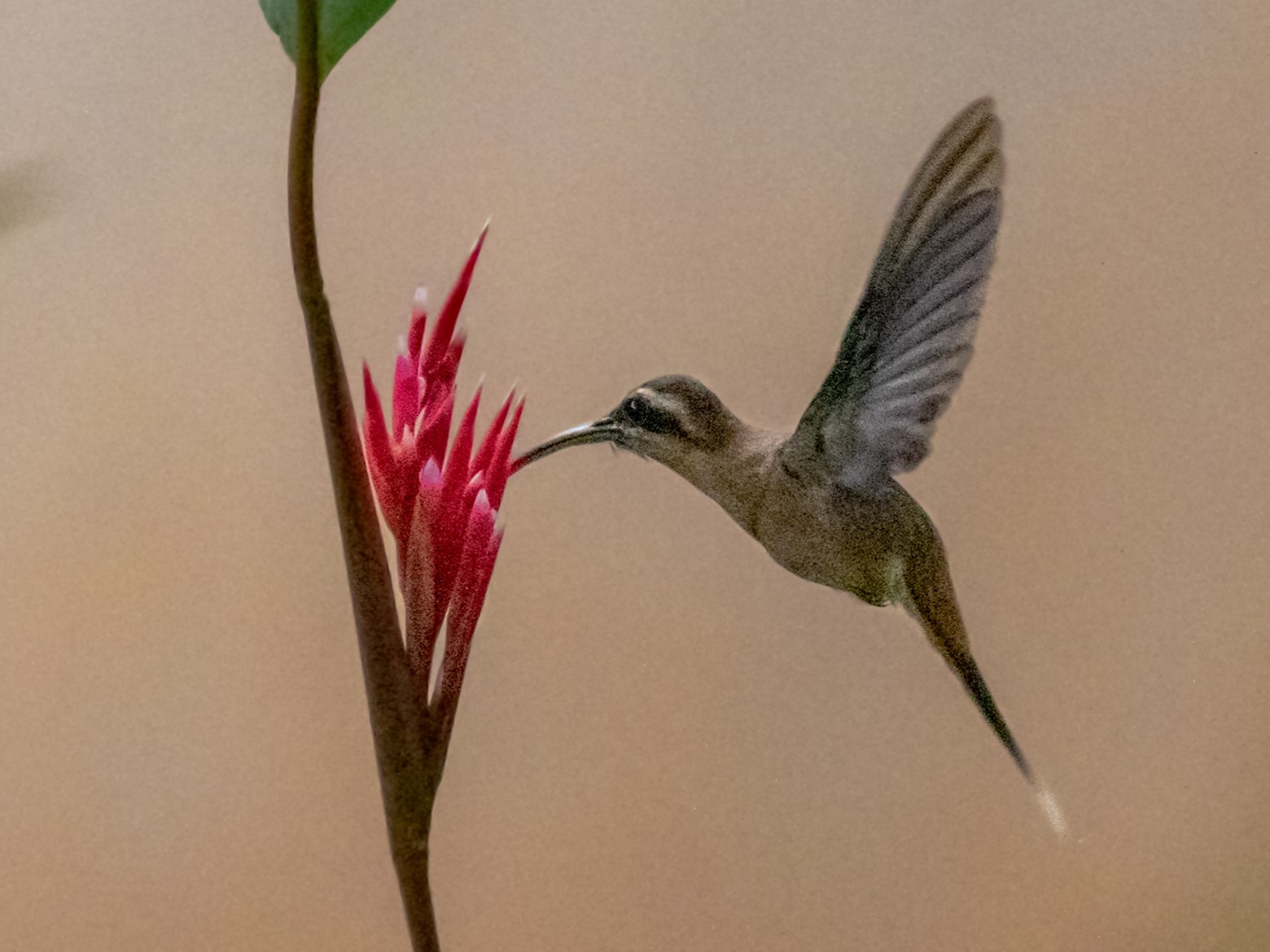
Besourão-de-sobre-amarelo
Phaethornis nattereri Chiquitano dry forest and Chaco
 Beni savanna and cerrado
- Riparian woodland of the Andes and coastal valleys
- Secondary forest and forest edge
-
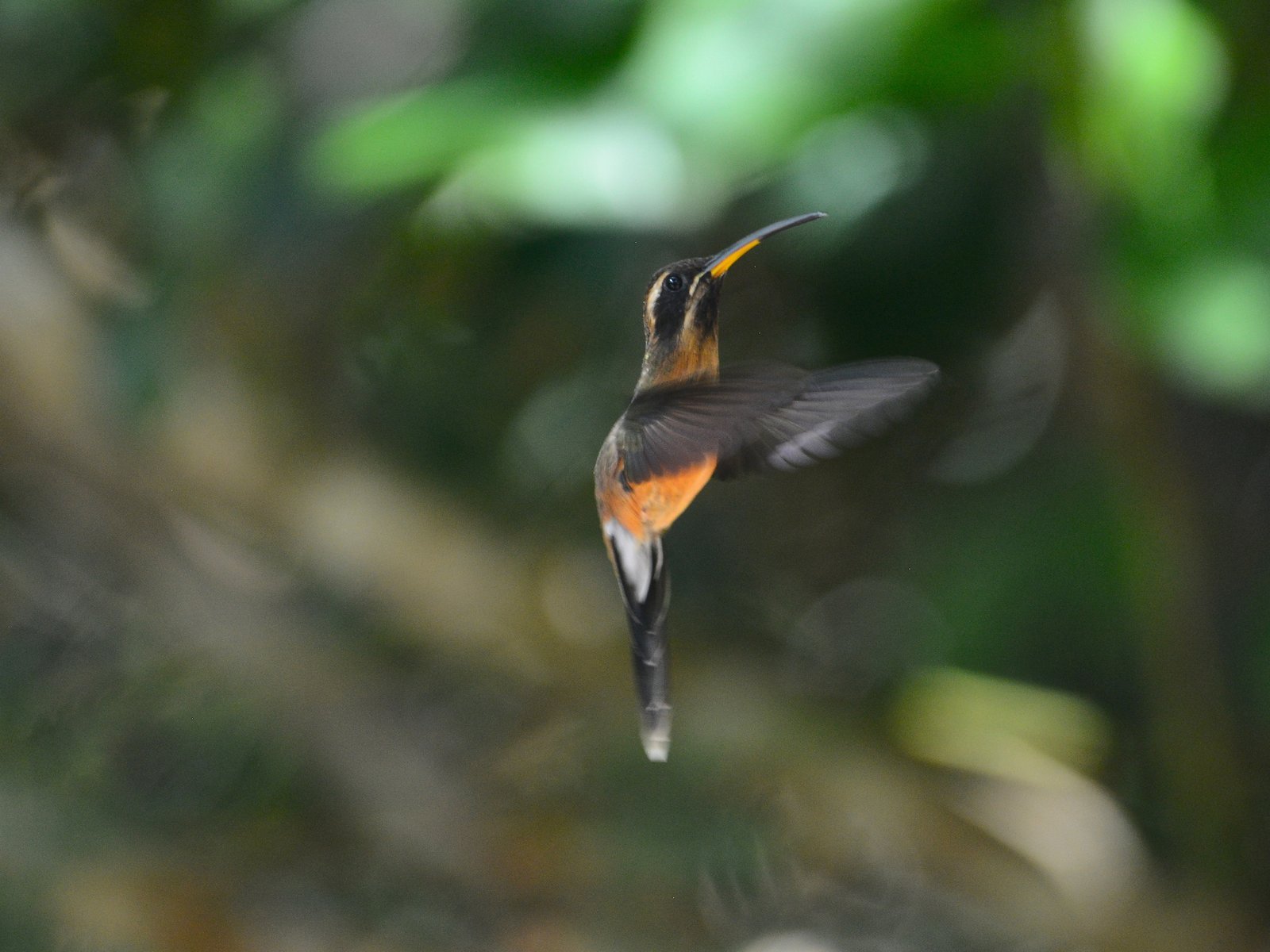
Rabo-branco-de-garganta-escura
Phaethornis atrimentalis- Amazonian terra firme rainforest
- Secondary forest and forest edge
- Várzea, igapó and river islands
- Eastern Andean foothill forest
-
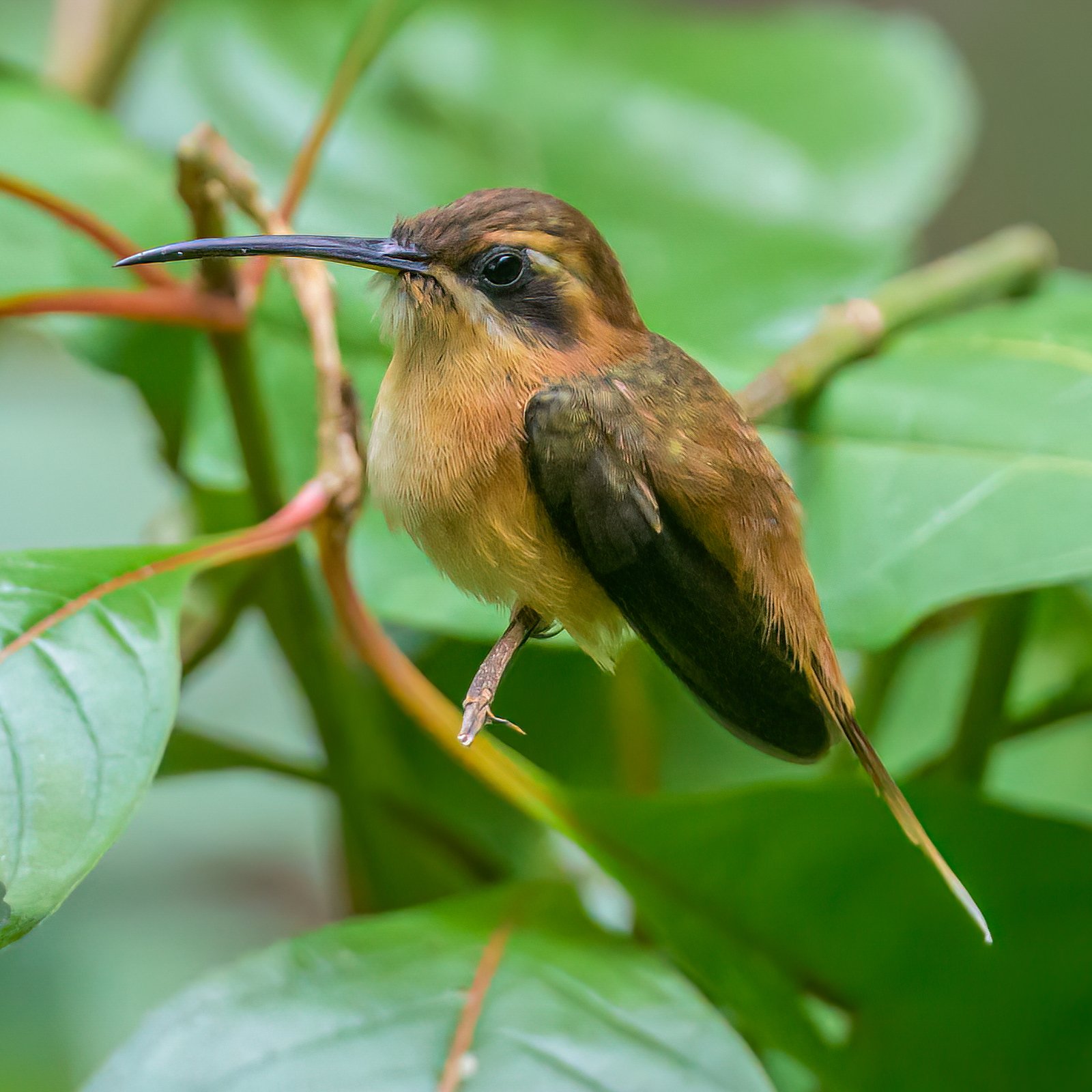
Rabo-branco-de-garganta-listrada
Phaethornis striigularis- Chocó rainforest
- Western Ecuador humid forest
- Secondary forest and forest edge
- Coffee, cacao and agroforestry
- Northern Andean subtropical forest
-

Rabo-branco-de-garganta-cinza
Phaethornis griseogularis- Eastern Andean foothill forest
- Northern Andean subtropical forest
- Secondary forest and forest edge
 Tumbesian dry forest and thorn scrub
-
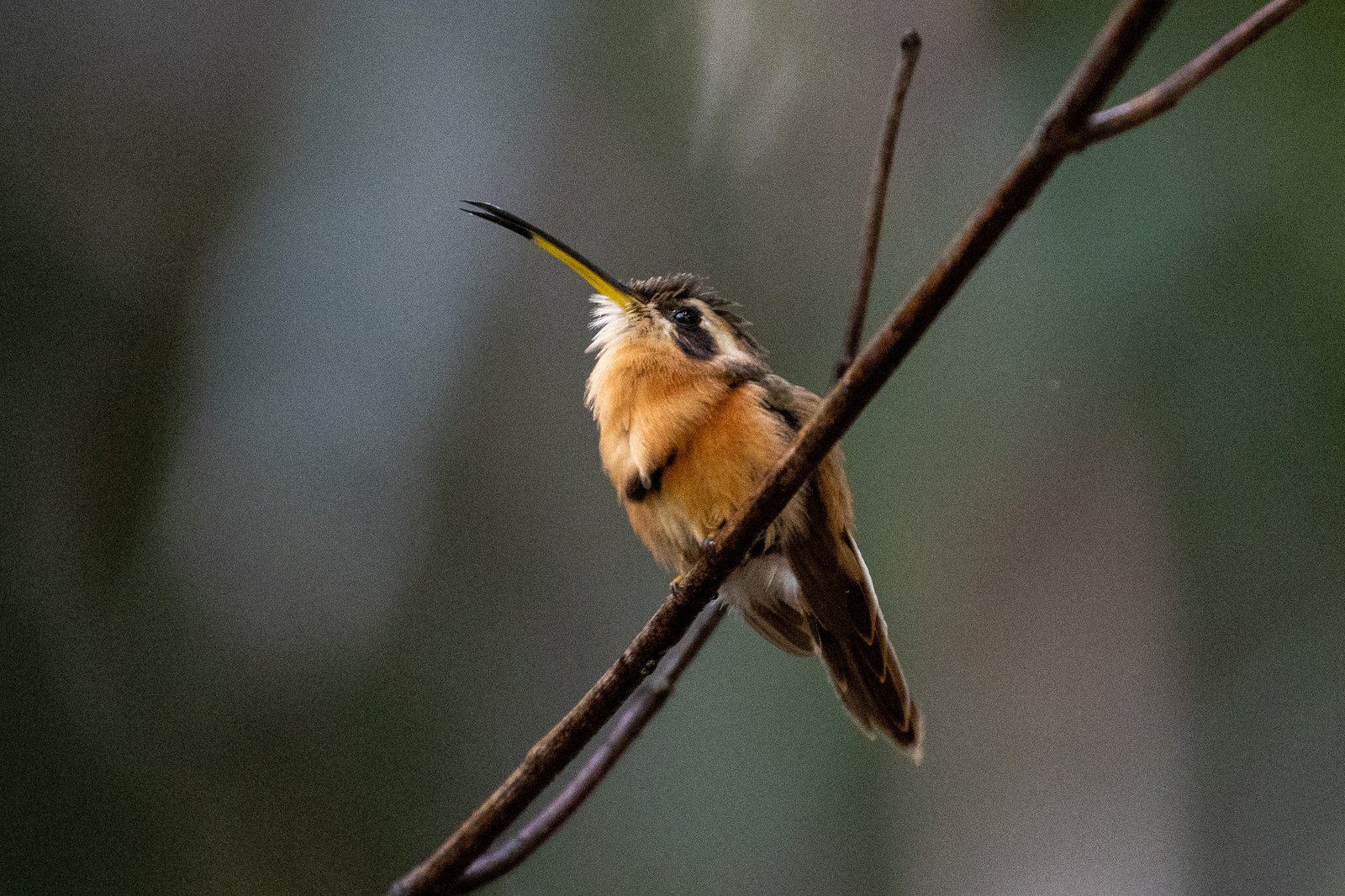
Rabo-branco-rubro
Phaethornis ruber- Amazonian terra firme rainforest
- Várzea, igapó and river islands
- Secondary forest and forest edge
- Eastern Andean foothill forest
-
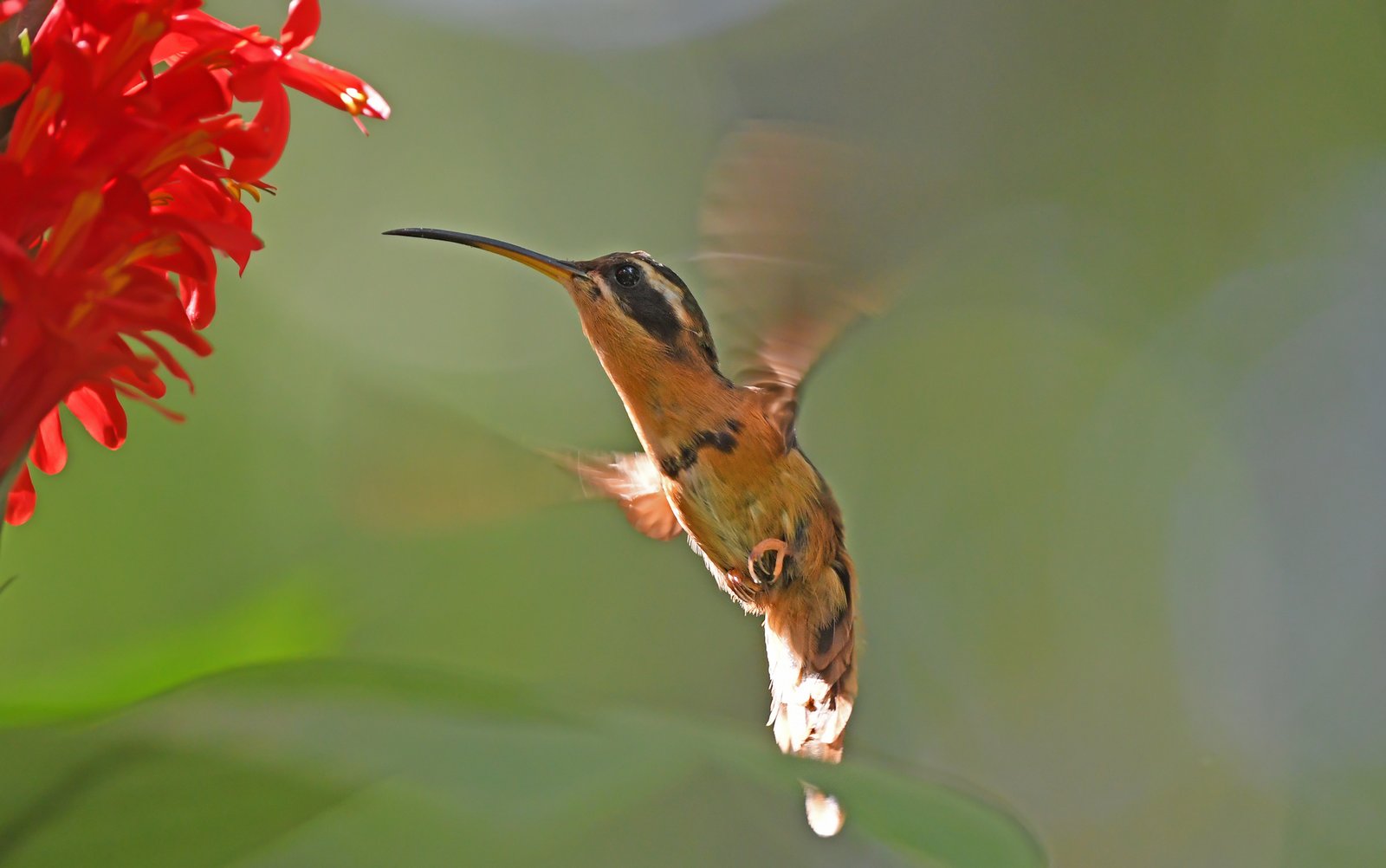
Rabo-branco-de-sobrancelha-branca
Phaethornis stuarti- Amazonian terra firme rainforest
- Secondary forest and forest edge
- Eastern Andean foothill forest
- Bamboo forest
- Lower Yungas forest
-
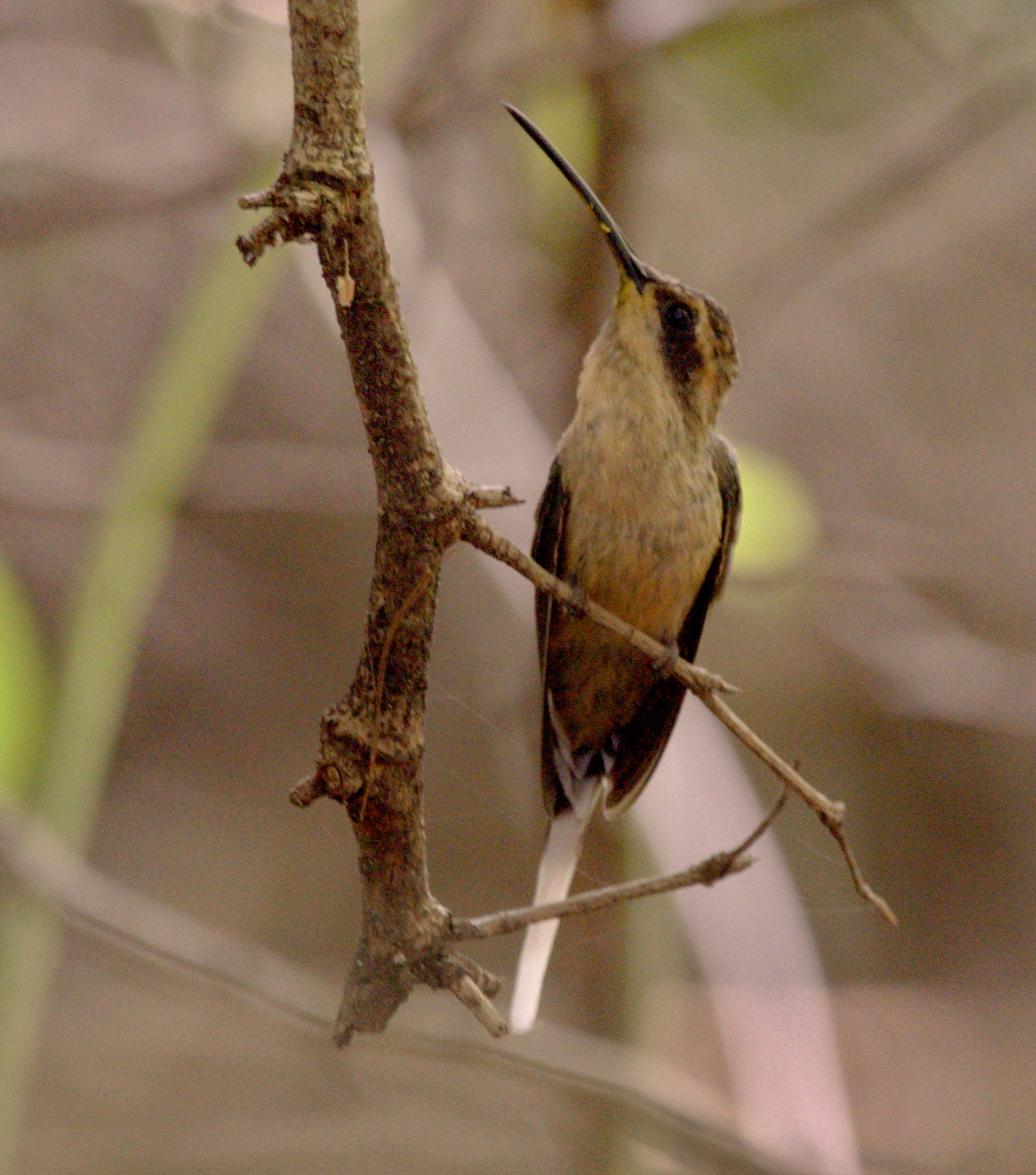
Rabo-branco-de-barriga-fulva
Phaethornis subochraceus- Chiquitano dry forest and Chaco
- Secondary forest and forest edge
- Beni savanna and cerrado
- Amazonian terra firme rainforest
-
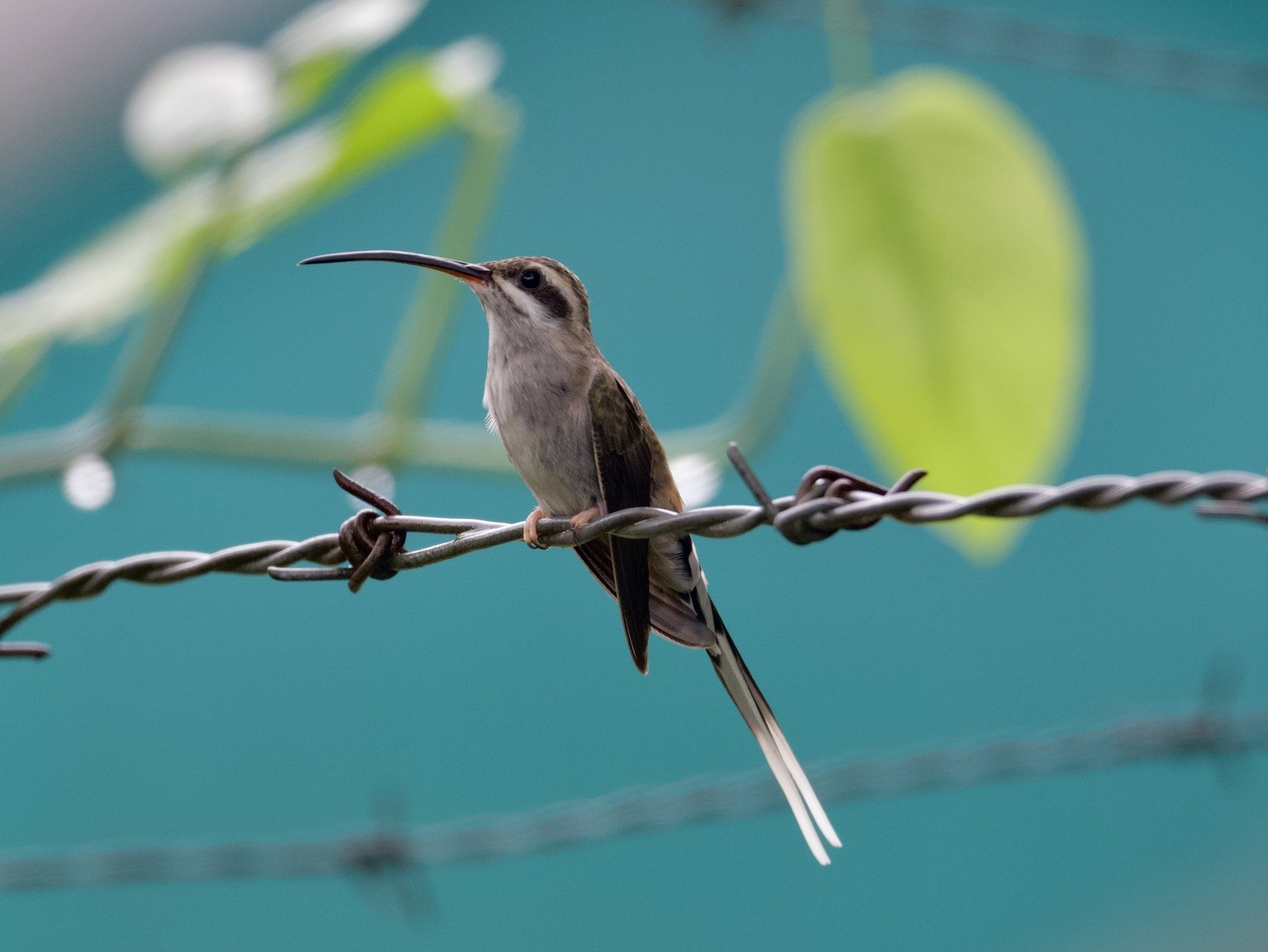
Rabo-branco-de-cabeça-escura
Phaethornis augusti- Northern Andean subtropical forest
- Secondary forest and forest edge
- Marañón and northern inter-Andean dry forest
- Coffee, cacao and agroforestry
 Towns, cities and parks
-
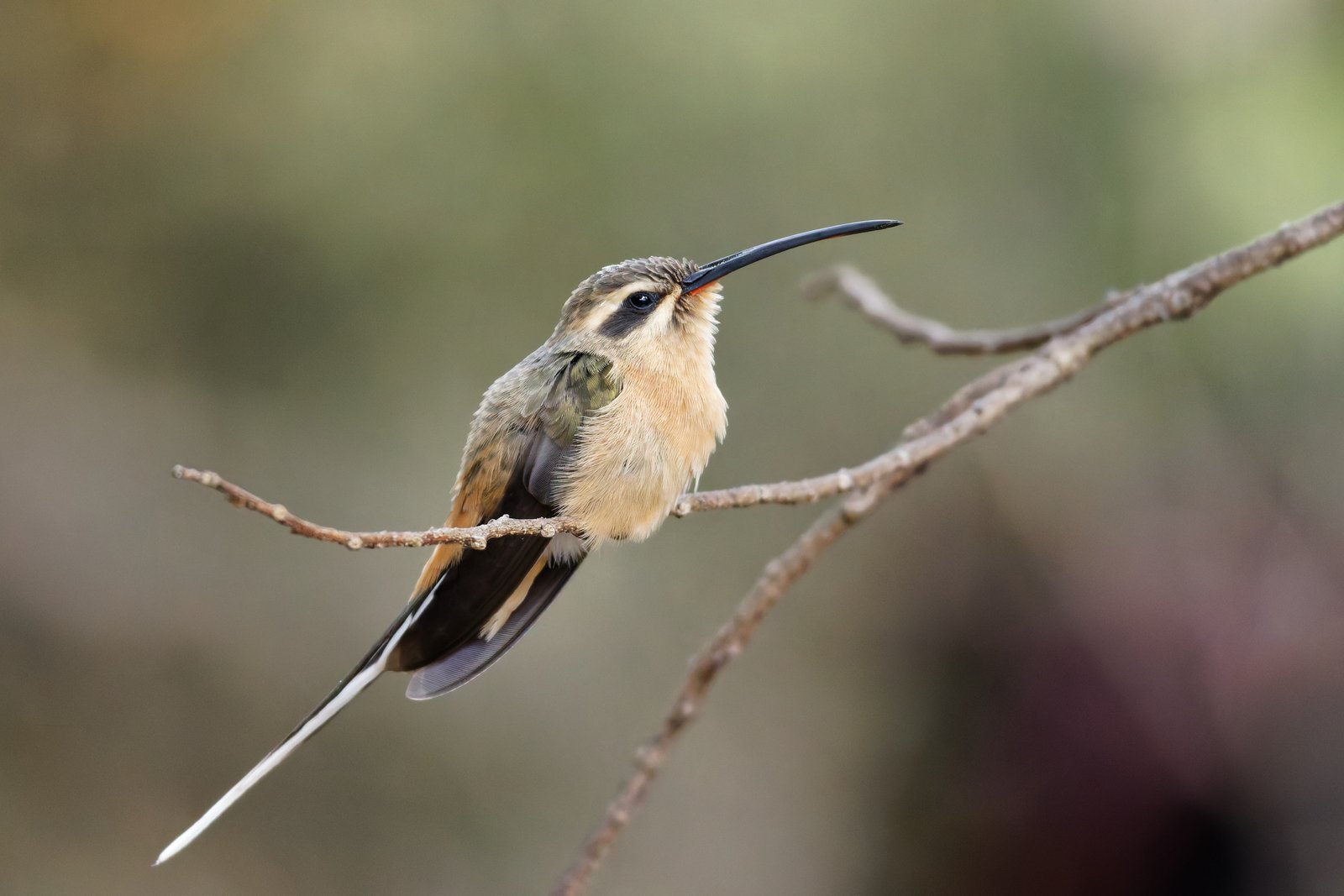
Rabo-branco-acanelado
Phaethornis pretrei- Chiquitano dry forest and Chaco
- Beni savanna and cerrado
- Secondary forest and forest edge
- Towns, cities and parks
Doryfera 2 espécies
-
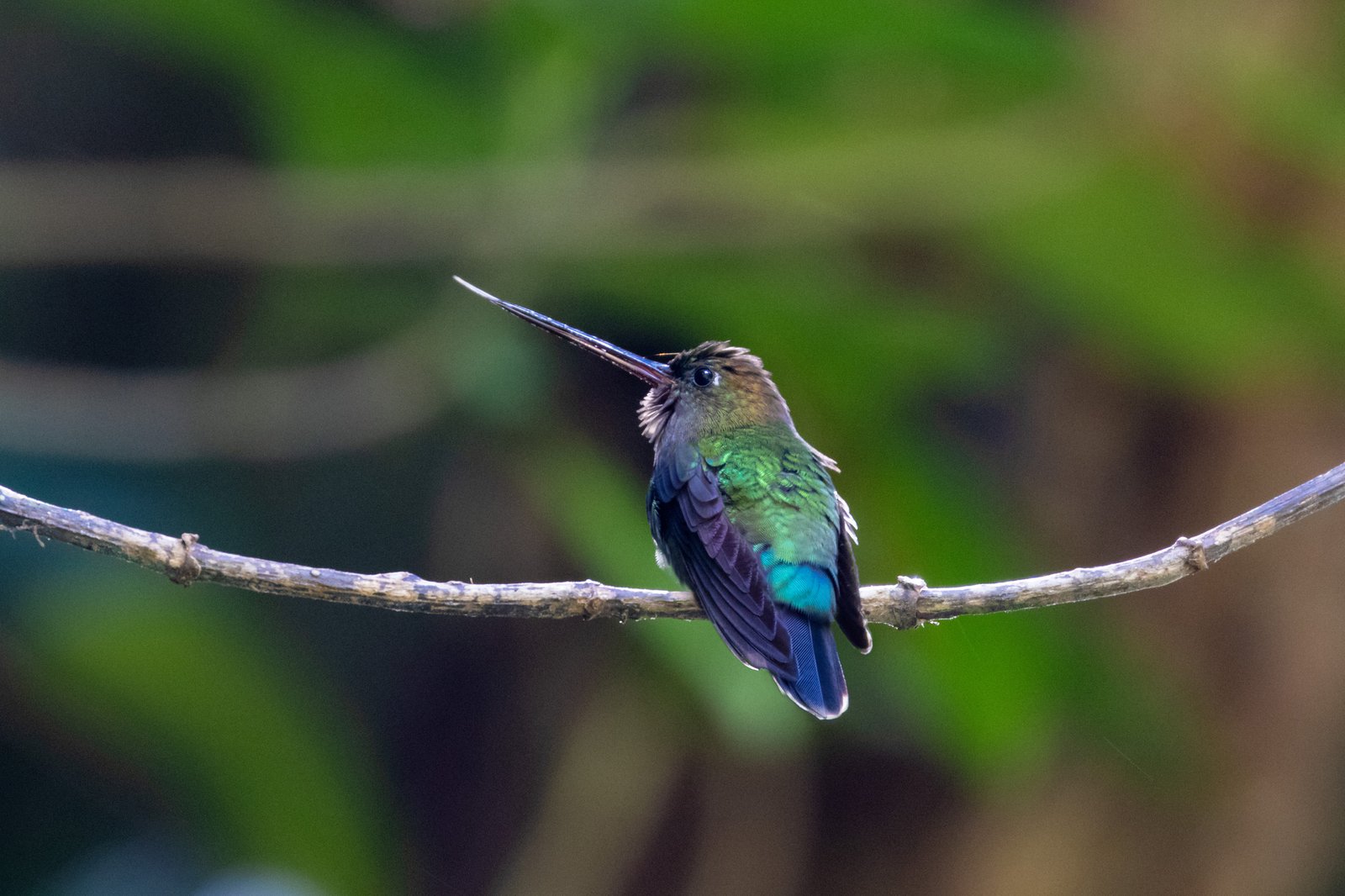
Bico-de-lança-de-testa-verde
Doryfera ludovicae- Northern Andean subtropical forest
- Lower Yungas forest
- Northern Andean cloud forest and temperate forest
 Upper Yungas cloud forest
 Andean rivers and torrents
-
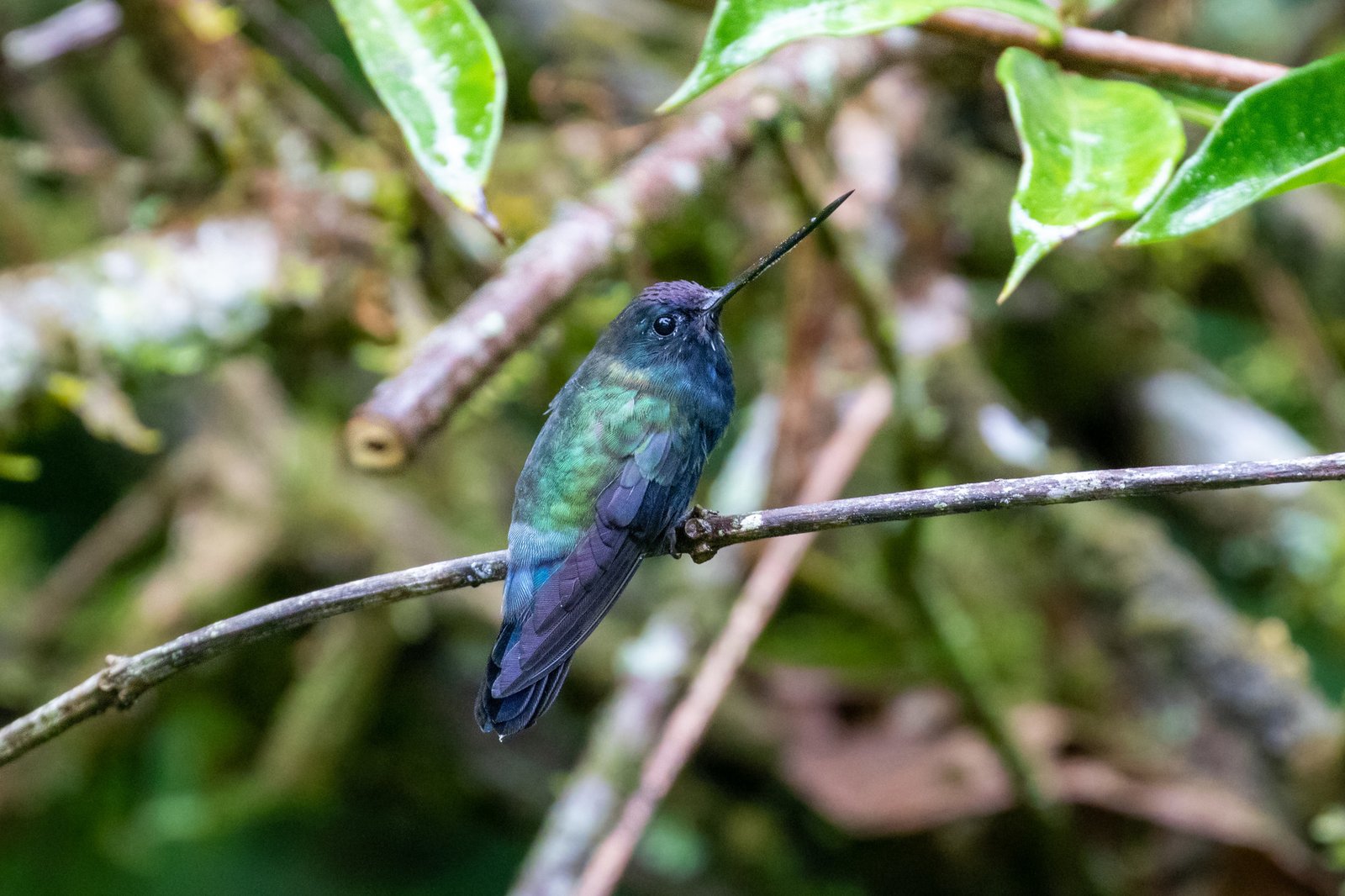
Bico-de-lança
Doryfera johannae- Eastern Andean foothill forest
- Northern Andean subtropical forest
- Lower Yungas forest
- Andean rivers and torrents
- Secondary forest and forest edge
Schistes 2 espécies
-
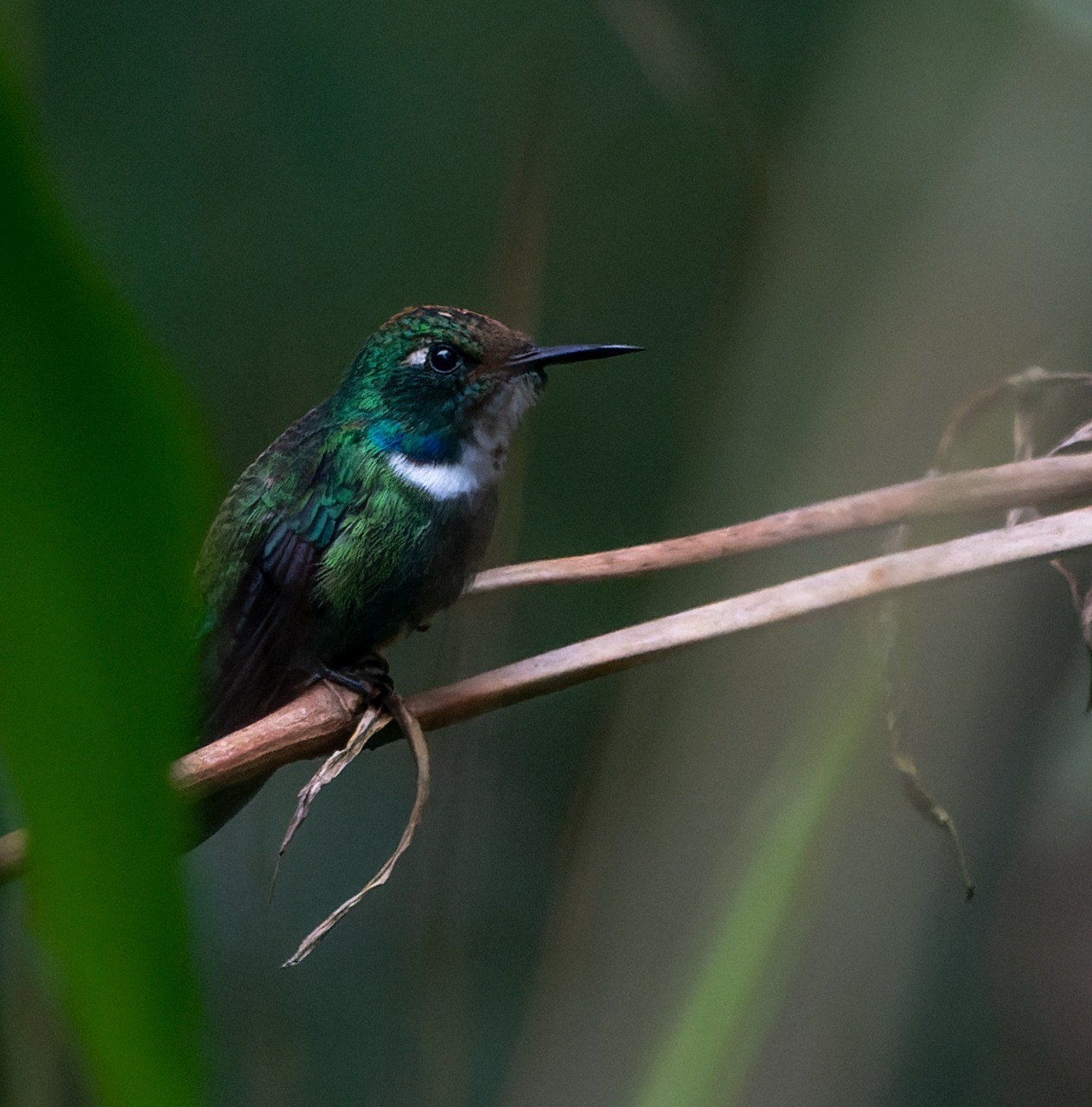
Bico-de-cunha-de-garganta-branca
Schistes albogularis- Northern Andean subtropical forest
- Northern Andean cloud forest and temperate forest
- Western Ecuador humid forest
- Secondary forest and forest edge
-
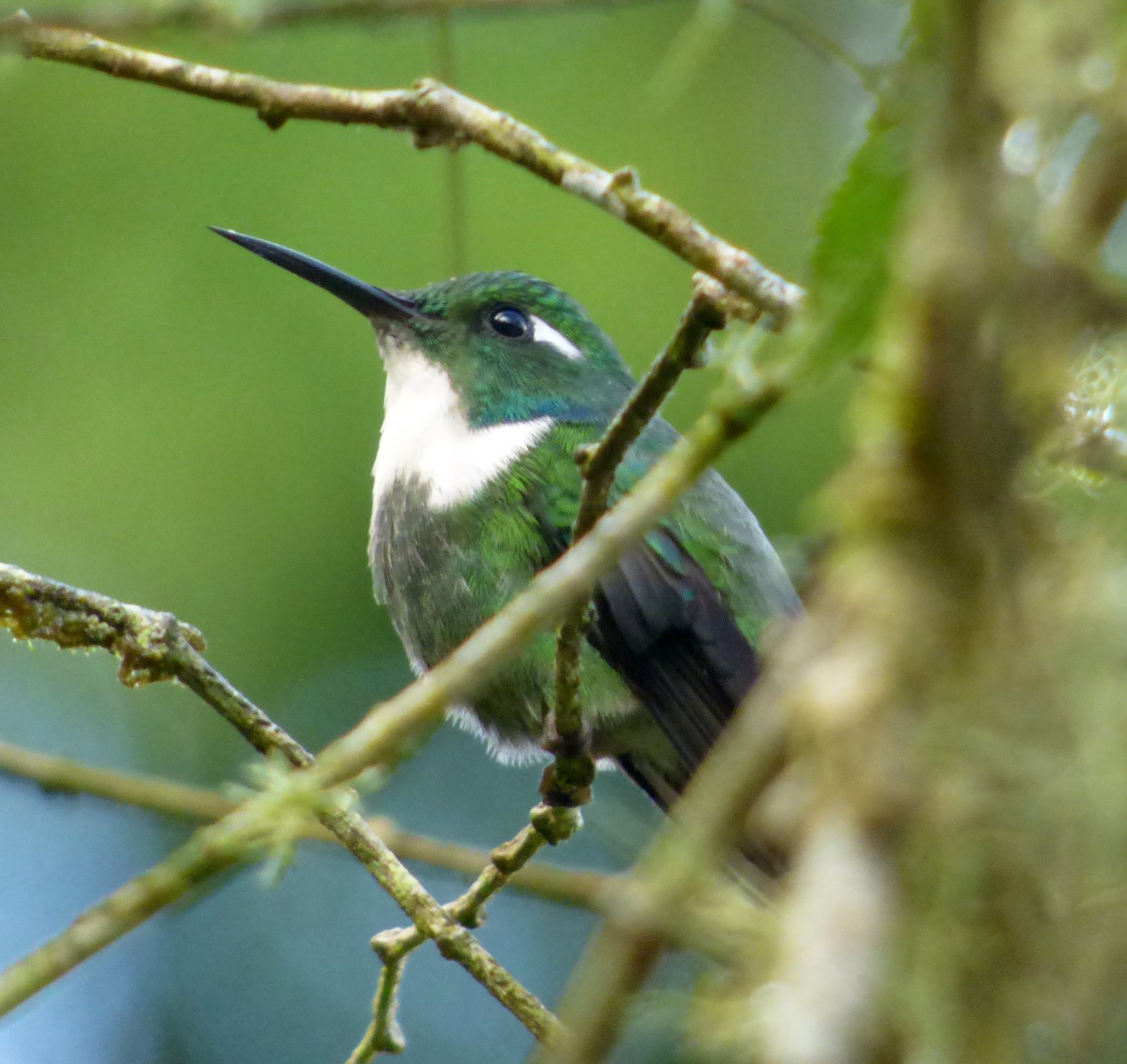
Bico-de-cunha-de-geoffroy
Schistes geoffroyi- Northern Andean subtropical forest
- Lower Yungas forest
- Northern Andean cloud forest and temperate forest
- Upper Yungas cloud forest
- Secondary forest and forest edge
Colibri 4 espécies
-
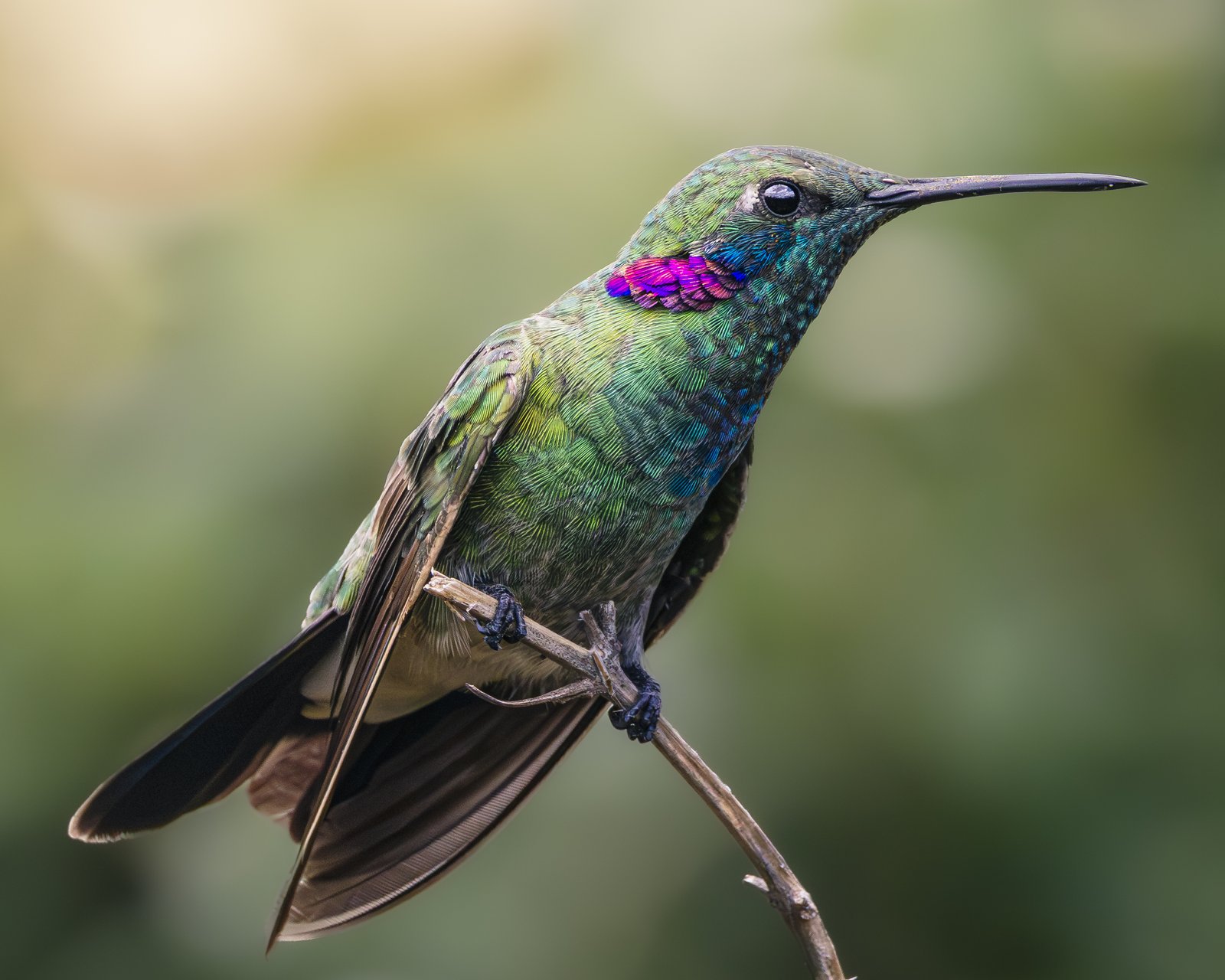
Beija-flor-de-orelha-violeta
Colibri serrirostris Central Andean dry valleys
- Chiquitano dry forest and Chaco
- Beni savanna and cerrado
- Riparian woodland of the Andes and coastal valleys
- Towns, cities and parks
-

Beija-flor-de-orelha-violeta-grande
Colibri coruscans- Northern Andean cloud forest and temperate forest
- Upper Yungas cloud forest
 Páramo
- Towns, cities and parks
- Central Andean dry valleys
 Andean fields and terraces
-
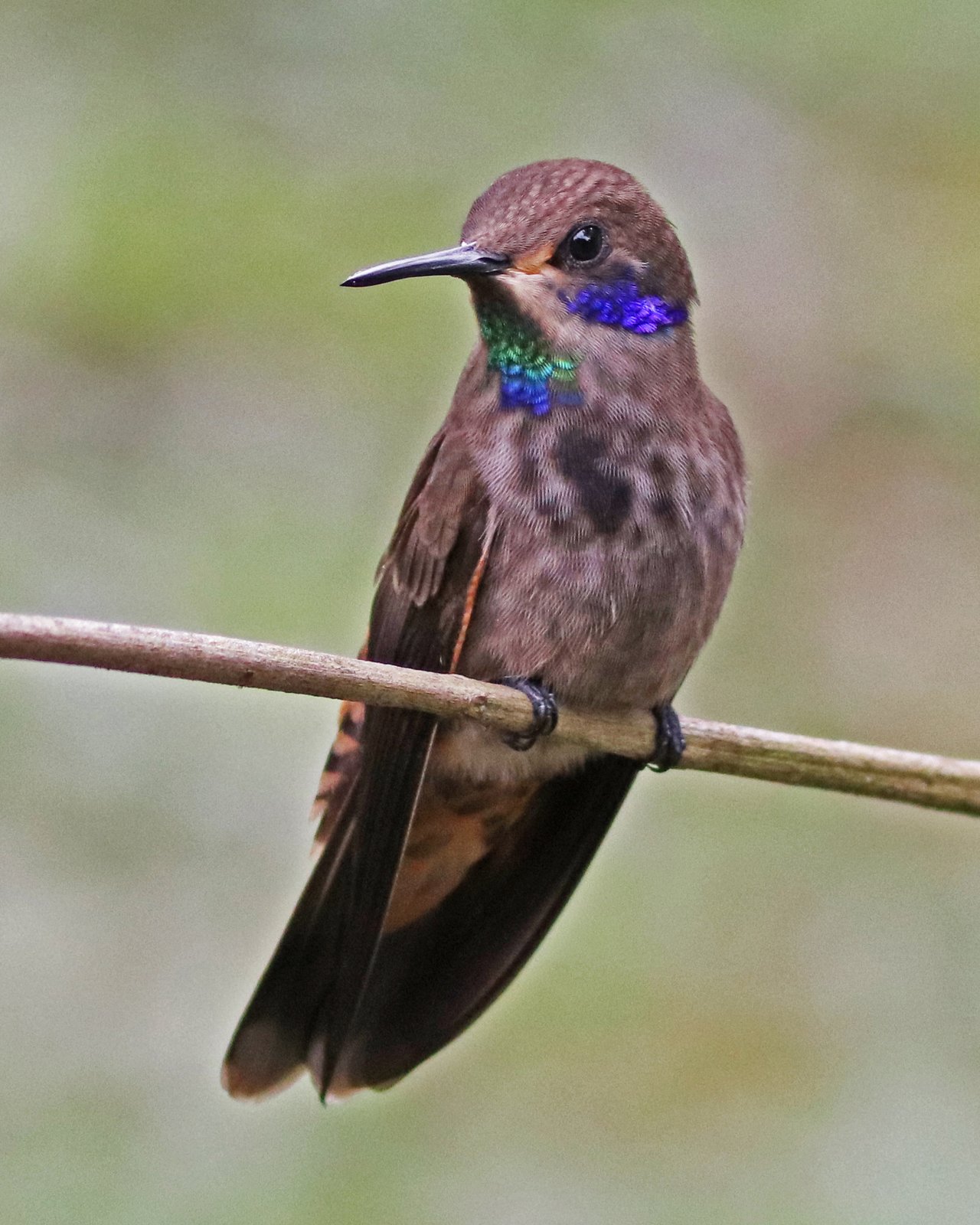
Beija-flor-marrom
Colibri delphinae- Secondary forest and forest edge
- Northern Andean subtropical forest
- Lower Yungas forest
- Eastern Andean foothill forest
- Coffee, cacao and agroforestry
-
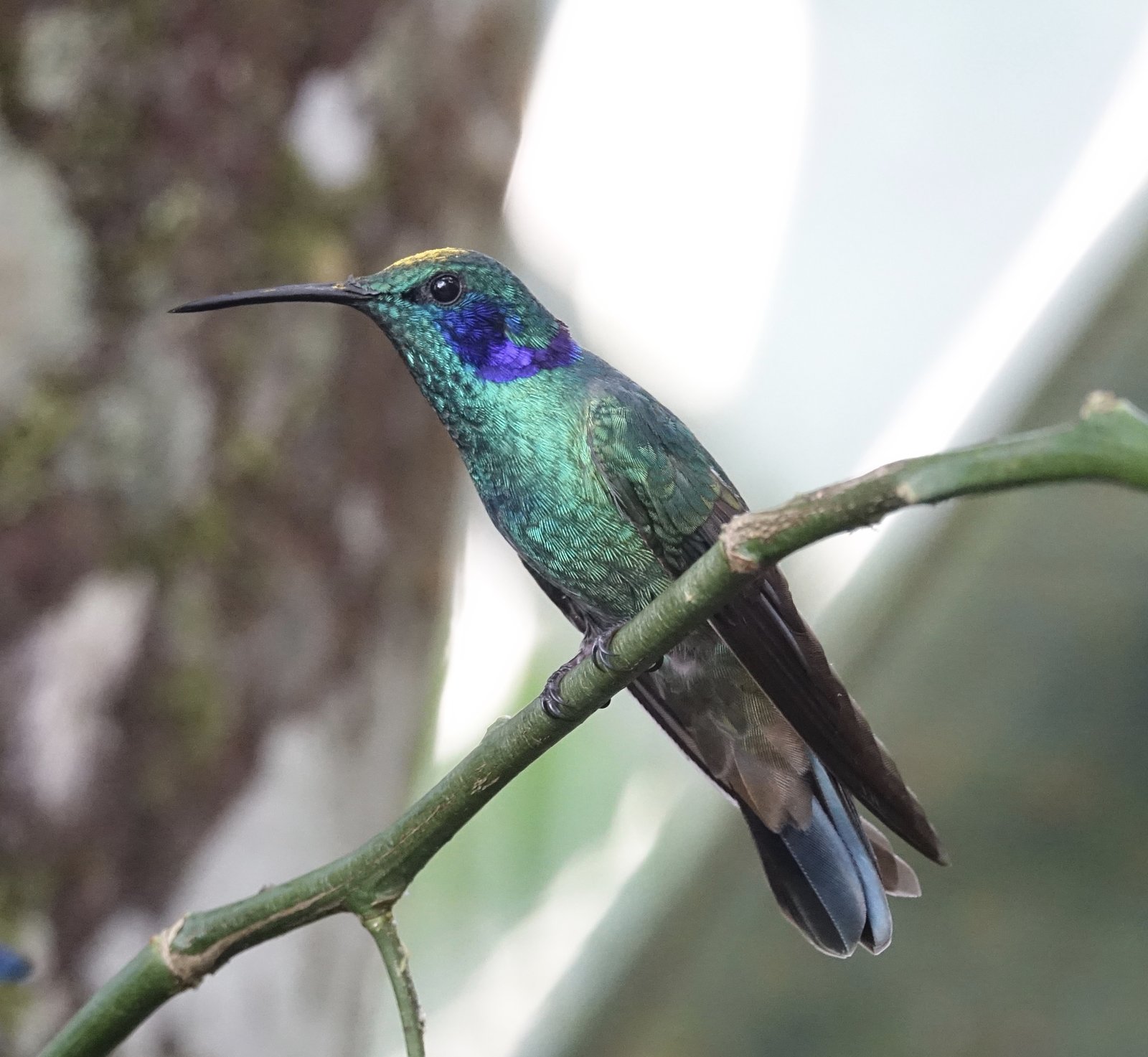
Beija-flor-de-orelha-violeta-pequeno
Colibri cyanotus- Northern Andean subtropical forest
- Northern Andean cloud forest and temperate forest
- Lower Yungas forest
- Secondary forest and forest edge
- Coffee, cacao and agroforestry
- Towns, cities and parks
Heliactin 1 espécie
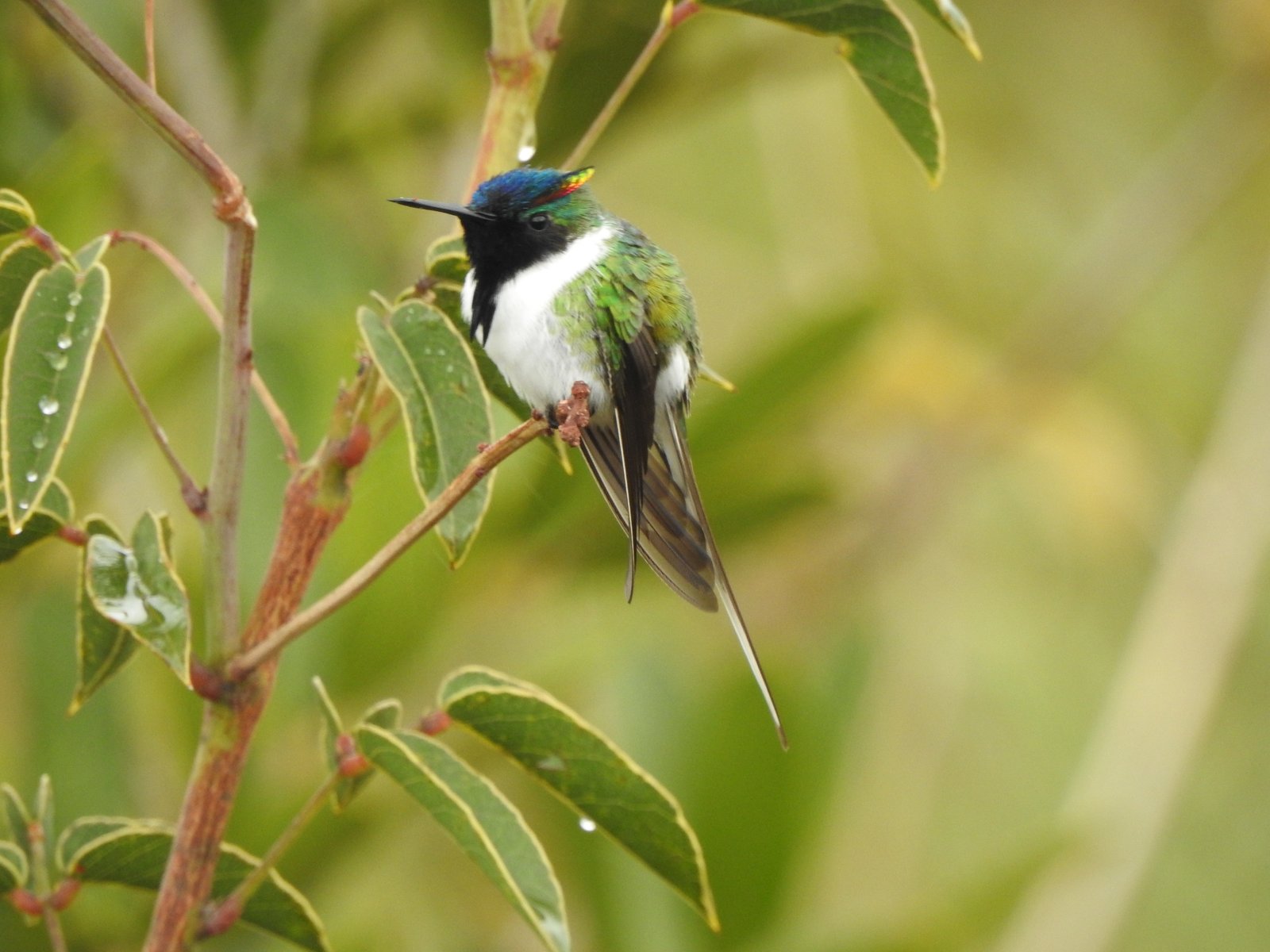
Androdon 1 espécie
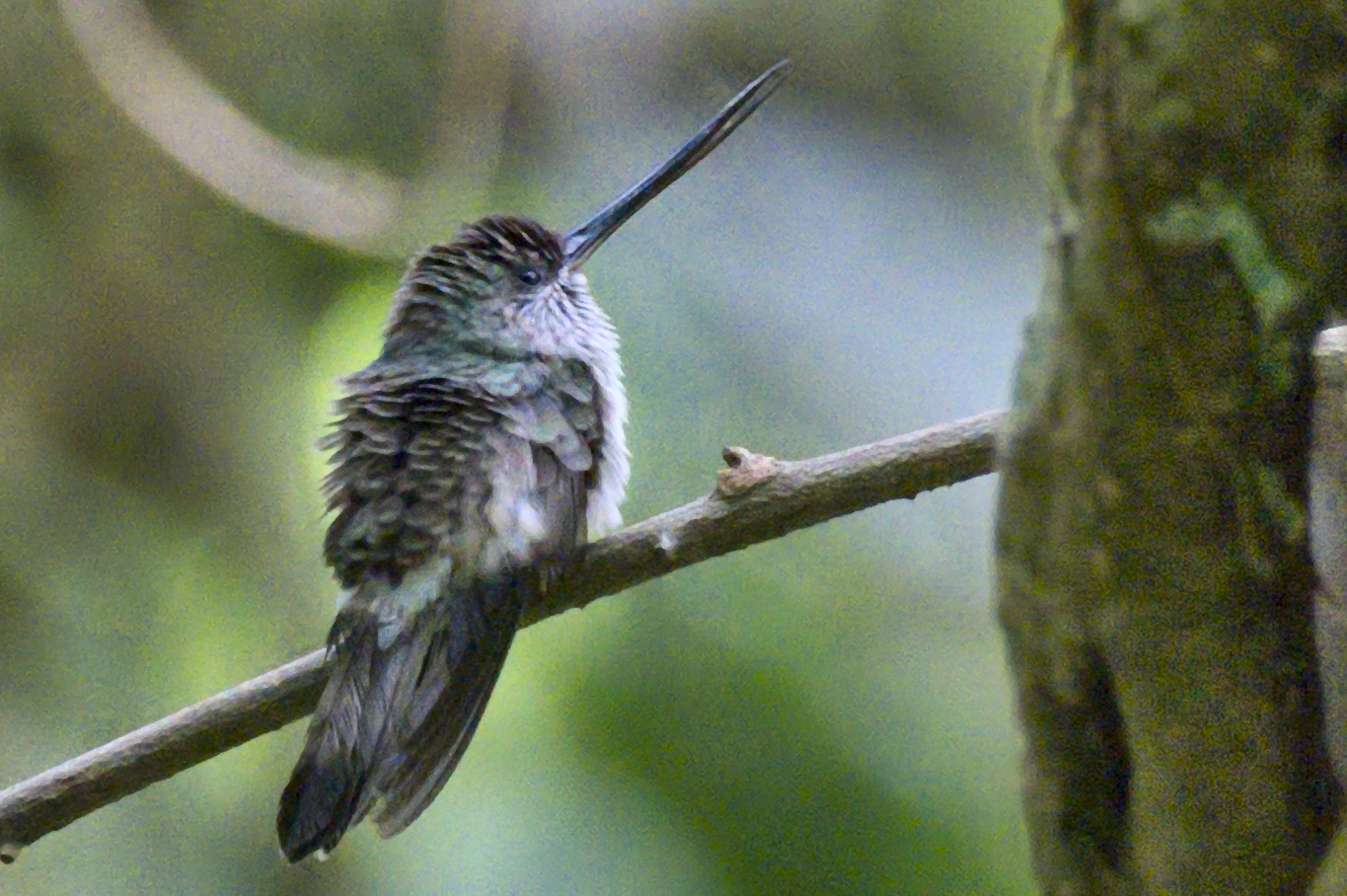
Heliothryx 2 espécies
-
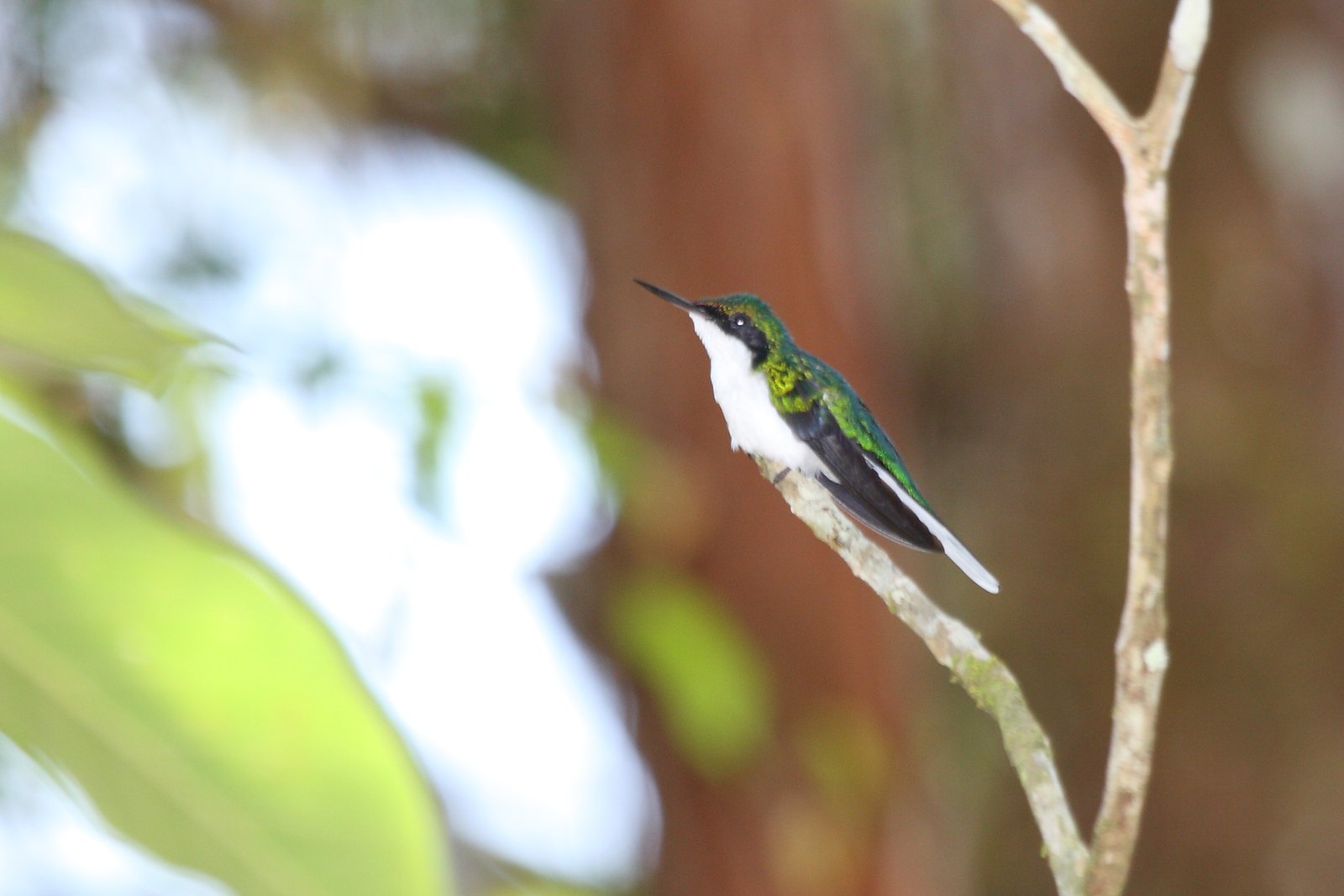
Beija-flor-de-coroa-roxa
Heliothryx barroti- Chocó rainforest
- Western Ecuador humid forest
- Secondary forest and forest edge
- Northern Andean subtropical forest
- Coffee, cacao and agroforestry
-
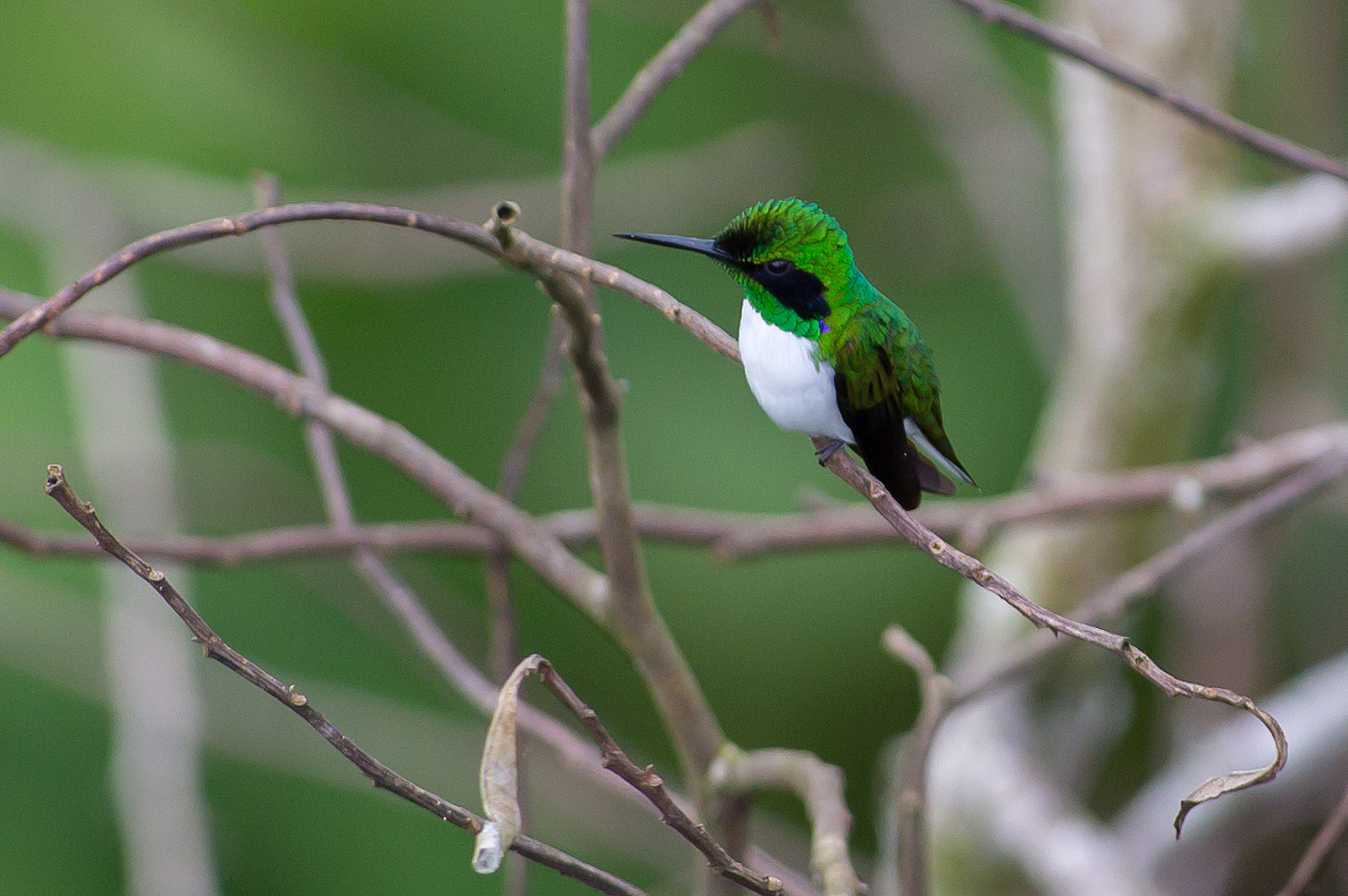
Beija-flor-de-bochecha-azul
Heliothryx auritus- Amazonian terra firme rainforest
- Eastern Andean foothill forest
- Secondary forest and forest edge
- Várzea, igapó and river islands
- Lower Yungas forest
Polytmus 2 espécies
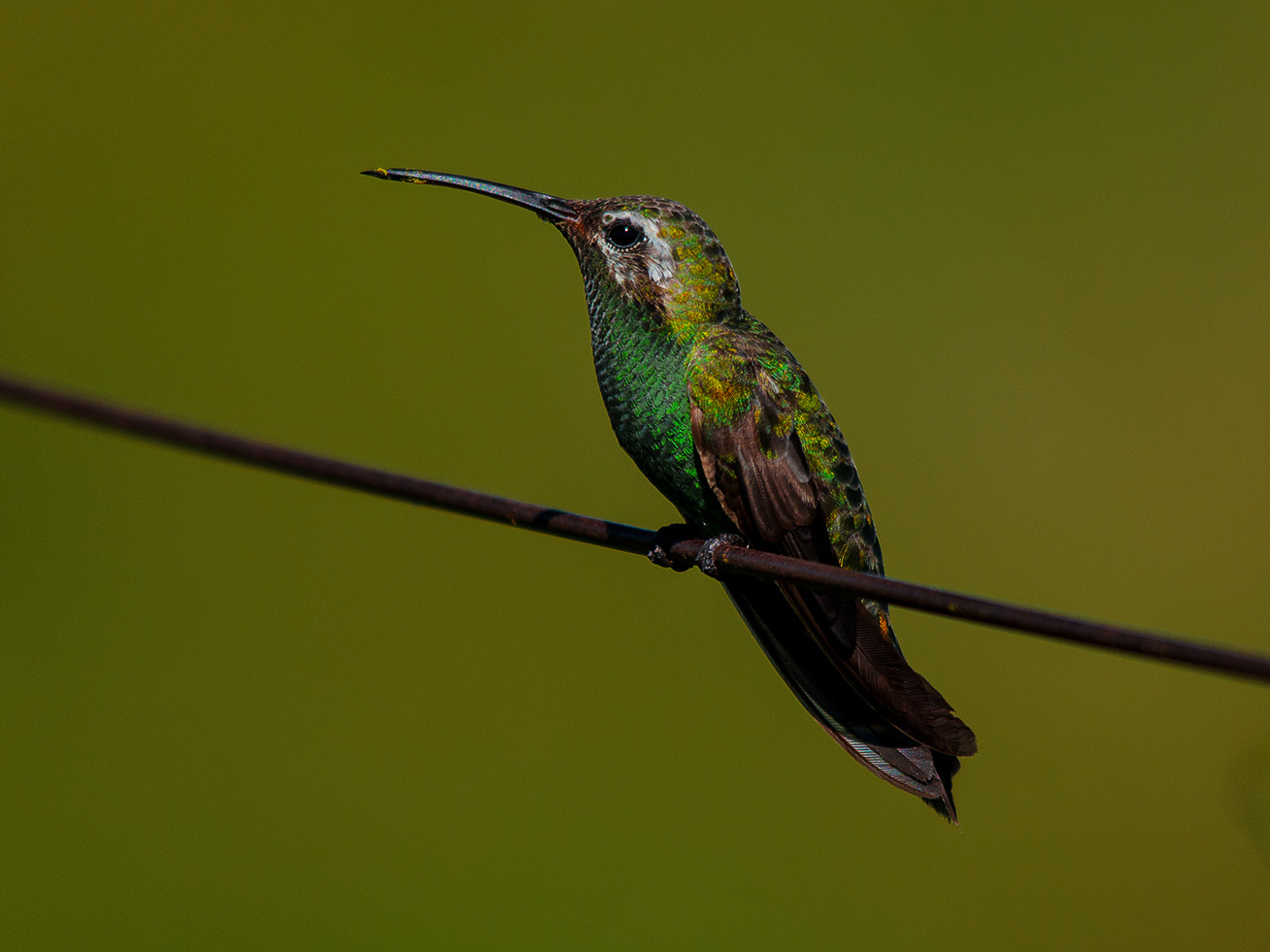

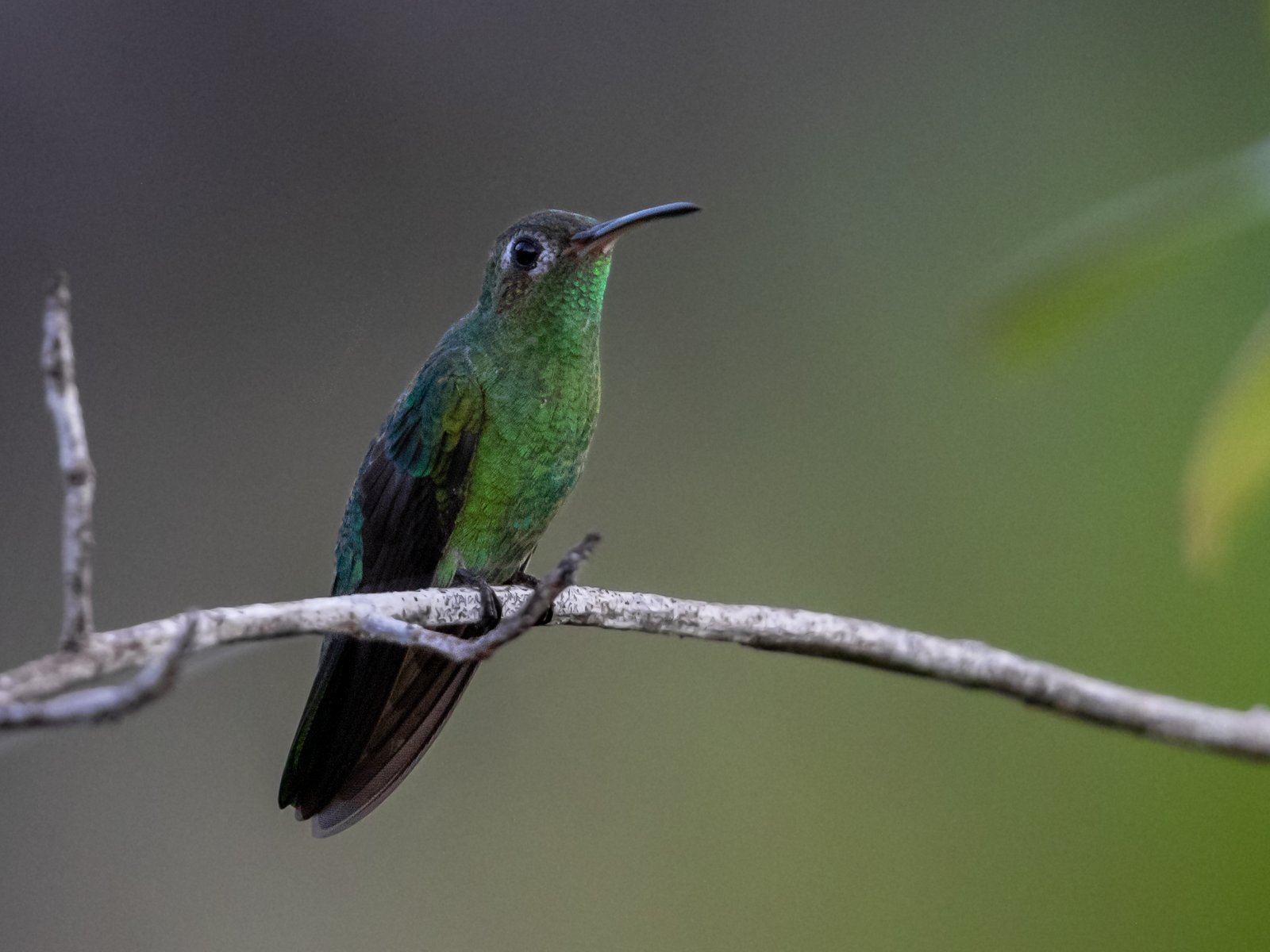
Avocettula 1 espécie
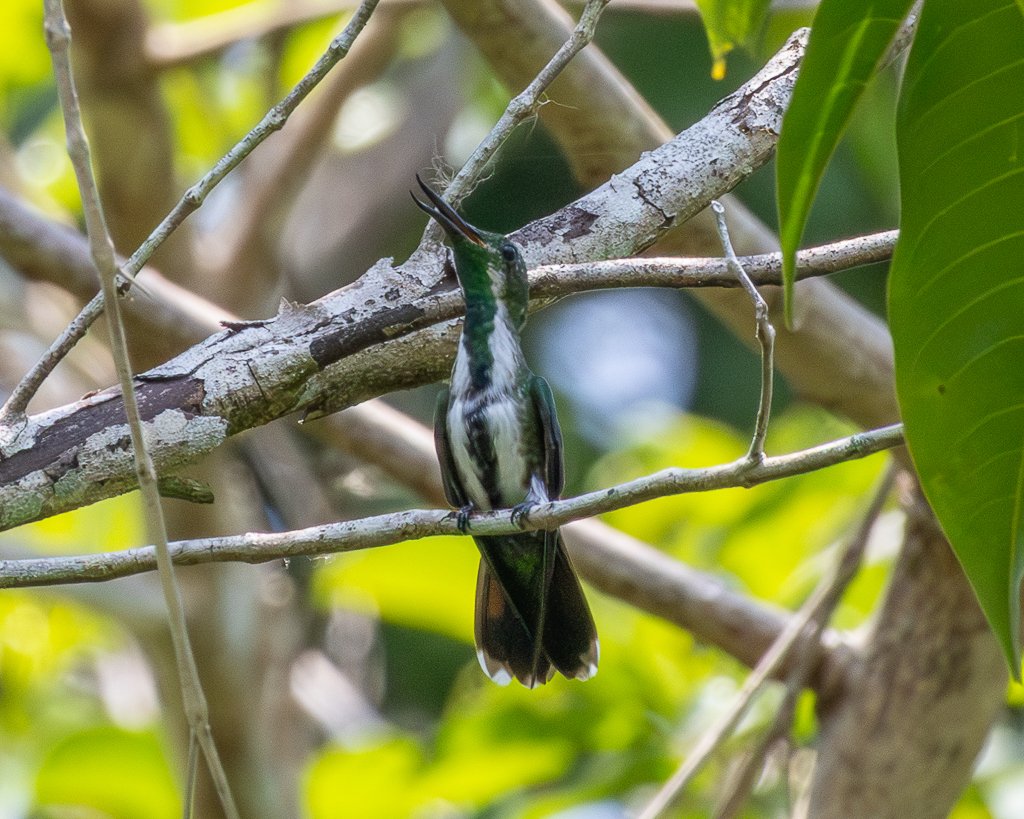
Chrysolampis 1 espécie
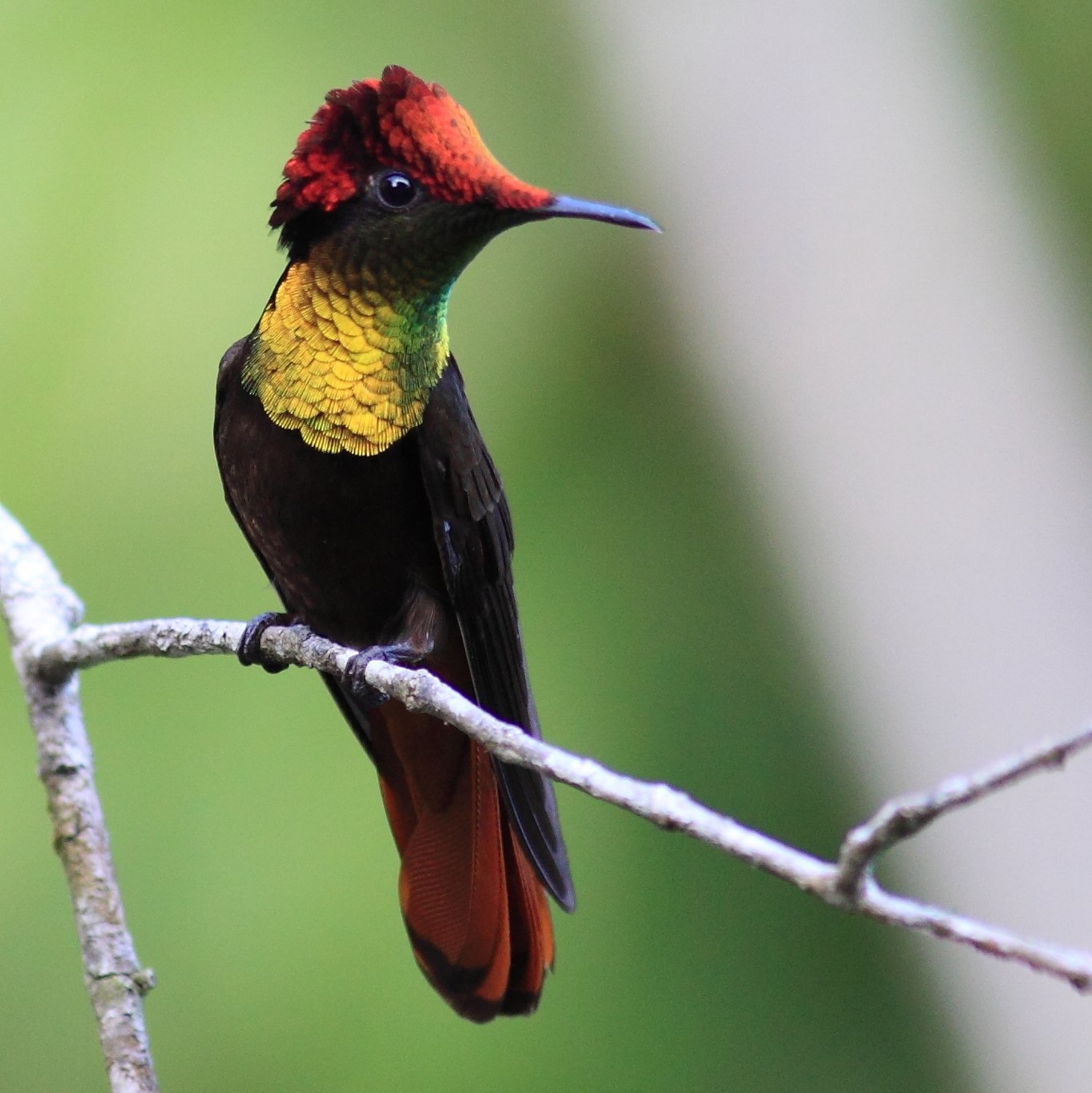
Anthracothorax 2 espécies
-
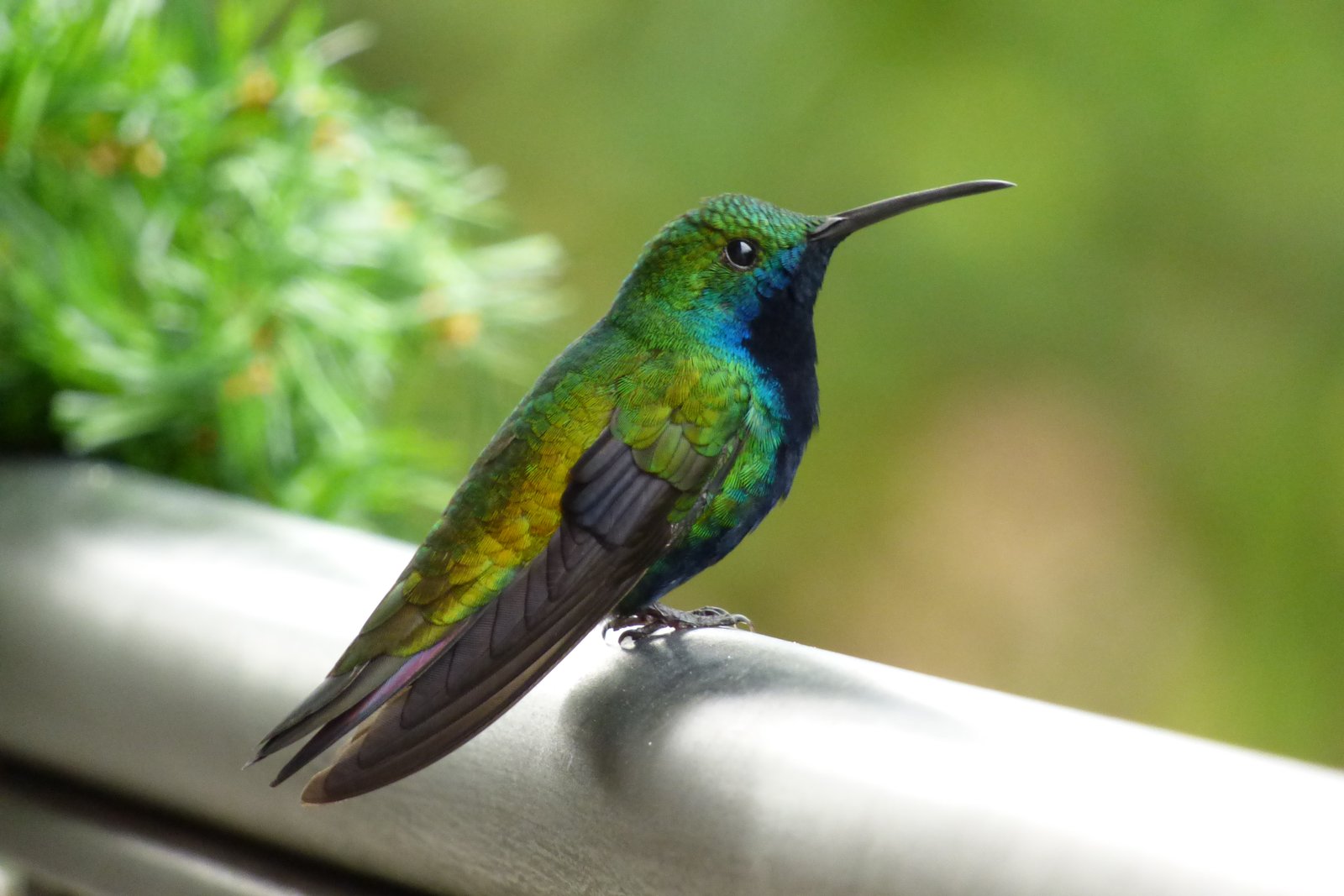
Beija-flor-de-veste-preta
Anthracothorax nigricollis- Secondary forest and forest edge
- Coffee, cacao and agroforestry
- Towns, cities and parks
- Várzea, igapó and river islands
- Western Ecuador humid forest
-
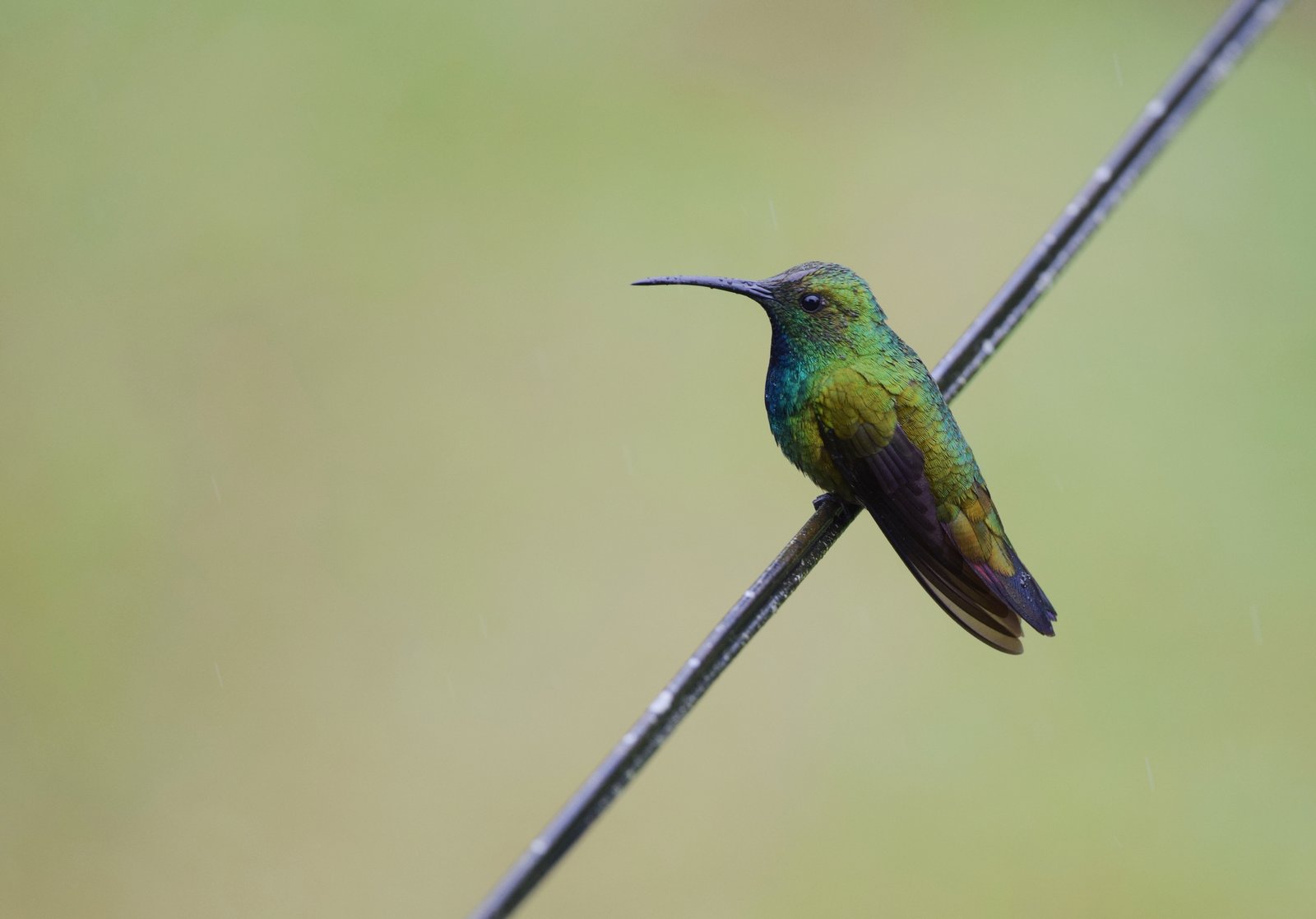
Beija-flor-de-peito-verde
Anthracothorax prevostii- Secondary forest and forest edge
- Towns, cities and parks
 Mangrove
- Coffee, cacao and agroforestry
Haplophaedia 3 espécies
-
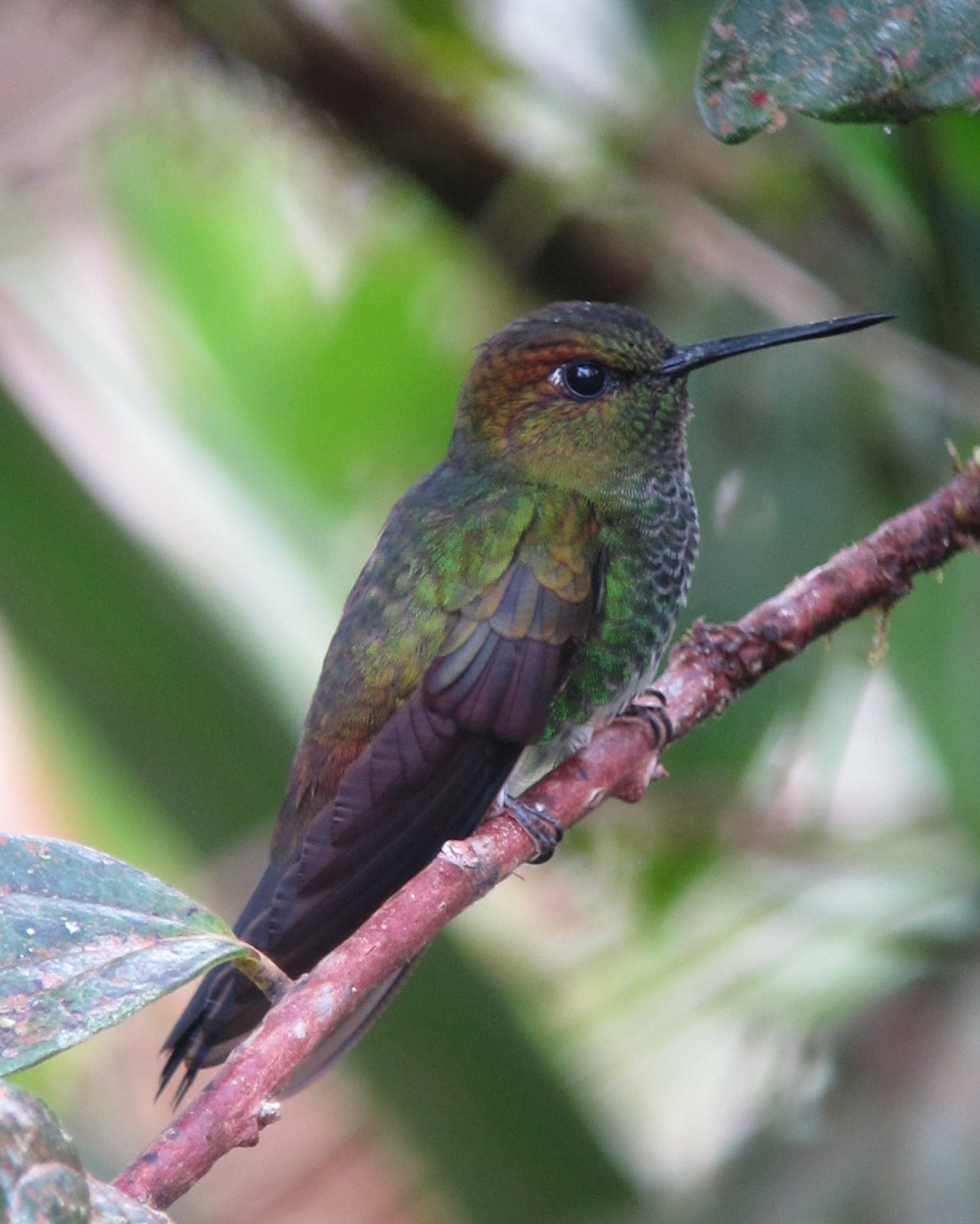
Calçudo-esverdeado
Haplophaedia aureliae- Northern Andean subtropical forest
- Northern Andean cloud forest and temperate forest
- Eastern Andean foothill forest
- Secondary forest and forest edge
-
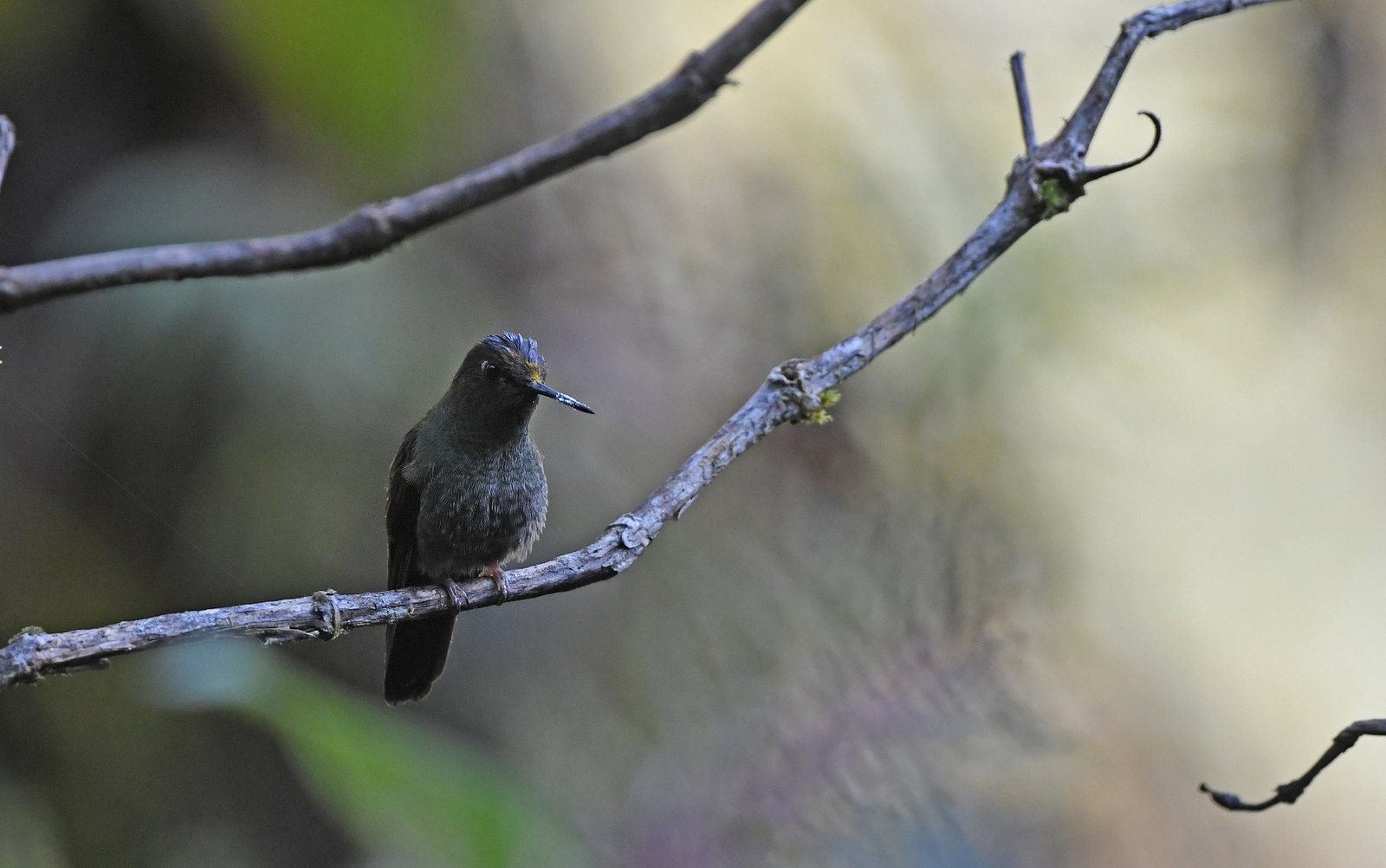
Calçudo-de-coxas-ocráceas
Haplophaedia assimilis- Lower Yungas forest
- Upper Yungas cloud forest
- Secondary forest and forest edge
-
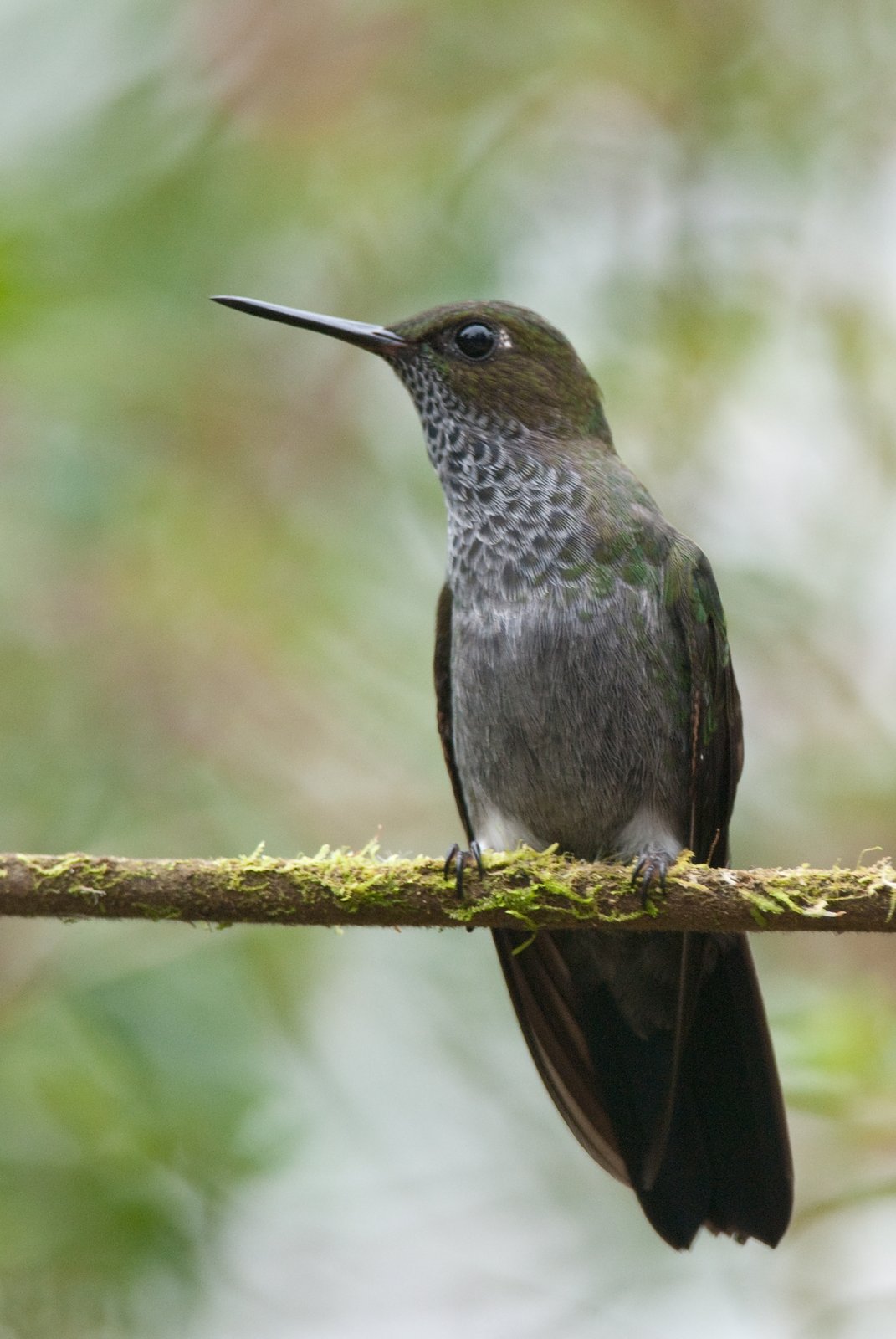
Calçudo-acinzentado
Haplophaedia lugens- Northern Andean subtropical forest
- Secondary forest and forest edge
- Northern Andean cloud forest and temperate forest
Loddigesia 1 espécie
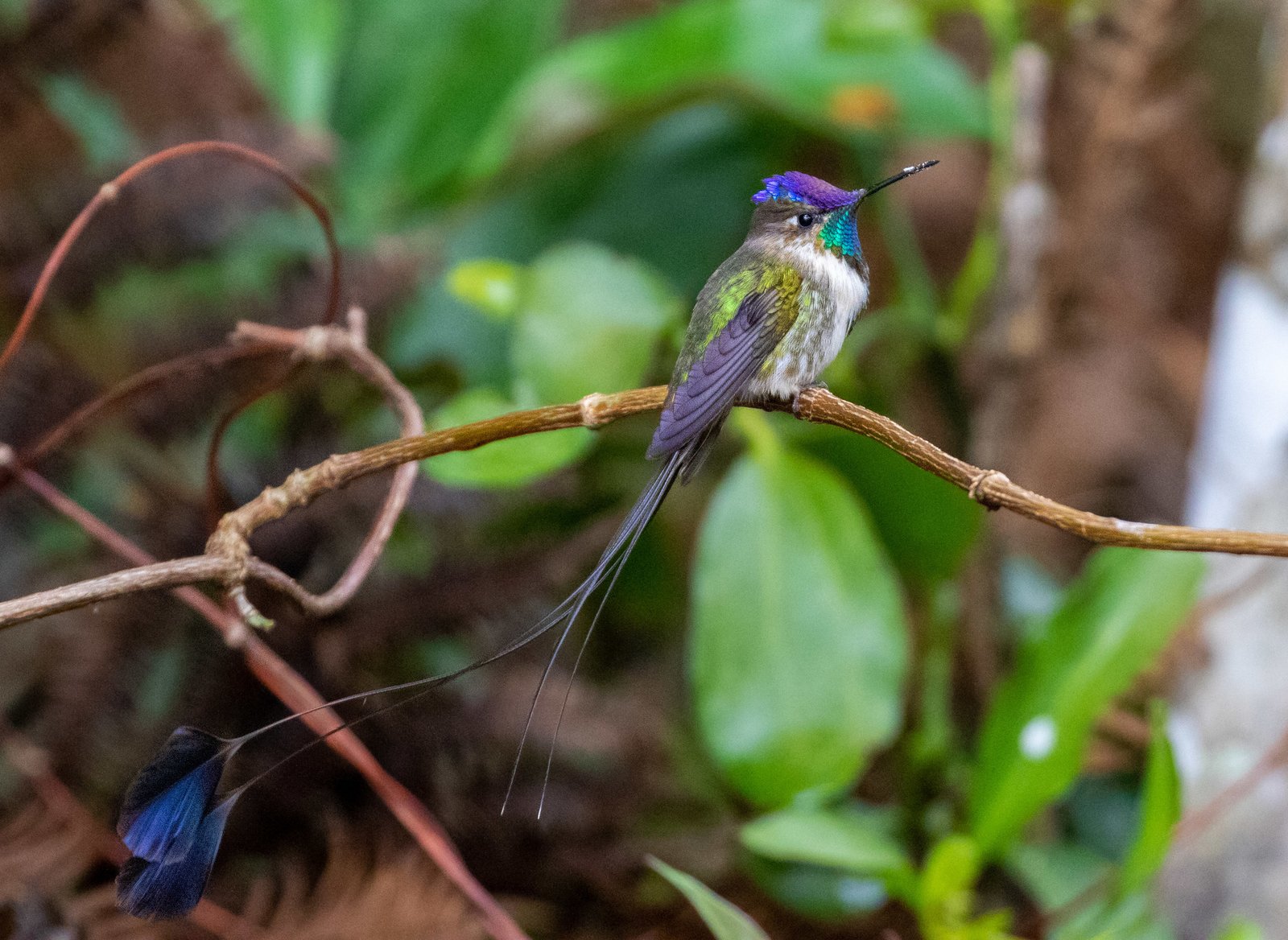
Eriocnemis 10 espécies
-
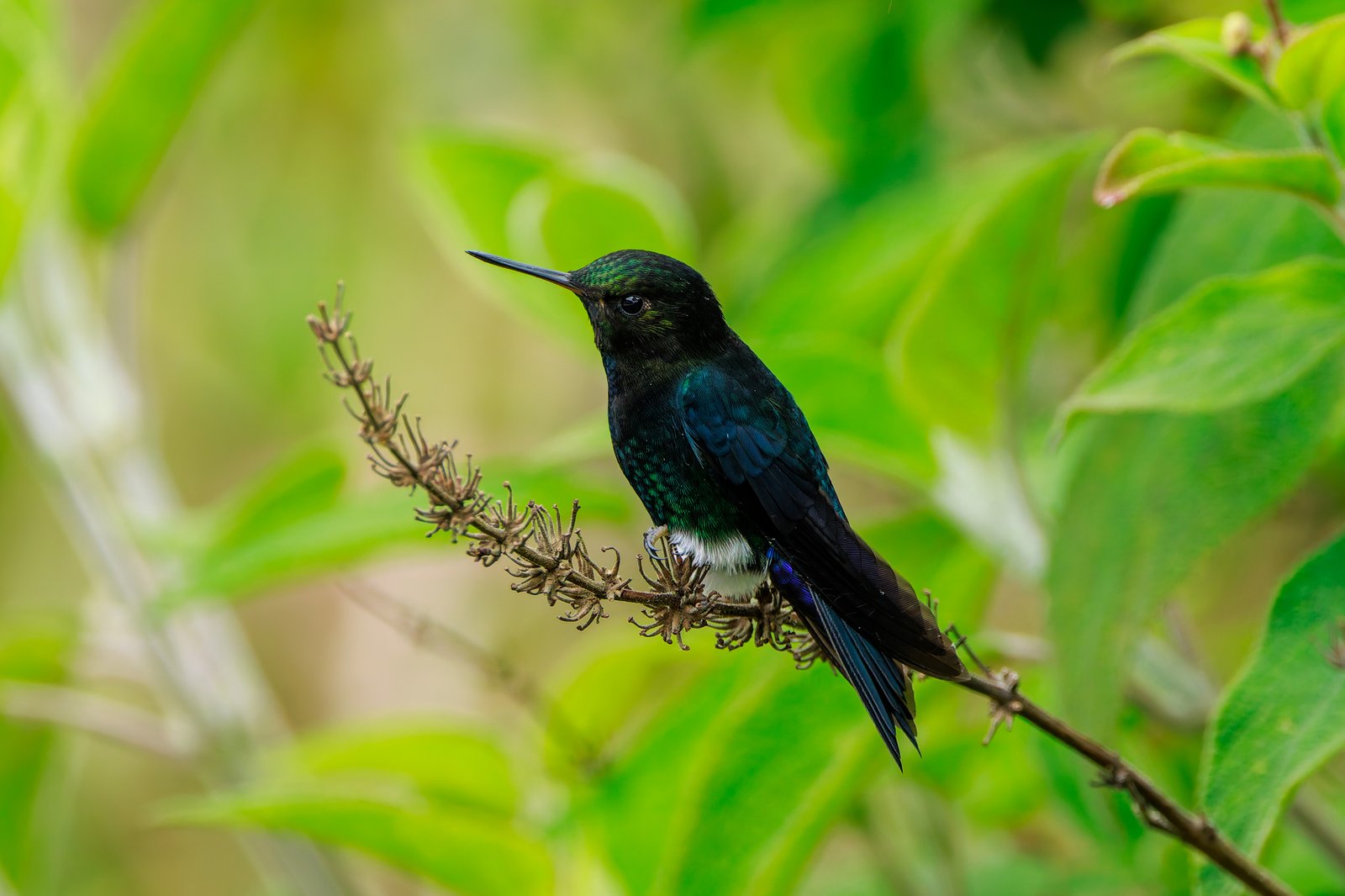
Calçudo-de-peito-preto
Eriocnemis nigrivestis- Northern Andean cloud forest and temperate forest
- Secondary forest and forest edge
- Páramo
-

Calçudo-brilhante
Eriocnemis vestita- Northern Andean cloud forest and temperate forest
- Páramo
 Jalca
 Polylepis woodland
-
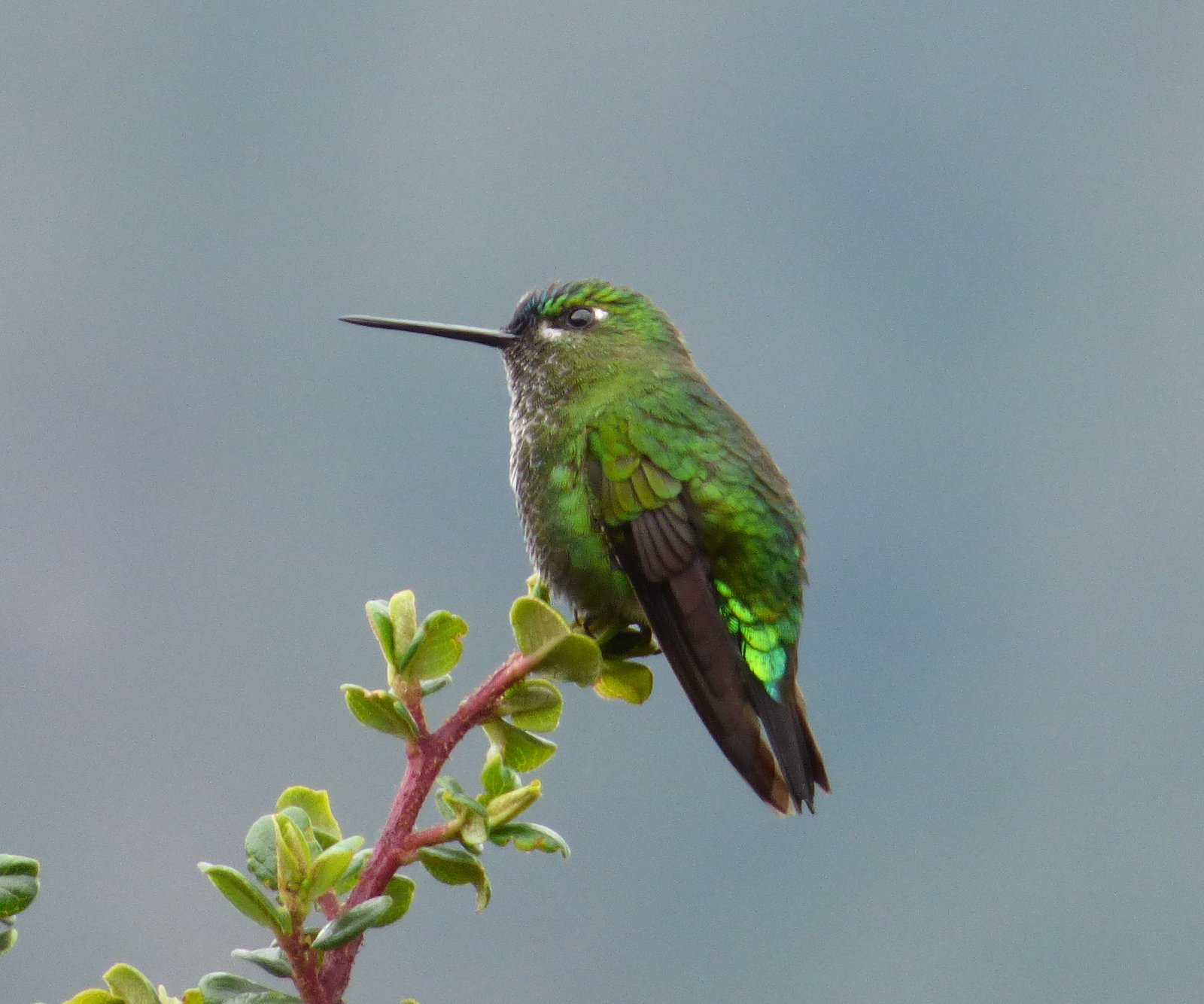
Calçudo-de-coxa-preta
Eriocnemis derbyi- Northern Andean cloud forest and temperate forest
- Páramo
- Polylepis woodland
-
Calçudo-de-garganta-turquesa
Eriocnemis godini- Marañón and northern inter-Andean dry forest
- Riparian woodland of the Andes and coastal valleys
-
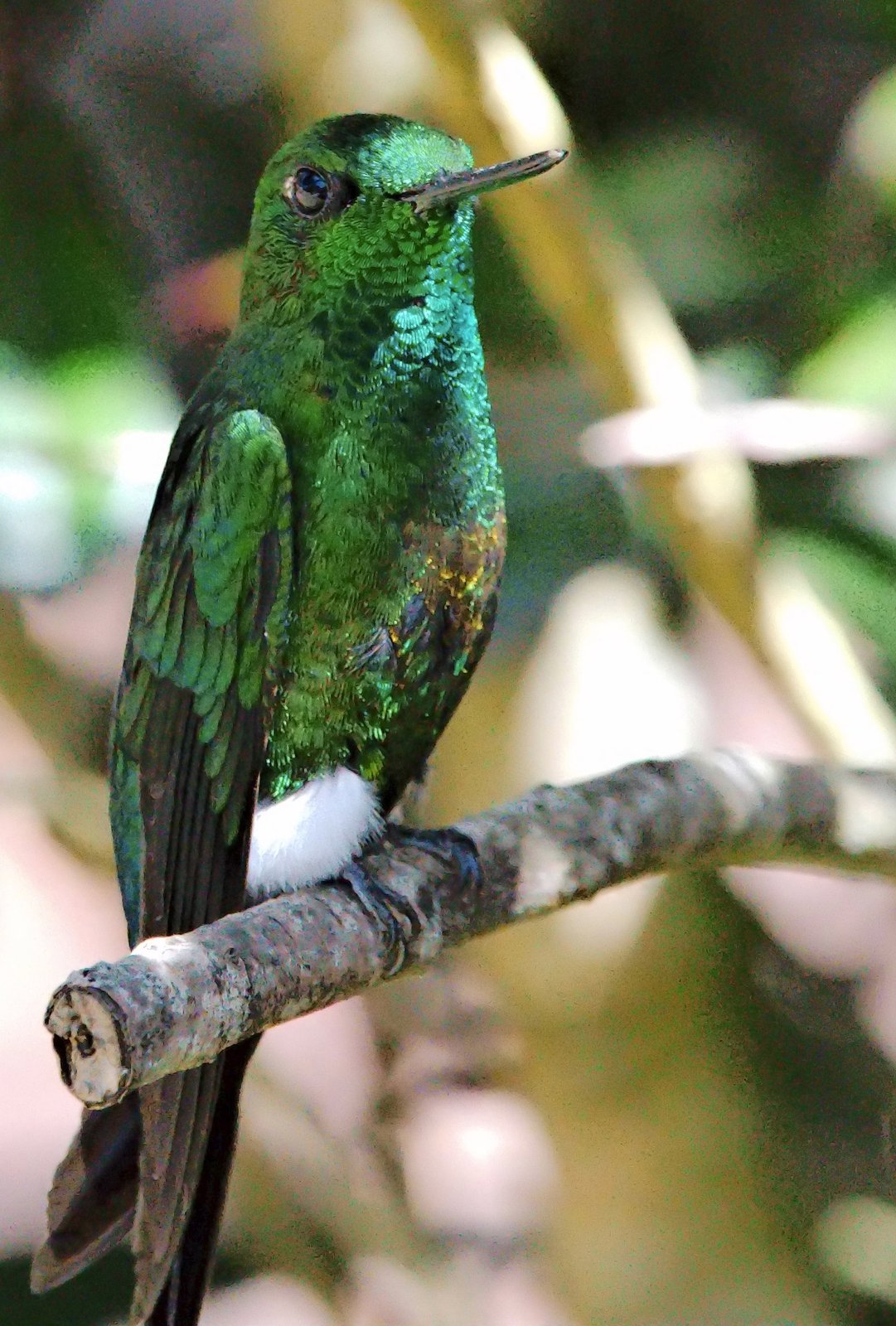
Calçudo-de-ventre-acobreado
Eriocnemis cupreoventris- Northern Andean cloud forest and temperate forest
- Páramo
- Secondary forest and forest edge
-
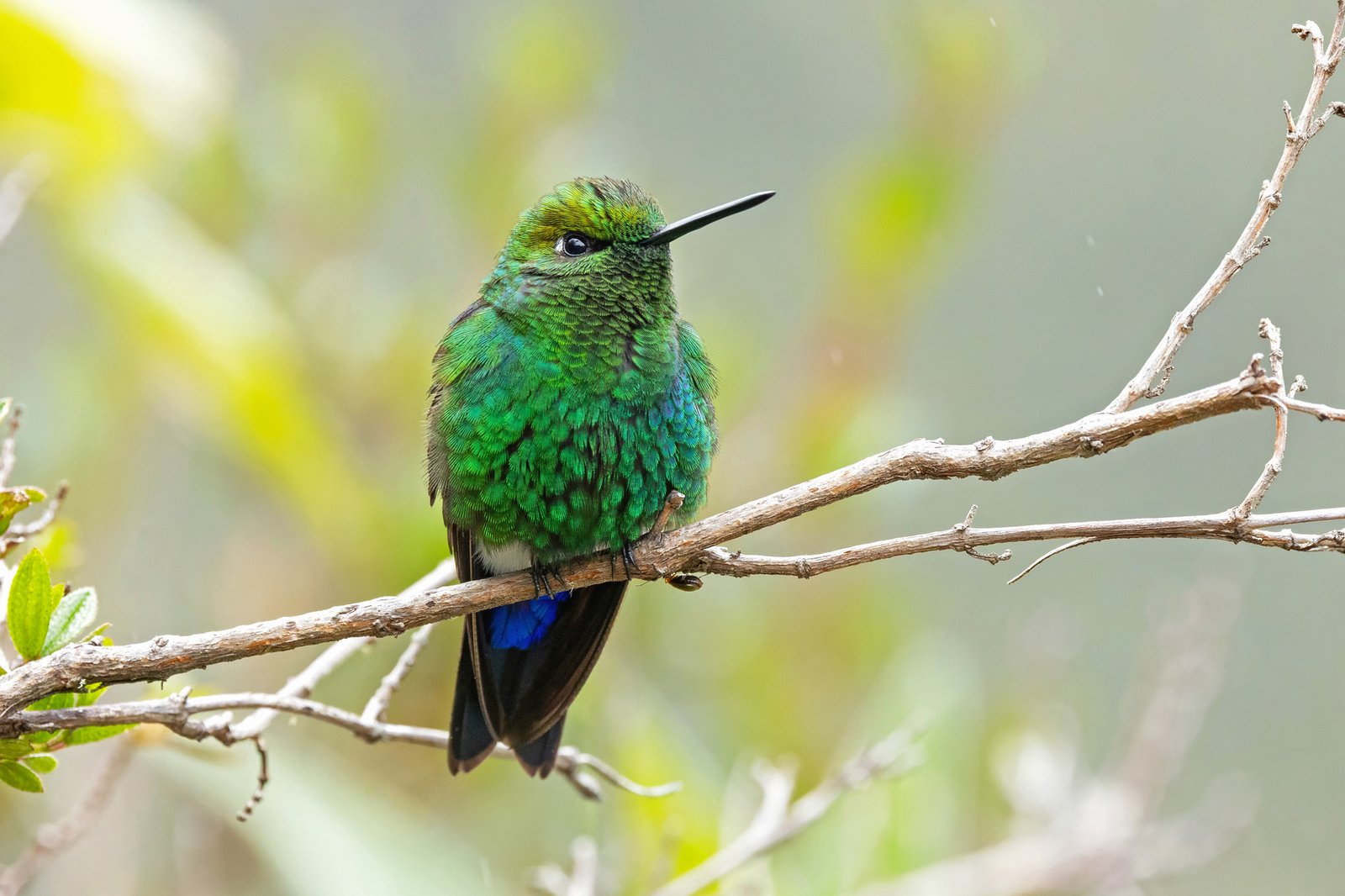
Calçudo-de-crisso-safira
Eriocnemis luciani- Northern Andean cloud forest and temperate forest
- Upper Yungas cloud forest
- Páramo
- Jalca
- Polylepis woodland
-

Calçudo-de-peito-dourado
Eriocnemis mosquera- Northern Andean cloud forest and temperate forest
- Páramo
- Secondary forest and forest edge
-
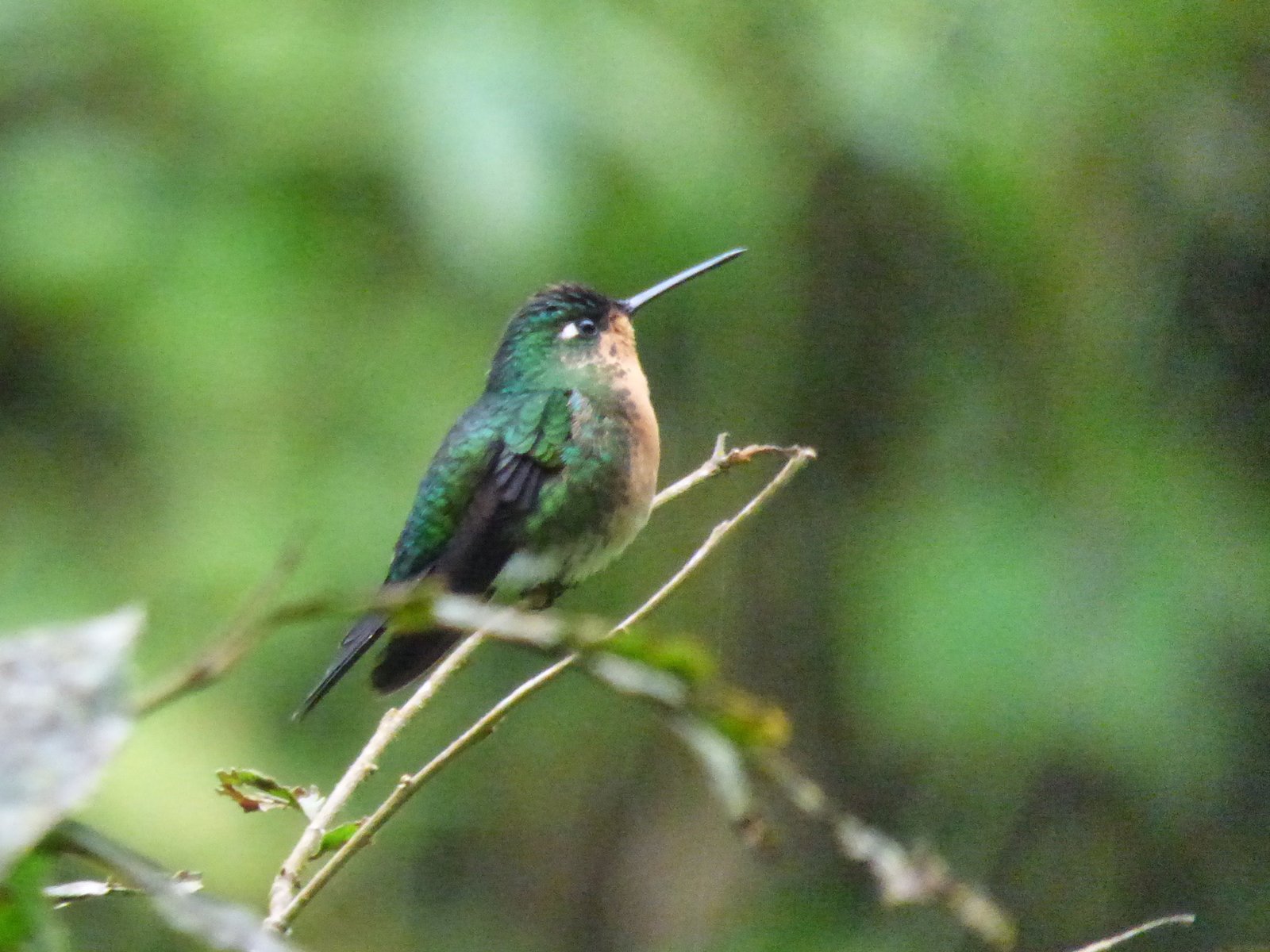
Calçudo-de-coroa-azul
Eriocnemis glaucopoides- Upper Yungas cloud forest
- Lower Yungas forest
- Secondary forest and forest edge
- Riparian woodland of the Andes and coastal valleys
-
Calçudo-colorido
Eriocnemis mirabilis- Northern Andean cloud forest and temperate forest
- Northern Andean subtropical forest
-
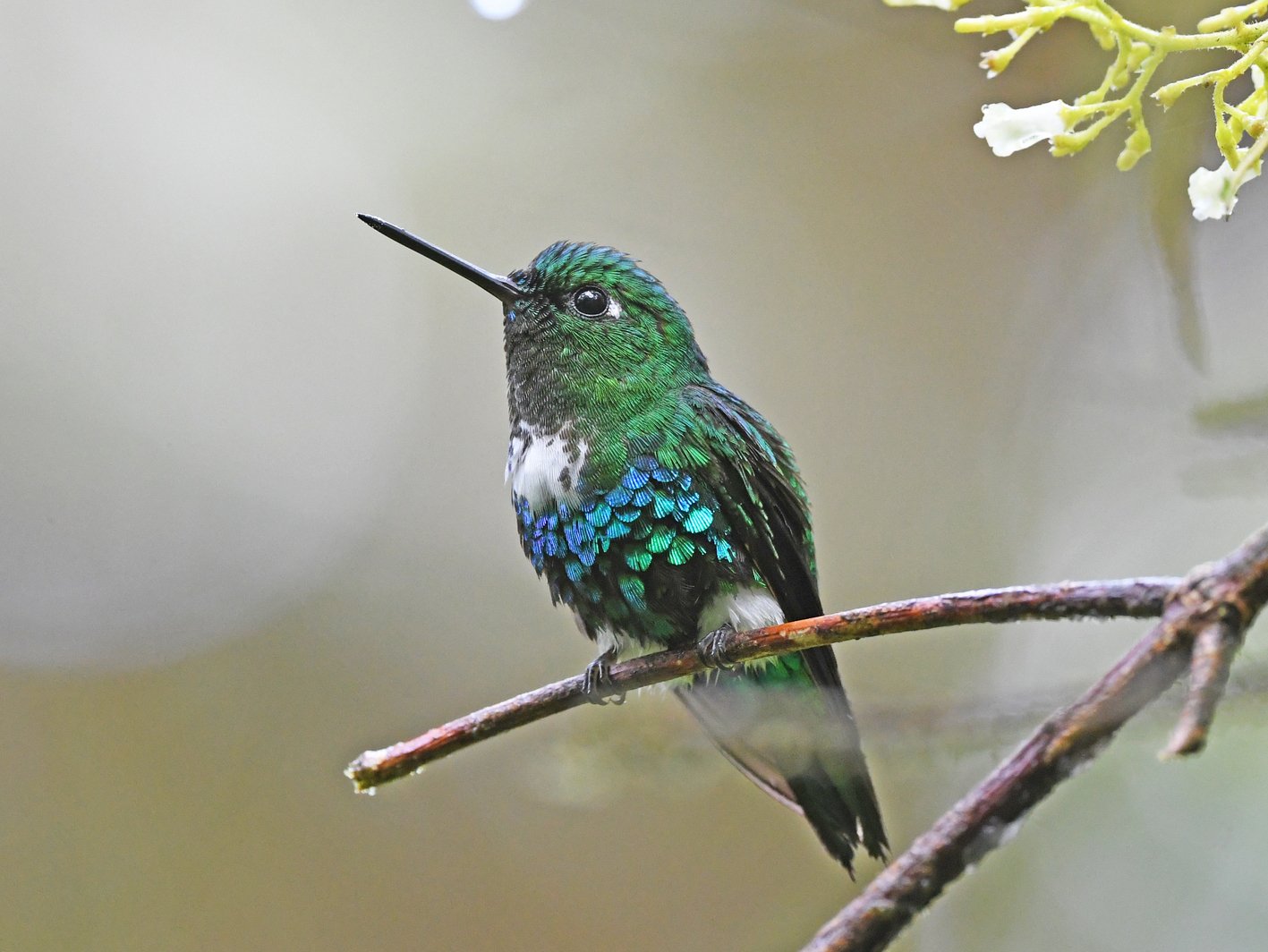
Calçudo-de-ventre-esmeralda
Eriocnemis aline- Northern Andean cloud forest and temperate forest
- Upper Yungas cloud forest
- Northern Andean subtropical forest
Lafresnaya 1 espécie
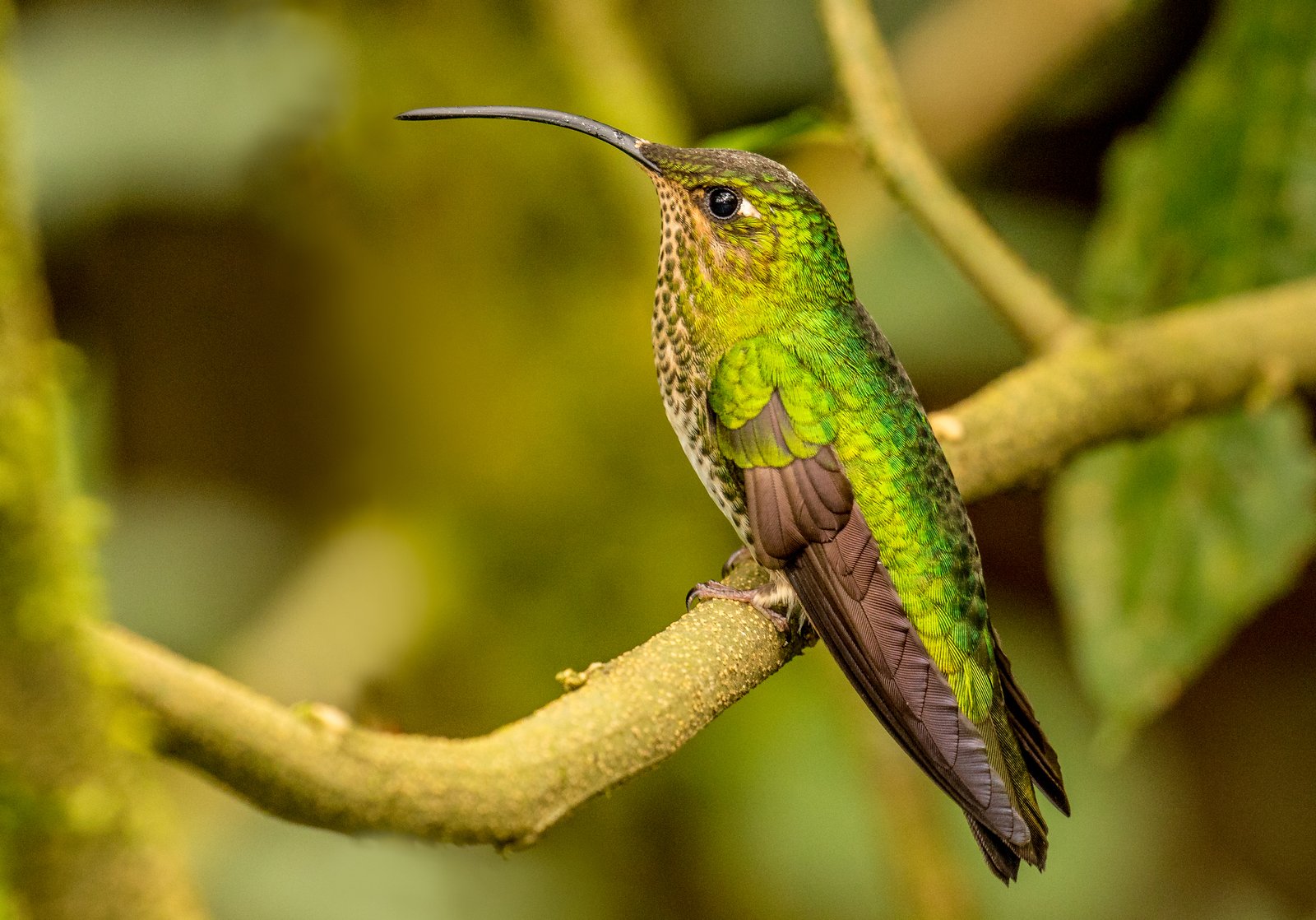
Aglaeactis 4 espécies
-
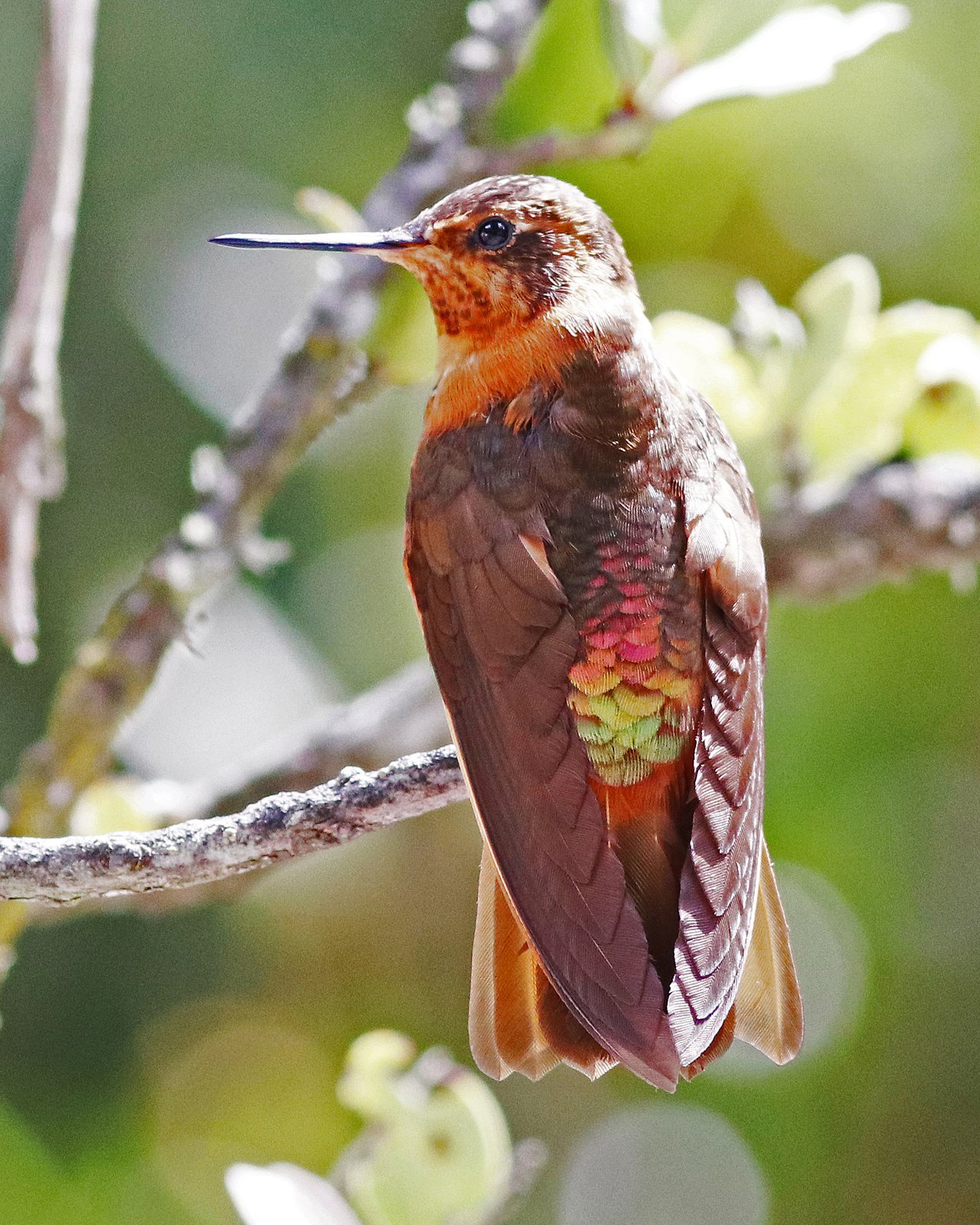
Raio-de-sol-brilhante
Aglaeactis cupripennis- Páramo
- Northern Andean cloud forest and temperate forest
- Jalca
- Polylepis woodland
-
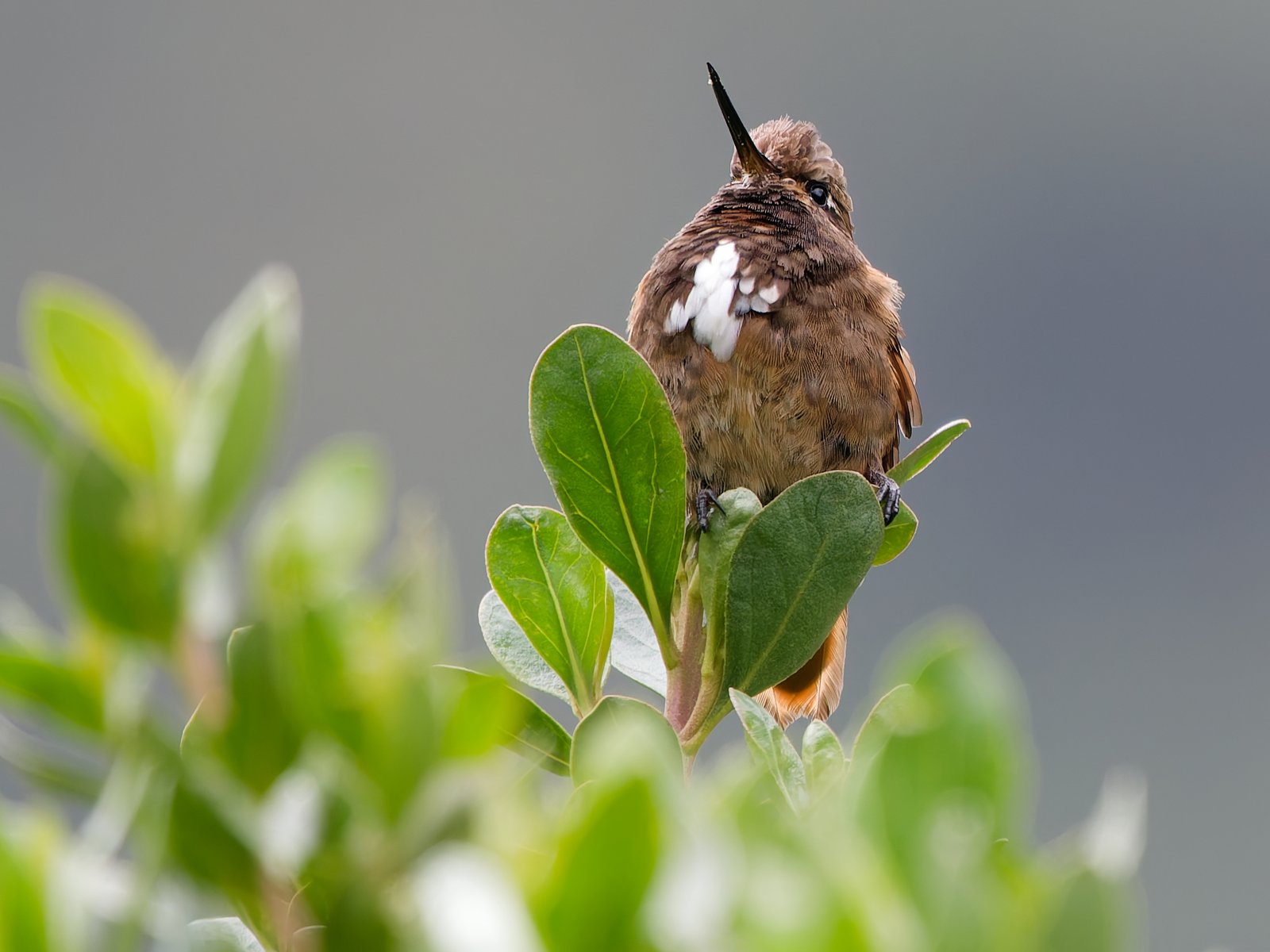
Raio-de-sol-de-tufo-branco
Aglaeactis castelnaudii- Polylepis woodland
- Upper Yungas cloud forest
 Humid puna
- Central Andean dry valleys
-
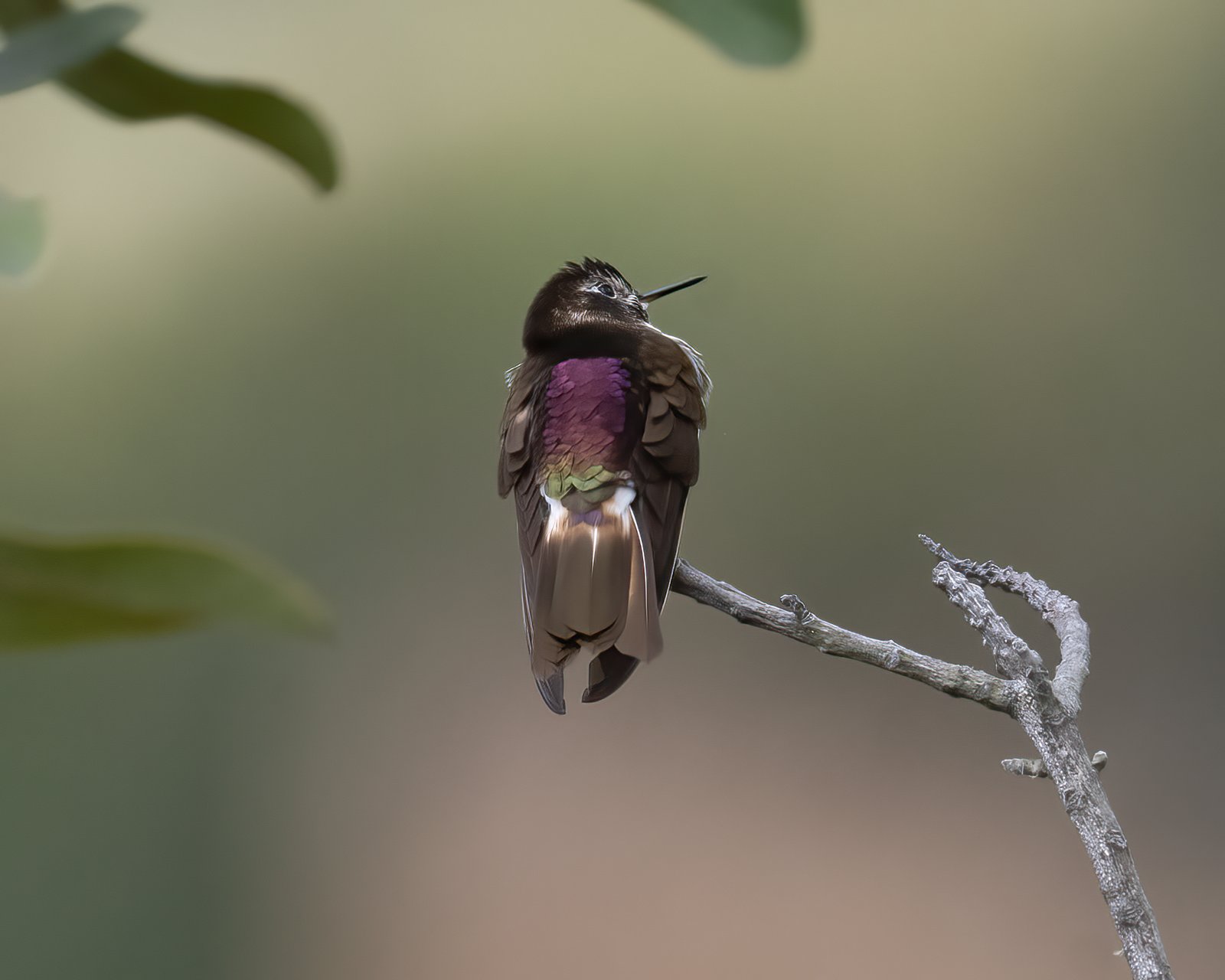
Raio-de-sol-de-dorso-roxo
Aglaeactis aliciae- Polylepis woodland
- Marañón and northern inter-Andean dry forest
- Andean fields and terraces
-
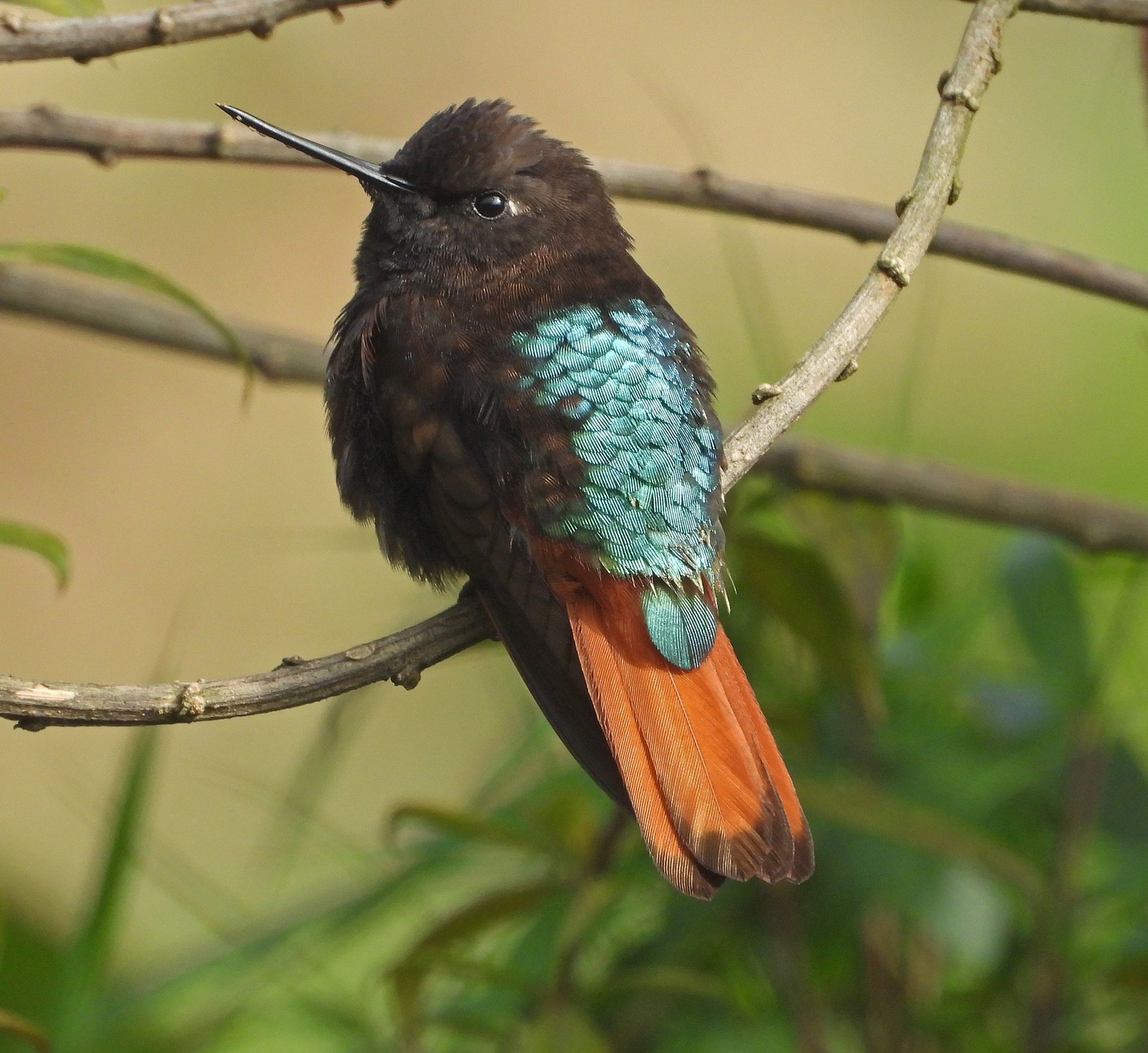
Raio-de-sol-de-capuz-preto
Aglaeactis pamela- Upper Yungas cloud forest
- Polylepis woodland
- Humid puna
Coeligena 12 espécies
-
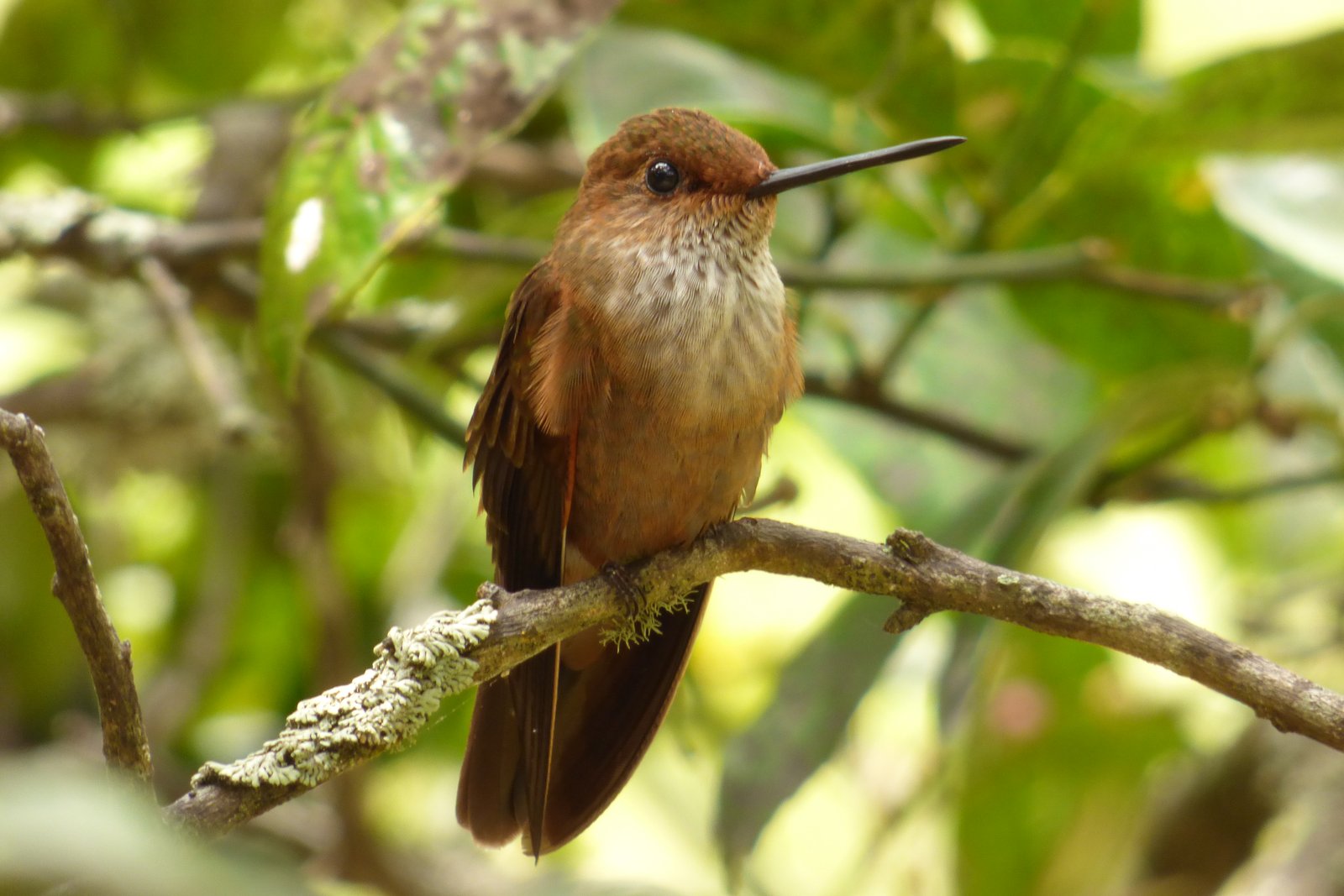
Inca-bronzeado
Coeligena coeligena- Northern Andean subtropical forest
- Lower Yungas forest
- Northern Andean cloud forest and temperate forest
- Upper Yungas cloud forest
-
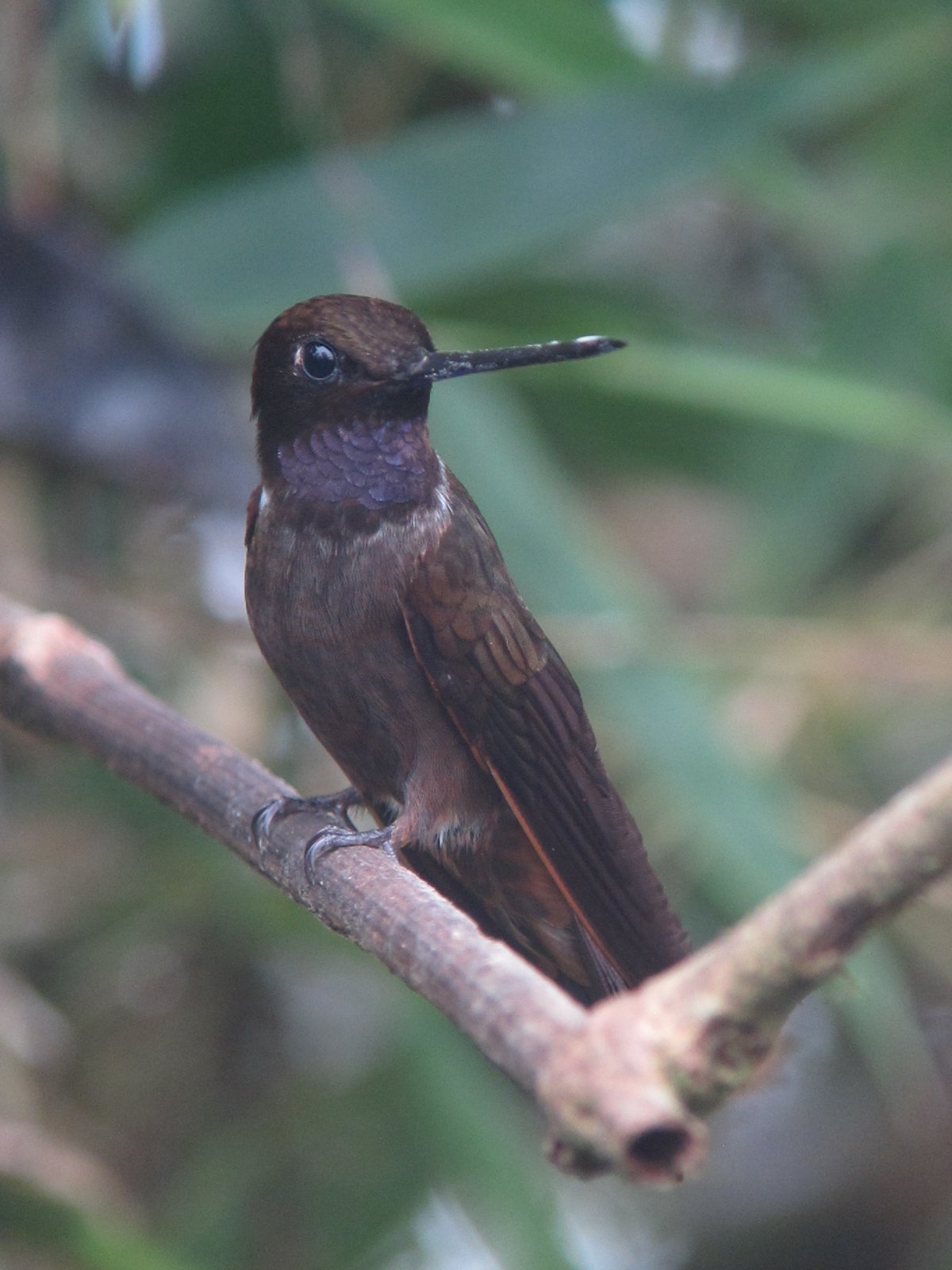
Inca-pardo
Coeligena wilsoni- Northern Andean subtropical forest
- Western Ecuador humid forest
- Chocó rainforest
- Northern Andean cloud forest and temperate forest
-
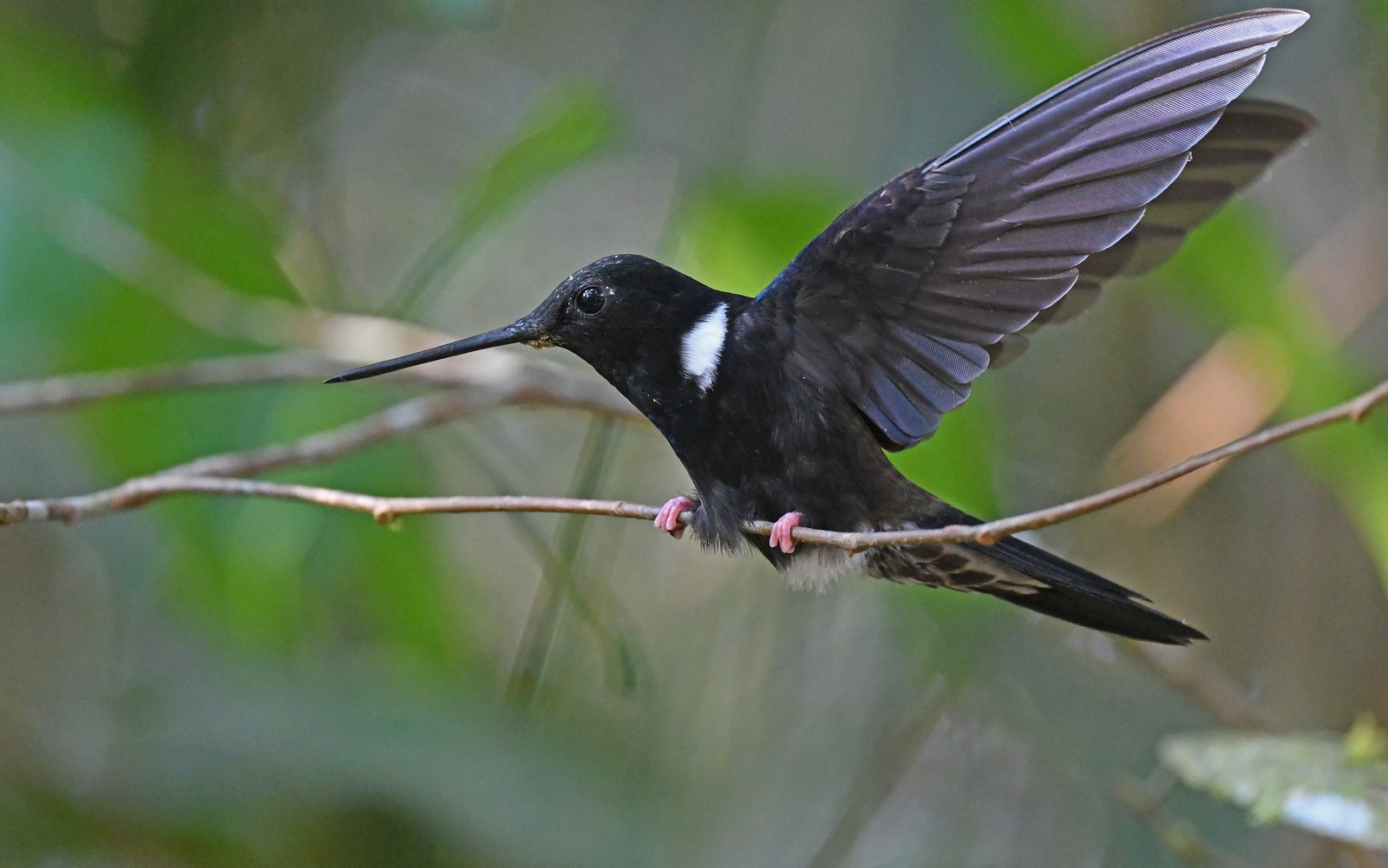
Inca-preto
Coeligena prunellei- Northern Andean subtropical forest
- Northern Andean cloud forest and temperate forest
-
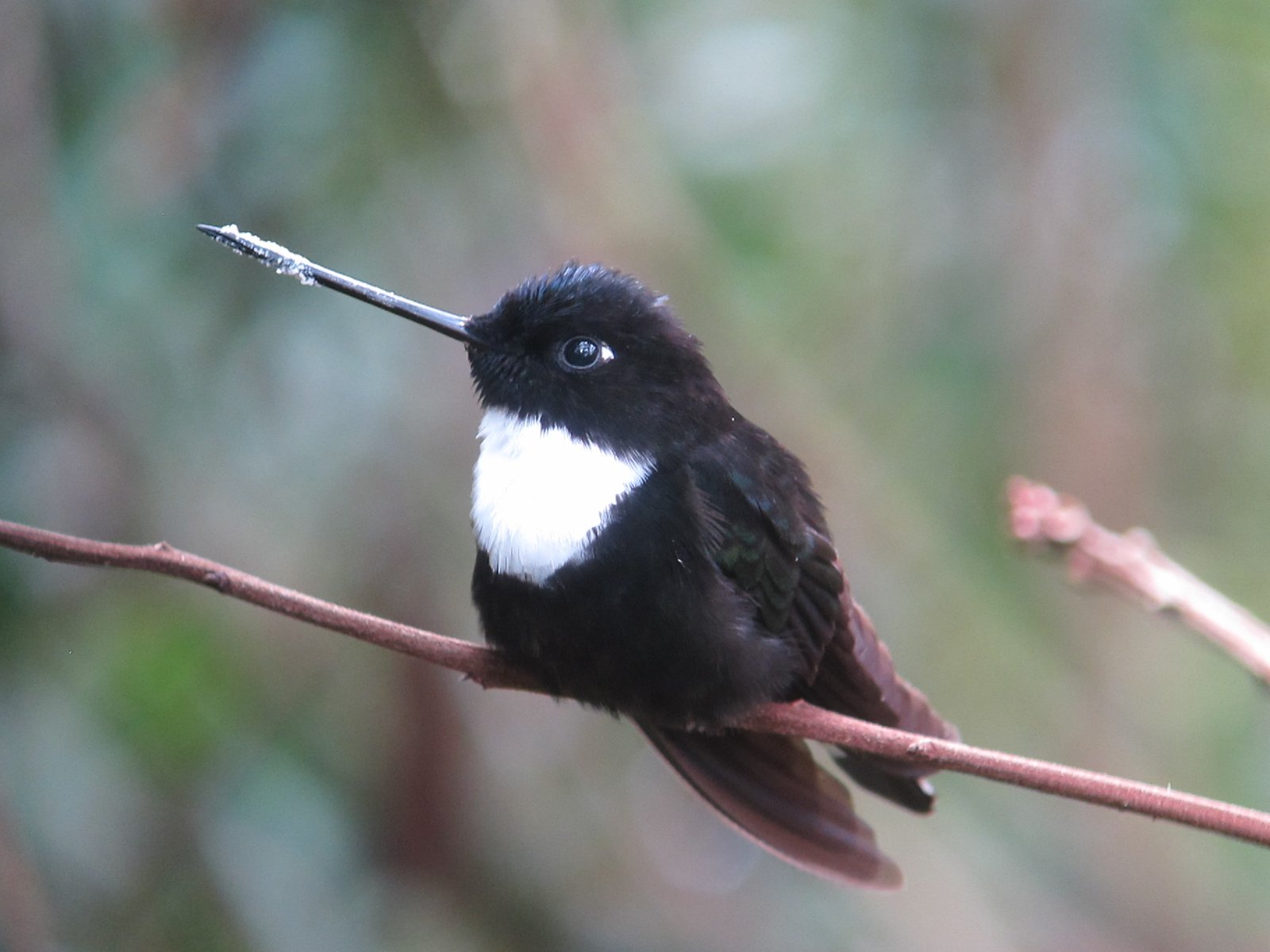
Inca-de-colar
Coeligena torquata- Northern Andean cloud forest and temperate forest
- Upper Yungas cloud forest
- Secondary forest and forest edge
- Northern Andean subtropical forest
-
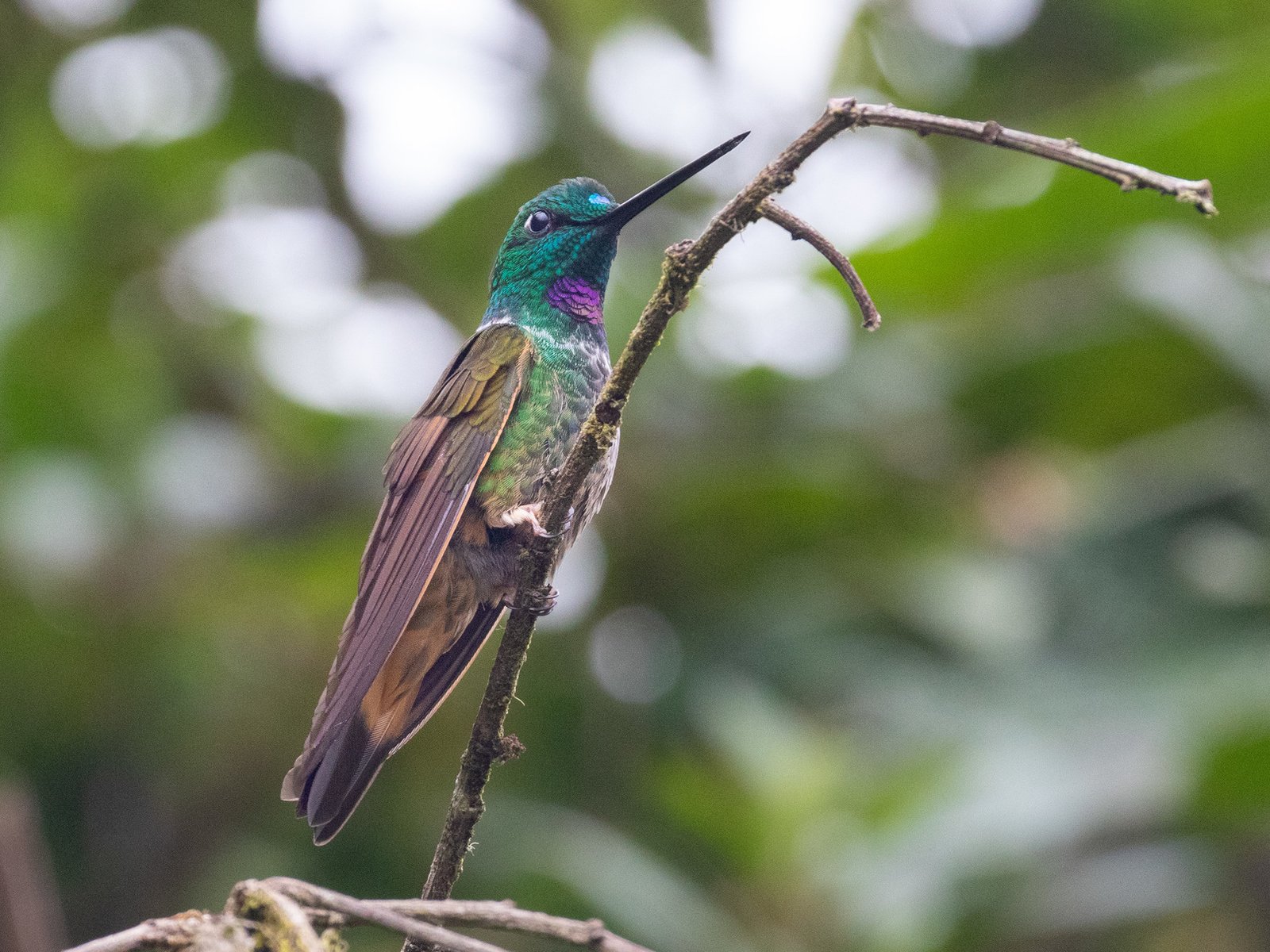
Inca-de-garganta-violeta
Coeligena violifer- Upper Yungas cloud forest
- Northern Andean cloud forest and temperate forest
- Polylepis woodland
- Secondary forest and forest edge
- Humid puna
-
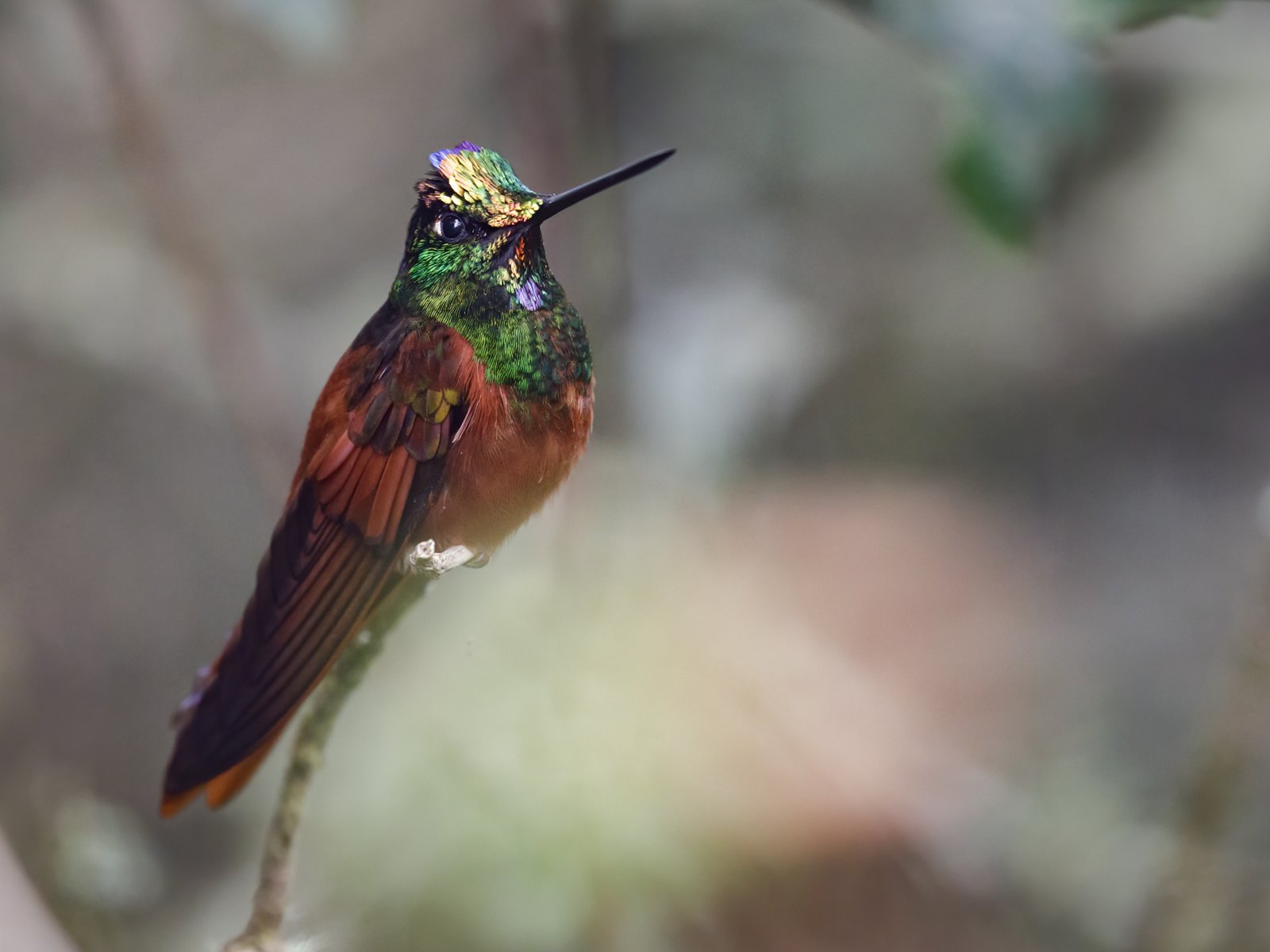
Inca-arco-íris
Coeligena iris- Northern Andean cloud forest and temperate forest
- Secondary forest and forest edge
- Jalca
- Páramo
- Towns, cities and parks
-
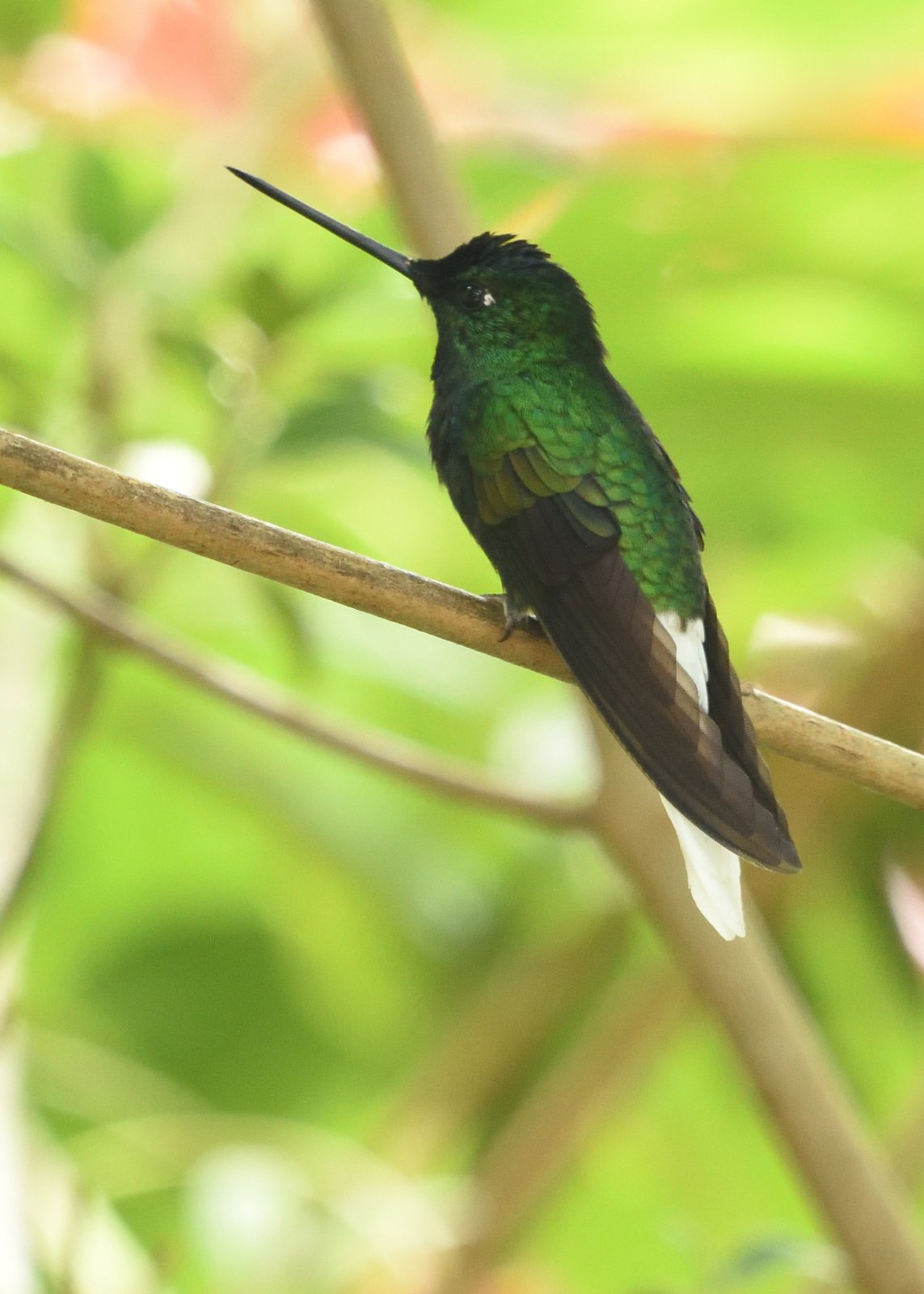
Inca-de-cauda-branca
Coeligena phalerata- Northern Andean cloud forest and temperate forest
- Páramo
- Secondary forest and forest edge
- Northern Andean subtropical forest
-
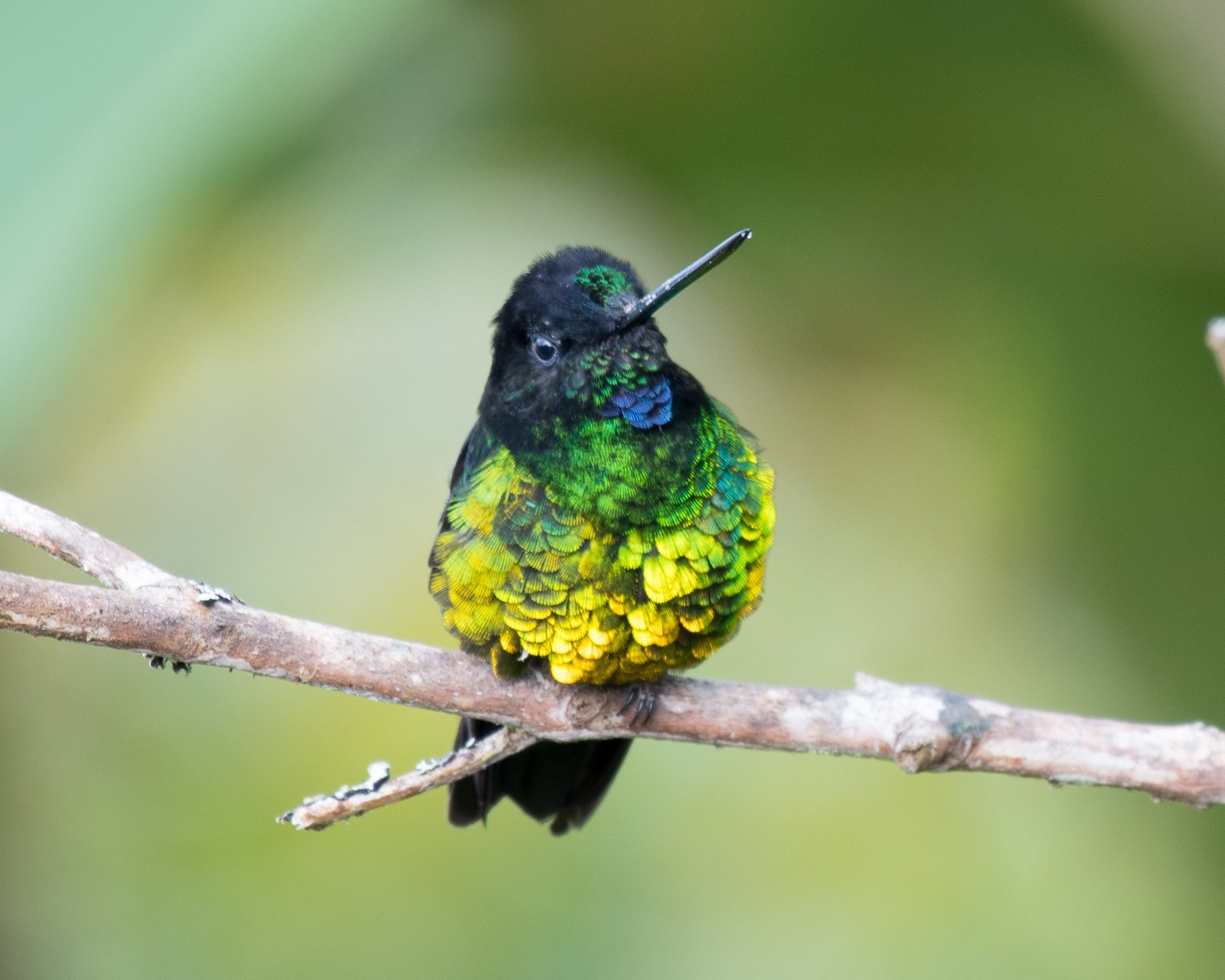
Inca-escuro
Coeligena orina- Northern Andean cloud forest and temperate forest
- Páramo
-
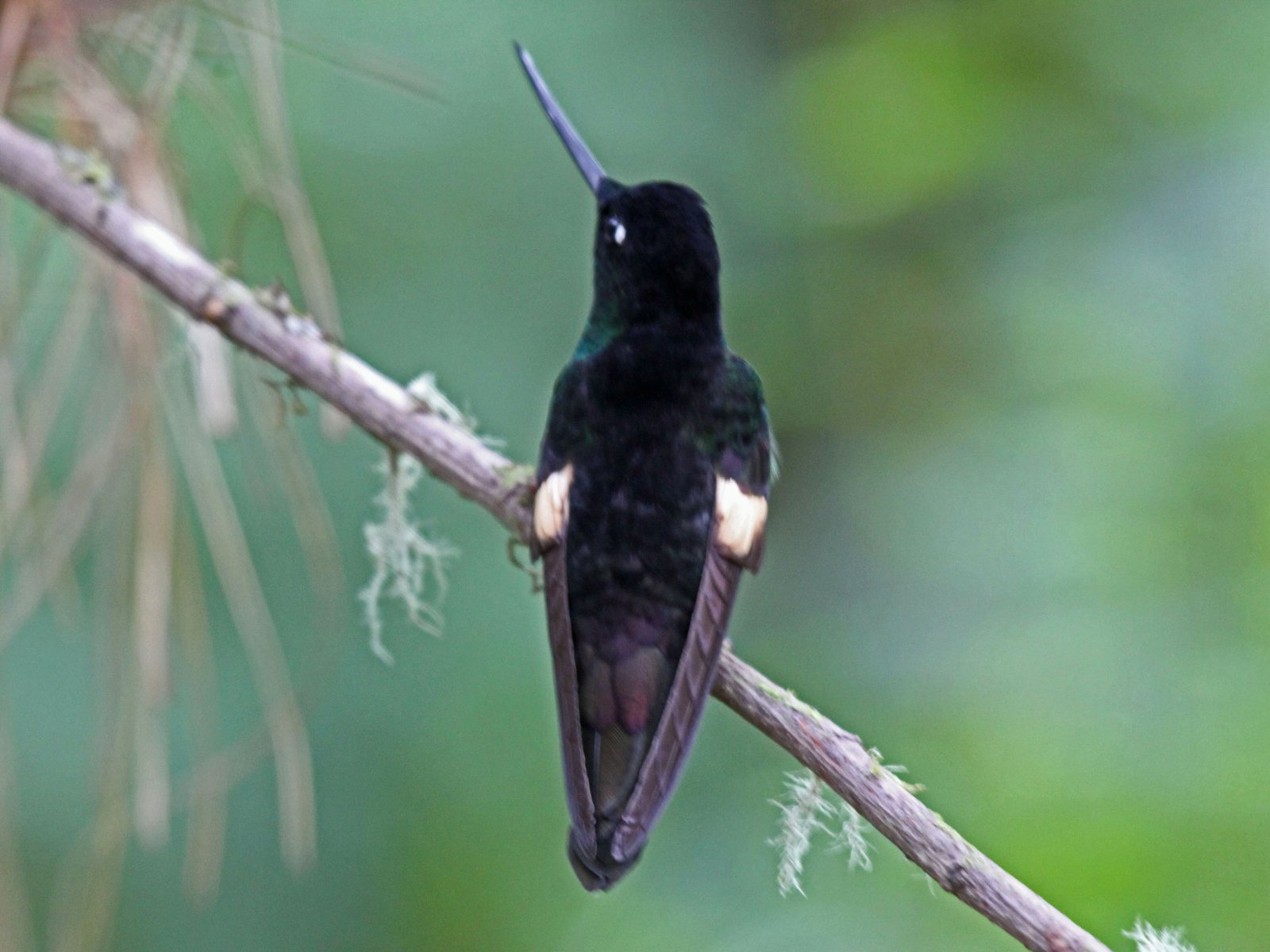
Inca-de-asa-amarelada
Coeligena lutetiae- Northern Andean cloud forest and temperate forest
- Páramo
- Secondary forest and forest edge
- Towns, cities and parks
-
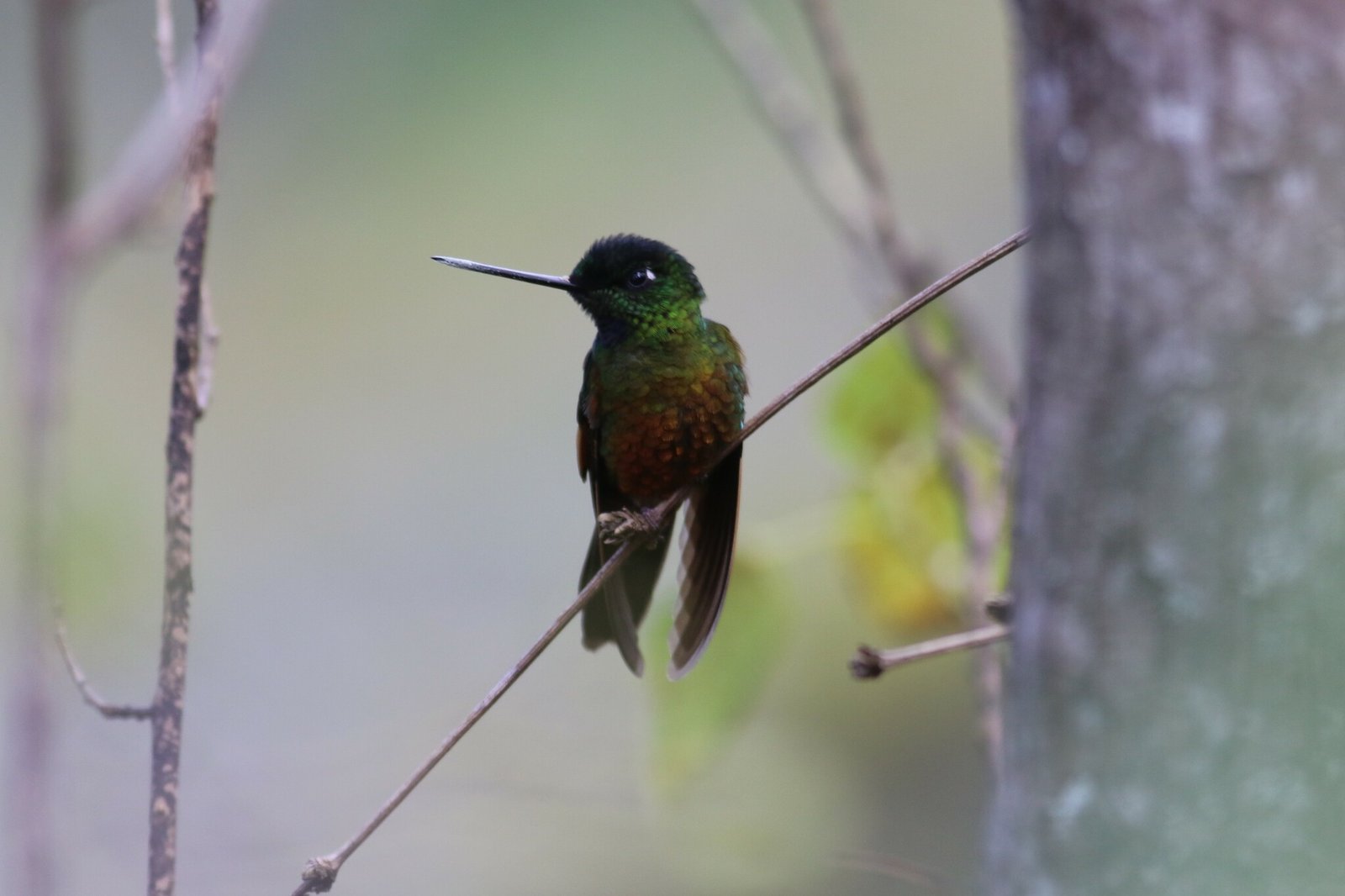
Inca-de-perijá
Coeligena consita- Northern Andean cloud forest and temperate forest
- Secondary forest and forest edge
- Páramo
-

Inca-de-barriga-dourada
Coeligena bonapartei- Northern Andean cloud forest and temperate forest
- Northern Andean subtropical forest
- Secondary forest and forest edge
- Towns, cities and parks
-
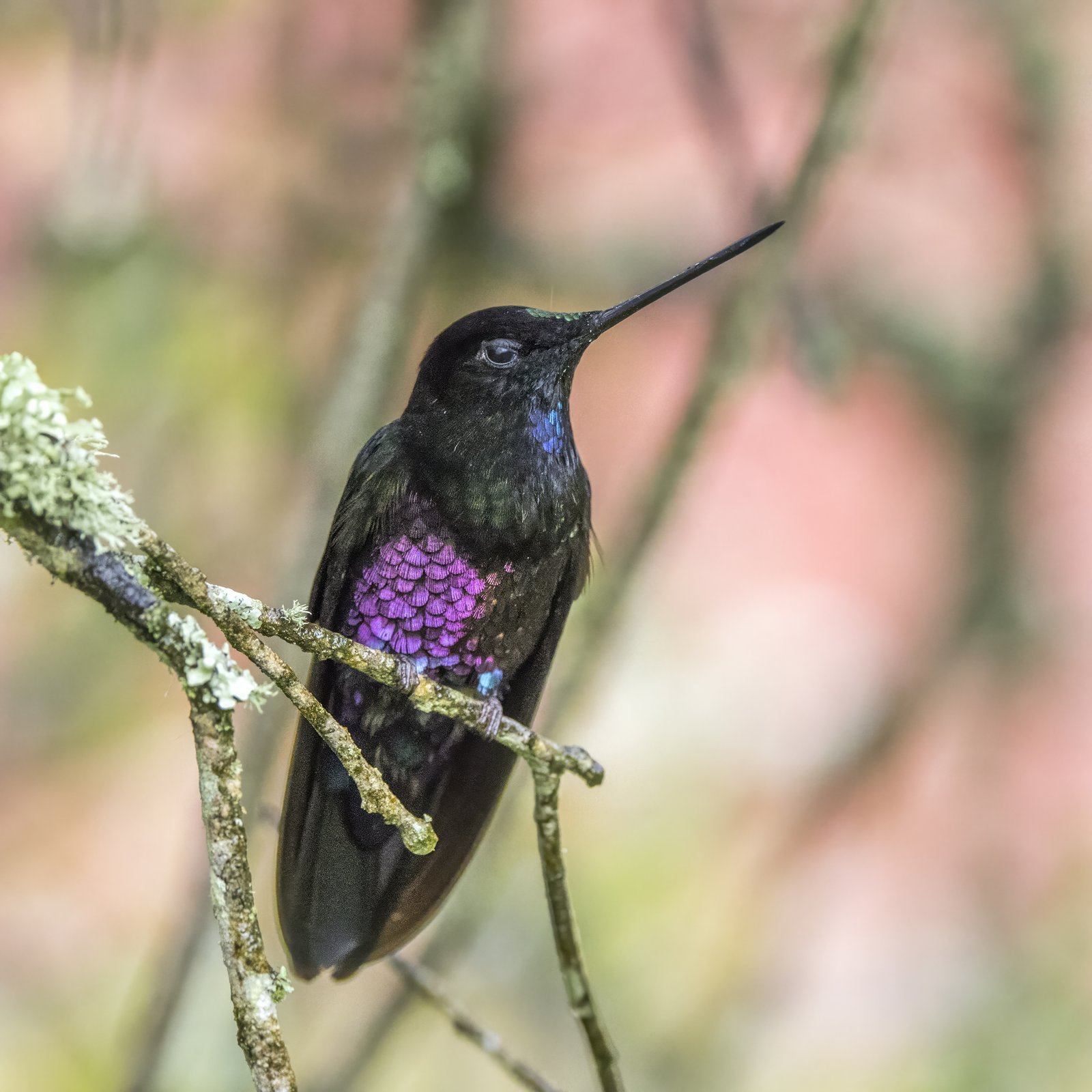
Inca-de-garganta-azul
Coeligena helianthea- Northern Andean cloud forest and temperate forest
- Páramo
- Towns, cities and parks
Ensifera 1 espécie
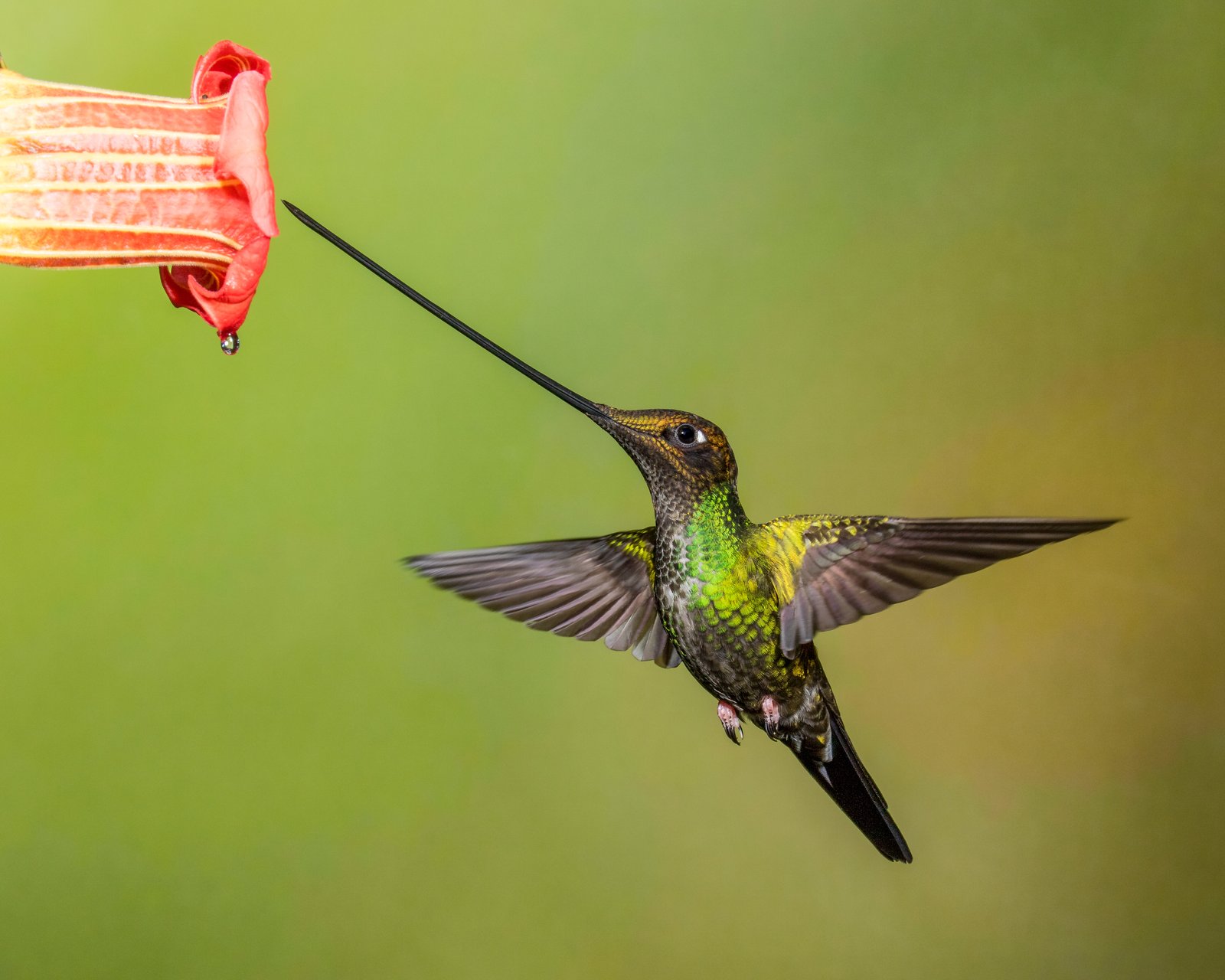
Pterophanes 1 espécie
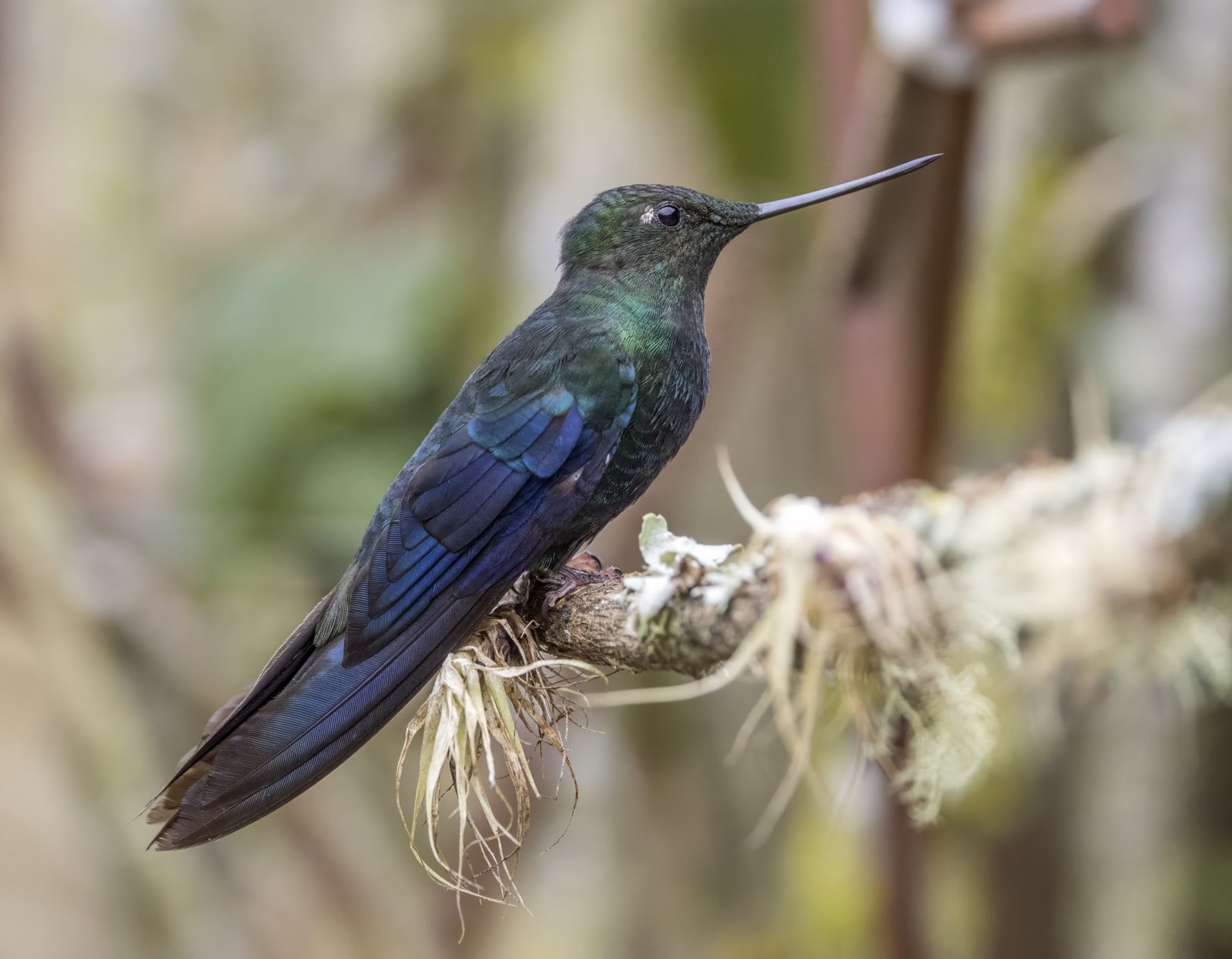
Boissonneaua 3 espécies
-
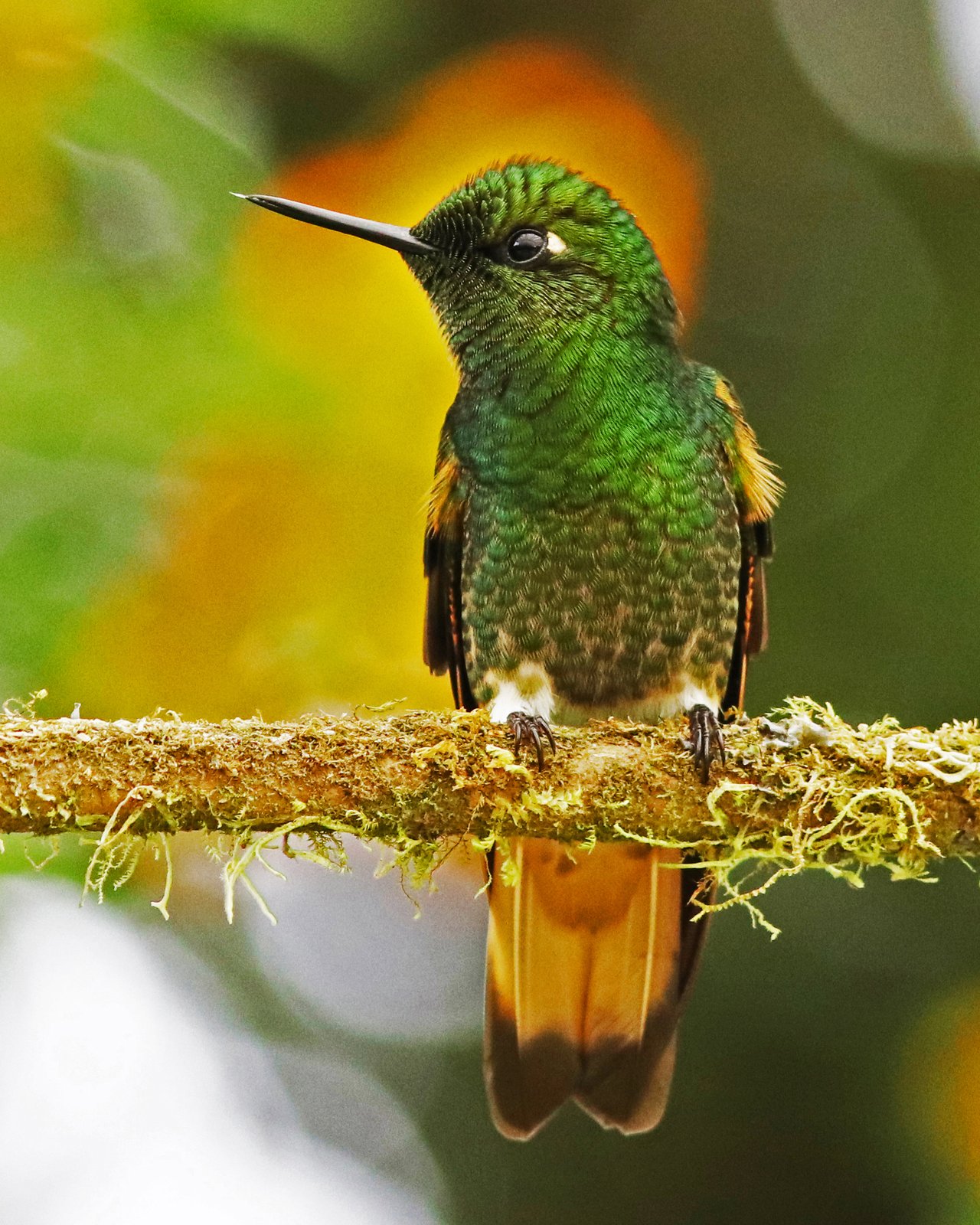
Coroinha-de-cauda-camurça
Boissonneaua flavescens- Northern Andean cloud forest and temperate forest
- Northern Andean subtropical forest
- Secondary forest and forest edge
- Towns, cities and parks
-
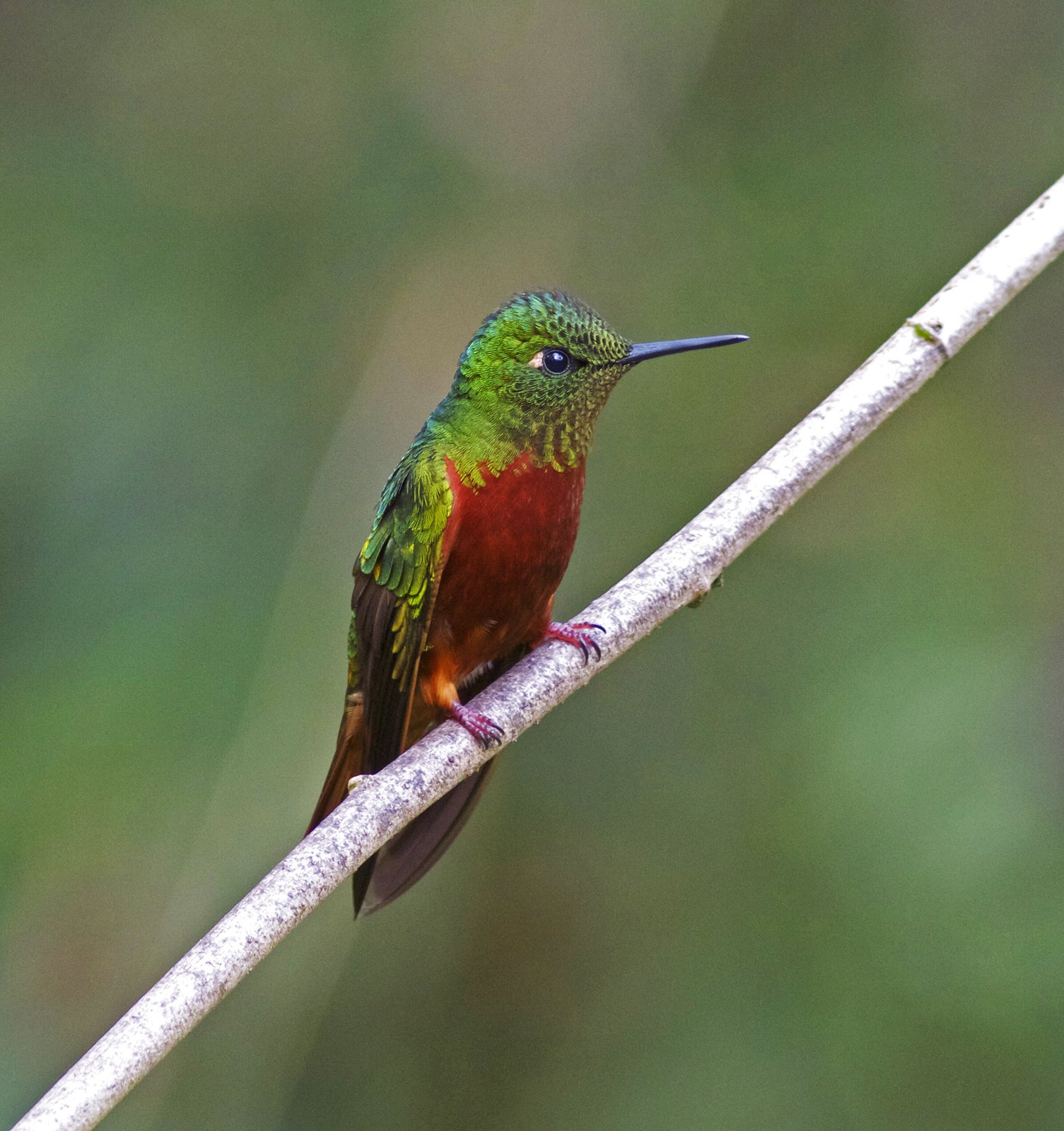
Coroinha-de-peito-castanho
Boissonneaua matthewsii- Northern Andean cloud forest and temperate forest
- Northern Andean subtropical forest
- Upper Yungas cloud forest
- Secondary forest and forest edge
-
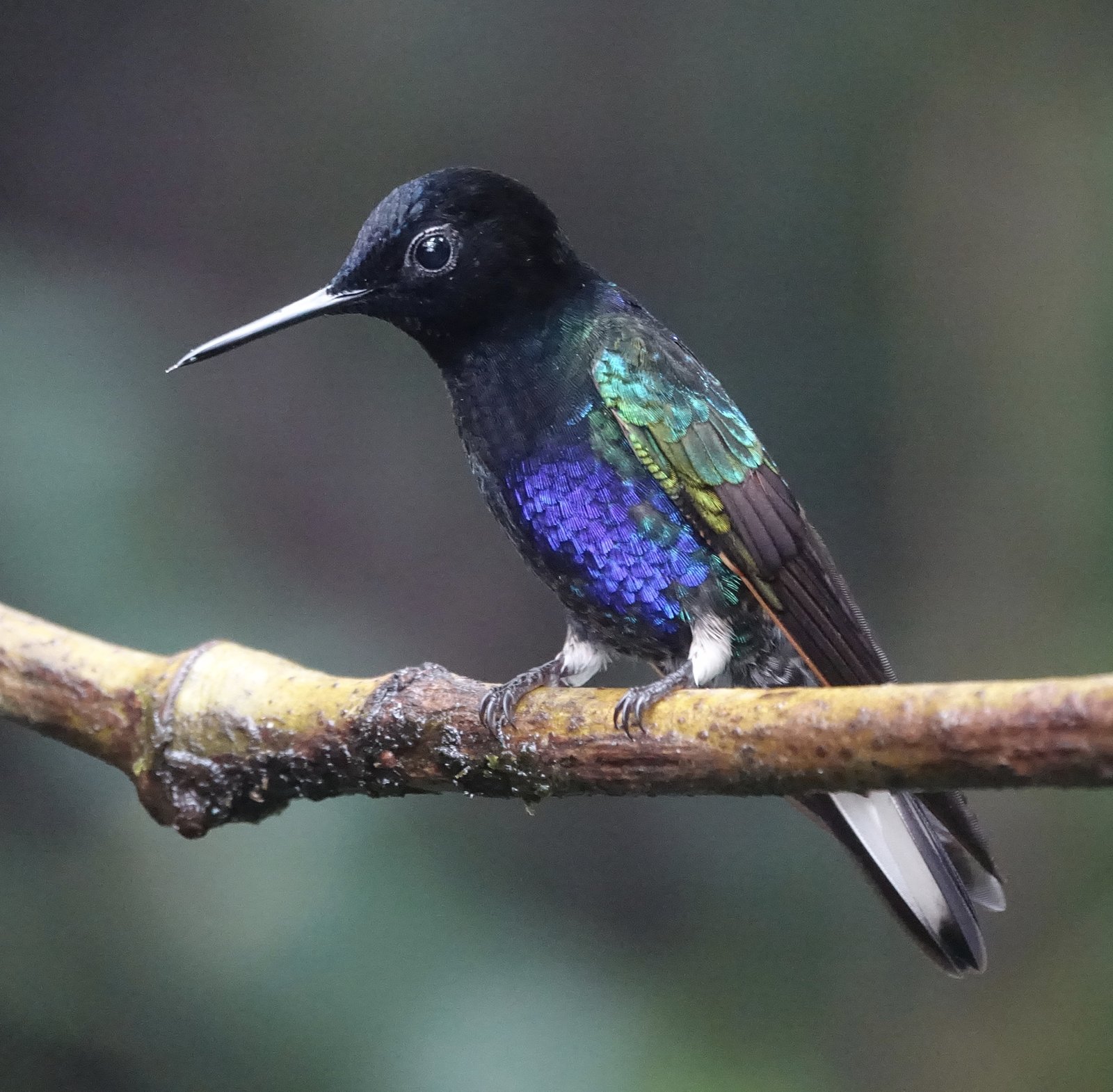
Coroinha-aveludada
Boissonneaua jardini- Northern Andean subtropical forest
- Chocó rainforest
- Secondary forest and forest edge
Urosticte 2 espécies
-
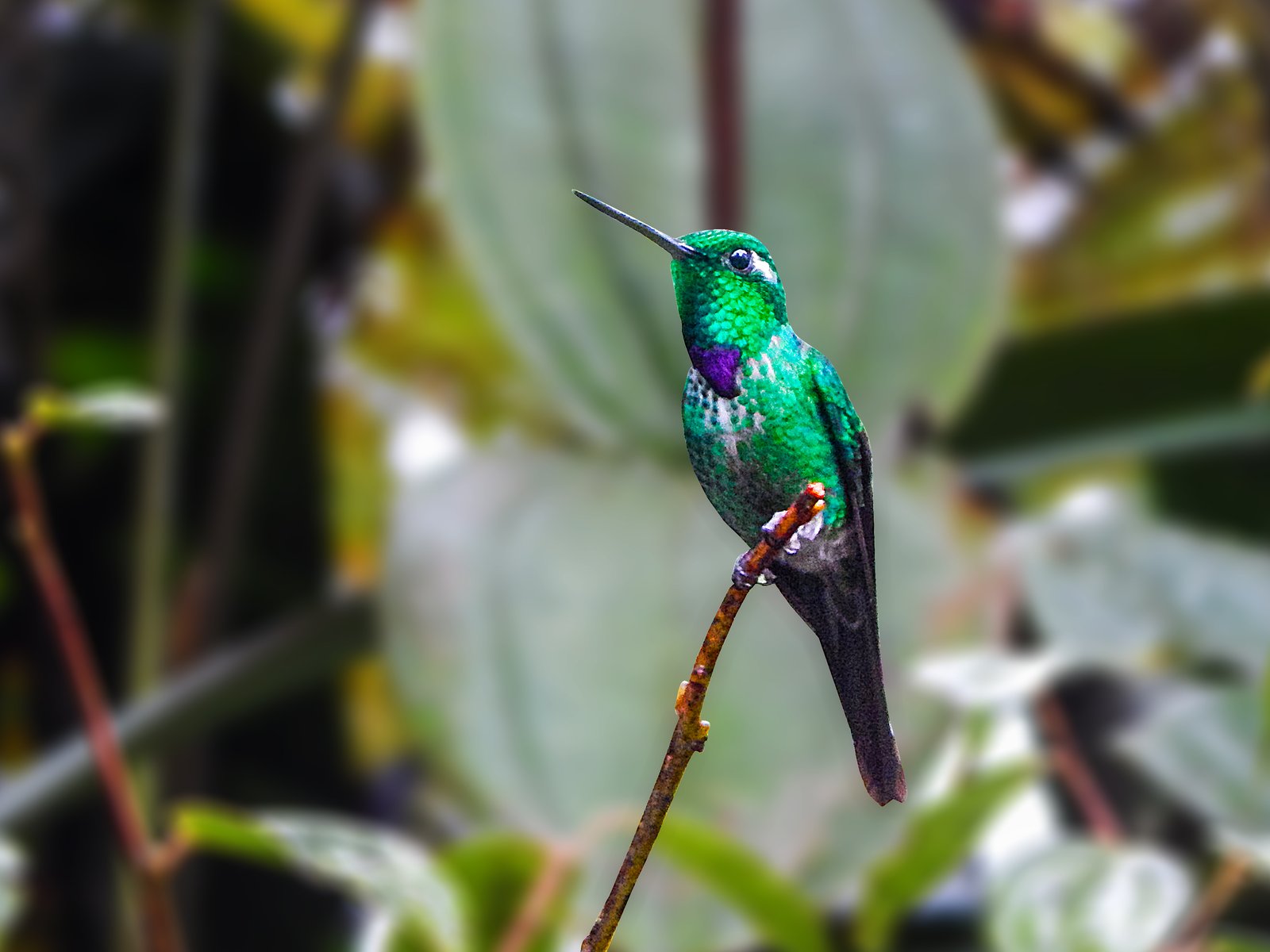
Ponta-branca-de-babador-roxo
Urosticte benjamini- Northern Andean subtropical forest
- Chocó rainforest
- Secondary forest and forest edge
-
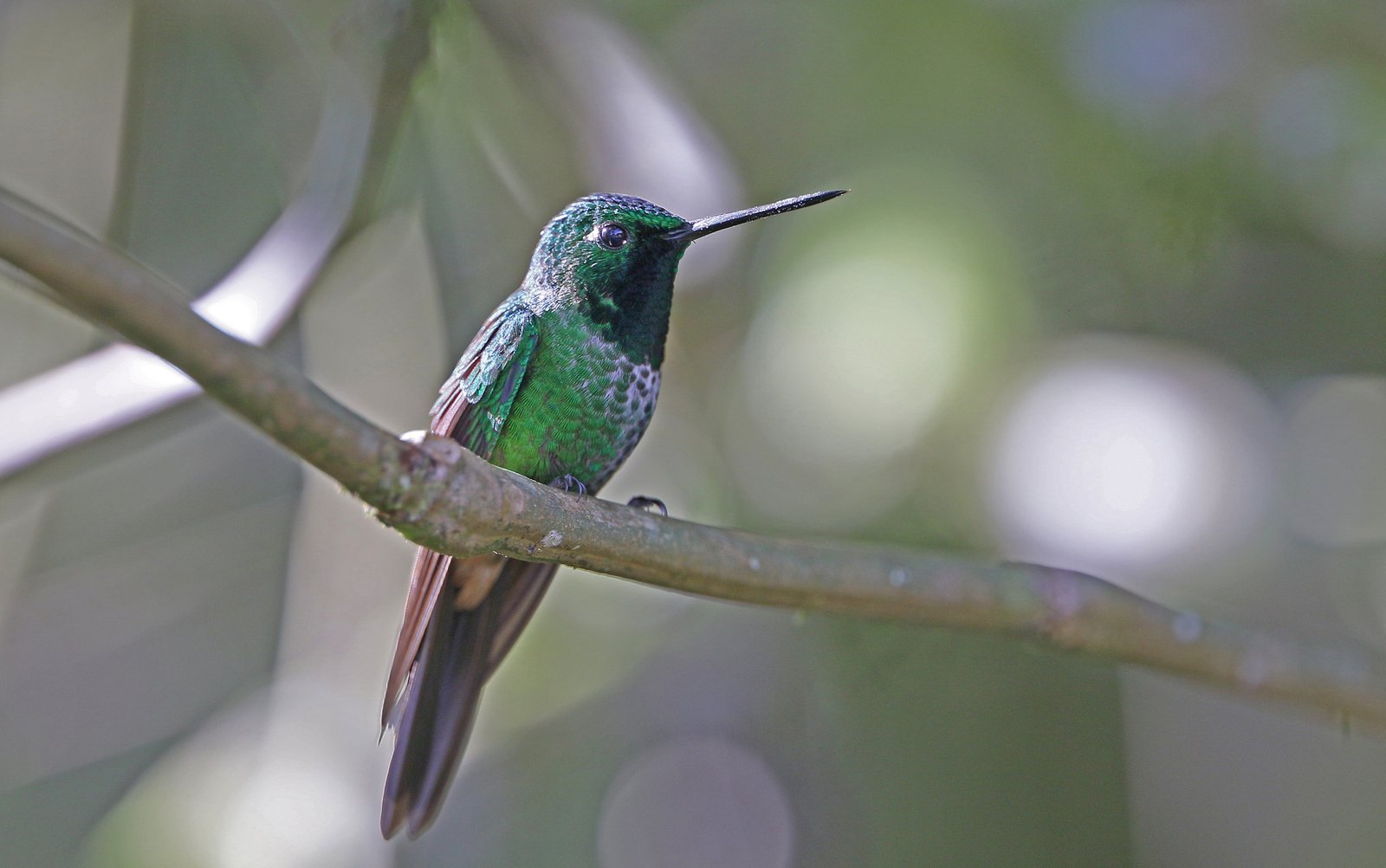
Ponta-branca-de-crisso-ferrugíneo
Urosticte ruficrissa- Northern Andean subtropical forest
- Northern Andean cloud forest and temperate forest
- Secondary forest and forest edge
Ocreatus 3 espécies
-
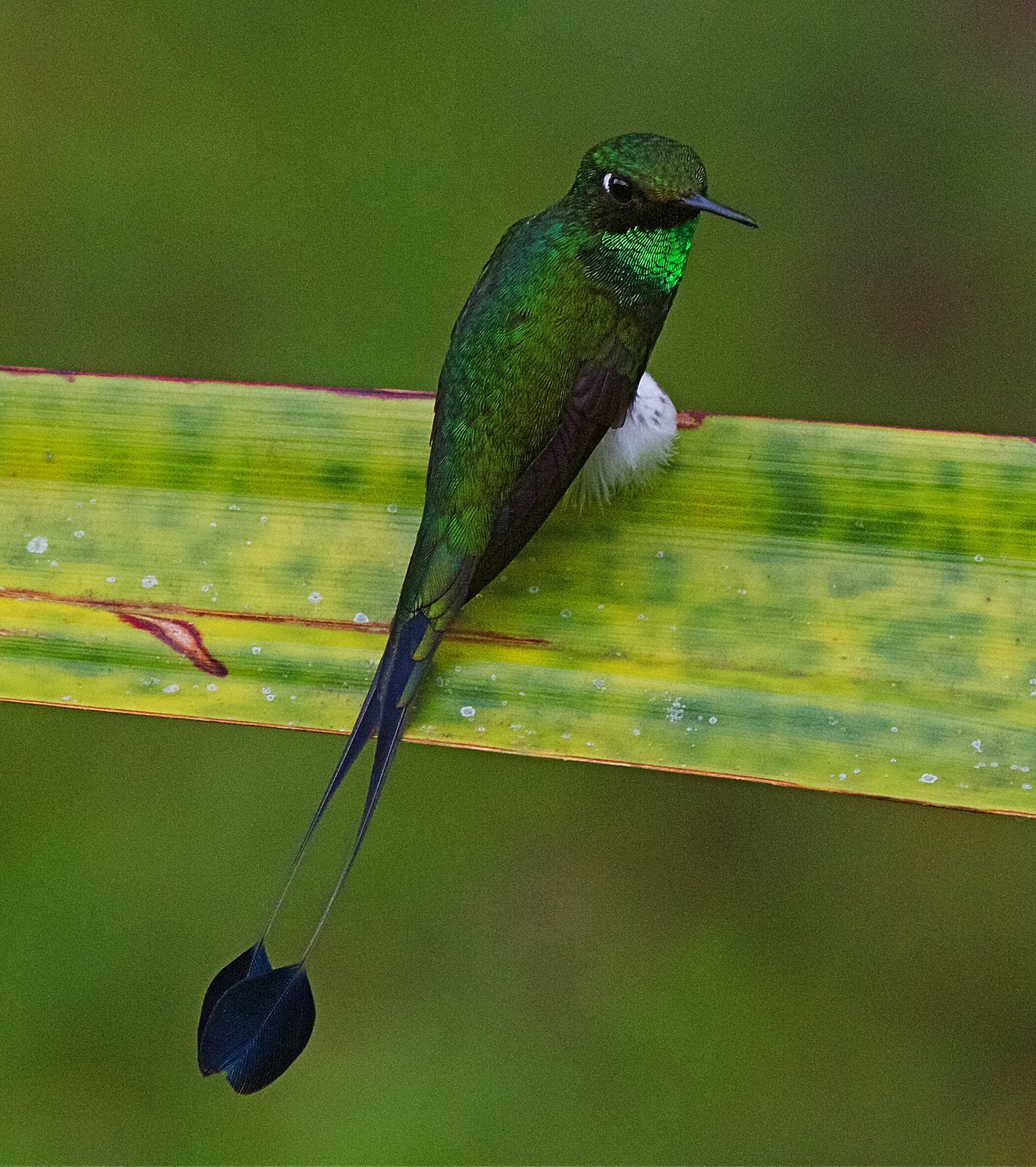
Rabo-de-raquete-de-botas-brancas
Ocreatus underwoodii- Northern Andean subtropical forest
- Northern Andean cloud forest and temperate forest
- Secondary forest and forest edge
- Coffee, cacao and agroforestry
-
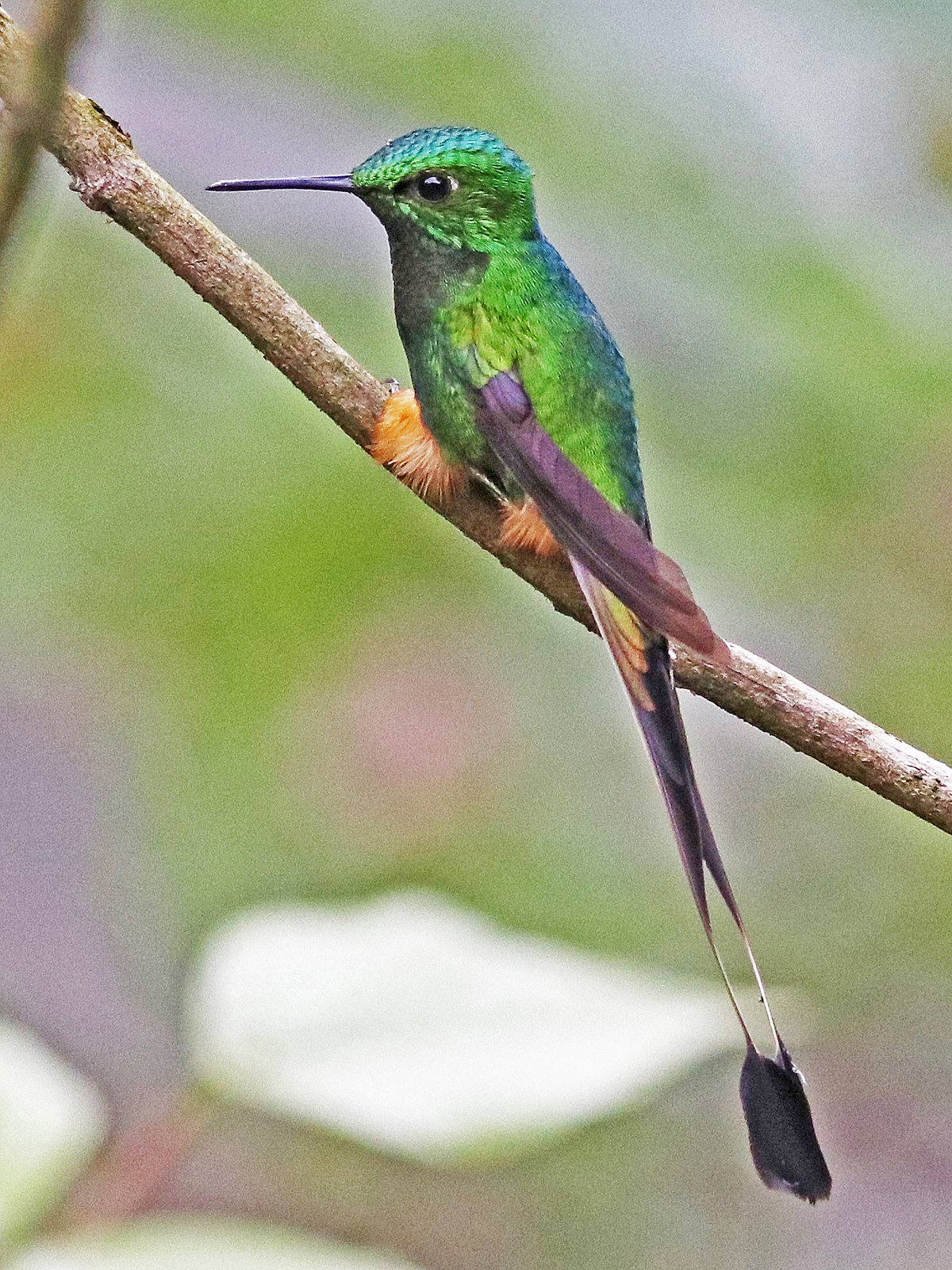
Beija-flor-de-raquete-peruano
Ocreatus peruanus- Northern Andean subtropical forest
- Lower Yungas forest
- Secondary forest and forest edge
- Eastern Andean foothill forest
-
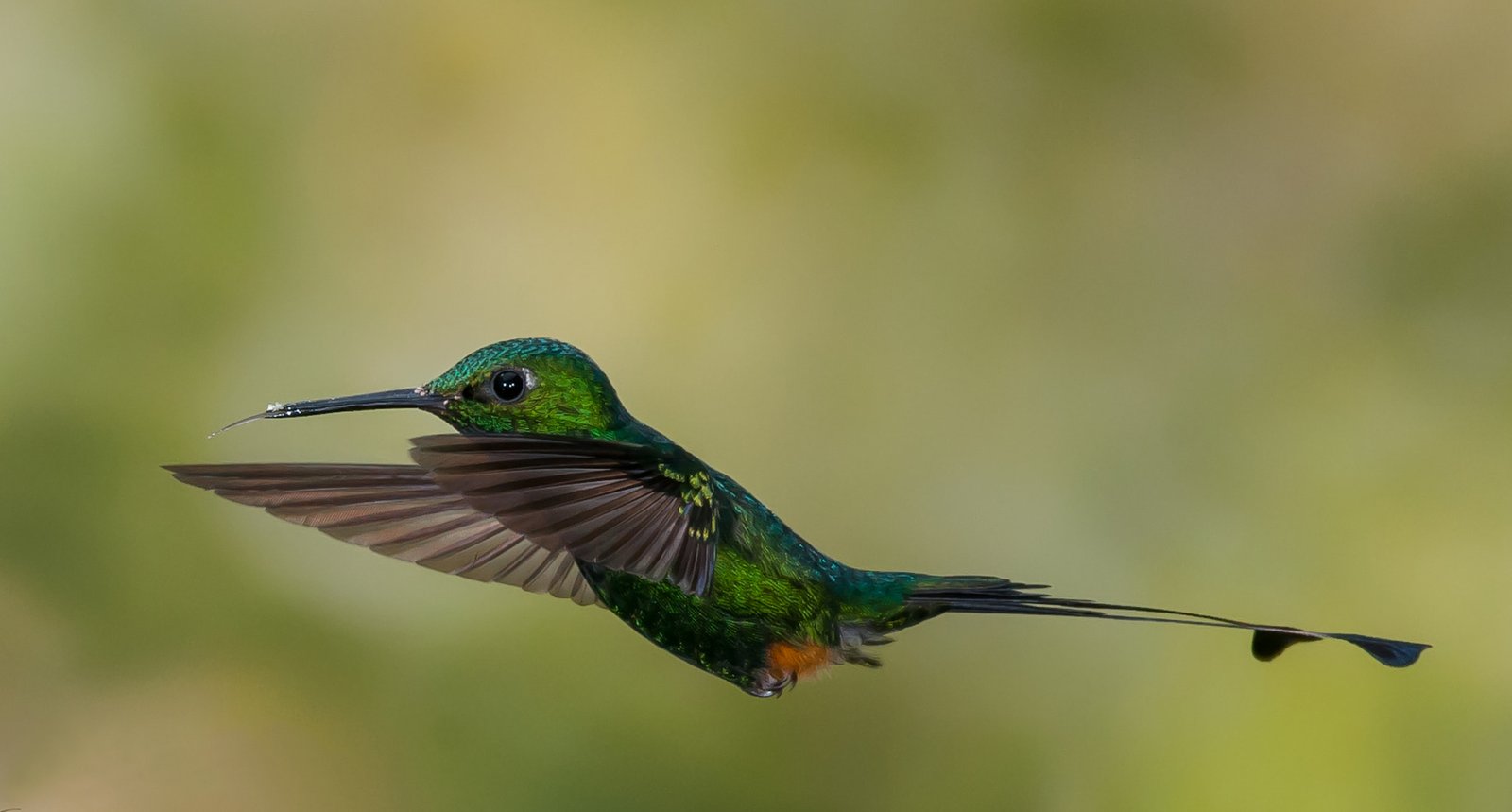
Beija-flor-de-raquete-de-calças-ruivas
Ocreatus addae- Lower Yungas forest
- Upper Yungas cloud forest
- Secondary forest and forest edge
- Eastern Andean foothill forest
Urochroa 2 espécies
-
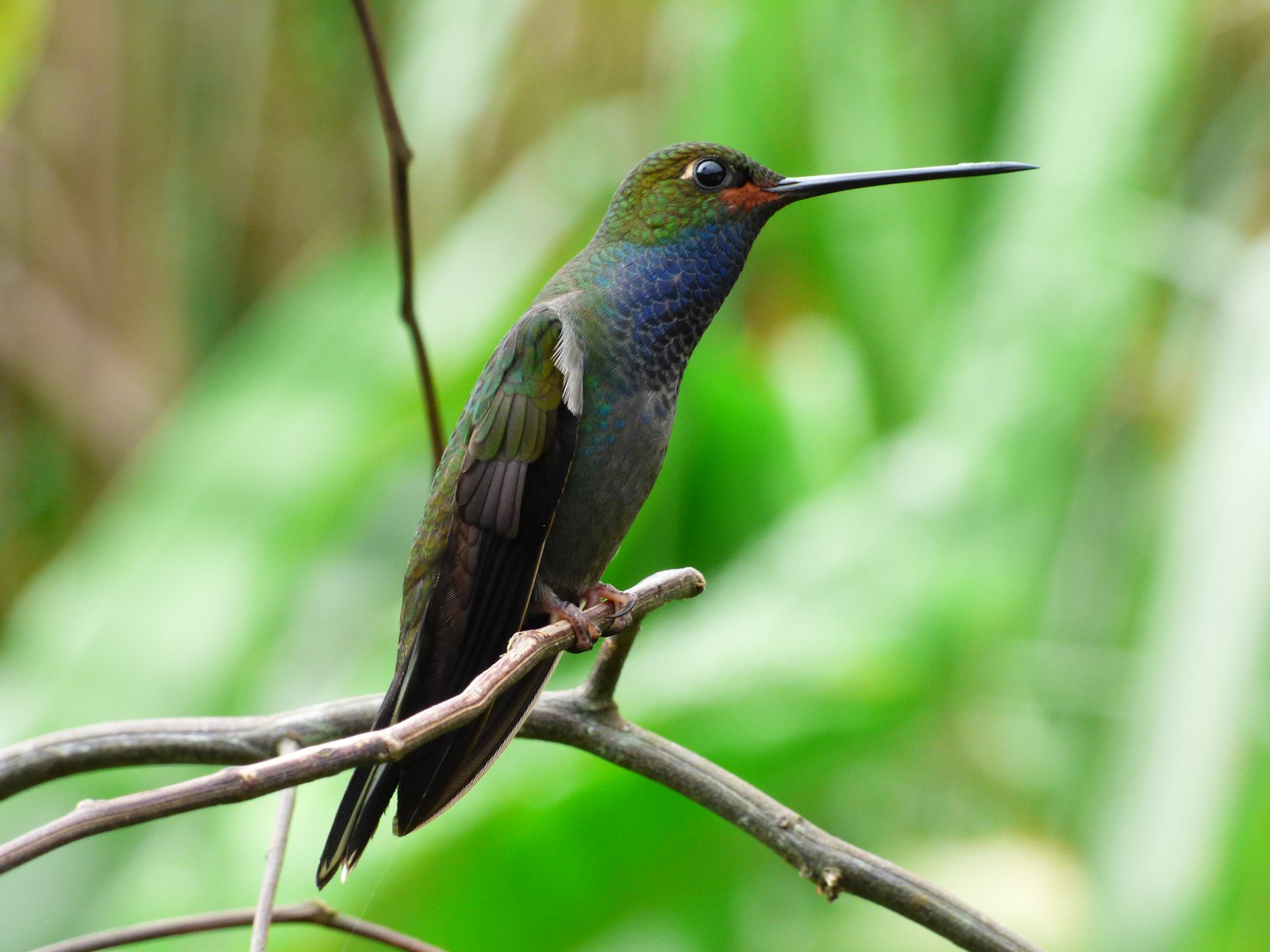
Estrela-de-comissura-ruiva
Urochroa bougueri- Andean rivers and torrents
- Northern Andean subtropical forest
- Western Ecuador humid forest
- Riparian woodland of the Andes and coastal valleys
- Secondary forest and forest edge
-
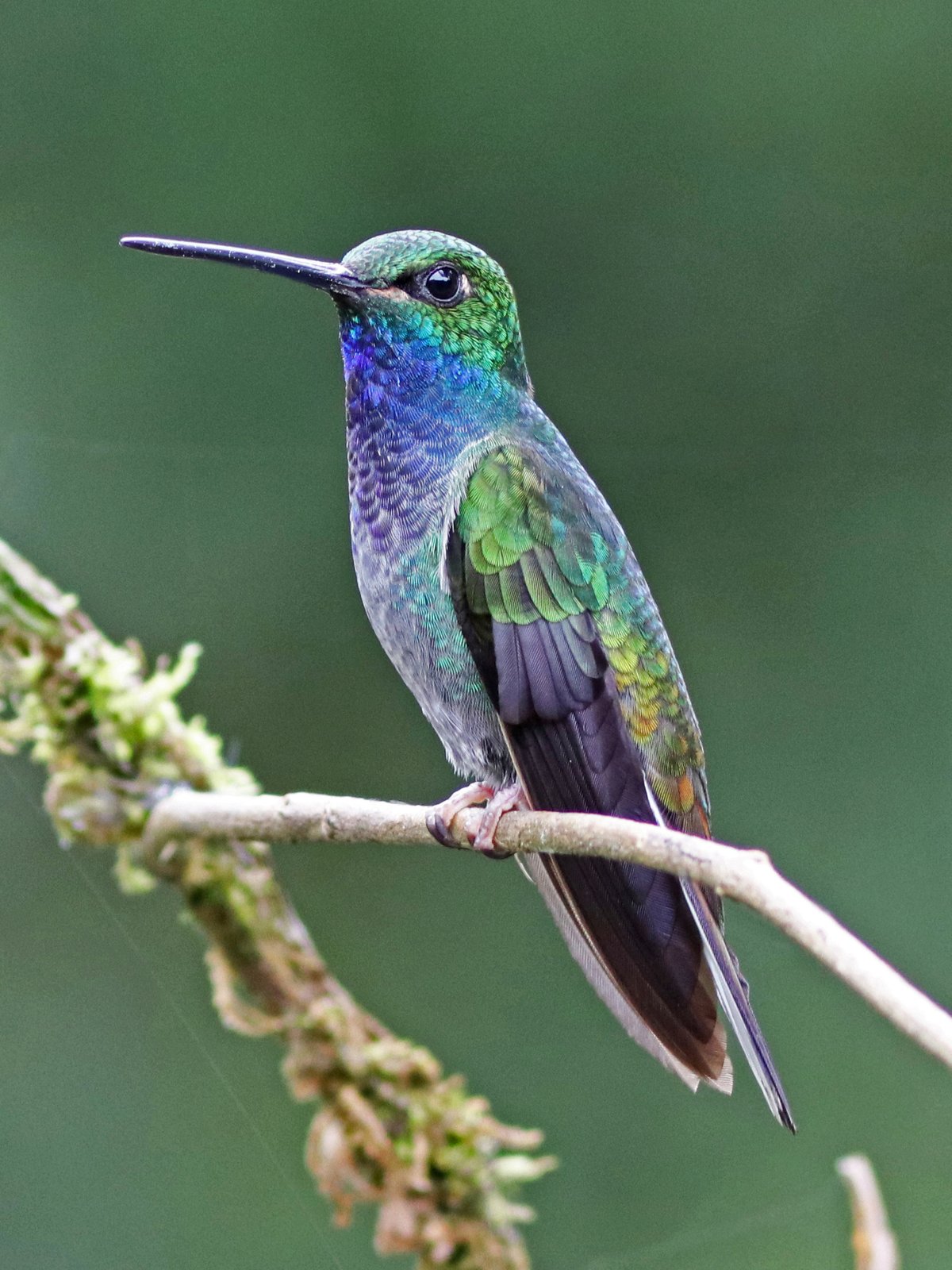
Estrela-de-dorso-verde
Urochroa leucura- Andean rivers and torrents
- Northern Andean subtropical forest
- Eastern Andean foothill forest
- Riparian woodland of the Andes and coastal valleys
- Secondary forest and forest edge
Heliodoxa 8 espécies
-
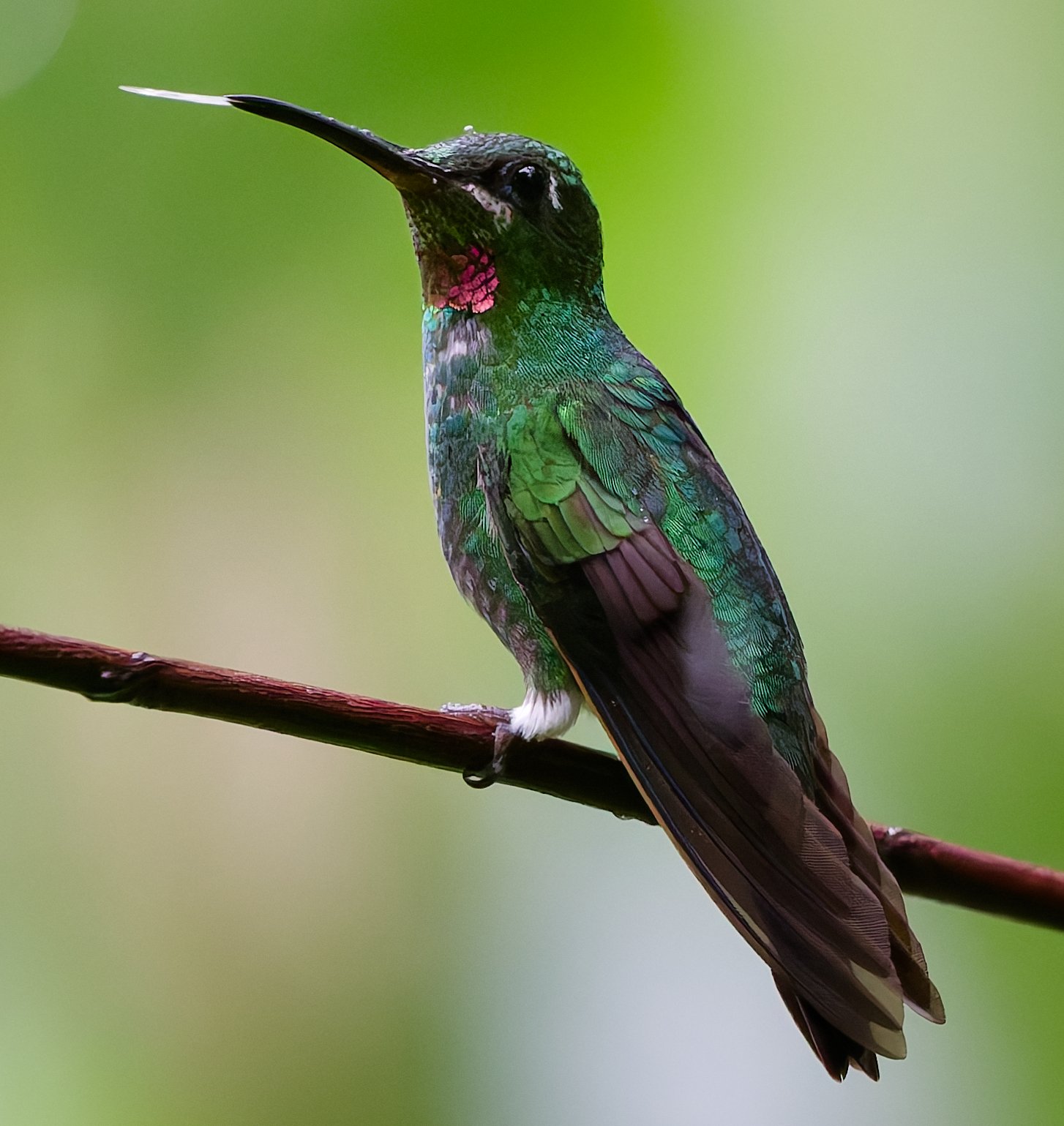
Brilhante-de-garganta-rosa
Heliodoxa gularis- Eastern Andean foothill forest
- Northern Andean subtropical forest
- Amazonian terra firme rainforest
-
Brilhante-de-asa-ruiva
Heliodoxa branickii- Lower Yungas forest
- Eastern Andean foothill forest
- Secondary forest and forest edge
-
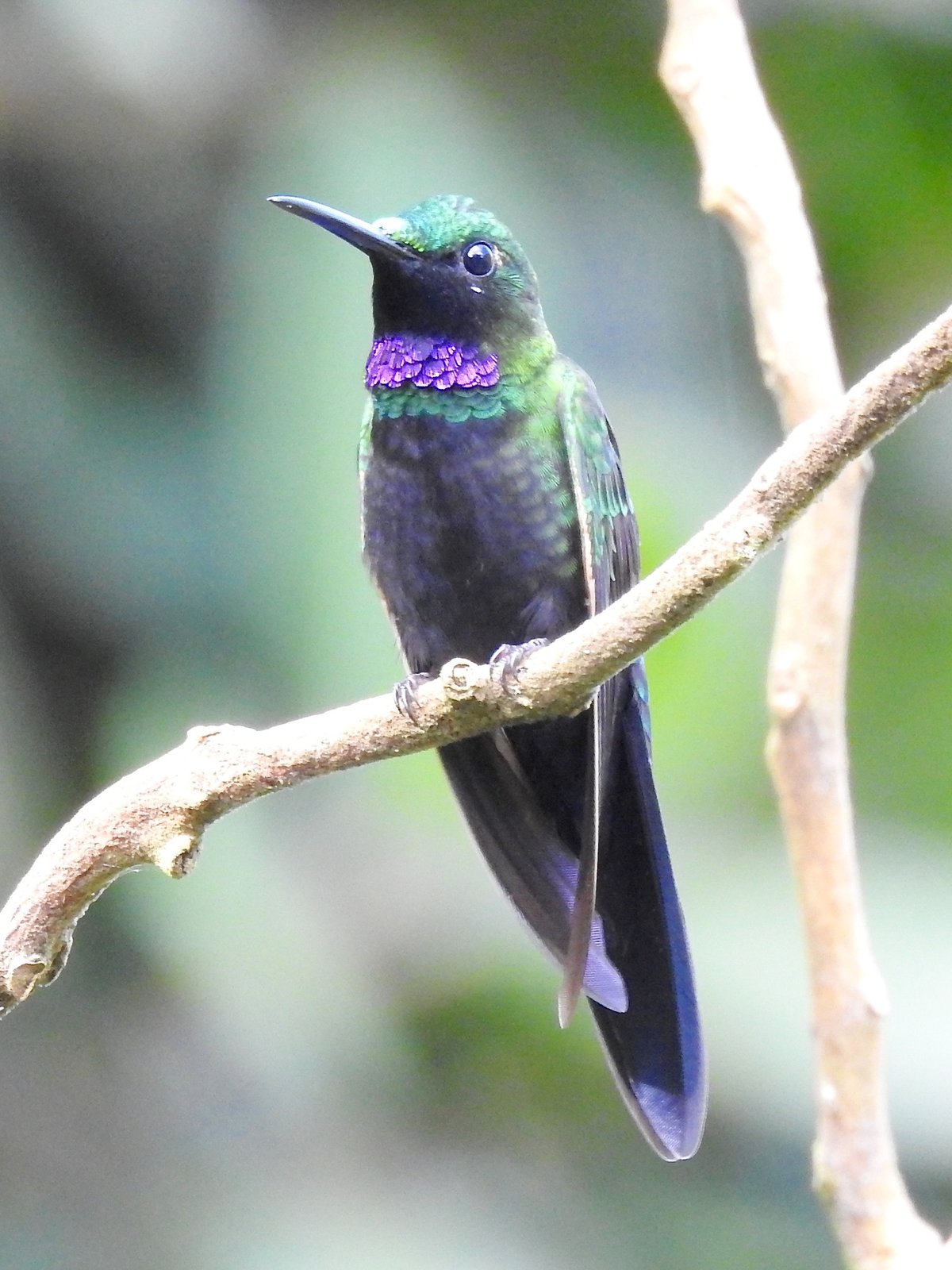
Brilhante-de-garganta-preta
Heliodoxa schreibersii- Eastern Andean foothill forest
- Amazonian terra firme rainforest
- Northern Andean subtropical forest
- Secondary forest and forest edge
-

Beija-flor-estrela
Heliodoxa aurescens- Amazonian terra firme rainforest
- Várzea, igapó and river islands
- Eastern Andean foothill forest
- Secondary forest and forest edge
-
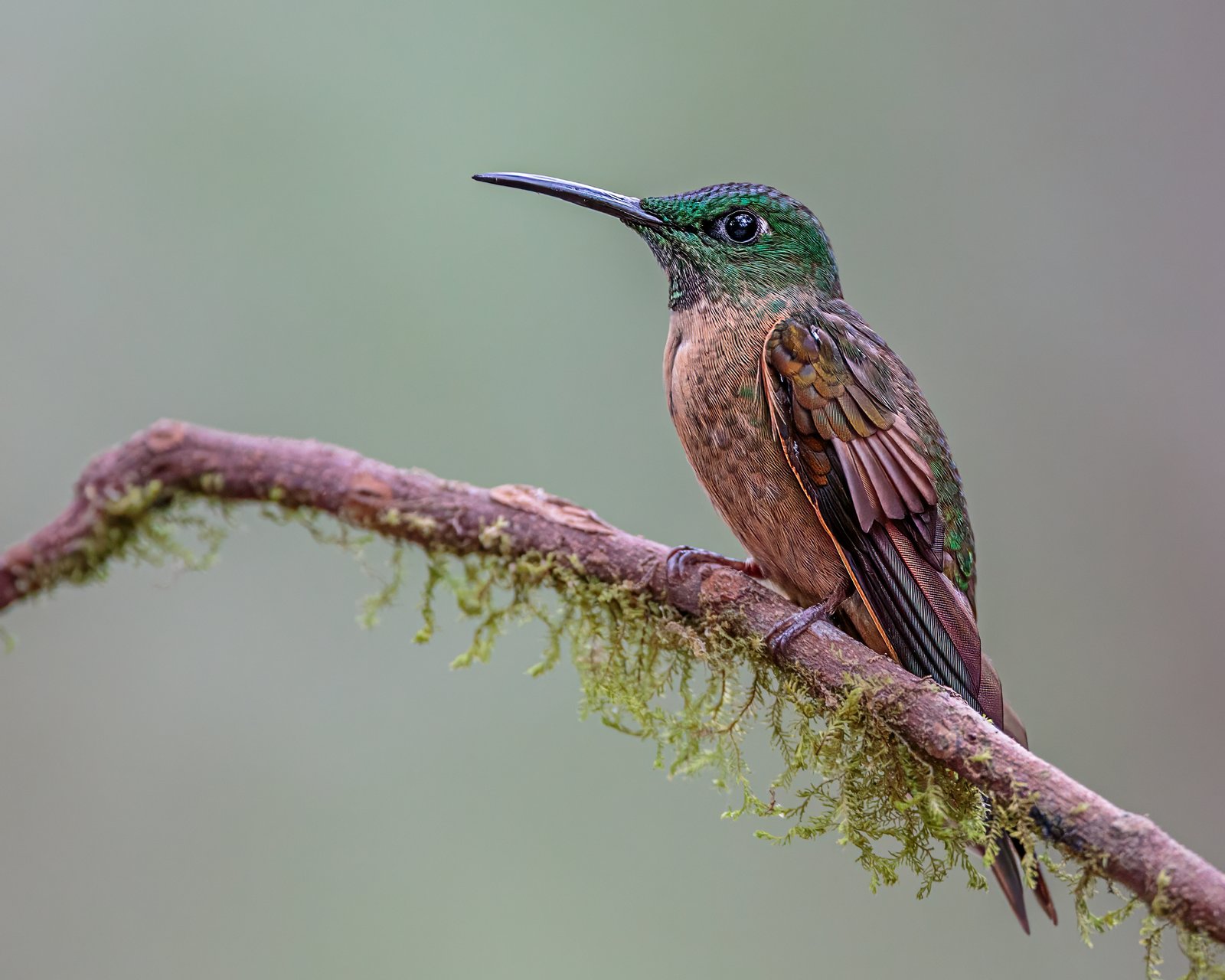
Brilhante-de-peito-ocre
Heliodoxa rubinoides- Northern Andean subtropical forest
- Northern Andean cloud forest and temperate forest
- Lower Yungas forest
- Upper Yungas cloud forest
- Secondary forest and forest edge
-
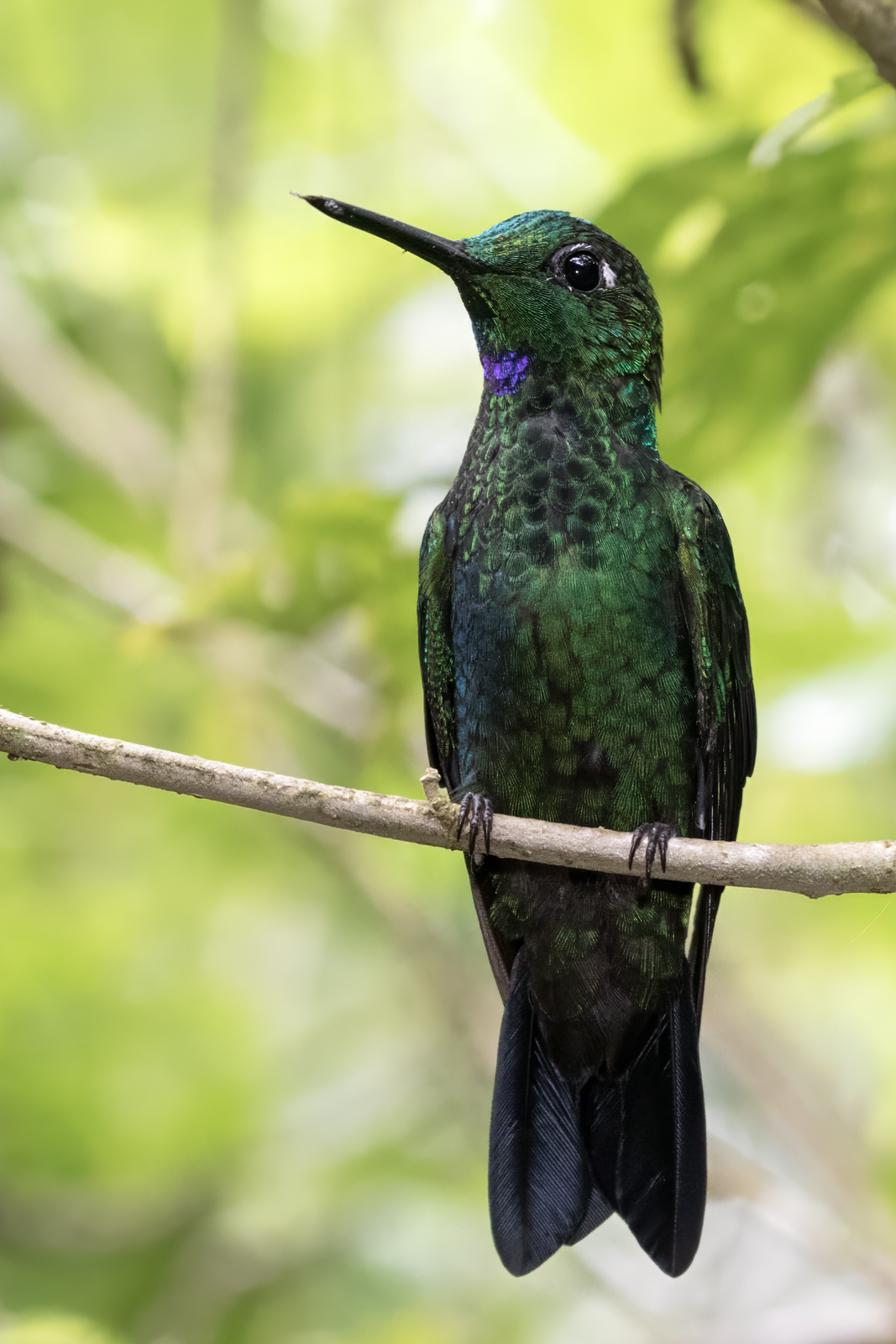
Brilhante-de-coroa-verde
Heliodoxa jacula- Northern Andean subtropical forest
- Western Ecuador humid forest
- Chocó rainforest
- Northern Andean cloud forest and temperate forest
- Secondary forest and forest edge
-
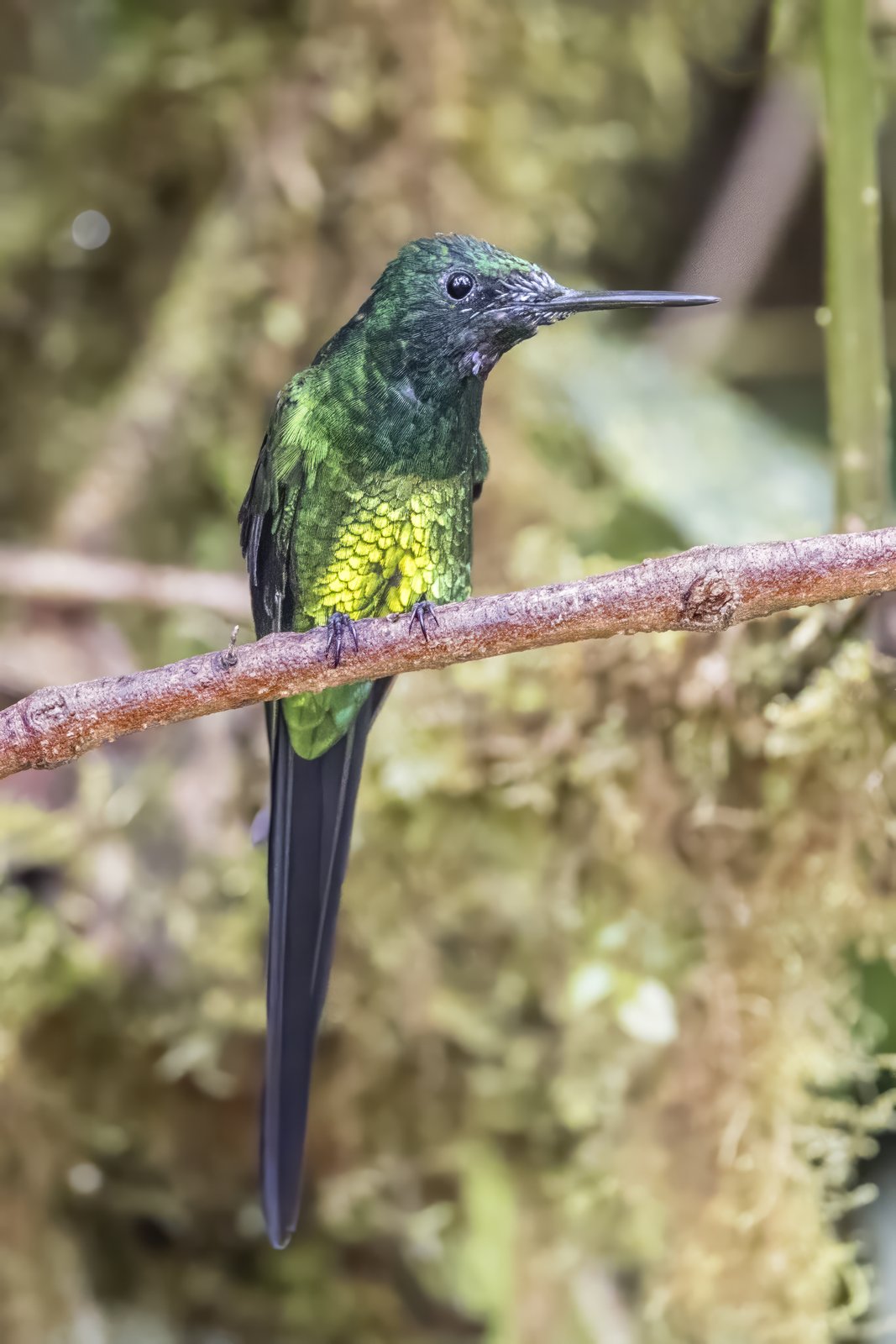
Brilhante-imperatriz
Heliodoxa imperatrix- Northern Andean subtropical forest
- Chocó rainforest
- Western Ecuador humid forest
- Northern Andean cloud forest and temperate forest
-
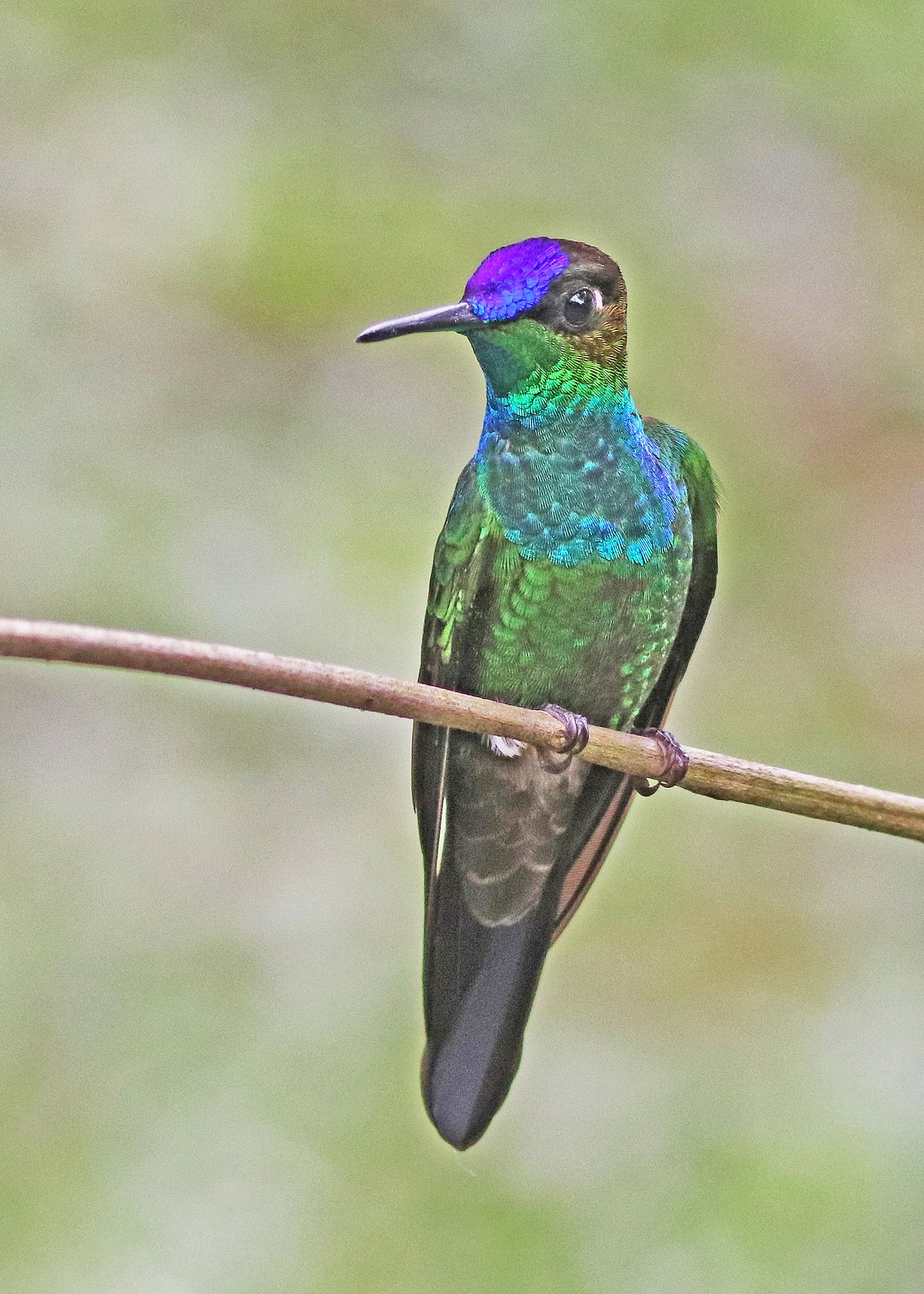
Brilhante-de-testa-violeta
Heliodoxa leadbeateri- Northern Andean subtropical forest
- Lower Yungas forest
- Northern Andean cloud forest and temperate forest
- Upper Yungas cloud forest
- Eastern Andean foothill forest
Discosura 3 espécies
-
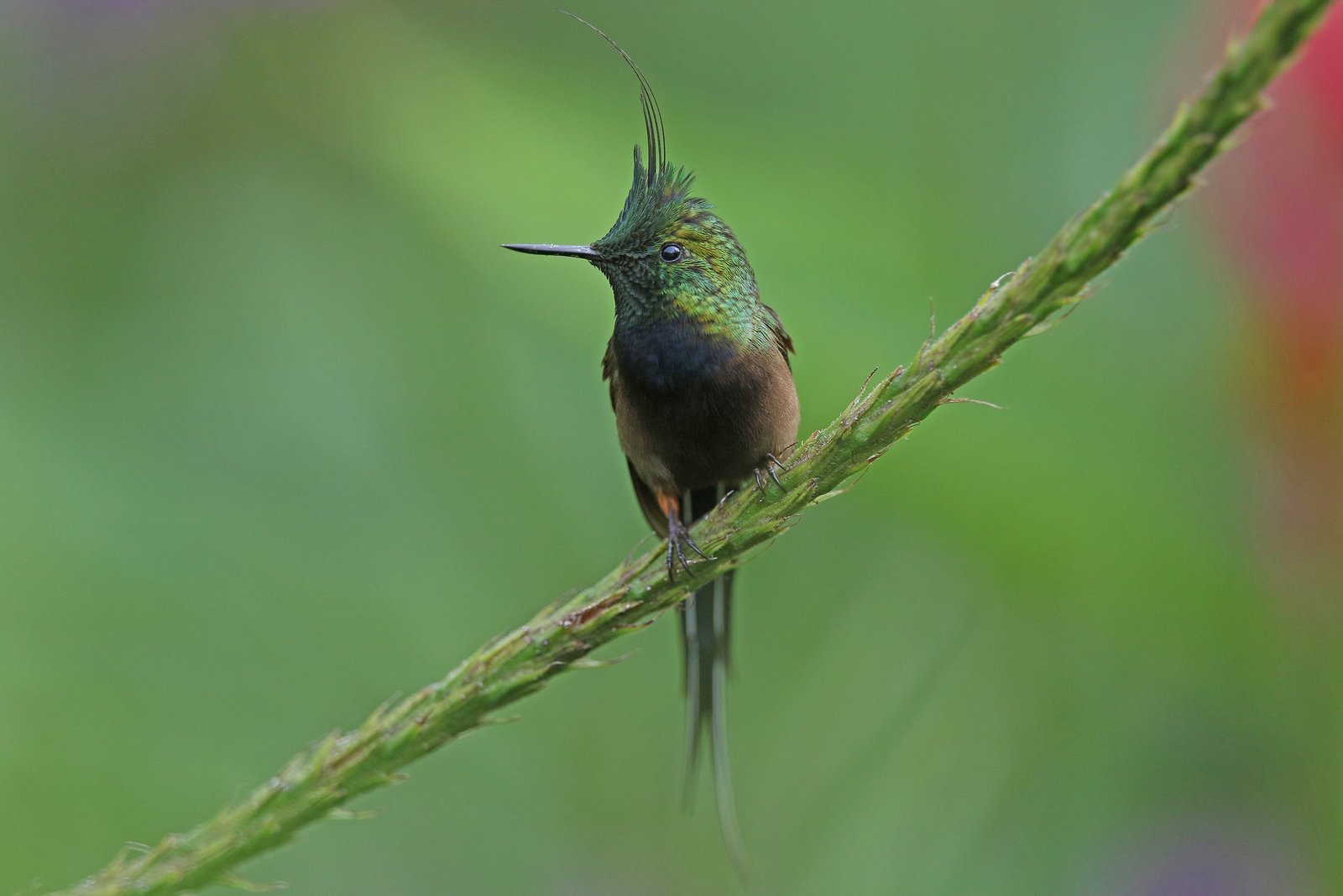
Rabo-de-espinho-de-topete
Discosura popelairii- Eastern Andean foothill forest
- Northern Andean subtropical forest
- Lower Yungas forest
- Secondary forest and forest edge
-
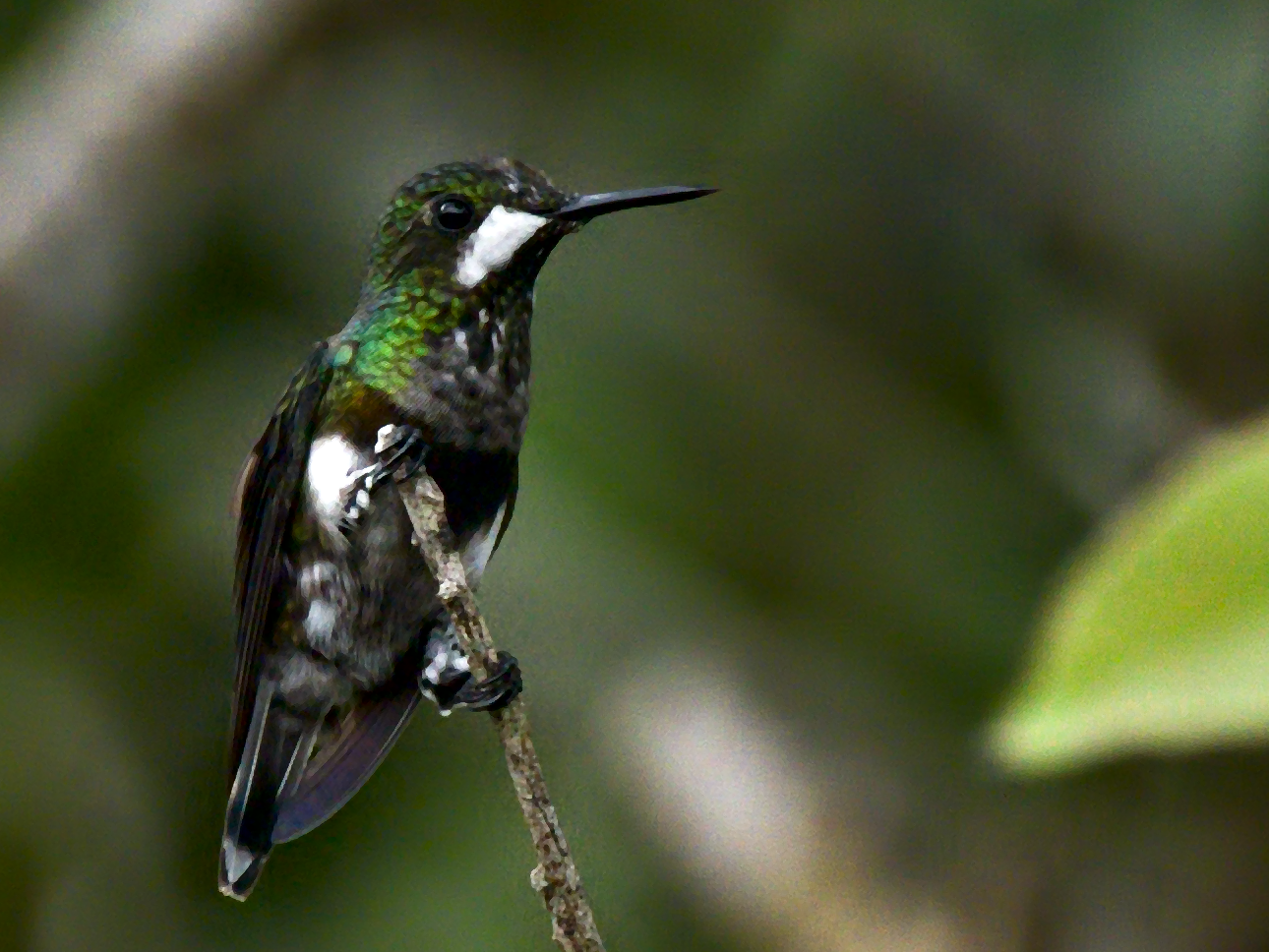
Rabo-de-espinho
Discosura langsdorffi- Amazonian terra firme rainforest
- Secondary forest and forest edge
- Várzea, igapó and river islands
- Eastern Andean foothill forest
-
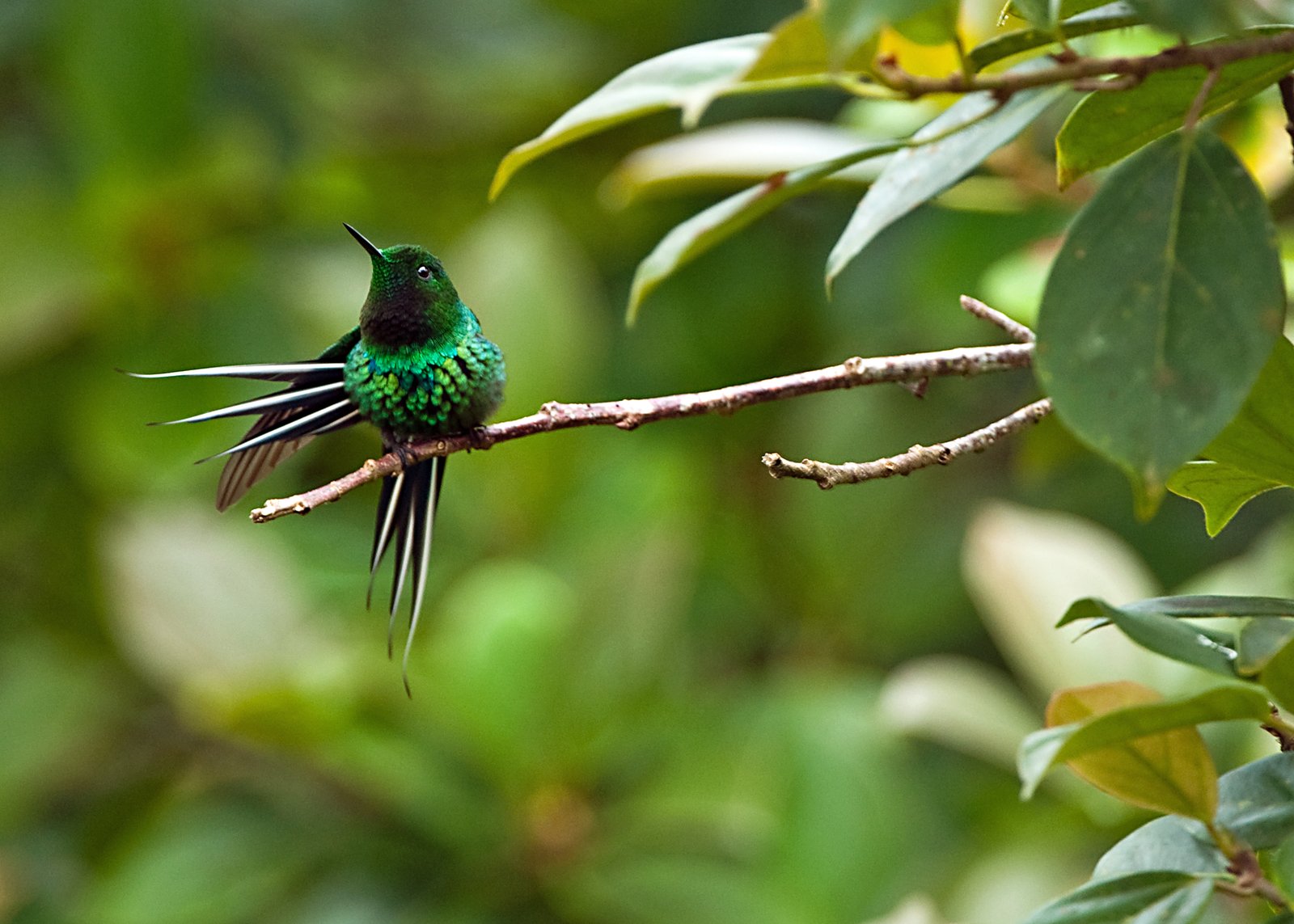
Rabo-de-espinho-verde
Discosura conversii- Western Ecuador humid forest
- Chocó rainforest
- Northern Andean subtropical forest
- Secondary forest and forest edge
- Coffee, cacao and agroforestry
Lophornis 3 espécies
-
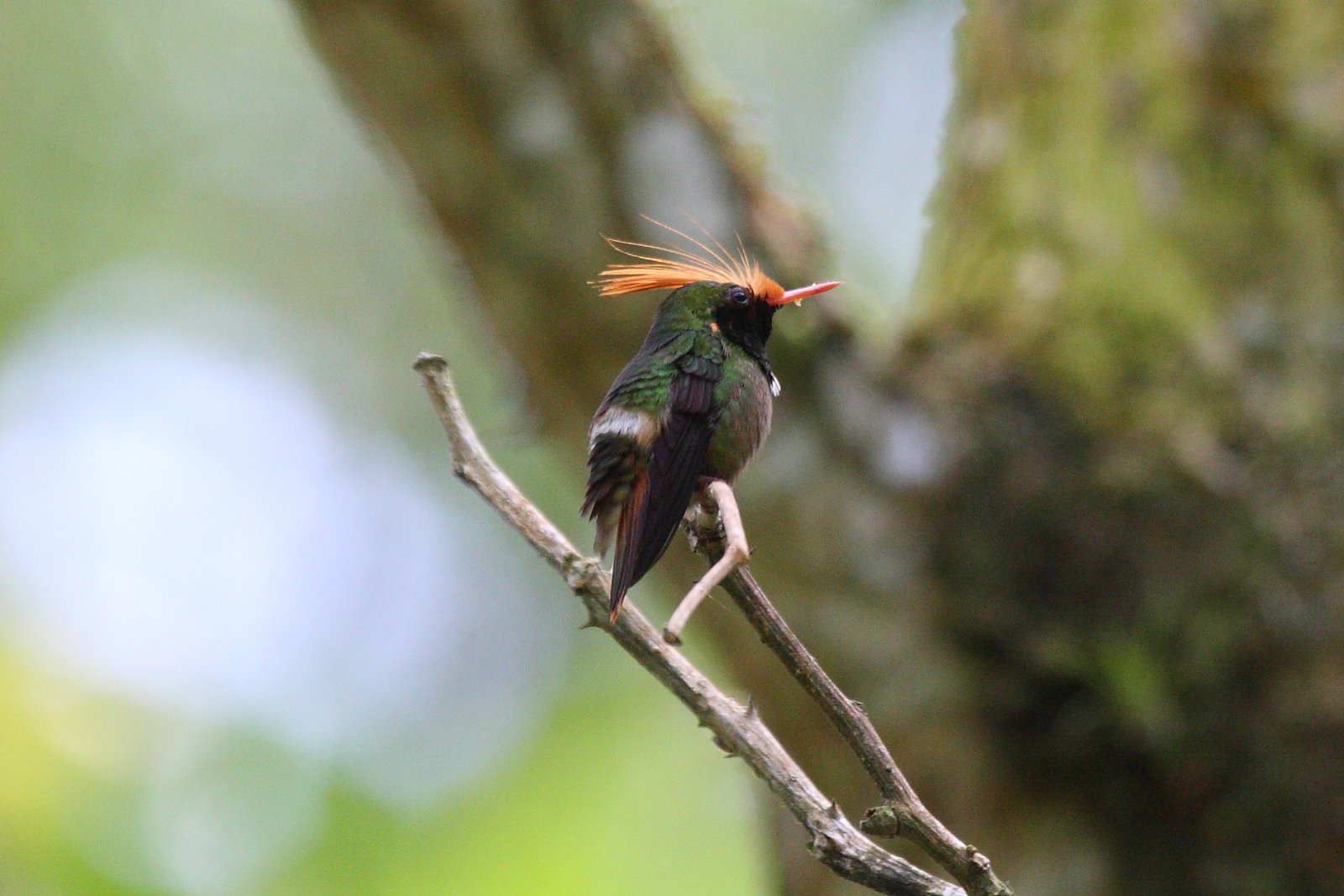
Topetinho-de-crista-ruiva
Lophornis delattrei- Eastern Andean foothill forest
- Northern Andean subtropical forest
- Lower Yungas forest
- Secondary forest and forest edge
- Coffee, cacao and agroforestry
-
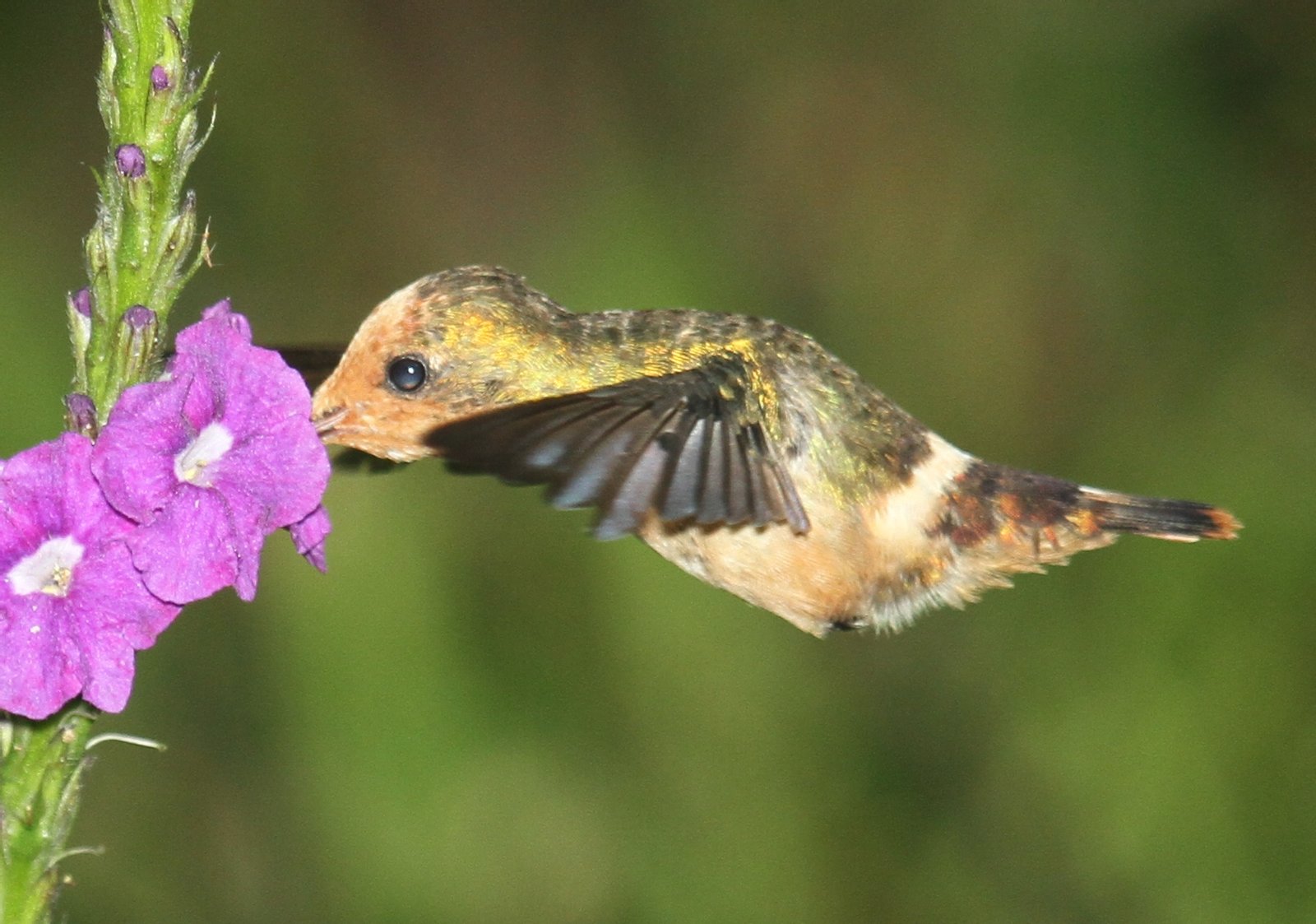
Topetinho-lantejoulado
Lophornis stictolophus- Eastern Andean foothill forest
- Secondary forest and forest edge
- Coffee, cacao and agroforestry
- Marañón and northern inter-Andean dry forest
-
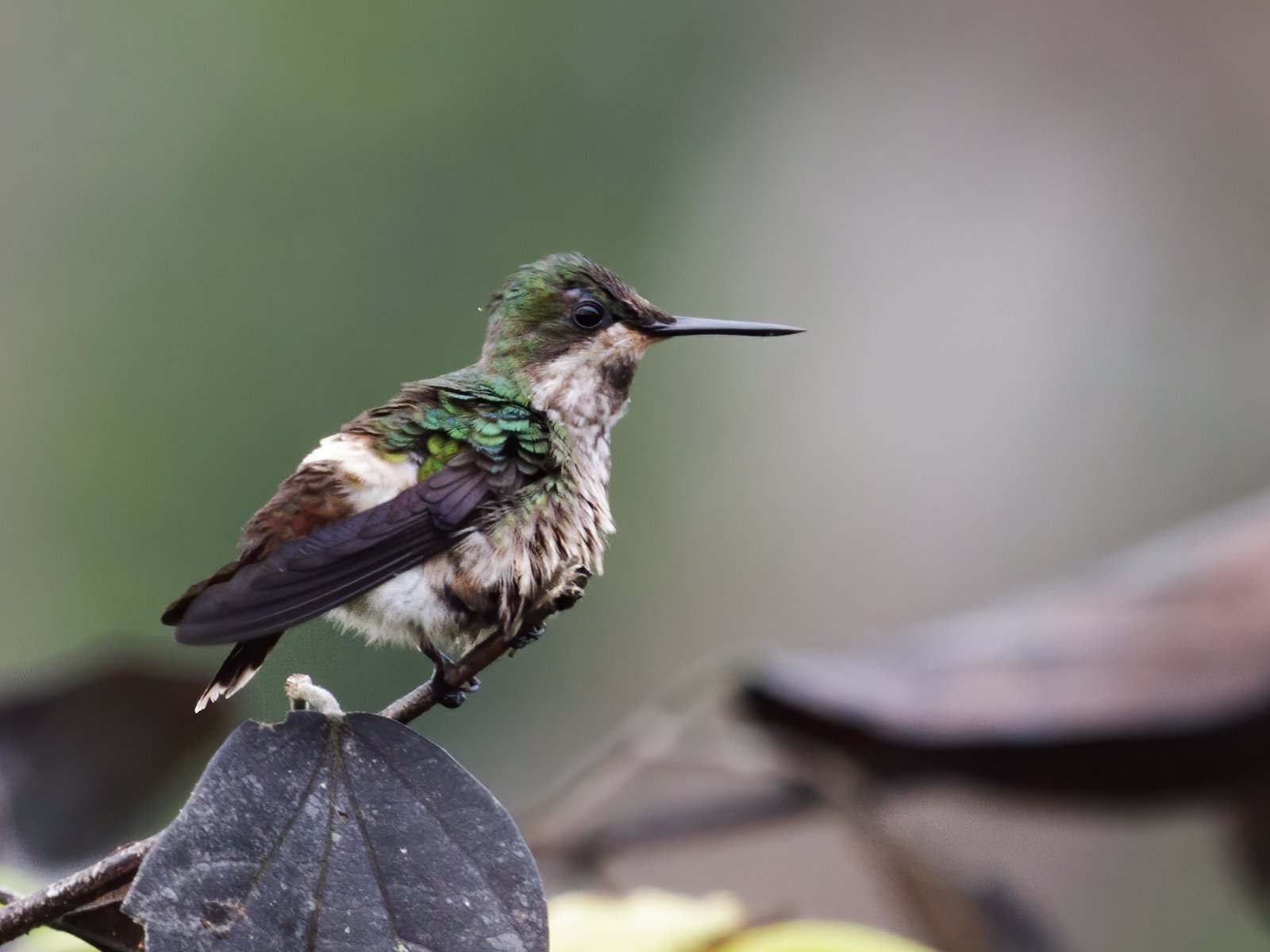
Topetinho-verde-amazônico
Lophornis verreauxii- Amazonian terra firme rainforest
- Secondary forest and forest edge
- Várzea, igapó and river islands
- Eastern Andean foothill forest
- Coffee, cacao and agroforestry
Phlogophilus 2 espécies
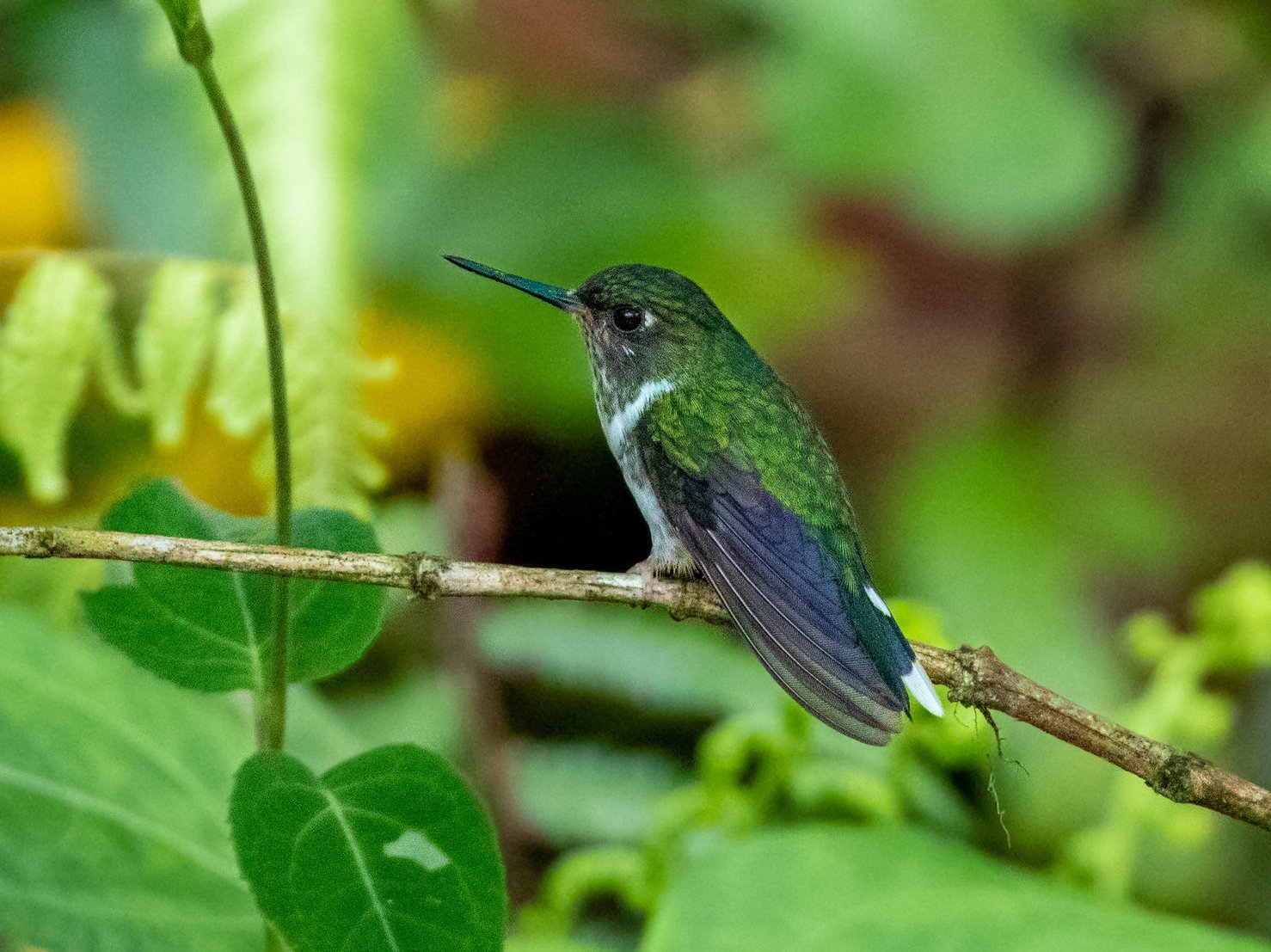
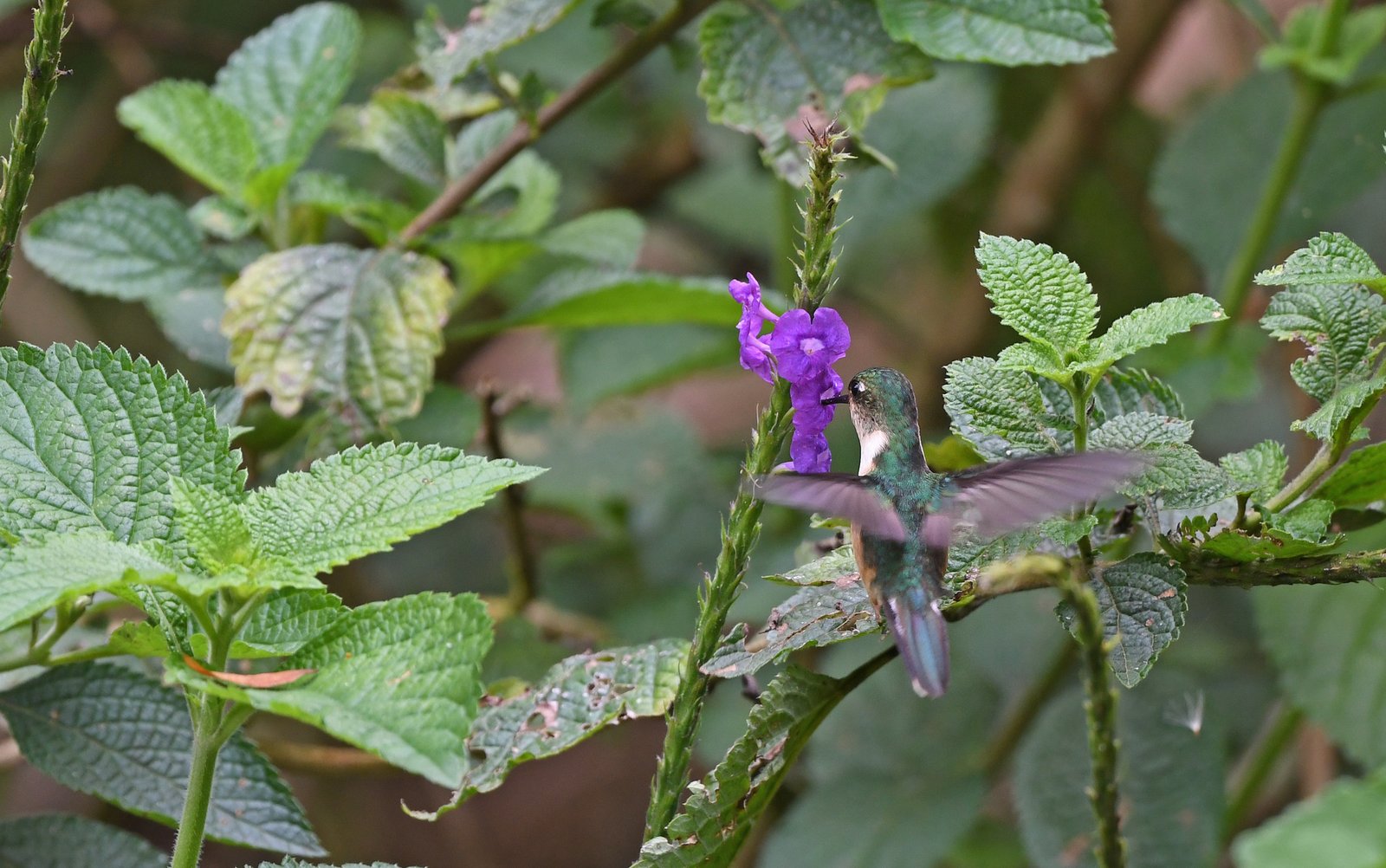
Heliangelus 8 espécies
-
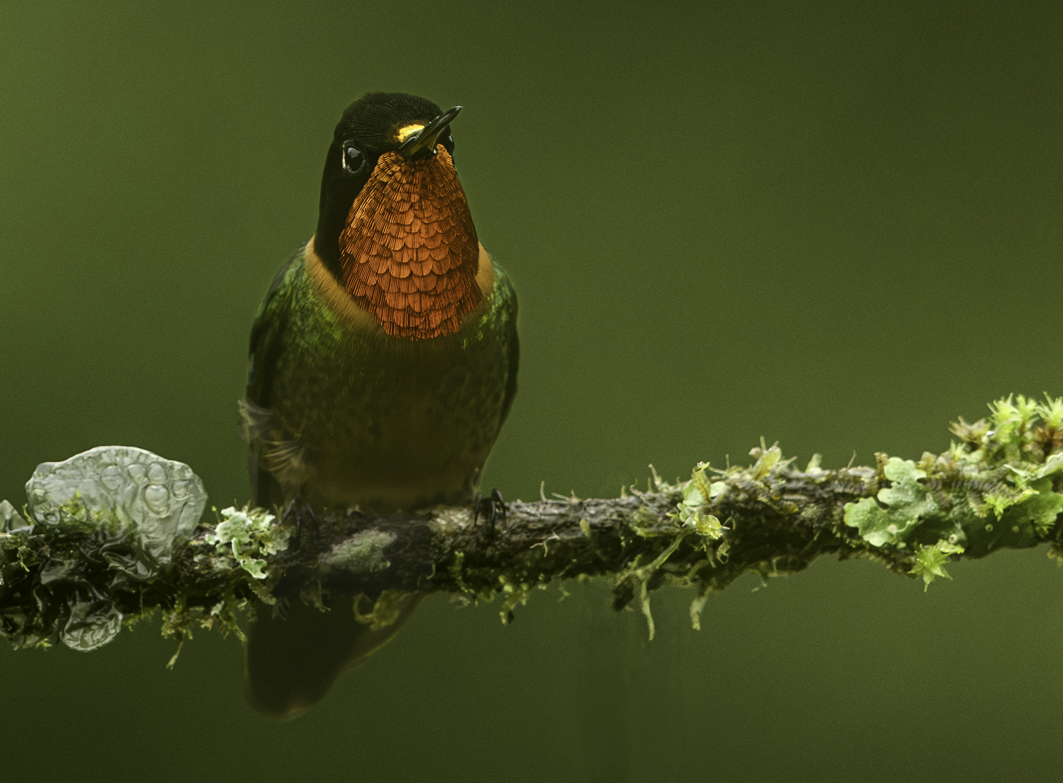
Anjo-do-sol-de-garganta-laranja
Heliangelus mavors- Northern Andean cloud forest and temperate forest
- Páramo
- Secondary forest and forest edge
 Pasture and ranchland
-
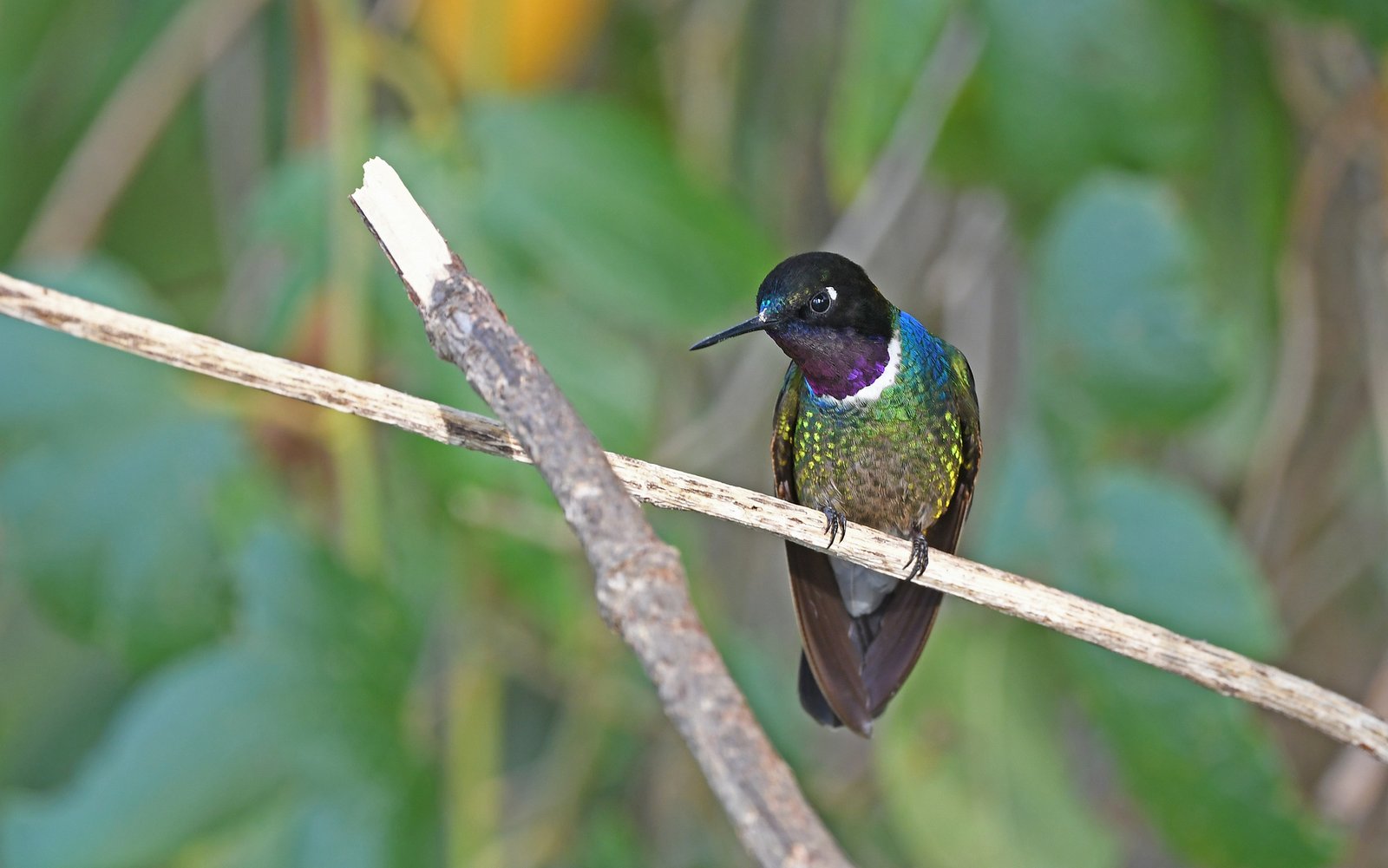
Anjo-do-sol-de-longuemare
Heliangelus clarisse- Northern Andean cloud forest and temperate forest
- Páramo
- Secondary forest and forest edge
- Pasture and ranchland
-
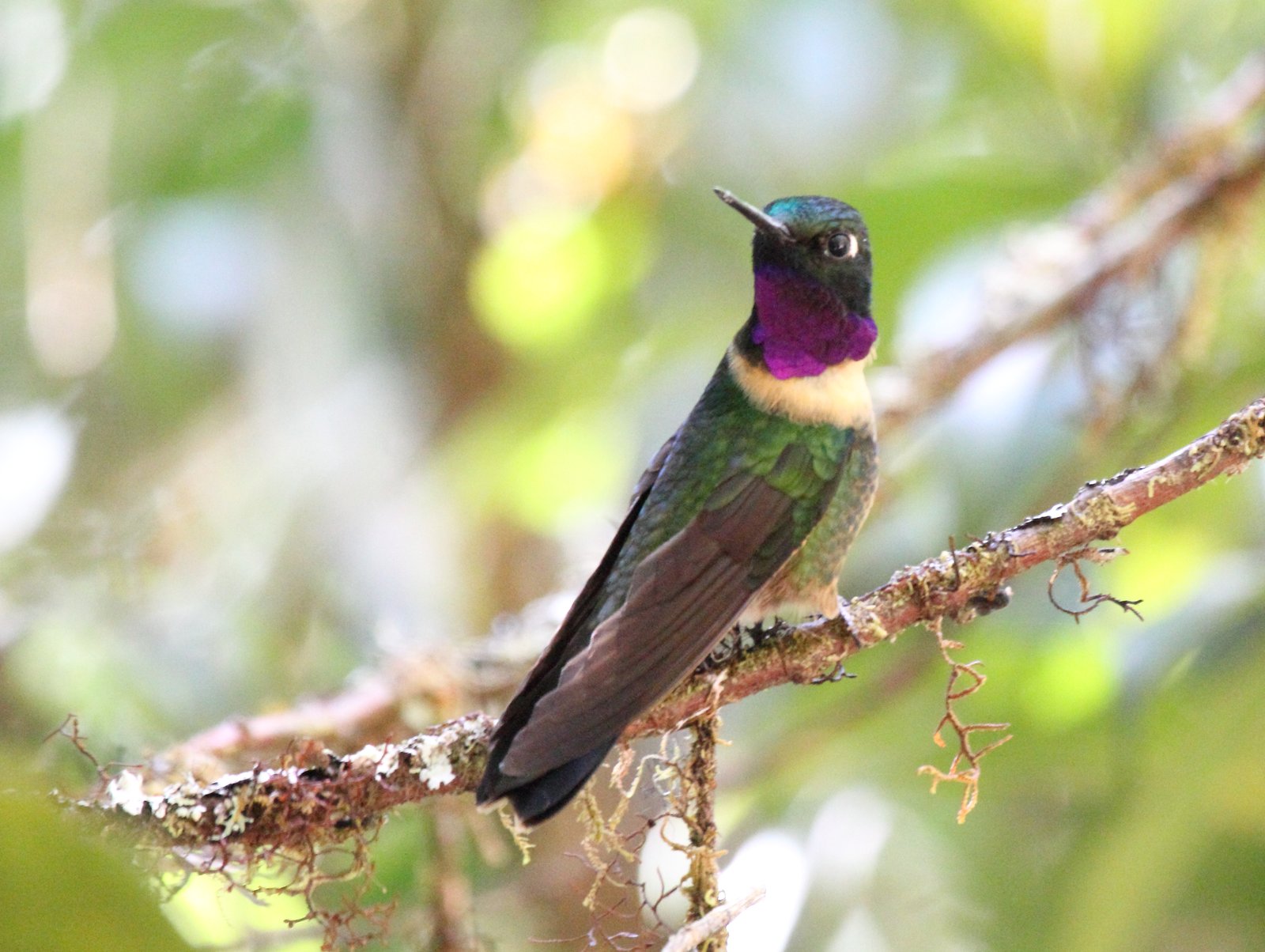
Anjo-do-sol-de-garganta-ametista
Heliangelus amethysticollis- Upper Yungas cloud forest
- Northern Andean cloud forest and temperate forest
- Secondary forest and forest edge
- Northern Andean subtropical forest
-
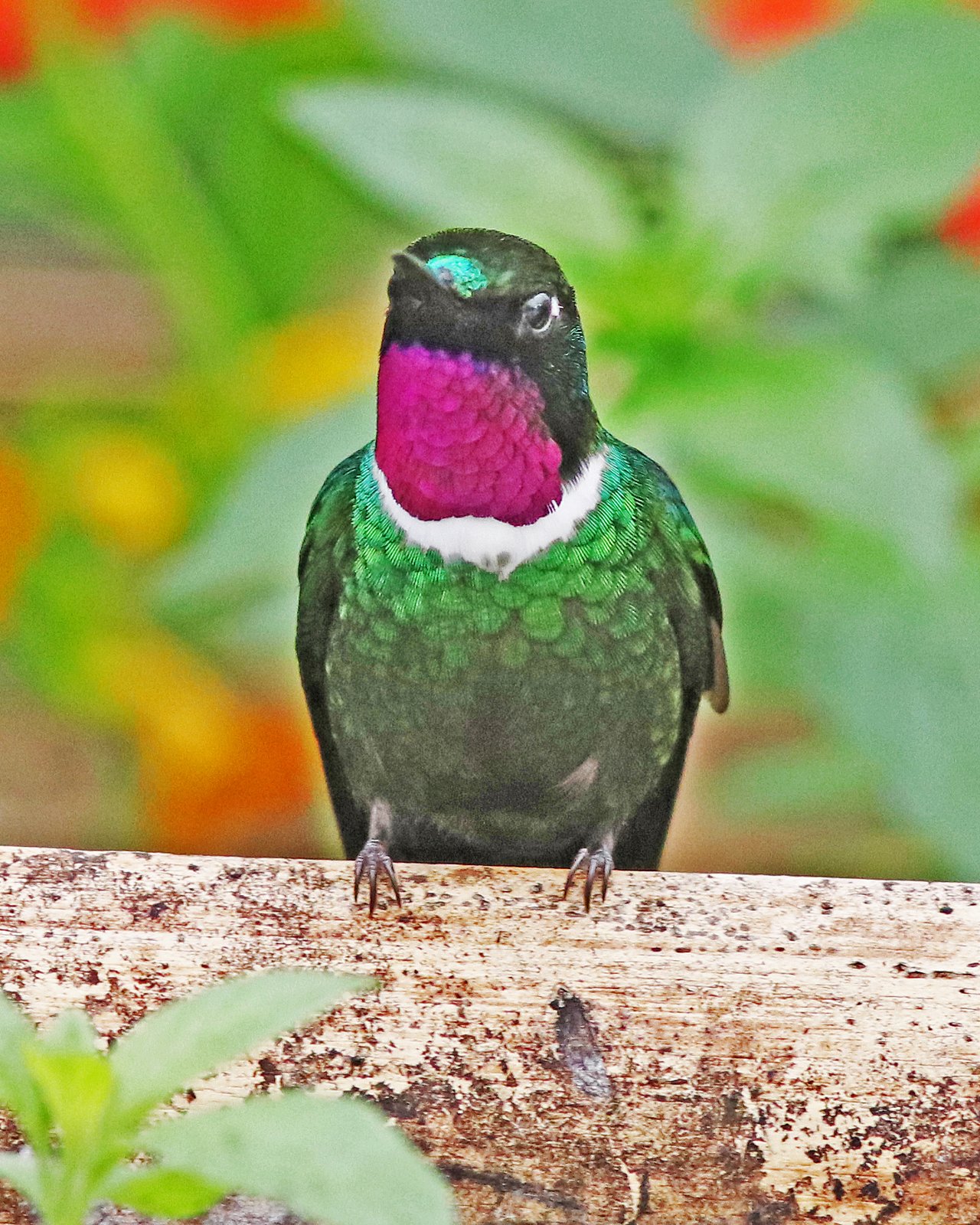
Anjo-do-sol-de-gorjal
Heliangelus strophianus- Northern Andean subtropical forest
- Northern Andean cloud forest and temperate forest
- Western Ecuador humid forest
- Secondary forest and forest edge
-
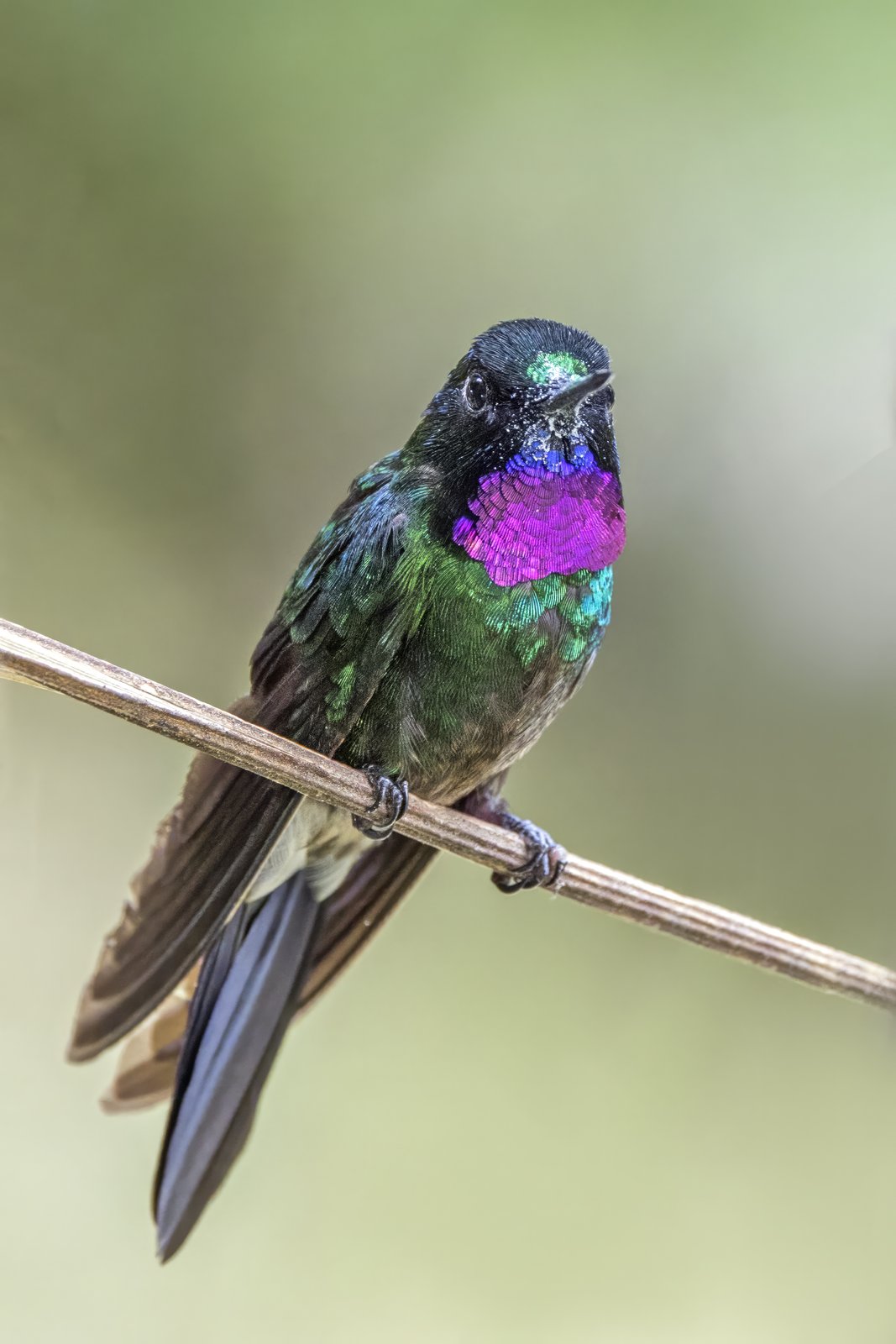
Anjo-do-sol-turmalina
Heliangelus exortis- Northern Andean cloud forest and temperate forest
- Northern Andean subtropical forest
- Páramo
- Secondary forest and forest edge
-
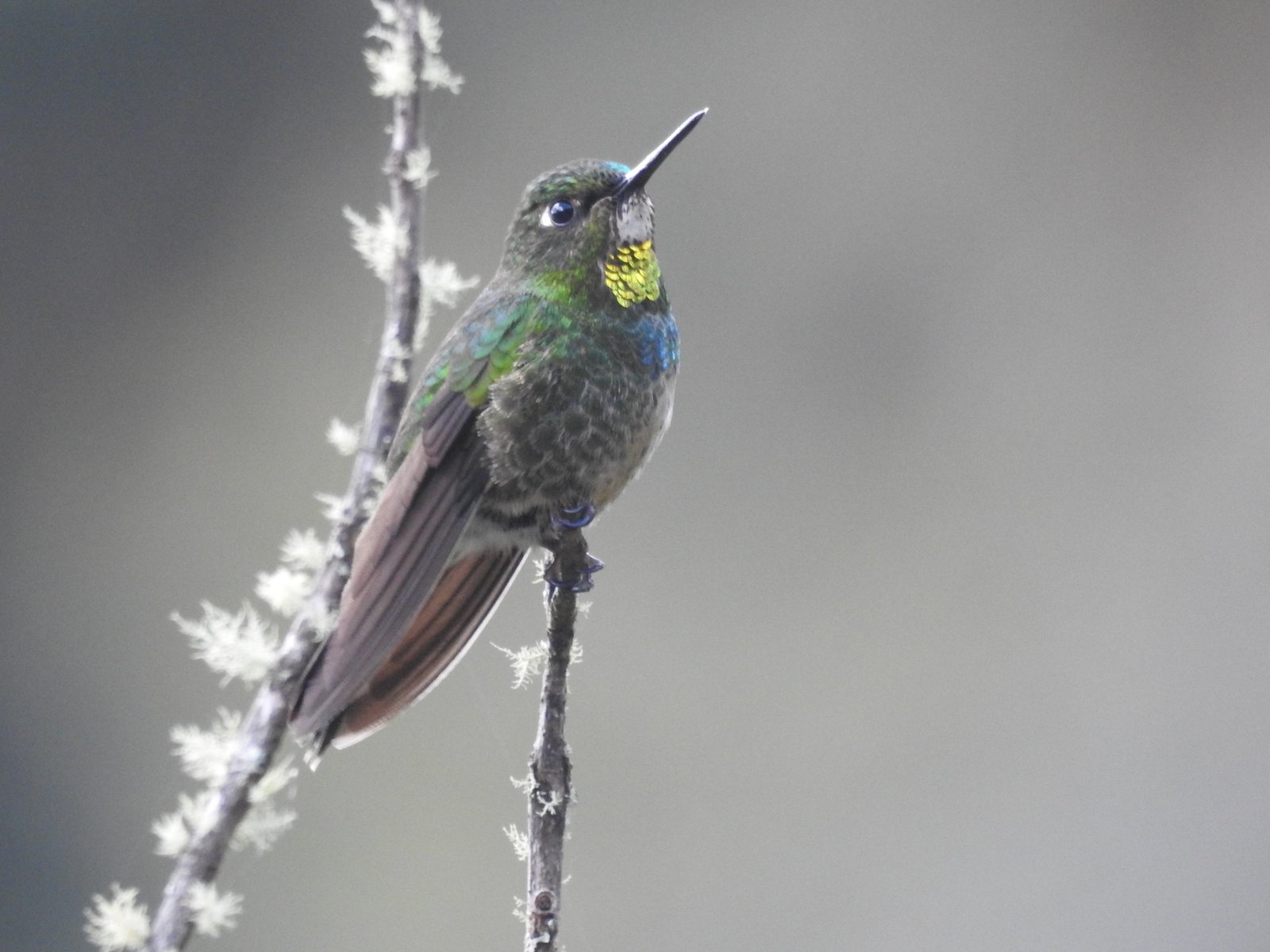
Anjo-do-sol-de-garganta-flamejante
Heliangelus micraster- Northern Andean cloud forest and temperate forest
- Northern Andean subtropical forest
- Secondary forest and forest edge
- Páramo
-
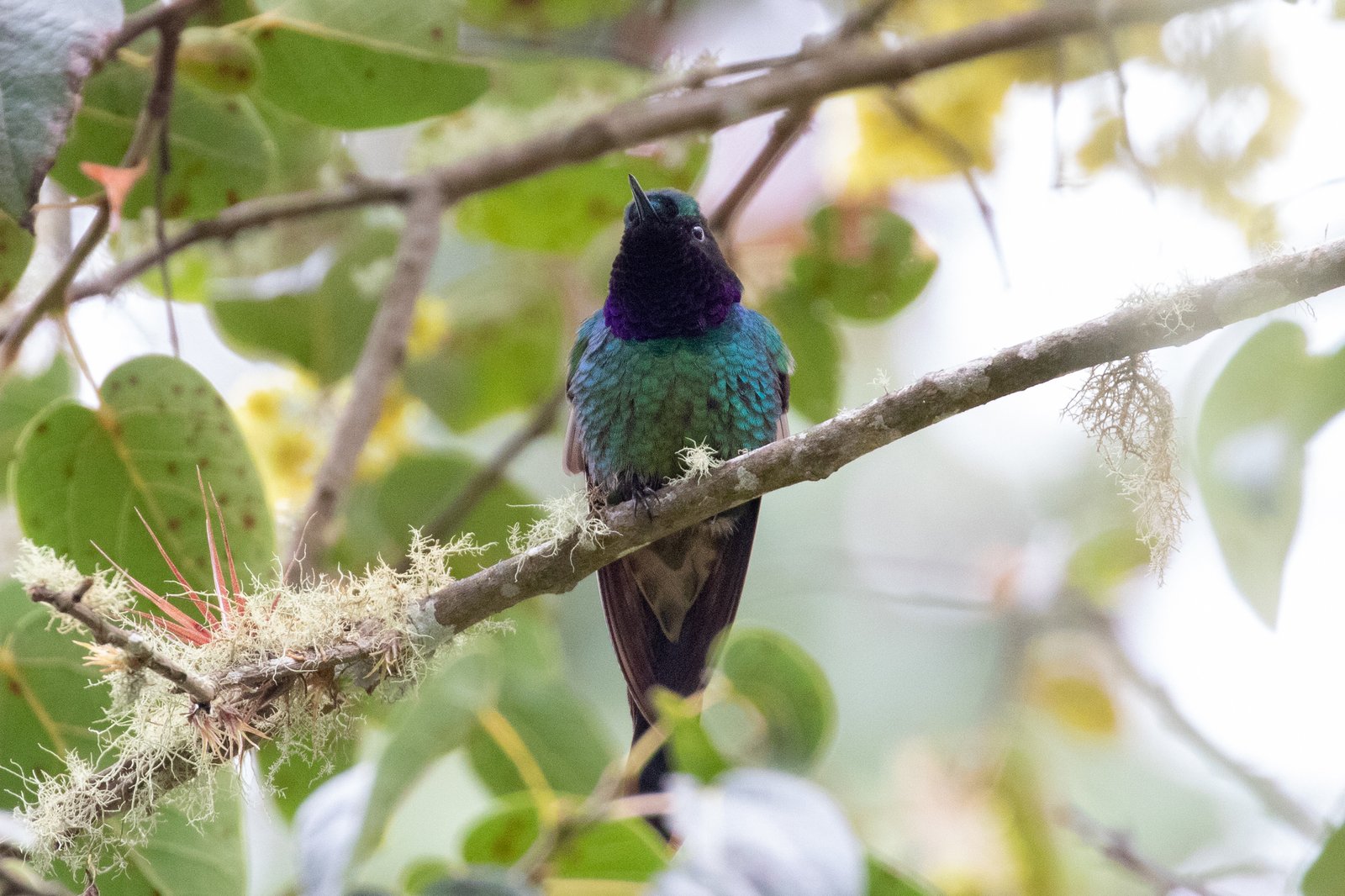
Anjo-do-sol-de-garganta-roxa
Heliangelus viola- Northern Andean cloud forest and temperate forest
- Secondary forest and forest edge
- Marañón and northern inter-Andean dry forest
- Andean fields and terraces
-
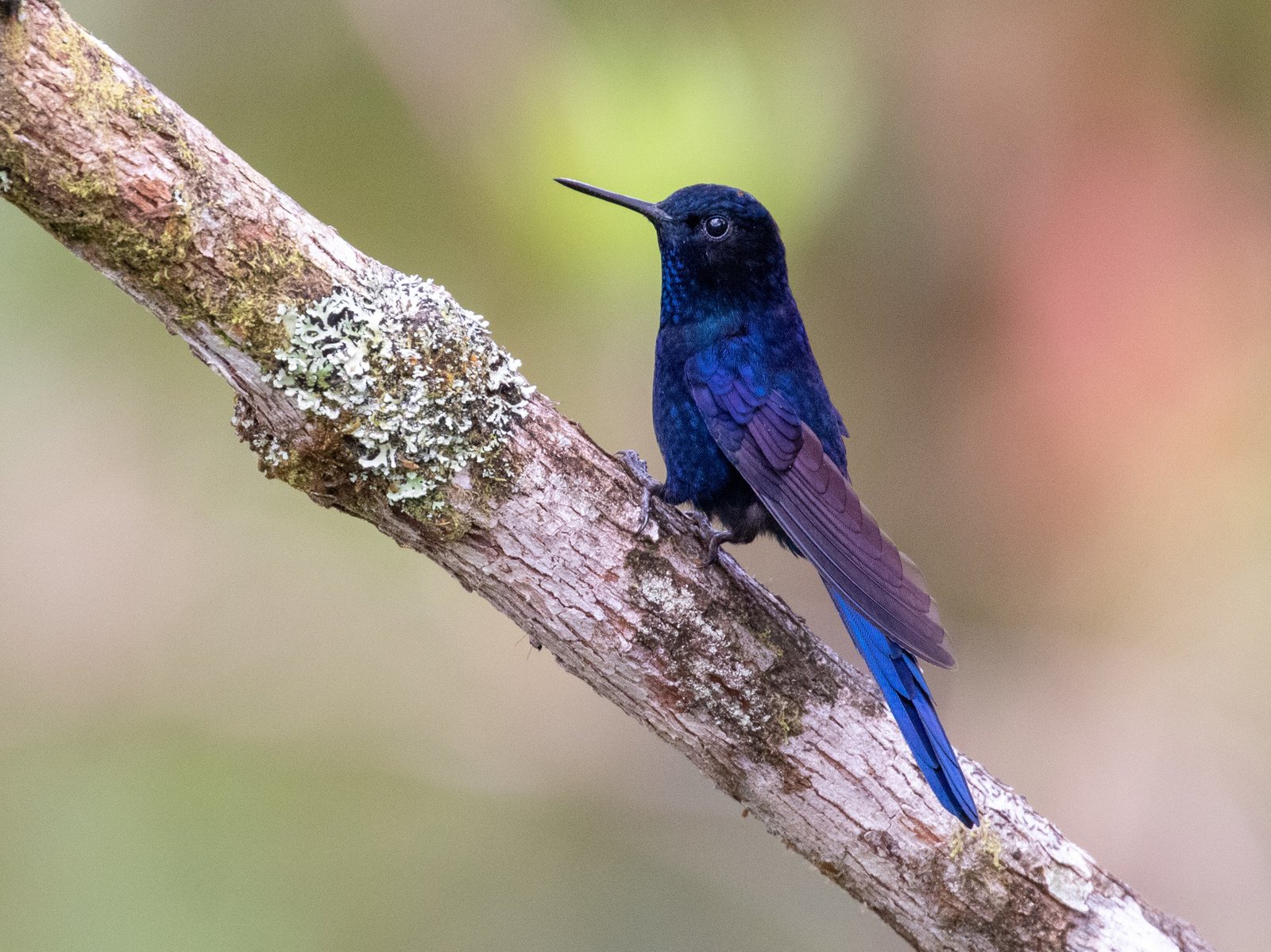
Anjo-do-sol-real
Heliangelus regalis- Northern Andean subtropical forest
- Northern Andean cloud forest and temperate forest
- Secondary forest and forest edge
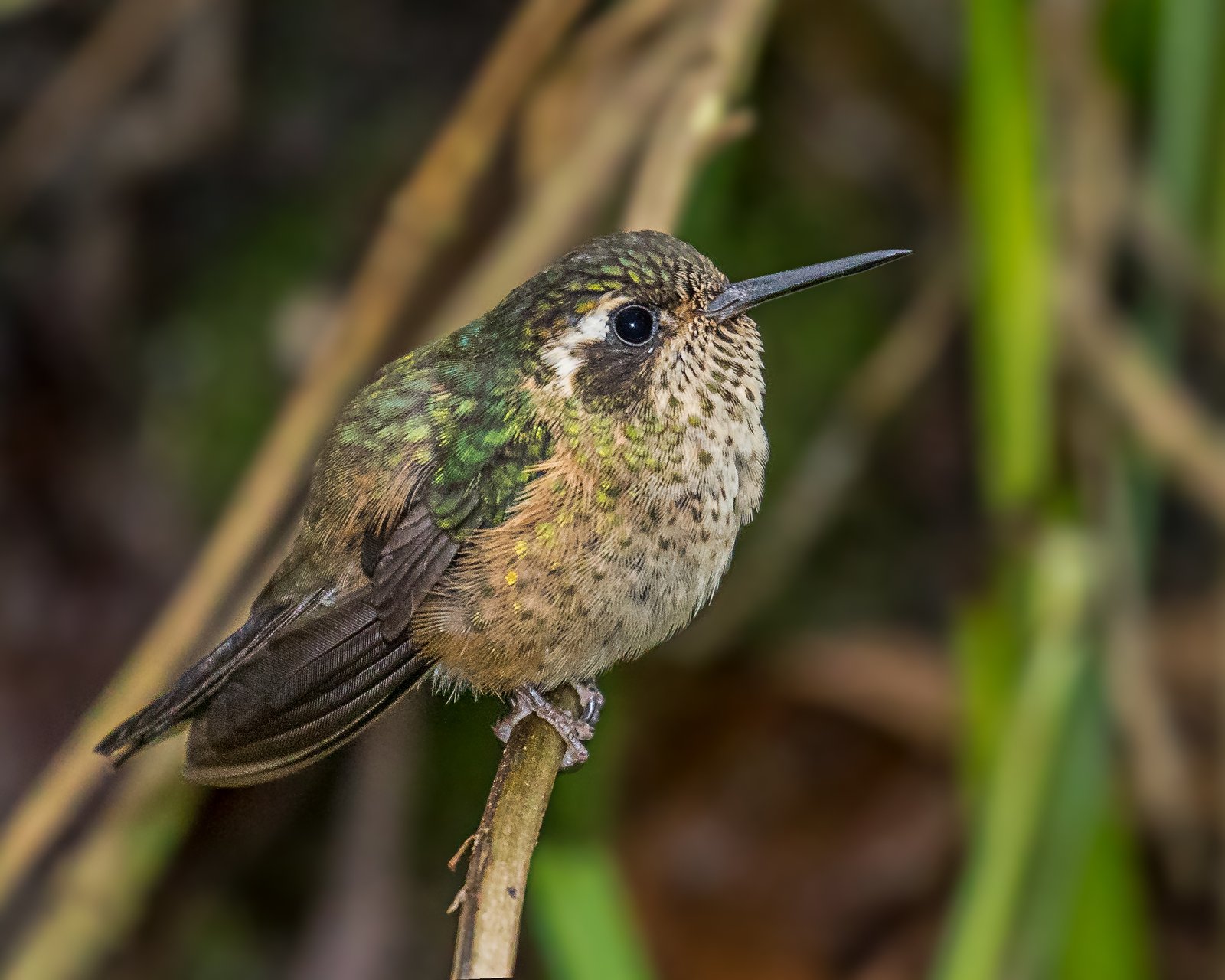
Taphrolesbia 1 espécie

Aglaiocercus 2 espécies
-
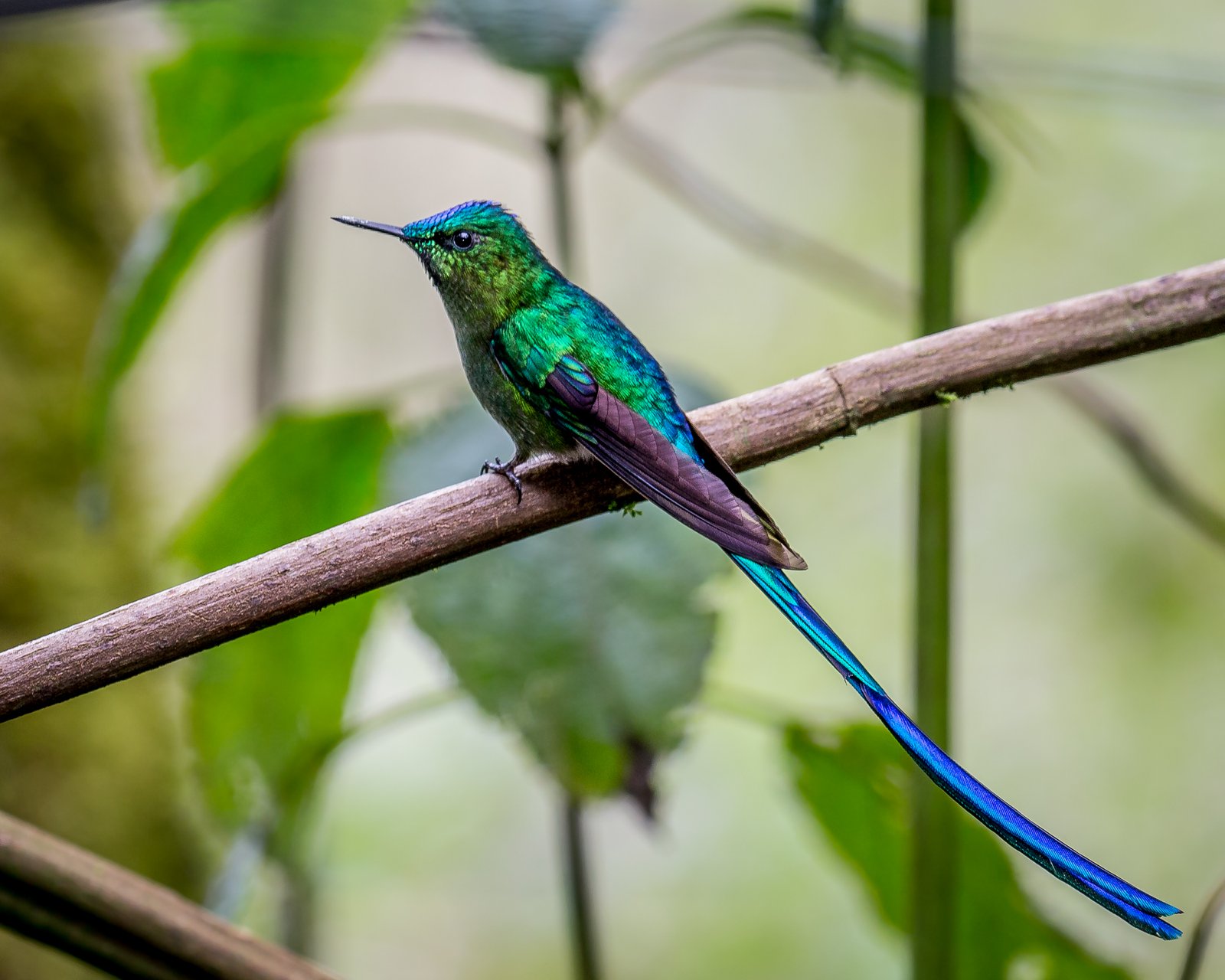
Silfo-de-cauda-longa
Aglaiocercus kingii- Northern Andean cloud forest and temperate forest
- Secondary forest and forest edge
- Northern Andean subtropical forest
- Upper Yungas cloud forest
- Lower Yungas forest
-
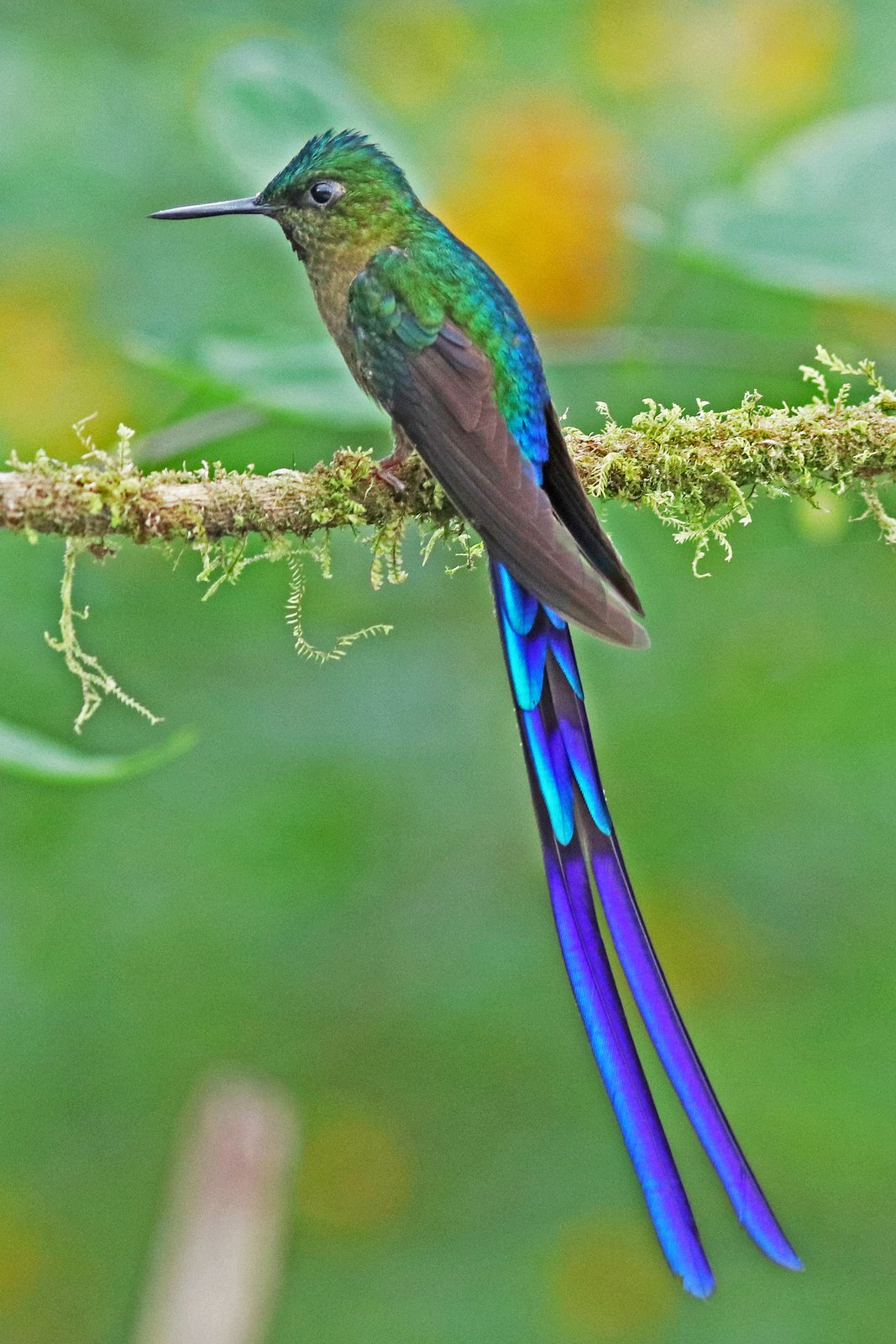
Silfo-de-cauda-violeta
Aglaiocercus coelestis- Northern Andean subtropical forest
- Western Ecuador humid forest
- Chocó rainforest
- Secondary forest and forest edge
- Northern Andean cloud forest and temperate forest
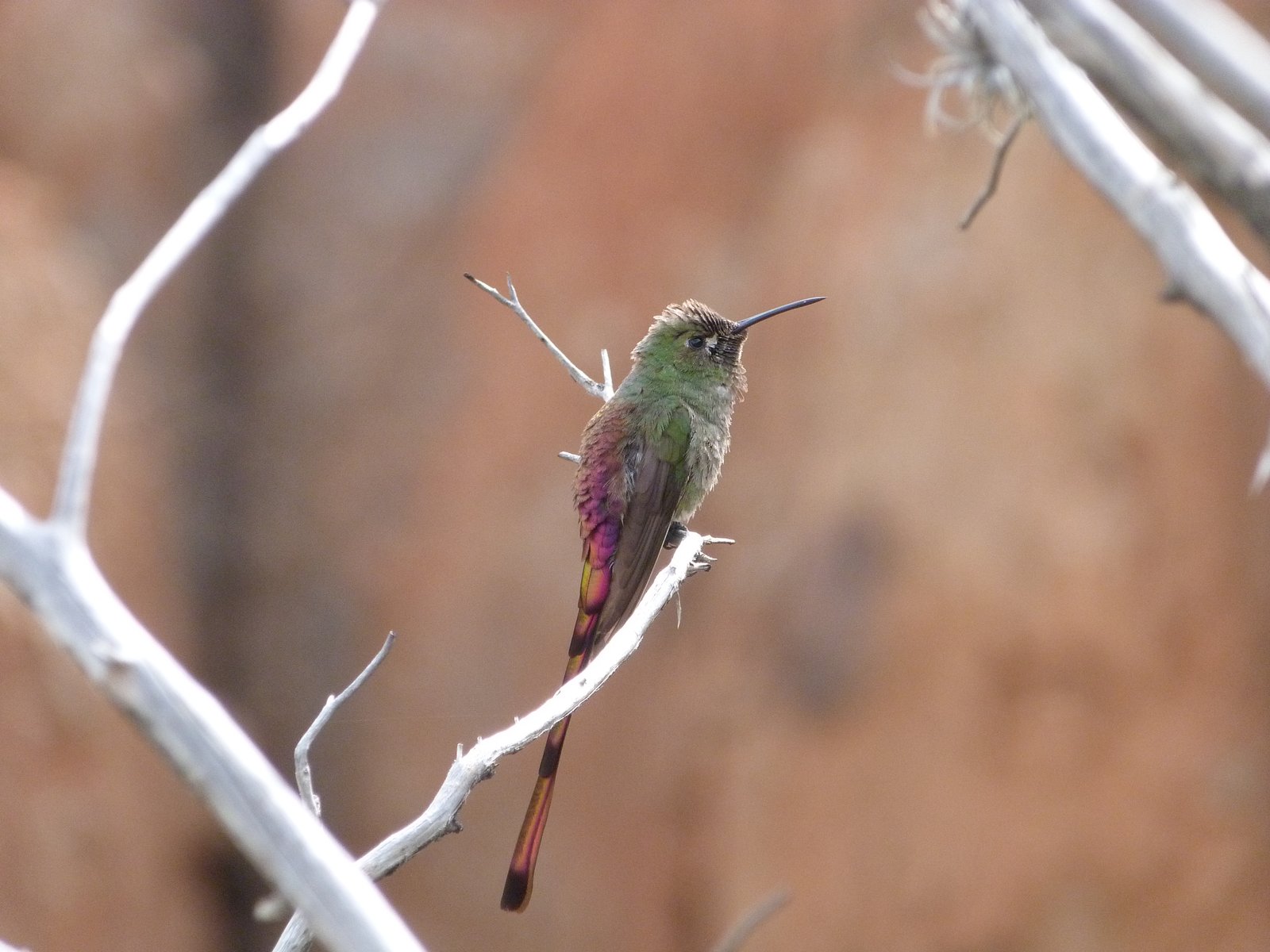
Ramphomicron 2 espécies
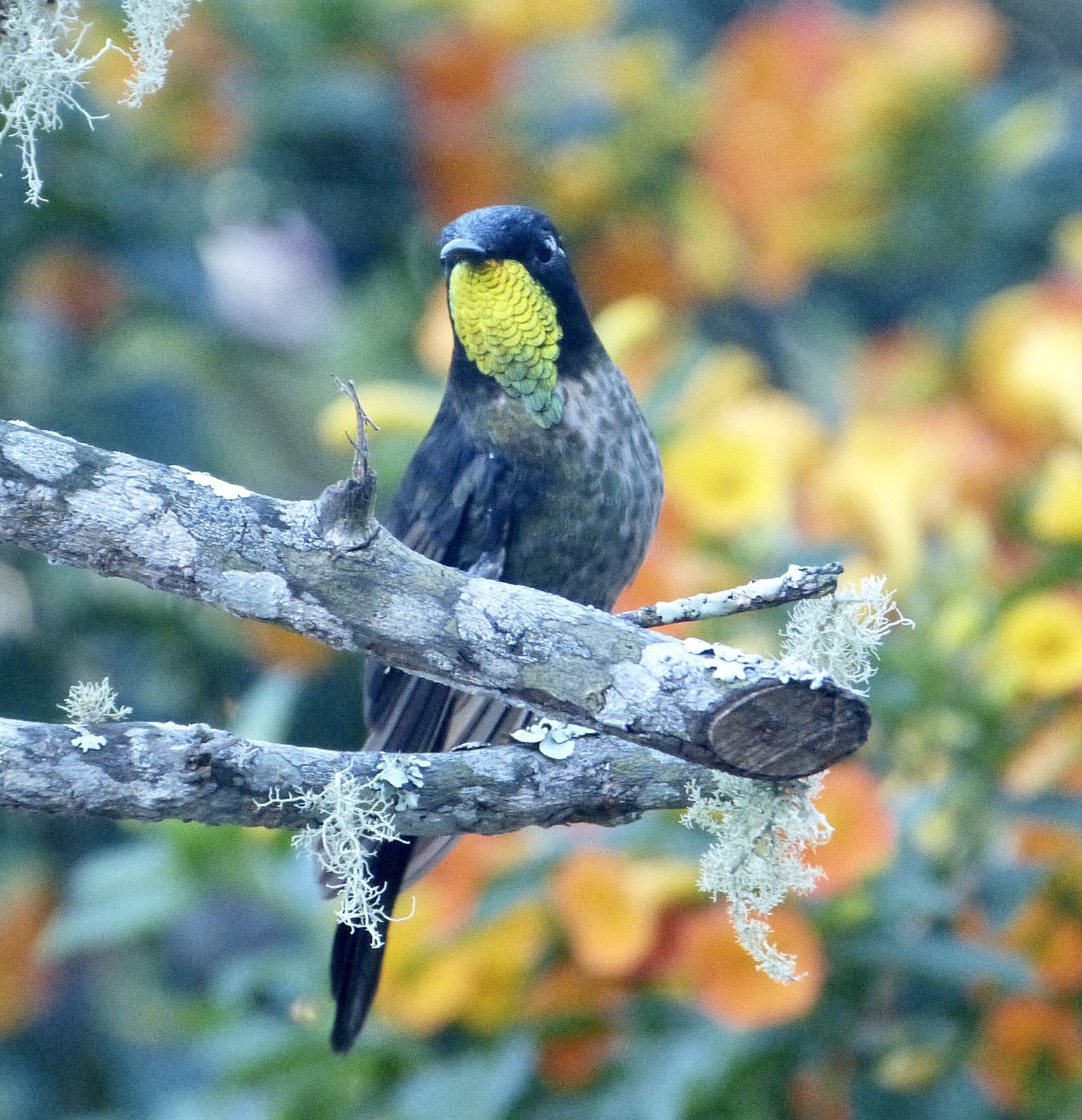
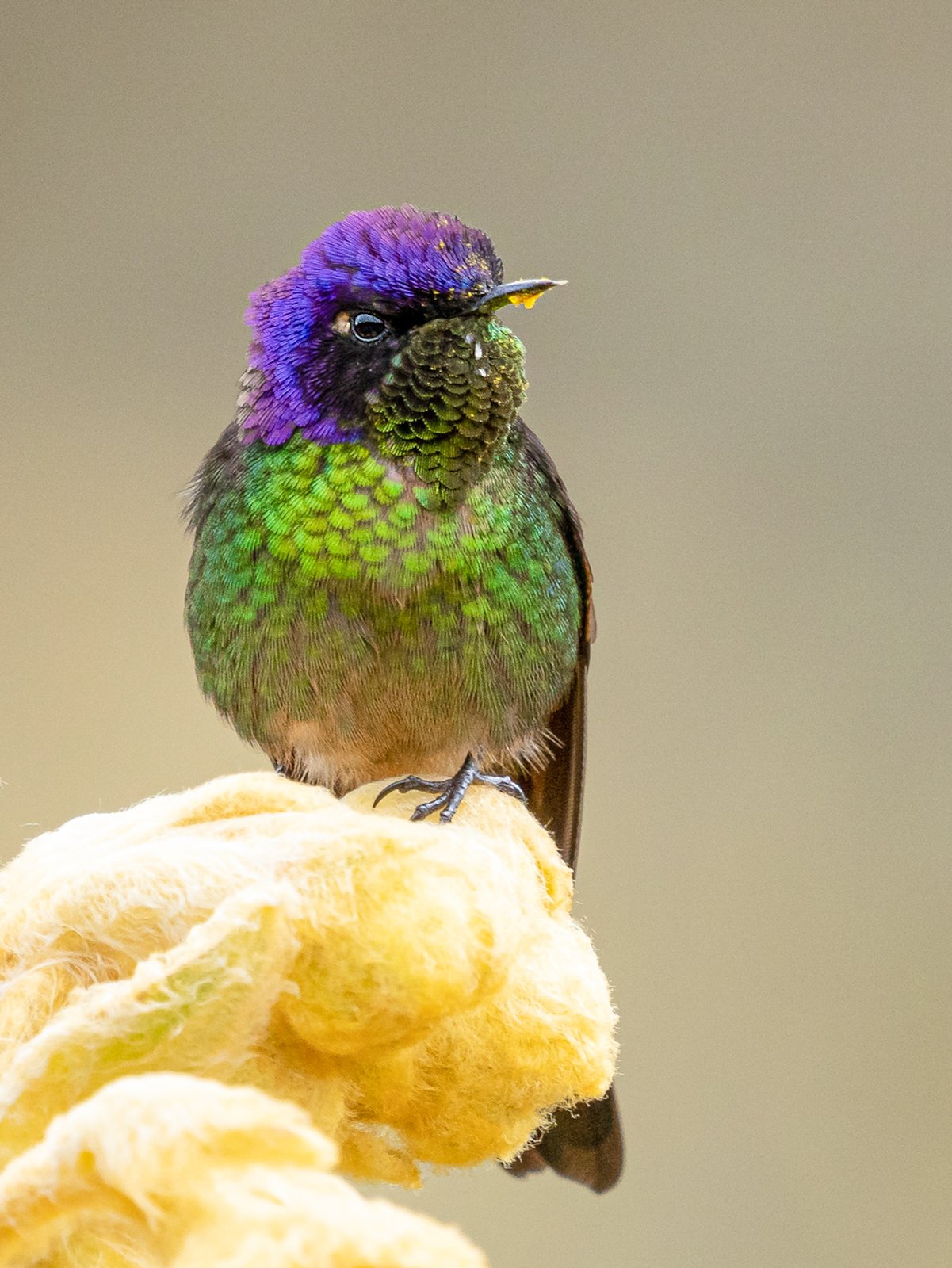
Lesbia 2 espécies
-
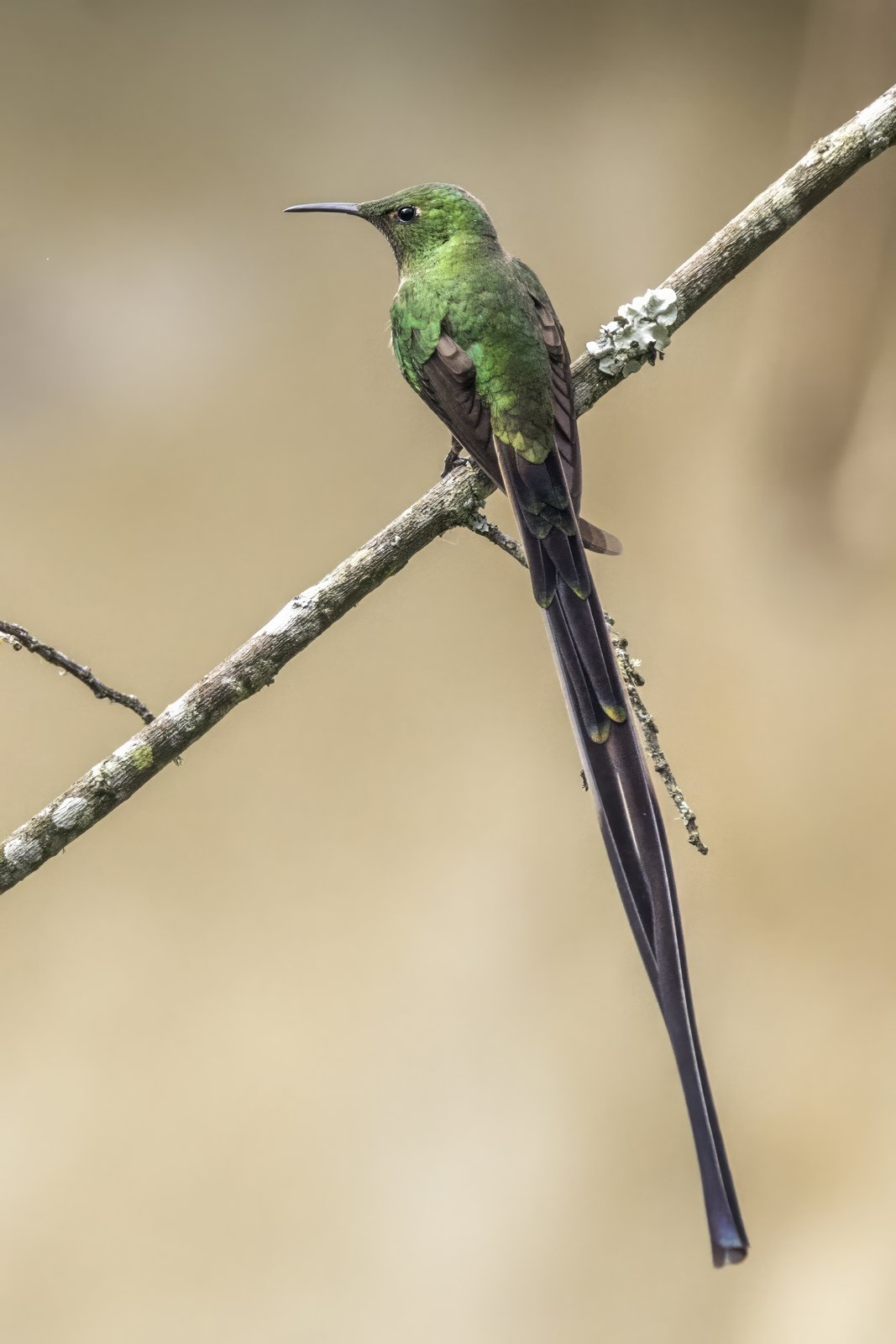
Cauda-de-fita-preta
Lesbia victoriae- Marañón and northern inter-Andean dry forest
- Andean fields and terraces
- Towns, cities and parks
- Central Andean dry valleys
- Páramo
-
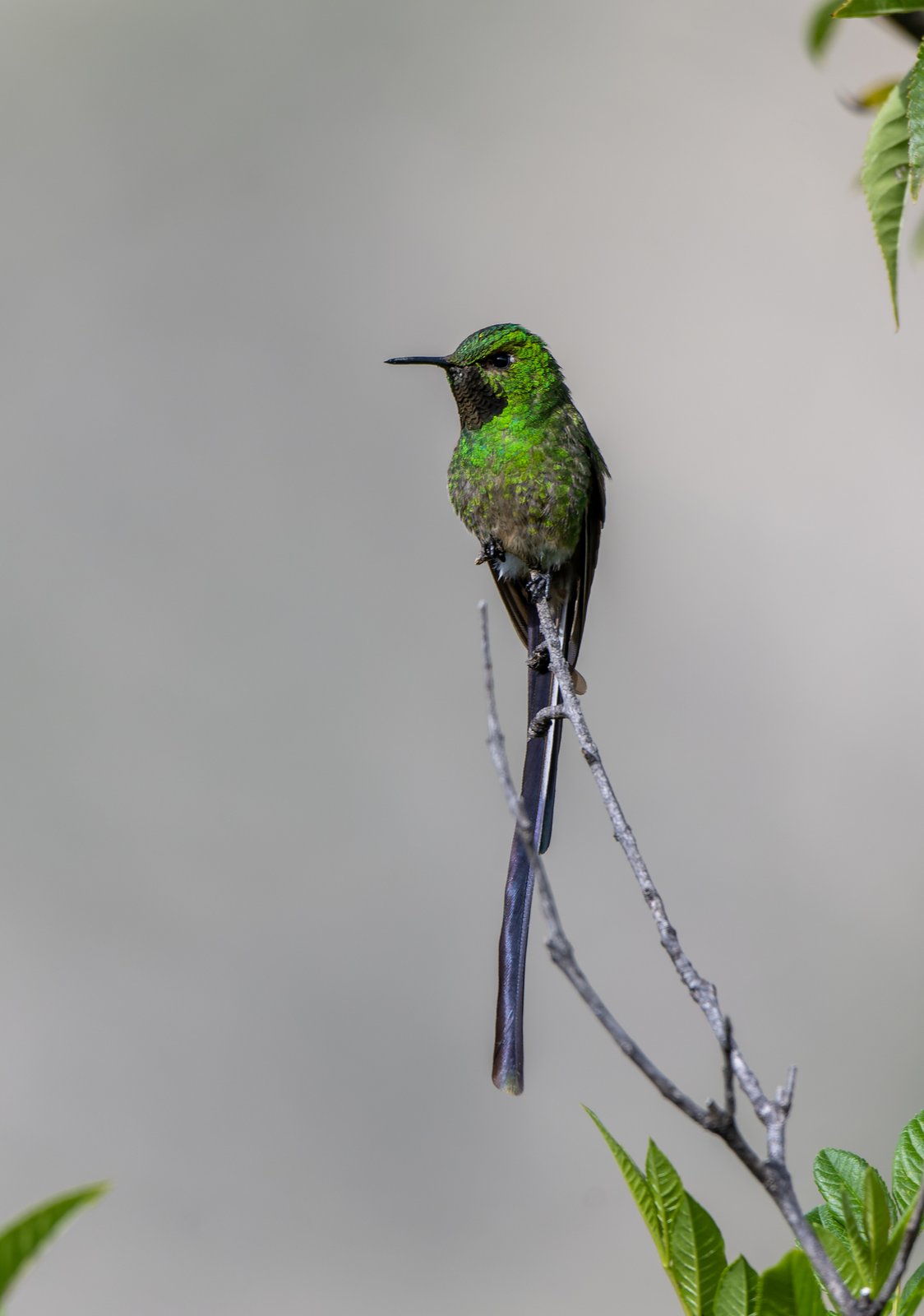
Cauda-de-fita-verde
Lesbia nuna- Secondary forest and forest edge
- Northern Andean cloud forest and temperate forest
- Marañón and northern inter-Andean dry forest
- Upper Yungas cloud forest
- Andean fields and terraces
Oreotrochilus 7 espécies
-
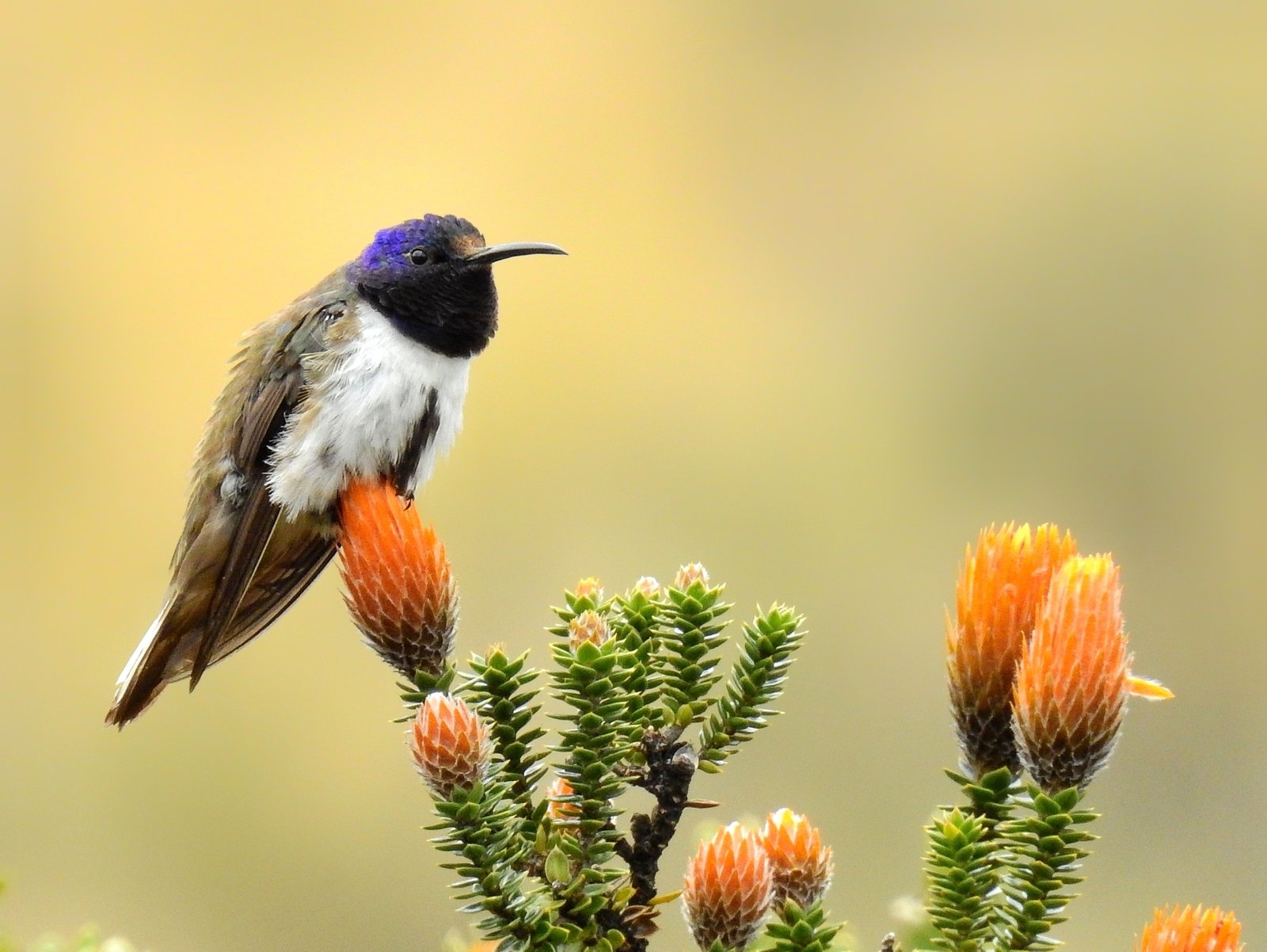
Estrela-do-equador
Oreotrochilus chimborazo- Páramo
 Glaciers, snowline and scree
- Polylepis woodland
 Andean bogs and bofedales
-
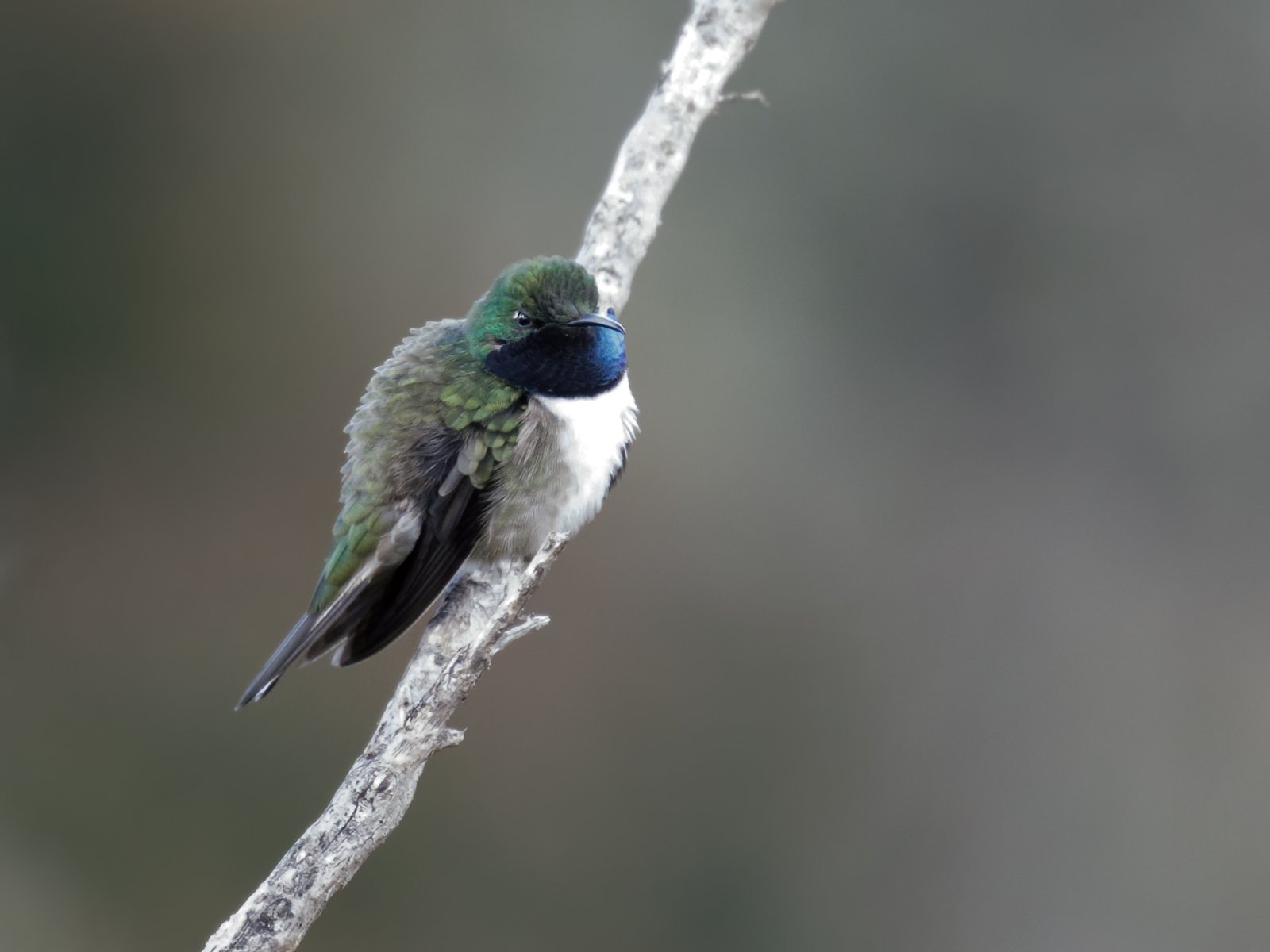
Estrela-de-garganta-azul
Oreotrochilus cyanolaemus- Páramo
 Cliffs, gorges and canyons
-
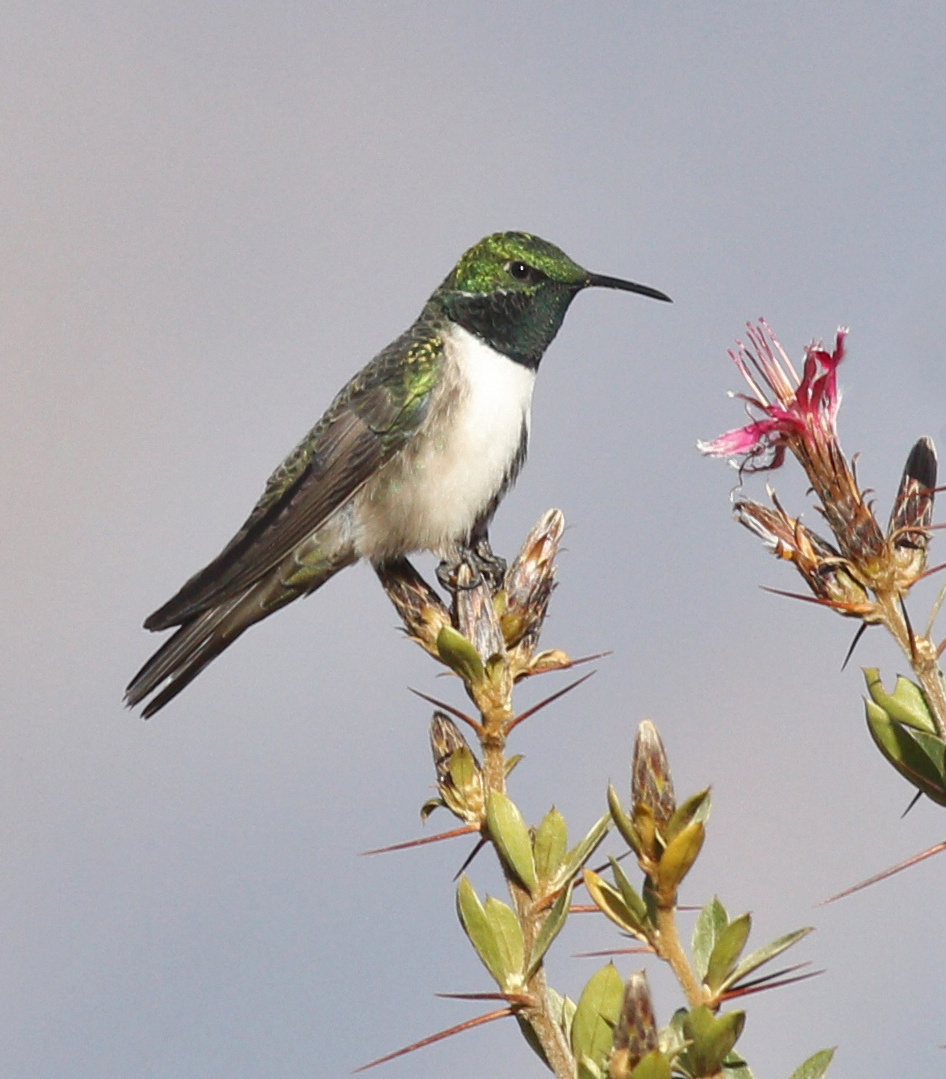
Estrela-de-cabeça-verde
Oreotrochilus stolzmanni- Humid puna
- Jalca
- Polylepis woodland
- Cliffs, gorges and canyons
- Central Andean dry valleys
-
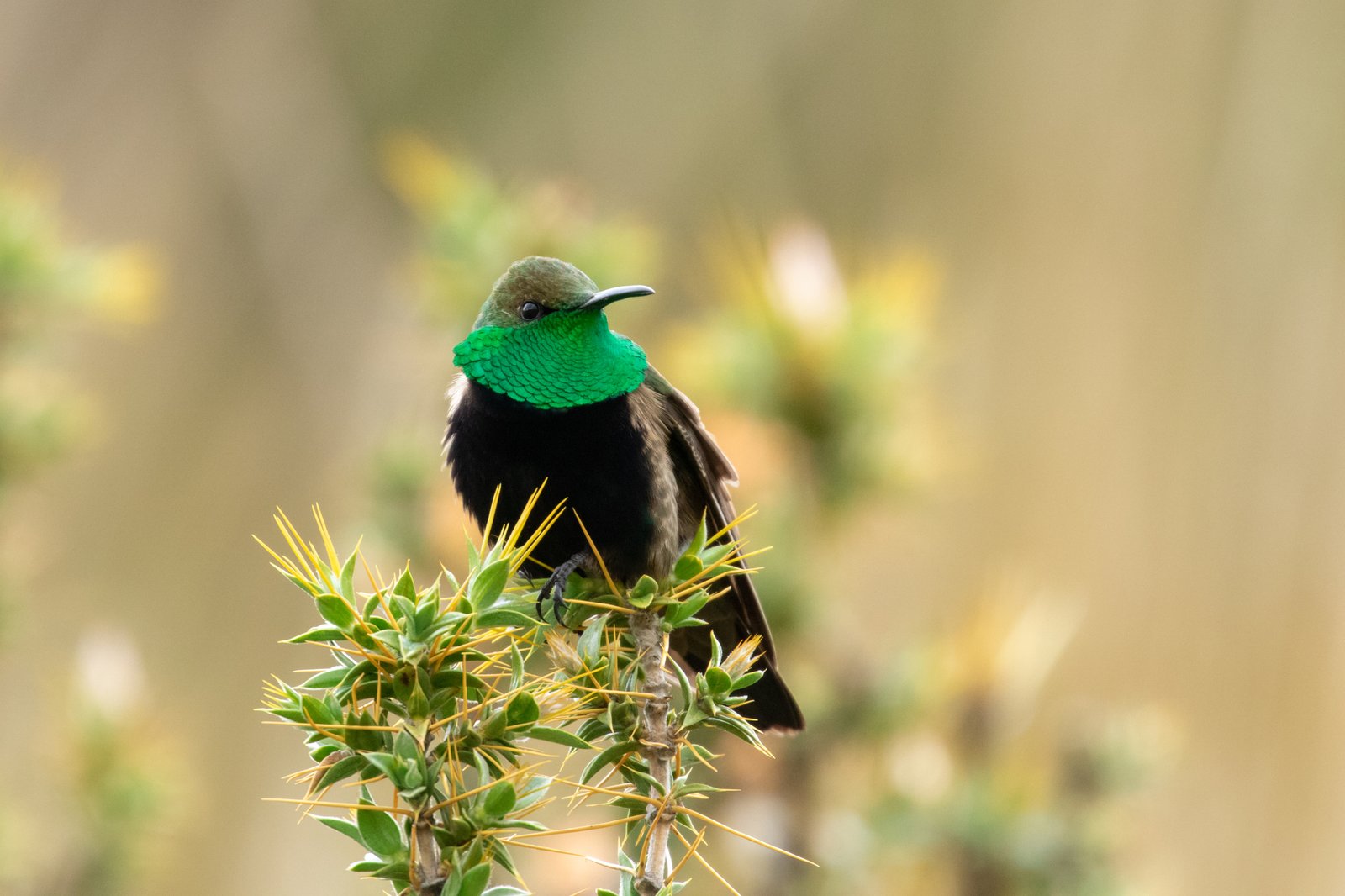
Estrela-de-peito-preto
Oreotrochilus melanogaster- Humid puna
- Polylepis woodland
- Cliffs, gorges and canyons
- Andean bogs and bofedales
-
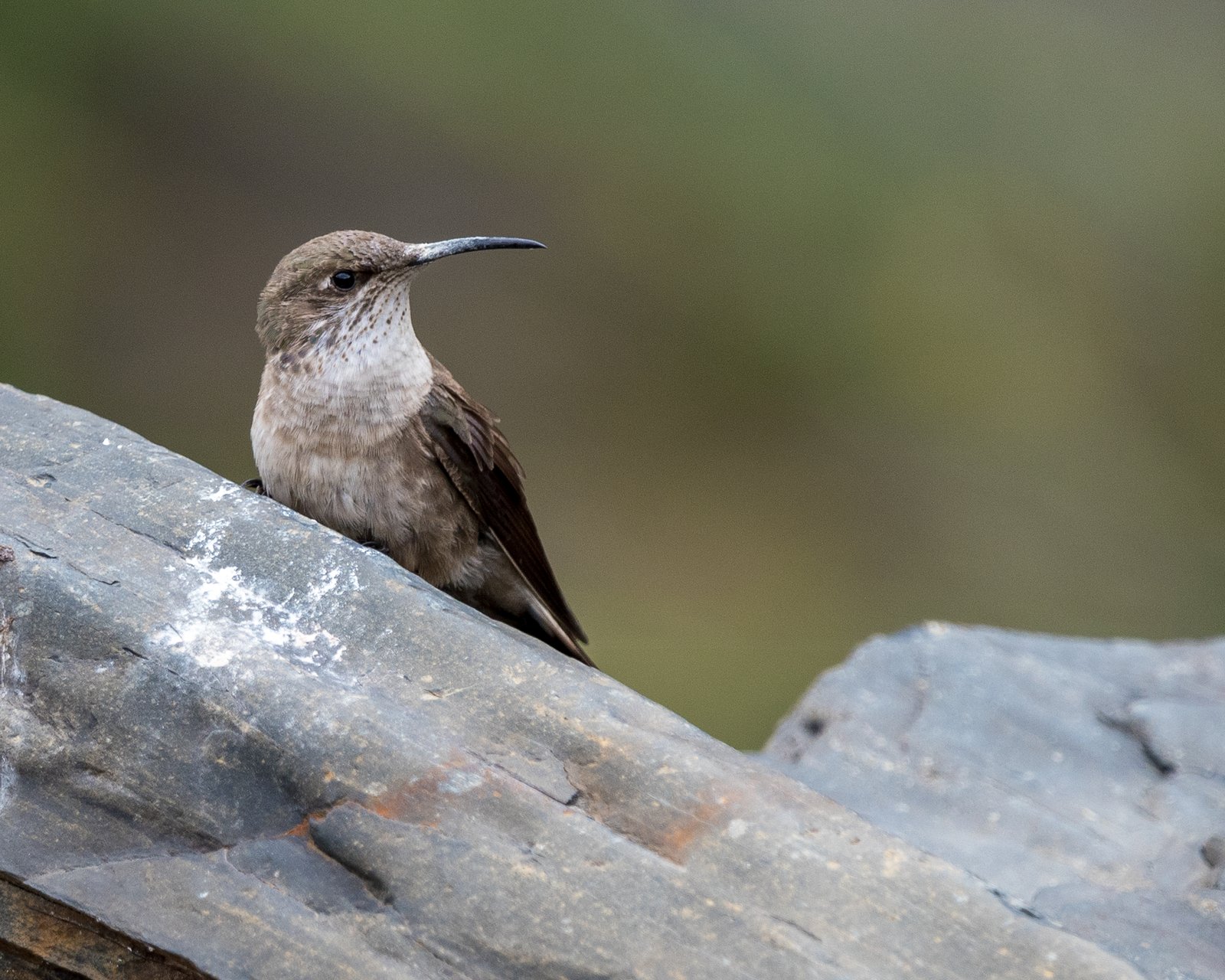
Estrela-andina
Oreotrochilus estella- Humid puna
 Dry puna and altiplano
- Polylepis woodland
- Cliffs, gorges and canyons
- Andean bogs and bofedales
- Andean fields and terraces
-
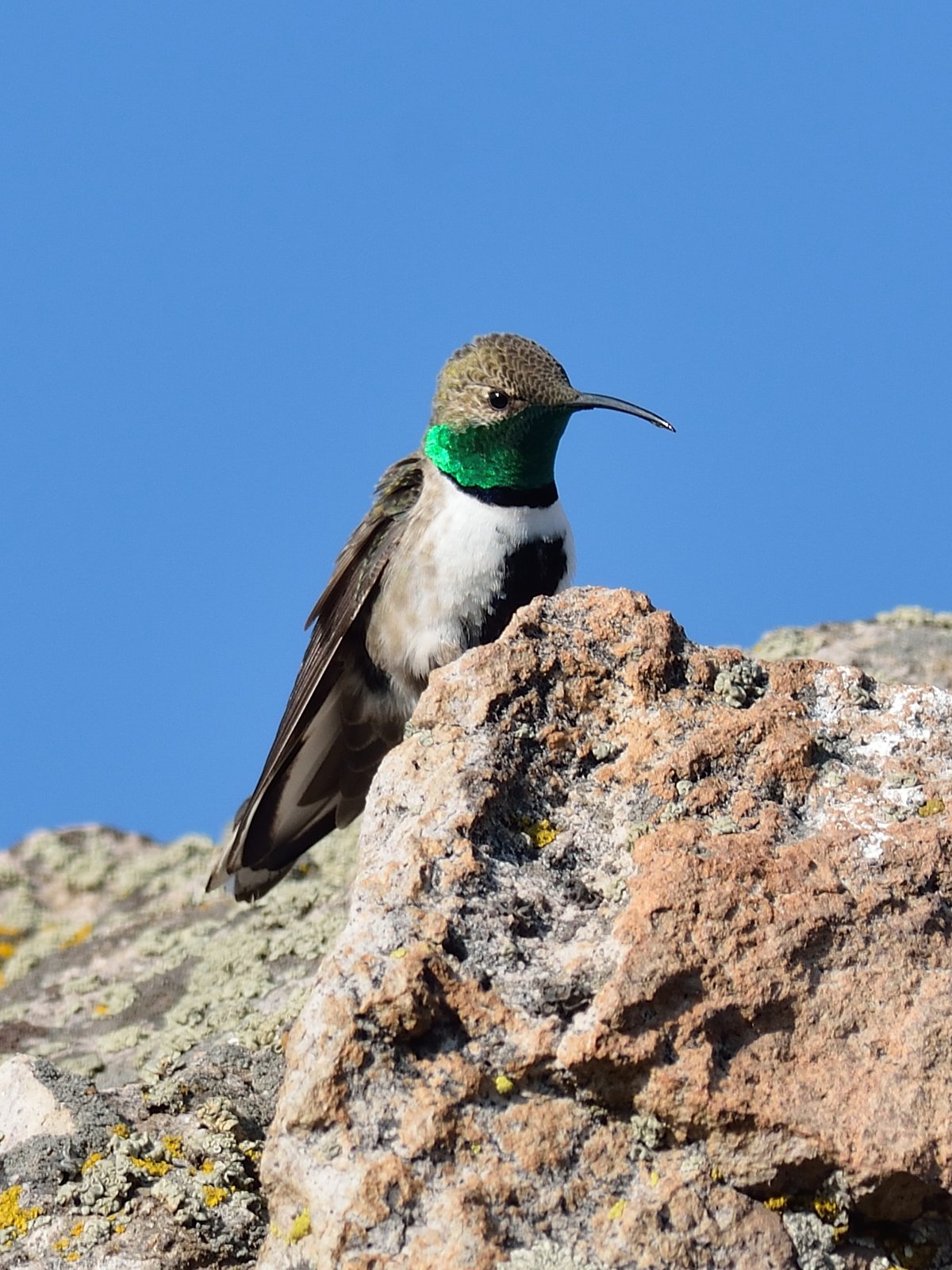
Estrela-de-flanco-branco
Oreotrochilus leucopleurus- Dry puna and altiplano
- Central Andean dry valleys
- Cliffs, gorges and canyons
-
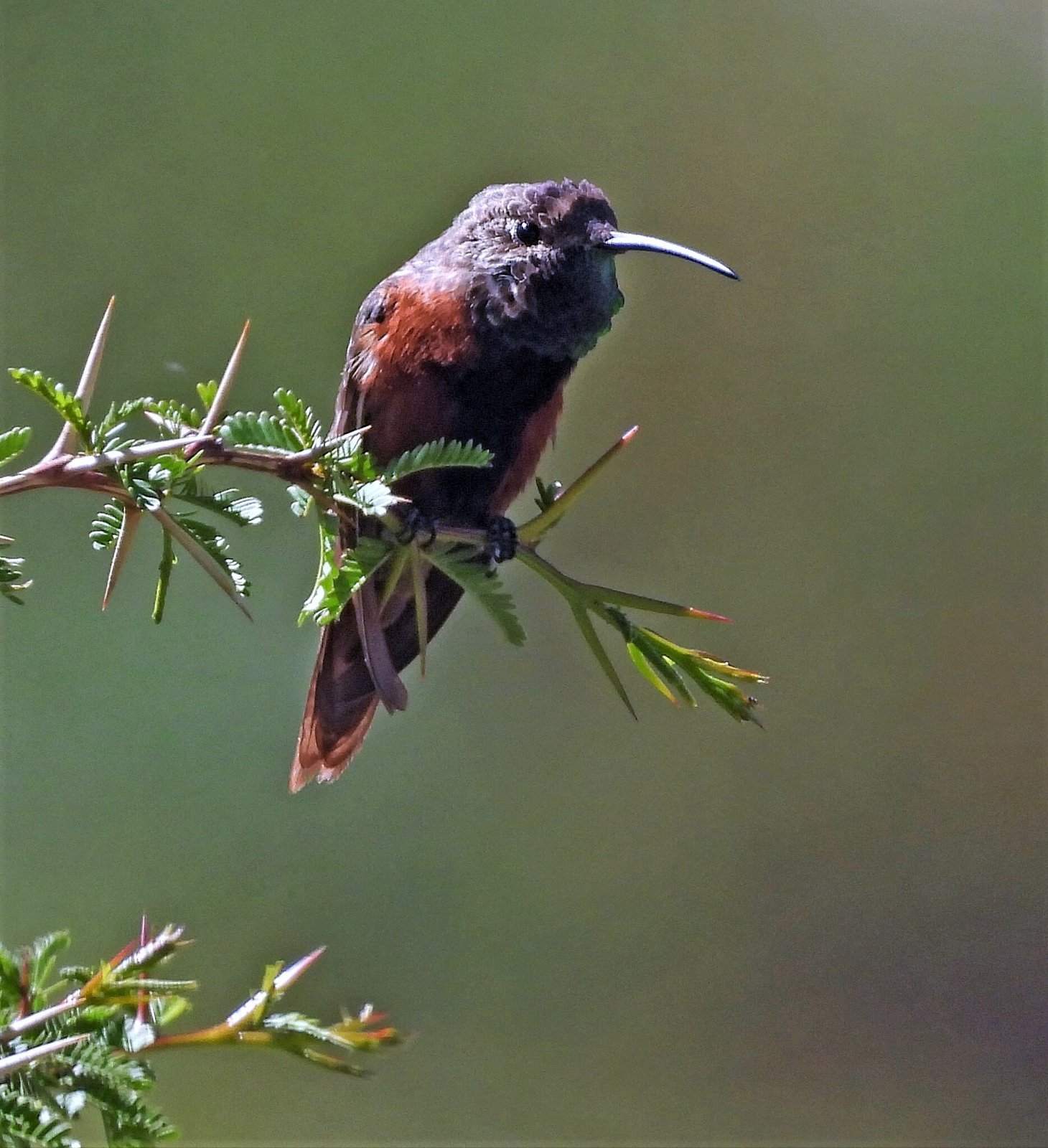
Estrela-de-cauda-cunha
Oreotrochilus adela- Central Andean dry valleys
- Dry puna and altiplano
- Cliffs, gorges and canyons
- Polylepis woodland
- Andean fields and terraces
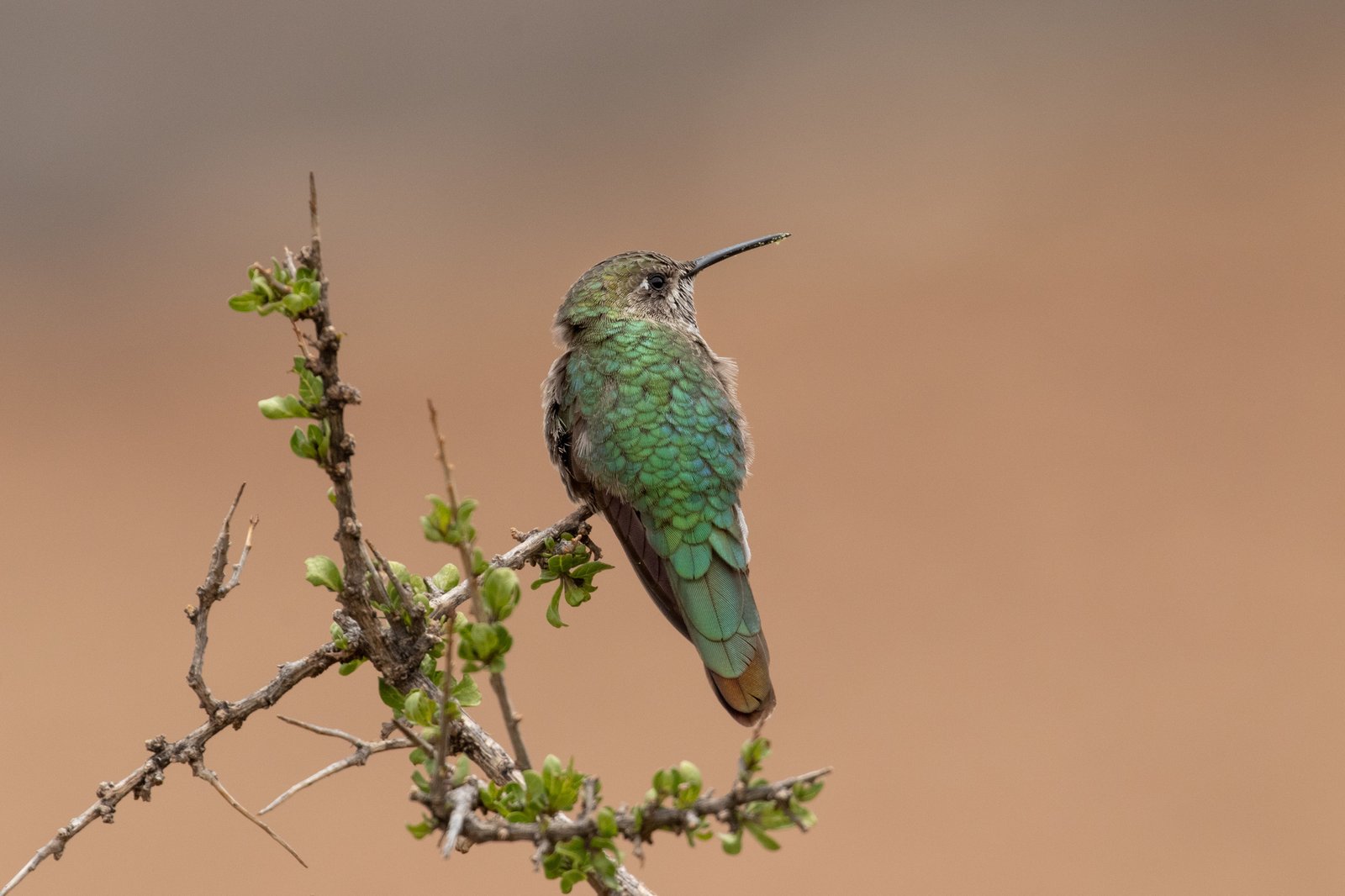
Opisthoprora 1 espécie
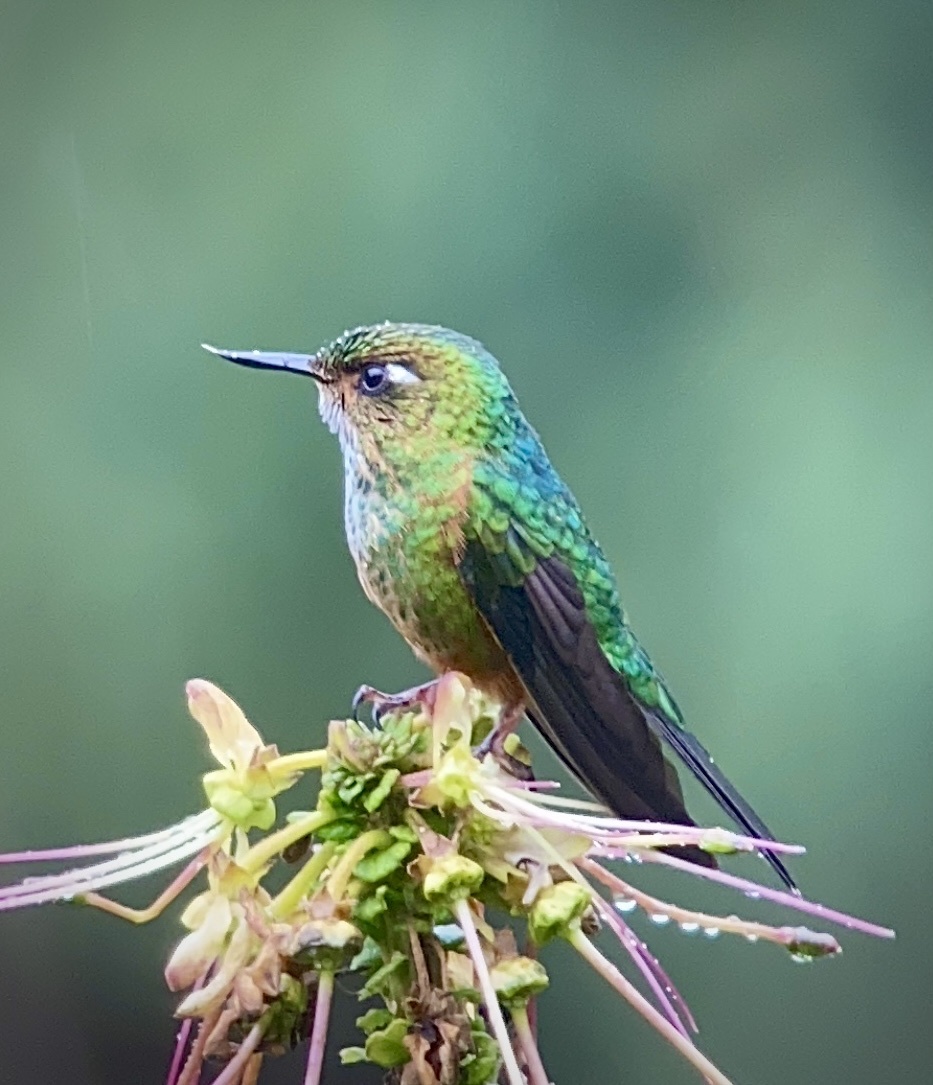
Metallura 9 espécies
-
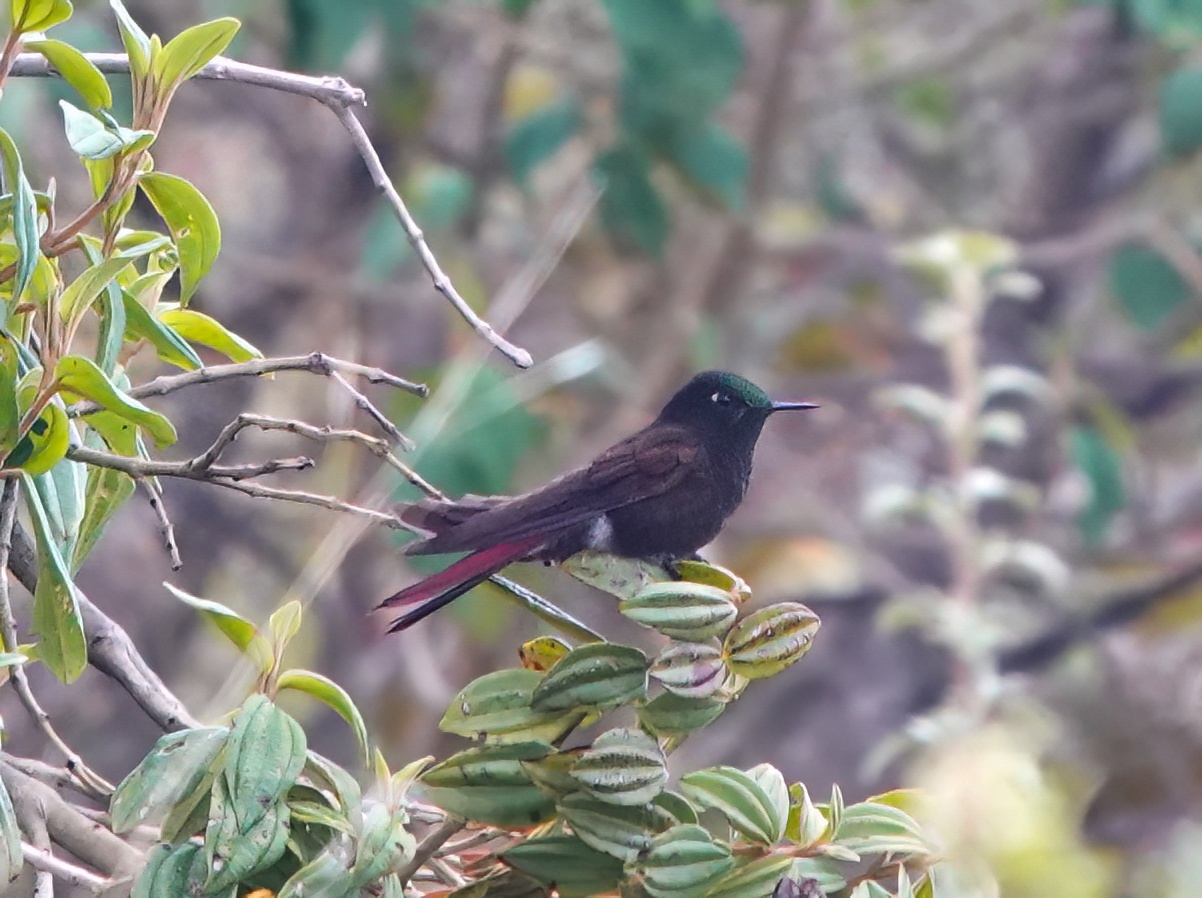
Metalura-de-perijá
Metallura iracunda- Páramo
- Northern Andean cloud forest and temperate forest
-
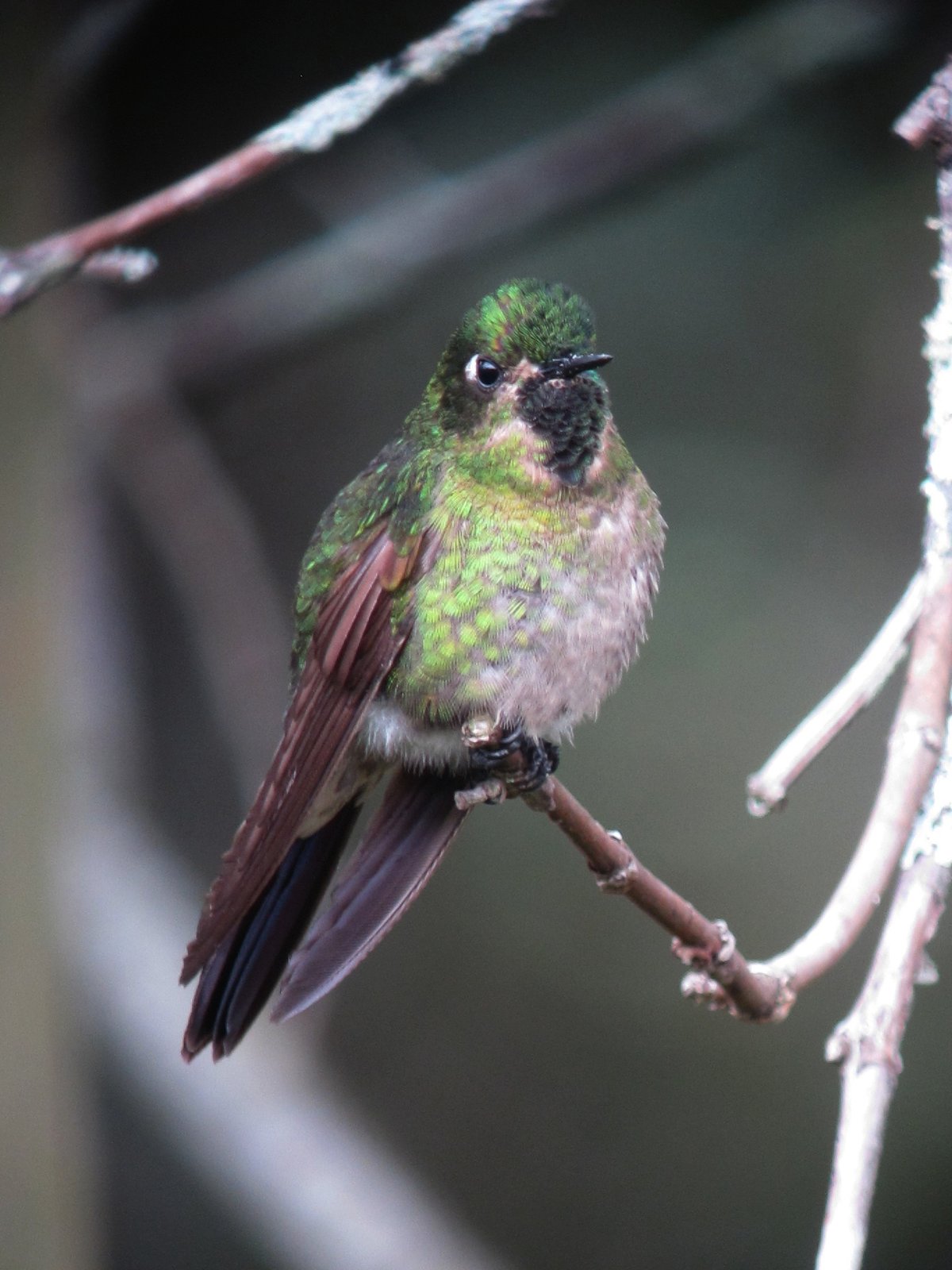
Metalura-tíria
Metallura tyrianthina- Northern Andean cloud forest and temperate forest
- Upper Yungas cloud forest
- Secondary forest and forest edge
- Páramo
- Polylepis woodland
-
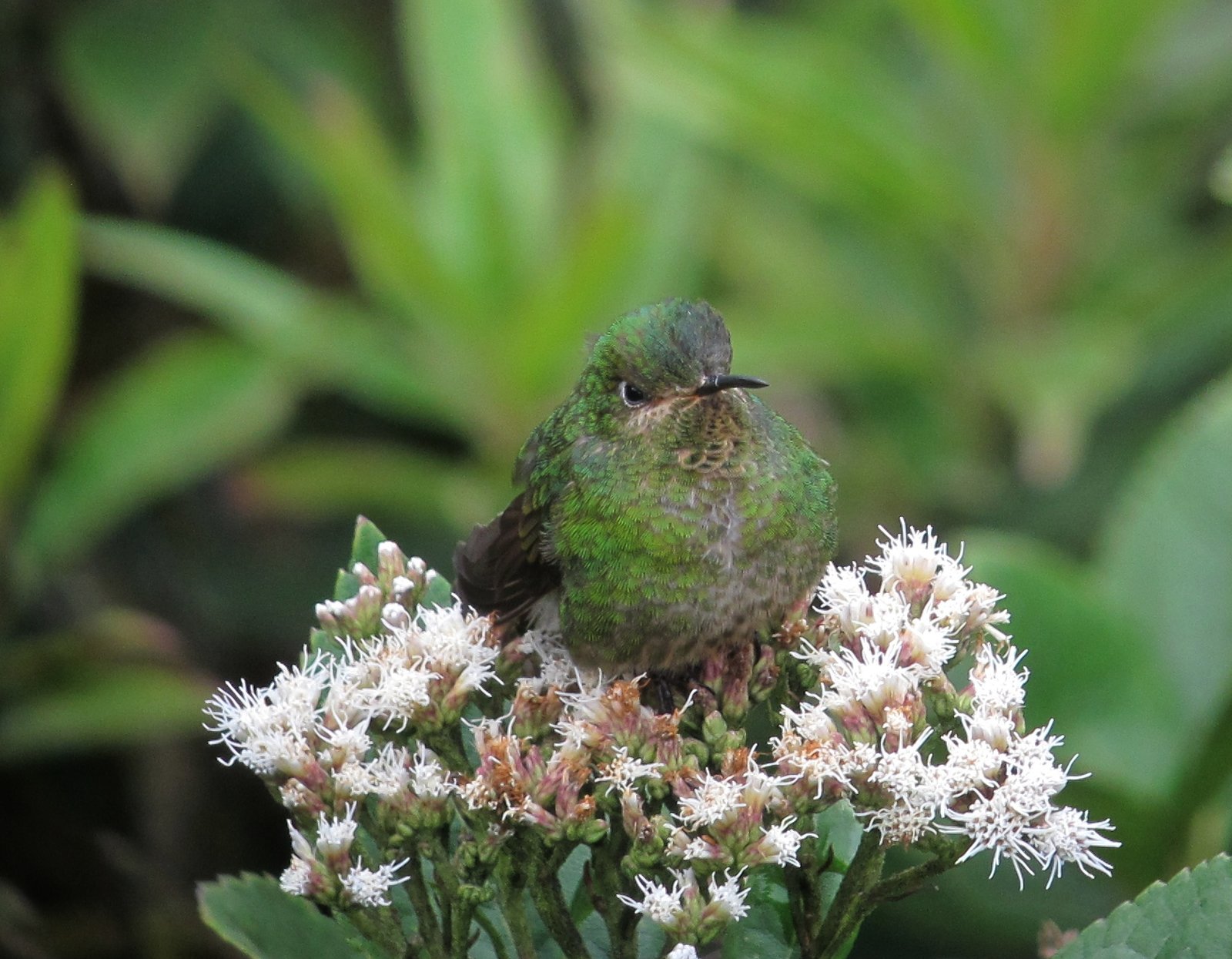
Metalura-verde
Metallura williami- Páramo
- Northern Andean cloud forest and temperate forest
- Polylepis woodland
-
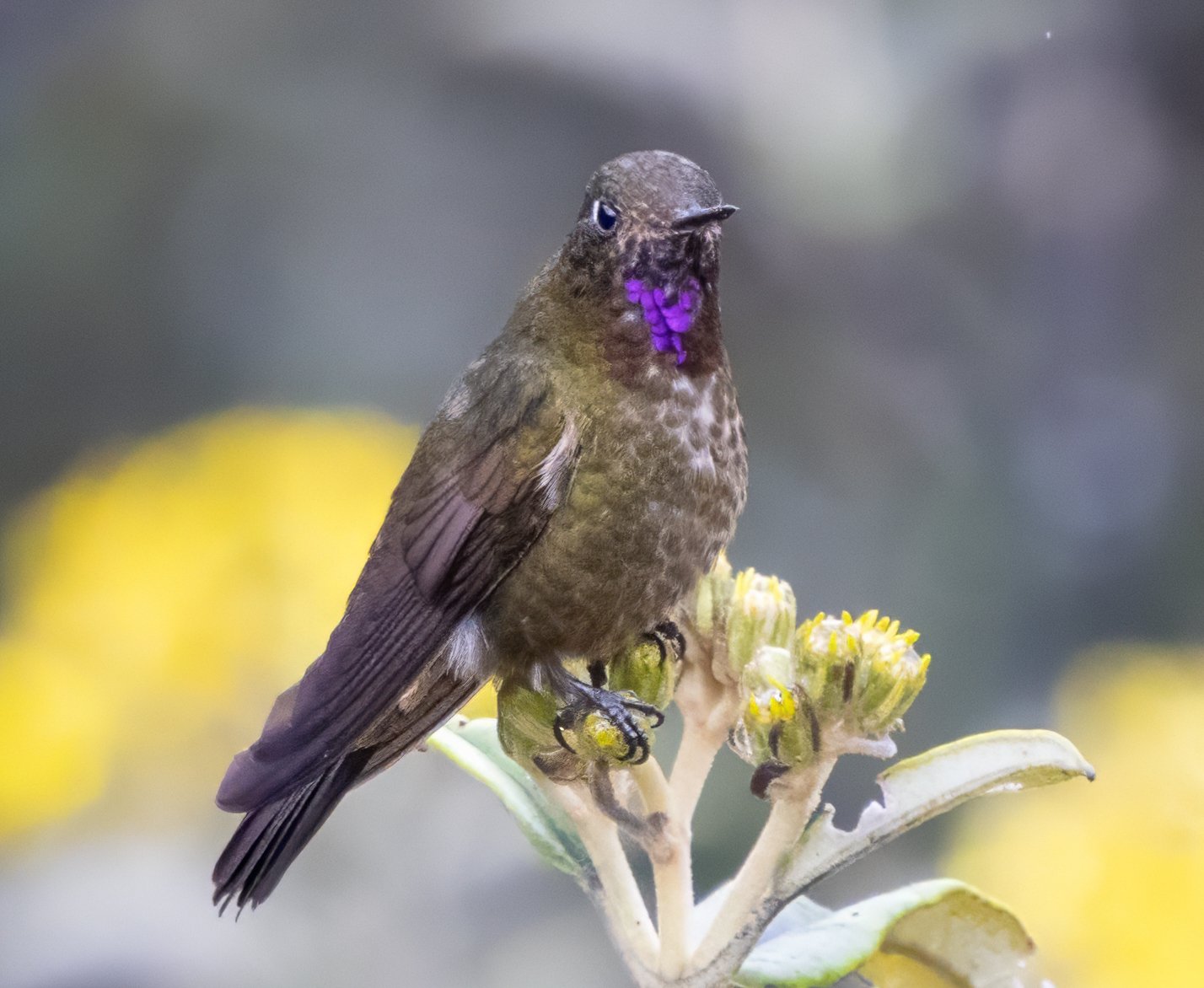
Metalura-de-garganta-violeta
Metallura baroni- Polylepis woodland
- Páramo
- Northern Andean cloud forest and temperate forest
-
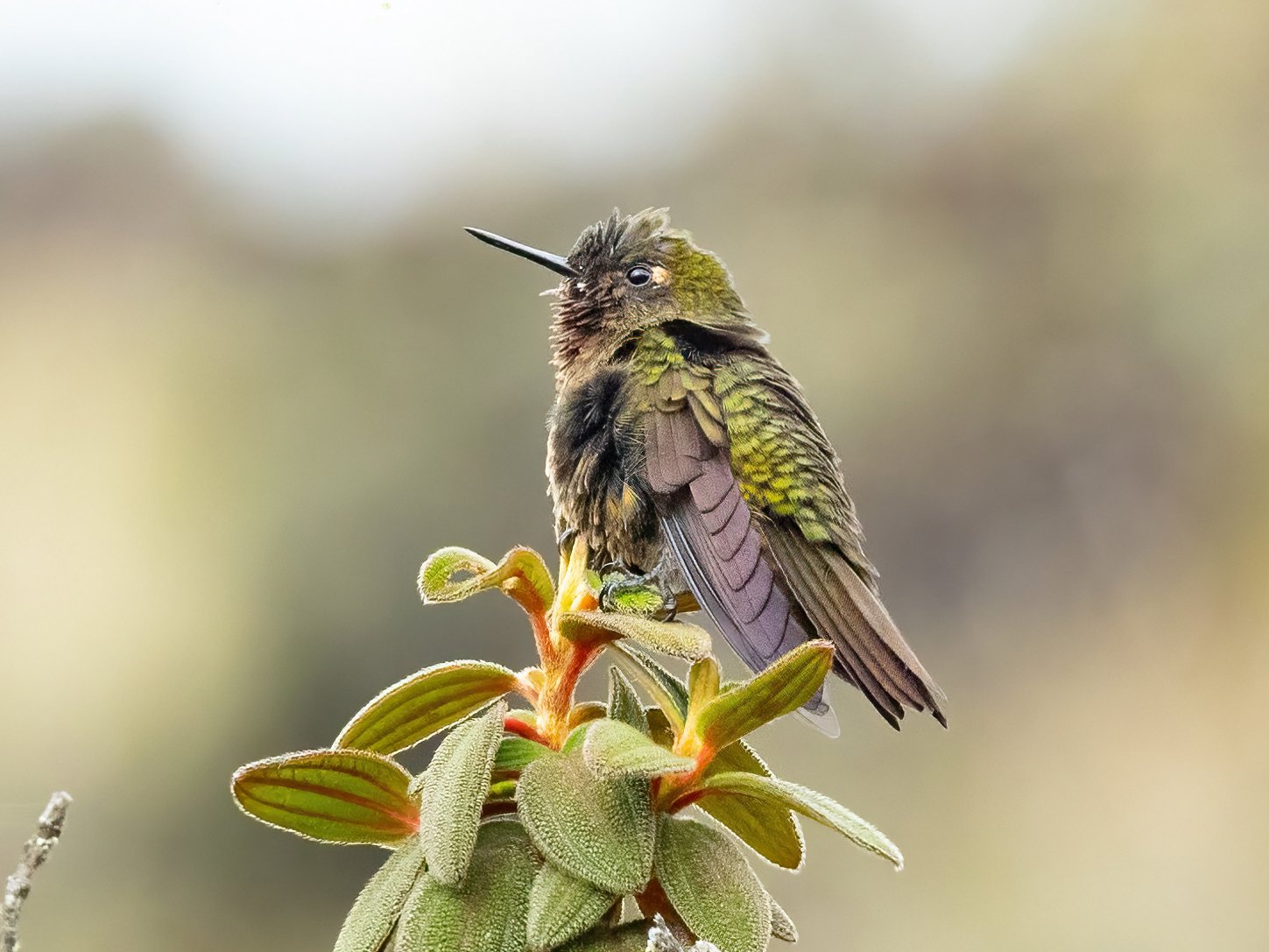
Metalura-de-neblina
Metallura odomae- Northern Andean cloud forest and temperate forest
- Páramo
- Jalca
-
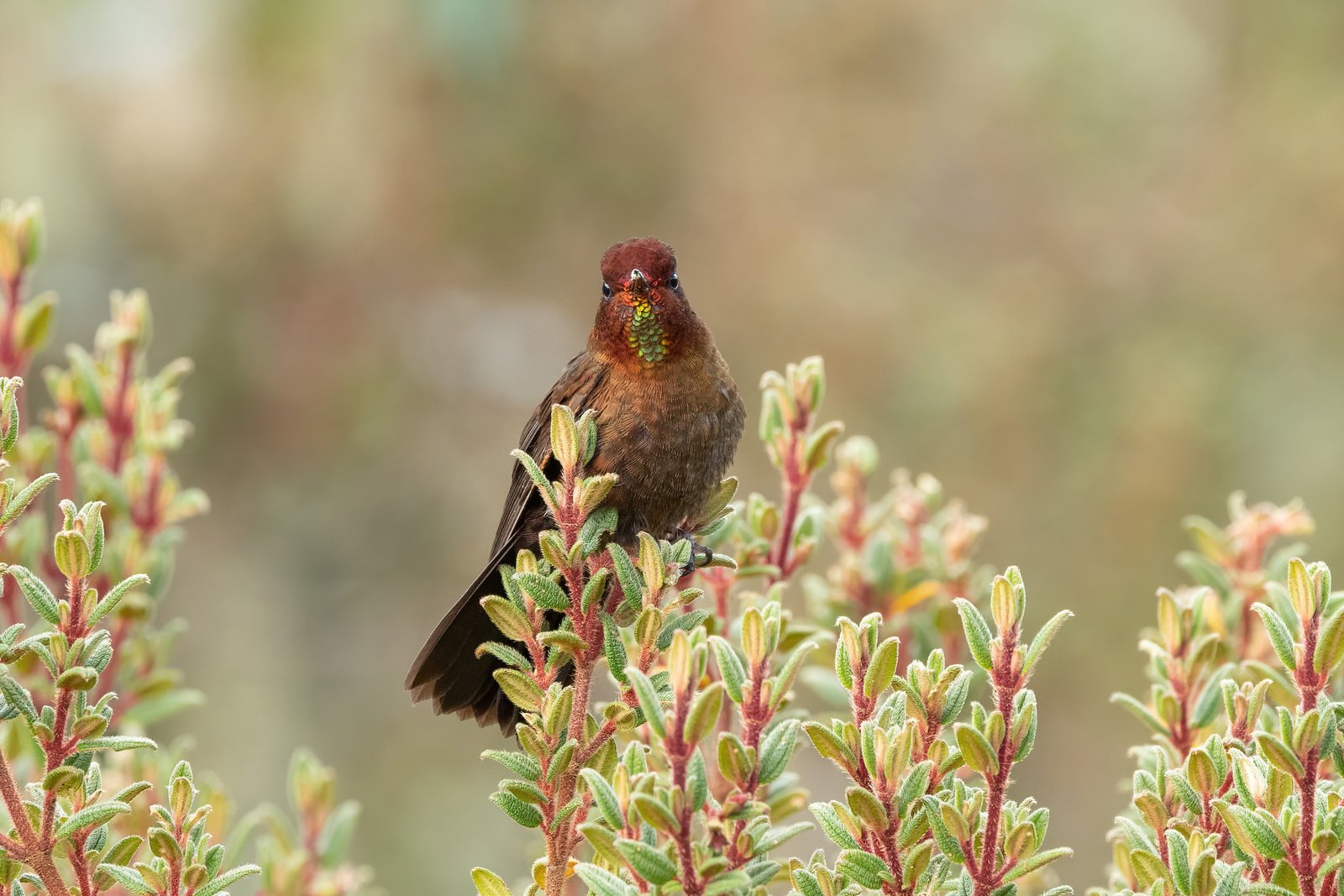
Metalura-acobreada
Metallura theresiae- Northern Andean cloud forest and temperate forest
- Jalca
- Páramo
-
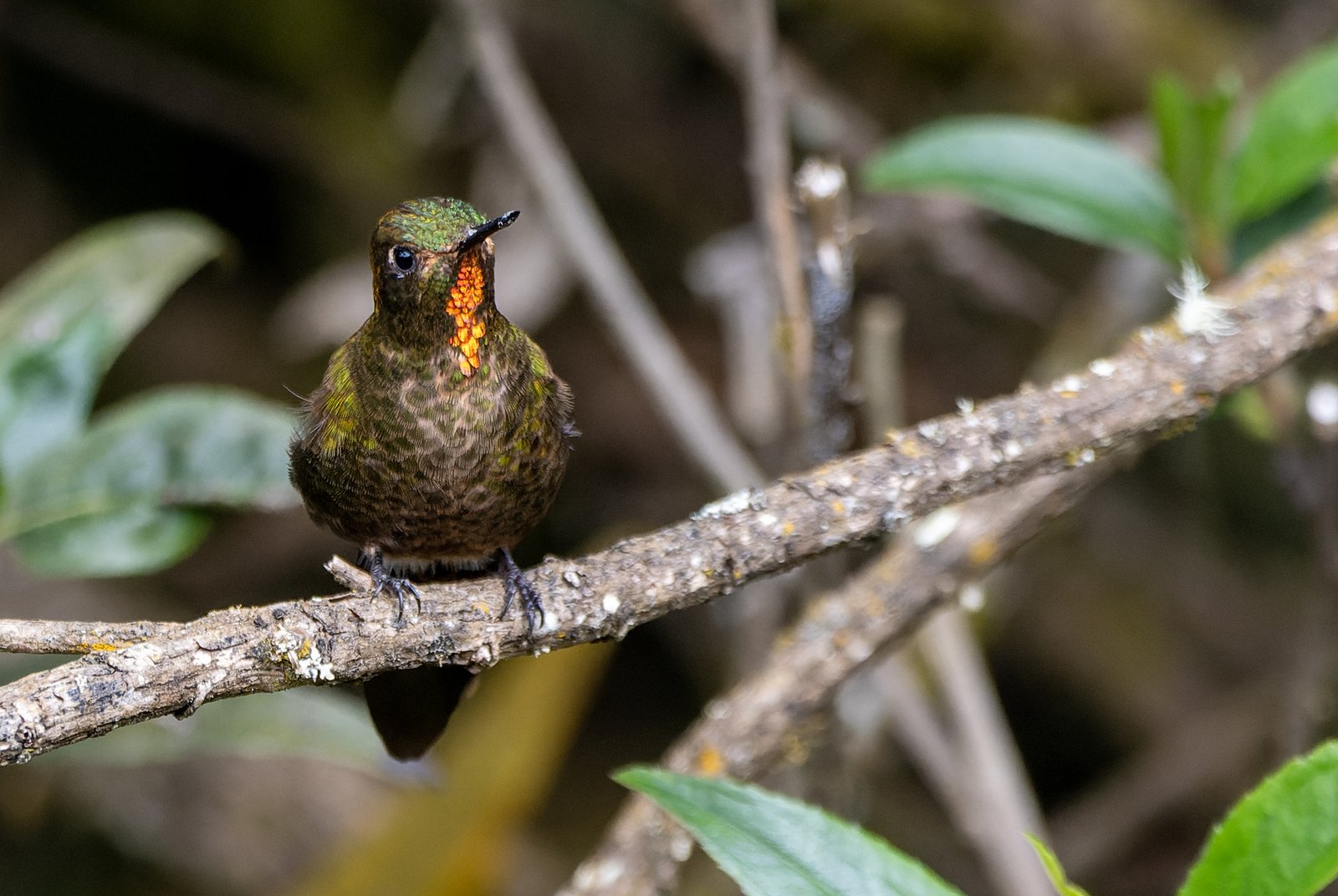
Metalura-de-garganta-de-fogo
Metallura eupogon- Upper Yungas cloud forest
- Humid puna
- Polylepis woodland
-
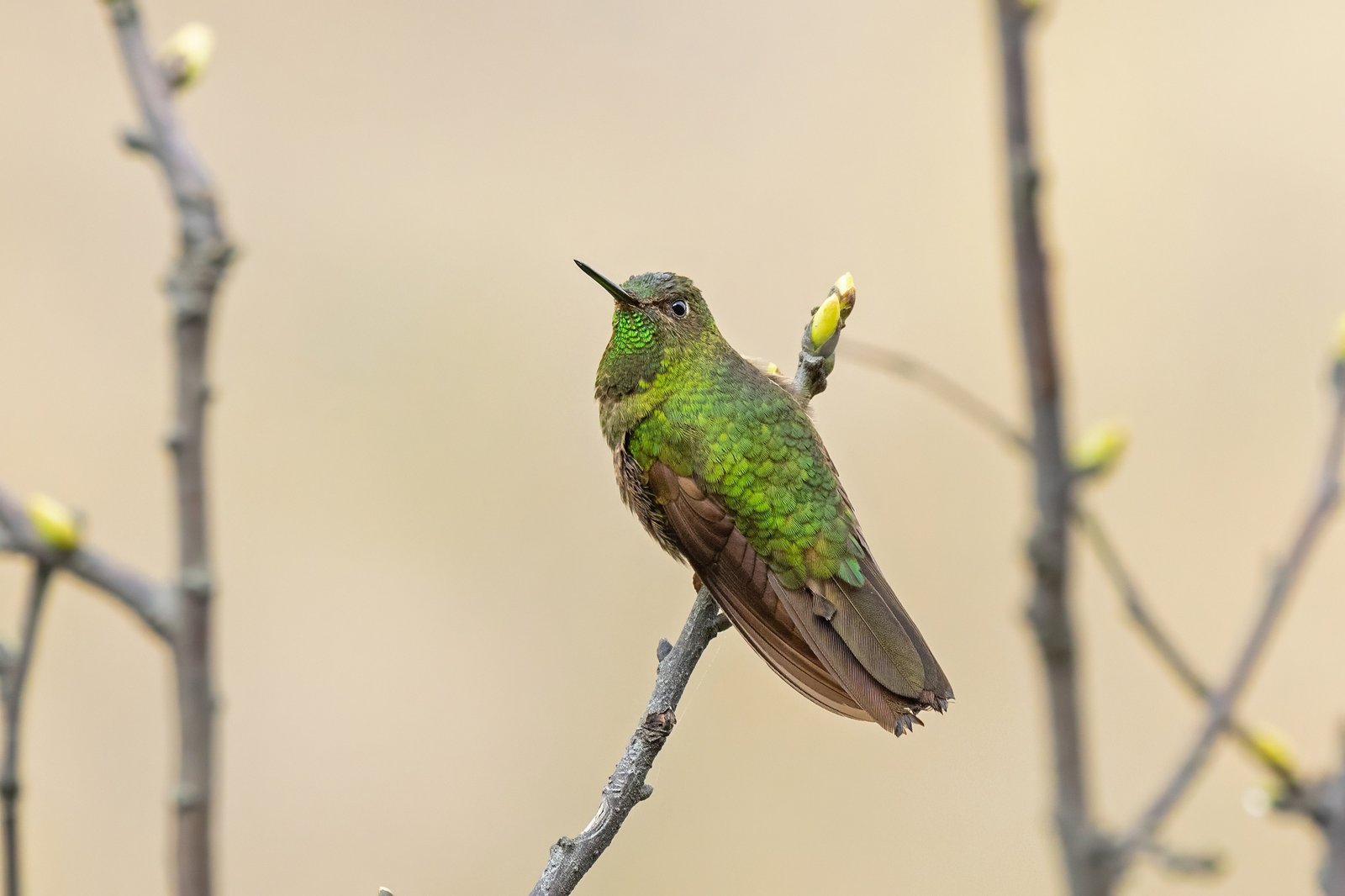
Metalura-escamosa
Metallura aeneocauda- Upper Yungas cloud forest
- Humid puna
- Polylepis woodland
-
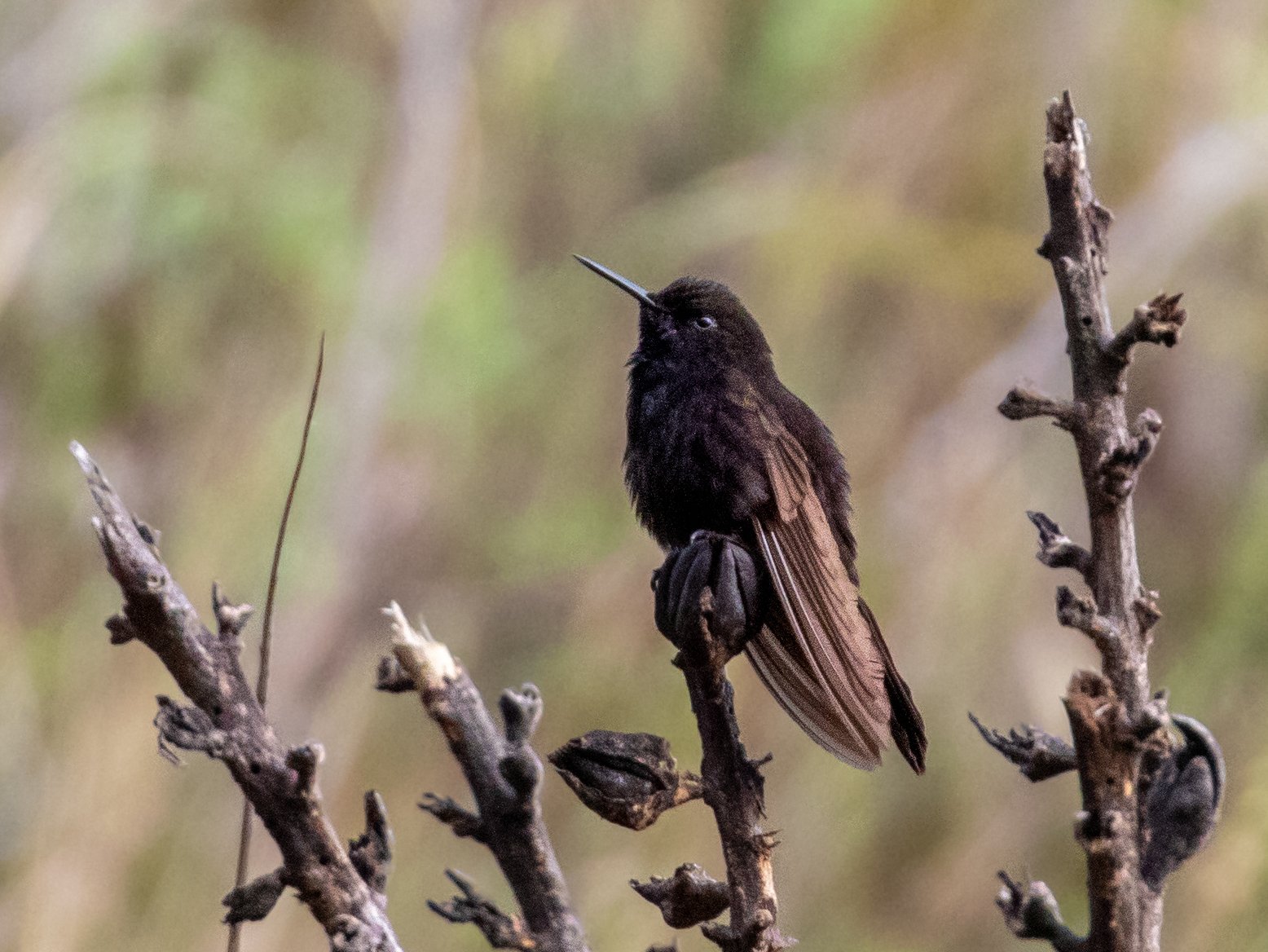
Metalura-preta
Metallura phoebe- Central Andean dry valleys
- Polylepis woodland
- Cliffs, gorges and canyons
- Andean fields and terraces
Oreonympha 1 espécie
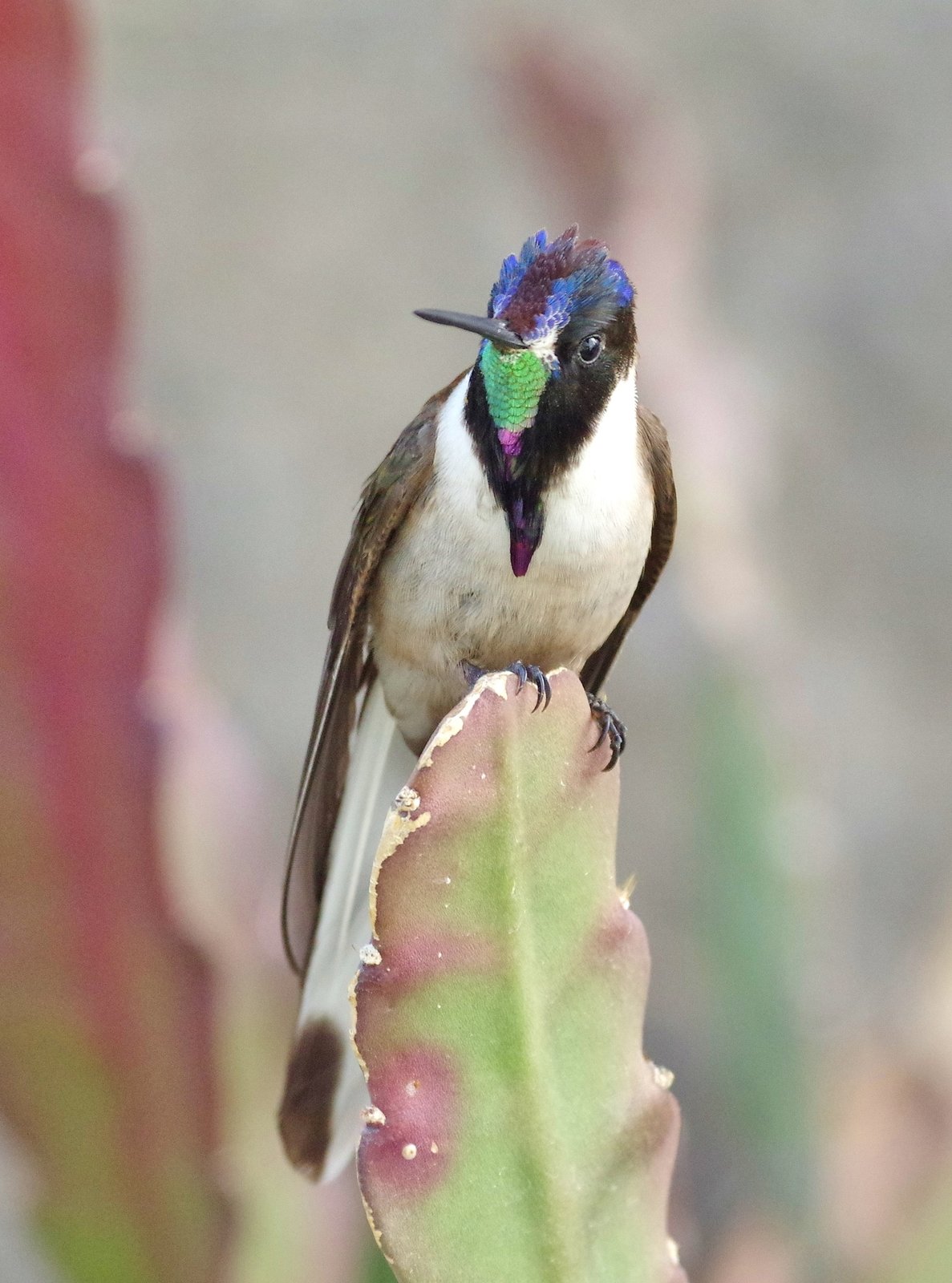
Oxypogon 3 espécies
-
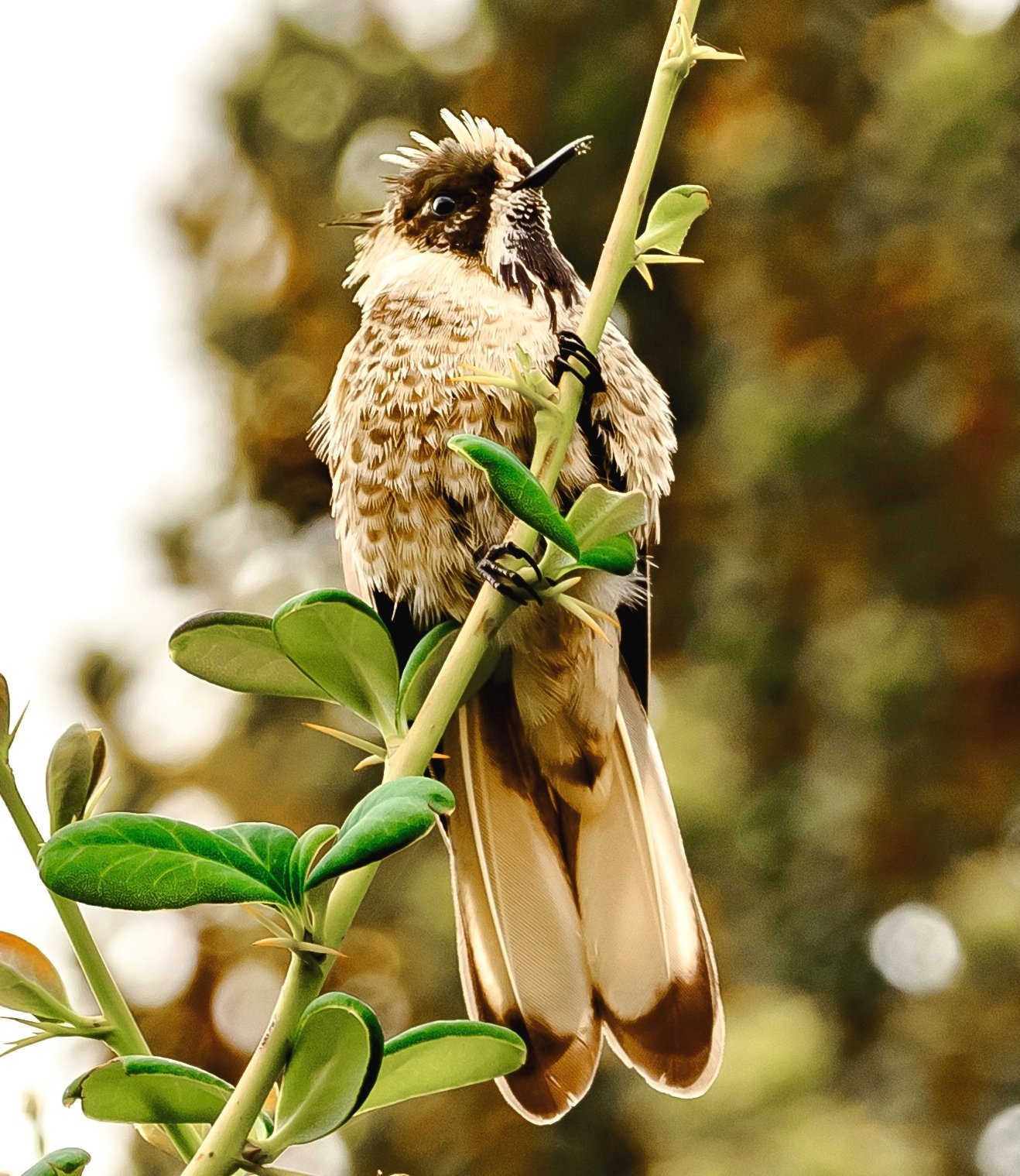
Capacete-de-barba-azul
Oxypogon cyanolaemus- Páramo
- Andean bogs and bofedales
- Glaciers, snowline and scree
-
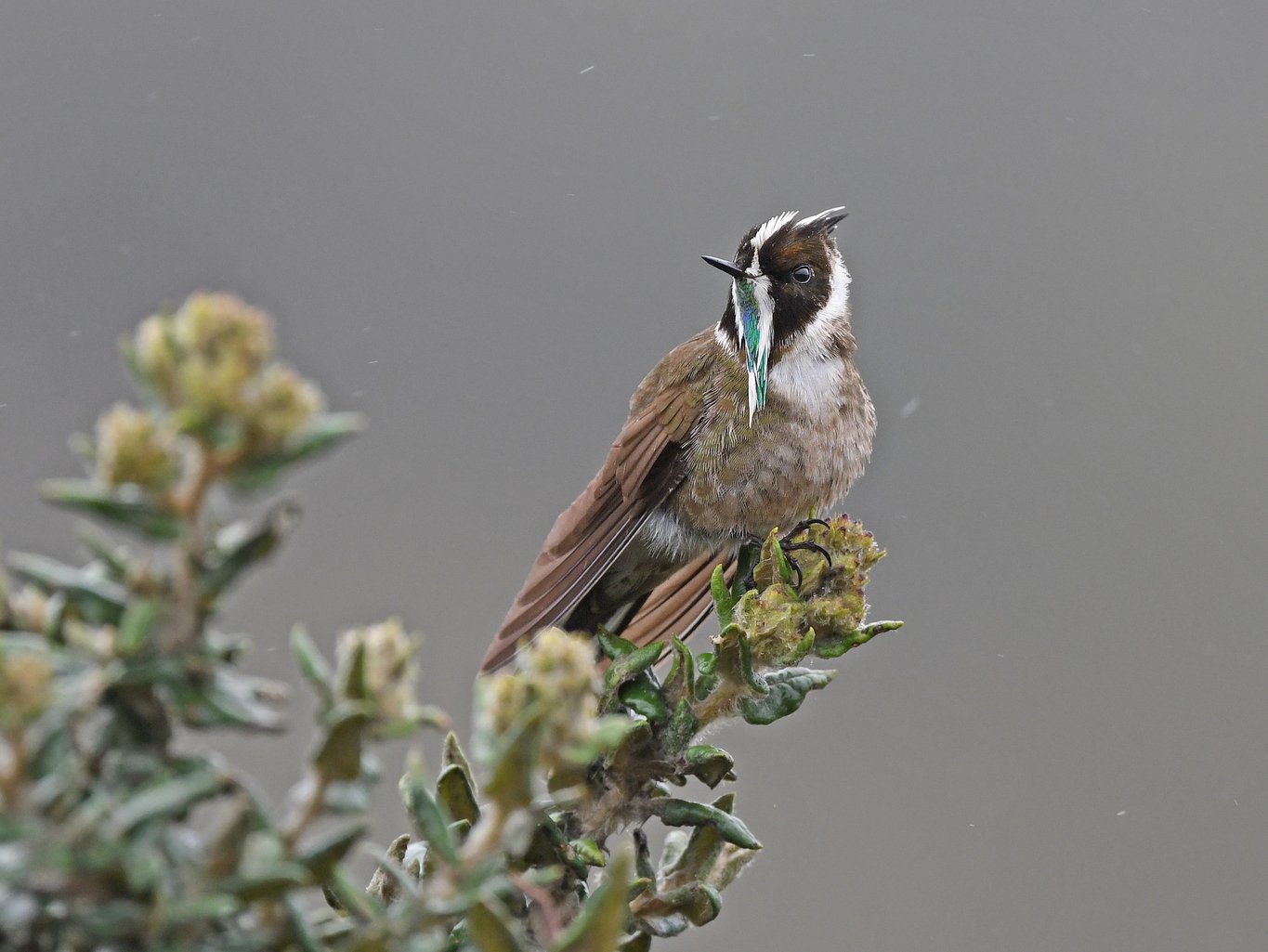
Capacete-de-barba-verde
Oxypogon guerinii- Páramo
- Andean bogs and bofedales
- Northern Andean cloud forest and temperate forest
-
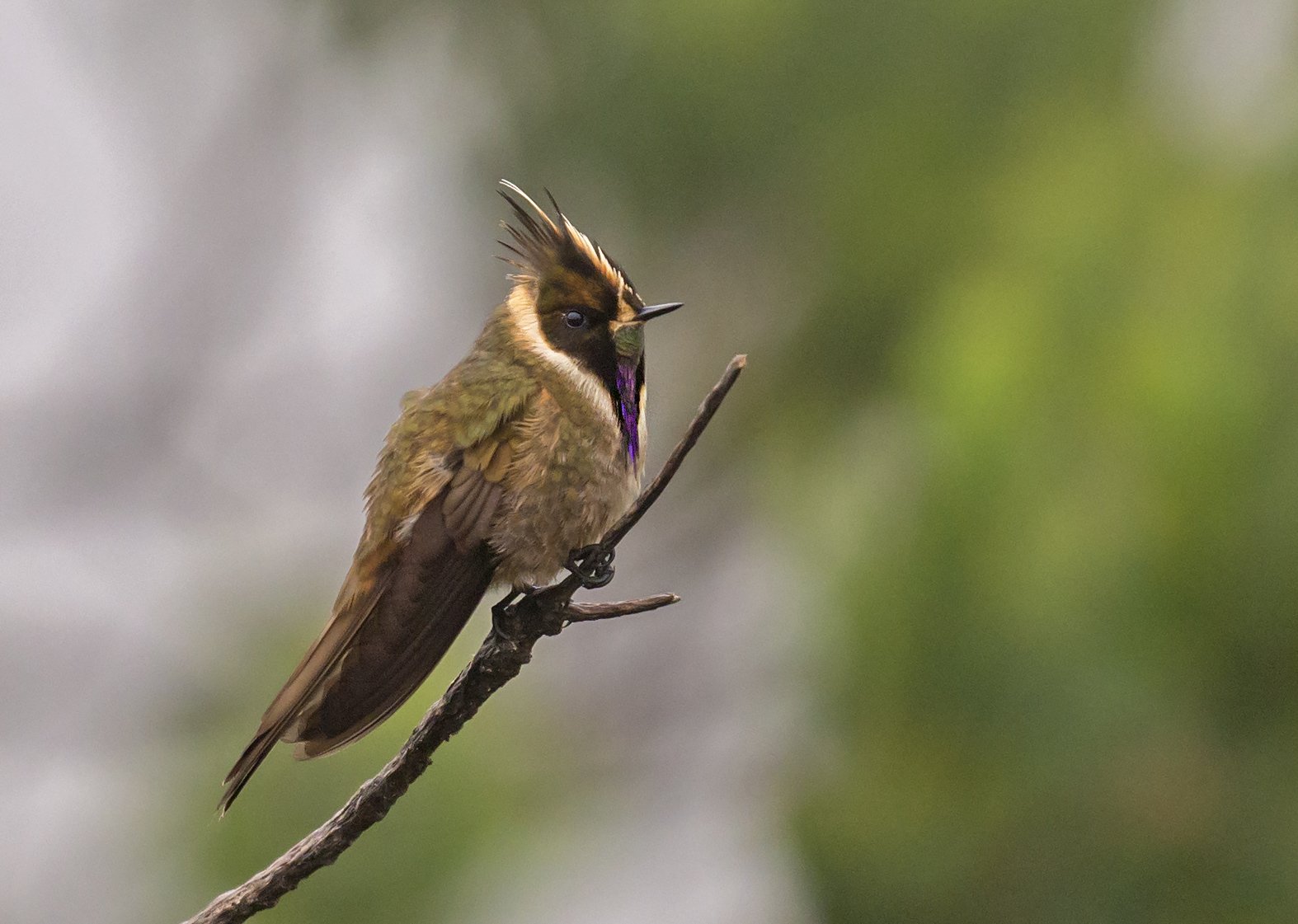
Capacete-amarelado
Oxypogon stuebelii- Páramo
- Glaciers, snowline and scree
- Andean bogs and bofedales
Chalcostigma 5 espécies
-
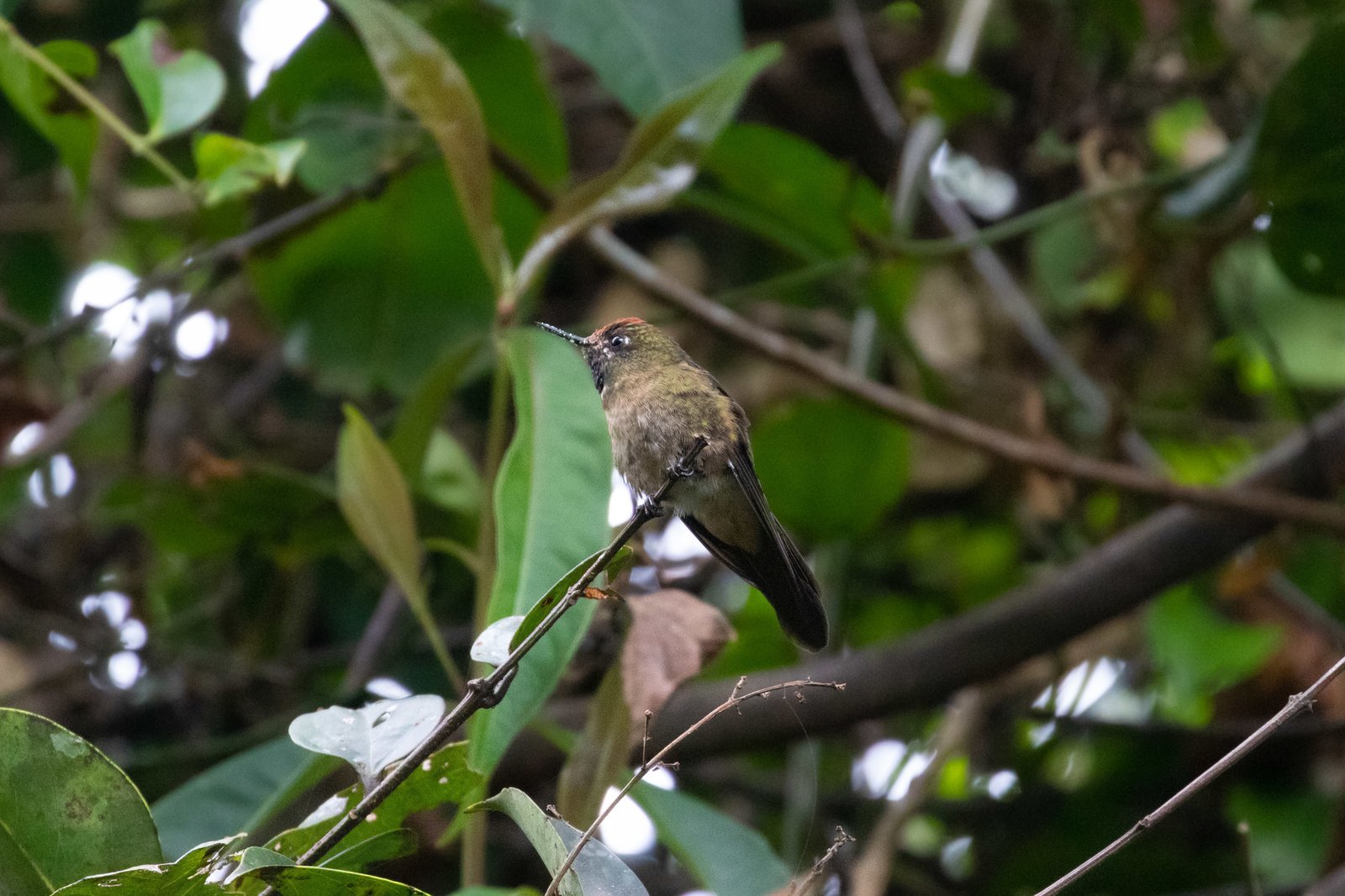
Bico-de-espinho-de-coroa-ruiva
Chalcostigma ruficeps- Northern Andean cloud forest and temperate forest
- Upper Yungas cloud forest
- Secondary forest and forest edge
-
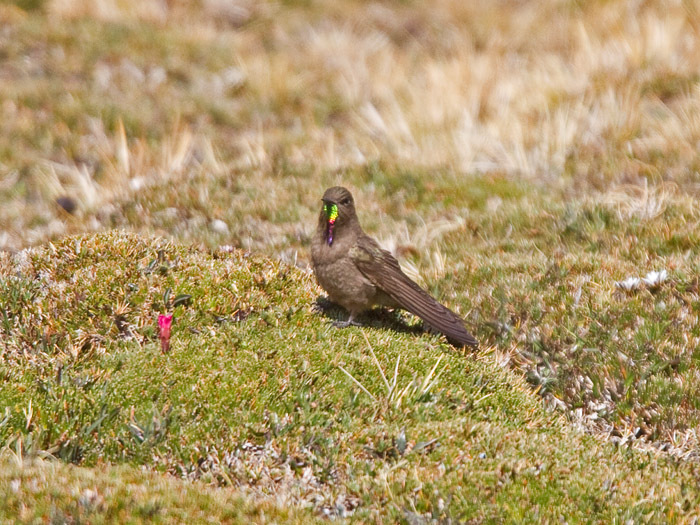
Bico-de-espinho-oliváceo
Chalcostigma olivaceum- Humid puna
- Dry puna and altiplano
- Polylepis woodland
-
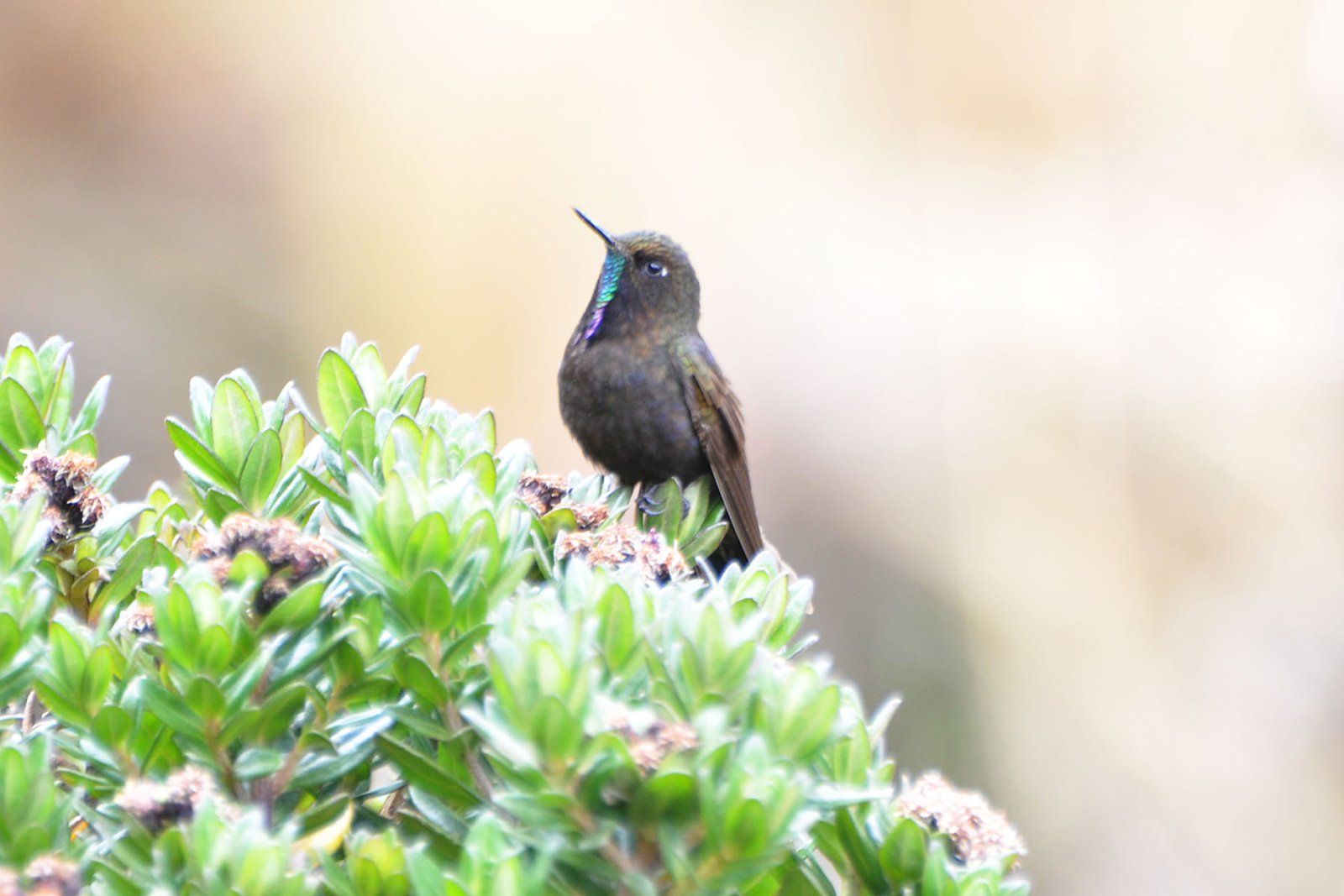
Bico-de-espinho-de-manto-azul
Chalcostigma stanleyi- Polylepis woodland
- Páramo
- Jalca
- Humid puna
- Northern Andean cloud forest and temperate forest
-
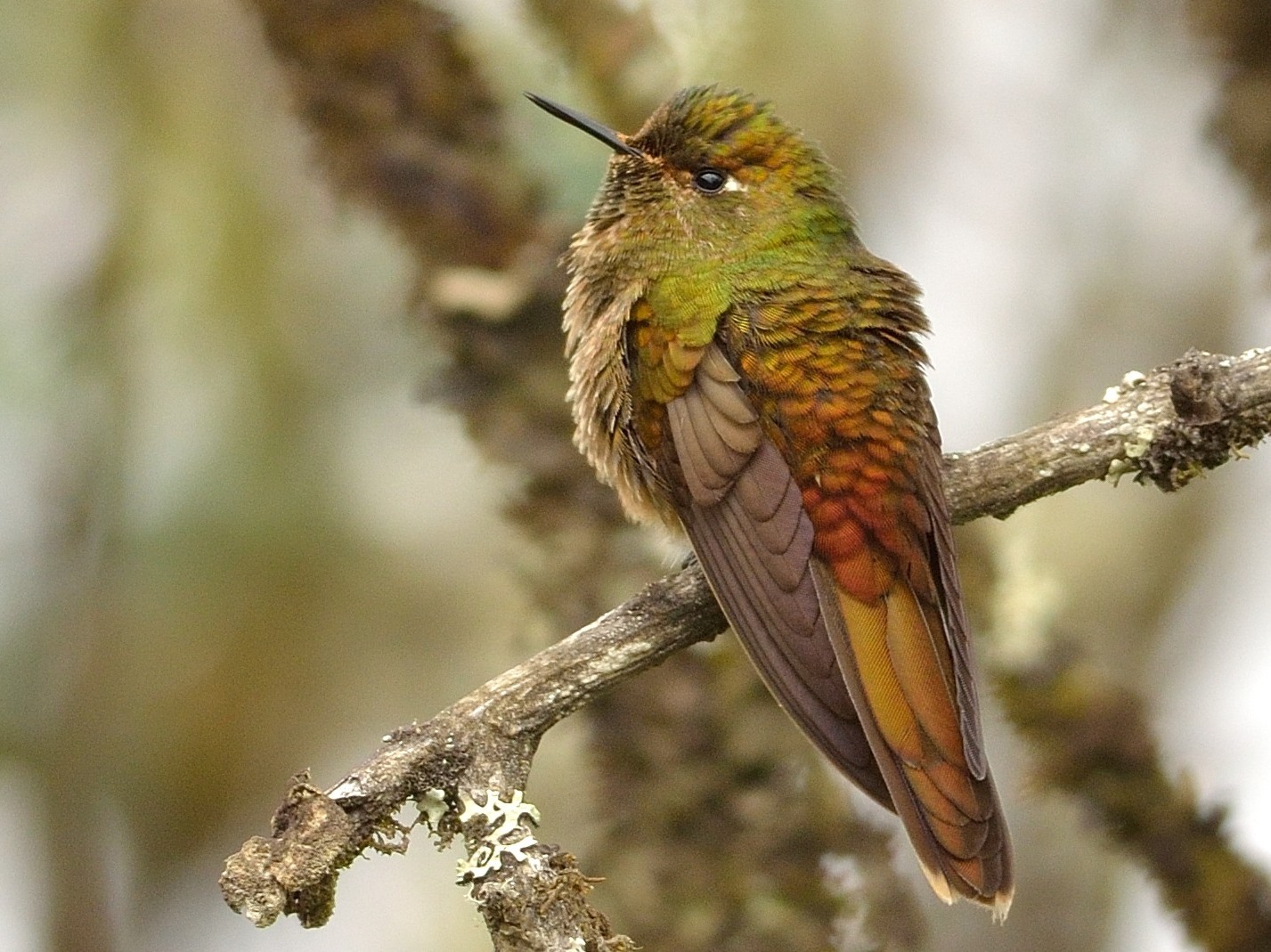
Bico-de-espinho-de-cauda-bronzeada
Chalcostigma heteropogon- Páramo
- Northern Andean cloud forest and temperate forest
- Cliffs, gorges and canyons
-
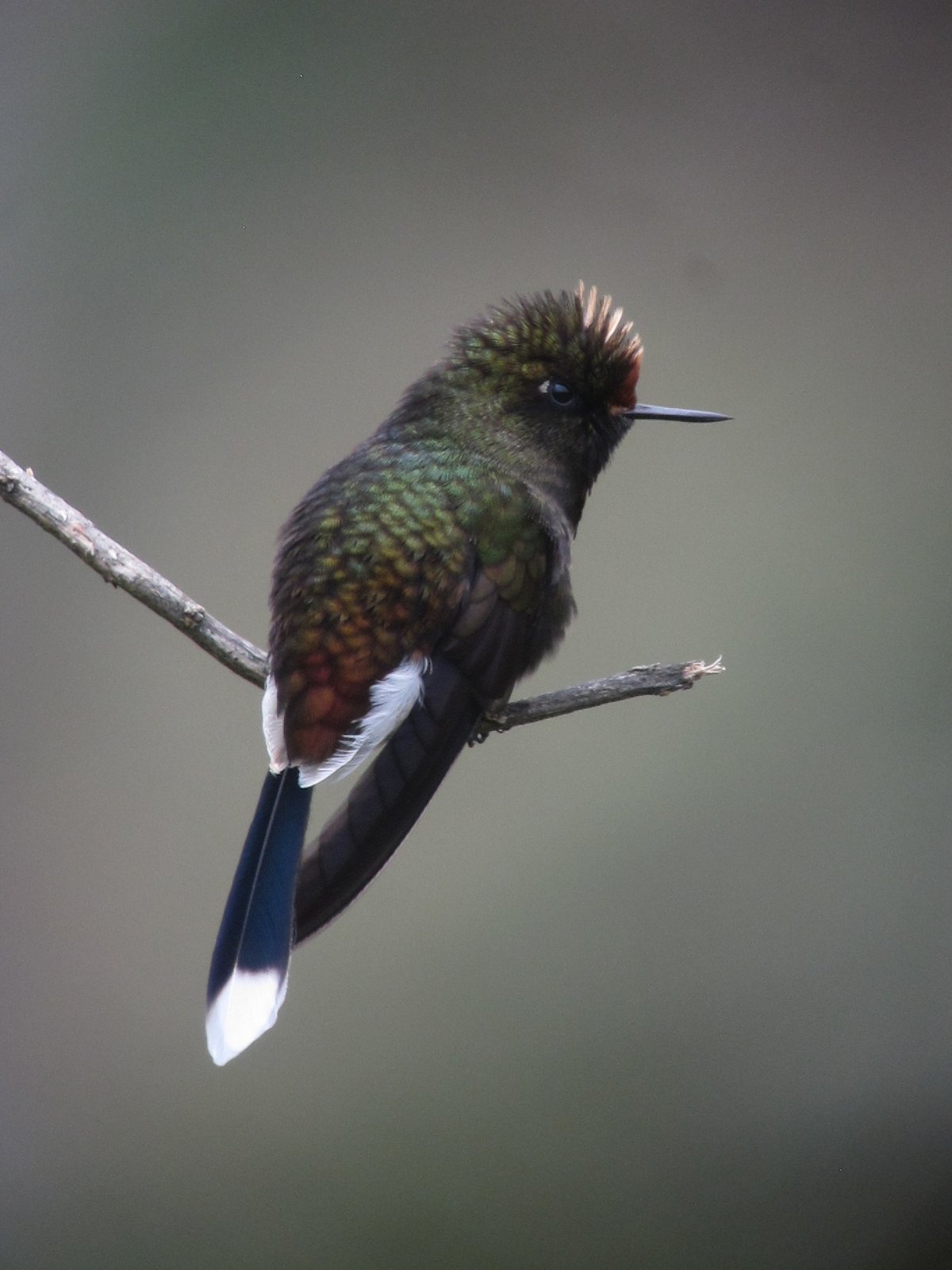
Bico-de-espinho-de-barba-arco-íris
Chalcostigma herrani- Páramo
- Northern Andean cloud forest and temperate forest
- Jalca
- Polylepis woodland
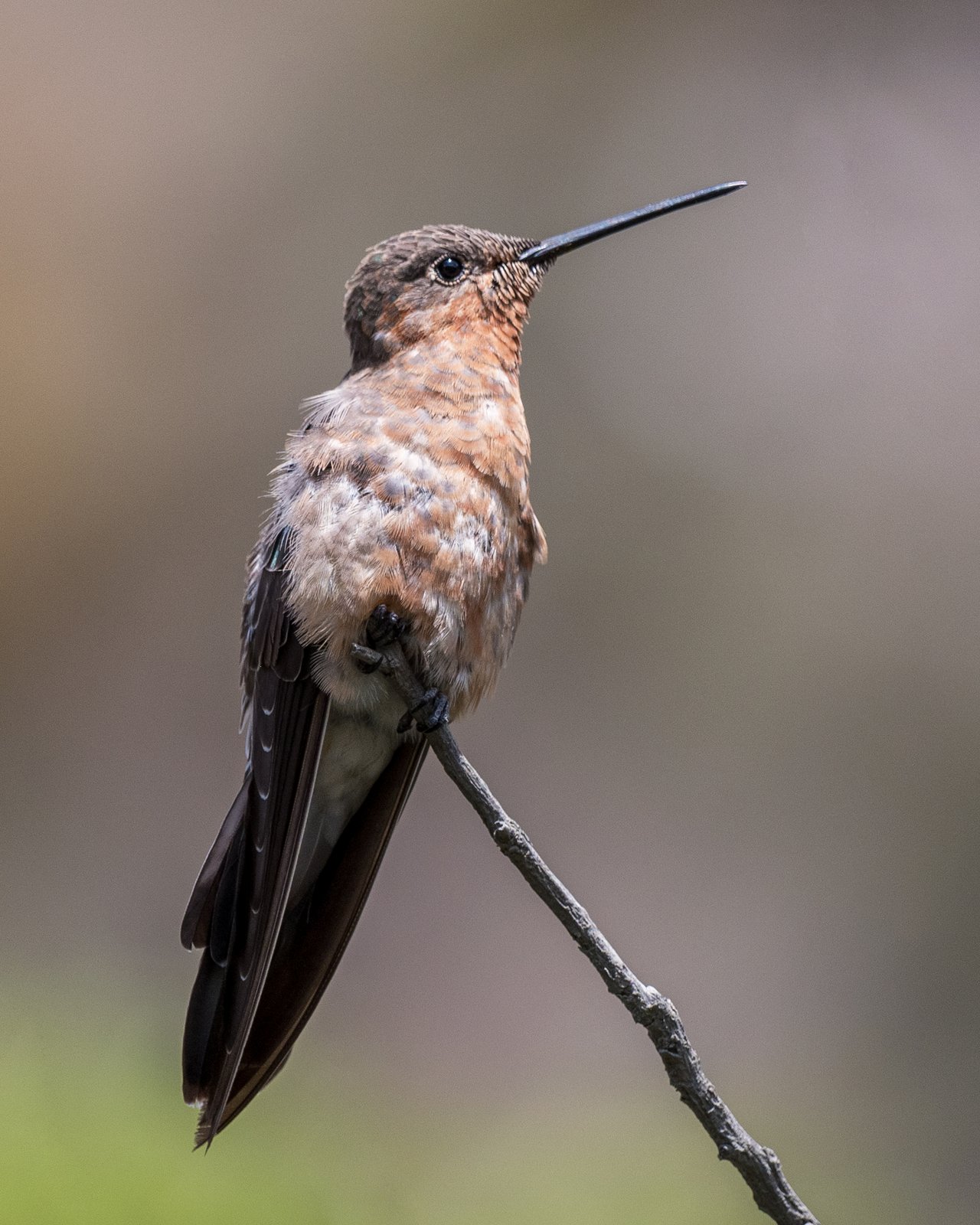
Heliomaster 2 espécies
-
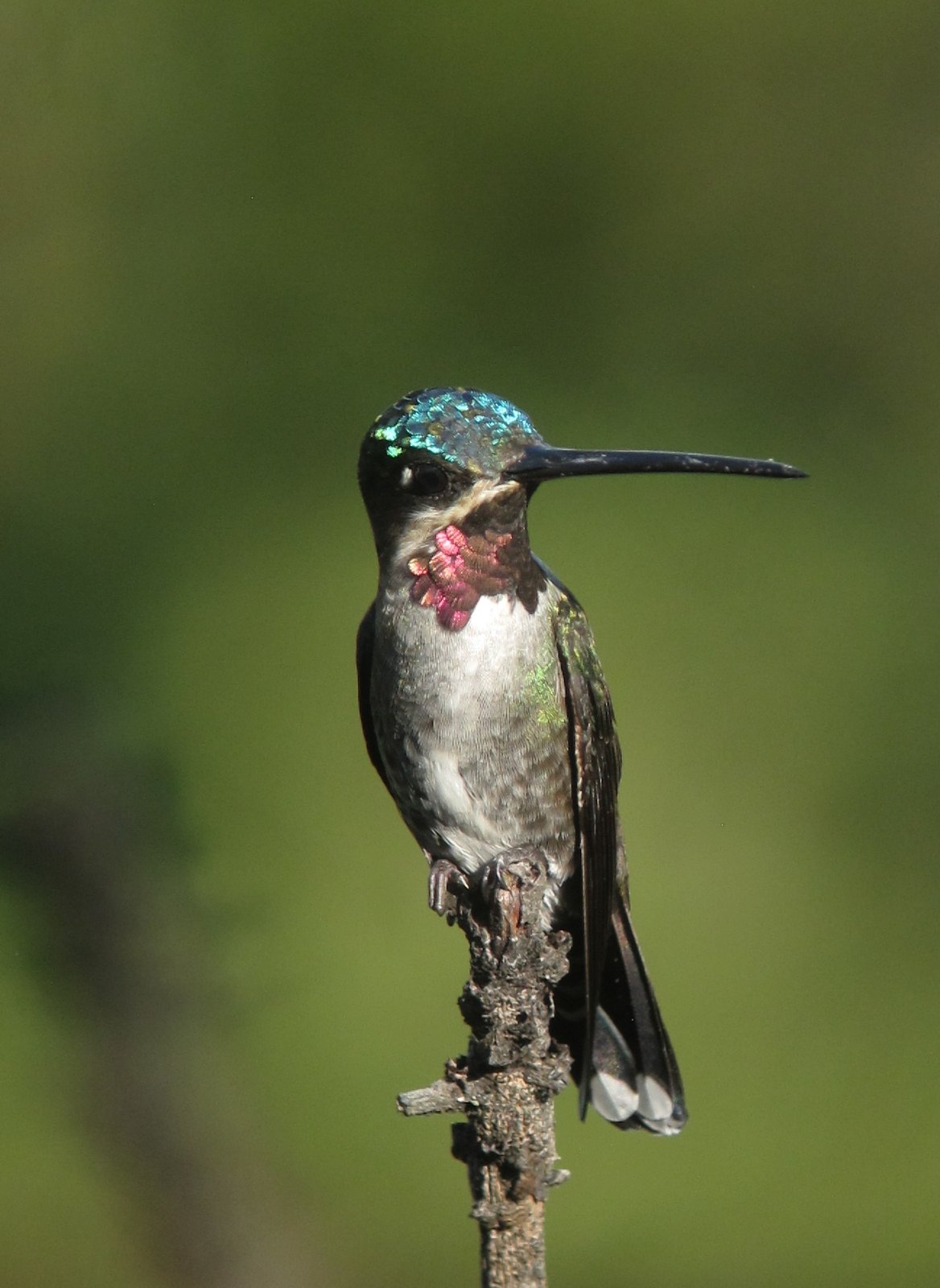
Bico-reto-cinzento
Heliomaster longirostris- Secondary forest and forest edge
- Western Ecuador humid forest
- Amazonian terra firme rainforest
- Tumbesian dry forest and thorn scrub
- Coffee, cacao and agroforestry
-
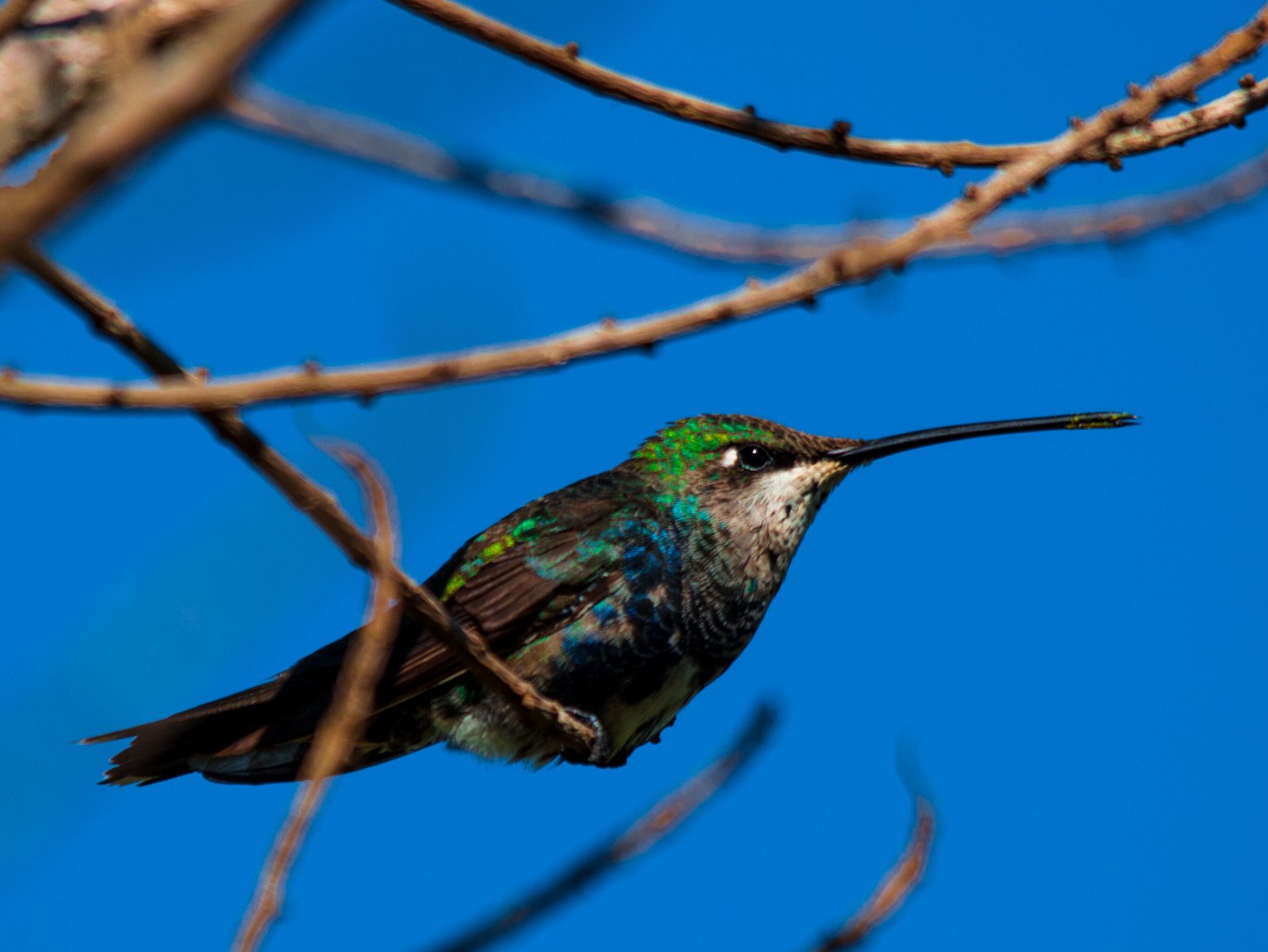
Bico-reto-azul
Heliomaster furcifer- Chiquitano dry forest and Chaco
- Beni savanna and cerrado
- Várzea, igapó and river islands
- Secondary forest and forest edge
- Towns, cities and parks
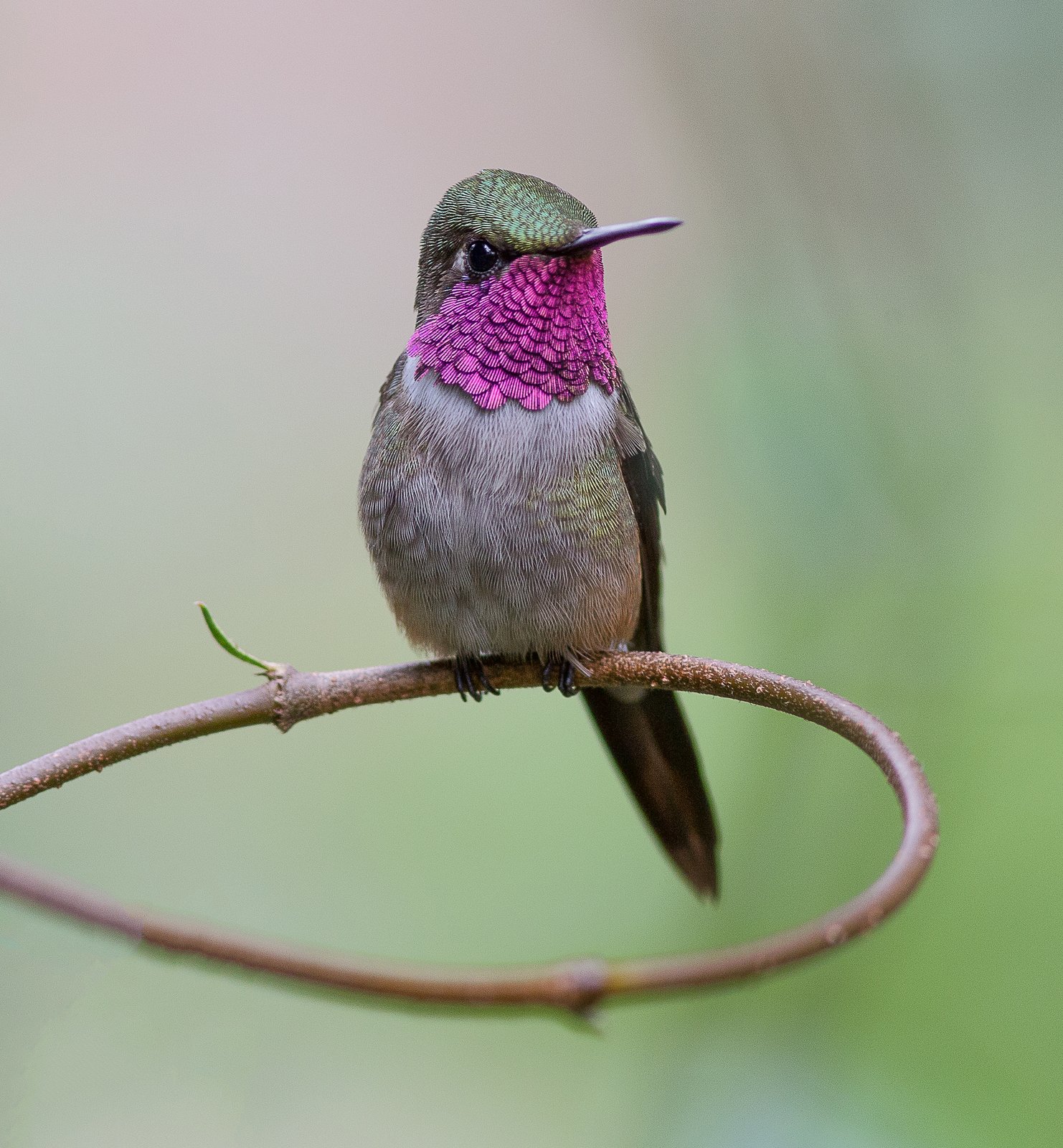
Thaumastura 1 espécie
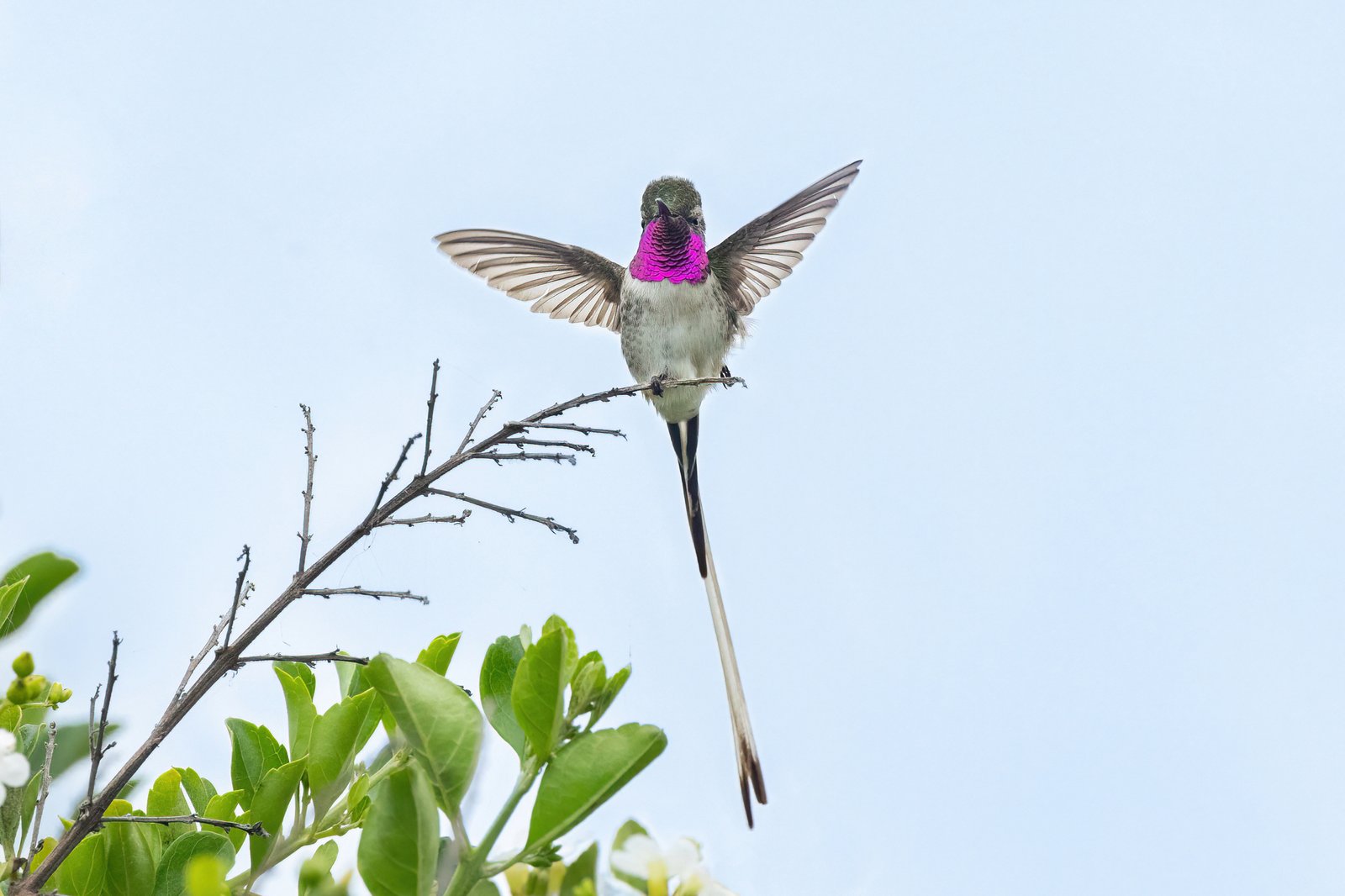


Myrmia 1 espécie
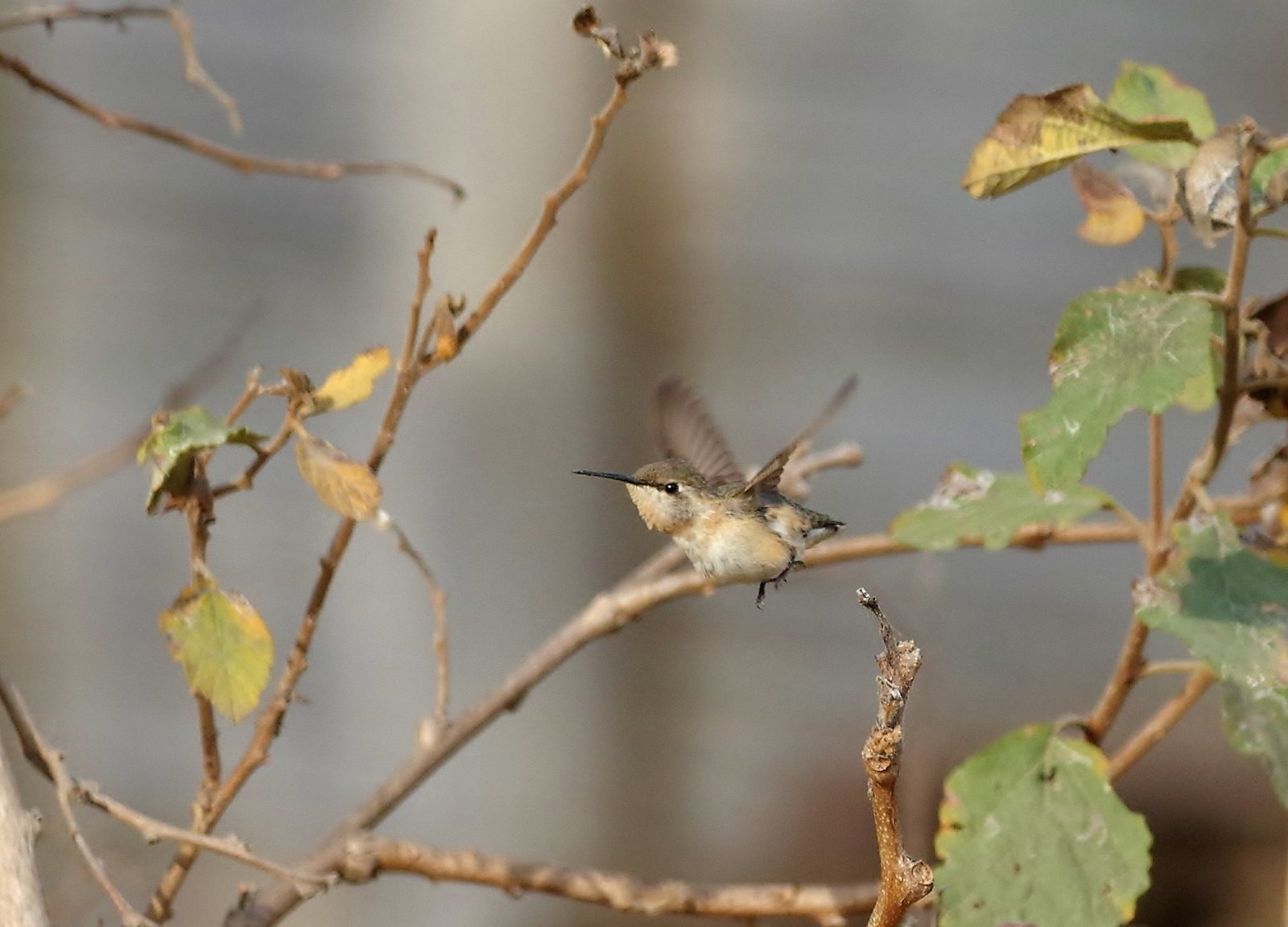
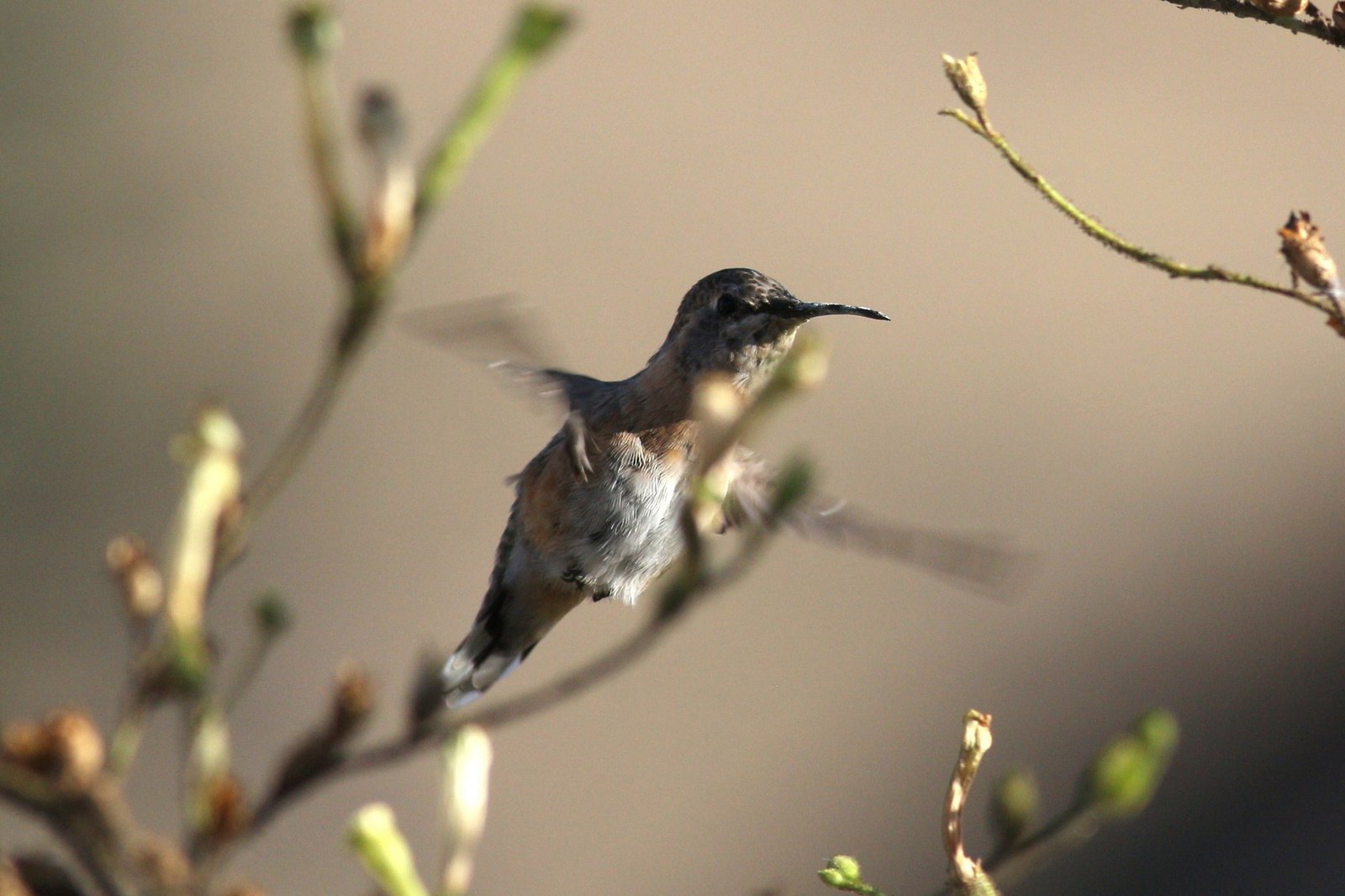
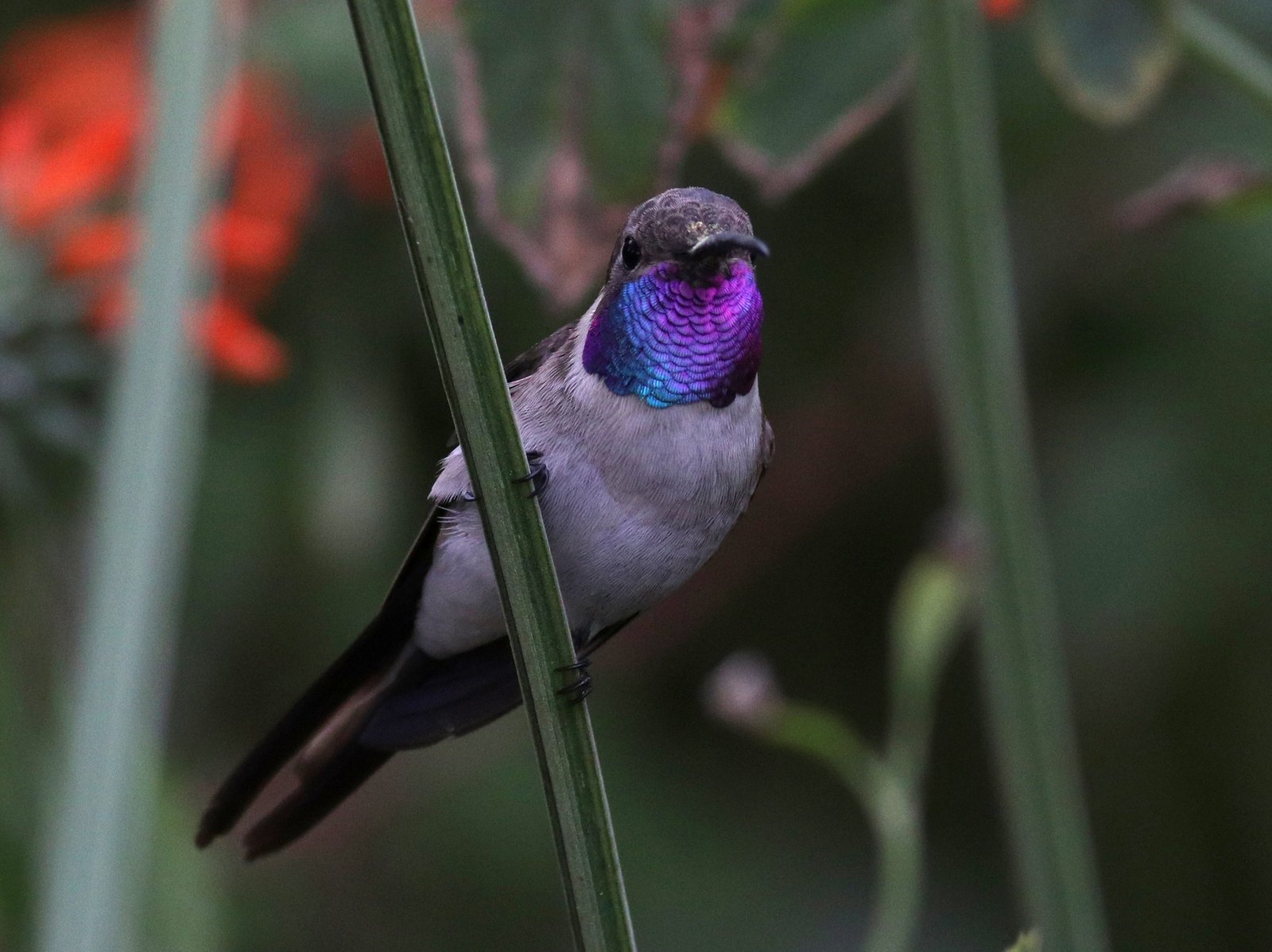
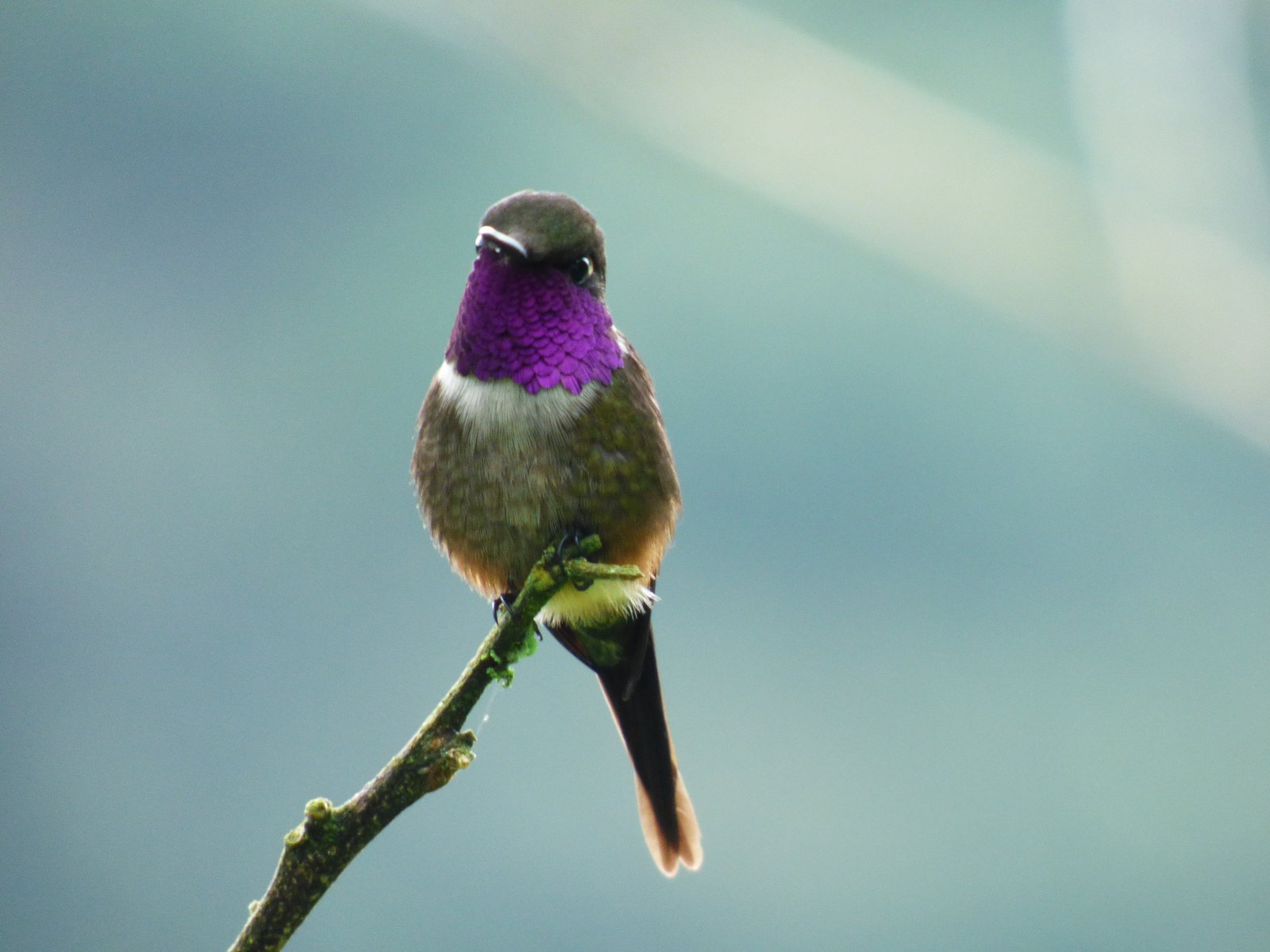
Microstilbon 1 espécie
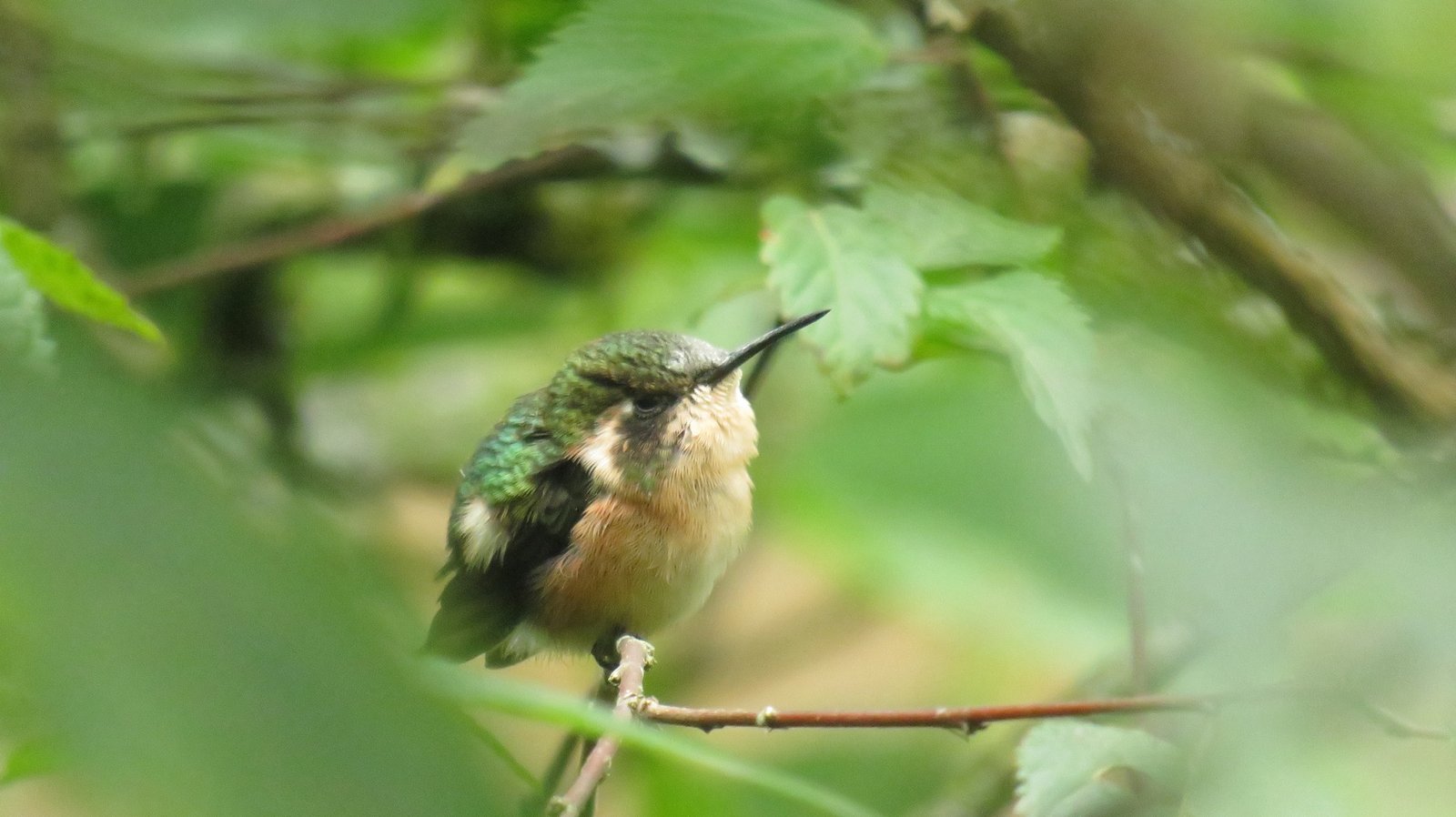
Chaetocercus 6 espécies
-
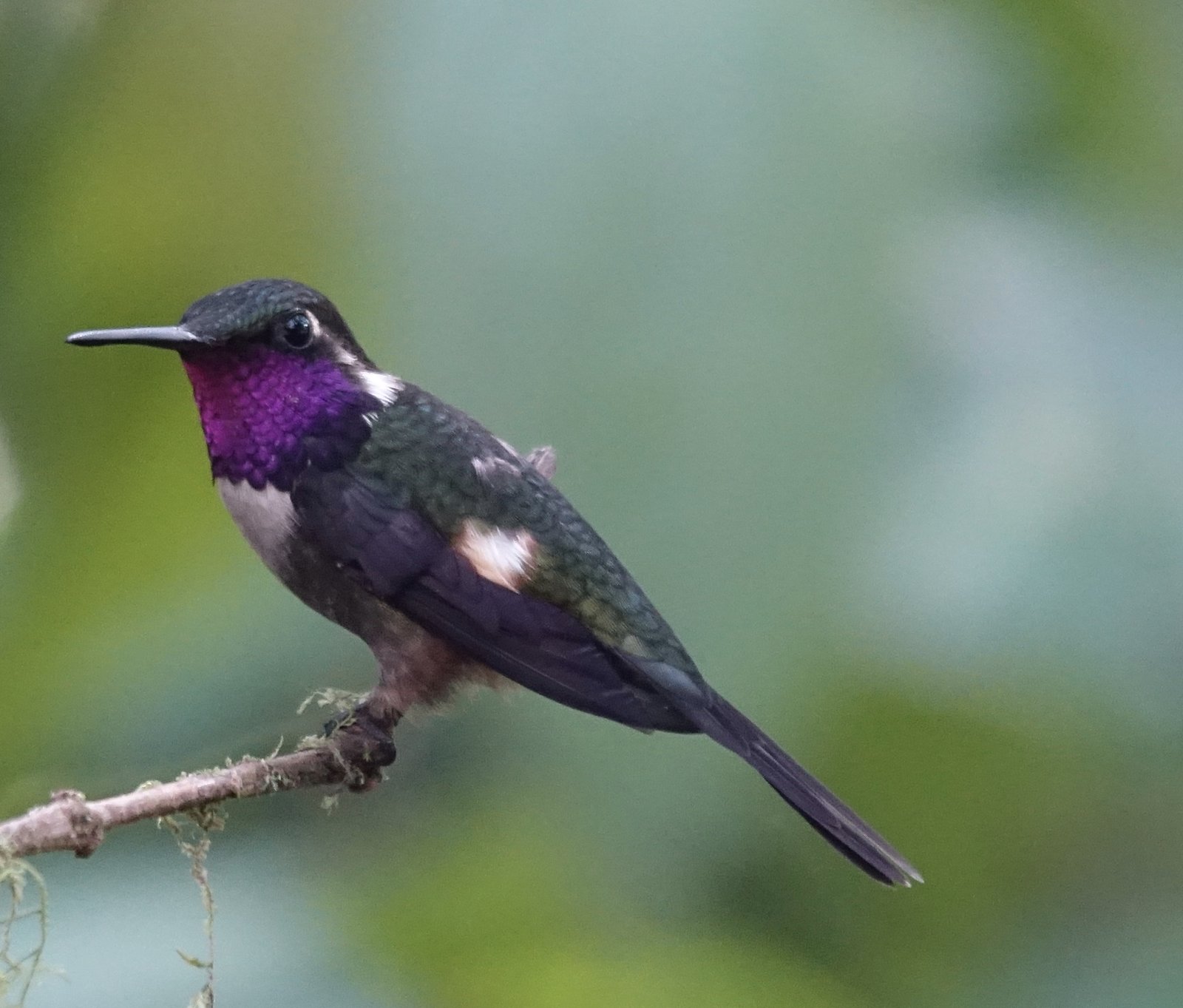
Estrelinha-de-barriga-branca
Chaetocercus mulsant- Northern Andean cloud forest and temperate forest
- Northern Andean subtropical forest
- Secondary forest and forest edge
- Upper Yungas cloud forest
- Towns, cities and parks
-
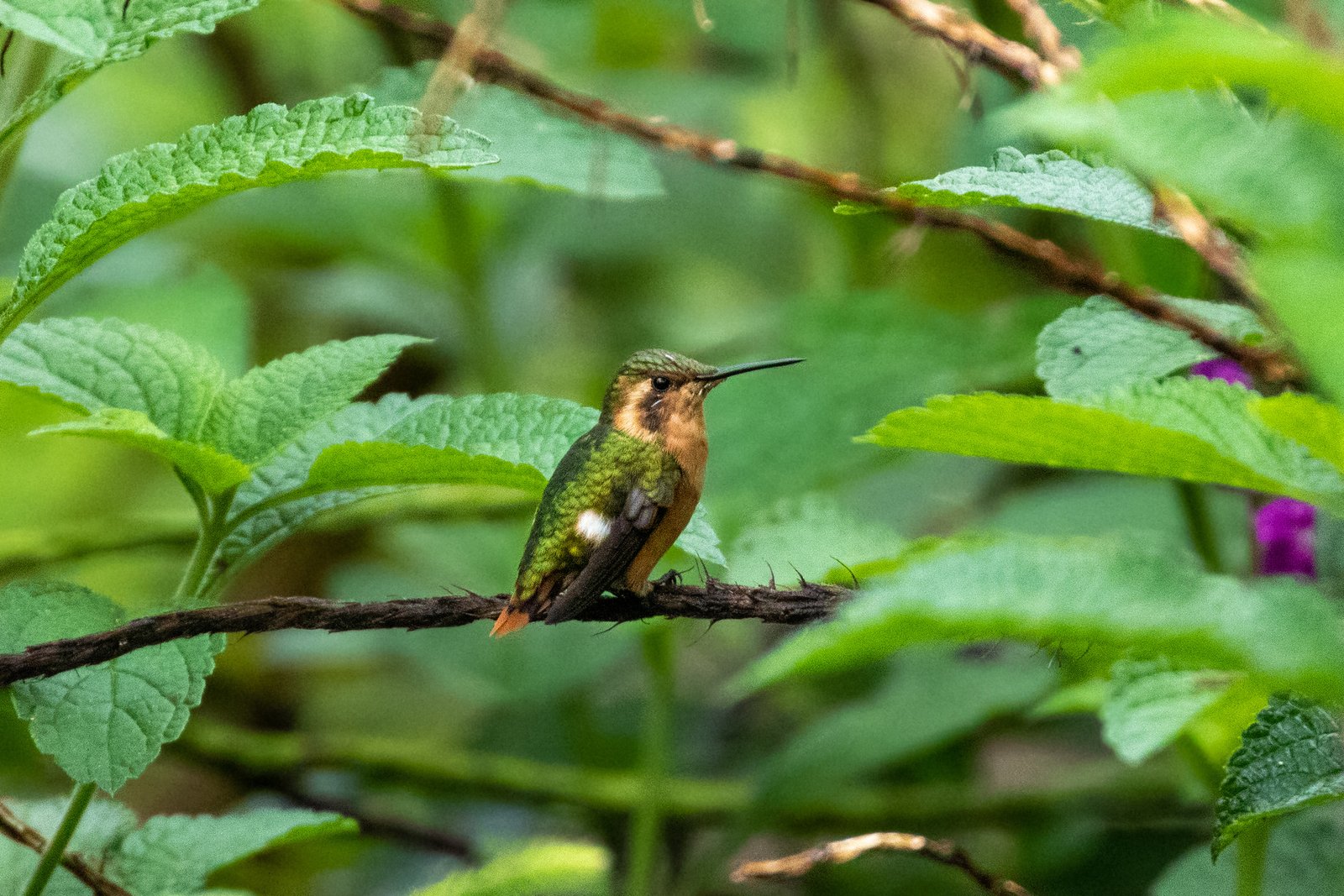
Estrelinha-pequena
Chaetocercus bombus- Western Ecuador humid forest
- Tumbesian dry forest and thorn scrub
- Secondary forest and forest edge
- Coffee, cacao and agroforestry
-
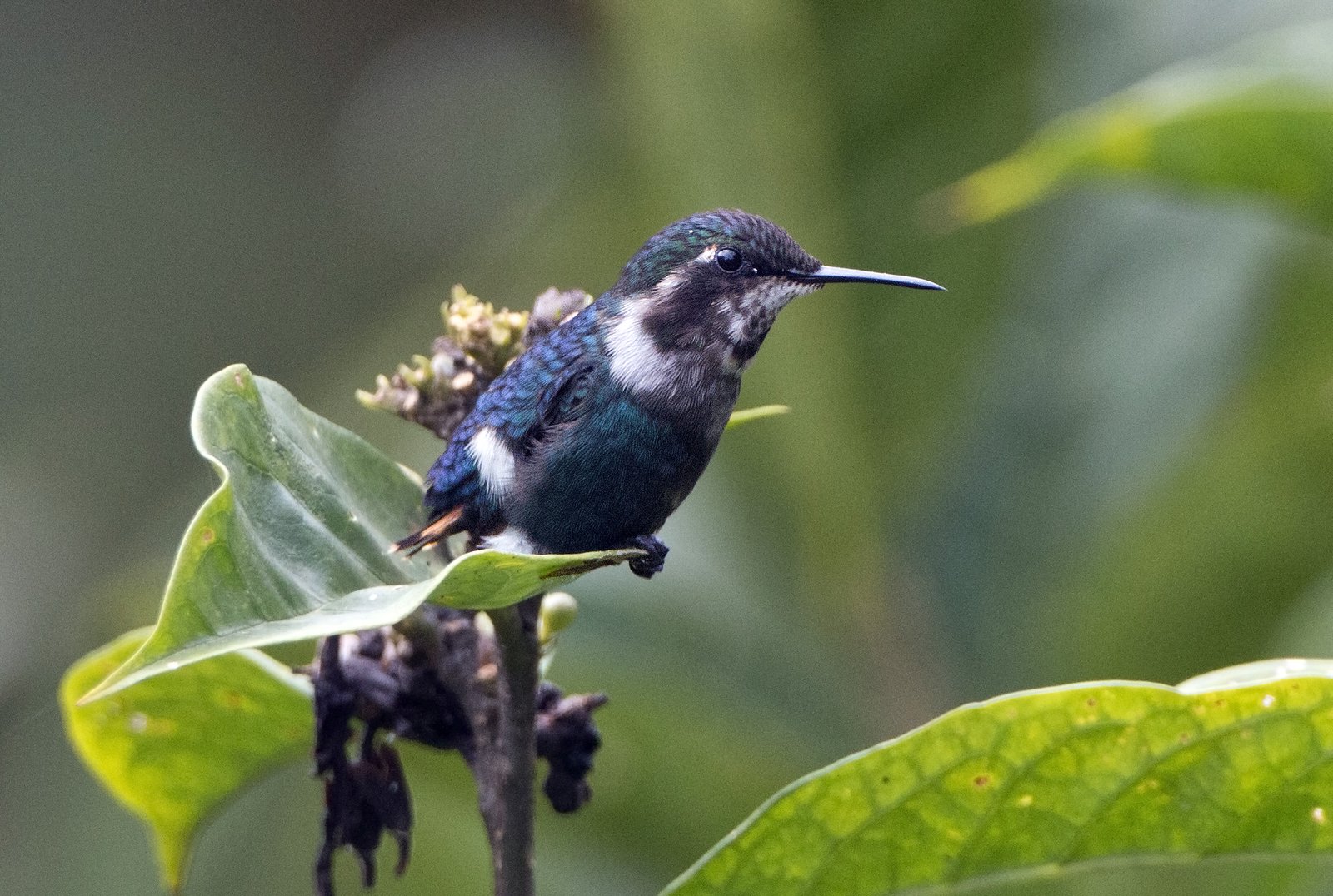
Estrelinha-de-gorjal
Chaetocercus heliodor- Northern Andean subtropical forest
- Northern Andean cloud forest and temperate forest
- Secondary forest and forest edge
- Coffee, cacao and agroforestry
-
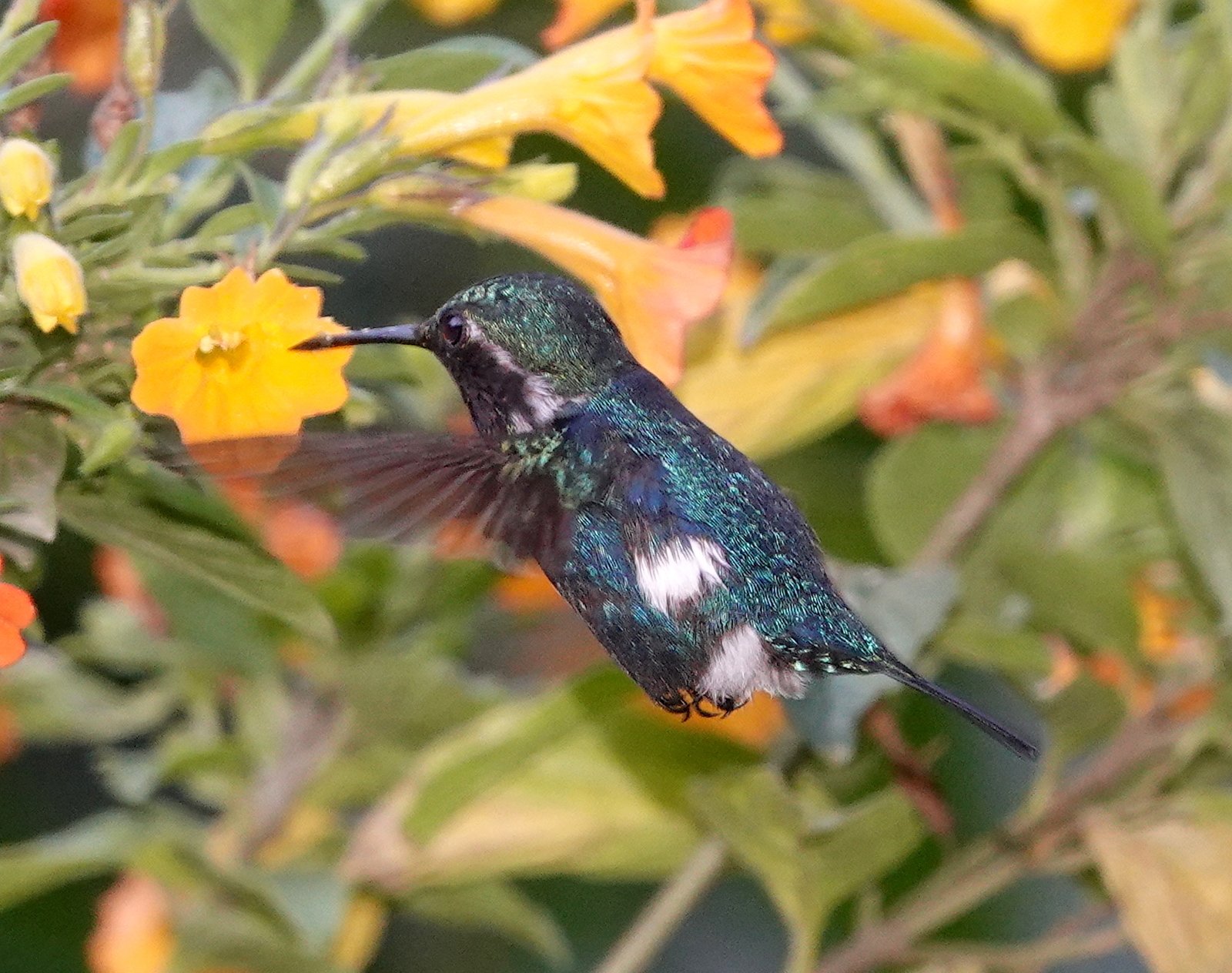
Estrelinha-de-santa-marta
Chaetocercus astreans- Northern Andean subtropical forest
- Northern Andean cloud forest and temperate forest
- Secondary forest and forest edge
- Coffee, cacao and agroforestry
-
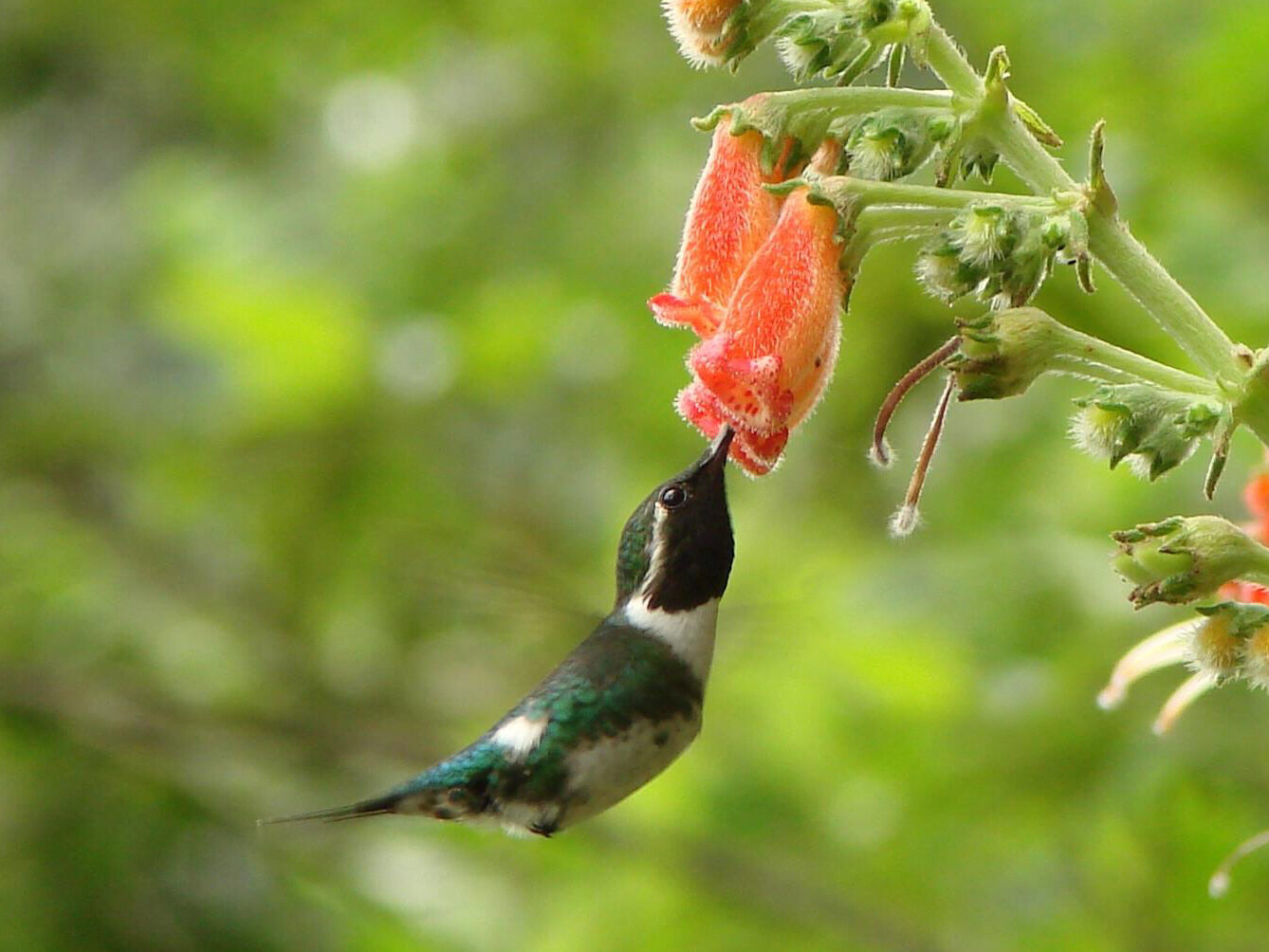
Estrelinha-de-esmeraldas
Chaetocercus berlepschi- Tumbesian dry forest and thorn scrub
- Western Ecuador humid forest
- Secondary forest and forest edge
-
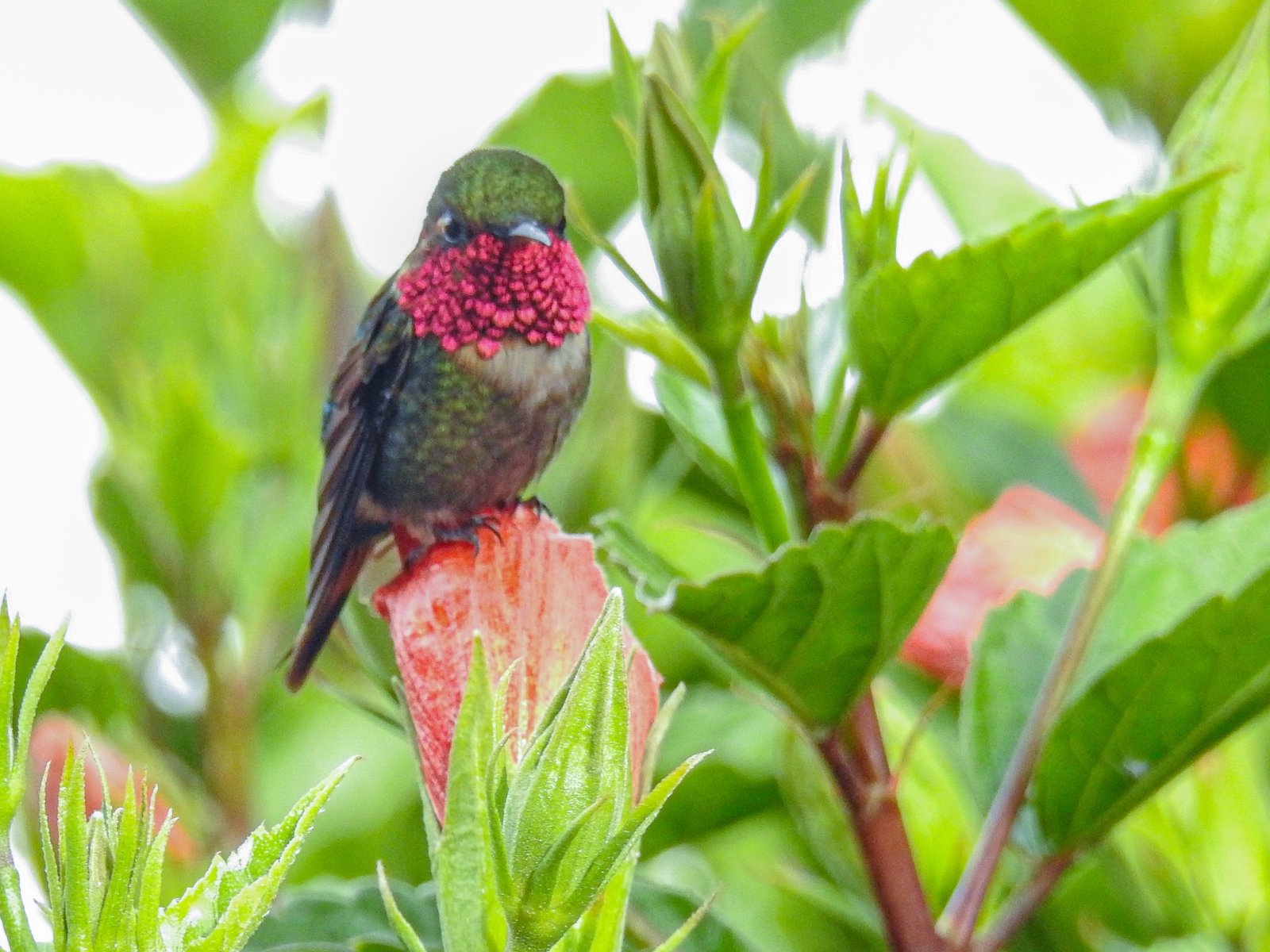
Estrelinha-de-haste-ruiva
Chaetocercus jourdanii- Northern Andean subtropical forest
- Northern Andean cloud forest and temperate forest
- Secondary forest and forest edge
- Coffee, cacao and agroforestry
Chlorostilbon 8 espécies
-
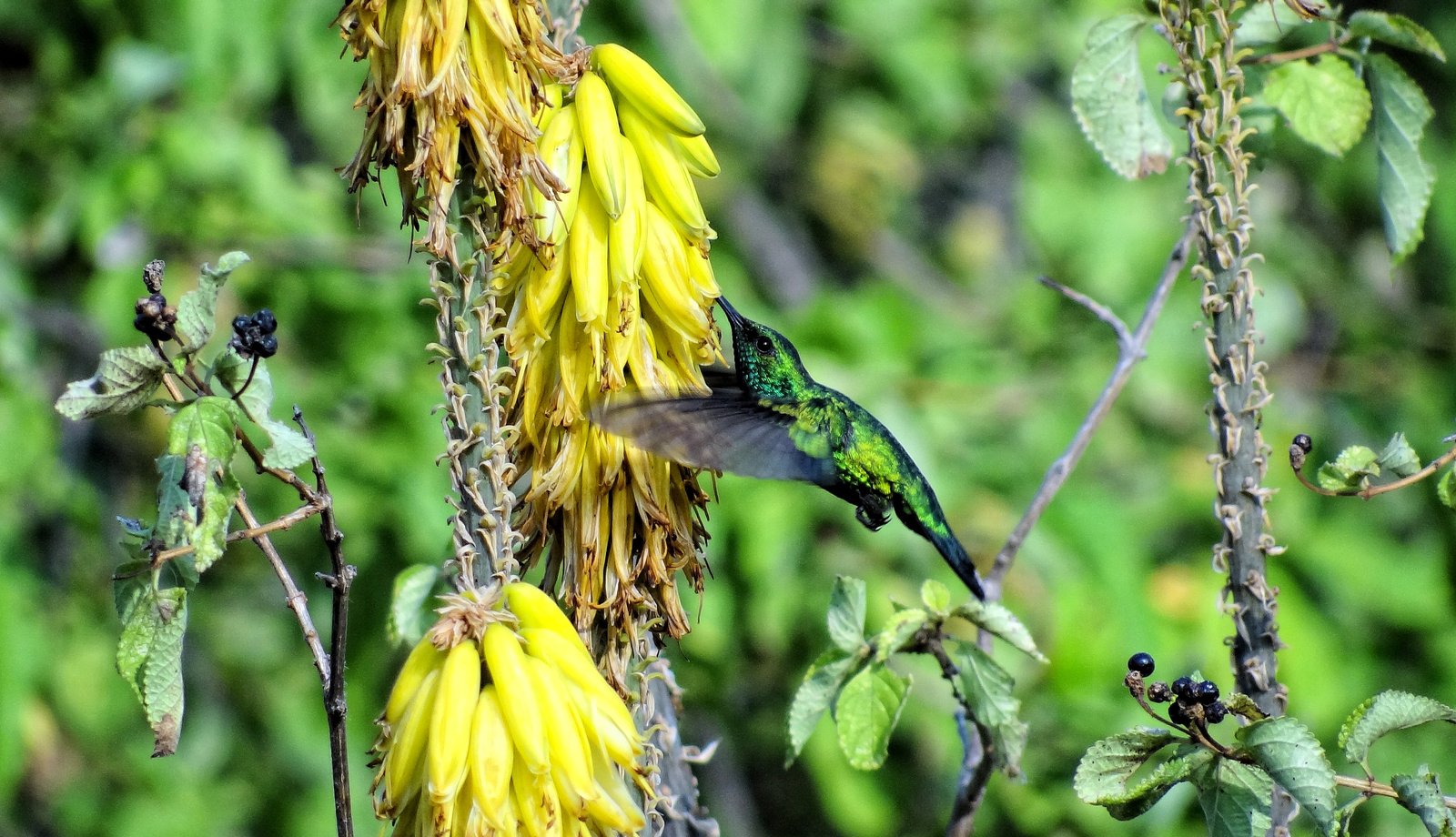
Esmeralda-de-cauda-azul
Chlorostilbon mellisugus- Secondary forest and forest edge
- Llanos savanna
- Várzea, igapó and river islands
- Marañón and northern inter-Andean dry forest
- Towns, cities and parks
-
Esmeralda-de-chiribiquete
Chlorostilbon olivaresi- Llanos savanna
- Secondary forest and forest edge
- Amazonian terra firme rainforest
- Cliffs, gorges and canyons
-
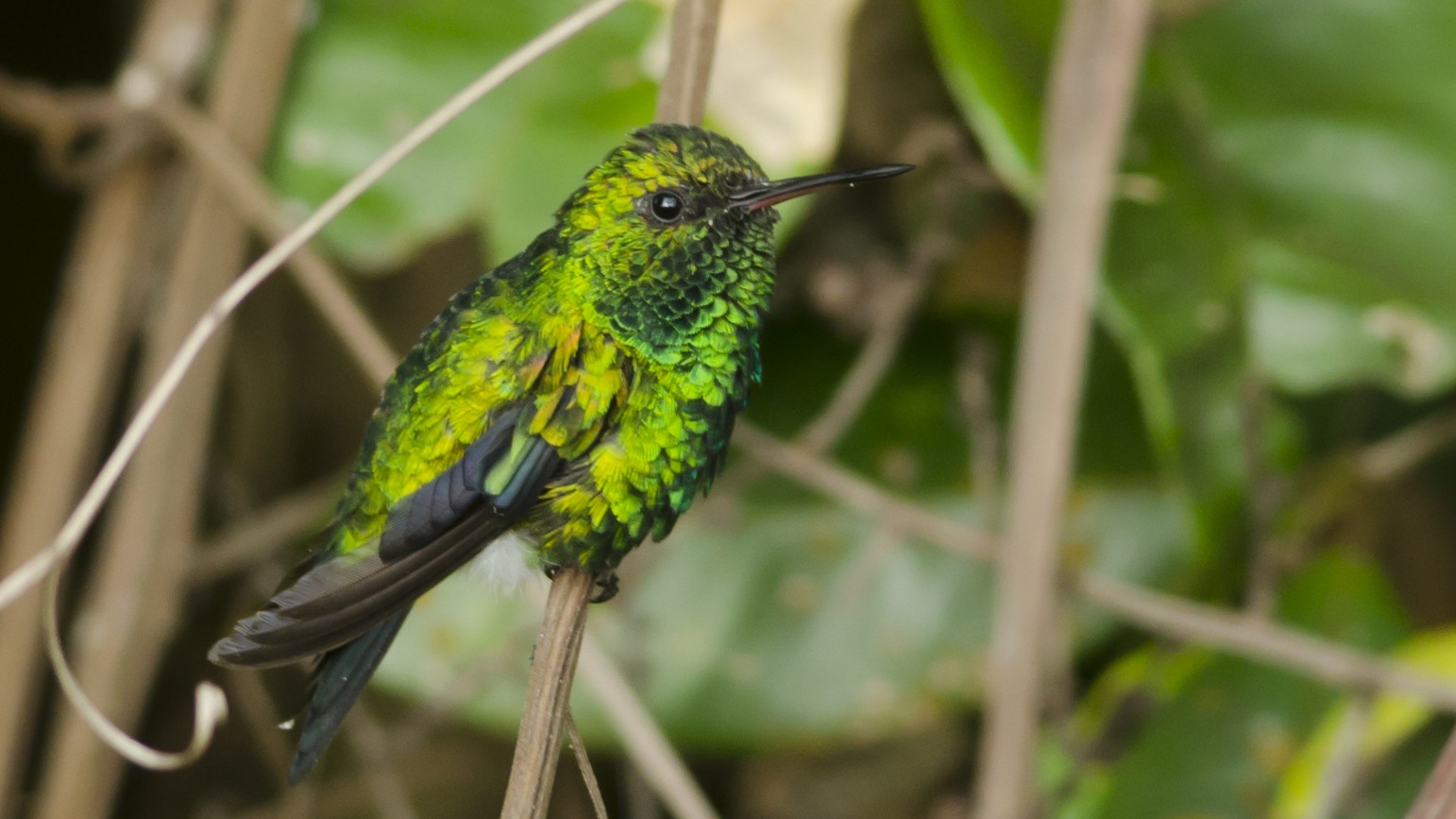
Esmeralda-de-bico-vermelho
Chlorostilbon gibsoni- Marañón and northern inter-Andean dry forest
- Secondary forest and forest edge
- Pasture and ranchland
- Towns, cities and parks
-

Besourinho-de-bico-vermelho
Chlorostilbon lucidus- Chiquitano dry forest and Chaco
- Beni savanna and cerrado
- Secondary forest and forest edge
- Central Andean dry valleys
- Towns, cities and parks
-
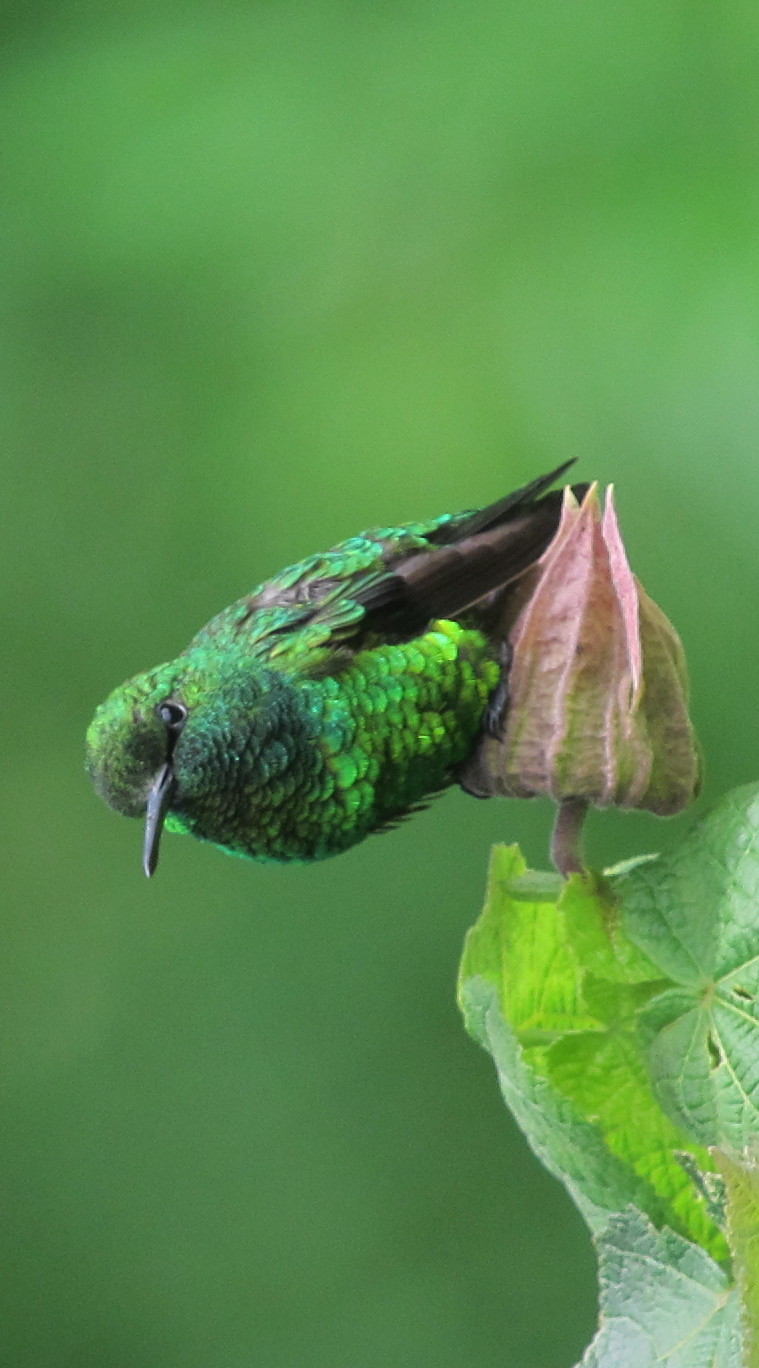
Esmeralda-de-cauda-curta
Chlorostilbon poortmani- Northern Andean subtropical forest
- Secondary forest and forest edge
- Coffee, cacao and agroforestry
- Northern Andean cloud forest and temperate forest
-
Esmeralda-de-cauda-estreita
Chlorostilbon stenurus- Northern Andean subtropical forest
- Northern Andean cloud forest and temperate forest
- Secondary forest and forest edge
- Pasture and ranchland
-
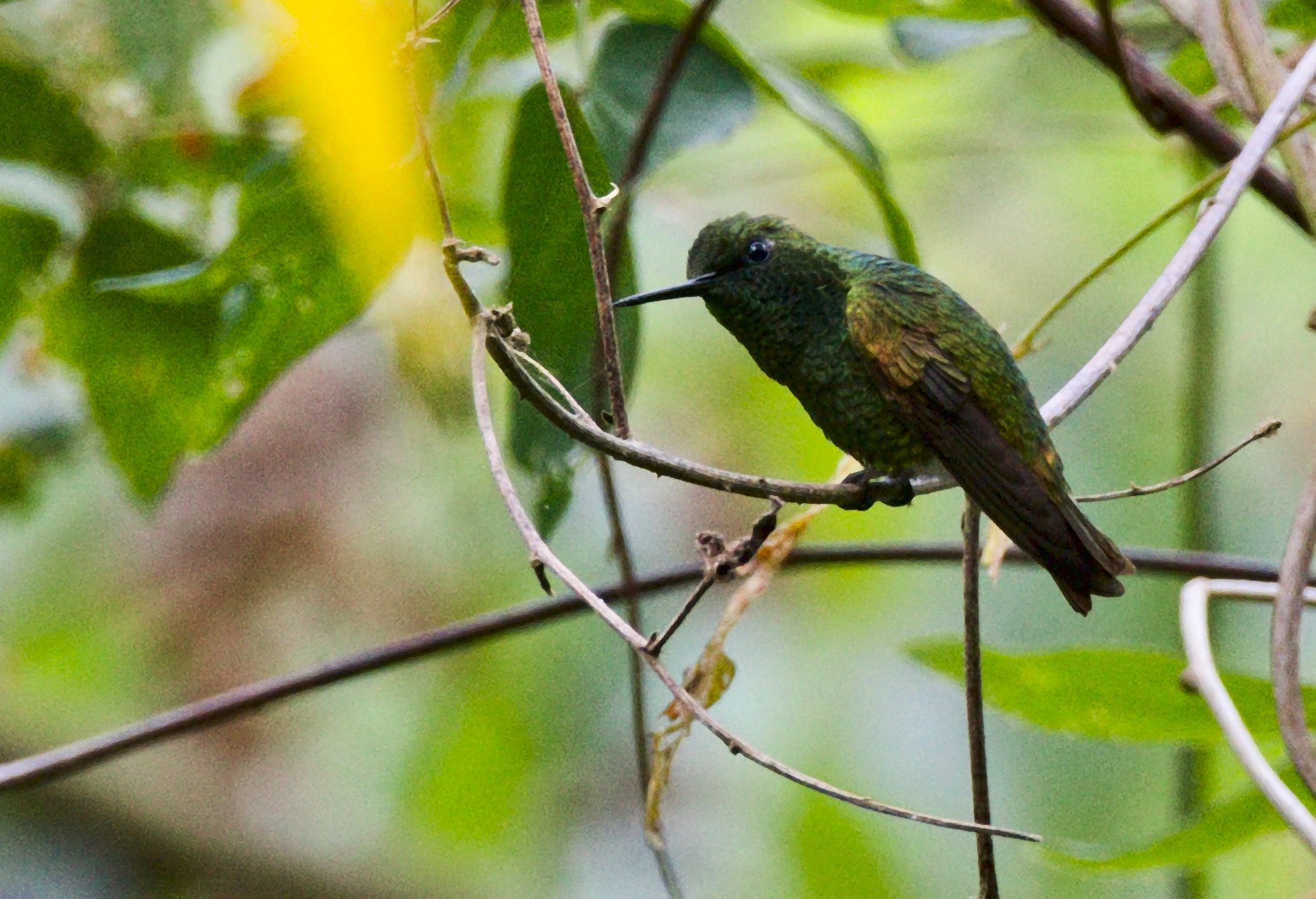
Esmeralda-acobreada
Chlorostilbon russatus- Northern Andean subtropical forest
- Secondary forest and forest edge
- Coffee, cacao and agroforestry
- Riparian woodland of the Andes and coastal valleys
-
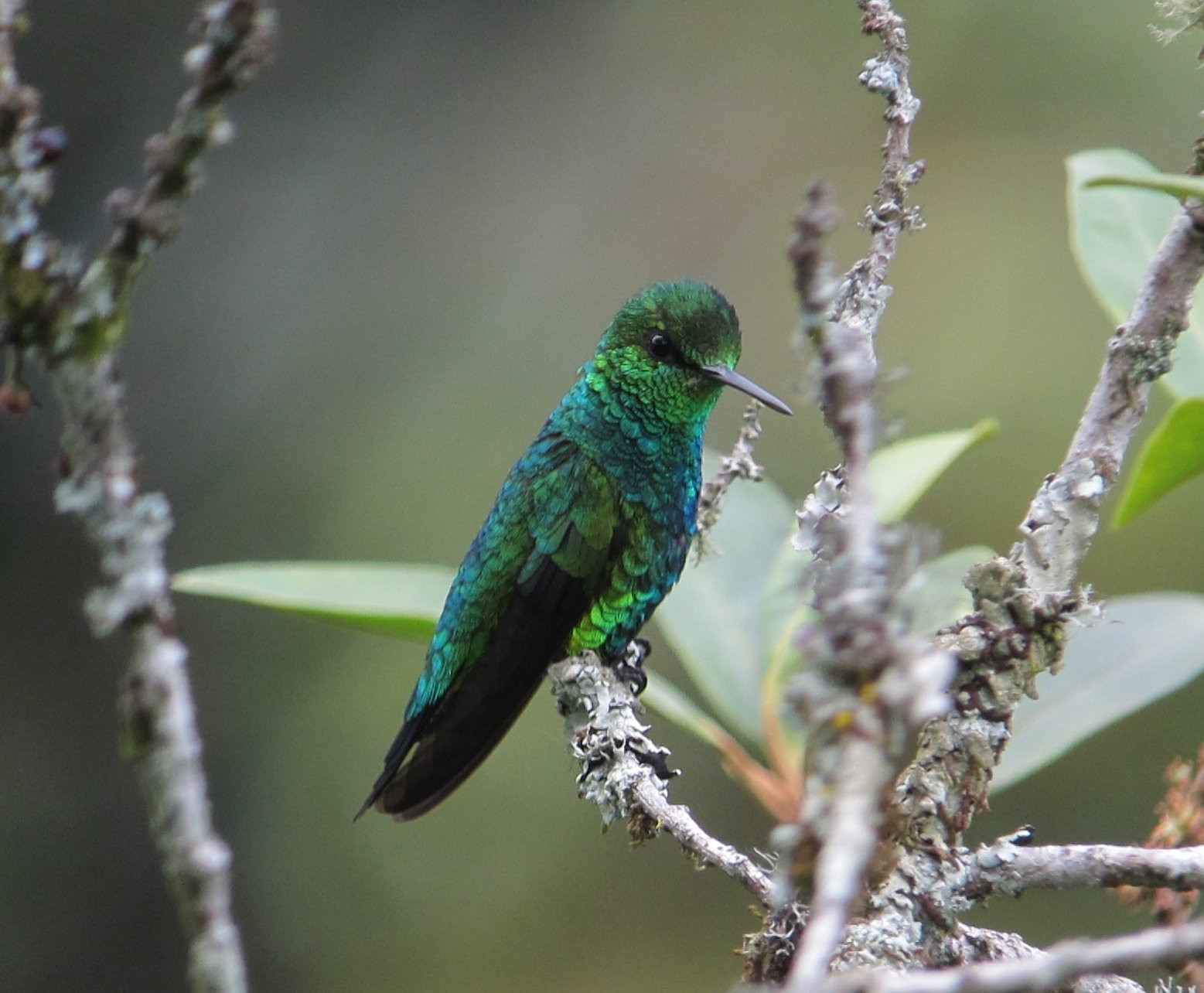
Esmeralda-ocidental
Chlorostilbon melanorhynchus- Secondary forest and forest edge
- Western Ecuador humid forest
- Towns, cities and parks
- Tumbesian dry forest and thorn scrub
- Coffee, cacao and agroforestry
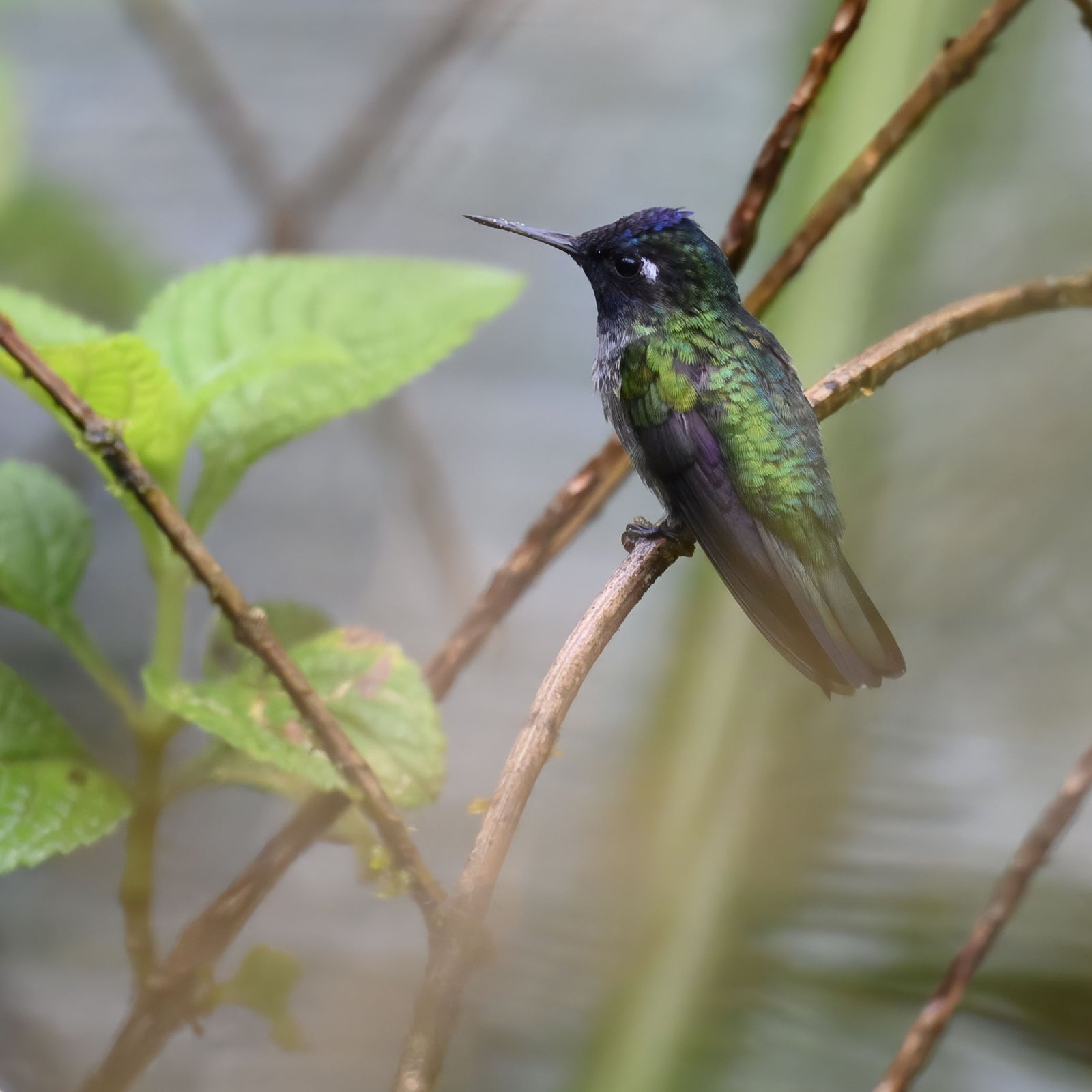
Anthocephala 2 espécies
-
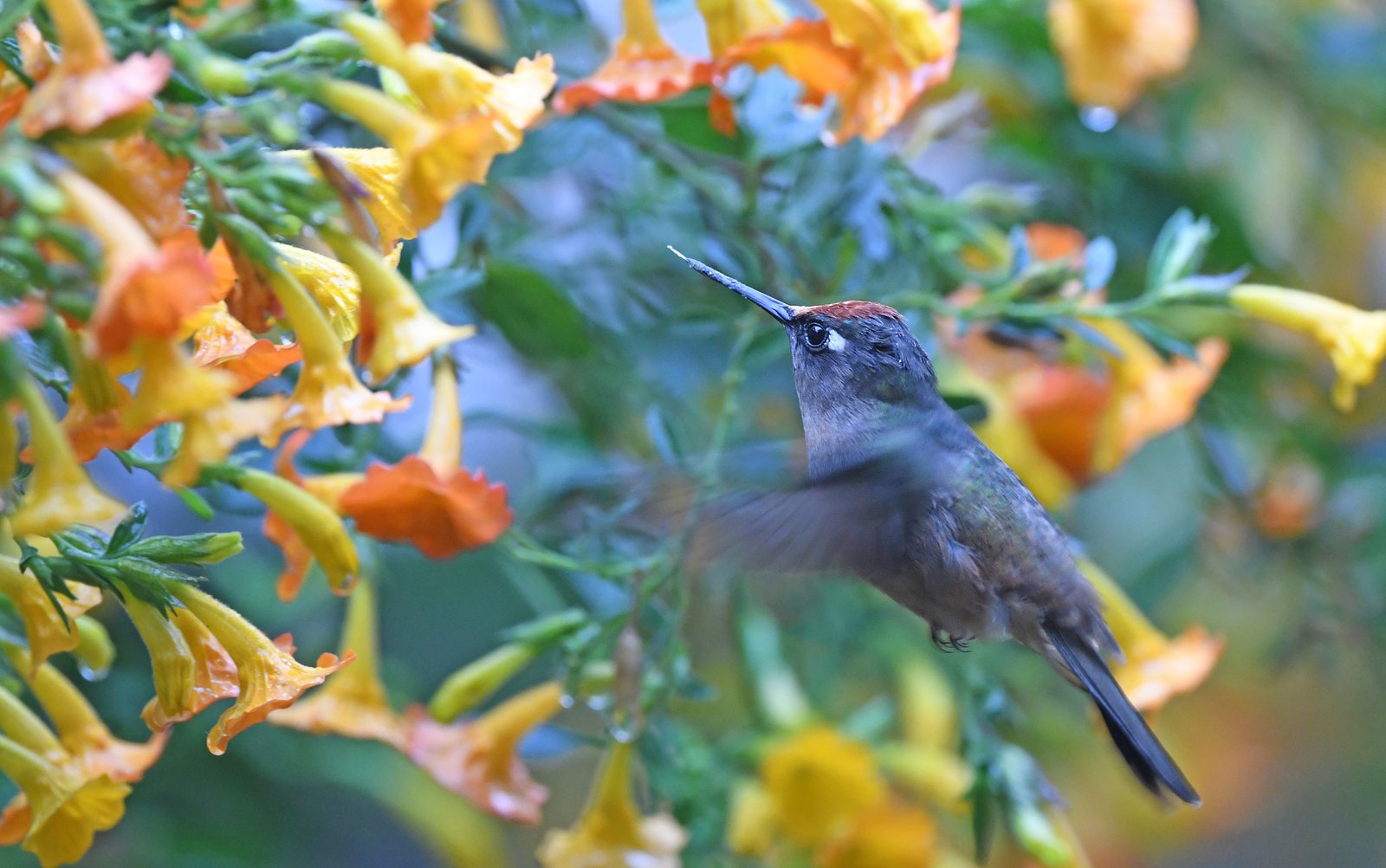
Coroa-florida-de-santa-marta
Anthocephala floriceps- Northern Andean subtropical forest
- Coffee, cacao and agroforestry
- Secondary forest and forest edge
- Northern Andean cloud forest and temperate forest
-
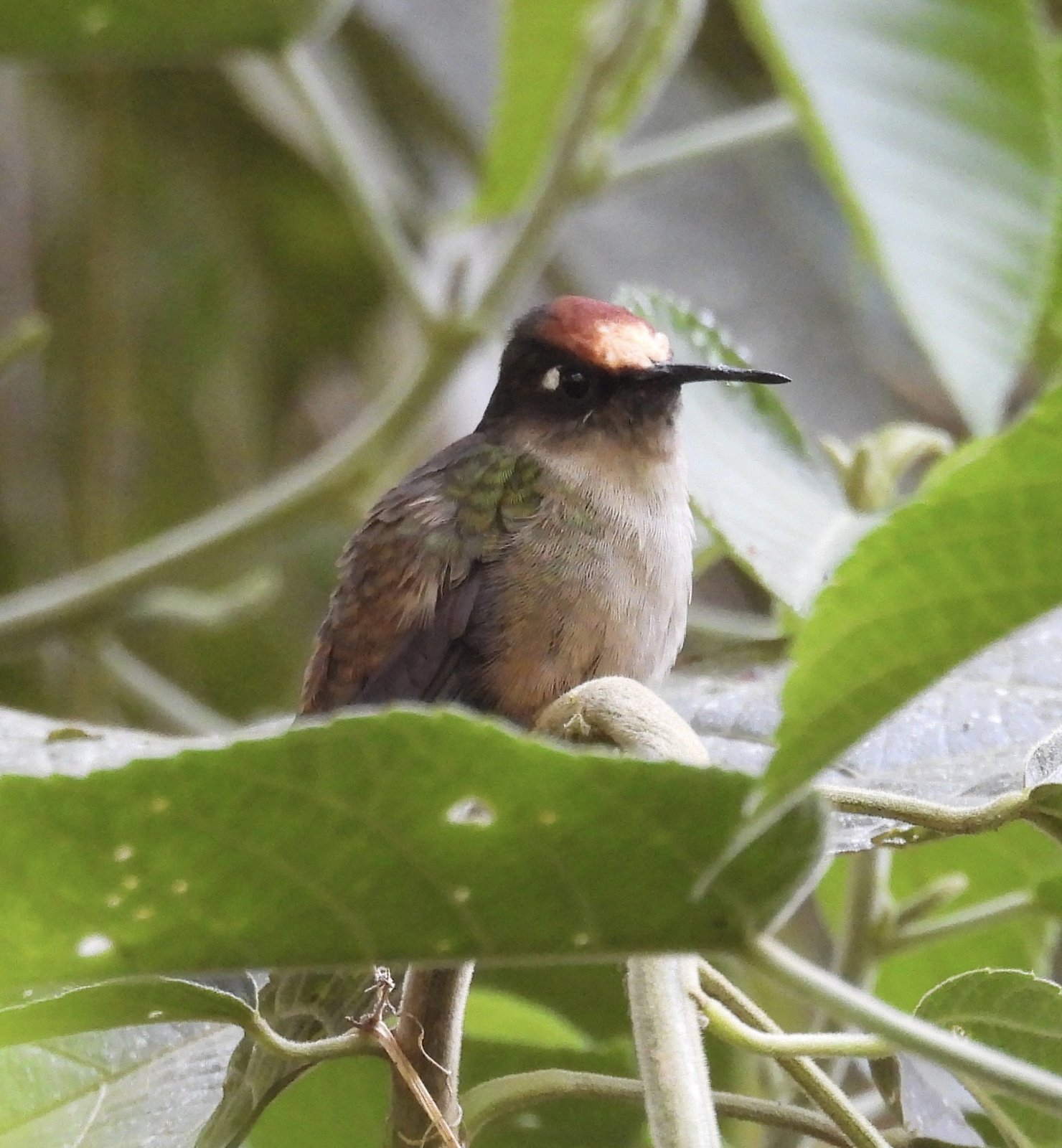
Coroa-florida-de-tolima
Anthocephala berlepschi- Northern Andean subtropical forest
- Northern Andean cloud forest and temperate forest
- Secondary forest and forest edge
- Coffee, cacao and agroforestry
Campylopterus 4 espécies
-

Asa-de-sabre-cinza
Campylopterus largipennis- Amazonian terra firme rainforest
- Várzea, igapó and river islands
- Secondary forest and forest edge
- Eastern Andean foothill forest
-
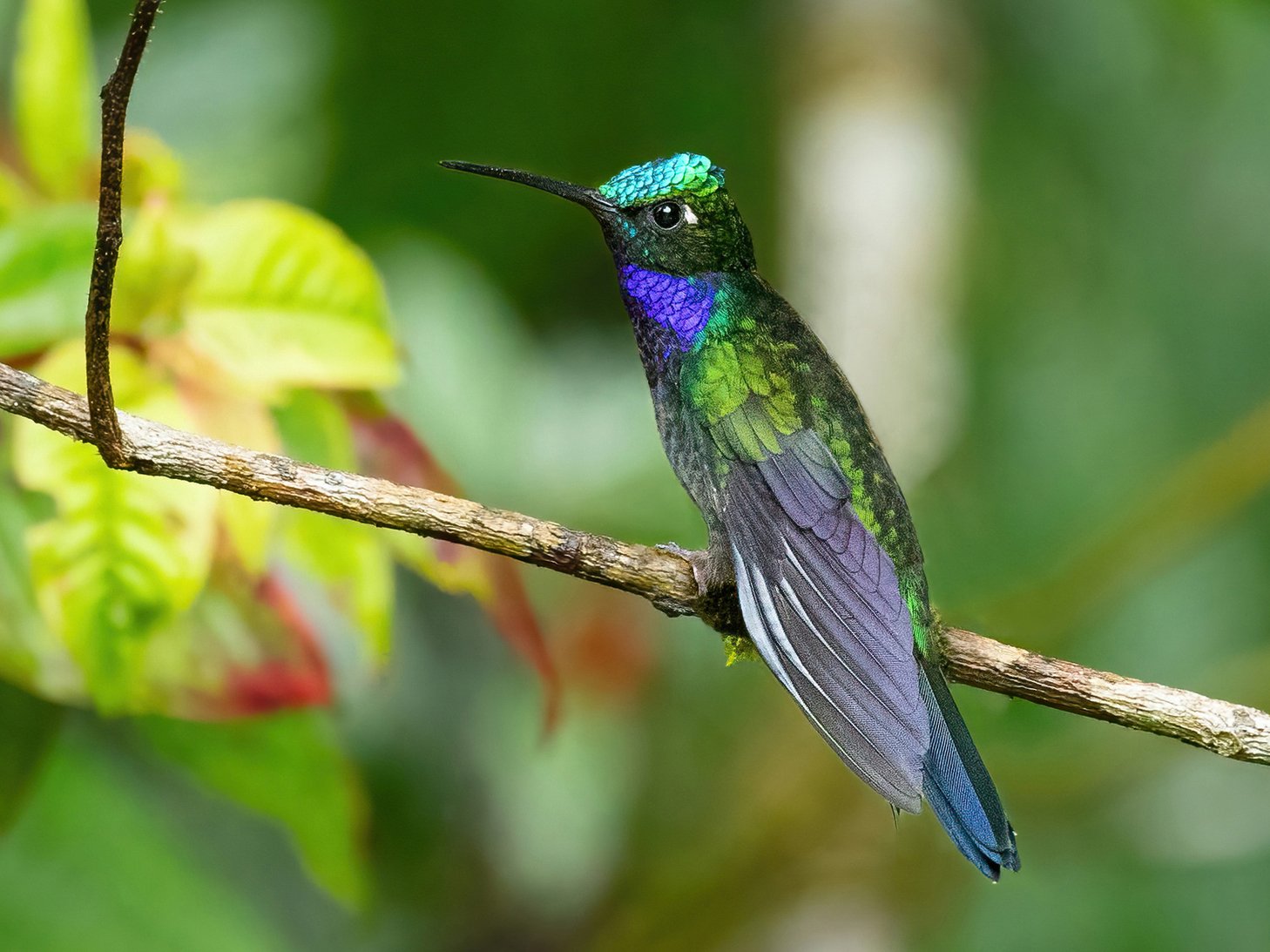
Asa-de-sabre-do-napo
Campylopterus villaviscensio- Eastern Andean foothill forest
- Northern Andean subtropical forest
- Lower Yungas forest
-
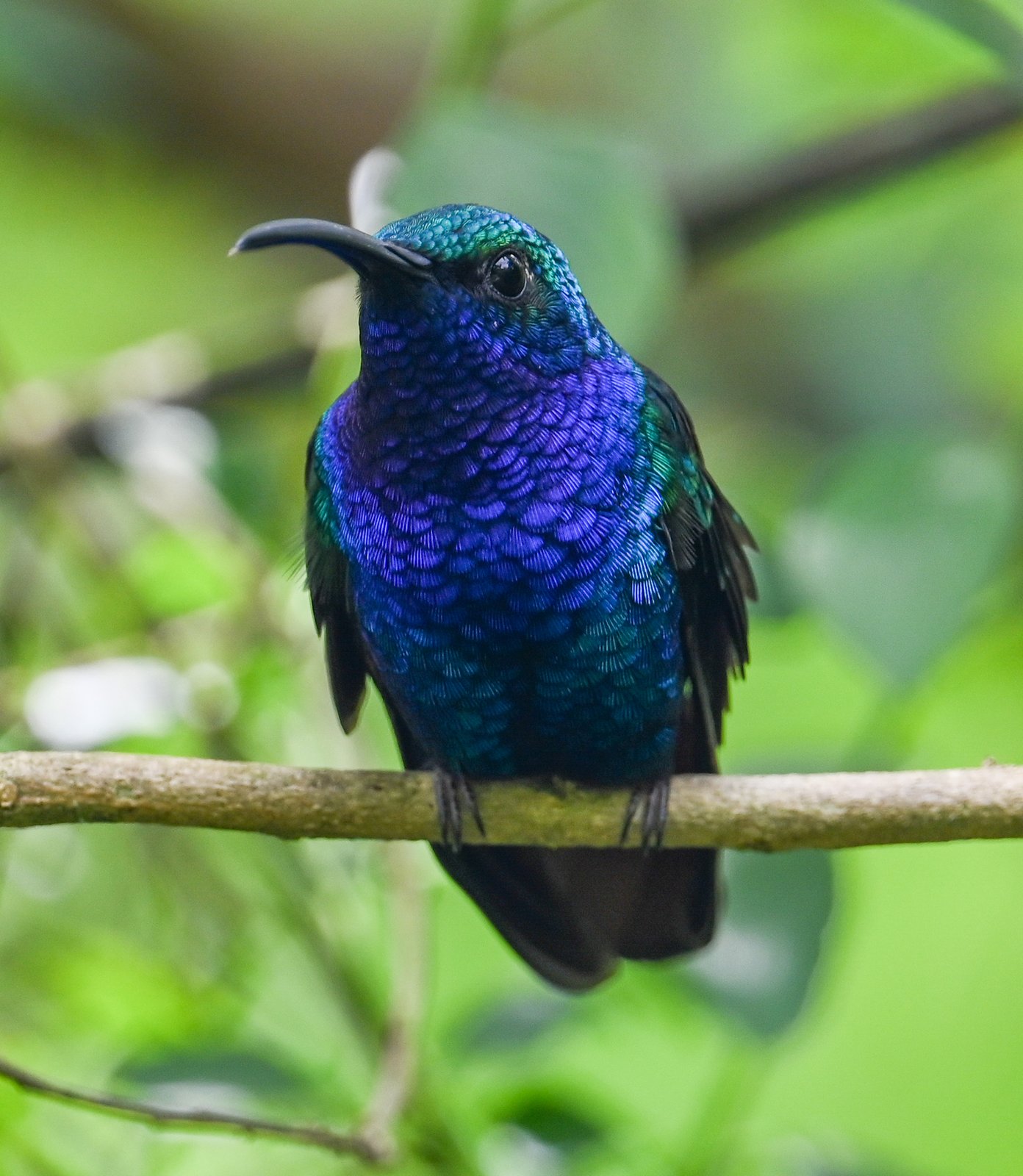
Asa-de-sabre-lazulita
Campylopterus falcatus- Northern Andean subtropical forest
- Northern Andean cloud forest and temperate forest
- Secondary forest and forest edge
- Coffee, cacao and agroforestry
-
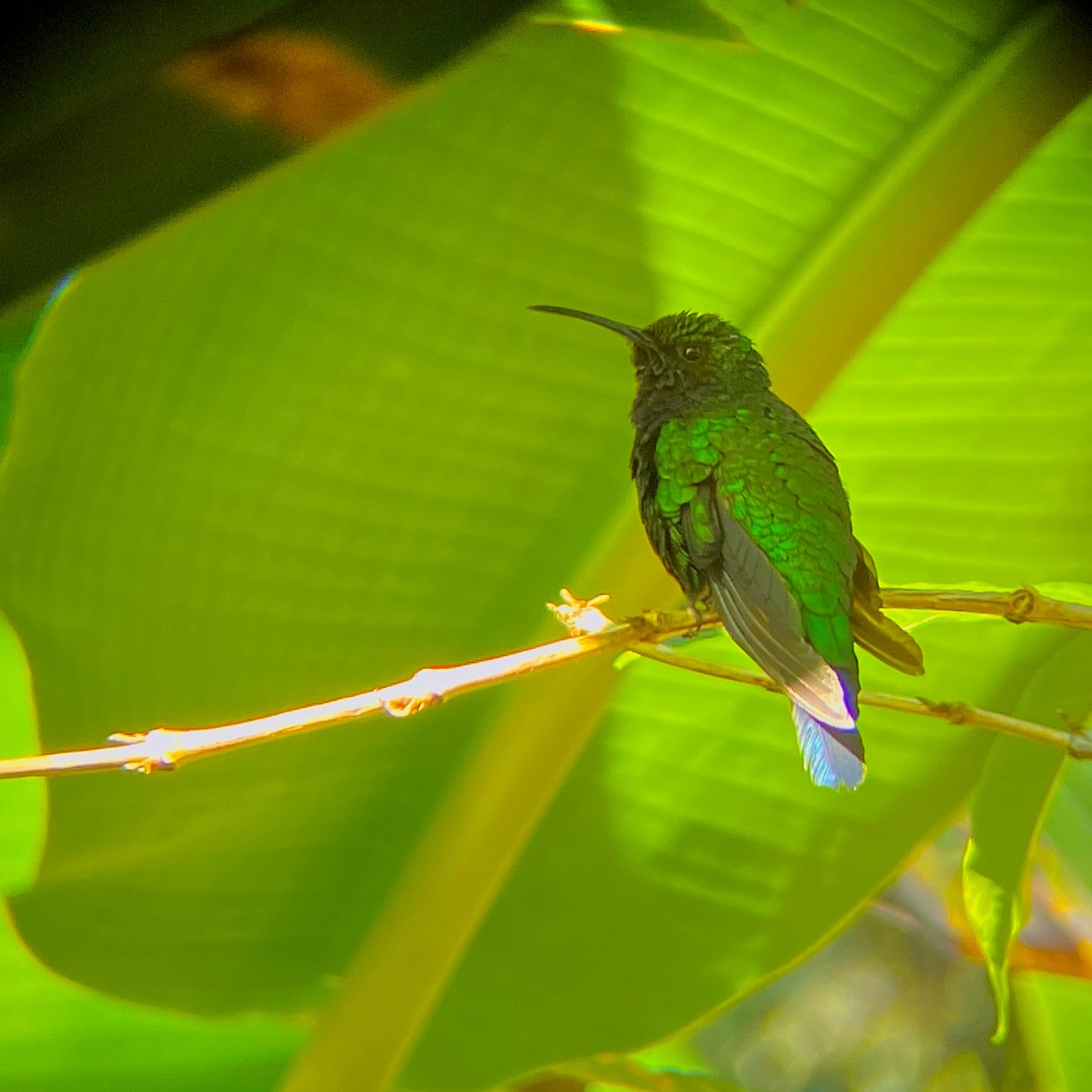
Asa-de-sabre-de-santa-marta
Campylopterus phainopeplus- Northern Andean subtropical forest
- Northern Andean cloud forest and temperate forest
- Páramo
- Secondary forest and forest edge
Chalybura 2 espécies
-
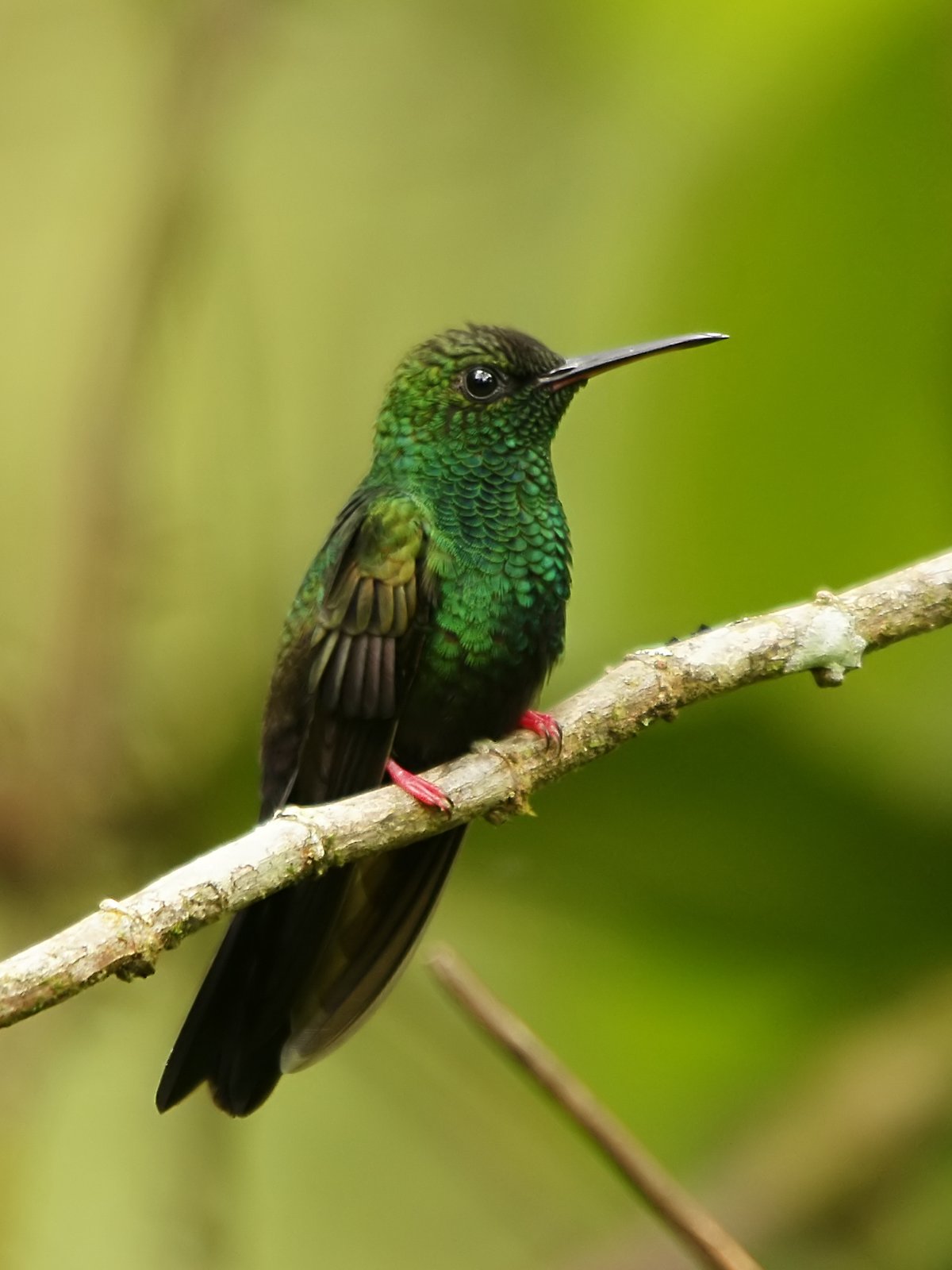
Beija-flor-de-cauda-bronzeada
Chalybura urochrysia- Chocó rainforest
- Western Ecuador humid forest
- Secondary forest and forest edge
- Coffee, cacao and agroforestry
-
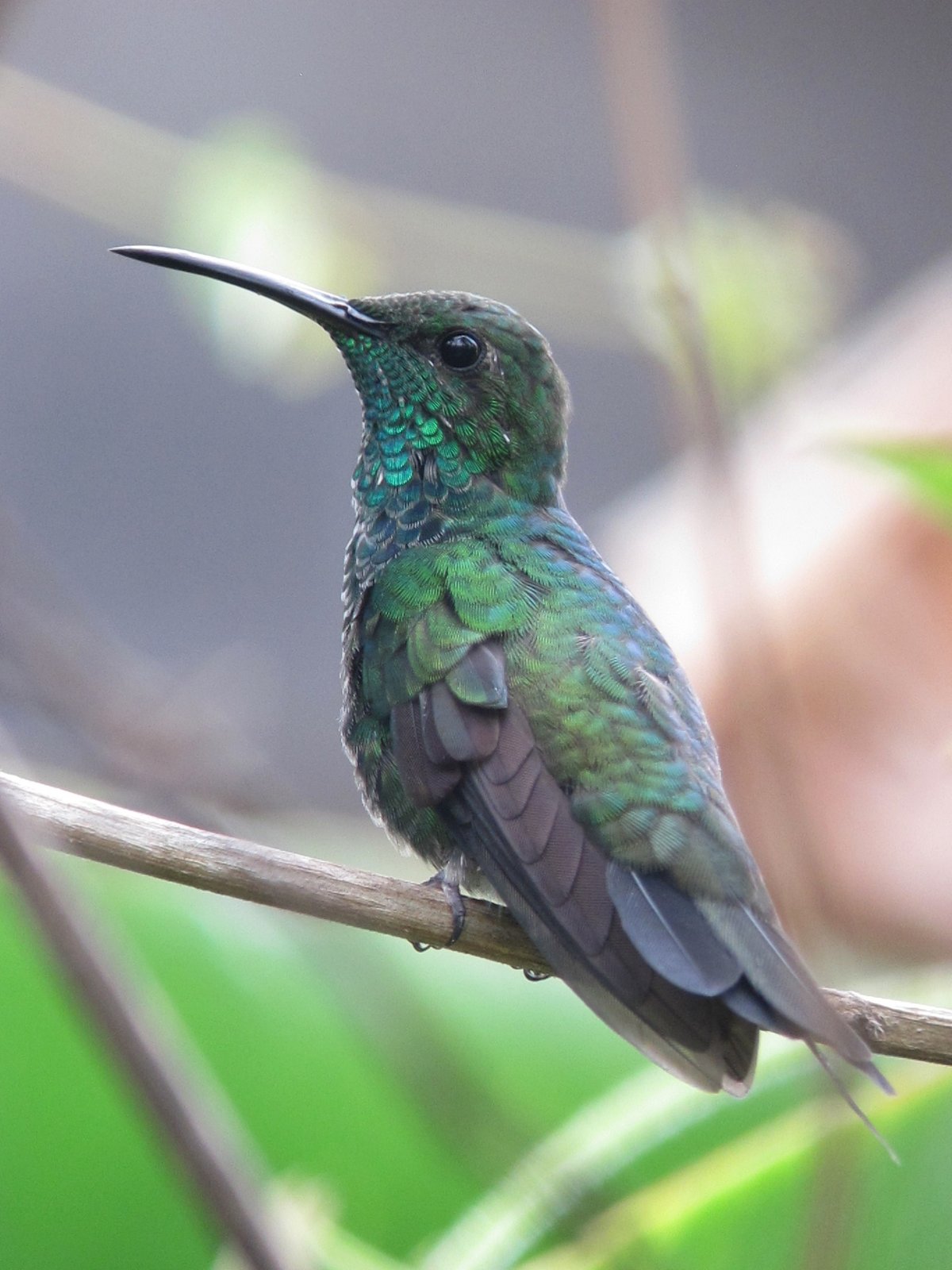
Beija-flor-de-crisso-branco
Chalybura buffonii- Secondary forest and forest edge
- Tumbesian dry forest and thorn scrub
- Riparian woodland of the Andes and coastal valleys
- Coffee, cacao and agroforestry
- Marañón and northern inter-Andean dry forest
Thalurania 2 espécies
-
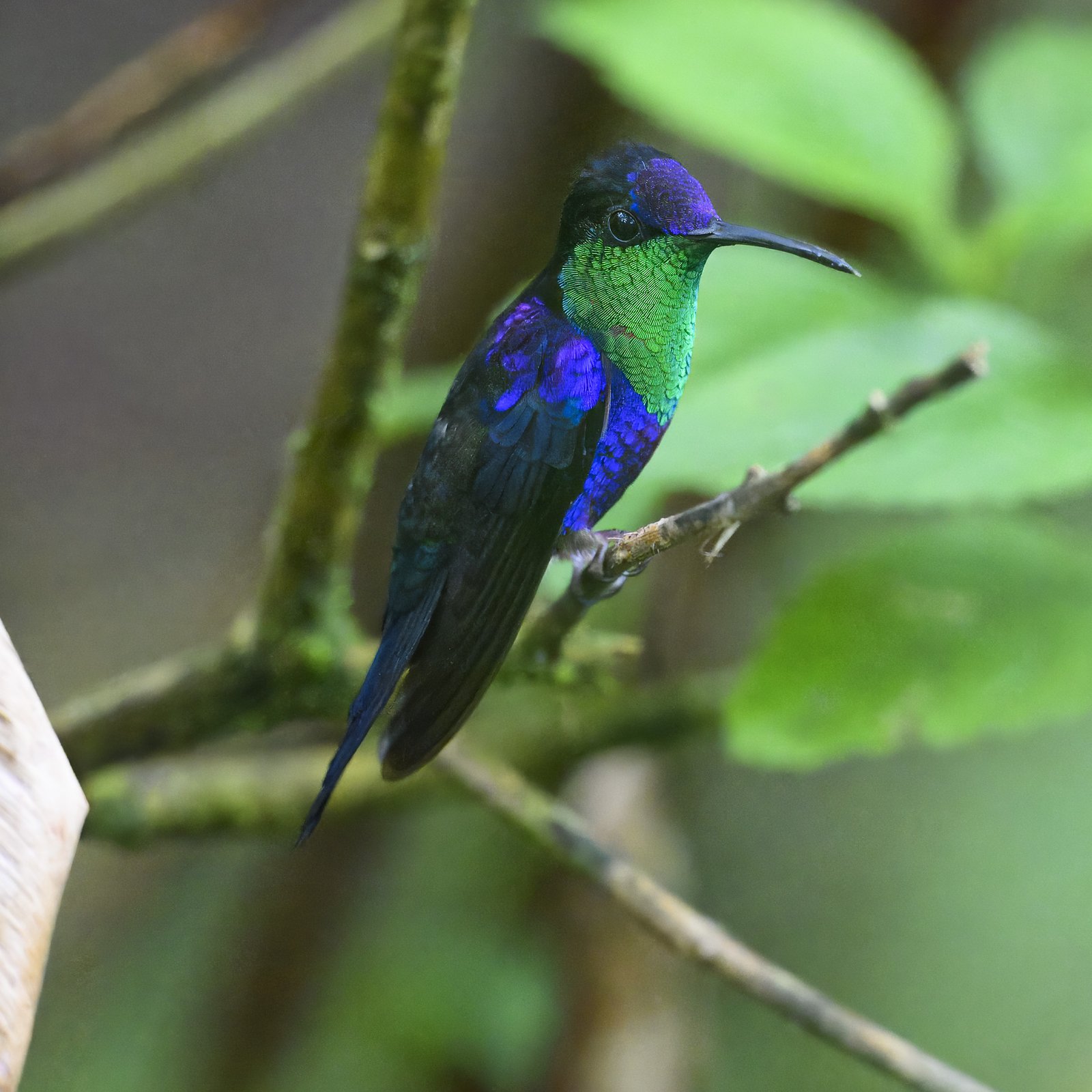
Beija-flor-coroado
Thalurania colombica- Chocó rainforest
- Western Ecuador humid forest
- Northern Andean subtropical forest
- Secondary forest and forest edge
- Coffee, cacao and agroforestry
-
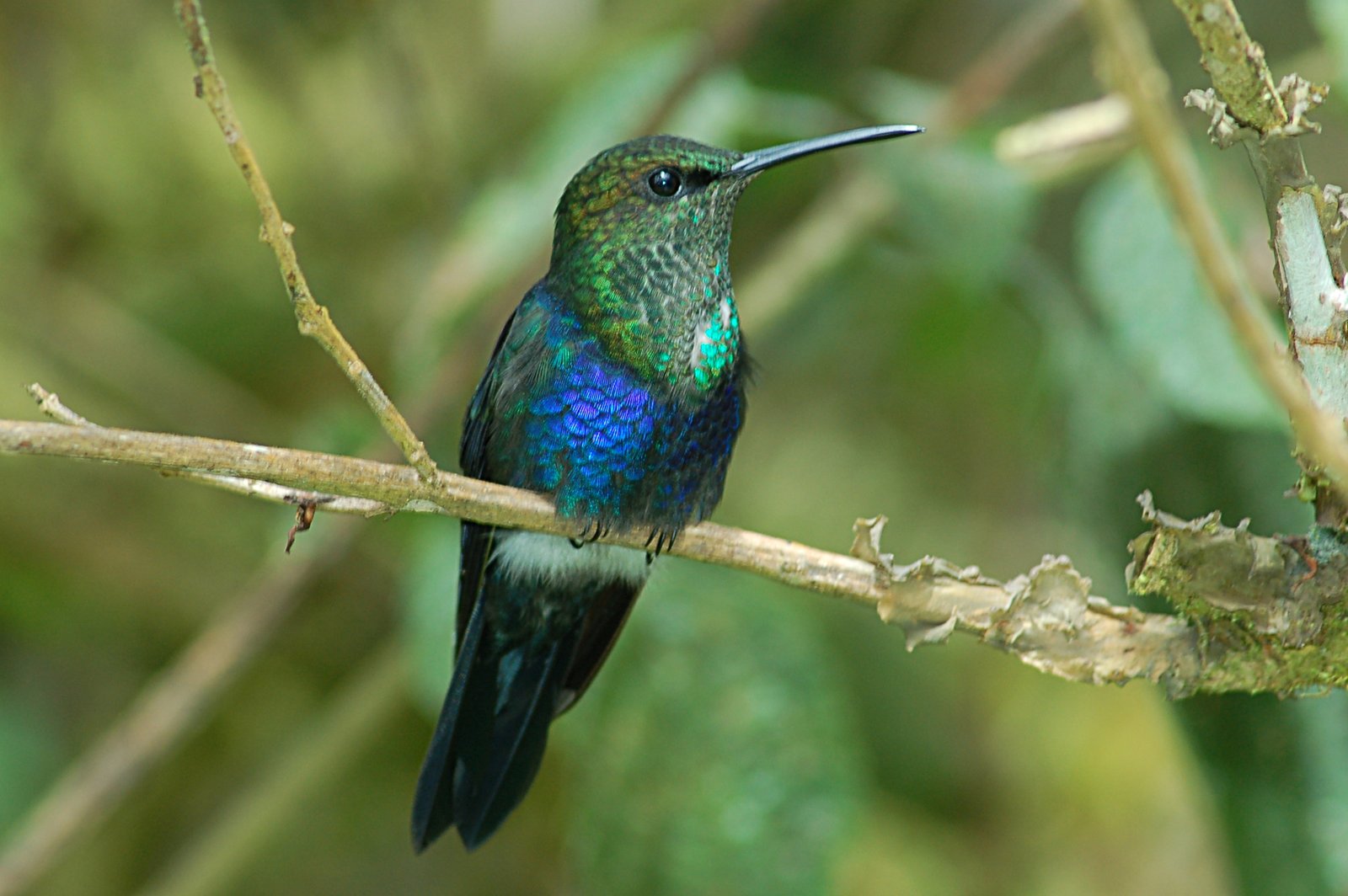
Beija-flor-tesoura-verde
Thalurania furcata- Amazonian terra firme rainforest
- Eastern Andean foothill forest
- Várzea, igapó and river islands
- Secondary forest and forest edge
Goldmania 1 espécie
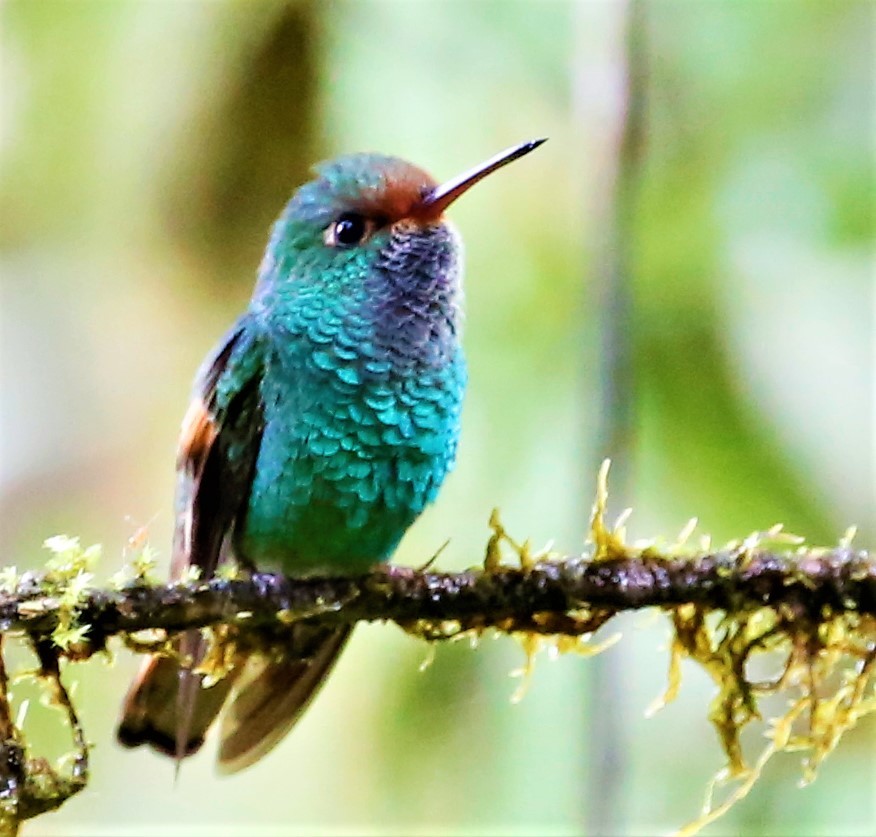
Leucippus 1 espécie
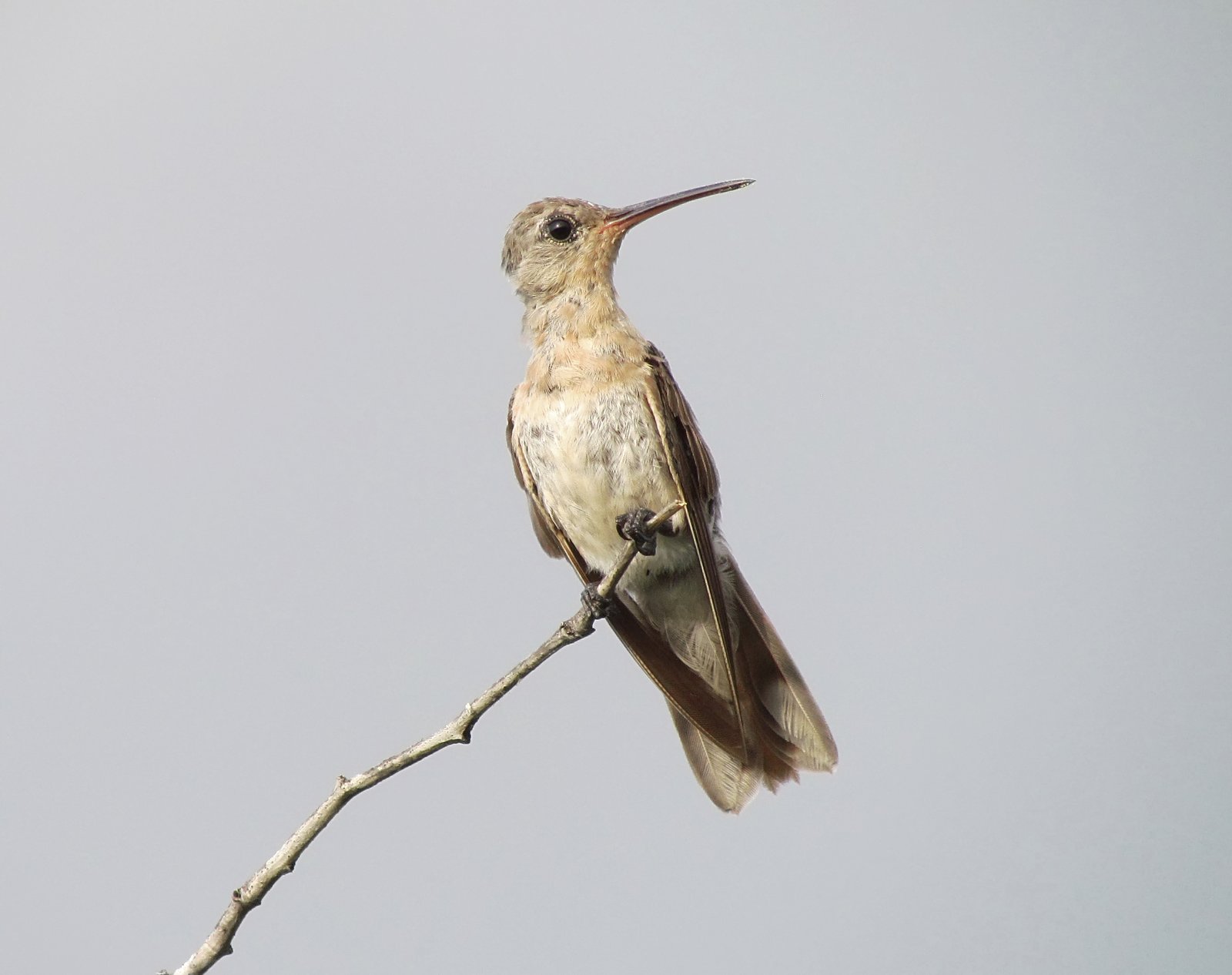
Phaeochroa 1 espécie
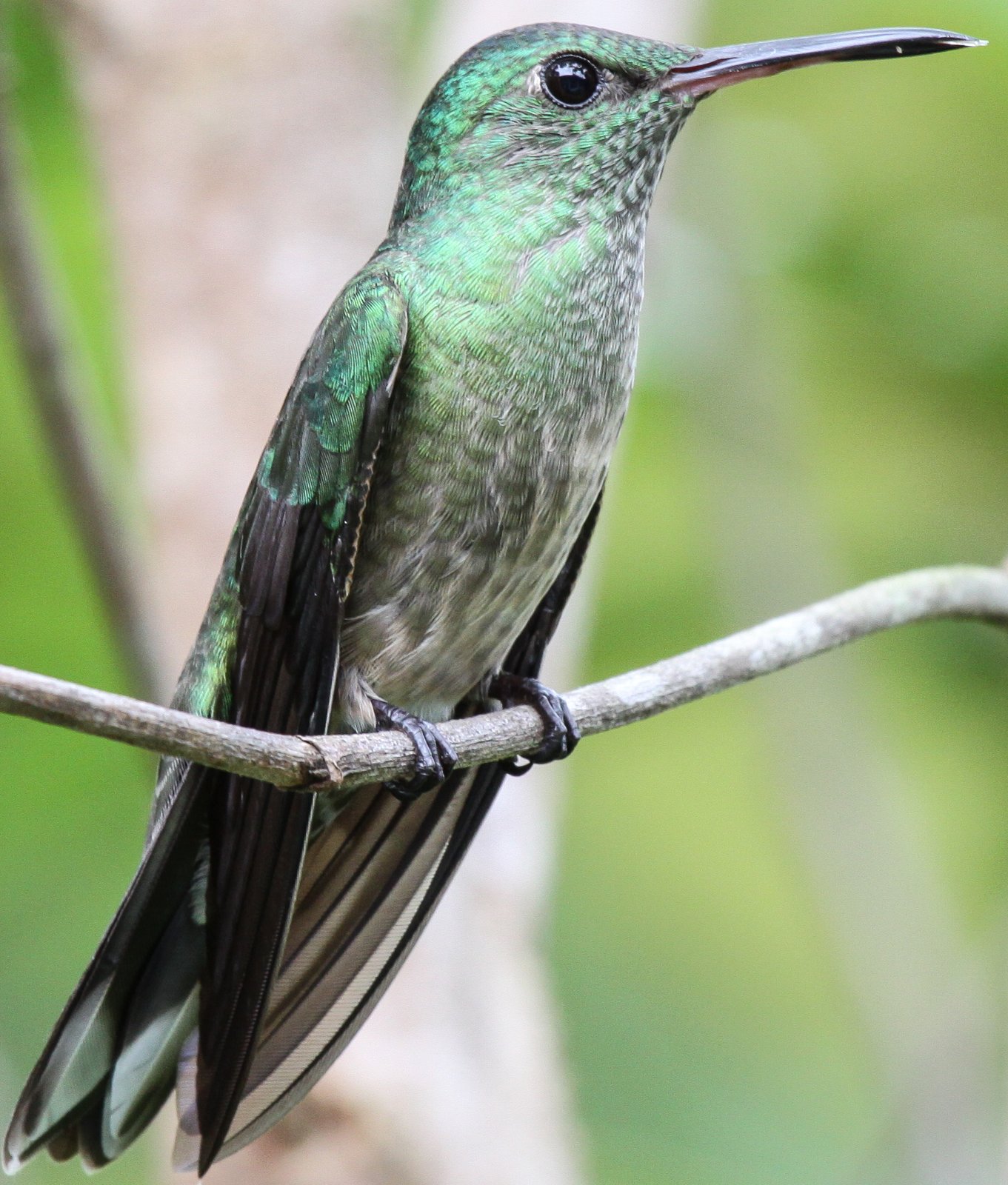
Thaumasius 2 espécies
-
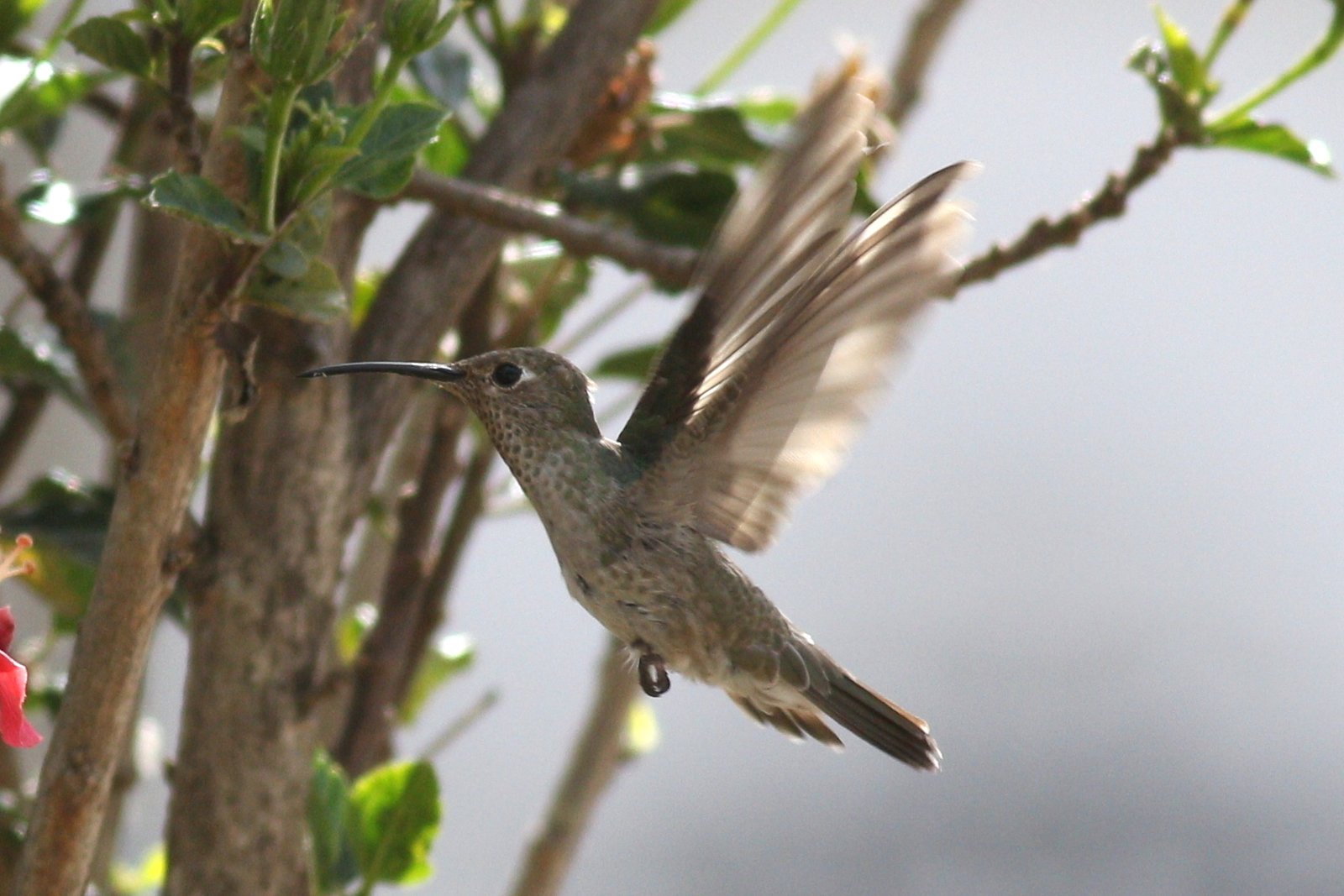
Beija-flor-de-garganta-pintada
Thaumasius taczanowskii- Marañón and northern inter-Andean dry forest
- Tumbesian dry forest and thorn scrub
- Central Andean dry valleys
- Riparian woodland of the Andes and coastal valleys
- Towns, cities and parks
-
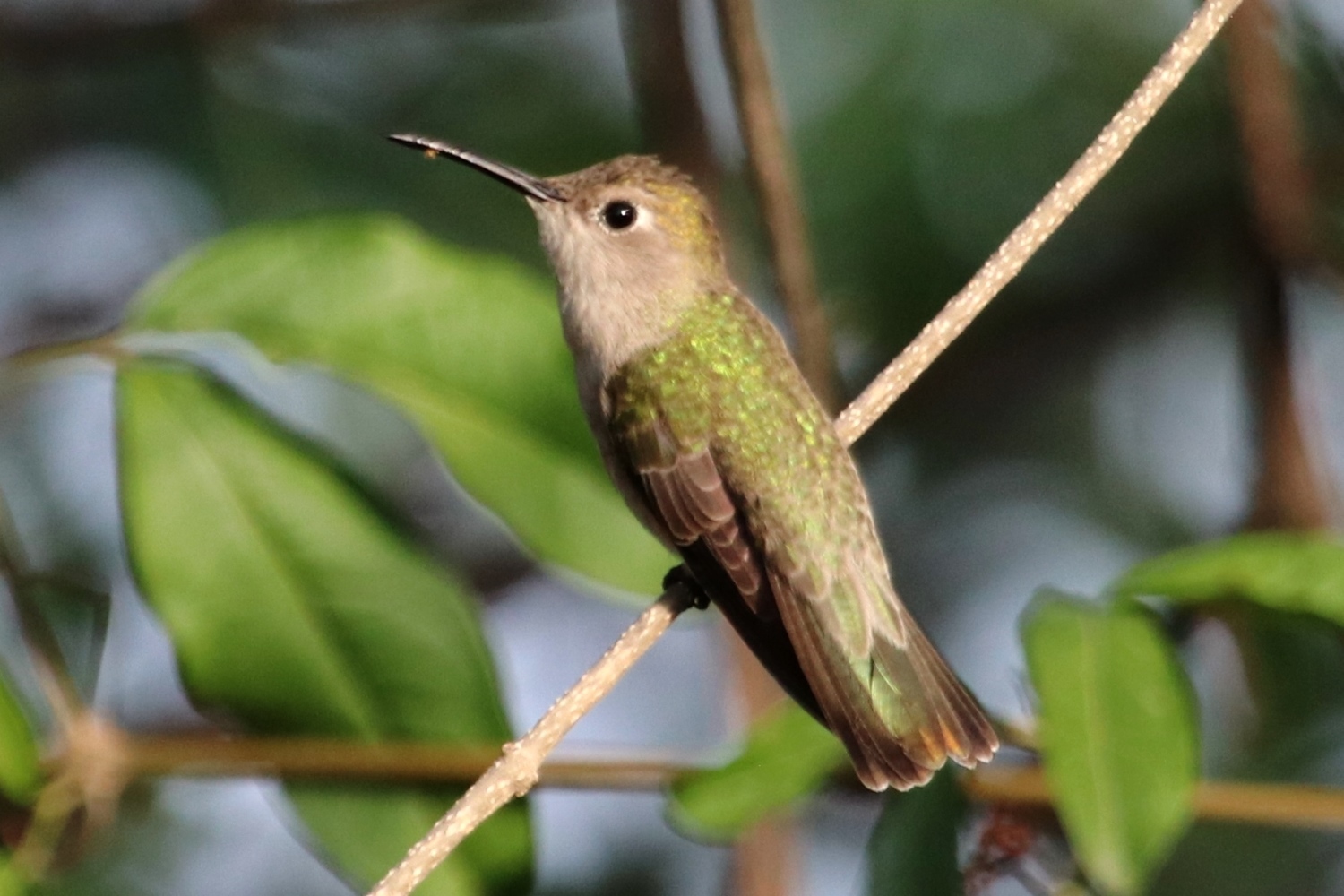
Beija-flor-de-tumbes
Thaumasius baeri- Tumbesian dry forest and thorn scrub
- Riparian woodland of the Andes and coastal valleys
 Irrigated farmland and rice fields
- Towns, cities and parks
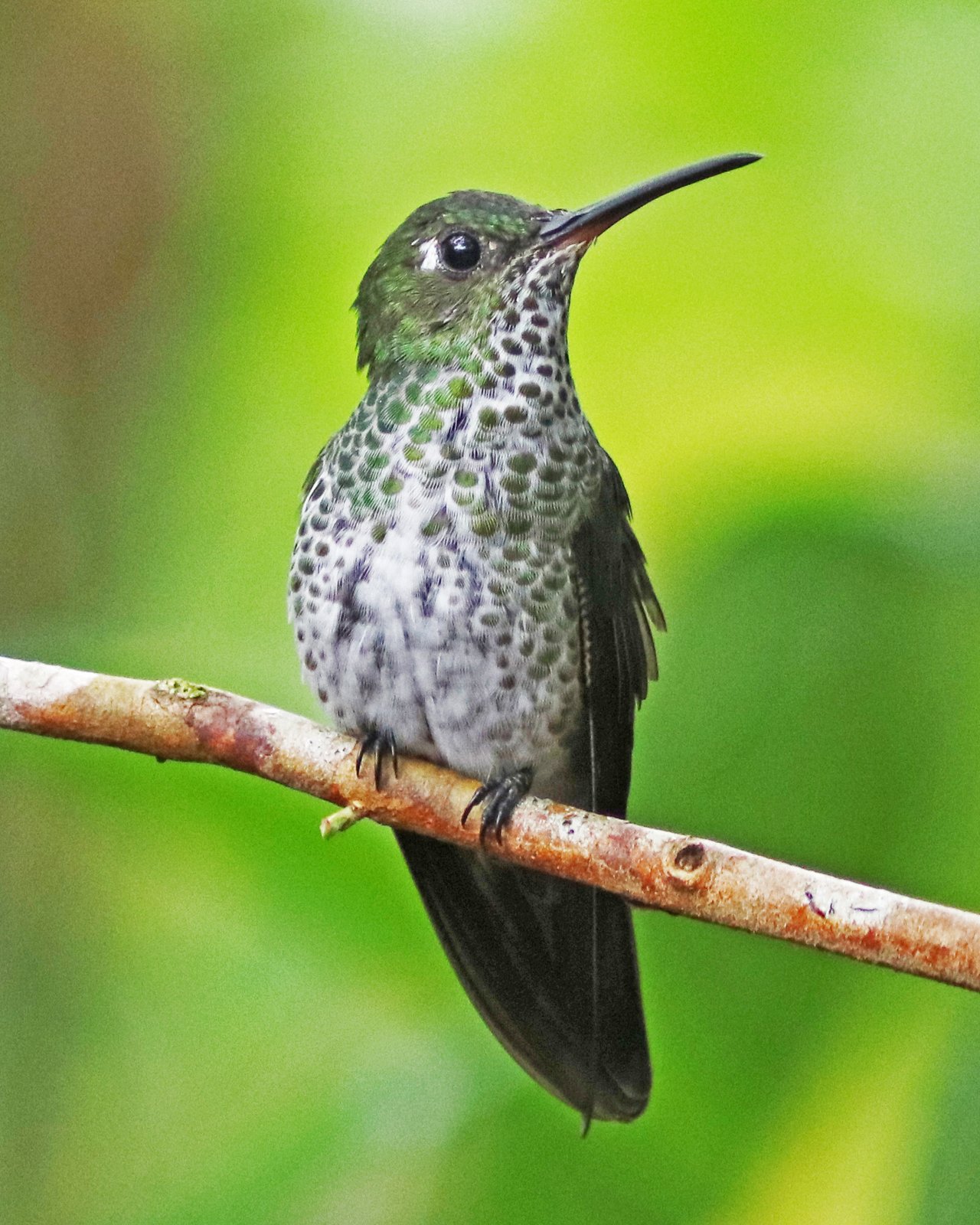
Eupetomena 1 espécie
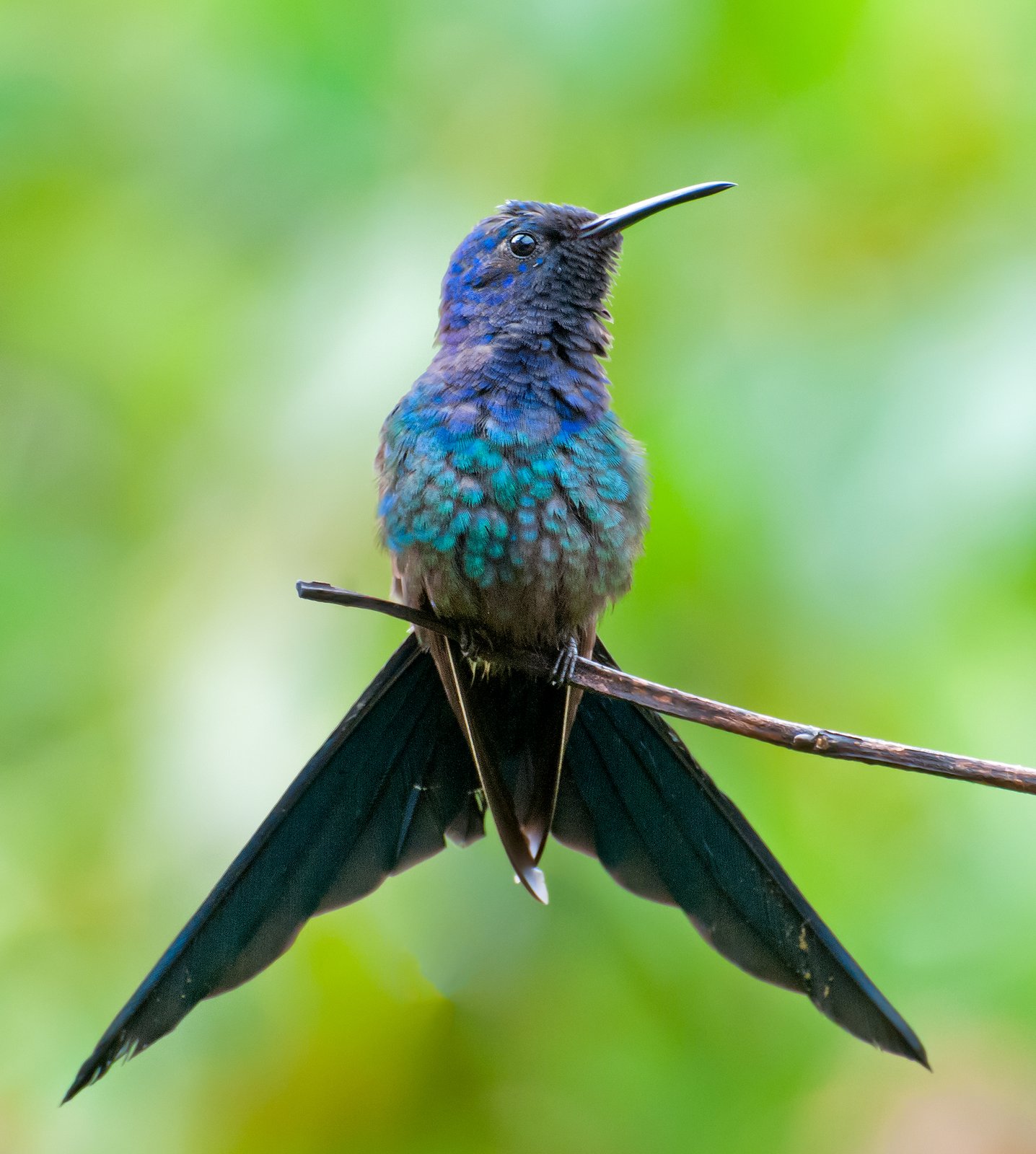
Talaphorus 1 espécie
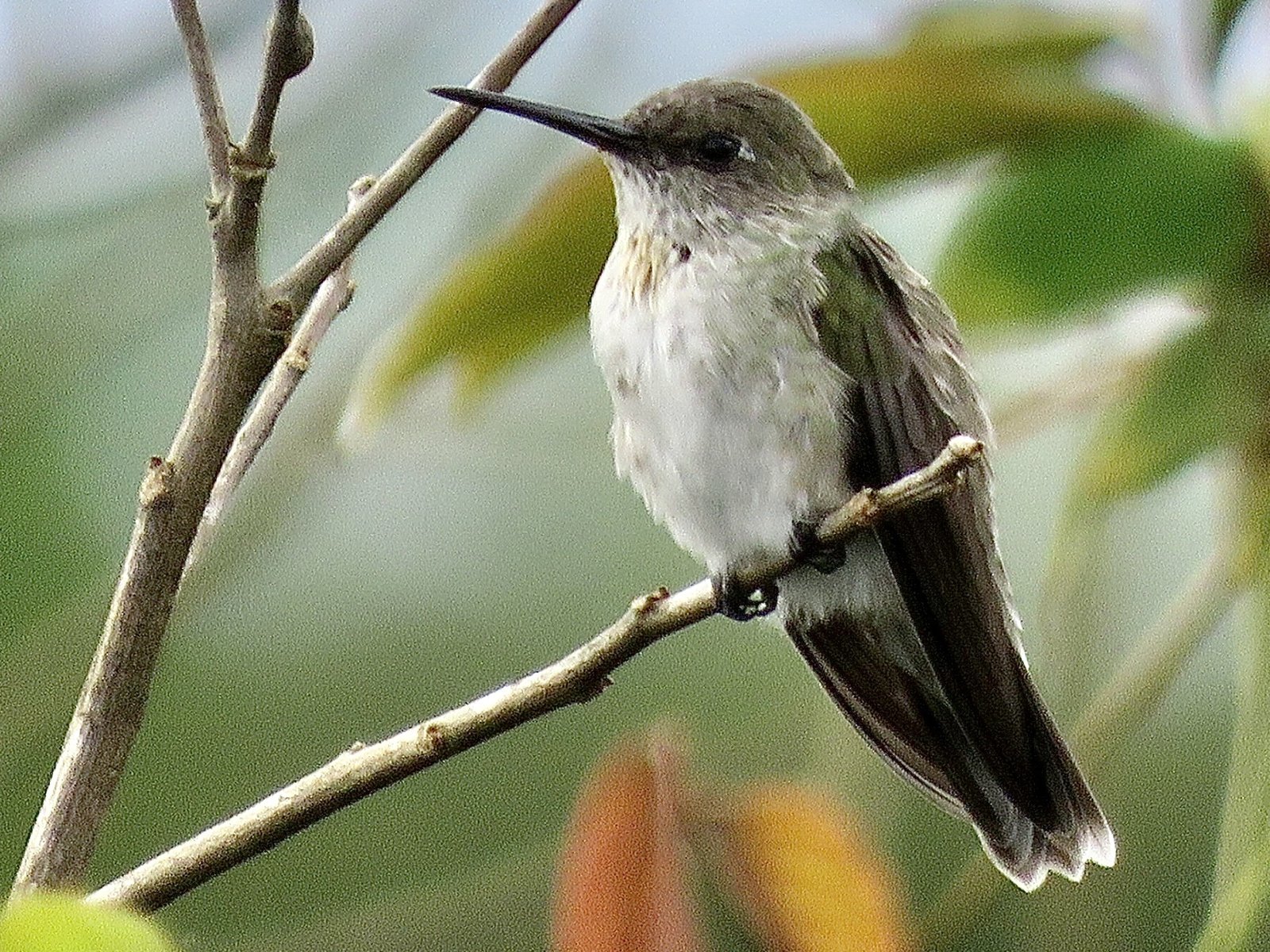
Saucerottia 4 espécies
-
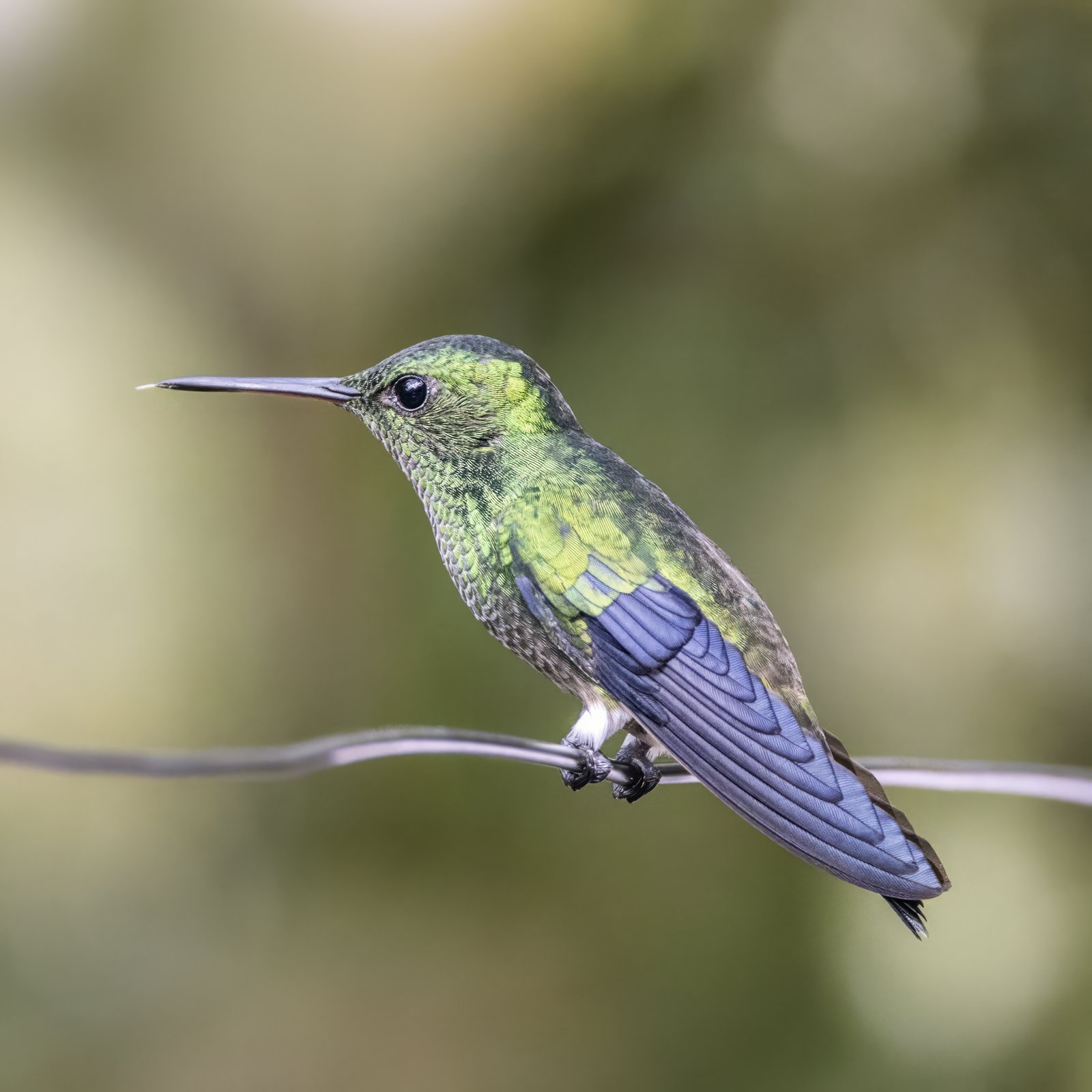
Beija-flor-de-crisso-azul
Saucerottia saucerottei- Marañón and northern inter-Andean dry forest
- Secondary forest and forest edge
- Coffee, cacao and agroforestry
- Towns, cities and parks
- Riparian woodland of the Andes and coastal valleys
-
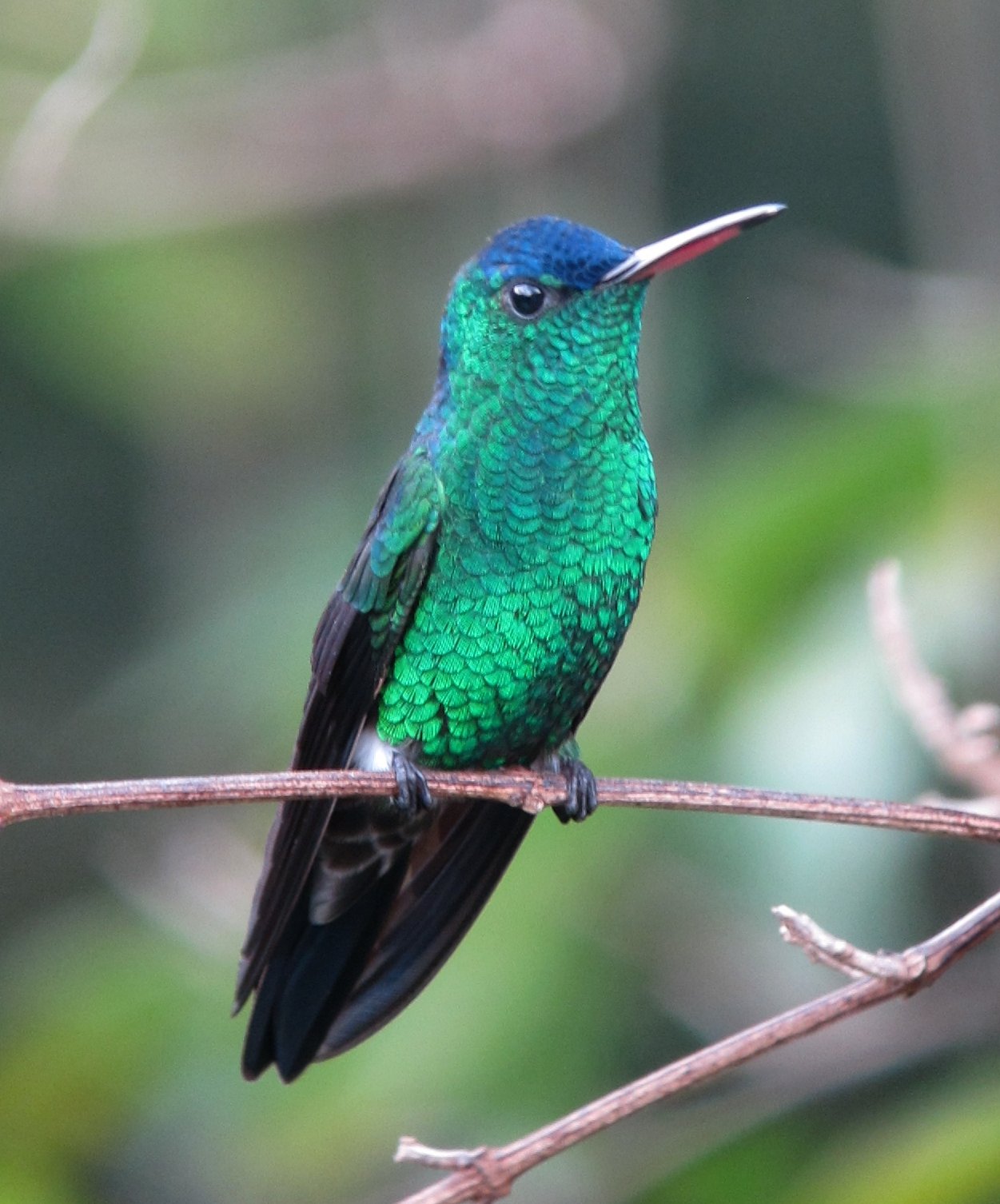
Beija-flor-de-coroa-índigo
Saucerottia cyanifrons- Northern Andean subtropical forest
- Secondary forest and forest edge
- Coffee, cacao and agroforestry
- Marañón and northern inter-Andean dry forest
- Towns, cities and parks
-
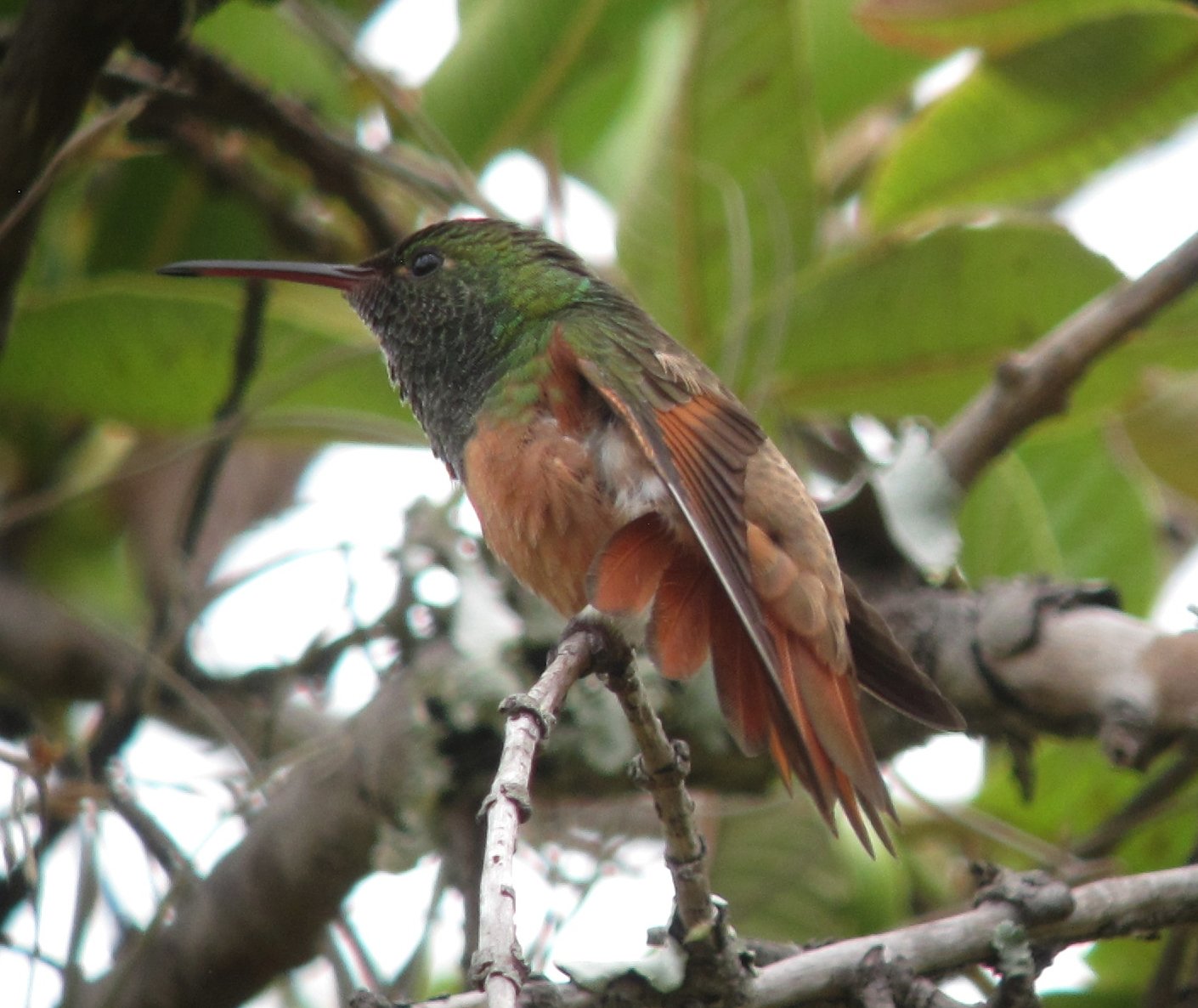
Beija-flor-de-barriga-castanha
Saucerottia castaneiventris- Marañón and northern inter-Andean dry forest
- Secondary forest and forest edge
- Coffee, cacao and agroforestry
- Northern Andean subtropical forest
-
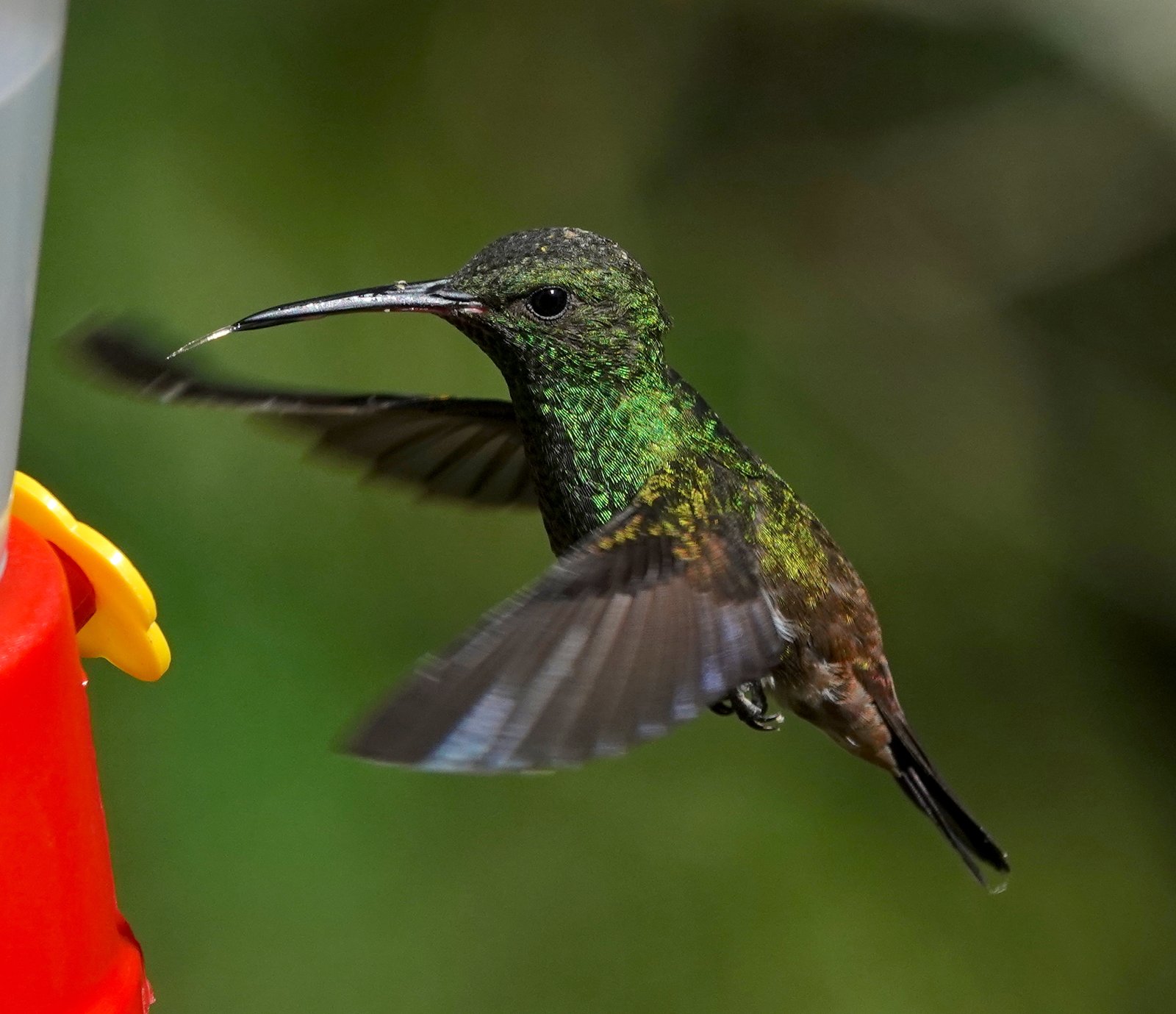
Beija-flor-de-barriga-verde
Saucerottia viridigaster- Secondary forest and forest edge
- Eastern Andean foothill forest
- Llanos savanna
- Coffee, cacao and agroforestry
- Riparian woodland of the Andes and coastal valleys
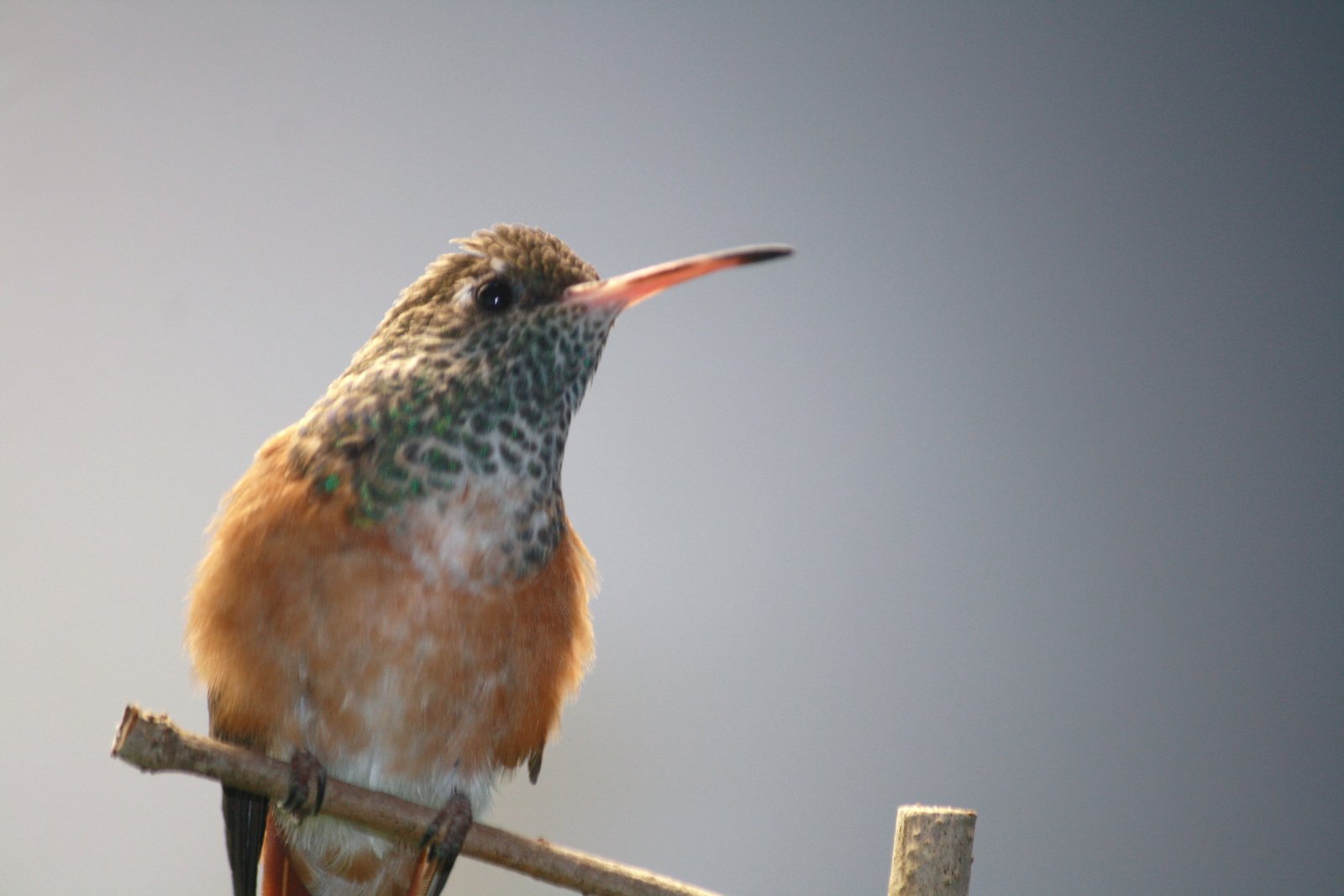
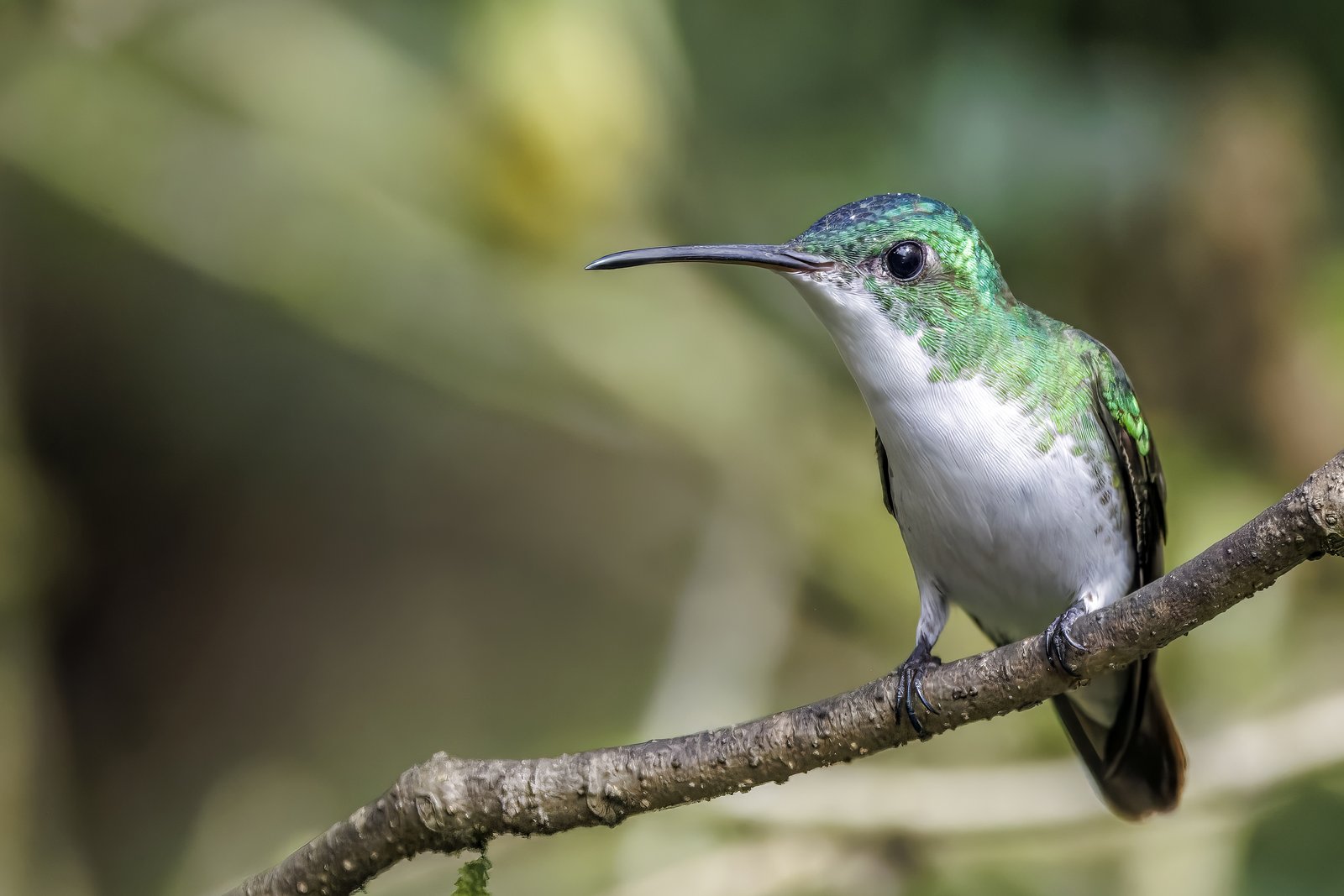
Chrysuronia 7 espécies
-
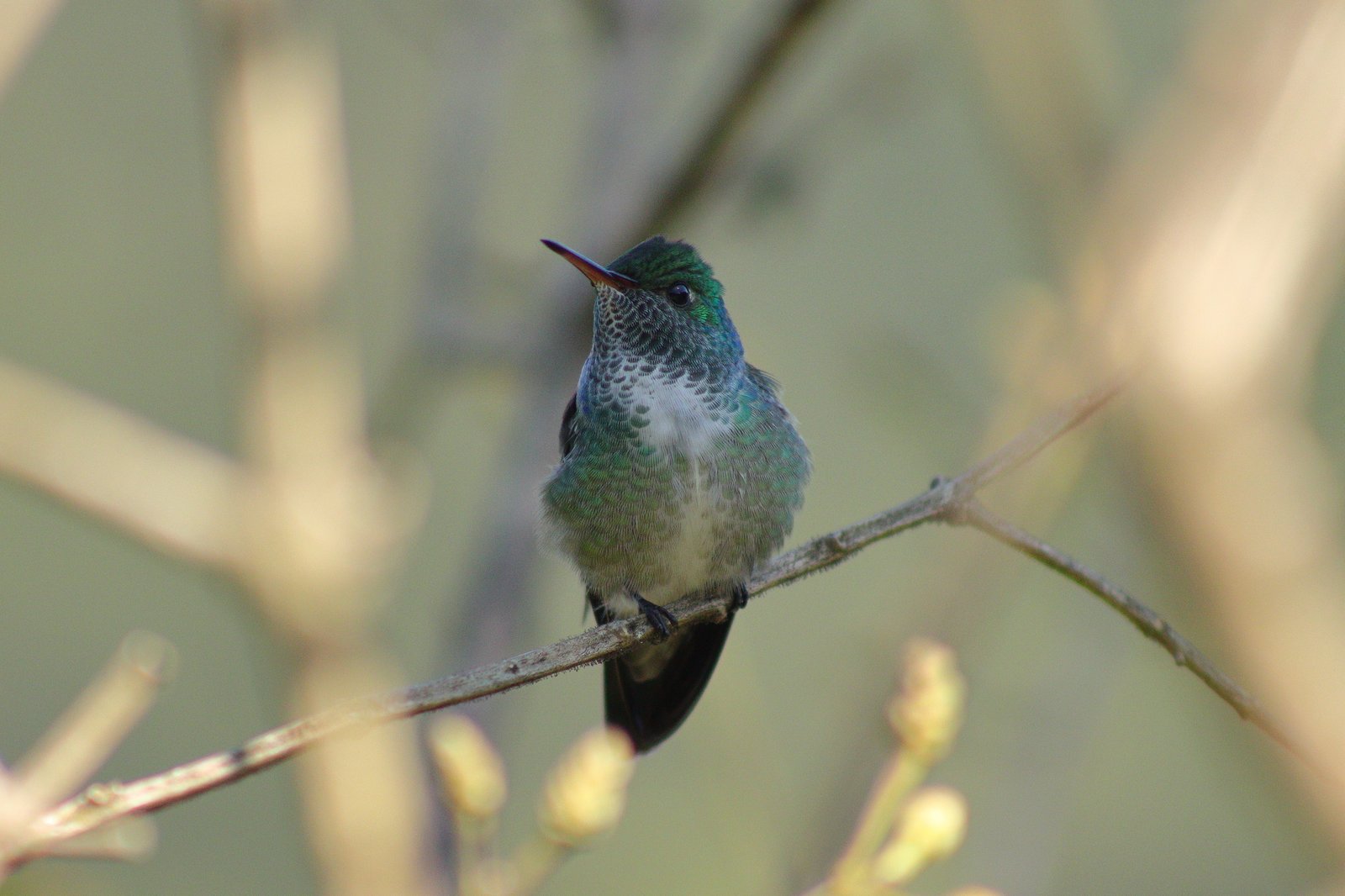
Beija-flor-de-banda-branca
Chrysuronia versicolor- Secondary forest and forest edge
- Beni savanna and cerrado
- Llanos savanna
- Chiquitano dry forest and Chaco
- Towns, cities and parks
-

Beija-flor-verde-brilhante
Chrysuronia goudoti- Secondary forest and forest edge
- Riparian woodland of the Andes and coastal valleys
- Marañón and northern inter-Andean dry forest
- Coffee, cacao and agroforestry
- Pasture and ranchland
-
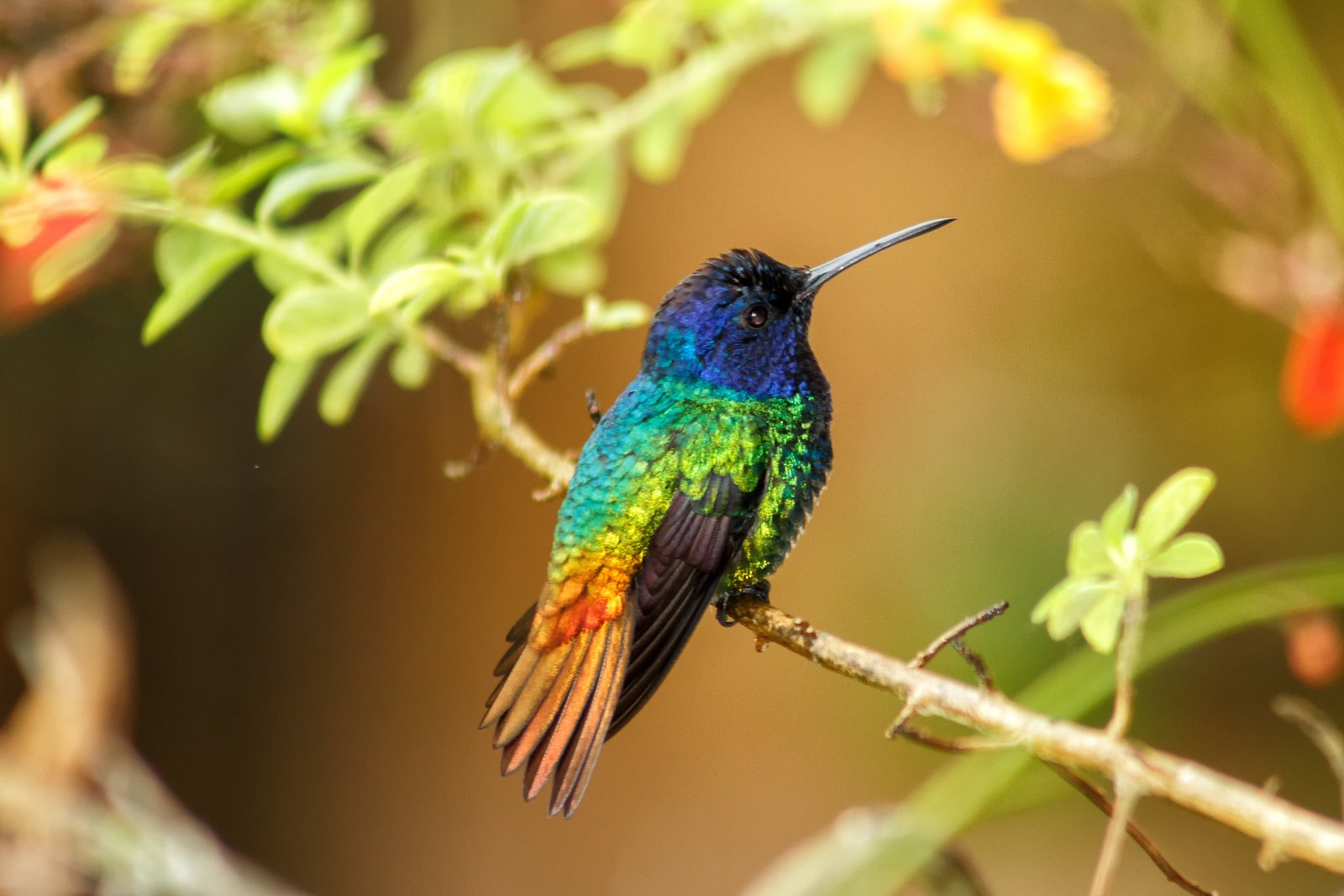
Beija-flor-de-cauda-dourada
Chrysuronia oenone- Eastern Andean foothill forest
- Northern Andean subtropical forest
- Lower Yungas forest
- Secondary forest and forest edge
- Coffee, cacao and agroforestry
-
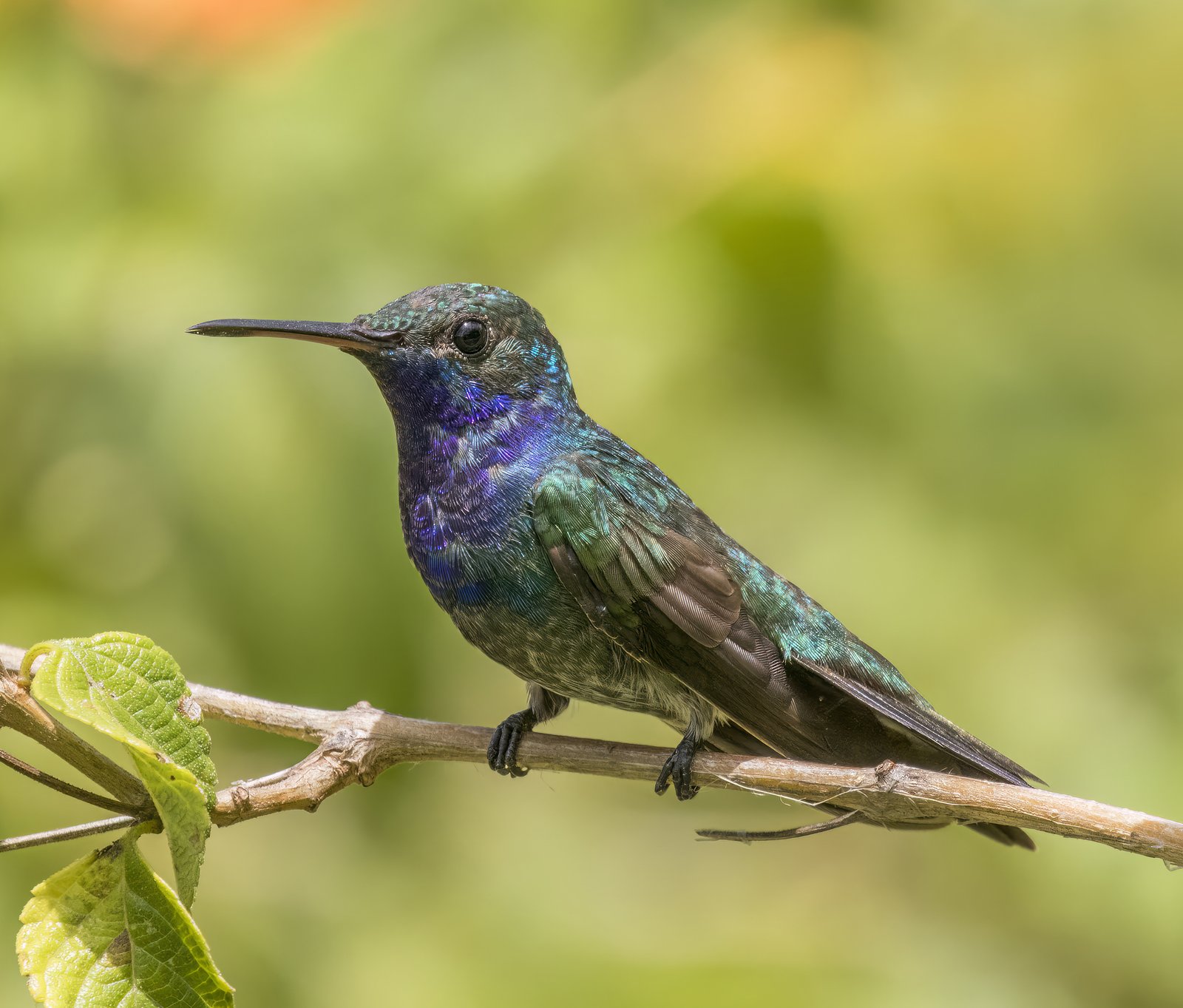
Beija-flor-de-garganta-safira
Chrysuronia coeruleogularis- Mangrove
- Secondary forest and forest edge
- Riparian woodland of the Andes and coastal valleys
- Pasture and ranchland
-
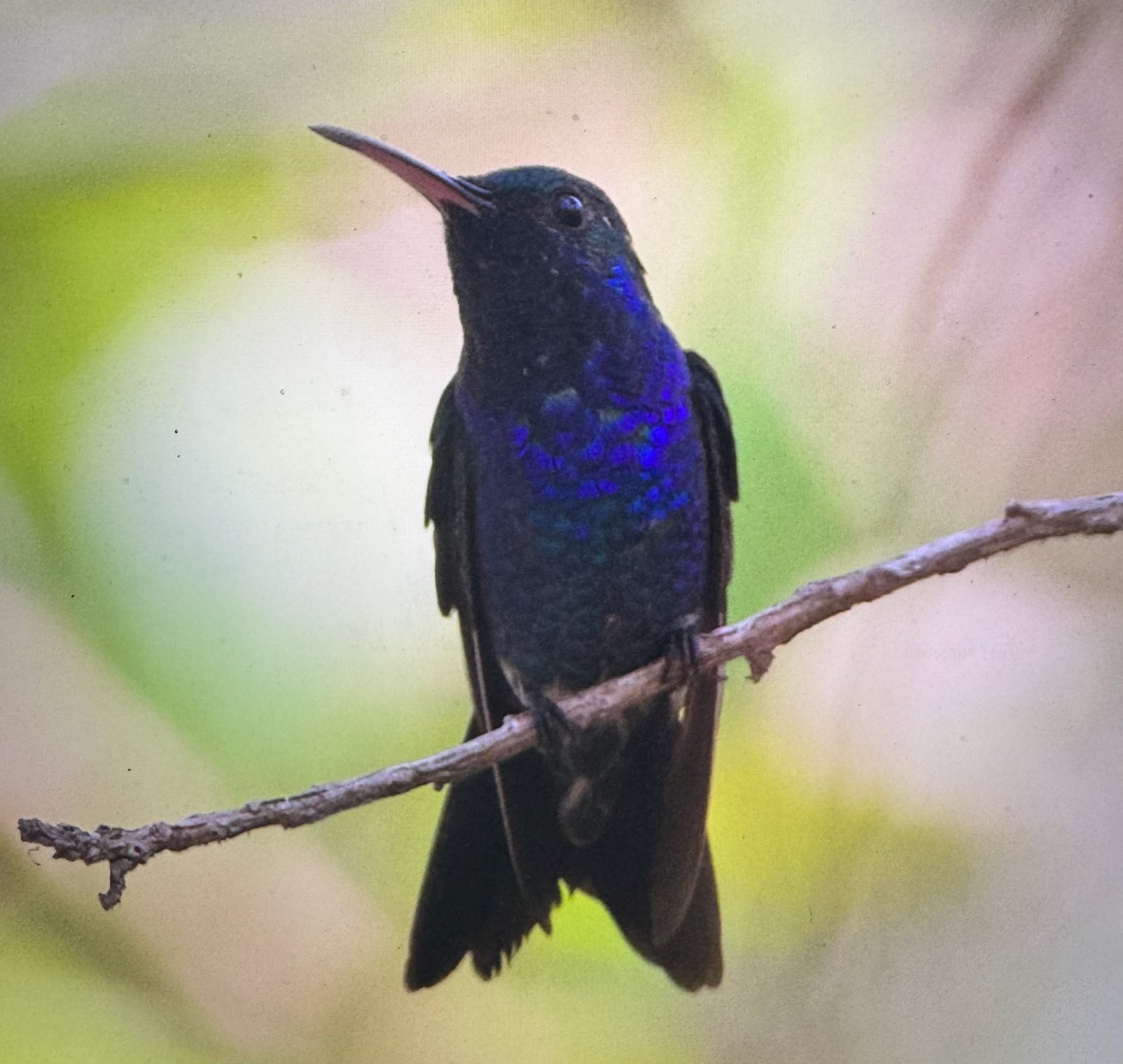
Beija-flor-de-ventre-safira
Chrysuronia lilliae- Mangrove
 Salt marsh and salt pans
- Secondary forest and forest edge
-
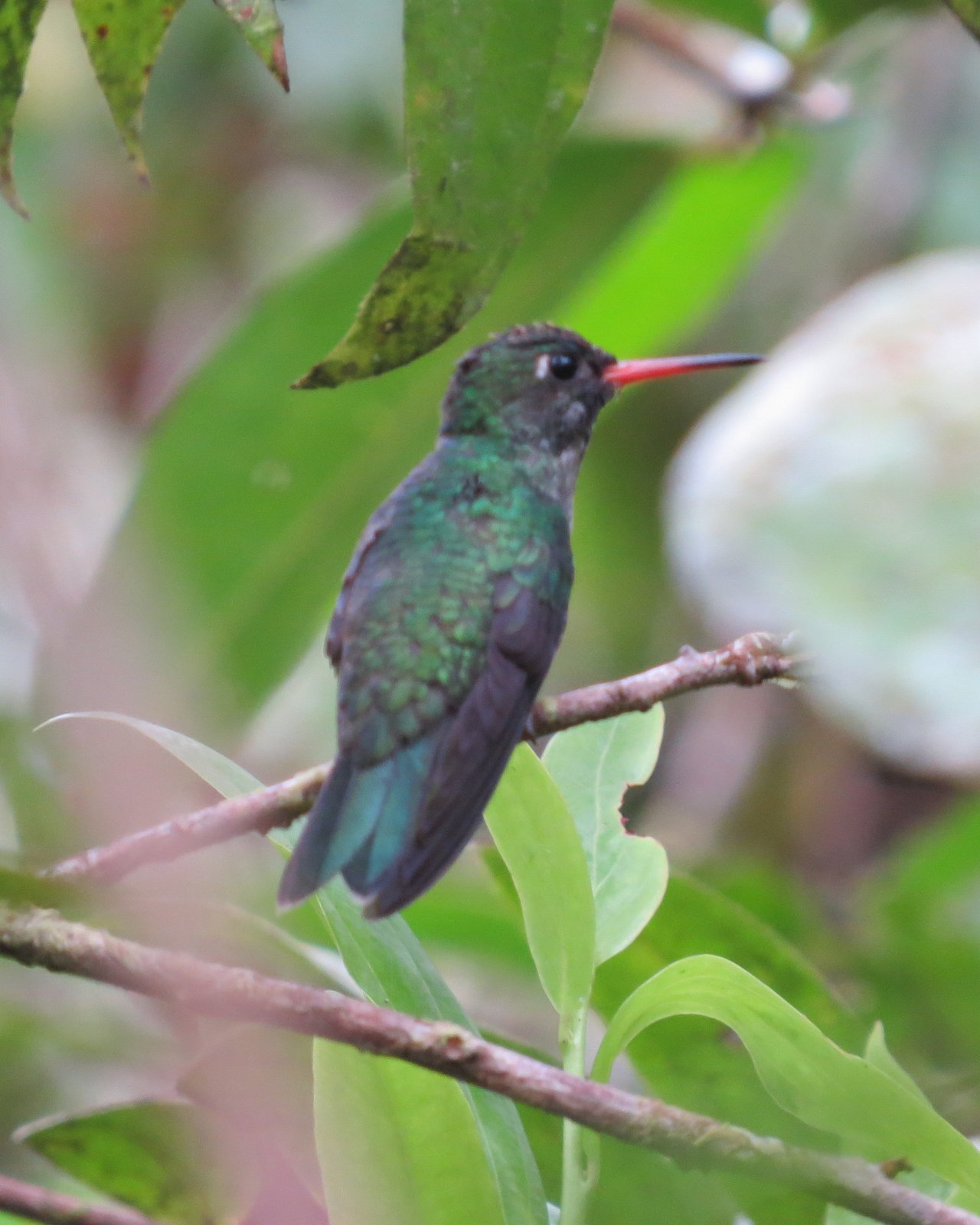
Safira-de-humboldt
Chrysuronia humboldtii- Mangrove
- Chocó rainforest
- Secondary forest and forest edge
-
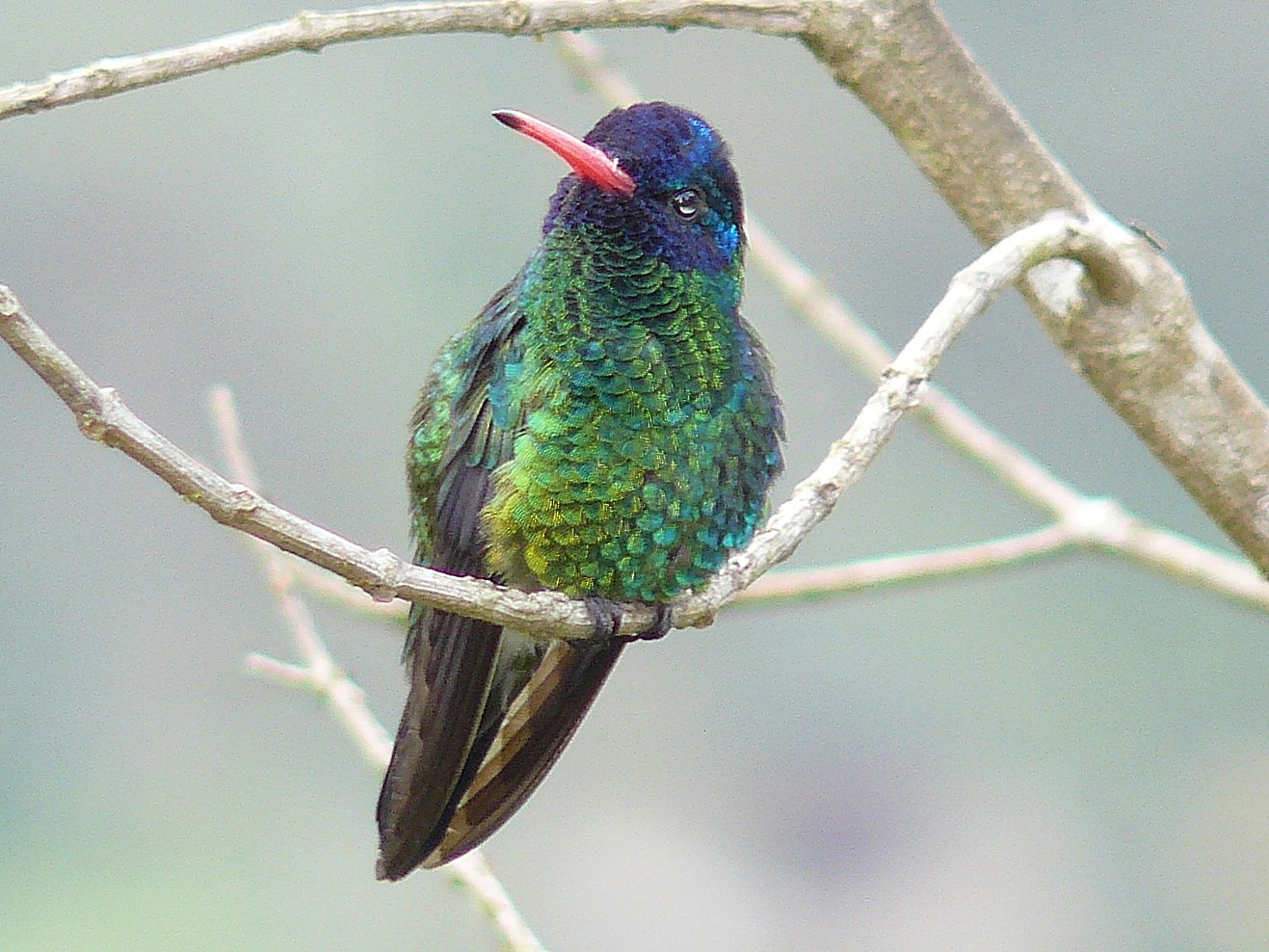
Safira-de-cabeça-azul
Chrysuronia grayi- Marañón and northern inter-Andean dry forest
- Secondary forest and forest edge
- Riparian woodland of the Andes and coastal valleys
- Coffee, cacao and agroforestry
- Towns, cities and parks
Chionomesa 2 espécies
-
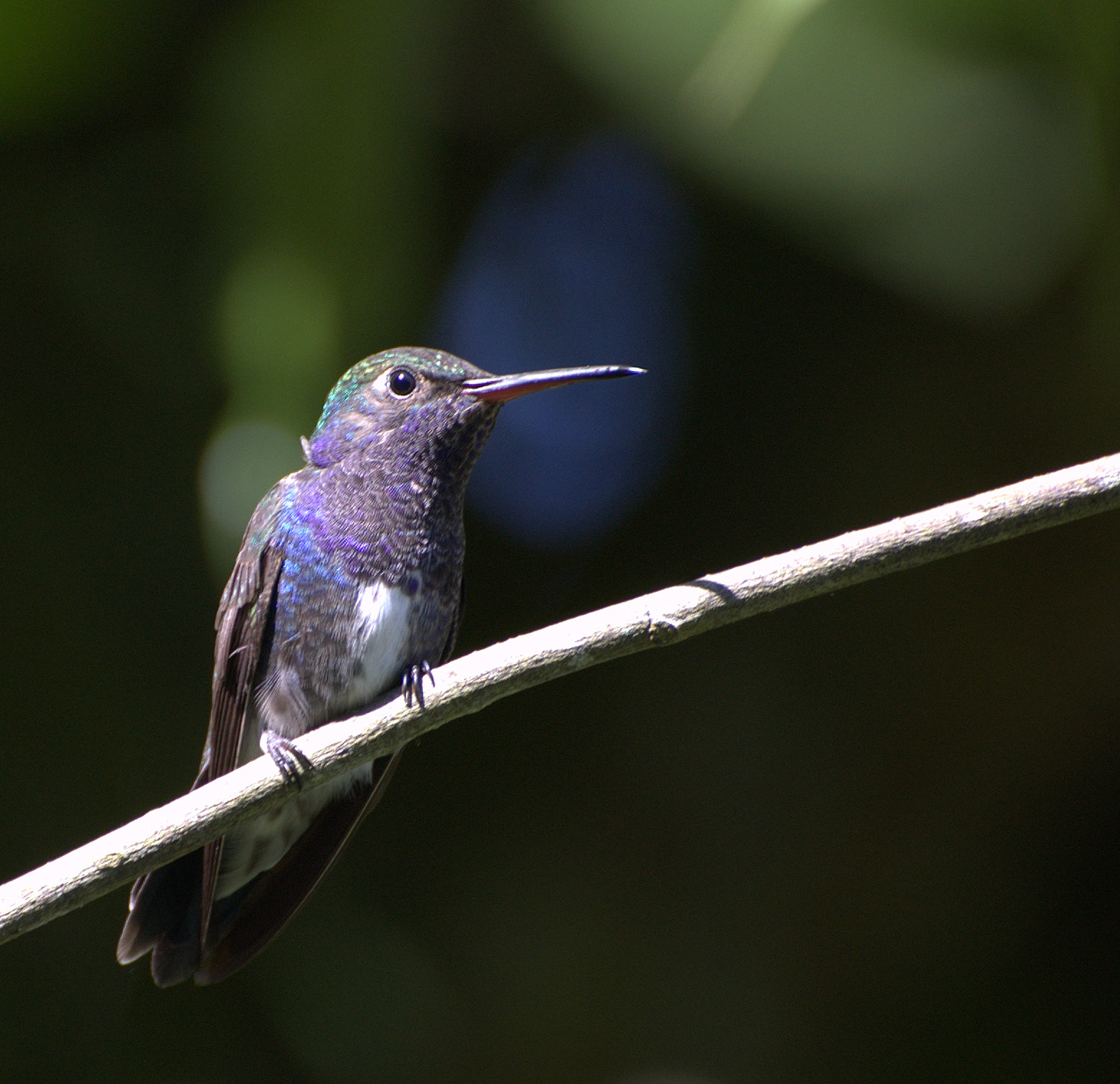
Beija-flor-de-peito-azul
Chionomesa lactea- Secondary forest and forest edge
- Várzea, igapó and river islands
- Eastern Andean foothill forest
- Towns, cities and parks
- Beni savanna and cerrado
-
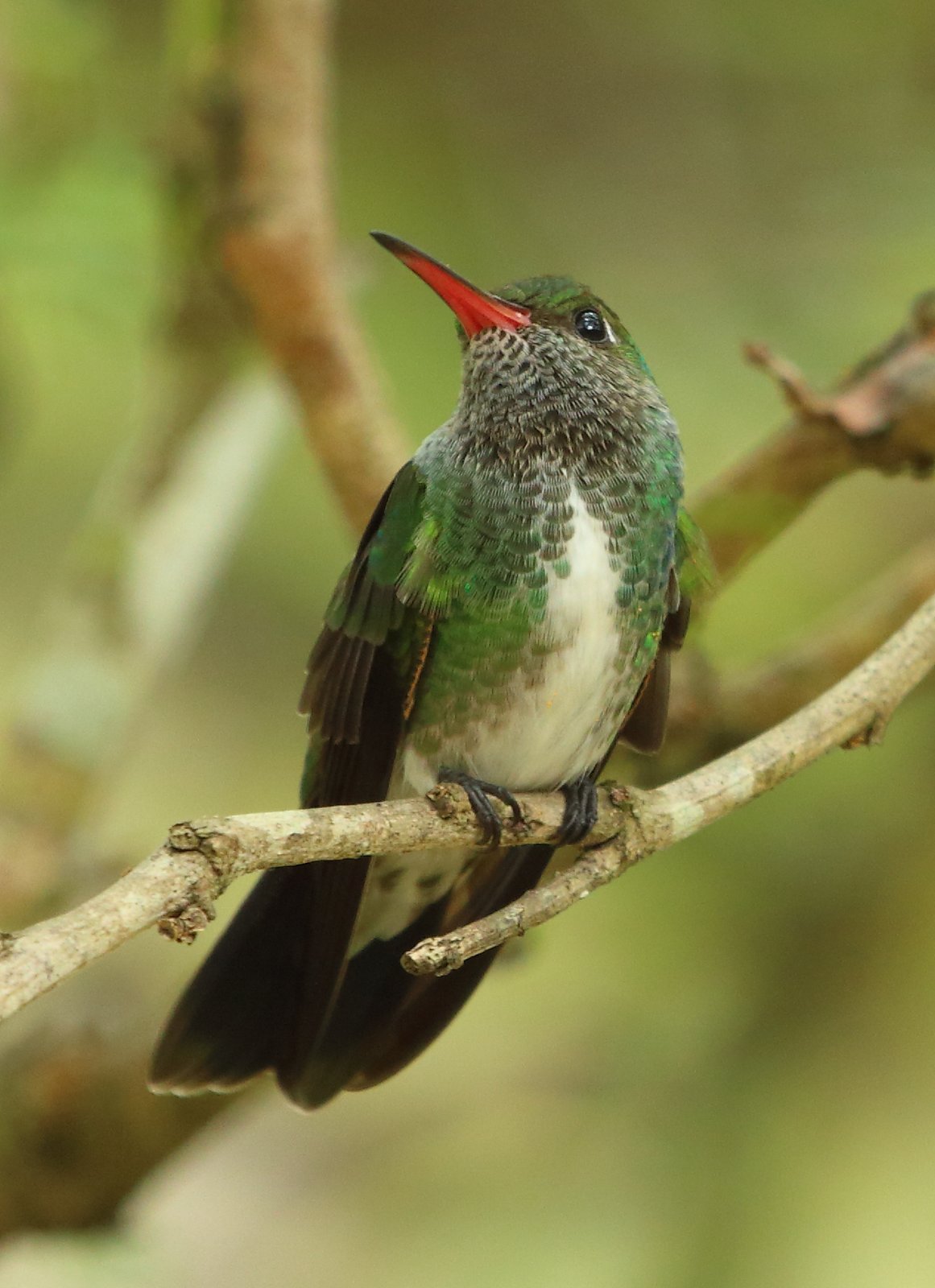
Beija-flor-de-garganta-verde
Chionomesa fimbriata- Secondary forest and forest edge
- Várzea, igapó and river islands
- Llanos savanna
- Towns, cities and parks
- Riparian woodland of the Andes and coastal valleys
Hylocharis 2 espécies
-
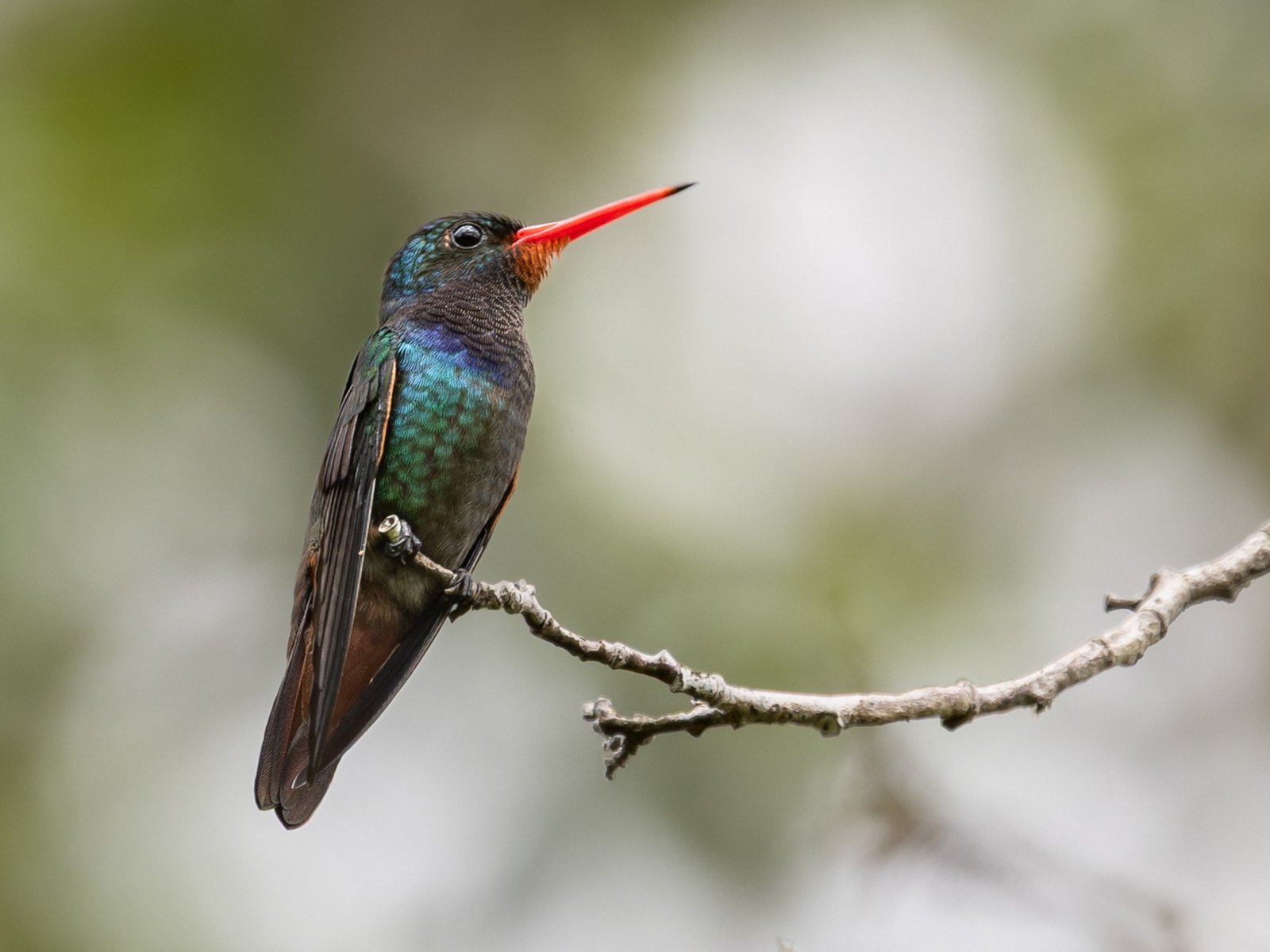
Beija-flor-safira
Hylocharis sapphirina- Secondary forest and forest edge
- Amazonian terra firme rainforest
- Várzea, igapó and river islands
- Beni savanna and cerrado
-

Beija-flor-dourado
Hylocharis chrysura- Chiquitano dry forest and Chaco
- Riparian woodland of the Andes and coastal valleys
- Beni savanna and cerrado
- Secondary forest and forest edge
- Towns, cities and parks
Elliotomyia 2 espécies
-
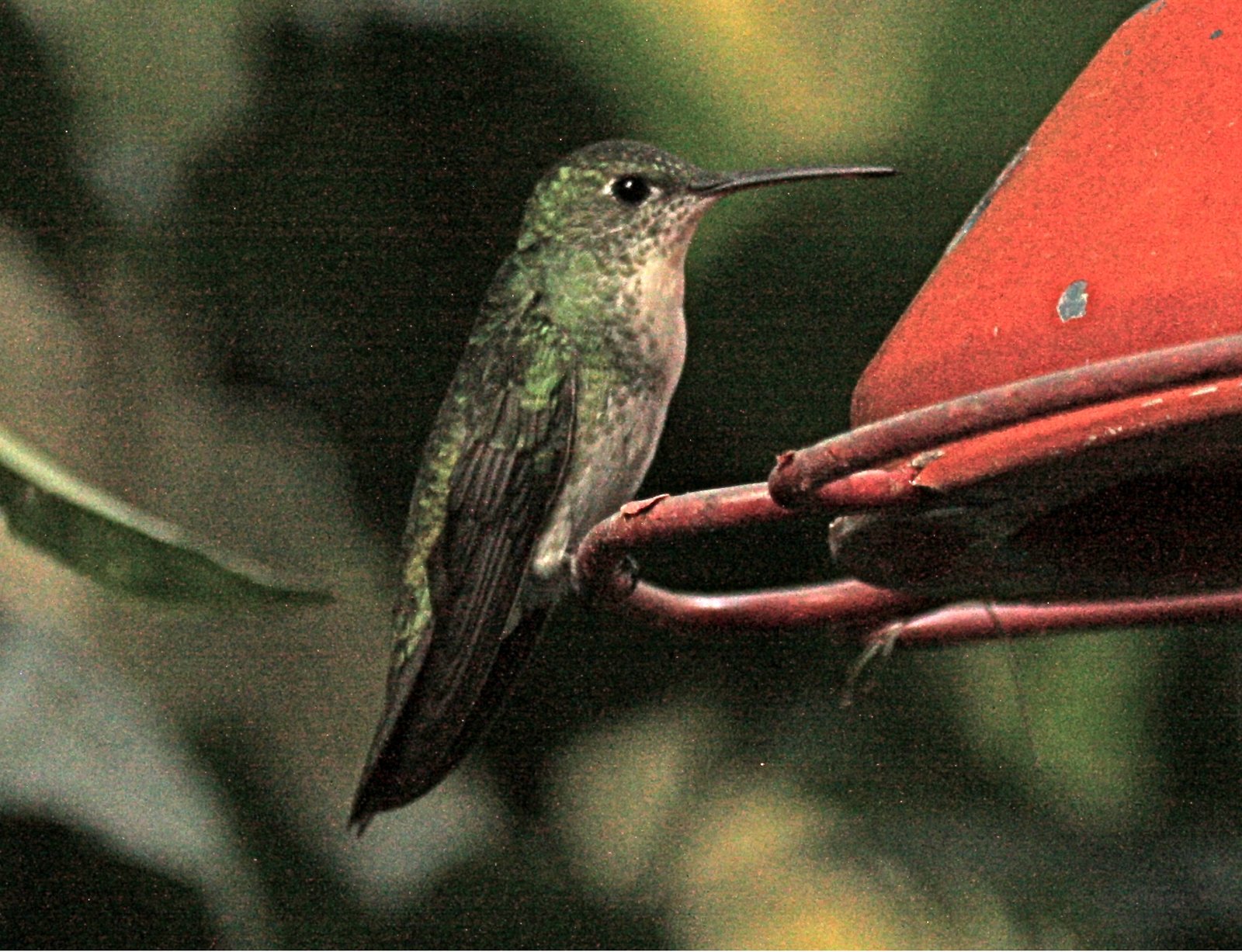
Beija-flor-verde-e-branco
Elliotomyia viridicauda- Lower Yungas forest
- Secondary forest and forest edge
- Coffee, cacao and agroforestry
- Riparian woodland of the Andes and coastal valleys
- Towns, cities and parks
-
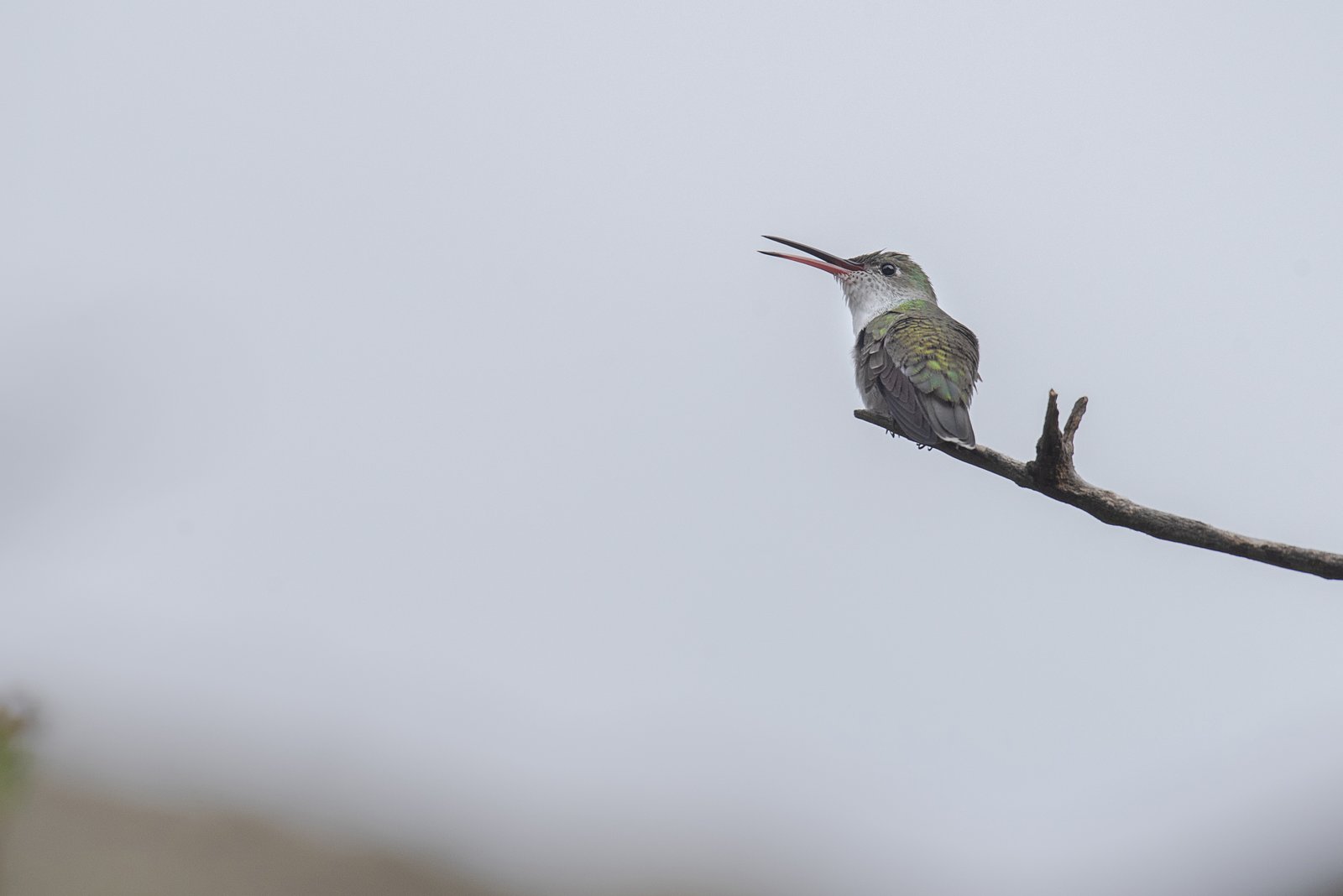
Beija-flor-de-barriga-branca
Elliotomyia chionogaster- Central Andean dry valleys
- Marañón and northern inter-Andean dry forest
- Lower Yungas forest
- Riparian woodland of the Andes and coastal valleys
- Towns, cities and parks
Polyerata 2 espécies
-
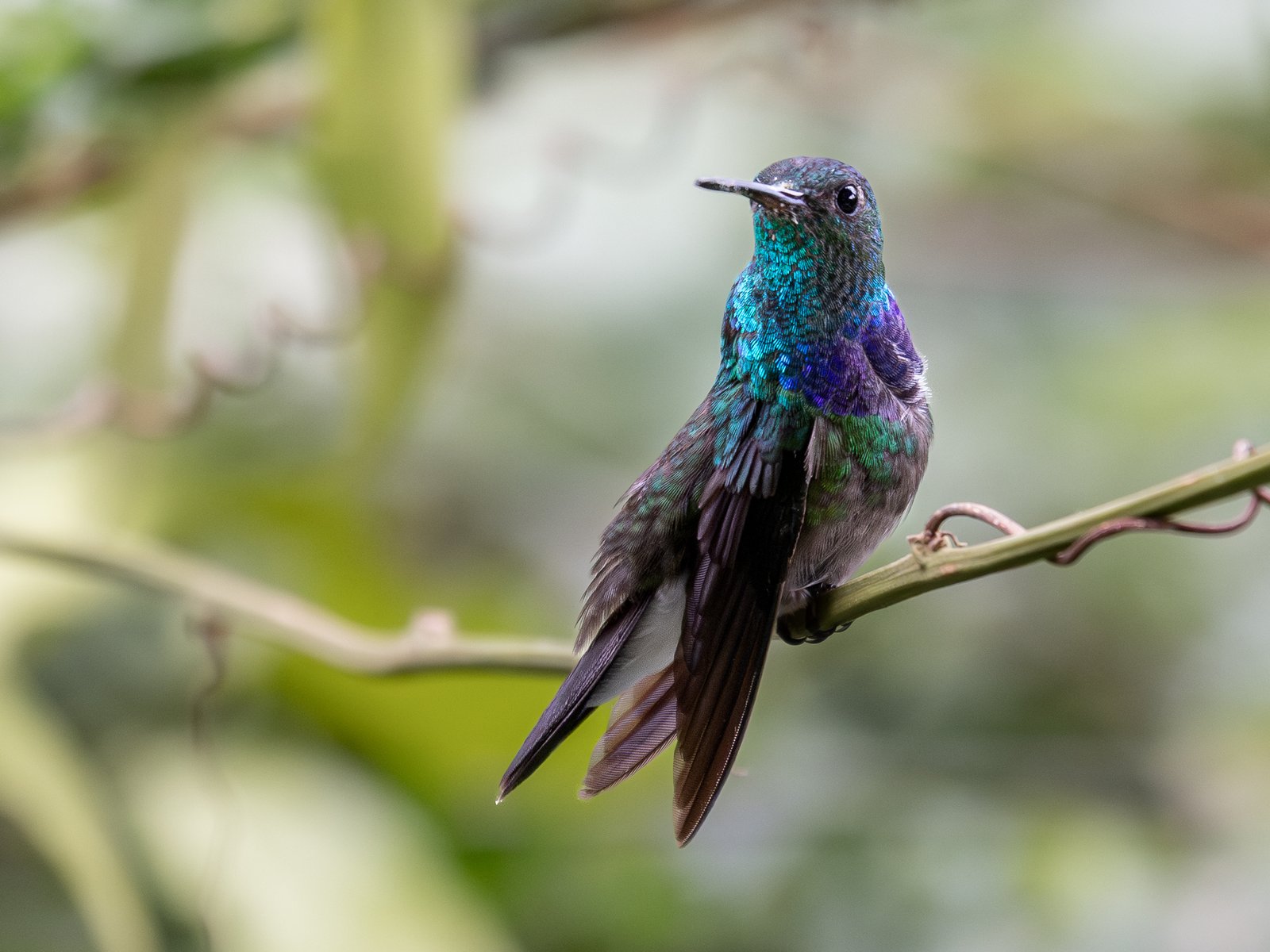
Beija-flor-de-peito-roxo
Polyerata rosenbergi- Chocó rainforest
- Secondary forest and forest edge
- Coffee, cacao and agroforestry
- Riparian woodland of the Andes and coastal valleys
-
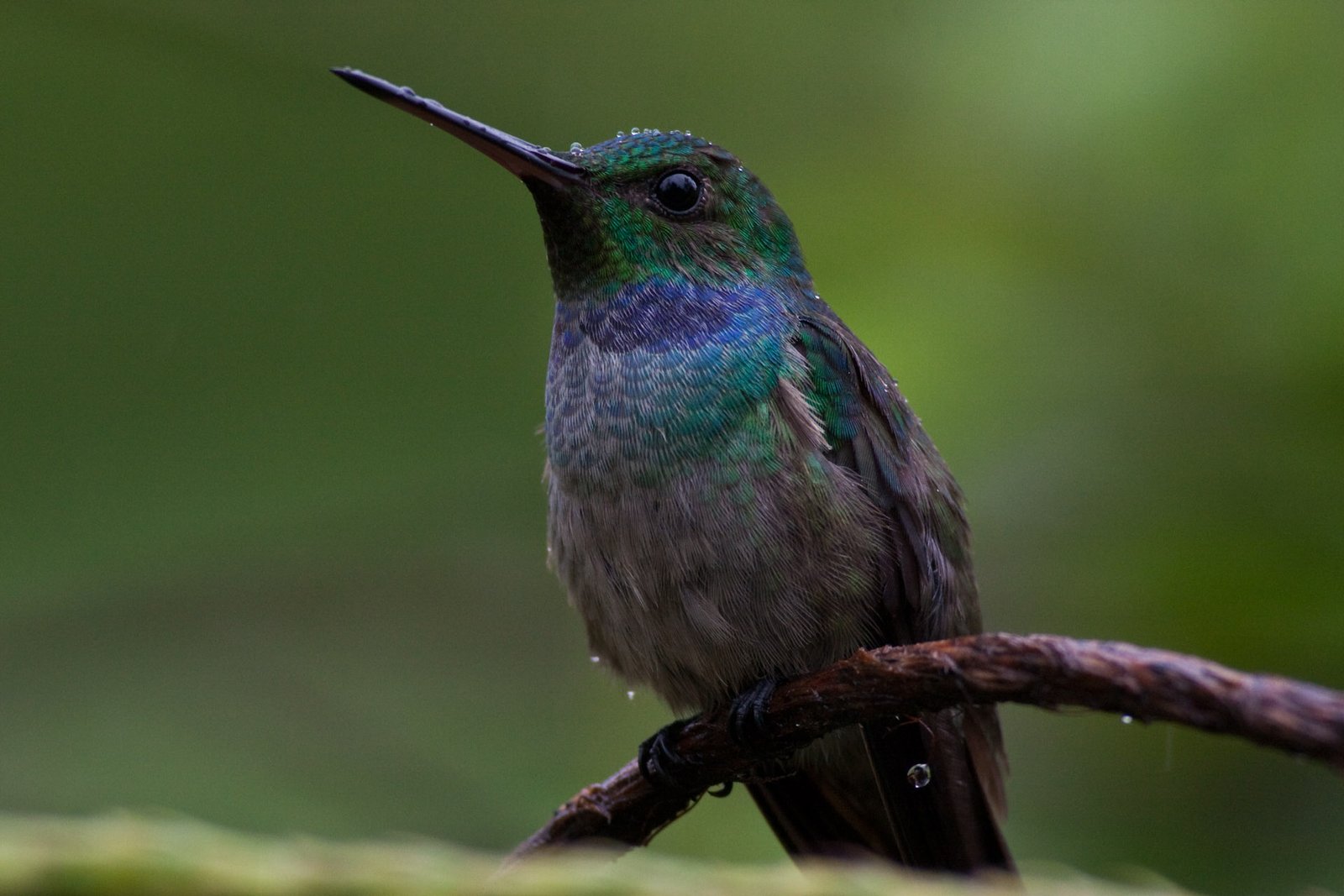
Amazília-de-peito-azul
Polyerata amabilis- Chocó rainforest
- Secondary forest and forest edge
- Western Ecuador humid forest
- Coffee, cacao and agroforestry
Chlorestes 4 espécies
-

Safira-de-garganta-azul
Chlorestes eliciae- Secondary forest and forest edge
- Chocó rainforest
- Coffee, cacao and agroforestry
-
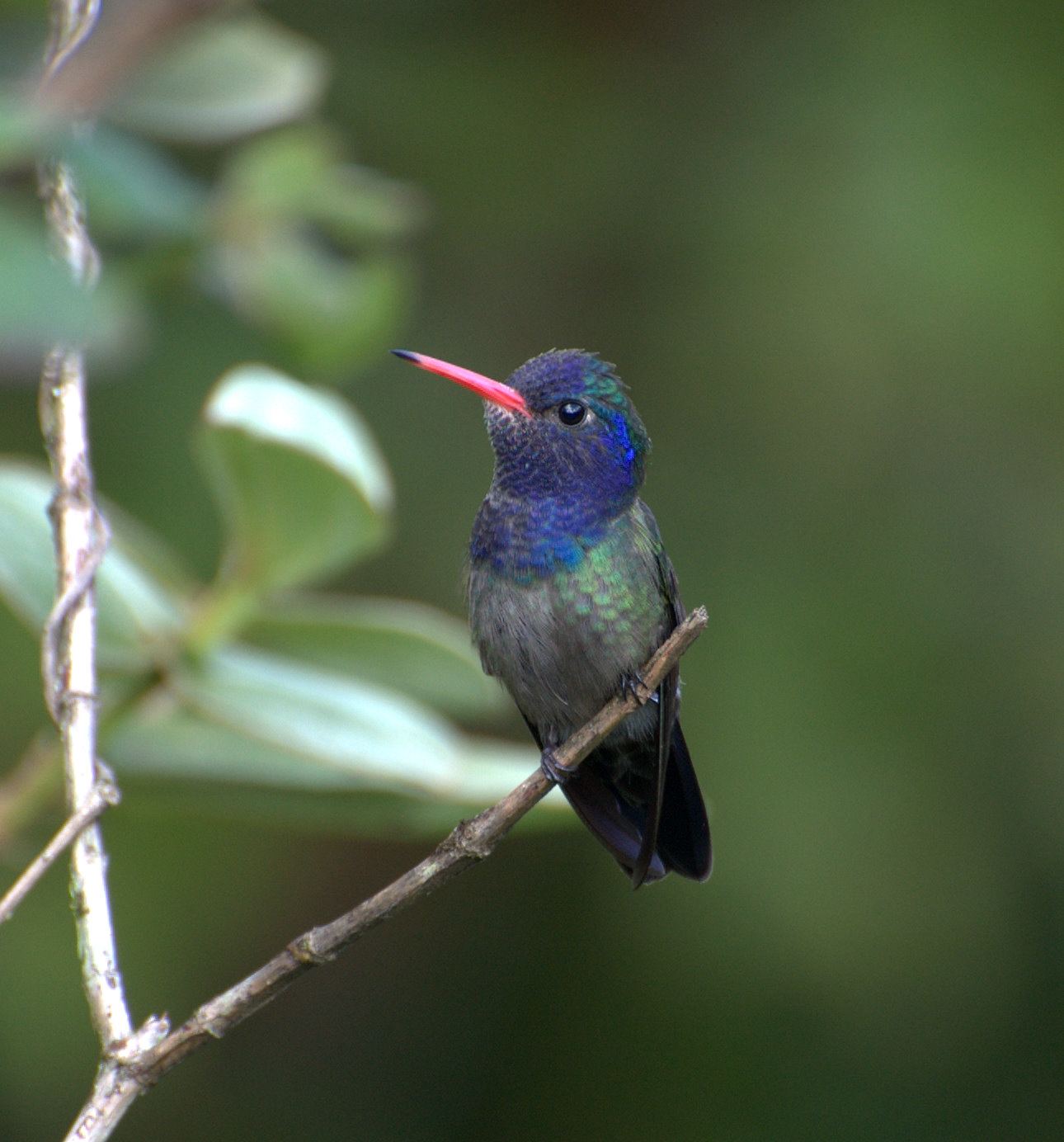
Beija-flor-roxo
Chlorestes cyanus- Secondary forest and forest edge
- Várzea, igapó and river islands
- Llanos savanna
- Amazonian terra firme rainforest
- Coffee, cacao and agroforestry
-
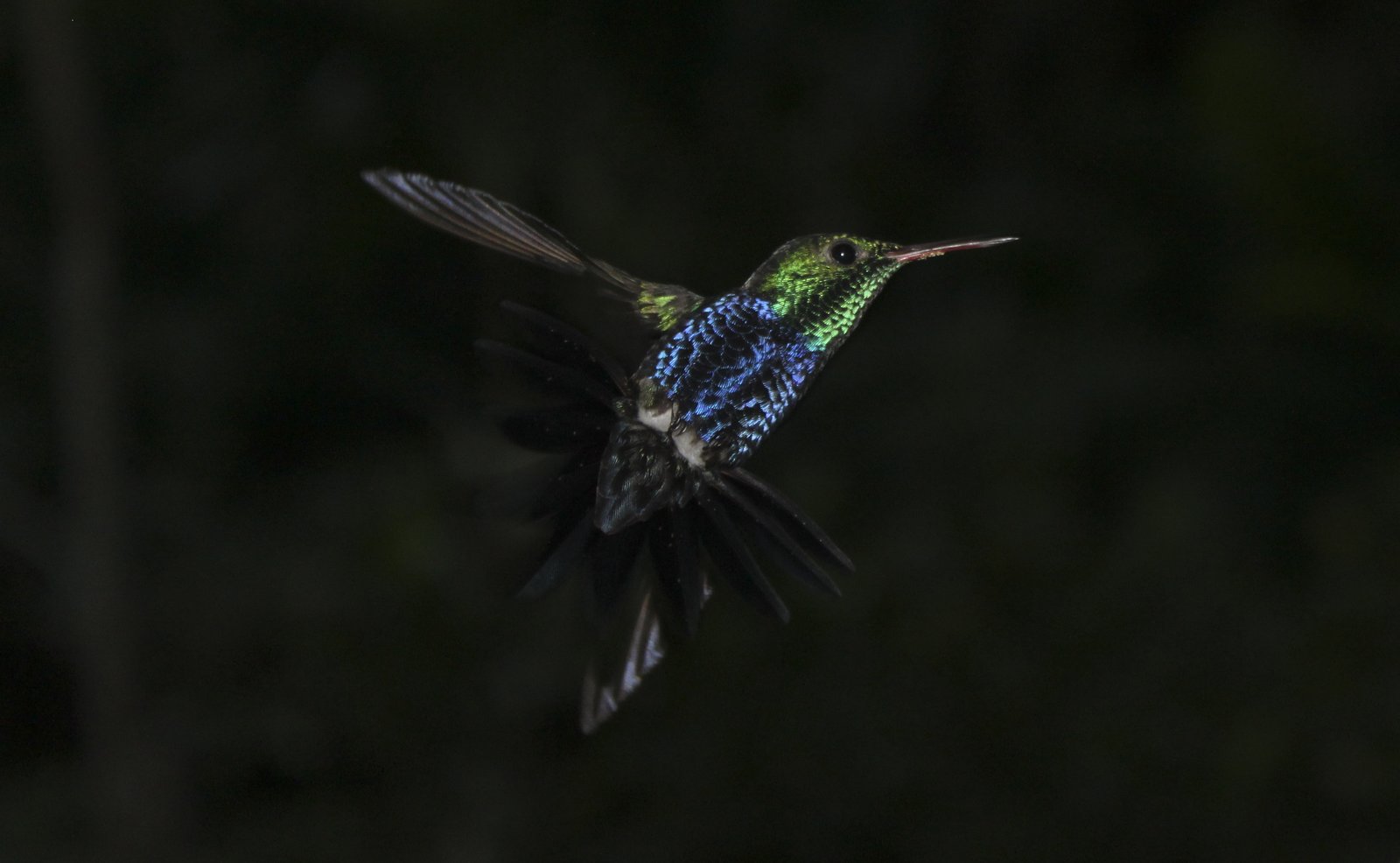
Beija-flor-de-barriga-violeta
Chlorestes julie- Chocó rainforest
- Western Ecuador humid forest
- Secondary forest and forest edge
- Tumbesian dry forest and thorn scrub
- Coffee, cacao and agroforestry
-
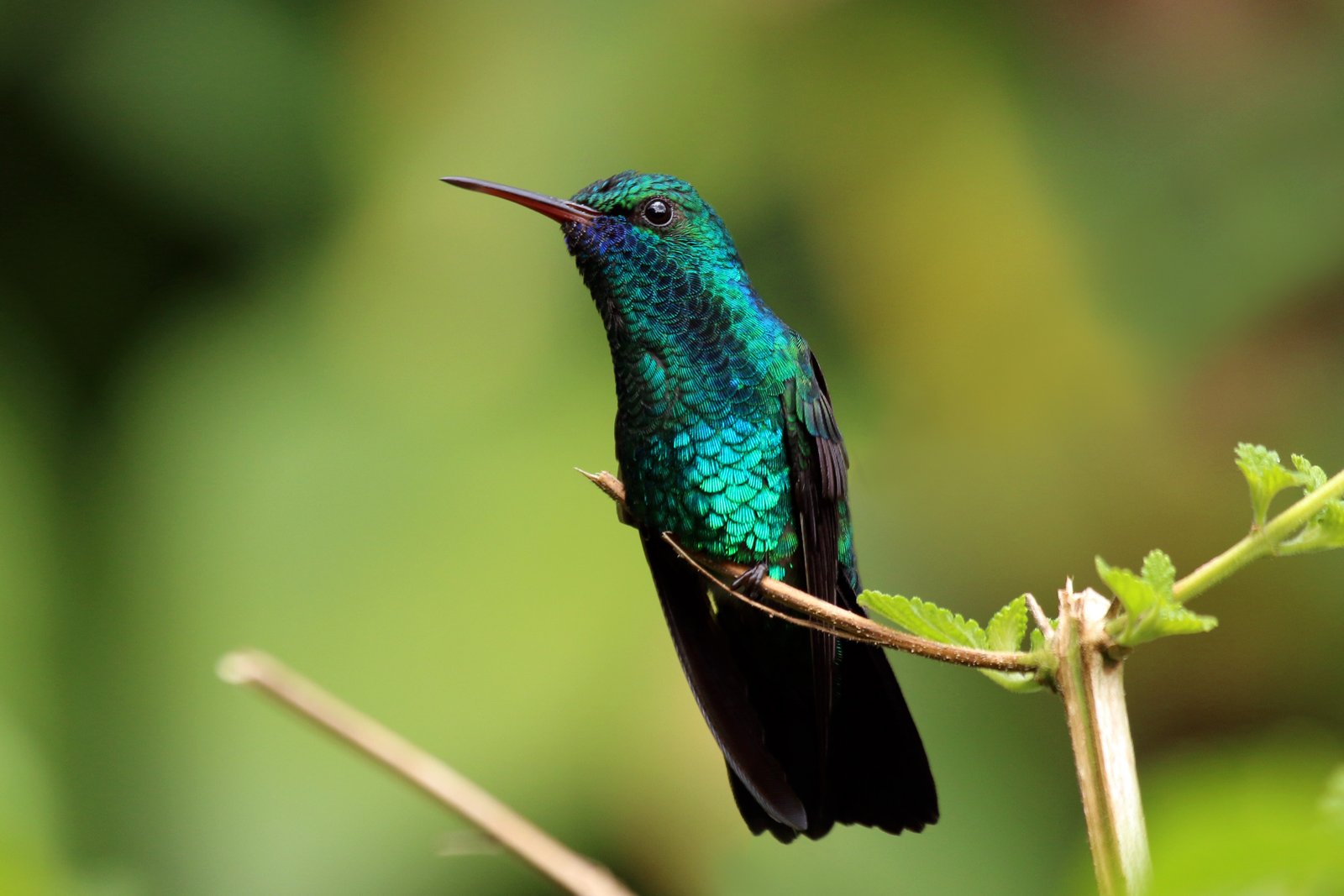
Beija-flor-de-garganta-azul
Chlorestes notata- Secondary forest and forest edge
- Amazonian terra firme rainforest
- Várzea, igapó and river islands
- Llanos savanna
- Coffee, cacao and agroforestry
Vagantes 2 espécies
Aves trazidas pelo vento de outros continentes. Não têm área de distribuição aqui e, por isso, não têm mapa de distribuição.