All species › Woodpeckers and allies › Toucans
Toucans | Ramphastidae
Toekans | Tucanes
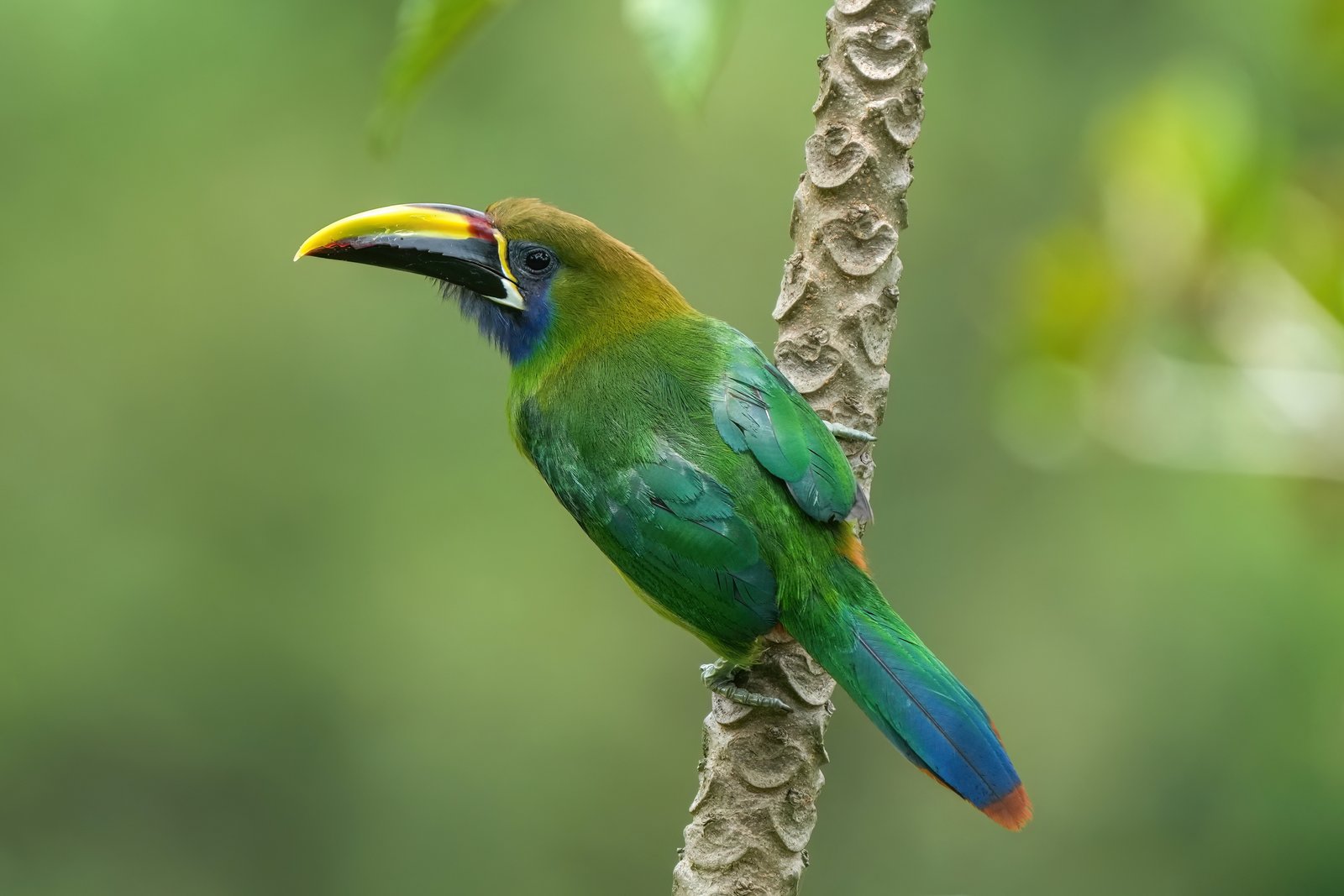
Six species in four genera live in Mexico and Central America: the large toucans of the genus Ramphastos, the slimmer, group-living aracaris, the green Northern Emerald Toucanet of montane forest and the Yellow-eared Toucanet in the far south. The huge, often brightly coloured bill is lighter than it looks: beneath a thin horny sheath lies a spongy network of bony struts filled with air. With it they reach fruit on slender twigs that would not bear their weight, and the richly supplied bill also helps to shed heat. The cutting edges are serrated and the tongue is long, narrow and frayed at the edges like a feather. The foot is zygodactyl. Toucans eat mainly fruit, which they swallow with a toss of the head, but also insects, lizards and the eggs and young of other birds. The voice is hardly musical: croaking, rasping or yelping calls that carry far. They sleep in tree holes with the tail folded over the back, and aracaris share a roost hole as a whole group. The nest is a cavity in a tree, often an old woodpecker hole, with two to four white eggs.
Native species 6 species
Species that occur here by nature: breeding birds, winter visitors and passage migrants. They are arranged by genus, in the sequence of the list.
Ramphastos 2 species
-

Yellow-throated Toucan
Ramphastos ambiguus Lowland rainforest
 Foothill (submontane) forest
 Chocó-Darién rainforest
 Secondary forest and forest edge
 Floodplain and gallery forest
-
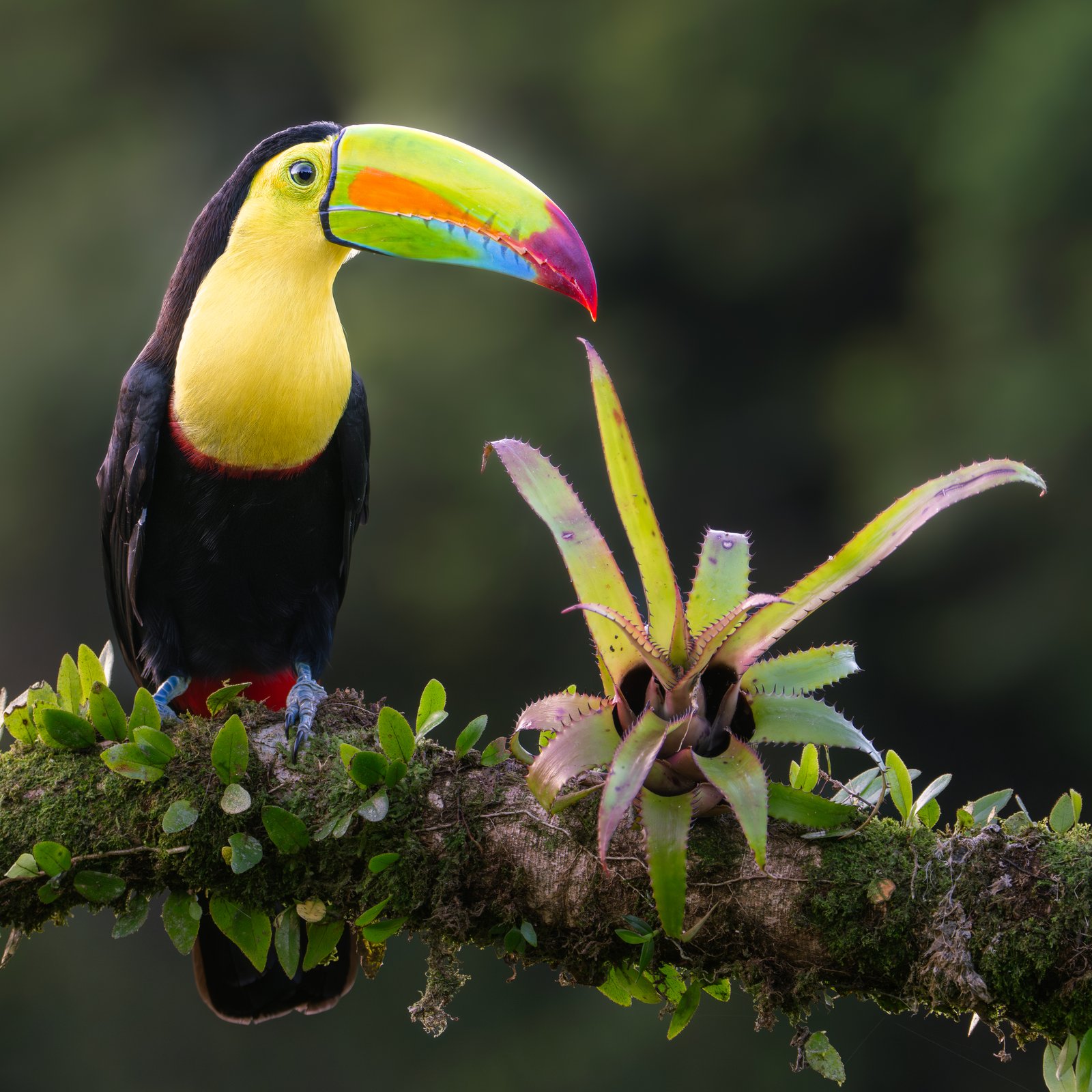
Keel-billed Toucan
Ramphastos sulfuratus- Lowland rainforest
- Foothill (submontane) forest
- Secondary forest and forest edge
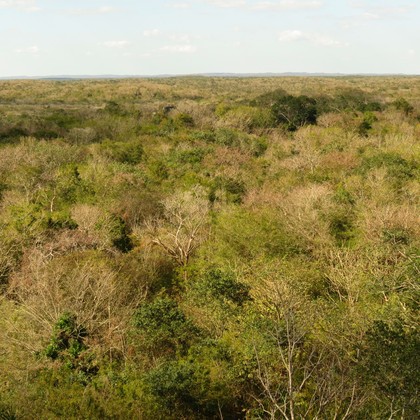 Yucatán and Caribbean-interior seasonal forest
- Floodplain and gallery forest
 Shade coffee, cacao and agroforestry
Pteroglossus 2 species
-

Collared Aracari
Pteroglossus torquatus- Lowland rainforest
- Foothill (submontane) forest
- Secondary forest and forest edge
- Yucatán and Caribbean-interior seasonal forest
- Floodplain and gallery forest
- Shade coffee, cacao and agroforestry
-
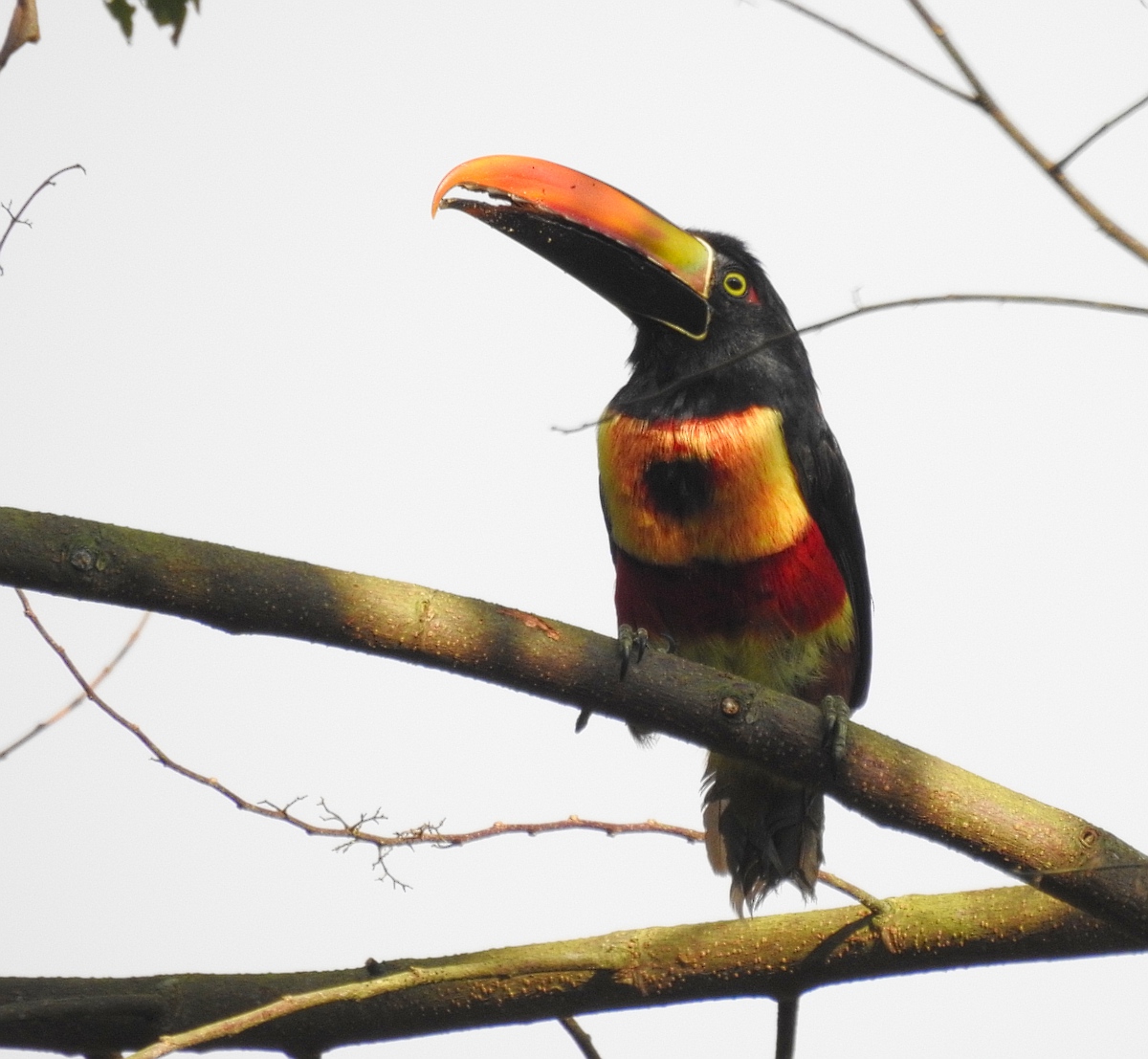
Fiery-billed Aracari
Pteroglossus frantzii- Lowland rainforest
- Foothill (submontane) forest
- Secondary forest and forest edge
- Floodplain and gallery forest