All species › Waterfowl › Ducks, swans and geese › Mexican Duck
Position in the tree Birds Aves › Birds with a flexible palate Neognathae › Fowl Galloanserae
Mexican Duck | Anas diazi
Mexicaanse eend | Pato mexicano
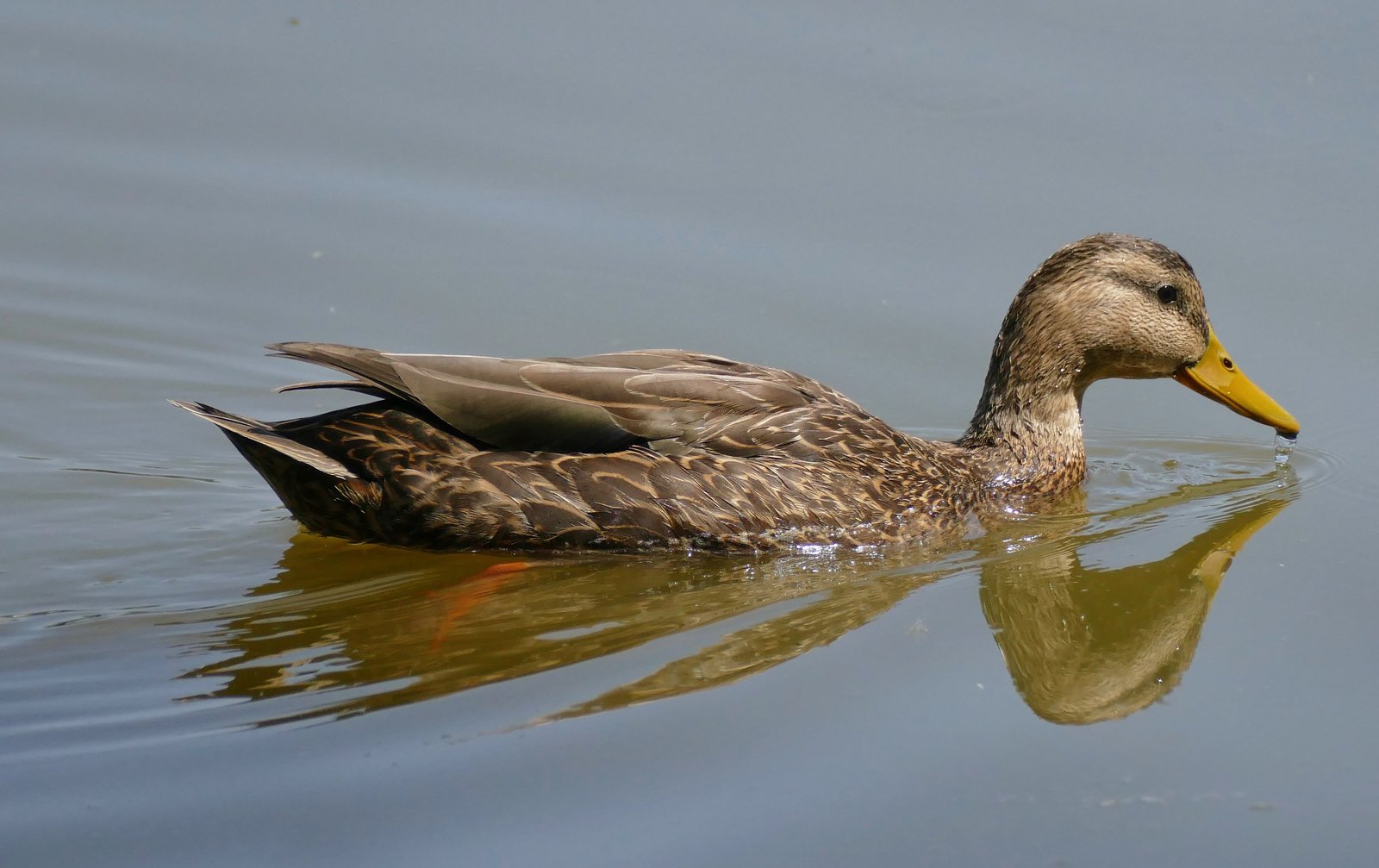
The Mexican Duck is a dark, brown relative of the Mallard in which the male also wears a female-like plumage. Almost the entire world population lives in Mexico, mainly on the dry plateau, with a small part in the south-western United States. It was long treated as a subspecies of Mallard and has only recently been recognised as a separate species again.
Voice
Like Mallard: the female gives a loud, descending quack-quack-quack, the male a soft, rasping raeb.
Recording: Manuel Grosselet — CC BY-NC-SA 4.0 · converted to mono · xeno-canto
Identification
45–55 cm, slightly smaller than Mallard. Both sexes are dark mottled brown, with a paler, finely streaked head and neck, a dark crown and eye-stripe and a dark brown tail without white. The male has a plain olive-yellow bill and a slightly warmer, cinnamon-tinged breast; the female an orange bill with a dark saddle and a somewhat paler, buffier tone. The speculum is blue to greenish-blue, with a white trailing edge and a narrower white leading edge. In flight the white underwings contrast with the dark body.
Confusion species
The female Mallard Anas platyrhynchos is paler, with a whitish tail and broader white borders to the speculum; male Mallards have a green head. In northern Mexico hybrids between the two species are numerous; birds with some green on the head or curled tail feathers are usually hybrids. Mottled Duck Anas fulvigula, found only on the coast of Tamaulipas, has a plain pale head without streaks, a small black spot at the base of the bill and no white leading edge to the speculum.
Habitat
Freshwater marshes, shallow lakes, reservoirs, stock ponds, rivers and temporary pools on the plateau, and nearby saline lakes and irrigated fields. It breeds mainly in the summer rainy season, when temporary wetlands fill up; the nest is on the ground in dense vegetation near water. It eats seeds, aquatic plants and invertebrates.
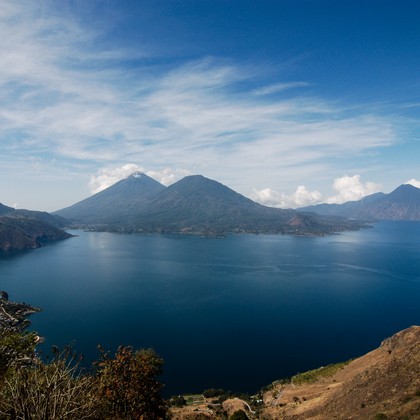
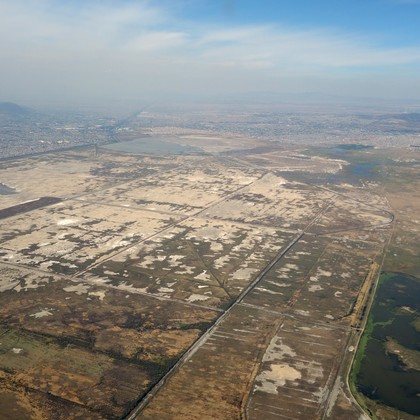
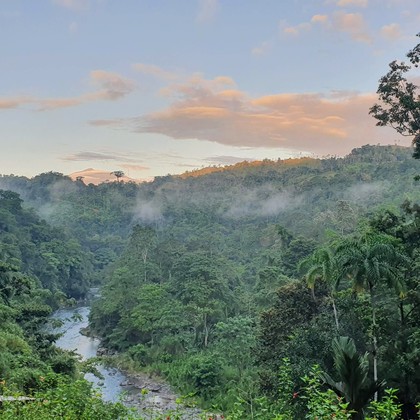
Where the bird is most at home, classified by the vegetation units of Mexico and Central America.



Range and movements
On the Mexican plateau, from Sonora, Chihuahua and Coahuila south through Durango, Zacatecas, San Luis Potosí, Aguascalientes, Jalisco, Guanajuato and Michoacán to the State of México, Puebla and Tlaxcala, locally to Guerrero, Oaxaca and Veracruz. Also in Nuevo León, Tamaulipas and Sinaloa. Outside the guide area only in the south-western United States, in Arizona, New Mexico and western Texas.
- Resident
- dark = core range, pale = thinly spread
How and when to look
On the lakes and marshes of the plateau, such as around Mexico City, in the Bajío and in the lagoons of Chihuahua and Durango. In winter, when Mallards and hybrids are also present, the dark tail and the olive-yellow bill of the male are the best features.
Conservation status
Not evaluated as a separate species; the IUCN includes it in Mallard. The species is locally common, but is threatened by interbreeding with wild and above all feral Mallards, by the loss of wetlands on the plateau and by hunting.
Scientific name
Anas diazi | Ridgway, 1886
Ridgway described the species in 1886 and placed it straight away in the genus where it still stands. The genus Anas was introduced in 1758 by Linnaeus. Anas is the Latin word for 'duck'. diazi honours the Mexican engineer and geographer Agustín Díaz (1829–1893), head of Mexico's geographical exploring commission. The specimen the first description was based on came from San Isidro, Puebla, Mexico.