Vorstman's Guide to the Carnivorous Plants
A guide to the plants that catch animals: how the trap works, where the plant grows and how to tell it apart — arranged by order, family and genus.
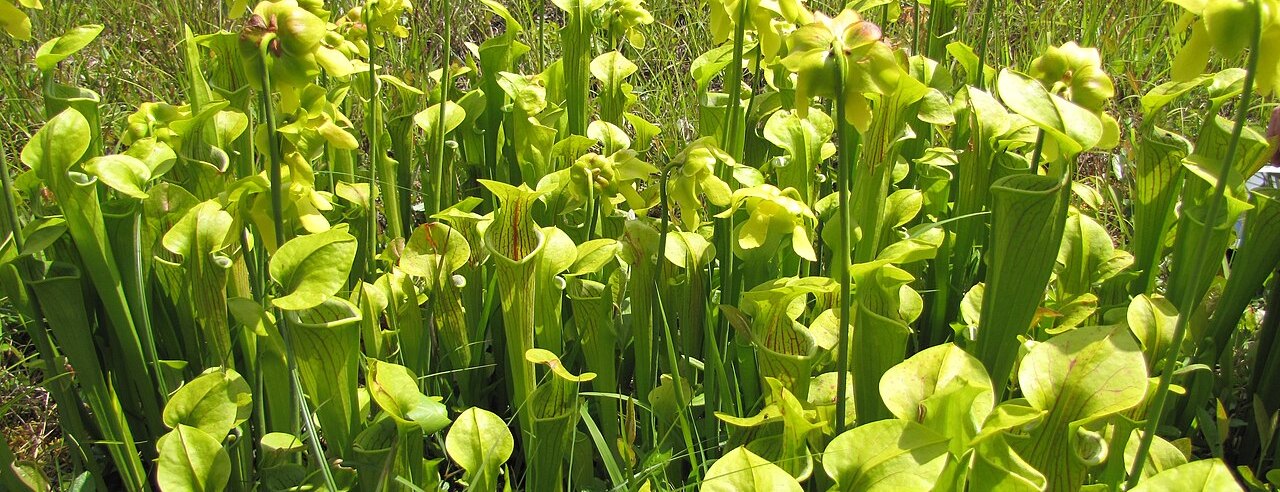
Sarracenia oreophila — critically endangered, photographed by the agency that protects it
Scope and method
Carnivory arose independently at least eleven times among the flowering plants. The snap trap of the Venus flytrap, the pitcher of a Nepenthes and the sticky leaf of a butterwort are therefore not variations on one invention but three separate answers to the same question: how to get nitrogen on ground that holds none. This guide arranges the species by relationship rather than by trap, and shows the trap for what it is — a resemblance that arose again and again.
The guide covers the plants that catch above ground and above water and digest their prey themselves. Borderline cases of the concept, aquatic species and species with underground trap leaves are left out — not because carnivory is any less real there, but because that boundary is a choice, not a law of nature. Eleven genera that fall just outside that choice, from bladderworts to carnivorous passionflowers, are covered on the Edge cases page.
The family tree of the carnivorous plants
7 clades, 4 orders, 7 families, 555 species
The tree works down layer by layer: from the flowering plants through the main branches of the eudicots to orders, families and species. Every branch in which carnivory arose is here — and the tree shows at once how far apart those branches lie.
-
Flowering plants Angiospermae
Carnivory arose independently at least eleven times within the flowering plants. This guide covers the branches in which that happened; they are not related to one another. 555 species
-
Eudicots Eudicotyledoneae
555 species
-
Superrosids Superrosidae
One origin, and the most isolated of all: the Albany pitcher plant sits in an order of otherwise woody tropical trees and shrubs. 1 species
-
Superasterids Superasteridae
All the remaining origins lie here, spread over three orders: the large carnivorous branch within Caryophyllales, the American pitcher plants in Ericales, and three separate origins in Lamiales. 554 species
-
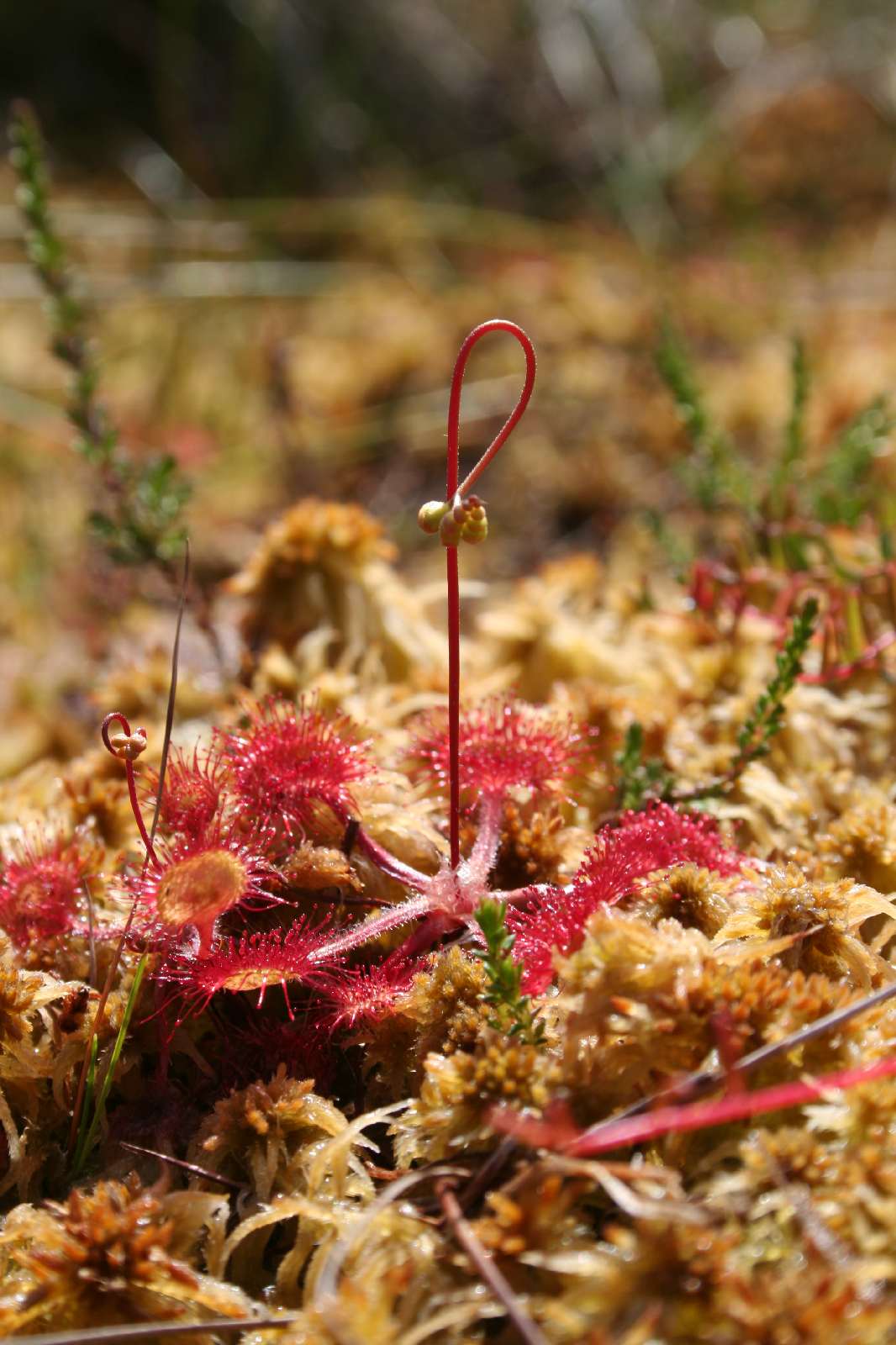 Caryophyllales
391 species
Caryophyllales
Caryophyllales
391 species
-
Asterids Asteridae
163 species
-
 Ericales
33 species
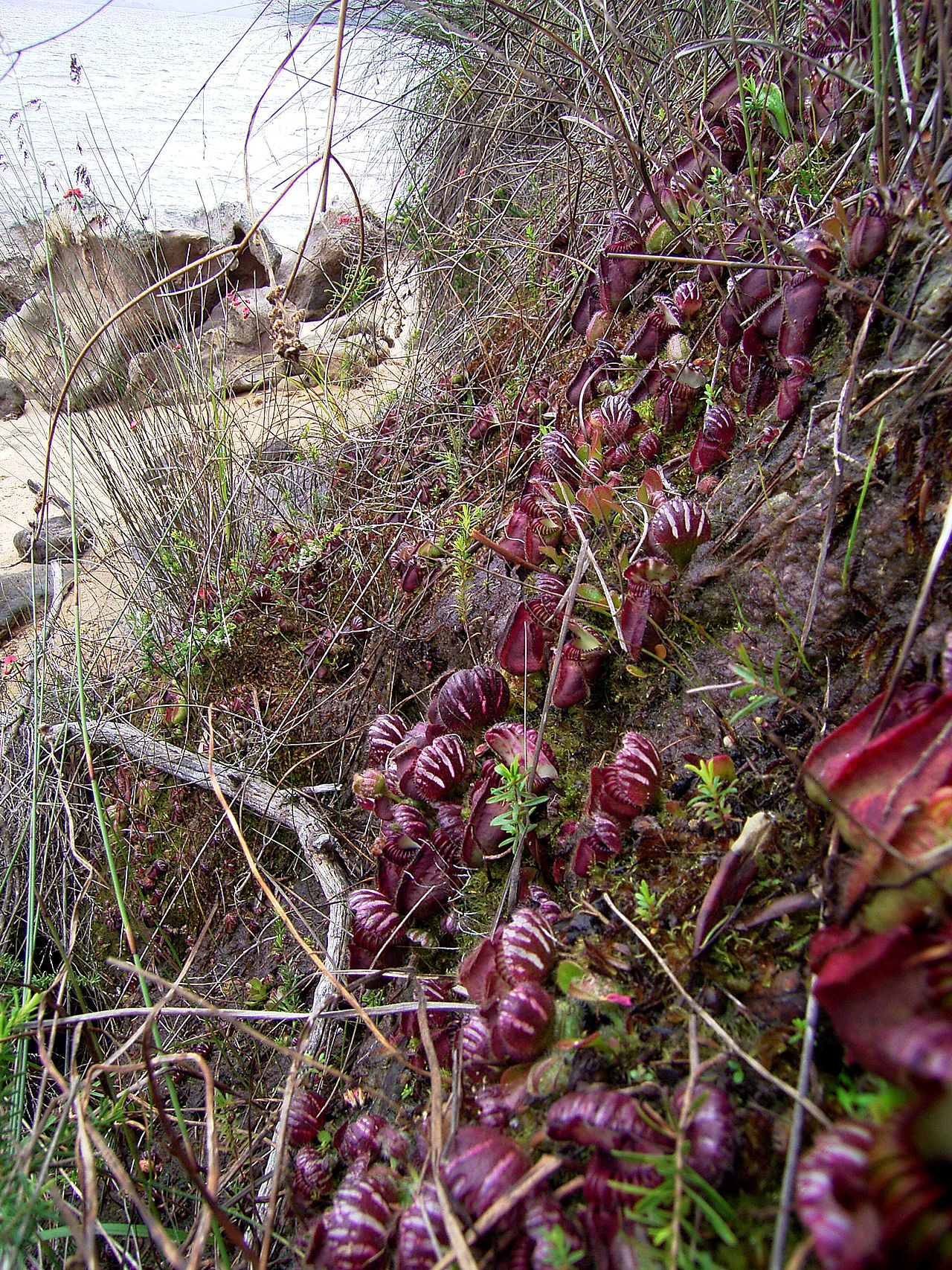
Ericales
Ericales
33 species
-
Lamiids Lamiidae
130 species
- Asterales Asterales not in the guide
-
-
-
-
Monocots not in the guide
-

Source of the arrangement: Accepted names, authors and synonyms follow Plants of the World Online (POWO, Kew); the sequence of orders and families follows the linear sequence of APG IV. The clades above them carry the usual names from that classification. Which species count as carnivorous has been checked against the species list of the International Carnivorous Plant Society; where it conflicts with POWO, POWO wins and the difference is recorded in the synonym table. Plants of the World Online (POWO), Royal Botanic Gardens, Kew · International Plant Names Index (IPNI) · APG IV, Botanical Journal of the Linnean Society 181, 1–20 (2016) · International Carnivorous Plant Society, World Carnivorous Plant List
About this site
Carnivorous Plants of the World is an educational site about the plants that catch animals, made for people who want to go beyond a name under a photograph. It is deliberately lightweight: static HTML, no trackers, no cookies.