All species › Frogmouths › Frogmouths
Frogmouths | Podargidae
Uilnachtzwaluwen | Podargos
Unlike the nightjars, these birds do not hunt on the wing. They sit on a low branch, wait, and drop onto prey on the ground: beetles, grasshoppers, snails, mice and small lizards, crushed with the heavy bill. The flight is slow and silent and is used over short distances. On cold nights and through the winter they lower their body temperature and fall into a torpor lasting hours, which saves energy when insects are scarce — unusual in a bird of this size. The nest is a thin, untidy saucer of twigs on a horizontal fork, often so open that the eggs can be seen from below; both parents incubate, the male by day. Disturbed, the bird stretches into a stiff, slanting stump and stops moving altogether.
Native species 3 species
Species that occur here by nature: breeding birds, winter visitors and passage migrants. They are arranged by genus, in the sequence of the list.
Podargus 3 species
-

Marbled Frogmouth
Podargus ocellatus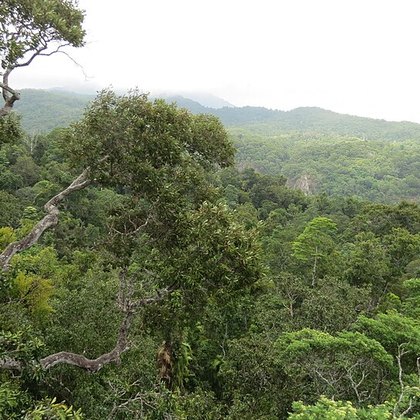 Tropical rainforest
 River red gum and creek-line woodland
 Monsoon vine forest
-
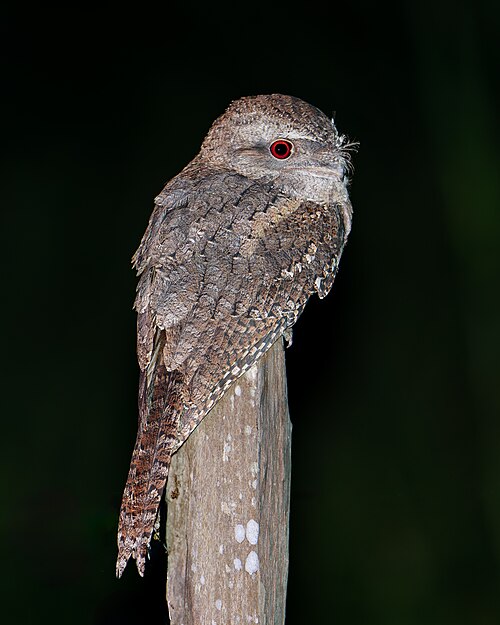
Papuan Frogmouth
Podargus papuensis- Tropical rainforest
- River red gum and creek-line woodland
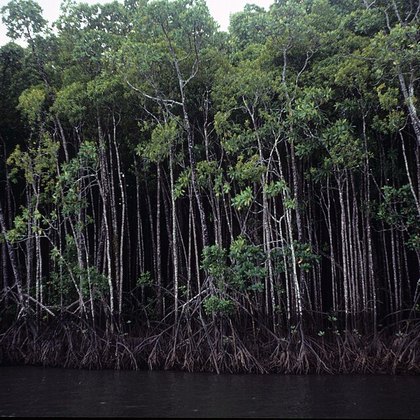 Mangrove
- Monsoon vine forest
-
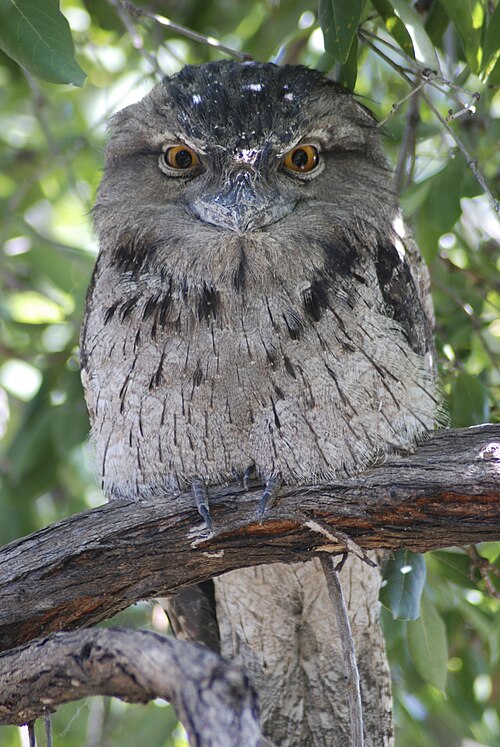
Tawny Frogmouth
Podargus strigoides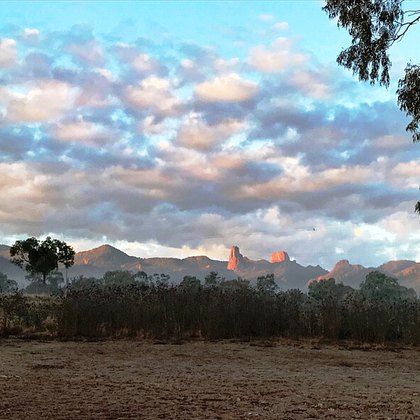 Dry sclerophyll forest and woodland
- River red gum and creek-line woodland
 Mallee
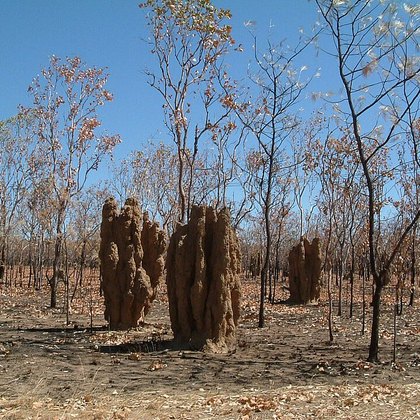 Tropical eucalypt savanna
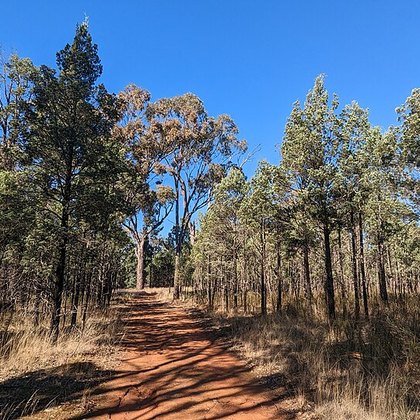 Casuarina and callitris woodland
 Gardens and parks