
Vorstman's Guide
to the
Birds of Australia
and New Zealand
A guide for birders: field marks, confusion species, voice and the best moments to look — arranged by order, family and genus.
Approach and accountability
Australasia is the cradle of the songbirds. Almost six out of every ten bird species in the world are passerines, and the genetic tree shows that the whole group arose here, on the southern landmass that later became Australia and New Guinea, and spread out from here across the world — the crows, tits, thrushes and warblers of the northern hemisphere are all later branches. At the foot of that tree stand birds found nowhere else: the lyrebirds Menura, which reproduce their own surroundings for four minutes at a stretch, and the bowerbirds, which build and decorate without a nest coming of it. To watch a honeyeater or a fairywren here is to watch the oldest branch of a group that Europe and North America only see in its youngest form.
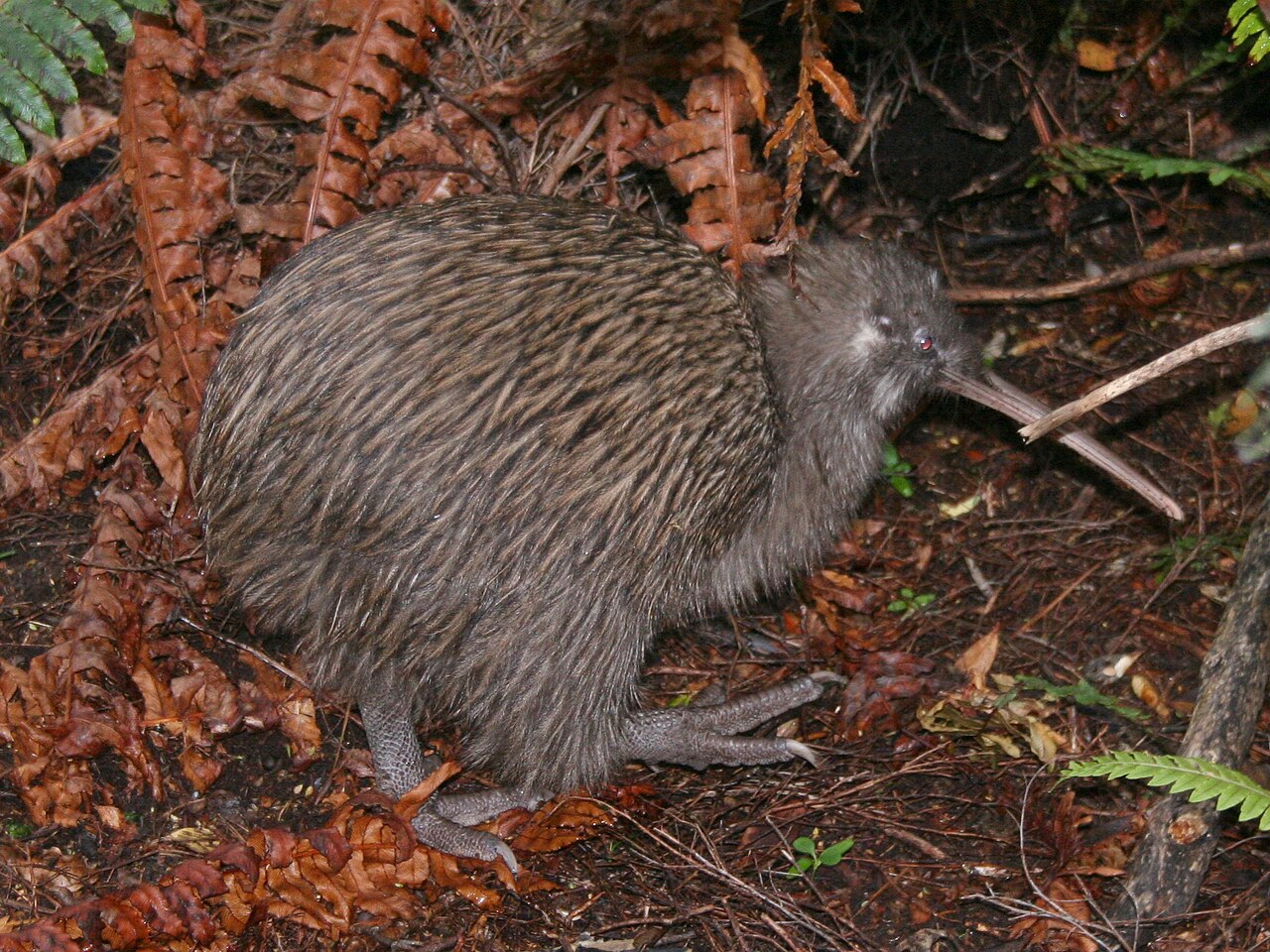
On the other side of the Tasman Sea lies the opposite case. New Zealand broke away from Gondwana eighty million years ago and spent all of that time without land mammals. Birds took over their roles: a grazer, a digger, a nocturnal insect-eater with a sense of smell and whiskers, a predator at the top. Many of them lost the power of flight, because there was nothing to fly from. Since people brought rats, stoats and cats, that has proved defenceless: the moa, the huia, the laughing owl and the Stephens Island wren are gone, and much of what remains lives on islands where the predators have been cleared. Extinct species are not in this guide — it is a guide for looking — but the story cannot be told without them.
The species stand in the order of the tree of life: by clade, order, family and genus. That shows at a glance why a Kea sits at the base of the parrot tree, why a kookaburra is a kingfisher that does not fish, and why a falcon belongs beside the songbirds rather than the hawks. The range map carries two layers: the seasonal colour of a state or region, and beneath it a density counted cell by cell from the records. What the data do and do not support is set out on the sources page.
The tree of Australia's and New Zealand's birds
22 clades, 26 orders, 105 families, 855 species
The tree descends layer by layer: from the main branches of the bird family tree through ever smaller clades to the orders, families and species. Every clade has a name — some familiar, others named only in 2024. Where the genetic support is weak, that is stated.
Birds Aves
855 species
Ratites and tinamous Palaeognathae
6 species
Birds with a mobile palate Neognathae
849 species
All other modern birds Neoaves
804 species
Flamingos and grebes Mirandornithes
4 species
Doves, cuckoos and bustards Columbaves uncertain branch
43 species
Cuckoos, bustards and turacos Otidimorphae uncertain branch
14 species
Doves and sandgrouse Columbimorphae
29 species
Birds of the elements Elementaves uncertain branch
268 species
Cranes and shorebirds Gruimorphae uncertain branch
131 species
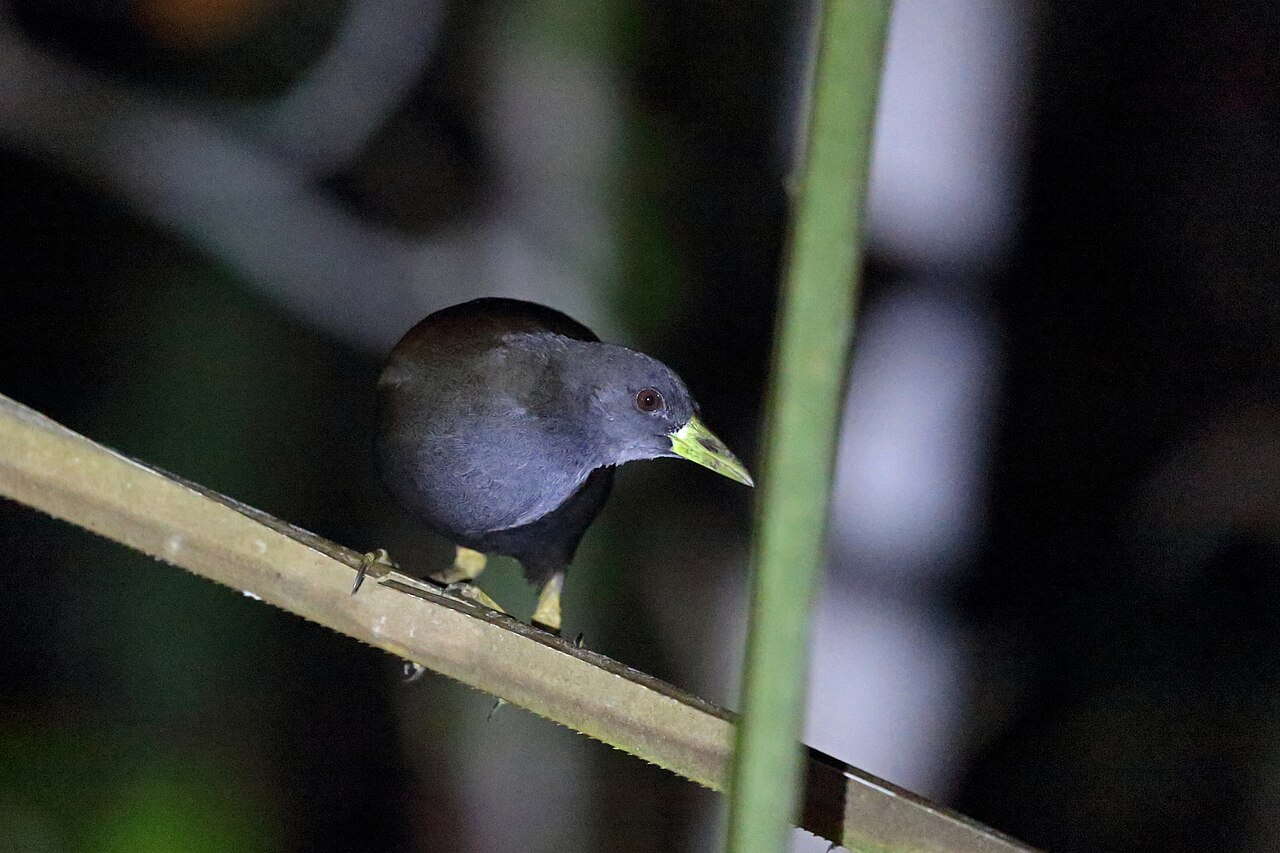 Cranes, rails and alliesGruiformes19 species
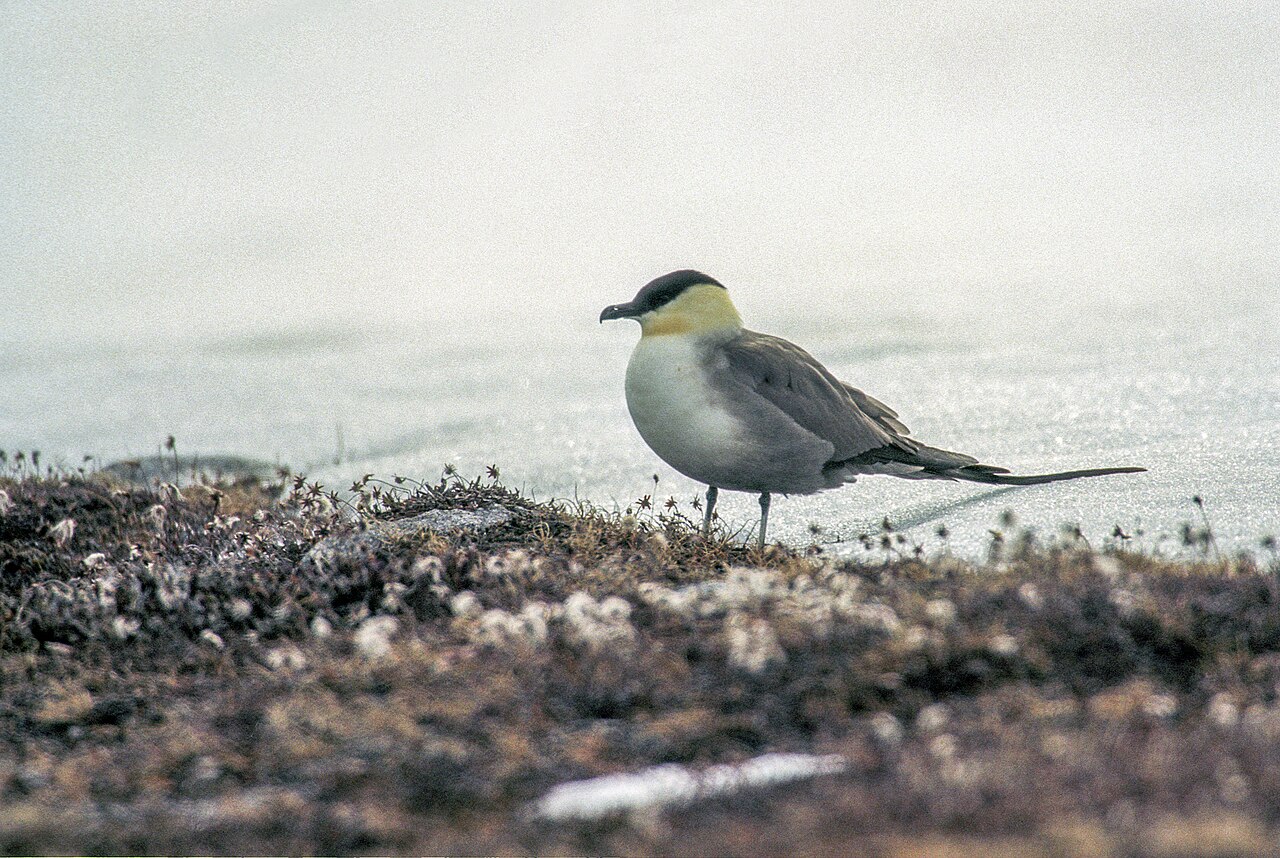 Waders, gulls and ternsCharadriiformes112 species
Plovers and allies Charadrii
Sandpipers and snipes Scolopaci
Tropicbirds and waterbirds Phaethoquornithes
126 species
Land birds Telluraves
489 species
Raptors, owls, kingfishers and woodpeckers Afroaves
42 species
Hawks and owls Hieraves uncertain branch
30 species
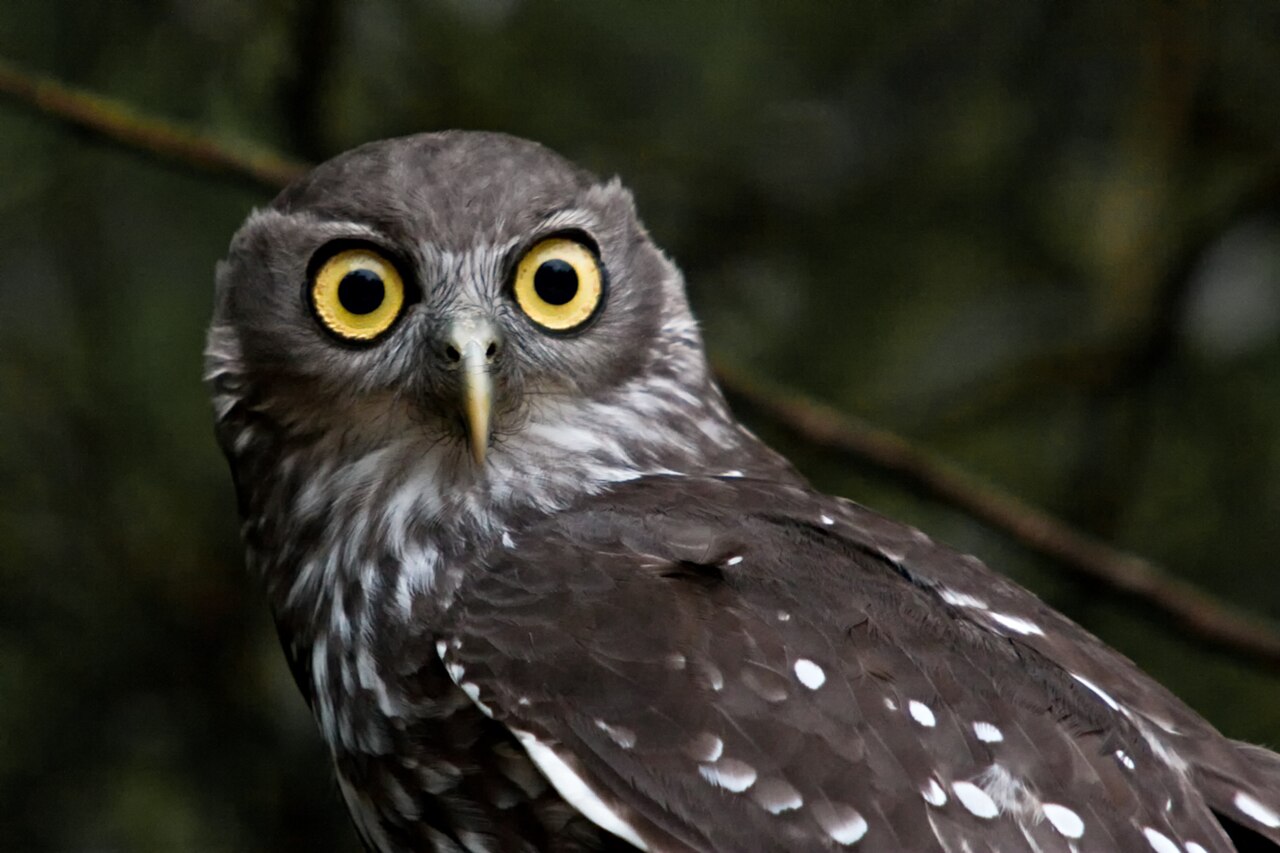 OwlsStrigiformes11 species
Vultures, eagles and hawks Accipitrimorphae
19 species
Kingfishers, woodpeckers and allies Coraciimorphae
12 species
Falcons, parrots and passerines Australaves
447 species
Falcons and passerines Eufalconimorphae
447 species
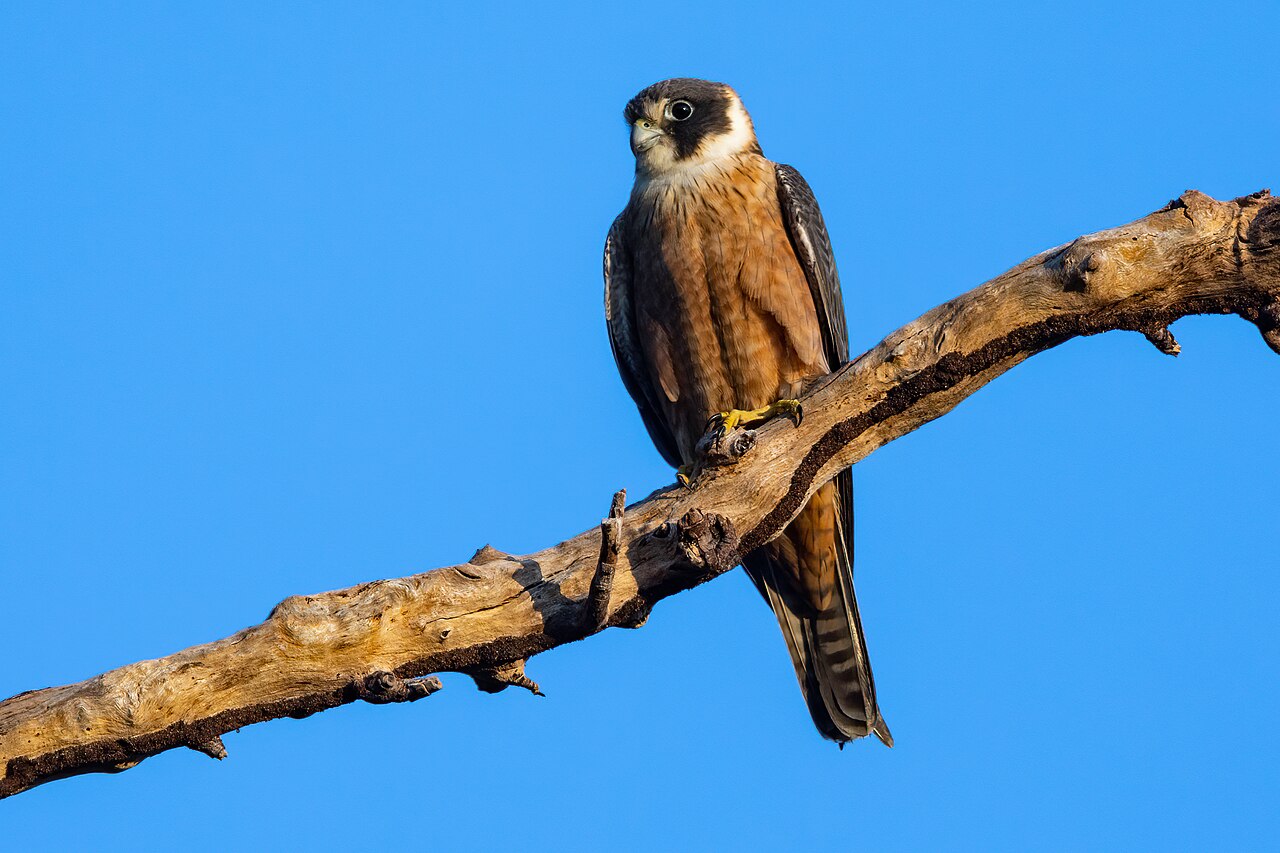 FalconsFalconiformes8 species
Parrots and passerines Psittacopasserae
439 species
 ParrotsPsittaciformes63 species
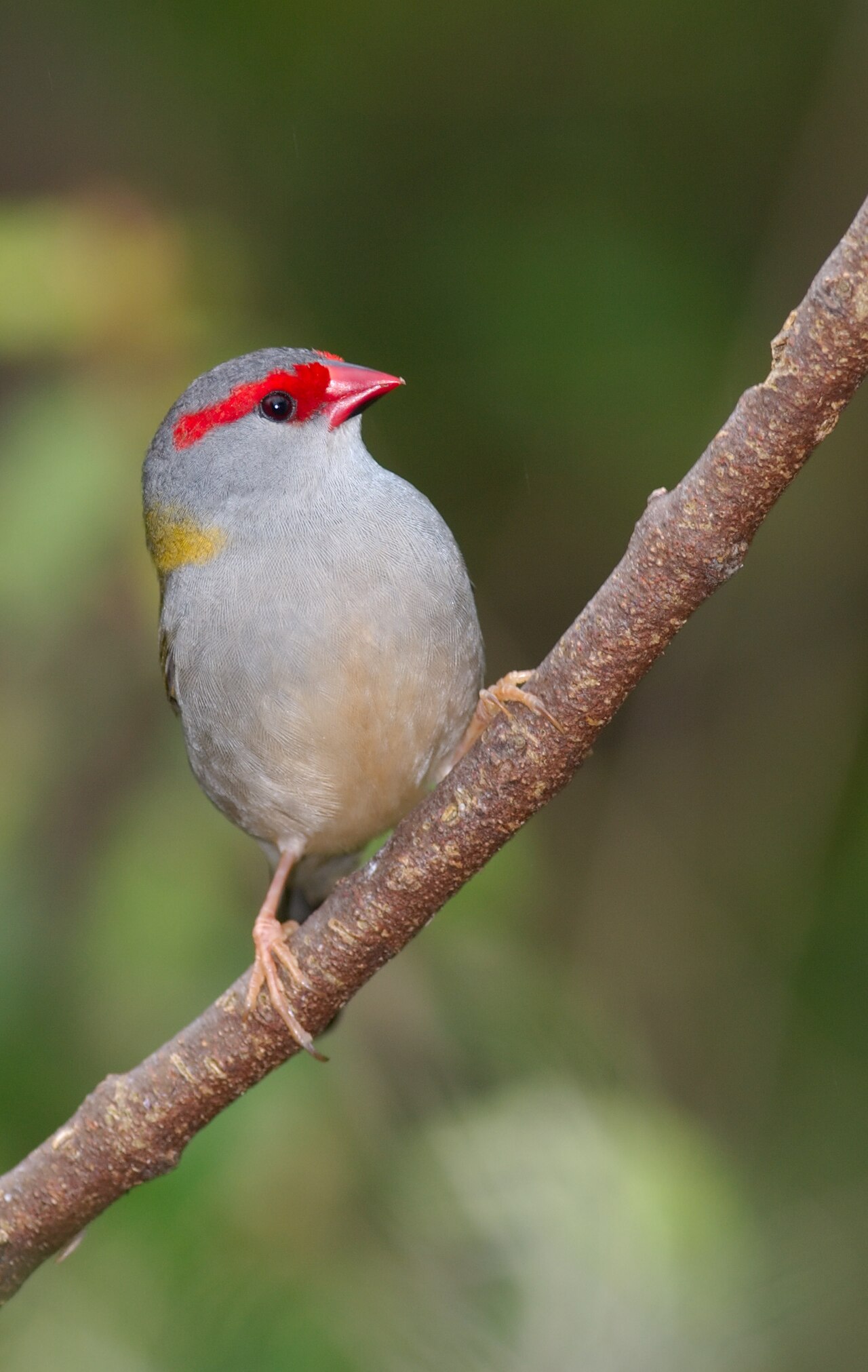 PasserinesPasseriformes376 species
New Zealand wrens Acanthisitti
Suboscines Tyranni
True songbirds Passeri
Crows and allies Corvides
Lyrebirds Menuridae 2Scrubbirds Atrichornithidae 2Australasian treecreepers Climacteridae 6Bowerbirds Ptilonorhynchidae 11Fairywrens, grasswrens and emu-wrens Maluridae 27Bristlebirds Dasyornithidae 3Pardalotes Pardalotidae 4Thornbills, scrubwrens, gerygones and allies Acanthizidae 45Honeyeaters Meliphagidae 78Logrunners Orthonychidae 2Australasian babblers Pomatostomidae 4Quail-thrushes and jewel-babblers Cinclosomatidae 7Cuckooshrikes Campephagidae 7Whiteheads Mohouidae 3Boatbills Machaerirhynchidae 1Woodswallows, bellmagpies and allies Artamidae 14Sittellas Neosittidae 1Whipbirds and wedgebills Psophodidae 4Australasian bellbirds Oreoicidae 1Shriketits Falcunculidae 3Old World orioles Oriolidae 3Whistlers and allies Pachycephalidae 12Fantails Rhipiduridae 7Drongos Dicruridae 1Monarchs and allies Monarchidae 13White-winged chough and apostlebird Corcoracidae 2Birds-of-paradise Paradisaeidae 4Crows, jays and magpies Corvidae 7Stitchbird Notiomystidae 1New Zealand wattlebirds Callaeidae 3Australasian robins Petroicidae 26Sparrows and allies Passerides
Tits, swallows and warblers Sylviida
Thrushes, flycatchers and starlings Muscicapida
Finches, sparrows and buntings Passerida
Flowerpeckers Dicaeidae 2Spiderhunters and sunbirds Nectariniidae 1Munias, parrotfinches, waxbills and allies Estrildidae 19Accentors Prunellidae 1Snowfinches and Old World sparrows Passeridae 2Wagtails and pipits Motacillidae 5Finches, euphonias and allies Fringillidae 4Old World buntings Emberizidae 2




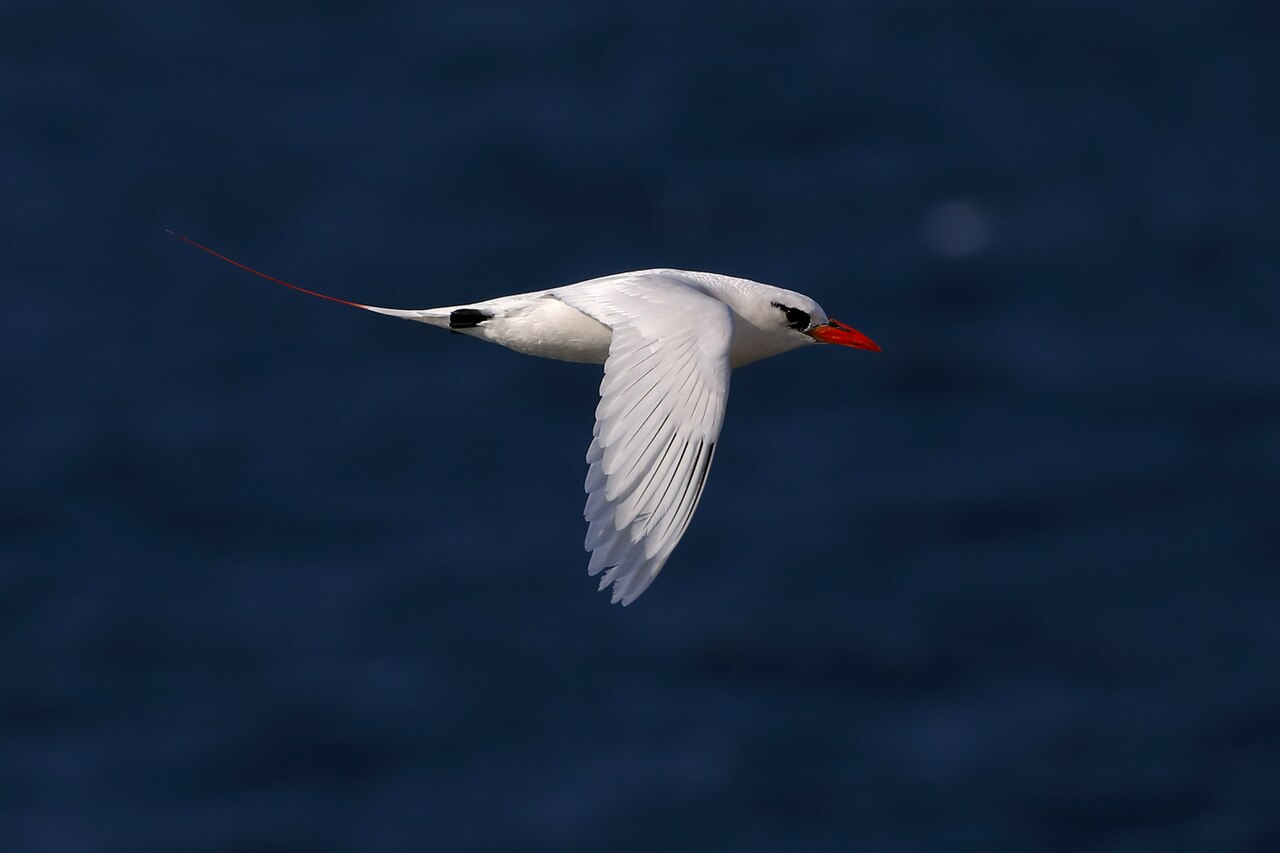
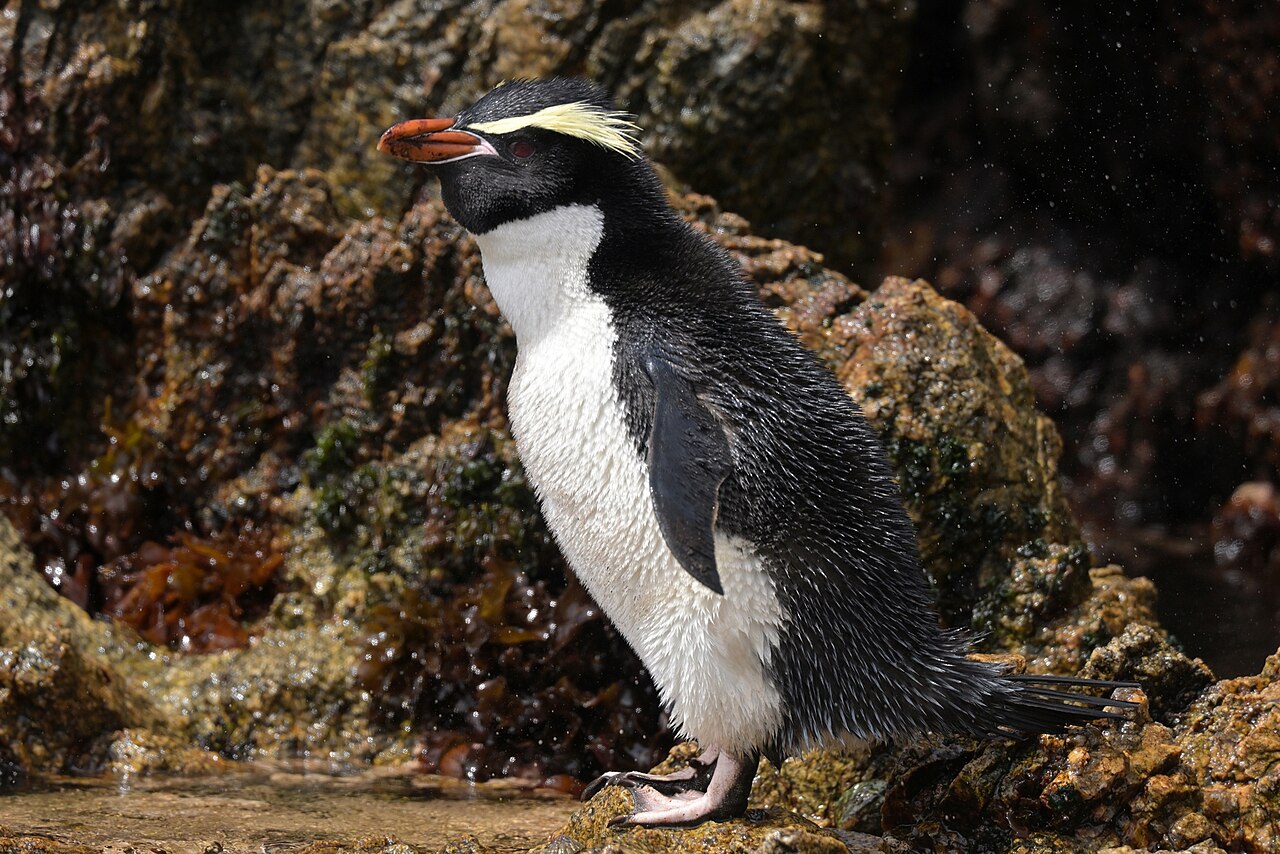
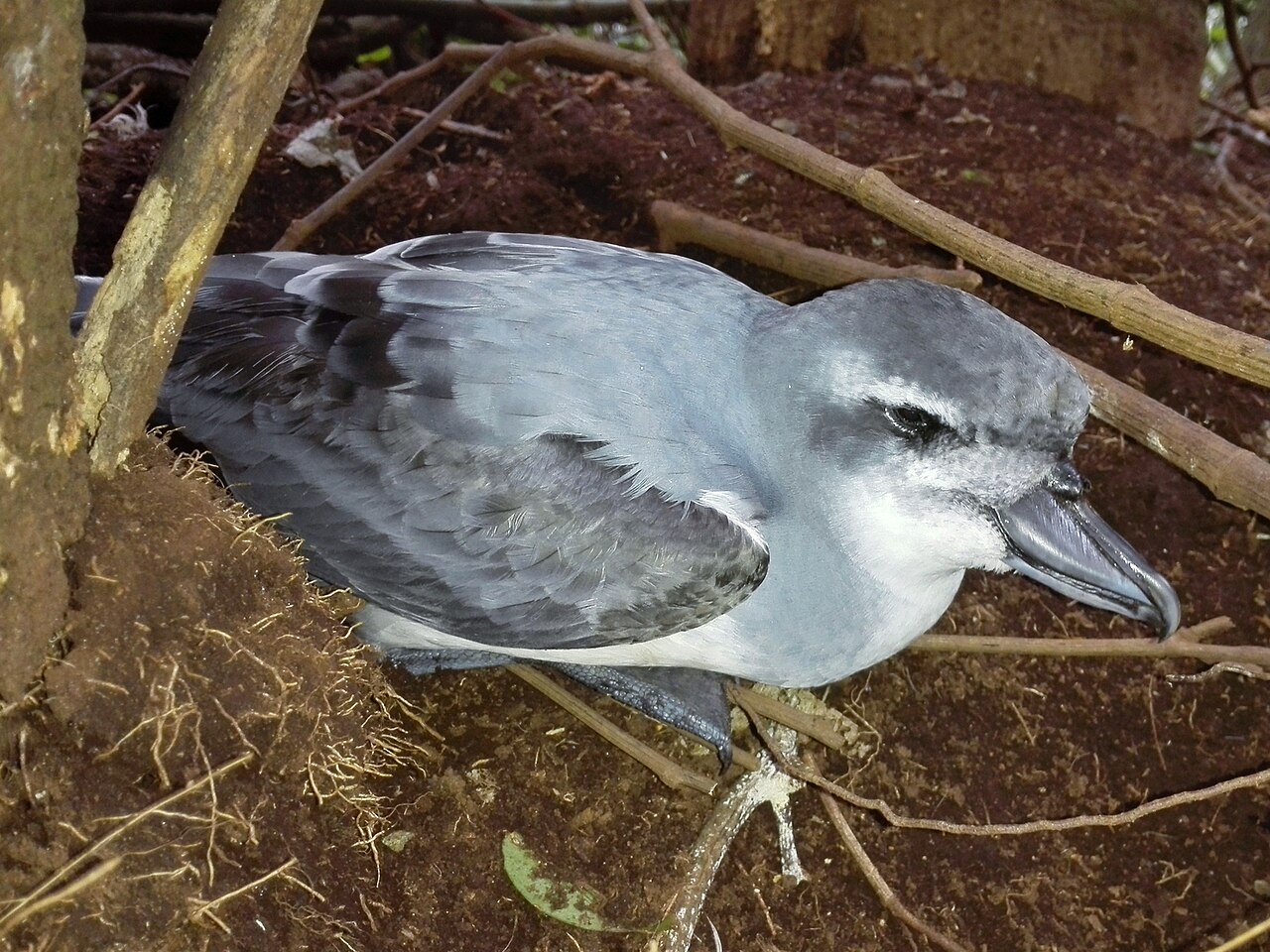
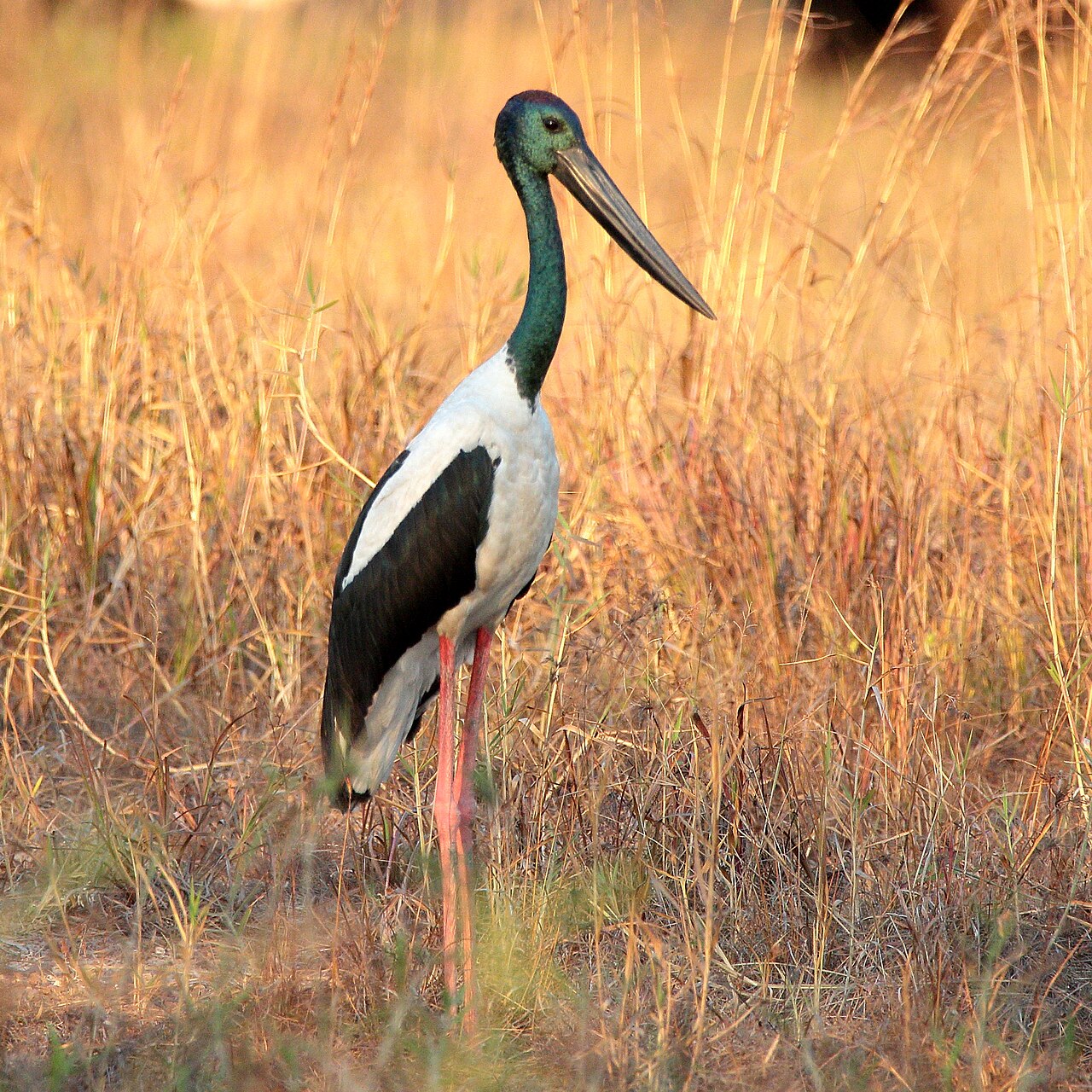




Source of the arrangement: the arrangement and sequence of orders, families, genera and species follow AviList; the clades above them follow the family-genome tree of the B10K project and carry names from the PhyloCode. AviList v2025b · Stiller et al. 2024, Nature 629, 851–860 (B10K)
About this site
Vorstman's Guide to the Birds of Australia and New Zealand is an educational site about the birds of Australia, New Zealand and Norfolk Island, made for people who want to go further than the first identification. The site is deliberately built light: static HTML, no trackers, no cookies.