All species › Passerines › Chats, Old World flycatchers and allies › Dark-sided Flycatcher
Dark-sided Flycatcher | Muscicapa sibirica
Roetvliegenvanger | Papamoscas siberiano
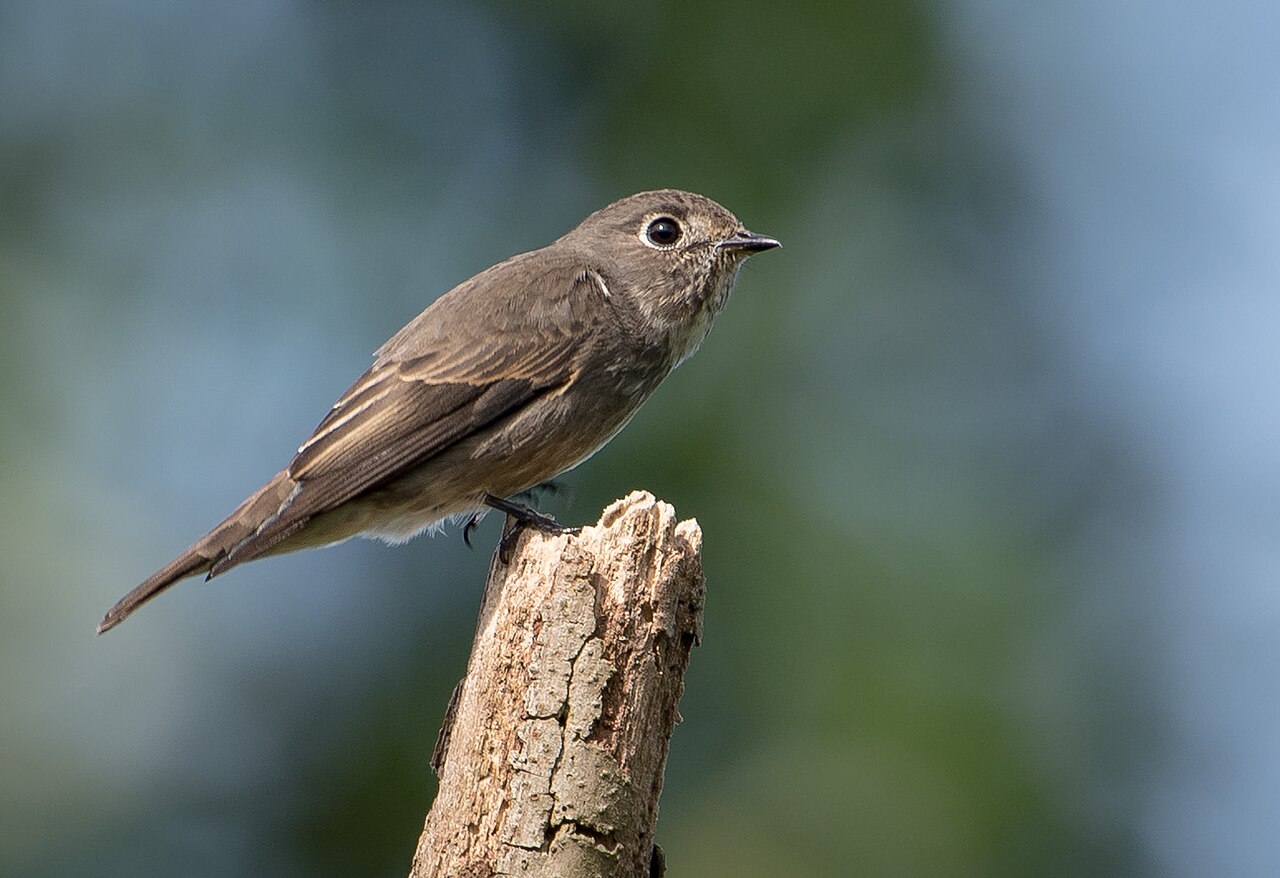
The Dark-sided Flycatcher is a small, dark grey-brown flycatcher of Asian montane and coniferous forest. In the guide area it occurs only as a vagrant, almost entirely on the islands of western Alaska. It hunts from an open perch and returns to the same branch after each sally.
Voice
In North America it is almost always silent. On the breeding grounds the song is a short series of thin, high notes with trills and soft whistles, usually delivered from a branch high in the canopy. The call is a metallic tinkling tsi-tsi, thin enough to be lost in wind.
No freely licensed recording has been found for this species yet; what to listen for is described below.
Identification
Dark grey-brown above, unmarked apart from a narrow pale wingbar and pale edges to the tertials. The underparts are white with a broad, diffusely dark cloud across breast and flanks, leaving a white wedge down the centre from throat to belly. A white half-collar and a narrow pale eye-ring stand out against the dark face. The bill is short and black; the wing tip reaches well down the tail. The undertail coverts have dark centres. The sexes are alike; juveniles show pale spots above and a mottled breast.
Confusion species
Grey-streaked Flycatcher, which turns up on the same islands, has sharply defined dark streaks on a white ground instead of a diffuse cloud, and plain white undertail coverts. Asian Brown Flycatcher is paler and colder grey above, has an obviously two-toned bill with a pale base and a shorter wing tip. American Empidonax flycatchers recall it at a distance, but have a broader bill with a pale lower mandible, two clear wingbars and no white throat wedge.
Habitat
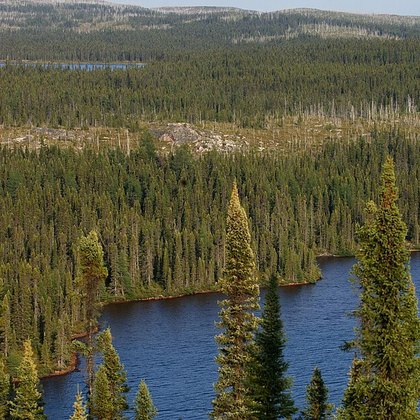
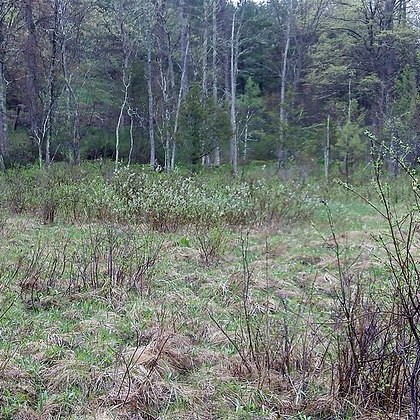
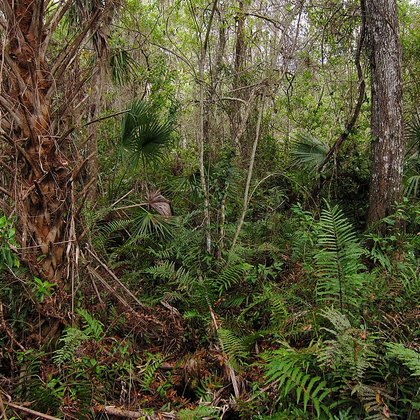
Breeds in coniferous and mixed forest in hill and mountain country, to over 4000 metres in the Himalayas, foraging mainly in the upper half of the forest. Outside the breeding season also in plantations, parks and gardens, and in winter in subtropical and tropical forest. Vagrants in Alaska are forced into low scrub, herb cover and planted thickets, since those islands hold no tall trees.
Where the bird is most often found, arranged by the USNVC — the vegetation classification of the United States and Canada — and CMECS for sea and coast.


Range and movements
The range runs from south-eastern Siberia and Mongolia through north-eastern China and Korea to Japan, with separate subspecies in western China, Kashmir, the Himalayas and Myanmar. It winters in north-eastern India, Bangladesh, southern China, Taiwan and South-East Asia to Sumatra, Java, Borneo and the Philippines. In the guide area records are few, nearly all from the Aleutians, St Paul and other Bering Sea islands, in late spring and from mid-August to mid-September. Beyond that there are isolated records, including one on Bermuda.
Where and when to look
The best chance is on St Paul or in the Aleutians, in late June and from mid-August to mid-September, after a spell of sustained westerly wind. Look first at the pattern of the underparts: diffusely dark with a white wedge down the middle, not streaked. Then check the undertail coverts, since their dark centres are the most reliable difference from Grey-streaked Flycatcher.
Conservation
The species is listed as of least concern: the range is vast and there is no evidence of rapid decline. There is no population of its own in the guide area; every bird is a vagrant, and the number of records depends mainly on how many observers are on the Bering Sea islands in spring and late summer. On the breeding grounds, logging of montane conifer forest is the main pressure.
Scientific name
Muscicapa sibirica | Gmelin, 1789
Gmelin described the species in 1789 as Muscicapa sibirica; it still stands in the same genus, so author and year carry no parentheses. Muscicapa is from Latin musca 'fly' and capere 'to catch'. The species name sibirica means 'Siberian'; the type locality was later restricted to Lake Baikal. The Dutch name refers to the sooty upperparts, the English name to the dark flanks.