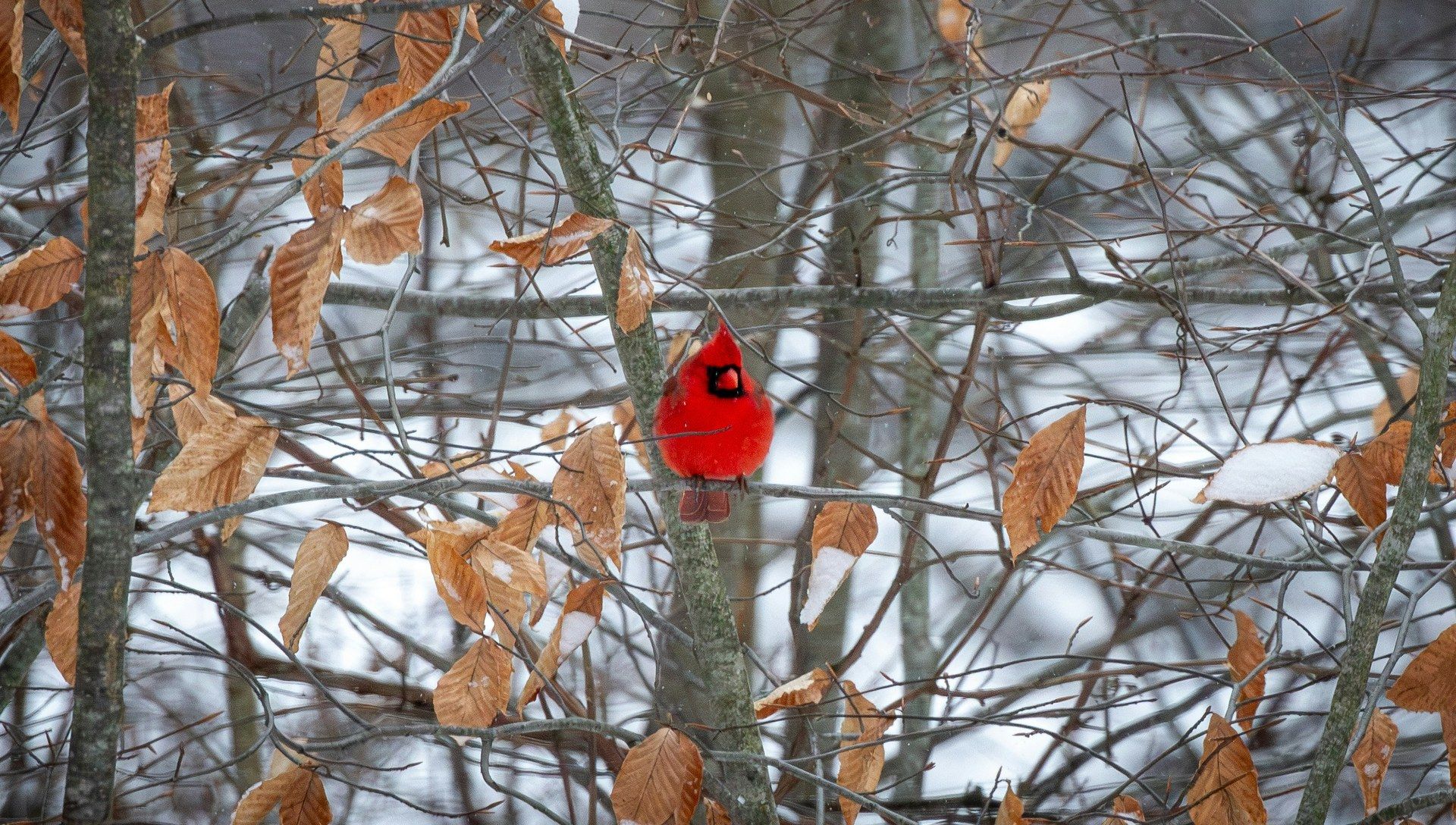
Vorstman's Guide to the Birds of North America
A guide for birders: field marks, confusion species, voice and the best moments to look — arranged by order, family and genus.
Approach and accountability
Identification in the field in North America rests to a large extent on sound. Many species are heard before they are seen, and among closely related pairs — the flycatchers of the genus Empidonax, the meadowlarks Sturnella magna and S. neglecta, the chickadees Poecile atricapillus and P. carolinensis — the call or the song is often the only character that settles the matter at a distance. Every species account therefore ties the voice to the field marks, to the species with which confusion actually arises, and to the circumstances under which the observation is to be expected: season, time of day, habitat and range.
The species stand in the order of the tree of life: by clade, order, family and genus. That shows at a glance why a hummingbird belongs with the swifts, why a loon does not belong with the grebes, and why a falcon sits beside the songbirds.
The tree of North America's birds
22 clades, 26 orders, 92 families, 904 species
The tree descends layer by layer: from the main branches of the bird family tree through ever smaller clades to the orders, families and species. Every clade has a name — some familiar, others named only in 2024. Where the genetic support is weak, that is stated.
Birds Aves
All living birds together make up one group; the ostrich and the house sparrow mark its two outermost branches. Feathers, a wishbone and air sacs in the bones are characteristic of the whole group and are found in related dinosaurs as well. 904 species
Birds with a mobile palate Neognathae
In these birds the palate bones are loose enough to hinge, so the upper bill can move against the skull. That turns the beak into a finely adjustable tool - tweezers, chisel, sieve or nutcracker - and every bird on this site belongs here. 904 species
Fowl Galloanserae
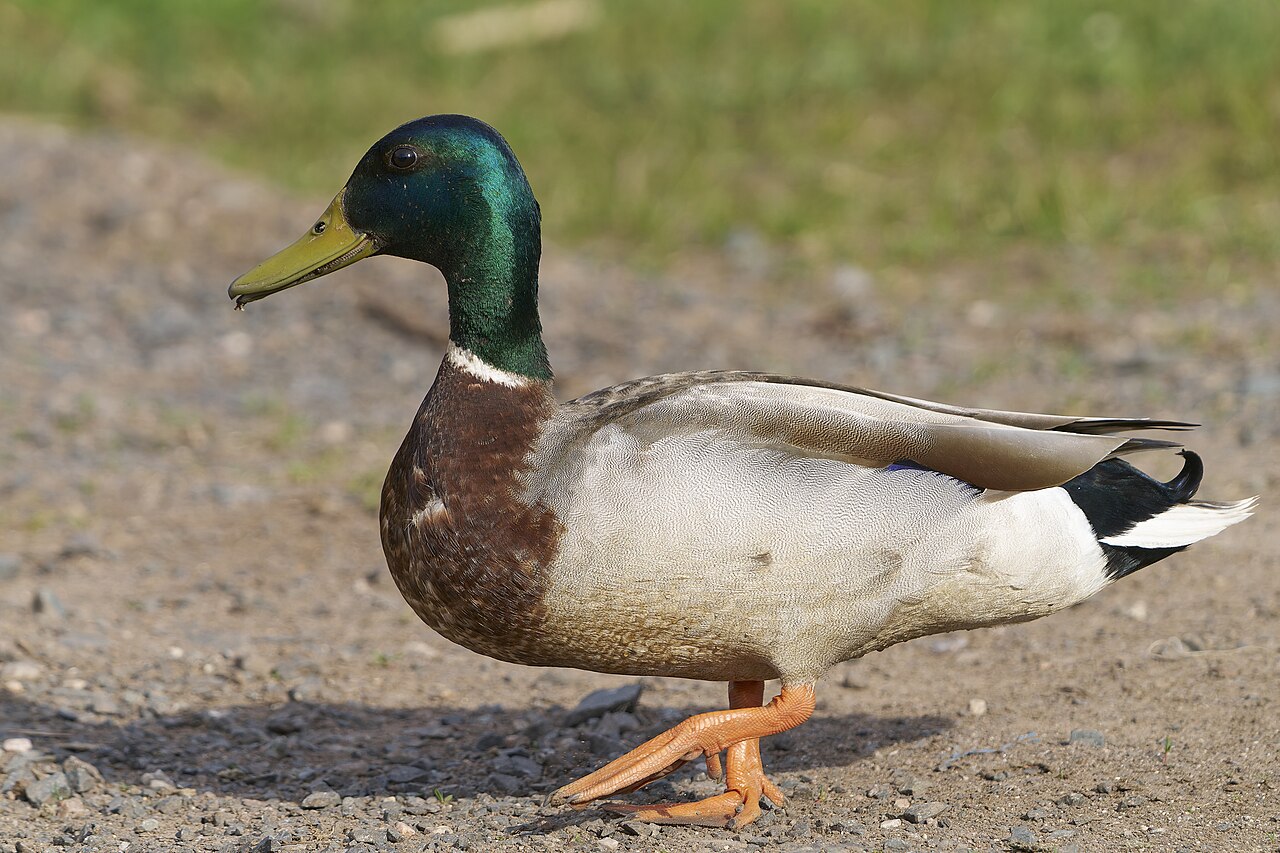
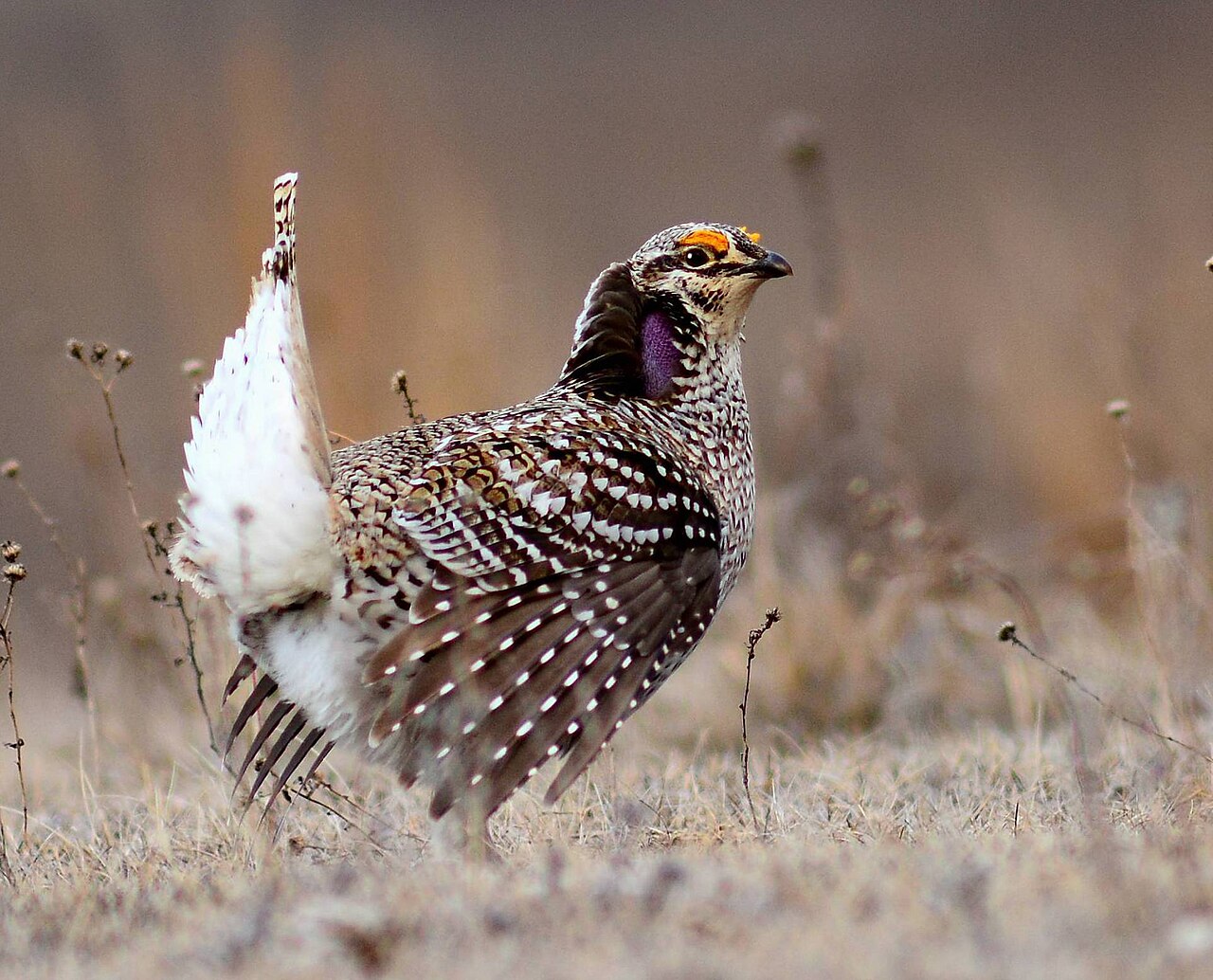
Ducks, geese and swans are more closely related to gamebirds than to any other bird; they have nothing to do with the seabirds. Both groups lay large clutches, and their chicks walk and feed themselves almost as soon as they hatch - a design the two groups share. 96 species
All other modern birds Neoaves
Nineteen out of every twenty bird species belong here. Its deepest splits lie so close together that even complete genomes can barely separate them, which leaves the arrangement of the main branches unsettled to this day. 808 species
Flamingos and grebes Mirandornithes
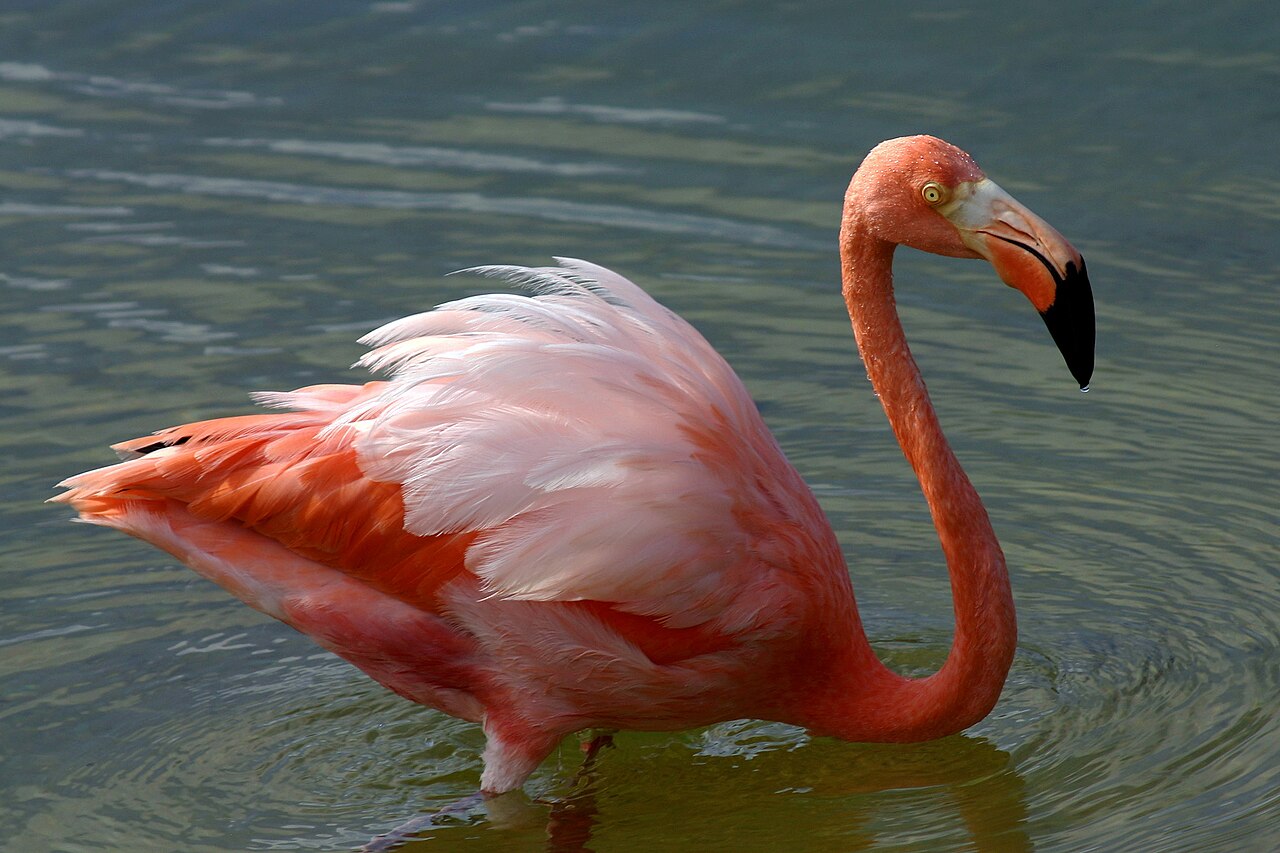
Flamingos and grebes look nothing alike and yet are each other's closest relatives - hence the name, the wonderful birds. They share a feather louse of their own, lobed rather than fully webbed toes and the habit of nesting on floating or heaped-up mounds; in the tree of Stiller et al. 2024 they are the very first branch of Neoaves. 8 species
Doves, cuckoos and bustards Columbaves
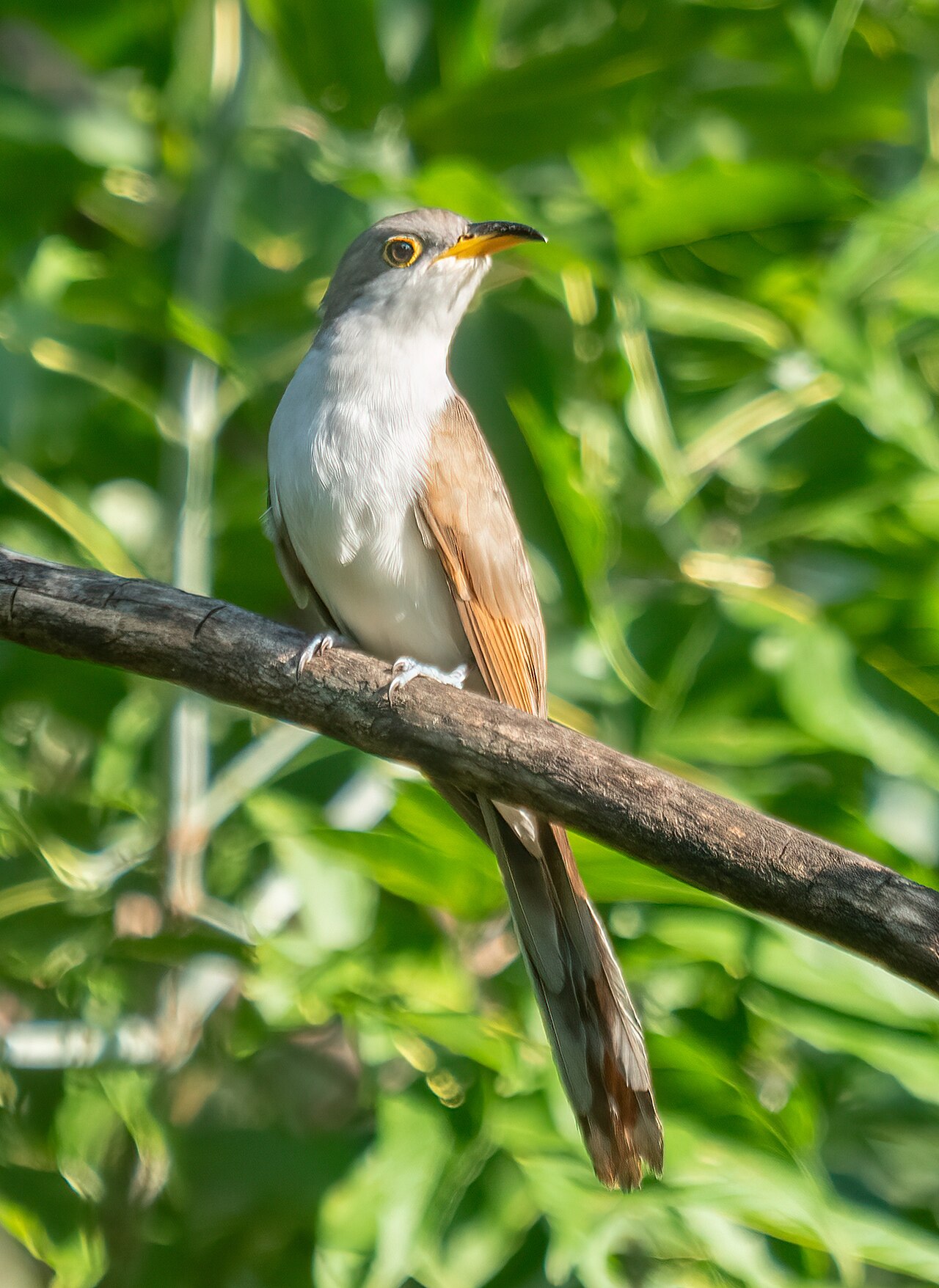
Pigeons, sandgrouse, mesites, cuckoos, turacos and bustards in one branch - a company nobody would assemble on looks. The group turns up in some genome studies and not in others, which keeps it one of the shakier main branches of the tree. 22 species
Cuckoos, bustards and turacos Otidimorphae
Heavy steppe walkers, fruit-eating tree birds and brood parasites in one branch - what they share is not obvious at a glance. Their internal order shifts from study to study; Stiller et al. 2024 put the bustards with the cuckoos and leave the turacos outside, while acknowledging that other analyses arrange them differently. 7 species
Doves and sandgrouse Columbimorphae
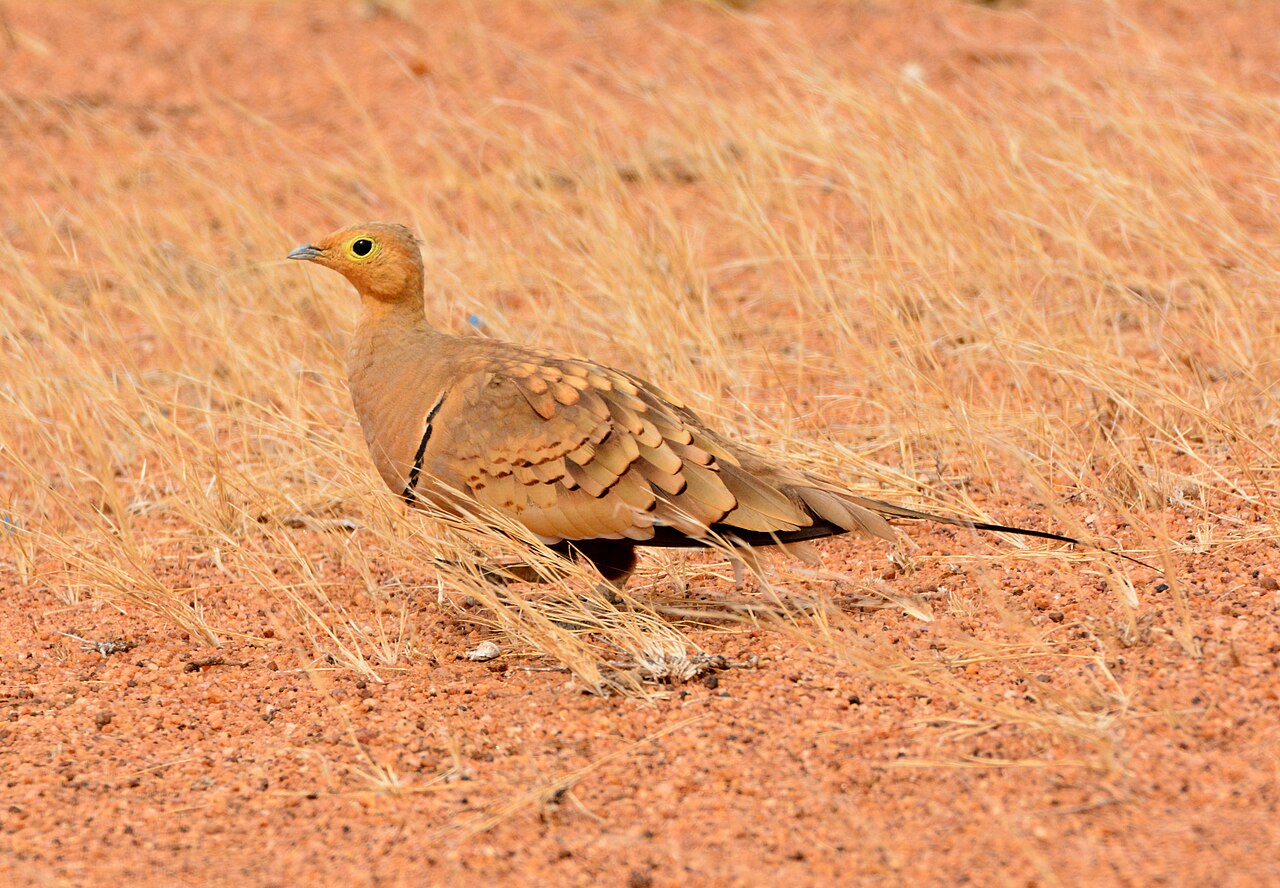
Pigeons, sandgrouse and the Madagascan mesites. Pigeons feed their young on crop milk, while male sandgrouse carry water home from the desert soaked into their belly feathers and let the chicks drink it out - two very different answers to the same problem of drought. 15 species
Birds of the elements Elementaves
A branch named in 2024 that gathers the hoatzin, cranes and rails, waders and gulls, nightjars and swifts, tropicbirds and all the true waterbirds; the name points to the classical elements earth, water, air and fire. It is also the least firmly supported of the four main branches: it emerges from the analyses of non-coding DNA, but not from the exons, the introns or the concatenated analysis. 285 species
Cranes and shorebirds Gruimorphae
Cranes and rails turn out to be the closest relatives of the waders, gulls and auks - a clear shift away from older trees, in which the waders were placed with the waterbirds. Both groups are inhabitants of open, wet ground that make their living on foot. 162 species
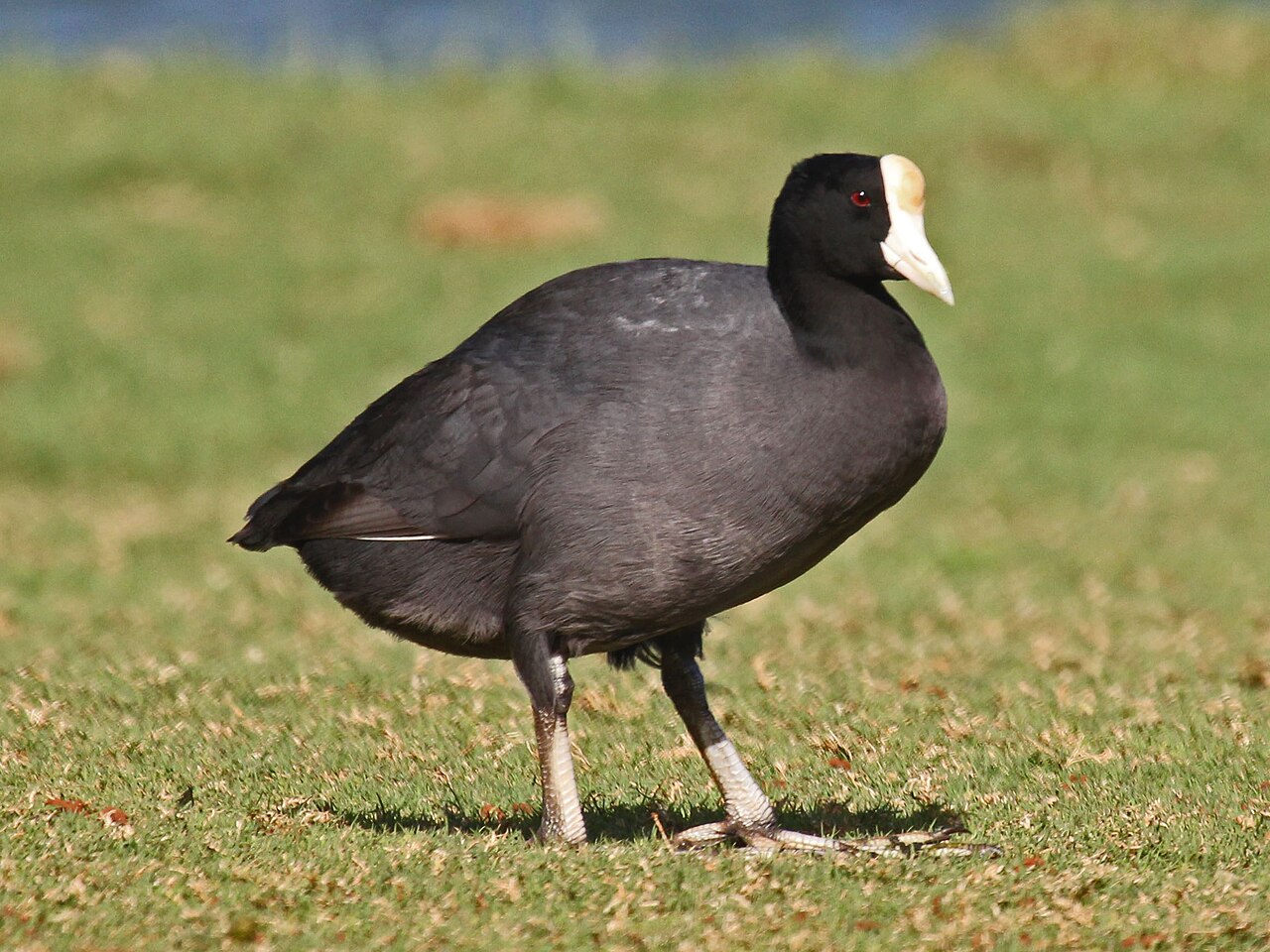 Cranes, rails and alliesGruiformes16 species
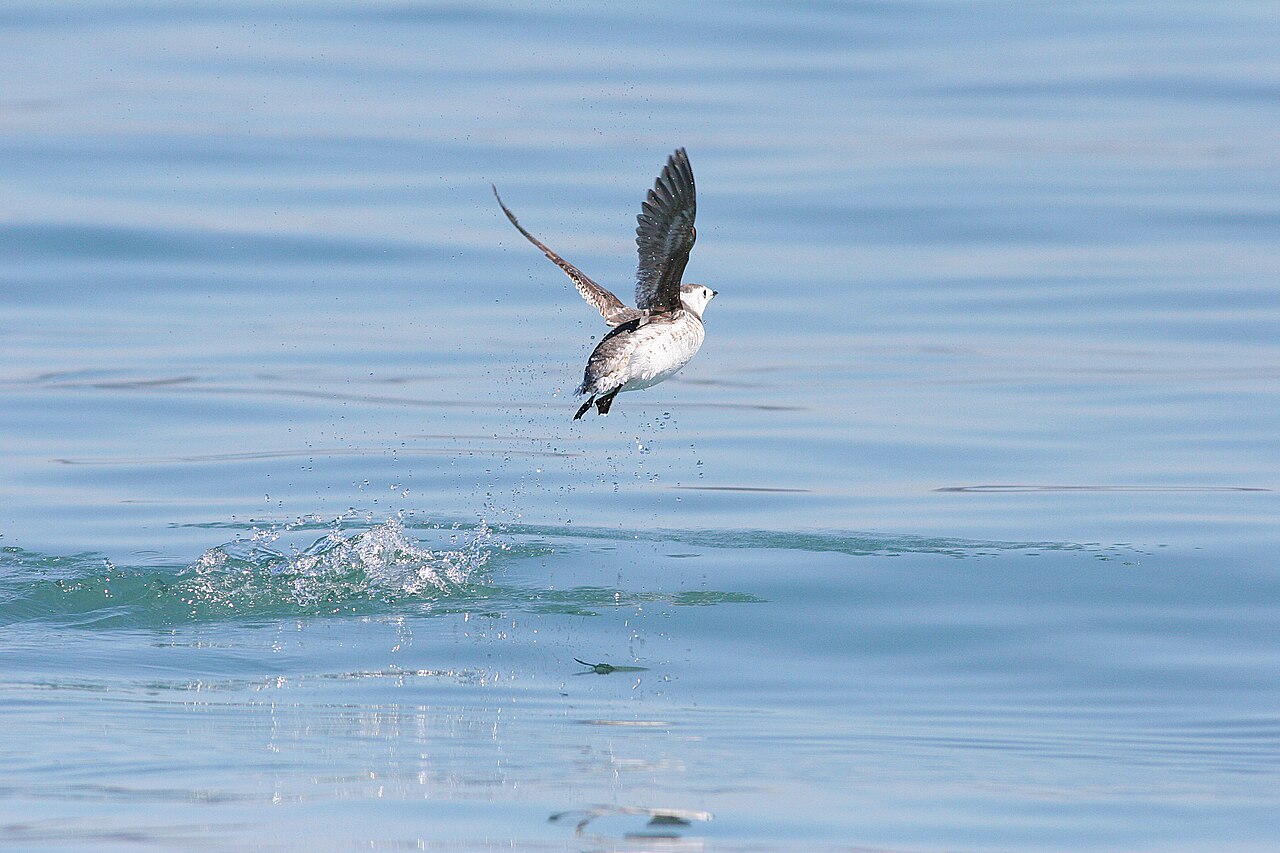 Waders, gulls and ternsCharadriiformes146 species
Plovers and allies Charadrii
Sandpipers and snipes Scolopaci
Tropicbirds and waterbirds Phaethoquornithes
The tropicbirds with the sunbittern and kagu, together with all the true water and marsh birds. Here runs the line between the birds that take their food from the water and the landbirds; ducks, grebes, gulls and waders emphatically do not belong, however tied to water they are. 90 species
Tropicbirds and sunbitterns Phaethontimorphae
Three very different leftovers: the tropicbirds of the open ocean, the sunbittern of the Amazon forest and the kagu of New Caledonia. Where this branch belongs is unsettled - coding DNA places it with the landbirds, non-coding DNA with the waterbirds, and both with full statistical support. 3 species
Waterbirds Aequornithes
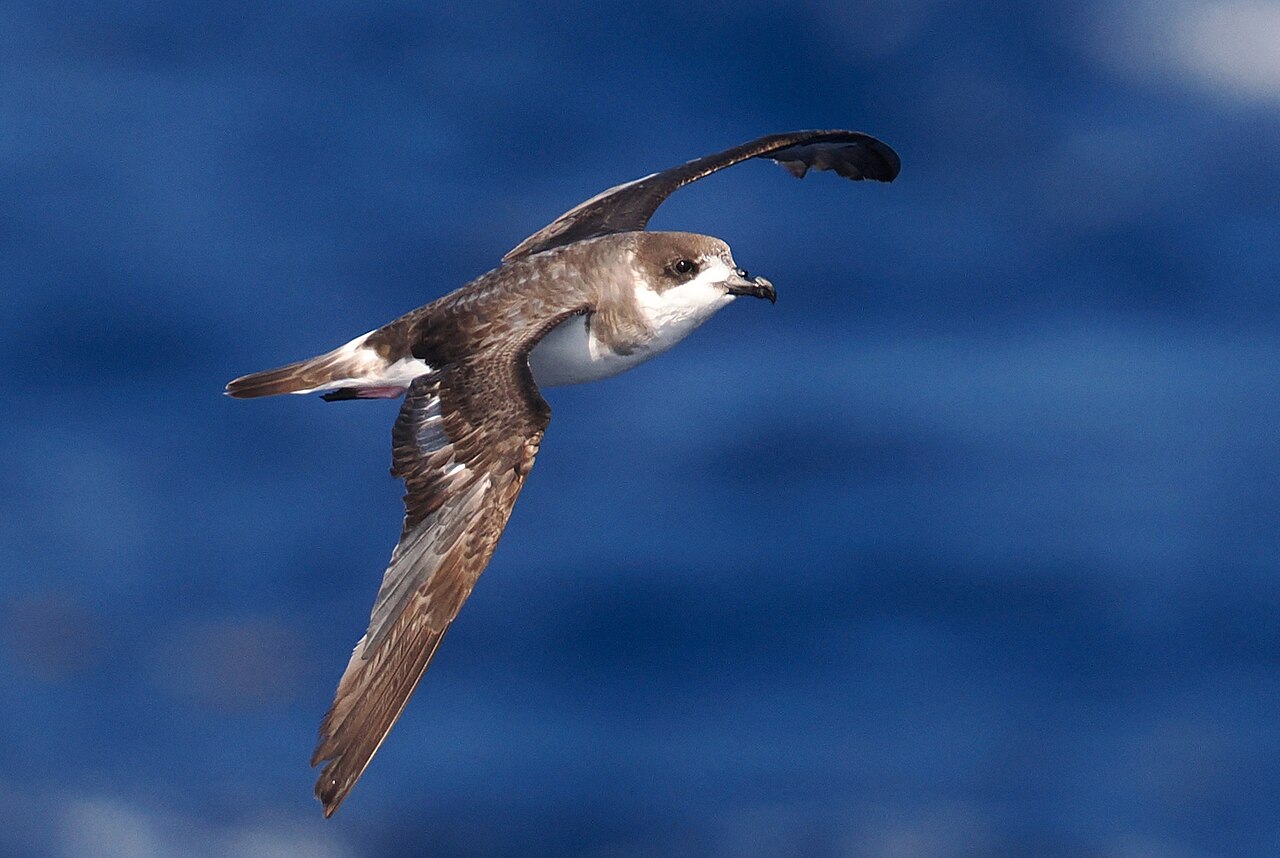
Divers, penguins, albatrosses and petrels, storks, gannets, cormorants, pelicans, herons and ibises: the birds that really take their food from the water. They all swim, dive or wade, but the way they do it - chasing underwater, plunging from a height, or waiting motionless - differs completely from family to family. 87 species
Nightjars and swifts Strisores
Nightjars, the oilbird, potoos, owlet-nightjars, swifts and hummingbirds: from slow twilight hunters with an enormous gaping mouth to the most extreme fliers alive. The old nightjar order turned out to contain the swifts and hummingbirds within it, and was replaced by this much older name. 33 species
Land birds Telluraves
The landbirds: raptors, owls, mousebirds, trogons, hornbills, kingfishers, woodpeckers, falcons, parrots and all the songbirds. Almost everything that lives in trees and grasps with foot or bill belongs here; in most of its subgroups the birds are hunters. 493 species
Raptors, owls, kingfishers and woodpeckers Afroaves
The half of the landbirds centred on Africa: hawks, eagles and vultures, owls, mousebirds, trogons, hornbills, hoopoes, kingfishers, bee-eaters, rollers and woodpeckers. Strikingly many of them nest in cavities, and most hunt animals they seize alive. 77 species
Hawks and owls Hieraves
Owls as the sister group of the hawks, eagles and vultures: day and night raptors together, with the talons and hooked bill the same design in both groups rather than two separate cases of resemblance. The support is shaky - thirty-five percent of the genes against just over thirty-four for the alternative - and the concatenated analyses of Stiller et al. 2024 actually yield a different tree; mixing of genetic material between the early branches may account for the contradiction. 50 species
 OwlsStrigiformes19 species
Vultures, eagles and hawks Accipitrimorphae
Vultures, hawks, eagles and the Osprey together, and with them nearly every raptor that hunts by day — except the falcons, which sit further along the tree beside the parrots and the songbirds. In North America the Turkey Vulture belongs here too, and that is a story in itself: the vultures of the New World resemble those of the Old, but the likeness lies in the trade and not in the kinship. What the group shares is the build of a grasping hunter: strong feet with curved claws, a hooked bill and forward-facing eyes. 31 species
Kingfishers, woodpeckers and allies Coraciimorphae
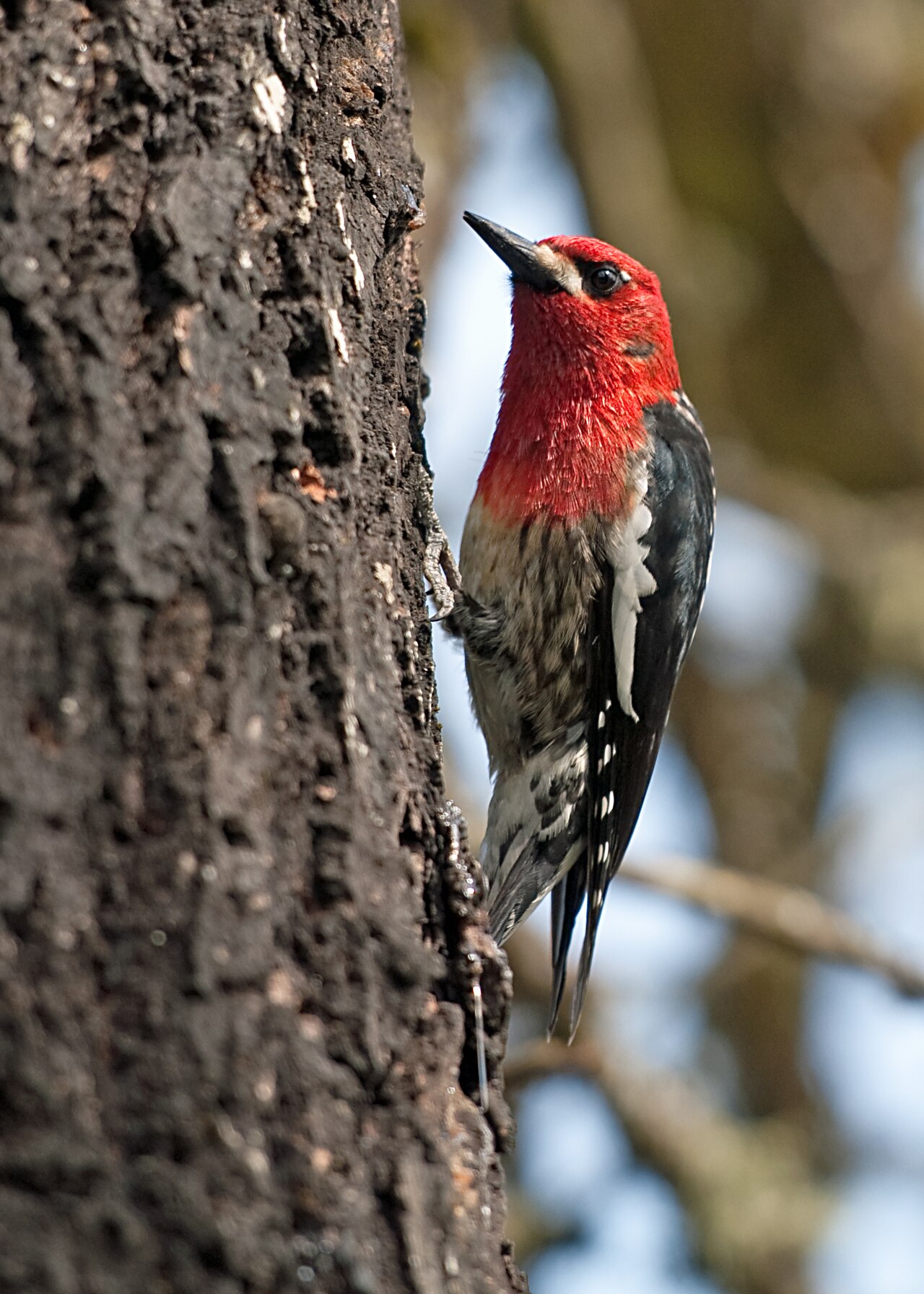
Mousebirds, trogons, hornbills and hoopoes, kingfishers, bee-eaters, rollers and woodpeckers - mostly tropical, brightly coloured birds with short, broad wings. This is the branch in which nesting in cavities takes the most forms, from self-chiselled woodpecker holes to the hornbill nest in which the female has herself walled in. 27 species
Falcons, parrots and passerines Australaves
The landbirds centred on the southern hemisphere: seriemas, falcons, parrots and all the songbirds. Two out of every three bird species on earth sit in this single branch, which reaches from the long-legged predators of South America to the tit in the garden. 416 species
Falcons and passerines Eufalconimorphae
The biggest surprise of the modern bird tree: falcons are not raptors in the family sense but the closest relatives of parrots and songbirds. Their resemblance to hawks and eagles - hooked bill, gripping talons, sharp eyes - is convergence: both groups practise the same trade. 416 species
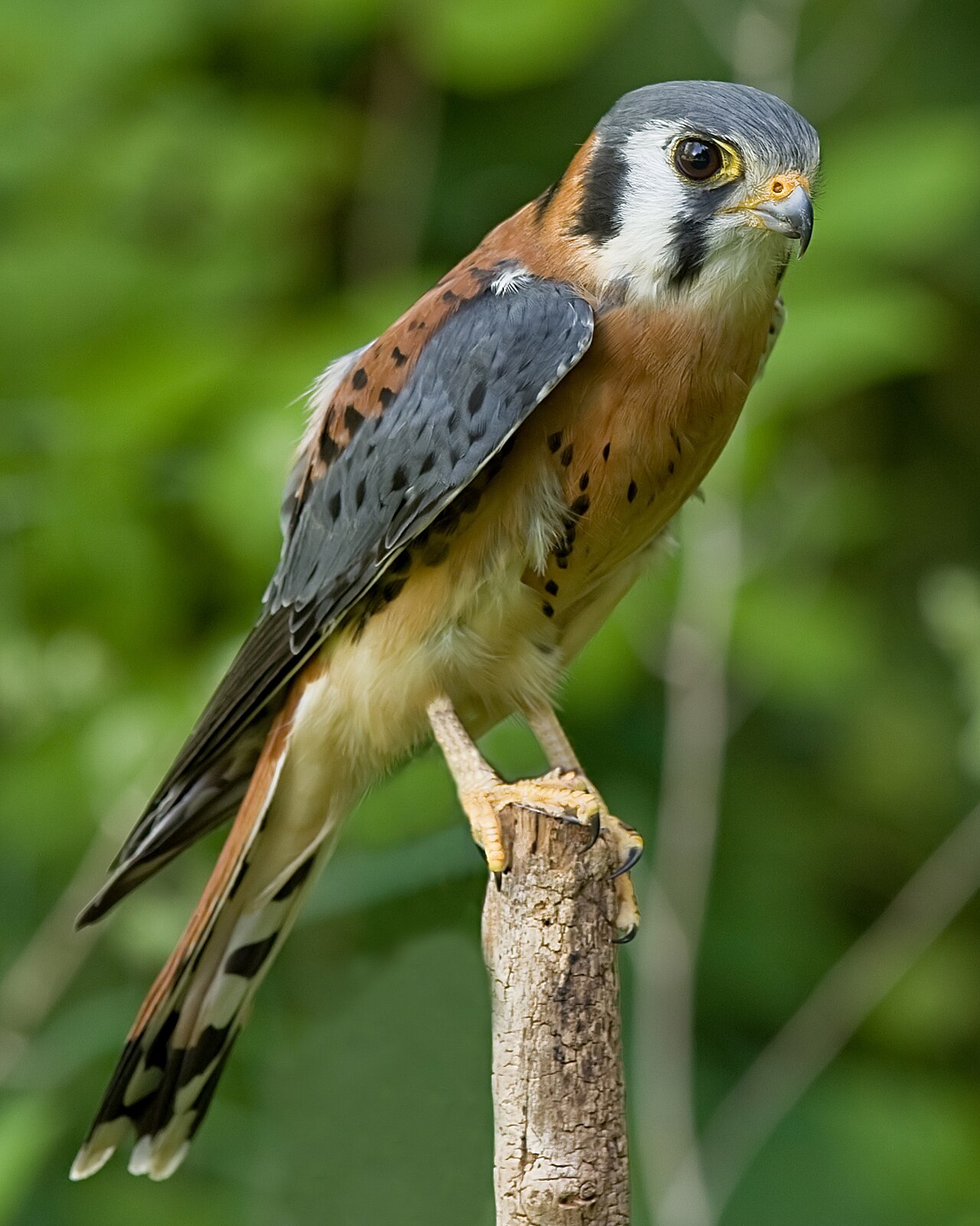 FalconsFalconiformes8 species
Parrots and passerines Psittacopasserae
Parrots and songbirds are sister groups - and they are precisely the two groups that pick up their sounds by learning them from others instead of inheriting them ready-made. Vocal learning is thus a mark of this whole branch and is found in few birds outside it. 408 species
 ParrotsPsittaciformes11 species
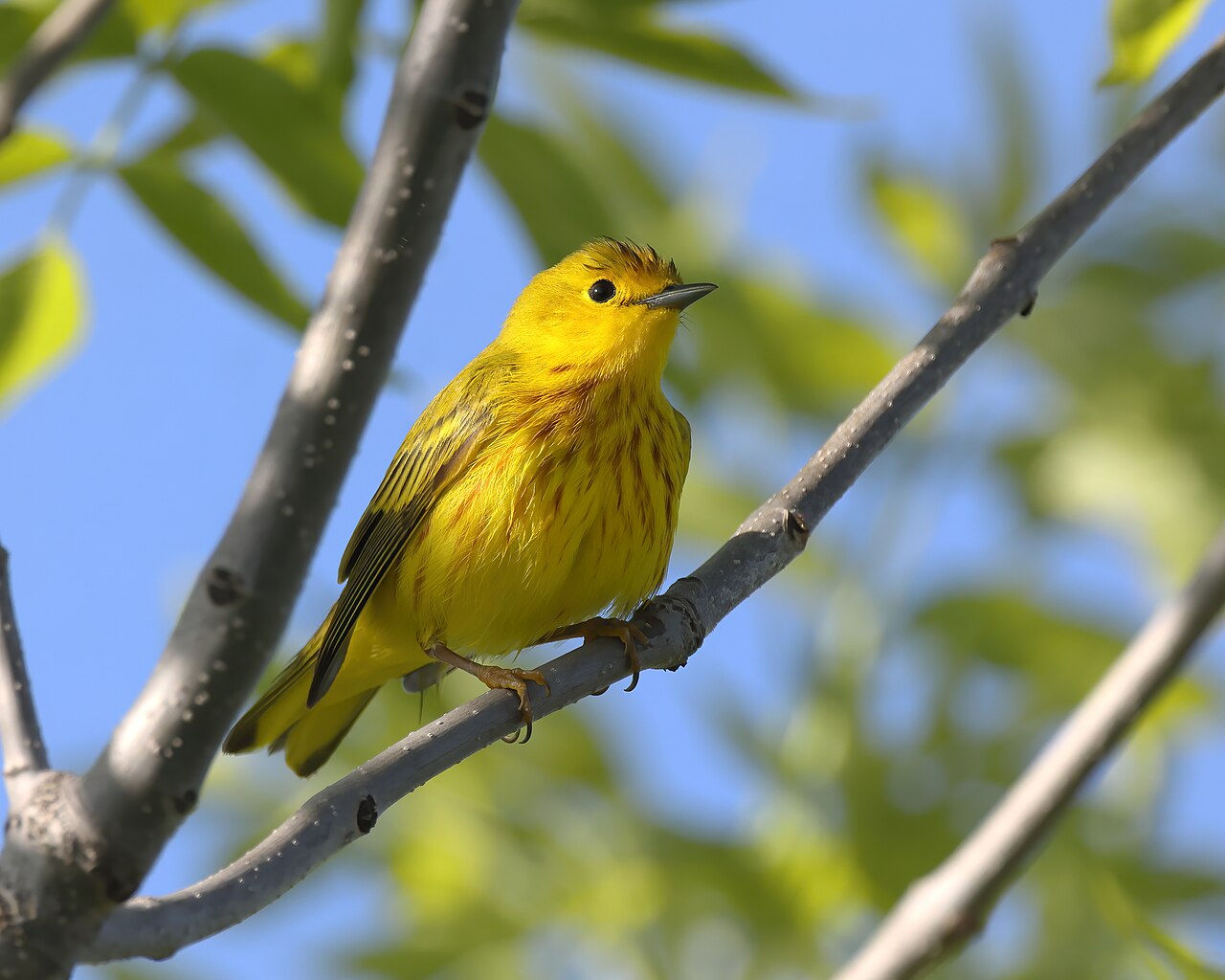 PasserinesPasseriformes397 species
Suboscines Tyranni
True songbirds Passeri
Crows and allies Corvides
Sparrows and allies Passerides
Tits, swallows and warblers Sylviida
Penduline tits Remizidae 1Tits, chickadees and titmice Paridae 12Larks Alaudidae 2Reed warblers and allies Acrocephalidae 1Swallows Hirundinidae 8Tit-warblers, bushtits and long-tailed tits Aegithalidae 1Bush warblers and allies Cettiidae 1Leaf warblers Phylloscopidae 2Bulbuls Pycnonotidae 2Parrotbills and allies Paradoxornithidae 1White-eyes and allies Zosteropidae 1Laughingthrushes and allies Leiothrichidae 3Thrushes, flycatchers and starlings Muscicapida
Waxwings Bombycillidae 2Silky-flycatchers Ptiliogonatidae 1Kinglets Regulidae 2Nuthatches Sittidae 4Treecreepers Certhiidae 1Gnatwrens and gnatcatchers Polioptilidae 4Wrens Troglodytidae 10Mockingbirds and thrashers Mimidae 11Rhabdornis, starlings and mynas Sturnidae 2Dippers Cinclidae 1Thrushes and allies Turdidae 20Chats, Old World flycatchers and allies Muscicapidae 8Finches, sparrows and buntings Passerida
Olive warbler Peucedramidae 1Munias, parrotfinches, waxbills and allies Estrildidae 8Accentors Prunellidae 1Snowfinches and Old World sparrows Passeridae 2Wagtails and pipits Motacillidae 9Finches, euphonias and allies Fringillidae 40Longspurs and snow buntings Calcariidae 6Old World buntings Emberizidae 2New World sparrows Passerellidae 43Spindalises Spindalidae 1New World blackbirds, troupials and allies Icteridae 25New World warblers Parulidae 54Cardinals and allies Cardinalidae 18Tanagers and allies Thraupidae 8





Source of the arrangement: the arrangement and sequence of orders, families, genera and species follow AviList; the clades above them follow the family-genome tree of the B10K project and carry names from the PhyloCode. AviList v2025b · Stiller et al. 2024, Nature 629, 851–860 (B10K)
About this site
Vorstman's Guide to the Birds of North America is an educational site about the birds of Canada, the United States and Greenland, made for people who want to go further than the first identification. The site is deliberately built light: static HTML, no trackers, no cookies.
On your phone
This site can also be used as an app: with its own icon on your home screen, and without the browser's address bar around it. Nothing comes from an app store — it is the same site, just opened differently, with no install step and no account.
On iPhone and iPad (Safari)
- Open this site in Safari.
- Tap the share icon at the bottom — the square with an arrow pointing up.
- Scroll down to “Add to Home Screen” and tap it.
- Change the name if you like, then tap “Add” in the top right.
On Android (Chrome)
- Chrome usually shows an “Install app” bar at the bottom — tap it.
- If that bar doesn't appear, tap the three-dot menu in the top right instead.
- Choose “Install app” or “Add to Home screen” and confirm with “Install”.
Samsung Internet phrases this slightly differently: “Add page to”, then “Home screen”.
The language you get is whichever one you were reading the site in when you added it — for a different language, open the site in that language first and add it from there.
Nothing else changes: the same pages, the same content, still over the internet, just without the browser's own bar around it.
Taking it off again
- iPhone/iPad: press and hold the icon, choose “Delete App”, then “Remove from Home Screen”.
- Android: press and hold the icon and drag it to “Remove”, or choose “Uninstall”.