All species › Pelicans, herons and ibises › Herons, egrets and bitterns
Herons, egrets and bitterns | Ardeidae
Reigers | Garzas y avetoros
Powder-down feathers grow continuously on the breast and flanks, crumbling into a fine, water-repellent powder that the bird combs through its plumage with the comb-edged claw on its middle toe to strip off fish slime and oil. Some species in the family forage actively rather than waiting motionless: they stir the mud with one foot to flush hidden prey, or deliberately place a scrap of bread, a feather or an insect on the water's surface as bait to lure fish closer. Bitterns break sharply from the rest of the family with a solitary, well-camouflaged life in dense reed beds, where at the first sign of danger they point the bill straight up and let their streaked neck blend into the reeds. In many species the colour of the bill, legs or bare skin around the eye intensifies for a few short days at the start of courtship, then fades again once the pair has formed.
Native species 12 species
Species that occur here by nature: breeding birds, winter visitors and passage migrants. They are arranged by genus, in the sequence of the list.
Bitterns | Botaurinae
2 species
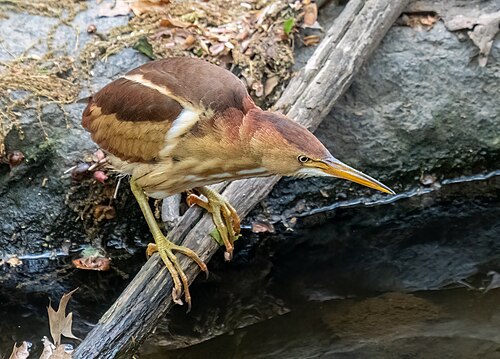
Short in the leg, thick in the neck and heavy in the bill, with buff, brown and black plumage in which long streaks break the bird's outline against the vertical stems. They keep to old, dense reed beds and seldom leave them, climbing the stems on long grasping toes, hunting alone and driving the neck forward from a low crouch. Disturbed, a bird stretches neck and bill straight up and sways with the reeds, so that the streaking runs on into the vegetation around it. The nest is a private platform of bent-over reed just above the water, well away from other pairs. The voice carries for kilometres: a deep, hollow boom through the spring nights.



Herons and egrets | Ardeinae
10 species
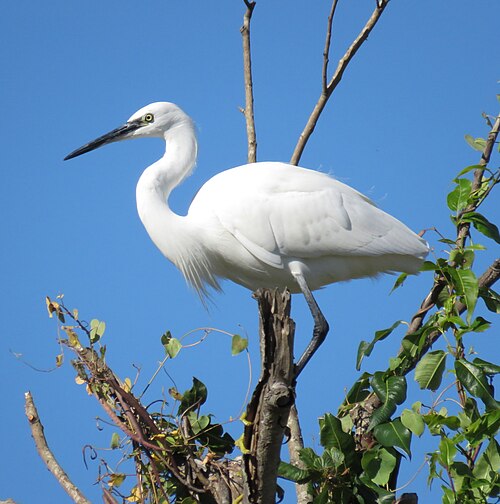
Long in the leg and neck, and plainer in colour — white, grey, blue-grey or rust — without the running streaks of the bitterns. They feed in the open, along banks, in shallow water and out on grassland, waiting motionless or stepping slowly forward, in full view; the neck stays kinked in its Z and the head is thrown at the prey in a single movement. In the breeding season long ornamental plumes grow on the back, breast and crown, and the bill, legs and bare face brighten. Most nest in colonies, high in trees or in bushes over standing water, with the nests packed close together, and their voices are harsh, grating croaks rather than a far-carrying note.
Ardea 3 species
-

Great Egret
Ardea alba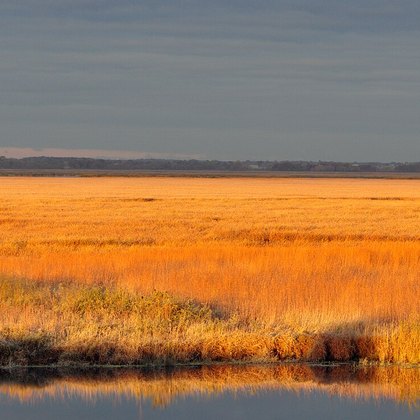 Freshwater marsh
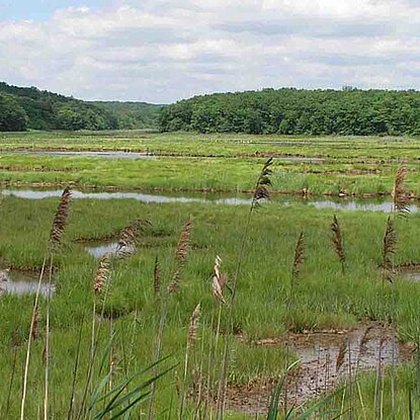 Salt marsh
 Lakes and ponds
 Estuaries and lagoons
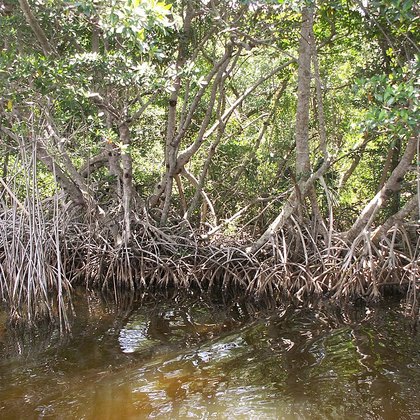 Mangrove
-

Great Blue Heron
Ardea herodias- Freshwater marsh
- Lakes and ponds
 Riparian zone
- Estuaries and lagoons
- Salt marsh
-
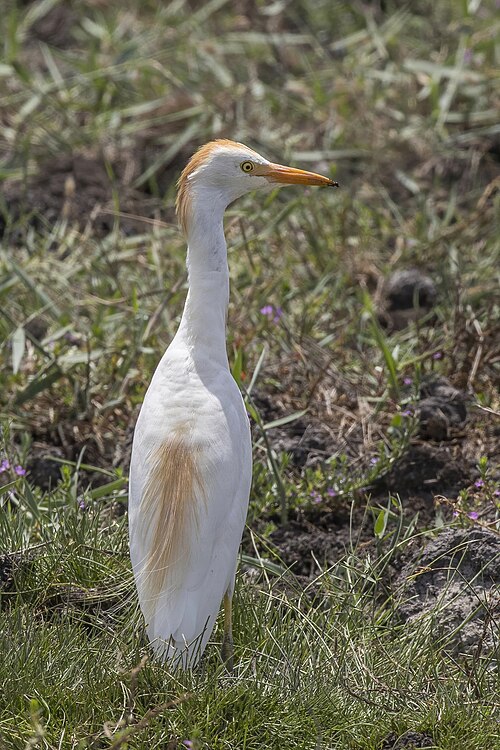
Cattle Egret
Ardea ibis Pasture and rangeland
 Arable land
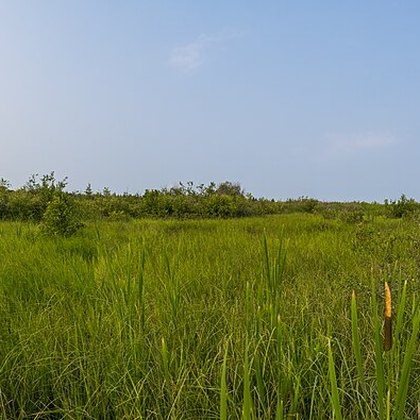 Wet meadow and sedge marsh
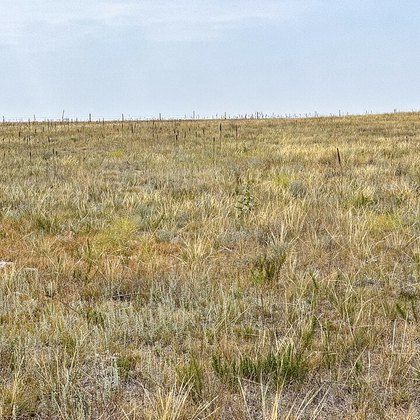 Shortgrass prairie
- Freshwater marsh
Butorides 1 species

Egretta 4 species
-

Little Blue Heron
Egretta caerulea- Freshwater marsh
- Estuaries and lagoons
- Mangrove
 Tidal flats
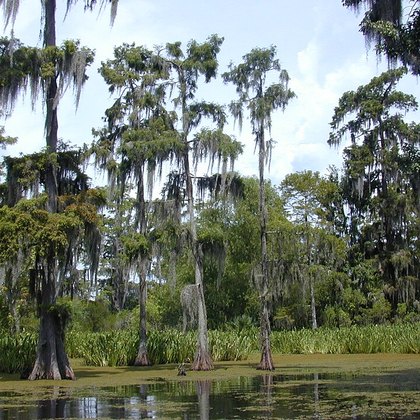 Swamp forest
-
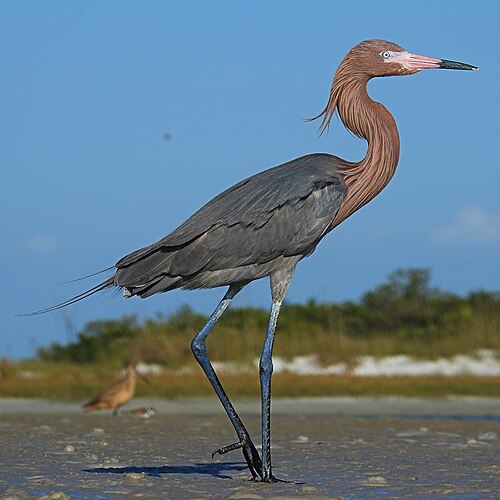
Reddish Egret
Egretta rufescens- Estuaries and lagoons
- Mangrove
- Tidal flats
- Salt marsh
-

Snowy Egret
Egretta thula- Tidal flats
- Estuaries and lagoons
- Freshwater marsh
- Salt marsh
- Riparian zone
-
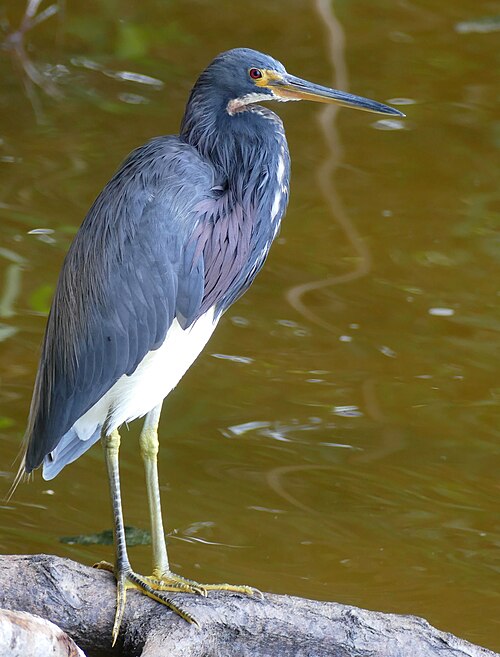
Tricolored Heron
Egretta tricolor- Salt marsh
- Estuaries and lagoons
- Mangrove
- Freshwater marsh
- Tidal flats
Nyctanassa 1 species


Vagrants 2 species
Birds blown in from other continents, or from far outside their usual range.