All species › Birds of prey › Kites, Old World vultures, eagles and hawks
Kites, Old World vultures, eagles and hawks | Accipitridae
Havikachtigen | Águilas, milanos y afines
Unlike the broad, long soaring wings typical of the order, the forest-dwelling hawks within the family instead have short, rounded wings and a long tail, built for fast, agile pursuit through branches rather than hours of soaring. After a successful hunt, a bird may spread its wings wide over the kill to hide it from other birds of prey, a posture known as mantling. The crop can store a large amount of meat temporarily, letting the bird go for days without needing another kill after a successful hunt. During migration, hundreds of birds sometimes gather in the same rising thermal, forming a slowly circling "kettle" before gliding onward together.
Native species 25 species
Species that occur here by nature: breeding birds, winter visitors and passage migrants. They are arranged by genus, in the sequence of the list.
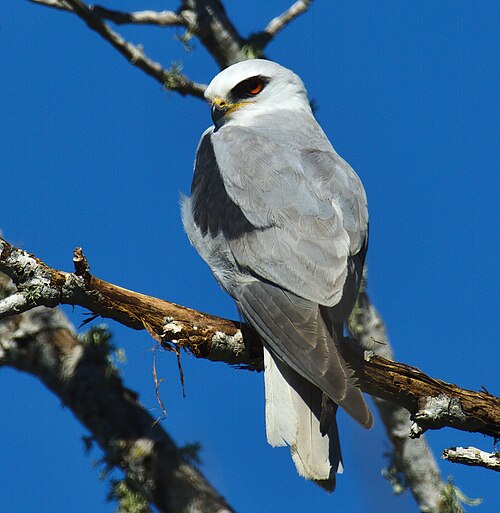
White-tailed kites | Elaninae
1 species
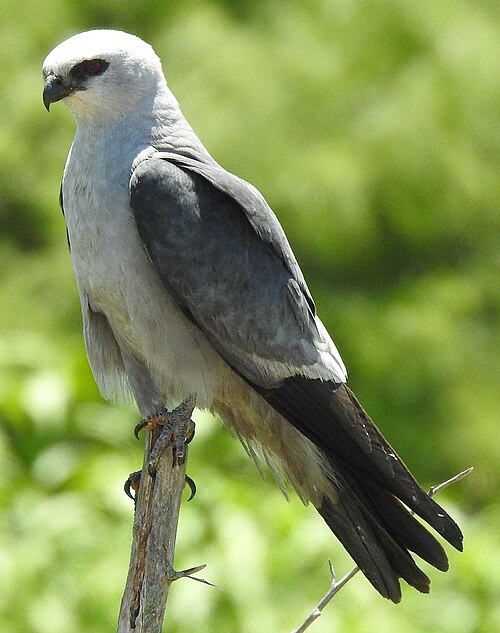
Small and lightly built, with a short hooked bill and rather small feet: this group hunts mice and large insects in open, warm country. The plumage is ash-grey above and white on the head and underparts, with a black shoulder patch and a deep red iris — a combination found nowhere else among the hawks and eagles. The wings are pointed and the flight soft and buoyant, more gull than buzzard; most striking is the hovering, the bird holding one spot on quick wingbeats with its legs dangling before dropping onto its prey. They hunt readily at dusk, spend the day on posts and wires, and build a small stick nest low in a thorn bush or a tree.
Honey buzzards | Perninae
1 species
A group that does not seize its food but digs it up: the feet rake a wasp nest out of the ground, after which the combs are plucked apart for the grubs. The head is built for the work — small and narrow, with stiff scale-like feathers between eye and bill that turn stings aside, a slit-shaped nostril and a slender bill — and the claws are shorter and less curved than in birds that must hold living prey. In flight the long, broadly banded tail catches the eye, along with the slim neck and small pigeon-like head, and the habit of soaring on flat wings. They walk a great deal on the ground, arrive late in spring and line the nest with fresh green sprays.

Booted eagles | Aquilinae
1 species
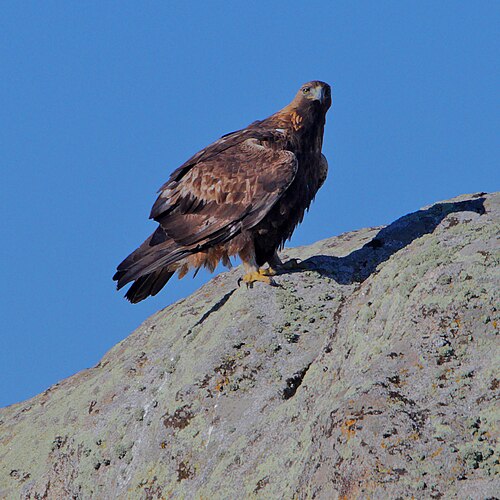
What holds this group together shows on the leg: the tarsus is feathered right down to the toes, a pair of trousers no other subgroup in the family wears. The foot is heavy, with thick toes and long talons for pinning a hare, a marmot or a bird to the ground, and the bill is large and deep. They hunt while soaring at height or from a lookout perch, dropping in a long slanting dive; in flight the eye catches the broad wing with deeply spread fingers, often held in a shallow V, and a head that projects well forward. The nest is a heavy pile of sticks on a cliff ledge or in a tall tree, used year after year and growing all the time.
Hawks and harriers | Accipitrinae
4 species
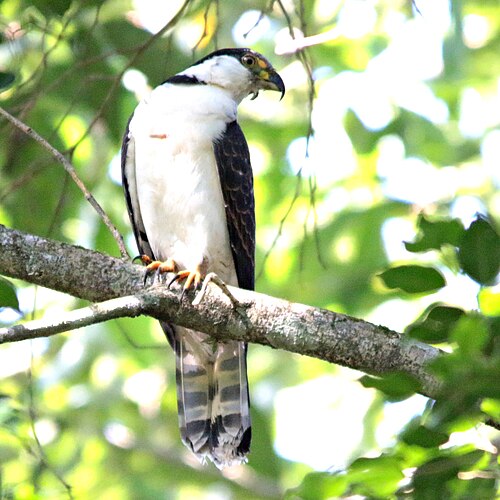
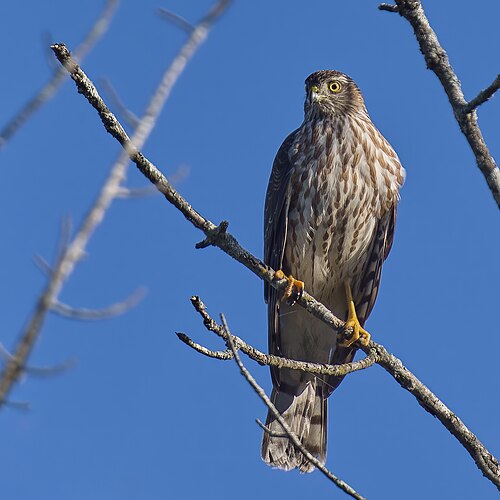
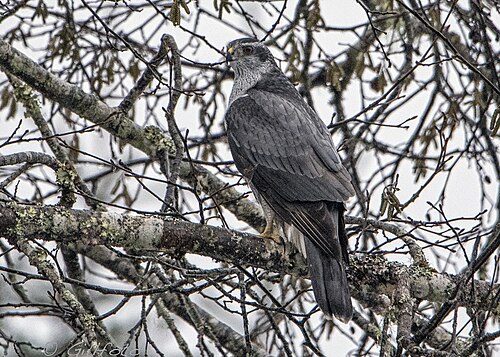
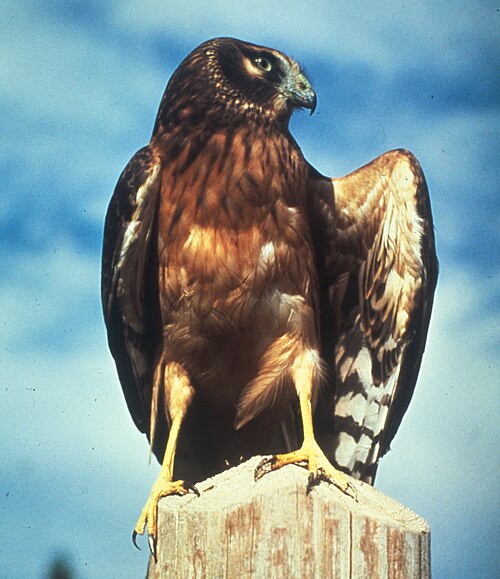
Surprise hunters that take their prey low down and close by rather than from a height. The legs are strikingly long and thin and the toes slender with needle-sharp claws, with which a bird or a mouse is snatched straight through leaves or grass. The female is much larger than the male — in this group the difference is the greatest in the whole family, running to nearly double the weight. Two flight silhouettes occur: short rounded wings with a long tail, for threading between trunks in a flight of a few beats and a glide, and long narrow wings for quartering low and buoyantly over open country, held in a shallow V. They build their own nest each year, high in a tree or else on the ground.
Accipiter 1 species
Astur 2 species


Kites, sea eagles and buzzards | Buteoninae
17 species
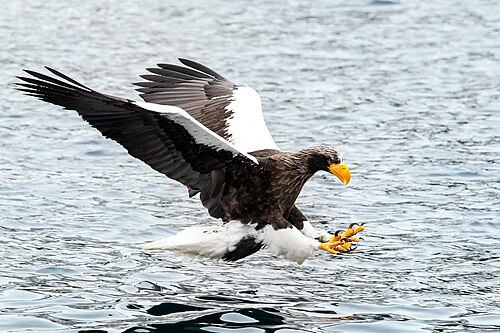
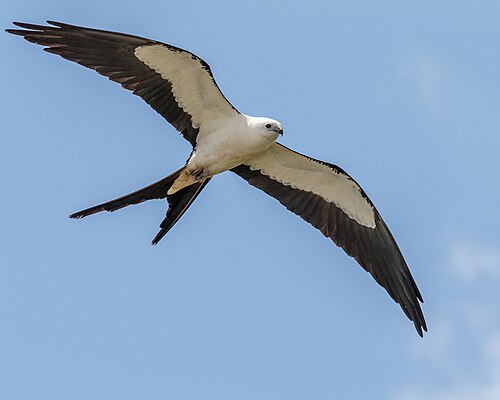
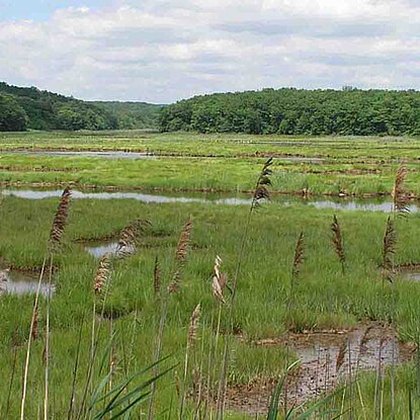
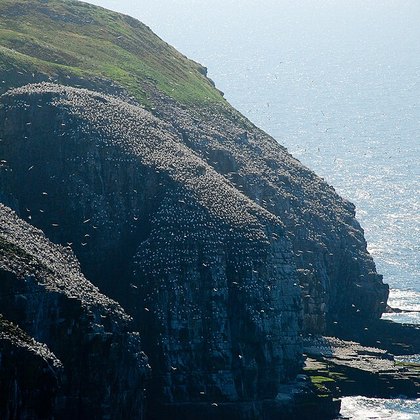
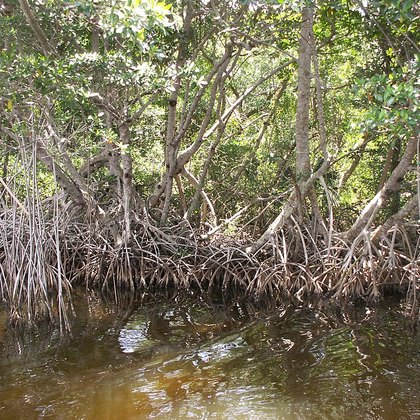
In this group the tarsus is bare and scaled, not feathered as in the eagles. They are the opportunists of the family, taking whatever is at hand — voles, frogs, young birds, worms, fish lifted from the surface of the water, an animal killed on the road — they will not pass up carrion, and readily rob one another. The wings are broad and these are sailing birds, circling for hours or searching low over open country; the tail is either short and spread like a fan, or long and forked and then twisted like a rudder. Much of the hunting is done by watching from a post or a bare branch. The nest sits in a tree or on a rock face and is often dressed up with rags, paper and plastic.
Haliaeetus 2 species



Ictinia 1 species
Rostrhamus 1 species


Buteogallus 1 species

Parabuteo 1 species
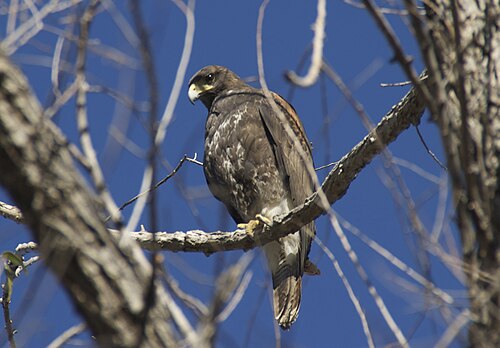
Geranoaetus 1 species
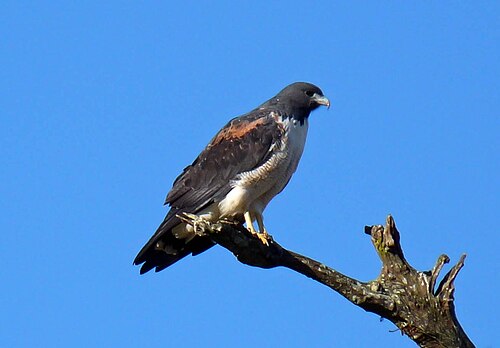
Buteo 10 species
-

Gray Hawk
Buteo plagiatus Riparian zone
 Subtropical and tropical forest
 Thickets and woodland edge
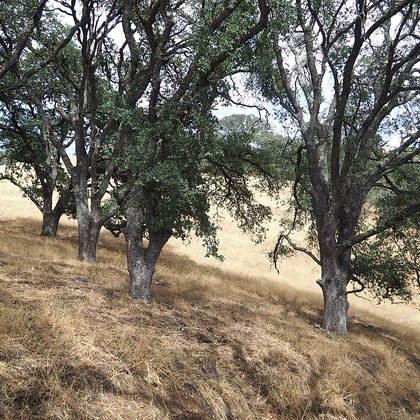 Savanna and oak woodland
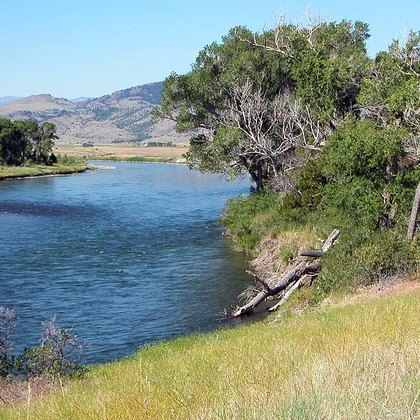 Rivers and streams
-
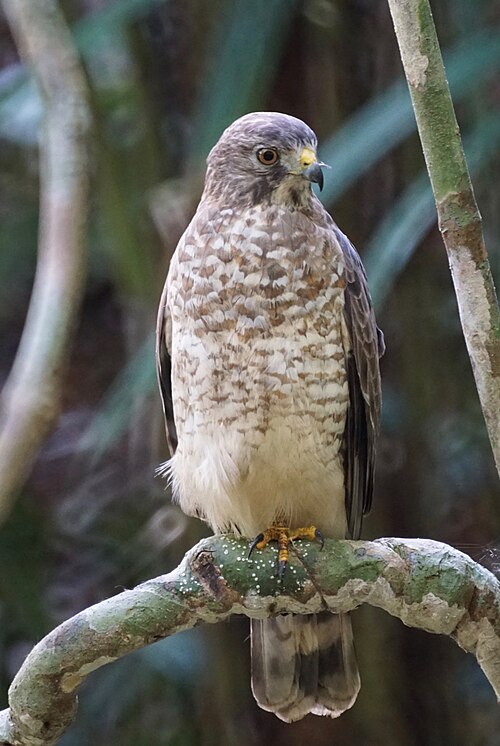
Broad-winged Hawk
Buteo platypterus Deciduous forest
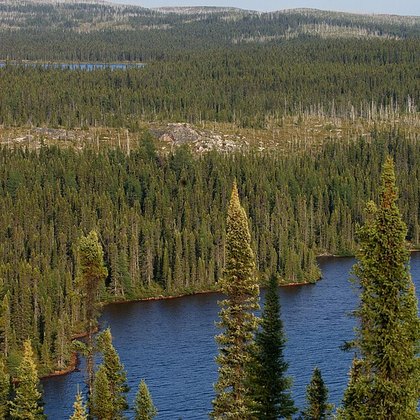 Boreal conifer forest
- Subtropical and tropical forest
- Thickets and woodland edge
- Riparian zone
-

Red-shouldered Hawk
Buteo lineatus- Deciduous forest
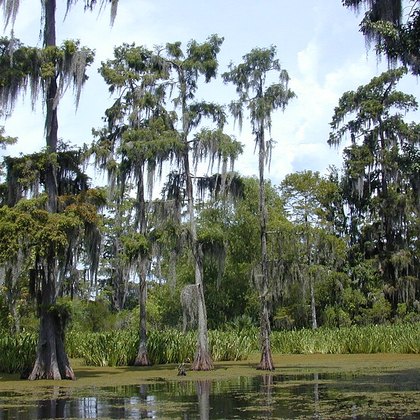 Swamp forest
- Riparian zone
- Savanna and oak woodland
 Gardens and parks
-

Zone-tailed Hawk
Buteo albonotatus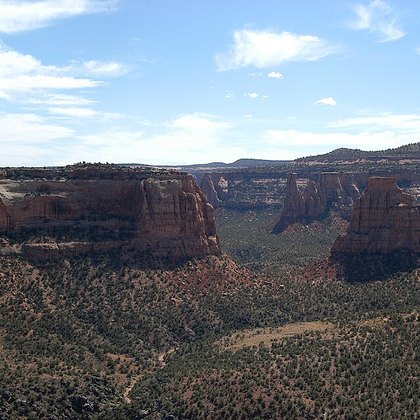 Rock, cliff and talus
- Riparian zone
 Pinyon-juniper and dry pine woodland
 Desert and semi-desert
 Montane and coastal conifer forest
-

Hawaiian Hawk
Buteo solitarius- Subtropical and tropical forest
- Thickets and woodland edge
 Pasture and rangeland
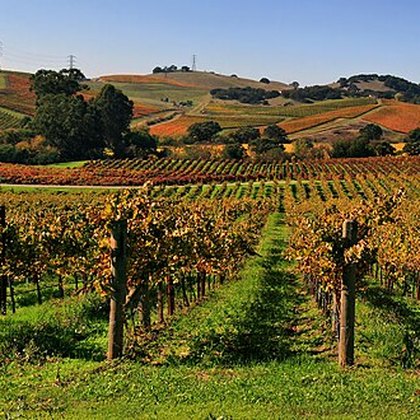 Orchard and vineyard
-
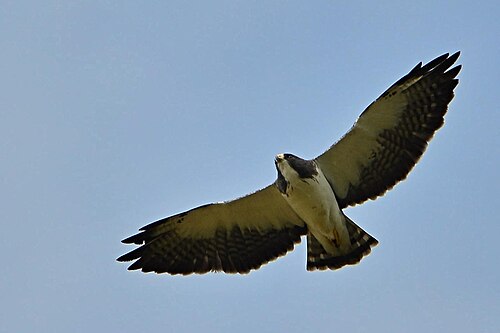
Short-tailed Hawk
Buteo brachyurus- Subtropical and tropical forest
- Swamp forest
- Thickets and woodland edge
- Savanna and oak woodland
- Pasture and rangeland
-
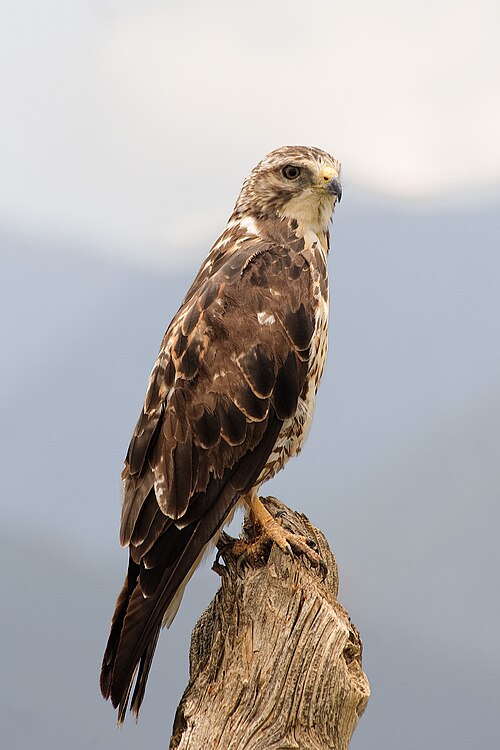
Swainson's Hawk
Buteo swainsoni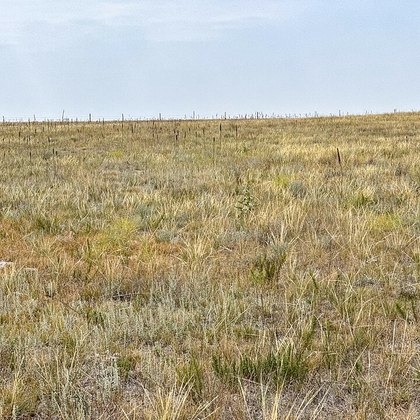 Shortgrass prairie
 Arable land
- Pasture and rangeland
 Tallgrass prairie
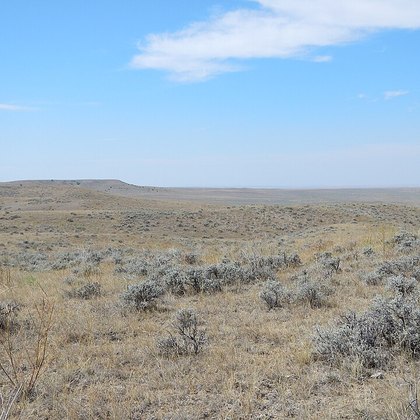 Sagebrush steppe
-
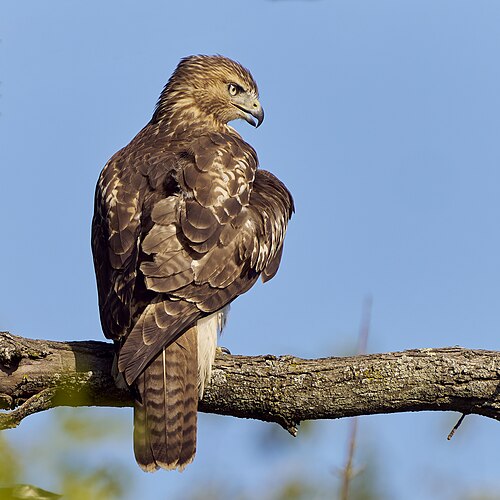
Red-tailed Hawk
Buteo jamaicensis- Pasture and rangeland
- Shortgrass prairie
- Arable land
- Savanna and oak woodland
- Desert and semi-desert
-

Ferruginous Hawk
Buteo regalis- Shortgrass prairie
- Sagebrush steppe
- Desert and semi-desert
- Pasture and rangeland
- Pinyon-juniper and dry pine woodland
-
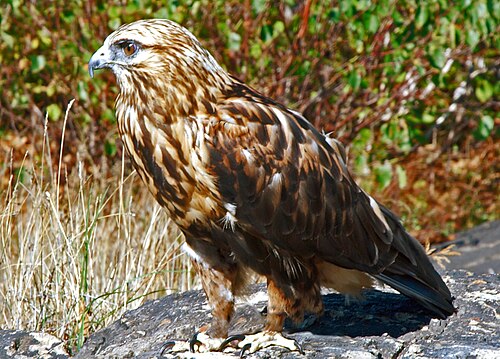
Rough-legged Hawk
Buteo lagopus Arctic tundra
- Arable land
- Shortgrass prairie
- Rock, cliff and talus
 Wet meadow and sedge marsh

Vagrants 2 species
Birds blown in from other continents, or from far outside their usual range.