All species › Birds of prey › Kites, Old World vultures, eagles and hawks › Swallow-tailed Kite
Swallow-tailed Kite | Elanoides forficatus
Zwaluwstaartwouw | Elanio tijereta
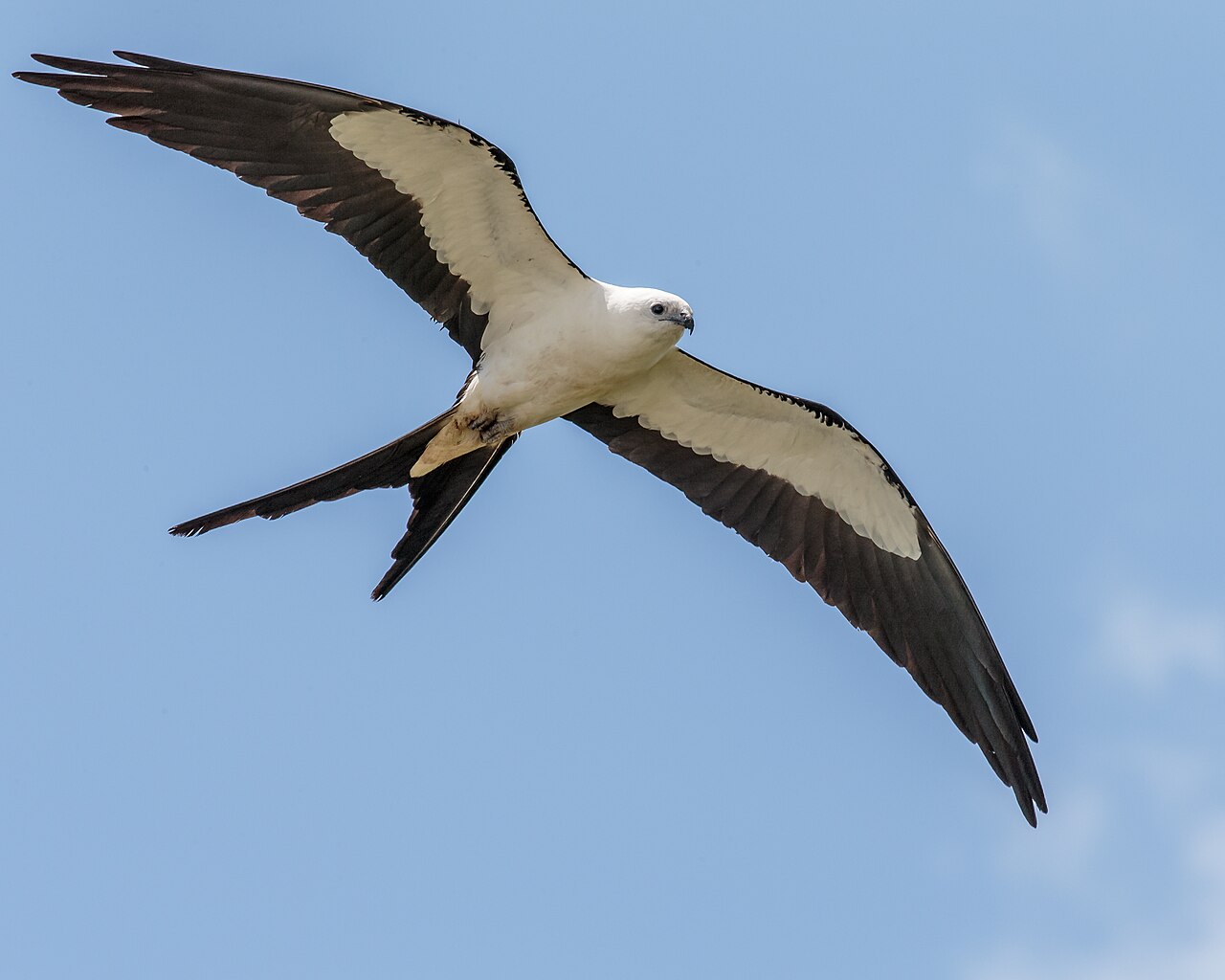
A black-and-white kite with long narrow wings and a deeply forked tail that makes up nearly half its length — the most recognisable flight shape of any North American raptor. It does almost everything on the wing: hunting, eating, drinking, even collecting nest material. Of the twenty-one states in which it once bred, seven are left.
Voice
At the nest and when alarmed, a loud squeaky whistle, usually repeated several times in quick succession. When a predator appears over the forest the birds call while circling, and the call draws neighbours in: twenty or more kites may gather over a single nest. In courtship they give a long, upward-slurring whistle that rises at the end. At other times they are largely silent, though the combined squealing of dozens of birds carries well over the late-summer communal roosts.
Recording: José María Loaiza B. — CC BY-NC-SA 4.0 · Distrito Metropolitano de Quito, Pichincha, Parroquia Nanegalito, Nueva Granada, Hacienda Los Yumbos, Ecuador · xeno-canto
Identification
Read the shape before the colour: long, narrow, pointed wings and a deeply forked tail that opens and closes like a pair of shears as the bird steers. Head, neck, breast, belly and underwing coverts are white, while back, flight feathers and tail are glossy black, so that the underwing looks sharply divided in two. It rarely flaps and glides almost continuously, turning on small twists of the tail rather than wingbeats, and it plucks prey from the canopy without landing. The sexes are marked alike; as in almost all hawks and kites the female is slightly larger, but that is not apparent in the air. Juveniles carry a pale buff wash over head and breast and have a shallower tail fork, so the first-autumn silhouette looks less extreme.
Confusion species
Magnificent Frigatebird also has long wings and a forked tail, but is largely black above and below and stays on the coast and over the sea. Mississippi Kite has an equally light, buoyant flight but is wholly grey, with a short tail at most slightly notched. Osprey is white and black below as well, but has a kinked wing, a dark eye-stripe and a straight tail. At long range only the scissoring, deeply forked tail is conclusive.
Habitat
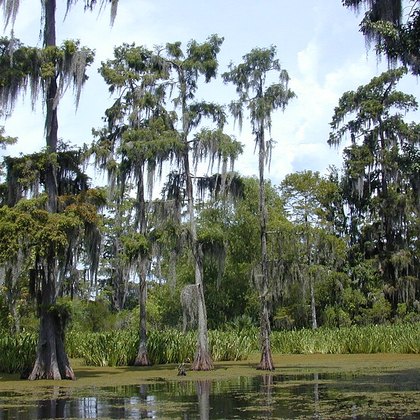
Swamp forest and lowland forest along rivers, cypress swamp and pine flatwood, always with tall trees to nest in and open or half-open ground nearby to hunt over. The nest goes high in the crown of a free-standing tree and is built of sticks, lichen and Spanish moss. Dry woodland away from water and dense, low forest are avoided; a river valley with old trees is the core of every territory. On the wintering grounds it uses humid lowland forest, gallery forest and the transition from forest to savanna.
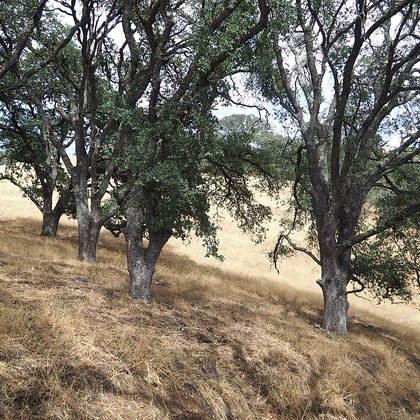
Where the bird is most often found, arranged by the USNVC — the vegetation classification of the United States and Canada — and CMECS for sea and coast.



Range and movements
A summer visitor to Florida, Georgia, South Carolina, Alabama, Mississippi, Louisiana and east Texas, and a breeder in southern Mexico and Central America; the entire population winters in South America, deep into the Amazon basin. The first birds are back in Florida in late February, and from mid-July they gather at communal roosts along rivers and across the Florida lowlands, sometimes several thousand together, before crossing the Gulf of Mexico. In the nineteenth century it bred north along the Mississippi to Minnesota; between roughly 1880 and 1940 it vanished from almost the whole interior. Within the present core range numbers have been rising since 1966, and isolated nests have been found in Arkansas since 2002.
- Resident
- Breeding (summer)
- Passage
- dark = core range, pale = thinly spread
Where and when to look
Look for it between March and August over the edge of a southeastern swamp forest, preferably on a warm afternoon with rising thermals: it then glides low across the treetops taking insects and tree frogs off the foliage. In the last weeks of July and the first of August it is worth standing at a known communal roost along a river just before sunset, when hundreds of birds drop in within a short time.
Conservation
The world population is put at around two hundred and sixty thousand birds and the species is listed as Least Concern (LC); in the United States the species has increased since 1966, though that recovery covers only a fraction of the former range. The threats are the logging of old swamp and riverside forest, drainage, and the fragmentation of river valleys by farming and building. Because it nests in tall, exposed trees, severe summer storms are a recurring cause of nest loss as well.
Scientific name
Elanoides forficatus | (Linnaeus, 1758)
Linnaeus described the species in 1758 as Falco forficatus, among the falcons; because it was later moved to another genus, author and year stand in parentheses. forficatus is Latin for 'deeply forked', from forfex, 'shears'. The genus Elanoides was introduced by Vieillot in 1818 and means 'resembling Elanus', the genus of the white-tailed kites. The description rested on a bird from Carolina, after a plate by Mark Catesby.