All species › Passerines › Longspurs and snow buntings
Longspurs and snow buntings | Calcariidae
IJsgorzen en sneeuwgorzen | Escribanos nivales y lapones
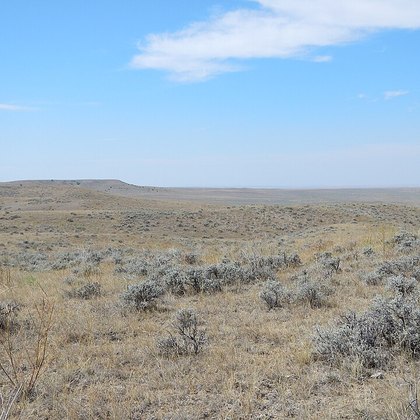
These birds belong in open, treeless country, from tundra and short-grass prairie to bare coast, and are built for walking on the ground there, with a long, almost straight claw on the hind toe. They do not hop but step and shuffle, pressed low against the surface, and in that terrain they are usually only seen when they take off. With no song posts available, the territory is marked out from the air: the male climbs while singing and then glides back down on raised wings. The nest sits in a hollow in the ground under a tussock, or in the far north deep in a rock crevice or between stones, thickly lined with feathers and hair against the cold; the short northern summer allows only one brood, raised almost entirely on insects. In winter they live on seeds on bare fields, road verges and beaches, in flocks of tens to hundreds that roll low over the ground and show white in wing and tail. The breeding plumage comes not from a moult but from wear, as the brown feather tips abrade through the winter.
Native species 5 species
Species that occur here by nature: breeding birds, winter visitors and passage migrants. They are arranged by genus, in the sequence of the list.
Rhynchophanes 1 species
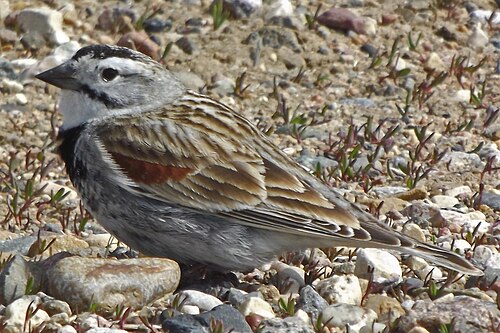

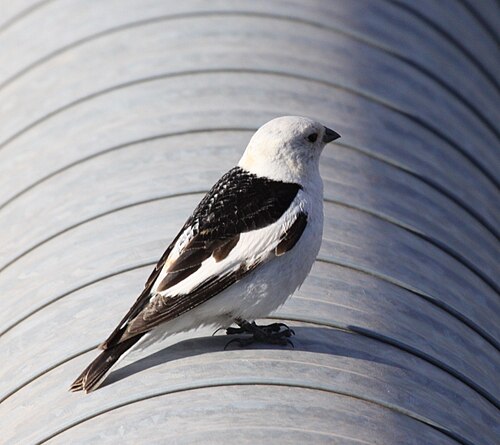
Plectrophenax 1 species
Calcarius 3 species
-

Lapland Longspur
Calcarius lapponicus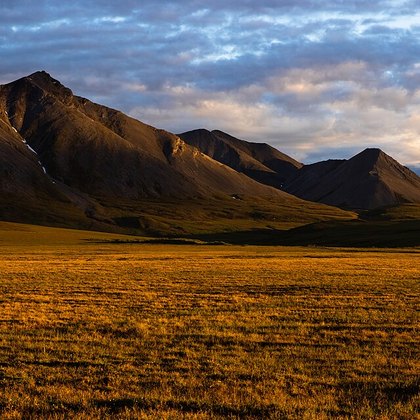 Arctic tundra
 Arable land
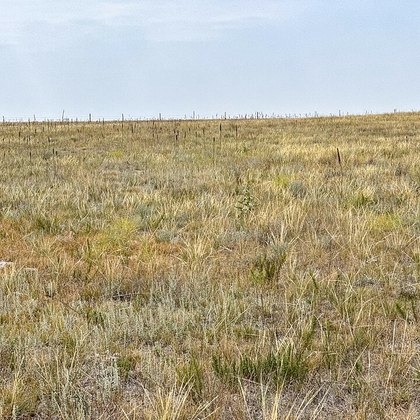 Shortgrass prairie
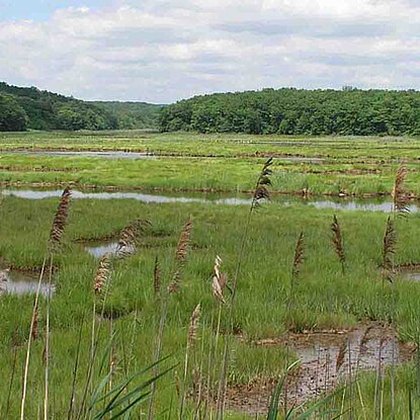
 Wet meadow and sedge marsh
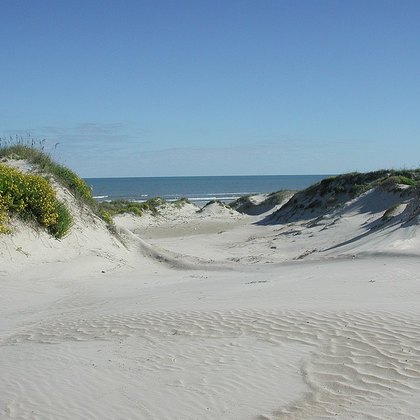 Dunes and sandy beaches
-
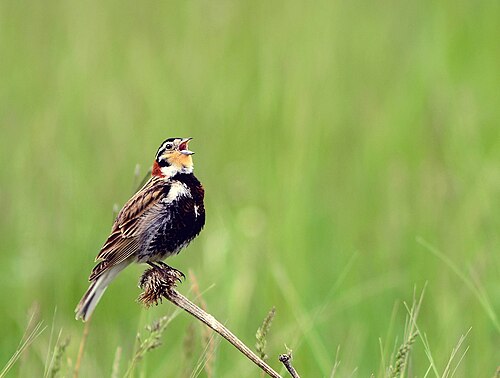
Chestnut-collared Longspur
Calcarius ornatus- Shortgrass prairie
 Tallgrass prairie
 Pasture and rangeland
- Arable land
 Desert and semi-desert
-
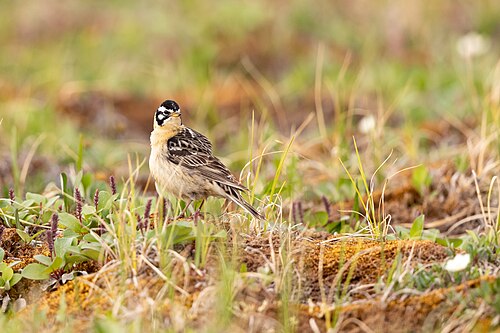
Smith's Longspur
Calcarius pictus- Arctic tundra
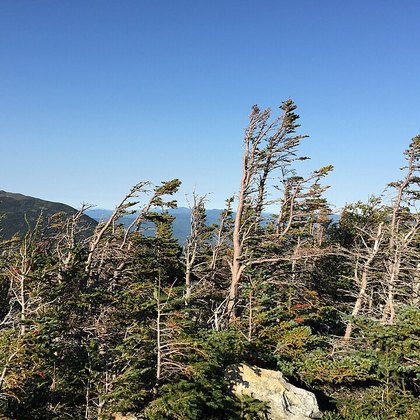 Krummholz and dwarf scrub
- Wet meadow and sedge marsh
- Shortgrass prairie
- Pasture and rangeland
- Arable land
Vagrants 1 species
Birds blown in from other continents, or from far outside their usual range.