All species › Waders, gulls and terns › Skimmers, noddies, terns and gulls
Skimmers, noddies, terns and gulls | Laridae
Meeuwen, sterns en schaarbekken | Gaviotas, charranes y rayadores
Under current classification the family includes not just gulls and terns but also the skimmers, and the bill shows it at a glance: gulls carry a stout bill hooked at the tip, suited to a generalist diet from carrion to garbage, terns a slender, pointed bill for plunging into the water from flight to seize fish, and the skimmer a unique bill, laterally compressed at the base, whose lower mandible is distinctly longer than the upper — it flies low over the water trailing that lower blade through the surface like a net. Larger gulls take several years to acquire their final, plain grey-and-white adult plumage, wearing a series of mottled brown immature plumages in the meantime, a maturation that in most other bird families is complete within a year. Gulls also routinely steal food from other birds by chasing them in flight and forcing them to drop their catch, a technique largely absent in terns and skimmers. When a colony is disturbed, dozens or hundreds of adults take to the air at once, calling loudly and diving at the intruder, a joint defence that rarely lets a trespasser leave unscathed.
Compare terns: bill, legs, head and tail side by side
Compare gulls: legs, head, bill and wing tip side by side
Native species 39 species
Species that occur here by nature: breeding birds, winter visitors and passage migrants. They are arranged by genus, in the sequence of the list.
Gulls | Larinae
20 species
Heavily built birds with broad, rounded wingtips and a stout bill that hooks slightly downwards at the front: not a probe for pushing into mud but a pair of pincers that can deal with almost anything — a crab, a fish, refuse, an egg or a chick. Fairly long legs let them walk easily and they sit high on the water, so you meet them on a ploughed field as readily as at sea. Where terns drop from a height, a gull picks from the surface while swimming, or chases another bird until it gives up its catch. Many wear a dark hood in summer that shrinks to a smudge behind the eye in winter, and the largest need two to four years of brown mottled dress before the clean grey and white is complete.
Hydrocoloeus 1 species

Rissa 2 species
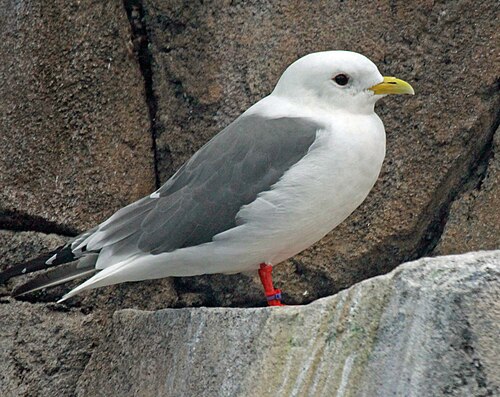

Xema 1 species

Chroicocephalus 2 species
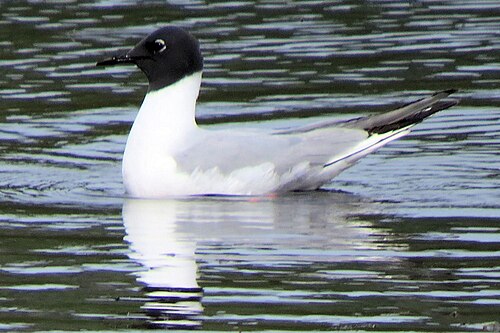


Leucophaeus 2 species

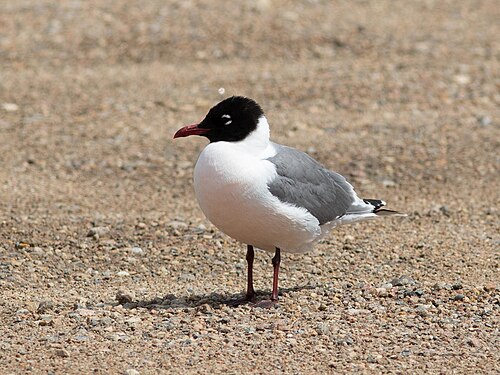

Larus 12 species
-

Heermann's Gull
Larus heermanni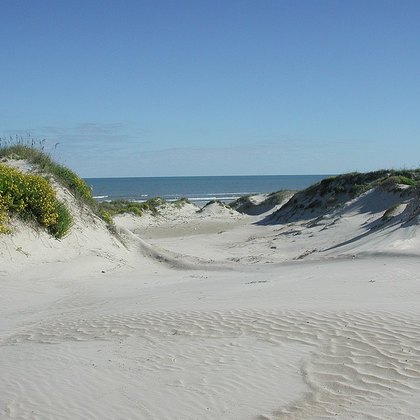 Dunes and sandy beaches
 Rocky intertidal
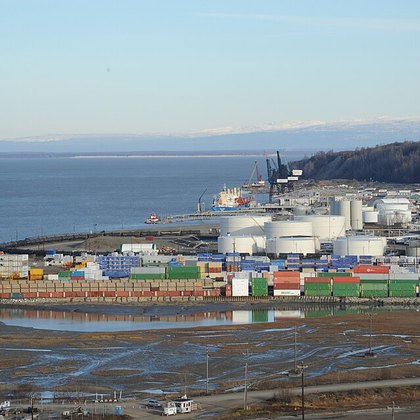 Harbour and industry
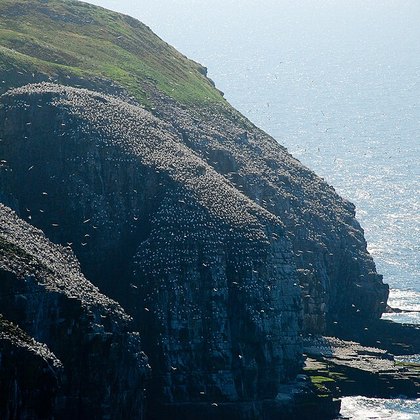 Sea cliffs
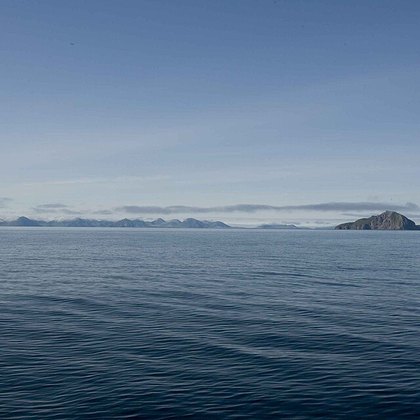 Open ocean
-

Ring-billed Gull
Larus delawarensis Lakes and ponds
 Landfill and wastewater
 Arable land
 Estuaries and lagoons
-

Short-billed Gull
Larus brachyrhynchus- Estuaries and lagoons
- Lakes and ponds
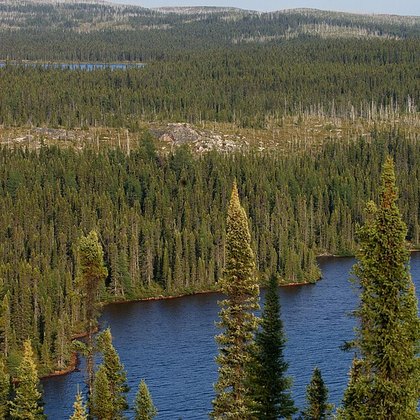 Boreal conifer forest
- Dunes and sandy beaches
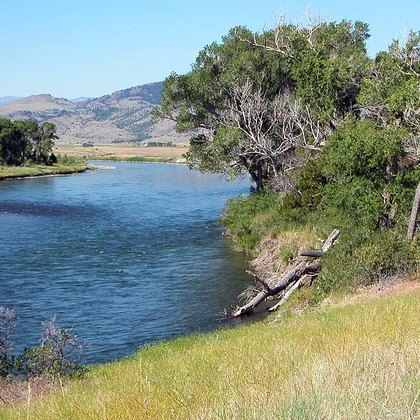 Rivers and streams
-

Yellow-footed Gull
Larus livens- Dunes and sandy beaches
- Rocky intertidal
- Harbour and industry
- Estuaries and lagoons
- Lakes and ponds
-
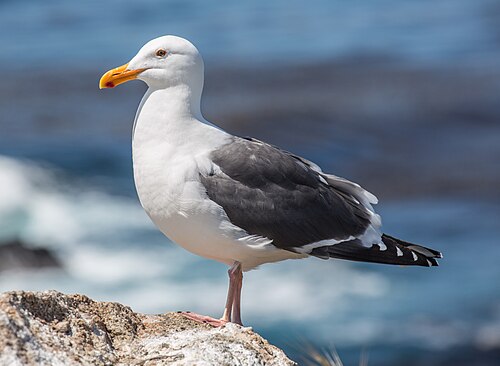
Western Gull
Larus occidentalis- Sea cliffs
- Rocky intertidal
- Dunes and sandy beaches
- Harbour and industry
- Open ocean
-
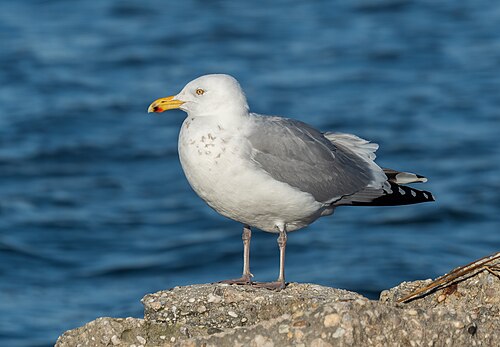
American Herring Gull
Larus smithsonianus- Estuaries and lagoons
- Dunes and sandy beaches
- Lakes and ponds
- Landfill and wastewater
- Harbour and industry
-
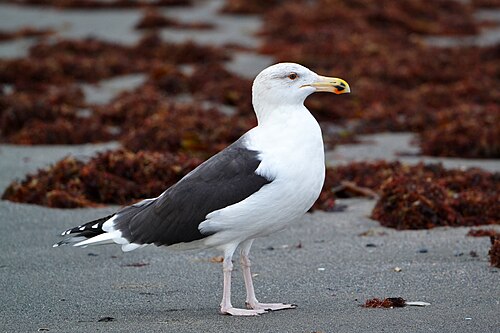
Great Black-backed Gull
Larus marinus- Estuaries and lagoons
- Dunes and sandy beaches
- Sea cliffs
- Harbour and industry
- Landfill and wastewater
-

Glaucous Gull
Larus hyperboreus- Estuaries and lagoons
- Landfill and wastewater
 Sea ice
- Sea cliffs
 Arctic tundra
-
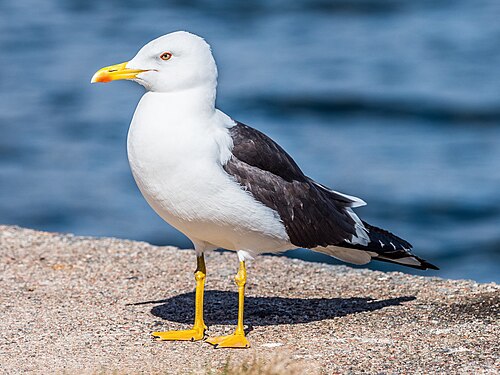
Lesser Black-backed Gull
Larus fuscus- Estuaries and lagoons
- Dunes and sandy beaches
- Landfill and wastewater
 Reservoirs and ponds
 Tidal flats
-

California Gull
Larus californicus- Lakes and ponds
- Estuaries and lagoons
- Arable land
- Landfill and wastewater
- Tidal flats
-

Glaucous-winged Gull
Larus glaucescens- Rocky intertidal
- Estuaries and lagoons
- Harbour and industry
- Sea cliffs
- Landfill and wastewater
-

Iceland Gull
Larus glaucoides- Estuaries and lagoons
- Landfill and wastewater
- Harbour and industry
- Sea cliffs
- Lakes and ponds
Terns | Sterninae
19 species
Slender, lightly built birds with long narrow wings and, in most, a forked tail, giving a buoyant, bounding flight quite unlike the steady sailing of the gulls. The bill is thin, straight and drawn out to a needle point; the legs are short, so they stand about on a beach but hardly walk on it. The hunting method is the mark of the group: they hang hovering over the water with the bill pointed down, then close the wings and plunge. The marsh-living species do not dive at all, but pick insects from the surface in dipping flight. Nearly all wear a black cap in the breeding season that fades to a white forehead in winter, and they nest in colonies on sand, shingle or floating vegetation.
Rynchops 1 species

Gygis 1 species



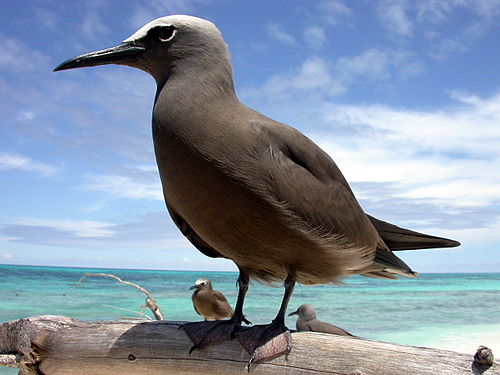
Anous 2 species
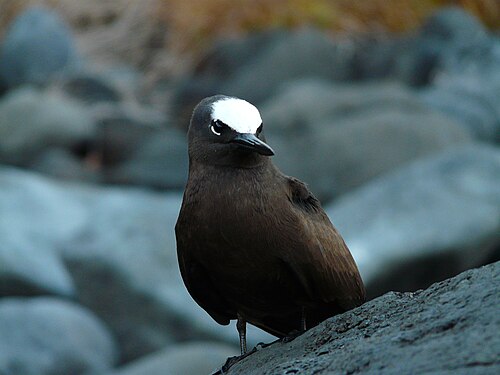

Onychoprion 4 species
-

Aleutian Tern
Onychoprion aleuticus- Estuaries and lagoons
 Wet meadow and sedge marsh
- Dunes and sandy beaches
- Open ocean
- Arctic tundra
-

Sooty Tern
Onychoprion fuscatus- Open ocean
- Dunes and sandy beaches
- Sea cliffs
-
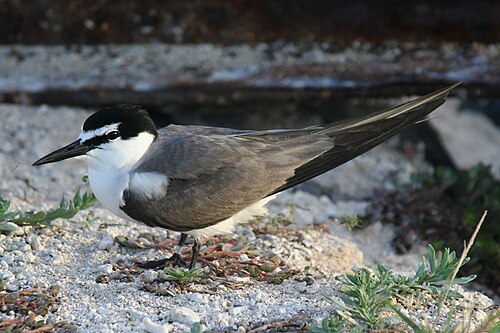
Gray-backed Tern
Onychoprion lunatus- Open ocean
- Dunes and sandy beaches
- Sea cliffs
-

Bridled Tern
Onychoprion anaethetus- Open ocean
- Sea cliffs
- Dunes and sandy beaches
Sternula 1 species

Hydroprogne 1 species
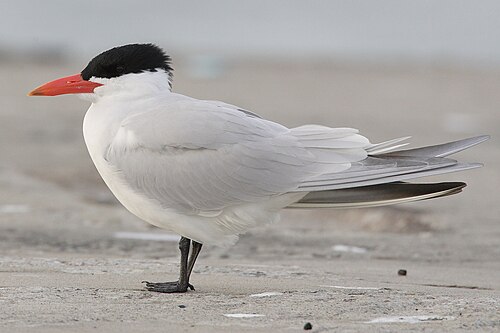
Gelochelidon 1 species

Chlidonias 1 species

Thalasseus 3 species


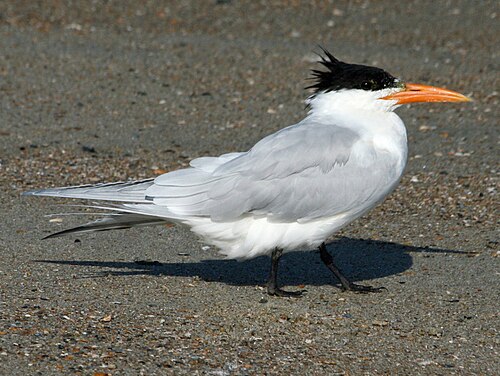
Sterna 4 species
-
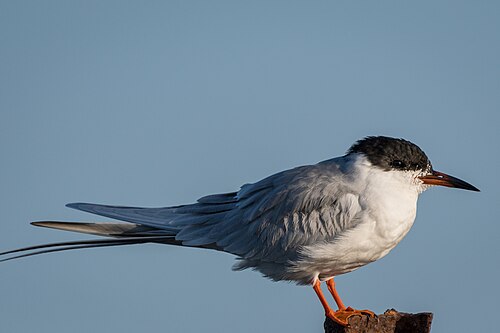
Forster's Tern
Sterna forsteri Freshwater marsh
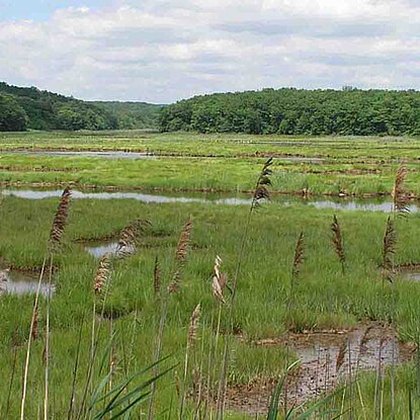 Salt marsh
- Estuaries and lagoons
- Lakes and ponds
- Wet meadow and sedge marsh
-
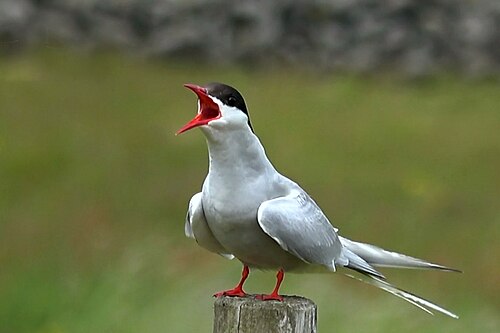
Arctic Tern
Sterna paradisaea- Arctic tundra
- Dunes and sandy beaches
- Open ocean
- Sea ice
- Lakes and ponds
-
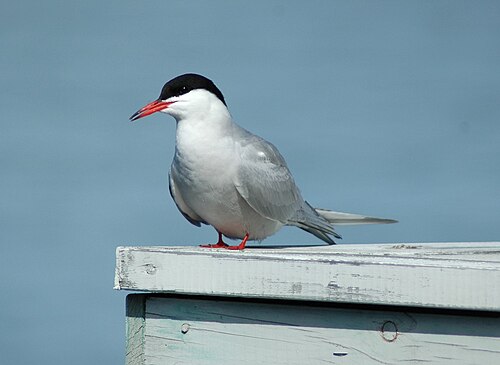
Common Tern
Sterna hirundo- Dunes and sandy beaches
- Estuaries and lagoons
- Lakes and ponds
- Salt marsh
- Tidal flats
-
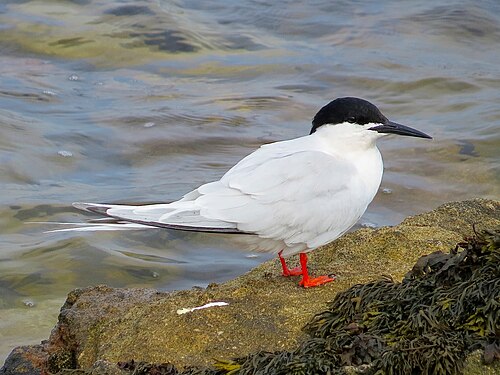
Roseate Tern
Sterna dougallii- Dunes and sandy beaches
- Open ocean
- Estuaries and lagoons
- Tidal flats
Vagrants 9 species
Birds blown in from other continents, or from far outside their usual range.
-
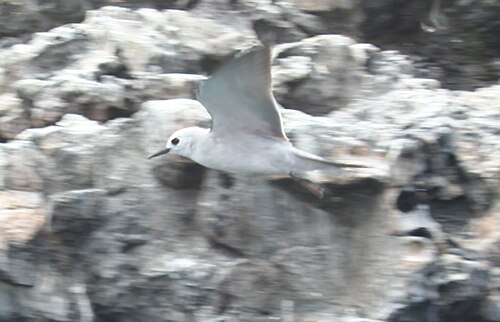
Blue-gray Noddy
Anous ceruleus- Open ocean
- Sea cliffs
- Rocky intertidal
-

White-winged Tern
Chlidonias leucopterus- Freshwater marsh
- Lakes and ponds
- Estuaries and lagoons
- Reservoirs and ponds
-
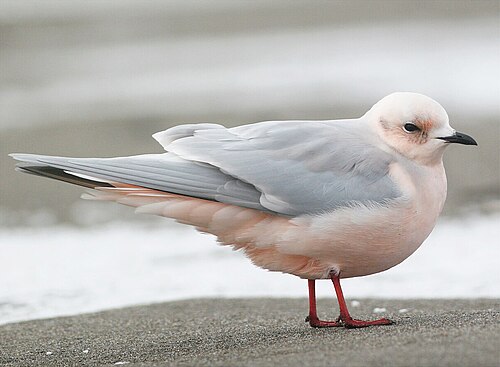
Ross's Gull
Rhodostethia rosea- Sea ice
- Arctic tundra
- Open ocean
- Wet meadow and sedge marsh
-
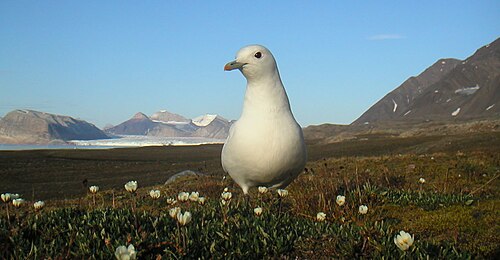
Ivory Gull
Pagophila eburnea- Sea ice
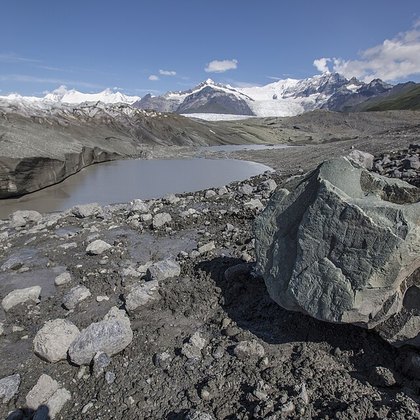 Polar desert and glacier foreland
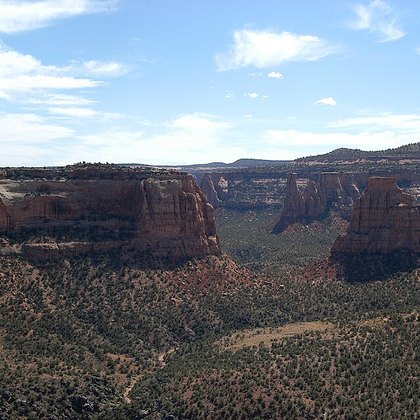 Rock, cliff and talus
- Open ocean
-
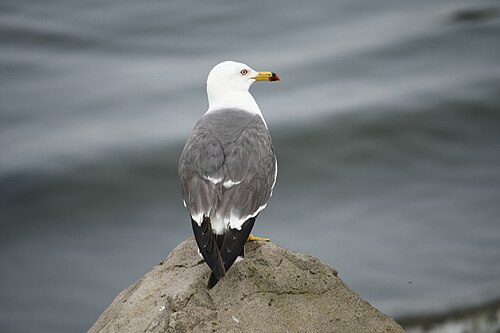
Black-tailed Gull
Larus crassirostris- Sea cliffs
- Rocky intertidal
- Harbour and industry
- Dunes and sandy beaches
- Estuaries and lagoons
-
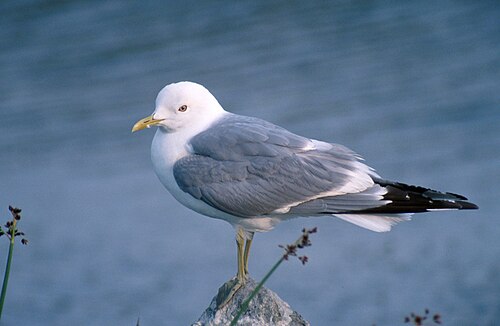
Common Gull
Larus canus- Estuaries and lagoons
- Tidal flats
- Harbour and industry
- Dunes and sandy beaches
 Pasture and rangeland
-
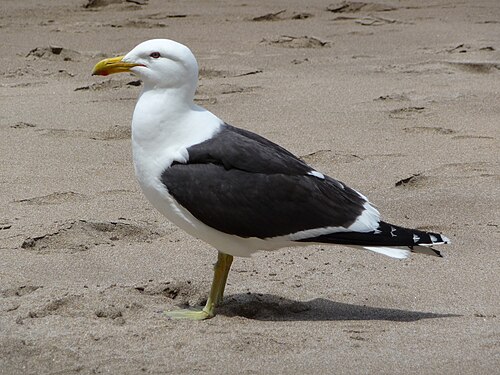
Kelp Gull
Larus dominicanus- Dunes and sandy beaches
- Rocky intertidal
- Estuaries and lagoons
- Harbour and industry
- Landfill and wastewater
-

Vega Gull
Larus vegae- Estuaries and lagoons
- Tidal flats
- Dunes and sandy beaches
- Arctic tundra
- Harbour and industry
-

Slaty-backed Gull
Larus schistisagus- Estuaries and lagoons
- Harbour and industry
- Sea cliffs
- Landfill and wastewater
- Rocky intertidal