All species › Passerines › Mockingbirds and thrashers
Mockingbirds and thrashers | Mimidae
Spotlijsters | Sinsontes
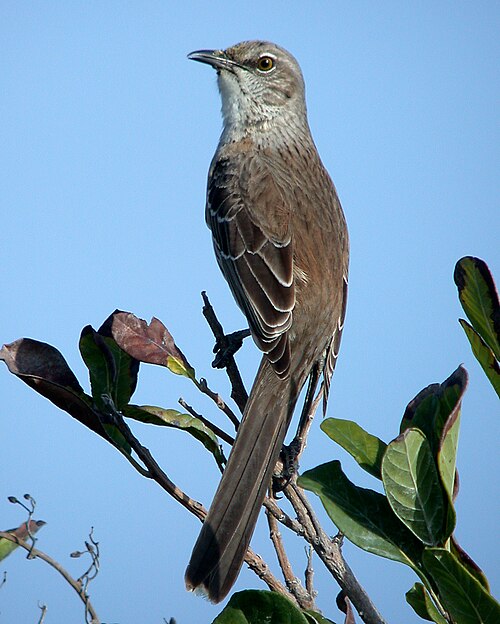
A long tail, often held cocked while the bird feeds, and a slender bill that is strongly decurved in part of the family are the marks to look for; the bill sweeps sideways through leaf litter and loose soil, throwing it aside until insects, larvae and seeds are exposed. Much of the song consists of imitated snatches of other birds, of frogs and of sounds from the surroundings, delivered in a rhythm that is fixed for each species: one repeats every phrase about three times before moving on, another exactly twice, a third strings the snatches together without repeating at all, so that the singer can be placed by ear. Unpaired males sing from an exposed perch, at night as well, and the repertoire keeps growing throughout life. The nest is a coarse twig cup low in a dense shrub or thorn thicket, and a breeding pair will attack cats, snakes and people that come too close without hesitating. Insects dominate the diet in summer, berries in winter.
Native species 10 species
Species that occur here by nature: breeding birds, winter visitors and passage migrants. They are arranged by genus, in the sequence of the list.
Dumetella 1 species

Toxostoma 7 species
-
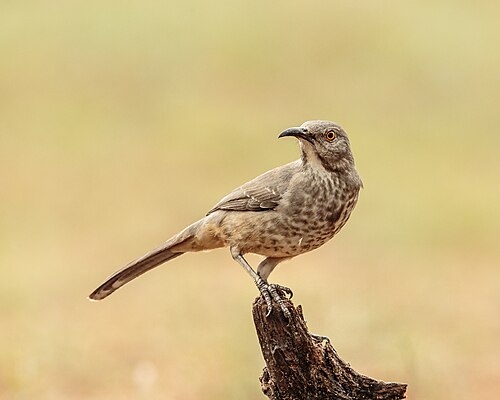
Curve-billed Thrasher
Toxostoma curvirostre Desert and semi-desert
 Thickets and woodland edge
 Pinyon-juniper and dry pine woodland
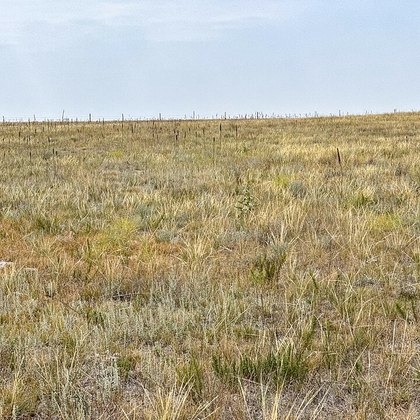 Shortgrass prairie
 Gardens and parks
-

Brown Thrasher
Toxostoma rufum- Thickets and woodland edge
 Deciduous forest
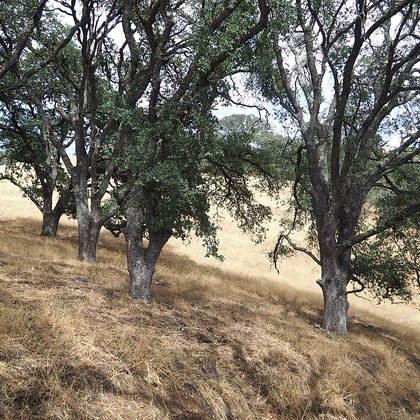 Savanna and oak woodland
 Arable land
- Gardens and parks
-

Long-billed Thrasher
Toxostoma longirostre- Thickets and woodland edge
 Subtropical and tropical forest
 Riparian zone
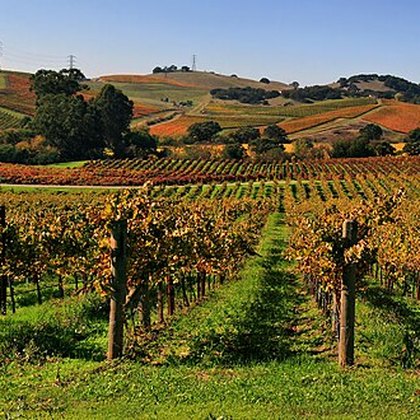 Orchard and vineyard
- Gardens and parks
-
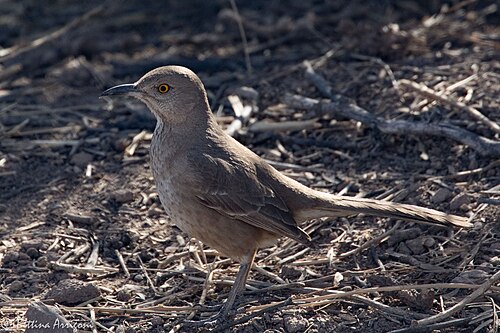
Bendire's Thrasher
Toxostoma bendirei- Desert and semi-desert
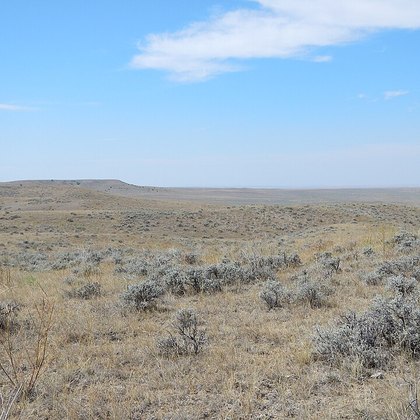 Sagebrush steppe
- Pinyon-juniper and dry pine woodland
- Shortgrass prairie
 Pasture and rangeland
-

California Thrasher
Toxostoma redivivum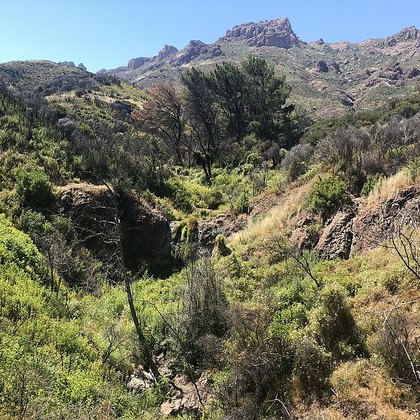 Chaparral
- Thickets and woodland edge
- Savanna and oak woodland
- Riparian zone
- Pinyon-juniper and dry pine woodland
-
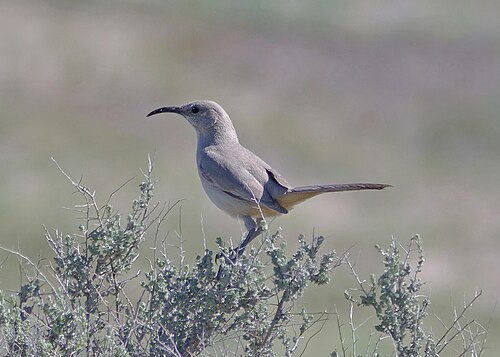
LeConte's Thrasher
Toxostoma lecontei- Desert and semi-desert
 Sand and alkali flats
- Thickets and woodland edge
- Shortgrass prairie
-

Crissal Thrasher
Toxostoma crissale- Desert and semi-desert
- Thickets and woodland edge
- Riparian zone
- Pinyon-juniper and dry pine woodland
- Chaparral
Oreoscoptes 1 species
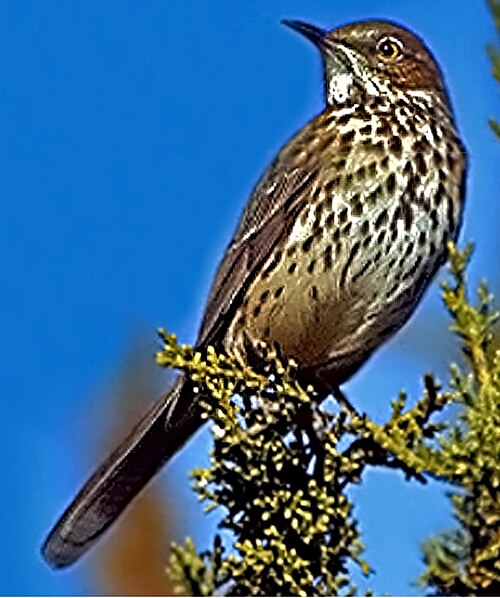
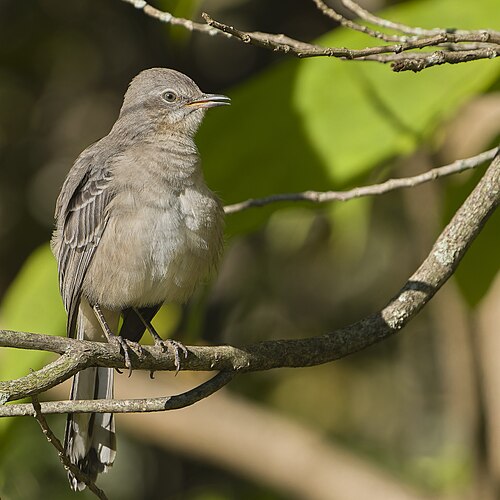

Vagrants 1 species
Birds blown in from other continents, or from far outside their usual range.