All species › Passerines › Swallows
Swallows | Hirundinidae
Zwaluwen | Golondrinas y aviones
Insects are not taken from a perch but caught in long, banking sweeps low over water, pasture or road surface, often just behind grazing cattle or a mower that flushes the prey; unlike other aerial hunters, these birds do settle readily on wires and thin branches. There are three ways of nesting: a tunnel dug with bill and feet into a steep sandy bank, a cavity or nest box lined with feathers, and a cup or a closed, flask-shaped structure of mud pellets carried in one by one and plastered against a beam, bridge pier or rock overhang — sometimes hundreds of nests side by side. The voice is a liquid, chattering babble; one sharp alarm call brings a whole colony into the air at once. After fledging the young are fed on the wing for days, and towards migration large flocks gather in reed beds at dusk.
Native species 8 species
Species that occur here by nature: breeding birds, winter visitors and passage migrants. They are arranged by genus, in the sequence of the list.
Hirundo 1 species
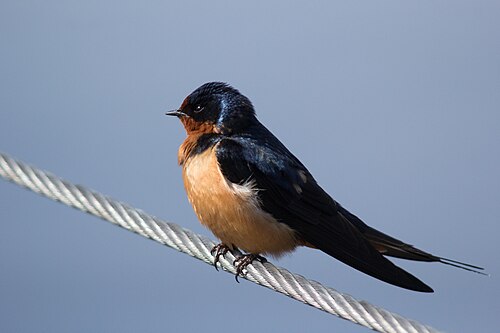
Petrochelidon 2 species
-

Cave Swallow
Petrochelidon fulva Rock, cliff and talus
 Desert and semi-desert
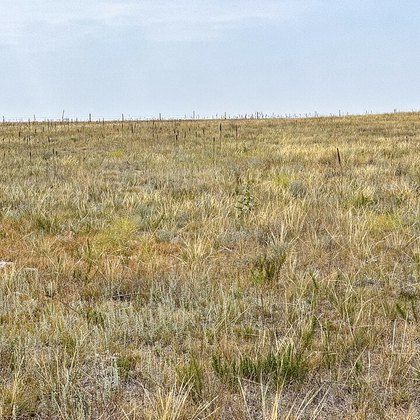 Shortgrass prairie
 Pasture and rangeland
 Reservoirs and ponds
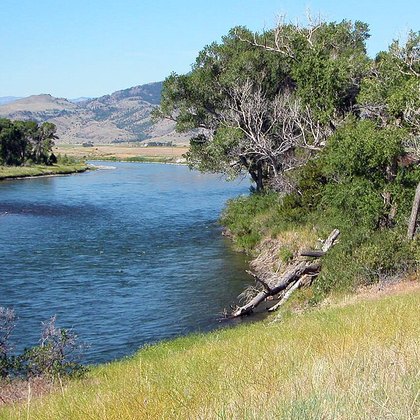 Rivers and streams
 Town and city
-
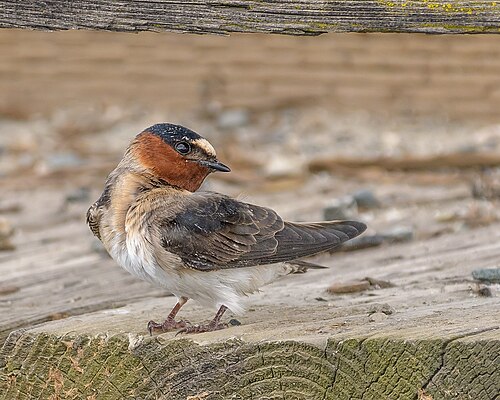
Cliff Swallow
Petrochelidon pyrrhonota- Rock, cliff and talus
- Rivers and streams
- Reservoirs and ponds
- Shortgrass prairie
- Pasture and rangeland
 Arable land
- Town and city
Progne 1 species

Riparia 1 species
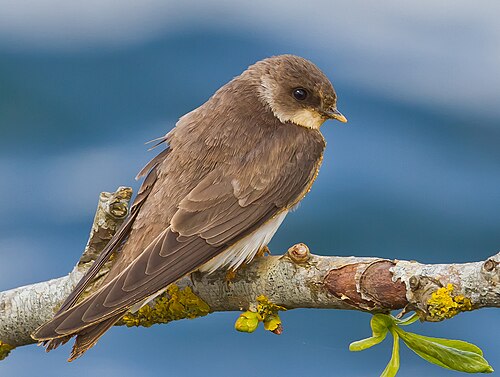
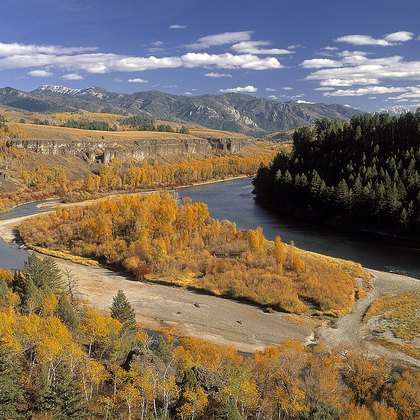

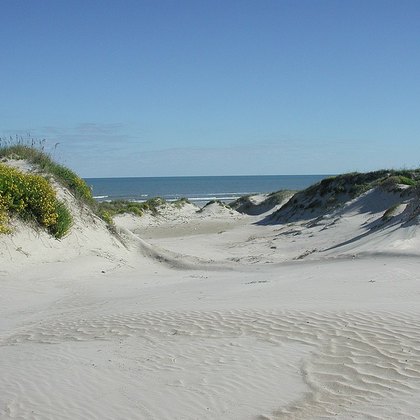
Stelgidopteryx 1 species
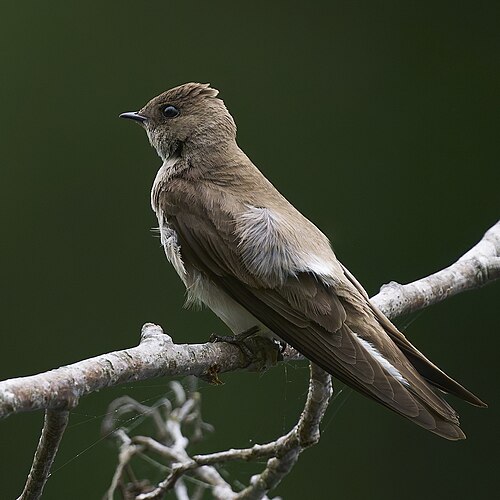
Tachycineta 2 species
-

Tree Swallow
Tachycineta bicolor Lakes and ponds
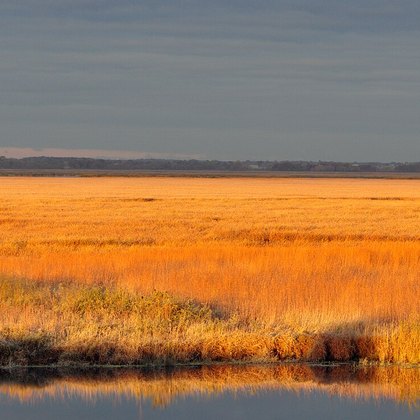 Freshwater marsh
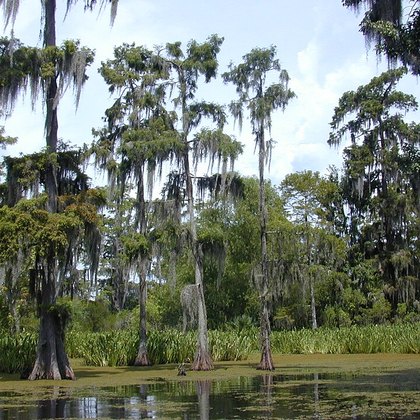 Swamp forest
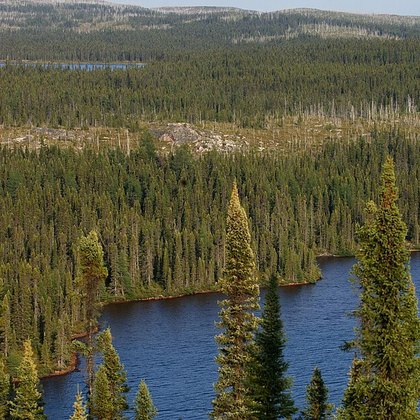 Boreal conifer forest
- Pasture and rangeland
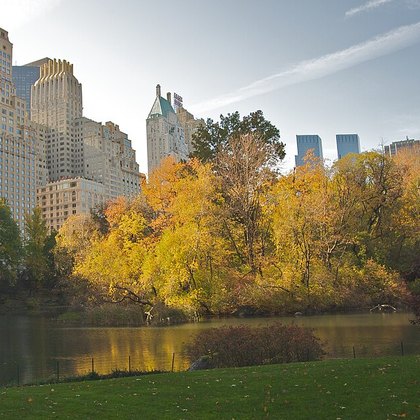 Gardens and parks
-

Violet-green Swallow
Tachycineta thalassina Montane and coastal conifer forest
 Pinyon-juniper and dry pine woodland
- Rock, cliff and talus
 Deciduous forest
- Town and city
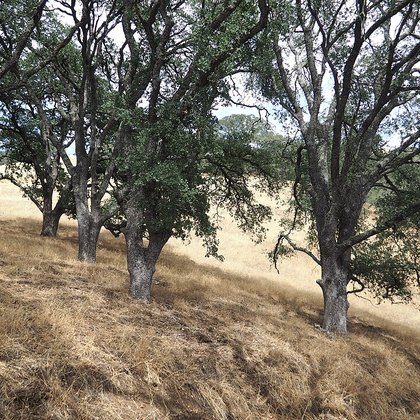 Savanna and oak woodland