All species › Tubenoses › Northern storm petrels
Northern storm petrels | Hydrobatidae
Noordelijke stormvogeltjes | Paíños del norte
Food is picked from the surface while the bird flutters just above it and taps the water with its feet, wings held up and body almost still; small crustaceans, tiny fish and droplets of oil are taken this way. The nostrils sit in a tube on top of the bill, and the sense of smell is so well developed that an oil slick at sea is found from far off and the bird locates its own burrow in the dark by scent. Breeding takes place on uninhabited islands, in a self-dug tunnel or a rock crevice, with one white egg; if a parent stays away longer to feed, that egg can lie cold for several days without being lost. The chick is fed an energy-rich stomach oil and at its heaviest weighs more than an adult. The colony is visited only after dark, to avoid gulls; from the burrows comes a steady purring and chattering. A bird handled at the nest will spray that stomach oil at the intruder.
Native species 6 species
Species that occur here by nature: breeding birds, winter visitors and passage migrants. They are arranged by genus, in the sequence of the list.
Hydrobates 6 species
-

Fork-tailed Storm-Petrel
Hydrobates furcatus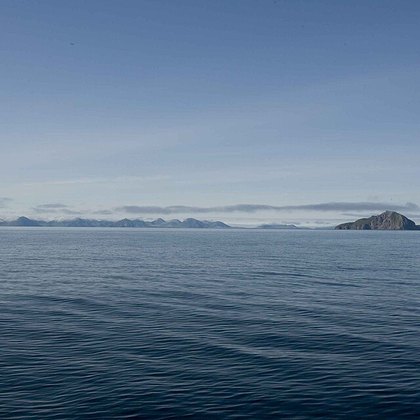 Open ocean
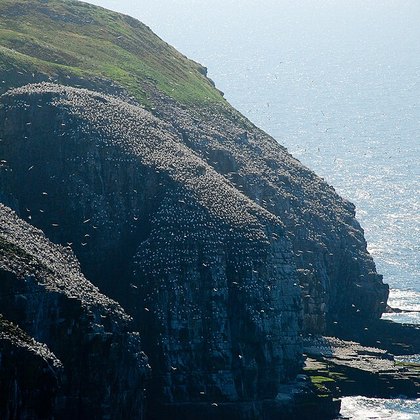 Sea cliffs
-

Band-rumped Storm-Petrel
Hydrobates castro- Open ocean
 Rock, cliff and talus
-
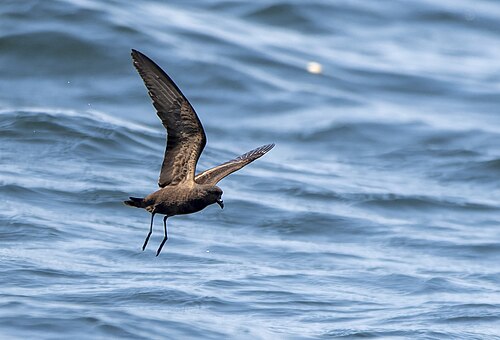
Black Storm-Petrel
Hydrobates melania- Open ocean
 Kelp forest and shallow seabed
- Sea cliffs
-
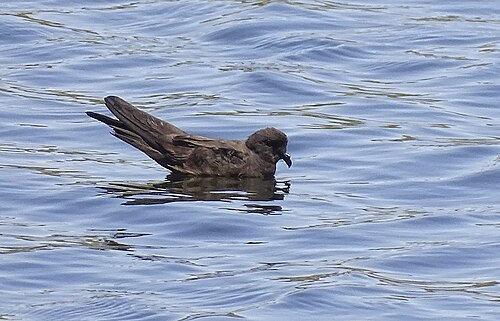
Least Storm-Petrel
Hydrobates microsoma- Open ocean
- Sea cliffs
-
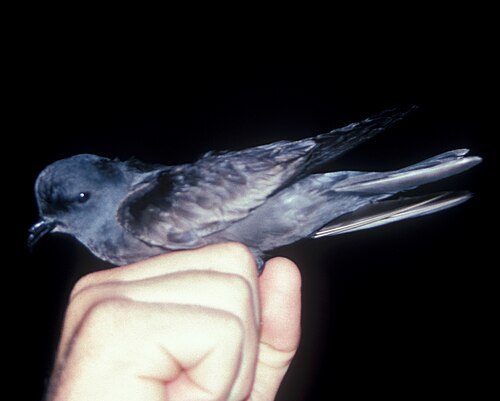
Ashy Storm-Petrel
Hydrobates homochroa- Kelp forest and shallow seabed
- Open ocean
- Sea cliffs
-

Leach's Storm-Petrel
Hydrobates leucorhous- Open ocean
- Sea cliffs
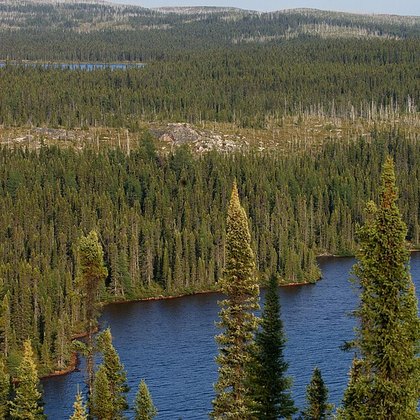 Boreal conifer forest
- Rock, cliff and talus
Vagrants 4 species
Birds blown in from other continents, or from far outside their usual range.


