All species › Passerines › Swallows › Cave Swallow
Cave Swallow | Petrochelidon fulva
Holenzwaluw | Golondrina pueblera
In North America the Cave Swallow originally nested in the limestone caves and sinkholes of Texas and New Mexico. From the middle of the twentieth century it took to culverts and bridges and the range grew sharply; a separate, year-round population sits in southern Florida and the Greater Antilles.
Voice
The song lasts three to four seconds: a series of squeaky notes running into a sustained, varied warble, fuller and lower than that of Cliff Swallow. The usual call is a high, nasal che, also given in disturbance at the nest. Around a colony there is sound through most of the day from March to August.
Recording: Andrew Spencer — CC BY-NC-SA 3.0 · Miami, Miami-Dade County, Florida, United States · xeno-canto
Identification
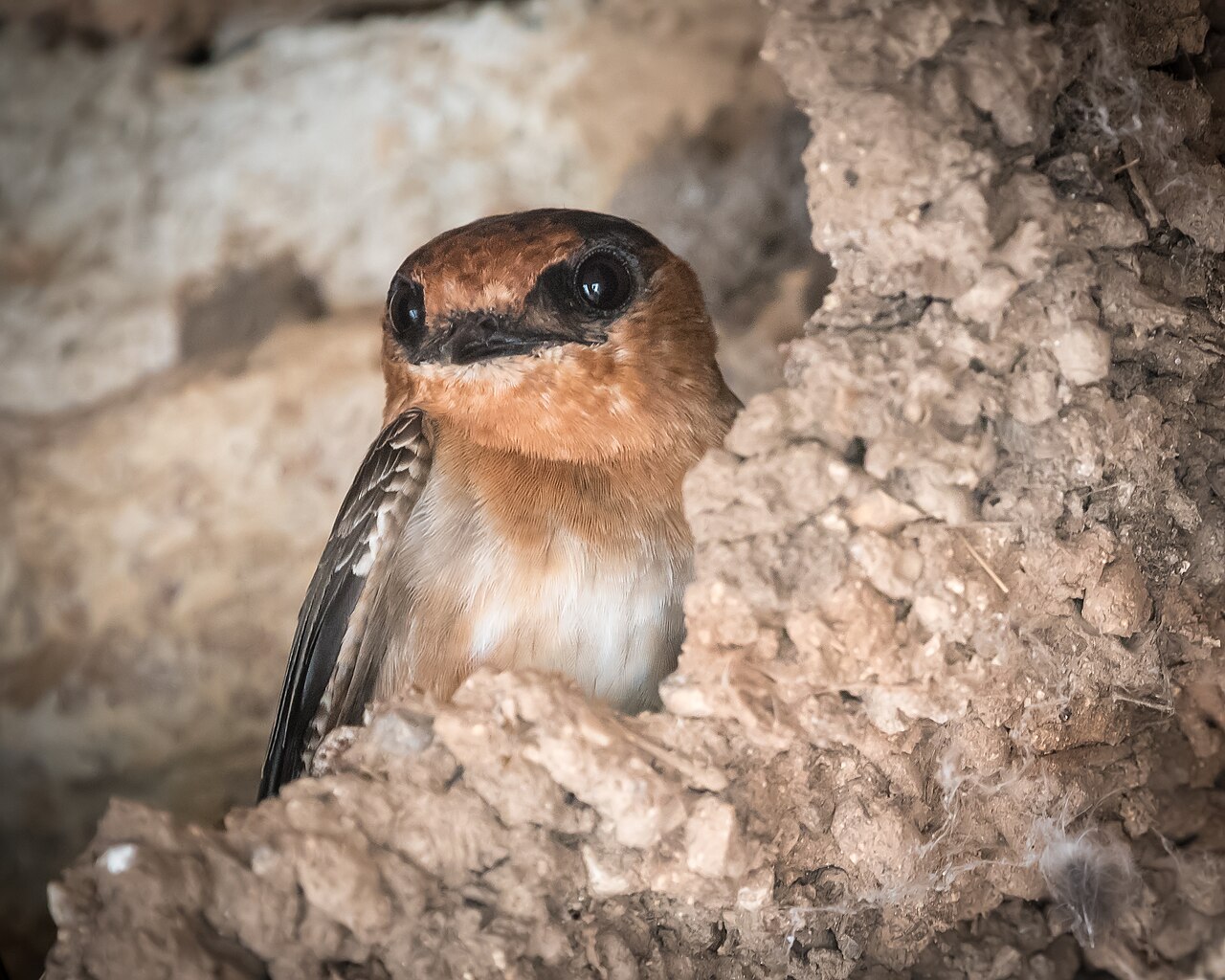
A small swallow with a square tail, dark blue-black upperparts and a buff rump. The forehead is cinnamon to chestnut, the throat pale buff and without a dark patch; cheeks and throat run into one another without a border. Underparts dingy white with buff sides. Birds of Florida and the Caribbean have a warmer rufous throat than those of Texas. Young birds are duller, with a vague forehead patch.
Confusion species
Cliff Swallow is the only real problem: it has a white or cinnamon forehead patch above a dark chestnut throat with a black breast patch — in Cave Swallow the dark part is on the forehead and the pale part on the throat. In flight, the pale throat of Cave Swallow barely contrasts with the white belly, while in Cliff Swallow a sharply marked dark throat stands against white. Barn Swallow has a forked tail and no pale rump.
Habitat
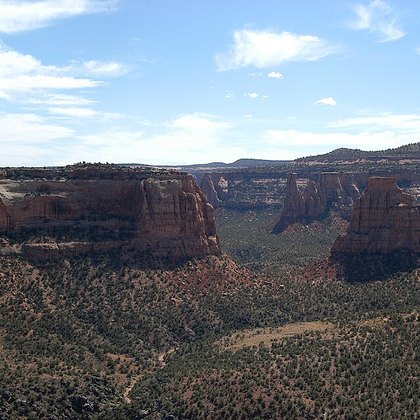
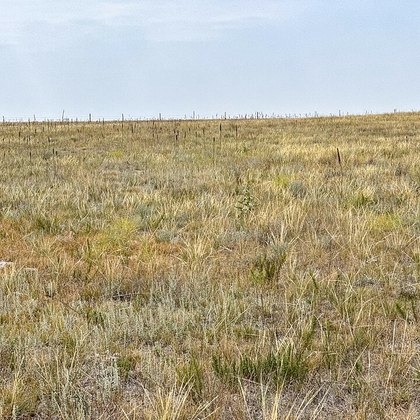
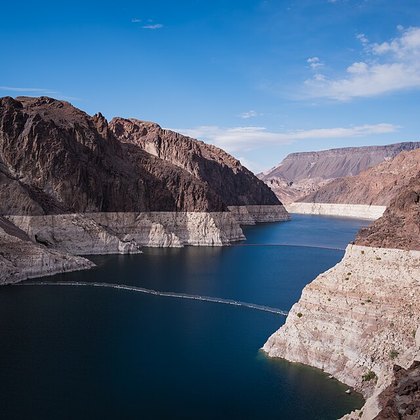
Limestone caves, sinkholes and abandoned mines in dry hill and prairie country, and increasingly concrete culverts under roads and bridges over highways. Forages over open grassland, cropland, cattle pasture and water. In Florida chiefly over farmland and along canals.
Where the bird is most often found, arranged by the USNVC — the vegetation classification of the United States and Canada — and CMECS for sea and coast.



Range and movements
The North American core lies on the Edwards Plateau, in Trans-Pecos Texas and in southeastern New Mexico, with expansion north and east: between 1957 and 1999 the North American breeding range grew by nearly nine hundred per cent. It also breeds over much of Mexico and is present year-round on Cuba, Jamaica, Hispaniola and Puerto Rico, and in southern Florida since the 1980s. Texan birds winter largely in Mexico. In late autumn, from October to December, small parties appear each year on the Atlantic coast and at the Great Lakes, far outside the breeding range.
- Resident
- Breeding (summer)
- Winter
- Passage
- dark = core range, pale = thinly spread
Where and when to look
Drive a road on the Edwards Plateau in May or June and stop at every concrete culvert: the birds flush out from under the road as you approach. On the east coast the best chance comes with an onshore wind in late November, when parties hunt along sea walls and piers — watch the pale throat then, since Cliff Swallow has long since gone.
Conservation
The IUCN lists the species as Least Concern (LC) and numbers are rising; the expansion is tied directly to the building of culverts and bridges. The pressures are hosing out or closing off culverts during the breeding season and disturbance at caves. In Florida the population is small and confined to a handful of artificial nest sites.
Scientific name
Petrochelidon fulva | (Vieillot, 1808)
Vieillot described the species in 1808 as Hirundo fulva, from a specimen from Santo Domingo on Hispaniola; its placement in another genus puts author and year in parentheses. Petrochelidon is from Greek petros 'rock' and khelidon 'swallow'. The species name fulva is Latin for 'tawny' and refers to the buff rump and throat. The English name and the Dutch holenzwaluw point to the original nest site in caves, the Spanish golondrina pueblera to its present use of buildings.