All species › Owls › Typical owls
Typical owls | Strigidae
Echte uilen | Búhos y cárabos
The facial disc is round and the eyes are large, with an iris ranging from yellow to almost black; many species carry two erectile feather tufts on the head, which have nothing to do with hearing but do break up the head's outline. The inner toe is shorter than the middle toe and the middle claw is smooth; within this one family size runs from a bird of sixty grams to one of three kilos, with densely feathered toes in the northern species and bare or bristled toes in the southern ones. The voice consists of low, far-carrying notes or clear whistles that hold the territory outside the breeding season as well — usually the first thing by which the species is known. Nesting is in a tree hole, an old crow or raptor nest, on a cliff ledge or simply on the ground; the female incubates and broods, the male brings in all the food.
Native species 16 species
Species that occur here by nature: breeding birds, winter visitors and passage migrants. They are arranged by genus, in the sequence of the list.

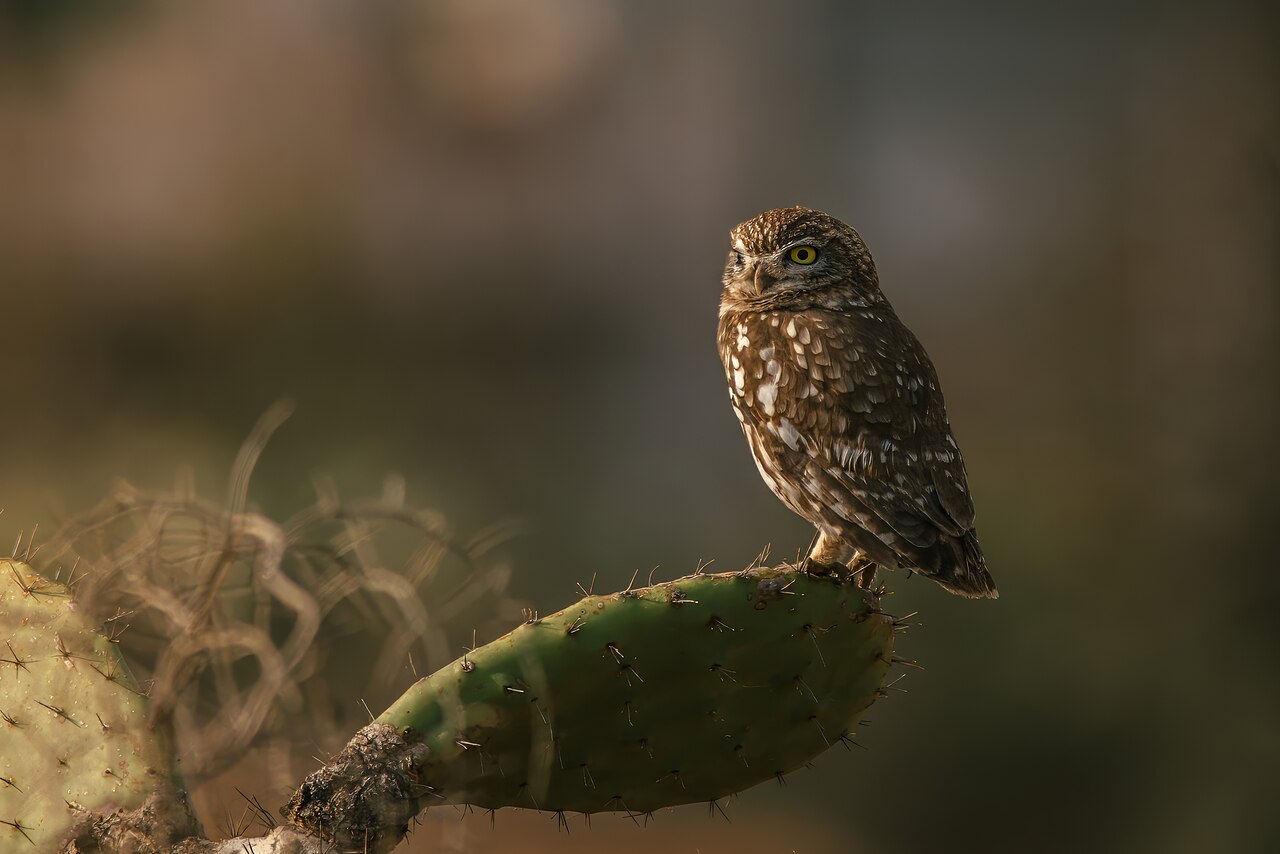
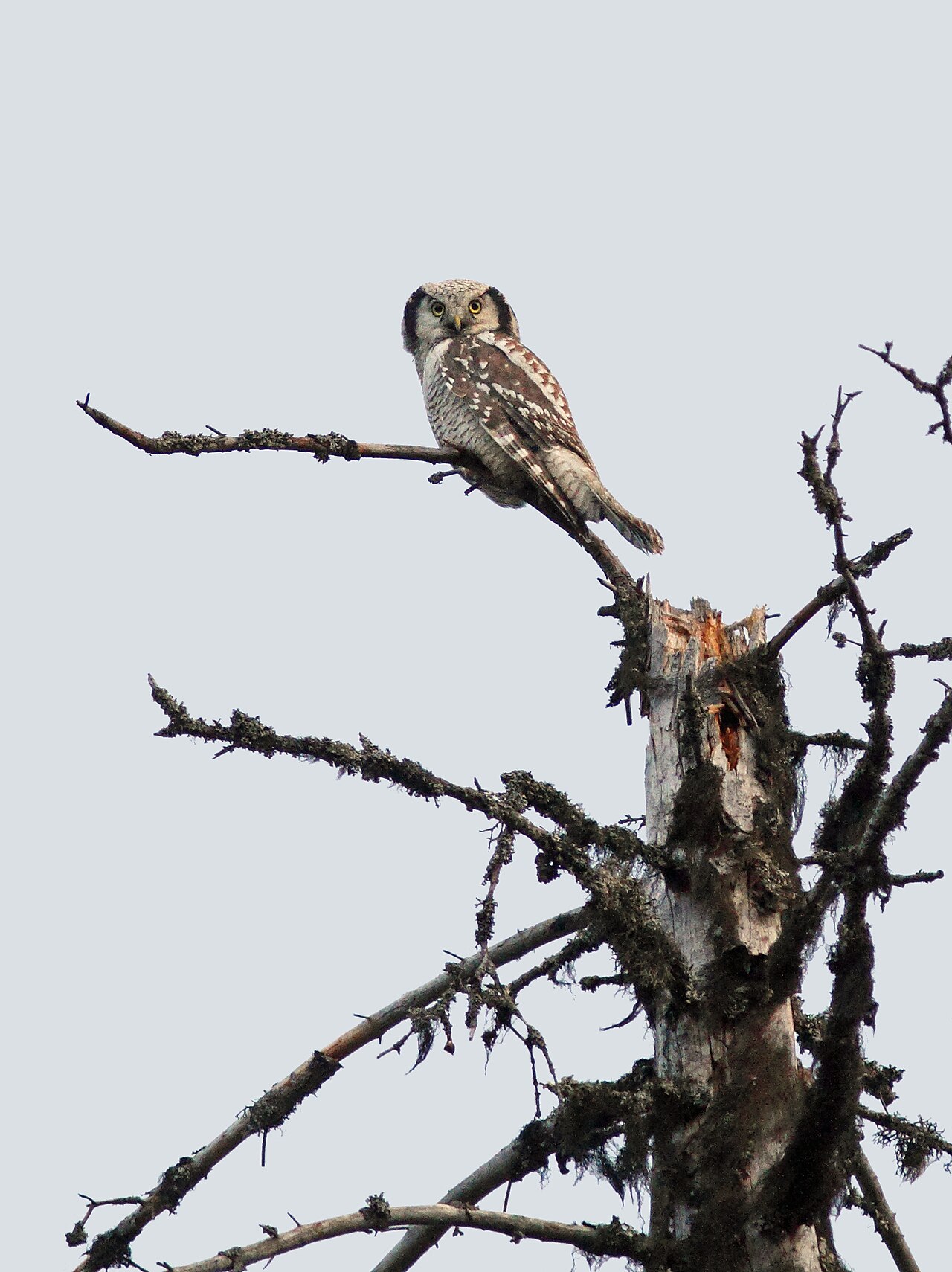
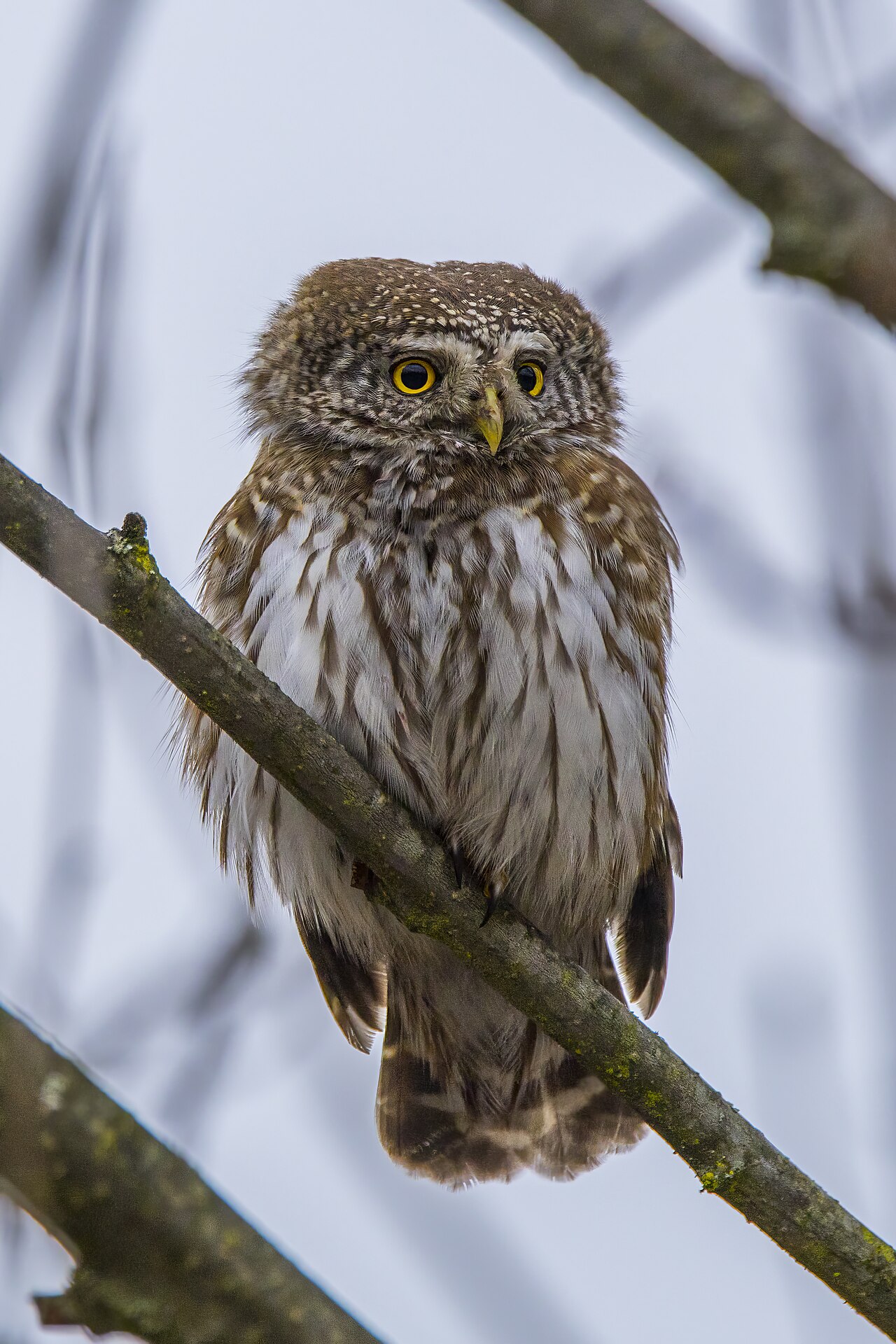
Otus 3 species
-
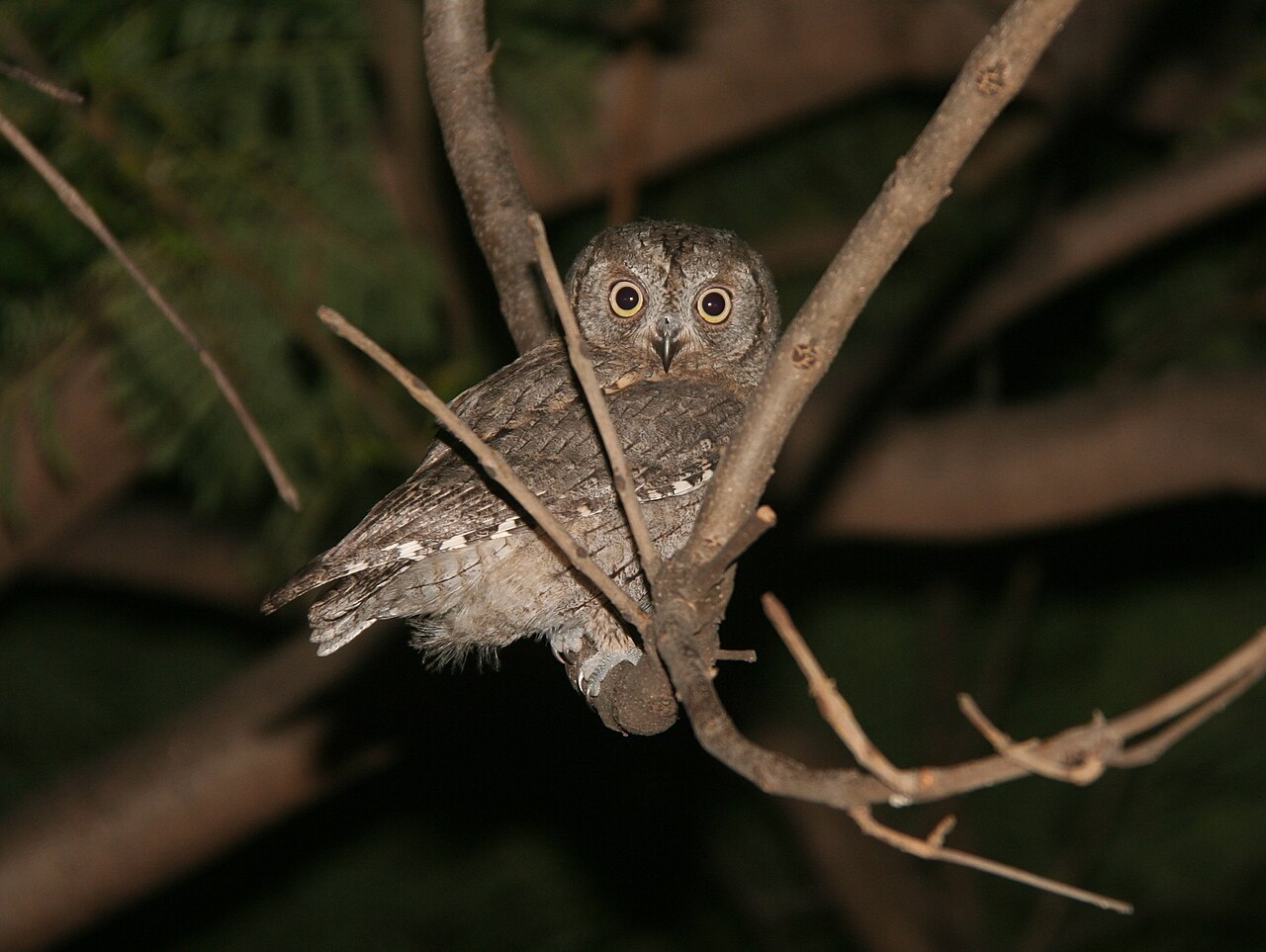
Eurasian scops-owl
Otus scops Lines of trees, small woods, felled and early-stage woodland
 Cultivated areas of gardens and parks
 Sparsely wooded grasslands
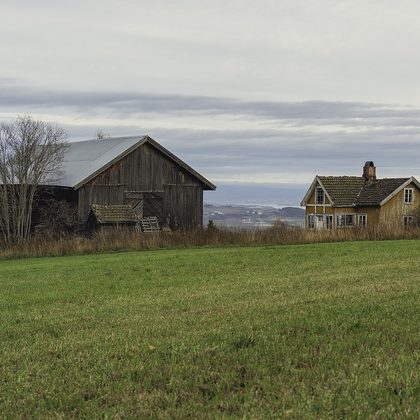 Low density buildings
 Broadleaved deciduous woodland
-

Cyprus scops owl
Otus cyprius- Lines of trees, small woods, felled and early-stage woodland
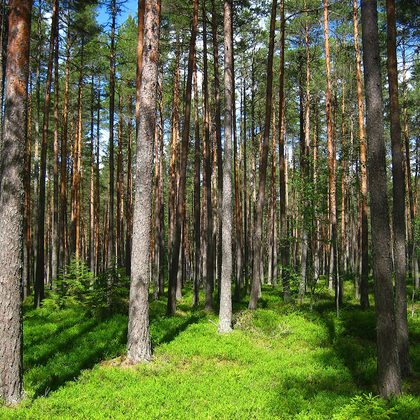 Coniferous woodland
- Cultivated areas of gardens and parks
- Low density buildings
- Sparsely wooded grasslands
-

Pallid scops owl
Otus brucei- Broadleaved deciduous woodland
- Cultivated areas of gardens and parks
 Riverine and fen scrub
- Lines of trees, small woods, felled and early-stage woodland
- Low density buildings
Asio 2 species
-
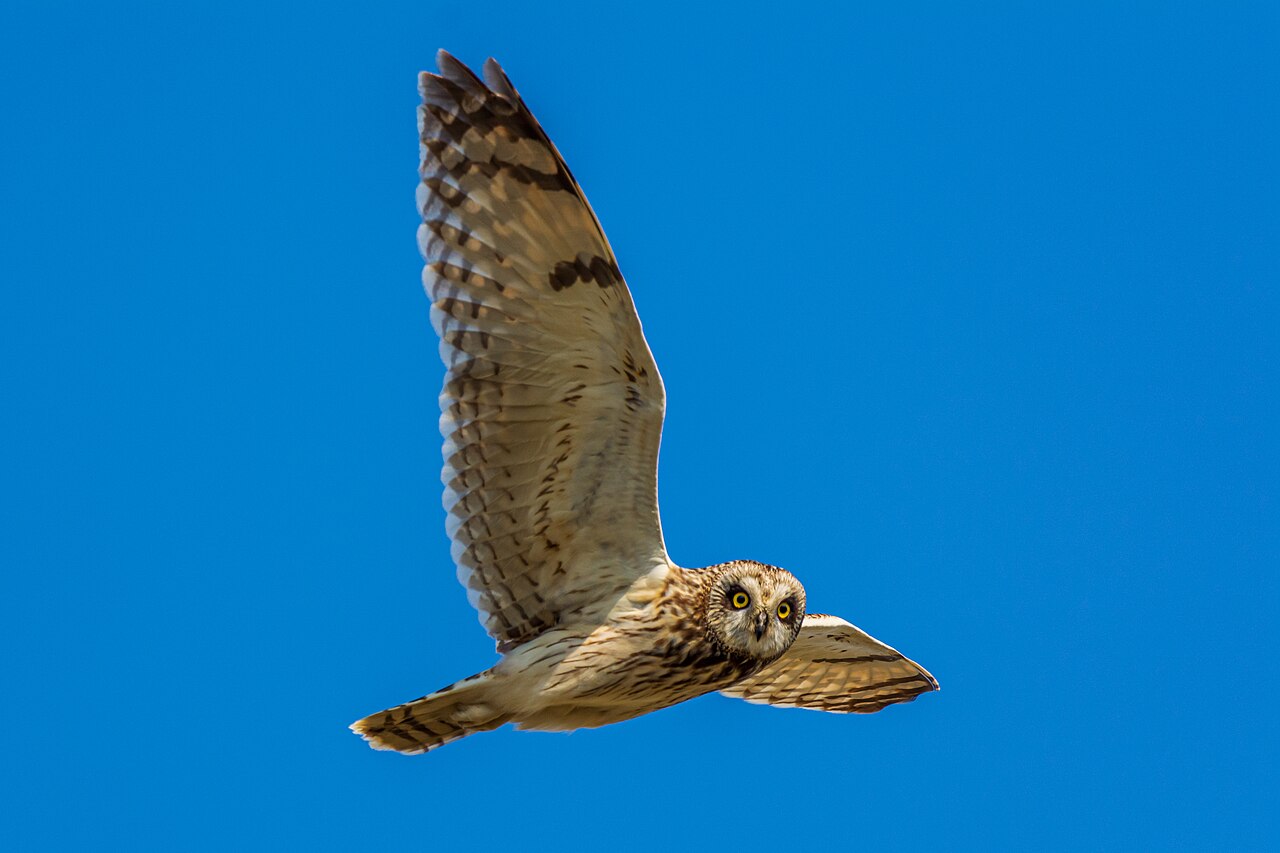
Short-eared owl
Asio flammeus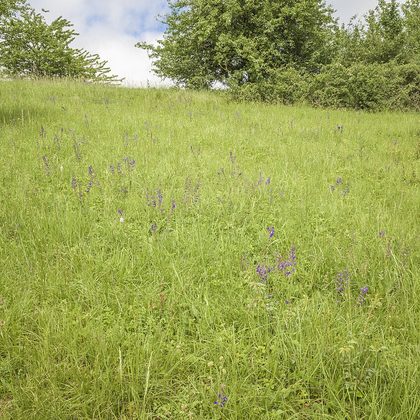 Mesic grasslands
 Littoral sediment
 Arable land and market gardens
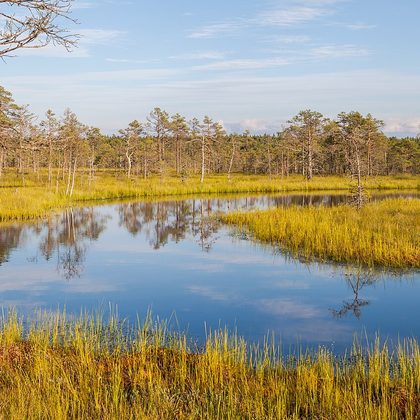 Raised and blanket bogs
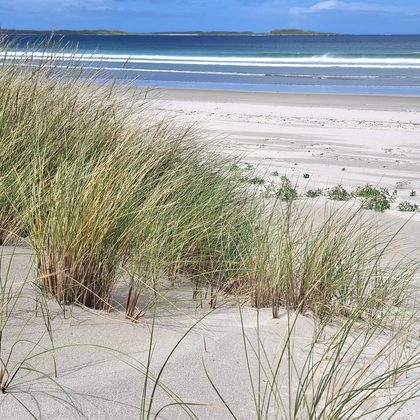 Coastal dunes and sandy shores
-
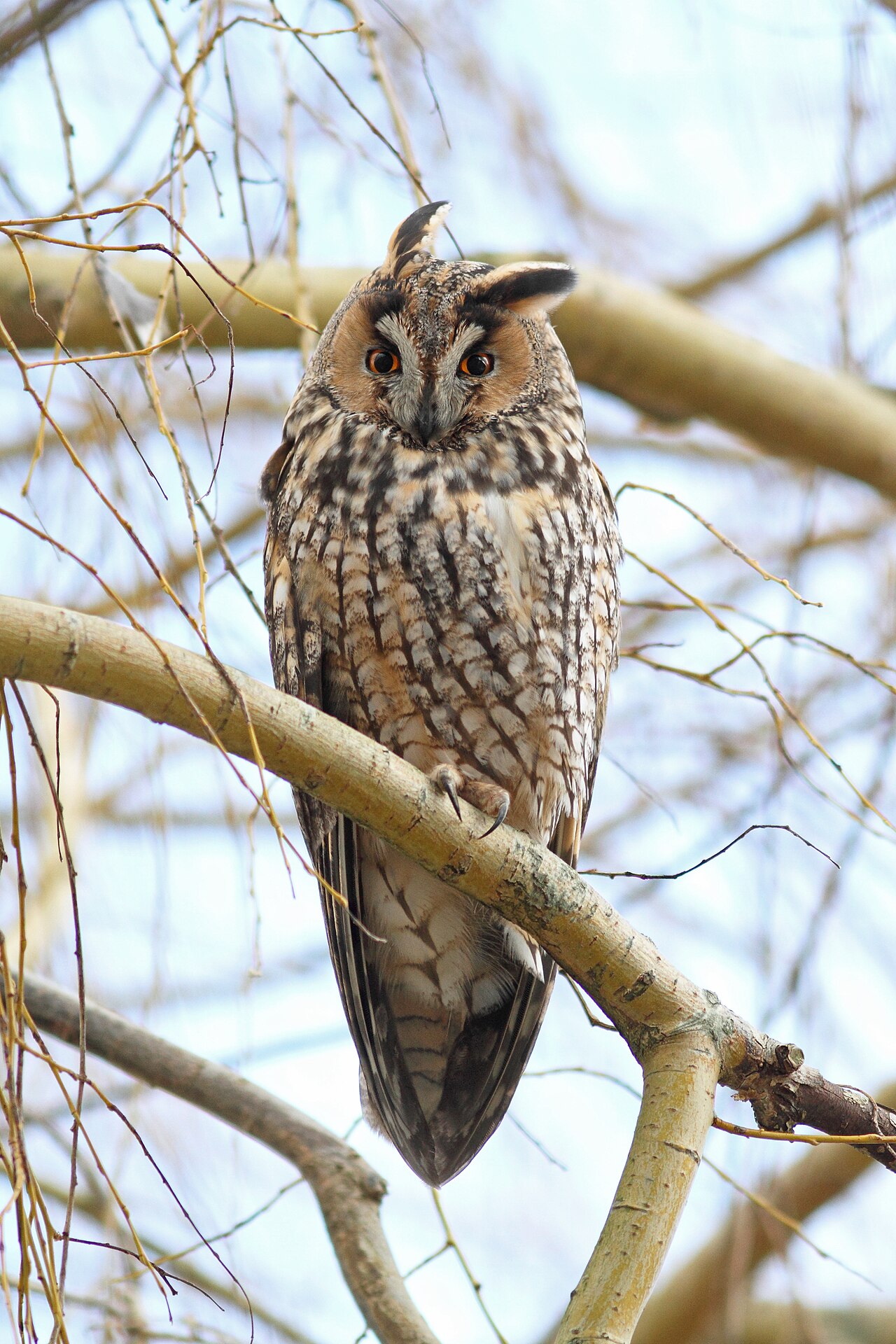
Long-eared owl
Asio otus- Lines of trees, small woods, felled and early-stage woodland
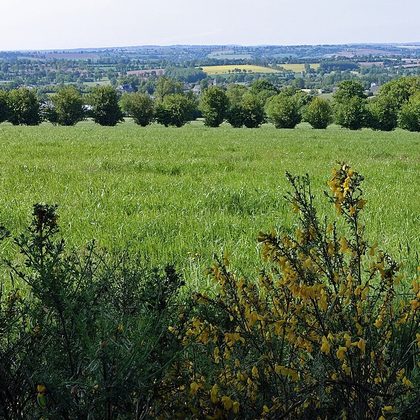 Hedgerows
- Arable land and market gardens
- Mesic grasslands
- Coniferous woodland
- Low density buildings
Bubo 3 species
-

Snowy owl
Bubo scandiacus Tundra
 Miscellaneous inland habitats with sparse or no vegetation
- Coastal dunes and sandy shores
- Arable land and market gardens
-
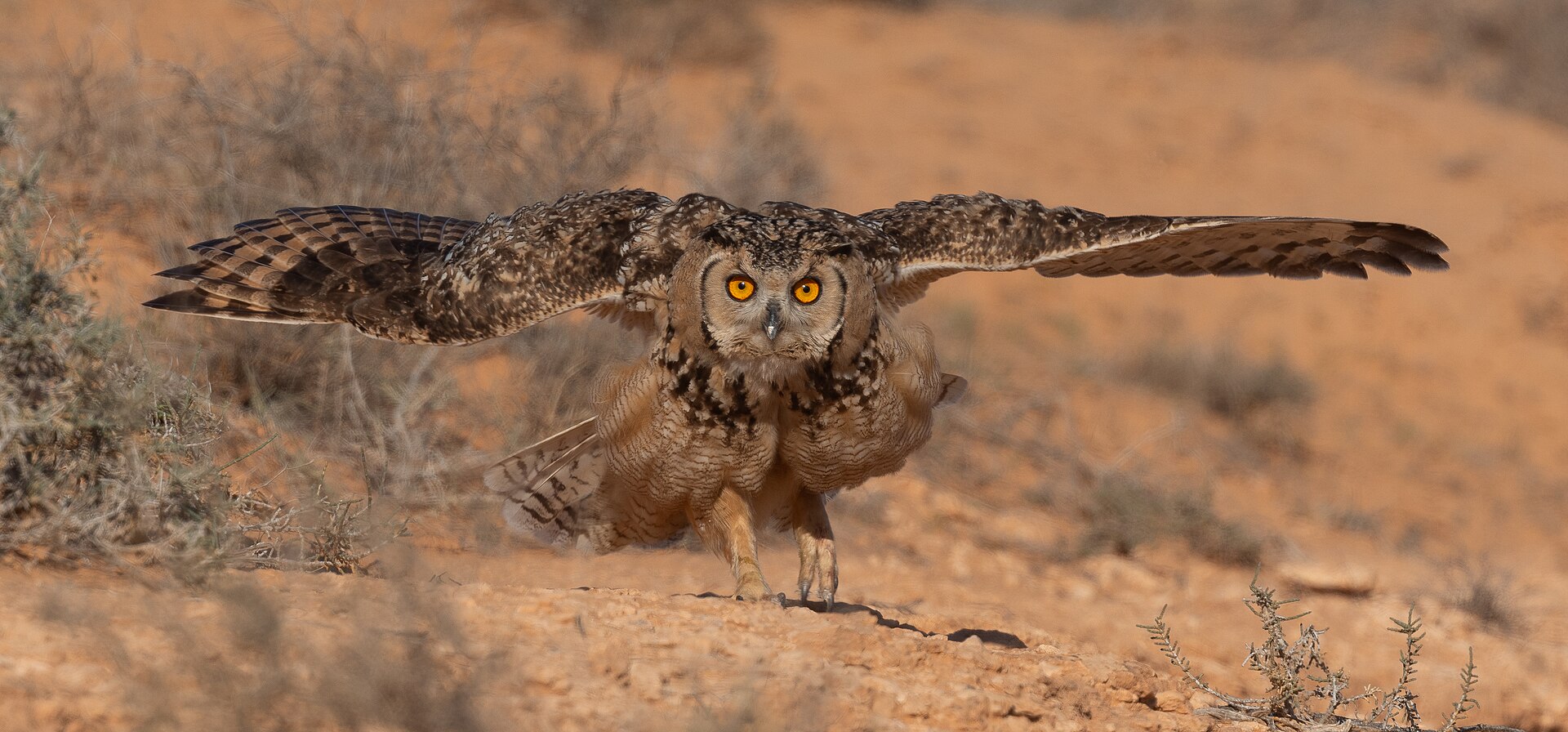
Pharaoh eagle-owl
Bubo ascalaphus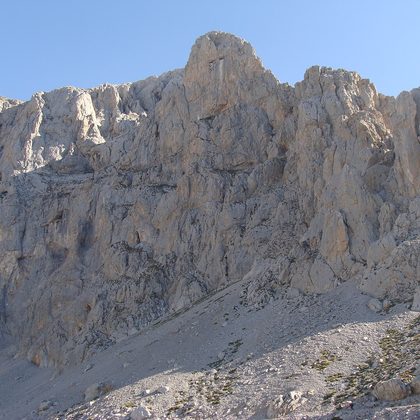 Inland cliffs, rock pavements and outcrops
- Miscellaneous inland habitats with sparse or no vegetation
 Screes
- Cultivated areas of gardens and parks
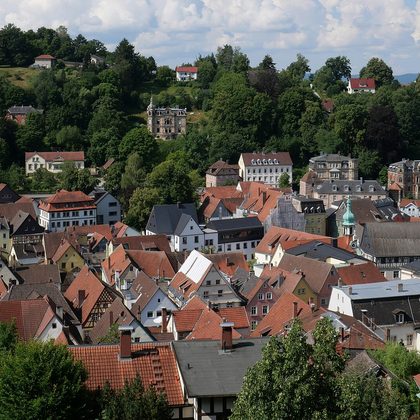 Buildings of cities, towns and villages
-

Eurasian eagle-Owl
Bubo bubo- Inland cliffs, rock pavements and outcrops
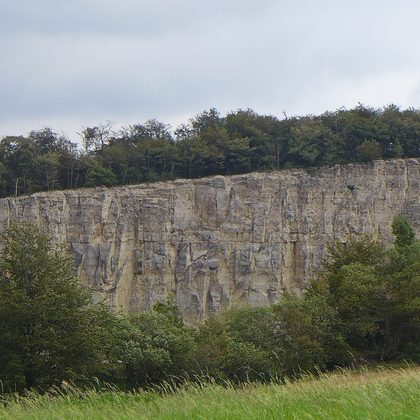 Extractive industrial sites
- Arable land and market gardens
- Broadleaved deciduous woodland
Strix 4 species
-

Tawny owl
Strix aluco- Broadleaved deciduous woodland
 Mixed deciduous and coniferous woodland
- Cultivated areas of gardens and parks
- Buildings of cities, towns and villages
-
Desert owl
Strix hadorami- Inland cliffs, rock pavements and outcrops
- Screes
- Miscellaneous inland habitats with sparse or no vegetation
- Cultivated areas of gardens and parks
-
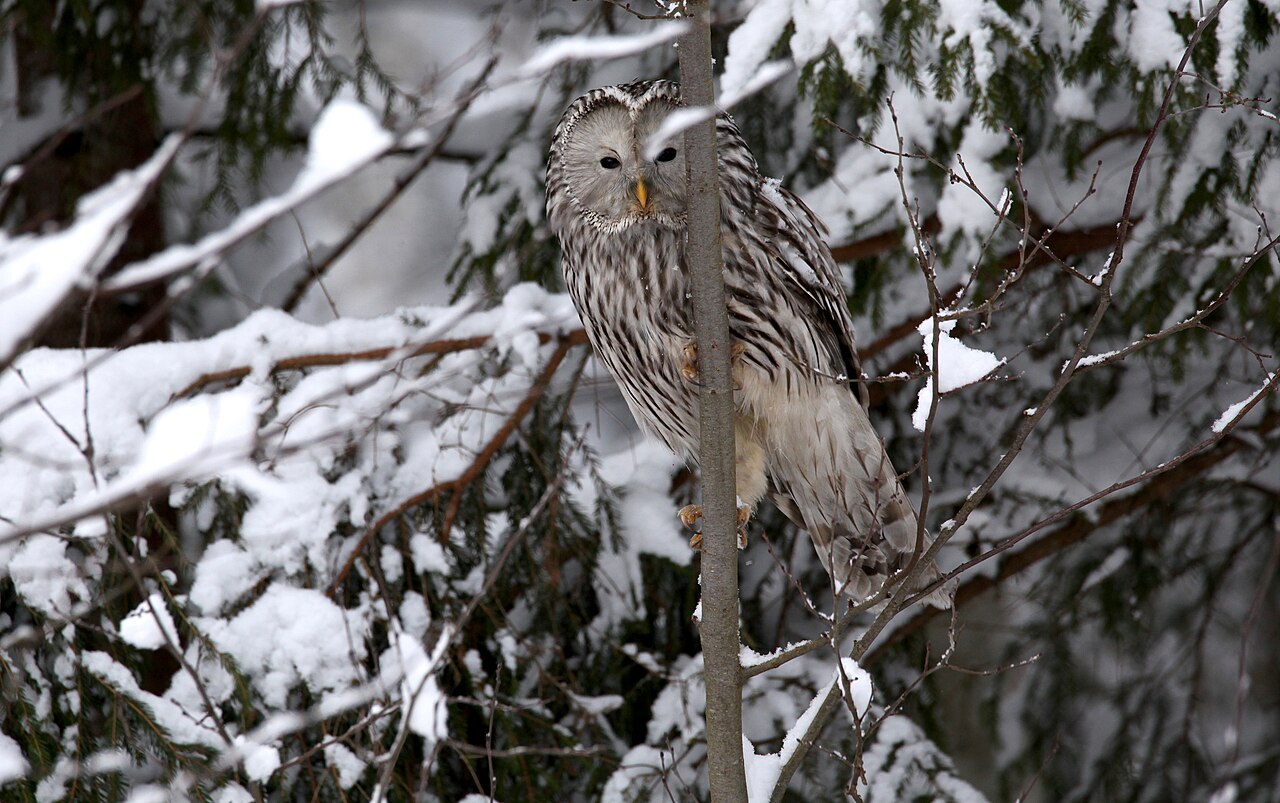
Ural owl
Strix uralensis- Mixed deciduous and coniferous woodland
- Coniferous woodland
- Broadleaved deciduous woodland
- Lines of trees, small woods, felled and early-stage woodland
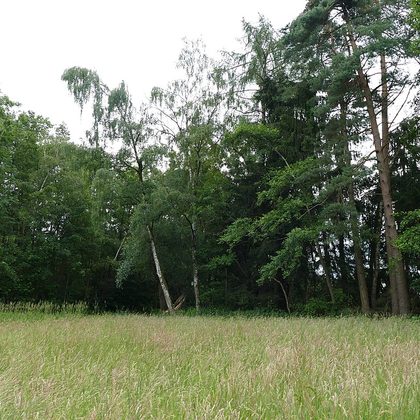 Woodland fringes, clearings and tall forb stands
-
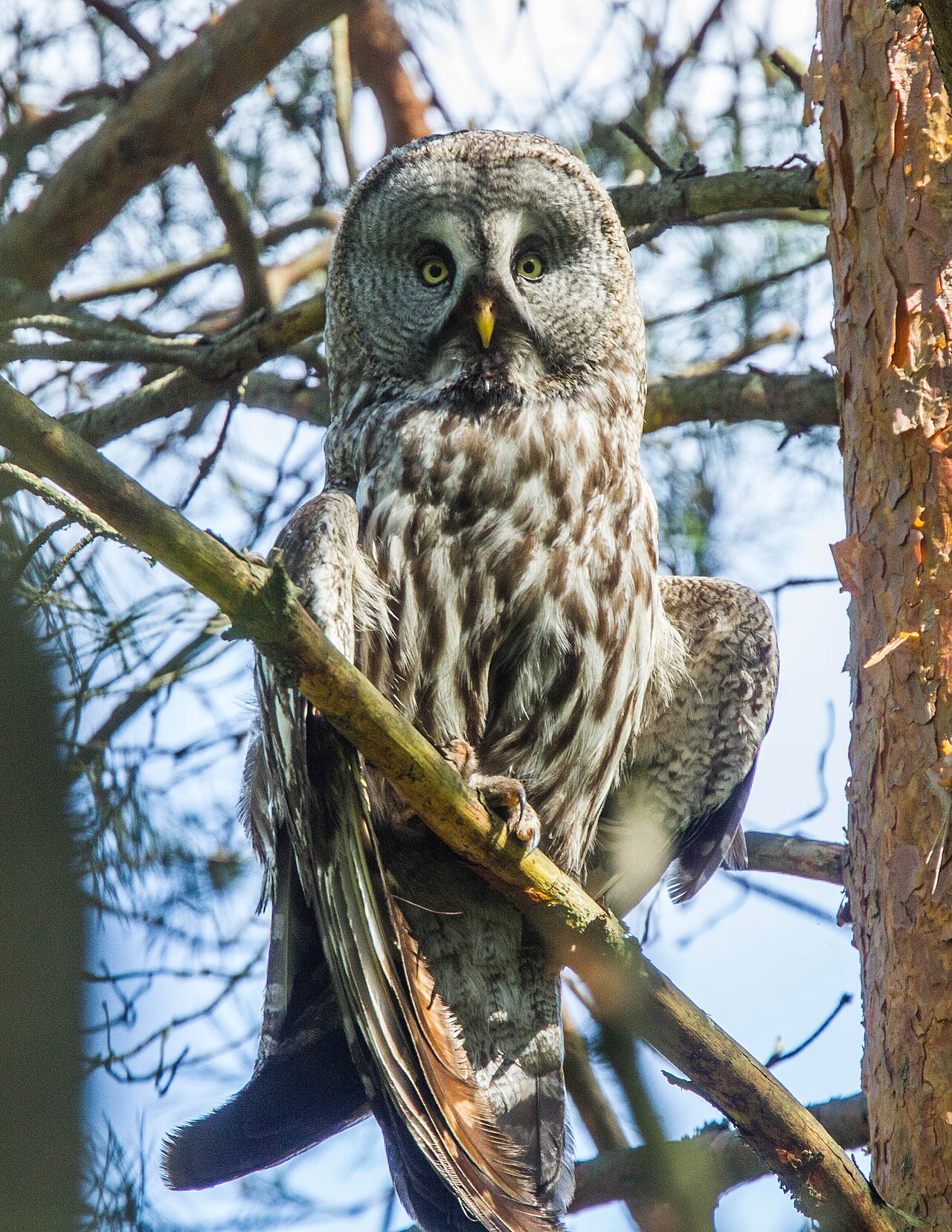
Great grey owl
Strix nebulosa- Coniferous woodland
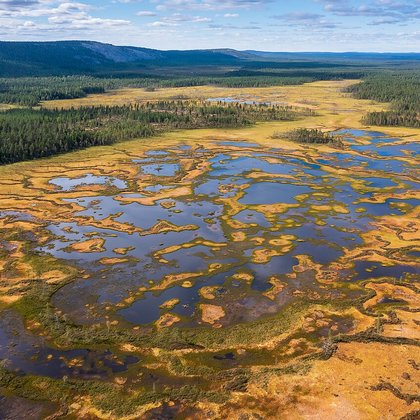 Aapa, palsa and polygon mires
- Lines of trees, small woods, felled and early-stage woodland
- Mixed deciduous and coniferous woodland
- Woodland fringes, clearings and tall forb stands