All species › Pelicans, herons and ibises › Herons, egrets and bitterns
Herons, egrets and bitterns | Ardeidae
Reigers | Garzas y avetoros | Garças e socós
The middle of the neck is built of shortened vertebrae, so the neck folds into a Z and can shoot forward in one movement, with the straight, pointed bill working as a spear or a pair of forceps. They hunt standing or walking slowly in shallow water for fish, amphibians, insects and small mammals, and they are the only long-legged waders that fly with the neck drawn back between the shoulders and the legs trailing past the tail. Patches of powder down on the breast and flanks crumble continuously; using the comb-like serrated claw of the middle toe they work that powder through the plumage to bind slime and fish oil. The nest is a platform of sticks or reeds, usually in a colony, and three to six eggs are laid with incubation starting from the first, so the chicks hatch a day or two apart and differ sharply in size. This guide covers 28 species in thirteen genera, five of them vagrants. Along shaded forest streams and banks in Amazonia live the tiger herons (Tigrisoma), the Boat-billed Heron (Cochlearius), Agamia, Zebrilus and the Capped Heron (Pilherodius); the large herons and egrets (Ardea, Egretta) gather on the open wetlands of the Llanos, the Pantanal and the coast, the Black-crowned Night Heron (Nycticorax), Nyctanassa, the Striated Heron (Butorides) and the bitterns (Botaurus) hunt mainly at dusk or hidden in dense waterside vegetation, and the Whistling Heron (Syrigma) and the Cattle Egret feed in dry grassland and among livestock. Ardeola is known only as a vagrant.
Native species 23 species
Species that occur here by nature: breeding birds, winter visitors and passage migrants. They are arranged by genus, in the sequence of the list.
Tigrisoma 2 species
-

Rufescent Tiger Heron
Tigrisoma lineatum Várzea (whitewater flooded forest)
 Lakes, baías and aquatic vegetation
 Flooded Llanos and esteros
 Lakes and reservoirs
 Palm swamps
-

Fasciated Tiger Heron
Tigrisoma fasciatum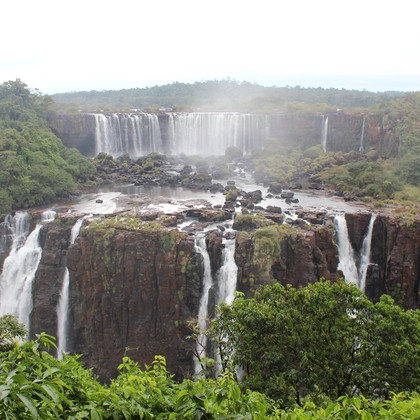 Rapids and waterfalls
 Montane forest of the Serra do Mar
 Highland forest of the Guiana Shield
 Montane forest of the Venezuelan Andes and Perijá
 Montane forest of the Venezuelan coastal range


Agamia 1 species

Zebrilus 1 species

Botaurus 3 species
-

Stripe-backed Bittern
Botaurus involucris- Flooded Llanos and esteros
 Southern marshes and lagoons
- Lakes, baías and aquatic vegetation
- Lakes and reservoirs
-

Least Bittern
Botaurus exilis Floating meadows and river islands
- Lakes, baías and aquatic vegetation
- Southern marshes and lagoons
- Flooded Llanos and esteros
- Lakes and reservoirs
-
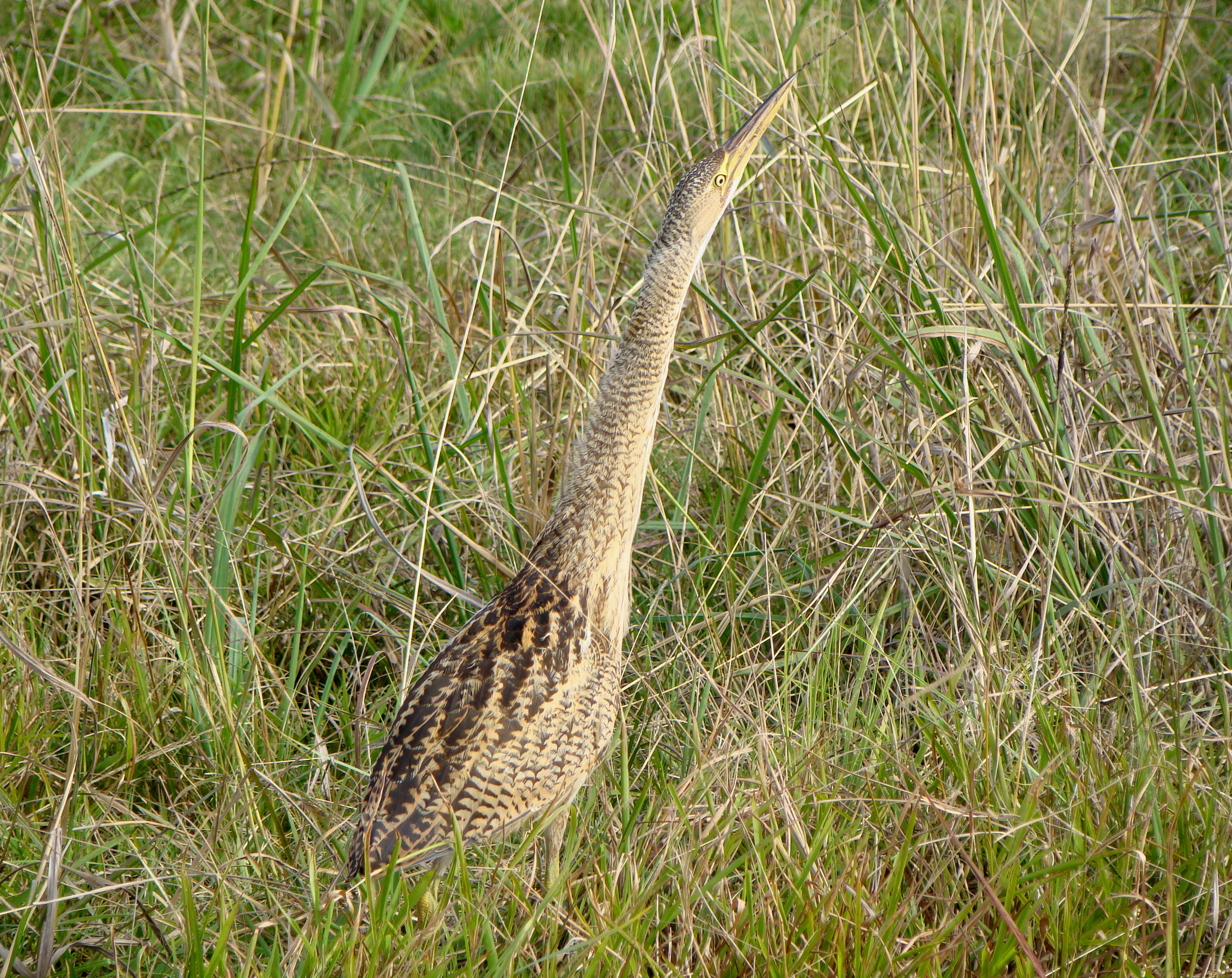
Pinnated Bittern
Botaurus pinnatus- Flooded Llanos and esteros
- Southern marshes and lagoons
 Seasonally flooded plain
 Savannas of the Guianas
 Pasture and arable land
Pilherodius 1 species

Syrigma 1 species


Egretta 5 species
-

Little Blue Heron
Egretta caerulea Mangroves
 Mudflats, lagoons and salt flats
- Lakes, baías and aquatic vegetation
- Lakes and reservoirs
- Floating meadows and river islands
- Pasture and arable land
-

Tricolored Heron
Egretta tricolor- Mangroves
- Mudflats, lagoons and salt flats
 Restinga
-

Reddish Egret
Egretta rufescens- Mudflats, lagoons and salt flats
- Mangroves
 Sandy beaches and dunes
-

Snowy Egret
Egretta thula- Mudflats, lagoons and salt flats
- Mangroves
- Lakes, baías and aquatic vegetation
- Lakes and reservoirs
- Floating meadows and river islands
- Pasture and arable land
- Southern marshes and lagoons
-

Little Egret
Egretta garzetta- Mudflats, lagoons and salt flats
- Mangroves
- Lakes and reservoirs
- Pasture and arable land
Nyctanassa 1 species


Butorides 2 species
-

Striated Heron
Butorides striata- Mangroves
- Várzea (whitewater flooded forest)
 Igapó (blackwater flooded forest)
 Blackwater rivers and small streams
- Lakes, baías and aquatic vegetation
- Lakes and reservoirs
-

Green Heron
Butorides virescens- Mangroves
- Mudflats, lagoons and salt flats
- Lakes and reservoirs
- Flooded Llanos and esteros
Ardea 4 species
-

Great Egret
Ardea alba- Lakes and reservoirs
- Lakes, baías and aquatic vegetation
- Flooded Llanos and esteros
- Mudflats, lagoons and salt flats
- Mangroves
- Floating meadows and river islands
-

Cattle Egret
Ardea ibis- Pasture and arable land
- Seasonally flooded plain
 Llanos savanna
 Pampa grassland
 Towns, cities and gardens
-

Cocoi Heron
Ardea cocoi Large rivers and sandbars
- Lakes and reservoirs
- Lakes, baías and aquatic vegetation
- Flooded Llanos and esteros
- Várzea (whitewater flooded forest)
- Mangroves
-

Great Blue Heron
Ardea herodias- Mudflats, lagoons and salt flats
- Mangroves
- Lakes and reservoirs
- Flooded Llanos and esteros
Vagrants 5 species
Birds blown in from other continents. They have no range here, and so no distribution map.
-

American Bittern
Botaurus lentiginosus- Flooded Llanos and esteros
- Lakes and reservoirs
-

Western Reef Heron
Egretta gularis- Mudflats, lagoons and salt flats
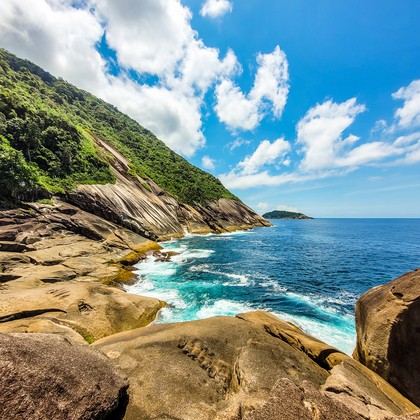 Rocky shores and cliffs
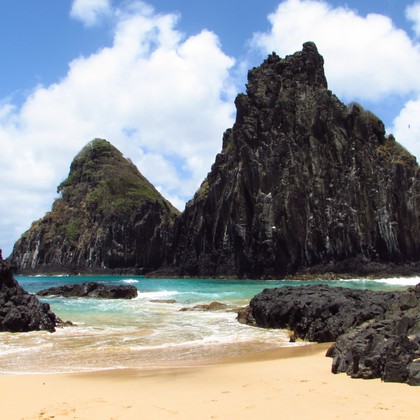 Oceanic islands and rocks
- Mangroves
-

Squacco Heron
Ardeola ralloides- Oceanic islands and rocks
- Lakes and reservoirs
- Mudflats, lagoons and salt flats
-

Purple Heron
Ardea purpurea- Oceanic islands and rocks
- Lakes and reservoirs
- Mudflats, lagoons and salt flats
-

Grey Heron
Ardea cinerea- Mudflats, lagoons and salt flats
- Mangroves
- Lakes and reservoirs