All species › Rheas › Rheas
Rheas | Rheidae
Nandoes | Ñandúes | Rheas
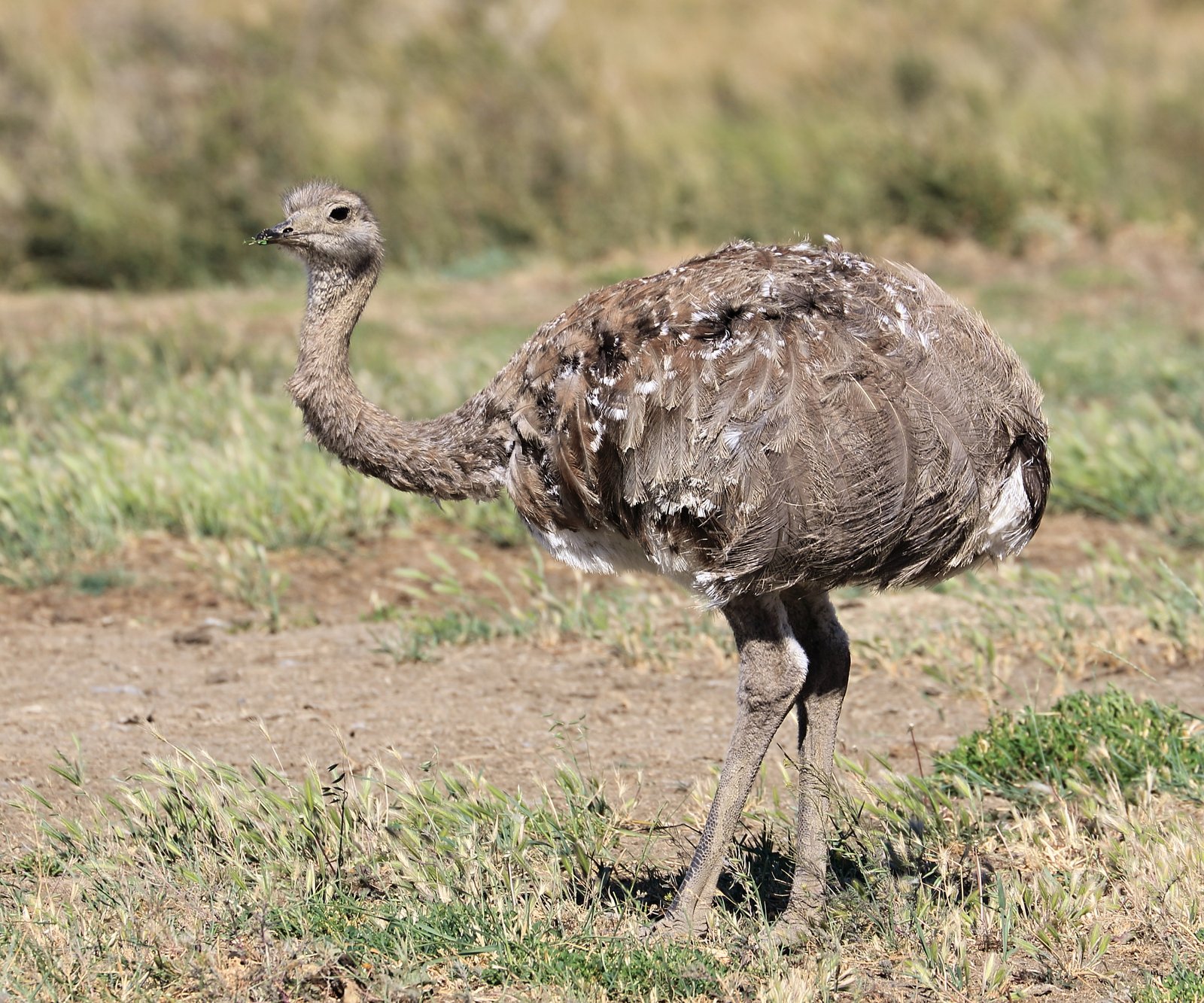
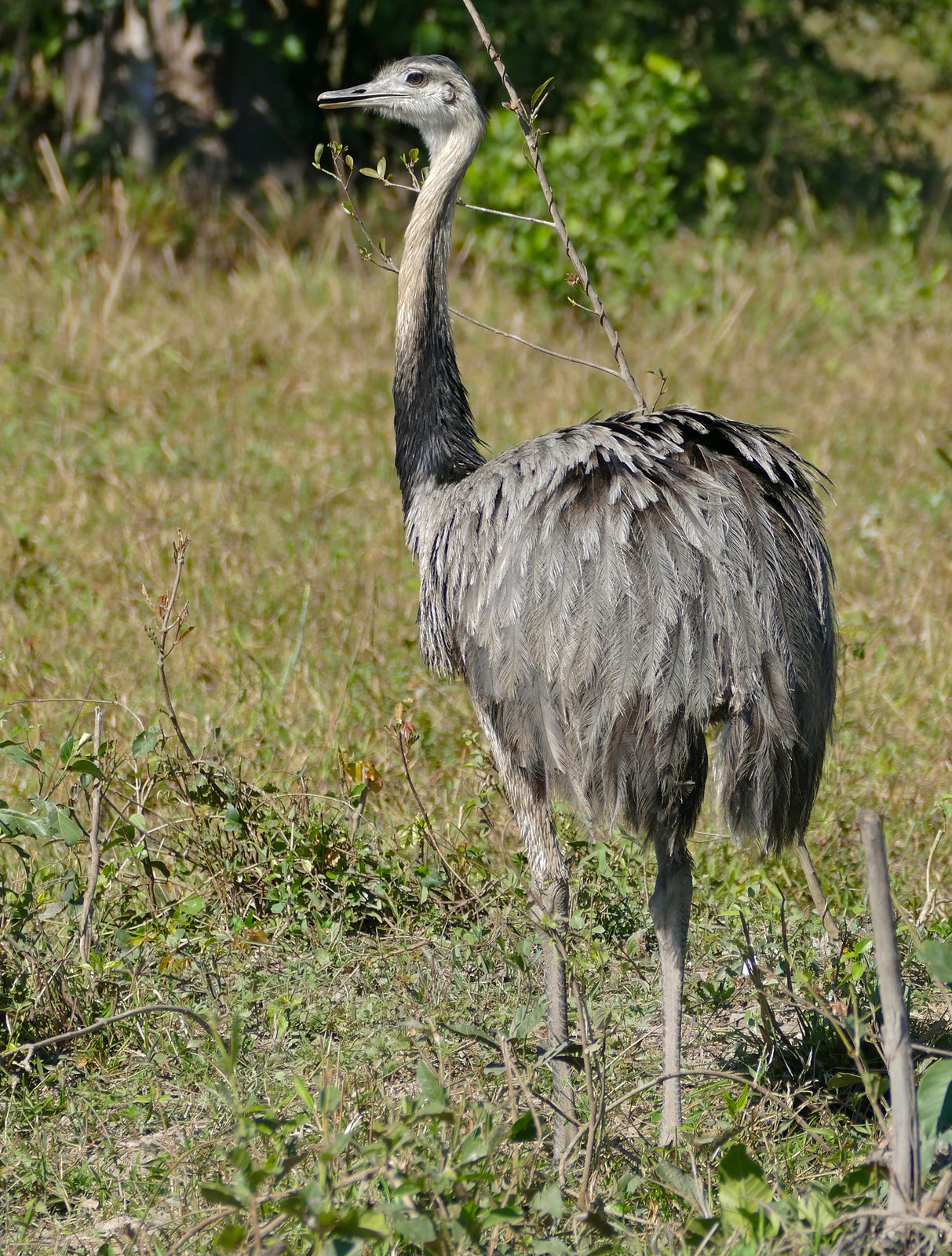
The family has two species in a single genus, and both occur in this guide, in very different landscapes. Lesser Rhea is found here in the form of the Puna Rhea on the high plateau of southern Peru and western Bolivia, in open grassland and scrub of the puna, often above 3,500 metres. Greater Rhea belongs to the lowlands and in this guide occurs in the savannas and dry Chaco forest of eastern Bolivia. Rheas are the largest birds of South America: flightless running birds with a long neck, long, powerful legs with three toes and soft, loose plumage in grey and brown. The wings are fairly large and are spread while running to steer and to change direction abruptly. They feed mainly on leaves, seeds and fruit, supplemented by insects and small vertebrates. Outside the breeding season they live in groups, often together with grazing livestock or wild camelids. In the breeding season the male gathers several females, which lay their eggs together in a single scrape on the ground; the male incubates them alone and fiercely defends the young. Hunting and egg collecting have greatly reduced their numbers in many places.
Native species 2 species
Species that occur here by nature: breeding birds, winter visitors and passage migrants. They are arranged by genus, in the sequence of the list.