Todas as espécies › Passerines › Finches, euphonias and allies
Finches, euphonias and allies | Fringillidae
Vinkachtigen | Finches, euphonias and allies | Fringílidos
In the area of this guide the family numbers 31 species in four genera, for the most part euphonias and chlorophonias of lowland and cloud forest, along with siskins of open country up into the páramo and puna. In the siskins the conical bill is the mark of the family: seed is not swallowed but husked, held in a groove in the palate while the lower mandible slides the coat off. The small, compact euphonias and chlorophonias, glossy blue-black, yellow or green, eat mainly berries instead, especially of mistletoe, whose seeds pass quickly and undamaged through the gut, so that the birds spread the plant. Outside the breeding season the siskins range in flocks over seed-rich fields, scrub and grassland, with a bounding flight and persistent contact calls that identify them at a distance. Unlike most songbirds, many species feed their young not on insects but on regurgitated food, seed in the siskins and fruit in the euphonias.
Espécies nativas 26 espécies
Espécies que ocorrem aqui naturalmente: reprodutoras, visitantes de inverno e migrantes de passagem. Estão organizadas por gênero, na sequência da lista.
Chlorophonia 4 espécies
-

Gaturamo-rei
Chlorophonia cyanocephala Northern Andean subtropical forest
 Northern Andean cloud forest and temperate forest
 Lower Yungas forest
 Upper Yungas cloud forest
 Secondary forest and forest edge
 Coffee, cacao and agroforestry
-
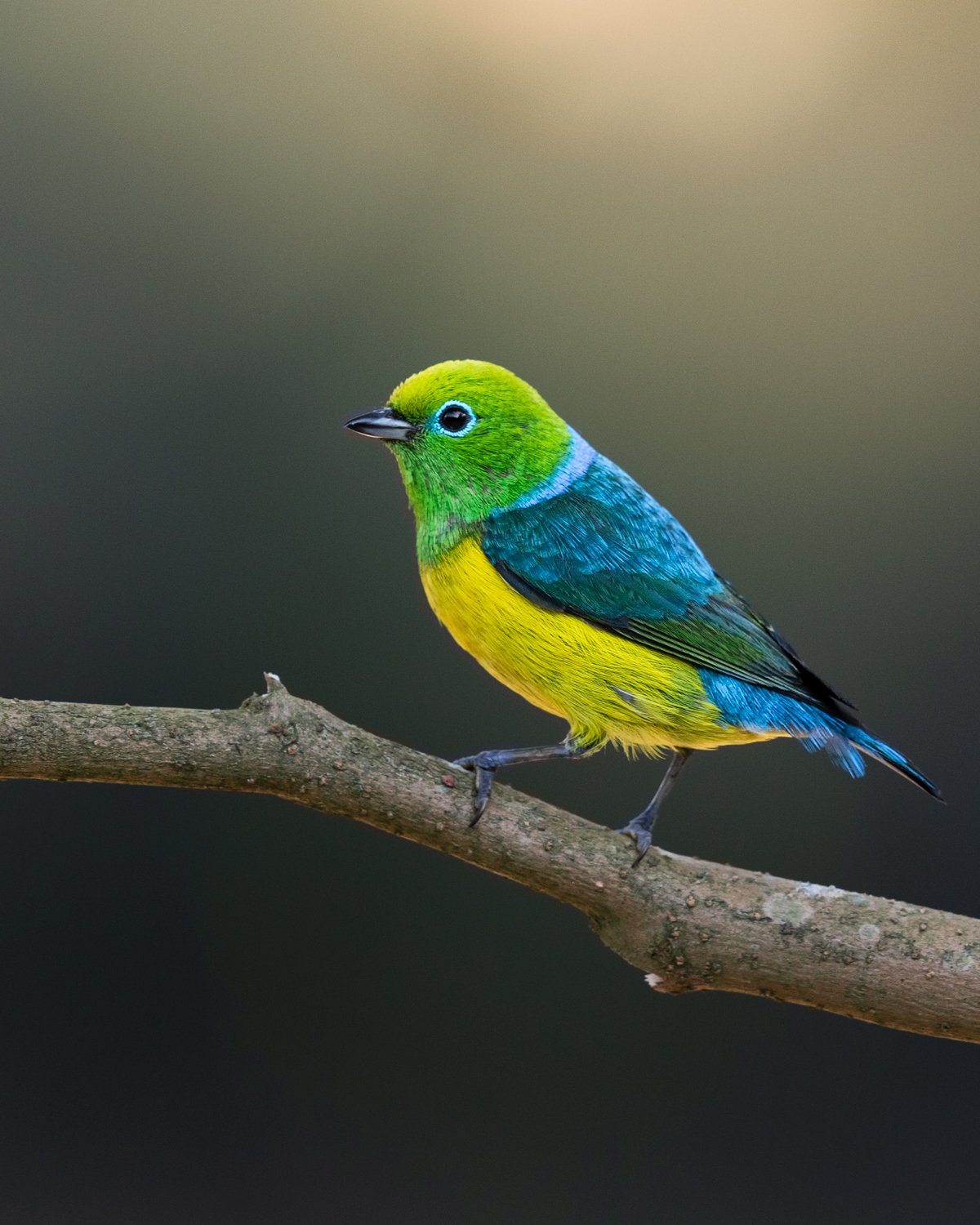
Gaturamo-bandeira
Chlorophonia cyanea- Northern Andean subtropical forest
- Lower Yungas forest
 Eastern Andean foothill forest
- Northern Andean cloud forest and temperate forest
- Upper Yungas cloud forest
- Secondary forest and forest edge
-
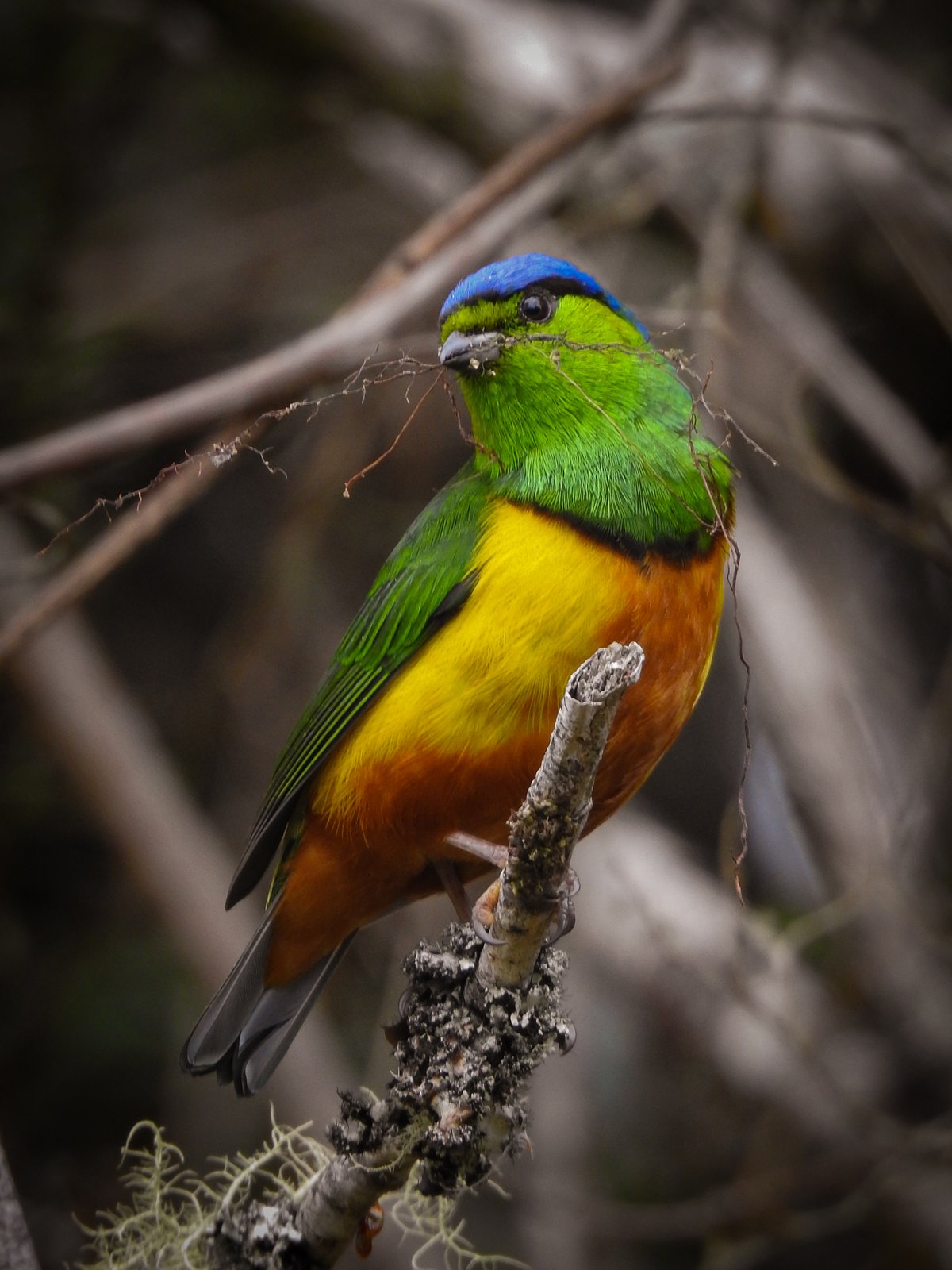
Gaturamo-de-peito-castanho
Chlorophonia pyrrhophrys- Northern Andean cloud forest and temperate forest
- Northern Andean subtropical forest
- Upper Yungas cloud forest
-
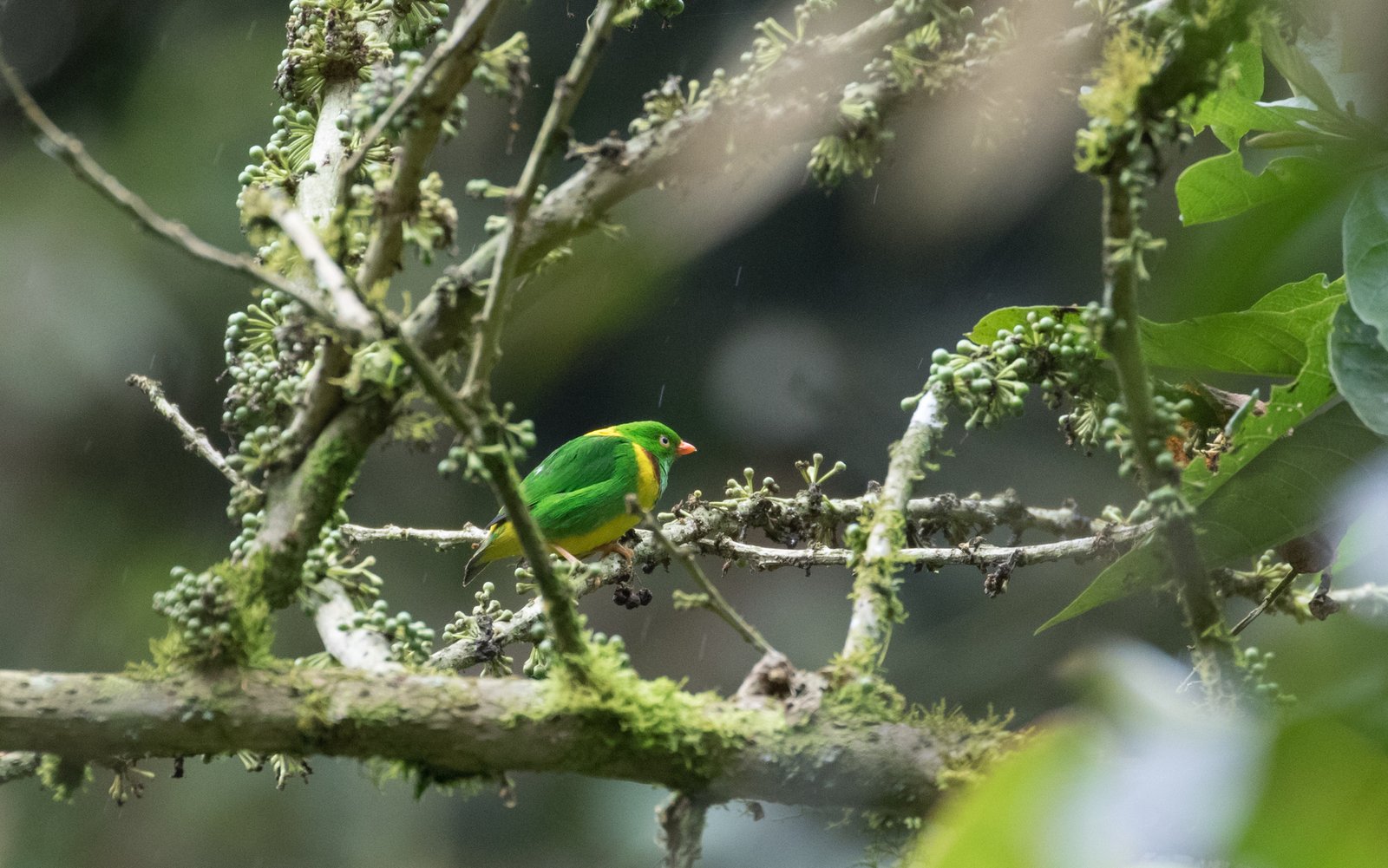
Gaturamo-de-colar-amarelo
Chlorophonia flavirostris Chocó rainforest
- Northern Andean subtropical forest
 Western Ecuador humid forest
Euphonia 12 espécies
-
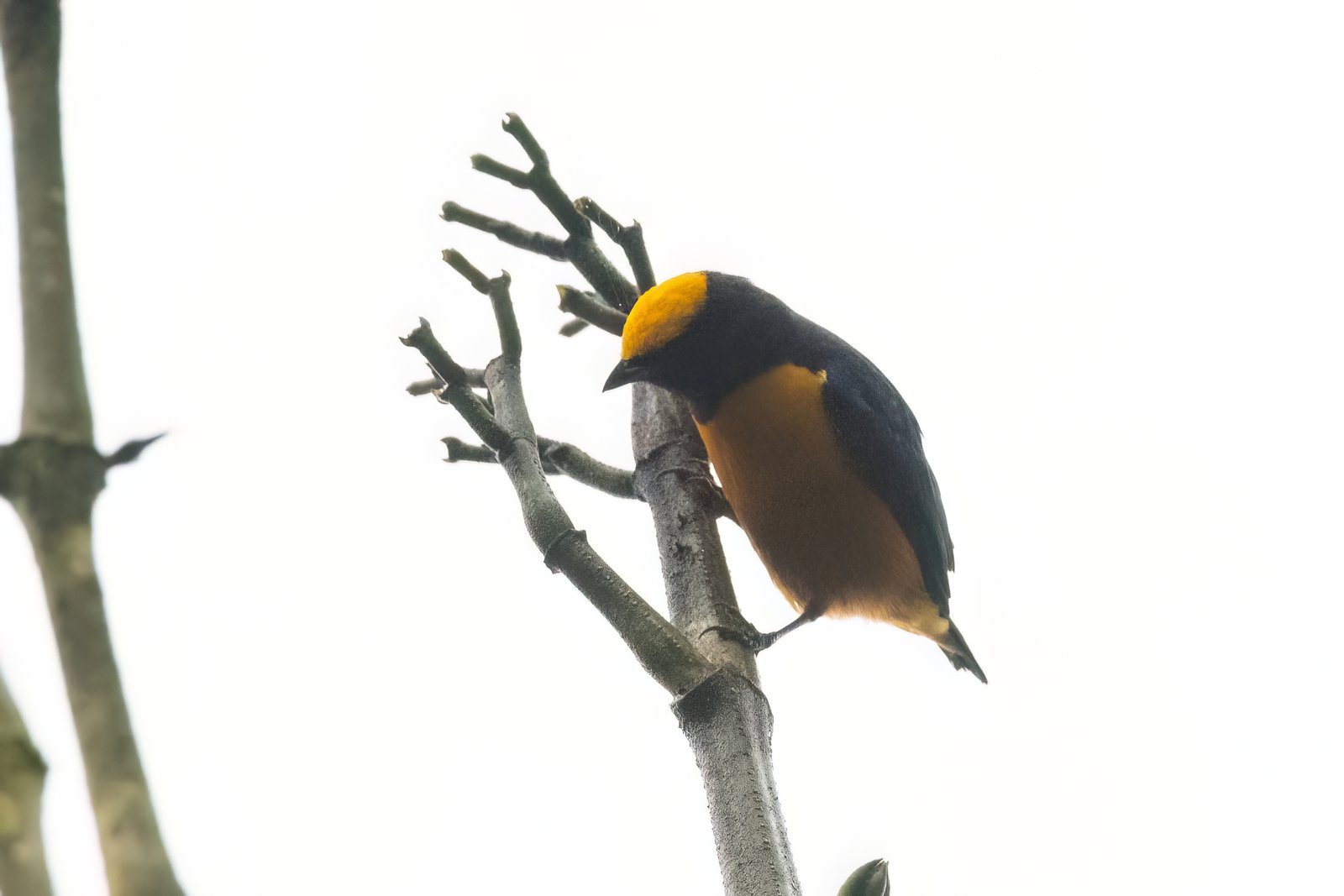
Gaturamo-de-coroa-laranja
Euphonia saturata- Western Ecuador humid forest
- Secondary forest and forest edge
 Tumbesian dry forest and thorn scrub
- Coffee, cacao and agroforestry
- Chocó rainforest
 Towns, cities and parks
-
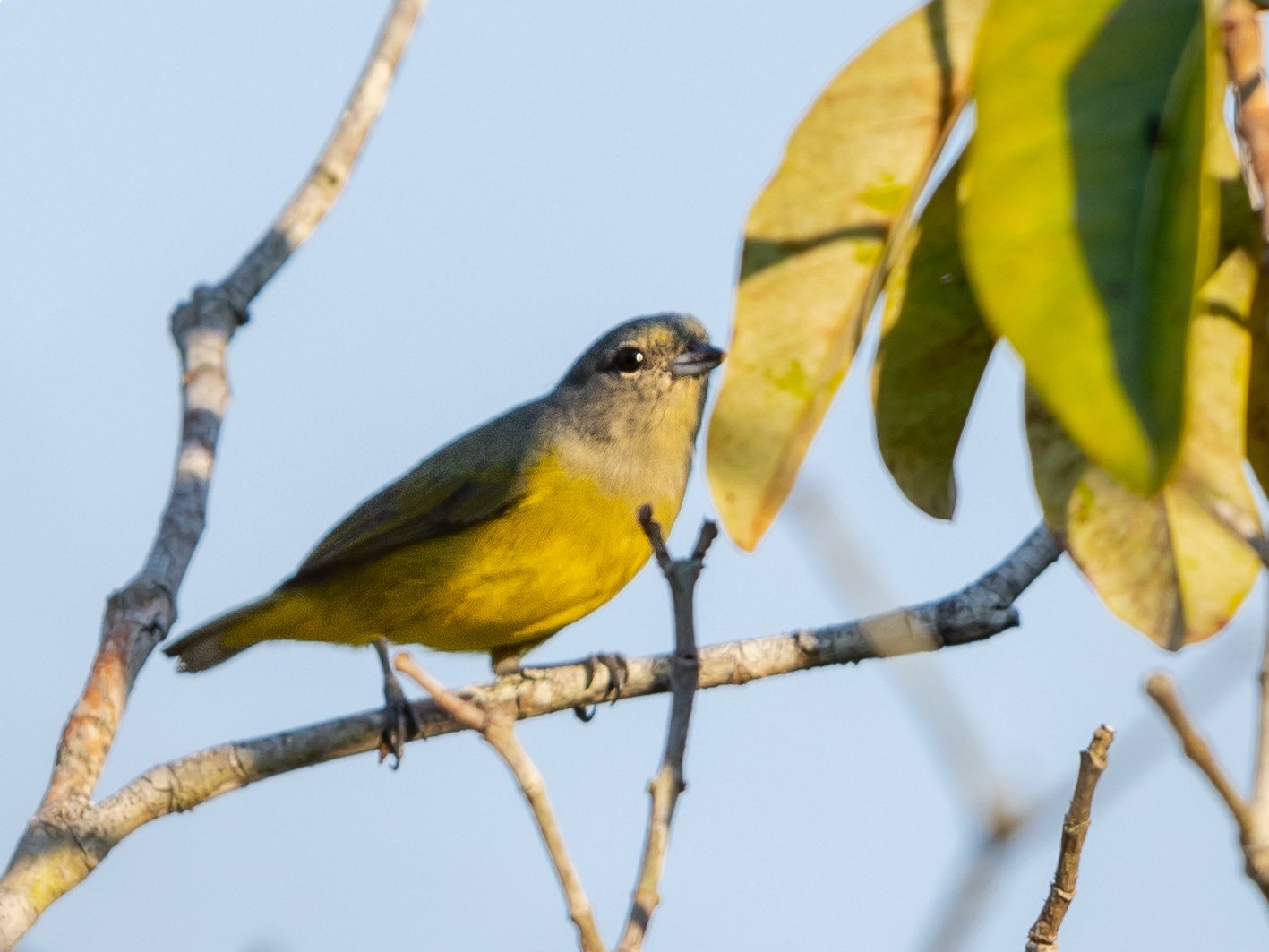
Gaturamo-anão
Euphonia plumbea Amazonian terra firme rainforest
- Secondary forest and forest edge
 Llanos savanna
-
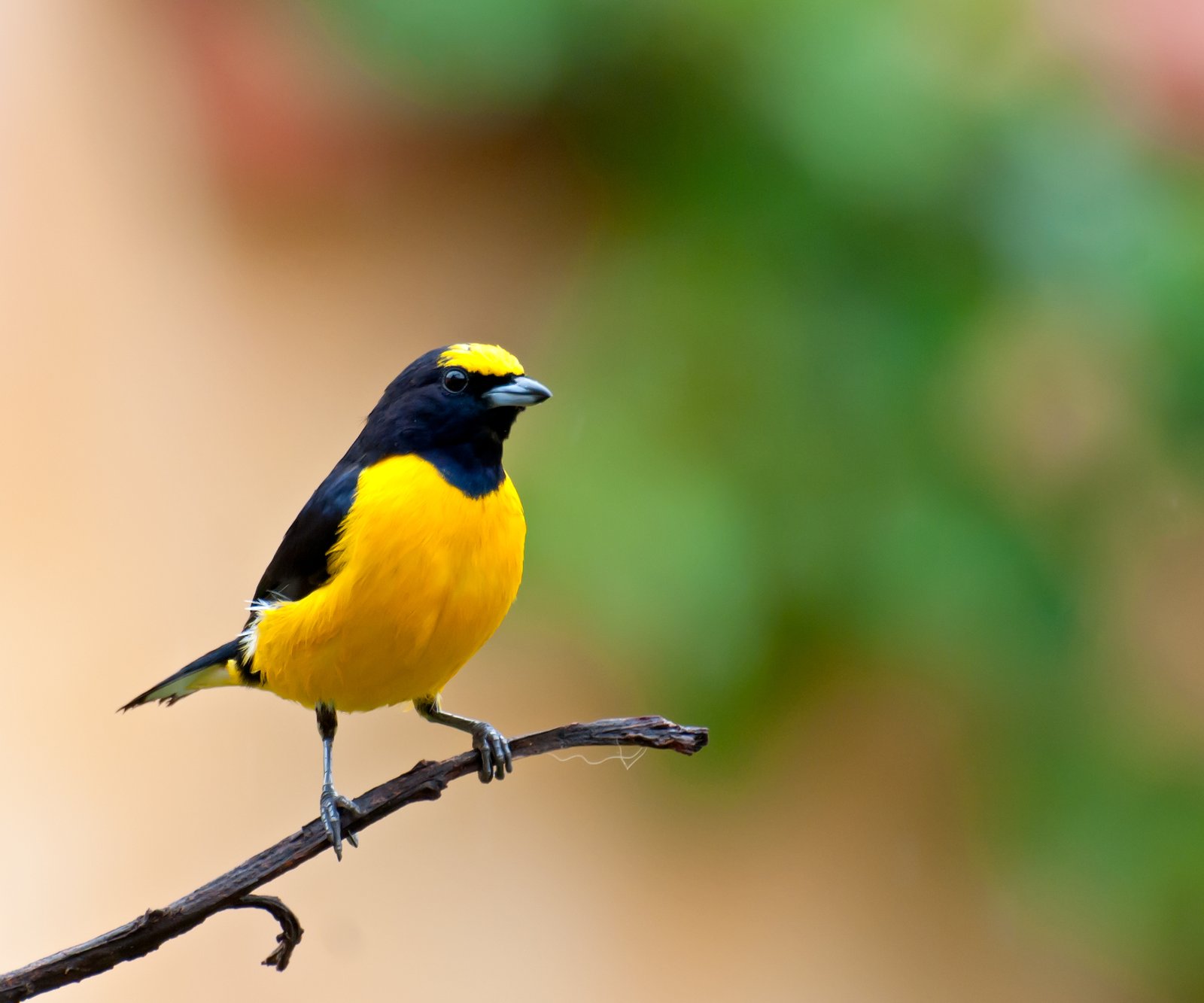
Fim-fim
Euphonia chlorotica- Secondary forest and forest edge
 Várzea, igapó and river islands
 Marañón and northern inter-Andean dry forest
 Beni savanna and cerrado
 Chiquitano dry forest and Chaco
- Llanos savanna
-
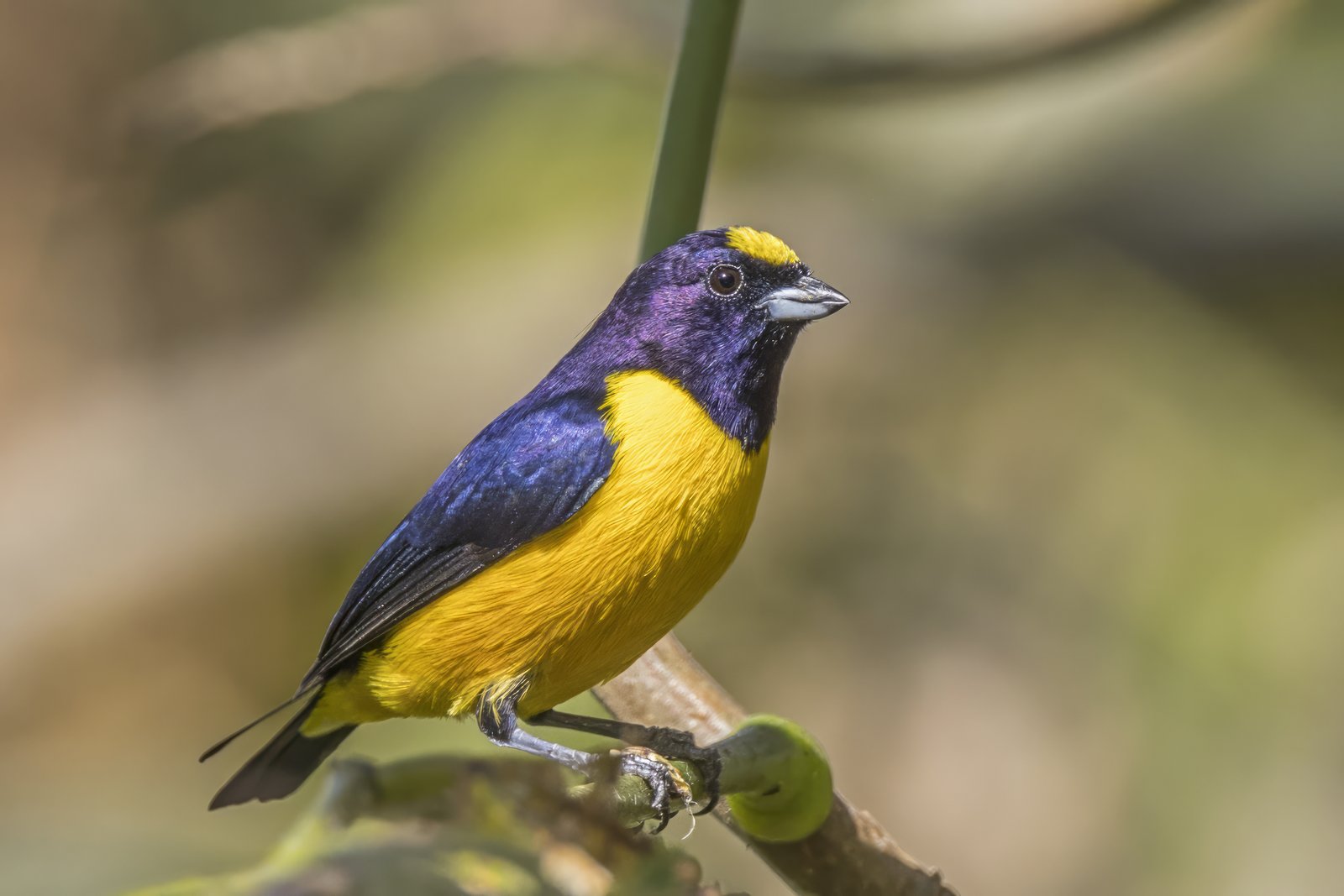
Gaturamo-de-fronte-aveludada
Euphonia concinna- Marañón and northern inter-Andean dry forest
- Secondary forest and forest edge
- Coffee, cacao and agroforestry
 Pasture and ranchland
-
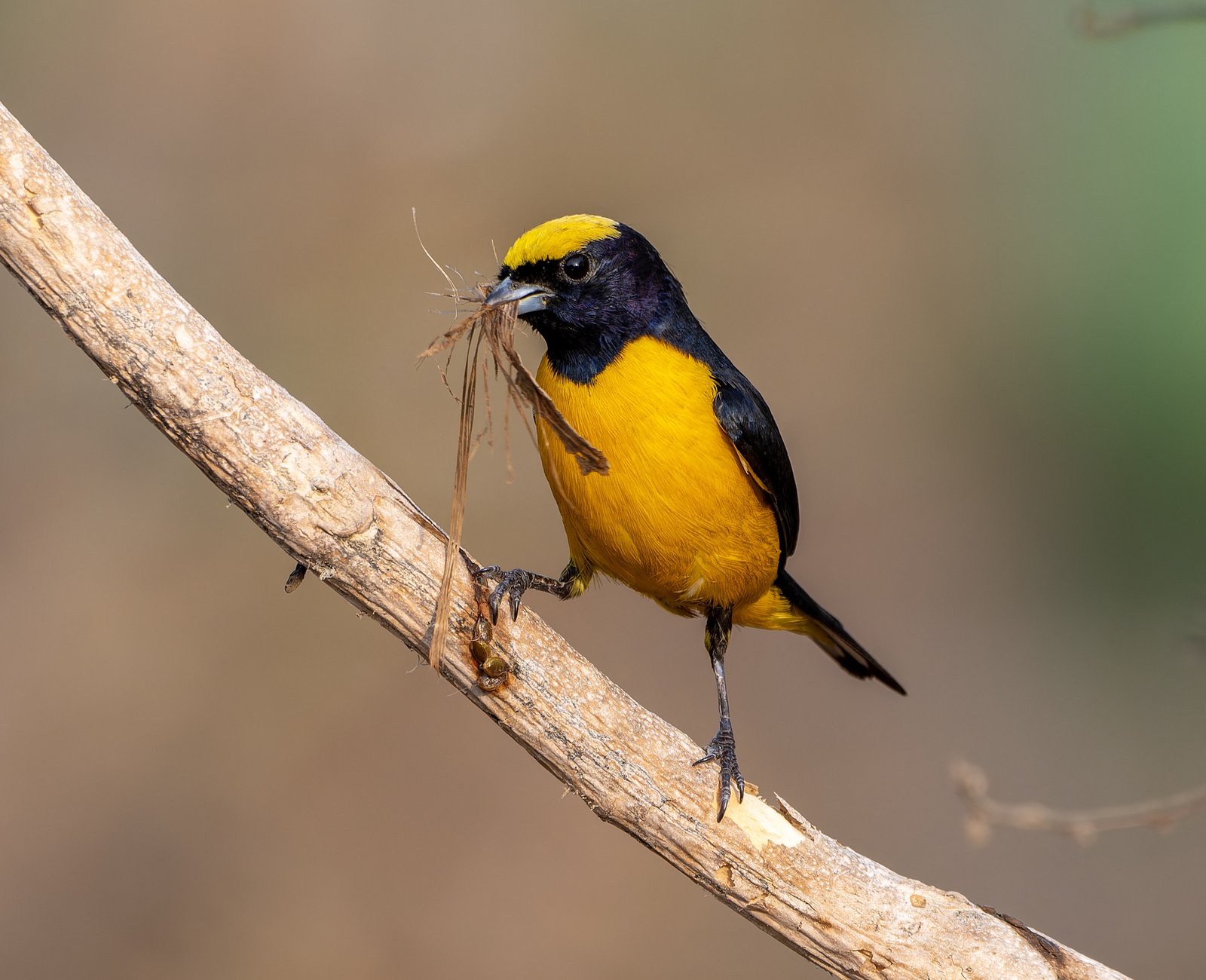
Gaturamo-de-trinidad
Euphonia trinitatis- Marañón and northern inter-Andean dry forest
- Secondary forest and forest edge
 Riparian woodland of the Andes and coastal valleys
- Towns, cities and parks
- Llanos savanna
-

Gaturamo-verde
Euphonia chrysopasta- Amazonian terra firme rainforest
- Várzea, igapó and river islands
- Secondary forest and forest edge
- Eastern Andean foothill forest
-
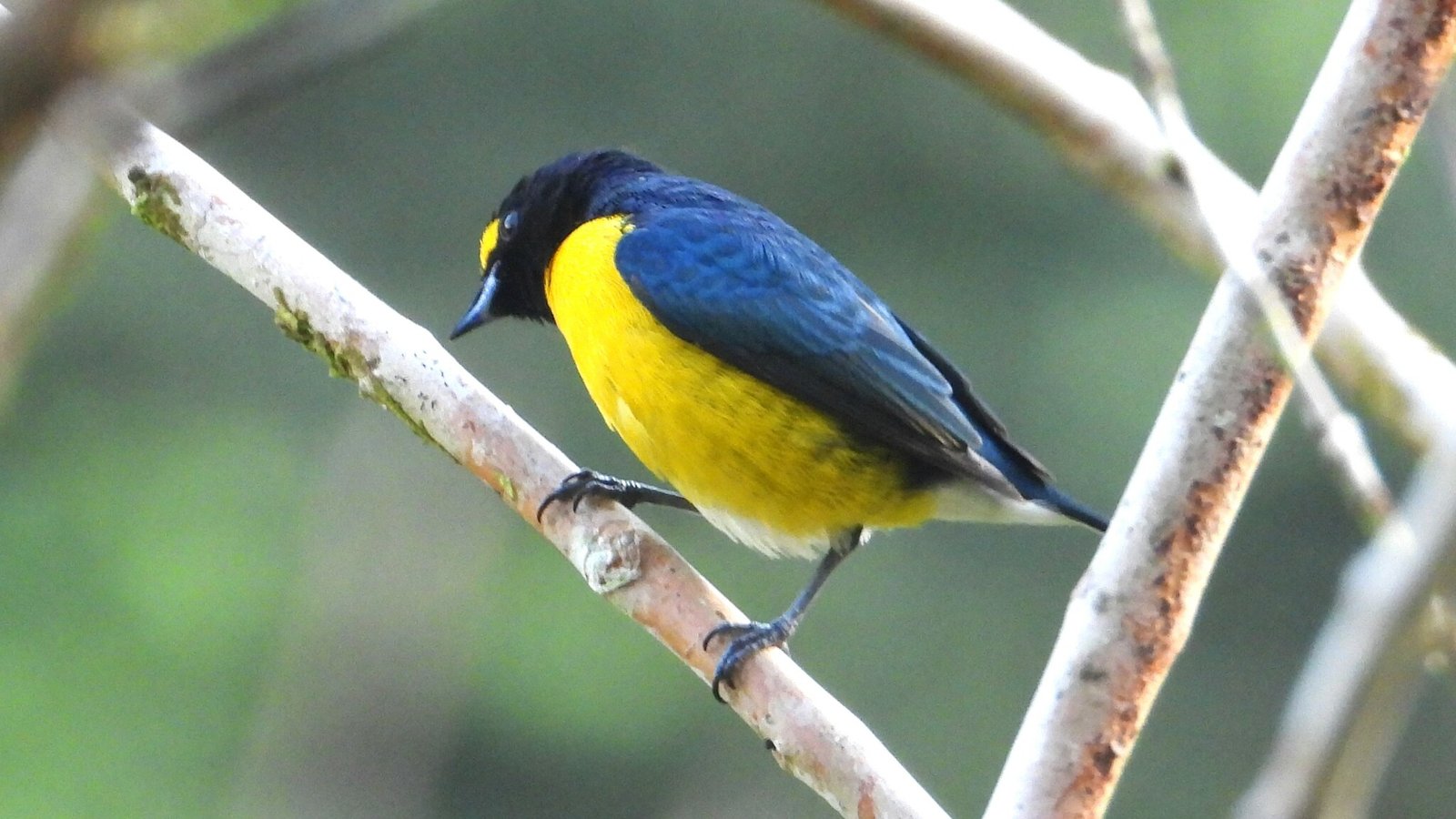
Gaturamo-de-barriga-branca
Euphonia minuta- Amazonian terra firme rainforest
- Chocó rainforest
- Western Ecuador humid forest
- Secondary forest and forest edge
- Várzea, igapó and river islands
-
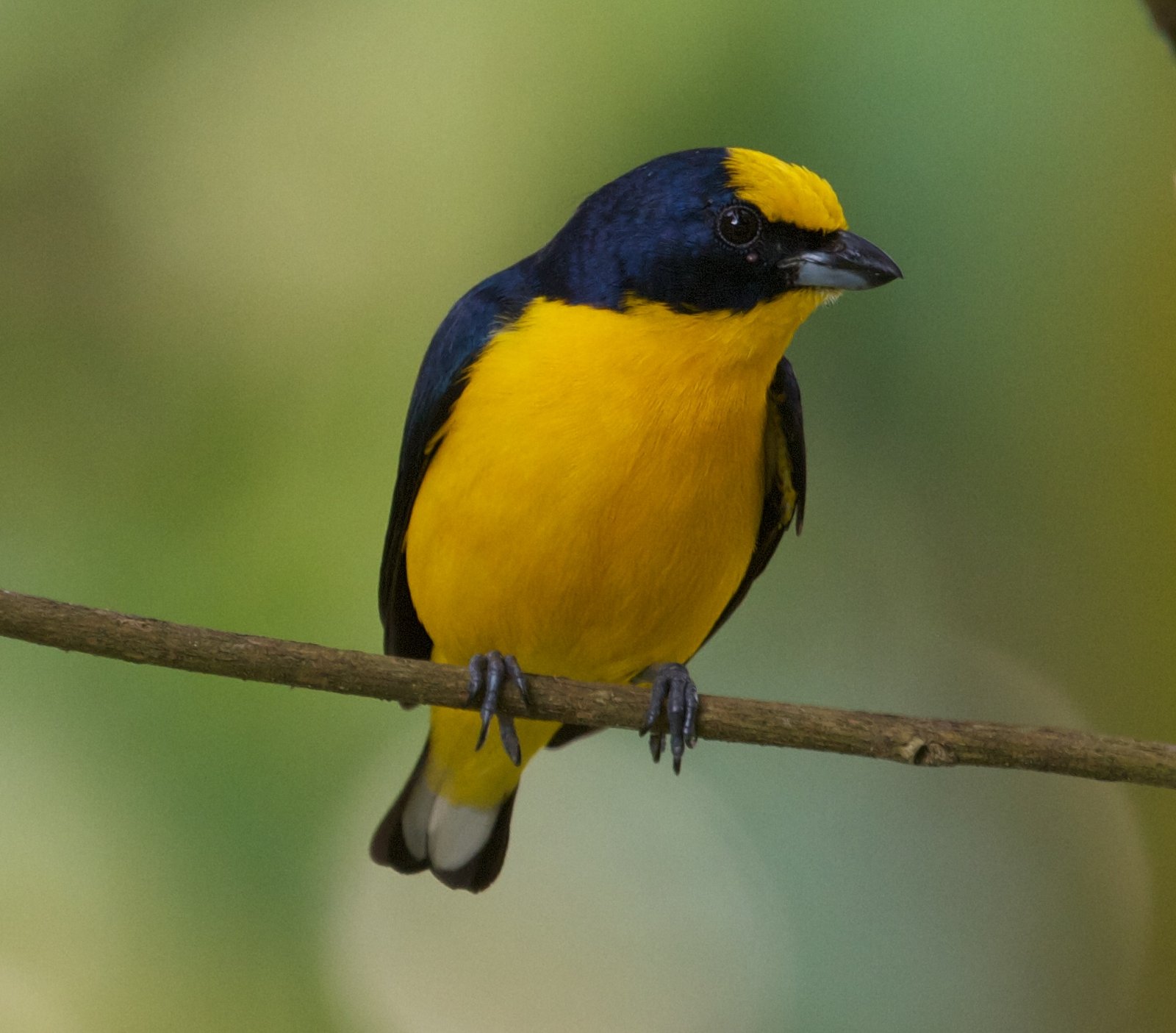
Gaturamo-de-bico-grosso
Euphonia laniirostris- Secondary forest and forest edge
- Amazonian terra firme rainforest
- Tumbesian dry forest and thorn scrub
- Western Ecuador humid forest
- Várzea, igapó and river islands
- Coffee, cacao and agroforestry
- Towns, cities and parks
-
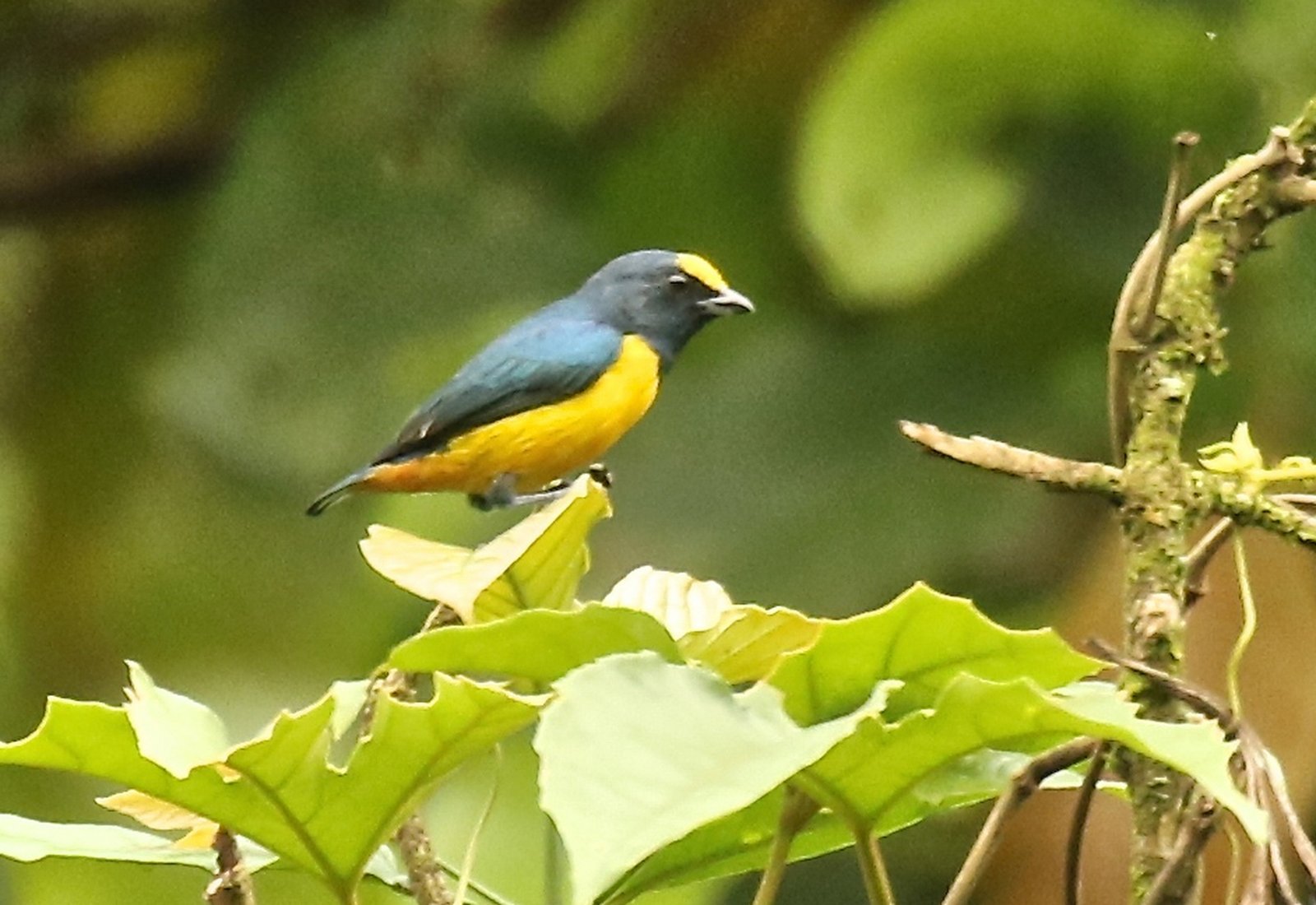
Gaturamo-de-crisso-fulvo
Euphonia fulvicrissa- Chocó rainforest
- Western Ecuador humid forest
- Secondary forest and forest edge
-
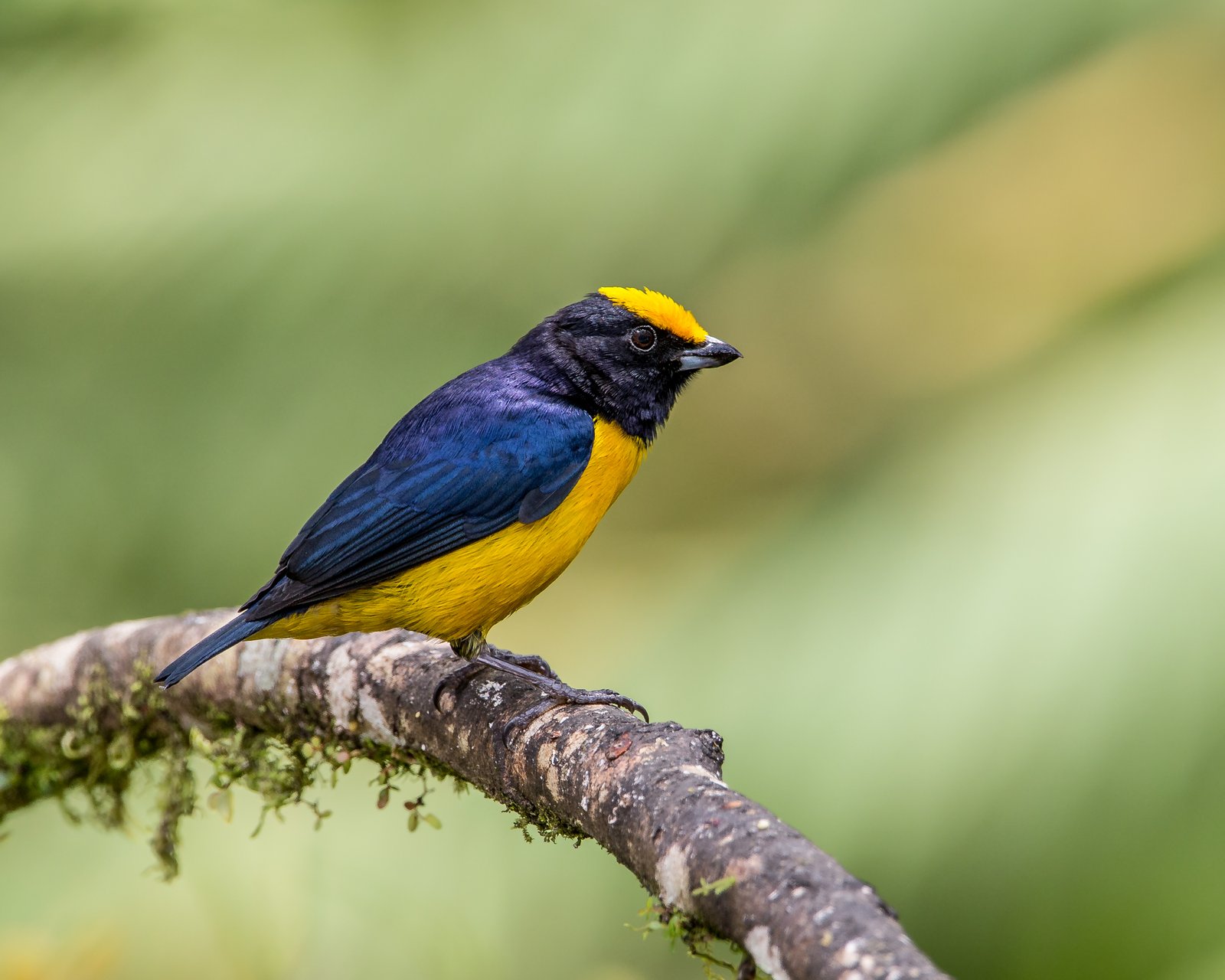
Fim-fim-grande
Euphonia xanthogaster- Eastern Andean foothill forest
- Northern Andean subtropical forest
- Amazonian terra firme rainforest
- Chocó rainforest
- Lower Yungas forest
- Secondary forest and forest edge
-
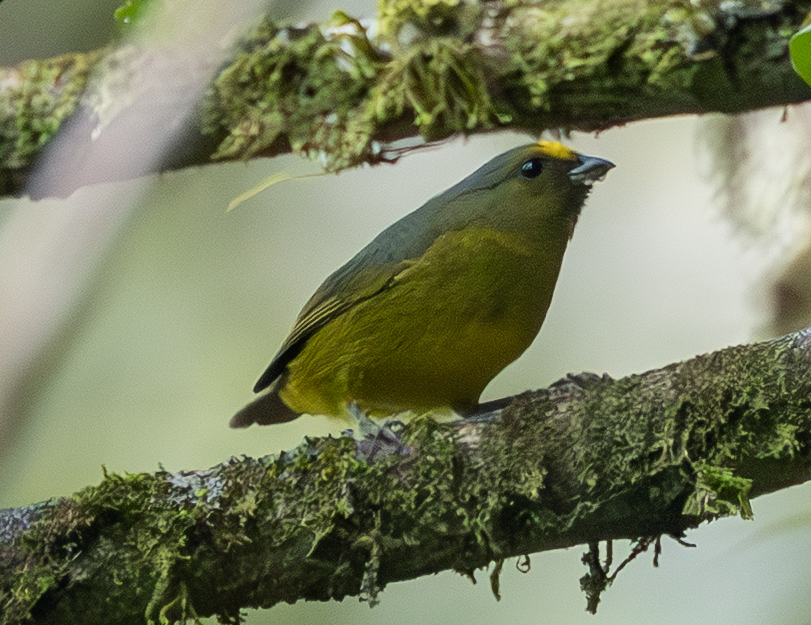
Gaturamo-verde-bronzeado
Euphonia mesochrysa- Northern Andean subtropical forest
- Lower Yungas forest
- Northern Andean cloud forest and temperate forest
- Eastern Andean foothill forest
- Secondary forest and forest edge
-
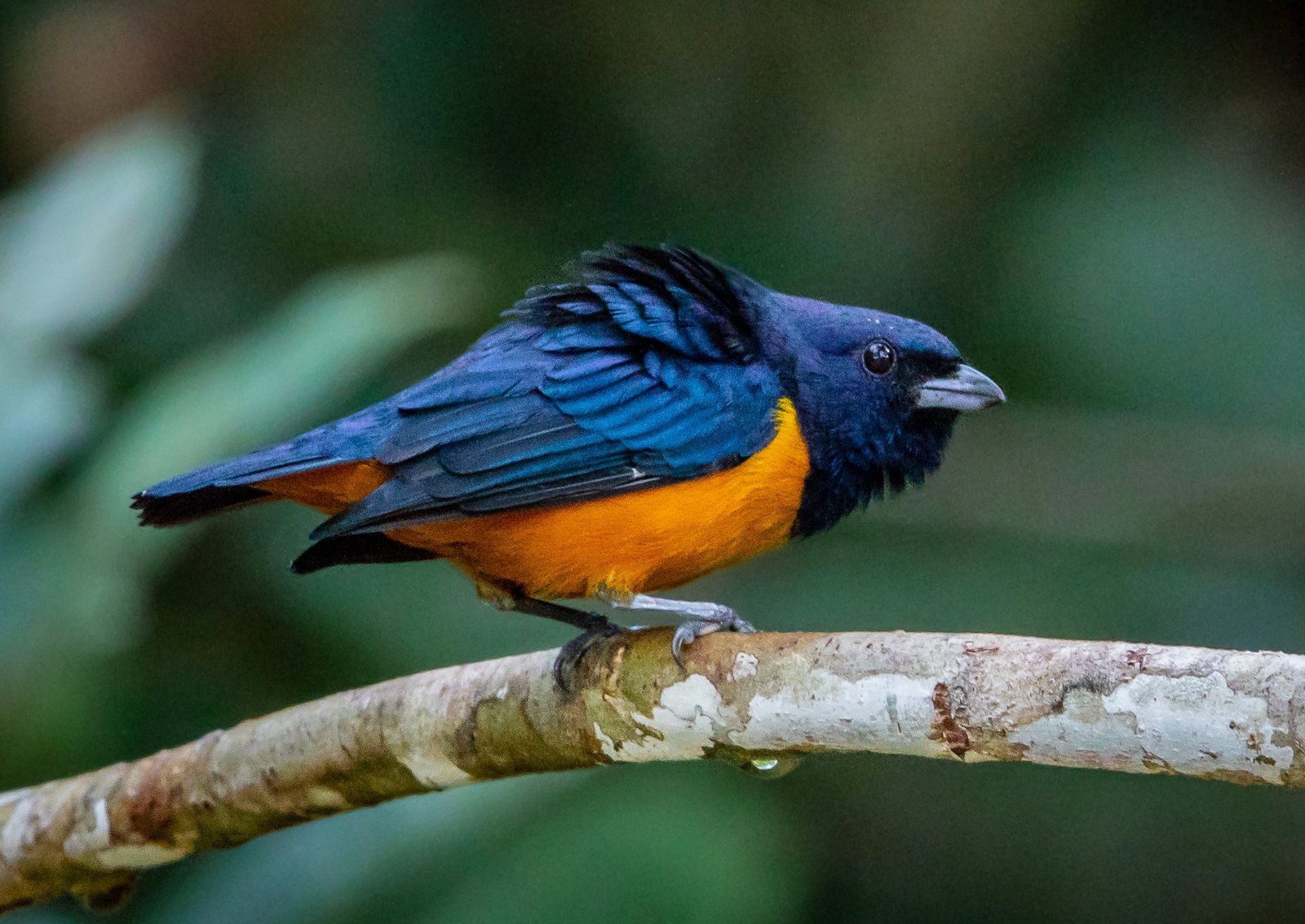
Gaturamo-do-norte
Euphonia rufiventris- Amazonian terra firme rainforest
- Várzea, igapó and river islands
- Eastern Andean foothill forest
- Secondary forest and forest edge
Spinus 10 espécies
-
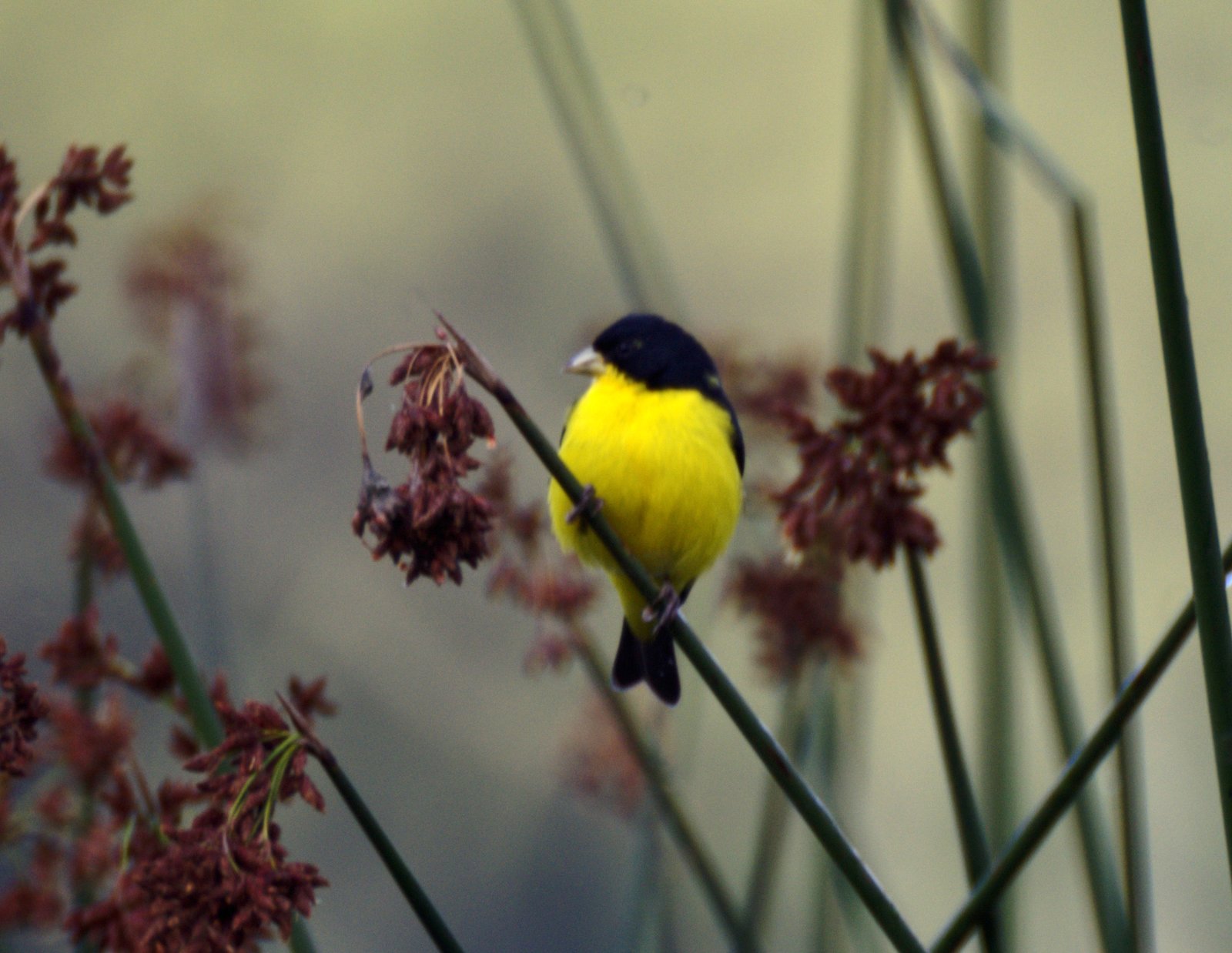
Pintassilgo-pequeno
Spinus psaltria- Marañón and northern inter-Andean dry forest
- Tumbesian dry forest and thorn scrub
- Towns, cities and parks
- Pasture and ranchland
- Secondary forest and forest edge
- Riparian woodland of the Andes and coastal valleys
-
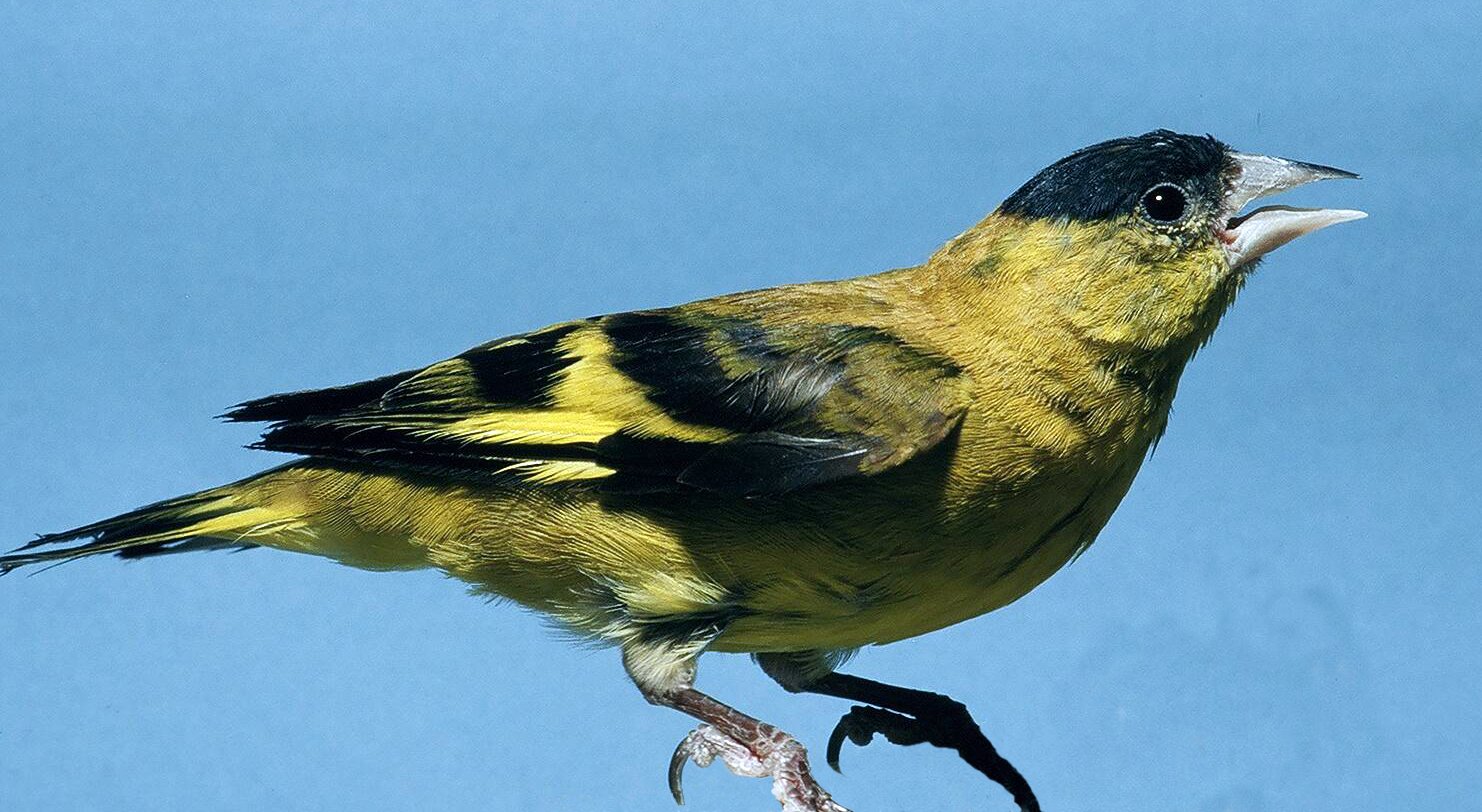
Pintassilgo-andino
Spinus spinescens- Northern Andean cloud forest and temperate forest
 Páramo
- Secondary forest and forest edge
- Pasture and ranchland
 Andean fields and terraces
-
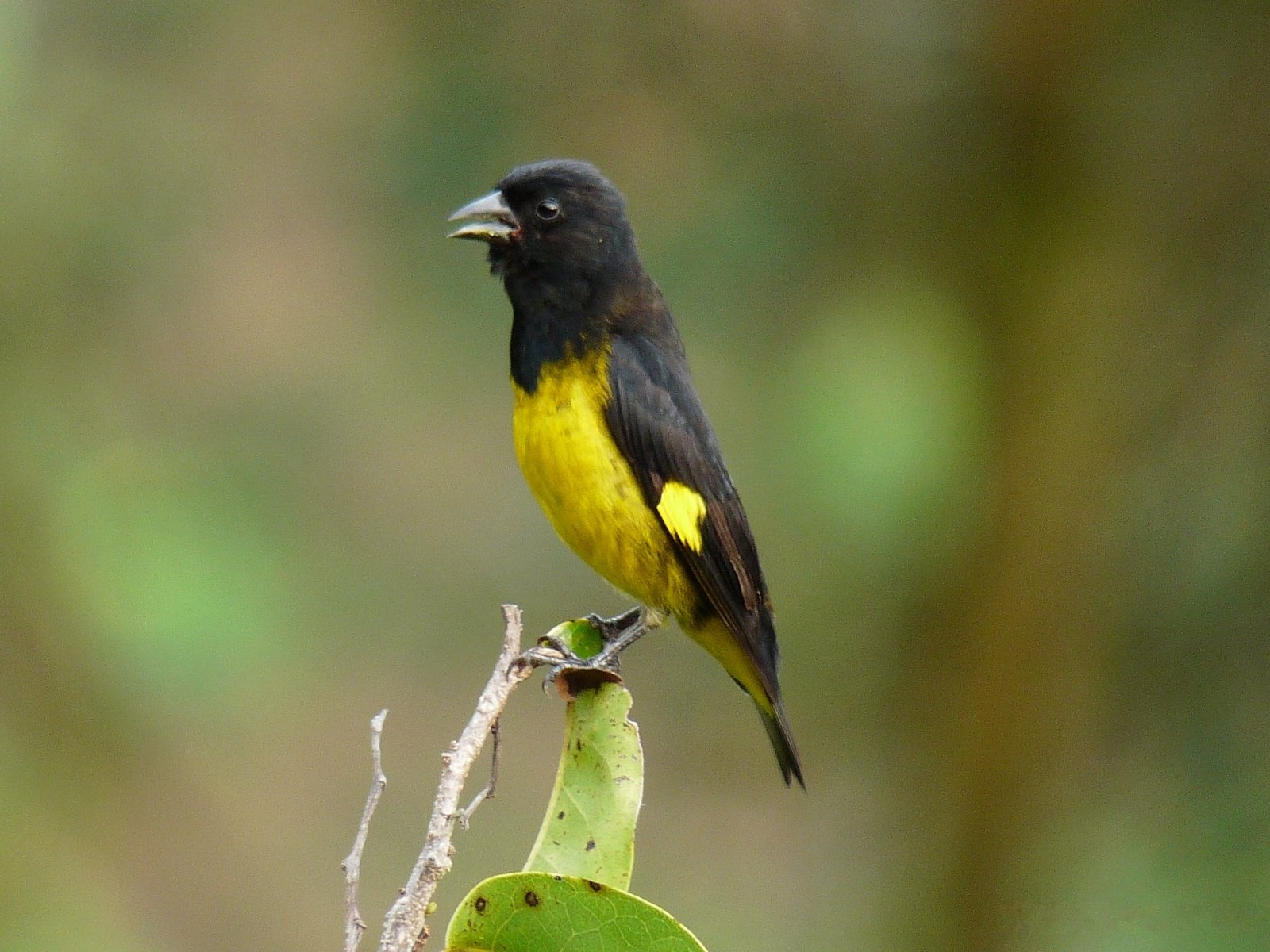
Pintassilgo-de-barriga-amarela
Spinus xanthogastrus- Northern Andean subtropical forest
- Northern Andean cloud forest and temperate forest
- Lower Yungas forest
- Secondary forest and forest edge
- Coffee, cacao and agroforestry
-
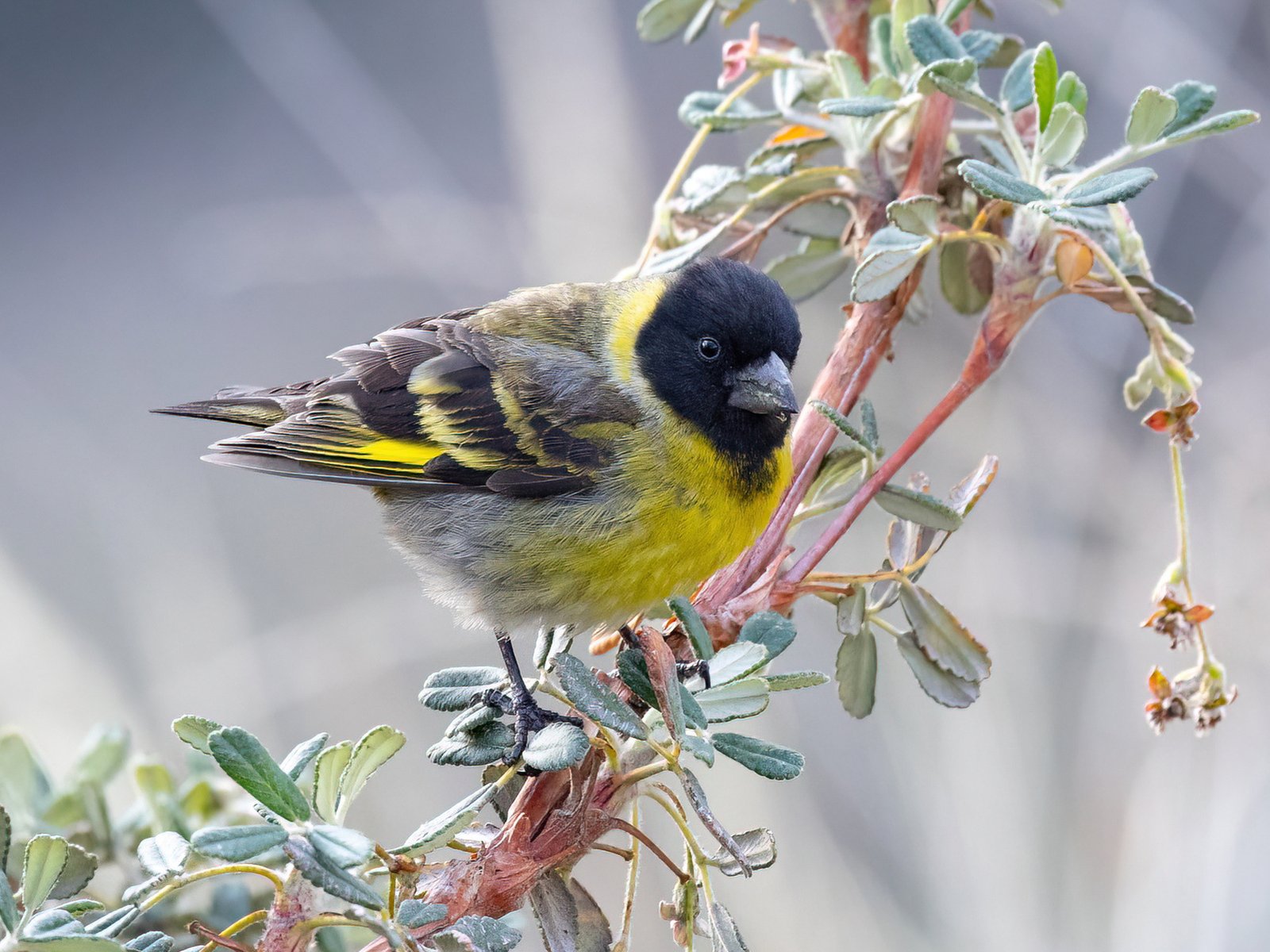
Pintassilgo-de-bico-grosso
Spinus crassirostris Polylepis woodland
 Humid puna
 Dry puna and altiplano
 Central Andean dry valleys
- Andean fields and terraces
-
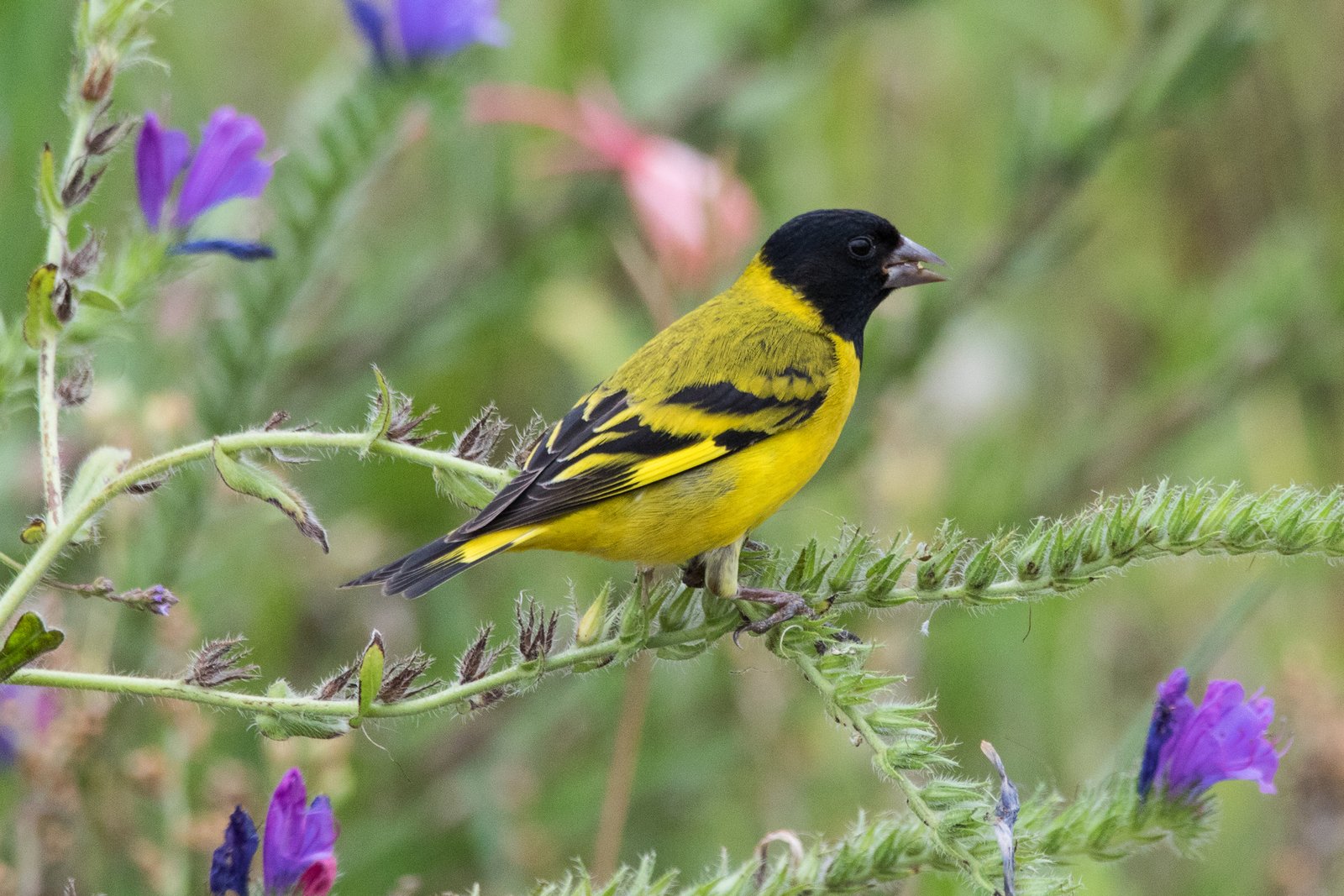
Pintassilgo
Spinus magellanicus- Andean fields and terraces
- Central Andean dry valleys
- Marañón and northern inter-Andean dry forest
- Riparian woodland of the Andes and coastal valleys
- Towns, cities and parks
- Humid puna
-
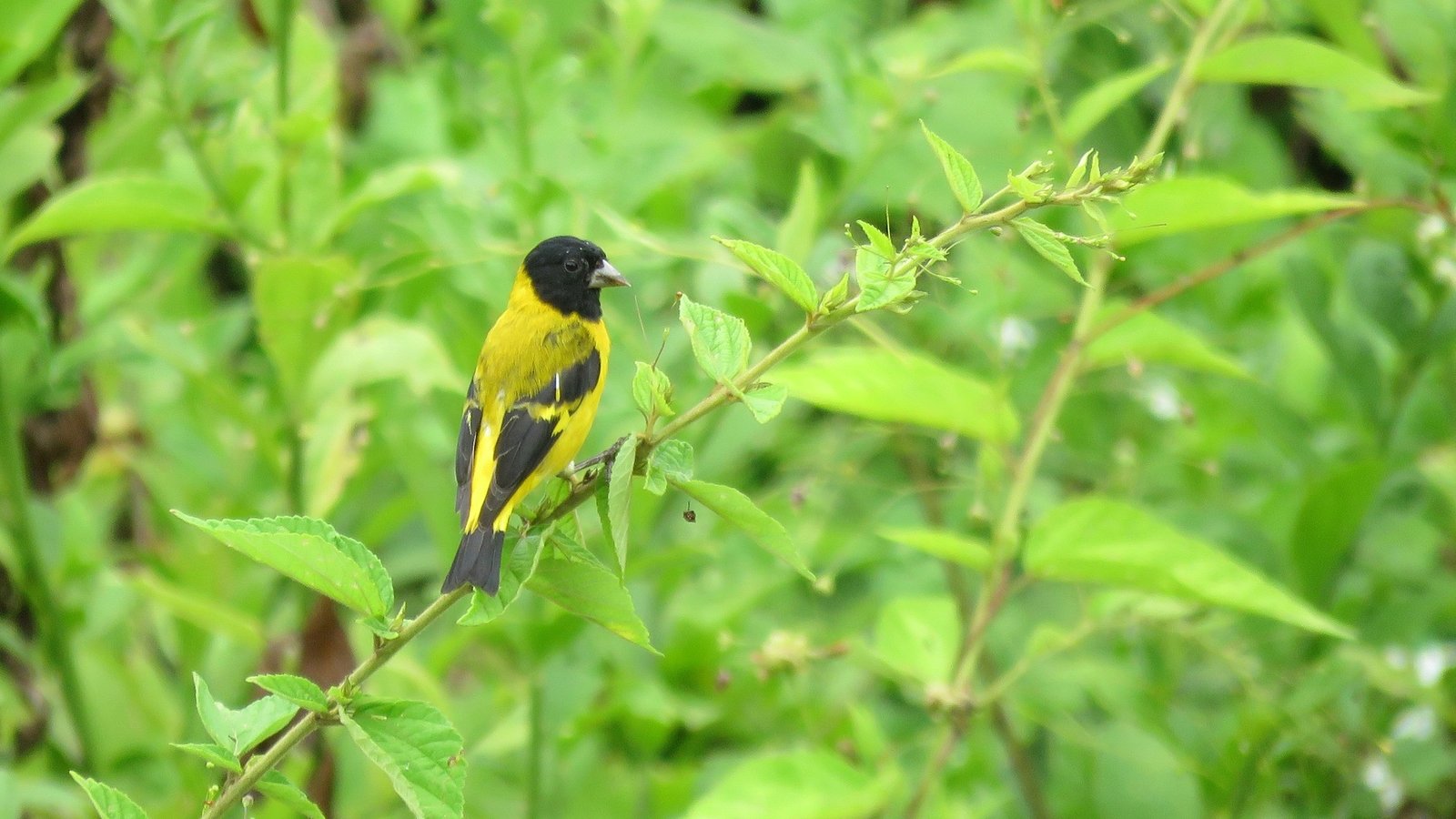
Pintassilgo-açafrão
Spinus siemiradzkii- Tumbesian dry forest and thorn scrub
- Secondary forest and forest edge
- Pasture and ranchland
-
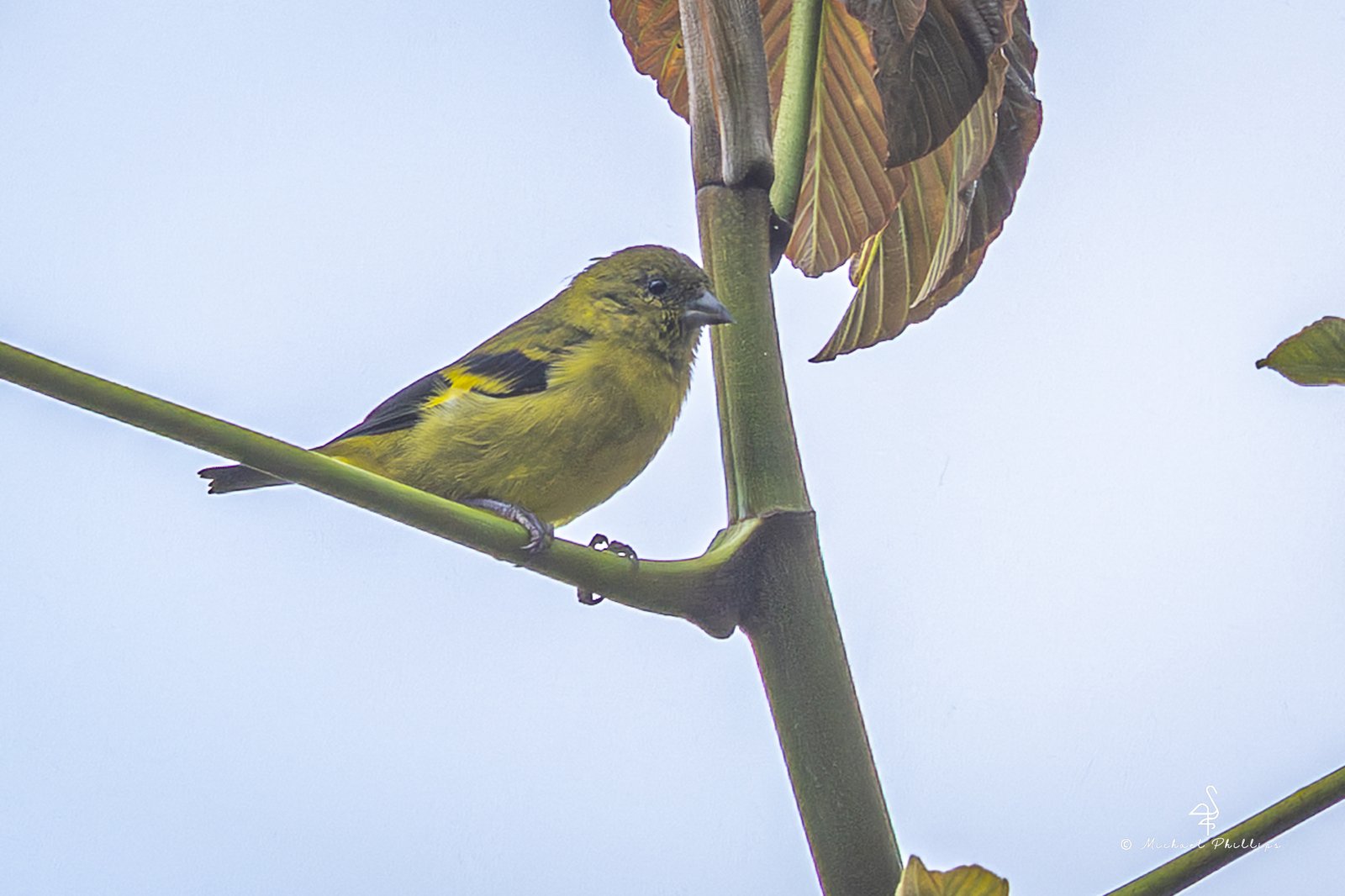
Pintassilgo-oliváceo
Spinus olivaceus- Northern Andean subtropical forest
- Lower Yungas forest
- Northern Andean cloud forest and temperate forest
- Upper Yungas cloud forest
- Secondary forest and forest edge
-
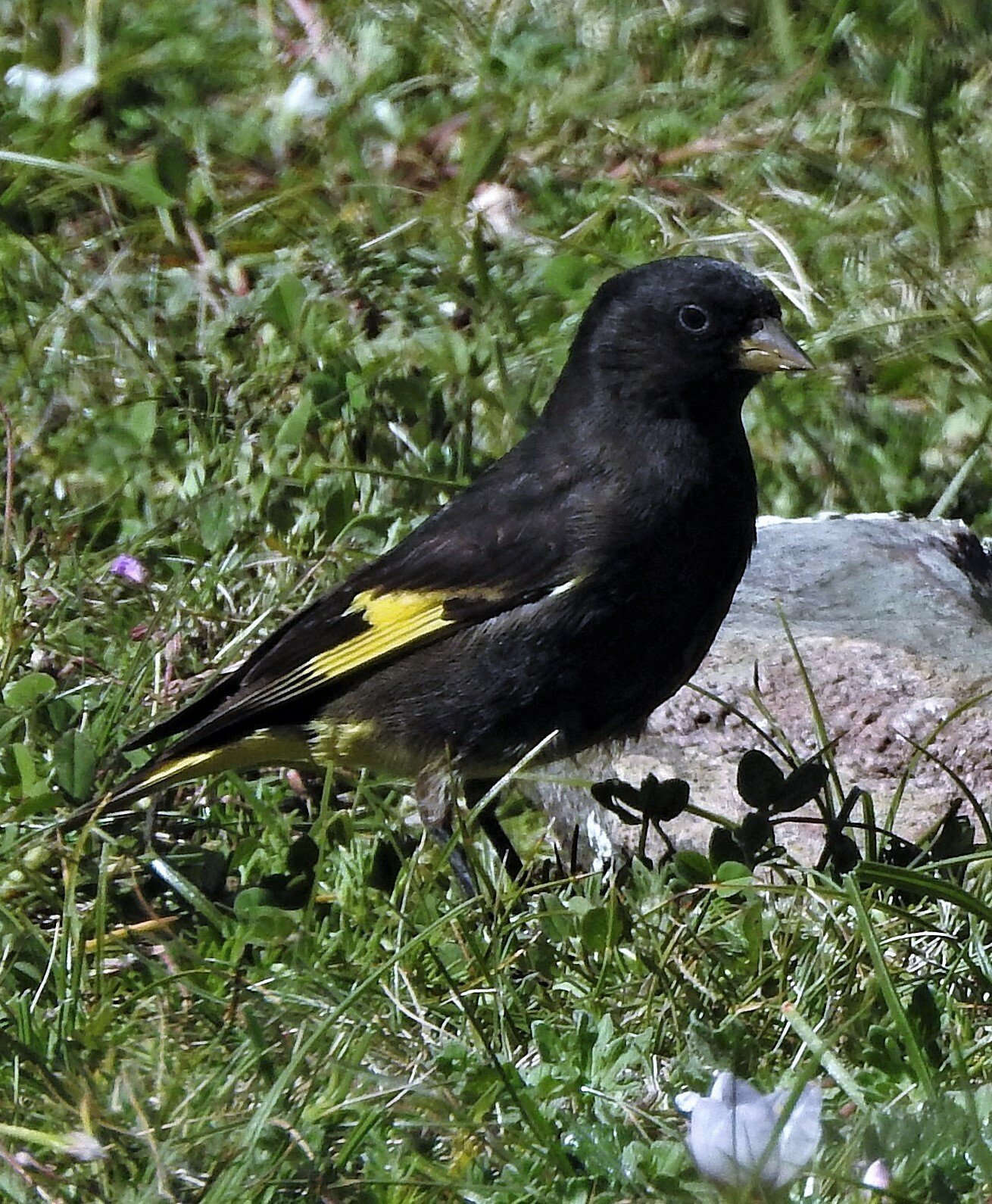
Pintassilgo-preto
Spinus atratus- Dry puna and altiplano
- Humid puna
 Cliffs, gorges and canyons
- Towns, cities and parks
- Andean fields and terraces
 Andean bogs and bofedales
-
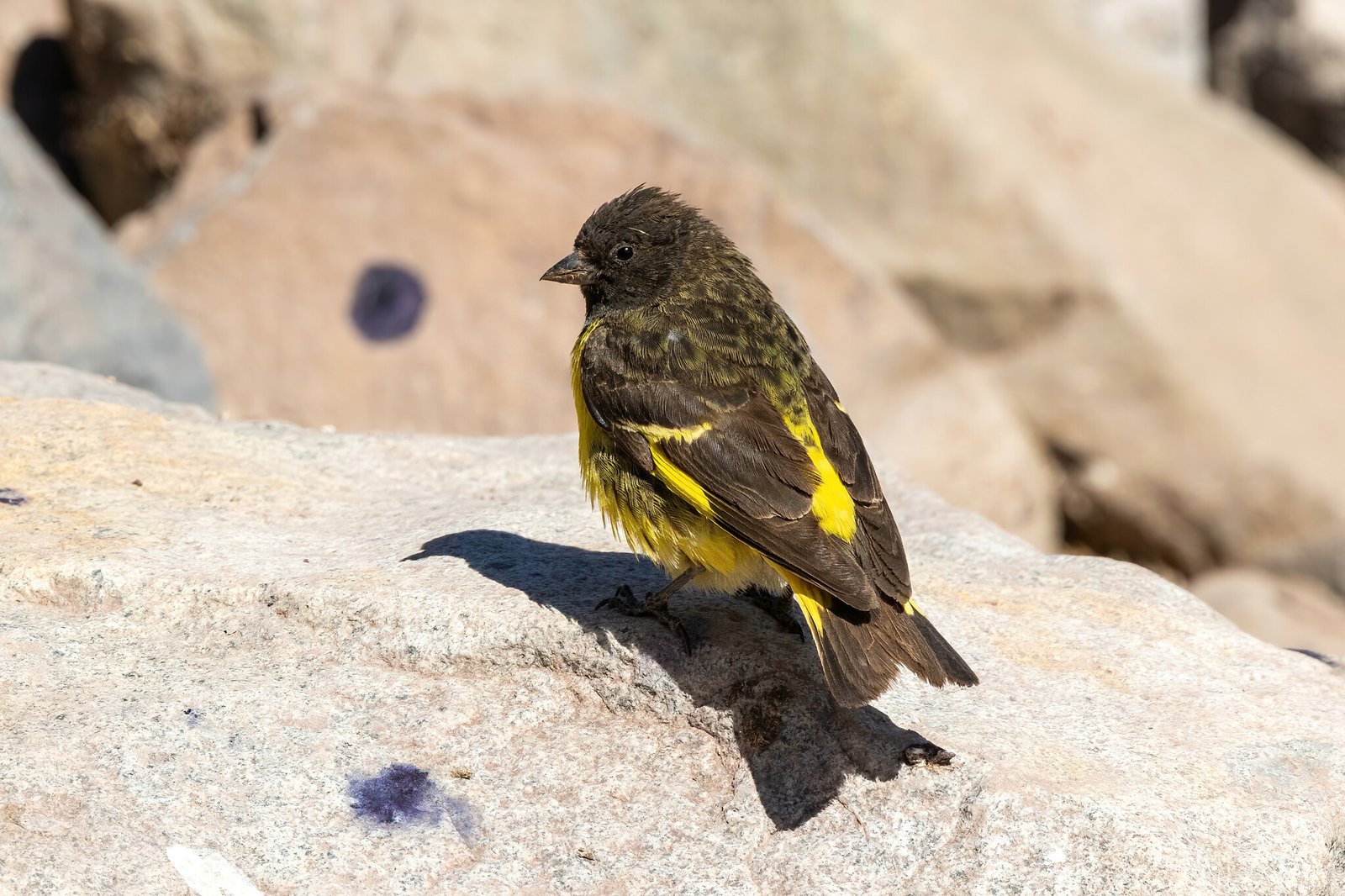
Pintassilgo-de-uropígio-amarelo
Spinus uropygialis- Central Andean dry valleys
- Polylepis woodland
- Dry puna and altiplano
- Riparian woodland of the Andes and coastal valleys
- Andean fields and terraces
-
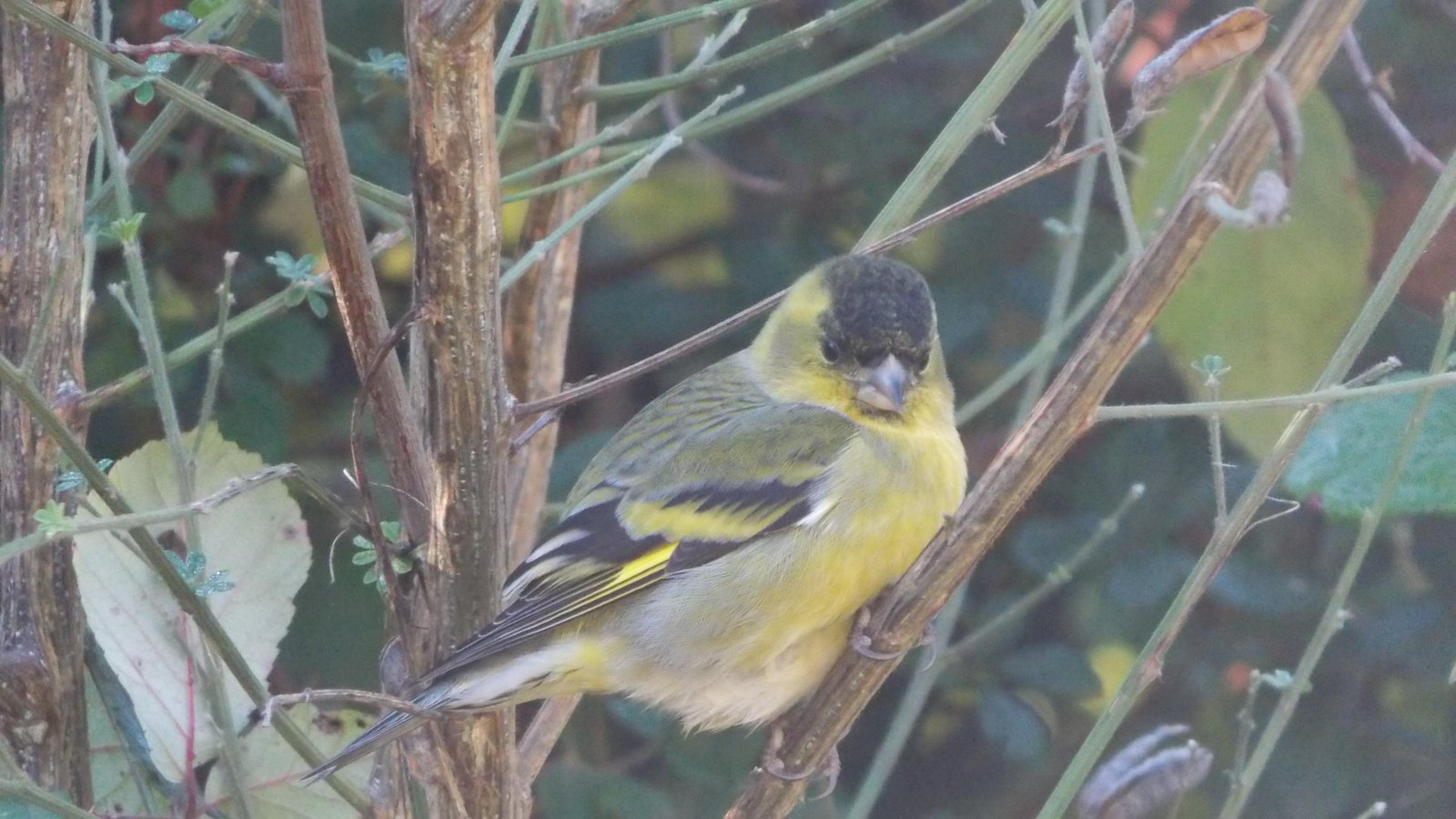
Pintassilgo-de-queixo-preto
Spinus barbatus- Towns, cities and parks
- Andean fields and terraces
- Riparian woodland of the Andes and coastal valleys
Espécies introduzidas 1 espécie
Espécies que não ocorrem aqui naturalmente, mas que foram trazidas ou escaparam e desde então se mantiveram. Seguem a sequência da lista, não os gêneros.
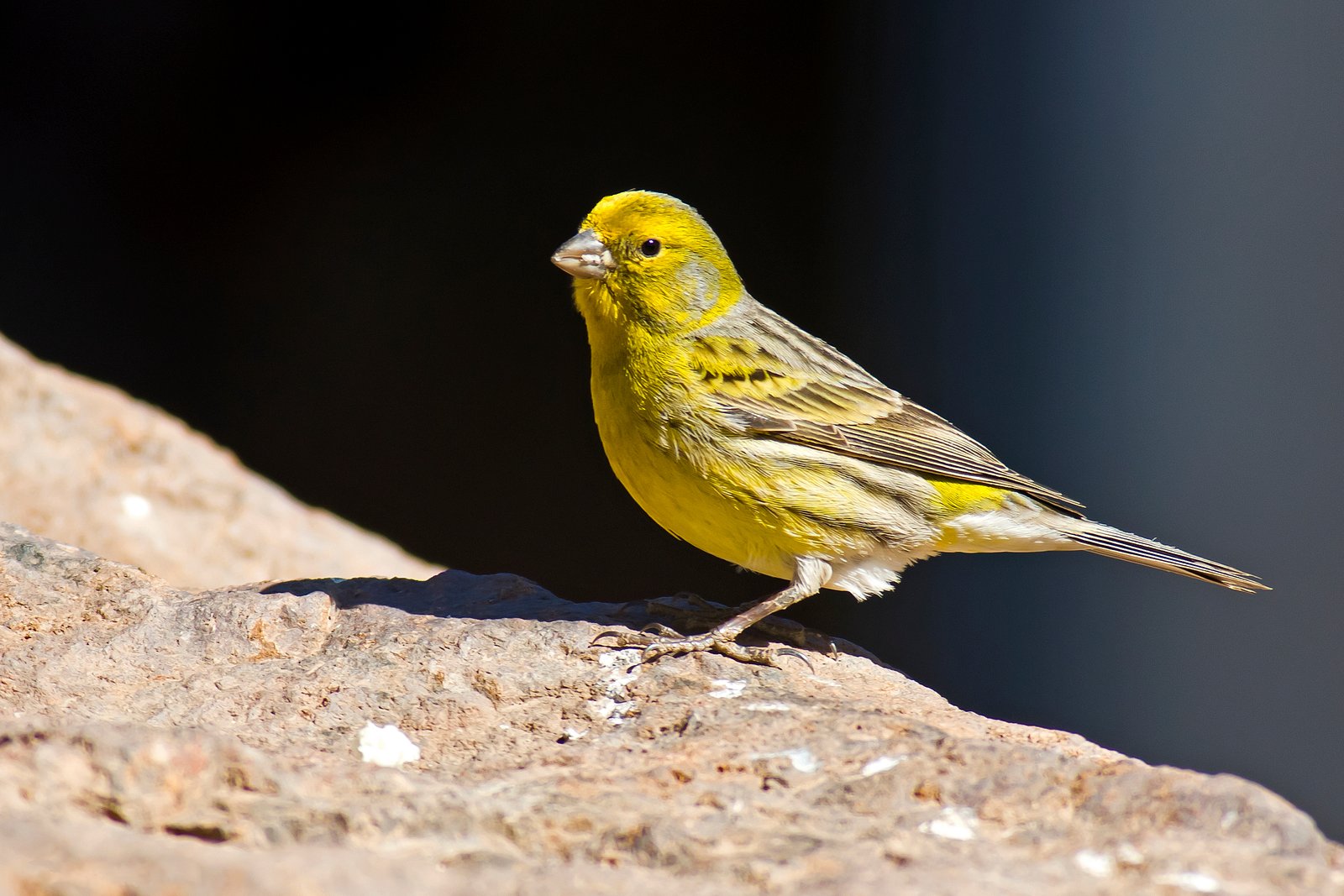

Vagantes 4 espécies
Aves trazidas pelo vento de outros continentes. Não têm área de distribuição aqui e, por isso, não têm mapa de distribuição.
-
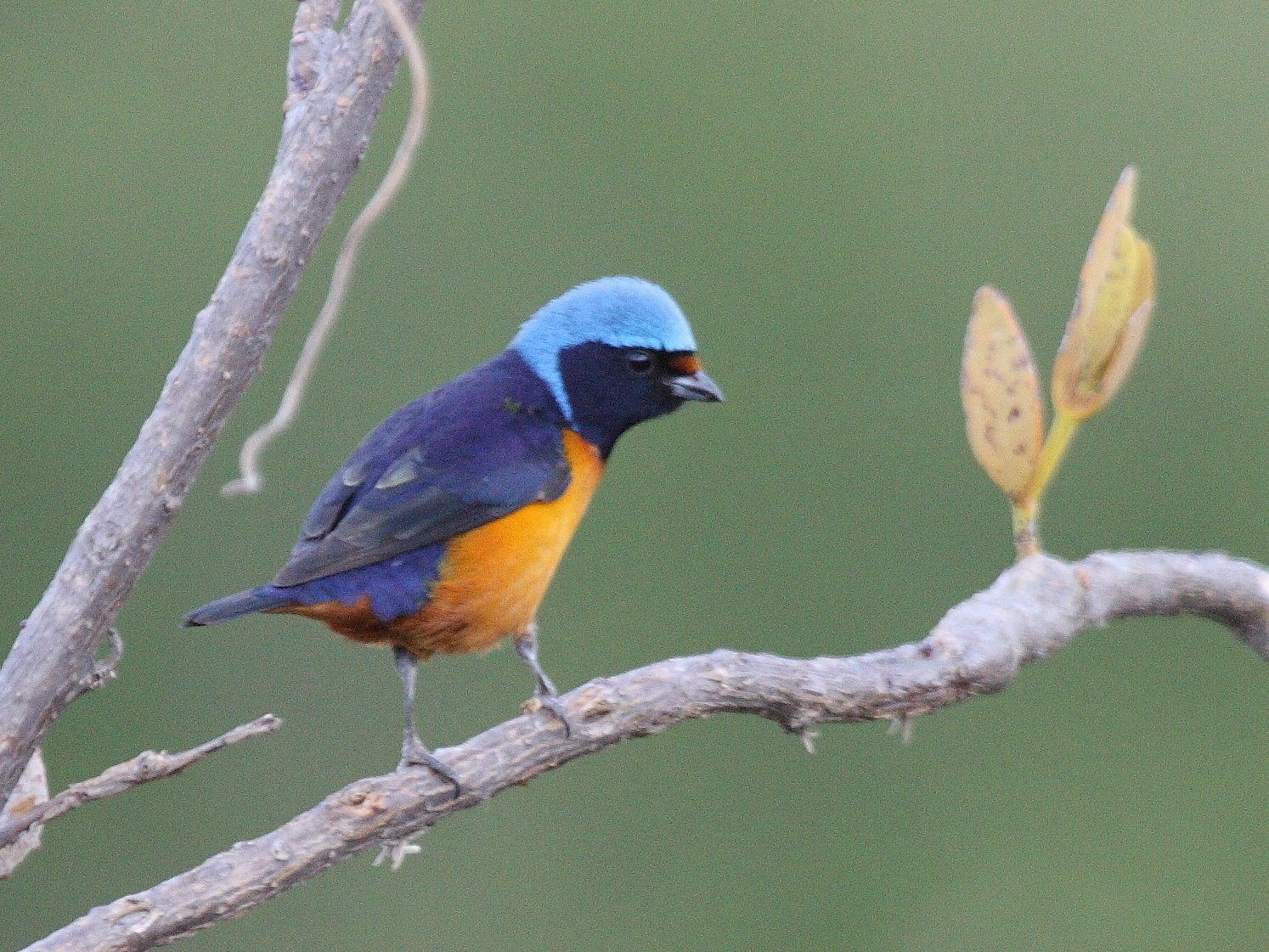
Gaturamo-de-capuz-azul
Chlorophonia elegantissima- Northern Andean subtropical forest
- Secondary forest and forest edge
- Coffee, cacao and agroforestry
-
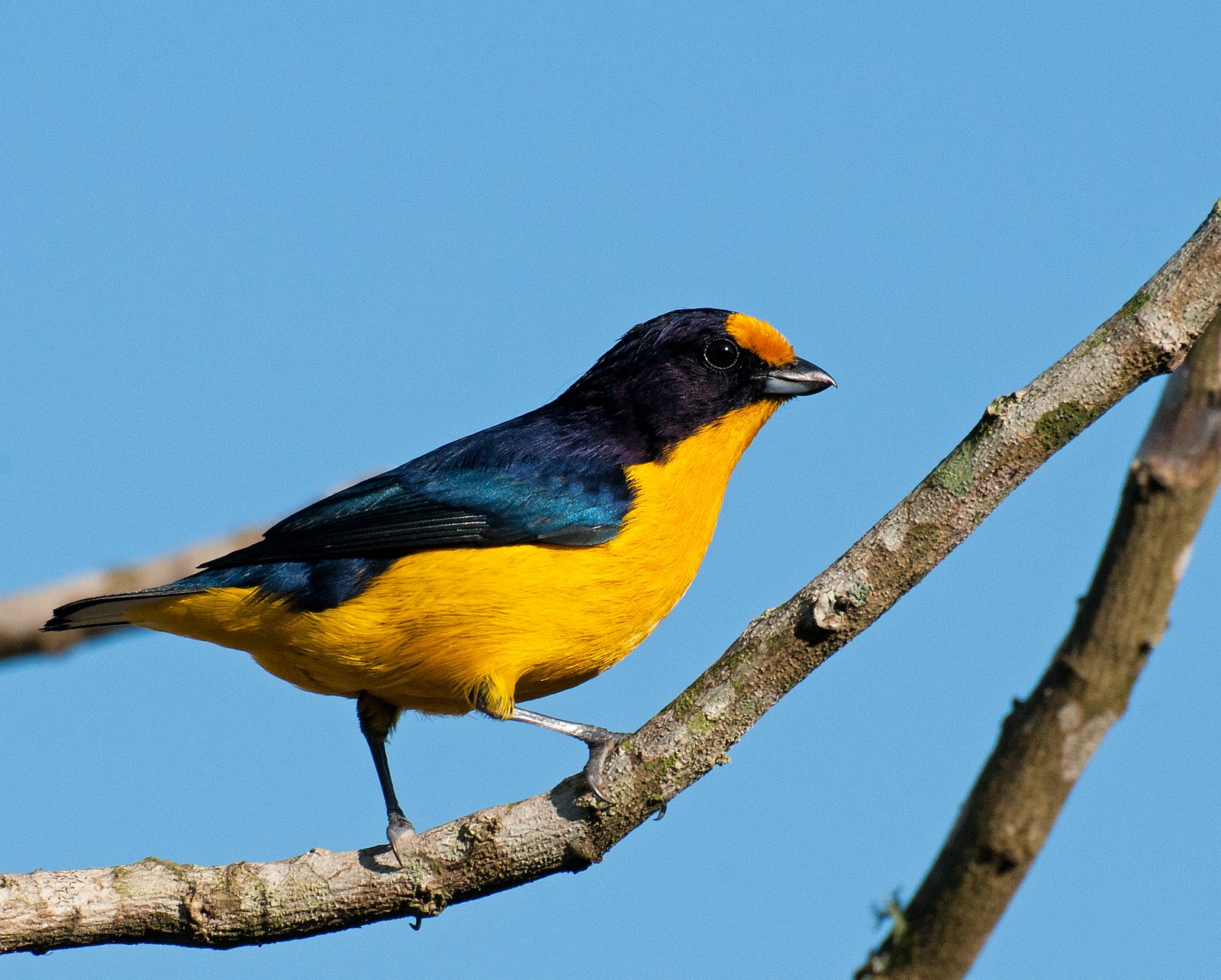
Gaturamo-verdadeiro
Euphonia violacea- Secondary forest and forest edge
- Amazonian terra firme rainforest
- Coffee, cacao and agroforestry
- Towns, cities and parks
-
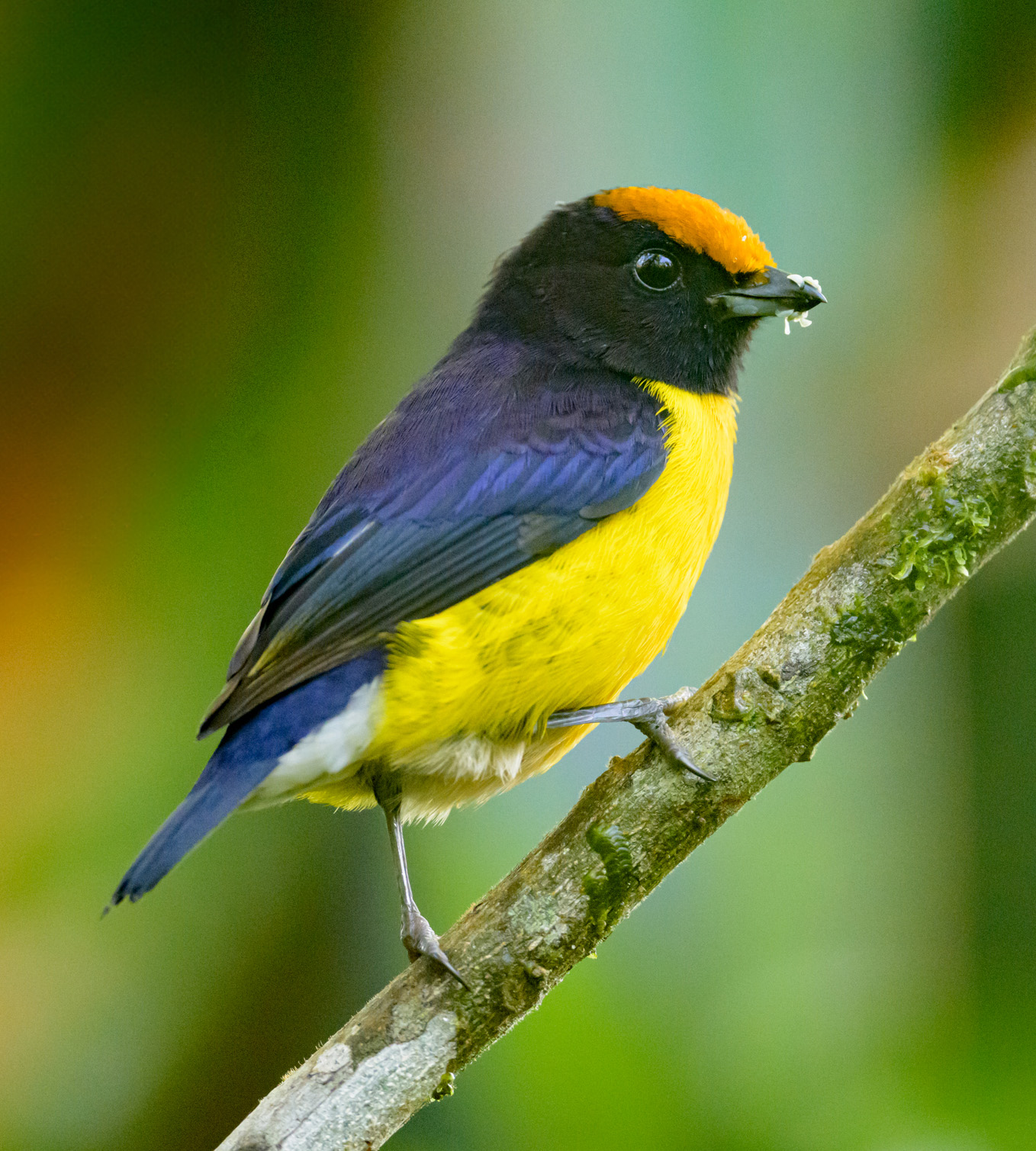
Gaturamo-de-coroa-fulva
Euphonia anneae- Northern Andean subtropical forest
- Secondary forest and forest edge
- Chocó rainforest
-
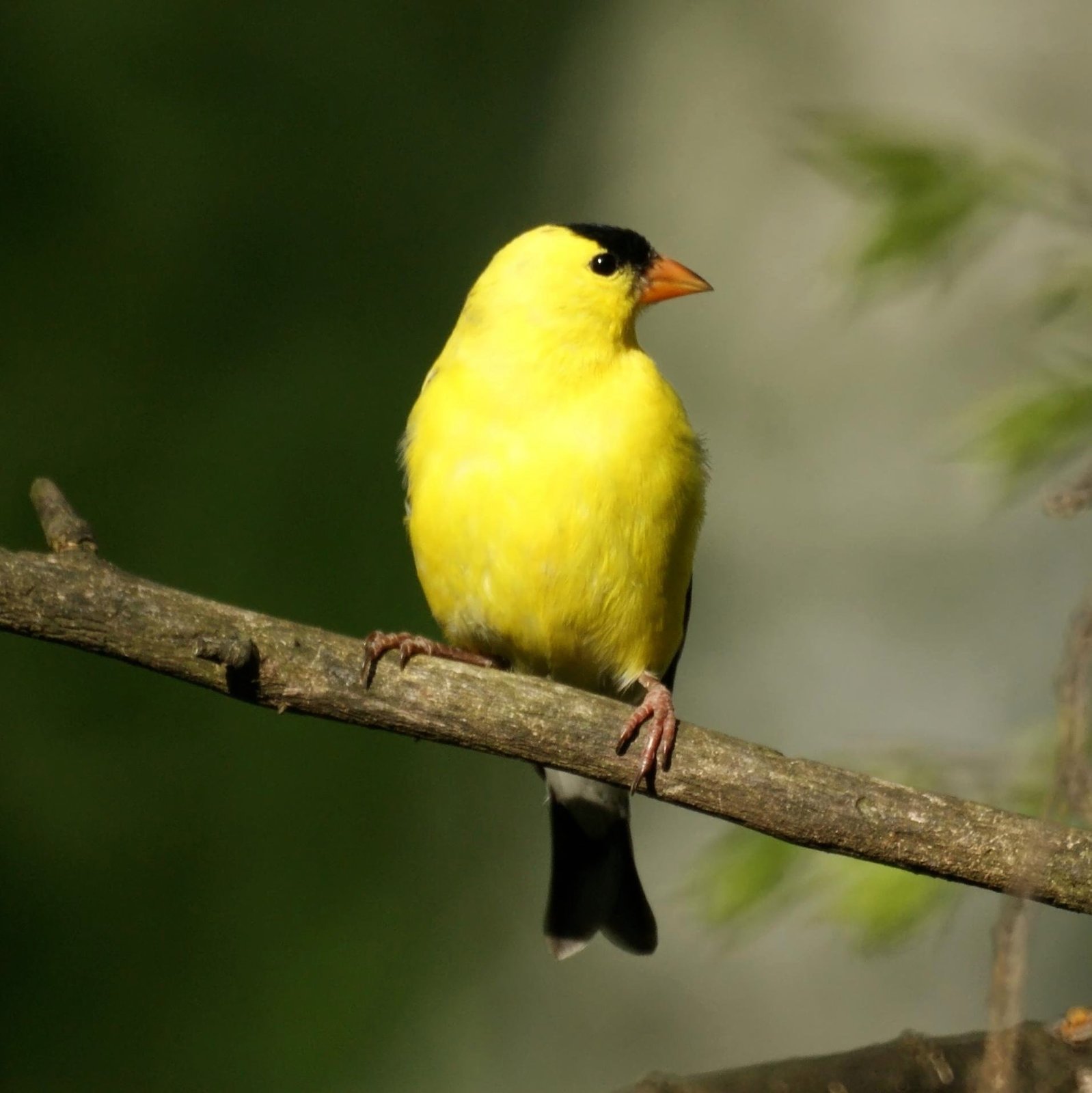
Pintassilgo-americano
Spinus tristis- Secondary forest and forest edge
- Pasture and ranchland
- Riparian woodland of the Andes and coastal valleys
- Towns, cities and parks