Todas as espécies › Passerines › Tanagers and allies
Tanagers and allies | Thraupidae
Tangaren | Tanagers and allies | Tángaras
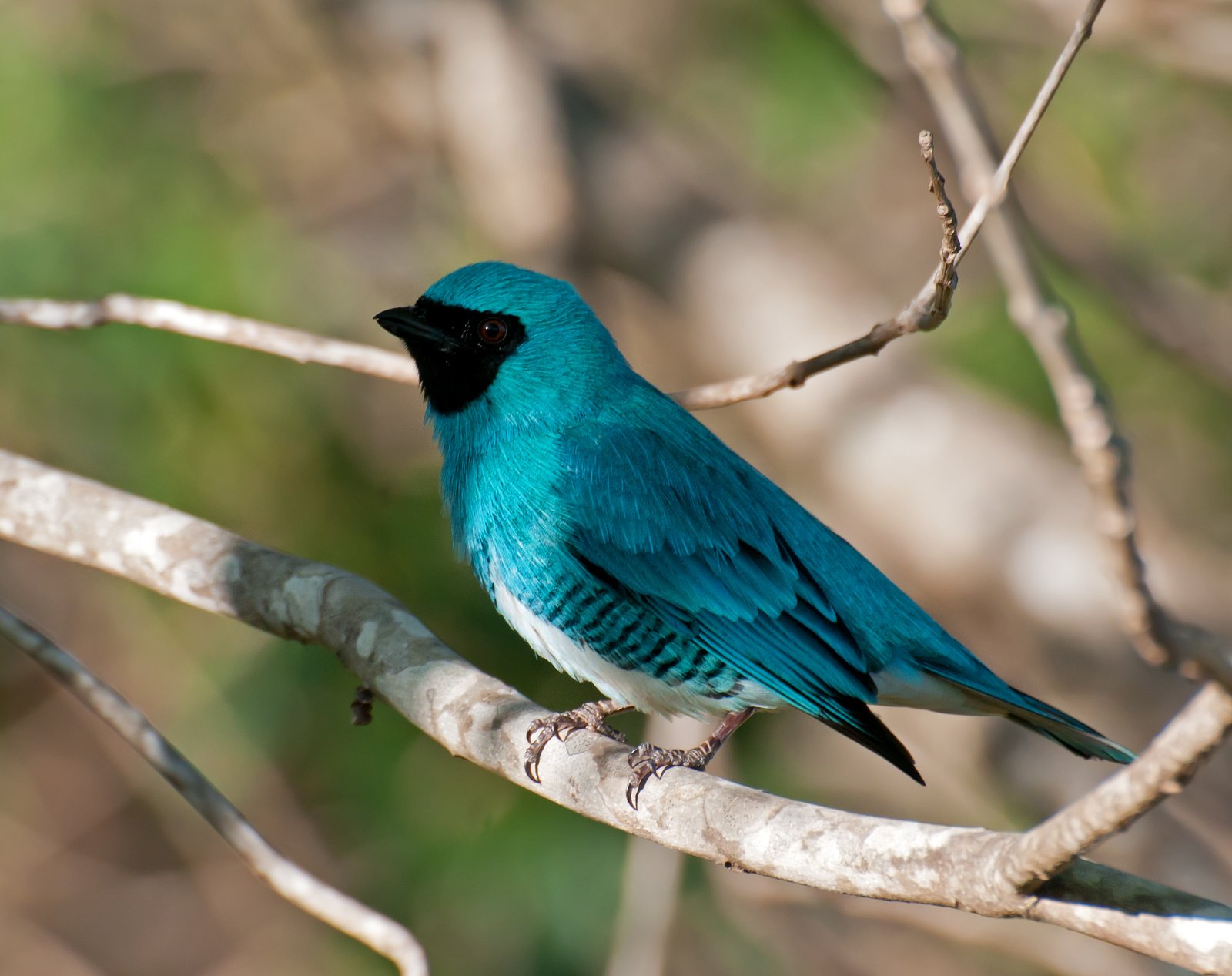
One of the largest bird families in the world, with two hundred and ninety-nine species in ninety-one genera in this guide, from coastal desert, dry scrub and the grasslands of páramo and puna to rainforest, cloud forest and gardens, with the greatest richness on the humid slopes of the Andes. The family has been established in its current form only through DNA studies and includes birds of very different appearance. The typical tanagers, such as the species of Tangara, are small to medium-sized birds with a short, stout bill and often brilliantly colourful plumage; they eat mainly fruit and insects and travel through the canopy in mixed flocks. Also included are the honeycreepers and dacnises, with thin, curved bills and glossy blue or green plumage, which take nectar, fruit and insects; the flowerpiercers, whose hook-tipped bill slits the corolla to steal nectar; the Bananaquit; the seedeaters and the saltators with their thick seed-cracking bills; the sierra finches and yellow finches of the high Andes; and Darwin's finches of the Galápagos, which have evolved there into species with strikingly different bills. Song is usually simple, but clear and melodious in the saltators. The nest is generally an open cup in a tree or shrub, usually with two eggs; the Bananaquit builds a domed nest and the Swallow Tanager breeds in a burrow in a bank.
Espécies nativas 283 espécies
Espécies que ocorrem aqui naturalmente: reprodutoras, visitantes de inverno e migrantes de passagem. Estão organizadas por gênero, na sequência da lista.
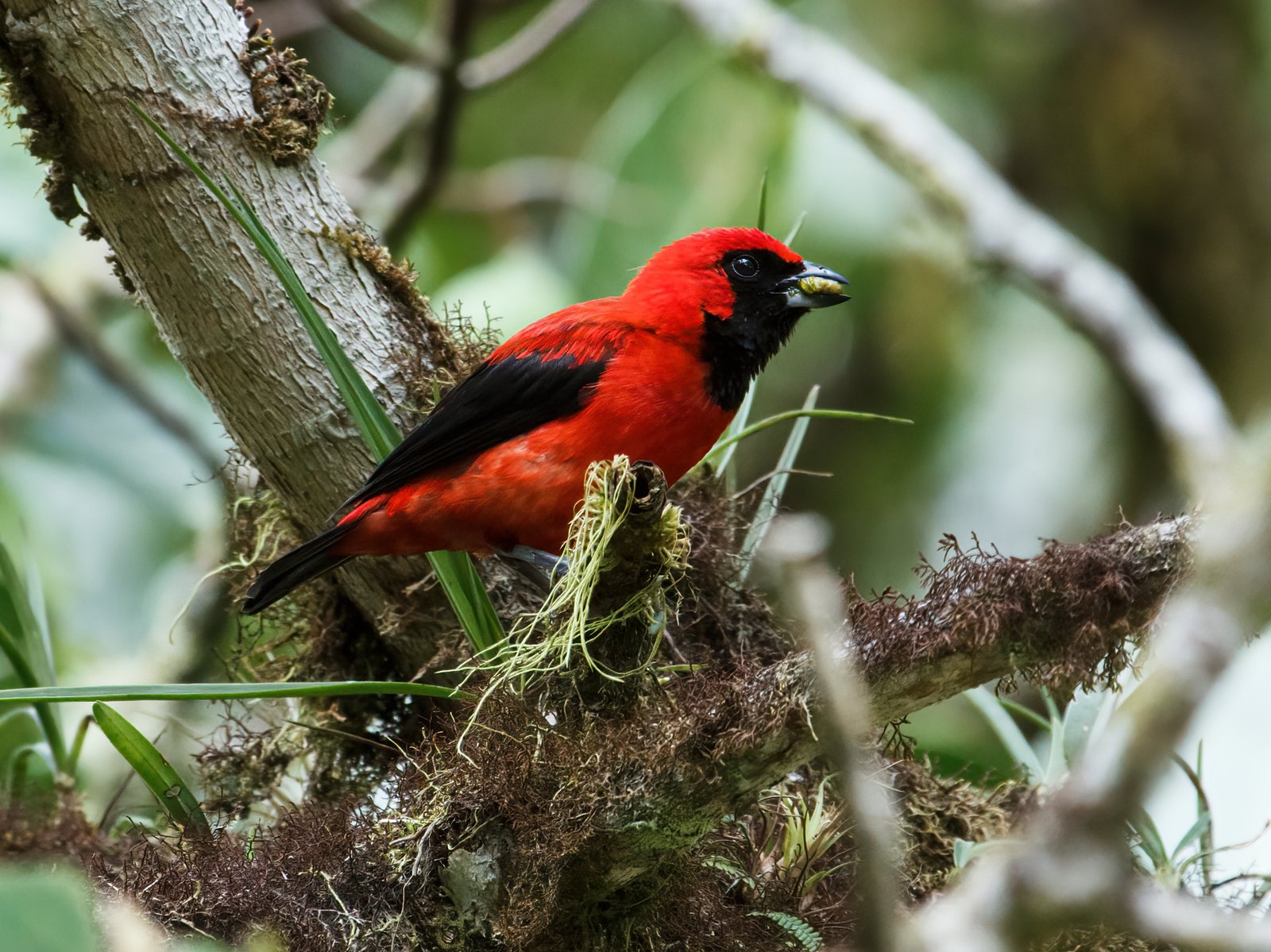
Calochaetes 1 espécie
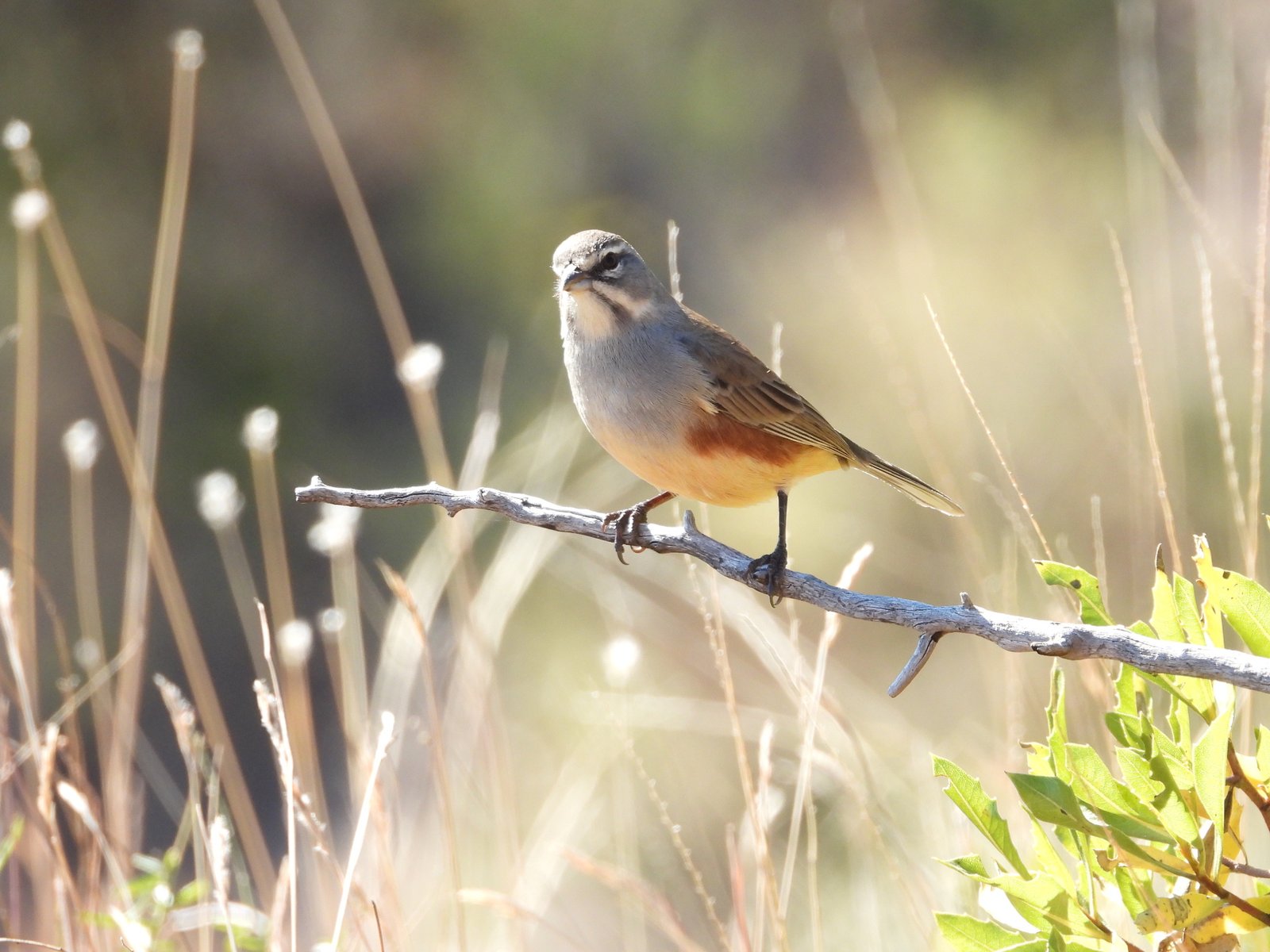
Poospizopsis 2 espécies

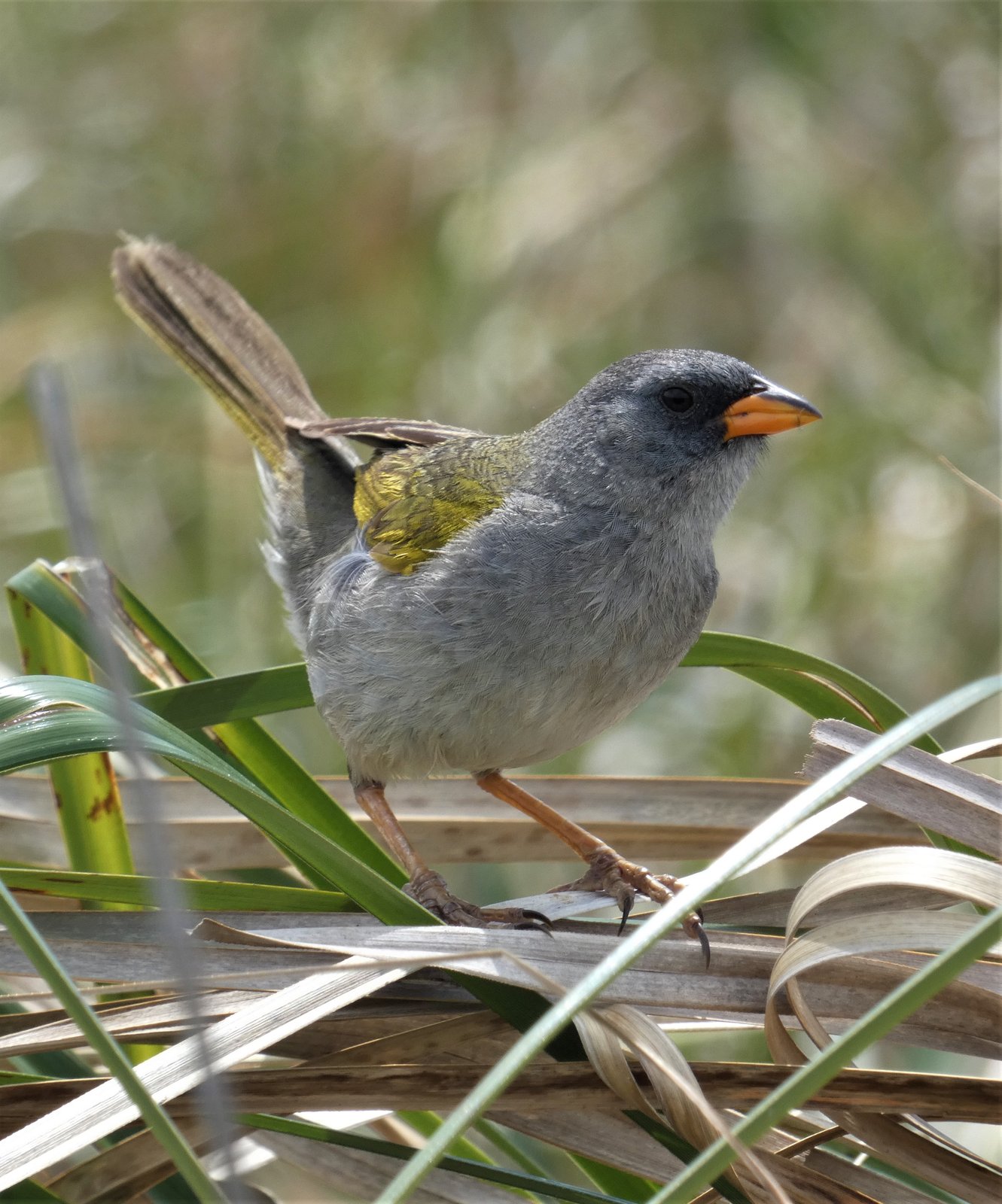
Embernagra 1 espécie
Bangsia 5 espécies
-
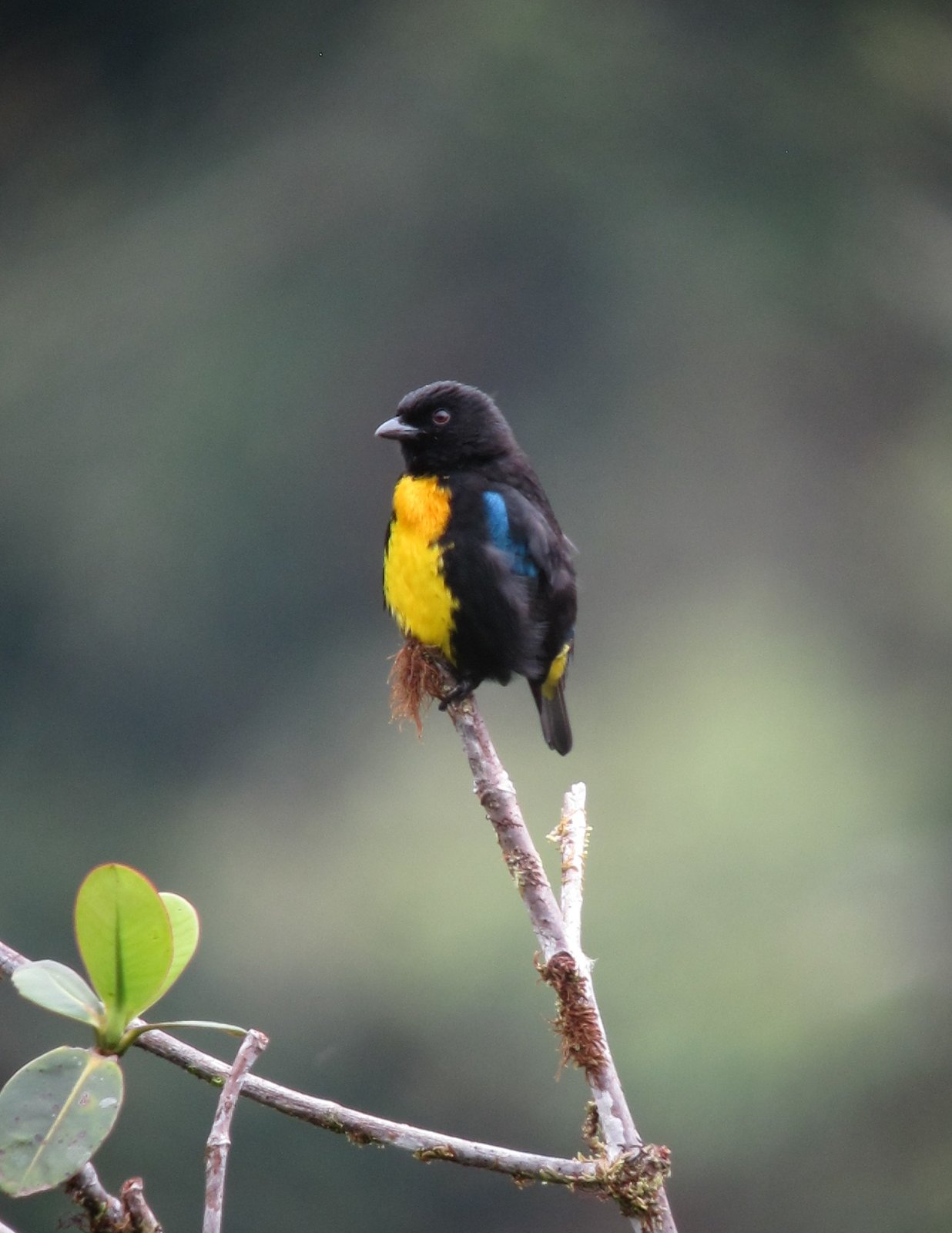
Sanhaço-preto-e-dourado
Bangsia melanochlamys Northern Andean subtropical forest
 Northern Andean cloud forest and temperate forest
 Secondary forest and forest edge
-

Sanhaço-de-peito-dourado
Bangsia rothschildi Chocó rainforest
- Northern Andean subtropical forest
 Western Ecuador humid forest
- Secondary forest and forest edge
-
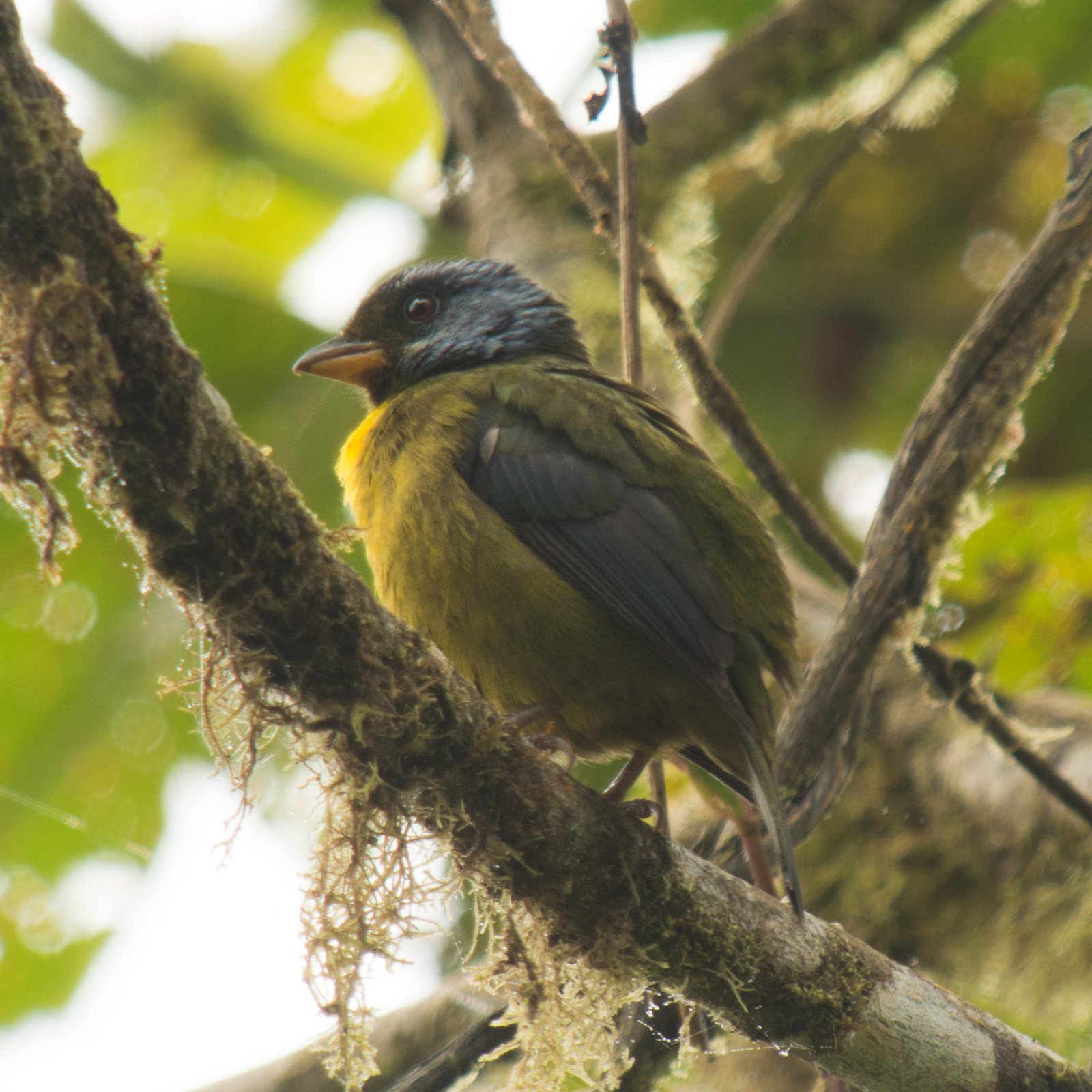
Sanhaço-de-dorso-musgo
Bangsia edwardsi- Northern Andean subtropical forest
- Chocó rainforest
- Western Ecuador humid forest
- Secondary forest and forest edge
-

Sanhaço-de-anel-dourado
Bangsia aureocincta- Northern Andean cloud forest and temperate forest
- Northern Andean subtropical forest
-
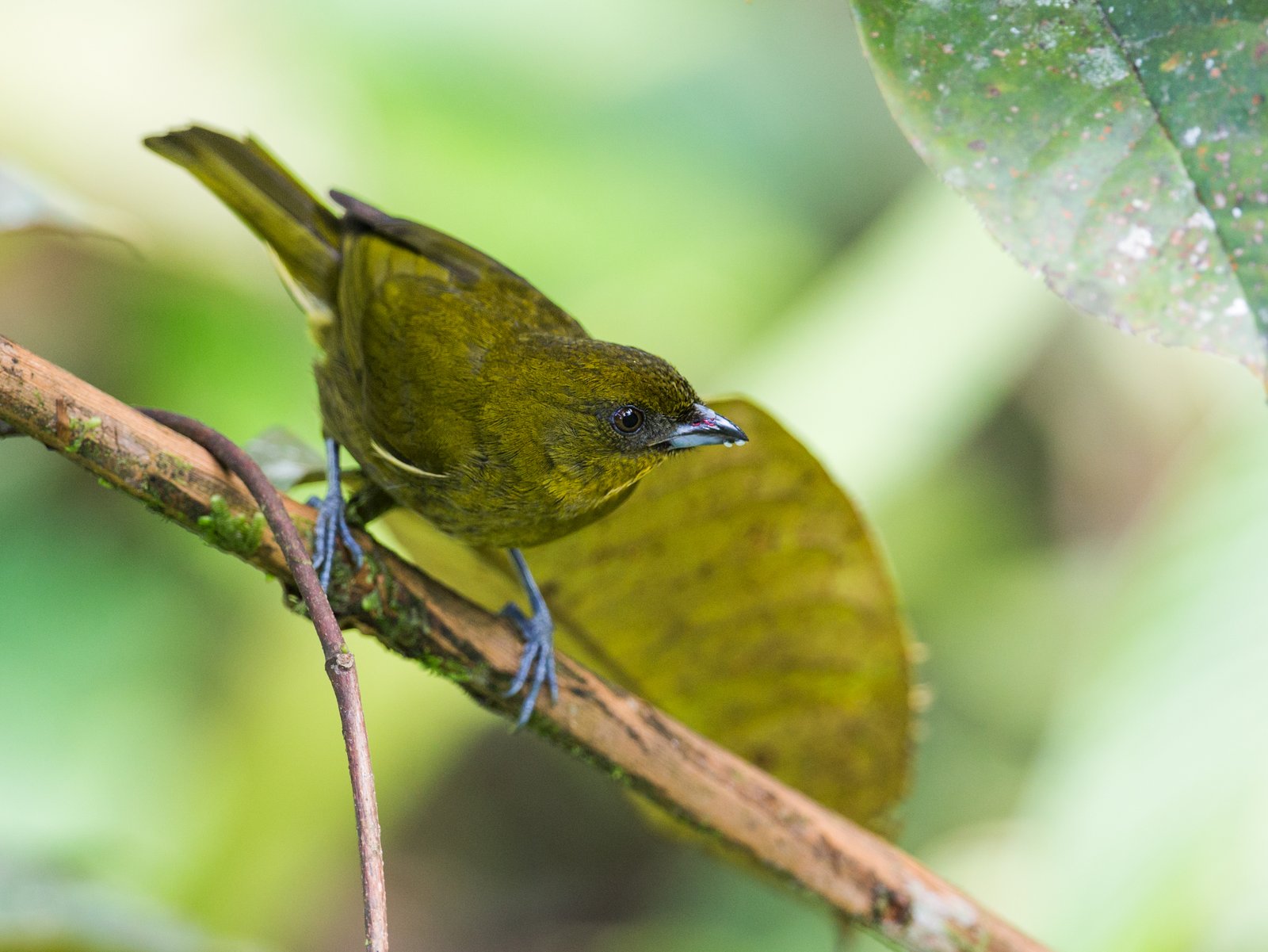
Sanhaço-verde-amarelado
Bangsia flavovirens- Northern Andean subtropical forest
- Chocó rainforest
- Western Ecuador humid forest
Microspingus 5 espécies
-

Capacetinho-de-cauda-lisa
Microspingus alticola Polylepis woodland
 Jalca
 Central Andean dry valleys
-
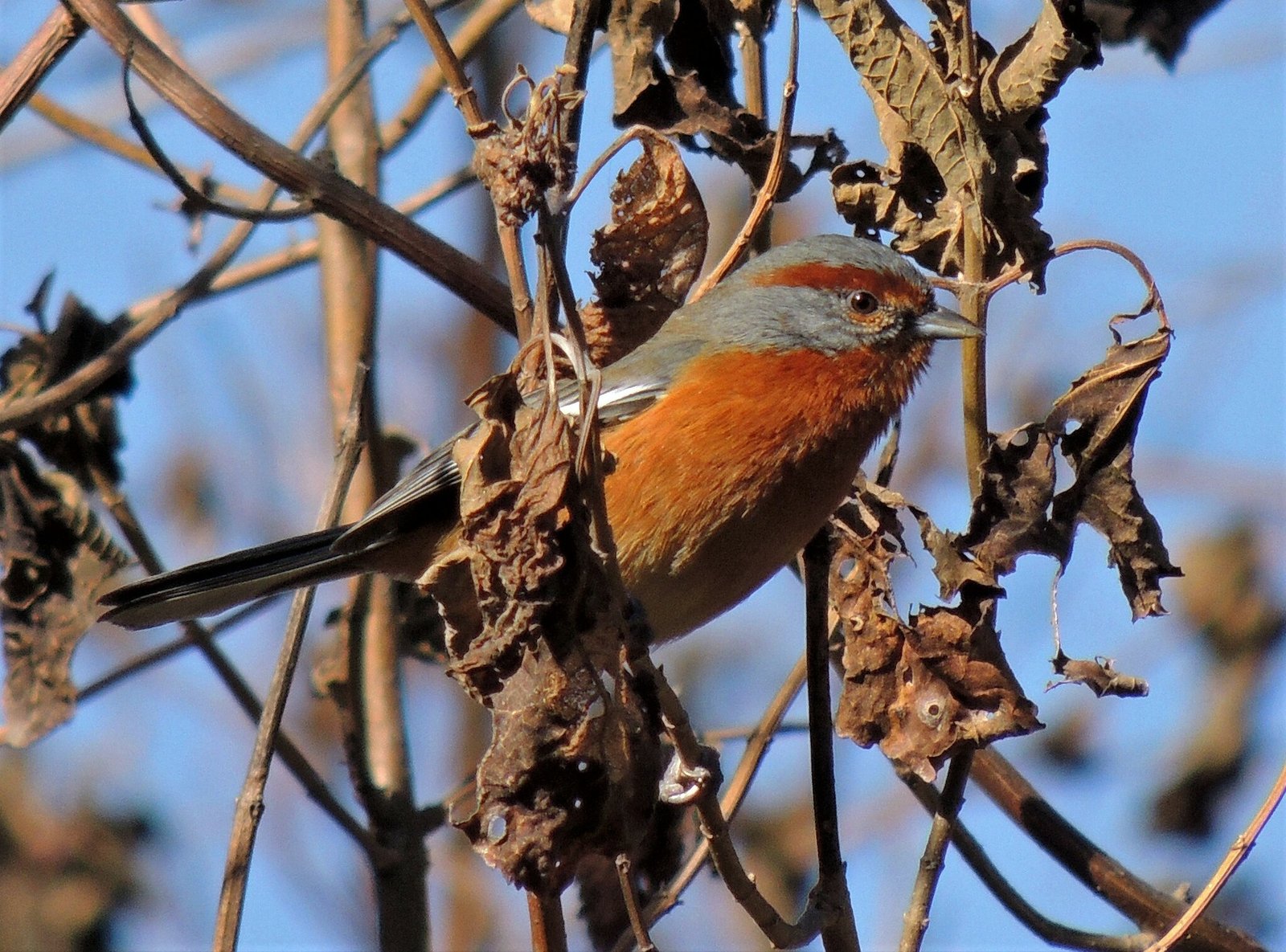
Capacetinho-de-sobrancelha-ruiva
Microspingus erythrophrys Upper Yungas cloud forest
 Lower Yungas forest
- Secondary forest and forest edge
-
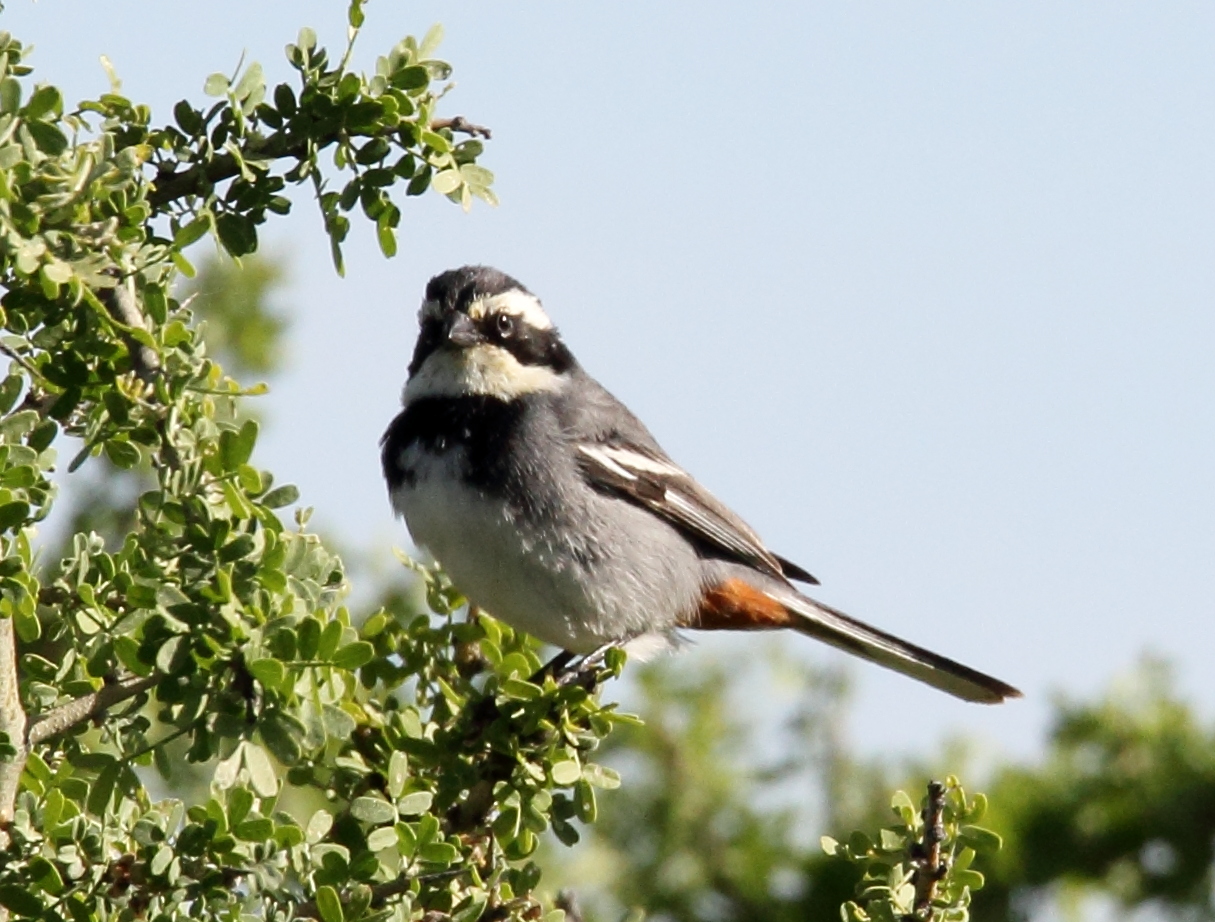
Capacetinho-de-colar
Microspingus torquatus Chiquitano dry forest and Chaco
- Central Andean dry valleys
- Secondary forest and forest edge
-
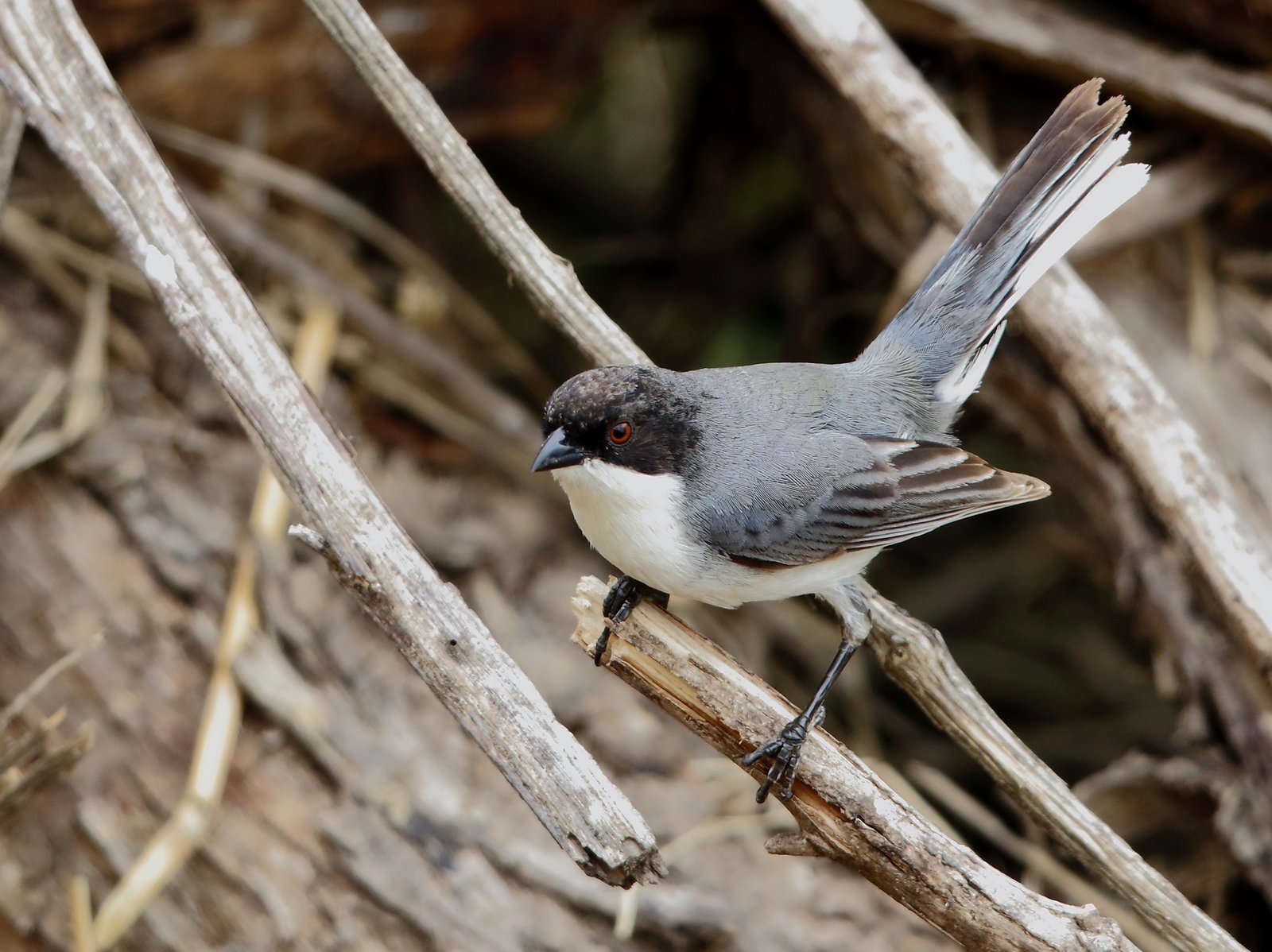
Capacetinho
Microspingus melanoleucus- Chiquitano dry forest and Chaco
- Central Andean dry valleys
- Secondary forest and forest edge
-
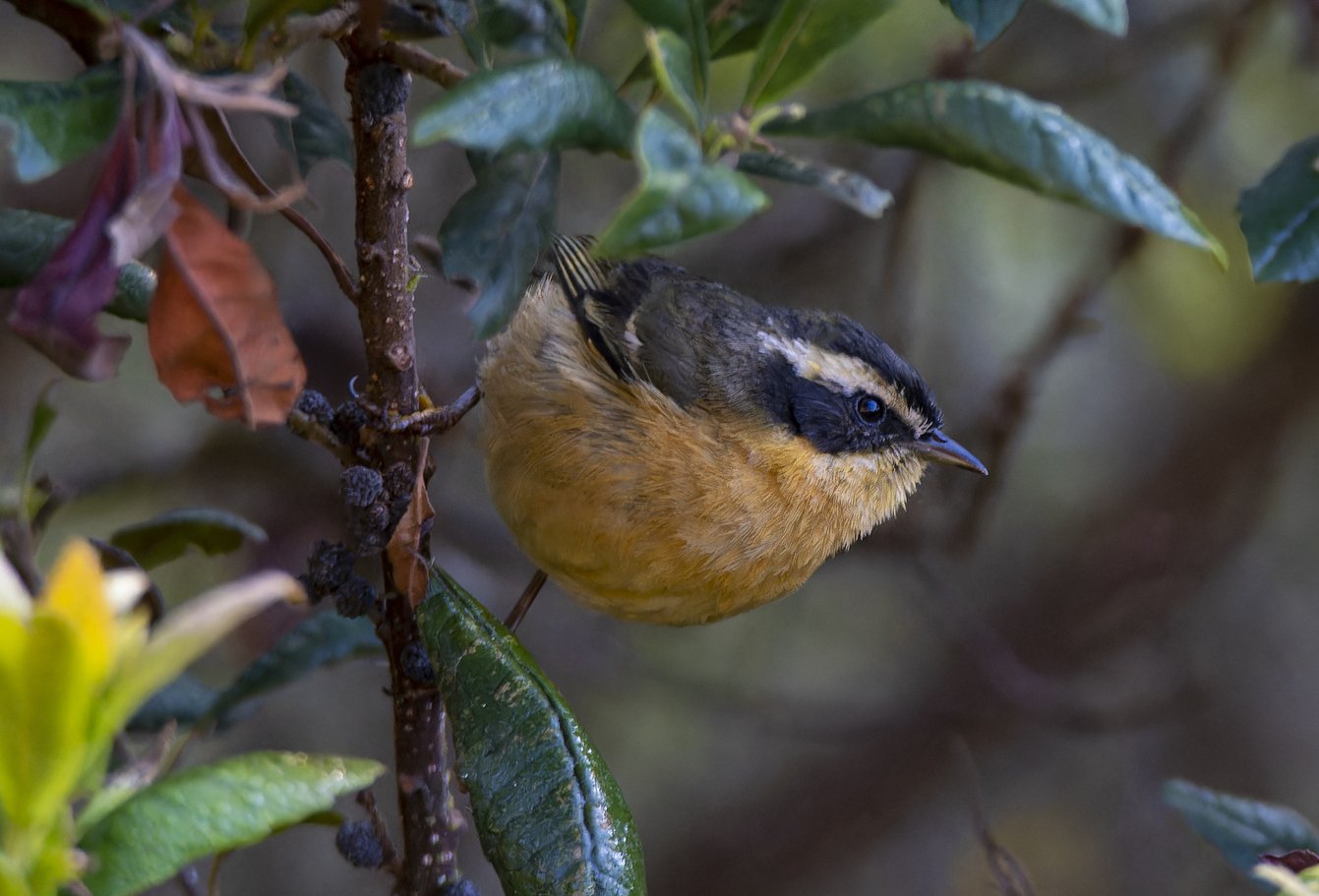
Capacetinho-de-três-listras
Microspingus trifasciatus- Upper Yungas cloud forest
- Polylepis woodland
- Northern Andean cloud forest and temperate forest
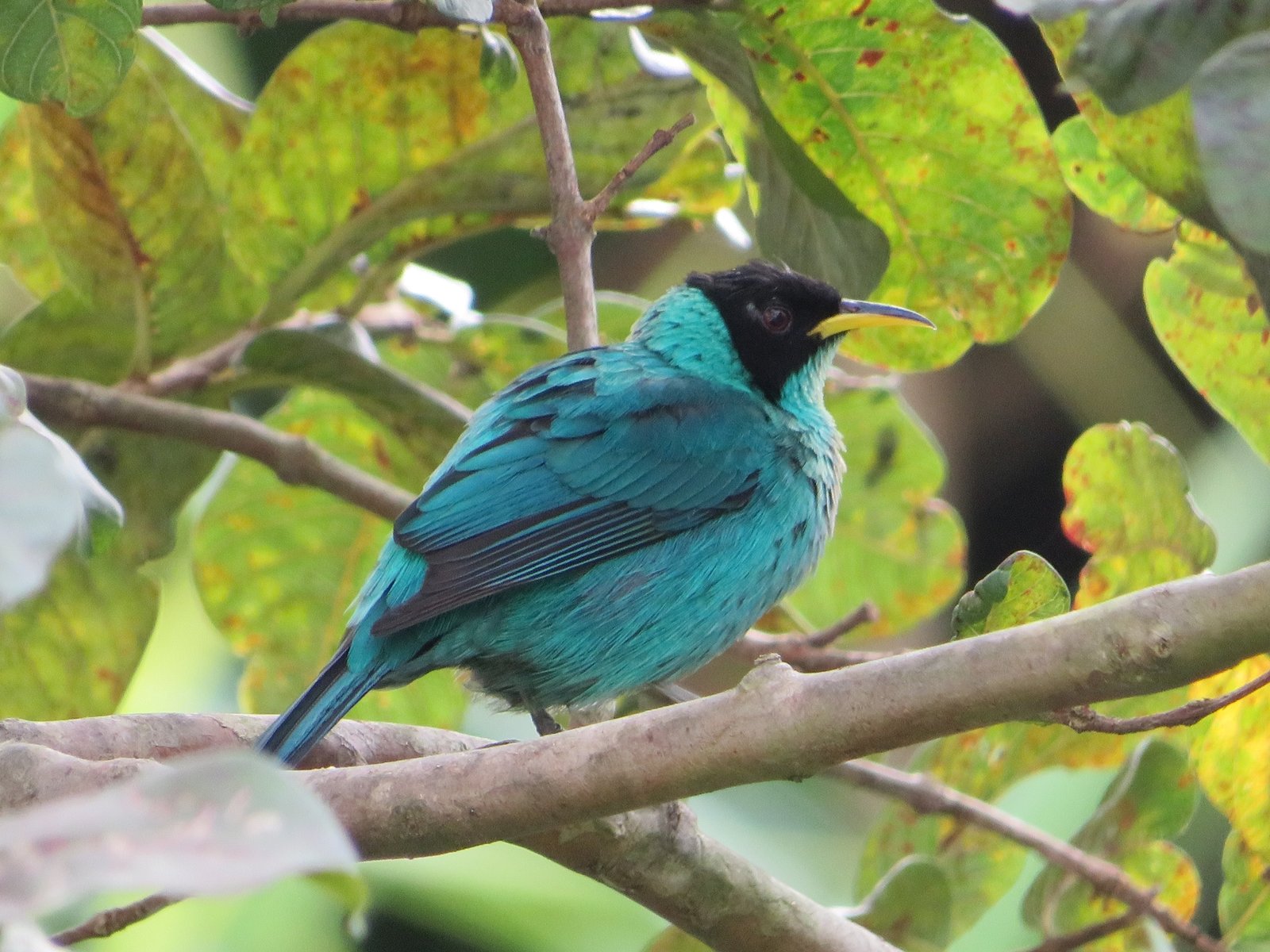
Chlorophanes 1 espécie
Poecilostreptus 1 espécie
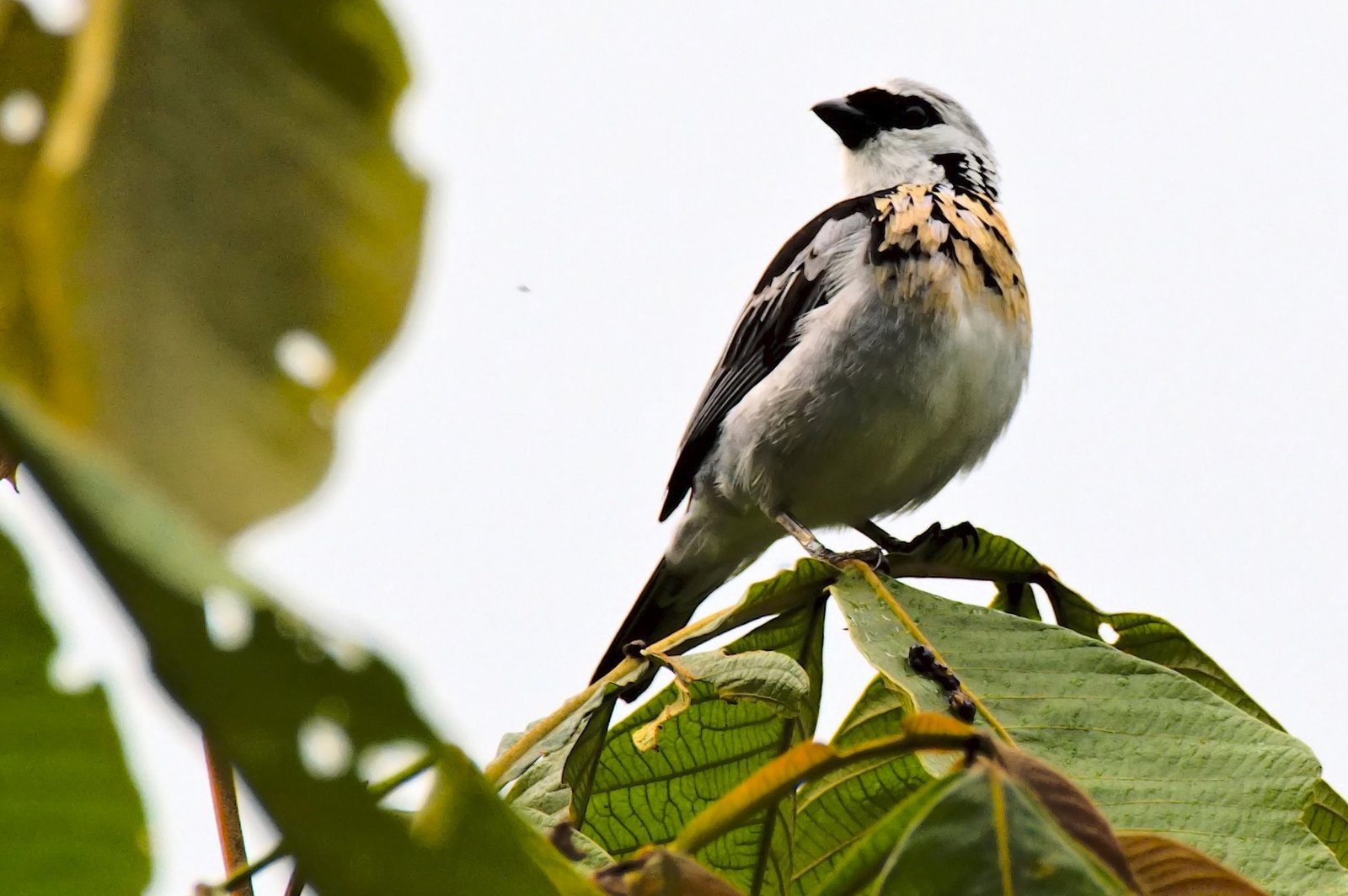
Schistochlamys 1 espécie
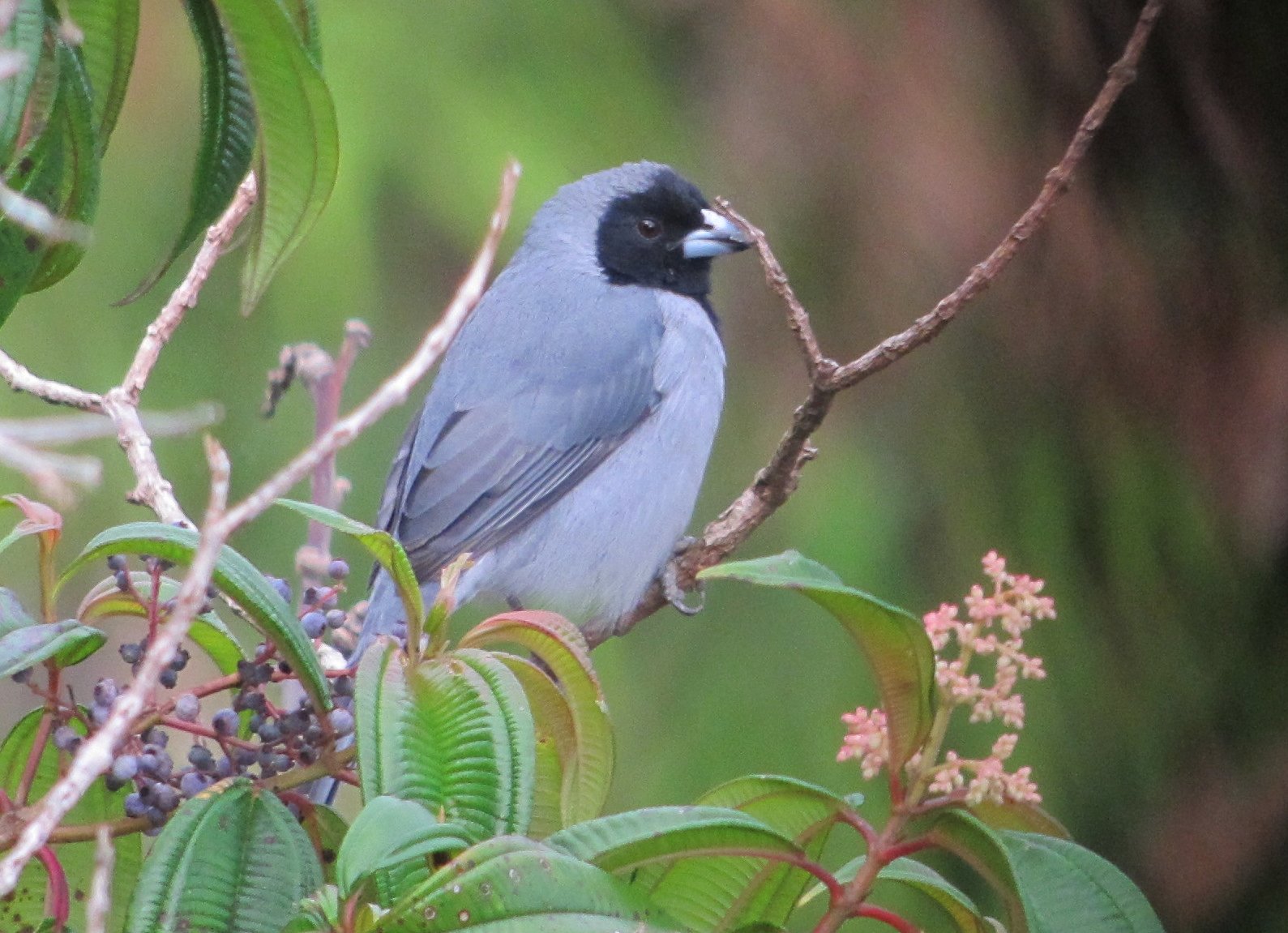
Eucometis 1 espécie
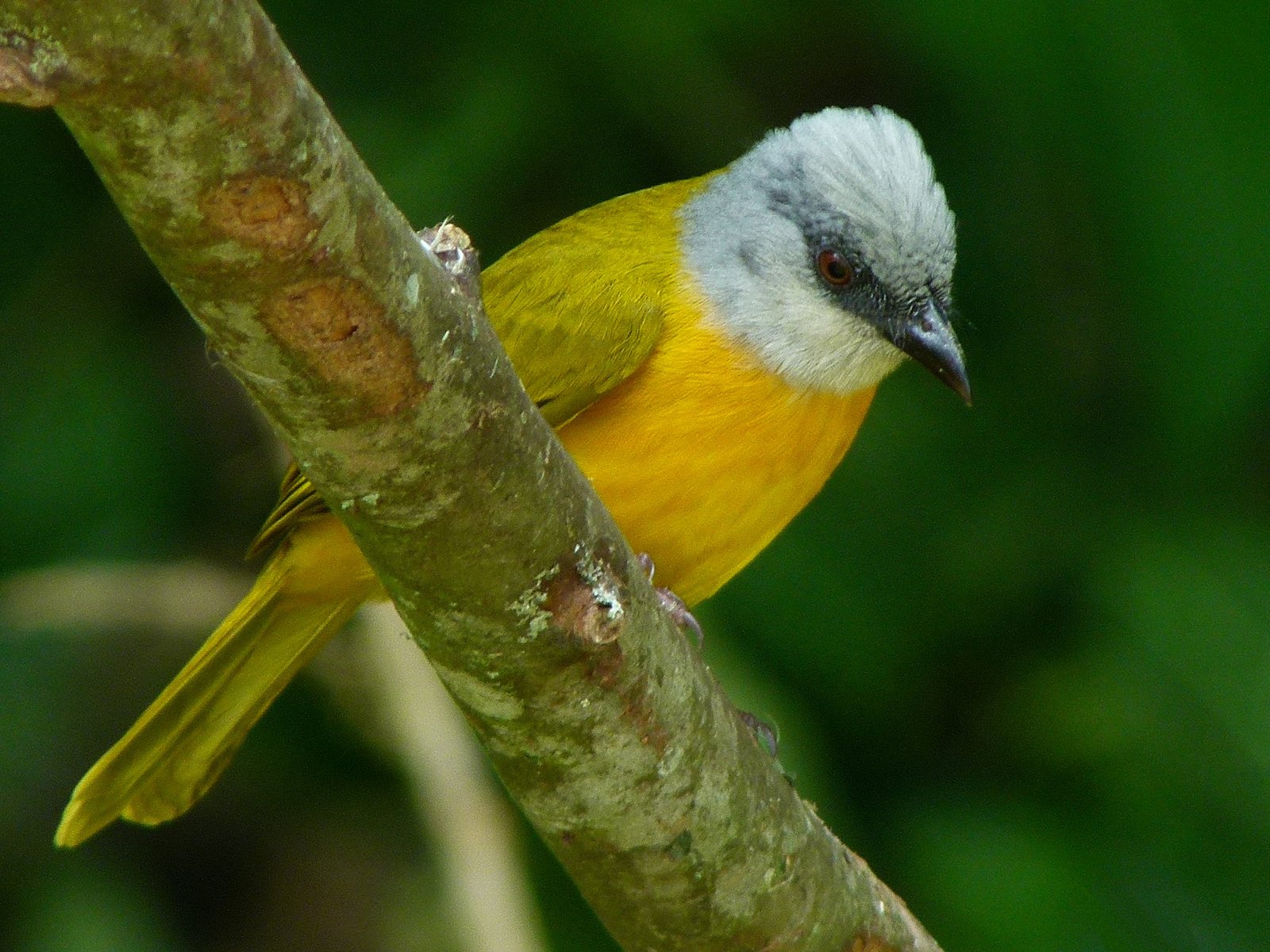
Anisognathus 5 espécies
-
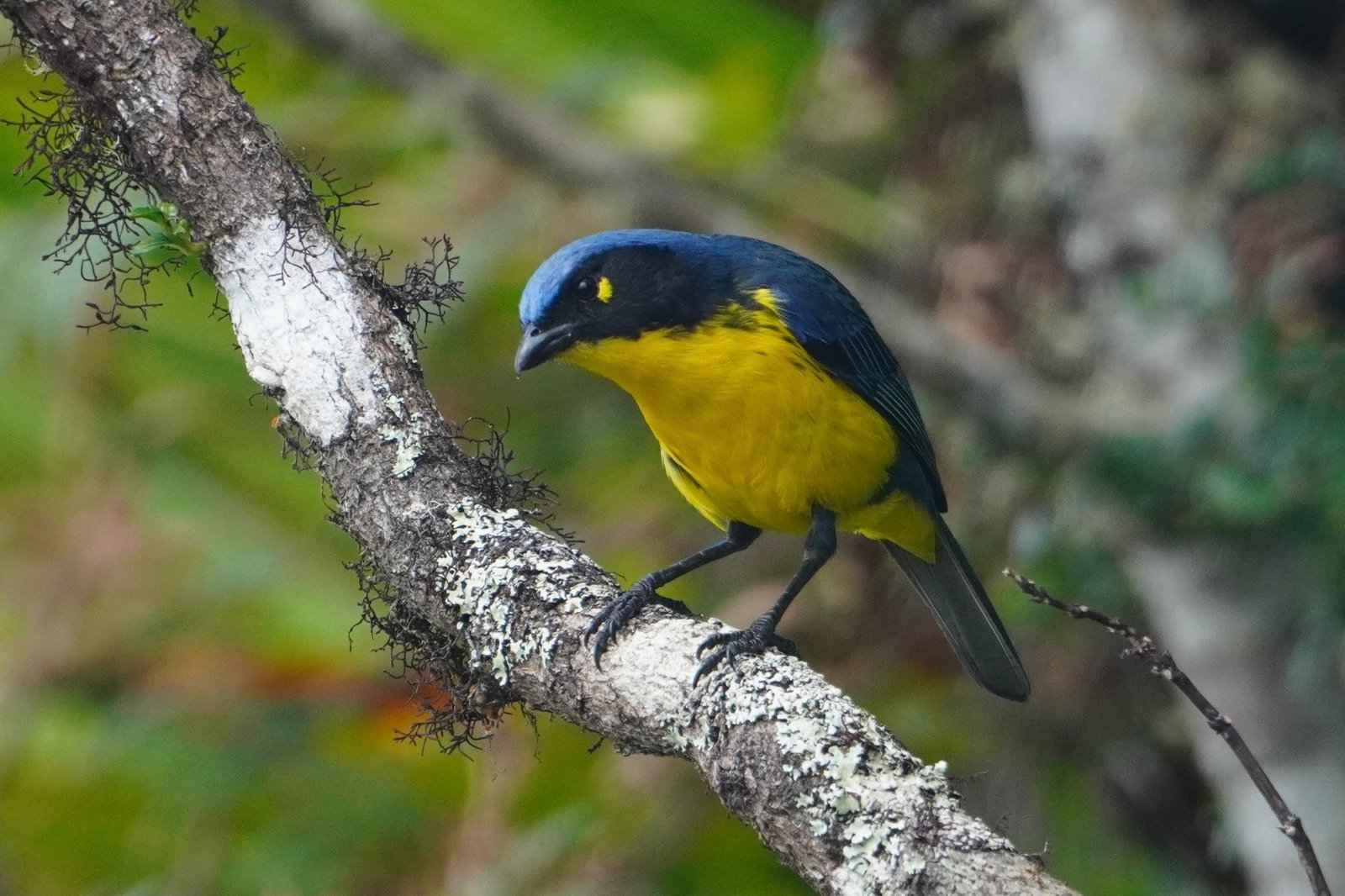
Sanhaço-montanhês-de-santa-marta
Anisognathus melanogenys- Northern Andean cloud forest and temperate forest
- Secondary forest and forest edge
-
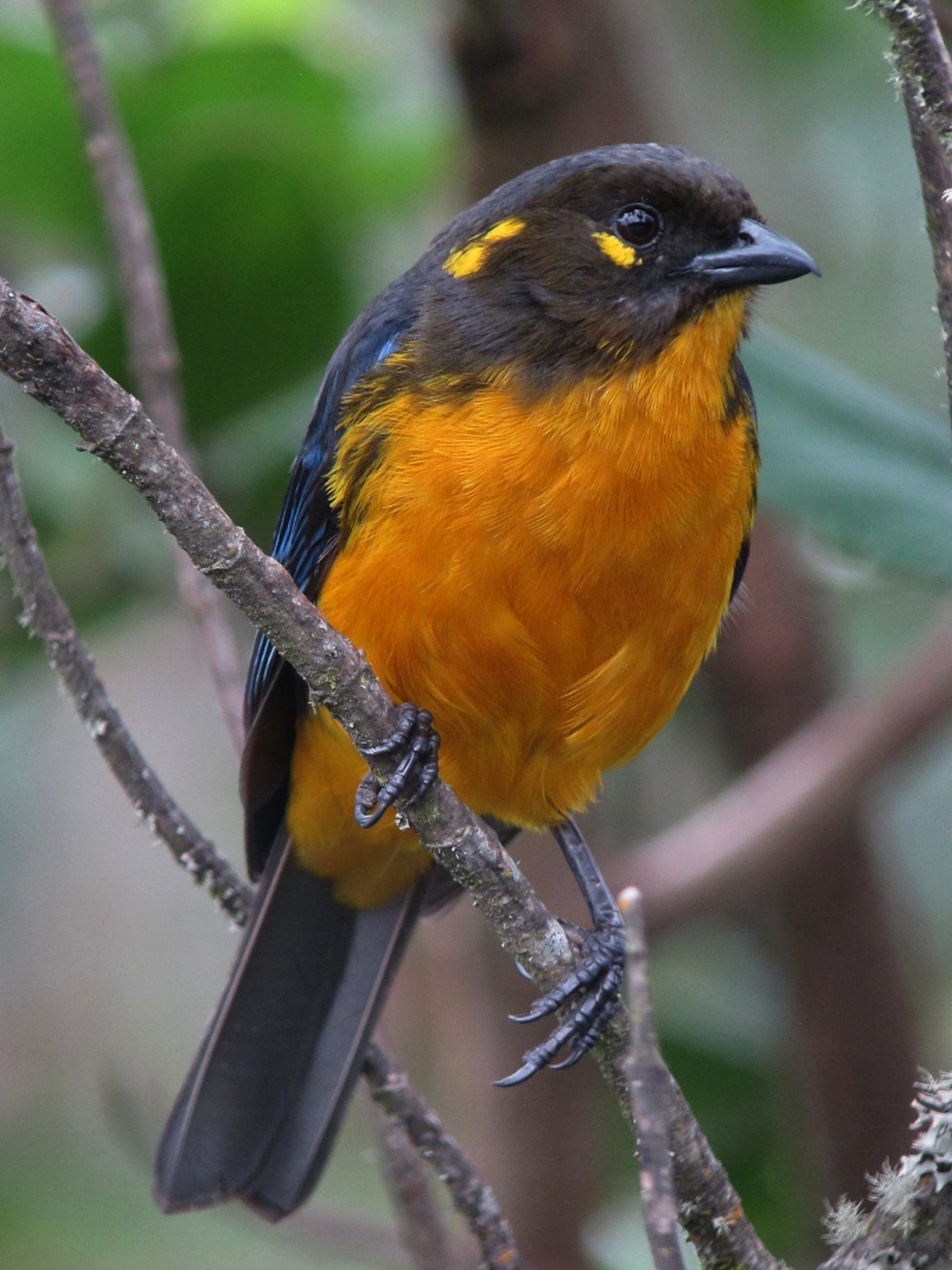
Sanhaço-montanhês-lacrimoso
Anisognathus lacrymosus- Northern Andean cloud forest and temperate forest
- Upper Yungas cloud forest
- Secondary forest and forest edge
-
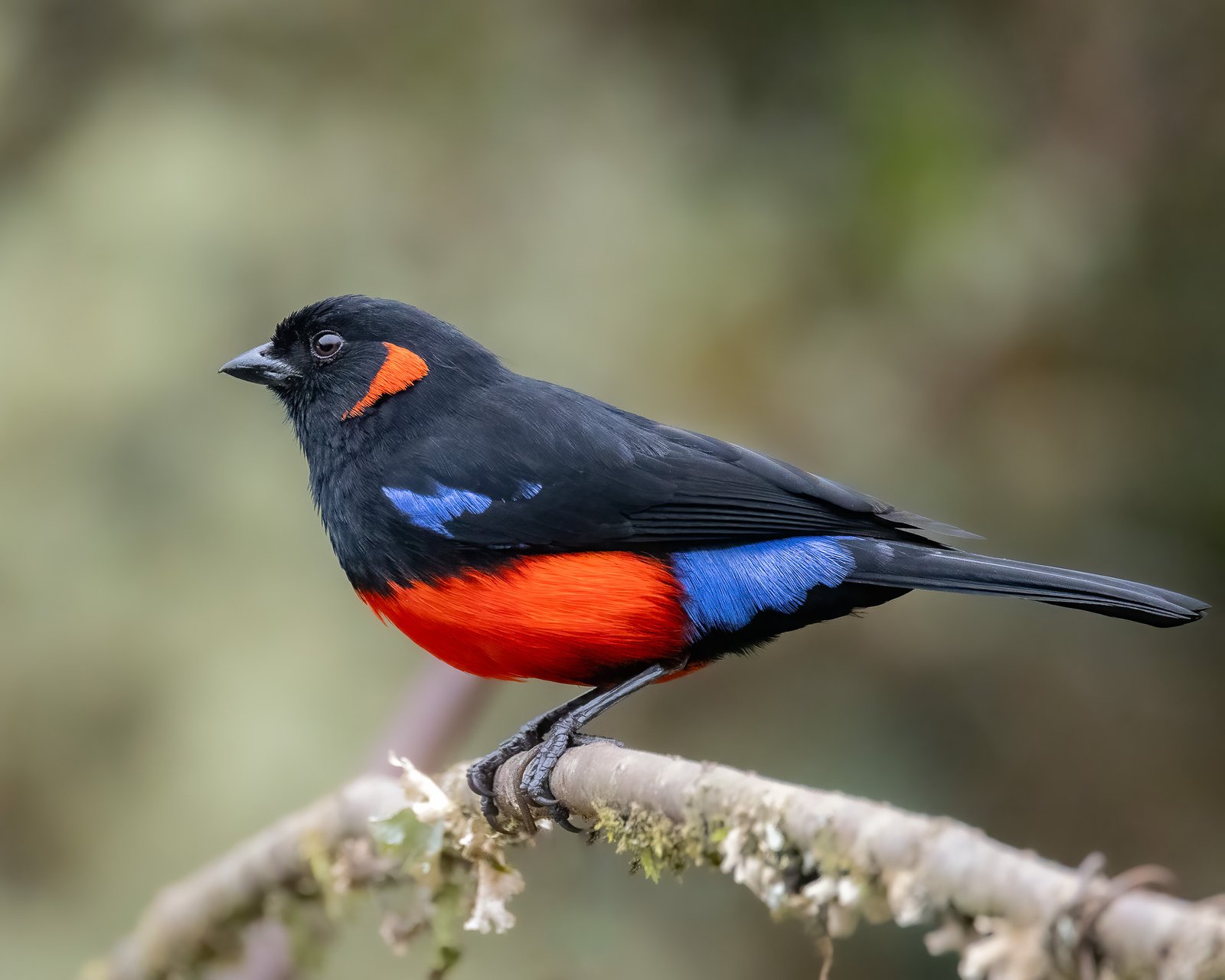
Sanhaço-montanhês-de-barriga-escarlate
Anisognathus igniventris- Northern Andean cloud forest and temperate forest
- Upper Yungas cloud forest
- Polylepis woodland
 Páramo
- Secondary forest and forest edge
-
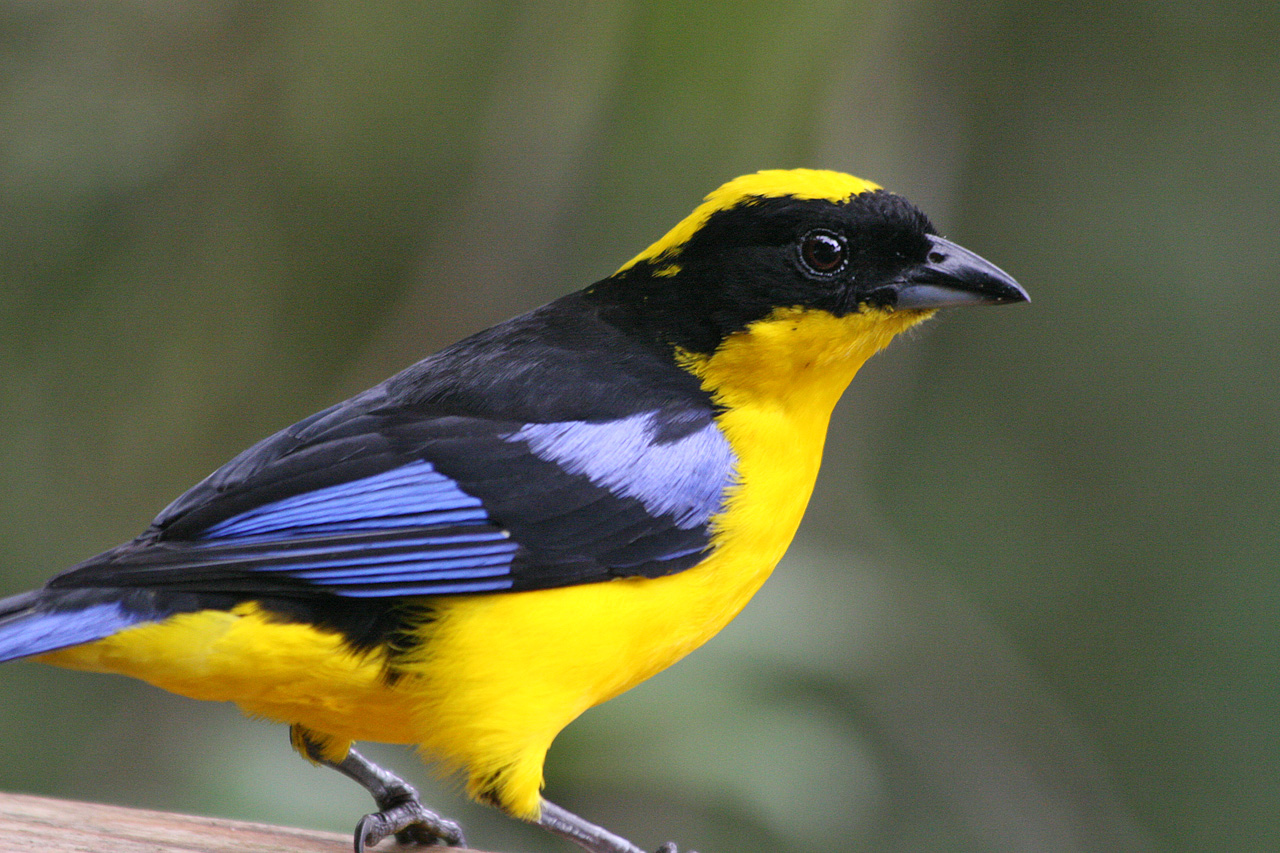
Sanhaço-montanhês-de-asa-azul
Anisognathus somptuosus- Northern Andean cloud forest and temperate forest
- Northern Andean subtropical forest
- Upper Yungas cloud forest
- Lower Yungas forest
- Secondary forest and forest edge
-
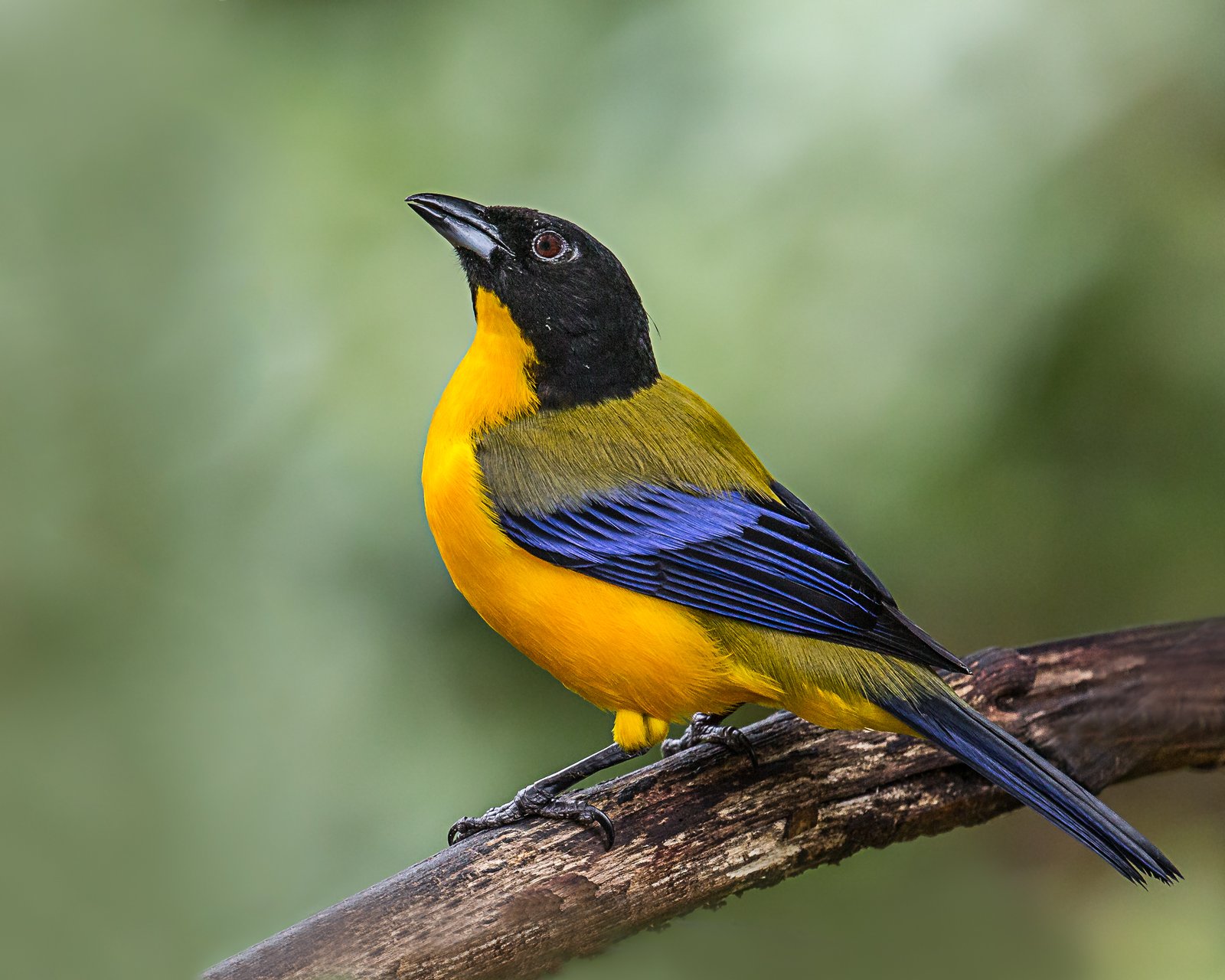
Sanhaço-montanhês-de-queixo-preto
Anisognathus notabilis- Northern Andean subtropical forest
- Northern Andean cloud forest and temperate forest
- Chocó rainforest
- Secondary forest and forest edge
Geospiza 9 espécies
-
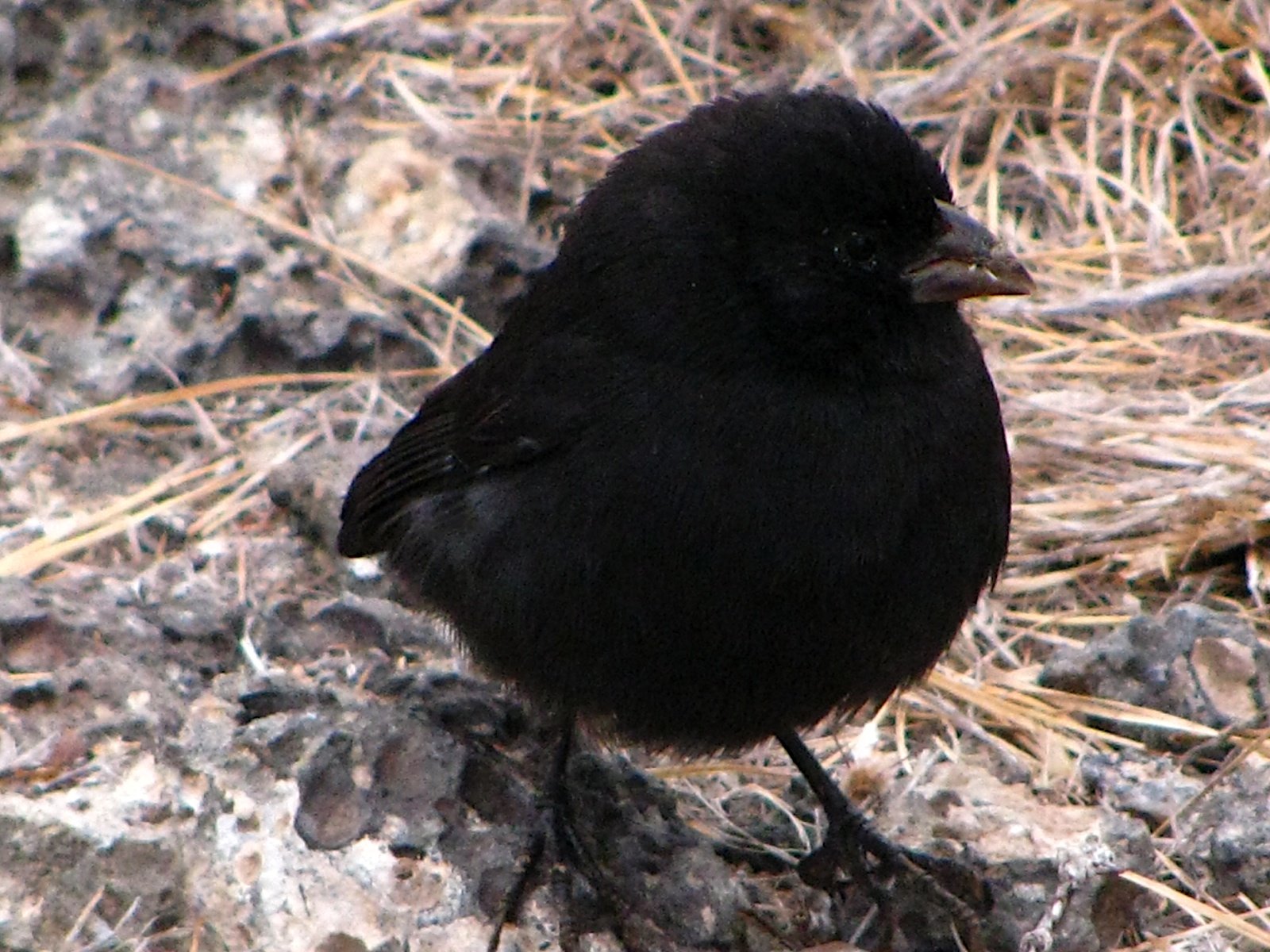
Tentilhão-terrestre-pequeno
Geospiza fuliginosa Galápagos arid zone
 Galápagos coast and lava fields
 Scalesia forest
 Galápagos humid highlands
 Towns, cities and parks
-
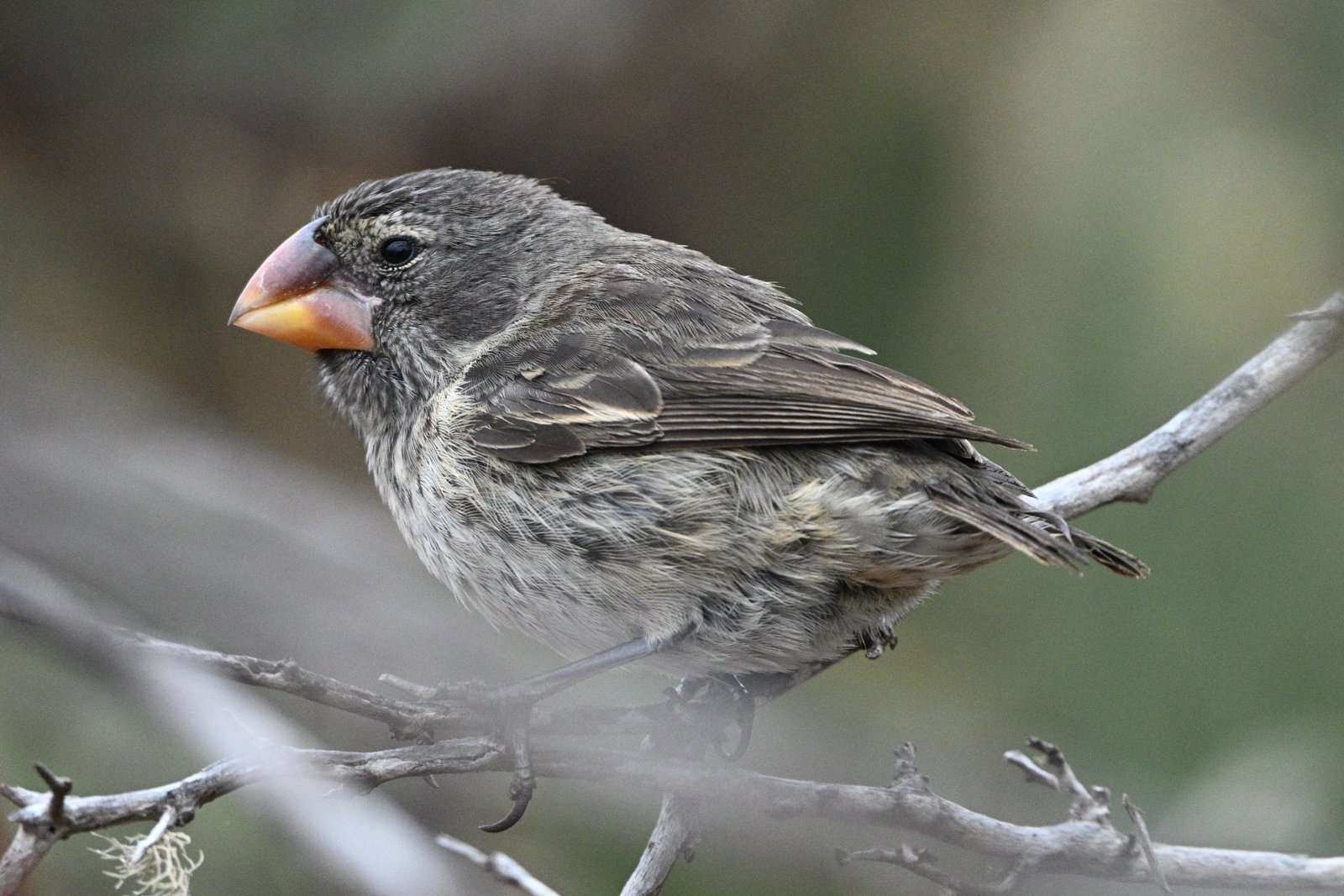
Tentilhão-terrestre-grande
Geospiza magnirostris- Galápagos arid zone
- Galápagos coast and lava fields
- Scalesia forest
-
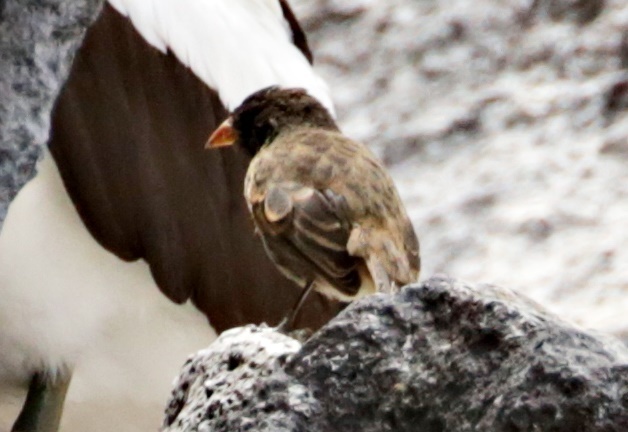
Tentilhão-vampiro
Geospiza septentrionalis- Galápagos arid zone
 Guano islands and seabird colonies
- Galápagos coast and lava fields
-
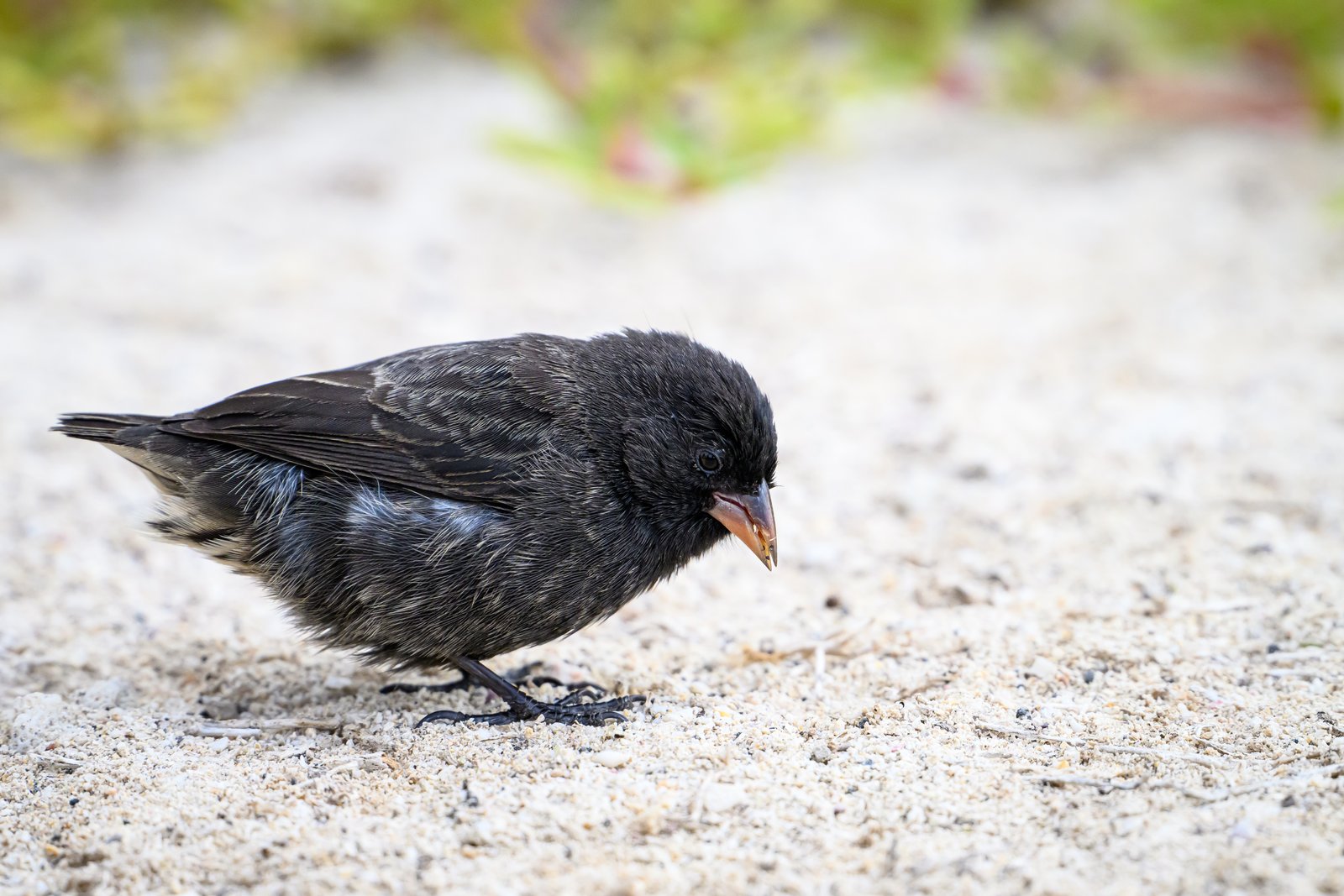
Tentilhão-terrestre-de-genovesa
Geospiza acutirostris- Galápagos arid zone
- Galápagos coast and lava fields
-
Tentilhão-terrestre-de-bico-agudo
Geospiza difficilis- Galápagos humid highlands
 Galápagos pampa zone
- Galápagos arid zone
-
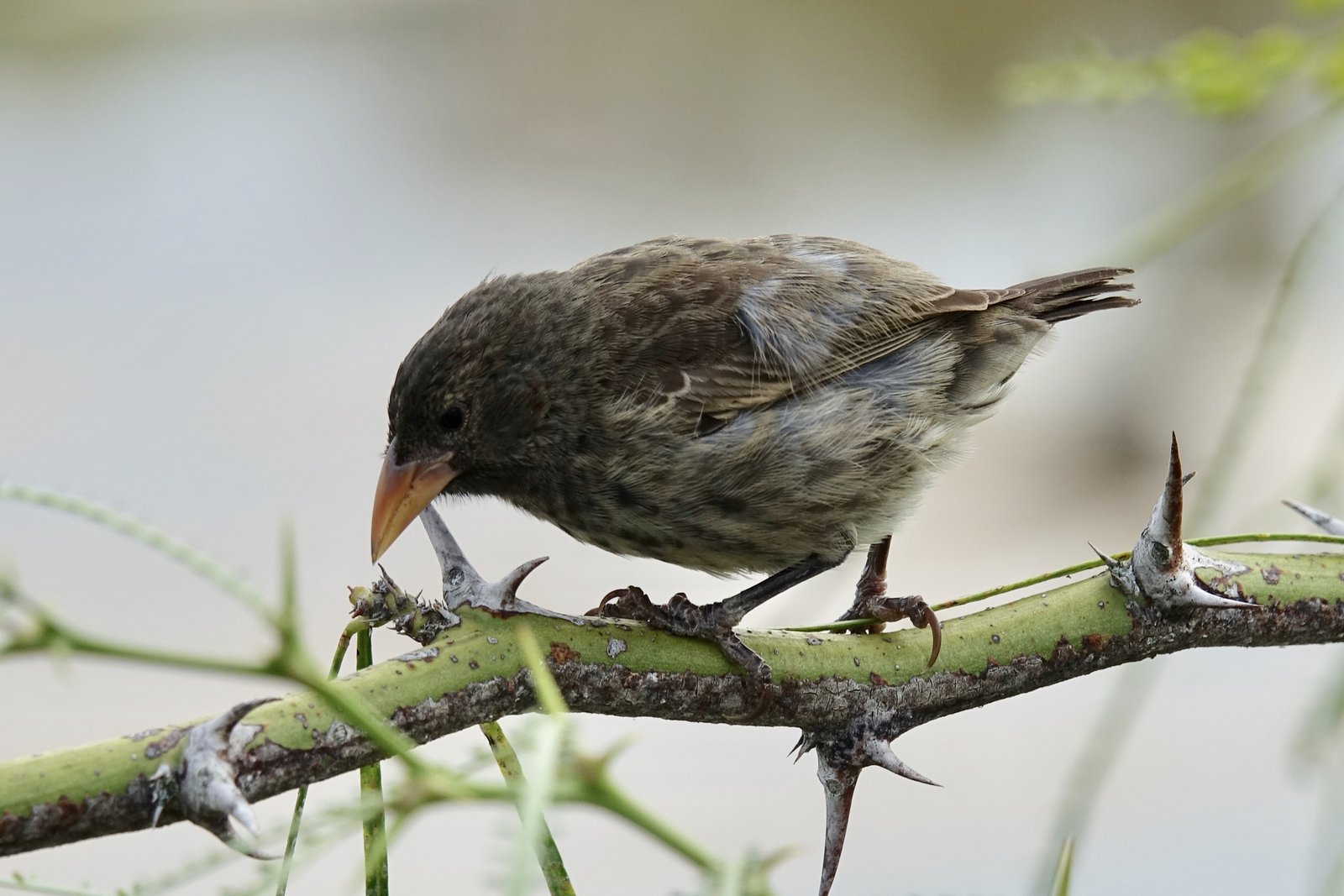
Tentilhão-dos-cactos
Geospiza scandens- Galápagos arid zone
- Galápagos coast and lava fields
-
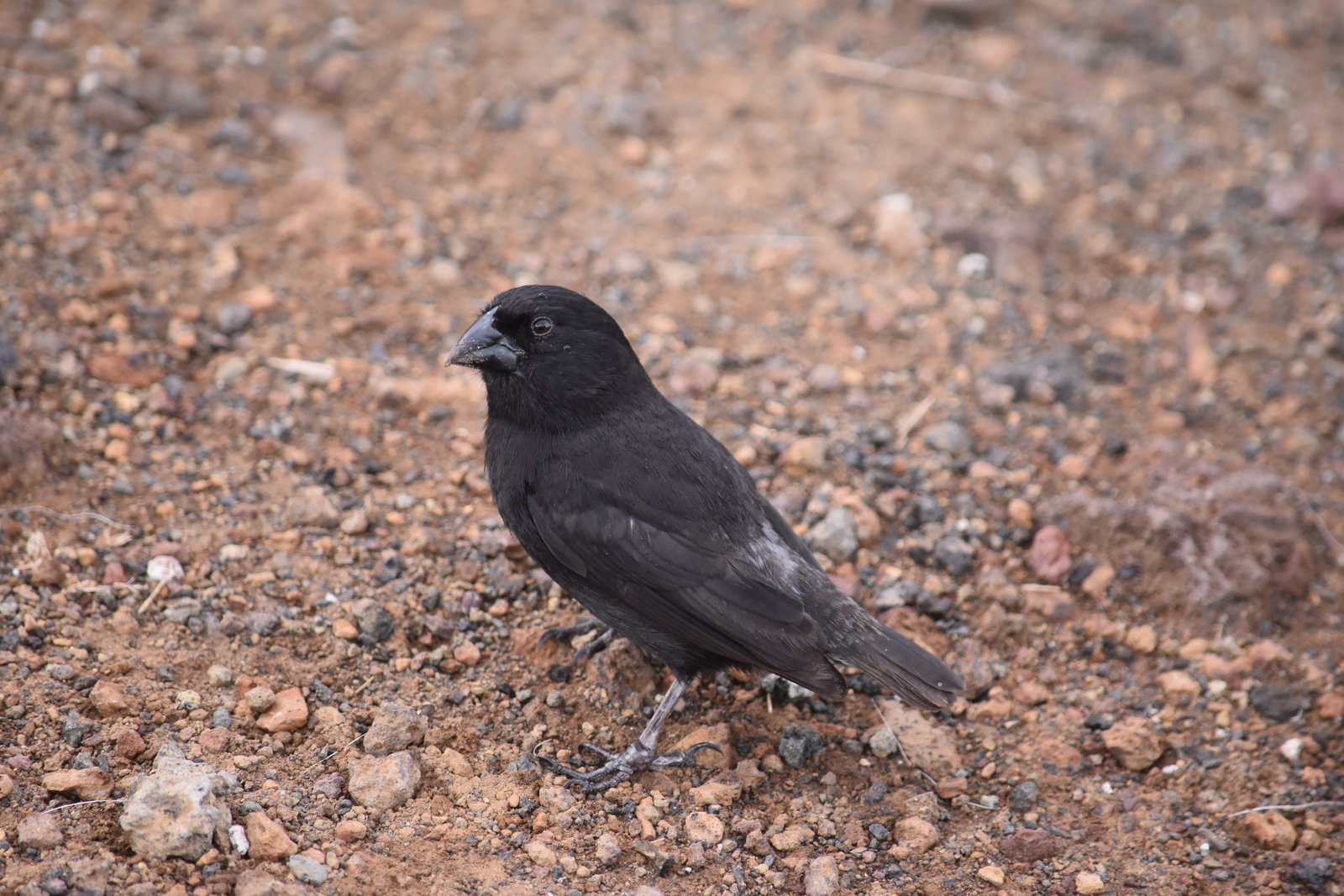
Tentilhão-terrestre-médio
Geospiza fortis- Galápagos arid zone
- Galápagos coast and lava fields
- Scalesia forest
- Galápagos humid highlands
- Towns, cities and parks
-
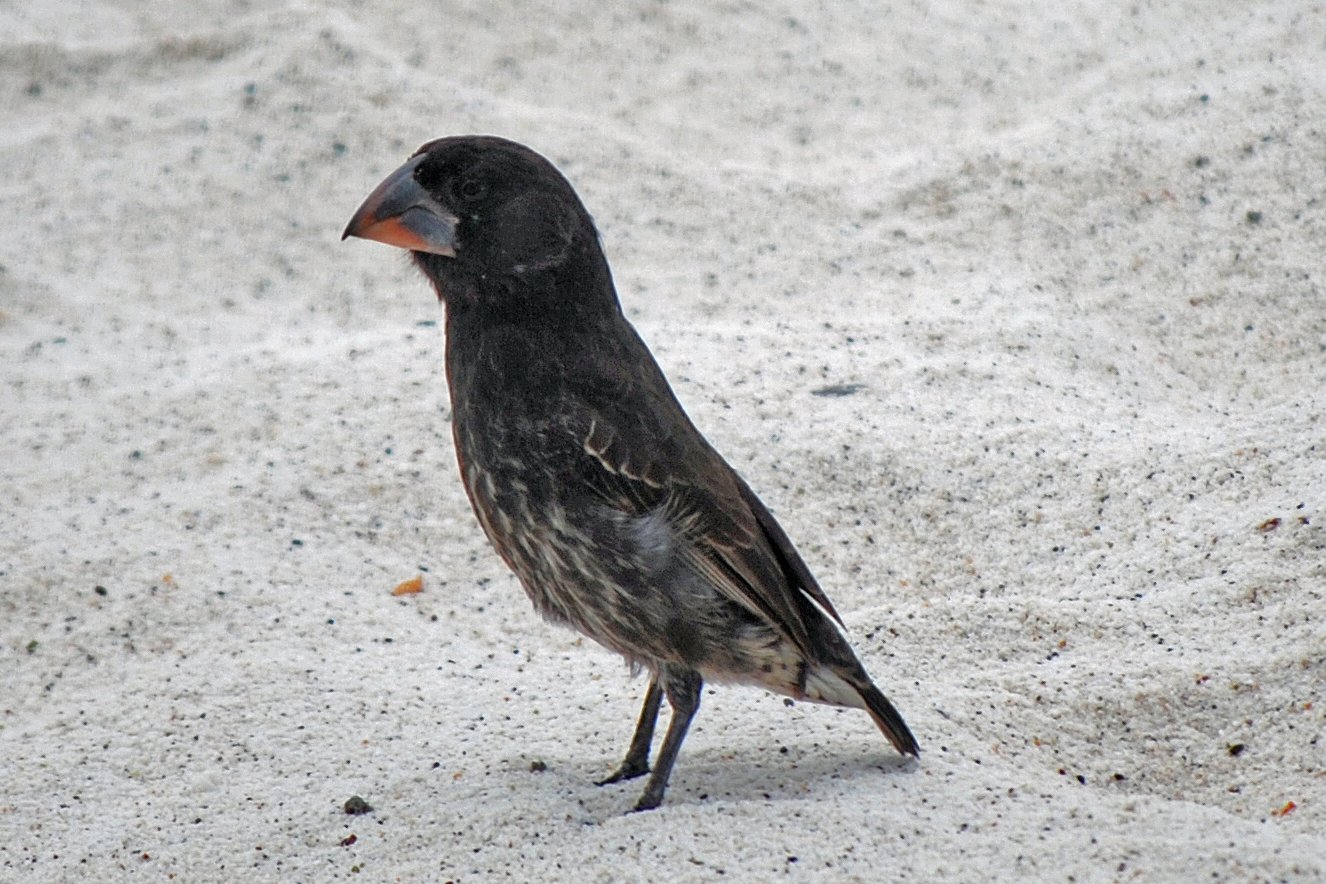
Tentilhão-dos-cactos-de-española
Geospiza conirostris- Galápagos arid zone
- Galápagos coast and lava fields
-
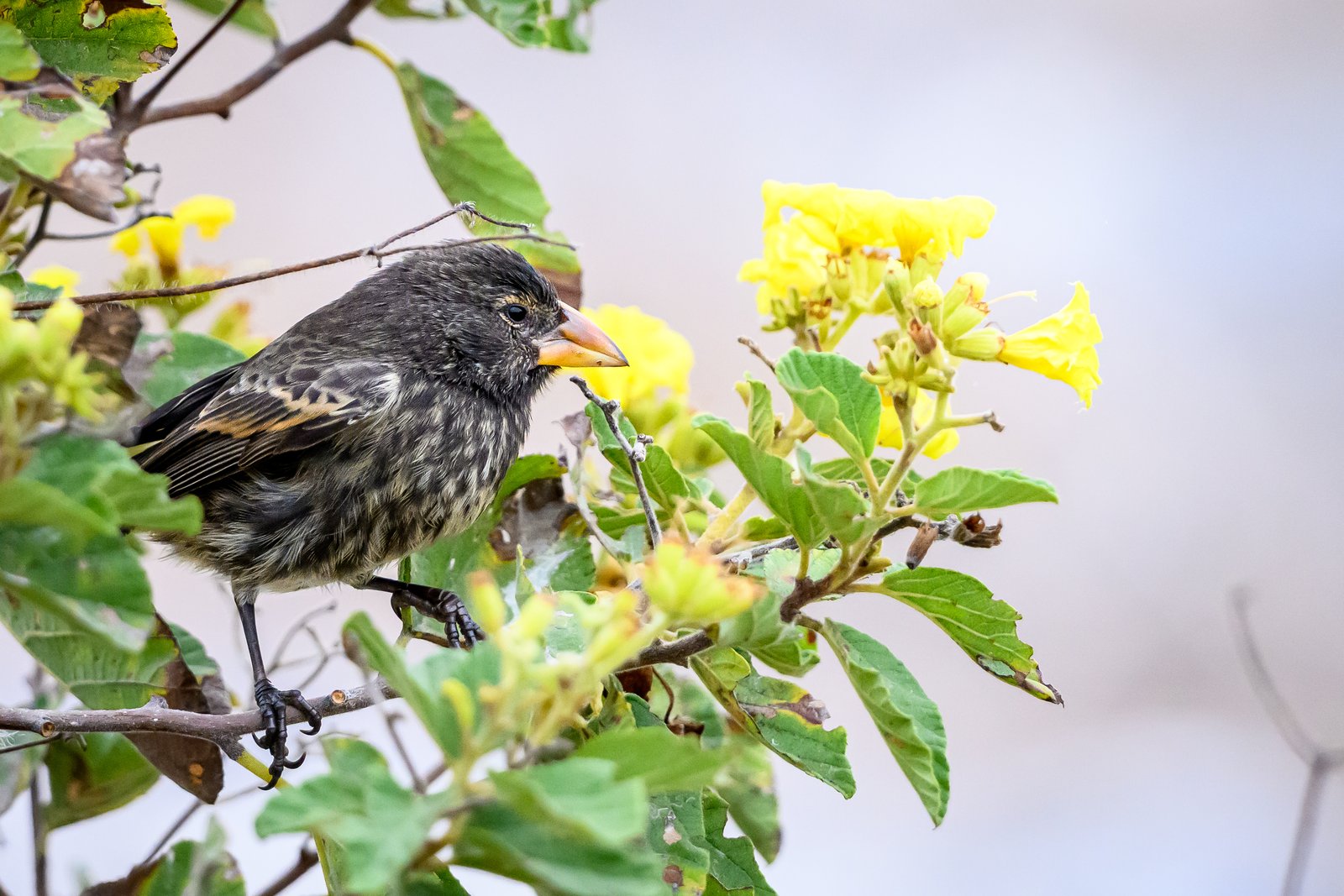
Tentilhão-dos-cactos-de-genovesa
Geospiza propinqua- Galápagos arid zone
- Galápagos coast and lava fields
Coryphospingus 2 espécies
-
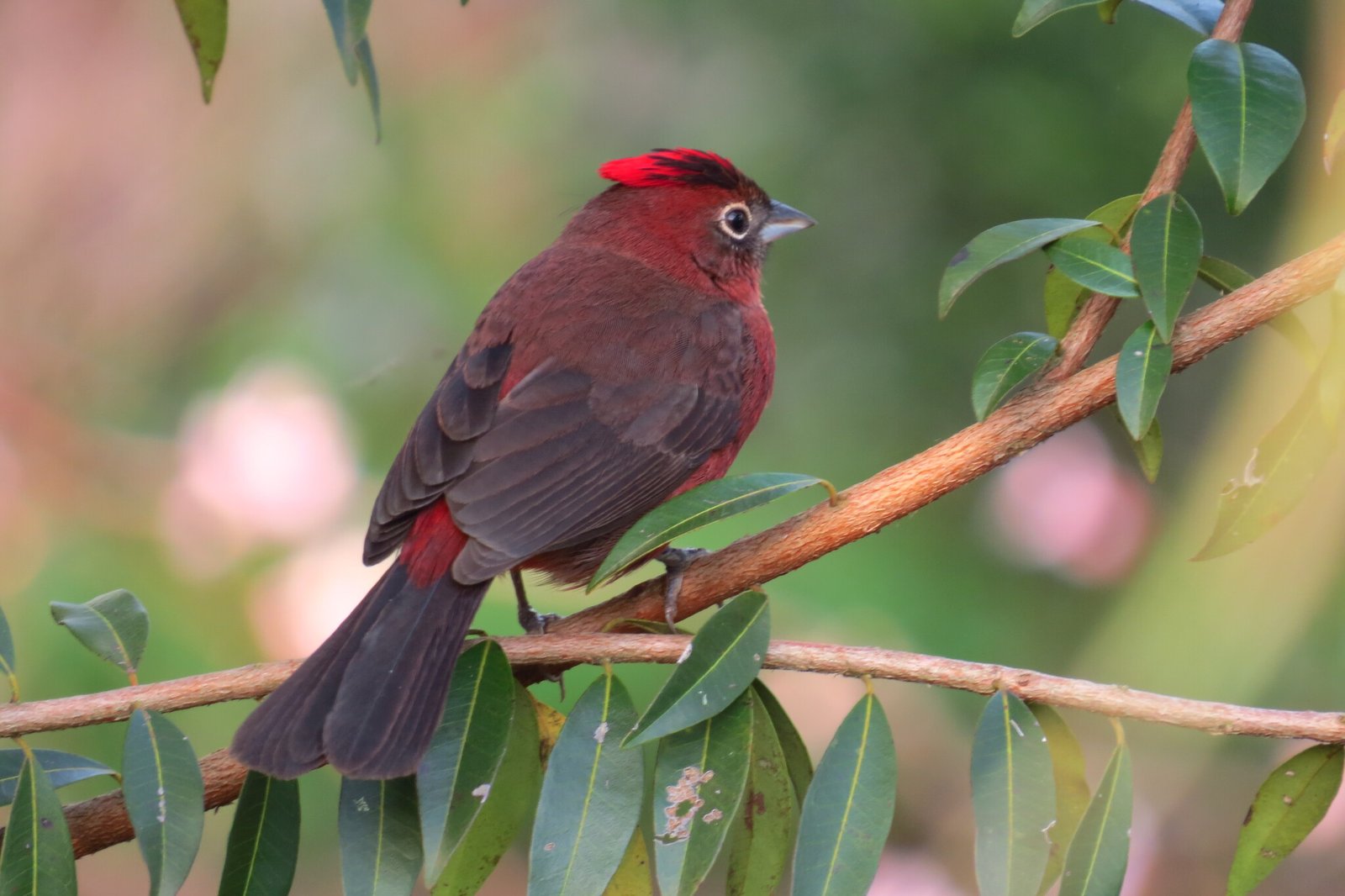
Tico-tico-rei
Coryphospingus cucullatus- Chiquitano dry forest and Chaco
- Central Andean dry valleys
 Marañón and northern inter-Andean dry forest
- Secondary forest and forest edge
 Beni savanna and cerrado
 Pasture and ranchland
-
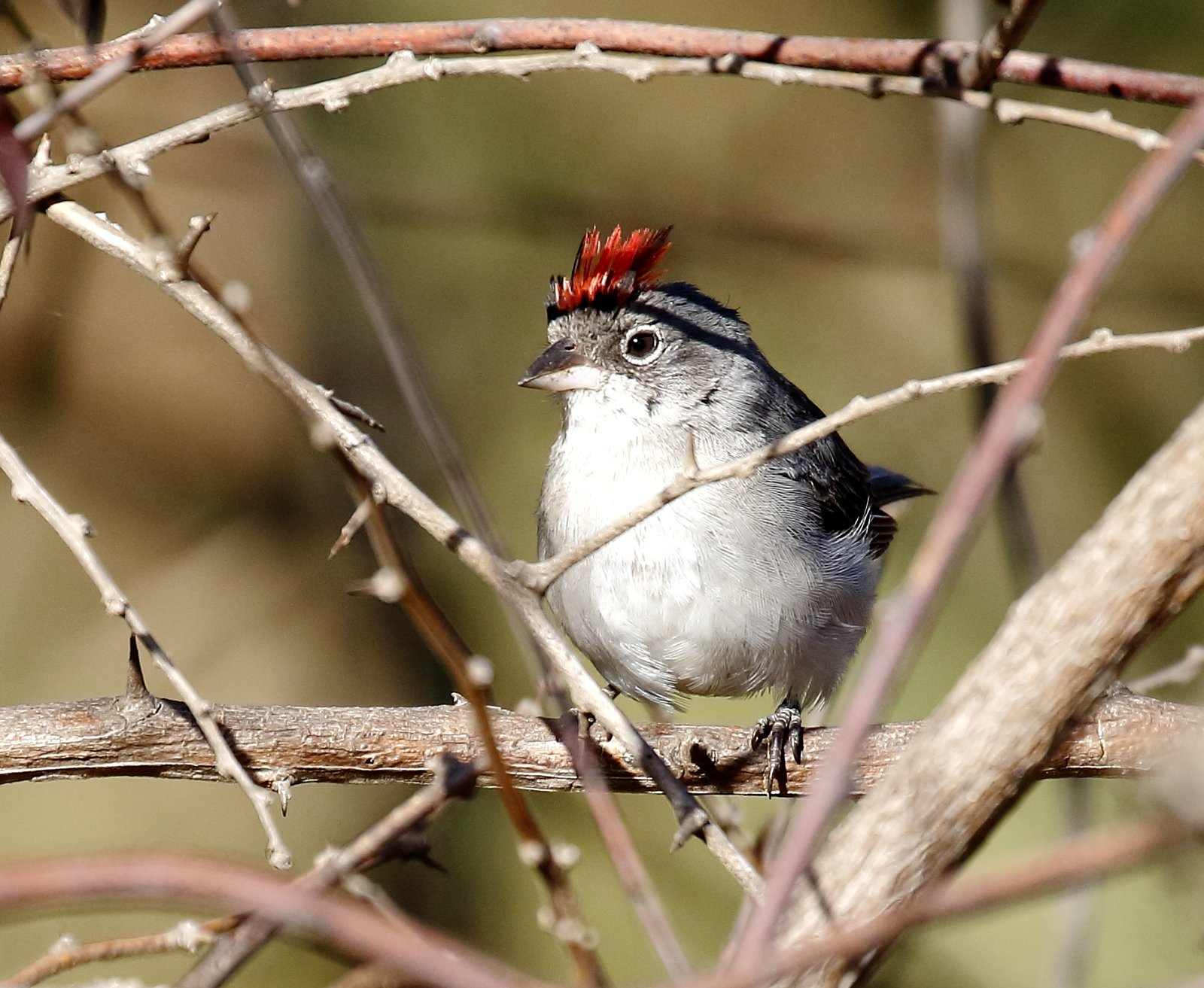
Tico-tico-rei-cinza
Coryphospingus pileatus- Marañón and northern inter-Andean dry forest
- Secondary forest and forest edge
 Llanos savanna
- Pasture and ranchland
Lophospingus 2 espécies
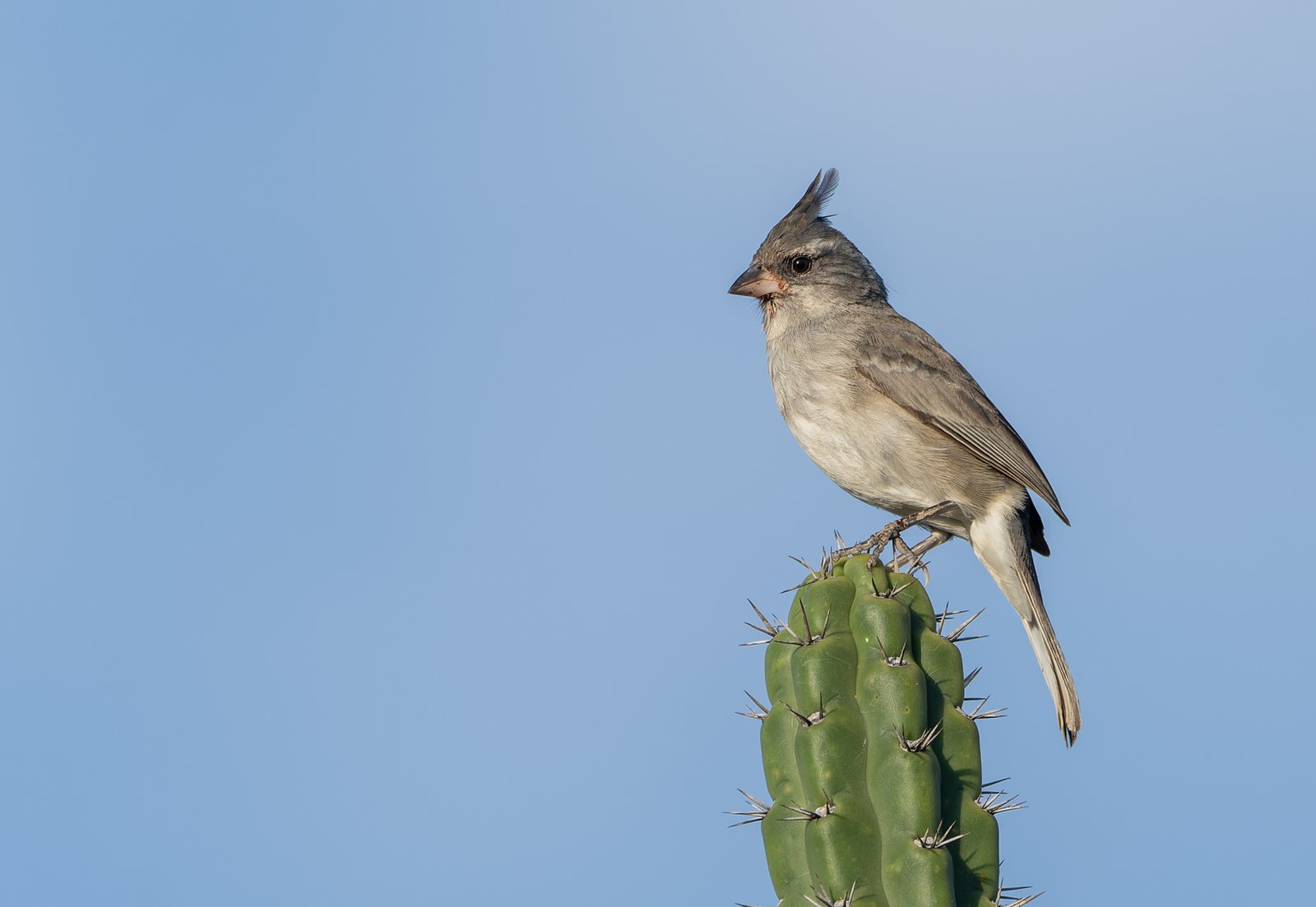
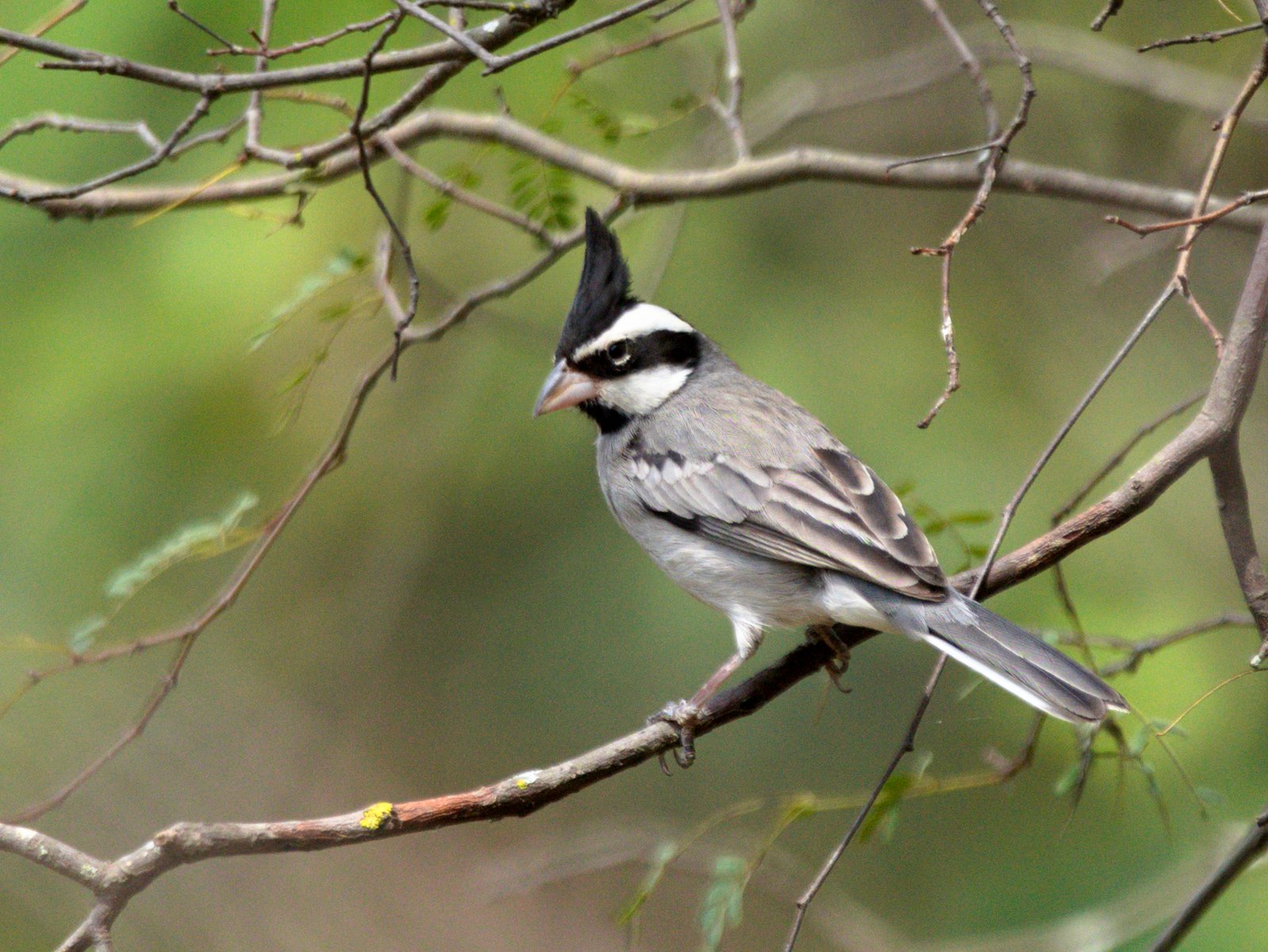
Ramphocelus 5 espécies
-
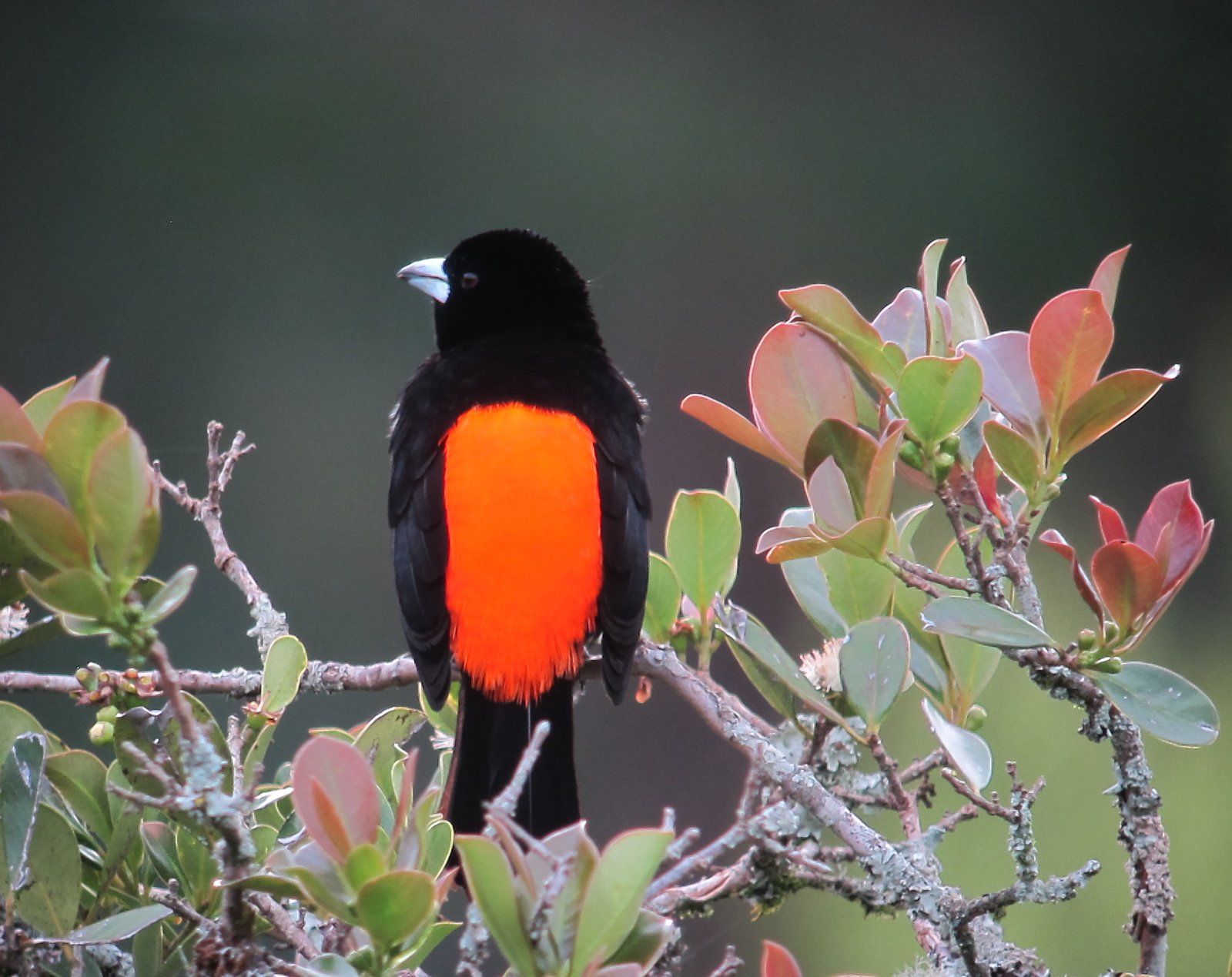
Pipira-de-uropígio-flamejante
Ramphocelus flammigerus- Secondary forest and forest edge
- Chocó rainforest
- Western Ecuador humid forest
 Coffee, cacao and agroforestry
- Northern Andean subtropical forest
-
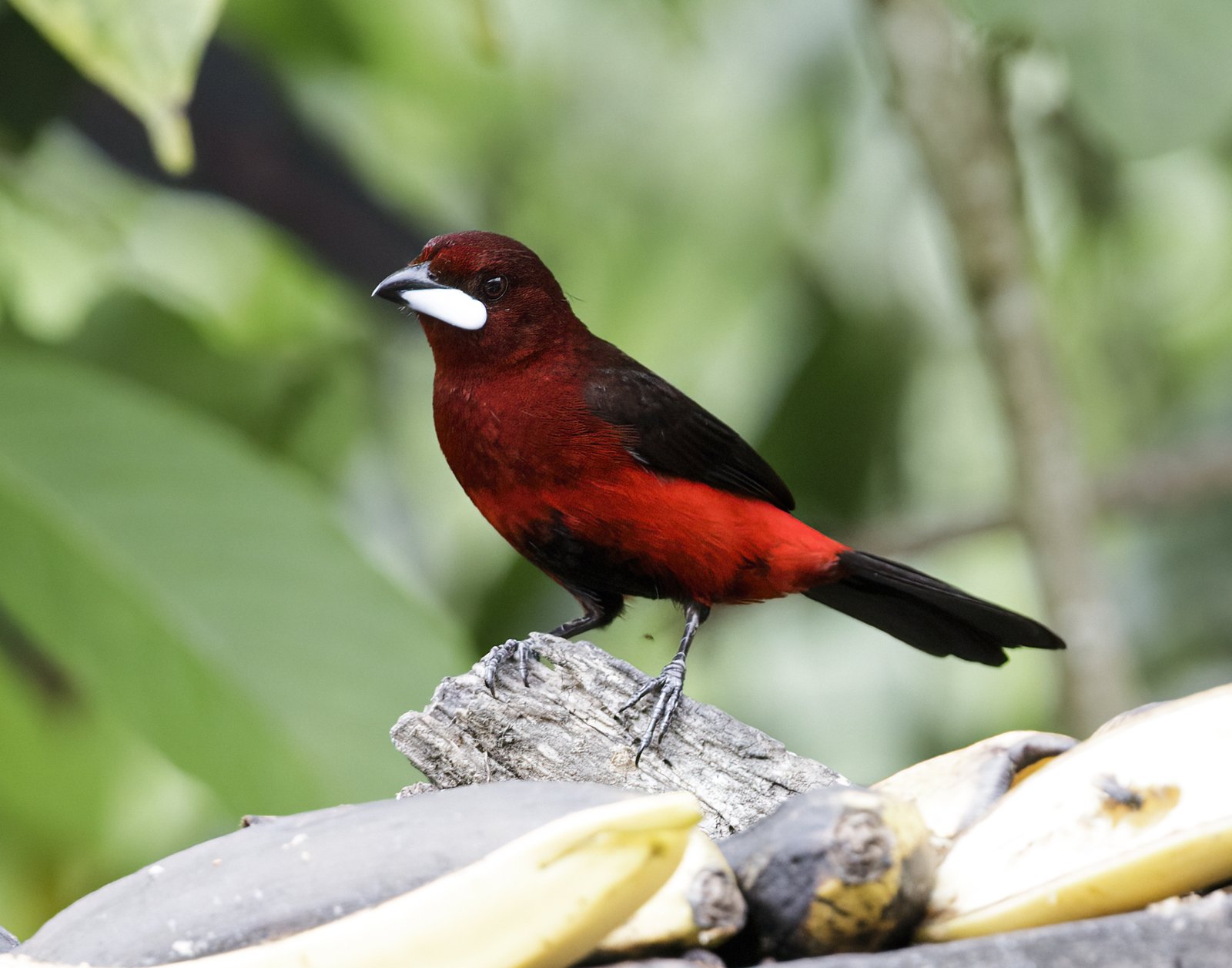
Pipira-do-huallaga
Ramphocelus melanogaster- Secondary forest and forest edge
 Eastern Andean foothill forest
- Coffee, cacao and agroforestry
 Riparian woodland of the Andes and coastal valleys
-
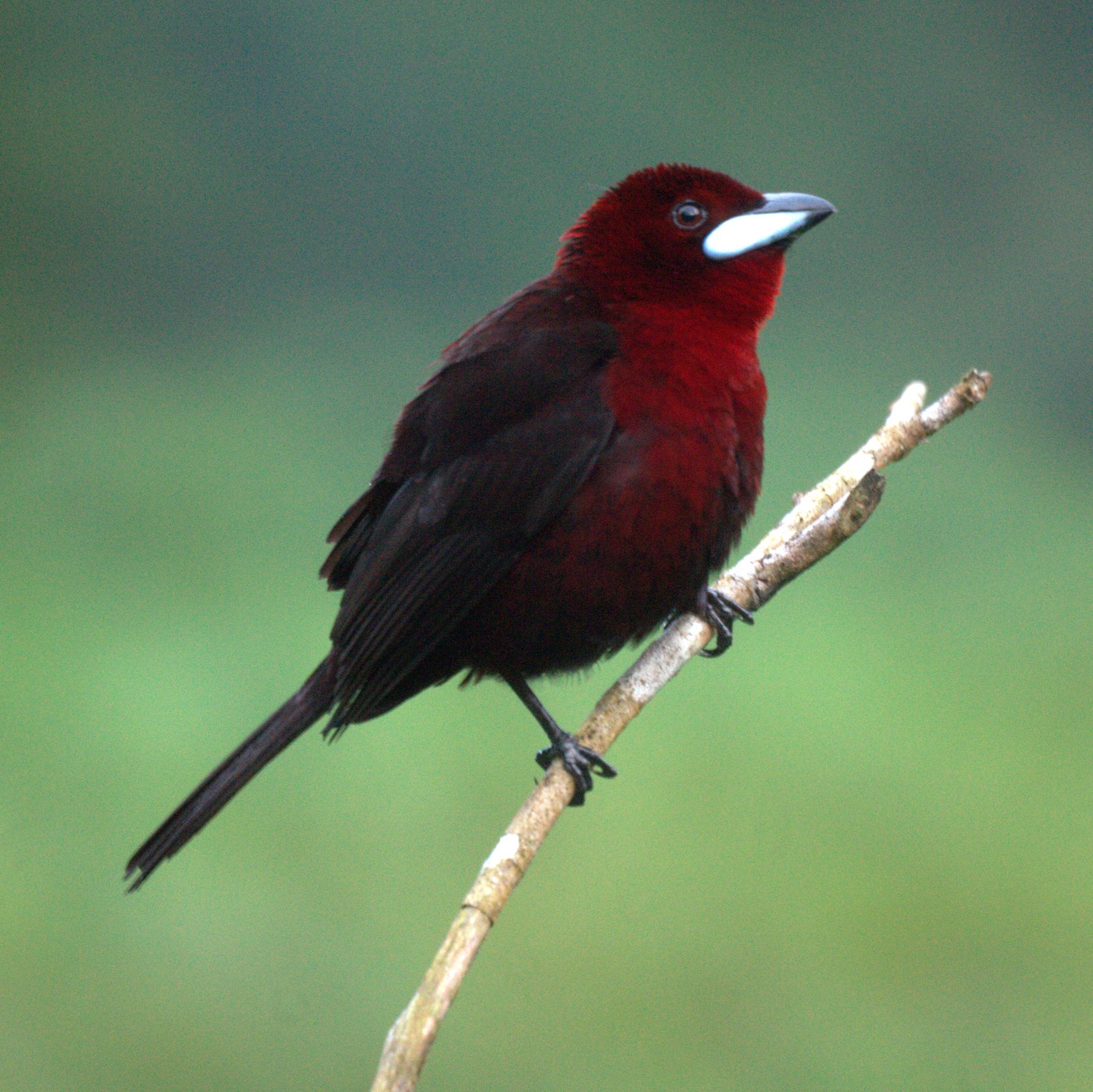
Pipira-vermelha
Ramphocelus carbo- Secondary forest and forest edge
 Várzea, igapó and river islands
- Coffee, cacao and agroforestry
- Eastern Andean foothill forest
- Riparian woodland of the Andes and coastal valleys
- Towns, cities and parks
-
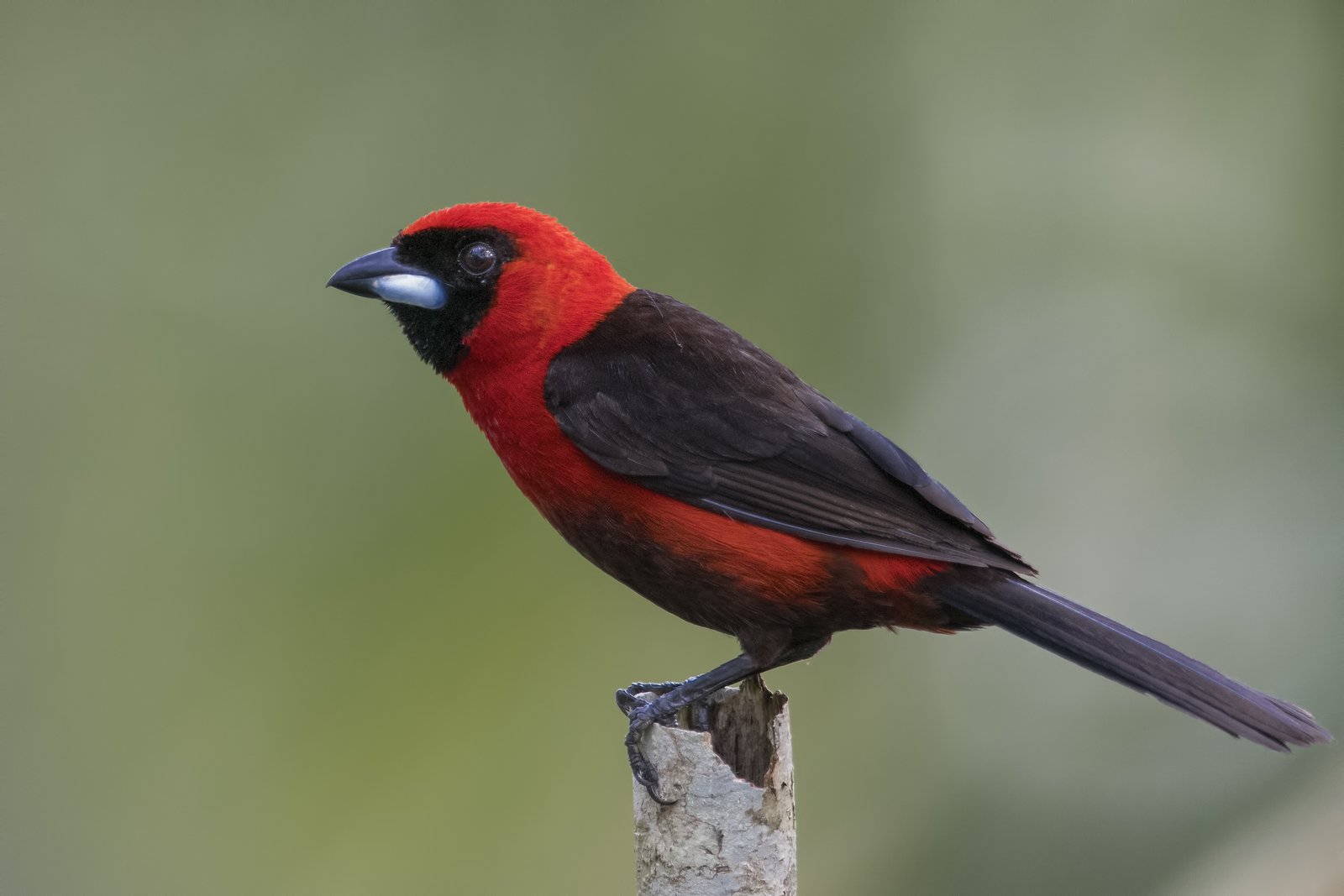
Pipira-de-máscara
Ramphocelus nigrogularis- Várzea, igapó and river islands
 Lowland lakes and oxbows
 Lowland rivers and sandbars
- Secondary forest and forest edge
 Palm swamps and swamp forest
-
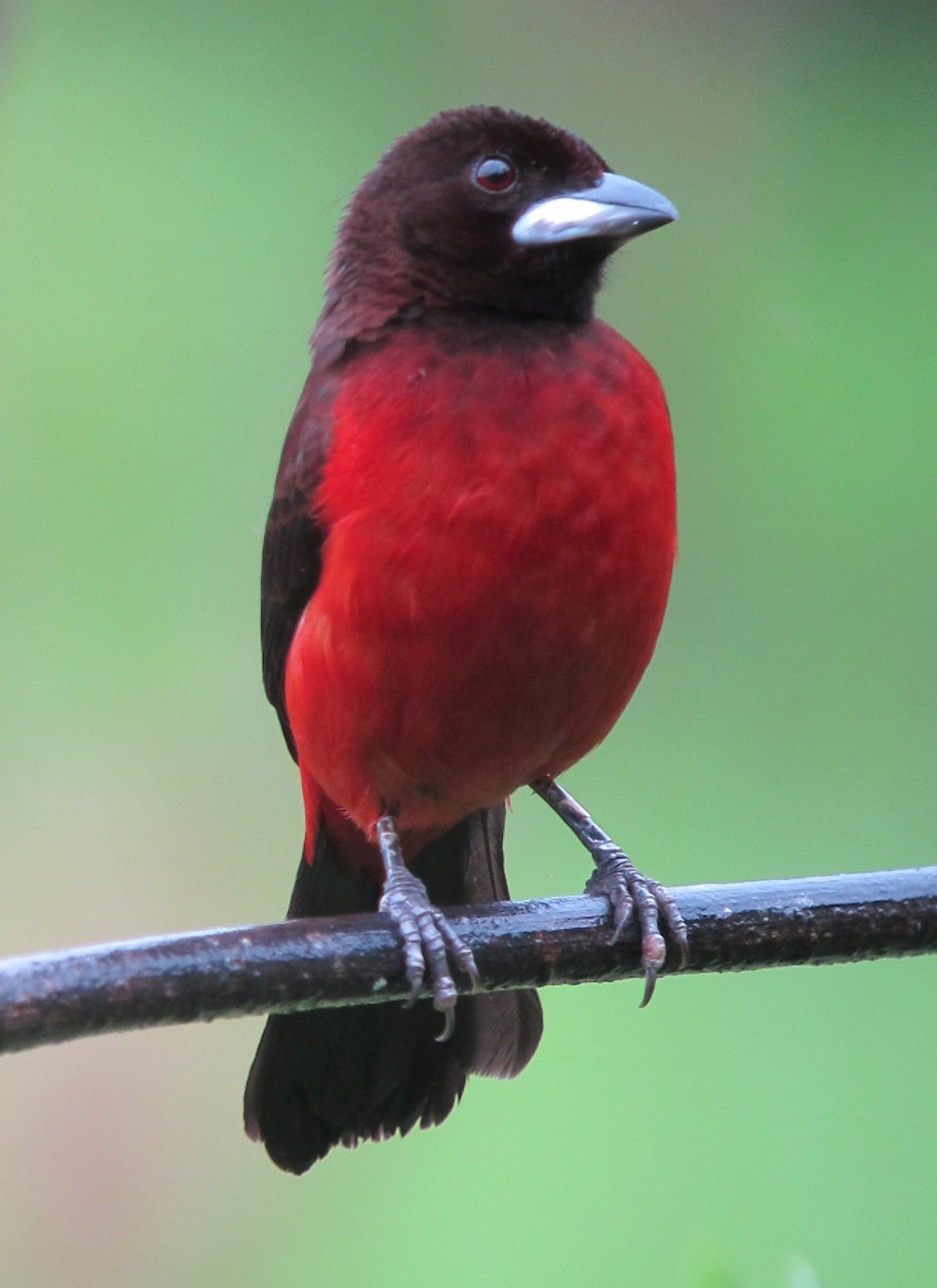
Pipira-de-dorso-carmesim
Ramphocelus dimidiatus- Secondary forest and forest edge
- Coffee, cacao and agroforestry
- Towns, cities and parks
- Riparian woodland of the Andes and coastal valleys
- Northern Andean subtropical forest
Conothraupis 1 espécie
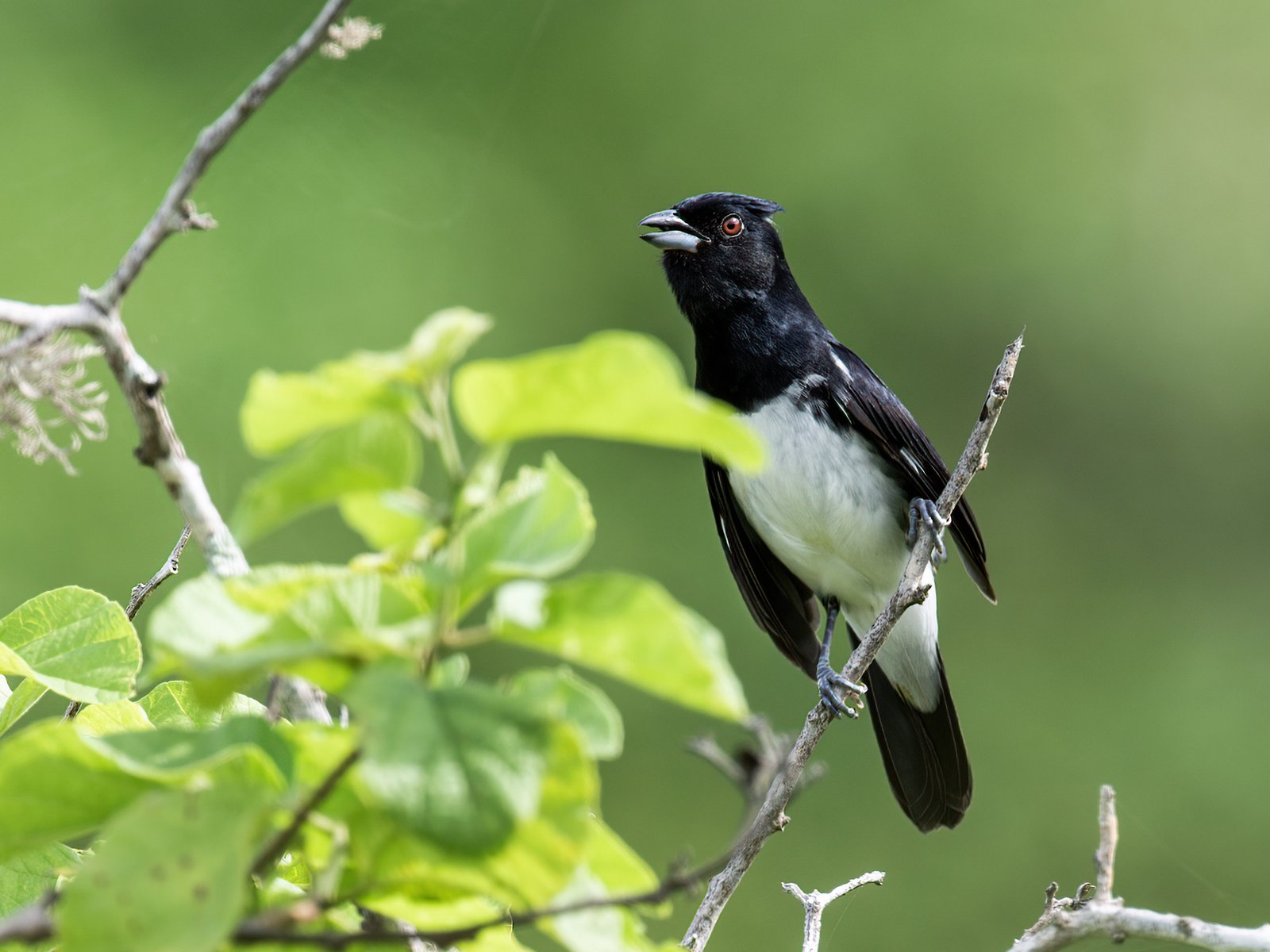
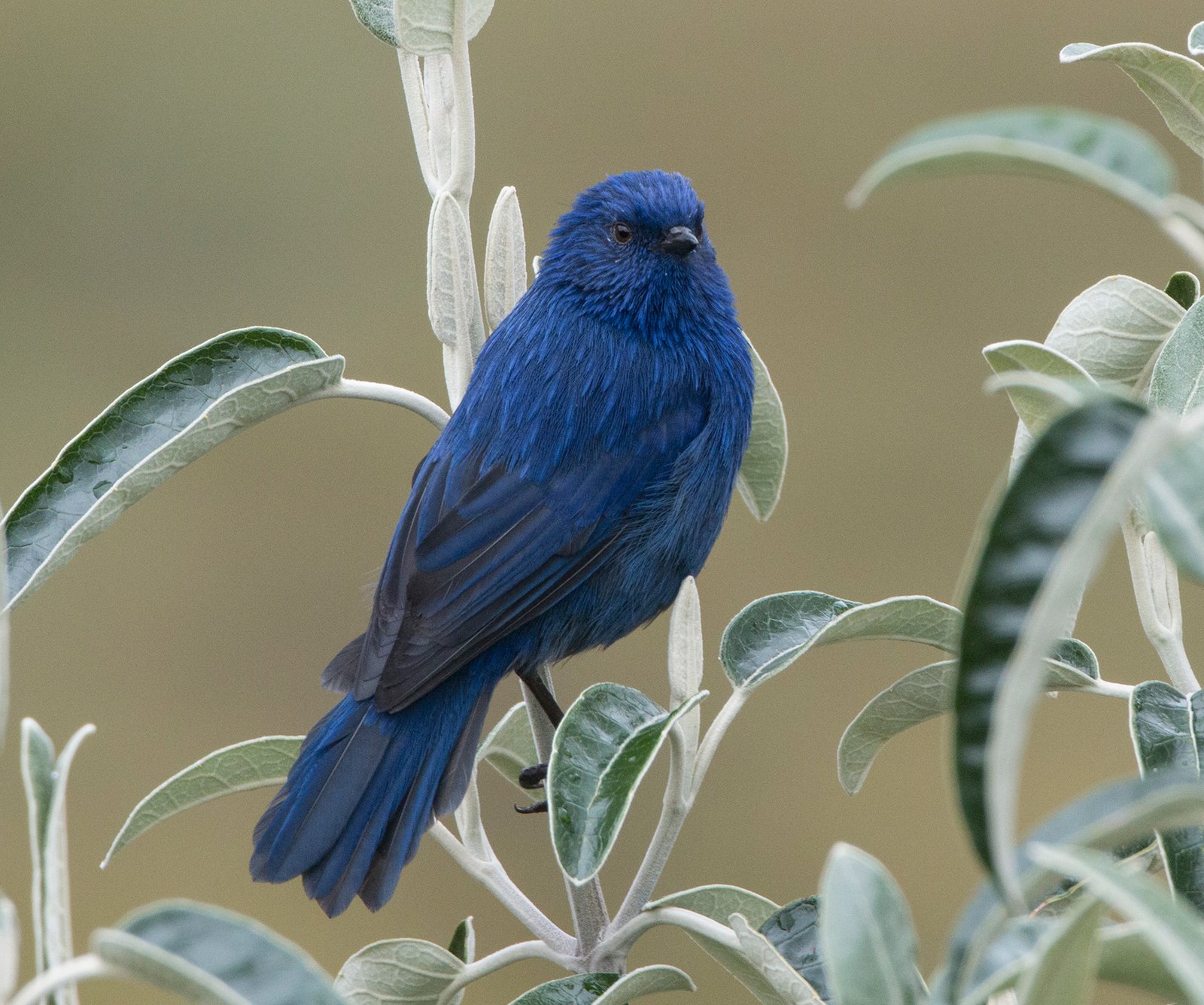
Xenodacnis 1 espécie
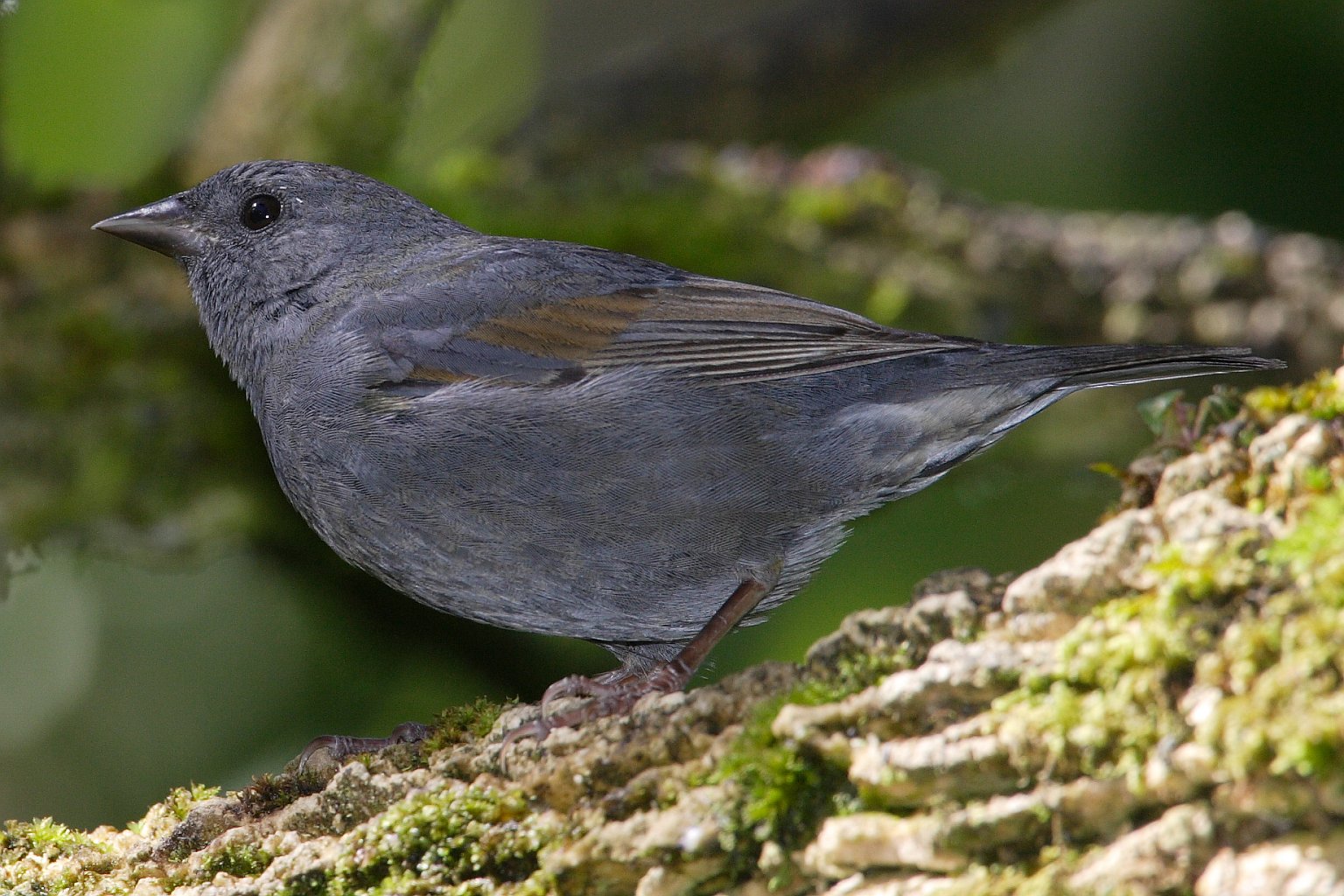
Haplospiza 1 espécie
Iridosornis 5 espécies
-
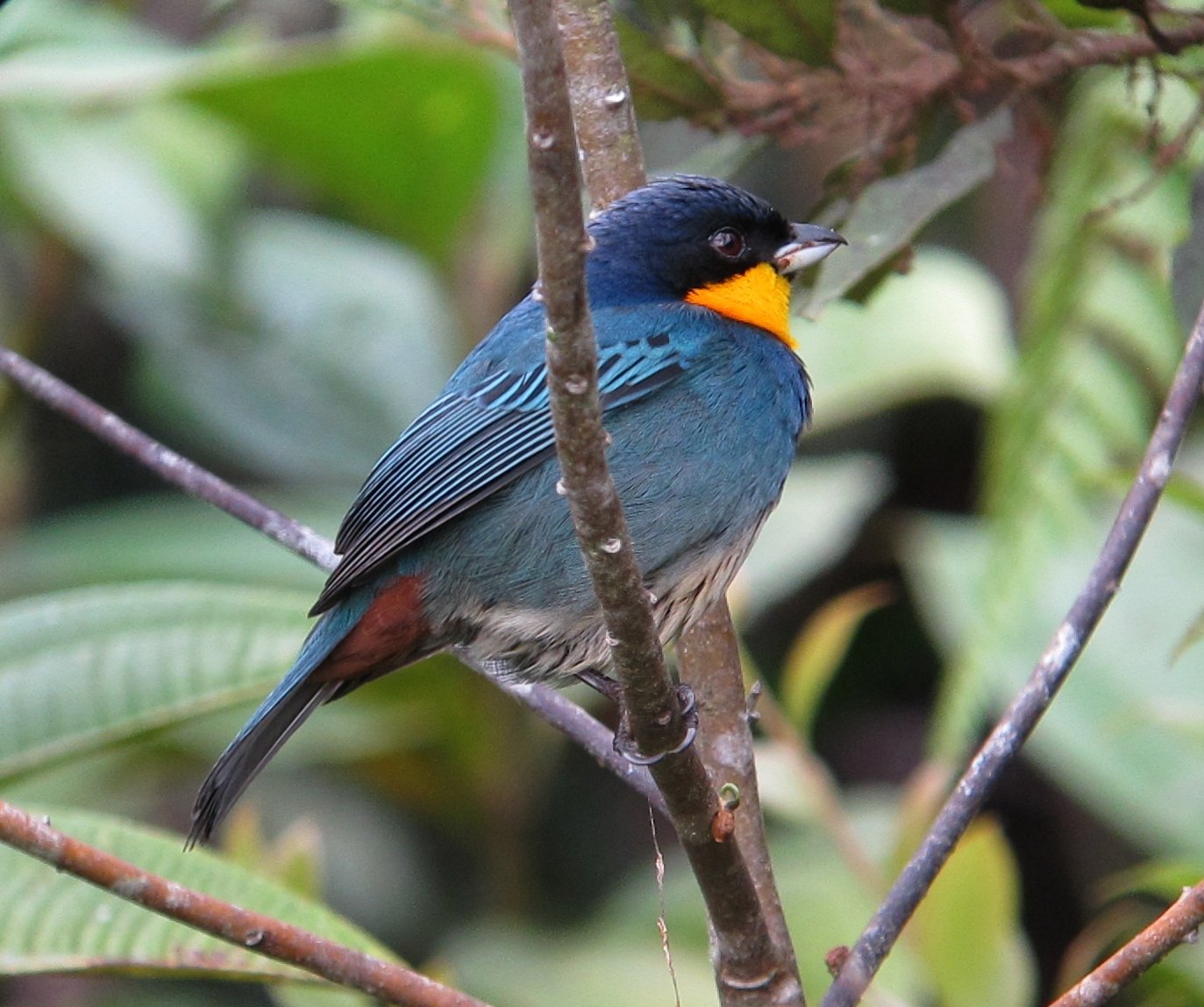
Sanhaço-de-manto-púrpura
Iridosornis porphyrocephalus- Northern Andean cloud forest and temperate forest
- Northern Andean subtropical forest
- Secondary forest and forest edge
-
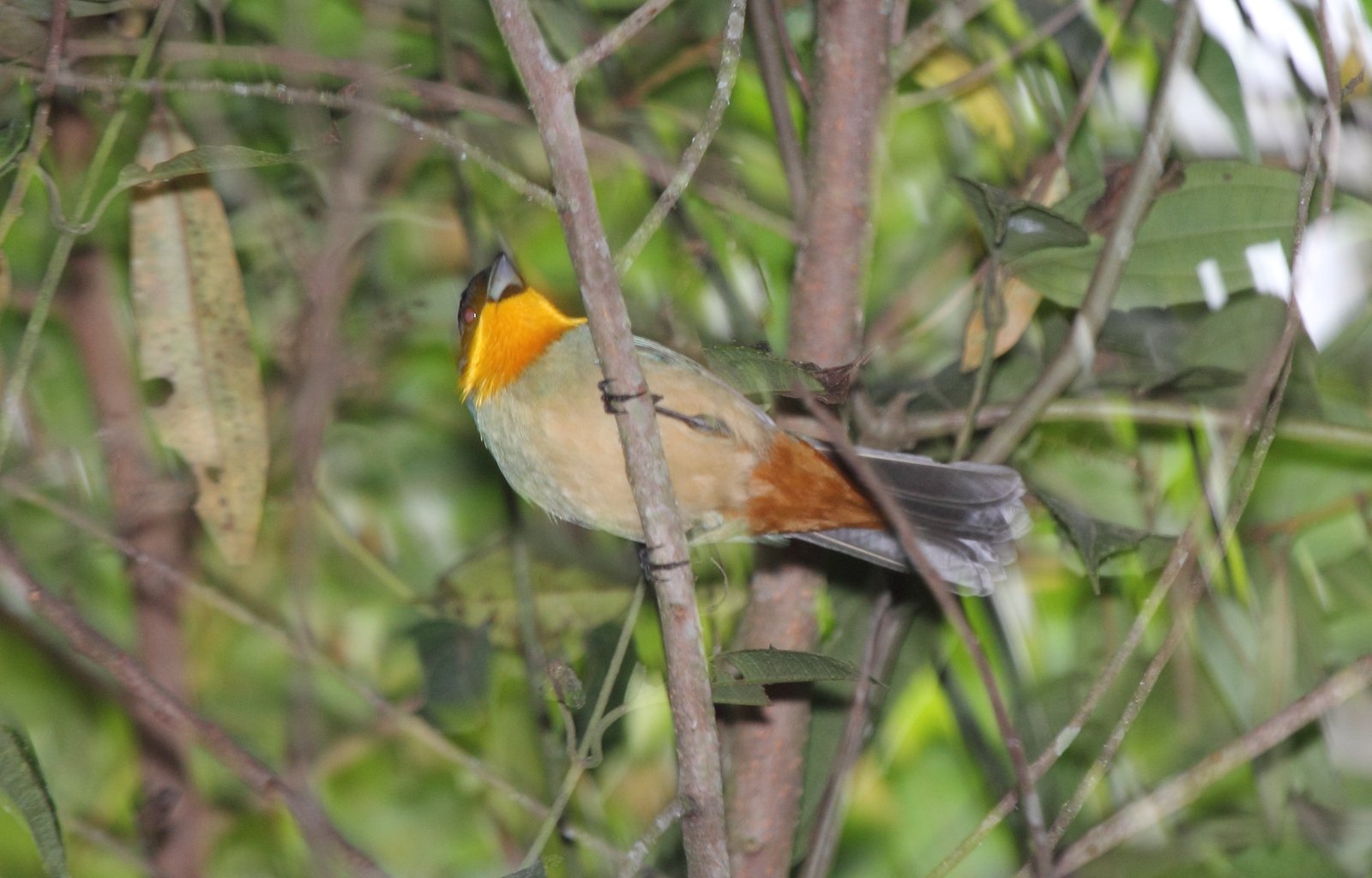
Sanhaço-de-garganta-amarela
Iridosornis analis- Northern Andean cloud forest and temperate forest
- Northern Andean subtropical forest
- Upper Yungas cloud forest
- Lower Yungas forest
- Secondary forest and forest edge
-

Sanhaço-de-colar-dourado
Iridosornis jelskii- Upper Yungas cloud forest
- Polylepis woodland
 Humid puna
- Northern Andean cloud forest and temperate forest
-

Saíra-de-coroa-dourada
Iridosornis rufivertex- Northern Andean cloud forest and temperate forest
- Páramo
- Jalca
-

Saíra-de-cachecol-amarelo
Iridosornis reinhardti- Upper Yungas cloud forest
- Northern Andean cloud forest and temperate forest
Sphenopsis 4 espécies
-
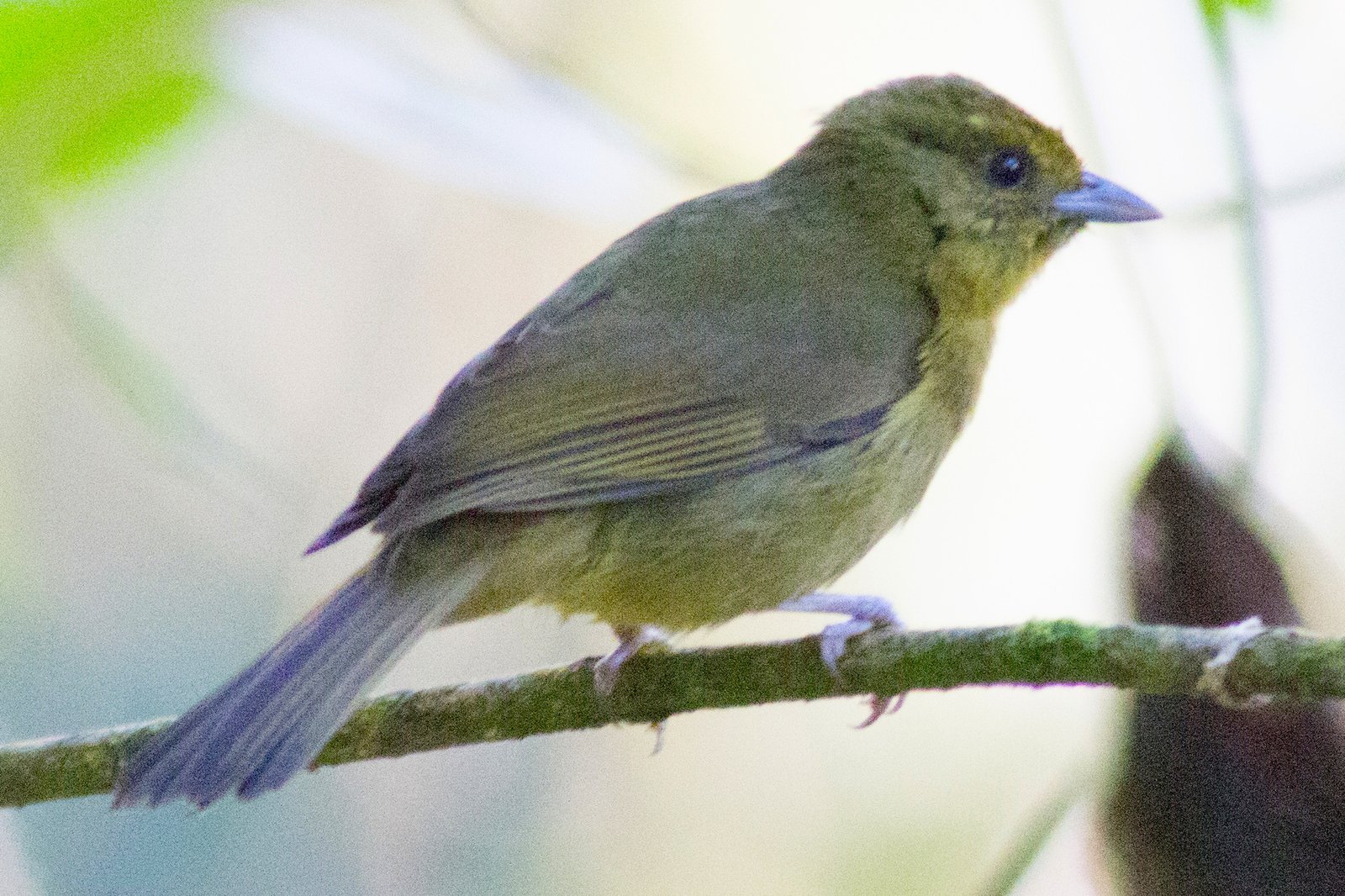
Sanhaço-oleaginoso
Sphenopsis frontalis- Northern Andean cloud forest and temperate forest
- Northern Andean subtropical forest
- Upper Yungas cloud forest
-
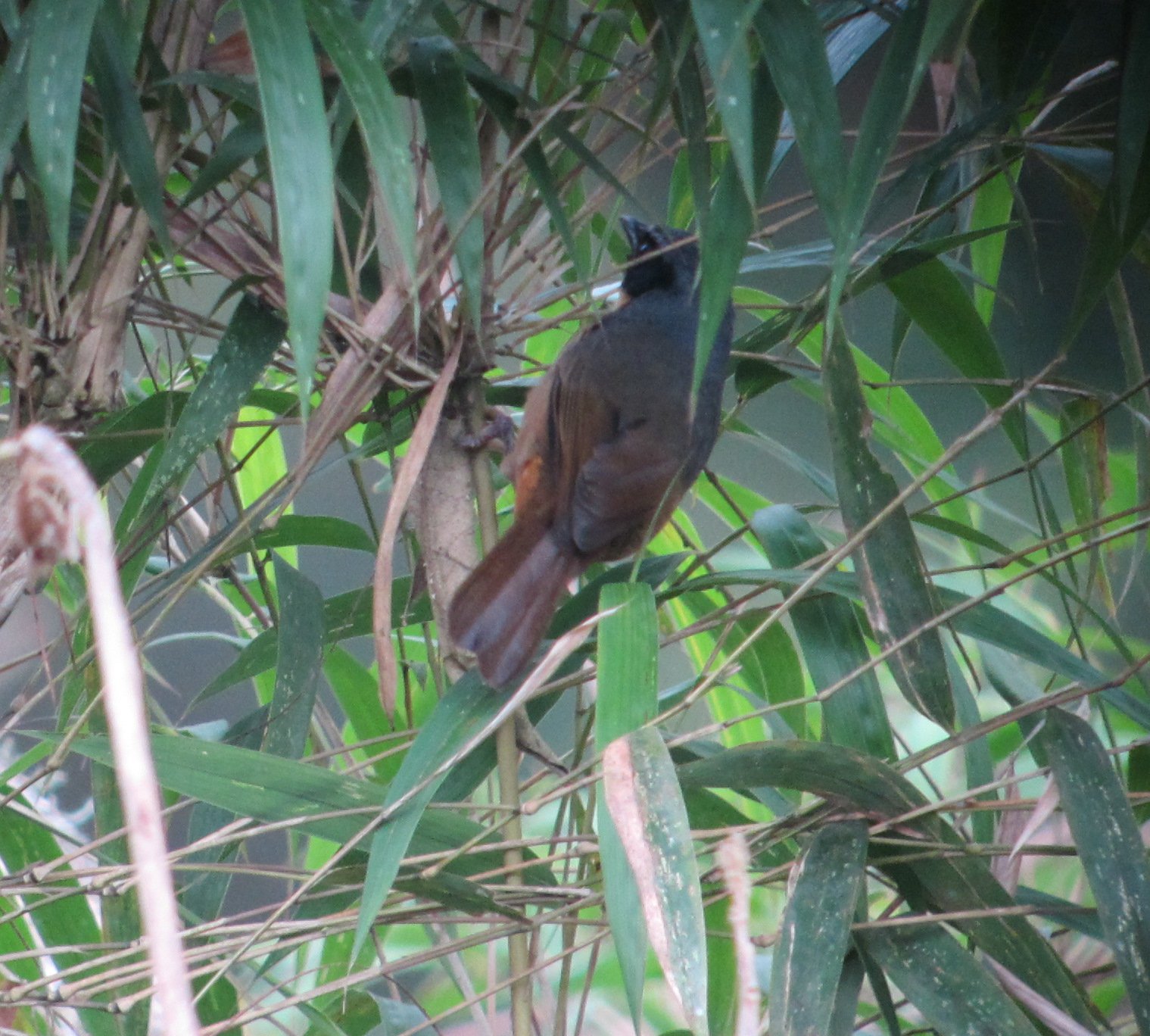
Sanhaço-de-orelha-preta
Sphenopsis melanotis- Northern Andean cloud forest and temperate forest
- Upper Yungas cloud forest
- Lower Yungas forest
-
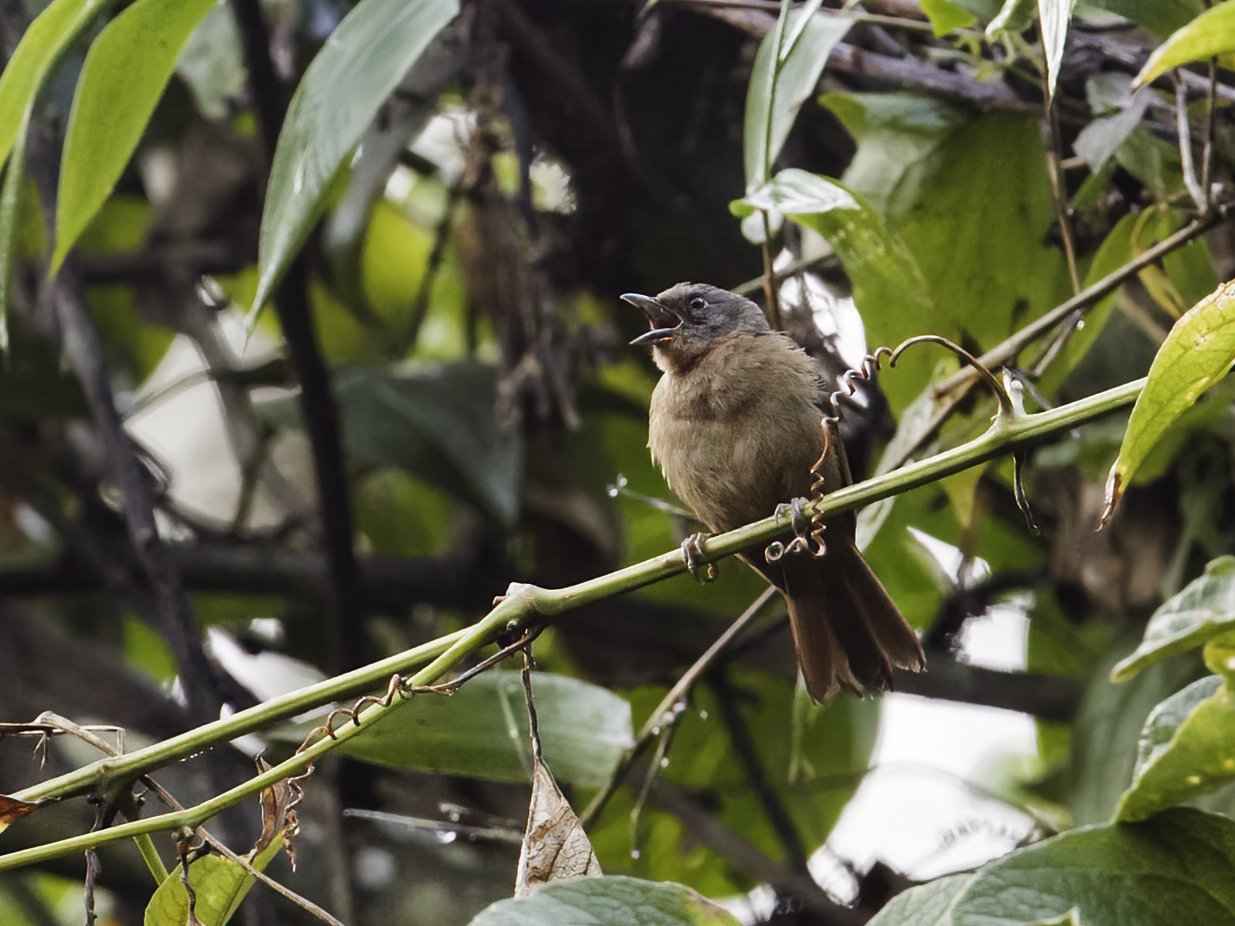
Sanhaço-ocidental
Sphenopsis ochracea- Northern Andean cloud forest and temperate forest
- Northern Andean subtropical forest
-
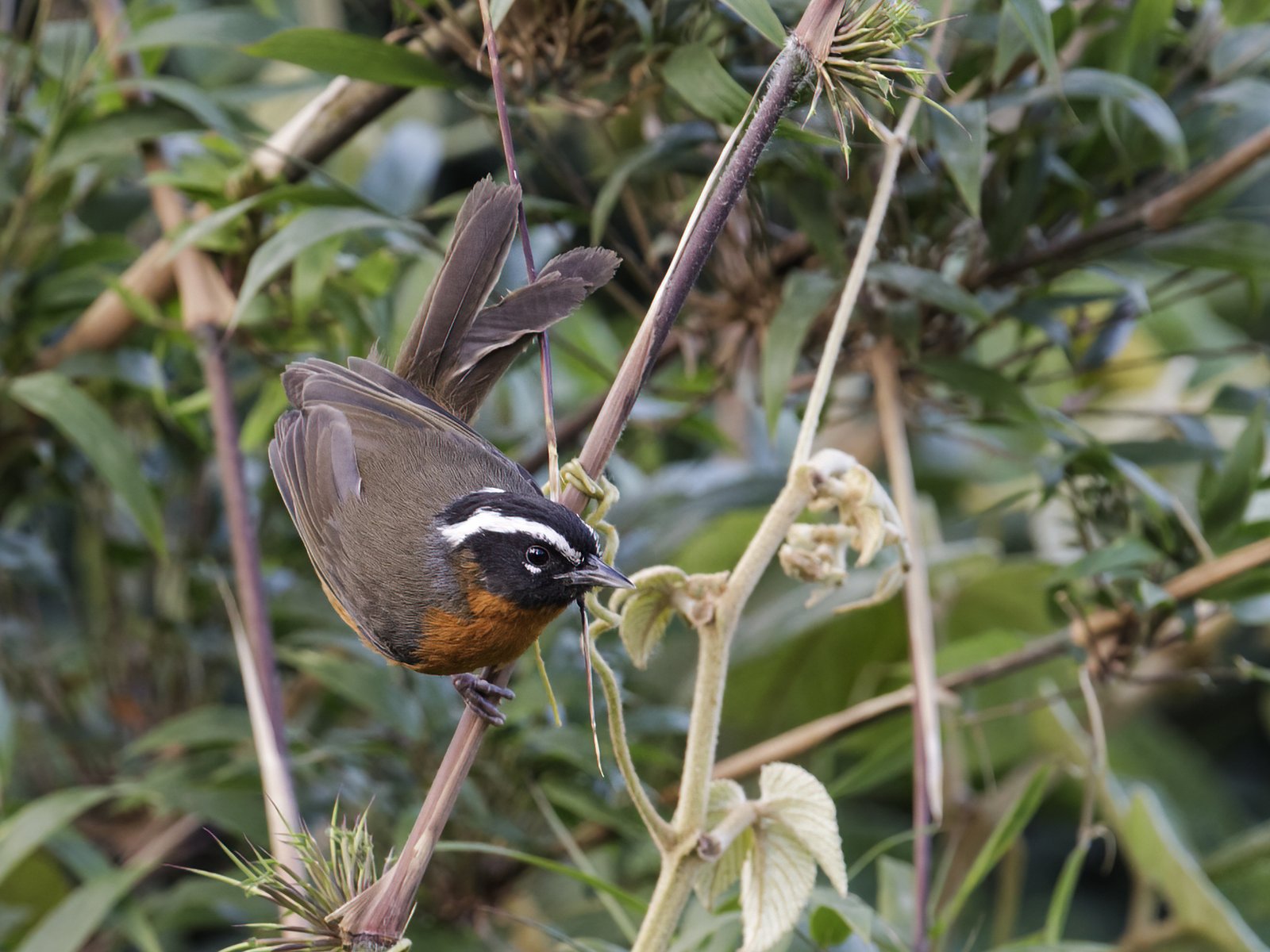
Sanhaço-de-piura
Sphenopsis piurae- Northern Andean cloud forest and temperate forest
- Marañón and northern inter-Andean dry forest
Tephrophilus 1 espécie
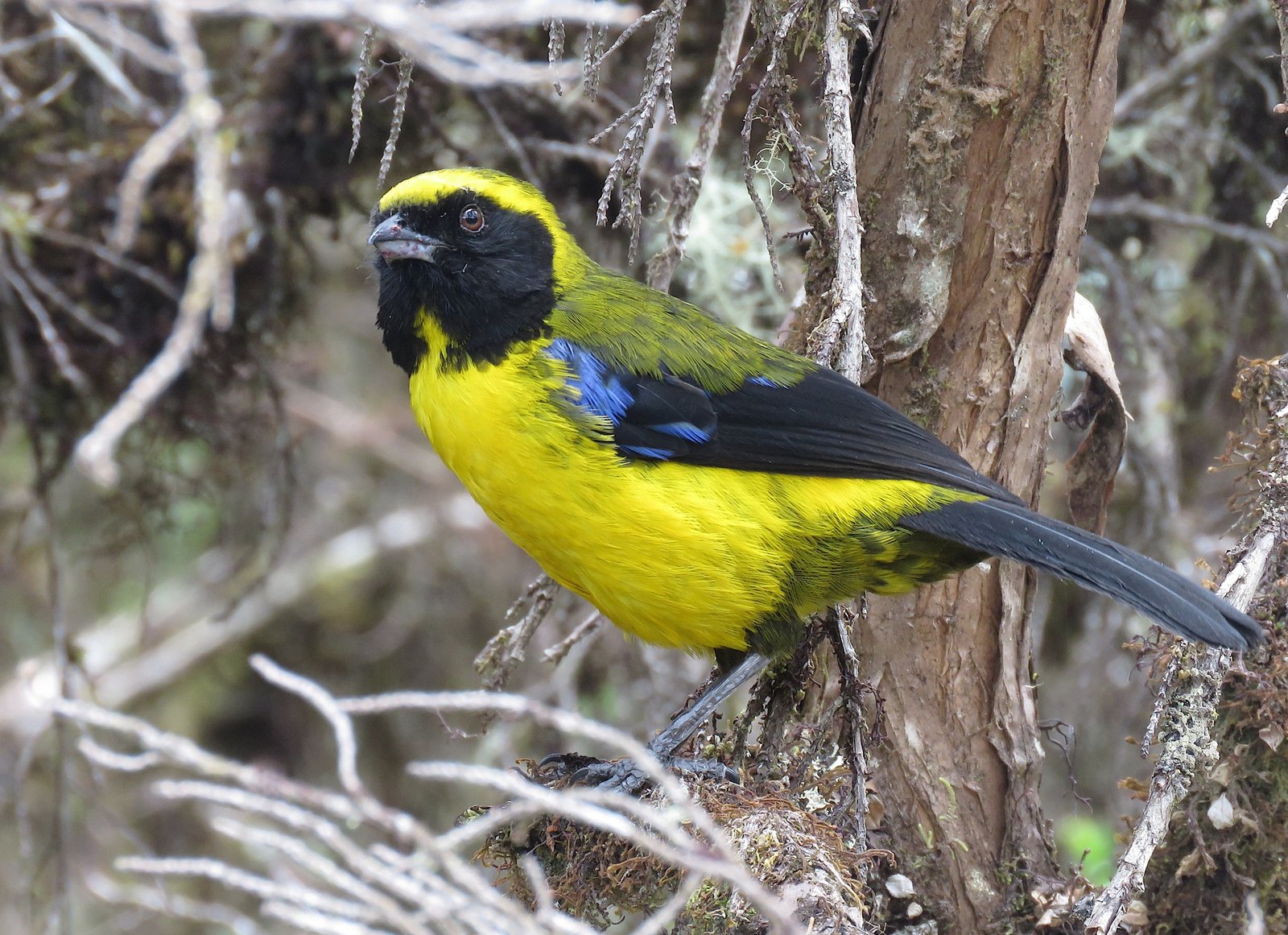
Donacospiza 1 espécie
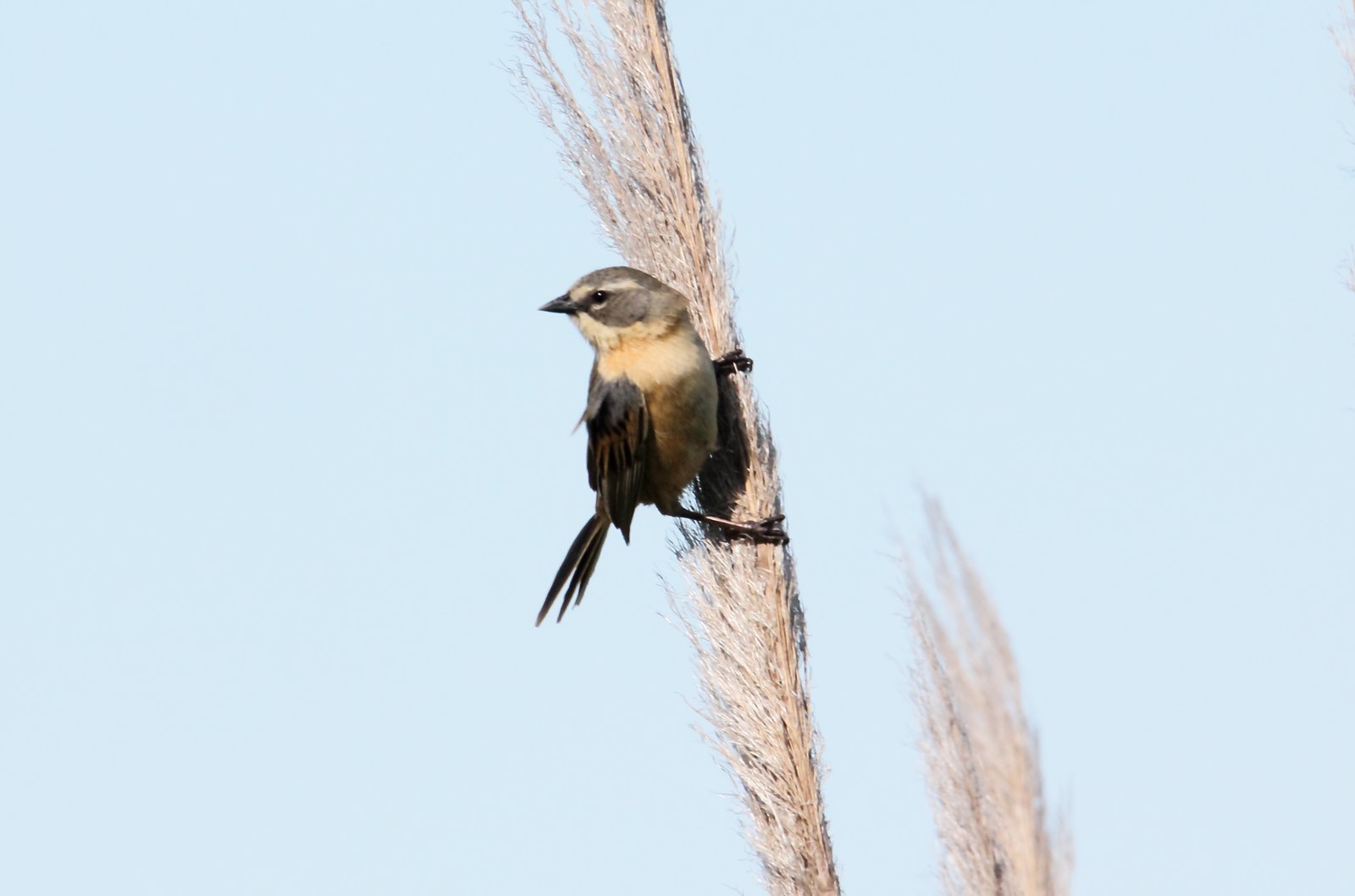
Loriotus 3 espécies
-
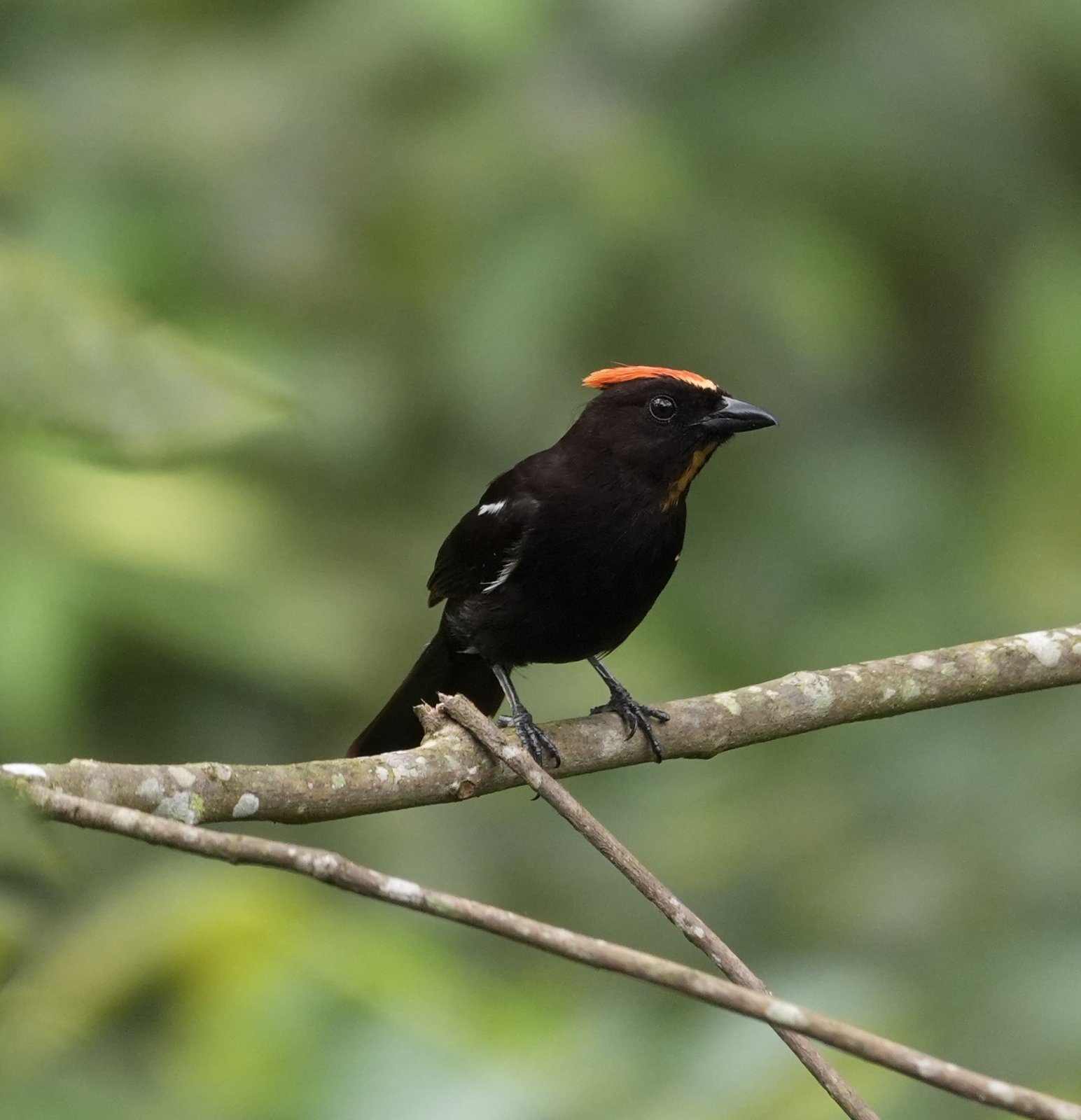
Tiê-galo
Loriotus cristatus Amazonian terra firme rainforest
- Secondary forest and forest edge
- Várzea, igapó and river islands
- Eastern Andean foothill forest
-
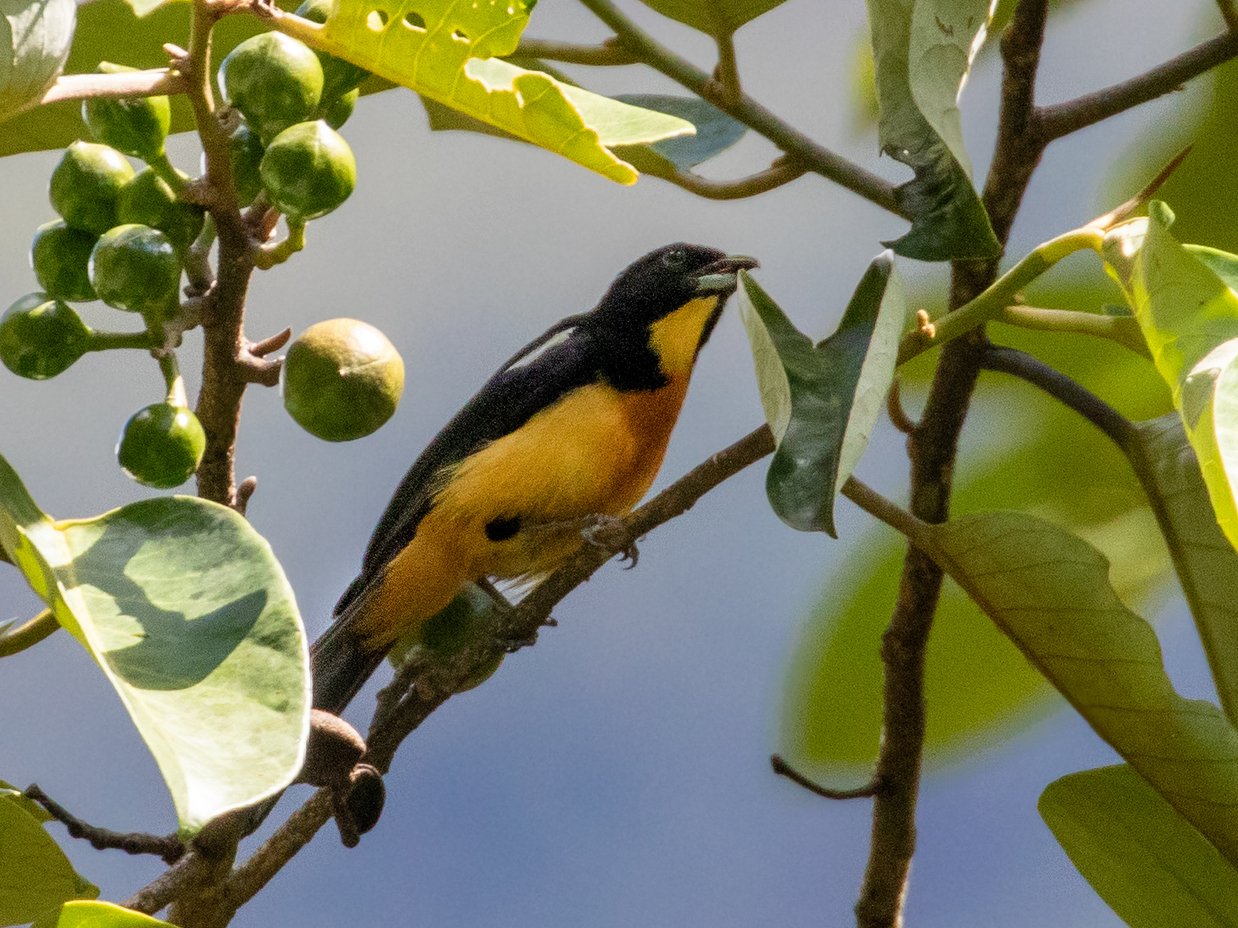
Tem-tem-de-crista-amarela
Loriotus rufiventer- Eastern Andean foothill forest
- Amazonian terra firme rainforest
- Lower Yungas forest
- Secondary forest and forest edge
-
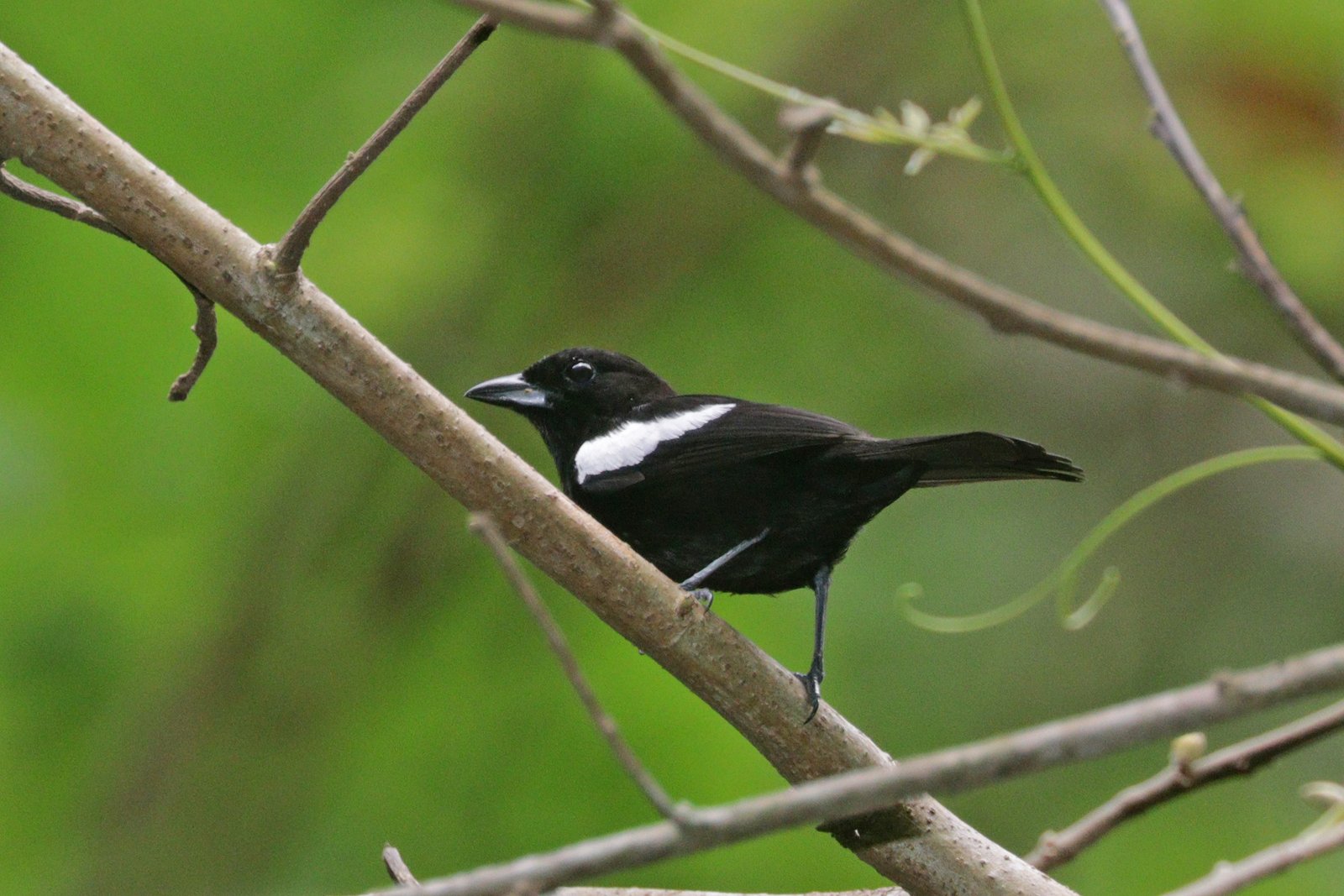
Tem-tem-de-dragona-branca
Loriotus luctuosus- Amazonian terra firme rainforest
- Chocó rainforest
- Western Ecuador humid forest
- Eastern Andean foothill forest
- Secondary forest and forest edge
- Várzea, igapó and river islands
Incaspiza 5 espécies
-
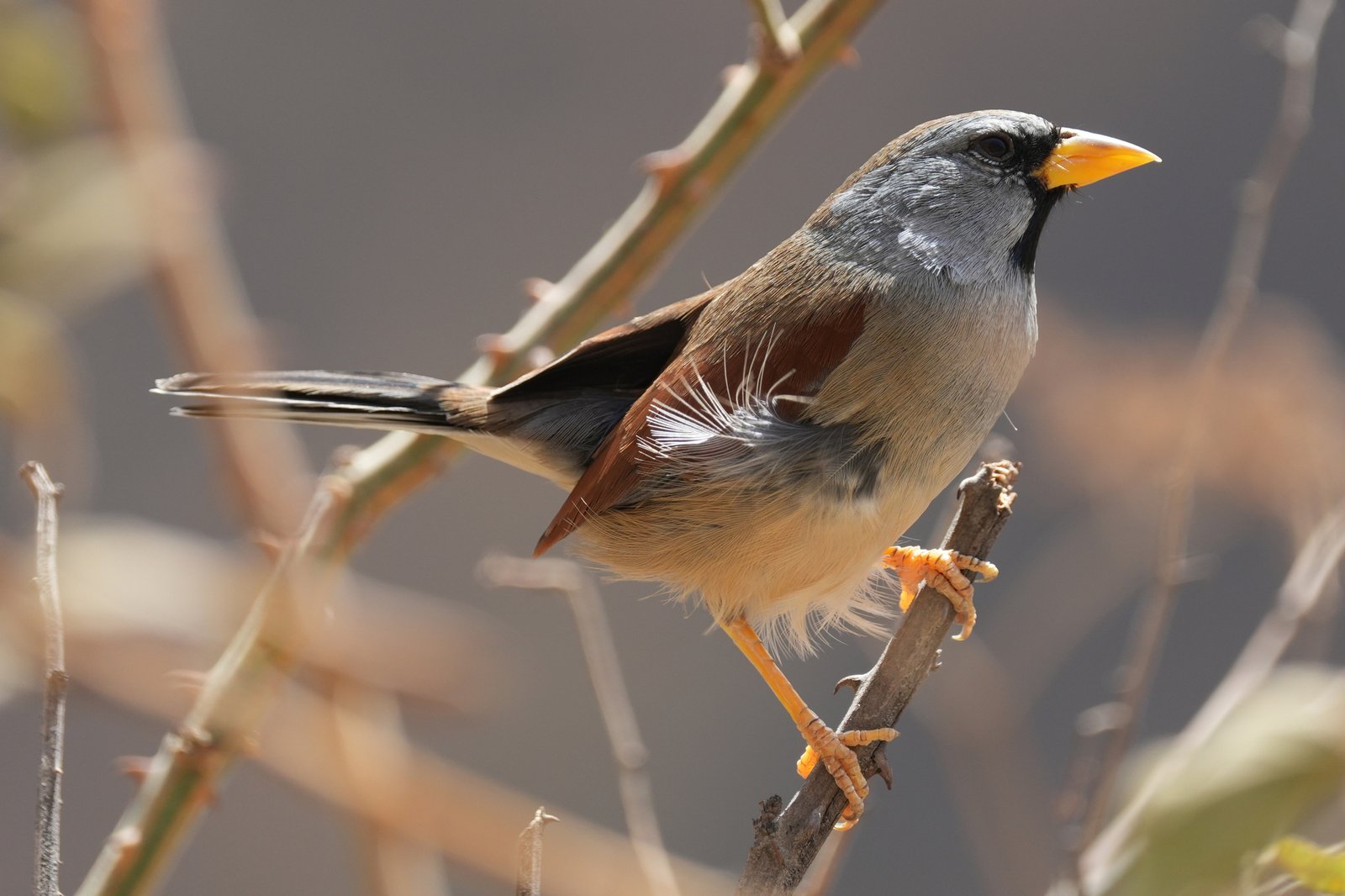
Tico-tico-inca-grande
Incaspiza pulchra- Central Andean dry valleys
 Cliffs, gorges and canyons
- Riparian woodland of the Andes and coastal valleys
-
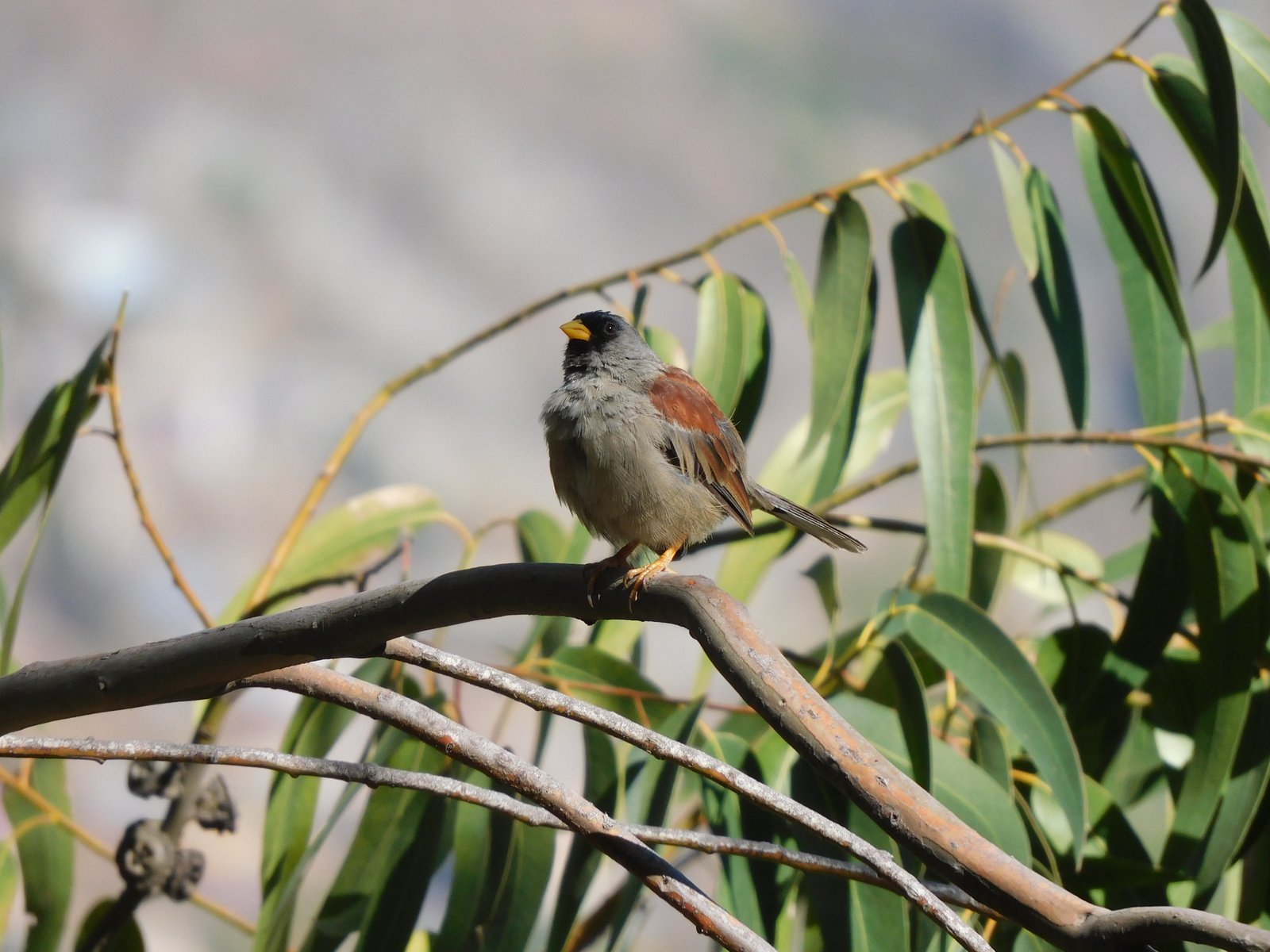
Tico-tico-inca-de-dorso-ruivo
Incaspiza personata- Marañón and northern inter-Andean dry forest
- Central Andean dry valleys
- Cliffs, gorges and canyons
 Andean fields and terraces
-

Tico-tico-inca-de-asa-cinza
Incaspiza ortizi- Marañón and northern inter-Andean dry forest
 Tumbesian dry forest and thorn scrub
- Cliffs, gorges and canyons
-
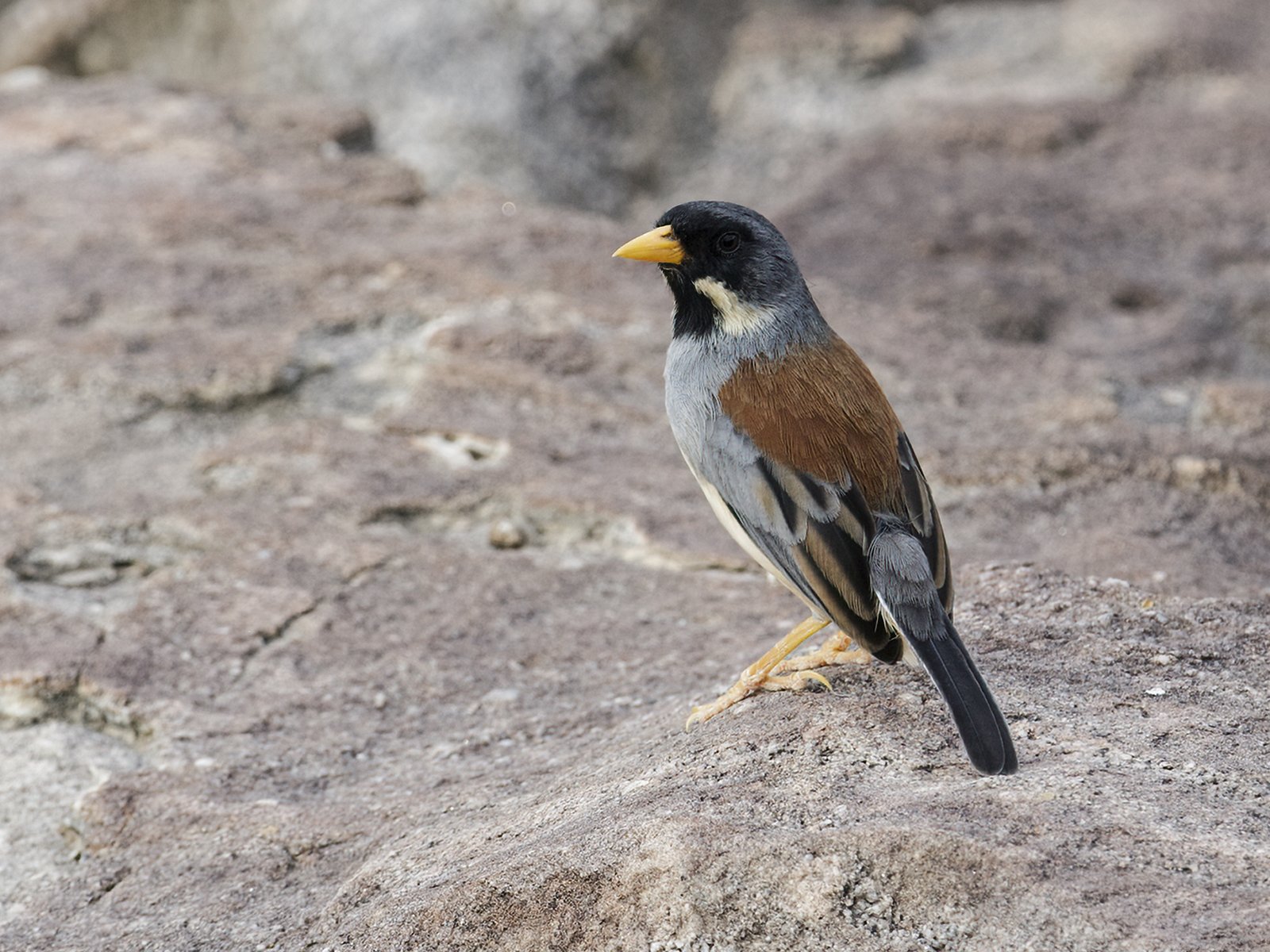
Tico-tico-inca-de-bigode-ocráceo
Incaspiza laeta- Marañón and northern inter-Andean dry forest
- Cliffs, gorges and canyons
- Andean fields and terraces
-
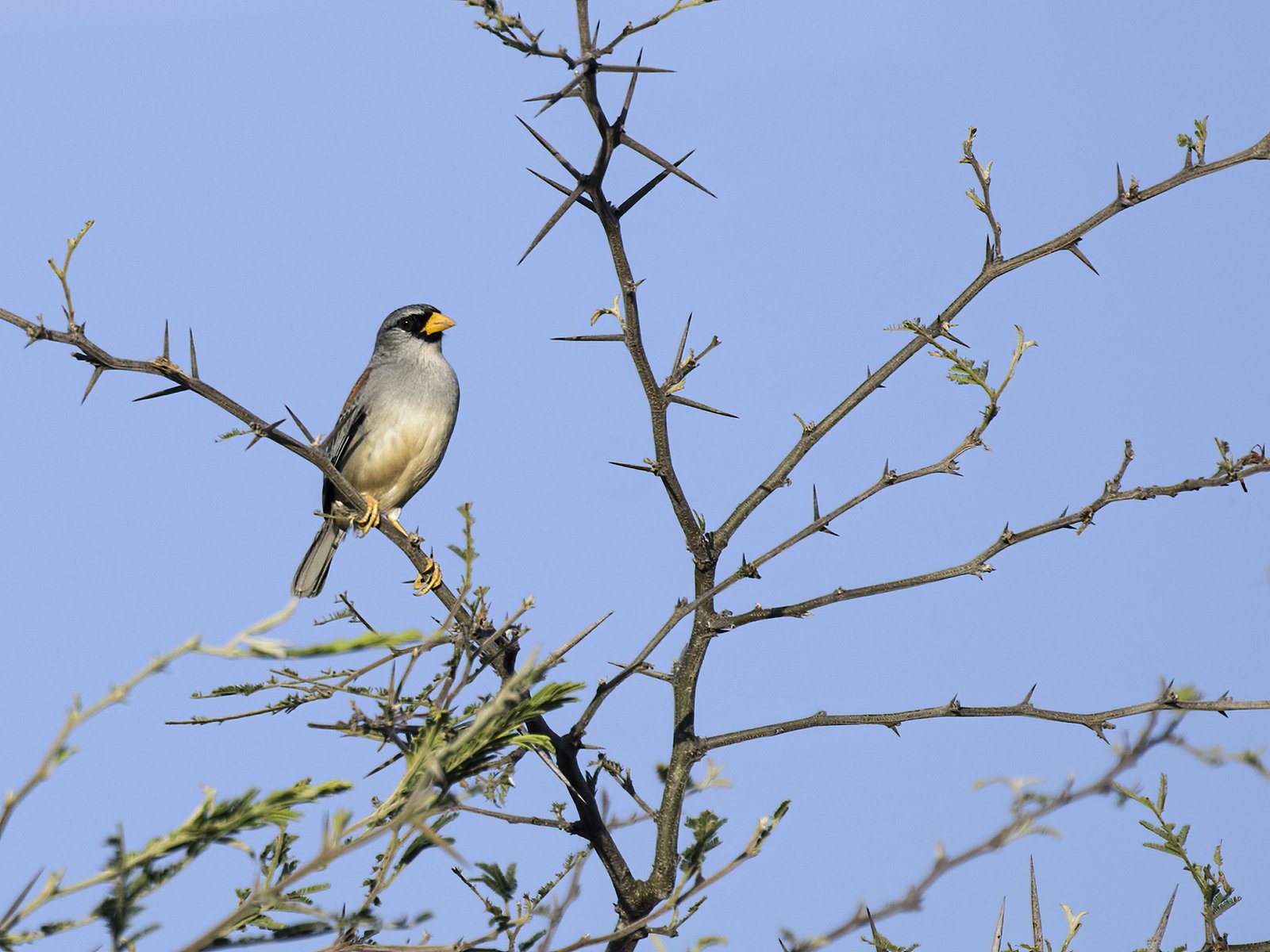
Tico-tico-inca-pequeno
Incaspiza watkinsi- Marañón and northern inter-Andean dry forest
- Riparian woodland of the Andes and coastal valleys
 Irrigated farmland and rice fields
Dubusia 2 espécies
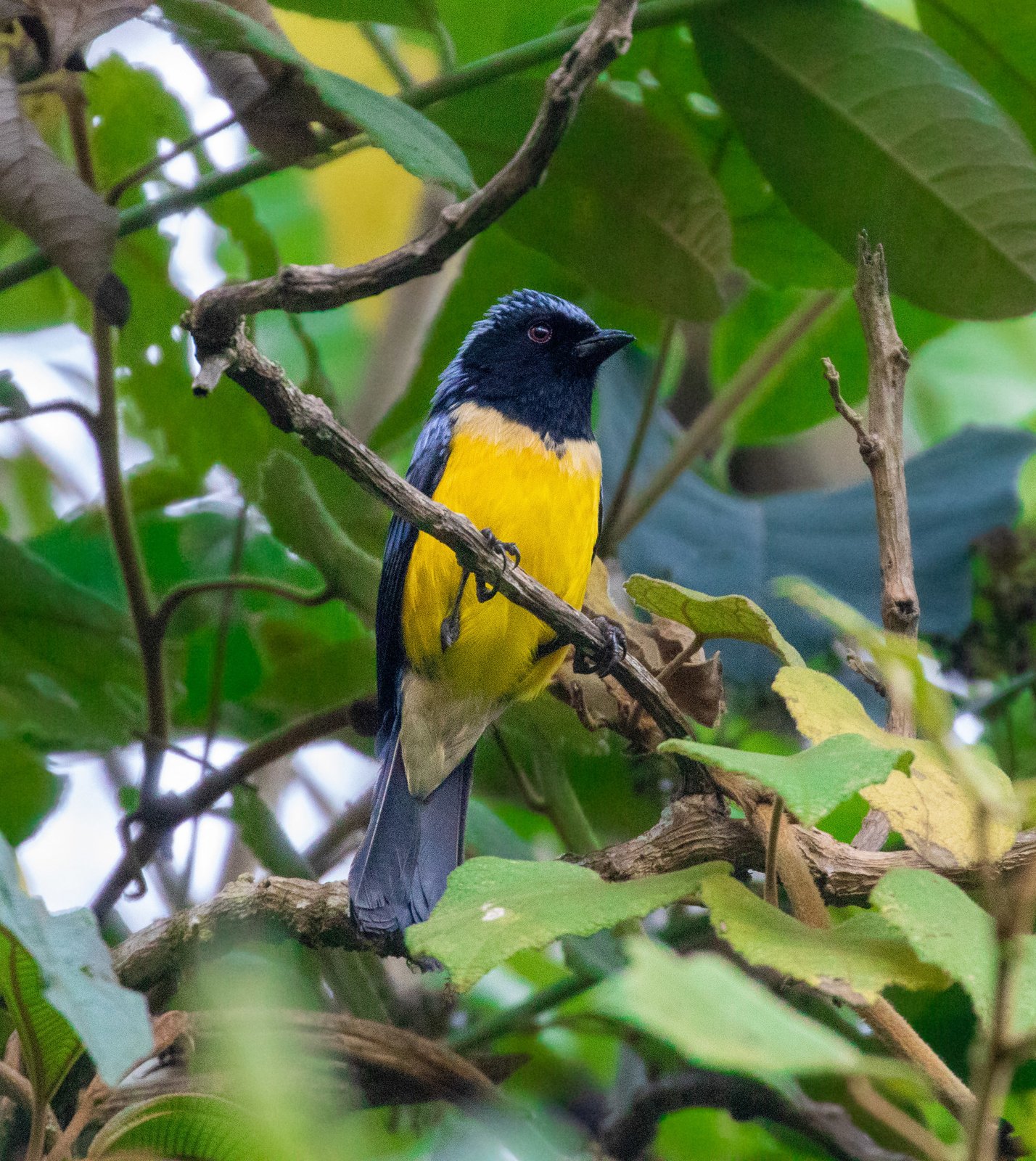
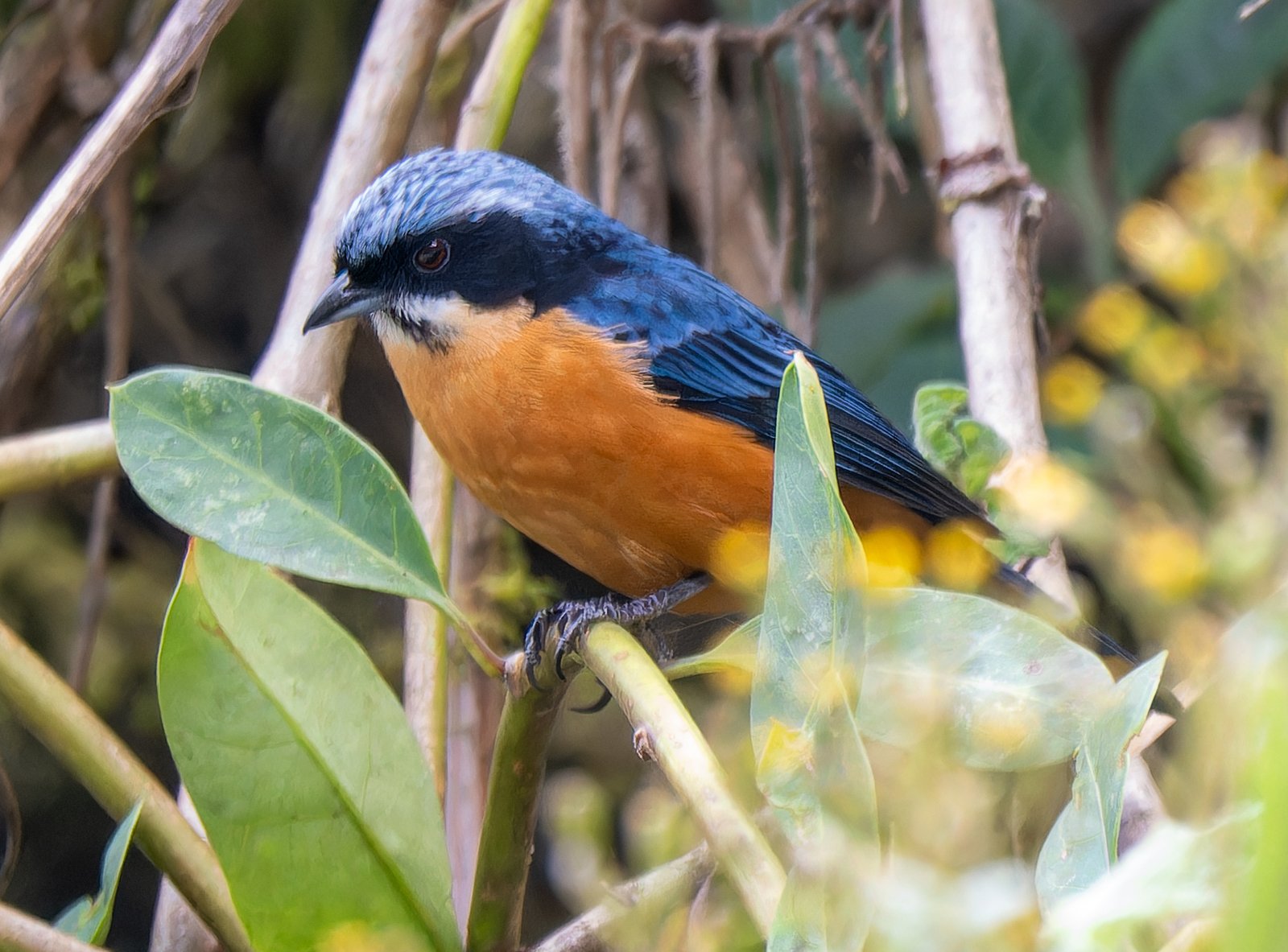
Ixothraupis 5 espécies
-
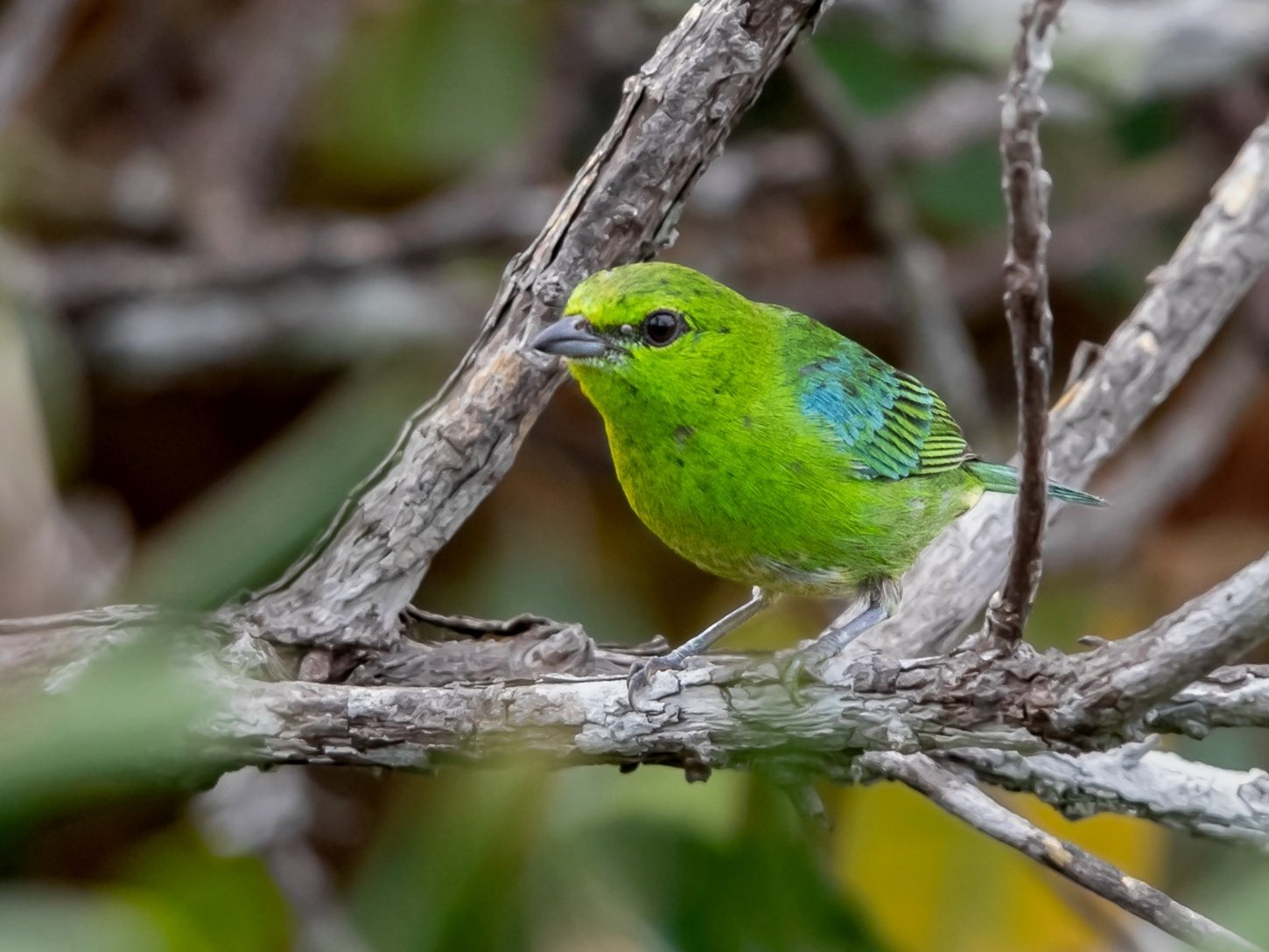
Saíra-carijó
Ixothraupis varia- Amazonian terra firme rainforest
- Secondary forest and forest edge
- Várzea, igapó and river islands
-
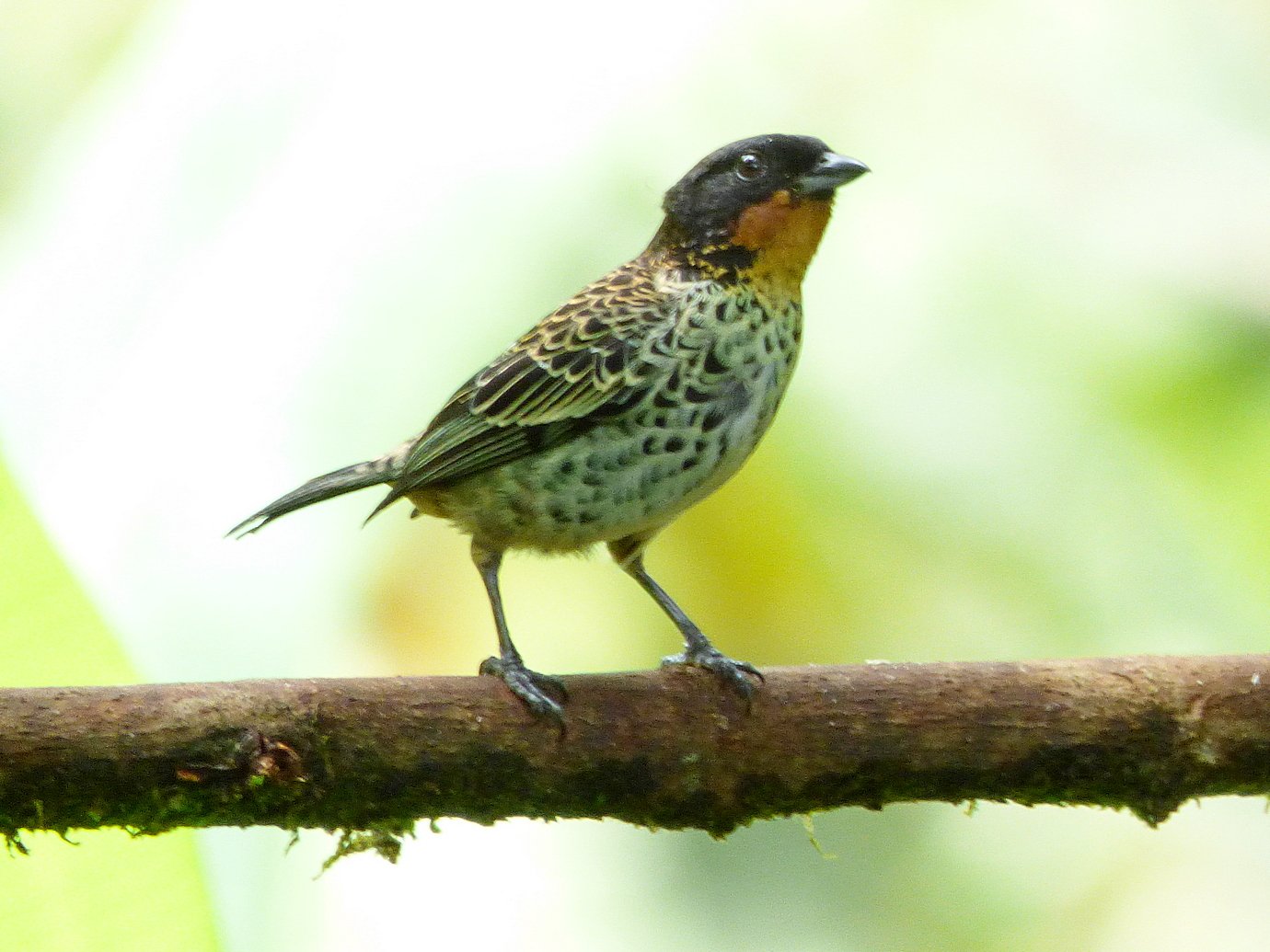
Saíra-de-garganta-ruiva
Ixothraupis rufigula- Chocó rainforest
- Northern Andean subtropical forest
- Western Ecuador humid forest
- Secondary forest and forest edge
-
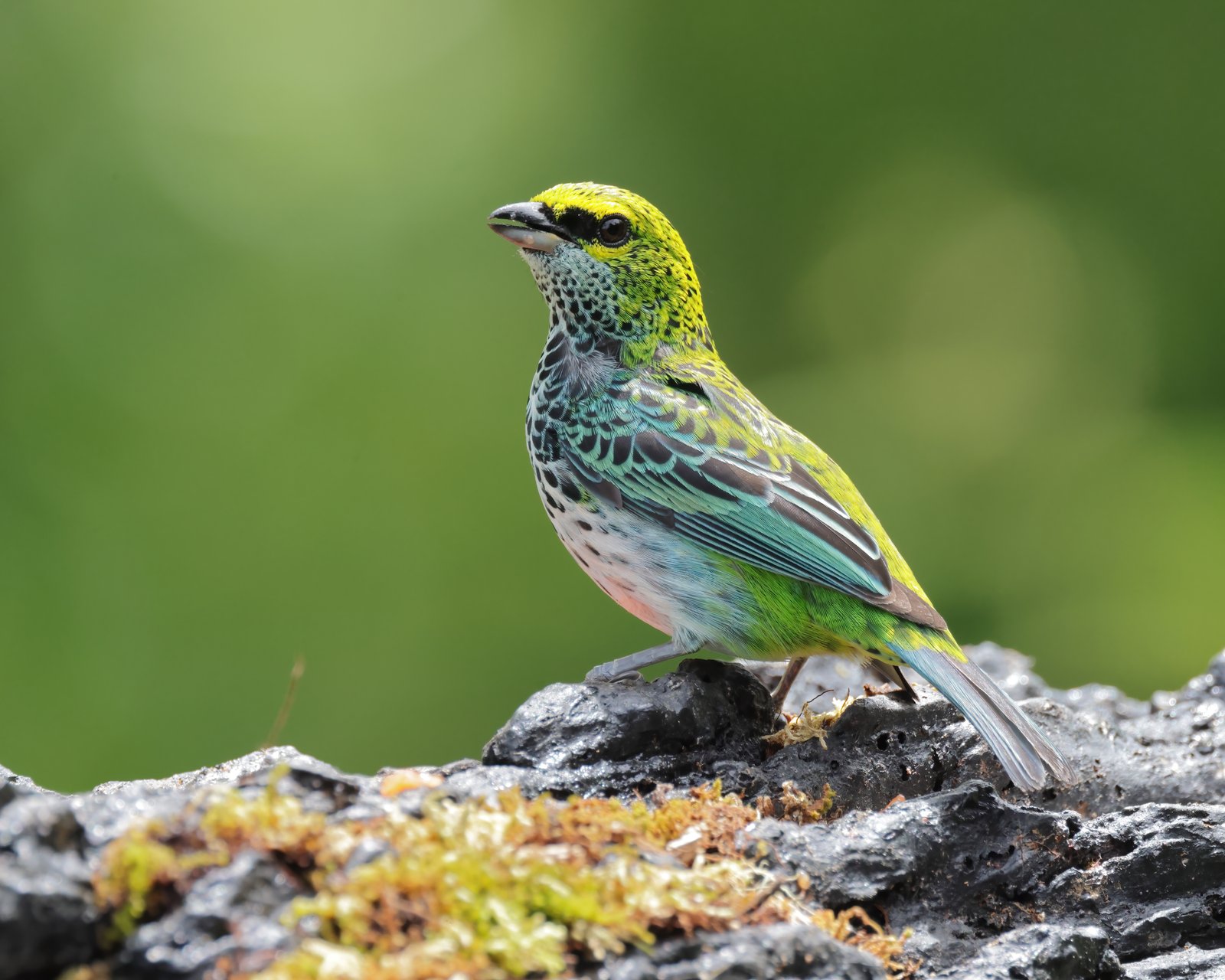
Saíra-pintada
Ixothraupis guttata- Northern Andean subtropical forest
- Eastern Andean foothill forest
- Secondary forest and forest edge
- Coffee, cacao and agroforestry
-
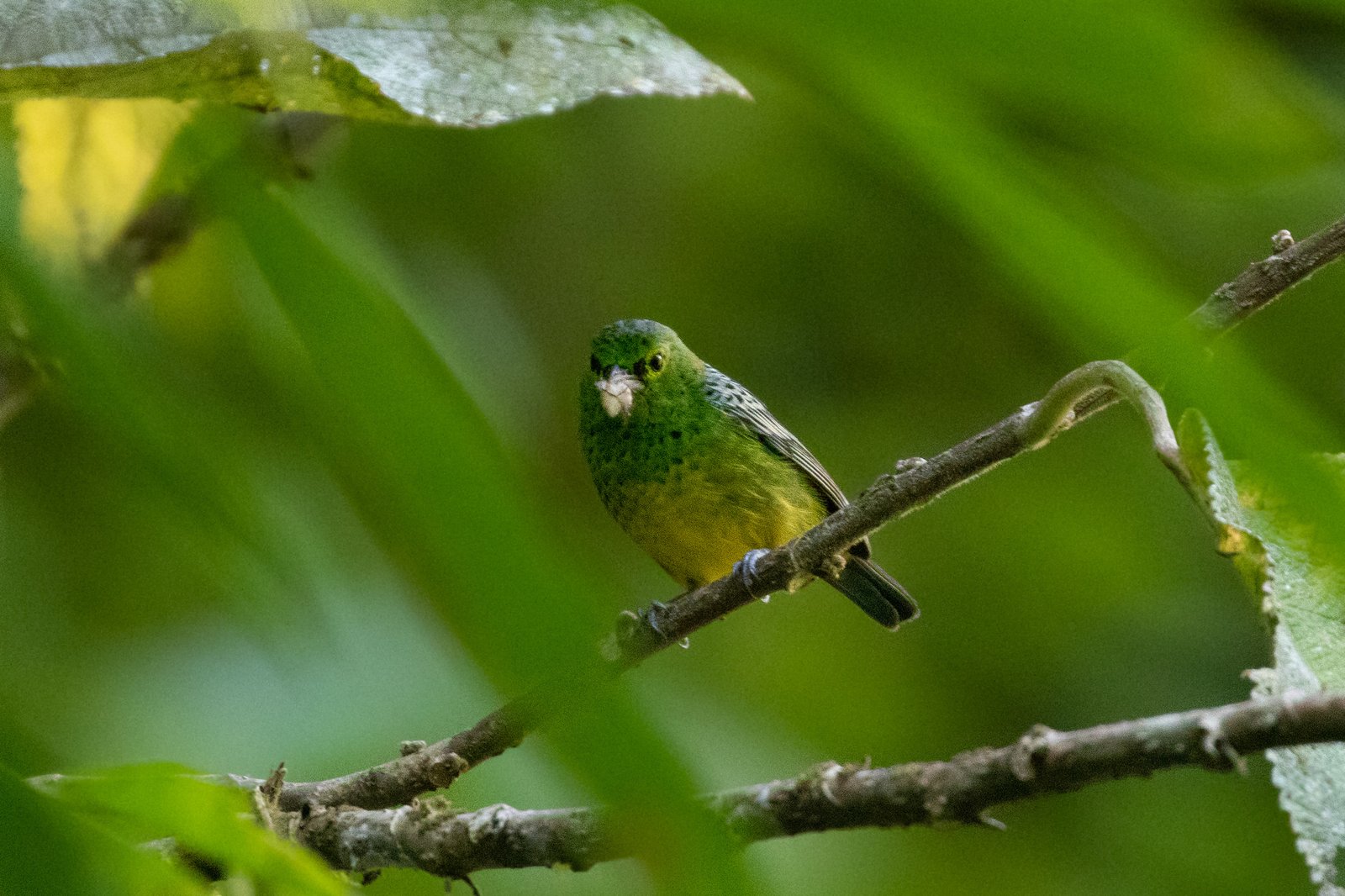
Saíra-de-barriga-amarela
Ixothraupis xanthogastra- Amazonian terra firme rainforest
- Eastern Andean foothill forest
- Secondary forest and forest edge
- Várzea, igapó and river islands
-
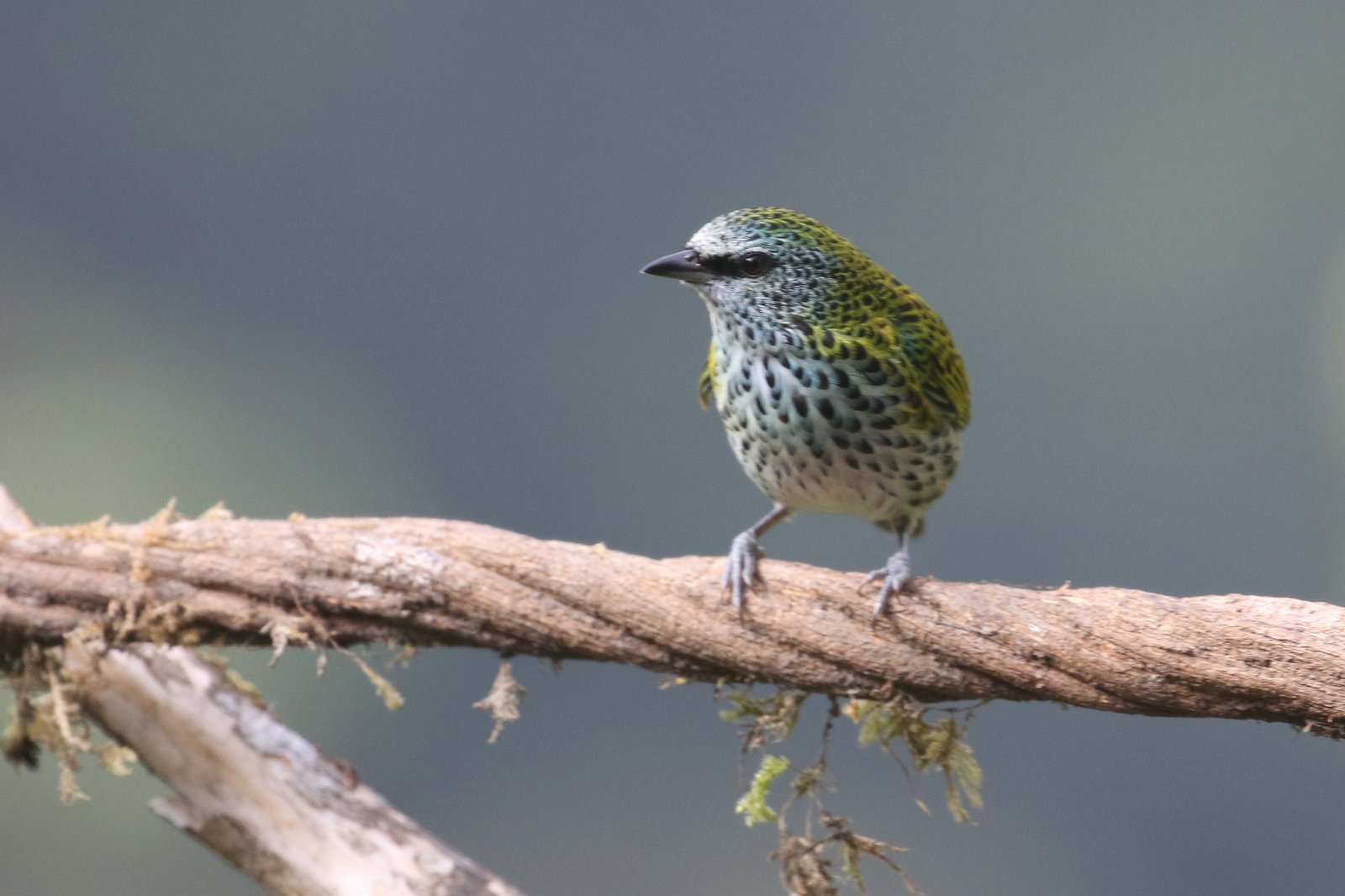
Saíra-negaça
Ixothraupis punctata- Eastern Andean foothill forest
- Lower Yungas forest
- Northern Andean subtropical forest
- Secondary forest and forest edge
Piezorina 1 espécie
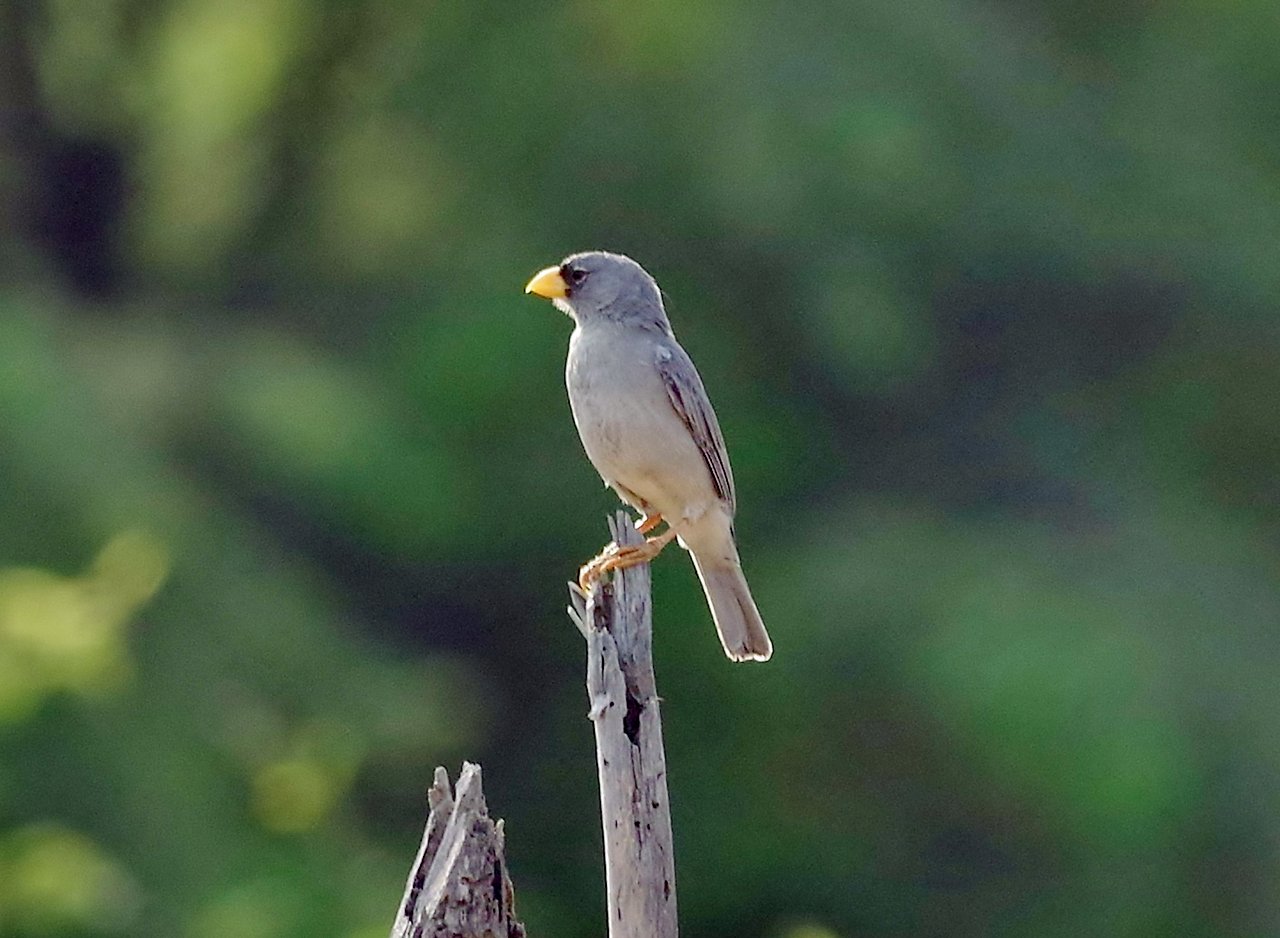
Paroaria 4 espécies
-
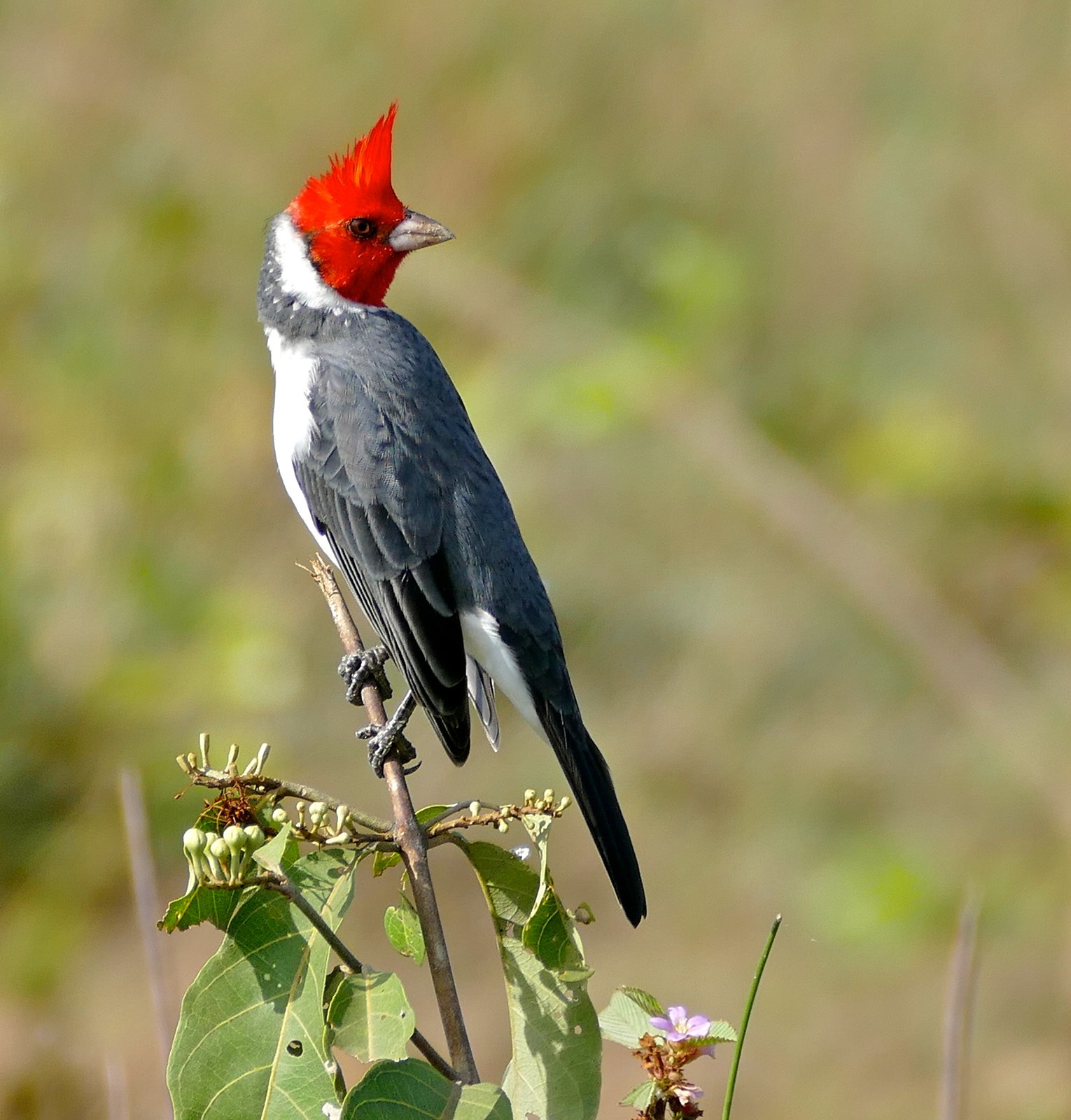
Cardeal
Paroaria coronata- Chiquitano dry forest and Chaco
 Lowland marshes and wet meadows
- Pasture and ranchland
- Towns, cities and parks
-
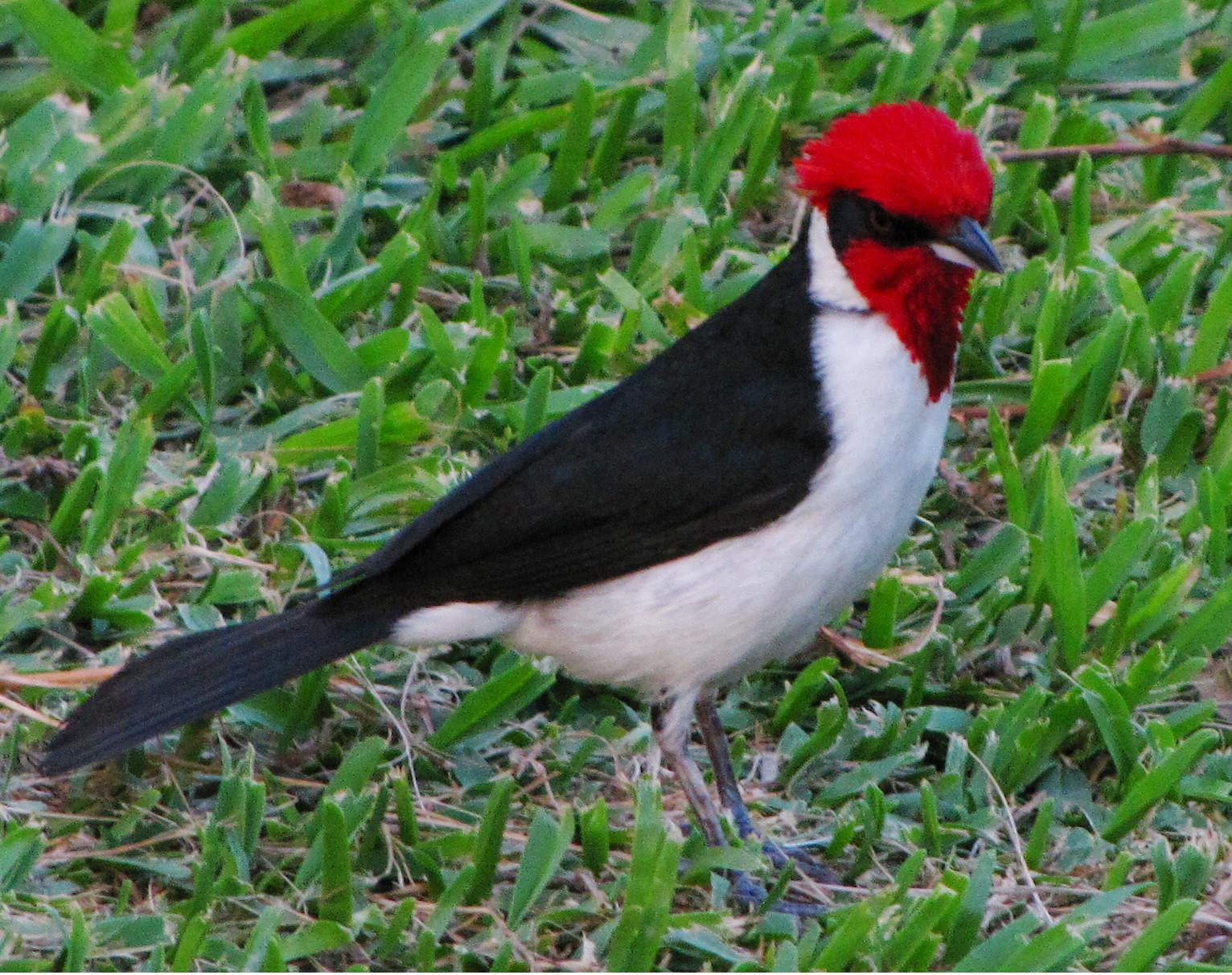
Cardeal-de-máscara
Paroaria nigrogenis- Llanos savanna
- Lowland marshes and wet meadows
- Lowland lakes and oxbows
- Pasture and ranchland
-
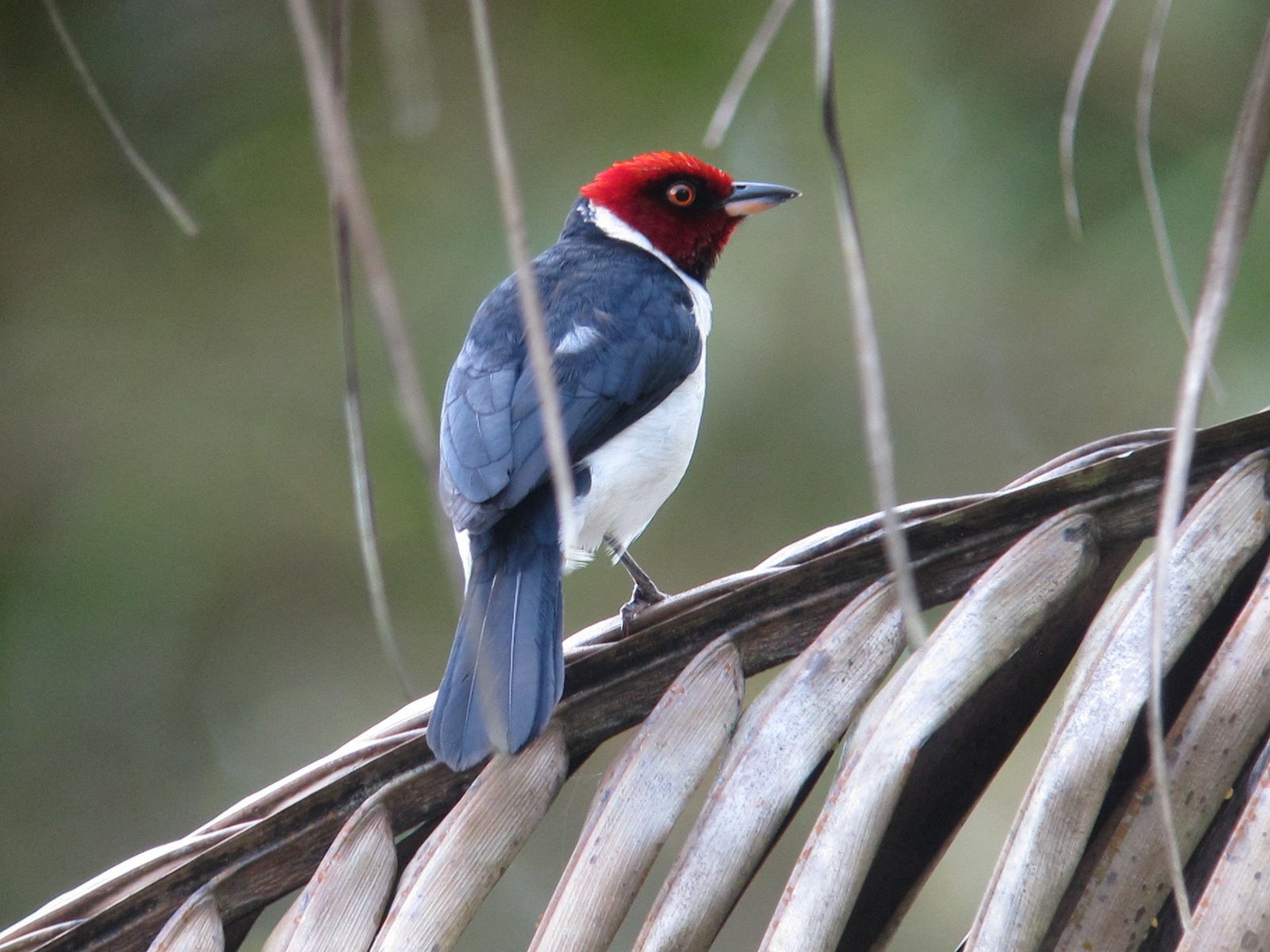
Cardeal-da-amazônia
Paroaria gularis- Várzea, igapó and river islands
- Lowland lakes and oxbows
- Lowland rivers and sandbars
- Lowland marshes and wet meadows
- Palm swamps and swamp forest
-
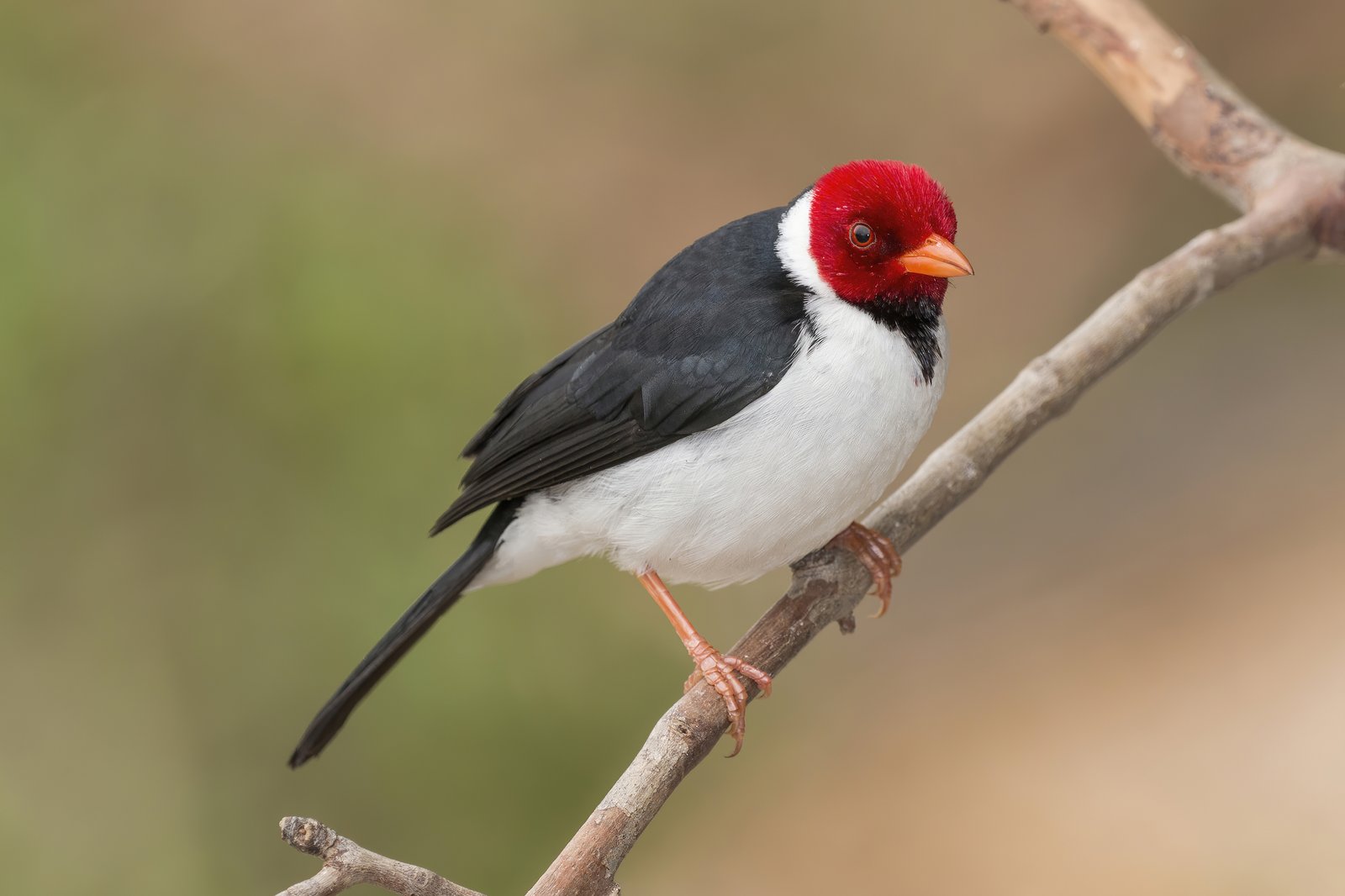
Cavalaria
Paroaria capitata- Lowland marshes and wet meadows
- Beni savanna and cerrado
- Chiquitano dry forest and Chaco
- Lowland lakes and oxbows
- Pasture and ranchland
Pseudosaltator 1 espécie
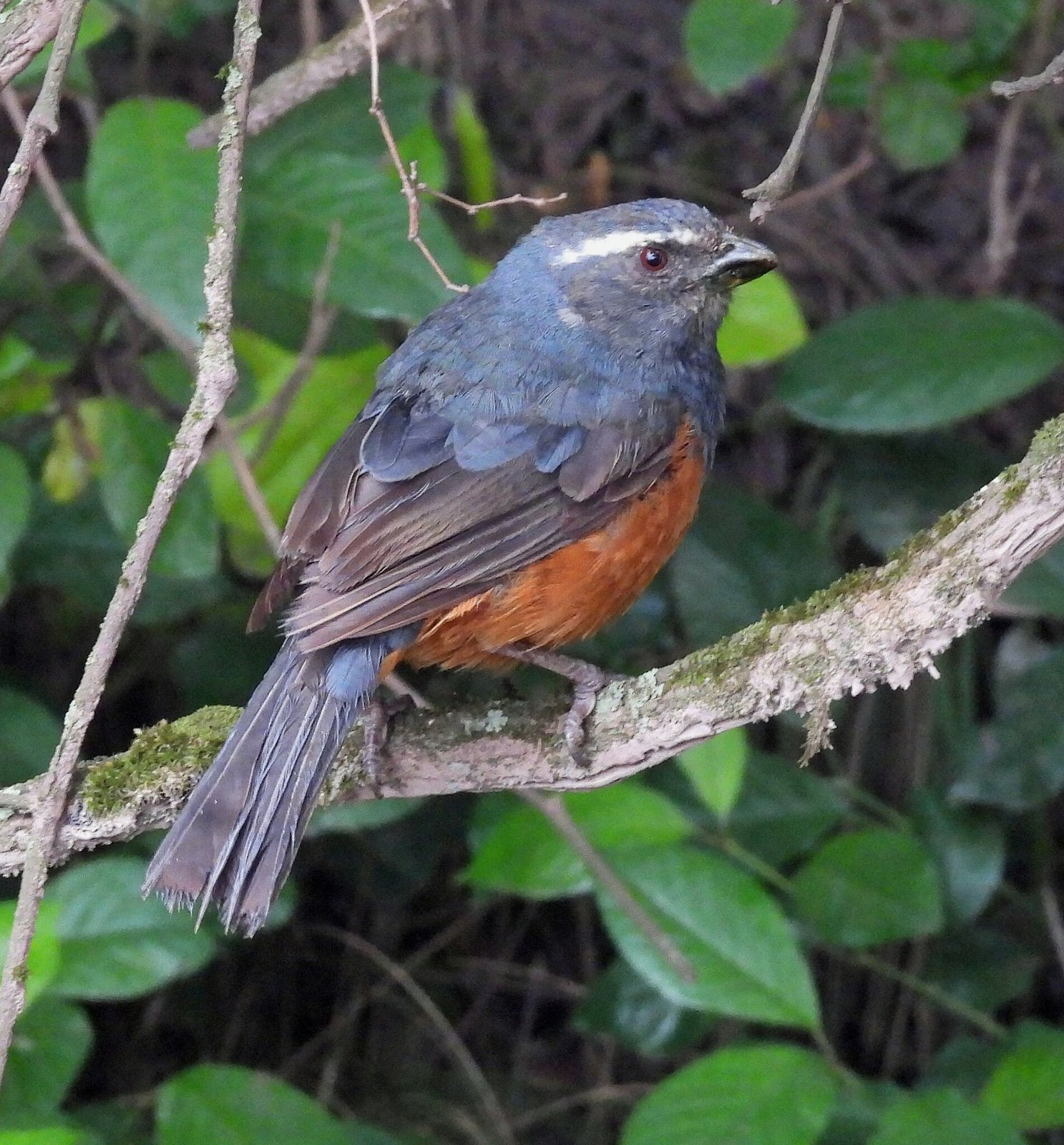
Chrysothlypis 1 espécie
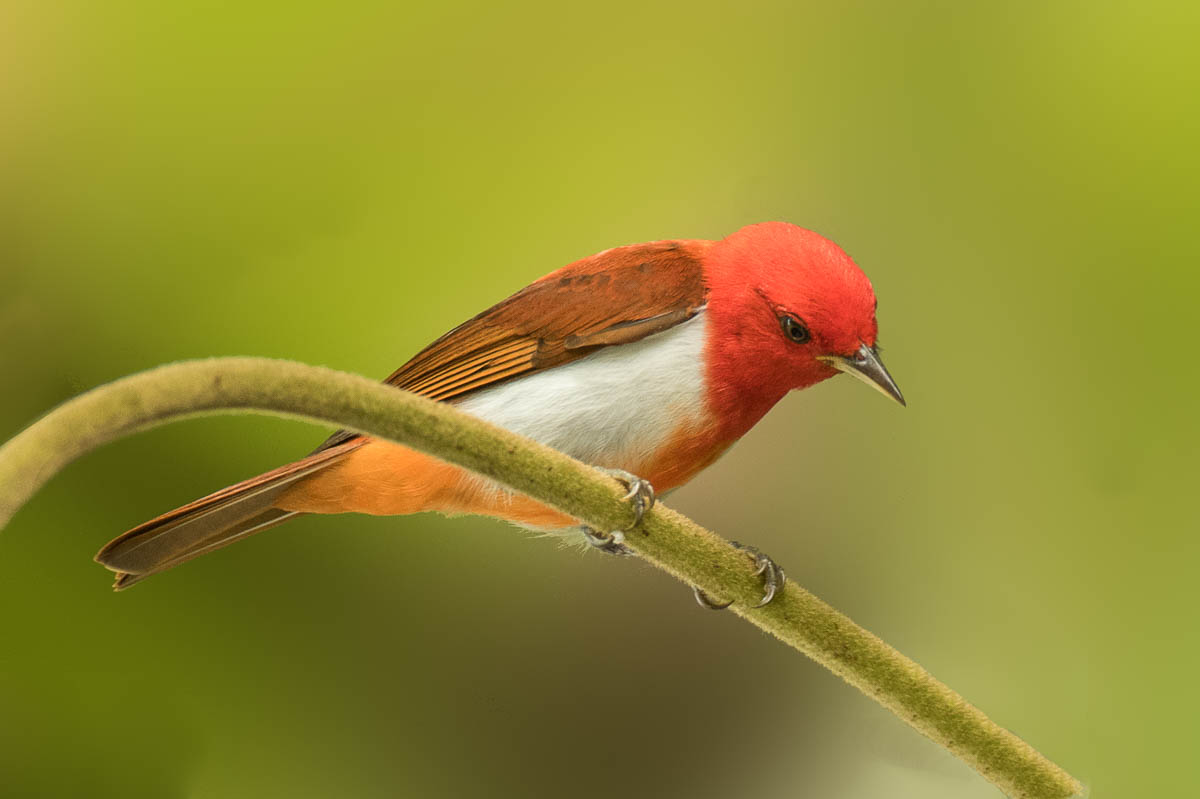
Thraupis 4 espécies
-
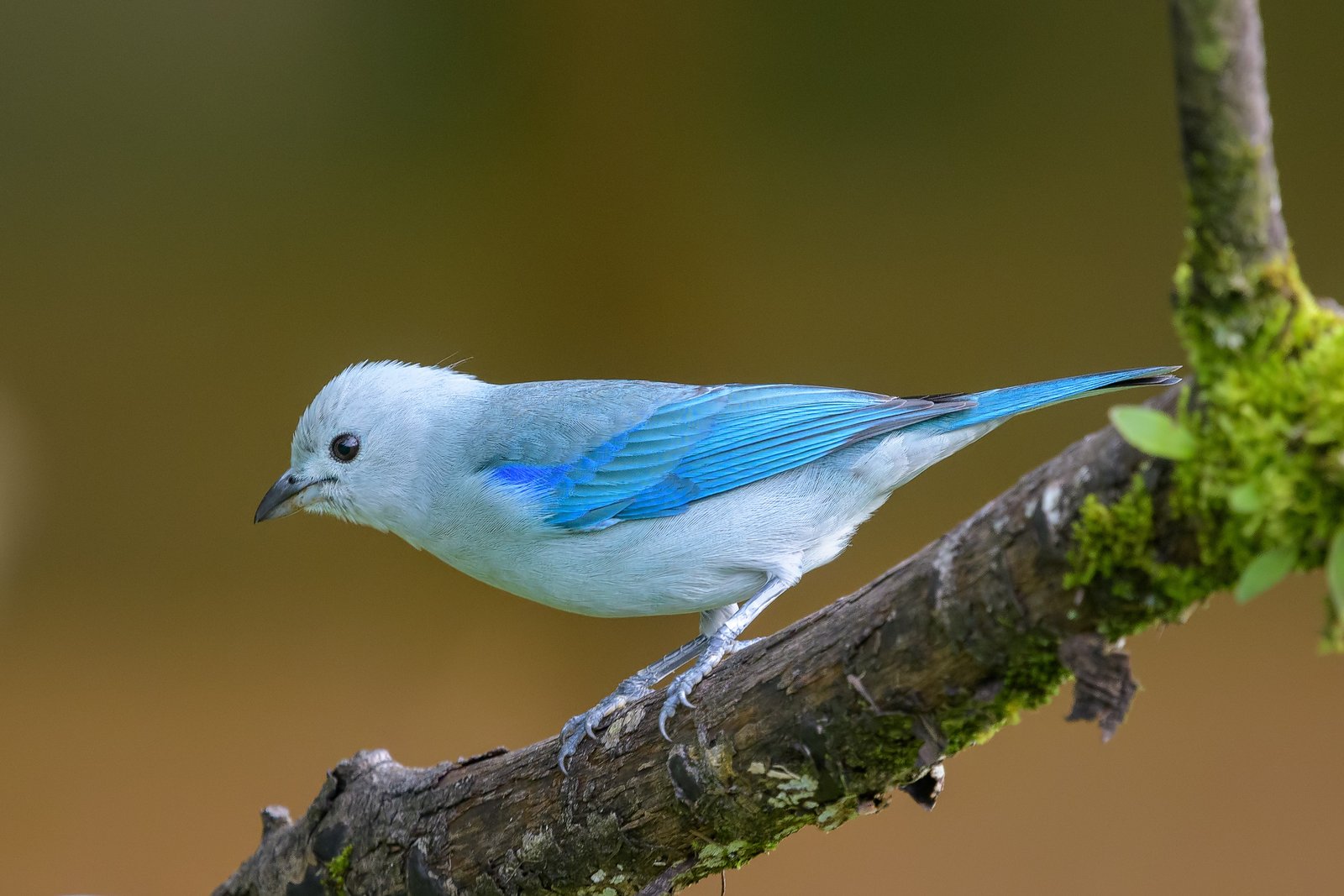
Sanhaço-da-amazônia
Thraupis episcopus- Secondary forest and forest edge
- Towns, cities and parks
- Coffee, cacao and agroforestry
- Várzea, igapó and river islands
- Western Ecuador humid forest
- Amazonian terra firme rainforest
-
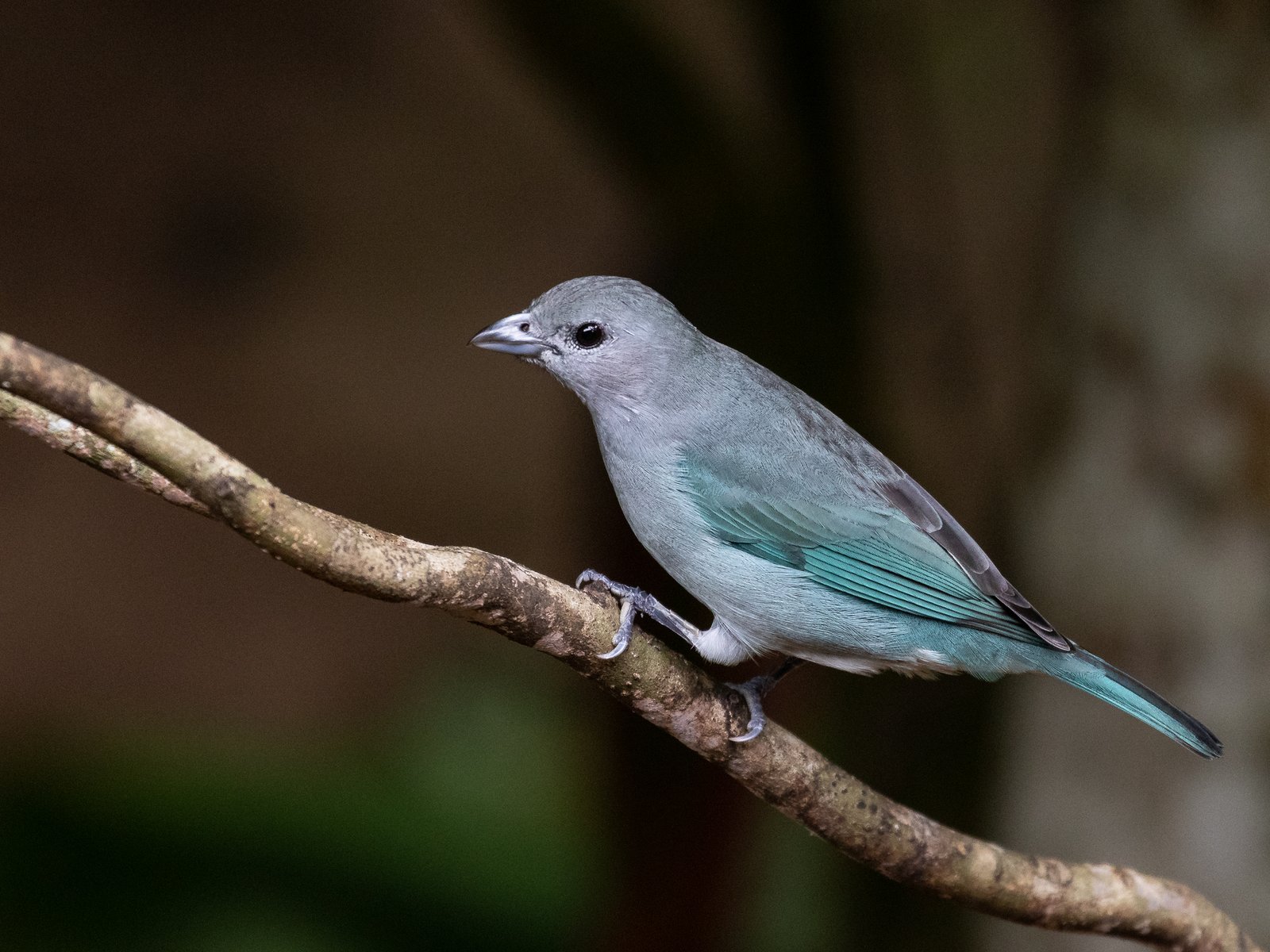
Sanhaço-cinzento
Thraupis sayaca- Secondary forest and forest edge
- Towns, cities and parks
- Chiquitano dry forest and Chaco
- Lower Yungas forest
- Riparian woodland of the Andes and coastal valleys
- Central Andean dry valleys
-
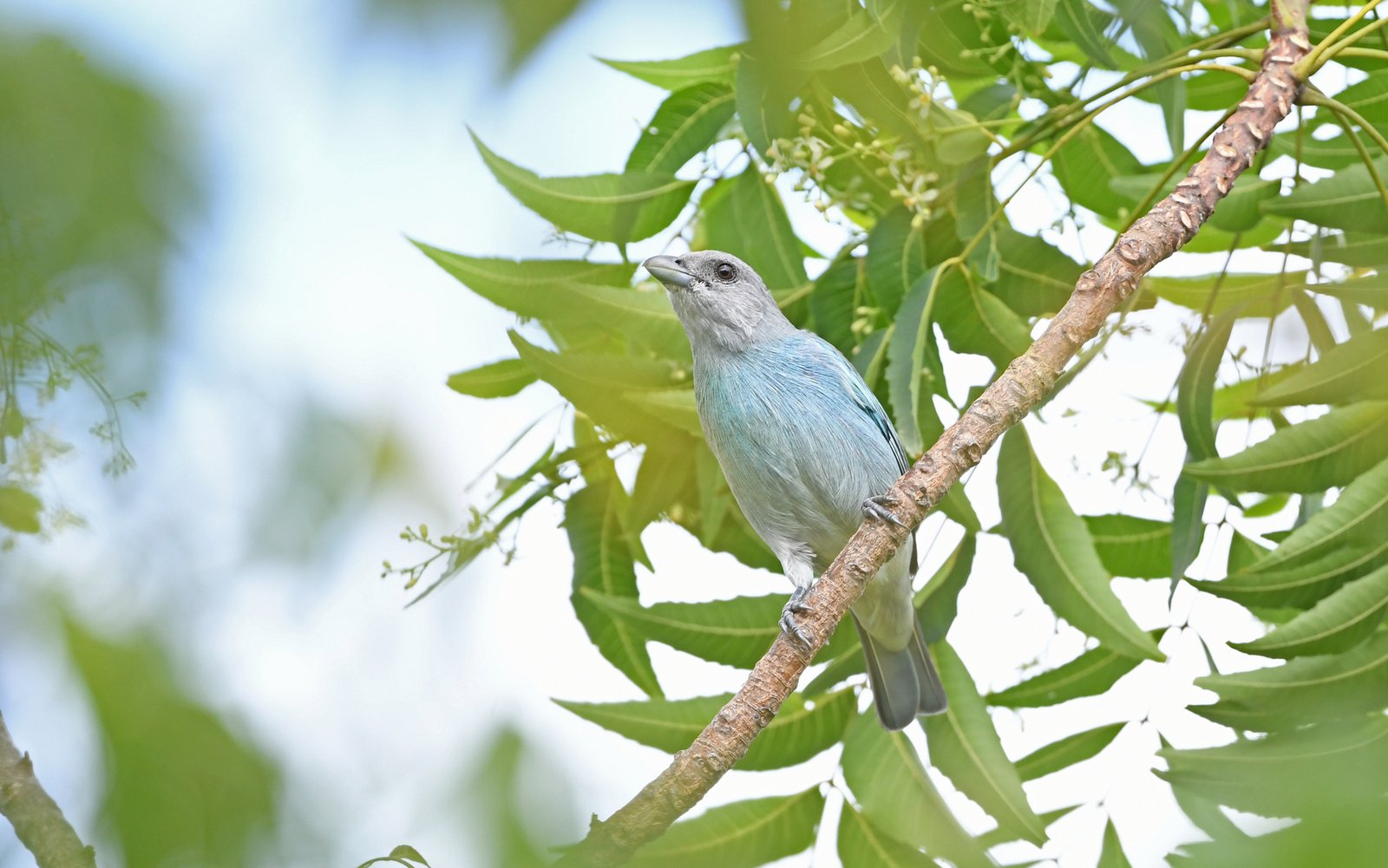
Sanhaço-glauco
Thraupis glaucocolpa- Marañón and northern inter-Andean dry forest
- Secondary forest and forest edge
- Pasture and ranchland
- Towns, cities and parks
- Riparian woodland of the Andes and coastal valleys
-
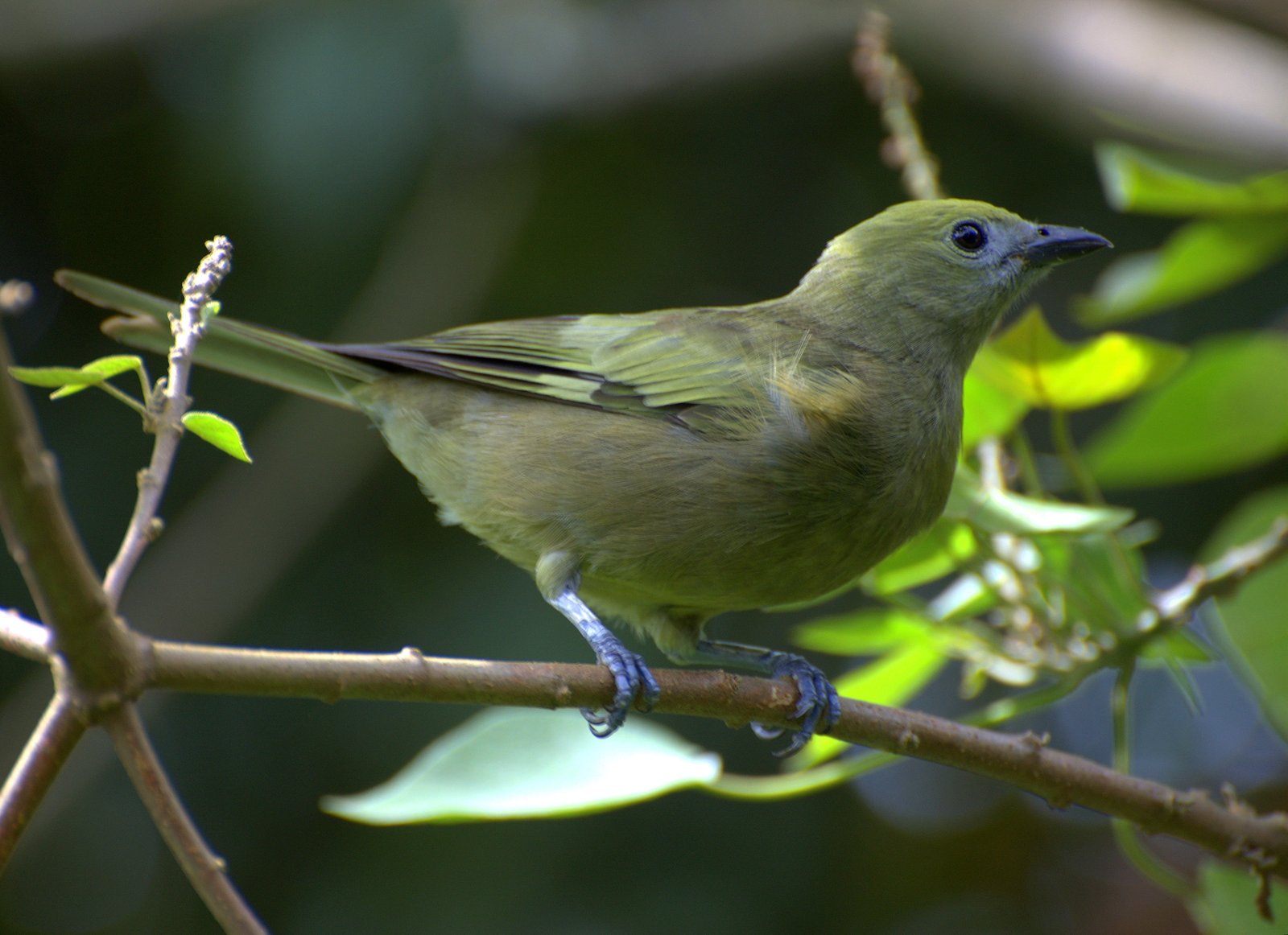
Sanhaço-do-coqueiro
Thraupis palmarum- Secondary forest and forest edge
- Towns, cities and parks
 Banana, oil palm and tree plantations
- Palm swamps and swamp forest
- Amazonian terra firme rainforest
- Western Ecuador humid forest
- Coffee, cacao and agroforestry
Rhodospingus 1 espécie
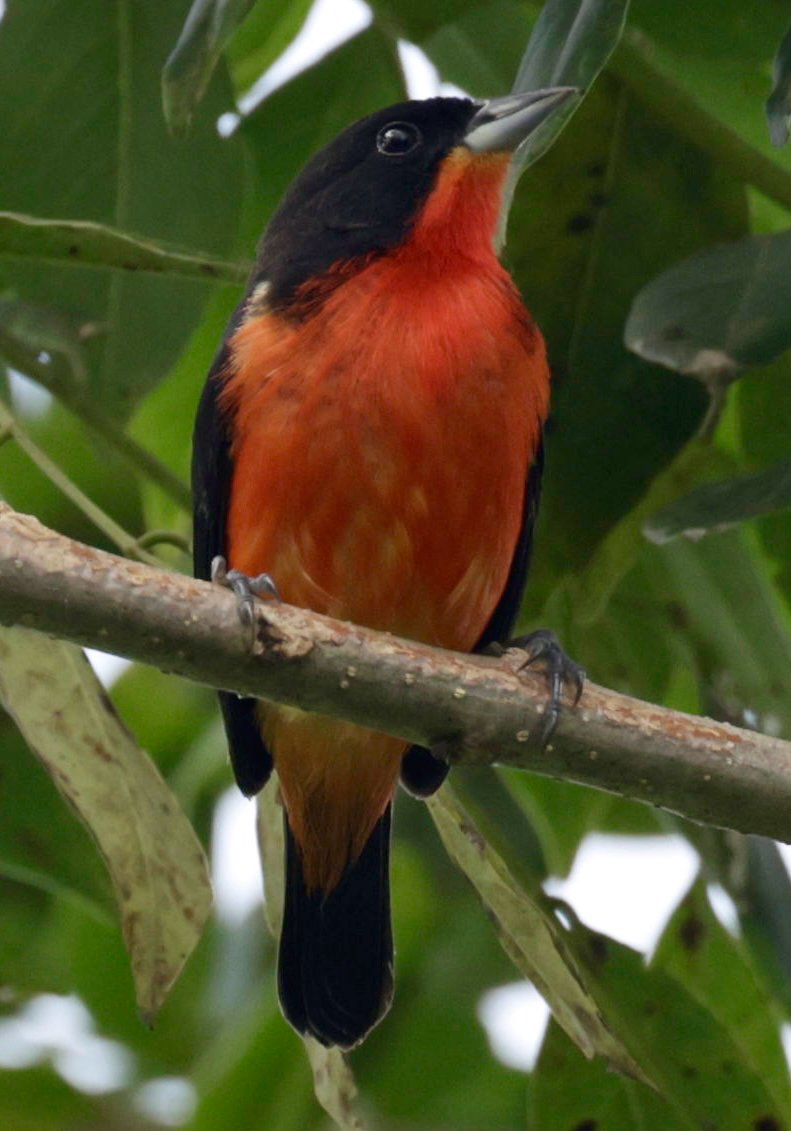
Xenospingus 1 espécie
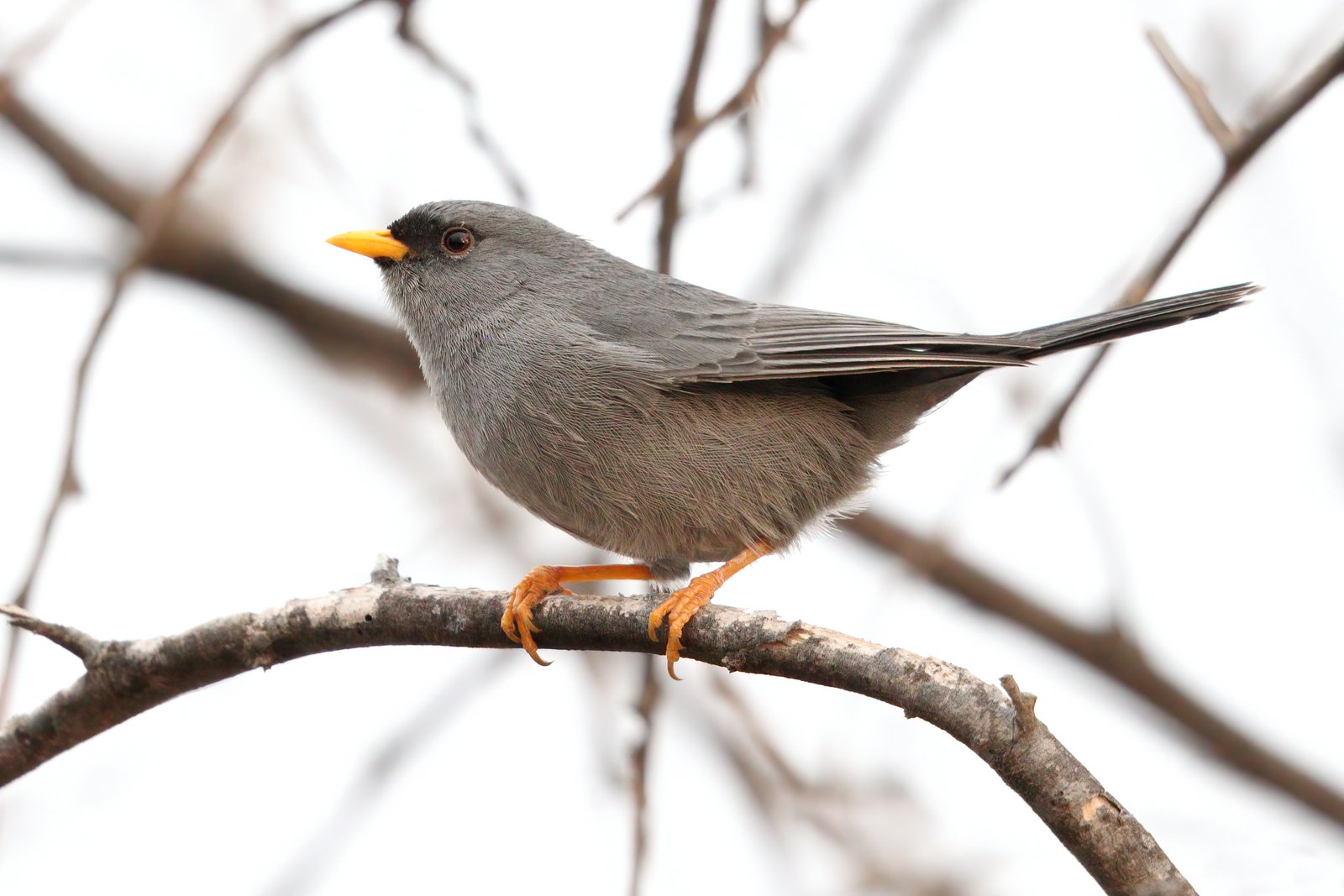
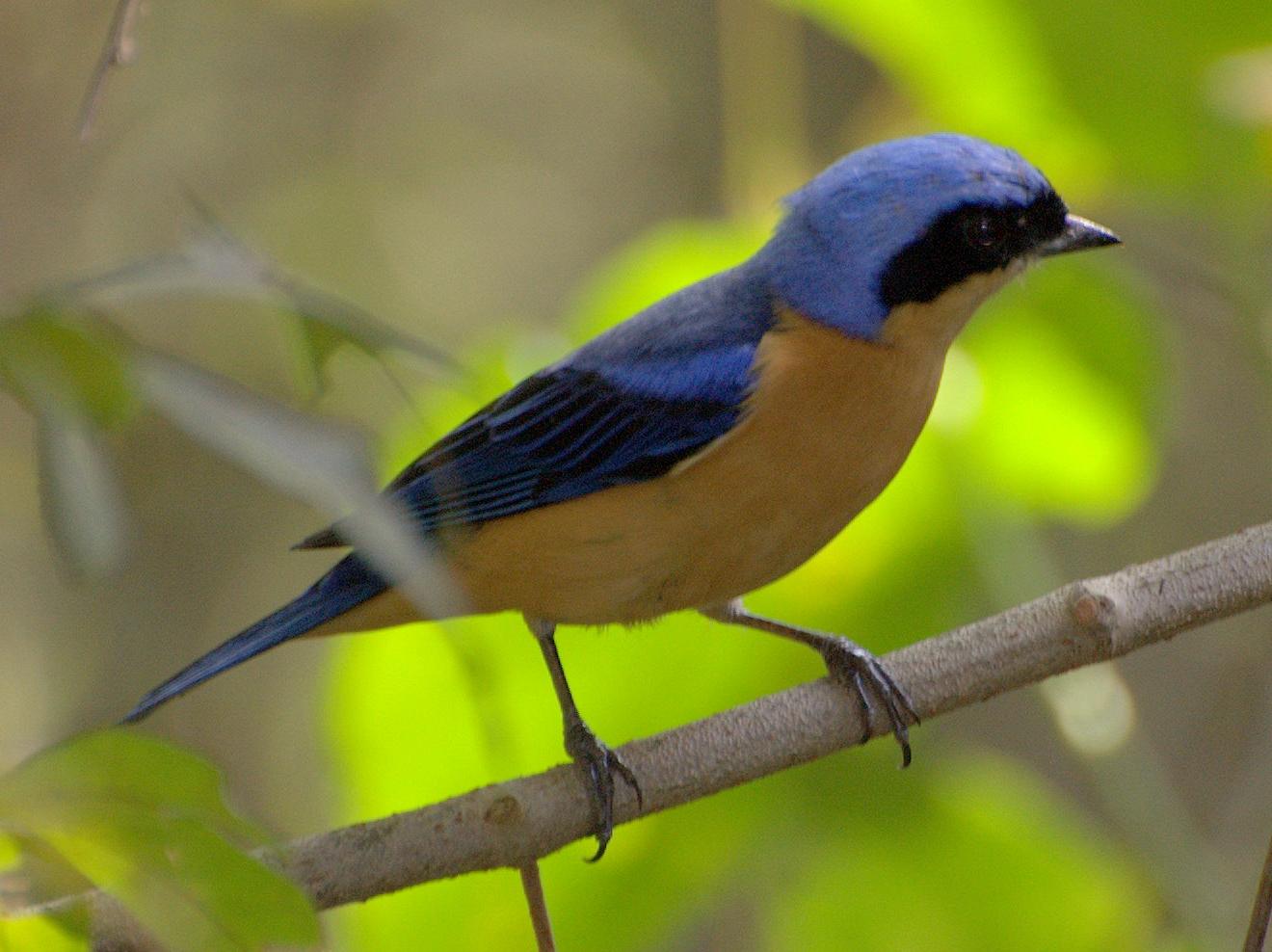
Tachyphonus 4 espécies
-

Tem-tem-de-topete-ferrugíneo
Tachyphonus surinamus- Amazonian terra firme rainforest
- Secondary forest and forest edge
- Várzea, igapó and river islands
- Eastern Andean foothill forest
-
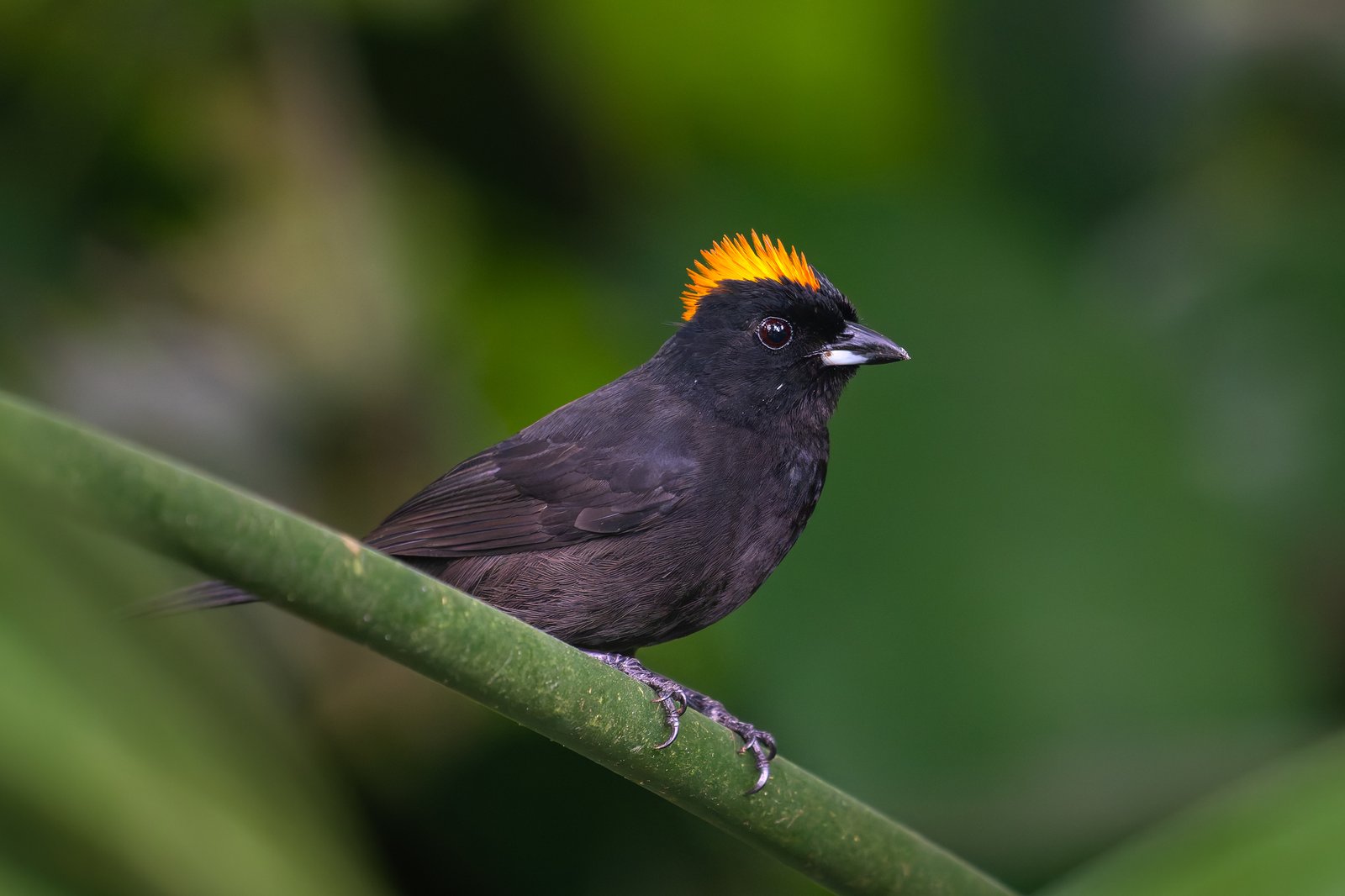
Tem-tem-de-crista-fulva
Tachyphonus delatrii- Chocó rainforest
- Western Ecuador humid forest
- Northern Andean subtropical forest
- Secondary forest and forest edge
-
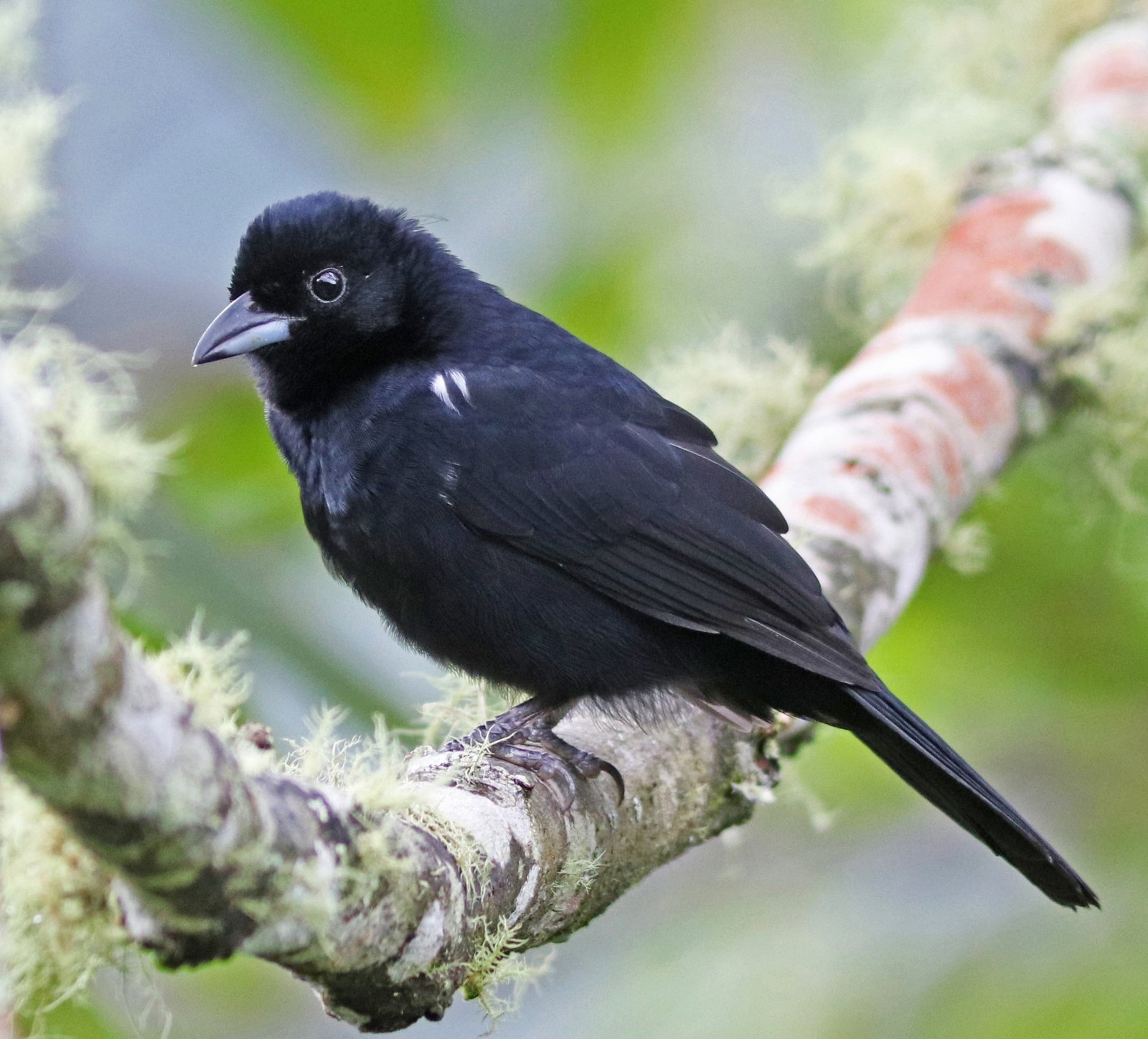
Pipira-preta
Tachyphonus rufus- Secondary forest and forest edge
- Coffee, cacao and agroforestry
- Pasture and ranchland
- Towns, cities and parks
- Llanos savanna
-
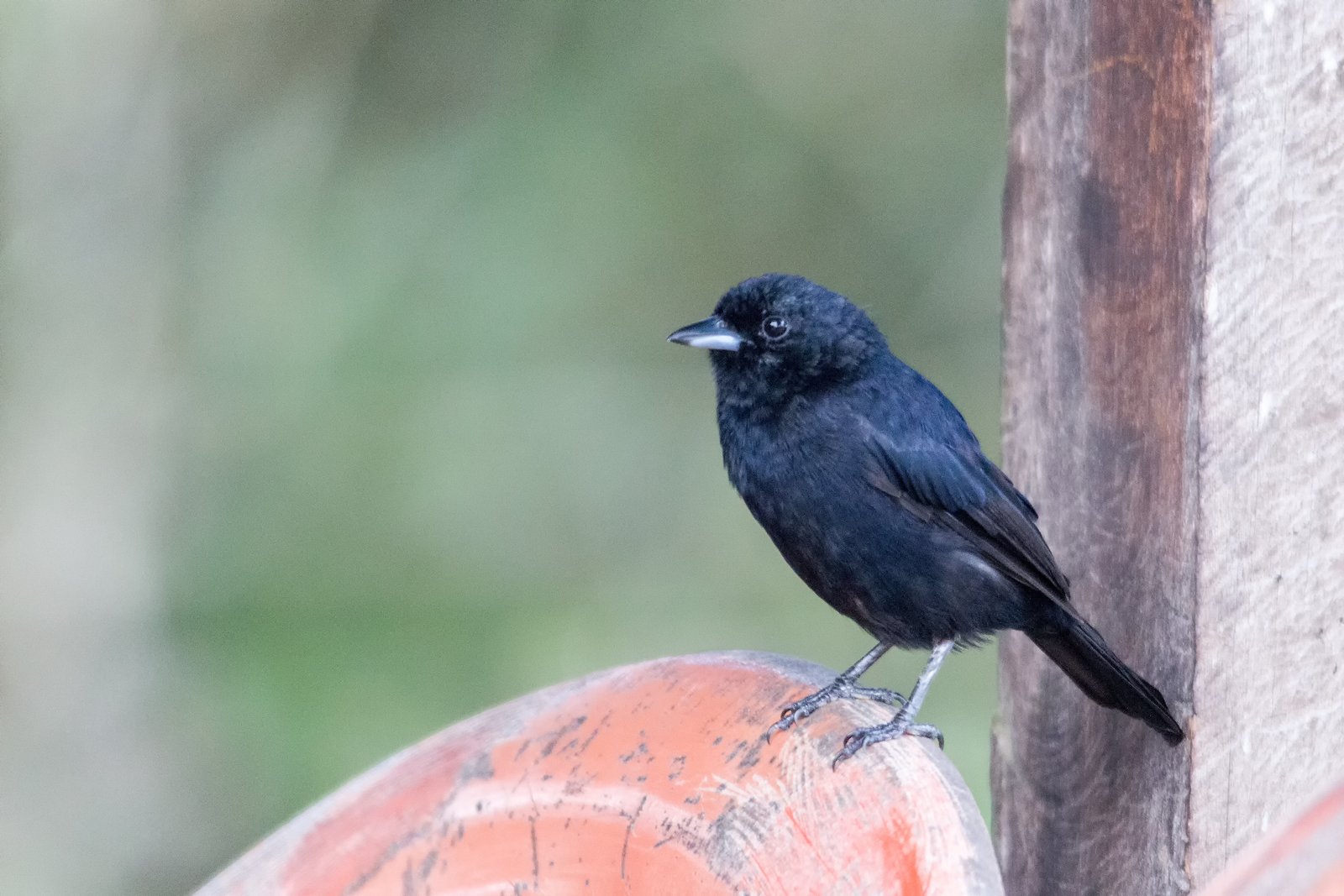
Tem-tem-de-dragona-vermelha
Tachyphonus phoenicius- Llanos savanna
- Beni savanna and cerrado
- Secondary forest and forest edge
Sicalis 10 espécies
-
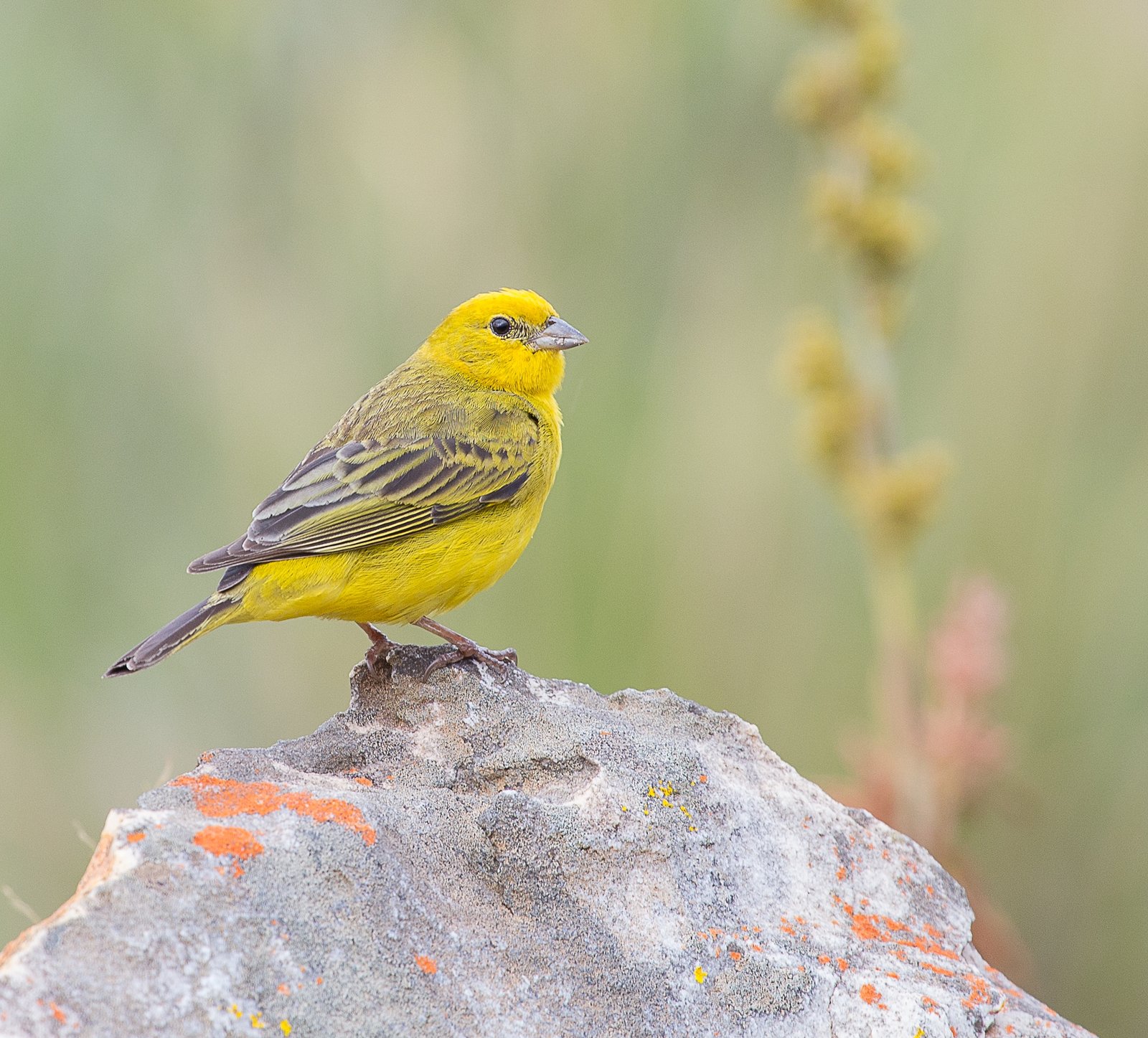
Canário-rasteiro
Sicalis citrina- Beni savanna and cerrado
- Central Andean dry valleys
- Pasture and ranchland
- Andean fields and terraces
-
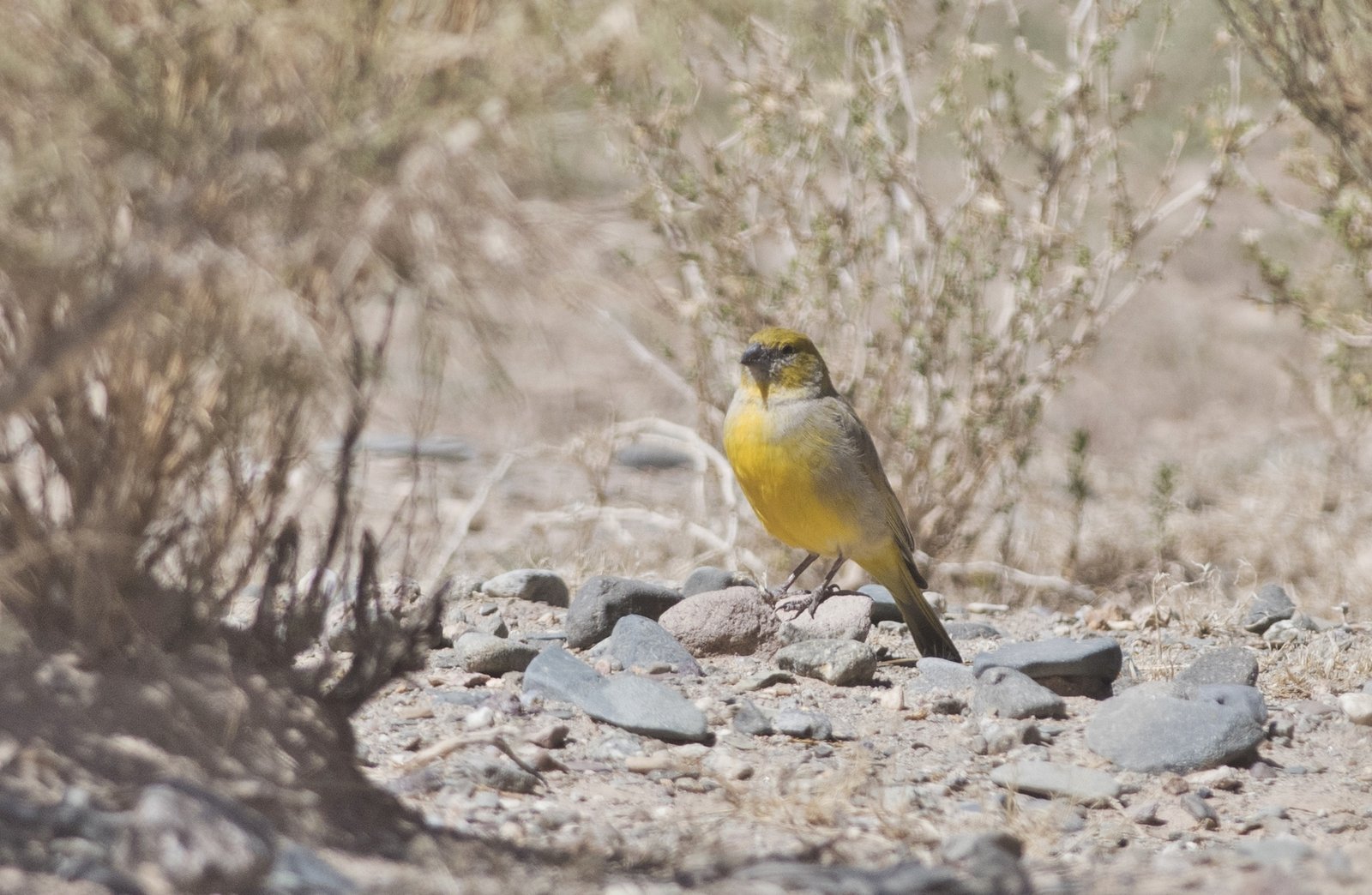
Canário-da-puna
Sicalis lutea Dry puna and altiplano
- Humid puna
- Andean fields and terraces
 Andean bogs and bofedales
-

Canário-de-uropígio-amarelo
Sicalis uropygialis- Dry puna and altiplano
- Humid puna
- Andean fields and terraces
- Towns, cities and parks
-

Canário-de-cabeça-amarela
Sicalis luteocephala- Central Andean dry valleys
- Andean fields and terraces
- Towns, cities and parks
-
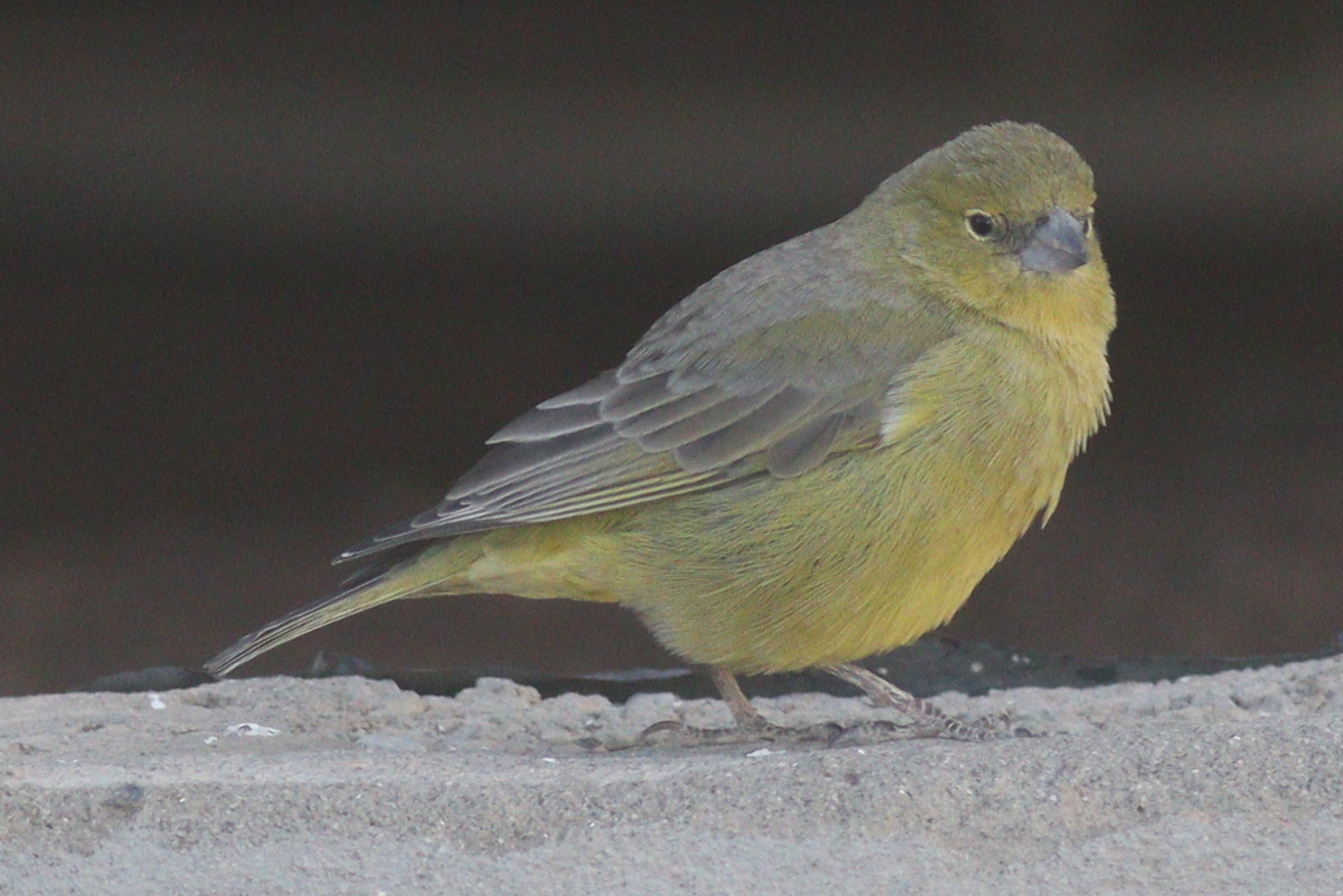
Canário-esverdeado
Sicalis olivascens- Central Andean dry valleys
- Andean fields and terraces
- Towns, cities and parks
- Dry puna and altiplano
-
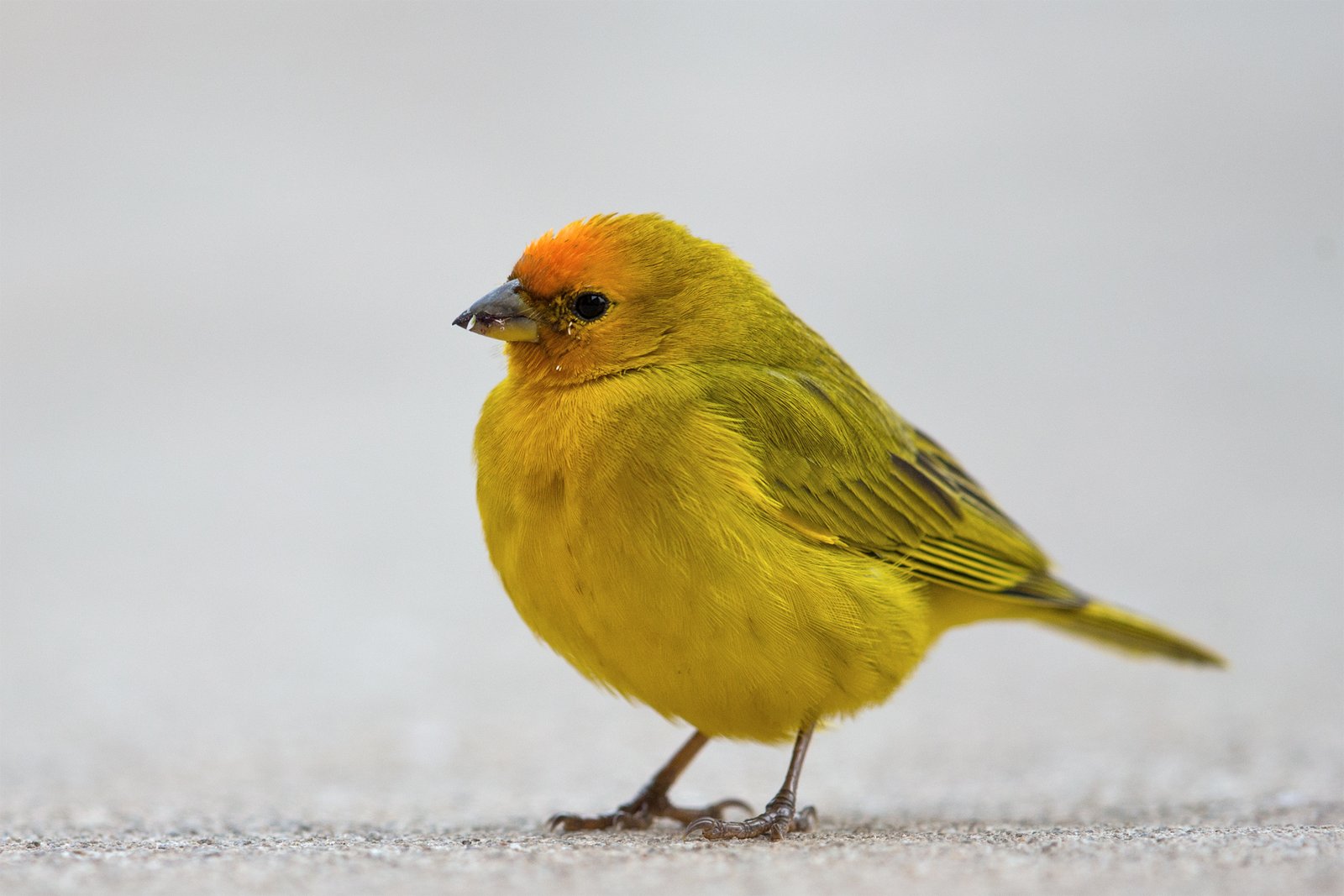
Canário-do-amazonas
Sicalis columbiana- Várzea, igapó and river islands
- Lowland rivers and sandbars
- Towns, cities and parks
- Llanos savanna
- Pasture and ranchland
-

Canário-da-terra
Sicalis flaveola- Tumbesian dry forest and thorn scrub
- Pasture and ranchland
- Towns, cities and parks
- Marañón and northern inter-Andean dry forest
- Llanos savanna
- Chiquitano dry forest and Chaco
-

Tipio
Sicalis luteola- Pasture and ranchland
- Llanos savanna
- Beni savanna and cerrado
- Lowland marshes and wet meadows
- Andean fields and terraces
-

Canário-de-raimondi
Sicalis raimondii Lomas (fog oases)
- Central Andean dry valleys
 Coastal desert
- Marañón and northern inter-Andean dry forest
-
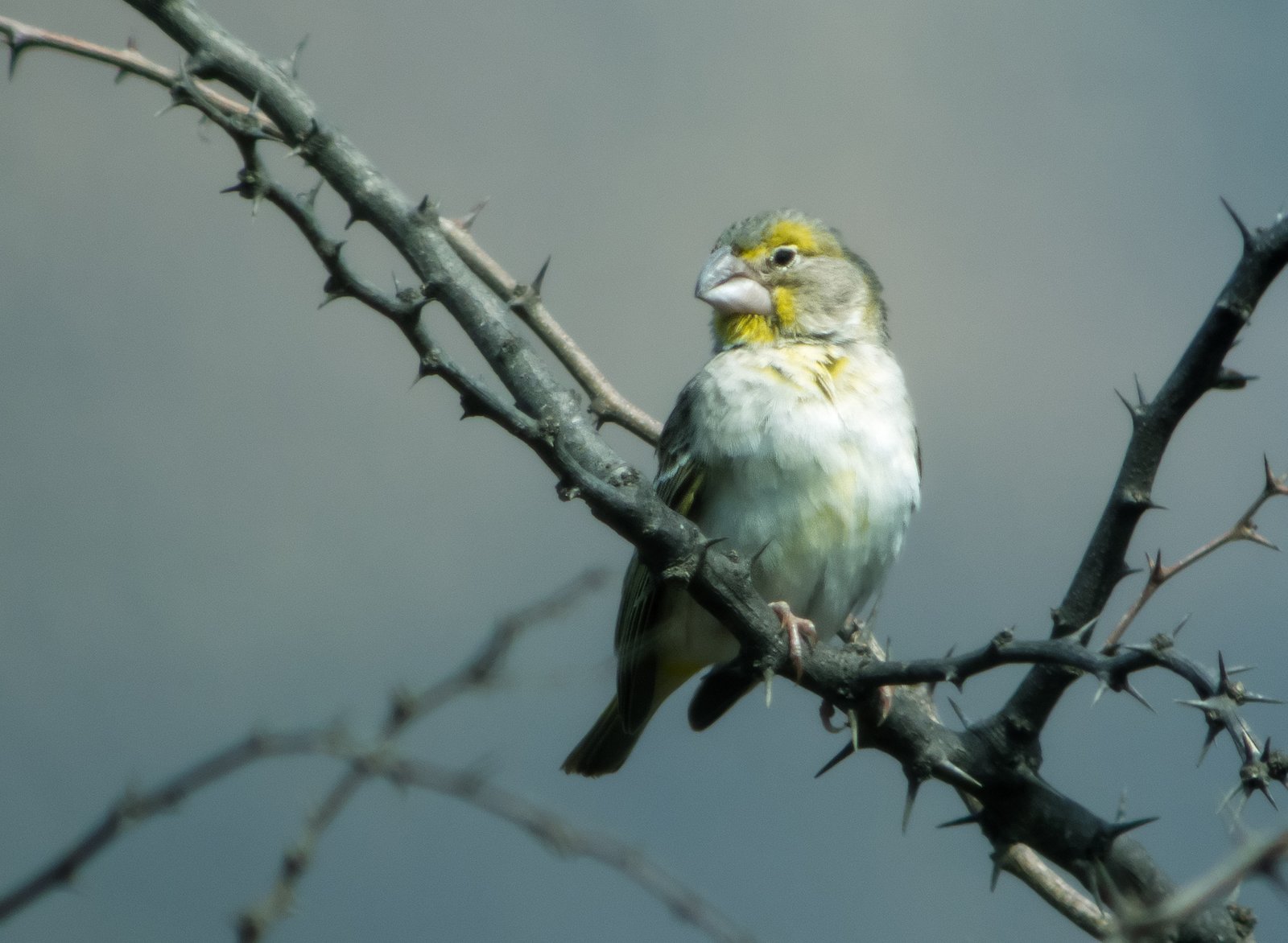
Canário-de-garganta-amarela
Sicalis taczanowskii- Tumbesian dry forest and thorn scrub
- Coastal desert
Coryphaspiza 1 espécie
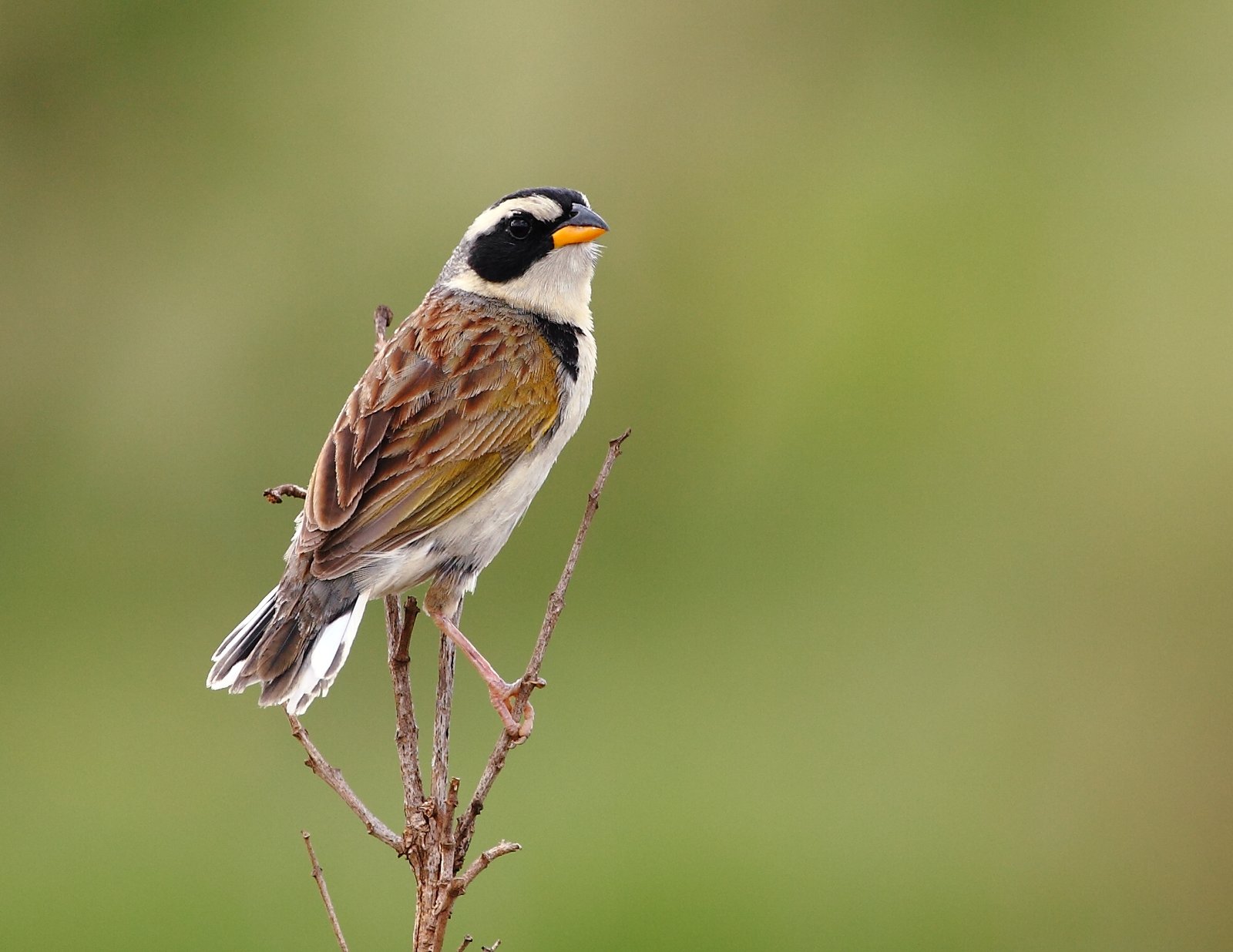
Certhidea 2 espécies
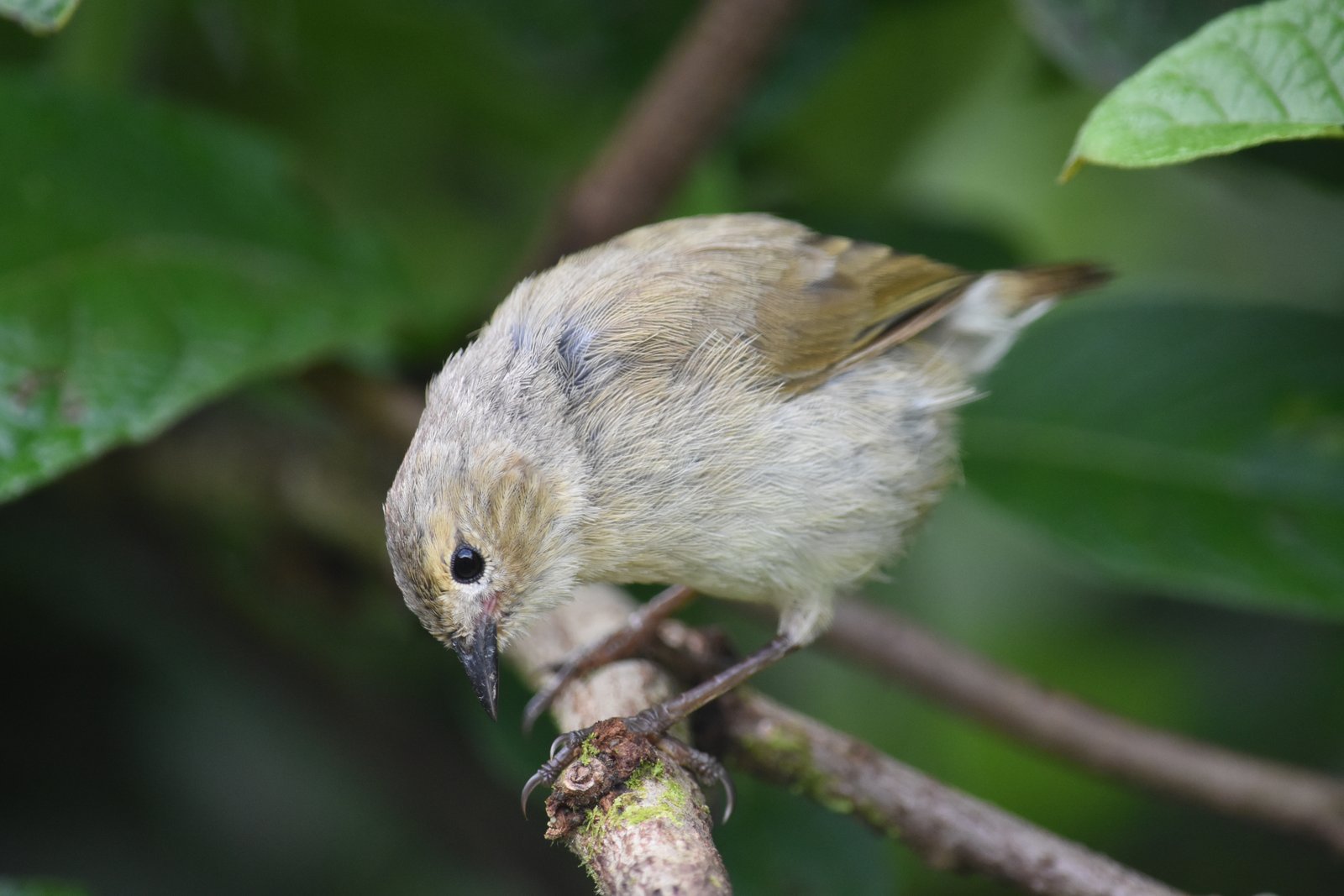

Chlorornis 1 espécie
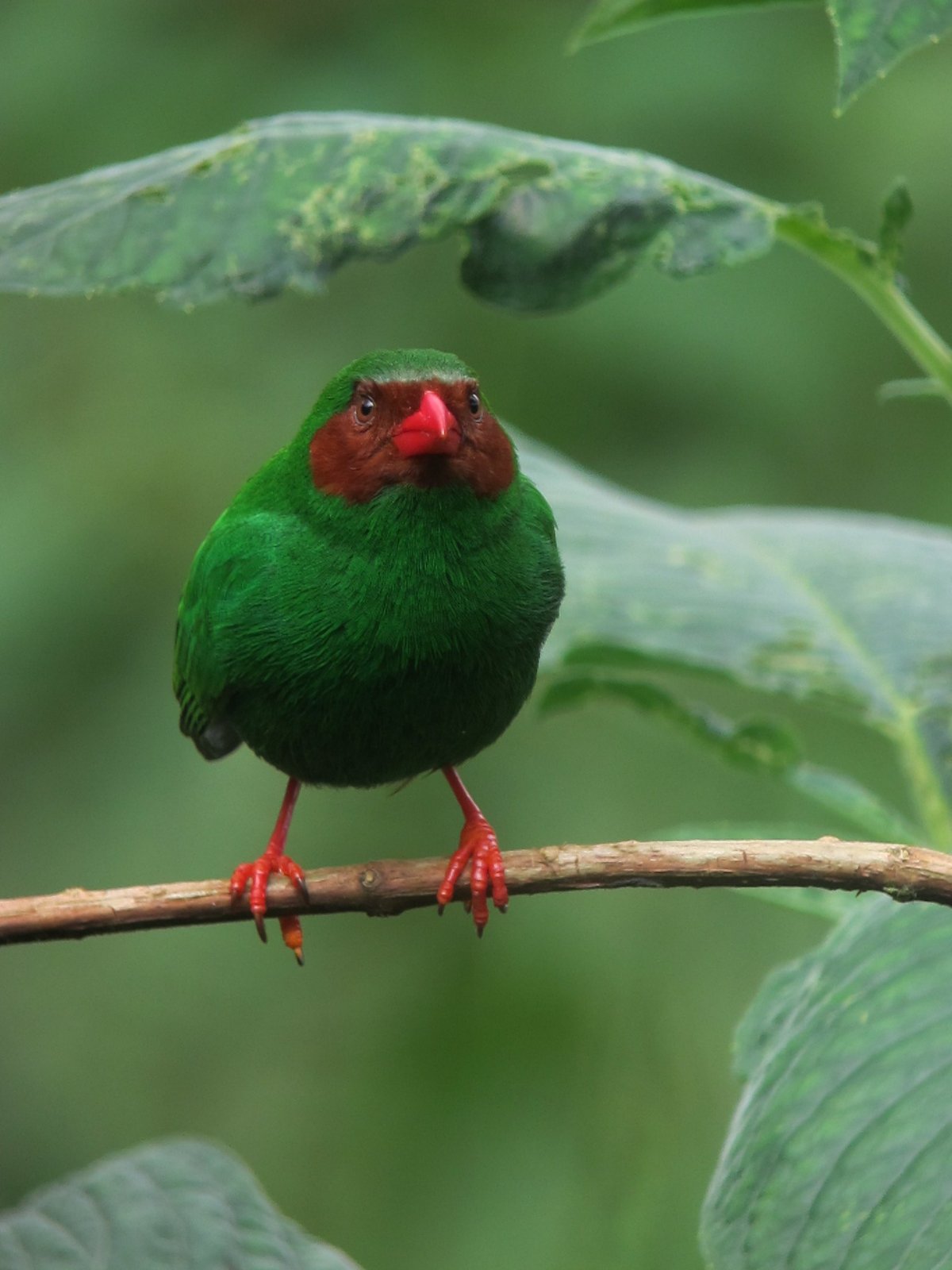
Sericossypha 1 espécie
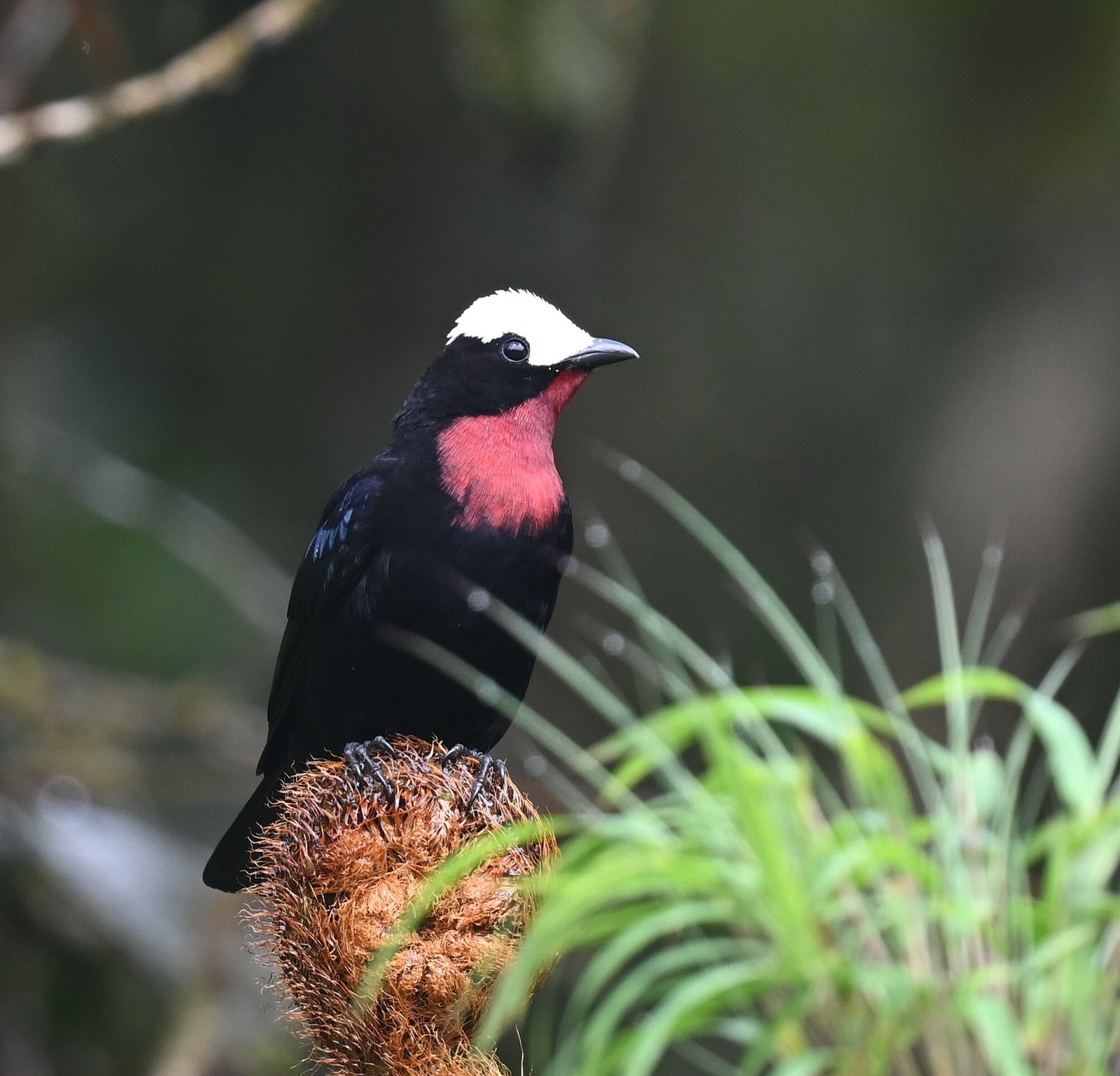
Creurgops 2 espécies
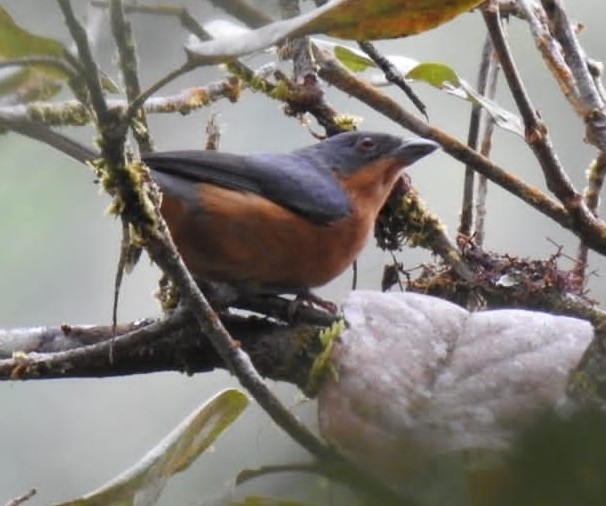
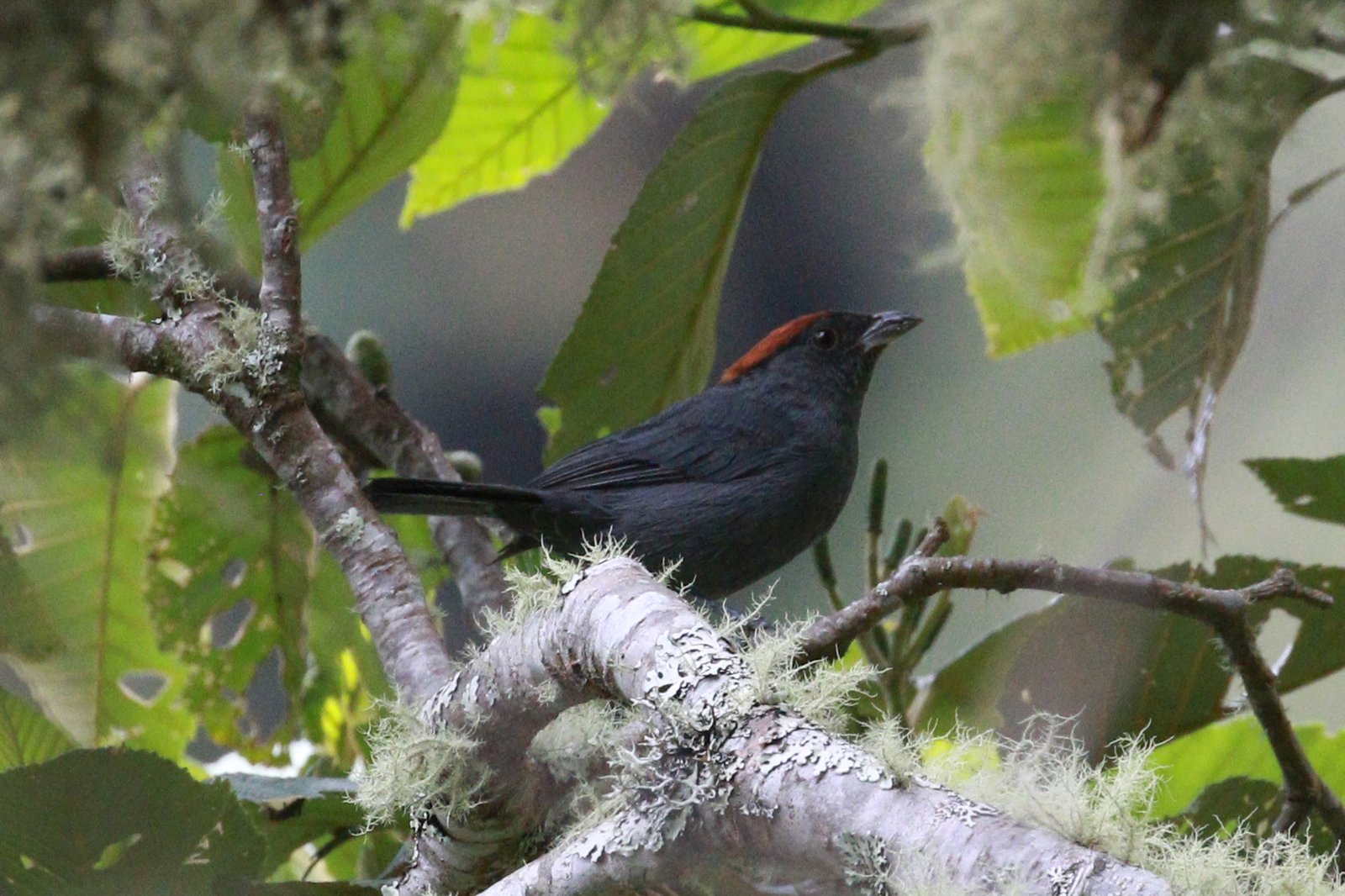
Cypsnagra 1 espécie
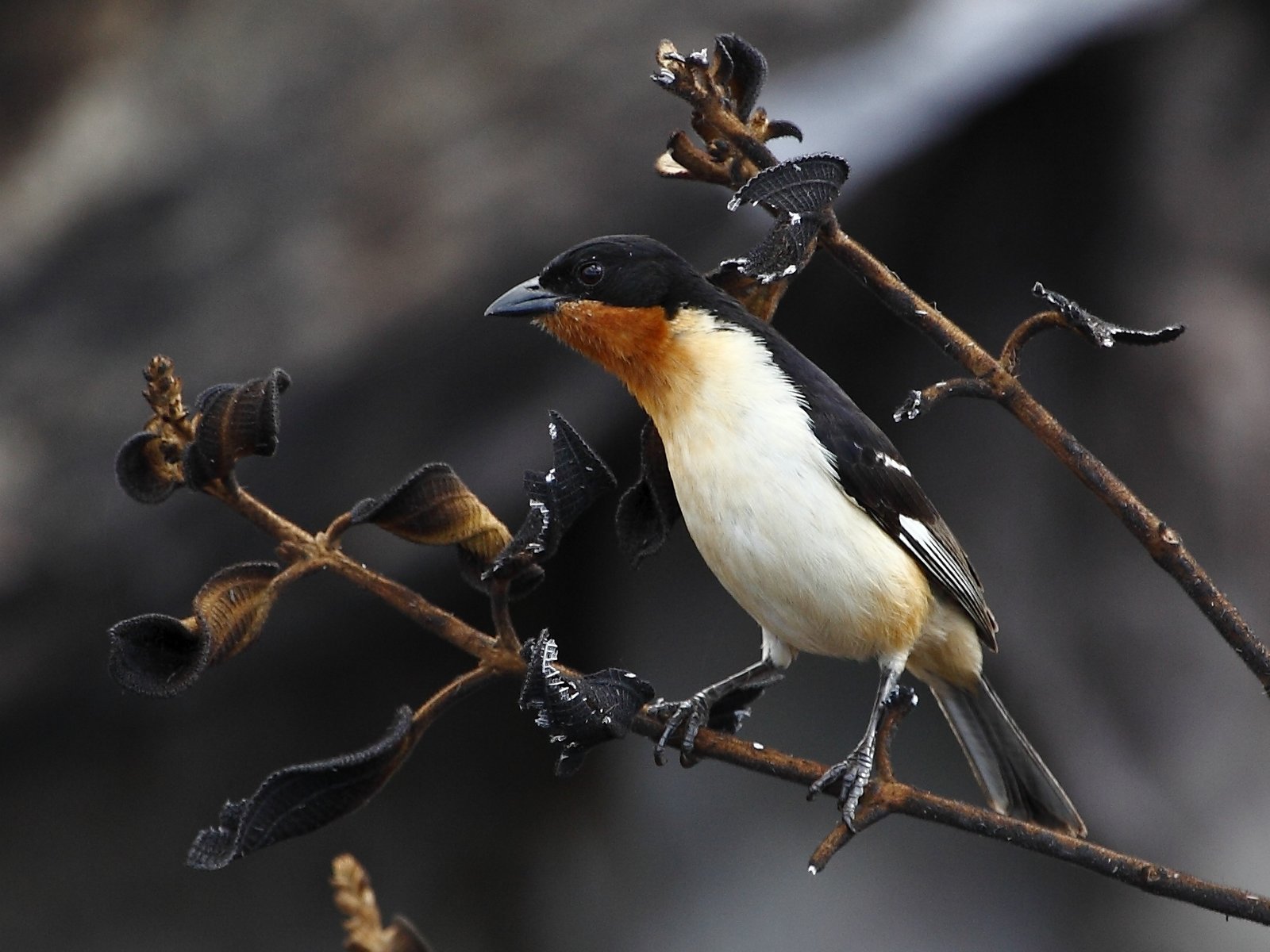
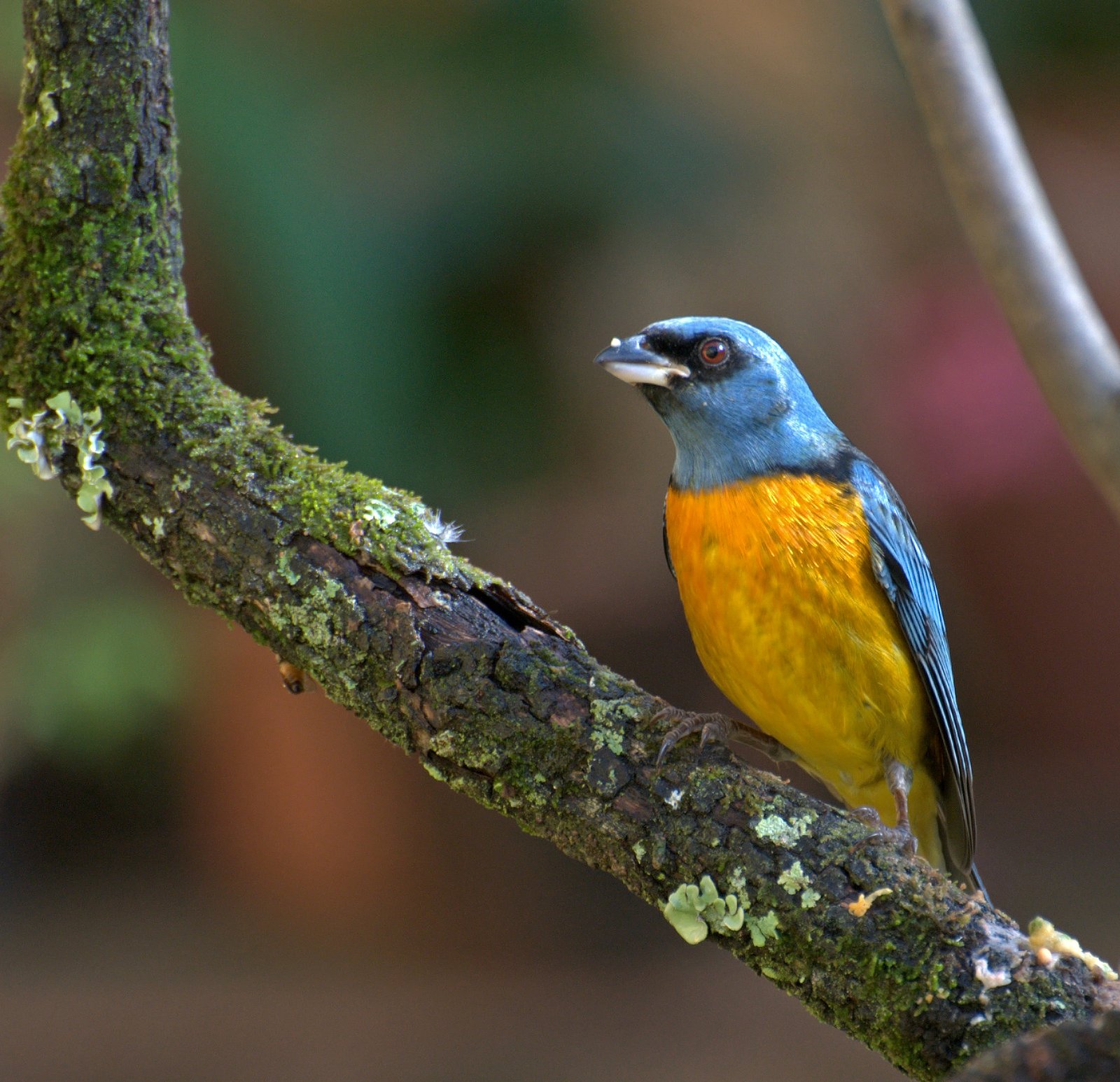
Cyanerpes 3 espécies
-
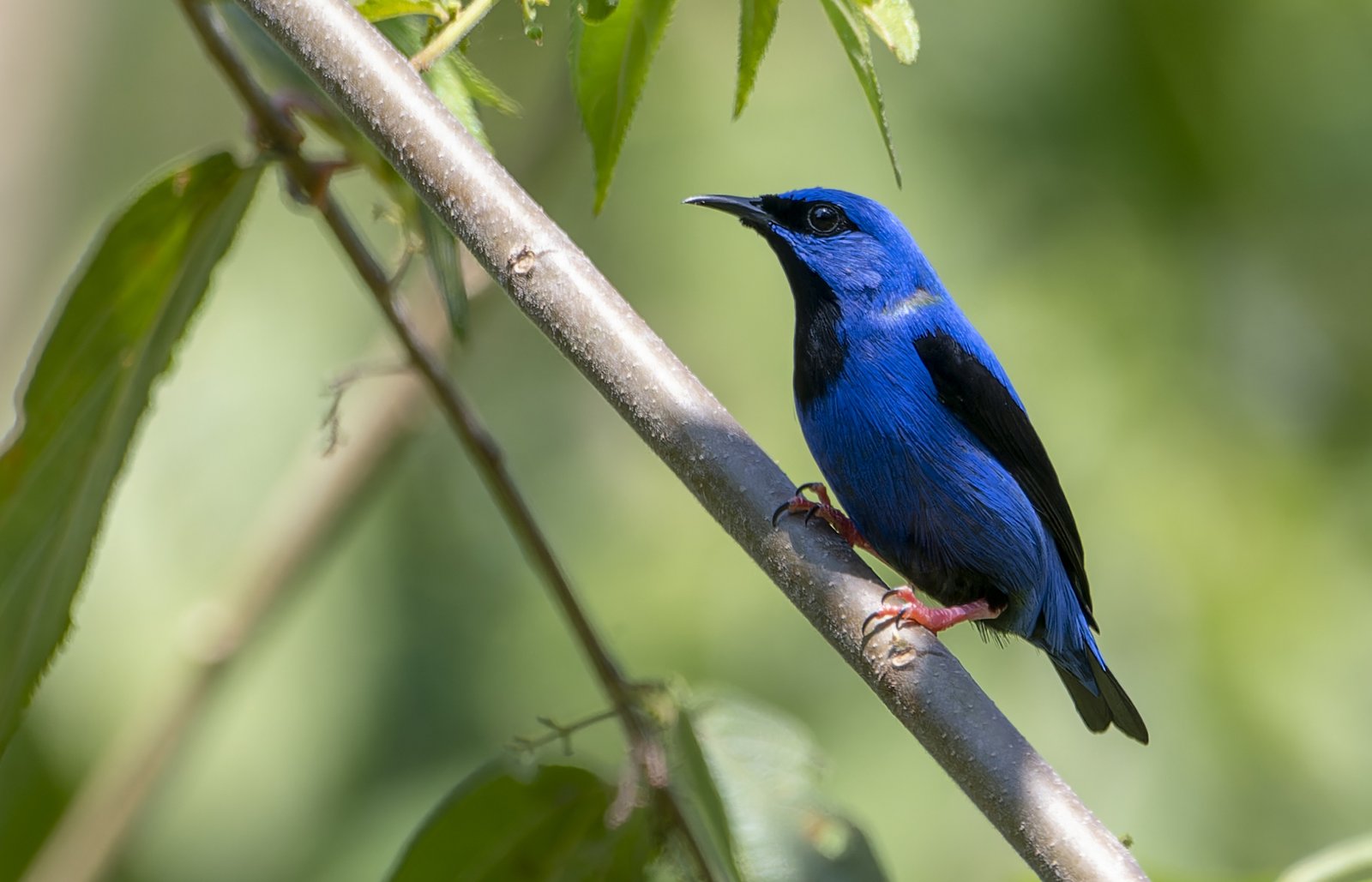
Saí-de-bico-curto
Cyanerpes nitidus- Amazonian terra firme rainforest
- Várzea, igapó and river islands
- Secondary forest and forest edge
-
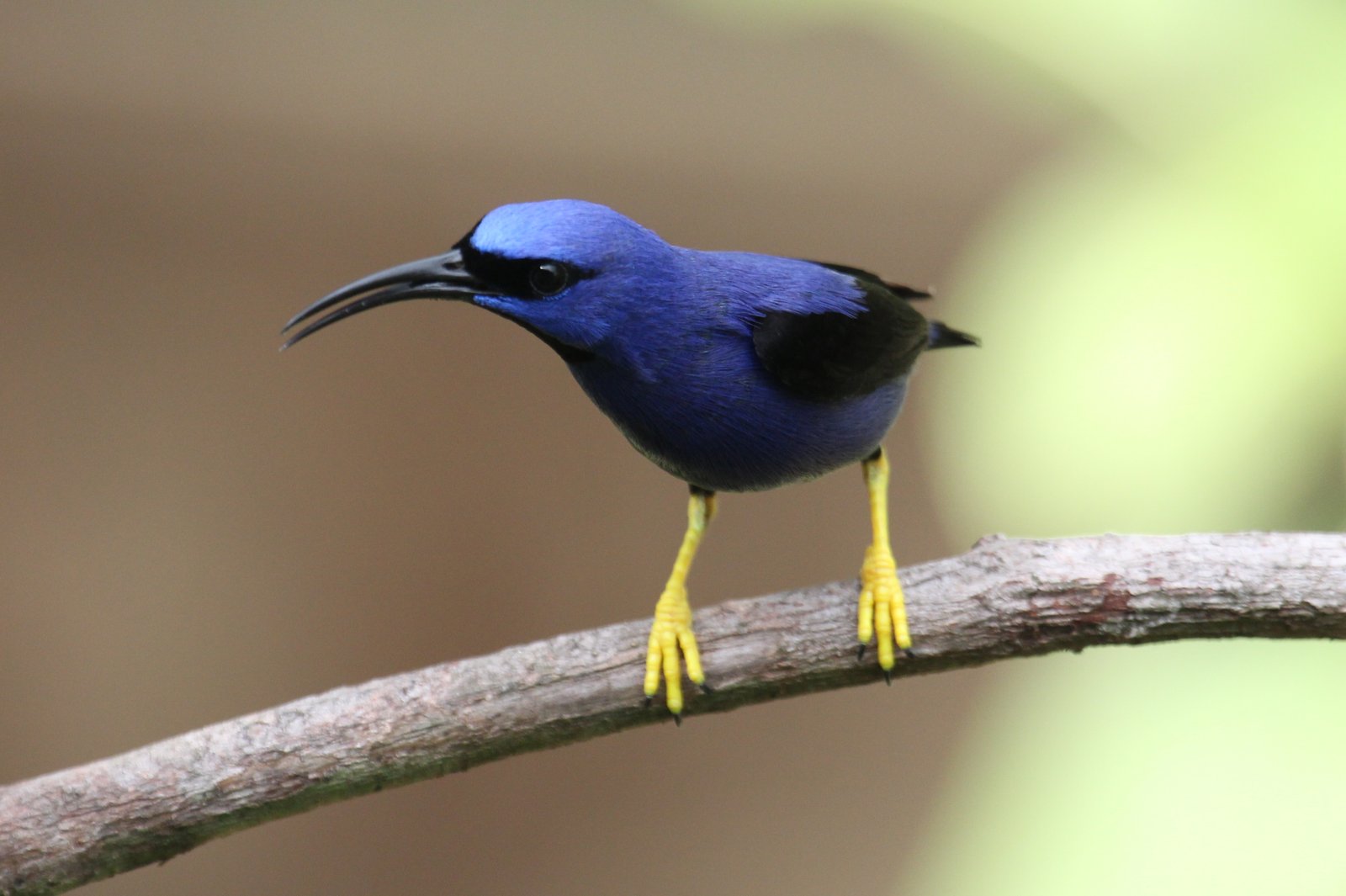
Saí-de-perna-amarela
Cyanerpes caeruleus- Amazonian terra firme rainforest
- Chocó rainforest
- Western Ecuador humid forest
- Eastern Andean foothill forest
- Secondary forest and forest edge
-
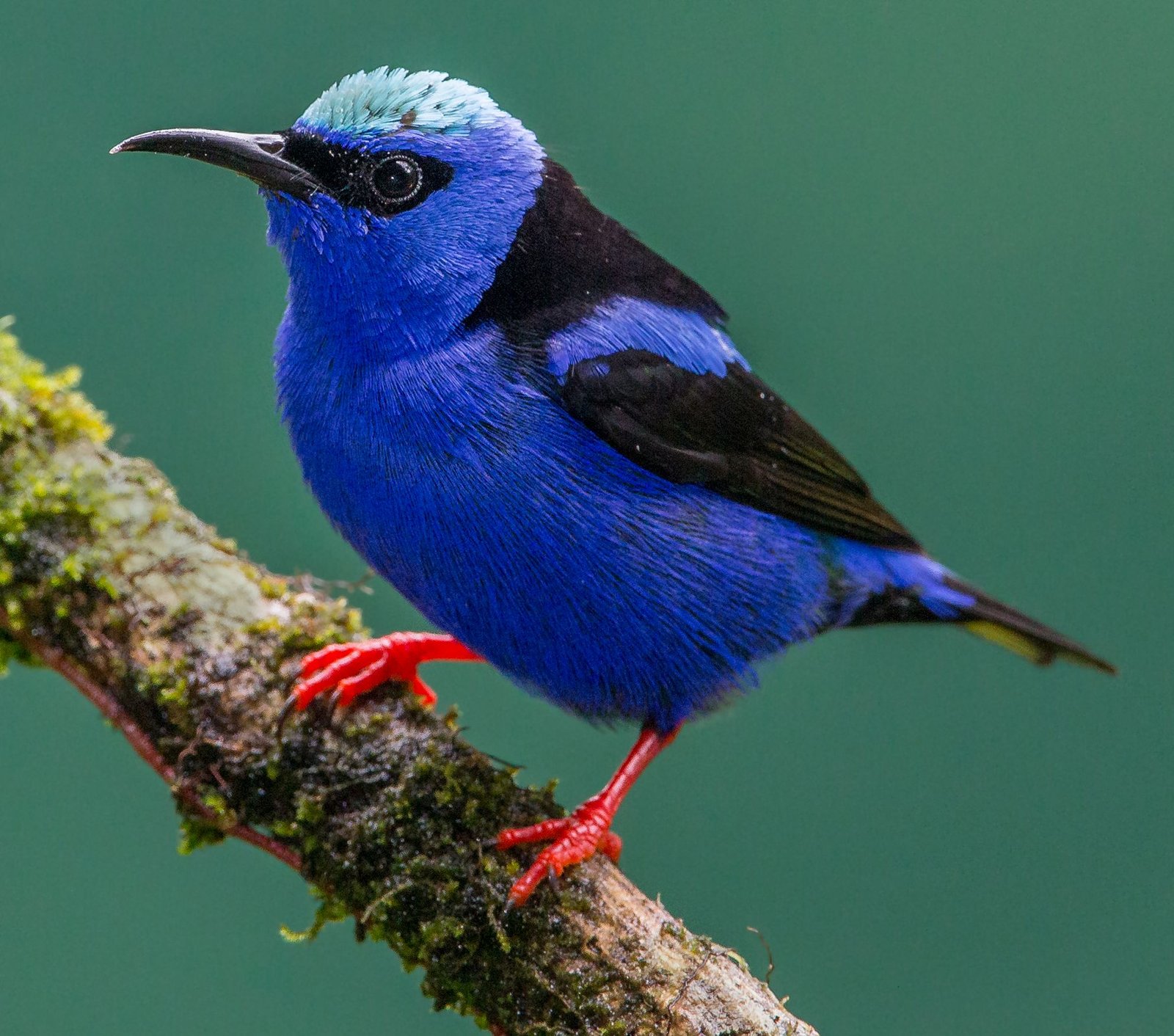
Saíra-beija-flor
Cyanerpes cyaneus- Secondary forest and forest edge
- Amazonian terra firme rainforest
- Chocó rainforest
- Western Ecuador humid forest
- Coffee, cacao and agroforestry
Catamblyrhynchus 1 espécie
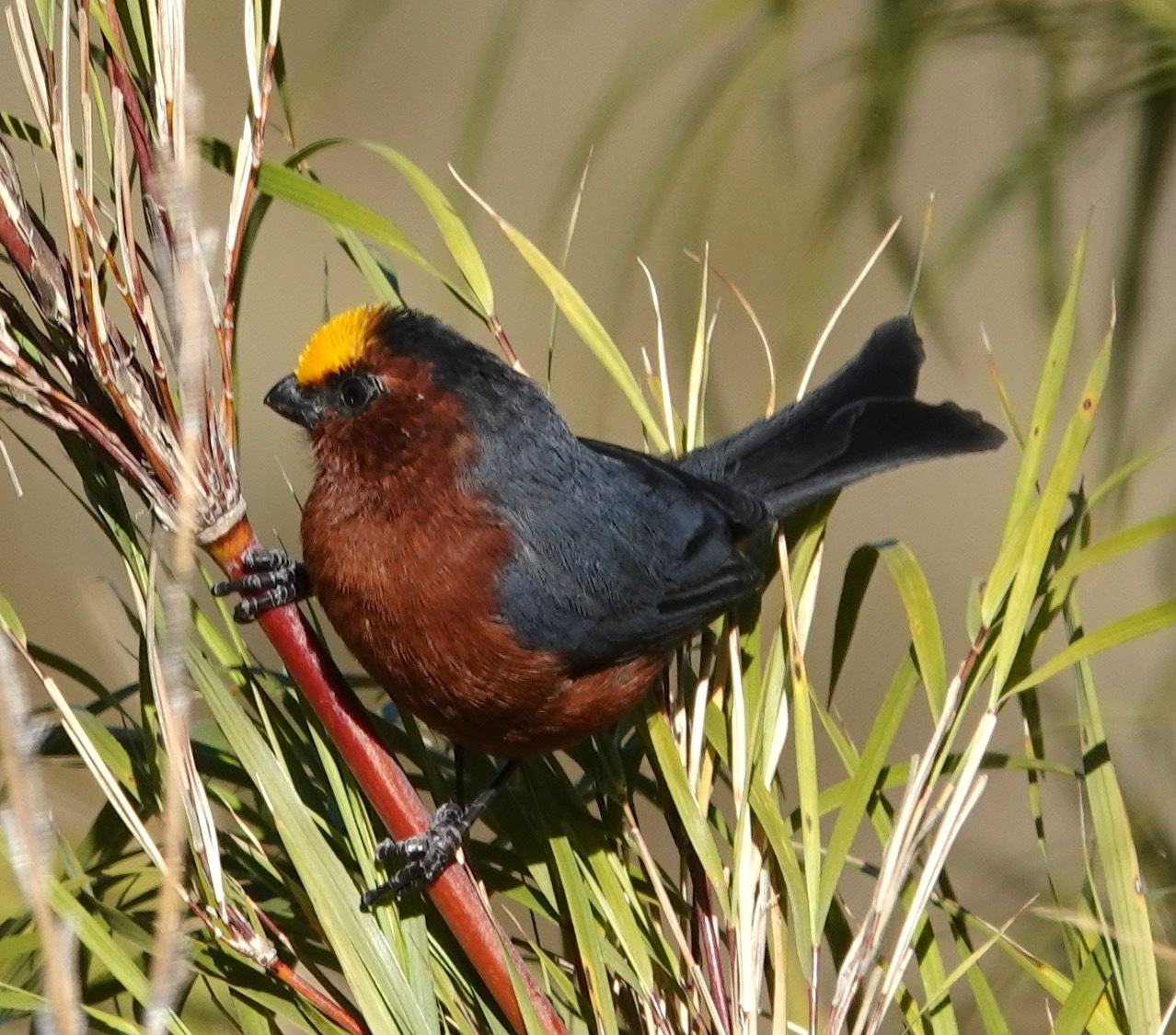
Urothraupis 1 espécie
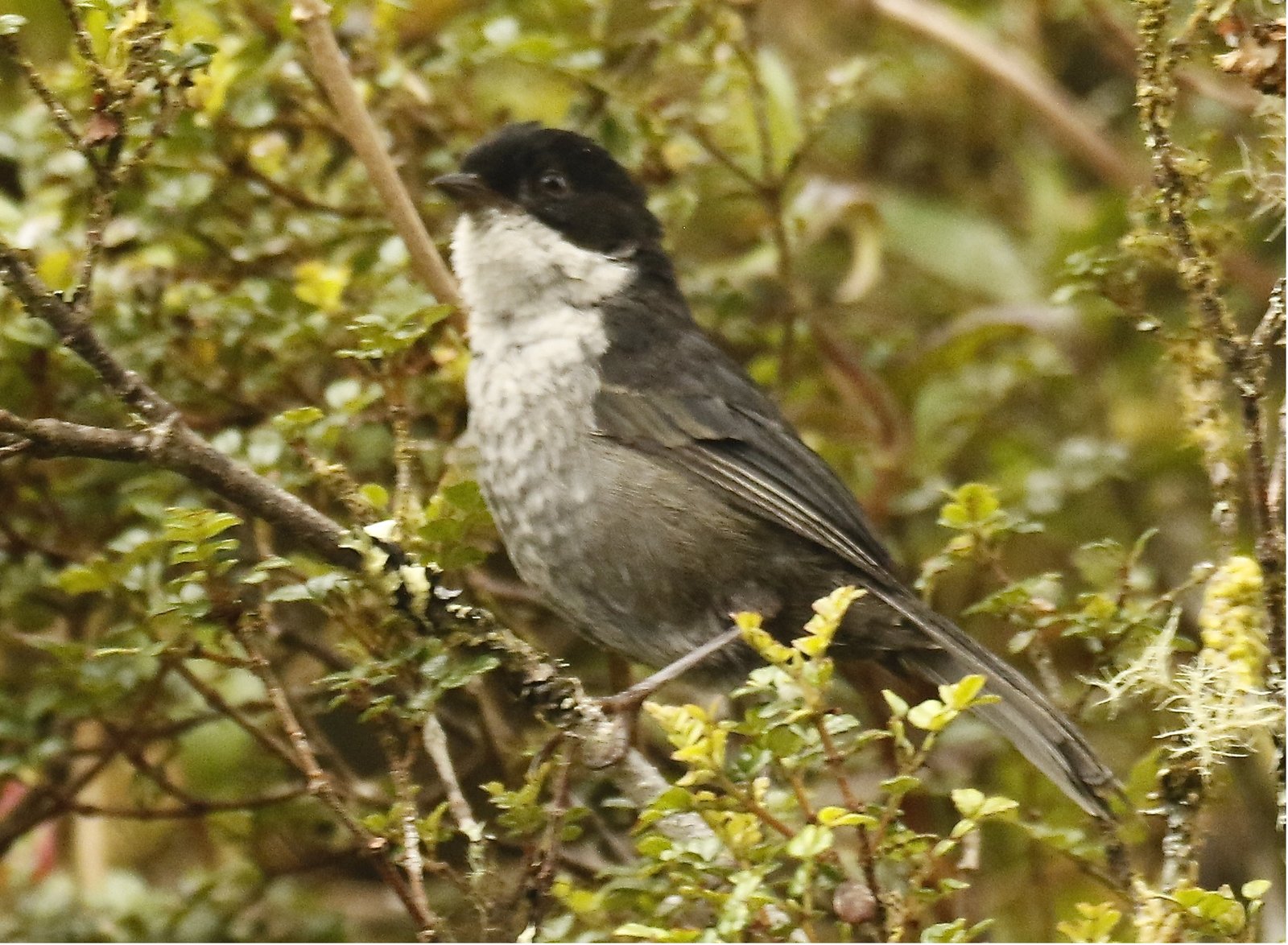
Sporathraupis 1 espécie
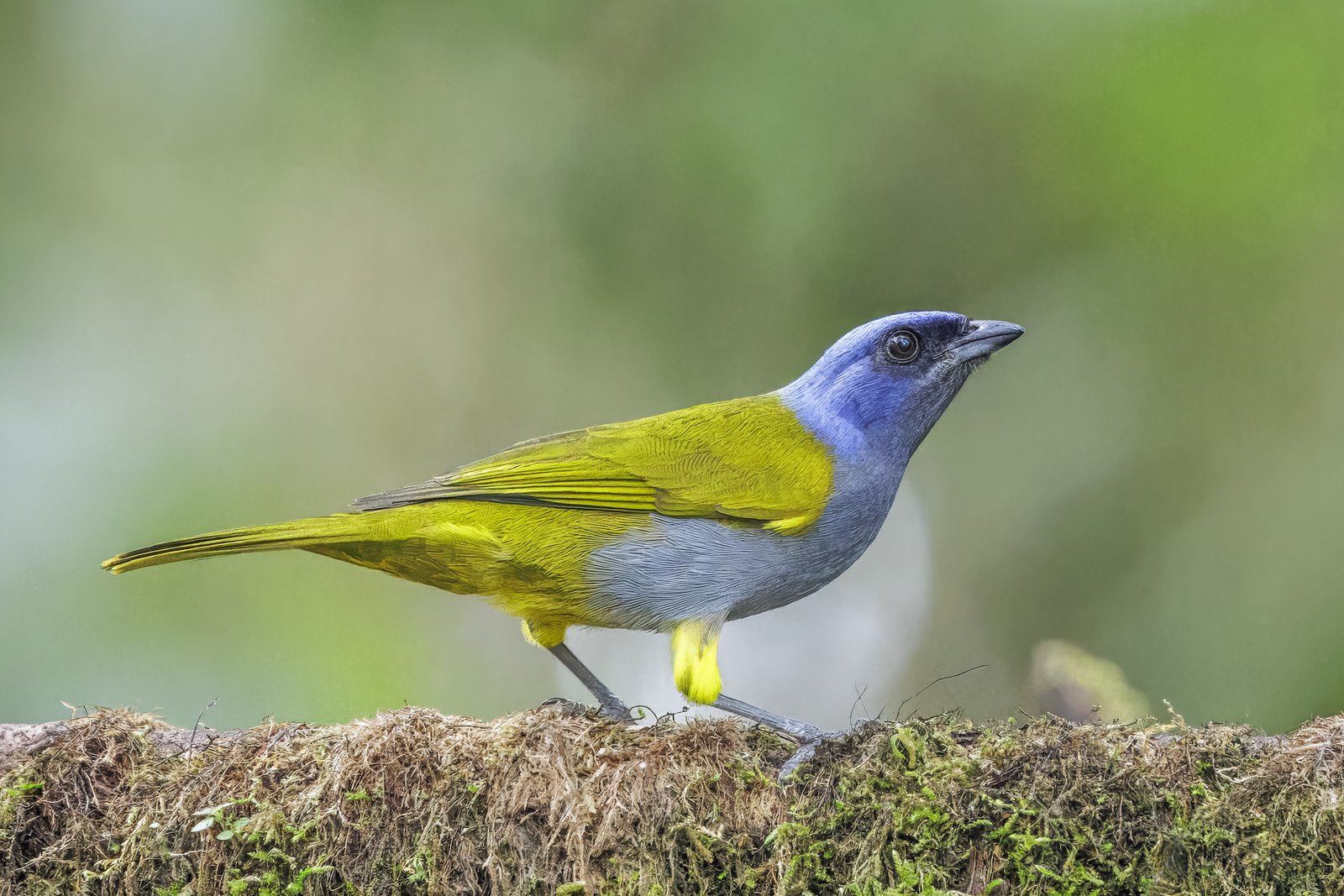
Trichothraupis 1 espécie
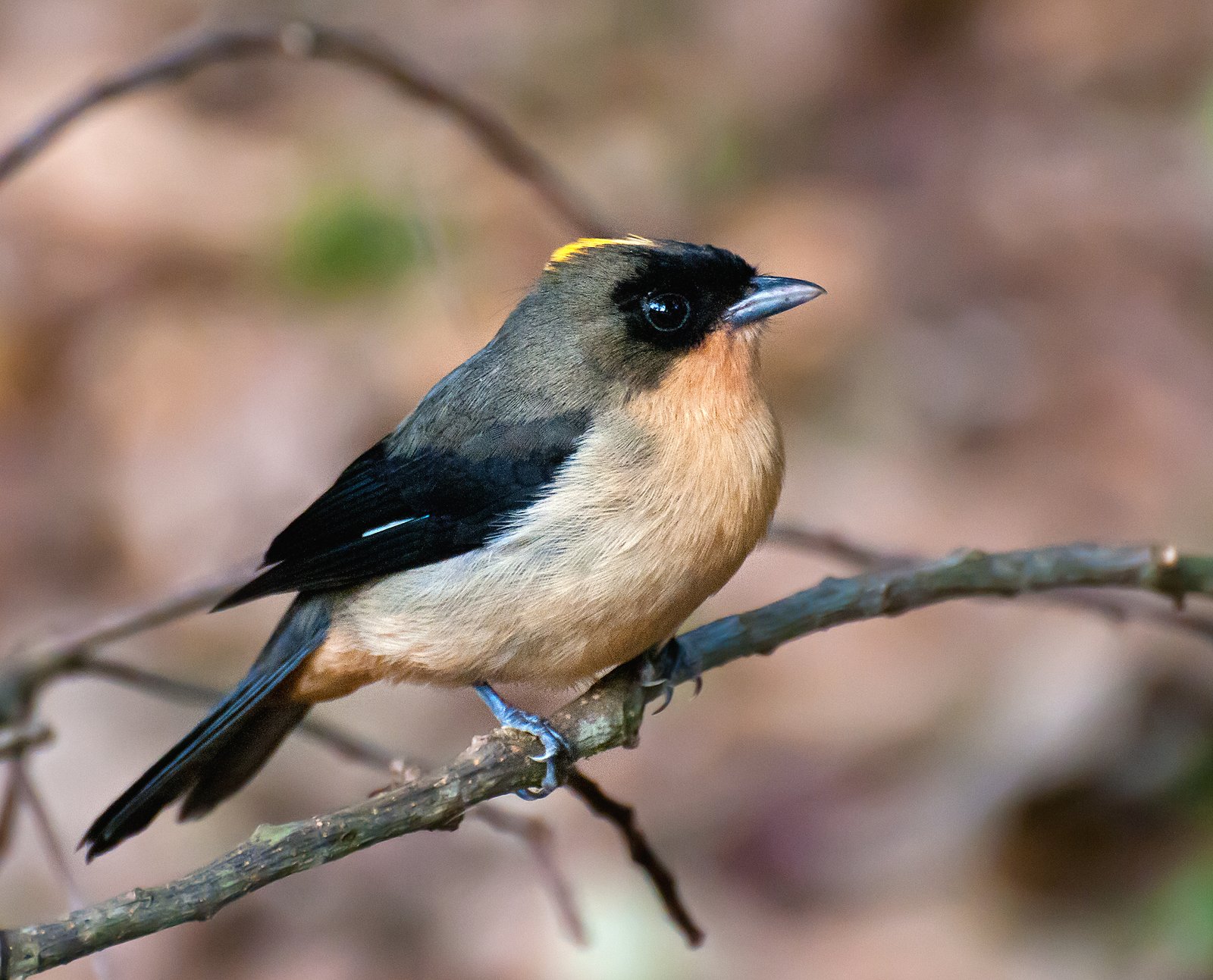
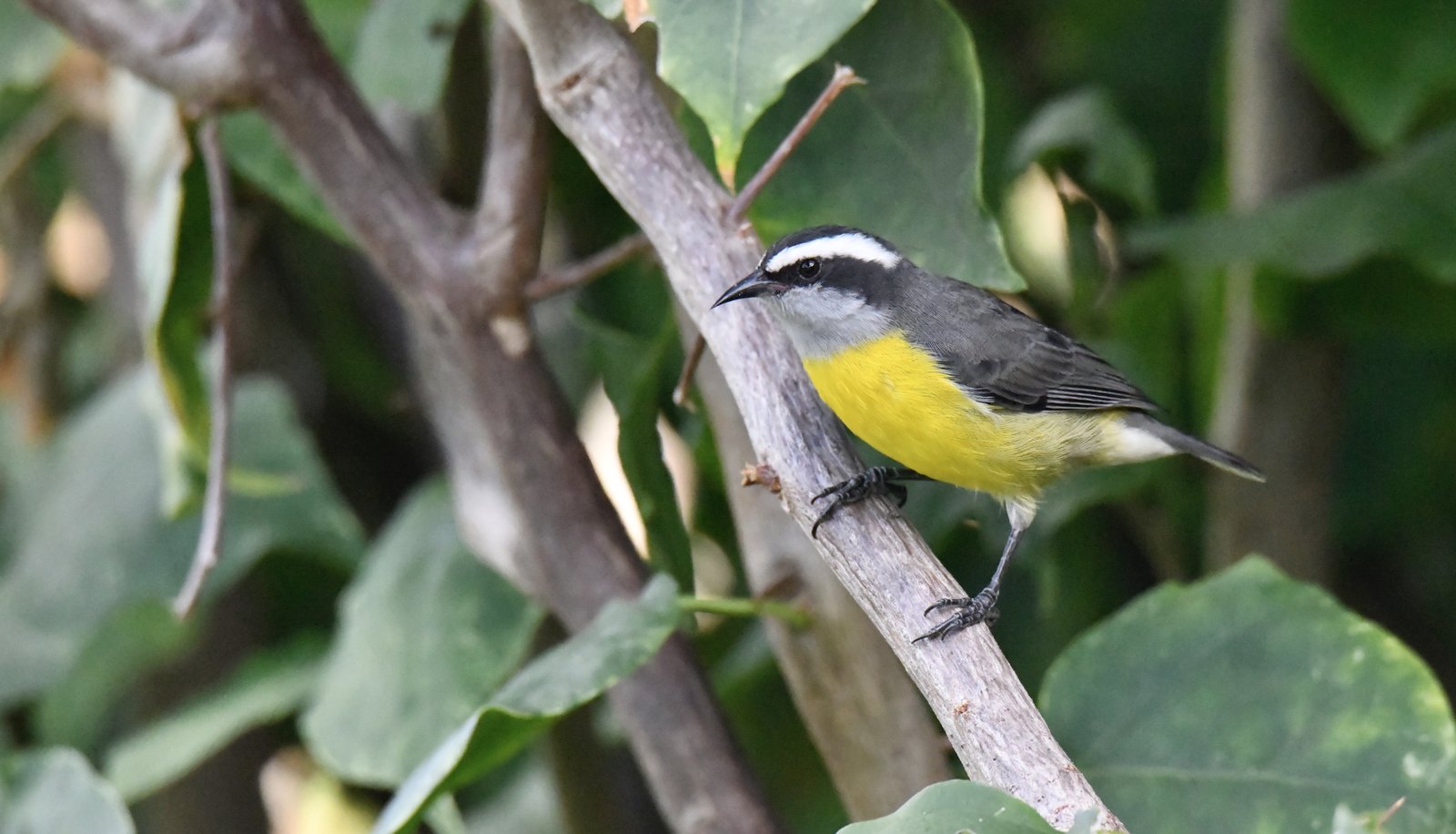
Tangara 19 espécies
-
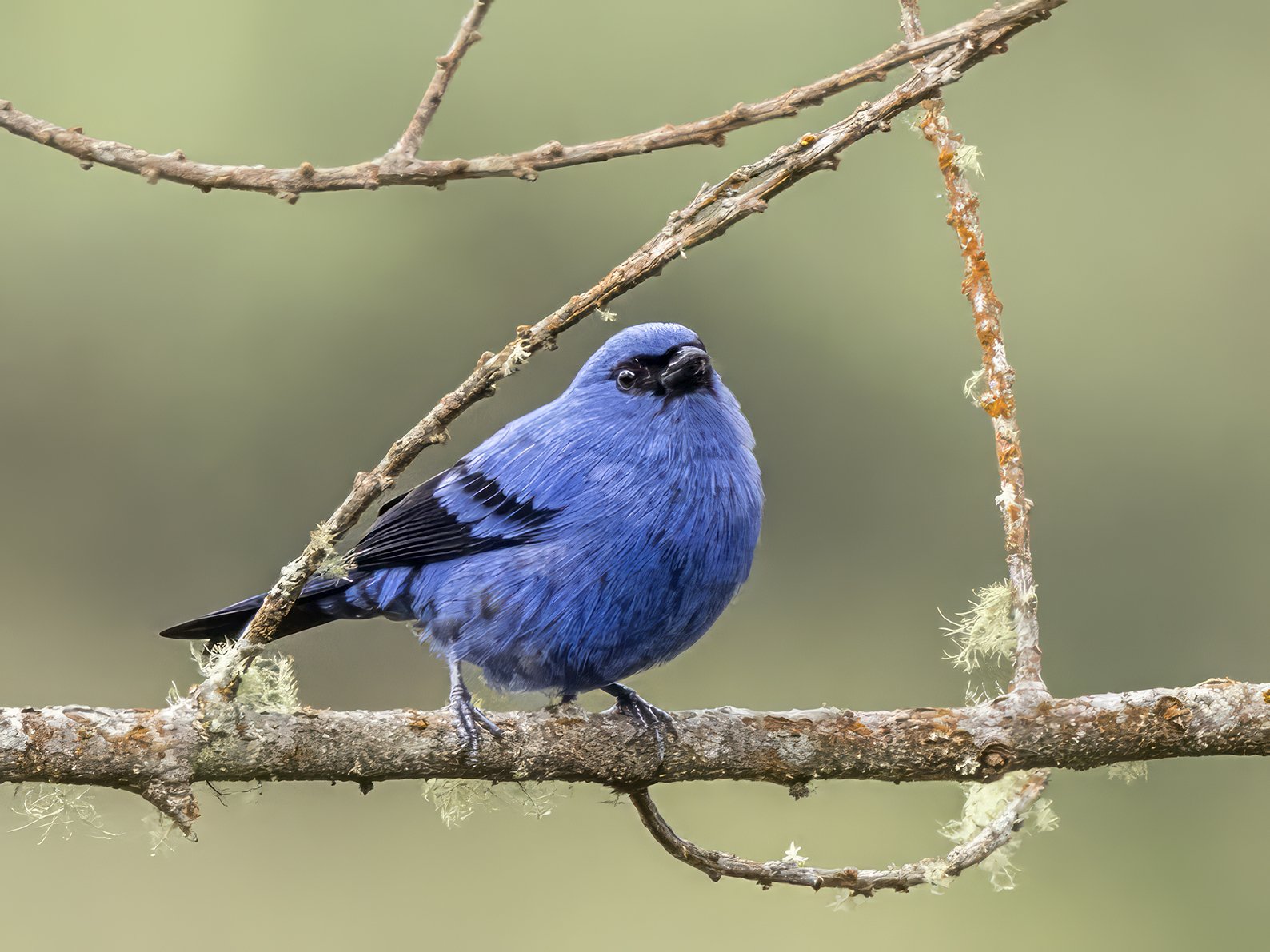
Saíra-azul-e-preta
Tangara vassorii- Northern Andean cloud forest and temperate forest
- Upper Yungas cloud forest
- Secondary forest and forest edge
-
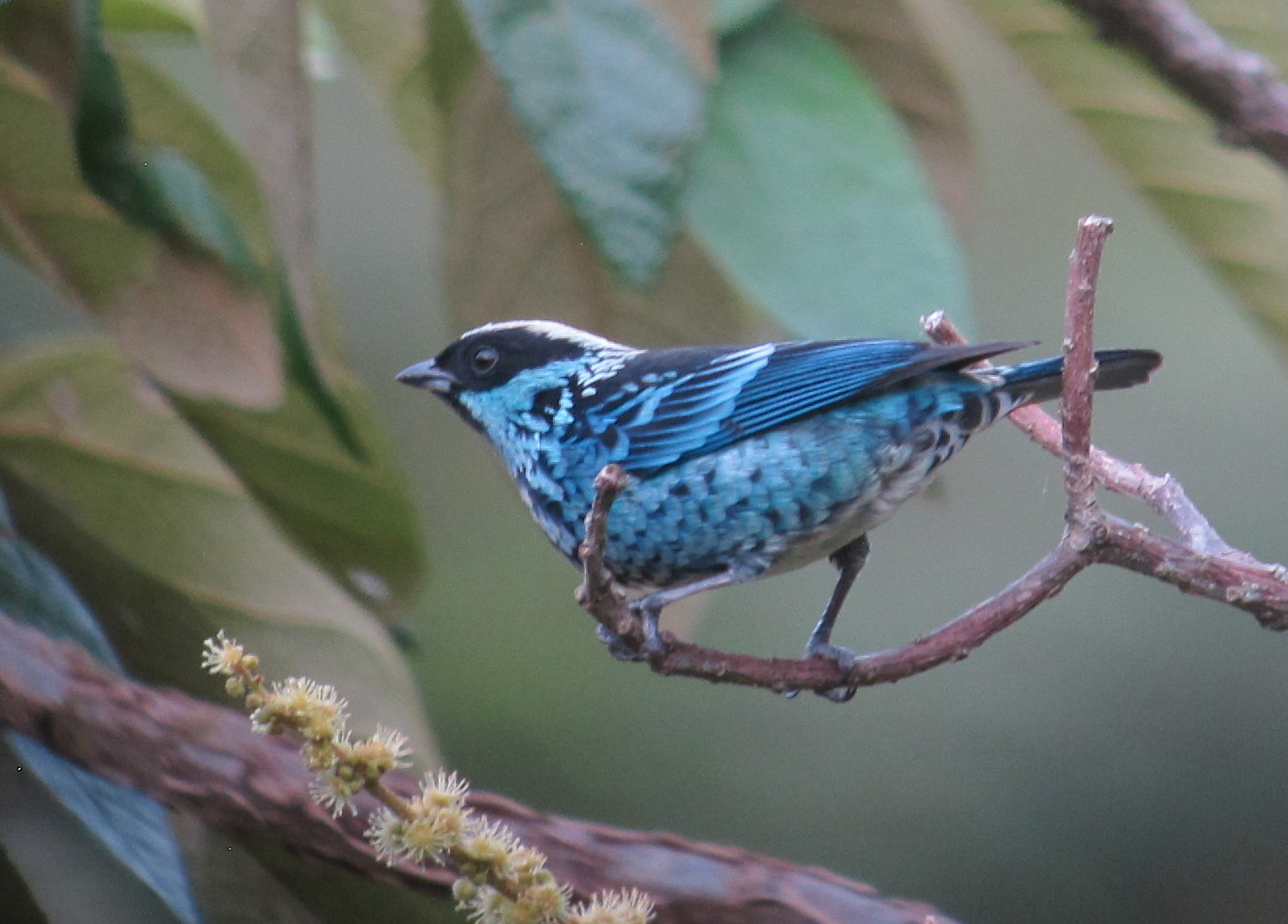
Saíra-lantejoulada
Tangara nigroviridis- Northern Andean cloud forest and temperate forest
- Northern Andean subtropical forest
- Upper Yungas cloud forest
- Lower Yungas forest
- Secondary forest and forest edge
-
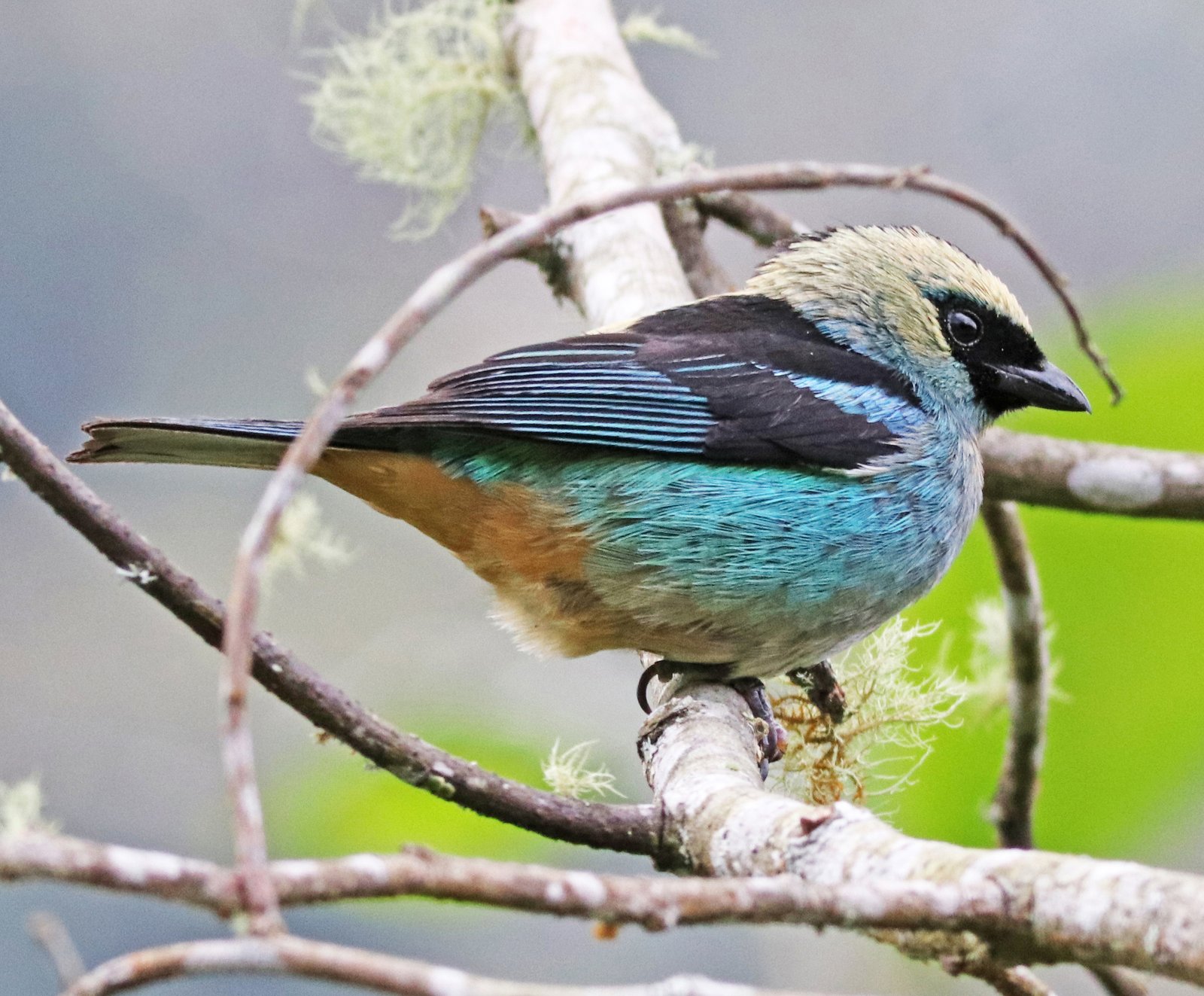
Saíra-verde-metálica
Tangara labradorides- Northern Andean subtropical forest
- Northern Andean cloud forest and temperate forest
- Secondary forest and forest edge
-
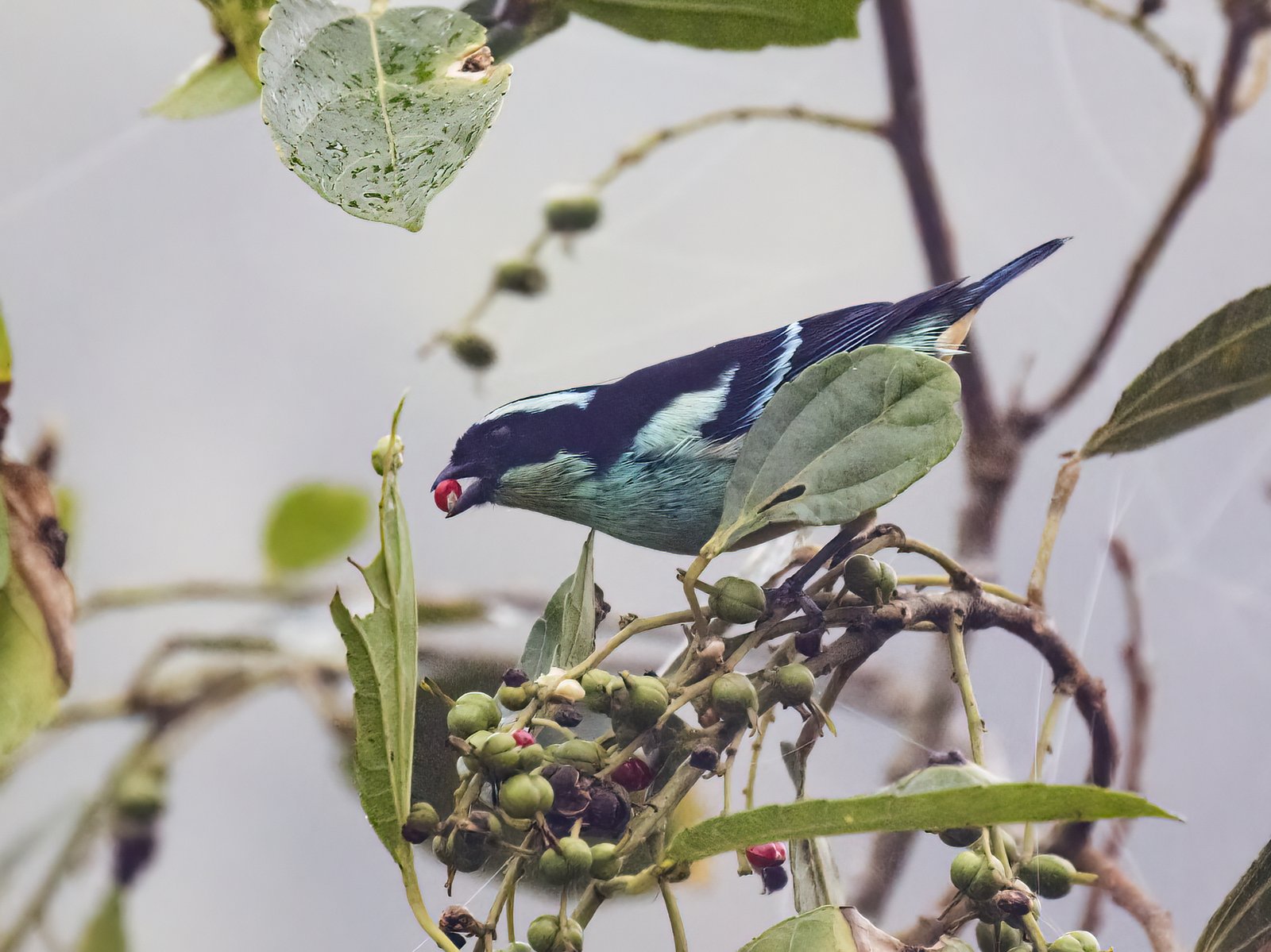
Saíra-de-sobrancelha-azul
Tangara cyanotis- Lower Yungas forest
- Northern Andean subtropical forest
- Secondary forest and forest edge
-
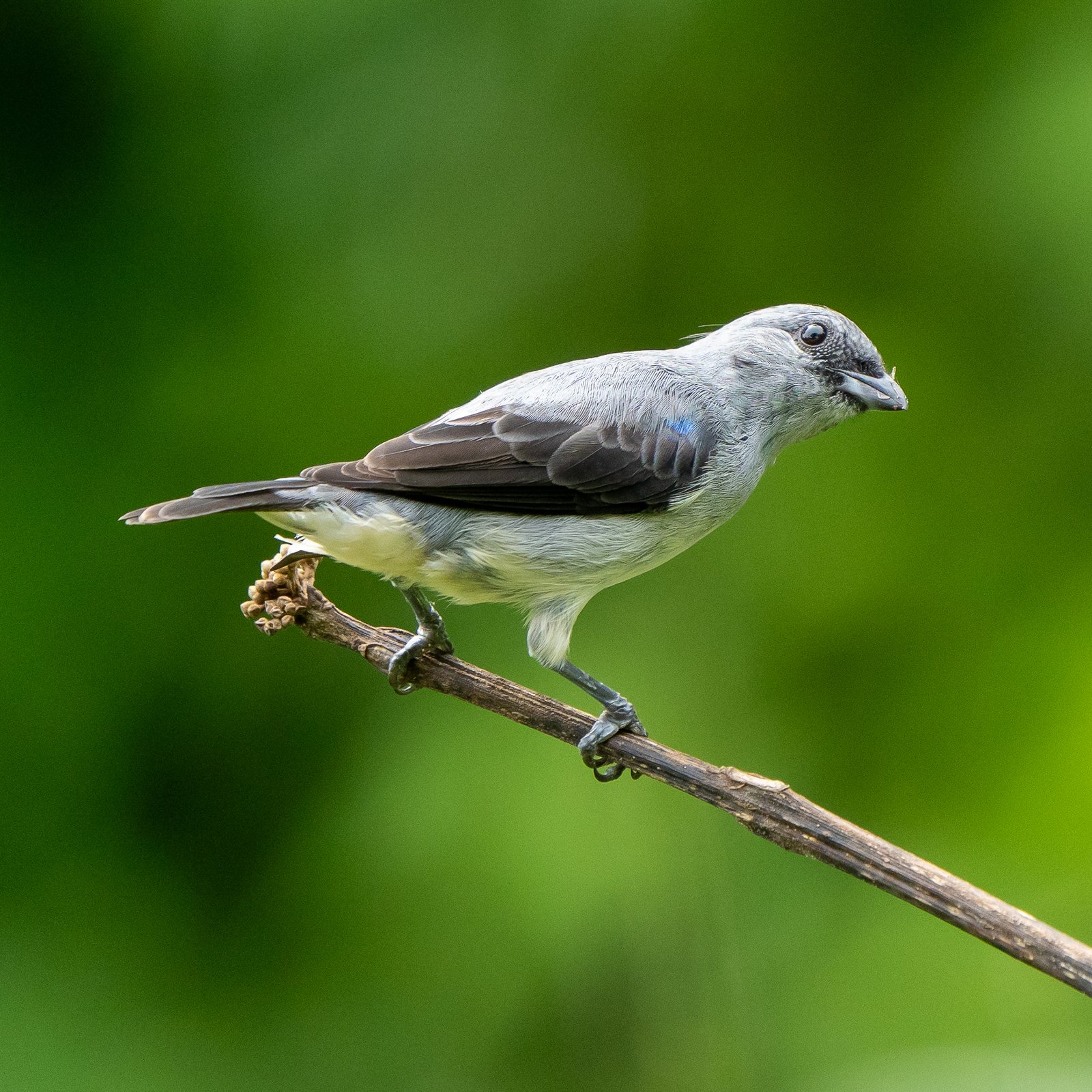
Saíra-cinza-lisa
Tangara inornata- Secondary forest and forest edge
- Chocó rainforest
- Coffee, cacao and agroforestry
- Riparian woodland of the Andes and coastal valleys
- Western Ecuador humid forest
-
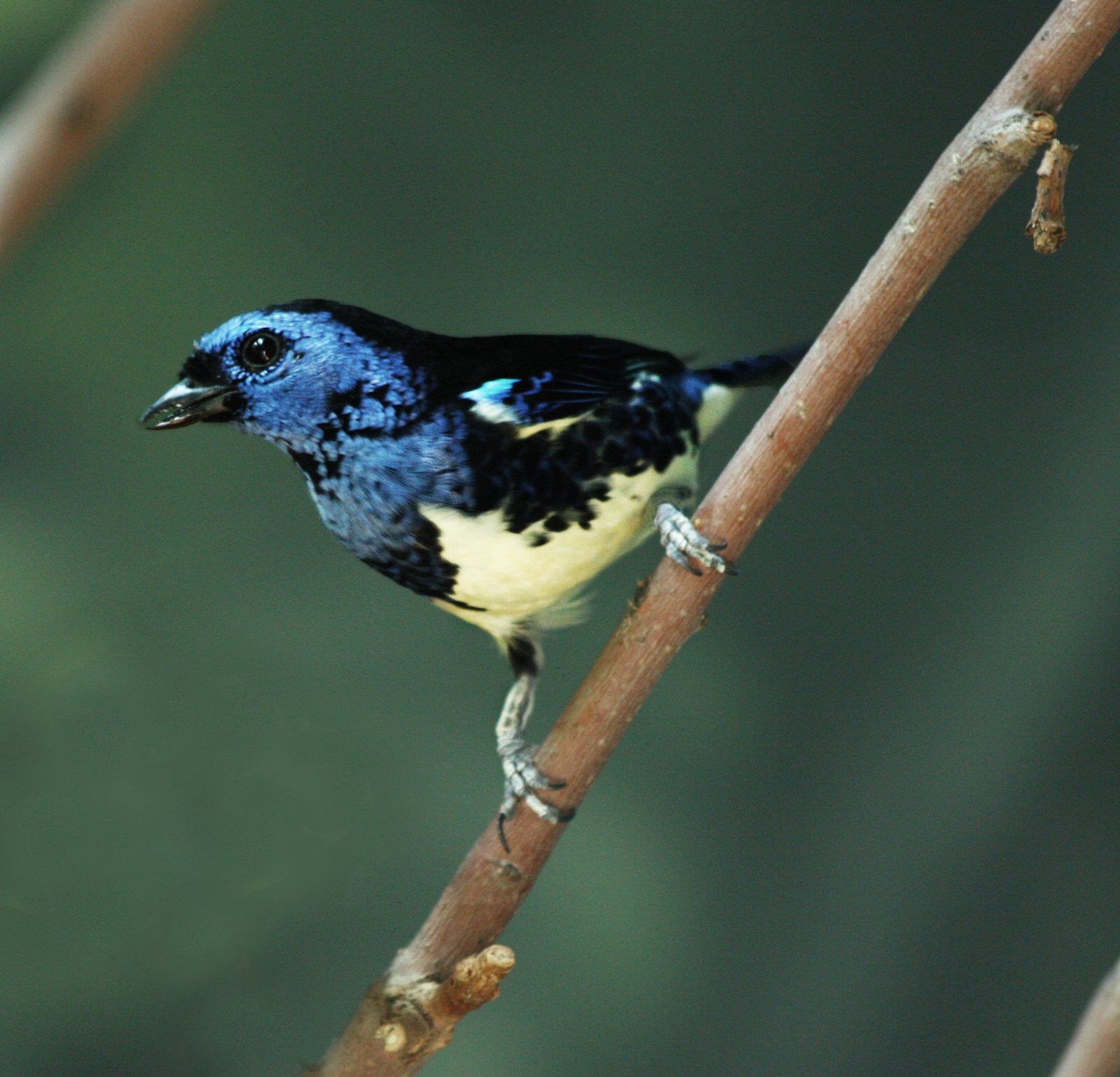
Saíra-de-bando
Tangara mexicana- Amazonian terra firme rainforest
- Várzea, igapó and river islands
- Secondary forest and forest edge
- Eastern Andean foothill forest
-
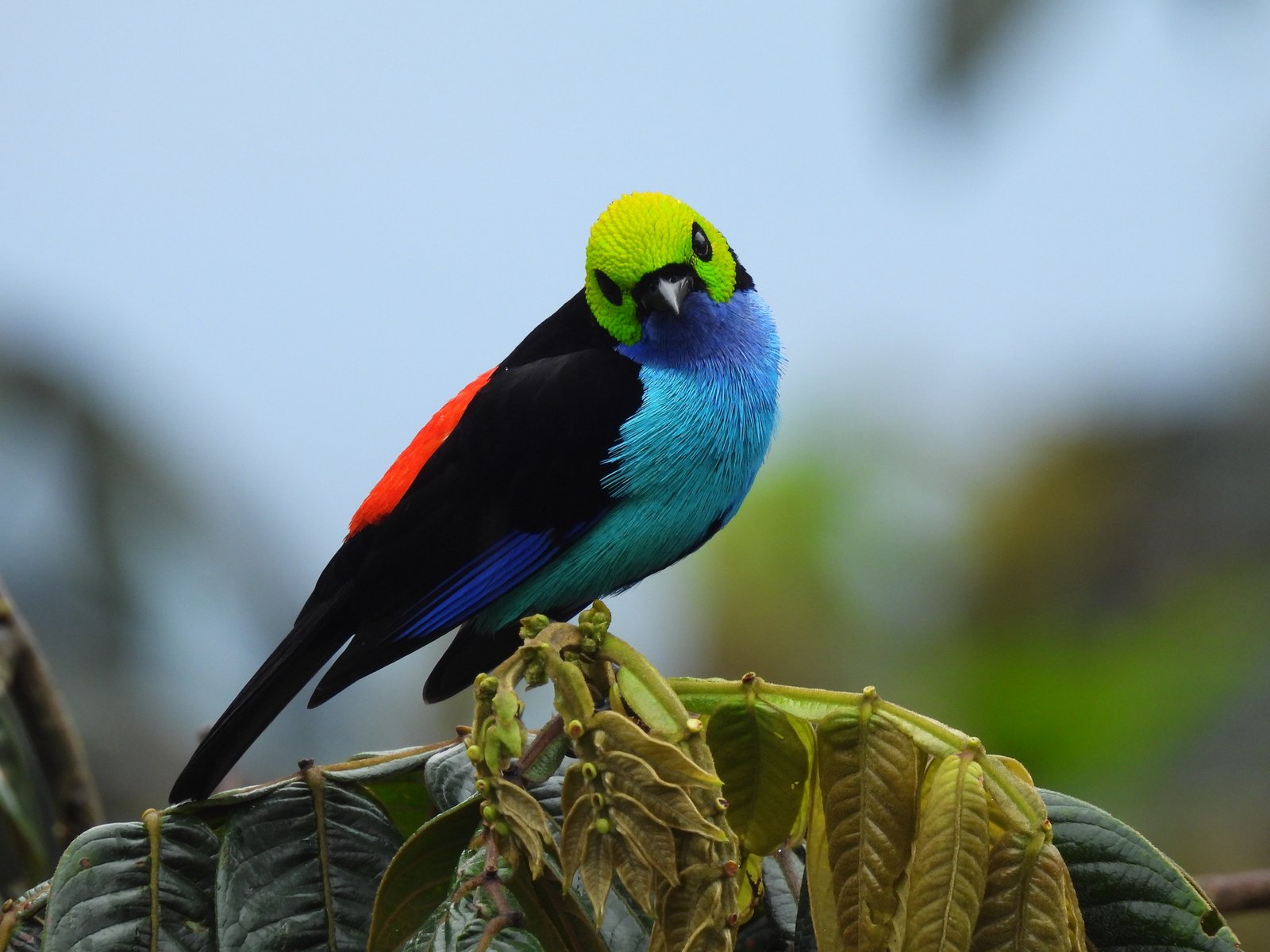
Sete-cores-da-amazônia
Tangara chilensis- Amazonian terra firme rainforest
- Várzea, igapó and river islands
- Eastern Andean foothill forest
- Secondary forest and forest edge
- Palm swamps and swamp forest
-
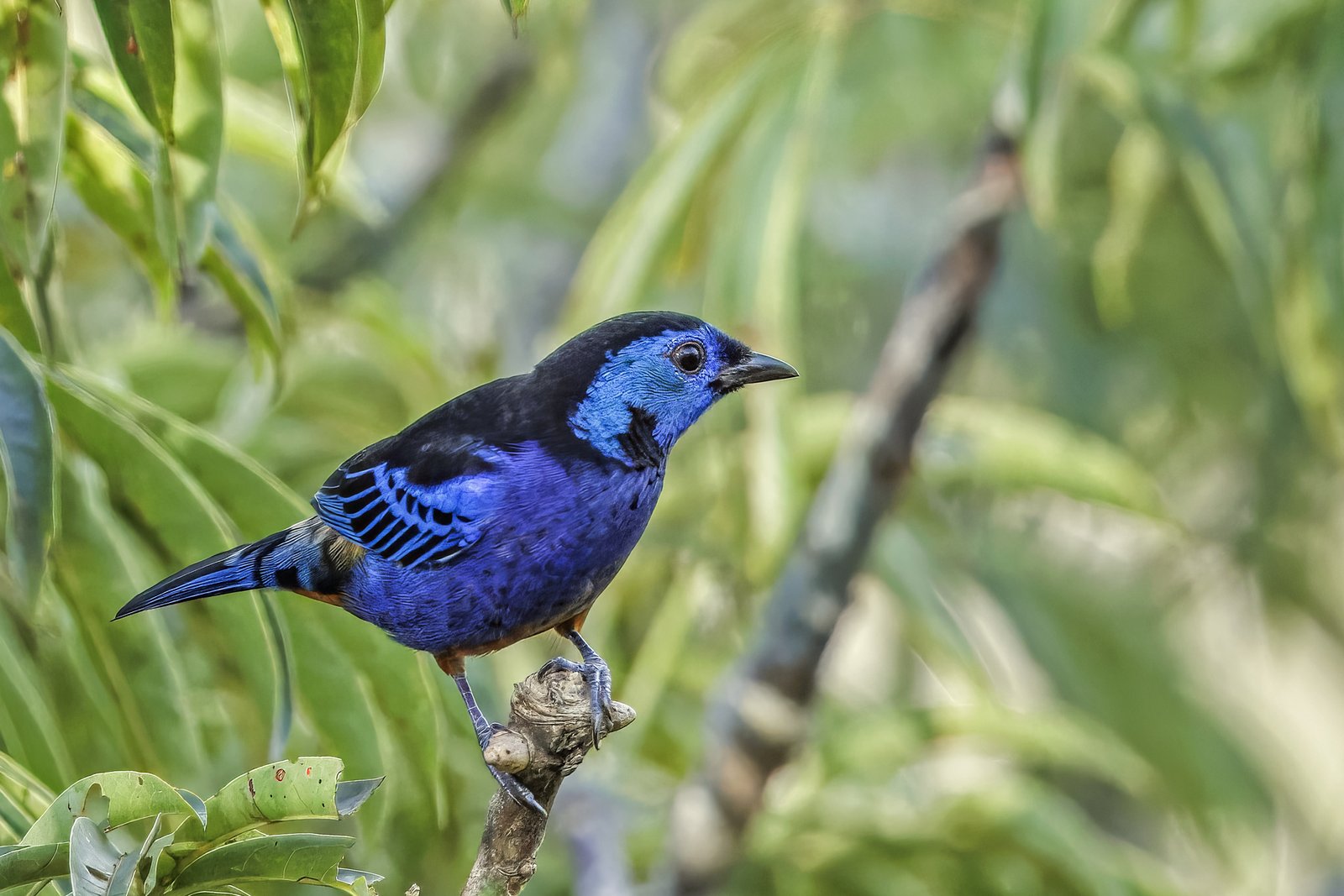
Saíra-diamante
Tangara velia- Amazonian terra firme rainforest
- Várzea, igapó and river islands
- Eastern Andean foothill forest
- Secondary forest and forest edge
-
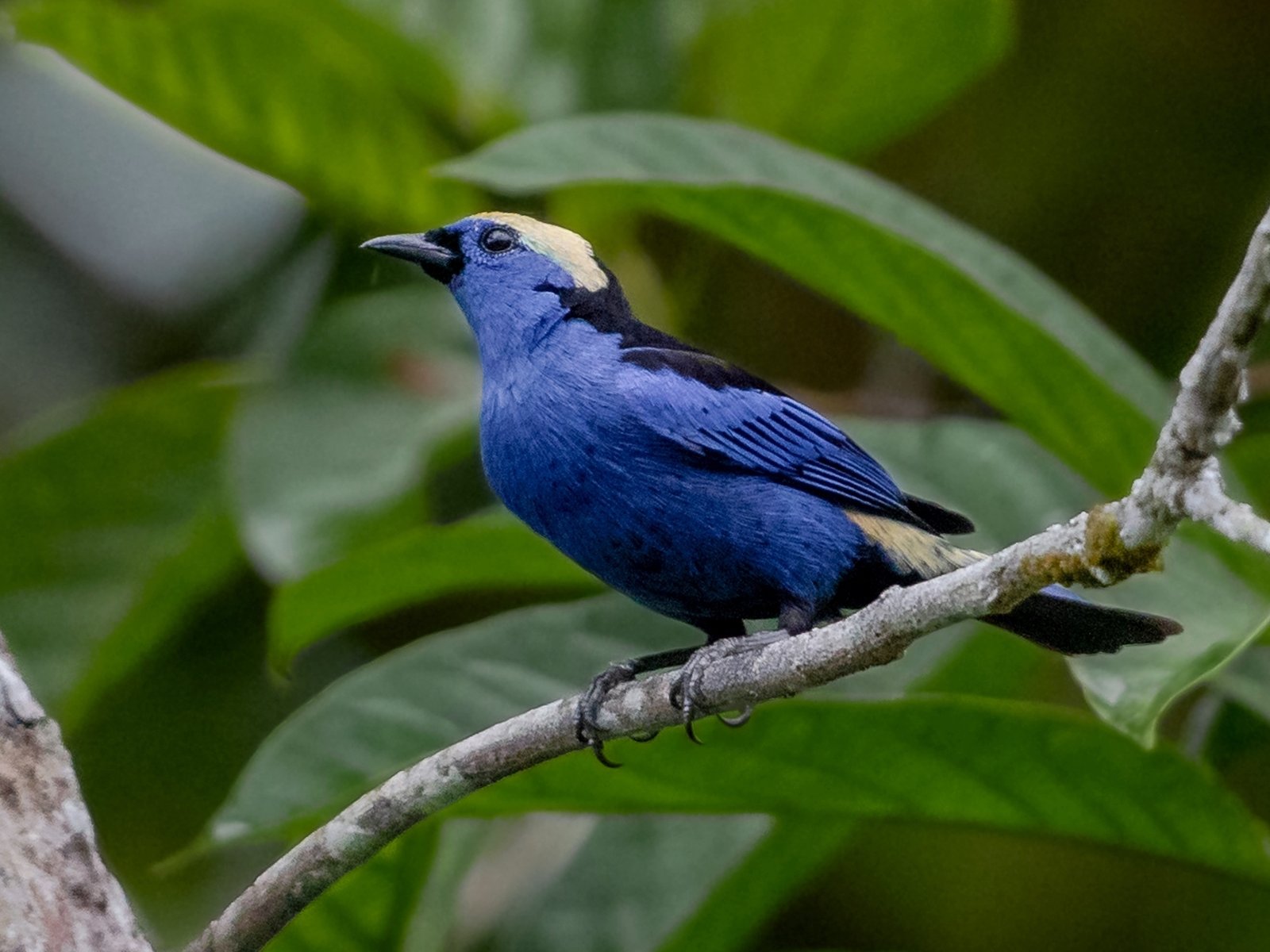
Saíra-opala
Tangara callophrys- Amazonian terra firme rainforest
- Várzea, igapó and river islands
- Eastern Andean foothill forest
- Secondary forest and forest edge
-
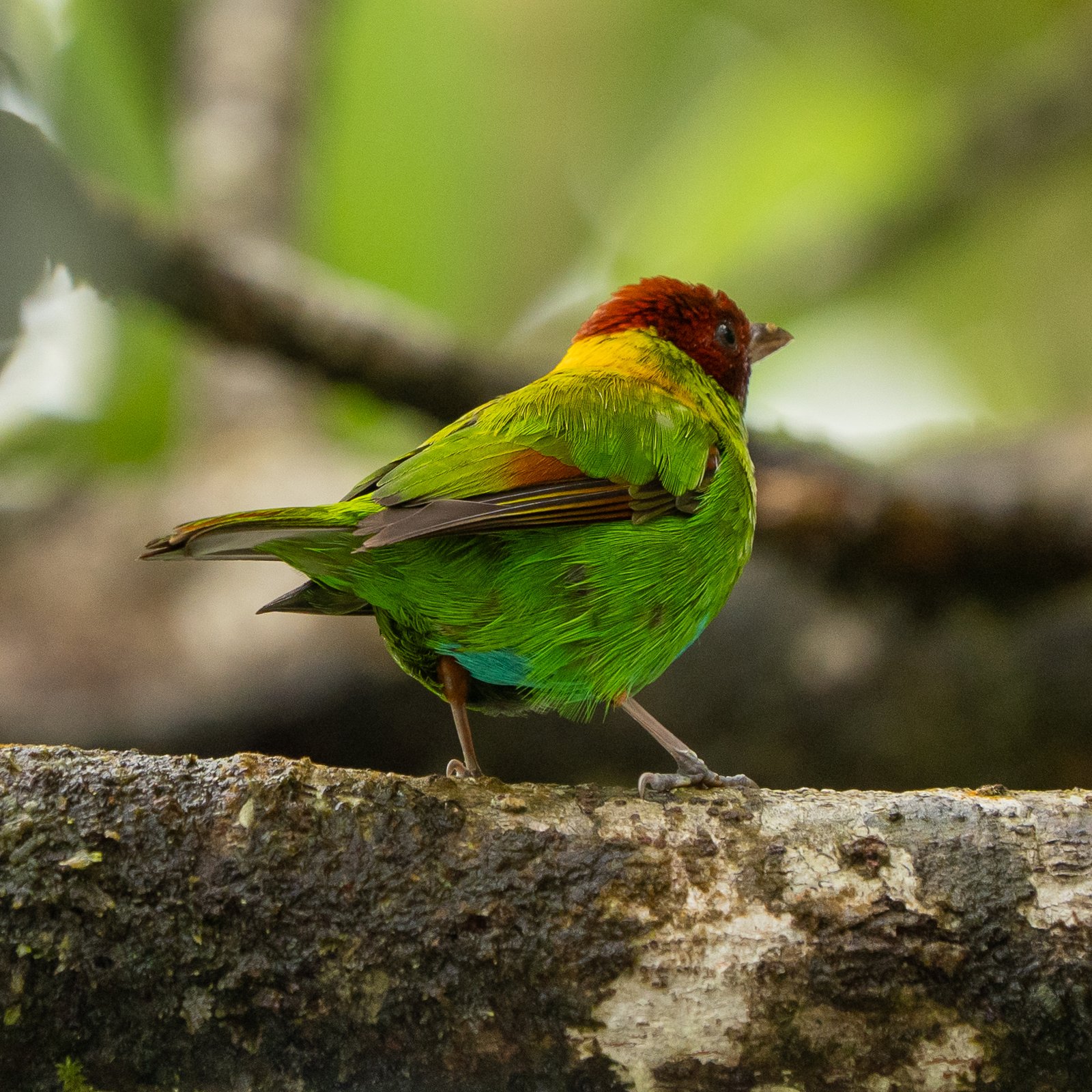
Saíra-de-asa-ruiva
Tangara lavinia- Chocó rainforest
- Western Ecuador humid forest
- Secondary forest and forest edge
- Northern Andean subtropical forest
-
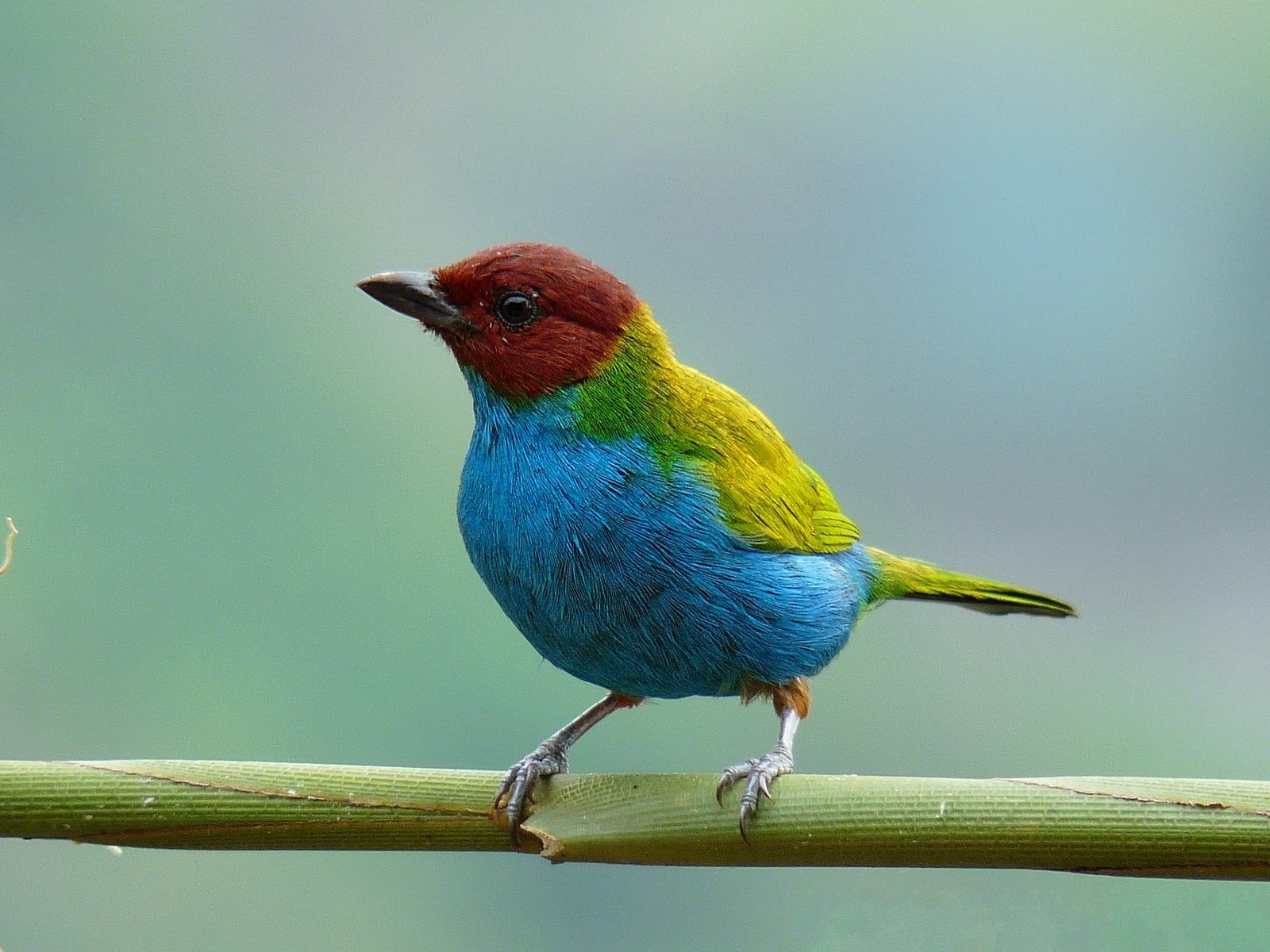
Saíra-de-cabeça-castanha
Tangara gyrola- Eastern Andean foothill forest
- Northern Andean subtropical forest
- Lower Yungas forest
- Western Ecuador humid forest
- Secondary forest and forest edge
- Chocó rainforest
-

Saíra-de-orelha-dourada
Tangara chrysotis- Northern Andean subtropical forest
- Lower Yungas forest
- Eastern Andean foothill forest
- Secondary forest and forest edge
-
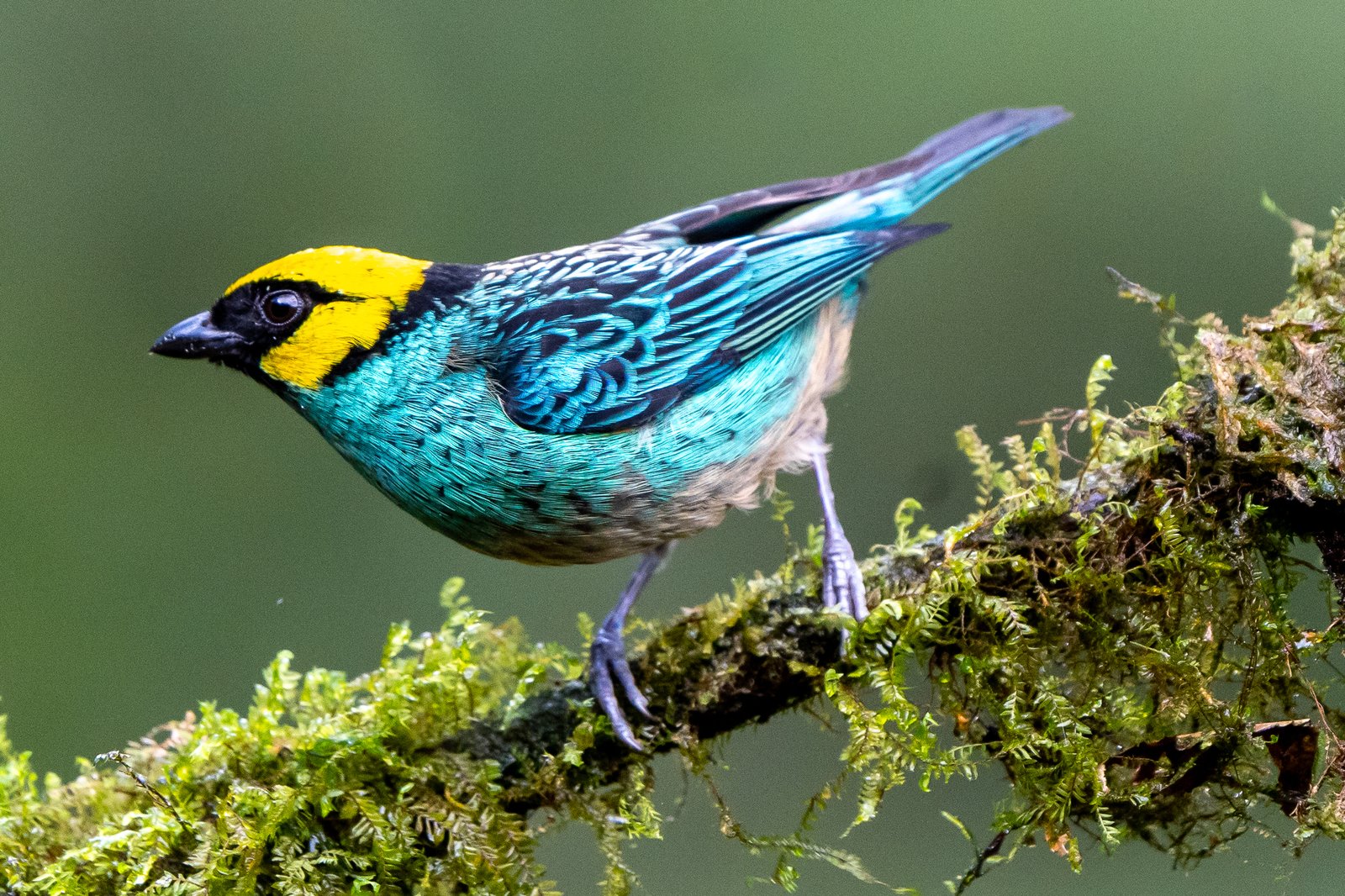
Saíra-de-coroa-açafrão
Tangara xanthocephala- Northern Andean cloud forest and temperate forest
- Northern Andean subtropical forest
- Upper Yungas cloud forest
- Lower Yungas forest
- Secondary forest and forest edge
-
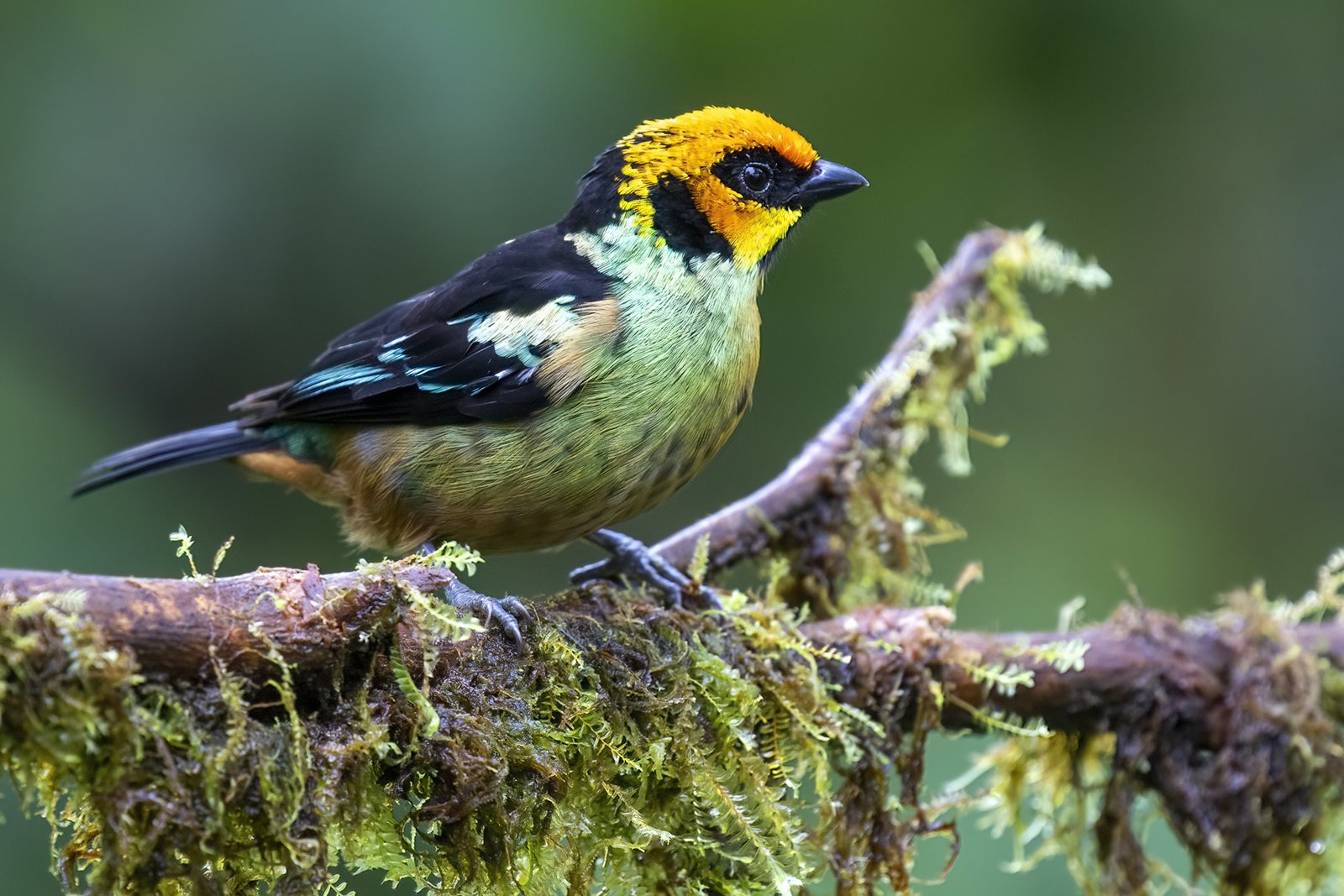
Saíra-de-cara-flamejante
Tangara parzudakii- Northern Andean subtropical forest
- Northern Andean cloud forest and temperate forest
- Lower Yungas forest
- Upper Yungas cloud forest
- Secondary forest and forest edge
-
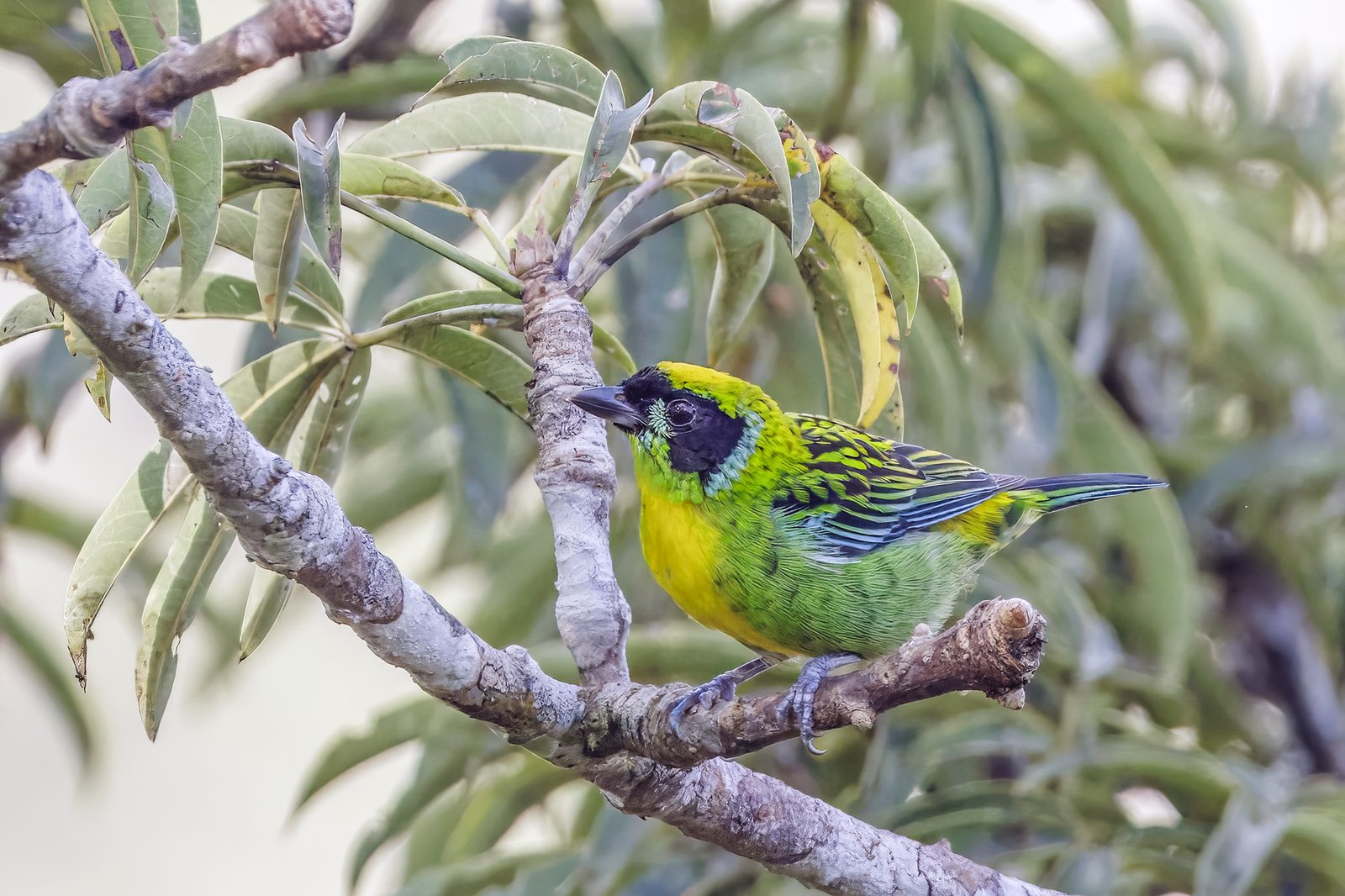
Saíra-ouro
Tangara schrankii- Amazonian terra firme rainforest
- Eastern Andean foothill forest
- Várzea, igapó and river islands
 Bamboo forest
- Secondary forest and forest edge
-
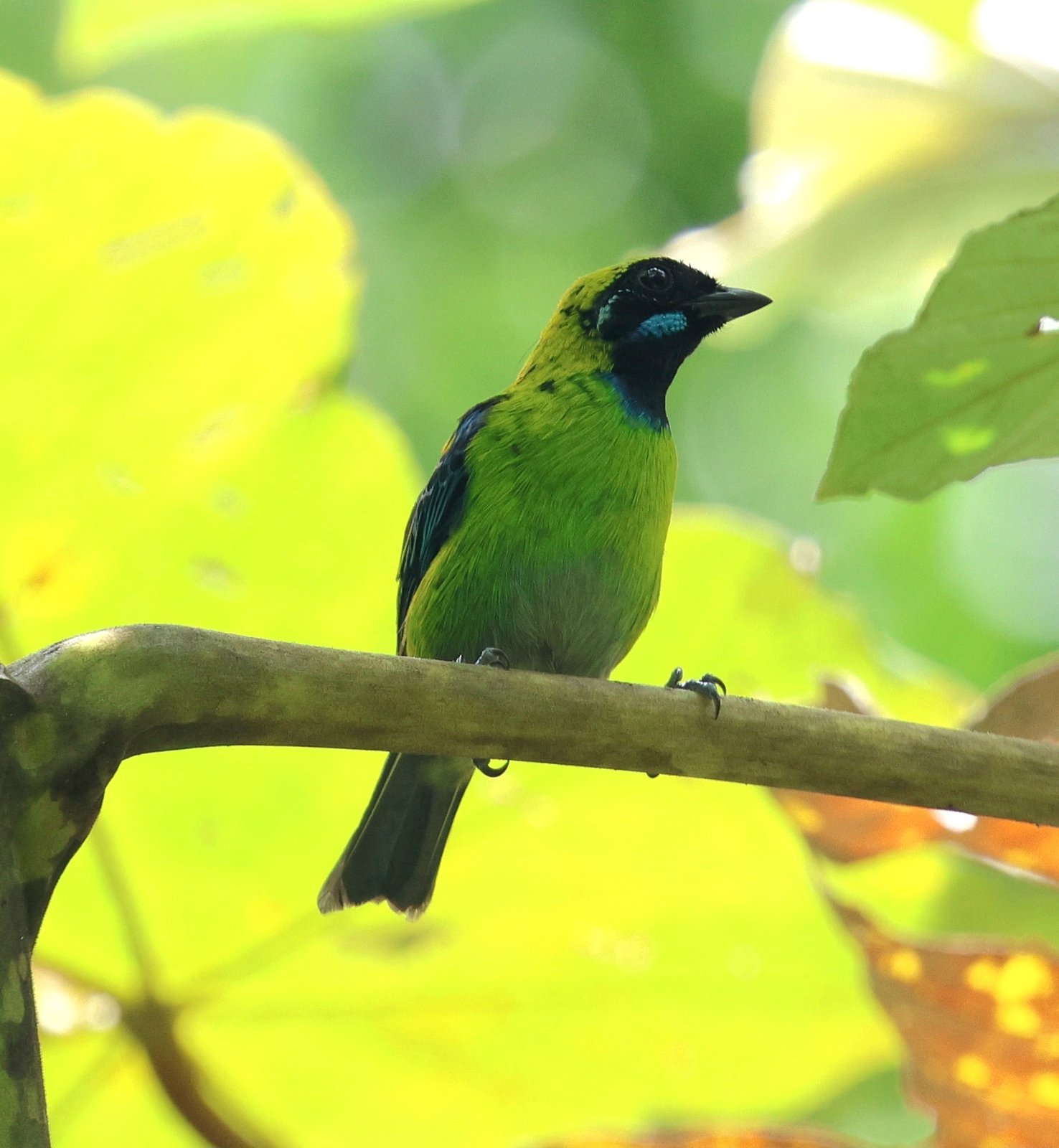
Saíra-de-bigode-azul
Tangara johannae- Chocó rainforest
- Western Ecuador humid forest
- Secondary forest and forest edge
- Northern Andean subtropical forest
-

Saíra-dourada
Tangara arthus- Northern Andean subtropical forest
- Lower Yungas forest
- Eastern Andean foothill forest
- Northern Andean cloud forest and temperate forest
- Secondary forest and forest edge
-
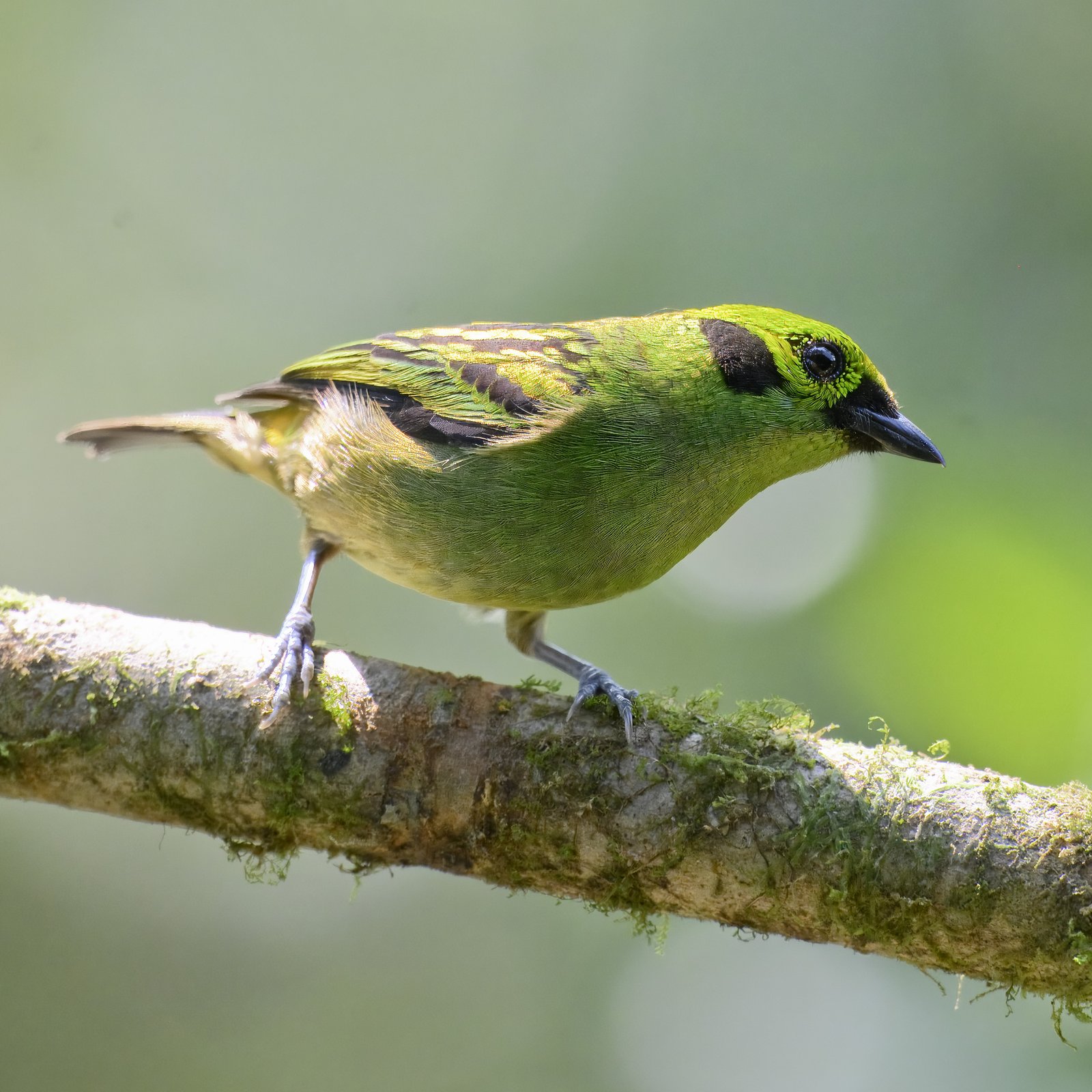
Saíra-esmeralda
Tangara florida- Chocó rainforest
- Northern Andean subtropical forest
- Western Ecuador humid forest
- Secondary forest and forest edge
-
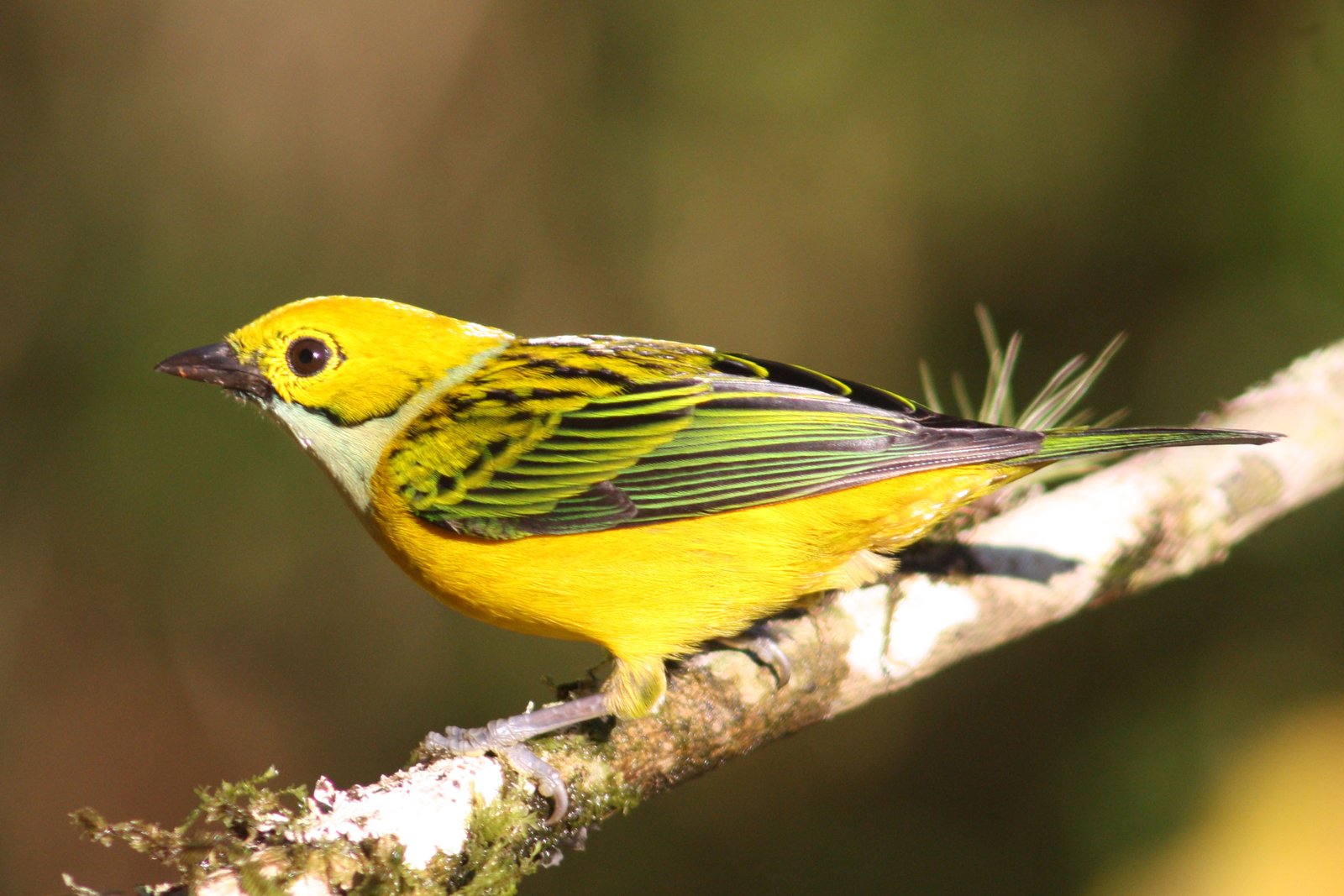
Saíra-de-garganta-prateada
Tangara icterocephala- Northern Andean subtropical forest
- Western Ecuador humid forest
- Chocó rainforest
- Secondary forest and forest edge
- Coffee, cacao and agroforestry
Chalcothraupis 1 espécie

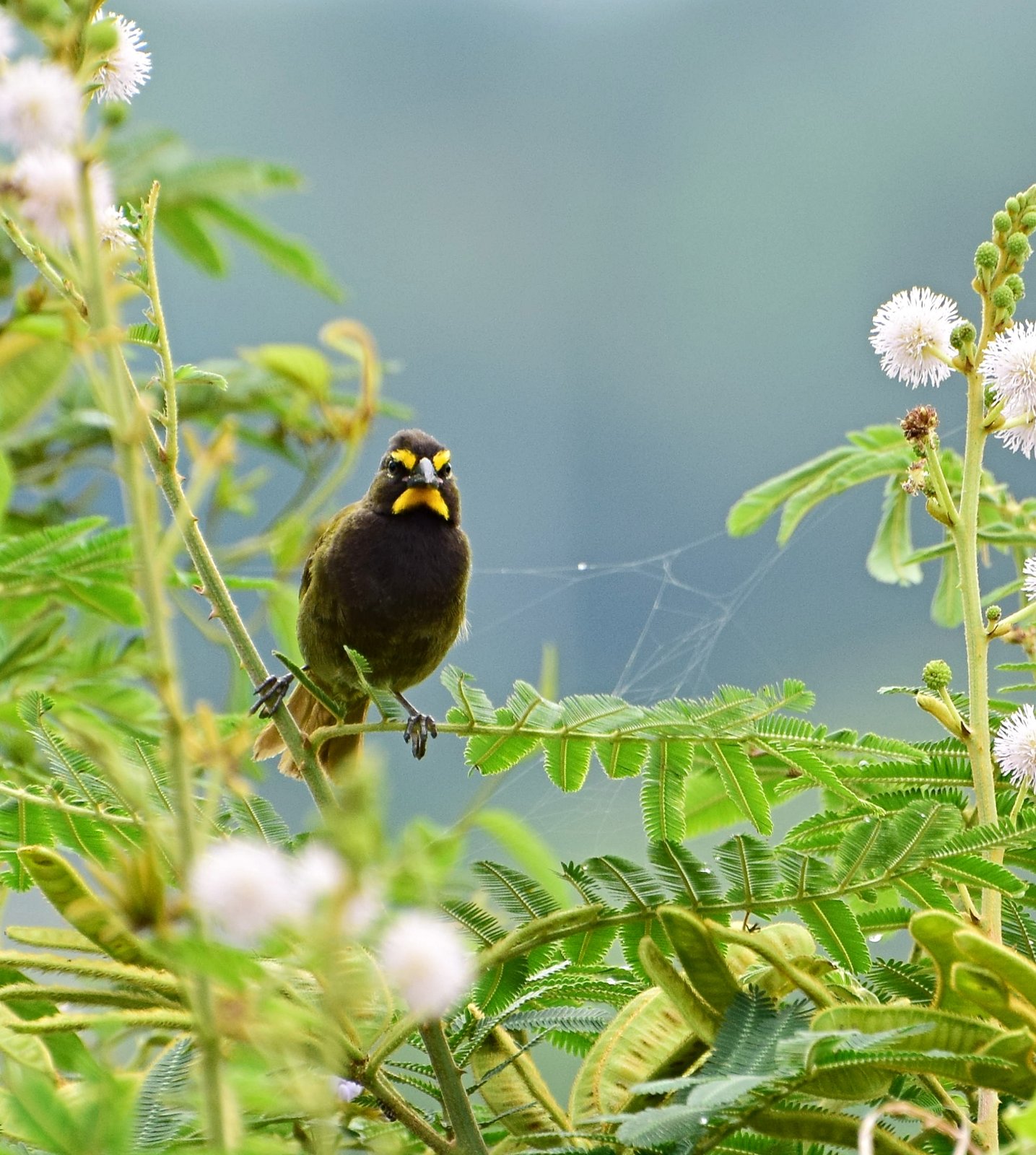
Melanospiza 1 espécie
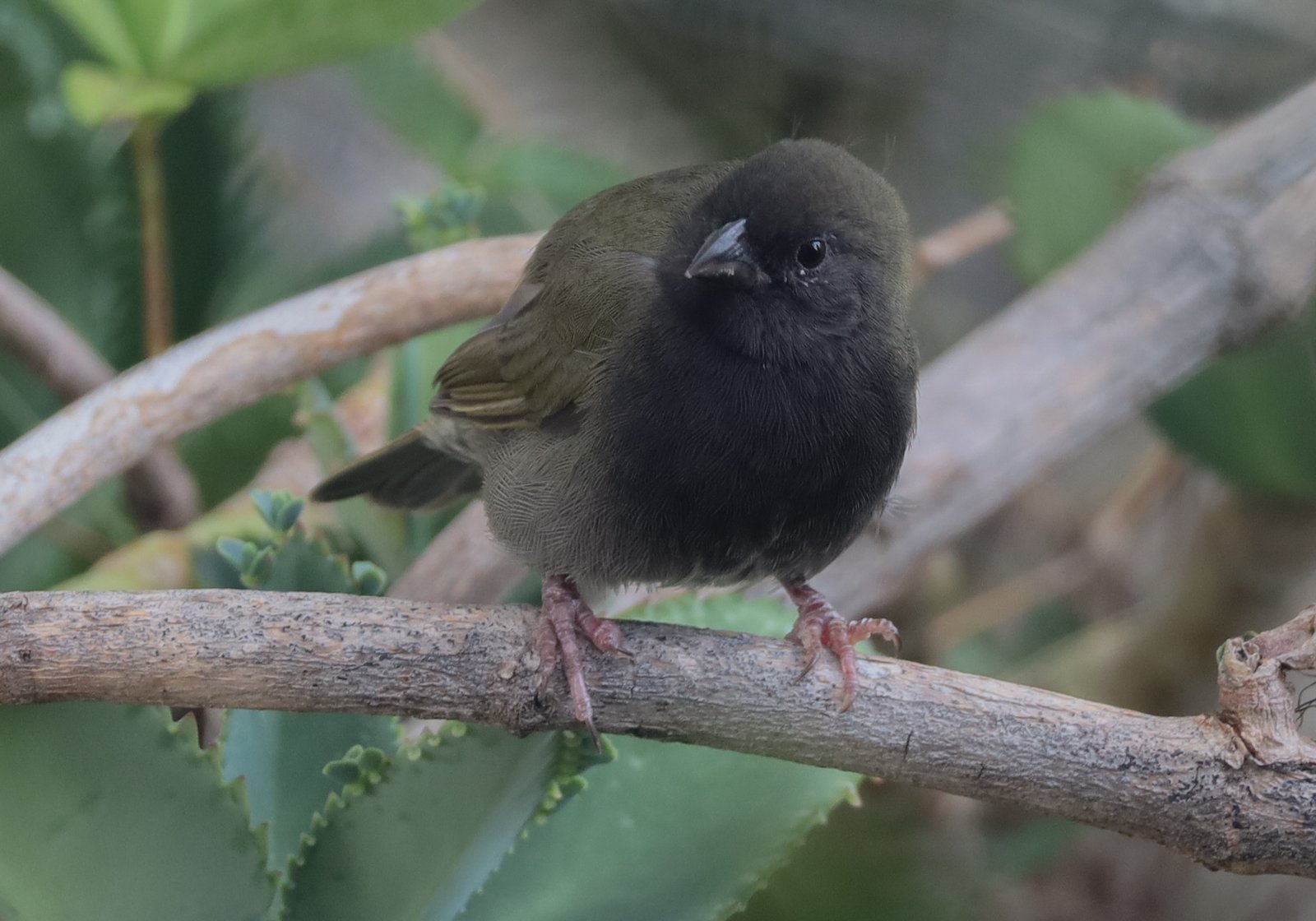
Thlypopsis 7 espécies
-
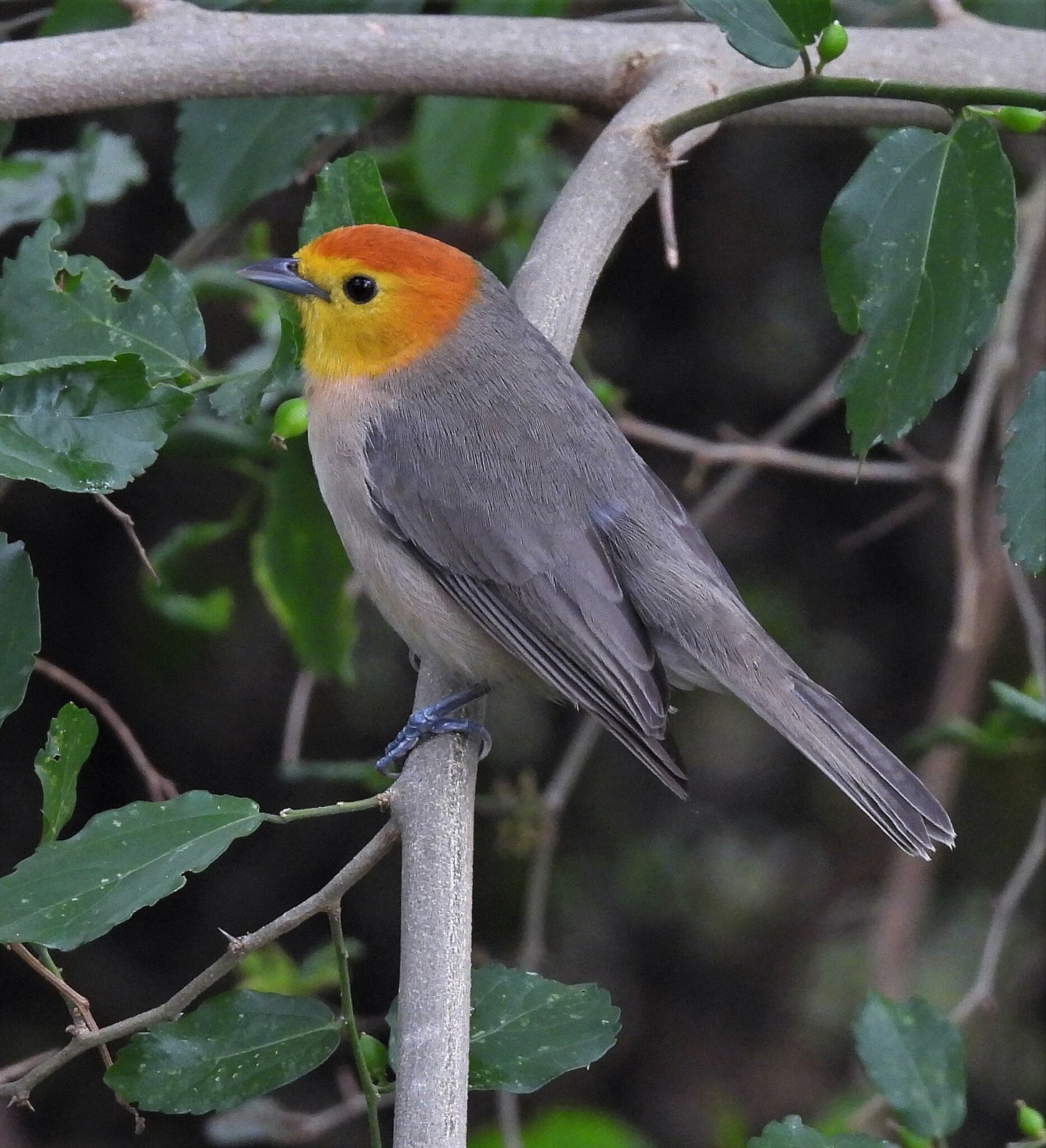
Saí-canário
Thlypopsis sordida- Várzea, igapó and river islands
- Secondary forest and forest edge
- Riparian woodland of the Andes and coastal valleys
- Chiquitano dry forest and Chaco
- Beni savanna and cerrado
-
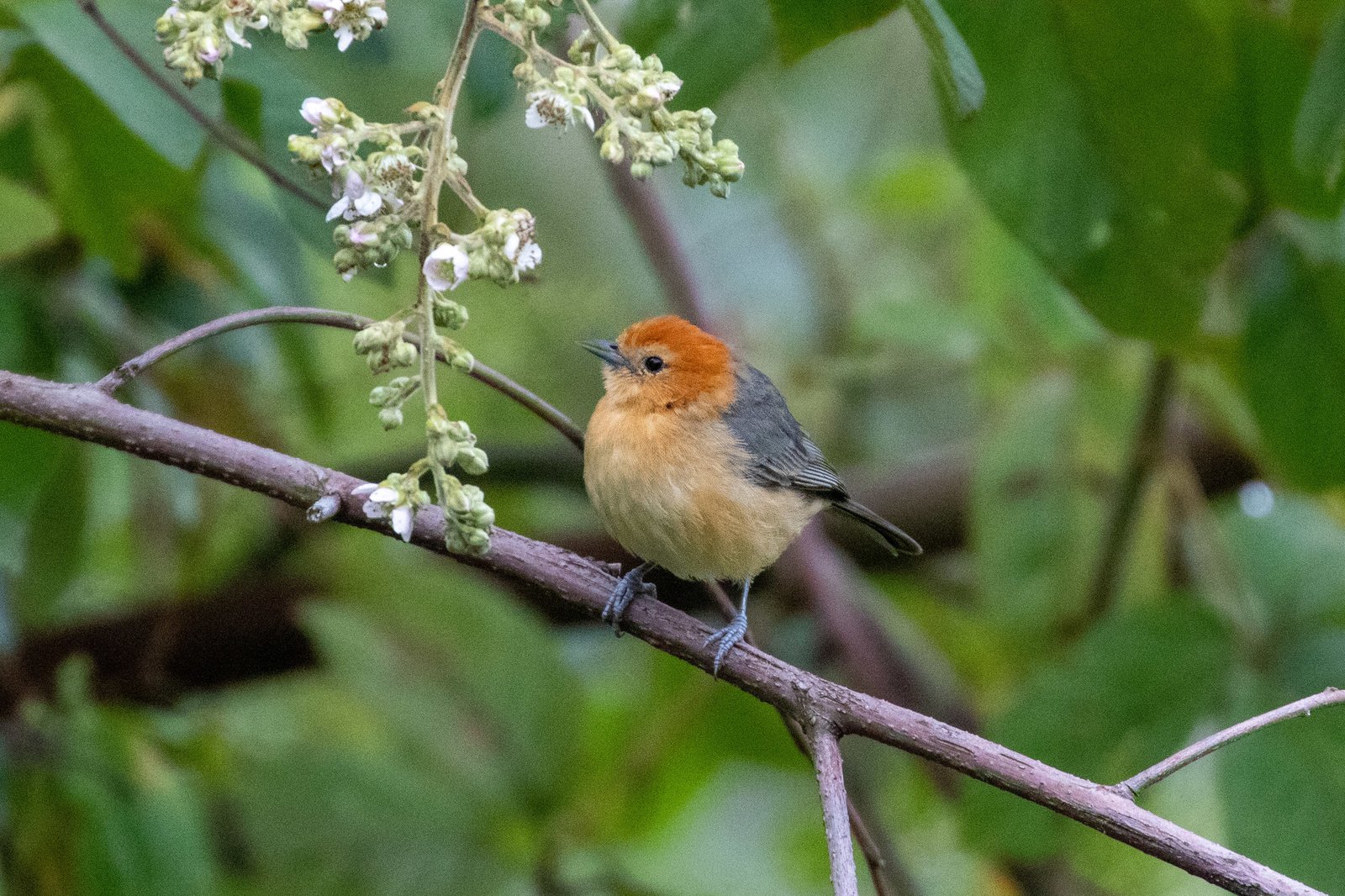
Saí-de-barriga-ocre
Thlypopsis inornata- Marañón and northern inter-Andean dry forest
- Riparian woodland of the Andes and coastal valleys
- Secondary forest and forest edge
- Coffee, cacao and agroforestry
-
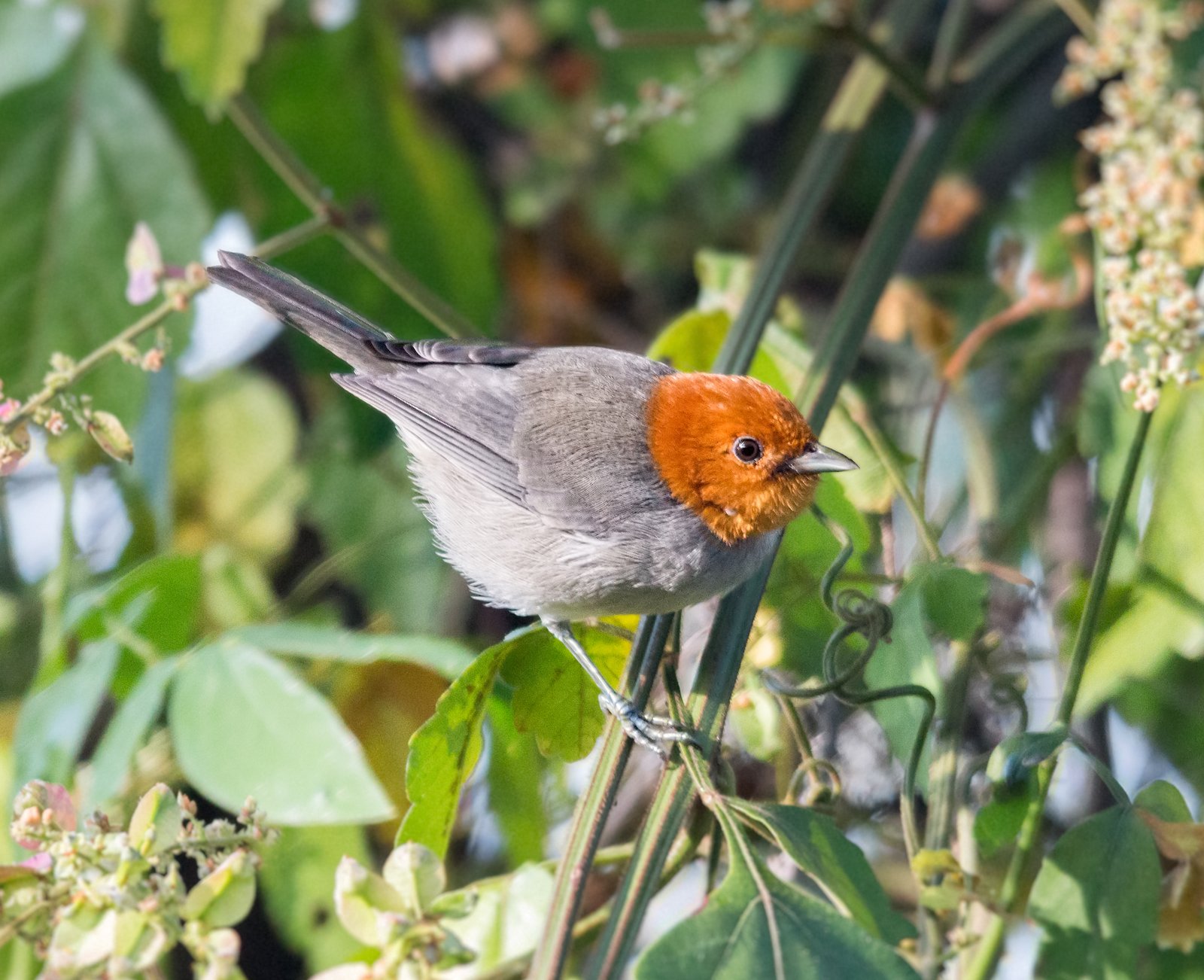
Saí-de-cabeça-fulva
Thlypopsis fulviceps- Northern Andean subtropical forest
- Northern Andean cloud forest and temperate forest
- Secondary forest and forest edge
-

Saí-ferrugem-e-amarelo
Thlypopsis ruficeps- Upper Yungas cloud forest
- Riparian woodland of the Andes and coastal valleys
- Central Andean dry valleys
- Secondary forest and forest edge
- Polylepis woodland
-
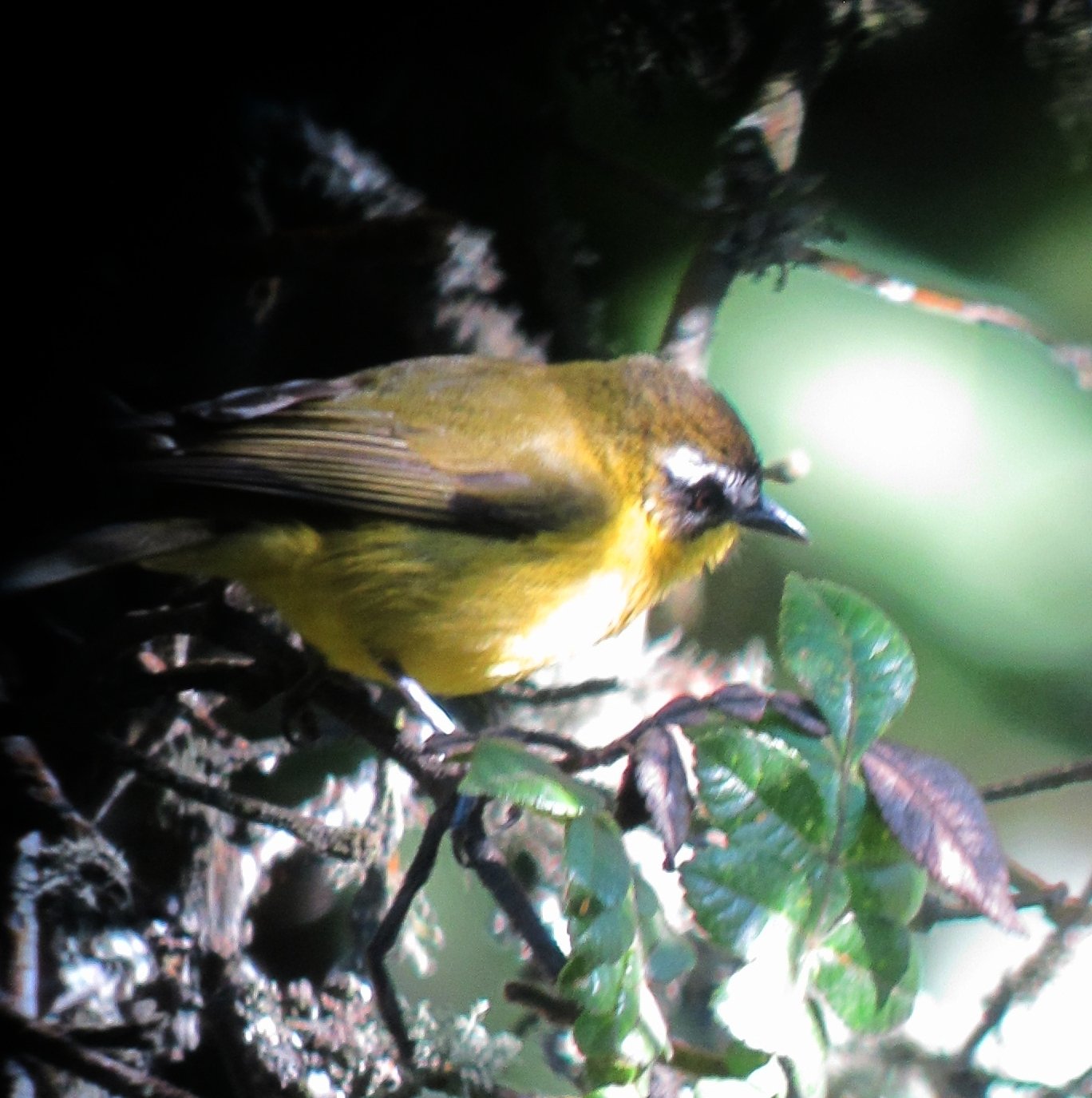
Saí-de-sobrancelha
Thlypopsis superciliaris- Northern Andean cloud forest and temperate forest
- Upper Yungas cloud forest
- Páramo
- Secondary forest and forest edge
-
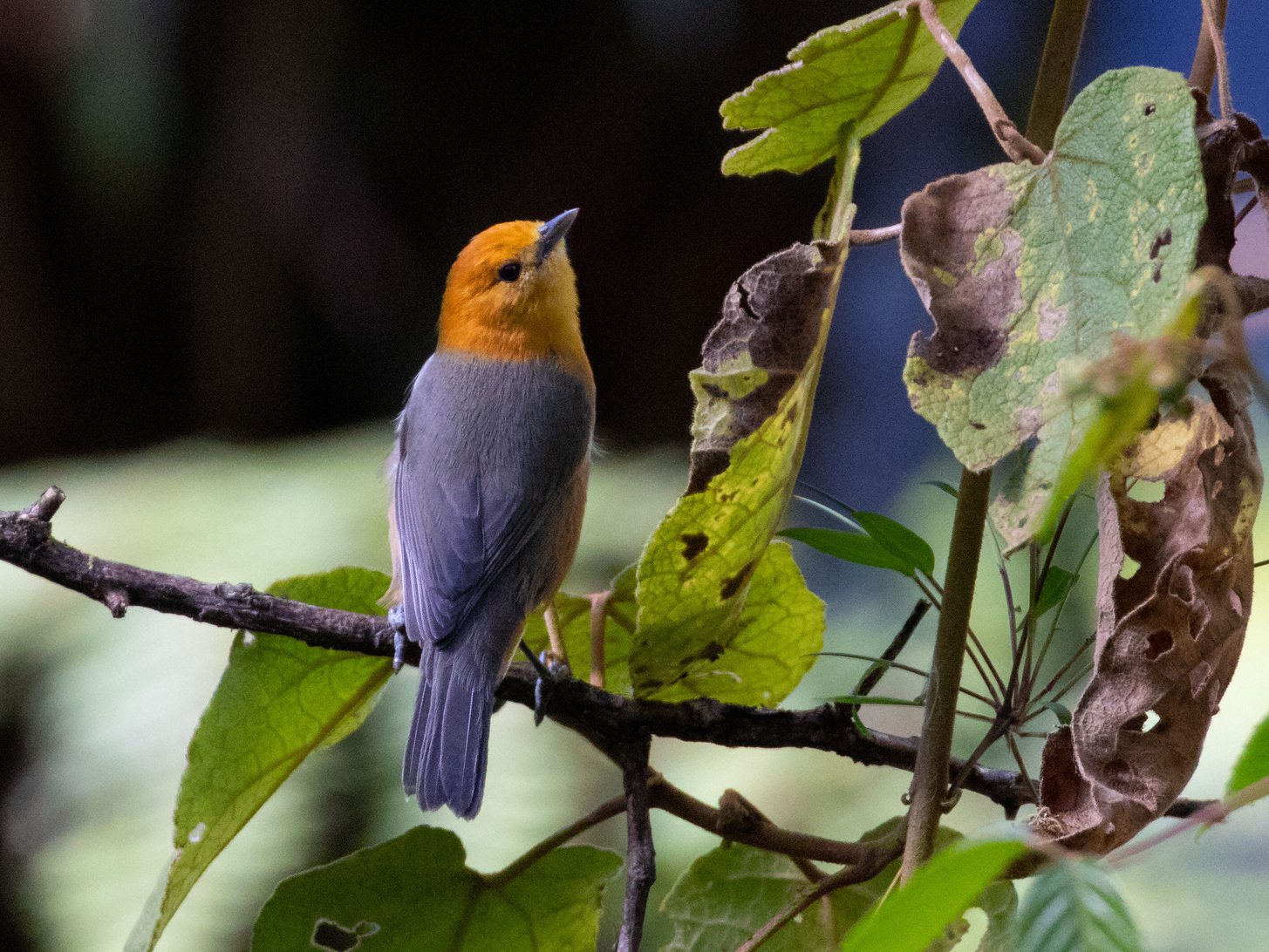
Saí-de-peito-ferrugem
Thlypopsis ornata- Northern Andean cloud forest and temperate forest
- Secondary forest and forest edge
- Riparian woodland of the Andes and coastal valleys
- Andean fields and terraces
- Northern Andean subtropical forest
-
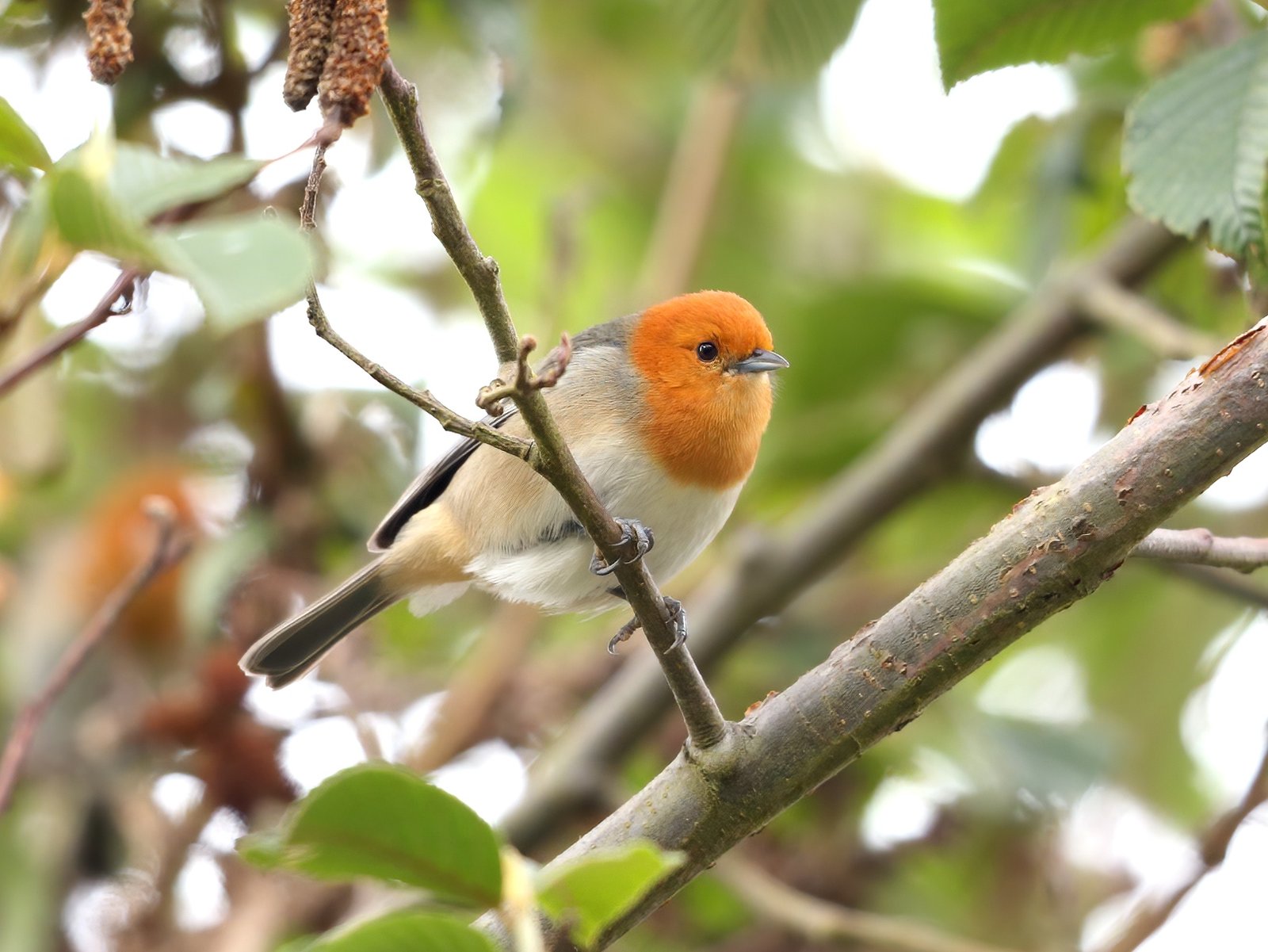
Saí-de-flanco-pardo
Thlypopsis pectoralis- Central Andean dry valleys
- Upper Yungas cloud forest
- Secondary forest and forest edge
- Riparian woodland of the Andes and coastal valleys
Volatinia 1 espécie
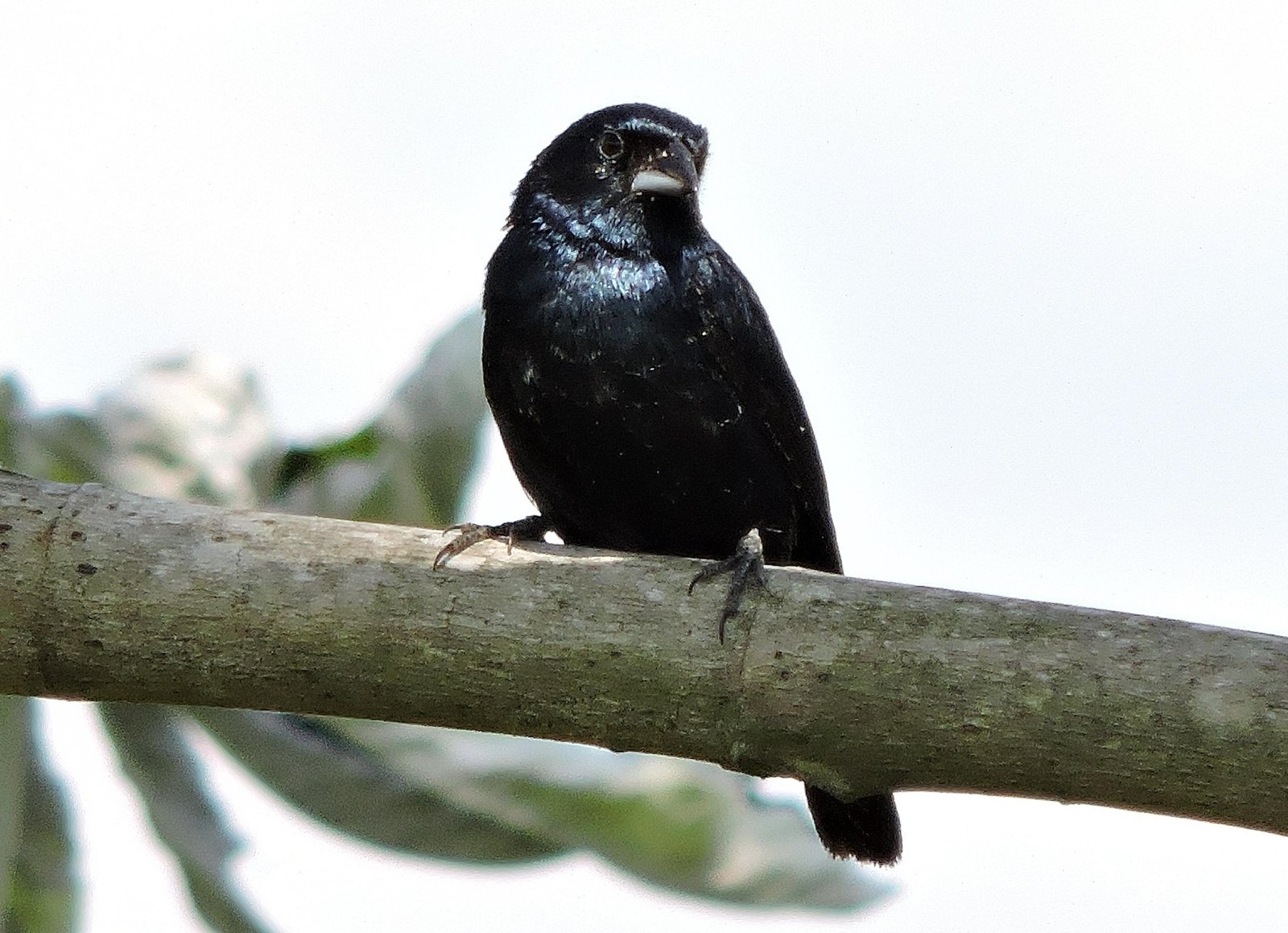
Nephelornis 1 espécie
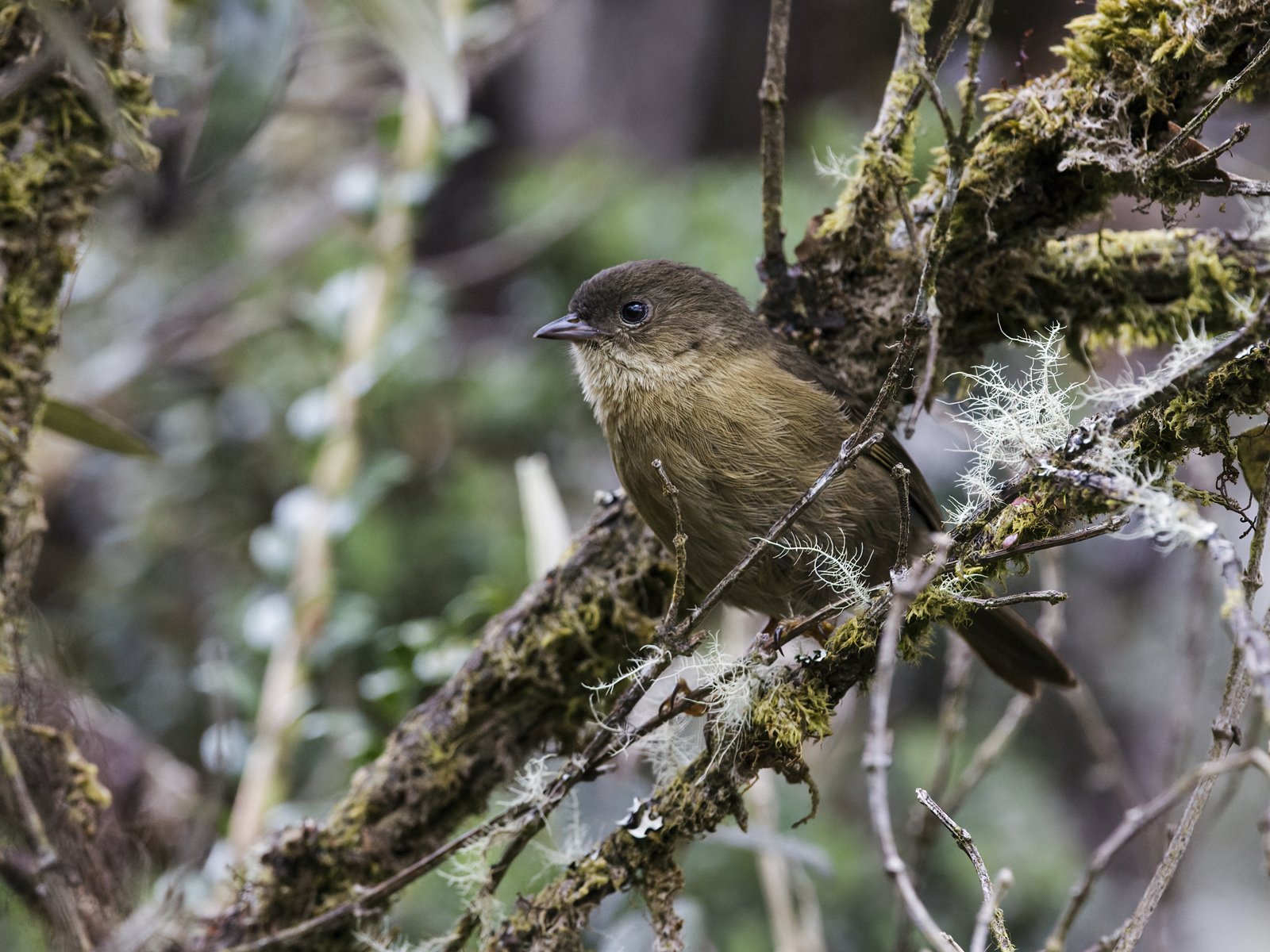
Asemospiza 2 espécies
-
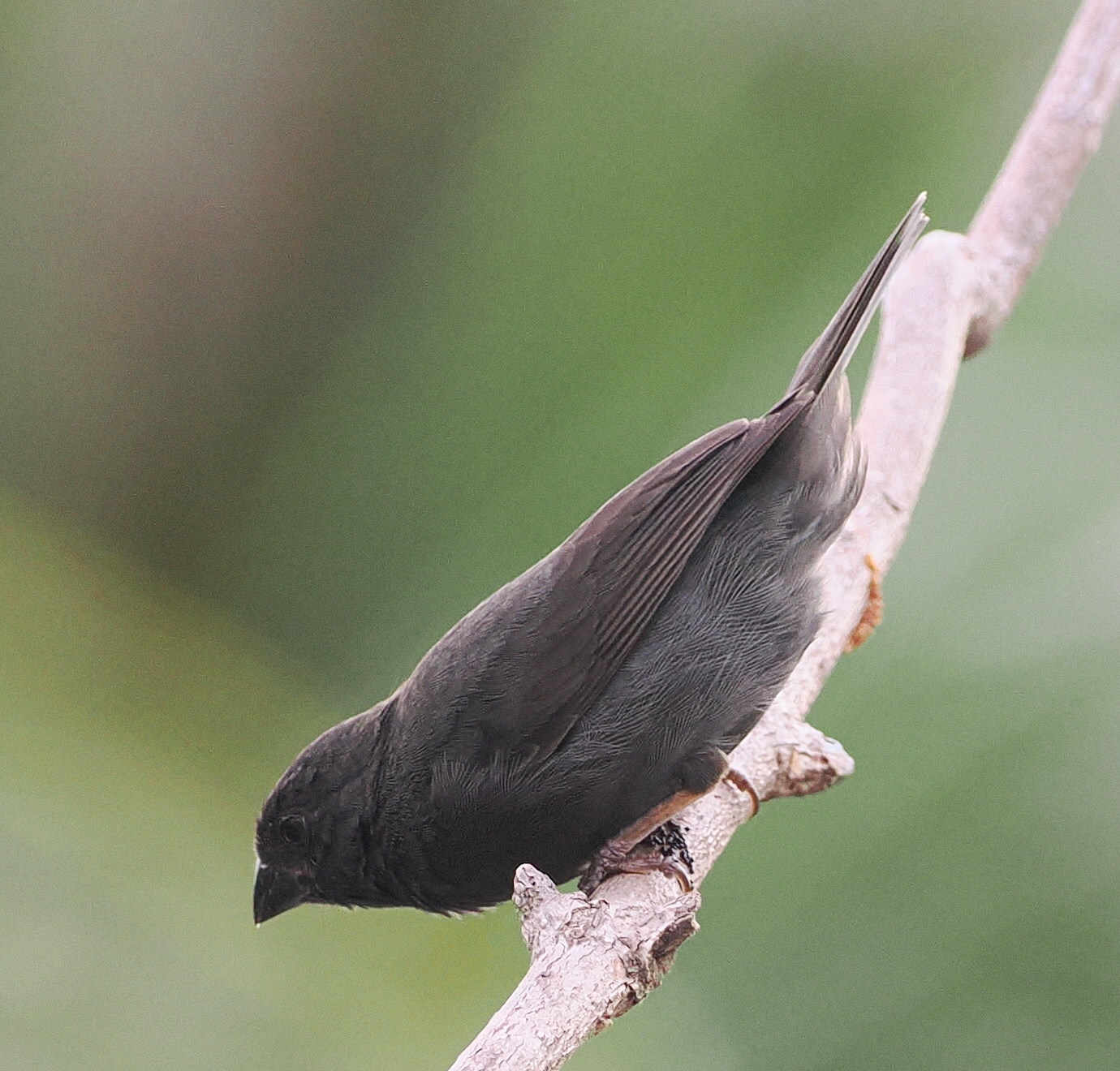
Cigarra-preta
Asemospiza fuliginosa- Secondary forest and forest edge
- Northern Andean subtropical forest
- Pasture and ranchland
-
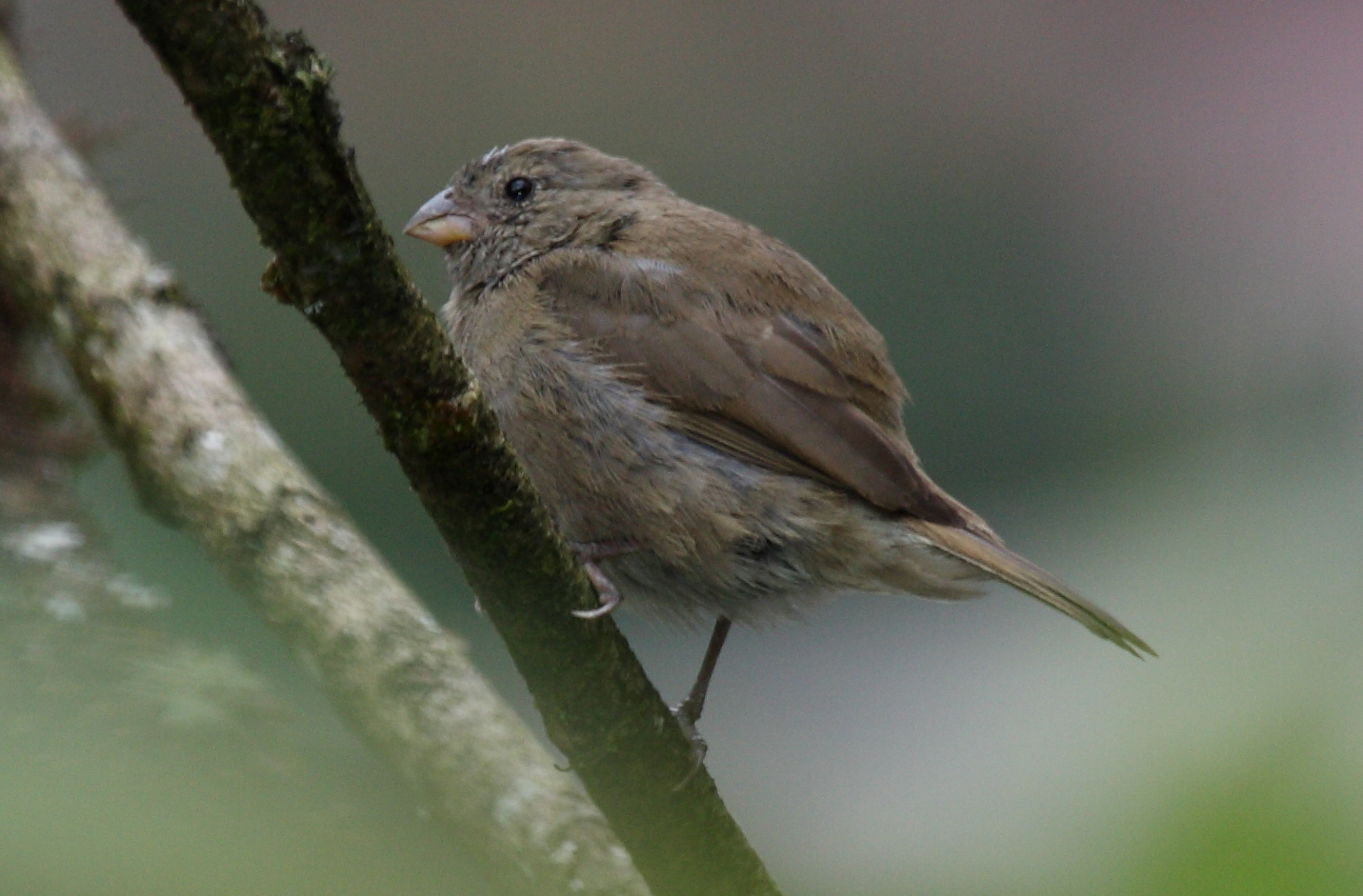
Cigarra-parda
Asemospiza obscura- Marañón and northern inter-Andean dry forest
- Central Andean dry valleys
- Secondary forest and forest edge
- Andean fields and terraces
- Tumbesian dry forest and thorn scrub
- Lower Yungas forest
Saltator 11 espécies
-
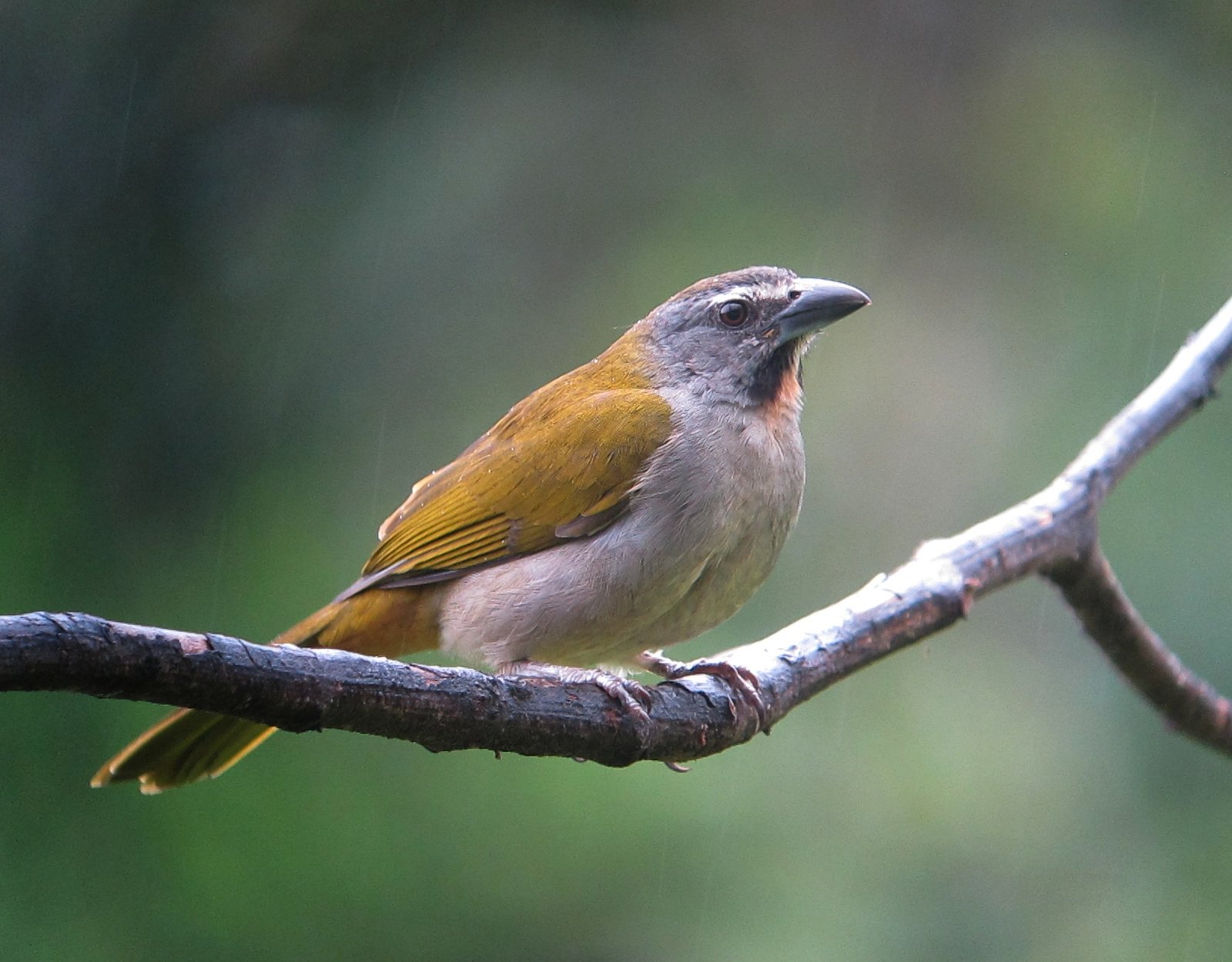
Tempera-viola
Saltator maximus- Amazonian terra firme rainforest
- Secondary forest and forest edge
- Chocó rainforest
- Eastern Andean foothill forest
- Western Ecuador humid forest
- Coffee, cacao and agroforestry
-
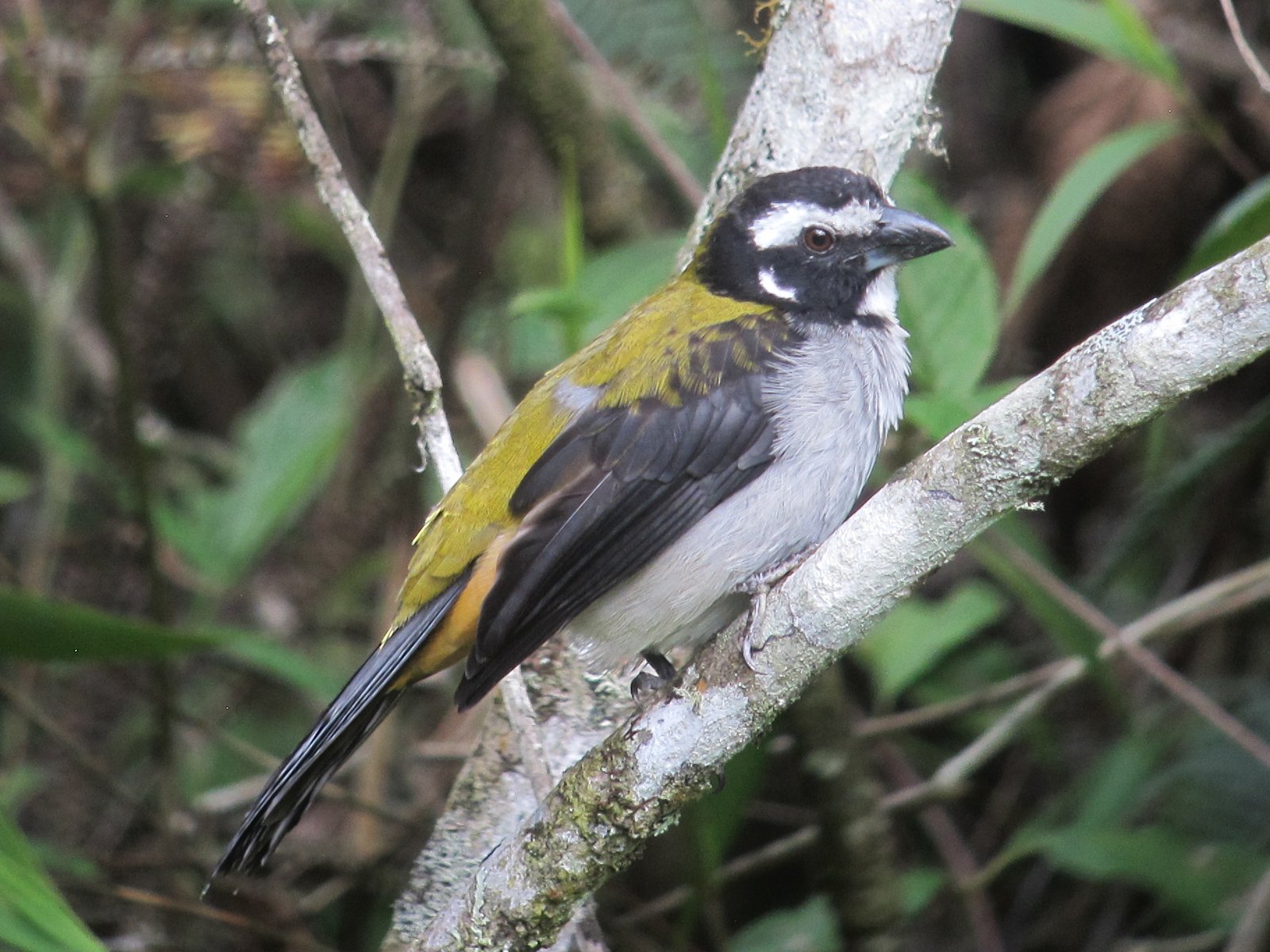
Trinca-ferro-de-asa-preta
Saltator atripennis- Northern Andean subtropical forest
- Western Ecuador humid forest
- Secondary forest and forest edge
- Coffee, cacao and agroforestry
-
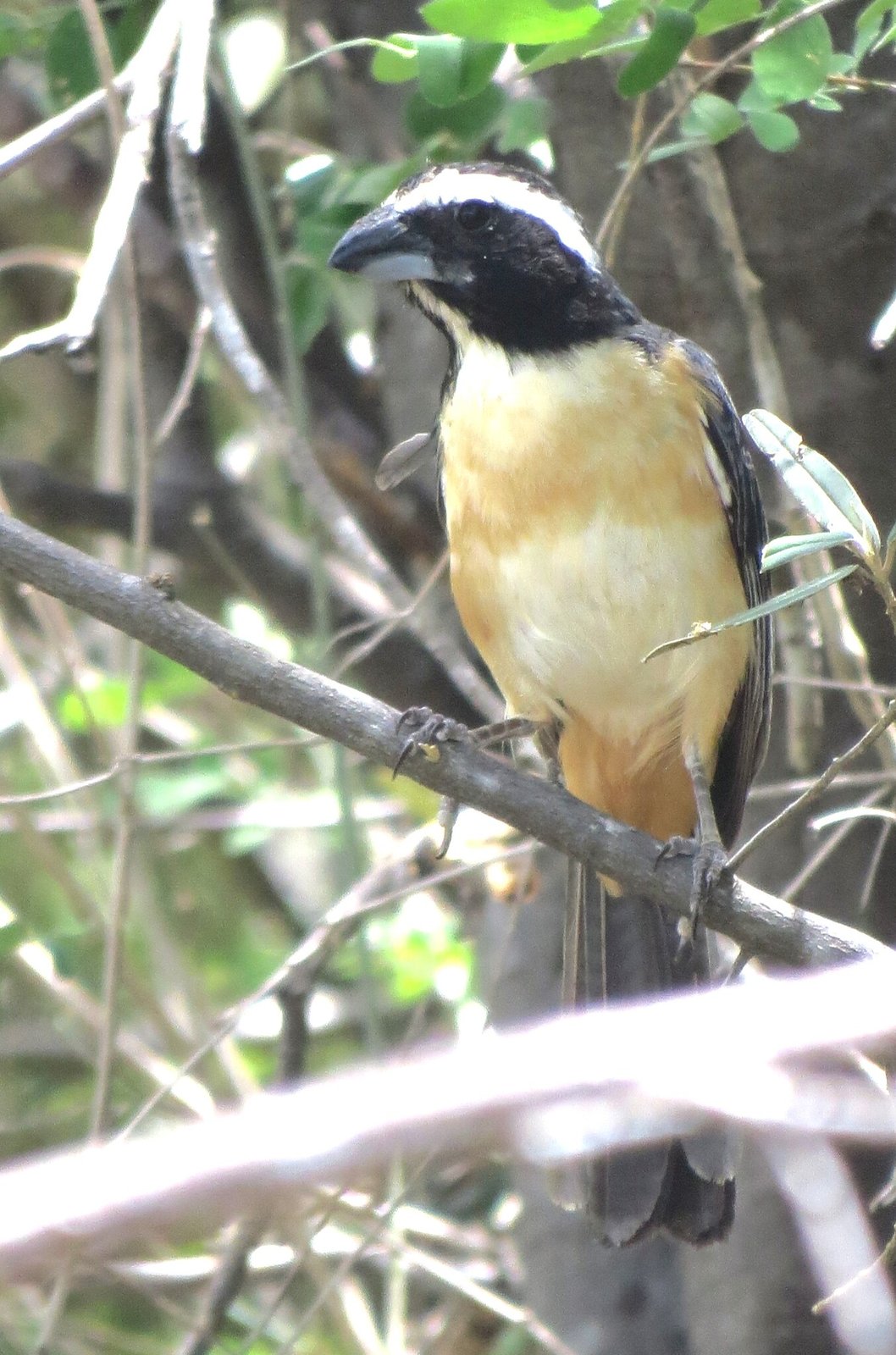
Trinca-ferro-do-orinoco
Saltator orenocensis- Llanos savanna
- Secondary forest and forest edge
- Pasture and ranchland
-
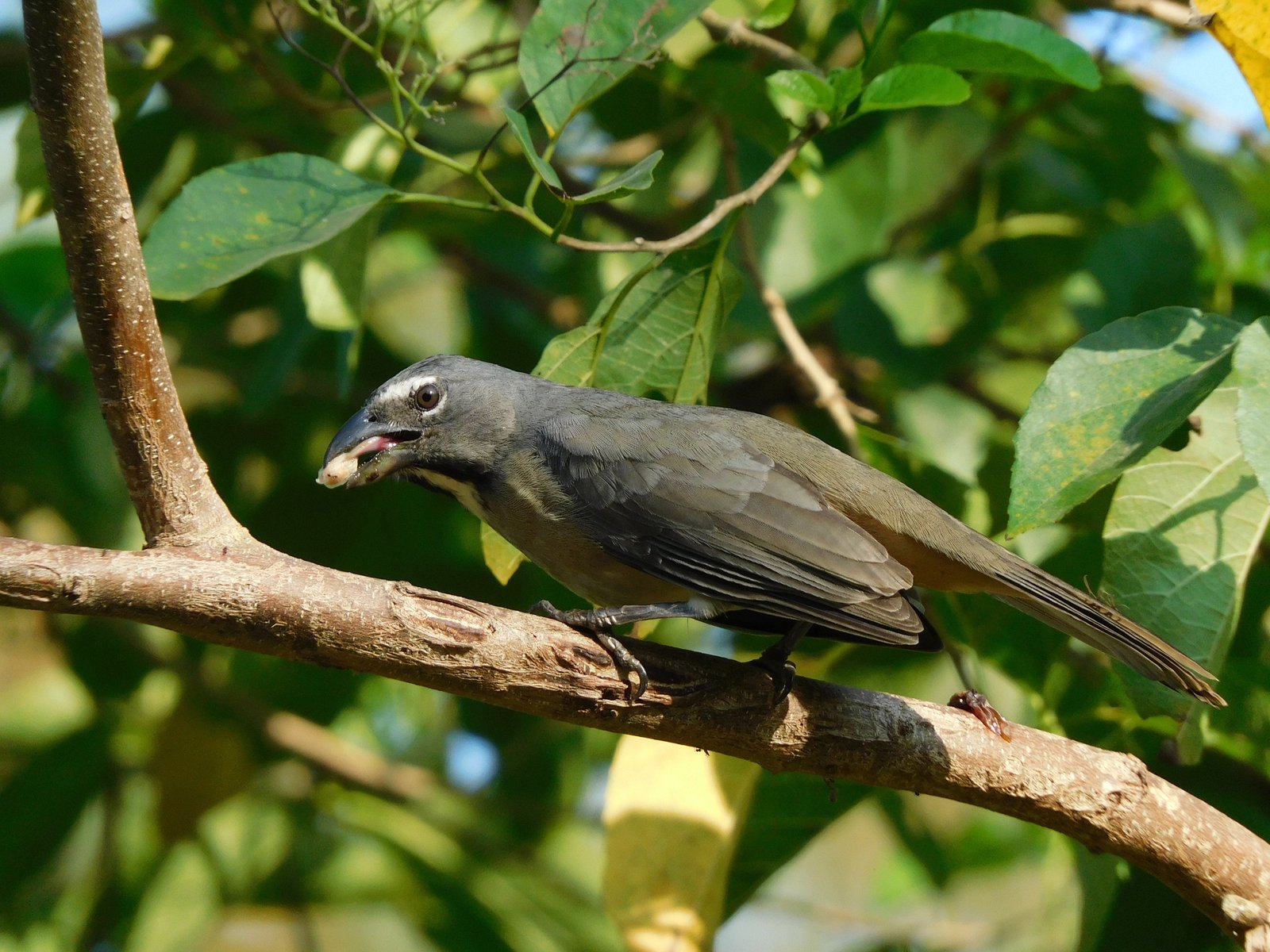
Sabiá-gongá-do-norte
Saltator olivascens- Secondary forest and forest edge
- Pasture and ranchland
- Towns, cities and parks
- Llanos savanna
- Coffee, cacao and agroforestry
-
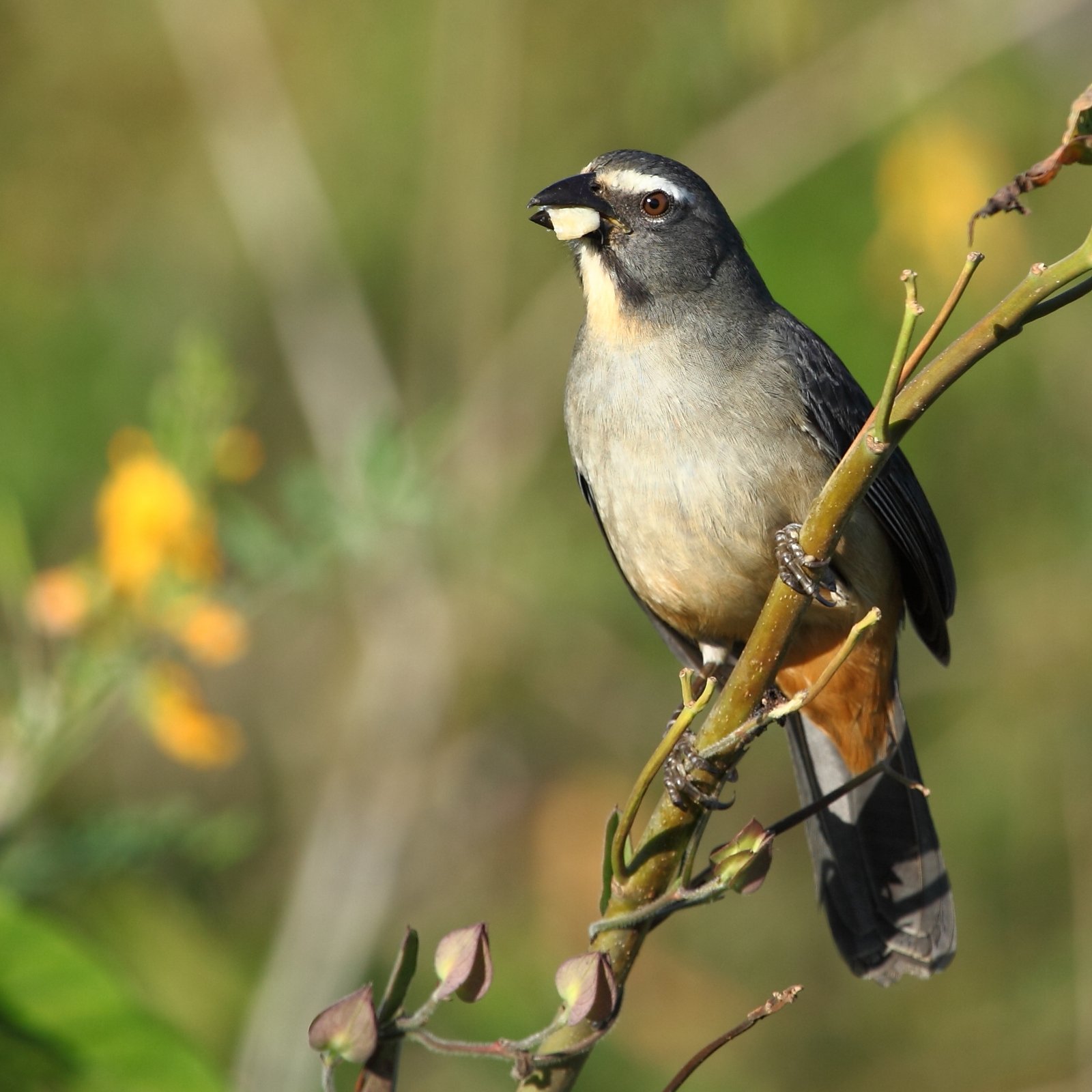
Sabiá-gongá
Saltator coerulescens- Secondary forest and forest edge
- Várzea, igapó and river islands
- Beni savanna and cerrado
- Pasture and ranchland
- Towns, cities and parks
-
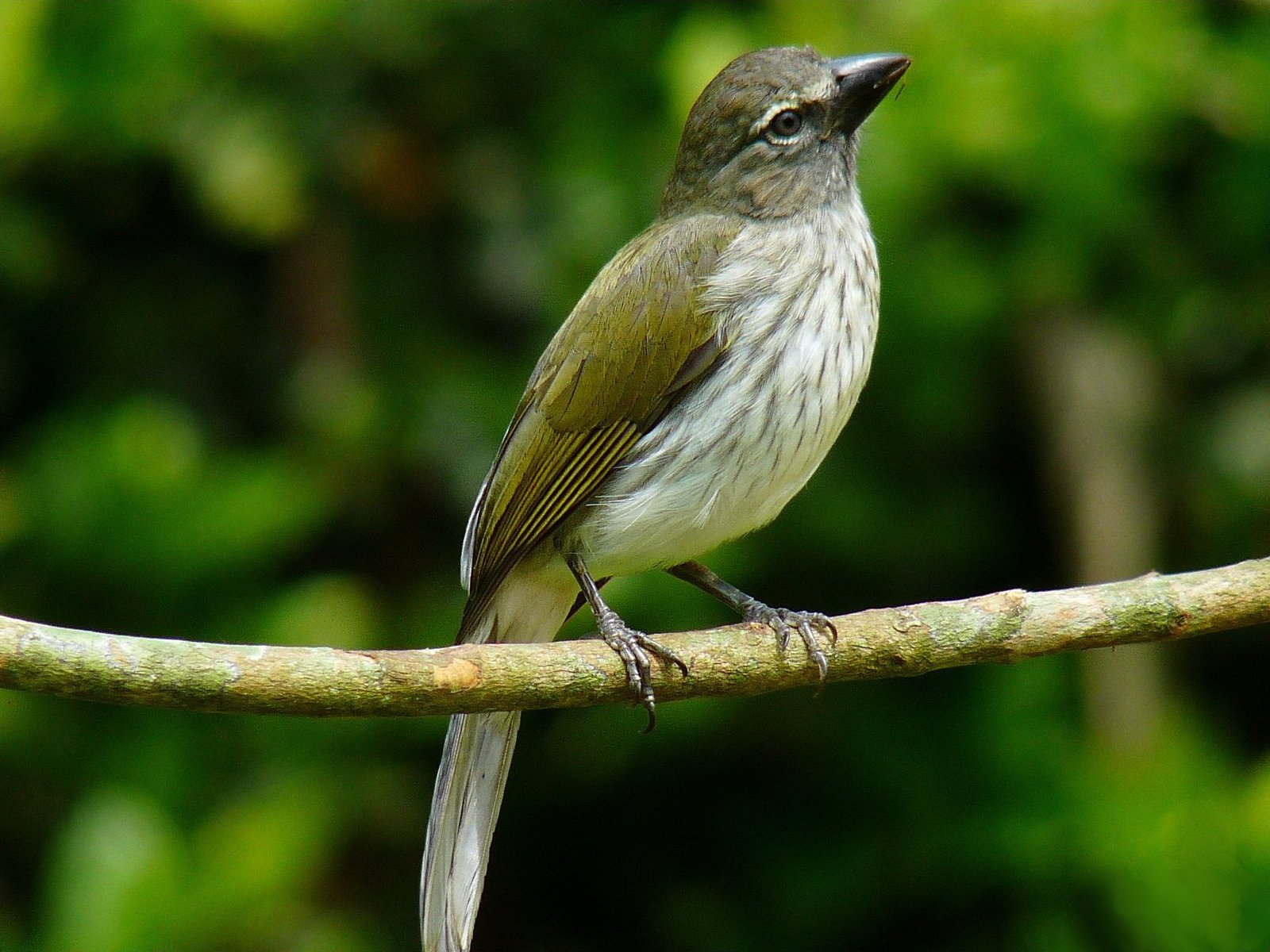
Trinca-ferro-listrado
Saltator striatipectus- Tumbesian dry forest and thorn scrub
- Secondary forest and forest edge
- Marañón and northern inter-Andean dry forest
- Riparian woodland of the Andes and coastal valleys
- Coffee, cacao and agroforestry
- Towns, cities and parks
-
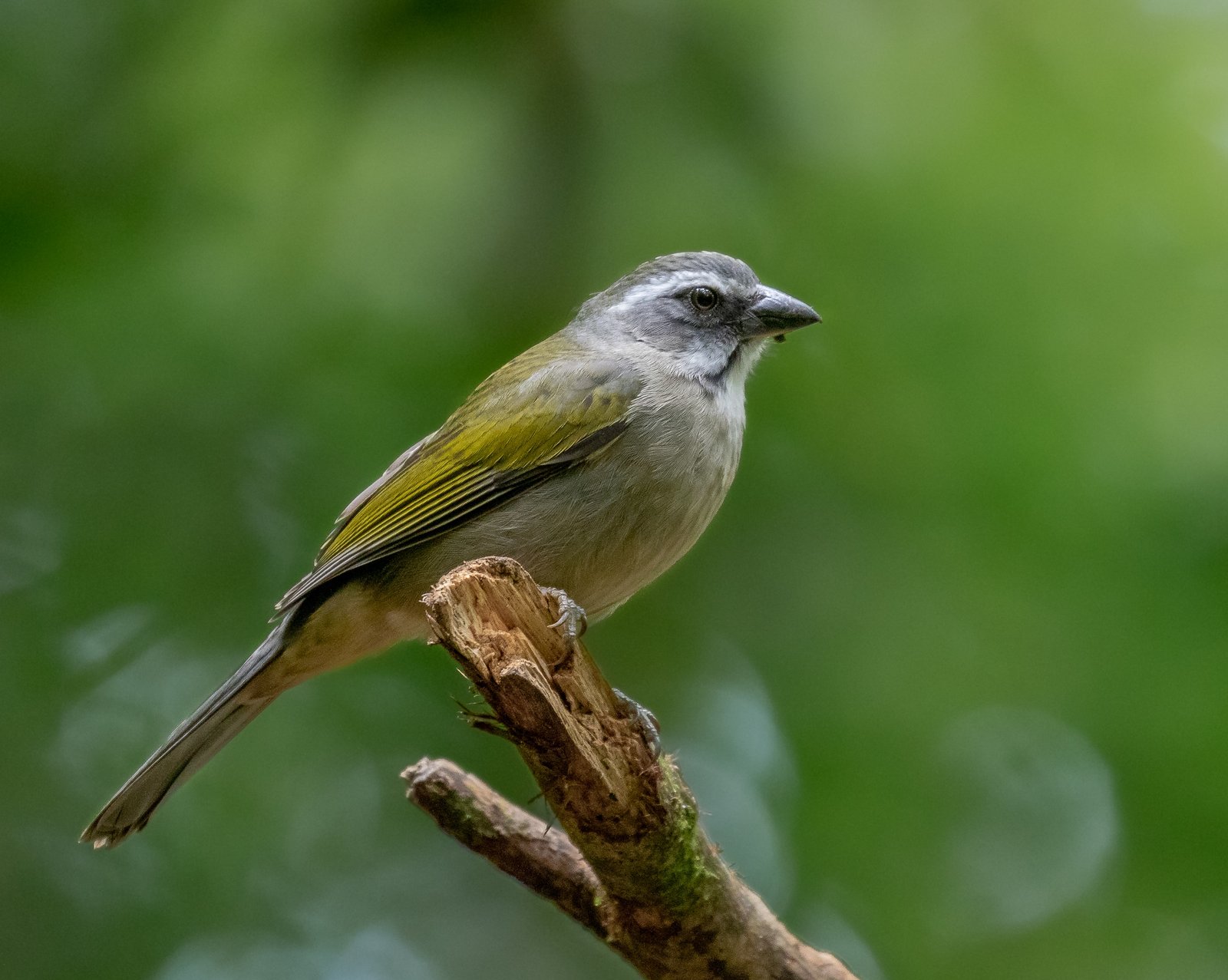
Trinca-ferro
Saltator similis- Secondary forest and forest edge
- Chiquitano dry forest and Chaco
- Lower Yungas forest
- Pasture and ranchland
- Towns, cities and parks
-
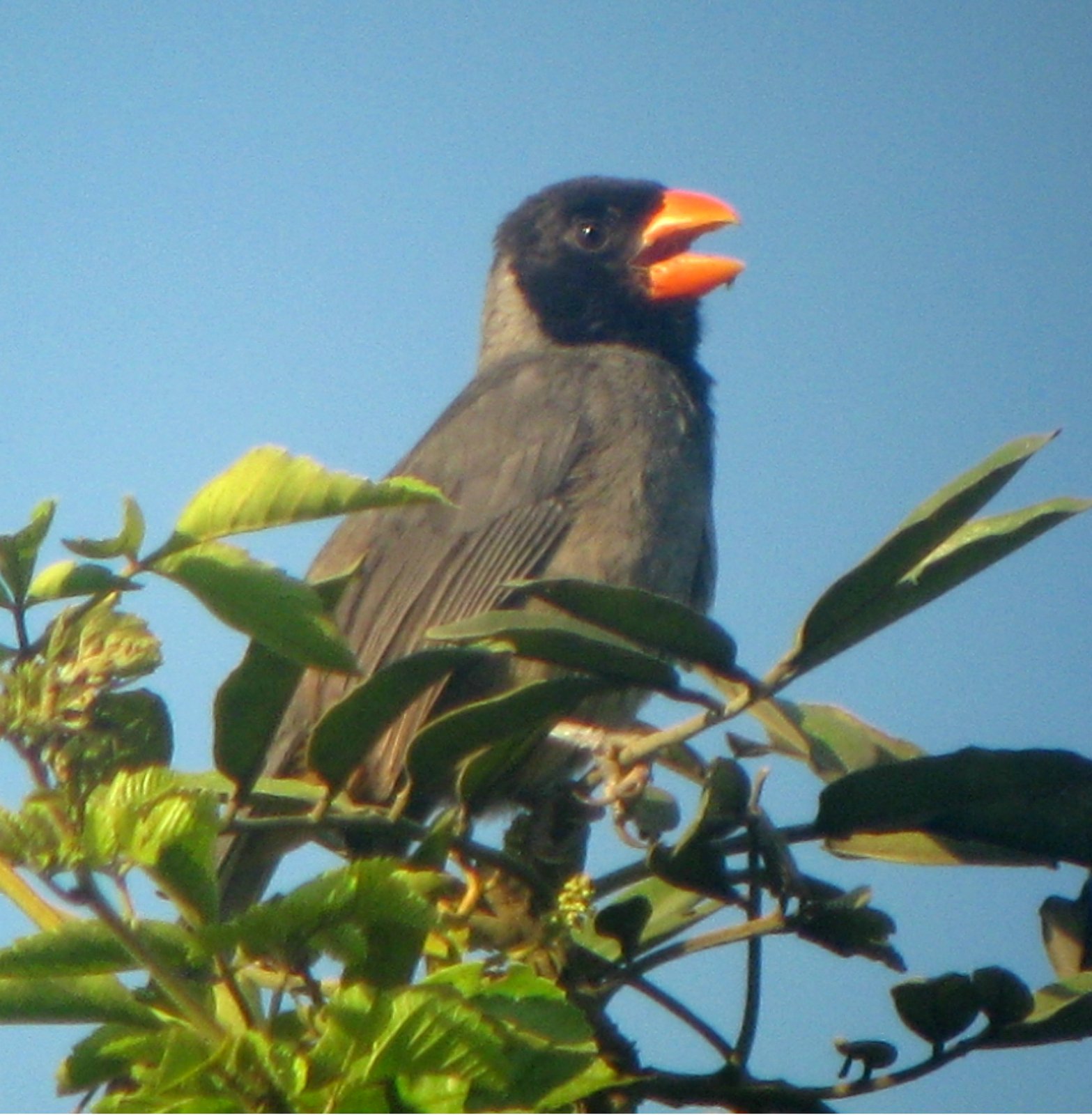
Trinca-ferro-de-capuz-preto
Saltator nigriceps- Tumbesian dry forest and thorn scrub
- Marañón and northern inter-Andean dry forest
- Secondary forest and forest edge
- Northern Andean subtropical forest
- Riparian woodland of the Andes and coastal valleys
-

Bico-duro
Saltator aurantiirostris- Central Andean dry valleys
- Andean fields and terraces
- Polylepis woodland
- Riparian woodland of the Andes and coastal valleys
- Chiquitano dry forest and Chaco
-
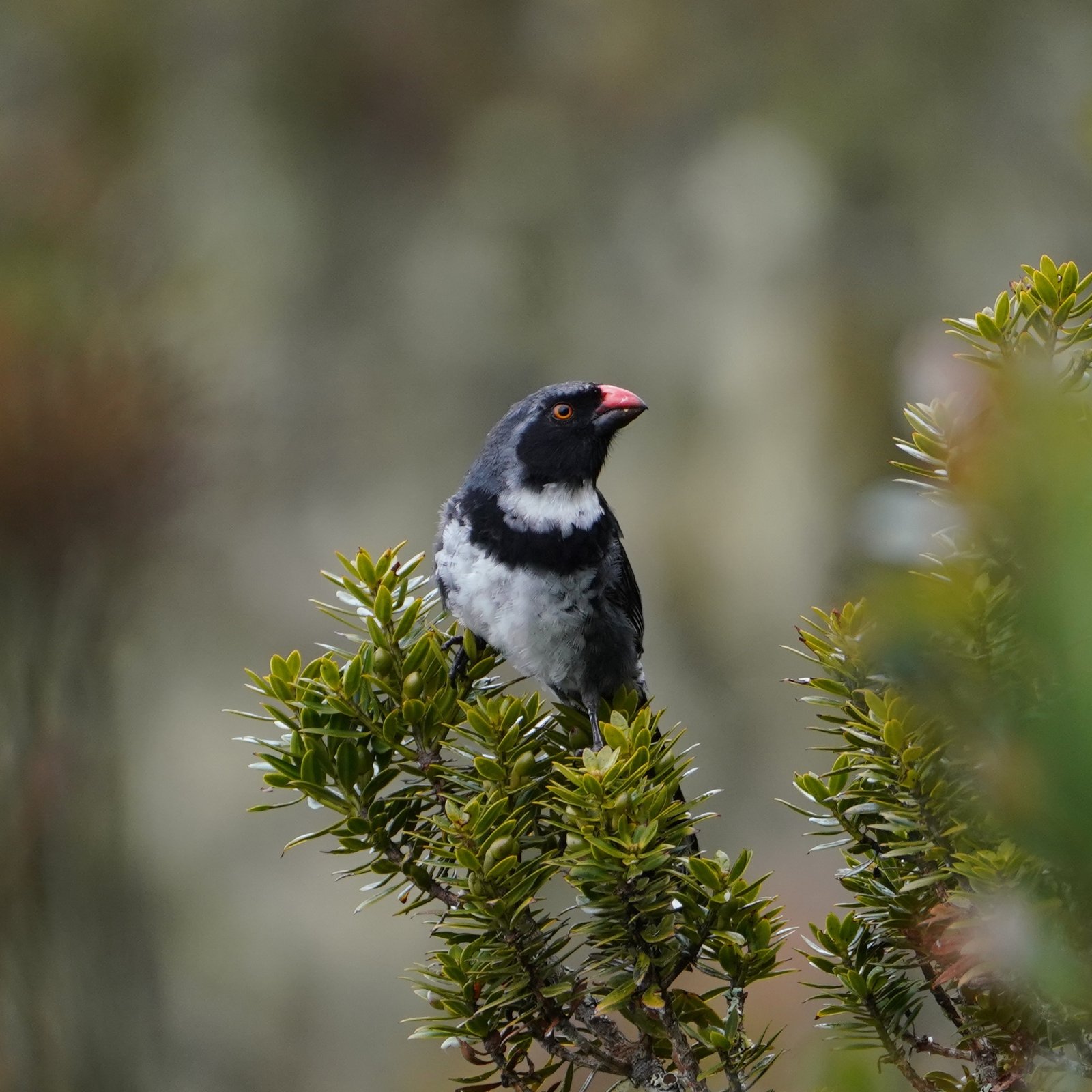
Trinca-ferro-mascarado
Saltator cinctus- Northern Andean cloud forest and temperate forest
- Bamboo forest
- Upper Yungas cloud forest
- Secondary forest and forest edge
-
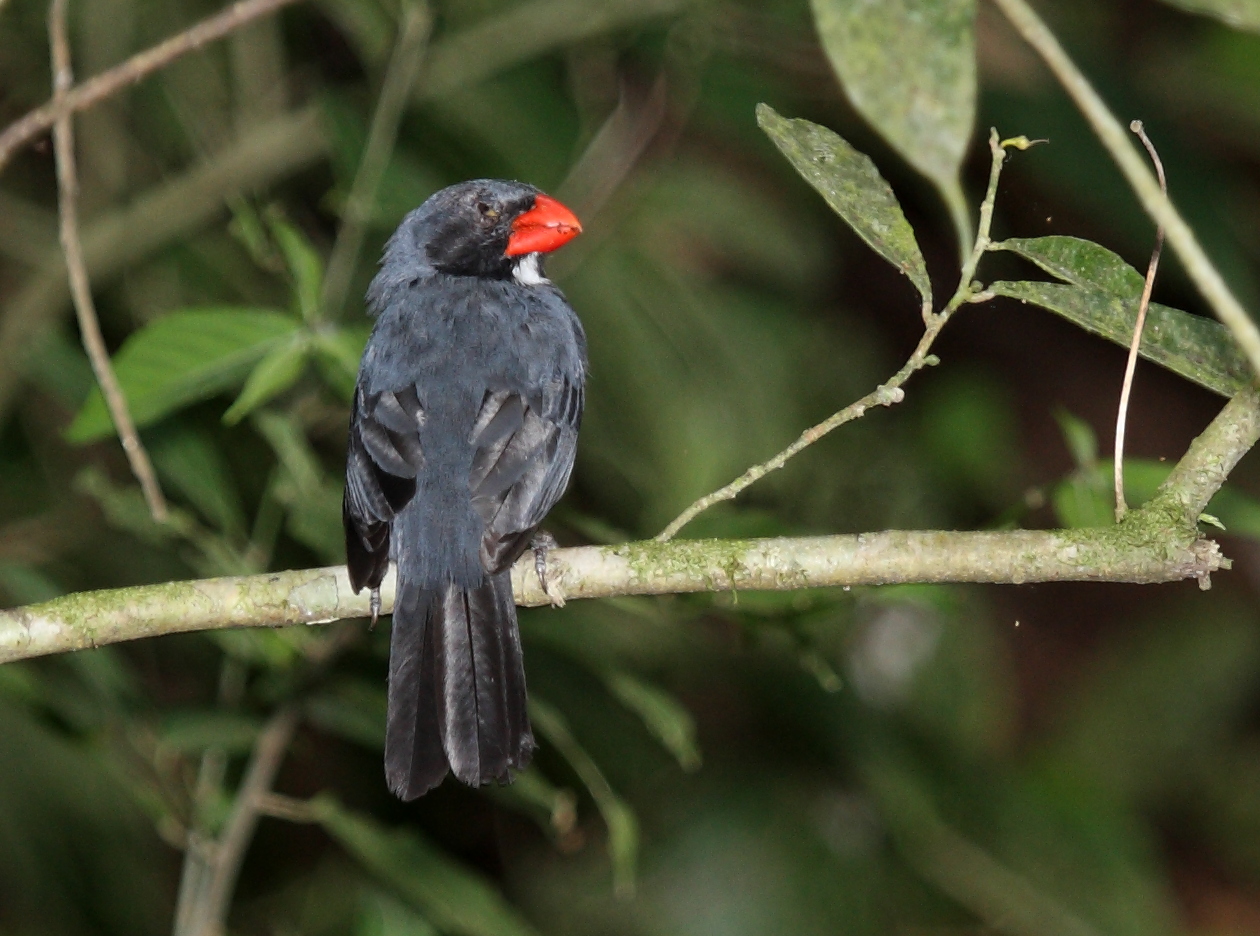
Bico-encarnado
Saltator grossus- Amazonian terra firme rainforest
- Chocó rainforest
- Western Ecuador humid forest
- Eastern Andean foothill forest
- Secondary forest and forest edge
Emberizoides 1 espécie
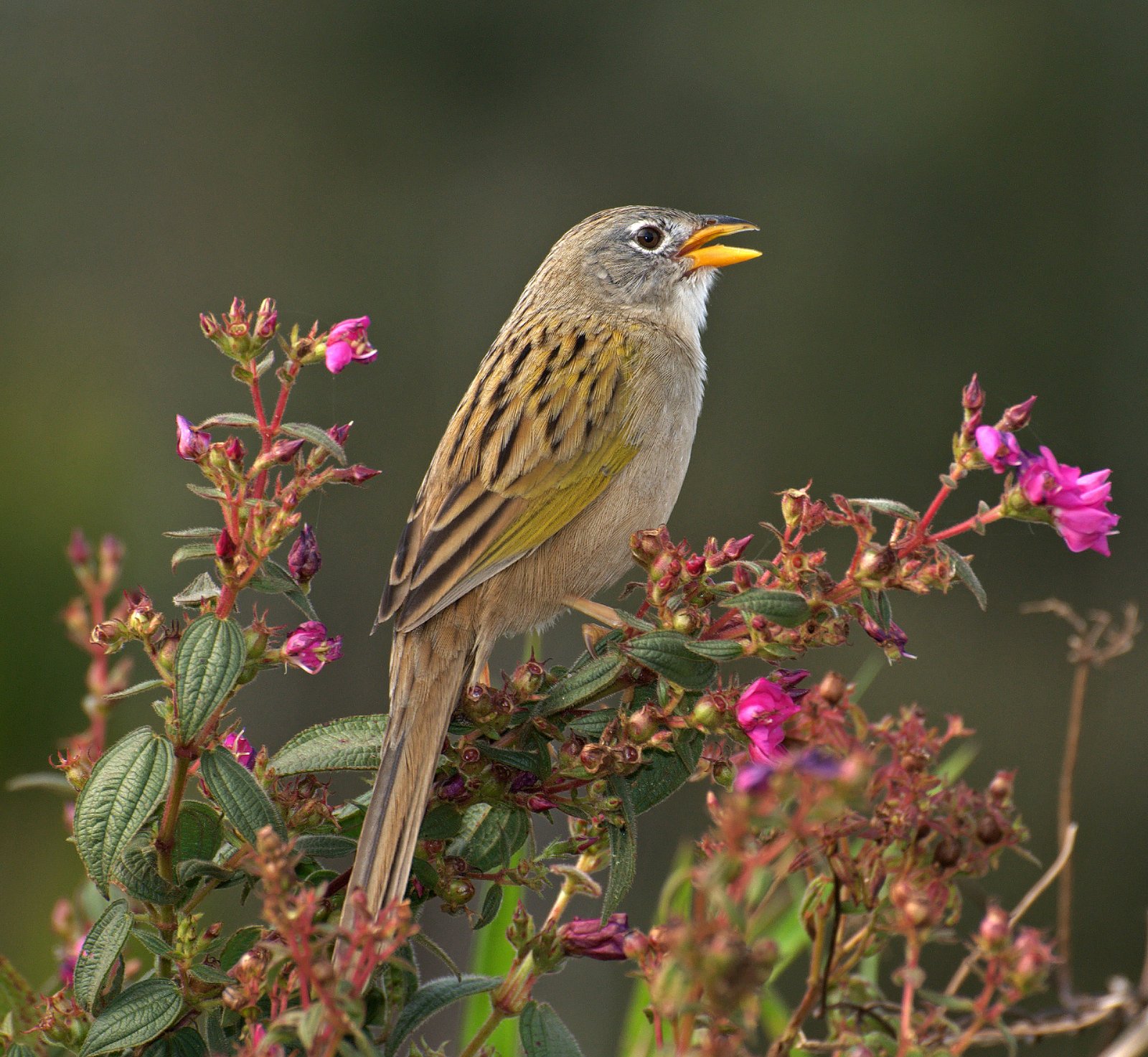
Lanio 2 espécies
-
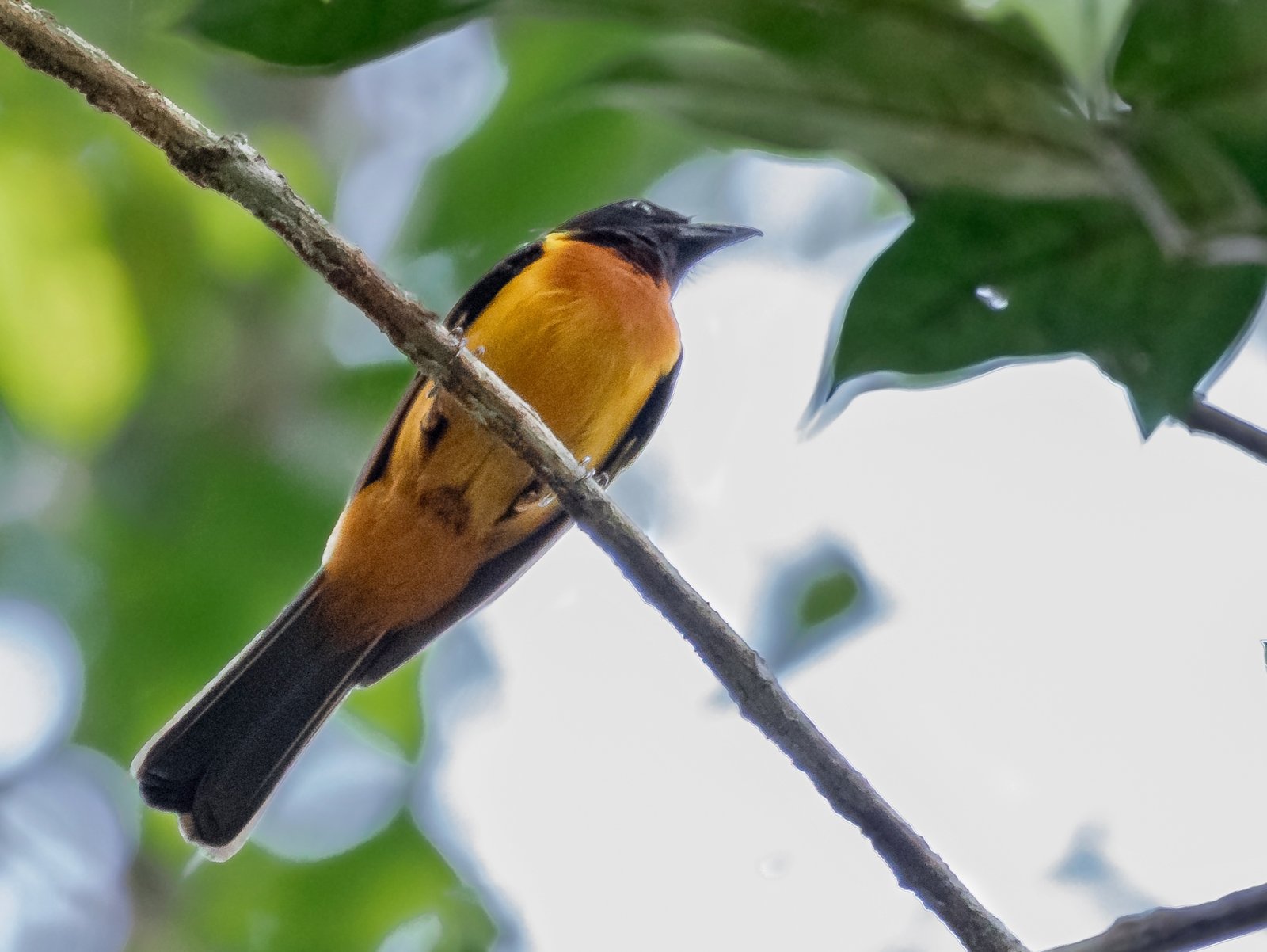
Pipira-parda
Lanio fulvus- Amazonian terra firme rainforest
- Eastern Andean foothill forest
- Várzea, igapó and river islands
- Secondary forest and forest edge
-
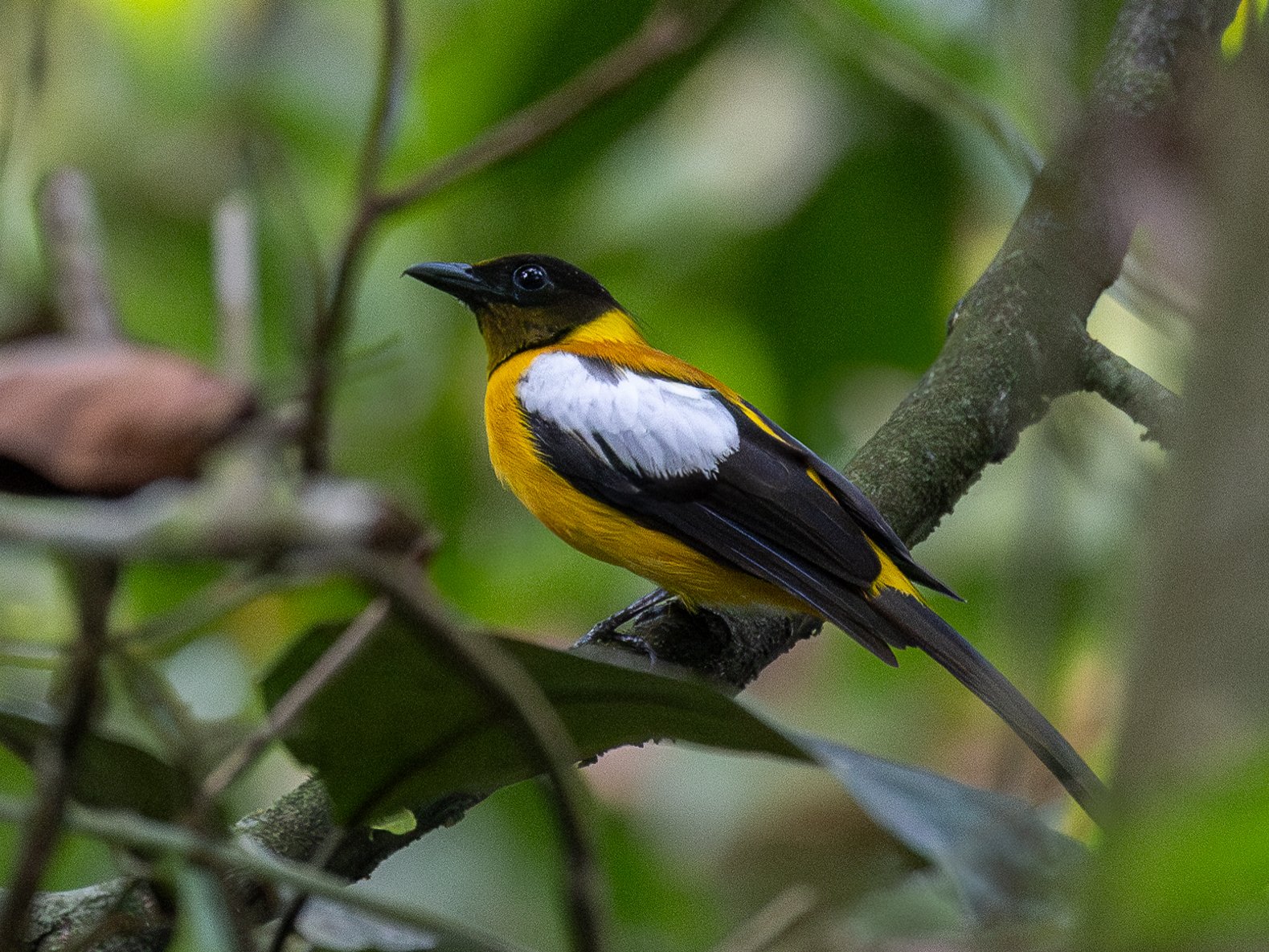
Pipira-de-asa-branca
Lanio versicolor- Amazonian terra firme rainforest
- Eastern Andean foothill forest
- Várzea, igapó and river islands
- Secondary forest and forest edge
Saltatricula 2 espécies
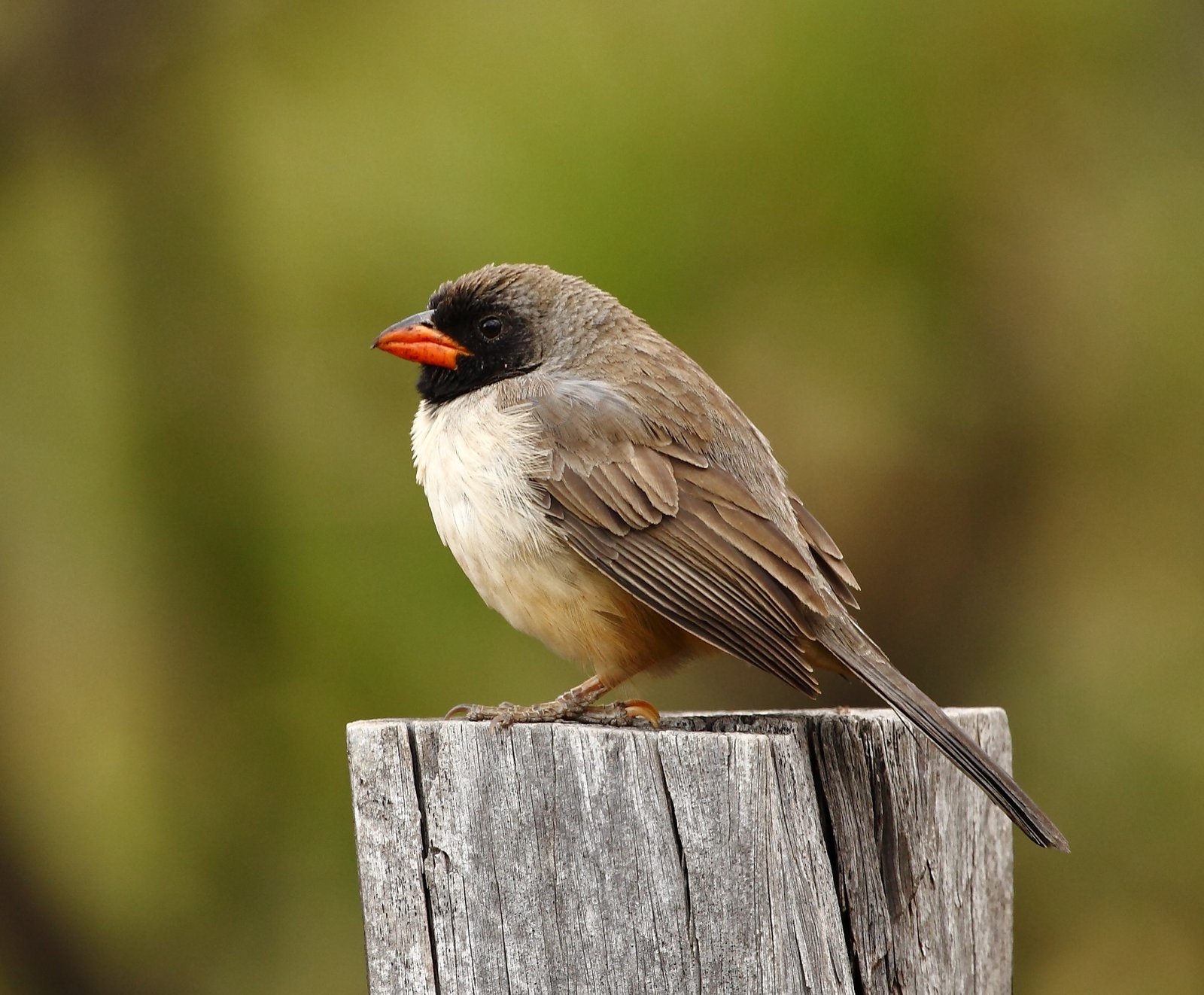
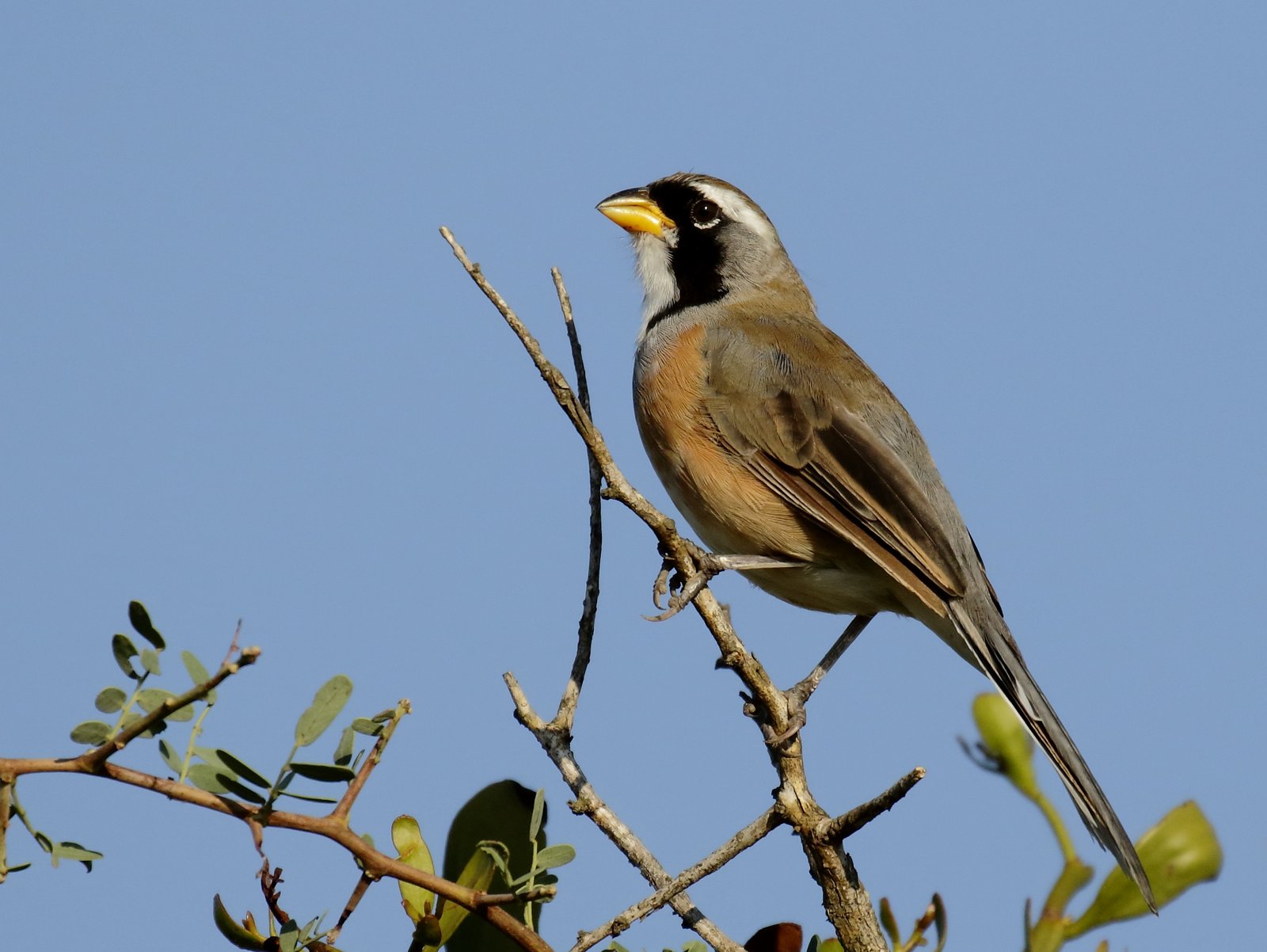
Idiopsar 4 espécies
-
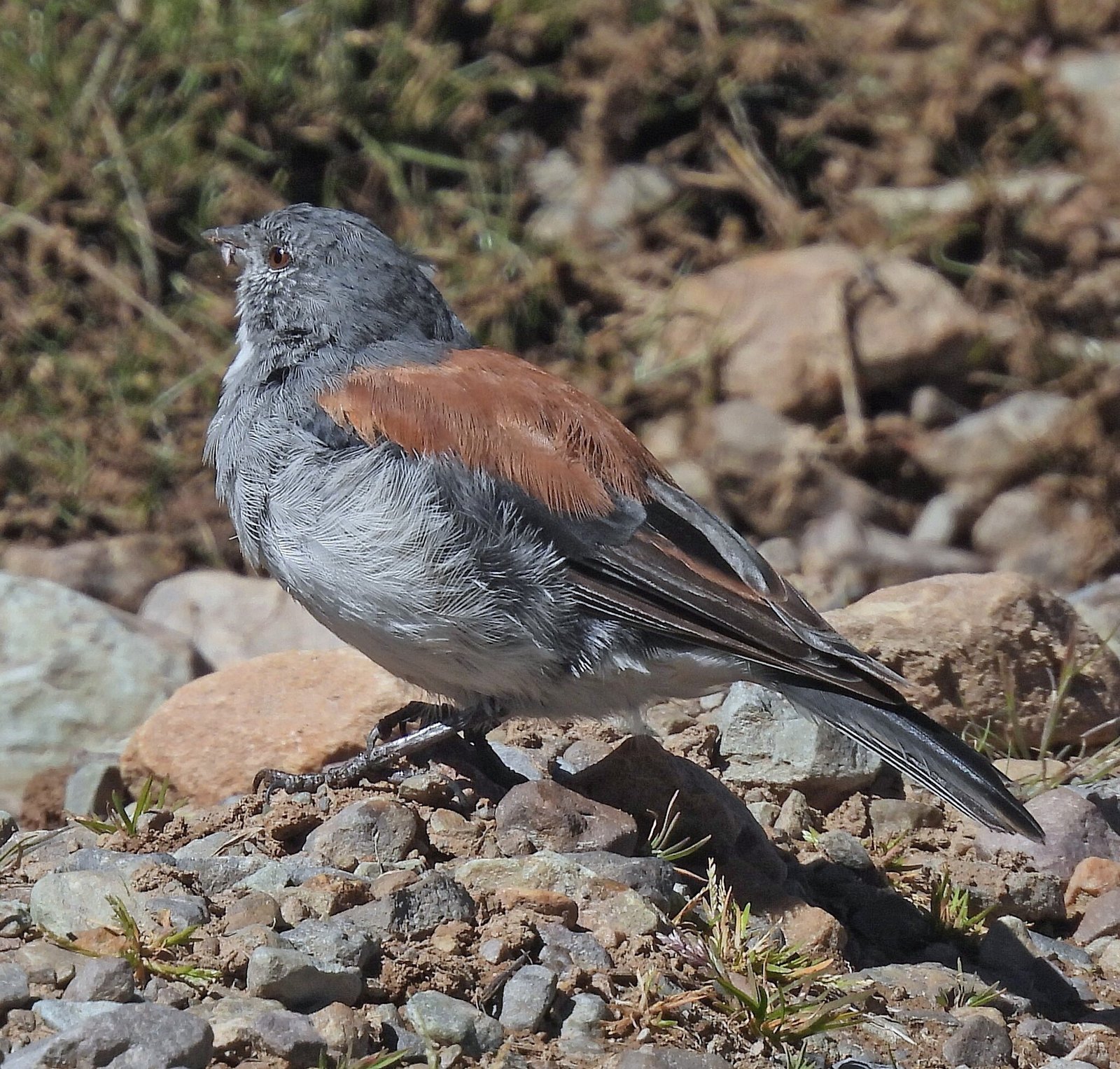
Tico-tico-serrano-de-dorso-ruivo
Idiopsar dorsalis- Dry puna and altiplano
- Andean bogs and bofedales
- Cliffs, gorges and canyons
 Glaciers, snowline and scree
-
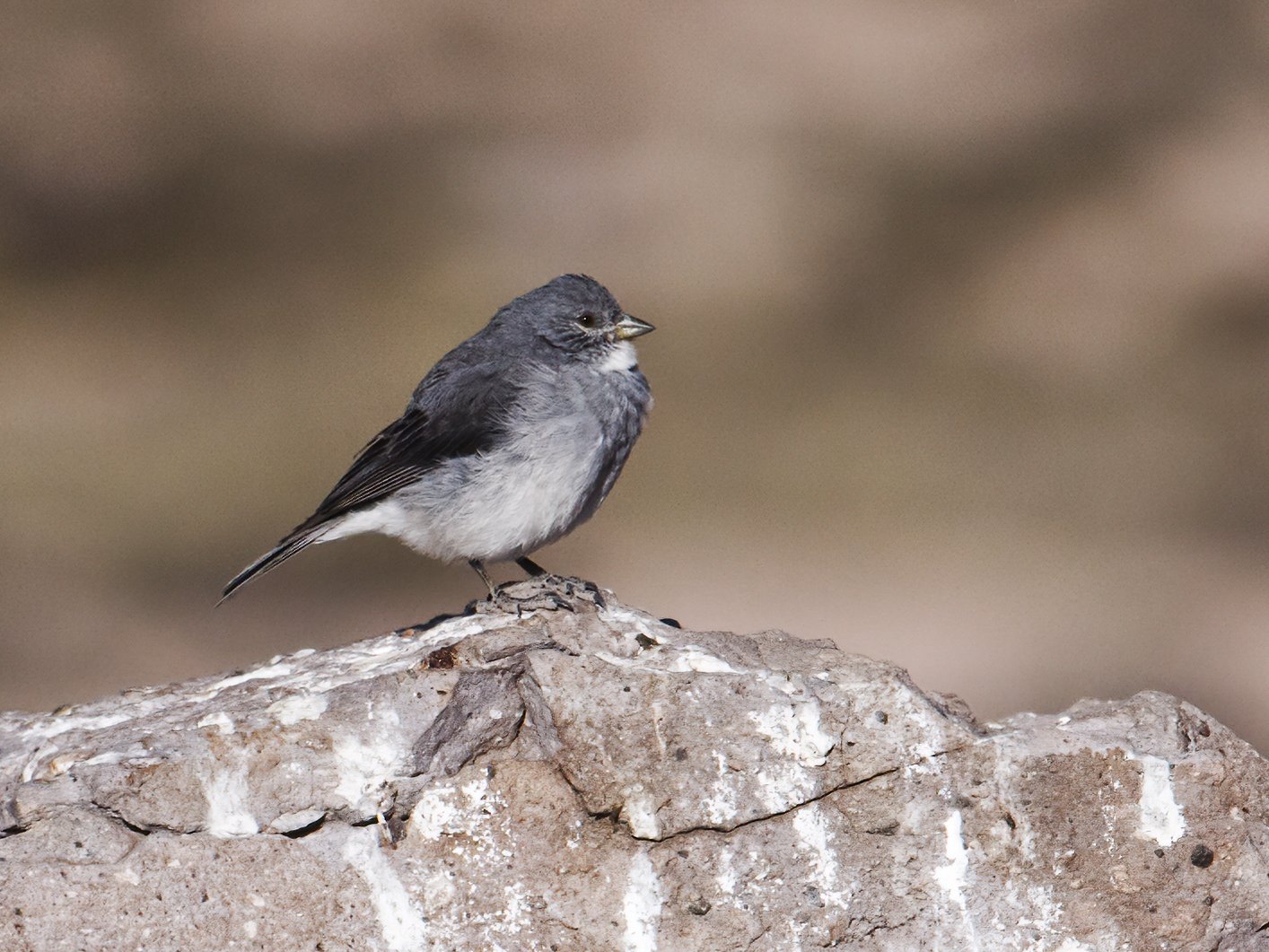
Tico-tico-serrano-de-garganta-branca
Idiopsar erythronotus- Dry puna and altiplano
- Andean bogs and bofedales
- Humid puna
- Cliffs, gorges and canyons
-

Tico-tico-das-geleiras
Idiopsar speculifer- Glaciers, snowline and scree
- Andean bogs and bofedales
- Dry puna and altiplano
- Humid puna
-
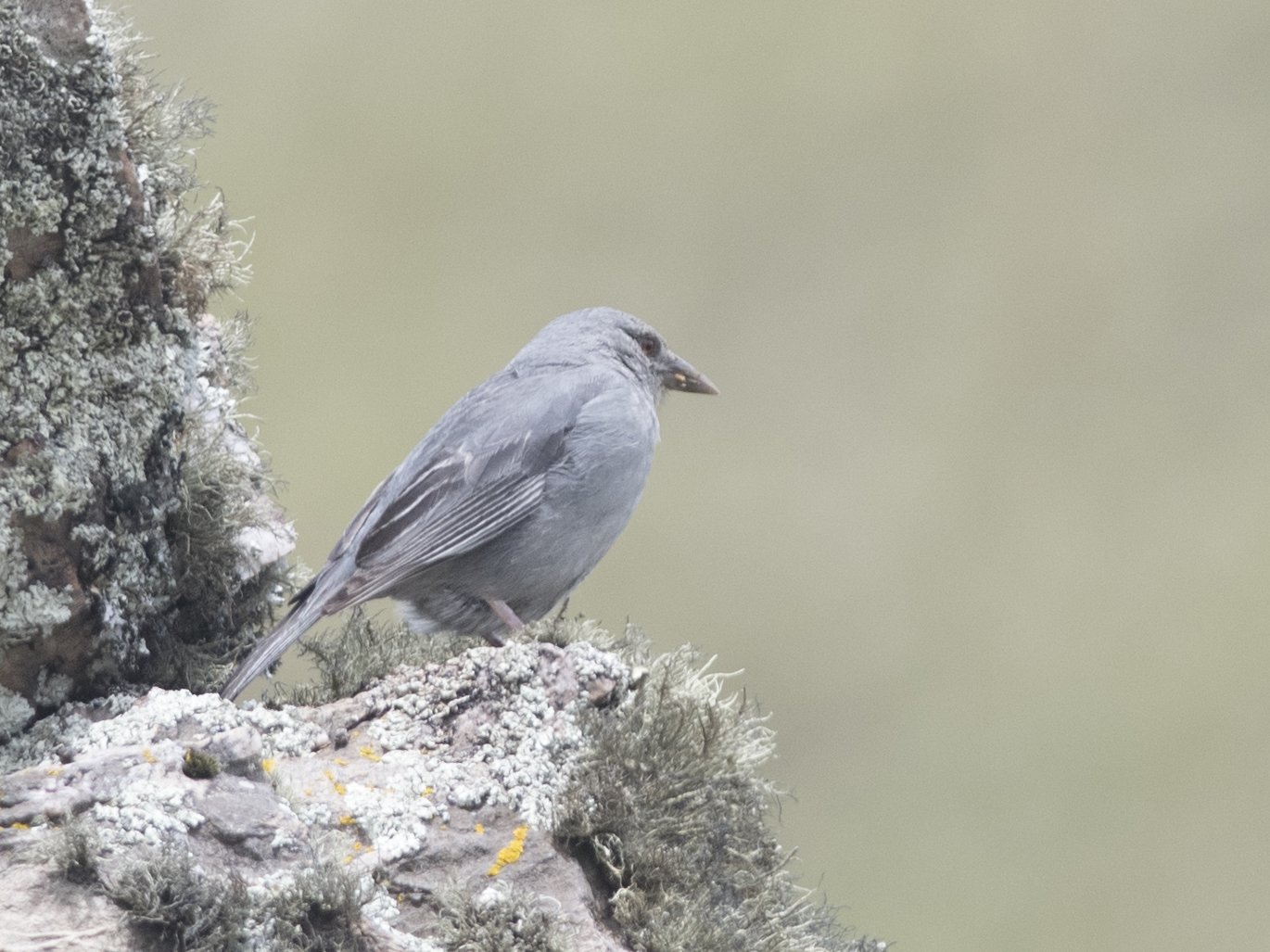
Tico-tico-dos-rochedos
Idiopsar brachyurus- Dry puna and altiplano
- Humid puna
- Glaciers, snowline and scree
- Cliffs, gorges and canyons
Catamenia 3 espécies
-
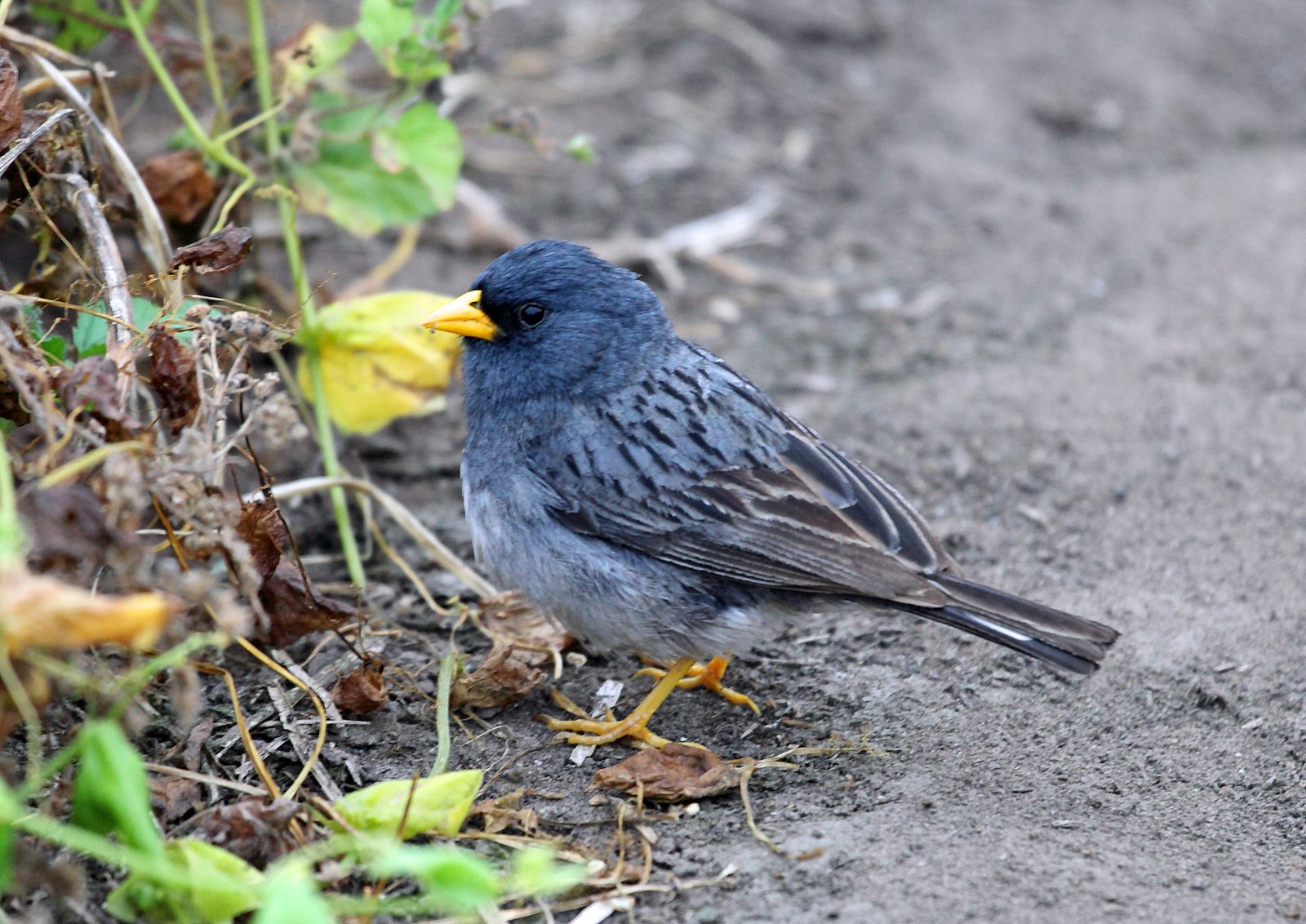
Papa-capim-de-cauda-barrada
Catamenia analis- Central Andean dry valleys
- Andean fields and terraces
- Humid puna
- Marañón and northern inter-Andean dry forest
- Riparian woodland of the Andes and coastal valleys
-
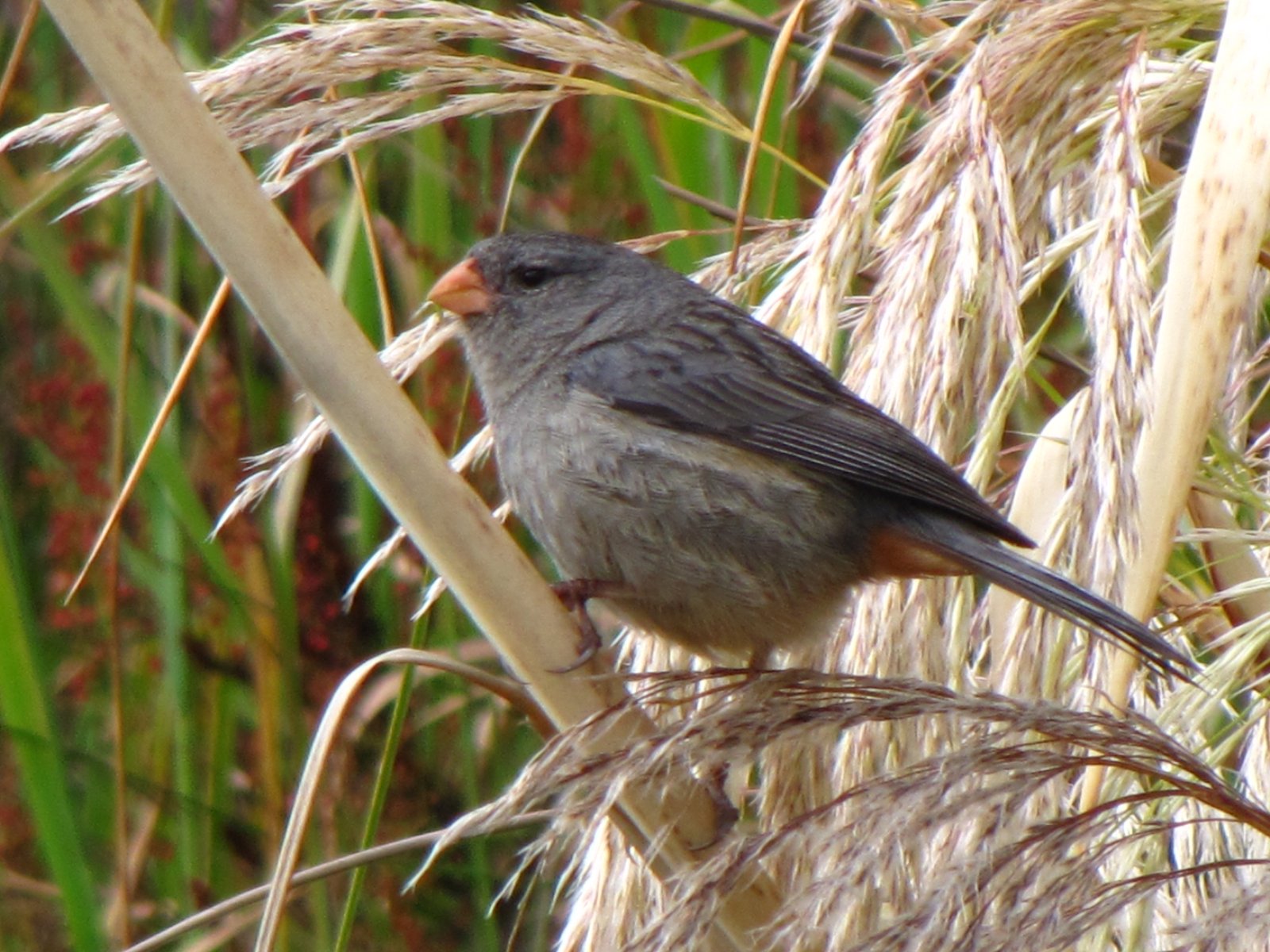
Papa-capim-liso
Catamenia inornata- Humid puna
- Páramo
- Jalca
- Dry puna and altiplano
- Andean fields and terraces
-
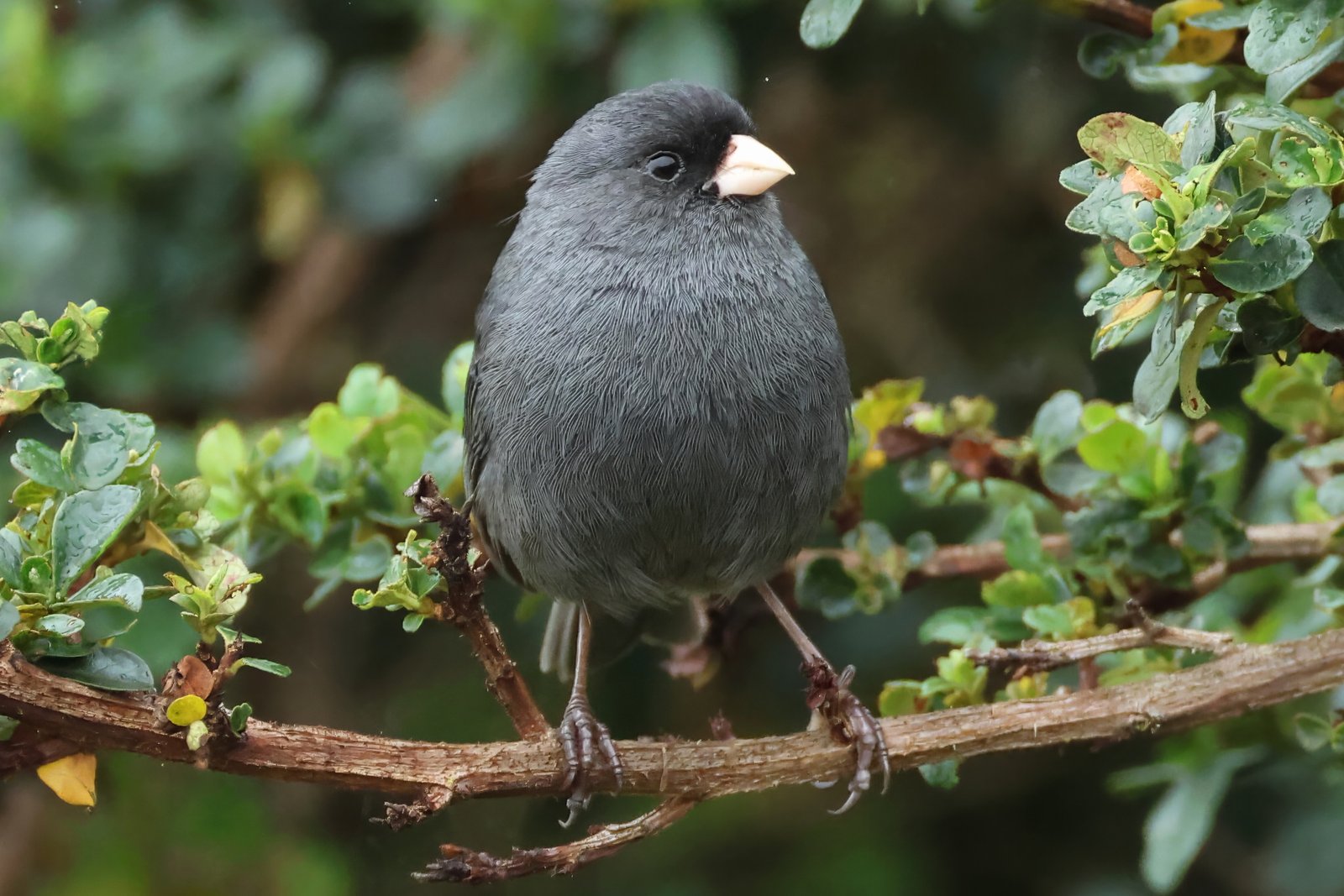
Papa-capim-do-páramo
Catamenia homochroa- Northern Andean cloud forest and temperate forest
- Páramo
- Upper Yungas cloud forest
- Polylepis woodland
- Bamboo forest
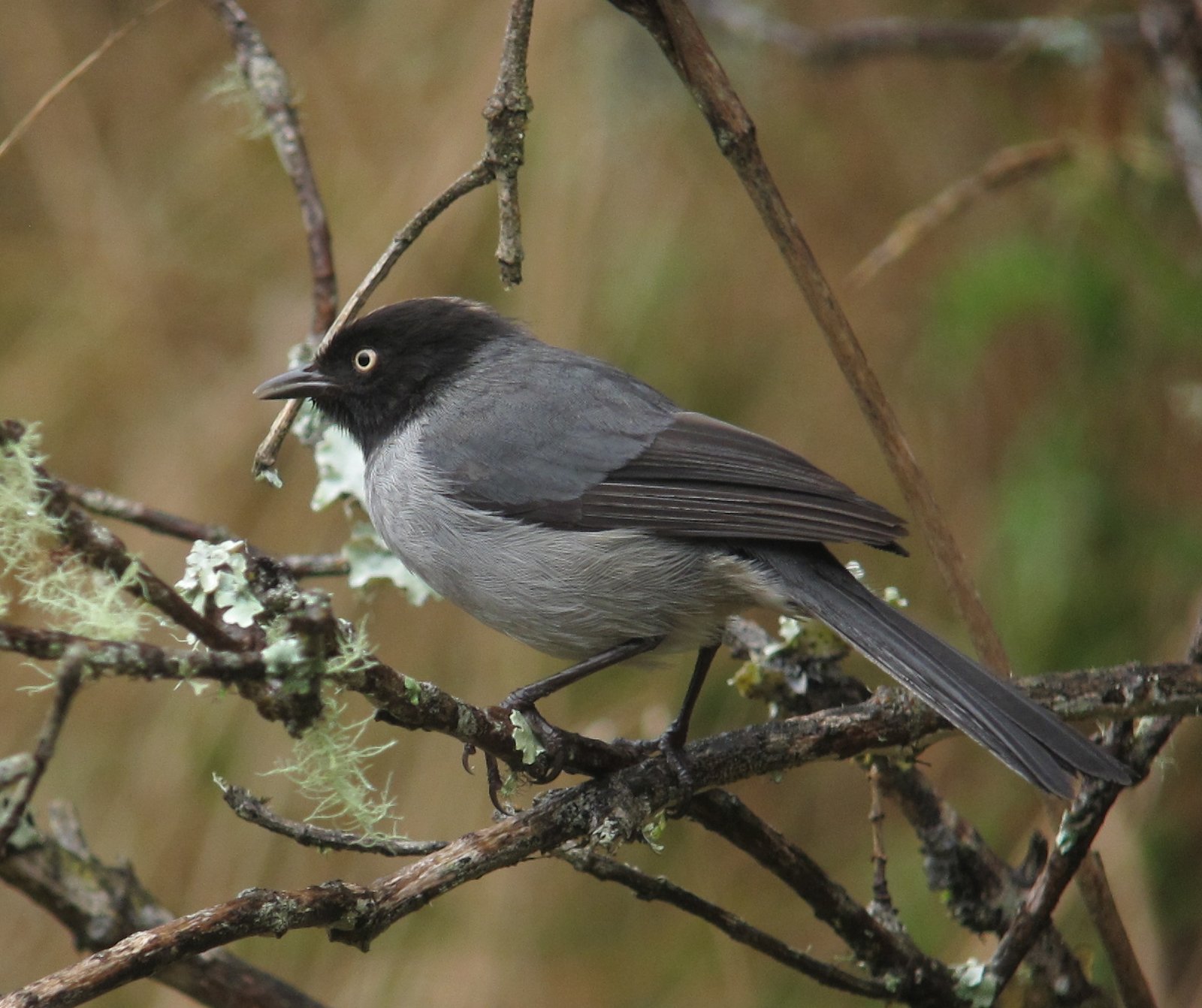
Pseudospingus 2 espécies
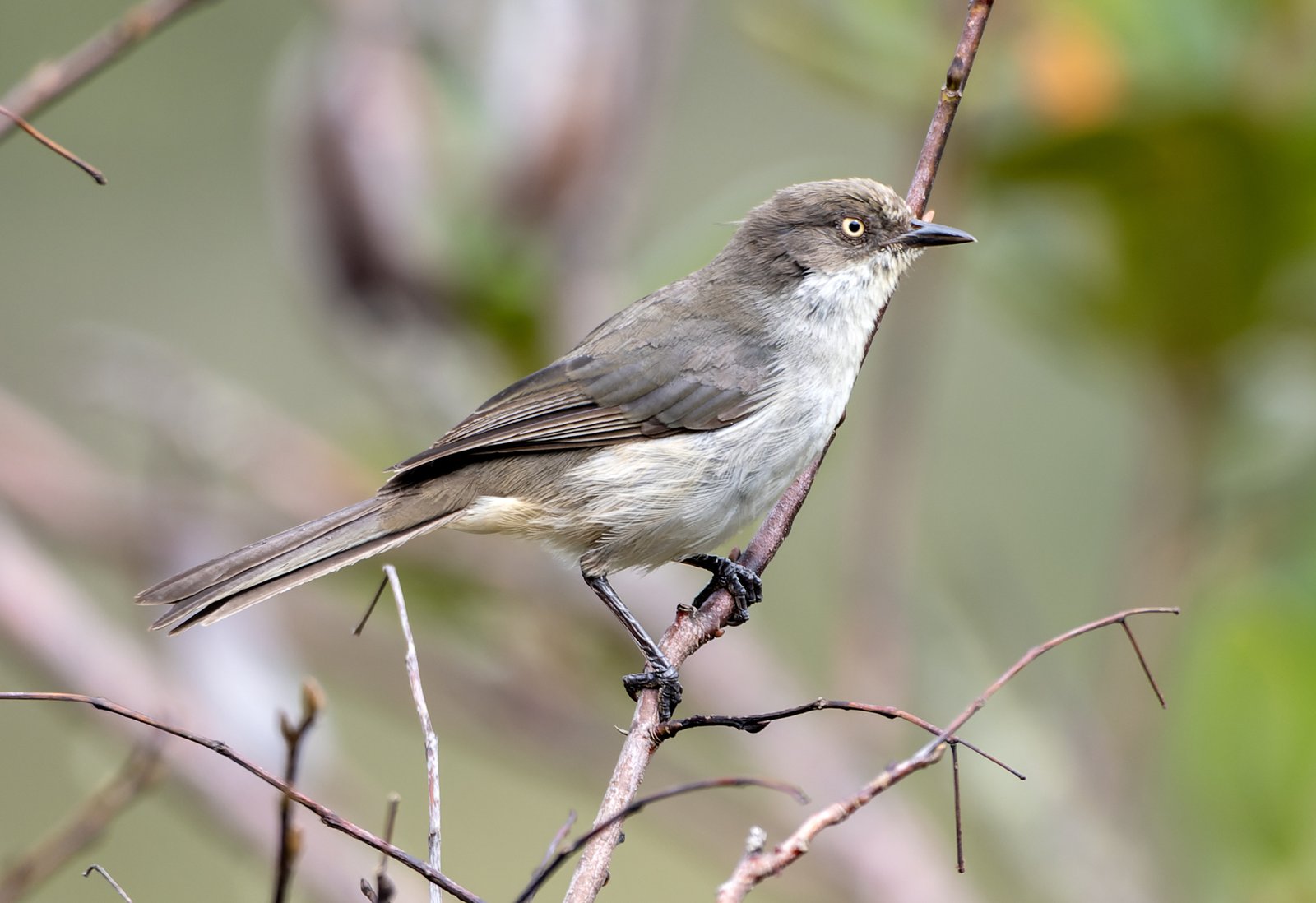
Rhopospina 2 espécies
-
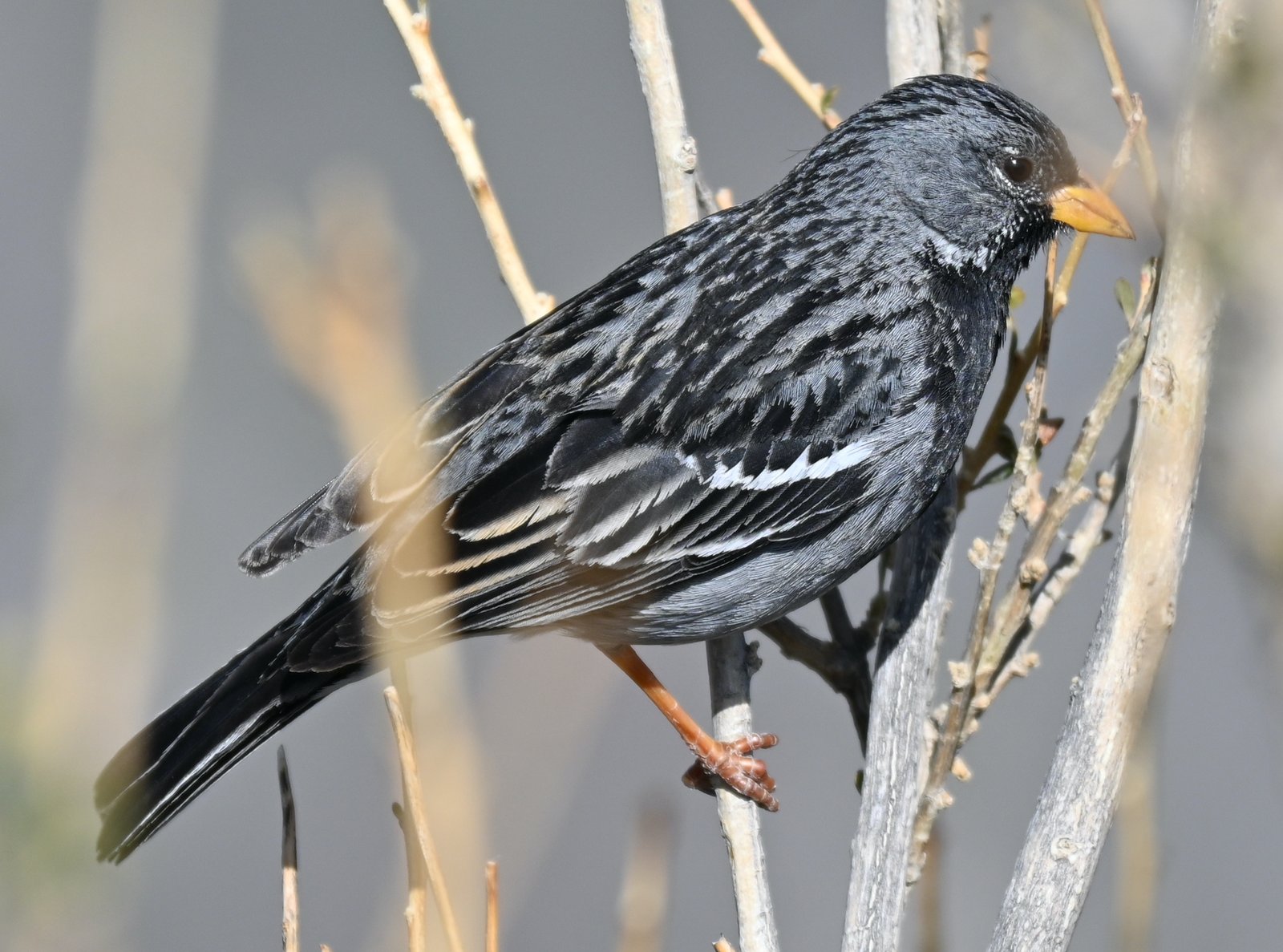
Tico-tico-serrano-enlutado
Rhopospina fruticeti- Central Andean dry valleys
- Dry puna and altiplano
- Humid puna
- Andean fields and terraces
-
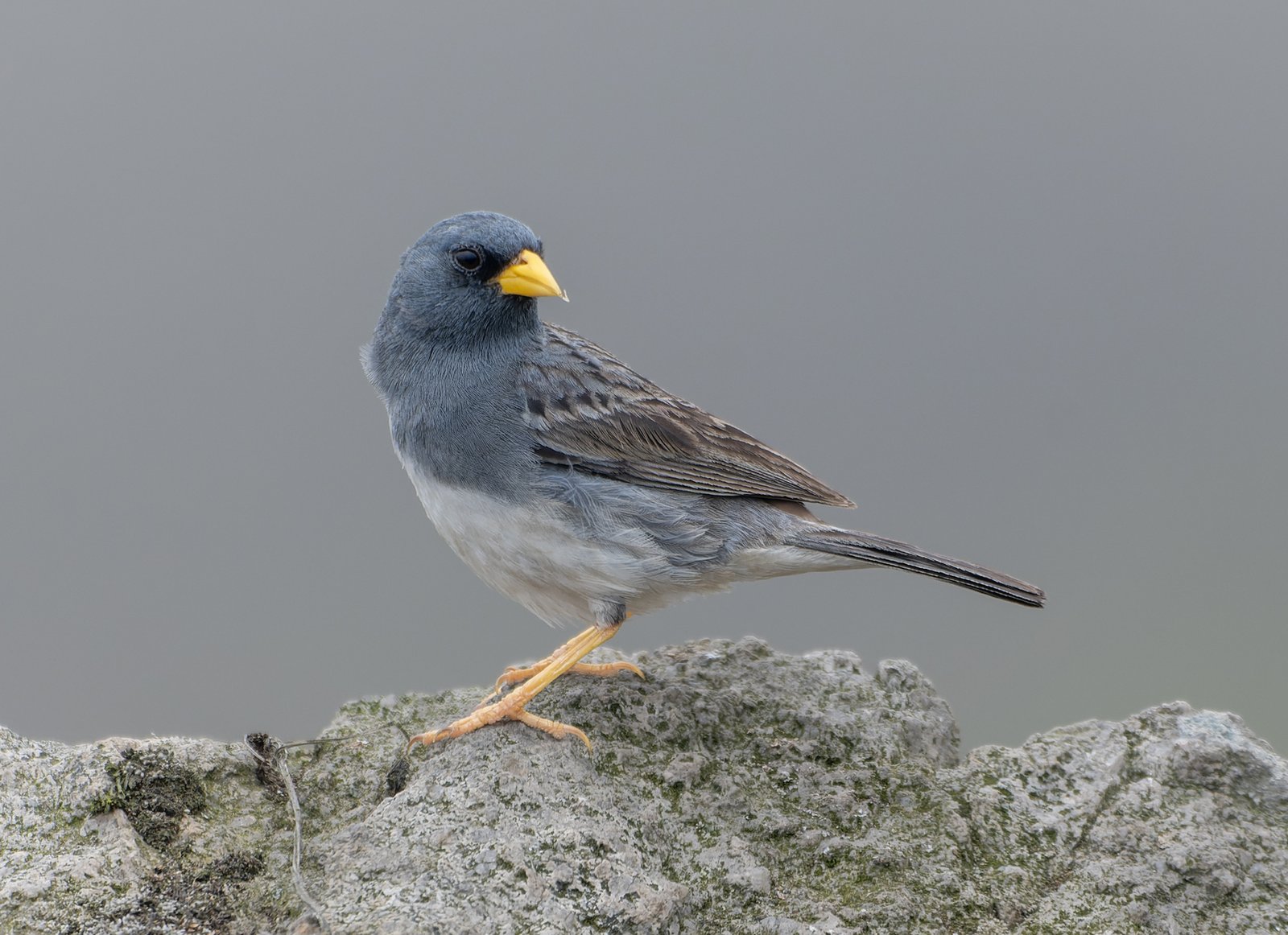
Tico-tico-serrano-de-cauda-barrada
Rhopospina alaudina- Central Andean dry valleys
- Marañón and northern inter-Andean dry forest
- Dry puna and altiplano
- Andean fields and terraces
- Lomas (fog oases)
Sporophila 28 espécies
-
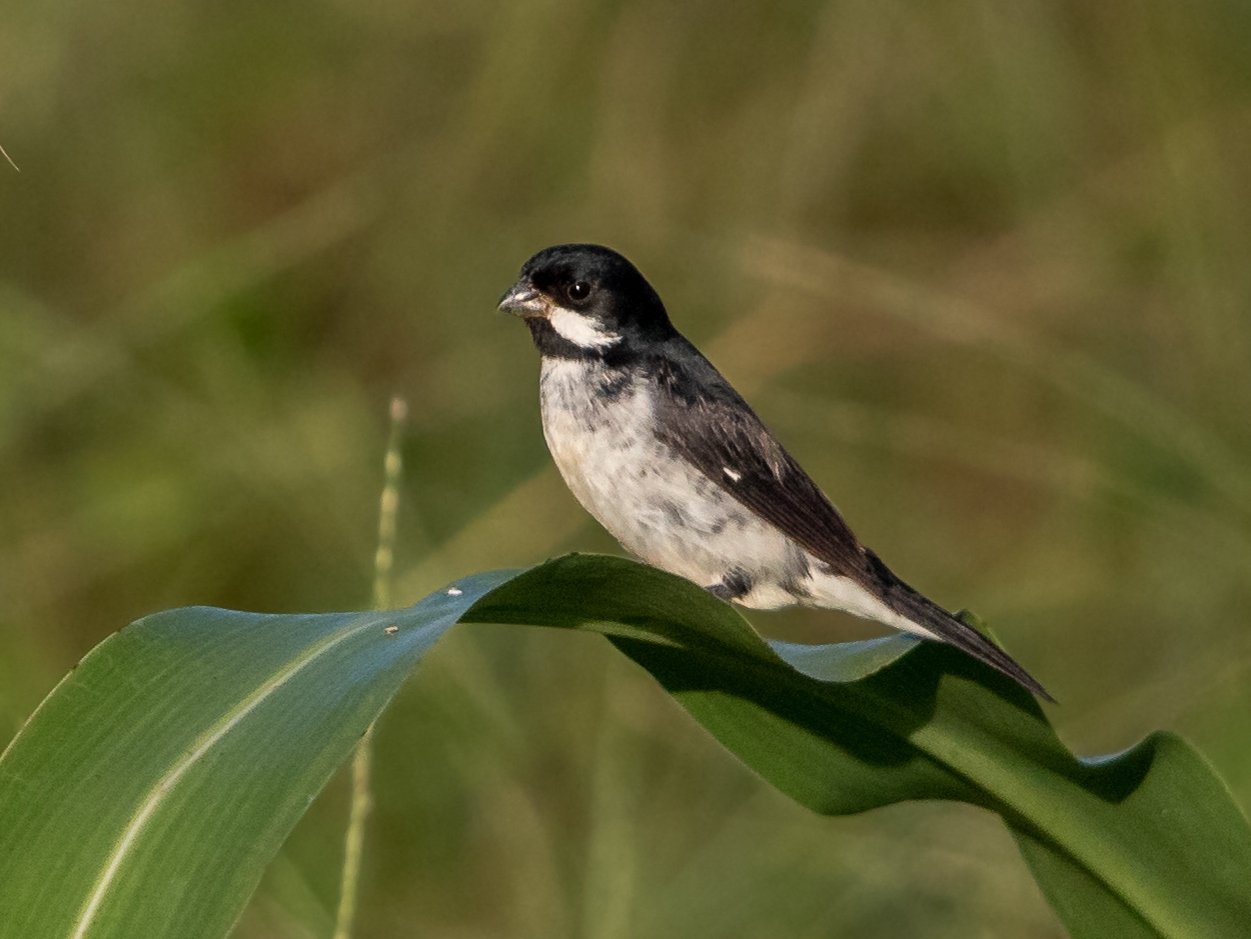
Estrela-do-norte
Sporophila bouvronides- Pasture and ranchland
- Secondary forest and forest edge
- Várzea, igapó and river islands
- Llanos savanna
- Lowland marshes and wet meadows
-
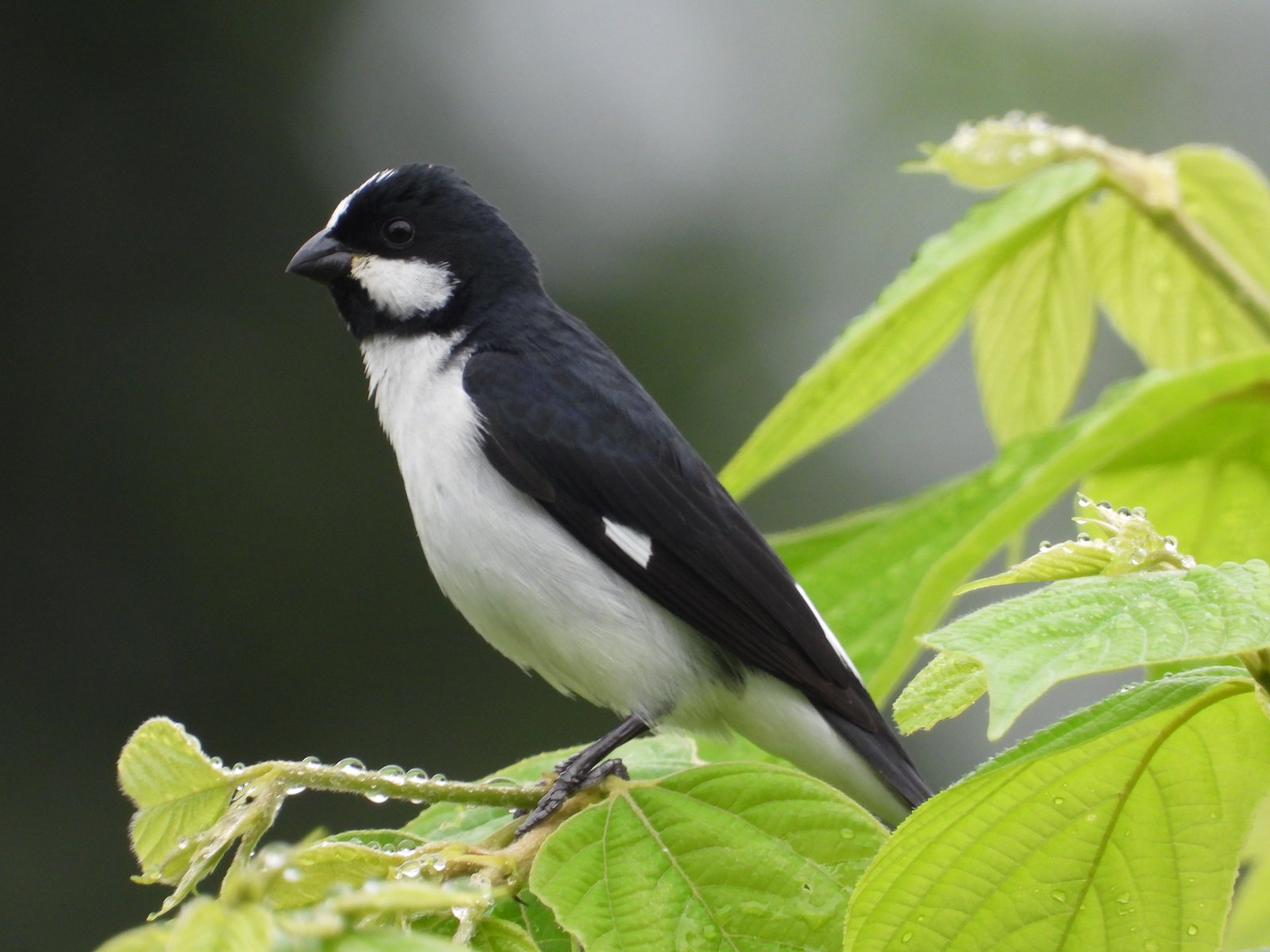
Bigodinho
Sporophila lineola- Secondary forest and forest edge
- Várzea, igapó and river islands
- Pasture and ranchland
- Beni savanna and cerrado
- Llanos savanna
-
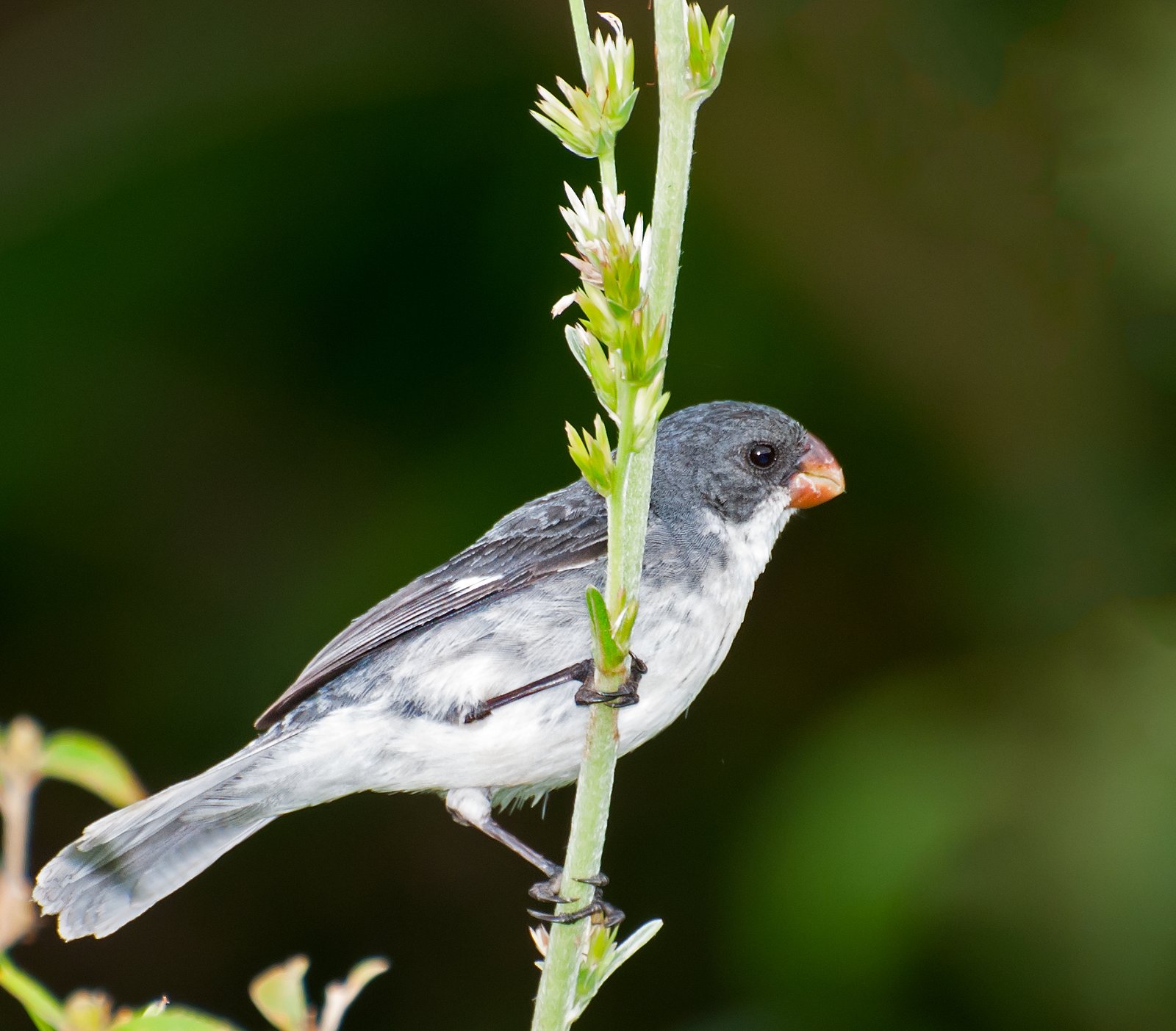
Chorão
Sporophila leucoptera- Lowland marshes and wet meadows
- Beni savanna and cerrado
- Várzea, igapó and river islands
- Lowland lakes and oxbows
-
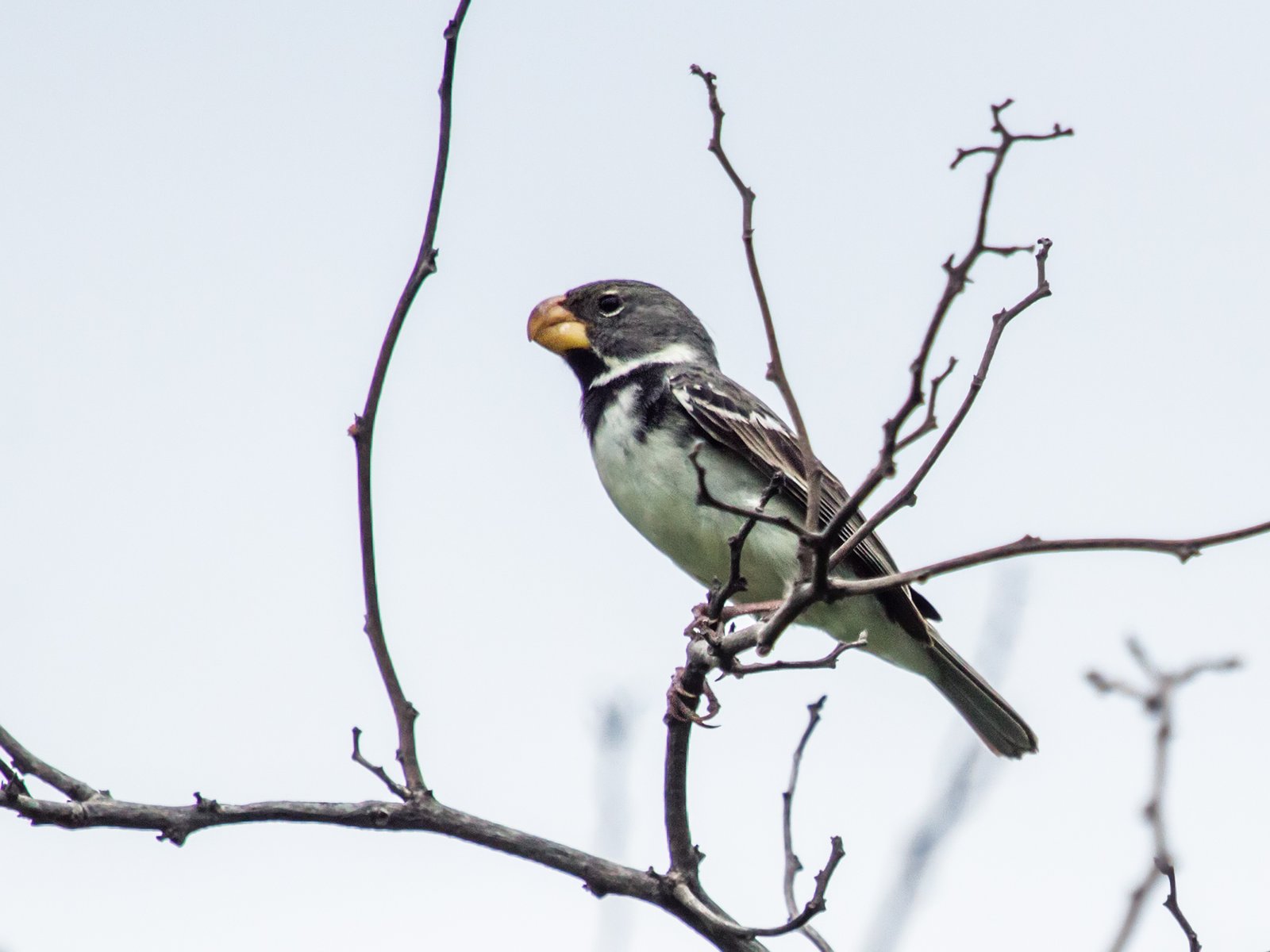
Papa-capim-de-bico-de-papagaio
Sporophila peruviana- Tumbesian dry forest and thorn scrub
- Coastal desert
- Irrigated farmland and rice fields
- Riparian woodland of the Andes and coastal valleys
-
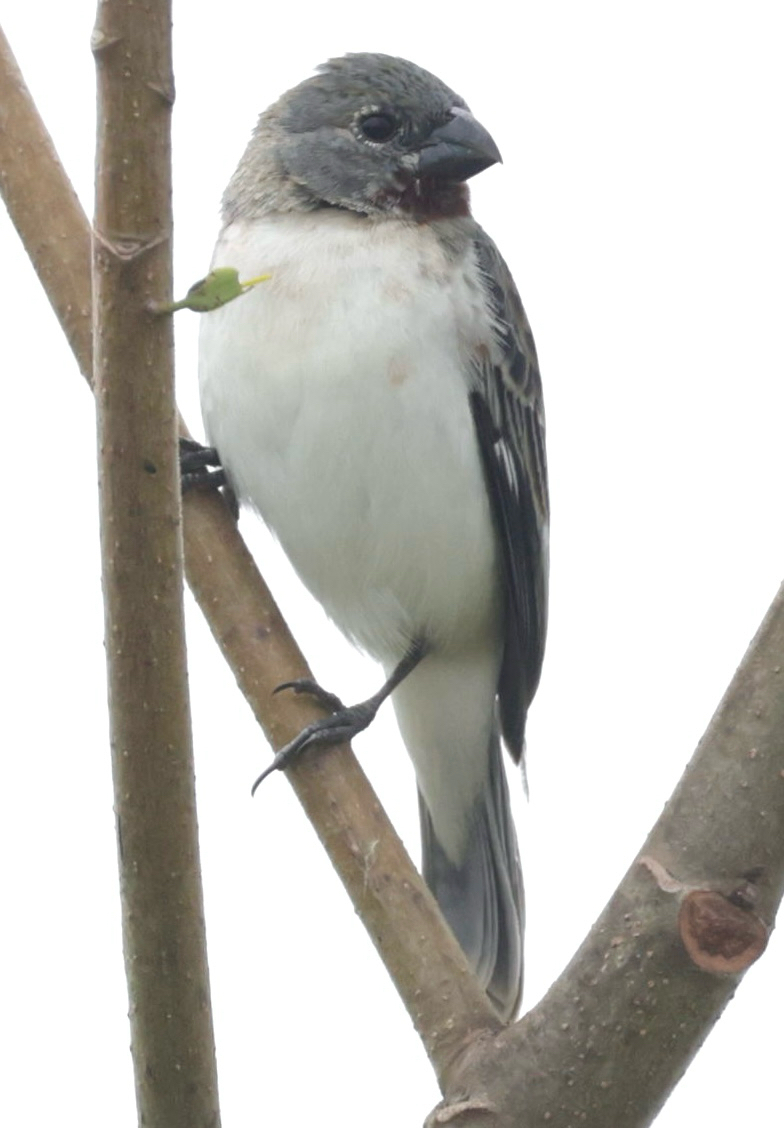
Papa-capim-de-garganta-castanha
Sporophila telasco- Irrigated farmland and rice fields
- Riparian woodland of the Andes and coastal valleys
- Tumbesian dry forest and thorn scrub
- Coastal desert
- Andean fields and terraces
-
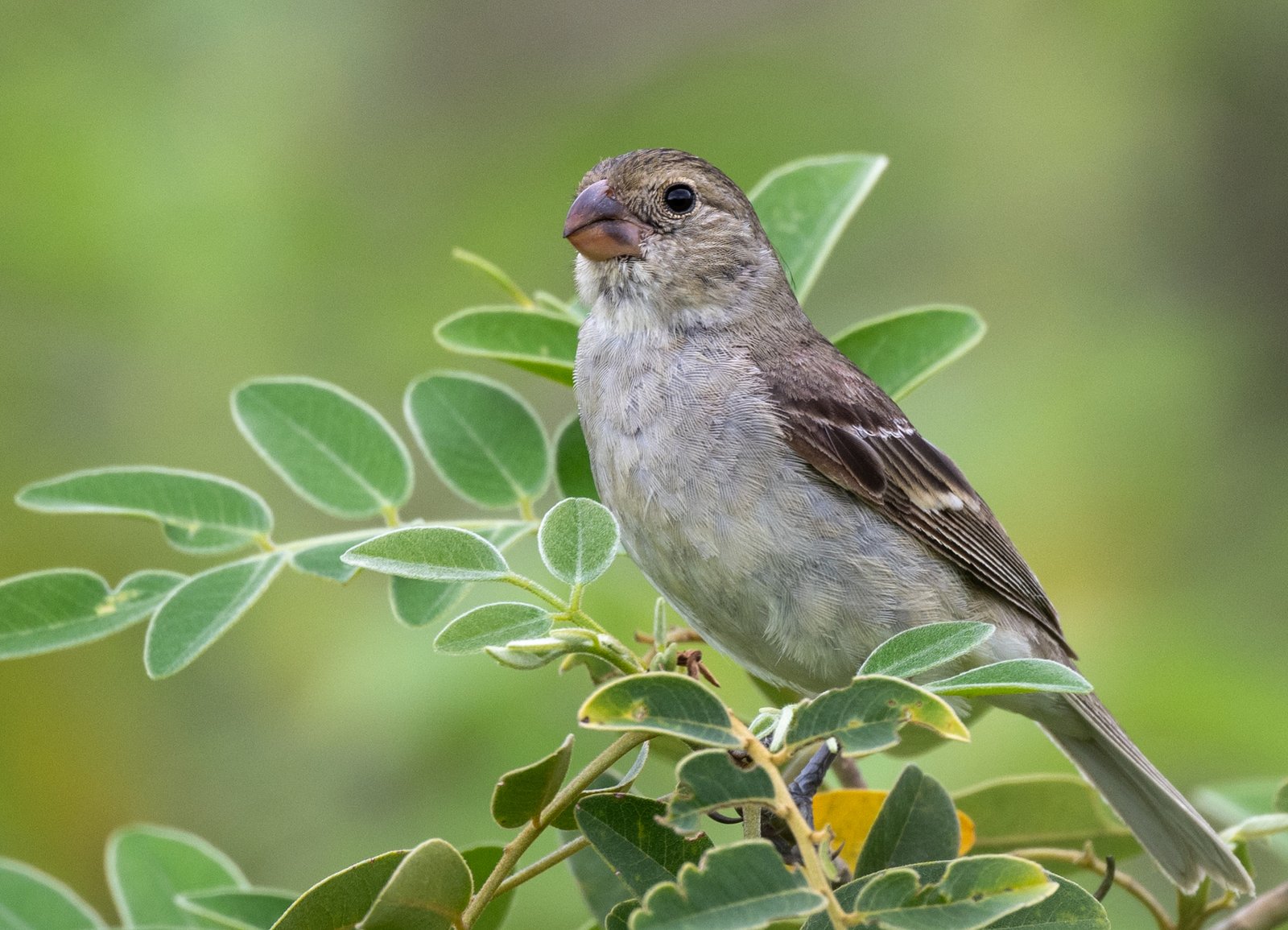
Papa-capim-pardo
Sporophila simplex- Marañón and northern inter-Andean dry forest
- Tumbesian dry forest and thorn scrub
- Central Andean dry valleys
- Riparian woodland of the Andes and coastal valleys
- Andean fields and terraces
-
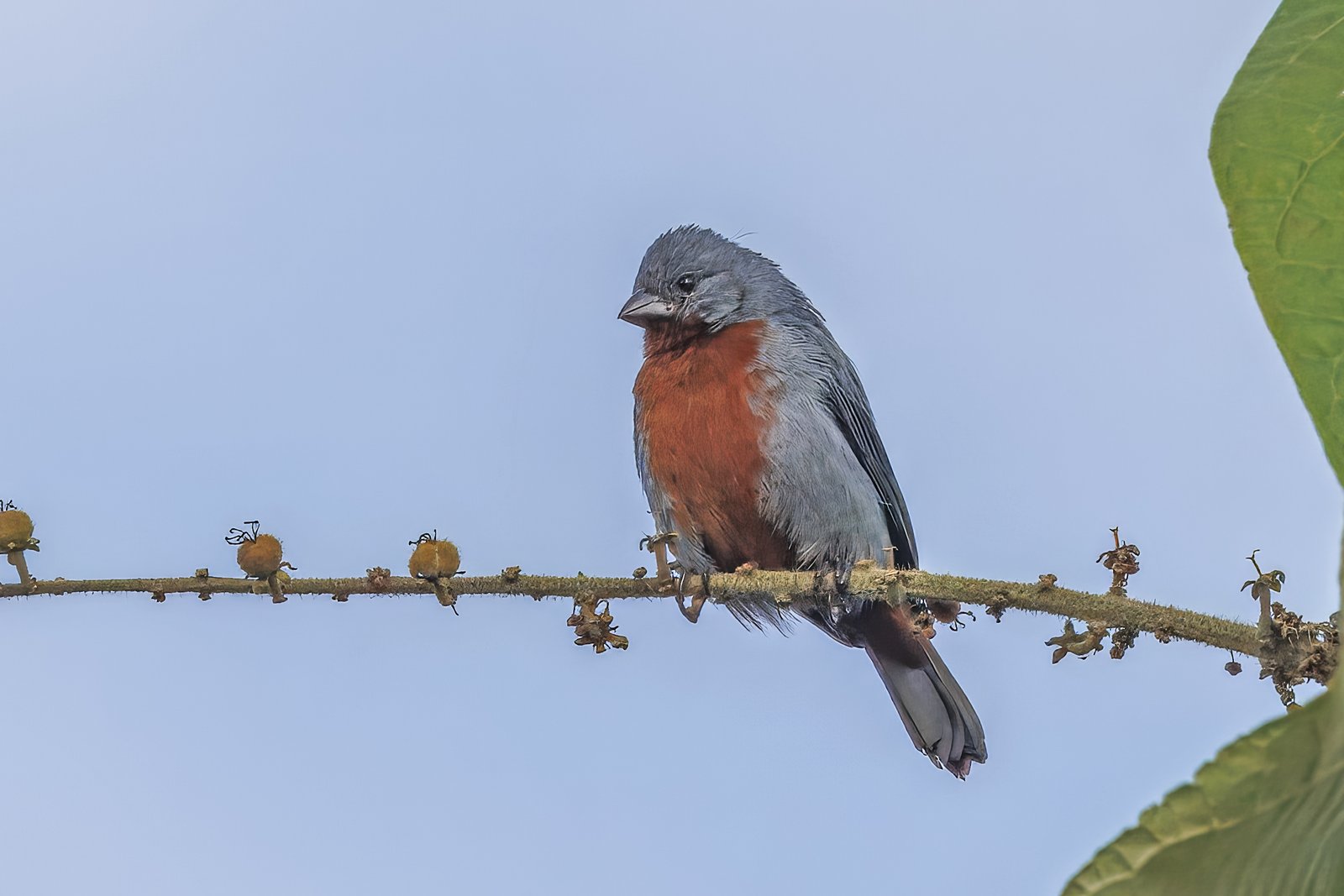
Caboclinho-de-peito-castanho
Sporophila castaneiventris- Secondary forest and forest edge
- Pasture and ranchland
- Várzea, igapó and river islands
- Lowland rivers and sandbars
- Lowland marshes and wet meadows
-
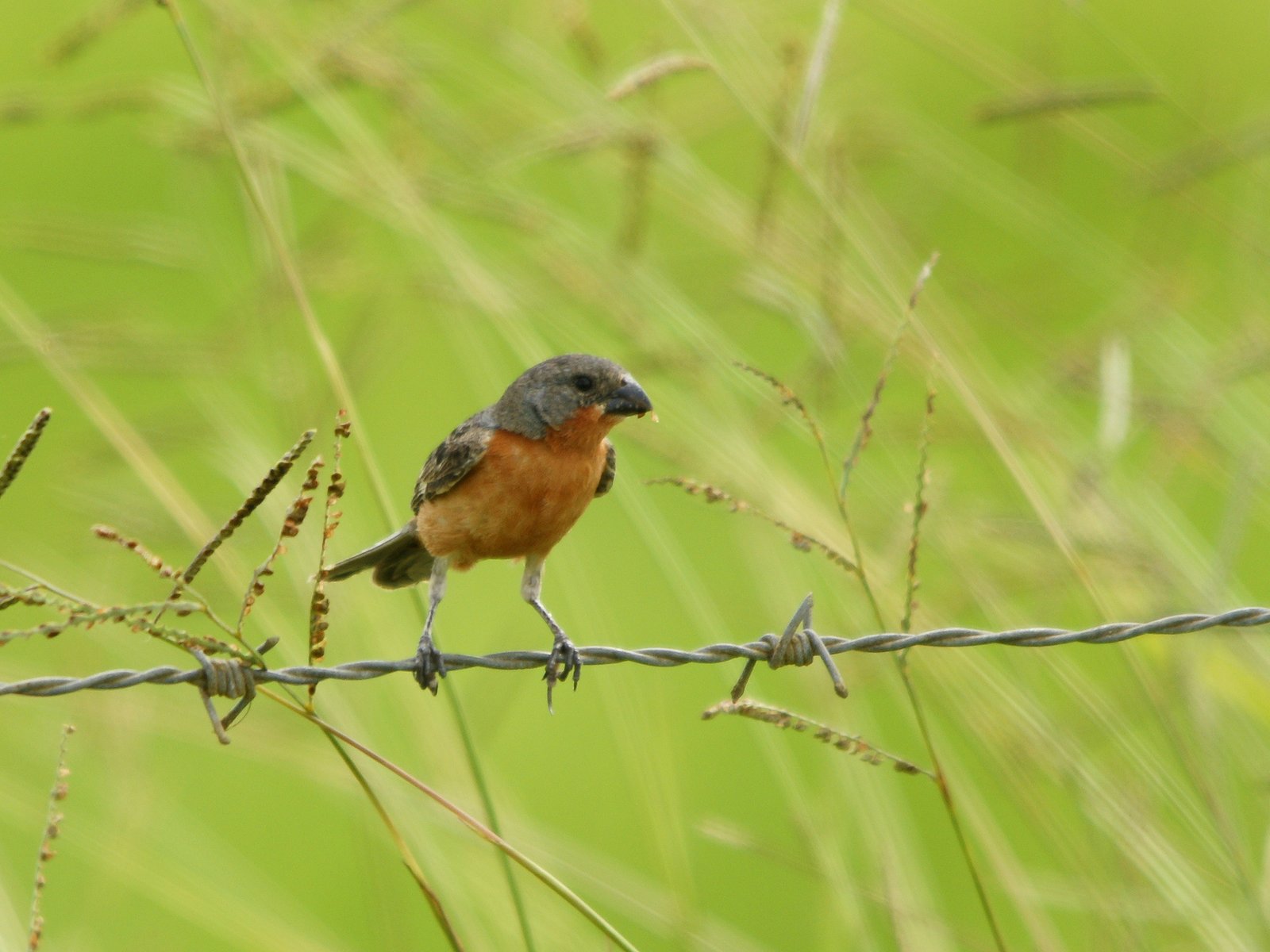
Caboclinho-lindo
Sporophila minuta- Pasture and ranchland
- Llanos savanna
- Lowland marshes and wet meadows
- Irrigated farmland and rice fields
- Secondary forest and forest edge
-
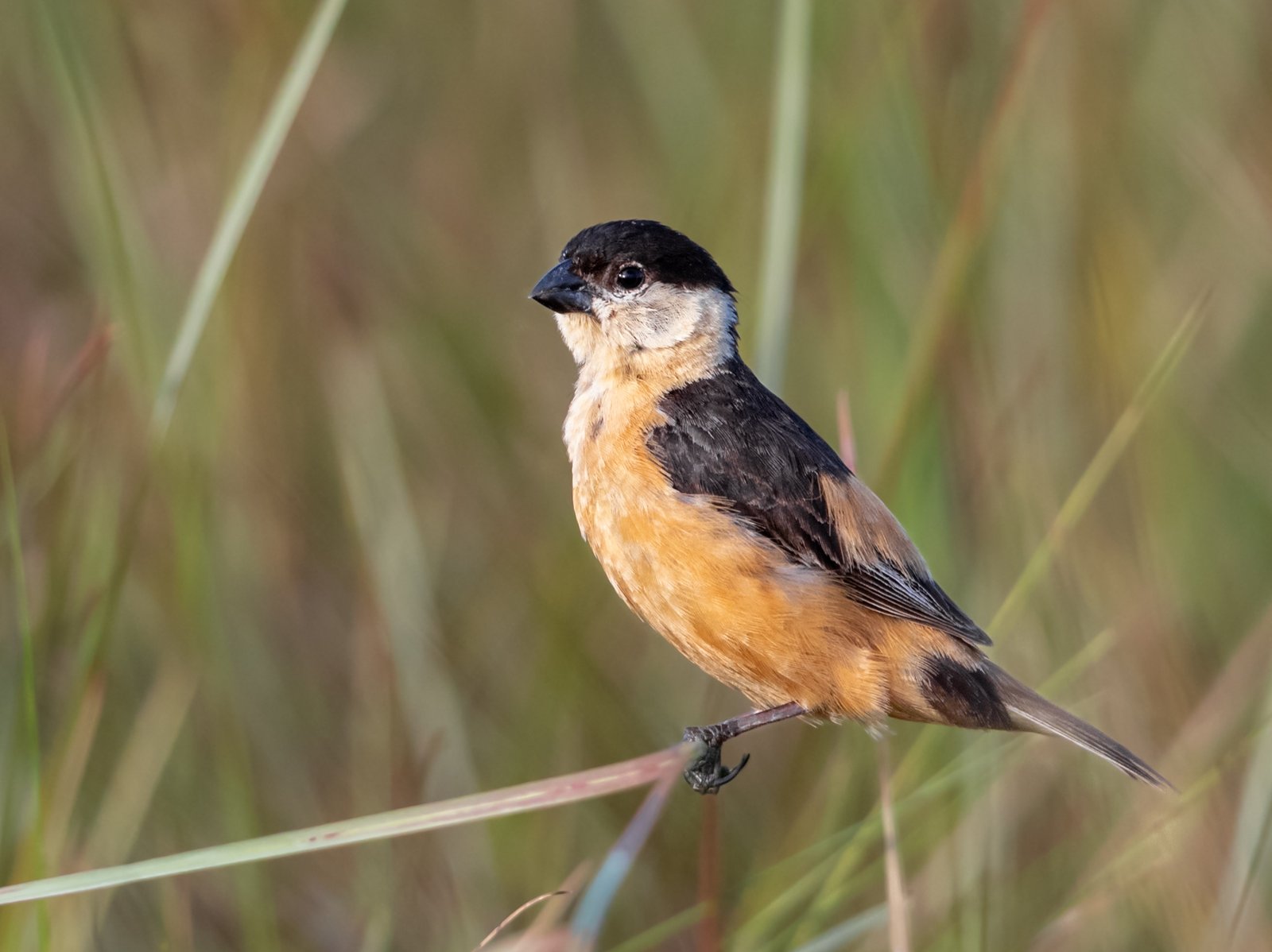
Caboclinho-do-sertão
Sporophila nigrorufa- Beni savanna and cerrado
- Lowland marshes and wet meadows
- Chiquitano dry forest and Chaco
-
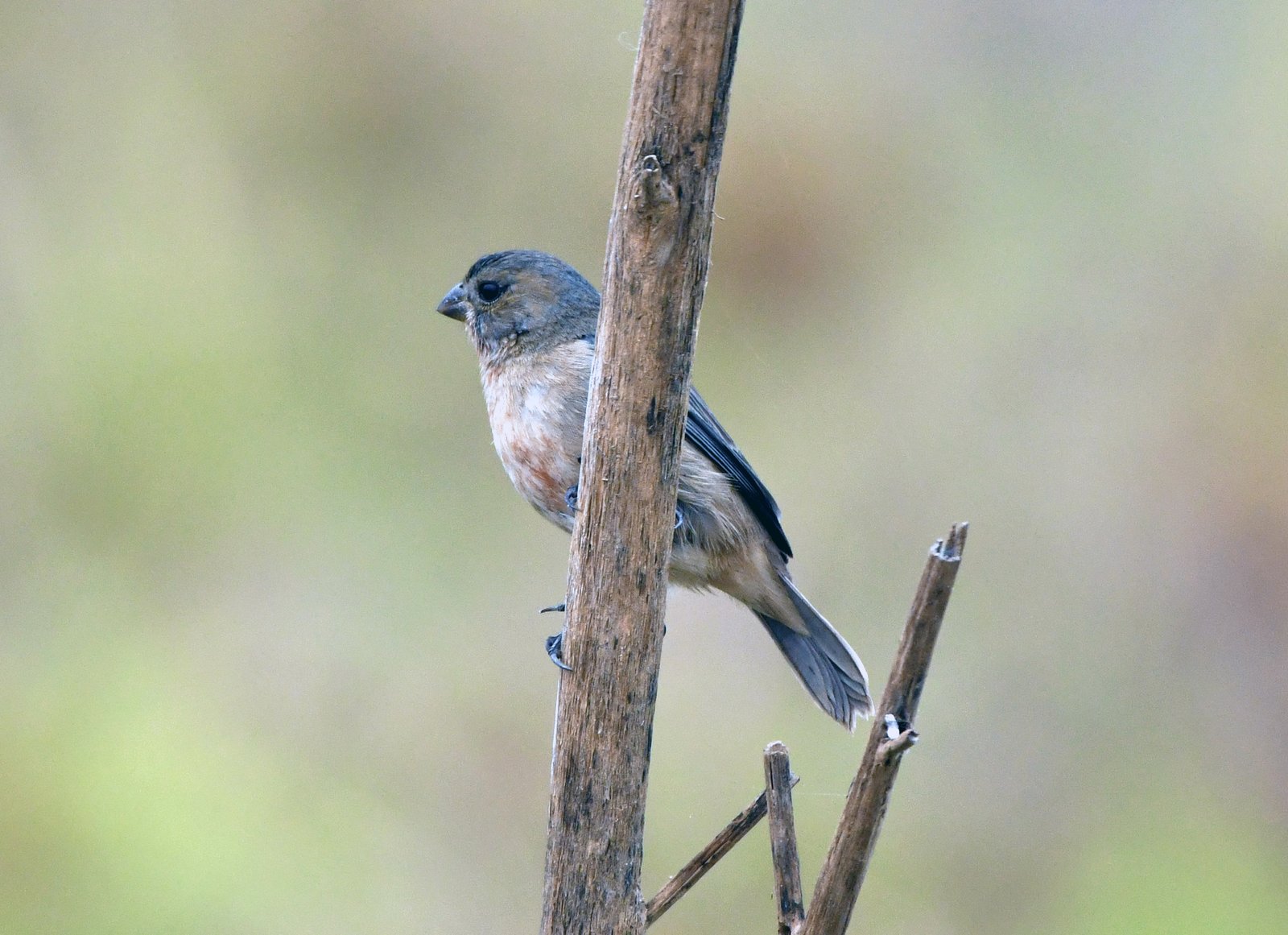
Caboclinho-de-barriga-vermelha
Sporophila hypoxantha- Beni savanna and cerrado
- Lowland marshes and wet meadows
- Pasture and ranchland
-
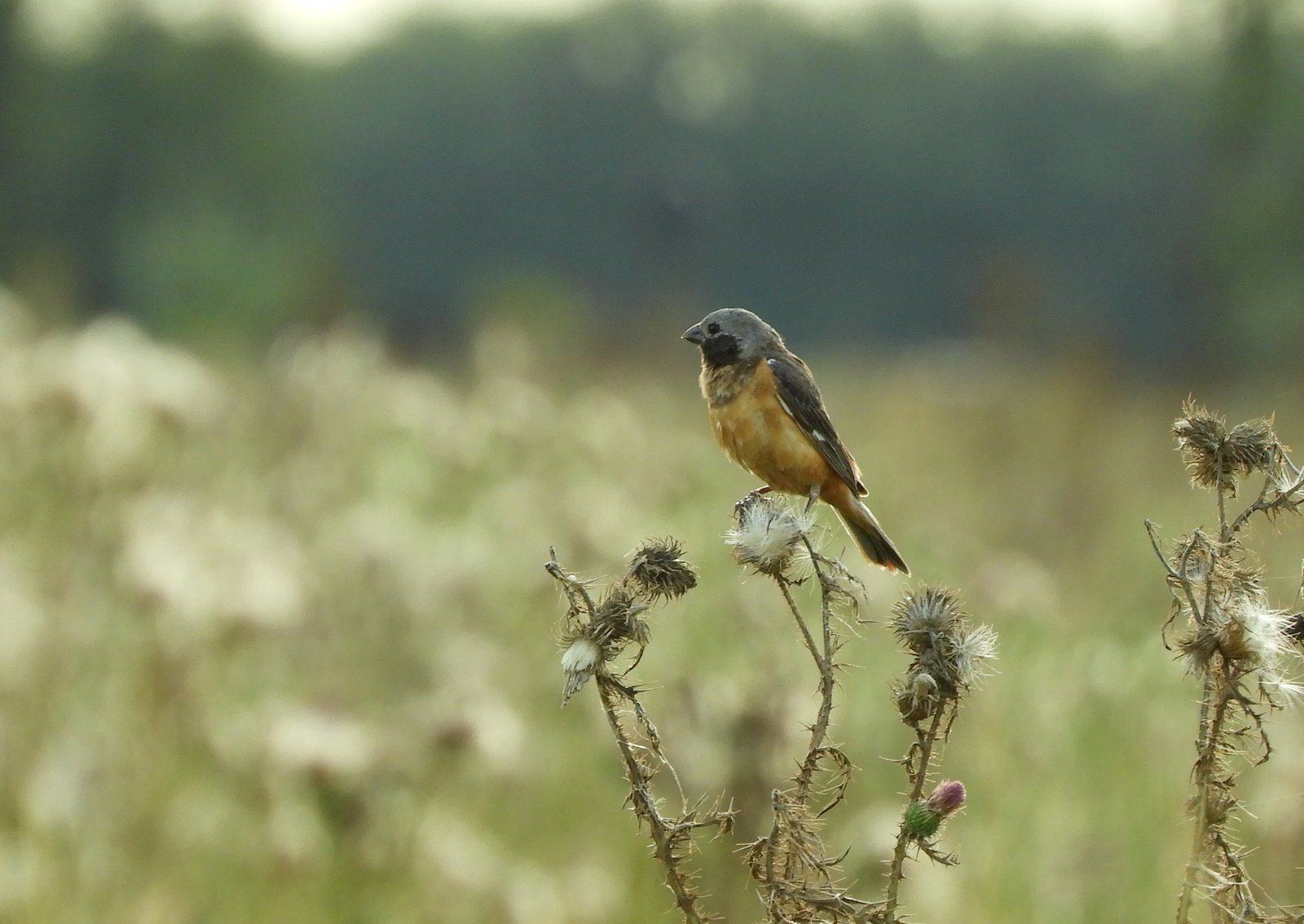
Caboclinho-de-papo-escuro
Sporophila ruficollis- Beni savanna and cerrado
- Lowland marshes and wet meadows
- Pasture and ranchland
-
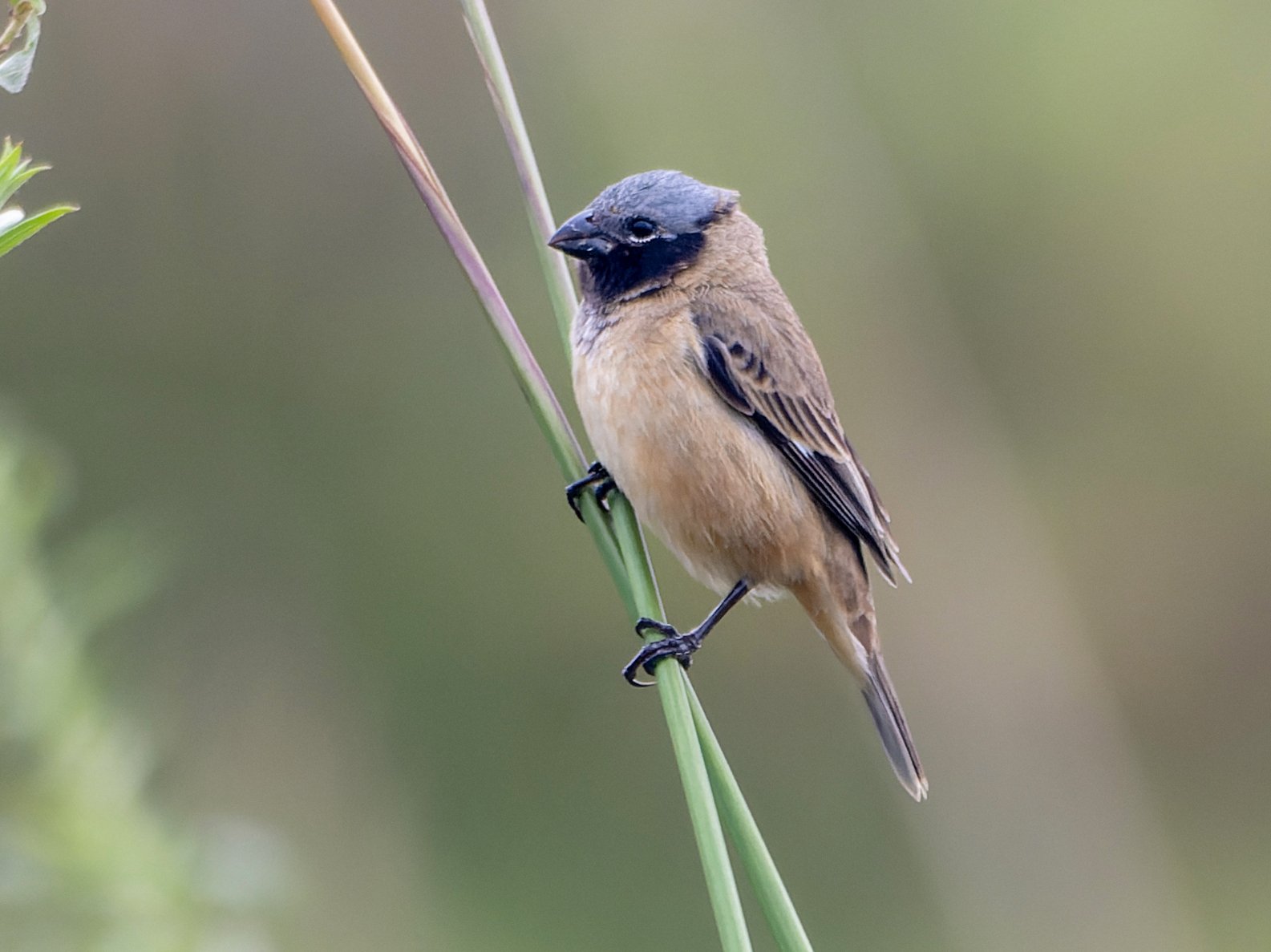
Caboclinho-do-iberá
Sporophila iberaensis- Lowland marshes and wet meadows
- Beni savanna and cerrado
-
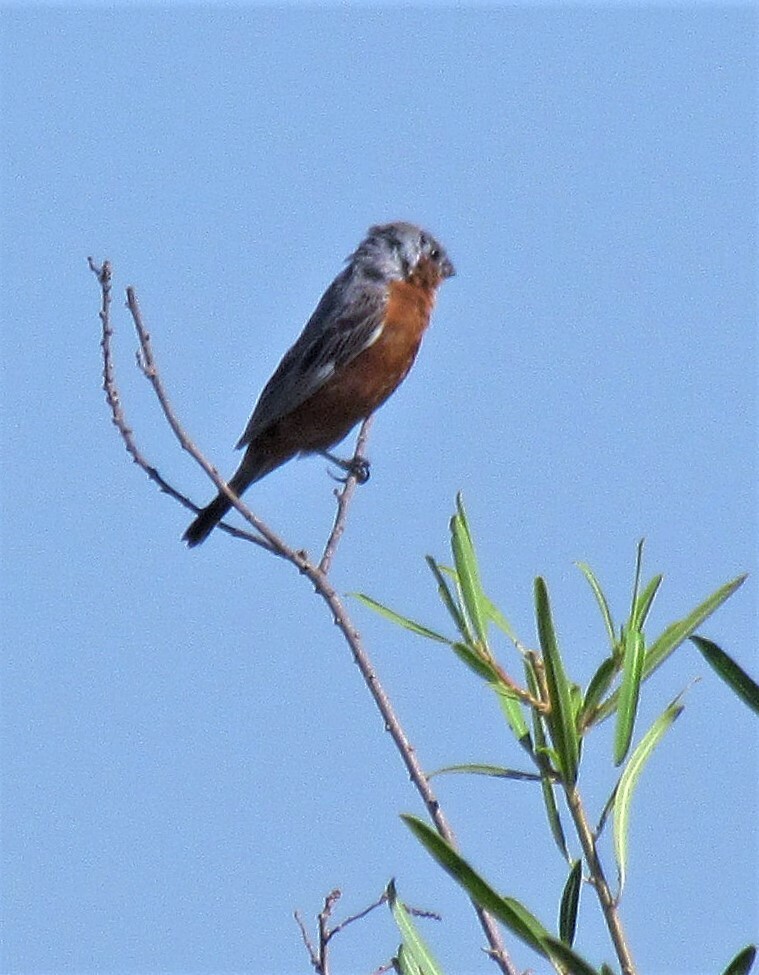
Caboclinho-de-sobre-ferrugem
Sporophila hypochroma- Beni savanna and cerrado
- Lowland marshes and wet meadows
- Pasture and ranchland
-
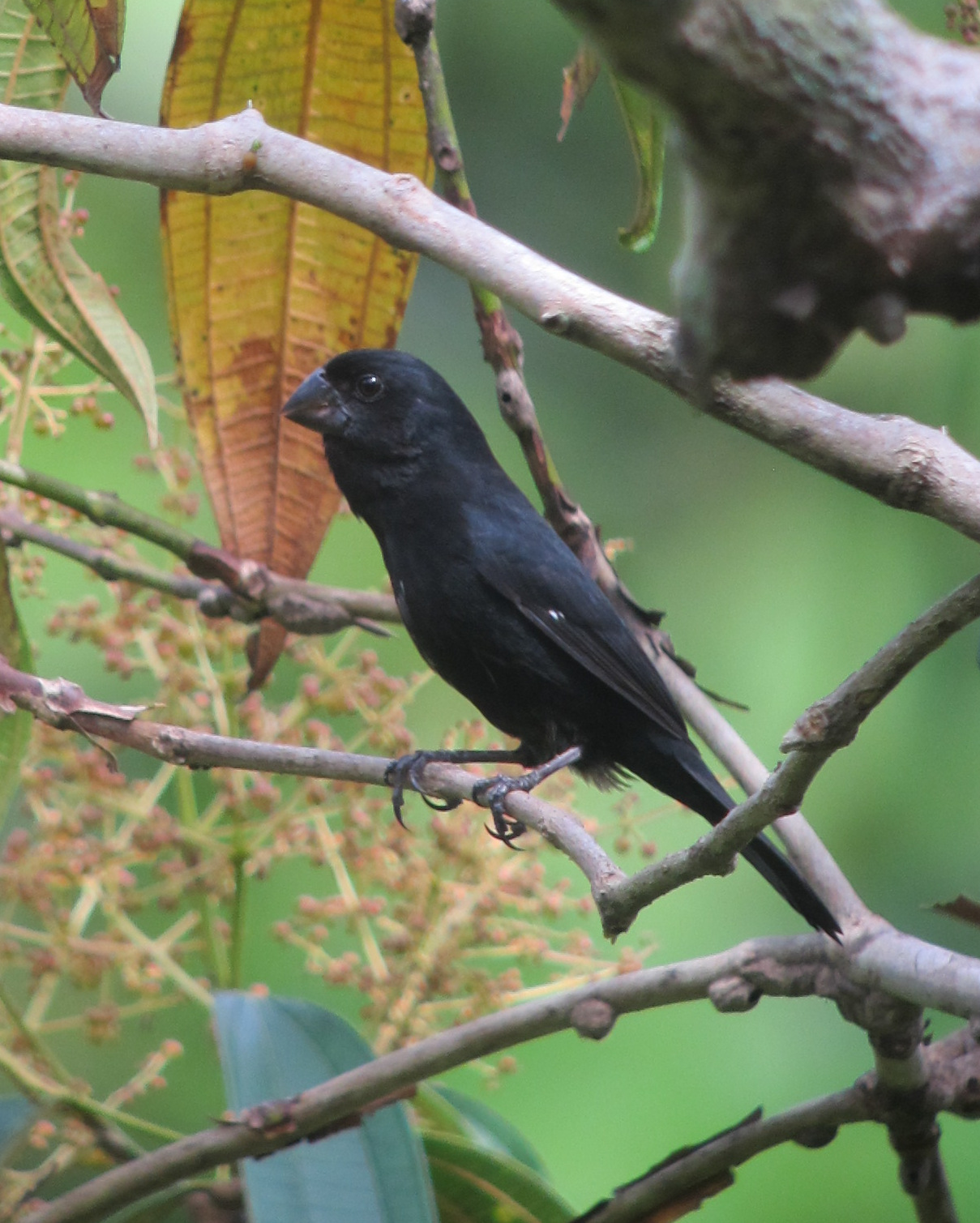
Curió-de-bico-grosso
Sporophila funerea- Secondary forest and forest edge
- Pasture and ranchland
- Western Ecuador humid forest
- Chocó rainforest
- Lowland marshes and wet meadows
-
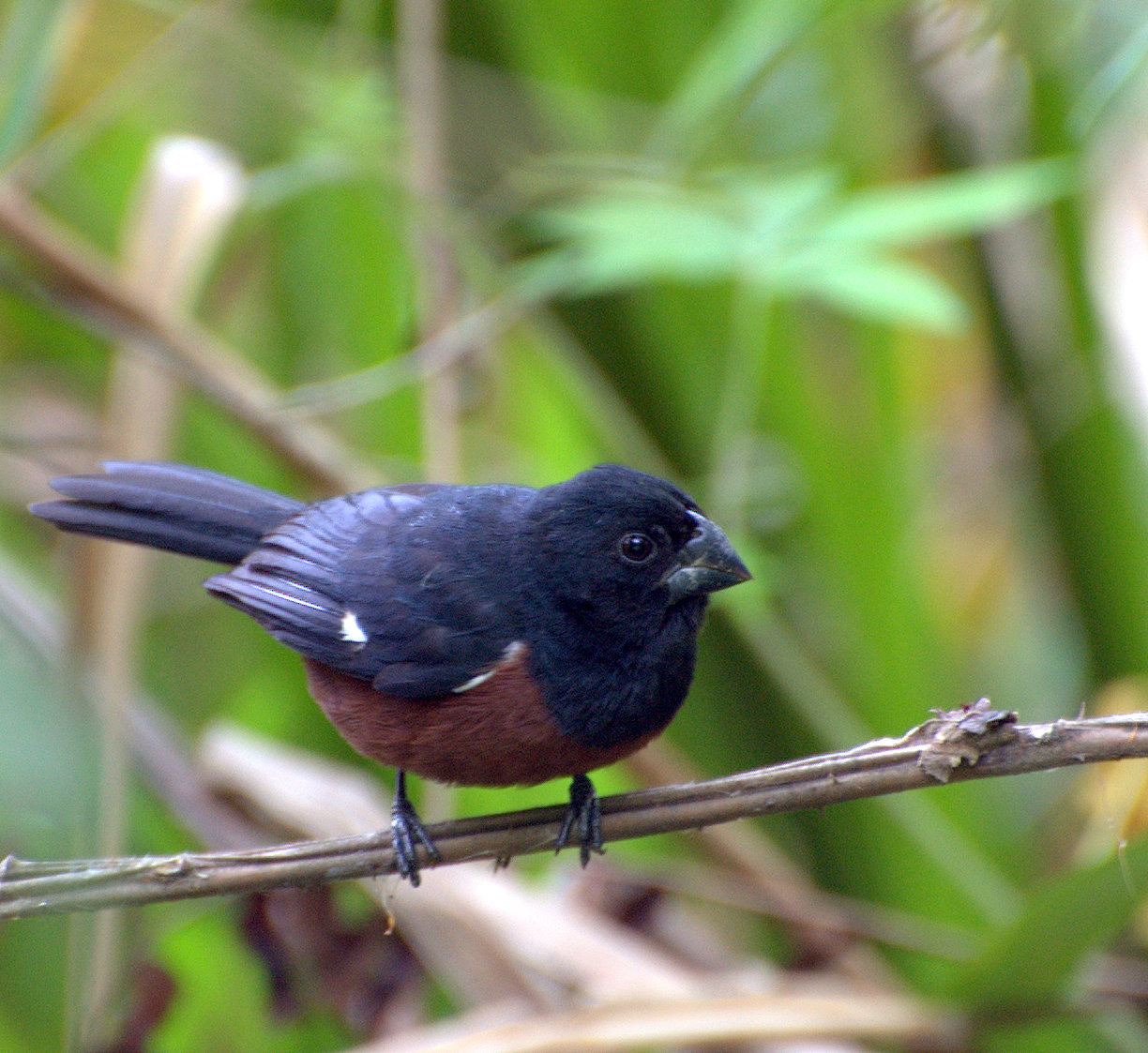
Curió
Sporophila angolensis- Secondary forest and forest edge
- Pasture and ranchland
- Várzea, igapó and river islands
- Eastern Andean foothill forest
- Llanos savanna
-
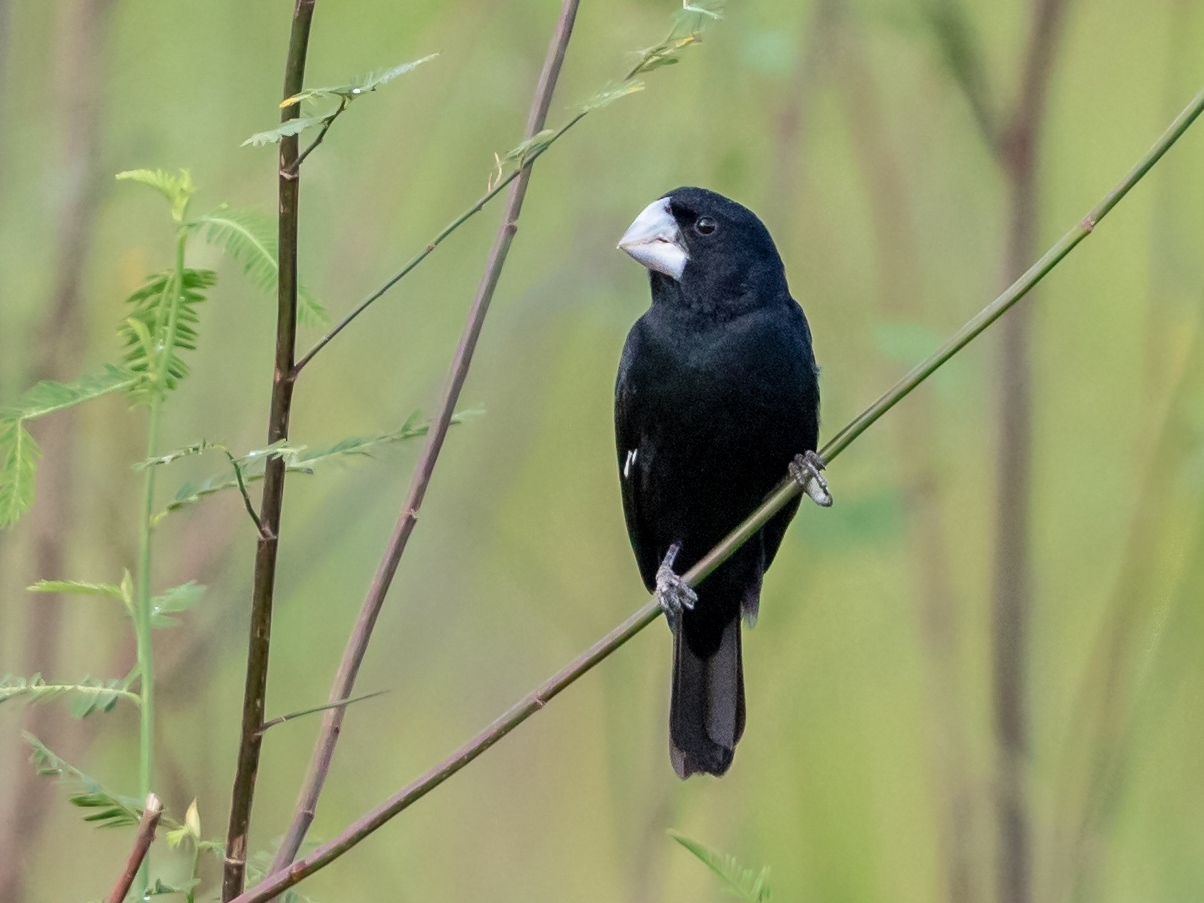
Bicudo
Sporophila maximiliani- Lowland marshes and wet meadows
- Palm swamps and swamp forest
- Beni savanna and cerrado
- Várzea, igapó and river islands
-
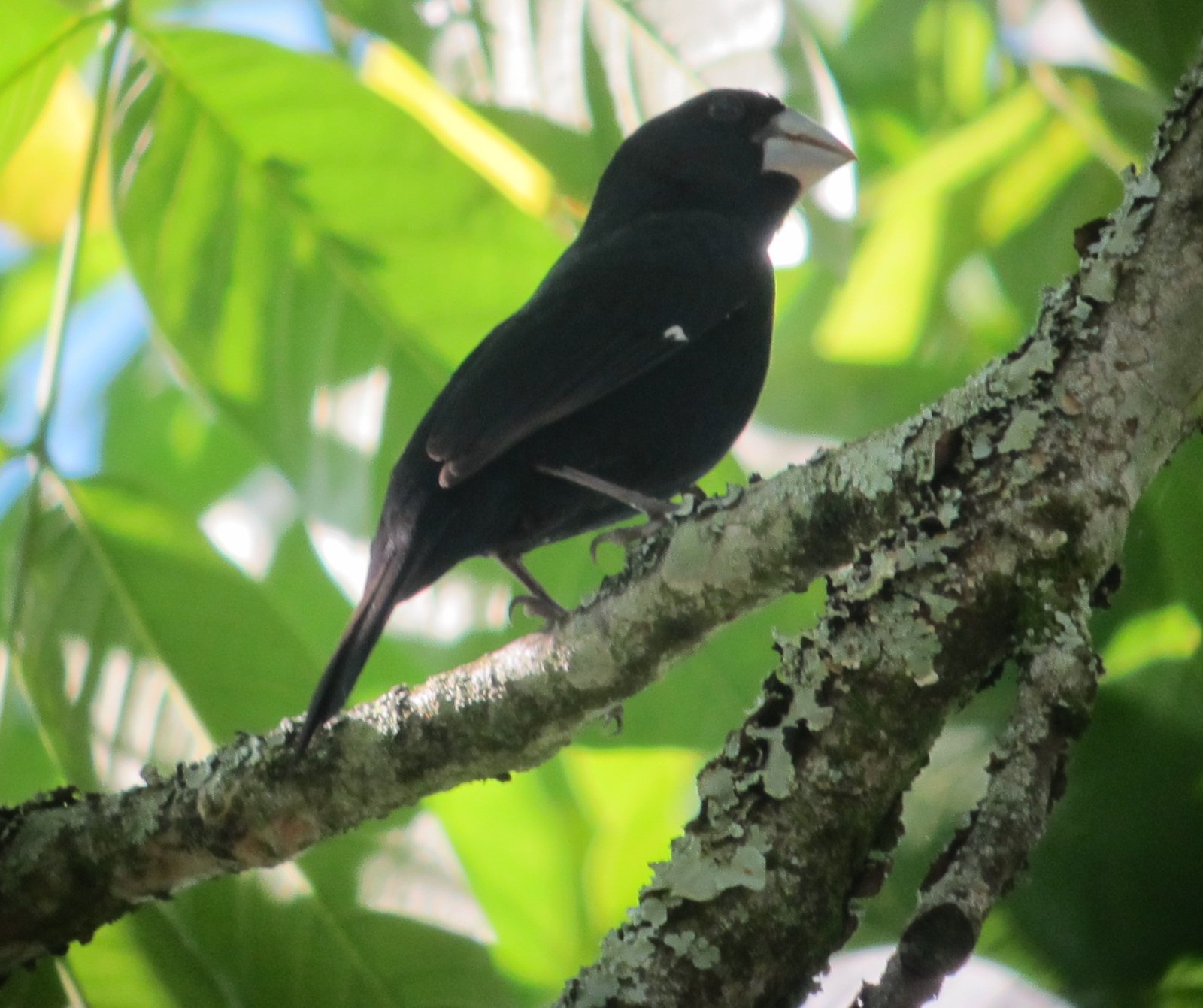
Bicudo-do-norte
Sporophila crassirostris- Lowland marshes and wet meadows
- Lowland lakes and oxbows
- Várzea, igapó and river islands
- Pasture and ranchland
-
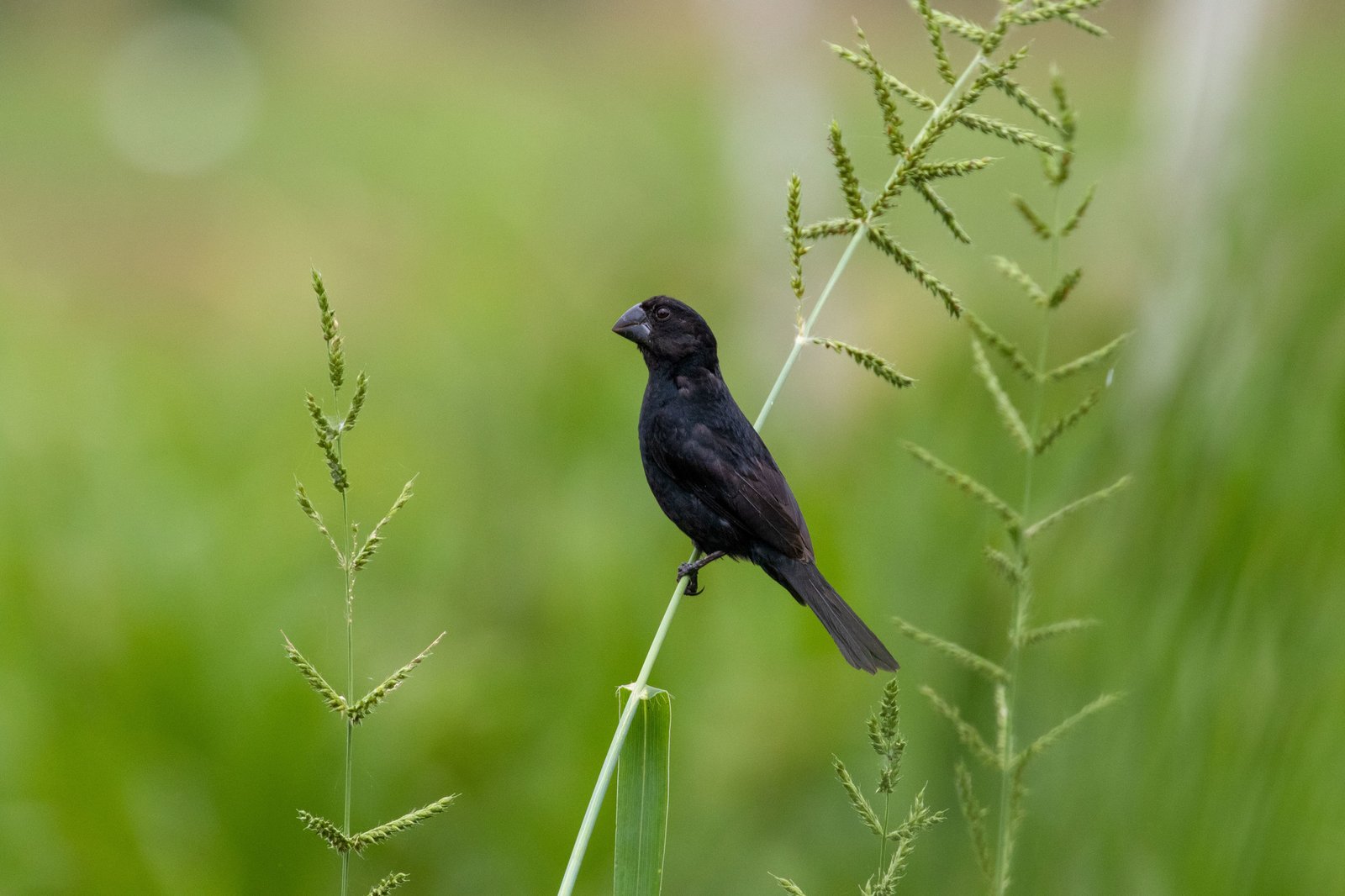
Bicudo-de-bico-preto
Sporophila atrirostris- Várzea, igapó and river islands
- Lowland rivers and sandbars
- Secondary forest and forest edge
- Lowland marshes and wet meadows
- Eastern Andean foothill forest
-
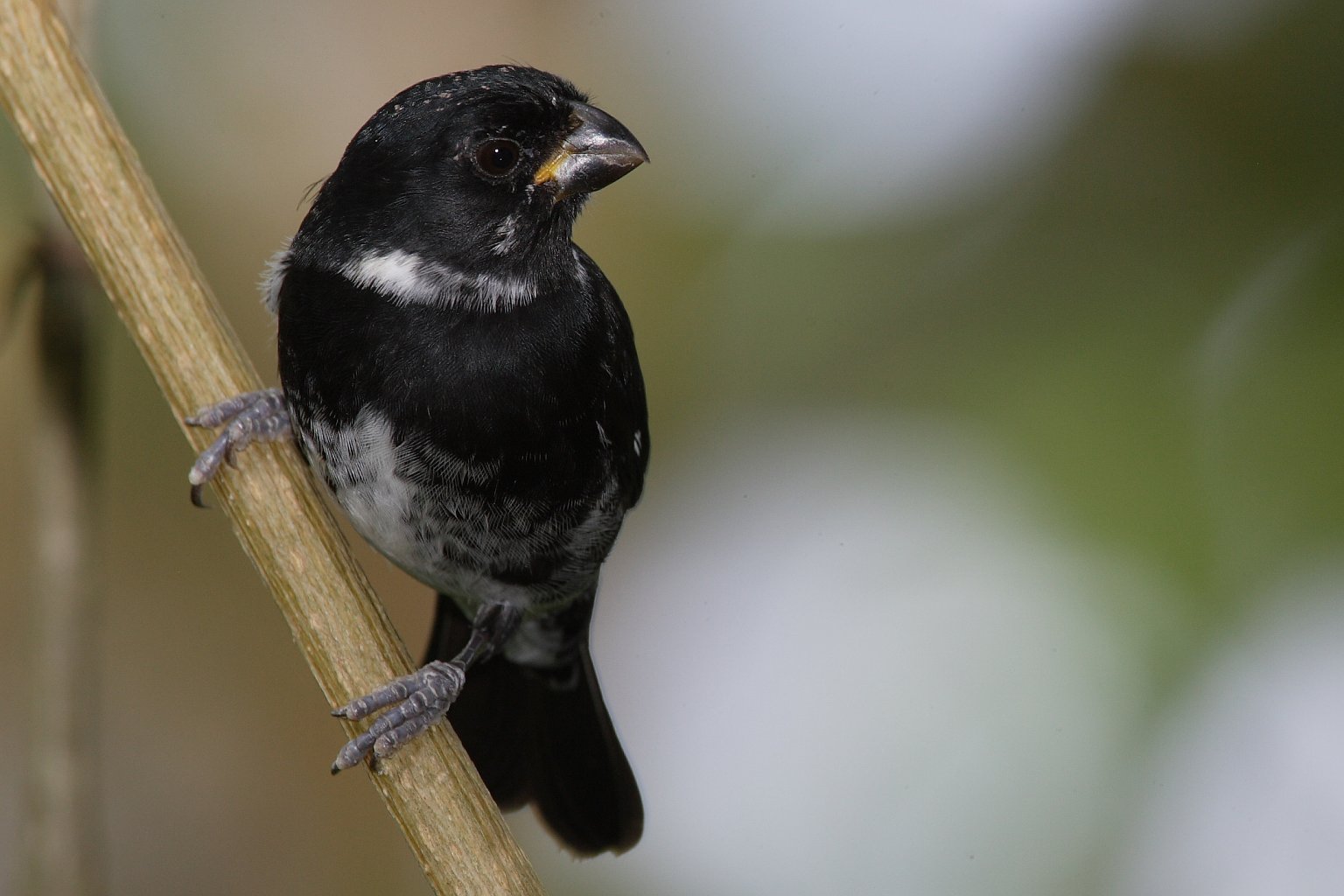
Papa-capim-variável
Sporophila corvina- Pasture and ranchland
- Secondary forest and forest edge
- Western Ecuador humid forest
- Chocó rainforest
- Coffee, cacao and agroforestry
-
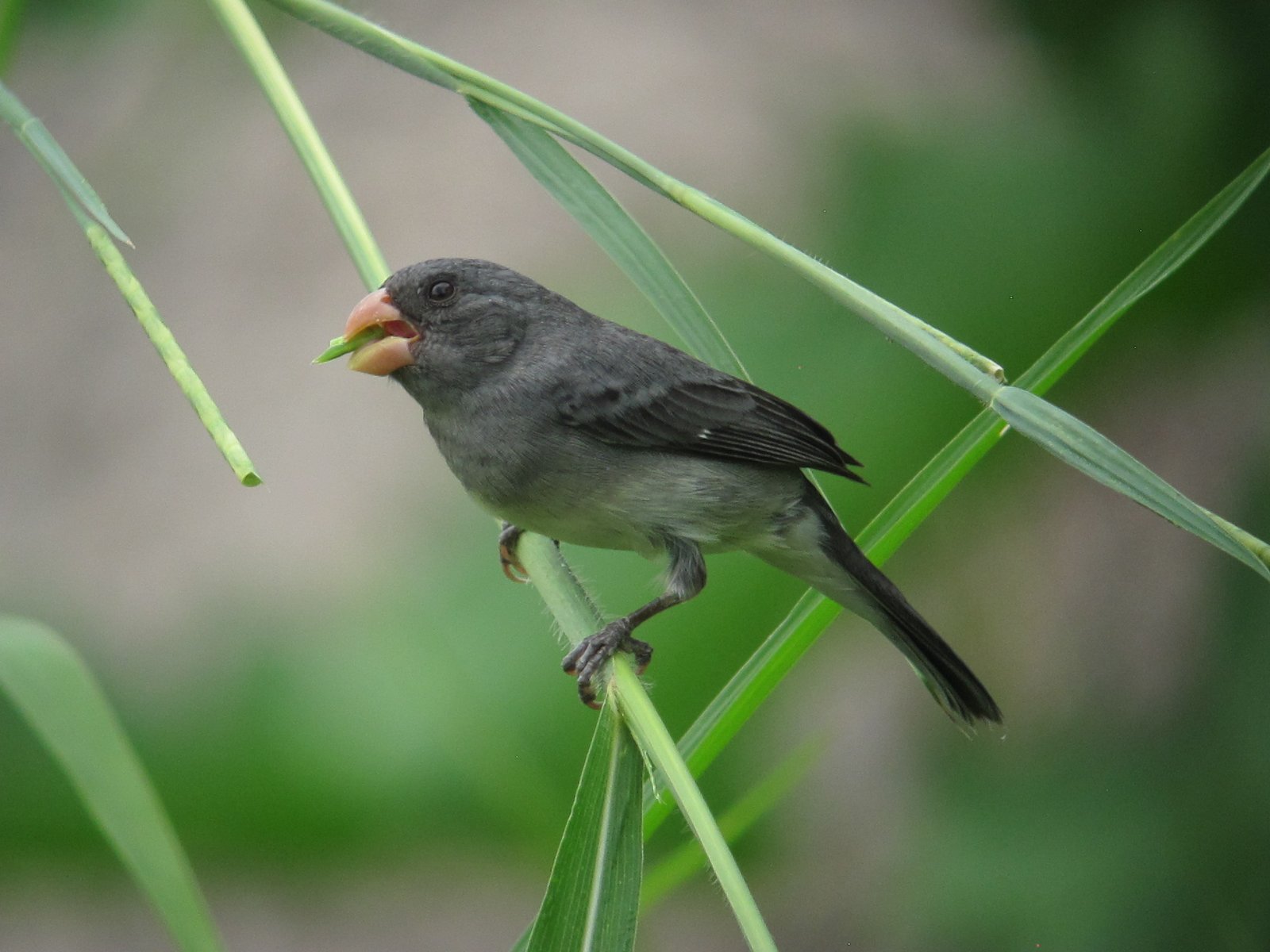
Papa-capim-cinza
Sporophila intermedia- Pasture and ranchland
- Llanos savanna
- Secondary forest and forest edge
- Towns, cities and parks
-
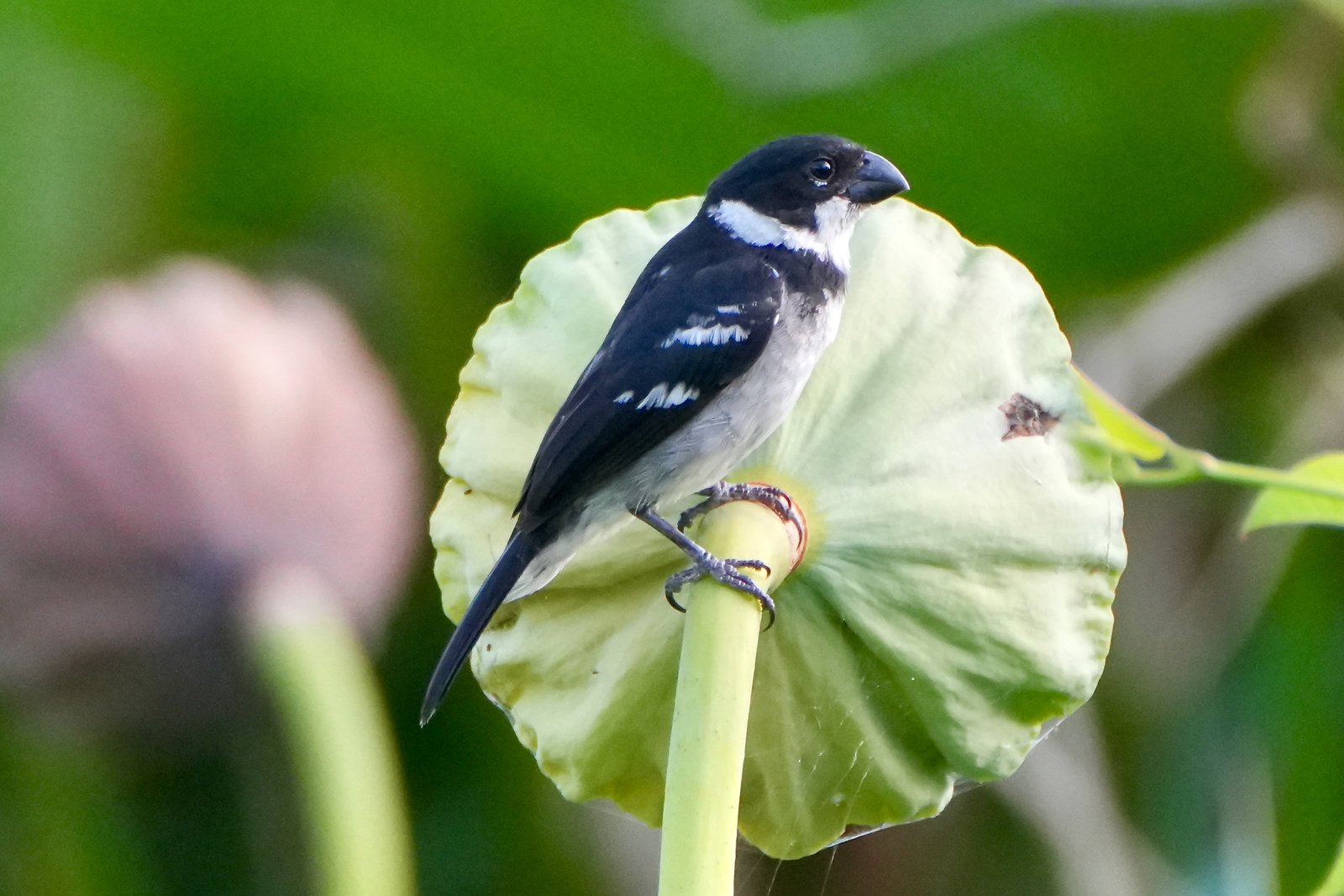
Coleiro-do-norte
Sporophila americana- Várzea, igapó and river islands
- Secondary forest and forest edge
- Lowland rivers and sandbars
- Pasture and ranchland
-
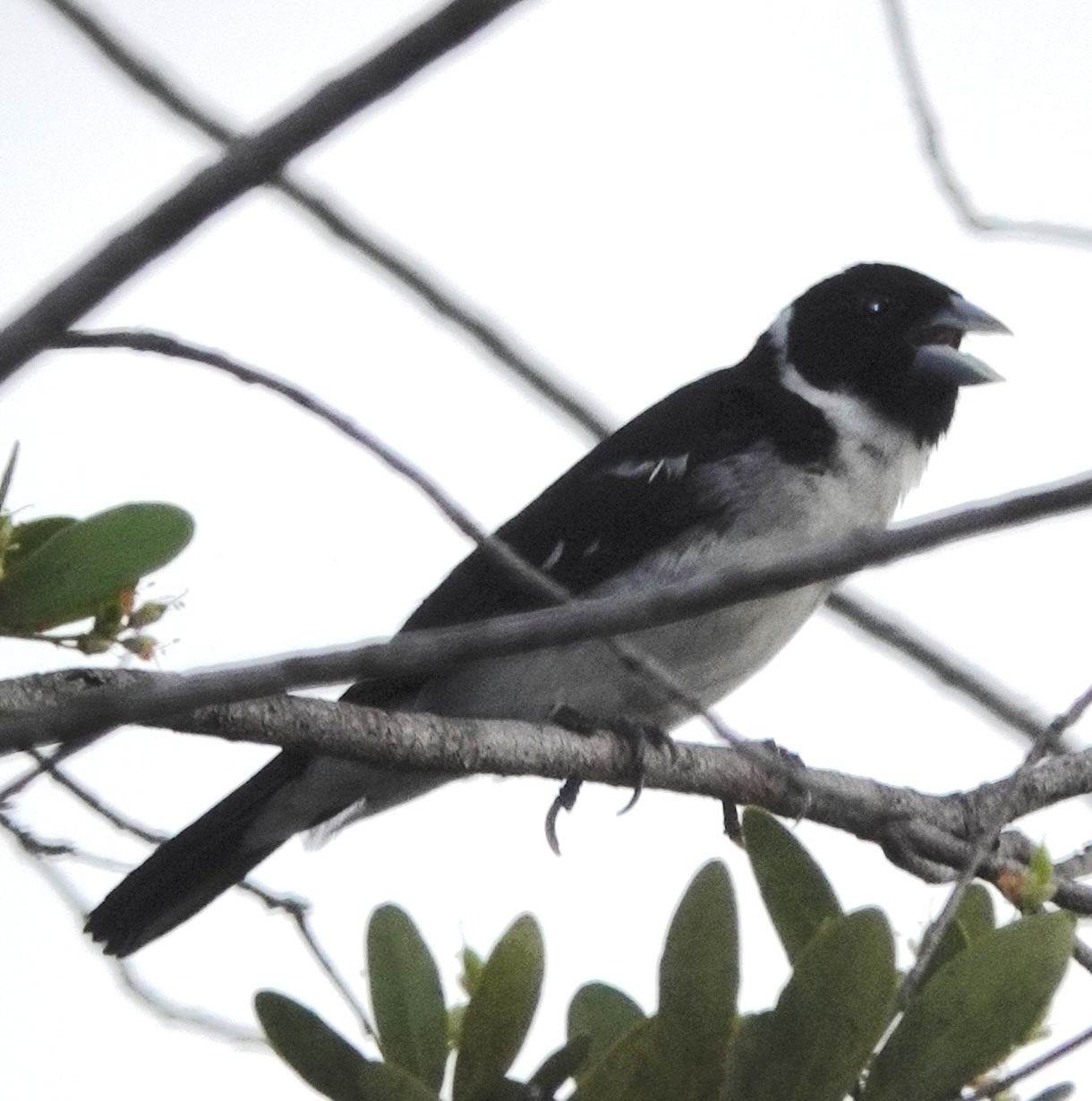
Papa-capim-de-coleira
Sporophila fringilloides- Llanos savanna
- Secondary forest and forest edge
- Várzea, igapó and river islands
-
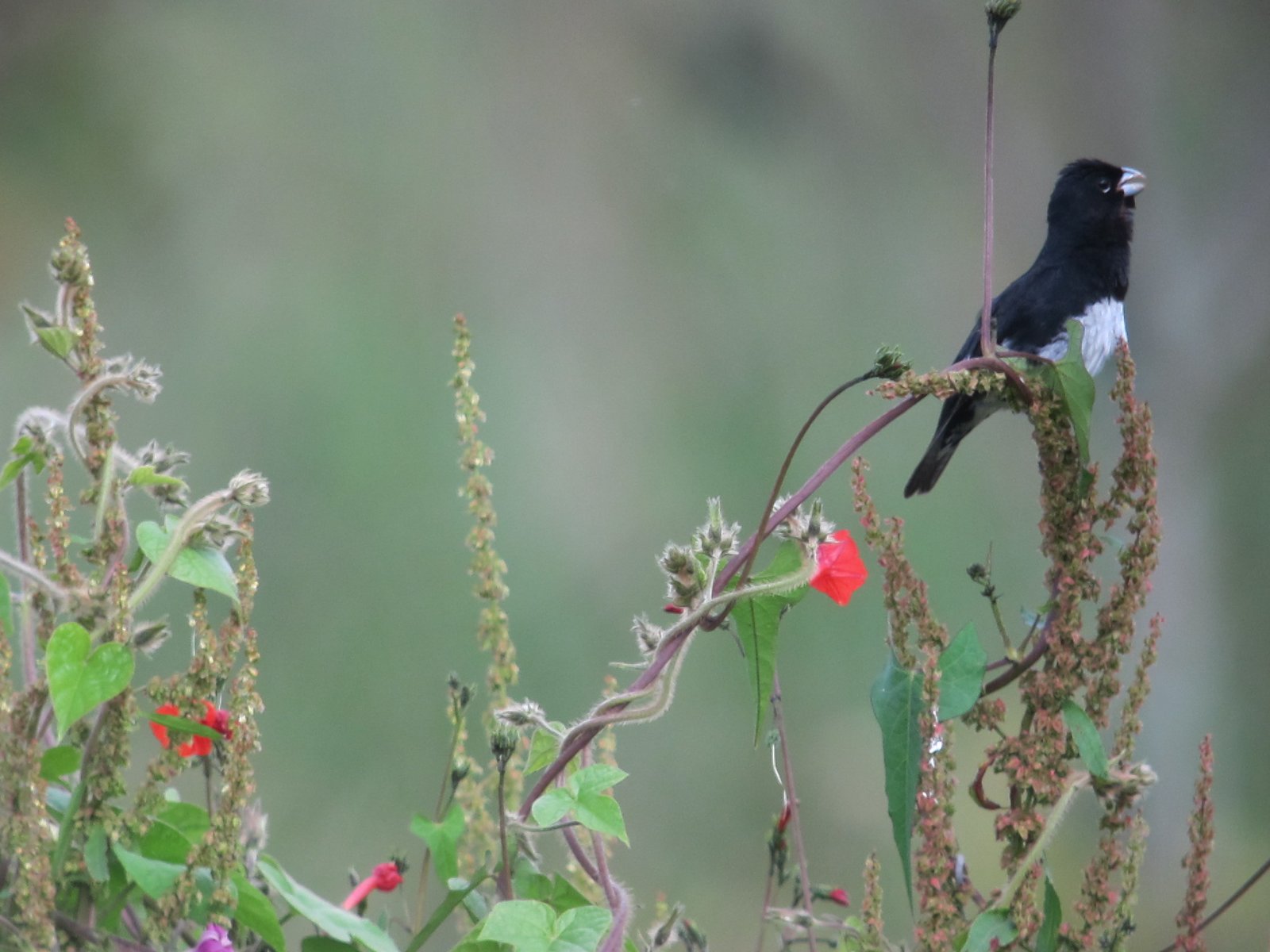
Papa-capim-preto-e-branco
Sporophila luctuosa- Secondary forest and forest edge
- Pasture and ranchland
- Northern Andean subtropical forest
- Lower Yungas forest
- Andean fields and terraces
-
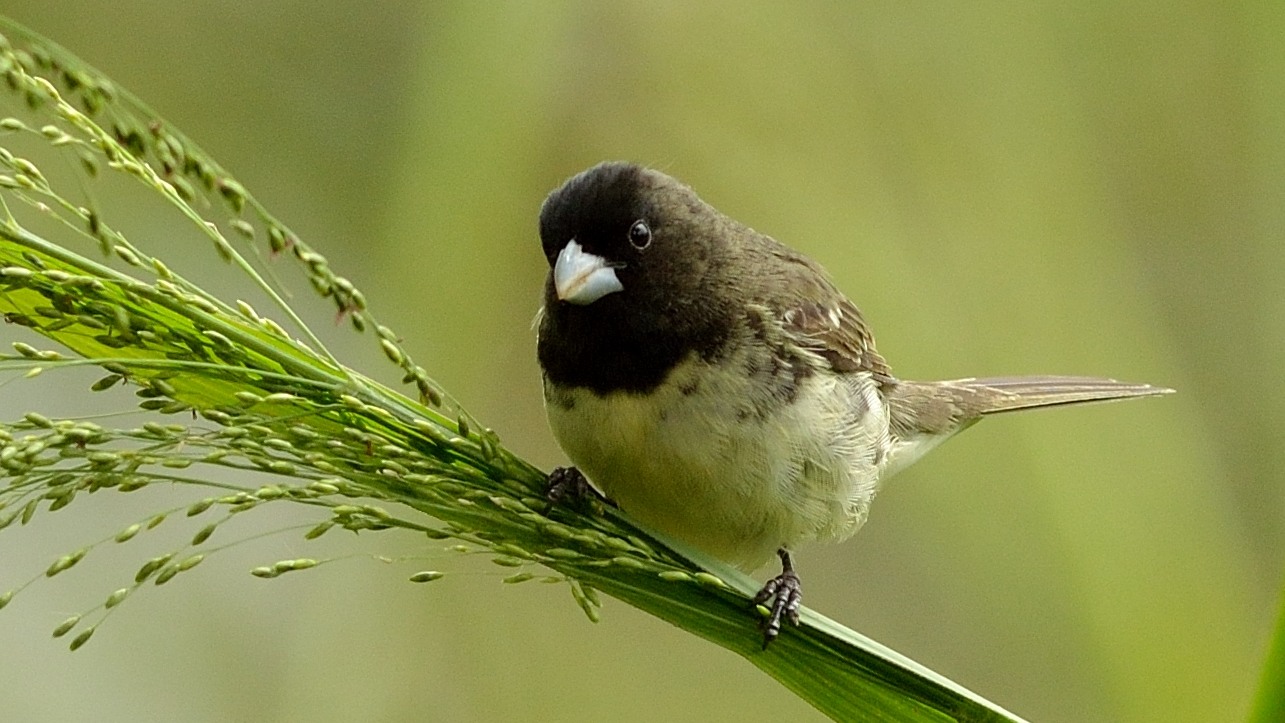
Baiano
Sporophila nigricollis- Pasture and ranchland
- Secondary forest and forest edge
- Andean fields and terraces
- Lowland marshes and wet meadows
- Towns, cities and parks
-
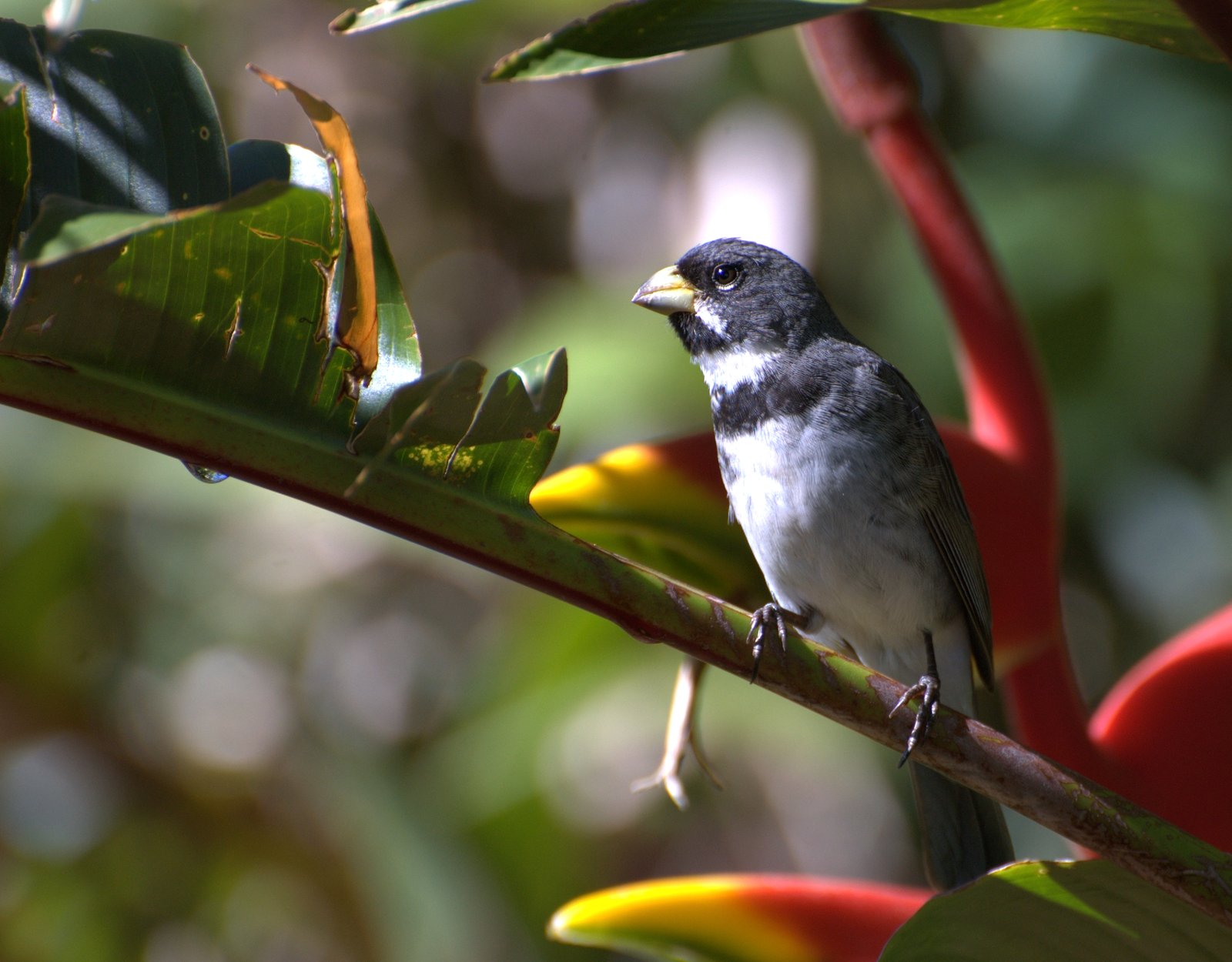
Coleirinho
Sporophila caerulescens- Pasture and ranchland
- Secondary forest and forest edge
- Beni savanna and cerrado
- Lowland marshes and wet meadows
- Irrigated farmland and rice fields
-
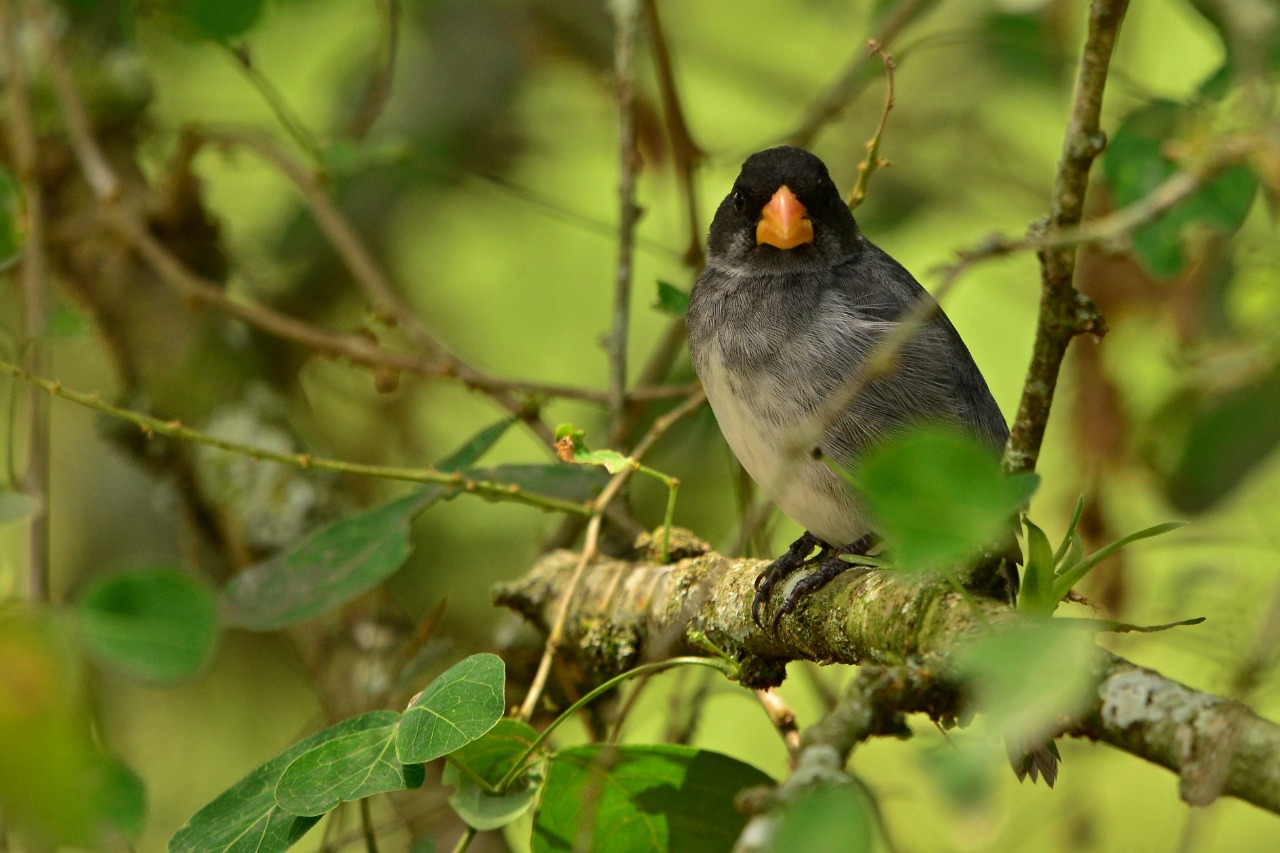
Cigarrinha-do-norte
Sporophila schistacea- Bamboo forest
- Secondary forest and forest edge
- Eastern Andean foothill forest
- Amazonian terra firme rainforest
- Northern Andean subtropical forest
-
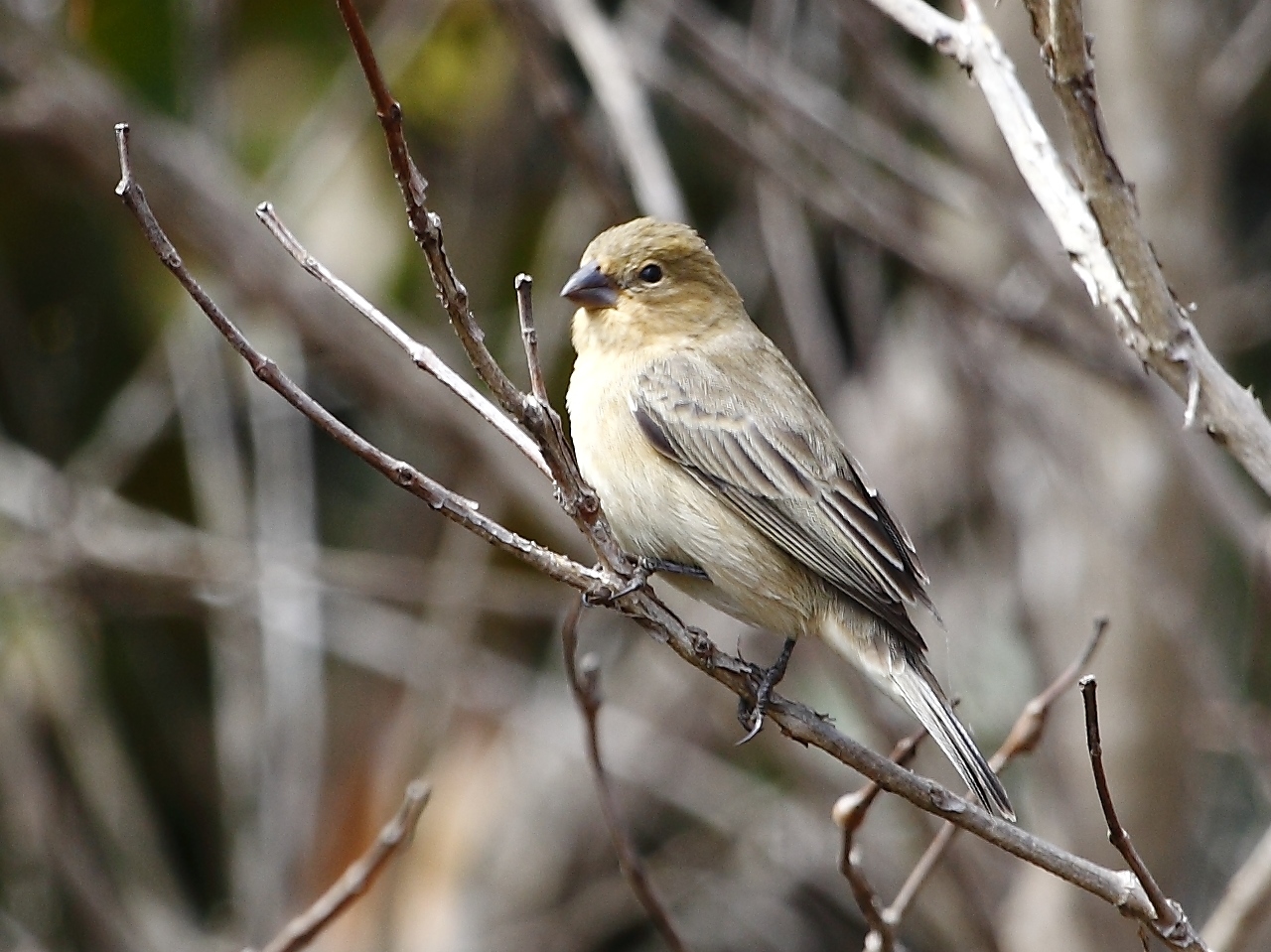
Patativa
Sporophila plumbea- Llanos savanna
- Beni savanna and cerrado
- Lowland marshes and wet meadows
-
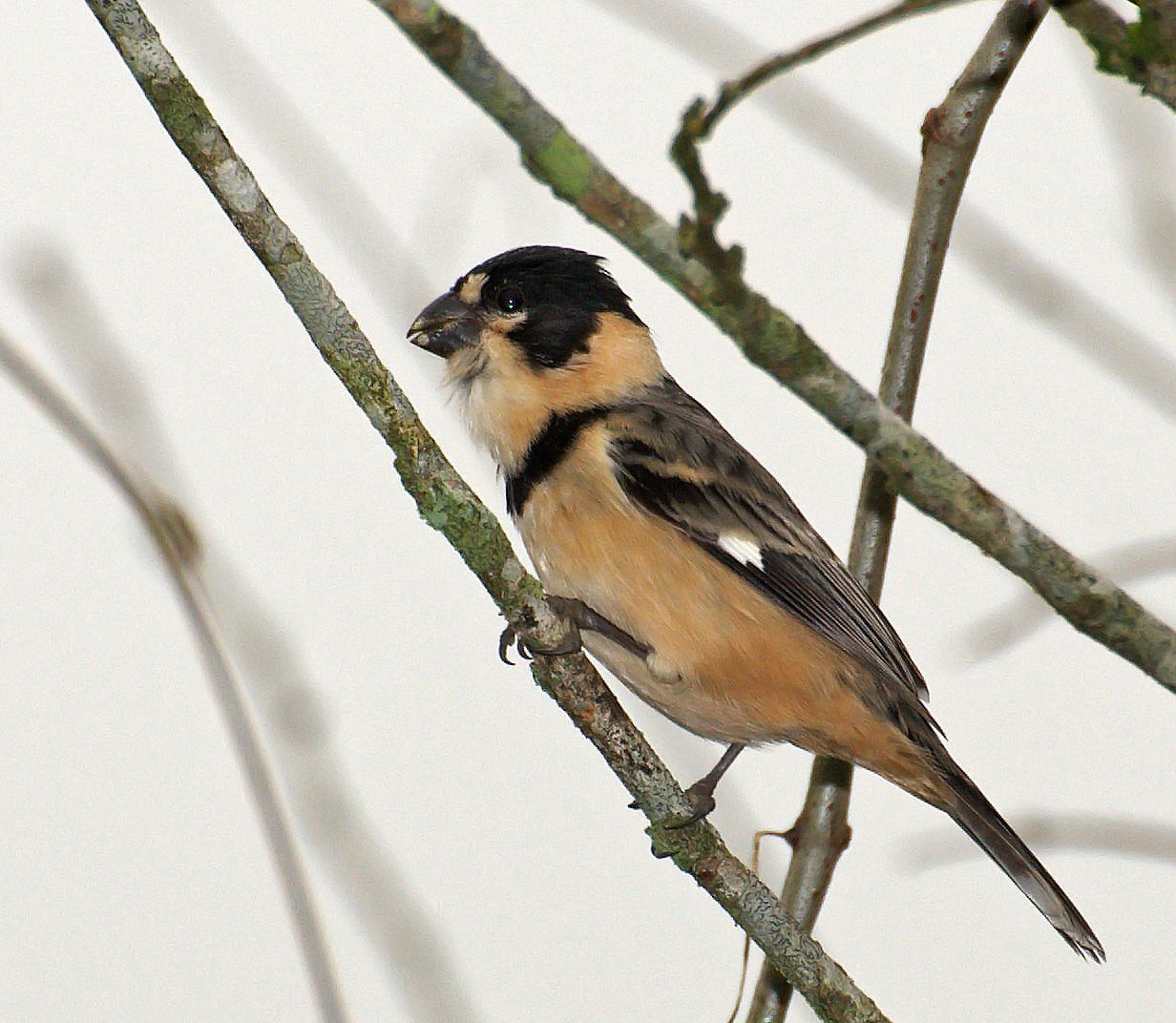
Coleiro-do-brejo
Sporophila collaris- Lowland marshes and wet meadows
- Beni savanna and cerrado
- Várzea, igapó and river islands
- Irrigated farmland and rice fields
Neothraupis 1 espécie
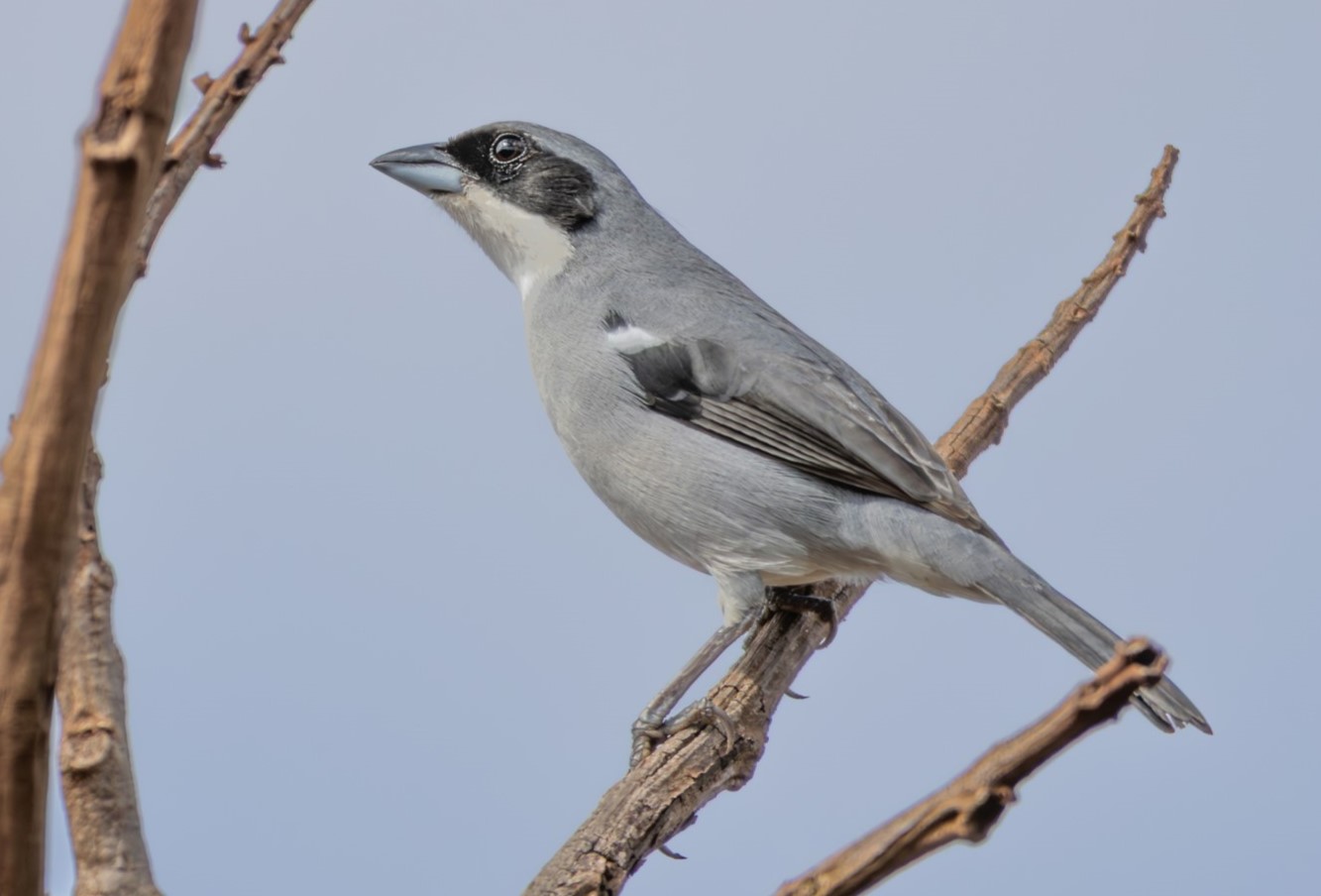
Geospizopsis 2 espécies

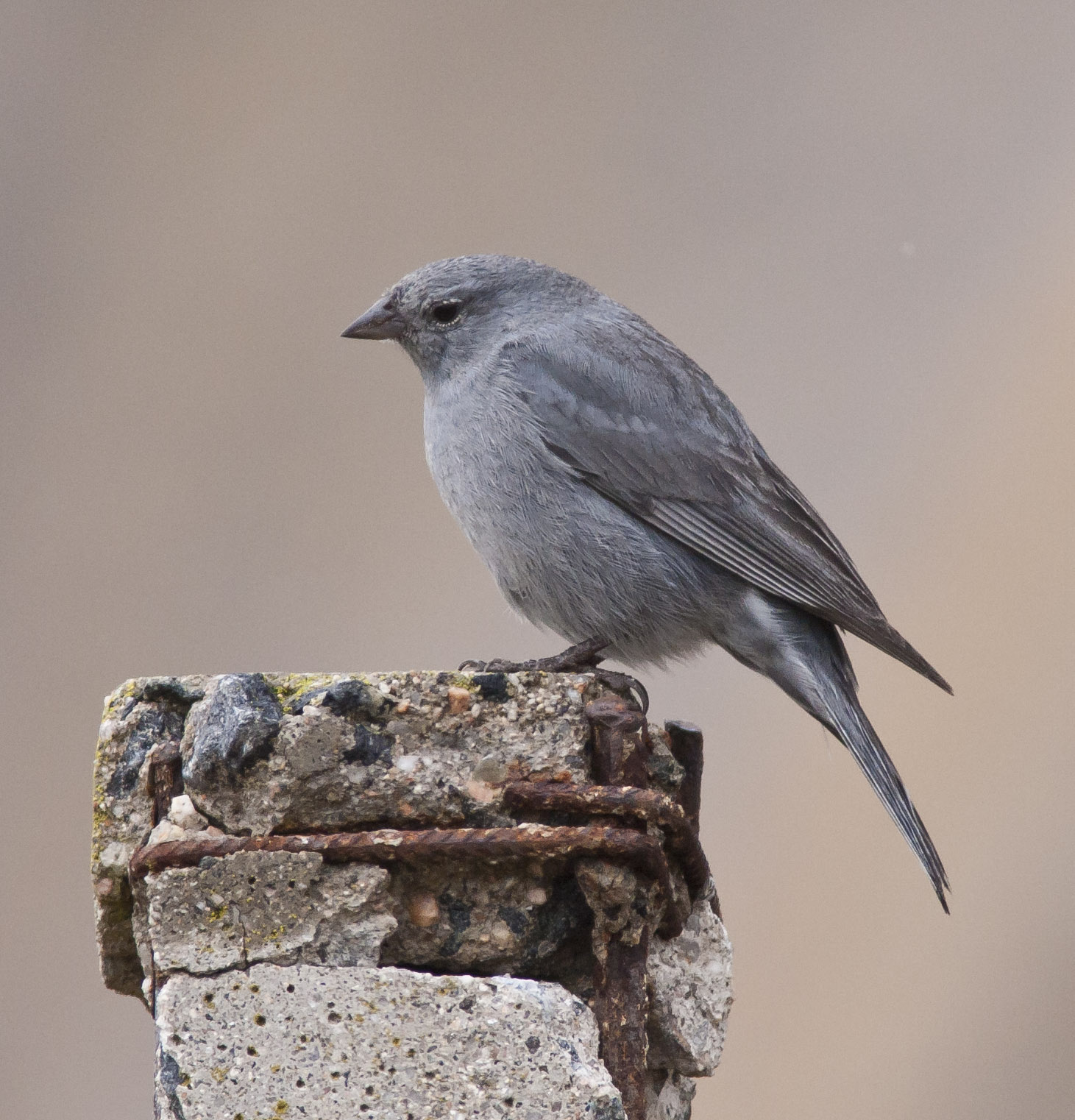
Heliothraupis 1 espécie
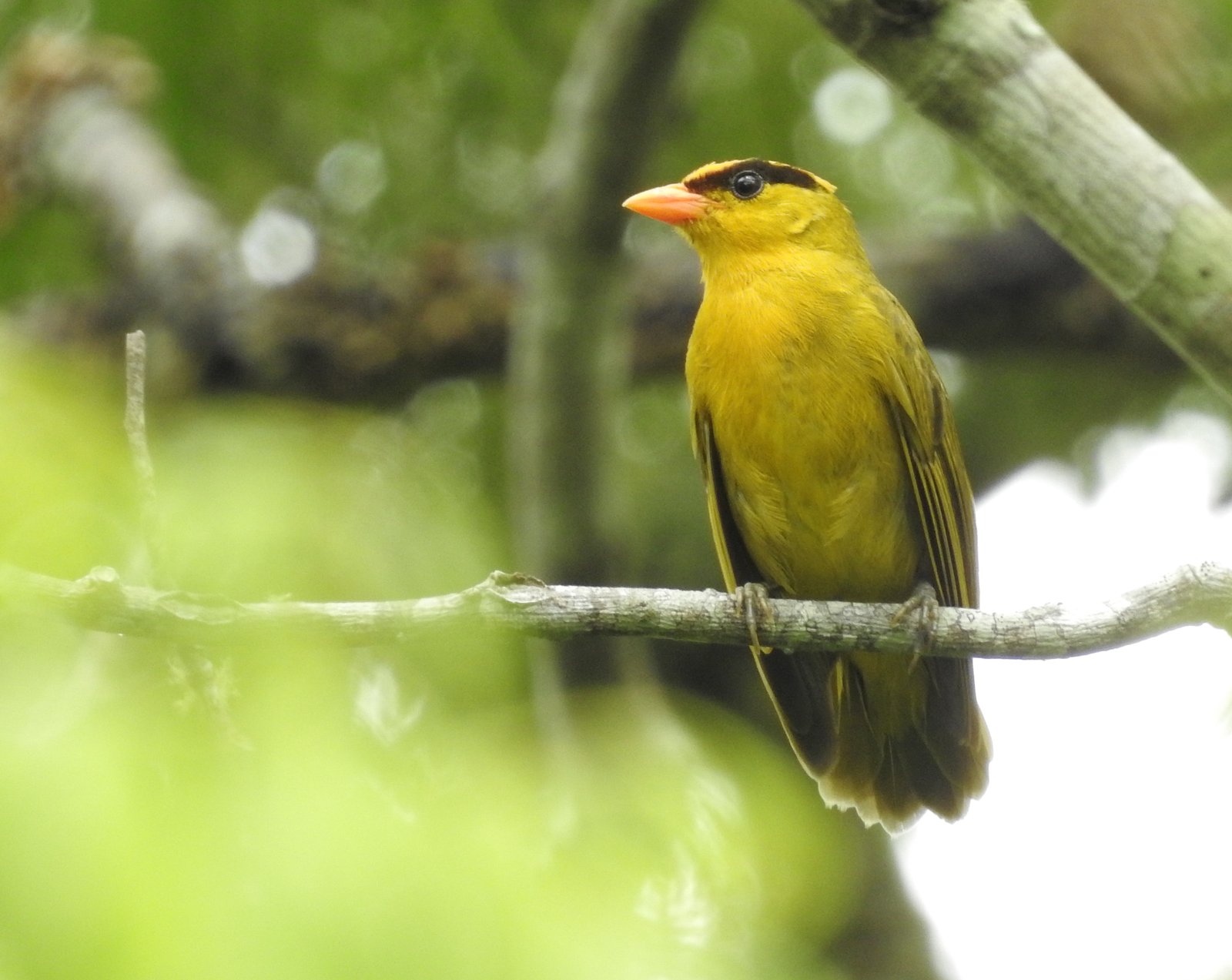
Wetmorethraupis 1 espécie
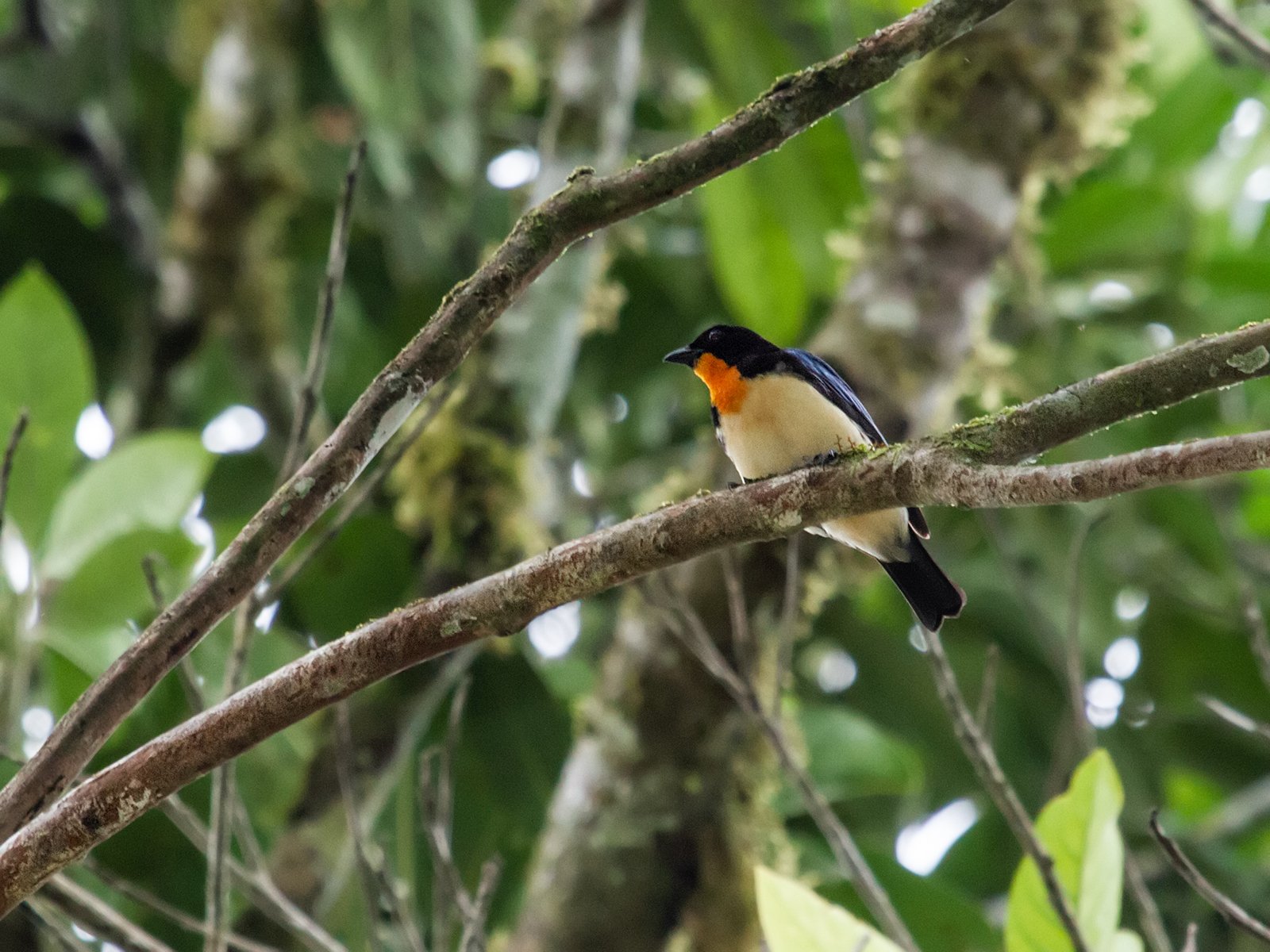
Dacnis 8 espécies
-
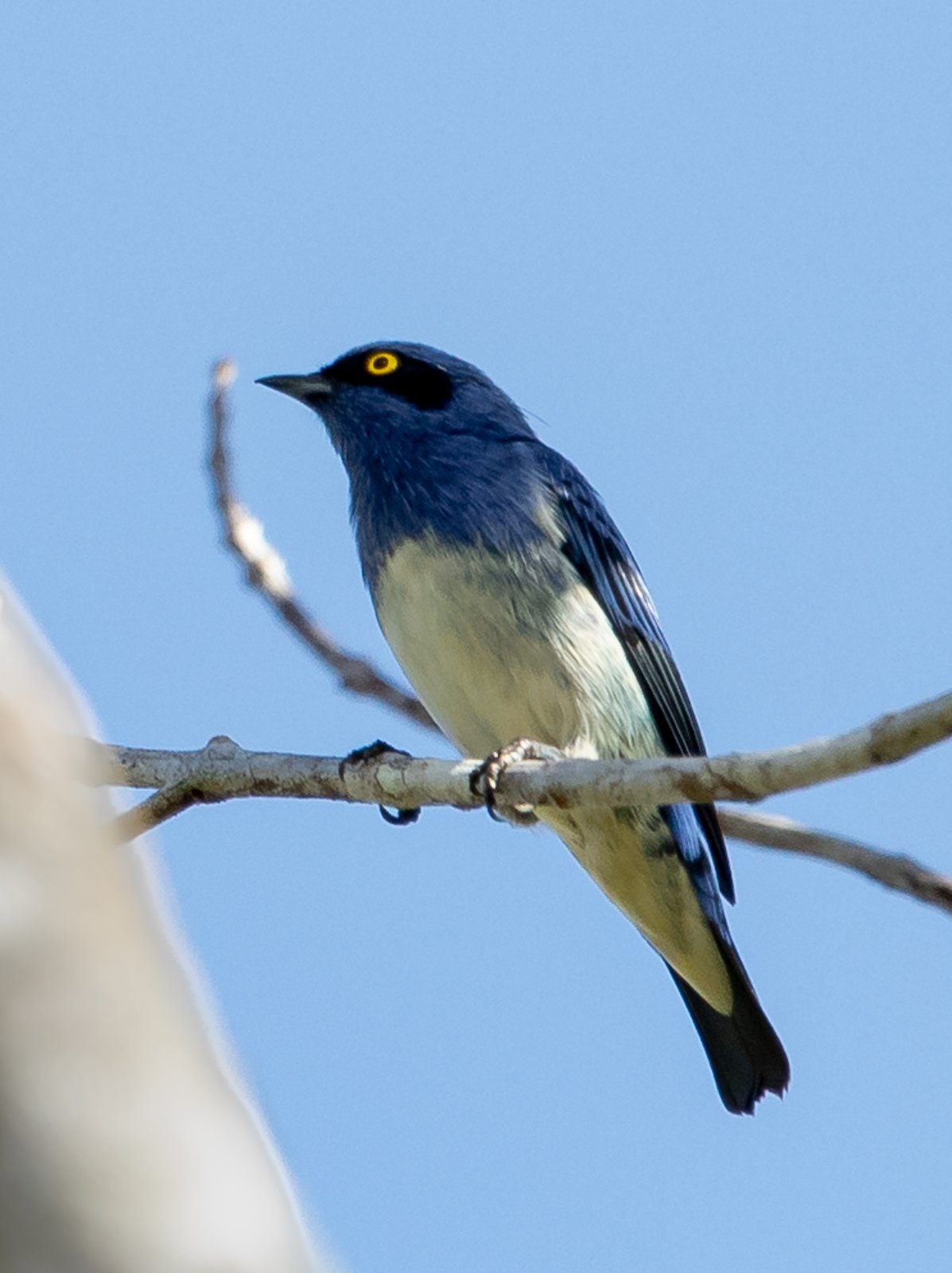
Saí-de-barriga-branca
Dacnis albiventris- Amazonian terra firme rainforest
- Várzea, igapó and river islands
- Secondary forest and forest edge
- Eastern Andean foothill forest
-
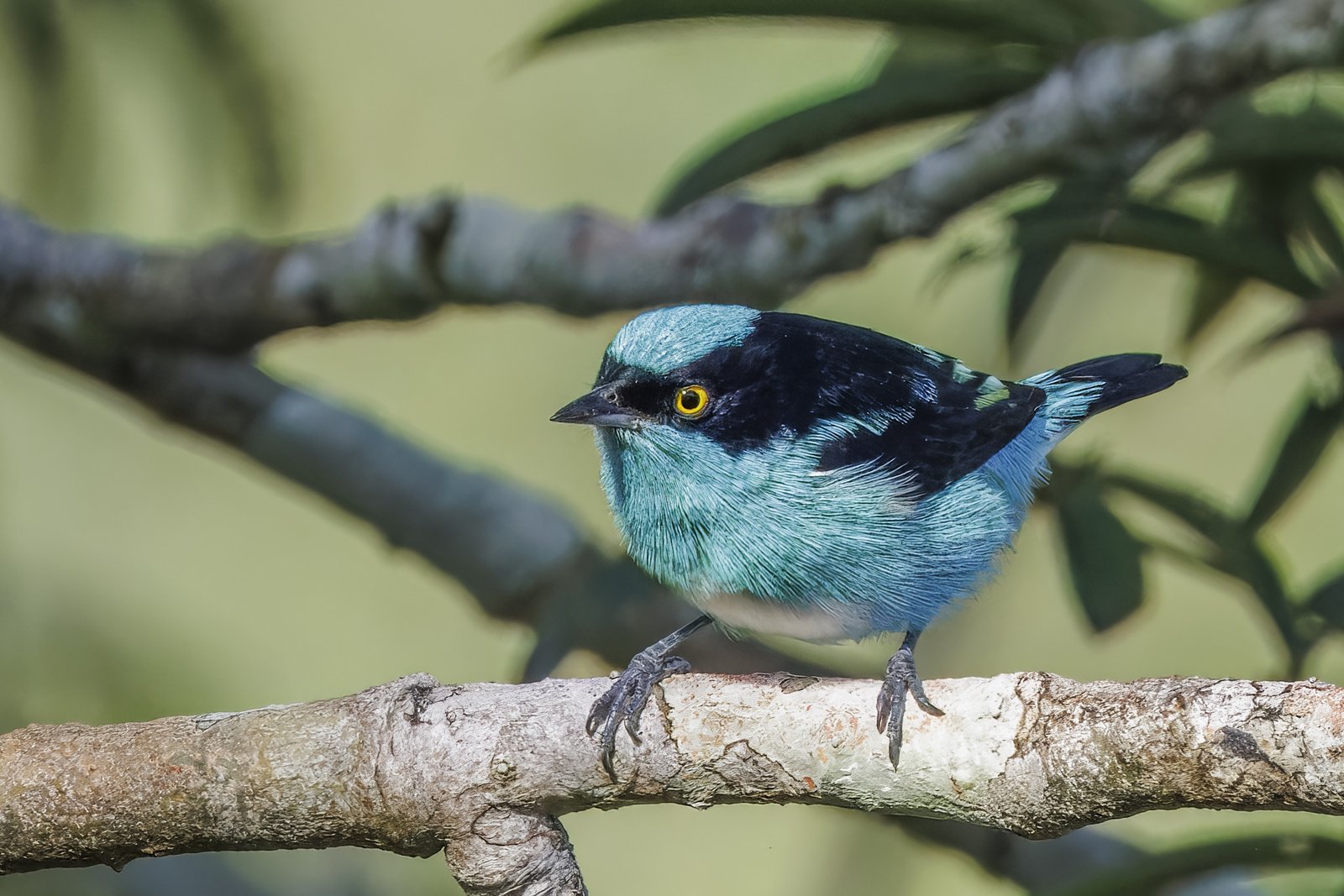
Saí-de-máscara-preta
Dacnis lineata- Amazonian terra firme rainforest
- Chocó rainforest
- Western Ecuador humid forest
- Eastern Andean foothill forest
- Secondary forest and forest edge
- Várzea, igapó and river islands
-
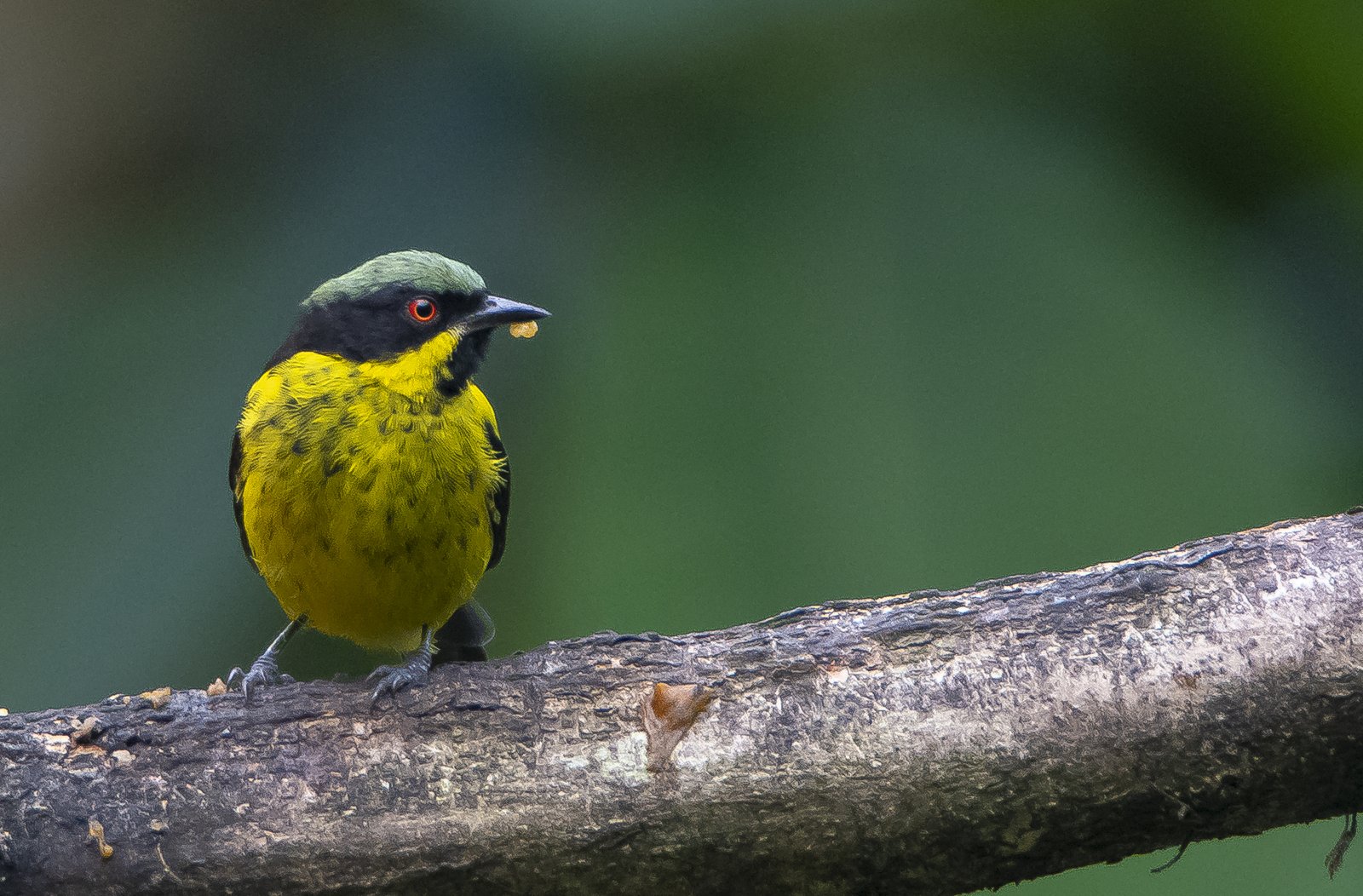
Saí-amarela
Dacnis flaviventer- Várzea, igapó and river islands
- Secondary forest and forest edge
- Amazonian terra firme rainforest
- Palm swamps and swamp forest
-
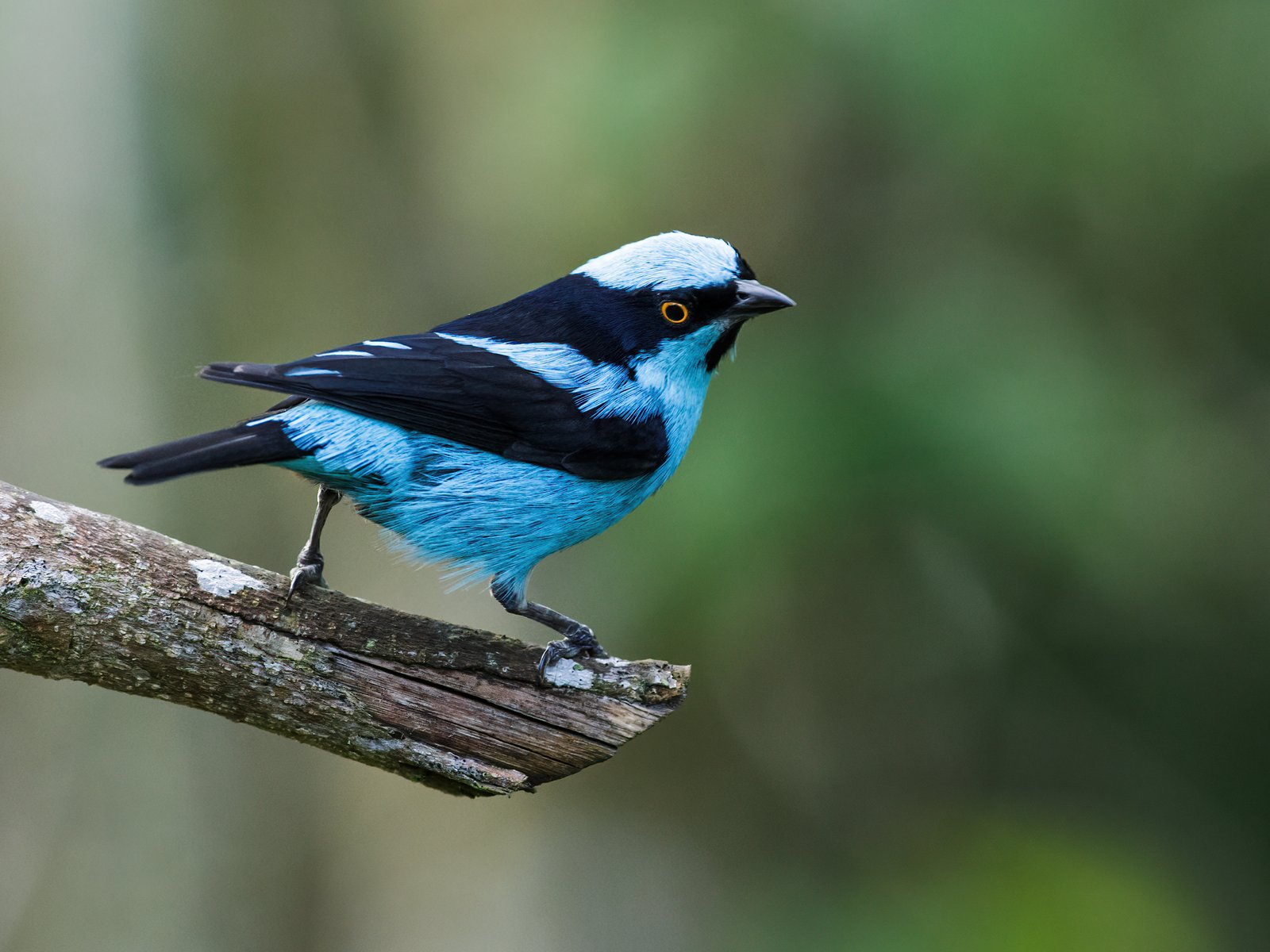
Saí-turquesa
Dacnis hartlaubi- Northern Andean subtropical forest
- Secondary forest and forest edge
- Coffee, cacao and agroforestry
- Northern Andean cloud forest and temperate forest
-
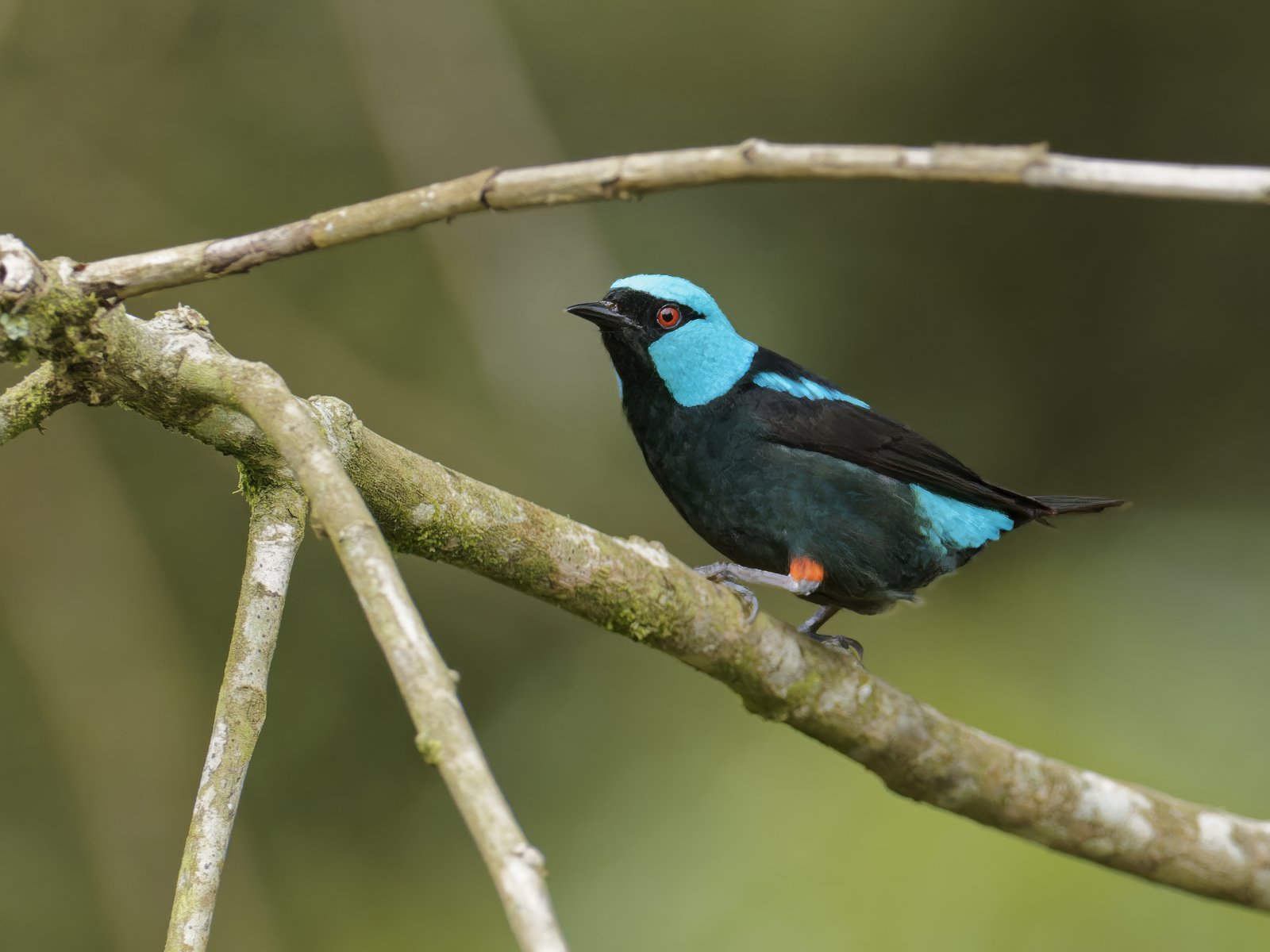
Saí-de-coxa-escarlate
Dacnis venusta- Chocó rainforest
- Western Ecuador humid forest
- Northern Andean subtropical forest
- Secondary forest and forest edge
-
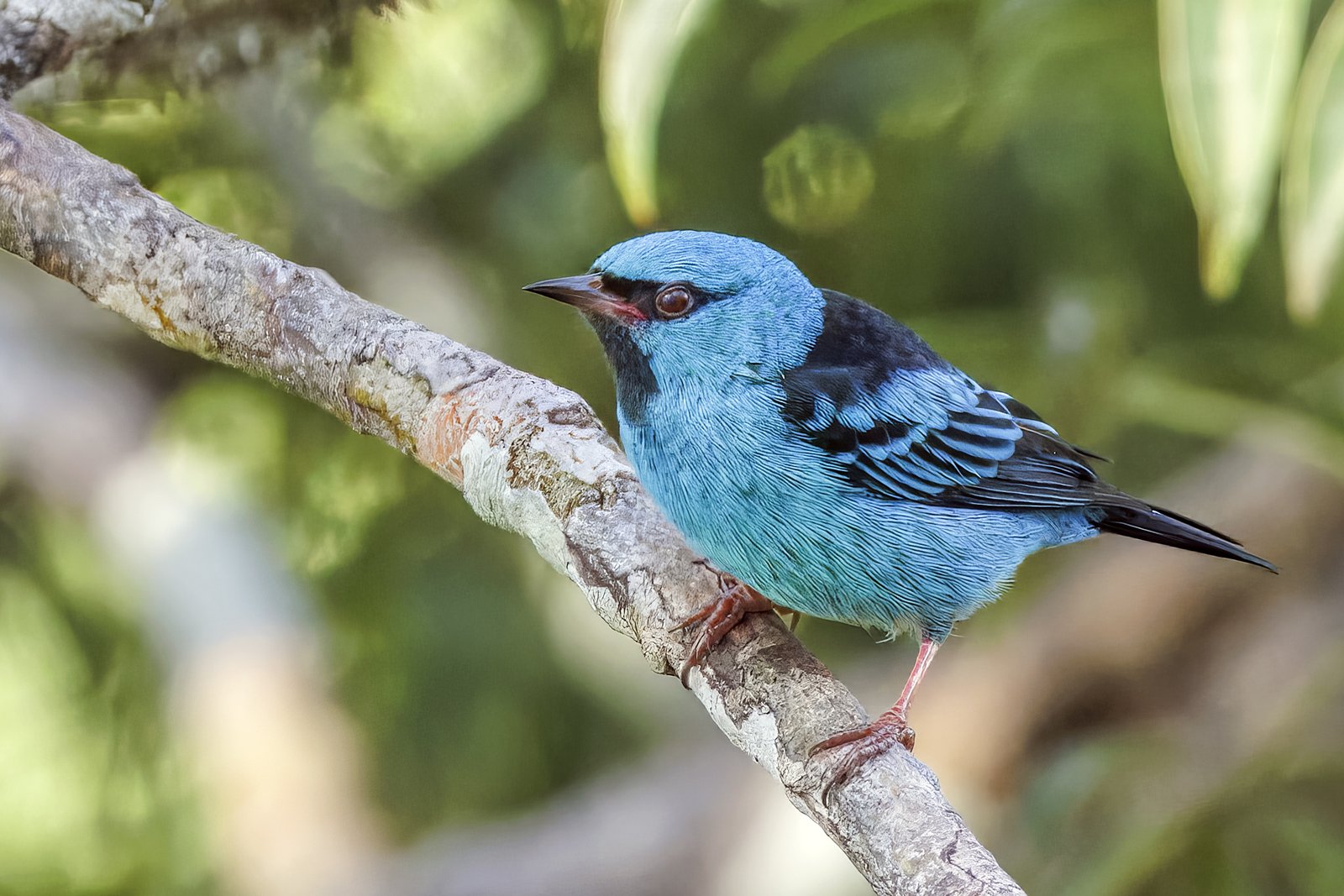
Saí-azul
Dacnis cayana- Secondary forest and forest edge
- Amazonian terra firme rainforest
- Chocó rainforest
- Western Ecuador humid forest
- Eastern Andean foothill forest
- Coffee, cacao and agroforestry
- Várzea, igapó and river islands
-
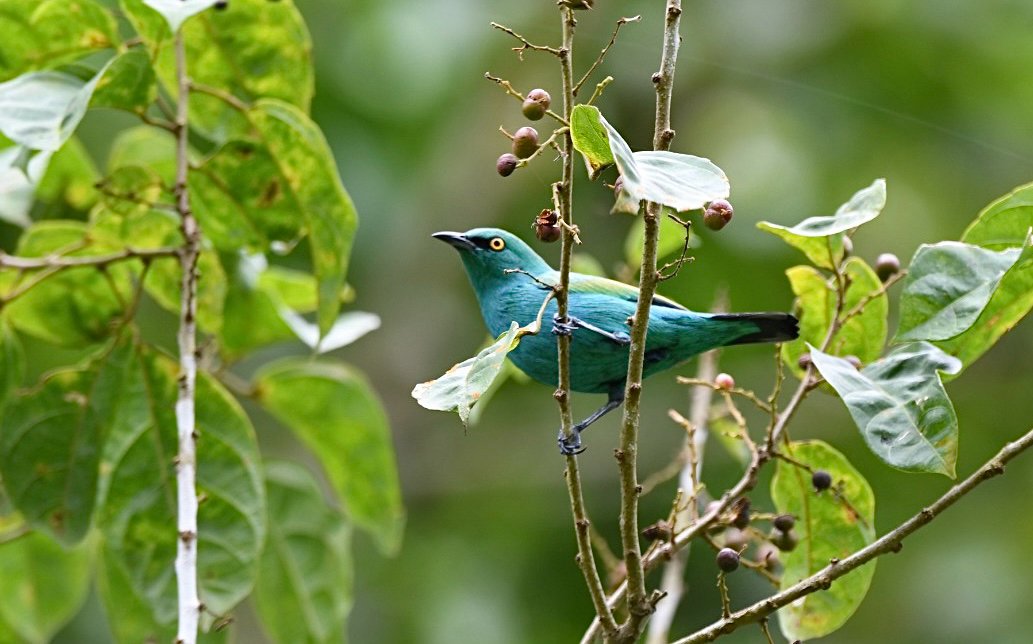
Saí-verde-azulado
Dacnis viguieri- Chocó rainforest
- Secondary forest and forest edge
-
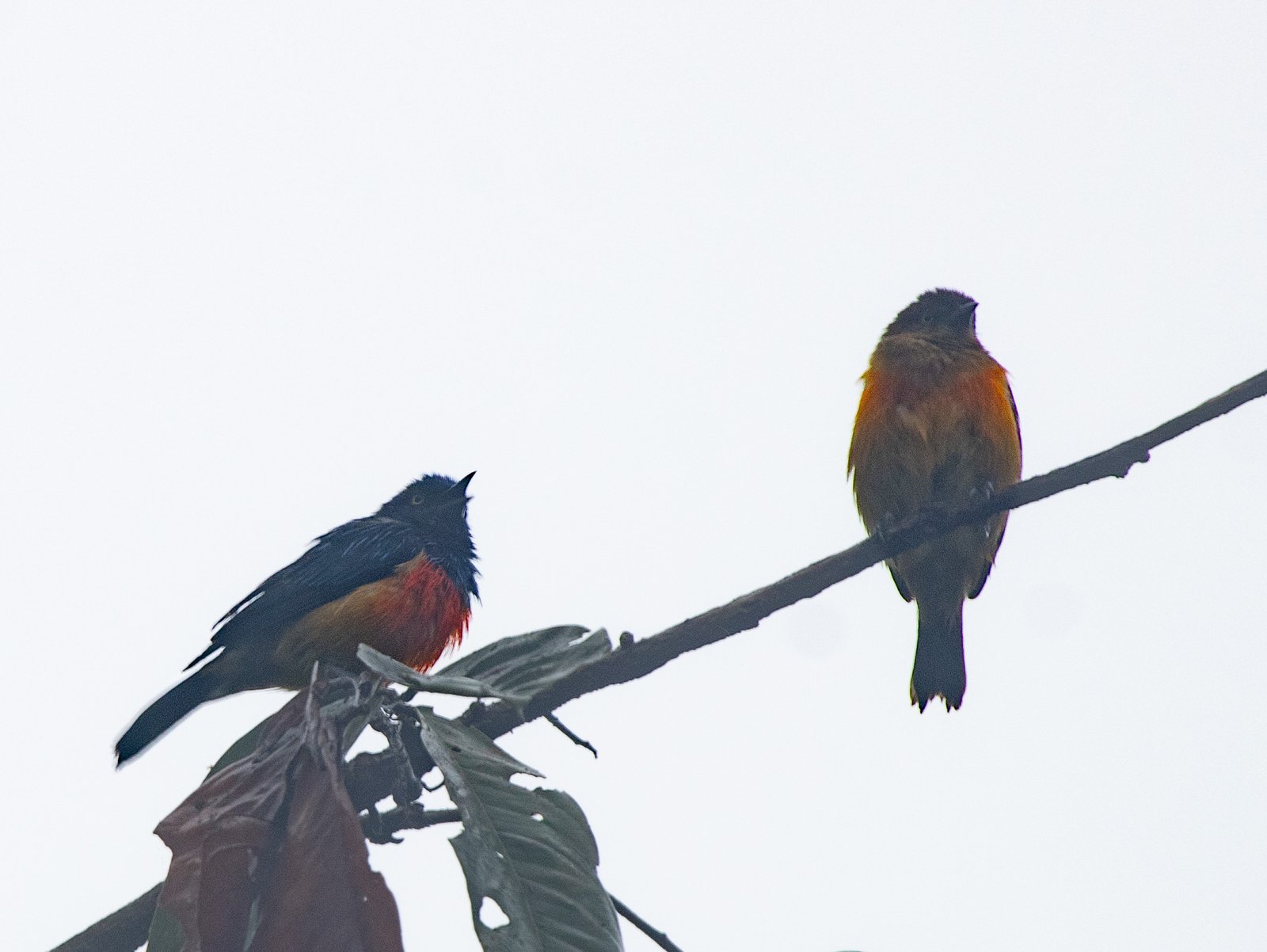
Saí-de-peito-escarlate
Dacnis berlepschi- Chocó rainforest
- Western Ecuador humid forest
- Secondary forest and forest edge
Platyspiza 1 espécie
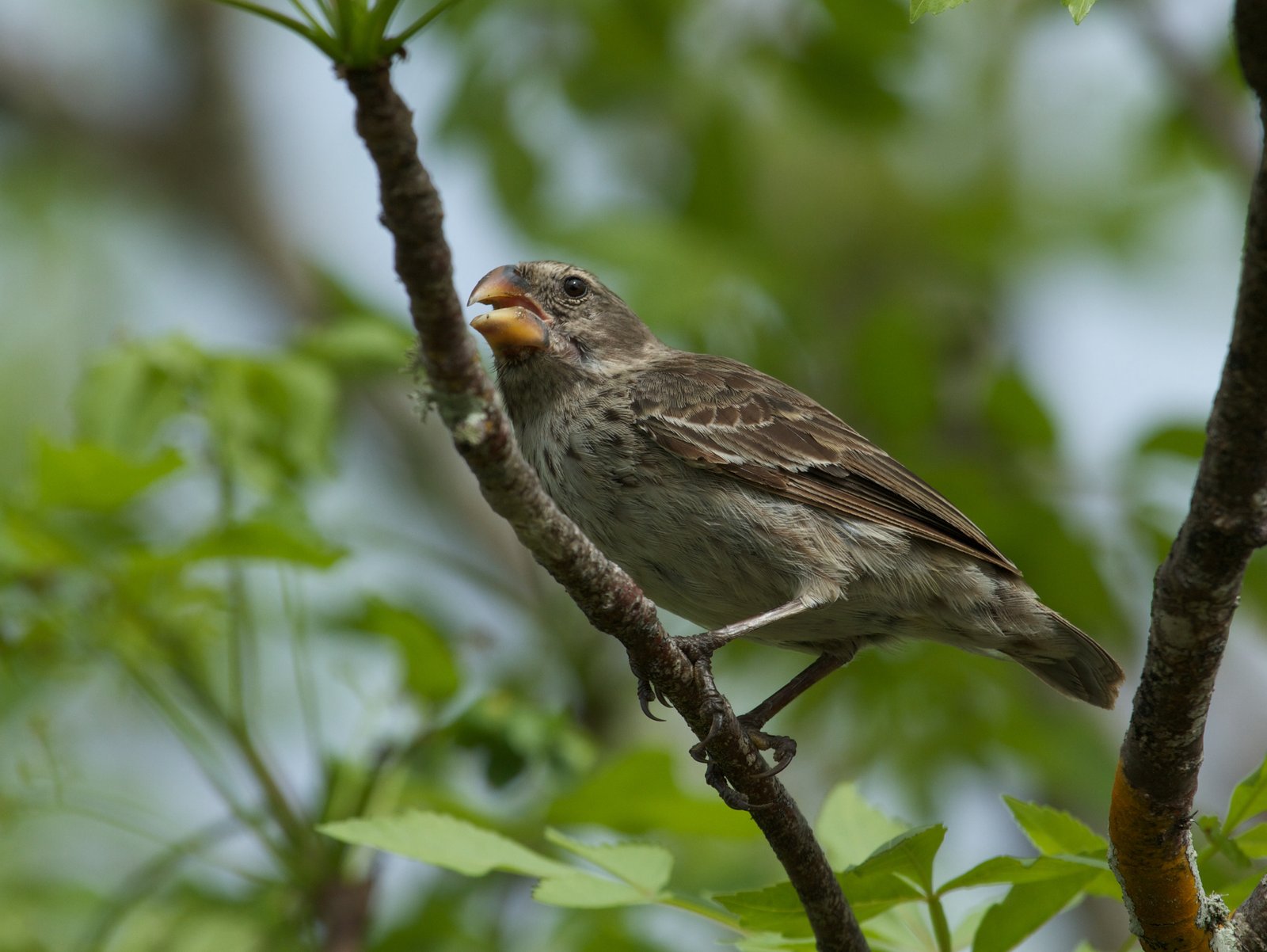
Nemosia 1 espécie
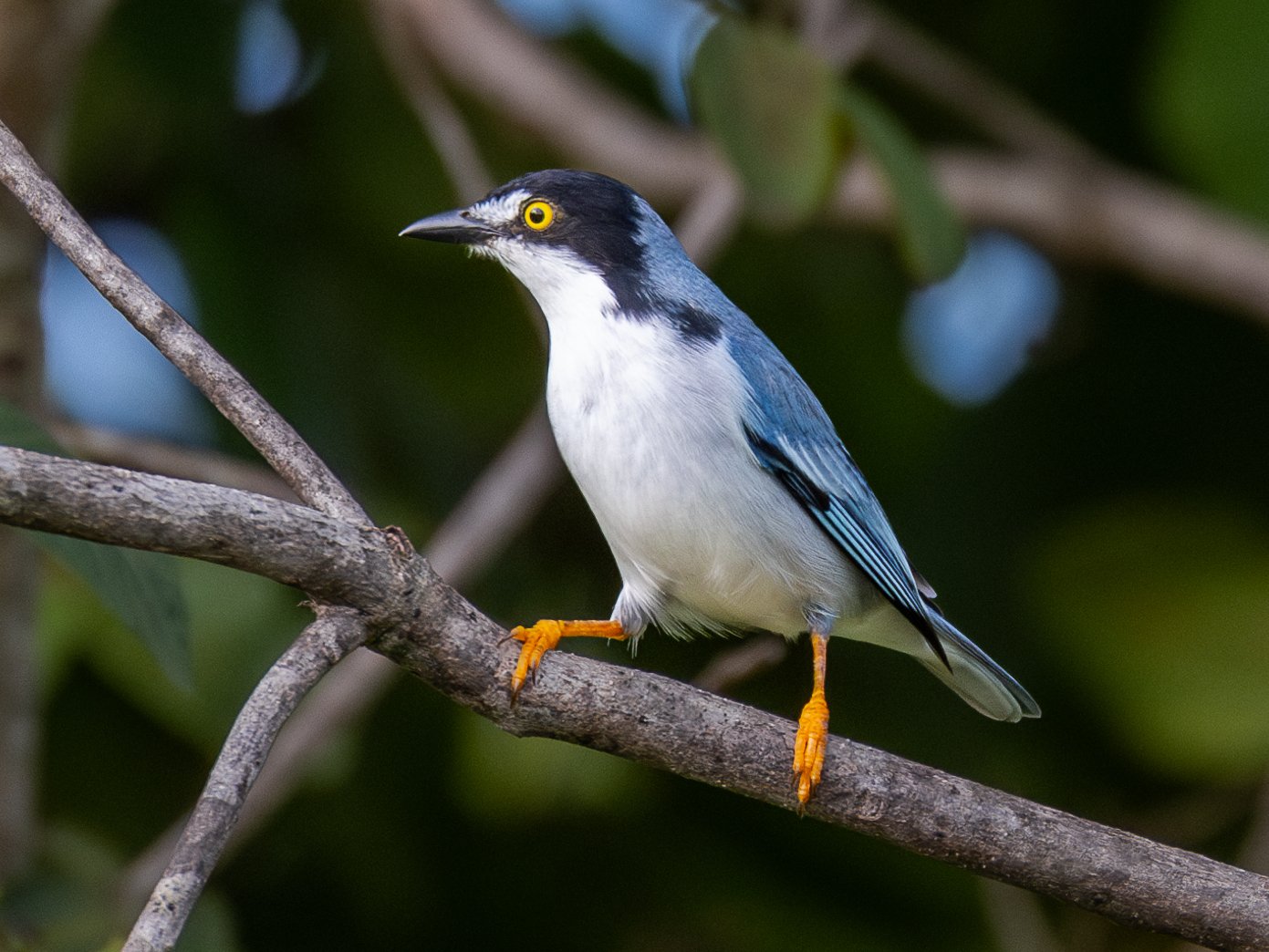
Chlorochrysa 3 espécies
-
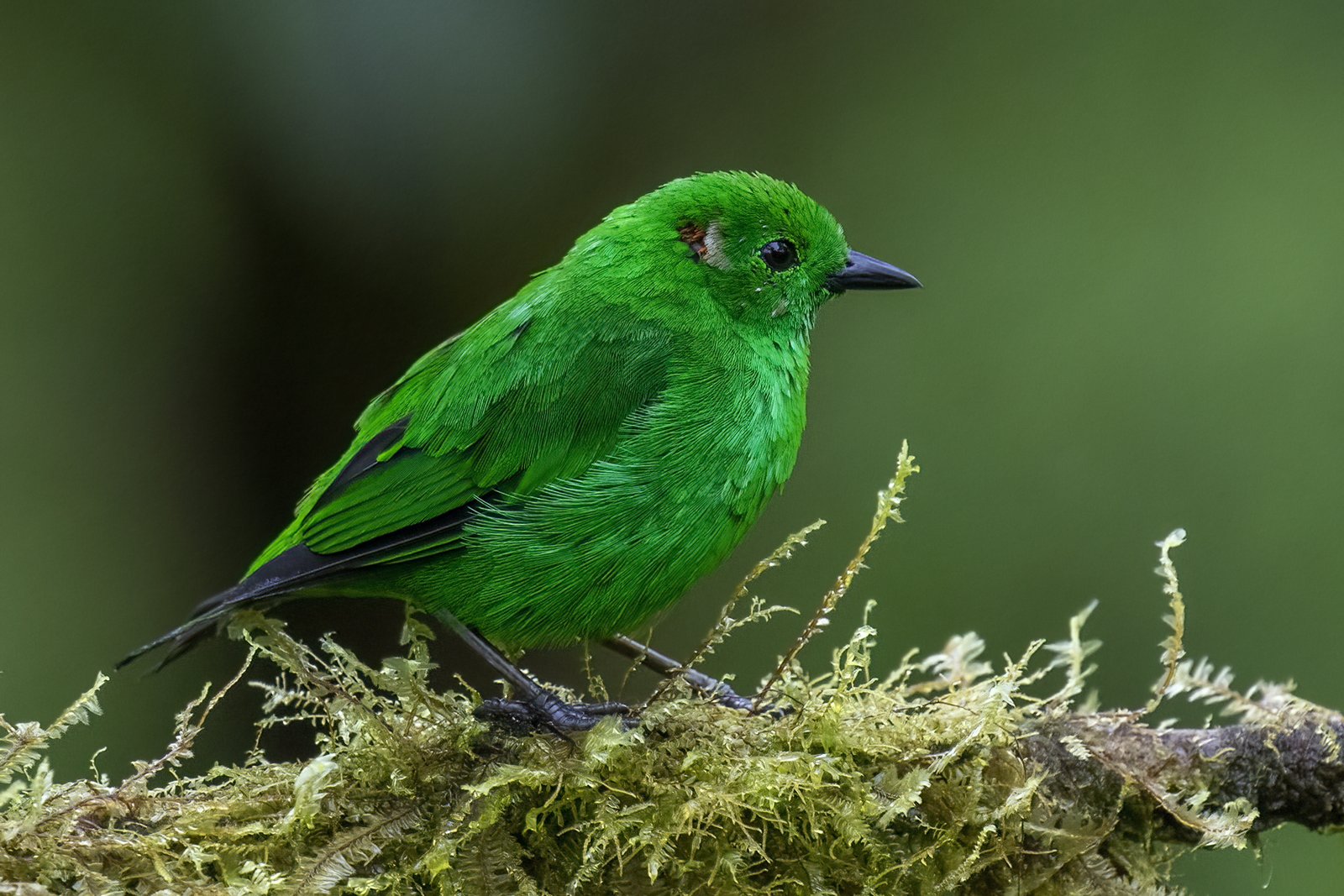
Saíra-verde-reluzente
Chlorochrysa phoenicotis- Northern Andean subtropical forest
- Chocó rainforest
- Northern Andean cloud forest and temperate forest
- Secondary forest and forest edge
-
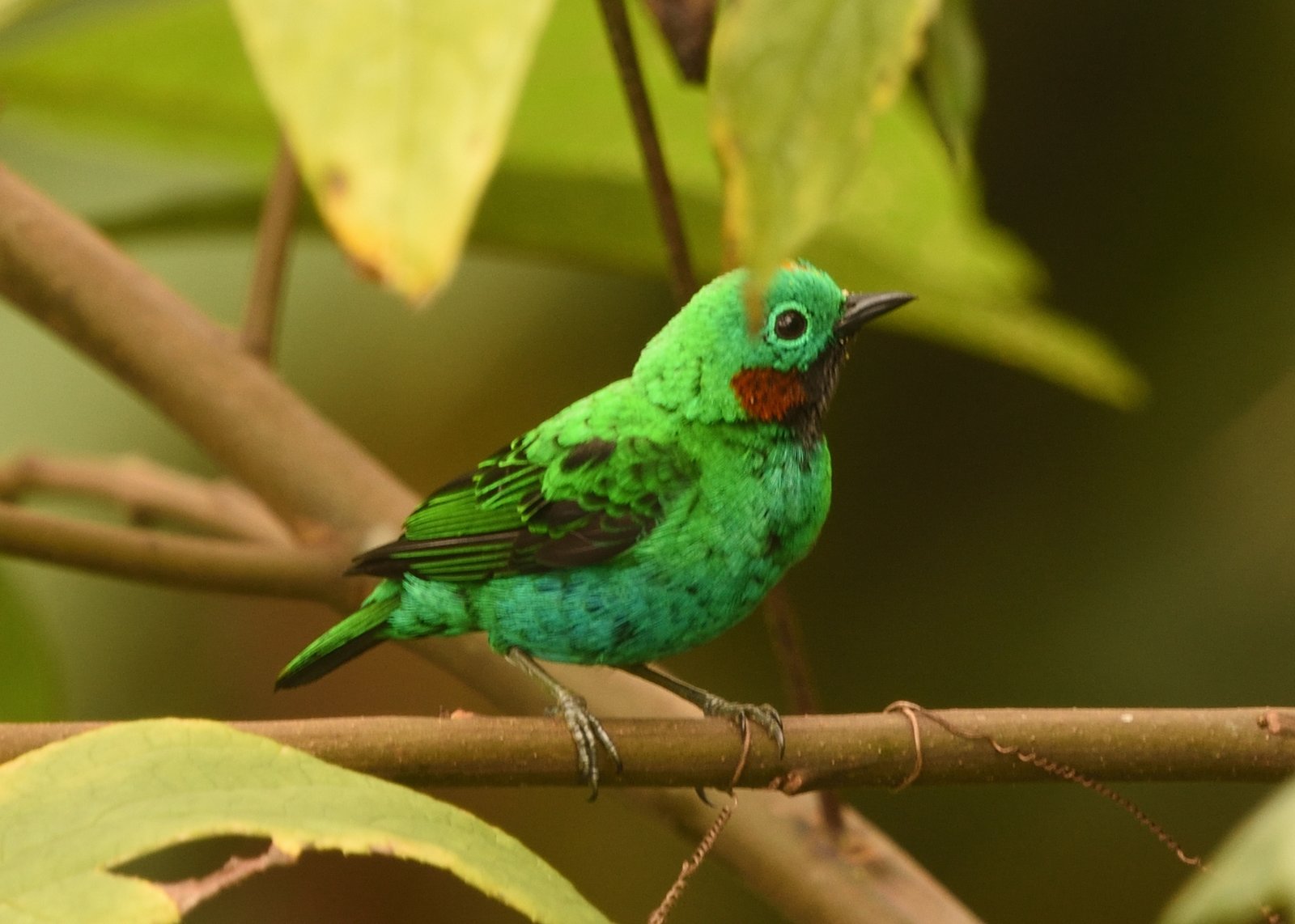
Saíra-de-orelha-laranja
Chlorochrysa calliparaea- Eastern Andean foothill forest
- Northern Andean subtropical forest
- Lower Yungas forest
- Secondary forest and forest edge
-
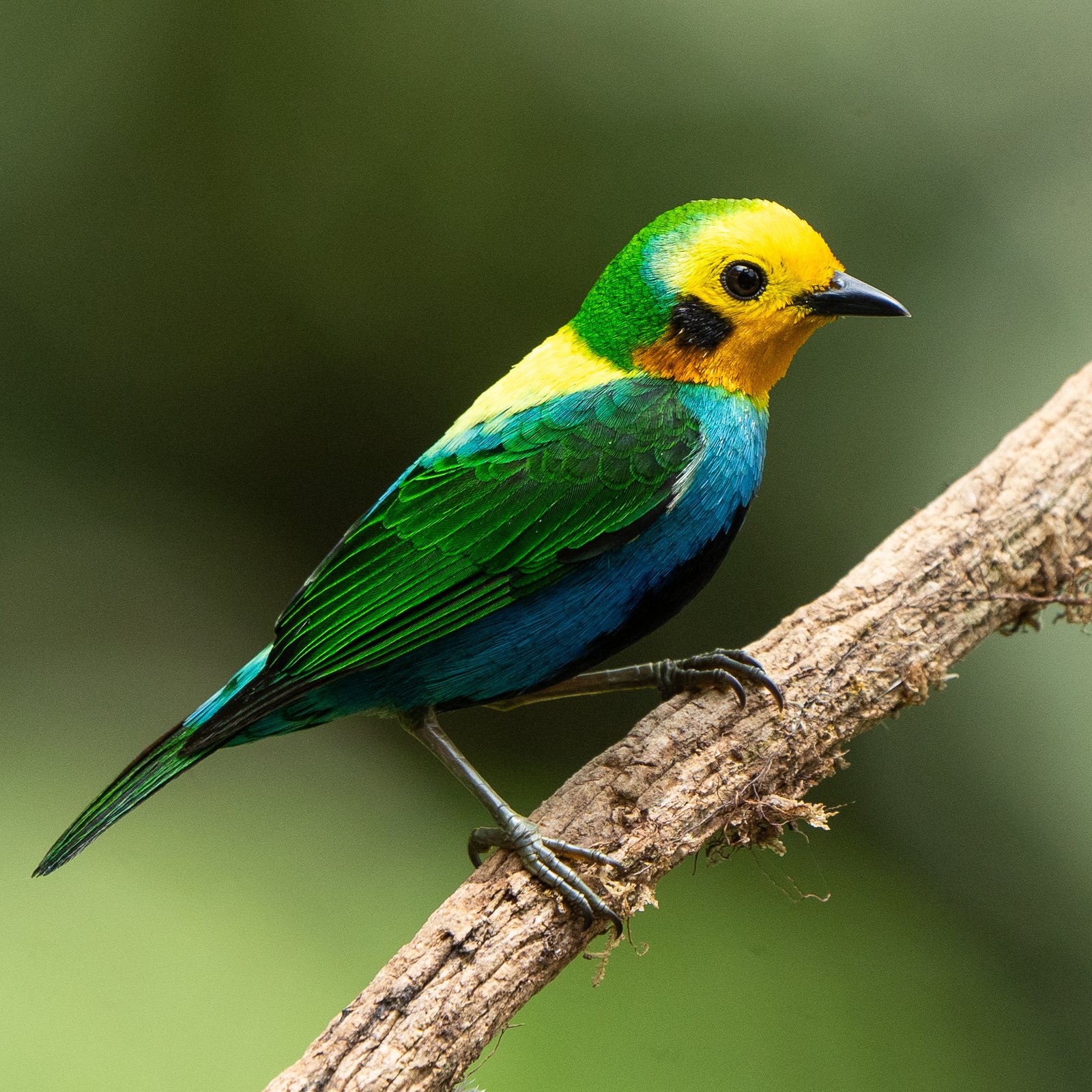
Saíra-multicolorida
Chlorochrysa nitidissima- Northern Andean subtropical forest
- Northern Andean cloud forest and temperate forest
- Secondary forest and forest edge
- Coffee, cacao and agroforestry
Iridophanes 1 espécie

Poospiza 6 espécies
-
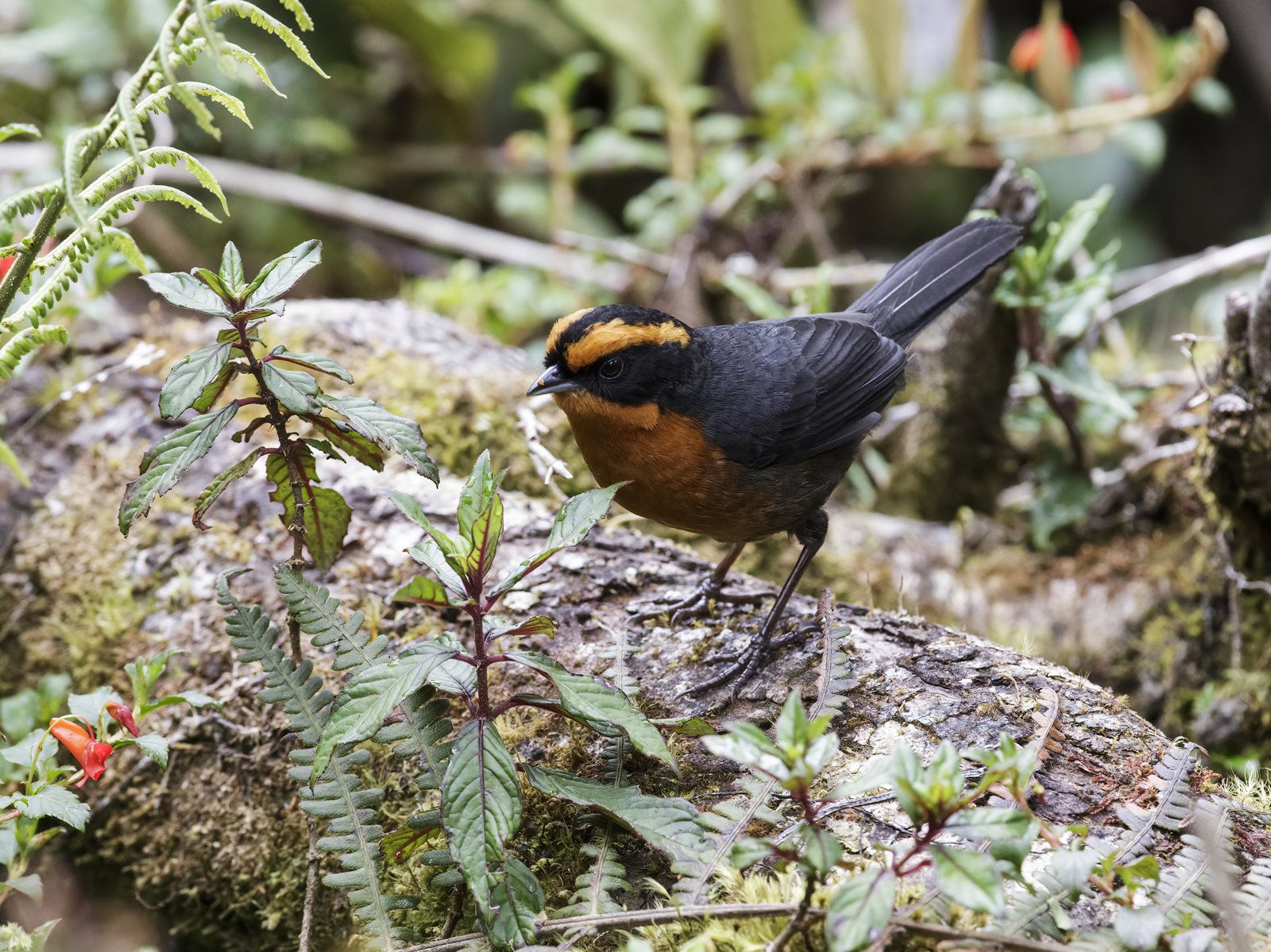
Tico-tico-de-sobrancelha-ruiva
Poospiza rufosuperciliaris- Bamboo forest
- Upper Yungas cloud forest
- Northern Andean cloud forest and temperate forest
-
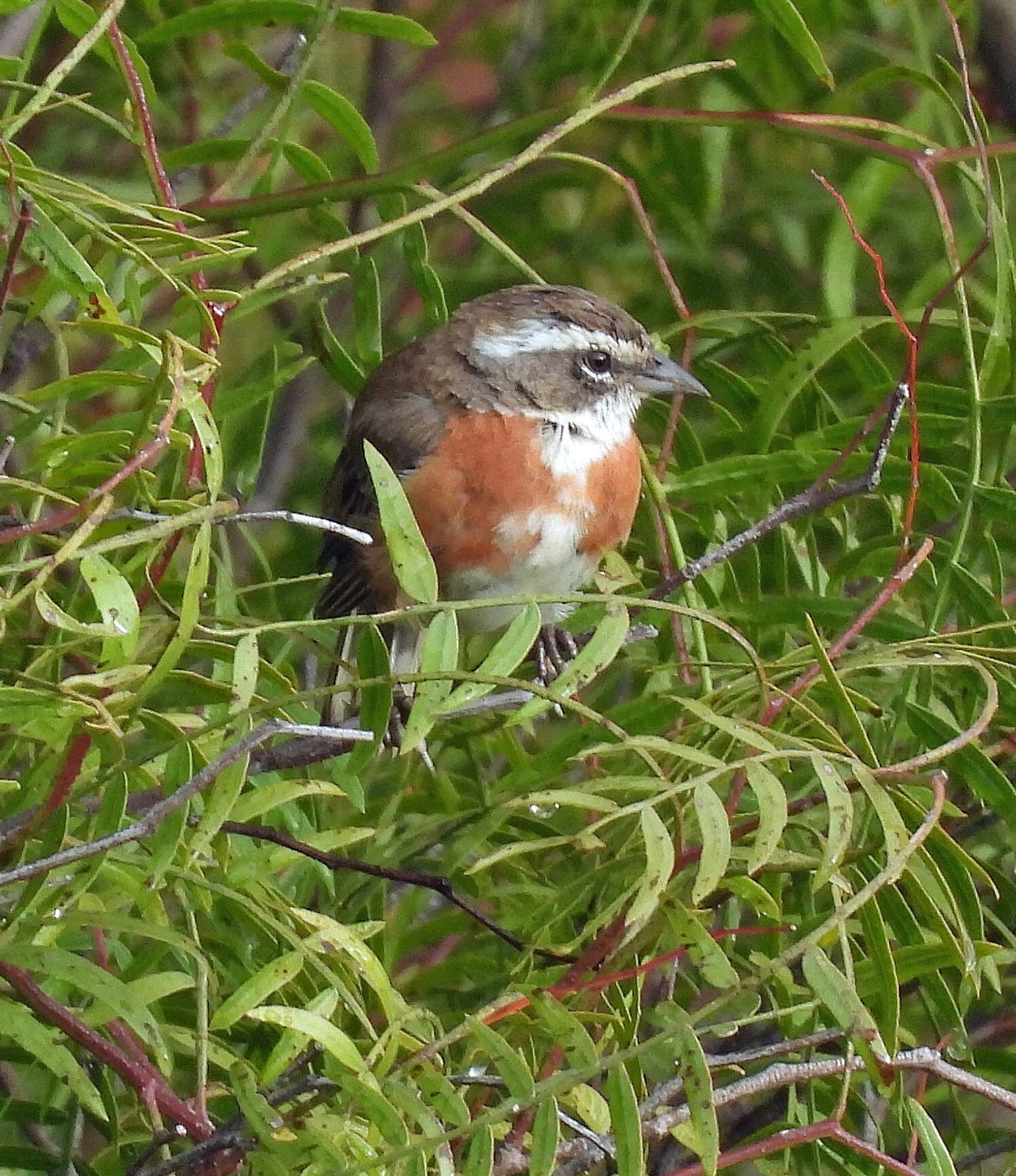
Quem-te-vestiu-boliviano
Poospiza boliviana- Central Andean dry valleys
- Riparian woodland of the Andes and coastal valleys
- Andean fields and terraces
-
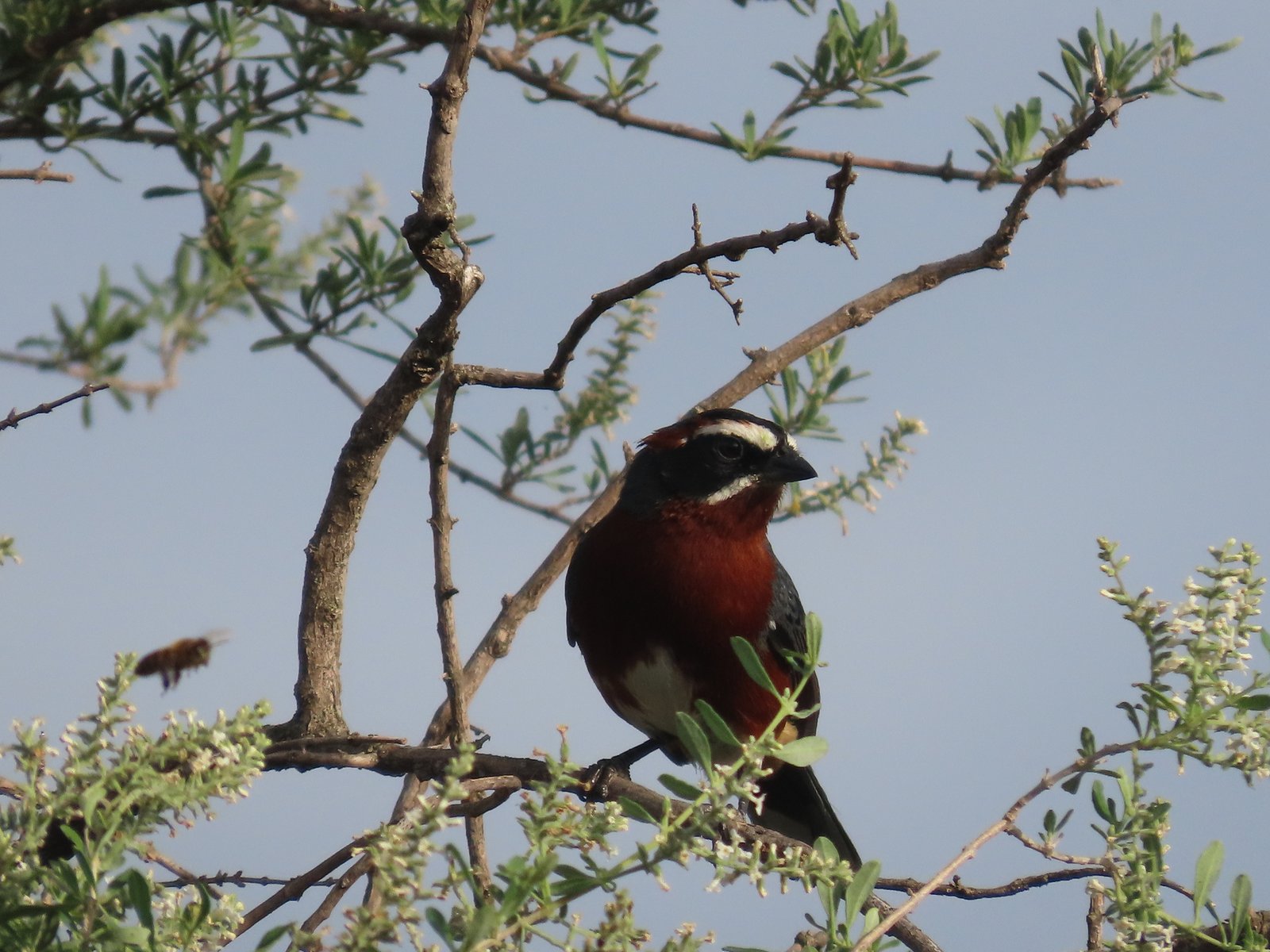
Quem-te-vestiu-serrano
Poospiza whitii- Upper Yungas cloud forest
- Central Andean dry valleys
- Lower Yungas forest
- Riparian woodland of the Andes and coastal valleys
-
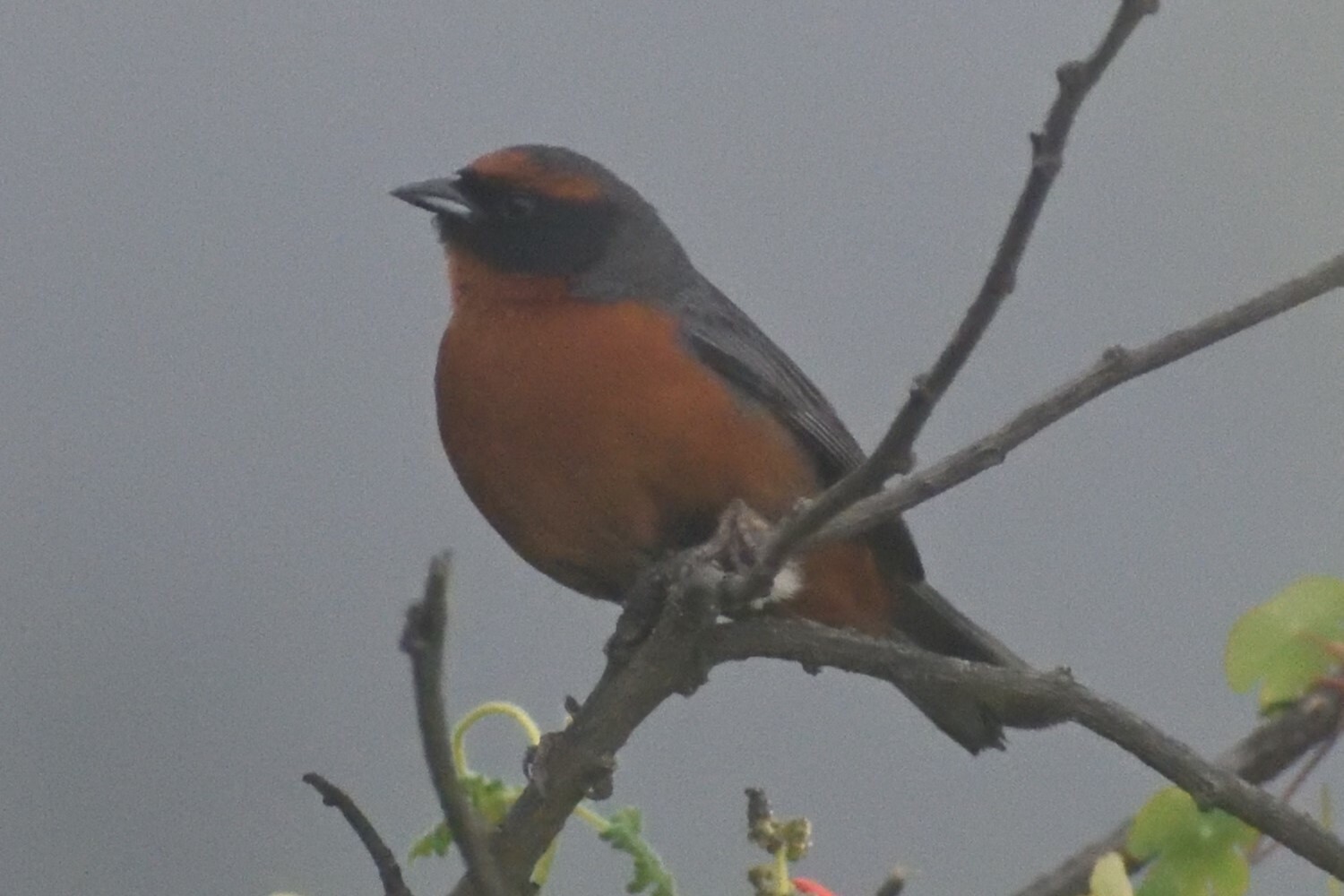
Quem-te-vestiu-de-peito-ruivo
Poospiza rubecula- Central Andean dry valleys
- Marañón and northern inter-Andean dry forest
- Polylepis woodland
- Riparian woodland of the Andes and coastal valleys
- Lomas (fog oases)
-
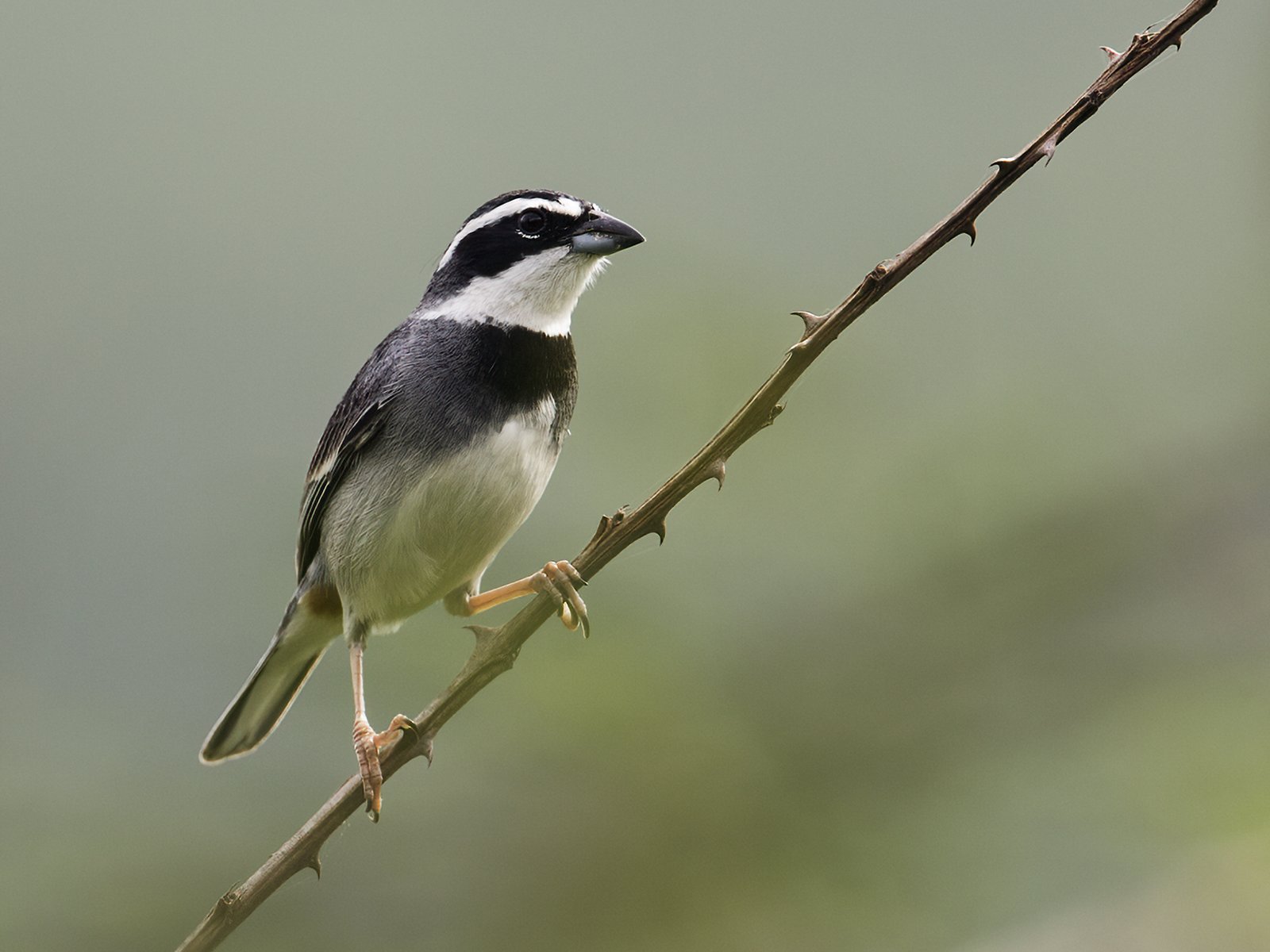
Quem-te-vestiu-de-colar
Poospiza hispaniolensis- Tumbesian dry forest and thorn scrub
- Coastal desert
- Lomas (fog oases)
- Riparian woodland of the Andes and coastal valleys
- Irrigated farmland and rice fields
-
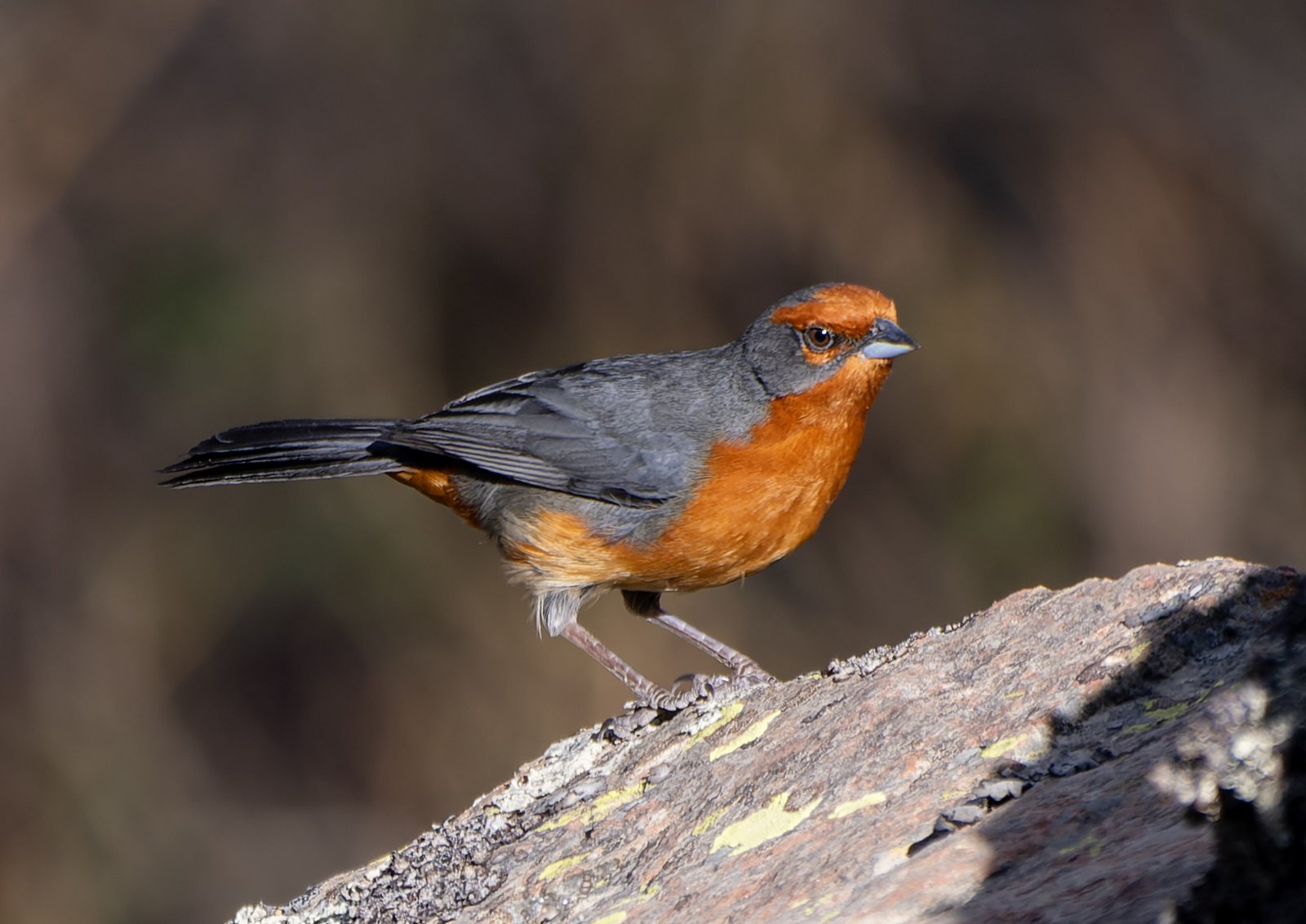
Tico-tico-de-cochabamba
Poospiza garleppi- Polylepis woodland
- Central Andean dry valleys
- Riparian woodland of the Andes and coastal valleys
- Dry puna and altiplano
Cissopis 1 espécie
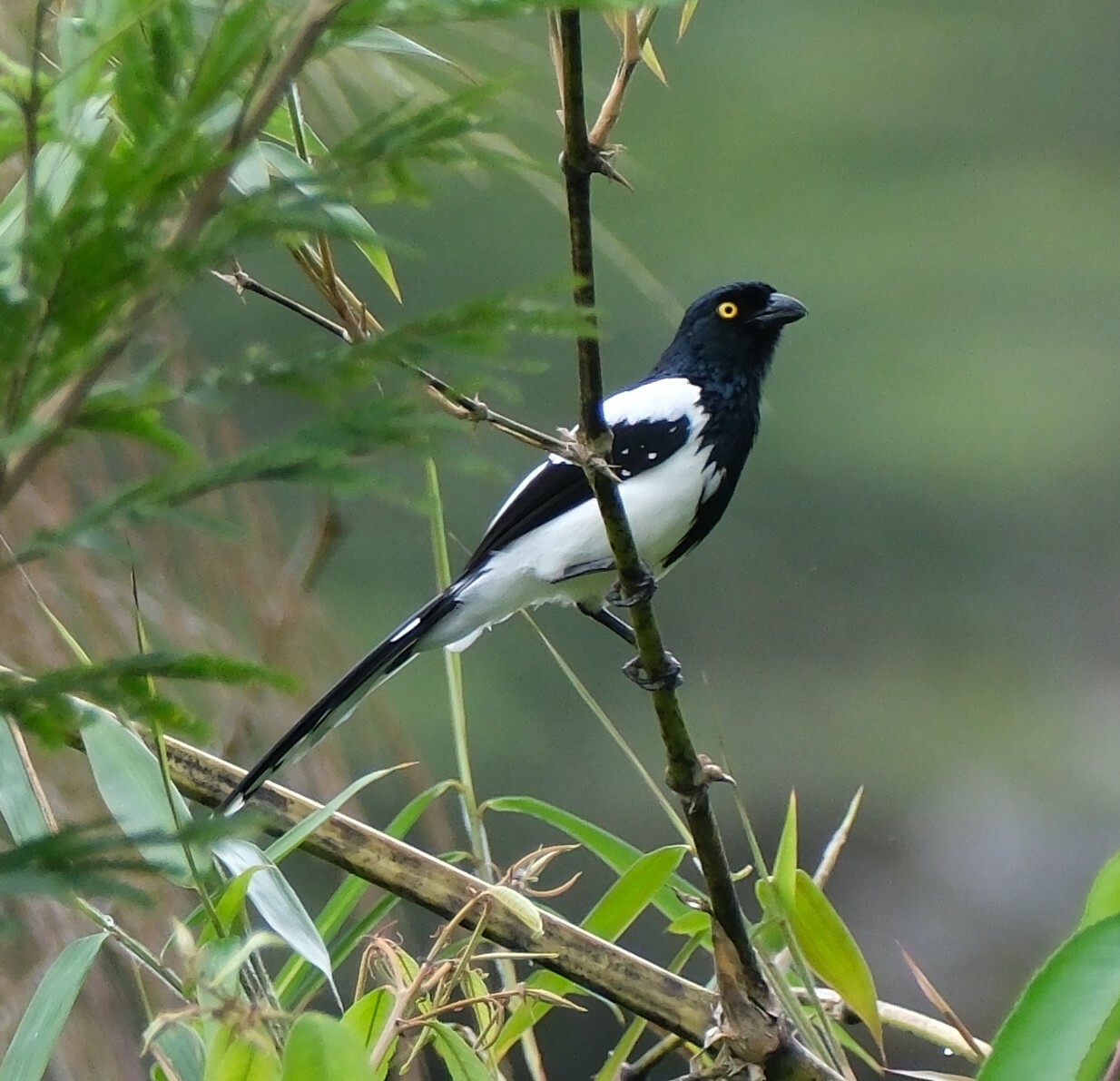
Diglossa 12 espécies
-
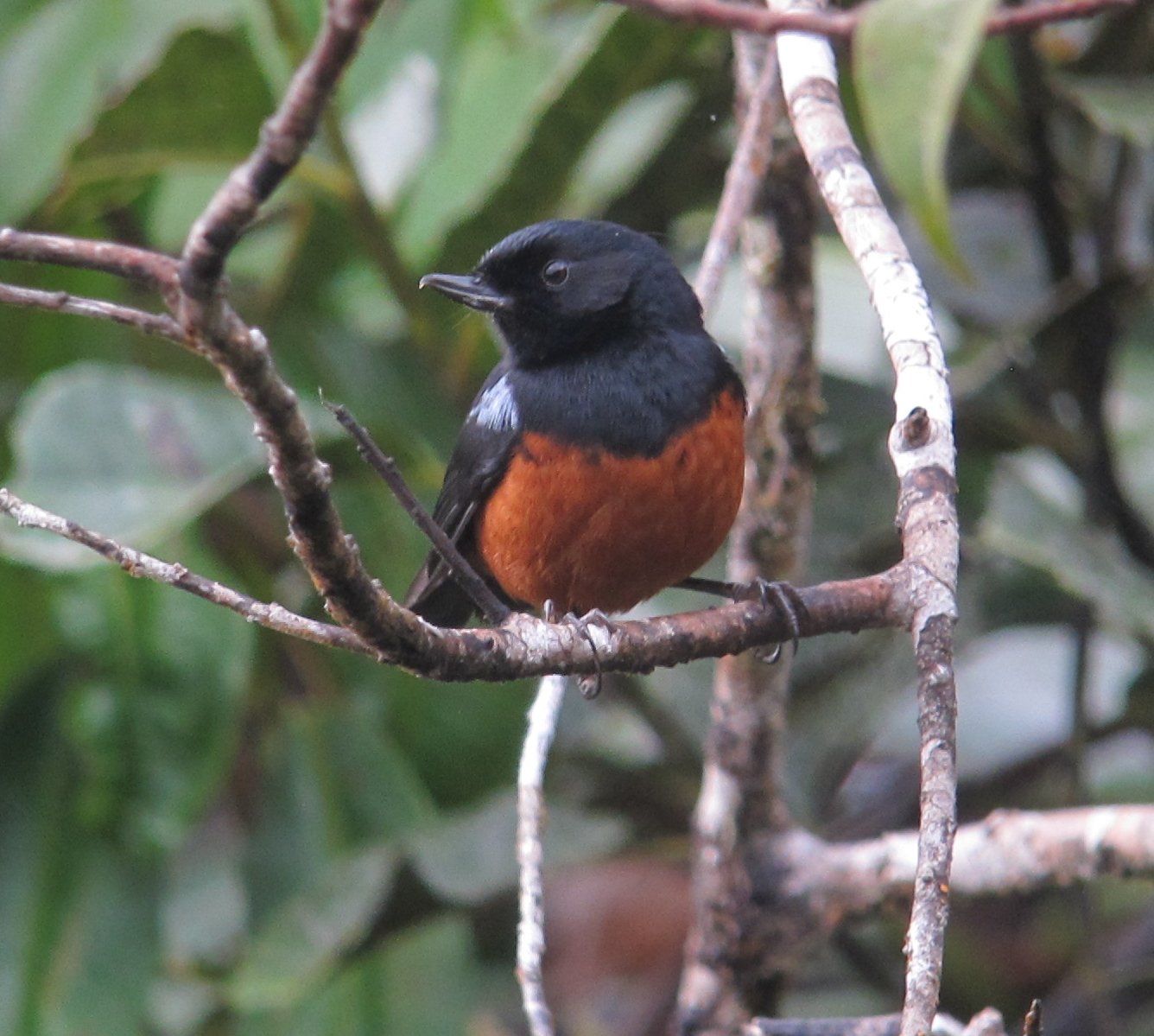
Fura-flor-de-barriga-castanha
Diglossa gloriosissima- Northern Andean cloud forest and temperate forest
- Páramo
-

Fura-flor-lustroso
Diglossa lafresnayii- Northern Andean cloud forest and temperate forest
- Páramo
- Jalca
-
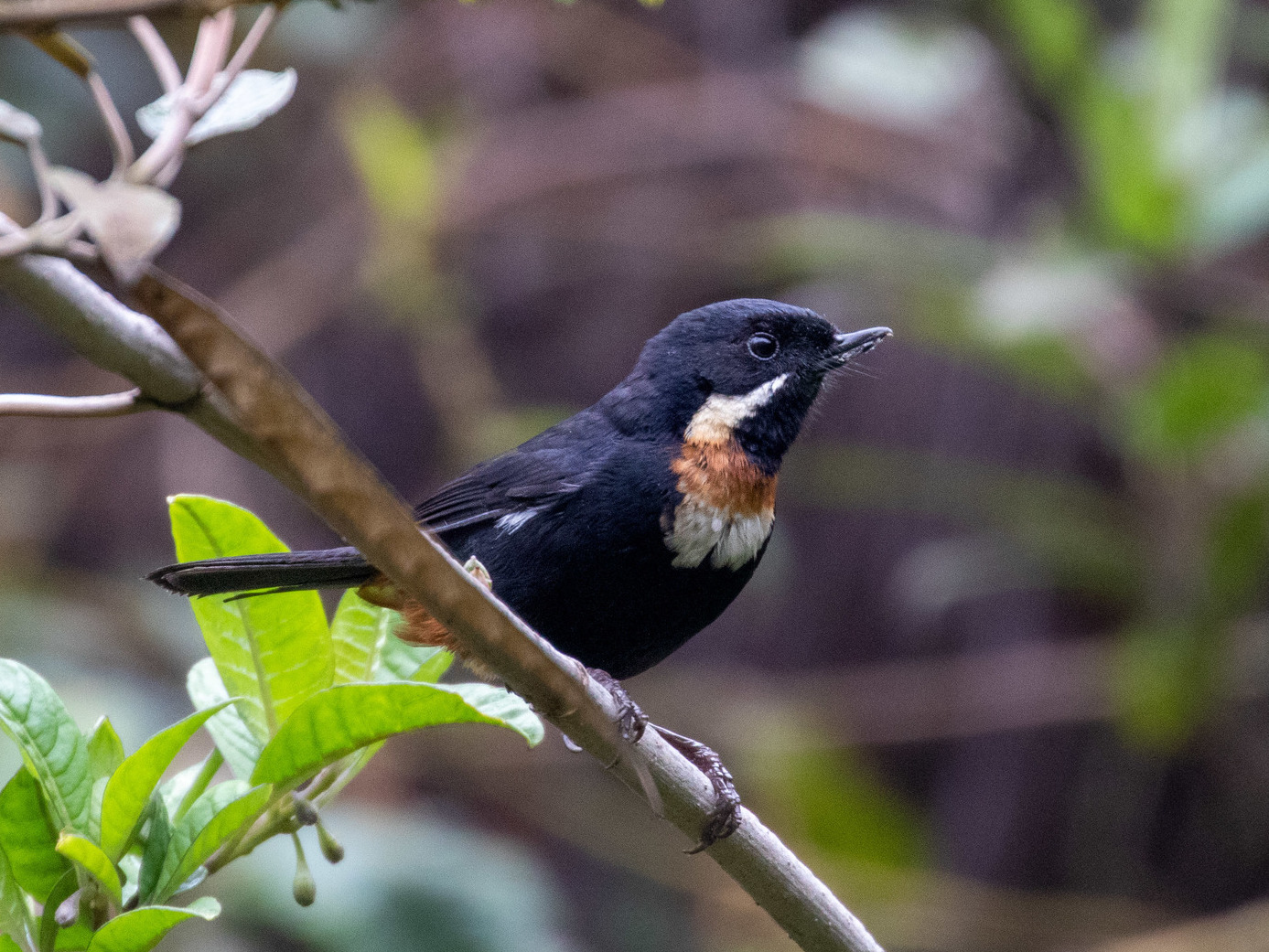
Fura-flor-bigodudo
Diglossa mystacalis- Upper Yungas cloud forest
- Northern Andean cloud forest and temperate forest
- Polylepis woodland
- Humid puna
- Jalca
-
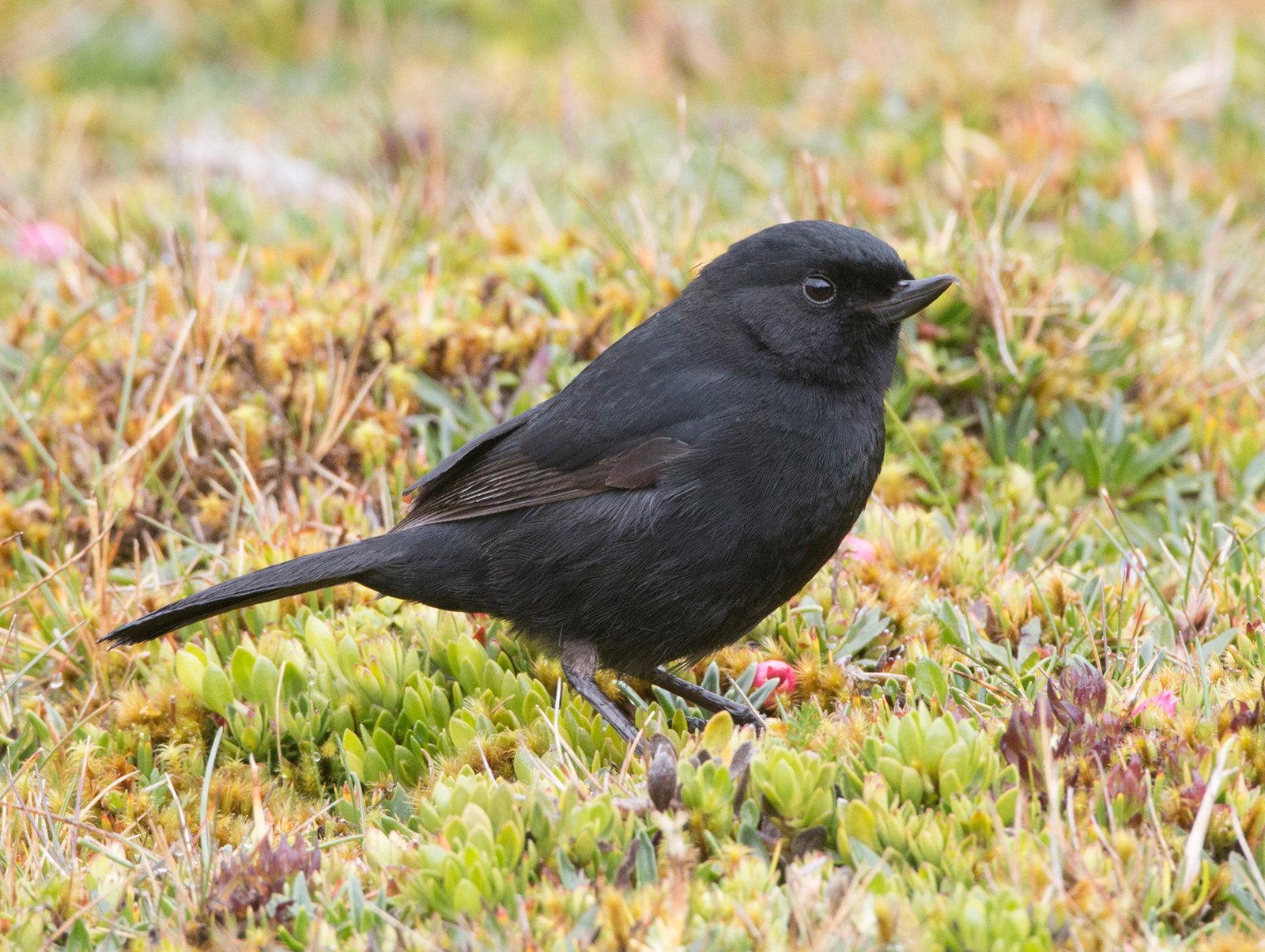
Fura-flor-preto
Diglossa humeralis- Northern Andean cloud forest and temperate forest
- Páramo
- Secondary forest and forest edge
- Andean fields and terraces
- Towns, cities and parks
-
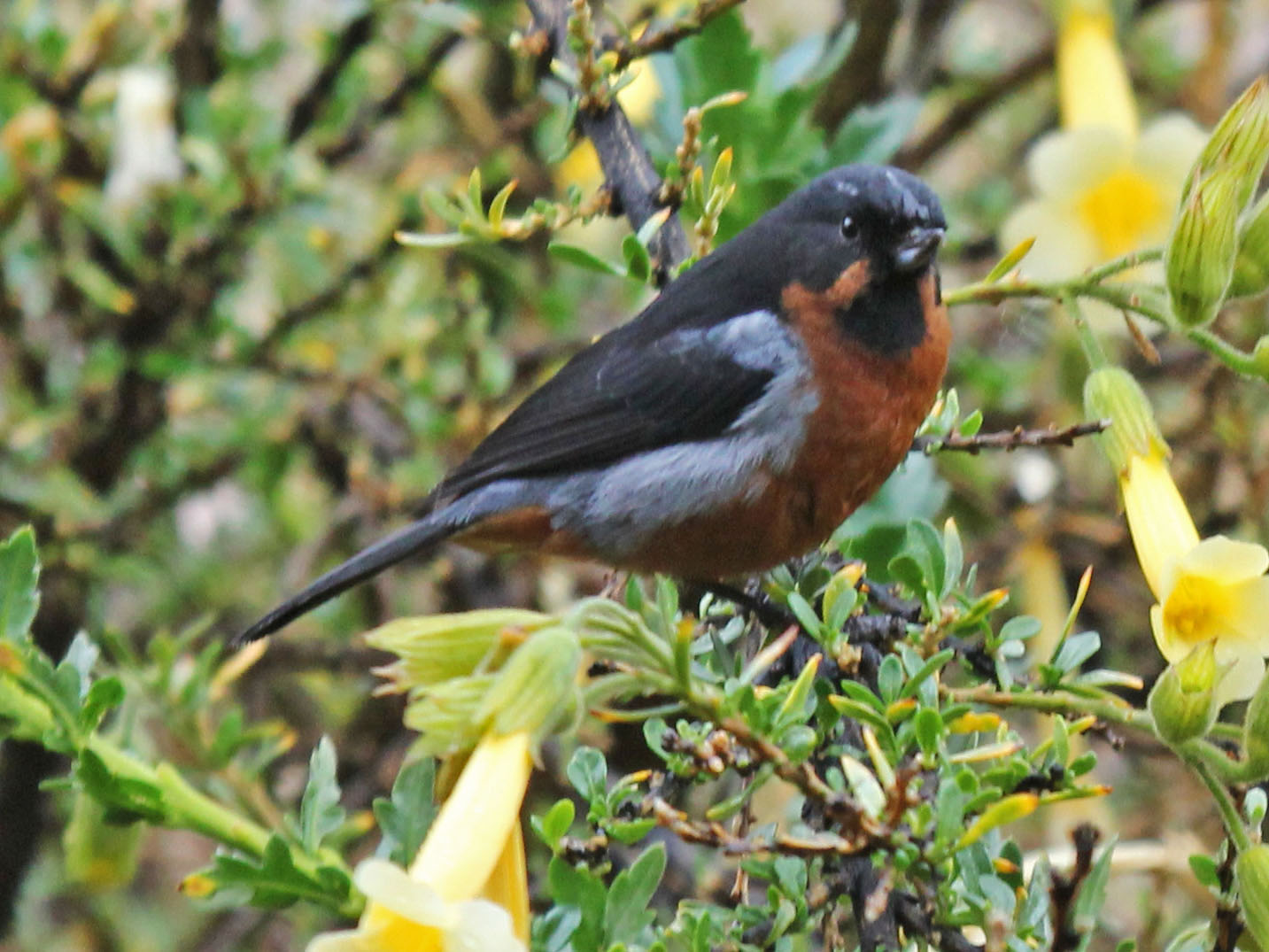
Fura-flor-de-garganta-preta
Diglossa brunneiventris- Central Andean dry valleys
- Polylepis woodland
- Andean fields and terraces
- Upper Yungas cloud forest
- Humid puna
- Towns, cities and parks
-

Fura-flor-de-barriga-cinza
Diglossa carbonaria- Polylepis woodland
- Central Andean dry valleys
- Upper Yungas cloud forest
- Andean fields and terraces
- Humid puna
-
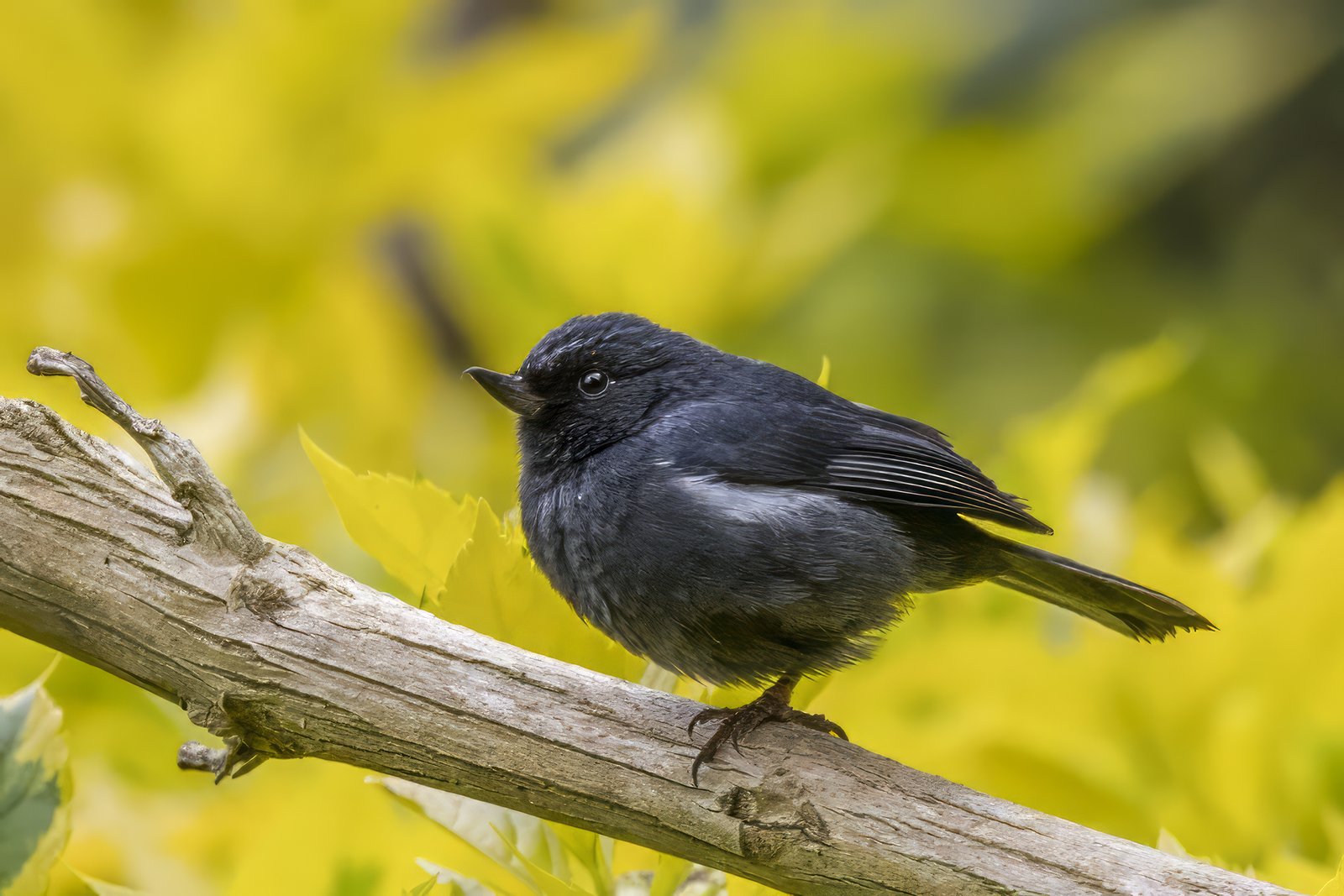
Fura-flor-de-flanco-branco
Diglossa albilatera- Northern Andean cloud forest and temperate forest
- Secondary forest and forest edge
- Upper Yungas cloud forest
- Northern Andean subtropical forest
-
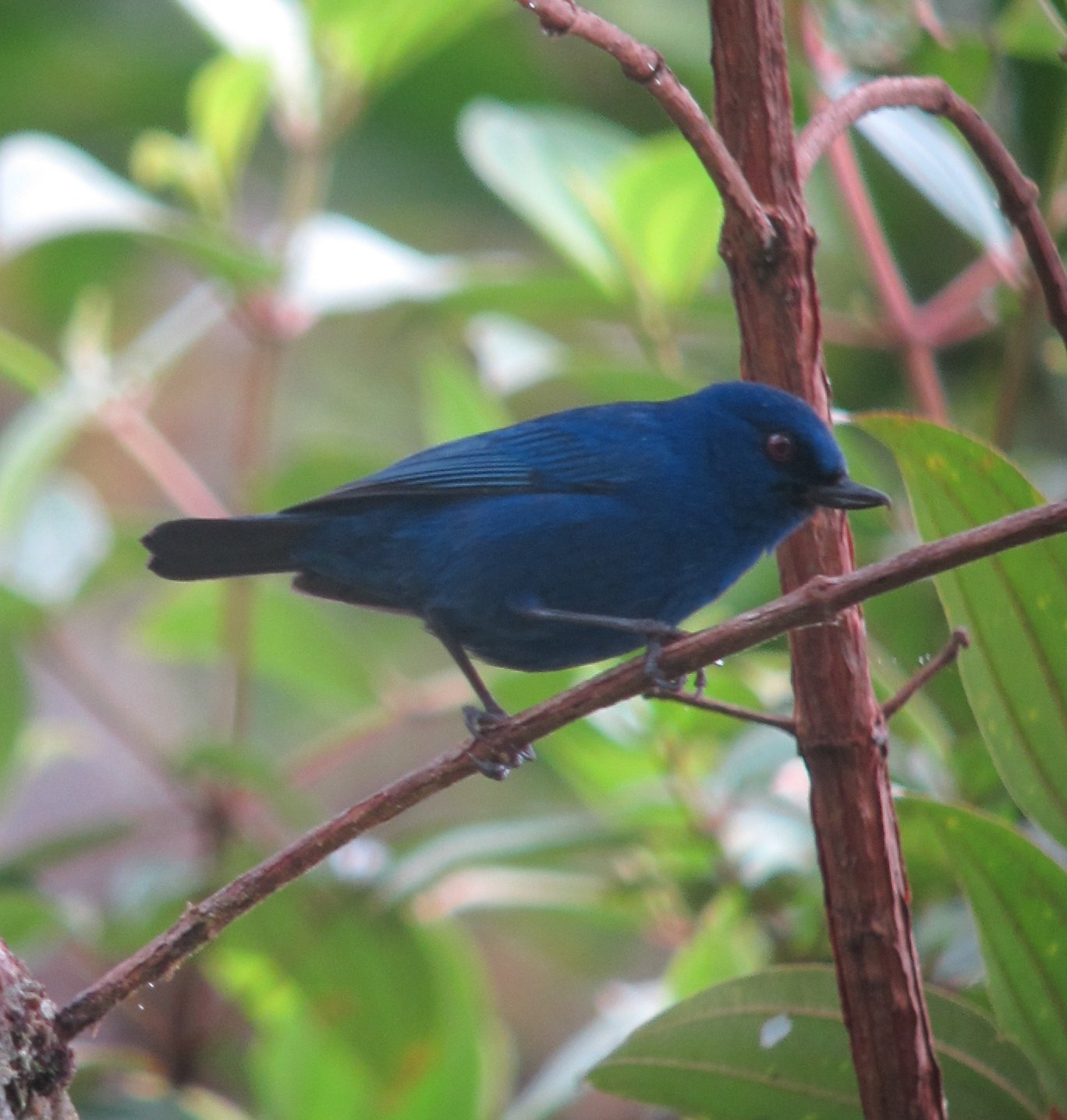
Fura-flor-índigo
Diglossa indigotica- Northern Andean subtropical forest
- Chocó rainforest
- Northern Andean cloud forest and temperate forest
-
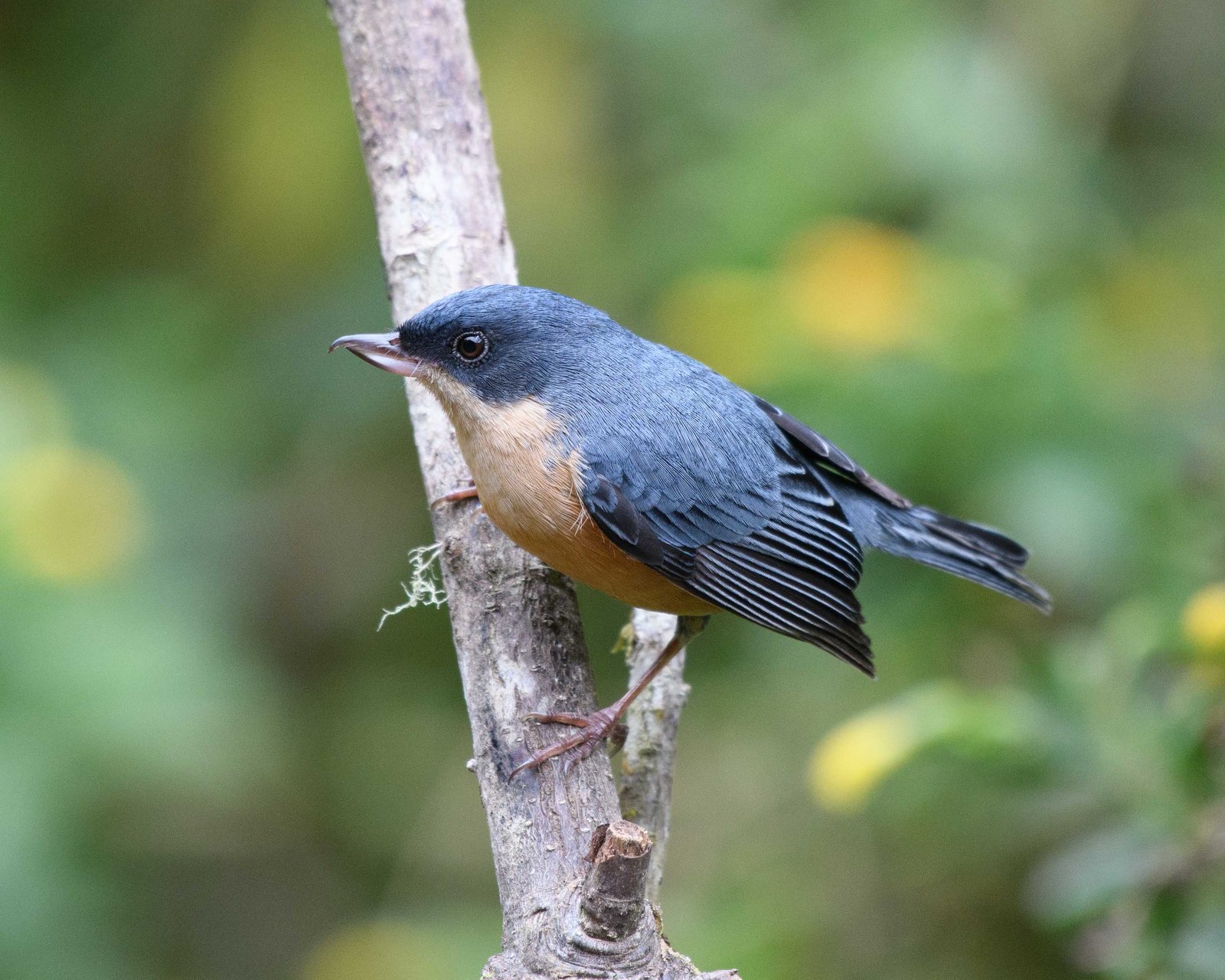
Fura-flor-ferrugíneo
Diglossa sittoides- Secondary forest and forest edge
- Northern Andean subtropical forest
- Lower Yungas forest
- Marañón and northern inter-Andean dry forest
- Central Andean dry valleys
- Towns, cities and parks
- Coffee, cacao and agroforestry
-

Fura-flor-de-olho-dourado
Diglossa glauca- Lower Yungas forest
- Northern Andean subtropical forest
- Eastern Andean foothill forest
- Secondary forest and forest edge
-

Fura-flor-azulado
Diglossa caerulescens- Northern Andean cloud forest and temperate forest
- Northern Andean subtropical forest
- Upper Yungas cloud forest
- Lower Yungas forest
- Secondary forest and forest edge
-
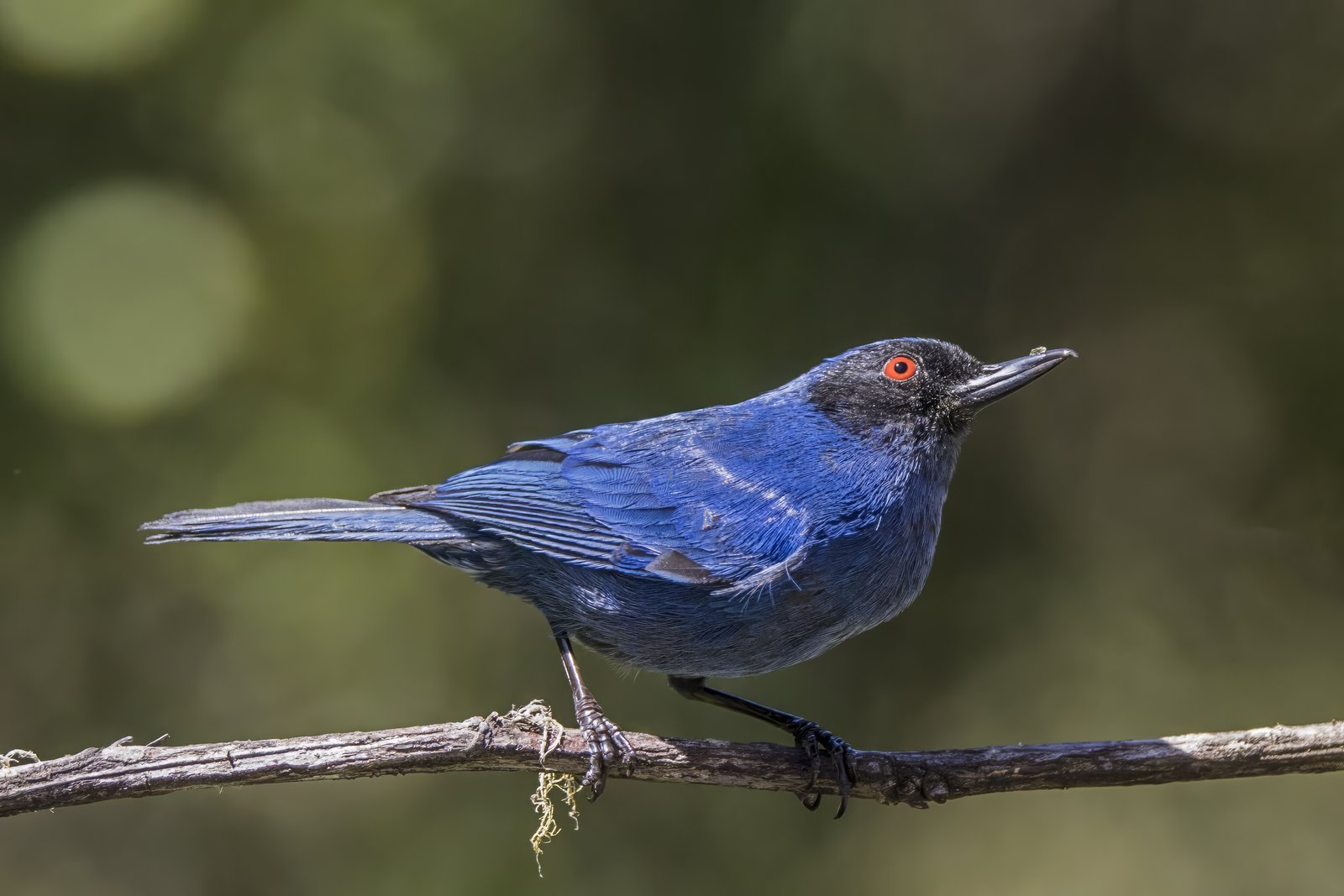
Fura-flor-mascarado
Diglossa cyanea- Northern Andean cloud forest and temperate forest
- Upper Yungas cloud forest
- Páramo
- Polylepis woodland
- Secondary forest and forest edge
Cnemoscopus 1 espécie

Conirostrum 11 espécies
-
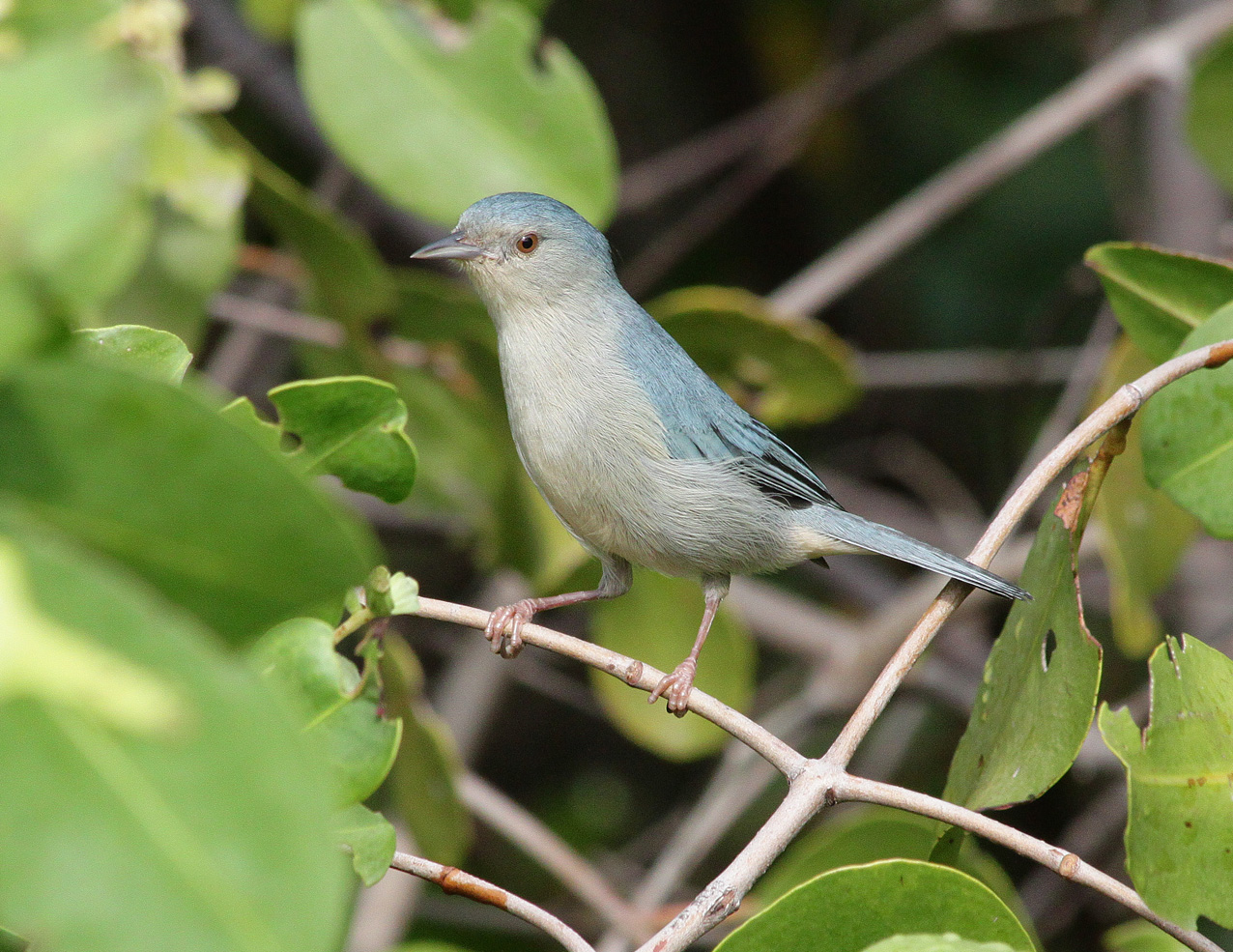
Figuinha-do-mangue
Conirostrum bicolor Mangrove
- Várzea, igapó and river islands
-
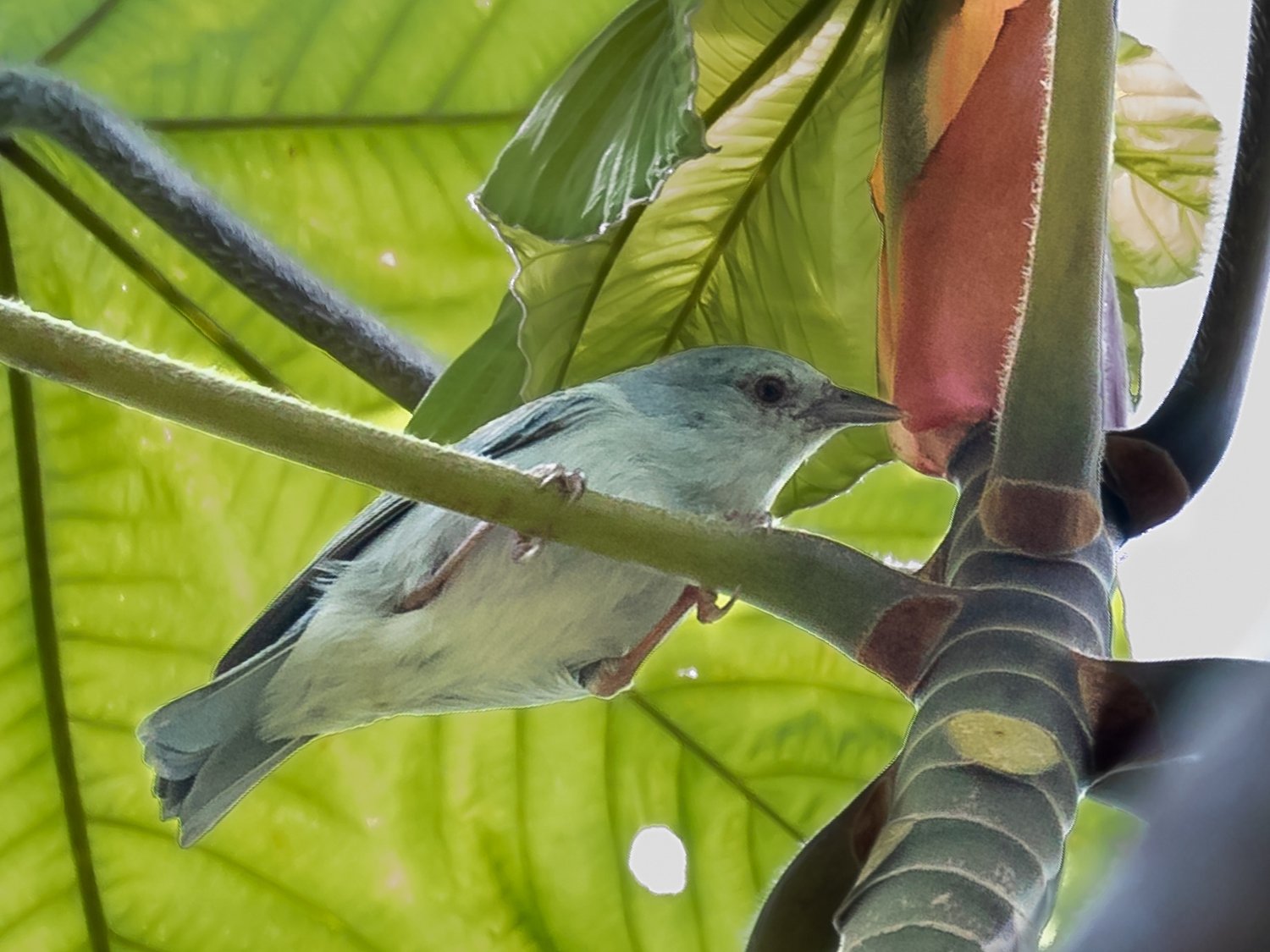
Figuinha-amazônica
Conirostrum margaritae- Várzea, igapó and river islands
- Lowland rivers and sandbars
-
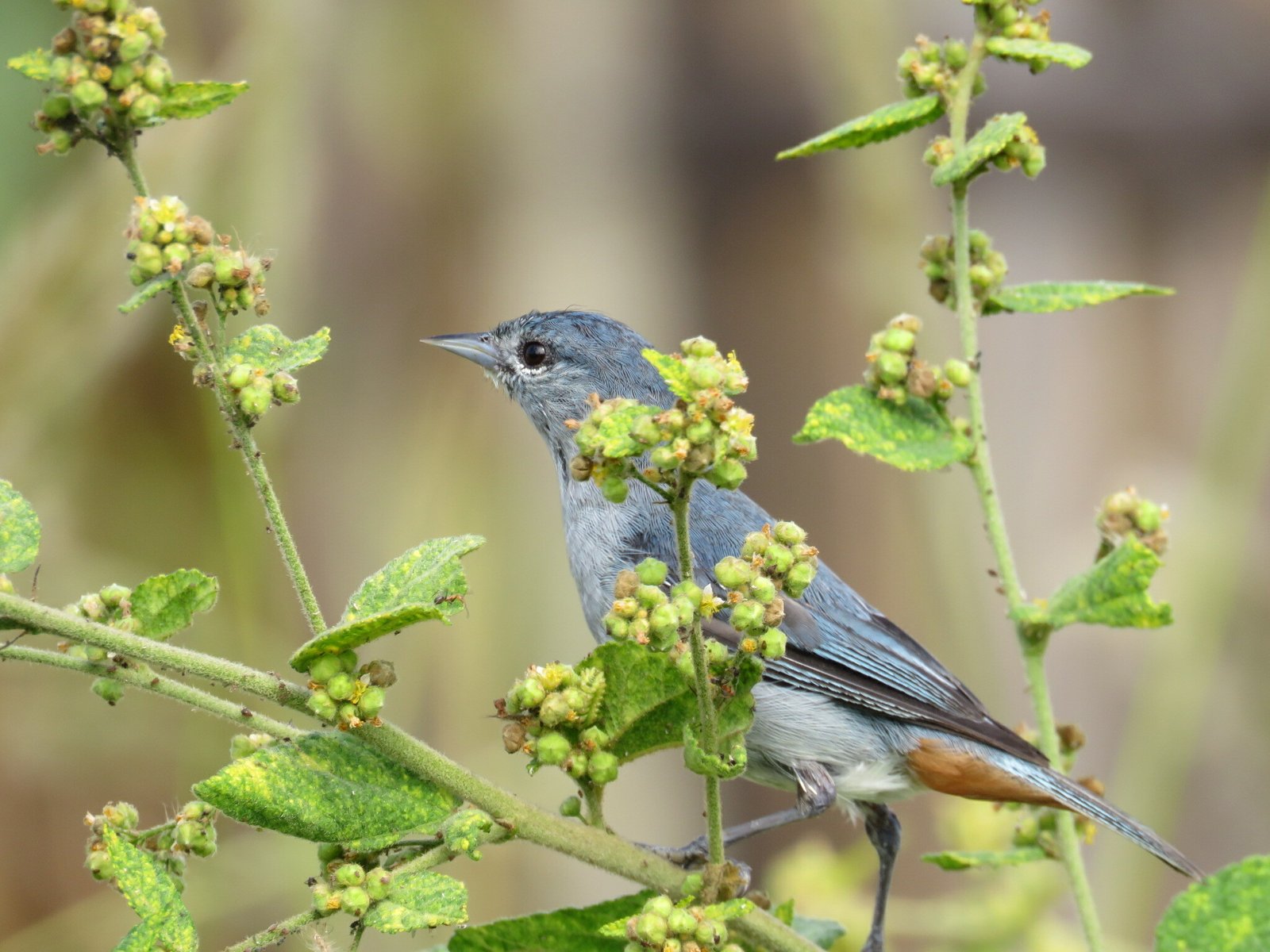
Figuinha-de-rabo-castanho
Conirostrum speciosum- Amazonian terra firme rainforest
- Secondary forest and forest edge
- Várzea, igapó and river islands
- Eastern Andean foothill forest
- Chiquitano dry forest and Chaco
-
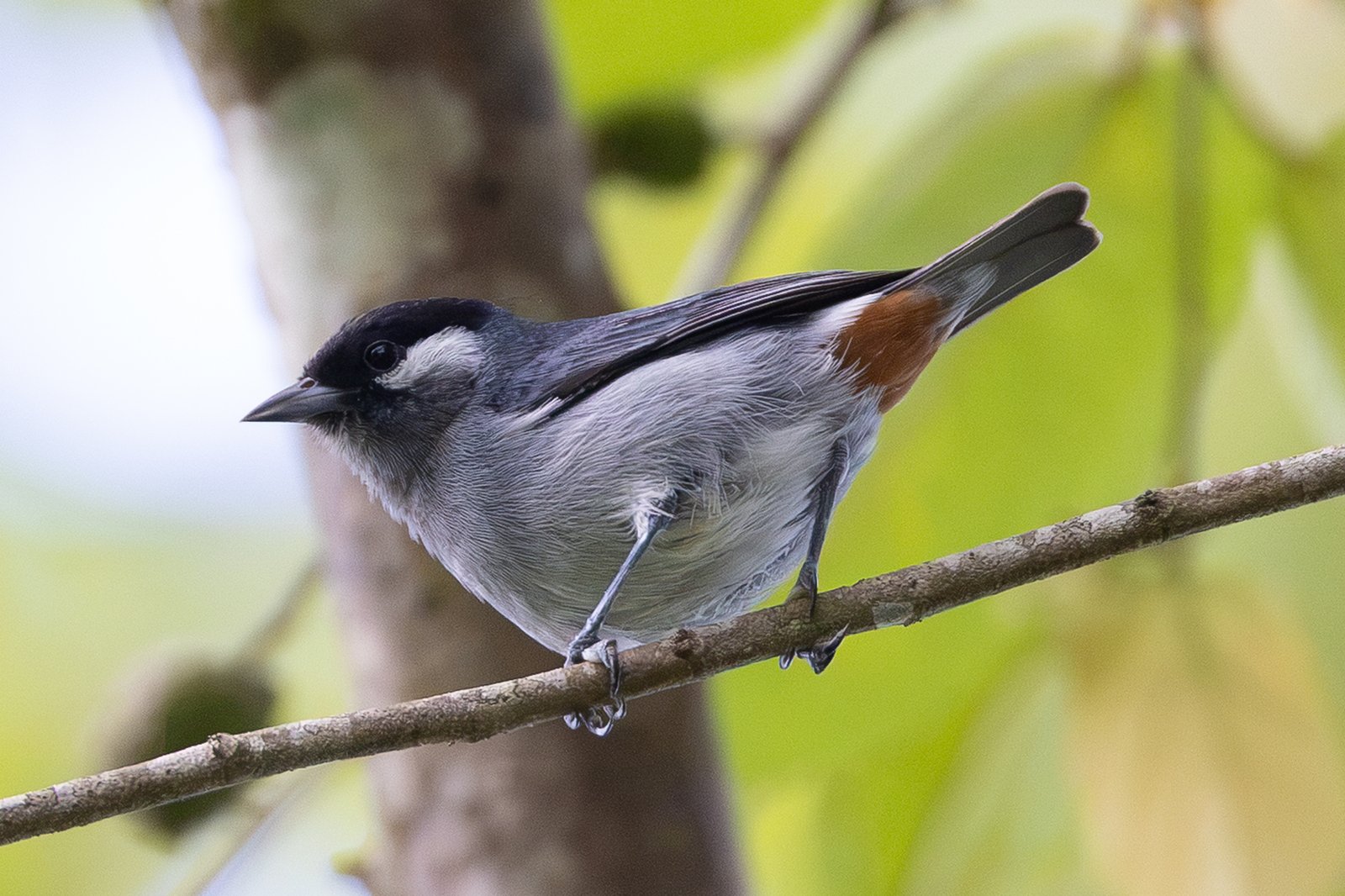
Figuinha-de-orelha-branca
Conirostrum leucogenys- Secondary forest and forest edge
- Riparian woodland of the Andes and coastal valleys
- Pasture and ranchland
- Coffee, cacao and agroforestry
-
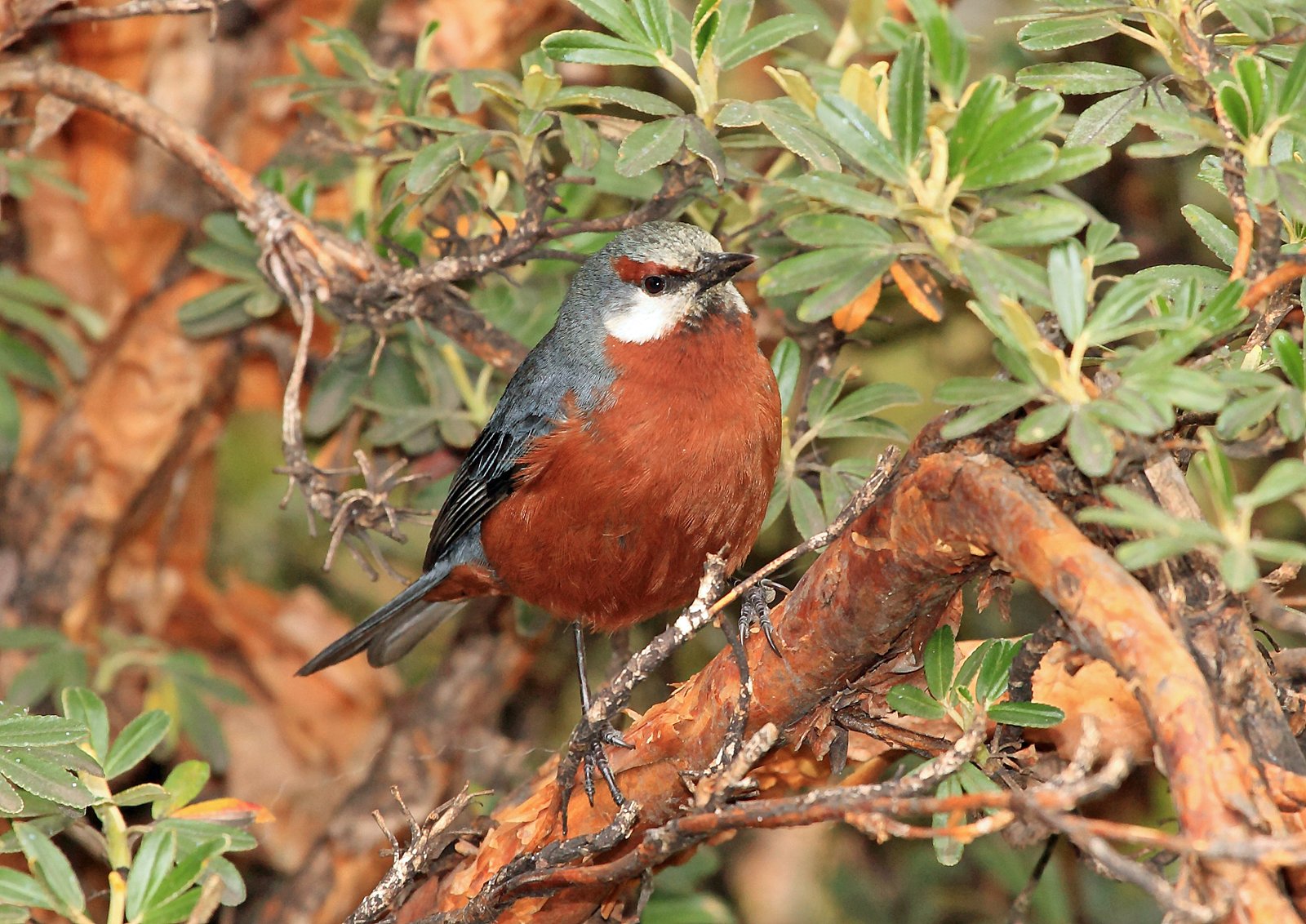
Figuinha-gigante
Conirostrum binghami- Polylepis woodland
- Humid puna
- Páramo
- Dry puna and altiplano
-
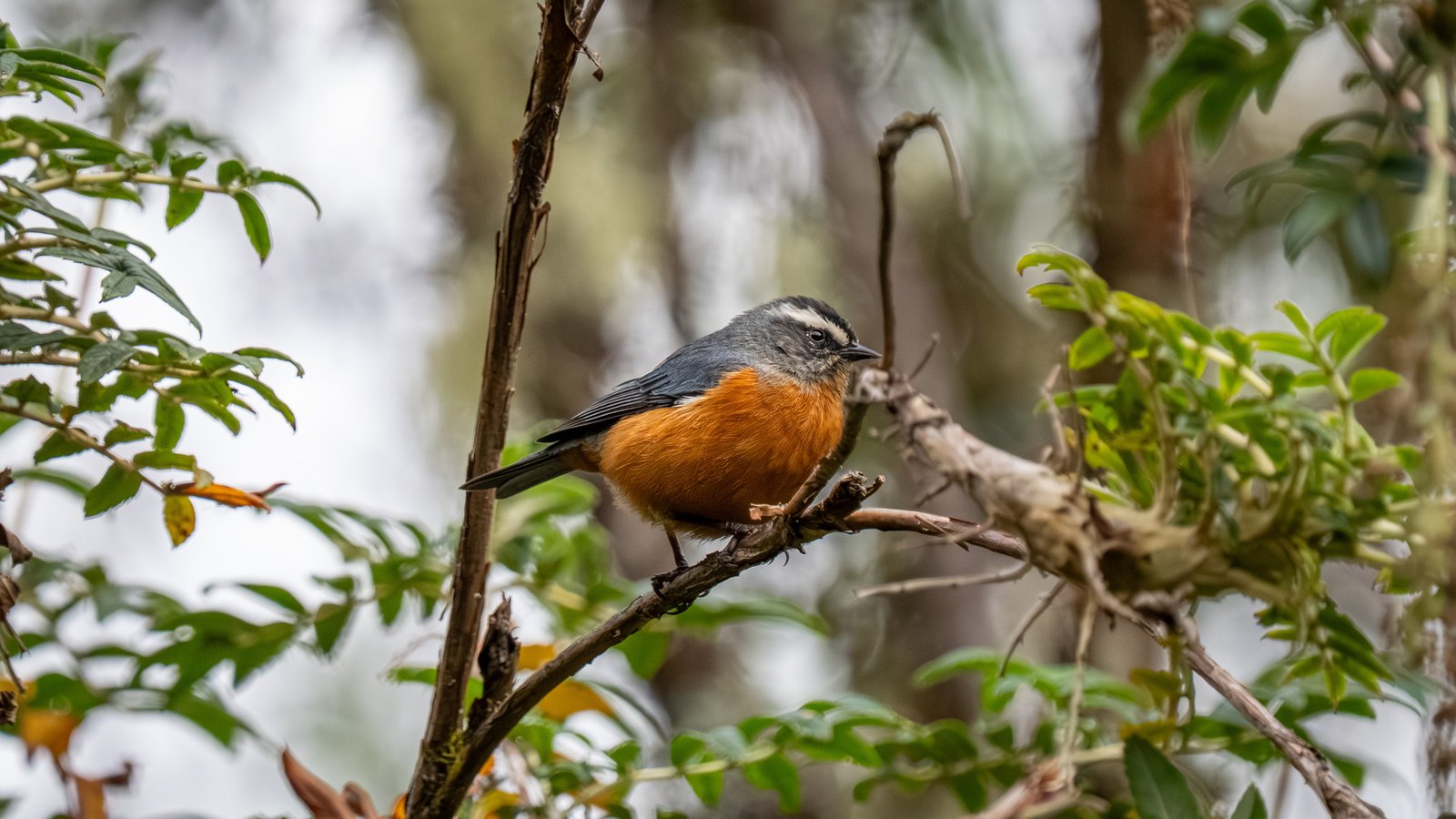
Figuinha-de-sobrancelha-branca
Conirostrum ferrugineiventre- Upper Yungas cloud forest
- Polylepis woodland
- Humid puna
-
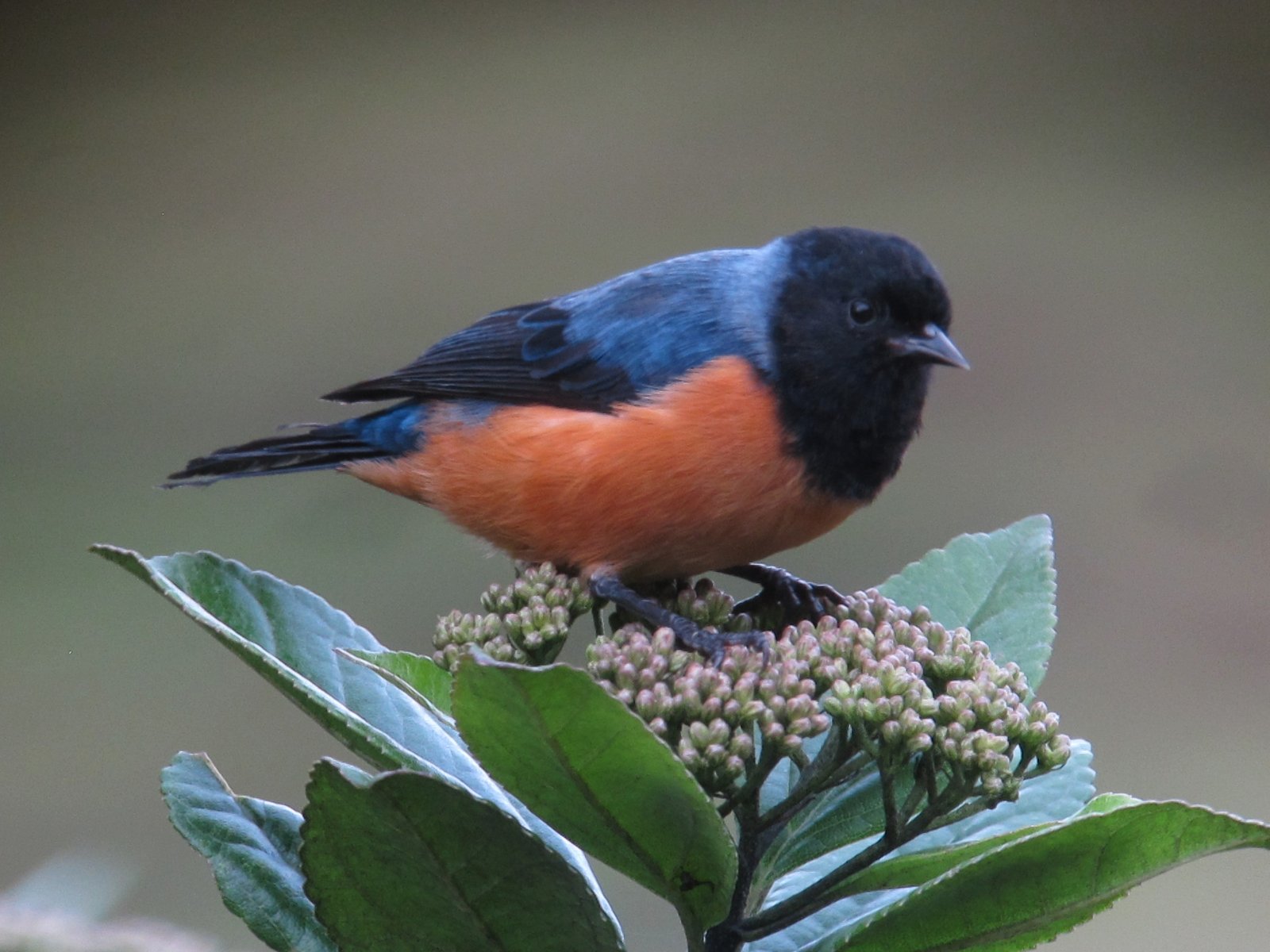
Figuinha-de-dorso-azul
Conirostrum sitticolor- Northern Andean cloud forest and temperate forest
- Upper Yungas cloud forest
- Polylepis woodland
- Páramo
-
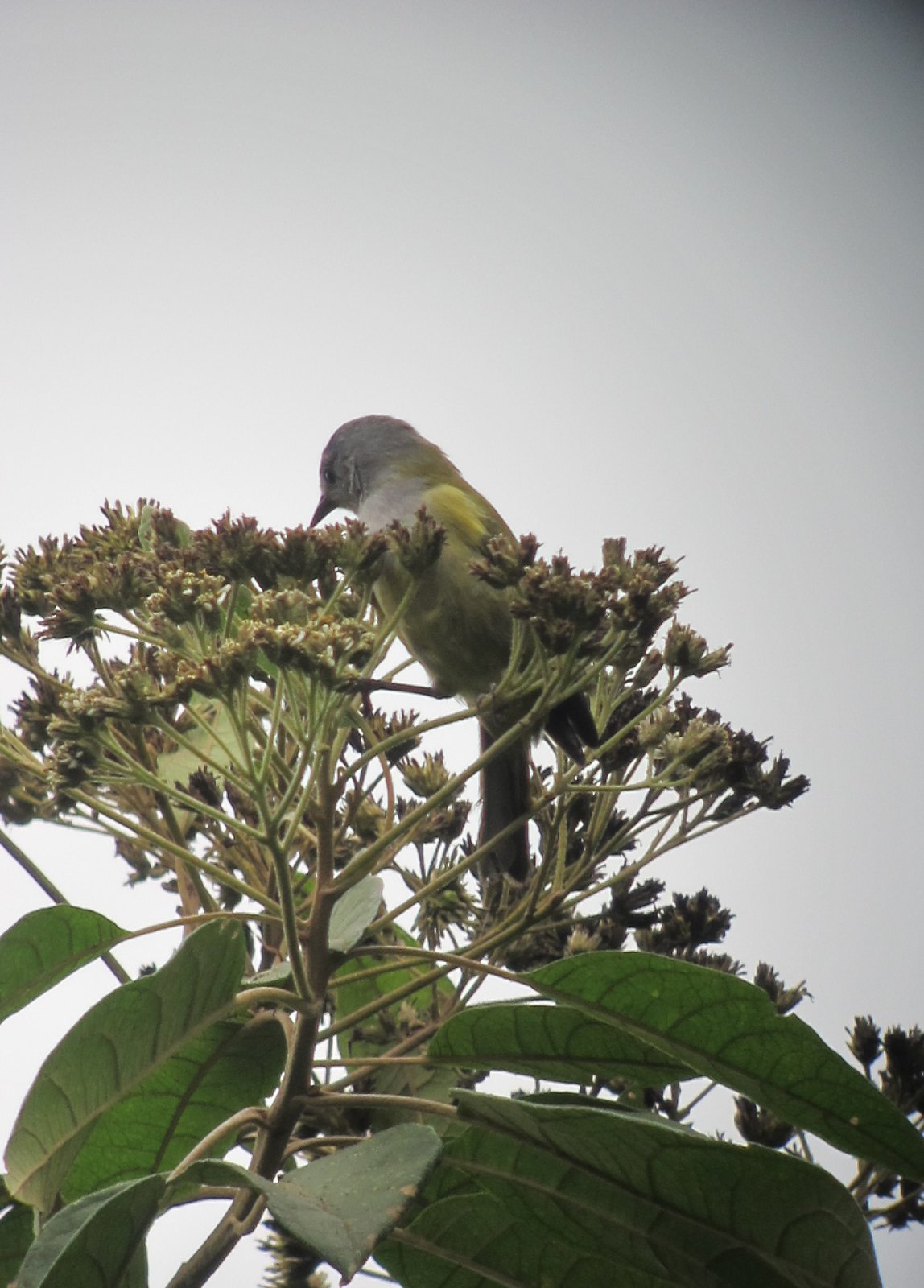
Figuinha-de-boné
Conirostrum albifrons- Northern Andean cloud forest and temperate forest
- Upper Yungas cloud forest
- Northern Andean subtropical forest
- Lower Yungas forest
-
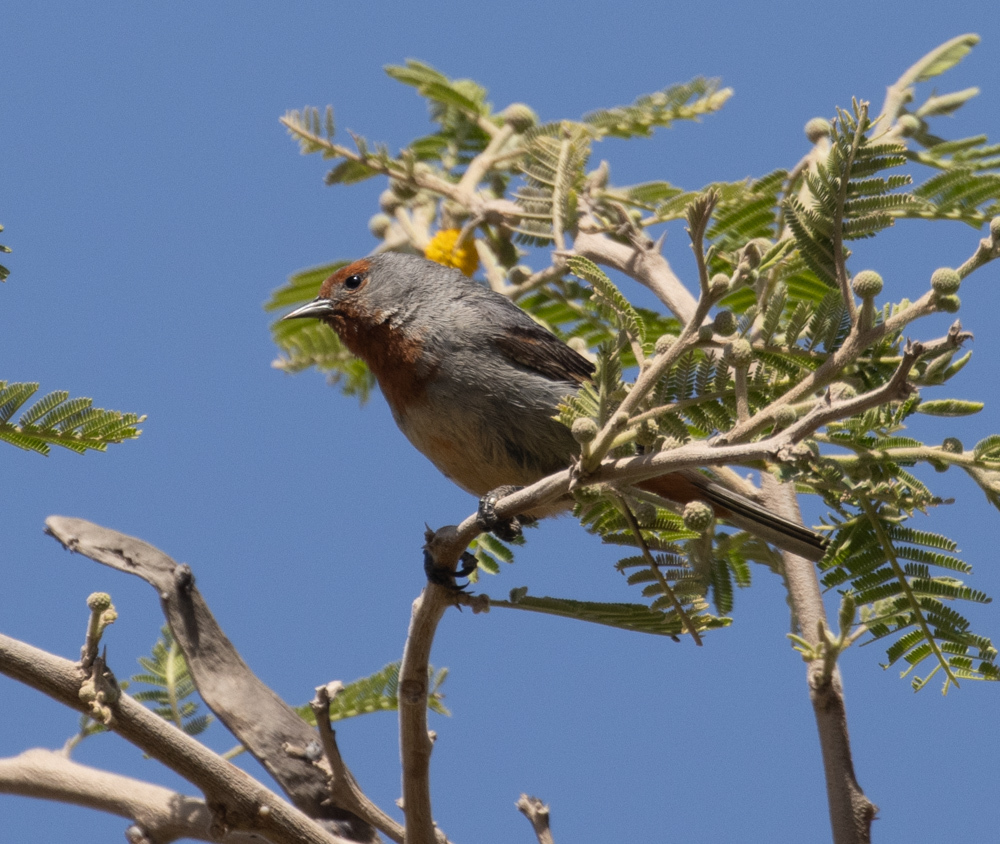
Figuinha-do-tamarugo
Conirostrum tamarugense- Polylepis woodland
- Central Andean dry valleys
- Dry puna and altiplano
- Andean fields and terraces
-
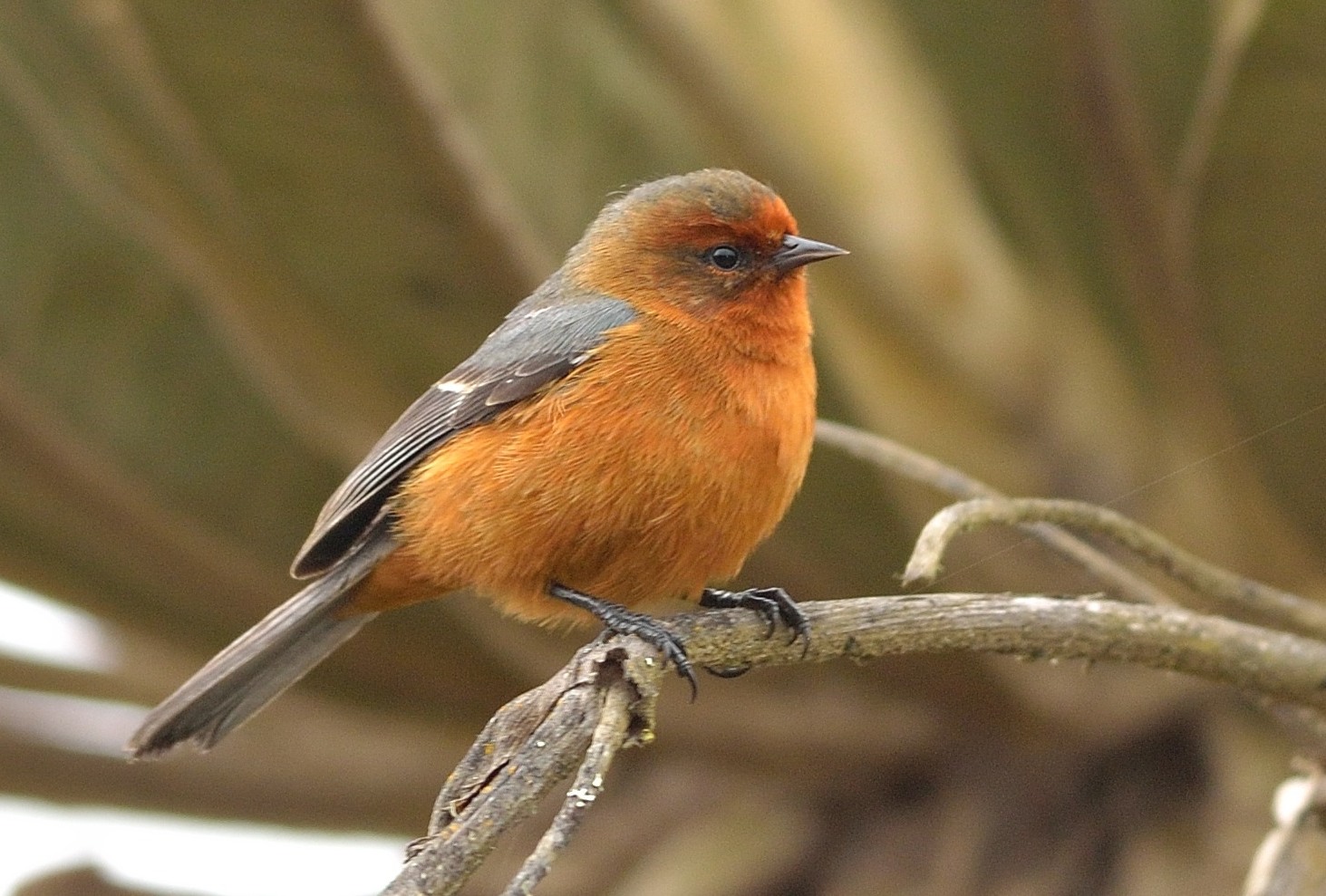
Figuinha-de-sobrancelha-ruiva
Conirostrum rufum- Northern Andean cloud forest and temperate forest
- Páramo
-
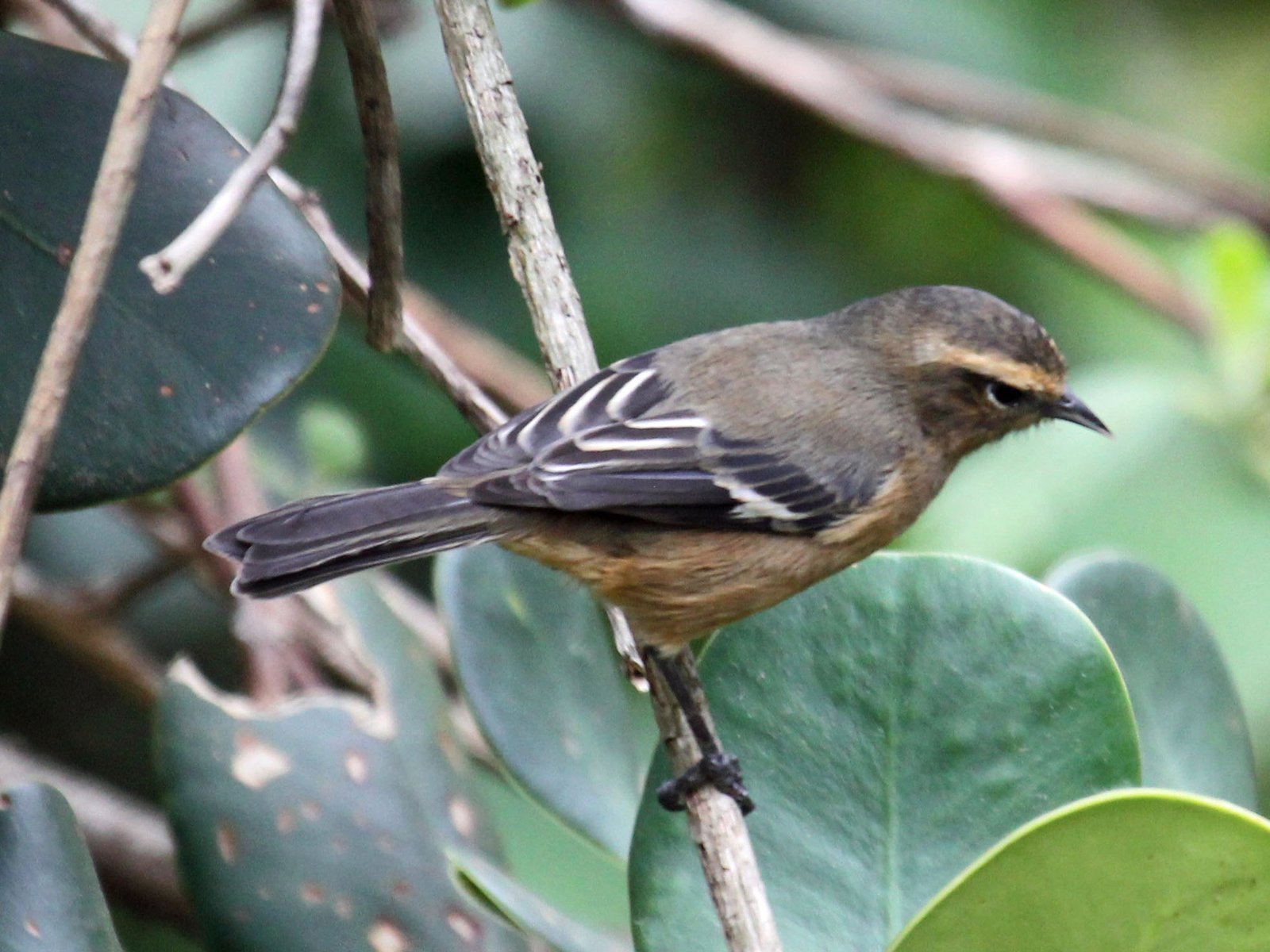
Figuinha-cinzenta
Conirostrum cinereum- Central Andean dry valleys
- Polylepis woodland
- Andean fields and terraces
- Dry puna and altiplano
- Towns, cities and parks
- Lomas (fog oases)
Hemithraupis 2 espécies
-
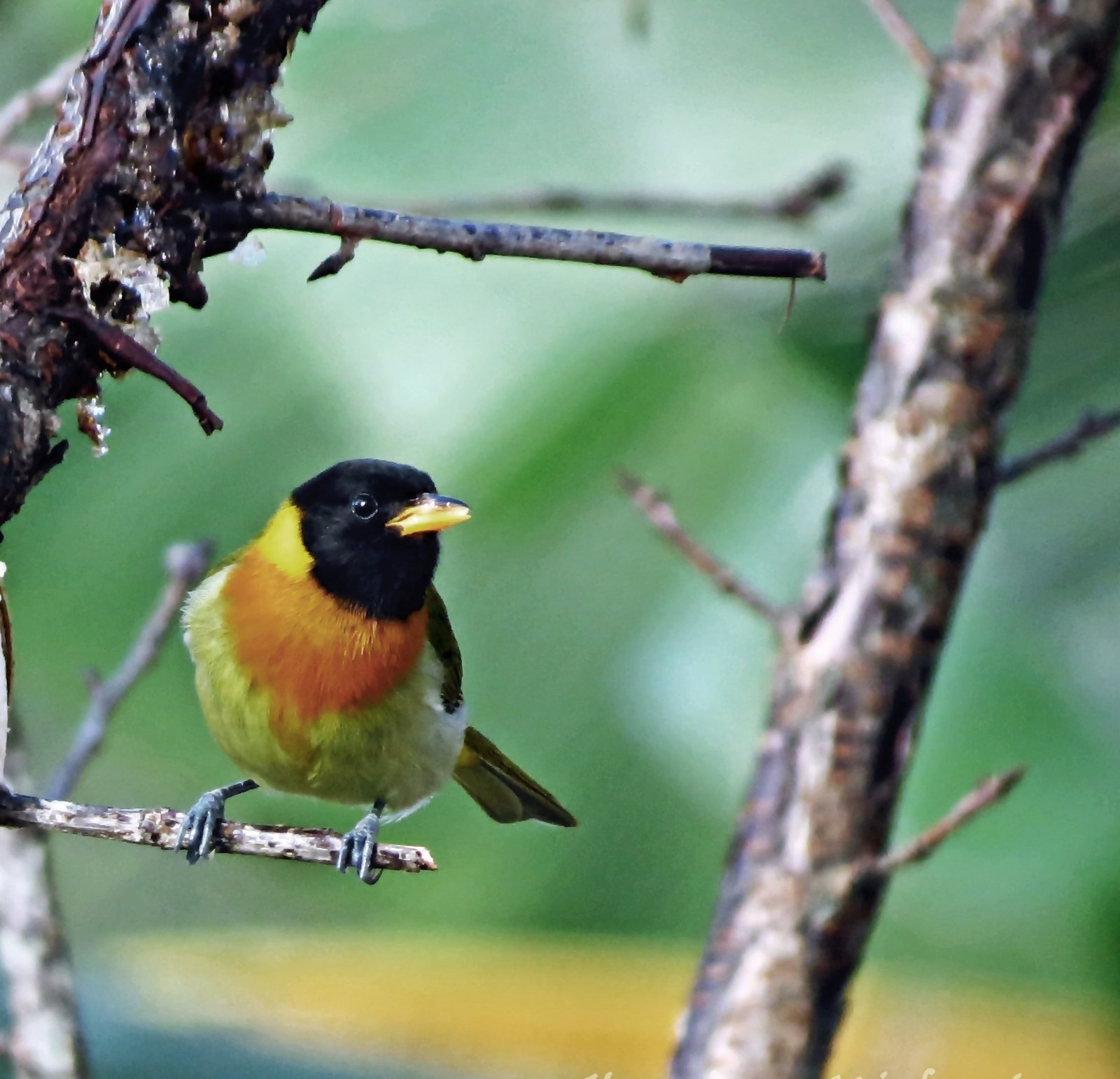
Saíra-de-papo-preto
Hemithraupis guira- Secondary forest and forest edge
- Tumbesian dry forest and thorn scrub
- Amazonian terra firme rainforest
- Chiquitano dry forest and Chaco
- Eastern Andean foothill forest
- Beni savanna and cerrado
-
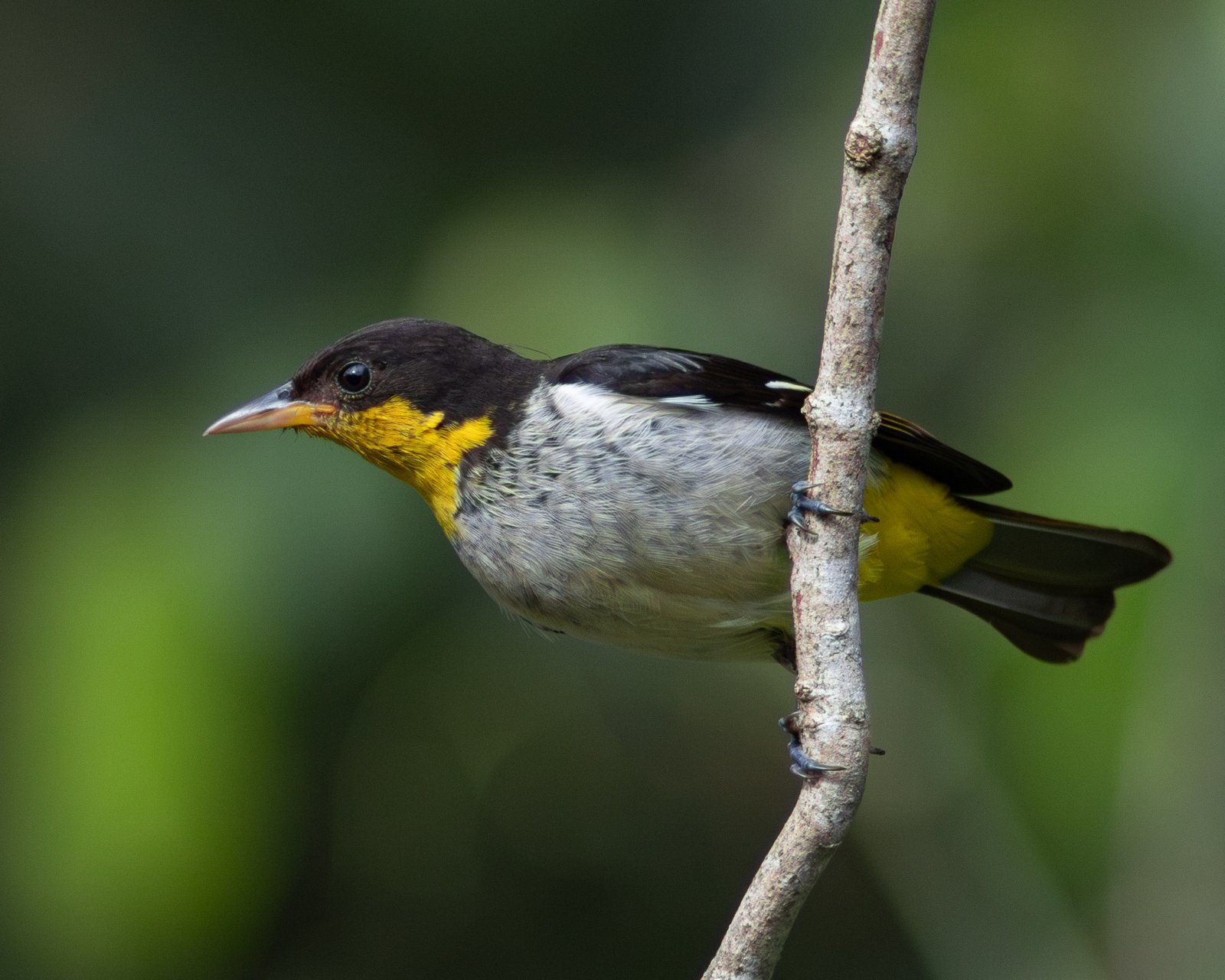
Saíra-galega
Hemithraupis flavicollis- Amazonian terra firme rainforest
- Eastern Andean foothill forest
- Várzea, igapó and river islands
- Chocó rainforest
- Secondary forest and forest edge
Parkerthraustes 1 espécie
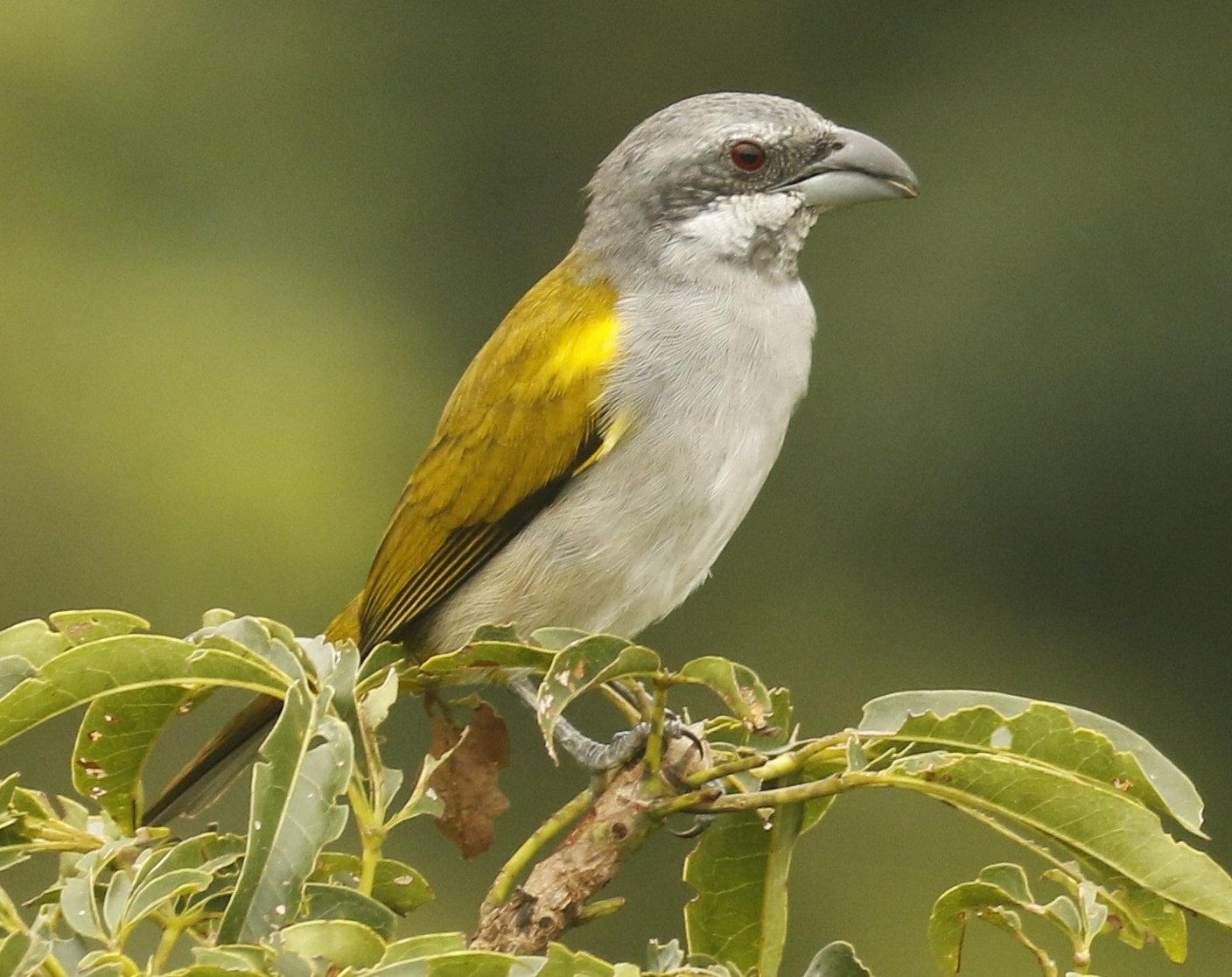
Heterospingus 1 espécie
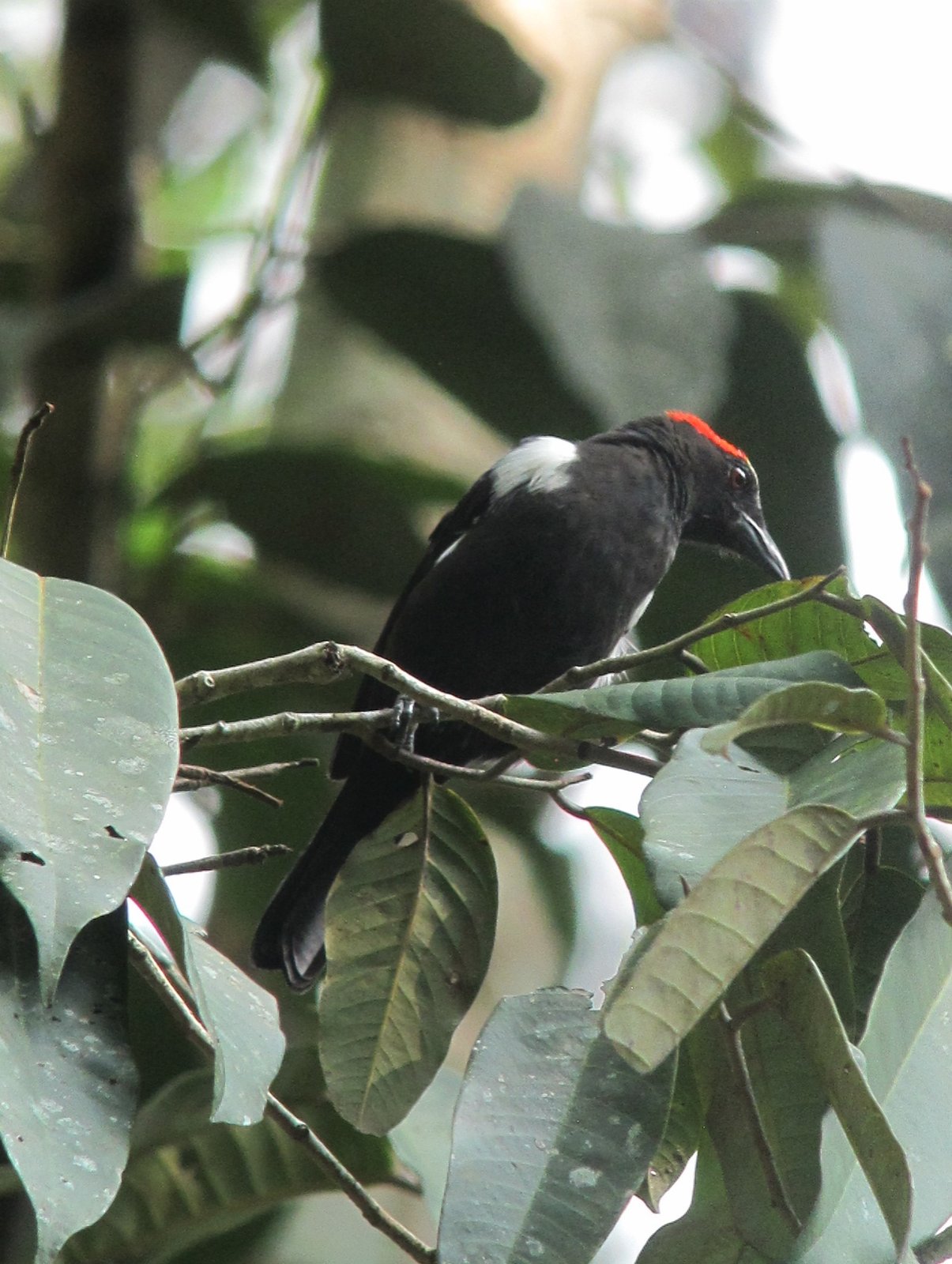
Stilpnia 11 espécies
-
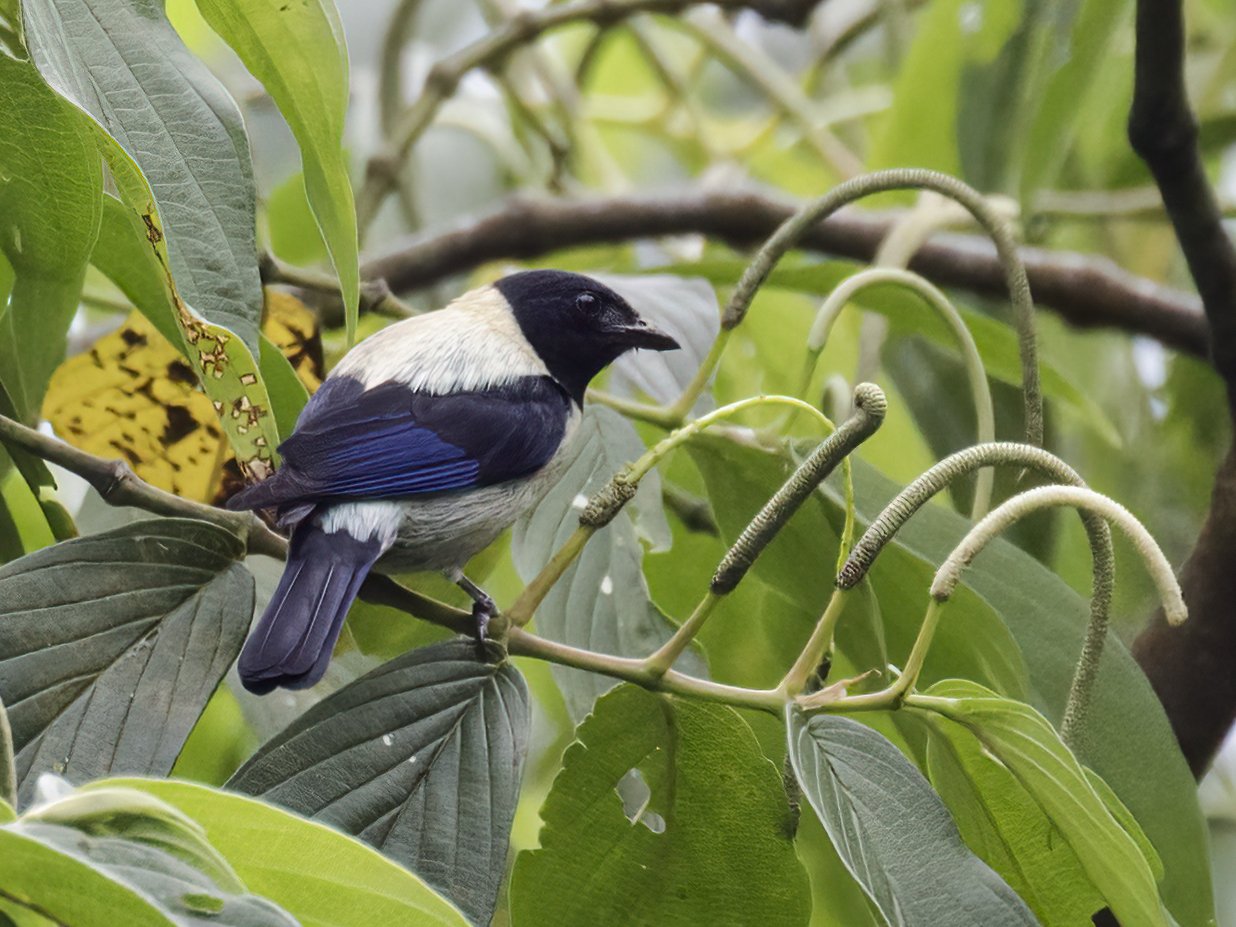
Saíra-de-cabeça-preta
Stilpnia cyanoptera- Northern Andean subtropical forest
- Secondary forest and forest edge
- Coffee, cacao and agroforestry
- Northern Andean cloud forest and temperate forest
-
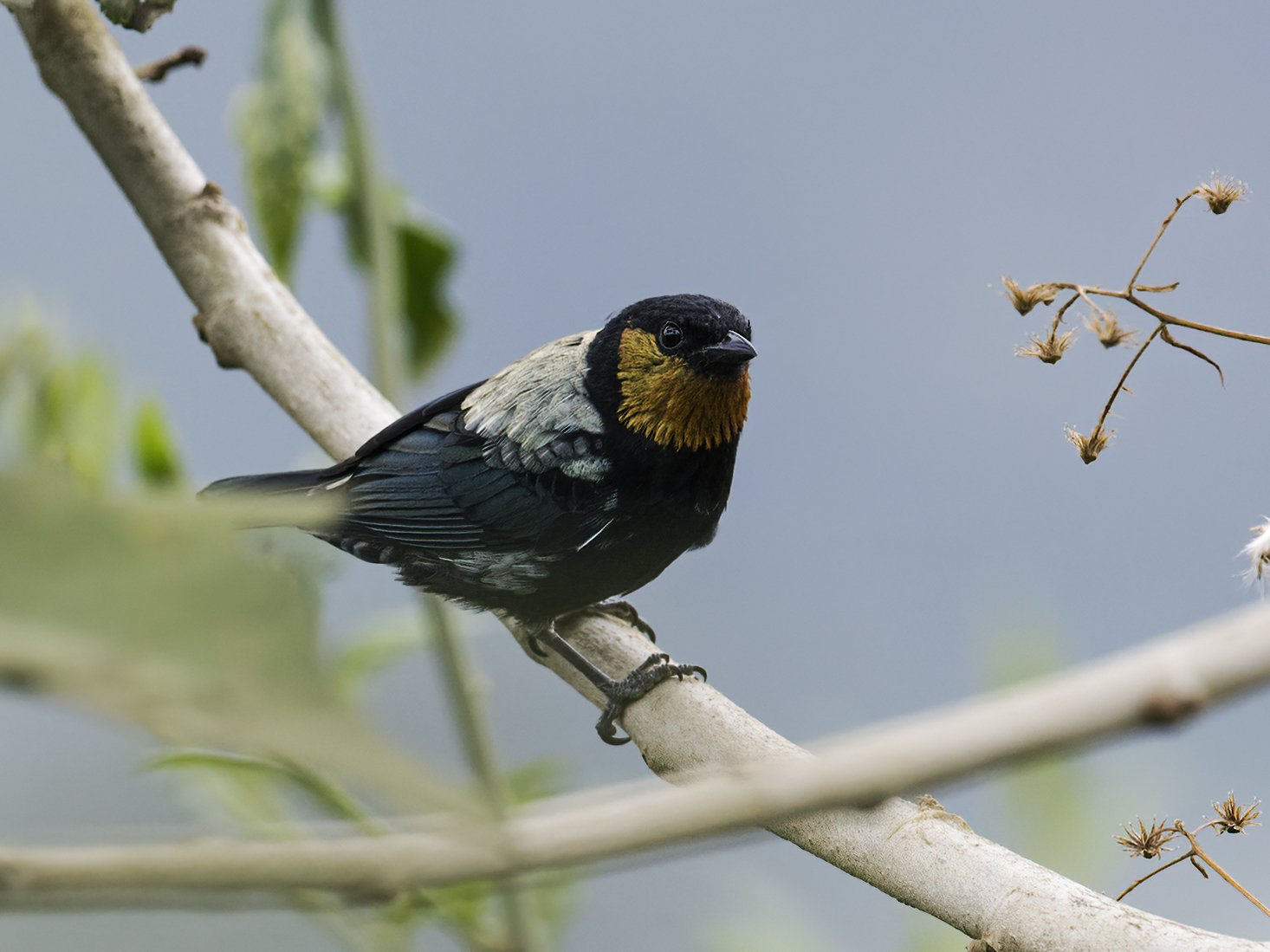
Saíra-de-dorso-prateado
Stilpnia viridicollis- Northern Andean subtropical forest
- Northern Andean cloud forest and temperate forest
- Secondary forest and forest edge
- Marañón and northern inter-Andean dry forest
-
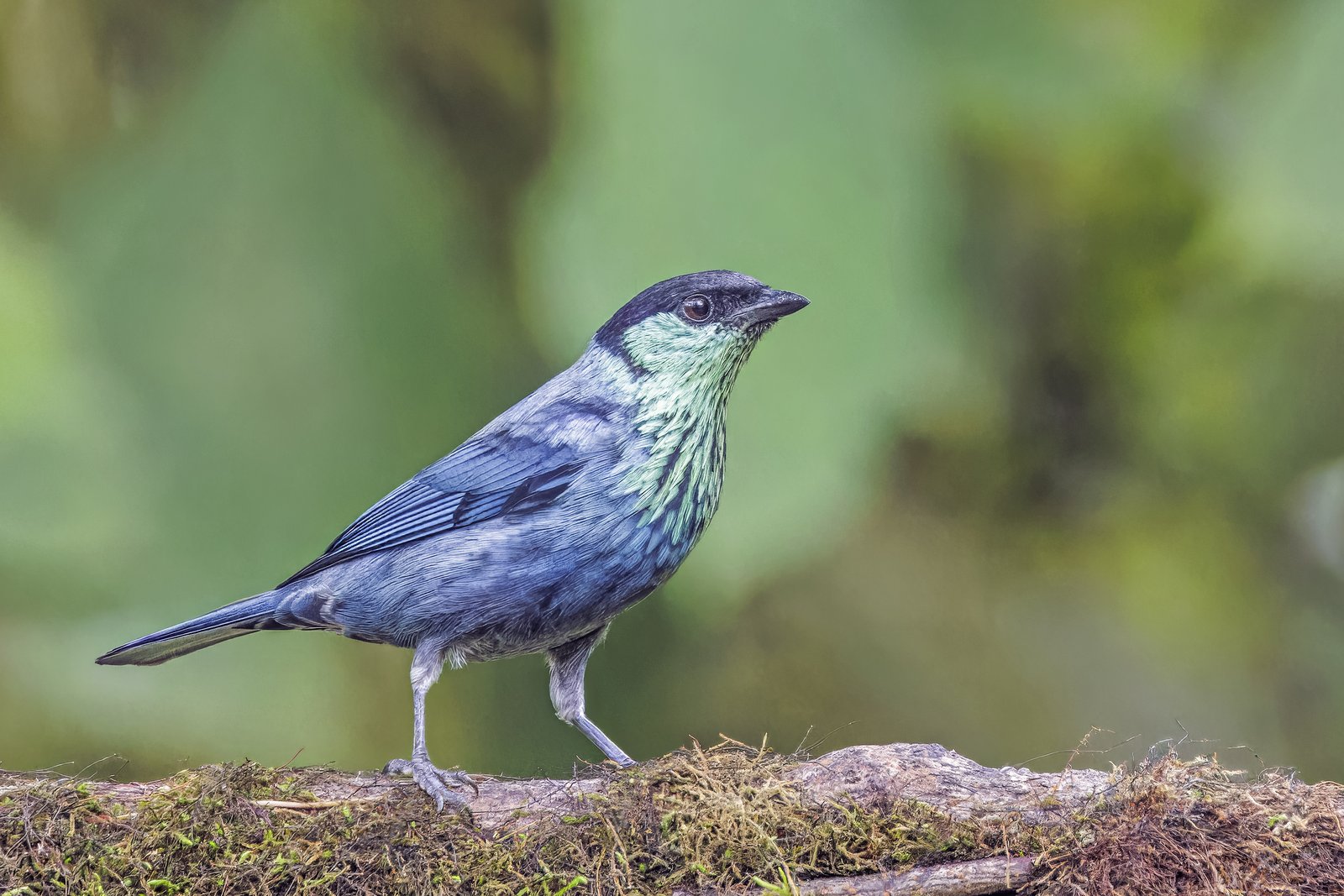
Saíra-de-boné-preto
Stilpnia heinei- Northern Andean subtropical forest
- Northern Andean cloud forest and temperate forest
- Secondary forest and forest edge
- Coffee, cacao and agroforestry
-
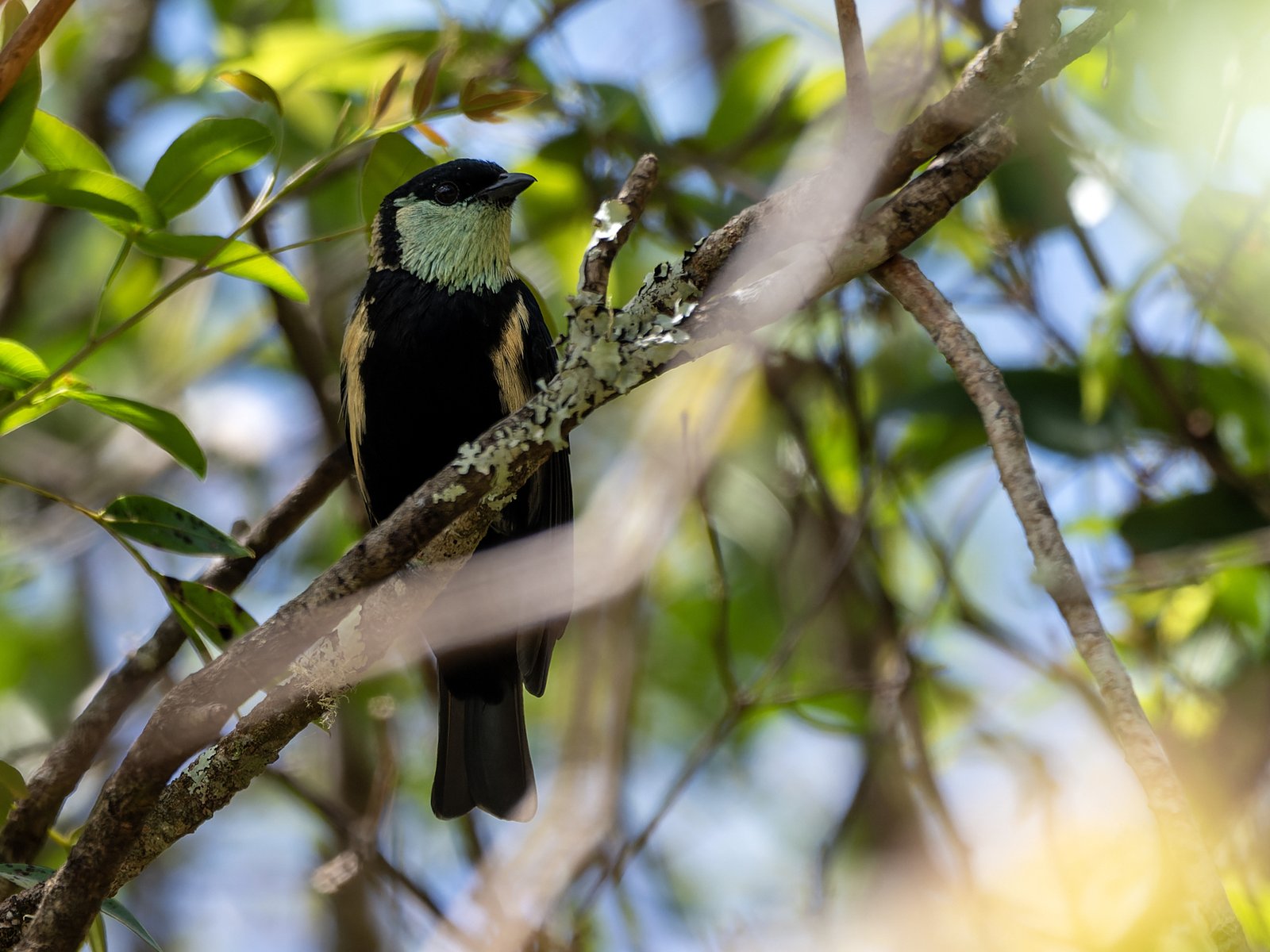
Saíra-de-dorso-palha
Stilpnia argyrofenges- Lower Yungas forest
- Northern Andean subtropical forest
- Secondary forest and forest edge
-
Saíra-do-sira
Stilpnia phillipsi- Lower Yungas forest
- Upper Yungas cloud forest
-
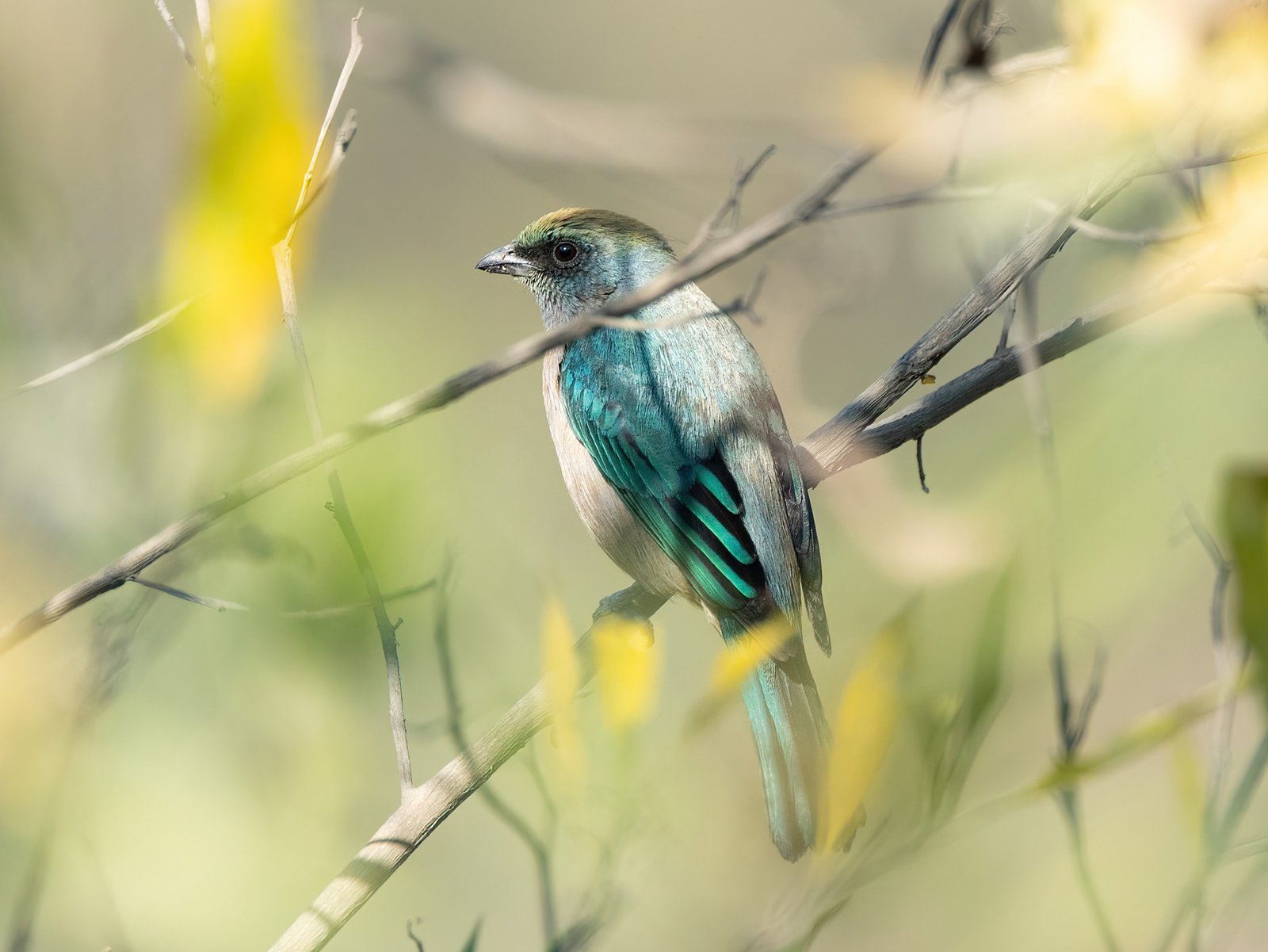
Saíra-de-coroa-verde
Stilpnia meyerdeschauenseei- Central Andean dry valleys
- Lower Yungas forest
- Coffee, cacao and agroforestry
- Towns, cities and parks
-
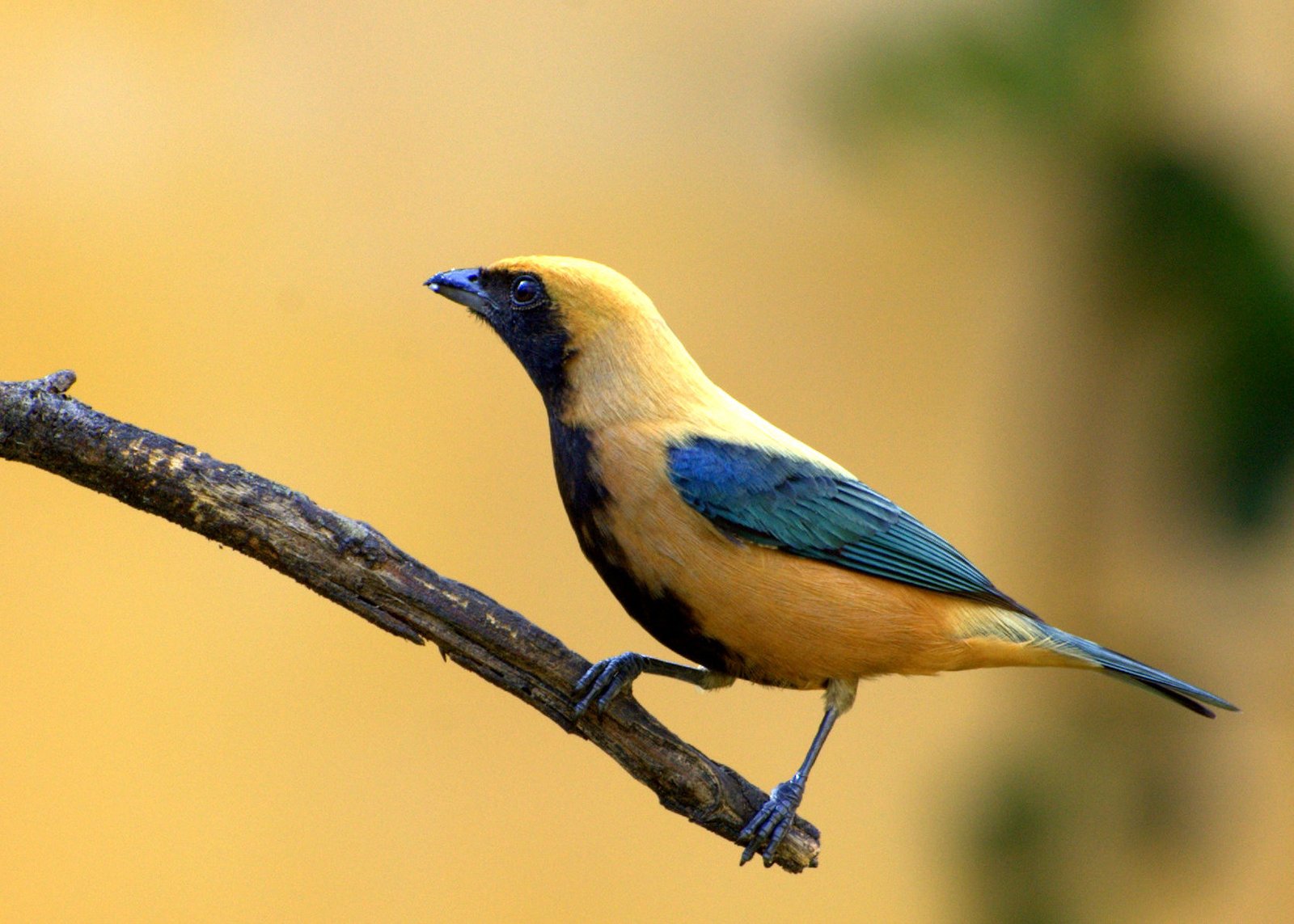
Saíra-amarela
Stilpnia cayana- Beni savanna and cerrado
- Llanos savanna
- Secondary forest and forest edge
- Towns, cities and parks
- Chiquitano dry forest and Chaco
-
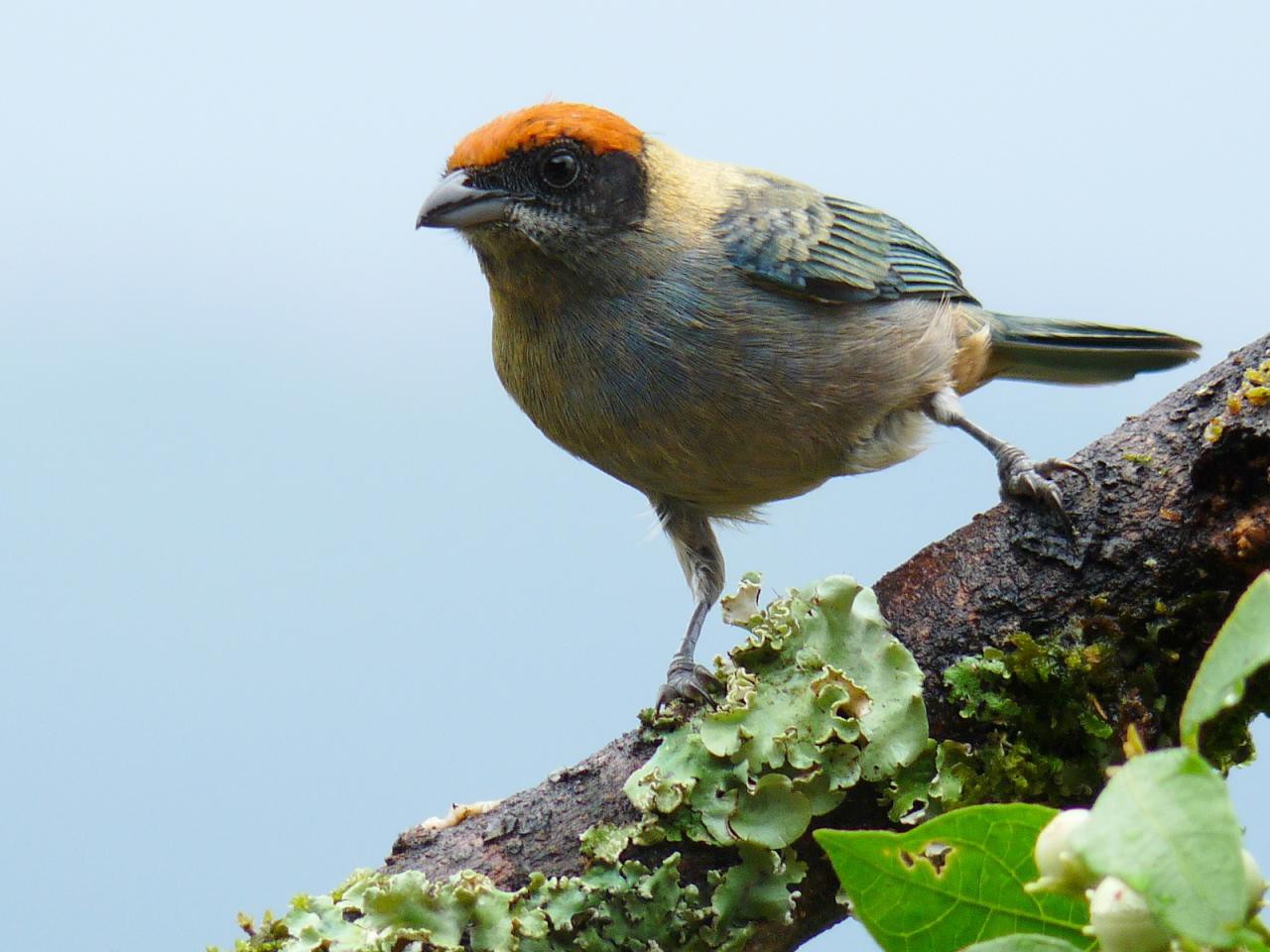
Saíra-do-matagal
Stilpnia vitriolina- Marañón and northern inter-Andean dry forest
- Secondary forest and forest edge
- Coffee, cacao and agroforestry
- Towns, cities and parks
- Riparian woodland of the Andes and coastal valleys
- Northern Andean subtropical forest
-
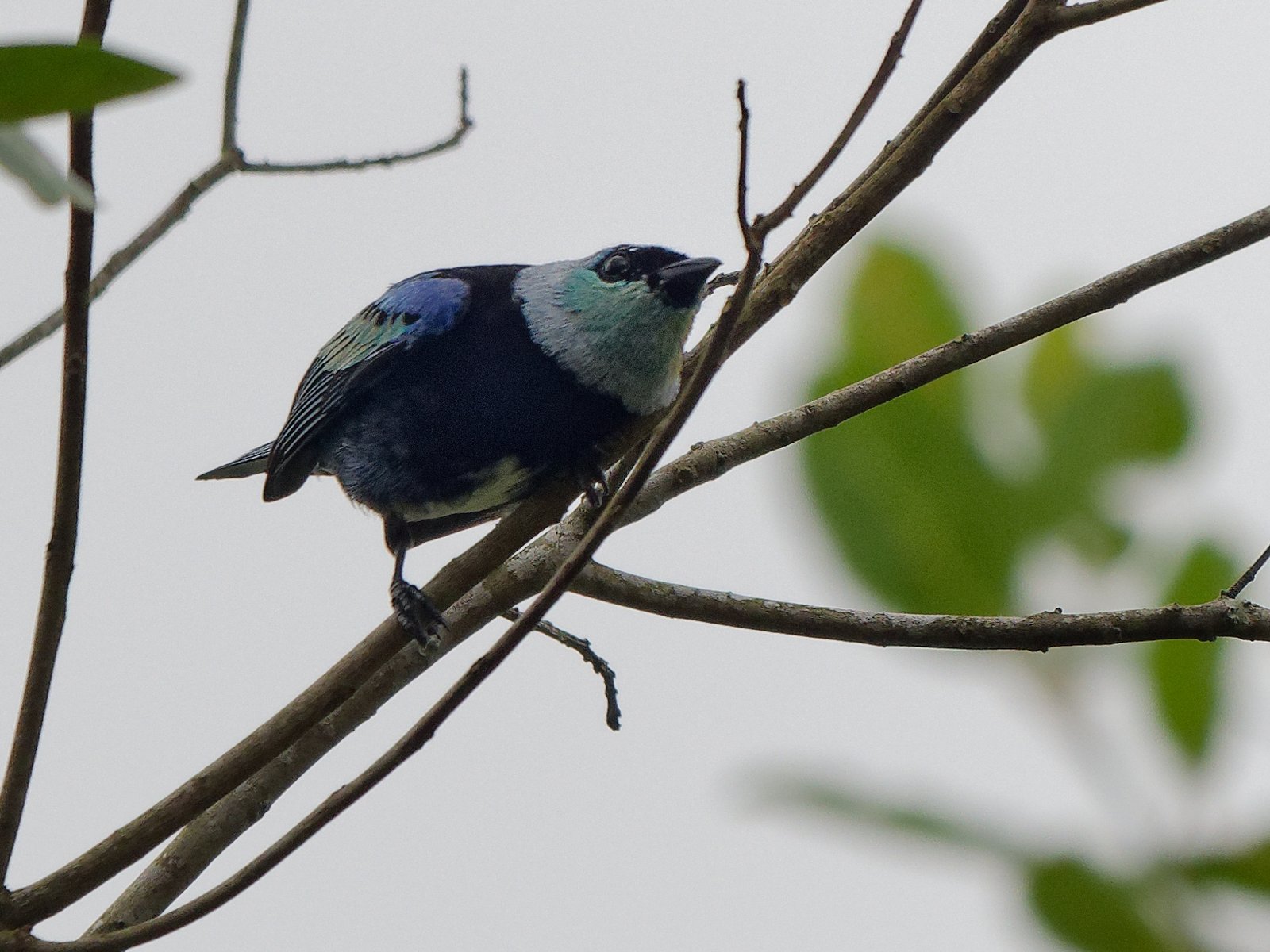
Saíra-mascarada
Stilpnia nigrocincta- Amazonian terra firme rainforest
- Secondary forest and forest edge
- Várzea, igapó and river islands
- Eastern Andean foothill forest
-
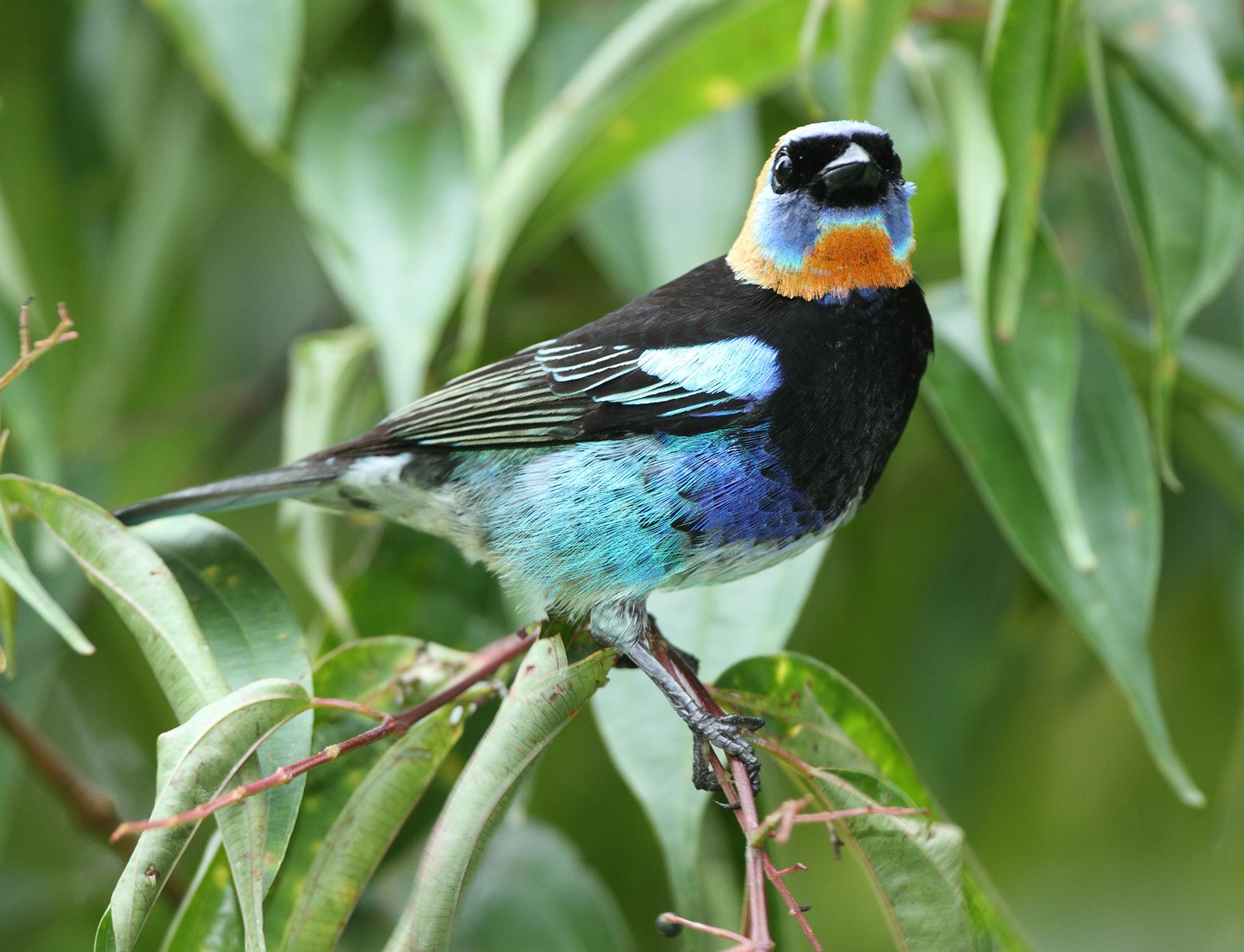
Saíra-de-capuz-dourado
Stilpnia larvata- Chocó rainforest
- Western Ecuador humid forest
- Secondary forest and forest edge
- Coffee, cacao and agroforestry
- Towns, cities and parks
-
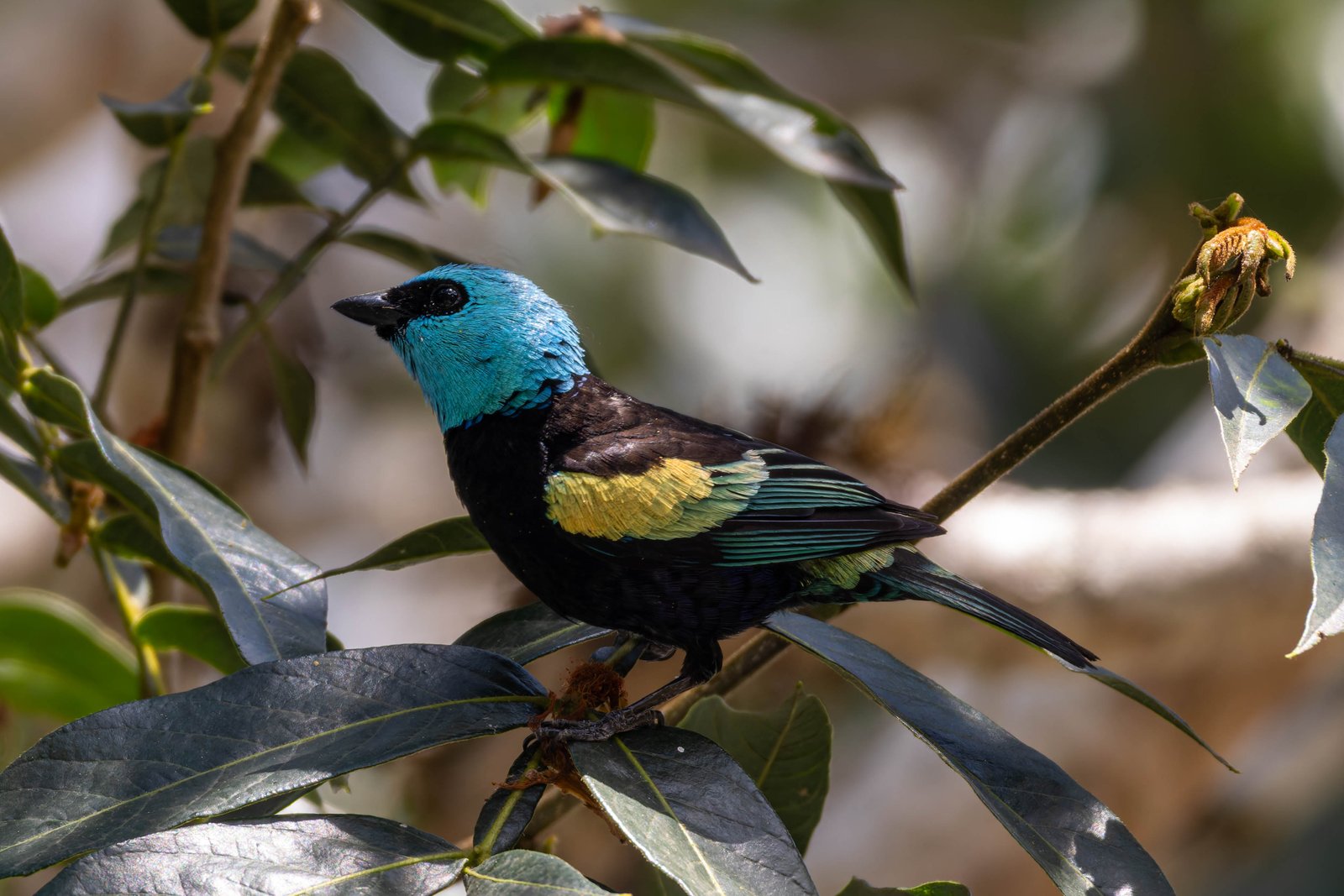
Saíra-de-cabeça-azul
Stilpnia cyanicollis- Northern Andean subtropical forest
- Lower Yungas forest
- Eastern Andean foothill forest
- Secondary forest and forest edge
- Coffee, cacao and agroforestry
Charitospiza 1 espécie
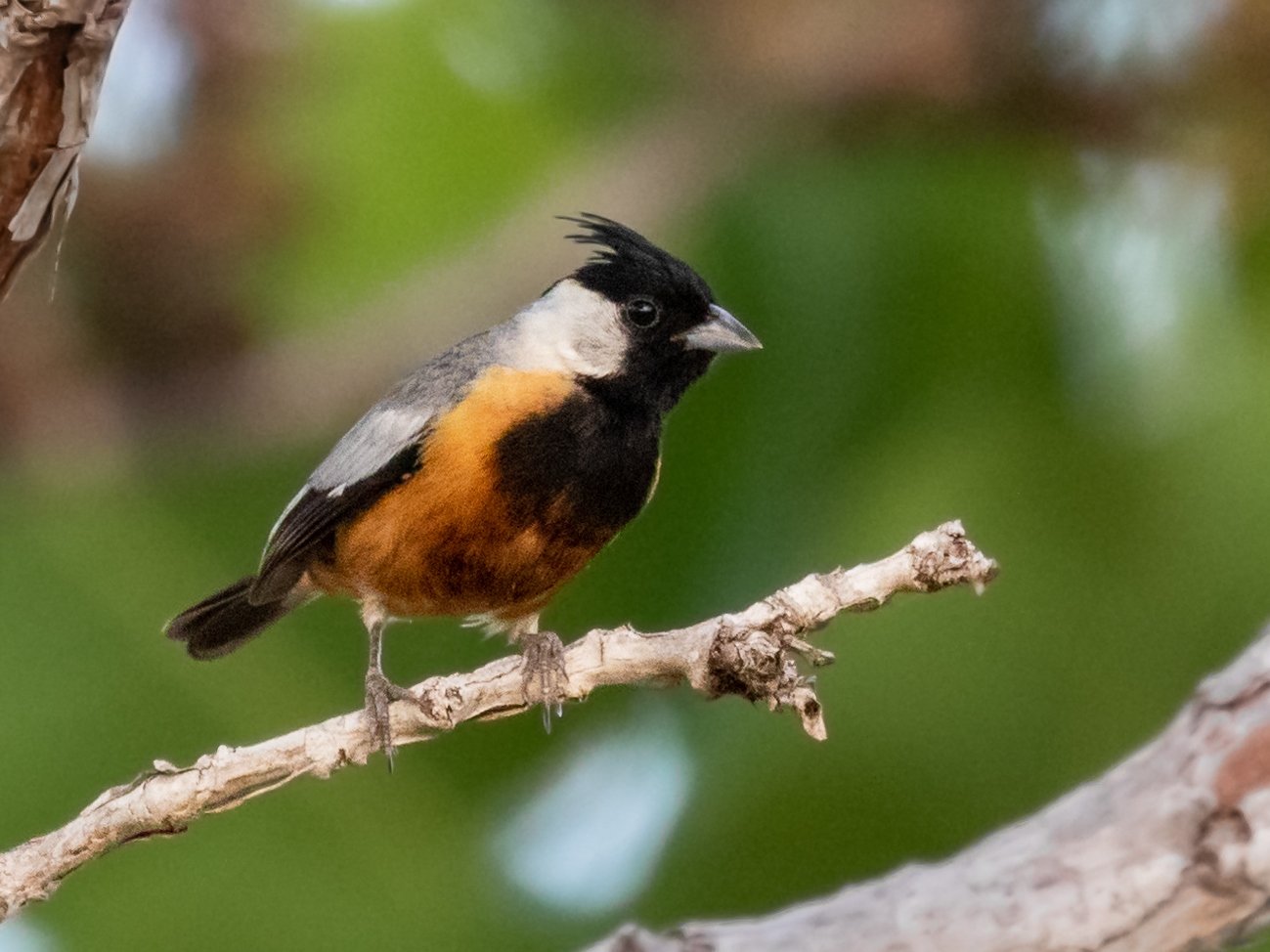
Buthraupis 1 espécie
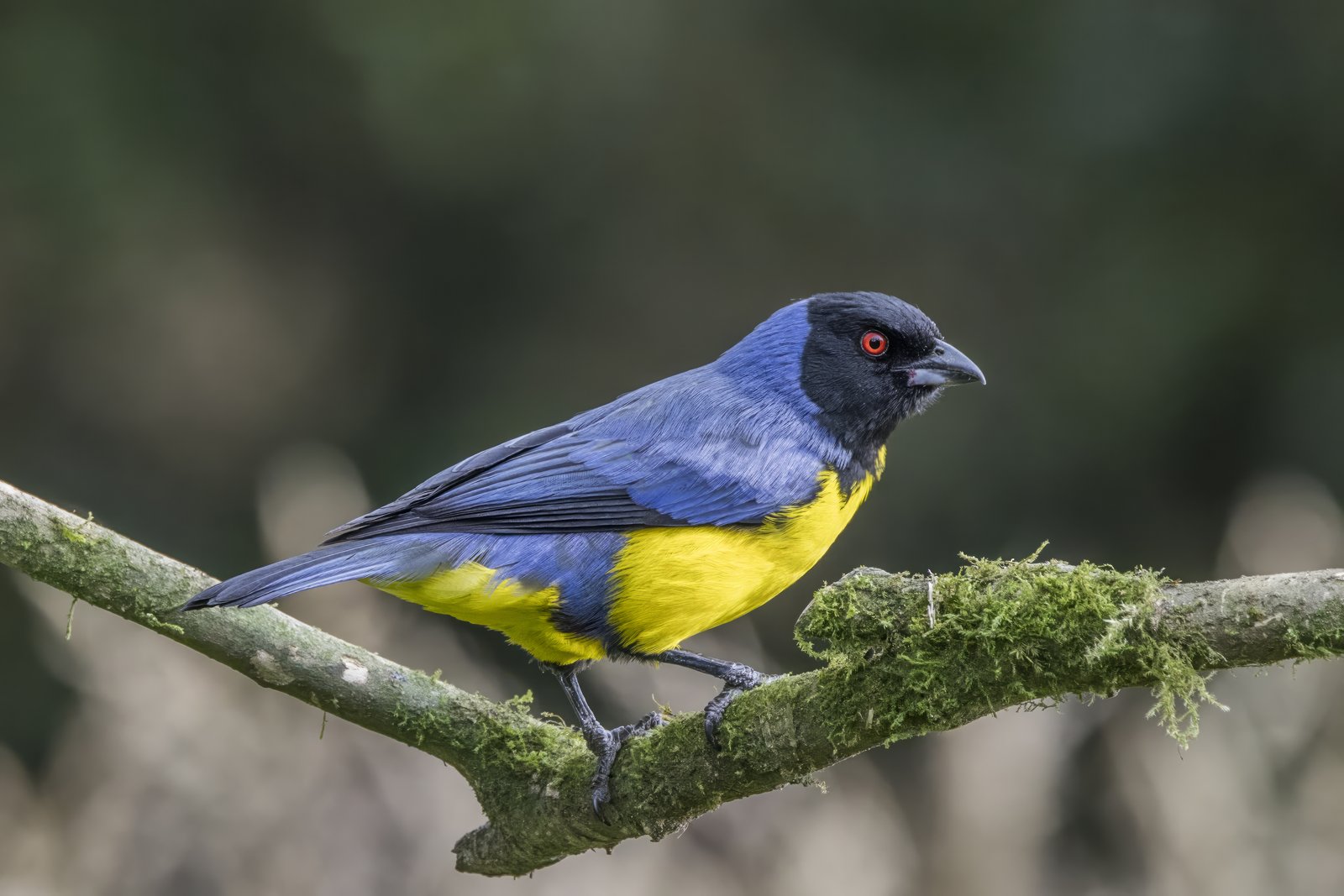
Camarhynchus 5 espécies
-
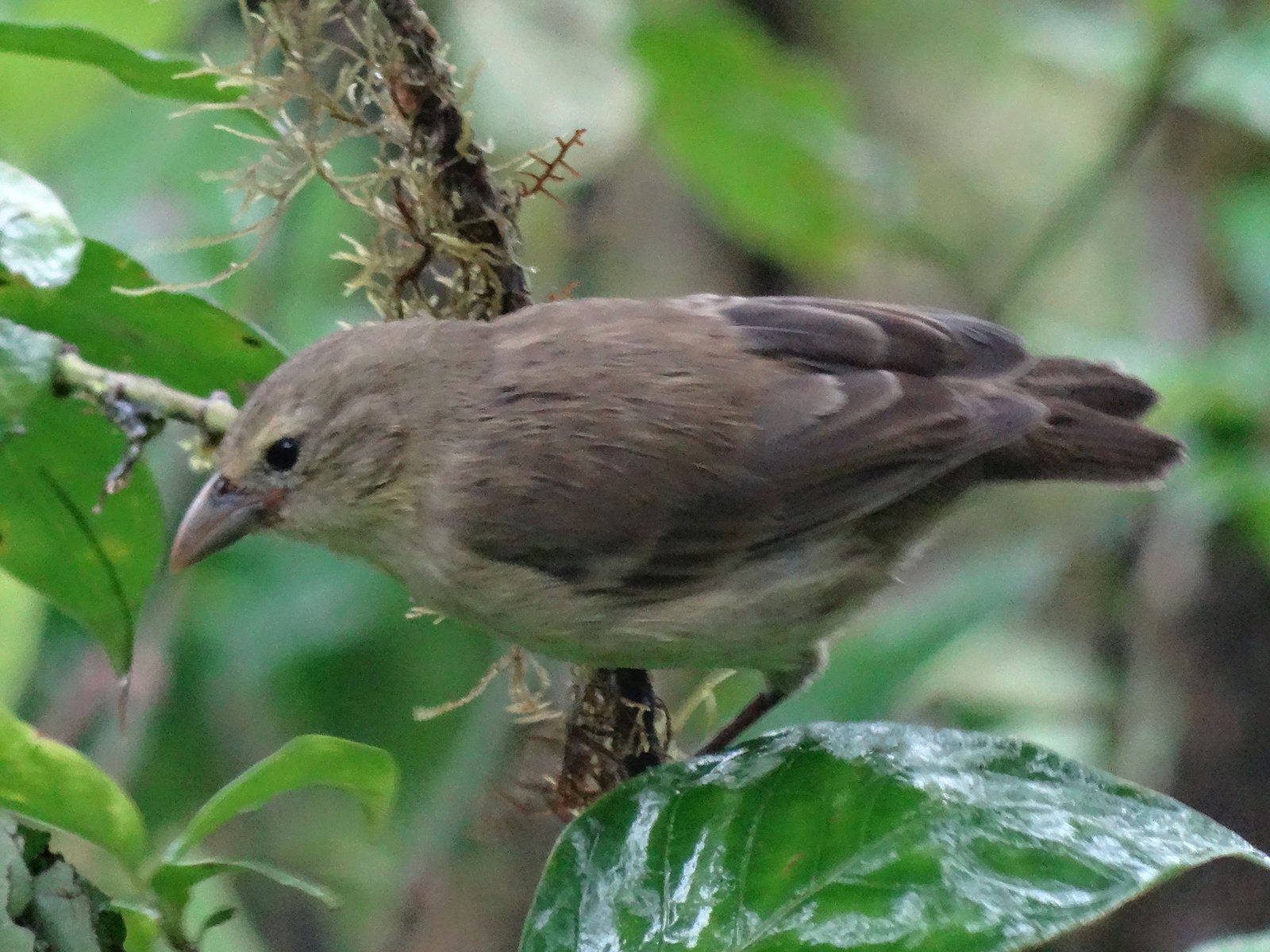
Tentilhão-pica-pau
Camarhynchus pallidus- Scalesia forest
- Galápagos humid highlands
- Galápagos arid zone
- Galápagos pampa zone
-
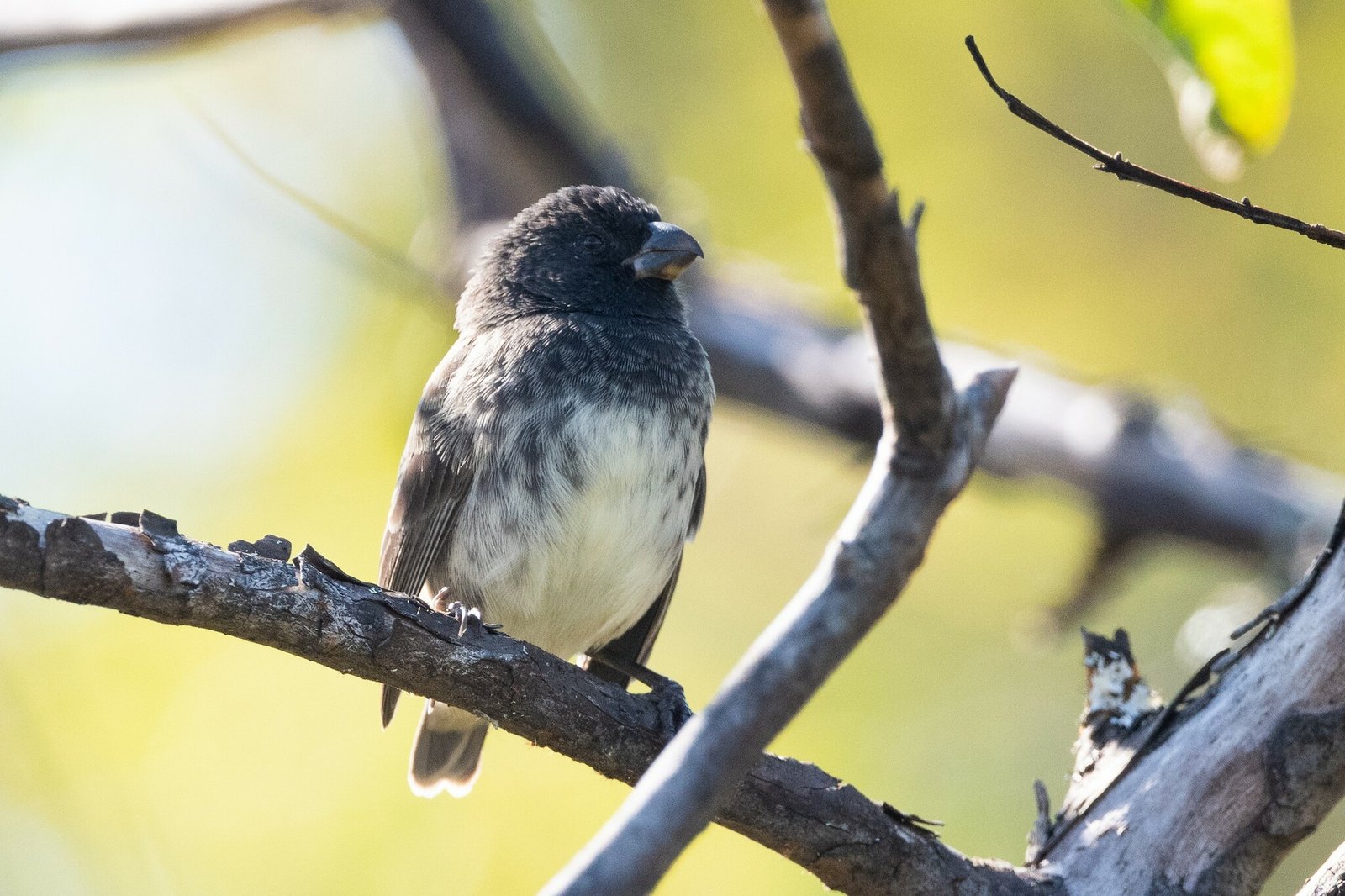
Tentilhão-arborícola-grande
Camarhynchus psittacula- Scalesia forest
- Galápagos humid highlands
- Galápagos arid zone
-
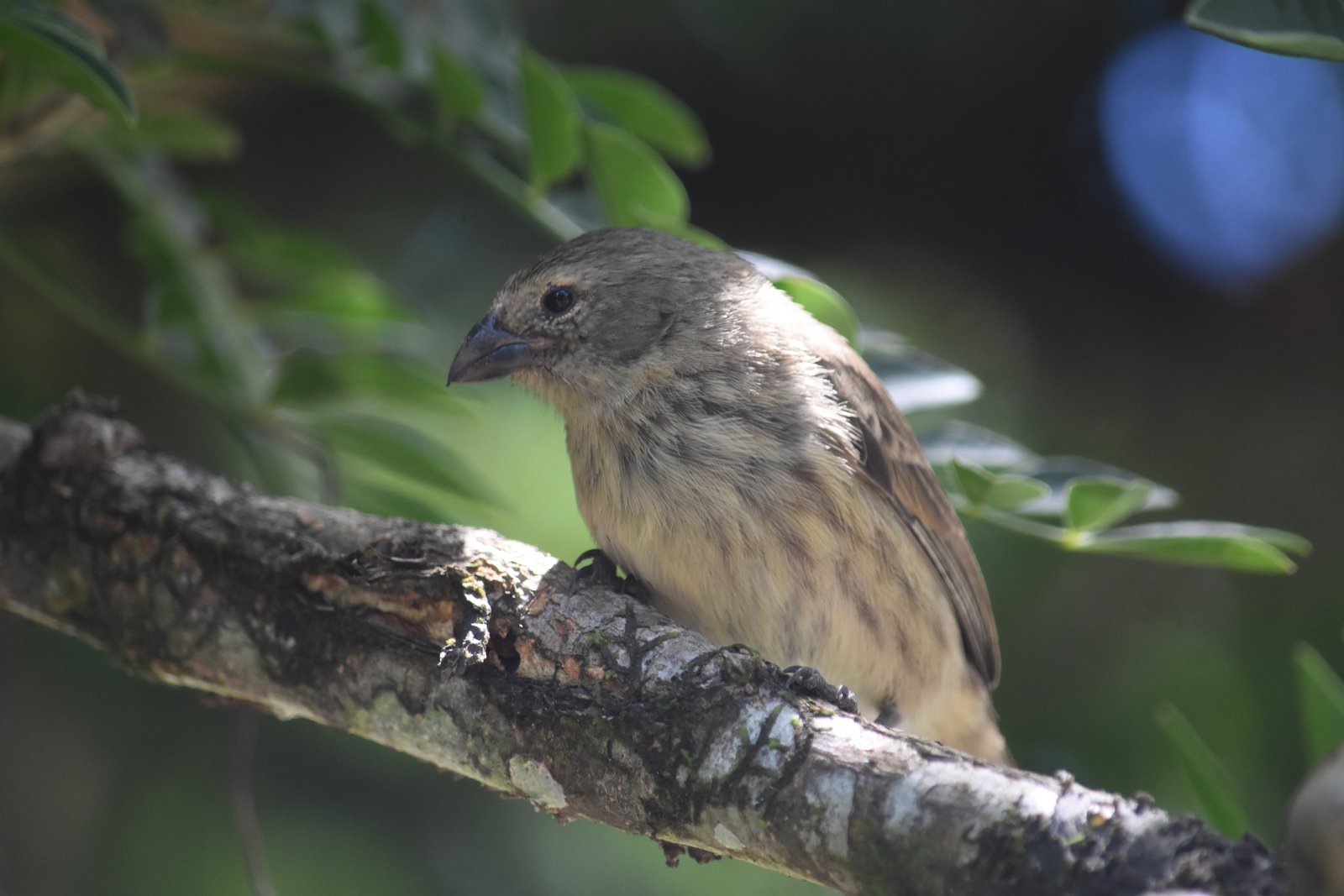
Tentilhão-arborícola-médio
Camarhynchus pauper- Galápagos humid highlands
- Scalesia forest
-
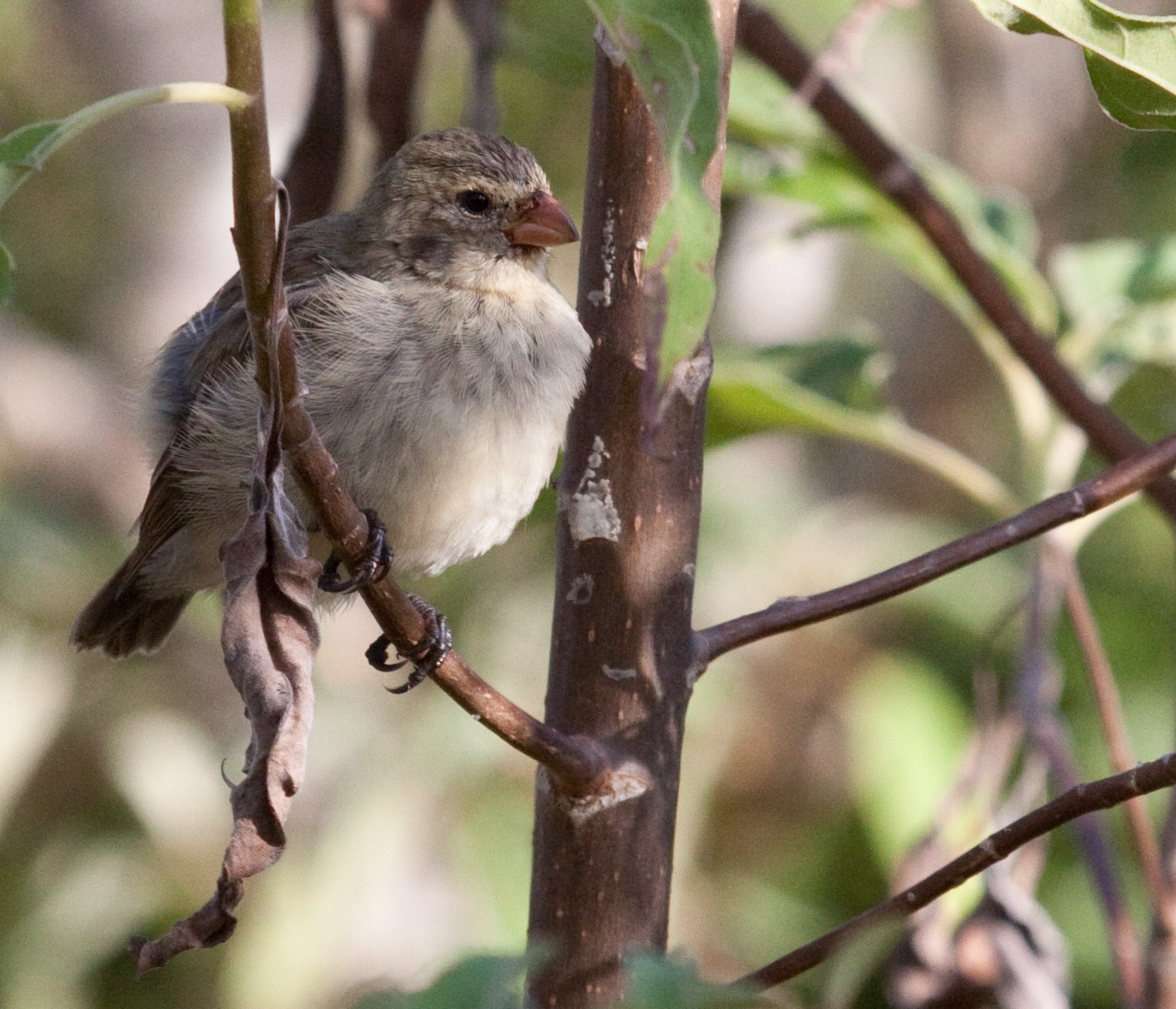
Tentilhão-arborícola-pequeno
Camarhynchus parvulus- Scalesia forest
- Galápagos arid zone
- Galápagos humid highlands
- Towns, cities and parks
-
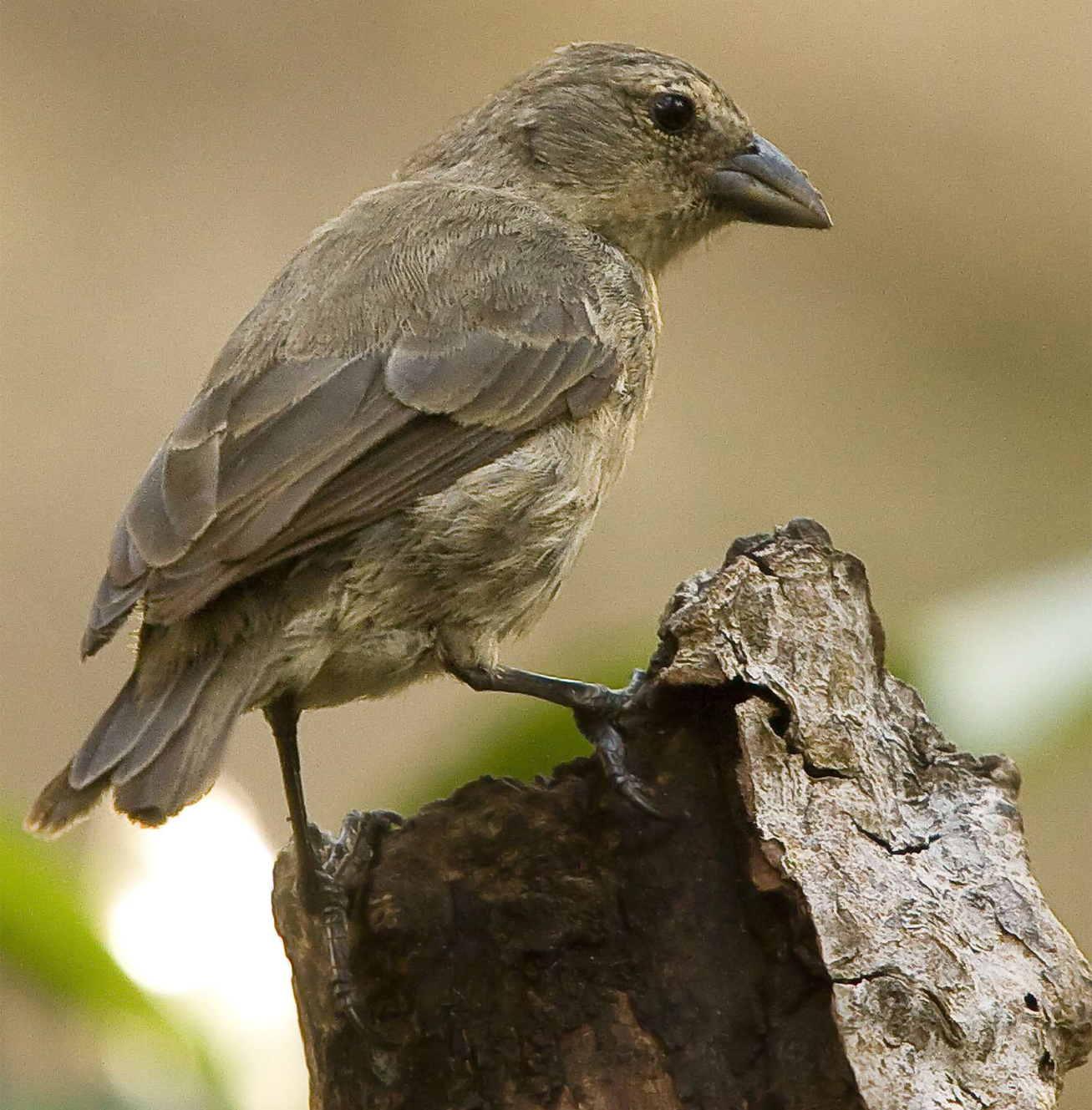
Tentilhão-do-mangue
Camarhynchus heliobates- Mangrove
Cnemathraupis 2 espécies

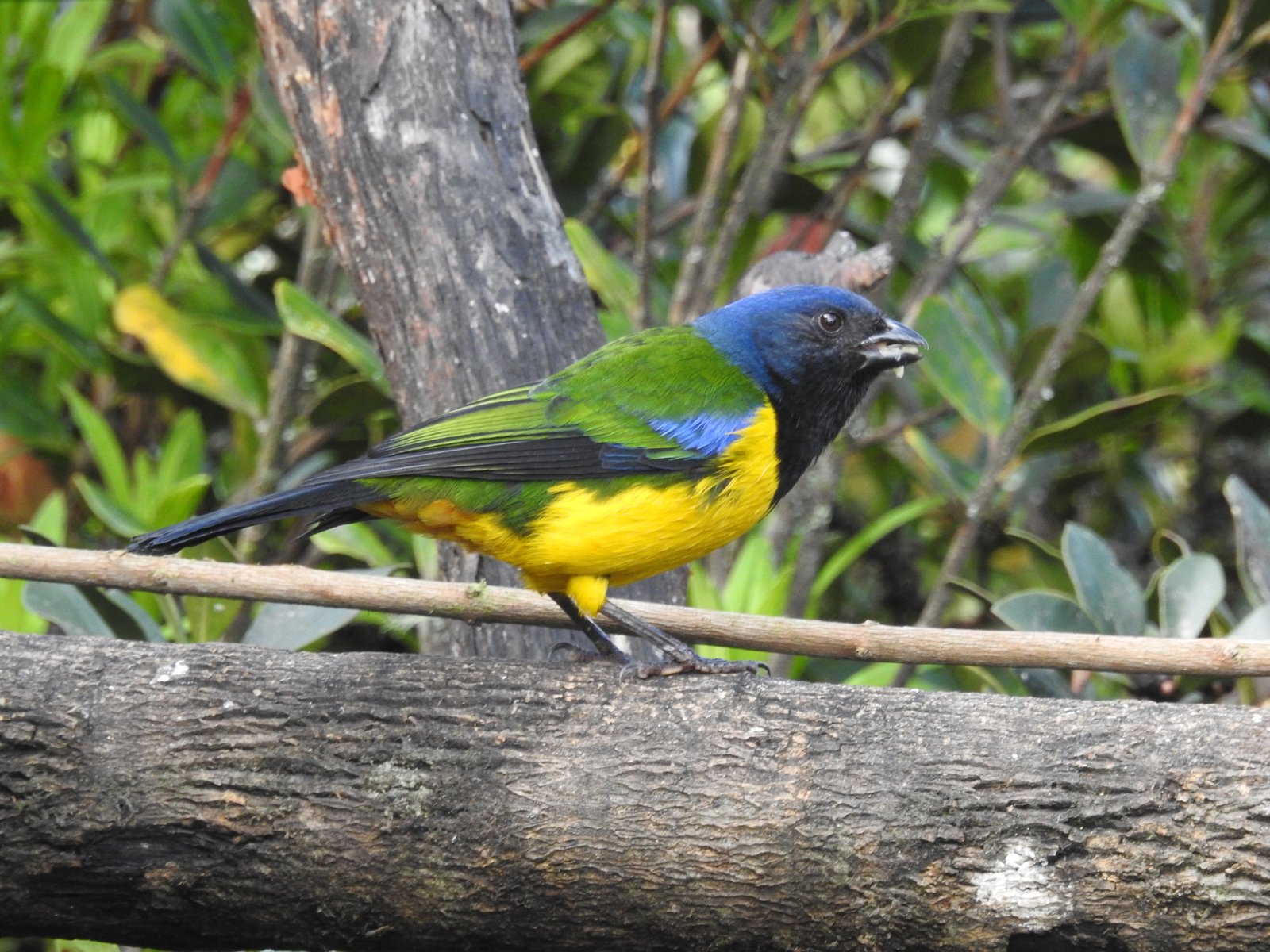
Phrygilus 2 espécies
-
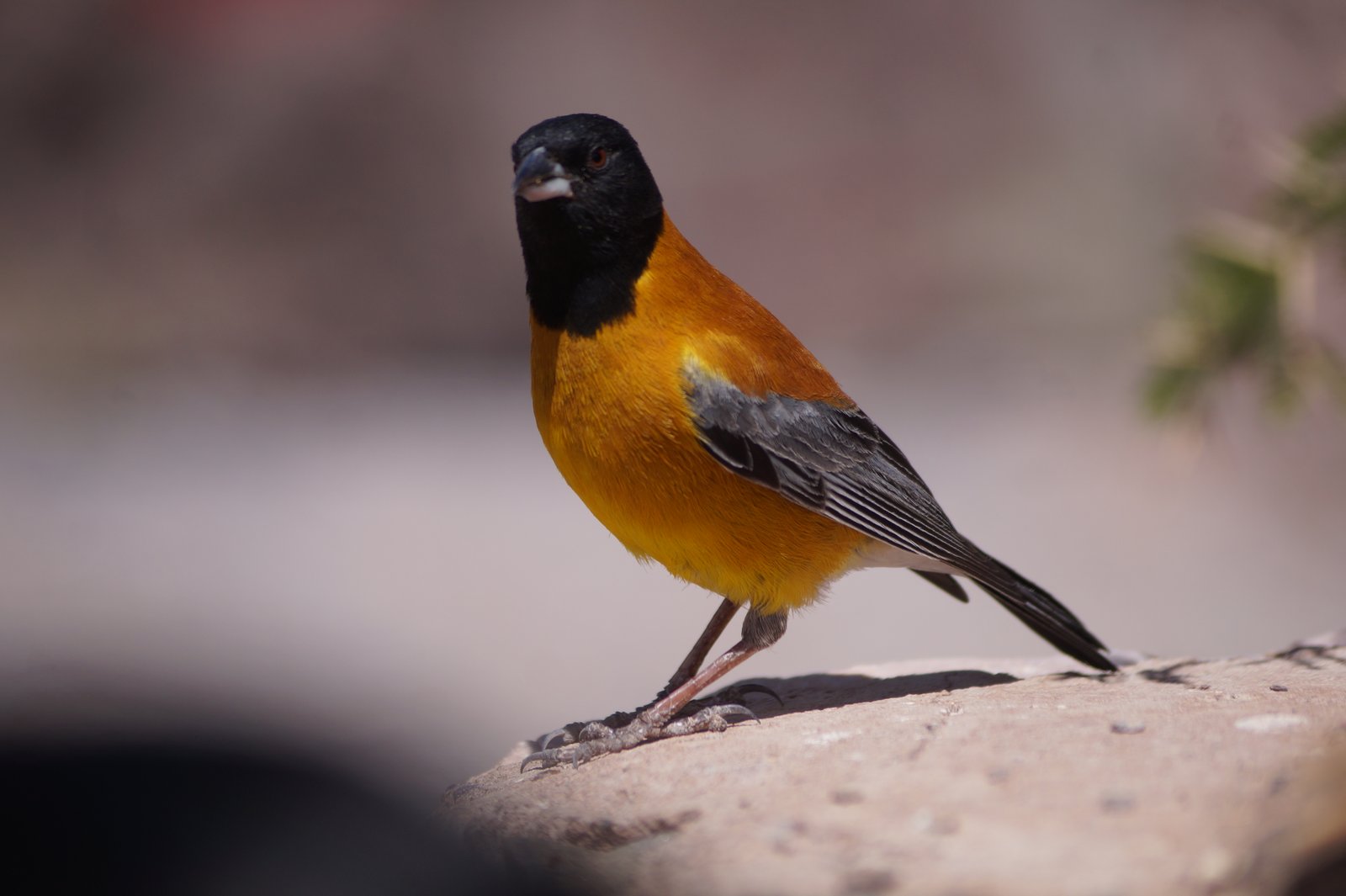
Tico-tico-de-capuz-preto
Phrygilus atriceps- Dry puna and altiplano
- Central Andean dry valleys
- Polylepis woodland
- Andean fields and terraces
- Cliffs, gorges and canyons
-
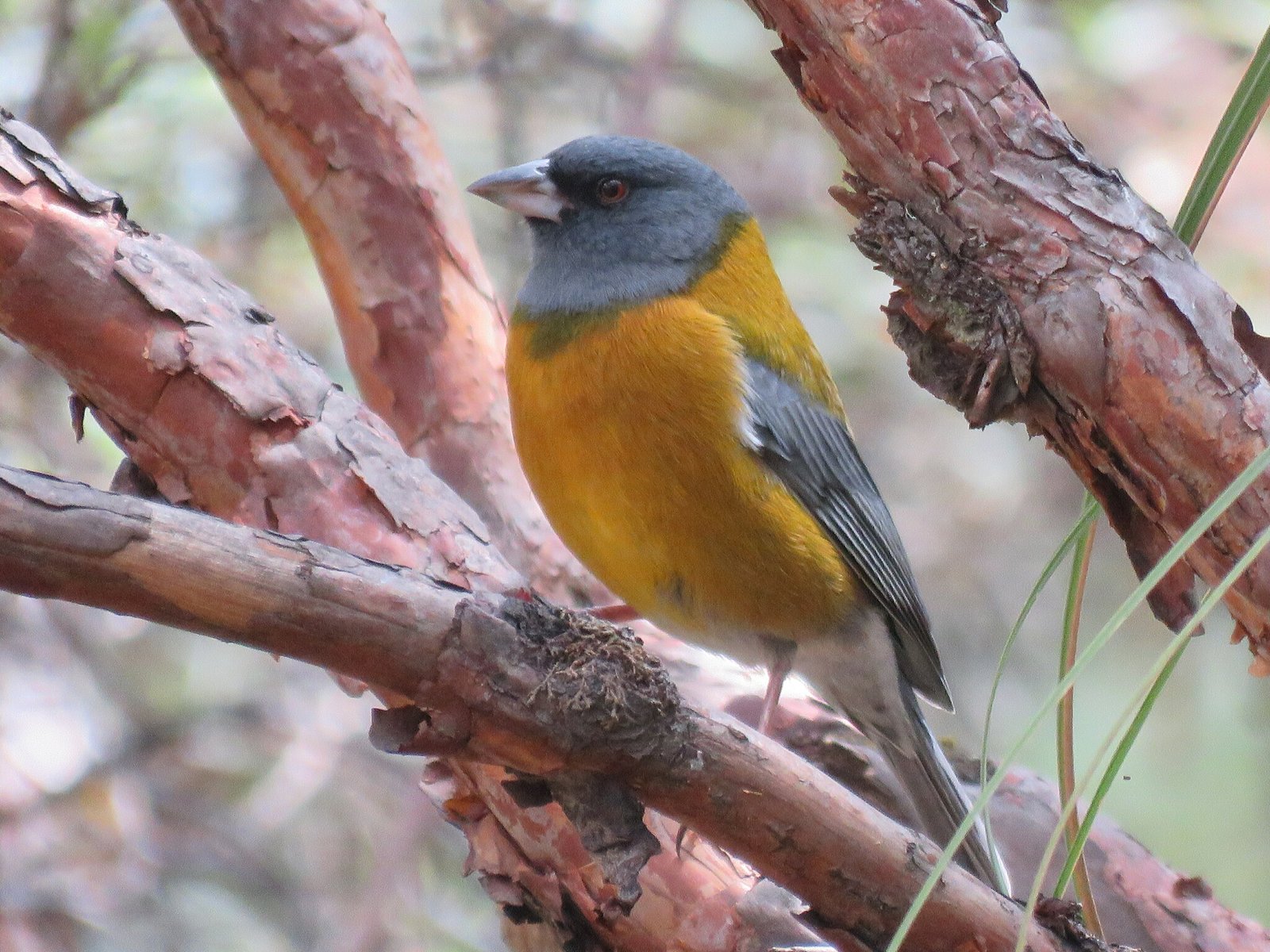
Tico-tico-peruano
Phrygilus punensis- Humid puna
- Andean fields and terraces
- Central Andean dry valleys
- Polylepis woodland
- Towns, cities and parks
- Dry puna and altiplano
Kleinothraupis 3 espécies
Vagantes 8 espécies
Aves trazidas pelo vento de outros continentes. Não têm área de distribuição aqui e, por isso, não têm mapa de distribuição.
-
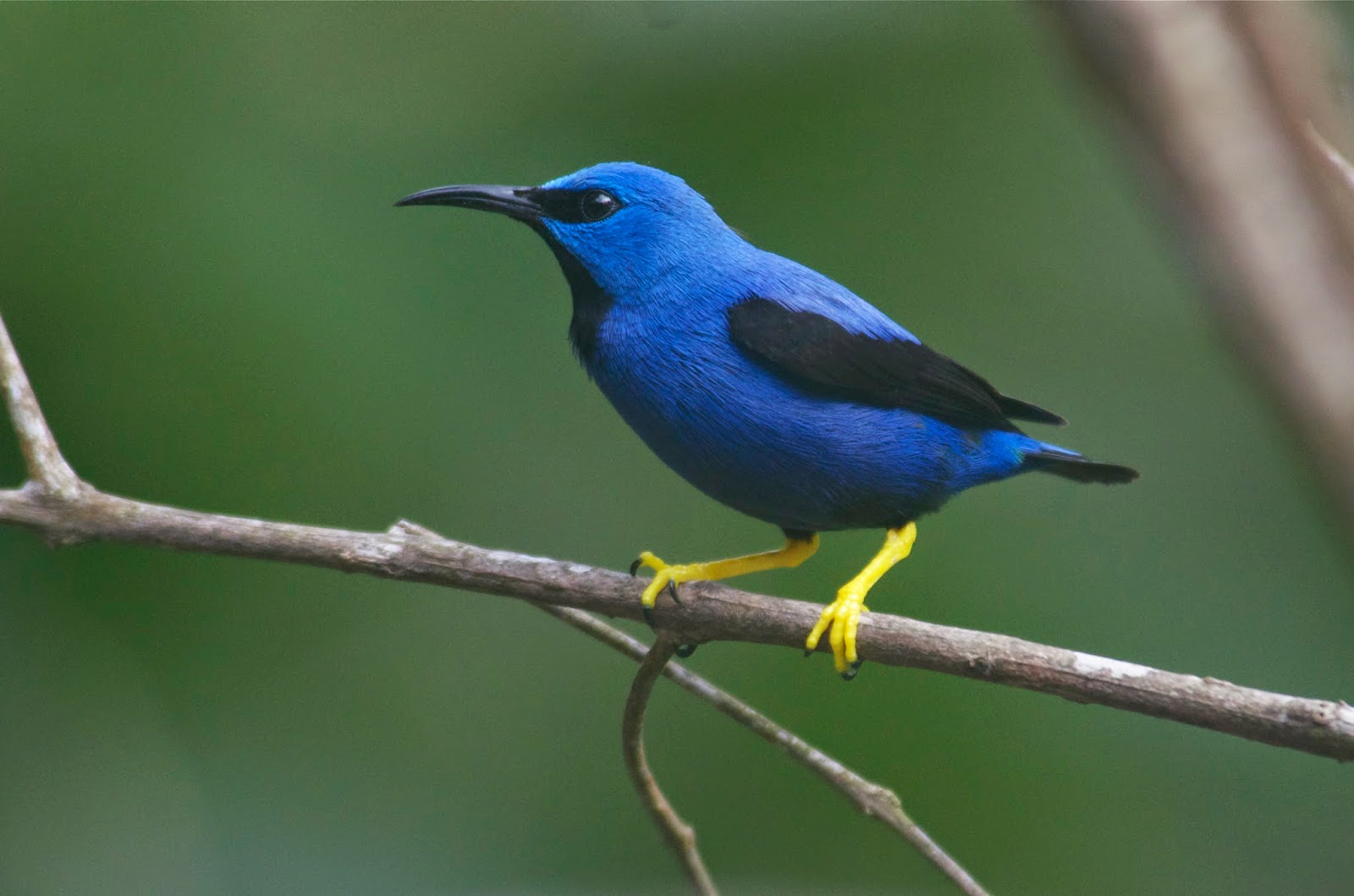
Saí-brilhante
Cyanerpes lucidus- Chocó rainforest
- Secondary forest and forest edge
-
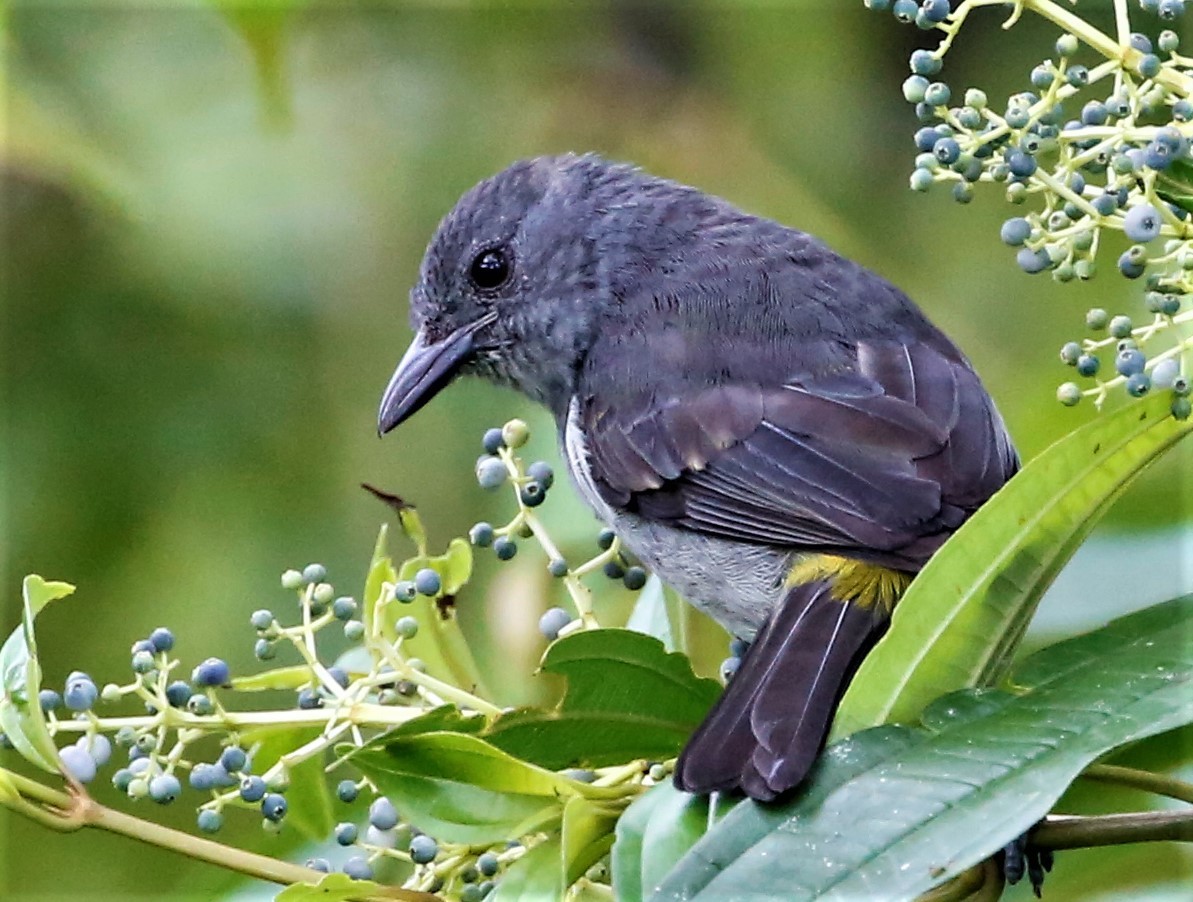
Tiê-de-uropígio-amarelo
Heterospingus rubrifrons- Chocó rainforest
- Secondary forest and forest edge
-
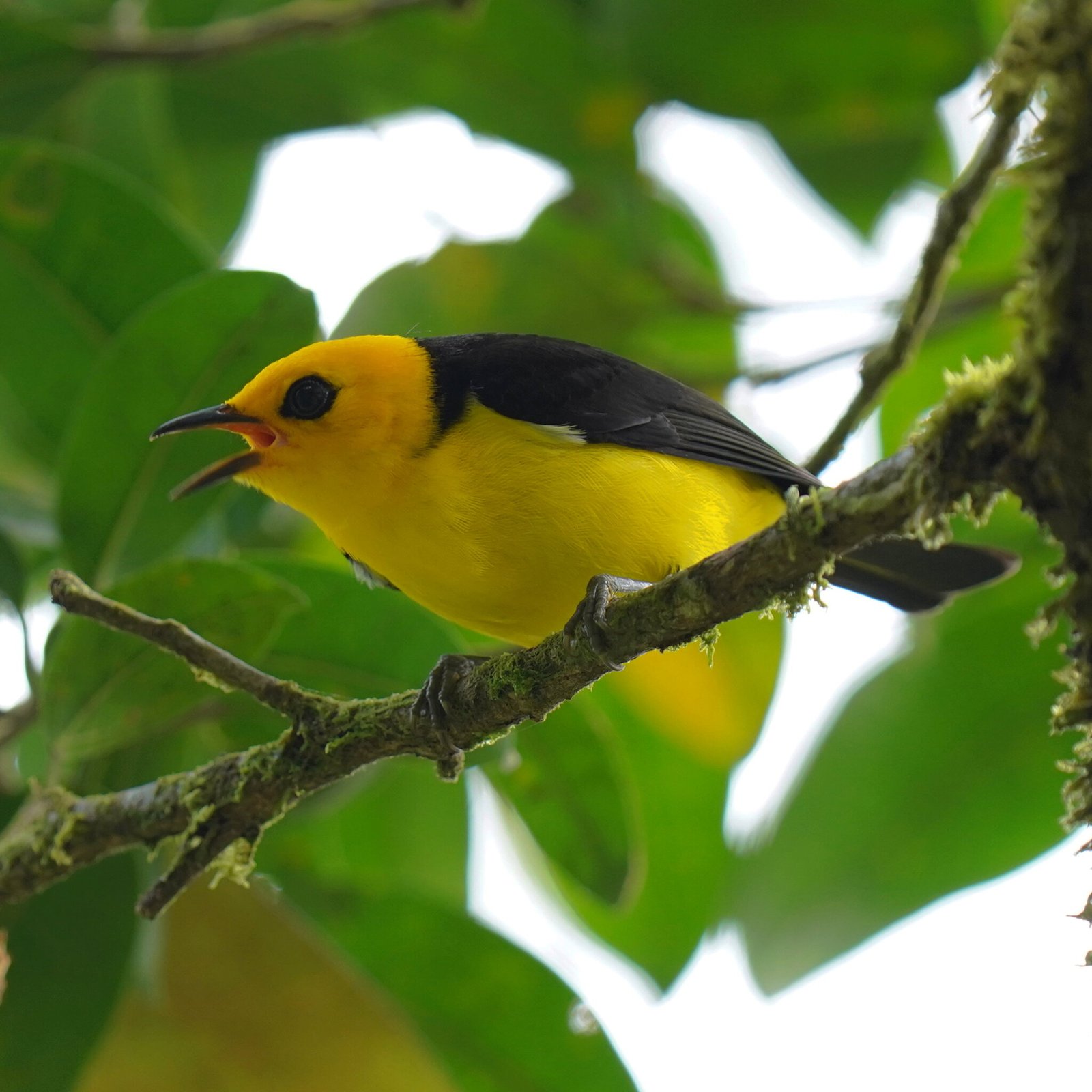
Tiê-preto-e-amarelo
Chrysothlypis chrysomelas- Northern Andean subtropical forest
- Eastern Andean foothill forest
- Chocó rainforest
-
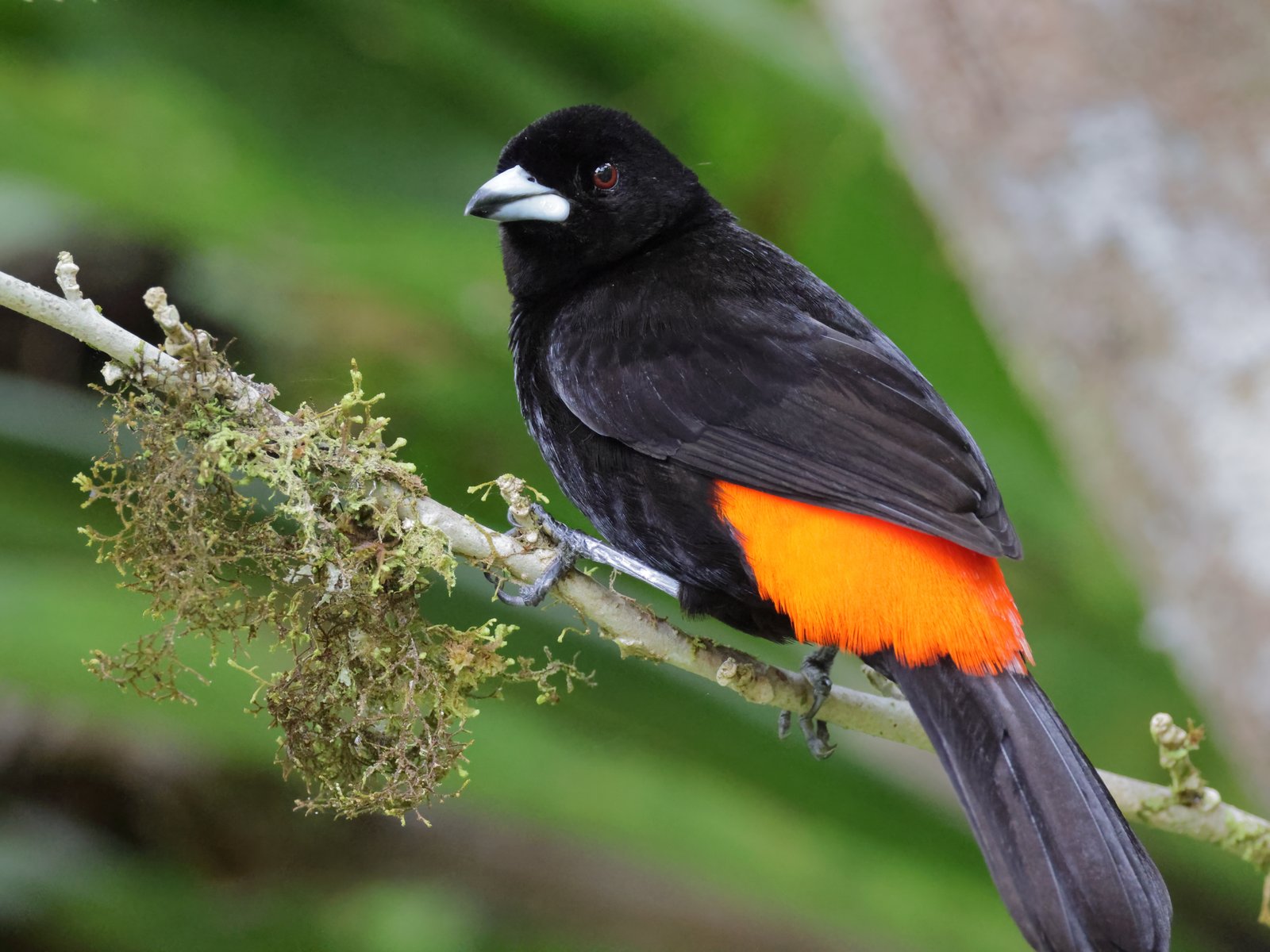
Pipira-de-uropígio-escarlate
Ramphocelus passerinii- Secondary forest and forest edge
- Coffee, cacao and agroforestry
- Towns, cities and parks
-

Tico-tico-de-capuz-cinza
Phrygilus gayi- Dry puna and altiplano
- Central Andean dry valleys
- Cliffs, gorges and canyons
-
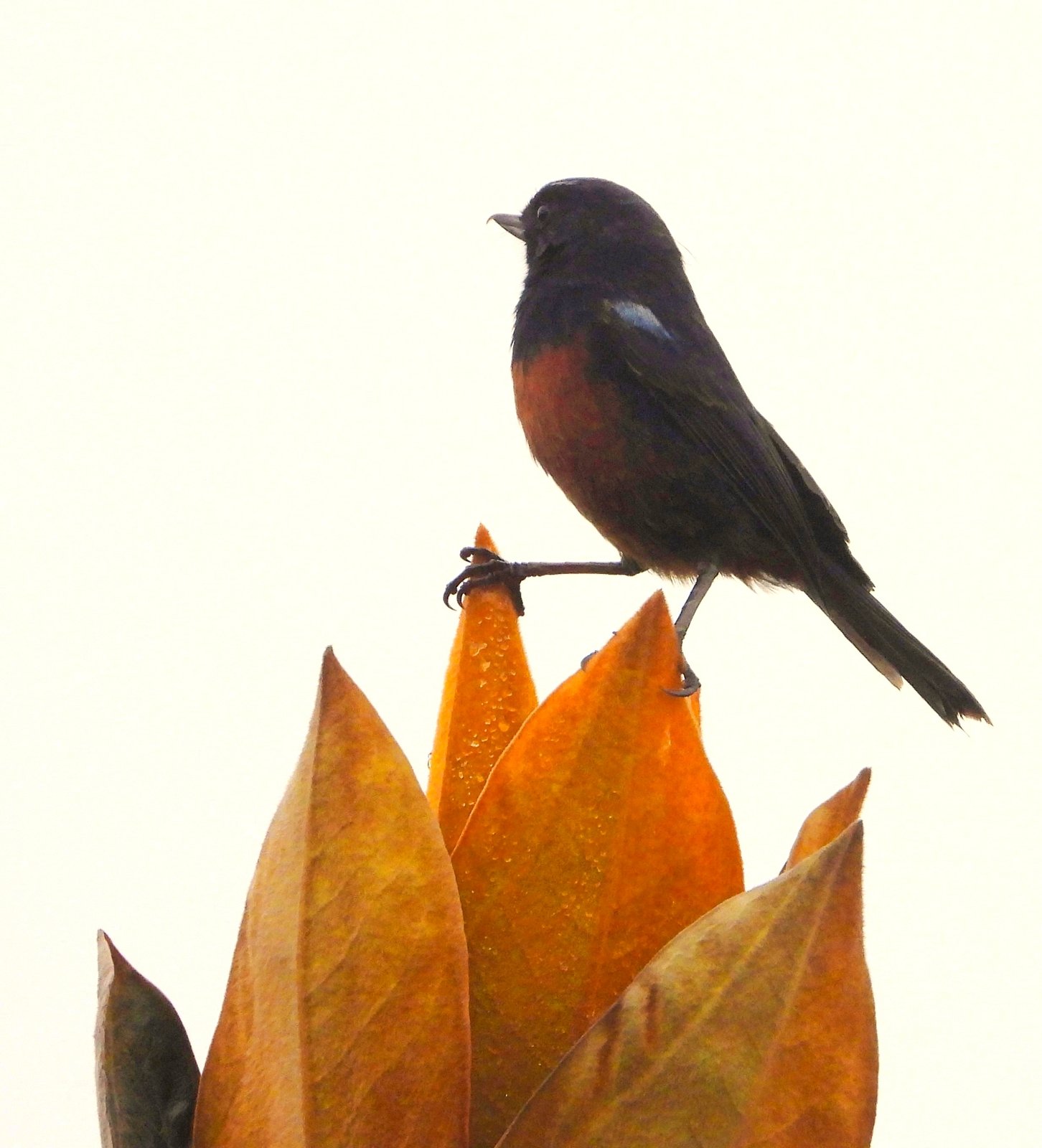
Fura-flor-de-mérida
Diglossa gloriosa- Páramo
- Northern Andean cloud forest and temperate forest
- Secondary forest and forest edge
-
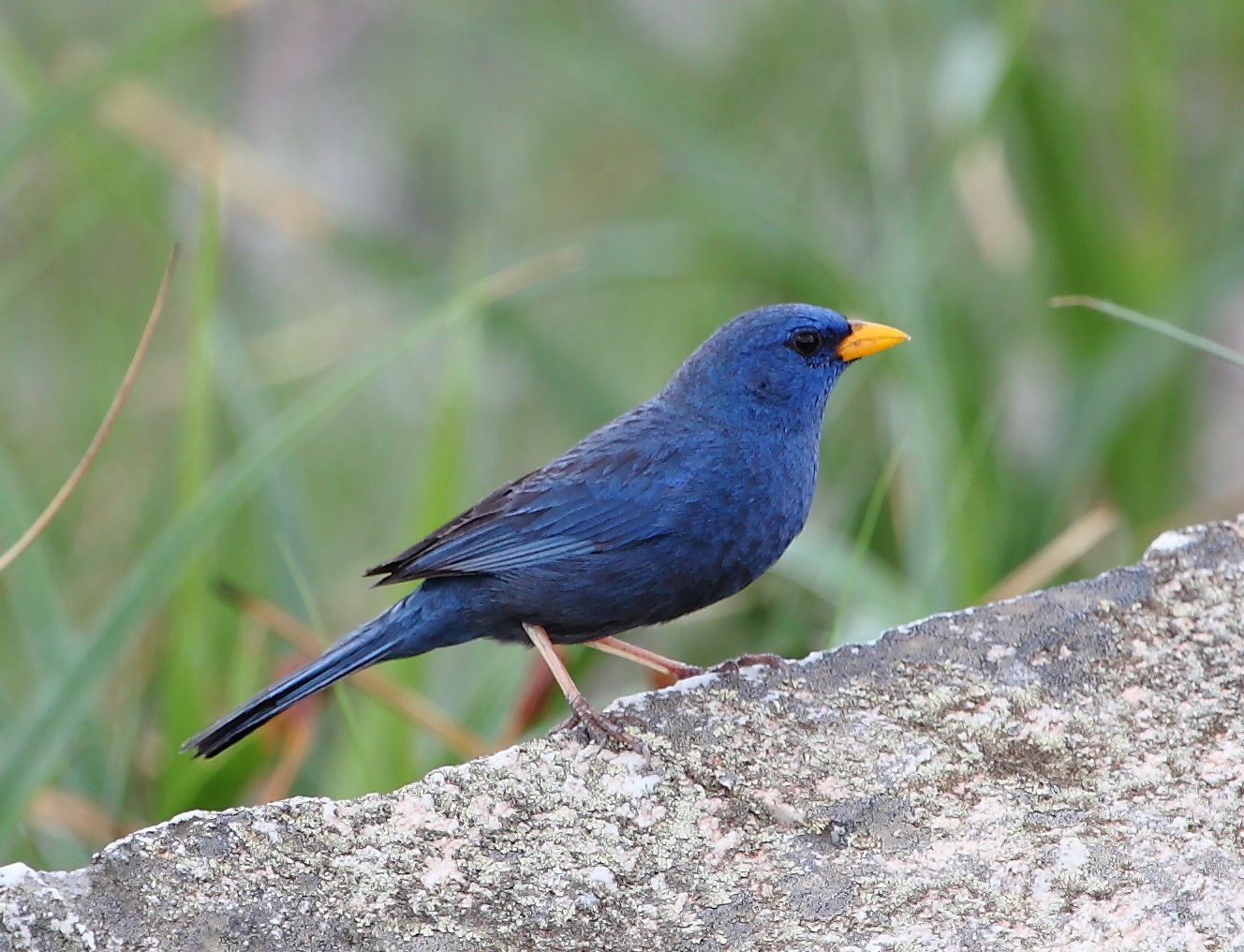
Campainha-azul
Rhopospina caerulescens- Beni savanna and cerrado
-
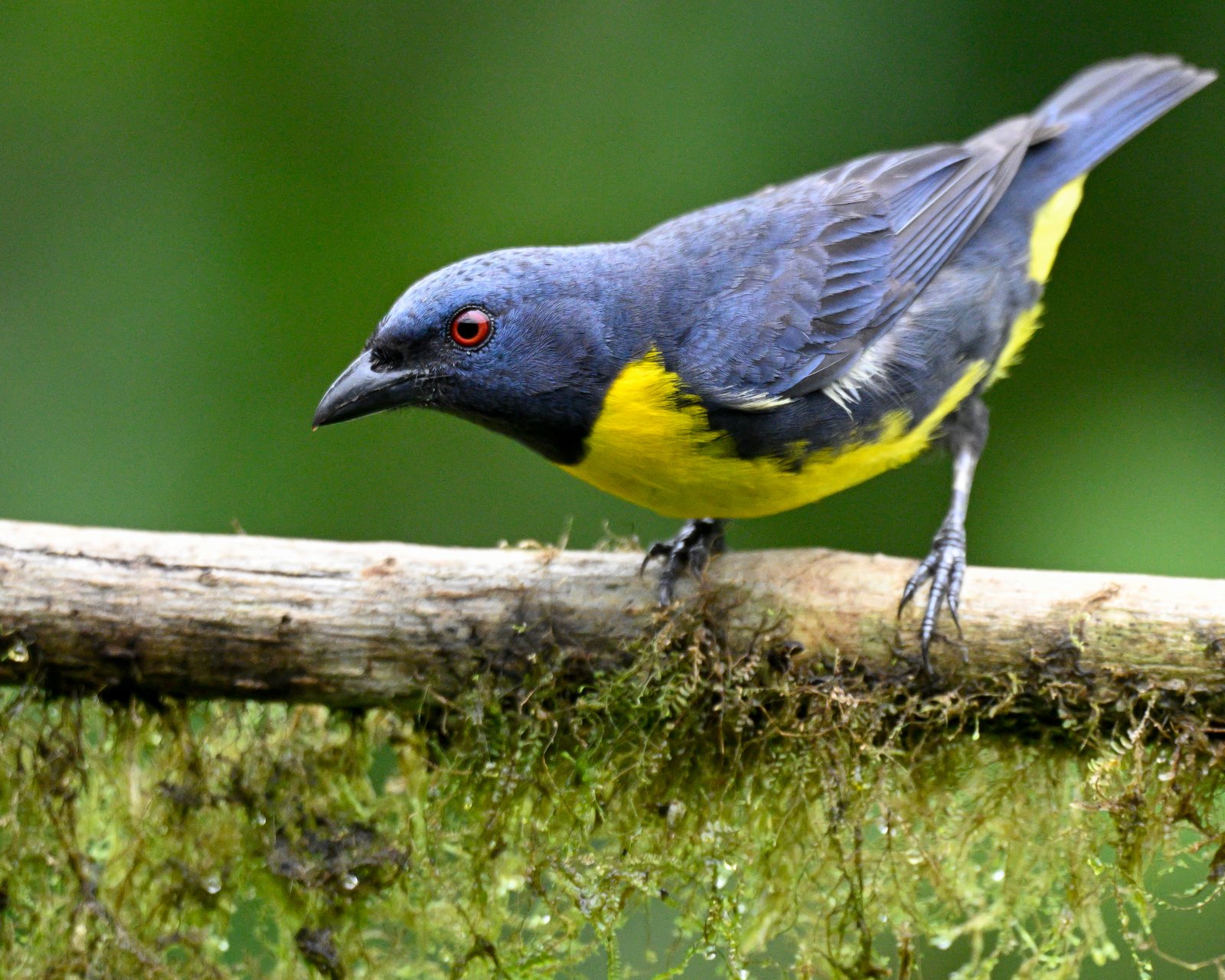
Sanhaço-azul-e-dourado
Bangsia arcaei- Northern Andean subtropical forest
- Chocó rainforest