All species › Passerines › Tanagers and allies
Tanagers and allies | Thraupidae
Tangaren | Tángaras | Tanagers and allies
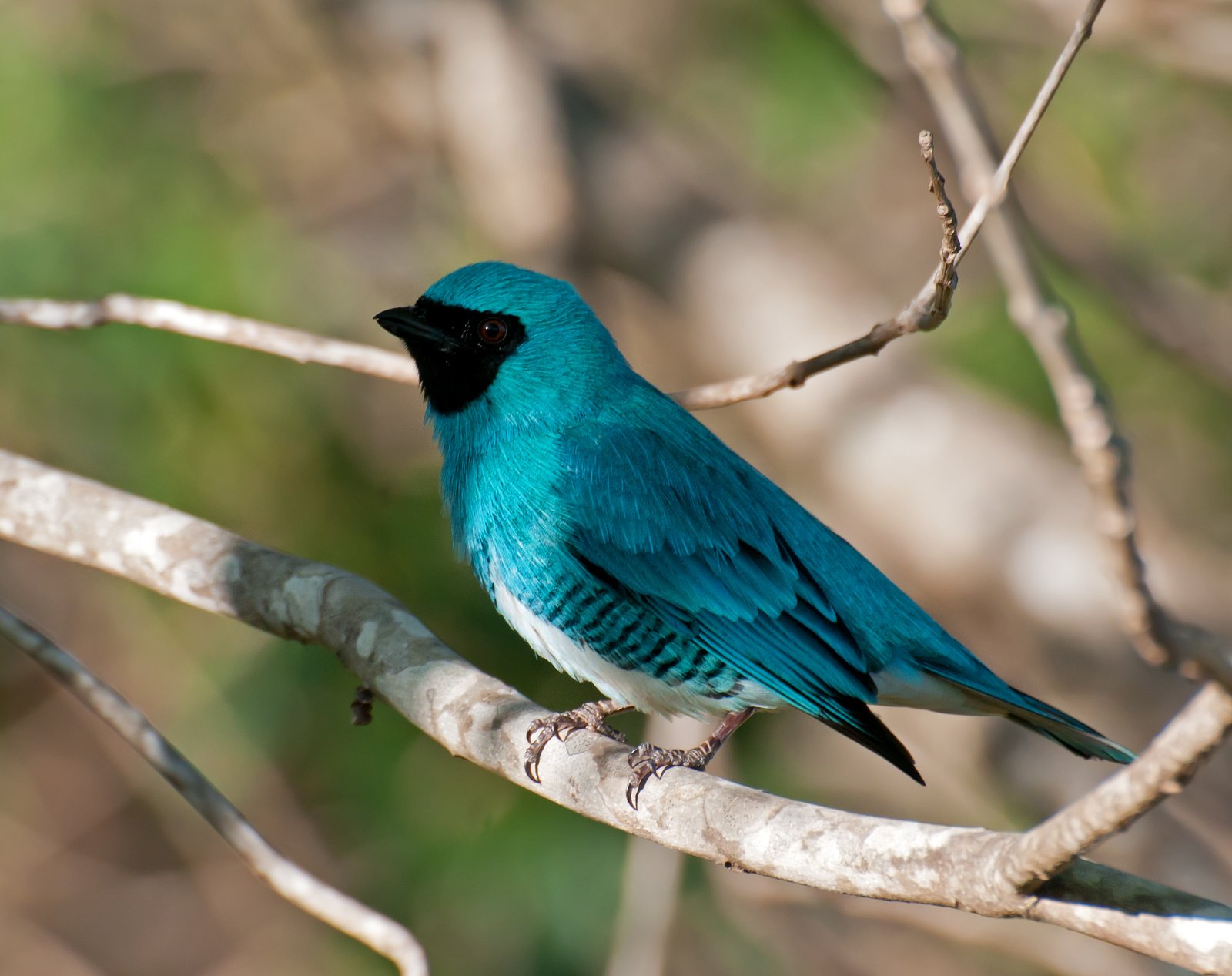
One of the largest bird families in the world, with two hundred and ninety-nine species in ninety-one genera in this guide, from coastal desert, dry scrub and the grasslands of páramo and puna to rainforest, cloud forest and gardens, with the greatest richness on the humid slopes of the Andes. The family has been established in its current form only through DNA studies and includes birds of very different appearance. The typical tanagers, such as the species of Tangara, are small to medium-sized birds with a short, stout bill and often brilliantly colourful plumage; they eat mainly fruit and insects and travel through the canopy in mixed flocks. Also included are the honeycreepers and dacnises, with thin, curved bills and glossy blue or green plumage, which take nectar, fruit and insects; the flowerpiercers, whose hook-tipped bill slits the corolla to steal nectar; the Bananaquit; the seedeaters and the saltators with their thick seed-cracking bills; the sierra finches and yellow finches of the high Andes; and Darwin's finches of the Galápagos, which have evolved there into species with strikingly different bills. Song is usually simple, but clear and melodious in the saltators. The nest is generally an open cup in a tree or shrub, usually with two eggs; the Bananaquit builds a domed nest and the Swallow Tanager breeds in a burrow in a bank.
Native species 283 species
Species that occur here by nature: breeding birds, winter visitors and passage migrants. They are arranged by genus, in the sequence of the list.
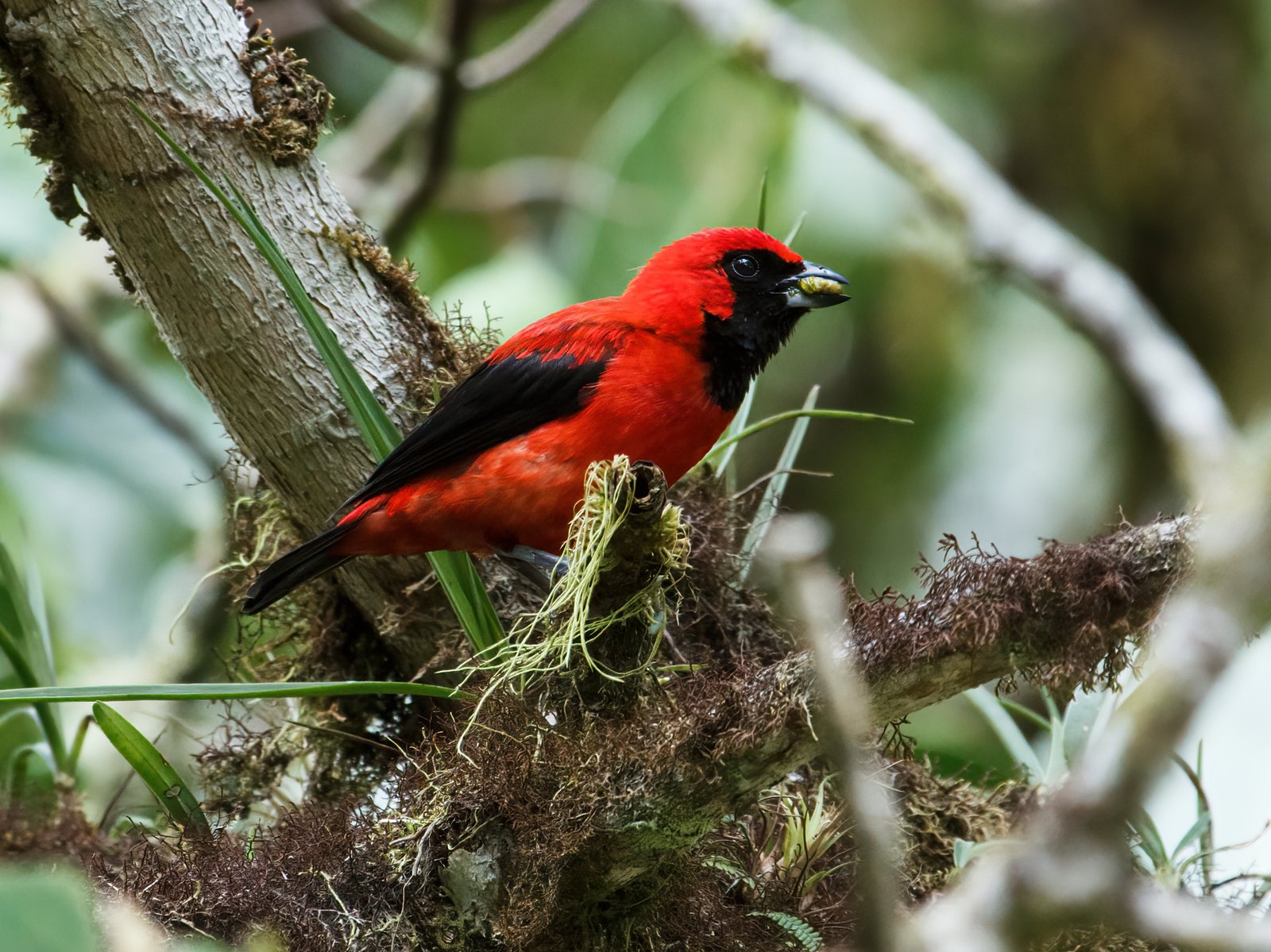
Calochaetes 1 species
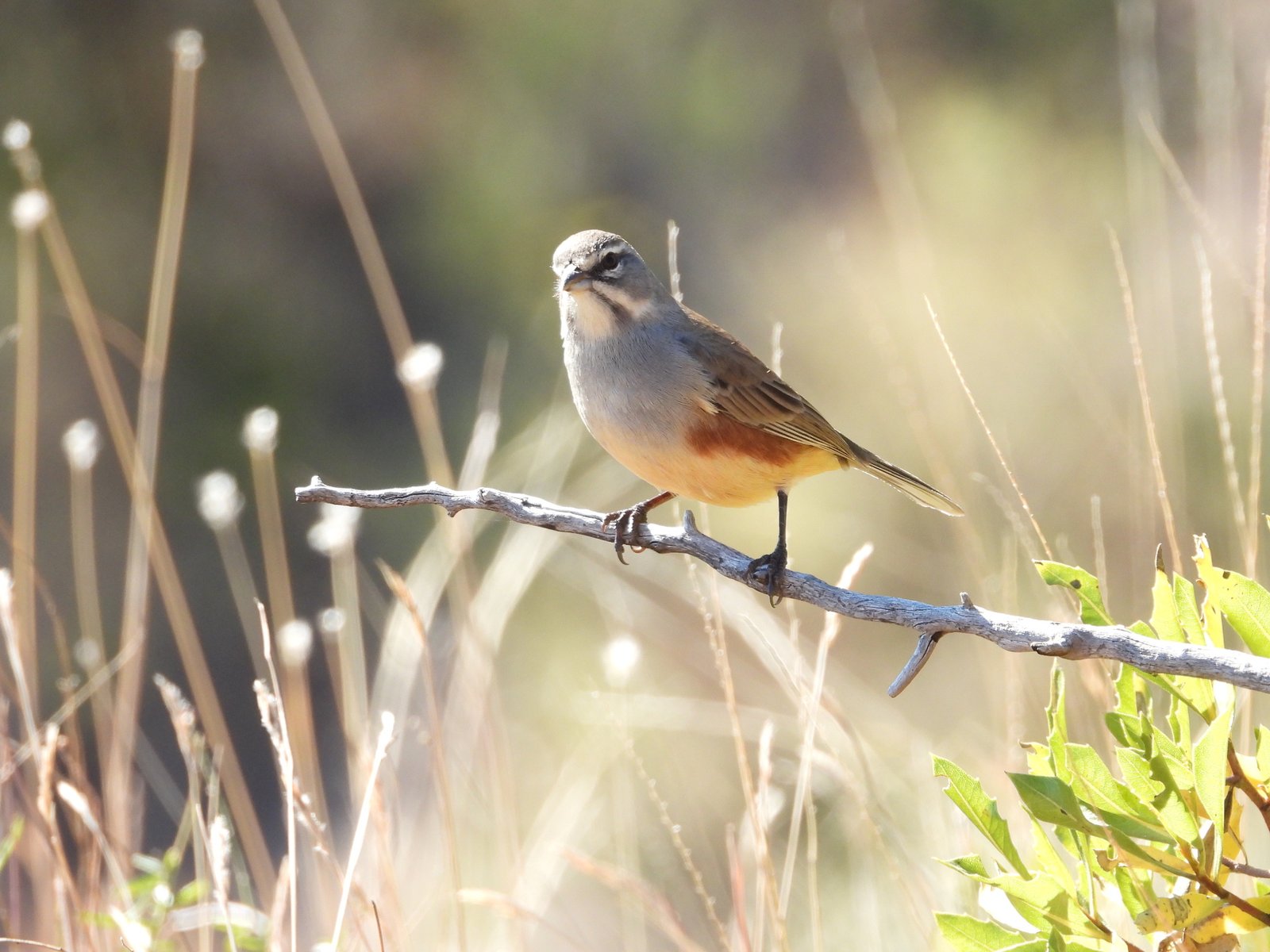
Poospizopsis 2 species

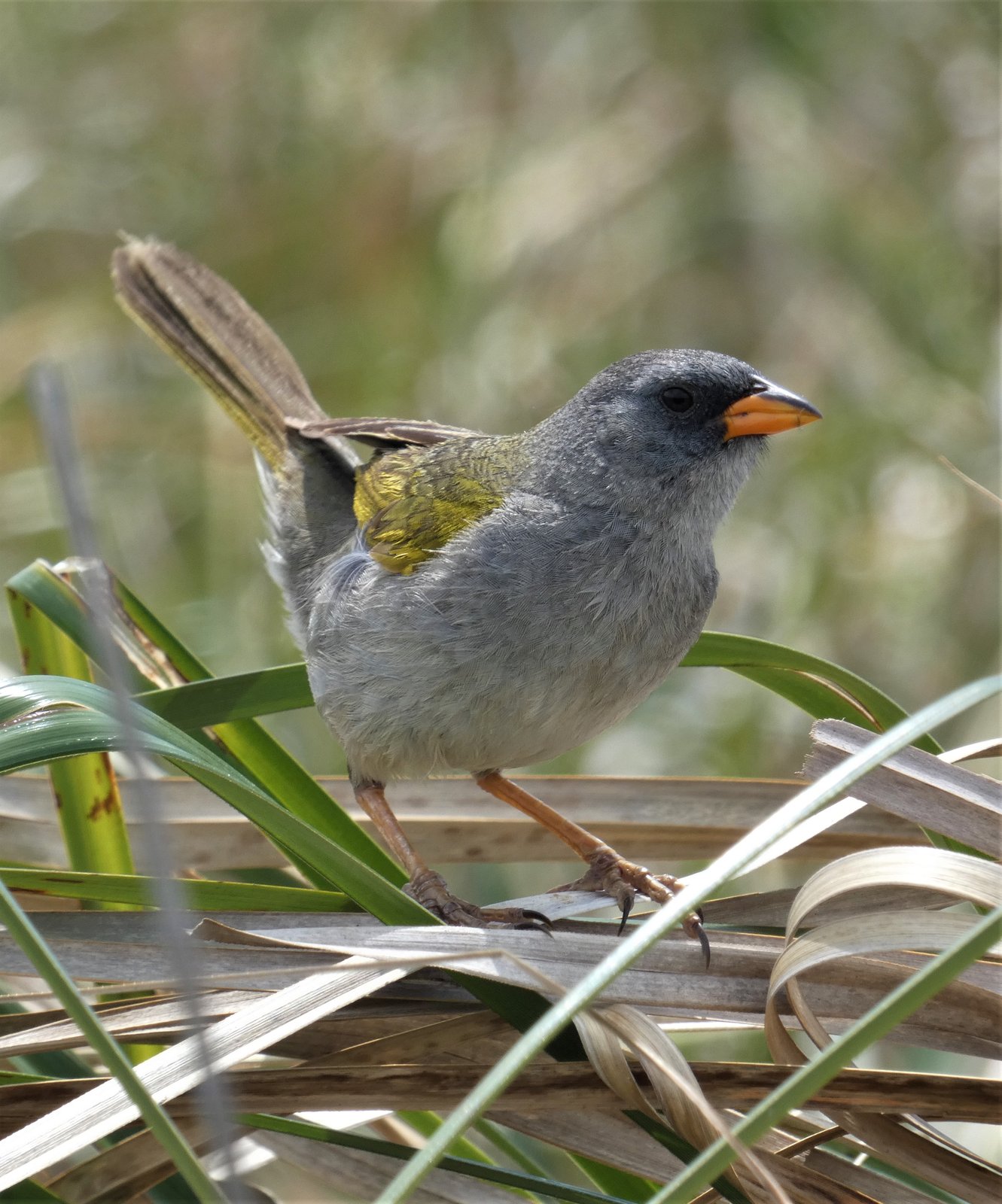
Embernagra 1 species
Bangsia 5 species
-
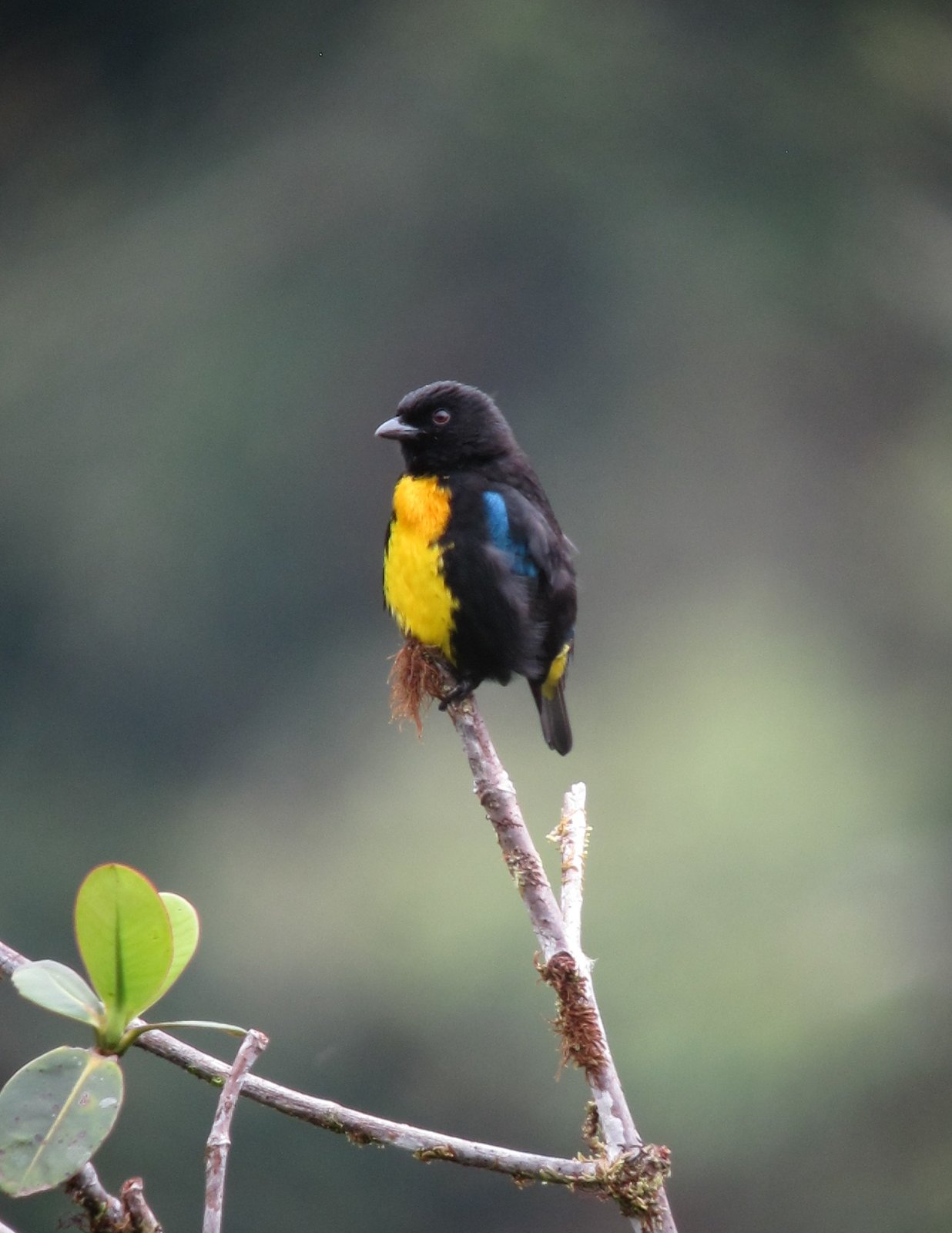
Black-and-gold Tanager
Bangsia melanochlamys Northern Andean subtropical forest
 Northern Andean cloud forest and temperate forest
 Secondary forest and forest edge
-

Golden-chested Tanager
Bangsia rothschildi Chocó rainforest
- Northern Andean subtropical forest
 Western Ecuador humid forest
- Secondary forest and forest edge
-
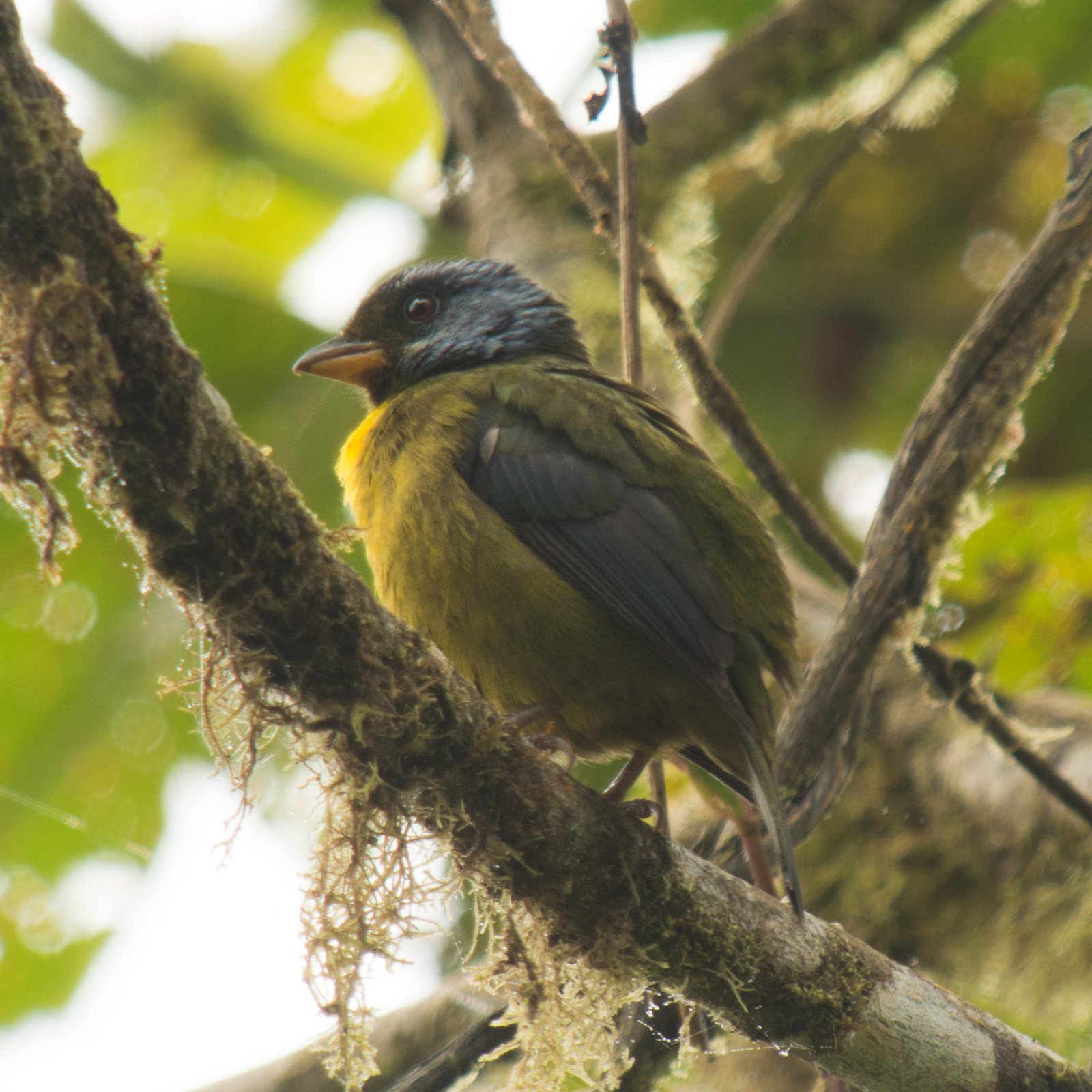
Moss-backed Tanager
Bangsia edwardsi- Northern Andean subtropical forest
- Chocó rainforest
- Western Ecuador humid forest
- Secondary forest and forest edge
-

Gold-ringed Tanager
Bangsia aureocincta- Northern Andean cloud forest and temperate forest
- Northern Andean subtropical forest
-
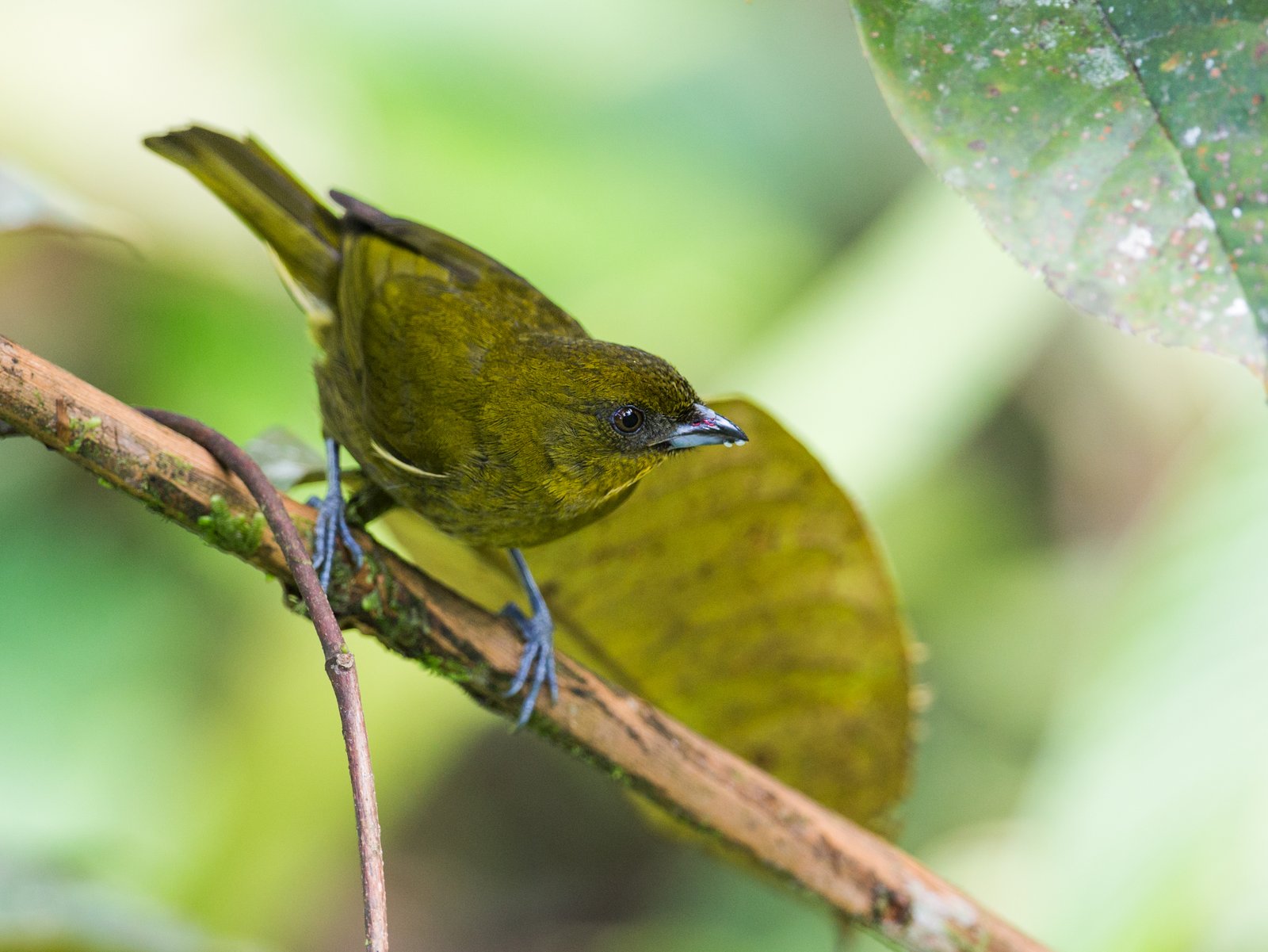
Yellow-green Tanager
Bangsia flavovirens- Northern Andean subtropical forest
- Chocó rainforest
- Western Ecuador humid forest
Microspingus 5 species
-

Plain-tailed Warbling Finch
Microspingus alticola Polylepis woodland
 Jalca
 Central Andean dry valleys
-
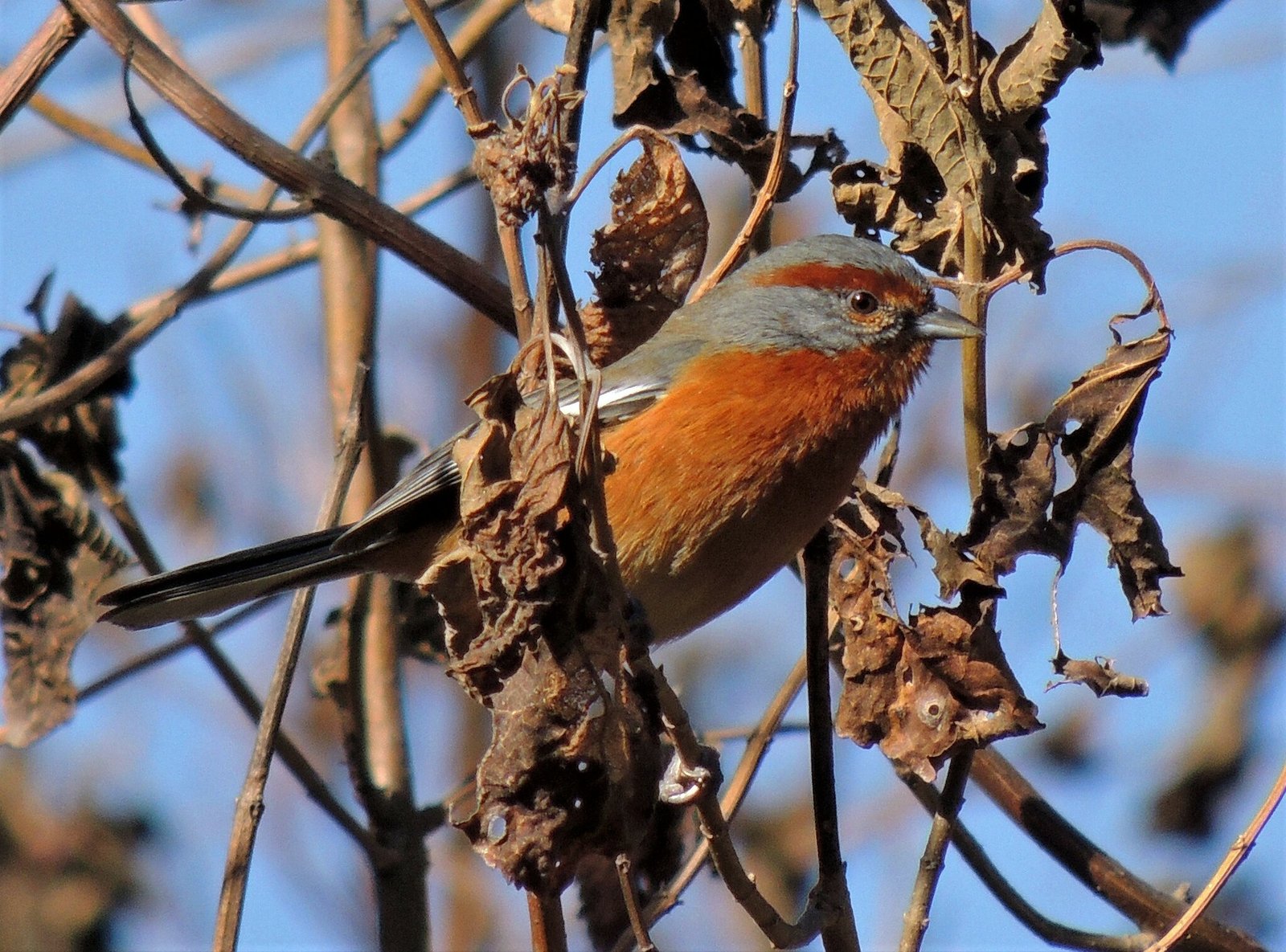
Rusty-browed Warbling Finch
Microspingus erythrophrys Upper Yungas cloud forest
 Lower Yungas forest
- Secondary forest and forest edge
-
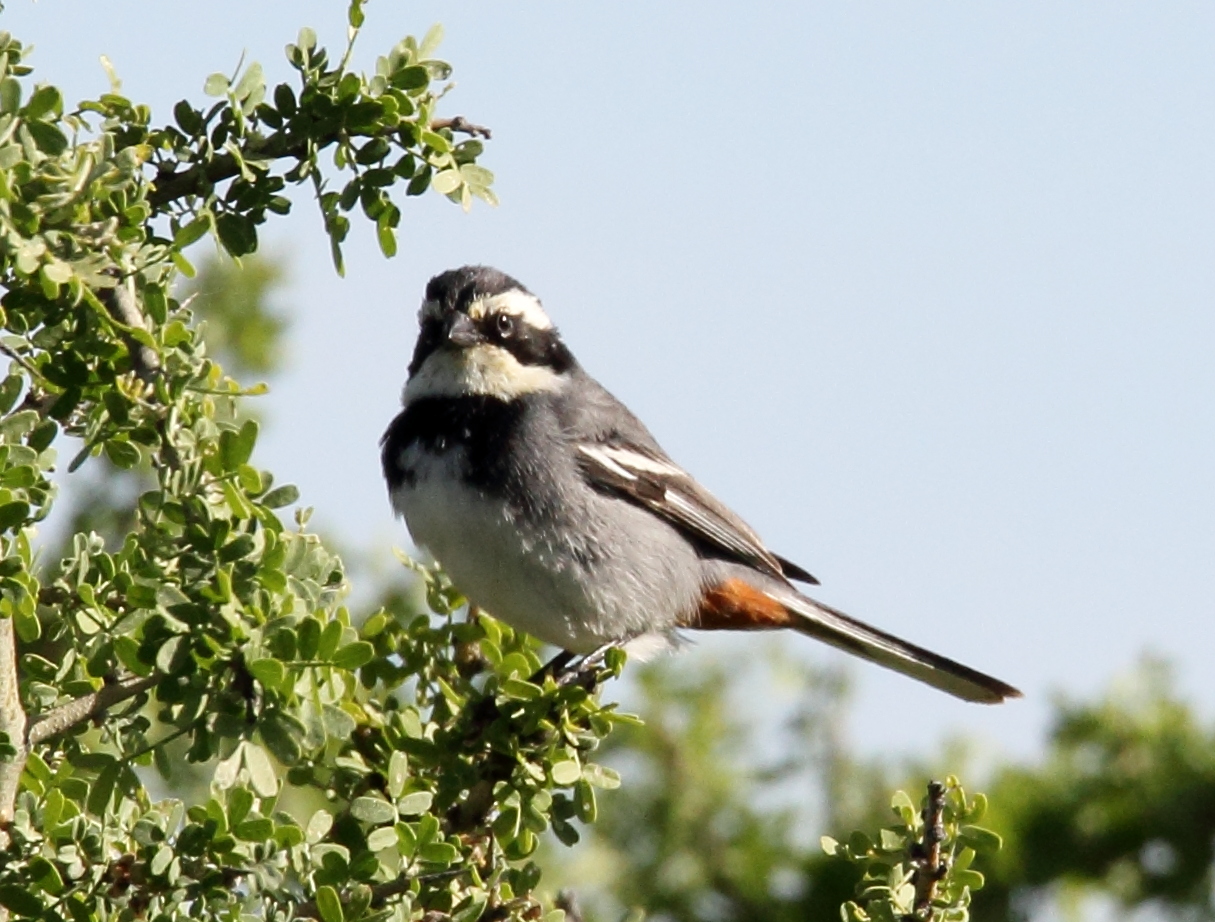
Ringed Warbling Finch
Microspingus torquatus Chiquitano dry forest and Chaco
- Central Andean dry valleys
- Secondary forest and forest edge
-
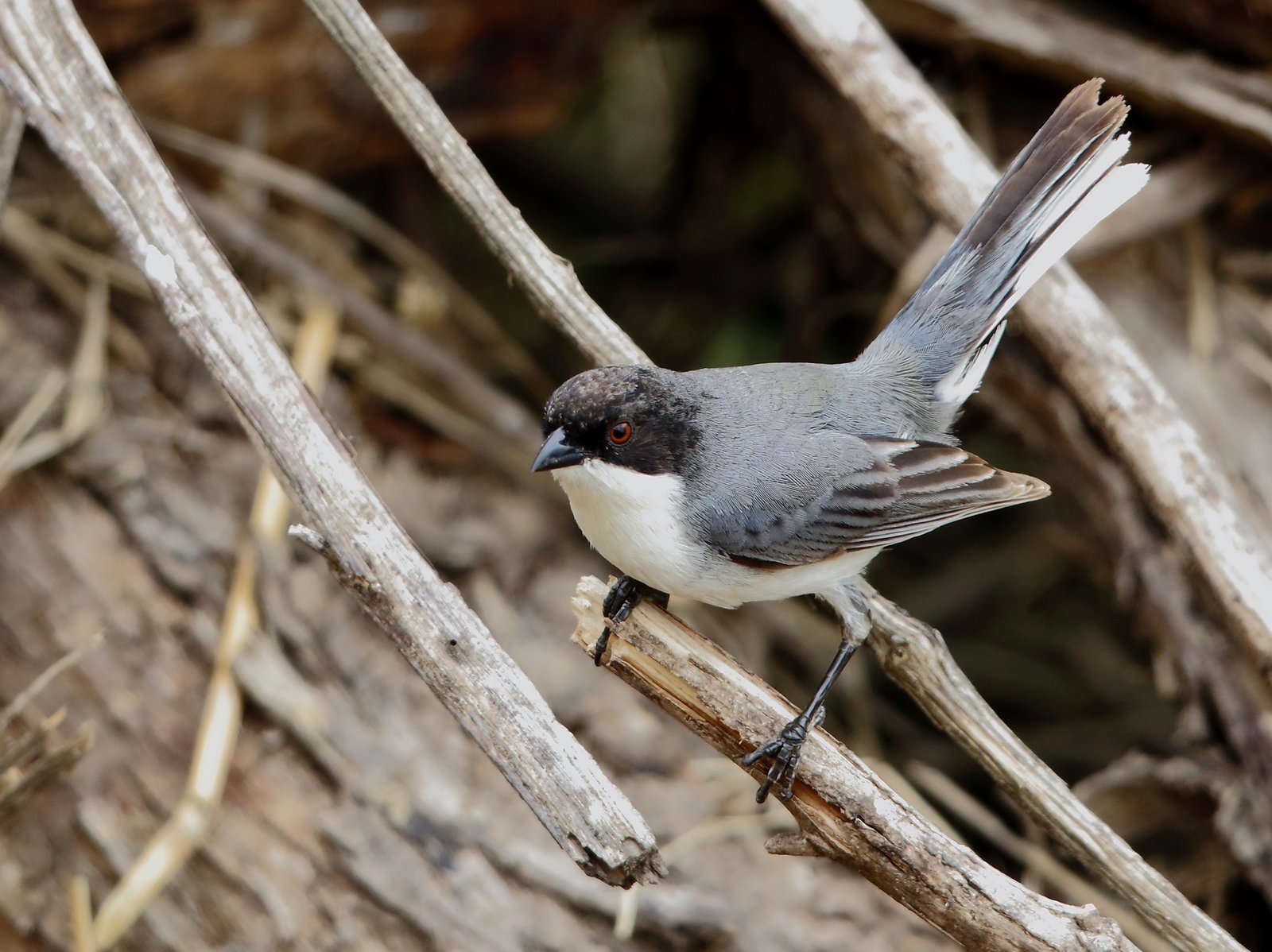
Black-capped Warbling Finch
Microspingus melanoleucus- Chiquitano dry forest and Chaco
- Central Andean dry valleys
- Secondary forest and forest edge
-
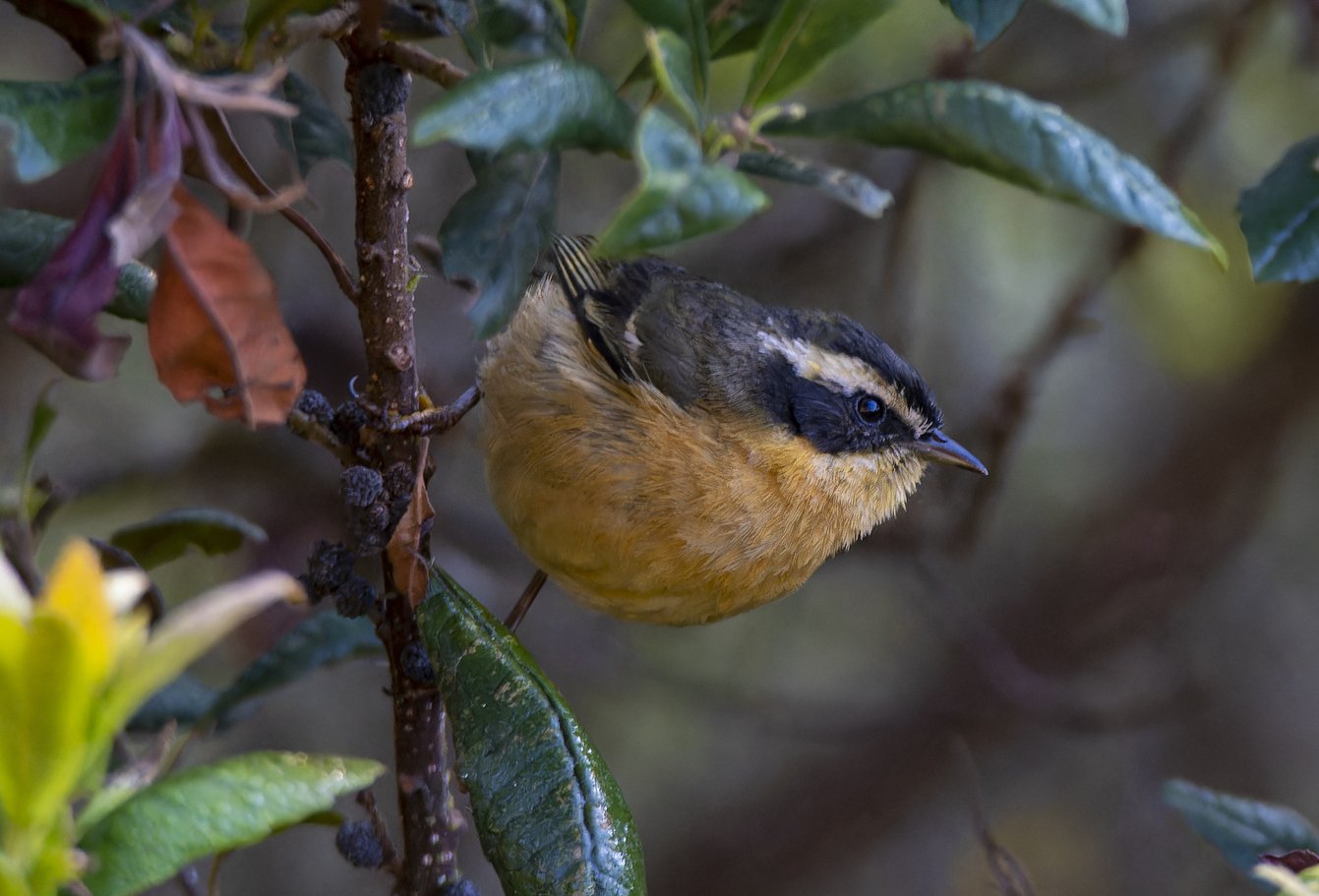
Three-striped Hemispingus
Microspingus trifasciatus- Upper Yungas cloud forest
- Polylepis woodland
- Northern Andean cloud forest and temperate forest
Chlorophanes 1 species
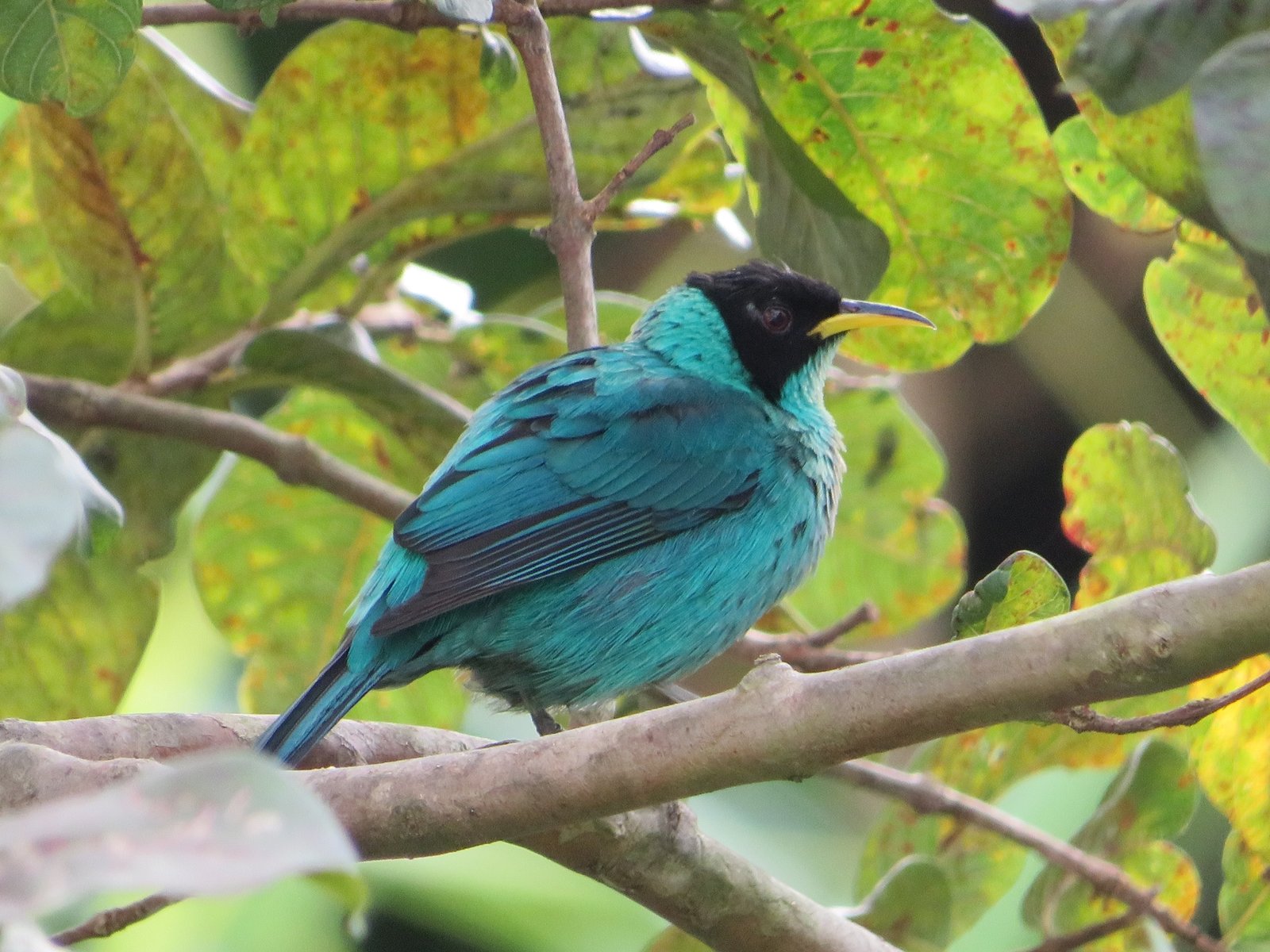
Poecilostreptus 1 species
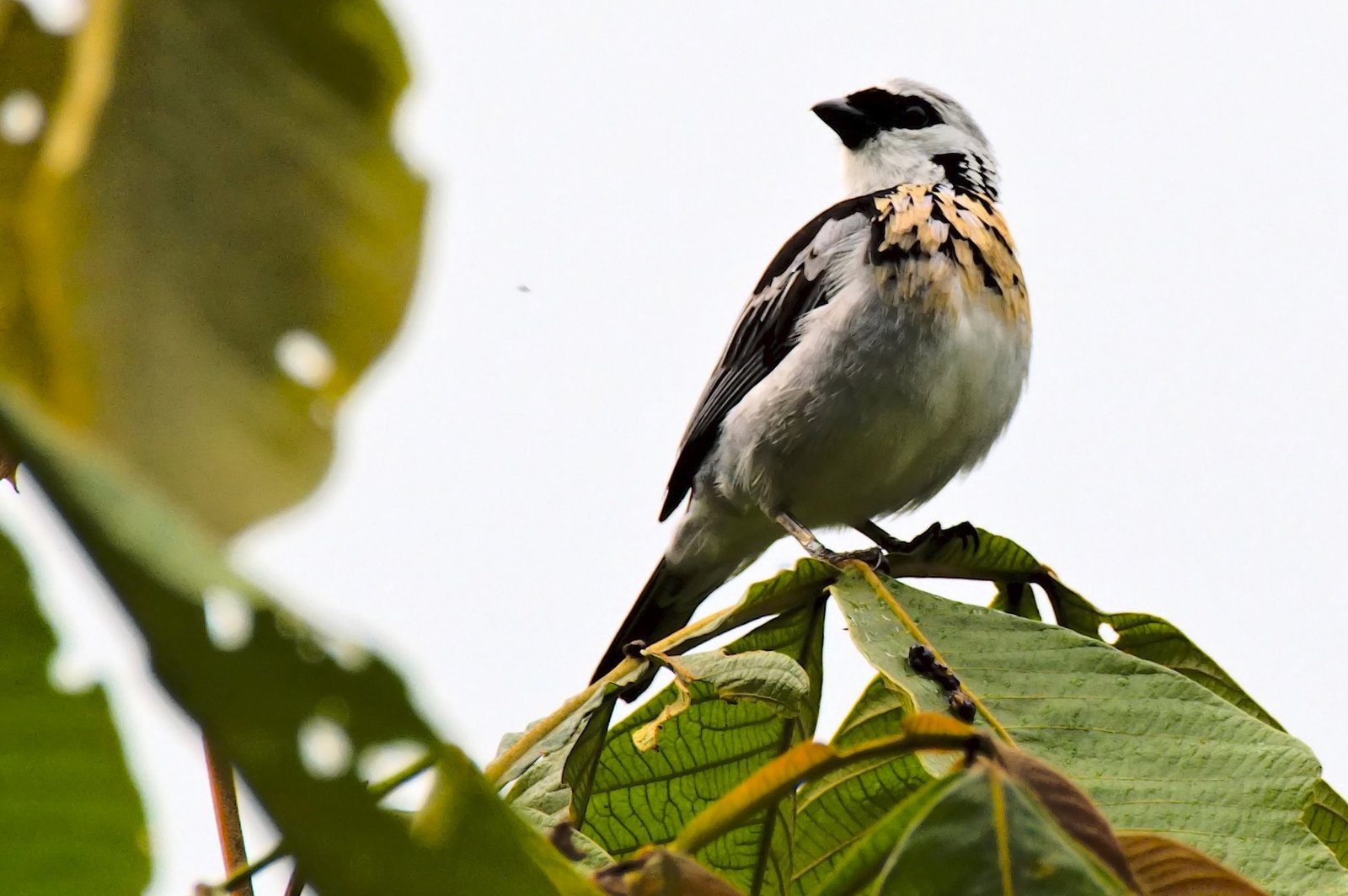
Schistochlamys 1 species
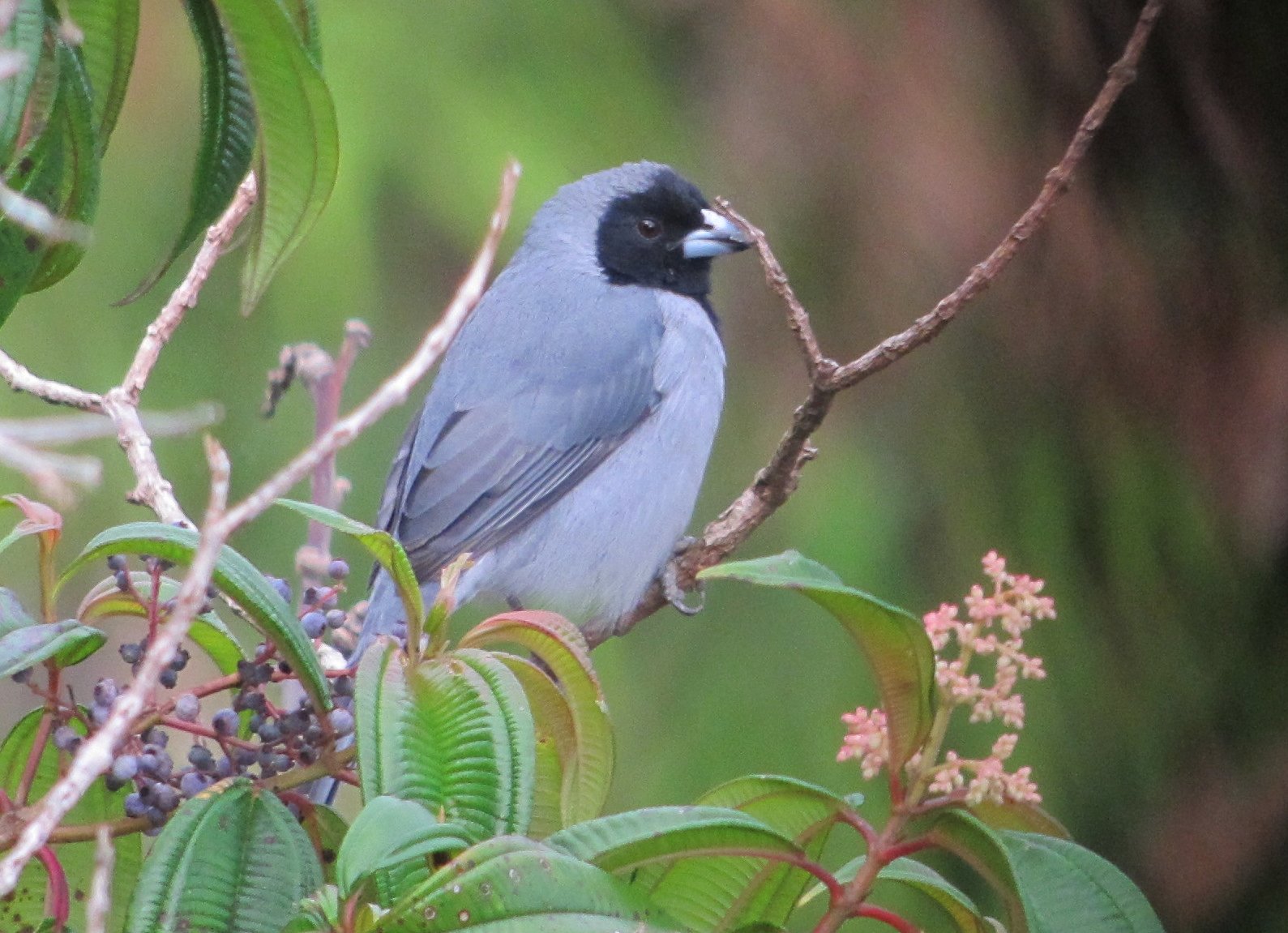
Eucometis 1 species
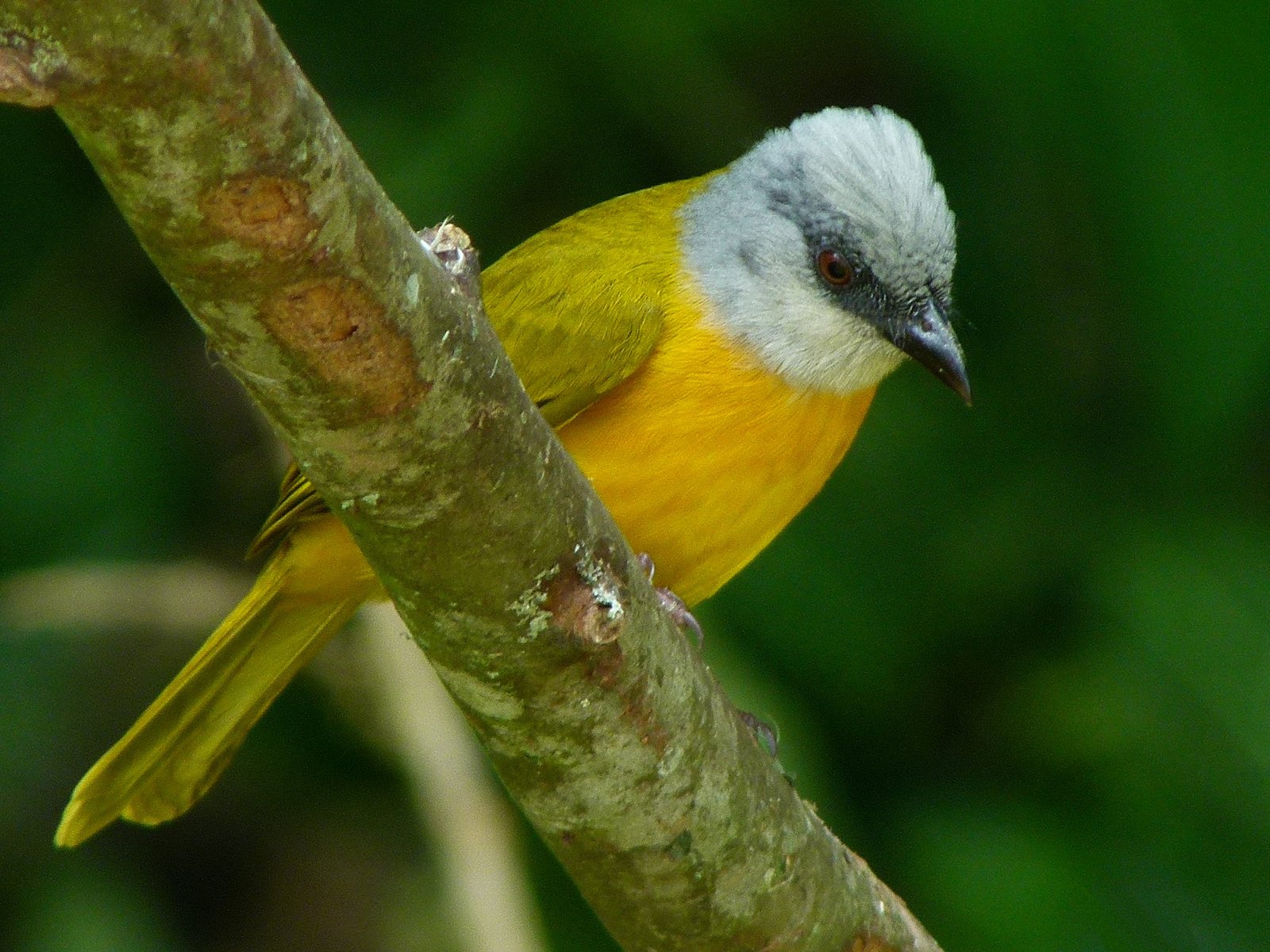
Anisognathus 5 species
-
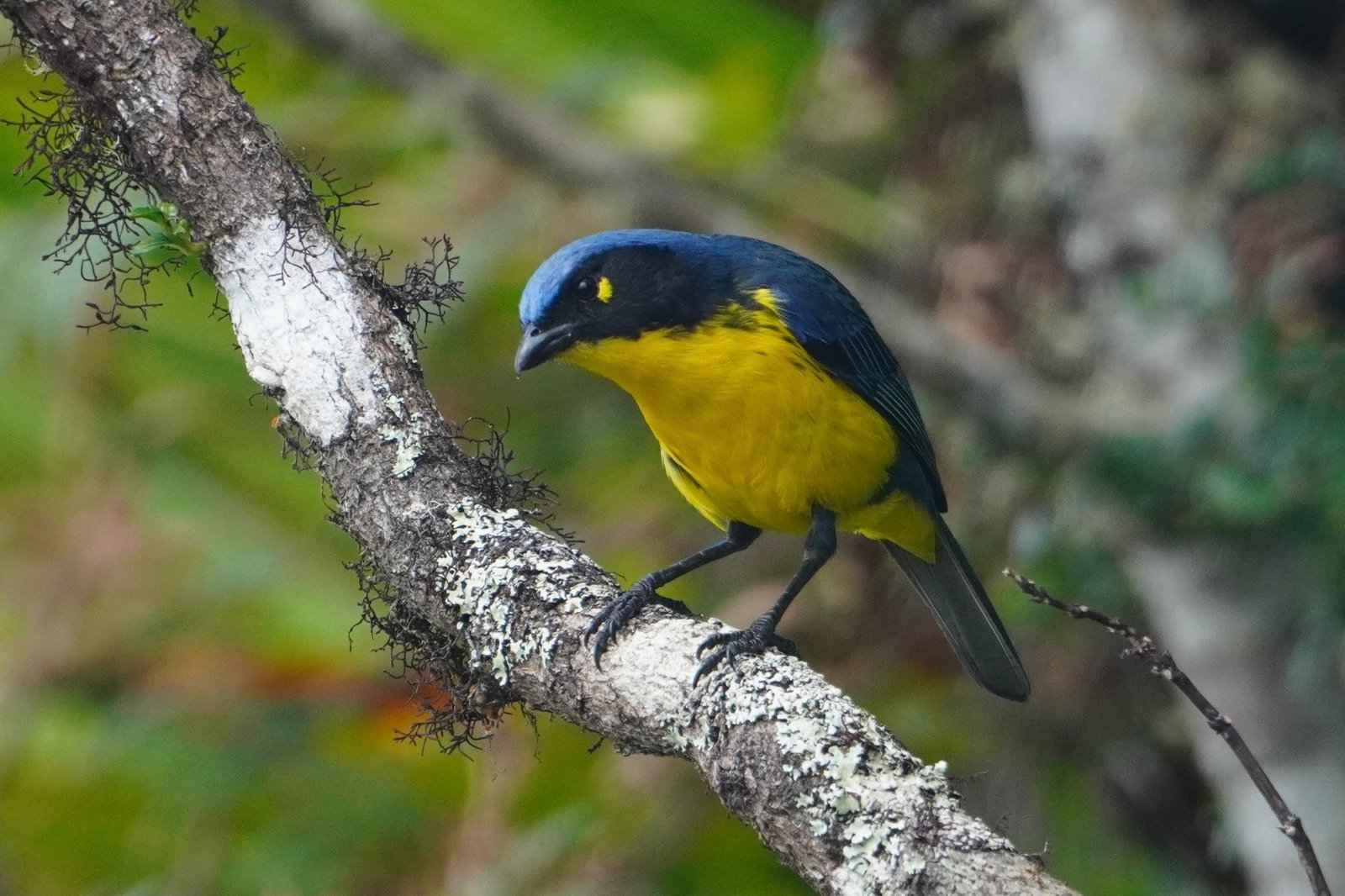
Santa Marta Mountain Tanager
Anisognathus melanogenys- Northern Andean cloud forest and temperate forest
- Secondary forest and forest edge
-
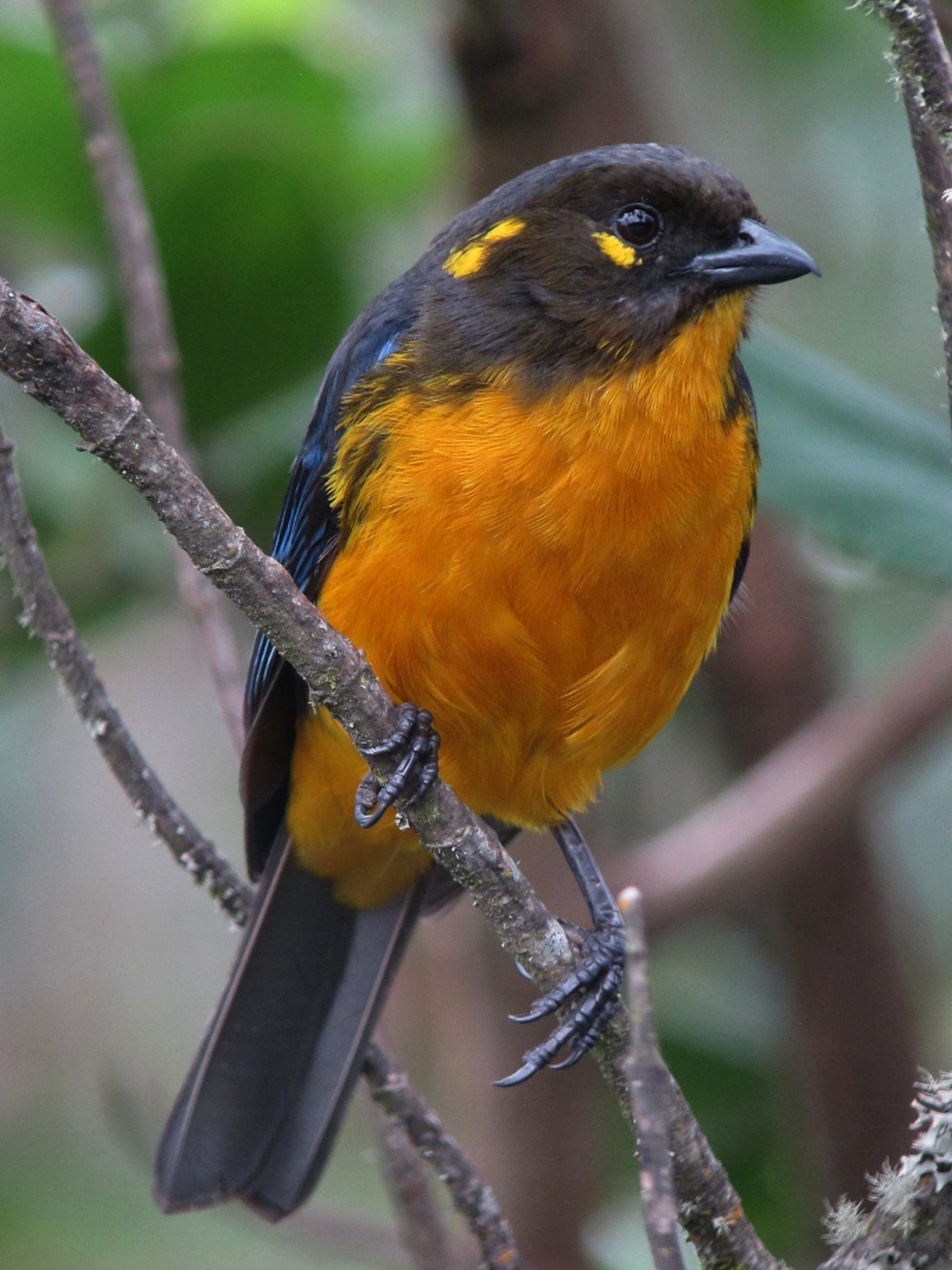
Lacrimose Mountain Tanager
Anisognathus lacrymosus- Northern Andean cloud forest and temperate forest
- Upper Yungas cloud forest
- Secondary forest and forest edge
-
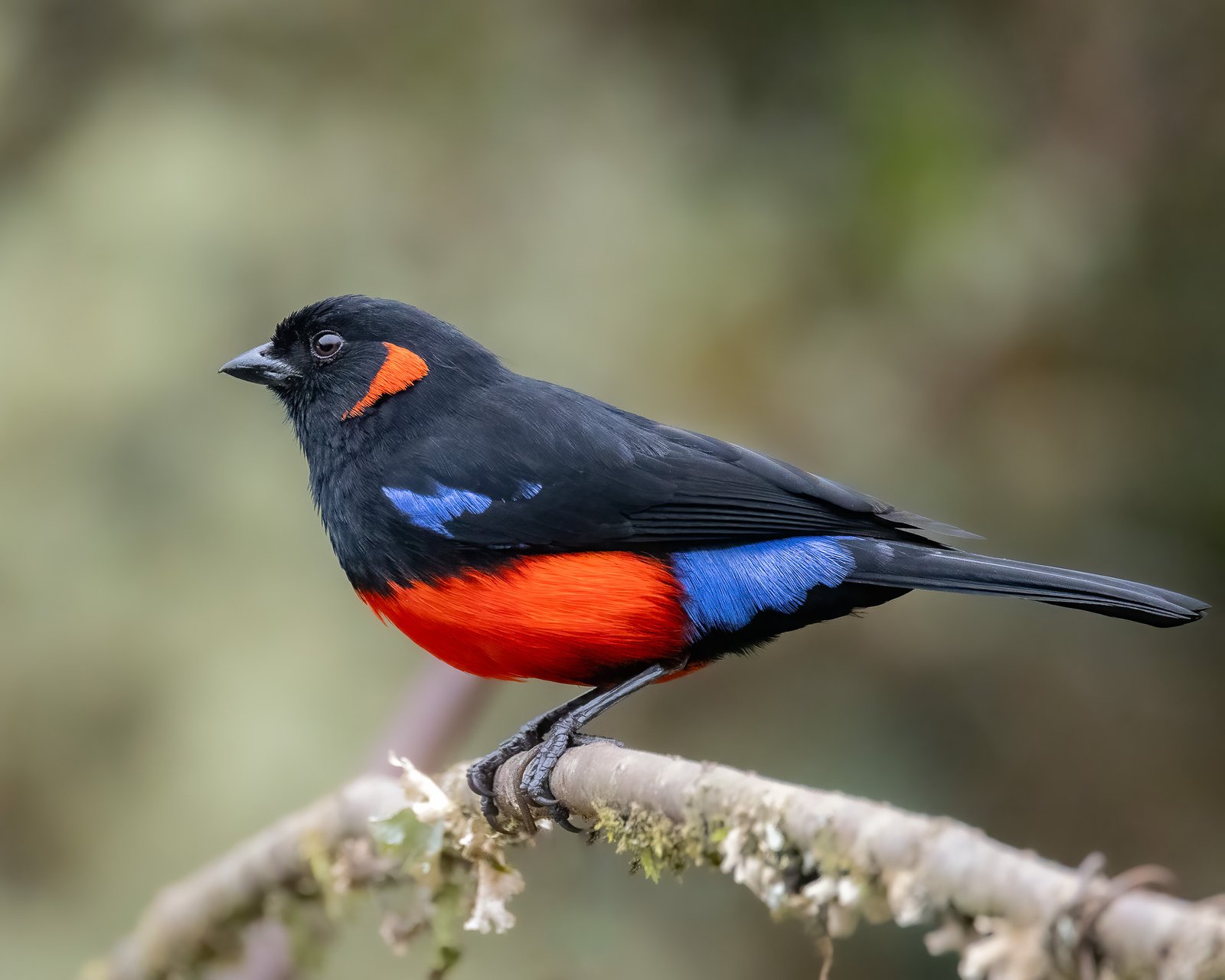
Scarlet-bellied Mountain Tanager
Anisognathus igniventris- Northern Andean cloud forest and temperate forest
- Upper Yungas cloud forest
- Polylepis woodland
 Páramo
- Secondary forest and forest edge
-
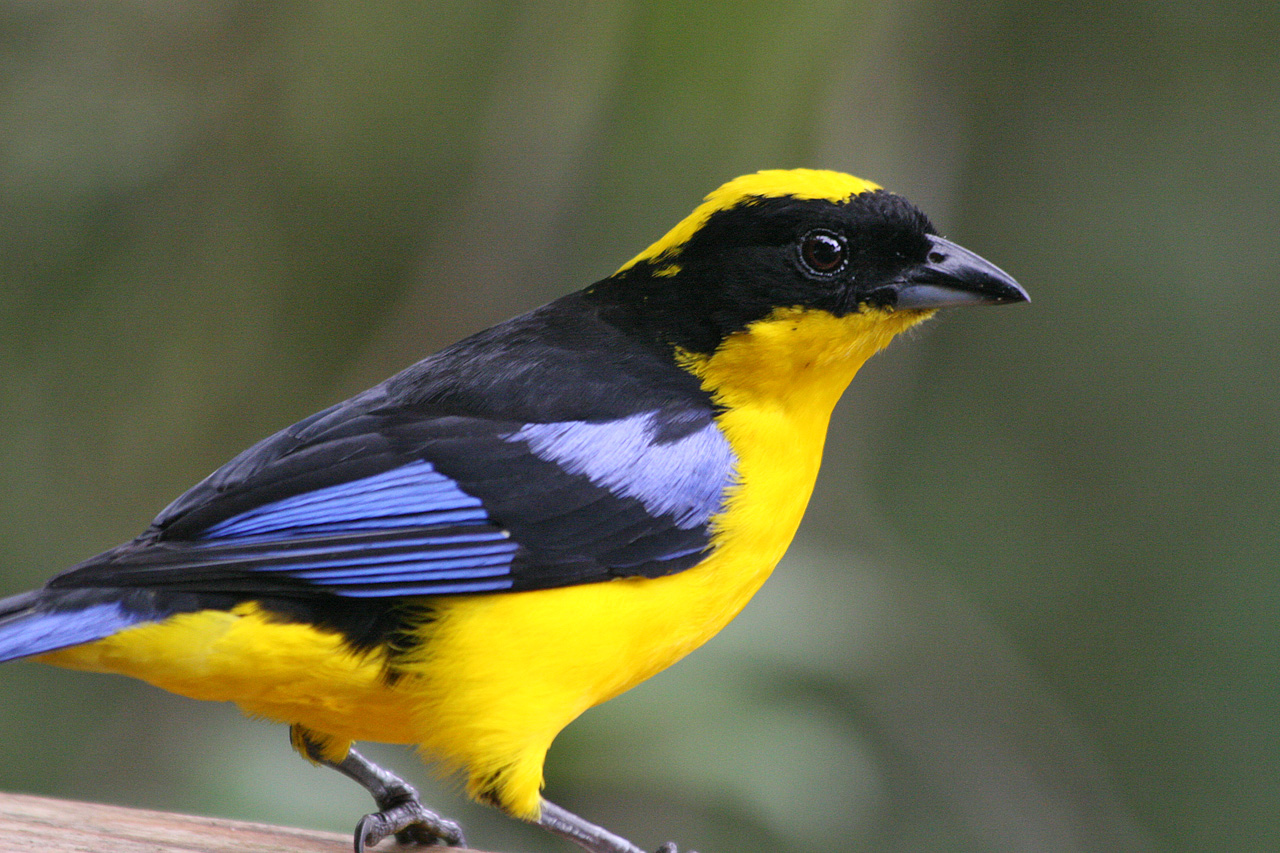
Blue-winged Mountain Tanager
Anisognathus somptuosus- Northern Andean cloud forest and temperate forest
- Northern Andean subtropical forest
- Upper Yungas cloud forest
- Lower Yungas forest
- Secondary forest and forest edge
-
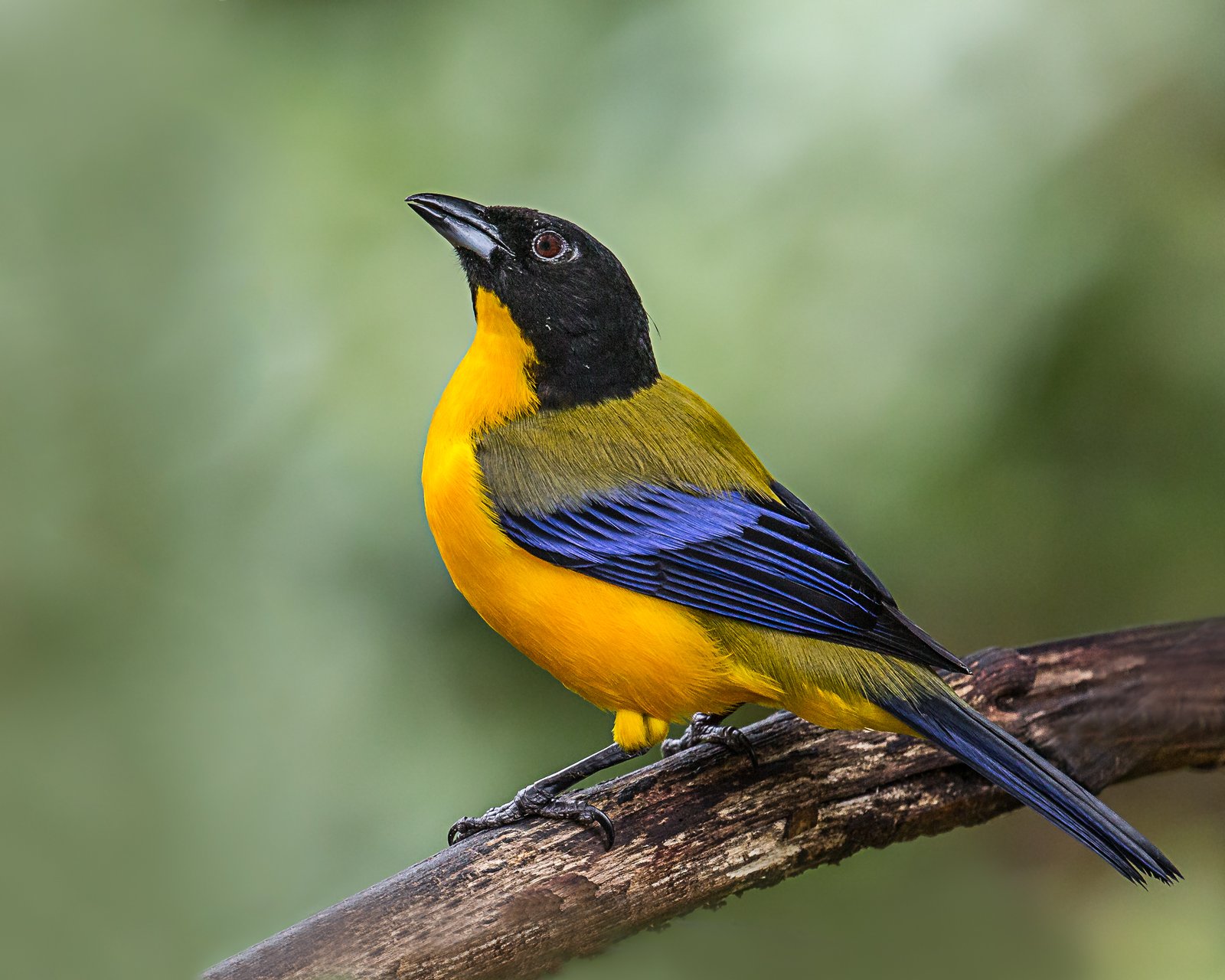
Black-chinned Mountain Tanager
Anisognathus notabilis- Northern Andean subtropical forest
- Northern Andean cloud forest and temperate forest
- Chocó rainforest
- Secondary forest and forest edge
Geospiza 9 species
-
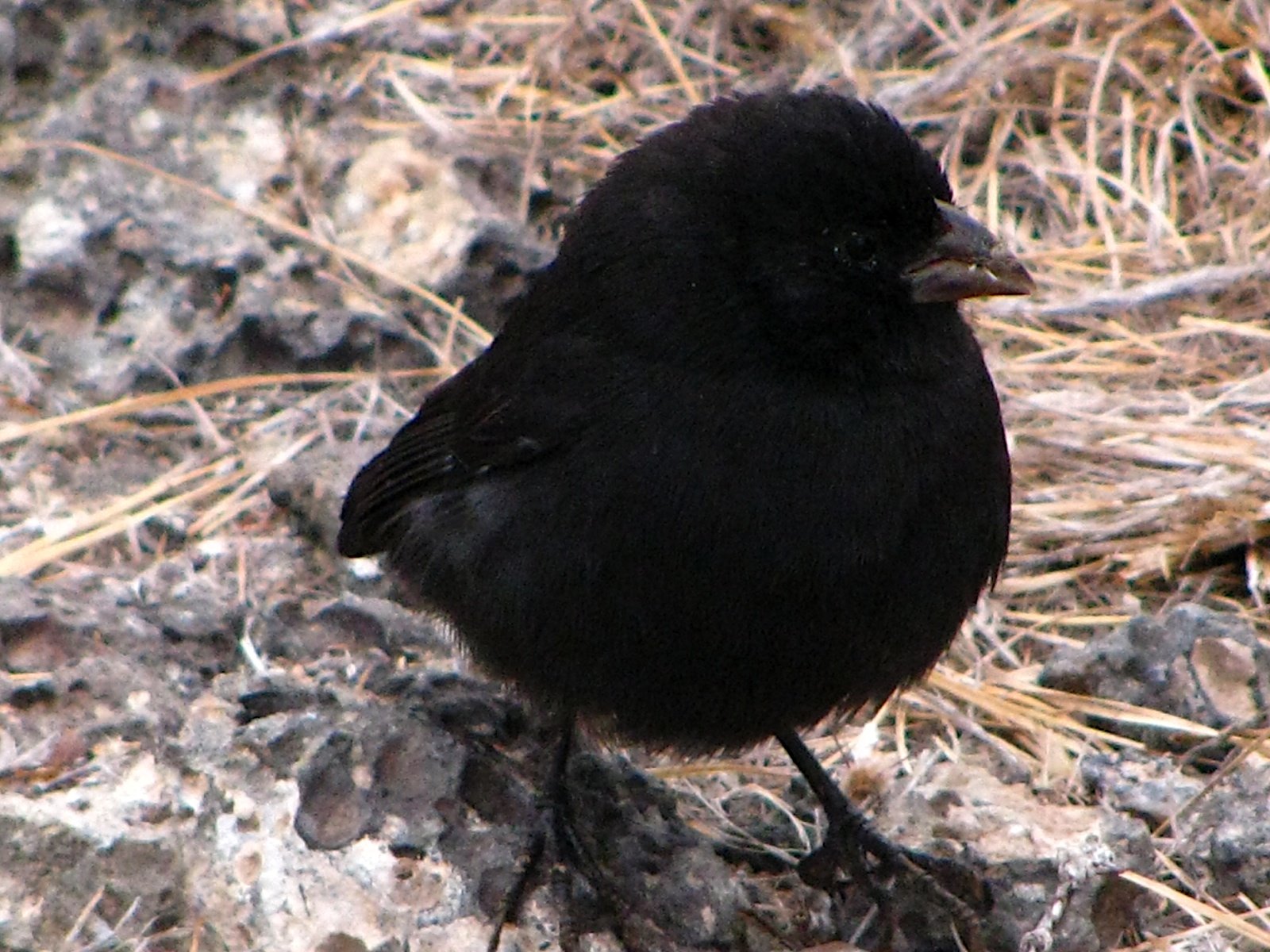
Small Ground Finch
Geospiza fuliginosa Galápagos arid zone
 Galápagos coast and lava fields
 Scalesia forest
 Galápagos humid highlands
 Towns, cities and parks
-
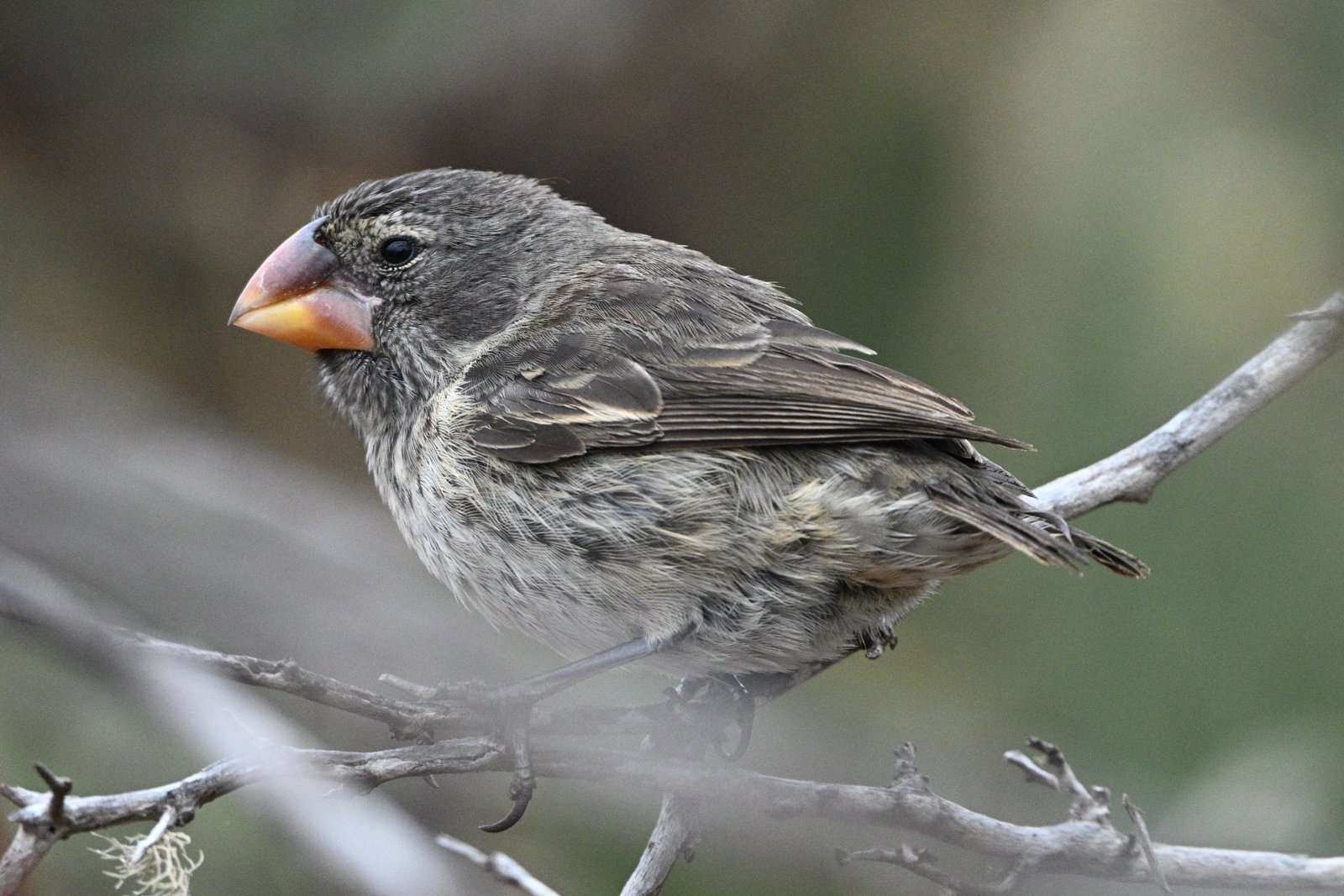
Large Ground Finch
Geospiza magnirostris- Galápagos arid zone
- Galápagos coast and lava fields
- Scalesia forest
-
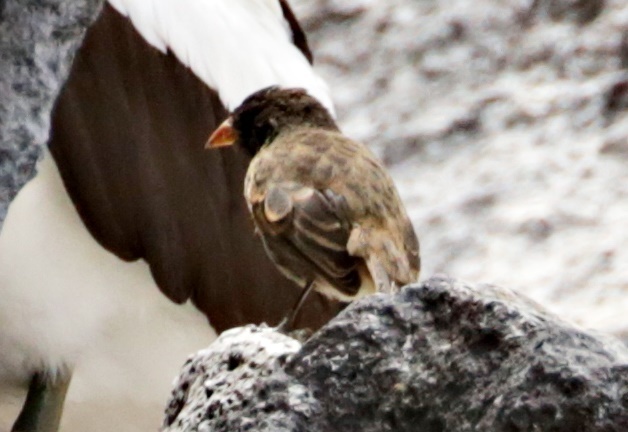
Vampire Ground Finch
Geospiza septentrionalis- Galápagos arid zone
 Guano islands and seabird colonies
- Galápagos coast and lava fields
-
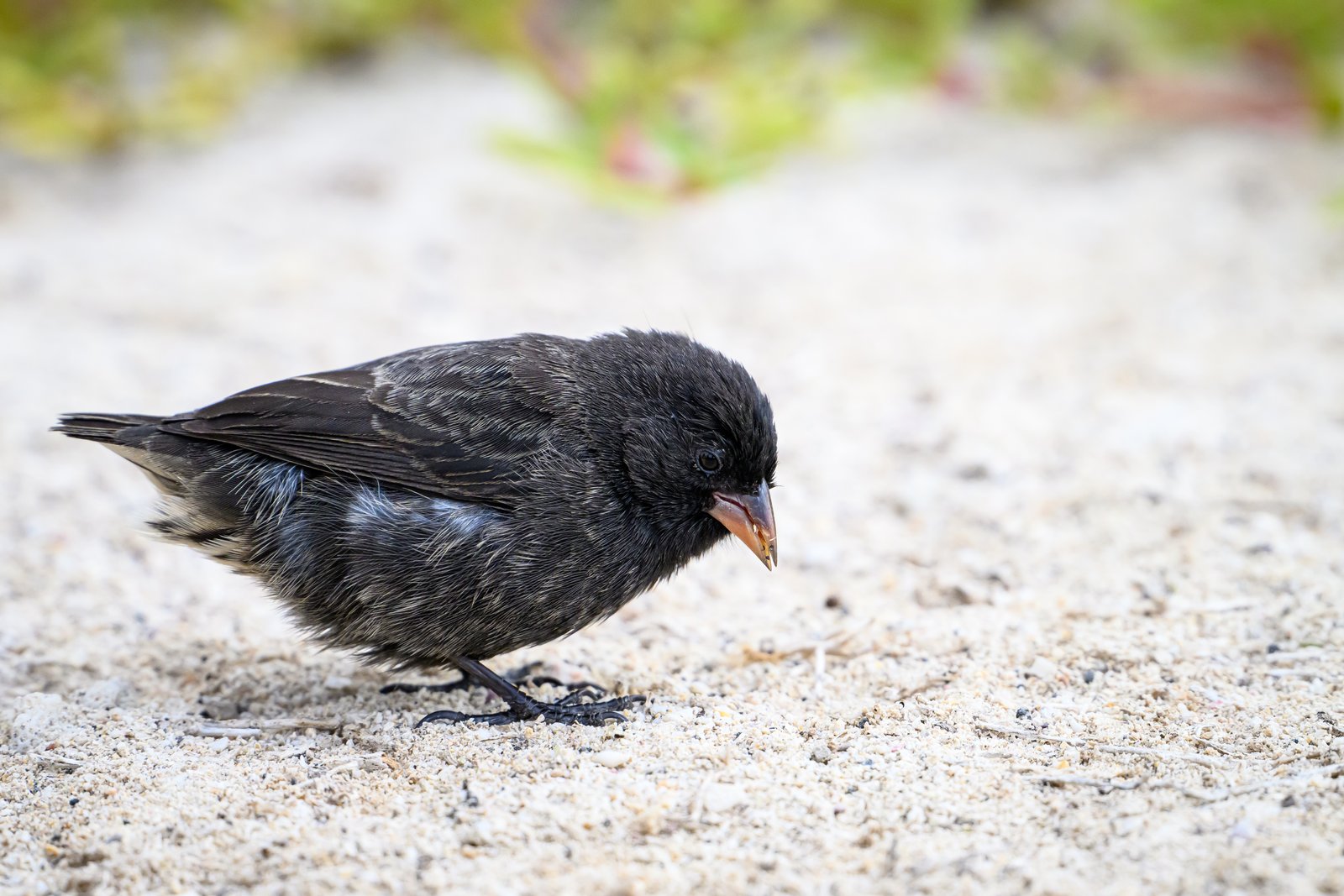
Genovesa Ground Finch
Geospiza acutirostris- Galápagos arid zone
- Galápagos coast and lava fields
-
Sharp-beaked Ground Finch
Geospiza difficilis- Galápagos humid highlands
 Galápagos pampa zone
- Galápagos arid zone
-
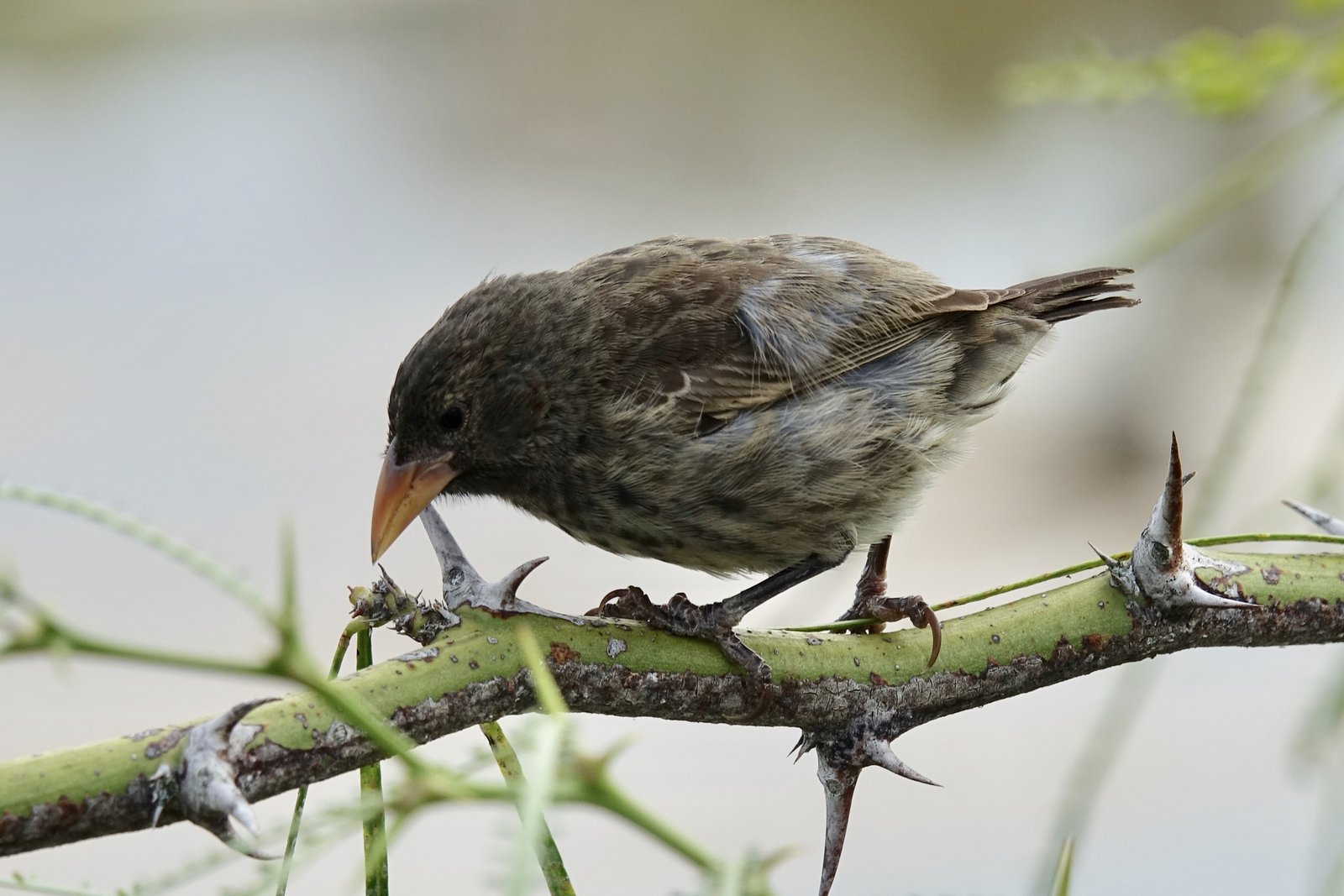
Common Cactus Finch
Geospiza scandens- Galápagos arid zone
- Galápagos coast and lava fields
-
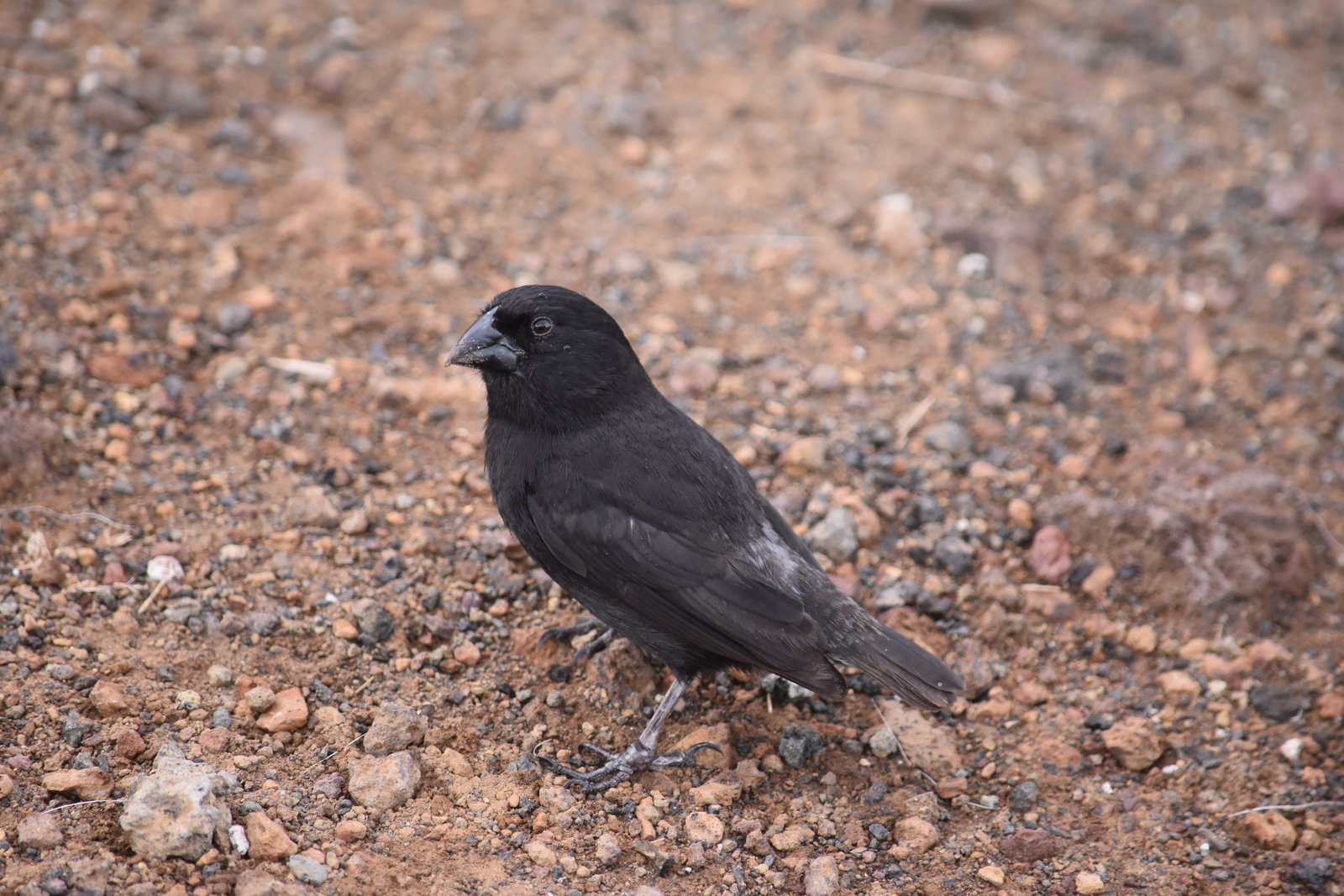
Medium Ground Finch
Geospiza fortis- Galápagos arid zone
- Galápagos coast and lava fields
- Scalesia forest
- Galápagos humid highlands
- Towns, cities and parks
-
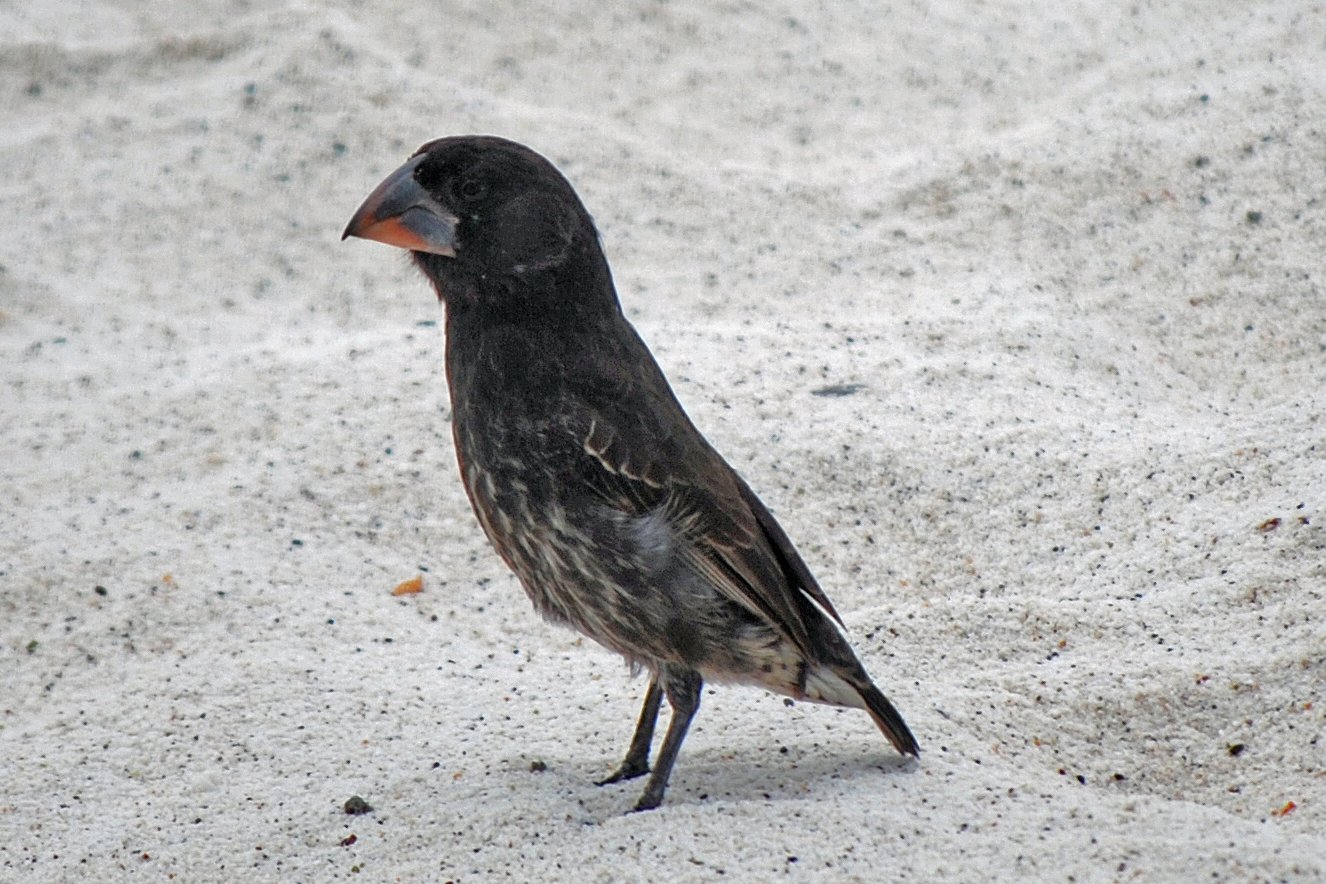
Espanola Cactus Finch
Geospiza conirostris- Galápagos arid zone
- Galápagos coast and lava fields
-
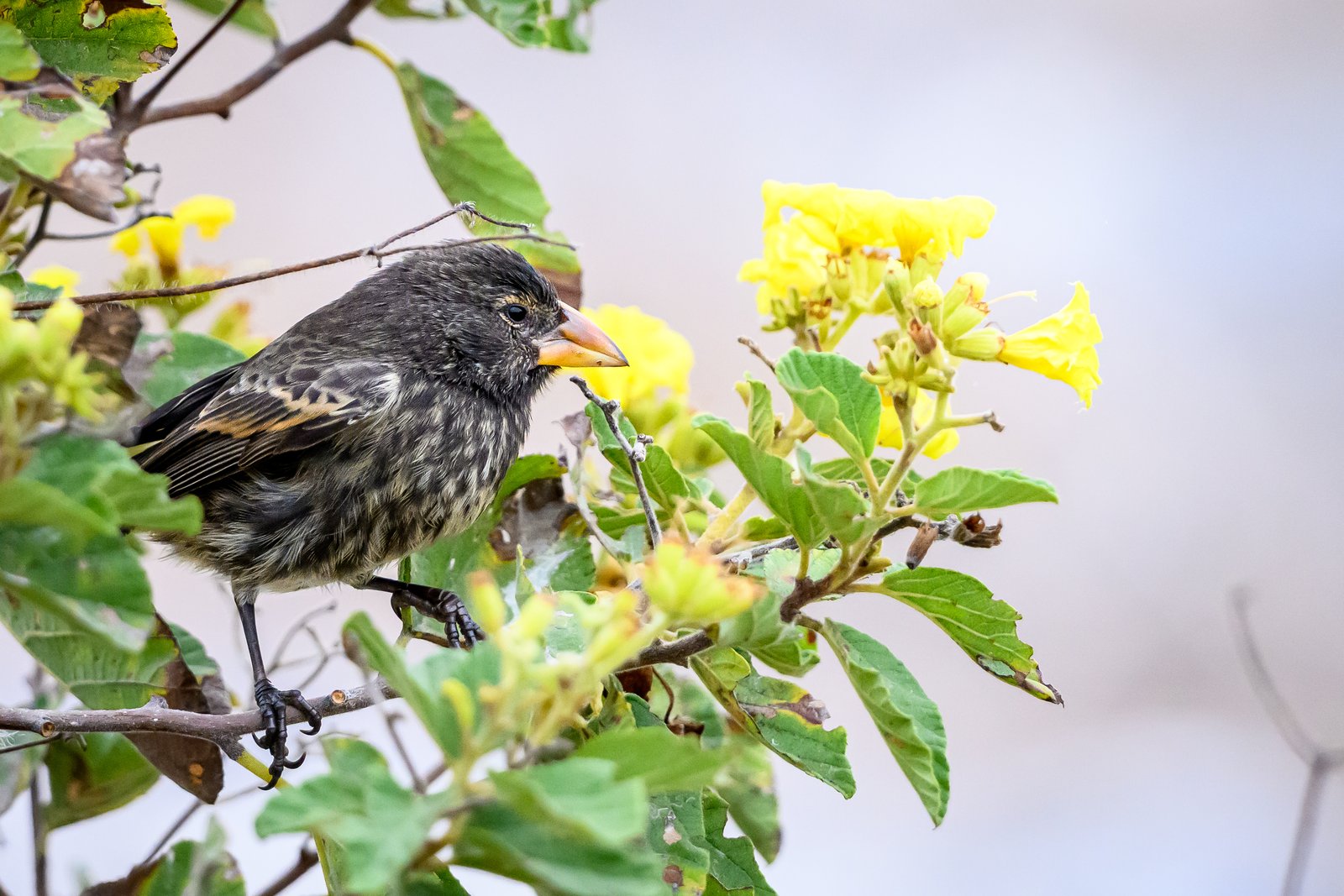
Genovesa Cactus Finch
Geospiza propinqua- Galápagos arid zone
- Galápagos coast and lava fields
Coryphospingus 2 species
-
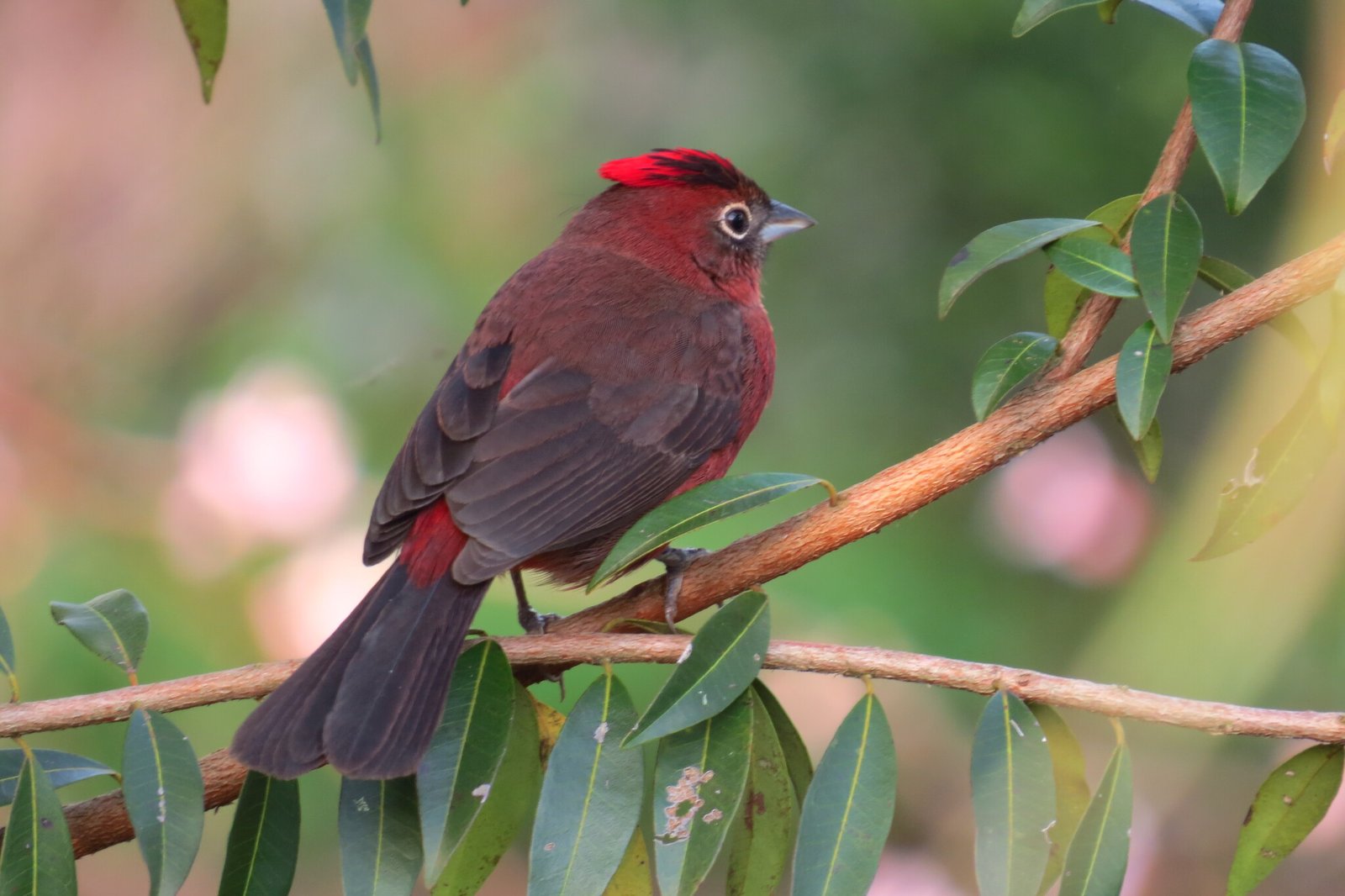
Red Pileated Finch
Coryphospingus cucullatus- Chiquitano dry forest and Chaco
- Central Andean dry valleys
 Marañón and northern inter-Andean dry forest
- Secondary forest and forest edge
 Beni savanna and cerrado
 Pasture and ranchland
-
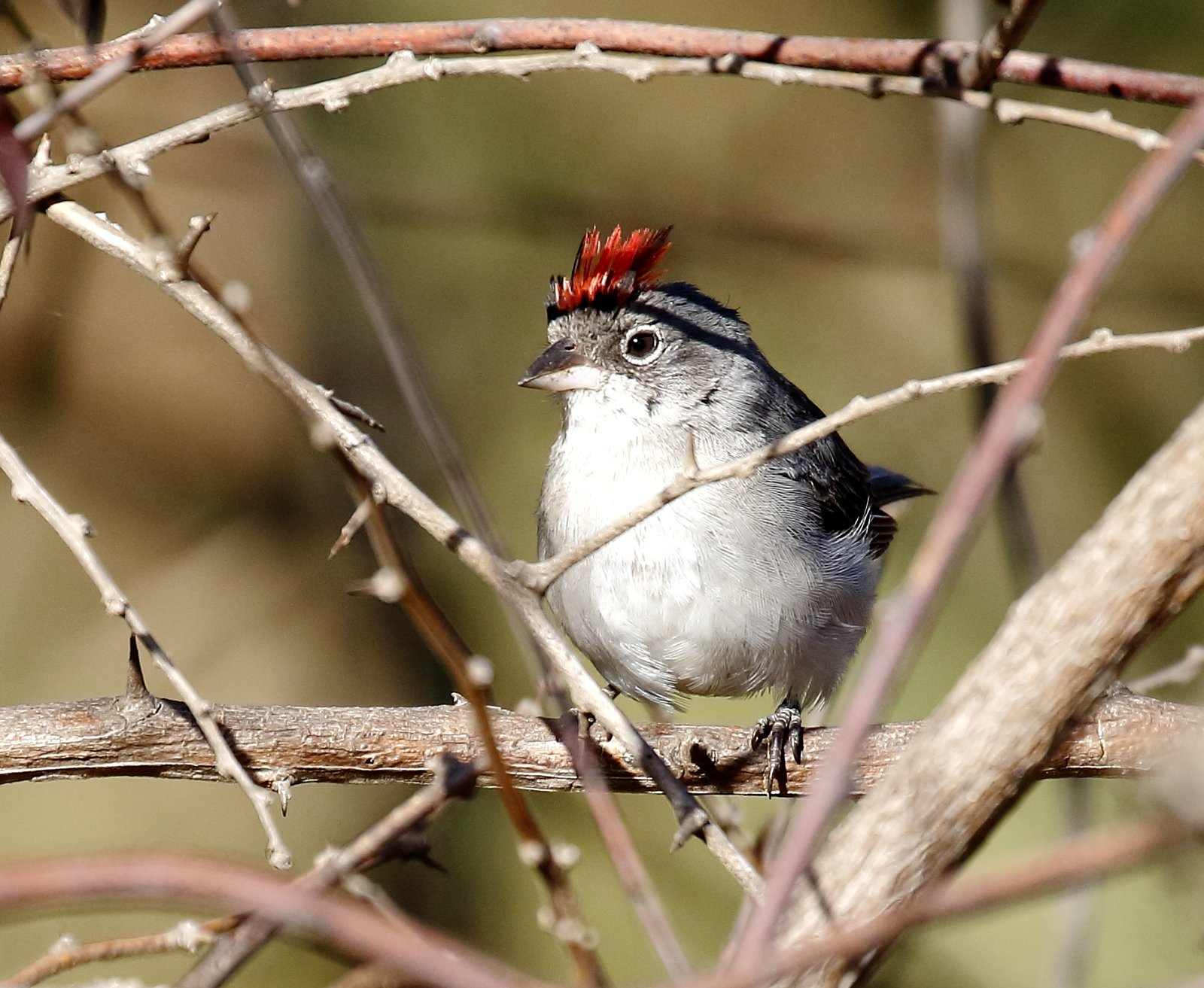
Grey Pileated Finch
Coryphospingus pileatus- Marañón and northern inter-Andean dry forest
- Secondary forest and forest edge
 Llanos savanna
- Pasture and ranchland
Lophospingus 2 species
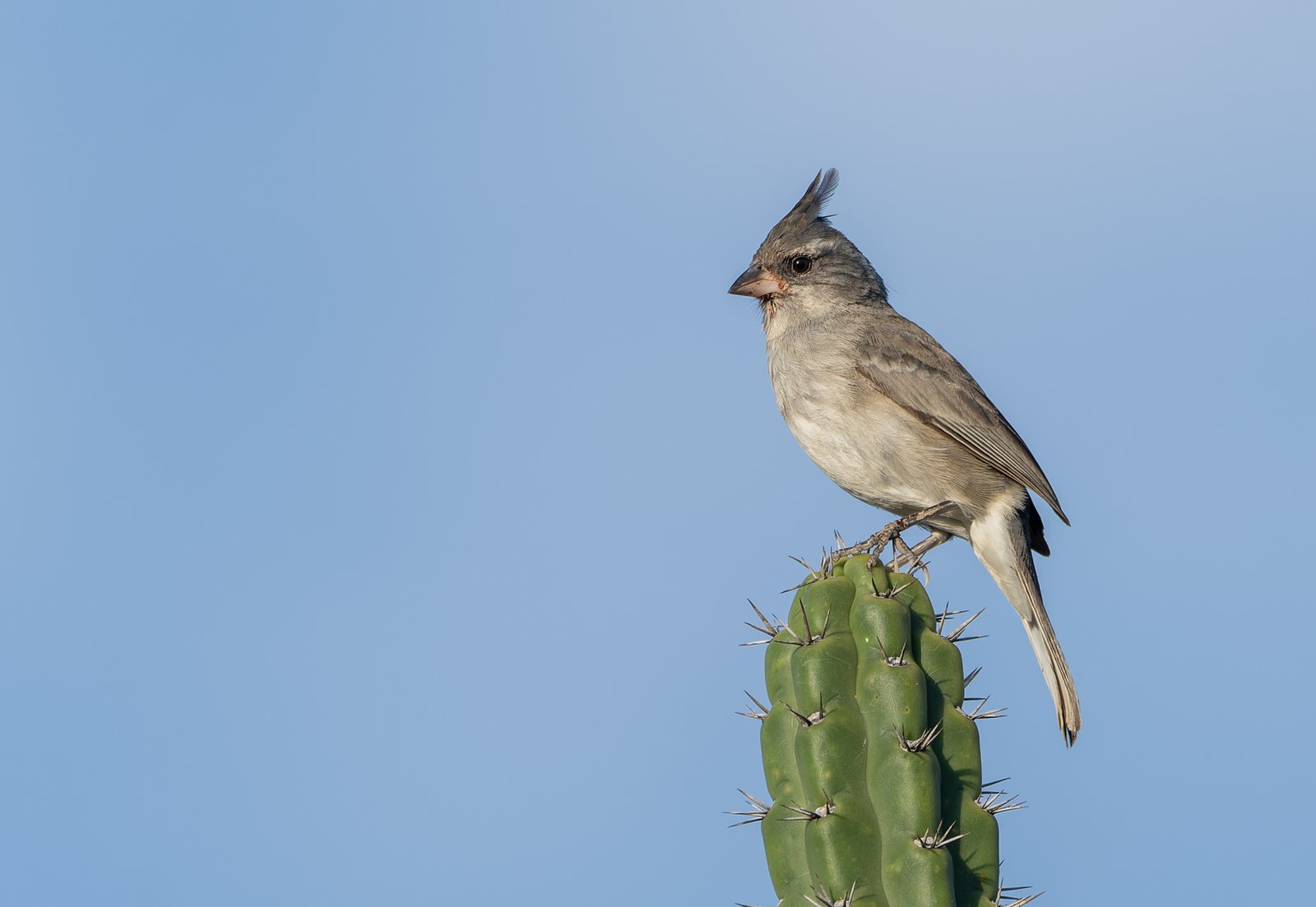
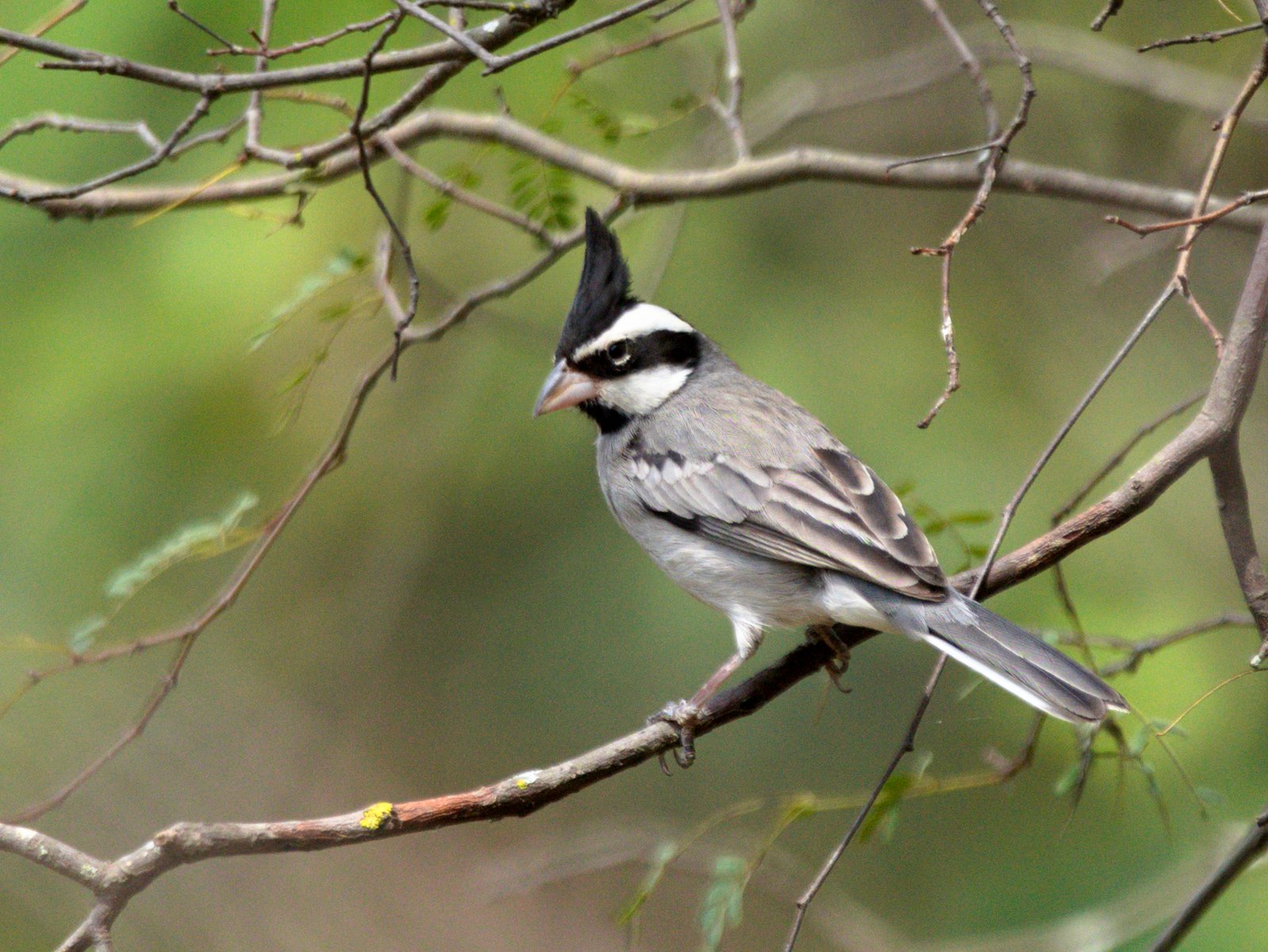
Ramphocelus 5 species
-
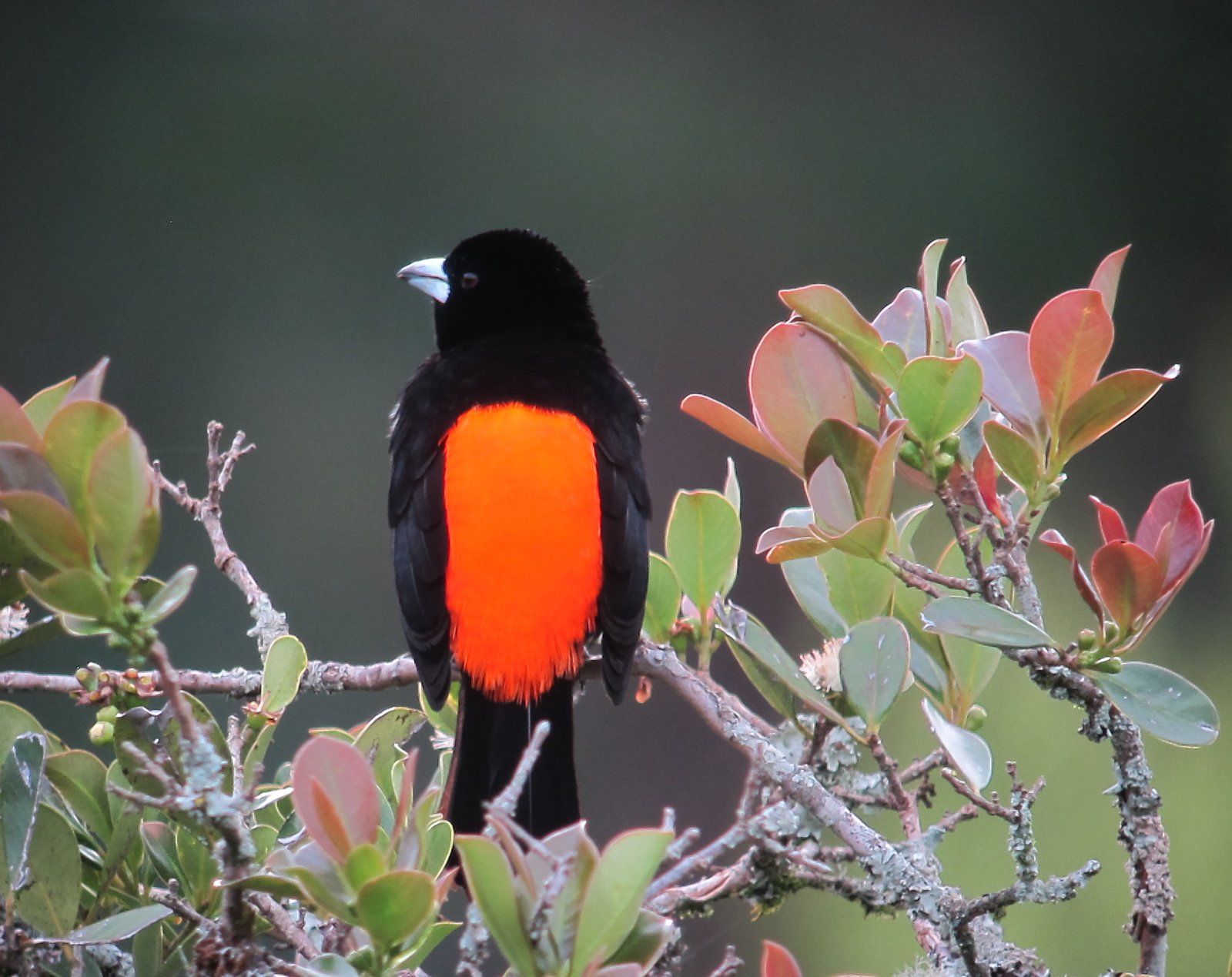
Flame-rumped Tanager
Ramphocelus flammigerus- Secondary forest and forest edge
- Chocó rainforest
- Western Ecuador humid forest
 Coffee, cacao and agroforestry
- Northern Andean subtropical forest
-
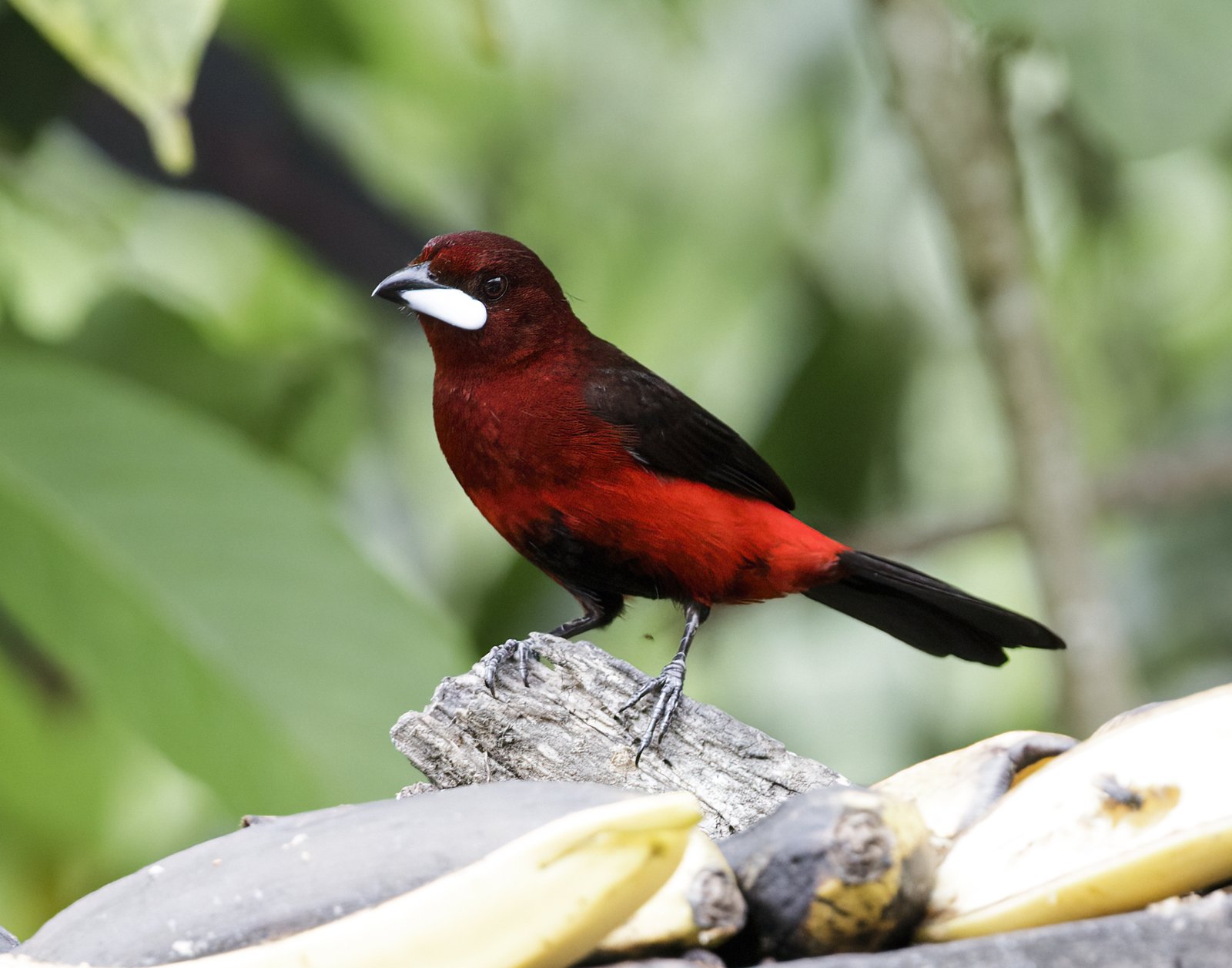
Huallaga Tanager
Ramphocelus melanogaster- Secondary forest and forest edge
 Eastern Andean foothill forest
- Coffee, cacao and agroforestry
 Riparian woodland of the Andes and coastal valleys
-
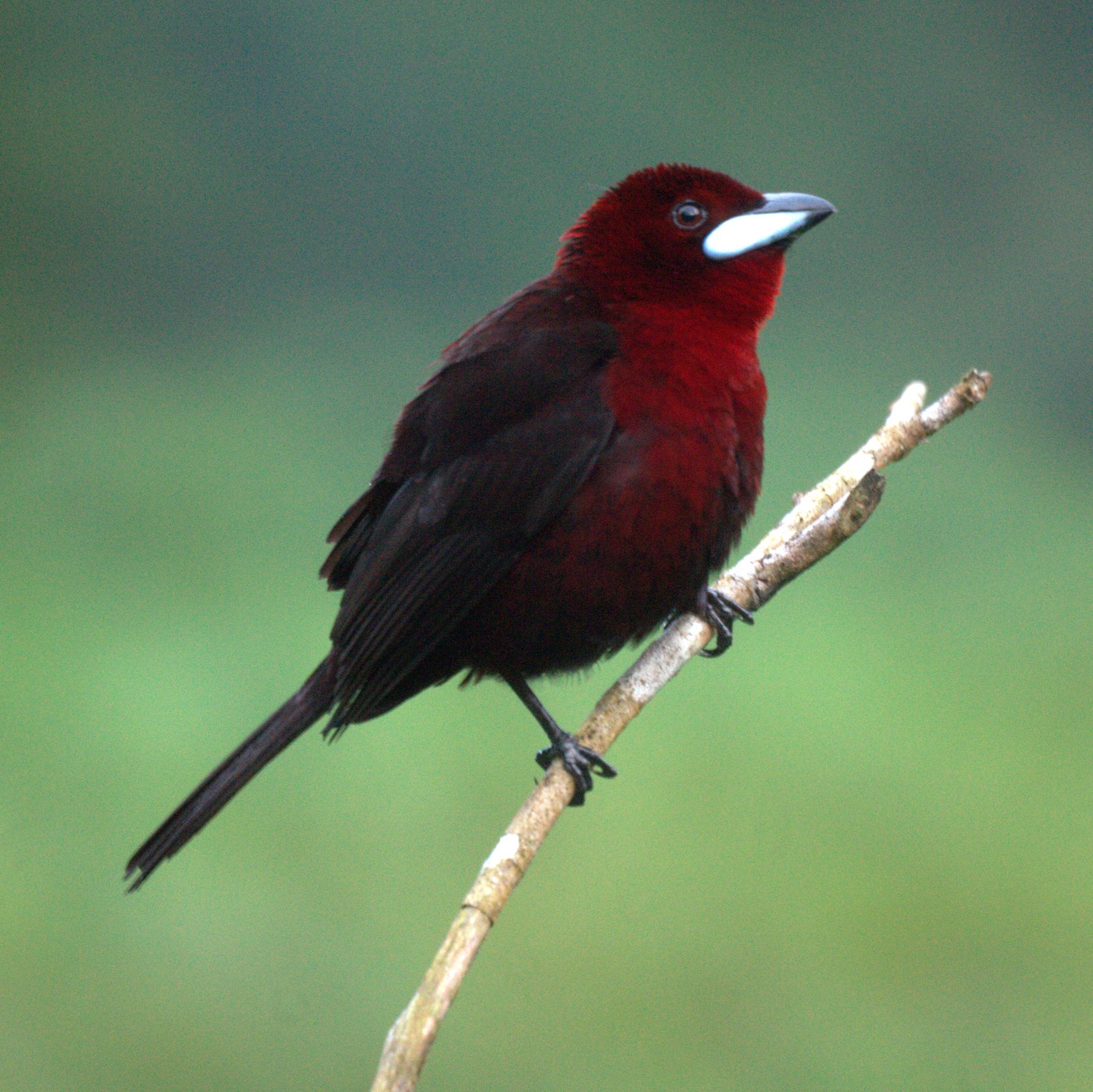
Silver-beaked Tanager
Ramphocelus carbo- Secondary forest and forest edge
 Várzea, igapó and river islands
- Coffee, cacao and agroforestry
- Eastern Andean foothill forest
- Riparian woodland of the Andes and coastal valleys
- Towns, cities and parks
-
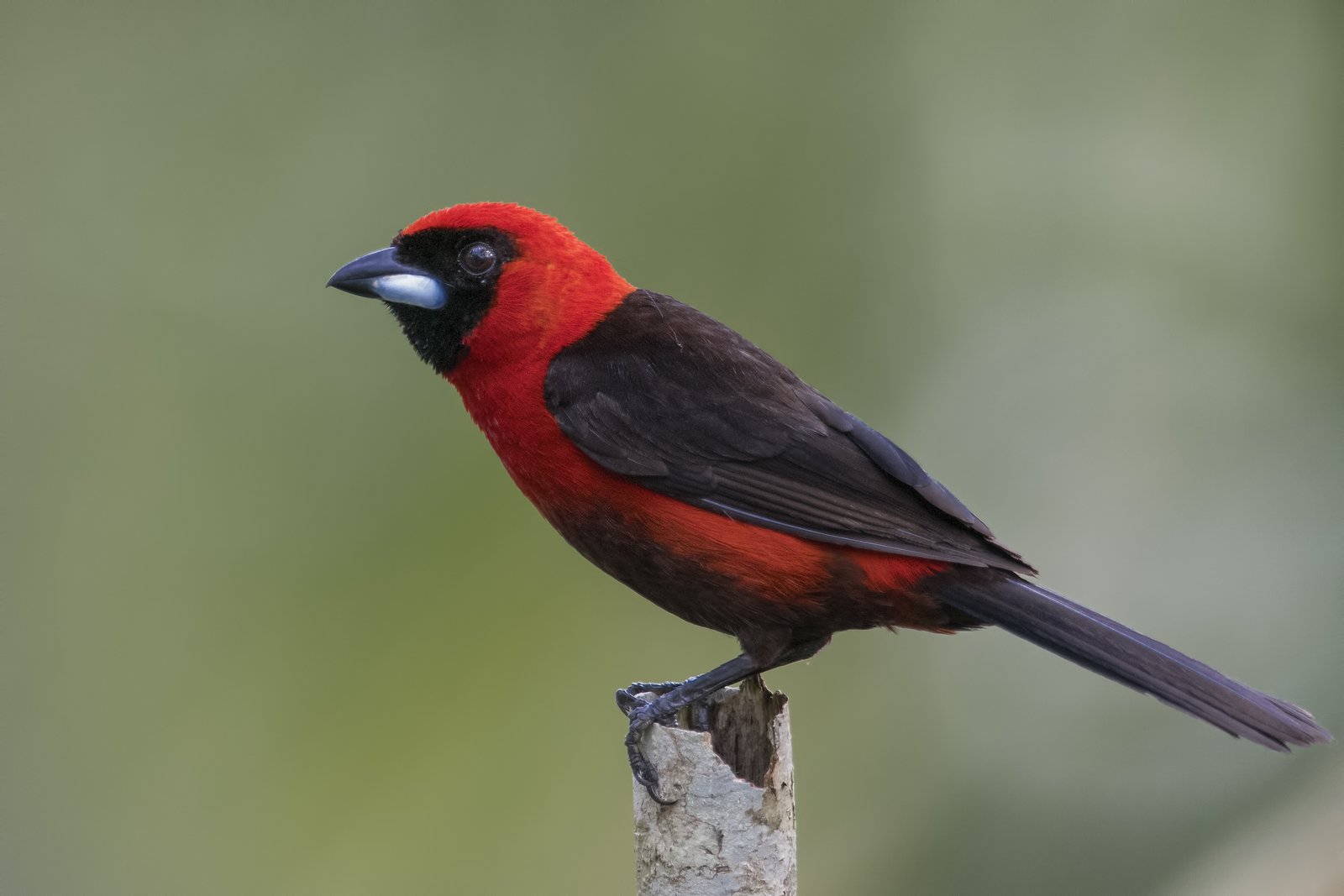
Masked Crimson Tanager
Ramphocelus nigrogularis- Várzea, igapó and river islands
 Lowland lakes and oxbows
 Lowland rivers and sandbars
- Secondary forest and forest edge
 Palm swamps and swamp forest
-
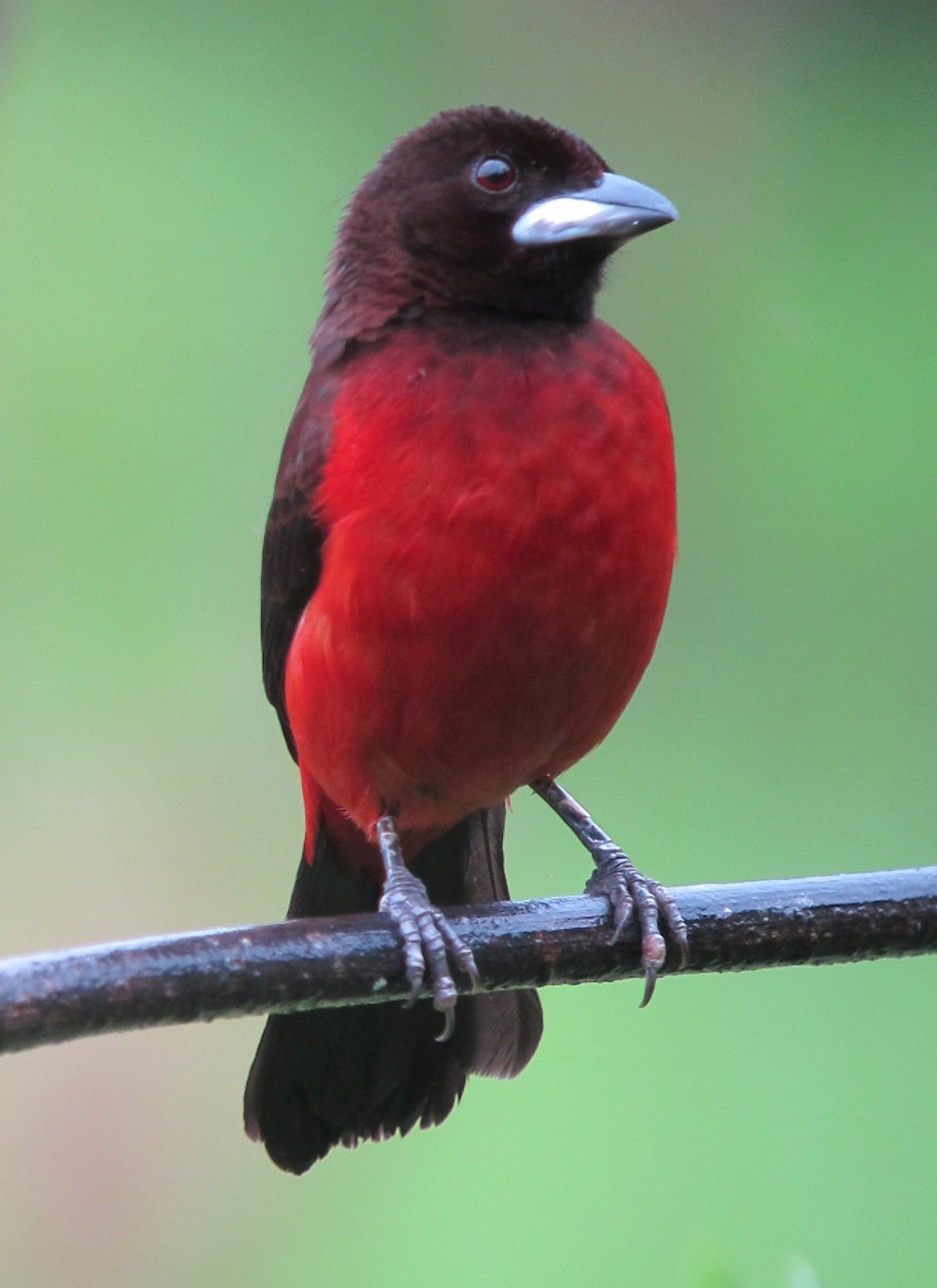
Crimson-backed Tanager
Ramphocelus dimidiatus- Secondary forest and forest edge
- Coffee, cacao and agroforestry
- Towns, cities and parks
- Riparian woodland of the Andes and coastal valleys
- Northern Andean subtropical forest
Conothraupis 1 species
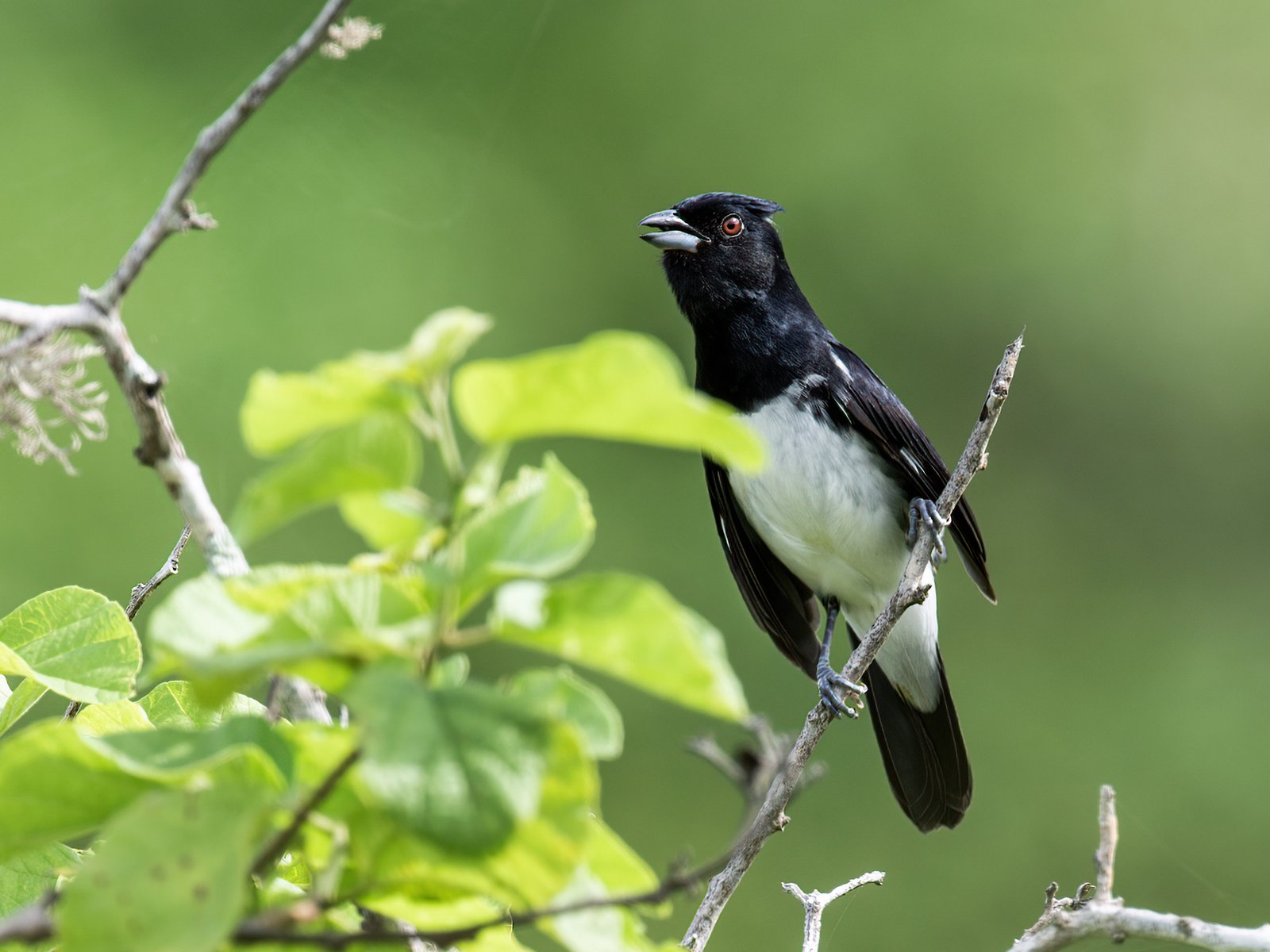
Xenodacnis 1 species
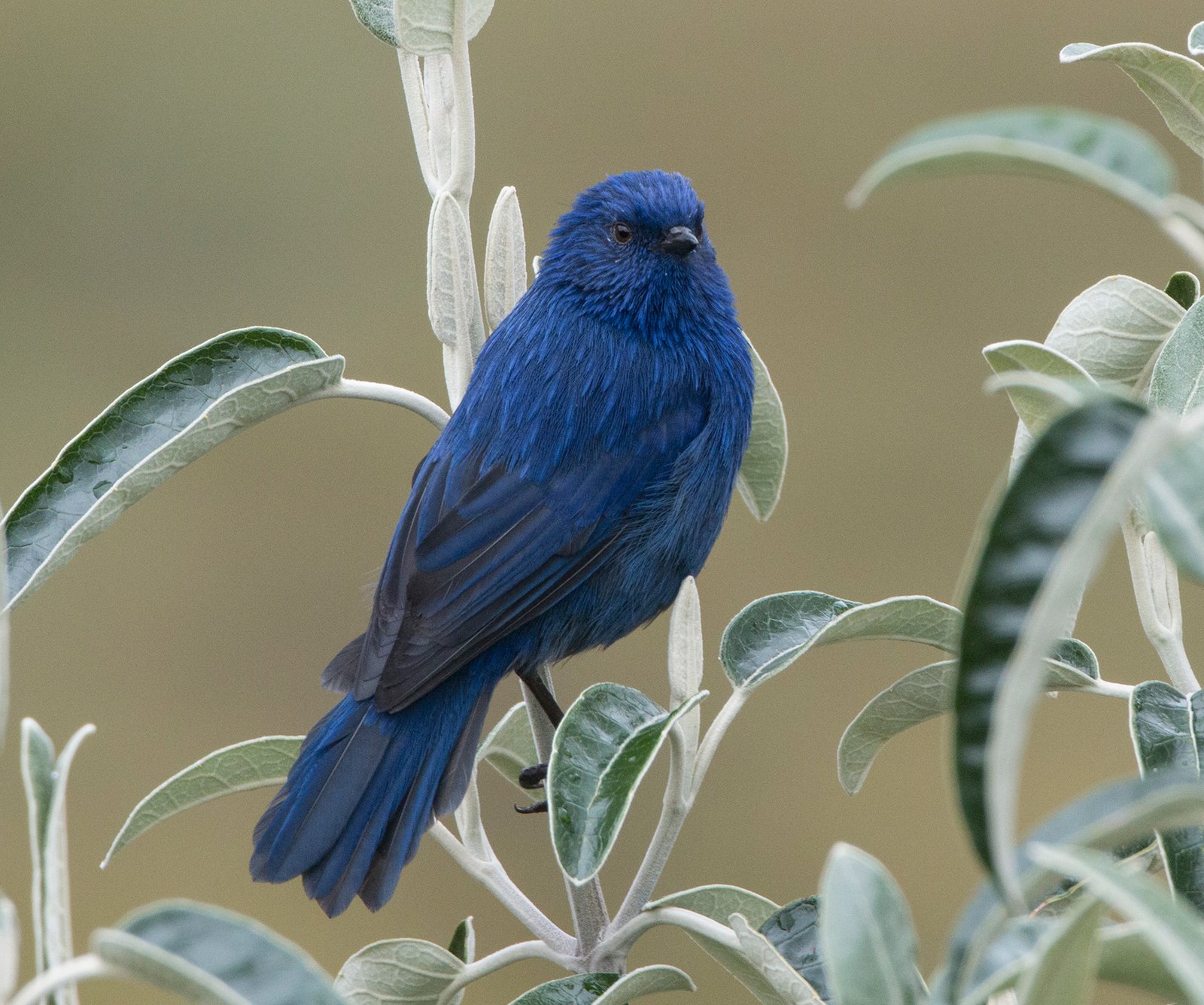
Haplospiza 1 species
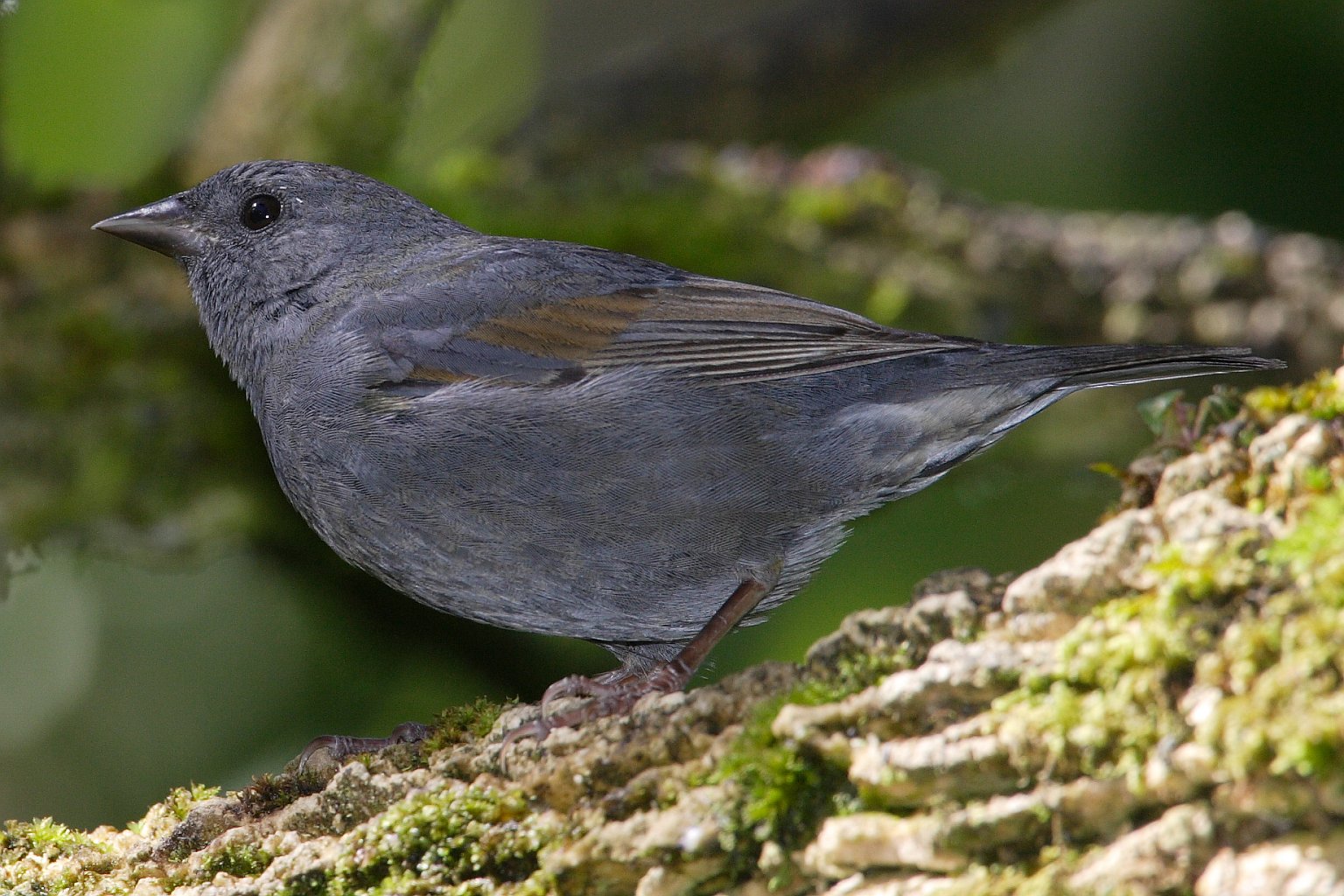
Iridosornis 5 species
-
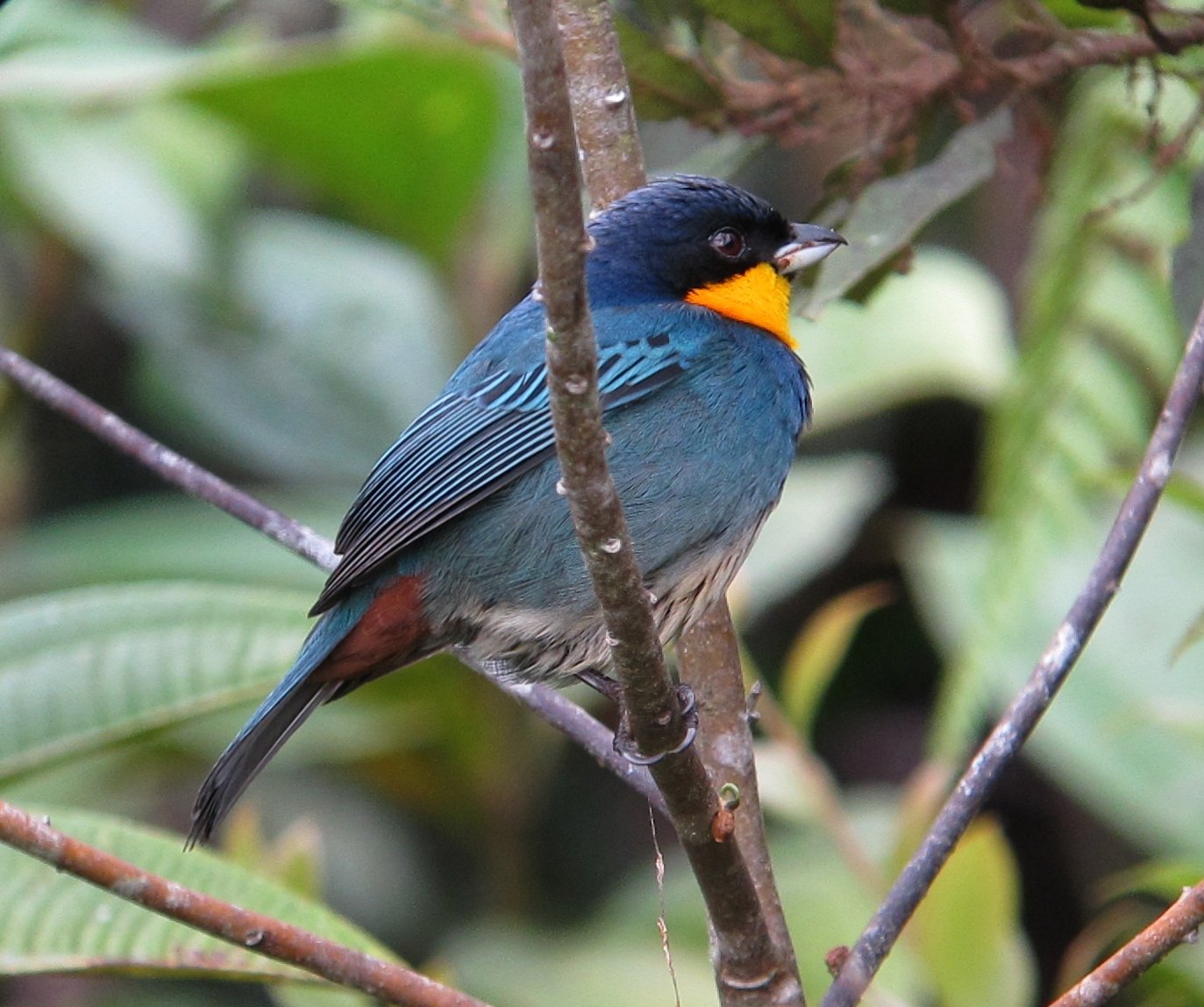
Purplish-mantled Tanager
Iridosornis porphyrocephalus- Northern Andean cloud forest and temperate forest
- Northern Andean subtropical forest
- Secondary forest and forest edge
-
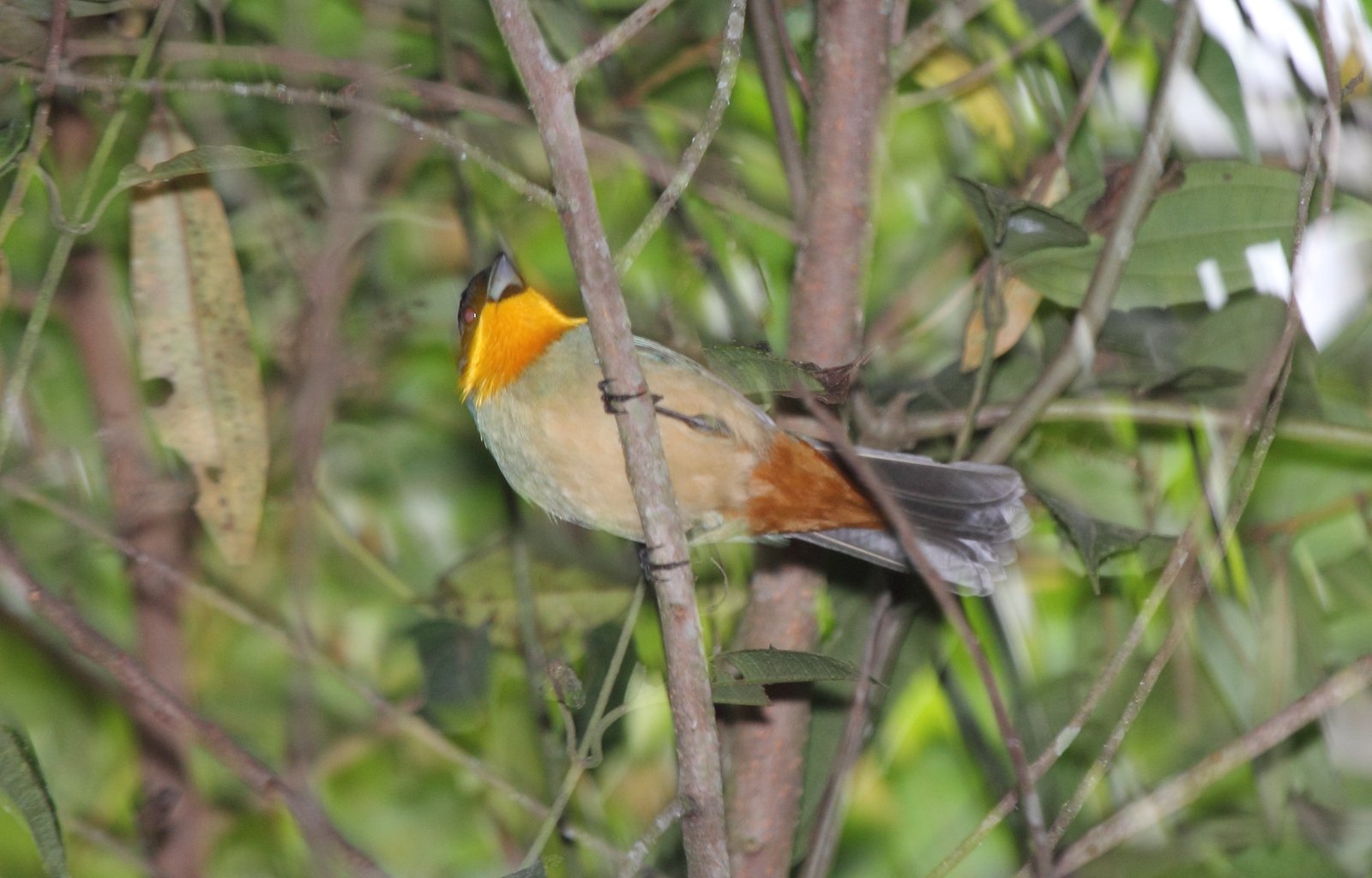
Yellow-throated Tanager
Iridosornis analis- Northern Andean cloud forest and temperate forest
- Northern Andean subtropical forest
- Upper Yungas cloud forest
- Lower Yungas forest
- Secondary forest and forest edge
-

Golden-collared Tanager
Iridosornis jelskii- Upper Yungas cloud forest
- Polylepis woodland
 Humid puna
- Northern Andean cloud forest and temperate forest
-

Golden-crowned Tanager
Iridosornis rufivertex- Northern Andean cloud forest and temperate forest
- Páramo
- Jalca
-

Yellow-scarfed Tanager
Iridosornis reinhardti- Upper Yungas cloud forest
- Northern Andean cloud forest and temperate forest
Sphenopsis 4 species
-
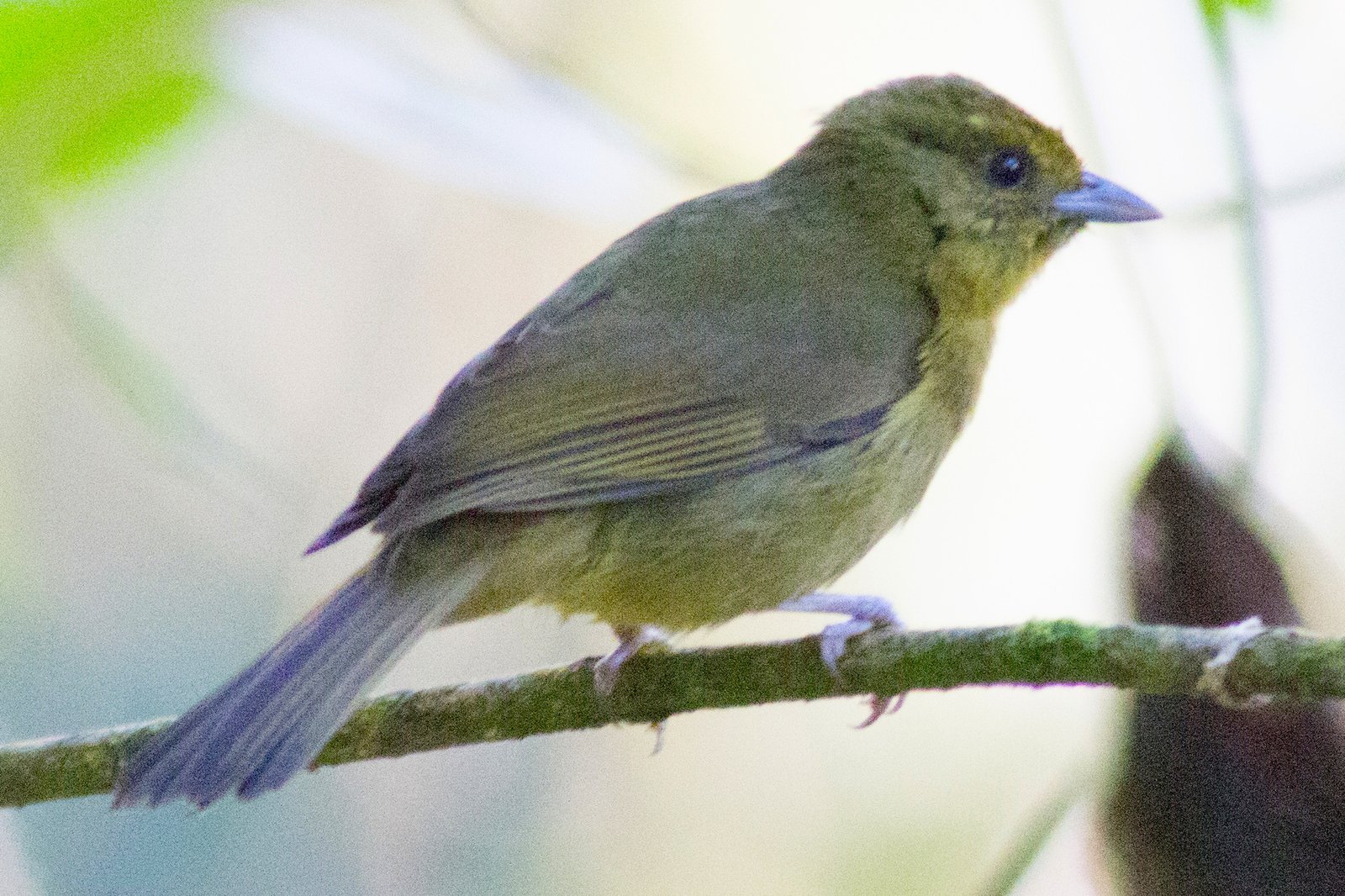
Oleaginous Hemispingus
Sphenopsis frontalis- Northern Andean cloud forest and temperate forest
- Northern Andean subtropical forest
- Upper Yungas cloud forest
-
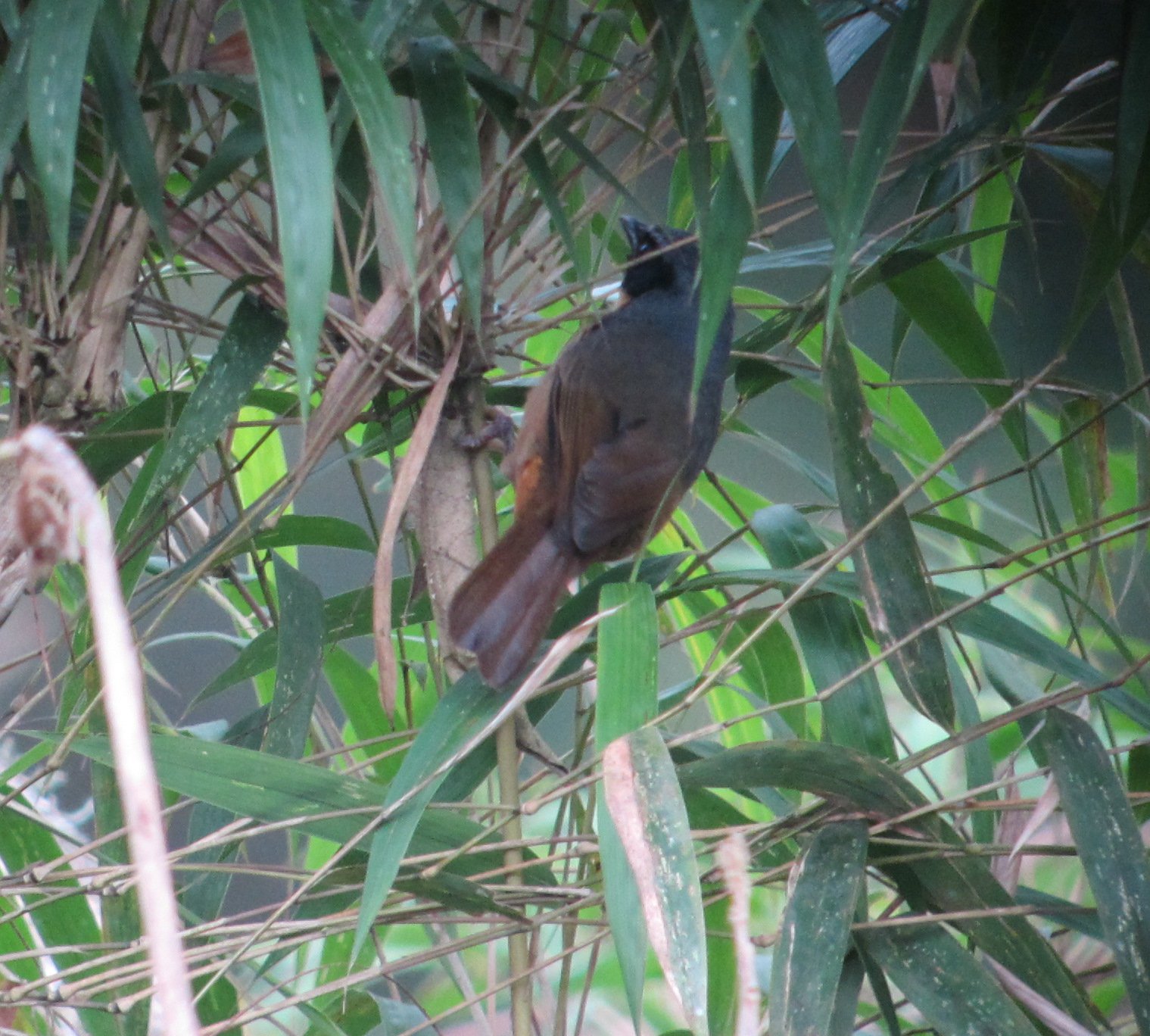
Black-eared Hemispingus
Sphenopsis melanotis- Northern Andean cloud forest and temperate forest
- Upper Yungas cloud forest
- Lower Yungas forest
-
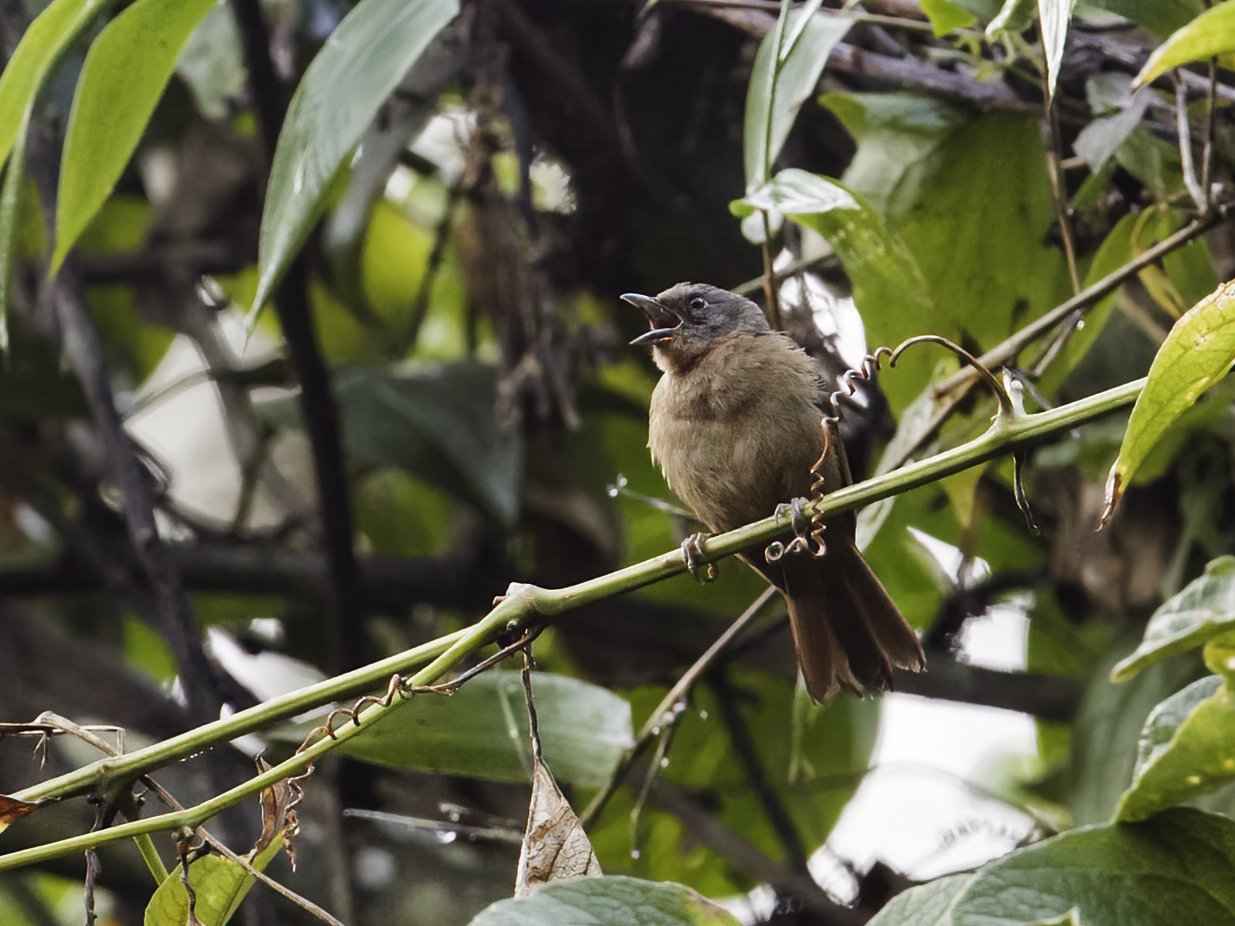
Western Hemispingus
Sphenopsis ochracea- Northern Andean cloud forest and temperate forest
- Northern Andean subtropical forest
-
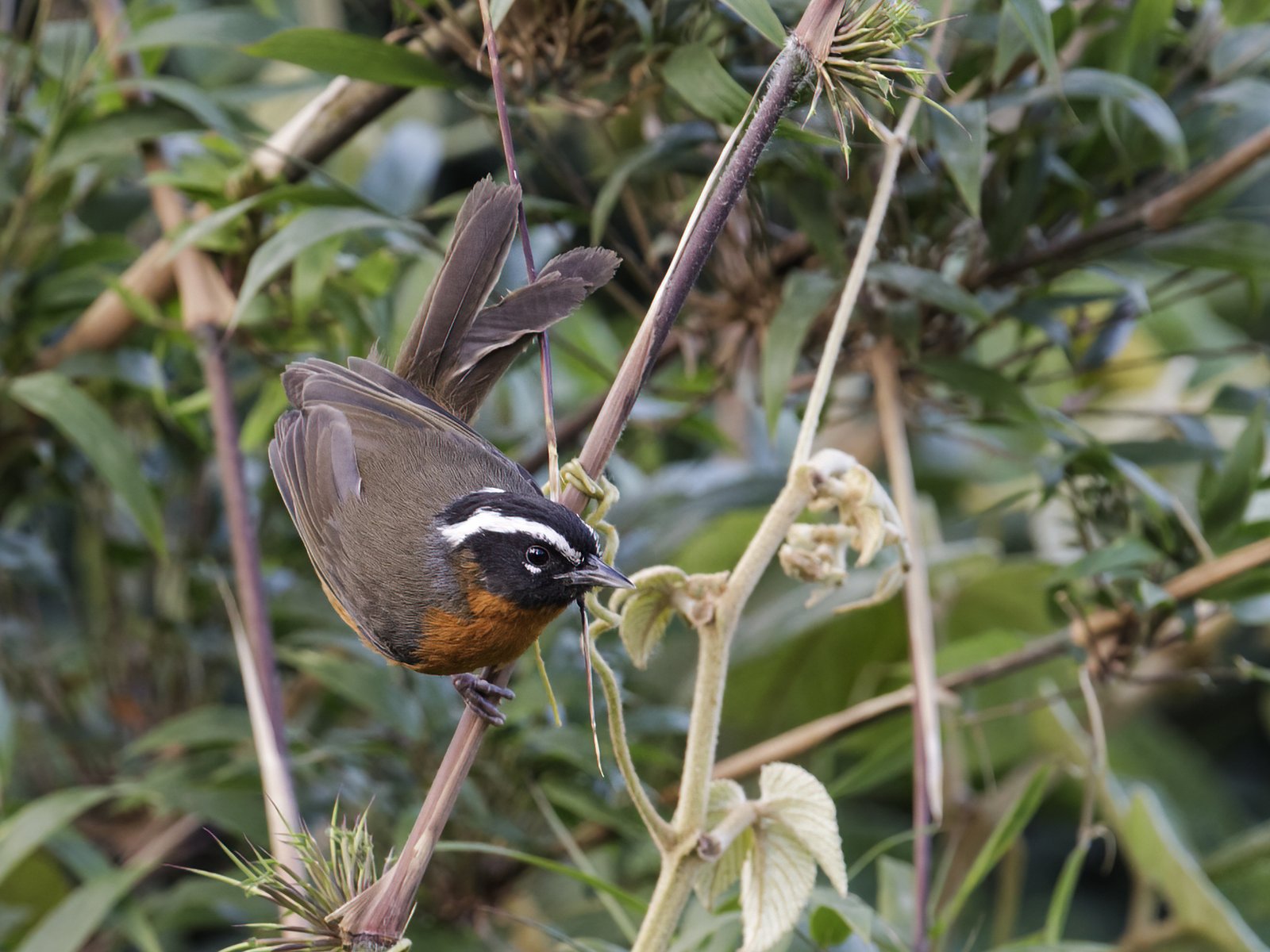
Piura Hemispingus
Sphenopsis piurae- Northern Andean cloud forest and temperate forest
- Marañón and northern inter-Andean dry forest
Tephrophilus 1 species
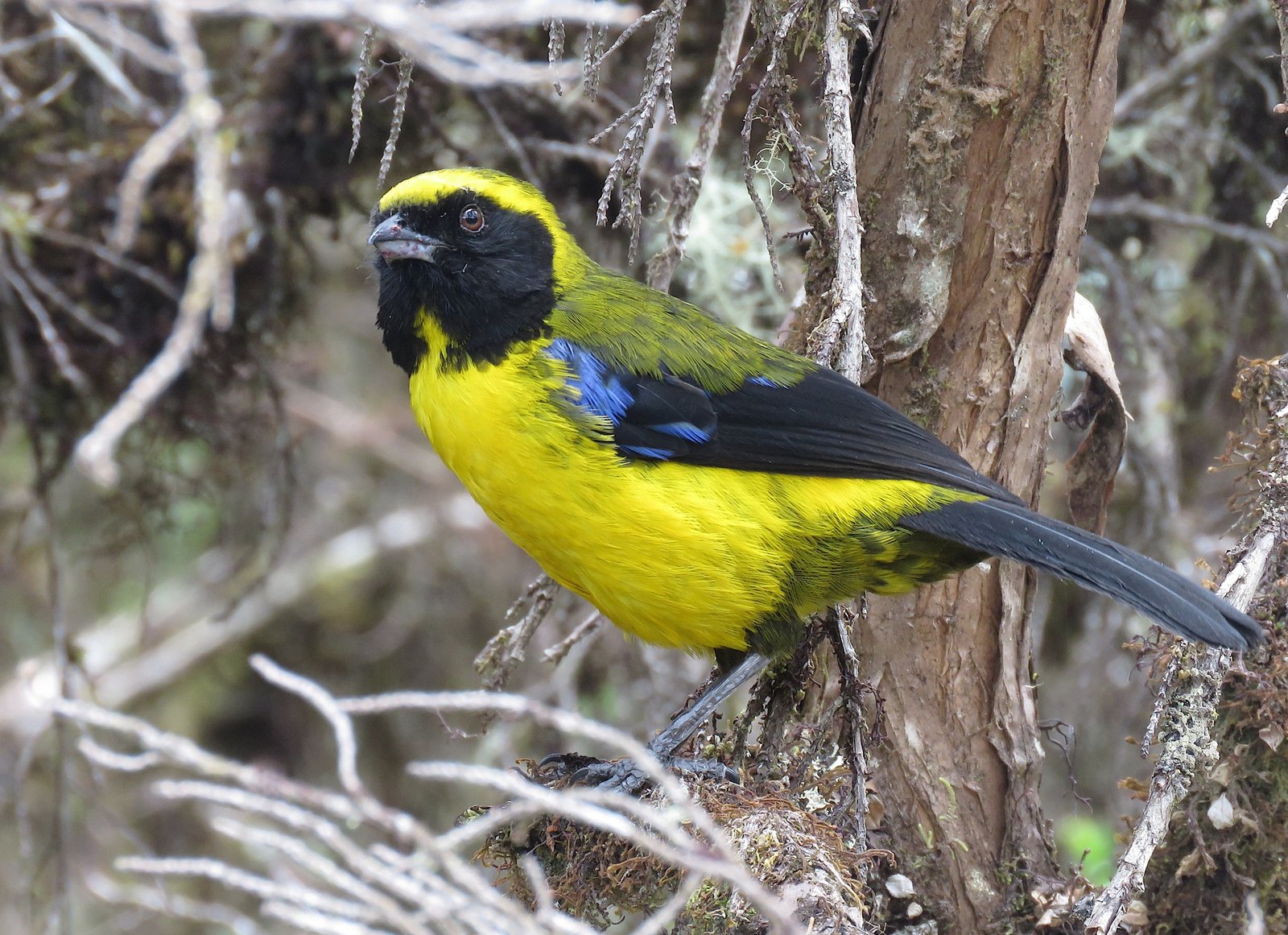
Donacospiza 1 species
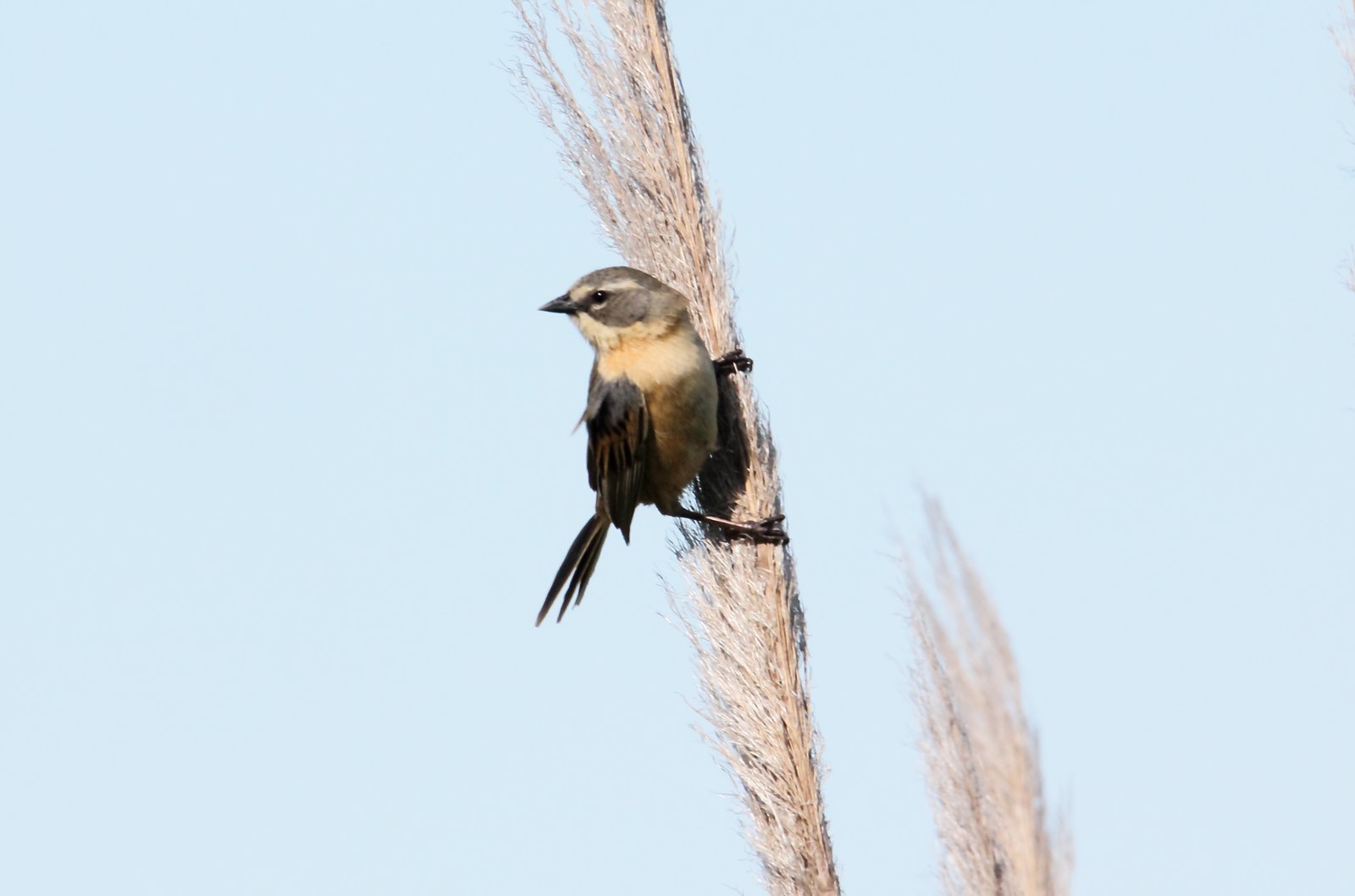
Loriotus 3 species
-
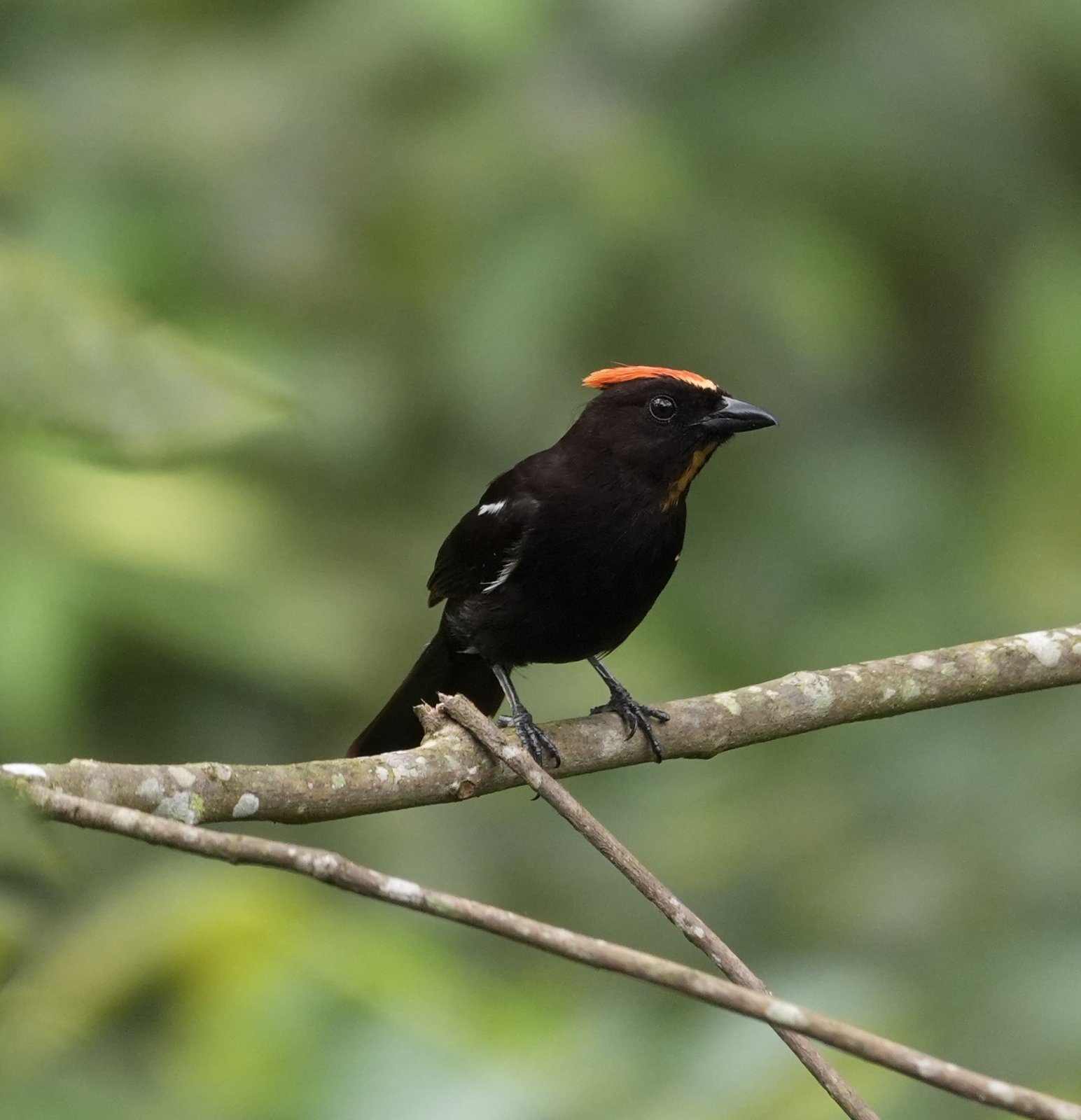
Flame-crested Tanager
Loriotus cristatus Amazonian terra firme rainforest
- Secondary forest and forest edge
- Várzea, igapó and river islands
- Eastern Andean foothill forest
-
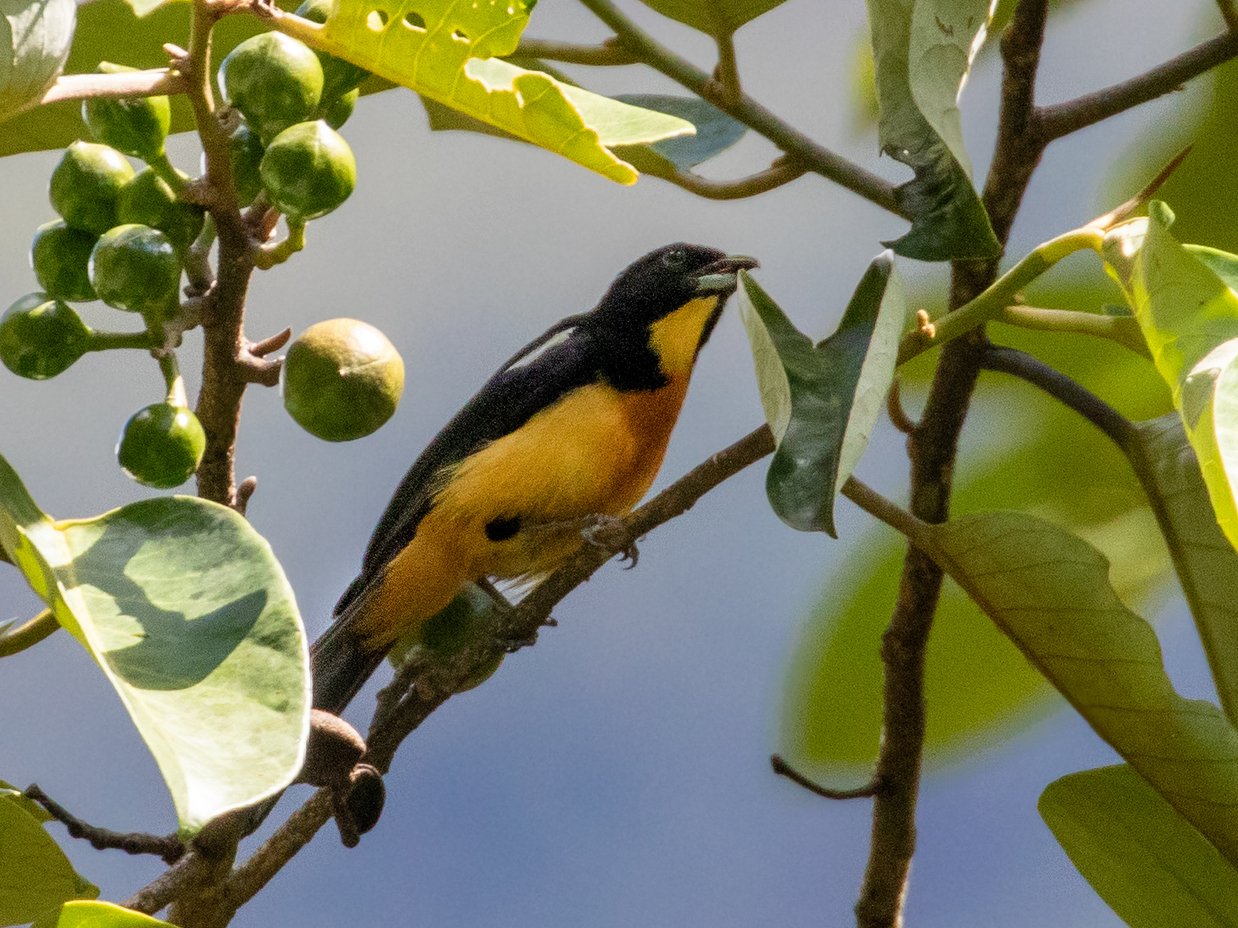
Yellow-crested Tanager
Loriotus rufiventer- Eastern Andean foothill forest
- Amazonian terra firme rainforest
- Lower Yungas forest
- Secondary forest and forest edge
-
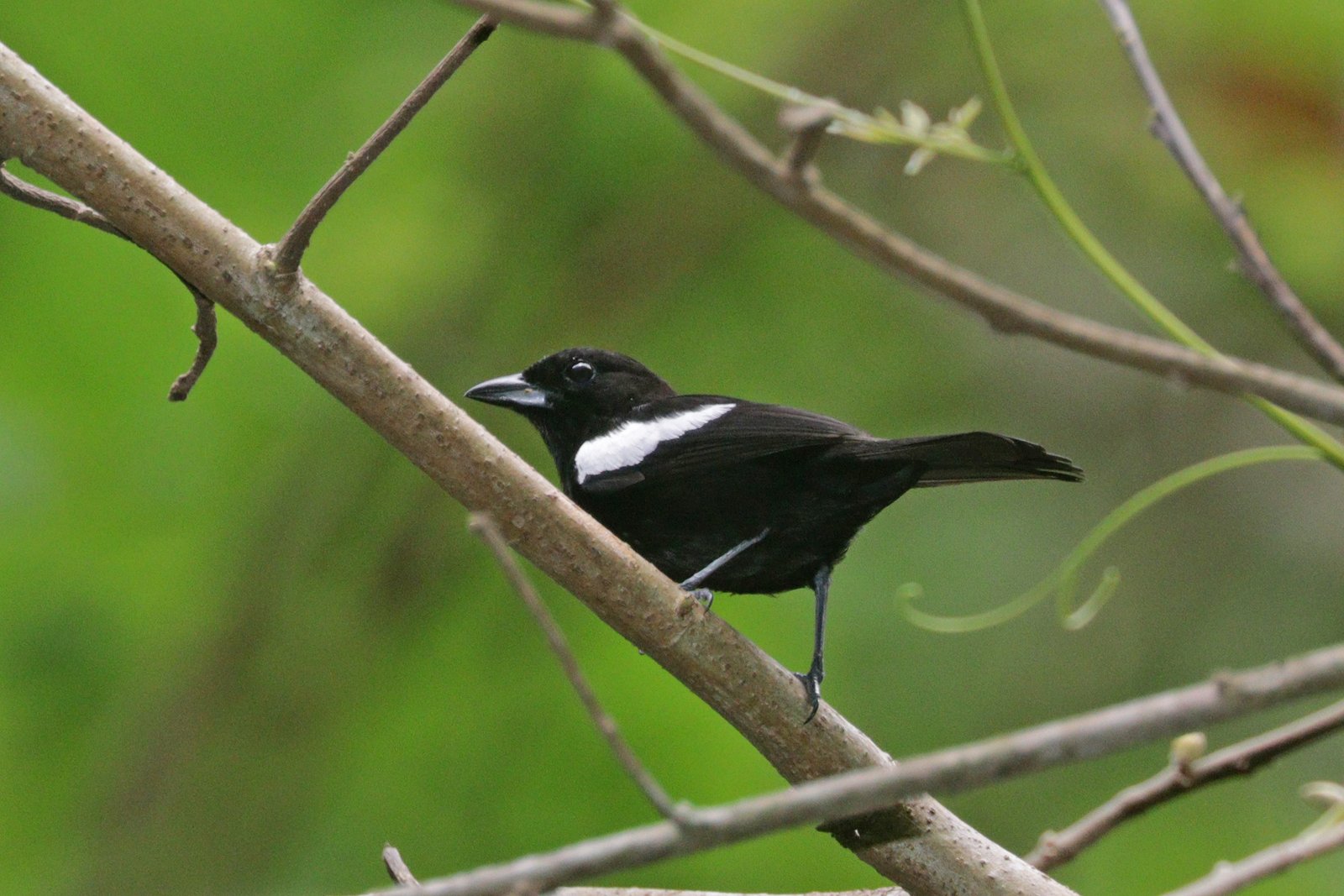
White-shouldered Tanager
Loriotus luctuosus- Amazonian terra firme rainforest
- Chocó rainforest
- Western Ecuador humid forest
- Eastern Andean foothill forest
- Secondary forest and forest edge
- Várzea, igapó and river islands
Incaspiza 5 species
-
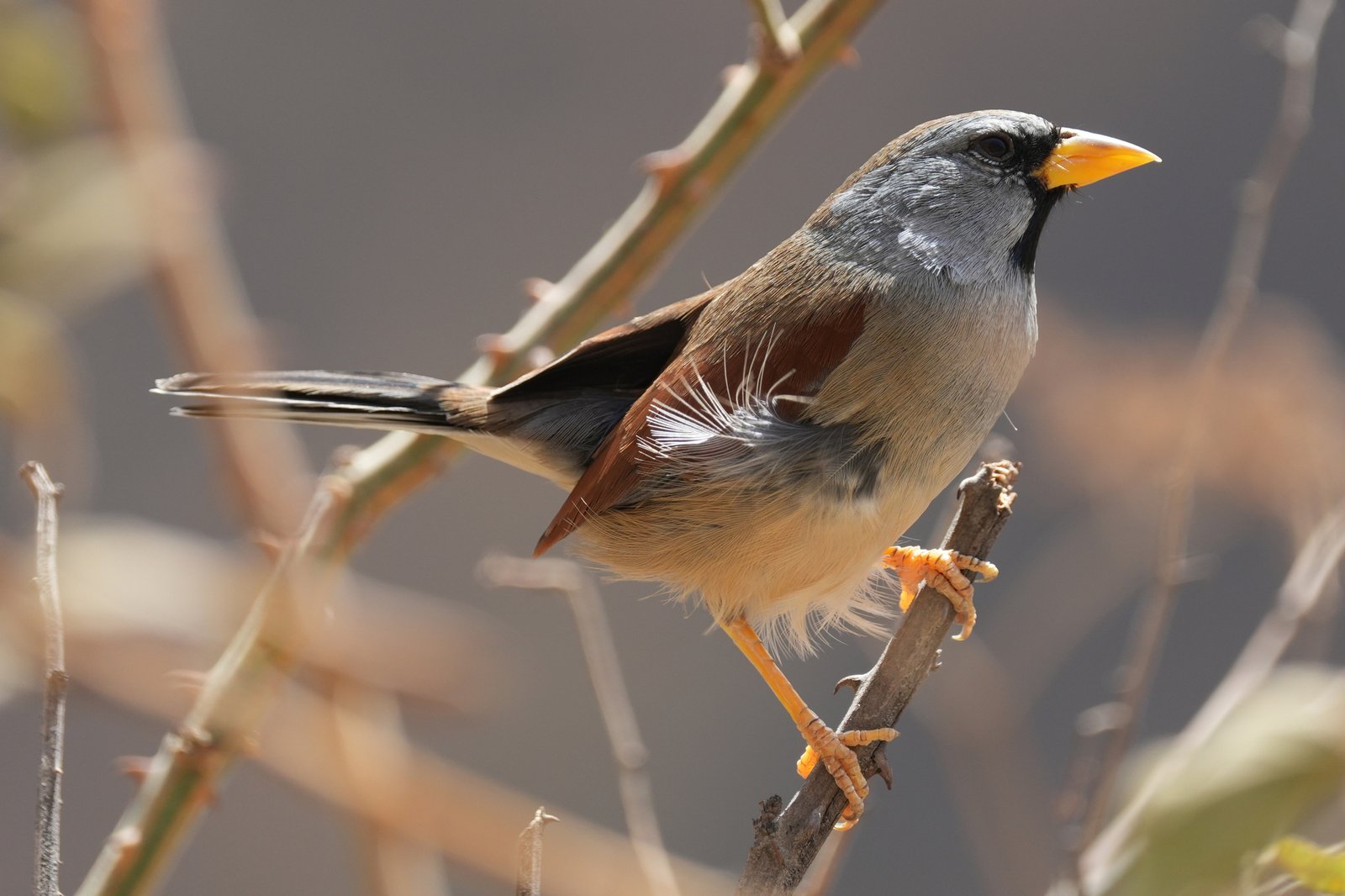
Great Inca Finch
Incaspiza pulchra- Central Andean dry valleys
 Cliffs, gorges and canyons
- Riparian woodland of the Andes and coastal valleys
-
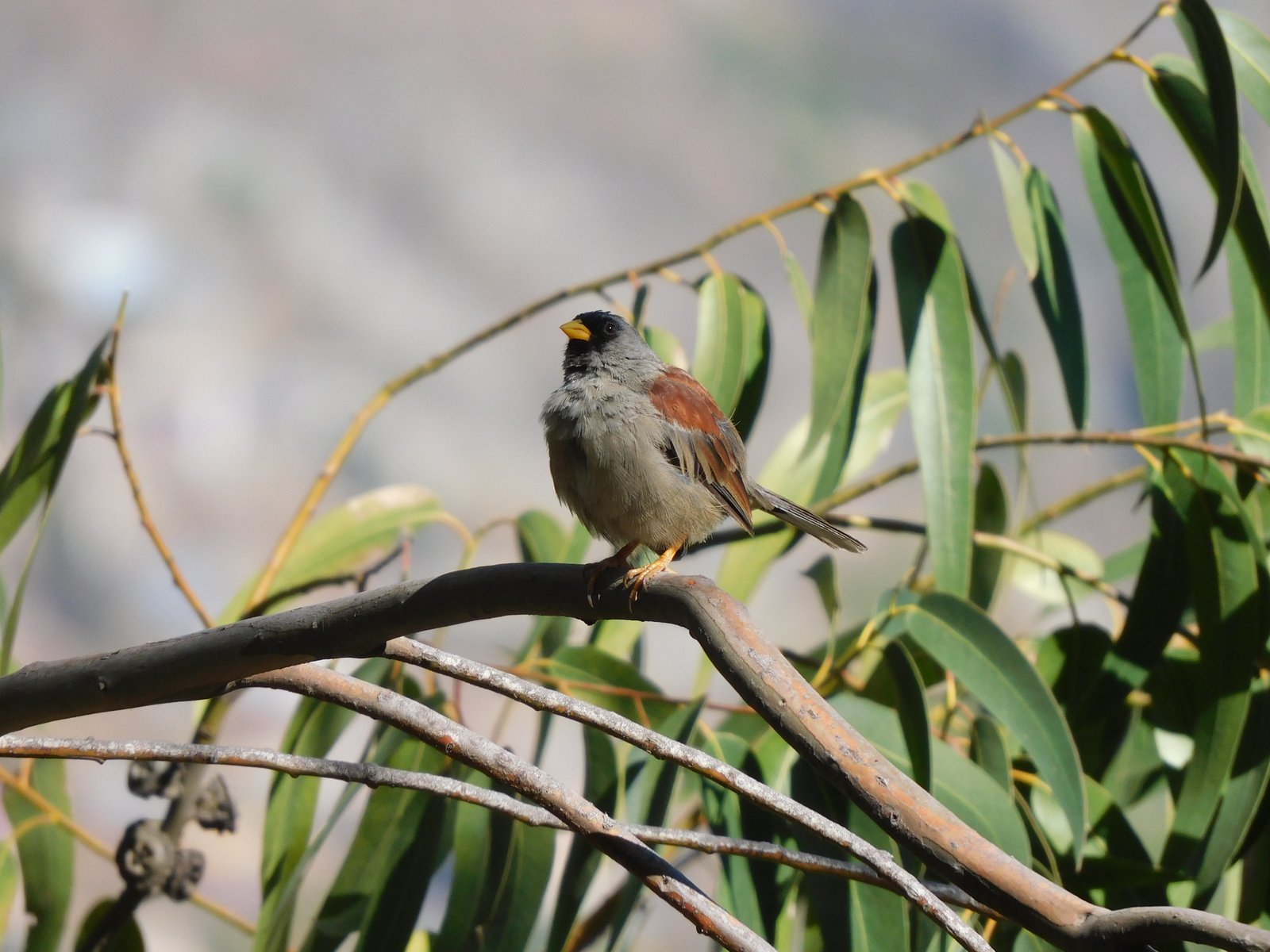
Rufous-backed Inca Finch
Incaspiza personata- Marañón and northern inter-Andean dry forest
- Central Andean dry valleys
- Cliffs, gorges and canyons
 Andean fields and terraces
-

Grey-winged Inca Finch
Incaspiza ortizi- Marañón and northern inter-Andean dry forest
 Tumbesian dry forest and thorn scrub
- Cliffs, gorges and canyons
-
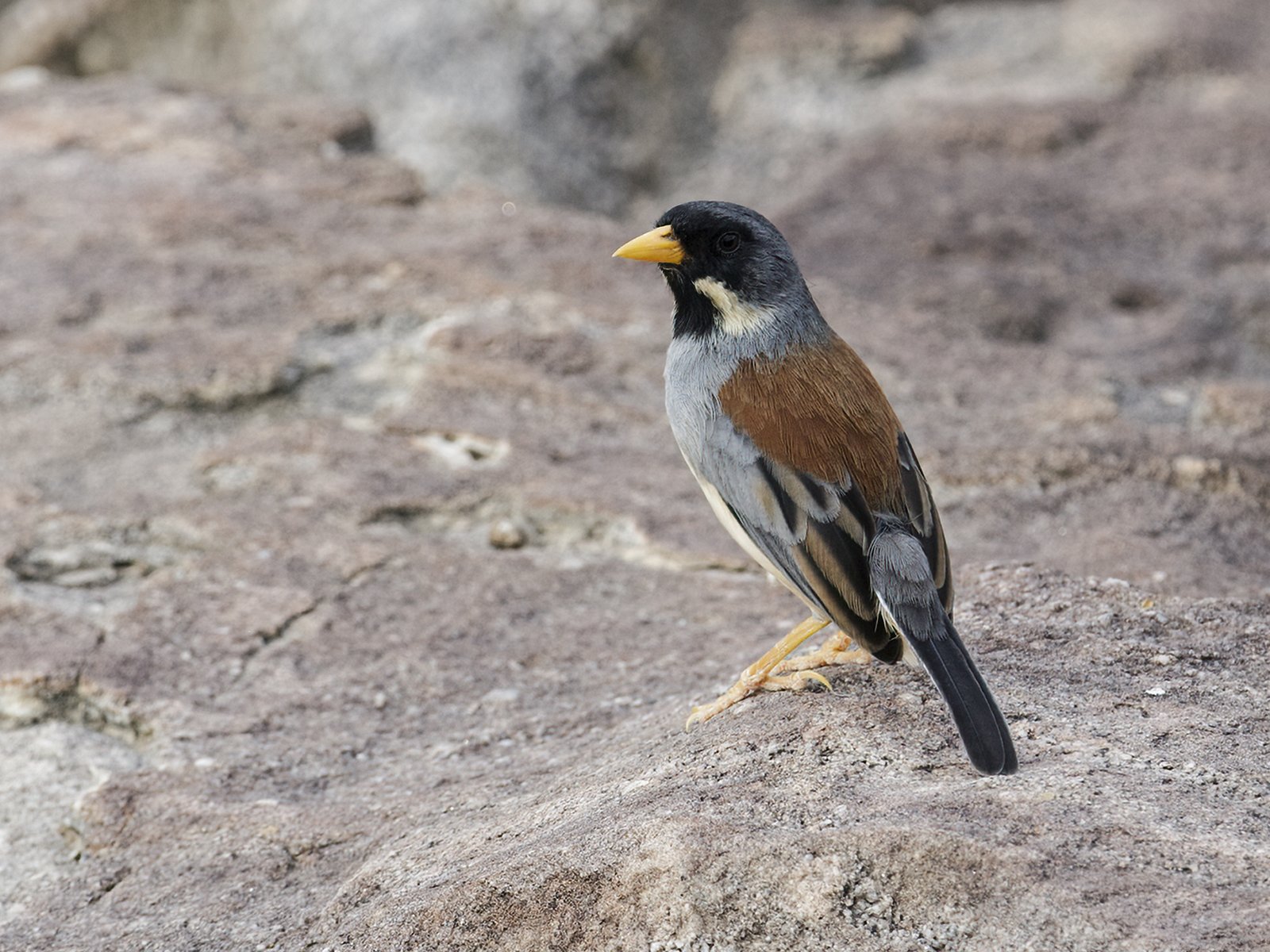
Buff-bridled Inca Finch
Incaspiza laeta- Marañón and northern inter-Andean dry forest
- Cliffs, gorges and canyons
- Andean fields and terraces
-
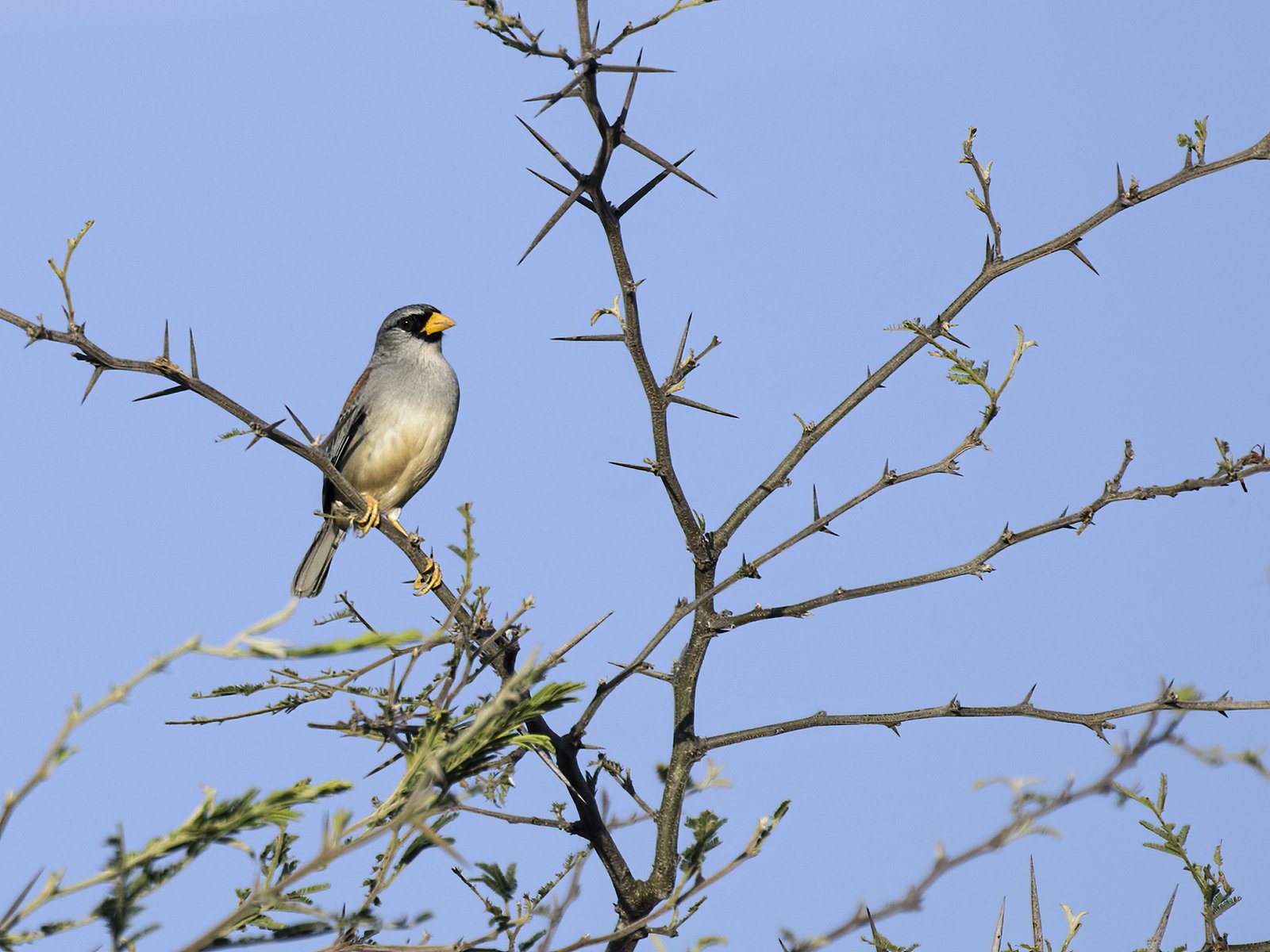
Little Inca Finch
Incaspiza watkinsi- Marañón and northern inter-Andean dry forest
- Riparian woodland of the Andes and coastal valleys
 Irrigated farmland and rice fields
Dubusia 2 species
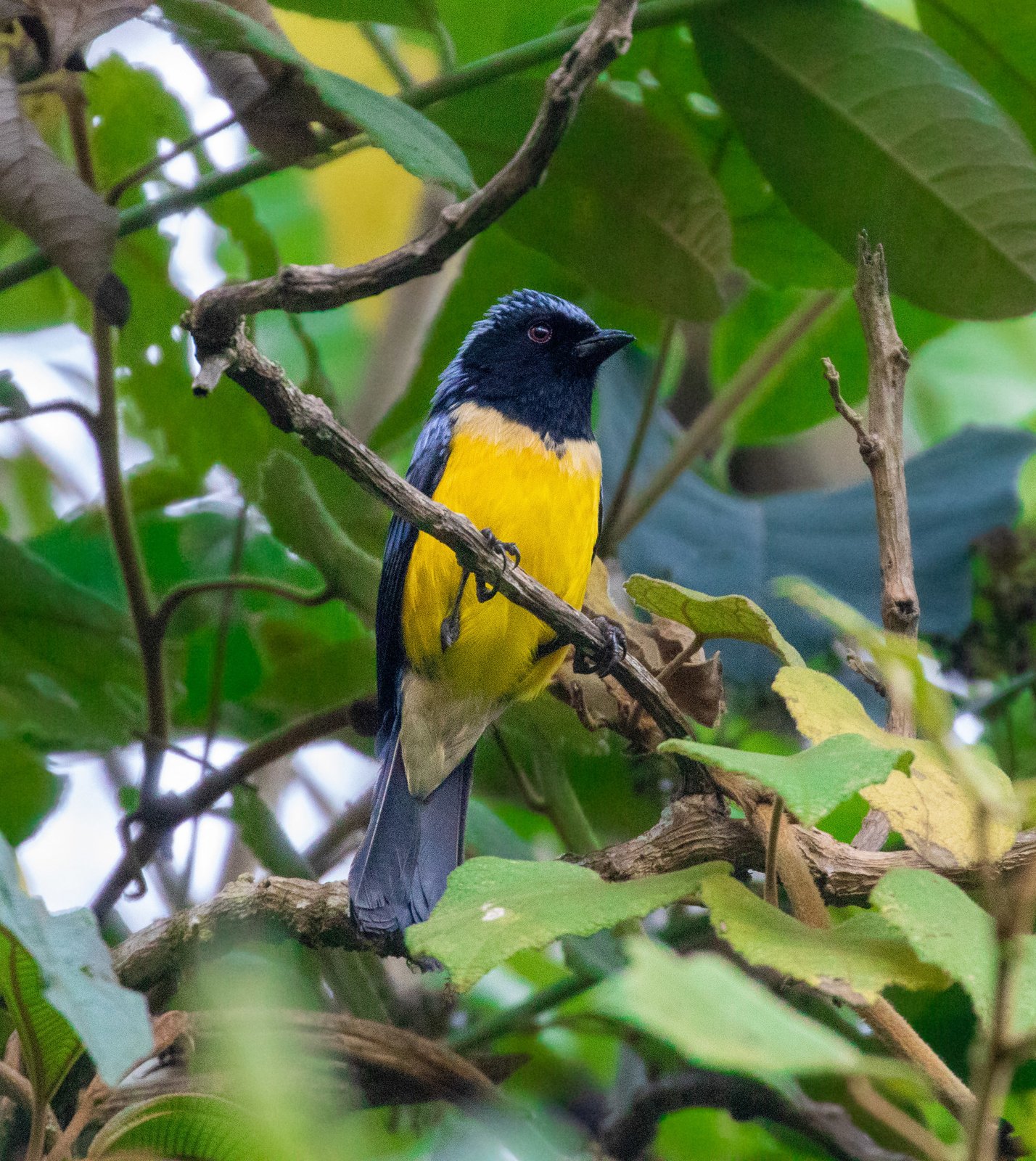
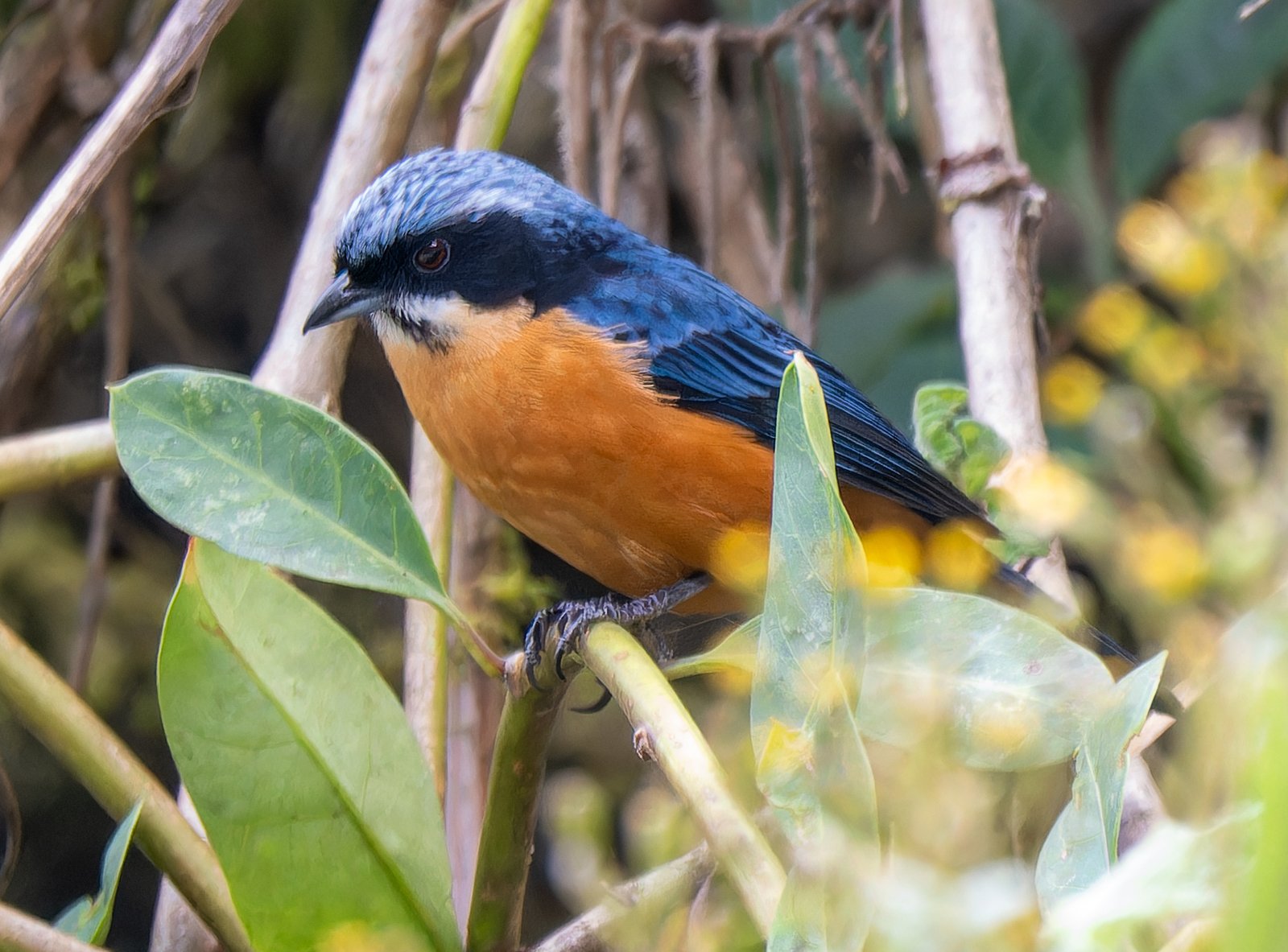
Ixothraupis 5 species
-
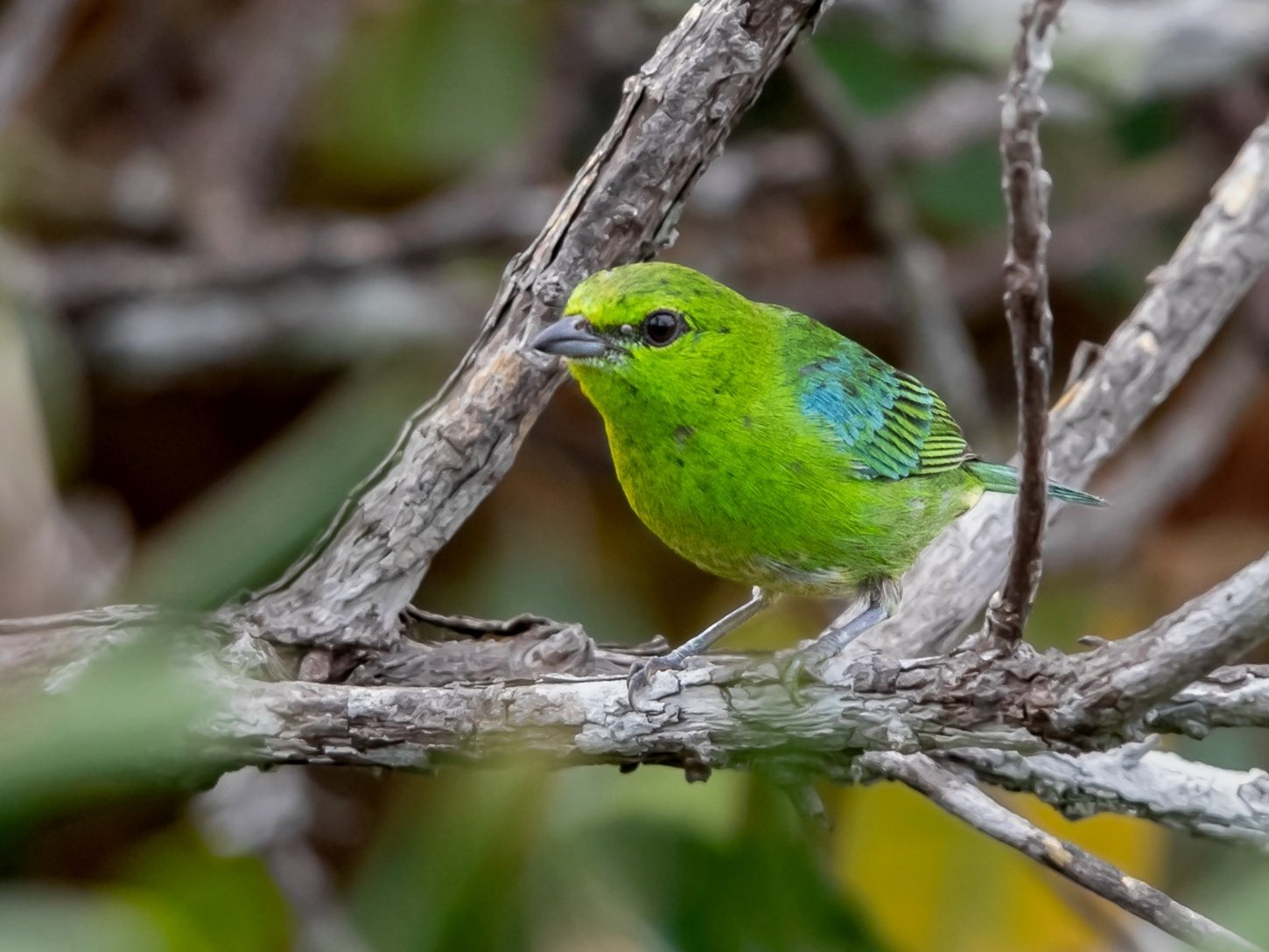
Dotted Tanager
Ixothraupis varia- Amazonian terra firme rainforest
- Secondary forest and forest edge
- Várzea, igapó and river islands
-
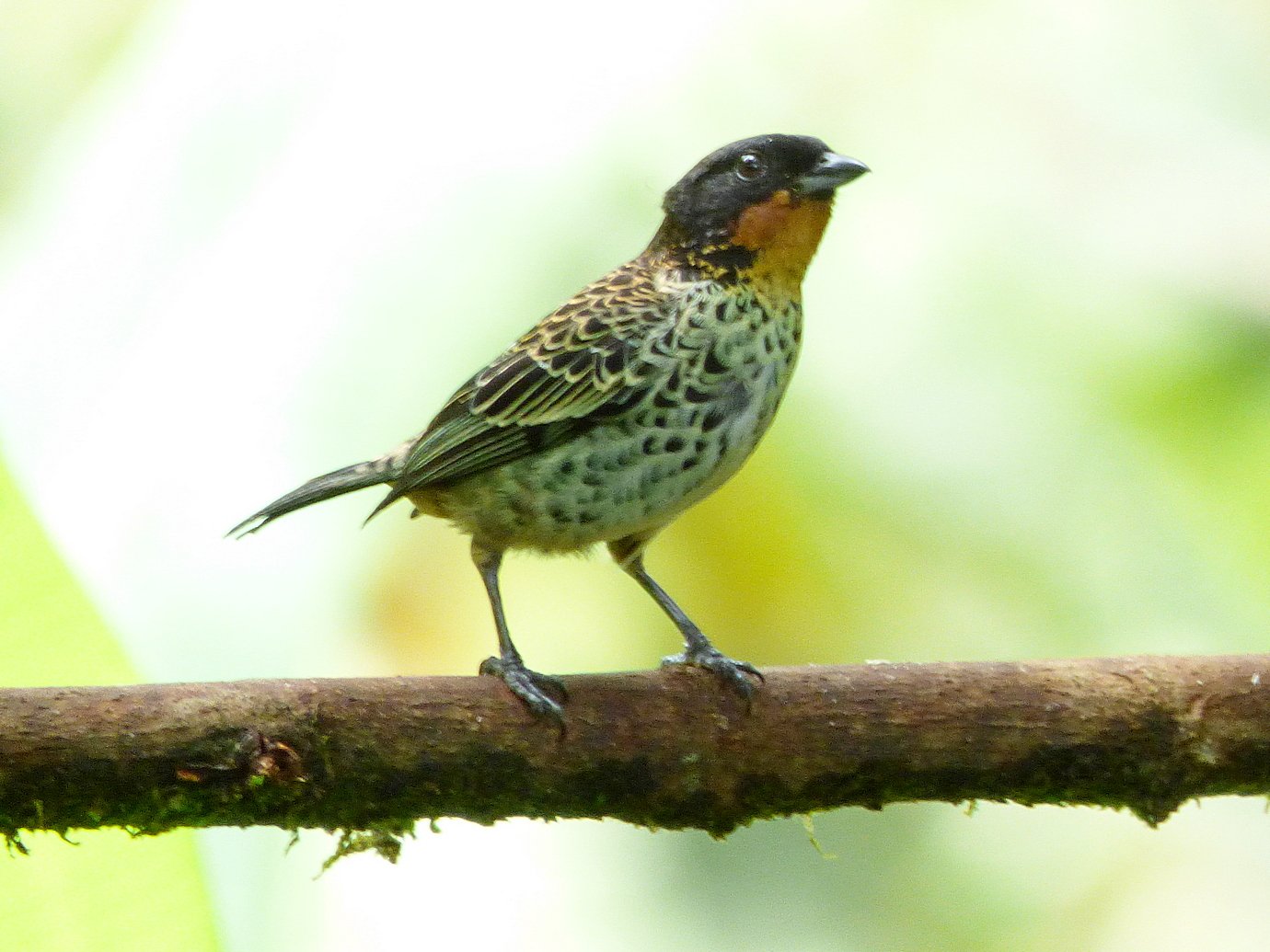
Rufous-throated Tanager
Ixothraupis rufigula- Chocó rainforest
- Northern Andean subtropical forest
- Western Ecuador humid forest
- Secondary forest and forest edge
-
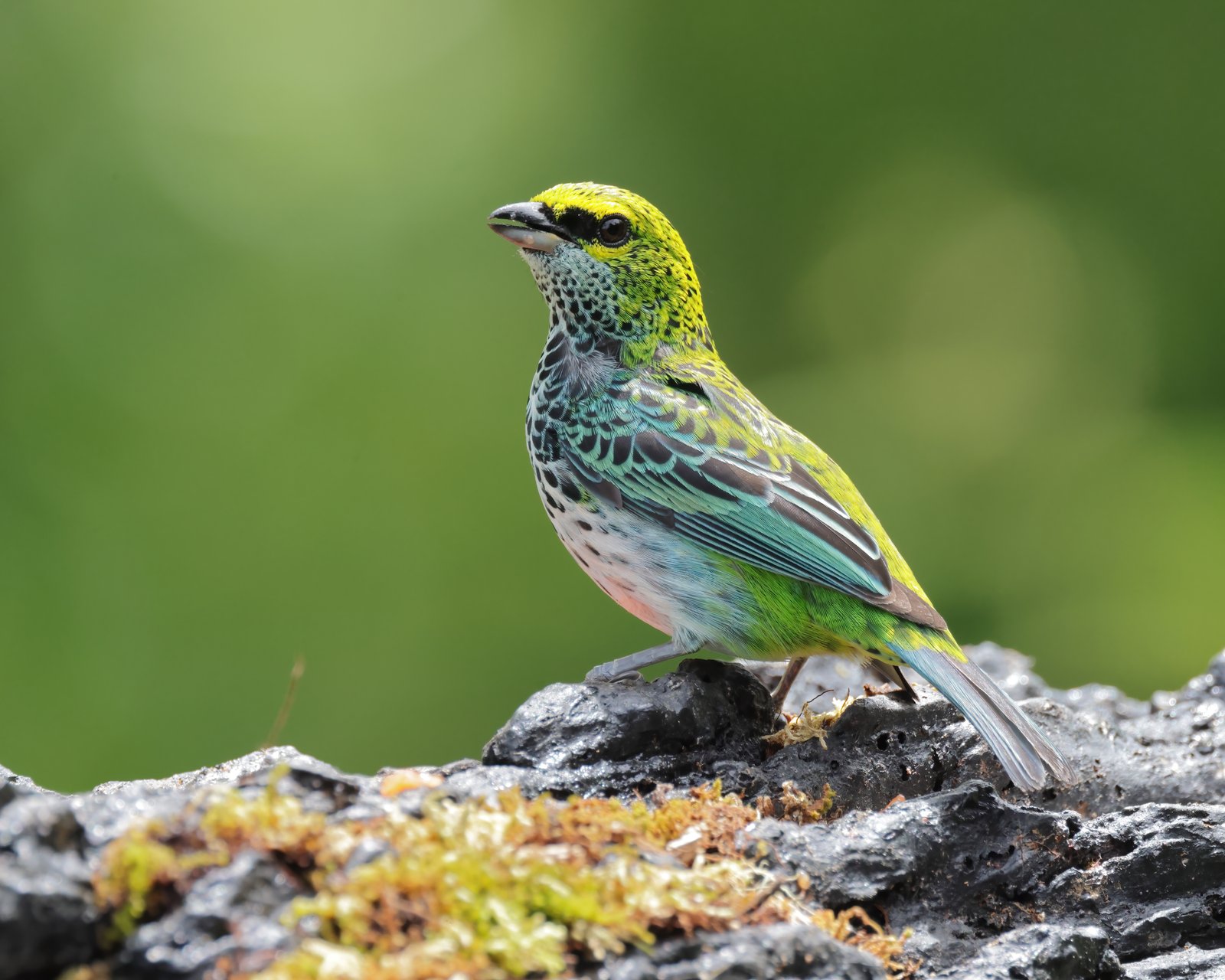
Speckled Tanager
Ixothraupis guttata- Northern Andean subtropical forest
- Eastern Andean foothill forest
- Secondary forest and forest edge
- Coffee, cacao and agroforestry
-
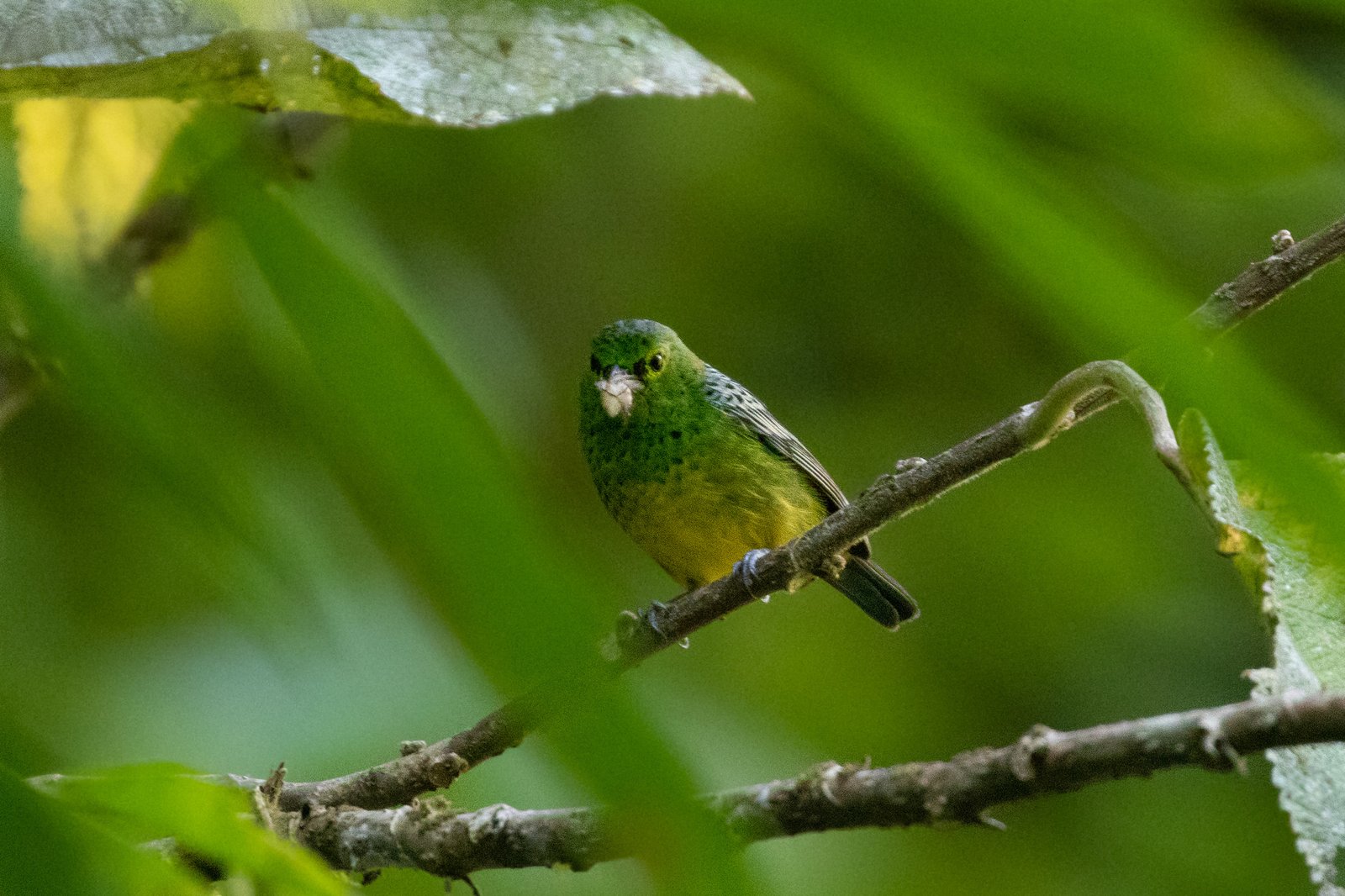
Yellow-bellied Tanager
Ixothraupis xanthogastra- Amazonian terra firme rainforest
- Eastern Andean foothill forest
- Secondary forest and forest edge
- Várzea, igapó and river islands
-
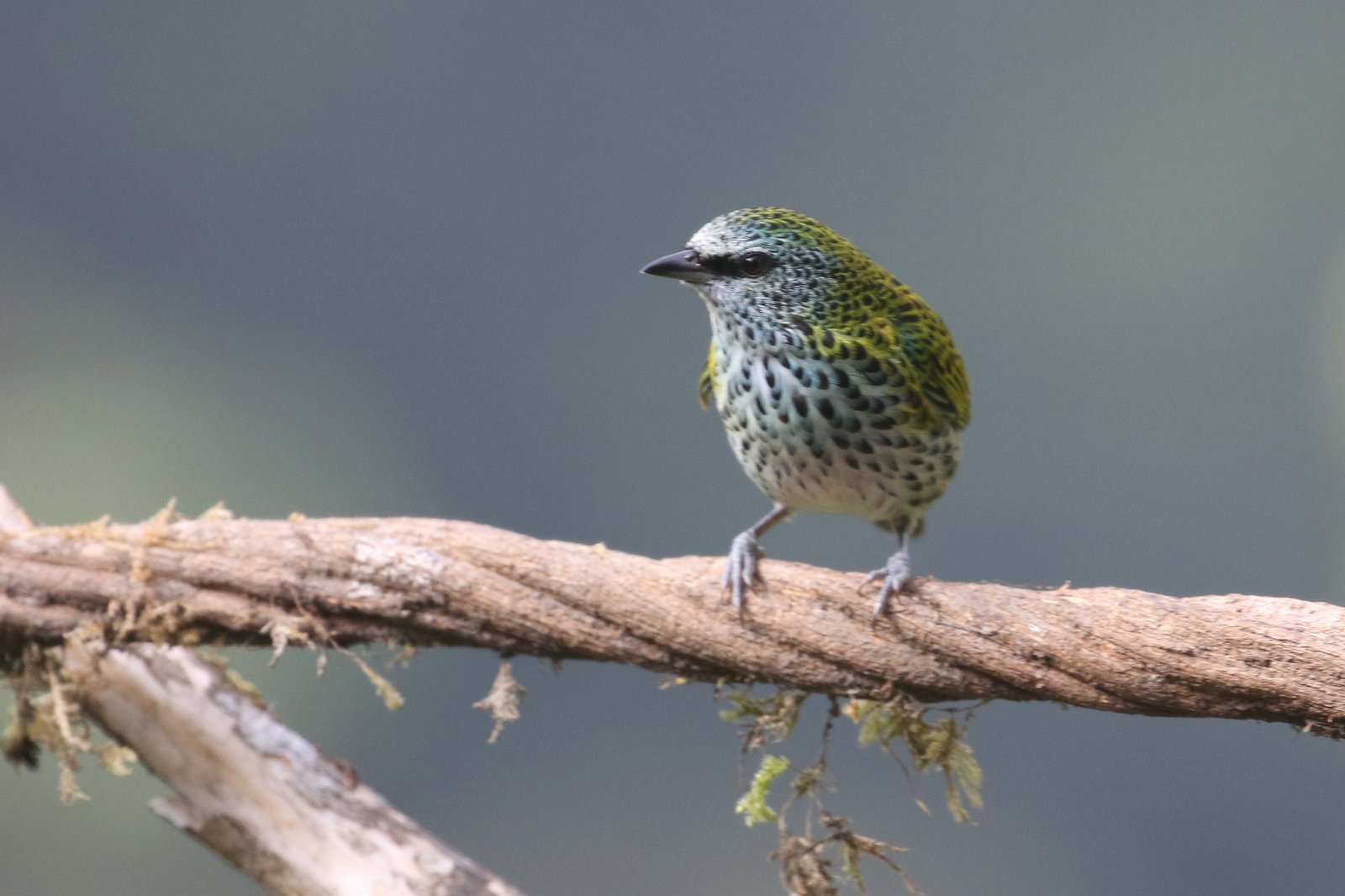
Spotted Tanager
Ixothraupis punctata- Eastern Andean foothill forest
- Lower Yungas forest
- Northern Andean subtropical forest
- Secondary forest and forest edge
Piezorina 1 species
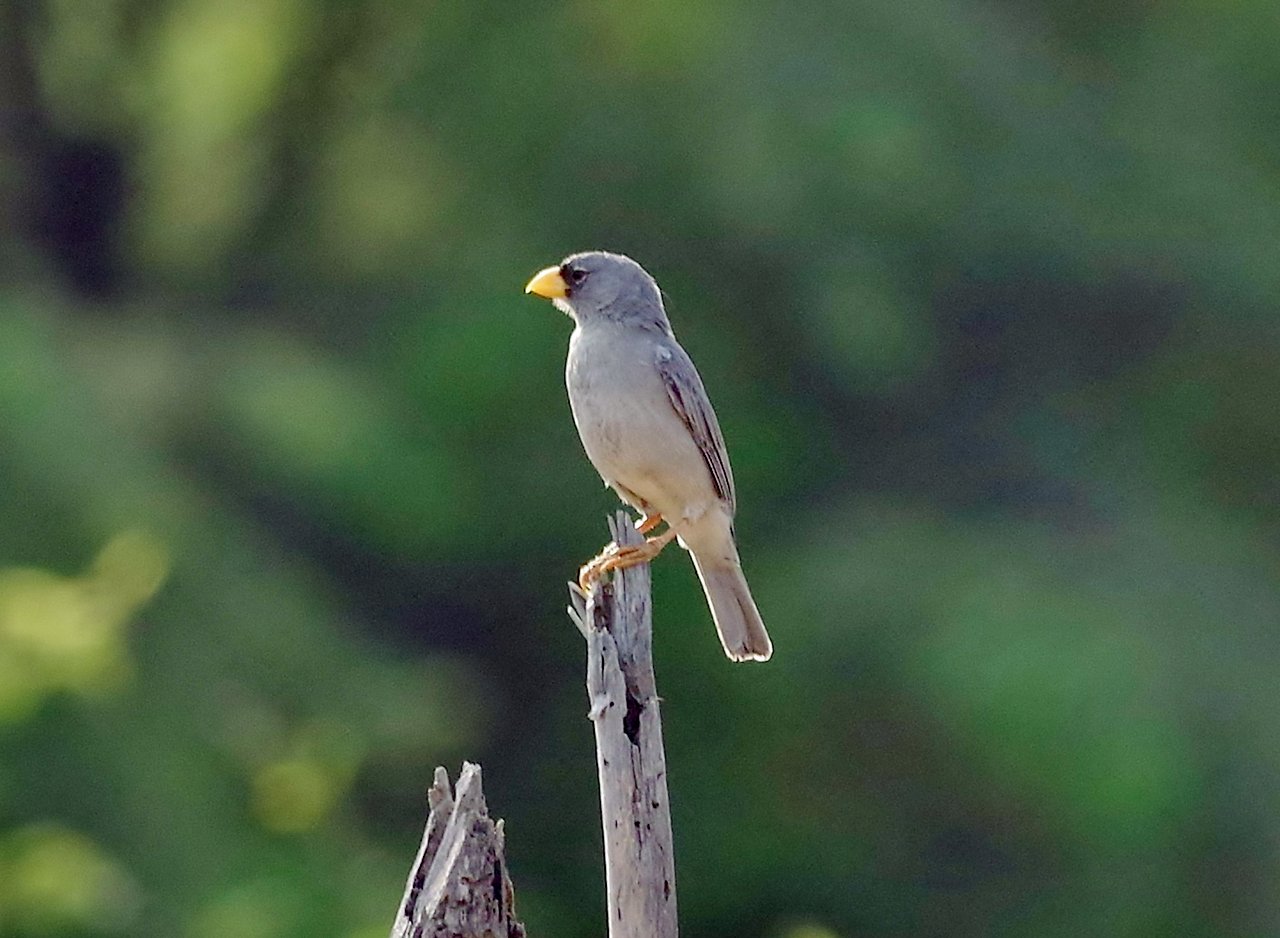
Paroaria 4 species
-
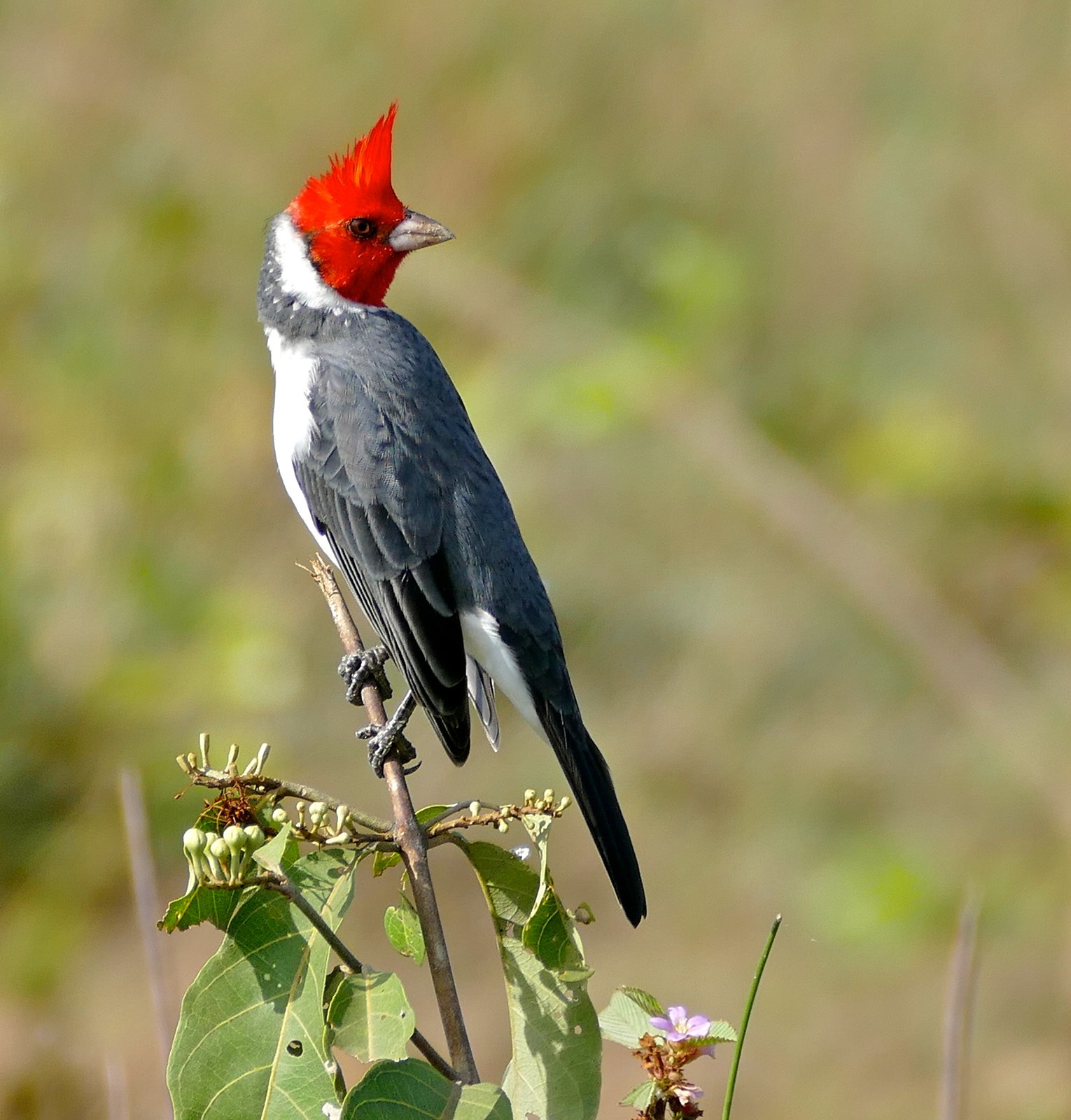
Red-crested Cardinal
Paroaria coronata- Chiquitano dry forest and Chaco
 Lowland marshes and wet meadows
- Pasture and ranchland
- Towns, cities and parks
-
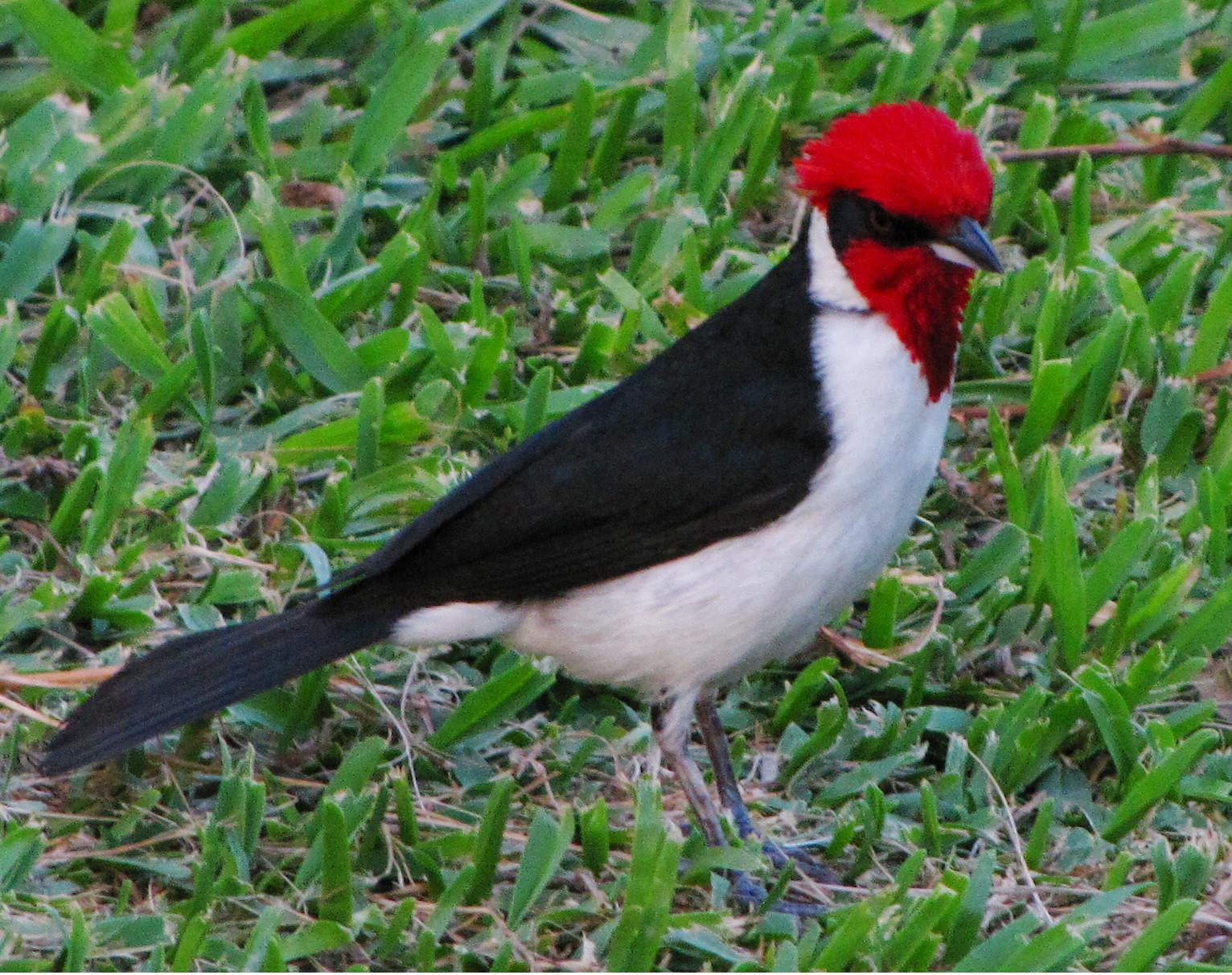
Masked Cardinal
Paroaria nigrogenis- Llanos savanna
- Lowland marshes and wet meadows
- Lowland lakes and oxbows
- Pasture and ranchland
-
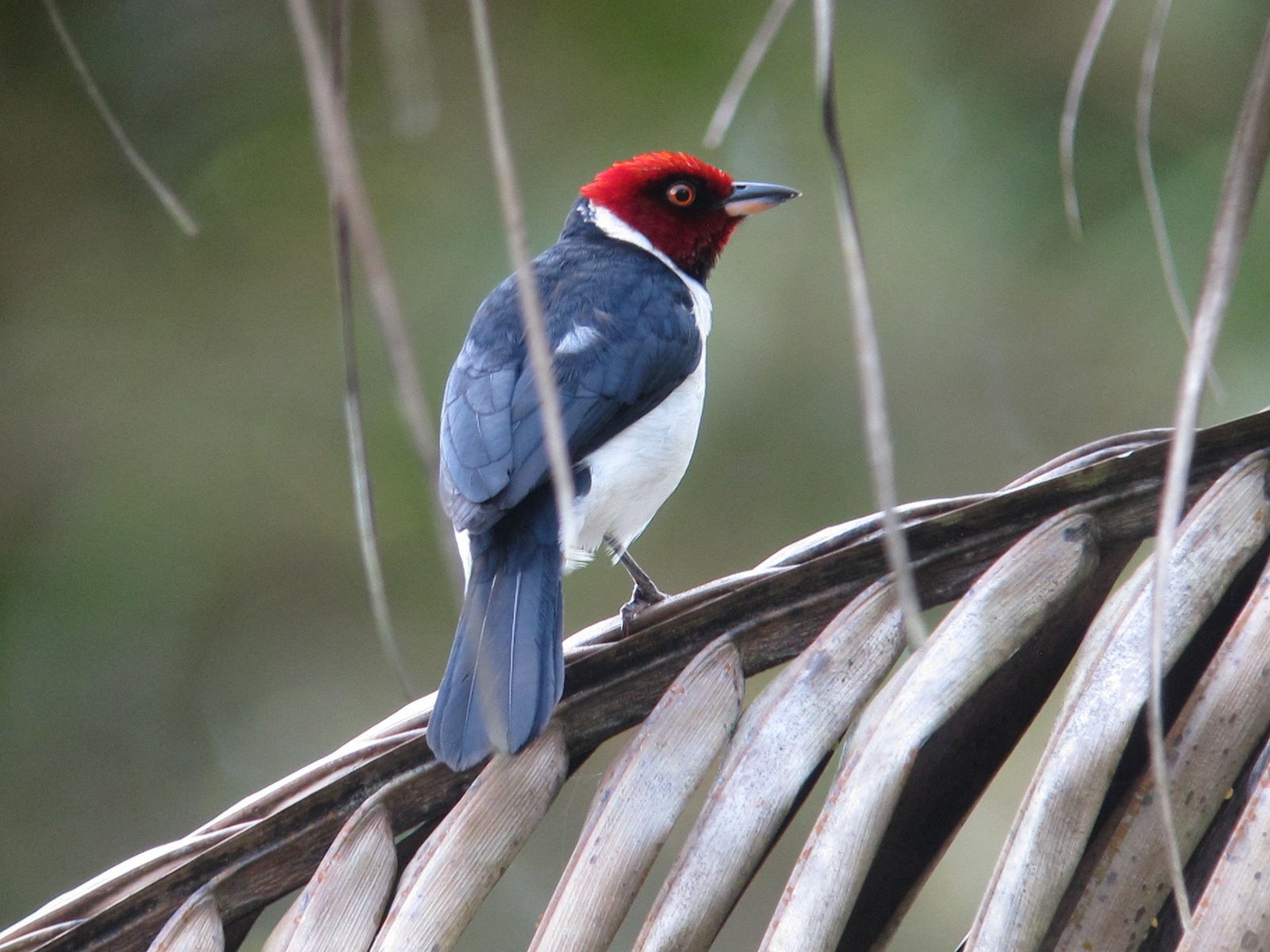
Red-capped Cardinal
Paroaria gularis- Várzea, igapó and river islands
- Lowland lakes and oxbows
- Lowland rivers and sandbars
- Lowland marshes and wet meadows
- Palm swamps and swamp forest
-
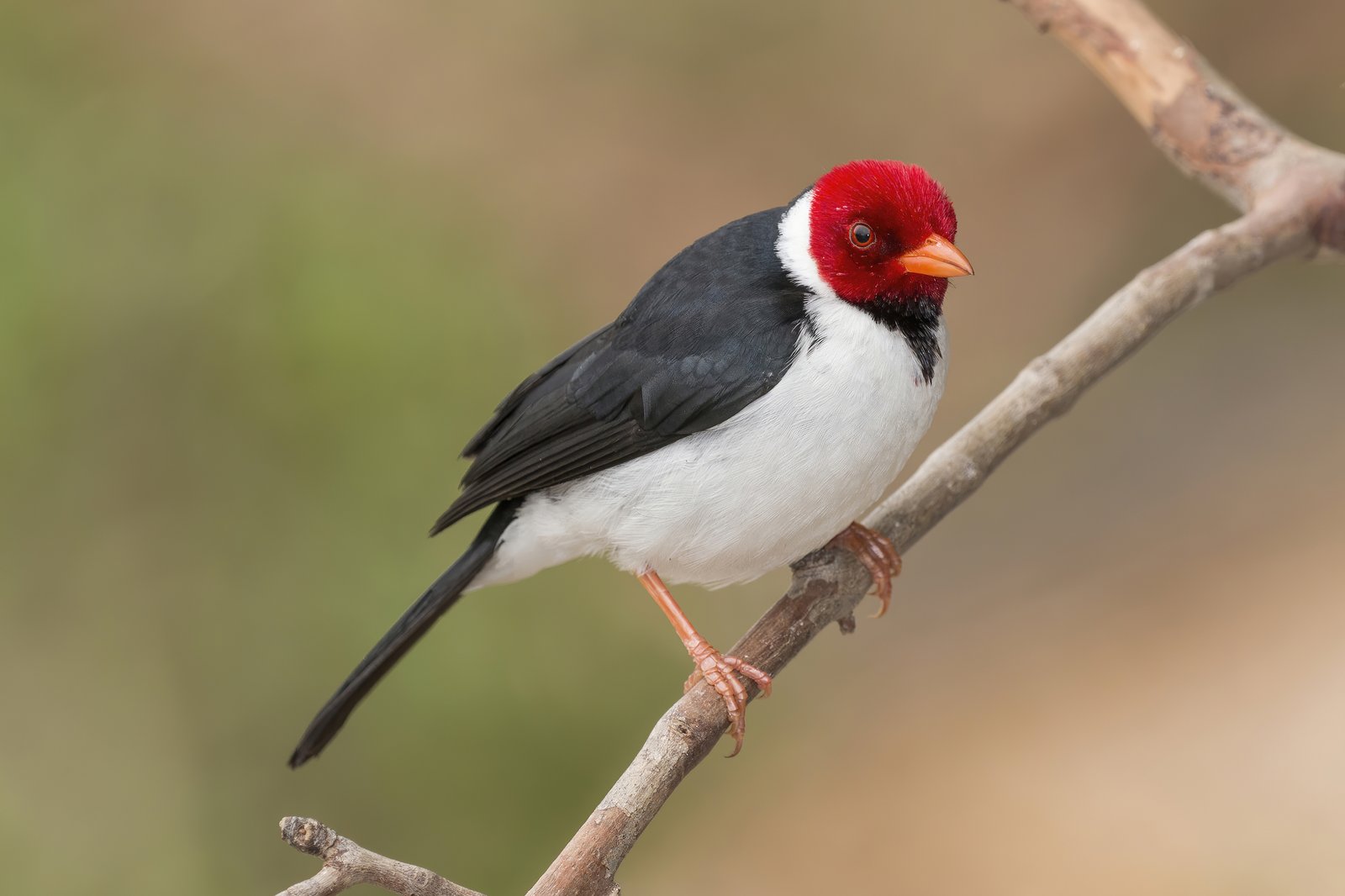
Yellow-billed Cardinal
Paroaria capitata- Lowland marshes and wet meadows
- Beni savanna and cerrado
- Chiquitano dry forest and Chaco
- Lowland lakes and oxbows
- Pasture and ranchland
Pseudosaltator 1 species
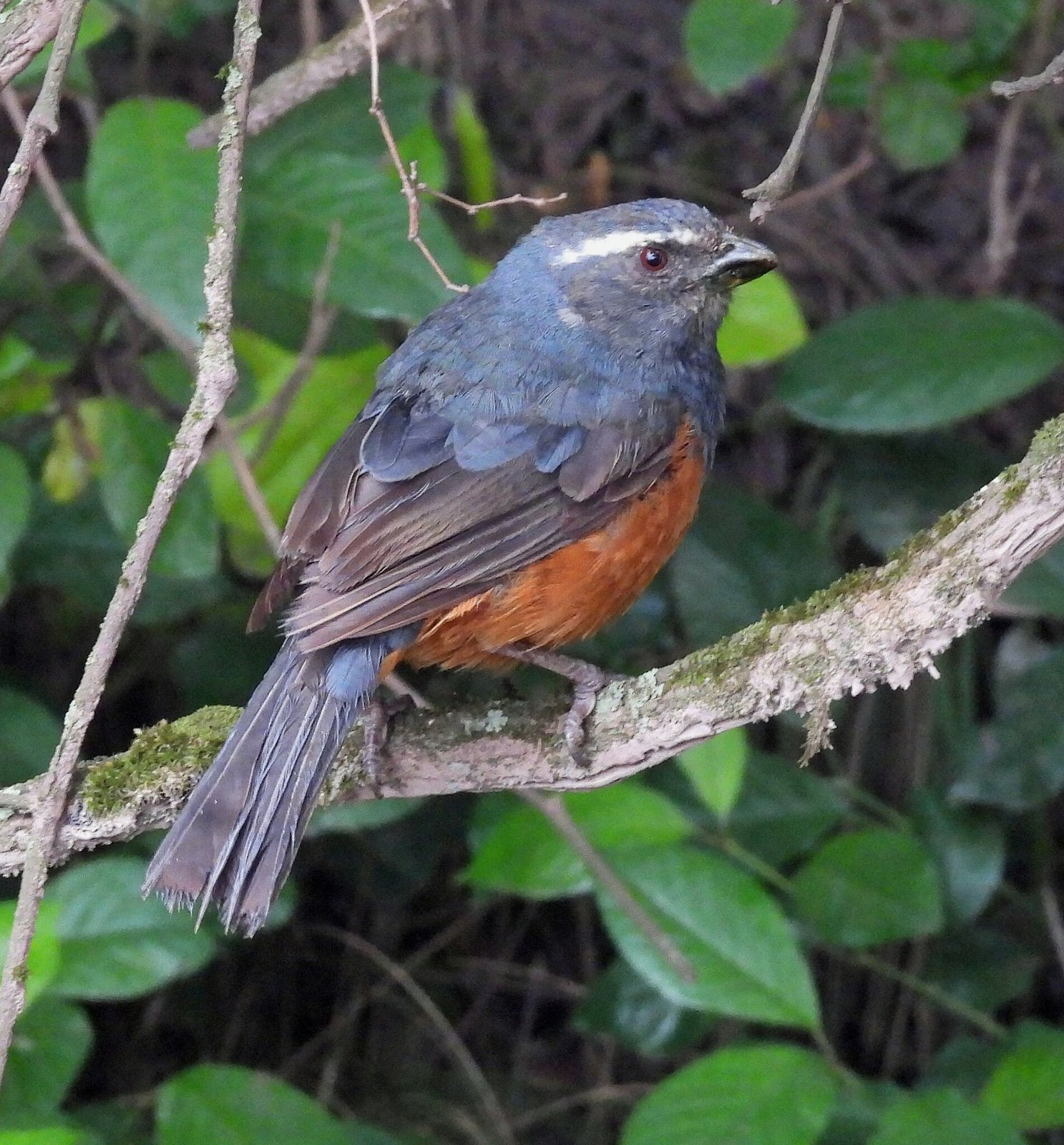
Chrysothlypis 1 species
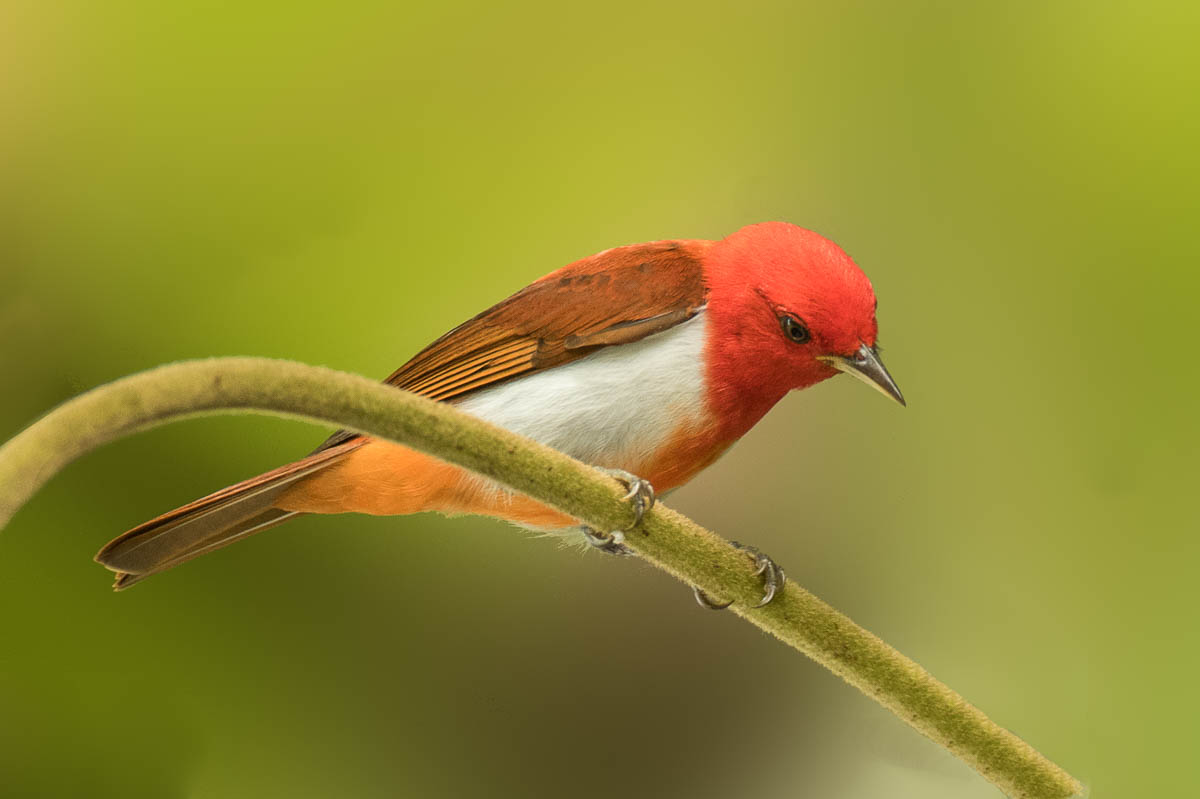
Thraupis 4 species
-
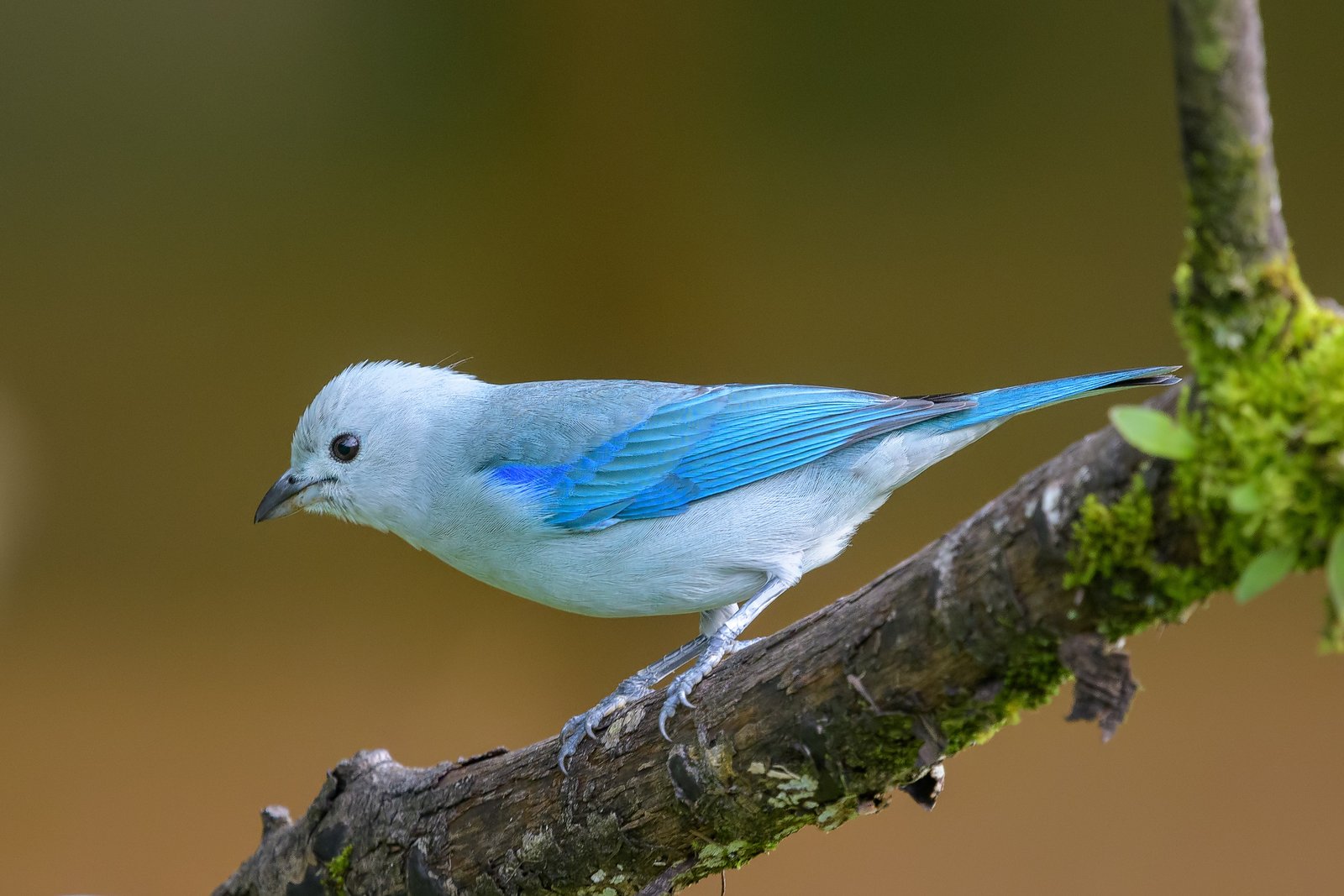
Blue-grey Tanager
Thraupis episcopus- Secondary forest and forest edge
- Towns, cities and parks
- Coffee, cacao and agroforestry
- Várzea, igapó and river islands
- Western Ecuador humid forest
- Amazonian terra firme rainforest
-
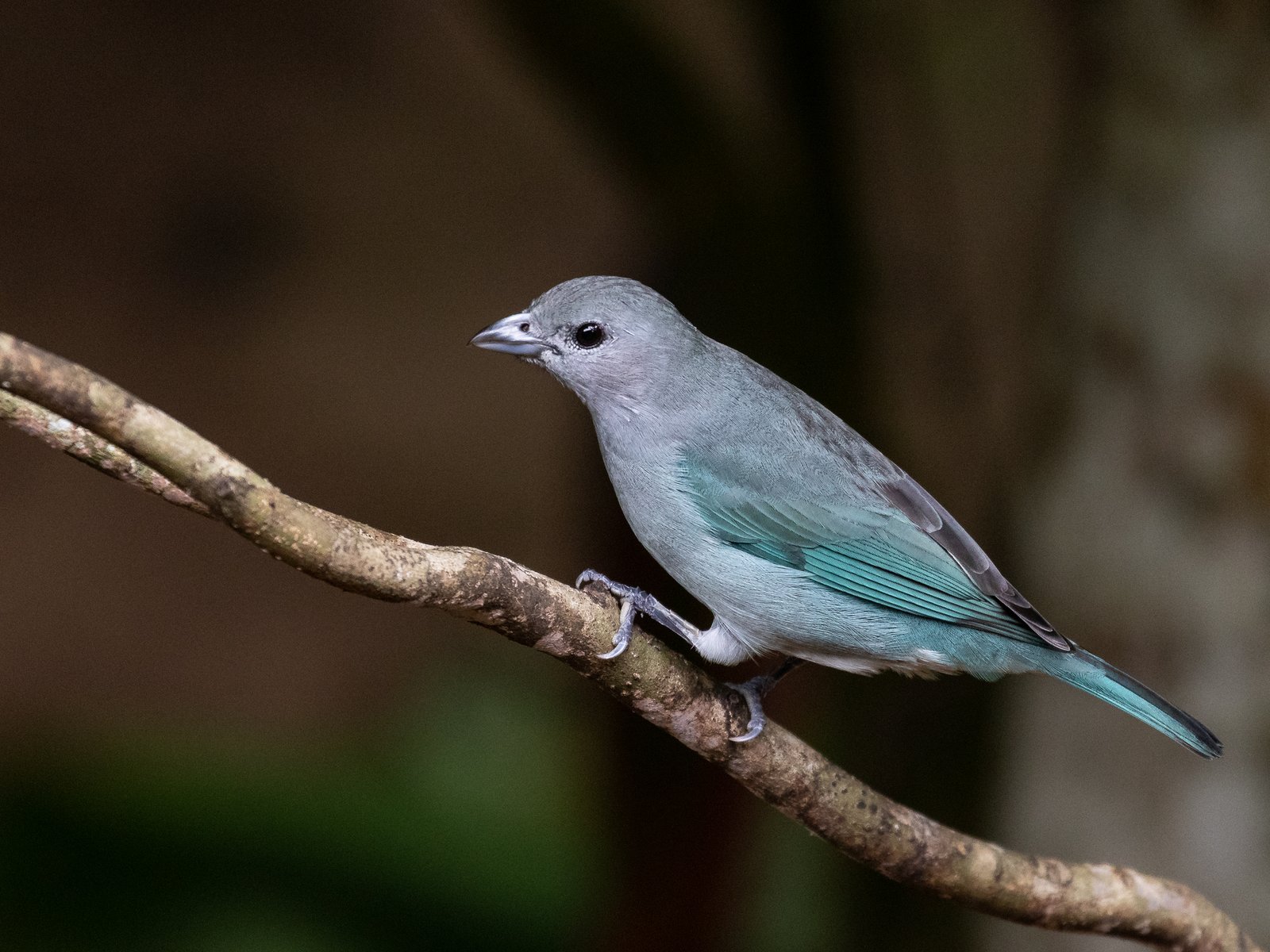
Sayaca Tanager
Thraupis sayaca- Secondary forest and forest edge
- Towns, cities and parks
- Chiquitano dry forest and Chaco
- Lower Yungas forest
- Riparian woodland of the Andes and coastal valleys
- Central Andean dry valleys
-
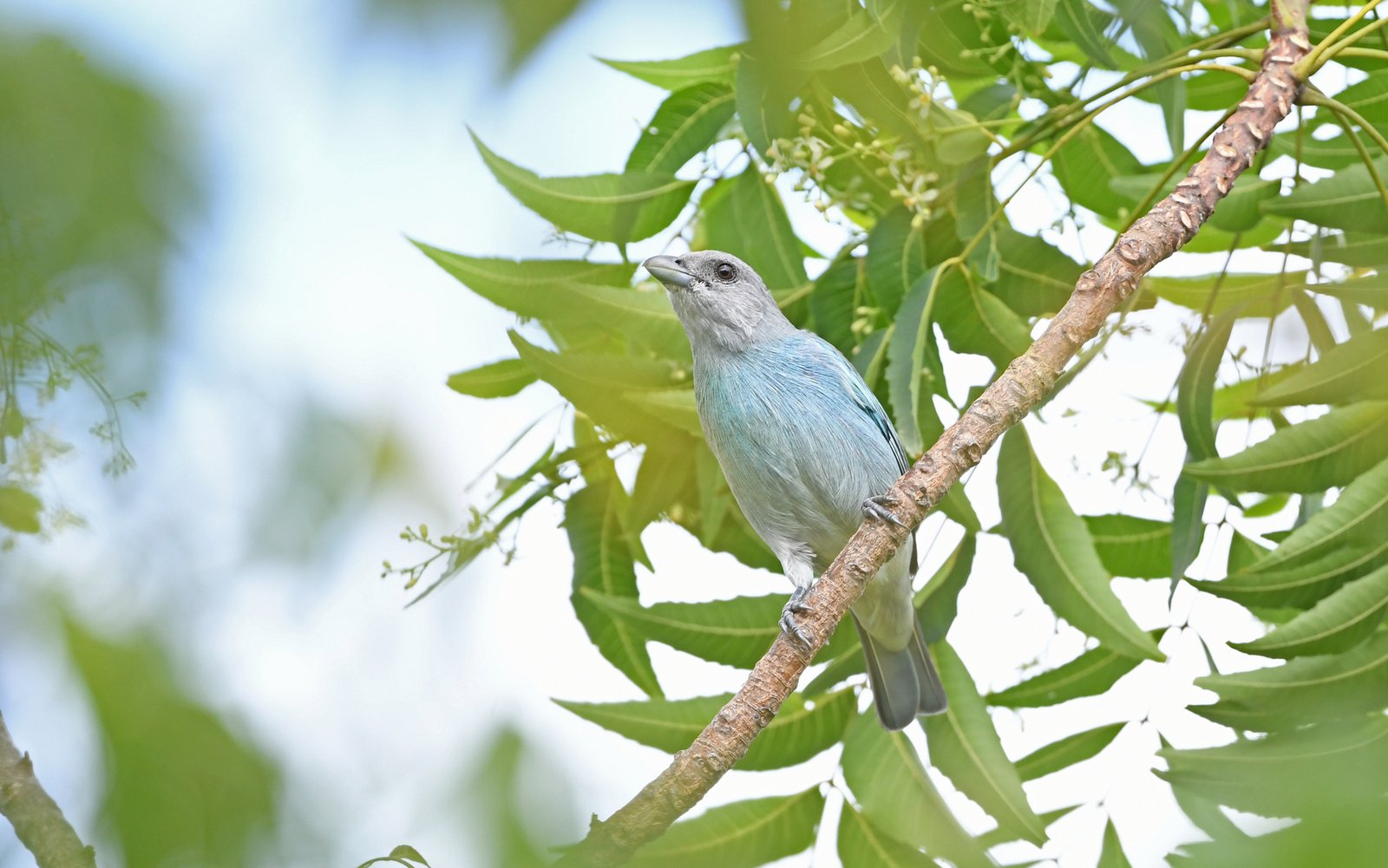
Glaucous Tanager
Thraupis glaucocolpa- Marañón and northern inter-Andean dry forest
- Secondary forest and forest edge
- Pasture and ranchland
- Towns, cities and parks
- Riparian woodland of the Andes and coastal valleys
-
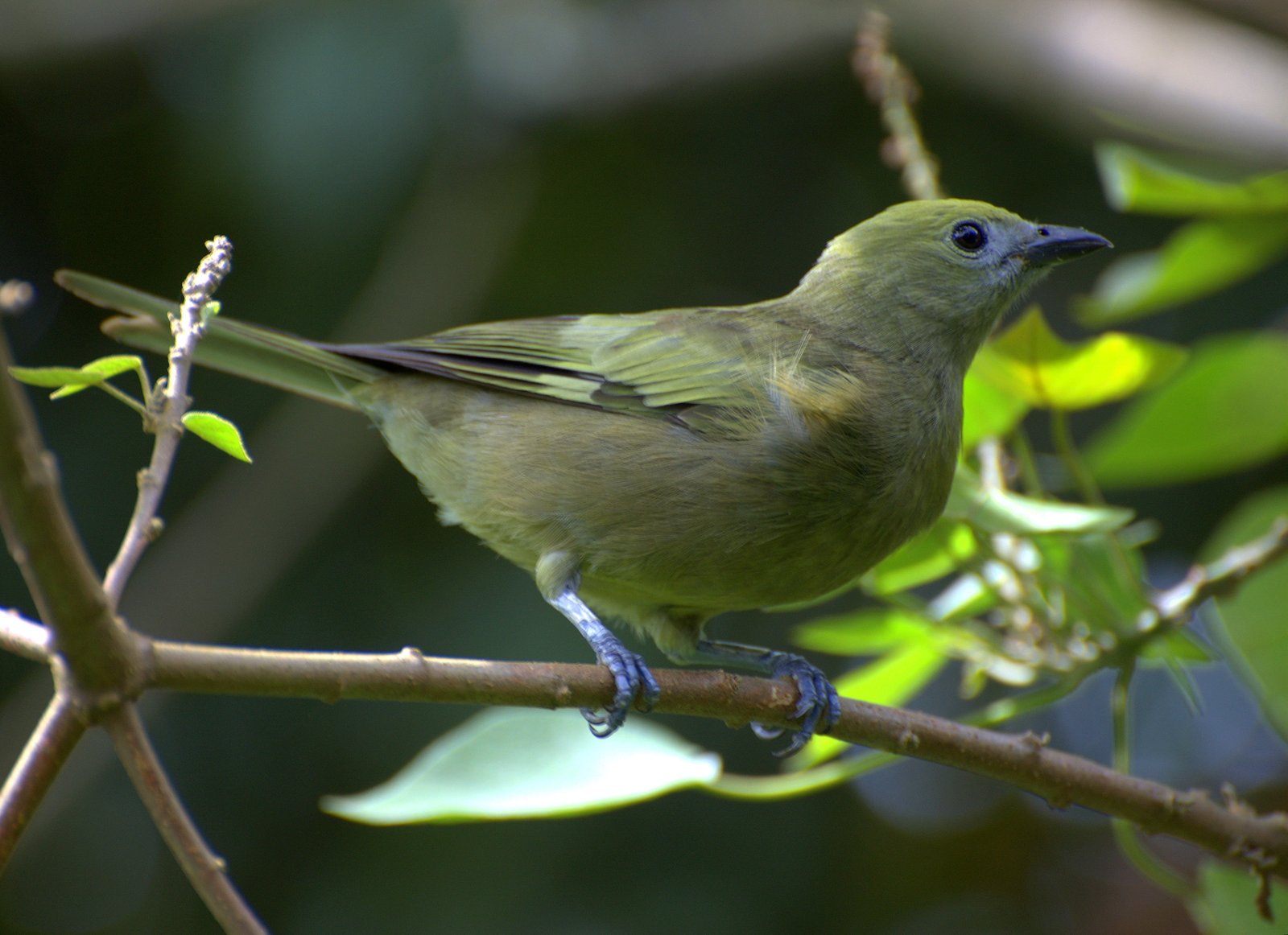
Palm Tanager
Thraupis palmarum- Secondary forest and forest edge
- Towns, cities and parks
 Banana, oil palm and tree plantations
- Palm swamps and swamp forest
- Amazonian terra firme rainforest
- Western Ecuador humid forest
- Coffee, cacao and agroforestry
Rhodospingus 1 species
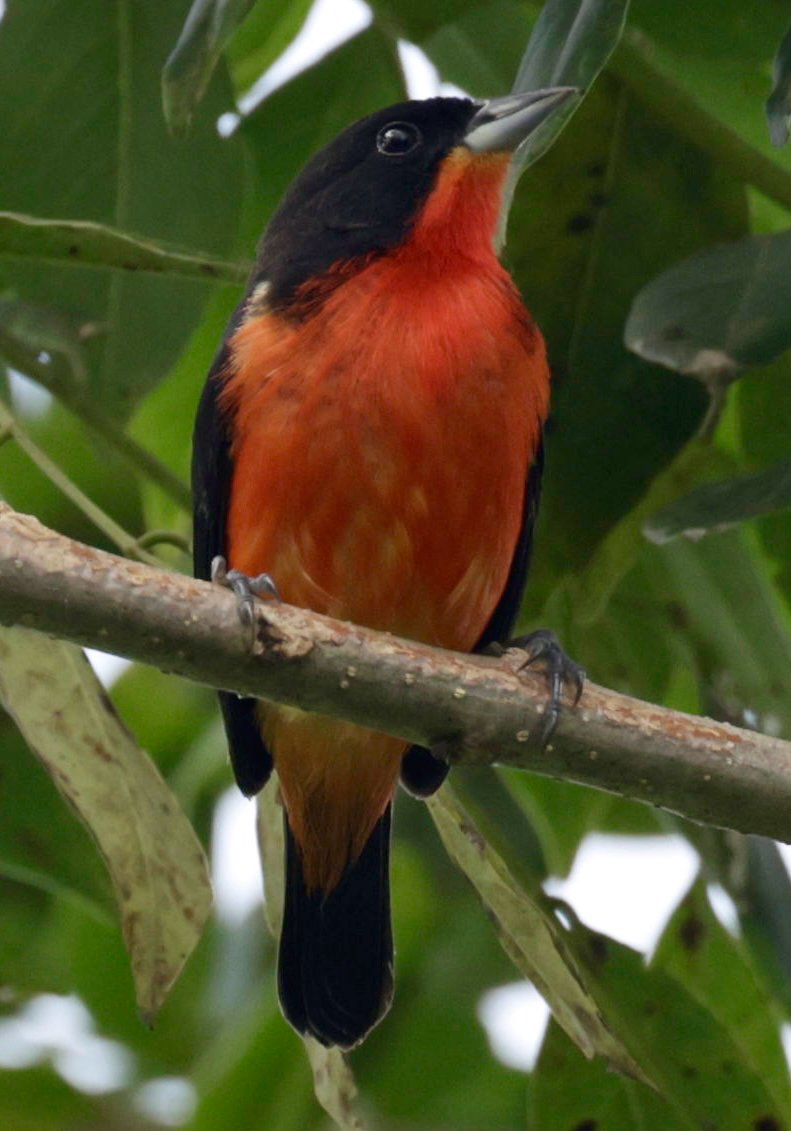
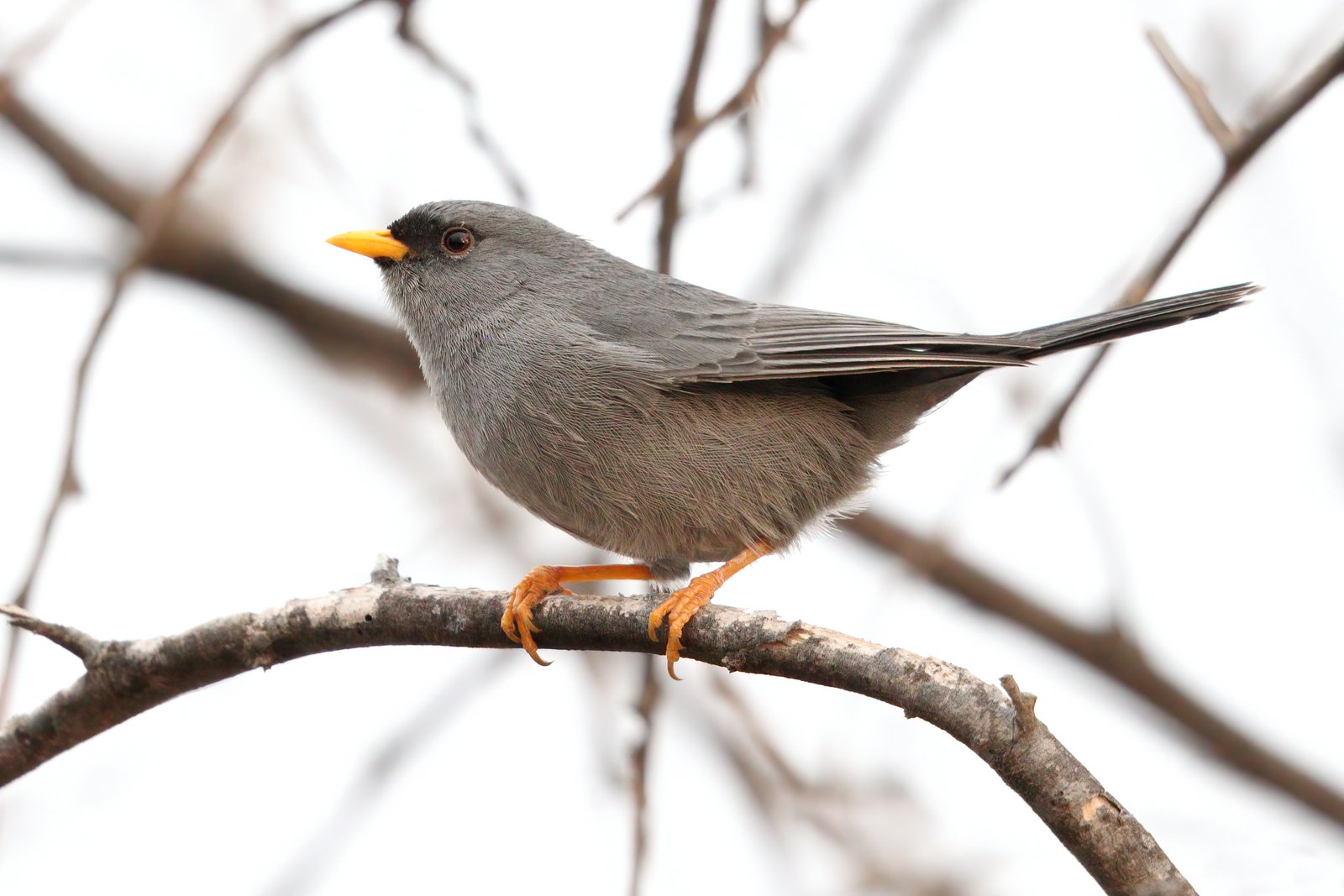
Xenospingus 1 species
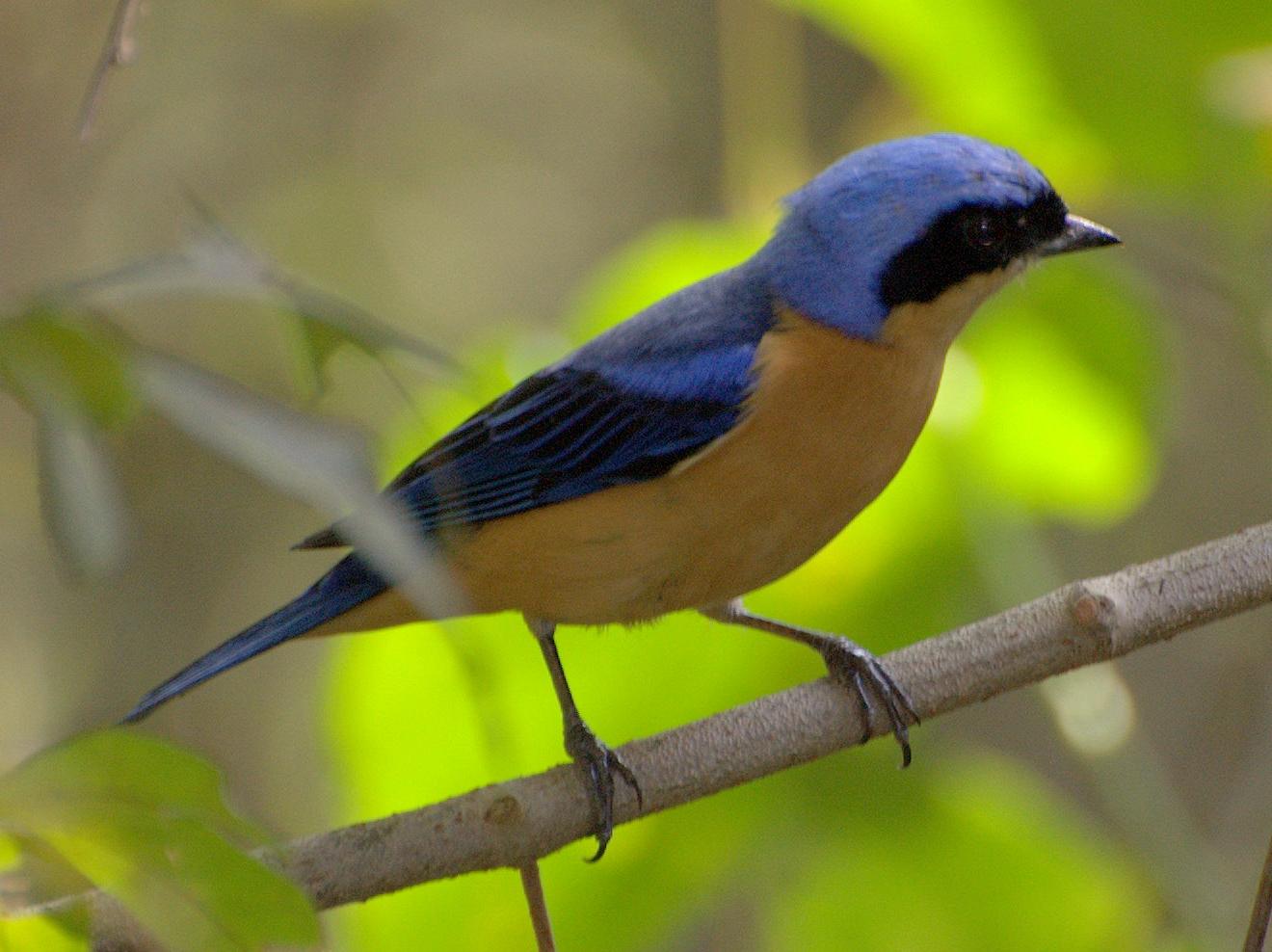
Tachyphonus 4 species
-

Fulvous-crested Tanager
Tachyphonus surinamus- Amazonian terra firme rainforest
- Secondary forest and forest edge
- Várzea, igapó and river islands
- Eastern Andean foothill forest
-
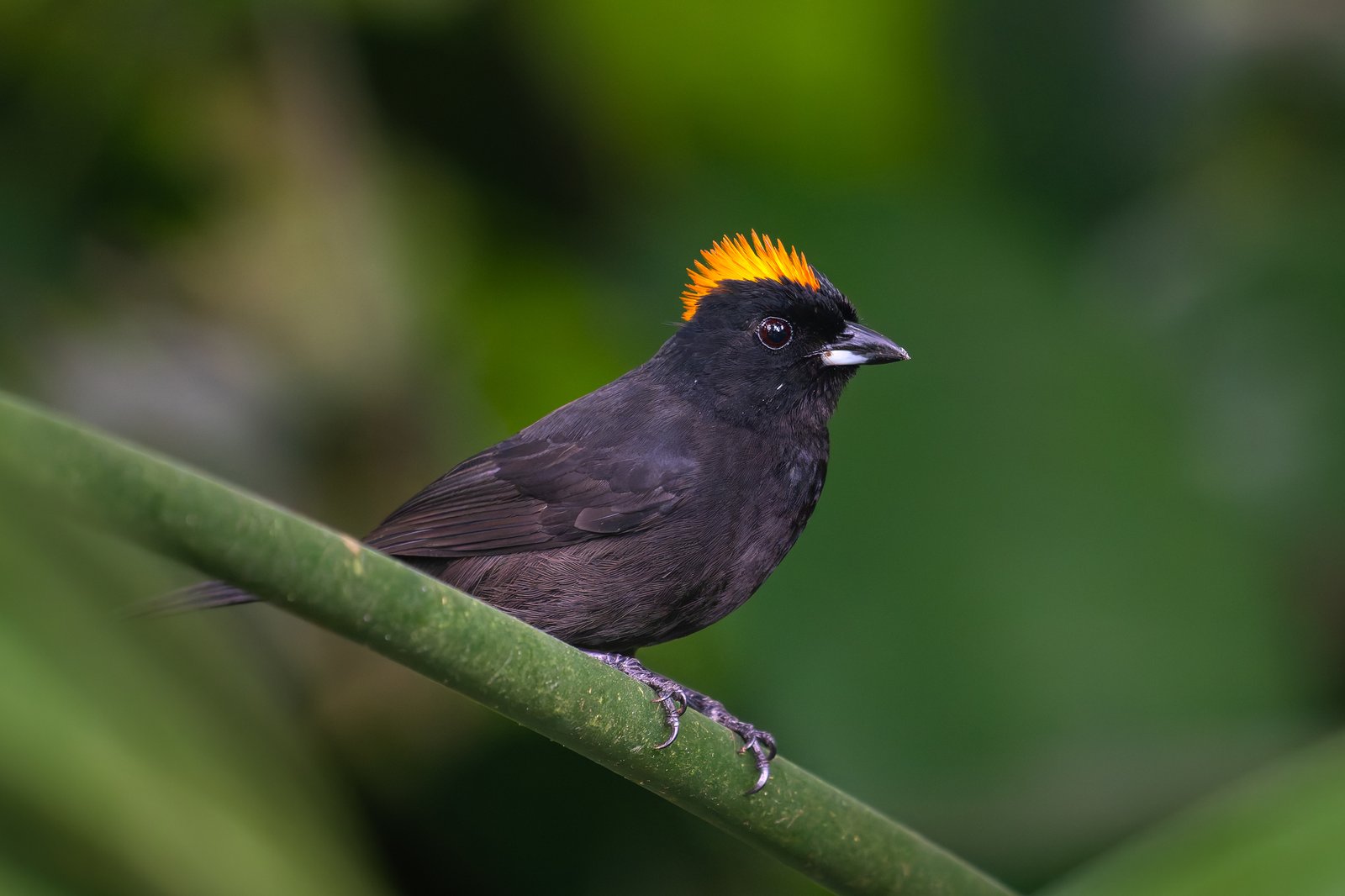
Tawny-crested Tanager
Tachyphonus delatrii- Chocó rainforest
- Western Ecuador humid forest
- Northern Andean subtropical forest
- Secondary forest and forest edge
-
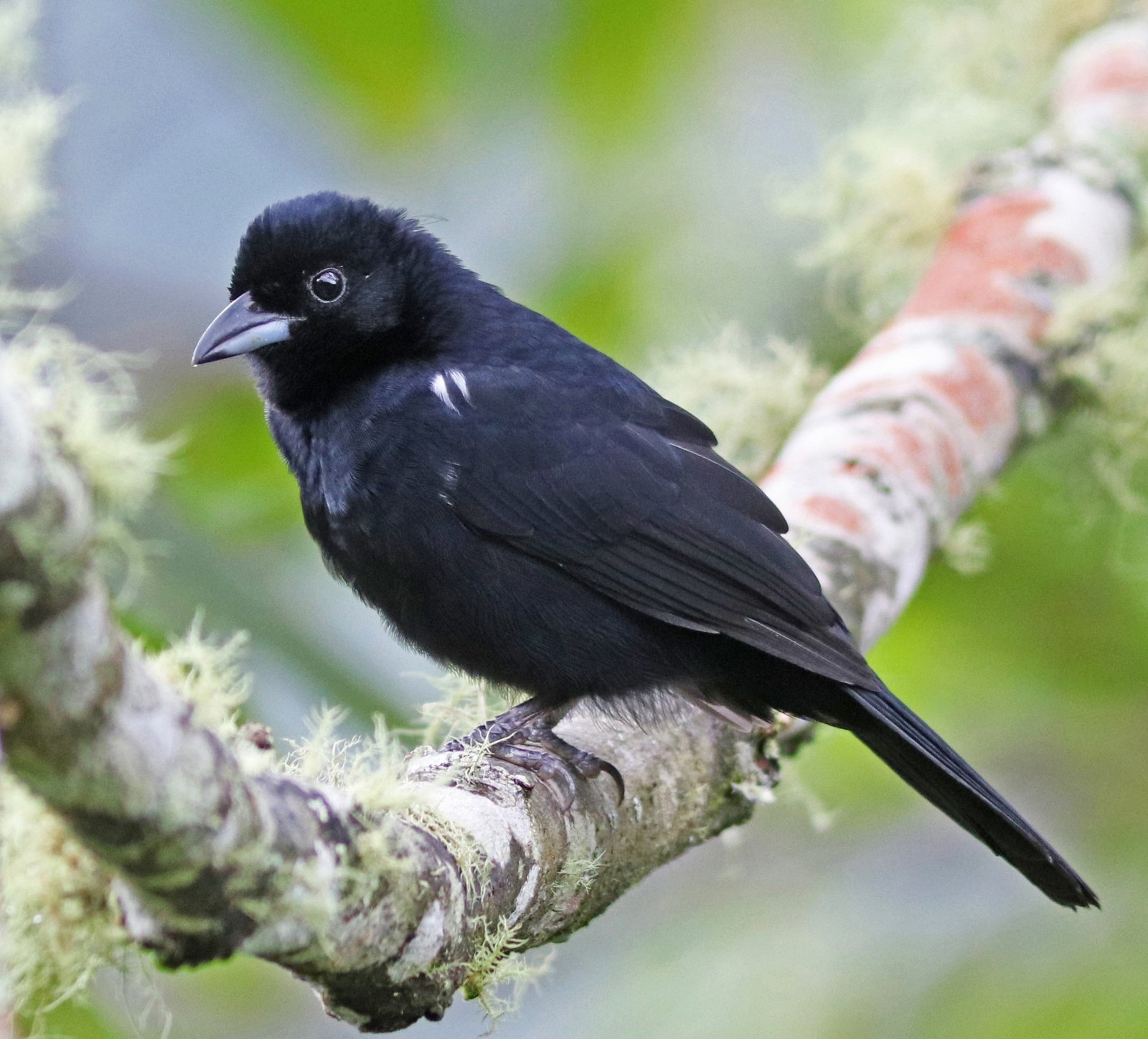
White-lined Tanager
Tachyphonus rufus- Secondary forest and forest edge
- Coffee, cacao and agroforestry
- Pasture and ranchland
- Towns, cities and parks
- Llanos savanna
-
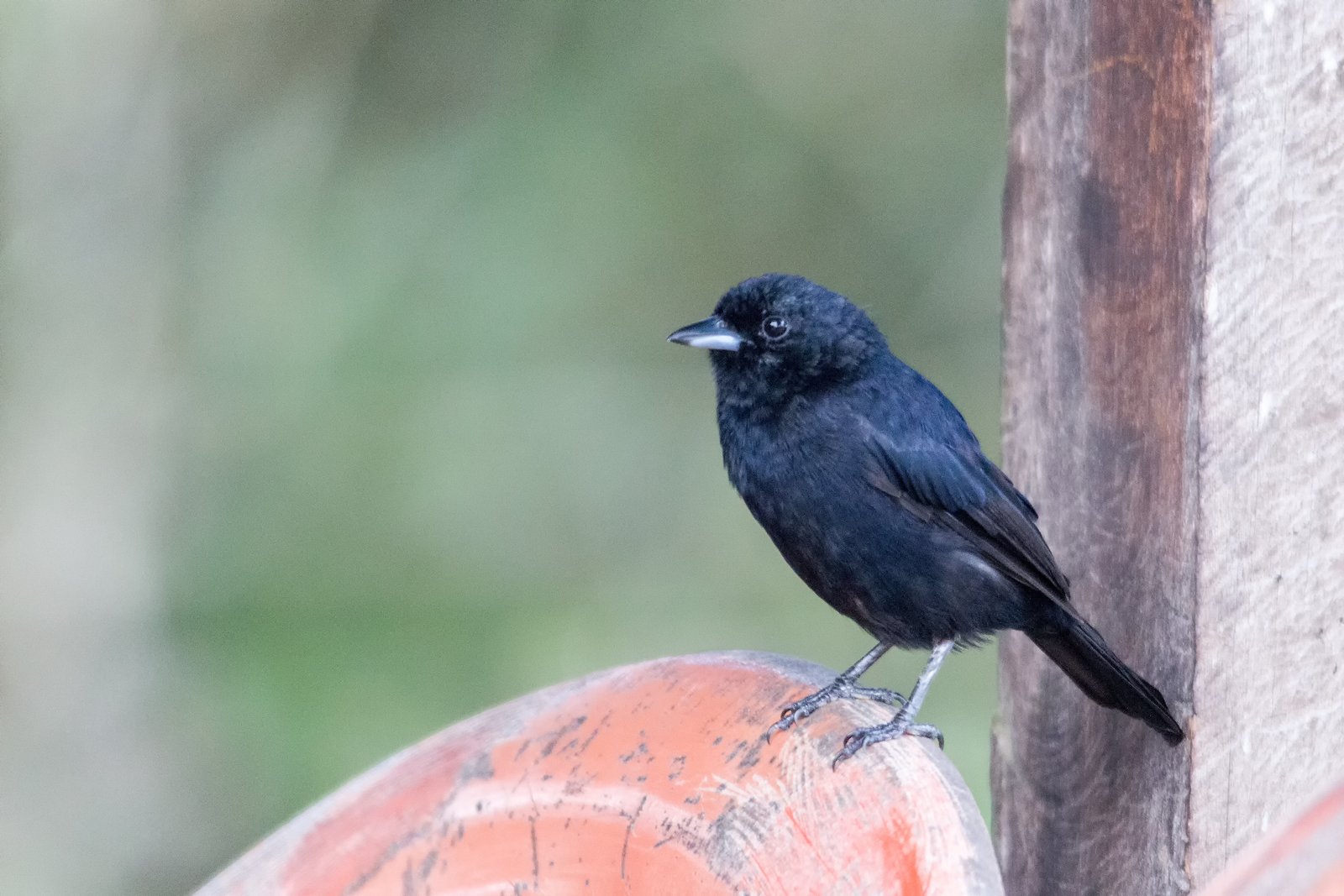
Red-shouldered Tanager
Tachyphonus phoenicius- Llanos savanna
- Beni savanna and cerrado
- Secondary forest and forest edge
Sicalis 10 species
-
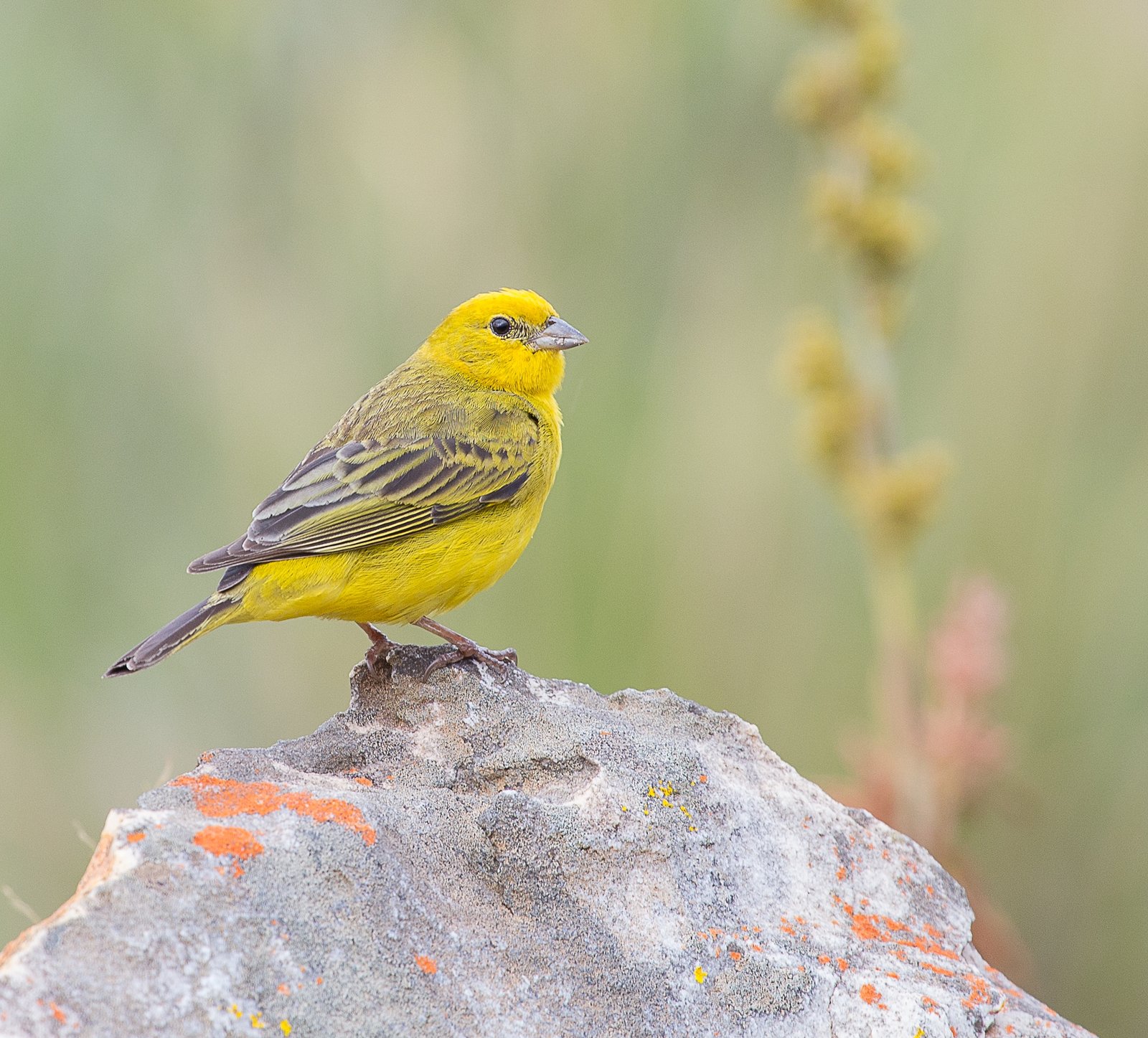
Stripe-tailed Yellow Finch
Sicalis citrina- Beni savanna and cerrado
- Central Andean dry valleys
- Pasture and ranchland
- Andean fields and terraces
-
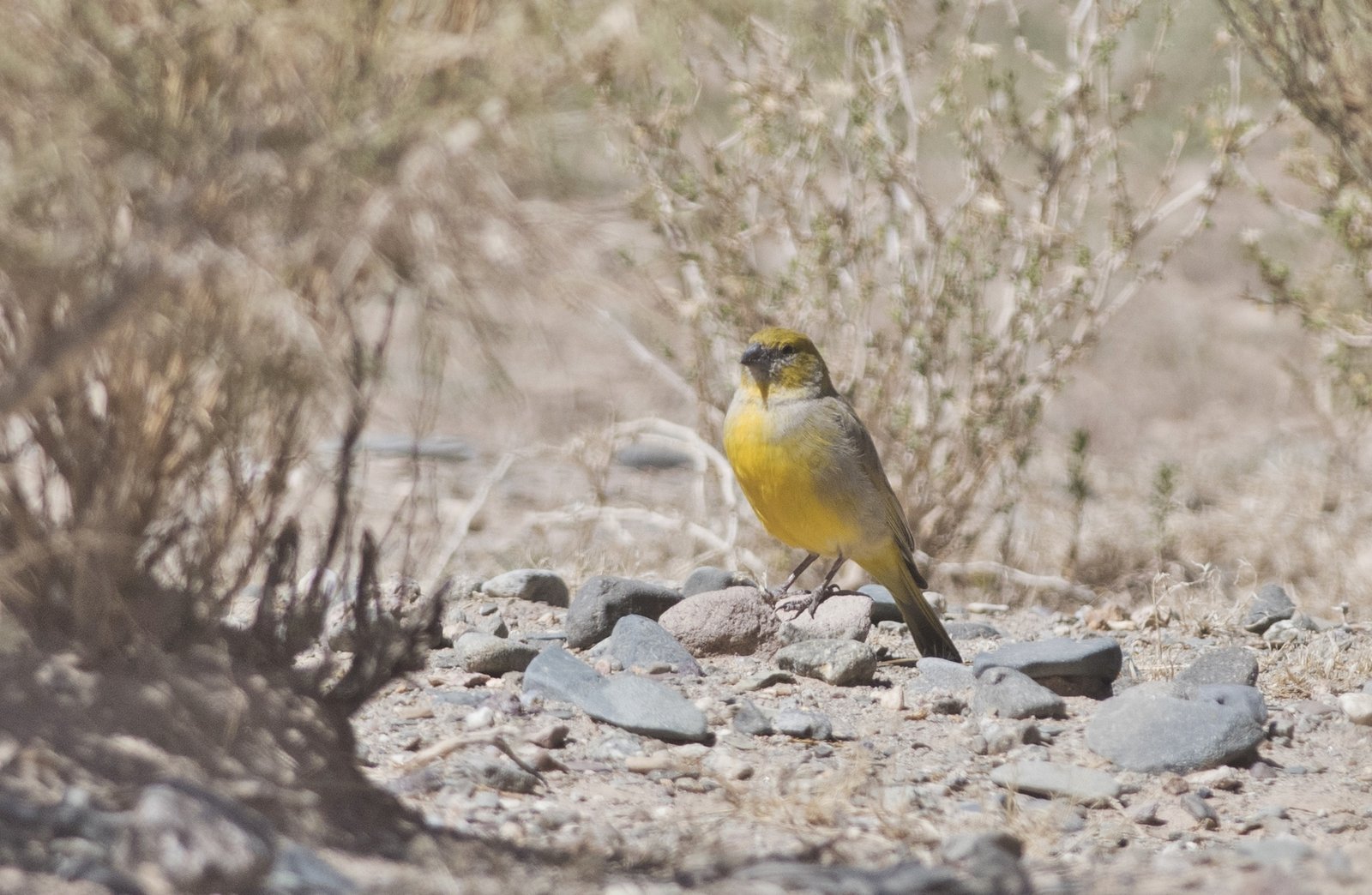
Puna Yellow Finch
Sicalis lutea Dry puna and altiplano
- Humid puna
- Andean fields and terraces
 Andean bogs and bofedales
-

Bright-rumped Yellow Finch
Sicalis uropygialis- Dry puna and altiplano
- Humid puna
- Andean fields and terraces
- Towns, cities and parks
-

Citron-headed Yellow Finch
Sicalis luteocephala- Central Andean dry valleys
- Andean fields and terraces
- Towns, cities and parks
-
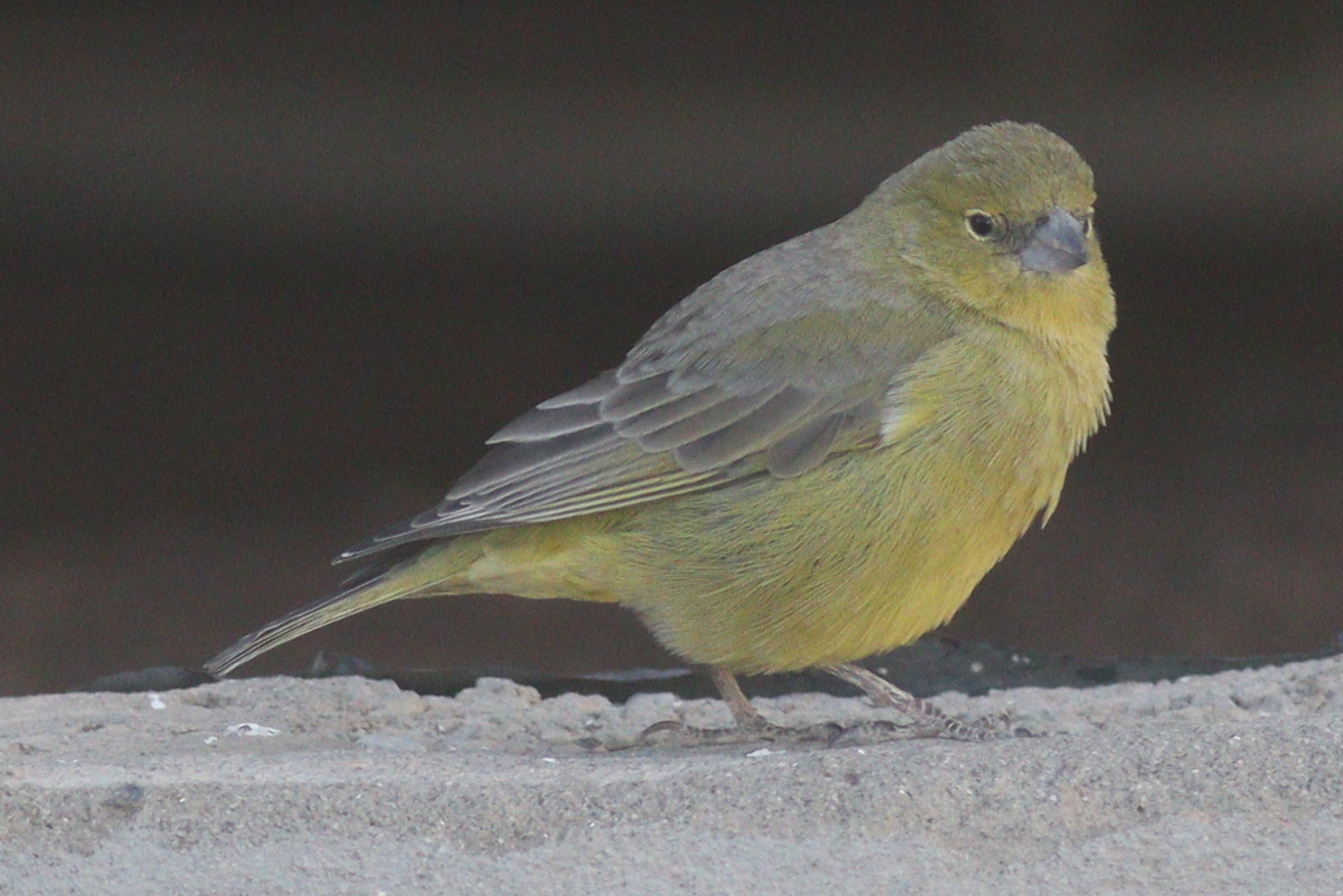
Greenish Yellow Finch
Sicalis olivascens- Central Andean dry valleys
- Andean fields and terraces
- Towns, cities and parks
- Dry puna and altiplano
-
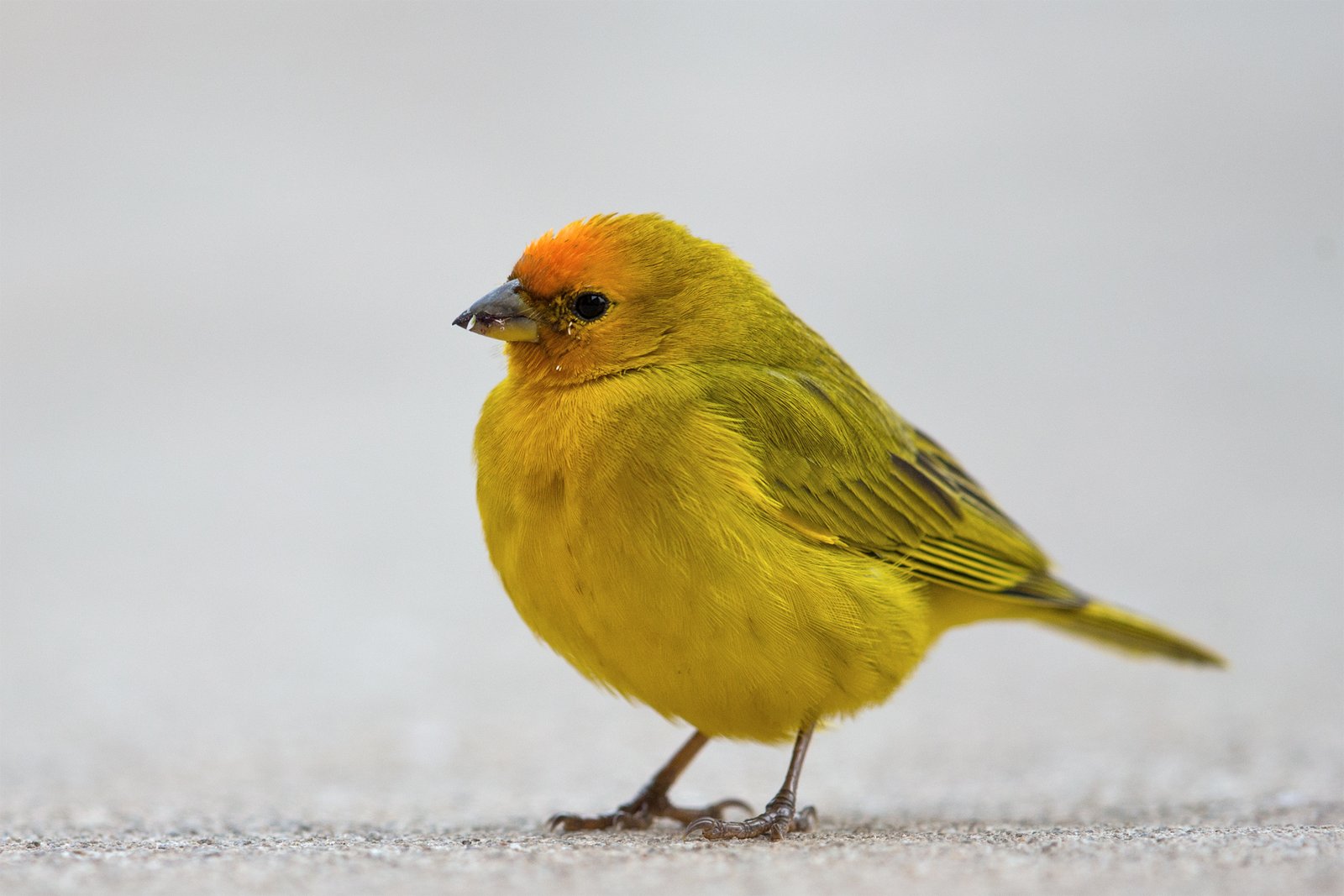
Orange-fronted Yellow Finch
Sicalis columbiana- Várzea, igapó and river islands
- Lowland rivers and sandbars
- Towns, cities and parks
- Llanos savanna
- Pasture and ranchland
-

Saffron Finch
Sicalis flaveola- Tumbesian dry forest and thorn scrub
- Pasture and ranchland
- Towns, cities and parks
- Marañón and northern inter-Andean dry forest
- Llanos savanna
- Chiquitano dry forest and Chaco
-

Grassland Yellow Finch
Sicalis luteola- Pasture and ranchland
- Llanos savanna
- Beni savanna and cerrado
- Lowland marshes and wet meadows
- Andean fields and terraces
-

Raimondi's Yellow Finch
Sicalis raimondii Lomas (fog oases)
- Central Andean dry valleys
 Coastal desert
- Marañón and northern inter-Andean dry forest
-
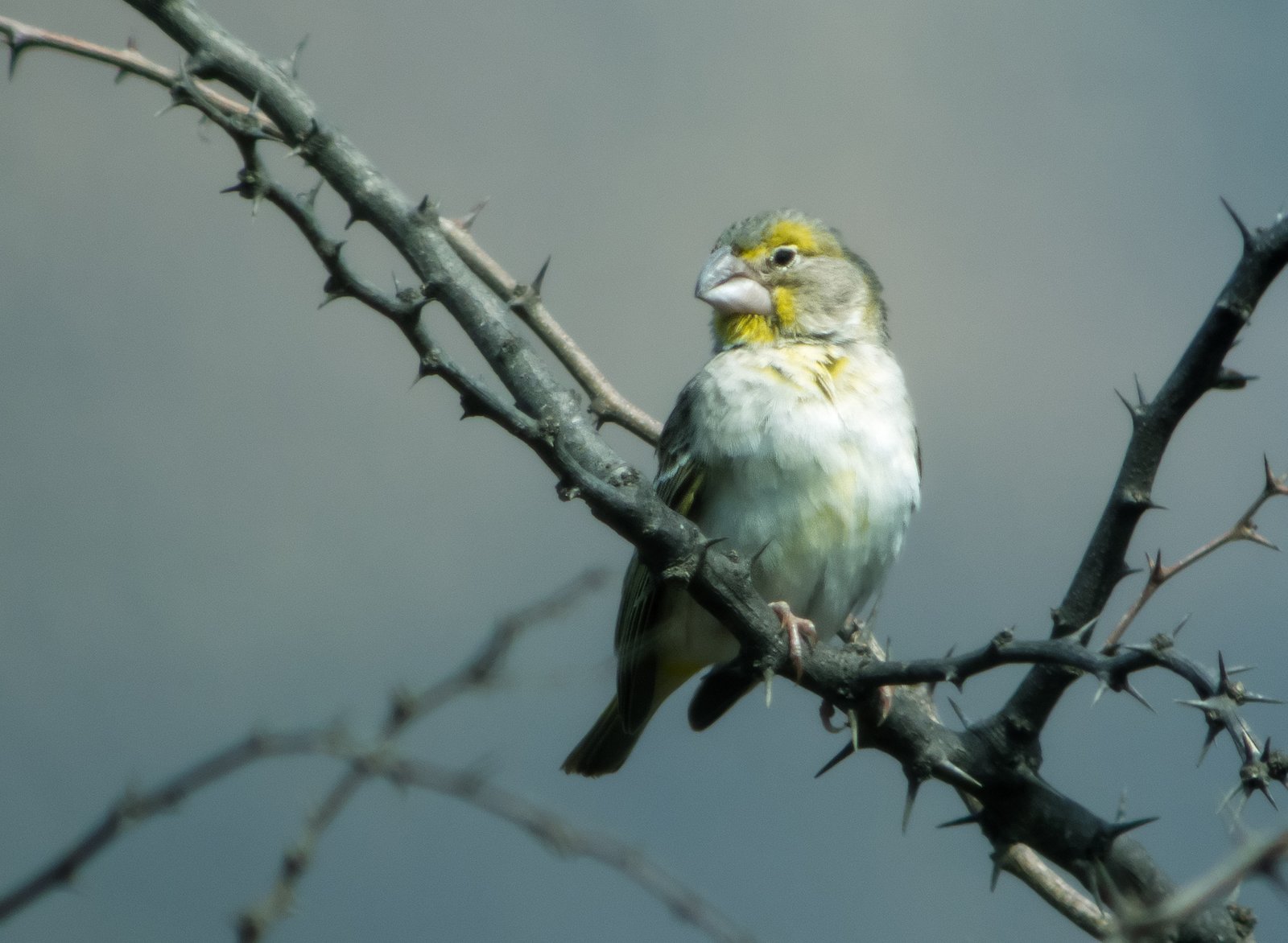
Sulphur-throated Finch
Sicalis taczanowskii- Tumbesian dry forest and thorn scrub
- Coastal desert
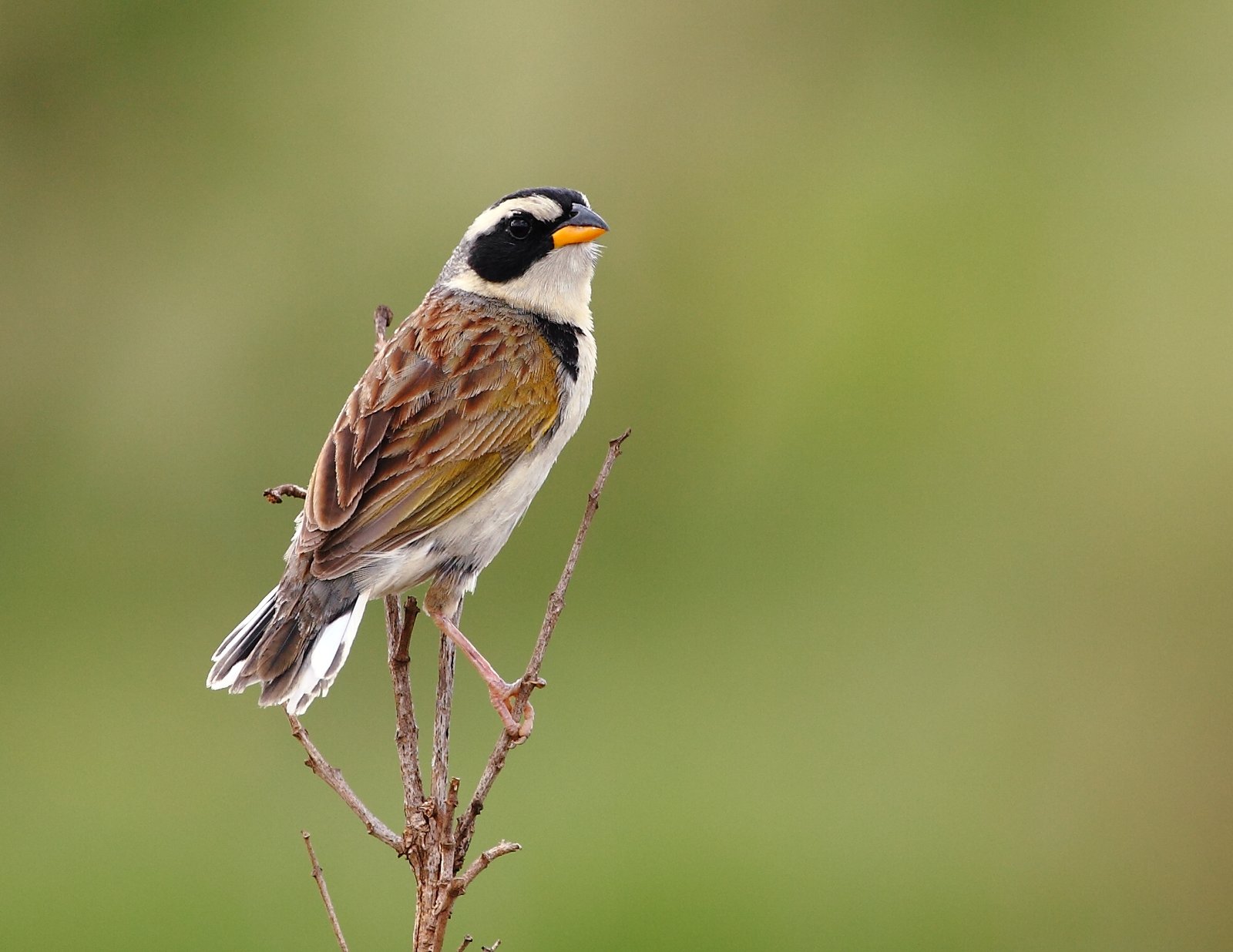
Coryphaspiza 1 species
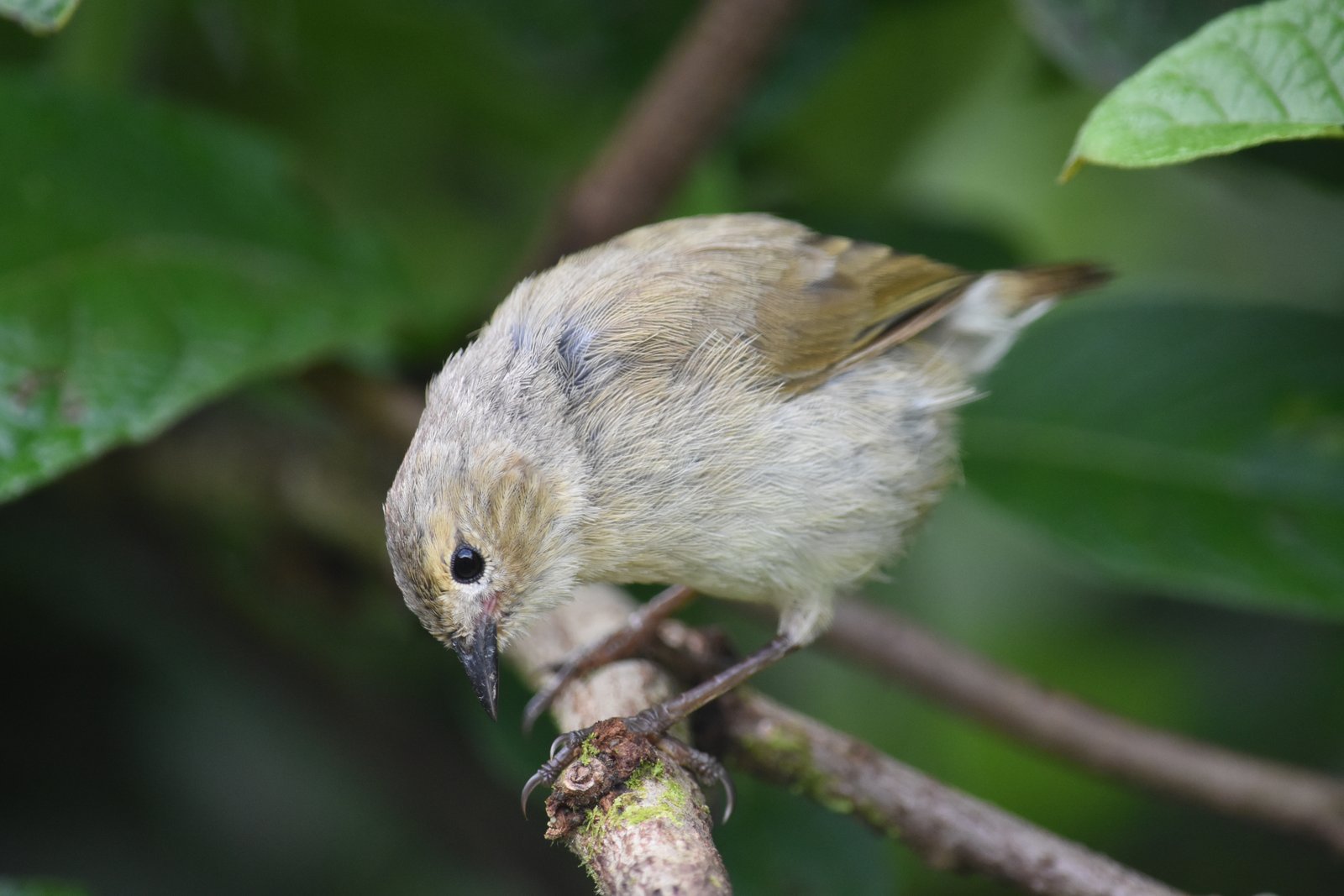
Certhidea 2 species

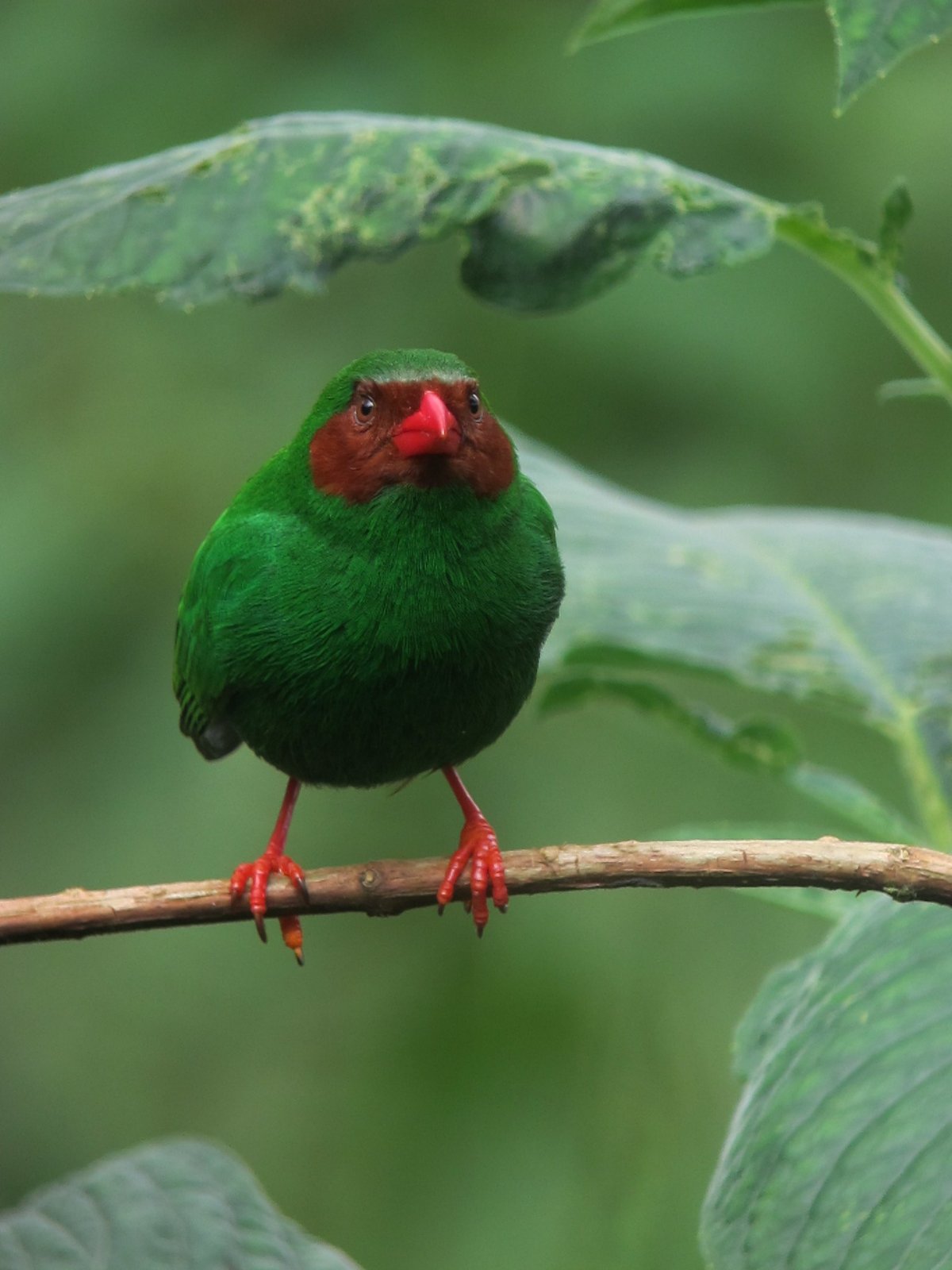
Chlorornis 1 species
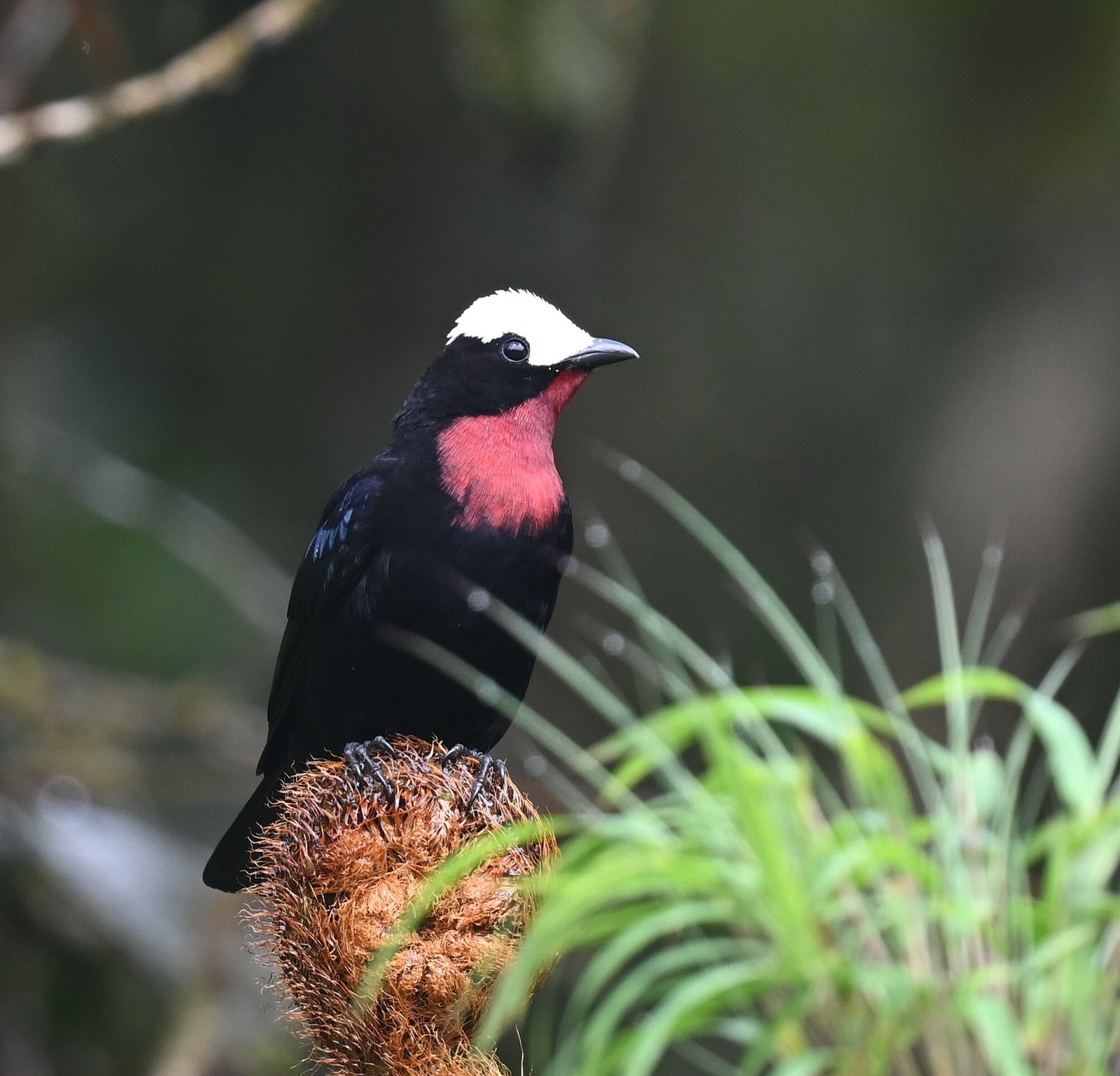
Sericossypha 1 species
Creurgops 2 species
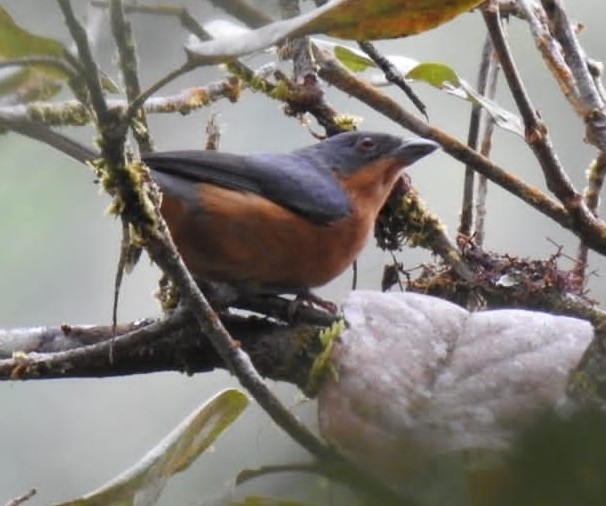
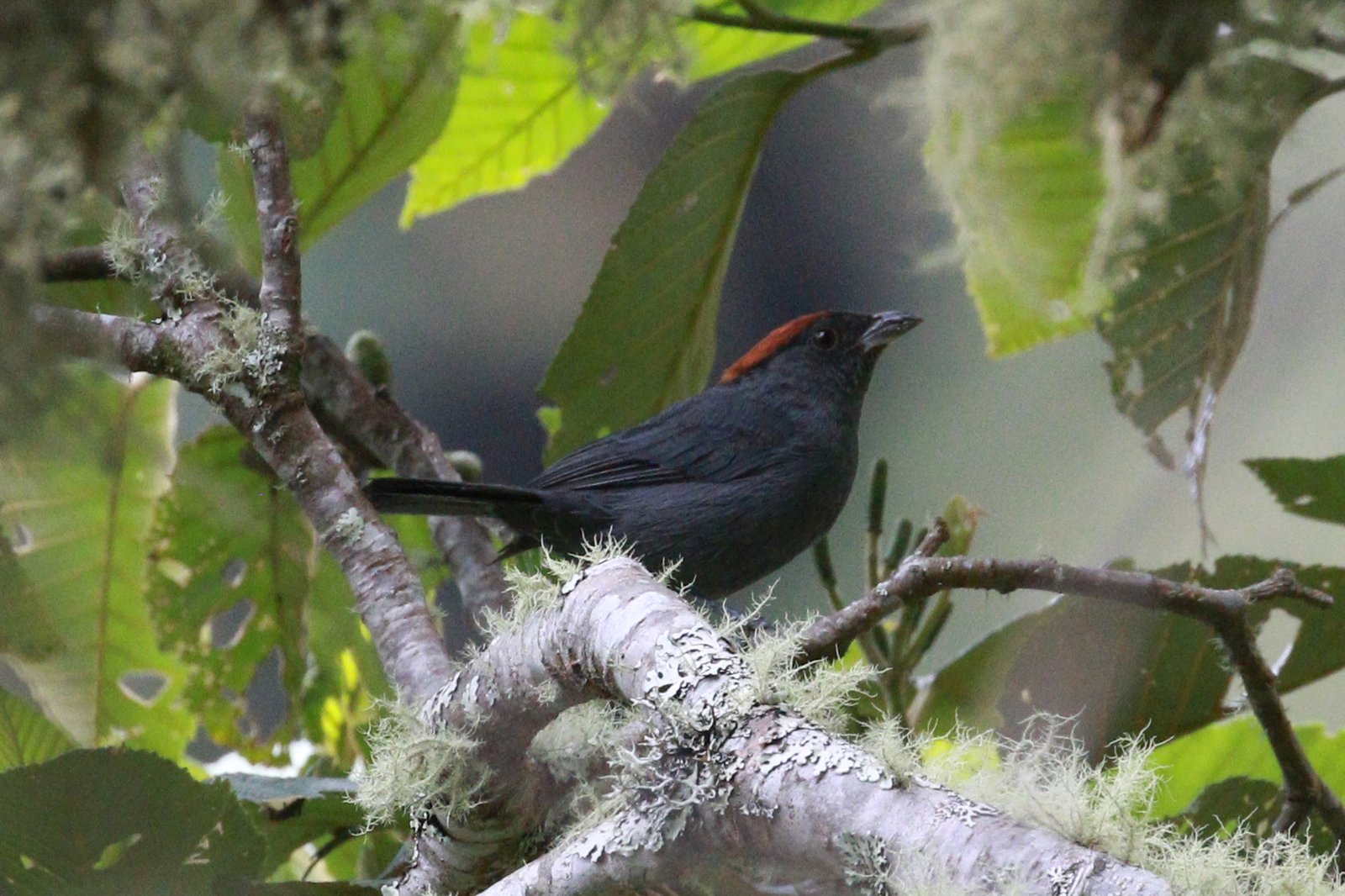
Cypsnagra 1 species
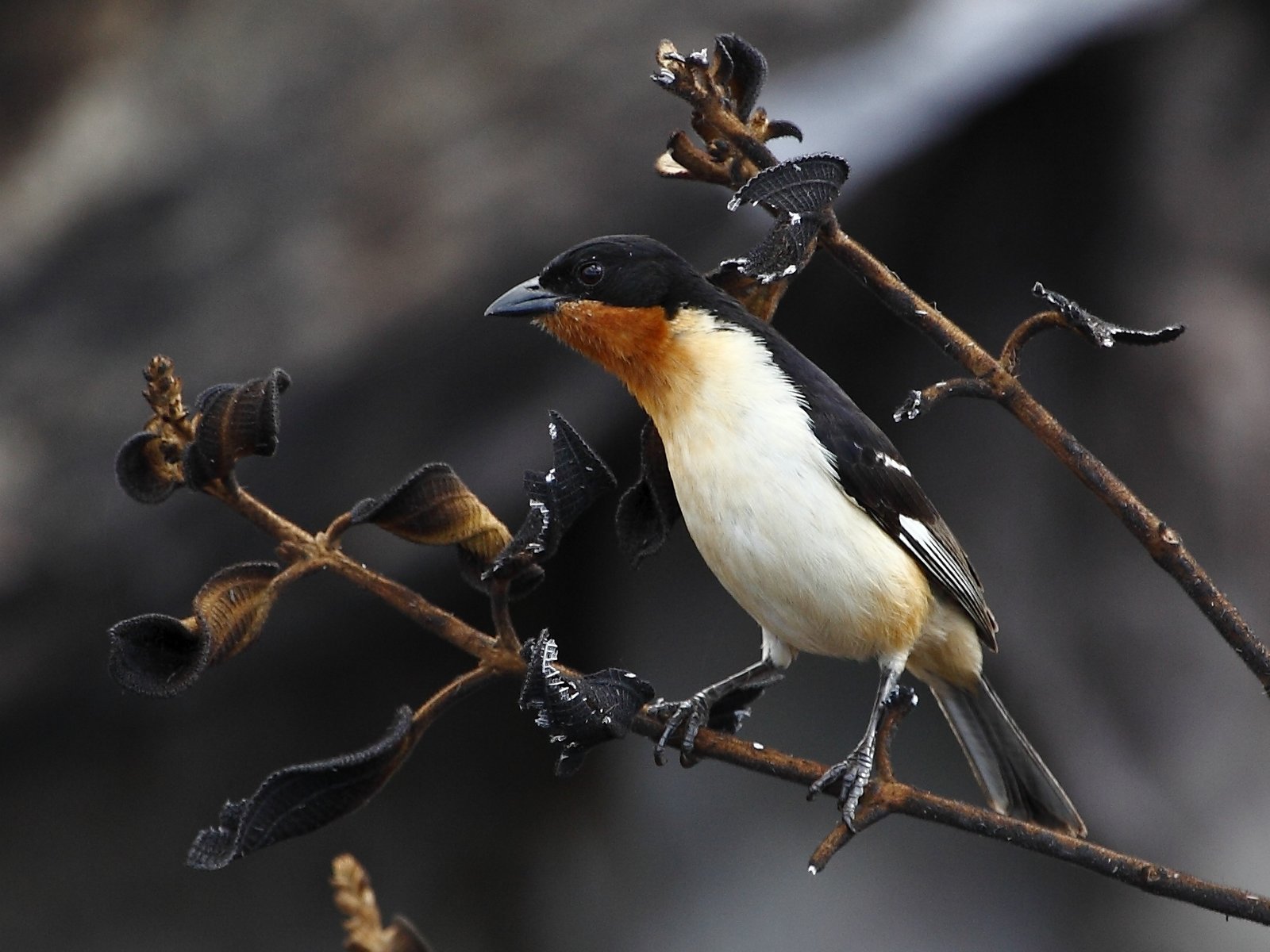
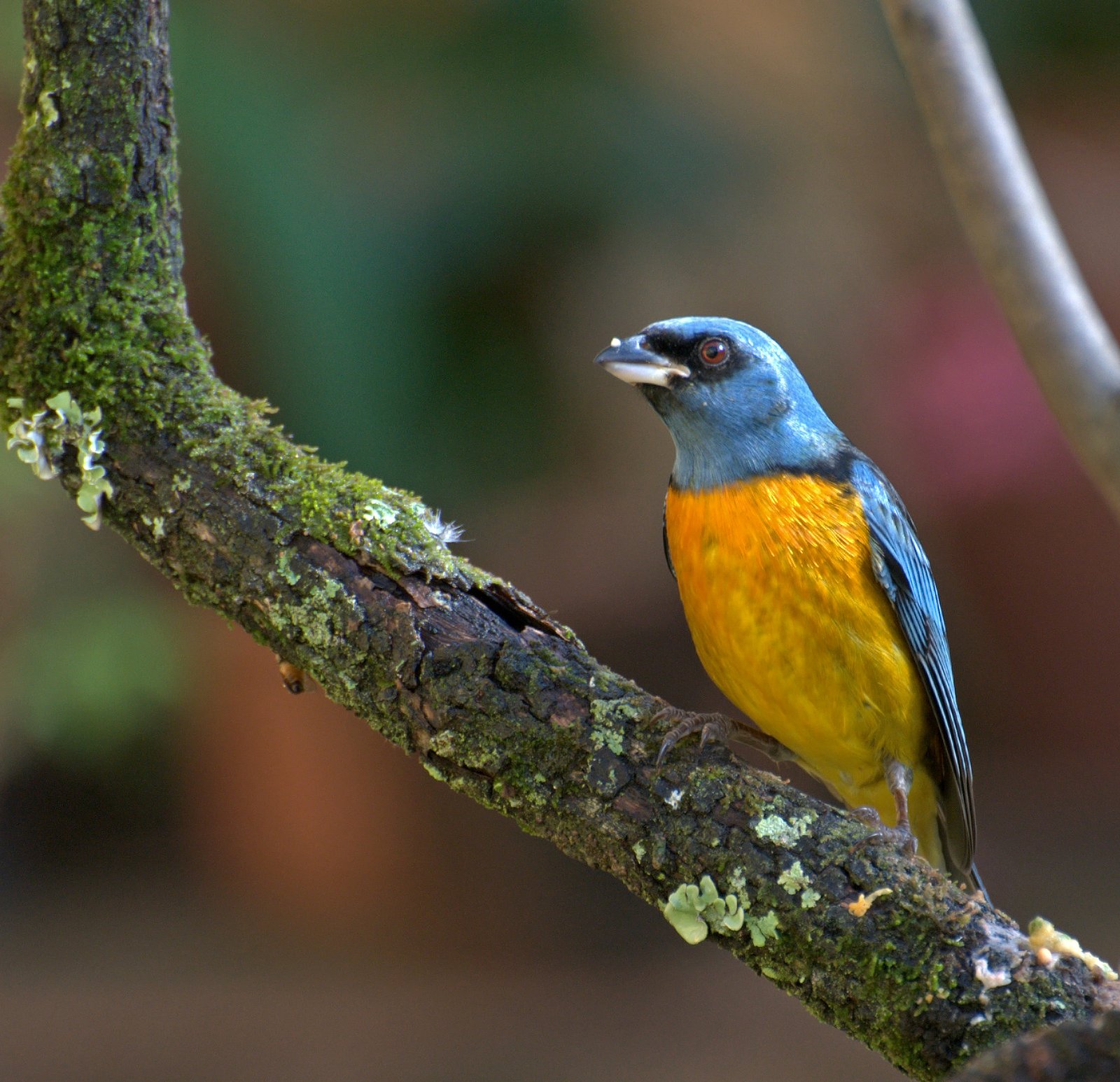
Cyanerpes 3 species
-
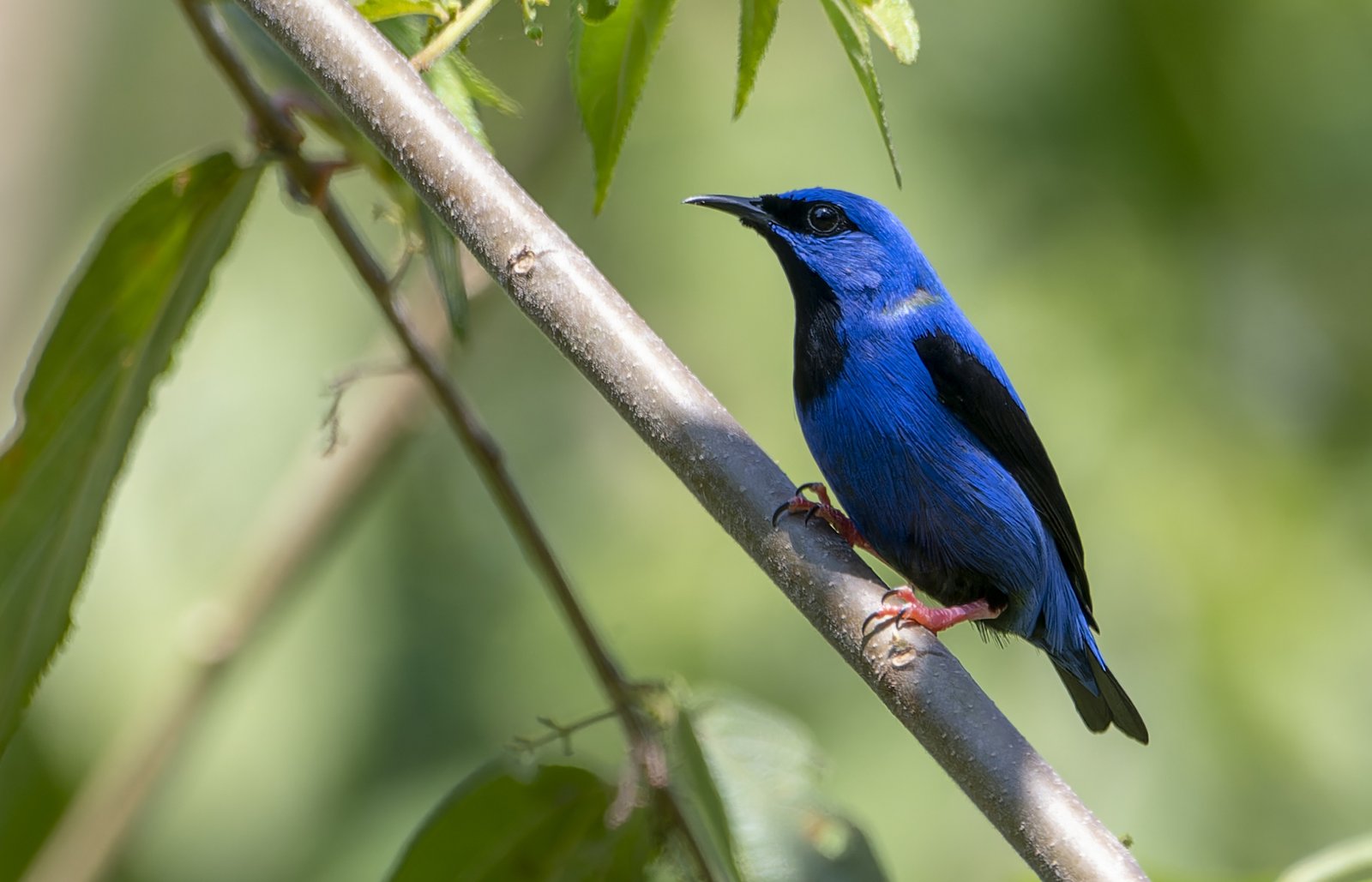
Short-billed Honeycreeper
Cyanerpes nitidus- Amazonian terra firme rainforest
- Várzea, igapó and river islands
- Secondary forest and forest edge
-
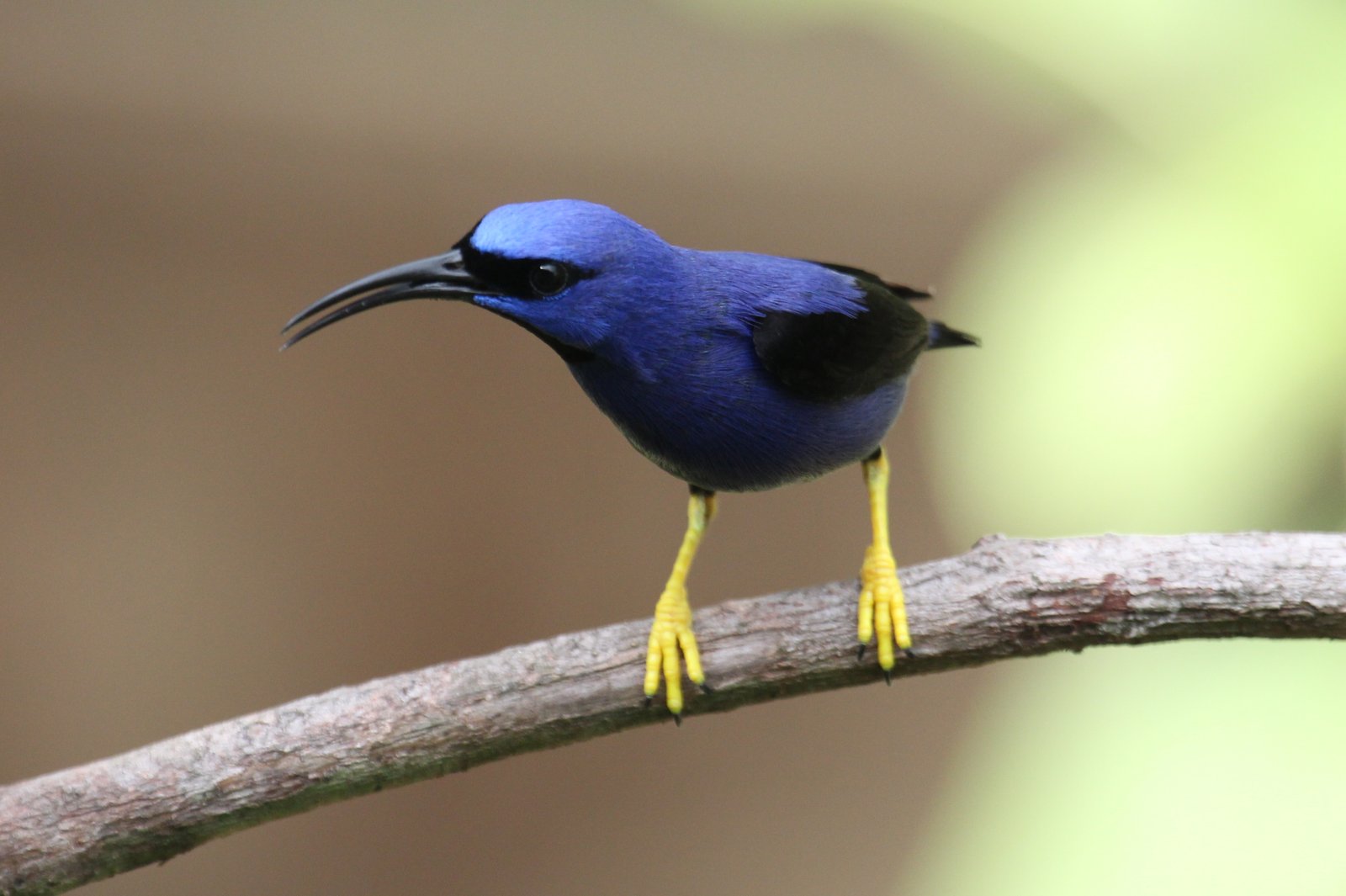
Purple Honeycreeper
Cyanerpes caeruleus- Amazonian terra firme rainforest
- Chocó rainforest
- Western Ecuador humid forest
- Eastern Andean foothill forest
- Secondary forest and forest edge
-
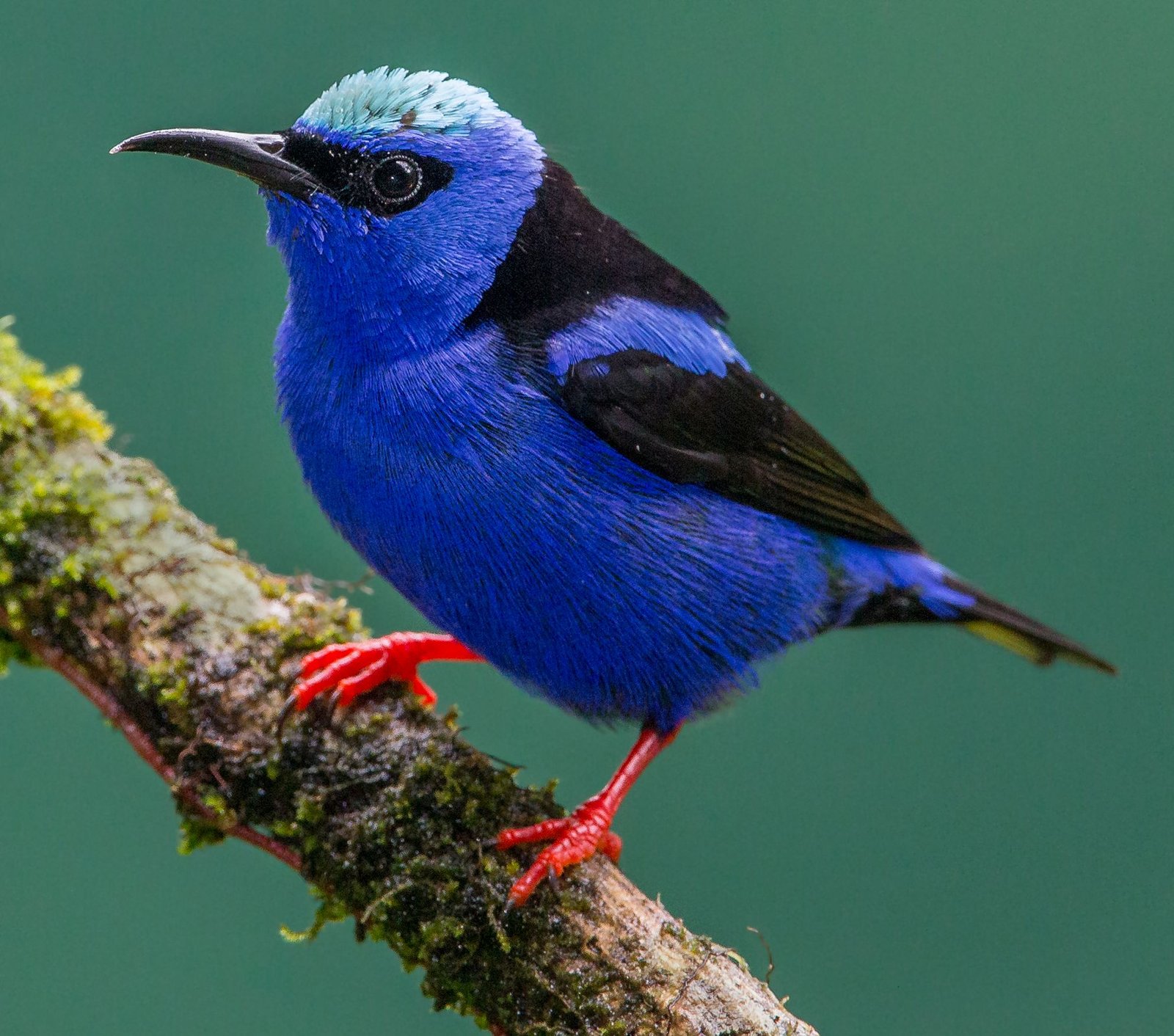
Red-legged Honeycreeper
Cyanerpes cyaneus- Secondary forest and forest edge
- Amazonian terra firme rainforest
- Chocó rainforest
- Western Ecuador humid forest
- Coffee, cacao and agroforestry
Catamblyrhynchus 1 species
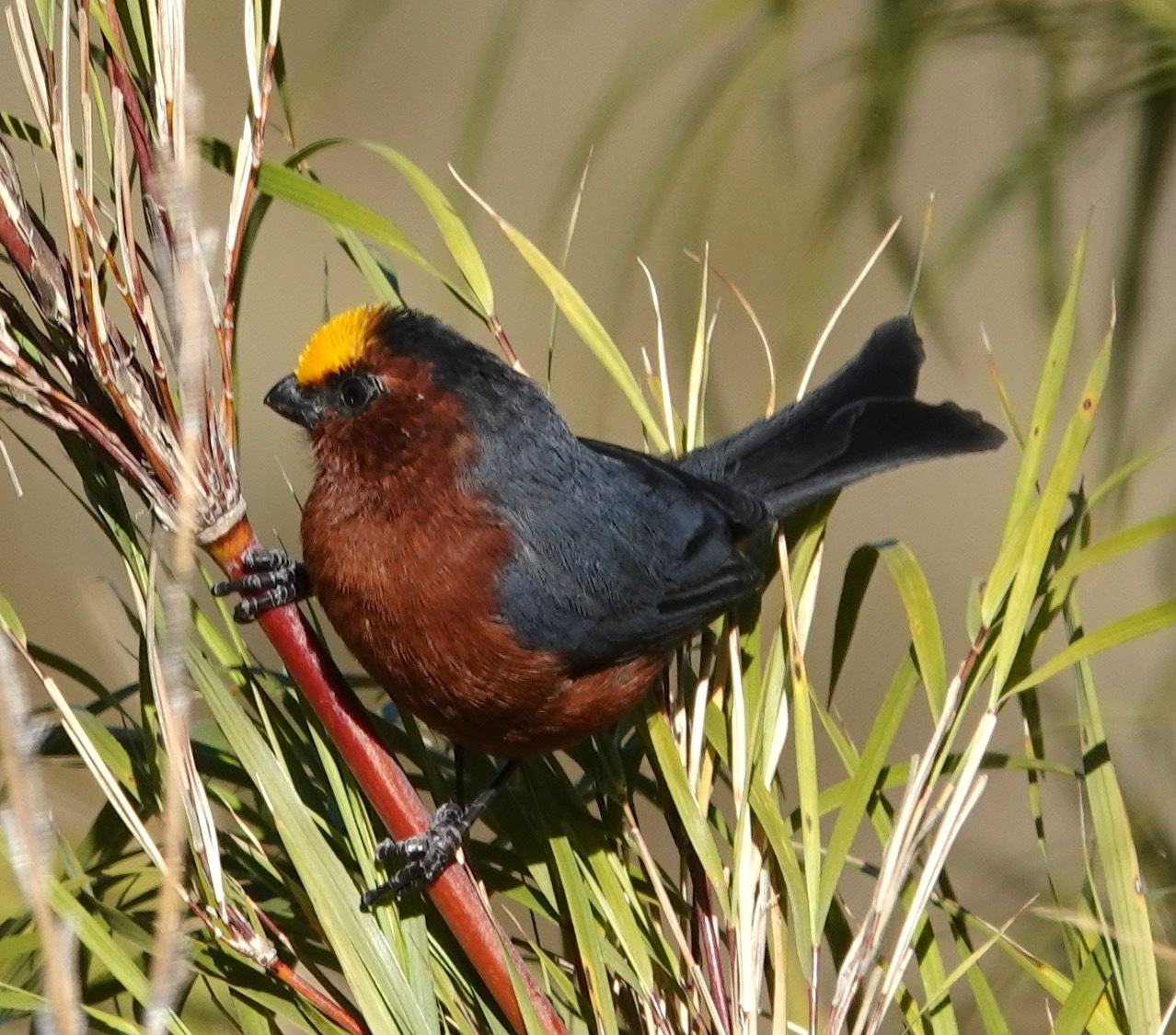
Urothraupis 1 species
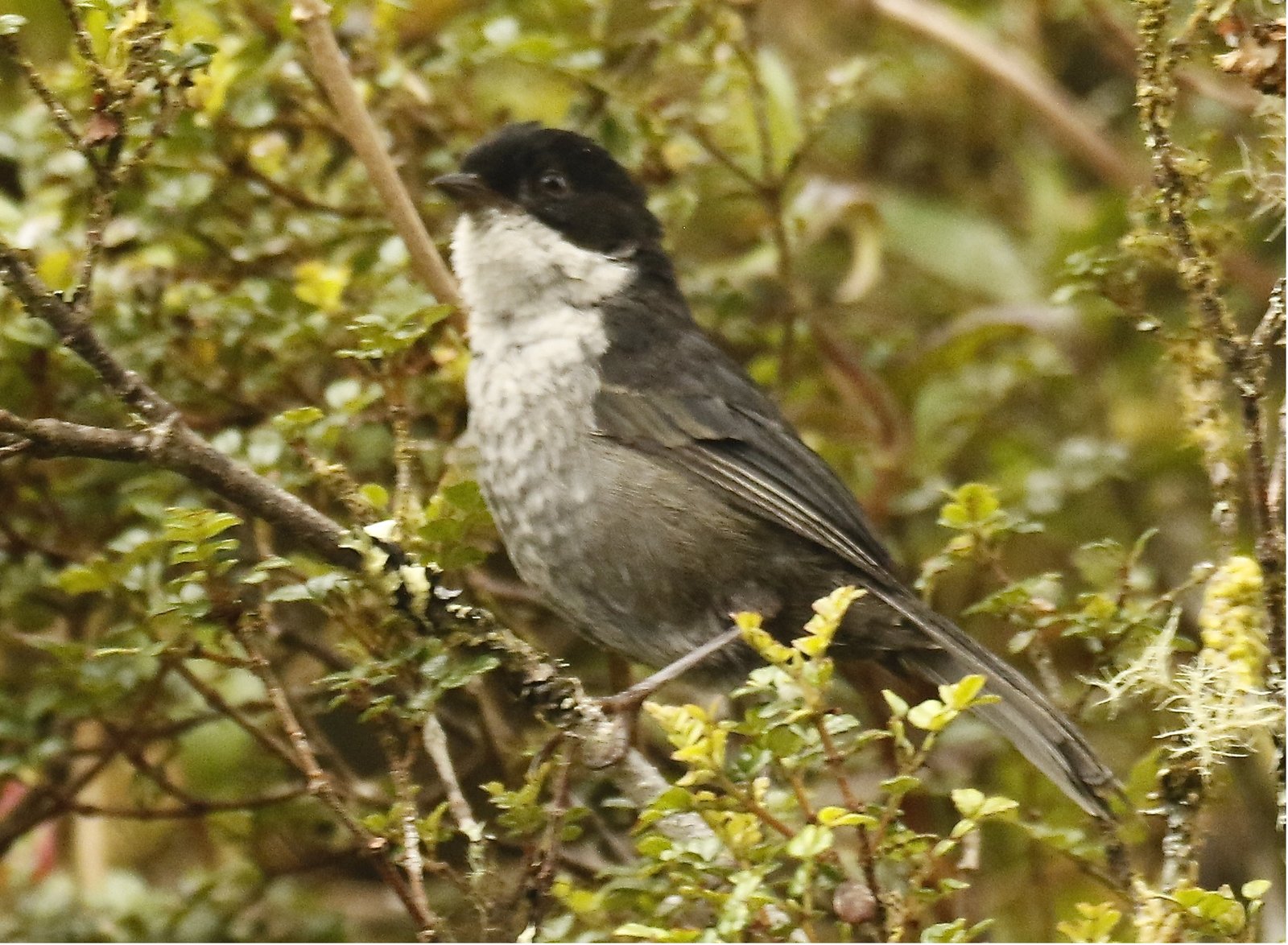
Sporathraupis 1 species
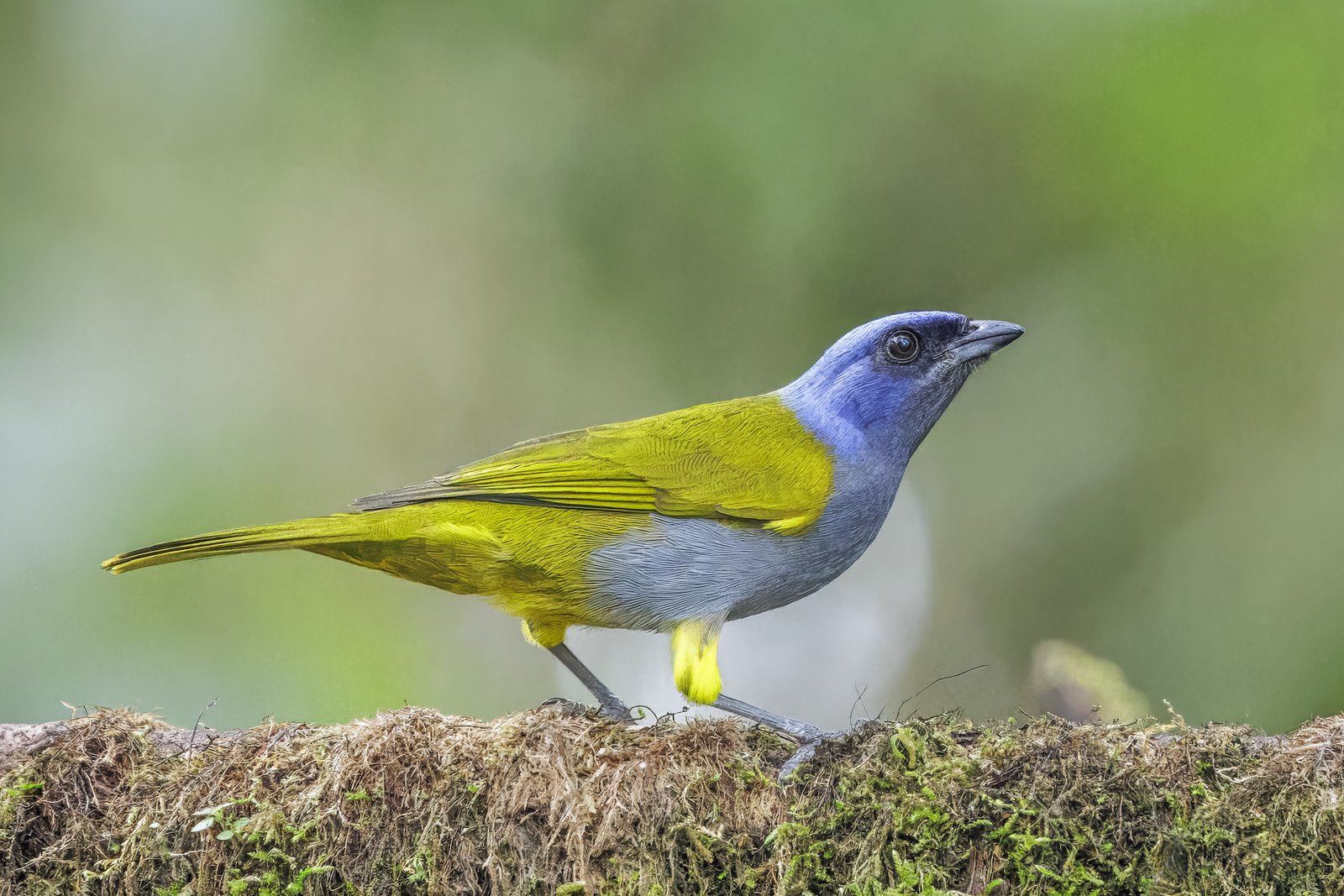
Trichothraupis 1 species
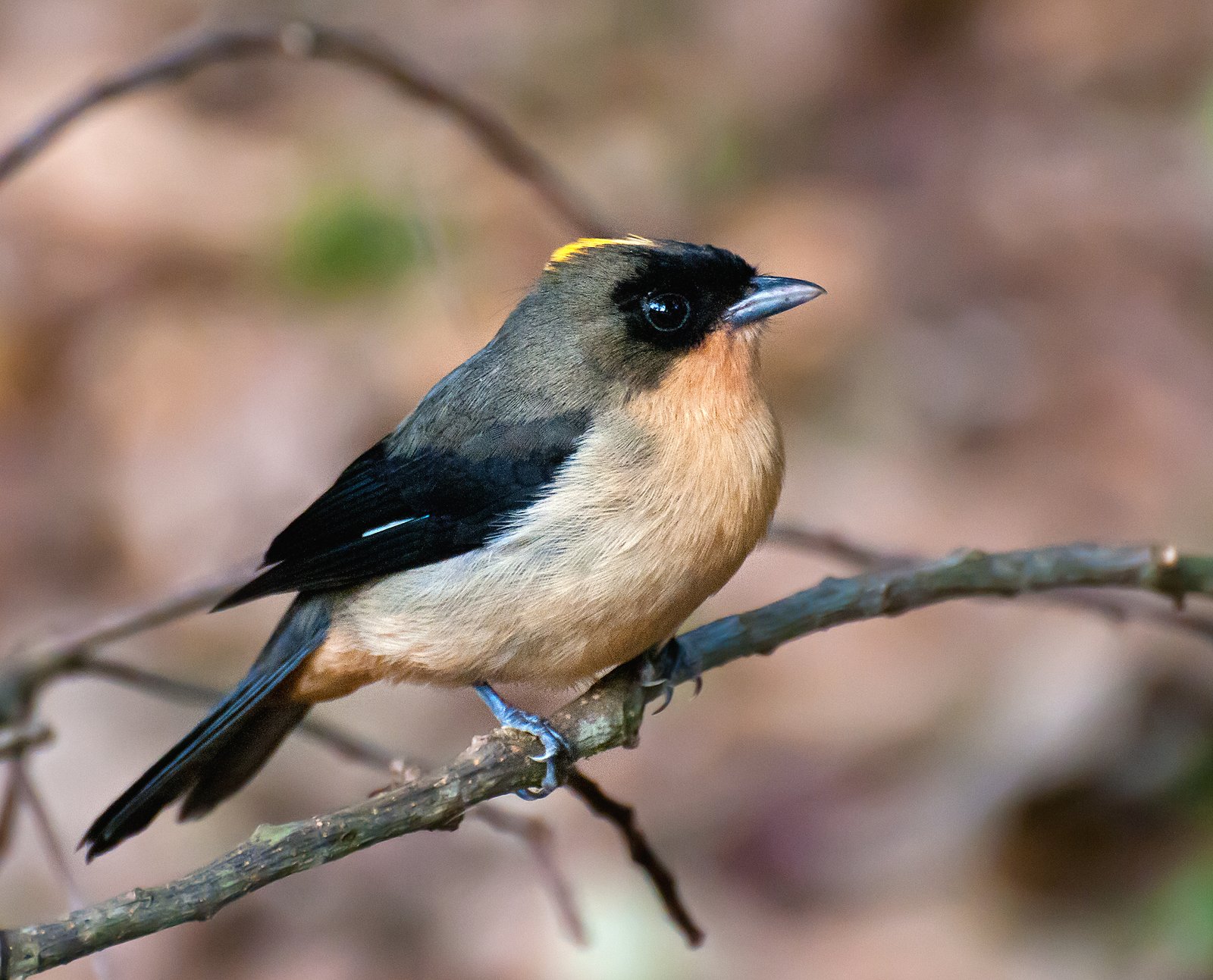
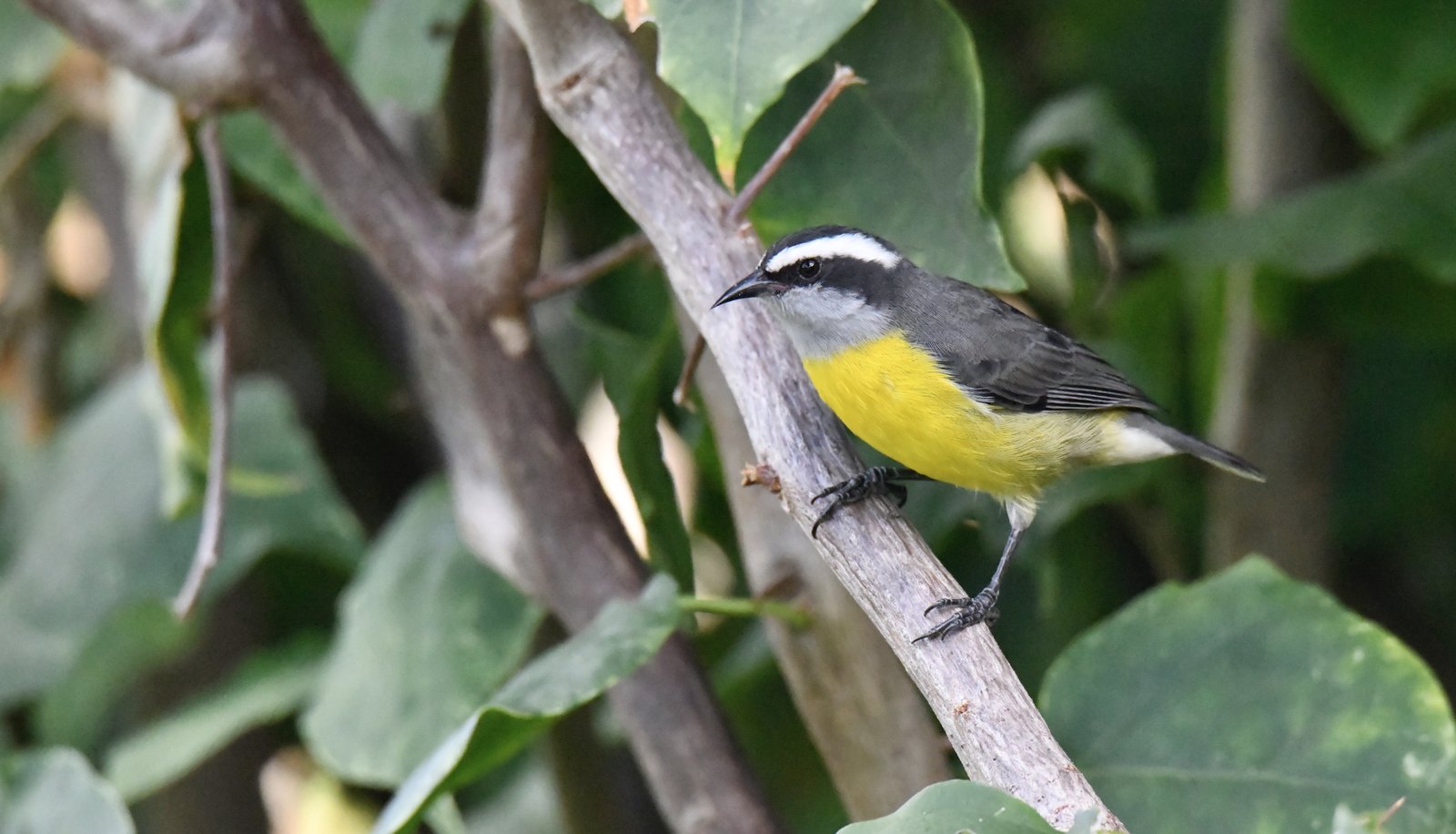
Tangara 19 species
-
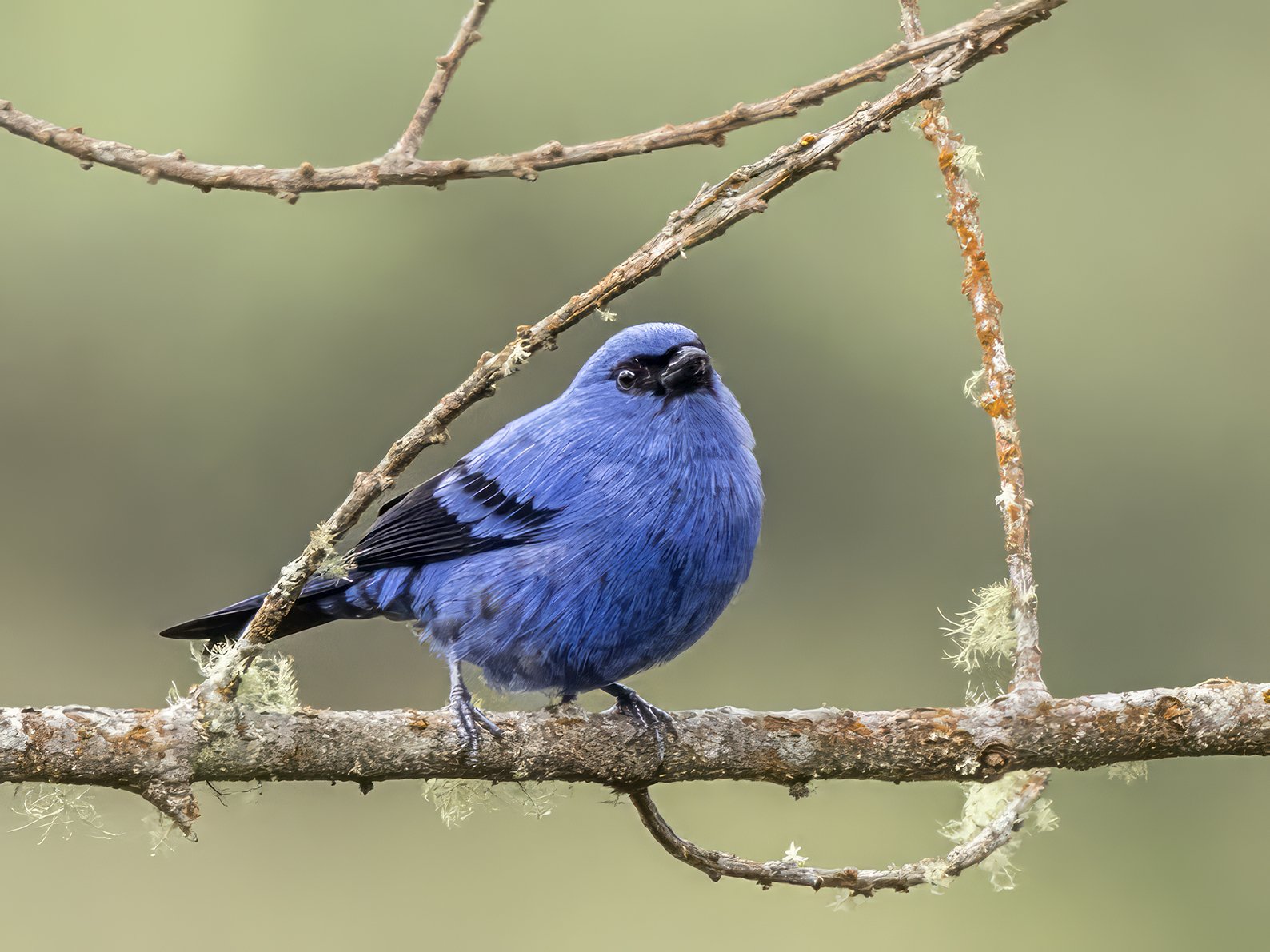
Blue-and-black Tanager
Tangara vassorii- Northern Andean cloud forest and temperate forest
- Upper Yungas cloud forest
- Secondary forest and forest edge
-
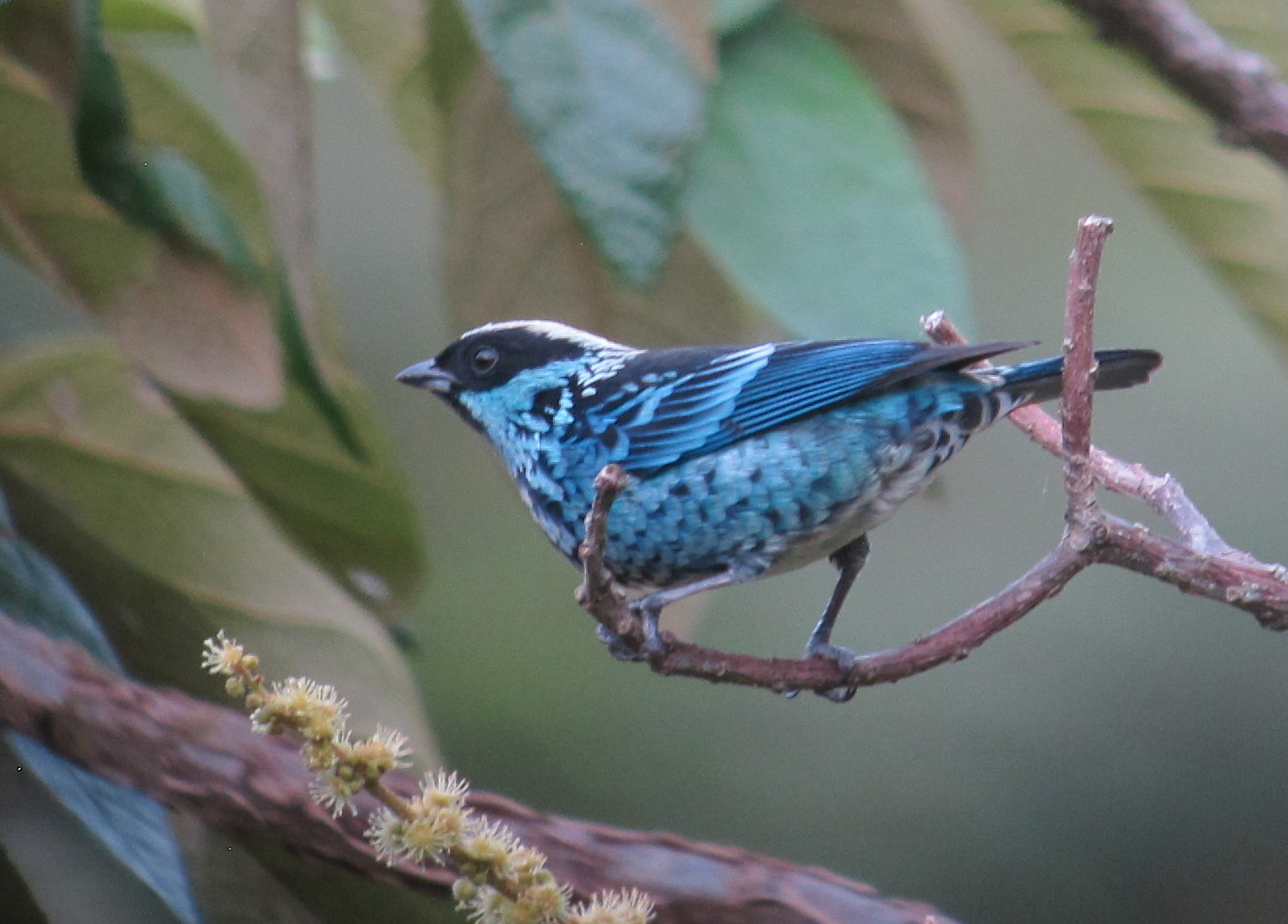
Beryl-spangled Tanager
Tangara nigroviridis- Northern Andean cloud forest and temperate forest
- Northern Andean subtropical forest
- Upper Yungas cloud forest
- Lower Yungas forest
- Secondary forest and forest edge
-
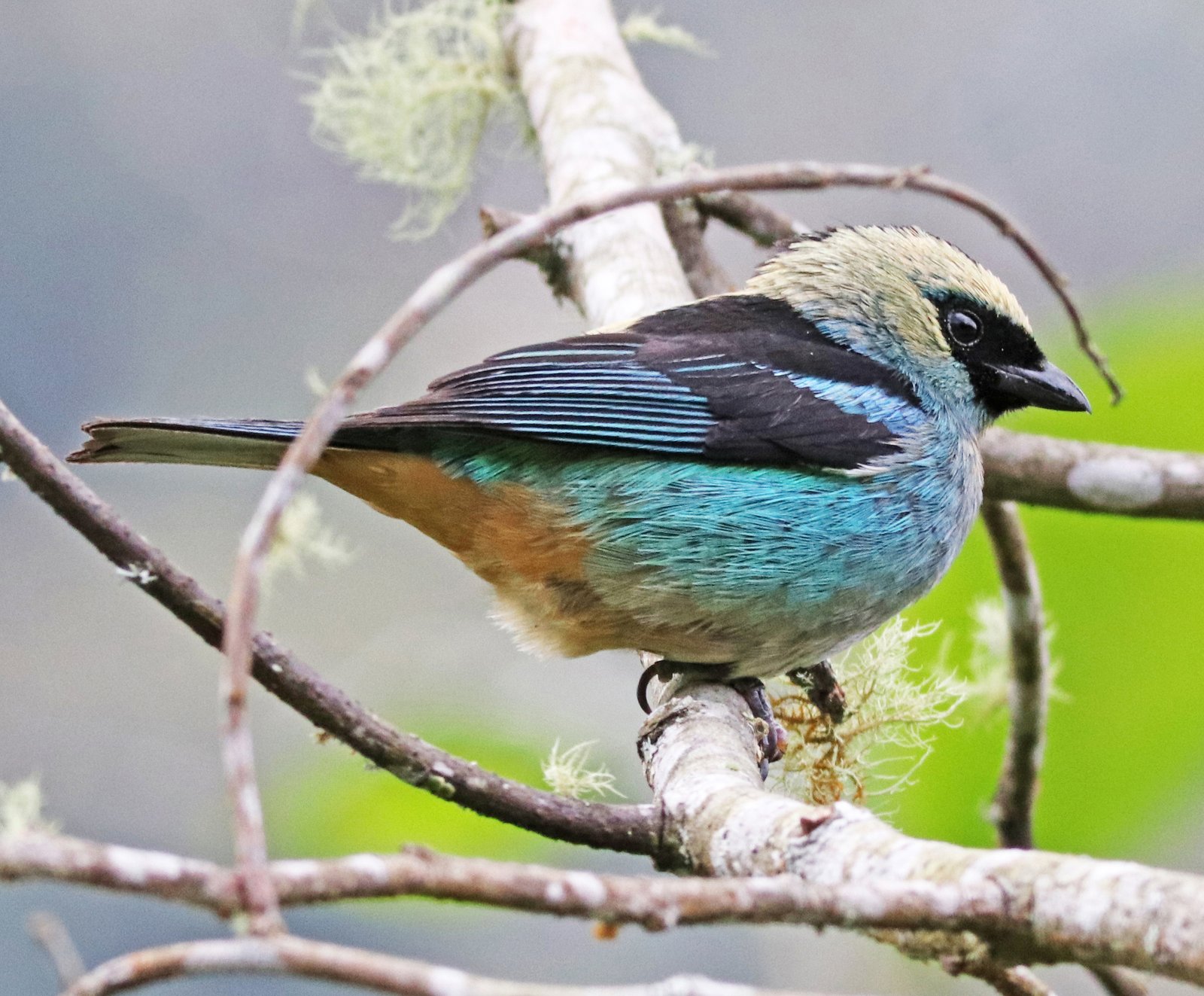
Metallic-green Tanager
Tangara labradorides- Northern Andean subtropical forest
- Northern Andean cloud forest and temperate forest
- Secondary forest and forest edge
-
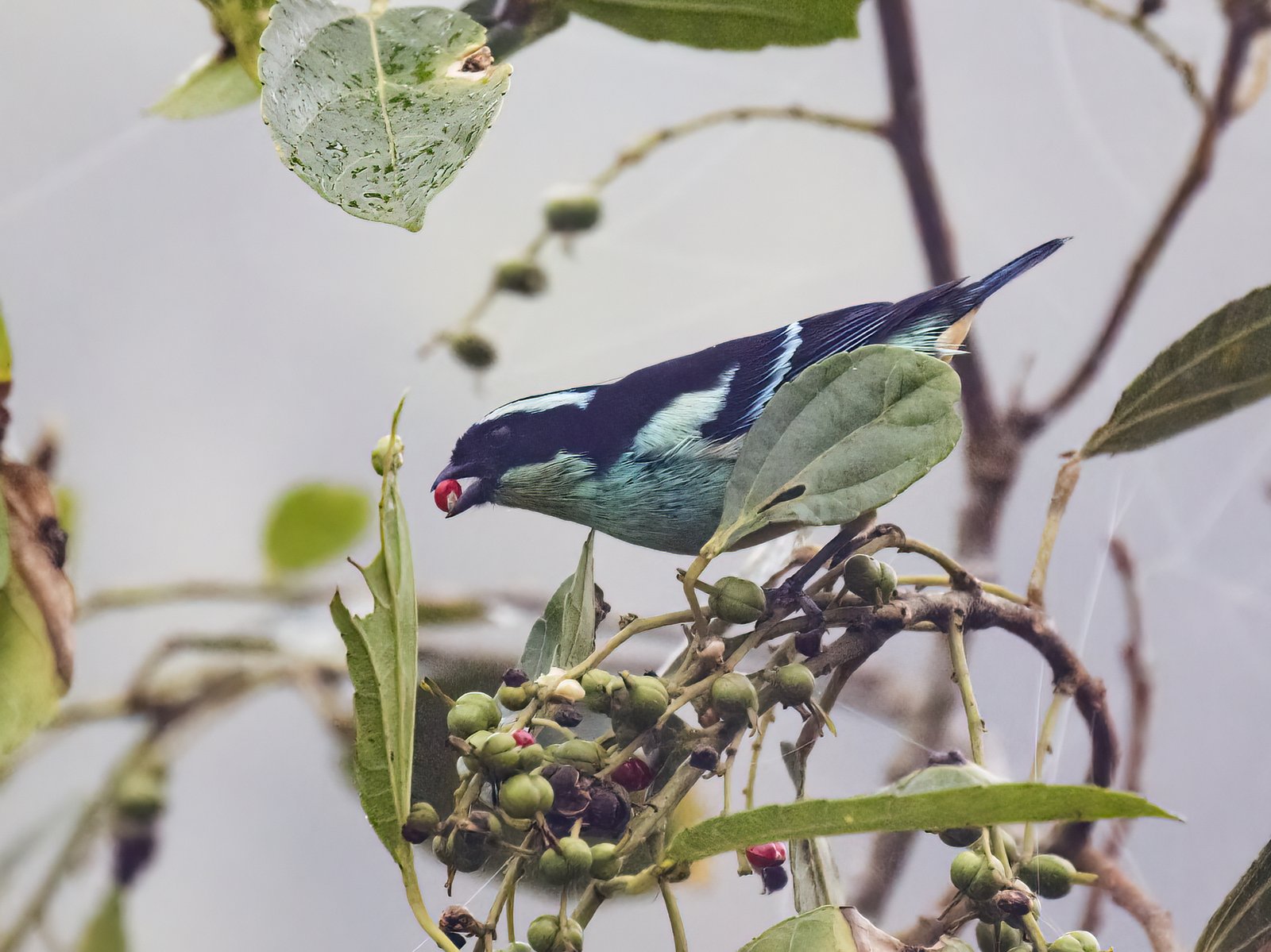
Blue-browed Tanager
Tangara cyanotis- Lower Yungas forest
- Northern Andean subtropical forest
- Secondary forest and forest edge
-
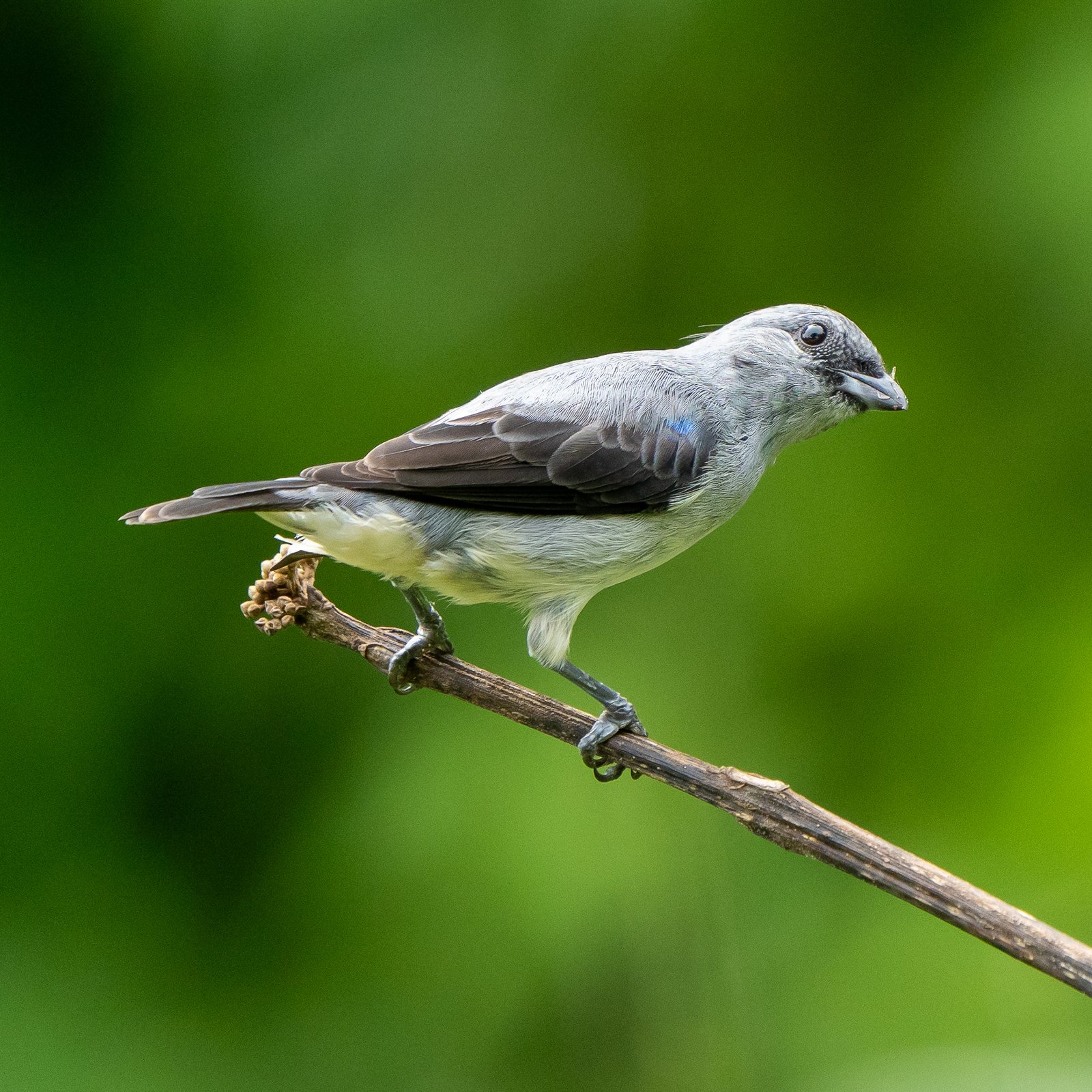
Plain-colored Tanager
Tangara inornata- Secondary forest and forest edge
- Chocó rainforest
- Coffee, cacao and agroforestry
- Riparian woodland of the Andes and coastal valleys
- Western Ecuador humid forest
-
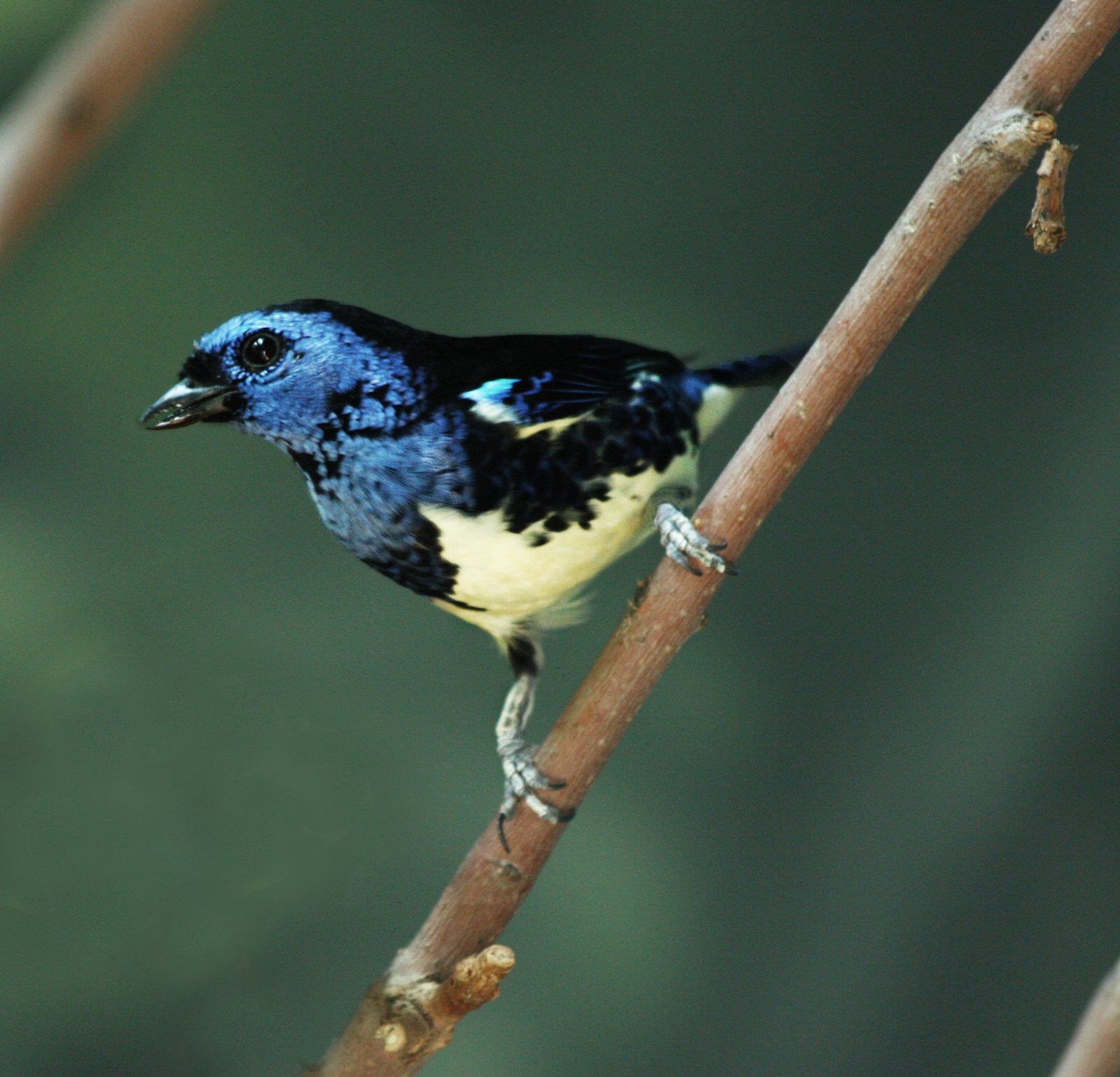
Turquoise Tanager
Tangara mexicana- Amazonian terra firme rainforest
- Várzea, igapó and river islands
- Secondary forest and forest edge
- Eastern Andean foothill forest
-
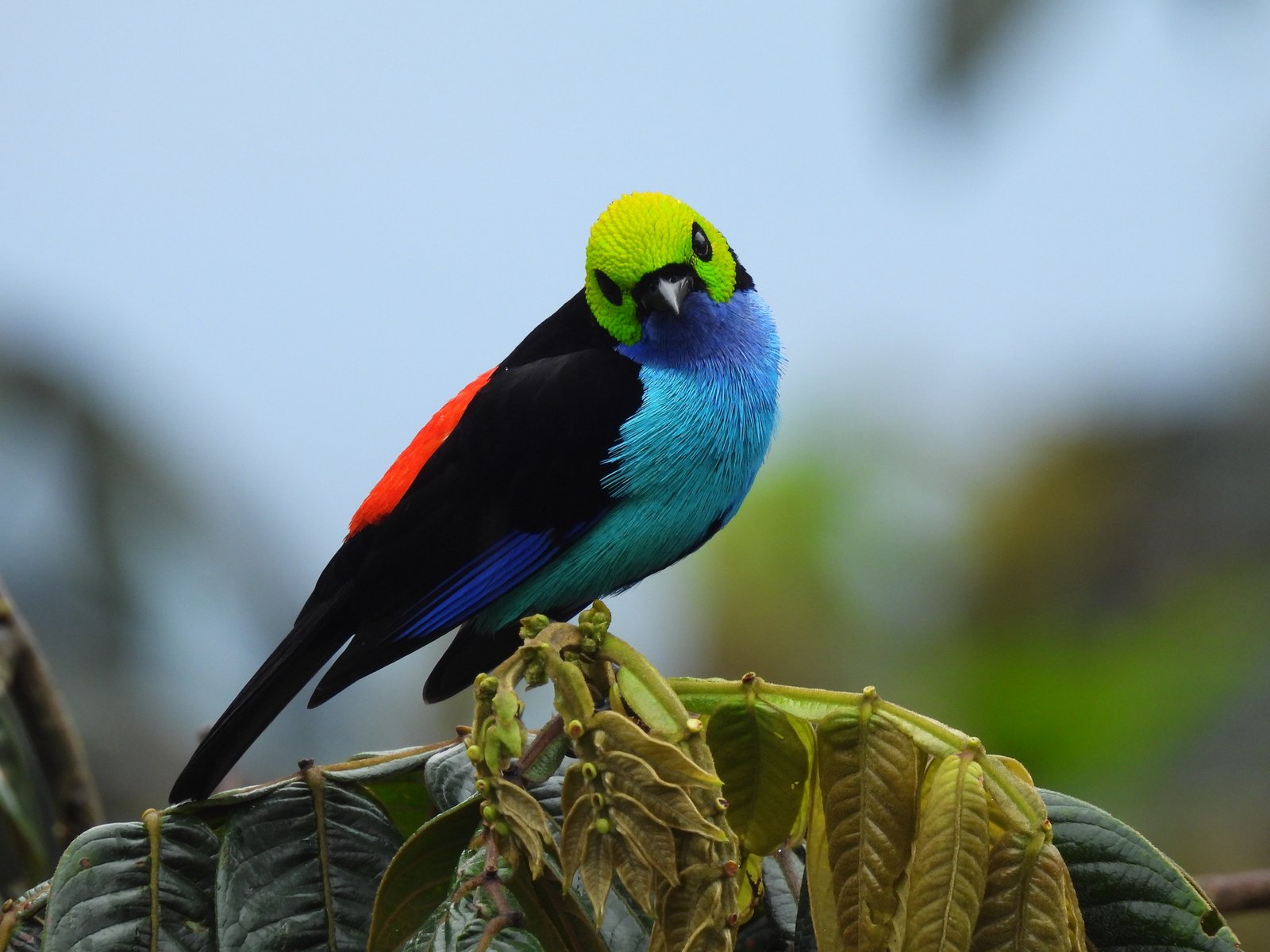
Paradise Tanager
Tangara chilensis- Amazonian terra firme rainforest
- Várzea, igapó and river islands
- Eastern Andean foothill forest
- Secondary forest and forest edge
- Palm swamps and swamp forest
-
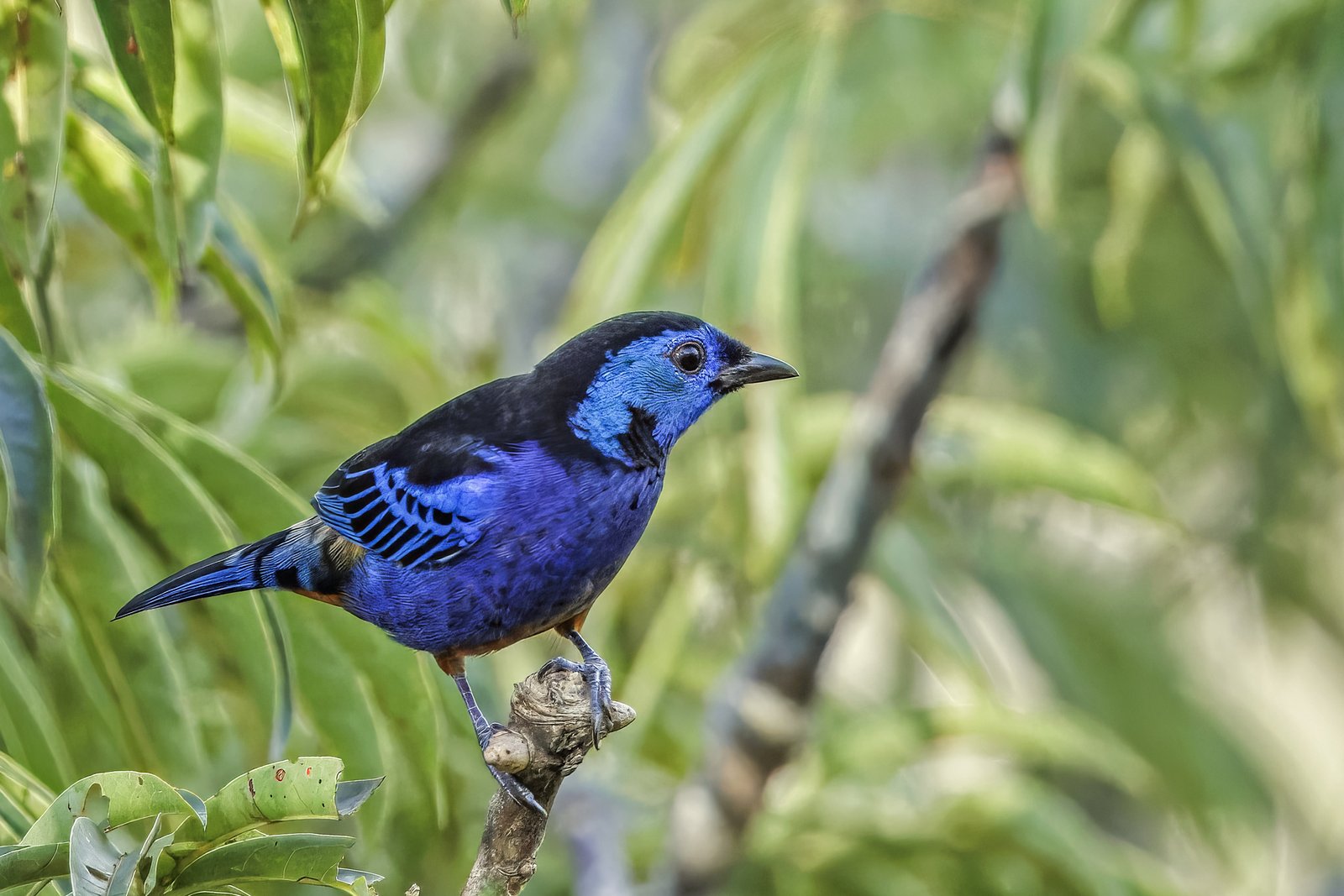
Opal-rumped Tanager
Tangara velia- Amazonian terra firme rainforest
- Várzea, igapó and river islands
- Eastern Andean foothill forest
- Secondary forest and forest edge
-
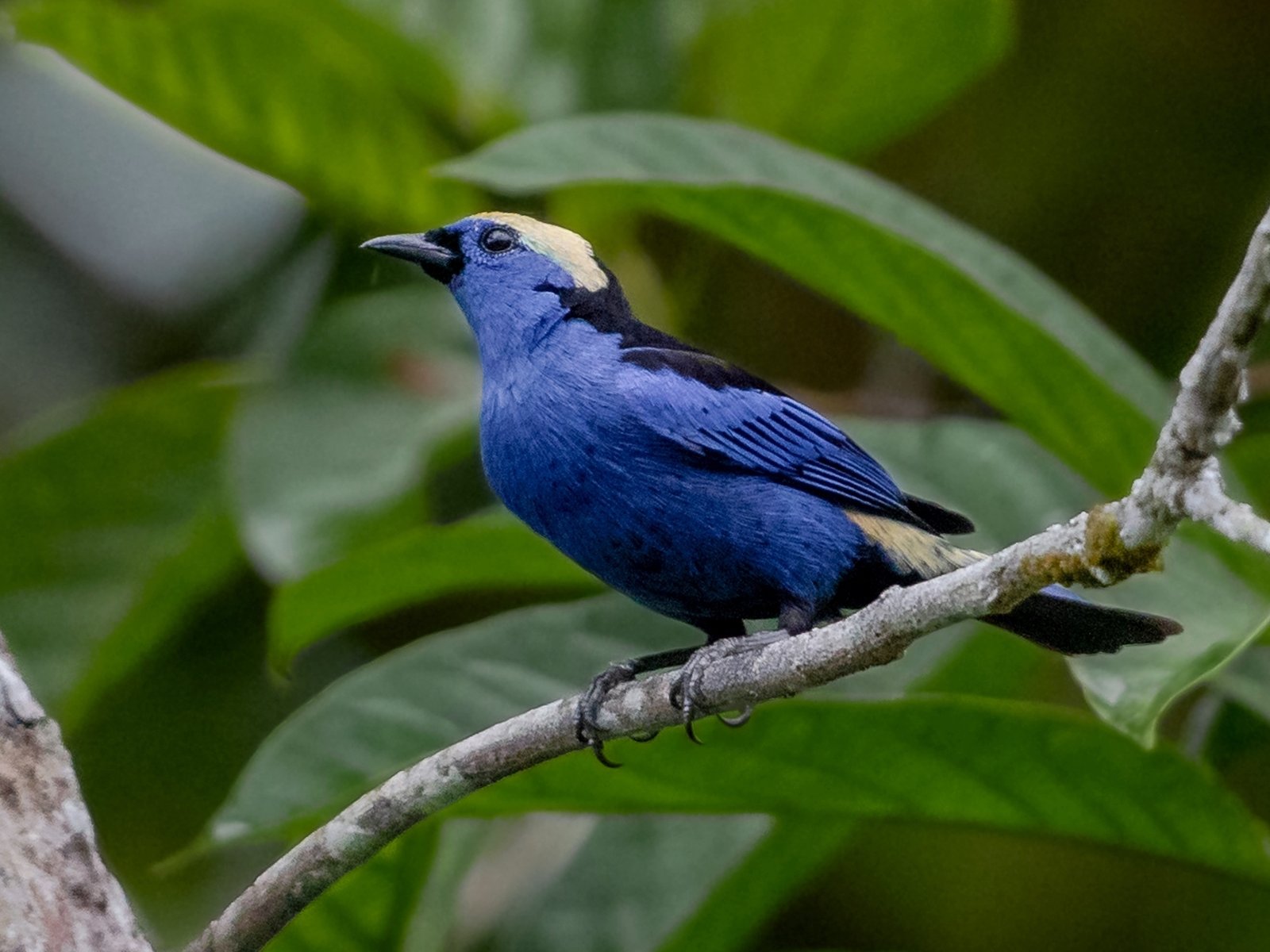
Opal-crowned Tanager
Tangara callophrys- Amazonian terra firme rainforest
- Várzea, igapó and river islands
- Eastern Andean foothill forest
- Secondary forest and forest edge
-
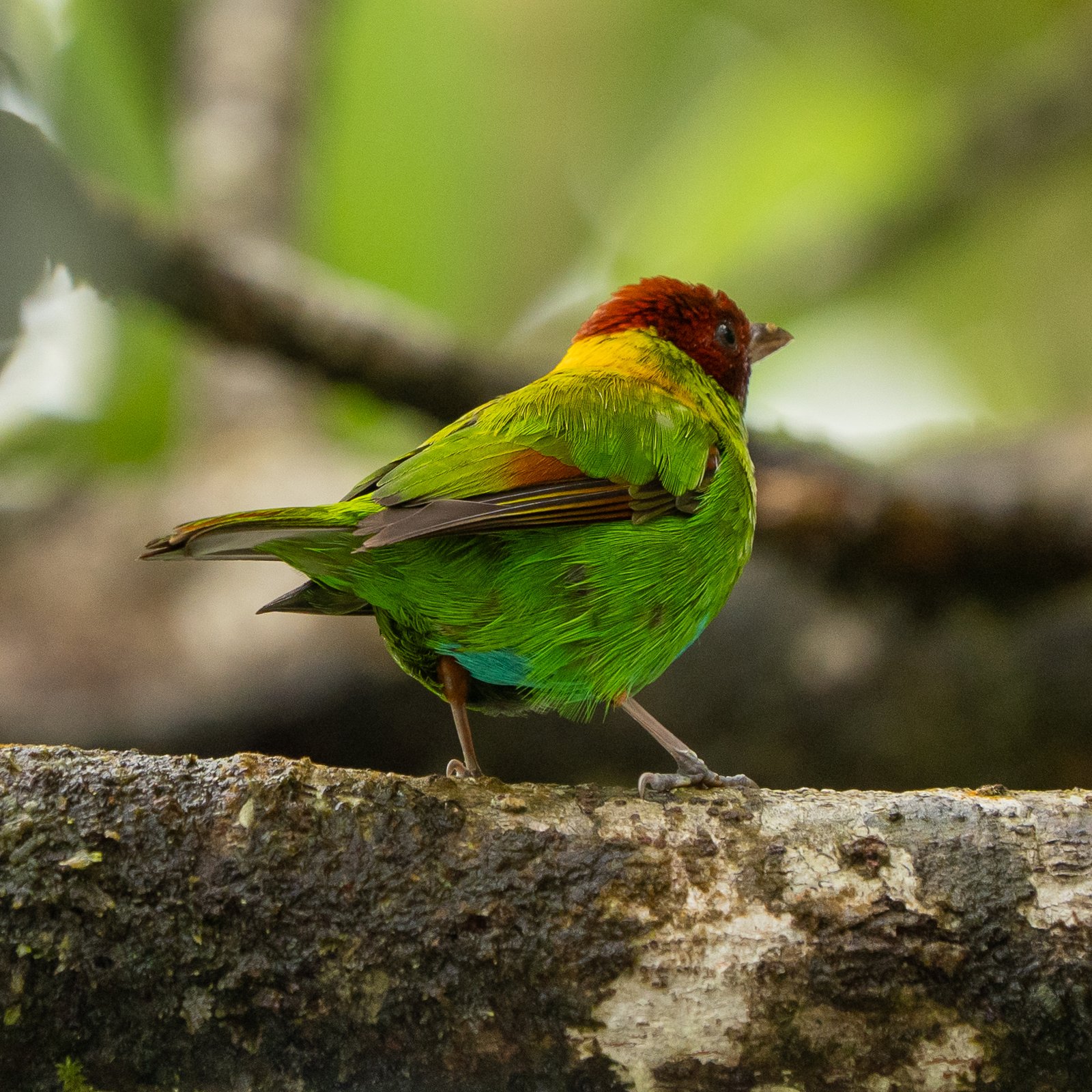
Rufous-winged Tanager
Tangara lavinia- Chocó rainforest
- Western Ecuador humid forest
- Secondary forest and forest edge
- Northern Andean subtropical forest
-
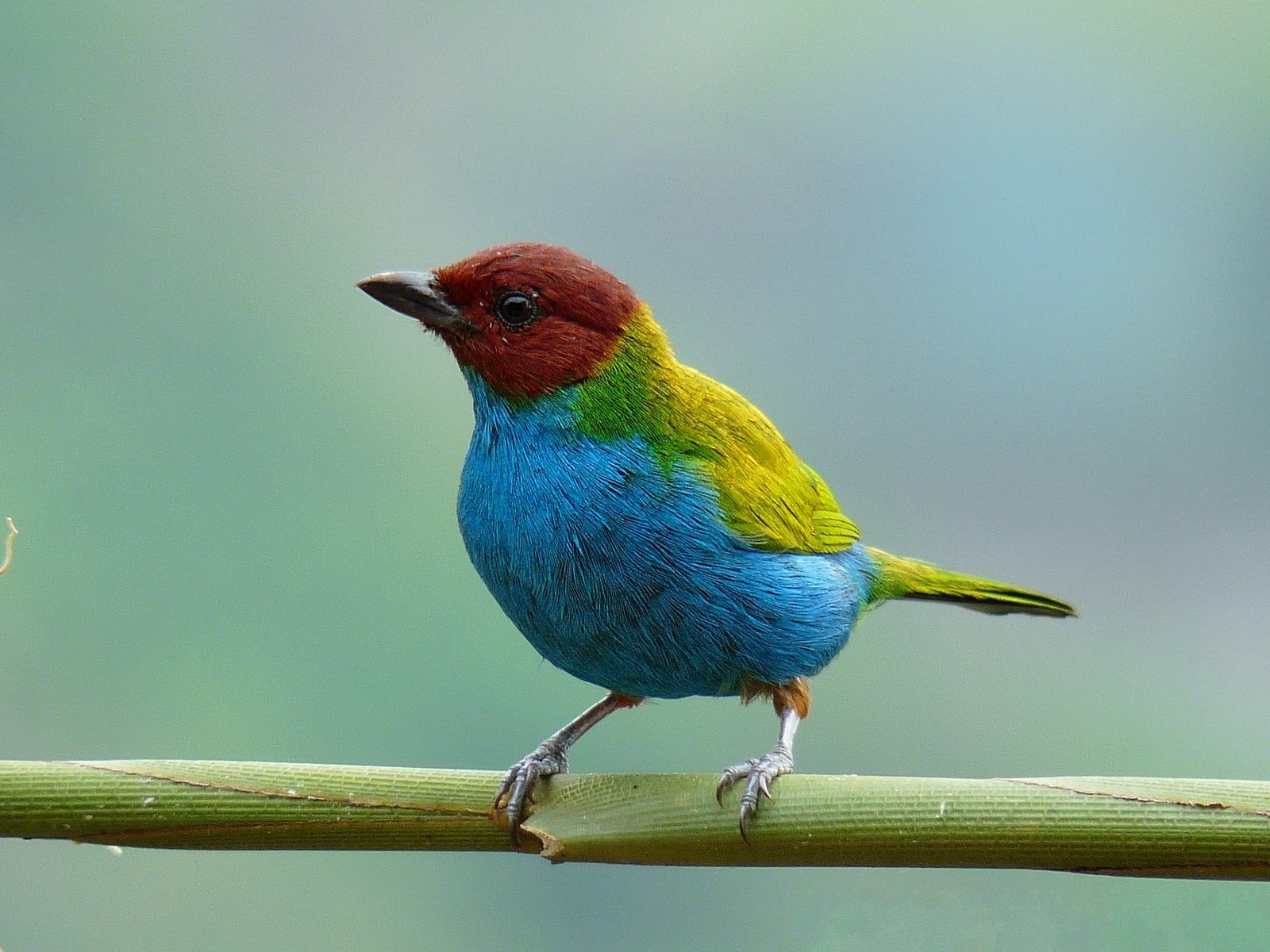
Bay-headed Tanager
Tangara gyrola- Eastern Andean foothill forest
- Northern Andean subtropical forest
- Lower Yungas forest
- Western Ecuador humid forest
- Secondary forest and forest edge
- Chocó rainforest
-

Golden-eared Tanager
Tangara chrysotis- Northern Andean subtropical forest
- Lower Yungas forest
- Eastern Andean foothill forest
- Secondary forest and forest edge
-
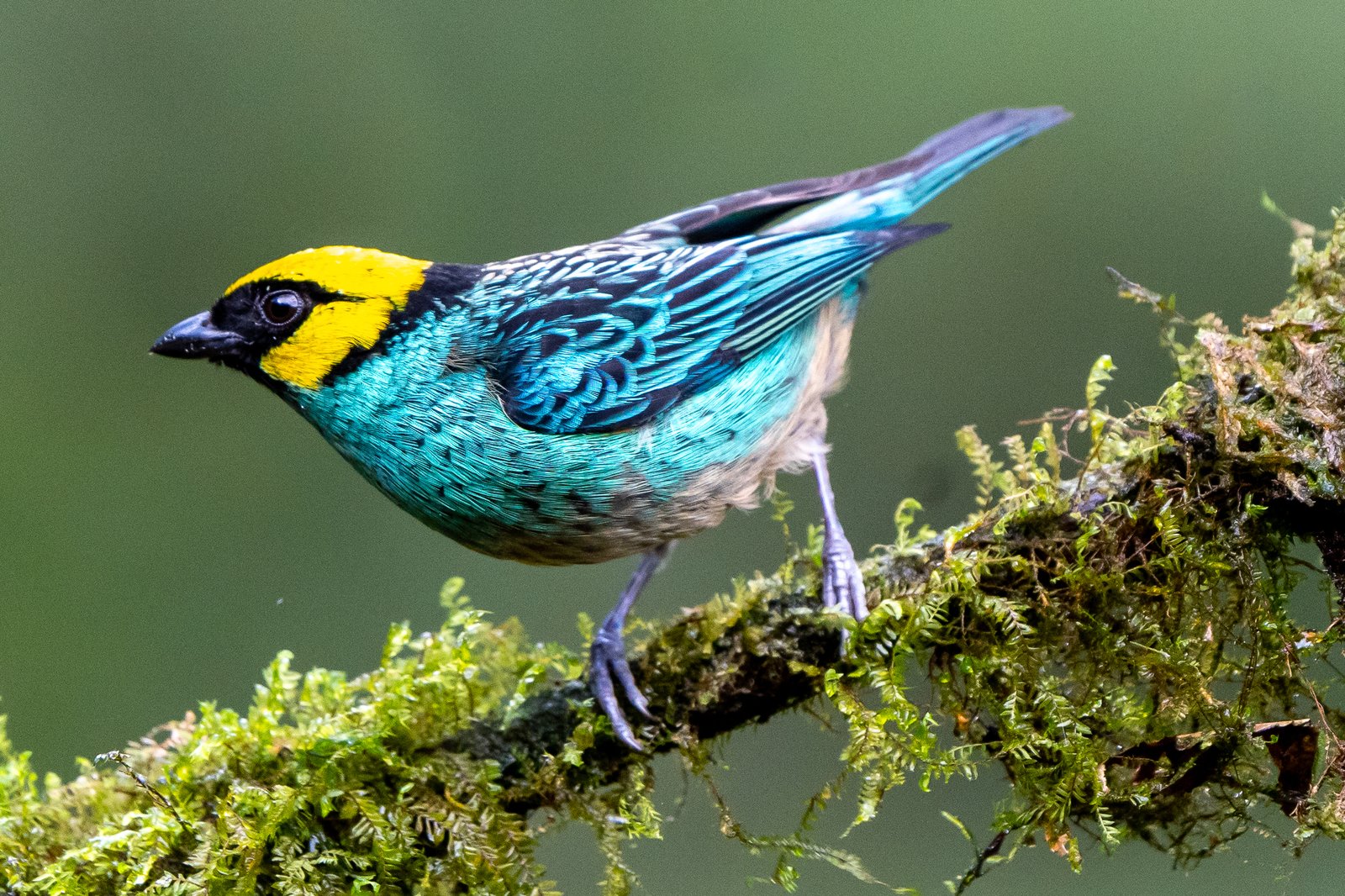
Saffron-crowned Tanager
Tangara xanthocephala- Northern Andean cloud forest and temperate forest
- Northern Andean subtropical forest
- Upper Yungas cloud forest
- Lower Yungas forest
- Secondary forest and forest edge
-
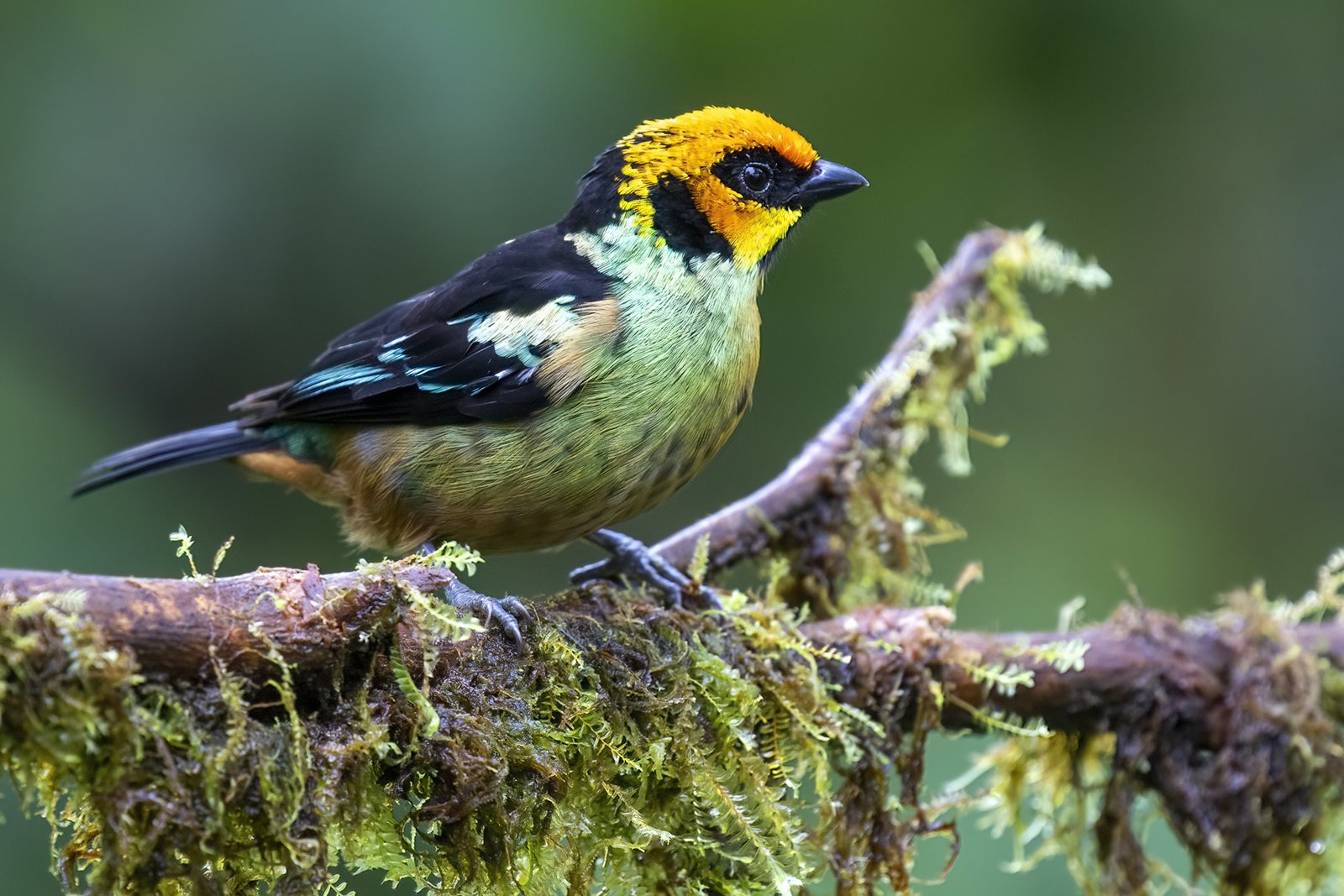
Flame-faced Tanager
Tangara parzudakii- Northern Andean subtropical forest
- Northern Andean cloud forest and temperate forest
- Lower Yungas forest
- Upper Yungas cloud forest
- Secondary forest and forest edge
-
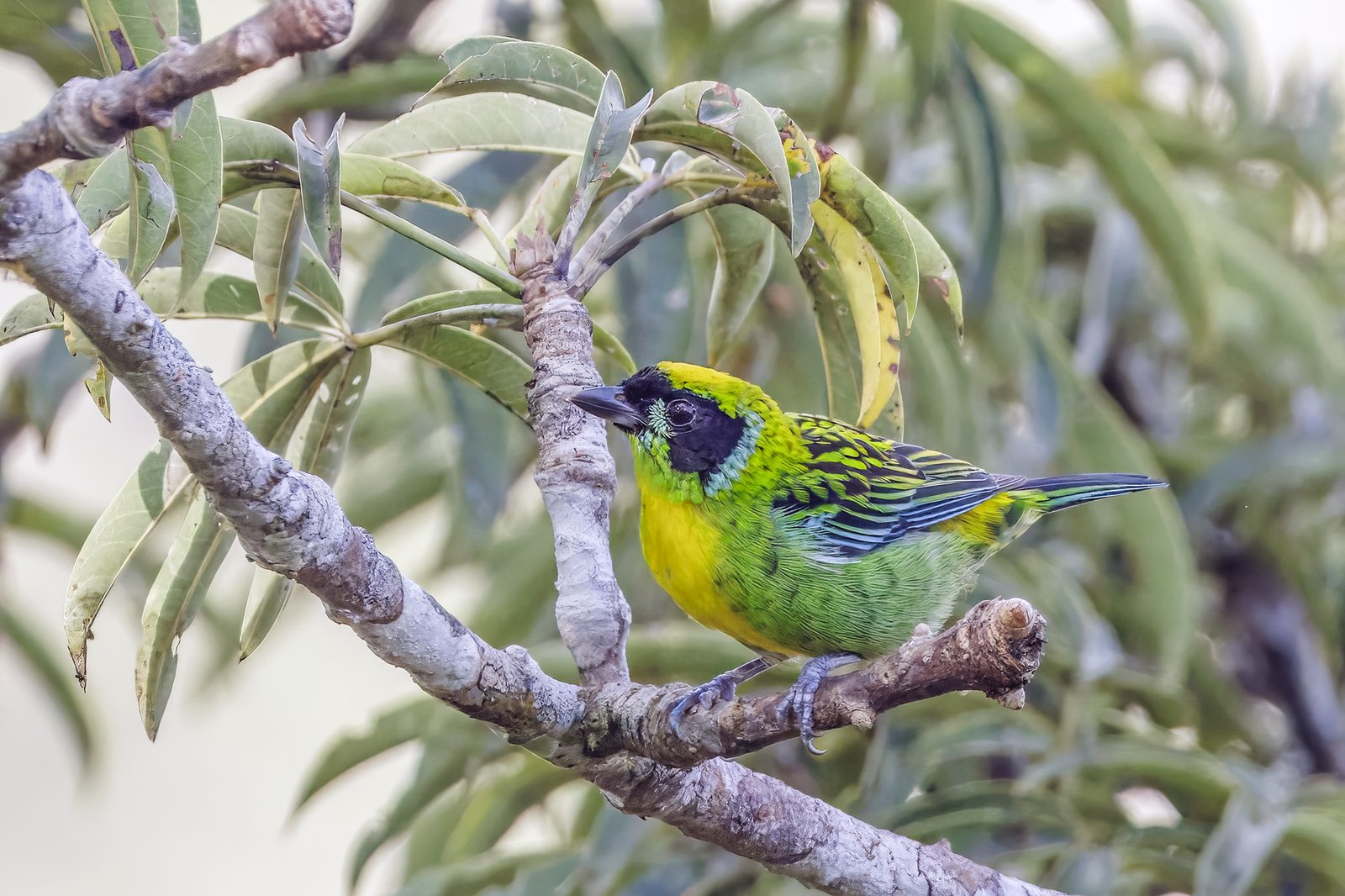
Green-and-gold Tanager
Tangara schrankii- Amazonian terra firme rainforest
- Eastern Andean foothill forest
- Várzea, igapó and river islands
 Bamboo forest
- Secondary forest and forest edge
-
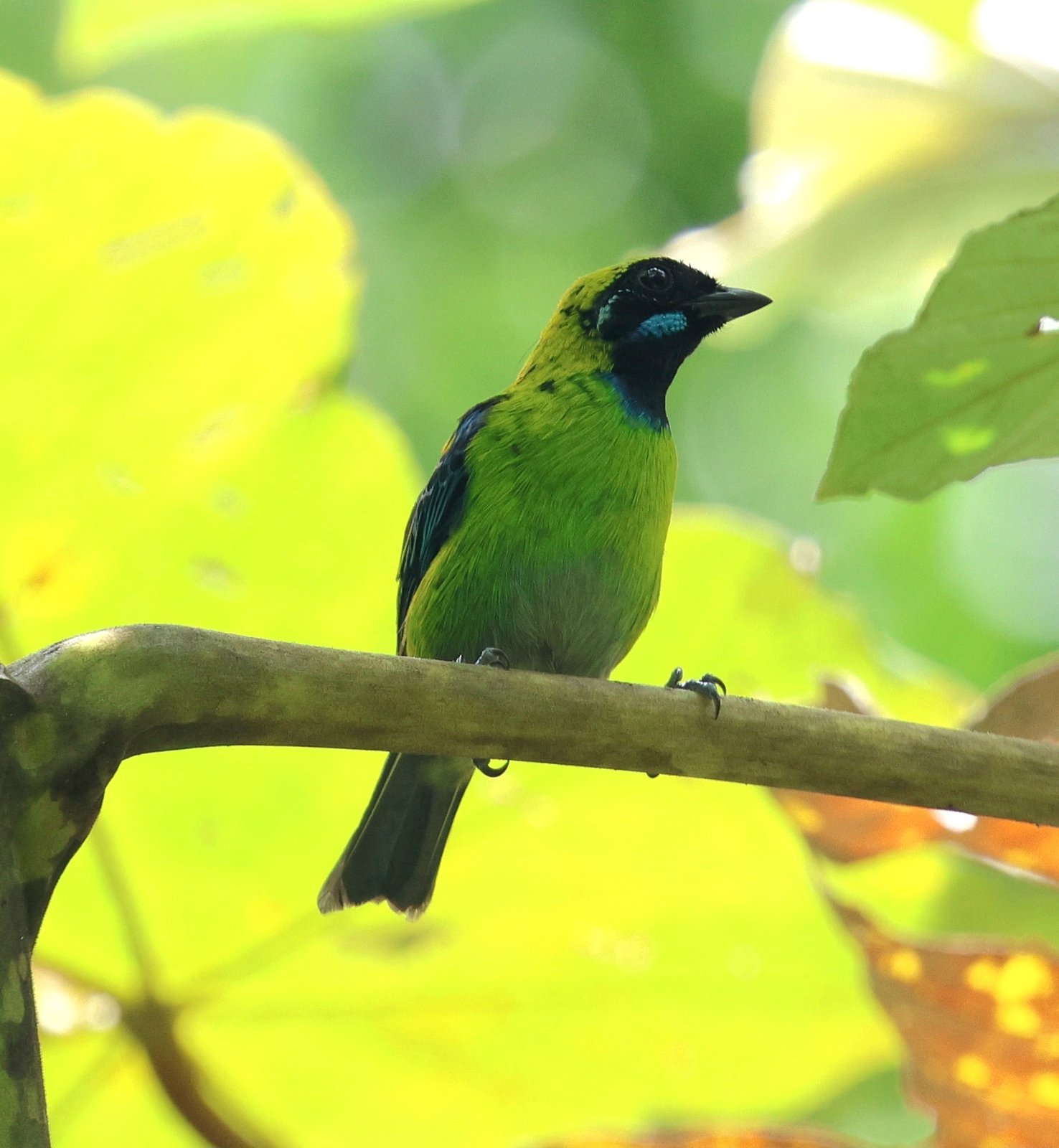
Blue-whiskered Tanager
Tangara johannae- Chocó rainforest
- Western Ecuador humid forest
- Secondary forest and forest edge
- Northern Andean subtropical forest
-

Golden Tanager
Tangara arthus- Northern Andean subtropical forest
- Lower Yungas forest
- Eastern Andean foothill forest
- Northern Andean cloud forest and temperate forest
- Secondary forest and forest edge
-
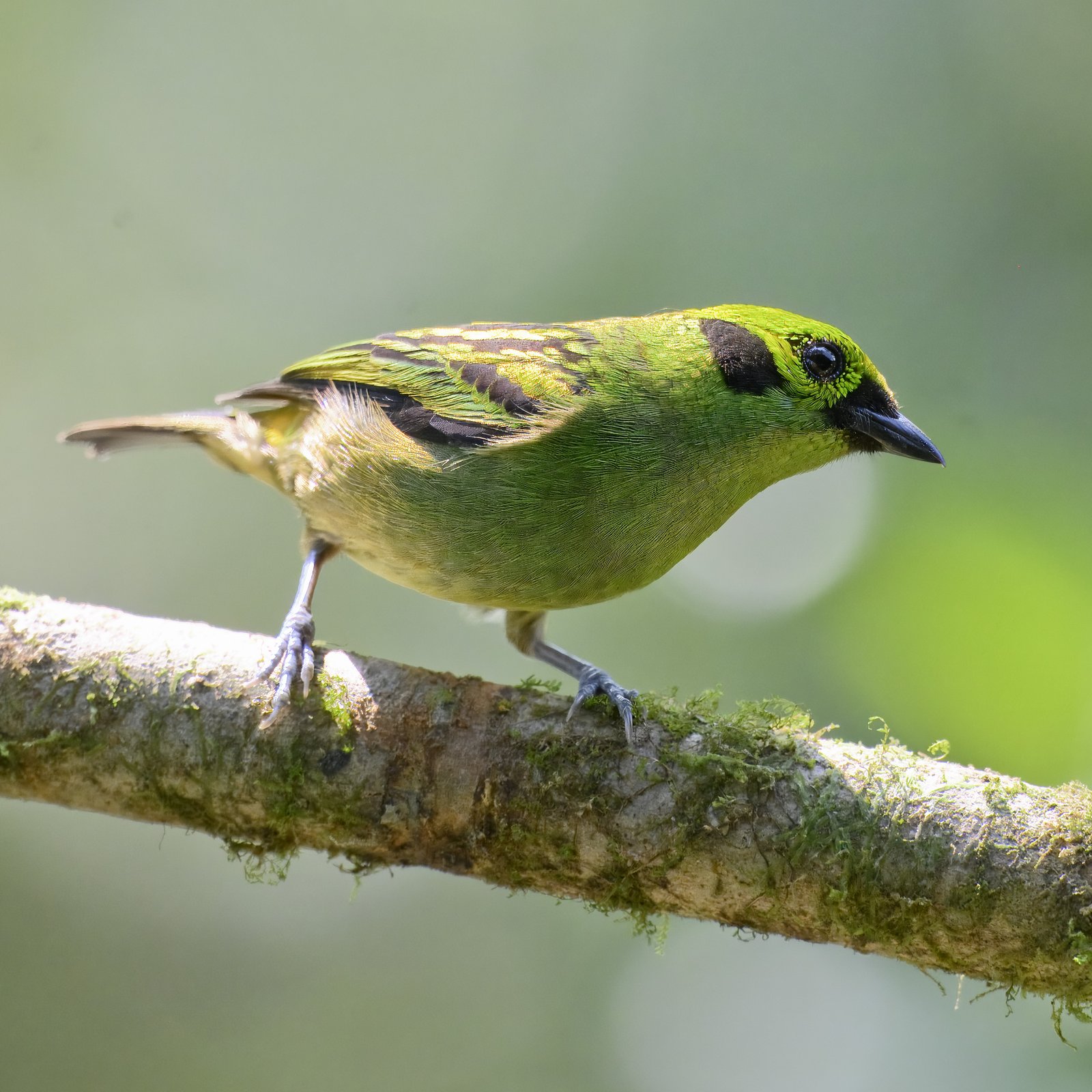
Emerald Tanager
Tangara florida- Chocó rainforest
- Northern Andean subtropical forest
- Western Ecuador humid forest
- Secondary forest and forest edge
-
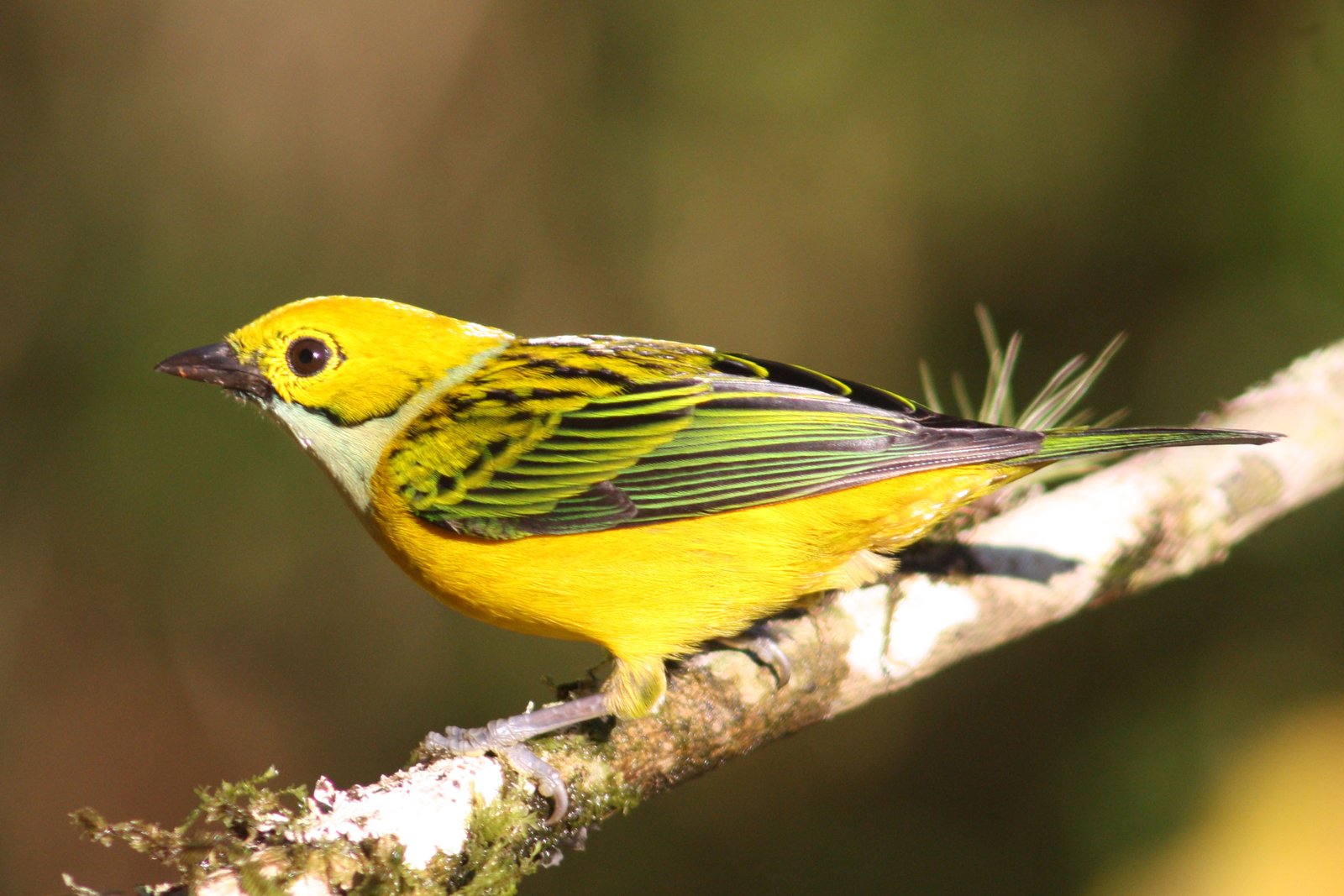
Silver-throated Tanager
Tangara icterocephala- Northern Andean subtropical forest
- Western Ecuador humid forest
- Chocó rainforest
- Secondary forest and forest edge
- Coffee, cacao and agroforestry
Chalcothraupis 1 species

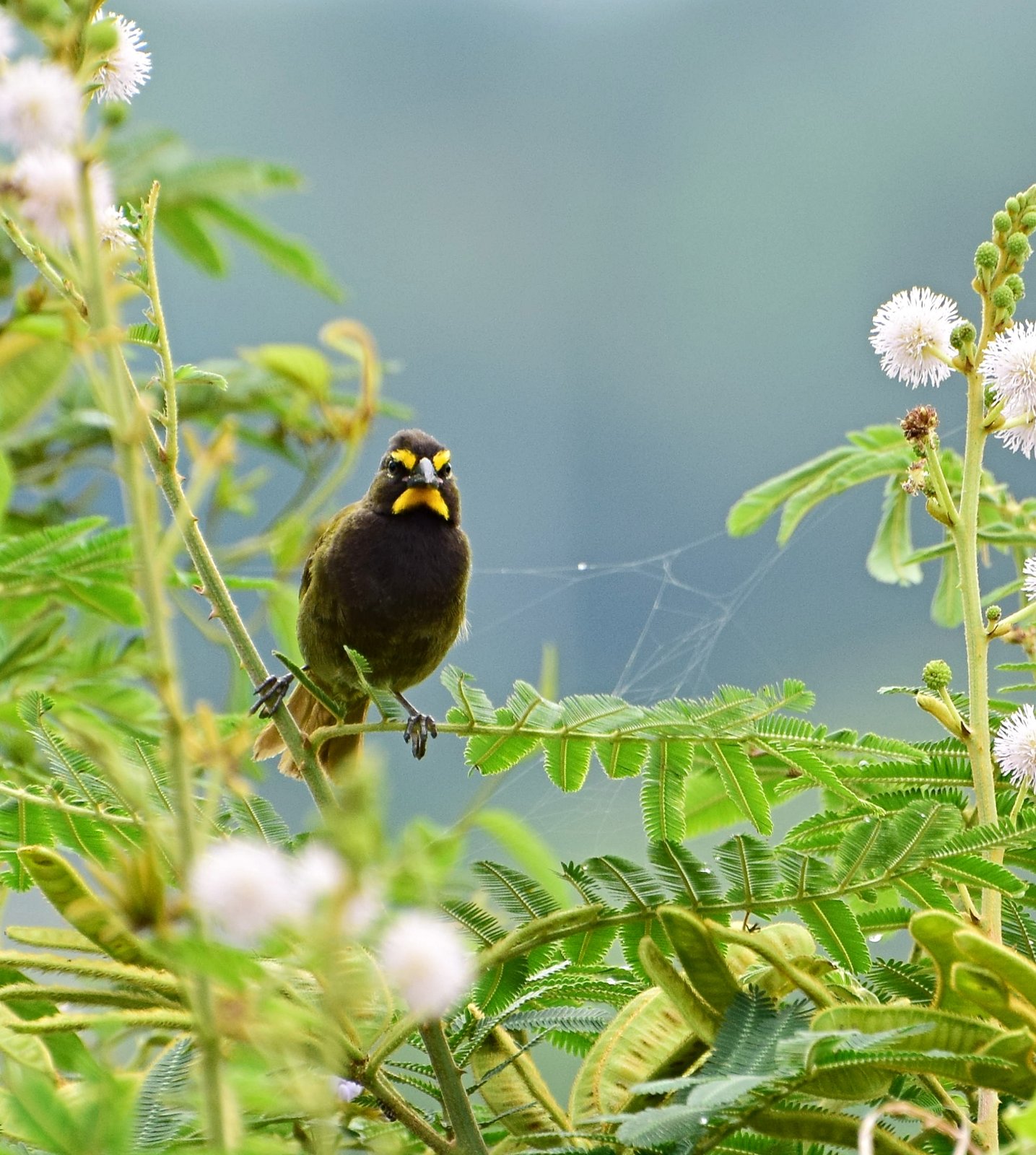
Melanospiza 1 species
Thlypopsis 7 species
-
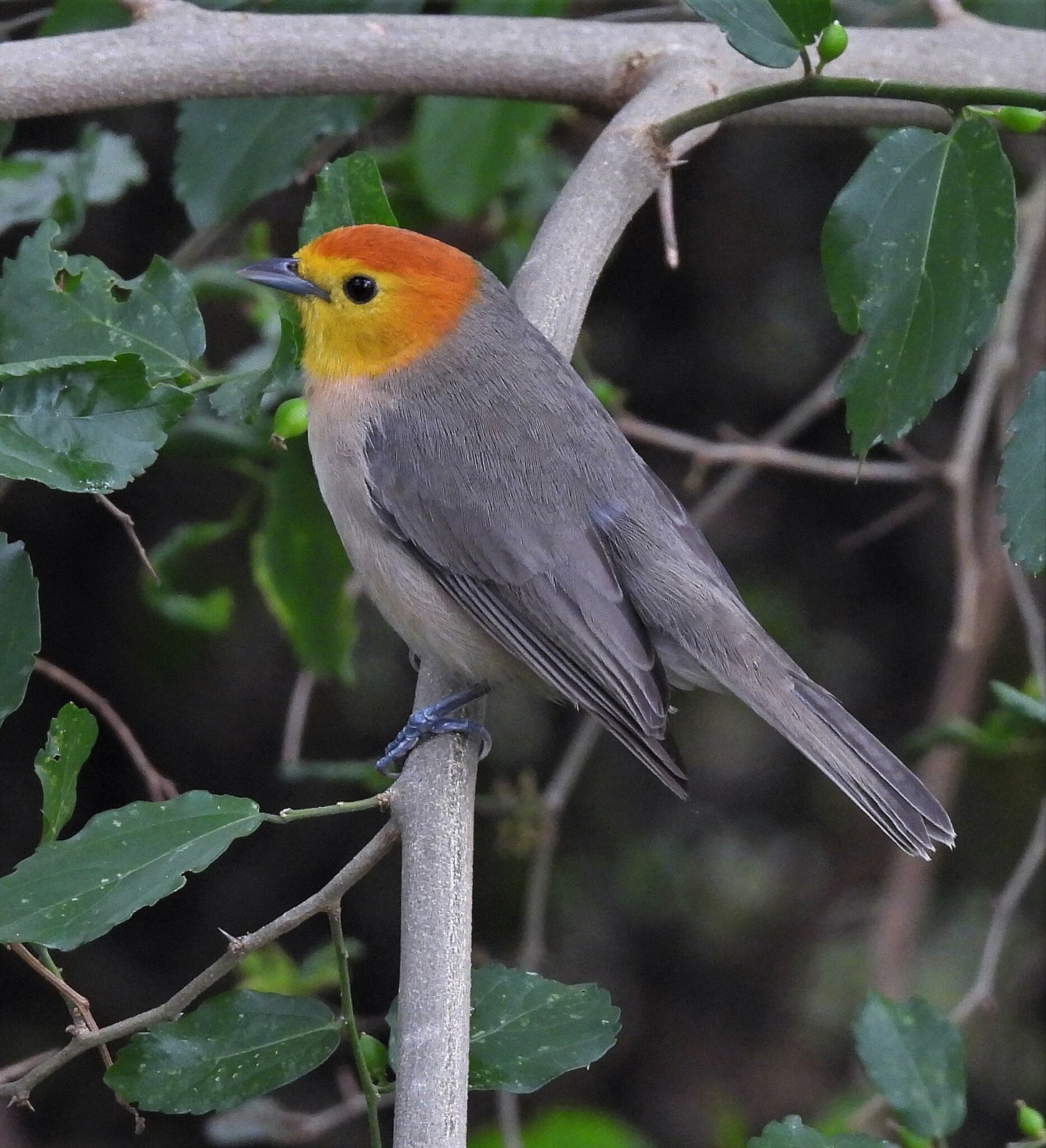
Orange-headed Tanager
Thlypopsis sordida- Várzea, igapó and river islands
- Secondary forest and forest edge
- Riparian woodland of the Andes and coastal valleys
- Chiquitano dry forest and Chaco
- Beni savanna and cerrado
-
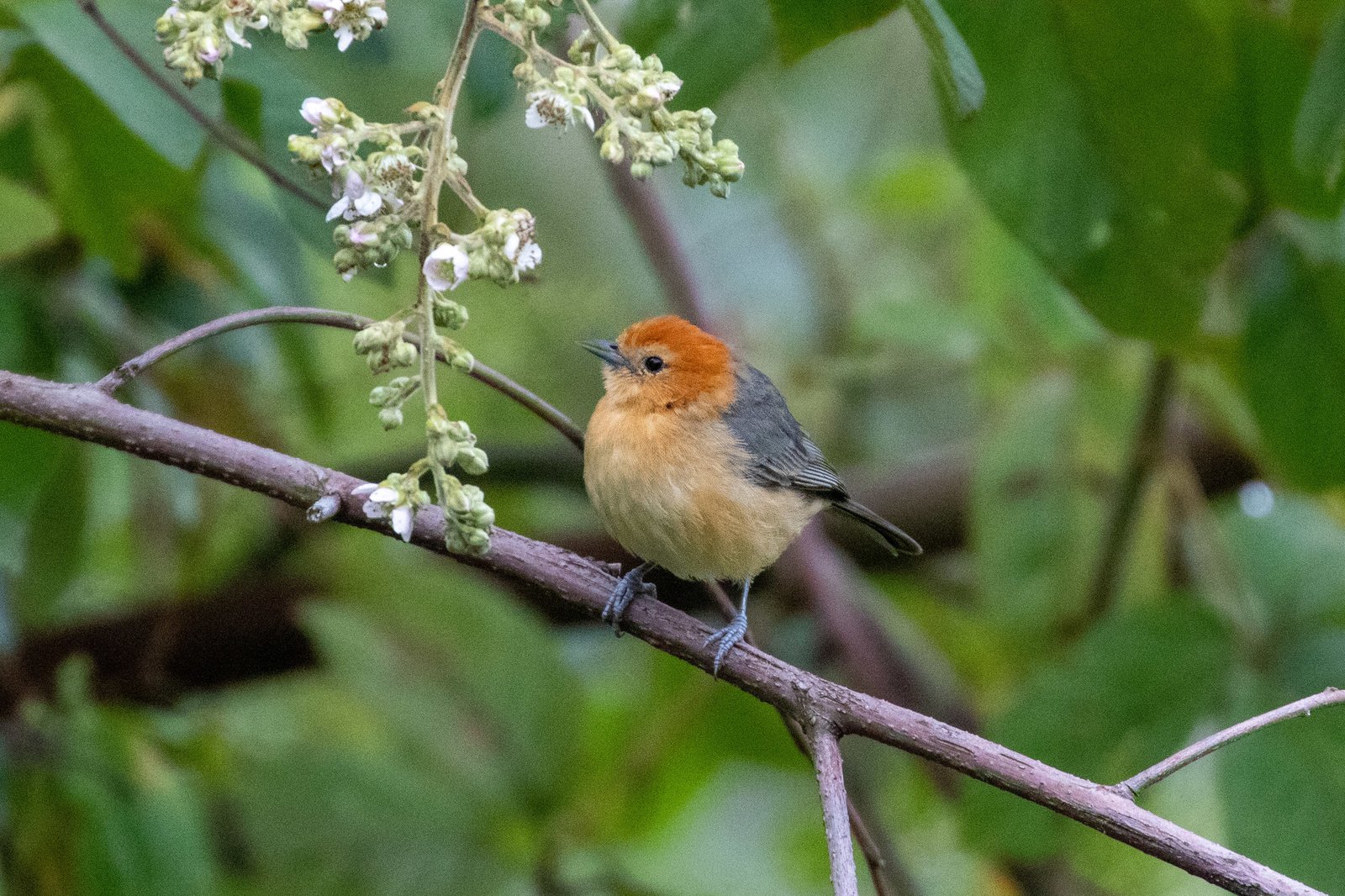
Buff-bellied Tanager
Thlypopsis inornata- Marañón and northern inter-Andean dry forest
- Riparian woodland of the Andes and coastal valleys
- Secondary forest and forest edge
- Coffee, cacao and agroforestry
-
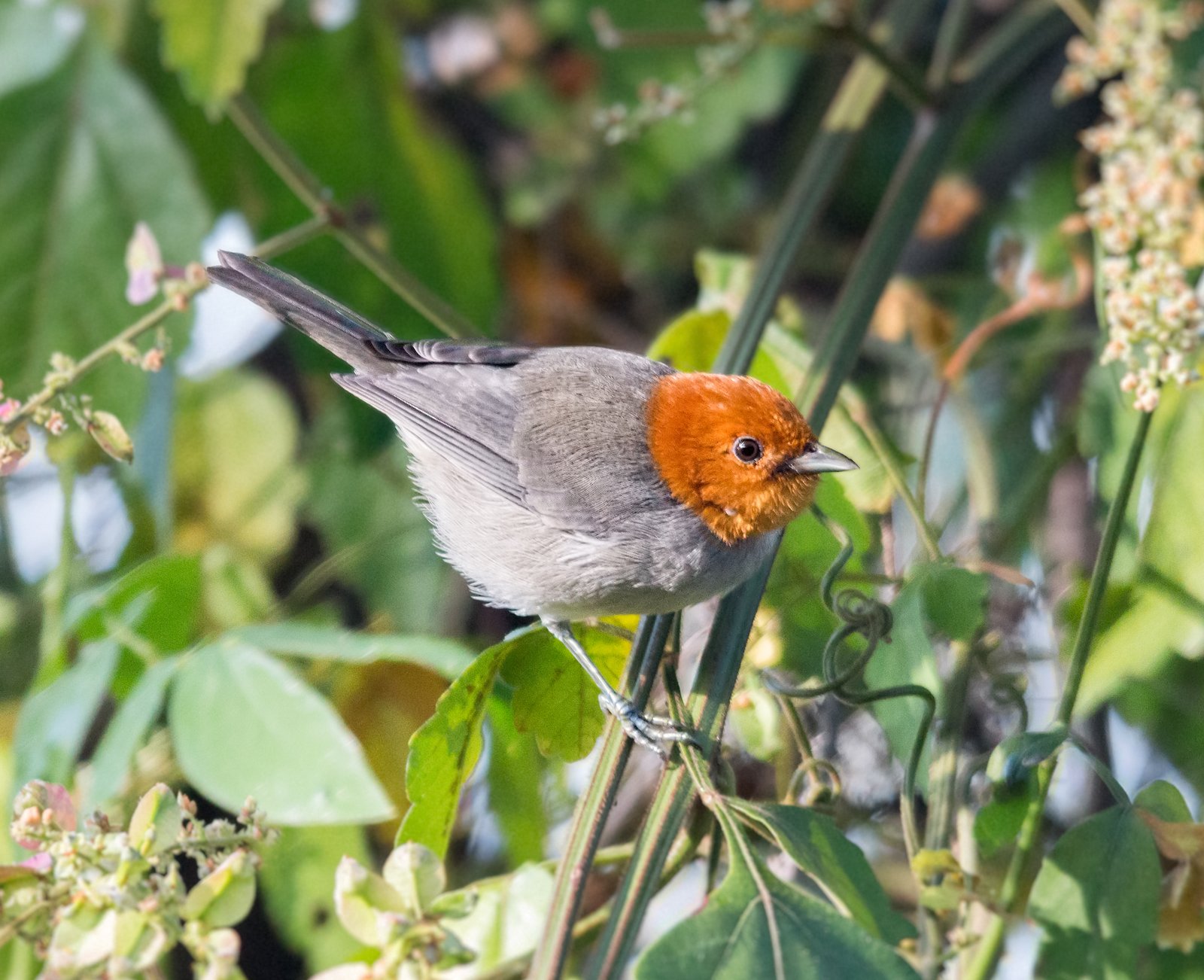
Fulvous-headed Tanager
Thlypopsis fulviceps- Northern Andean subtropical forest
- Northern Andean cloud forest and temperate forest
- Secondary forest and forest edge
-

Rust-and-yellow Tanager
Thlypopsis ruficeps- Upper Yungas cloud forest
- Riparian woodland of the Andes and coastal valleys
- Central Andean dry valleys
- Secondary forest and forest edge
- Polylepis woodland
-
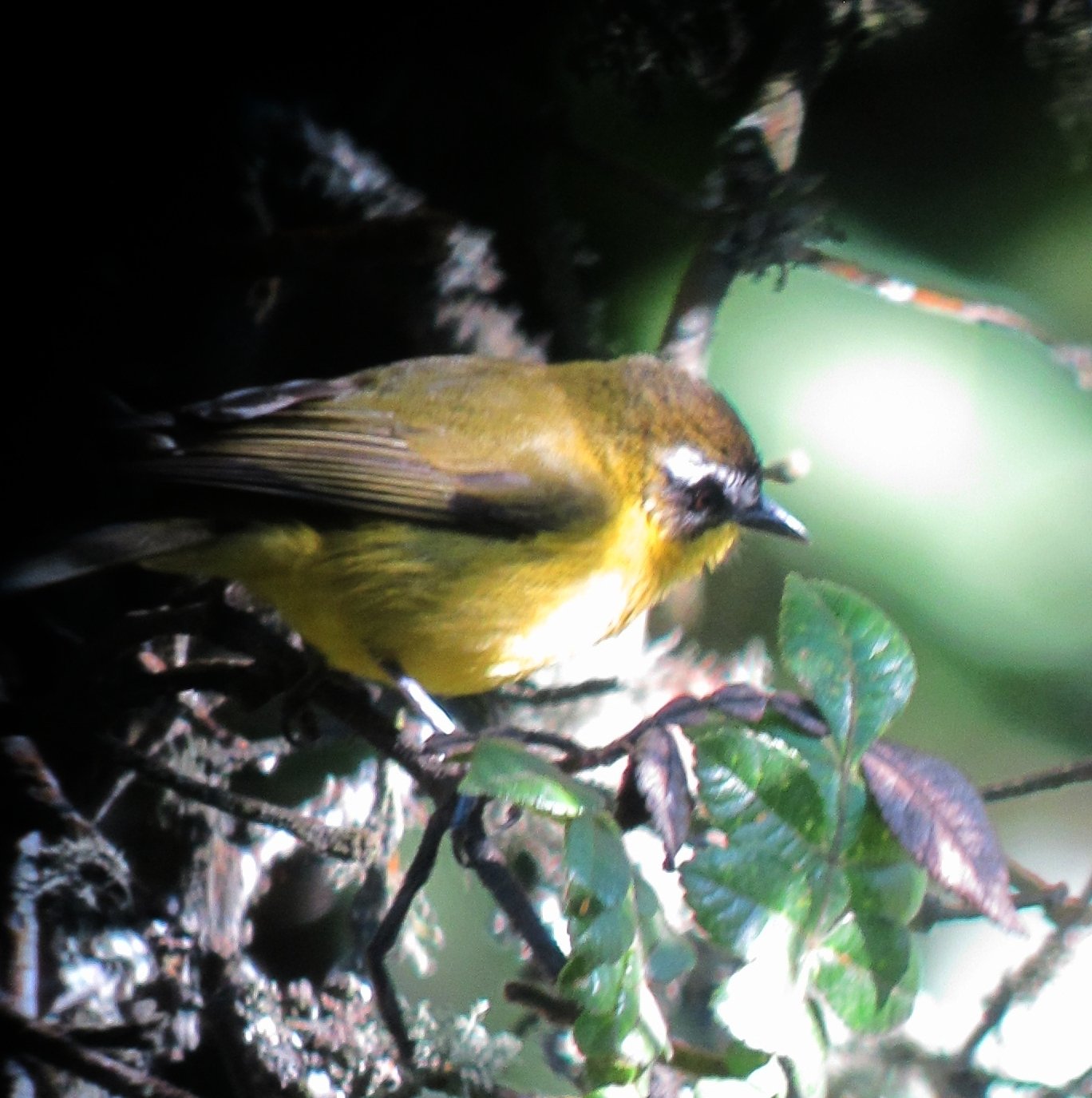
Superciliaried Hemispingus
Thlypopsis superciliaris- Northern Andean cloud forest and temperate forest
- Upper Yungas cloud forest
- Páramo
- Secondary forest and forest edge
-
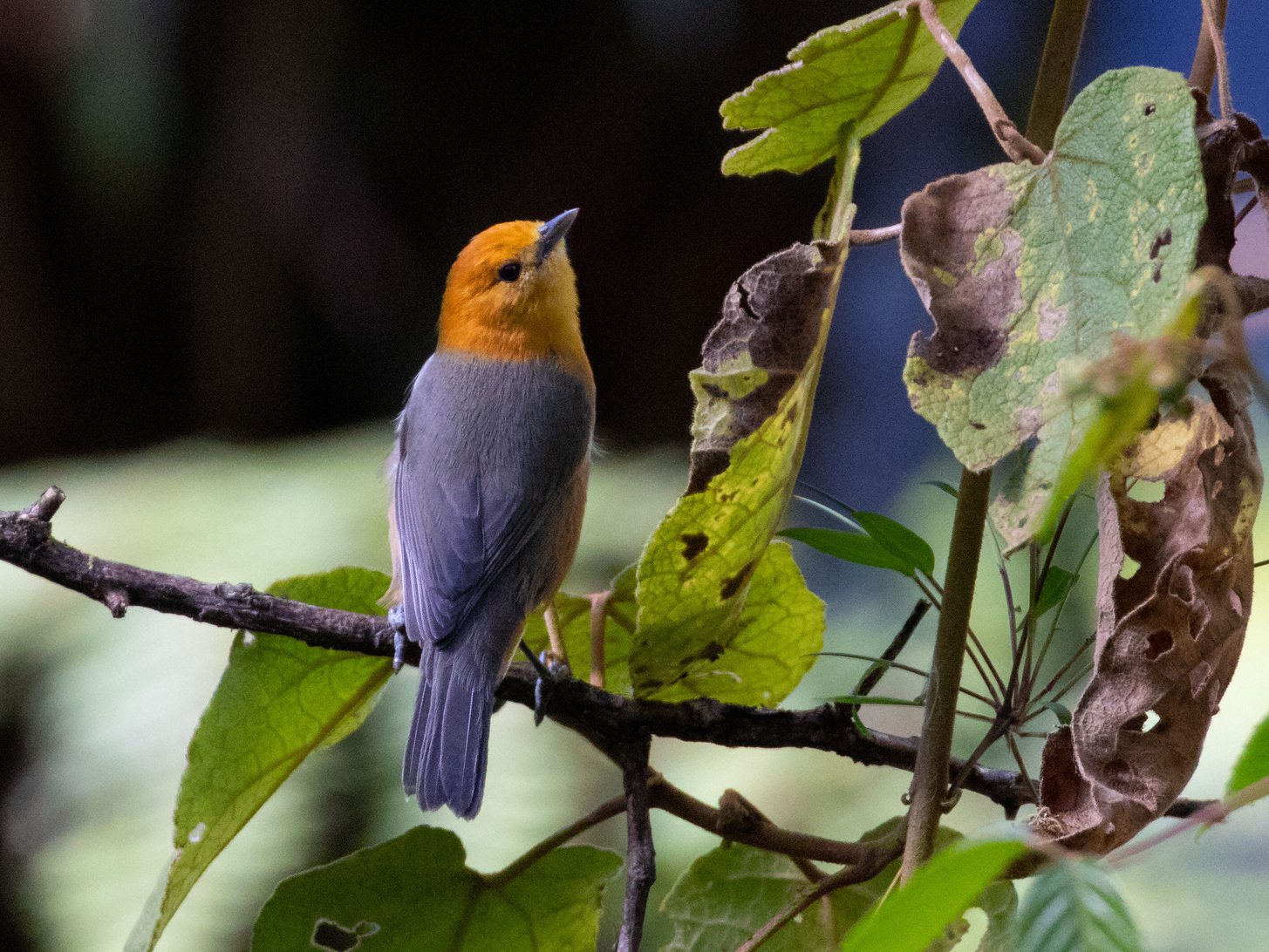
Rufous-chested Tanager
Thlypopsis ornata- Northern Andean cloud forest and temperate forest
- Secondary forest and forest edge
- Riparian woodland of the Andes and coastal valleys
- Andean fields and terraces
- Northern Andean subtropical forest
-
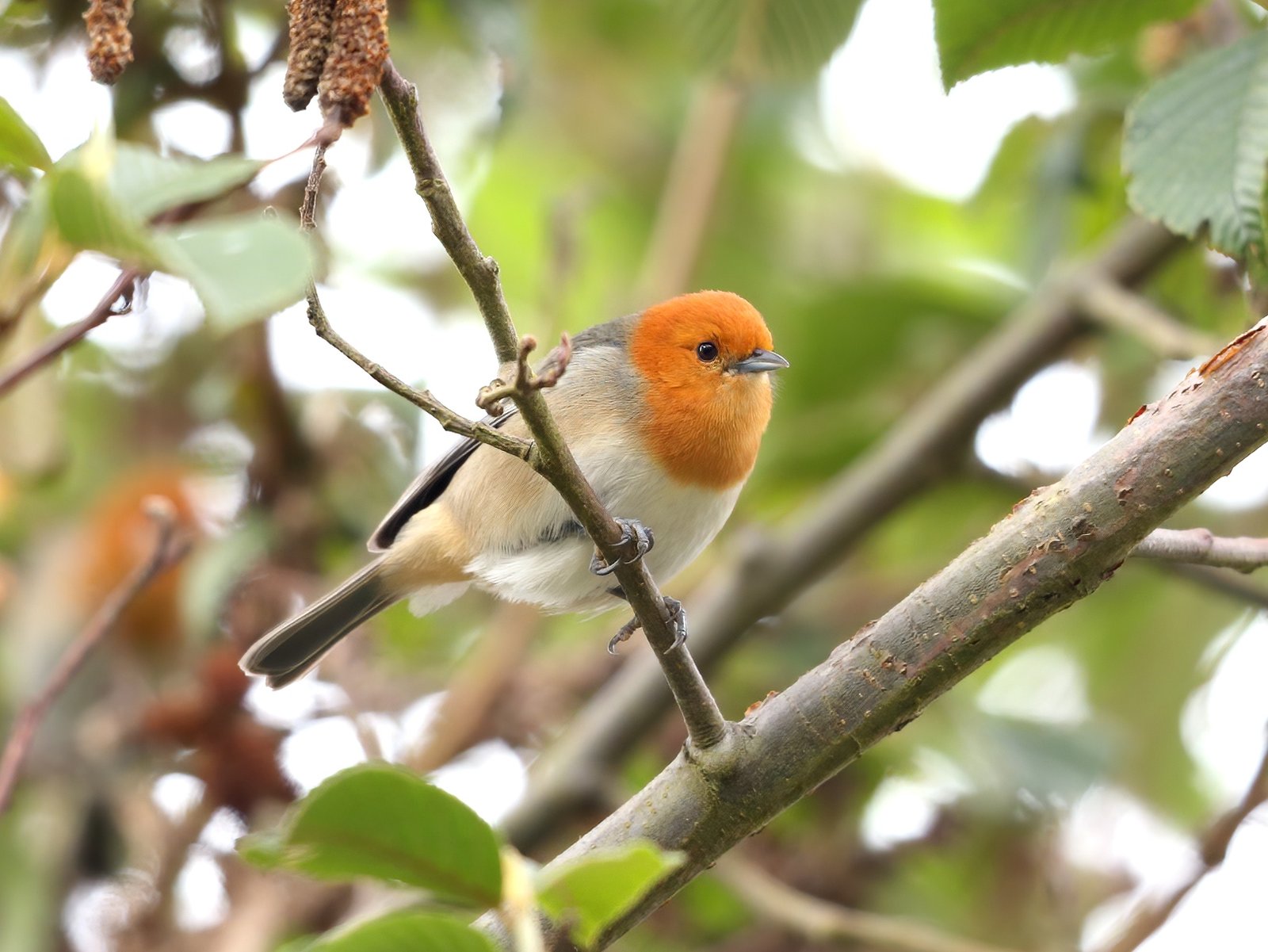
Brown-flanked Tanager
Thlypopsis pectoralis- Central Andean dry valleys
- Upper Yungas cloud forest
- Secondary forest and forest edge
- Riparian woodland of the Andes and coastal valleys
Volatinia 1 species
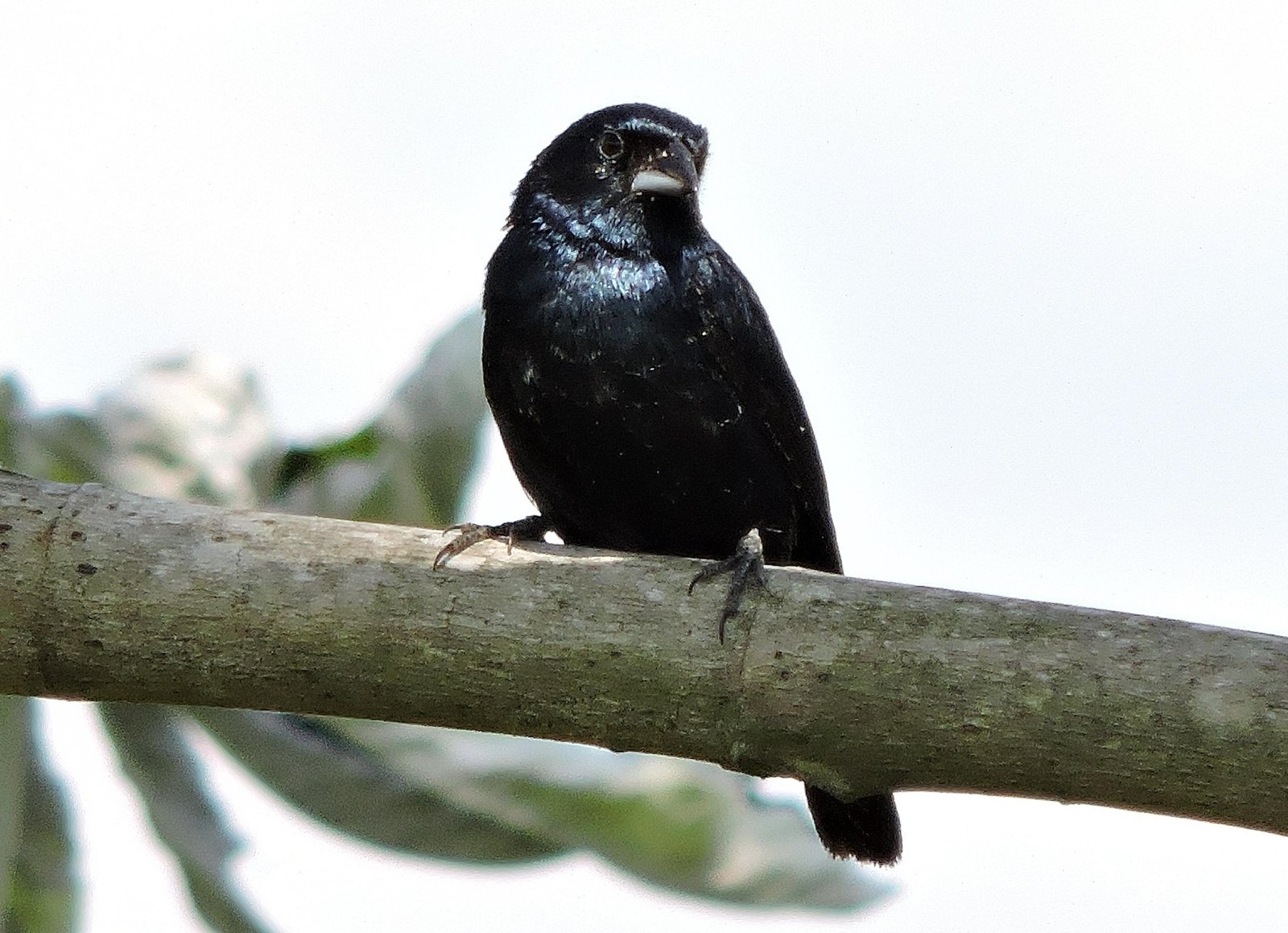
Nephelornis 1 species
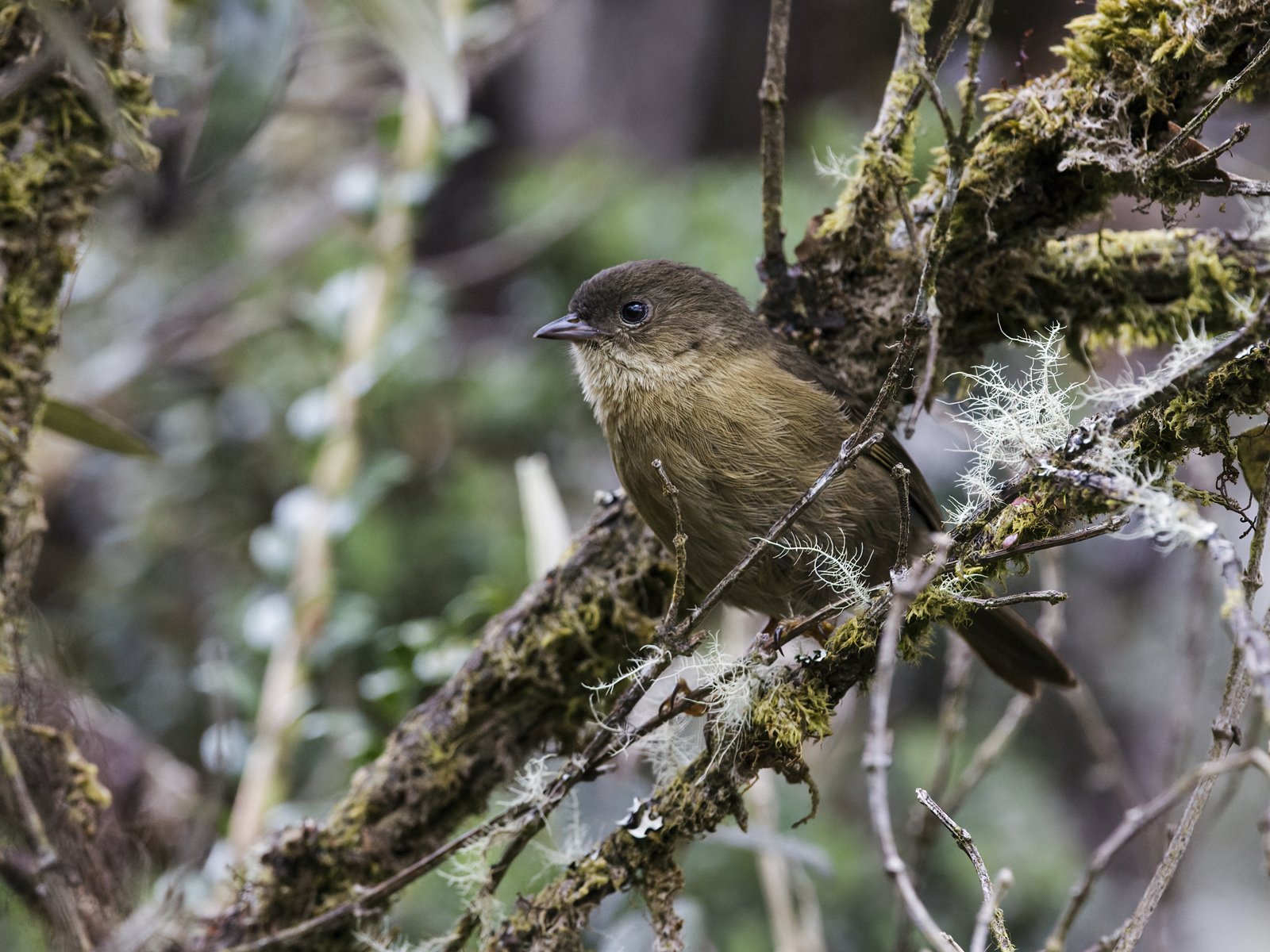
Asemospiza 2 species
-
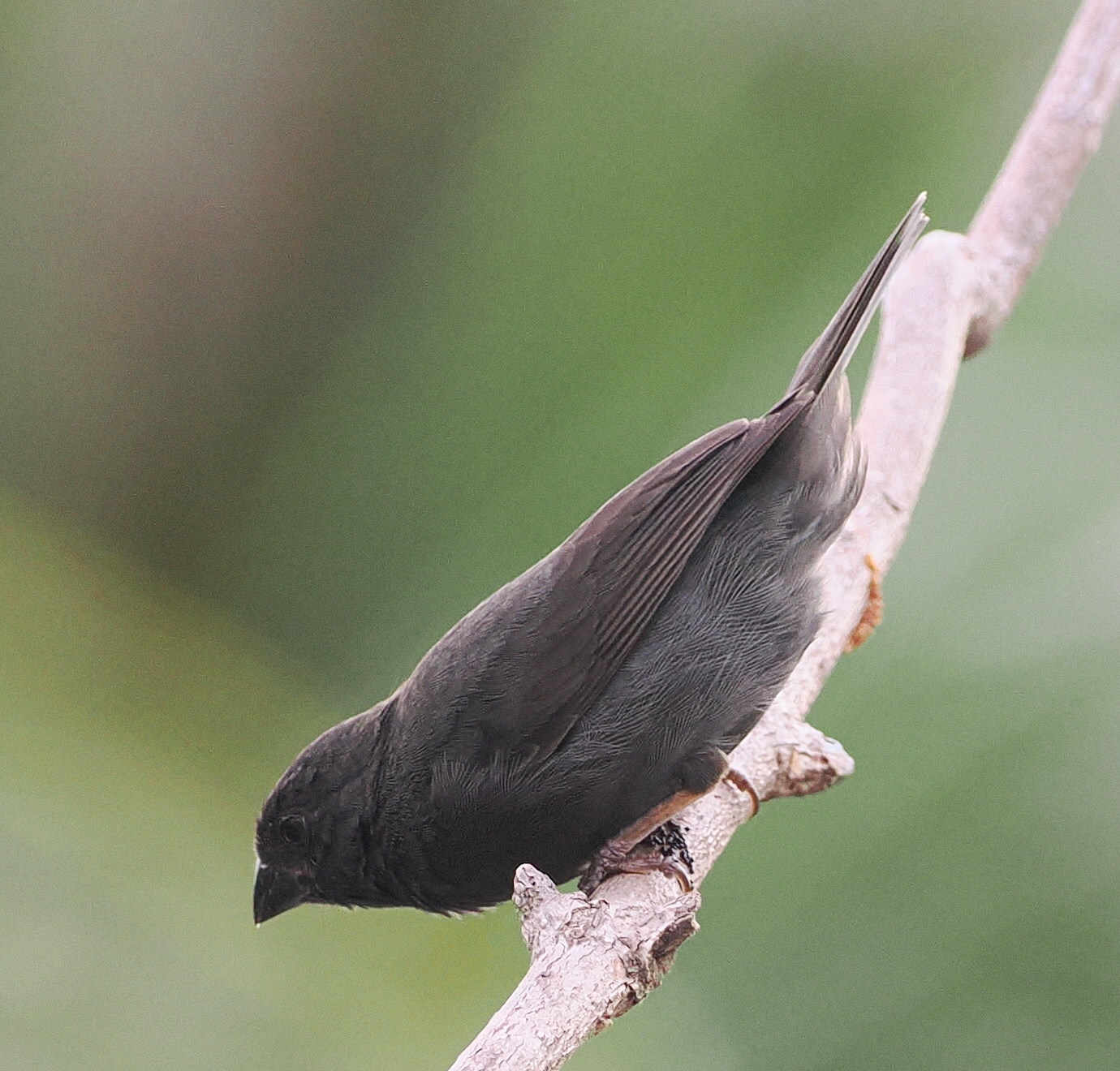
Sooty Grassquit
Asemospiza fuliginosa- Secondary forest and forest edge
- Northern Andean subtropical forest
- Pasture and ranchland
-
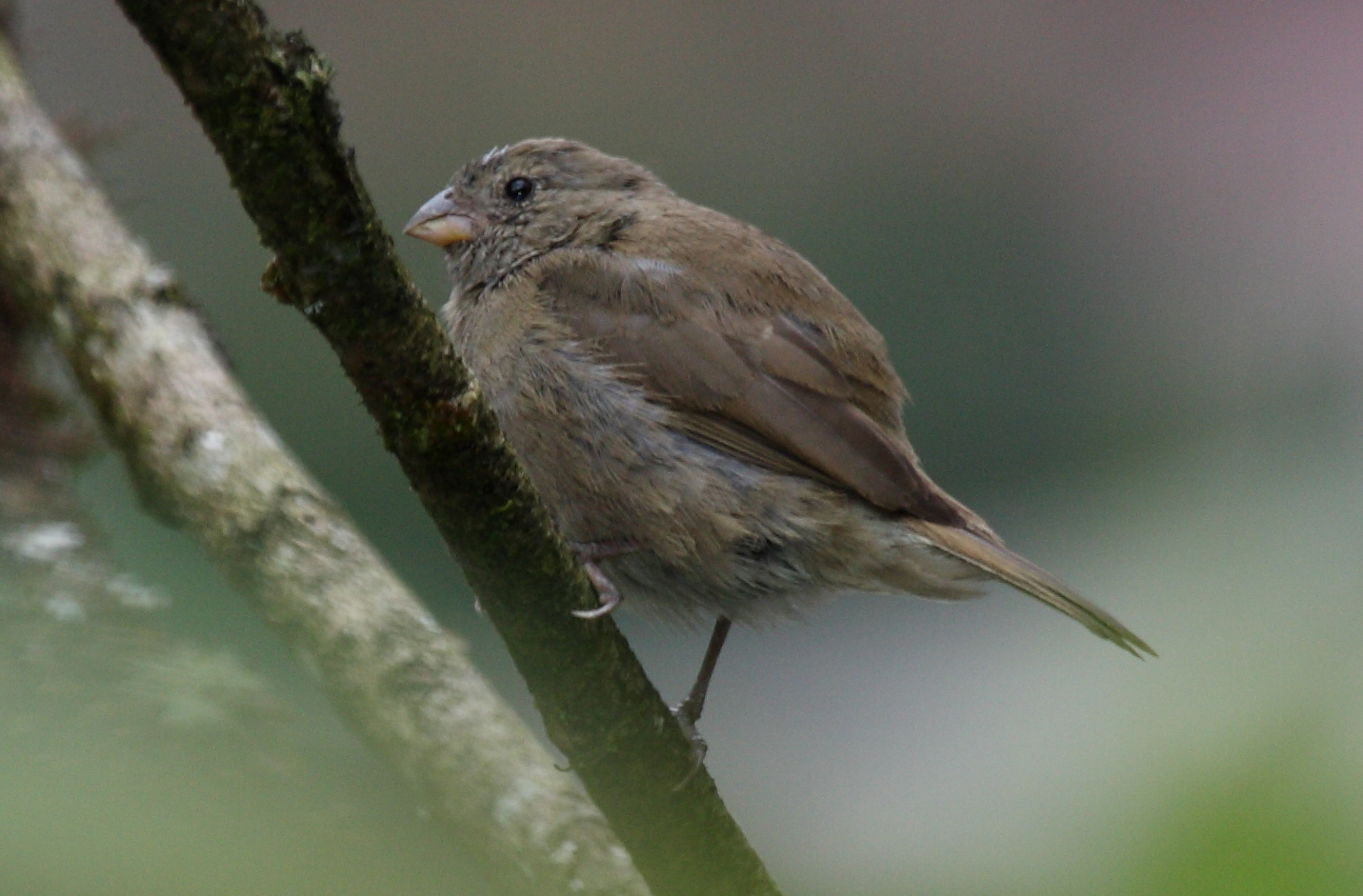
Dull-colored Grassquit
Asemospiza obscura- Marañón and northern inter-Andean dry forest
- Central Andean dry valleys
- Secondary forest and forest edge
- Andean fields and terraces
- Tumbesian dry forest and thorn scrub
- Lower Yungas forest
Saltator 11 species
-
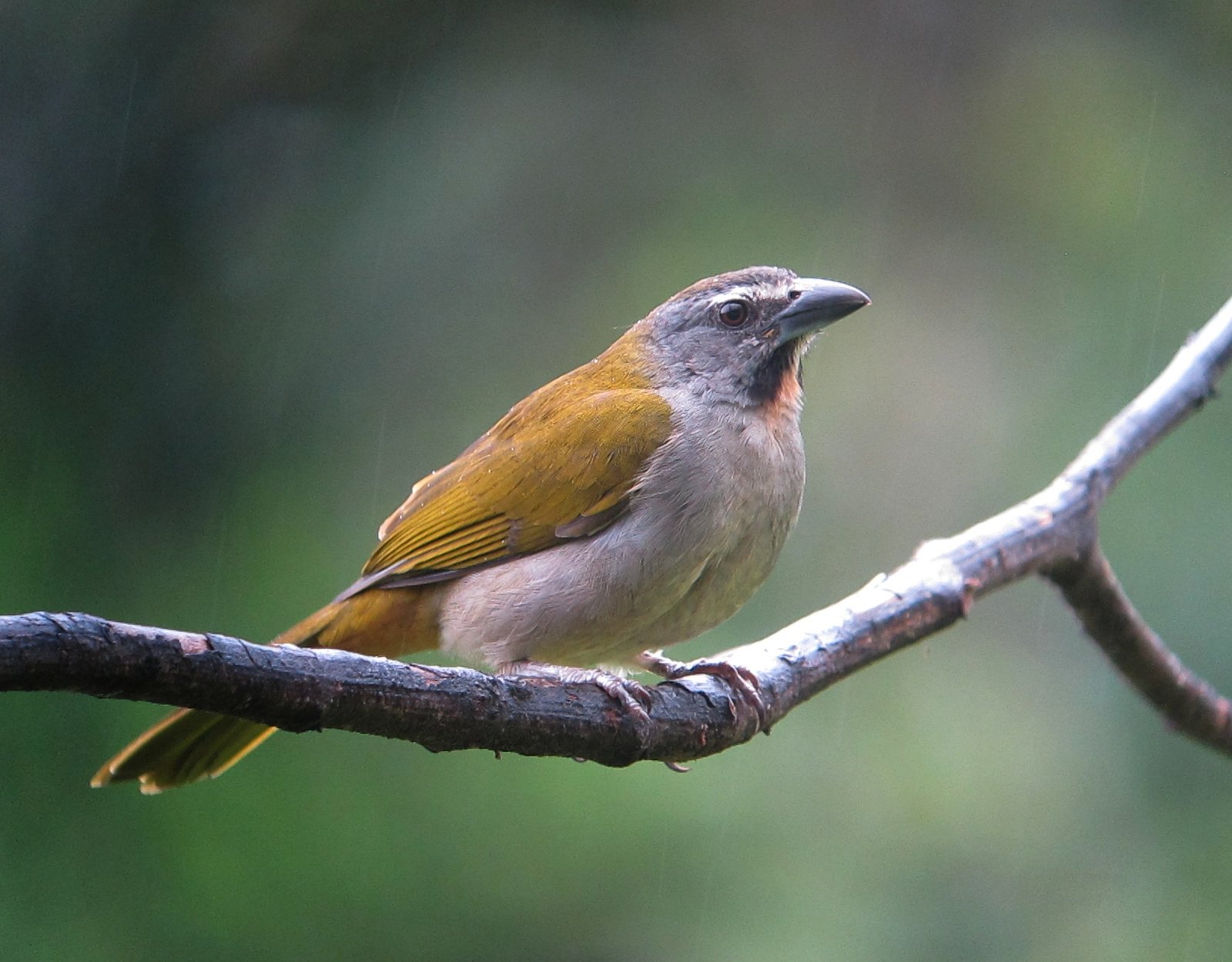
Buff-throated Saltator
Saltator maximus- Amazonian terra firme rainforest
- Secondary forest and forest edge
- Chocó rainforest
- Eastern Andean foothill forest
- Western Ecuador humid forest
- Coffee, cacao and agroforestry
-
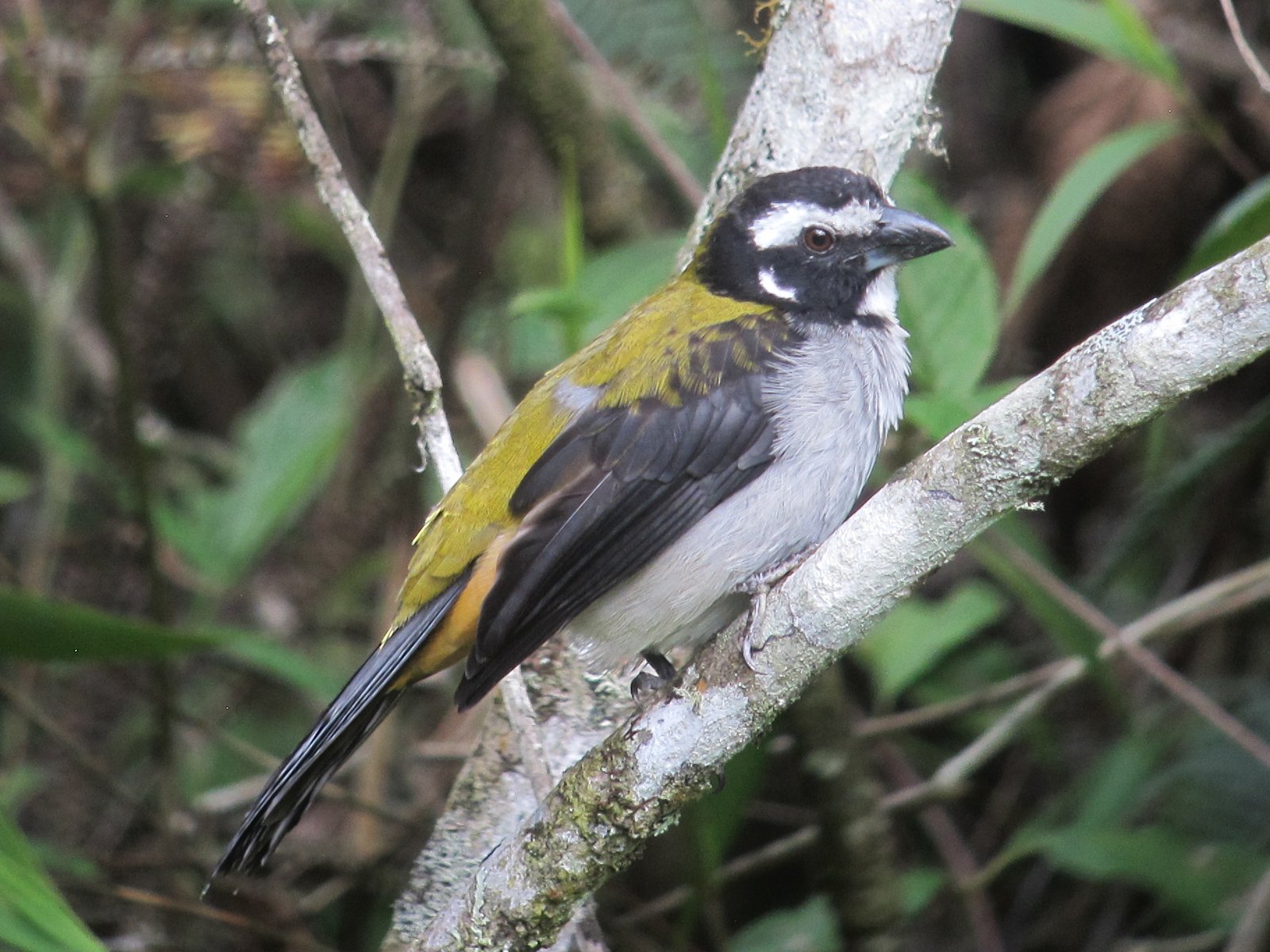
Black-winged Saltator
Saltator atripennis- Northern Andean subtropical forest
- Western Ecuador humid forest
- Secondary forest and forest edge
- Coffee, cacao and agroforestry
-
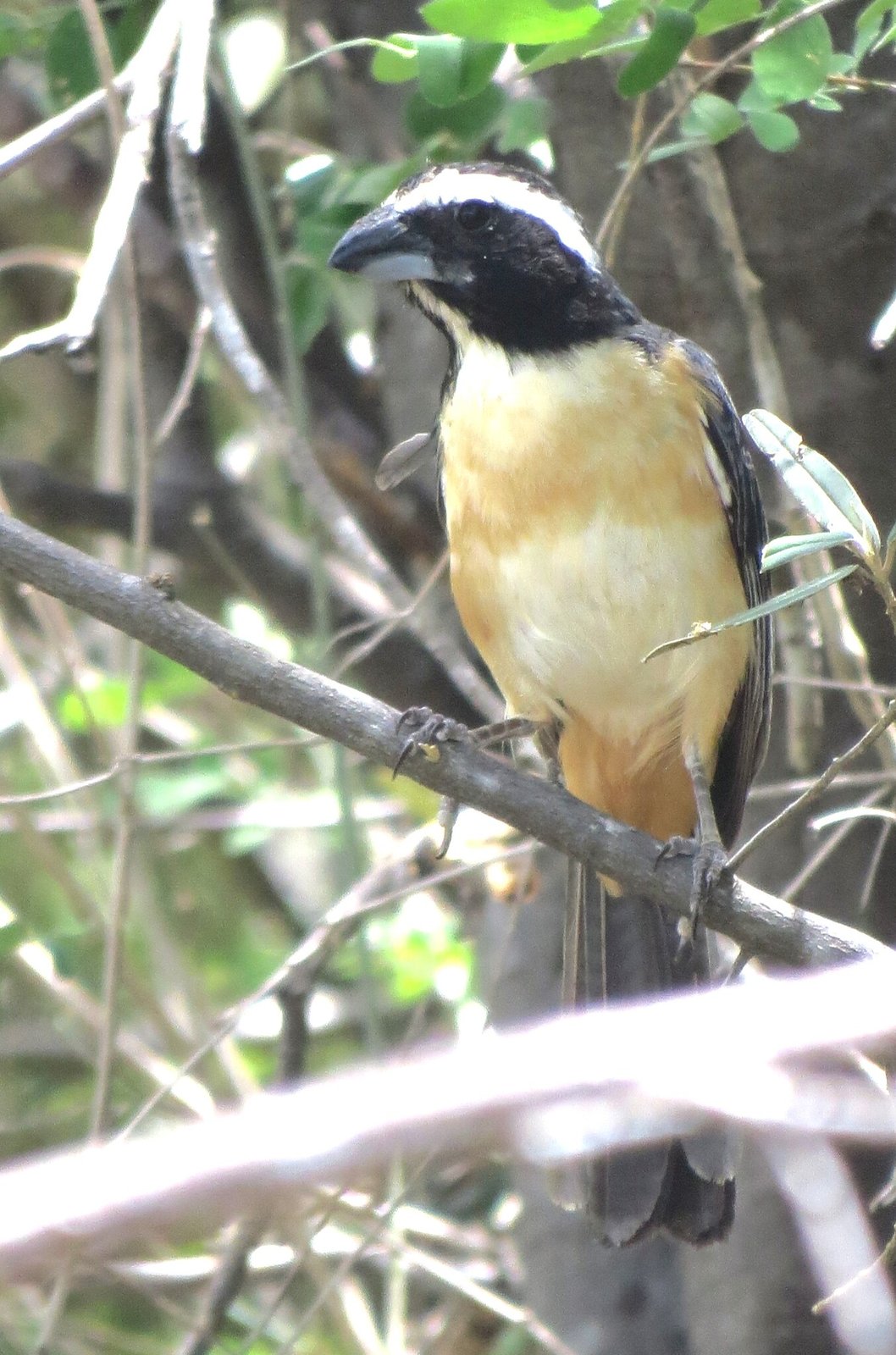
Orinoco Saltator
Saltator orenocensis- Llanos savanna
- Secondary forest and forest edge
- Pasture and ranchland
-
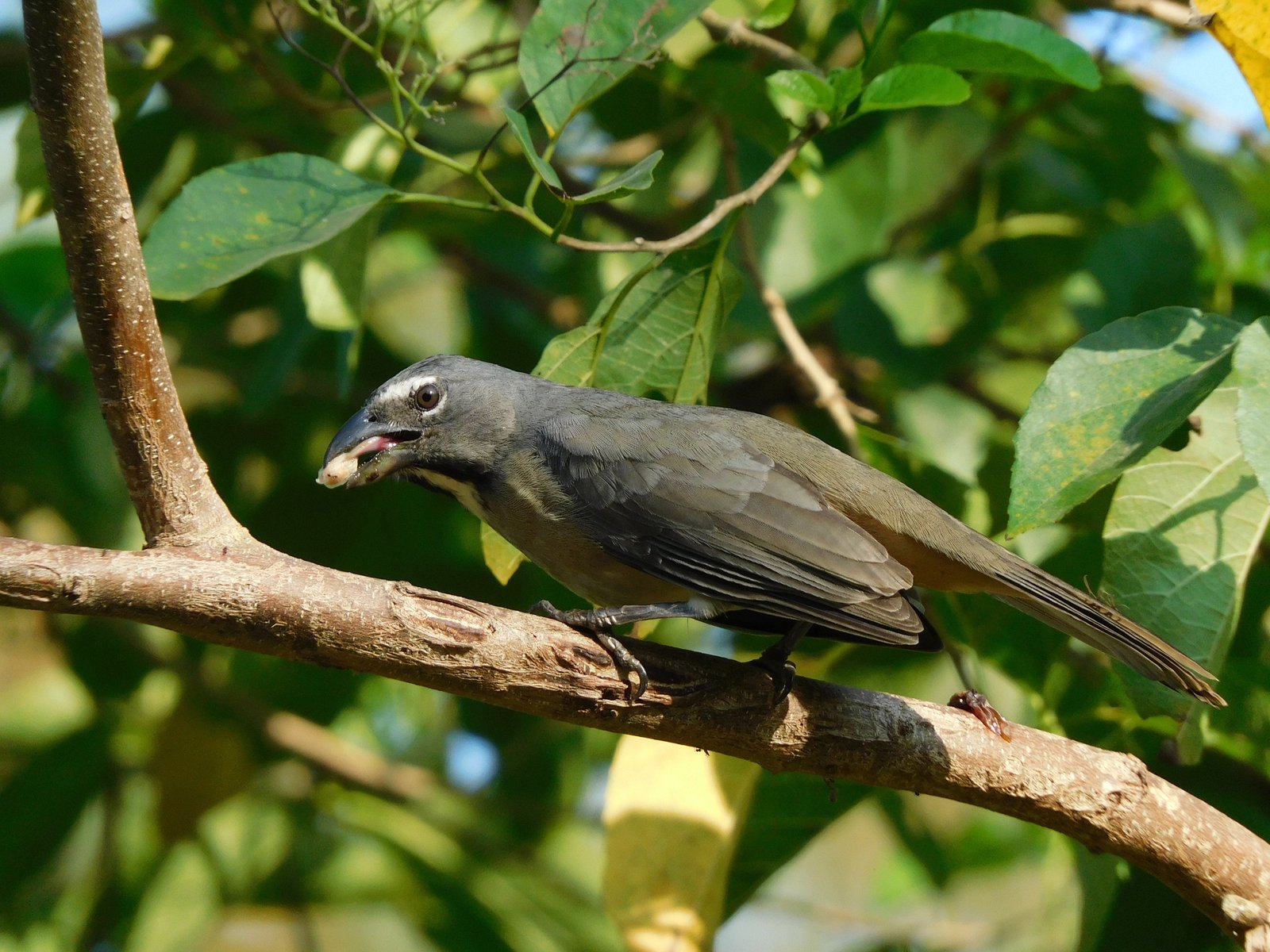
Olive-grey Saltator
Saltator olivascens- Secondary forest and forest edge
- Pasture and ranchland
- Towns, cities and parks
- Llanos savanna
- Coffee, cacao and agroforestry
-
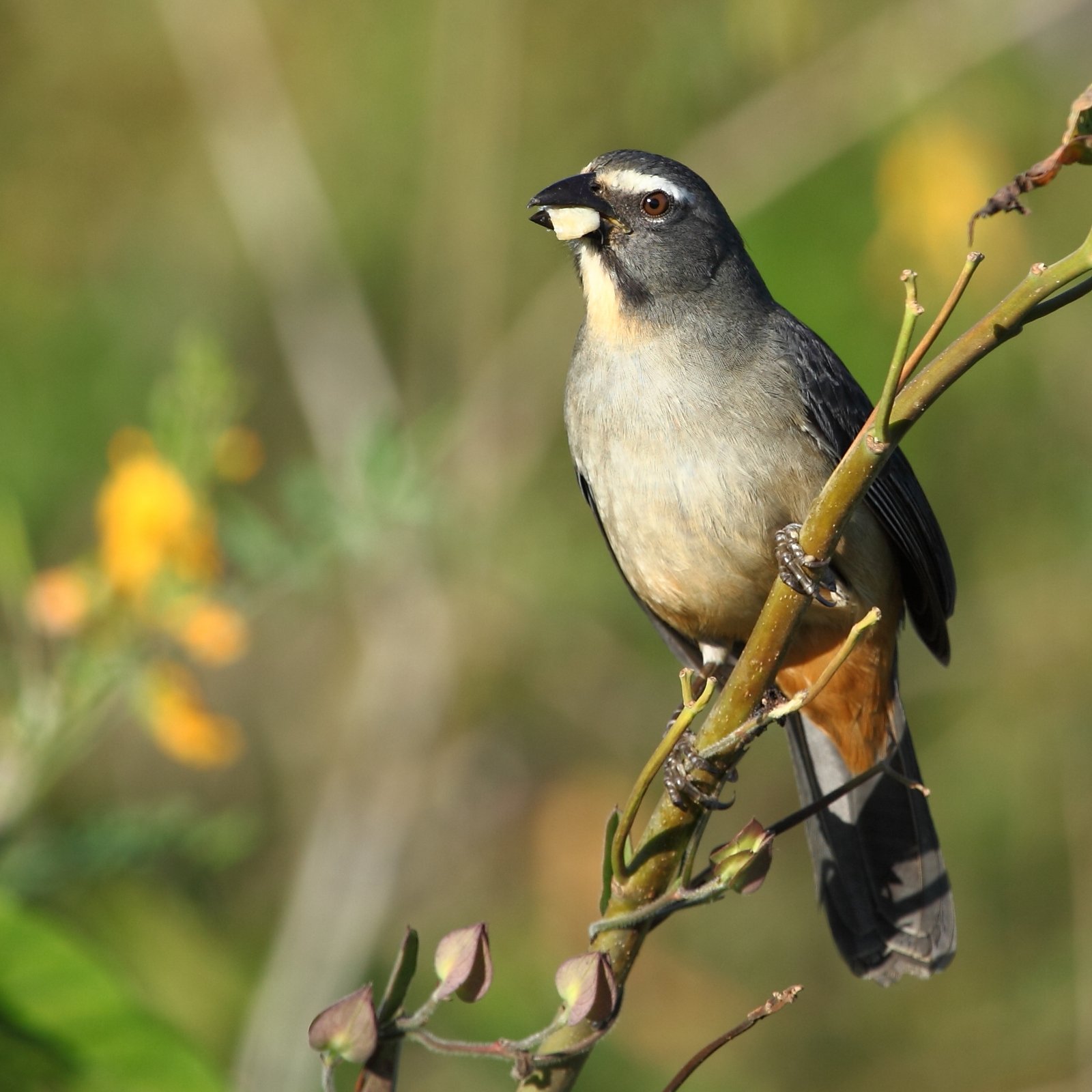
Bluish-grey Saltator
Saltator coerulescens- Secondary forest and forest edge
- Várzea, igapó and river islands
- Beni savanna and cerrado
- Pasture and ranchland
- Towns, cities and parks
-
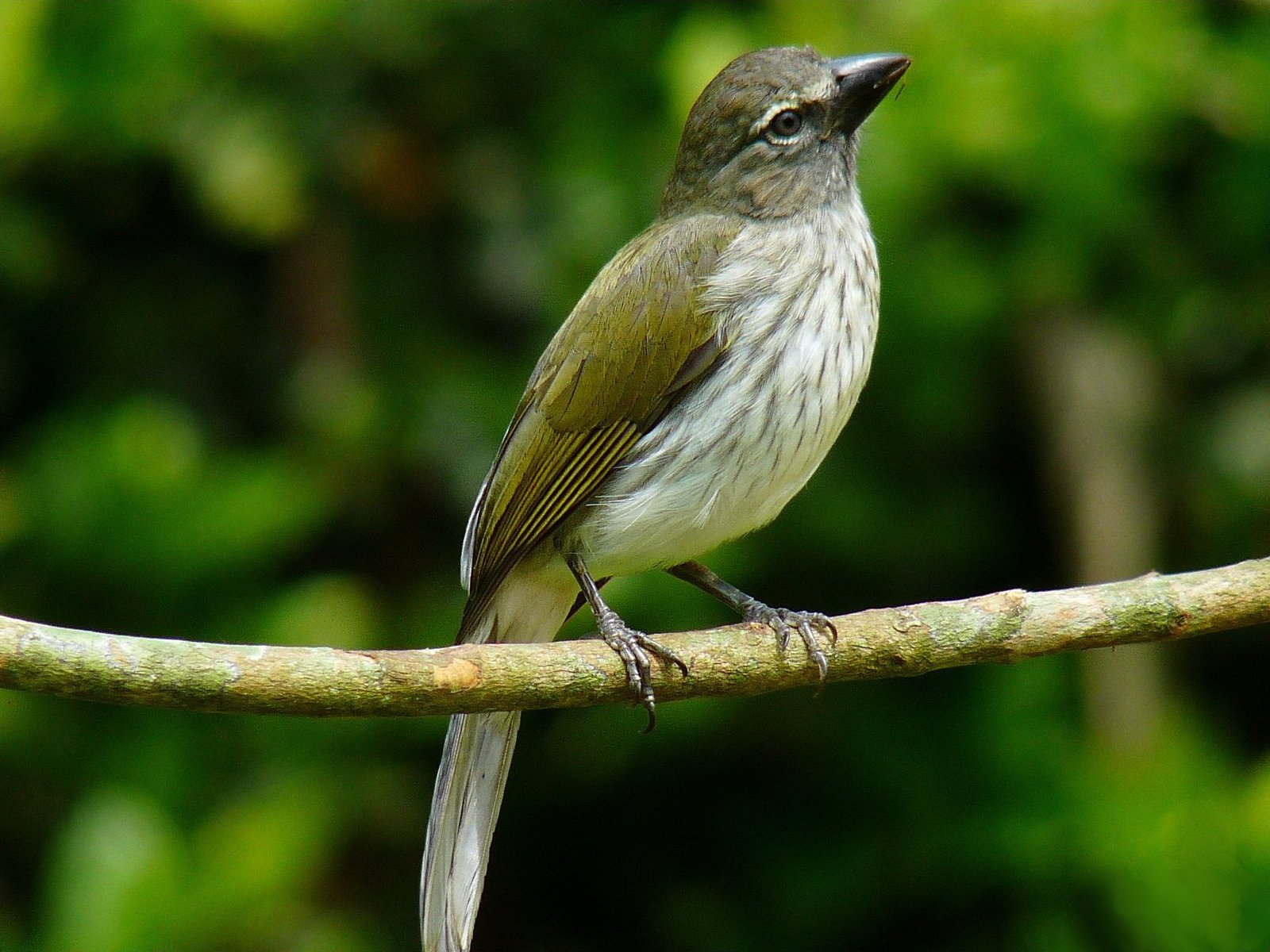
Streaked Saltator
Saltator striatipectus- Tumbesian dry forest and thorn scrub
- Secondary forest and forest edge
- Marañón and northern inter-Andean dry forest
- Riparian woodland of the Andes and coastal valleys
- Coffee, cacao and agroforestry
- Towns, cities and parks
-
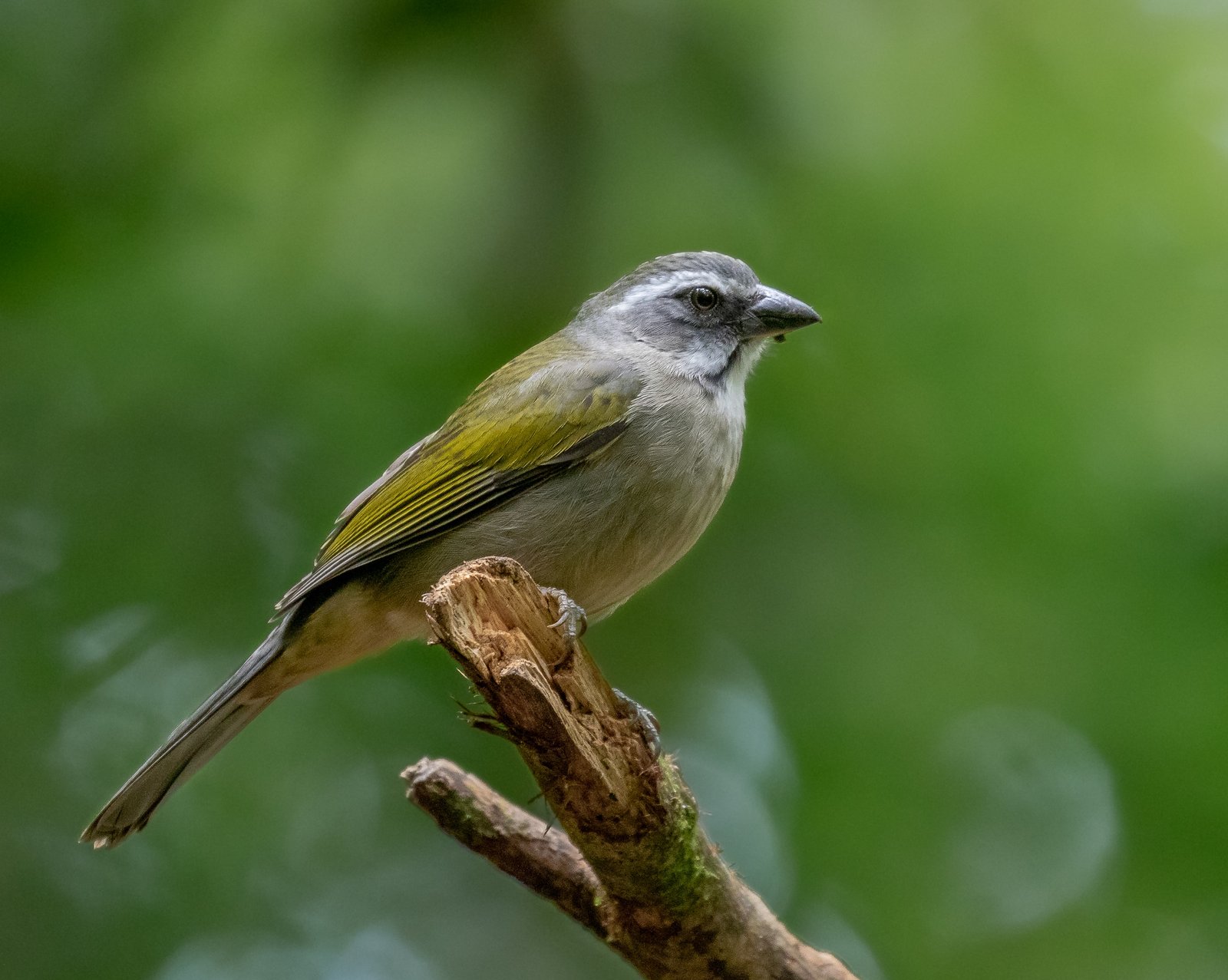
Green-winged Saltator
Saltator similis- Secondary forest and forest edge
- Chiquitano dry forest and Chaco
- Lower Yungas forest
- Pasture and ranchland
- Towns, cities and parks
-
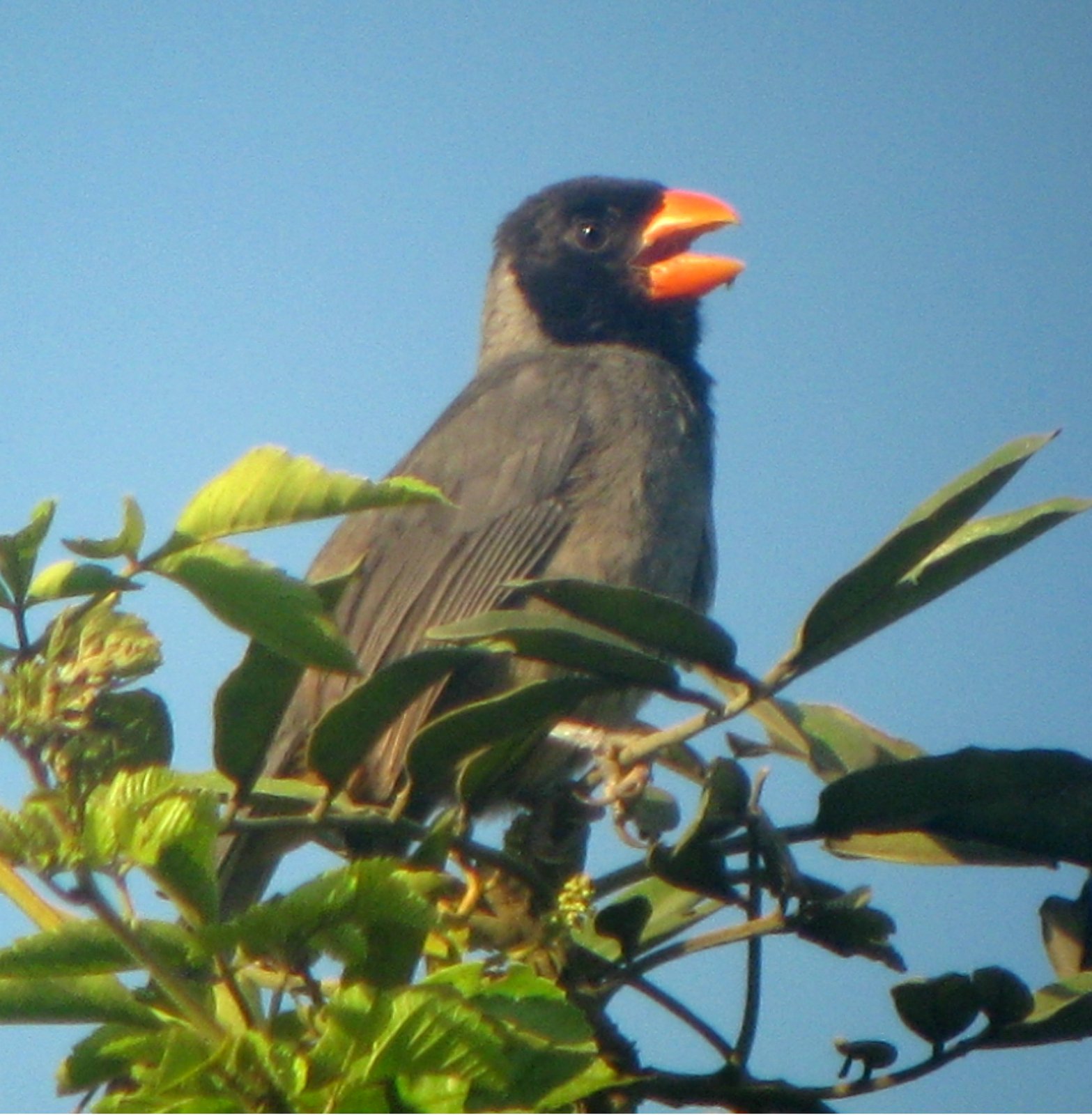
Black-cowled Saltator
Saltator nigriceps- Tumbesian dry forest and thorn scrub
- Marañón and northern inter-Andean dry forest
- Secondary forest and forest edge
- Northern Andean subtropical forest
- Riparian woodland of the Andes and coastal valleys
-

Golden-billed Saltator
Saltator aurantiirostris- Central Andean dry valleys
- Andean fields and terraces
- Polylepis woodland
- Riparian woodland of the Andes and coastal valleys
- Chiquitano dry forest and Chaco
-
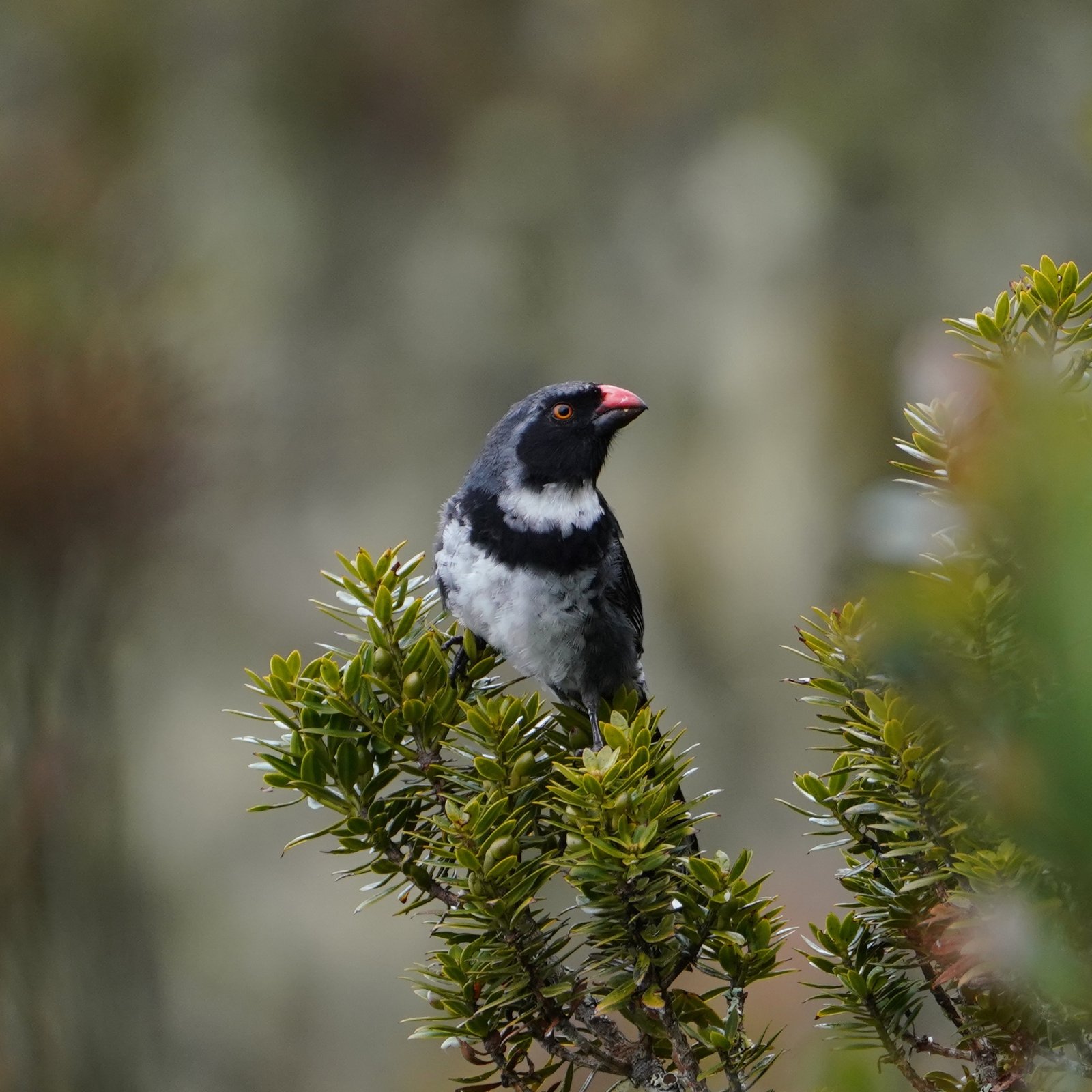
Masked Saltator
Saltator cinctus- Northern Andean cloud forest and temperate forest
- Bamboo forest
- Upper Yungas cloud forest
- Secondary forest and forest edge
-
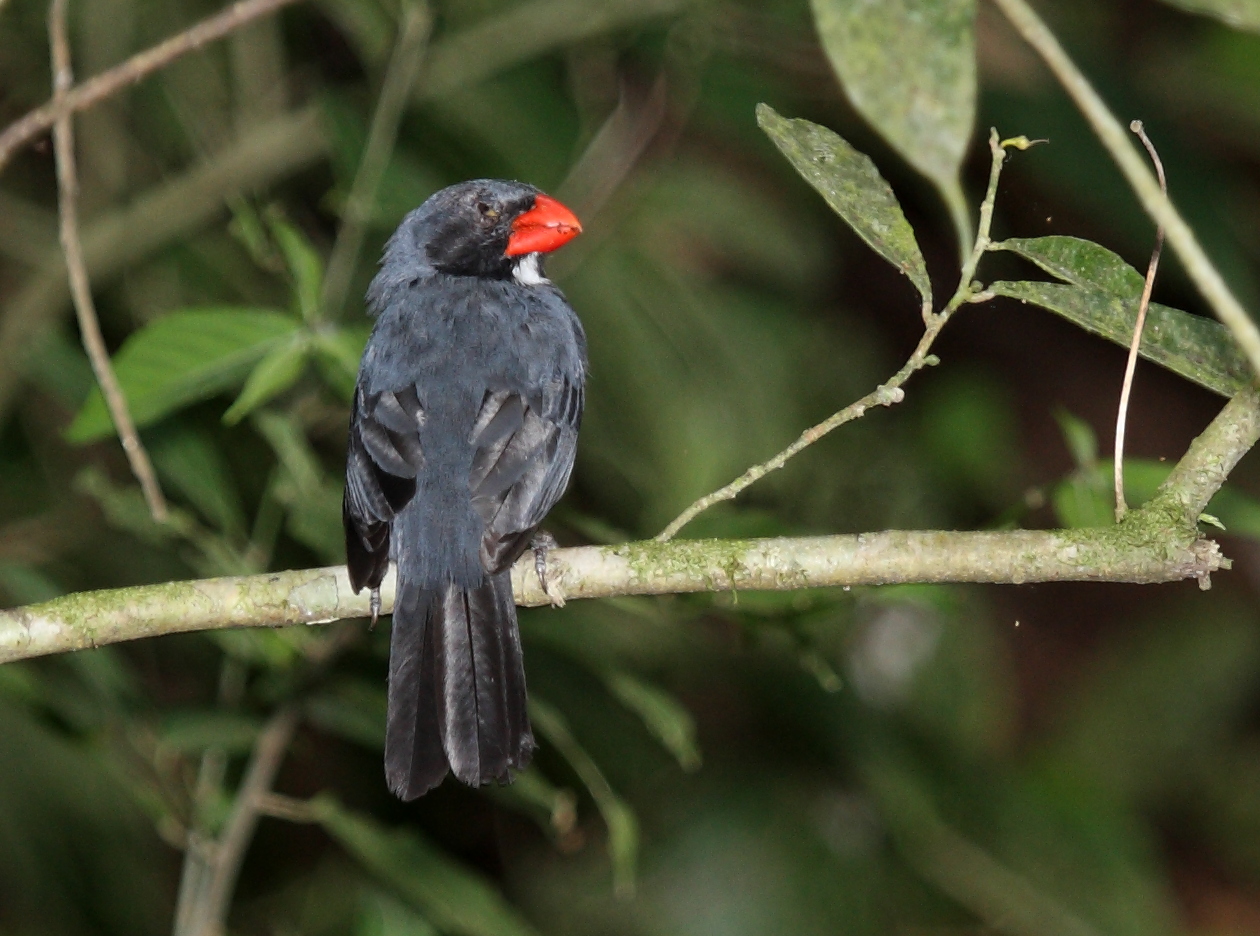
Slate-colored Grosbeak
Saltator grossus- Amazonian terra firme rainforest
- Chocó rainforest
- Western Ecuador humid forest
- Eastern Andean foothill forest
- Secondary forest and forest edge
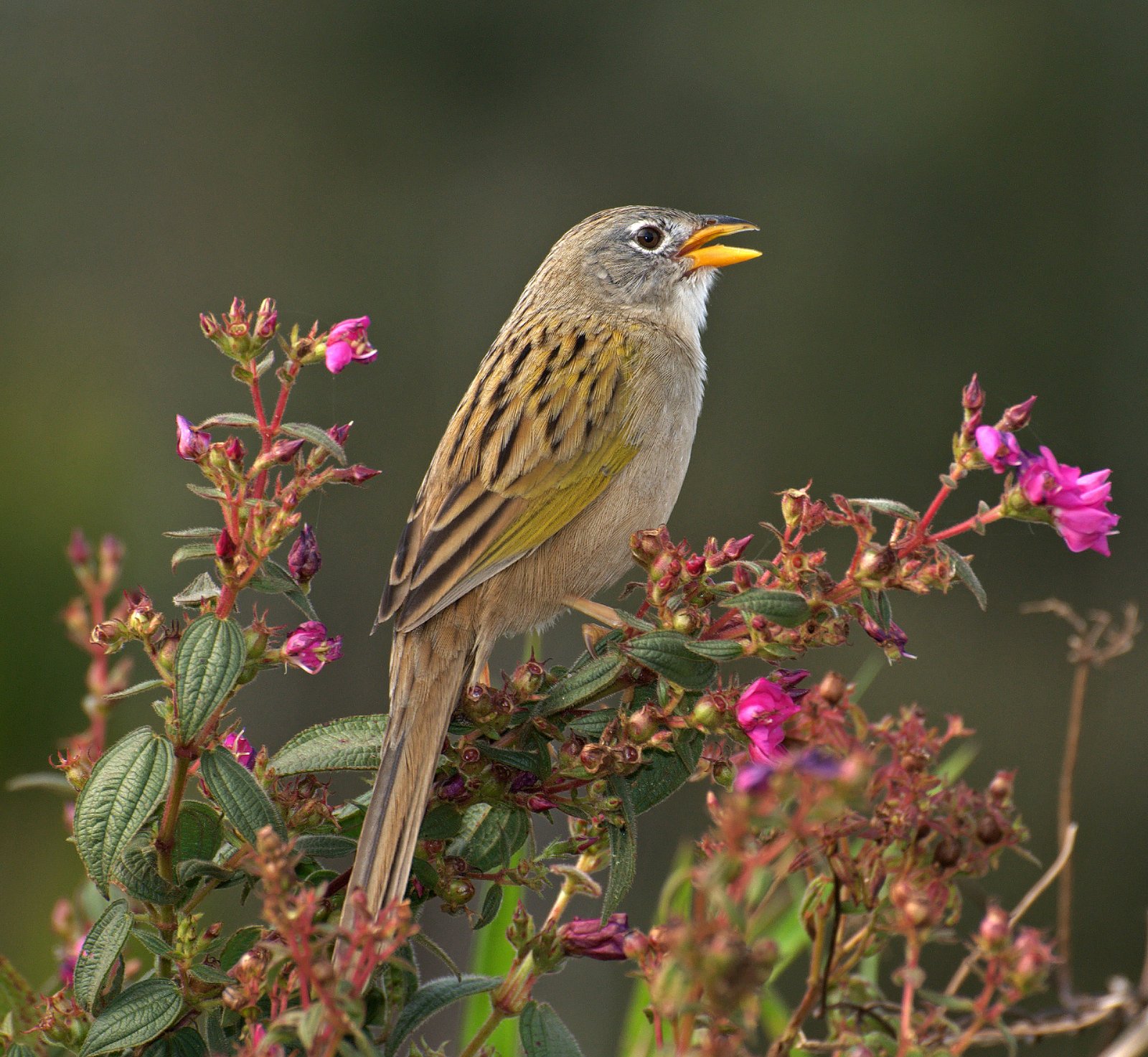
Emberizoides 1 species
Lanio 2 species
-
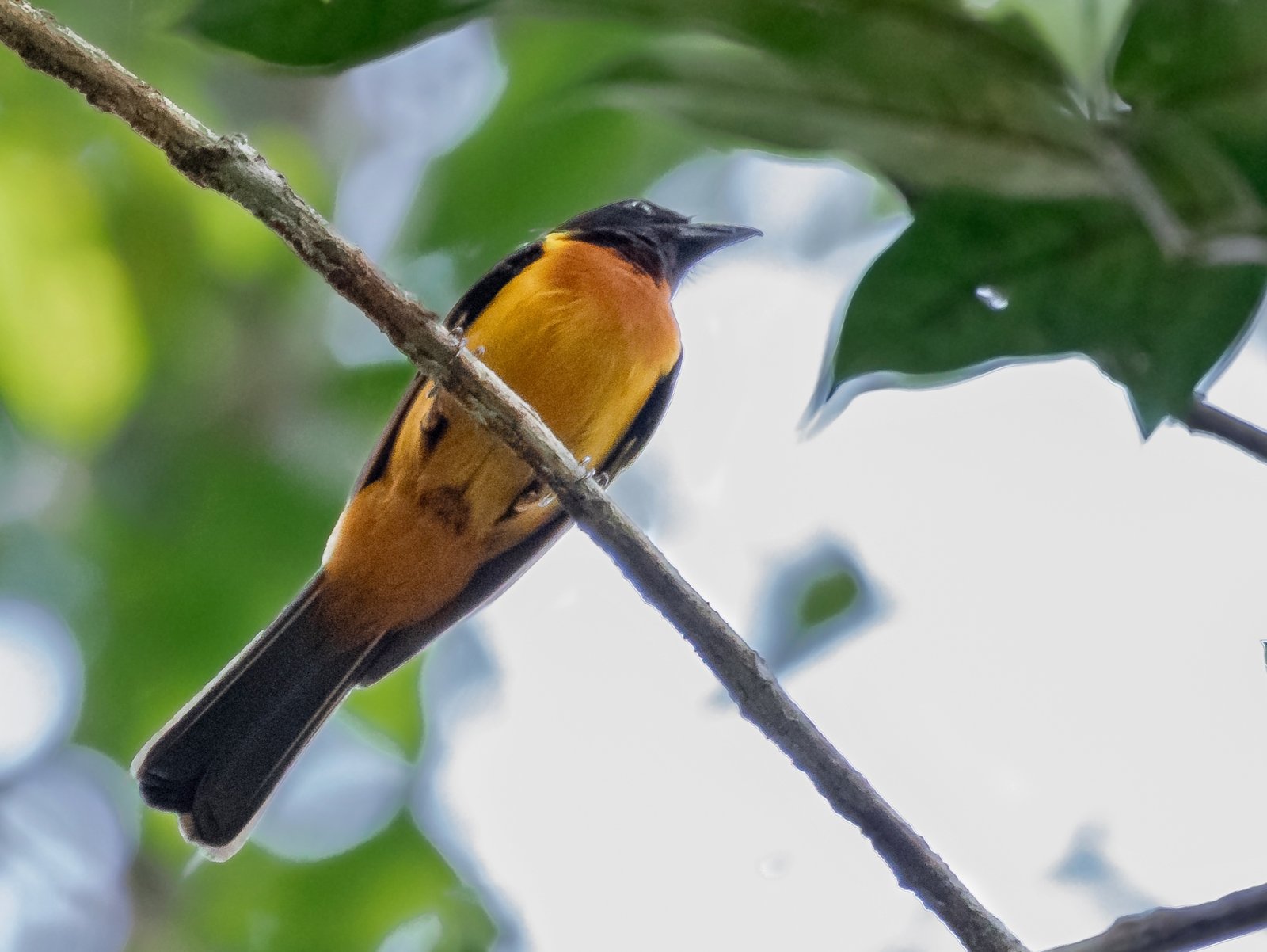
Fulvous Shrike-Tanager
Lanio fulvus- Amazonian terra firme rainforest
- Eastern Andean foothill forest
- Várzea, igapó and river islands
- Secondary forest and forest edge
-
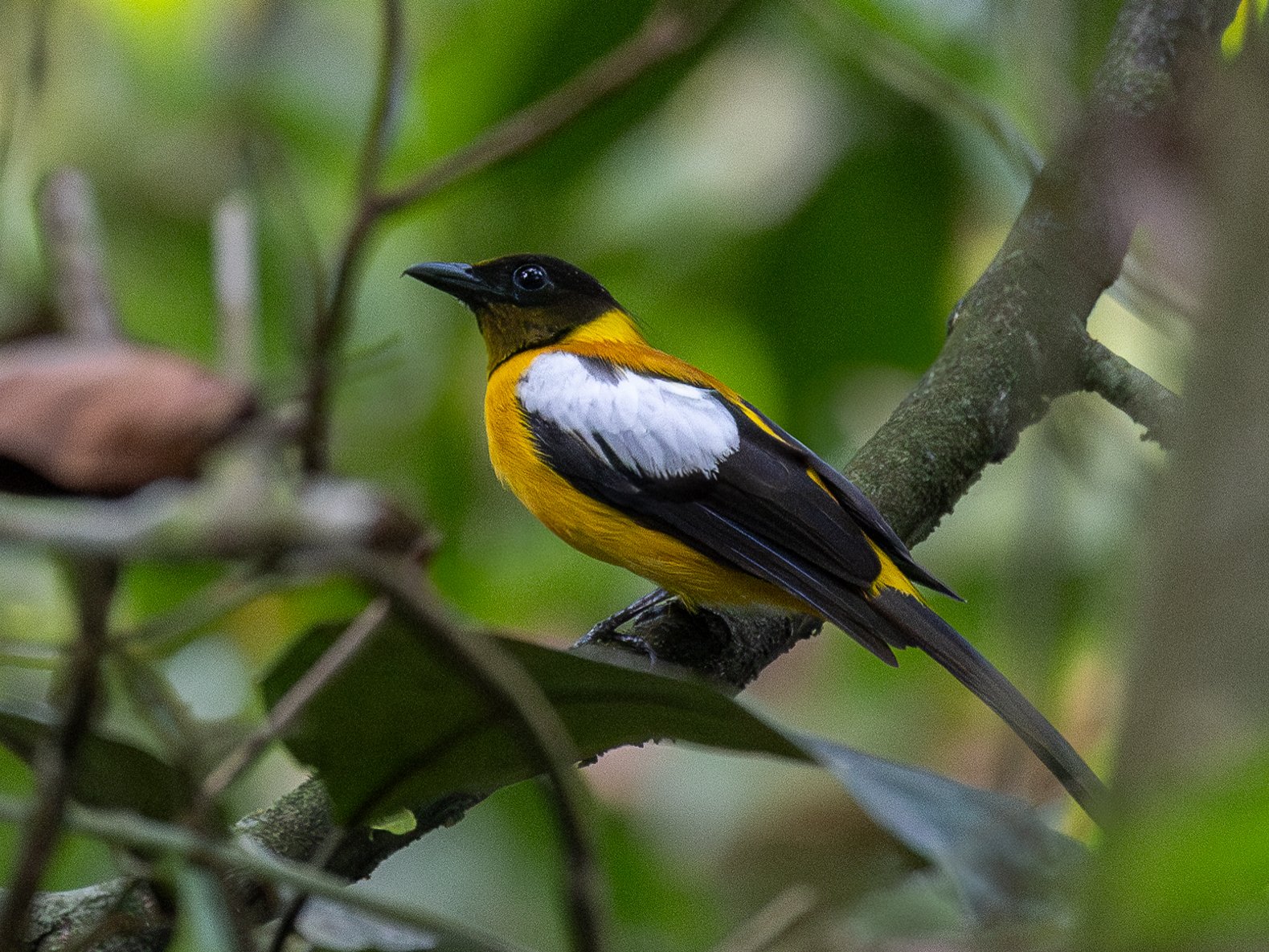
White-winged Shrike-Tanager
Lanio versicolor- Amazonian terra firme rainforest
- Eastern Andean foothill forest
- Várzea, igapó and river islands
- Secondary forest and forest edge
Saltatricula 2 species
Idiopsar 4 species
-
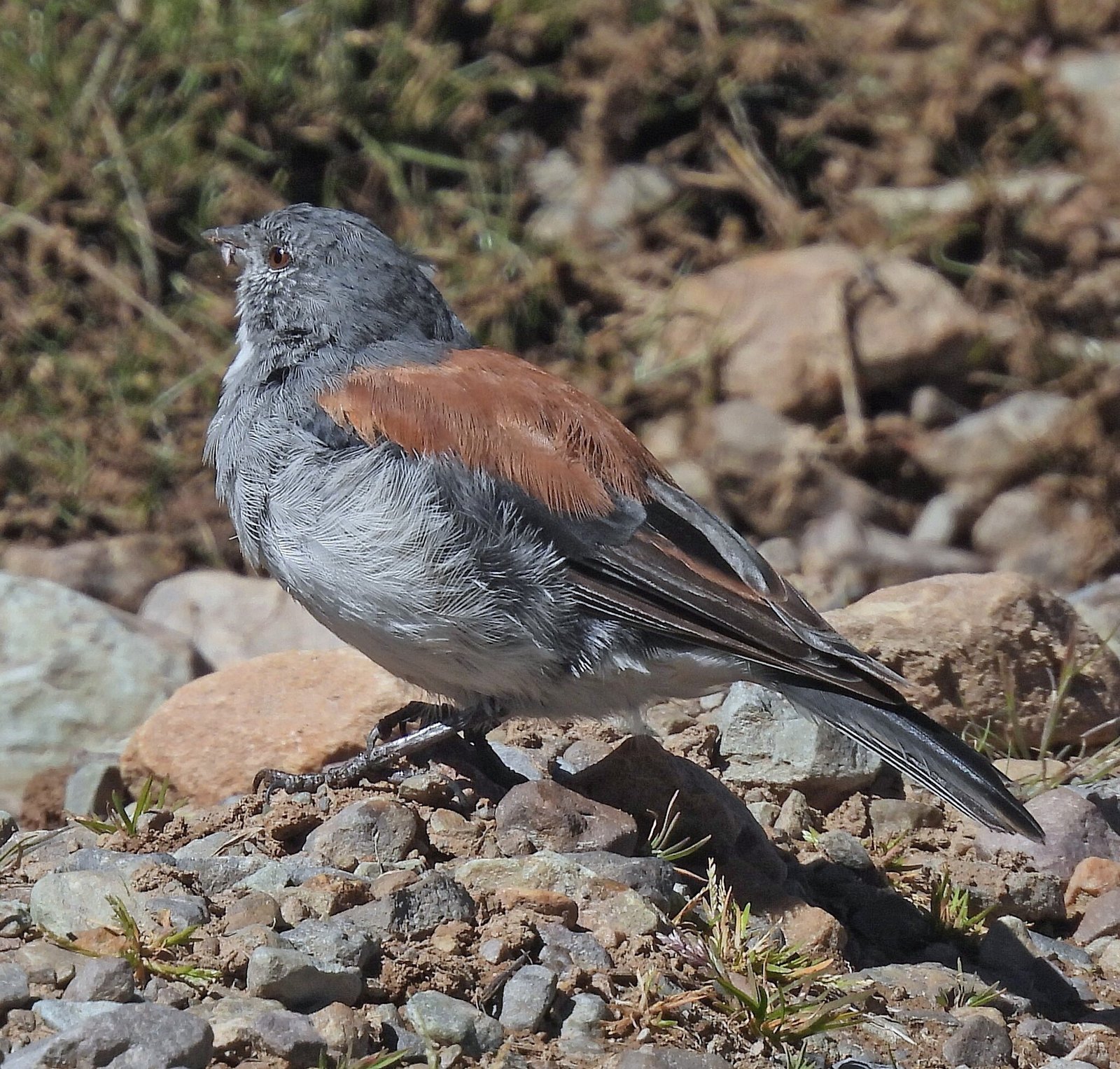
Red-backed Sierra Finch
Idiopsar dorsalis- Dry puna and altiplano
- Andean bogs and bofedales
- Cliffs, gorges and canyons
 Glaciers, snowline and scree
-
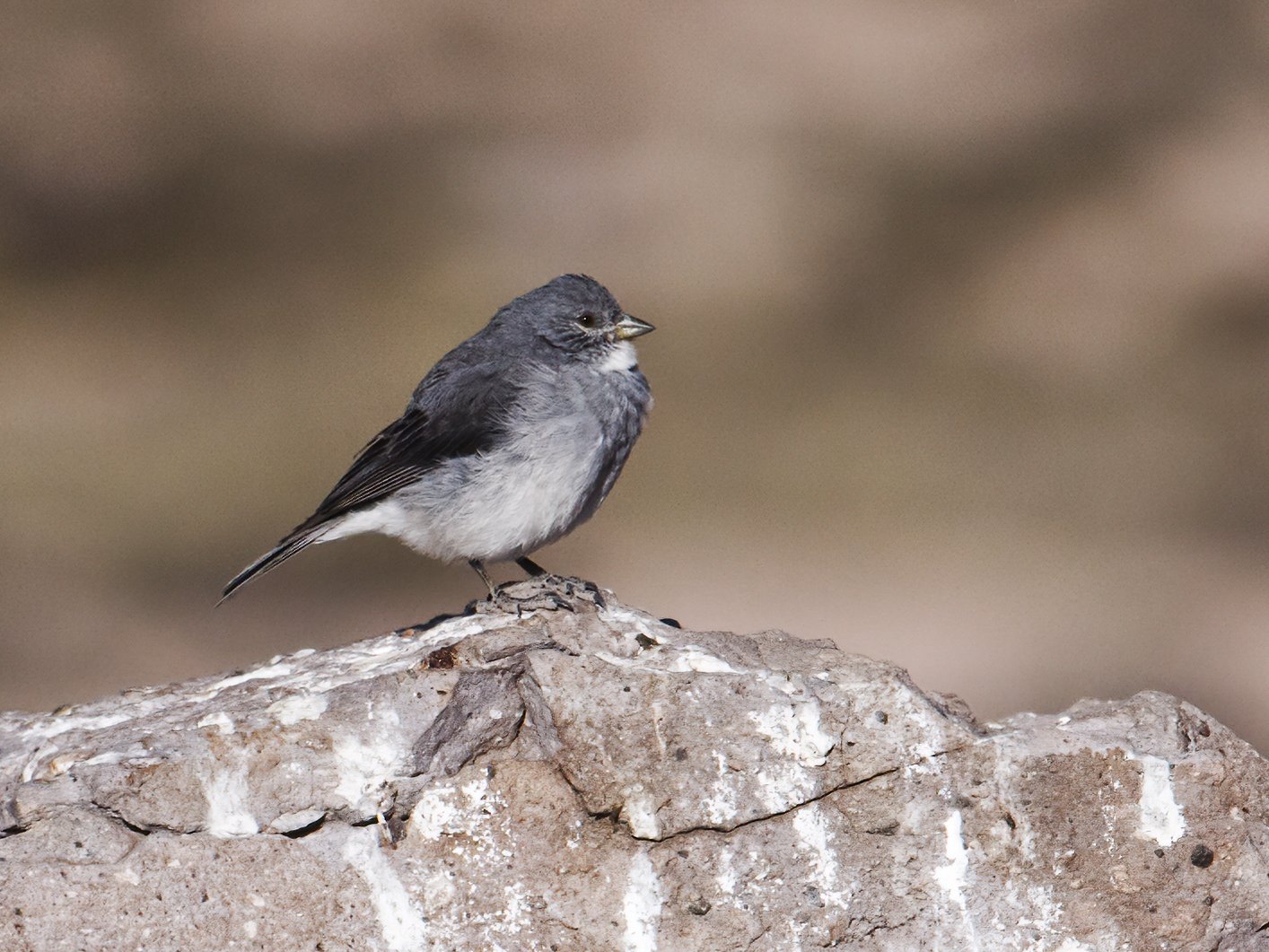
White-throated Sierra Finch
Idiopsar erythronotus- Dry puna and altiplano
- Andean bogs and bofedales
- Humid puna
- Cliffs, gorges and canyons
-

Glacier Finch
Idiopsar speculifer- Glaciers, snowline and scree
- Andean bogs and bofedales
- Dry puna and altiplano
- Humid puna
-
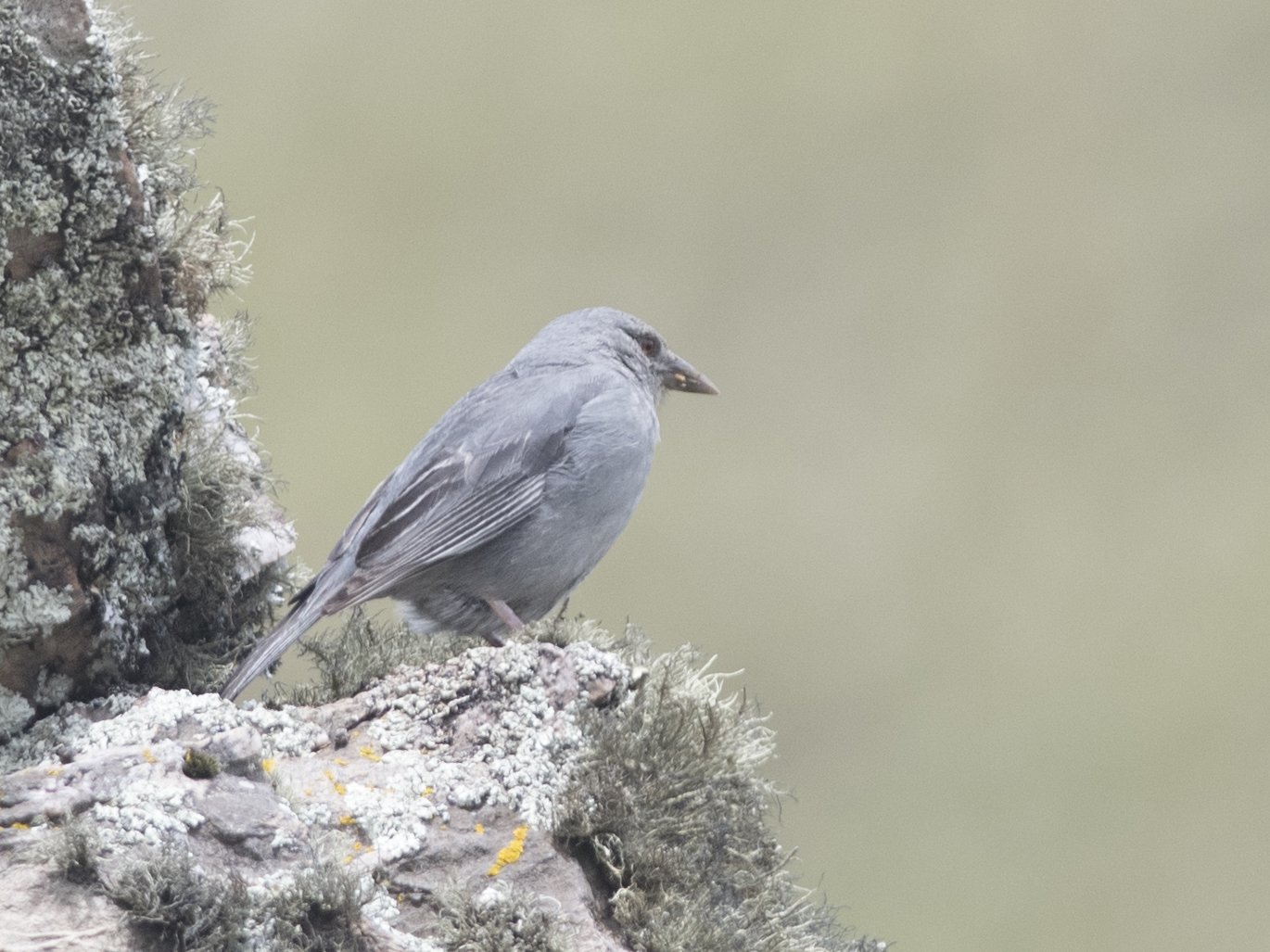
Boulder Finch
Idiopsar brachyurus- Dry puna and altiplano
- Humid puna
- Glaciers, snowline and scree
- Cliffs, gorges and canyons
Catamenia 3 species
-
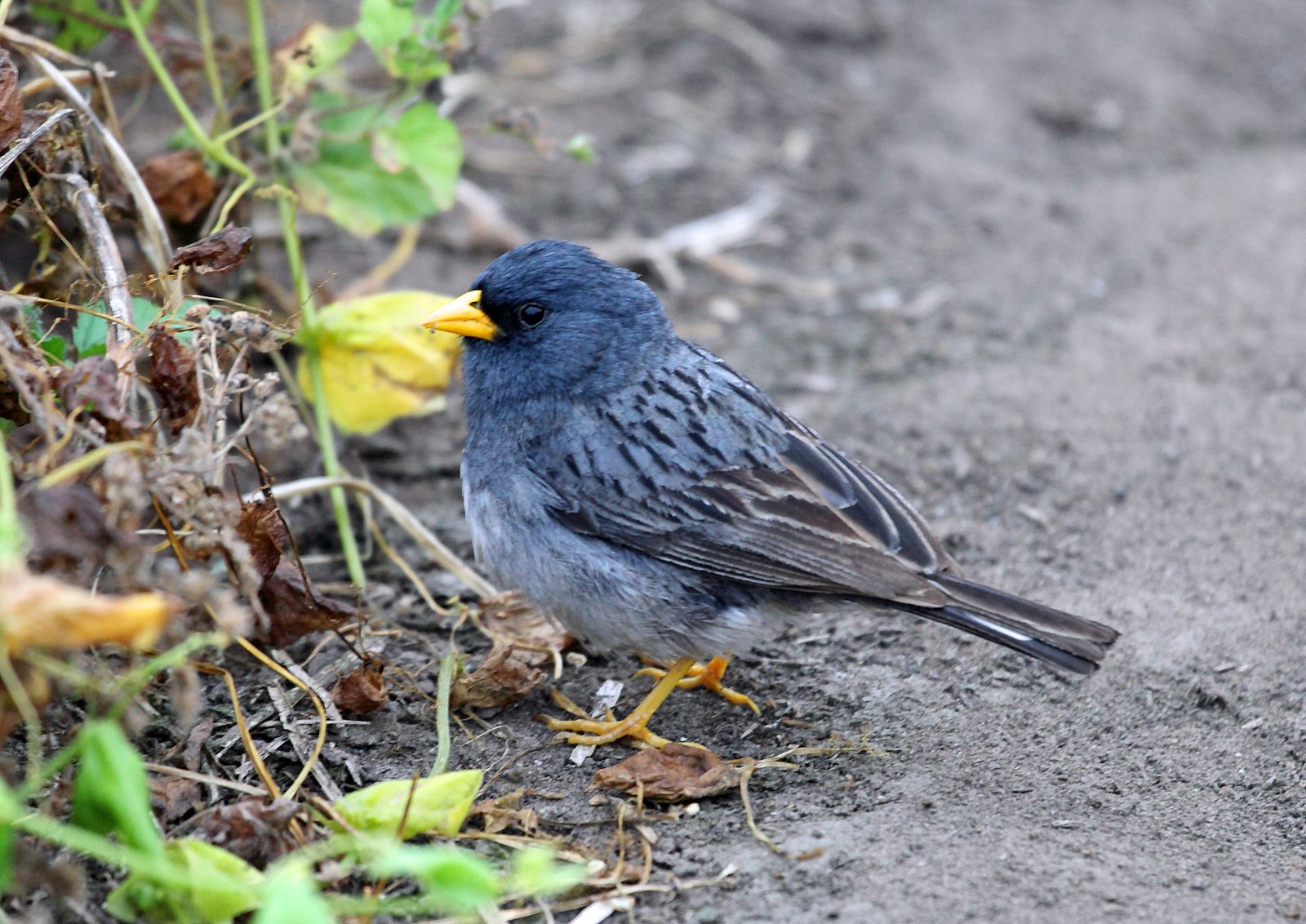
Band-tailed Seedeater
Catamenia analis- Central Andean dry valleys
- Andean fields and terraces
- Humid puna
- Marañón and northern inter-Andean dry forest
- Riparian woodland of the Andes and coastal valleys
-
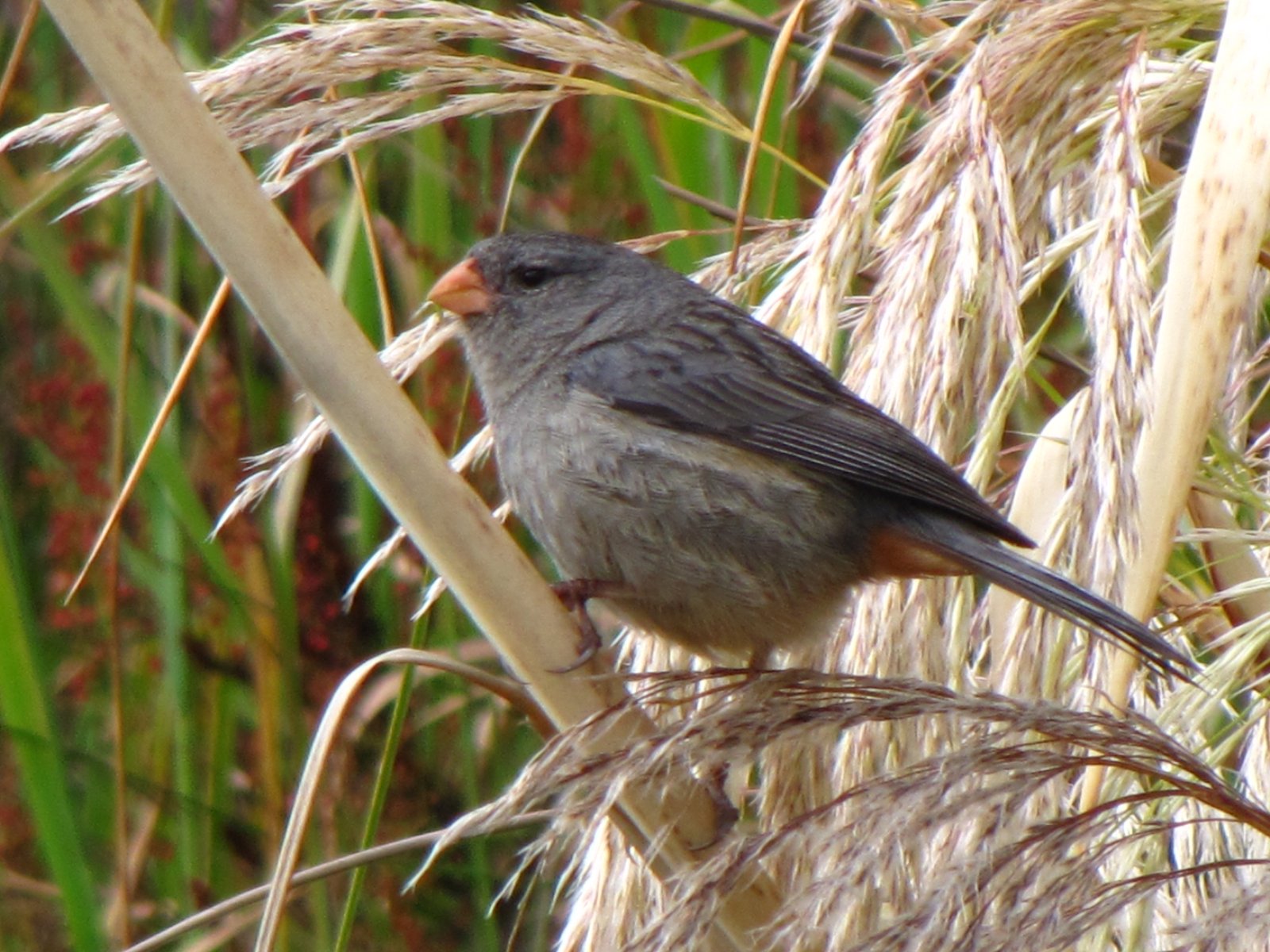
Plain-colored Seedeater
Catamenia inornata- Humid puna
- Páramo
- Jalca
- Dry puna and altiplano
- Andean fields and terraces
-
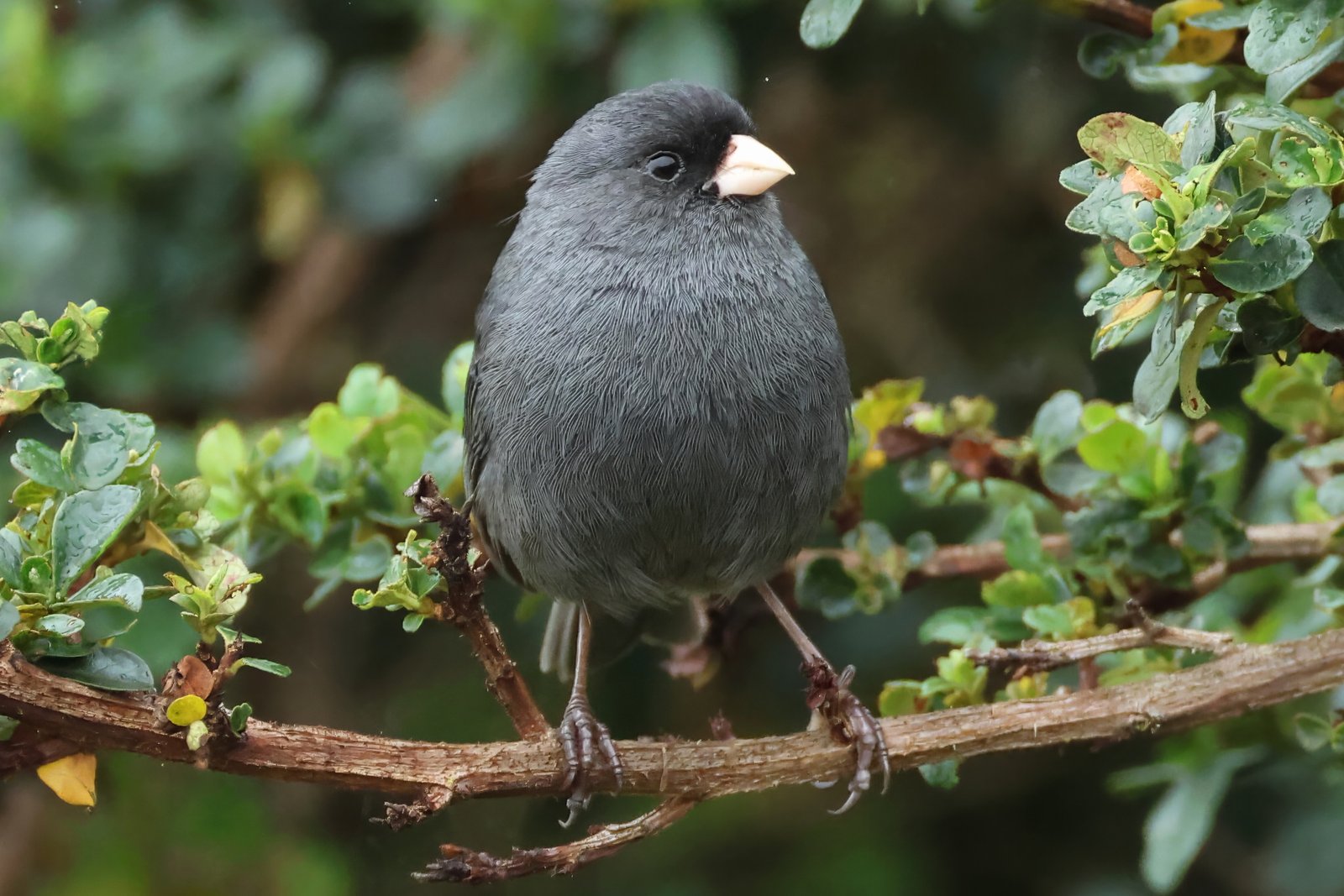
Paramo Seedeater
Catamenia homochroa- Northern Andean cloud forest and temperate forest
- Páramo
- Upper Yungas cloud forest
- Polylepis woodland
- Bamboo forest
Pseudospingus 2 species
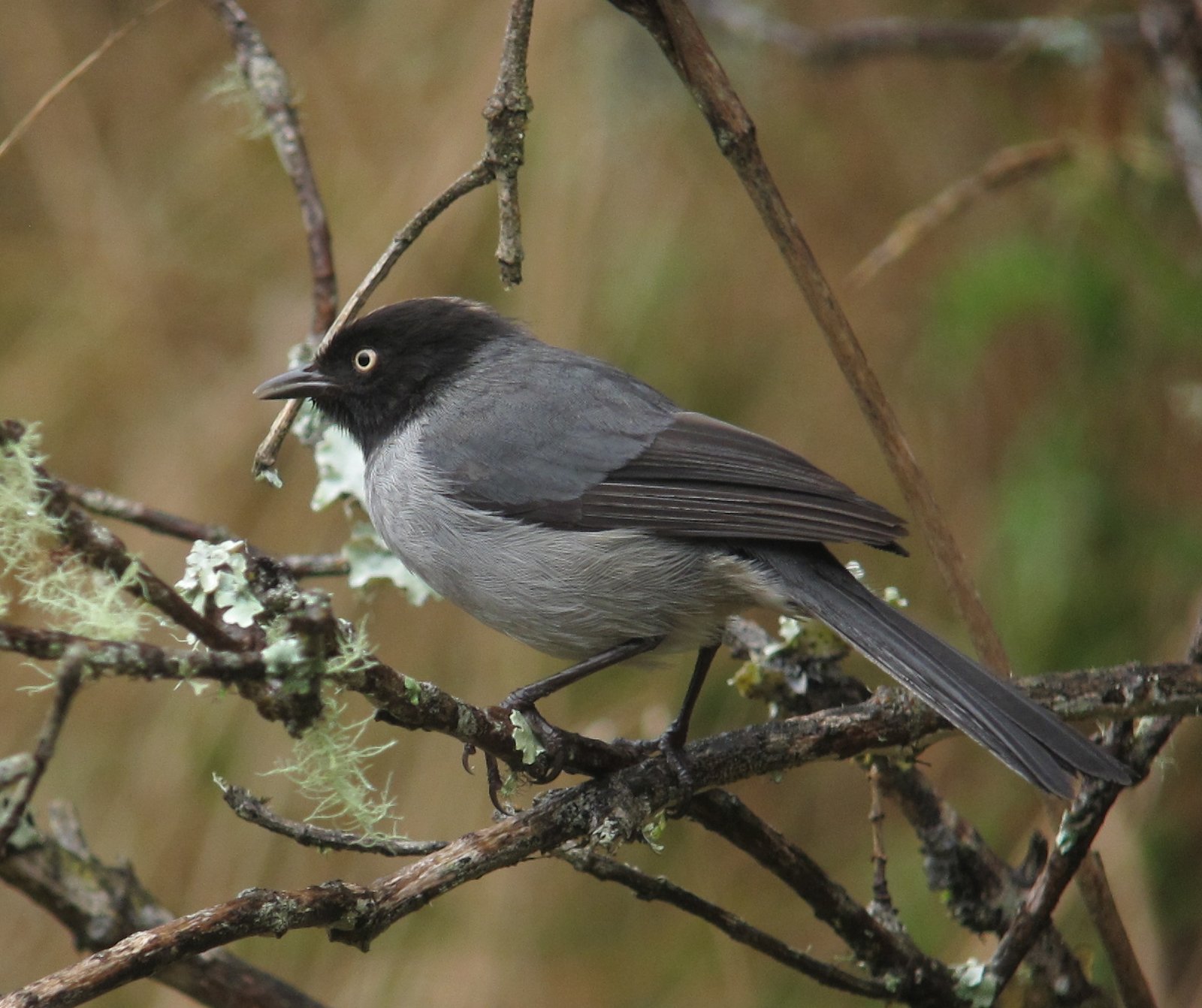
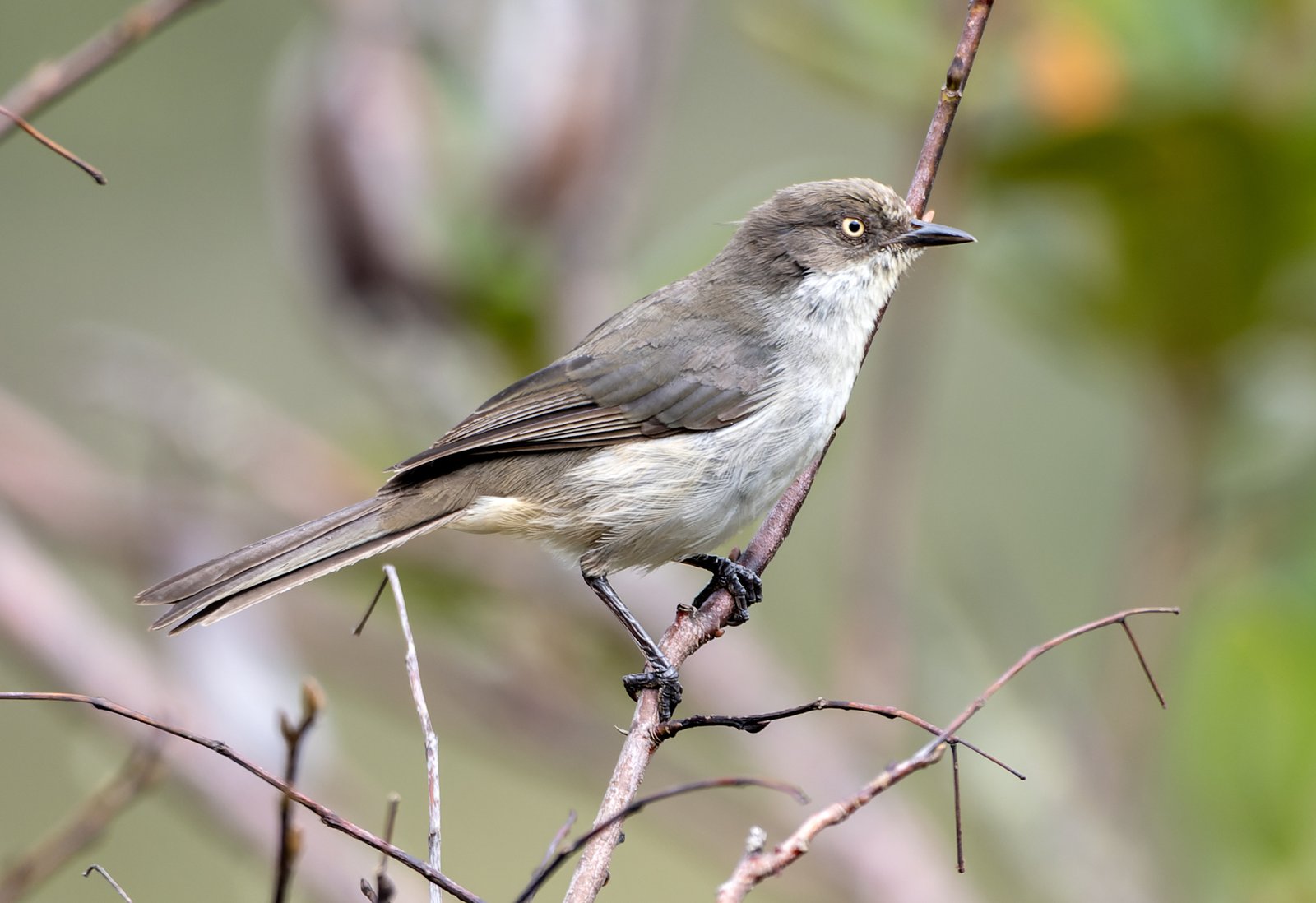
Rhopospina 2 species
-
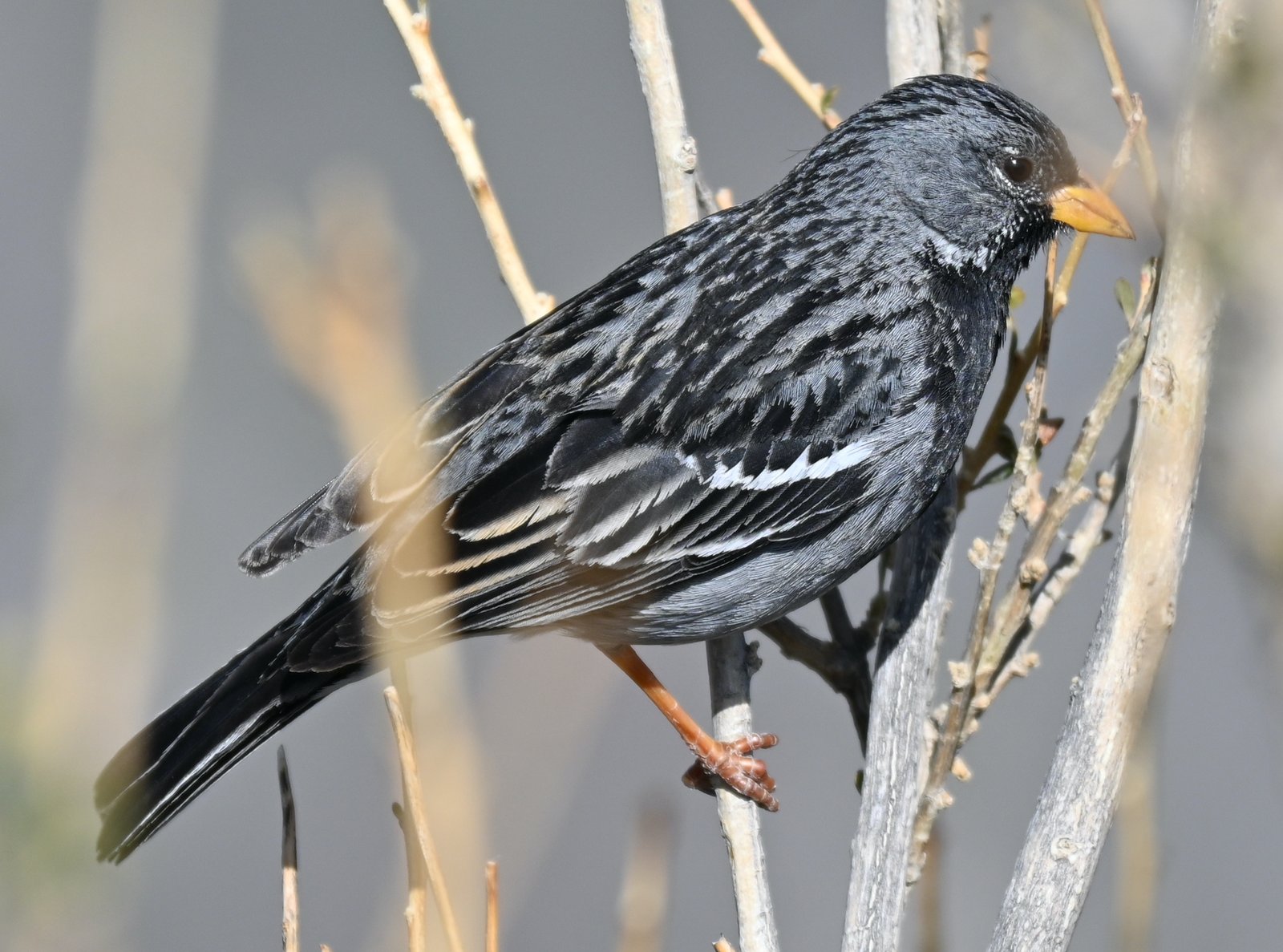
Mourning Sierra Finch
Rhopospina fruticeti- Central Andean dry valleys
- Dry puna and altiplano
- Humid puna
- Andean fields and terraces
-
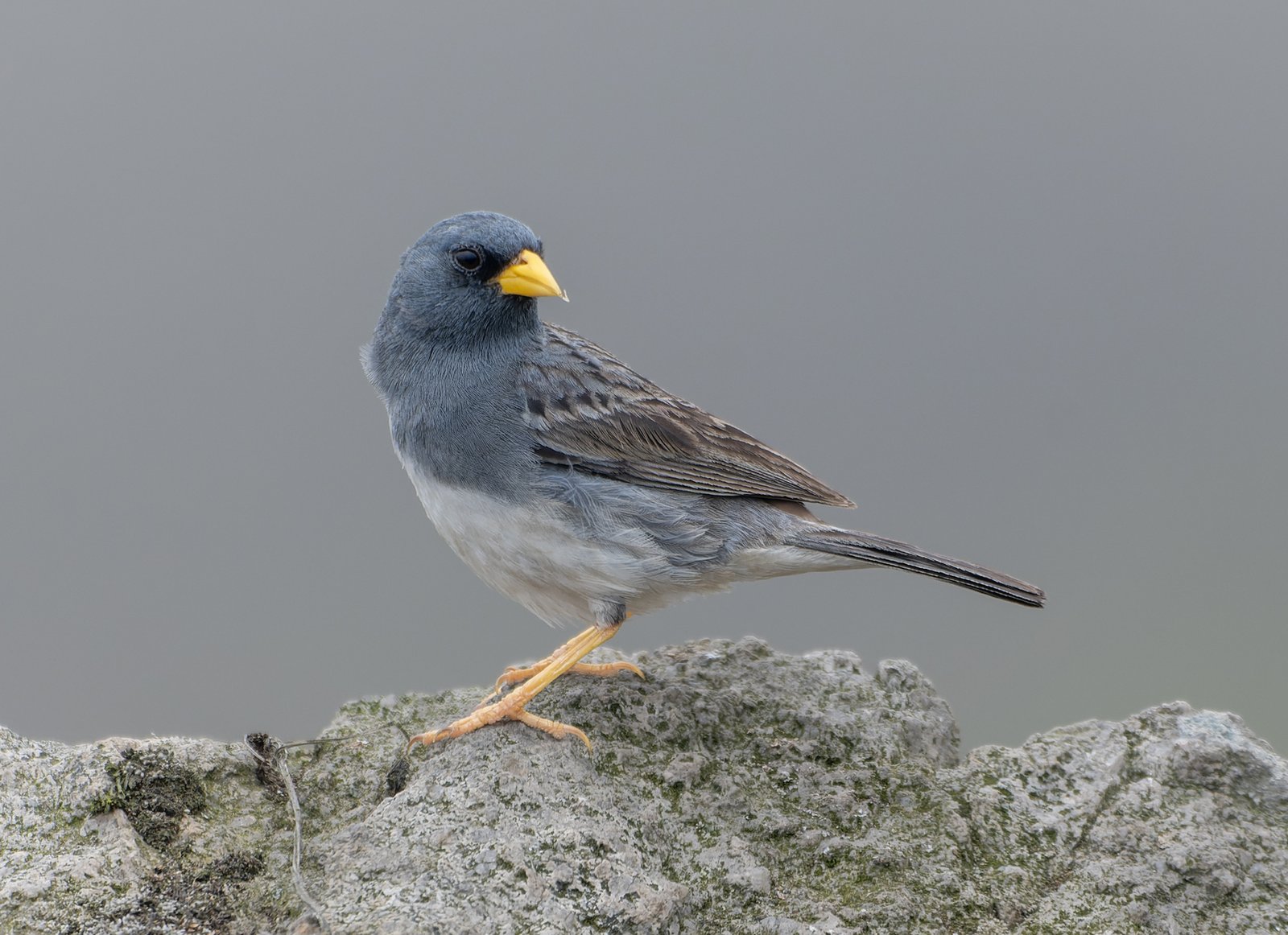
Band-tailed Sierra Finch
Rhopospina alaudina- Central Andean dry valleys
- Marañón and northern inter-Andean dry forest
- Dry puna and altiplano
- Andean fields and terraces
- Lomas (fog oases)
Sporophila 28 species
-
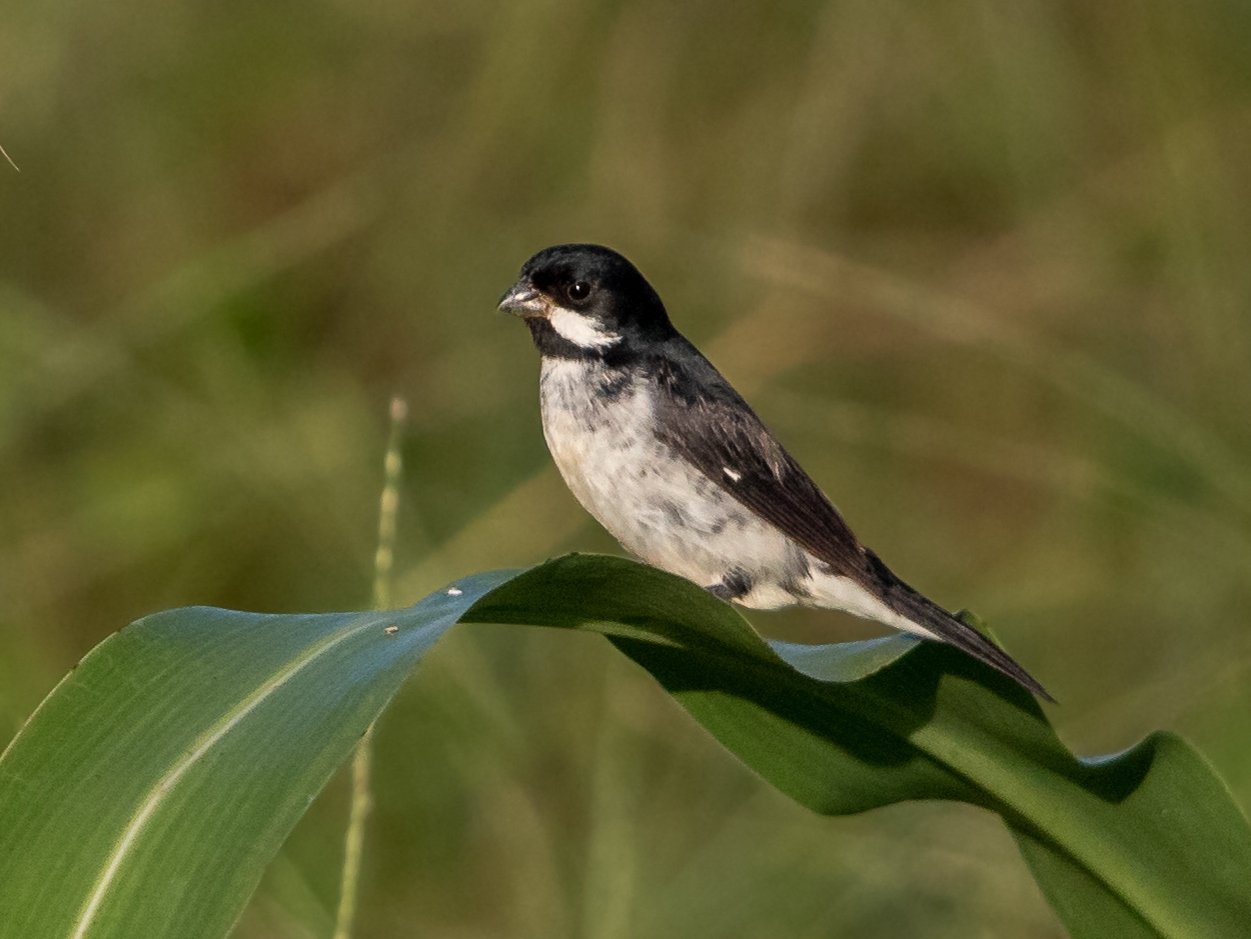
Lesson's Seedeater
Sporophila bouvronides- Pasture and ranchland
- Secondary forest and forest edge
- Várzea, igapó and river islands
- Llanos savanna
- Lowland marshes and wet meadows
-
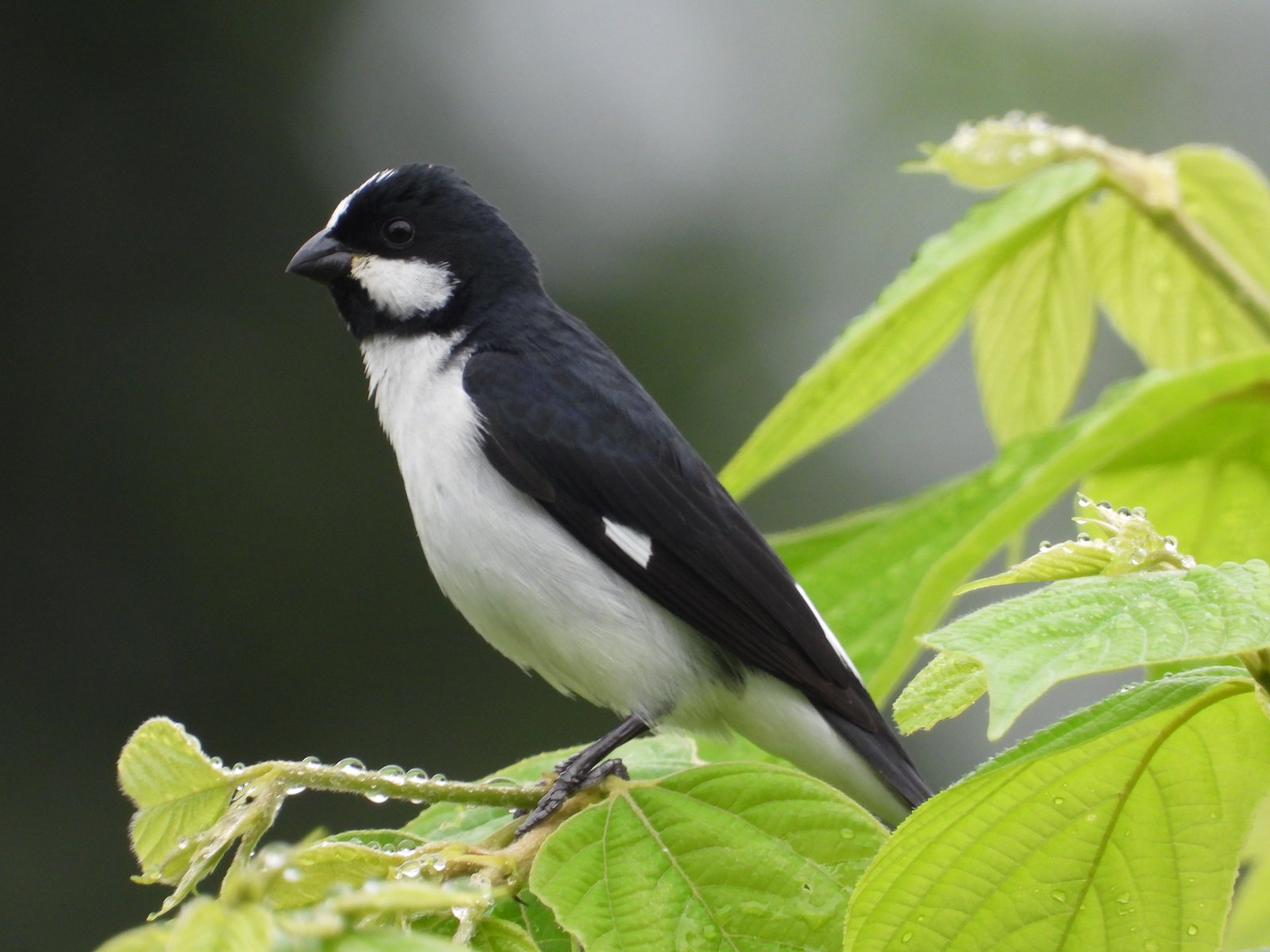
Lined Seedeater
Sporophila lineola- Secondary forest and forest edge
- Várzea, igapó and river islands
- Pasture and ranchland
- Beni savanna and cerrado
- Llanos savanna
-
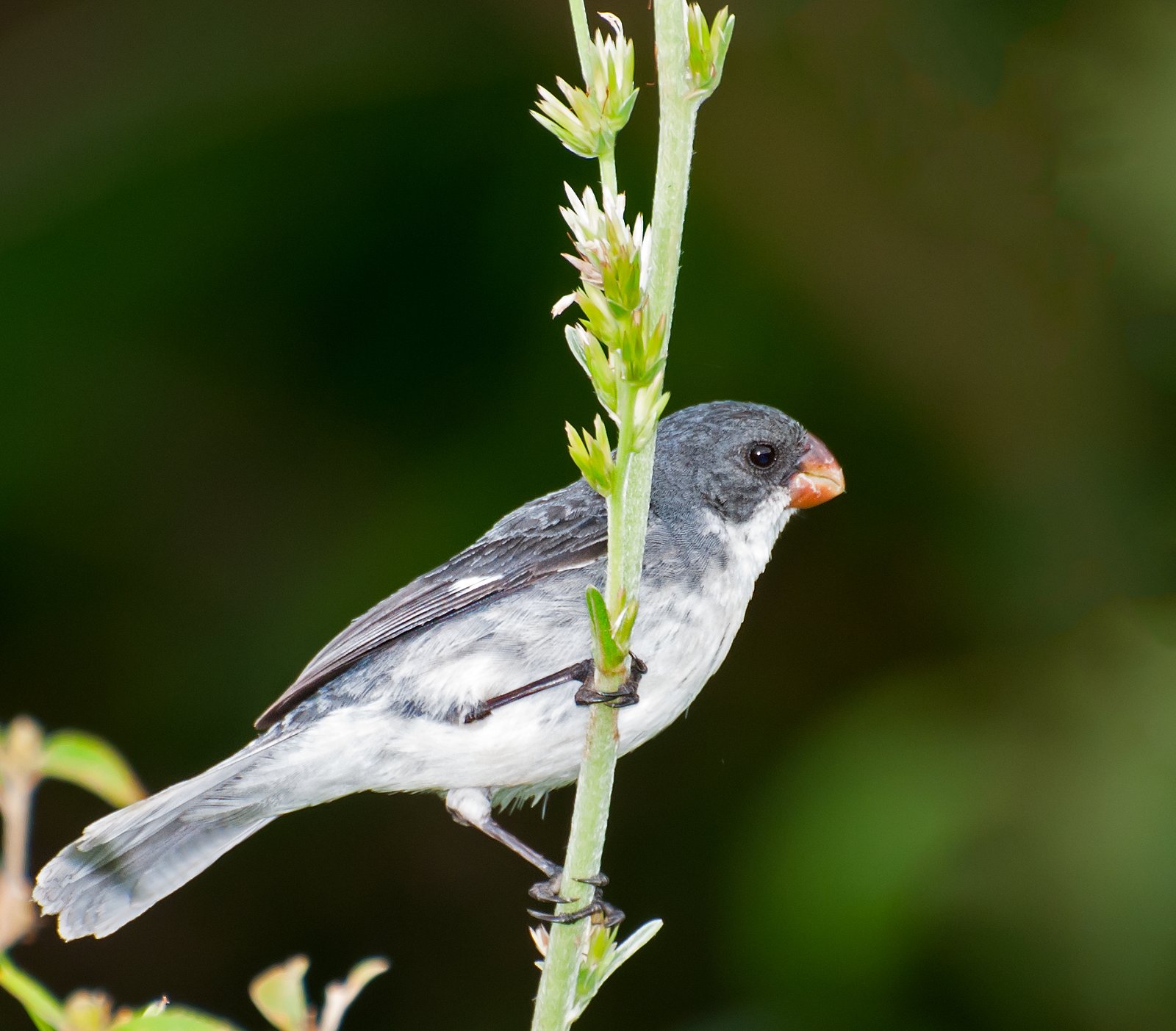
White-bellied Seedeater
Sporophila leucoptera- Lowland marshes and wet meadows
- Beni savanna and cerrado
- Várzea, igapó and river islands
- Lowland lakes and oxbows
-
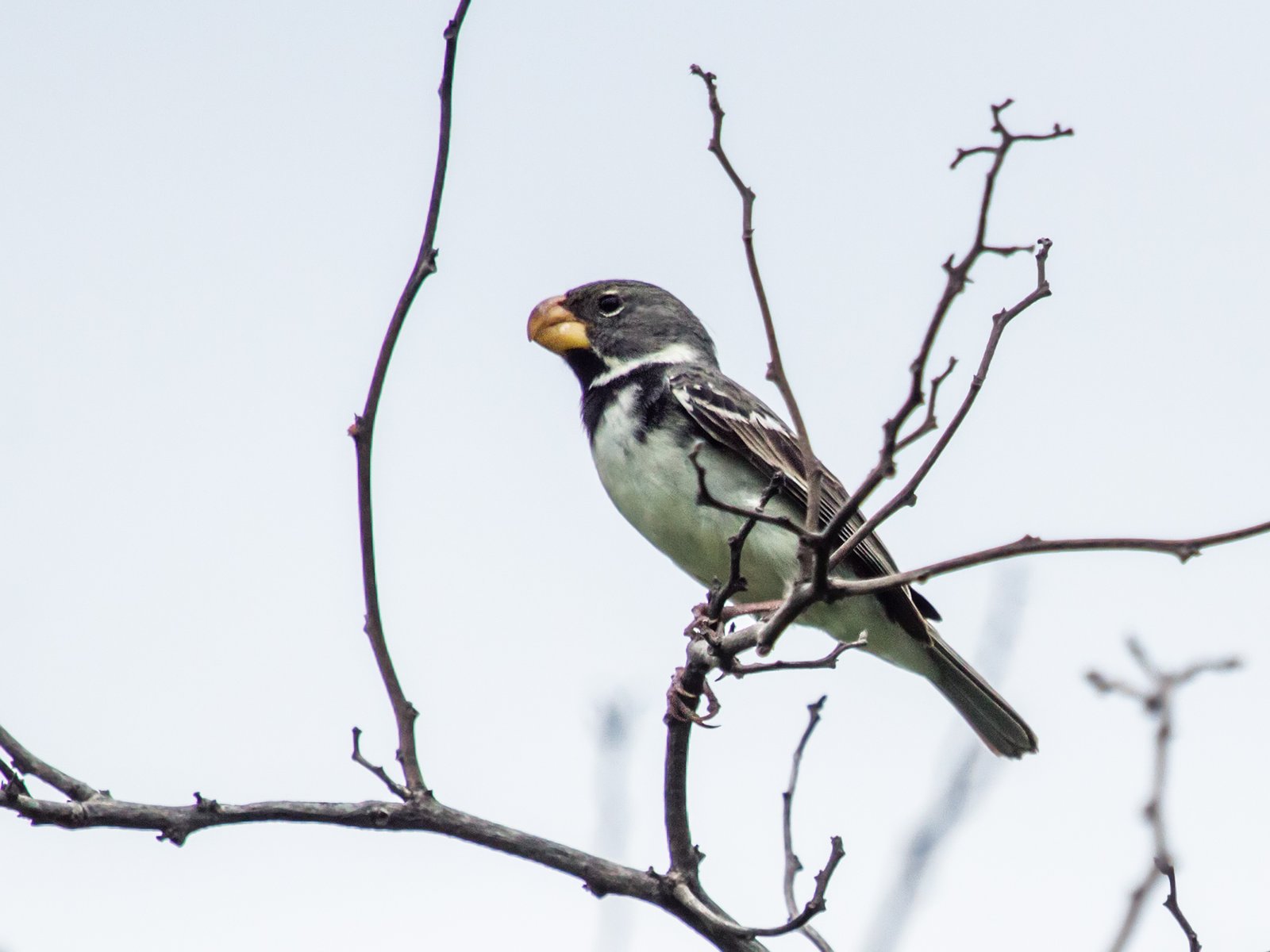
Parrot-billed Seedeater
Sporophila peruviana- Tumbesian dry forest and thorn scrub
- Coastal desert
- Irrigated farmland and rice fields
- Riparian woodland of the Andes and coastal valleys
-
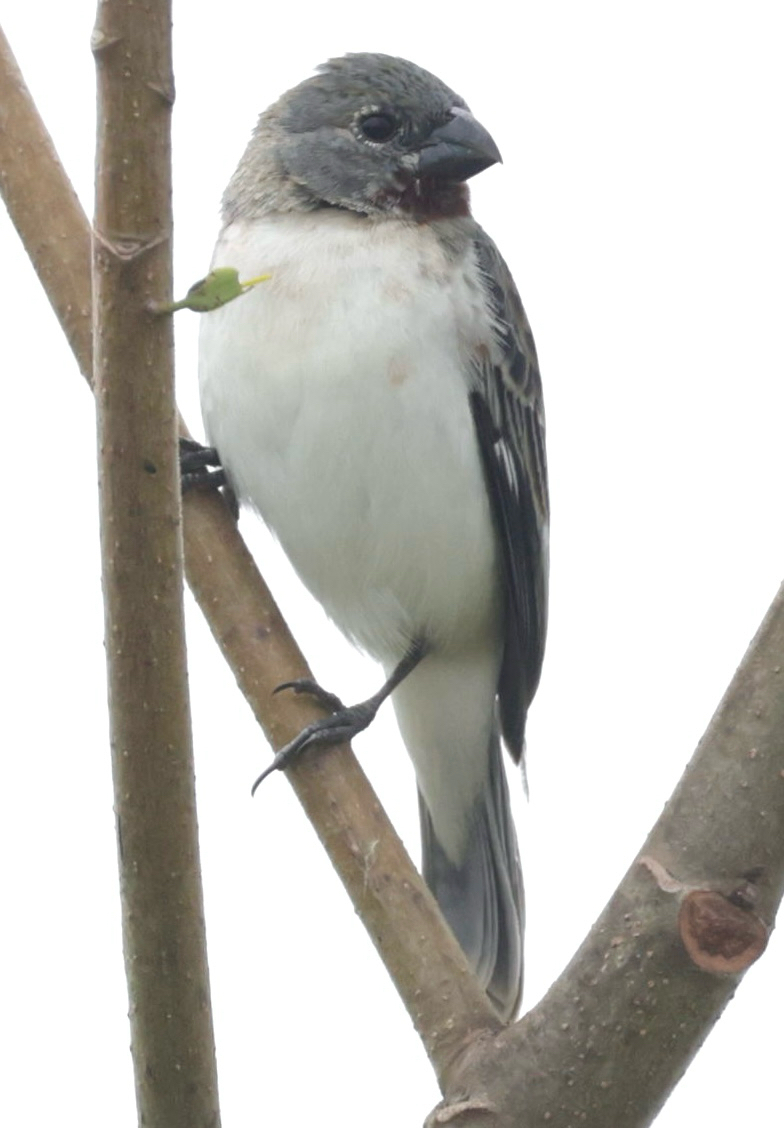
Chestnut-throated Seedeater
Sporophila telasco- Irrigated farmland and rice fields
- Riparian woodland of the Andes and coastal valleys
- Tumbesian dry forest and thorn scrub
- Coastal desert
- Andean fields and terraces
-
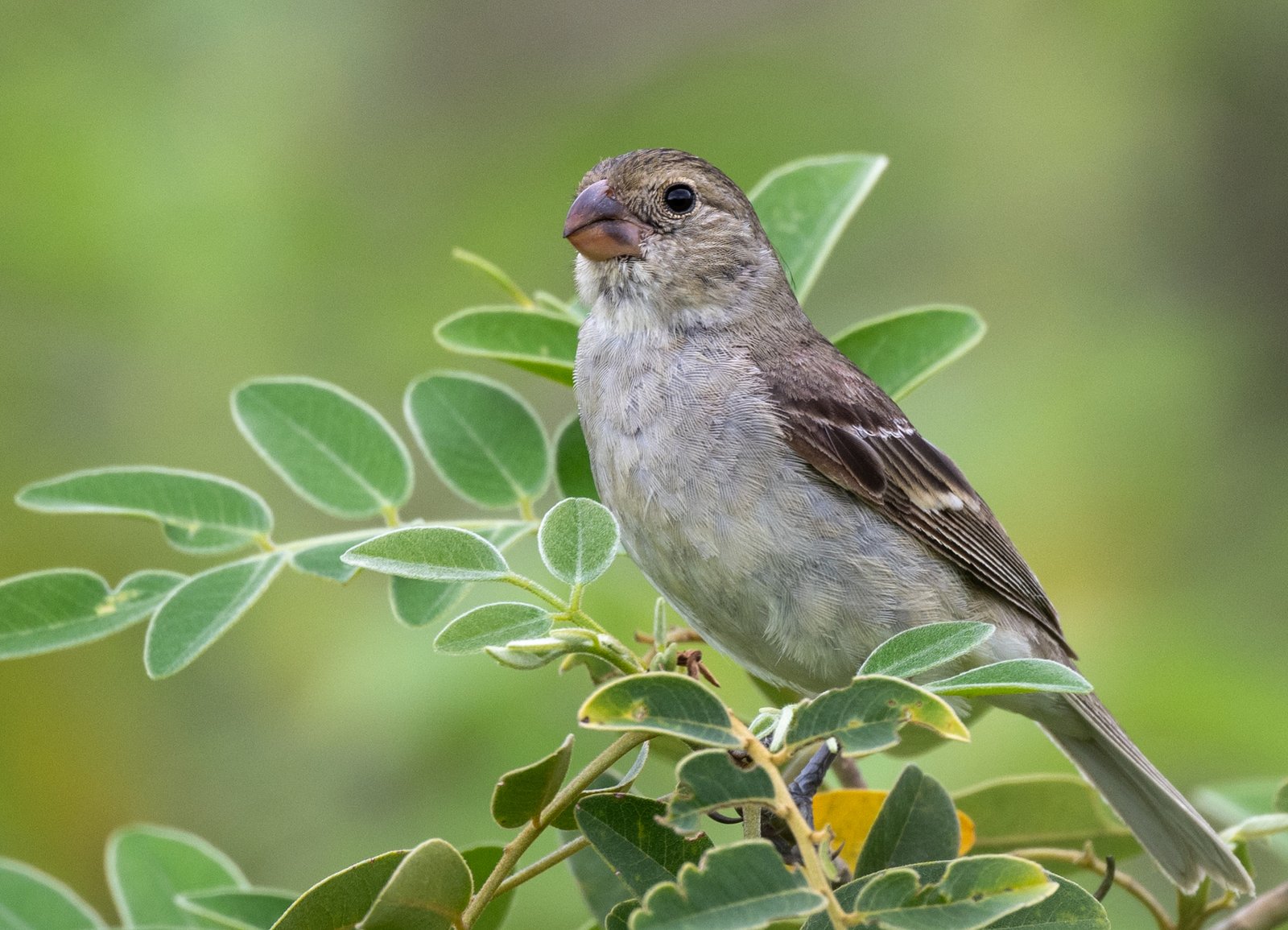
Drab Seedeater
Sporophila simplex- Marañón and northern inter-Andean dry forest
- Tumbesian dry forest and thorn scrub
- Central Andean dry valleys
- Riparian woodland of the Andes and coastal valleys
- Andean fields and terraces
-
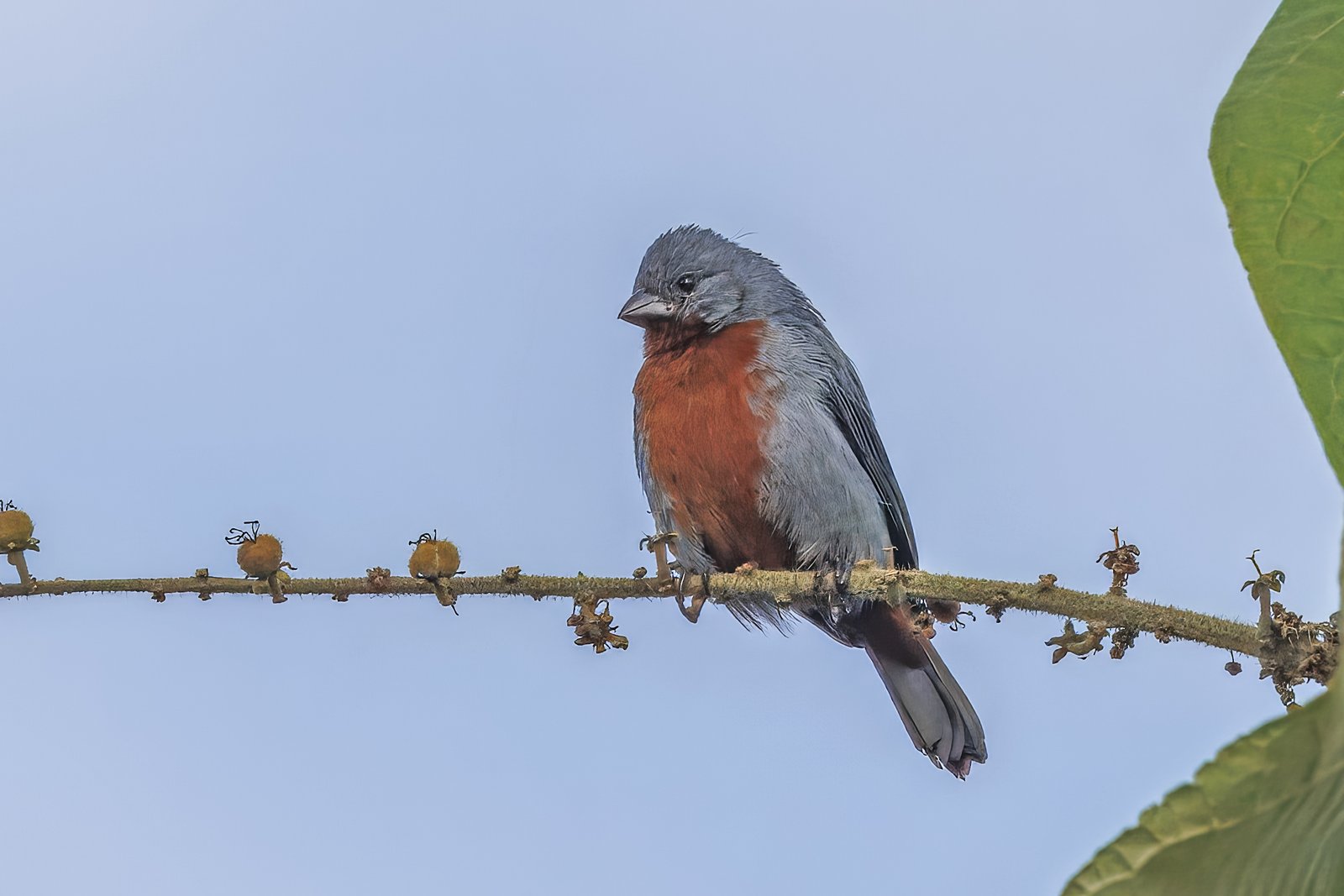
Chestnut-bellied Seedeater
Sporophila castaneiventris- Secondary forest and forest edge
- Pasture and ranchland
- Várzea, igapó and river islands
- Lowland rivers and sandbars
- Lowland marshes and wet meadows
-
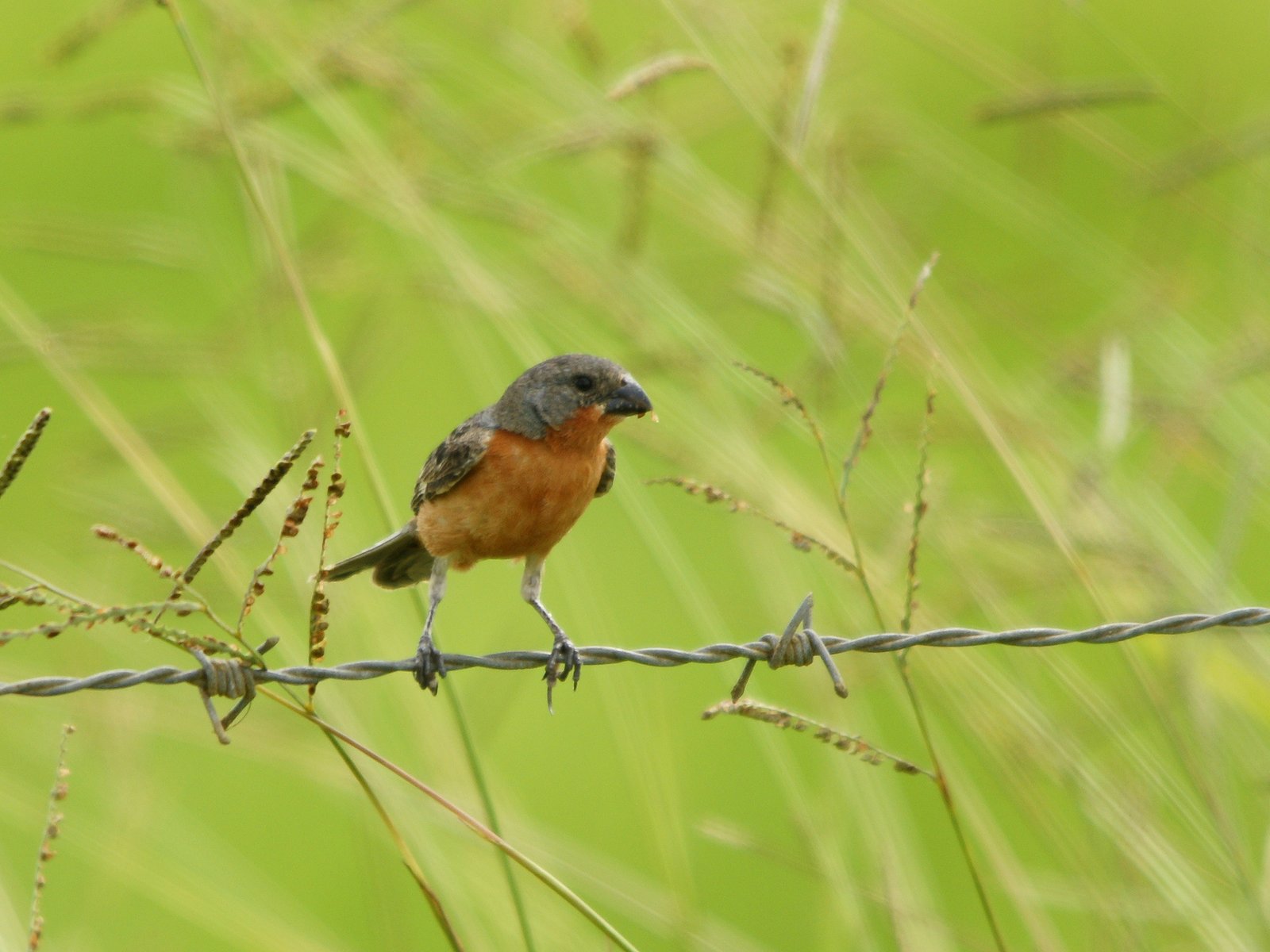
Ruddy-breasted Seedeater
Sporophila minuta- Pasture and ranchland
- Llanos savanna
- Lowland marshes and wet meadows
- Irrigated farmland and rice fields
- Secondary forest and forest edge
-
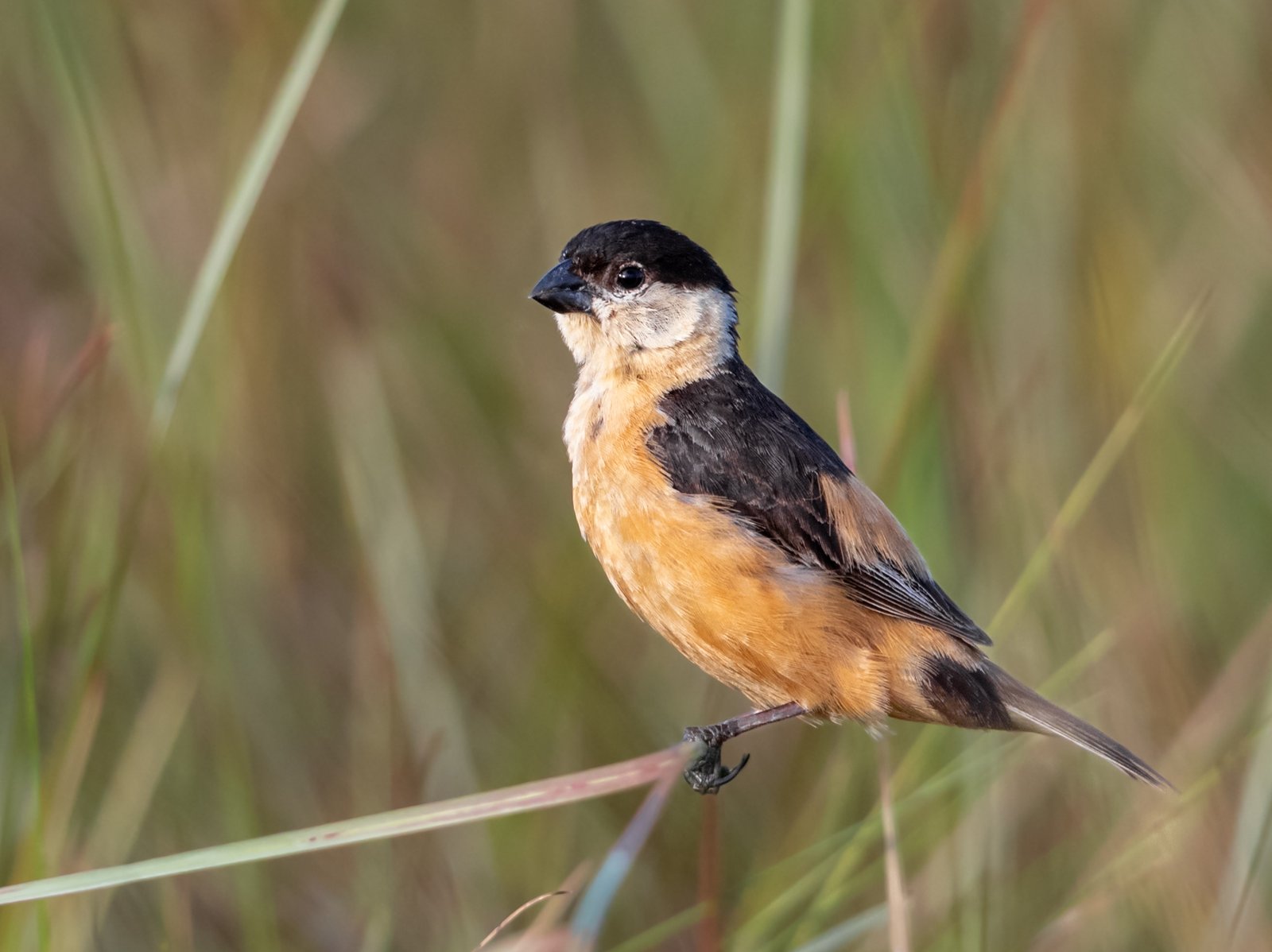
Black-and-tawny Seedeater
Sporophila nigrorufa- Beni savanna and cerrado
- Lowland marshes and wet meadows
- Chiquitano dry forest and Chaco
-
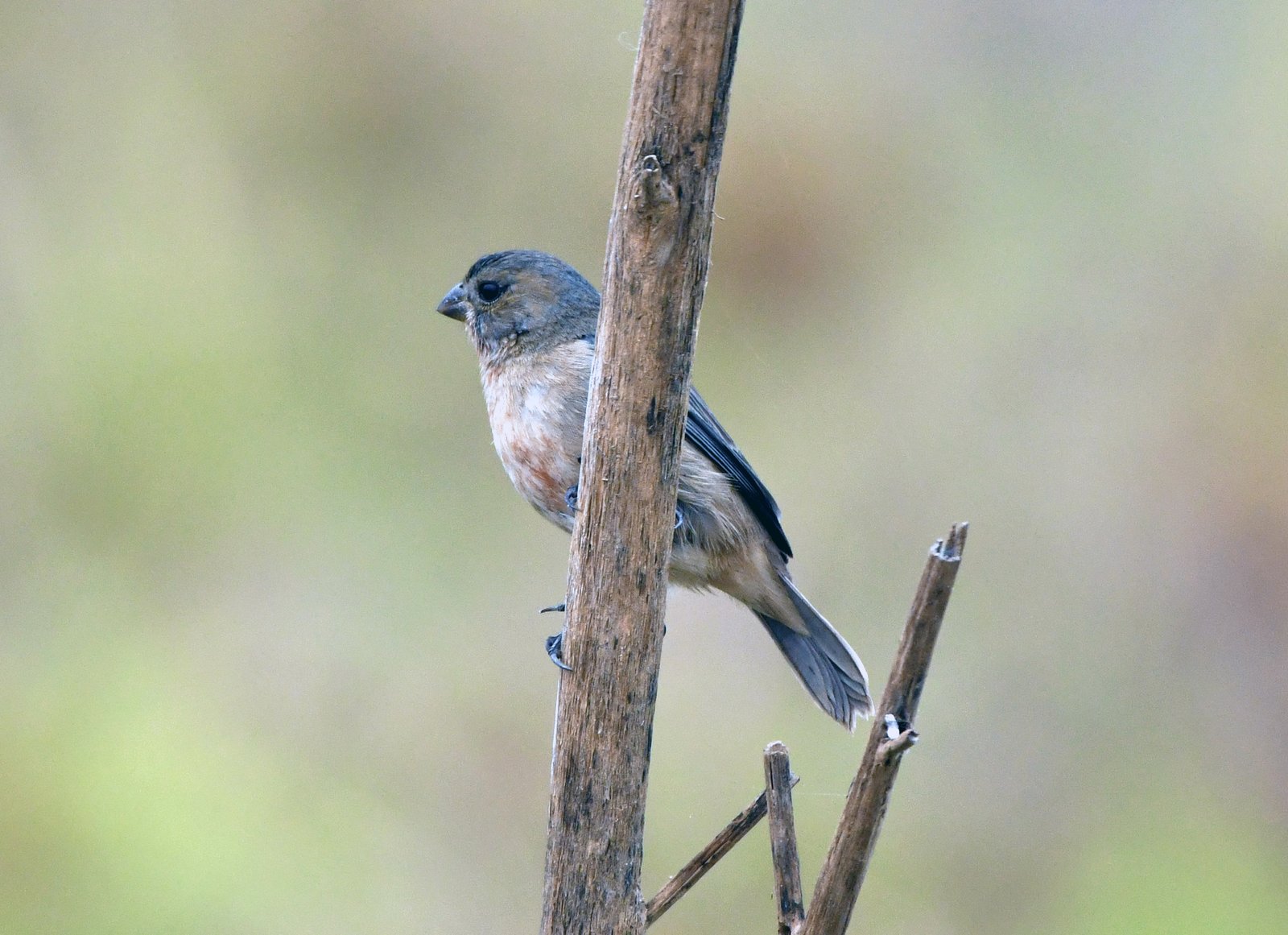
Tawny-bellied Seedeater
Sporophila hypoxantha- Beni savanna and cerrado
- Lowland marshes and wet meadows
- Pasture and ranchland
-
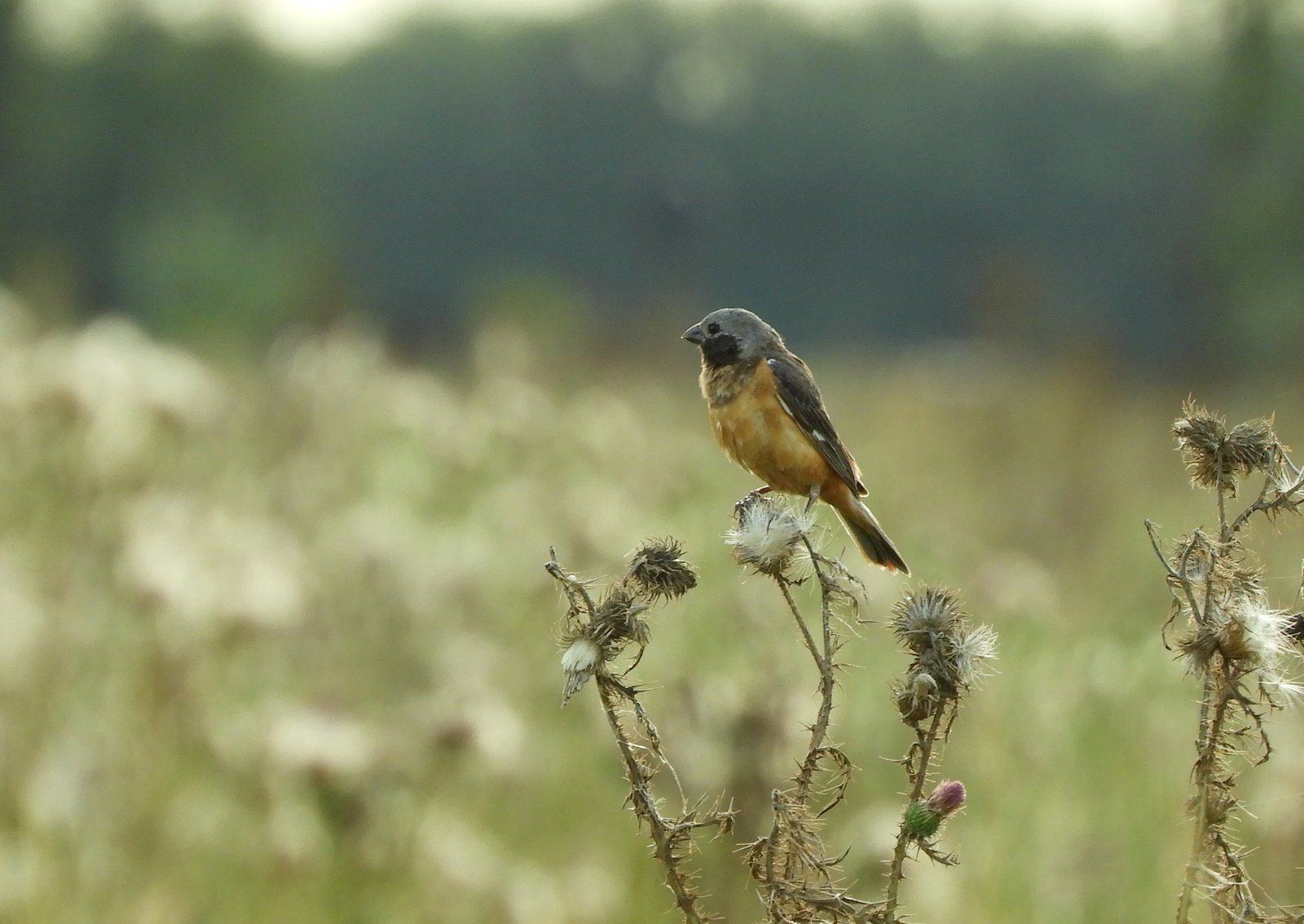
Dark-throated Seedeater
Sporophila ruficollis- Beni savanna and cerrado
- Lowland marshes and wet meadows
- Pasture and ranchland
-
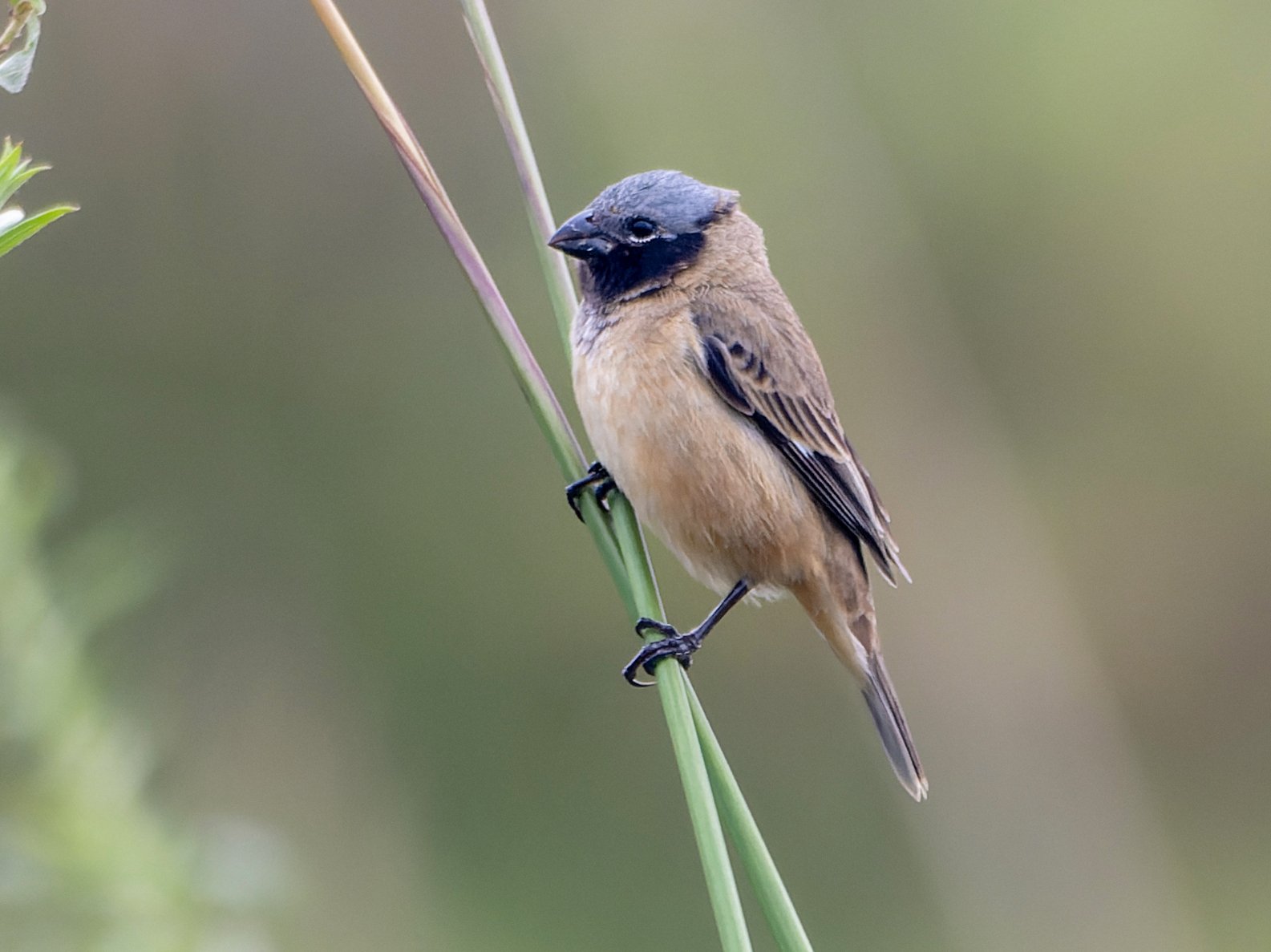
Ibera Seedeater
Sporophila iberaensis- Lowland marshes and wet meadows
- Beni savanna and cerrado
-
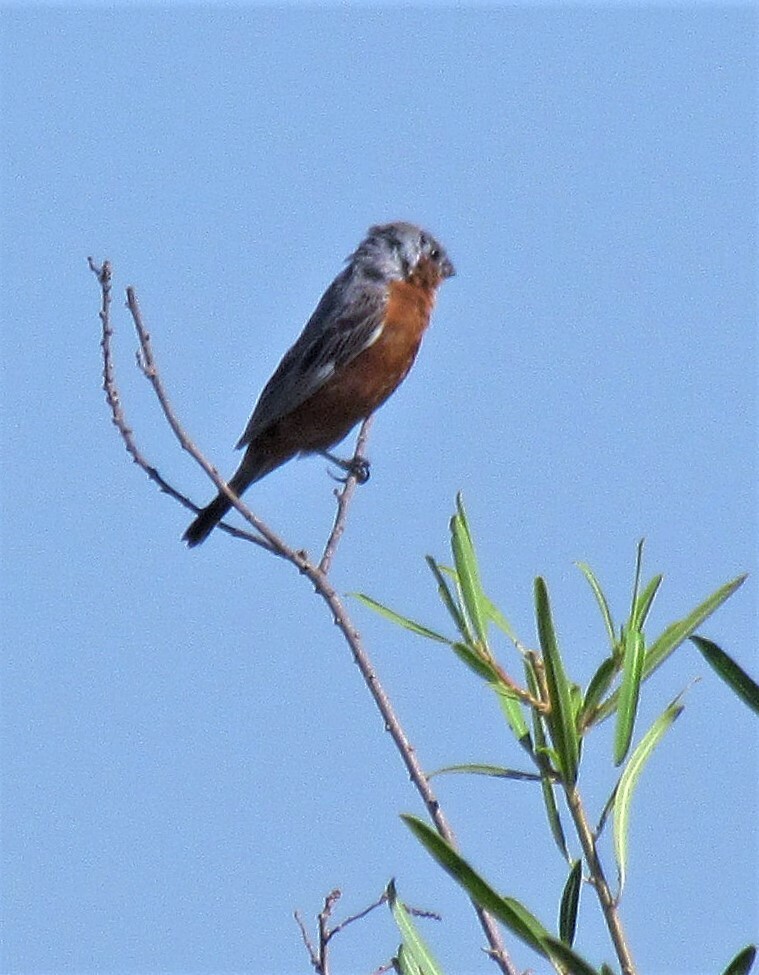
Rufous-rumped Seedeater
Sporophila hypochroma- Beni savanna and cerrado
- Lowland marshes and wet meadows
- Pasture and ranchland
-
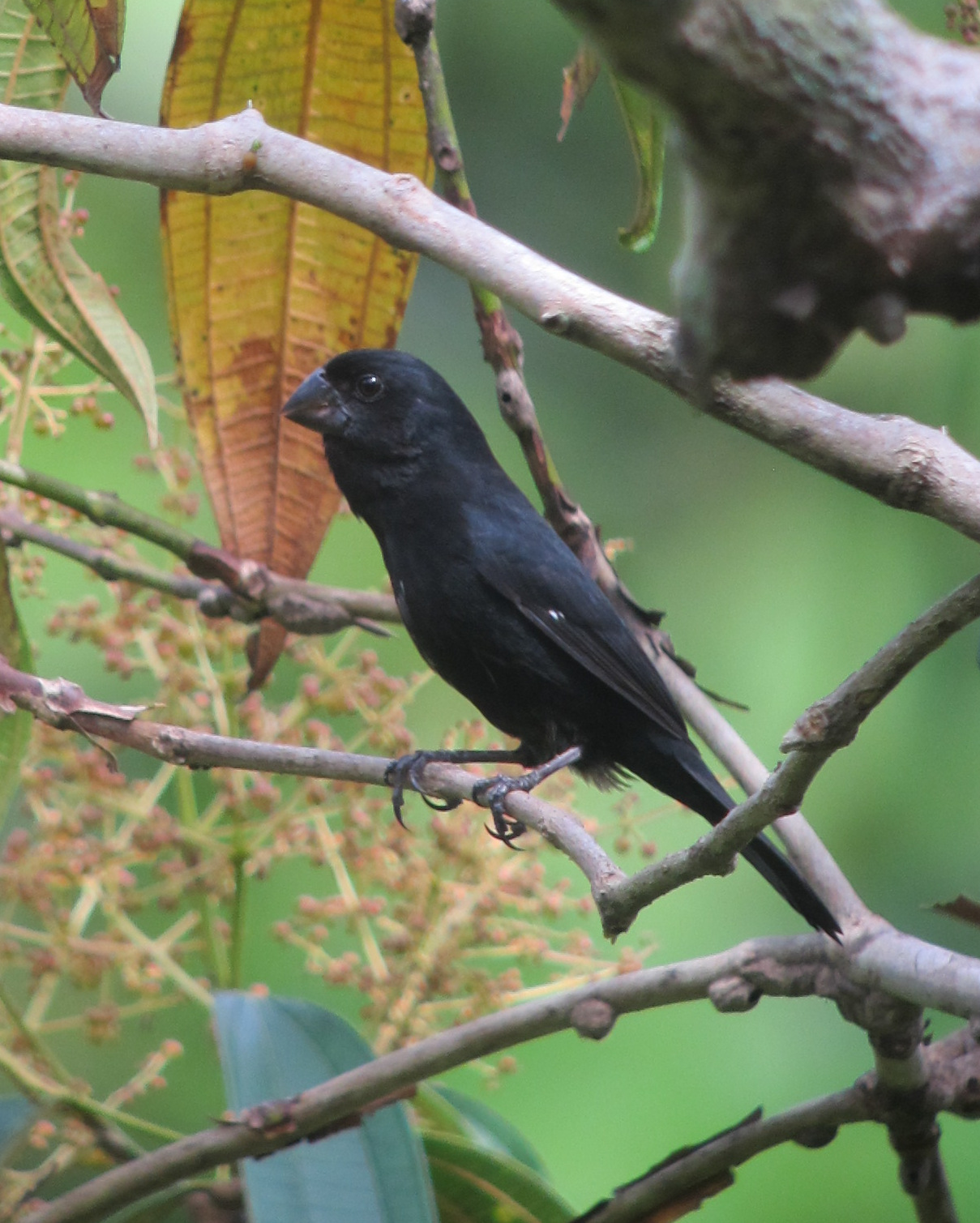
Thick-billed Seed Finch
Sporophila funerea- Secondary forest and forest edge
- Pasture and ranchland
- Western Ecuador humid forest
- Chocó rainforest
- Lowland marshes and wet meadows
-
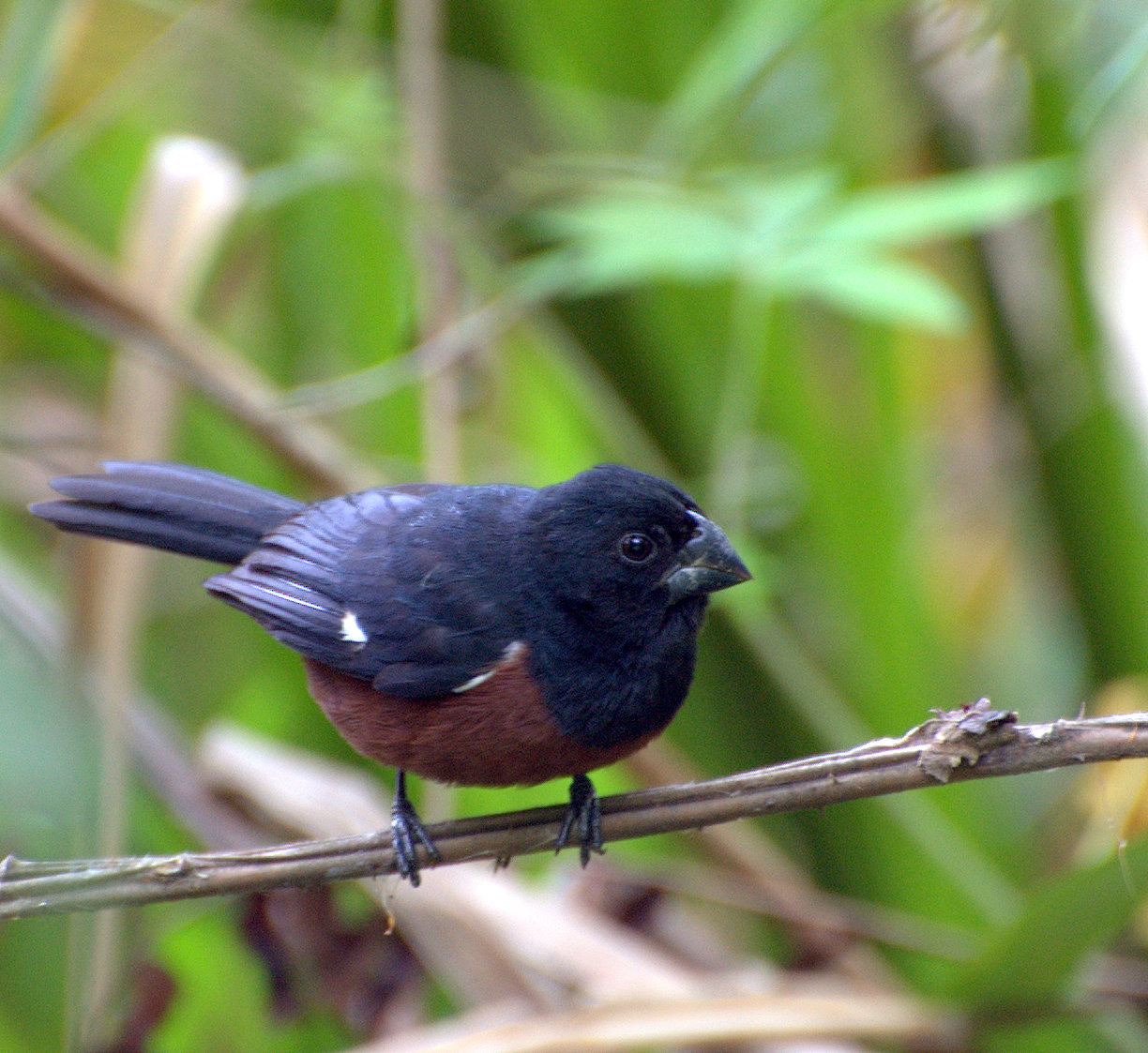
Chestnut-bellied Seed Finch
Sporophila angolensis- Secondary forest and forest edge
- Pasture and ranchland
- Várzea, igapó and river islands
- Eastern Andean foothill forest
- Llanos savanna
-
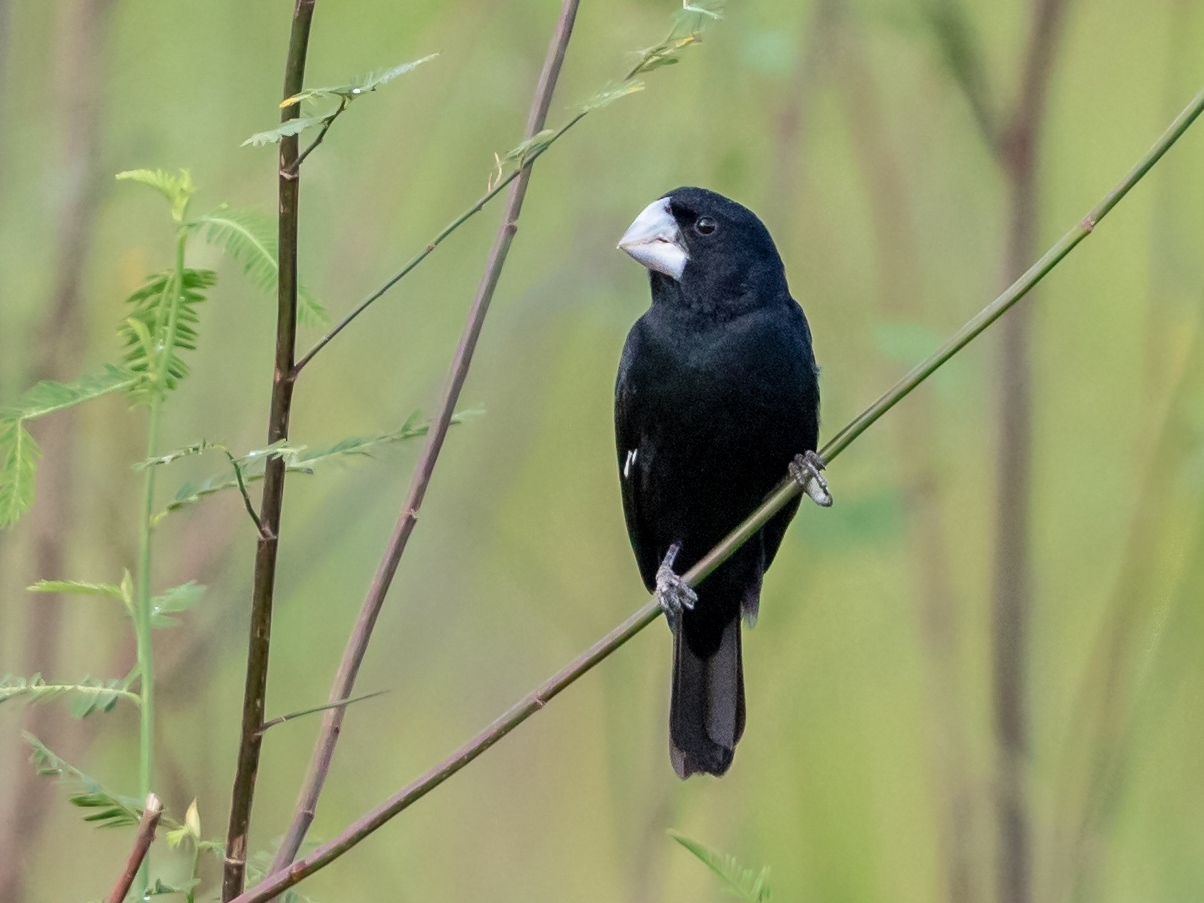
Great-billed Seed Finch
Sporophila maximiliani- Lowland marshes and wet meadows
- Palm swamps and swamp forest
- Beni savanna and cerrado
- Várzea, igapó and river islands
-
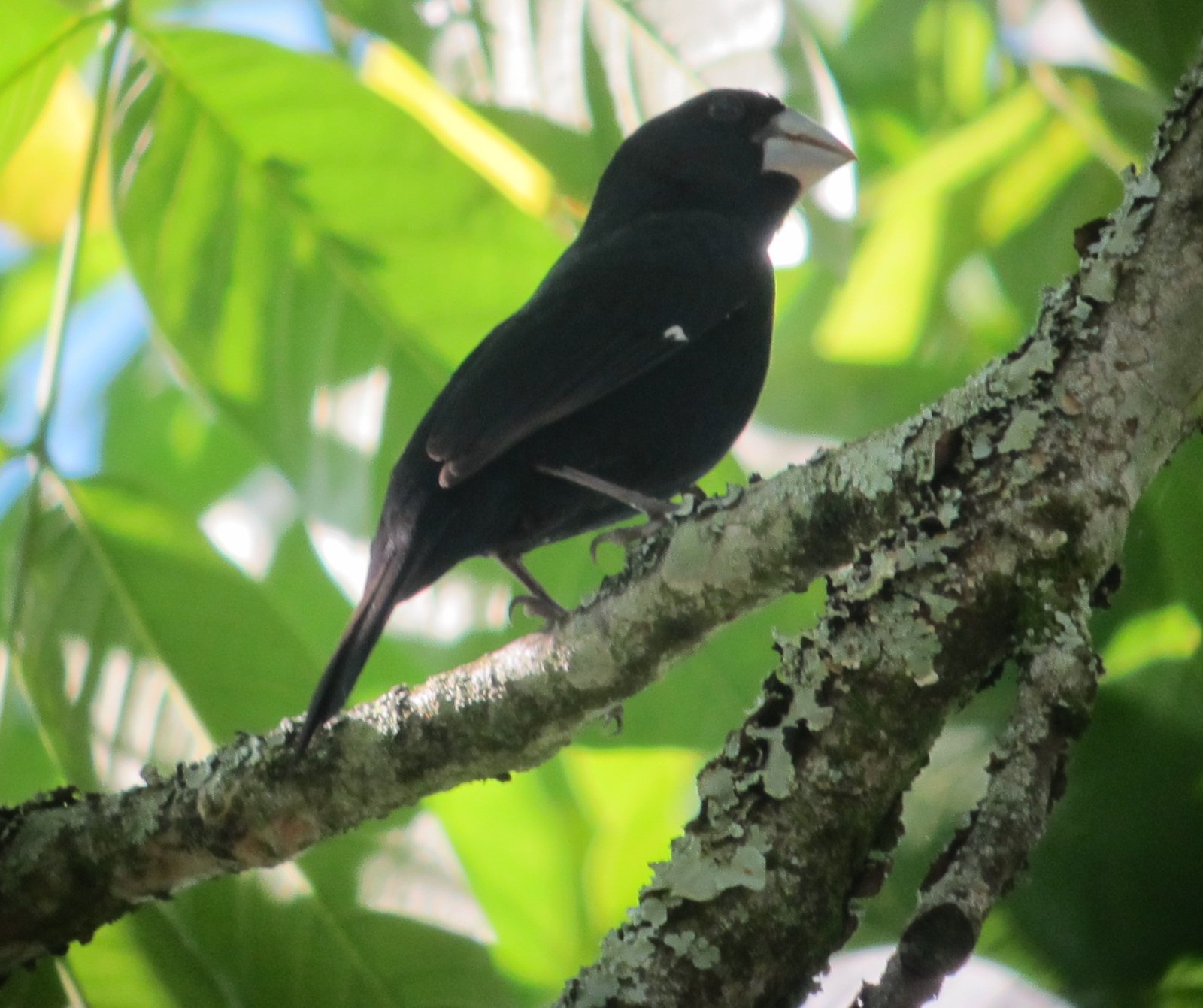
Large-billed Seed Finch
Sporophila crassirostris- Lowland marshes and wet meadows
- Lowland lakes and oxbows
- Várzea, igapó and river islands
- Pasture and ranchland
-
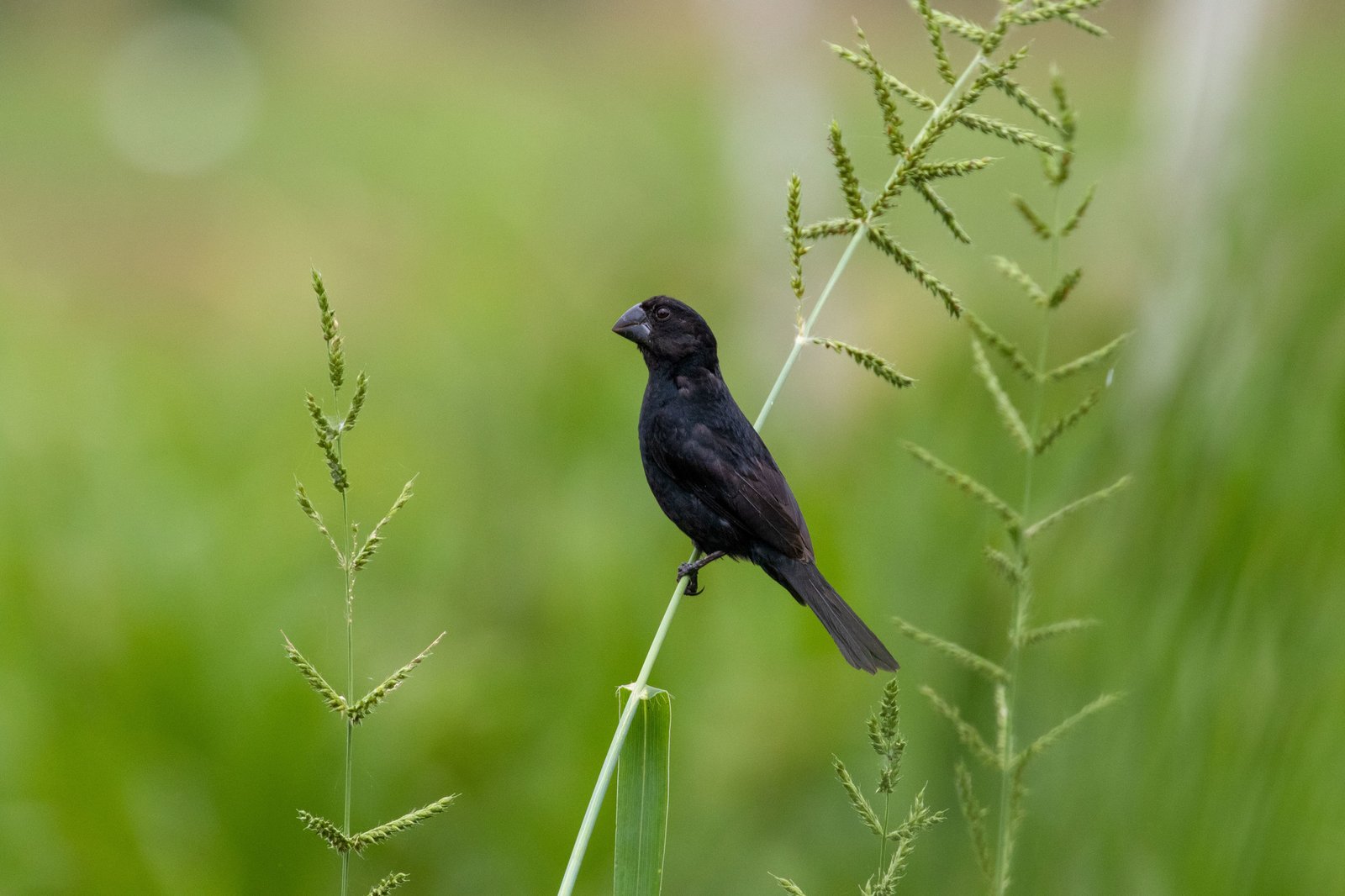
Black-billed Seed Finch
Sporophila atrirostris- Várzea, igapó and river islands
- Lowland rivers and sandbars
- Secondary forest and forest edge
- Lowland marshes and wet meadows
- Eastern Andean foothill forest
-
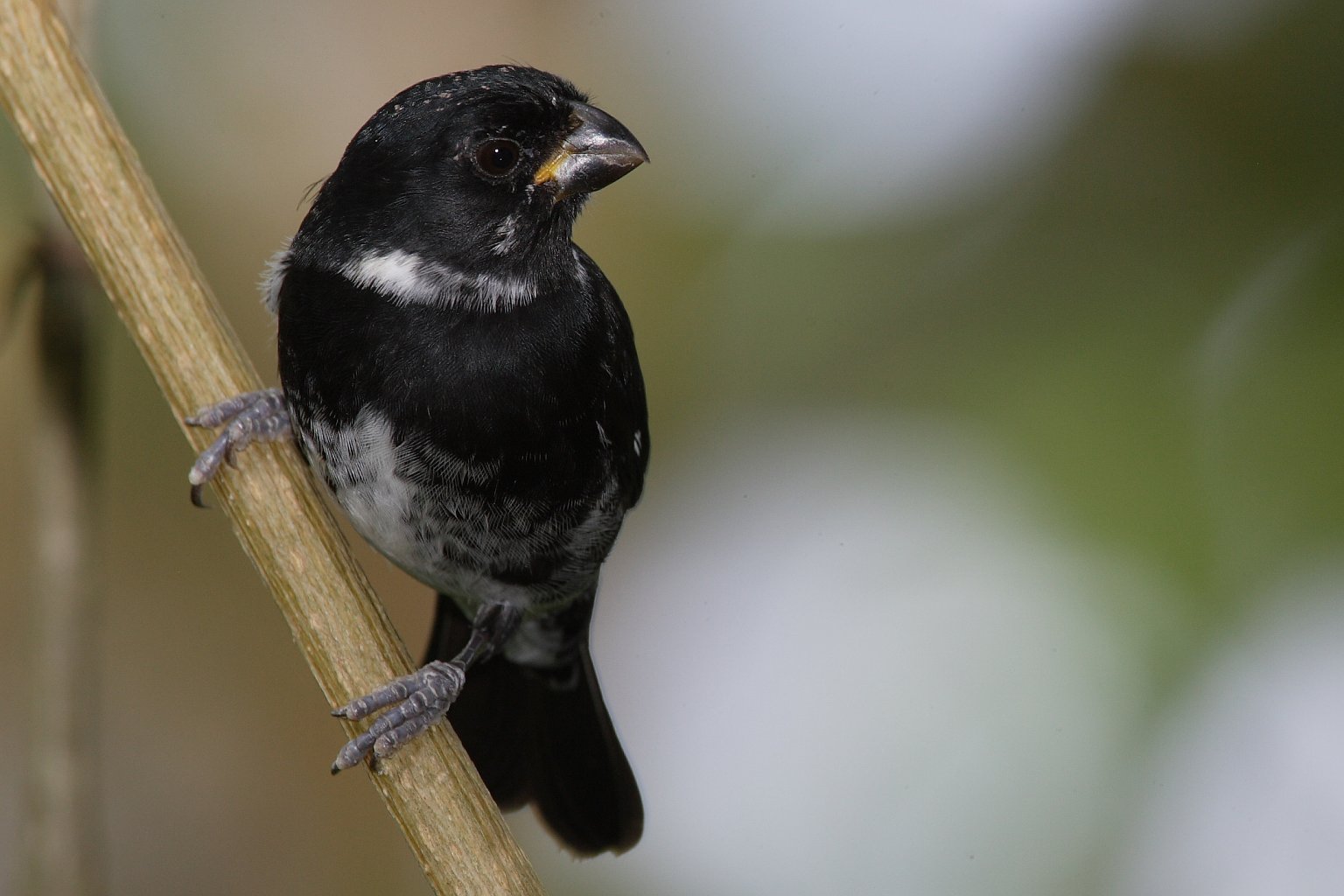
Variable Seedeater
Sporophila corvina- Pasture and ranchland
- Secondary forest and forest edge
- Western Ecuador humid forest
- Chocó rainforest
- Coffee, cacao and agroforestry
-
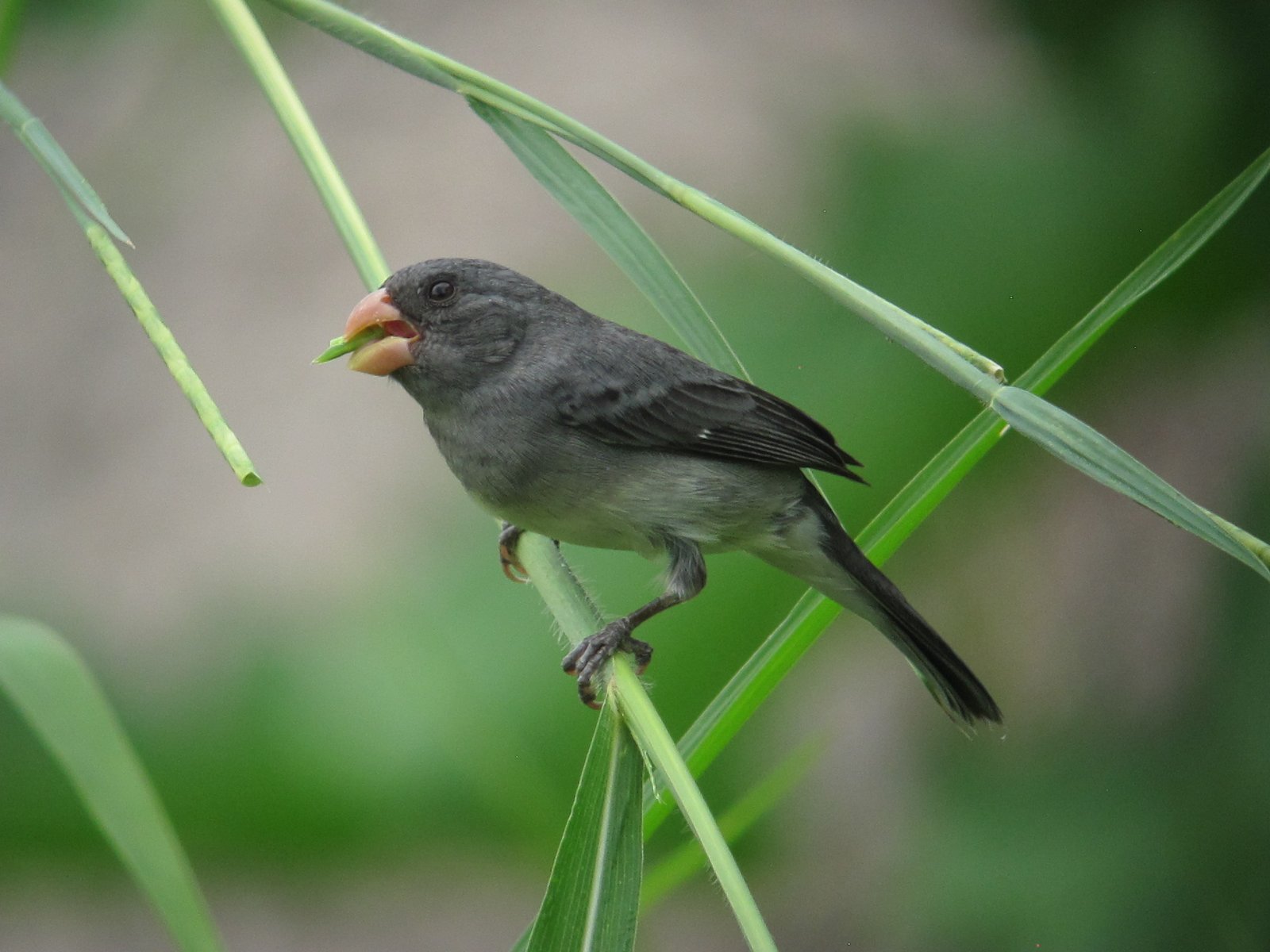
Grey Seedeater
Sporophila intermedia- Pasture and ranchland
- Llanos savanna
- Secondary forest and forest edge
- Towns, cities and parks
-
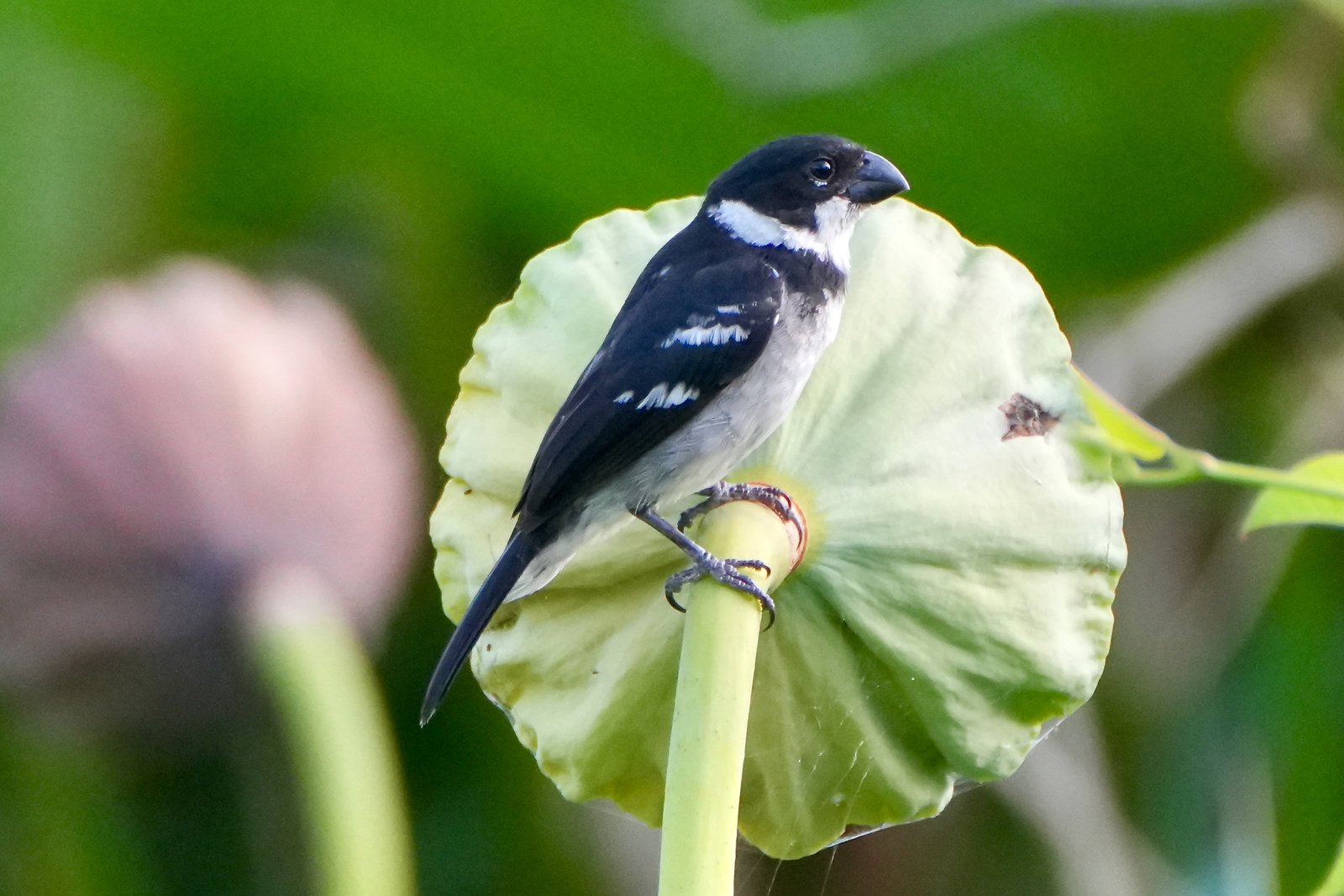
Wing-barred Seedeater
Sporophila americana- Várzea, igapó and river islands
- Secondary forest and forest edge
- Lowland rivers and sandbars
- Pasture and ranchland
-
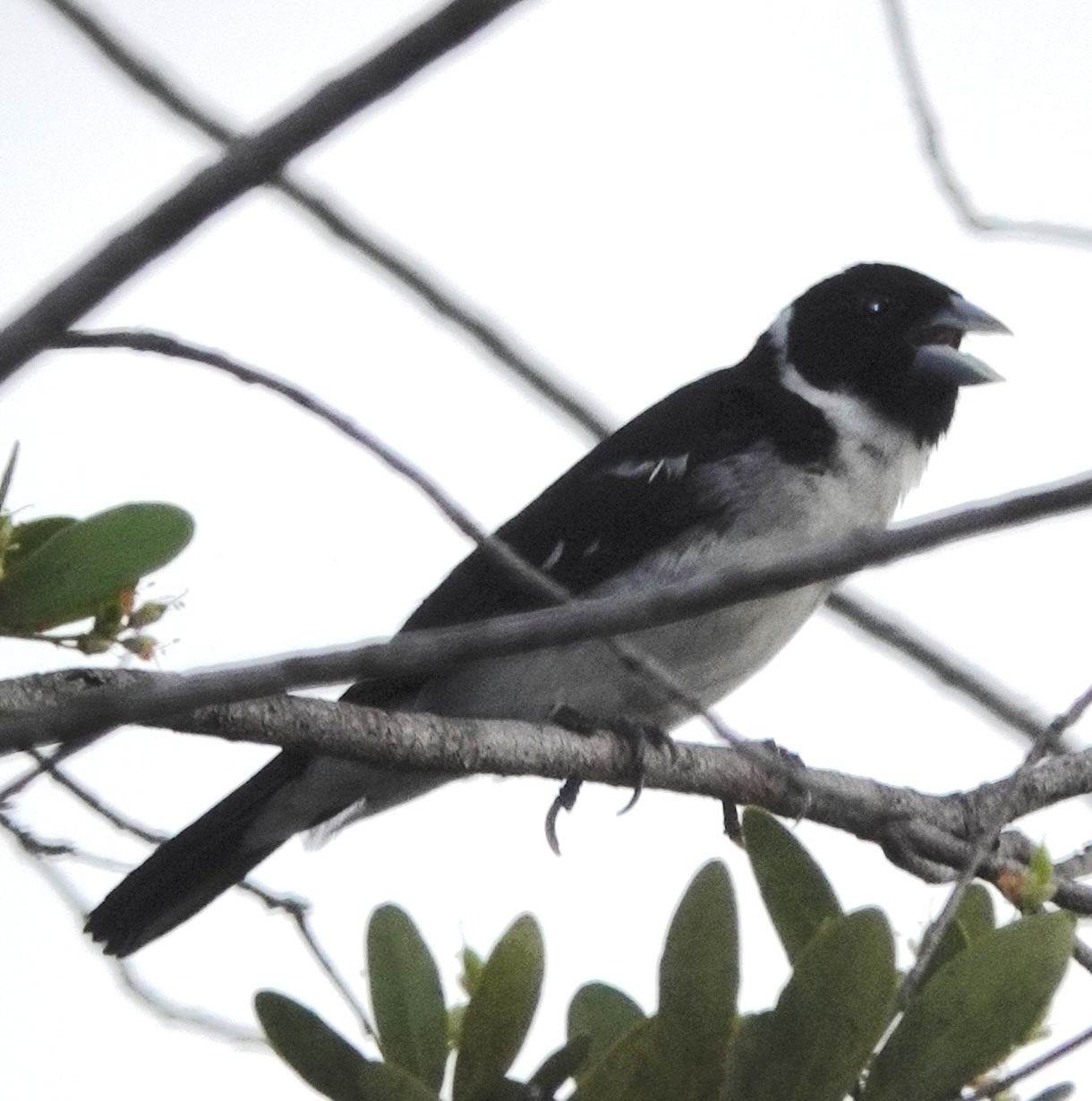
White-naped Seedeater
Sporophila fringilloides- Llanos savanna
- Secondary forest and forest edge
- Várzea, igapó and river islands
-
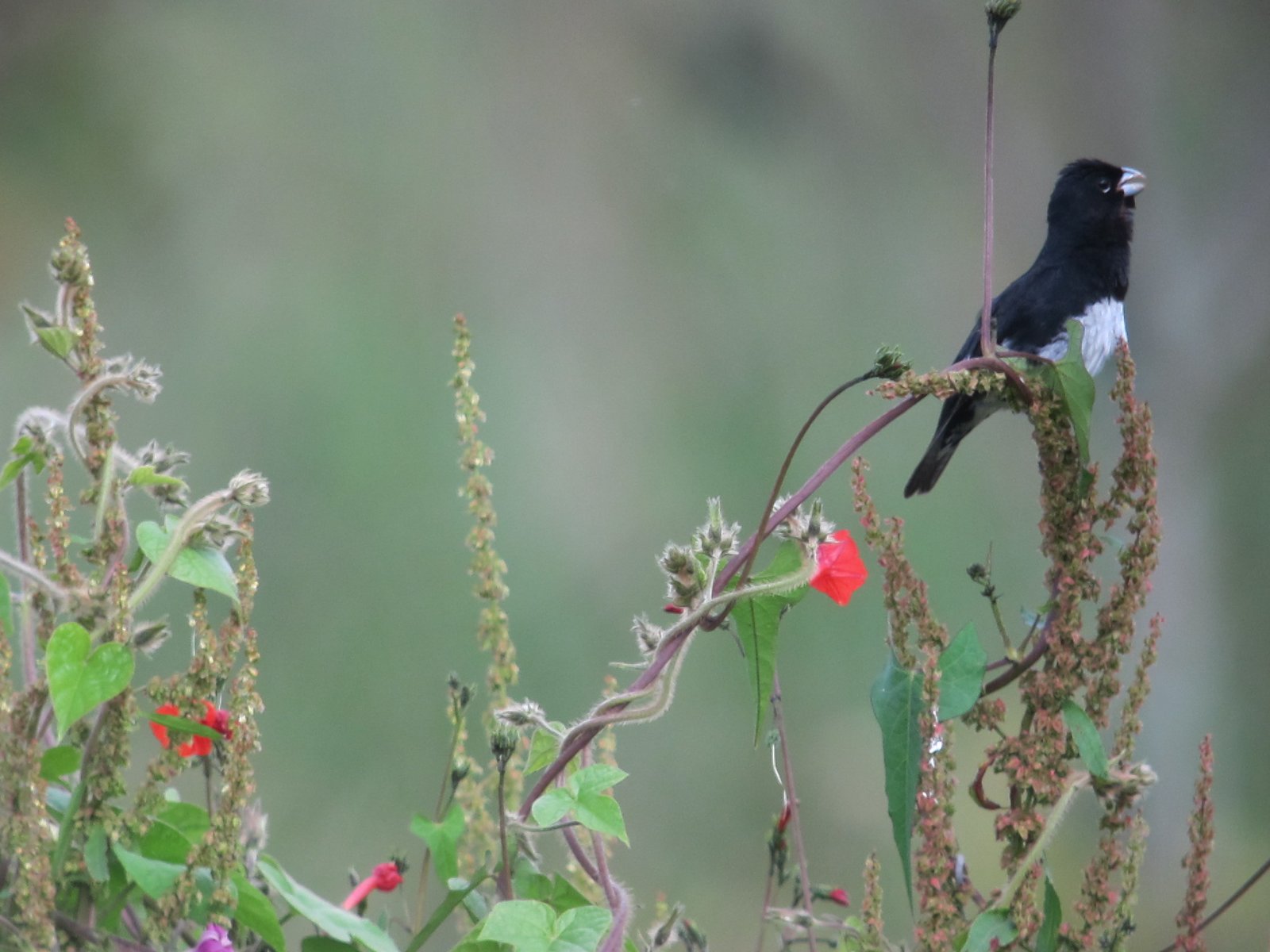
Black-and-white Seedeater
Sporophila luctuosa- Secondary forest and forest edge
- Pasture and ranchland
- Northern Andean subtropical forest
- Lower Yungas forest
- Andean fields and terraces
-
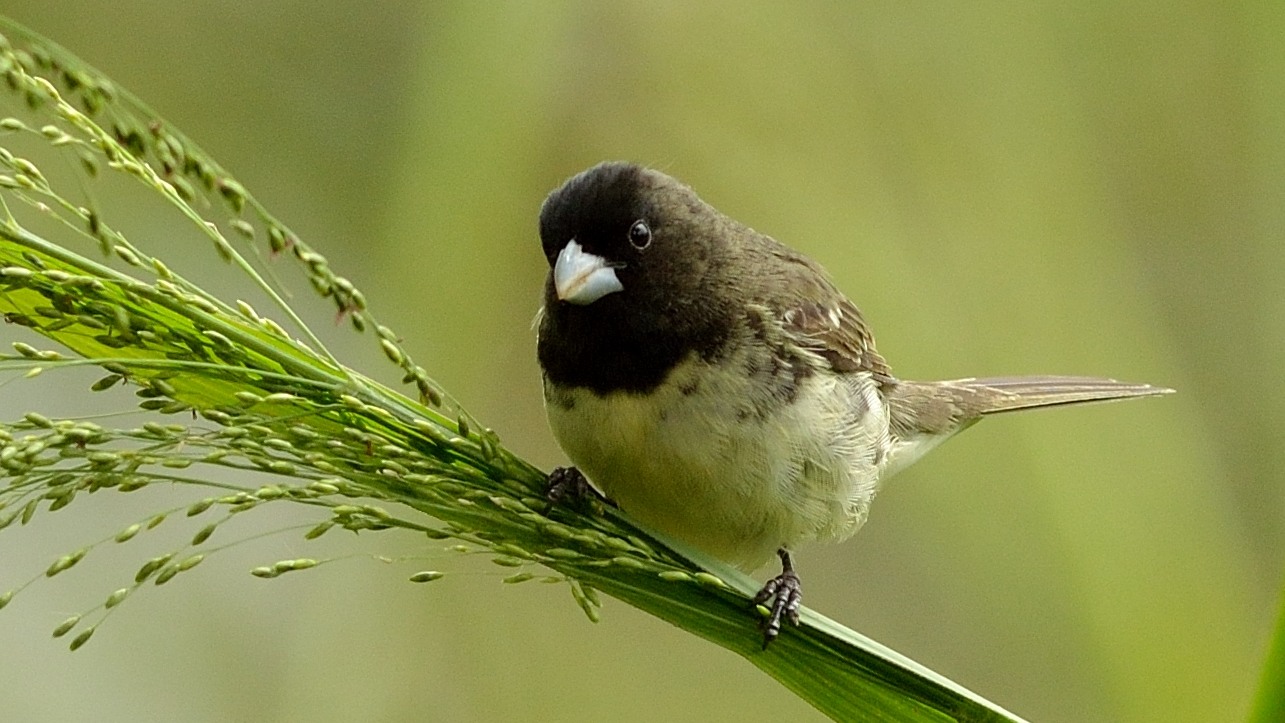
Yellow-bellied Seedeater
Sporophila nigricollis- Pasture and ranchland
- Secondary forest and forest edge
- Andean fields and terraces
- Lowland marshes and wet meadows
- Towns, cities and parks
-
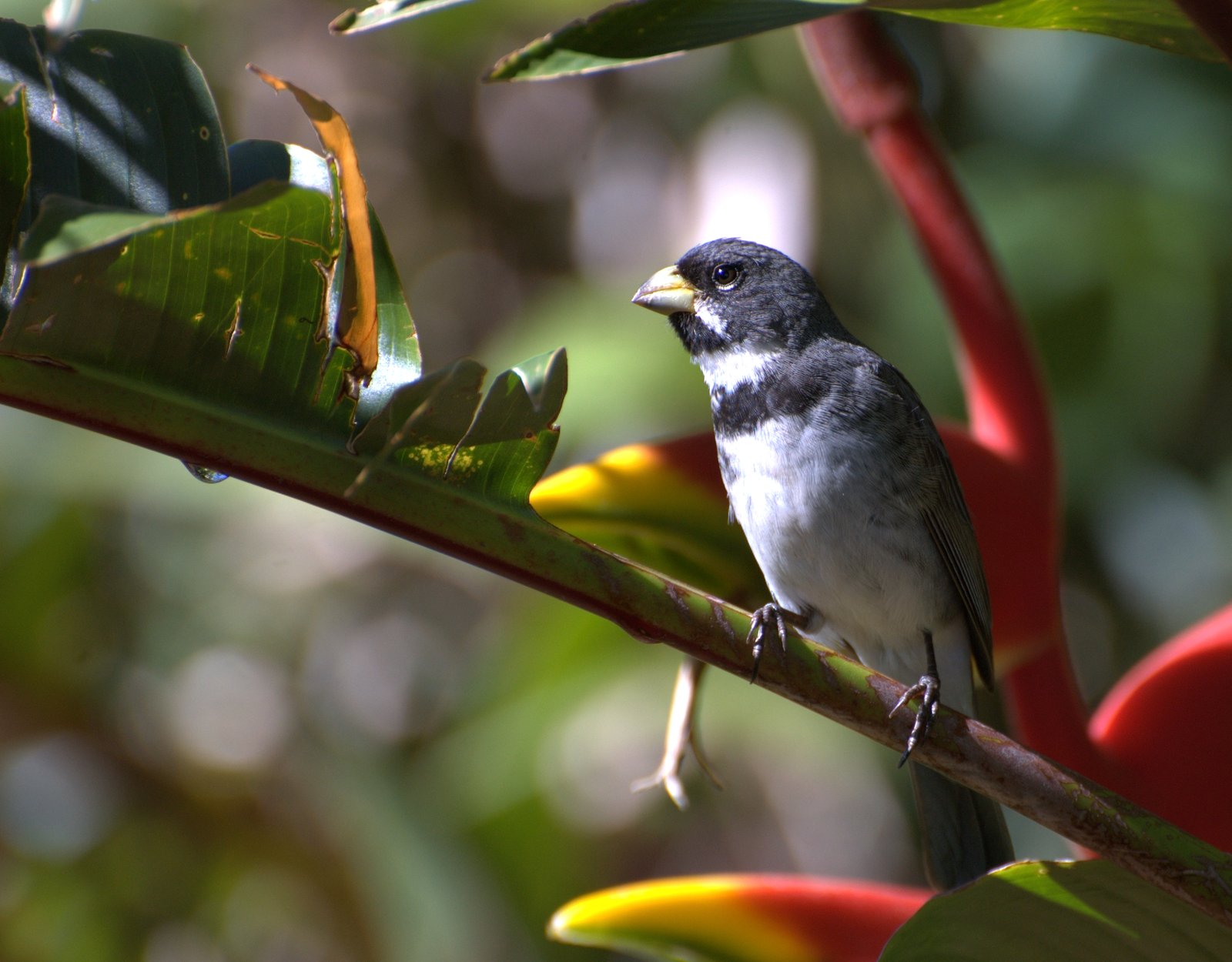
Double-collared Seedeater
Sporophila caerulescens- Pasture and ranchland
- Secondary forest and forest edge
- Beni savanna and cerrado
- Lowland marshes and wet meadows
- Irrigated farmland and rice fields
-
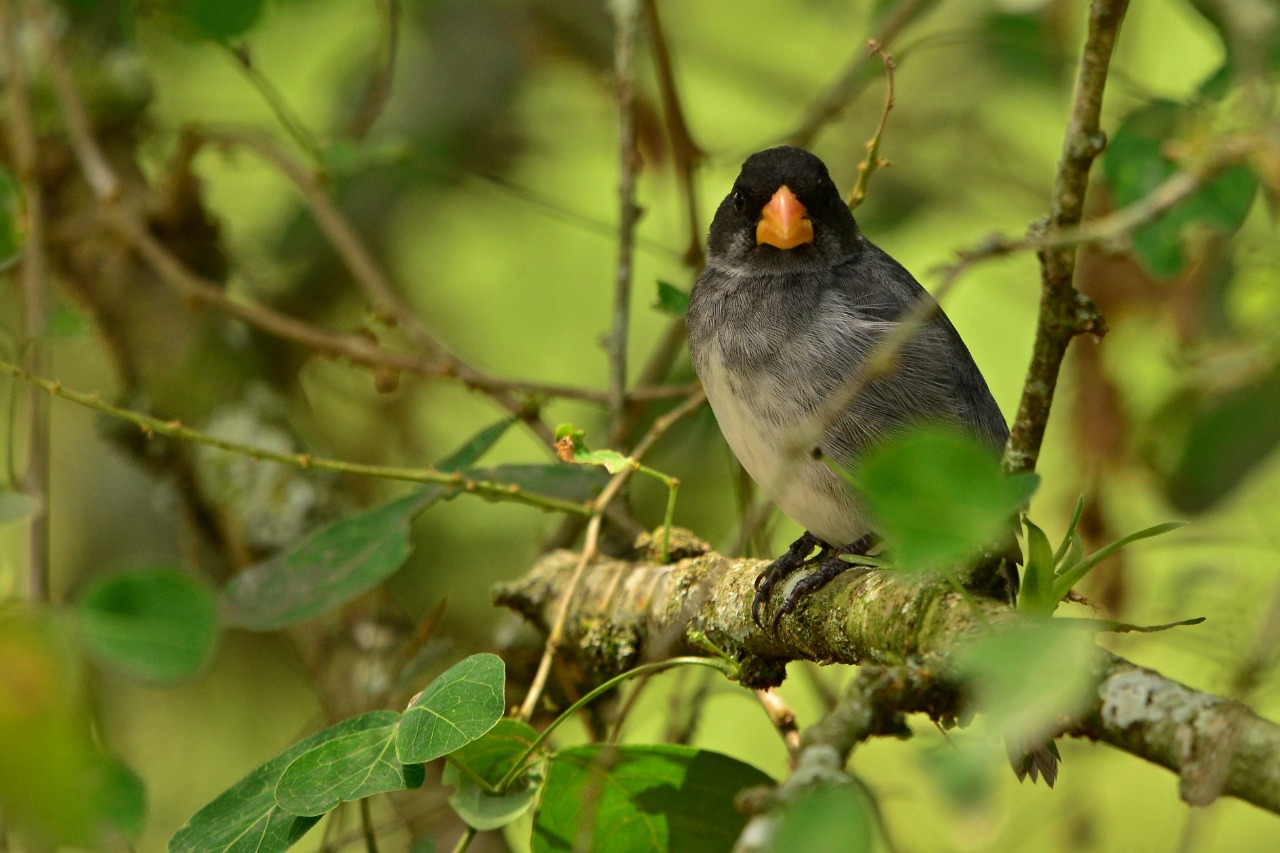
Slate-colored Seedeater
Sporophila schistacea- Bamboo forest
- Secondary forest and forest edge
- Eastern Andean foothill forest
- Amazonian terra firme rainforest
- Northern Andean subtropical forest
-
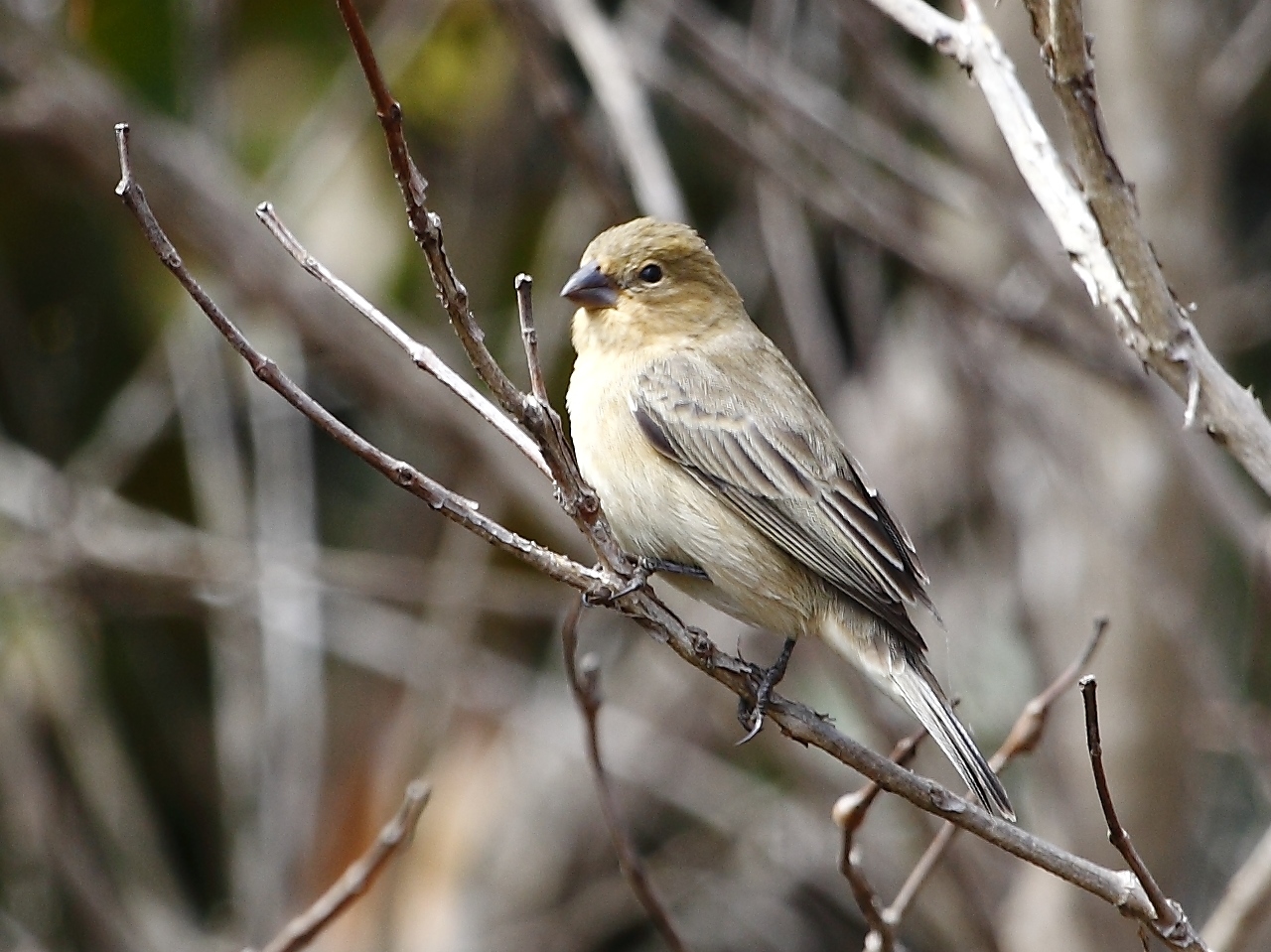
Plumbeous Seedeater
Sporophila plumbea- Llanos savanna
- Beni savanna and cerrado
- Lowland marshes and wet meadows
-
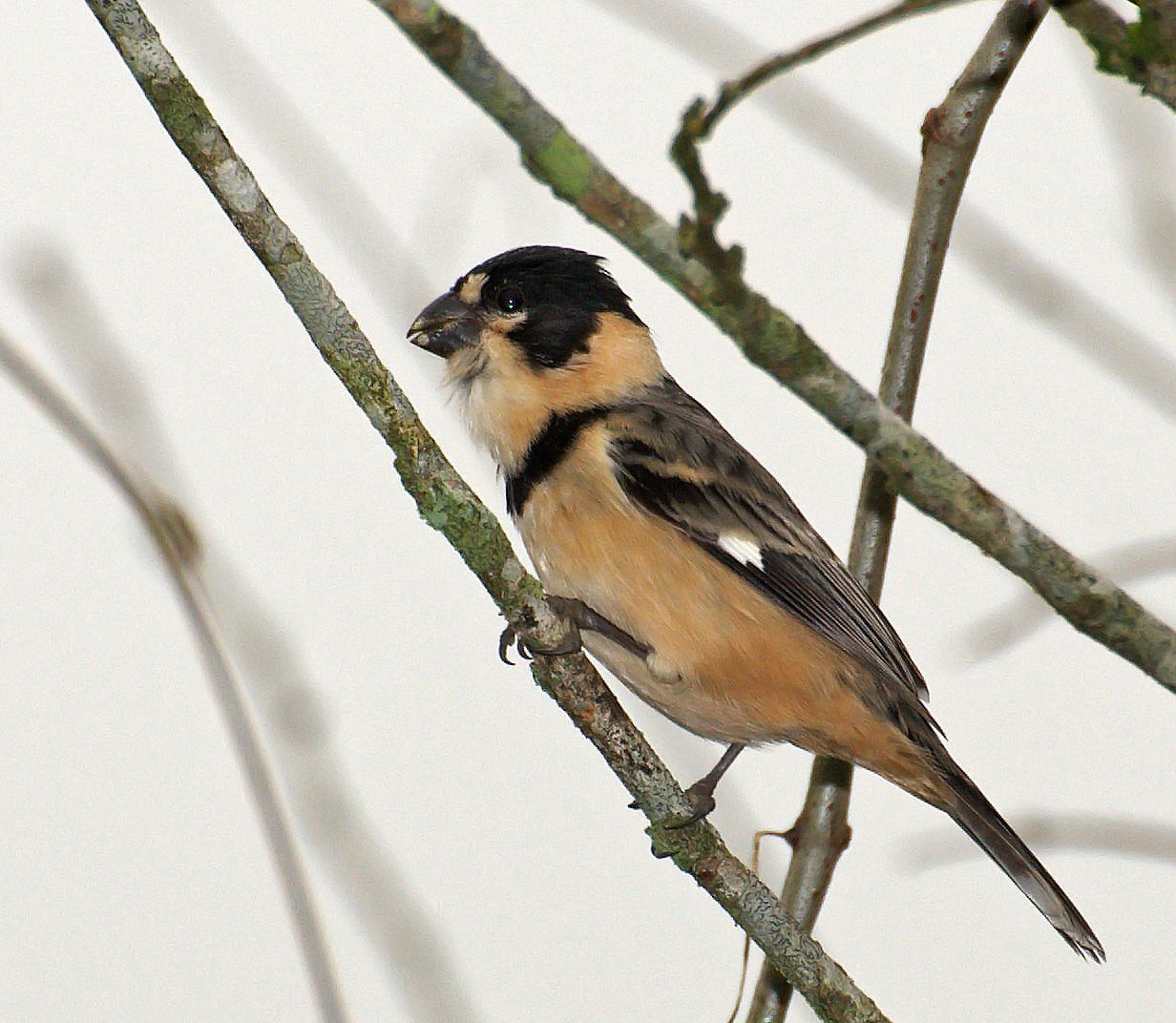
Rusty-collared Seedeater
Sporophila collaris- Lowland marshes and wet meadows
- Beni savanna and cerrado
- Várzea, igapó and river islands
- Irrigated farmland and rice fields
Neothraupis 1 species
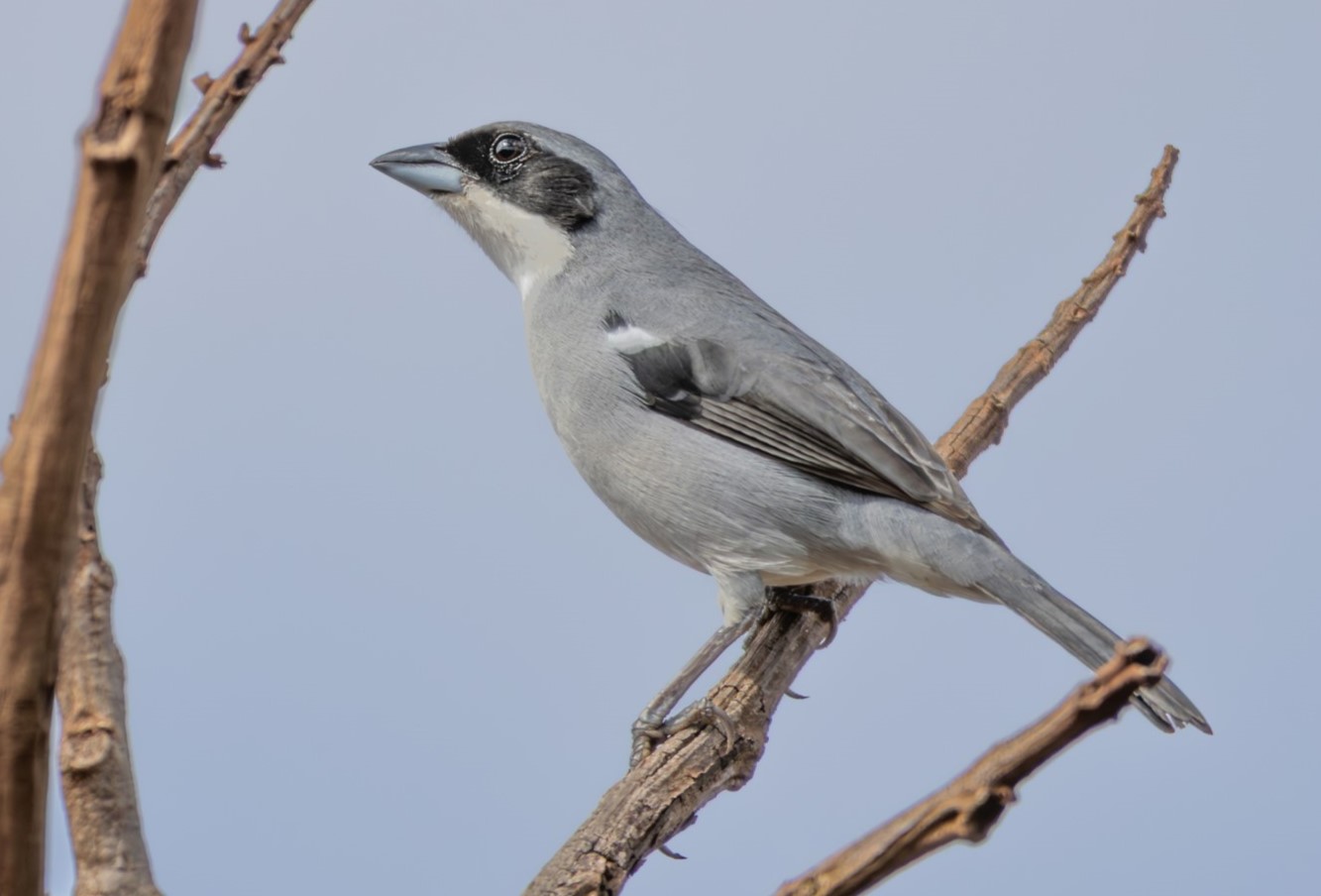
Geospizopsis 2 species

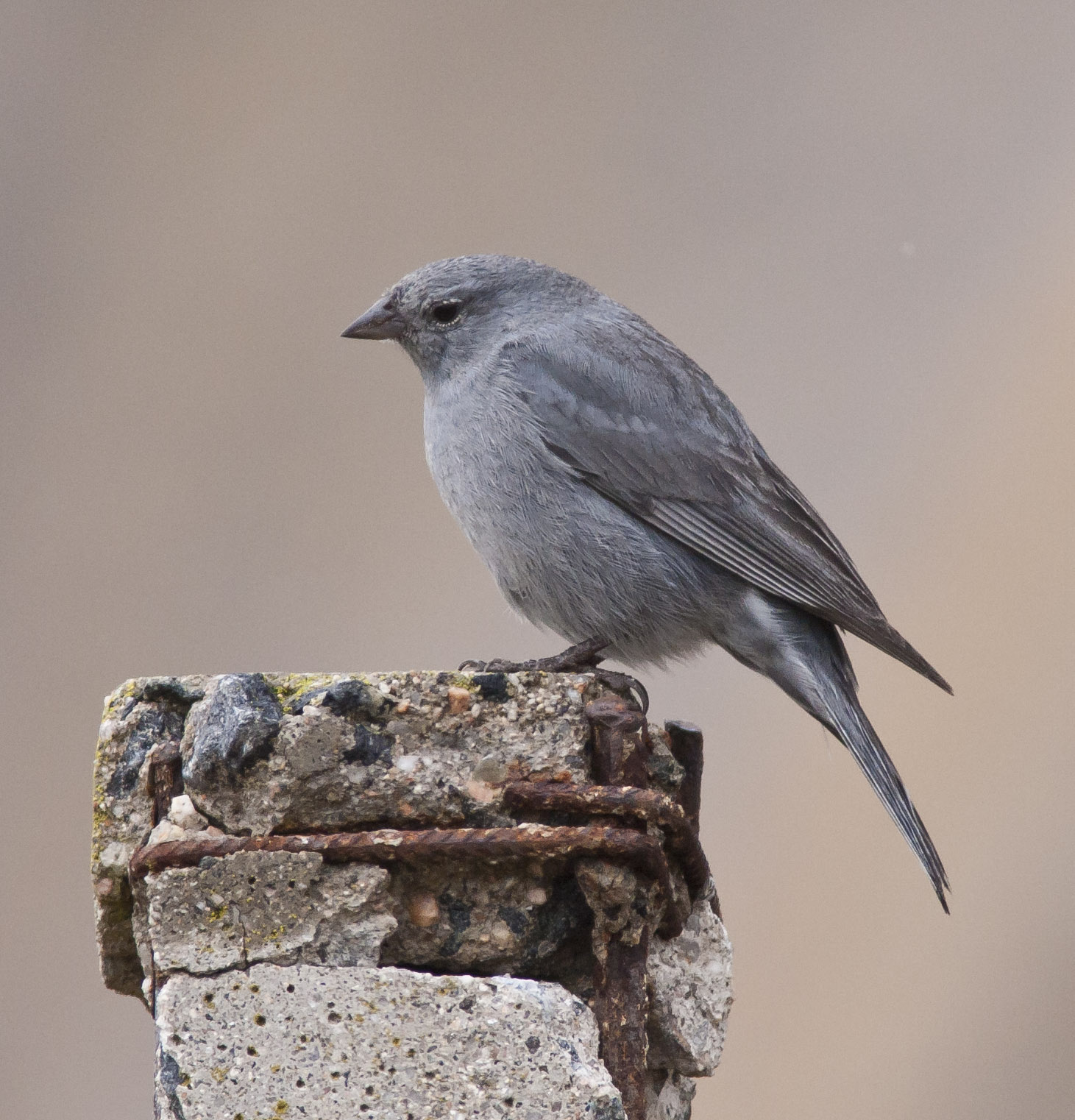
Heliothraupis 1 species
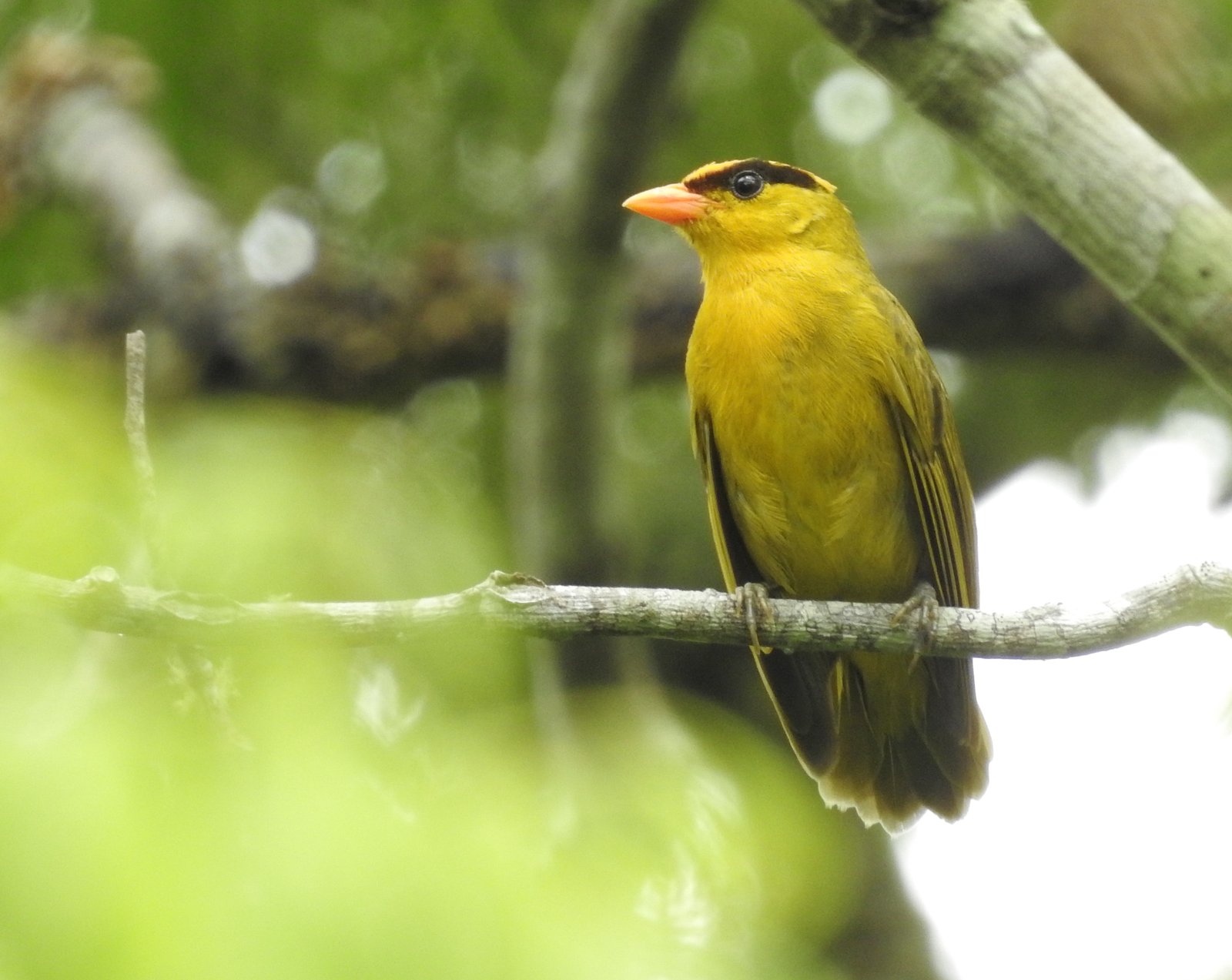
Wetmorethraupis 1 species
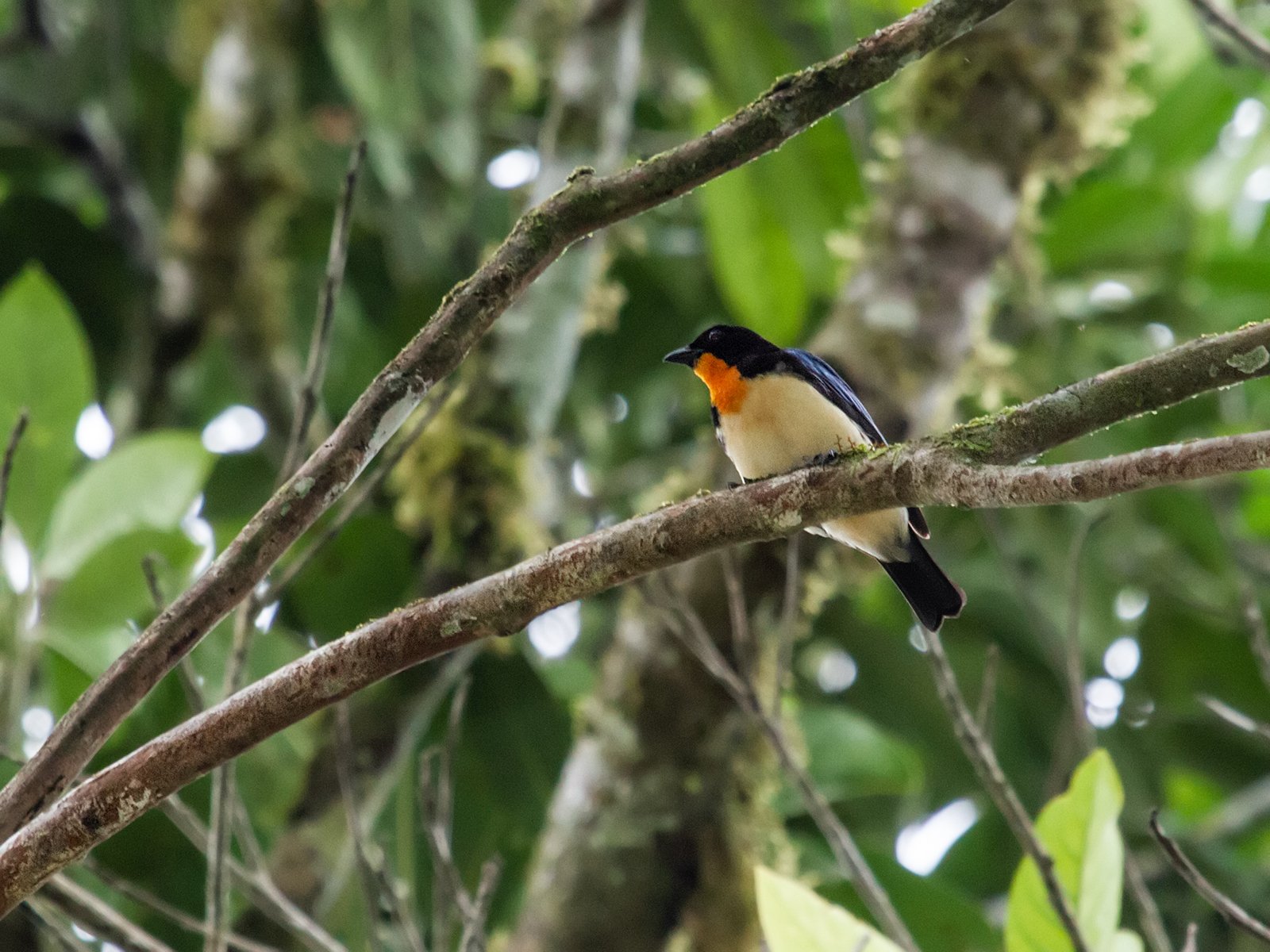
Dacnis 8 species
-
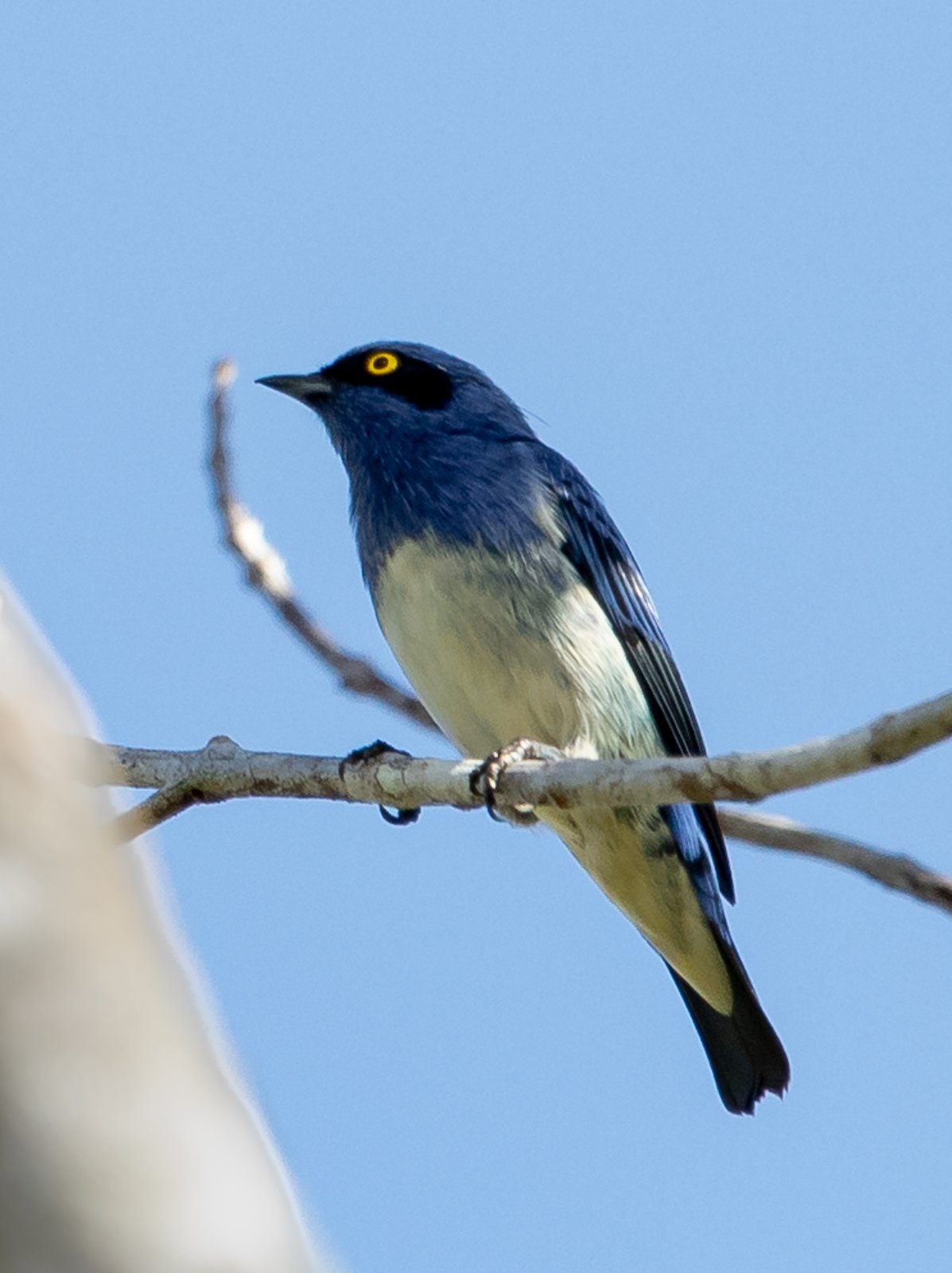
White-bellied Dacnis
Dacnis albiventris- Amazonian terra firme rainforest
- Várzea, igapó and river islands
- Secondary forest and forest edge
- Eastern Andean foothill forest
-
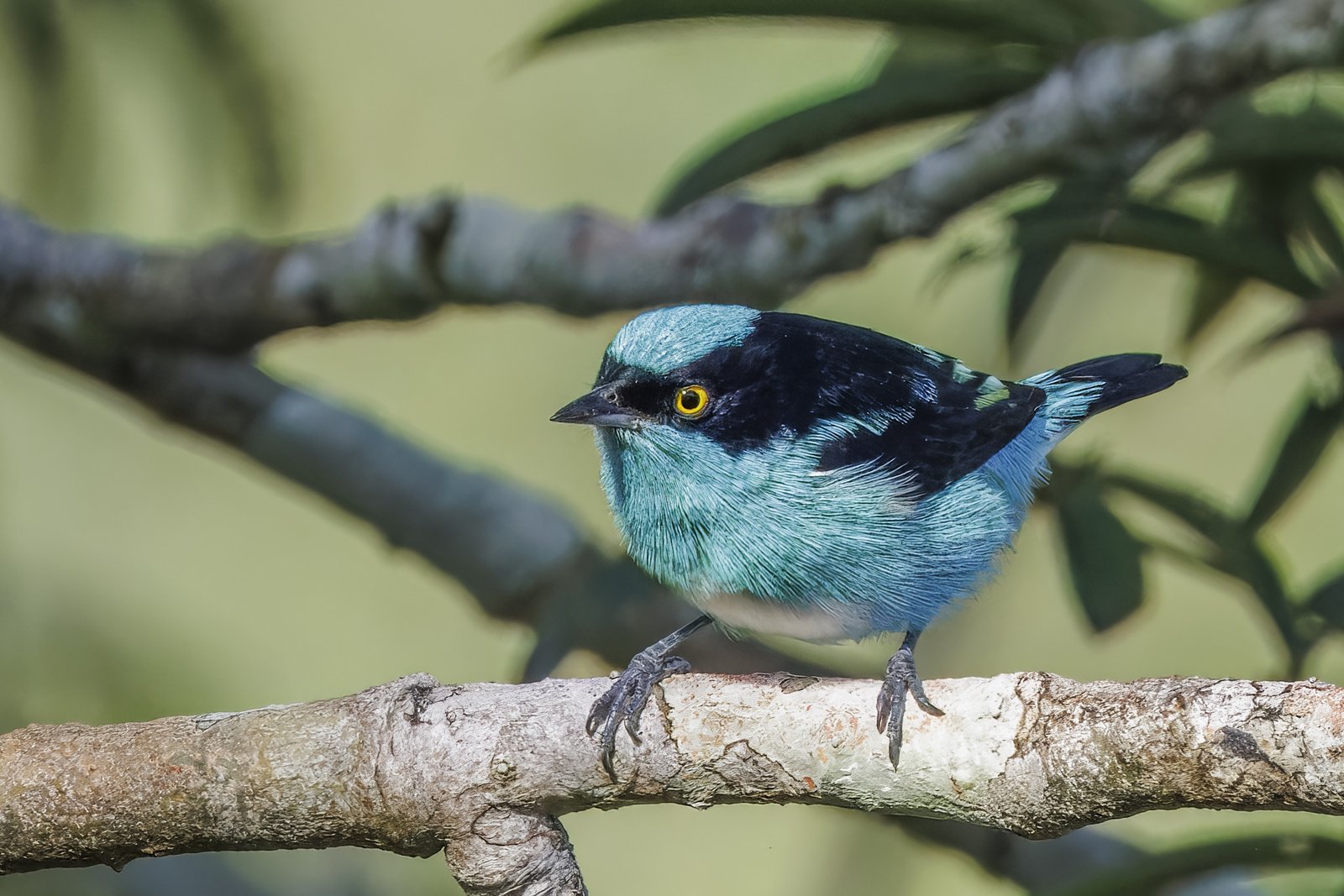
Black-faced Dacnis
Dacnis lineata- Amazonian terra firme rainforest
- Chocó rainforest
- Western Ecuador humid forest
- Eastern Andean foothill forest
- Secondary forest and forest edge
- Várzea, igapó and river islands
-
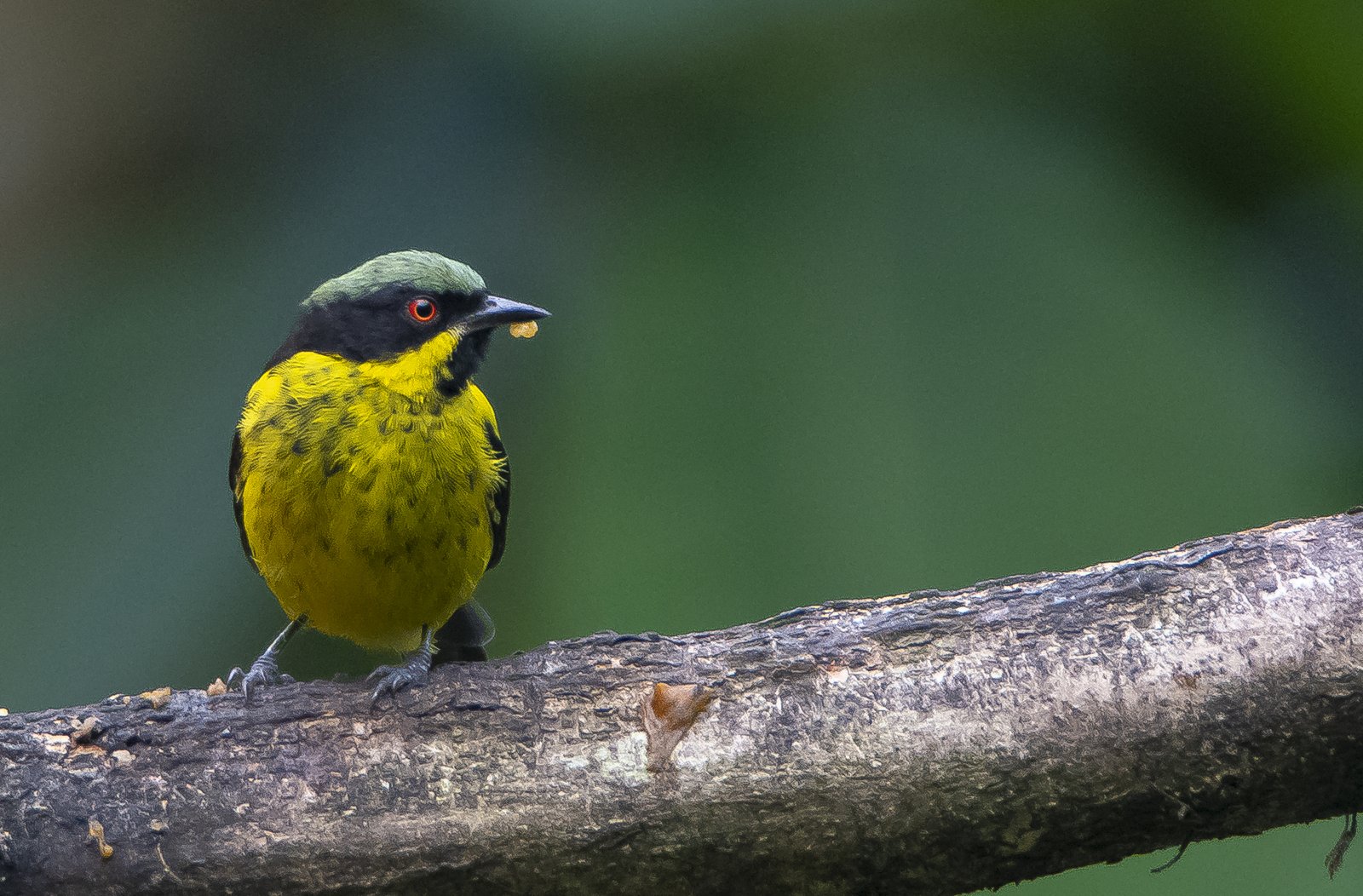
Yellow-bellied Dacnis
Dacnis flaviventer- Várzea, igapó and river islands
- Secondary forest and forest edge
- Amazonian terra firme rainforest
- Palm swamps and swamp forest
-
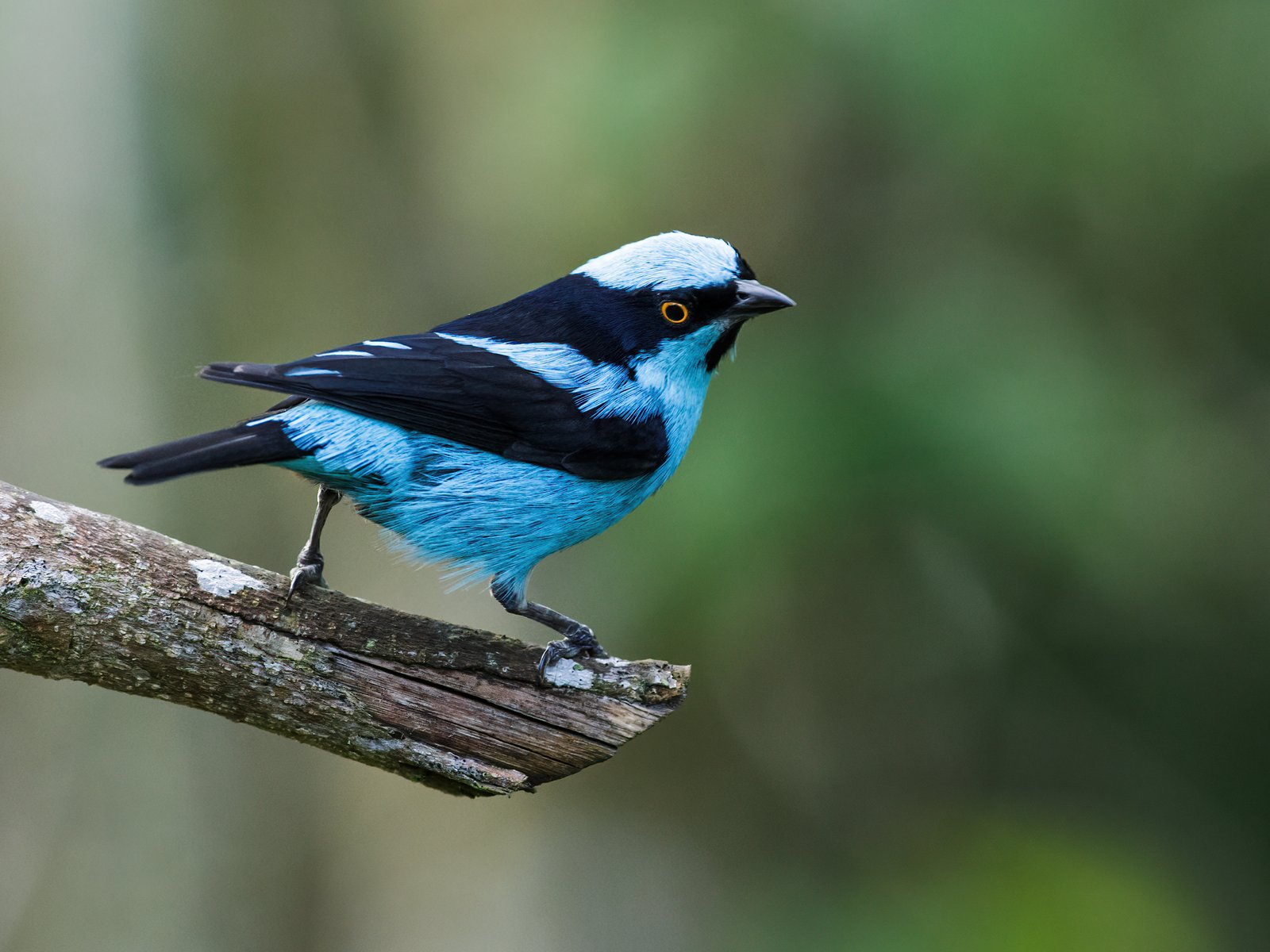
Turquoise Dacnis
Dacnis hartlaubi- Northern Andean subtropical forest
- Secondary forest and forest edge
- Coffee, cacao and agroforestry
- Northern Andean cloud forest and temperate forest
-
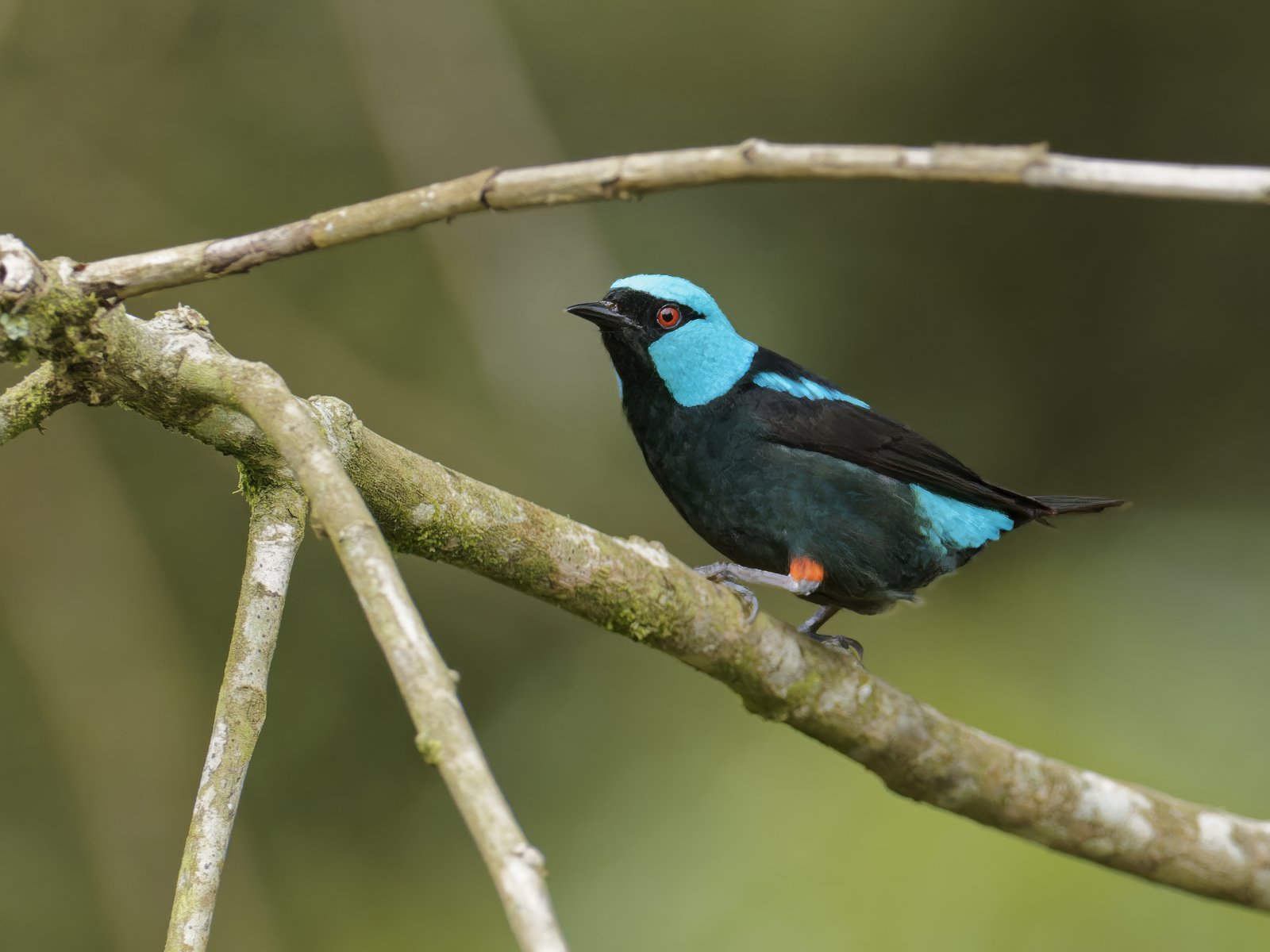
Scarlet-thighed Dacnis
Dacnis venusta- Chocó rainforest
- Western Ecuador humid forest
- Northern Andean subtropical forest
- Secondary forest and forest edge
-
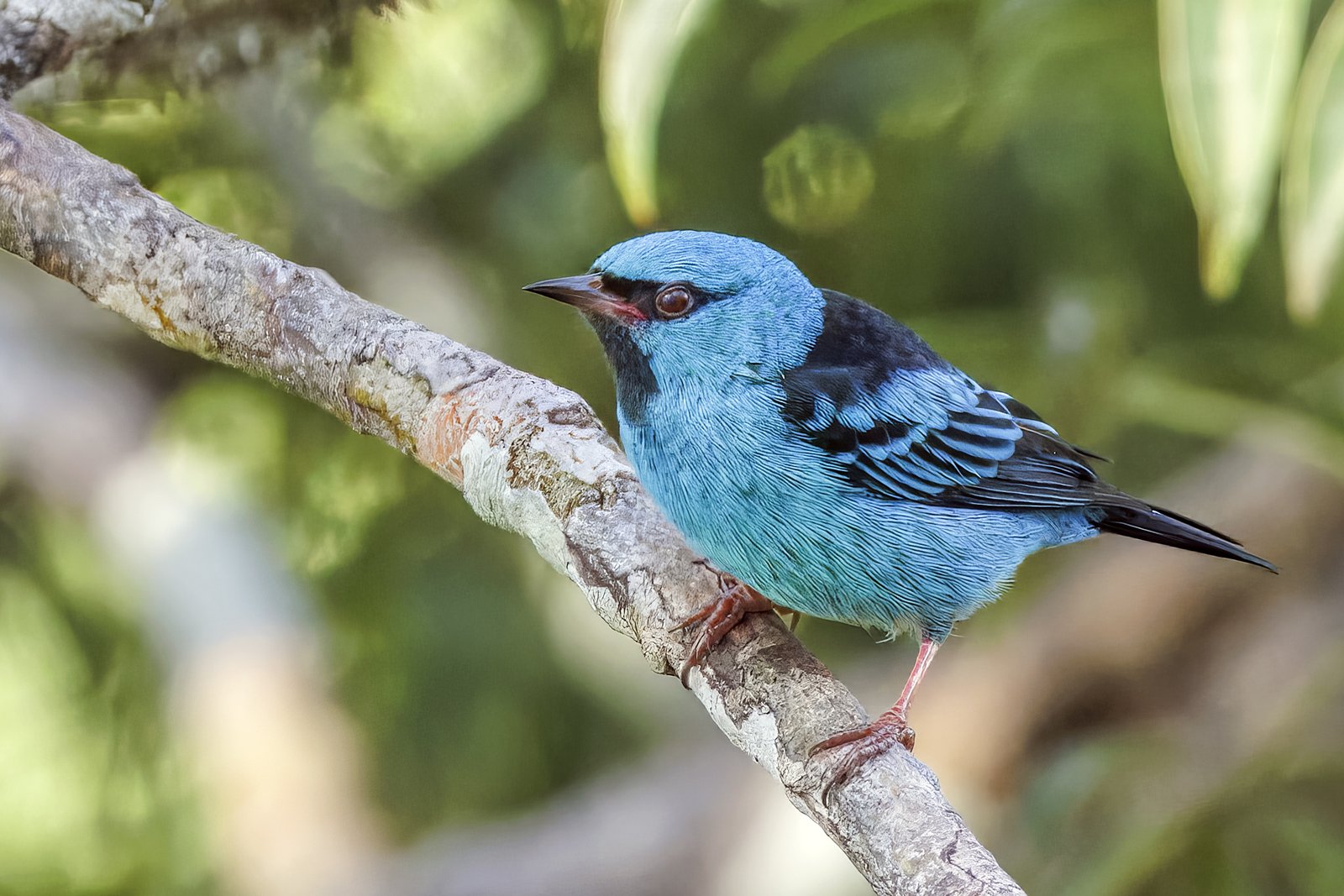
Blue Dacnis
Dacnis cayana- Secondary forest and forest edge
- Amazonian terra firme rainforest
- Chocó rainforest
- Western Ecuador humid forest
- Eastern Andean foothill forest
- Coffee, cacao and agroforestry
- Várzea, igapó and river islands
-
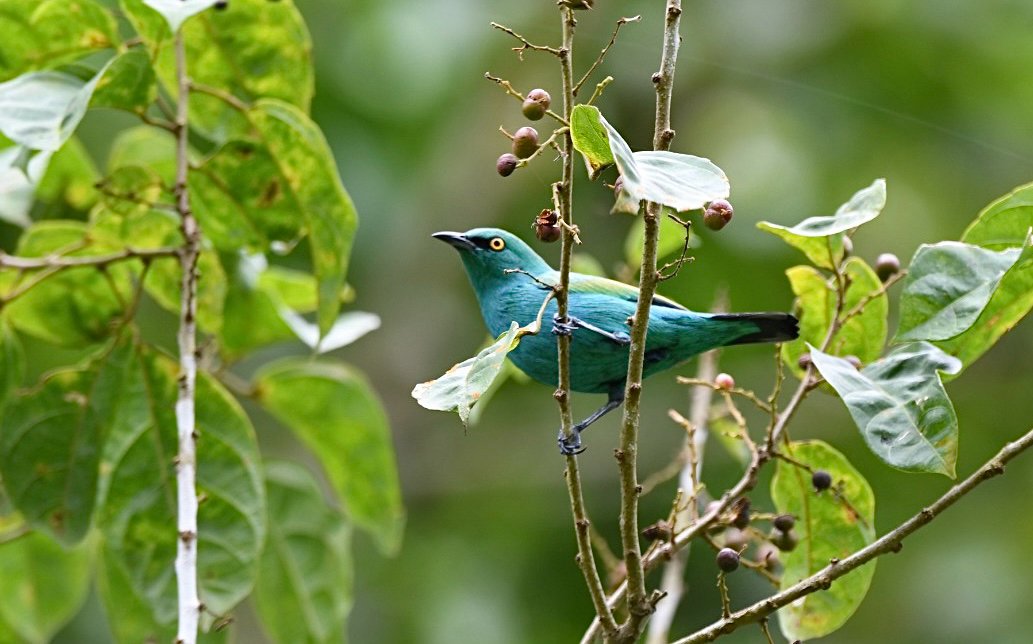
Viridian Dacnis
Dacnis viguieri- Chocó rainforest
- Secondary forest and forest edge
-
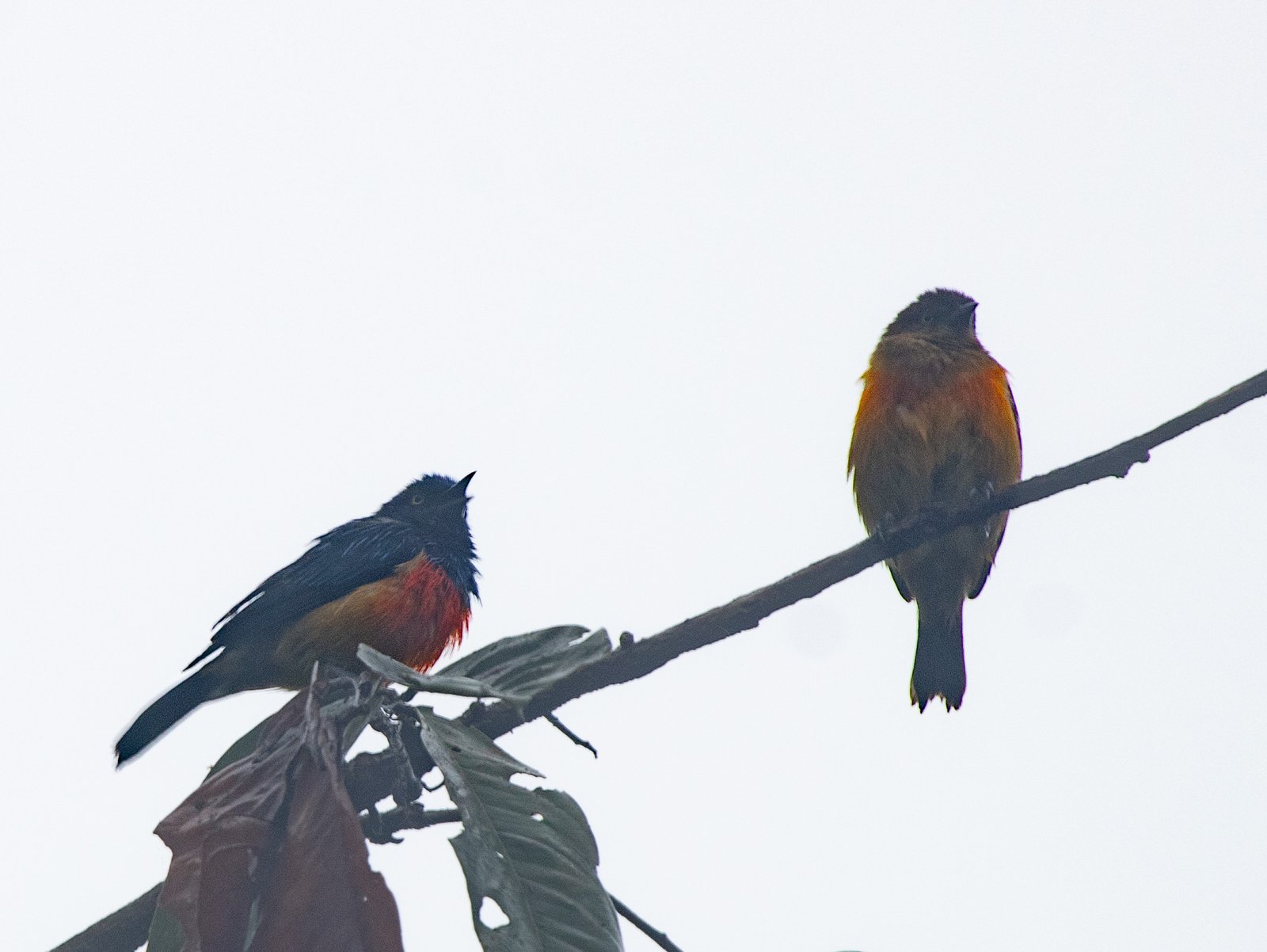
Scarlet-breasted Dacnis
Dacnis berlepschi- Chocó rainforest
- Western Ecuador humid forest
- Secondary forest and forest edge
Platyspiza 1 species
Nemosia 1 species
Chlorochrysa 3 species
-
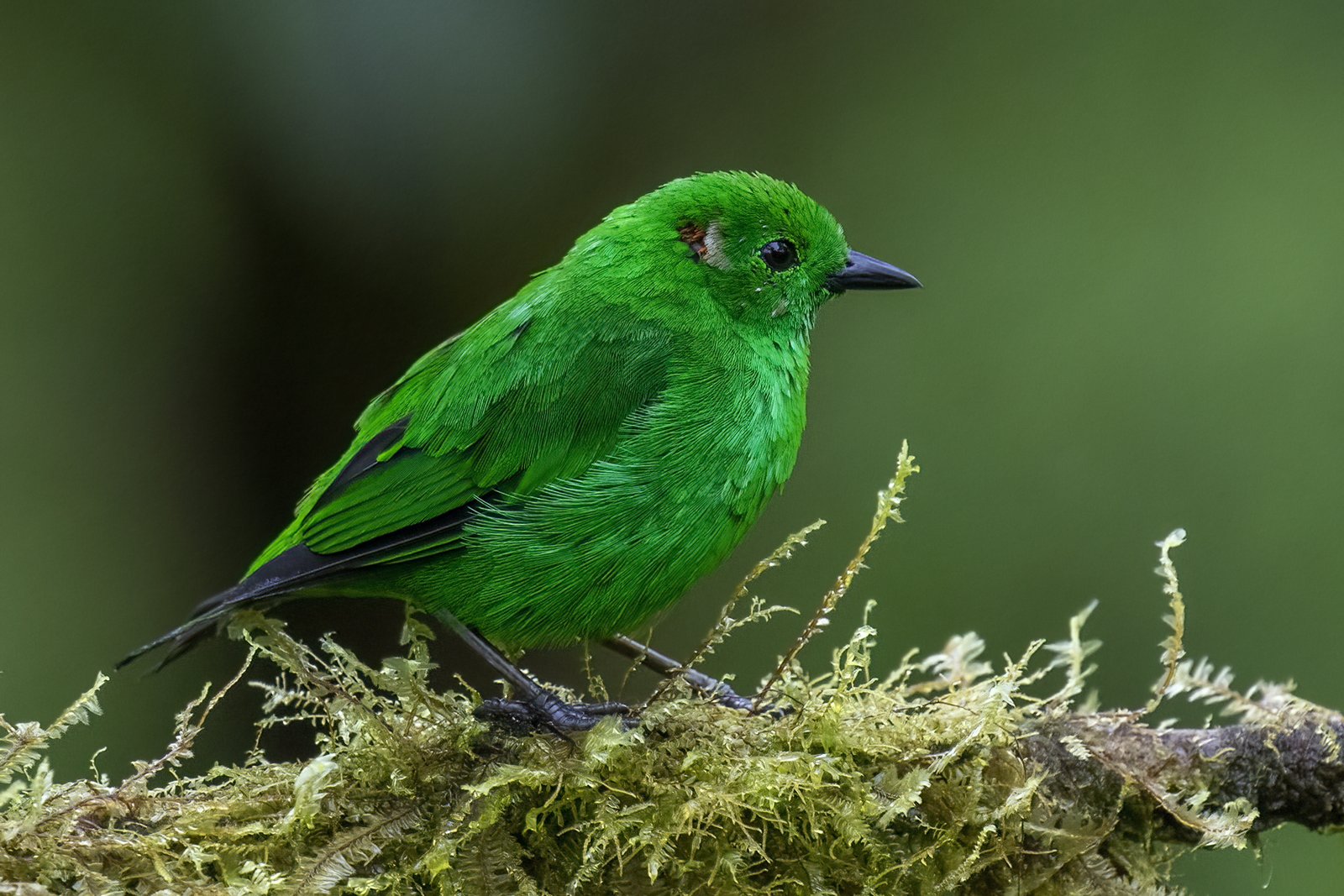
Glistening-green Tanager
Chlorochrysa phoenicotis- Northern Andean subtropical forest
- Chocó rainforest
- Northern Andean cloud forest and temperate forest
- Secondary forest and forest edge
-
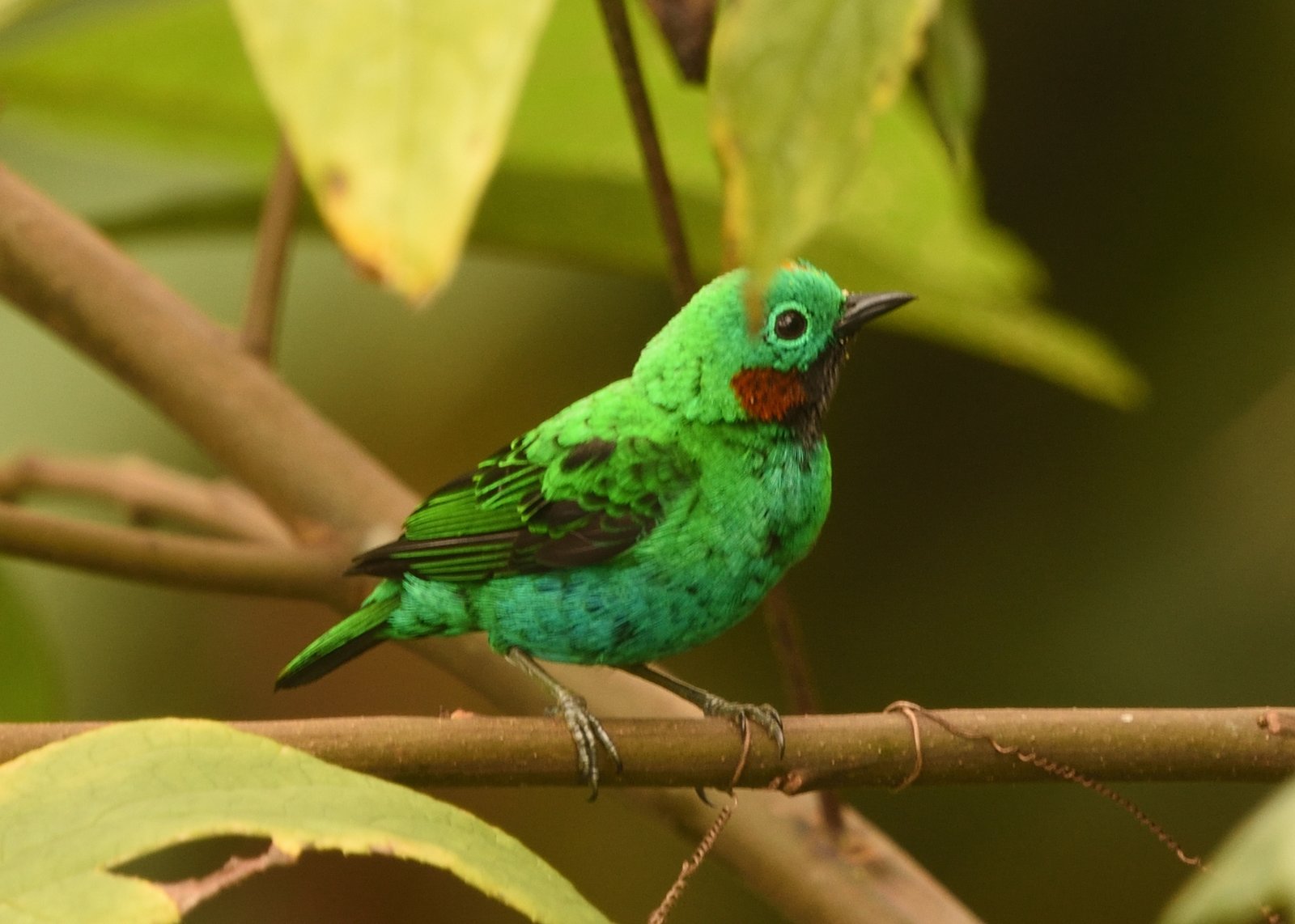
Orange-eared Tanager
Chlorochrysa calliparaea- Eastern Andean foothill forest
- Northern Andean subtropical forest
- Lower Yungas forest
- Secondary forest and forest edge
-
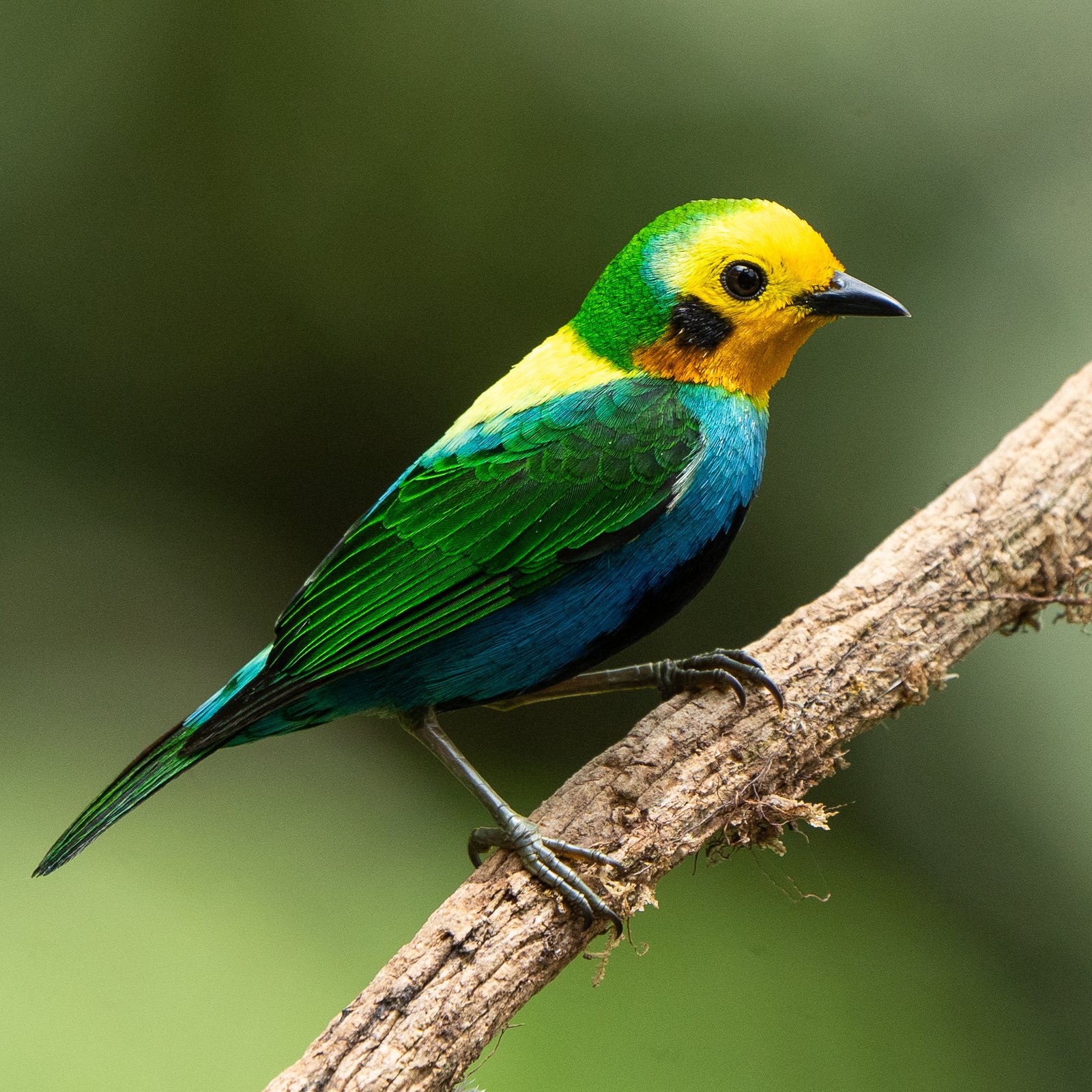
Multicolored Tanager
Chlorochrysa nitidissima- Northern Andean subtropical forest
- Northern Andean cloud forest and temperate forest
- Secondary forest and forest edge
- Coffee, cacao and agroforestry
Iridophanes 1 species

Poospiza 6 species
-
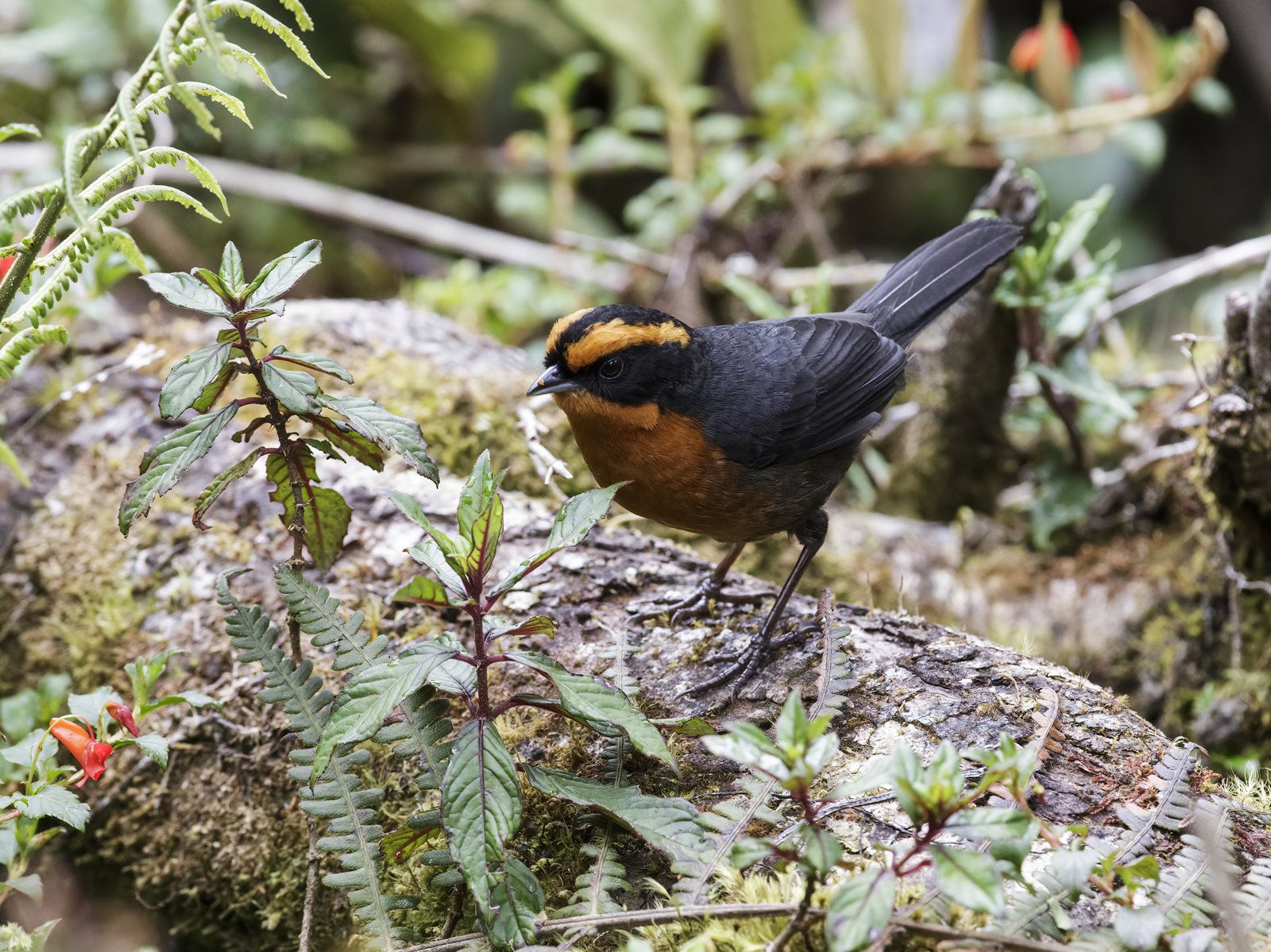
Rufous-browed Hemispingus
Poospiza rufosuperciliaris- Bamboo forest
- Upper Yungas cloud forest
- Northern Andean cloud forest and temperate forest
-
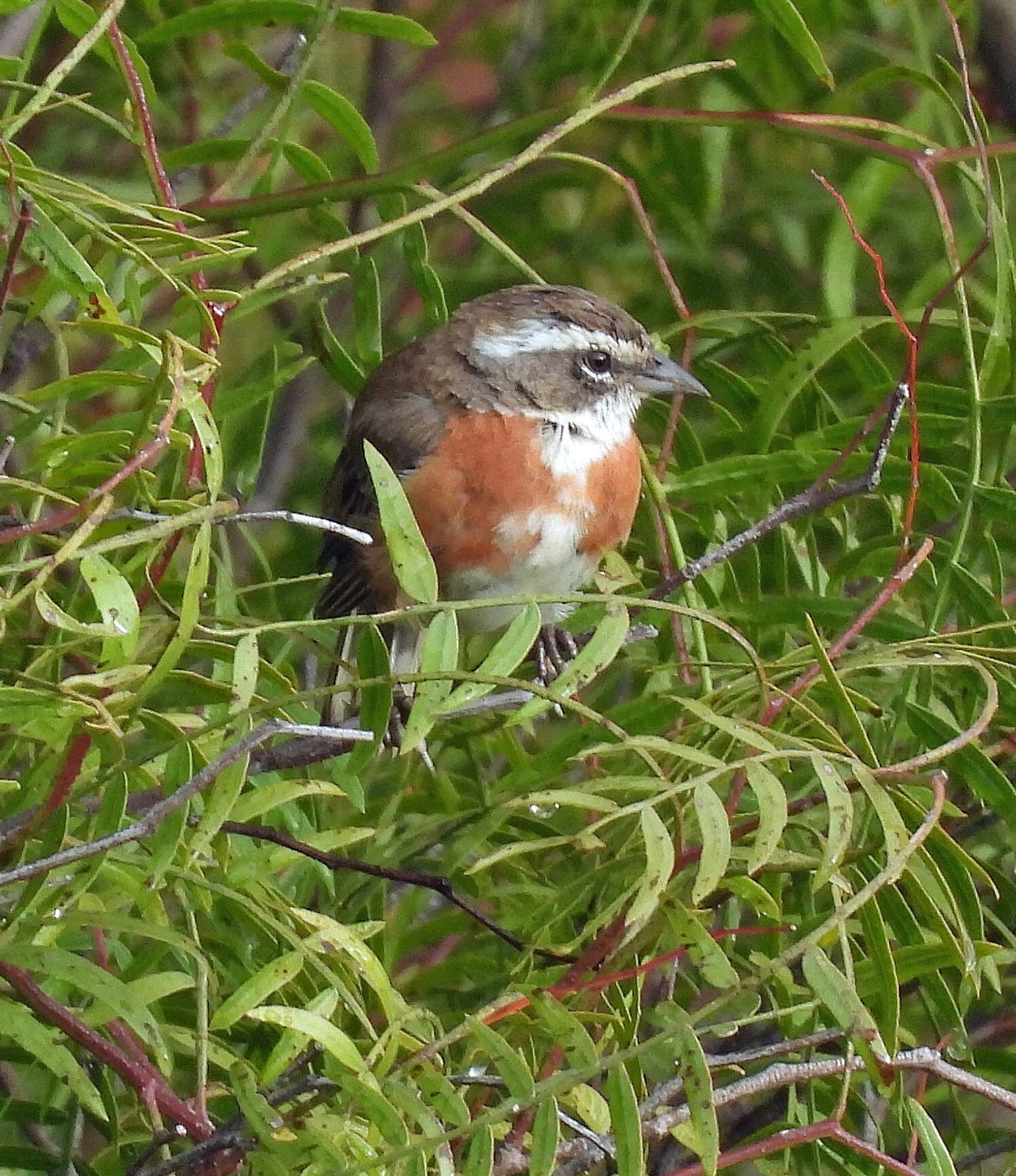
Bolivian Warbling Finch
Poospiza boliviana- Central Andean dry valleys
- Riparian woodland of the Andes and coastal valleys
- Andean fields and terraces
-
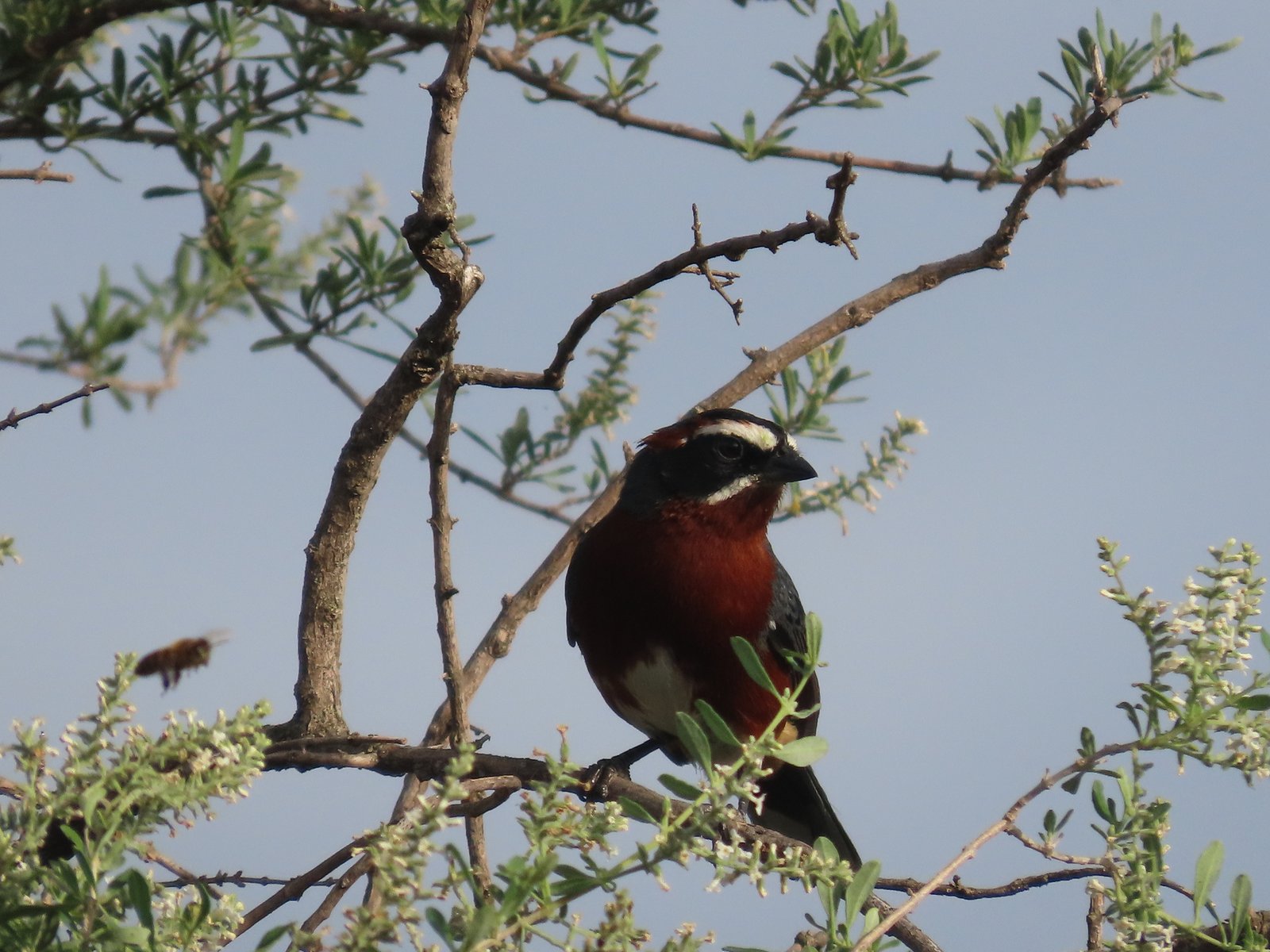
Black-and-chestnut Warbling Finch
Poospiza whitii- Upper Yungas cloud forest
- Central Andean dry valleys
- Lower Yungas forest
- Riparian woodland of the Andes and coastal valleys
-
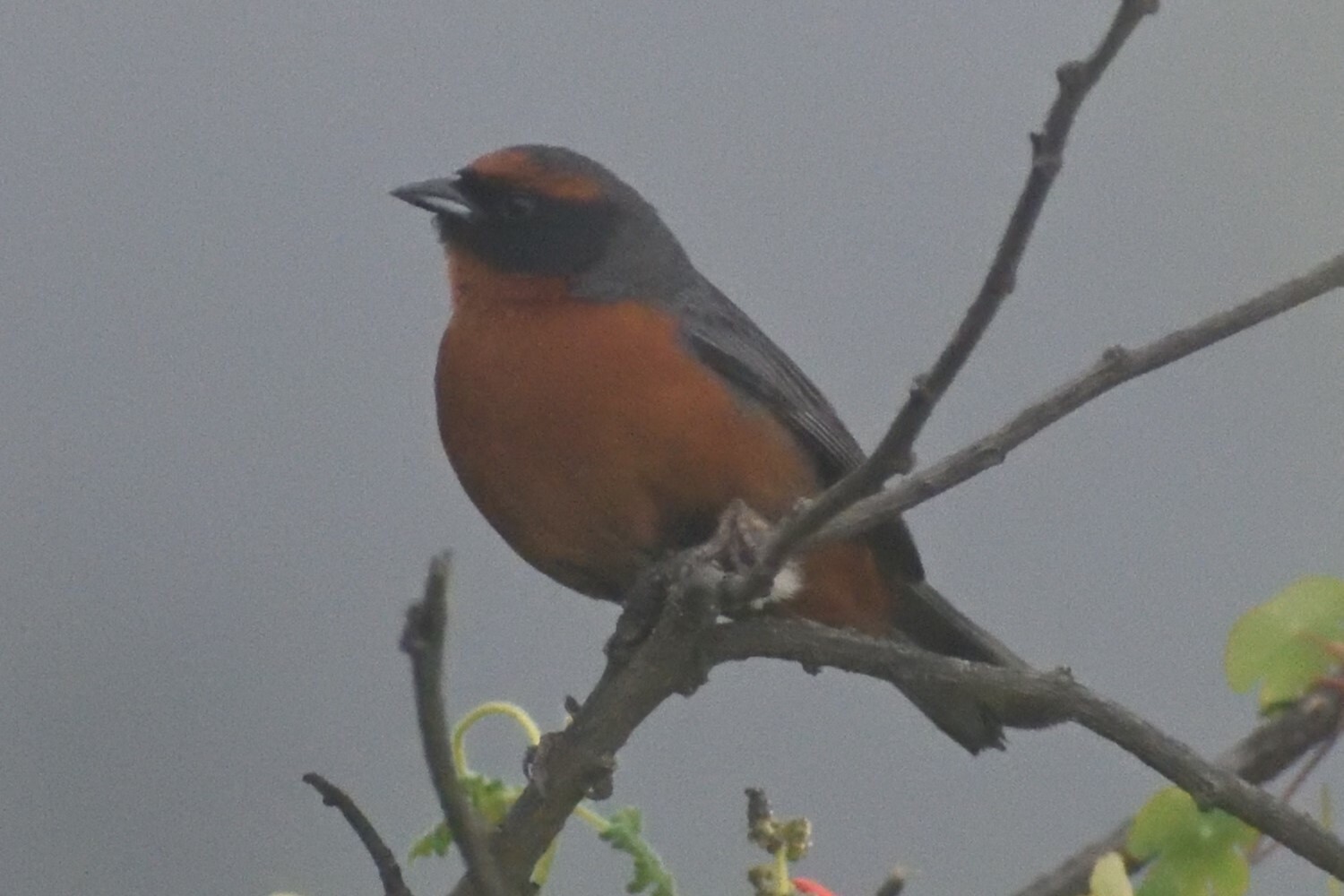
Rufous-breasted Warbling Finch
Poospiza rubecula- Central Andean dry valleys
- Marañón and northern inter-Andean dry forest
- Polylepis woodland
- Riparian woodland of the Andes and coastal valleys
- Lomas (fog oases)
-
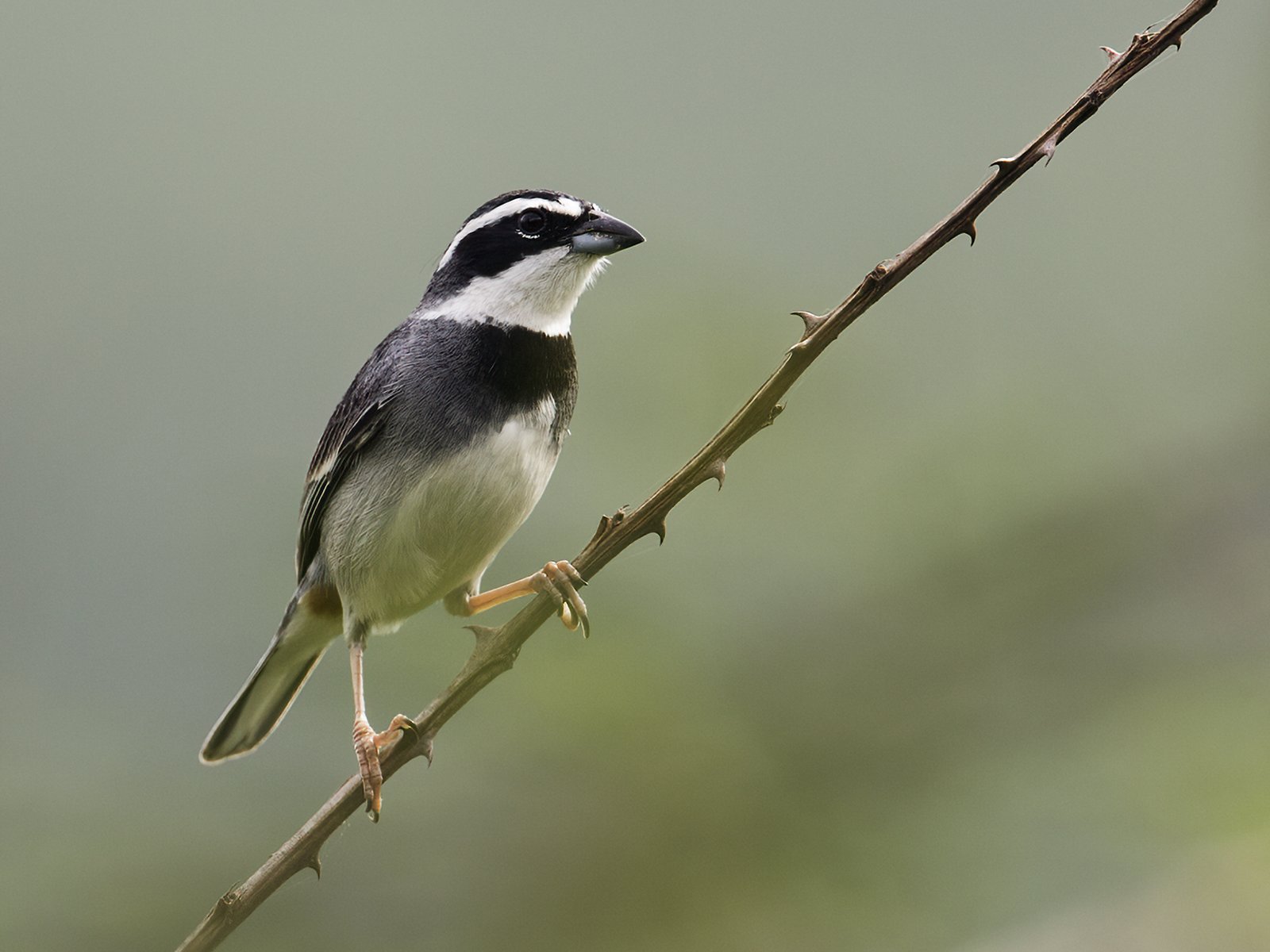
Collared Warbling Finch
Poospiza hispaniolensis- Tumbesian dry forest and thorn scrub
- Coastal desert
- Lomas (fog oases)
- Riparian woodland of the Andes and coastal valleys
- Irrigated farmland and rice fields
-
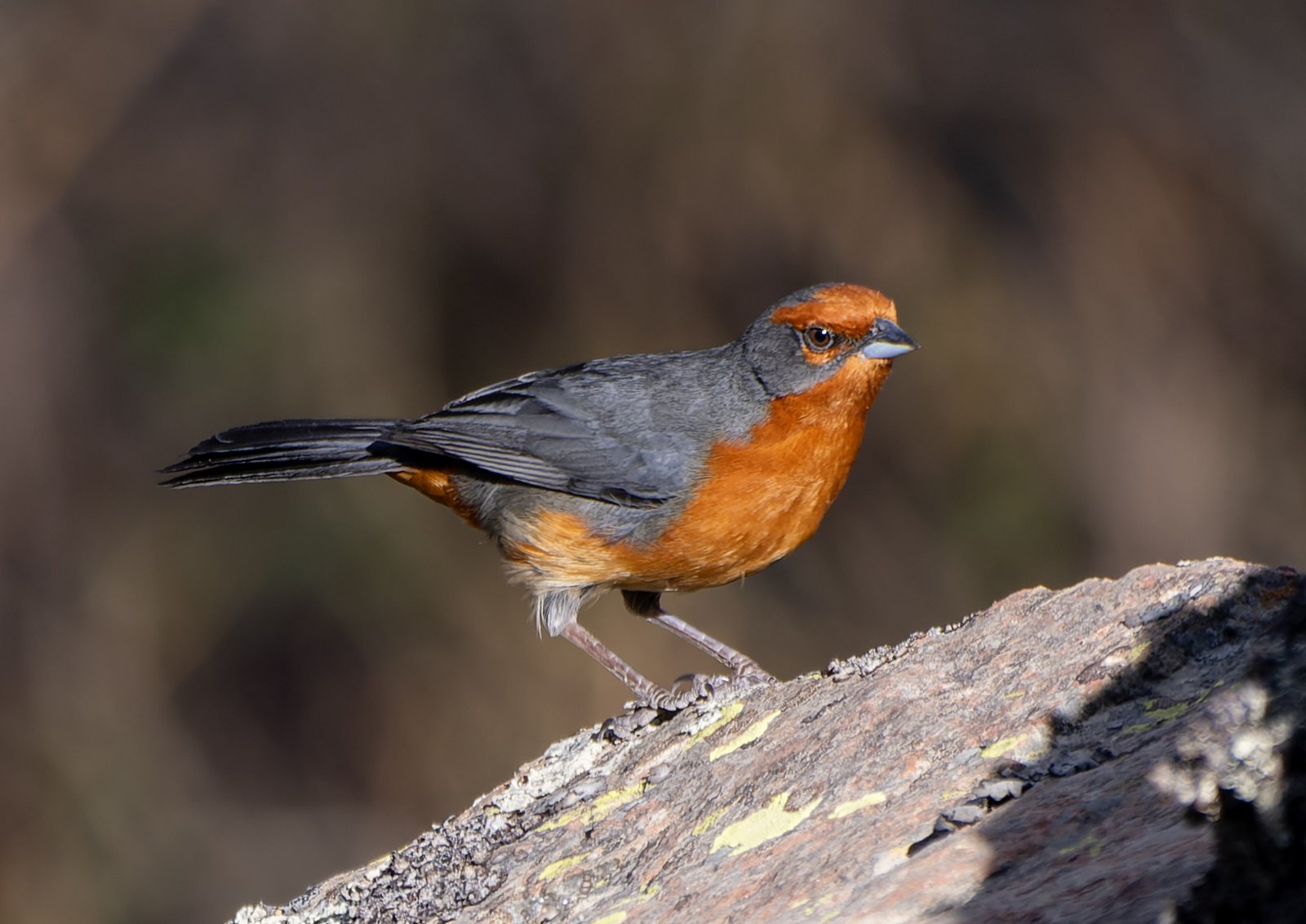
Cochabamba Mountain Finch
Poospiza garleppi- Polylepis woodland
- Central Andean dry valleys
- Riparian woodland of the Andes and coastal valleys
- Dry puna and altiplano
Cissopis 1 species
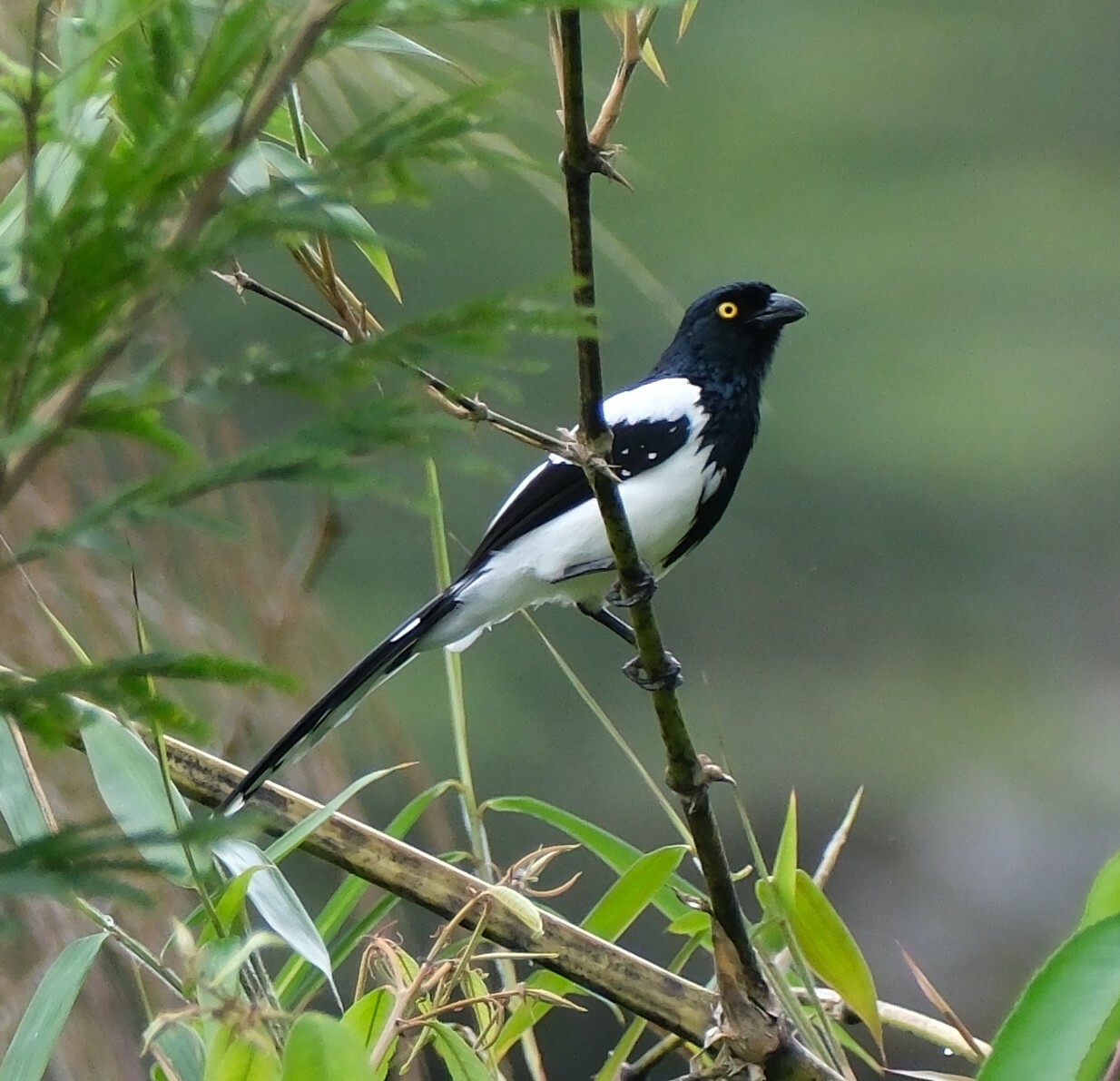
Diglossa 12 species
-
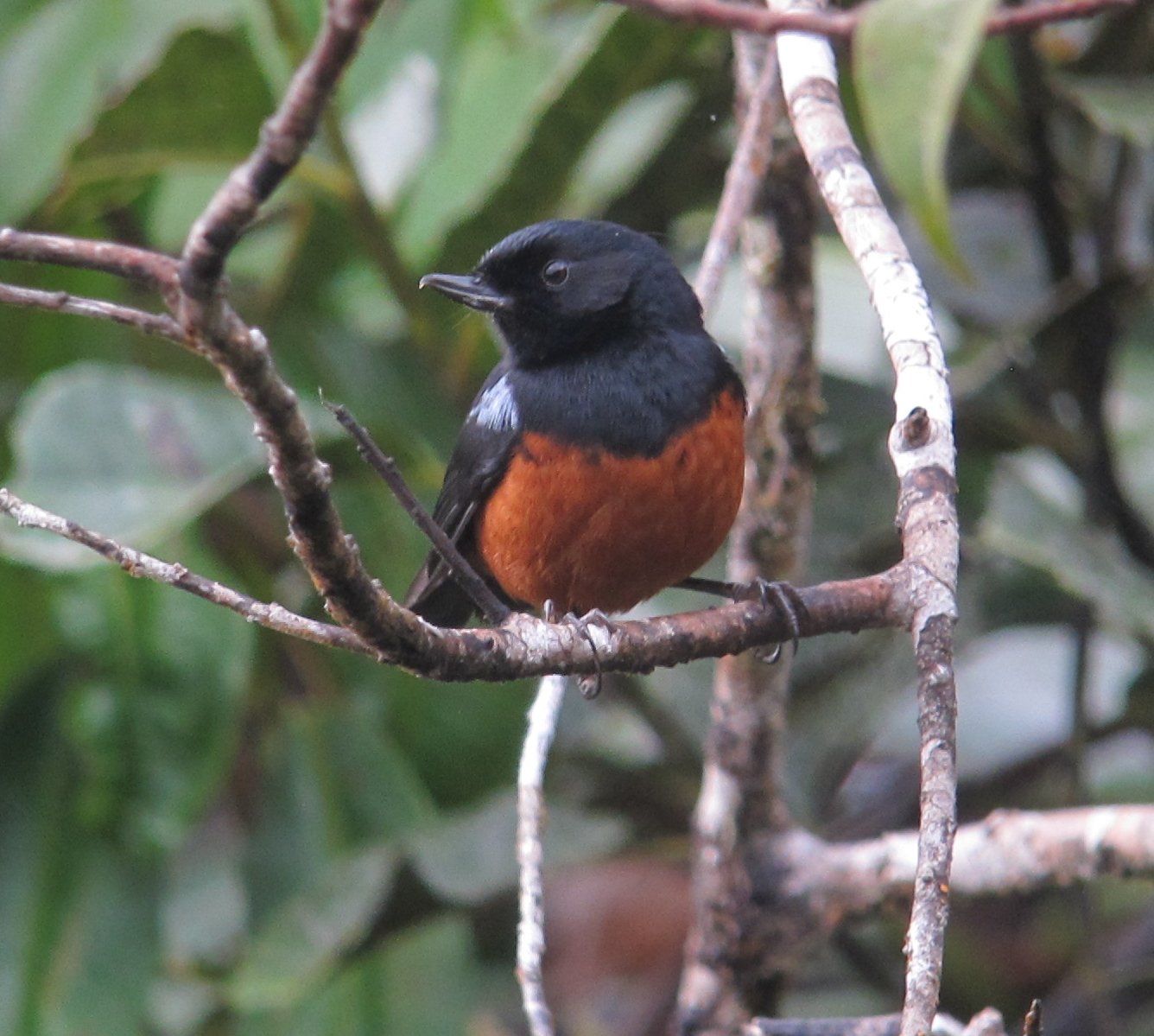
Chestnut-bellied Flowerpiercer
Diglossa gloriosissima- Northern Andean cloud forest and temperate forest
- Páramo
-

Glossy Flowerpiercer
Diglossa lafresnayii- Northern Andean cloud forest and temperate forest
- Páramo
- Jalca
-
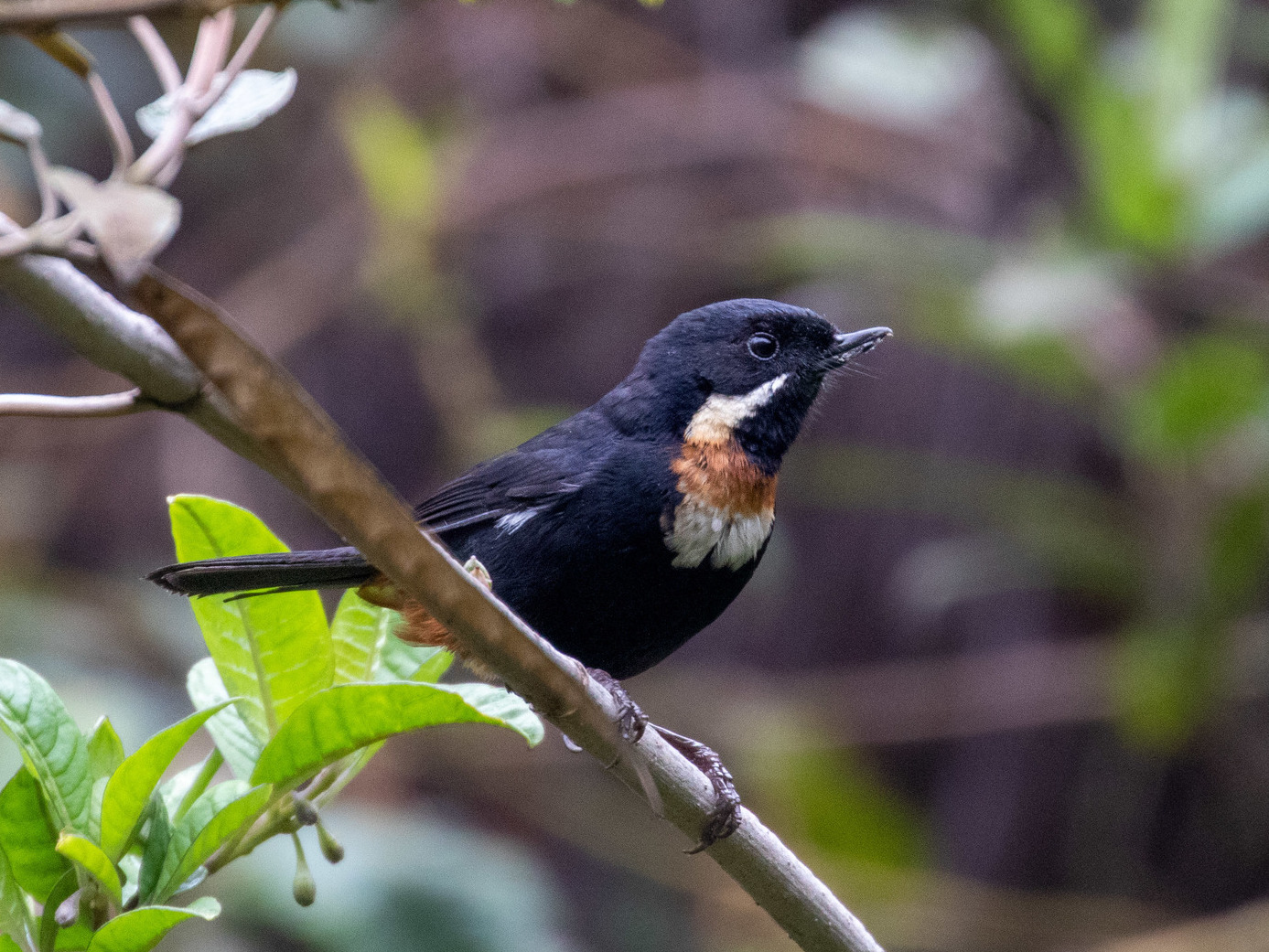
Moustached Flowerpiercer
Diglossa mystacalis- Upper Yungas cloud forest
- Northern Andean cloud forest and temperate forest
- Polylepis woodland
- Humid puna
- Jalca
-
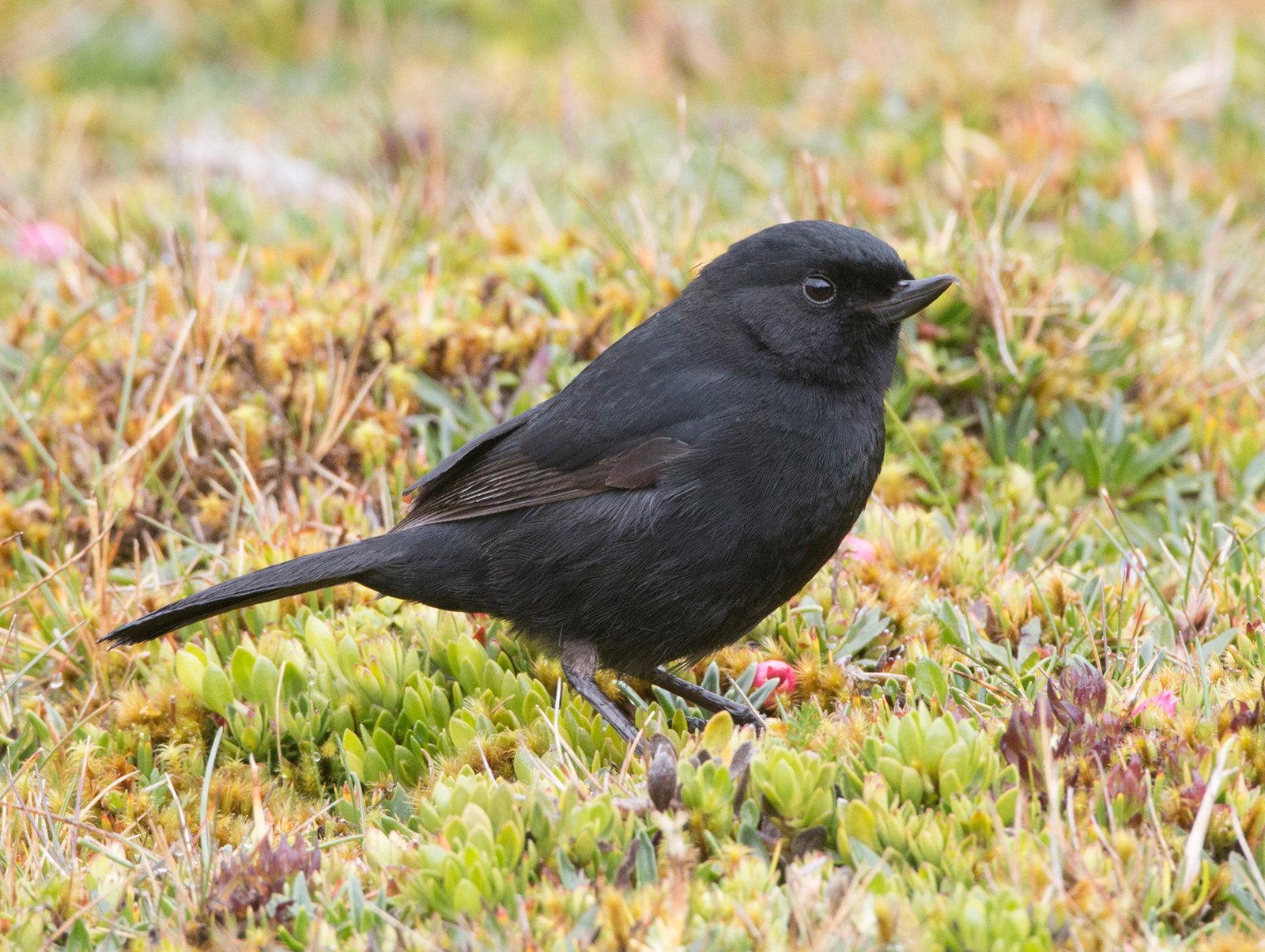
Black Flowerpiercer
Diglossa humeralis- Northern Andean cloud forest and temperate forest
- Páramo
- Secondary forest and forest edge
- Andean fields and terraces
- Towns, cities and parks
-
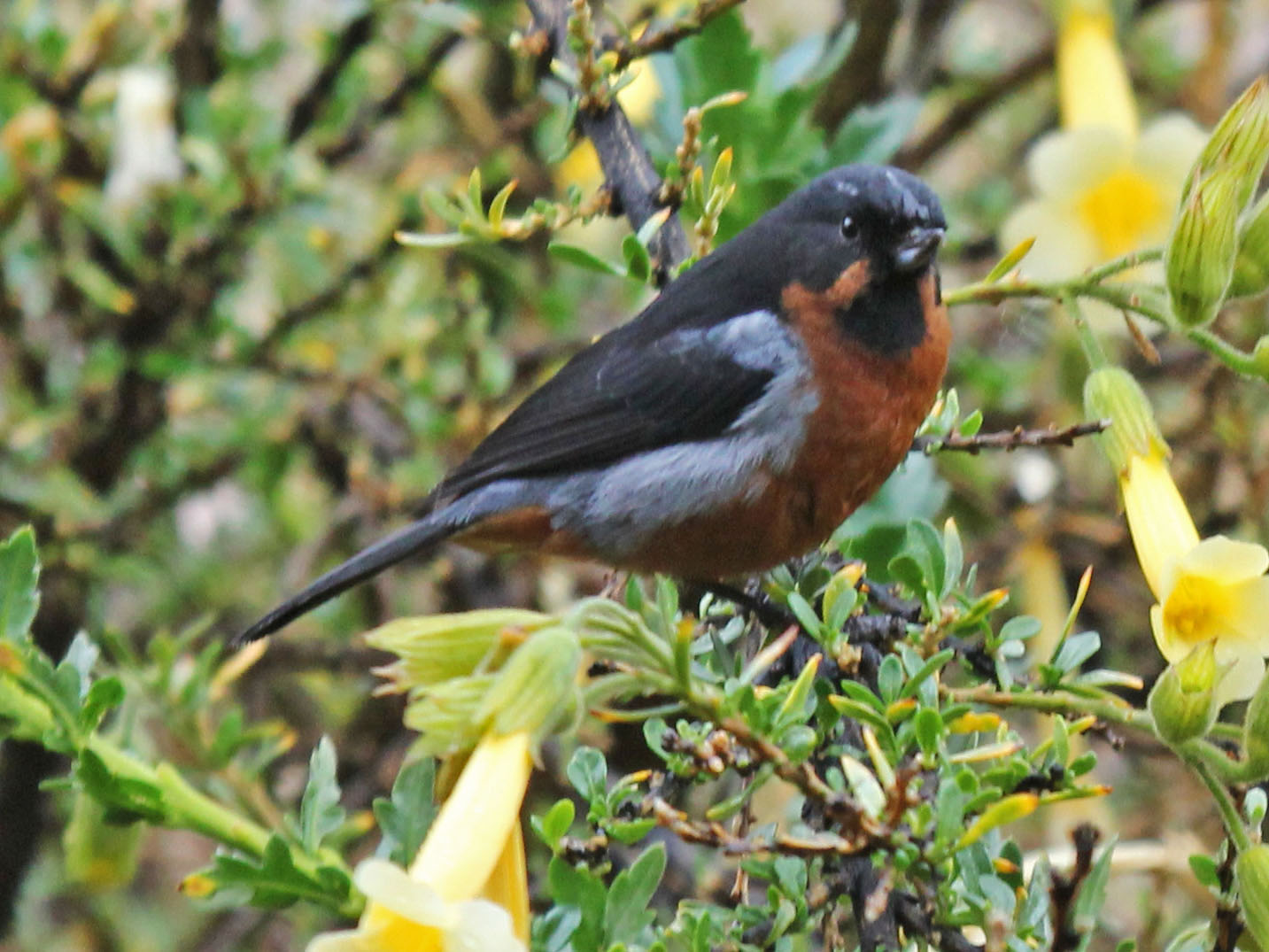
Black-throated Flowerpiercer
Diglossa brunneiventris- Central Andean dry valleys
- Polylepis woodland
- Andean fields and terraces
- Upper Yungas cloud forest
- Humid puna
- Towns, cities and parks
-

Grey-bellied Flowerpiercer
Diglossa carbonaria- Polylepis woodland
- Central Andean dry valleys
- Upper Yungas cloud forest
- Andean fields and terraces
- Humid puna
-
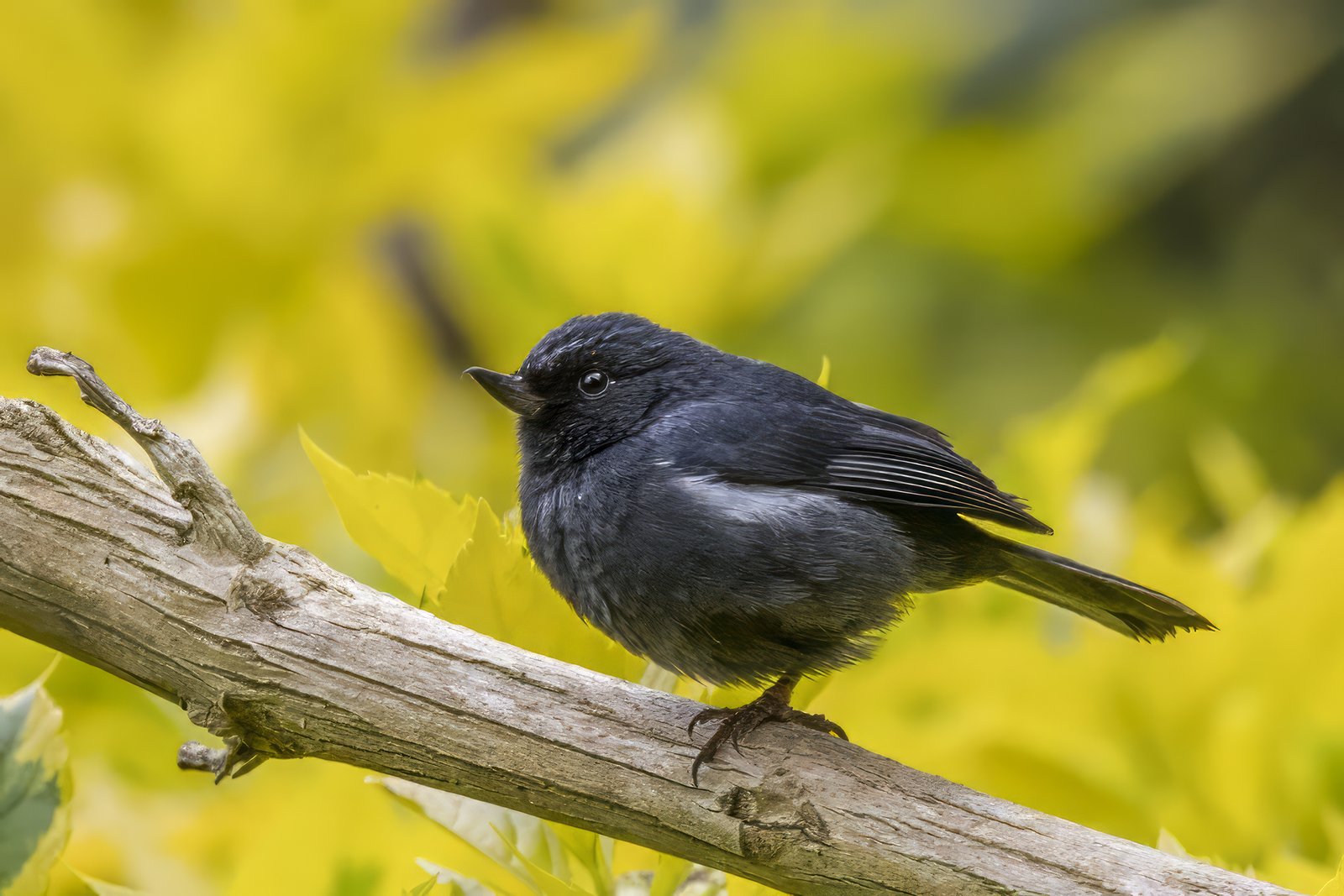
White-sided Flowerpiercer
Diglossa albilatera- Northern Andean cloud forest and temperate forest
- Secondary forest and forest edge
- Upper Yungas cloud forest
- Northern Andean subtropical forest
-
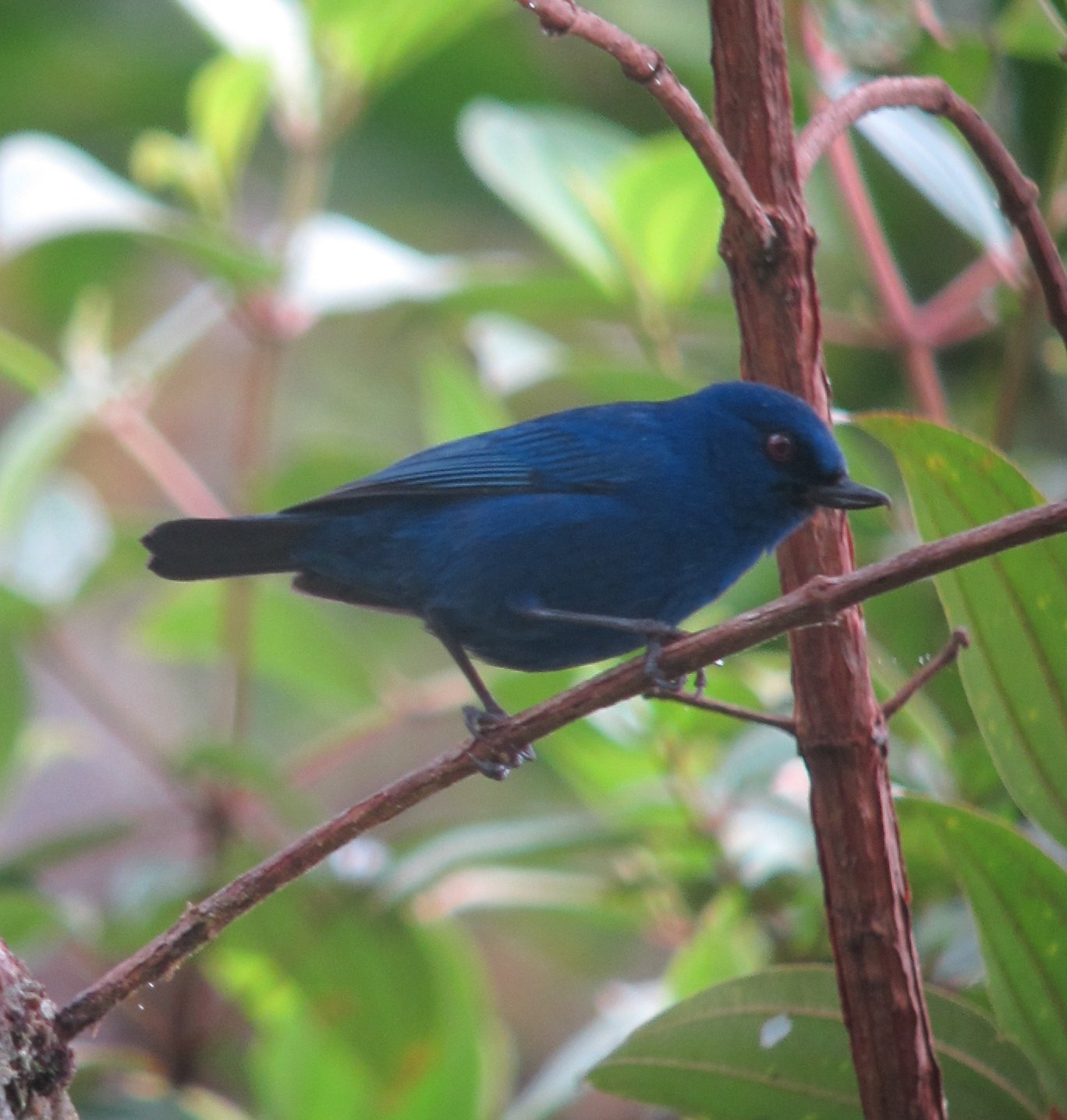
Indigo Flowerpiercer
Diglossa indigotica- Northern Andean subtropical forest
- Chocó rainforest
- Northern Andean cloud forest and temperate forest
-
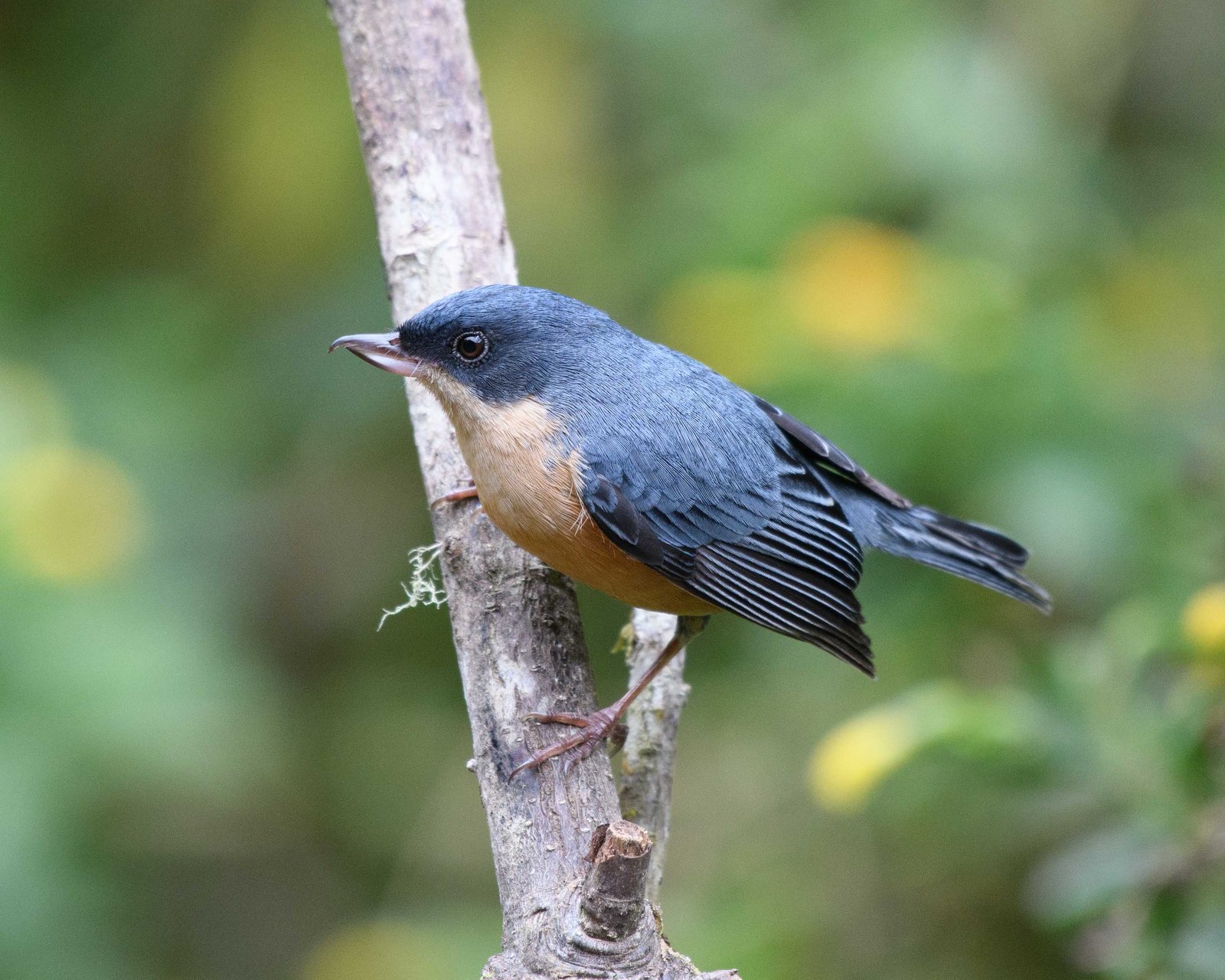
Rusty Flowerpiercer
Diglossa sittoides- Secondary forest and forest edge
- Northern Andean subtropical forest
- Lower Yungas forest
- Marañón and northern inter-Andean dry forest
- Central Andean dry valleys
- Towns, cities and parks
- Coffee, cacao and agroforestry
-

Golden-eyed Flowerpiercer
Diglossa glauca- Lower Yungas forest
- Northern Andean subtropical forest
- Eastern Andean foothill forest
- Secondary forest and forest edge
-

Bluish Flowerpiercer
Diglossa caerulescens- Northern Andean cloud forest and temperate forest
- Northern Andean subtropical forest
- Upper Yungas cloud forest
- Lower Yungas forest
- Secondary forest and forest edge
-
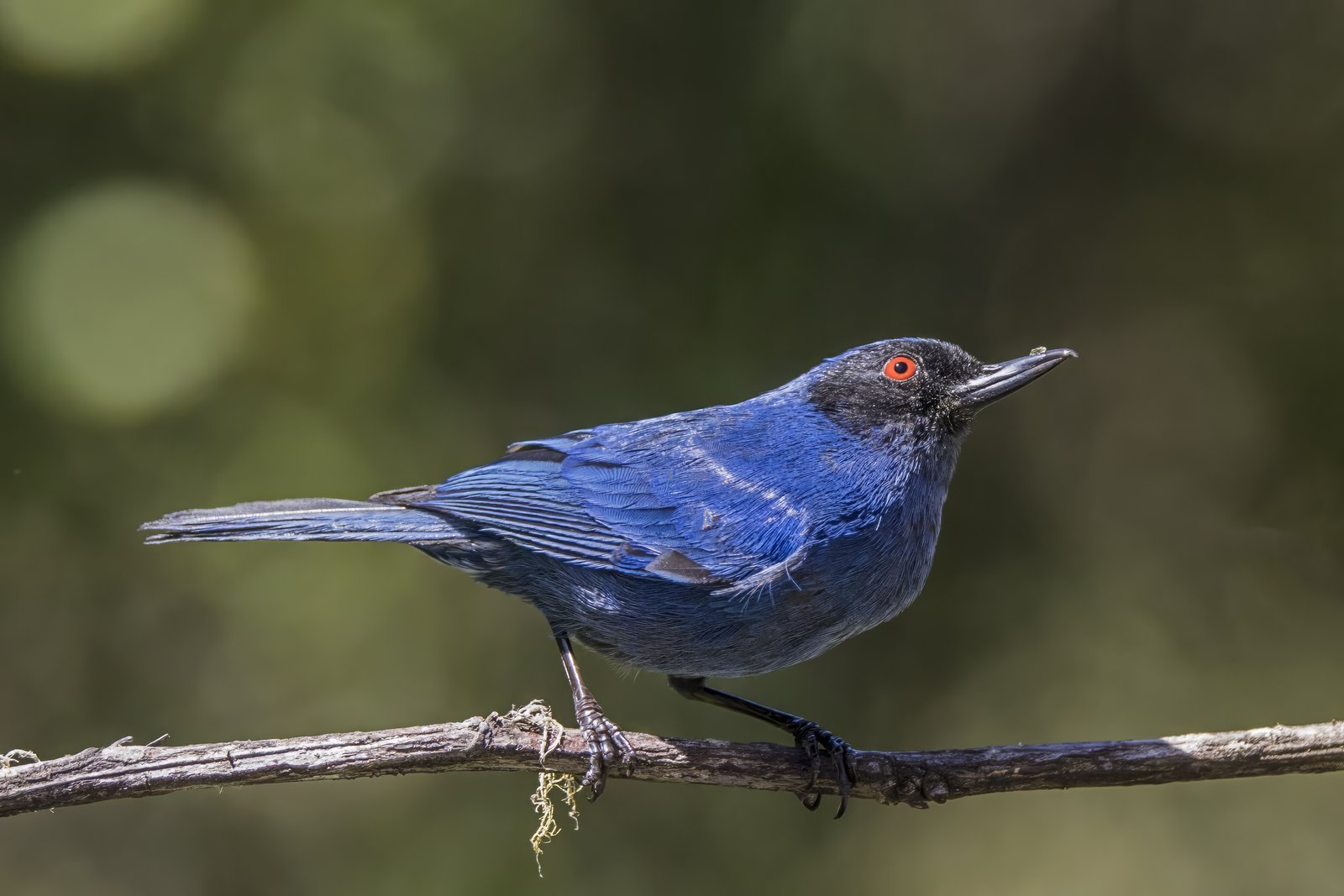
Masked Flowerpiercer
Diglossa cyanea- Northern Andean cloud forest and temperate forest
- Upper Yungas cloud forest
- Páramo
- Polylepis woodland
- Secondary forest and forest edge
Cnemoscopus 1 species

Conirostrum 11 species
-
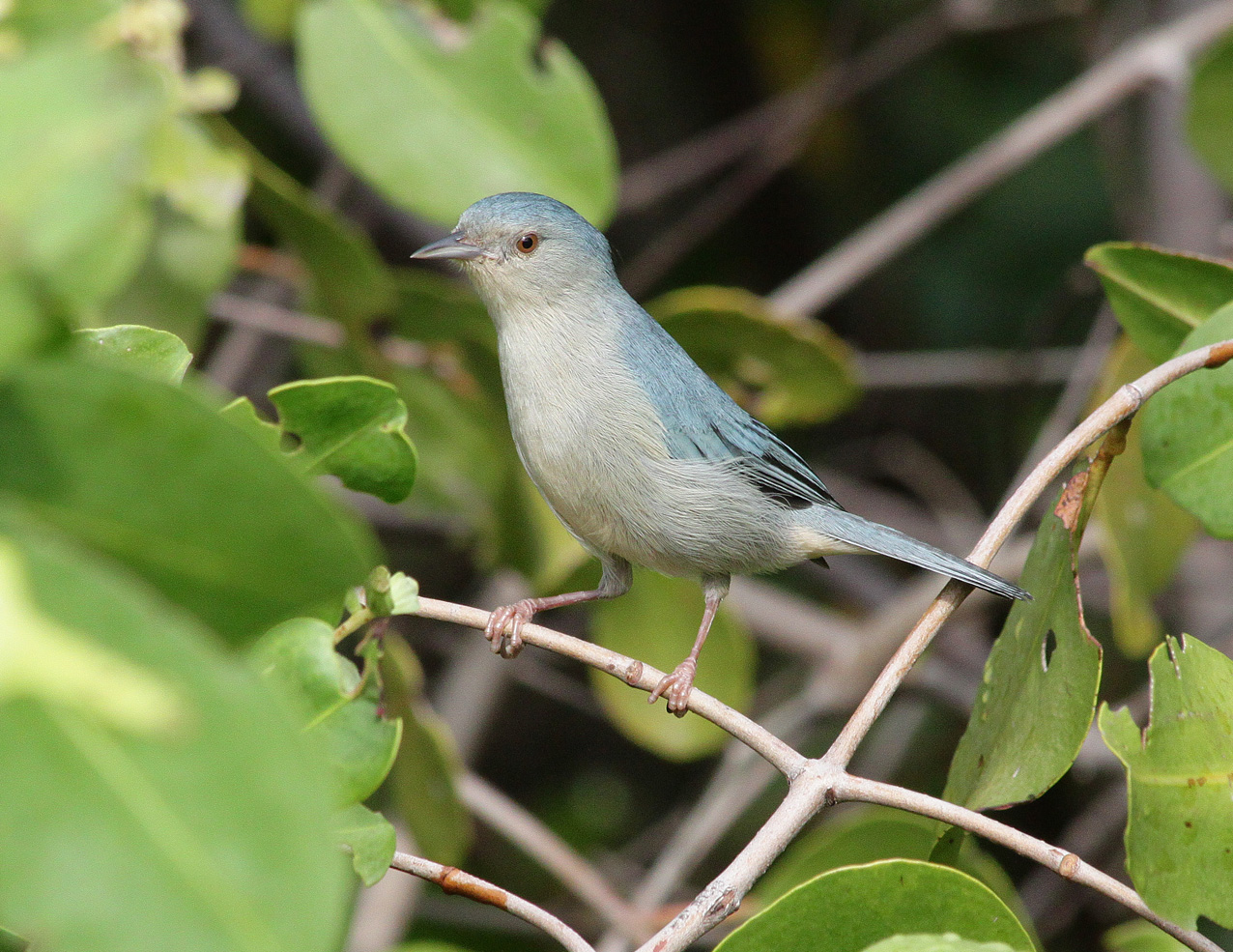
Bicolored Conebill
Conirostrum bicolor Mangrove
- Várzea, igapó and river islands
-
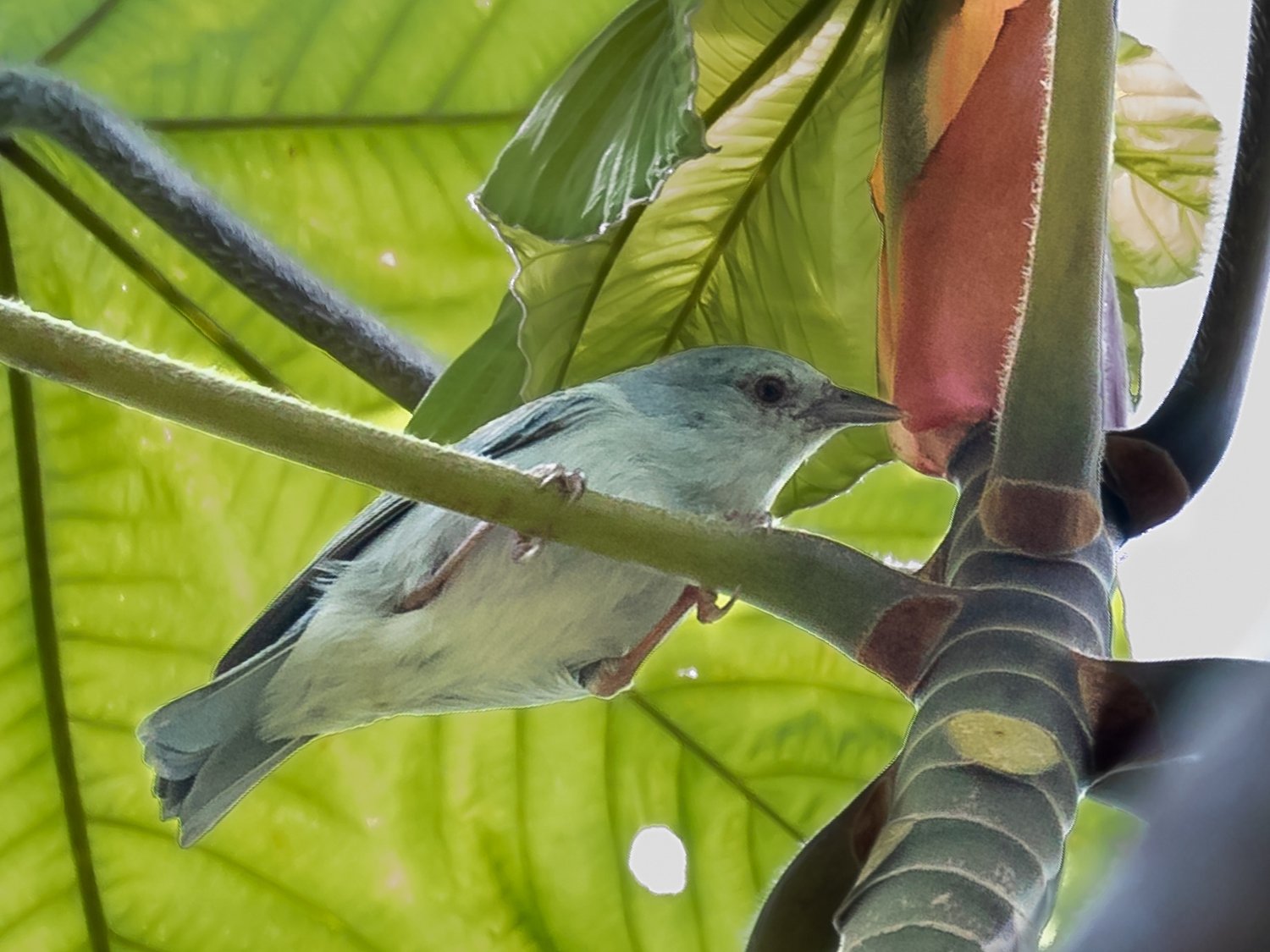
Pearly-breasted Conebill
Conirostrum margaritae- Várzea, igapó and river islands
- Lowland rivers and sandbars
-
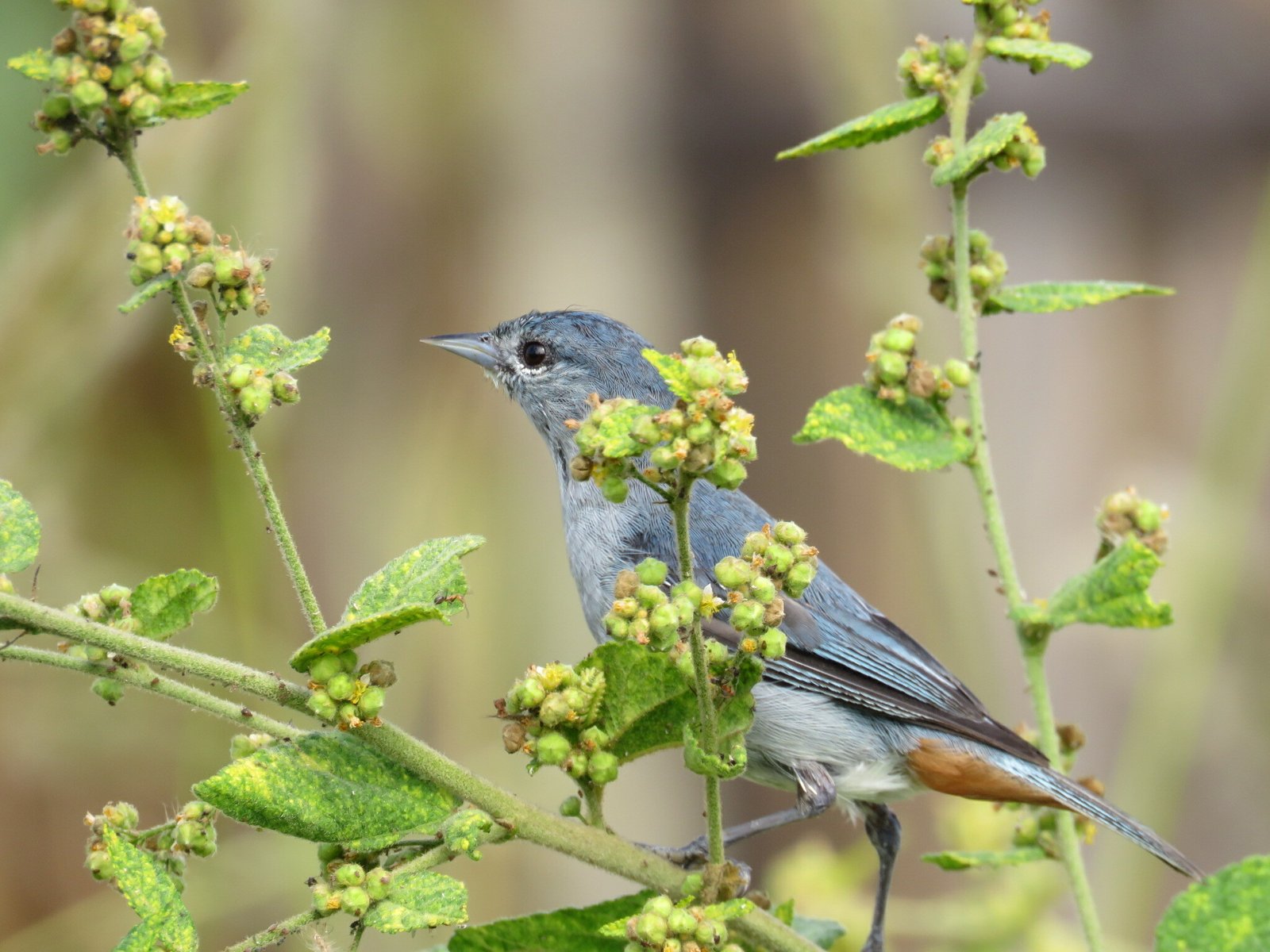
Chestnut-vented Conebill
Conirostrum speciosum- Amazonian terra firme rainforest
- Secondary forest and forest edge
- Várzea, igapó and river islands
- Eastern Andean foothill forest
- Chiquitano dry forest and Chaco
-
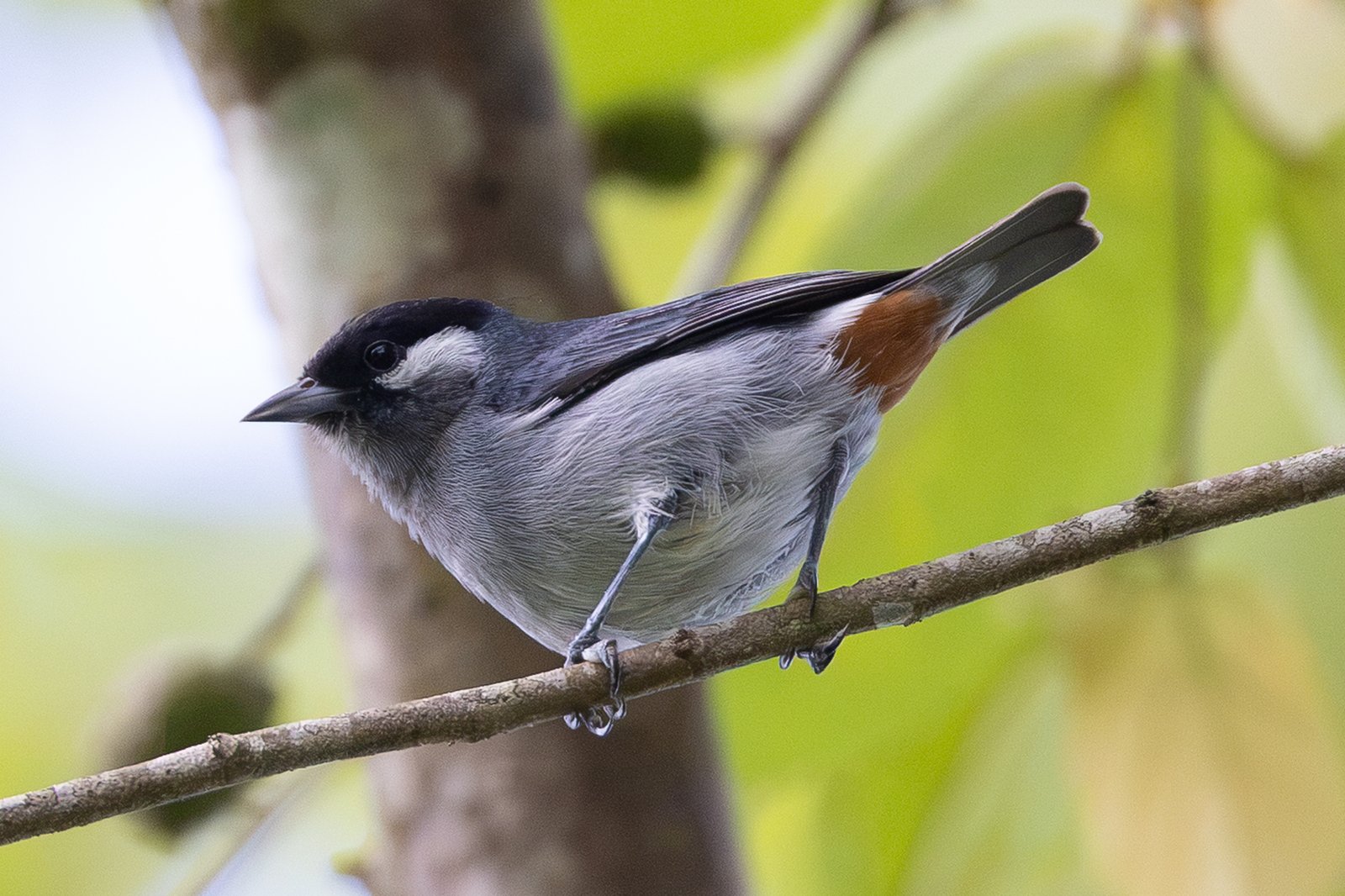
White-eared Conebill
Conirostrum leucogenys- Secondary forest and forest edge
- Riparian woodland of the Andes and coastal valleys
- Pasture and ranchland
- Coffee, cacao and agroforestry
-
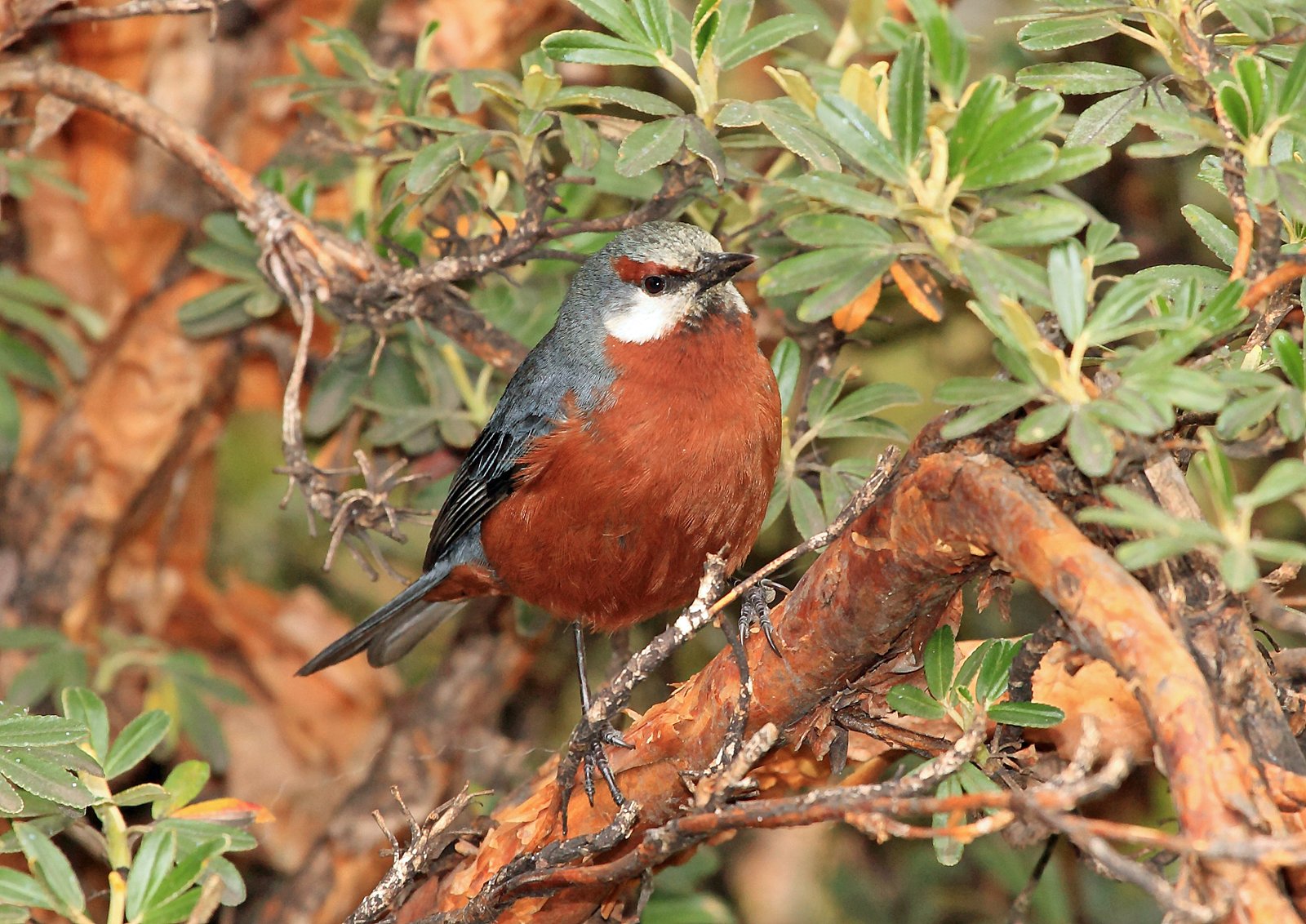
Giant Conebill
Conirostrum binghami- Polylepis woodland
- Humid puna
- Páramo
- Dry puna and altiplano
-
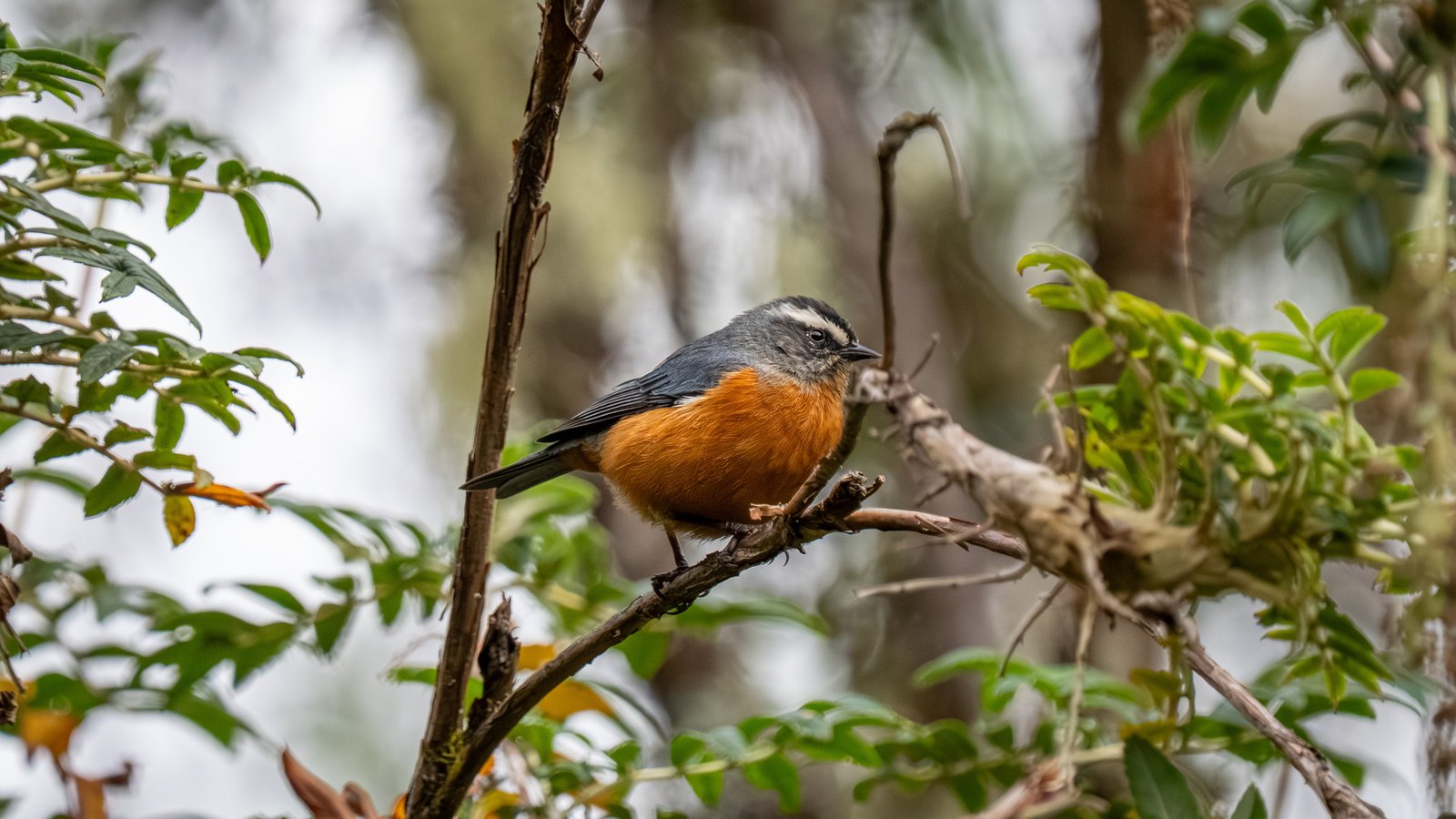
White-browed Conebill
Conirostrum ferrugineiventre- Upper Yungas cloud forest
- Polylepis woodland
- Humid puna
-
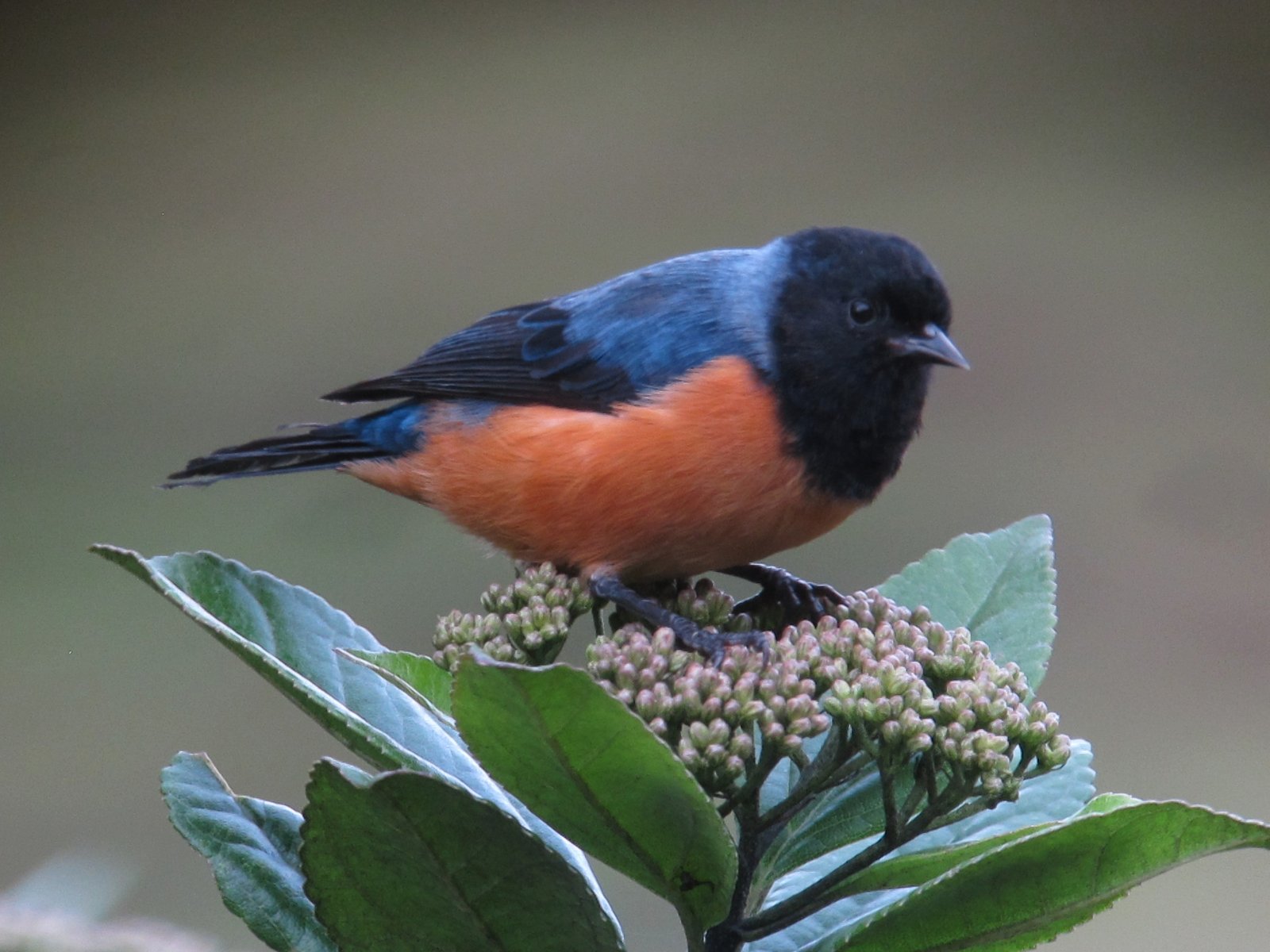
Blue-backed Conebill
Conirostrum sitticolor- Northern Andean cloud forest and temperate forest
- Upper Yungas cloud forest
- Polylepis woodland
- Páramo
-
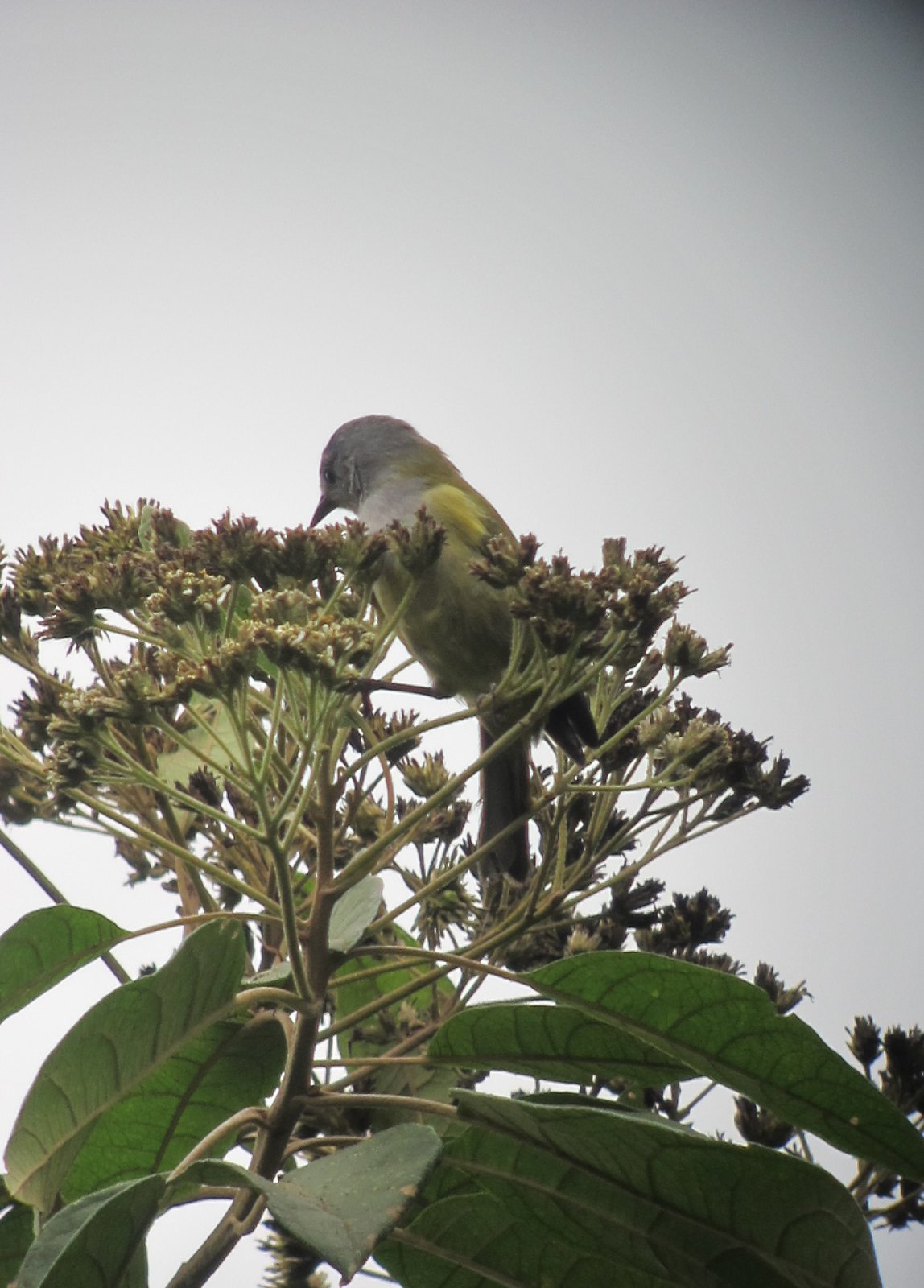
Capped Conebill
Conirostrum albifrons- Northern Andean cloud forest and temperate forest
- Upper Yungas cloud forest
- Northern Andean subtropical forest
- Lower Yungas forest
-
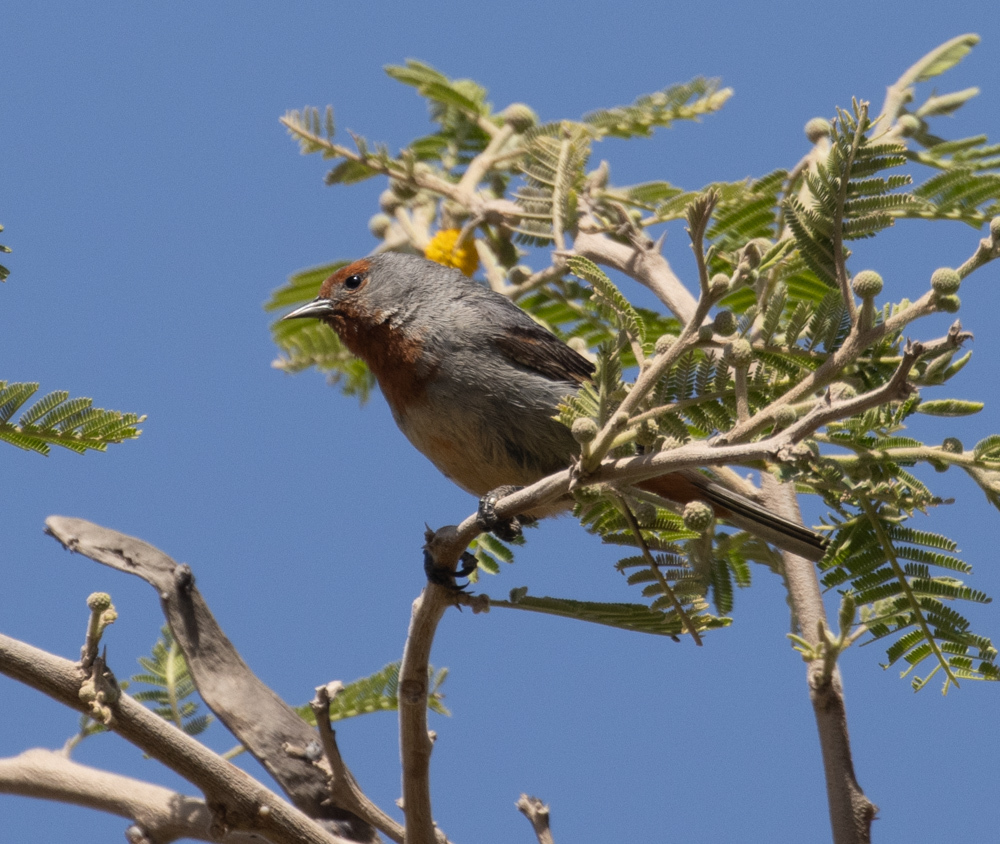
Tamarugo Conebill
Conirostrum tamarugense- Polylepis woodland
- Central Andean dry valleys
- Dry puna and altiplano
- Andean fields and terraces
-
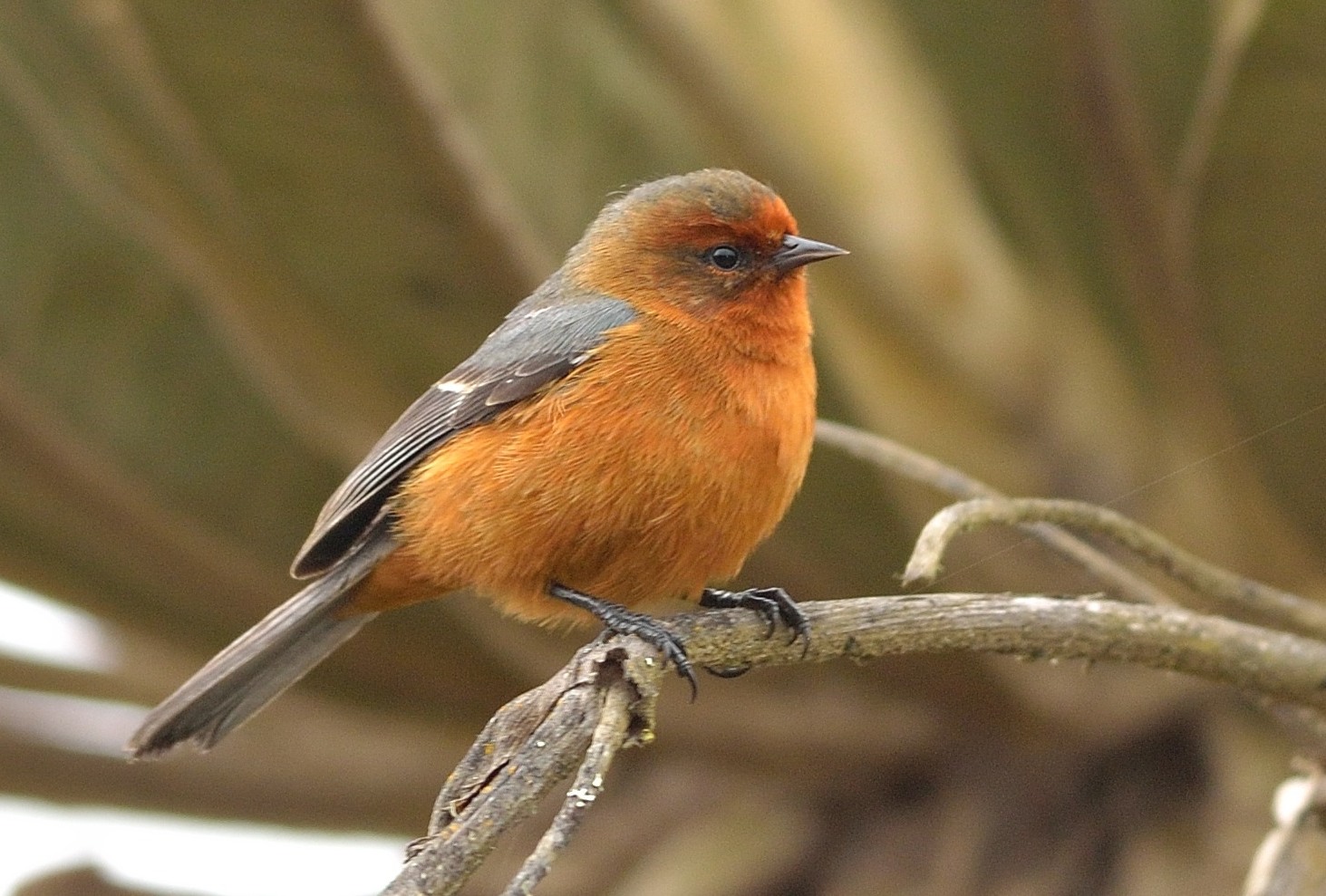
Rufous-browed Conebill
Conirostrum rufum- Northern Andean cloud forest and temperate forest
- Páramo
-
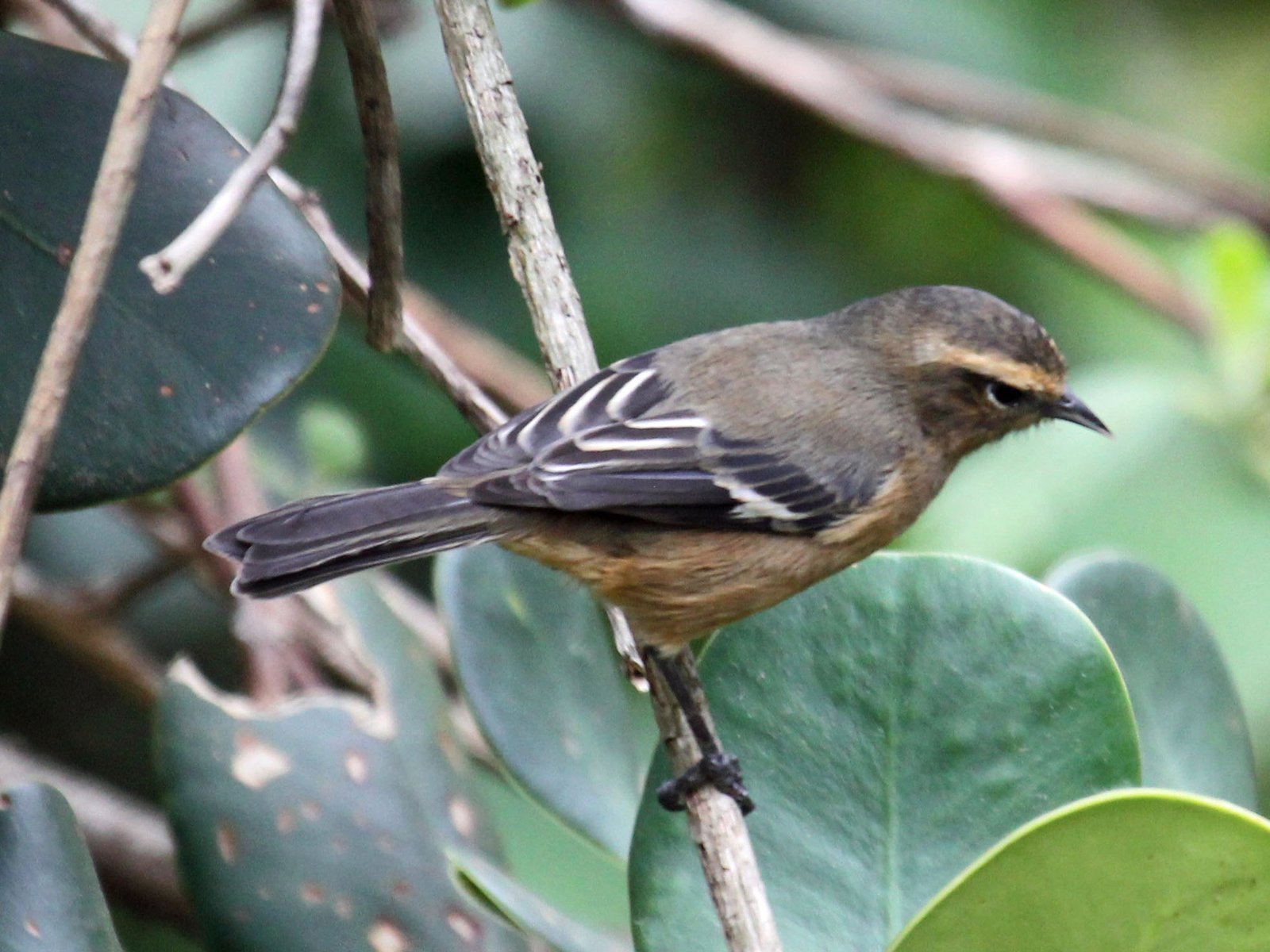
Cinereous Conebill
Conirostrum cinereum- Central Andean dry valleys
- Polylepis woodland
- Andean fields and terraces
- Dry puna and altiplano
- Towns, cities and parks
- Lomas (fog oases)
Hemithraupis 2 species
-
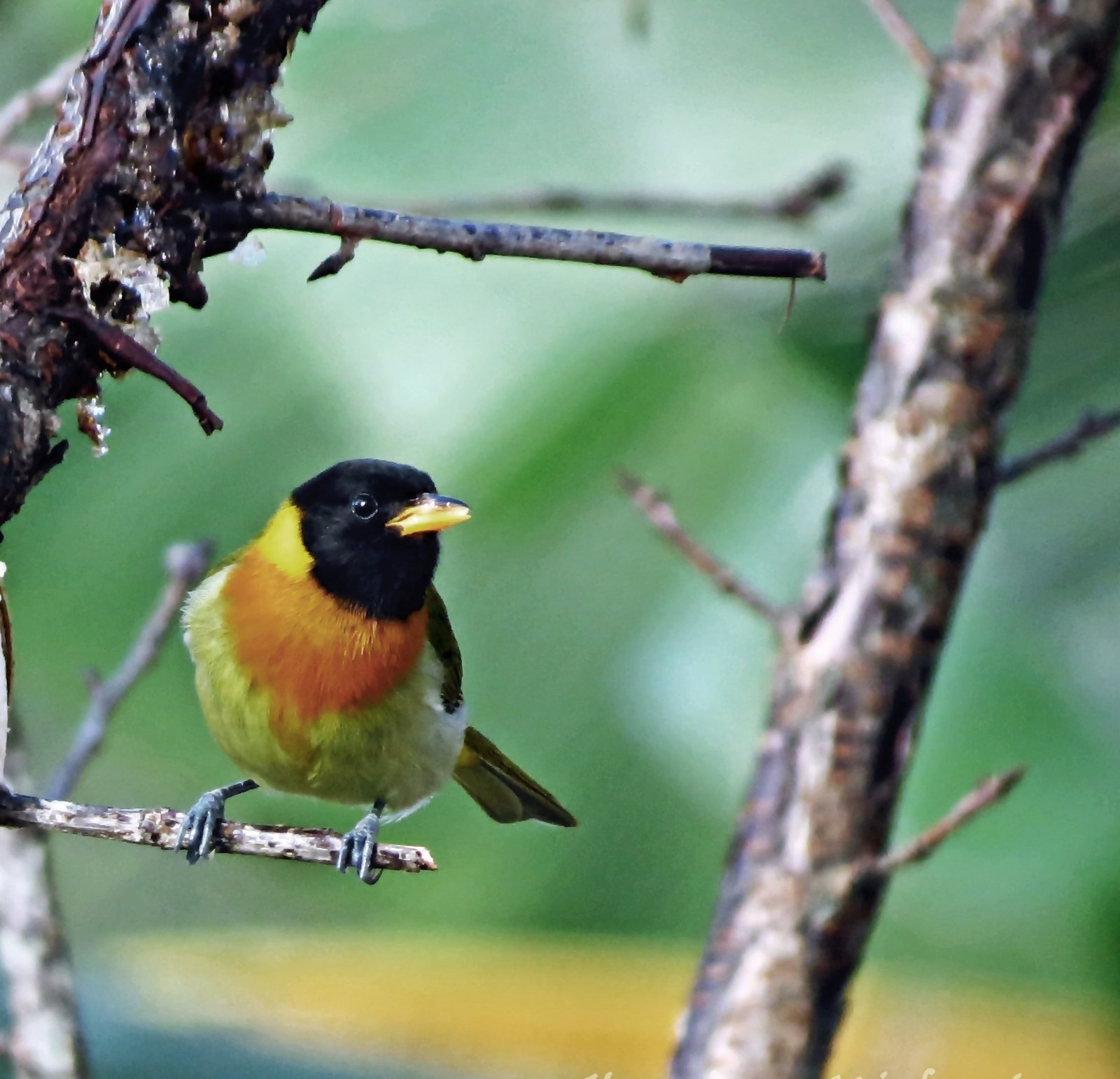
Guira Tanager
Hemithraupis guira- Secondary forest and forest edge
- Tumbesian dry forest and thorn scrub
- Amazonian terra firme rainforest
- Chiquitano dry forest and Chaco
- Eastern Andean foothill forest
- Beni savanna and cerrado
-
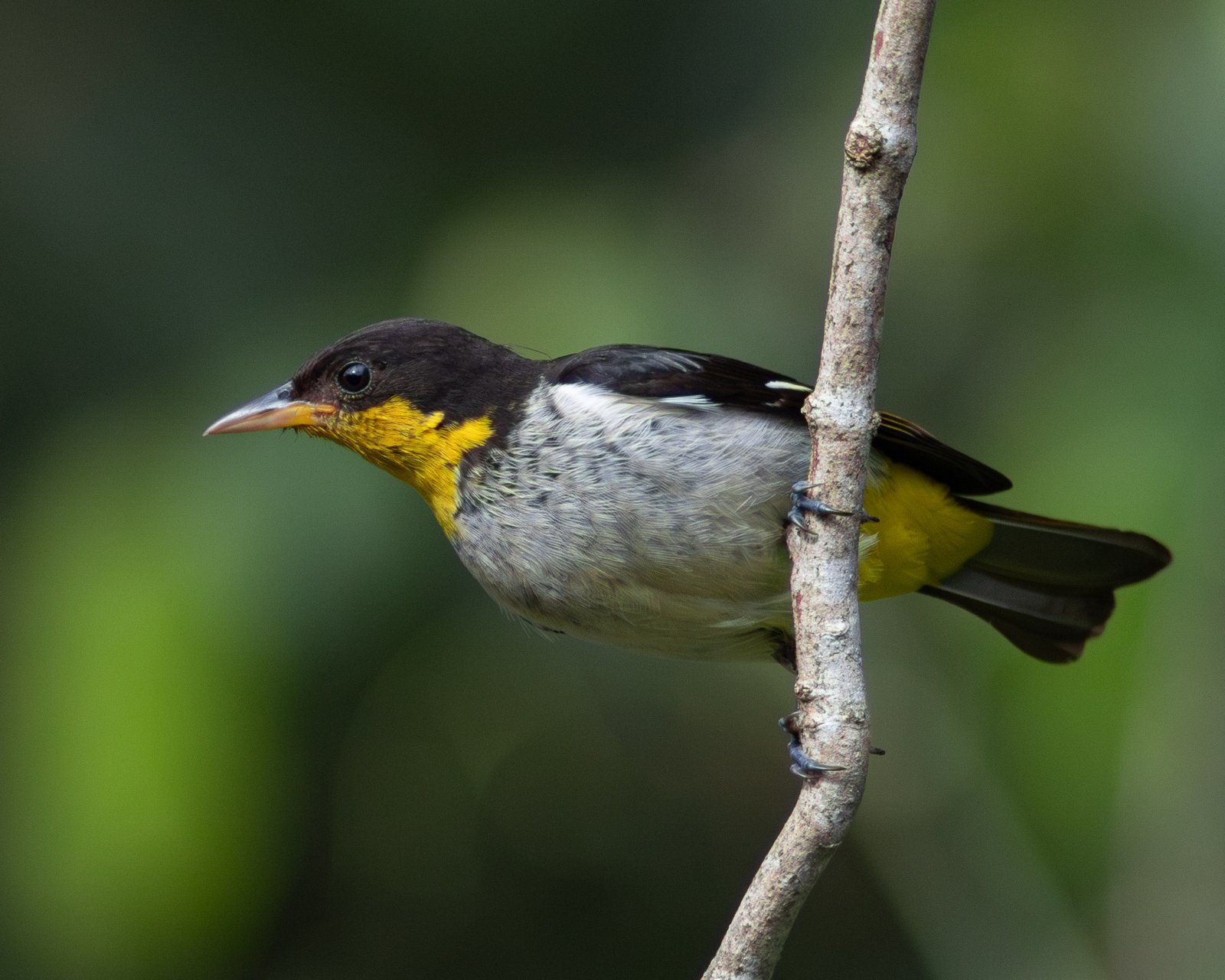
Yellow-backed Tanager
Hemithraupis flavicollis- Amazonian terra firme rainforest
- Eastern Andean foothill forest
- Várzea, igapó and river islands
- Chocó rainforest
- Secondary forest and forest edge
Parkerthraustes 1 species
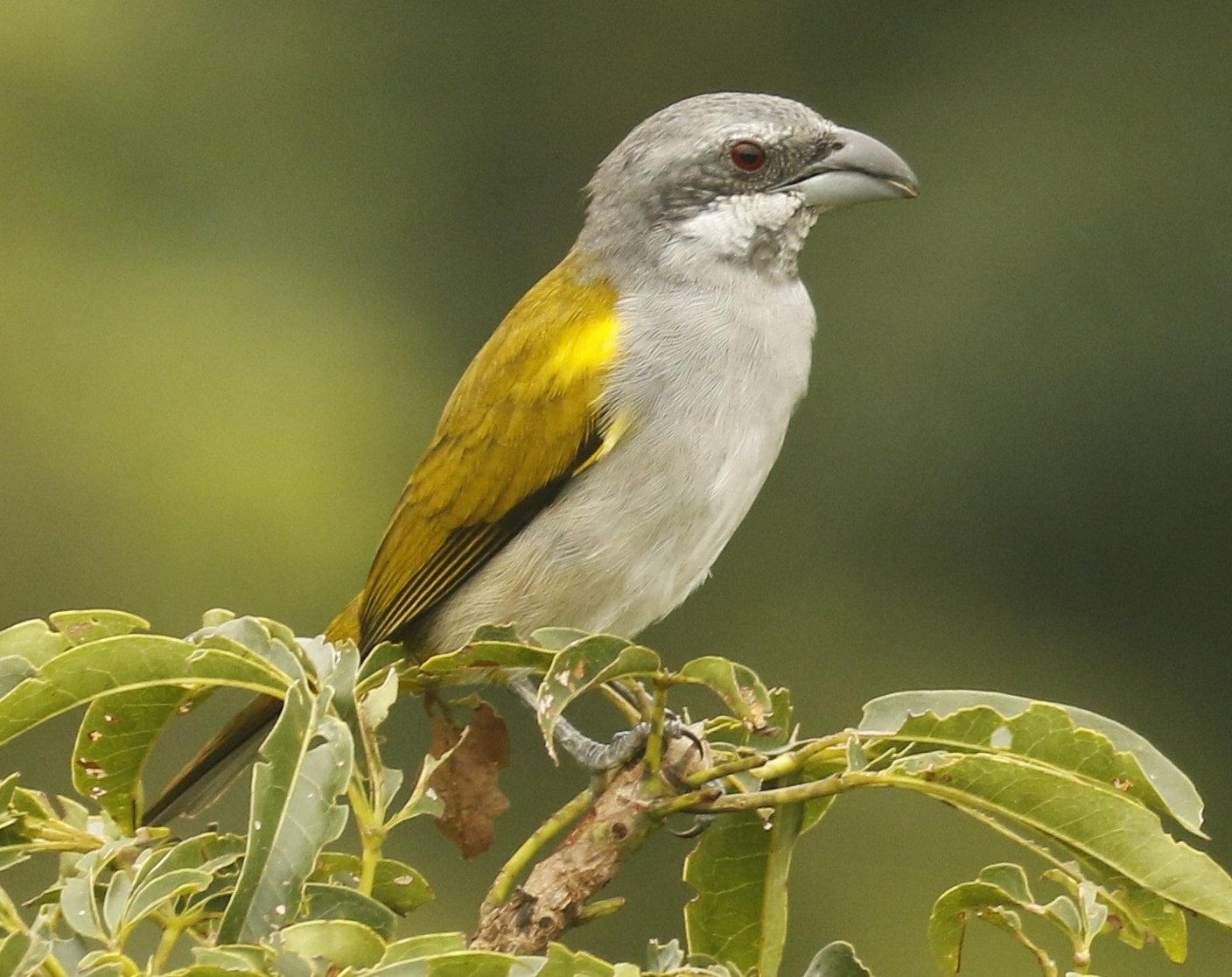
Heterospingus 1 species
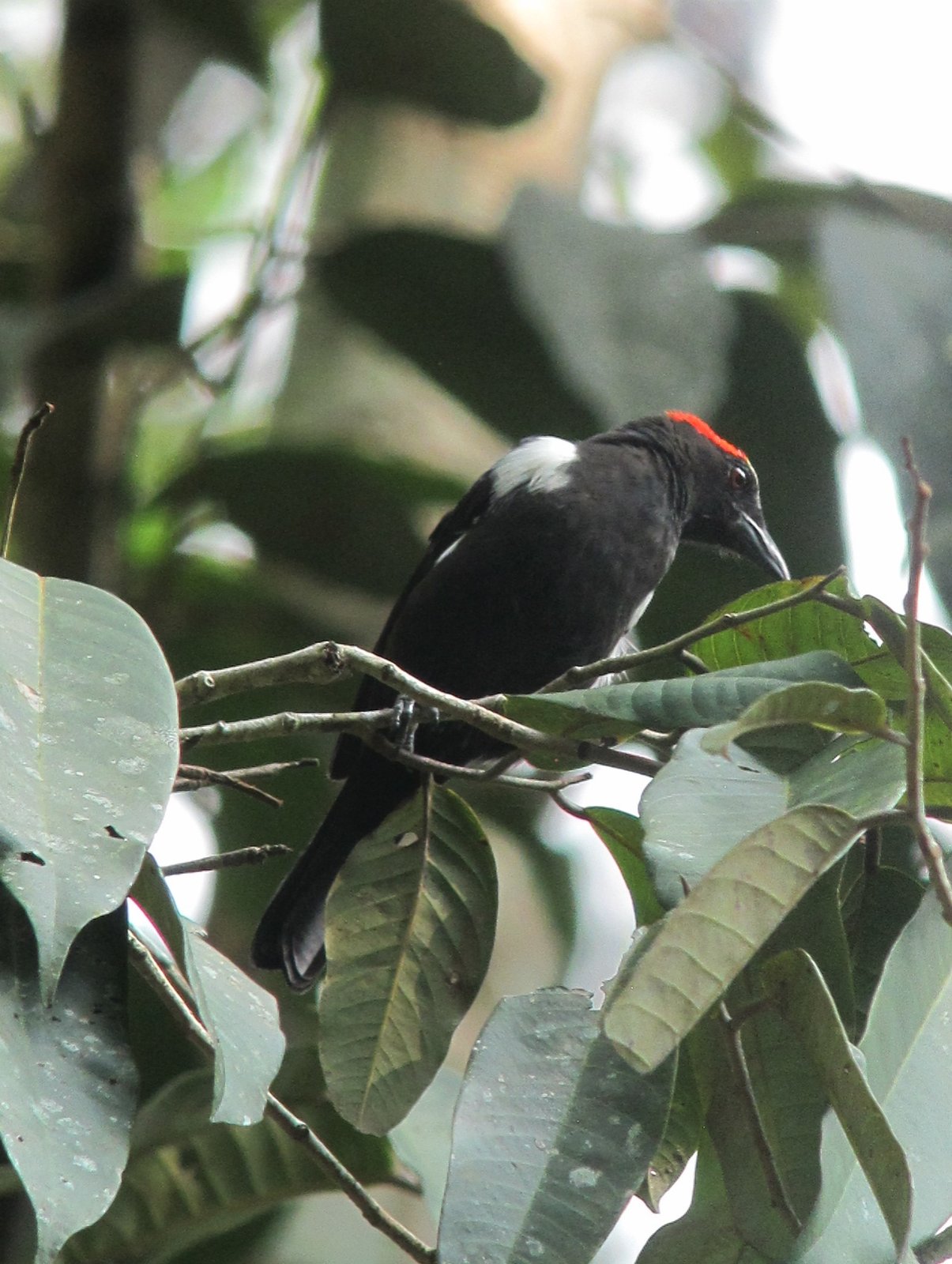
Stilpnia 11 species
-
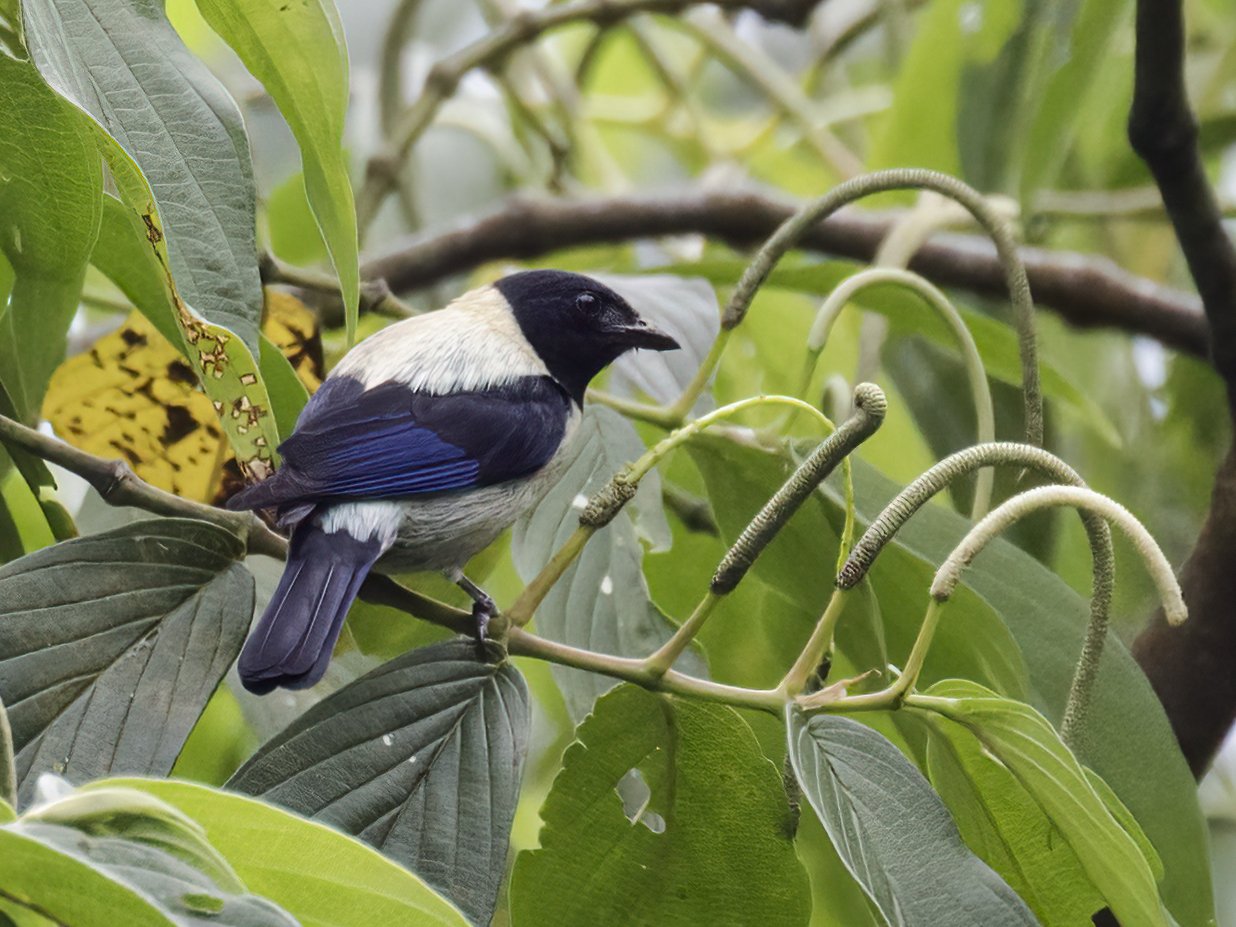
Black-headed Tanager
Stilpnia cyanoptera- Northern Andean subtropical forest
- Secondary forest and forest edge
- Coffee, cacao and agroforestry
- Northern Andean cloud forest and temperate forest
-
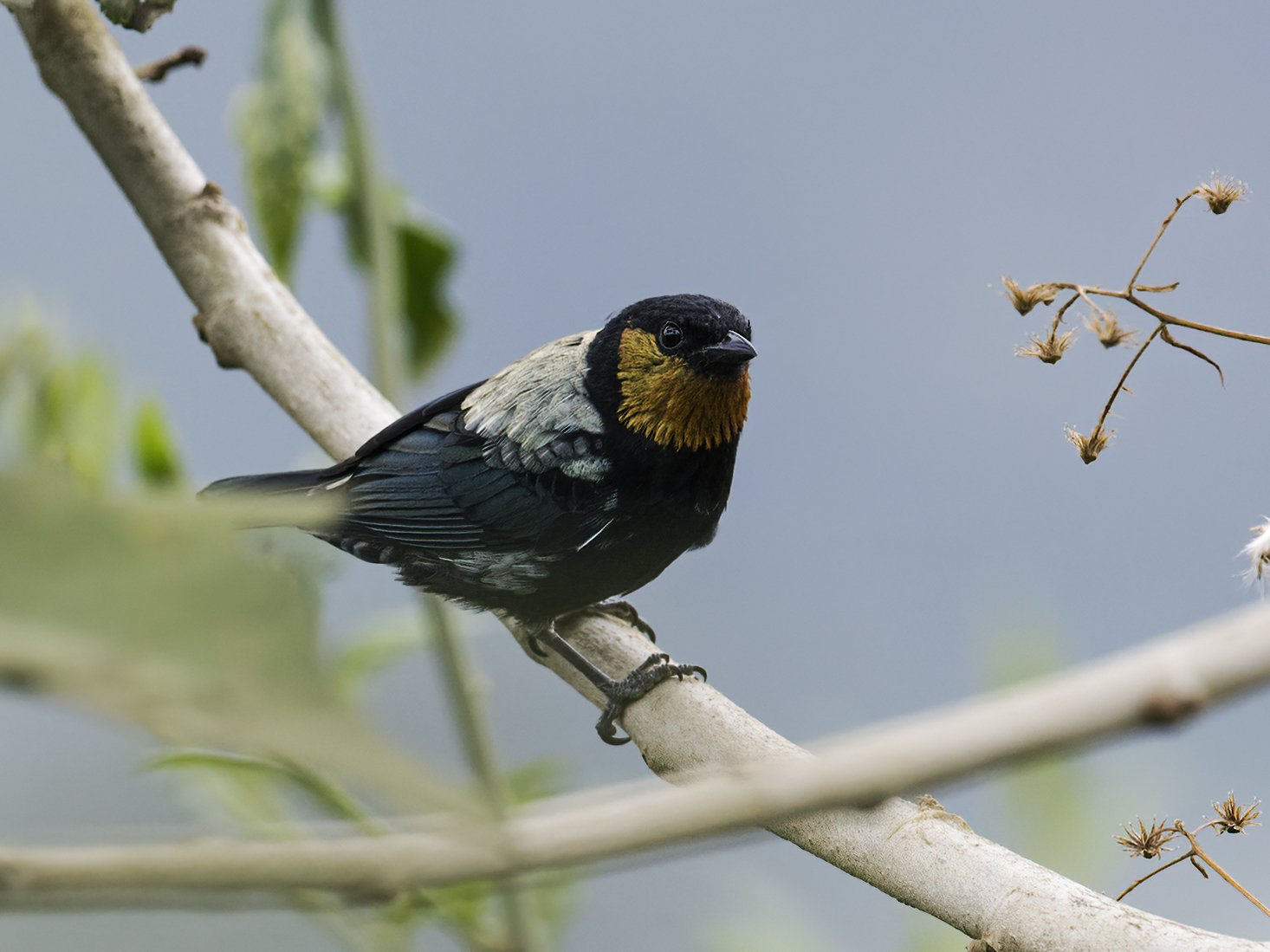
Silver-backed Tanager
Stilpnia viridicollis- Northern Andean subtropical forest
- Northern Andean cloud forest and temperate forest
- Secondary forest and forest edge
- Marañón and northern inter-Andean dry forest
-
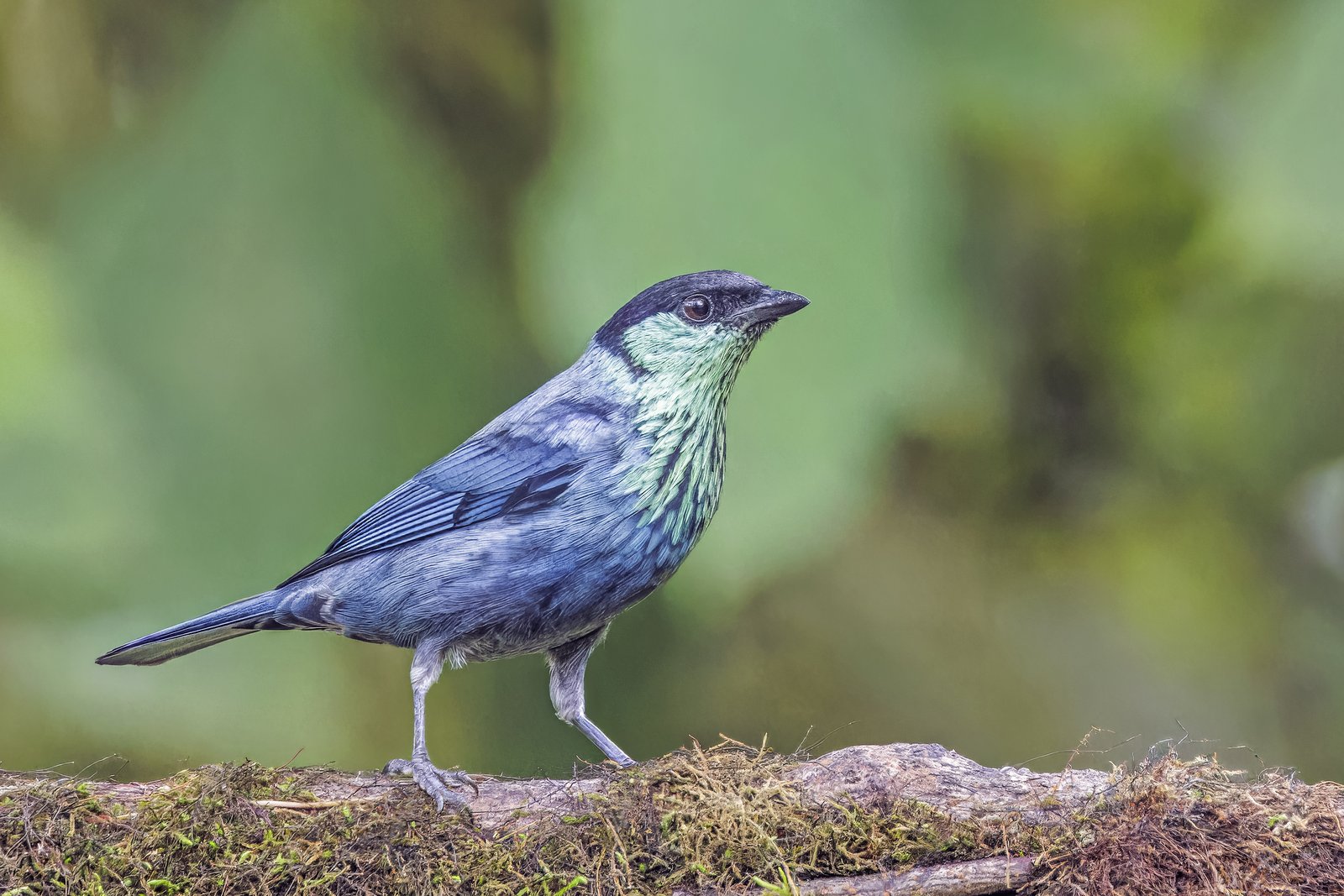
Black-capped Tanager
Stilpnia heinei- Northern Andean subtropical forest
- Northern Andean cloud forest and temperate forest
- Secondary forest and forest edge
- Coffee, cacao and agroforestry
-
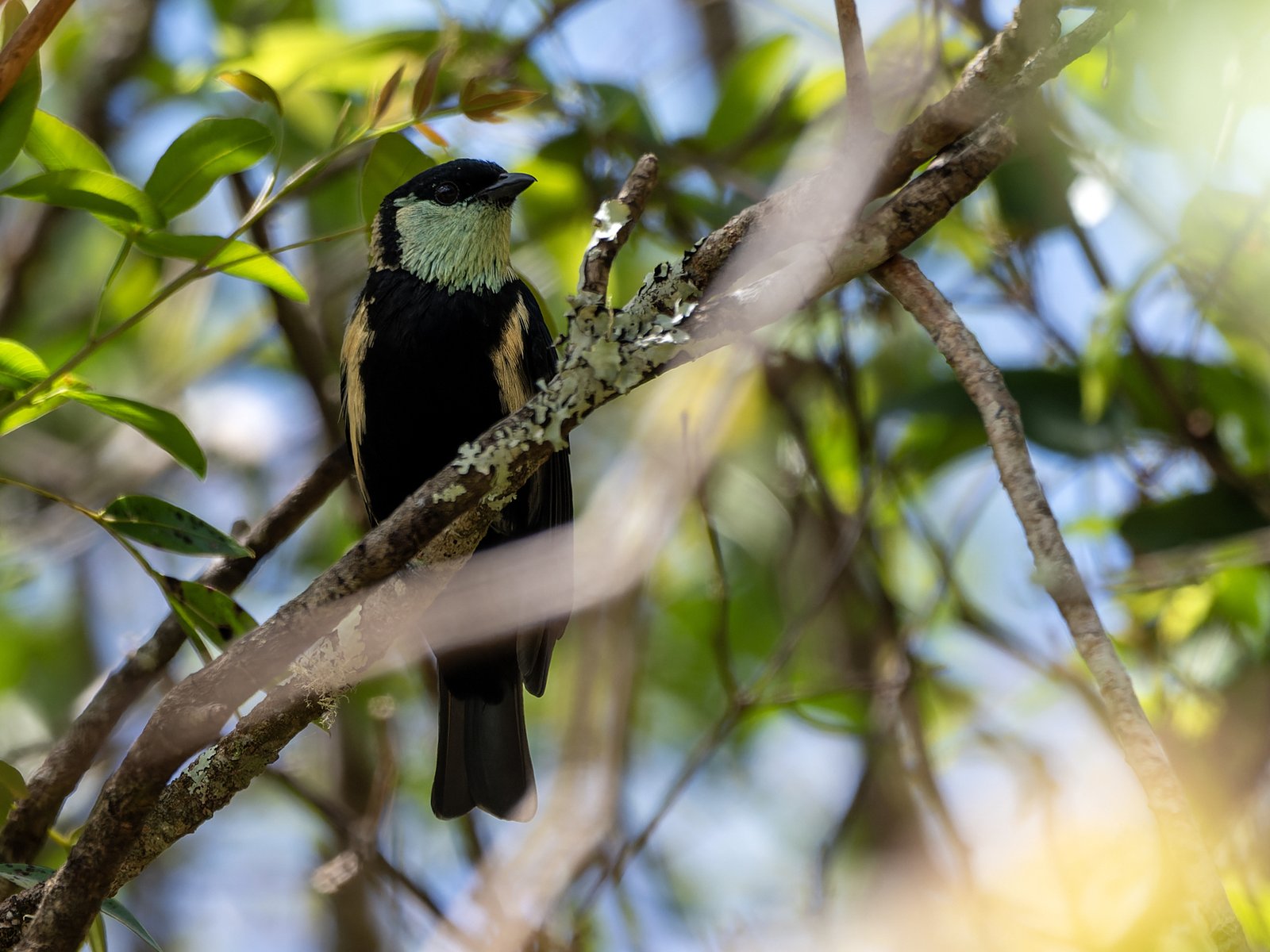
Straw-backed Tanager
Stilpnia argyrofenges- Lower Yungas forest
- Northern Andean subtropical forest
- Secondary forest and forest edge
-
Sira Tanager
Stilpnia phillipsi- Lower Yungas forest
- Upper Yungas cloud forest
-
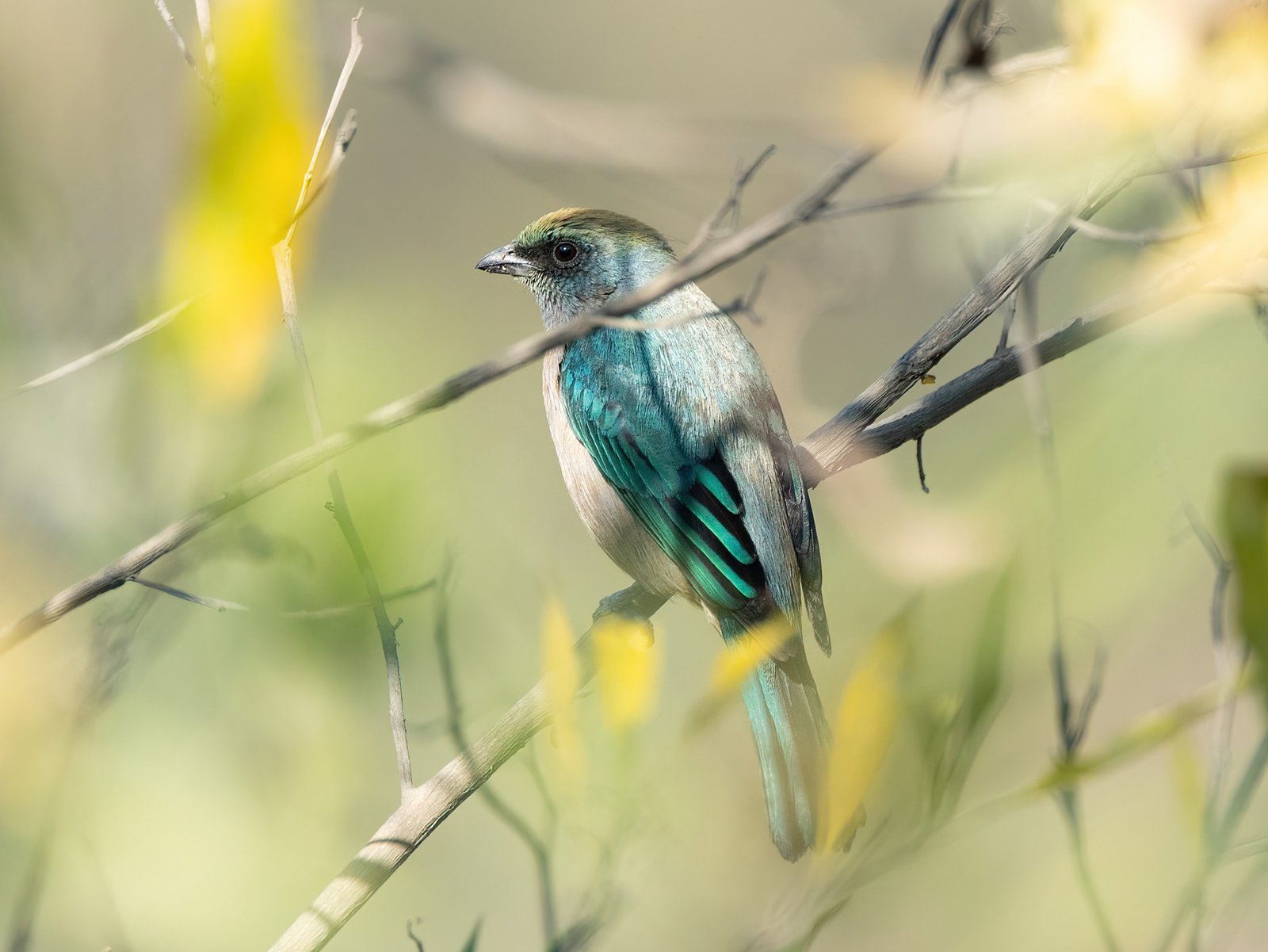
Green-capped Tanager
Stilpnia meyerdeschauenseei- Central Andean dry valleys
- Lower Yungas forest
- Coffee, cacao and agroforestry
- Towns, cities and parks
-
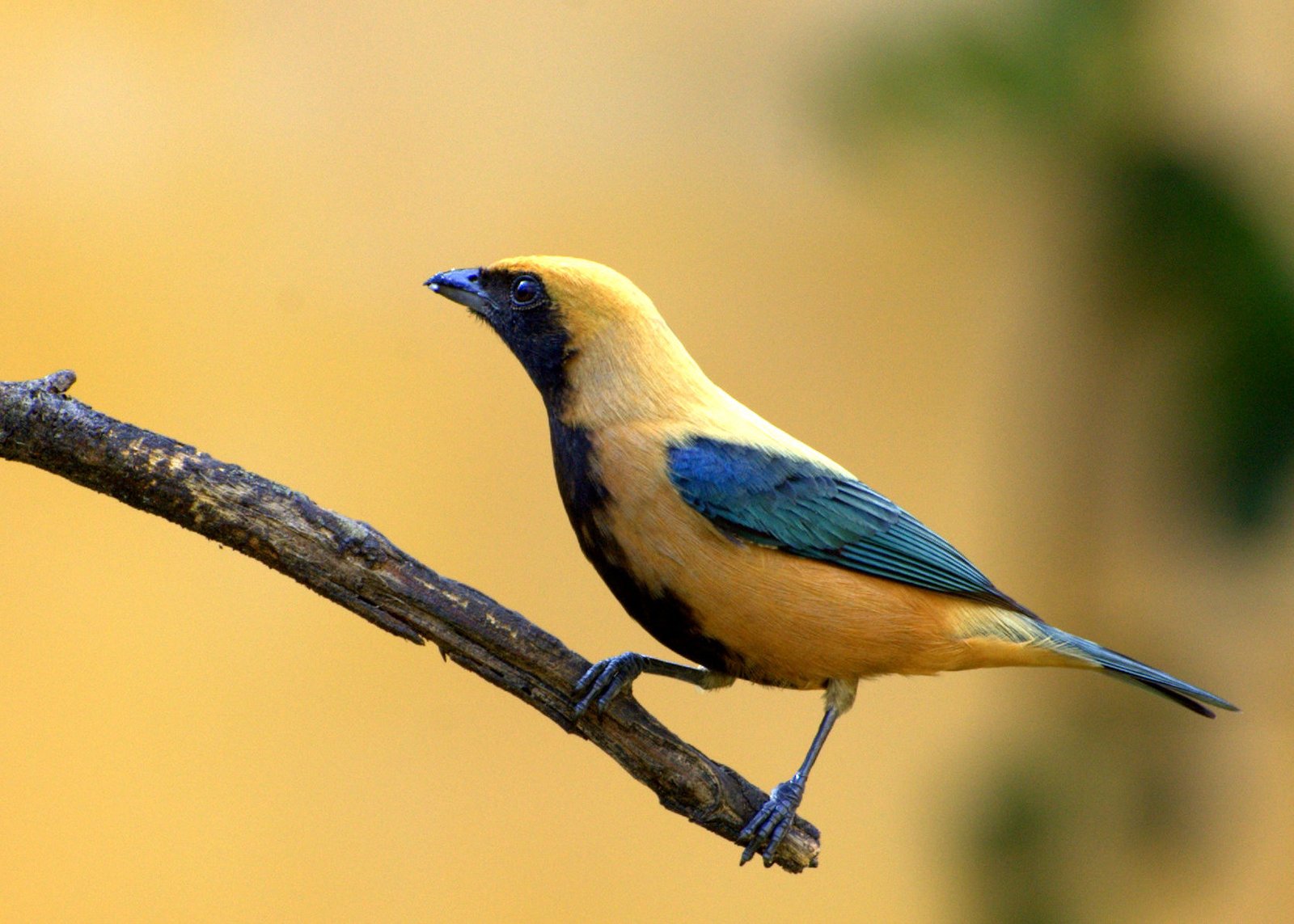
Burnished-buff Tanager
Stilpnia cayana- Beni savanna and cerrado
- Llanos savanna
- Secondary forest and forest edge
- Towns, cities and parks
- Chiquitano dry forest and Chaco
-
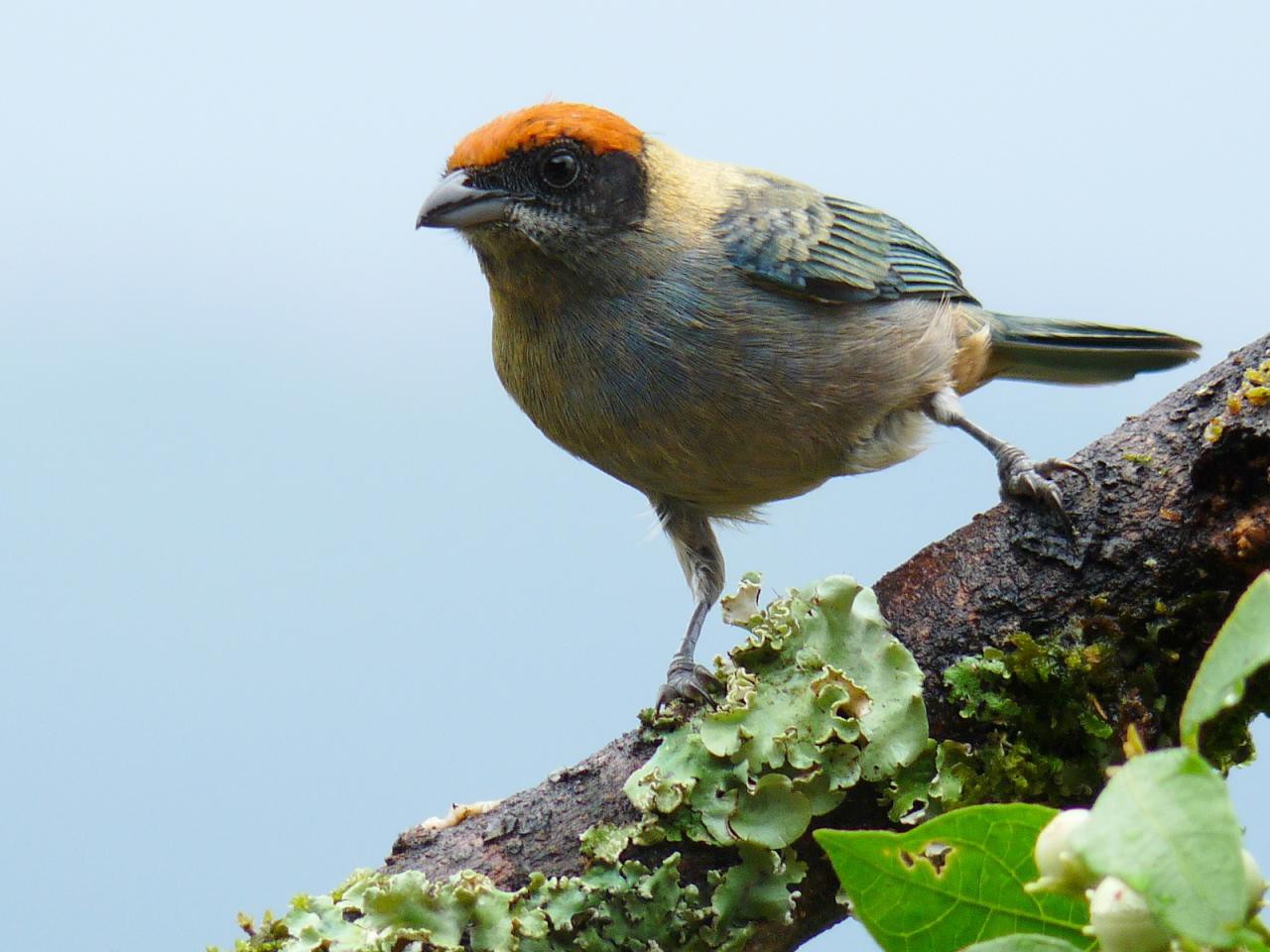
Scrub Tanager
Stilpnia vitriolina- Marañón and northern inter-Andean dry forest
- Secondary forest and forest edge
- Coffee, cacao and agroforestry
- Towns, cities and parks
- Riparian woodland of the Andes and coastal valleys
- Northern Andean subtropical forest
-
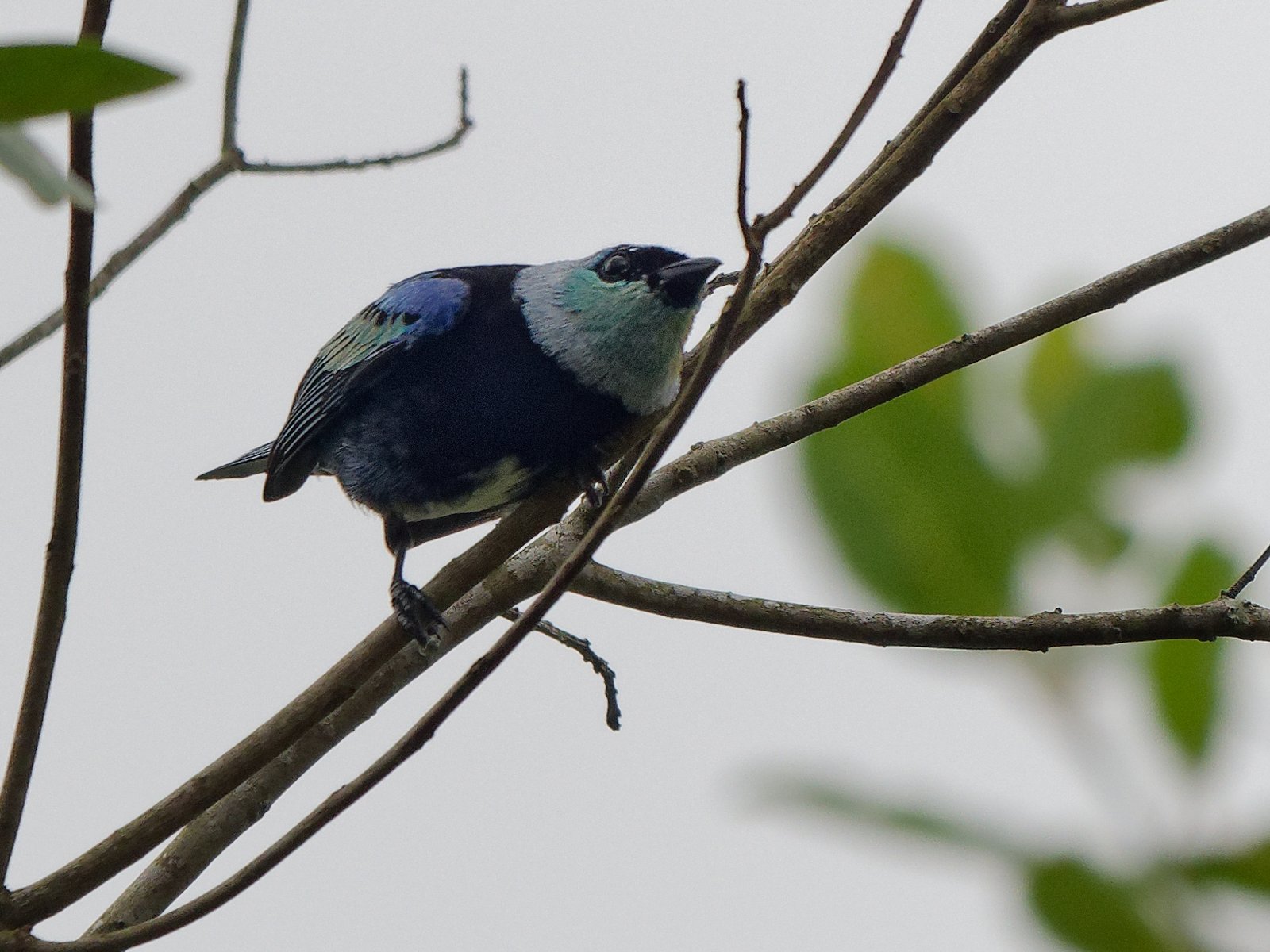
Masked Tanager
Stilpnia nigrocincta- Amazonian terra firme rainforest
- Secondary forest and forest edge
- Várzea, igapó and river islands
- Eastern Andean foothill forest
-
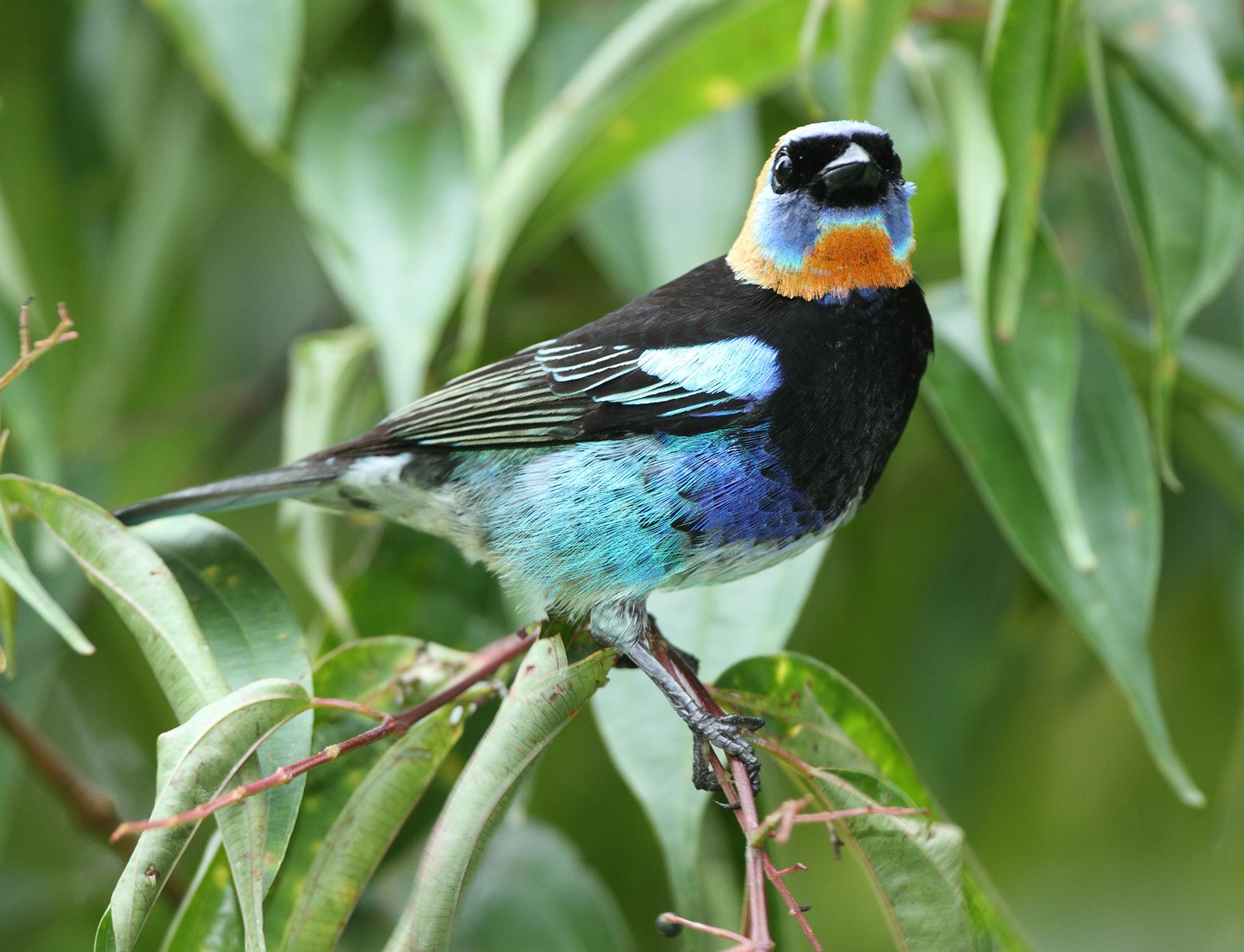
Golden-hooded Tanager
Stilpnia larvata- Chocó rainforest
- Western Ecuador humid forest
- Secondary forest and forest edge
- Coffee, cacao and agroforestry
- Towns, cities and parks
-
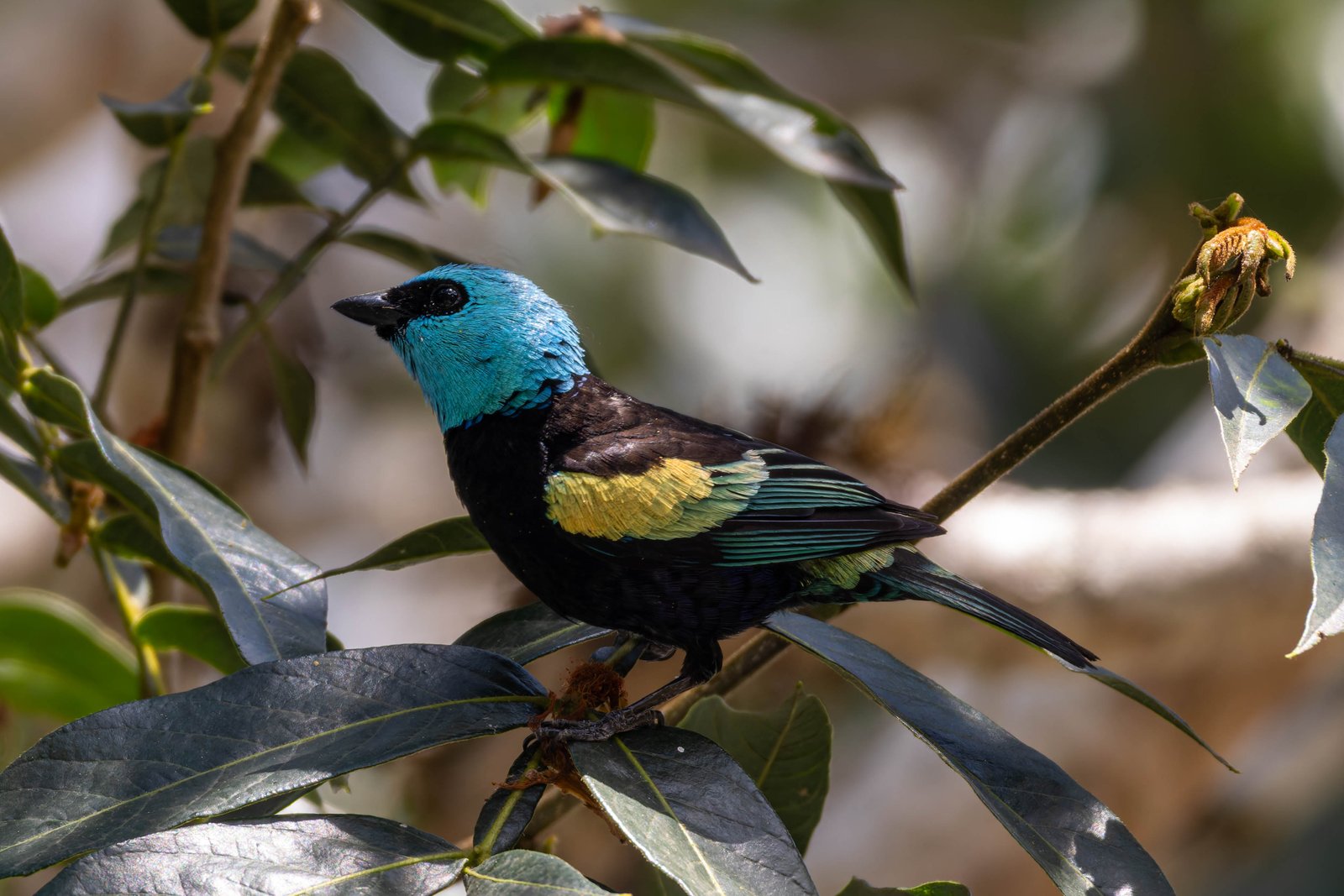
Blue-necked Tanager
Stilpnia cyanicollis- Northern Andean subtropical forest
- Lower Yungas forest
- Eastern Andean foothill forest
- Secondary forest and forest edge
- Coffee, cacao and agroforestry
Charitospiza 1 species
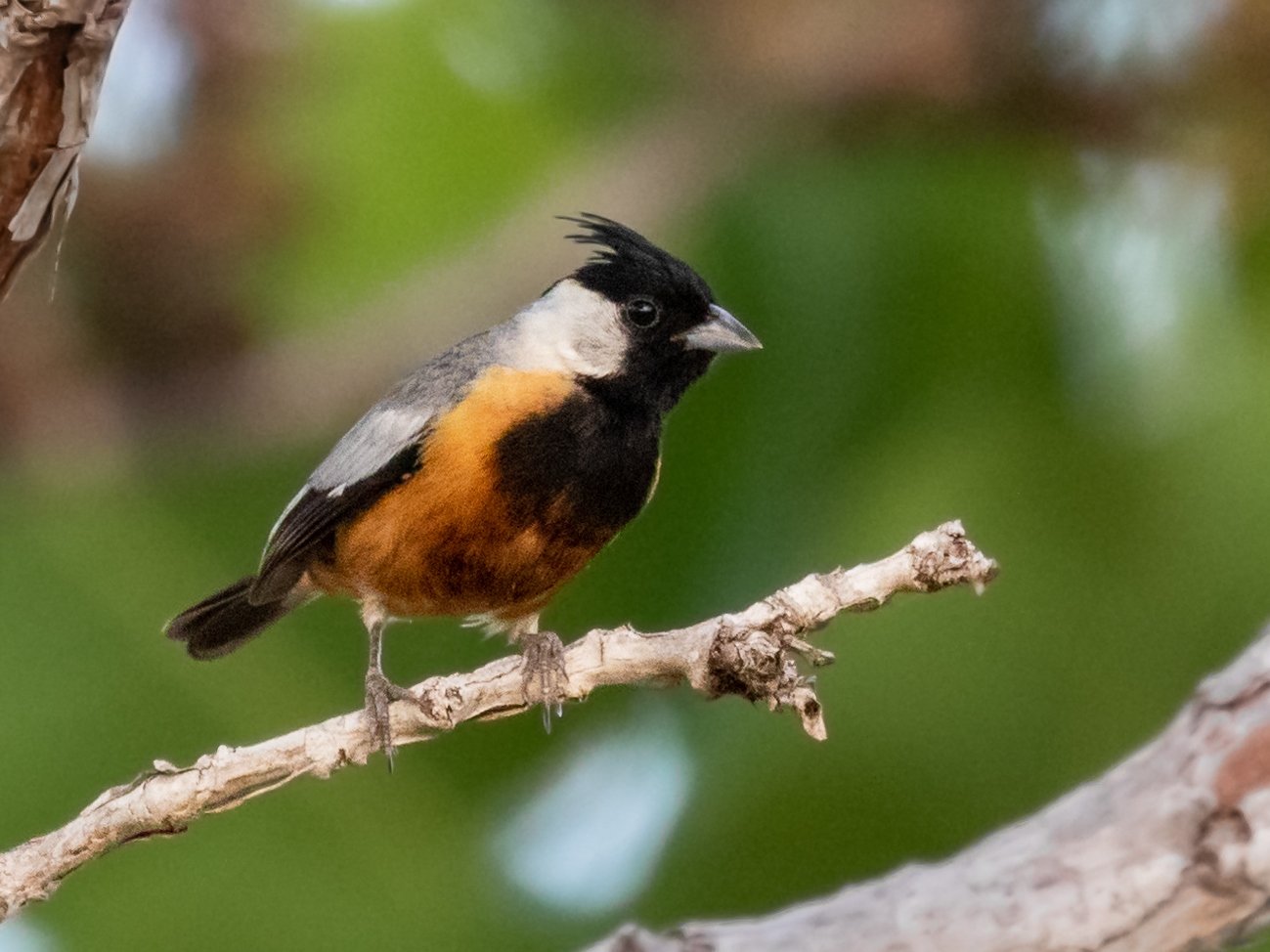
Buthraupis 1 species
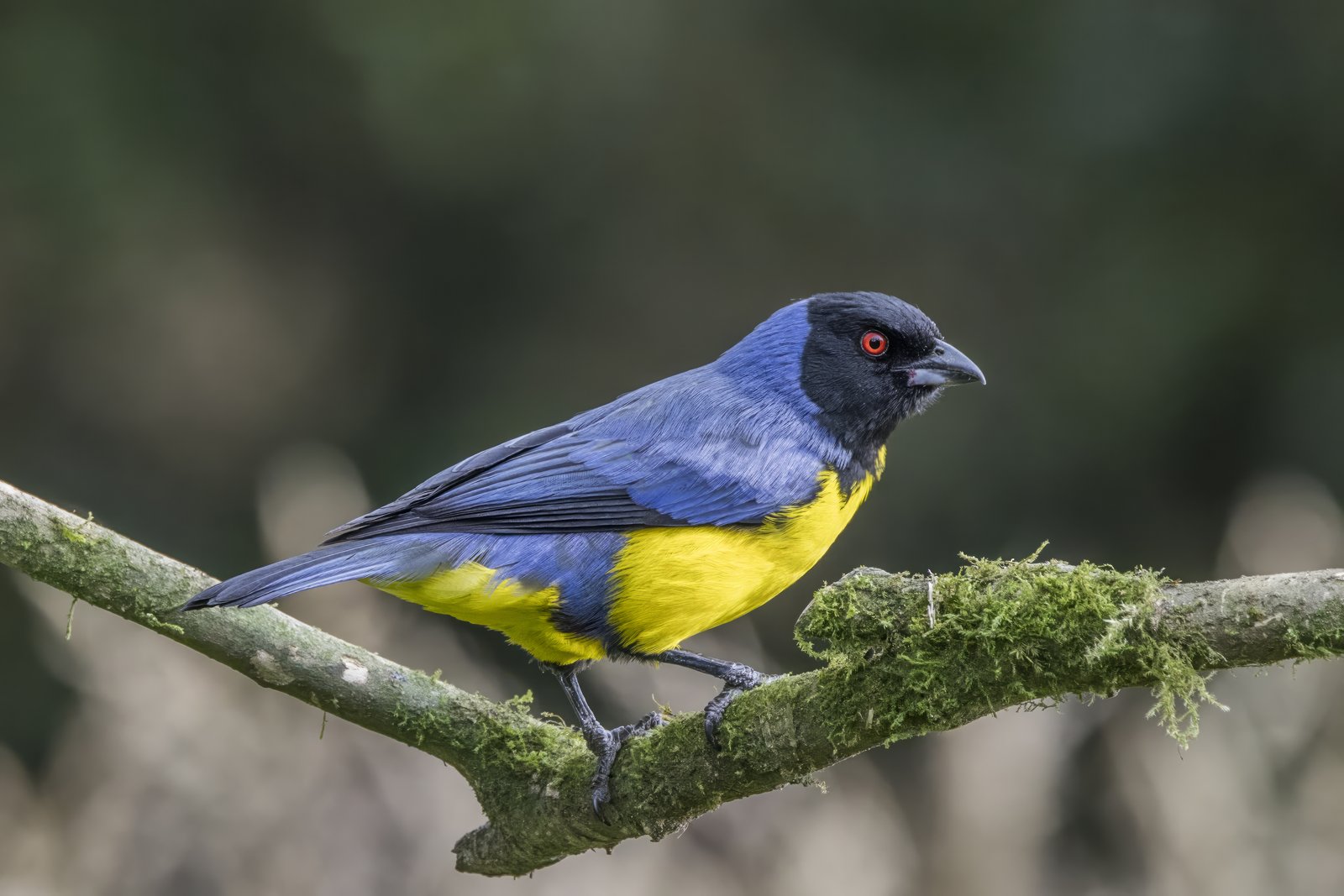
Camarhynchus 5 species
-
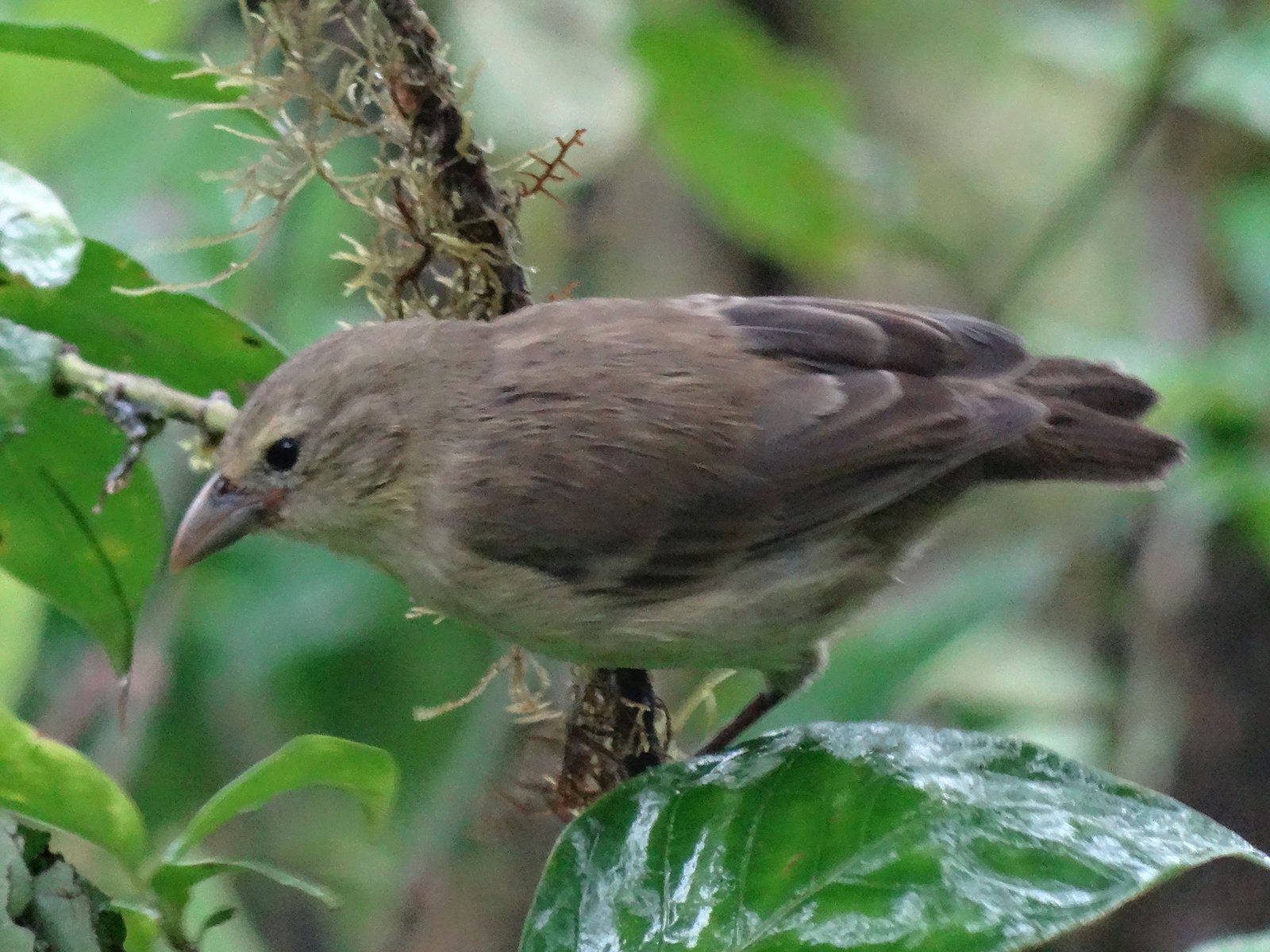
Woodpecker Finch
Camarhynchus pallidus- Scalesia forest
- Galápagos humid highlands
- Galápagos arid zone
- Galápagos pampa zone
-
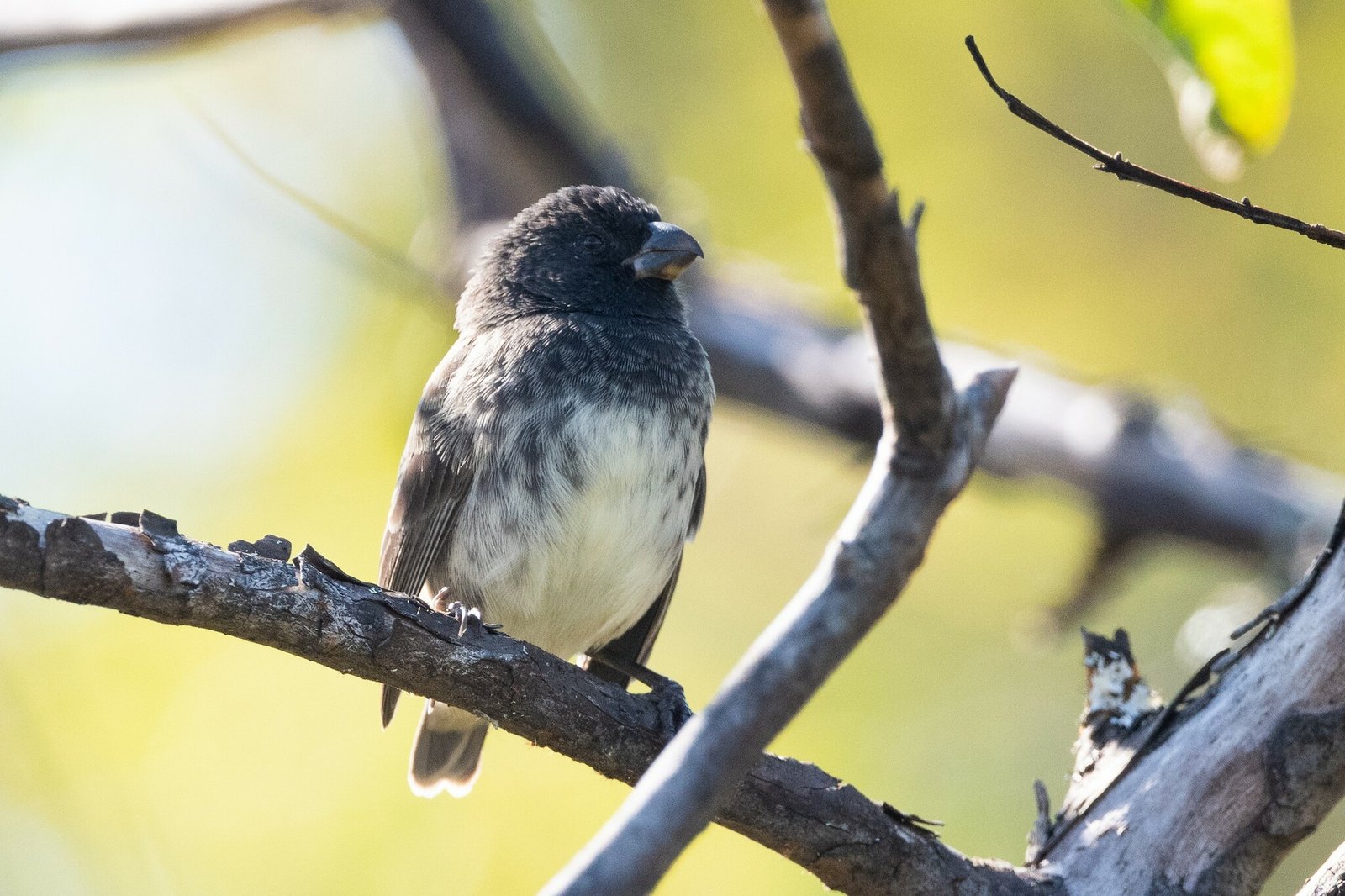
Large Tree Finch
Camarhynchus psittacula- Scalesia forest
- Galápagos humid highlands
- Galápagos arid zone
-
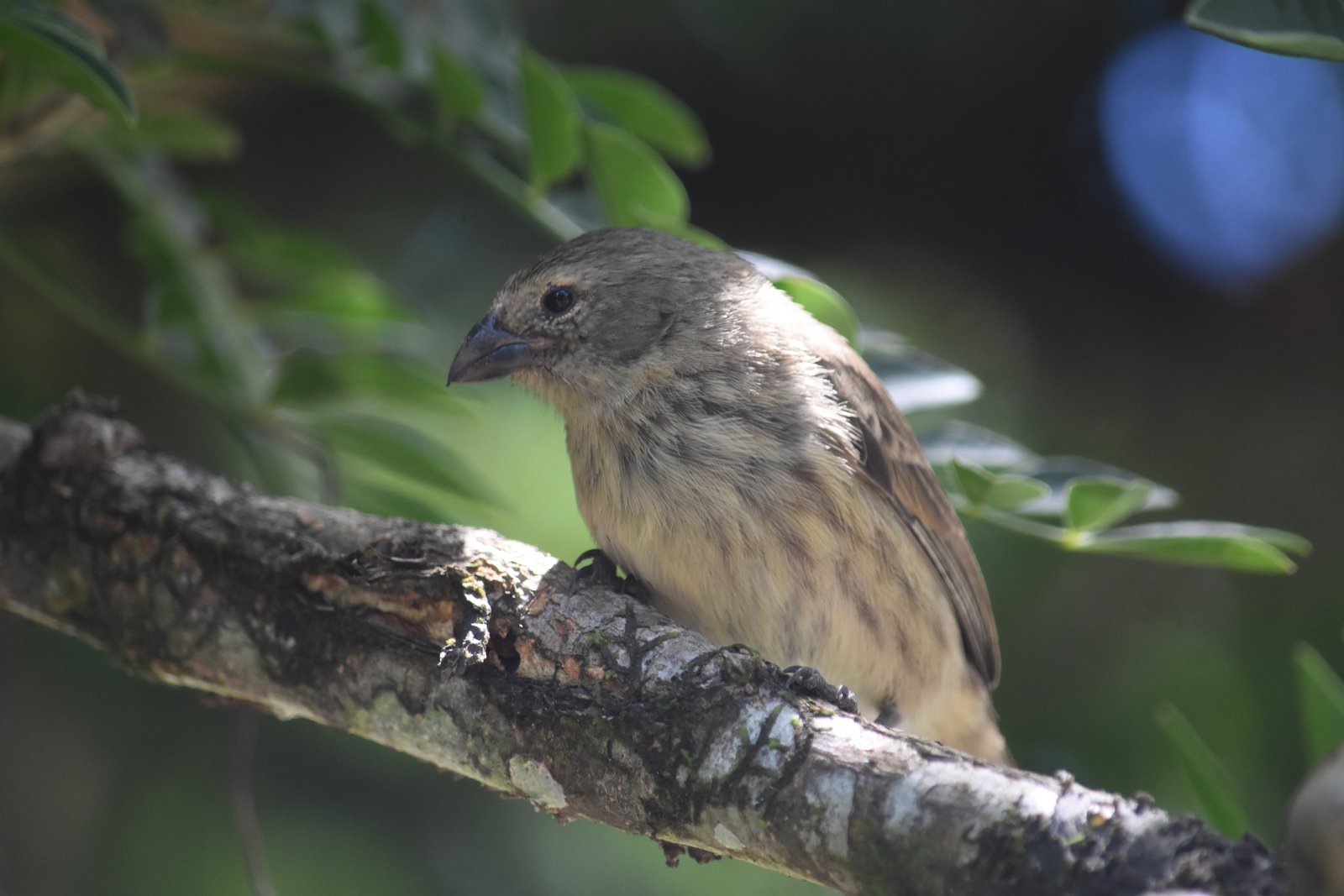
Medium Tree Finch
Camarhynchus pauper- Galápagos humid highlands
- Scalesia forest
-
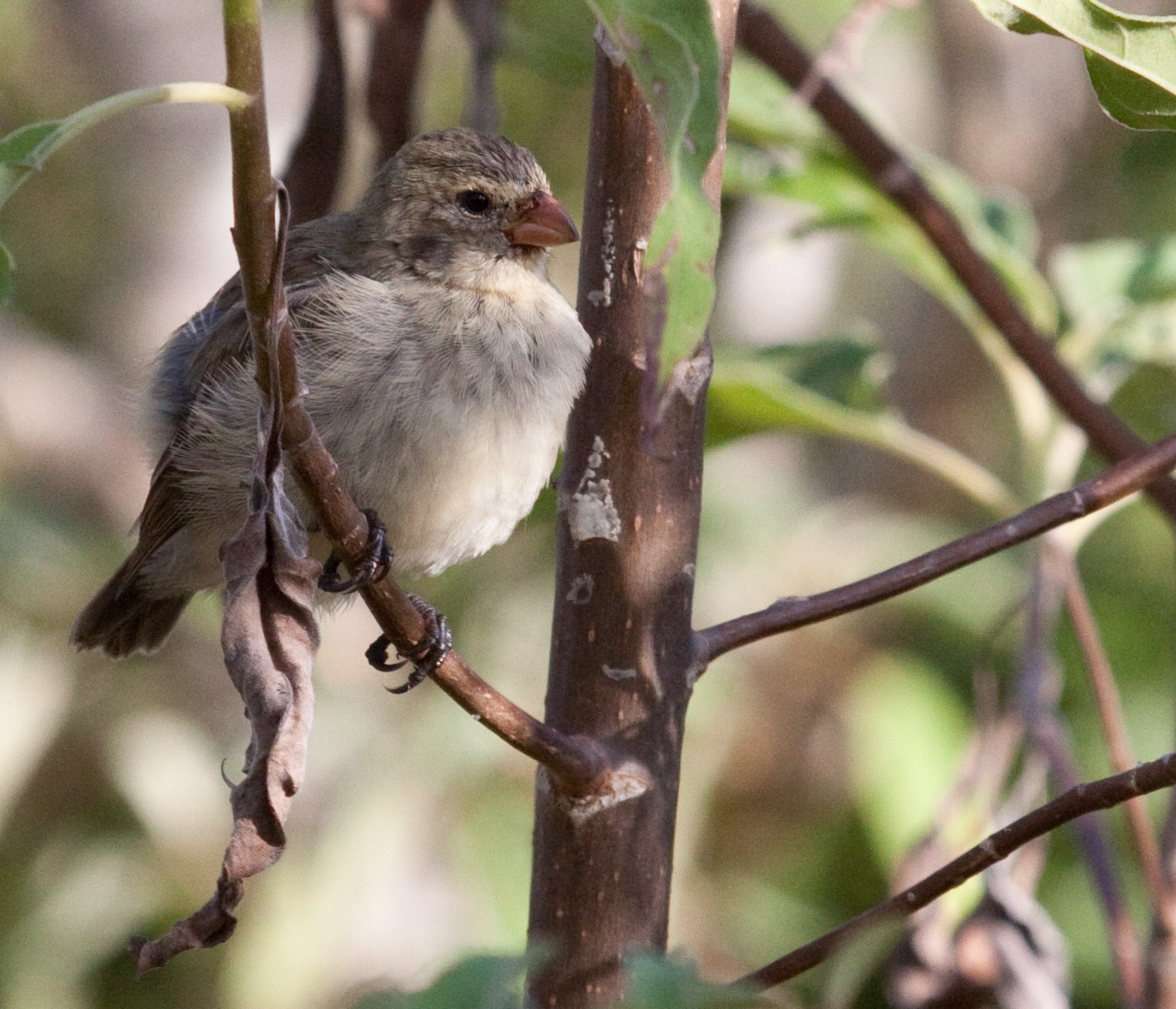
Small Tree Finch
Camarhynchus parvulus- Scalesia forest
- Galápagos arid zone
- Galápagos humid highlands
- Towns, cities and parks
-
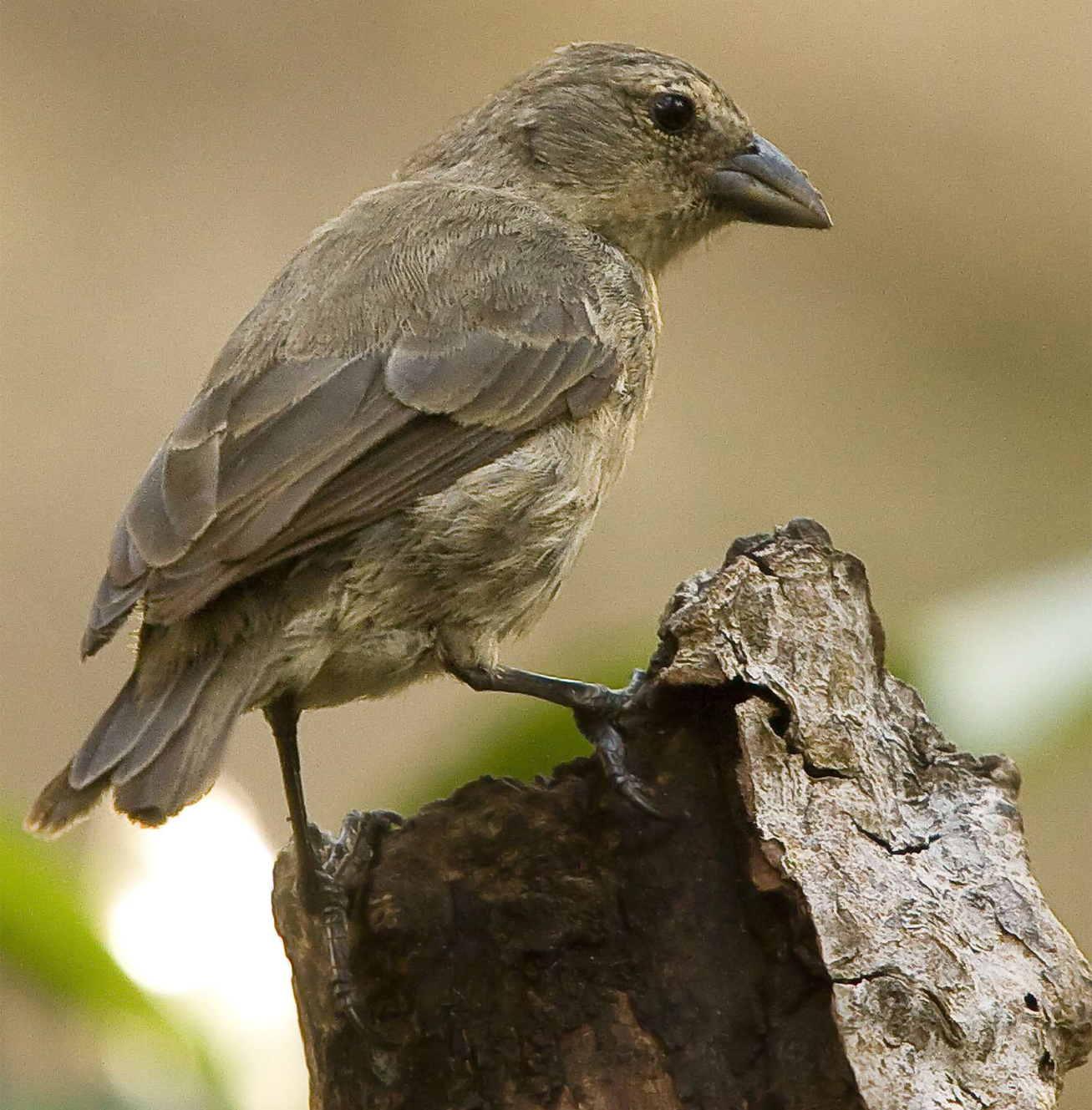
Mangrove Finch
Camarhynchus heliobates- Mangrove
Cnemathraupis 2 species

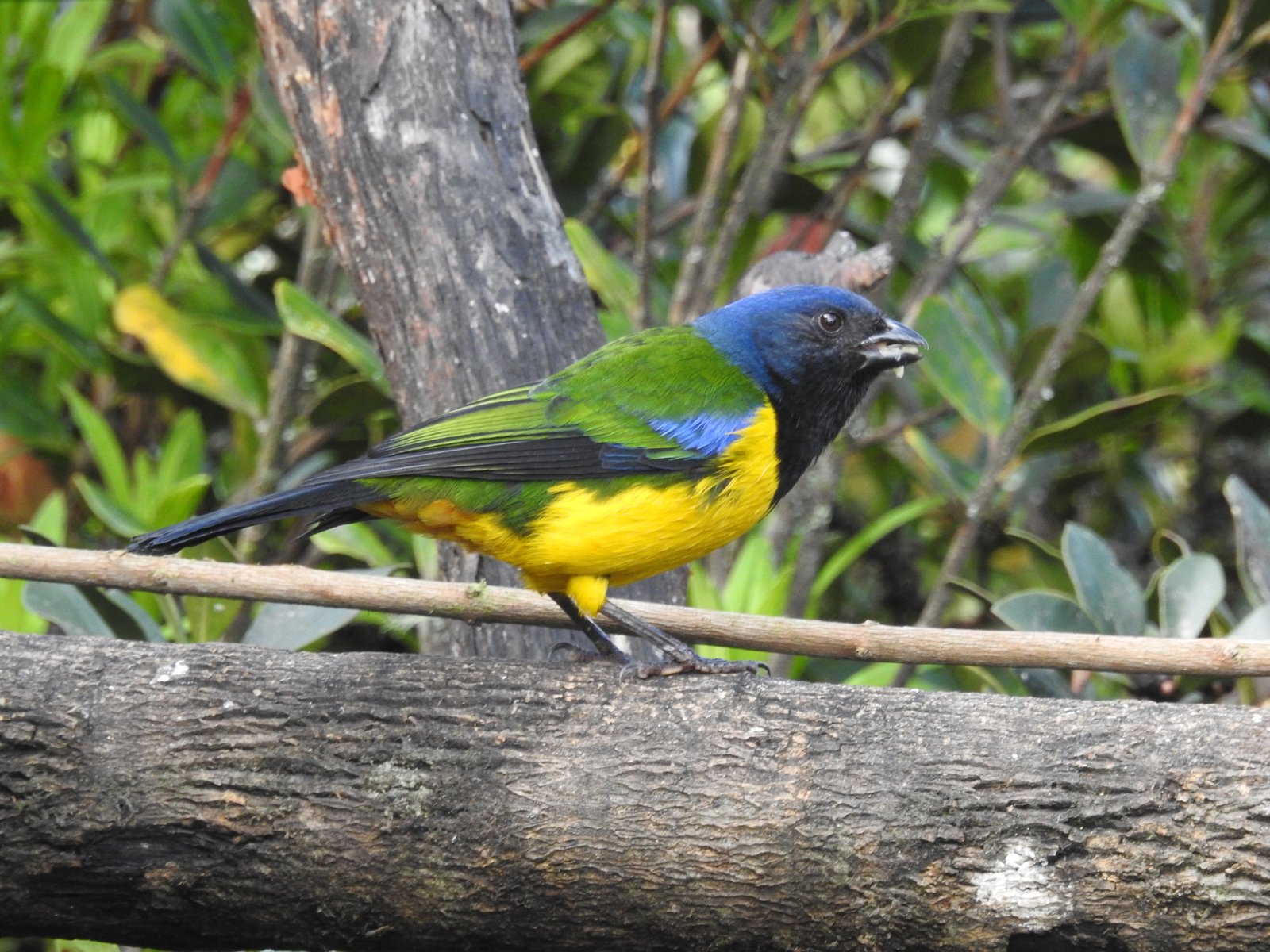
Phrygilus 2 species
-
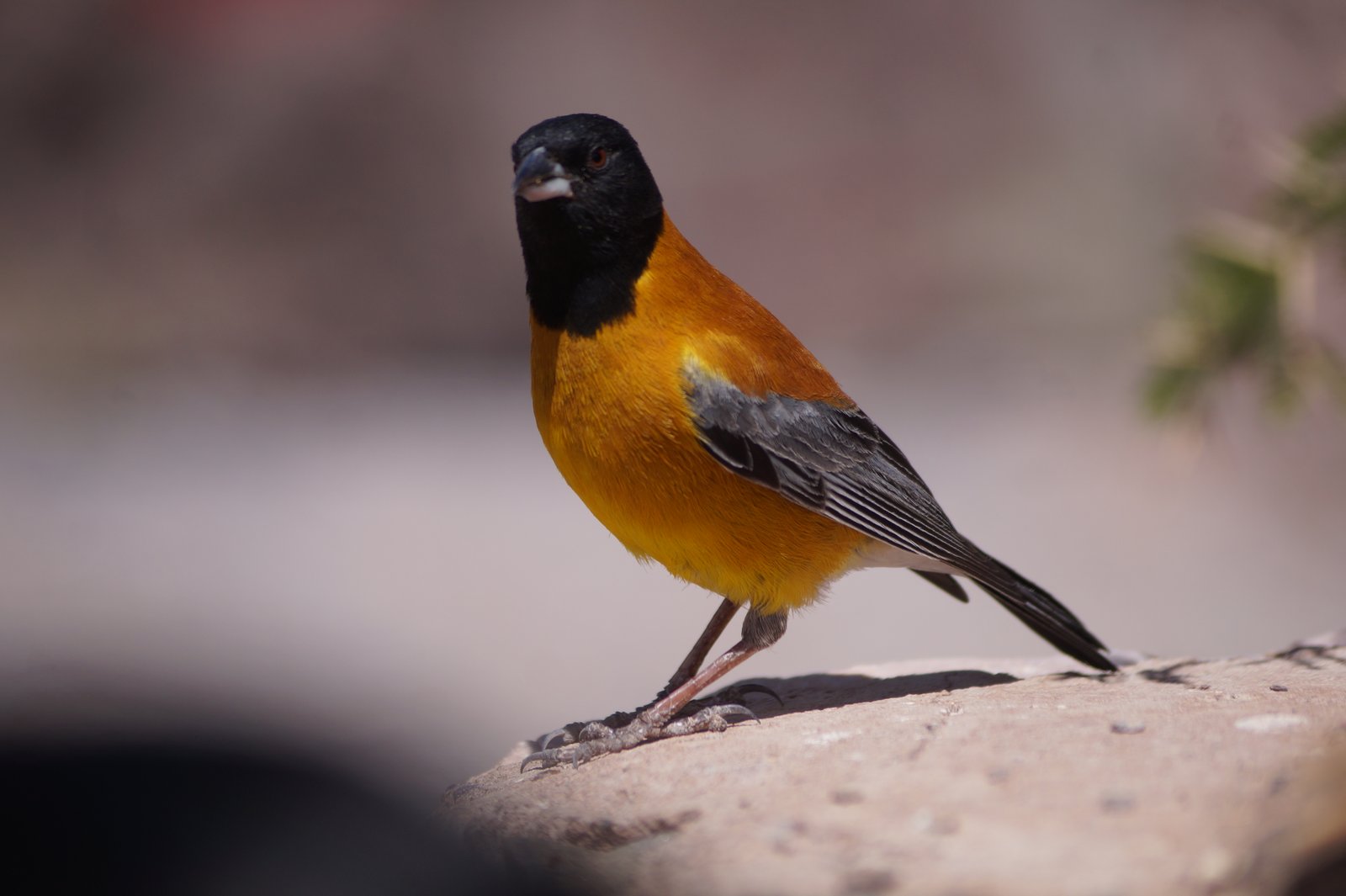
Black-hooded Sierra Finch
Phrygilus atriceps- Dry puna and altiplano
- Central Andean dry valleys
- Polylepis woodland
- Andean fields and terraces
- Cliffs, gorges and canyons
-
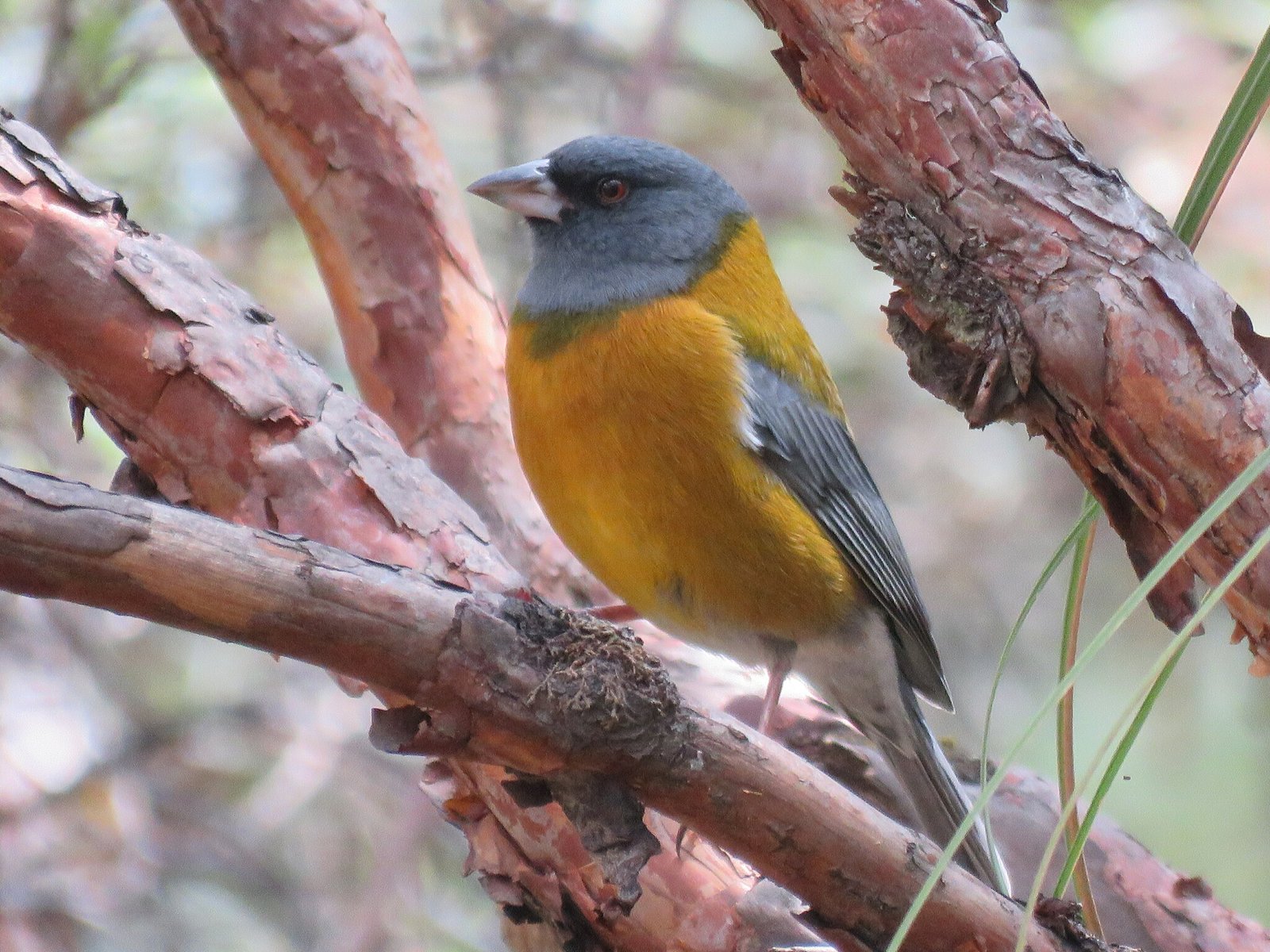
Peruvian Sierra Finch
Phrygilus punensis- Humid puna
- Andean fields and terraces
- Central Andean dry valleys
- Polylepis woodland
- Towns, cities and parks
- Dry puna and altiplano
Kleinothraupis 3 species
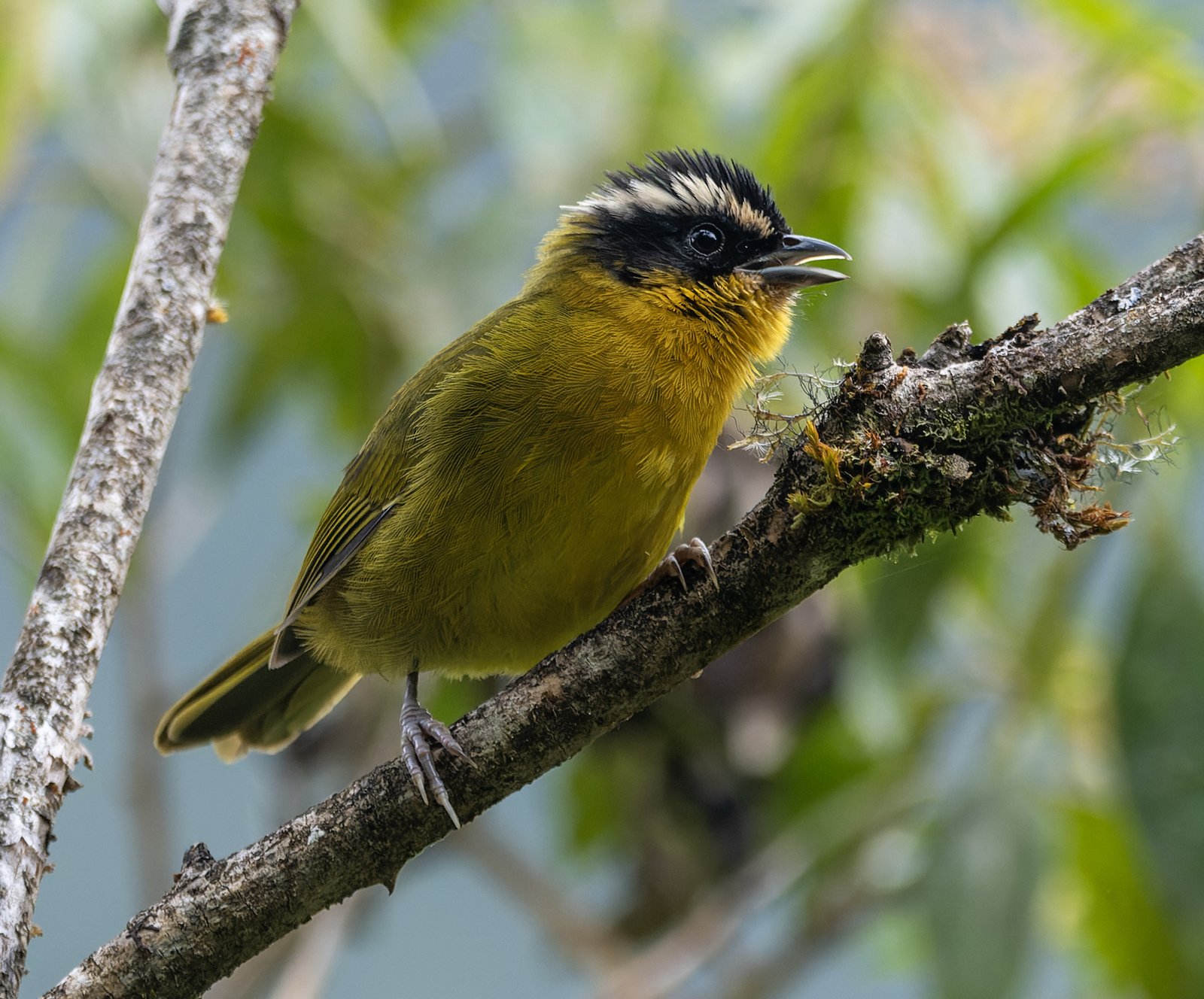
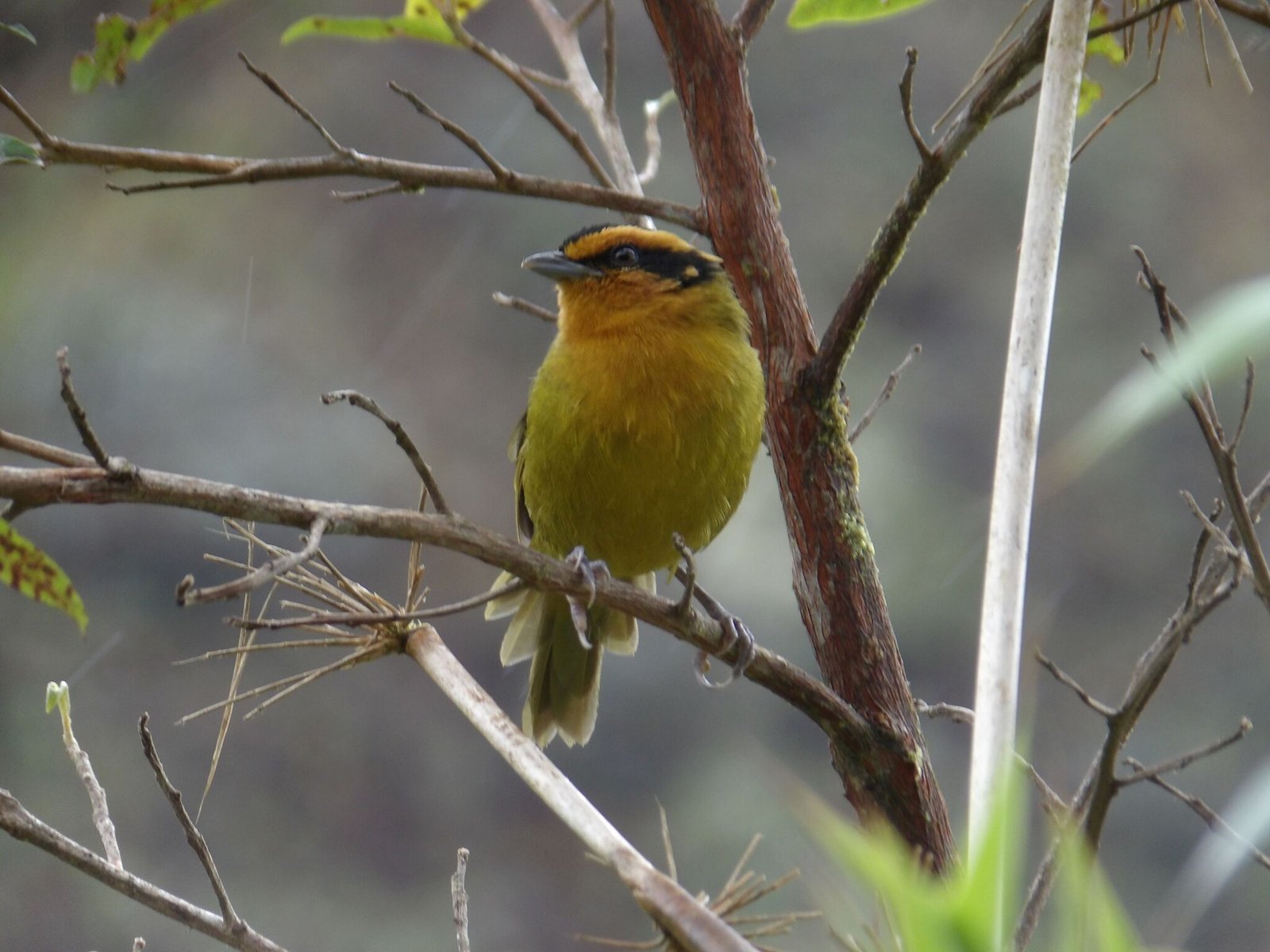
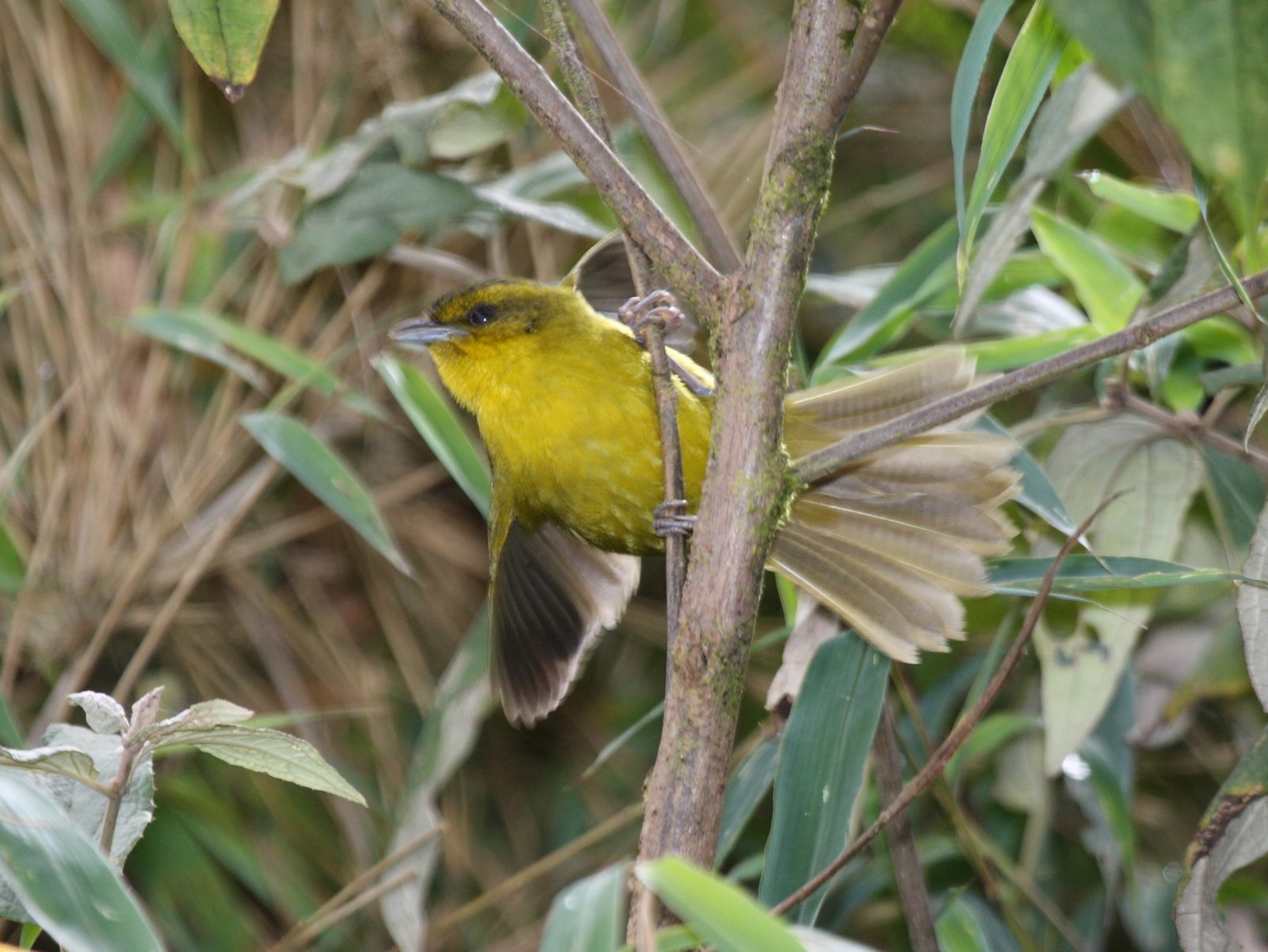
Vagrants 8 species
Birds blown in from other continents. They have no range here, and so no distribution map.
-
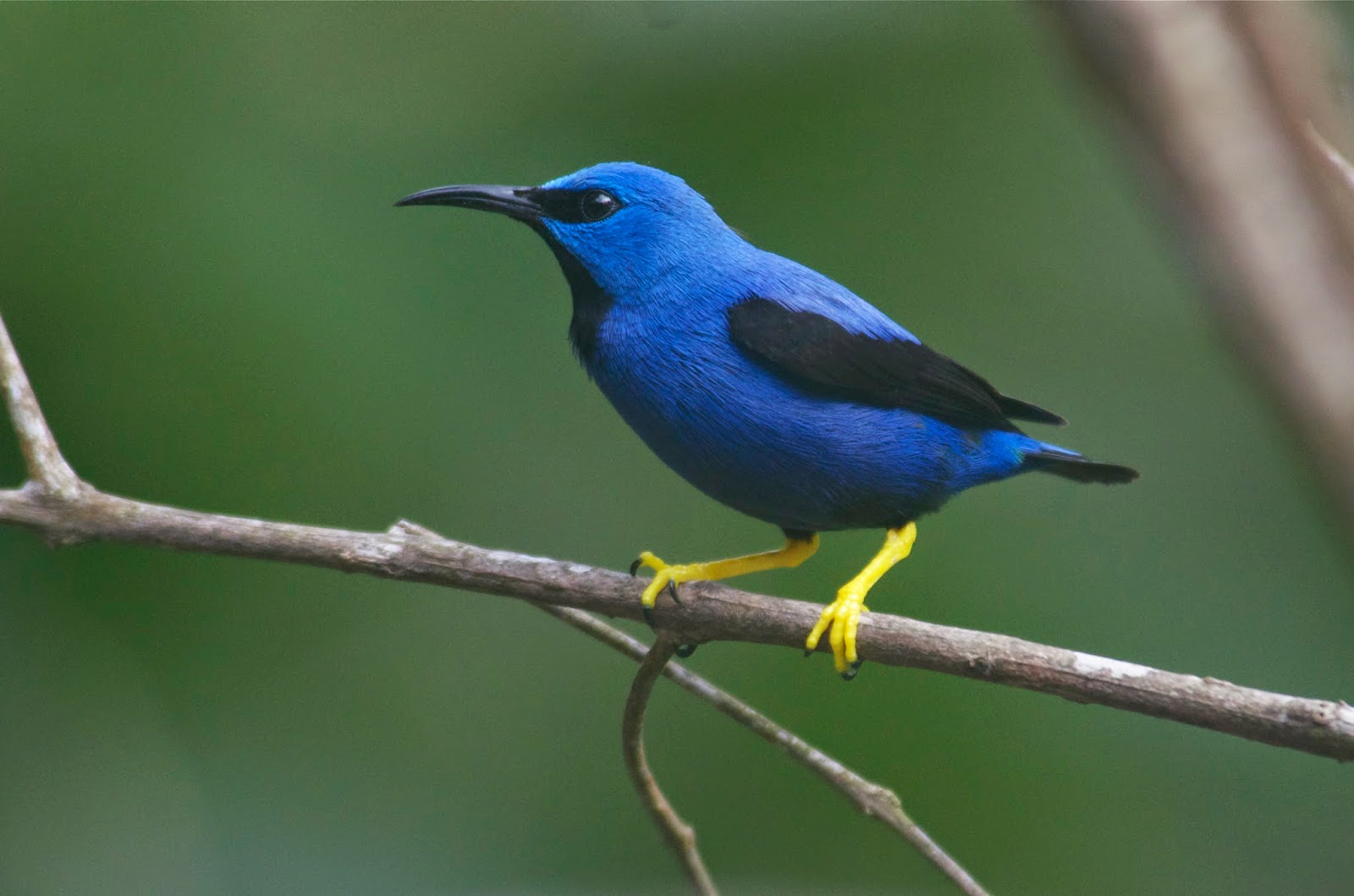
Shining Honeycreeper
Cyanerpes lucidus- Chocó rainforest
- Secondary forest and forest edge
-
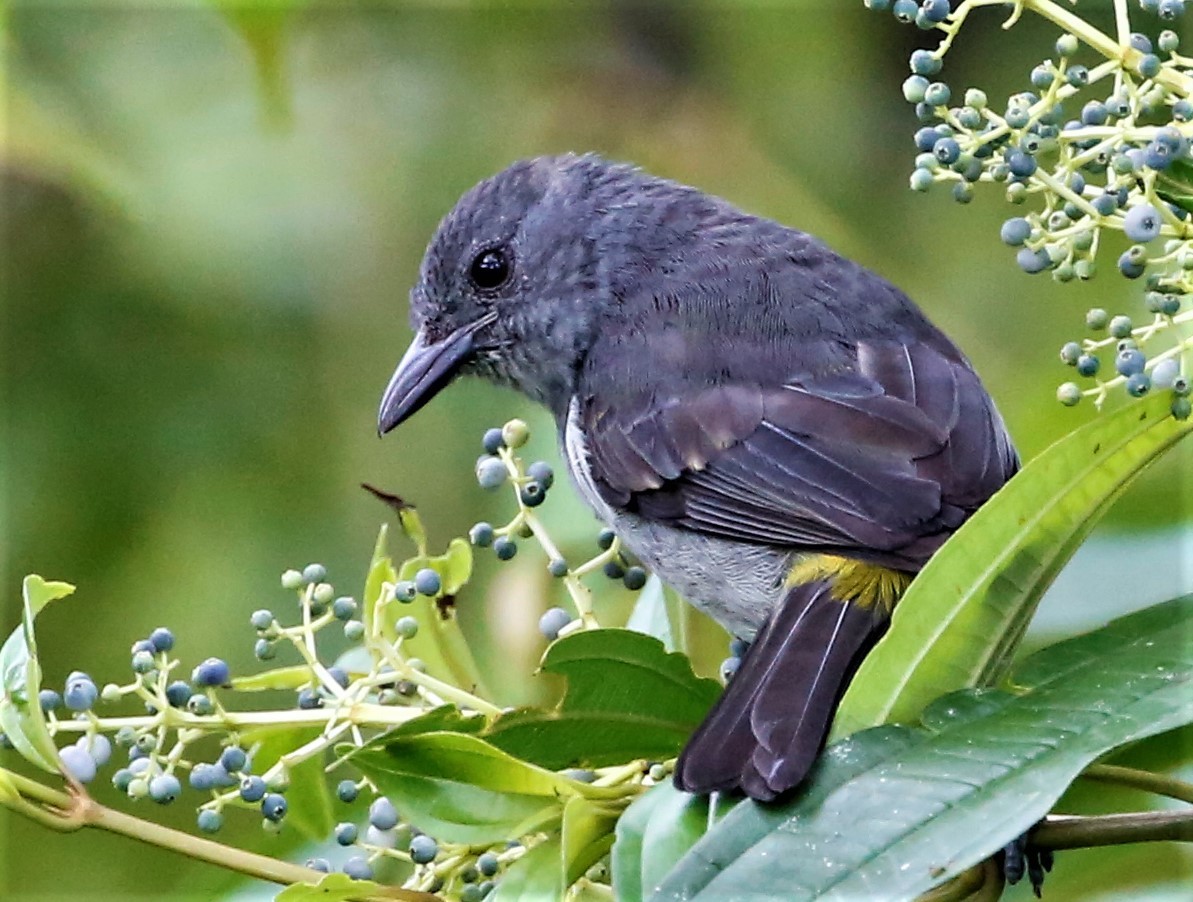
Sulphur-rumped Tanager
Heterospingus rubrifrons- Chocó rainforest
- Secondary forest and forest edge
-
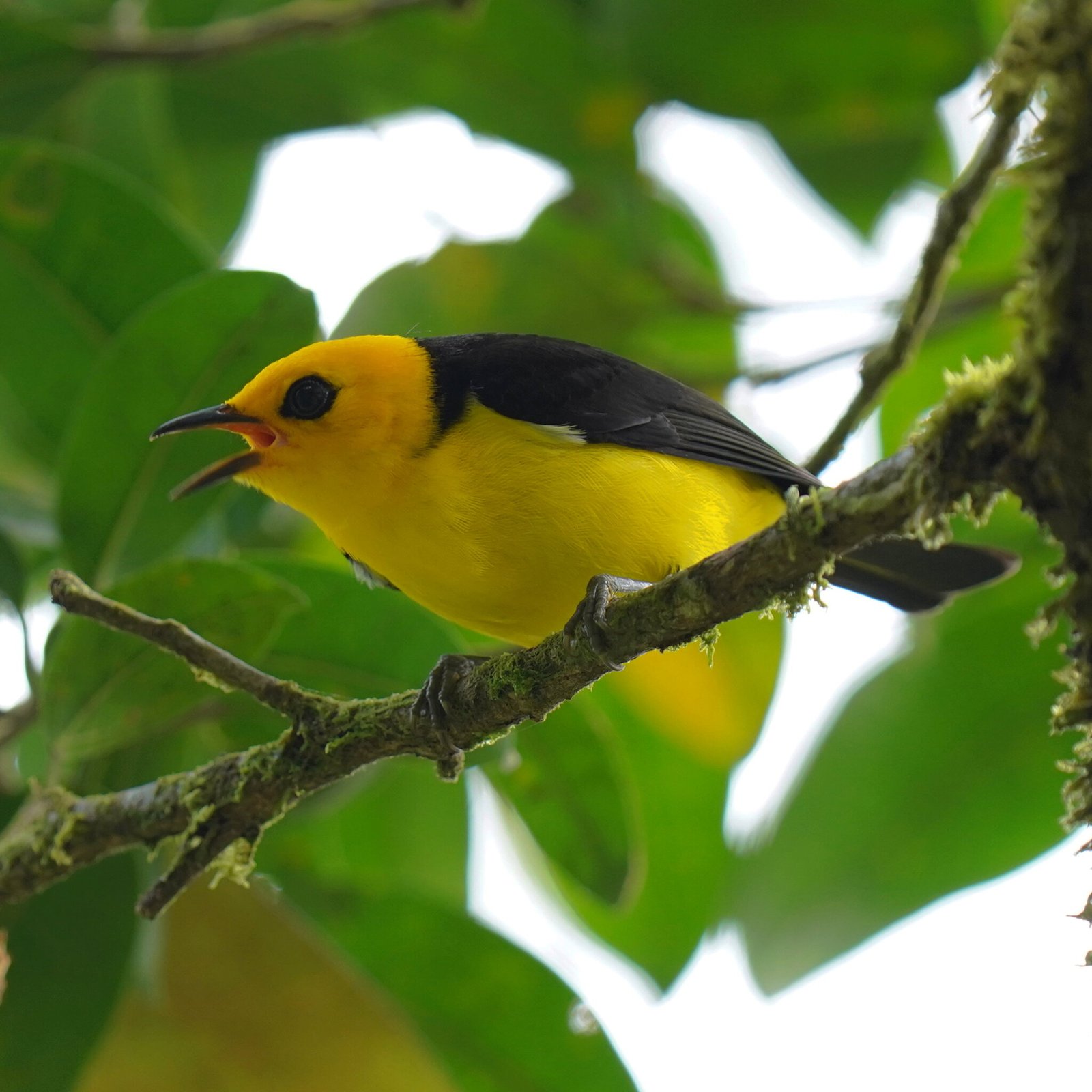
Black-and-yellow Tanager
Chrysothlypis chrysomelas- Northern Andean subtropical forest
- Eastern Andean foothill forest
- Chocó rainforest
-
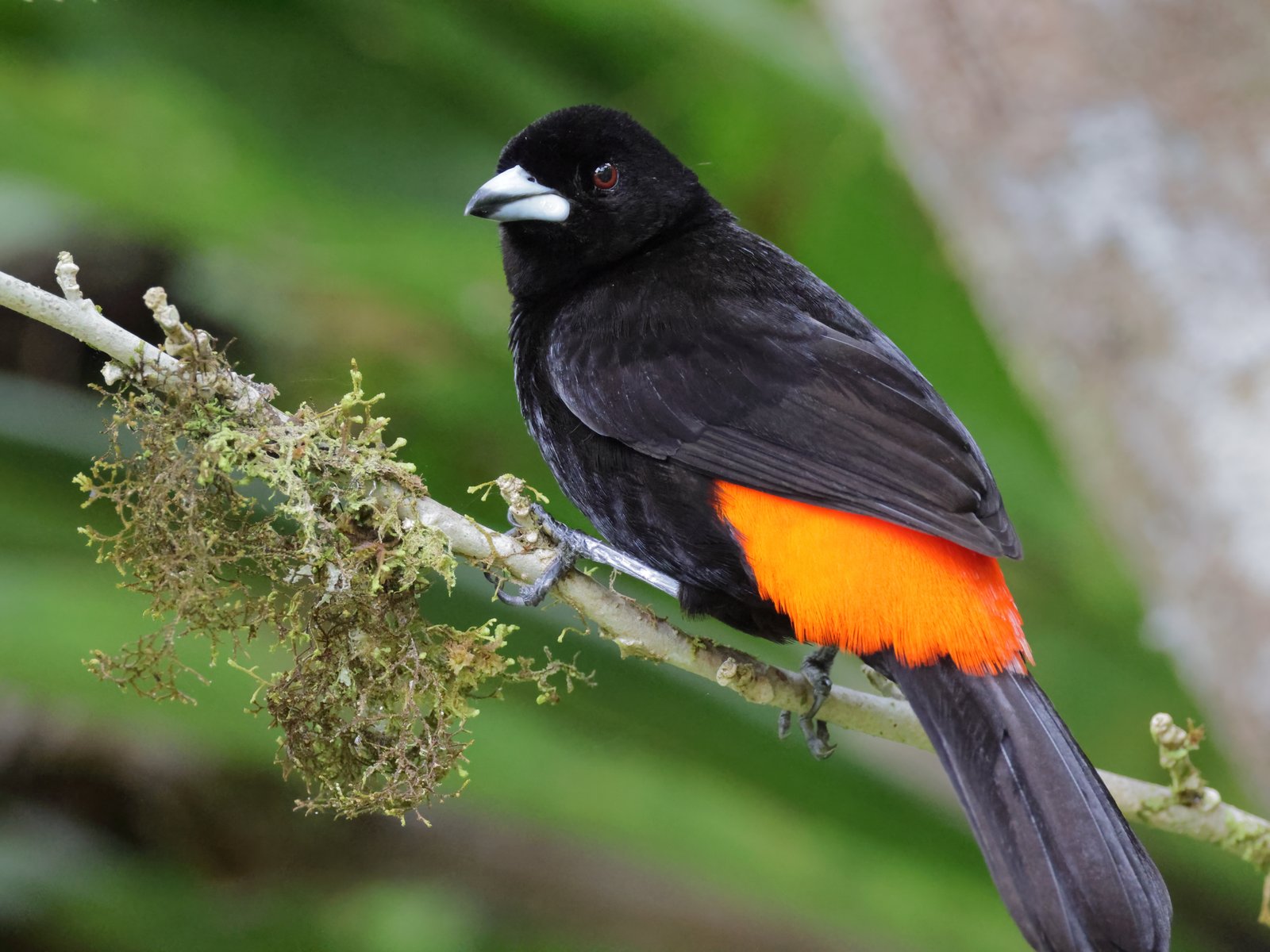
Scarlet-rumped Tanager
Ramphocelus passerinii- Secondary forest and forest edge
- Coffee, cacao and agroforestry
- Towns, cities and parks
-

Grey-hooded Sierra Finch
Phrygilus gayi- Dry puna and altiplano
- Central Andean dry valleys
- Cliffs, gorges and canyons
-
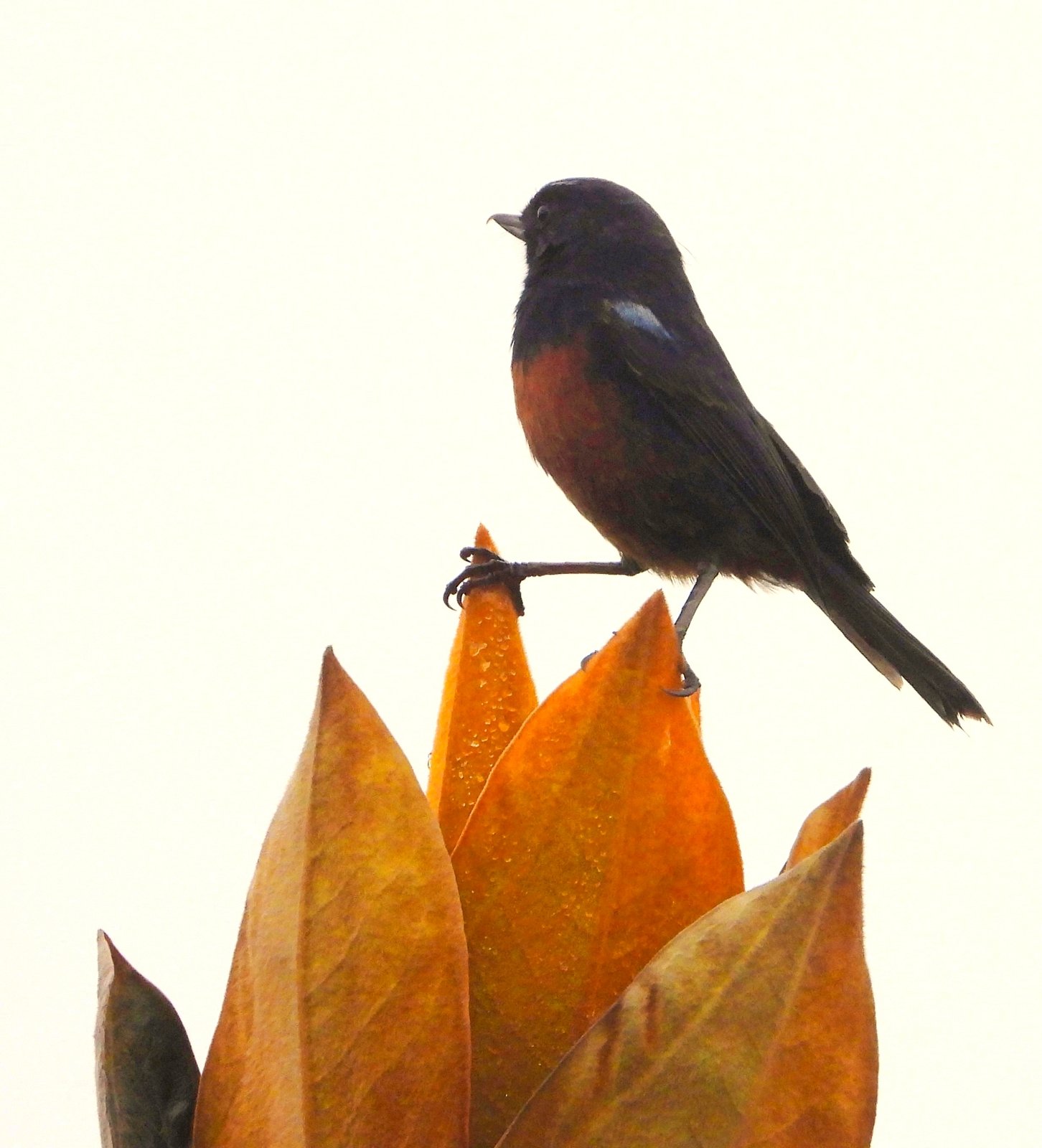
Merida Flowerpiercer
Diglossa gloriosa- Páramo
- Northern Andean cloud forest and temperate forest
- Secondary forest and forest edge
-
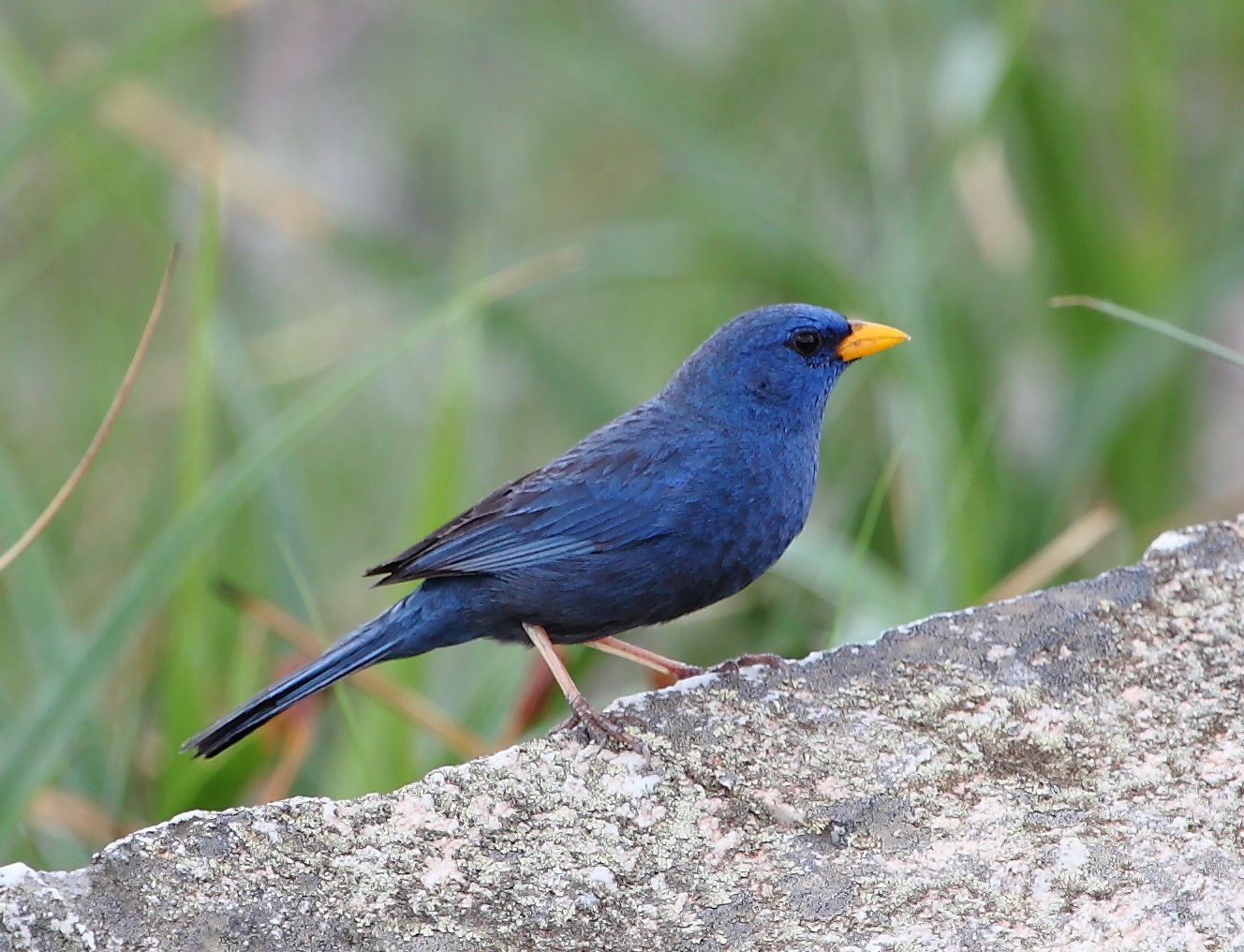
Blue Finch
Rhopospina caerulescens- Beni savanna and cerrado
-
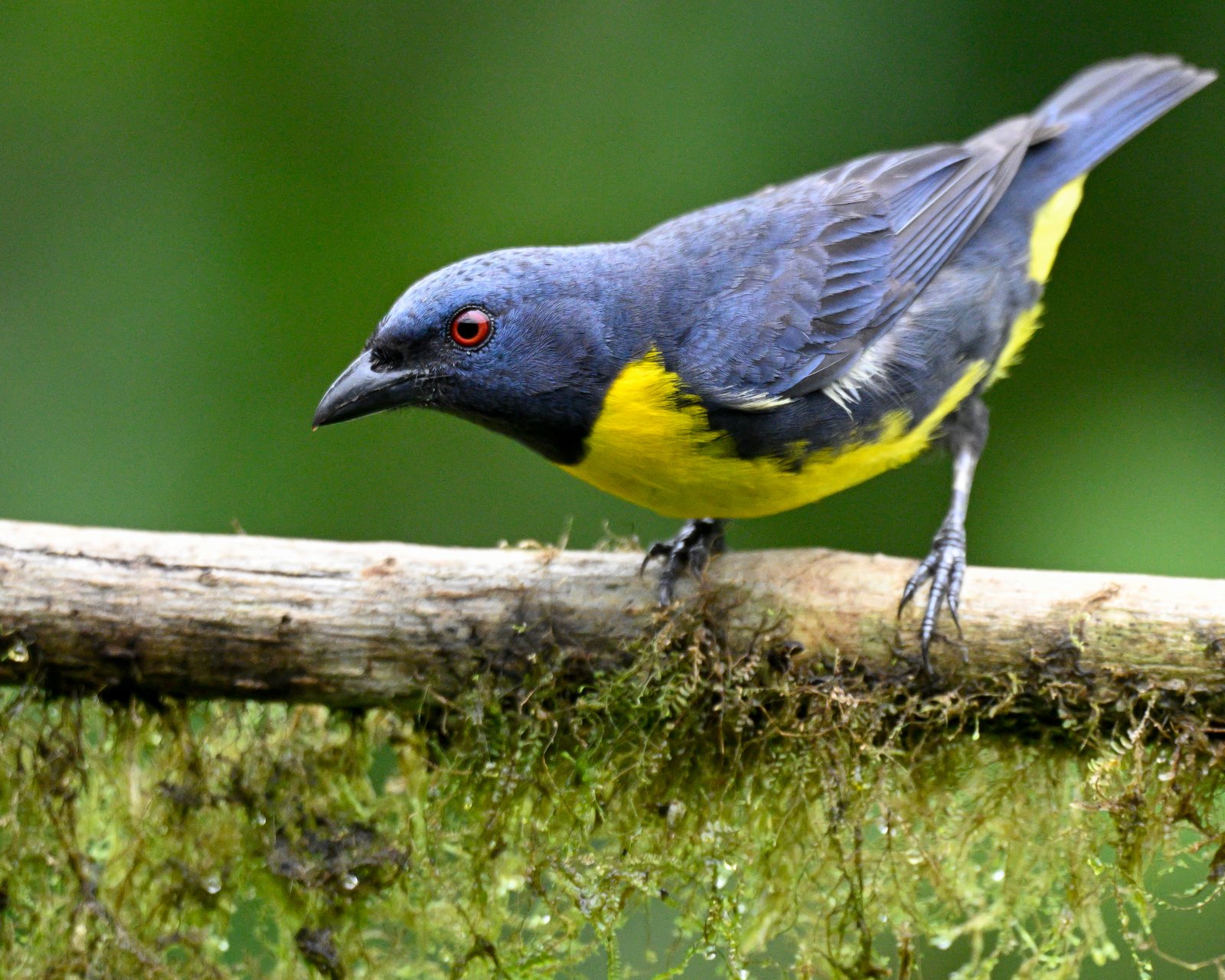
Blue-and-gold Tanager
Bangsia arcaei- Northern Andean subtropical forest
- Chocó rainforest