All species › Passerines › Larks › Cape Long-Billed Lark
Cape Long-Billed Lark | Certhilauda curvirostris
Kaapse langsnavelleeuwerik | Alondra del Cabo
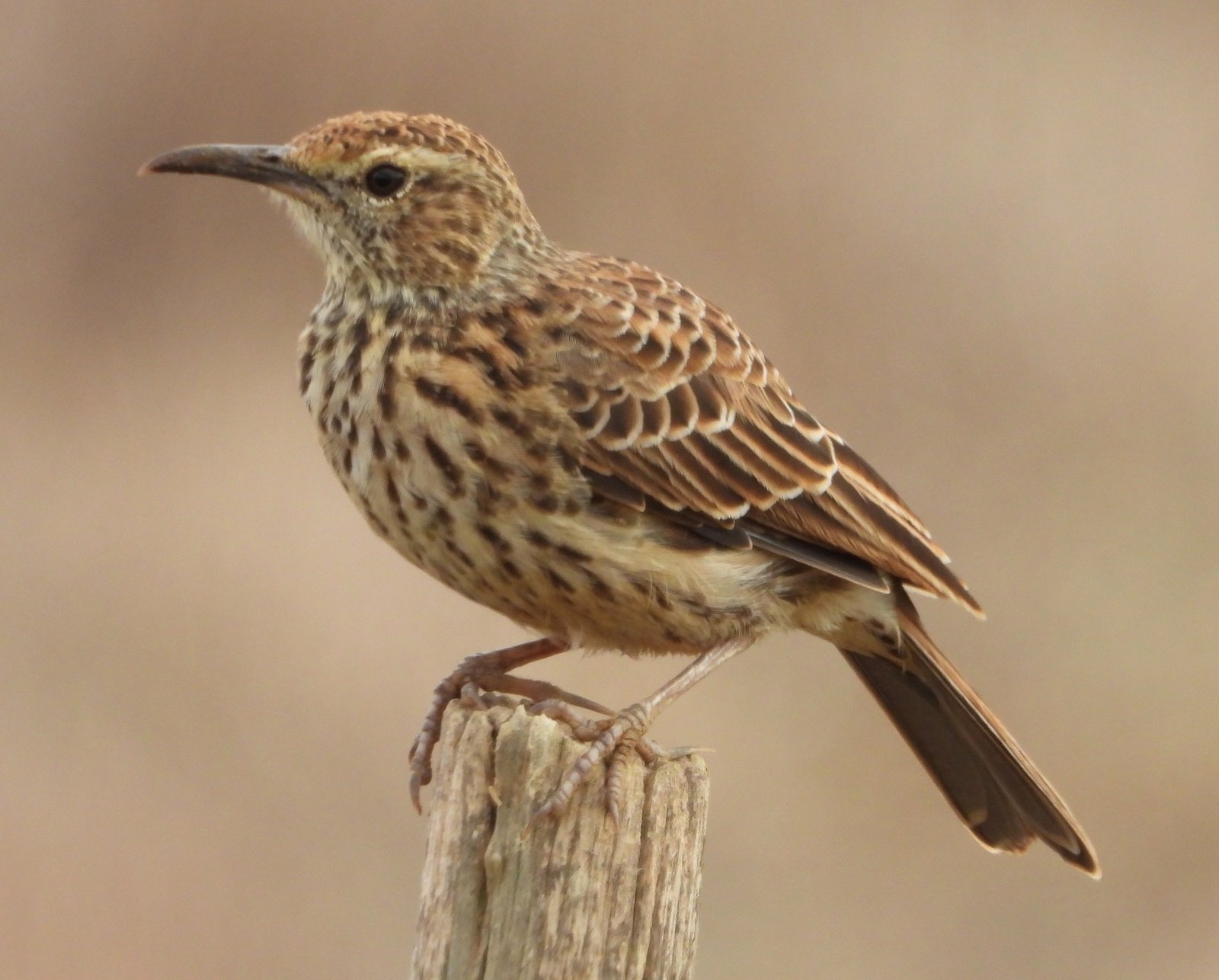
The Cape Long-Billed Lark is the largest and longest-billed of the long-billed larks: a grey-brown, heavily streaked bird of the sandy west coast of South Africa. In display the male drops from the sky with a long, descending whistle. The species occurs only in the west of the Western and Northern Cape.
Voice
In display the male climbs steeply and then drops with closed wings, giving a long, descending whistle, seeeeeooo, sometimes preceded by a short rising note. It also sings from a post or shrub. The call is a short tcheep.
Recording: Nick Talbot — CC BY-NC-SA 4.0 · converted to mono · xeno-canto
Identification
20–24 cm; the male is clearly larger and longer-billed than the female. The bill is very long and markedly decurved. The head shows a pale supercilium, a dark eye-stripe and a dark malar stripe. Upperparts are grey-brown to sandy with heavy dark streaking, the underparts white to pale buff with dense, sharp dark streaking across breast and flanks. The tail is long and dark with pale outer edges. The heavily streaked, greyish impression and the long bill make it a distinctly 'long' bird.
Confusion species
Karoo Long-Billed Lark Certhilauda subcoronata is smaller, warmer brown and lives inland on rocky Karoo slopes; where the ranges meet at the transition from coastal plain to interior, habitat and locality are the main clues. Agulhas Long-Billed Lark Certhilauda brevirostris of the Overberg, south-east of Cape Town, is smaller and shorter-billed. Red Lark Calendulauda burra of the interior is rufous-red with a heavy, short bill.
Habitat
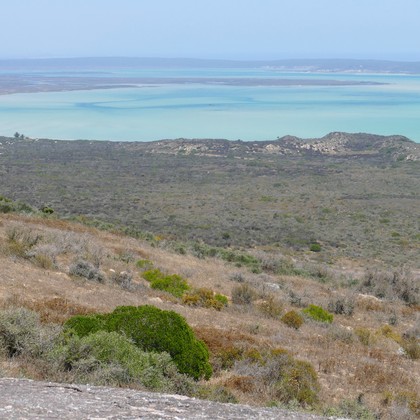
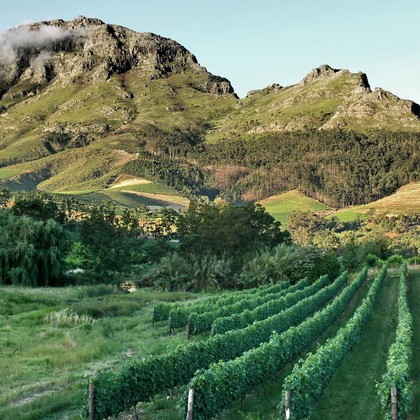
Open strandveld and coastal fynbos on sandy soils, low dune scrub and the sandveld of Namaqualand, and in the Swartland and surroundings also wheatfields, fallow land and pastures. It forages on the ground, digging with its long bill for larvae and insects; it also eats seeds.
Where the bird is most at home, classified by the vegetation units of southern Africa.

Range and movements
Endemic to western South Africa: along the west coast of the Western Cape, from the Cape Town area and the Swartland north across the West Coast and the Sandveld into Namaqualand (Northern Cape), almost to the mouth of the Orange River. South-east of Cape Town it is replaced by Agulhas Long-Billed Lark, inland by Karoo Long-Billed Lark.
- Resident
- Winter visitor (c. Apr–Sep)
- dark = core range, pale = thinly spread
How and when to look
Year-round in strandveld and on farmland along the west coast, for example in West Coast National Park, around Langebaan, Velddrif and Lambert's Bay and in the Swartland. Early in the morning the display flight is the best lead; afterwards the bird often sits on a post or in a field. In the Overberg a long-billed lark is the Agulhas species.
Conservation status
Not threatened; locally common. Conversion of strandveld to cropland and the spread of coastal development remove habitat, but the species also uses wheatfields and fallow land.
Scientific name
Certhilauda curvirostris | (Hermann, 1783)
Hermann described the species in 1783 as Alauda curvirostris; because it was later moved to another genus, the author and year stand in brackets. The genus Certhilauda was introduced in 1827 by Swainson. Certhilauda combines Certhia, 'treecreeper', with Alauda, 'lark' — a lark with a long, decurved bill like a treecreeper's. curvirostris is Latin for 'curve-billed', from curvus, 'curved', and rostrum, 'bill'. The specimen the first description was based on came from Cape of Good Hope.