All species › Kingfishers, bee-eaters and rollers › Bee-eaters
Bee-eaters | Meropidae
Bijeneters | Abejarucos
Slender birds with a long, slightly downcurved pointed bill, pointed wings and often elongated central tail feathers; the flight alternates quick beats with long glides. They take their prey entirely on the wing and specialise in bees, wasps and other stinging insects: the catch is battered against the perch and the sting rubbed out of it before the insect is swallowed, after which the indigestible chitin comes back up as pellets. The nest lies at the end of a self-dug tunnel one to two metres long in a sand bank or in flat sandy ground, usually in a colony and often with non-breeding helpers assisting at the feeding of the young. Outside the breeding season too they stay in groups, feeding, resting and roosting pressed close together on wires and bare branches.
Native species 3 species
Species that occur here by nature: breeding birds, winter visitors and passage migrants. They are arranged by genus, in the sequence of the list.
Merops 3 species
-
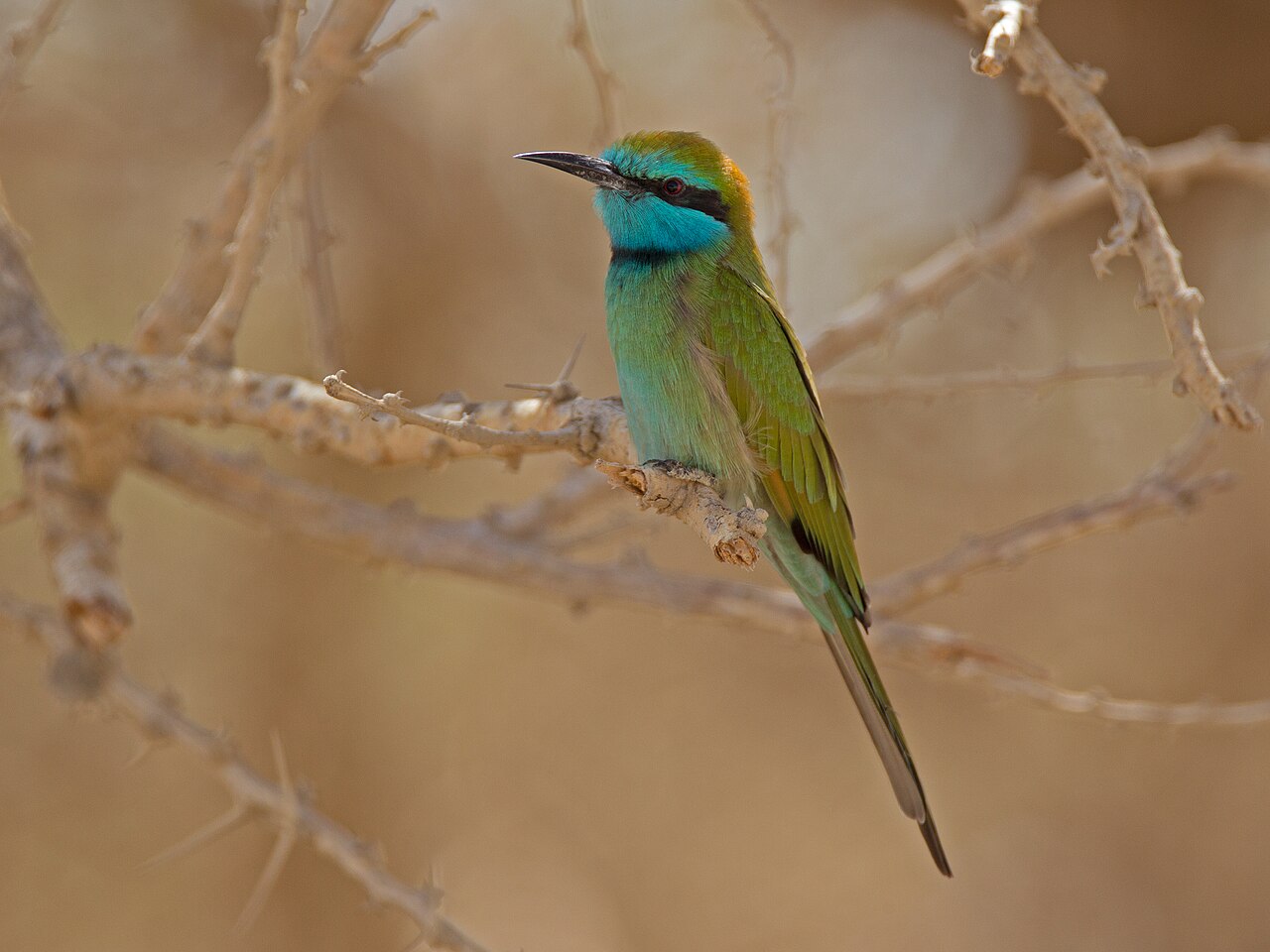
Arabian green bee-eater
Merops cyanophrys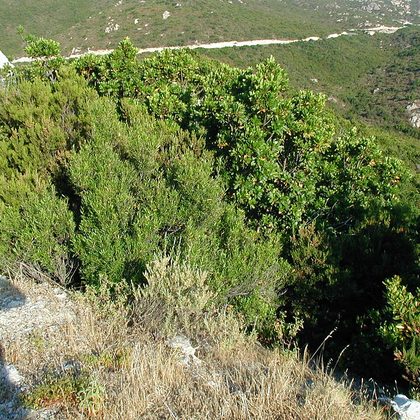 Maquis, arborescent matorral and thermo-Mediterranean brush
 Arable land and market gardens
 Cultivated areas of gardens and parks
 Miscellaneous inland habitats with sparse or no vegetation
-
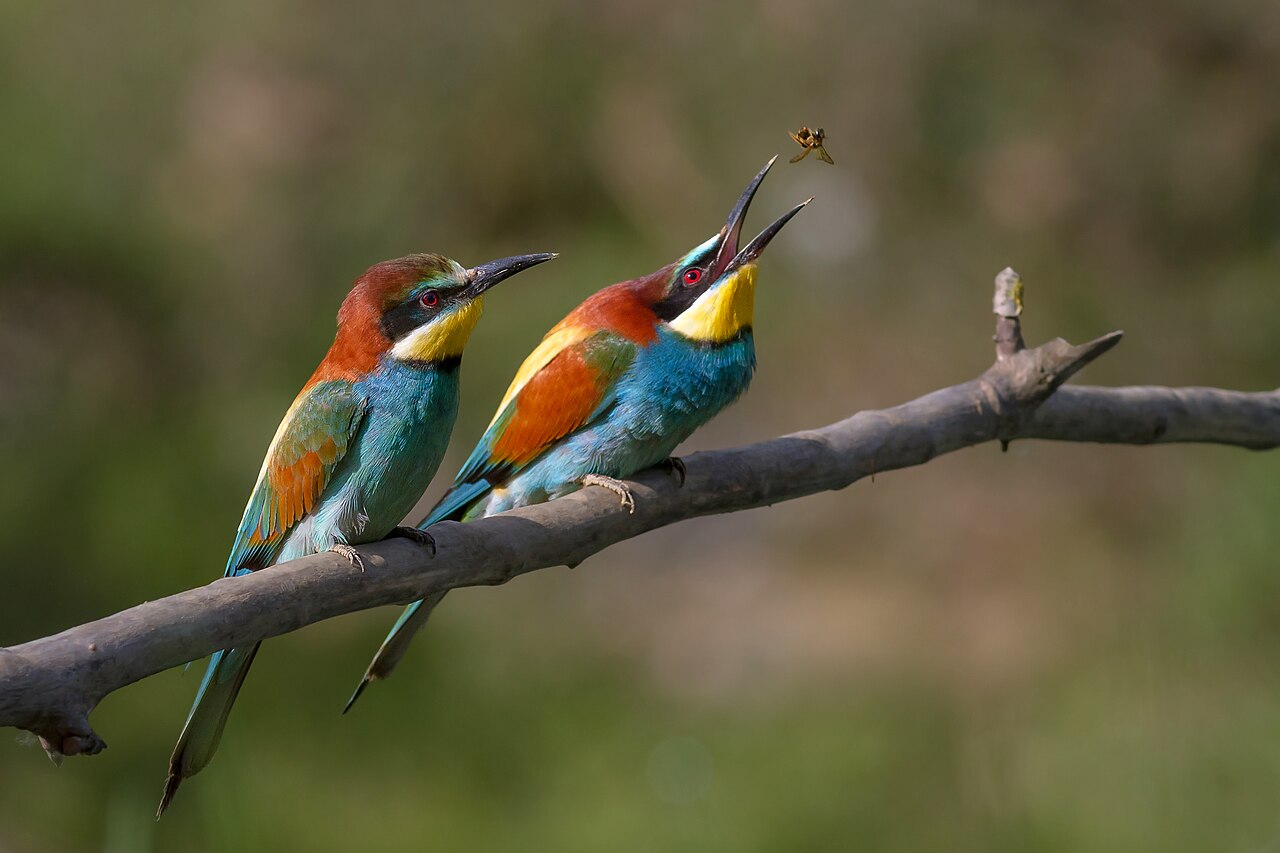
European bee-eater
Merops apiaster Dry grasslands
- Arable land and market gardens
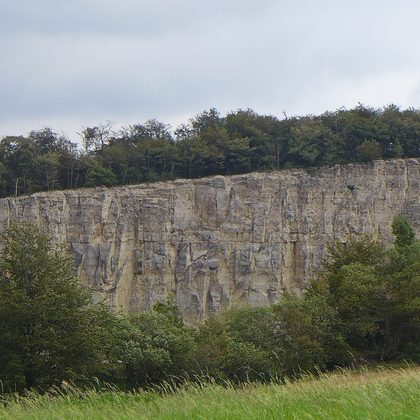 Extractive industrial sites
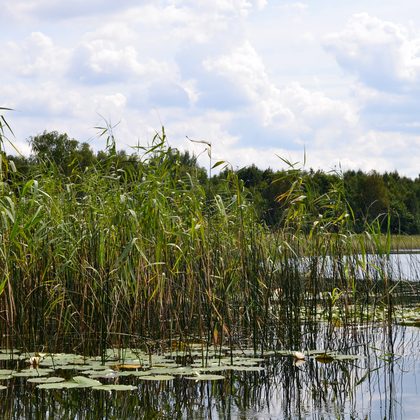 Littoral zone of inland surface waterbodies
-
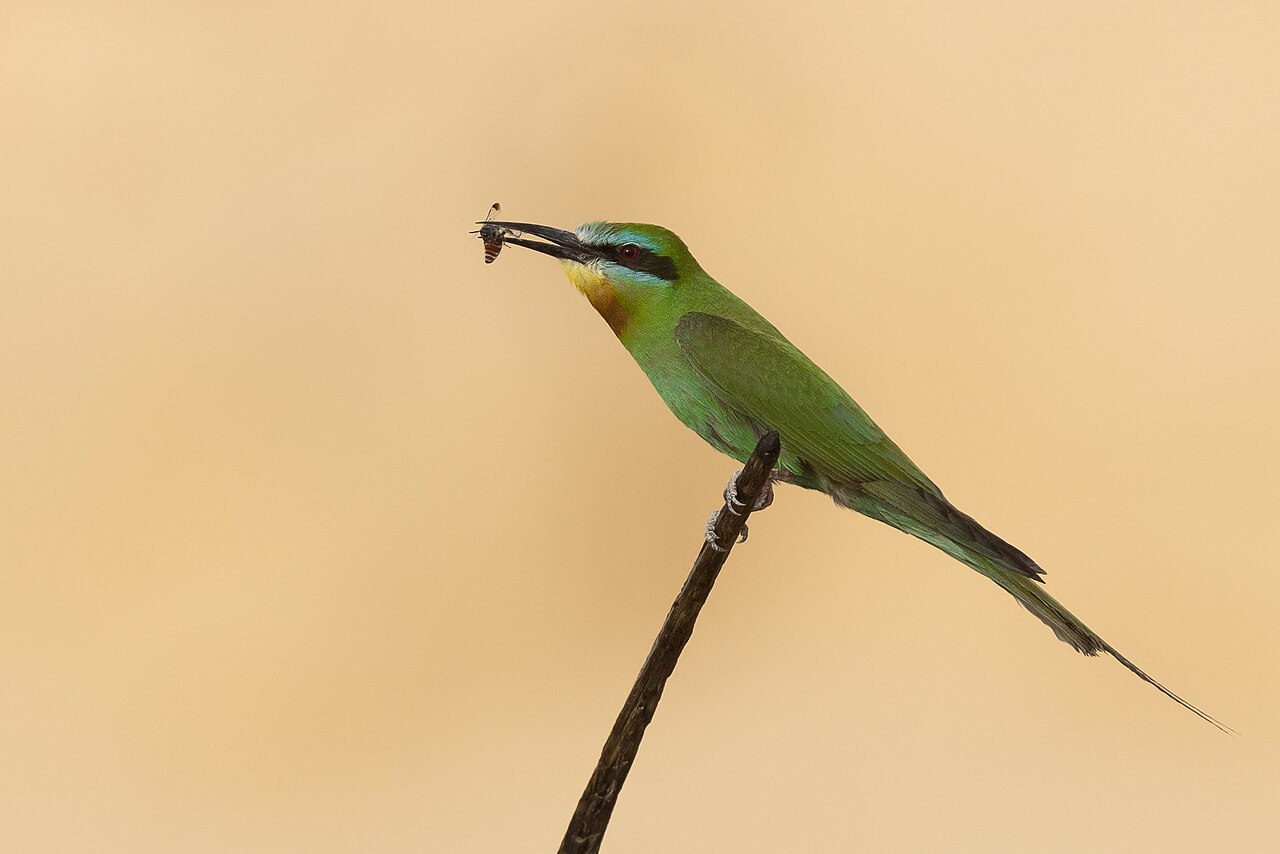
Blue-cheeked bee-eater
Merops persicus- Littoral zone of inland surface waterbodies
 Sedge and reedbeds without free-standing water
- Miscellaneous inland habitats with sparse or no vegetation
- Arable land and market gardens