All species › Waterfowl › Ducks, geese and swans › Pink-footed goose
Pink-footed goose | Anser brachyrhynchus
Kleine rietgans | Ánsar piquicorto
A small, short-billed bean goose with a dark head set against a cool grey-brown body. It winters in tight, highly site-faithful flocks on the grasslands of the northern Netherlands.
Voice
Higher and more musical than the other bean geese, with squeaky notes running through the flock: wink-wink and a shriller ang-ang-ang. A passing skein sounds like a tinny, fast-chattering chorus. Heard above all as birds lift off the roost at first light, from October to March.
No freely licensed recording is available for this species yet.
Identification
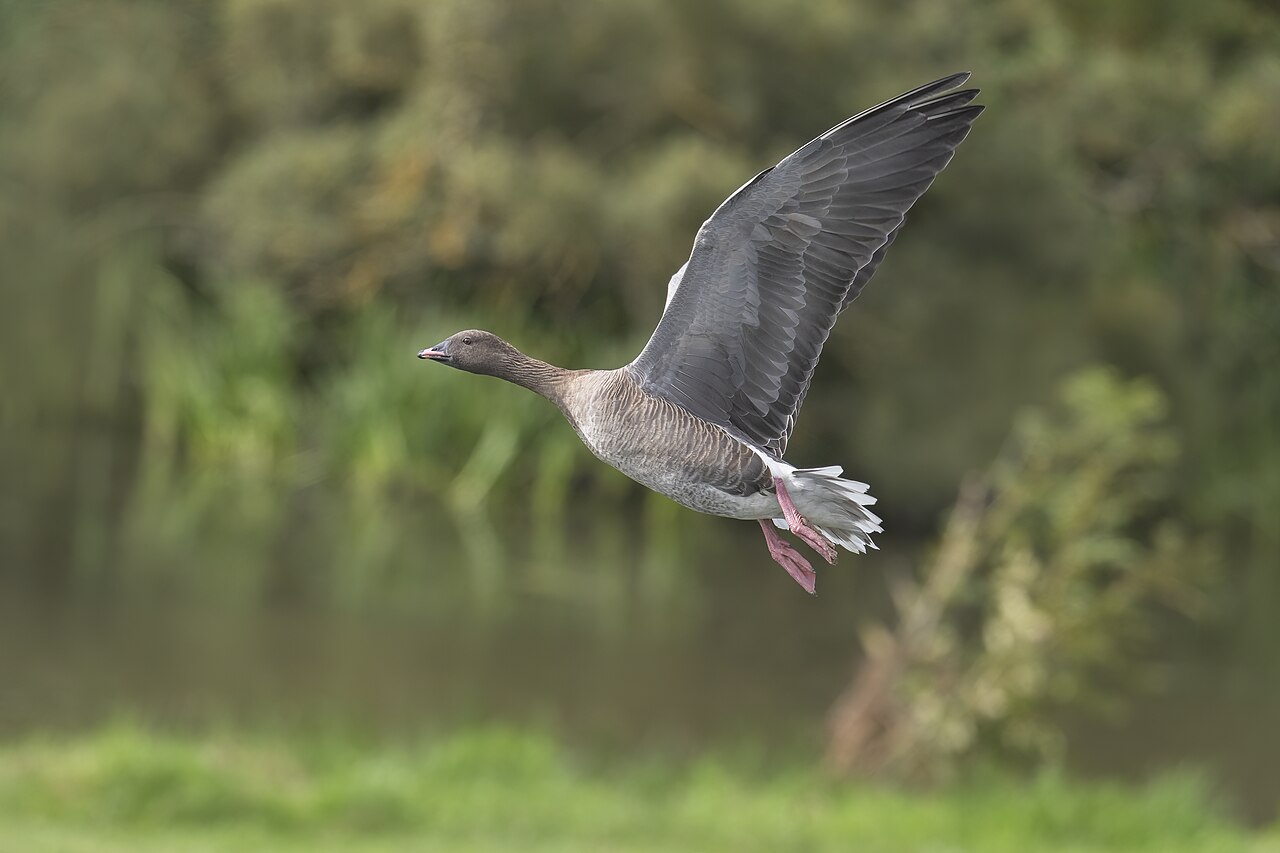
A compact, short-necked goose with a short, deep bill, black with a narrow pink band before the nail. The legs are bright pink, never orange. Head and neck are dark chocolate brown and contrast clearly with the pale, cold grey-brown body. In flight the forewing is strikingly pale grey, almost as pale as on Greylag.
Confusion species
Tundra Bean Goose is the real pitfall: it has orange legs and an orange bill band, warmer browner tones and no grey forewing. Greylag is much bigger, pale-headed and shows an entirely pink or orange bill. The combination of pink legs, grey forewing and dark head settles Pink-footed every time.
Habitat
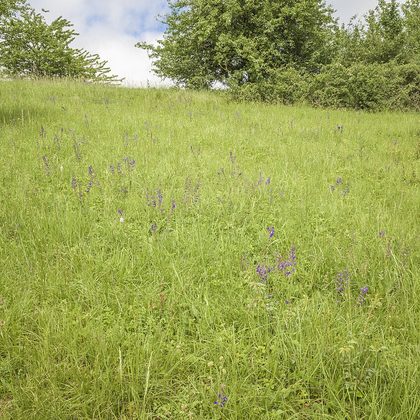
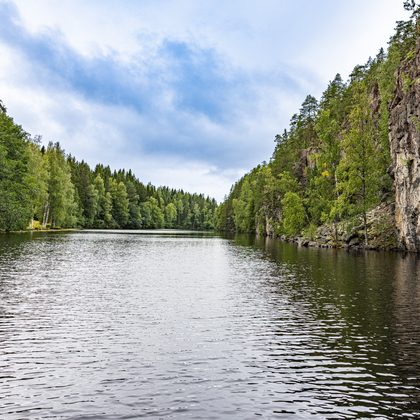
Winters on damp grassland, winter wheat, cereal stubble and leftover sugar beet. Roosts on shallow lakes, meres and saltmarsh, often mixed in with White-fronted Geese. On the breeding grounds it uses arctic tundra and steep crags and river gorges in Iceland and East Greenland.
Where the bird is most at home, classified with EUNIS — the European standard for habitats.


Range and movements
Breeds on Svalbard, in Iceland and in East Greenland. The Svalbard birds winter in a narrow belt along the southern shore of the North Sea, from Denmark through northern Germany to Friesland and the Noordoostpolder, where they concentrate; the Icelandic ones go to Scotland and England. Further south, down to the Mediterranean, an exceptional vagrant.
- Resident
- Breeding (summer)
- Winter
- Passage
- dark = core range, pale = thinly spread
How and when to look
November to February, and search deliberately in the wintering grounds: the grassland of south-west Friesland and the Noordoostpolder for the Svalbard birds, the fields and estuaries of Scotland and England for the Icelandic ones. Walk the fields in the morning and scan flock by flock for legs and bill base. The dark head jumps out among White-fronts, but always confirm the pink legs before claiming it.
Conservation status
The Svalbard population has grown strongly since protection in the 1980s, so strongly that grazing pressure on the tundra and crop damage in the wintering range now raise management questions. The Icelandic population has also increased. Climate change on the breeding grounds and shifting migration routes are the main long-term uncertainties.
Scientific name
Anser brachyrhynchus | Baillon, 1834
Baillon described the species in 1834 and placed it straight away in the genus where it still stands. The genus Anser was introduced in 1760 by Brisson. Anser is the Latin word for 'goose'. brachyrhynchus is Greek, from brakhus 'short' and rhunkhos 'bill', after the bird's short bill. The specimen the first description was based on came from Abbeville, France.