All species › Waterfowl › Ducks, geese and swans › Tundra Bean-Goose
Tundra Bean-Goose | Anser serrirostris
Toendrarietgans | Ánsar campestre de la tundra | Tundrasaatgans | אווז אחו טונדרה | Oie de la toundra
The commoner bean goose in north-west Europe: stocky, short-billed and gathering in big flocks on arable land and grassland. It is the numerous winter counterpart of the far rarer Taiga Bean-Goose.
Click a thumbnail to switch the photo above.
Voice
Deep, nasal and disyllabic, kayak or ung-ank, slightly higher and faster than Taiga Bean-Goose but barely separable in the field. Large flocks produce a low, continuous growling. Heard mostly as birds lift off in the half-light, from October to March.
Recording: Jochem Verweij — CC BY-SA 4.0 · Wikimedia Commons
Identification
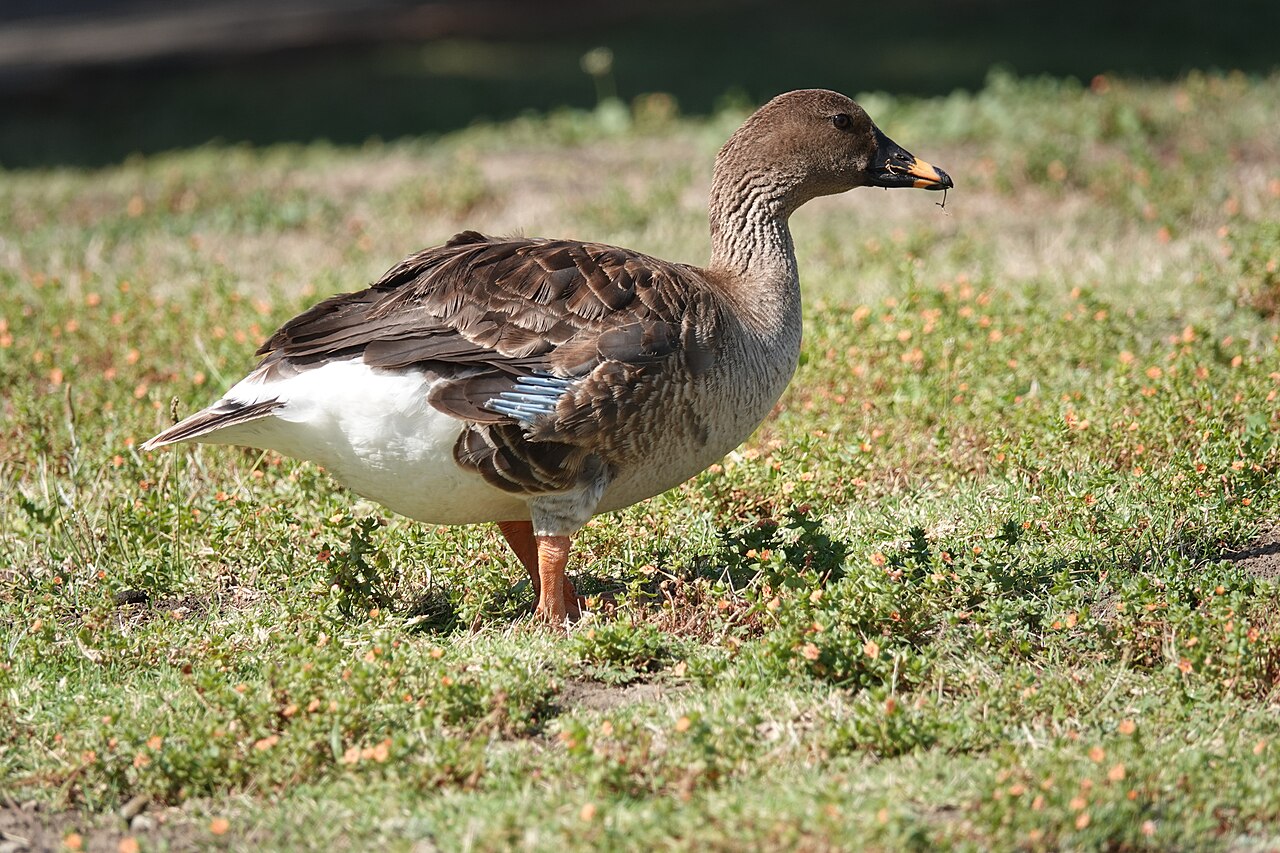
A medium-sized, stocky goose with a short, thick neck and a short, deep bill, mostly black with a narrow orange band behind the nail. Head and neck are dark chocolate brown and warm-toned, the body grey-brown with obvious pale feather fringes. Legs orange. The forewing is dark, with no grey at all.
Confusion species
Taiga Bean-Goose is larger and longer-necked, with a long wedge-shaped bill carrying far more orange and a flatter forehead. Pink-Footed Goose has pink legs, a pink bill band and a grey forewing. Greater White-Fronted Goose shows a white blaze and an all-pink bill. Always judge bill shape in strict profile.
Habitat
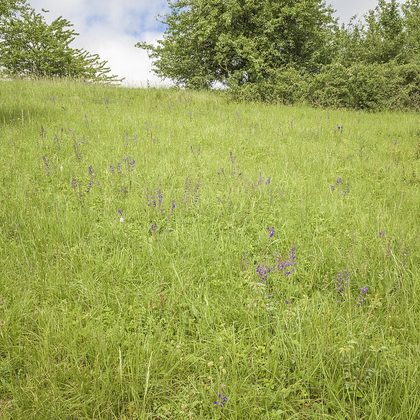
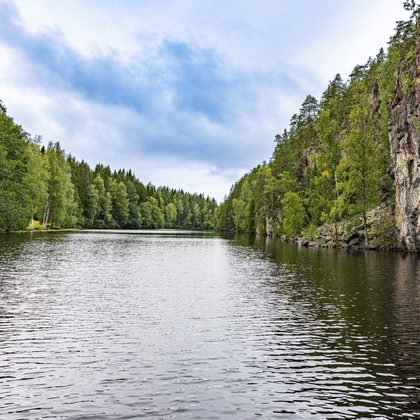
On sugar-beet fields, cereal stubble, maize residues and damp grassland, roosting on large pools, lakes and the IJsselmeer. Often in mixed flocks with Greater White-Fronted Geese. Breeds on arctic tundra in northern Russia and Siberia, beside pools and meandering streams in a landscape without trees.
Where the bird is most at home, classified with EUNIS — the European standard for habitats.


Range and movements
Breeds from Novaya Zemlya and the Yamal Peninsula far into Siberia and winters in north-west and central Europe, from the southern North Sea coast to the Baltic region. Important concentrations lie in Flevoland, Friesland, Groningen and northern Limburg. In Iberia it is a rare vagrant, reaching that far only in occasional severe winters.
- Resident
- Breeding (summer)
- Winter
- Passage
- dark = core range, pale = thinly spread
How and when to look
November to February, early in the morning as flocks move from roost to beet fields. The Flevoland polders, the Lauwersmeer and northern Groningen are reliable. Scope the flock row by row for leg and bill colour, then re-examine any Taiga Bean candidate in strict profile before drawing a conclusion.
Conservation status
Not globally threatened (IUCN: Least Concern). Winter numbers along the southern North Sea coast swing widely with the severity of the winter, and mild winters shift the centre of gravity north-east. In the longer term the population appears stable to slightly declining. Hunting along parts of the flyway and changes in the arable landscape are the main uncertainties.
Scientific name
Anser serrirostris | Gould, 1852
Gould described the species in 1852 and placed it straight away in the genus where it still stands. The genus Anser was introduced in 1760 by Brisson. Anser is the Latin word for 'goose'. serrirostris is Latin, from serra 'saw' and rostrum 'bill', after the saw-like cutting edges of the bill. The specimen the first description was based on came from Shanghai, China.