All species › Waterfowl › Ducks, geese and swans
Ducks, geese and swans | Anatidae
Eenden, ganzen en zwanen | Patos, gansos y cisnes
The neck is long and supple, and its length decides how the bird reaches its food: grazing on land, sieving at the surface, upending with the tail in the air, or diving to the bottom. The wings are small for the weight carried, so flight is fast and on continuous beats, with no soaring; taking off calls for a run across the water or a spring straight up. The nest is a scrape, a cavity or a heap of plant material, lined with down the female plucks from her own breast and with which she covers the eggs whenever she leaves; the clutch is large and plain in colour, unmarked, and with few exceptions she incubates alone. The male's voice comes from a bony, usually asymmetrical swelling at the base of the windpipe, and many males exchange their conspicuous plumage after breeding for a few weeks of drab eclipse dress.
Native species 41 species
Species that occur here by nature: breeding birds, winter visitors and passage migrants. They are arranged by genus, in the sequence of the list.
Swans and geese | Anserinae
12 species
These are the largest members of the family: heavily built, with a long neck and a short, deep bill whose cutting edges are finely serrated for cropping grass. The legs are set well forward under the body, so they walk easily and graze in flocks on fields and pasture, and they rise from the water without a run, on a few powerful beats. Male and female wear the same plumage and there is no eclipse dress. Pairs stay together year after year and the young travel with their parents through the first winter, so a flock overhead is often a string of families: in lines or in a V, calling loudly, on slow deep wingbeats. In summer they shed all their flight feathers at once and are grounded for weeks.
Cygnus 3 species
-

Mute swan
Cygnus olor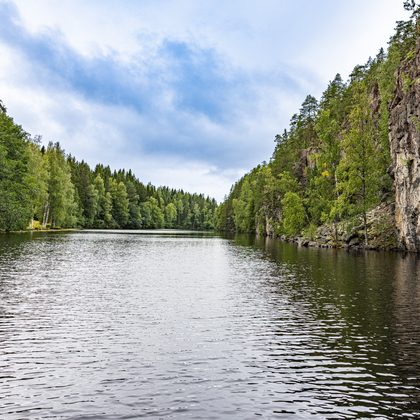 Surface standing waters
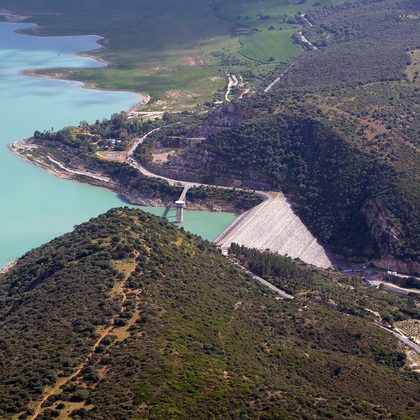 Highly artificial man-made waters
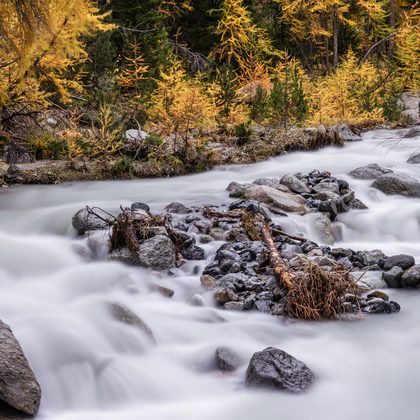 Surface running waters
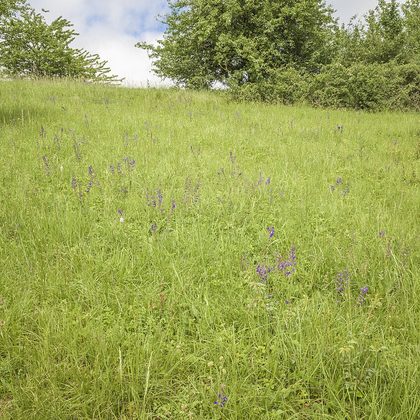 Mesic grasslands
-

Bewick's swan
Cygnus columbianus Arable land and market gardens
- Mesic grasslands
- Surface standing waters
 Tundra
-

Whooper swan
Cygnus cygnus- Arable land and market gardens
 Seasonally wet and wet grasslands
- Surface standing waters
Branta 3 species
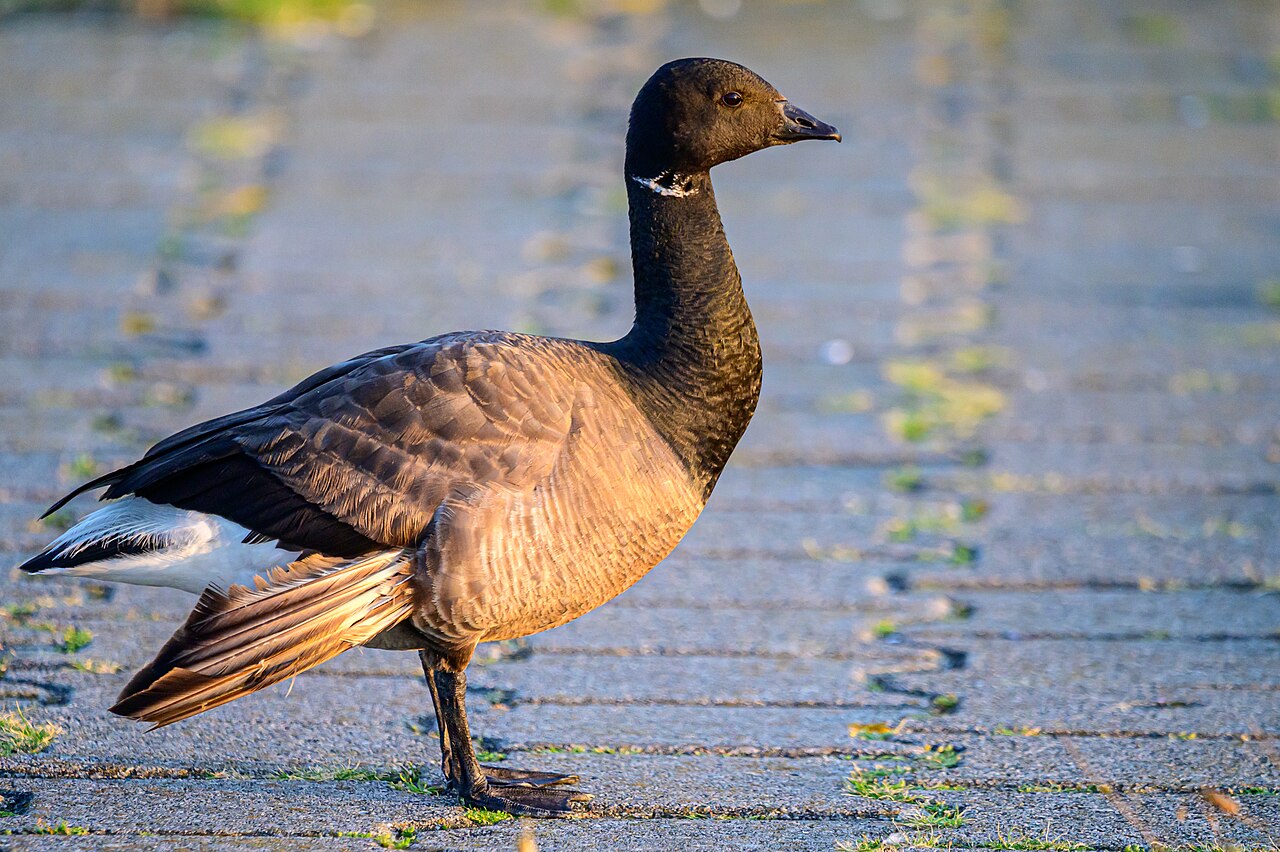
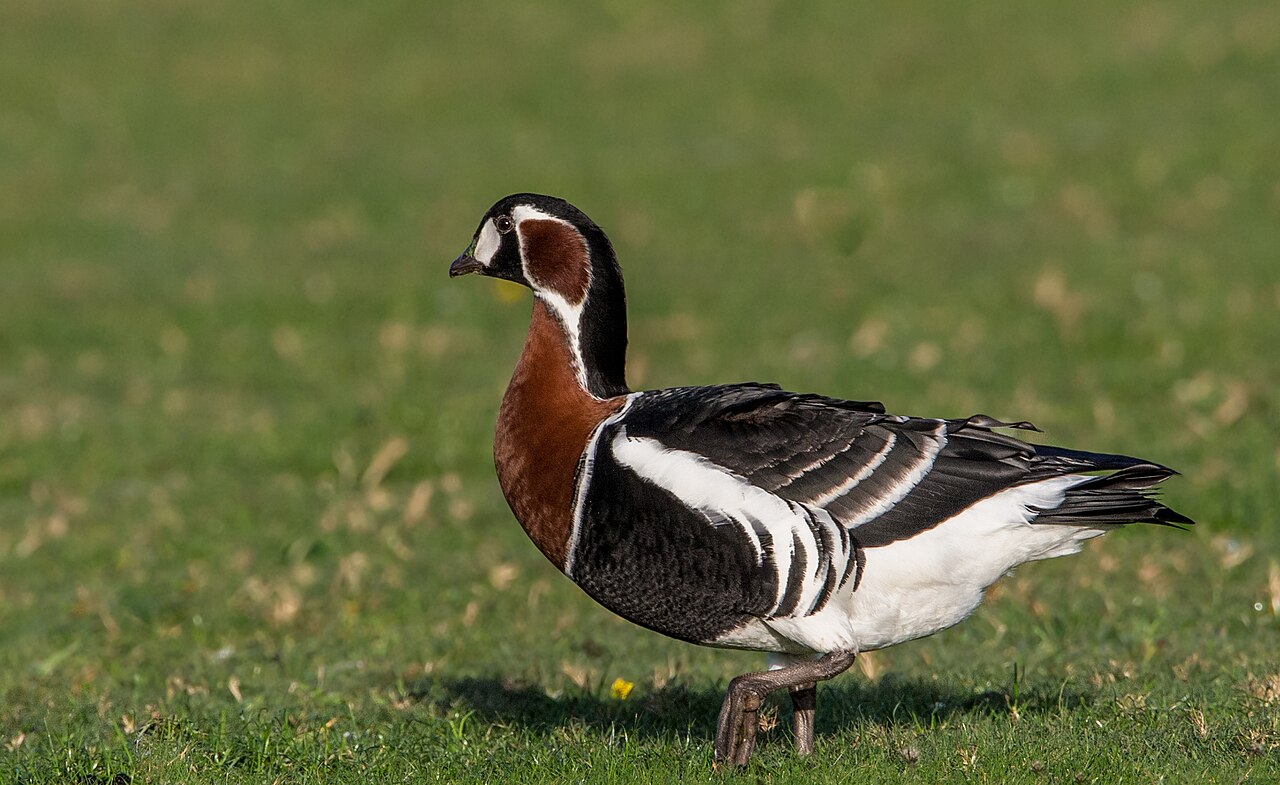


Anser 6 species
-
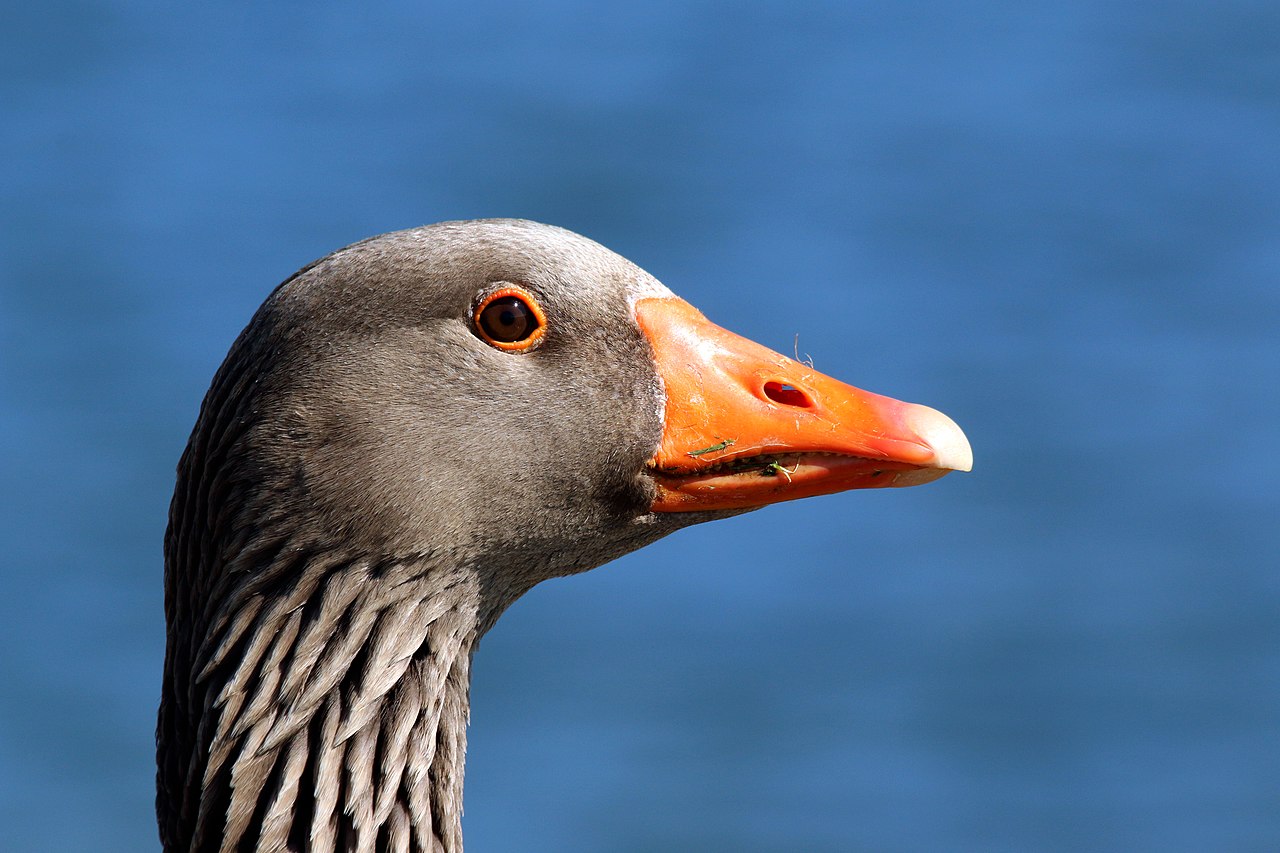
Greylag goose
Anser anser Sedge and reedbeds without free-standing water
- Mesic grasslands
- Arable land and market gardens
- Surface standing waters
-

Lesser white-fronted goose
Anser erythropus- Mesic grasslands
 Littoral sediment
- Tundra
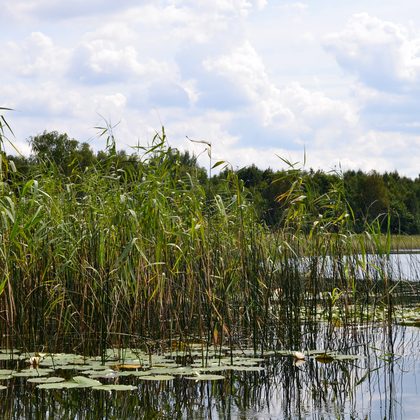 Littoral zone of inland surface waterbodies
-

Greater white-fronted goose
Anser albifrons- Mesic grasslands
- Arable land and market gardens
- Surface standing waters
- Seasonally wet and wet grasslands
- Tundra
-
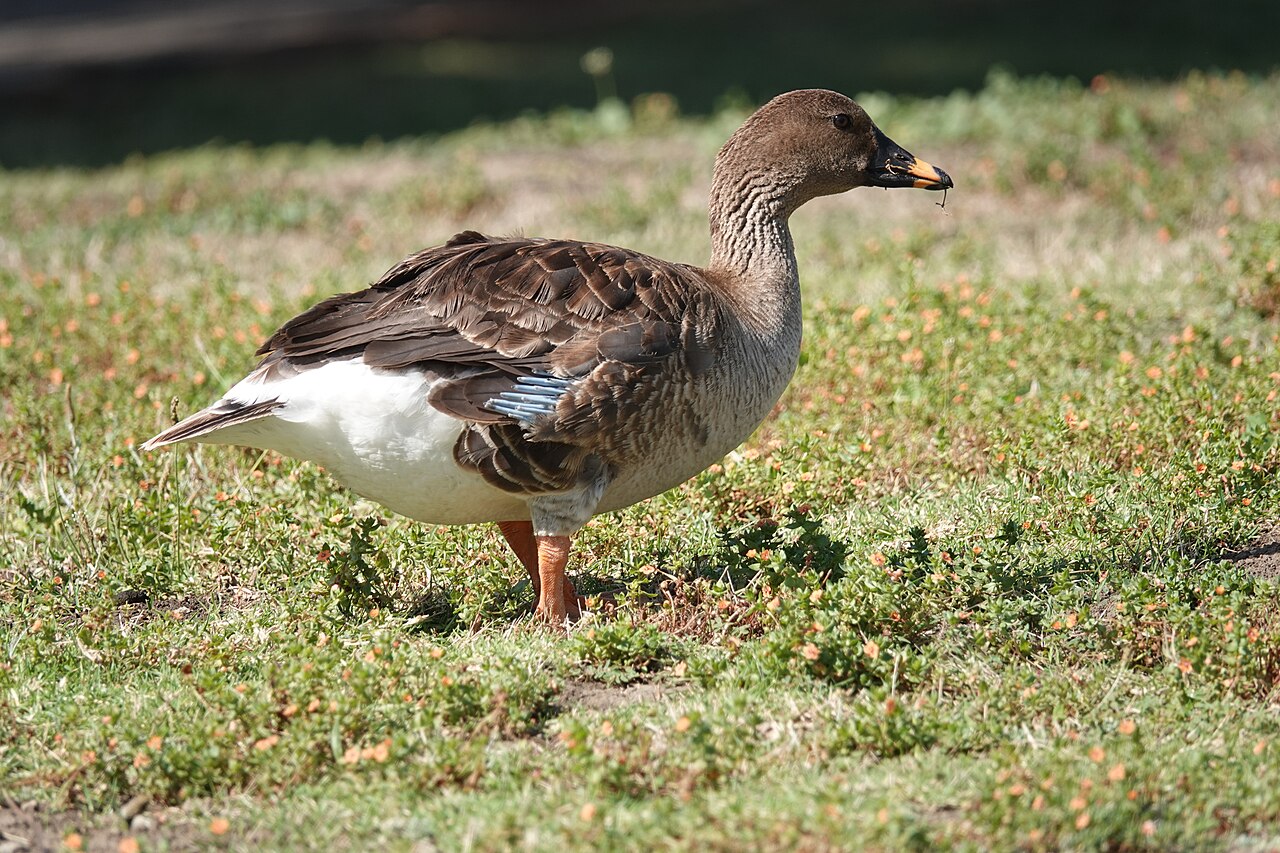
Tundra bean-goose
Anser serrirostris- Arable land and market gardens
- Mesic grasslands
- Surface standing waters
- Tundra
-
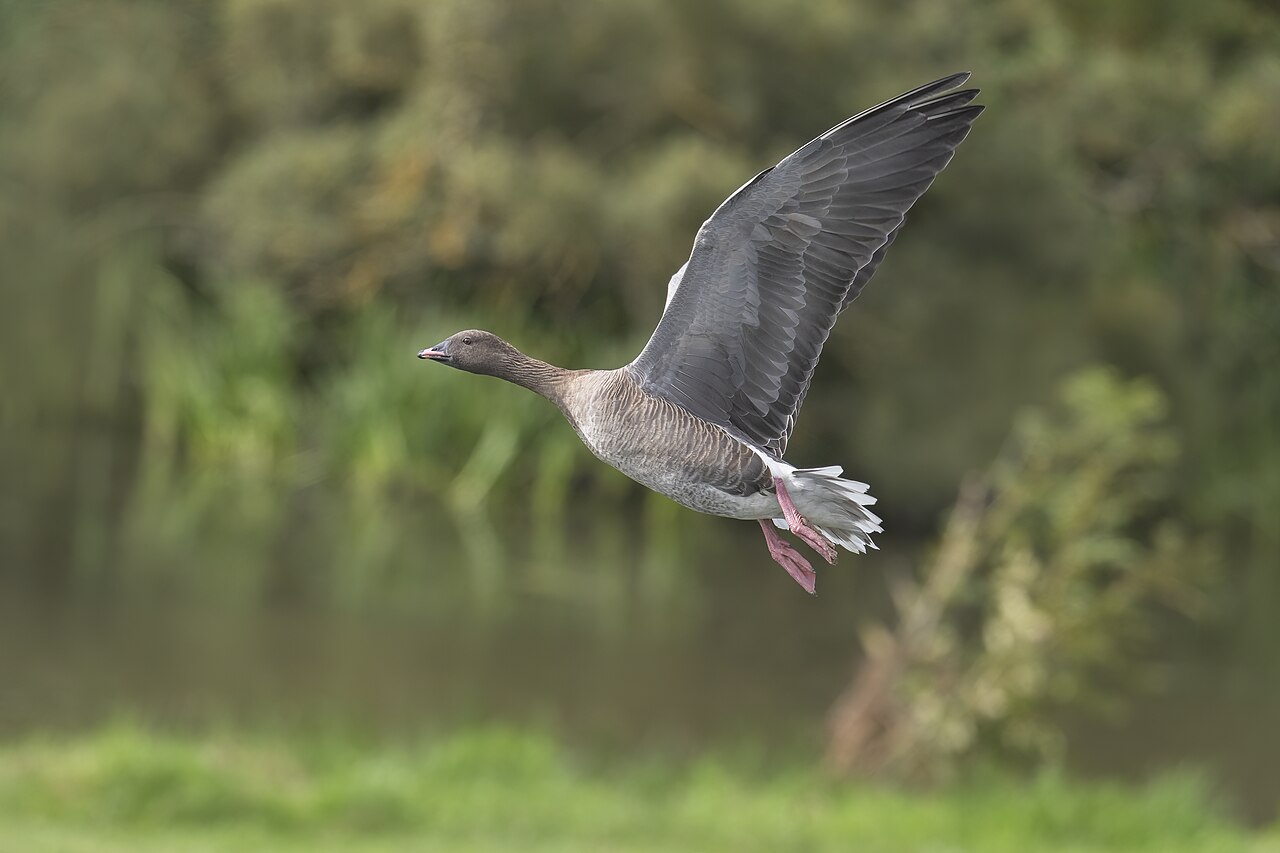
Pink-footed goose
Anser brachyrhynchus- Mesic grasslands
- Arable land and market gardens
- Surface standing waters
- Tundra
-

Taiga bean-goose
Anser fabalis- Mesic grasslands
- Arable land and market gardens
- Surface standing waters
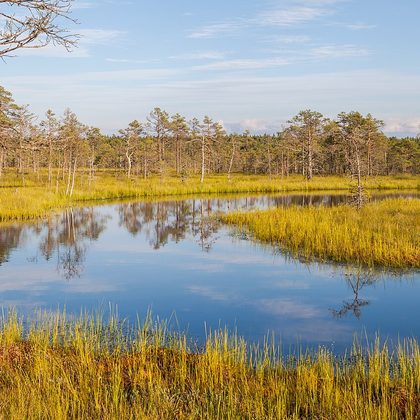 Raised and blanket bogs
Shelducks | Tadorninae
3 species
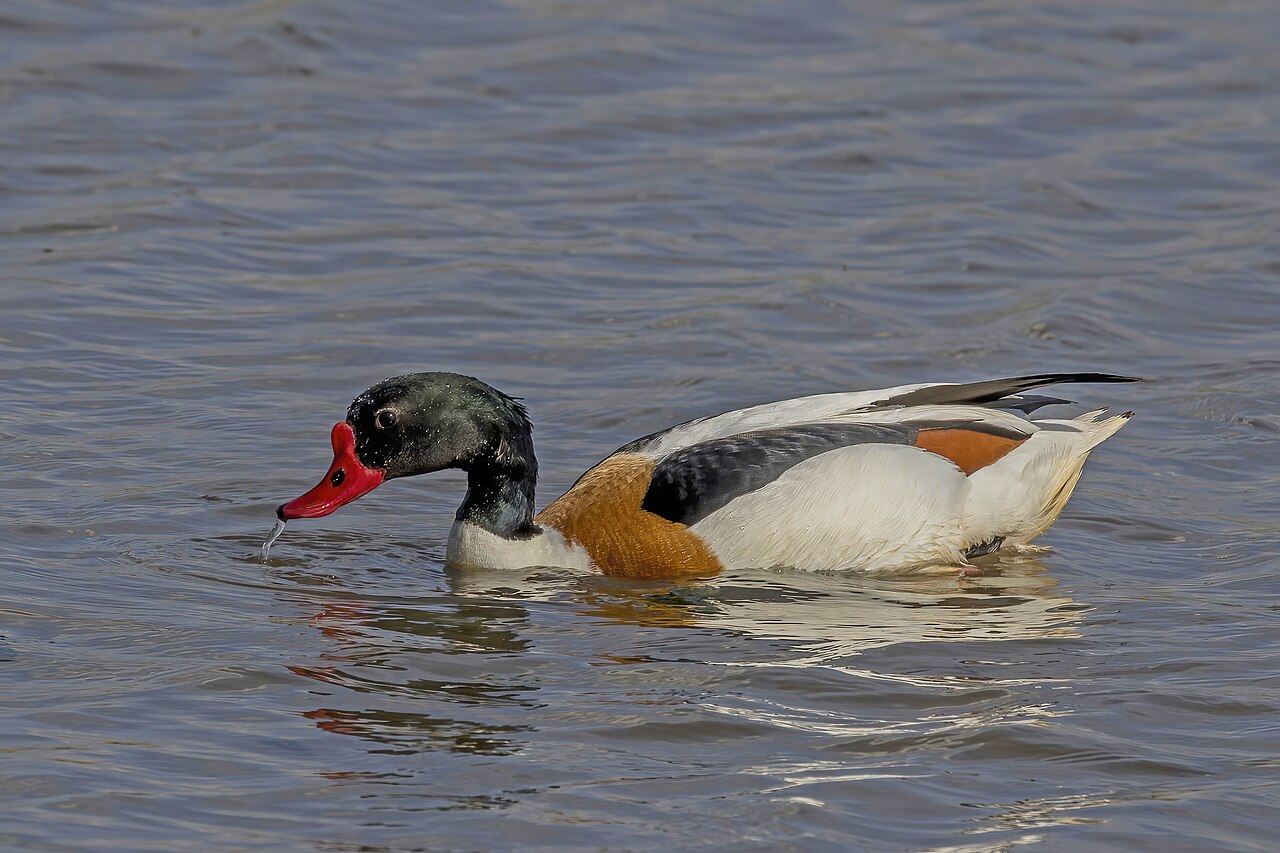
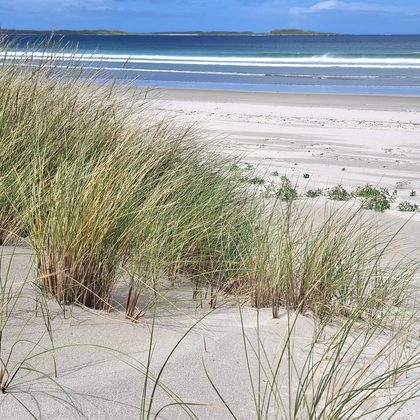
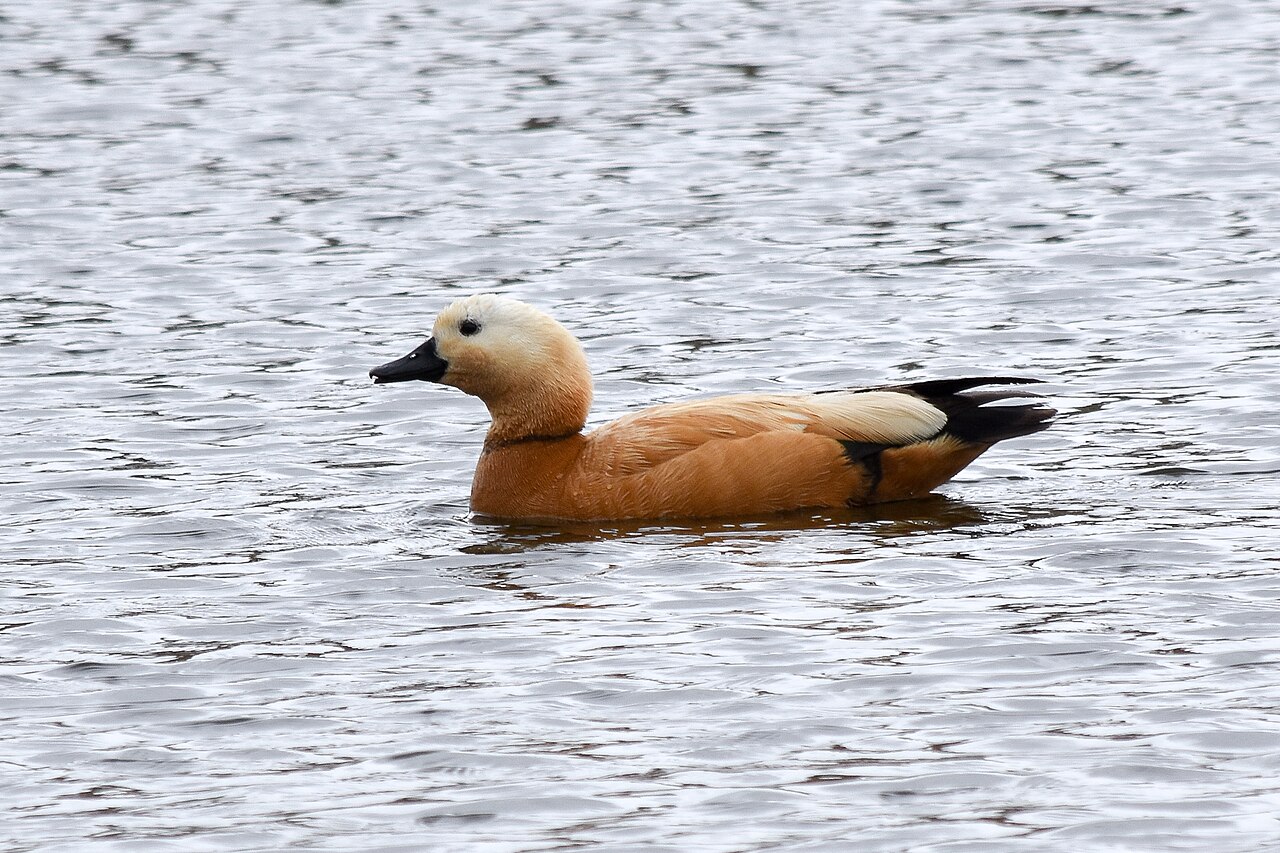
Shelducks stand between the geese and the ducks: long in the leg, upright and goose-like, as much at ease on land as on the water. The bill is often red and slightly upturned, with a knob at the base in the male. Both sexes are boldly marked in white, black and chestnut, hard to separate at any distance, and there is no true eclipse plumage. They feed not by diving but by sifting, sweeping the bill from side to side through wet mud along the tideline. The nest goes in a cavity: a rabbit burrow, a hollow tree, a straw stack. Ducklings gather into large crèches while most parents leave for a communal moulting ground. In flight they look like a small pied goose, broad in the wing and slow of beat.
Alopochen 1 species
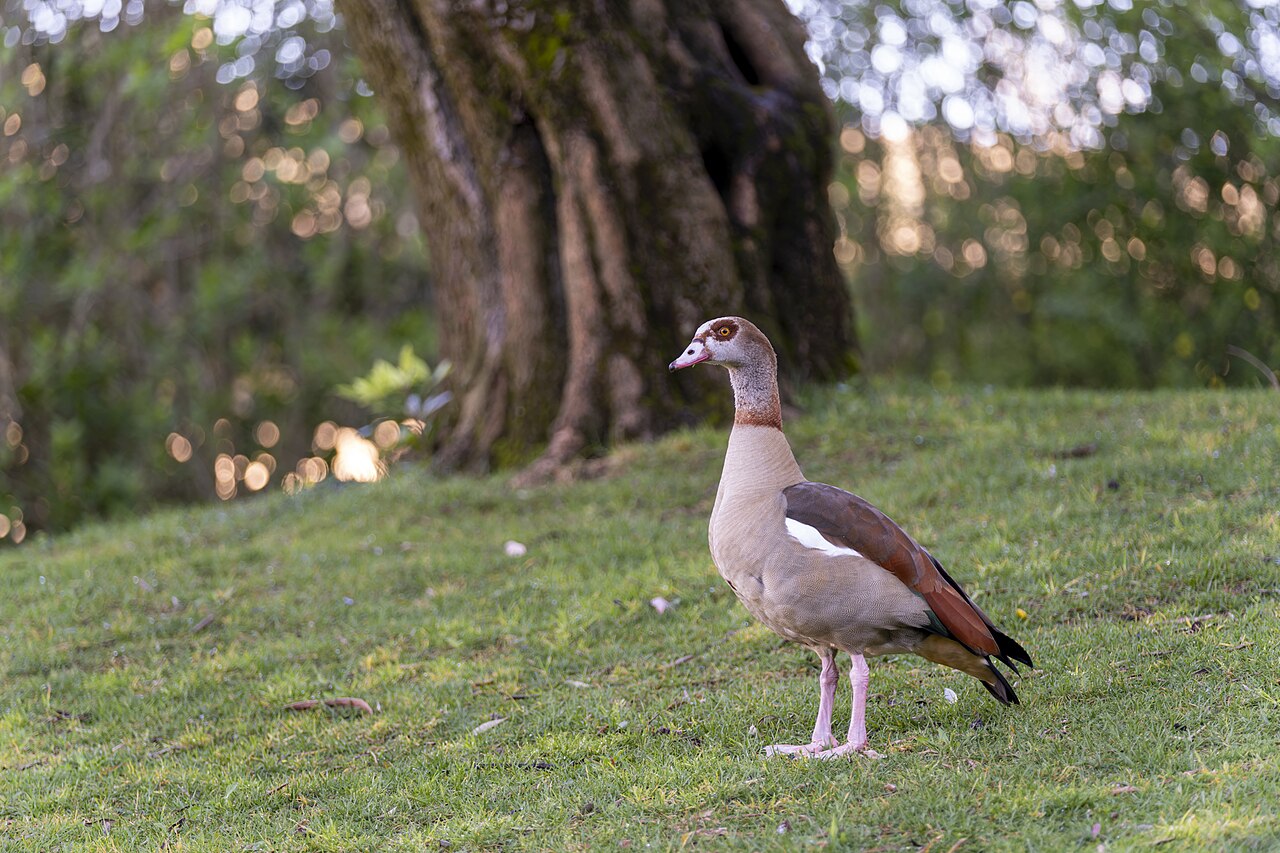
Tadorna 2 species
Dabbling and diving ducks | Anatinae
13 species
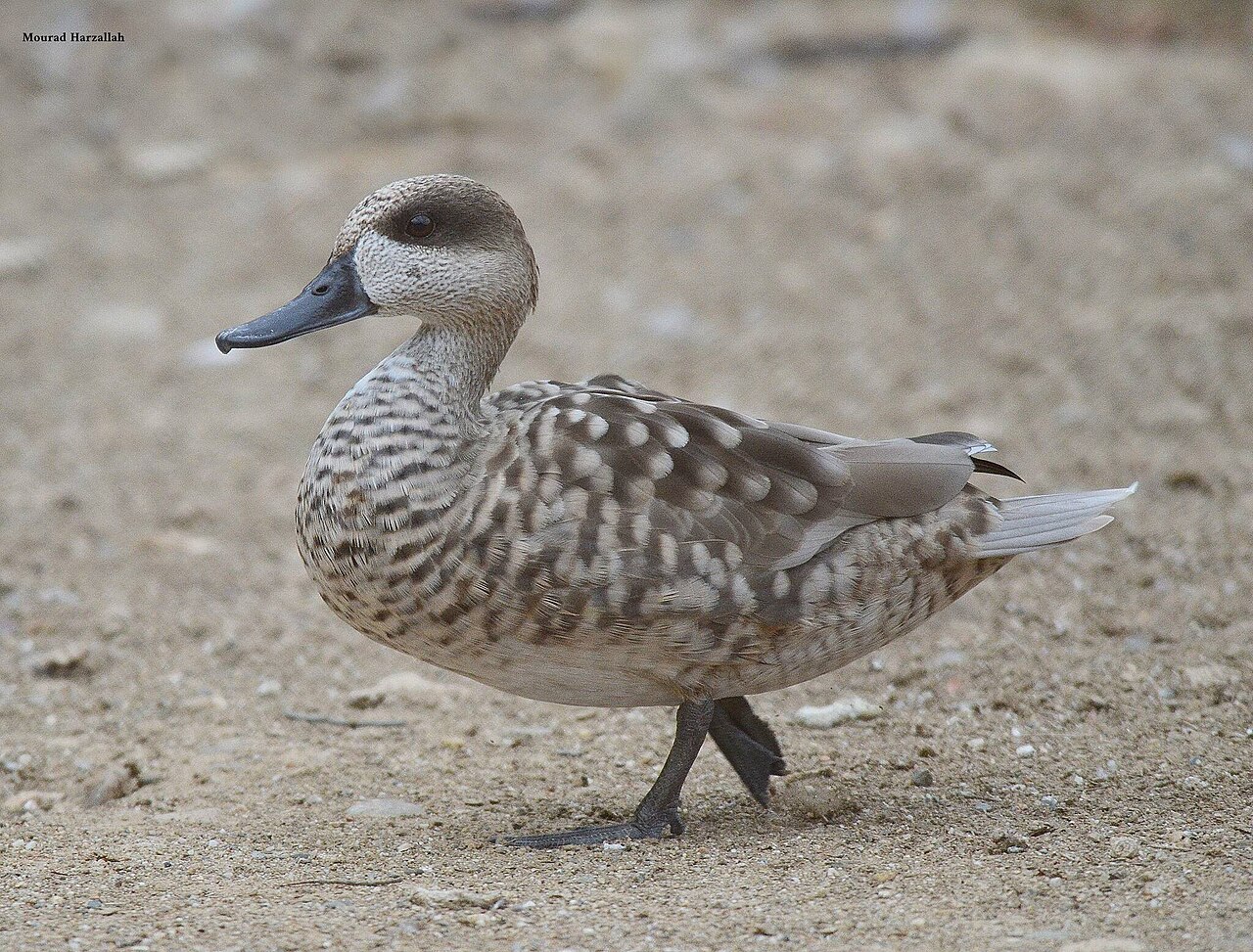
This is the largest of the subgroups, and in the field it falls into two halves. The dabbling ducks stay at the surface: they sieve with a broad flat bill, finely combed with lamellae along the inner edge, and upend in the shallows with the tail in the air. Their legs sit near the middle of the body, so they walk well and spring straight up off the water, flashing the coloured wing patch called the speculum. The diving ducks go right under; their legs are set further back, they float low with the tail on the water and must patter along the surface before they are airborne. Males are boldly coloured, females mottled brown; the pair bond lasts one season, and the male slips into drab eclipse plumage before the eggs hatch.
Marmaronetta 1 species


Aythya 4 species
-

Ferruginous duck
Aythya nyroca- Surface standing waters
- Littoral zone of inland surface waterbodies
- Highly artificial man-made waters
- Sedge and reedbeds without free-standing water
-
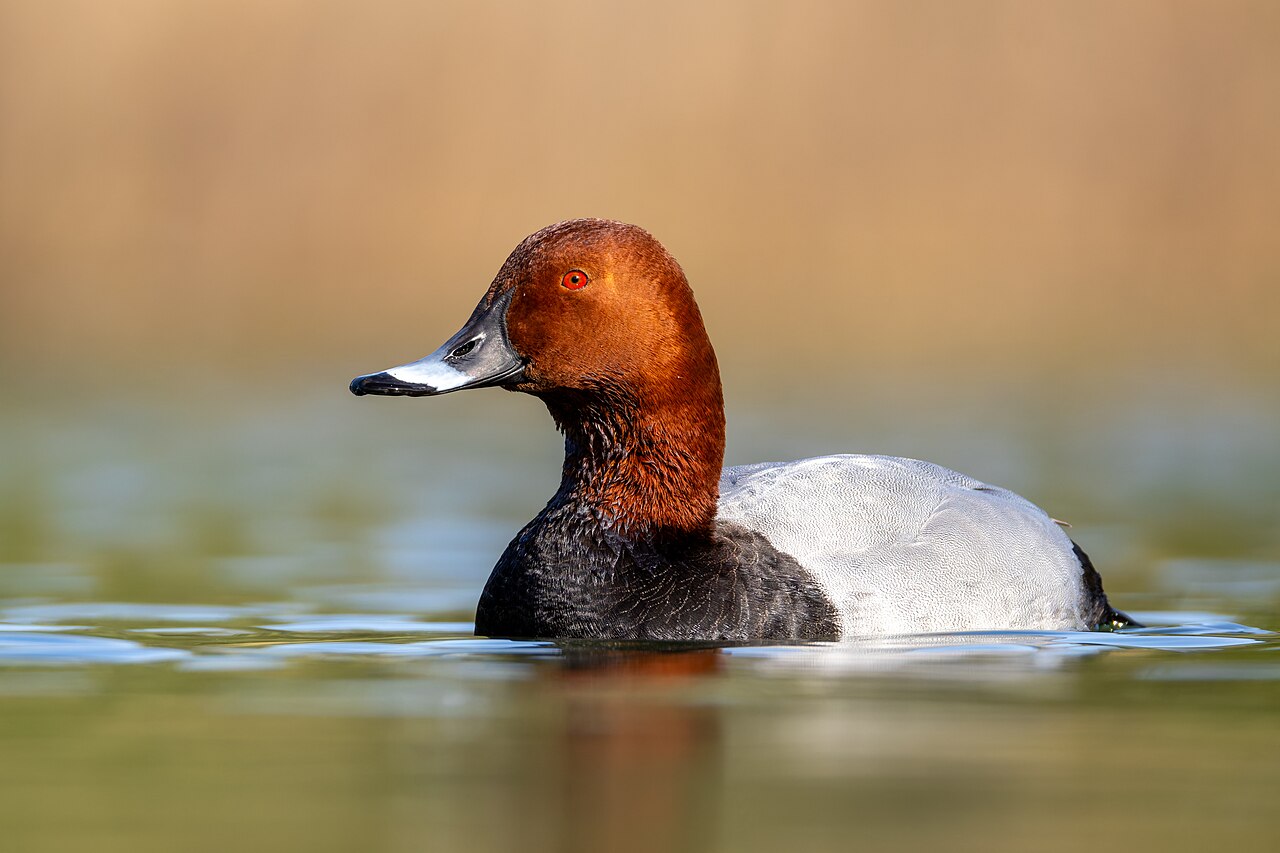
Common pochard
Aythya ferina- Surface standing waters
- Highly artificial man-made waters
- Littoral zone of inland surface waterbodies
-
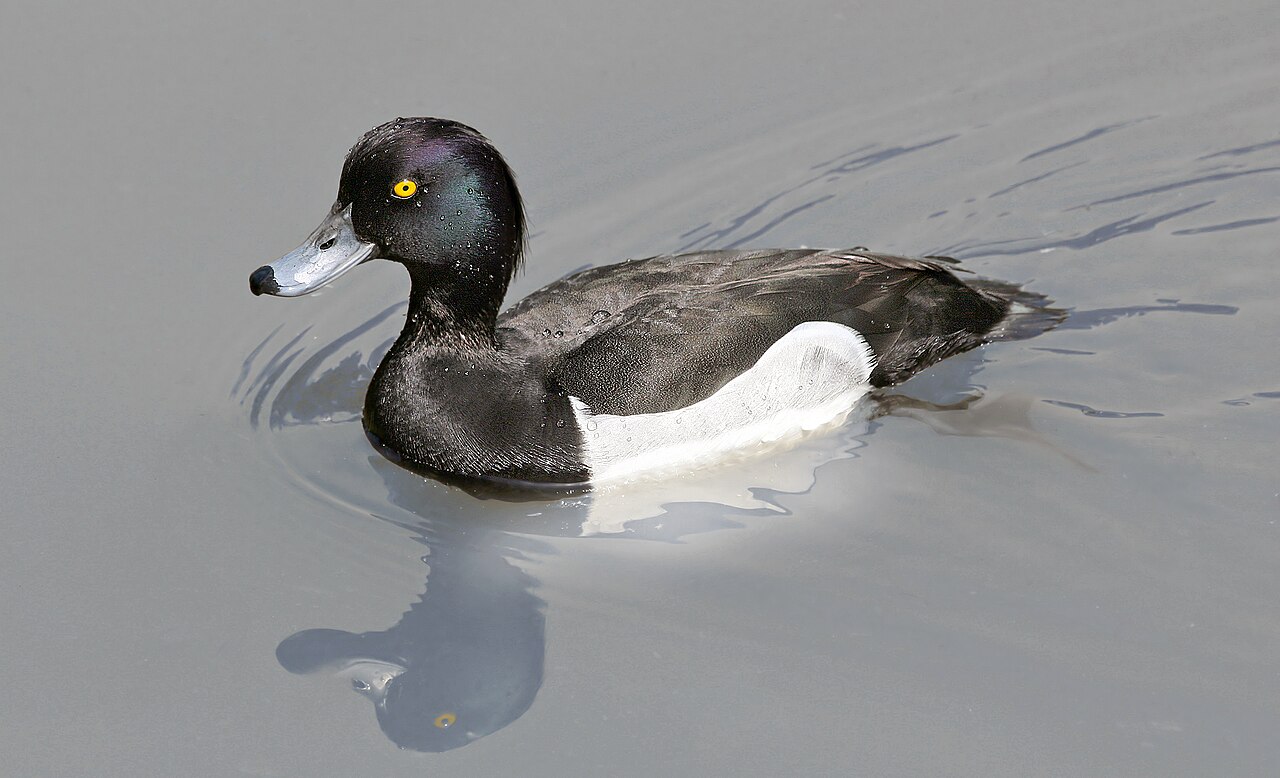
Tufted duck
Aythya fuligula- Surface standing waters
- Highly artificial man-made waters
- Littoral zone of inland surface waterbodies
 Sublittoral sediment
-

Greater scaup
Aythya marila- Sublittoral sediment
- Surface standing waters
- Littoral sediment
Spatula 2 species
-
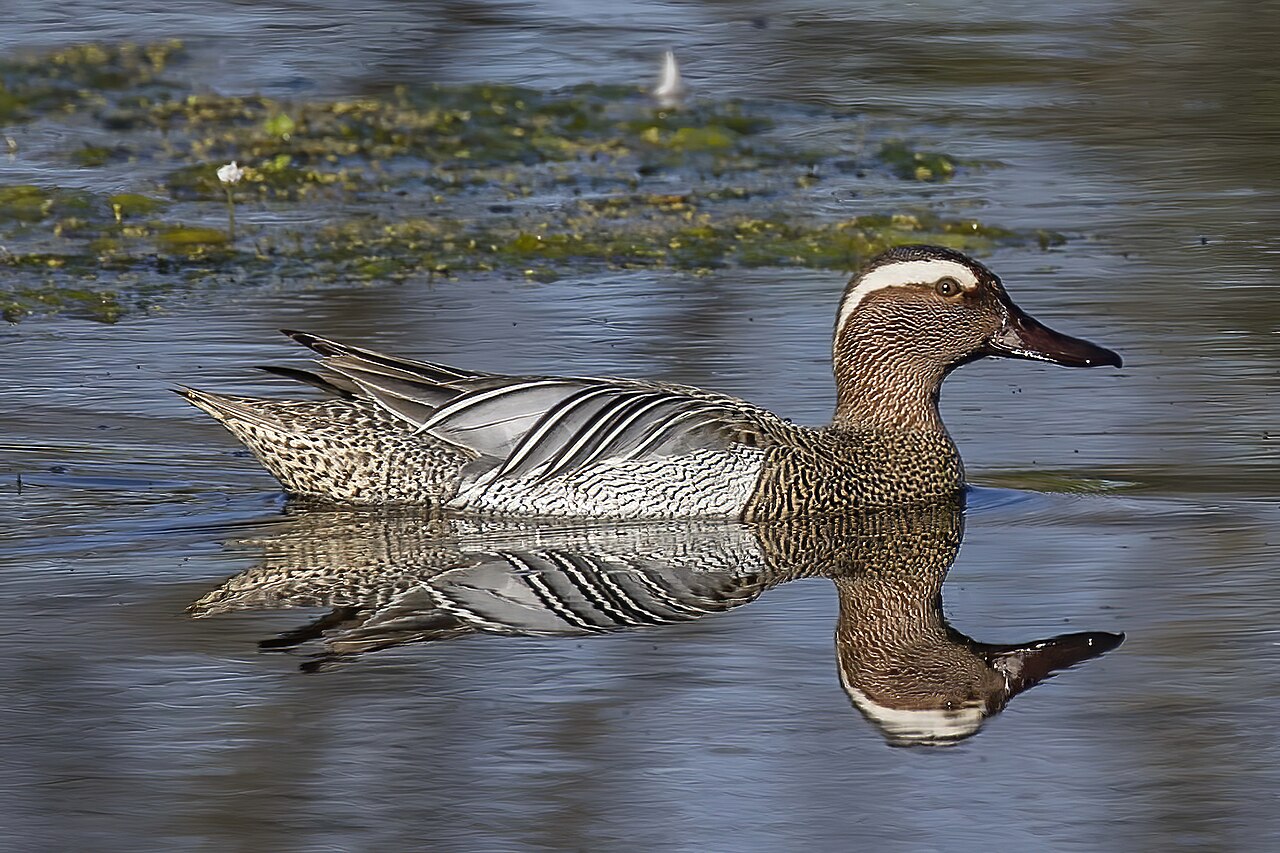
Garganey
Spatula querquedula- Seasonally wet and wet grasslands
- Sedge and reedbeds without free-standing water
- Surface standing waters
- Littoral zone of inland surface waterbodies
-
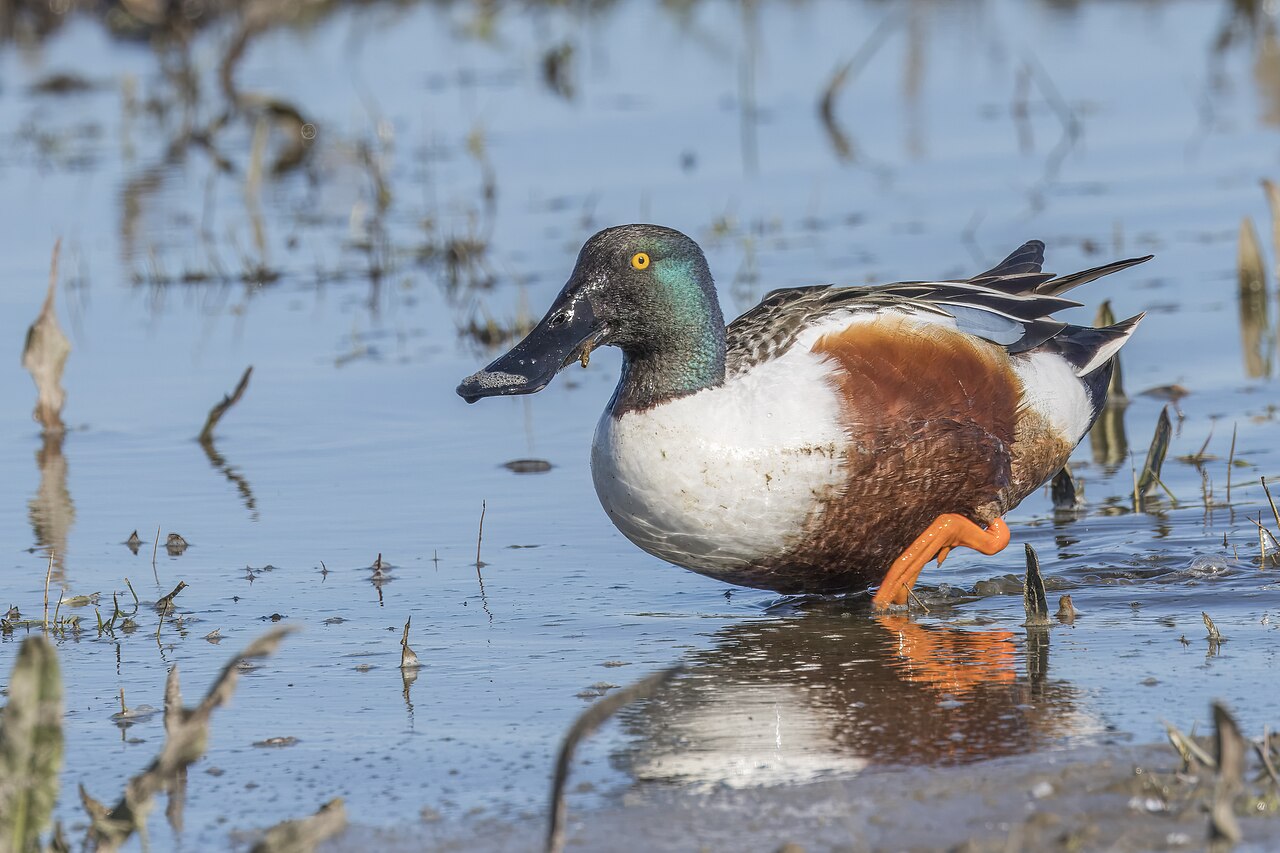
Northern shoveler
Spatula clypeata- Surface standing waters
- Seasonally wet and wet grasslands
- Littoral zone of inland surface waterbodies
- Arable land and market gardens
Mareca 2 species
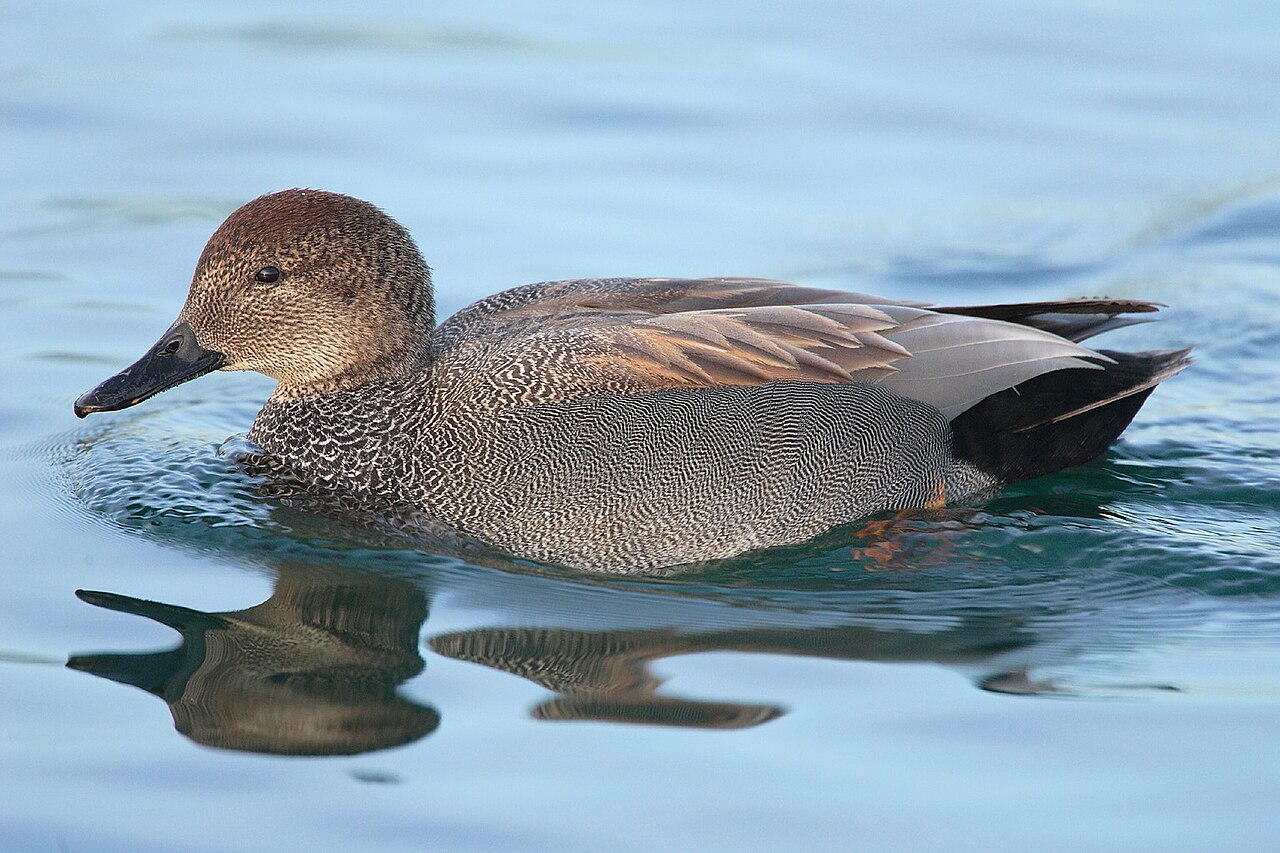
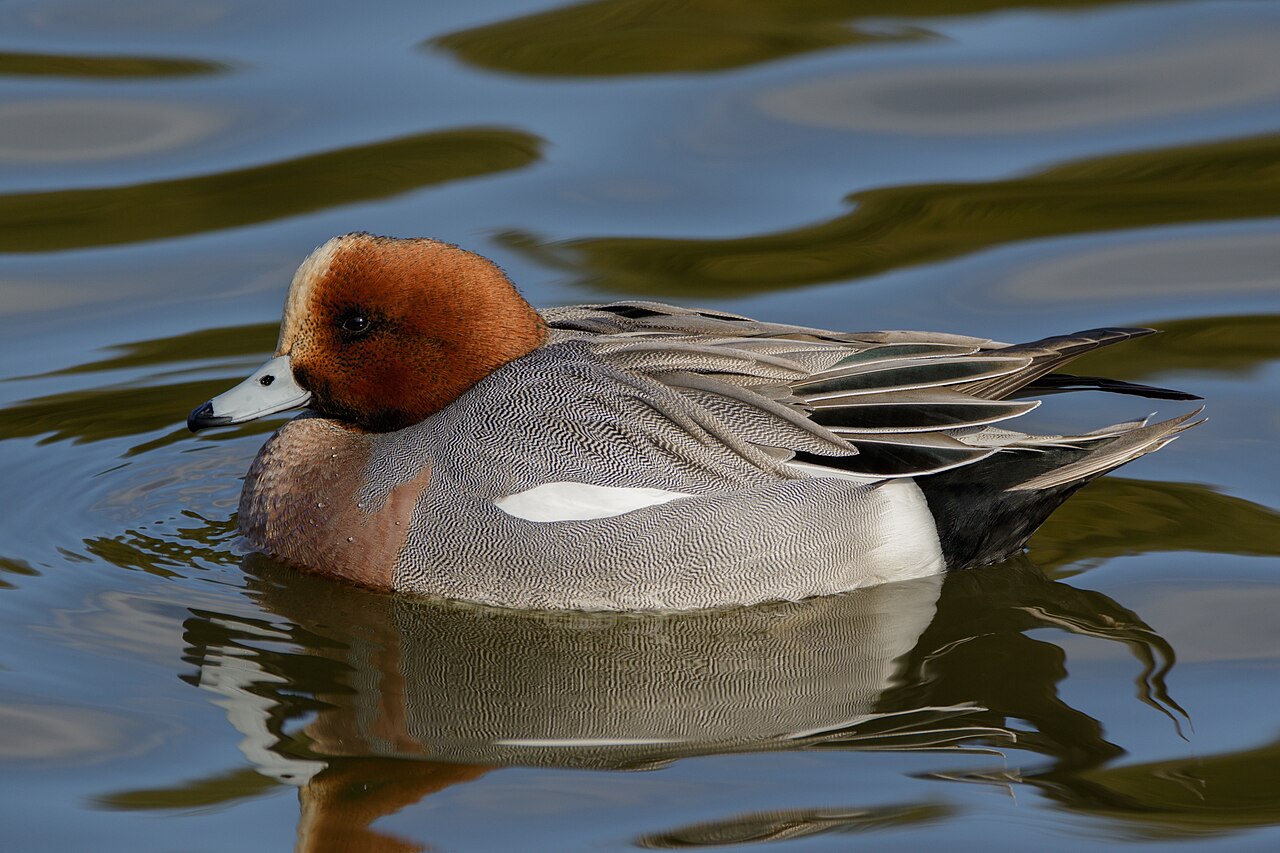
Anas 3 species
-
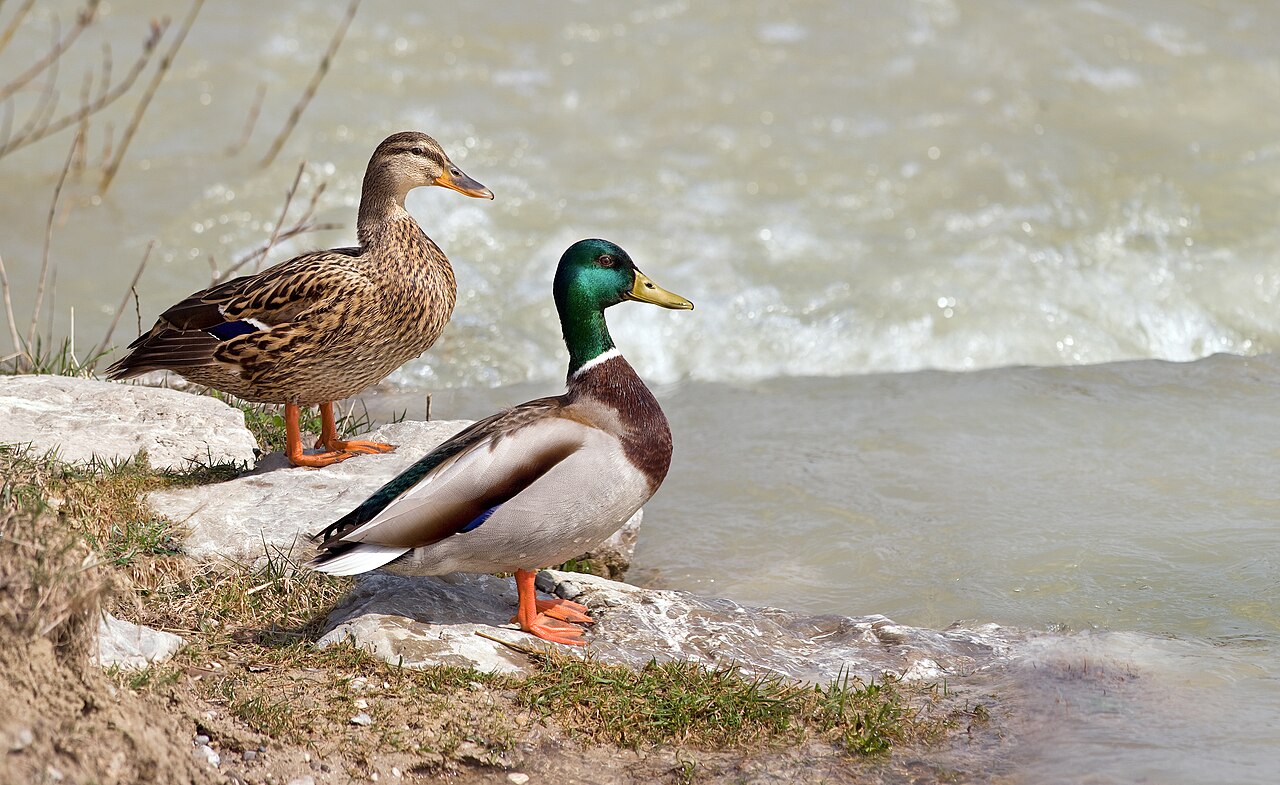
Mallard
Anas platyrhynchos- Surface standing waters
- Surface running waters
- Highly artificial man-made waters
- Littoral zone of inland surface waterbodies
- Arable land and market gardens
-
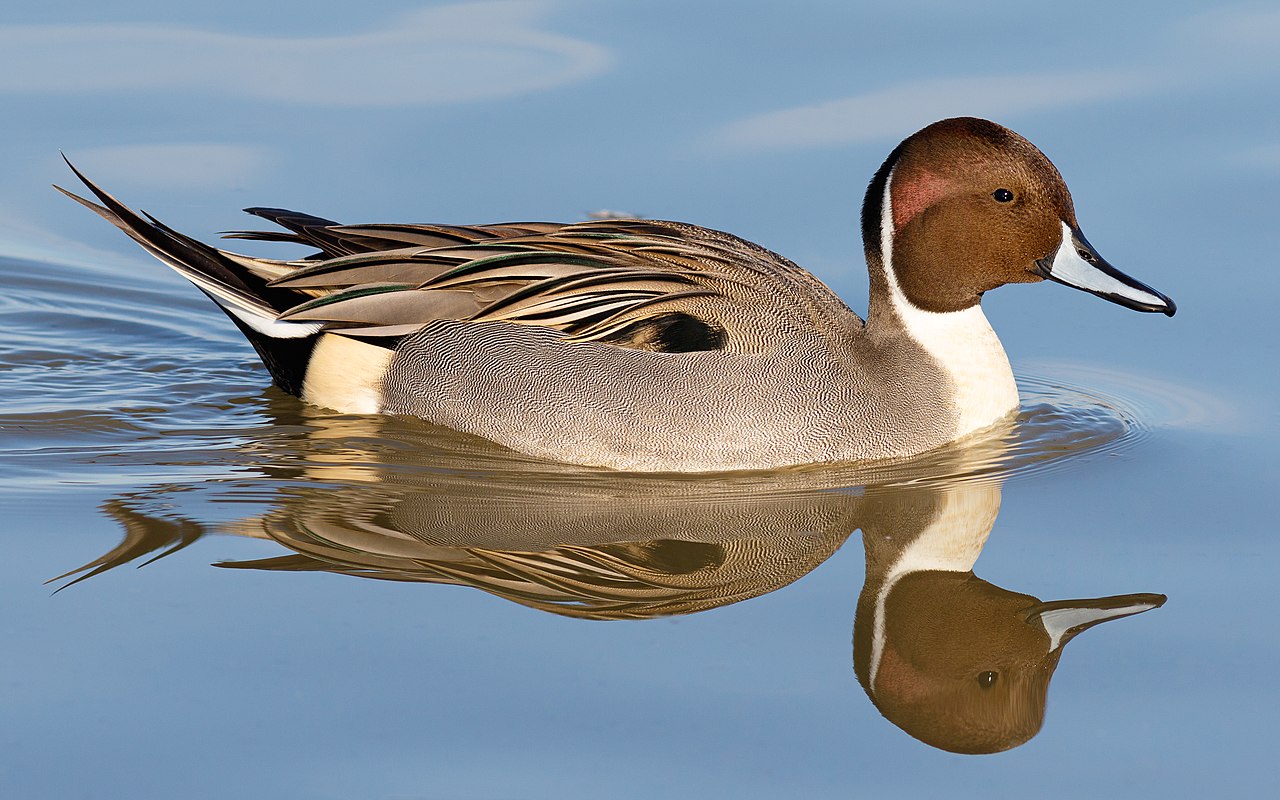
Northern pintail
Anas acuta- Littoral sediment
- Seasonally wet and wet grasslands
- Arable land and market gardens
- Surface standing waters
-
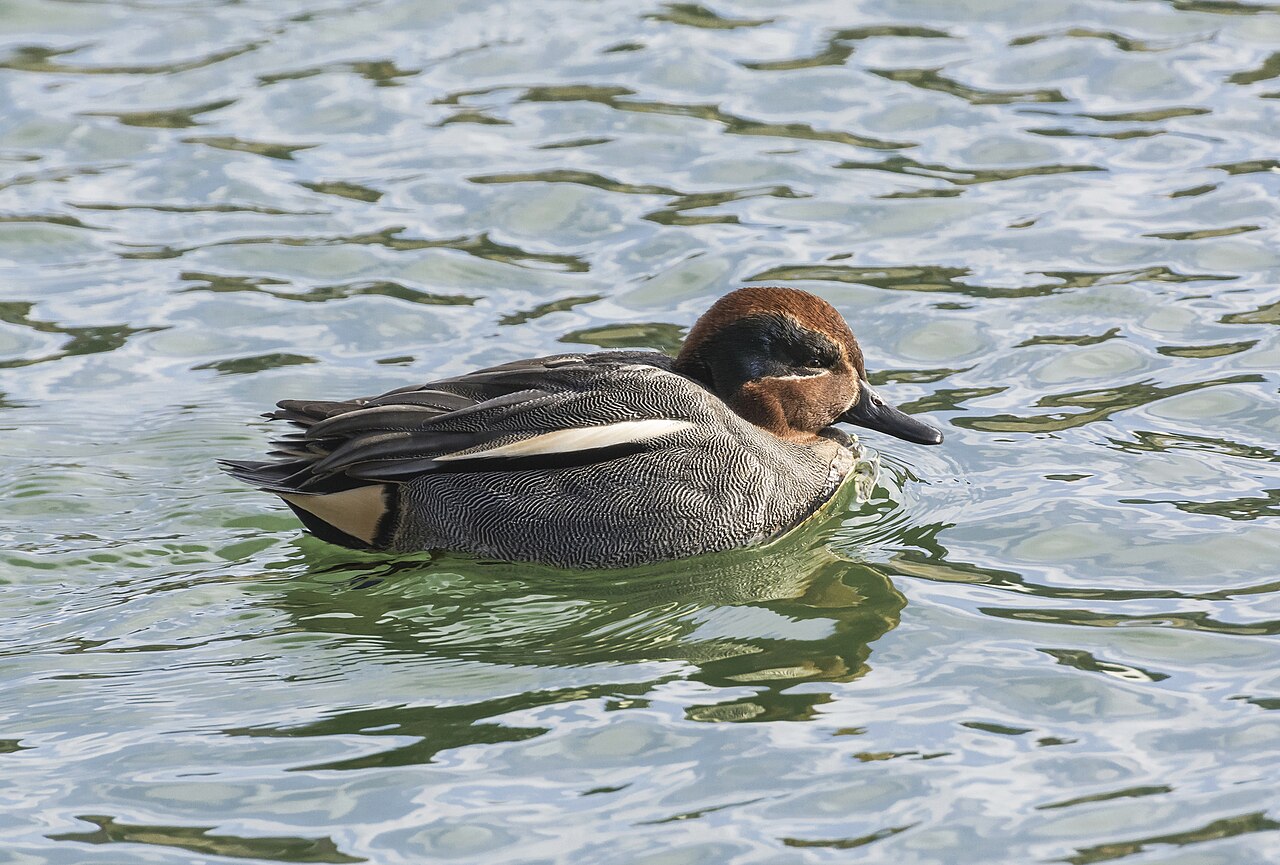
Eurasian teal
Anas crecca- Surface standing waters
- Littoral zone of inland surface waterbodies
- Seasonally wet and wet grasslands
- Littoral sediment
Sea ducks and mergansers | Merginae
12 species
Heavy, thickset ducks of cold seas and fast rivers. They dive from the surface, usually with a small forward spring, and can stay down half a minute or more. The legs, set far back, push hard under water, but they make walking on land clumsy and upright, so the birds rest afloat rather than ashore. Getting airborne takes a run across the water, after which they go low and fast in long lines just above the waves. The bill follows the food: broad and wedge-shaped for crushing shellfish in the eiders and the scoters, long and narrow in the mergansers, with backward-pointing horny teeth and a hooked nail that hold a slippery fish. Males are sharply patterned in black and white, females brown with a paler throat.
Clangula 1 species

Polysticta 1 species
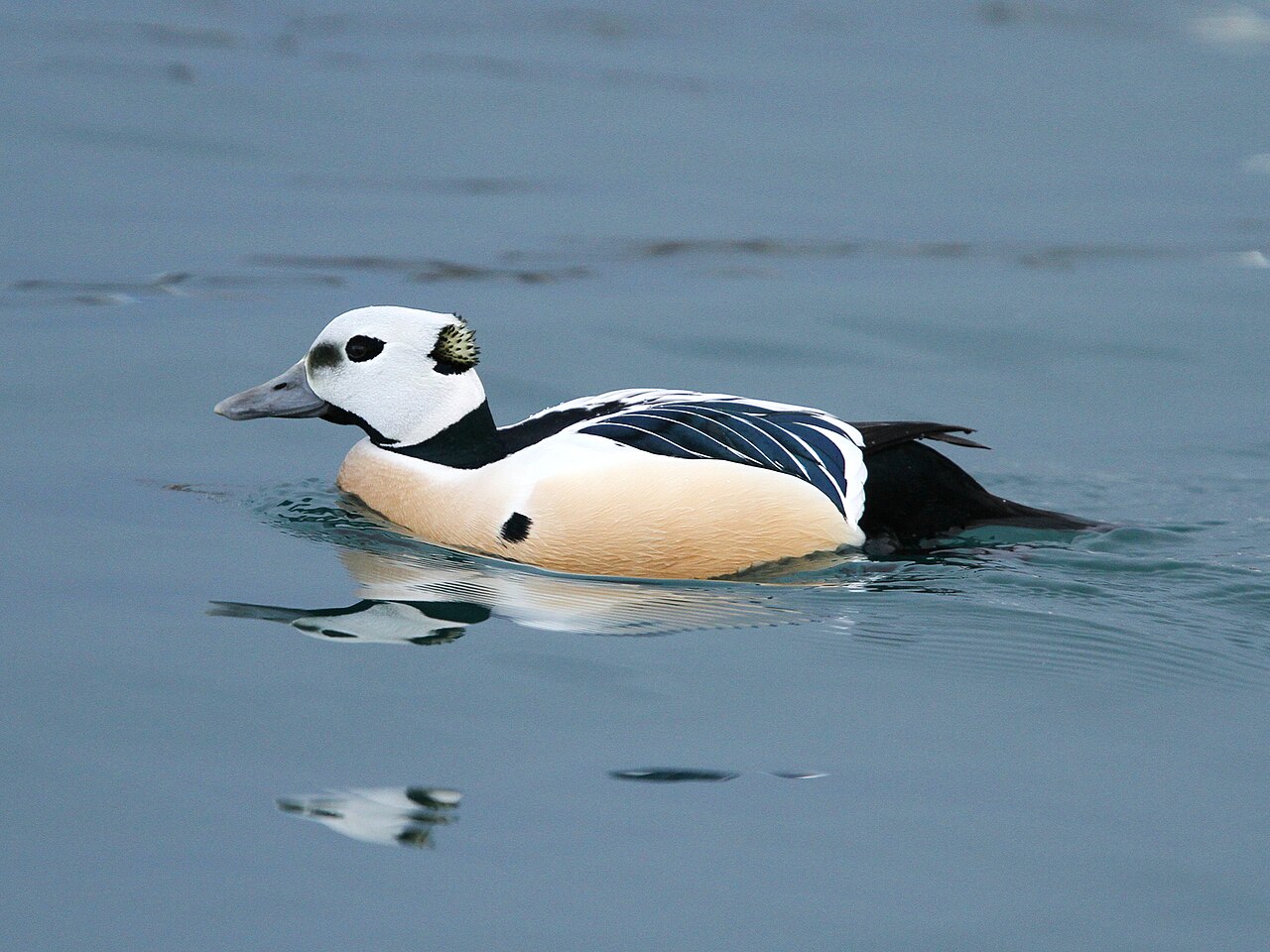

Somateria 2 species

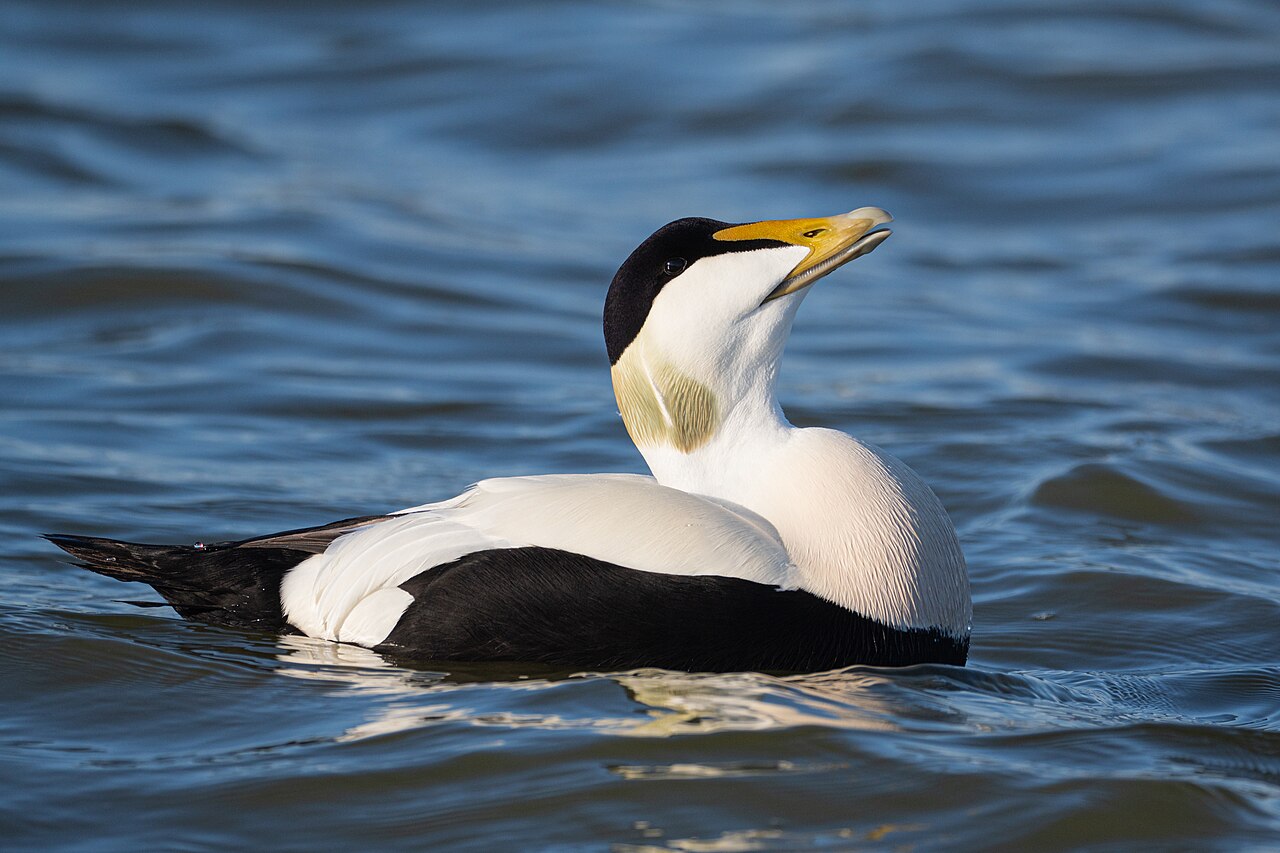
Histrionicus 1 species


Melanitta 2 species

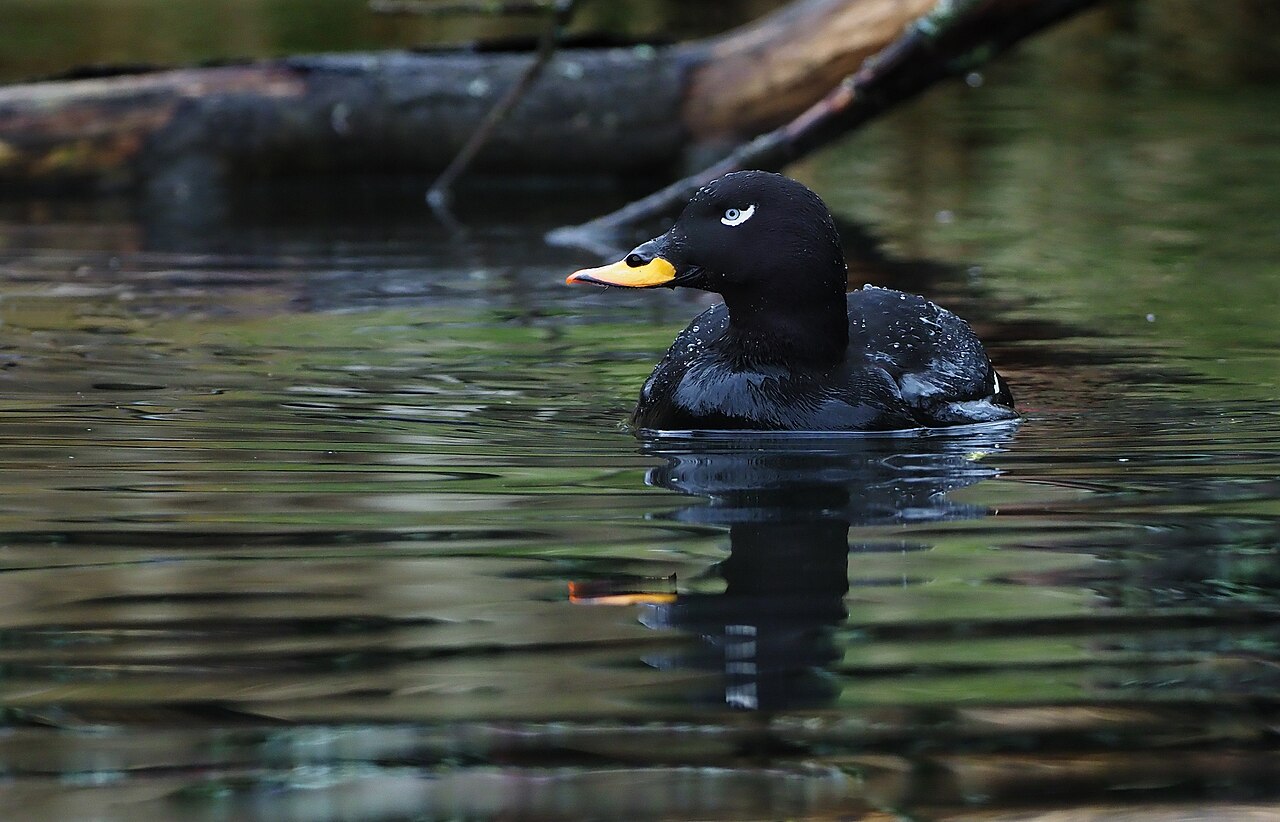
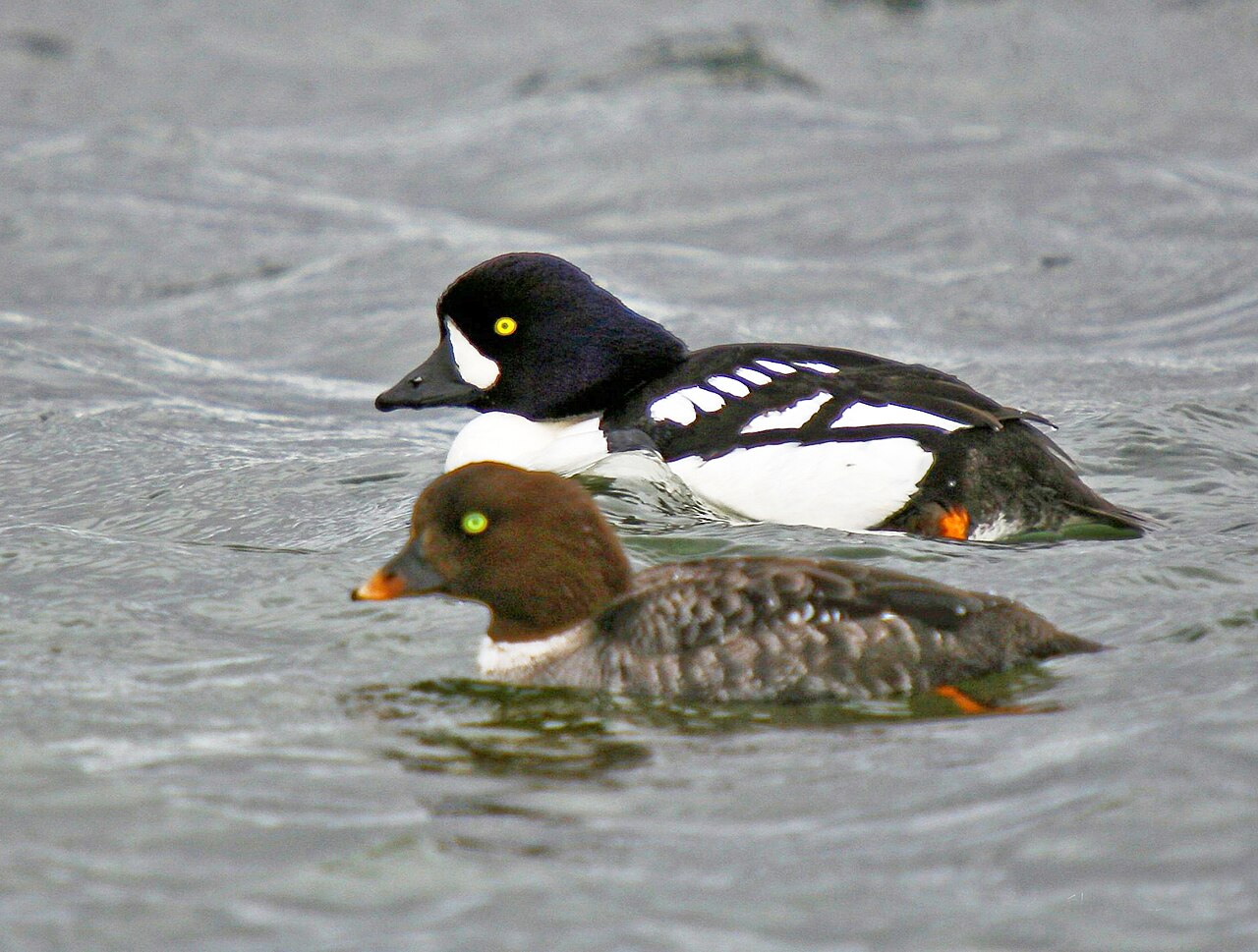
Bucephala 2 species

Mergellus 1 species

Mergus 2 species


Stiff-tailed ducks | Oxyurinae
1 species
Small, dumpy ducks with a thick neck, a large head and, in the male in spring, a strikingly broad sky-blue bill. The surest mark is the tail: narrow stiff feathers that lie flat on the water or are cocked straight up like a fan. The legs sit at the very rear of the body; they make for excellent diving and swimming, but on land the bird can hardly move and shuffles along on its belly. It therefore seldom leaves the water at all, and when alarmed it sinks quietly out of sight rather than flying. Take-off needs a long spattering run, and the flight is low and whirring on short wings. Food is taken by diving to the bottom of shallow lakes and straining the mud through the bill.

Introduced species 6 species
Species that do not occur here by nature but were brought in or escaped and have held on since. They follow the sequence of the list, not the genera.
-
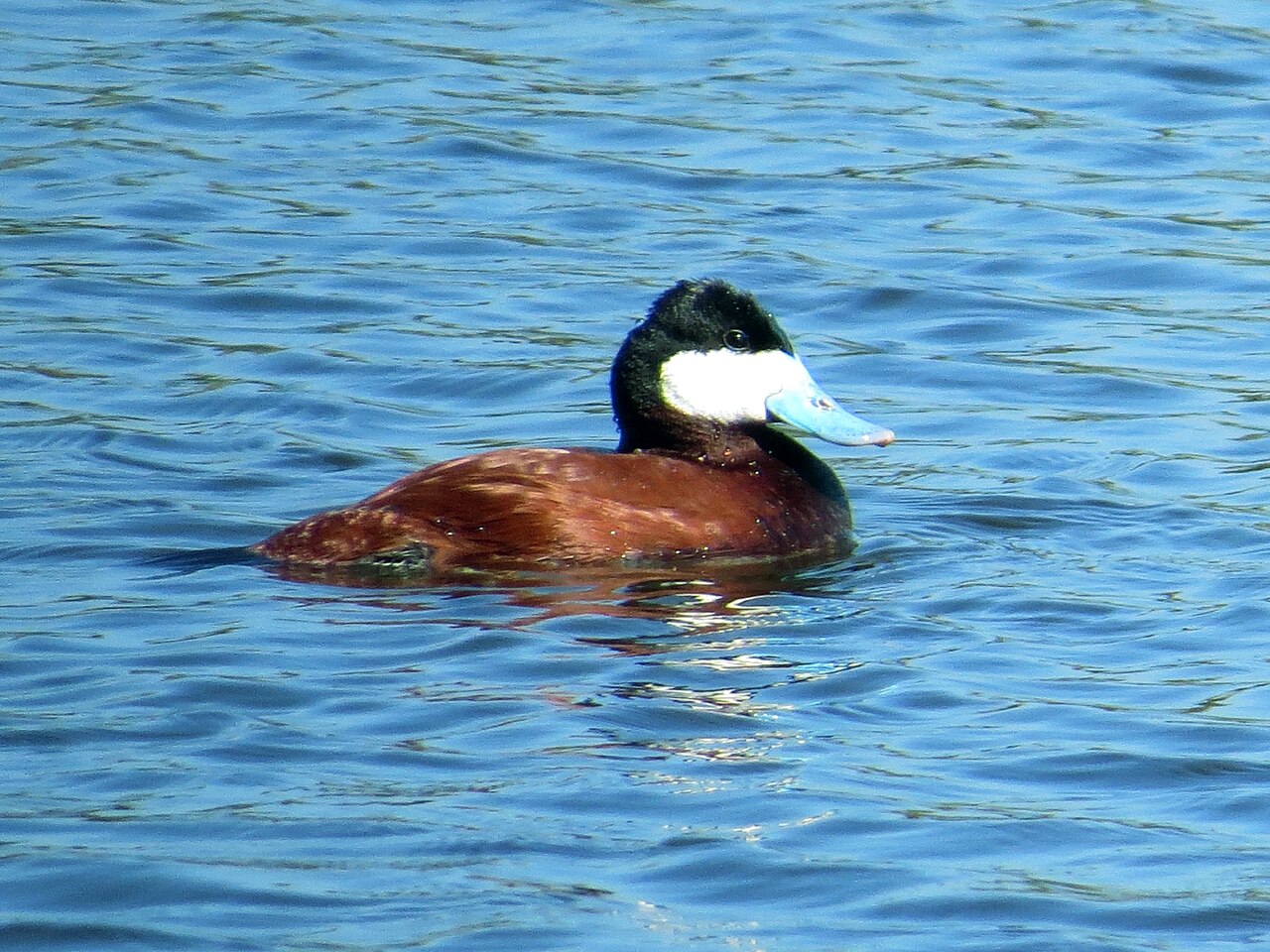
Ruddy duck
Oxyura jamaicensis- Surface standing waters
- Littoral zone of inland surface waterbodies
- Highly artificial man-made waters
-

Black swan
Cygnus atratus- Surface standing waters
- Highly artificial man-made waters
- Littoral zone of inland surface waterbodies
- Mesic grasslands
-
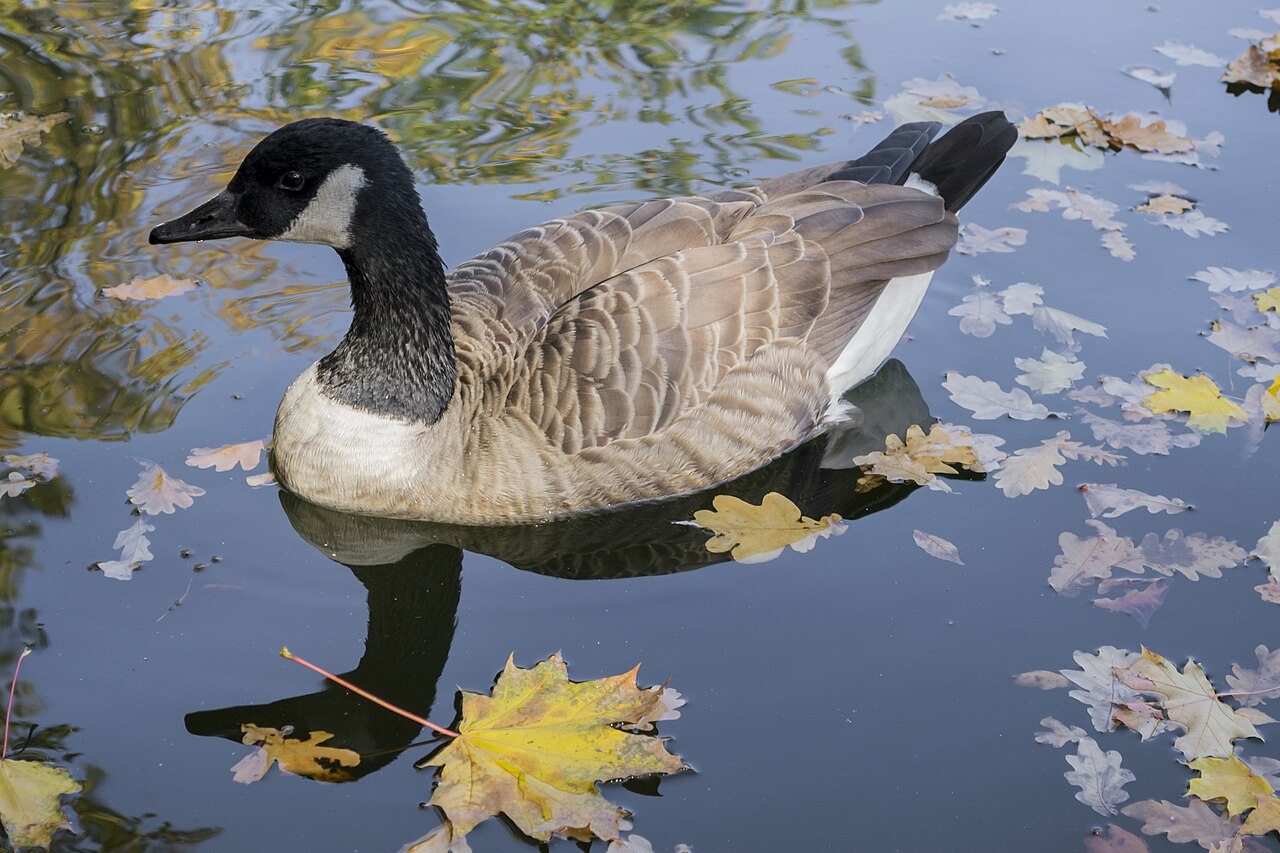
Canada goose
Branta canadensis- Surface standing waters
- Highly artificial man-made waters
- Mesic grasslands
 Cultivated areas of gardens and parks
- Arable land and market gardens
-
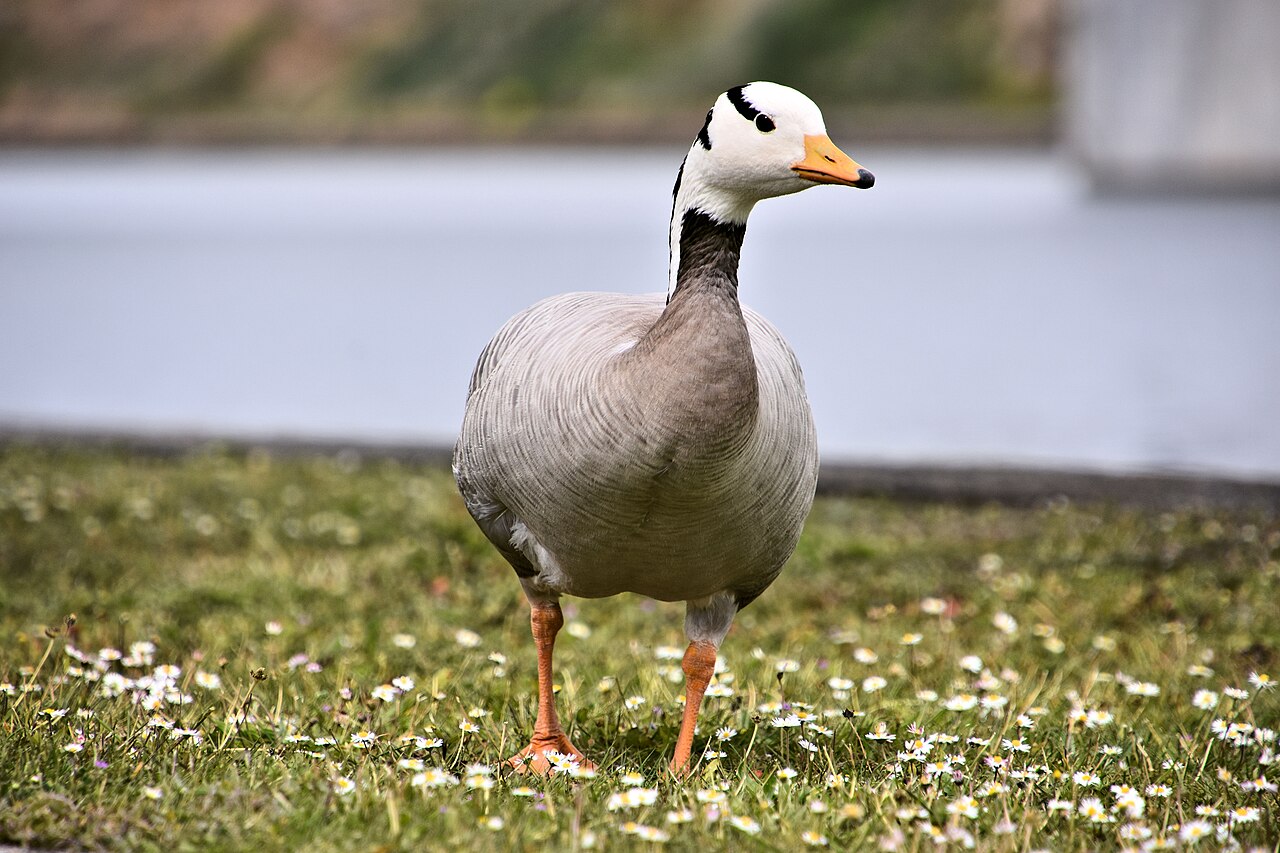
Bar-headed goose
Anser indicus- Mesic grasslands
- Arable land and market gardens
- Surface standing waters
- Cultivated areas of gardens and parks
-
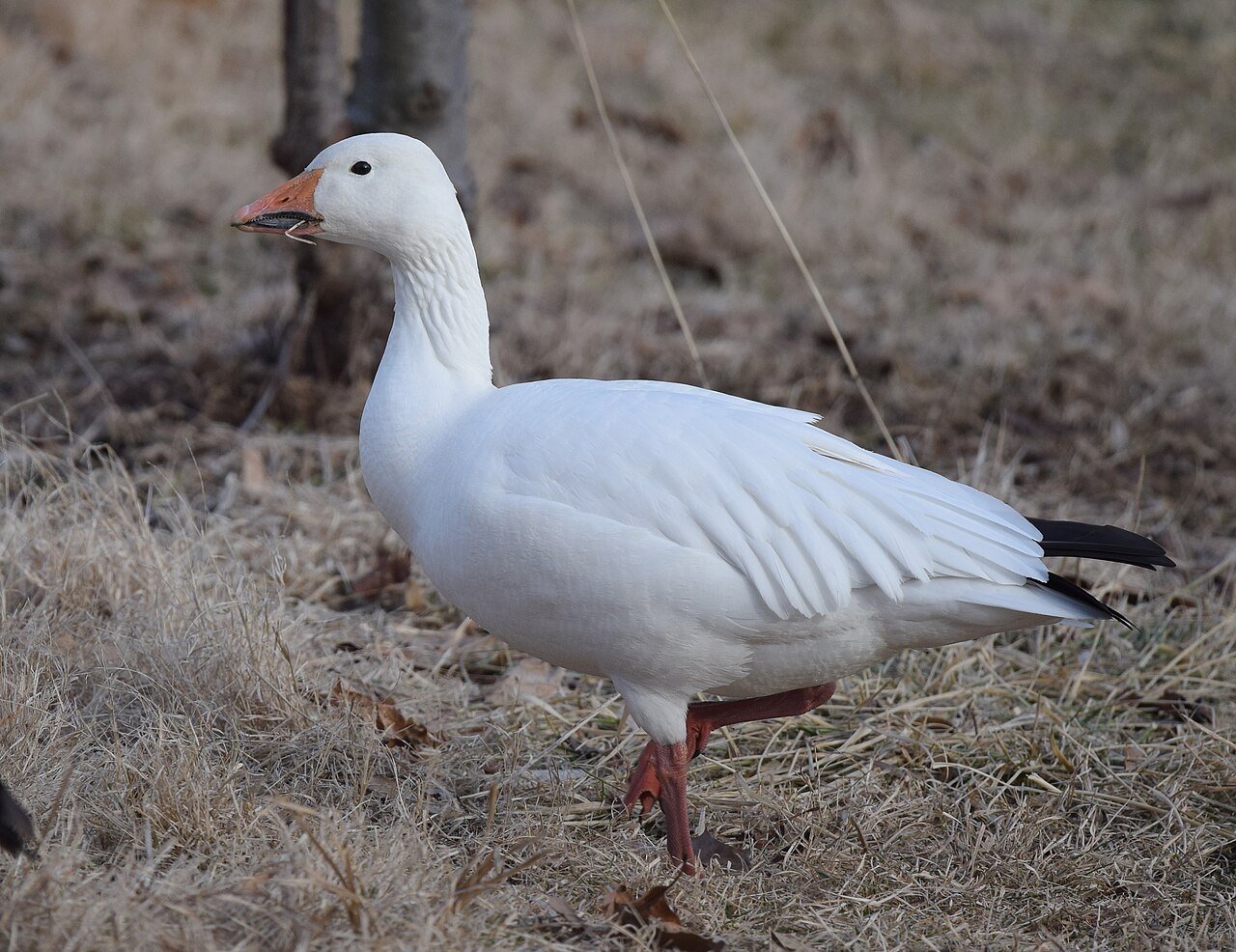
Snow goose
Anser caerulescens- Mesic grasslands
- Arable land and market gardens
- Surface standing waters
- Littoral sediment
-
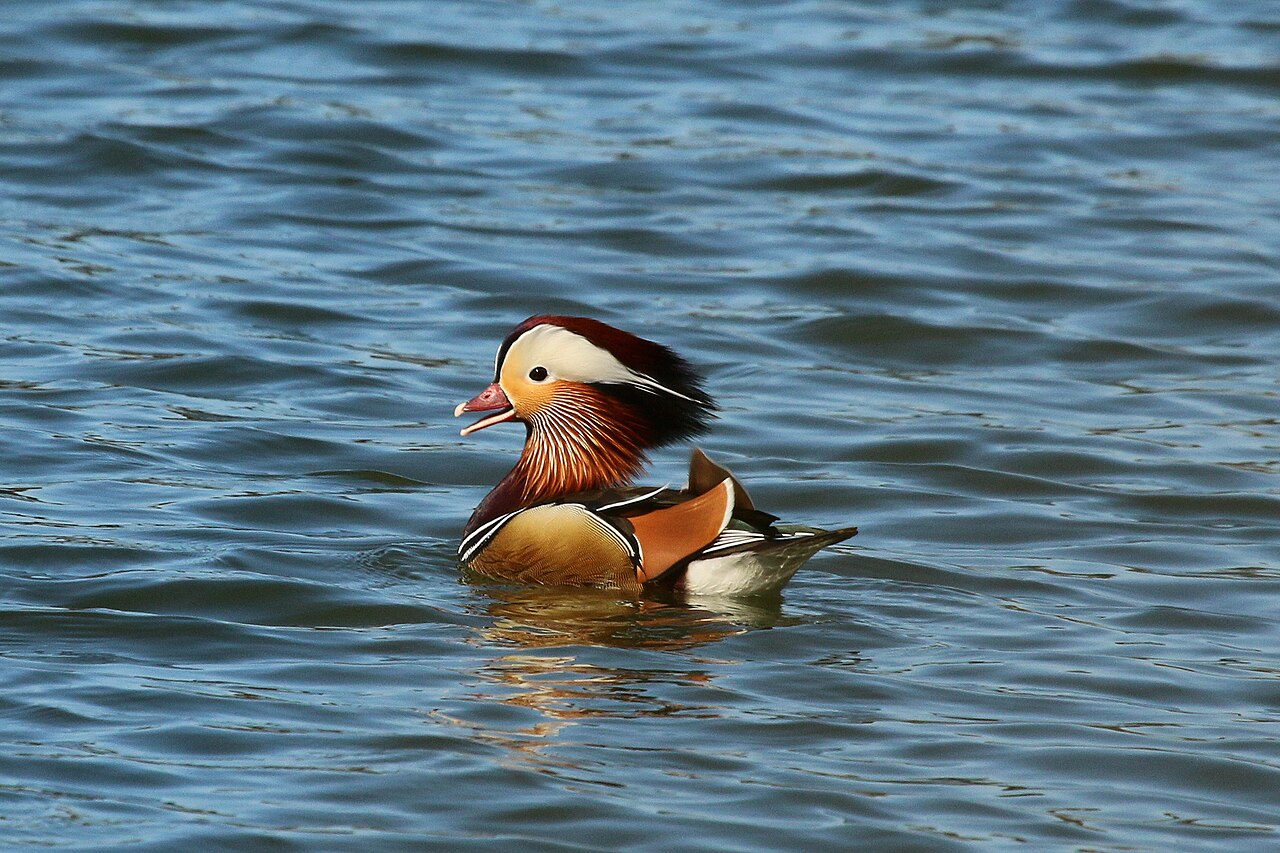
Mandarin duck
Aix galericulata- Surface standing waters
 Broadleaved deciduous woodland
- Surface running waters
- Cultivated areas of gardens and parks
Vagrants 15 species
Birds blown in from other continents. They have no range here, and so no distribution map.
-
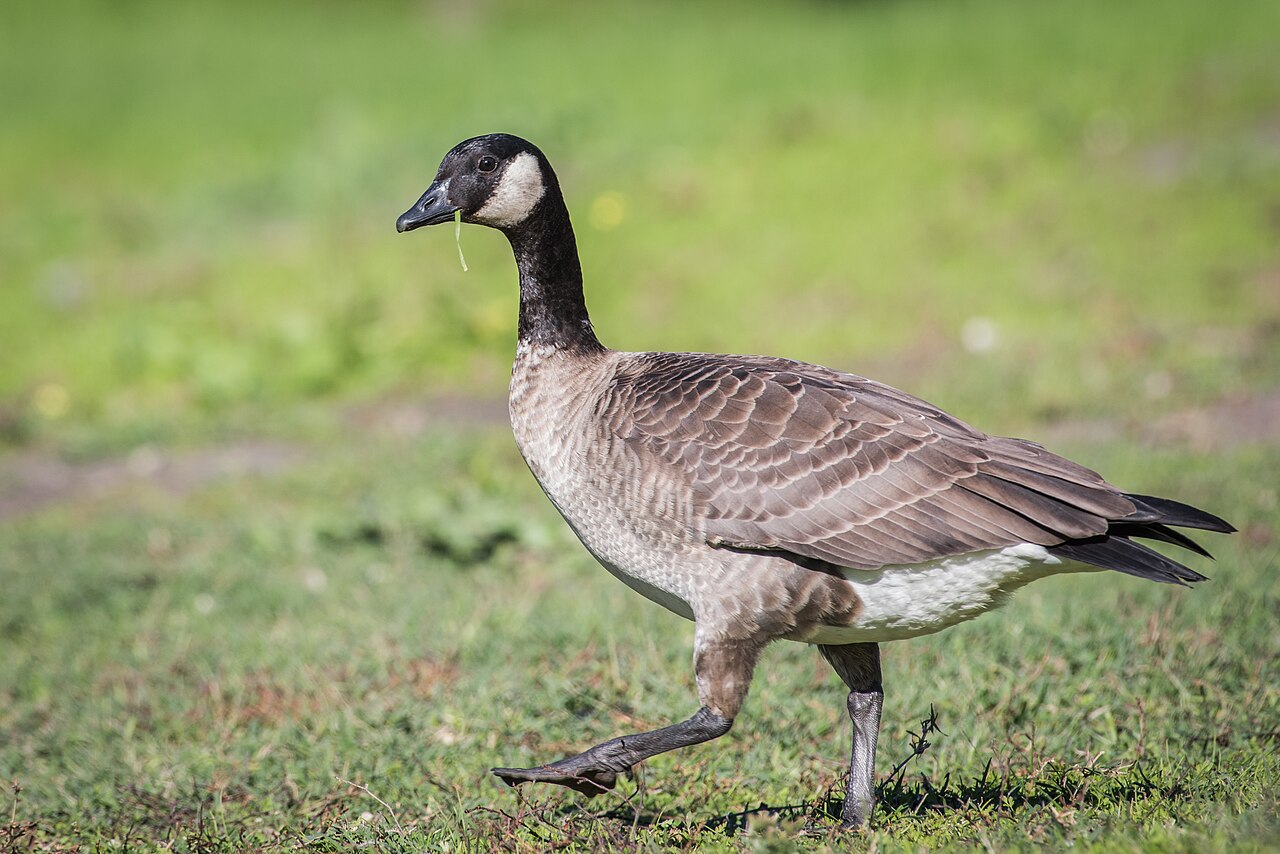
Cackling goose
Branta hutchinsii- Mesic grasslands
- Littoral sediment
- Seasonally wet and wet grasslands
- Surface standing waters
-
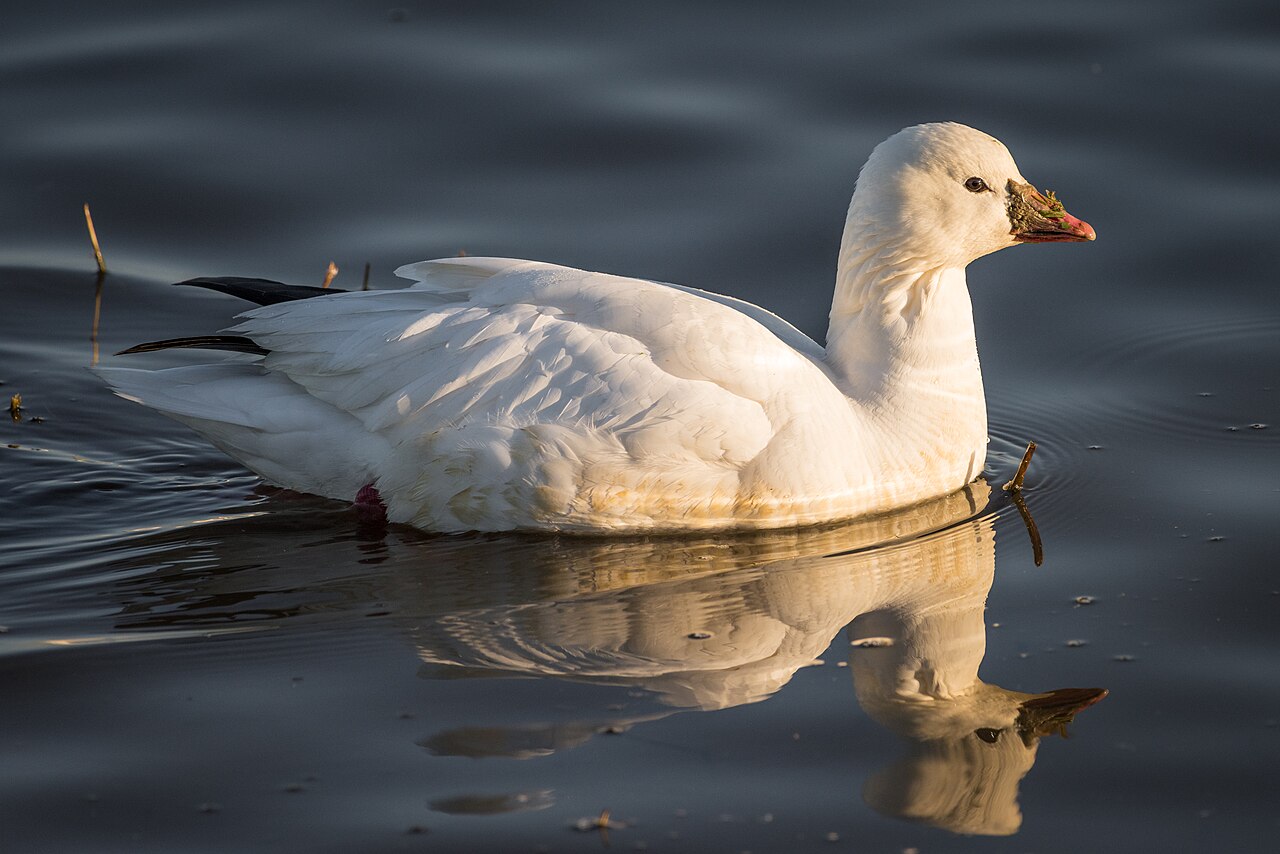
Ross's goose
Anser rossii- Mesic grasslands
- Arable land and market gardens
- Surface standing waters
- Littoral sediment
-
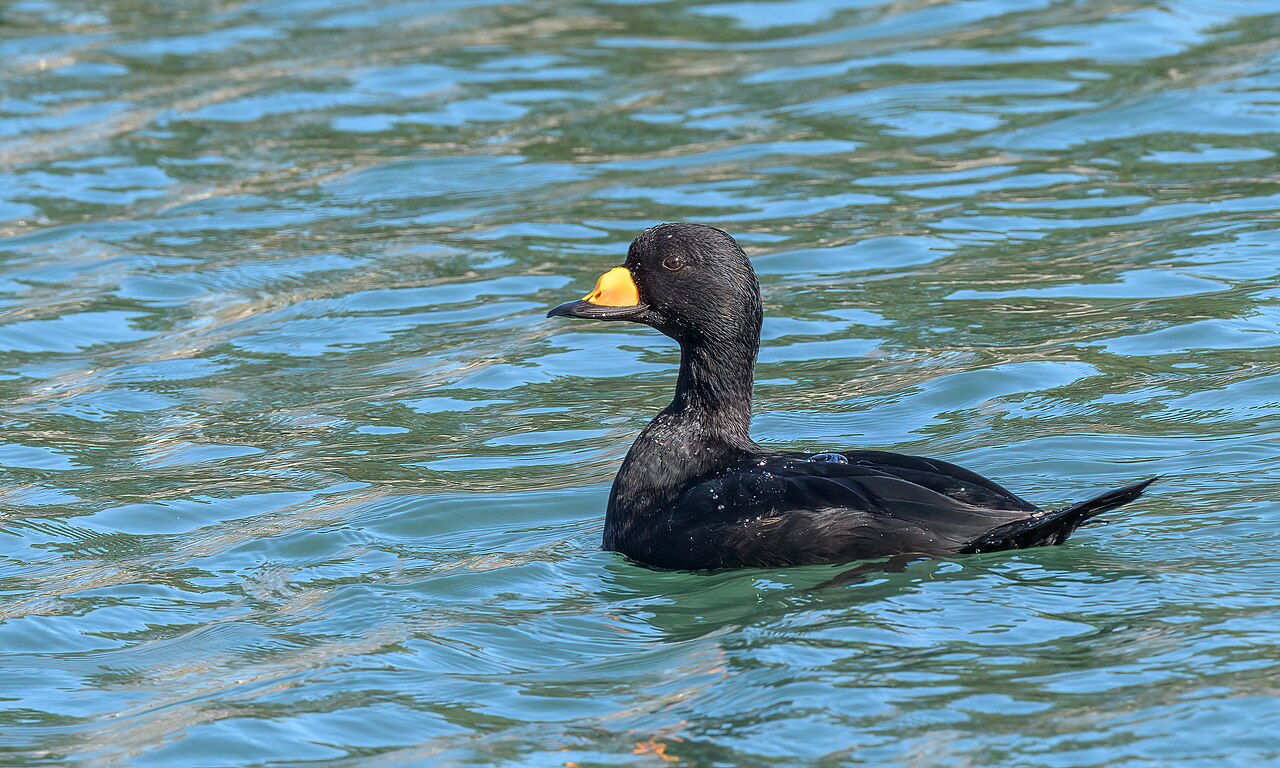
Black scoter
Melanitta americana- Sublittoral sediment
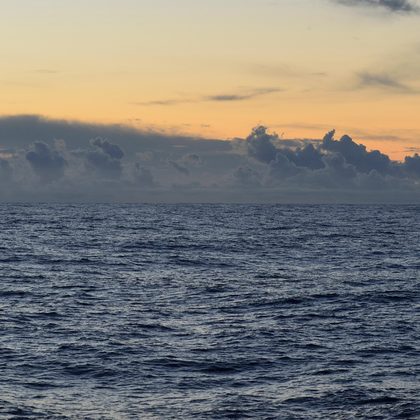 Pelagic water column
-

Surf scoter
Melanitta perspicillata- Sublittoral sediment
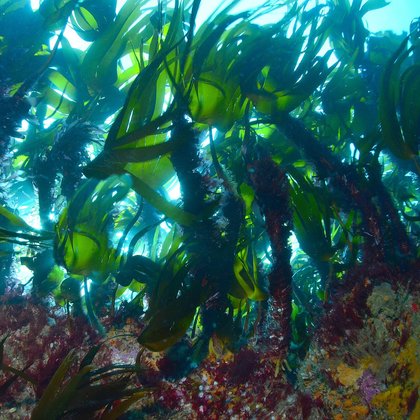 Infralittoral rock and other hard substrata
- Pelagic water column
-

White-winged scoter
Melanitta deglandi- Sublittoral sediment
- Surface standing waters
-
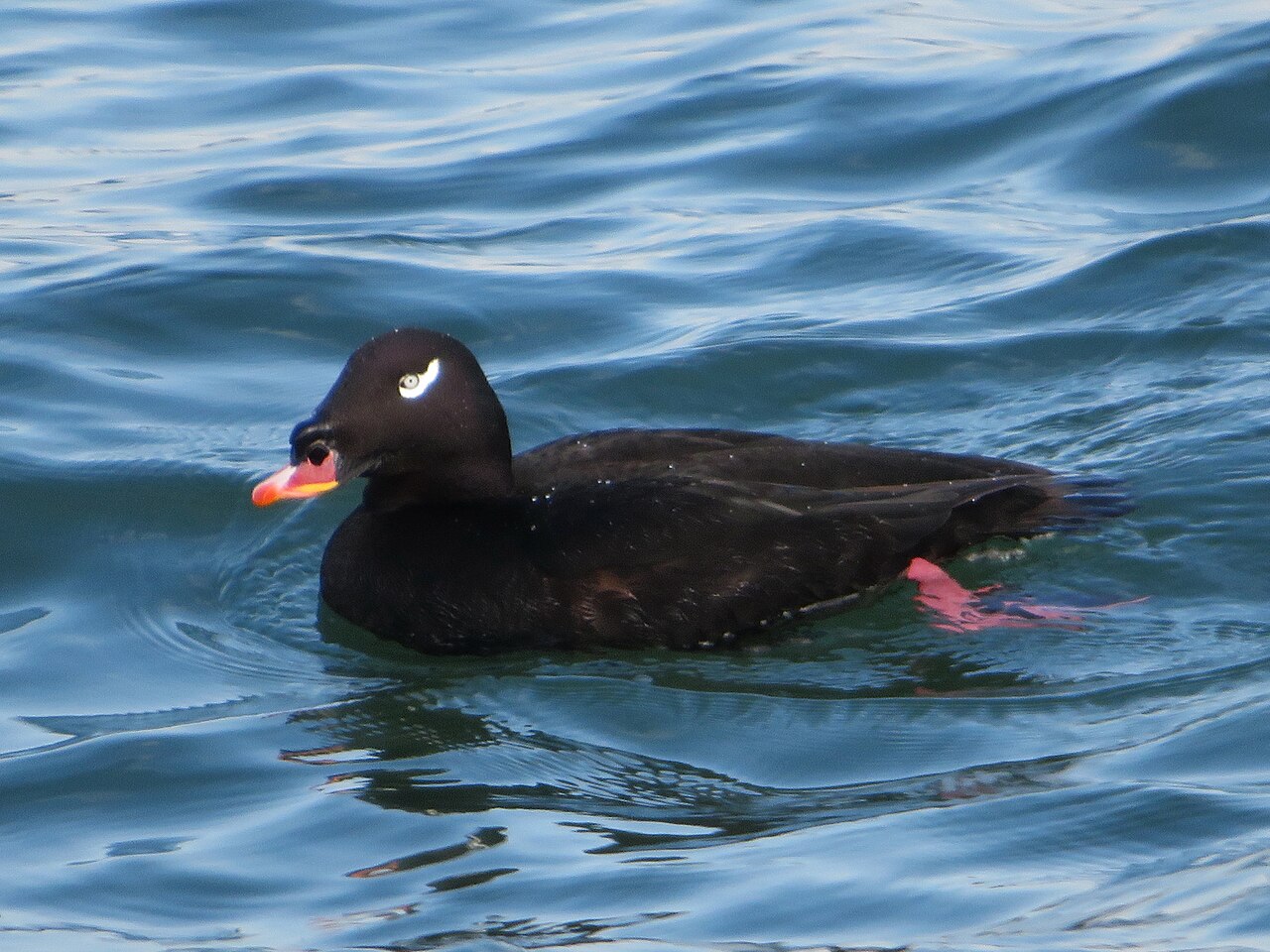
Stejneger's scoter
Melanitta stejnegeri- Sublittoral sediment
- Pelagic water column
-
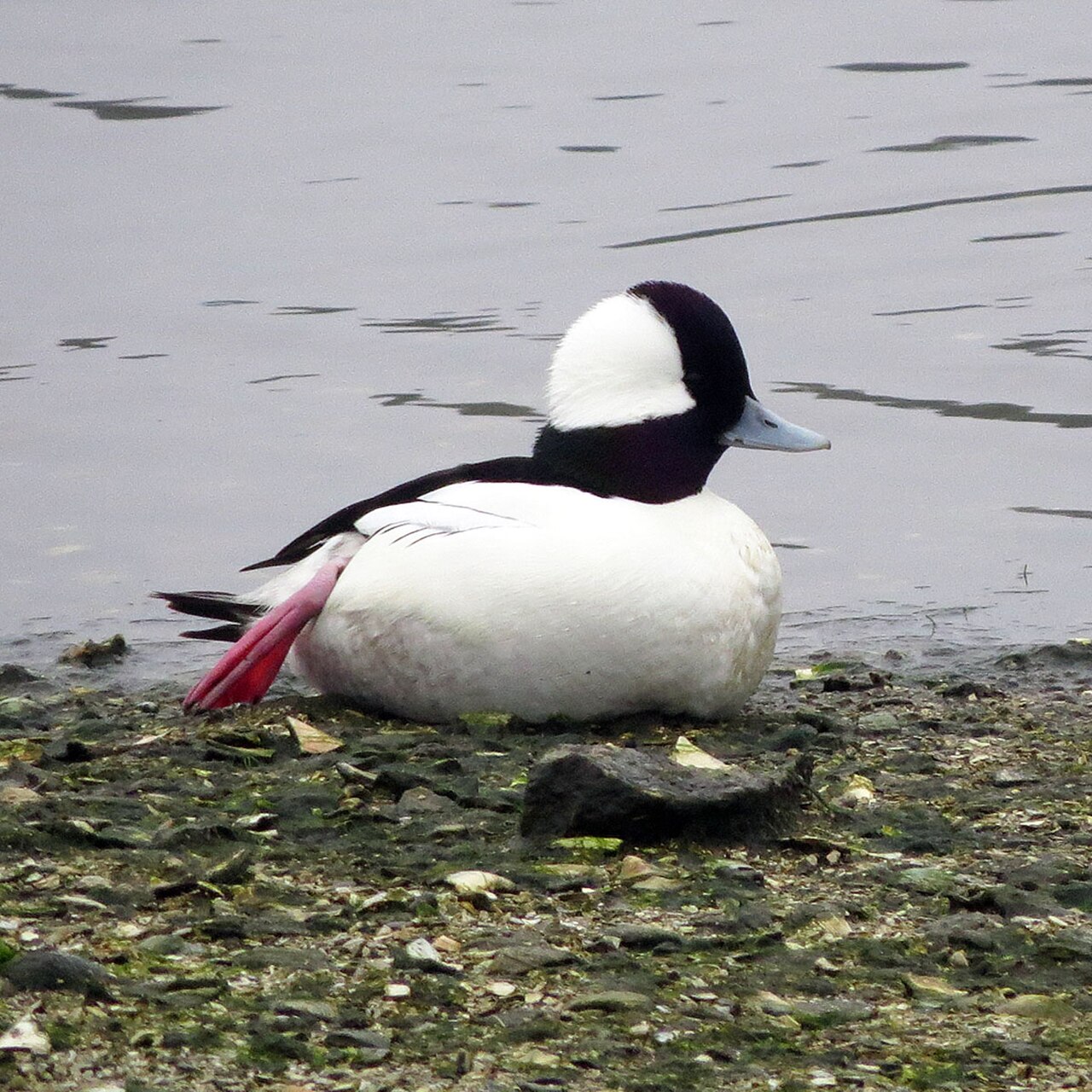
Bufflehead
Bucephala albeola- Surface standing waters
- Sublittoral sediment
- Highly artificial man-made waters
-

Hooded merganser
Lophodytes cucullatus- Surface standing waters
- Surface running waters
- Highly artificial man-made waters
-
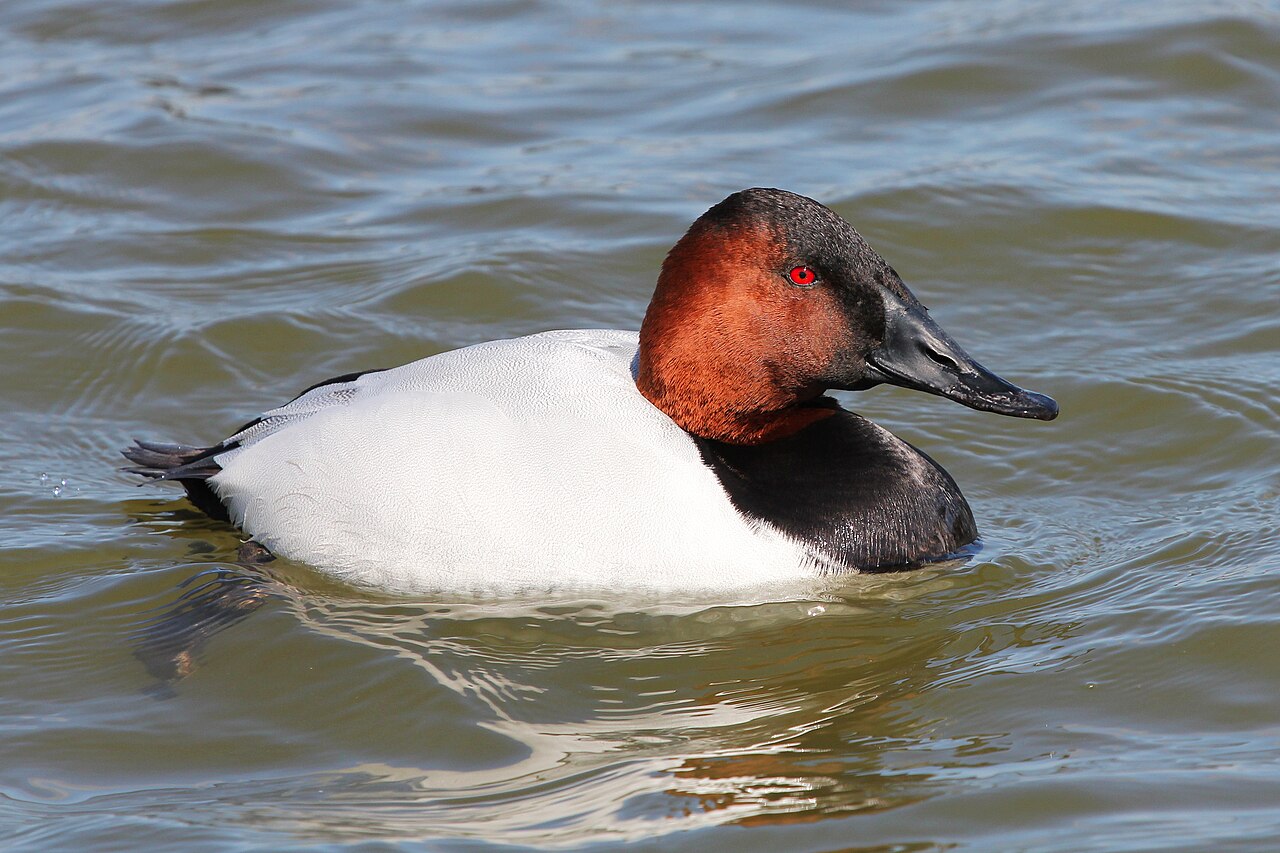
Canvasback
Aythya valisineria- Highly artificial man-made waters
- Surface standing waters
-
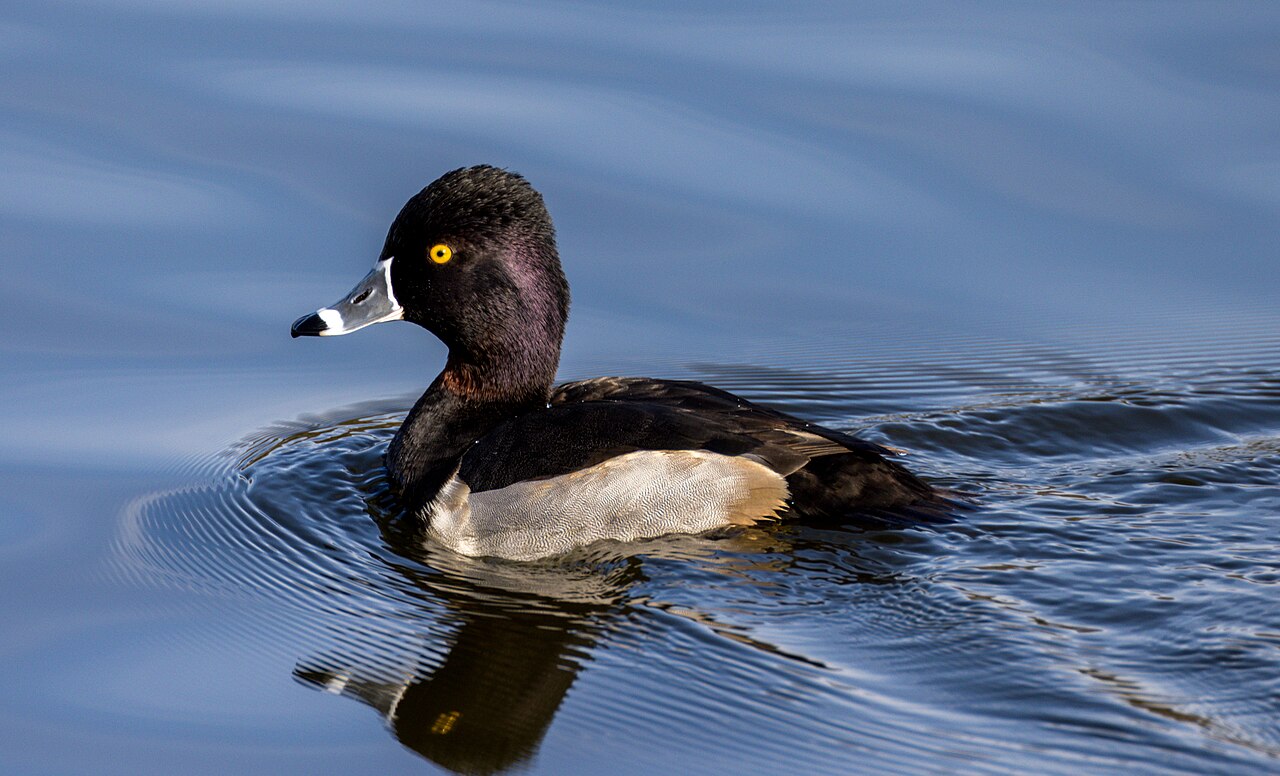
Ring-necked duck
Aythya collaris- Surface standing waters
- Highly artificial man-made waters
- Littoral zone of inland surface waterbodies
-
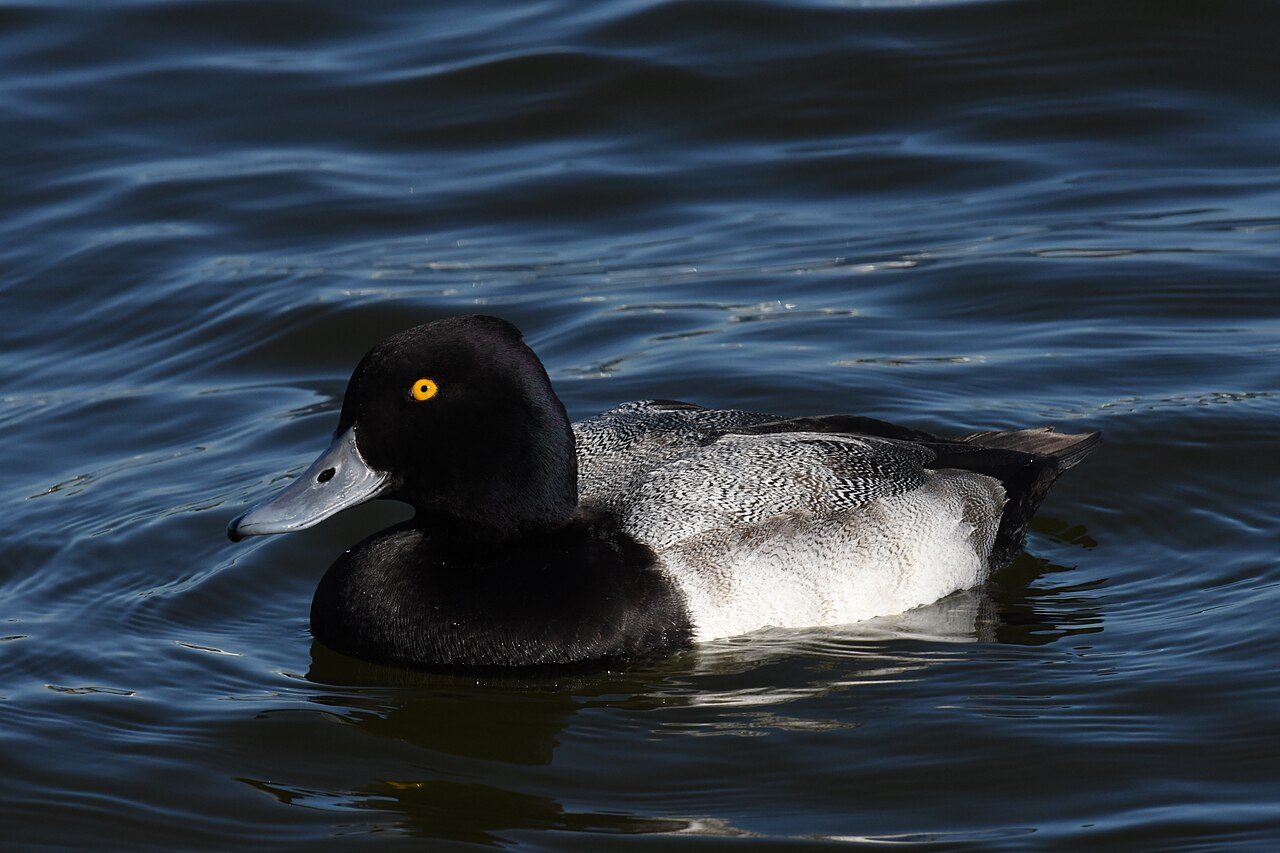
Lesser scaup
Aythya affinis- Surface standing waters
- Highly artificial man-made waters
- Sublittoral sediment
-

Baikal teal
Sibirionetta formosa- Surface standing waters
- Littoral zone of inland surface waterbodies
- Seasonally wet and wet grasslands
-

Blue-winged teal
Spatula discors- Surface standing waters
- Littoral zone of inland surface waterbodies
- Sedge and reedbeds without free-standing water
- Seasonally wet and wet grasslands
-

Falcated duck
Mareca falcata- Surface standing waters
- Seasonally wet and wet grasslands
- Littoral zone of inland surface waterbodies
- Highly artificial man-made waters
-
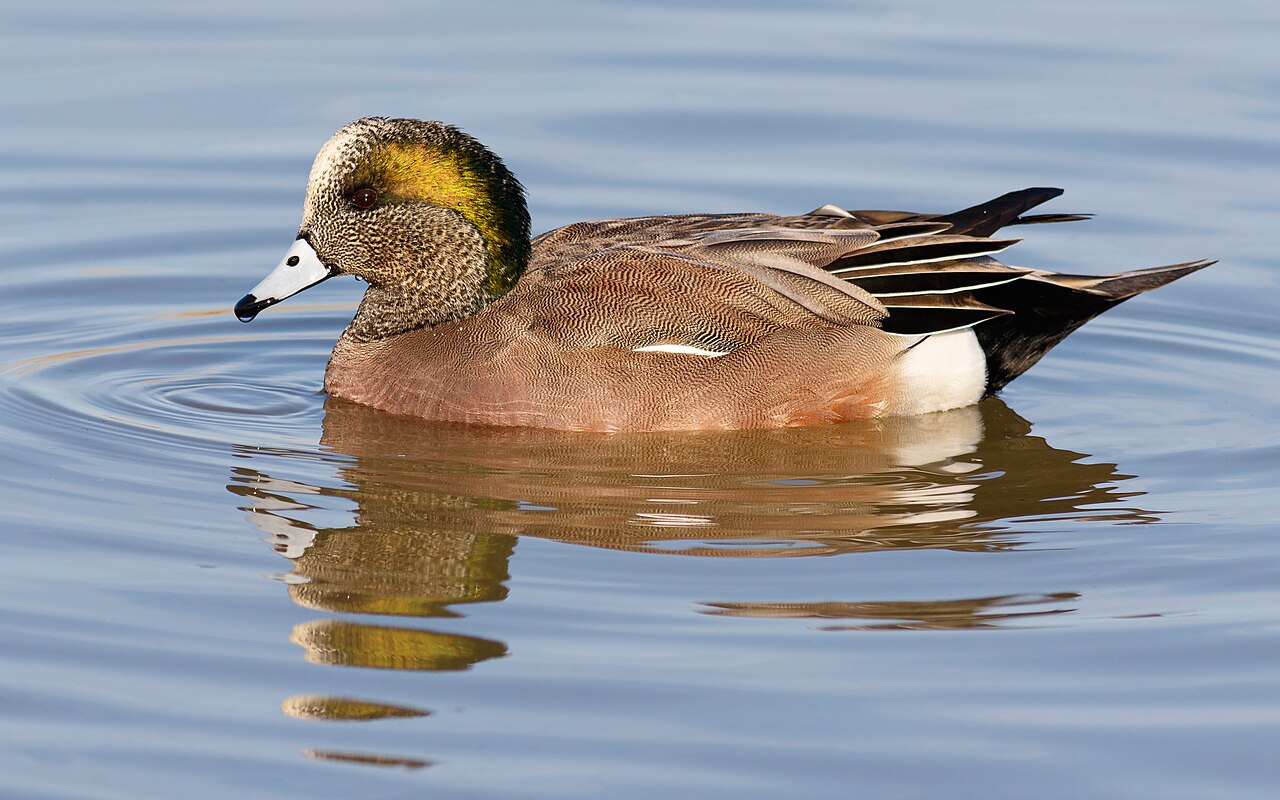
American wigeon
Mareca americana- Seasonally wet and wet grasslands
- Surface standing waters
- Littoral sediment
- Littoral zone of inland surface waterbodies