All species › Waterfowl › Ducks, geese and swans › Ruddy shelduck
Ruddy shelduck | Tadorna ferruginea
Casarca | Tarro canelo
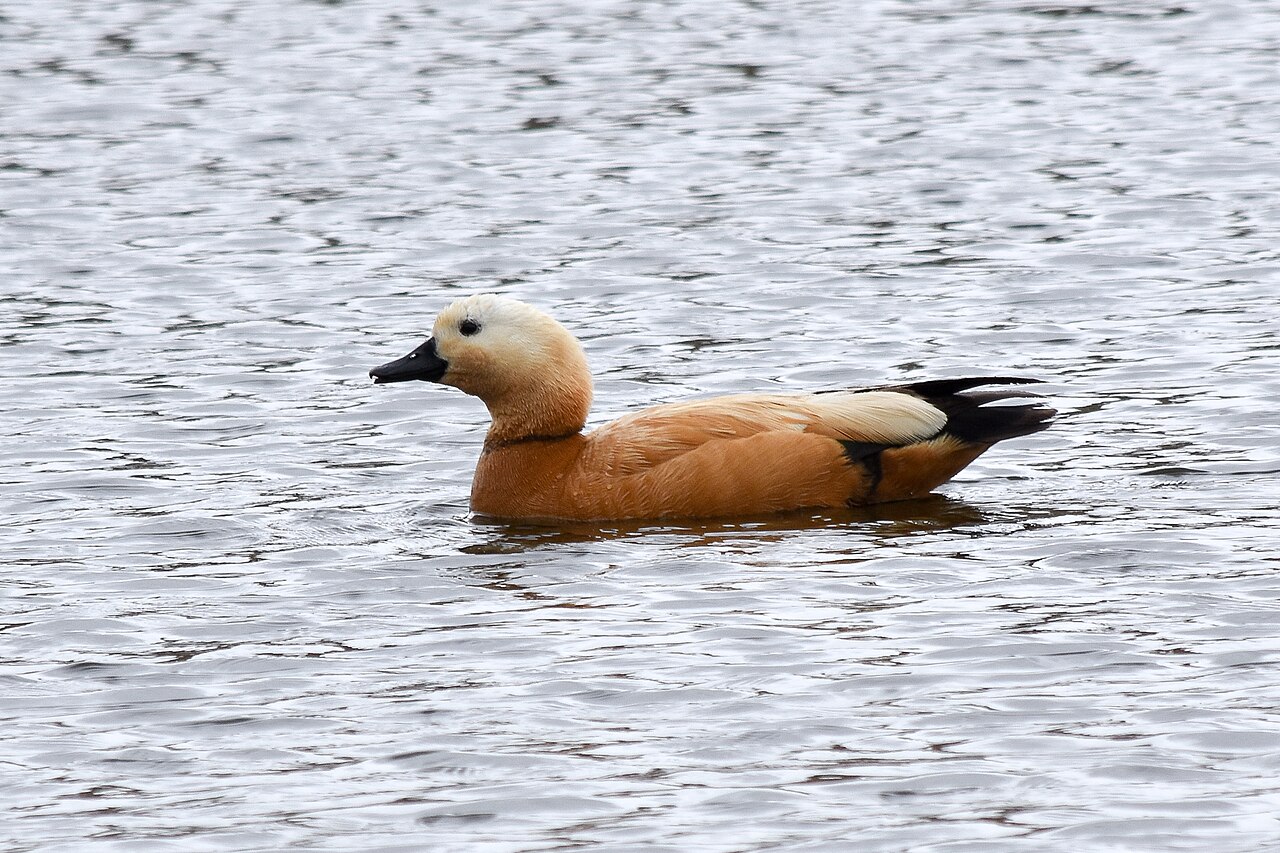
A big, rust-orange goose-like duck with a pale head and a loud, wailing call. Birds in the Low Countries and Germany almost always belong to the feral north-west European population, which moults on the Wadden Sea in summer.
Click a thumbnail to switch the photo above.
Voice
Very vocal: a nasal, plaintive and far-carrying aangh or chorr, recalling a foghorn or a Greylag but higher and sharper. It calls throughout the year, especially in flight and in territorial disputes, and also at night over moulting sites.
Recording: Pascal Christe — CC BY-SA 4.0 · Wikimedia Commons
Identification
The body is uniform rusty orange, the head distinctly paler cream, the bill and legs black. In flight it is strongly contrasted: large white forewing panels, a green speculum and black primaries and tail. In summer the male shows a narrow black neck ring that the female lacks; females often show a whiter face around the bill base and eye.
Confusion species
Juvenile Shelduck and escaped exotics such as Egyptian goose cause the confusion. Egyptian goose is browner, longer-legged and has a dark eye patch and a breast spot; ruddy shelduck is plain rusty orange with no markings. Common shelduck is white with a green head and a chestnut breast band.
Habitat
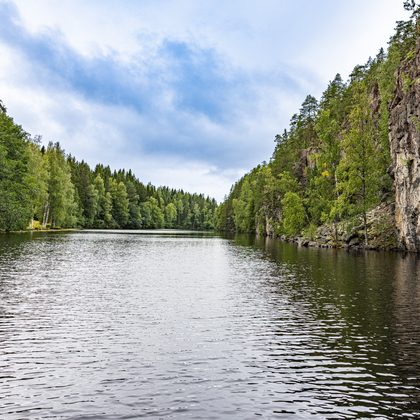
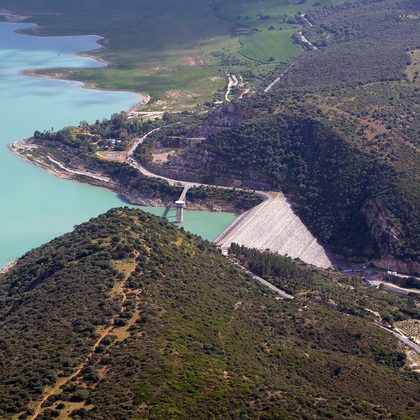
Open country beside fresh and brackish water: steppe lakes, reservoirs, river mouths, saltmarsh and arable land. Nests in holes, rock crevices, buildings and sometimes rabbit burrows, often far from water. Around the Wadden Sea of the Low Countries and Germany it uses coastal moulting sites and sand pits, feeding out on grassland and fields.
Where the bird is most at home, classified with EUNIS — the European standard for habitats.


Range and movements
Breeds from south-east Europe and Turkey to Central Asia, with small populations in North Africa and in southern Iberia, where it is increasing in the lagoons of Andalusia and La Mancha. A feral population breeds in north-west Europe, with hundreds to thousands moulting in the Wadden area of the Low Countries and Germany.
- Resident
- Breeding (summer)
- Winter
- Passage
- dark = core range, pale = thinly spread
How and when to look
In north-west Europe July and August are best, along the Wadden coast and at large sand pits; look in late afternoon when moulting parties move from the water onto grassland. In the Mediterranean the lagoons of Doñana and La Mancha offer the best chances in spring.
Conservation status
The world population is stable to increasing, and the species is expanding in southern Spain. North-west European birds derive from captivity and are managed as an alien, with debate about hybridisation and competition. Genuinely wild vagrants from the east are almost impossible to separate.
Scientific name
Tadorna ferruginea | (Pallas, 1764)
Pallas described the species in 1764 as Anas ferruginea; because it was later moved to another genus, the author and year stand in brackets. The genus Tadorna was introduced in 1822 by Boie. Tadorna comes through French tadorne from an older, probably Celtic name for a pied waterfowl. ferruginea is Latin for 'rust-coloured', from ferrugo 'iron rust', after the orange-brown plumage. The specimen the first description was based on came from Central Asia.