All species › Pelicans, herons and ibises › Herons and bitterns
Herons and bitterns | Ardeidae
Reigers | Garzas y avetoros
The middle of the neck is built of shortened vertebrae, so the neck folds into a Z and can shoot forward in one movement, with the straight, pointed bill working as a spear or a pair of forceps. They hunt standing or walking slowly in shallow water for fish, amphibians, insects and small mammals, and they are the only long-legged waders that fly with the neck drawn back between the shoulders and the legs trailing past the tail. Patches of powder down on the breast and flanks crumble continuously; using the comb-like serrated claw of the middle toe they work that powder through the plumage to bind slime and fish oil. The nest is a platform of sticks or reeds, usually in a colony, and three to six eggs are laid with incubation starting from the first, so the chicks hatch a day or two apart and differ sharply in size.
Native species 11 species
Species that occur here by nature: breeding birds, winter visitors and passage migrants. They are arranged by genus, in the sequence of the list.
Bitterns | Botaurinae
2 species
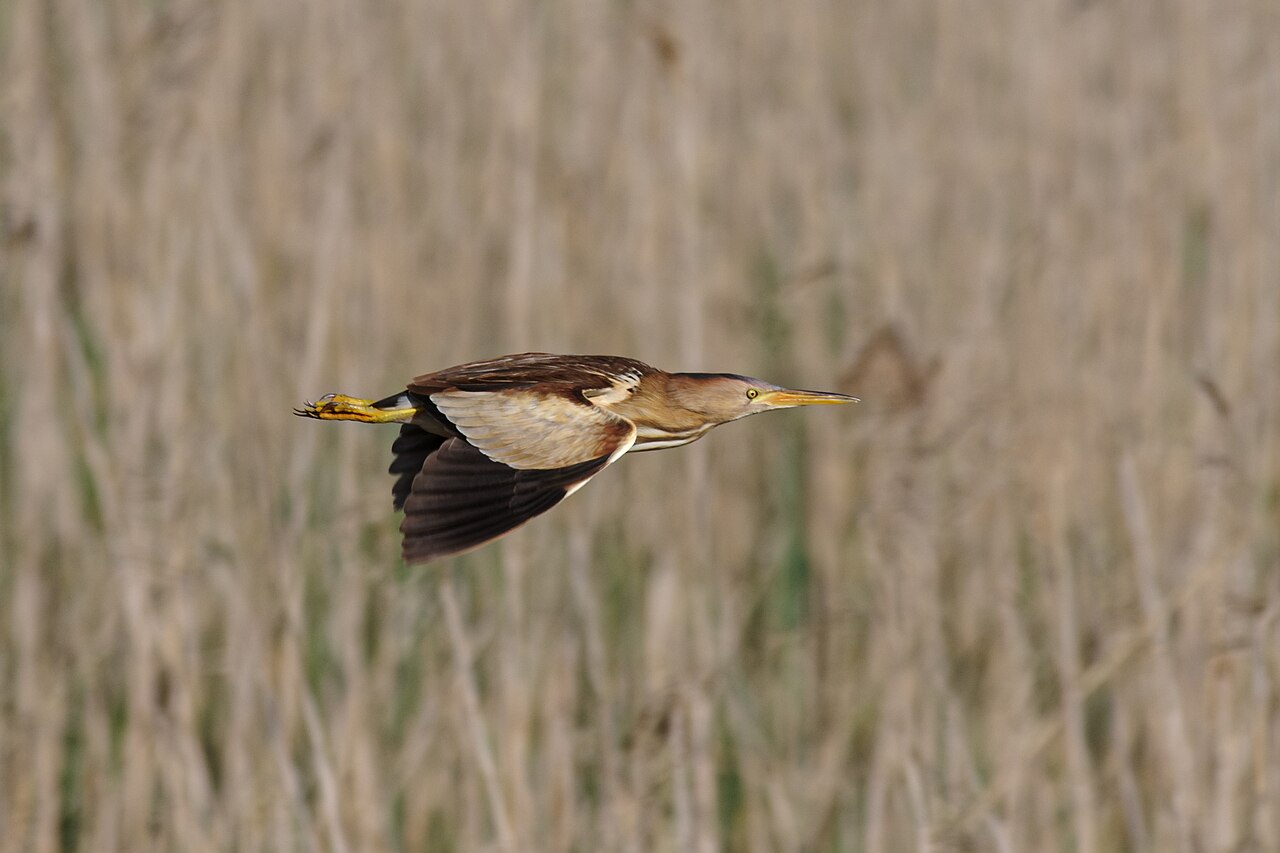
Short in the leg, thick in the neck and heavy in the bill, with buff, brown and black plumage in which long streaks break the bird's outline against the vertical stems. They keep to old, dense reed beds and seldom leave them, climbing the stems on long grasping toes, hunting alone and driving the neck forward from a low crouch. Disturbed, a bird stretches neck and bill straight up and sways with the reeds, so that the streaking runs on into the vegetation around it. The nest is a private platform of bent-over reed just above the water, well away from other pairs. The voice carries for kilometres: a deep, hollow boom through the spring nights.
Botaurus 2 species

Herons and egrets | Ardeinae
9 species
Long in the leg and neck, and plainer in colour — white, grey, blue-grey or rust — without the running streaks of the bitterns. They feed in the open, along banks, in shallow water and out on grassland, waiting motionless or stepping slowly forward, in full view; the neck stays kinked in its Z and the head is thrown at the prey in a single movement. In the breeding season long ornamental plumes grow on the back, breast and crown, and the bill, legs and bare face brighten. Most nest in colonies, high in trees or in bushes over standing water, with the nests packed close together, and their voices are harsh, grating croaks rather than a far-carrying note.
Egretta 2 species
-
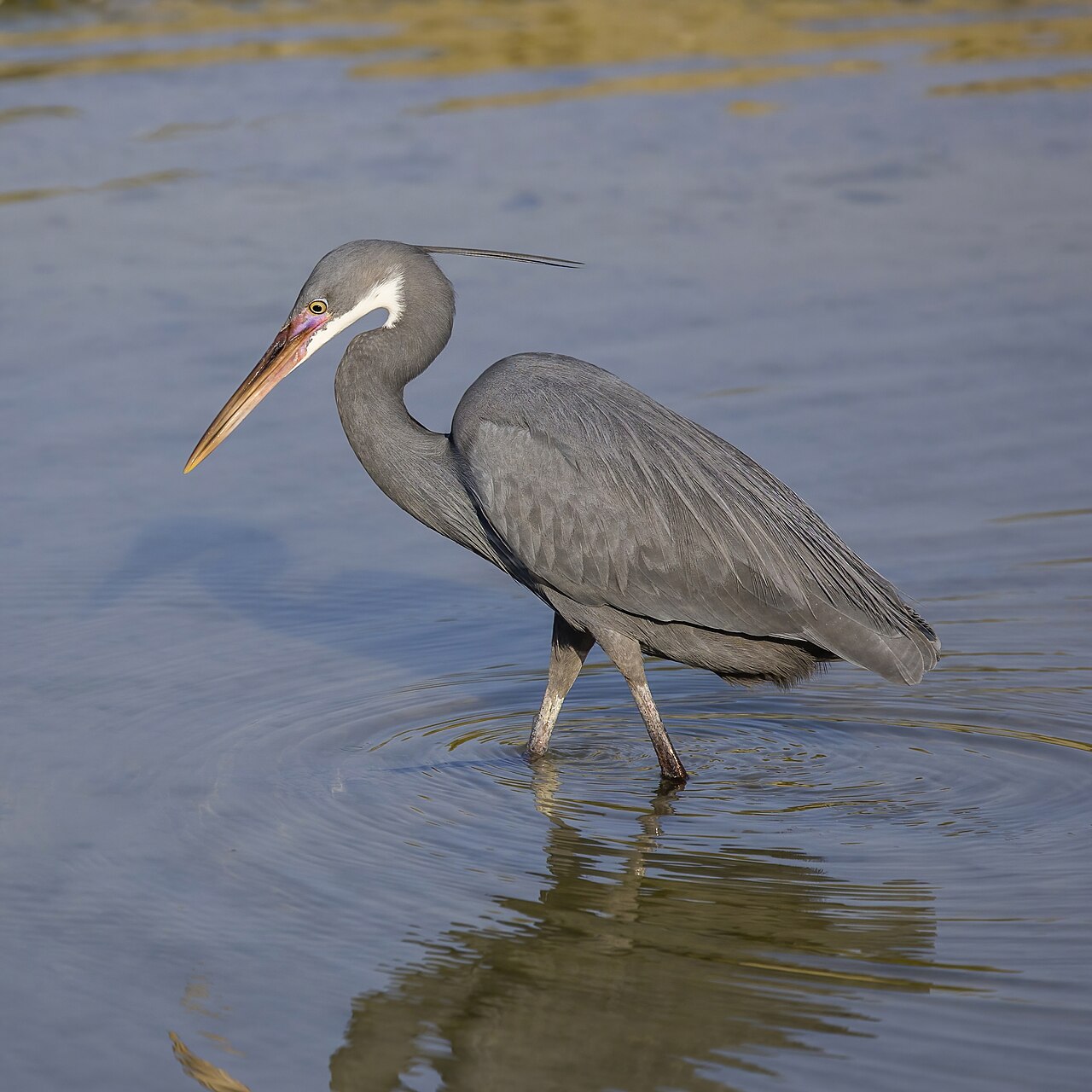
Western reef heron
Egretta gularis Littoral rock and other hard substrata
 Littoral sediment
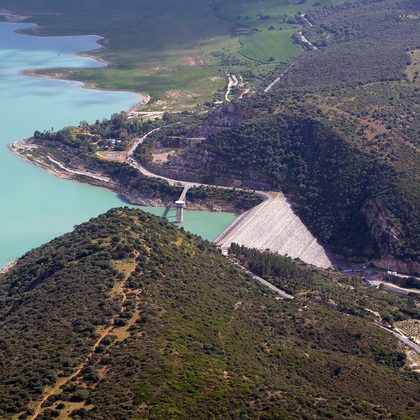 Highly artificial man-made waters
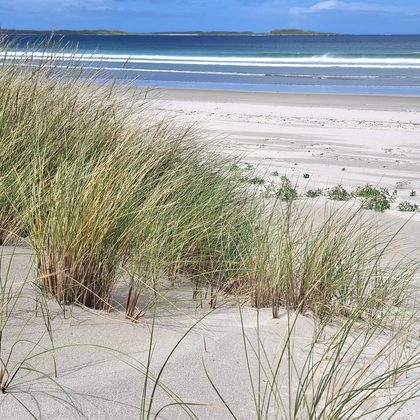 Coastal dunes and sandy shores
-
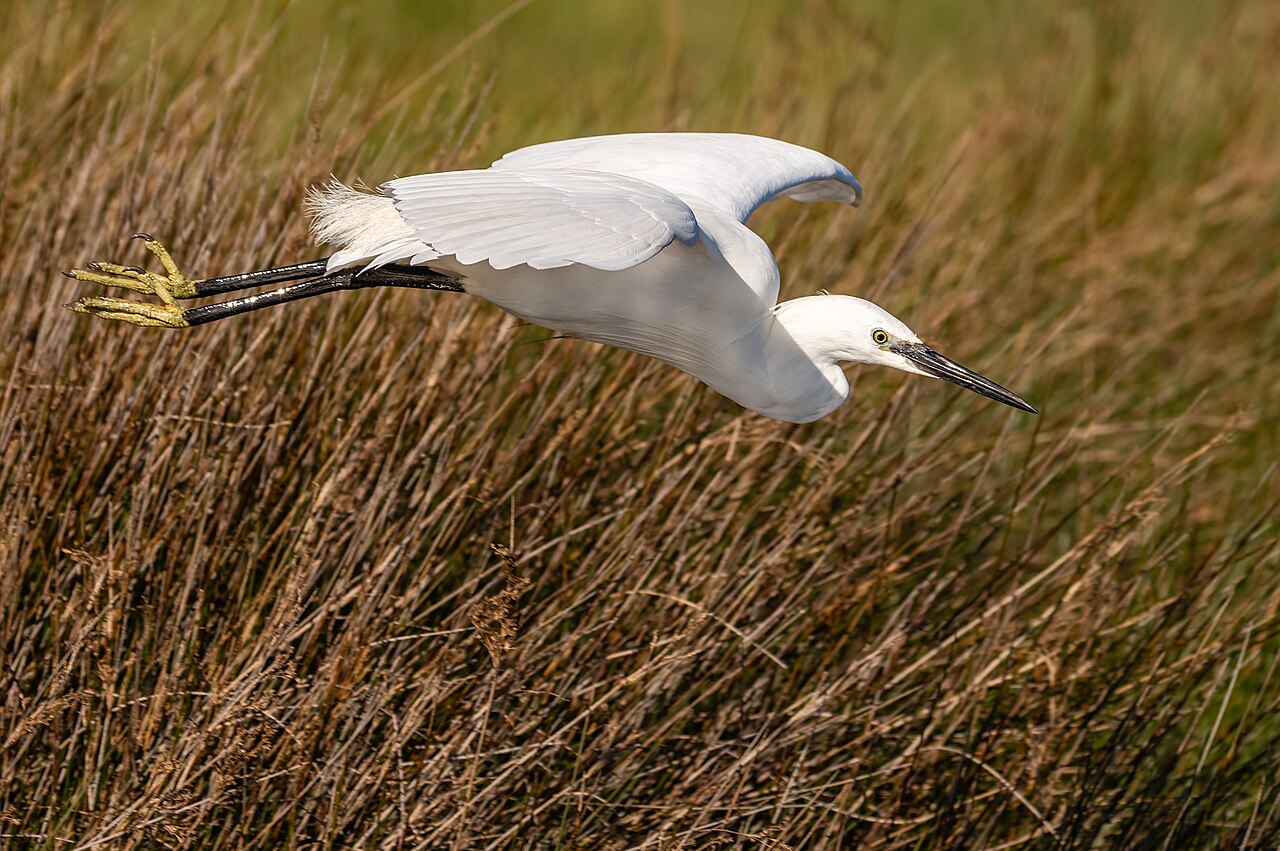
Little egret
Egretta garzetta- Littoral sediment
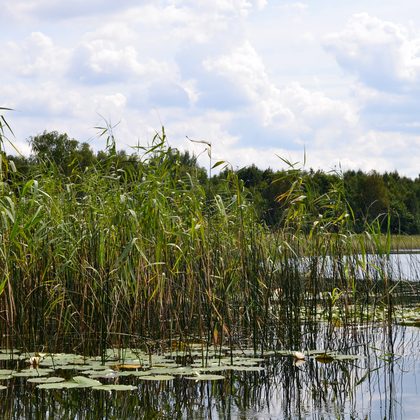 Littoral zone of inland surface waterbodies
 Arable land and market gardens
- Highly artificial man-made waters
Nycticorax 1 species
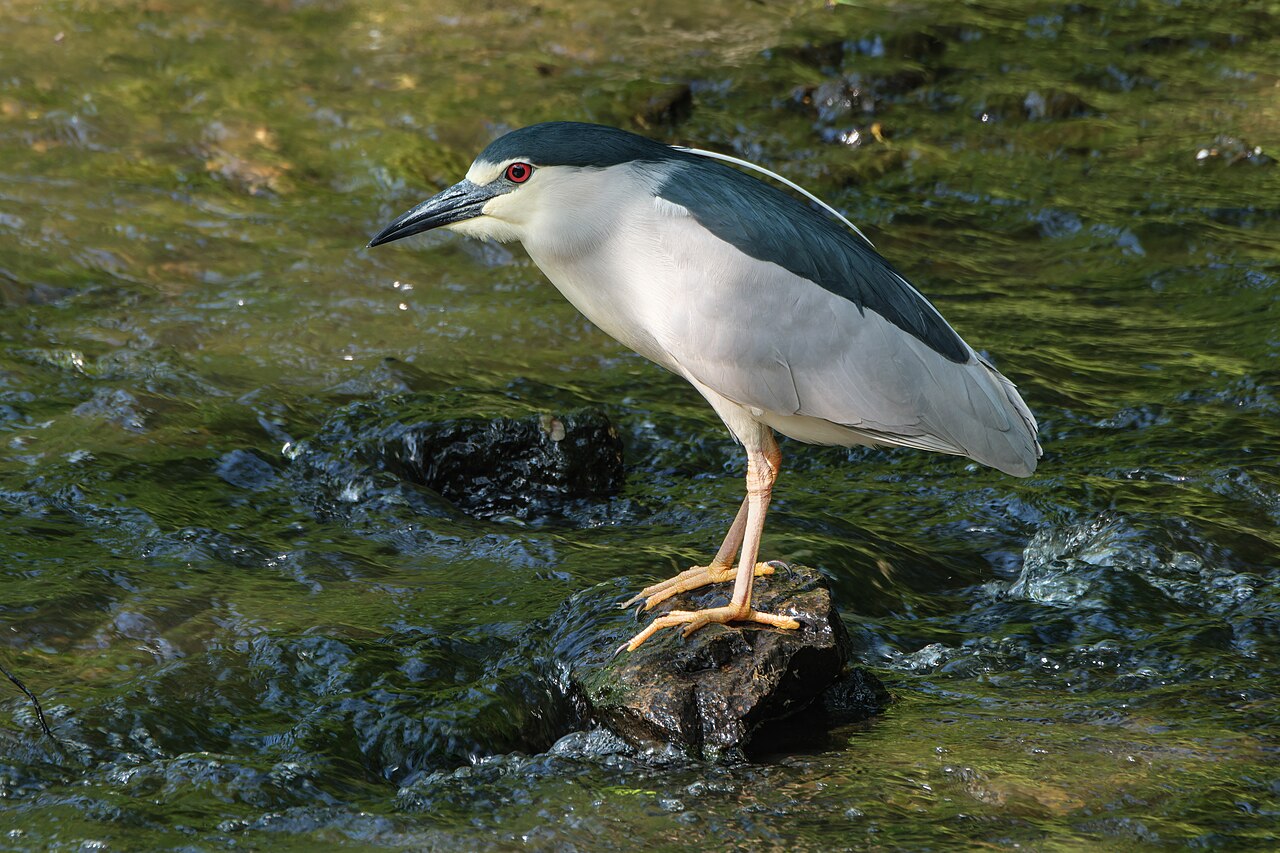

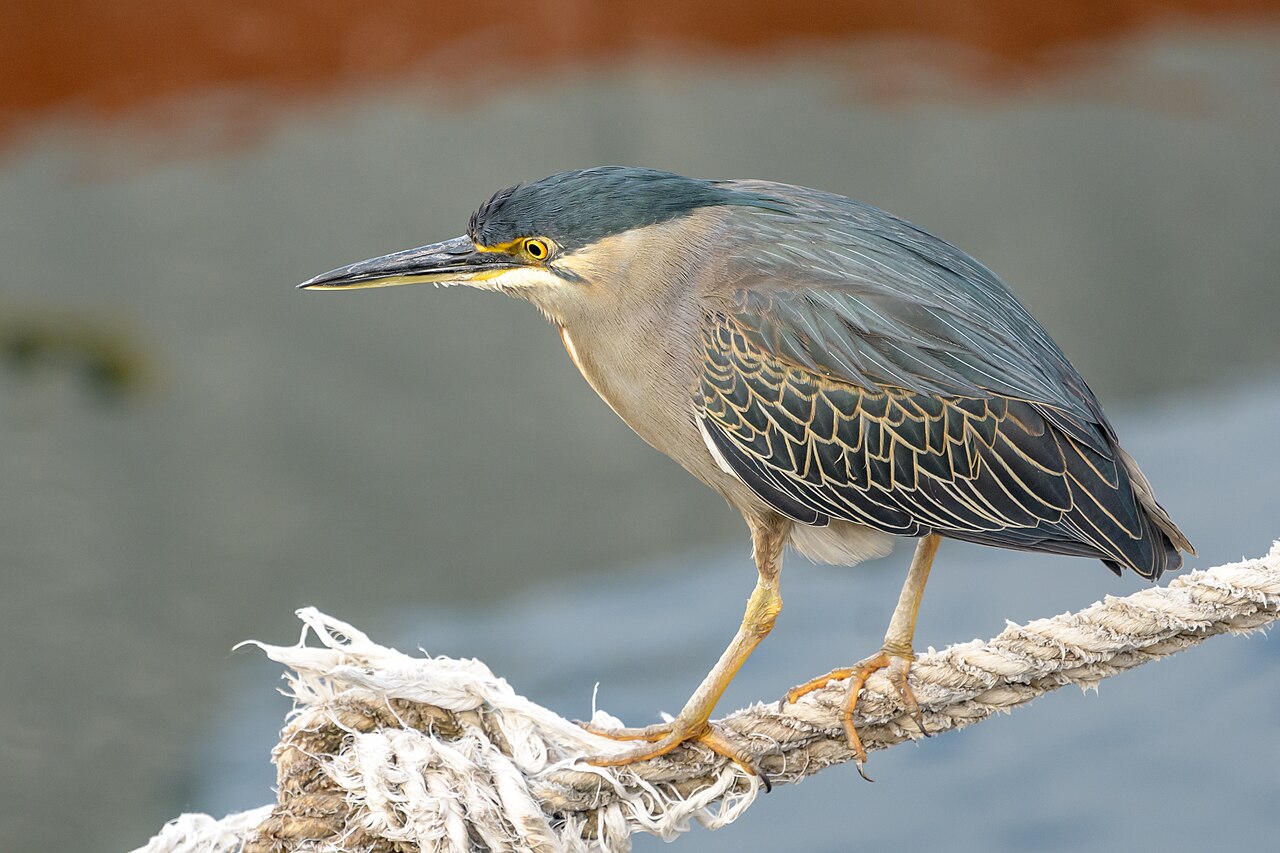
Butorides 1 species

Ardea 4 species
-
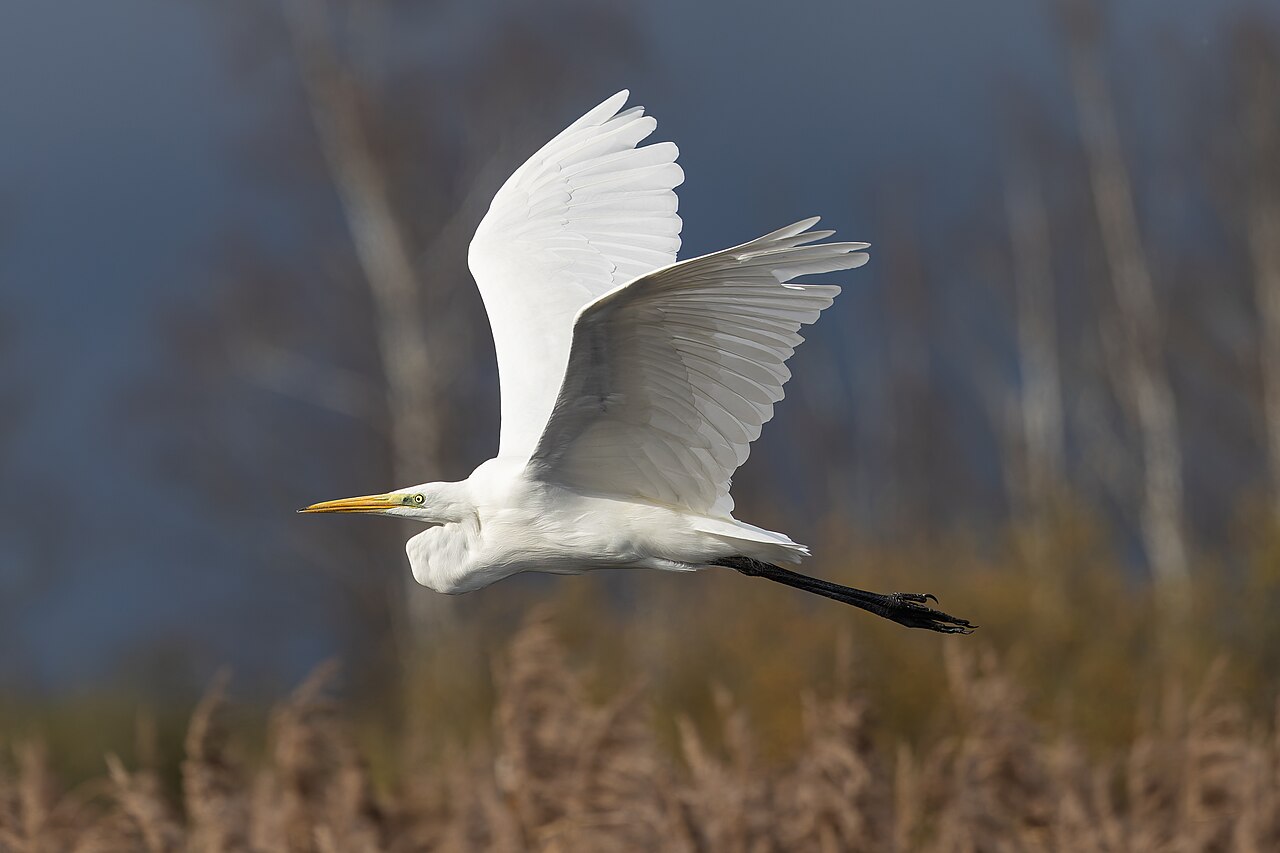
Great egret
Ardea alba Sedge and reedbeds without free-standing water
- Littoral zone of inland surface waterbodies
 Seasonally wet and wet grasslands
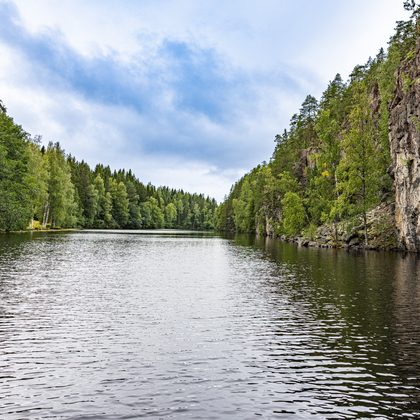 Surface standing waters
- Arable land and market gardens
-
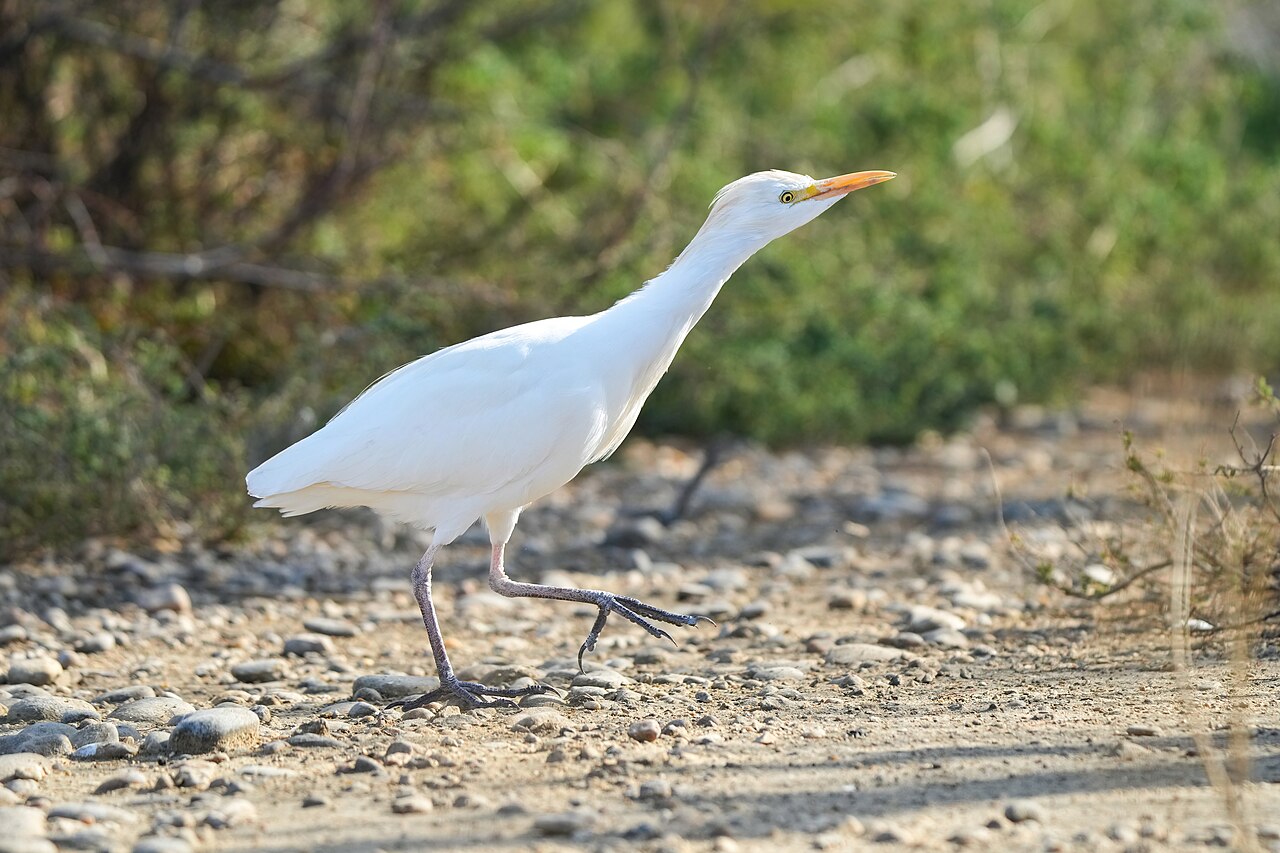
Cattle egret
Ardea ibis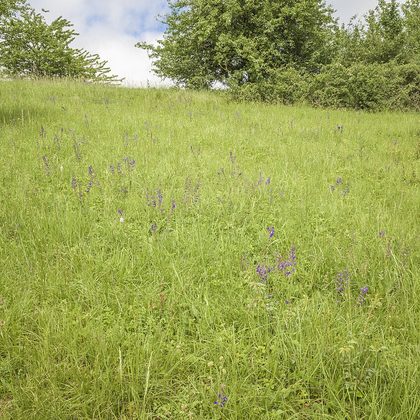 Mesic grasslands
 Sparsely wooded grasslands
- Arable land and market gardens
 Waste deposits
- Sedge and reedbeds without free-standing water
-
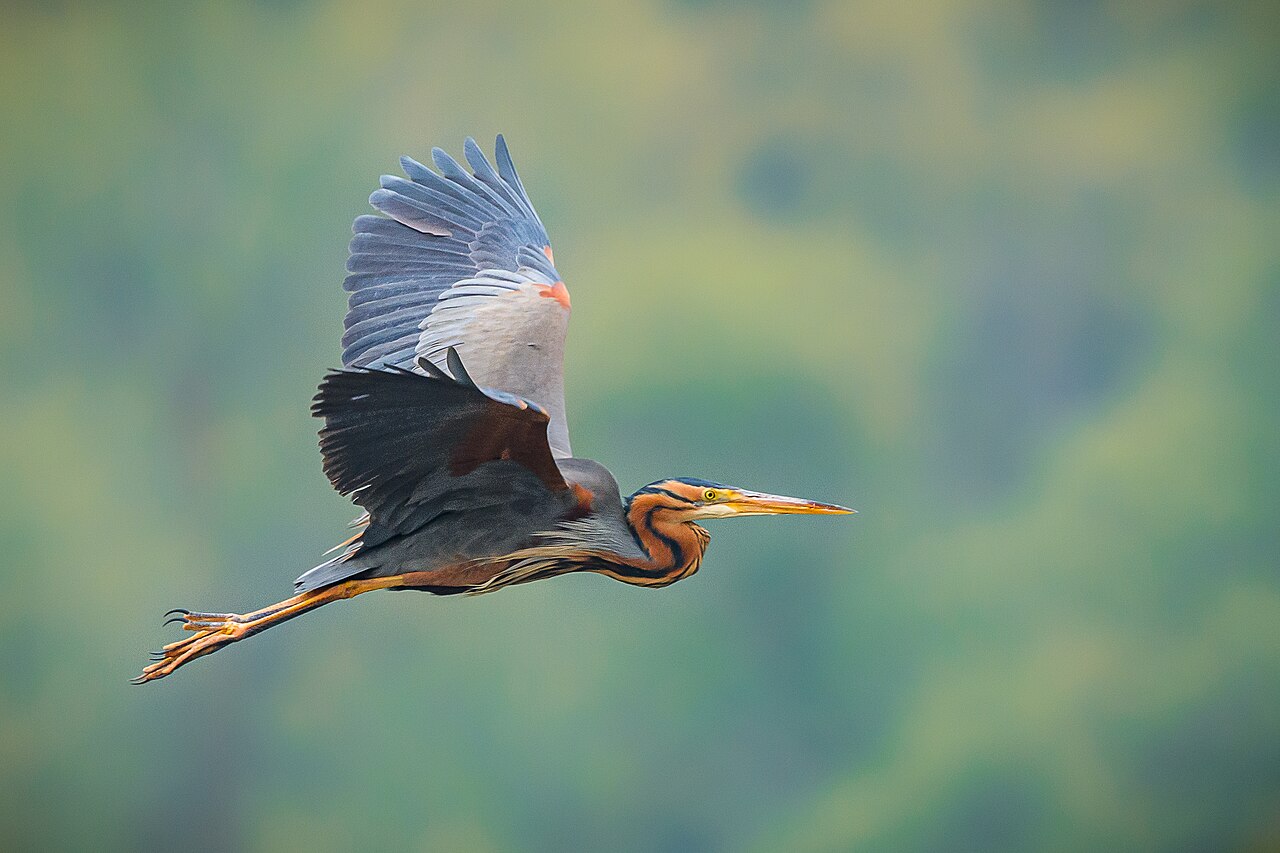
Purple heron
Ardea purpurea- Sedge and reedbeds without free-standing water
- Littoral zone of inland surface waterbodies
 Riverine and fen scrub
- Arable land and market gardens
-

Grey heron
Ardea cinerea- Surface standing waters
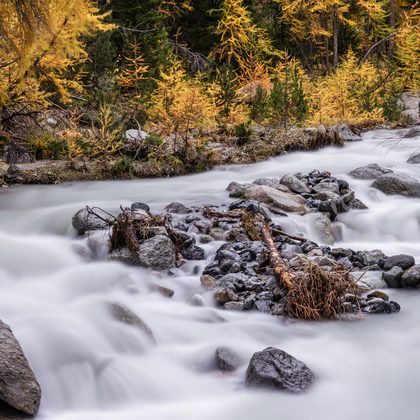 Surface running waters
- Littoral zone of inland surface waterbodies
- Seasonally wet and wet grasslands
 Cultivated areas of gardens and parks
Vagrants 2 species
Birds blown in from other continents. They have no range here, and so no distribution map.
-

Yellow-crowned night-heron
Nyctanassa violacea- Littoral sediment
- Littoral rock and other hard substrata
- Littoral zone of inland surface waterbodies
- Riverine and fen scrub
- Surface standing waters
-
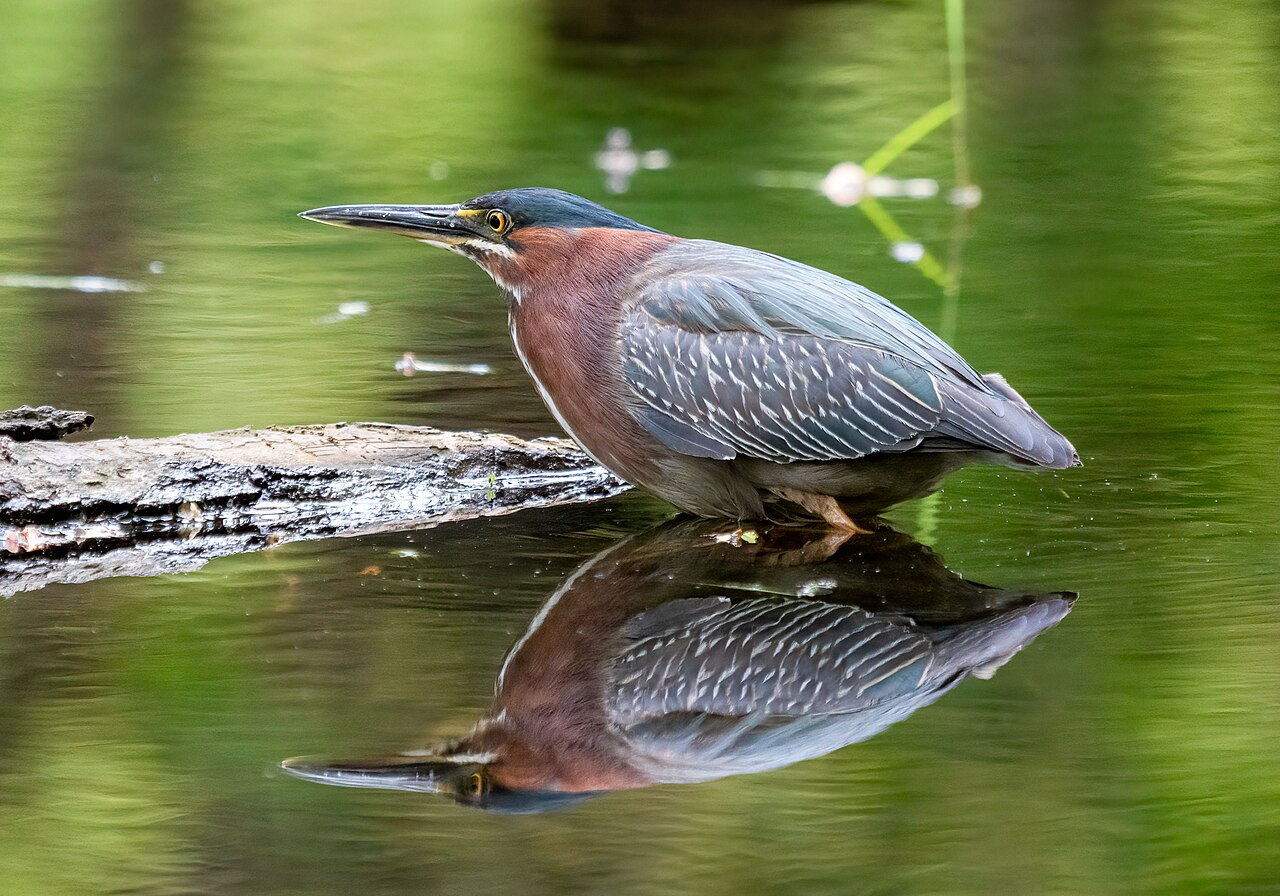
Green heron
Butorides virescens- Littoral zone of inland surface waterbodies
- Riverine and fen scrub
- Surface standing waters
- Littoral sediment
- Highly artificial man-made waters