All species › Waders, gulls and terns › Gulls and terns
Gulls and terns | Laridae
Meeuwen en sterns | Gaviotas y charranes
Three fully webbed front toes and a small, raised hind toe: these birds can rest on the water, and salt glands above the eyes let them drink sea water as well. Two builds stand side by side within the family: heavier birds with a stout, slightly hooked bill that will eat almost anything they can get hold of, and slighter birds with a thin, pointed bill held downwards while hovering, before they drop into the water. They nest almost always in ground colonies, with one to three blotched eggs; the downy chicks stay at the nest and are fed by both parents, unlike the self-feeding young of the waders. Most species moult twice a year and show a different head pattern in winter, and in the largest species it takes two to four years before the adult plumage is complete.
Native species 35 species
Species that occur here by nature: breeding birds, winter visitors and passage migrants. They are arranged by genus, in the sequence of the list.
Gulls | Larinae
18 species
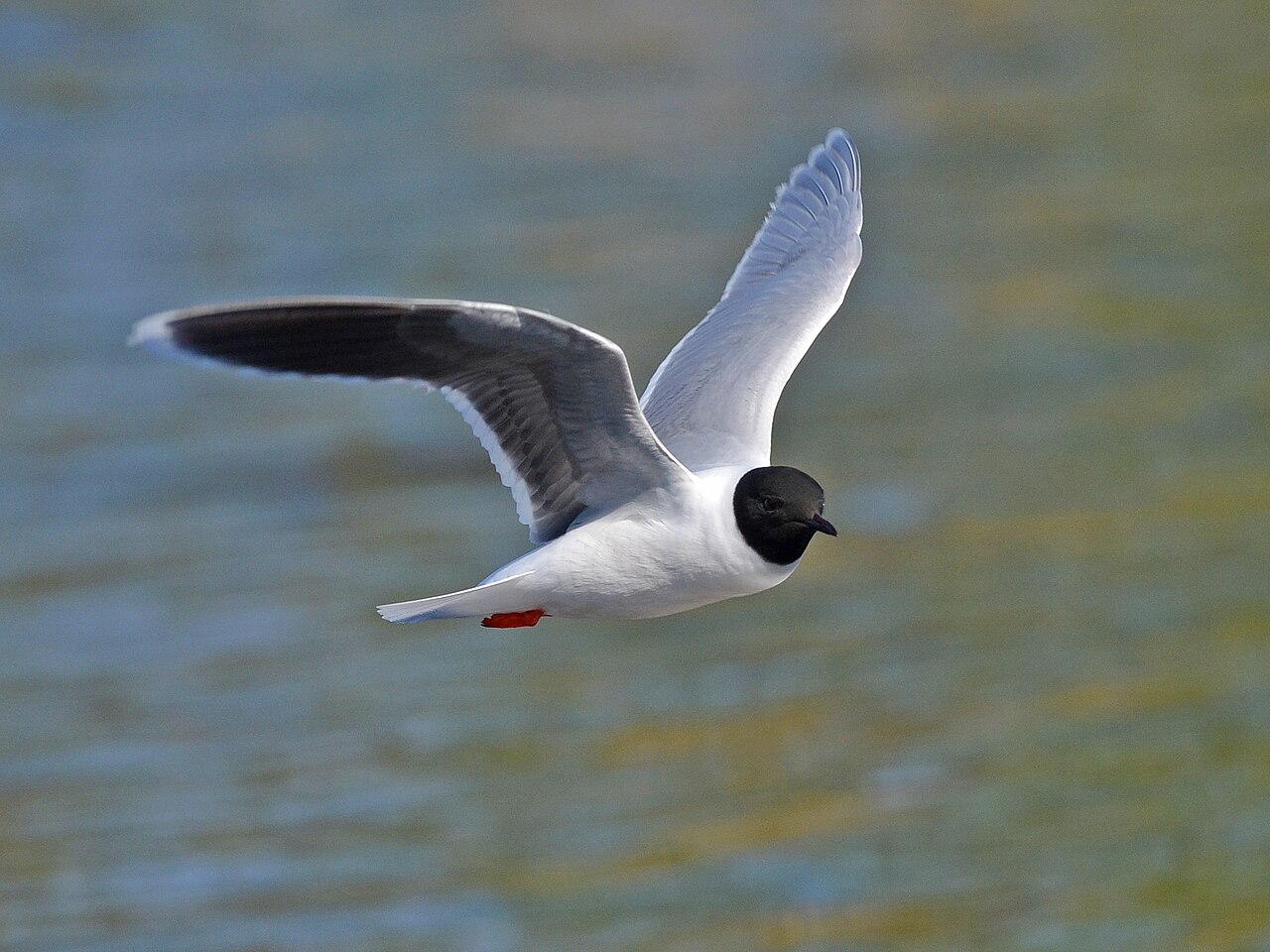
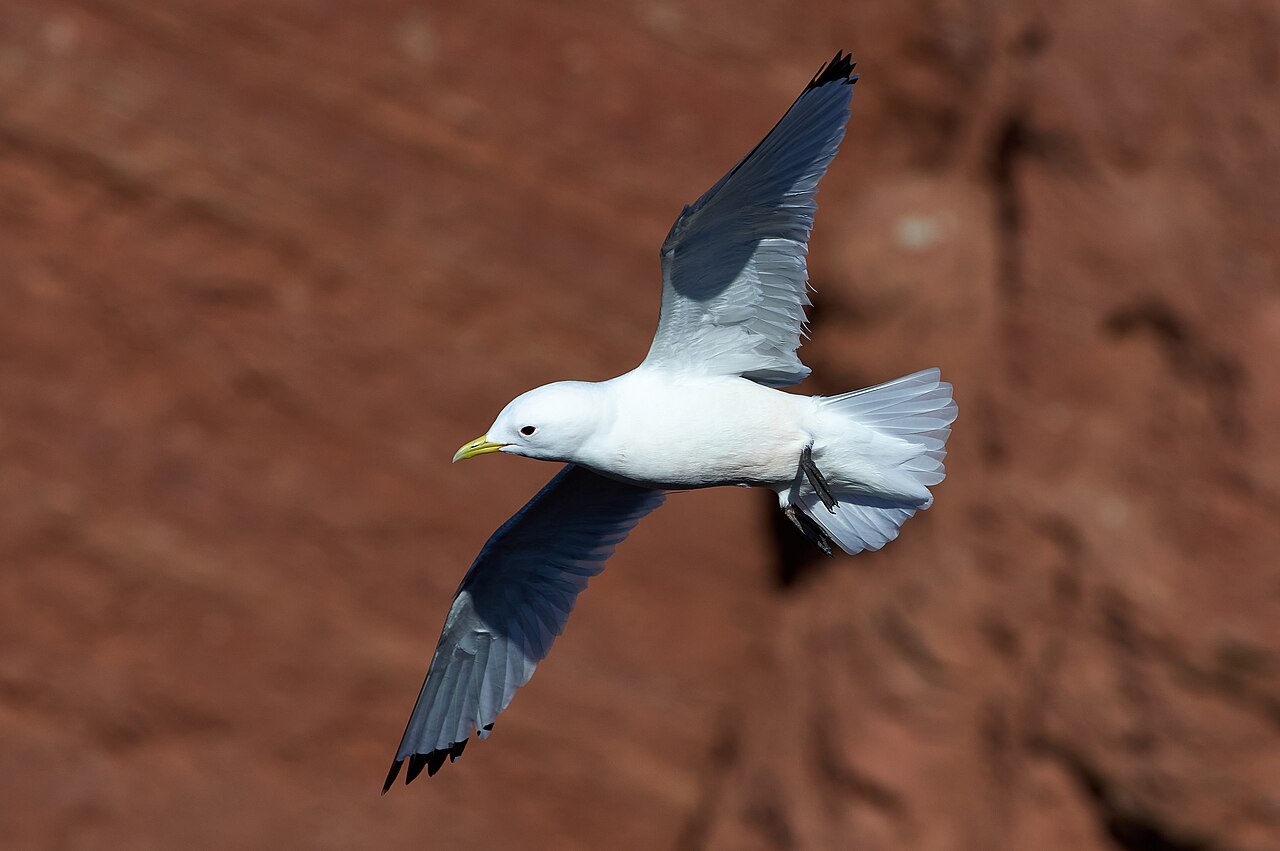
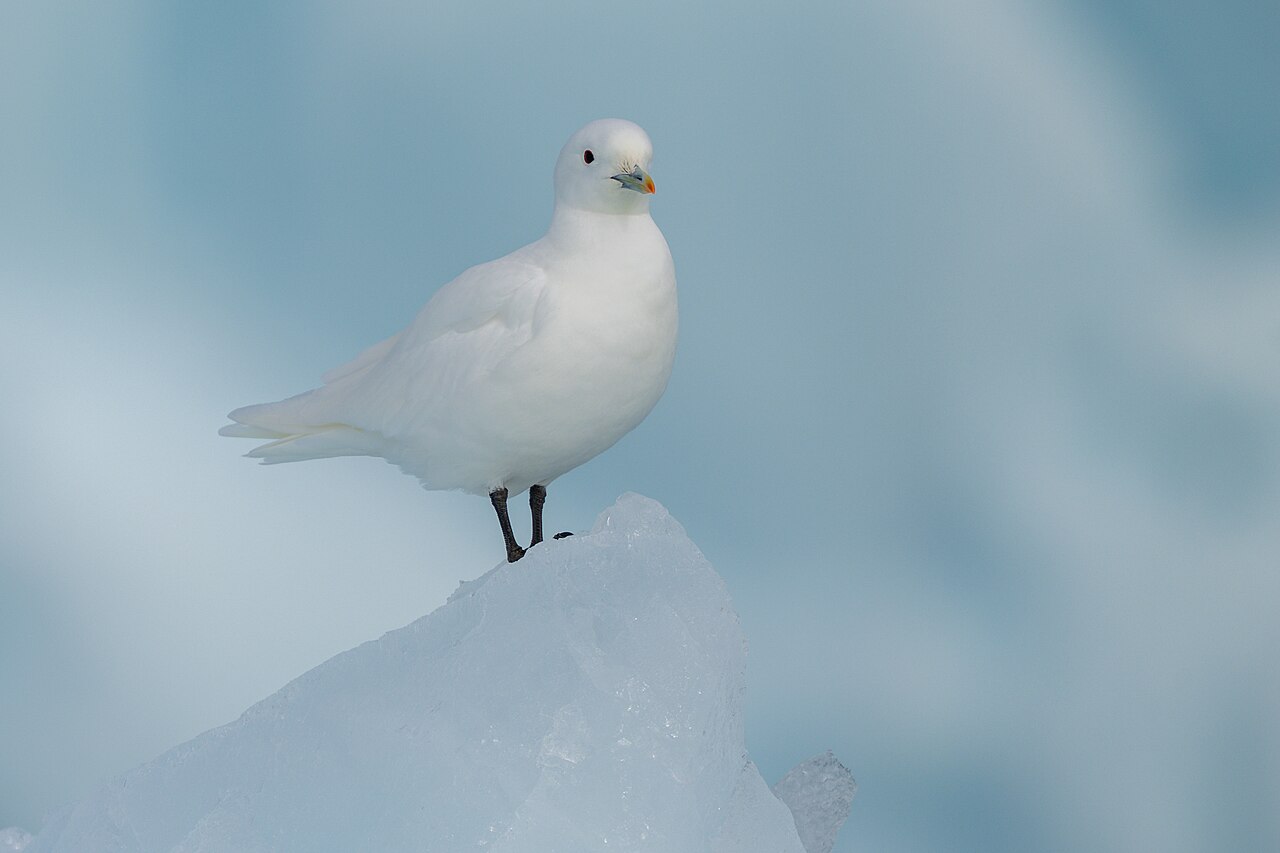
Heavily built birds with broad, rounded wingtips and a stout bill that hooks slightly downwards at the front: not a probe for pushing into mud but a pair of pincers that can deal with almost anything — a crab, a fish, refuse, an egg or a chick. Fairly long legs let them walk easily and they sit high on the water, so you meet them on a ploughed field as readily as at sea. Where terns drop from a height, a gull picks from the surface while swimming, or chases another bird until it gives up its catch. Many wear a dark hood in summer that shrinks to a smudge behind the eye in winter, and the largest need two to four years of brown mottled dress before the clean grey and white is complete.
Hydrocoloeus 1 species
Rissa 1 species

Pagophila 1 species
Chroicocephalus 2 species
-
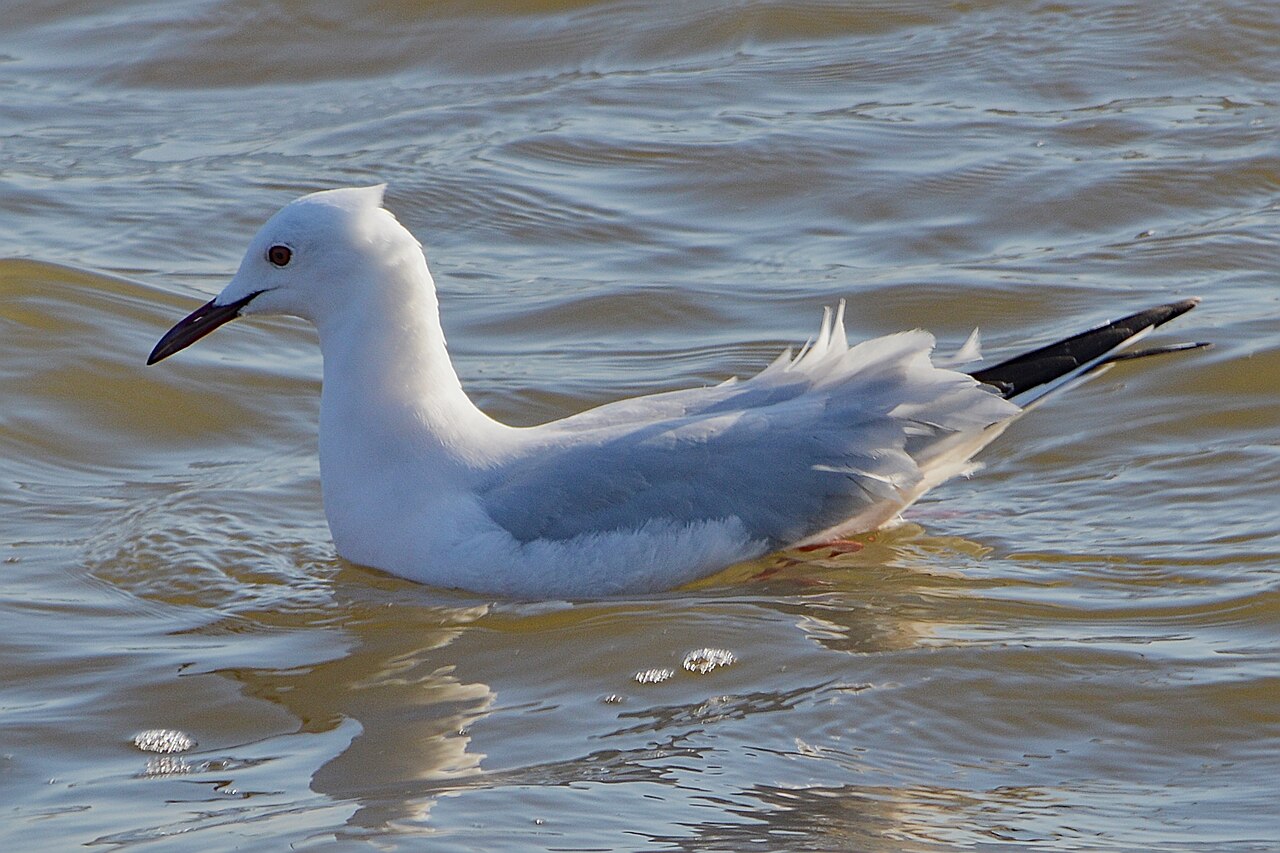
Slender-billed gull
Chroicocephalus genei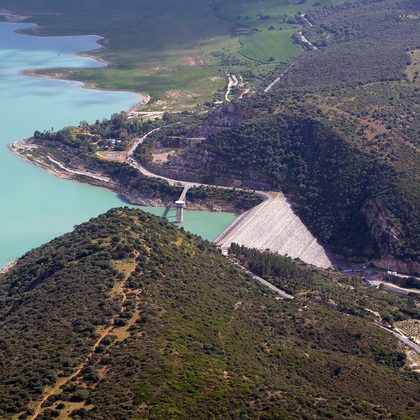 Highly artificial man-made waters
 Littoral sediment
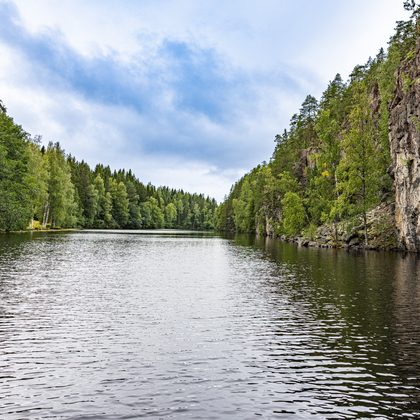 Surface standing waters
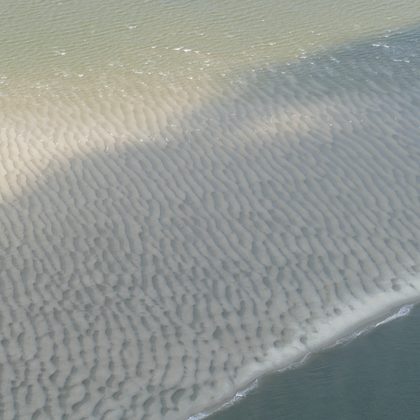 Sublittoral sediment
-

Black-headed gull
Chroicocephalus ridibundus- Surface standing waters
 Arable land and market gardens
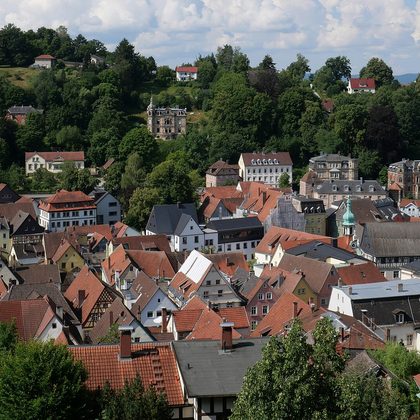 Buildings of cities, towns and villages
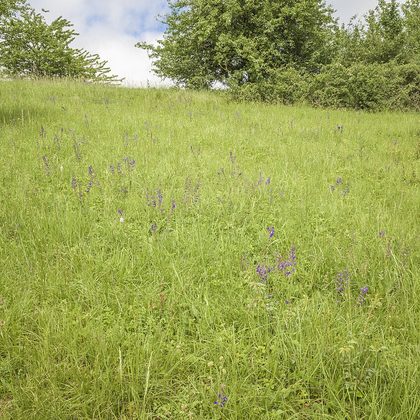 Mesic grasslands
- Littoral sediment
Ichthyaetus 3 species
-
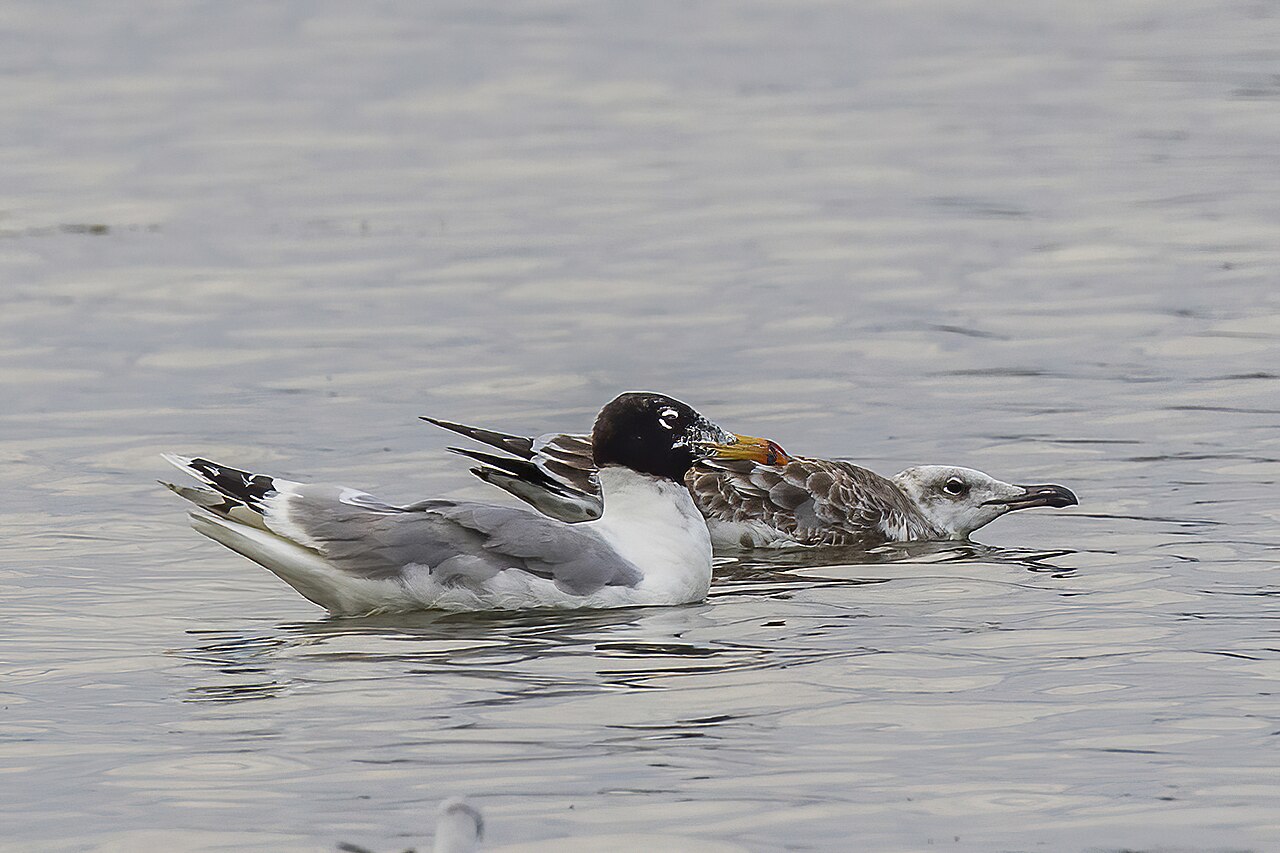
Pallas's gull
Ichthyaetus ichthyaetus- Surface standing waters
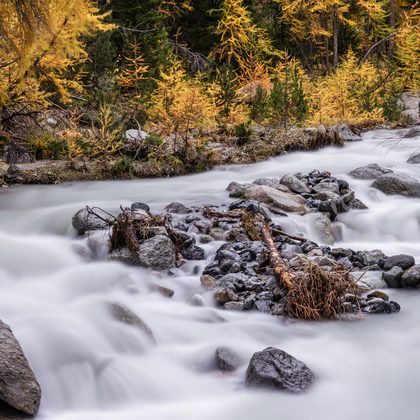 Surface running waters
- Littoral sediment
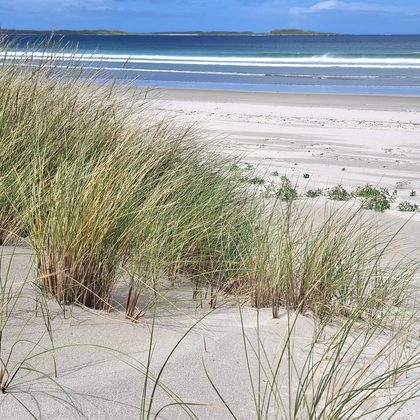 Coastal dunes and sandy shores
-

Audouin's gull
Ichthyaetus audouinii Rock cliffs, ledges and shores
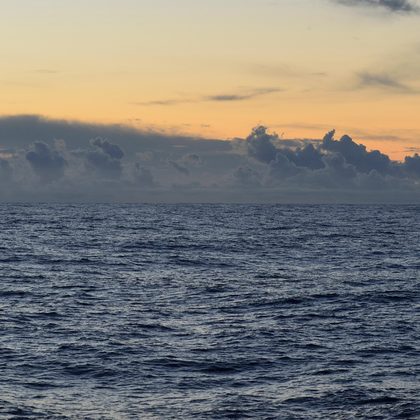 Pelagic water column
- Coastal dunes and sandy shores
- Highly artificial man-made waters
-
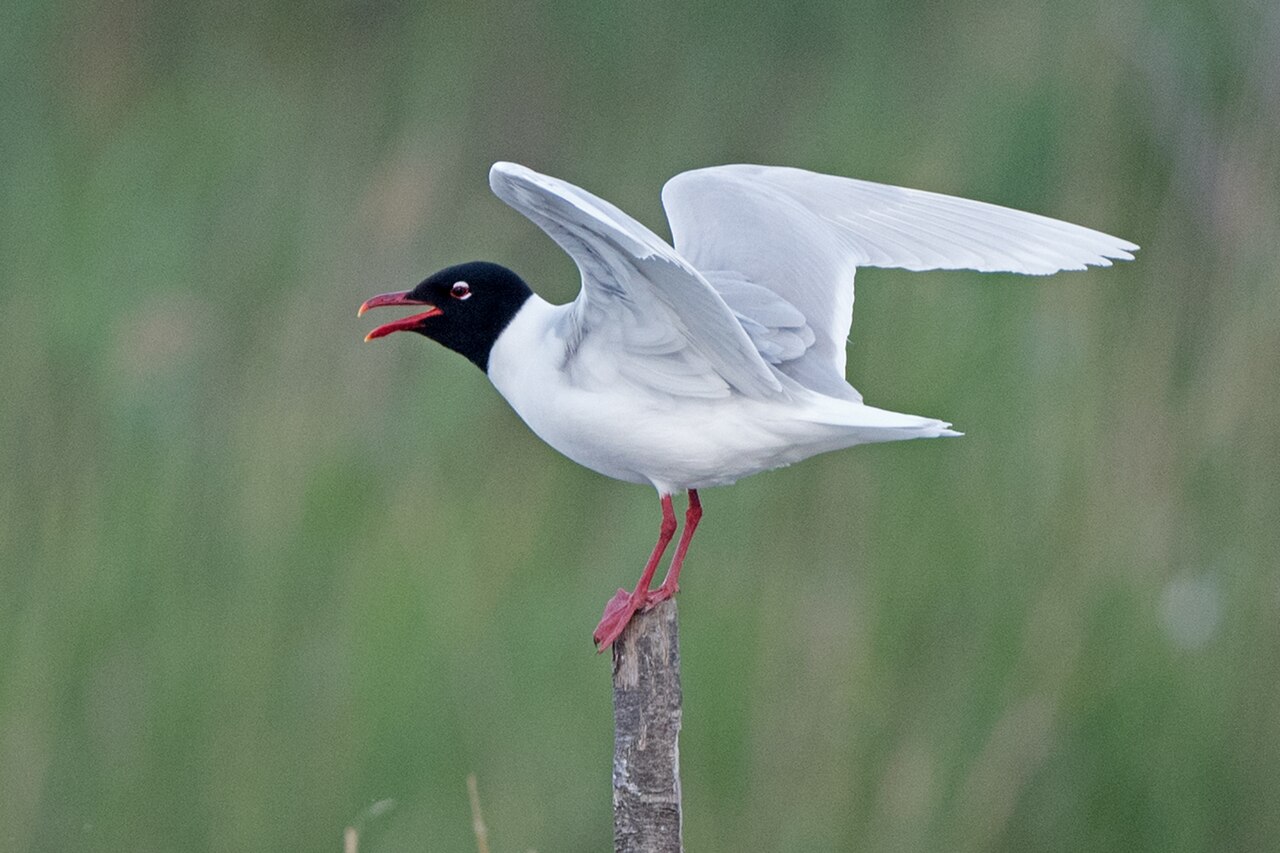
Mediterranean gull
Ichthyaetus melanocephalus- Arable land and market gardens
- Mesic grasslands
- Littoral sediment
- Coastal dunes and sandy shores
- Highly artificial man-made waters
Larus 9 species
-
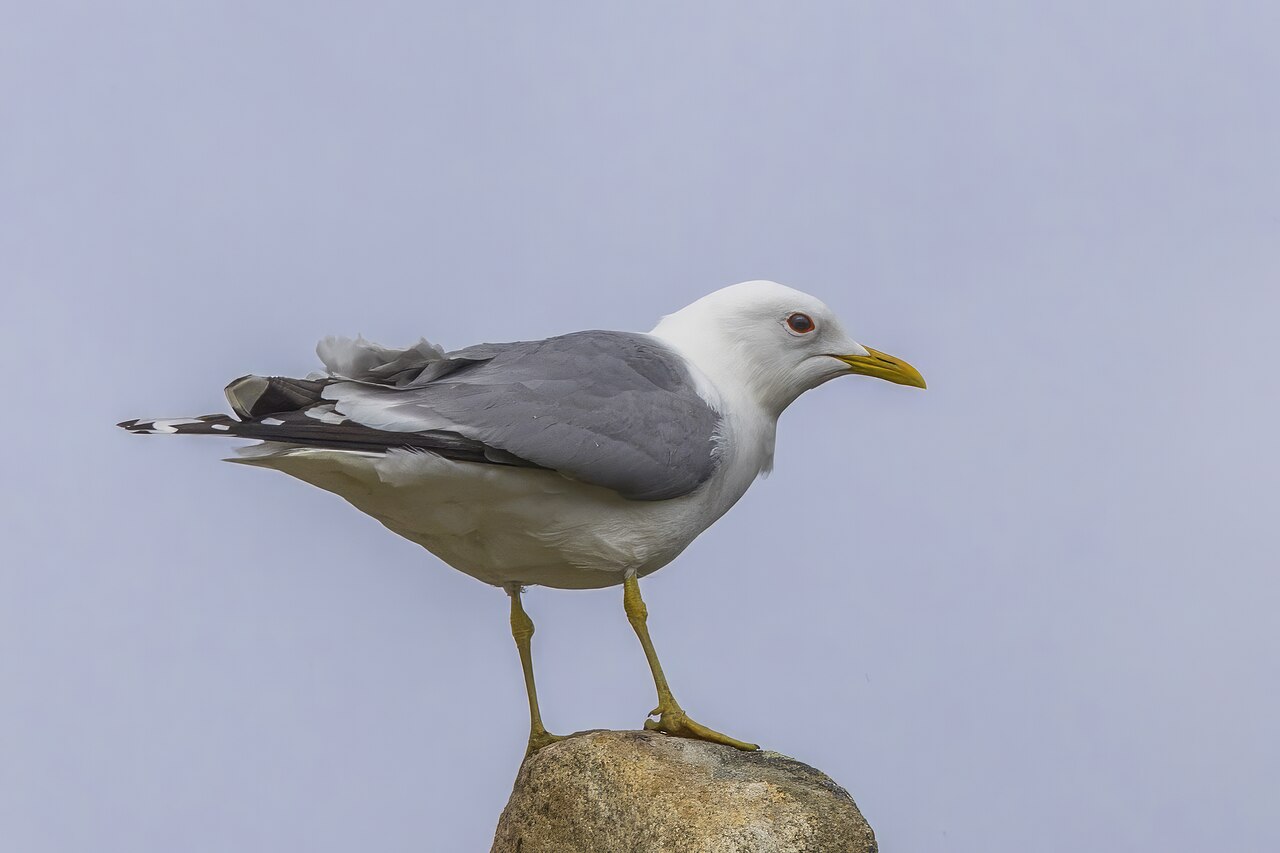
Common gull
Larus canus- Mesic grasslands
- Littoral sediment
- Coastal dunes and sandy shores
- Surface standing waters
- Buildings of cities, towns and villages
-
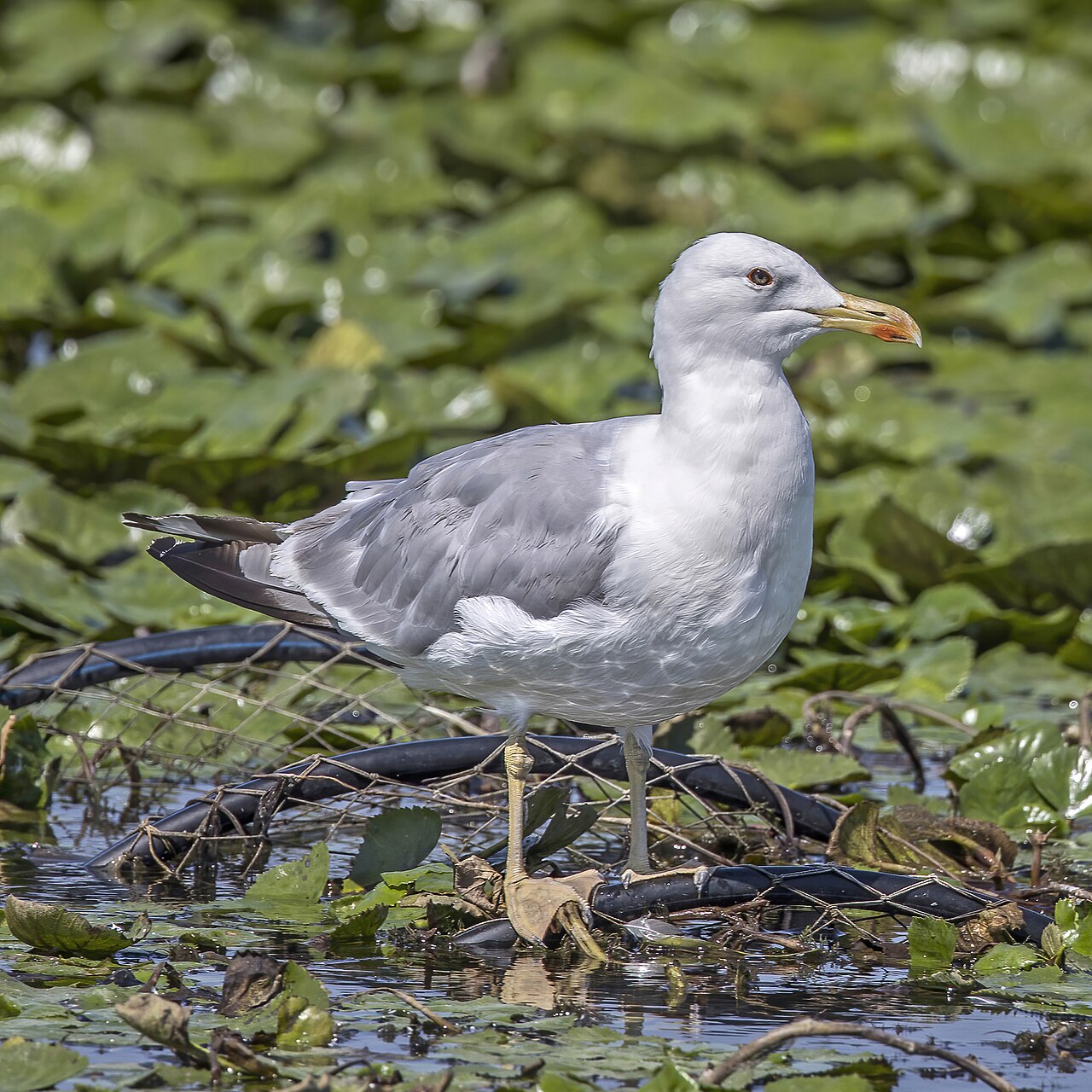
Caspian gull
Larus cachinnans- Surface running waters
 Waste deposits
- Surface standing waters
- Highly artificial man-made waters
-
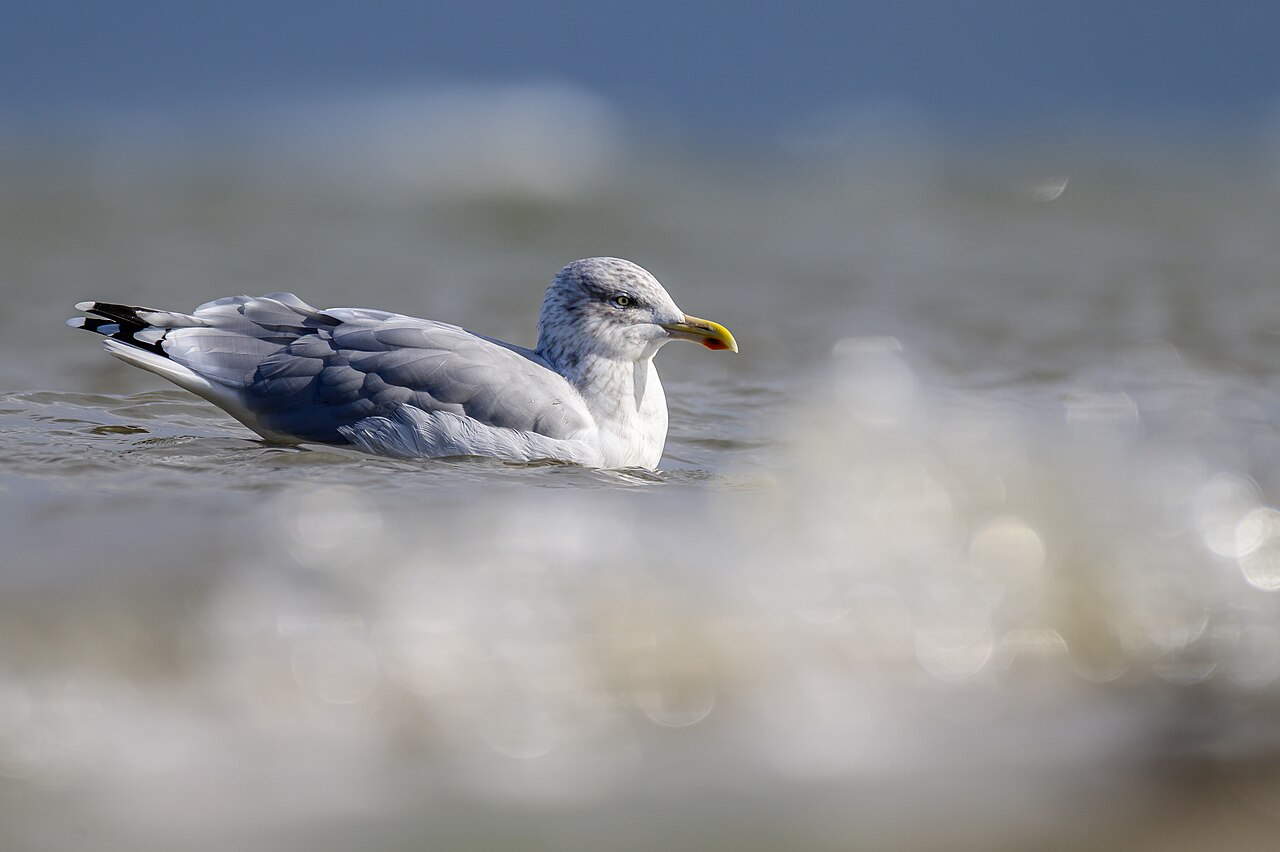
European herring gull
Larus argentatus- Littoral sediment
- Buildings of cities, towns and villages
- Coastal dunes and sandy shores
- Arable land and market gardens
- Waste deposits
-
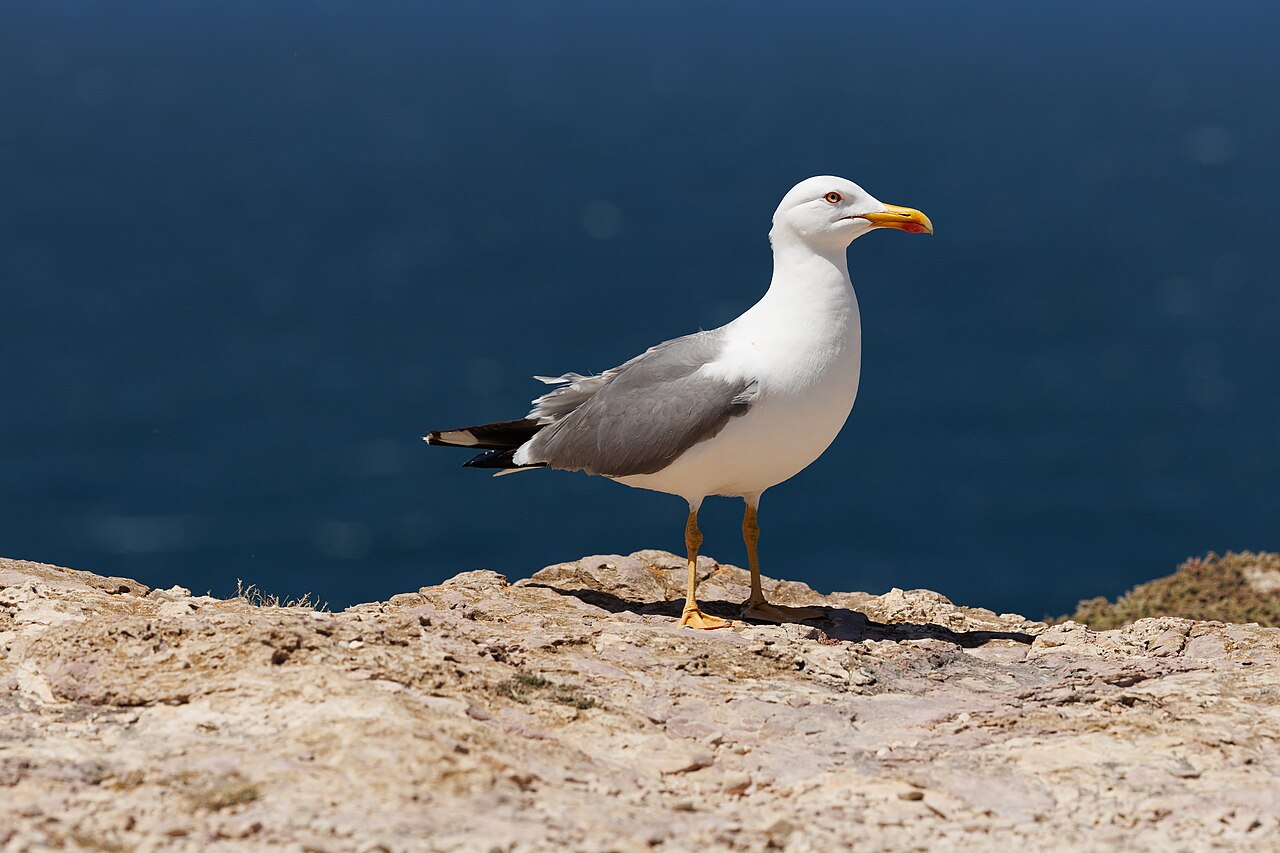
Yellow-legged gull
Larus michahellis- Rock cliffs, ledges and shores
- Buildings of cities, towns and villages
- Waste deposits
- Highly artificial man-made waters
- Surface running waters
- Coastal dunes and sandy shores
-
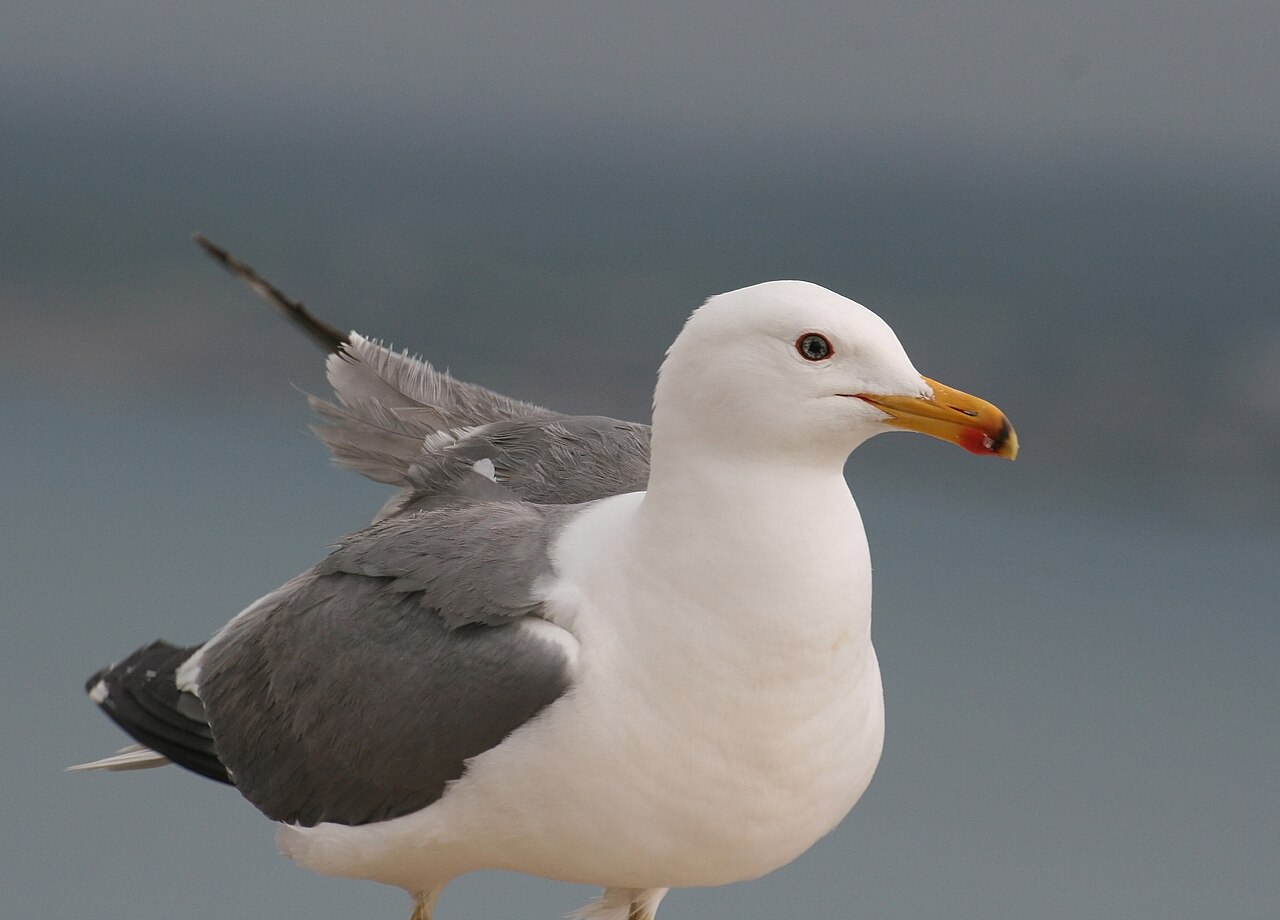
Armenian gull
Larus armenicus- Surface standing waters
- Waste deposits
- Highly artificial man-made waters
- Littoral sediment
-
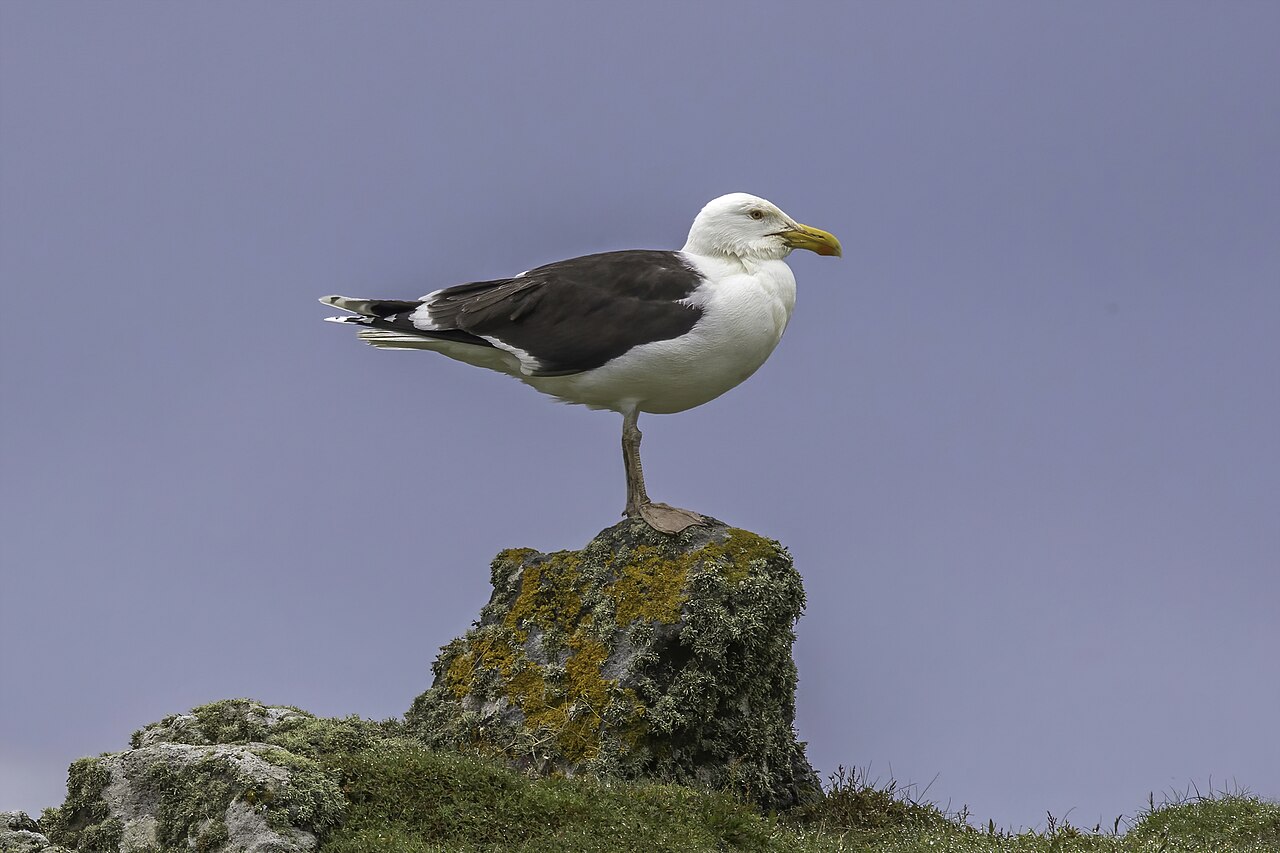
Great black-backed gull
Larus marinus- Rock cliffs, ledges and shores
- Sublittoral sediment
- Littoral sediment
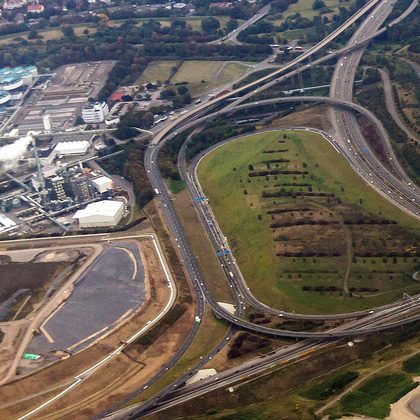 Transport networks and other hard-surfaced areas
-

Glaucous gull
Larus hyperboreus- Highly artificial man-made waters
- Waste deposits
- Littoral sediment
- Rock cliffs, ledges and shores
 Ice-associated marine habitats
-
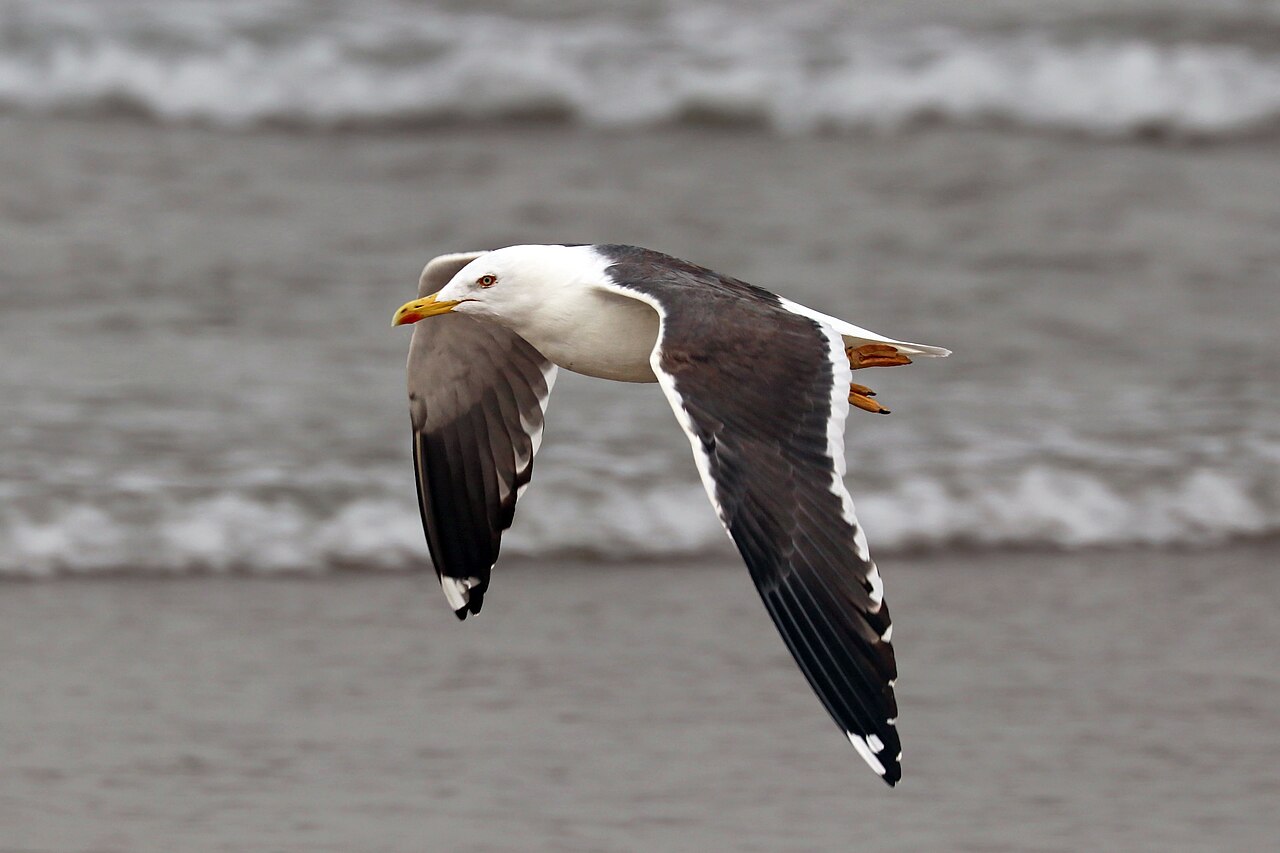
Lesser black-backed gull
Larus fuscus- Coastal dunes and sandy shores
- Pelagic water column
- Buildings of cities, towns and villages
- Waste deposits
- Arable land and market gardens
-

Iceland gull
Larus glaucoides- Highly artificial man-made waters
- Waste deposits
- Littoral sediment
- Rock cliffs, ledges and shores
- Pelagic water column
Terns | Sterninae
12 species
Slender, lightly built birds with long narrow wings and, in most, a forked tail, giving a buoyant, bounding flight quite unlike the steady sailing of the gulls. The bill is thin, straight and drawn out to a needle point; the legs are short, so they stand about on a beach but hardly walk on it. The hunting method is the mark of the group: they hang hovering over the water with the bill pointed down, then close the wings and plunge. The marsh-living species do not dive at all, but pick insects from the surface in dipping flight. Nearly all wear a black cap in the breeding season that fades to a white forehead in winter, and they nest in colonies on sand, shingle or floating vegetation.
Onychoprion 2 species
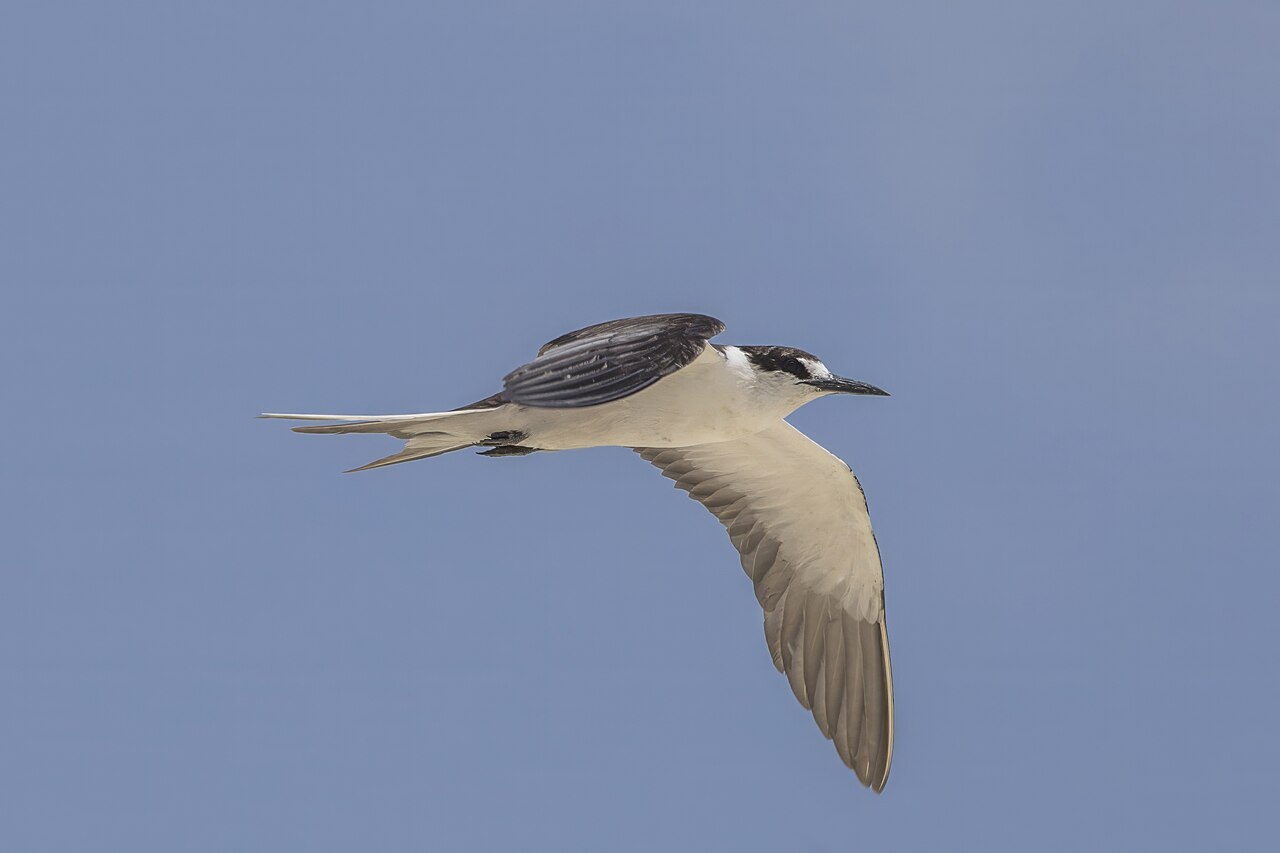

Sternula 1 species

Hydroprogne 1 species

Gelochelidon 1 species
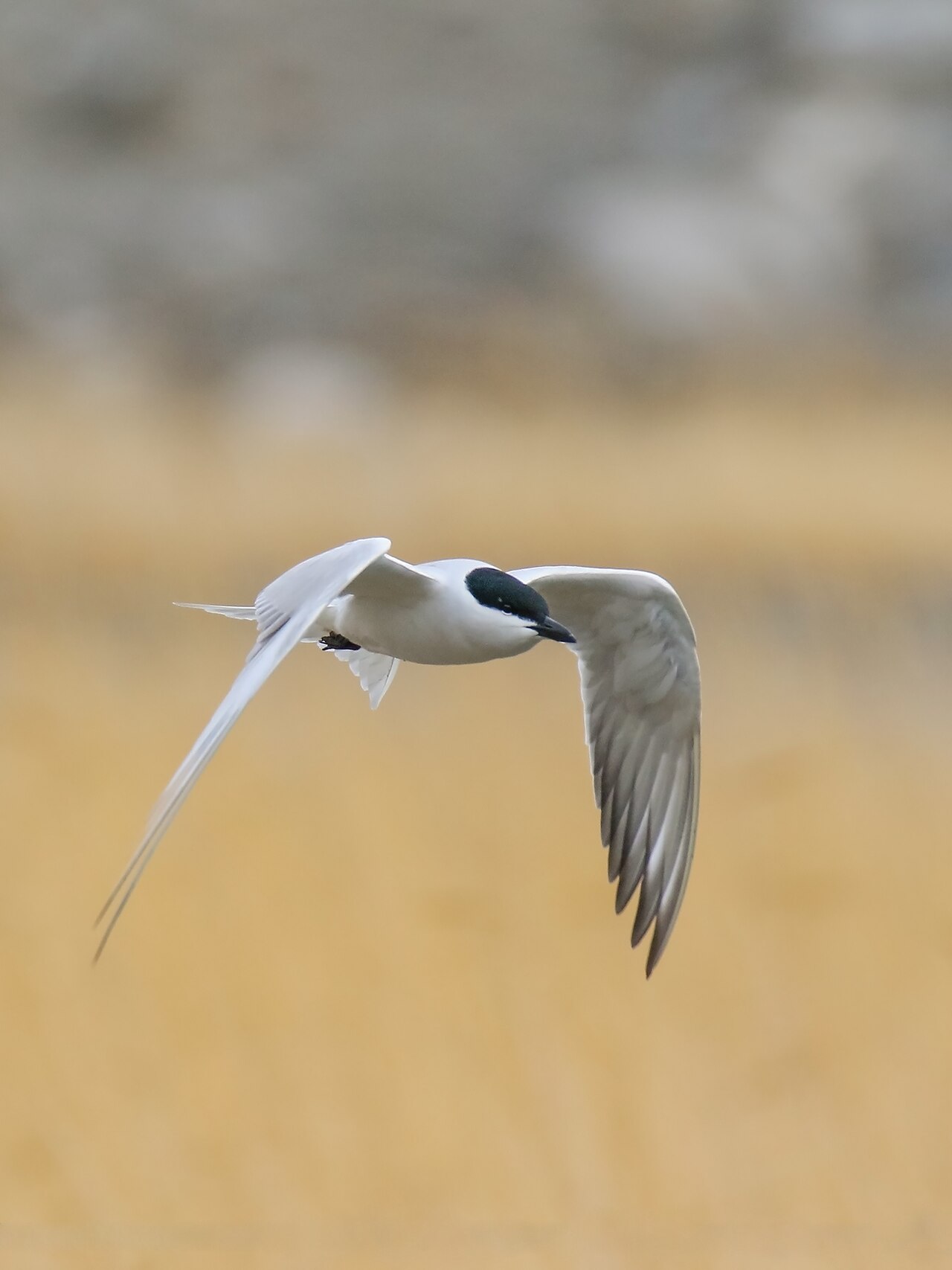

Chlidonias 3 species
-

Whiskered tern
Chlidonias hybrida- Surface standing waters
- Highly artificial man-made waters
- Arable land and market gardens
 Seasonally wet and wet grasslands
-

White-winged tern
Chlidonias leucopterus- Surface standing waters
 Sedge and reedbeds without free-standing water
- Seasonally wet and wet grasslands
- Highly artificial man-made waters
-
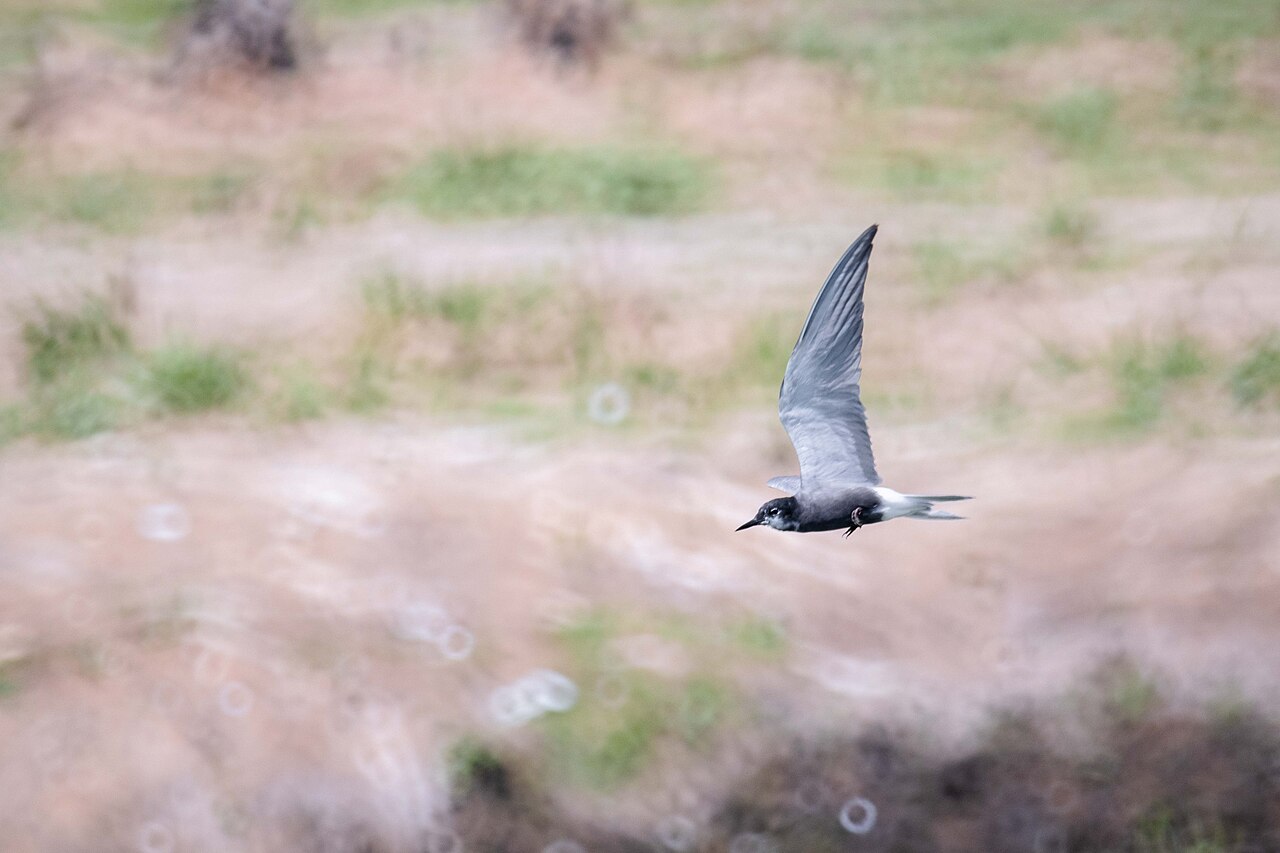
Black tern
Chlidonias niger- Surface standing waters
- Sedge and reedbeds without free-standing water
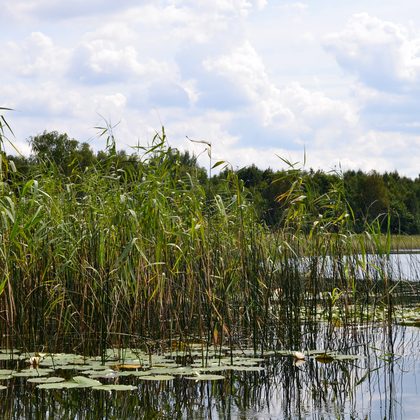 Littoral zone of inland surface waterbodies
- Pelagic water column
Thalasseus 1 species
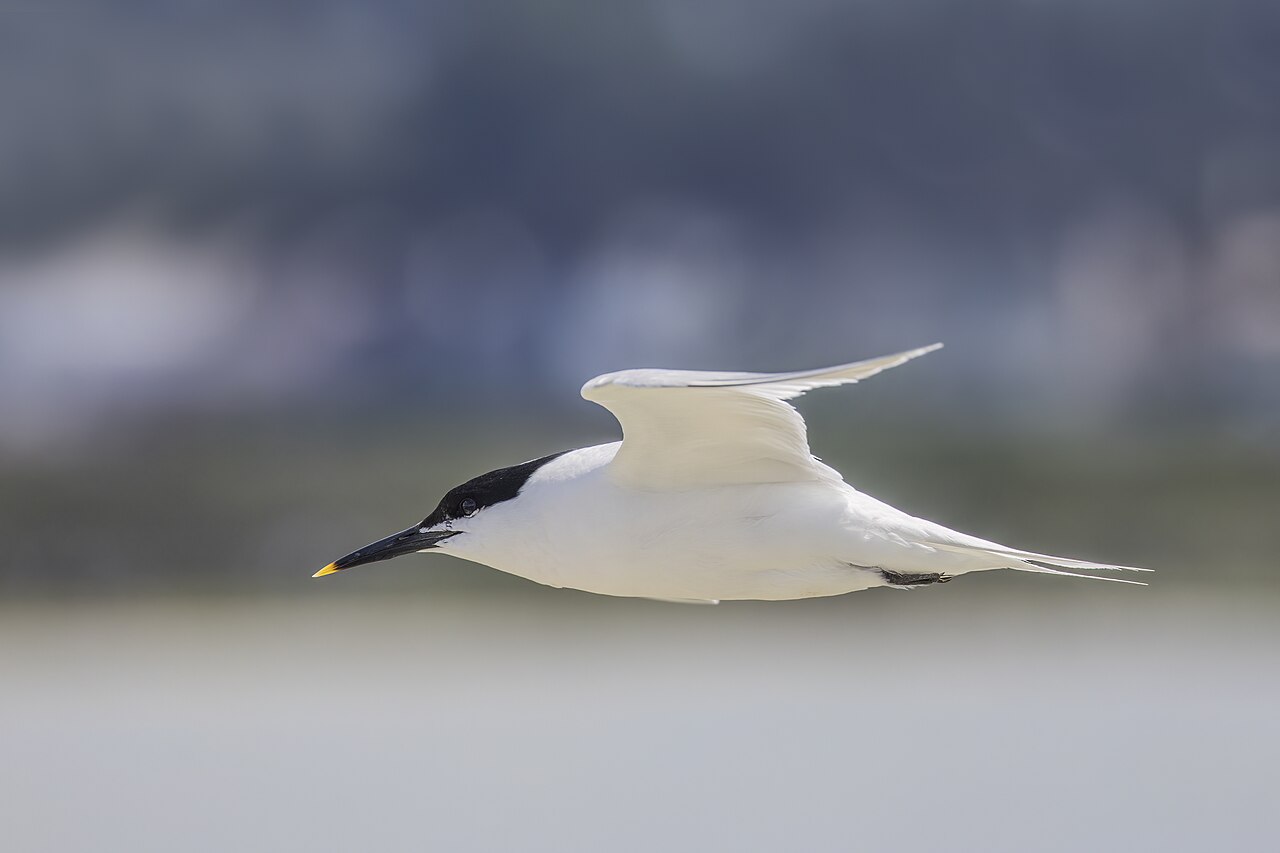
Sterna 3 species
-

Arctic tern
Sterna paradisaea- Coastal dunes and sandy shores
- Pelagic water column
- Littoral sediment
- Rock cliffs, ledges and shores
 Tundra
-

Common tern
Sterna hirundo- Littoral sediment
- Coastal dunes and sandy shores
- Surface standing waters
- Highly artificial man-made waters
-
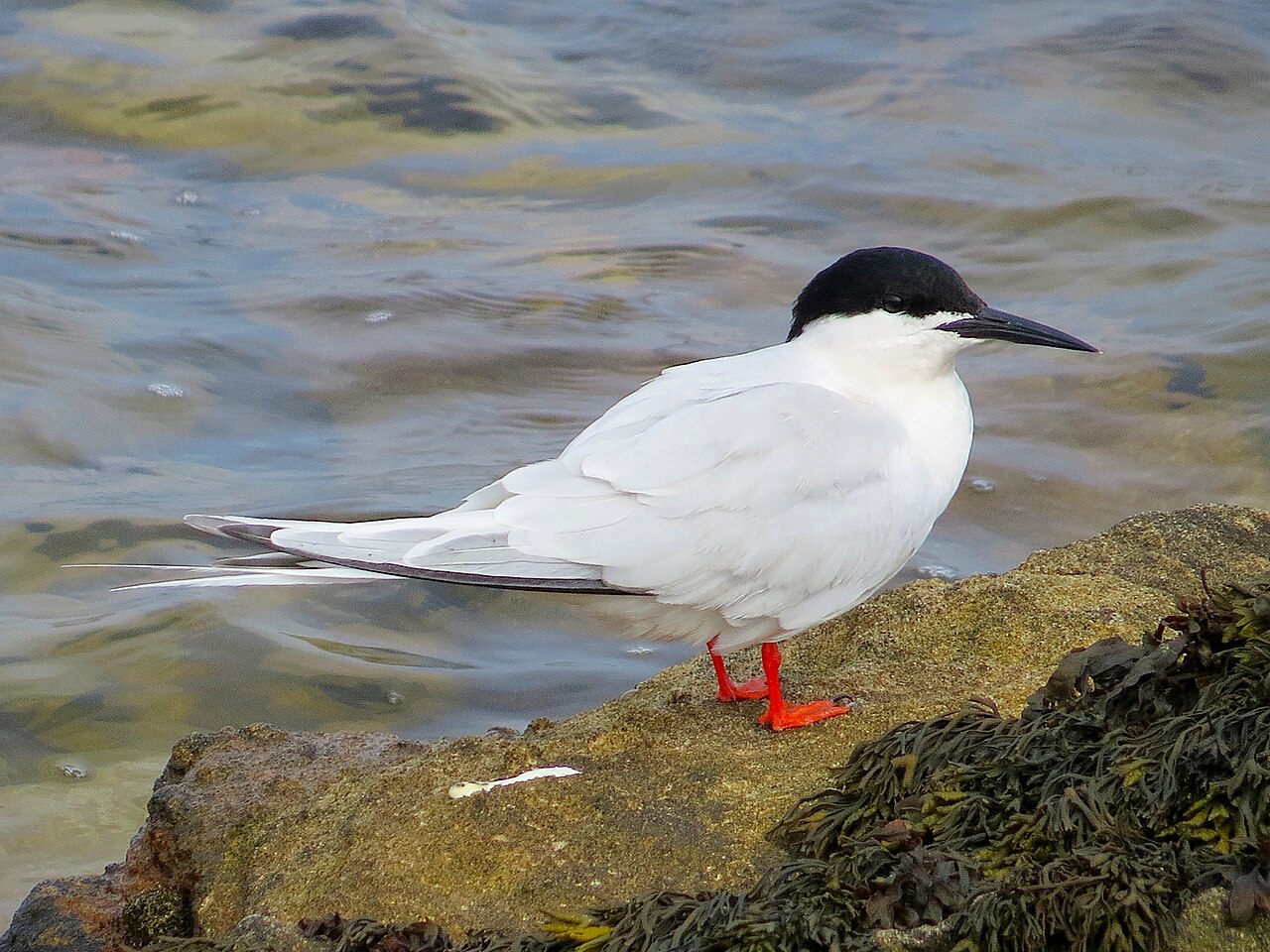
Roseate tern
Sterna dougallii- Rock cliffs, ledges and shores
- Pelagic water column
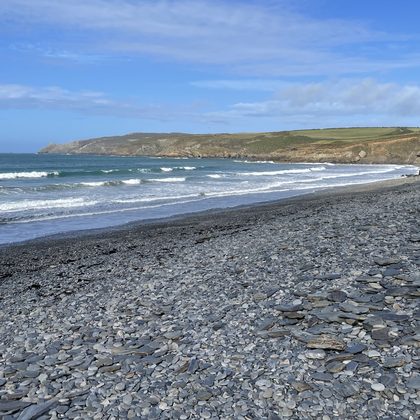 Coastal shingle
- Coastal dunes and sandy shores
Thalasseus 2 species
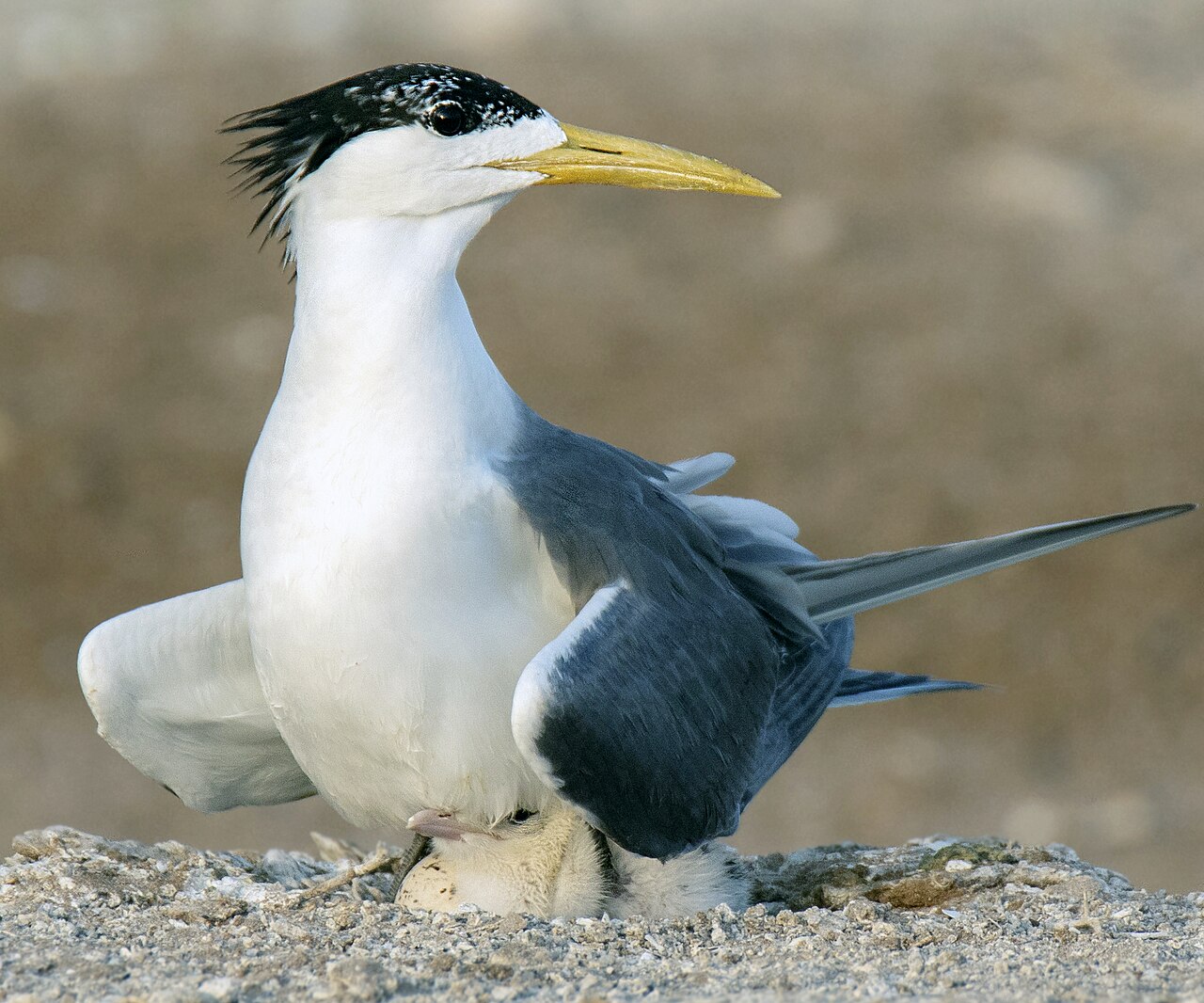
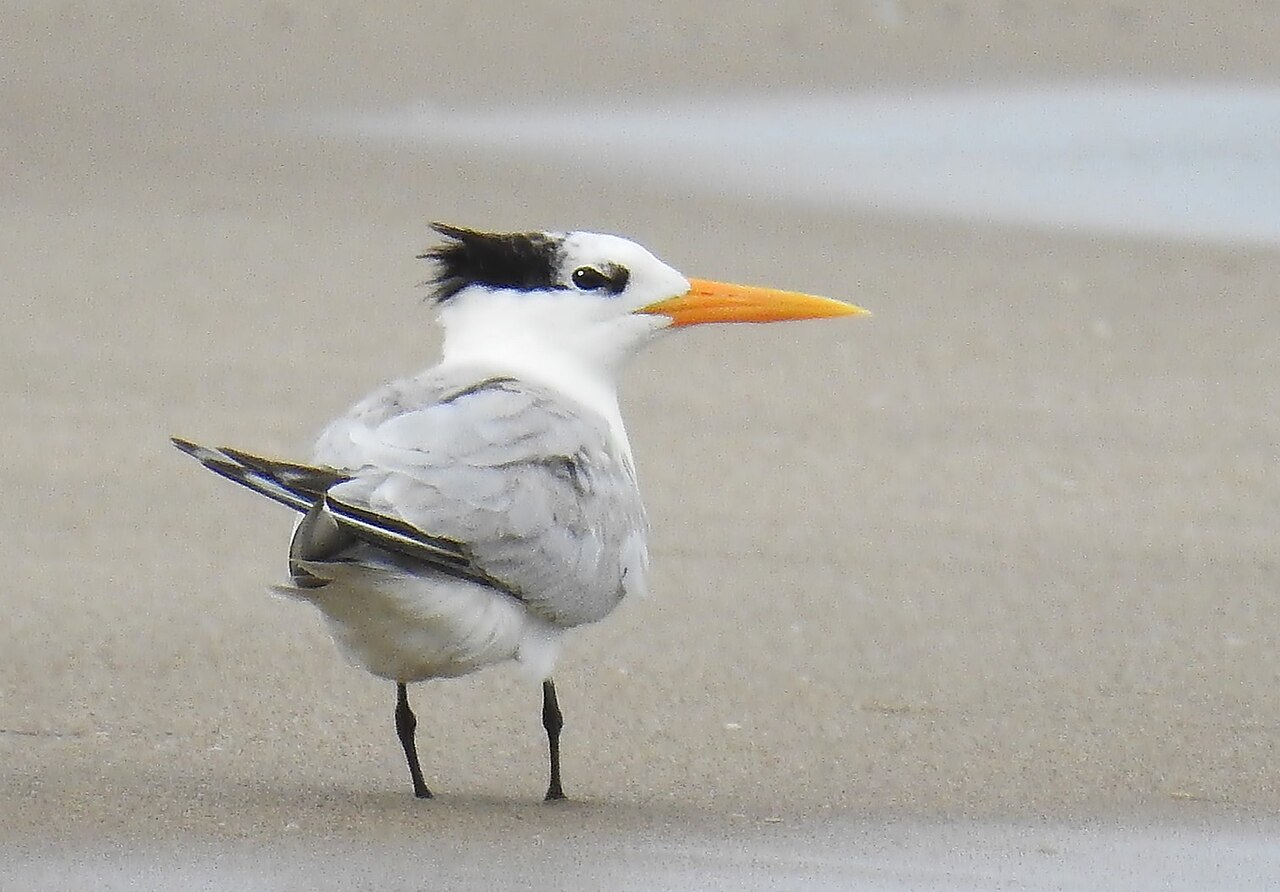
Sterna 1 species
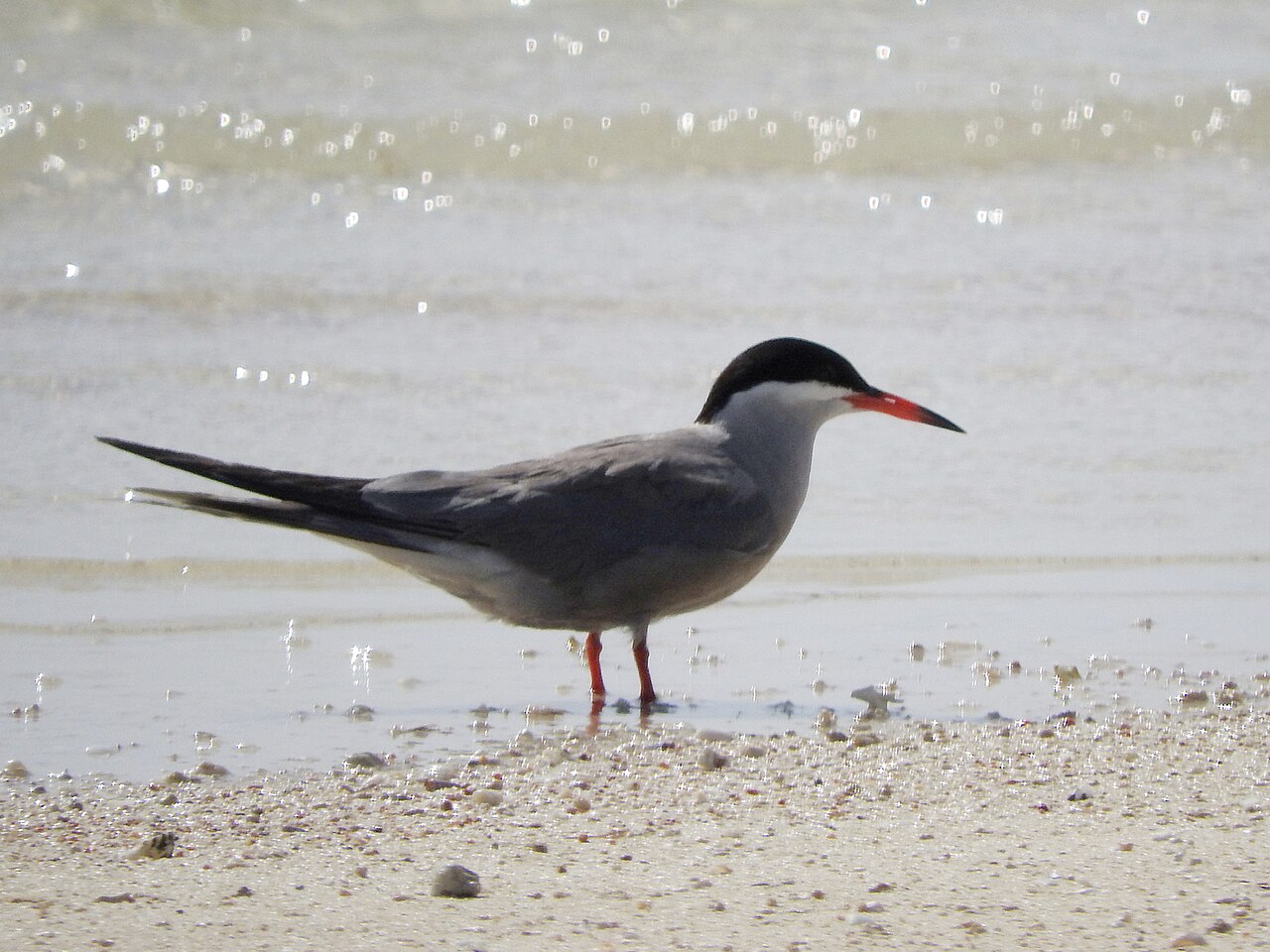
Ichthyaetus 2 species
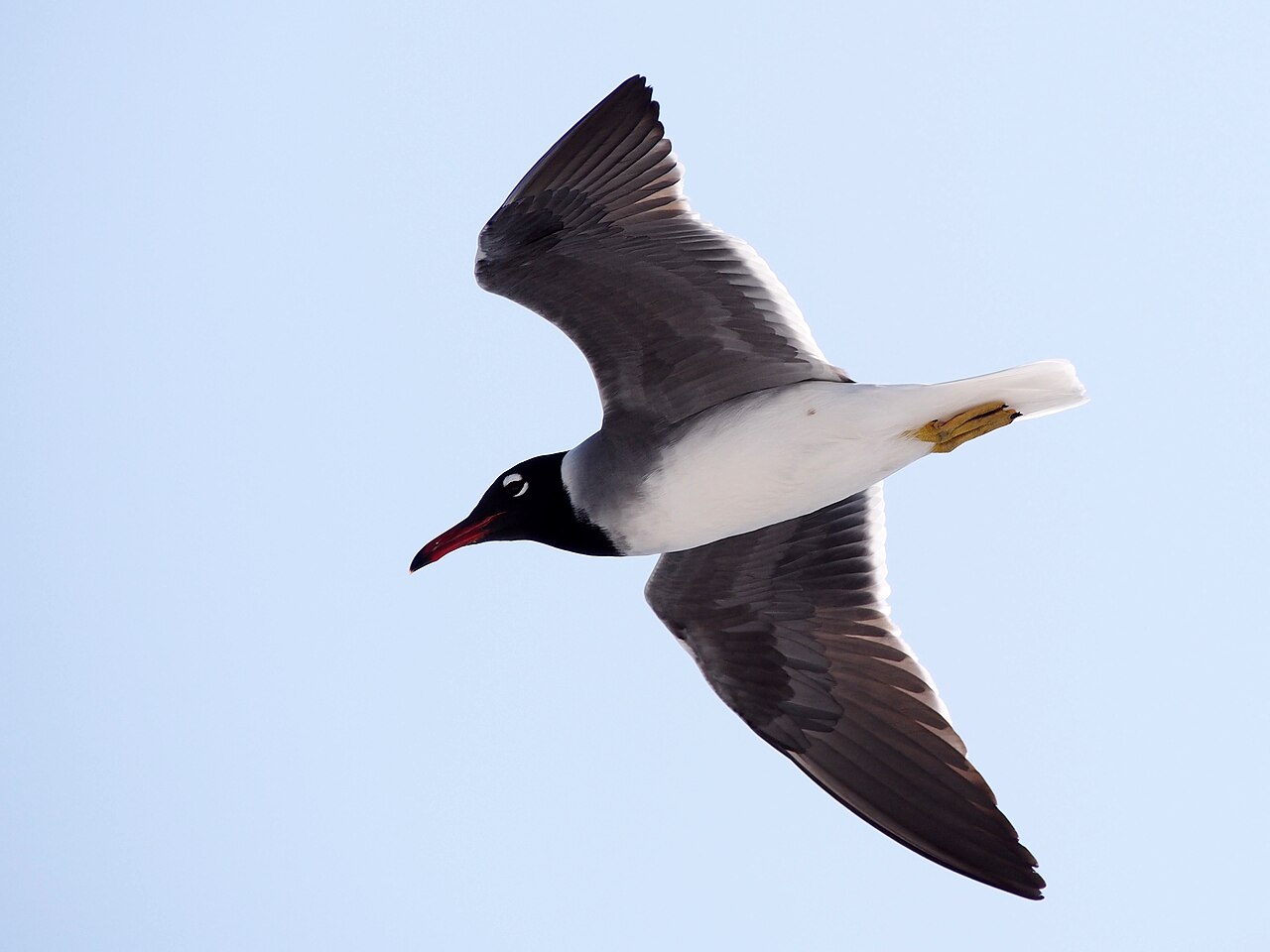
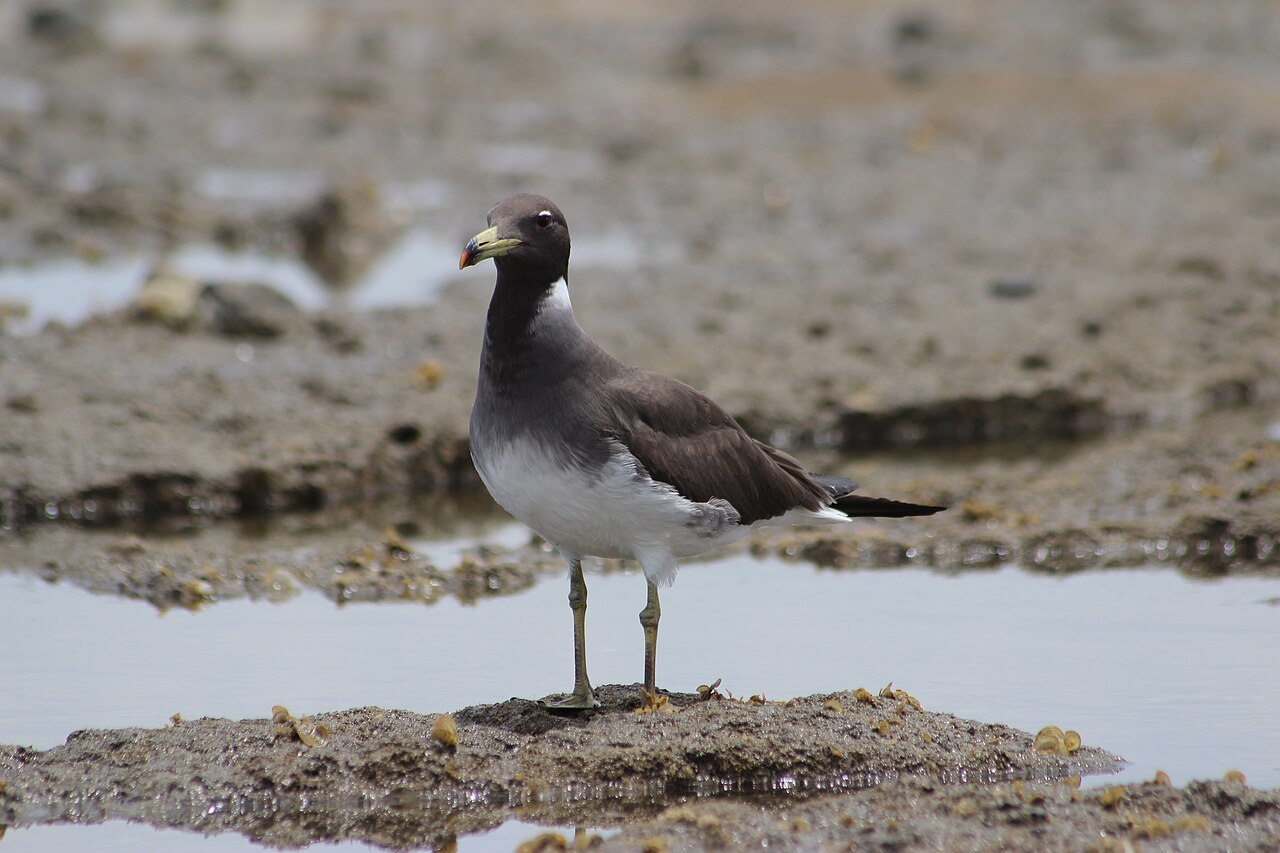
Vagrants 7 species
Birds blown in from other continents. They have no range here, and so no distribution map.
-
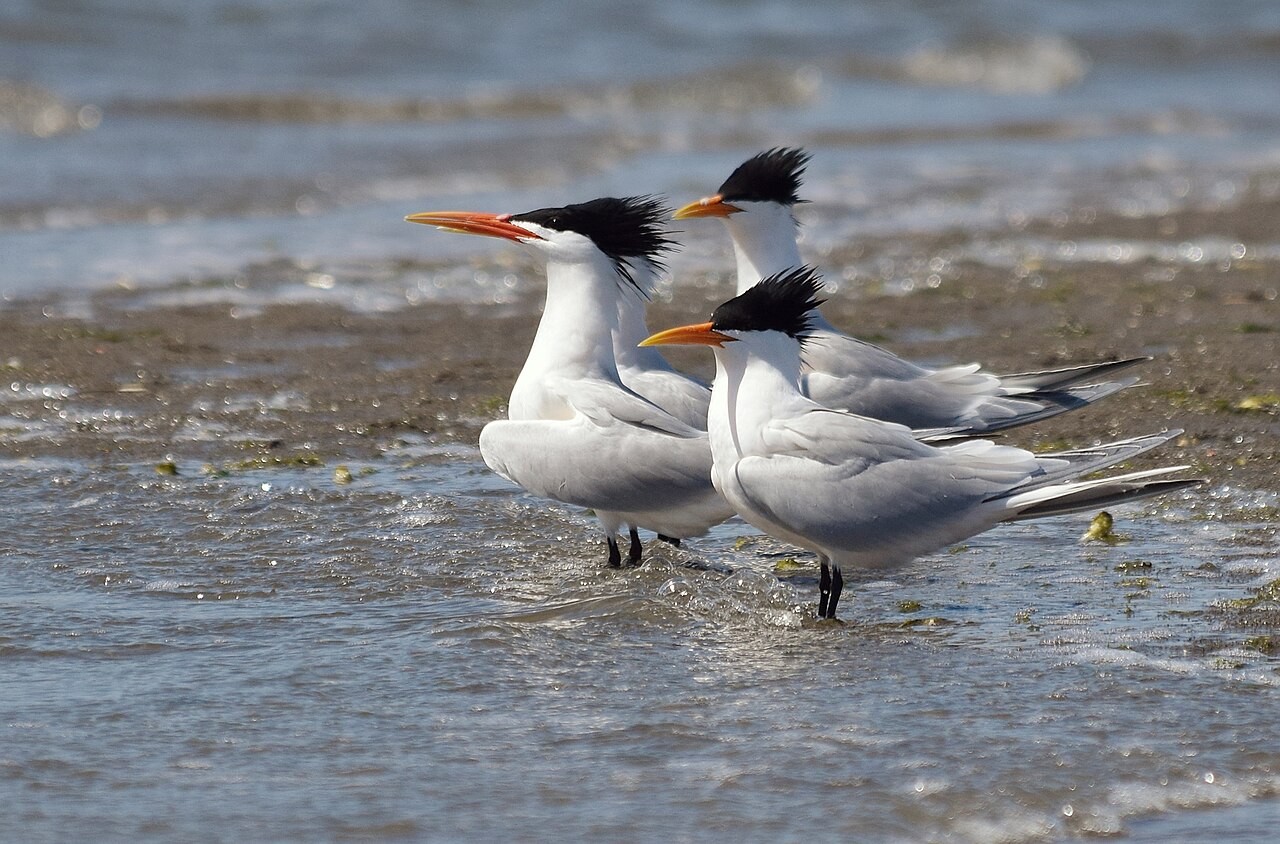
Elegant tern
Thalasseus elegans- Littoral sediment
- Coastal dunes and sandy shores
- Highly artificial man-made waters
- Sublittoral sediment
-
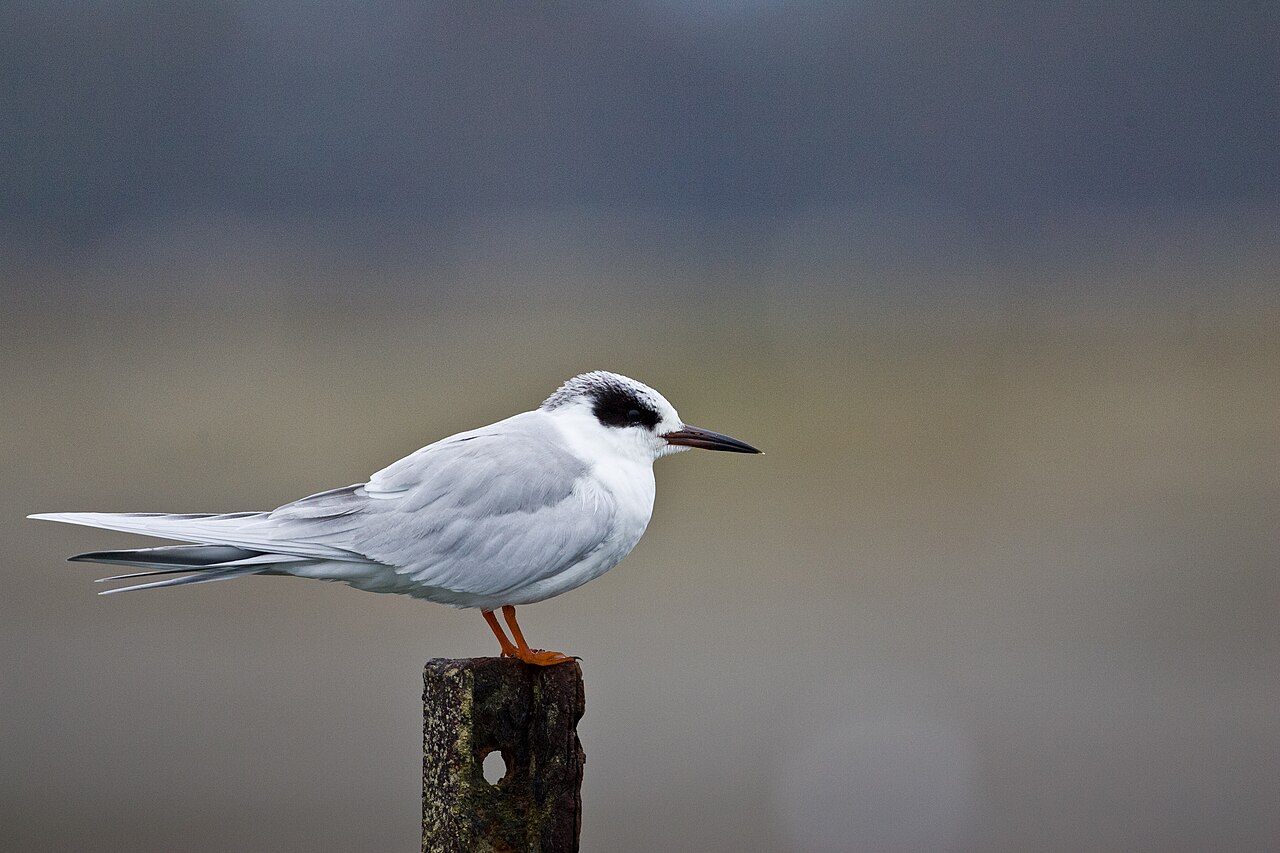
Forster's tern
Sterna forsteri- Littoral sediment
- Littoral zone of inland surface waterbodies
- Surface standing waters
- Coastal dunes and sandy shores
-
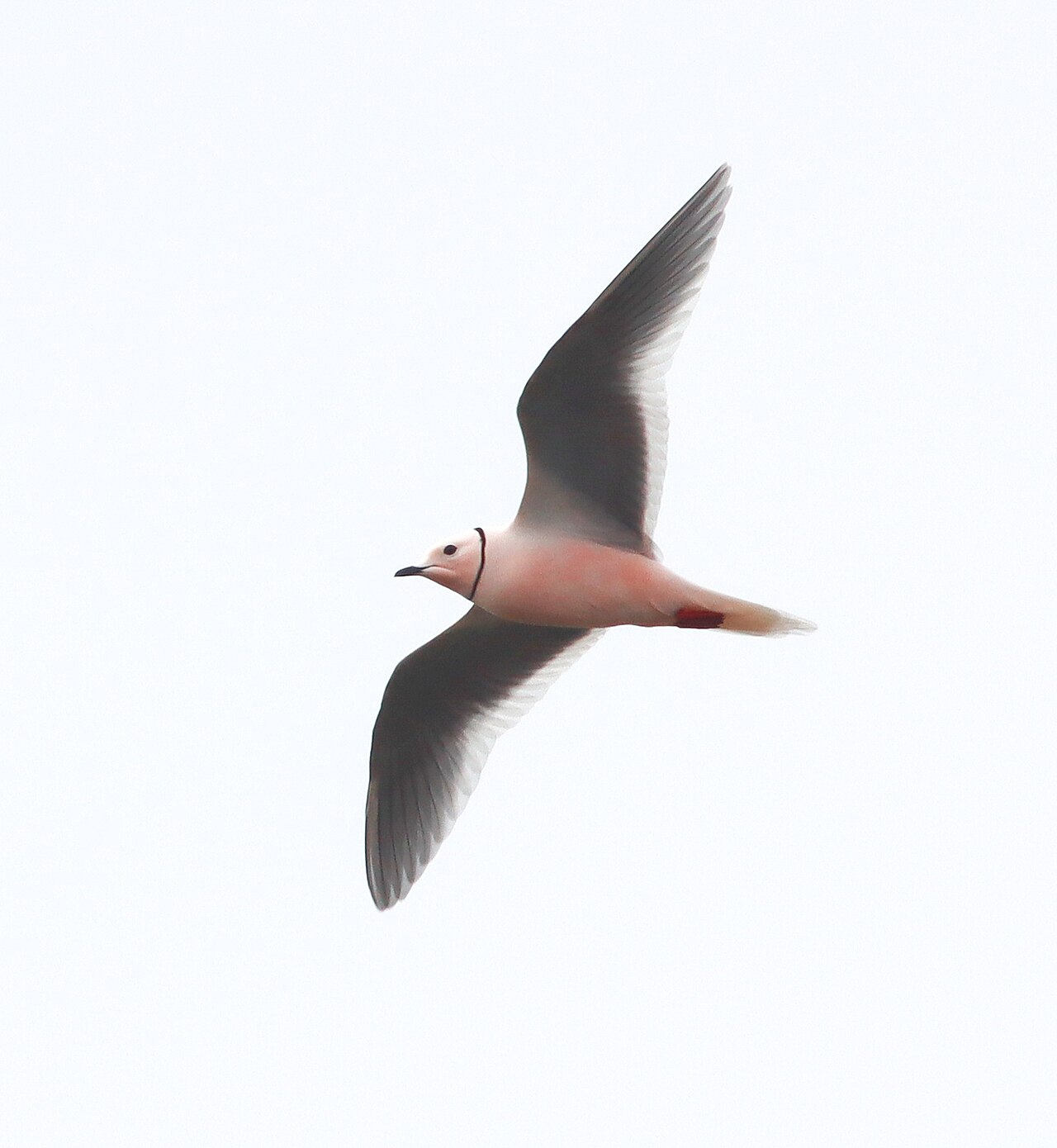
Ross's gull
Rhodostethia rosea- Ice-associated marine habitats
- Tundra
- Pelagic water column
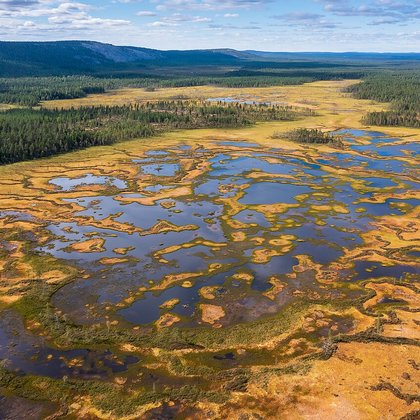 Aapa, palsa and polygon mires
-
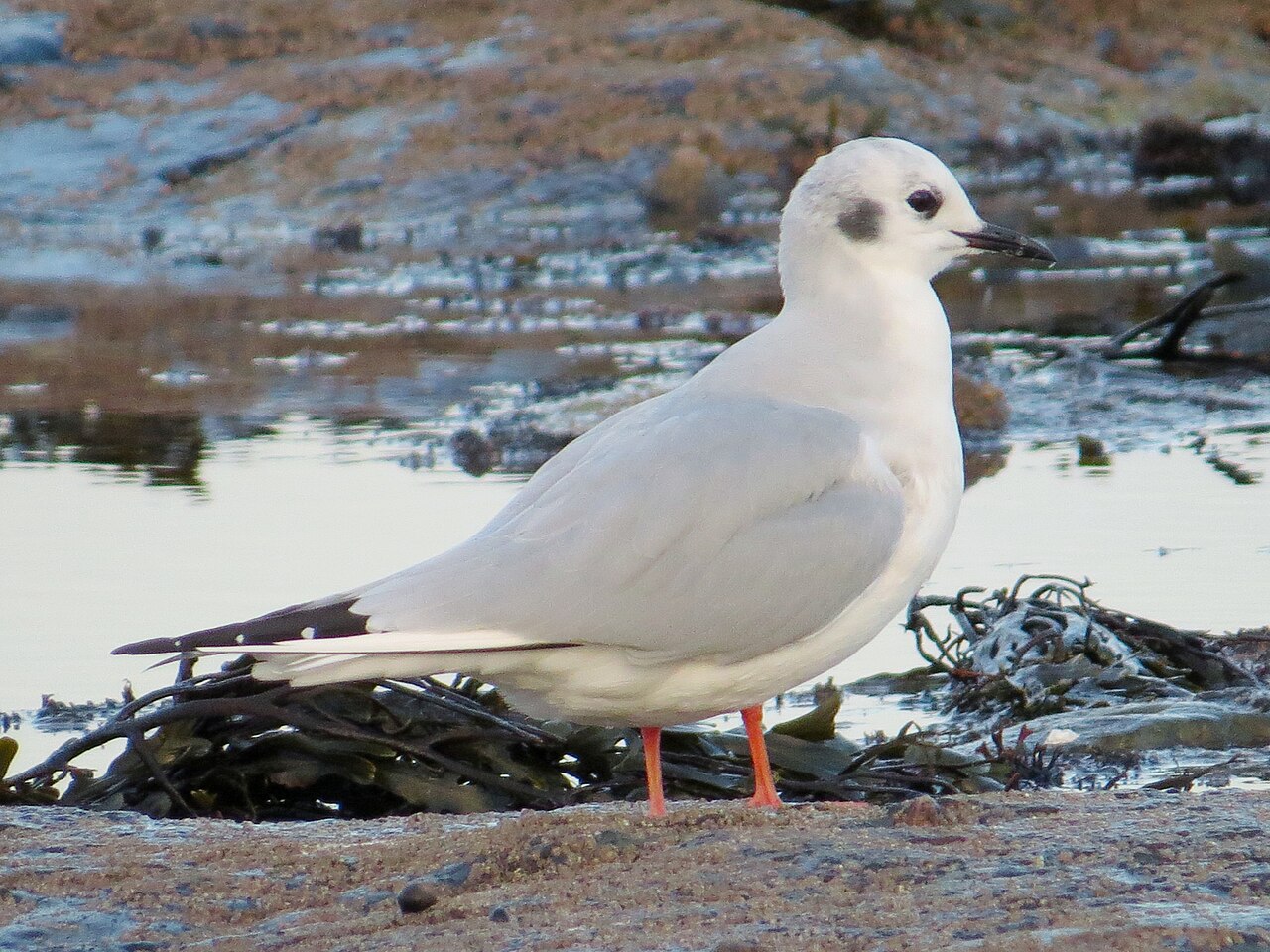
Bonaparte's gull
Chroicocephalus philadelphia- Littoral sediment
- Surface standing waters
- Sublittoral sediment
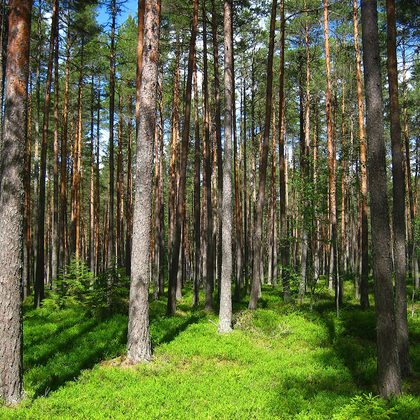 Coniferous woodland
-
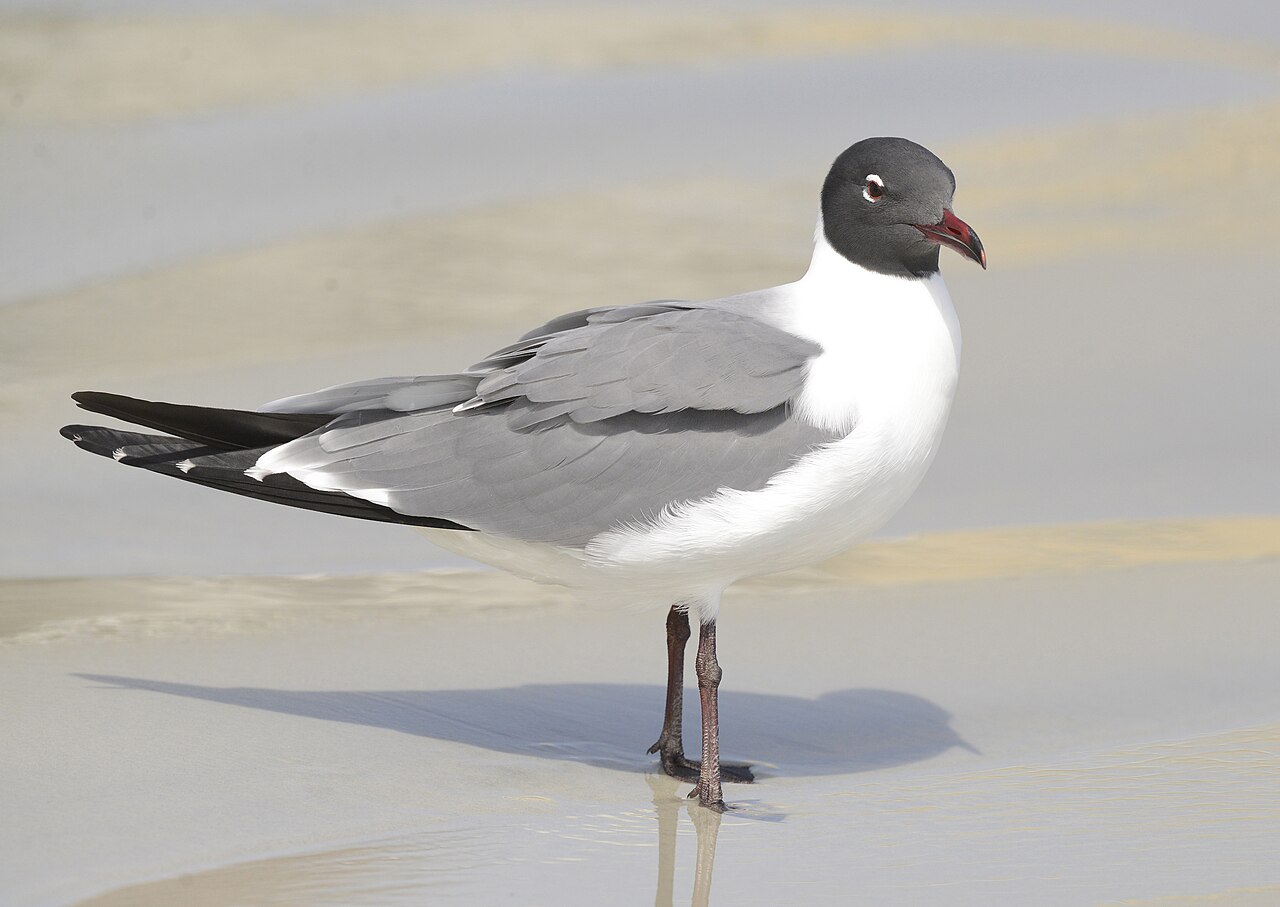
Laughing gull
Leucophaeus atricilla- Littoral sediment
- Coastal dunes and sandy shores
- Transport networks and other hard-surfaced areas
- Highly artificial man-made waters
-

Franklin's gull
Leucophaeus pipixcan- Littoral sediment
- Coastal dunes and sandy shores
- Highly artificial man-made waters
- Mesic grasslands
-

Ring-billed gull
Larus delawarensis- Highly artificial man-made waters
- Transport networks and other hard-surfaced areas
- Coastal dunes and sandy shores
- Mesic grasslands
- Littoral sediment