Toutes les espèces › Waders, gulls and terns › Gulls and terns
Gulls and terns | Laridae
Meeuwen en sterns | Gulls and terns | Gaviotas y charranes | Möwen und Seeschwalben | שחפים ושחפיות
Three fully webbed front toes and a small, raised hind toe: these birds can rest on the water, and salt glands above the eyes let them drink sea water as well. Two builds stand side by side within the family: heavier birds with a stout, slightly hooked bill that will eat almost anything they can get hold of, and slighter birds with a thin, pointed bill held downwards while hovering, before they drop into the water. They nest almost always in ground colonies, with one to three blotched eggs; the downy chicks stay at the nest and are fed by both parents, unlike the self-feeding young of the waders. Most species moult twice a year and show a different head pattern in winter, and in the largest species it takes two to four years before the adult plumage is complete.
Compare gulls: legs, head, bill and wing tip side by side
Compare terns: bill, legs, head and tail side by side
Espèces indigènes 35 espèces
Espèces présentes ici naturellement : nicheurs, hivernants et migrateurs de passage. Elles sont classées par genre, dans l'ordre de la liste.
Gulls | Larinae
18 espèces
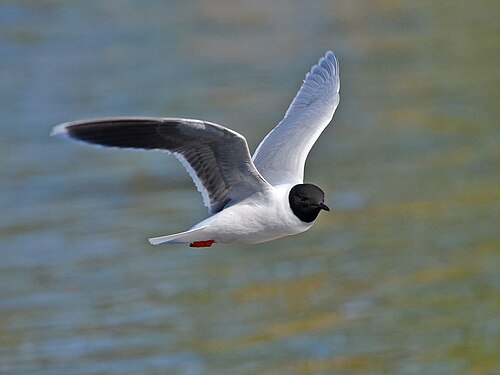
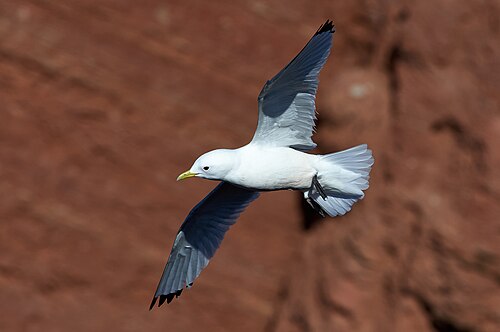
Heavily built birds with broad, rounded wingtips and a stout bill that hooks slightly downwards at the front: not a probe for pushing into mud but a pair of pincers that can deal with almost anything — a crab, a fish, refuse, an egg or a chick. Fairly long legs let them walk easily and they sit high on the water, so you meet them on a ploughed field as readily as at sea. Where terns drop from a height, a gull picks from the surface while swimming, or chases another bird until it gives up its catch. Many wear a dark hood in summer that shrinks to a smudge behind the eye in winter, and the largest need two to four years of brown mottled dress before the clean grey and white is complete.
Hydrocoloeus 1 espèce
Rissa 1 espèce
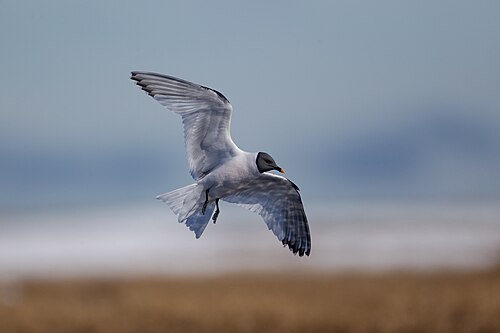
Pagophila 1 espèce
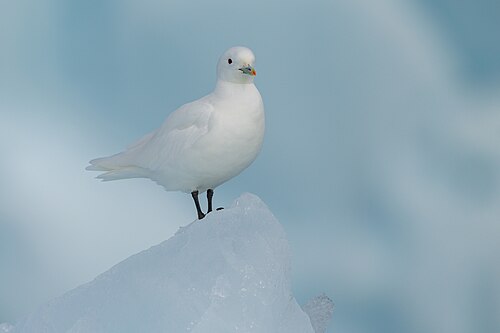
Chroicocephalus 2 espèces
-
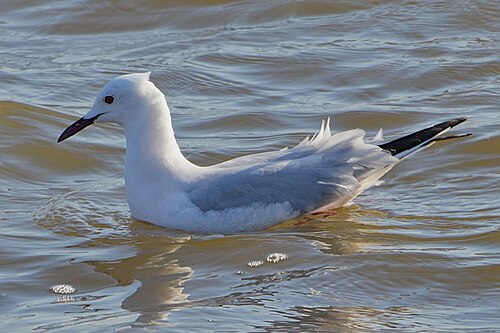
Goéland railleur
Chroicocephalus genei Highly artificial man-made waters
 Littoral sediment
 Surface standing waters
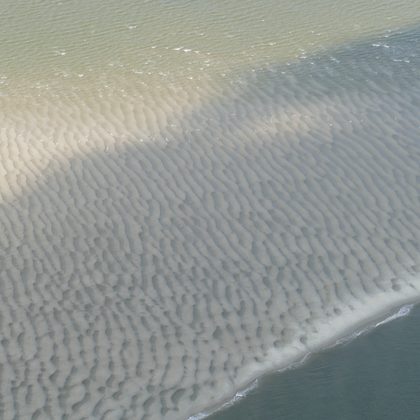 Sublittoral sediment
-
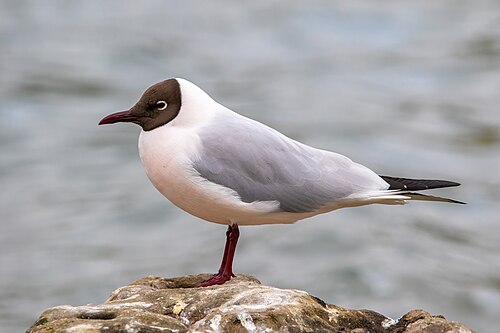
Mouette rieuse
Chroicocephalus ridibundus- Surface standing waters
 Arable land and market gardens
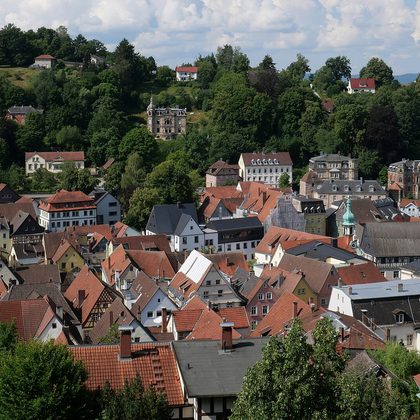 Buildings of cities, towns and villages
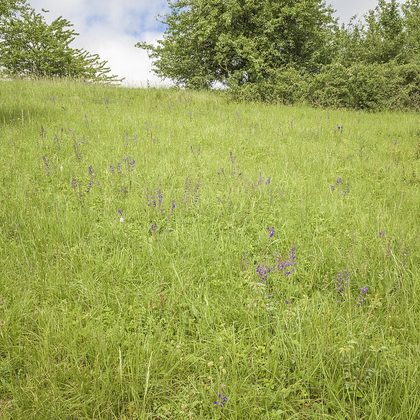 Mesic grasslands
- Littoral sediment
Ichthyaetus 3 espèces
-
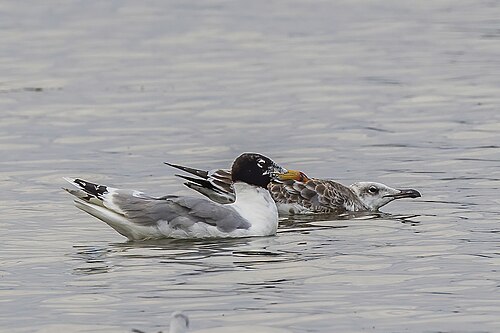
Goéland ichthyaète
Ichthyaetus ichthyaetus- Surface standing waters
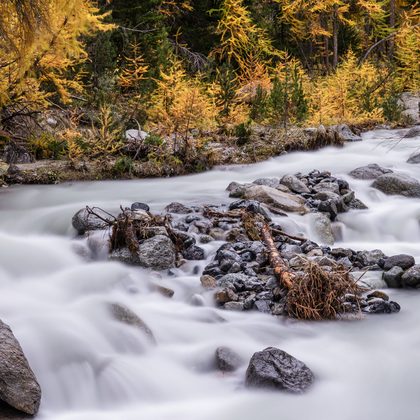 Surface running waters
- Littoral sediment
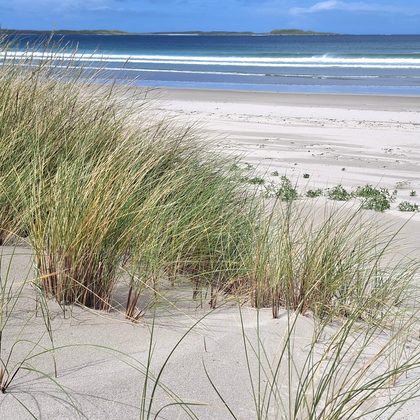 Coastal dunes and sandy shores
-
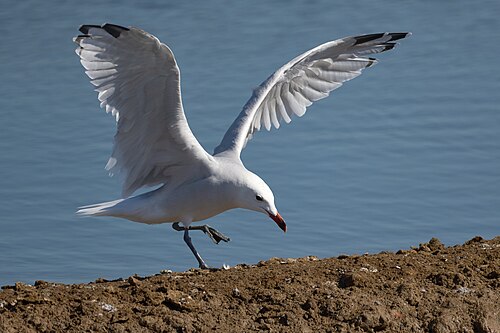
Goéland d'Audouin
Ichthyaetus audouinii Rock cliffs, ledges and shores
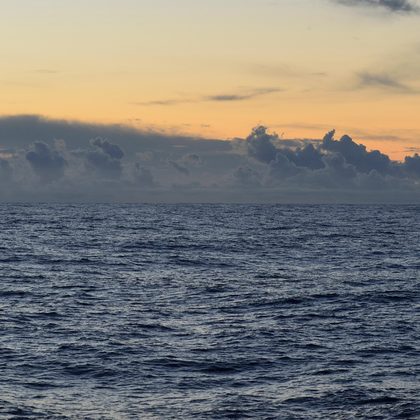 Pelagic water column
- Coastal dunes and sandy shores
- Highly artificial man-made waters
-
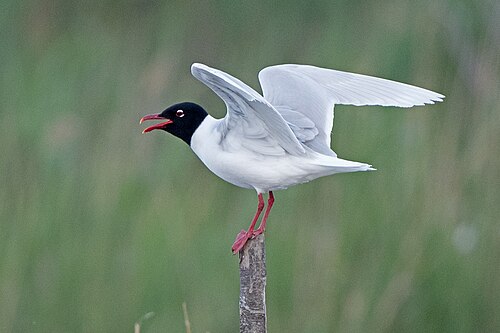
Mouette mélanocéphale
Ichthyaetus melanocephalus- Arable land and market gardens
- Mesic grasslands
- Littoral sediment
- Coastal dunes and sandy shores
- Highly artificial man-made waters
Larus 9 espèces
-
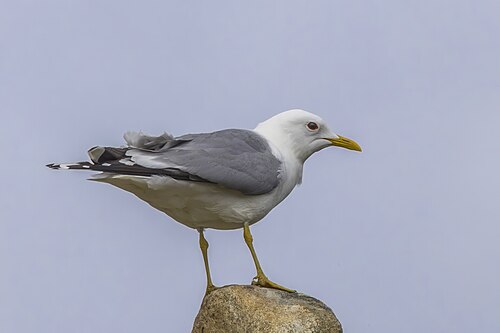
Goéland cendré
Larus canus- Mesic grasslands
- Littoral sediment
- Coastal dunes and sandy shores
- Surface standing waters
- Buildings of cities, towns and villages
-
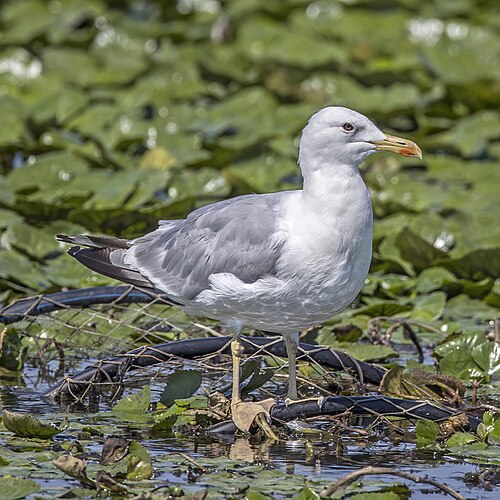
Goéland pontique
Larus cachinnans- Surface running waters
 Waste deposits
- Surface standing waters
- Highly artificial man-made waters
-
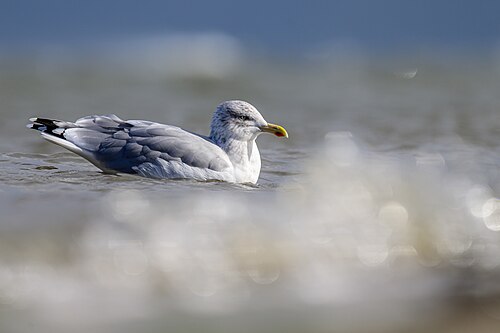
Goéland argenté
Larus argentatus- Littoral sediment
- Buildings of cities, towns and villages
- Coastal dunes and sandy shores
- Arable land and market gardens
- Waste deposits
-
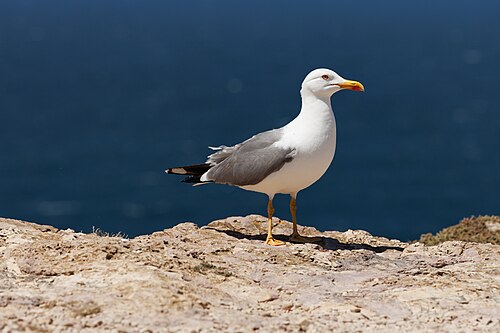
Goéland leucophée
Larus michahellis- Rock cliffs, ledges and shores
- Buildings of cities, towns and villages
- Waste deposits
- Highly artificial man-made waters
- Surface running waters
- Coastal dunes and sandy shores
-
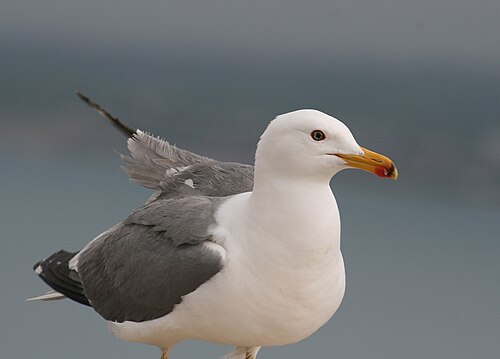
Goéland d'Arménie
Larus armenicus- Surface standing waters
- Waste deposits
- Highly artificial man-made waters
- Littoral sediment
-
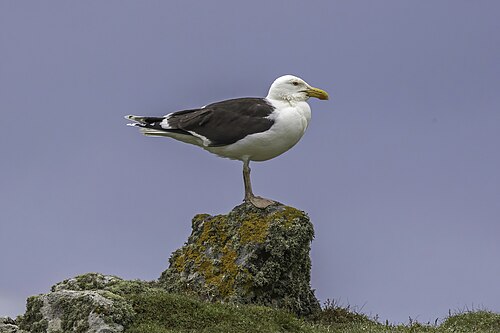
Goéland marin
Larus marinus- Rock cliffs, ledges and shores
- Sublittoral sediment
- Littoral sediment
 Transport networks and other hard-surfaced areas
-
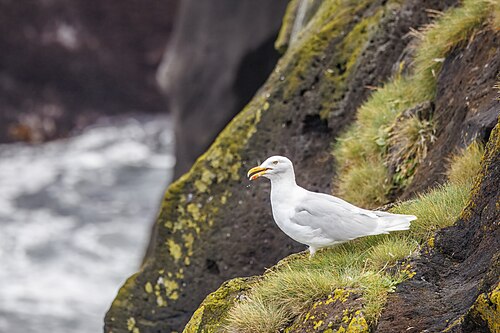
Goéland bourgmestre
Larus hyperboreus- Highly artificial man-made waters
- Waste deposits
- Littoral sediment
- Rock cliffs, ledges and shores
 Ice-associated marine habitats
-
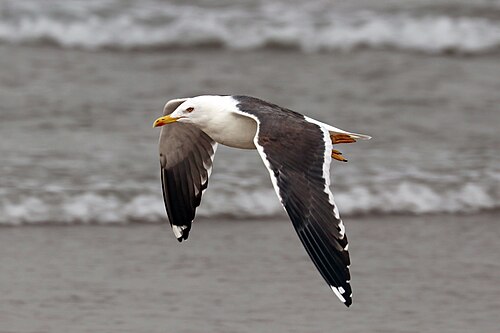
Goéland brun
Larus fuscus- Coastal dunes and sandy shores
- Pelagic water column
- Buildings of cities, towns and villages
- Waste deposits
- Arable land and market gardens
-
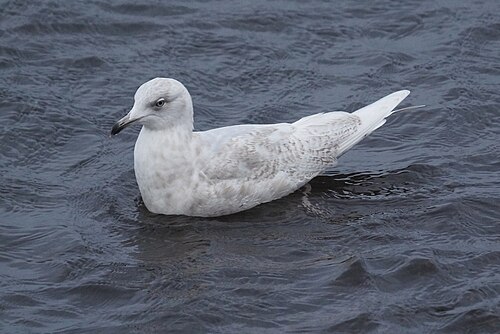
Goéland arctique
Larus glaucoides- Highly artificial man-made waters
- Waste deposits
- Littoral sediment
- Rock cliffs, ledges and shores
- Pelagic water column
Terns | Sterninae
12 espèces
Slender, lightly built birds with long narrow wings and, in most, a forked tail, giving a buoyant, bounding flight quite unlike the steady sailing of the gulls. The bill is thin, straight and drawn out to a needle point; the legs are short, so they stand about on a beach but hardly walk on it. The hunting method is the mark of the group: they hang hovering over the water with the bill pointed down, then close the wings and plunge. The marsh-living species do not dive at all, but pick insects from the surface in dipping flight. Nearly all wear a black cap in the breeding season that fades to a white forehead in winter, and they nest in colonies on sand, shingle or floating vegetation.
Onychoprion 2 espèces
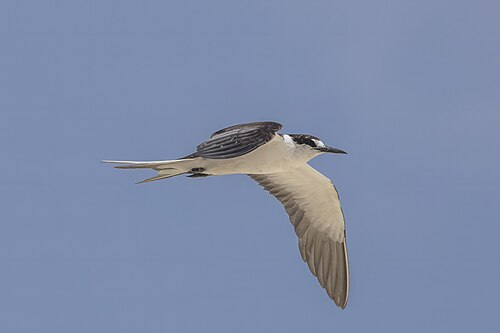
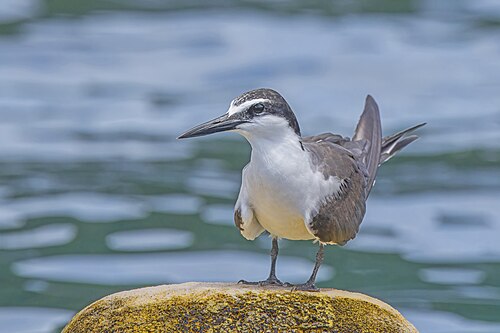
Sternula 1 espèce
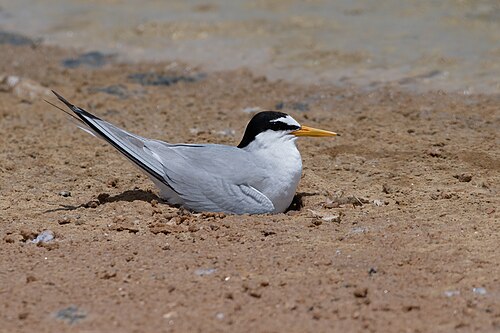
Hydroprogne 1 espèce
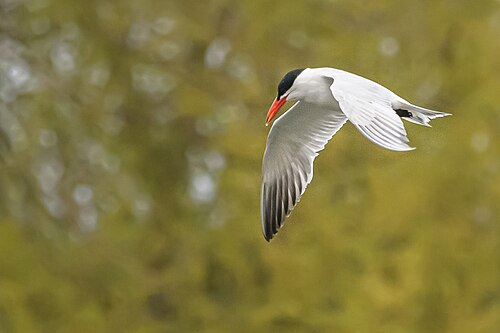
Gelochelidon 1 espèce
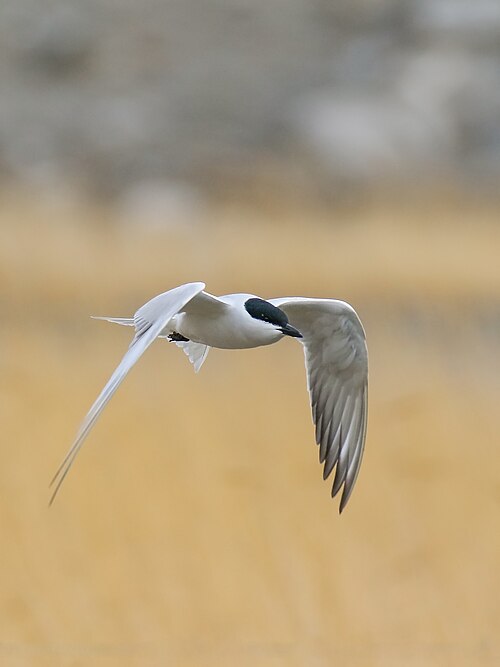

Chlidonias 3 espèces
-
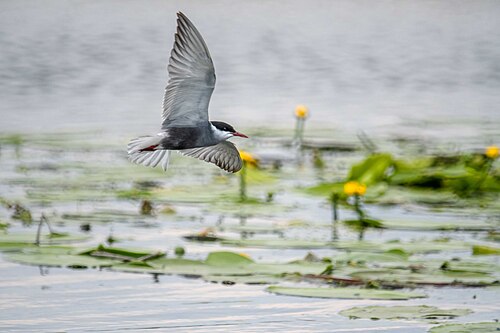
Guifette moustac
Chlidonias hybrida- Surface standing waters
- Highly artificial man-made waters
- Arable land and market gardens
 Seasonally wet and wet grasslands
-
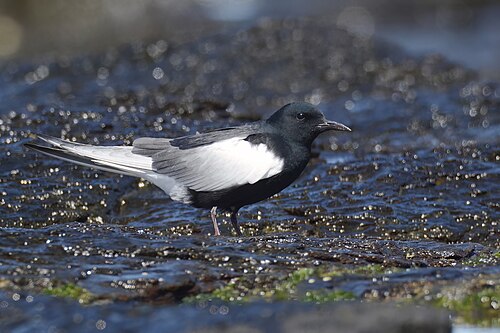
Guifette leucoptère
Chlidonias leucopterus- Surface standing waters
 Sedge and reedbeds without free-standing water
- Seasonally wet and wet grasslands
- Highly artificial man-made waters
-
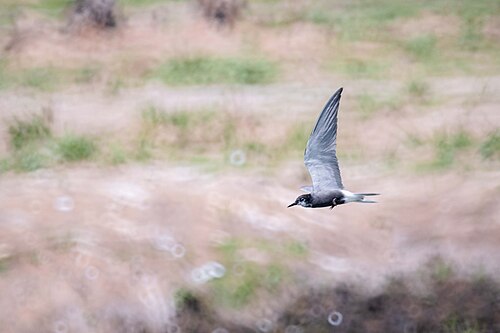
Guifette noire
Chlidonias niger- Surface standing waters
- Sedge and reedbeds without free-standing water
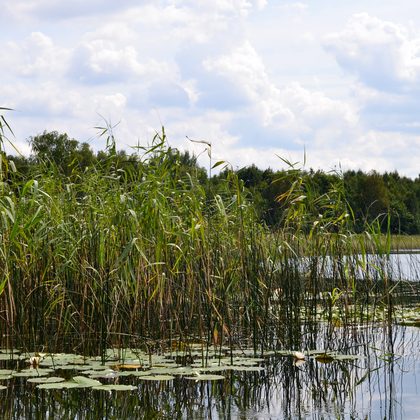 Littoral zone of inland surface waterbodies
- Pelagic water column
Thalasseus 1 espèce
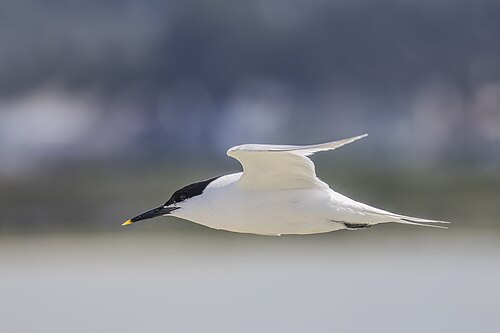
Sterna 3 espèces
-
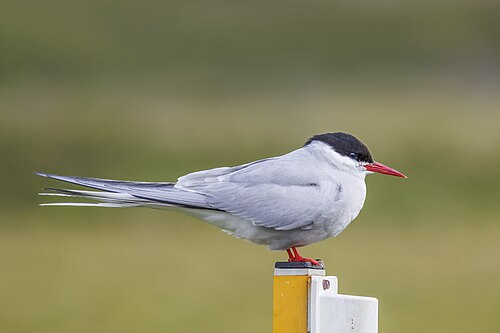
Sterne arctique
Sterna paradisaea- Coastal dunes and sandy shores
- Pelagic water column
- Littoral sediment
- Rock cliffs, ledges and shores
 Tundra
-
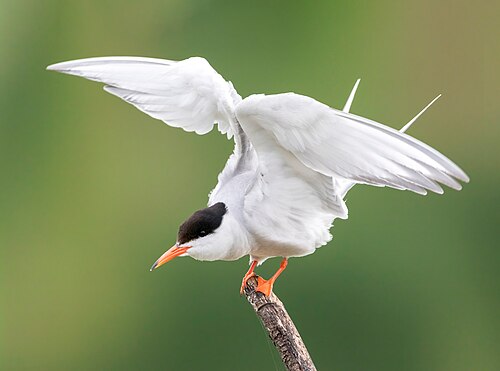
Sterne pierregarin
Sterna hirundo- Littoral sediment
- Coastal dunes and sandy shores
- Surface standing waters
- Highly artificial man-made waters
-
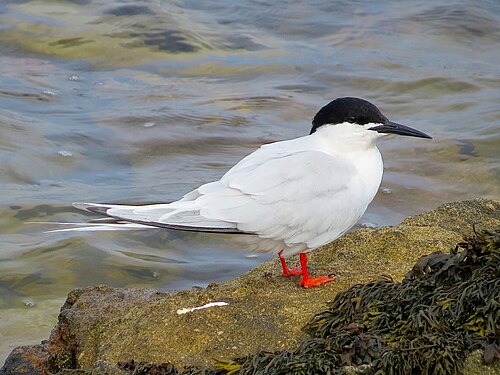
Sterne de Dougall
Sterna dougallii- Rock cliffs, ledges and shores
- Pelagic water column
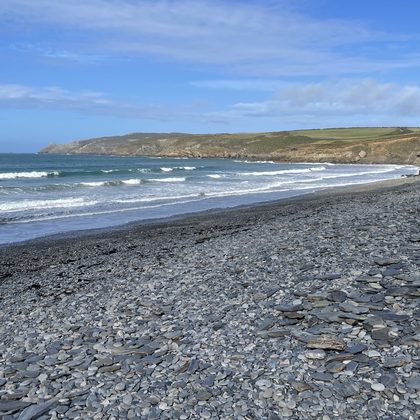 Coastal shingle
- Coastal dunes and sandy shores
Thalasseus 2 espèces
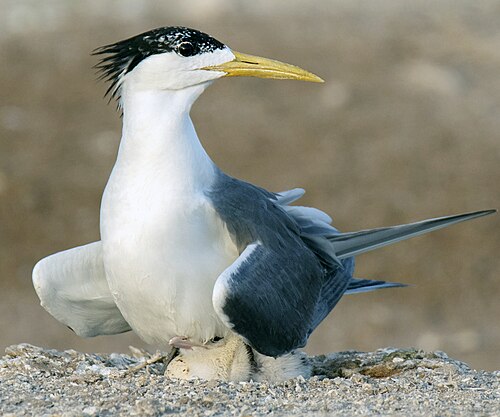
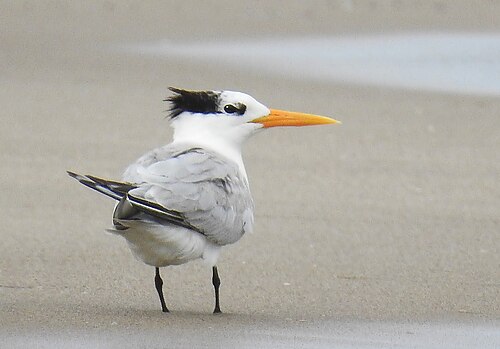
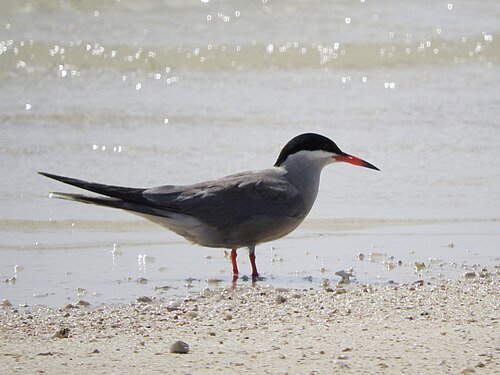
Ichthyaetus 2 espèces
-
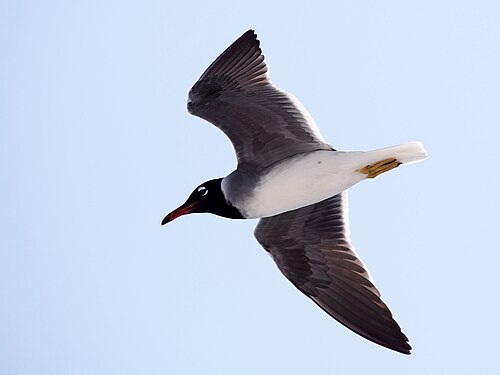
Goéland à iris blanc
Ichthyaetus leucophthalmus- Rock cliffs, ledges and shores
- Pelagic water column
- Coastal dunes and sandy shores
- Highly artificial man-made waters
-
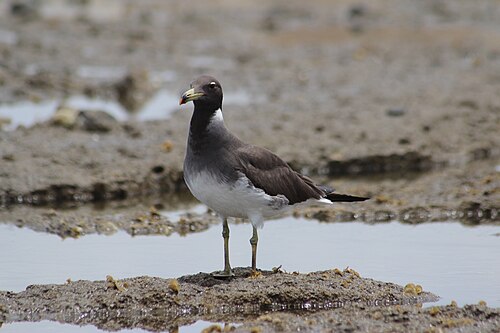
Goéland d'Hemprich
Ichthyaetus hemprichii- Littoral sediment
- Rock cliffs, ledges and shores
- Pelagic water column
- Highly artificial man-made waters
Espèces accidentelles 7 espèces
Oiseaux égarés venus d'autres continents. Ils n'ont pas d'aire de répartition ici, et donc pas de carte de répartition.
-
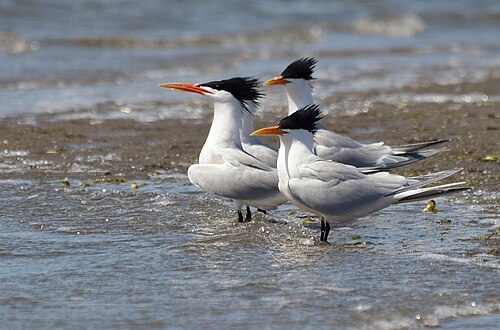
Sterne élégante
Thalasseus elegans- Littoral sediment
- Coastal dunes and sandy shores
- Highly artificial man-made waters
- Sublittoral sediment
-
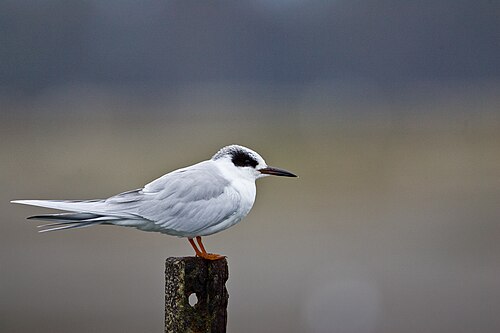
Sterne de Forster
Sterna forsteri- Littoral sediment
- Littoral zone of inland surface waterbodies
- Surface standing waters
- Coastal dunes and sandy shores
-
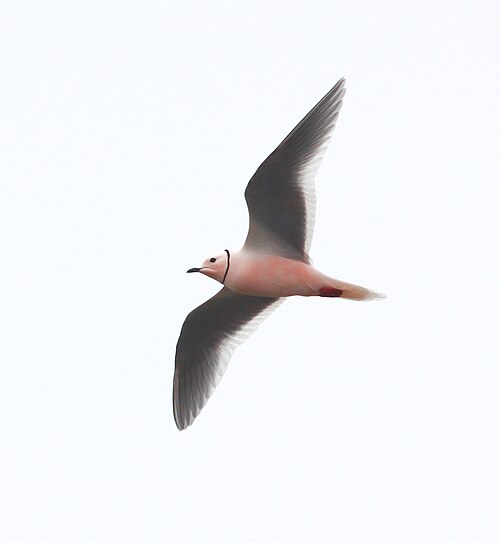
Mouette rosée
Rhodostethia rosea- Ice-associated marine habitats
- Tundra
- Pelagic water column
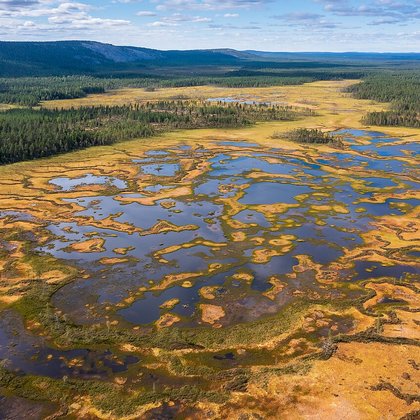 Aapa, palsa and polygon mires
-
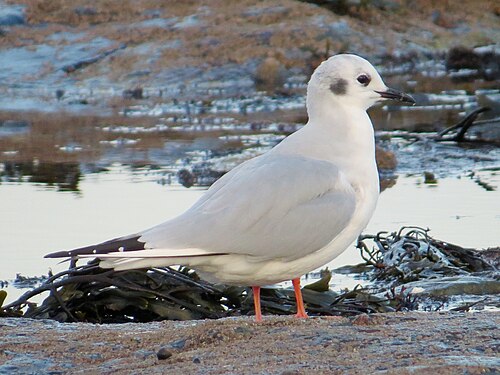
Mouette de Bonaparte
Chroicocephalus philadelphia- Littoral sediment
- Surface standing waters
- Sublittoral sediment
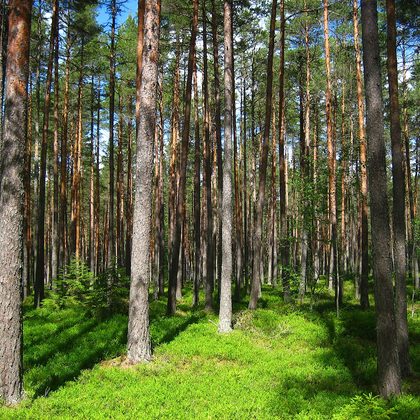 Coniferous woodland
-
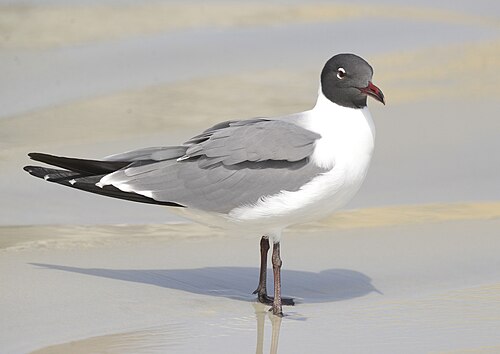
Mouette atricille
Leucophaeus atricilla- Littoral sediment
- Coastal dunes and sandy shores
- Transport networks and other hard-surfaced areas
- Highly artificial man-made waters
-
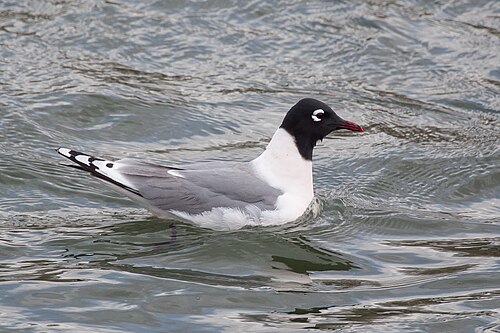
Mouette de Franklin
Leucophaeus pipixcan- Littoral sediment
- Coastal dunes and sandy shores
- Highly artificial man-made waters
- Mesic grasslands
-
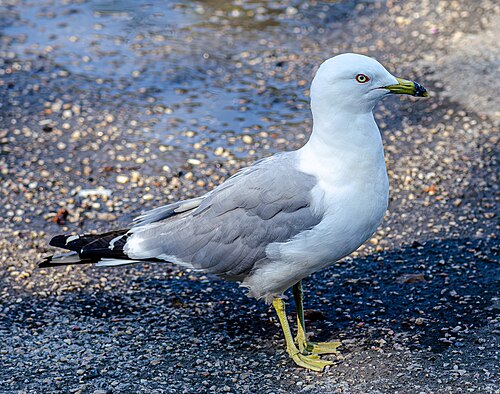
Goéland à bec cerclé
Larus delawarensis- Highly artificial man-made waters
- Transport networks and other hard-surfaced areas
- Coastal dunes and sandy shores
- Mesic grasslands
- Littoral sediment