Guide Vorstman des oiseaux d'Europe
Un guide pour les ornithologues de terrain : critères d'identification, espèces prêtant à confusion, voix et meilleurs moments pour observer — classé par ordre, famille et genre.
Objet et méthode
En Europe, l'identification sur le terrain repose en grande partie sur le son. Beaucoup d'espèces sont entendues avant d'être vues, et chez les paires très semblables — pouillot véloce et pouillot fitis, mésange nonnette et mésange boréale, sterne pierregarin et sterne arctique — le cri ou le chant est souvent le seul caractère qui tranche à distance. Chaque fiche associe donc un enregistrement aux critères d'identification, aux espèces avec lesquelles une confusion se produit réellement et aux conditions dans lesquelles l'oiseau est à attendre : saison, moment de la journée, habitat et répartition. Les cartes de répartition ne sont pas des aires colorées mais des champs de densité, calculés à partir des observations des vingt-quatre derniers mois et corrigés de la répartition inégale des observateurs.
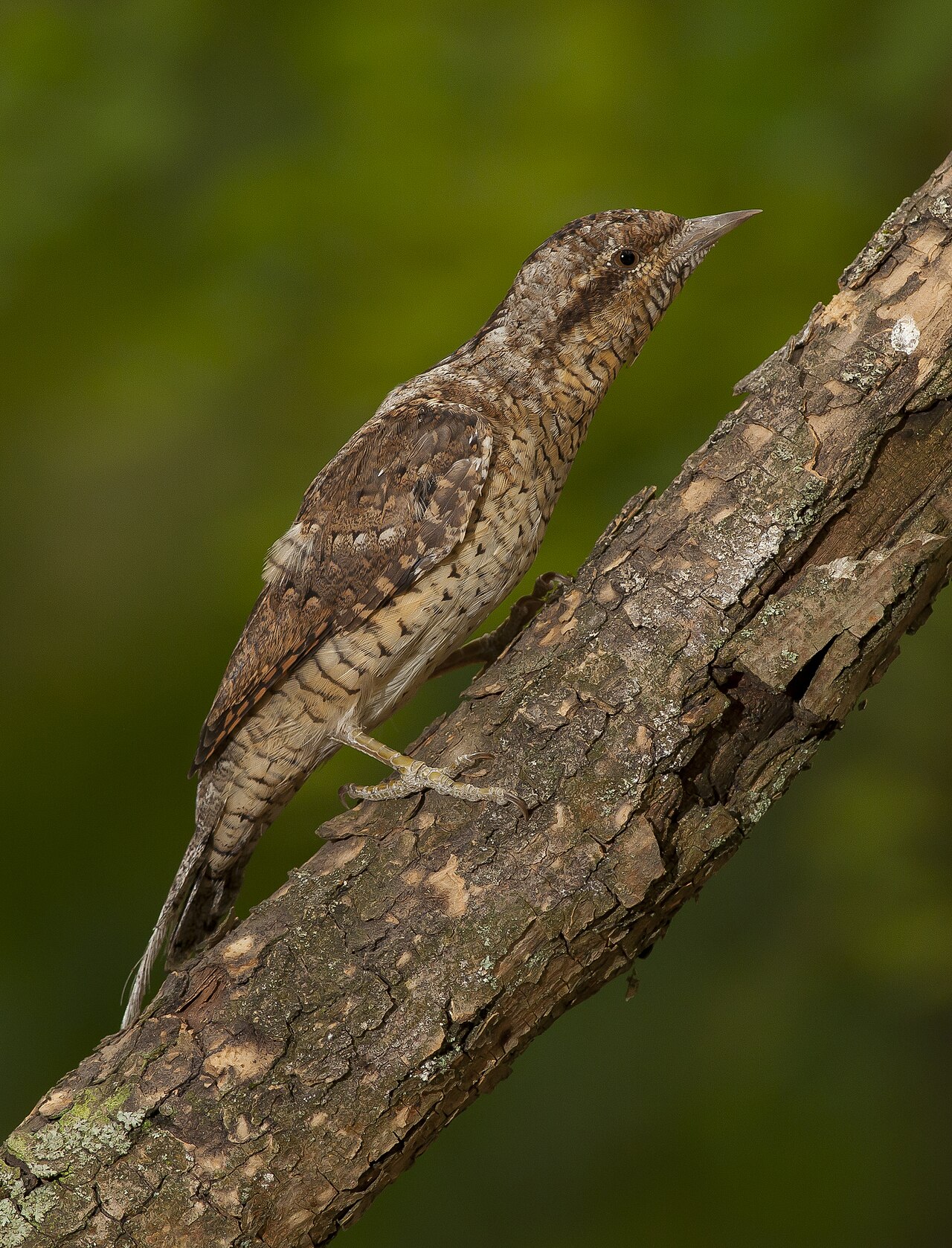
Les espèces suivent l'ordre de l'arbre phylogénétique : par clade, ordre, famille et genre. On voit ainsi d'emblée pourquoi le torcol se range avec les pics, le butor avec les hérons et le faucon avec les passereaux.
L'arbre phylogénétique des oiseaux d'Europe
22 clades, 26 ordres, 94 familles, 730 espèces
L'arbre descend niveau par niveau : des branches principales de l'arbre des oiseaux, par des clades de plus en plus petits, jusqu'aux ordres, familles et espèces. Chaque clade porte un nom — certains établis de longue date, d'autres créés seulement en 2024. Lorsque le soutien génétique est faible, c'est indiqué.
-
Birds Aves
All living birds together make up one group; the ostrich and the house sparrow mark its two outermost branches. Feathers, a wishbone and air sacs in the bones are characteristic of the whole group and are found in related dinosaurs as well. 730 espèces
-
Birds with a flexible palate Neognathae
In these birds the palate bones are loose enough to hinge, so the upper bill can move against the skull. That turns the beak into a finely adjustable tool - tweezers, chisel, sieve or nutcracker - and every European bird on this site belongs here. 730 espèces
-
Fowl Galloanserae
Ducks, geese and swans are more closely related to gamebirds than to any other bird; they have nothing to do with the seabirds. Both groups lay large clutches, and their chicks walk and feed themselves almost as soon as they hatch - a design the two groups share. 86 espèces
-
All other modern birds Neoaves
Nineteen out of every twenty bird species belong here. Its deepest splits lie so close together that even complete genomes can barely separate them, which leaves the arrangement of the main branches unsettled to this day. 644 espèces
-
Flamingos and grebes Mirandornithes
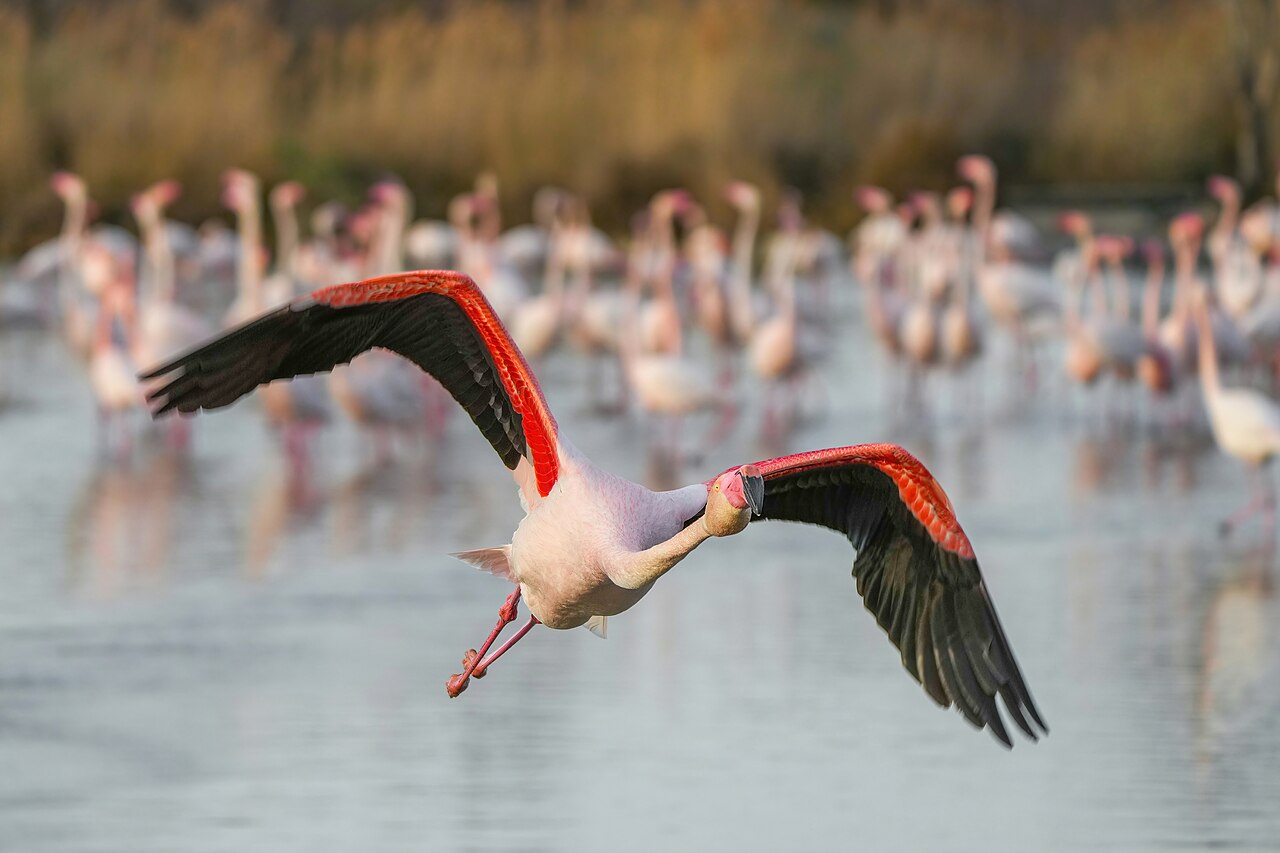
Flamingos and grebes look nothing alike and yet are each other's closest relatives - hence the name, the wonderful birds. They share a feather louse of their own, lobed rather than fully webbed toes and the habit of nesting on floating or heaped-up mounds; in the tree of Stiller et al. 2024 they are the very first branch of Neoaves. 9 espèces
-
Doves, cuckoos and allies Columbaves
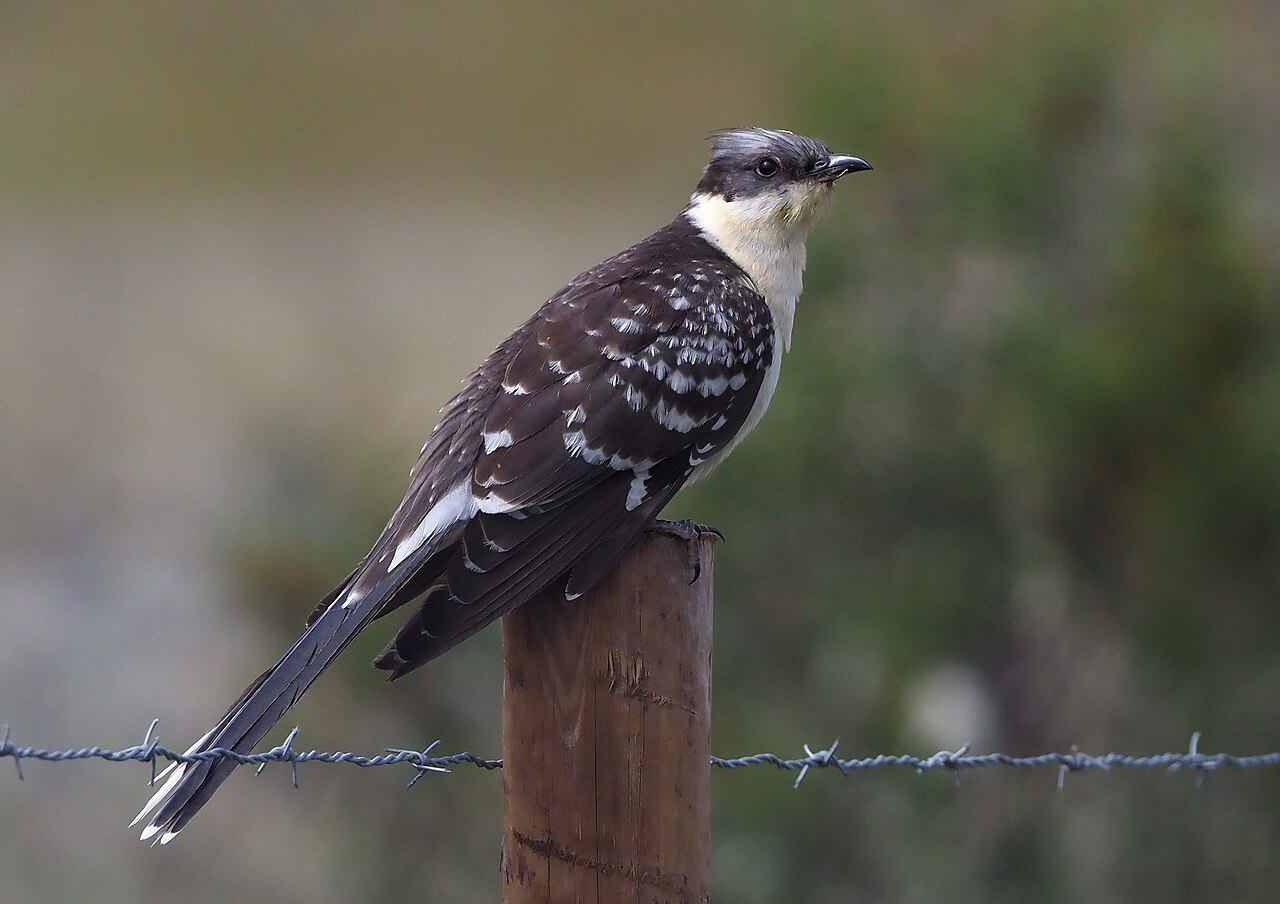
Pigeons, sandgrouse, mesites, cuckoos, turacos and bustards in one branch - a group with no shared outward characters. The group turns up in some genome studies and not in others, which keeps it one of the shakier main branches of the tree. 23 espèces
-
Bustards, turacos and cuckoos Otidimorphae
Heavy steppe walkers, fruit-eating tree birds and brood parasites in one branch - what they share is not obvious at a glance. Their internal order shifts from study to study; Stiller et al. 2024 put the bustards with the cuckoos and leave the turacos outside, while acknowledging that other analyses arrange them differently. 6 espèces
-
Doves and sandgrouse Columbimorphae
Pigeons, sandgrouse and the Madagascan mesites. Pigeons feed their young on crop milk, while male sandgrouse carry water home from the desert soaked into their belly feathers and let the chicks drink it out - two very different answers to the same problem of drought. 17 espèces
-
-
Birds of the elements Elementaves
A branch named in 2024 that gathers the hoatzin, cranes and rails, waders and gulls, nightjars and swifts, tropicbirds and all the true waterbirds; the name points to the classical elements earth, water, air and fire. It is also the least firmly supported of the four main branches: it emerges from the analyses of non-coding DNA, but not from the exons, the introns or the concatenated analysis. 203 espèces
-
Cranes and waders Gruimorphae
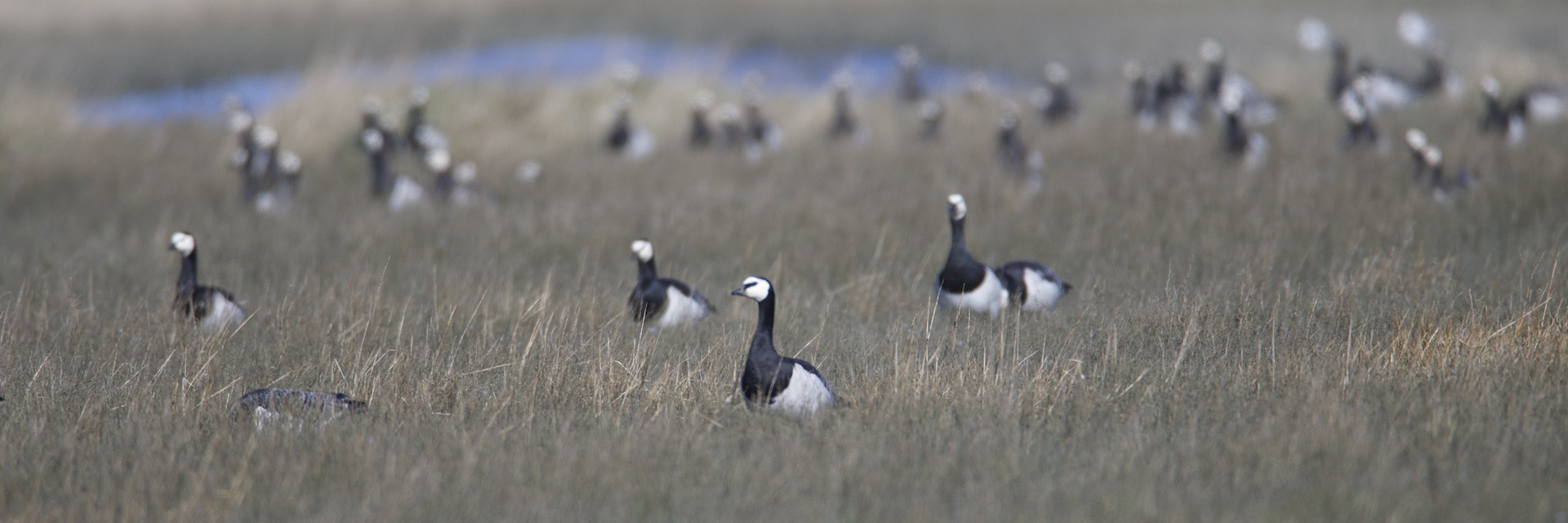
Cranes and rails turn out to be the closest relatives of the waders, gulls and auks - a clear shift away from older trees, in which the waders were placed with the waterbirds. Both groups are inhabitants of open, wet ground that make their living on foot. 143 espèces
-
 Cranes, rails and allies
Gruiformes
14 espèces
-
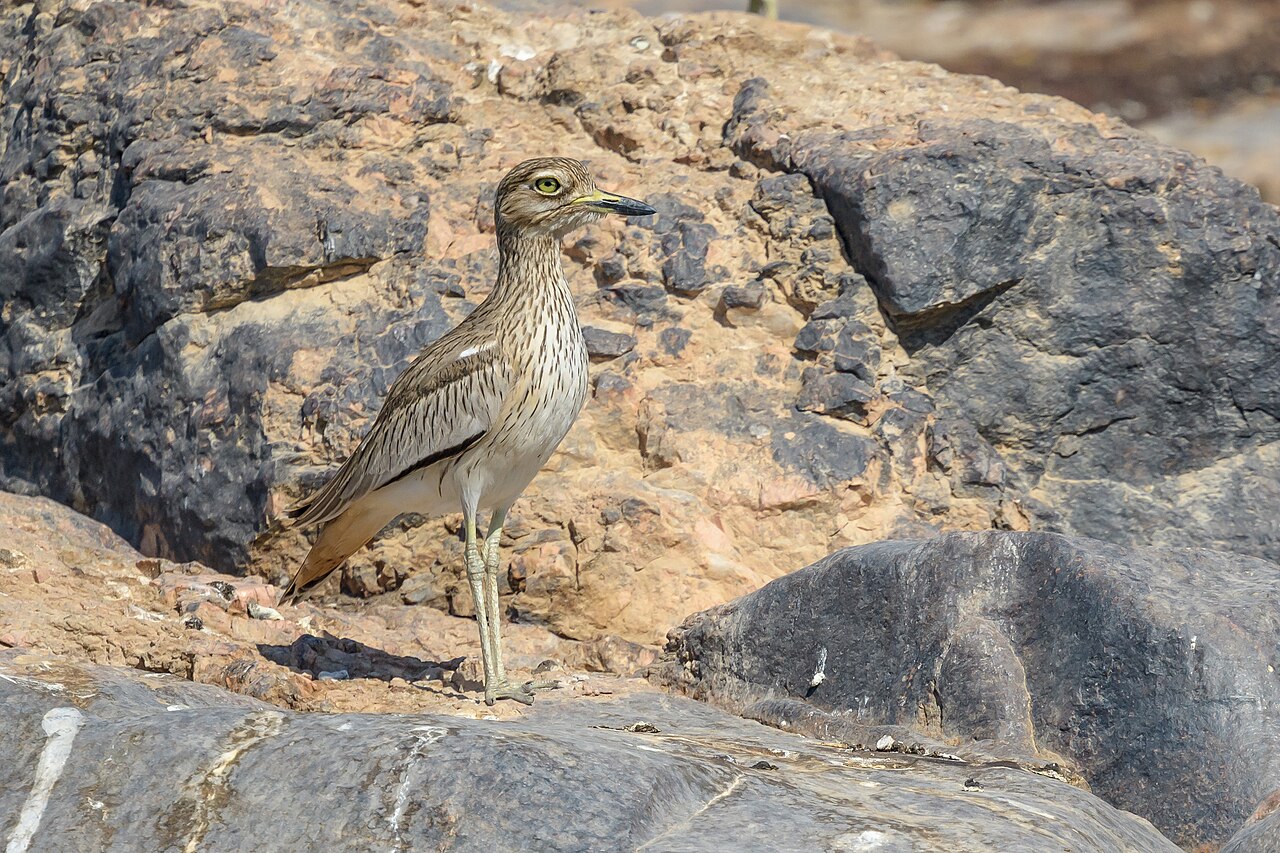 Waders, gulls and terns
Charadriiformes
129 espèces
Plovers and allies Charadrii
Sandpipers and snipes Scolopaci
-
-
Tropicbirds and waterbirds Phaethoquornithes
The tropicbirds with the sunbittern and kagu, together with all the true water and marsh birds. Here runs the line between the birds that take their food from the water and the landbirds; ducks, grebes, gulls and waders emphatically do not belong, however tied to water they are. 49 espèces
-
Tropicbirds and sunbittern Phaethontimorphae
Three very different leftovers: the tropicbirds of the open ocean, the sunbittern of the Amazon forest and the kagu of New Caledonia. Where this branch belongs is unsettled - coding DNA places it with the landbirds, non-coding DNA with the waterbirds, and both with full statistical support. 1 espèce
-
Core waterbirds Aequornithes
Divers, penguins, albatrosses and petrels, storks, gannets, cormorants, pelicans, herons and ibises: the birds that really take their food from the water. They all swim, dive or wade, but the way they do it - chasing underwater, plunging from a height, or waiting motionless - differs completely from family to family. 48 espèces
-
-
Nightjars and swifts Strisores
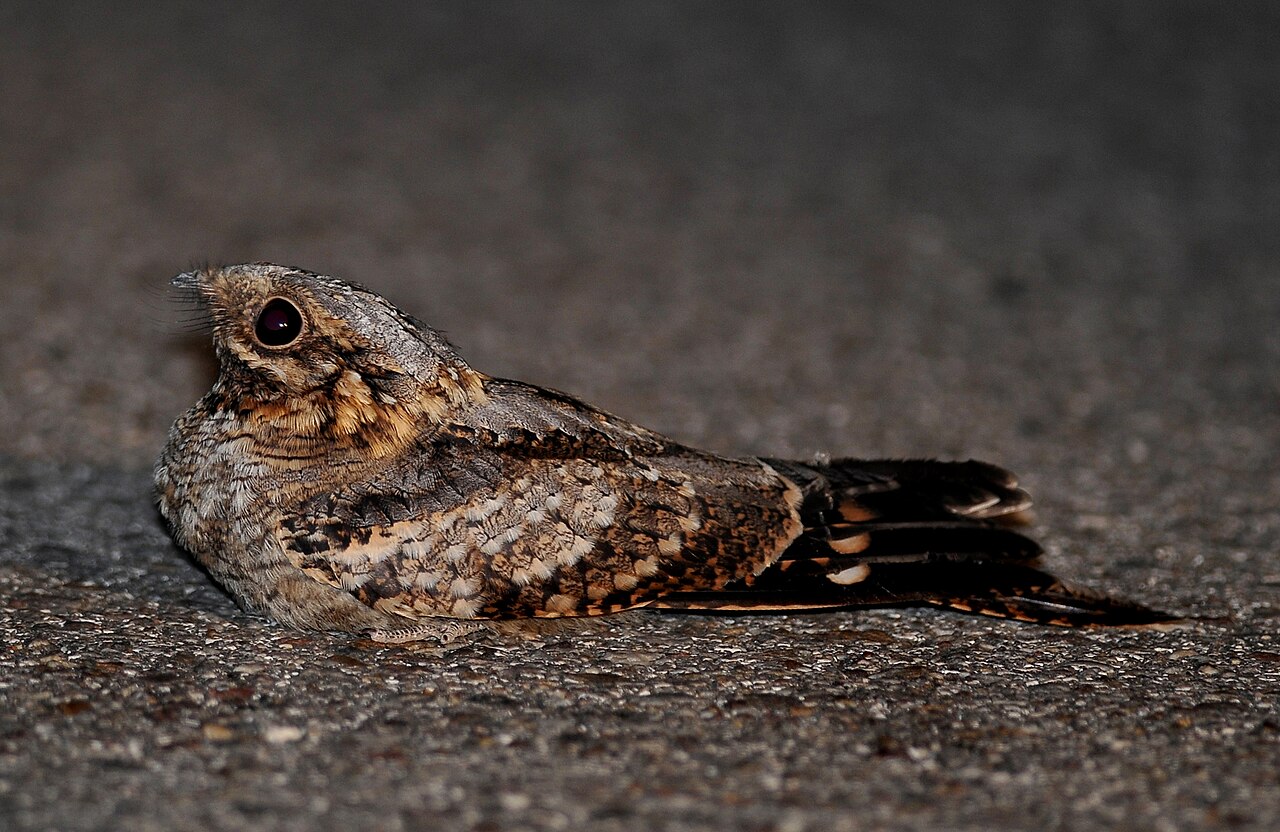
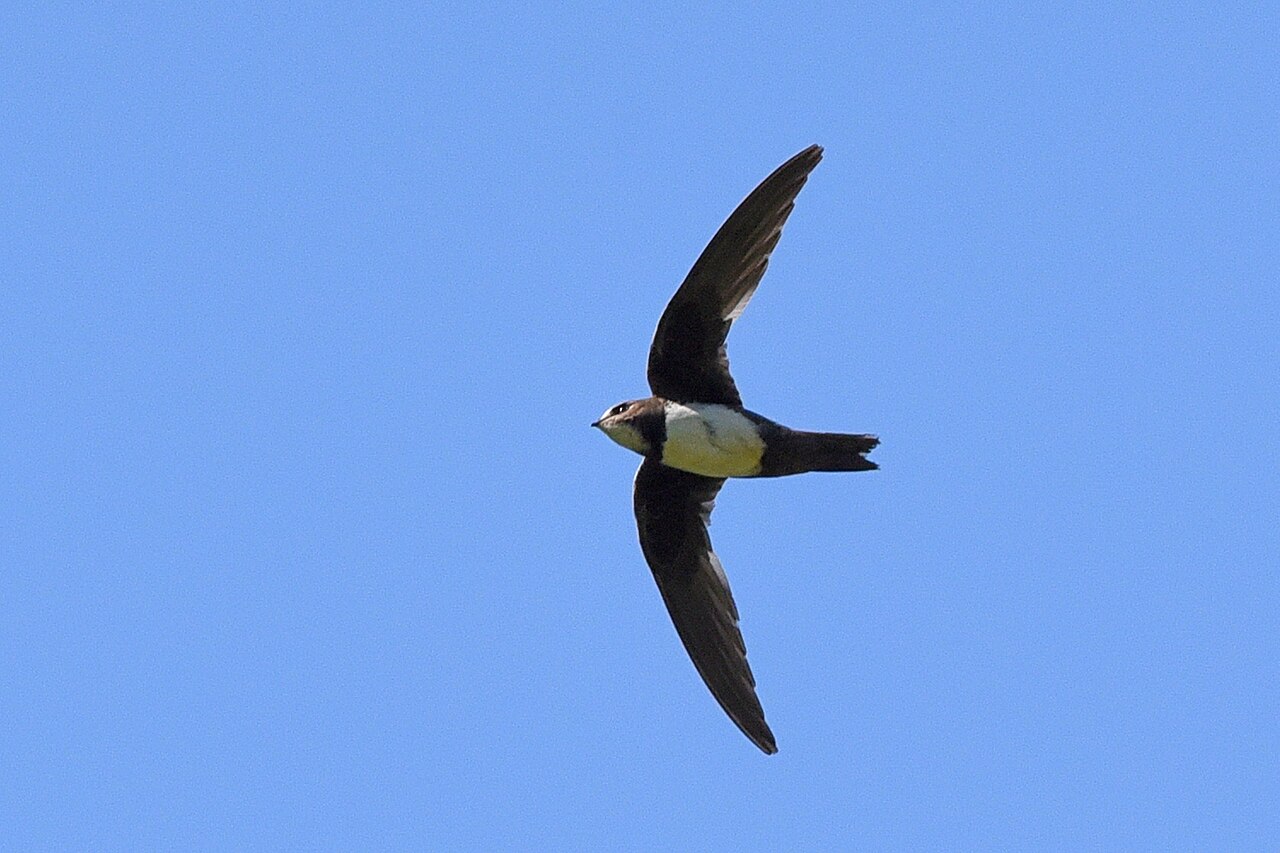
Nightjars, the oilbird, potoos, owlet-nightjars, swifts and hummingbirds: from slow twilight hunters with a large gaping mouth to birds built almost entirely for flight. The old nightjar order turned out to contain the swifts and hummingbirds within it, and was replaced by this much older name. 11 espèces
-
-
Landbirds Telluraves
The landbirds: raptors, owls, mousebirds, trogons, hornbills, kingfishers, woodpeckers, falcons, parrots and all the songbirds. Almost everything that lives in trees and grasps with foot or bill belongs here; in most of its subgroups the birds are hunters. 409 espèces
-
Raptors, owls, kingfishers and woodpeckers Afroaves
The half of the landbirds centred on Africa: hawks, eagles and vultures, owls, mousebirds, trogons, hornbills, hoopoes, kingfishers, bee-eaters, rollers and woodpeckers. Many of them nest in cavities, and most hunt animals they seize alive. 69 espèces
-
Hawks and owls Hieraves
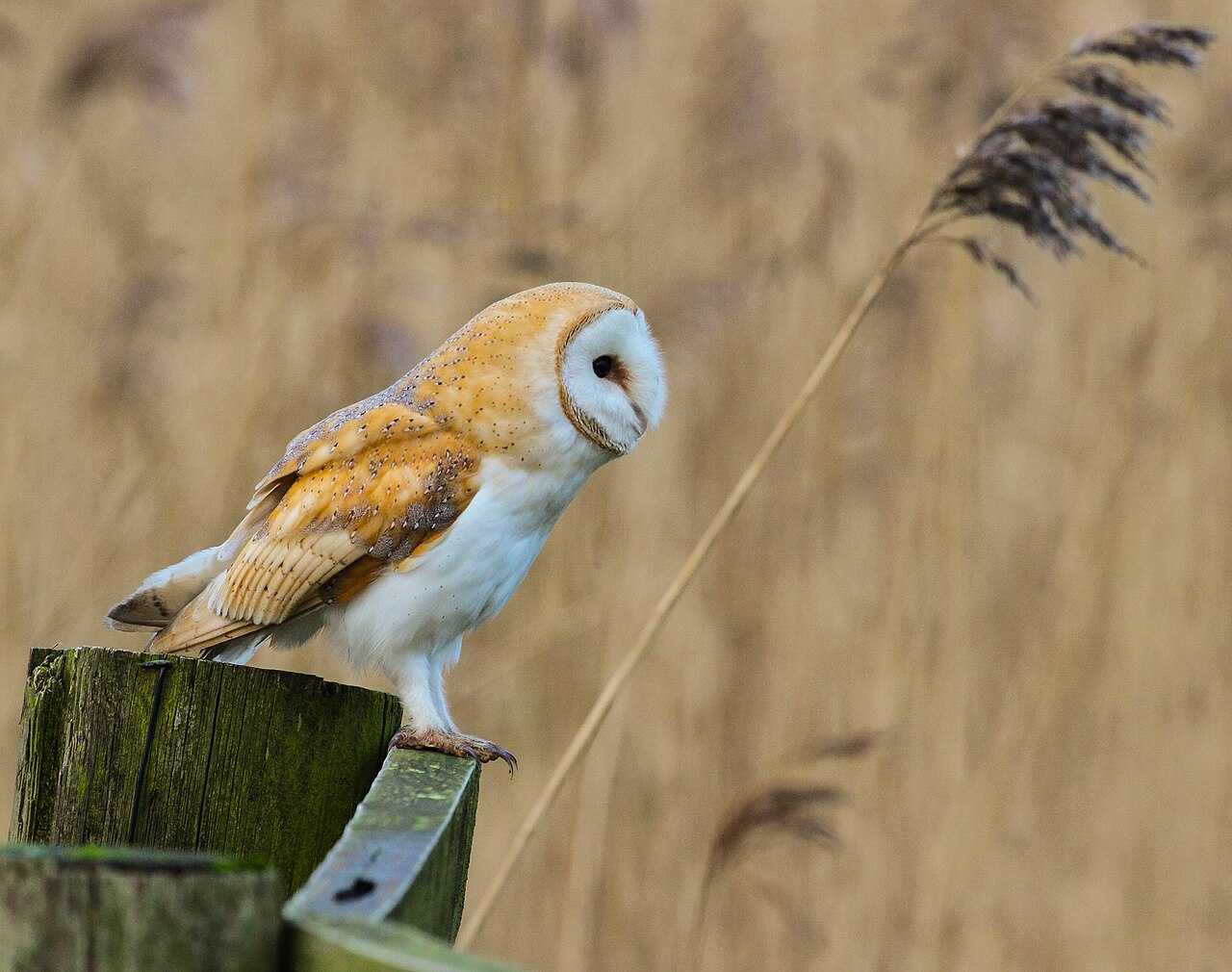
Owls as the sister group of the hawks, eagles and vultures: day and night raptors together, with the talons and hooked bill the same design in both groups rather than two separate cases of resemblance. The support is shaky - thirty-five percent of the genes against just over thirty-four for the alternative - and the concatenated analyses of Stiller et al. 2024 actually yield a different tree; mixing of genetic material between the early branches may account for the contradiction. 48 espèces
-
Rollers, kingfishers and woodpeckers Coraciimorphae
Mousebirds, trogons, hornbills and hoopoes, kingfishers, bee-eaters, rollers and woodpeckers - mostly tropical, brightly coloured birds with short, broad wings. This is the branch in which nesting in cavities takes the most forms, from self-chiselled woodpecker holes to the hornbill nest in which the female has herself walled in. 21 espèces
-
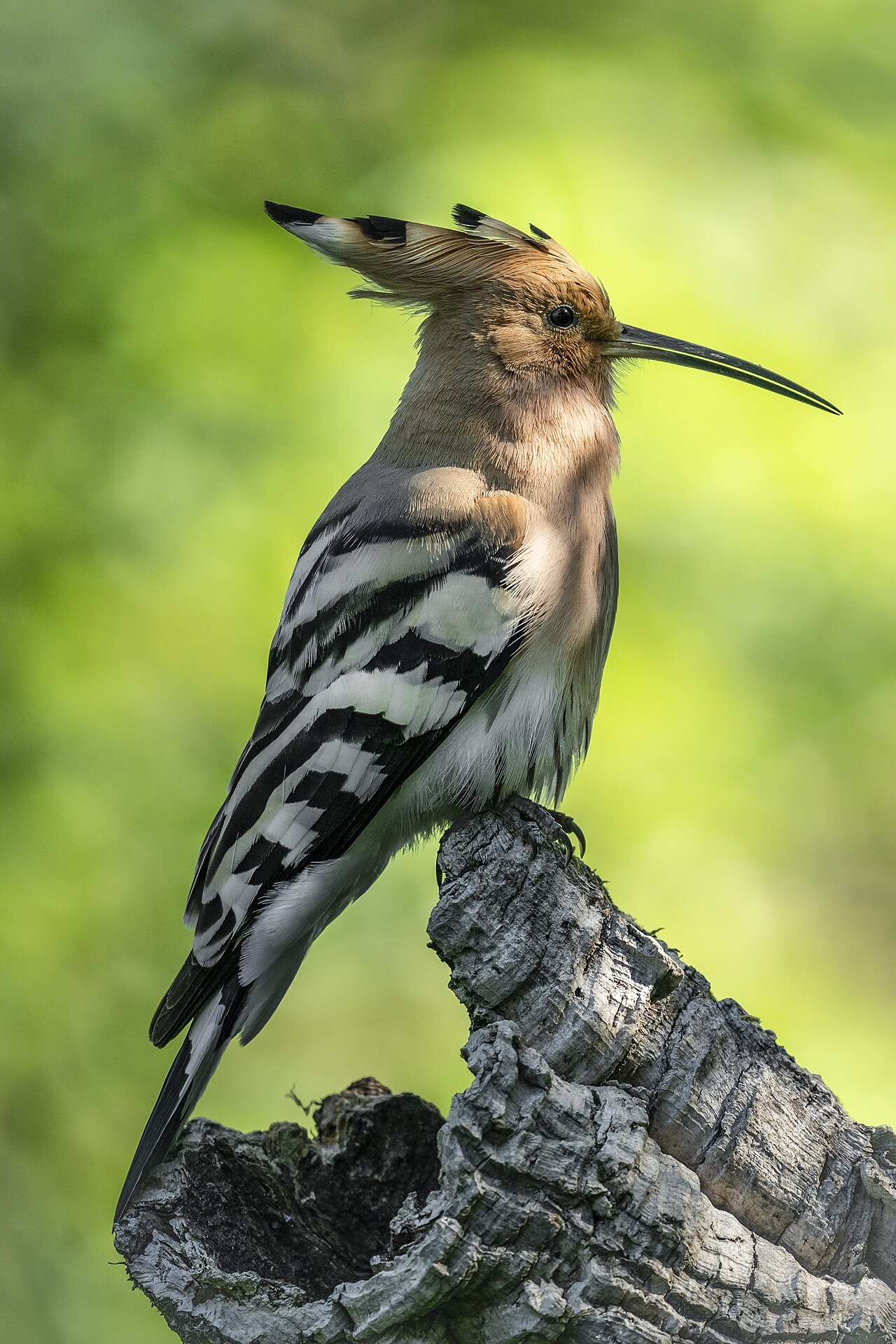 Hoopoes and hornbills
Bucerotiformes
1 espèce
-
Kingfishers, bee-eaters and woodpeckers Picodynastornithes
Kingfishers, bee-eaters and rollers as the sister group of the woodpeckers, barbets and toucans. Both groups dig or chisel out their own nest hole - in a steep bank, a termite mound or a tree trunk - which makes them builders rather than tenants, independent of holes that happen to be there. 20 espèces
-
-
-
Falcons, parrots and passerines Australaves
The landbirds centred on the southern hemisphere: seriemas, falcons, parrots and all the songbirds. Two out of every three bird species on earth sit in this single branch, which reaches from the long-legged seriemas of South America to the tit in the garden. 340 espèces
-
Falcons and passerines Eufalconimorphae
In the modern bird tree, falcons are not raptors in the family sense but the closest relatives of parrots and songbirds. Their resemblance to hawks and eagles - hooked bill, gripping talons, sharp eyes - is convergence: both groups practise the same trade. 340 espèces
-
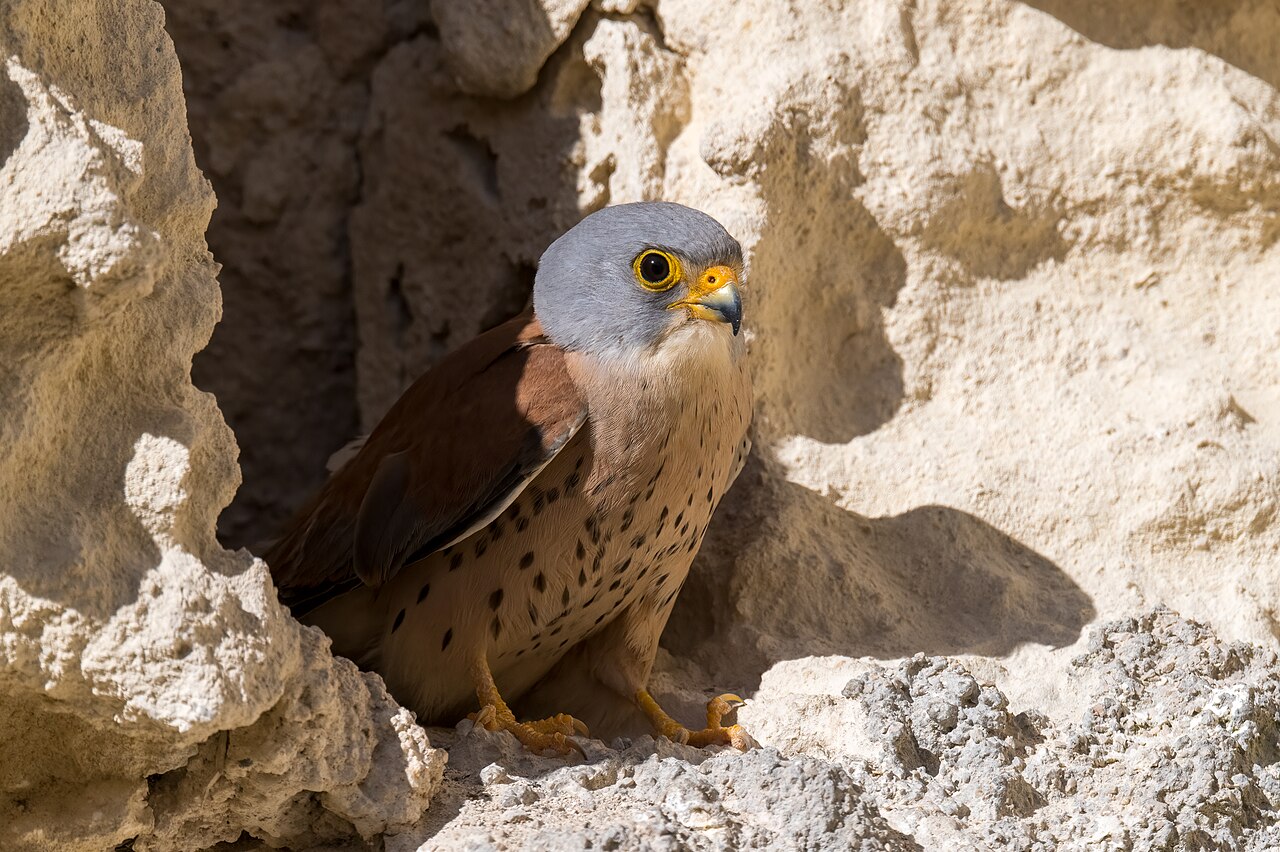 Falcons
Falconiformes
12 espèces
-
Parrots and passerines Psittacopasserae
Parrots and songbirds are sister groups - and they are precisely the two groups that pick up their sounds by learning them from others instead of inheriting them ready-made. Vocal learning is thus a mark of this whole branch and is found in few birds outside it. 328 espèces
-
 Parrots
Psittaciformes
5 espèces
-
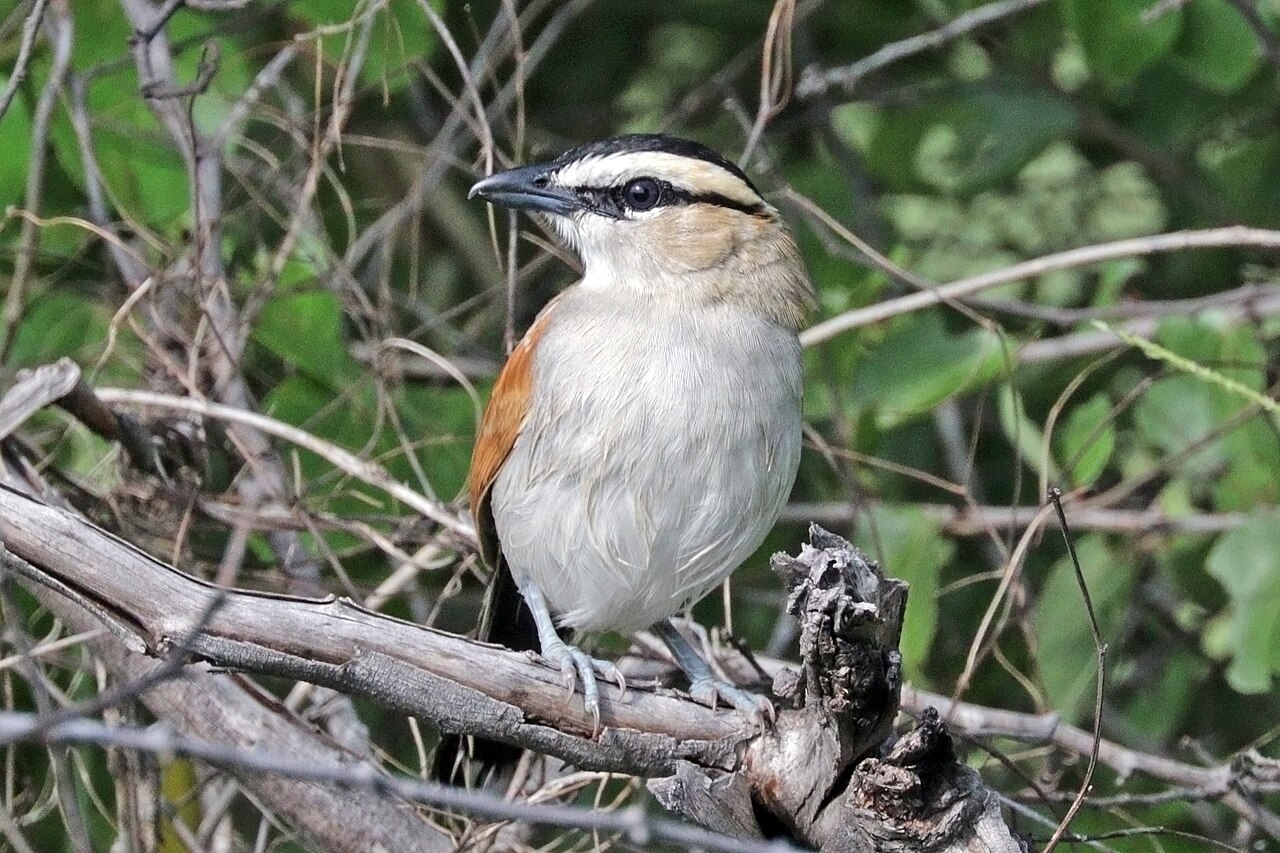 Passerines
Passeriformes
323 espèces
True songbirds Passeri
Crows and allies Corvides
Sparrows and allies Passerides
Tits, swallows and warblers Sylviida
Penduline tits Remizidae 2Tits Paridae 10Bearded reedlings Panuridae 1Larks Alaudidae 20Cisticolas Cisticolidae 2Reed warblers Acrocephalidae 18Grasshopper warblers Locustellidae 5Swallows and martins Hirundinidae 8Long-tailed tits Aegithalidae 1Bush warblers Cettiidae 2Leaf warblers Phylloscopidae 17Bulbuls Pycnonotidae 4Sylvia warblers Sylviidae 22Parrotbills Paradoxornithidae 2Laughingthrushes Leiothrichidae 3Thrushes, flycatchers and starlings Muscicapida
Finches, sparrows and buntings Passerida
Sunbirds Nectariniidae 1Weavers Ploceidae 2Indigobirds and whydahs Viduidae 1Waxbills Estrildidae 6Accentors Prunellidae 4Sparrows Passeridae 10Wagtails and pipits Motacillidae 18Finches Fringillidae 33Longspurs and snow buntings Calcariidae 2Buntings Emberizidae 17New World sparrows Passerellidae 4New World blackbirds Icteridae 1New World warblers Parulidae 3Cardinals Cardinalidae 1
-
-
-
-
-
-
-

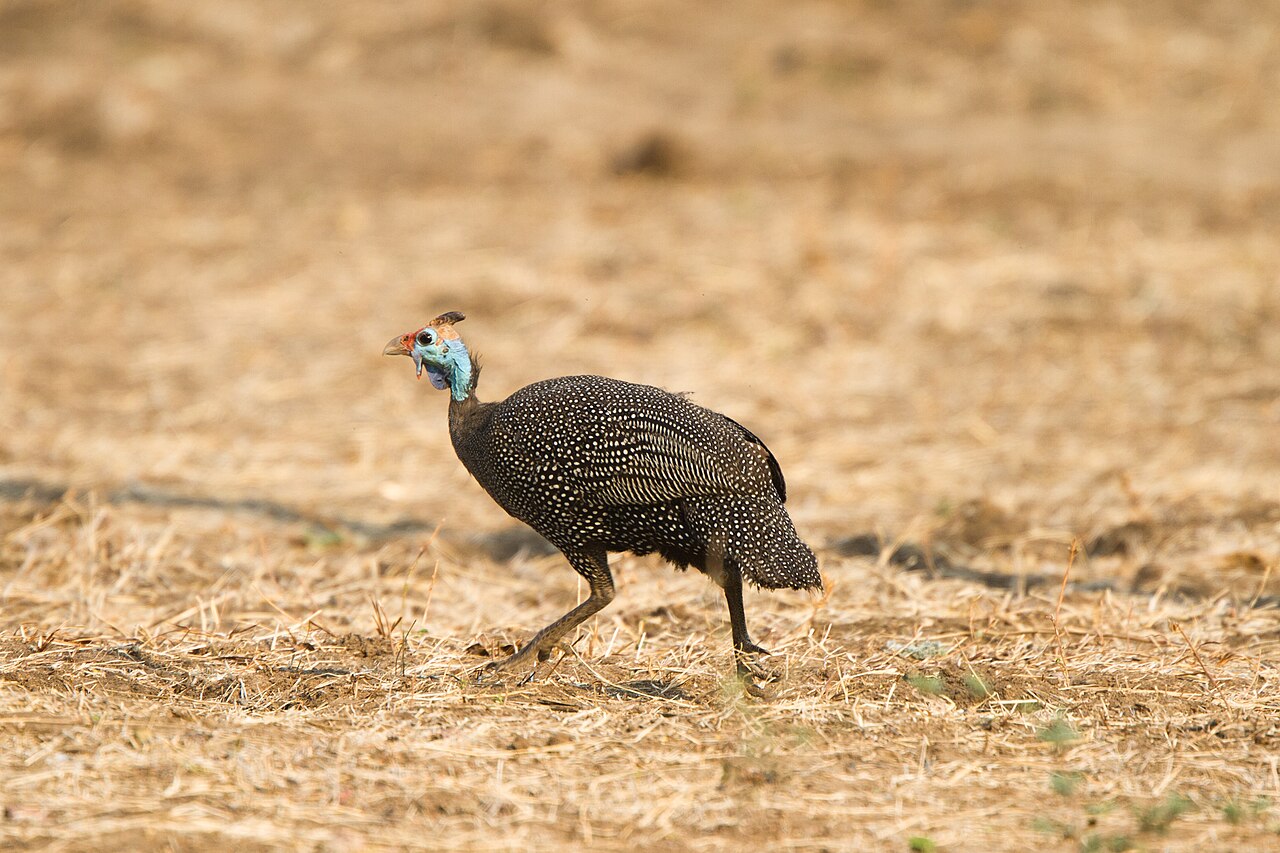


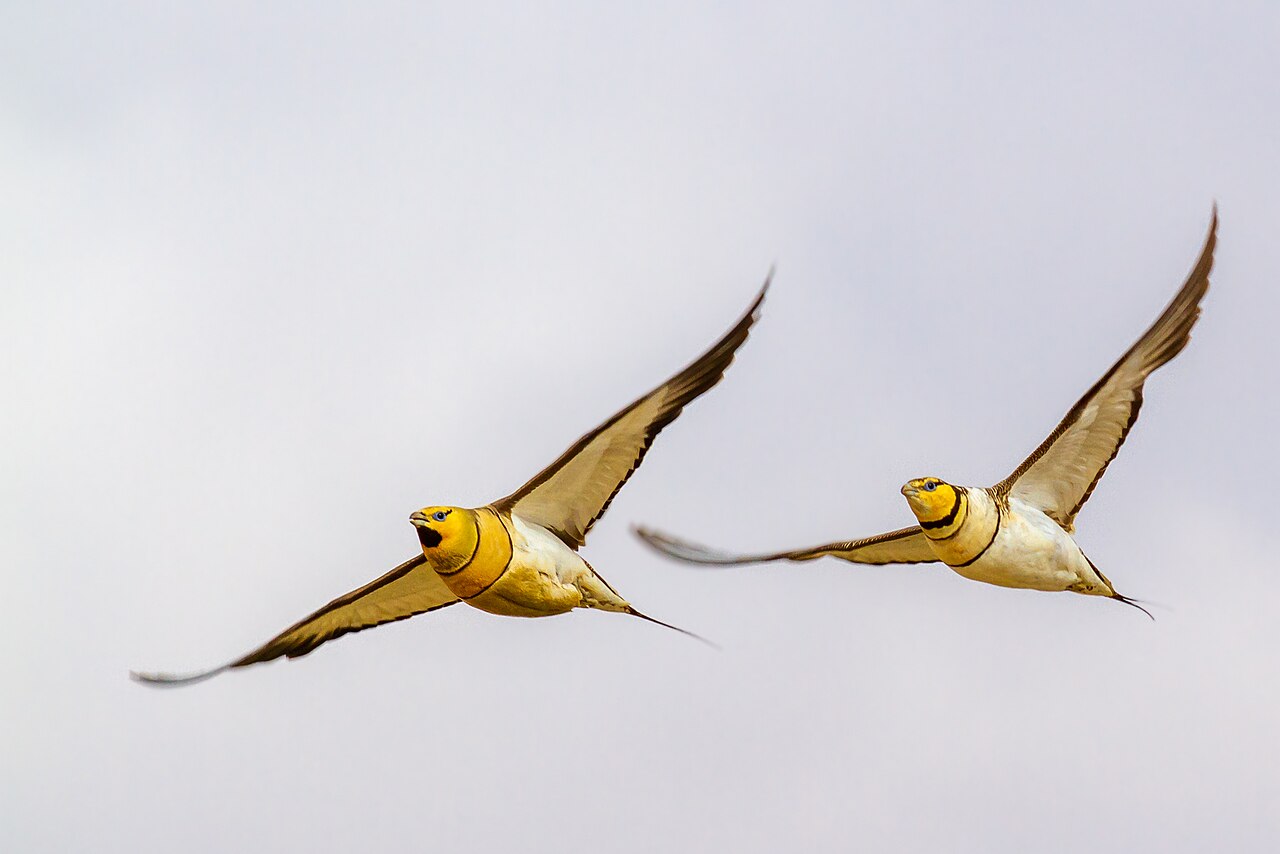


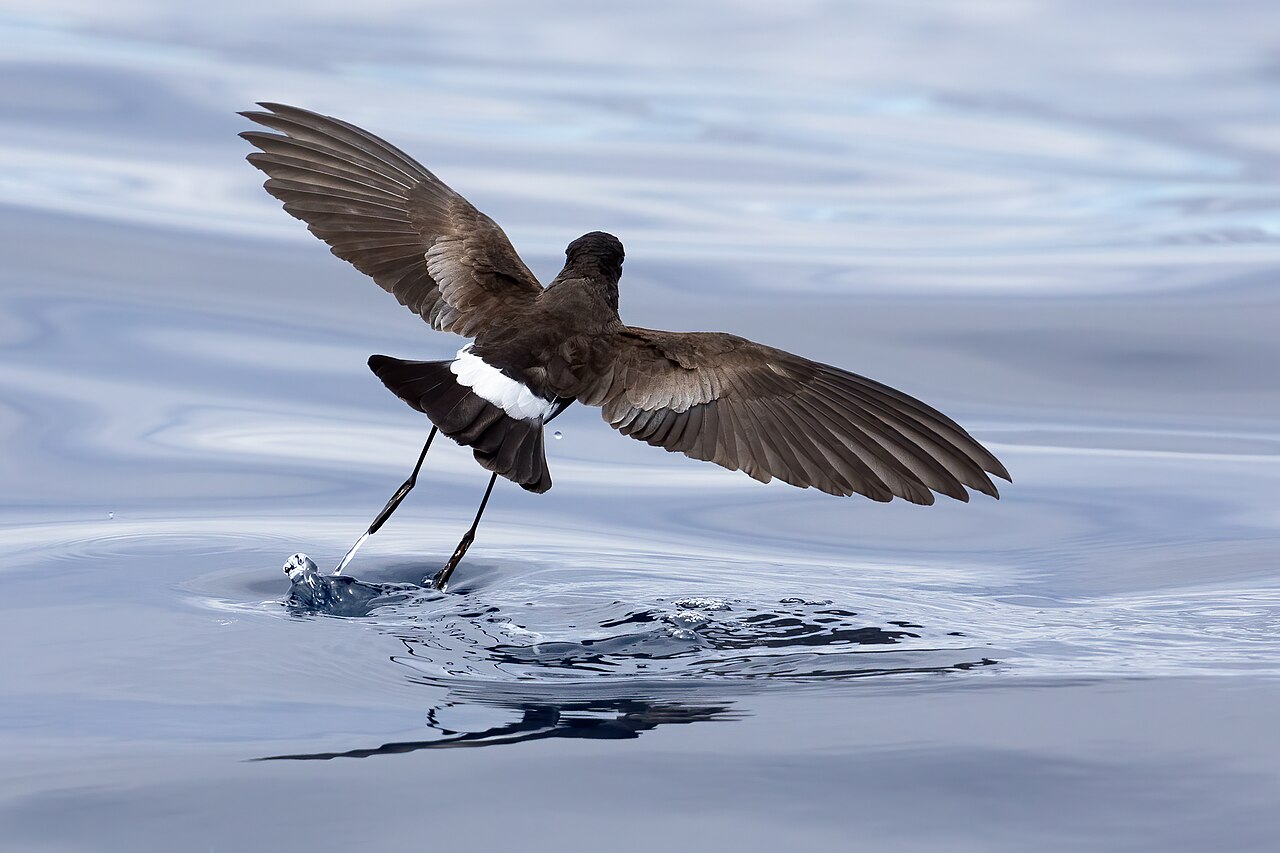
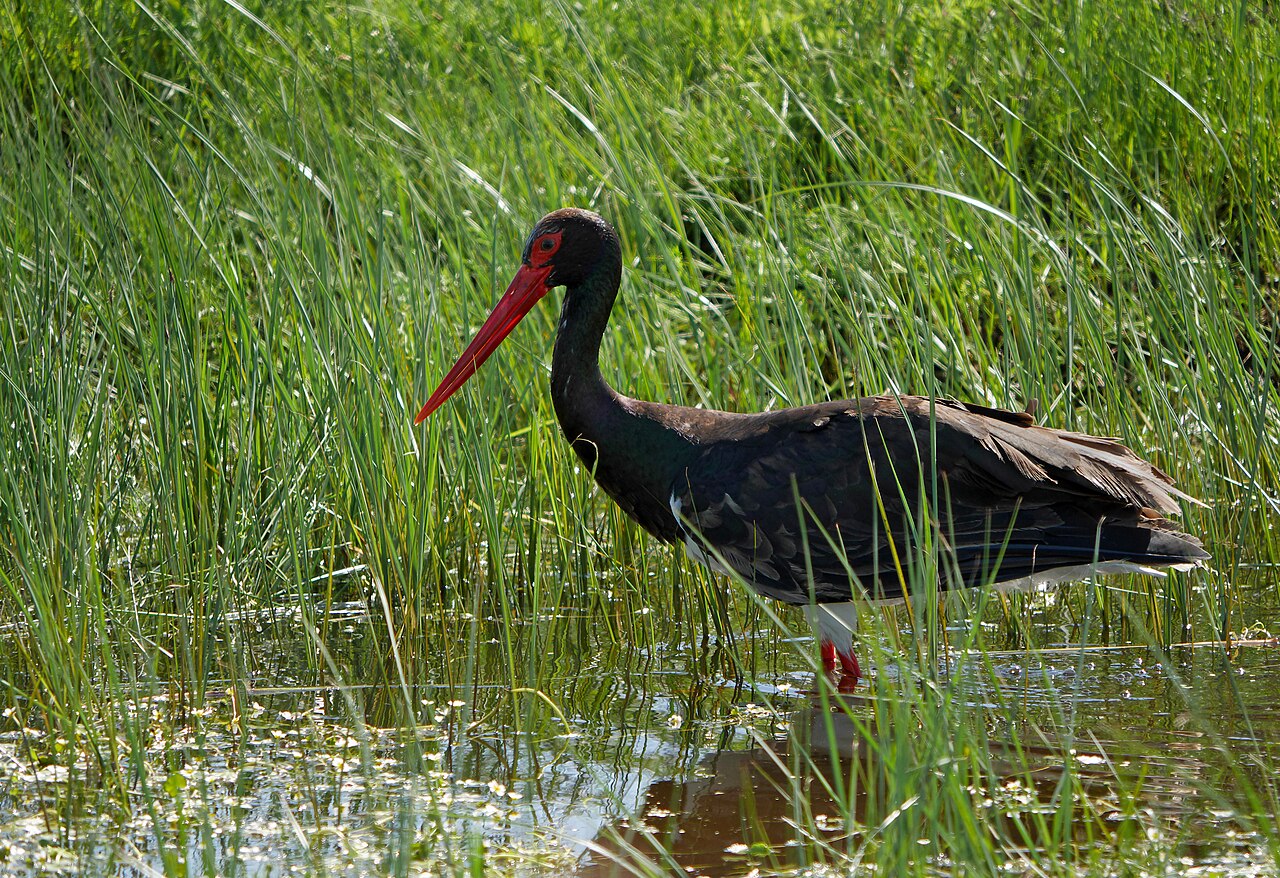

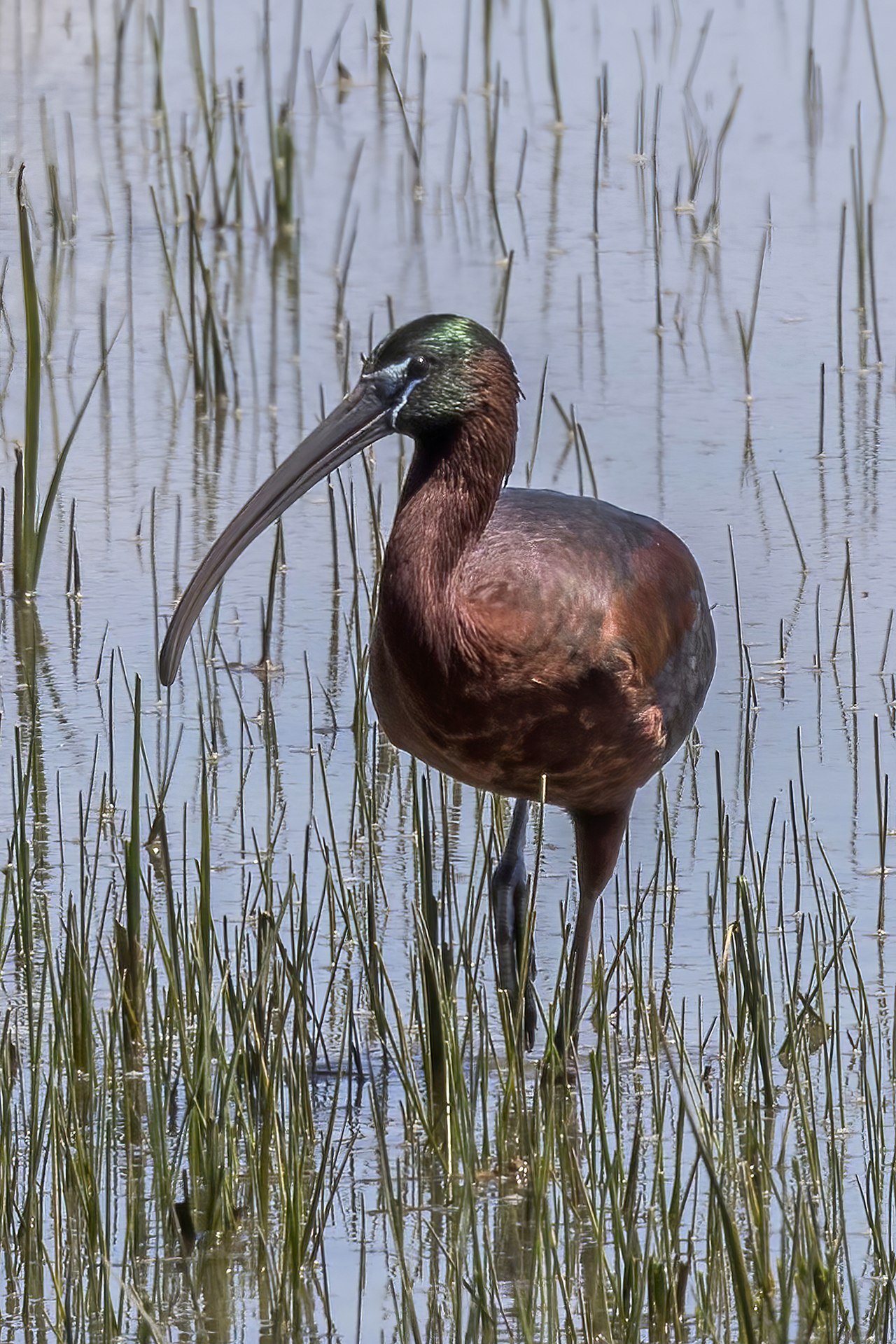


Source de la classification: The arrangement and sequence of orders, families, genera and species follow AviList; the clades above them follow the family-level genome tree of the B10K project and carry names from the PhyloCode. AviList v2025b · Stiller et al. 2024, Nature 629, 851–860 (B10K)
À propos de ce site
Oiseaux d'Europe est un site éducatif consacré aux oiseaux du continent européen, conçu pour les personnes qui veulent aller au-delà d'une première identification. Il est volontairement léger : HTML statique, aucun traceur, aucun cookie.
Sur votre téléphone
Ce site peut aussi s'utiliser comme une application : avec sa propre icône sur votre écran d'accueil, et sans la barre d'adresse du navigateur autour. Rien ne vient d'une boutique d'applications — c'est le même site, simplement ouvert autrement, sans installation ni compte.
Sur iPhone et iPad (Safari)
- Ouvrez ce site dans Safari.
- Touchez l'icône de partage en bas — le carré avec une flèche vers le haut.
- Faites défiler jusqu'à « Sur l'écran d'accueil » et touchez-le.
- Modifiez le nom si vous le souhaitez, puis touchez « Ajouter » en haut à droite.
Sur Android (Chrome)
- Chrome affiche généralement une barre « Installer l'application » en bas — touchez-la.
- Si cette barre n'apparaît pas, touchez plutôt le menu à trois points en haut à droite.
- Choisissez « Installer l'application » ou « Ajouter à l'écran d'accueil » et confirmez avec « Installer ».
Samsung Internet le formule un peu différemment : « Ajouter la page à », puis « Écran d'accueil ».
La langue obtenue est celle dans laquelle vous lisiez le site au moment de l'ajouter — pour une autre langue, ouvrez d'abord le site dans cette langue et ajoutez-le à partir de là.
Rien d'autre ne change : les mêmes pages, le même contenu, toujours via Internet, simplement sans la barre propre au navigateur autour.
Le supprimer
- iPhone/iPad : maintenez le doigt sur l'icône, choisissez « Supprimer l'app », puis « Retirer de l'écran d'accueil ».
- Android : maintenez le doigt sur l'icône et faites-la glisser vers « Supprimer », ou choisissez « Désinstaller ».