All species › Waders, gulls and terns › Sandpipers and snipes
Sandpipers and snipes | Scolopacidae
Strandlopers en snippen | Correlimos y agachadizas
The bill is not only long and sensitive but mobile: the tip of the upper mandible alone can be raised, so the bird can seize a worm deep in the mud without opening the bill along its whole length. Length and curvature differ greatly from species to species, so that birds feeding side by side on the same flat reach different depths and different prey. The plumage is grey-brown and finely marked, and changes completely twice a year: a conspicuous breeding dress and a plain winter one. Four pear-shaped eggs in a scrape, chicks that find their own food from the first day, and outside the breeding season large flocks that wheel as one over the tidal flats.
Native species 30 species
Species that occur here by nature: breeding birds, winter visitors and passage migrants. They are arranged by genus, in the sequence of the list.
Curlews | Numeniinae
3 species
Large, long-legged waders whose long bill curves evenly downwards — the clearest difference from the straight-billed godwits. That curve follows the bend of a lugworm burrow or a crab hole and reaches prey no shorter bill can touch; females carry a longer bill than males and so work a little deeper on the same flat. The plumage stays streaked brown and sand-coloured all year, without the striking summer dress many other waders put on, so in the field you go by outline, bill length and the pattern of back and rump in flight. On the breeding ground — bog, moor, damp grassland — the bird climbs in a slow gliding display flight and pours out a long bubbling call. Outside the breeding season they are birds of mudflats and saltmarsh.
Numenius 3 species
-

Whimbrel
Numenius phaeopus Littoral sediment
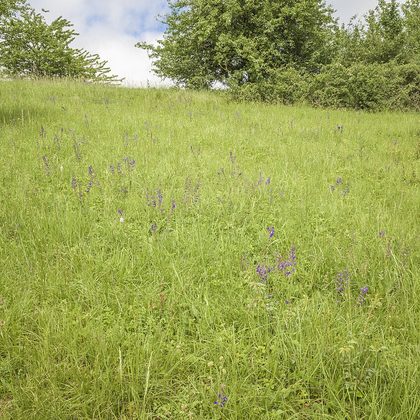 Mesic grasslands
 Arable land and market gardens
 Tundra
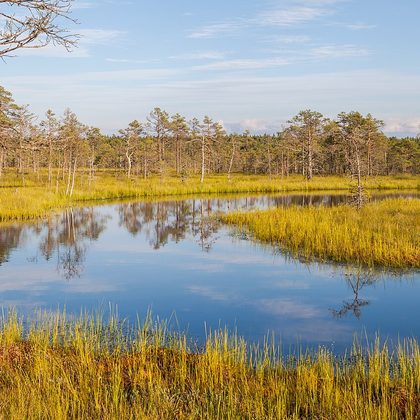 Raised and blanket bogs
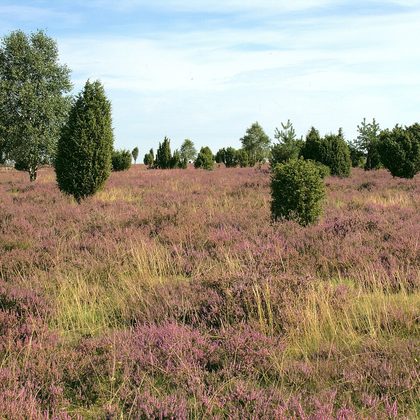 Temperate shrub heathland
-
Slender-billed curlew
Numenius tenuirostris Inland saline and brackish marshes and reedbeds
- Littoral sediment
- Raised and blanket bogs
 Seasonally wet and wet grasslands
-
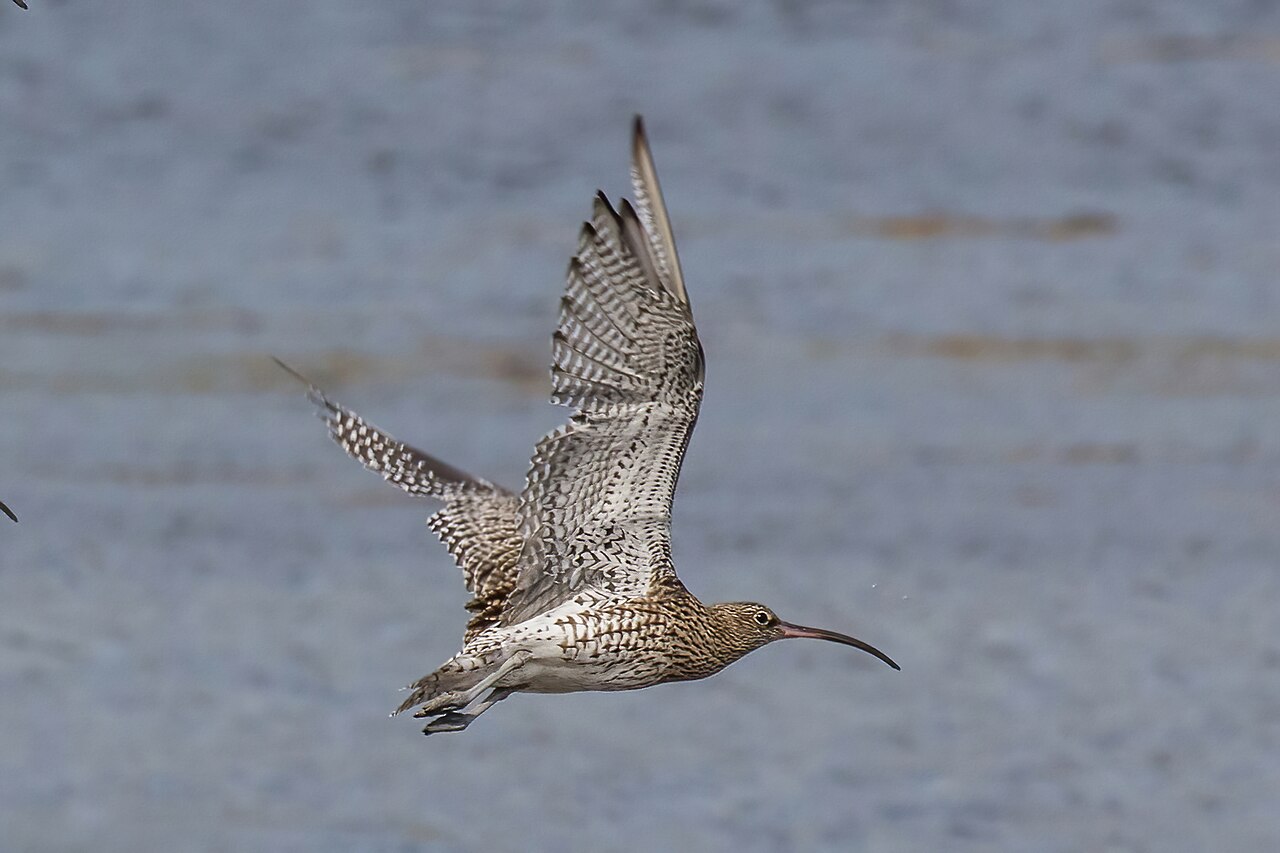
Eurasian curlew
Numenius arquata- Littoral sediment
- Seasonally wet and wet grasslands
- Raised and blanket bogs
- Temperate shrub heathland
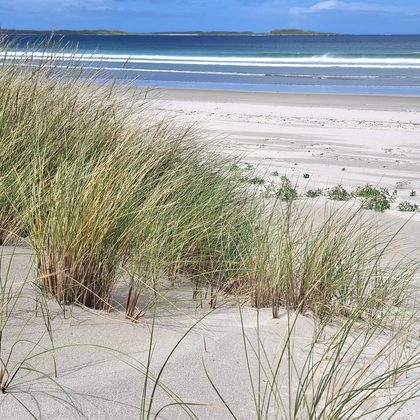 Coastal dunes and sandy shores
Godwits | Limosinae
2 species
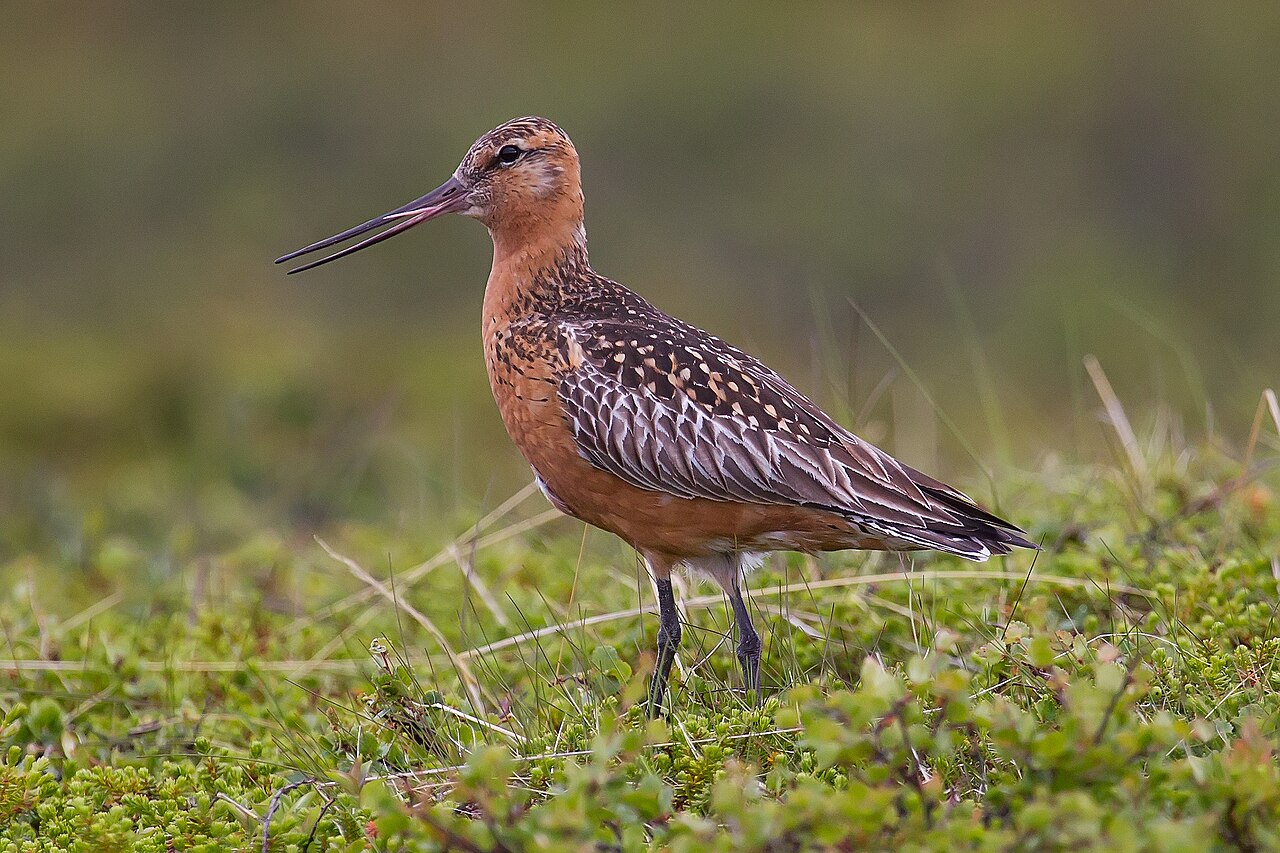
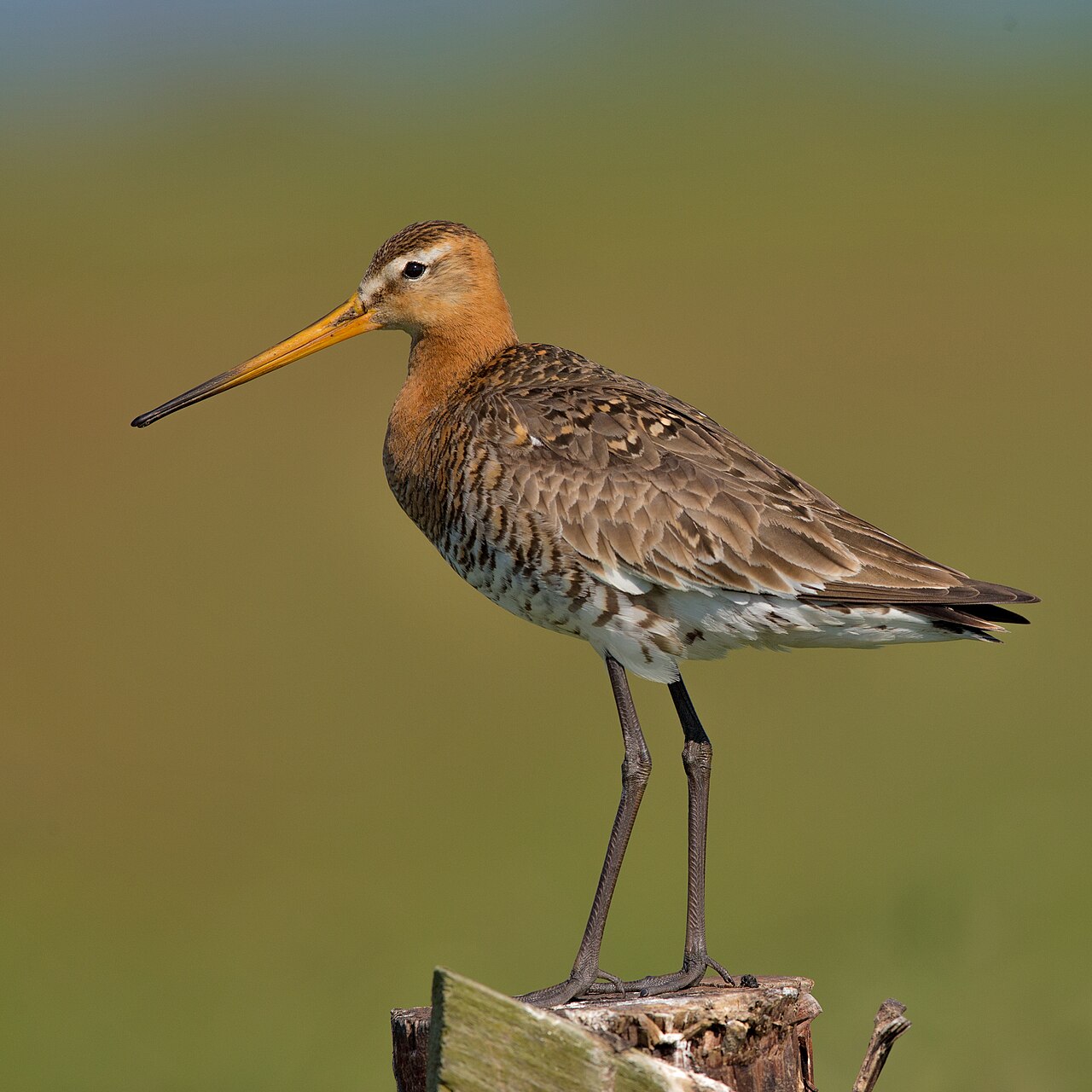
Tall, long-bodied waders with a very long, straight or slightly upturned bill and legs that trail well beyond the tail in flight. Where curlews work their curved bill into a winding burrow, these birds drill straight down and up to the eyes into soft mud, often wading belly-deep. The plumage sets them apart too: in summer neck and breast turn a warm chestnut, while in winter the birds are plain grey-brown, so the same species looks quite unlike itself in May and in November. In flight the wing and tail pattern and the trailing legs are the surest marks. They breed on wet meadows and tundra, the male circling the ground in a noisy, calling display flight, and gather in dense flocks on estuaries for the rest of the year.
Limosa 2 species
Sandpipers and turnstones | Arenariinae
10 species
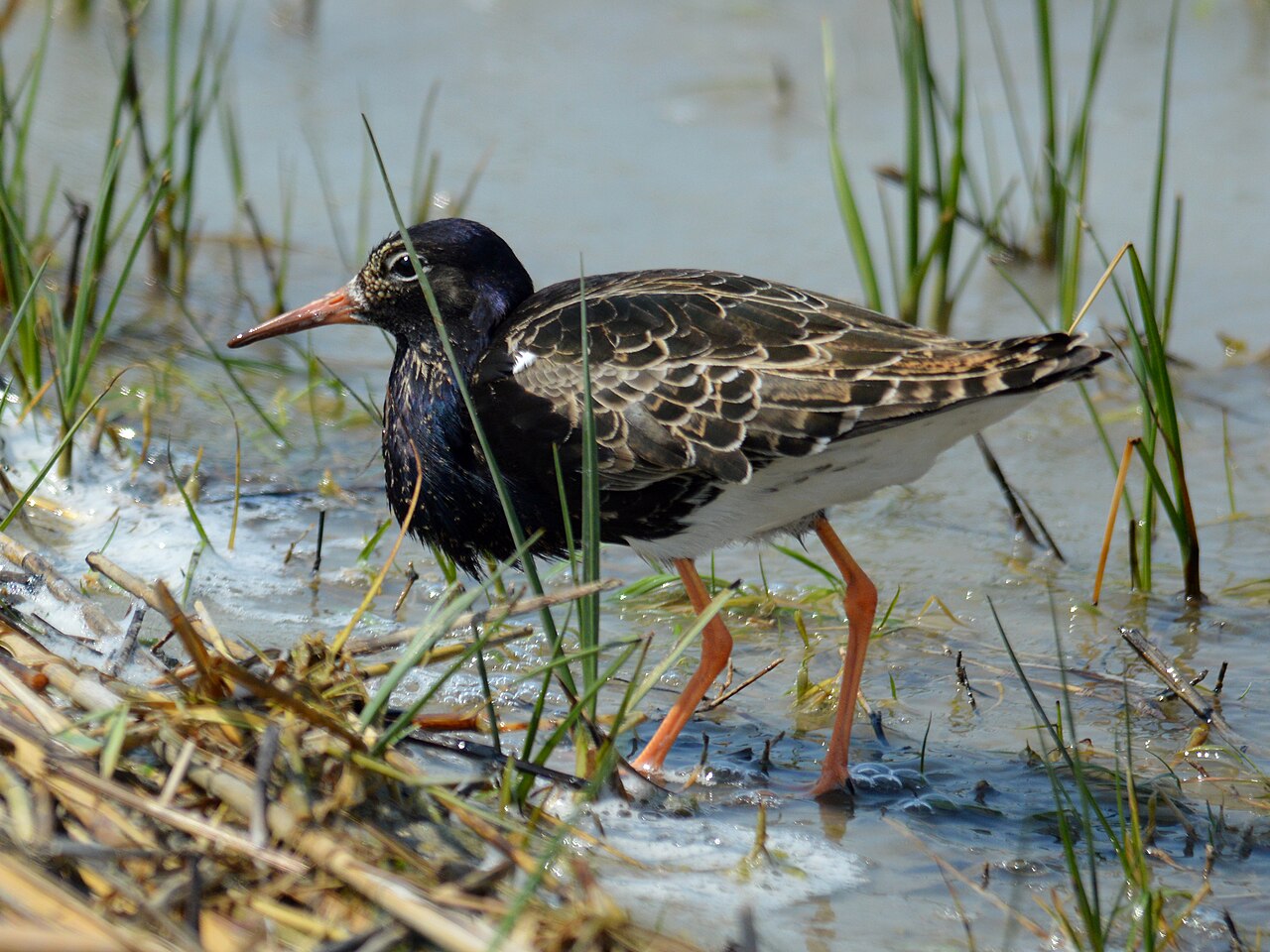
The small to medium waders of mudflat and tideline: compact, short-legged, and with bills that range across the group from short and straight to long and gently curved, so that birds feeding side by side work different layers of the same flat. Most food is taken on foot, with fast sewing-machine jabs into wet ground; the turnstone uses its short wedge of a bill to lever weed, shells and pebbles aside and see what is underneath. They are far more sociable than the snipes: dense flocks wheel as one body and flash alternately pale and dark as they turn. In winter the plumage is a quiet grey, in summer often rufous or boldly marked with black, and most of them nest far north on open tundra.

Calidris 9 species
-

Red knot
Calidris canutus- Littoral sediment
- Coastal dunes and sandy shores
-
Ruff
Calidris pugnax- Seasonally wet and wet grasslands
- Arable land and market gardens
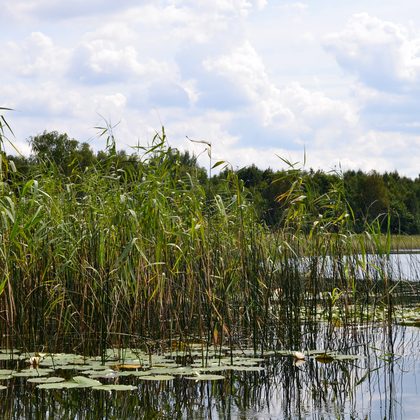 Littoral zone of inland surface waterbodies
- Littoral sediment
- Tundra
-
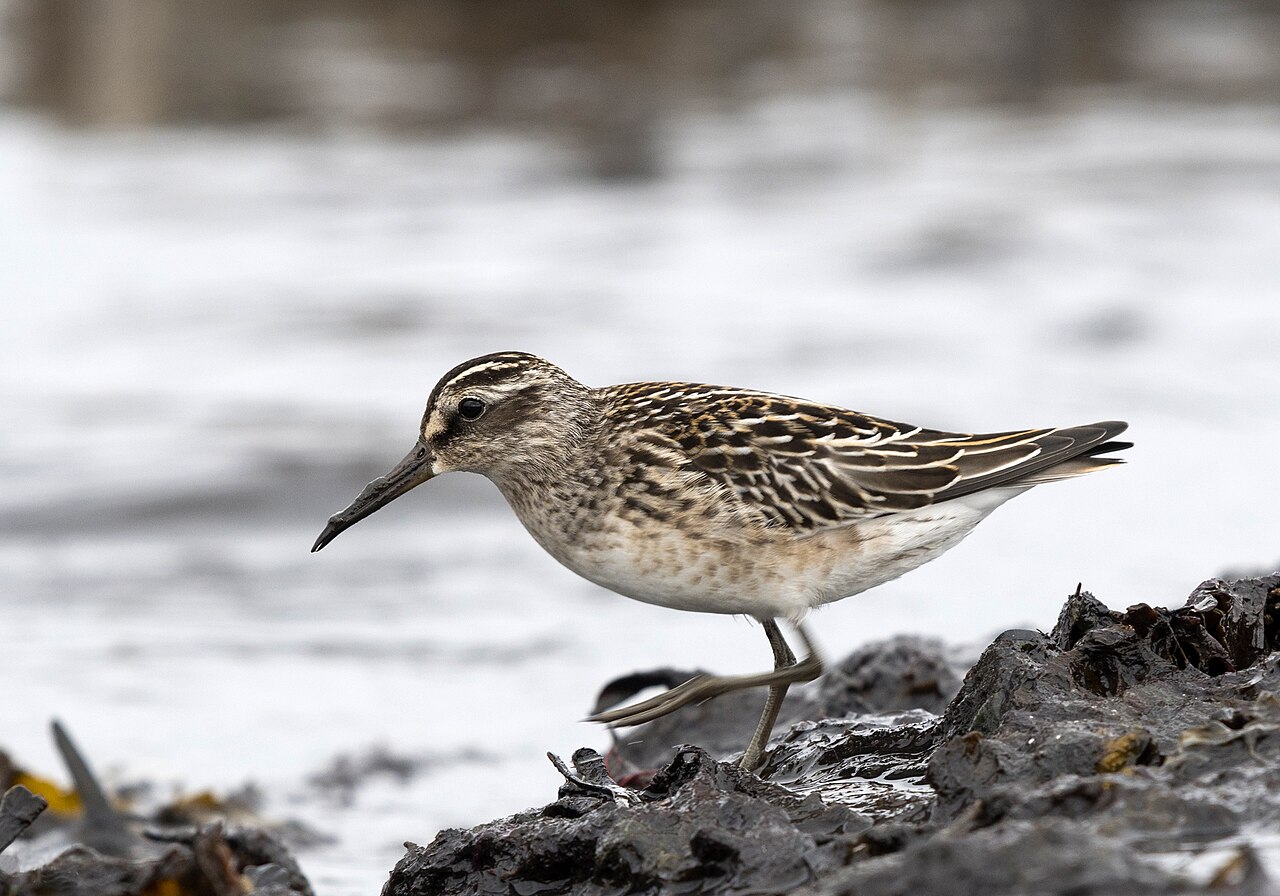
Broad-billed sandpiper
Calidris falcinellus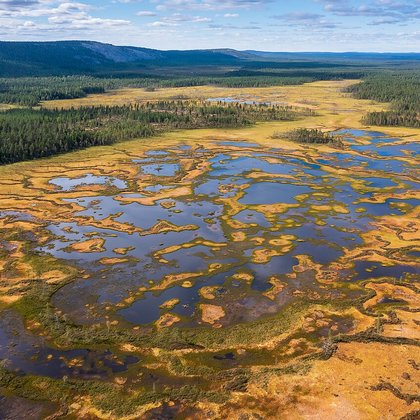 Aapa, palsa and polygon mires
- Littoral sediment
- Littoral zone of inland surface waterbodies
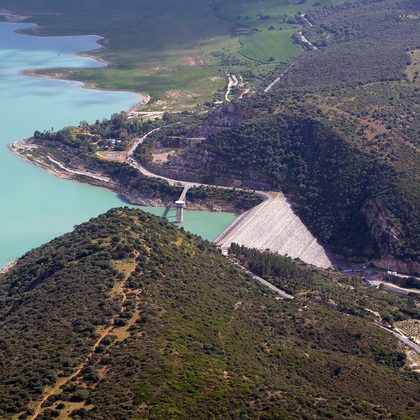 Highly artificial man-made waters
-
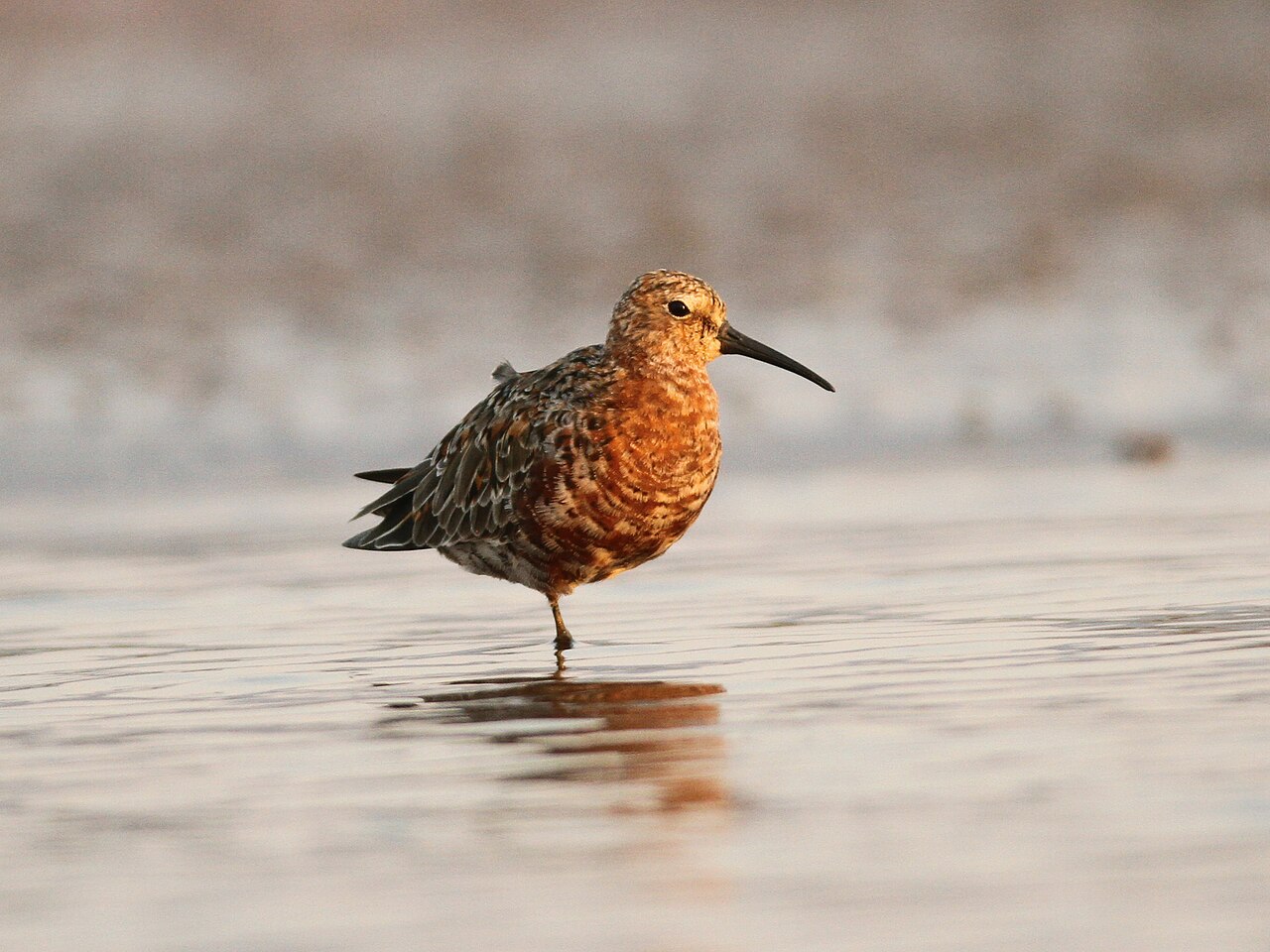
Curlew sandpiper
Calidris ferruginea- Littoral sediment
- Littoral zone of inland surface waterbodies
- Inland saline and brackish marshes and reedbeds
-
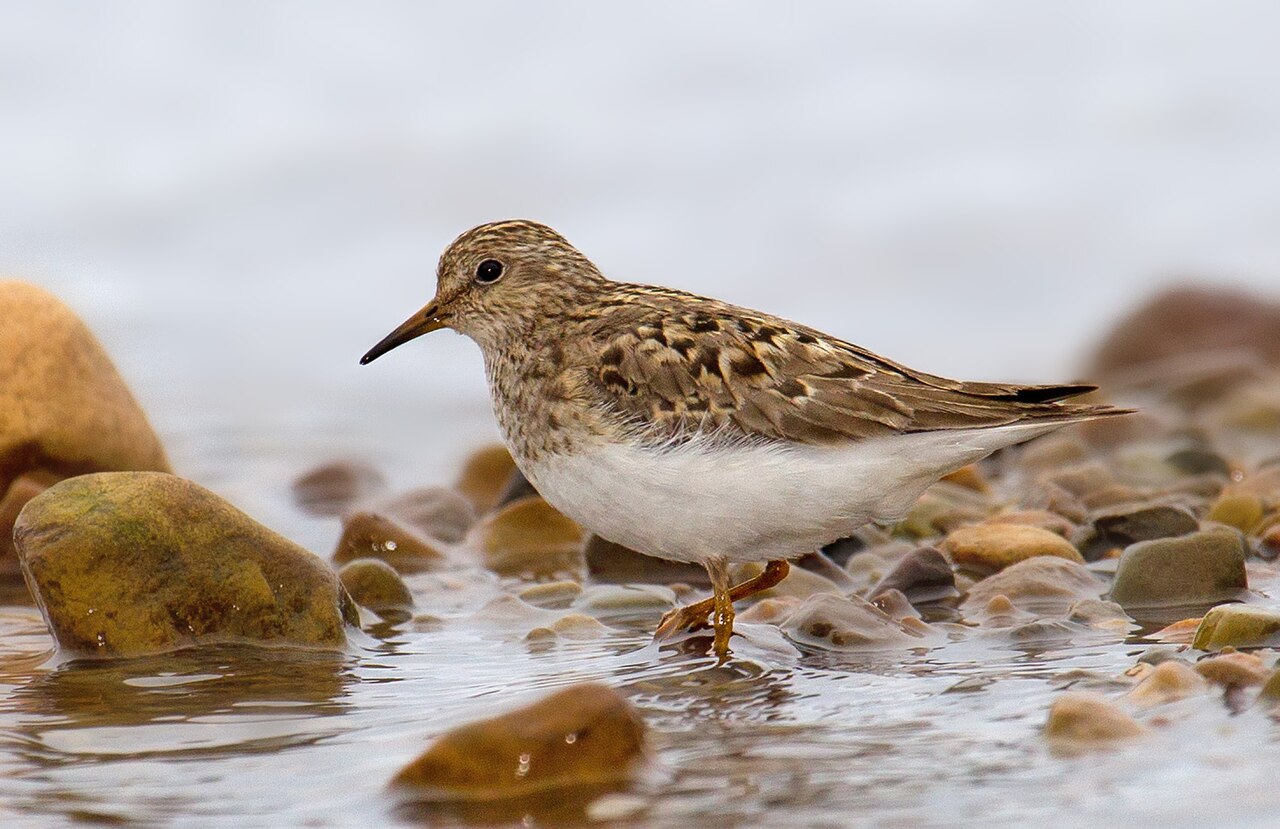
Temminck's stint
Calidris temminckii- Littoral zone of inland surface waterbodies
- Highly artificial man-made waters
- Seasonally wet and wet grasslands
- Tundra
-

Sanderling
Calidris alba- Coastal dunes and sandy shores
- Littoral sediment
- Tundra
-
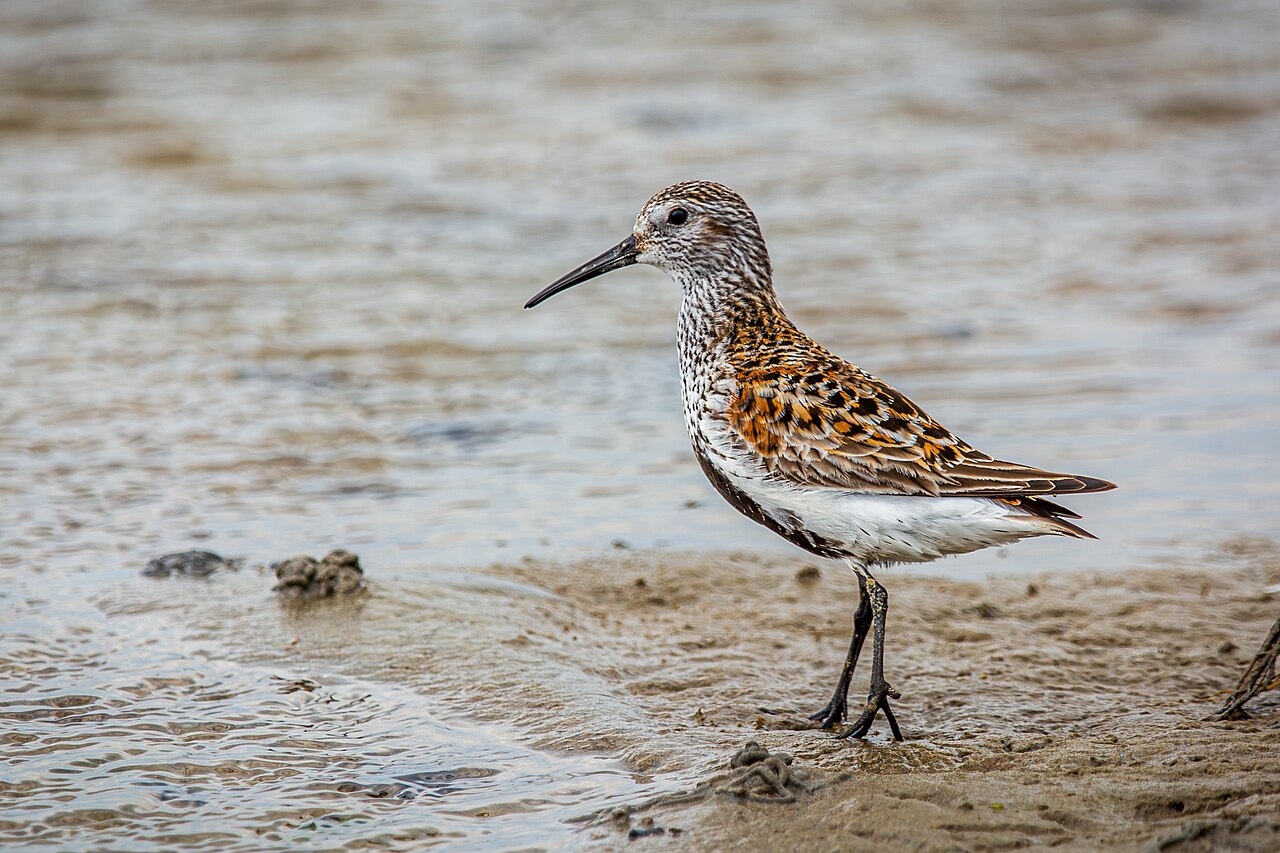
Dunlin
Calidris alpina- Littoral sediment
- Tundra
- Raised and blanket bogs
- Coastal dunes and sandy shores
-
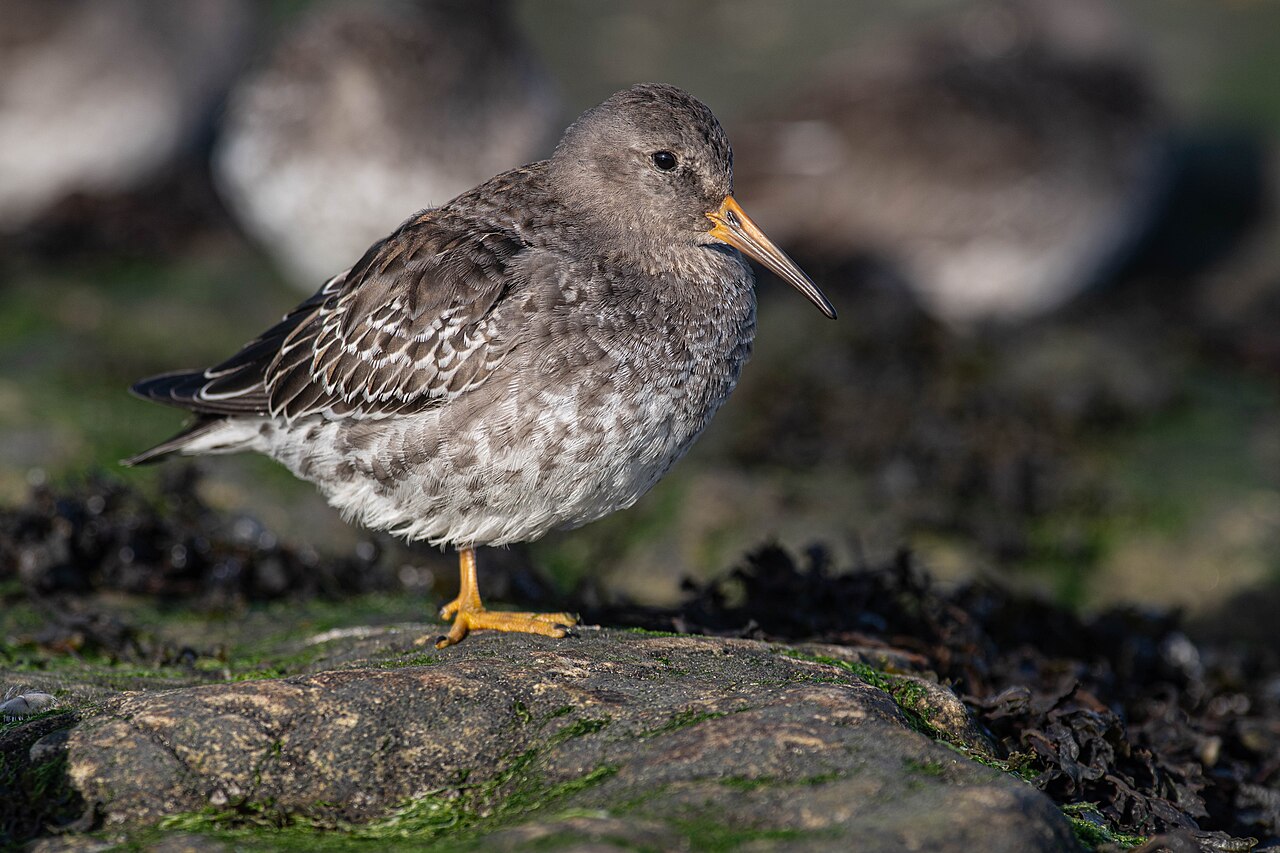
Purple sandpiper
Calidris maritima Littoral rock and other hard substrata
 Rock cliffs, ledges and shores
 Transport networks and other hard-surfaced areas
- Tundra
-
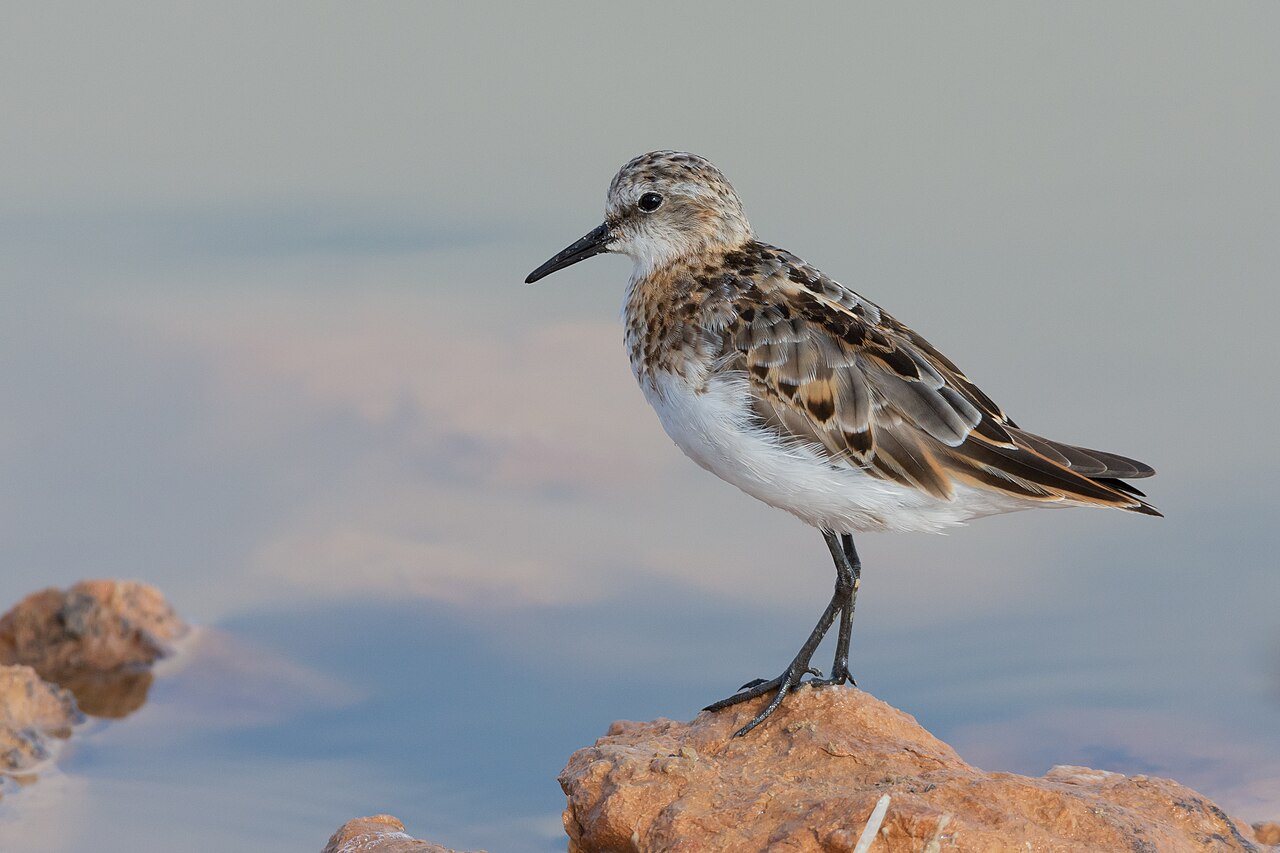
Little stint
Calidris minuta- Littoral sediment
- Littoral zone of inland surface waterbodies
- Highly artificial man-made waters
- Tundra
Snipes and woodcocks | Scolopacinae
5 species
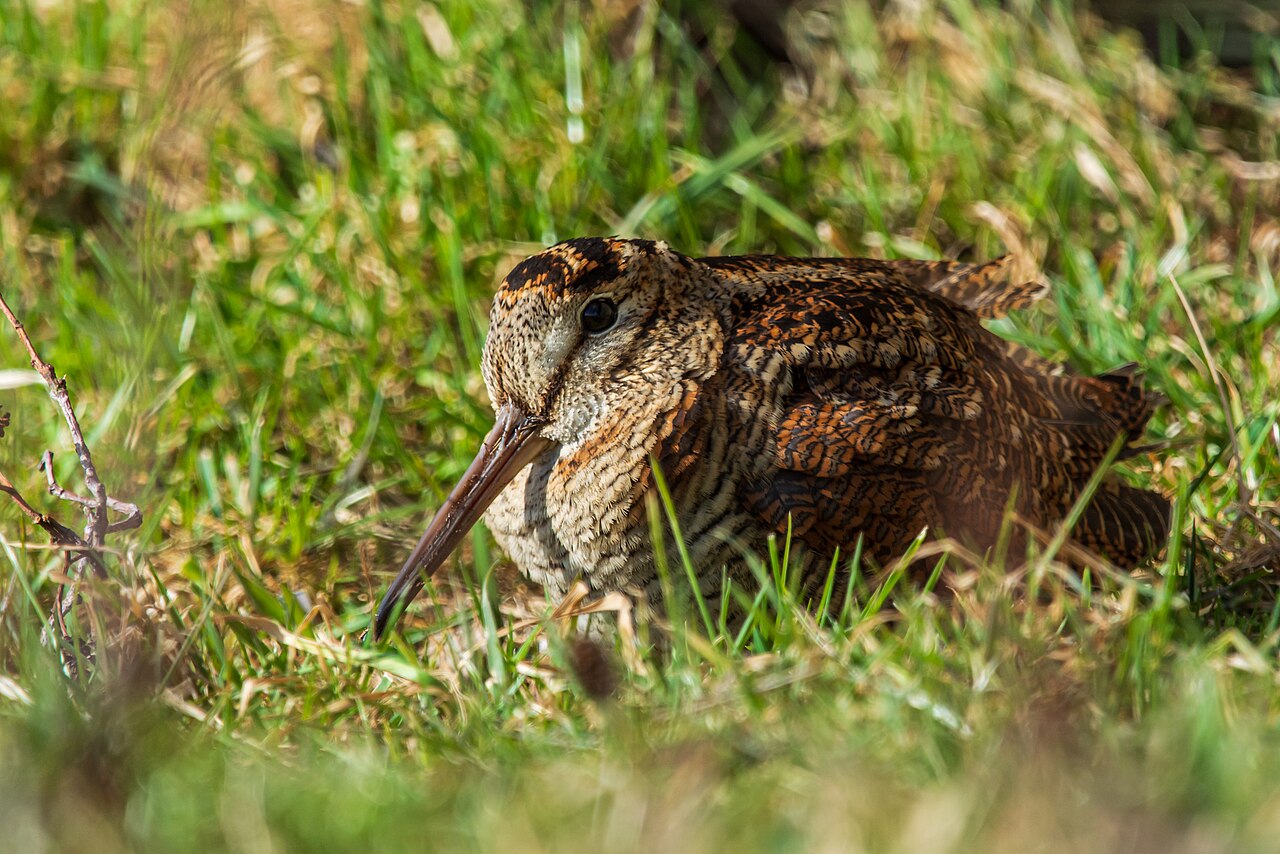
Short-legged, thickset waders with a long straight bill and a plumage of brown, black and ochre that copies the pattern of dead leaves and old reed stems. The eyes sit high and far back in the head, so the bird can watch all round it while the bill is buried in soft ground. Unlike the shore sandpipers they live alone and hidden, in marsh, wet woodland floor and bog; they crouch flat and flush only when you are about to tread on them, then vanish in a jinking zigzag between the stems. Courtship belongs to the half-light: a low wandering flight over the trees at dusk, or a climbing and diving display in which air rushing past the outer tail feathers makes a bleating hum.

Scolopax 1 species


Gallinago 3 species
-
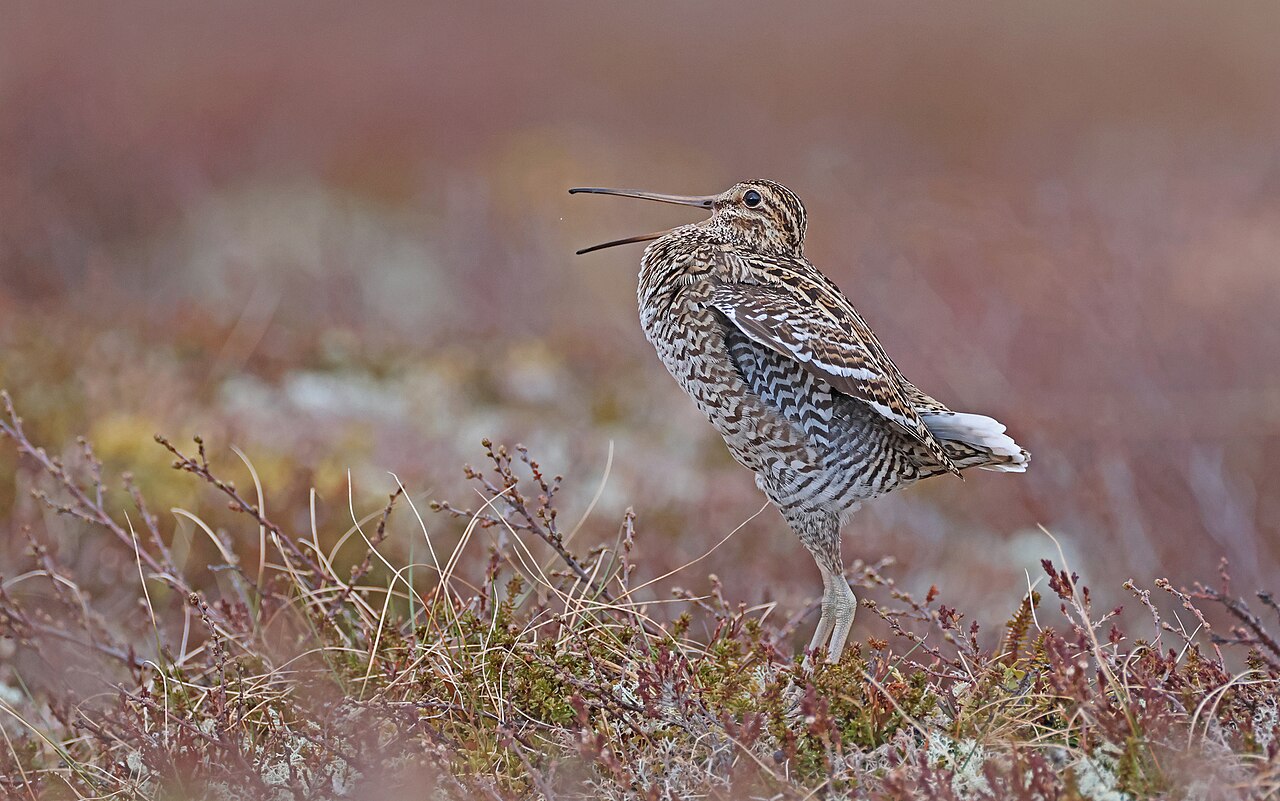
Great snipe
Gallinago media- Seasonally wet and wet grasslands
 Valley mires, poor fens and transition mires
 Sedge and reedbeds without free-standing water
- Mesic grasslands
-

Pin-tailed snipe
Gallinago stenura- Seasonally wet and wet grasslands
- Valley mires, poor fens and transition mires
- Tundra
- Arable land and market gardens
-

Common snipe
Gallinago gallinago- Seasonally wet and wet grasslands
- Sedge and reedbeds without free-standing water
- Littoral zone of inland surface waterbodies
- Arable land and market gardens
Shanks and phalaropes | Tringinae
10 species
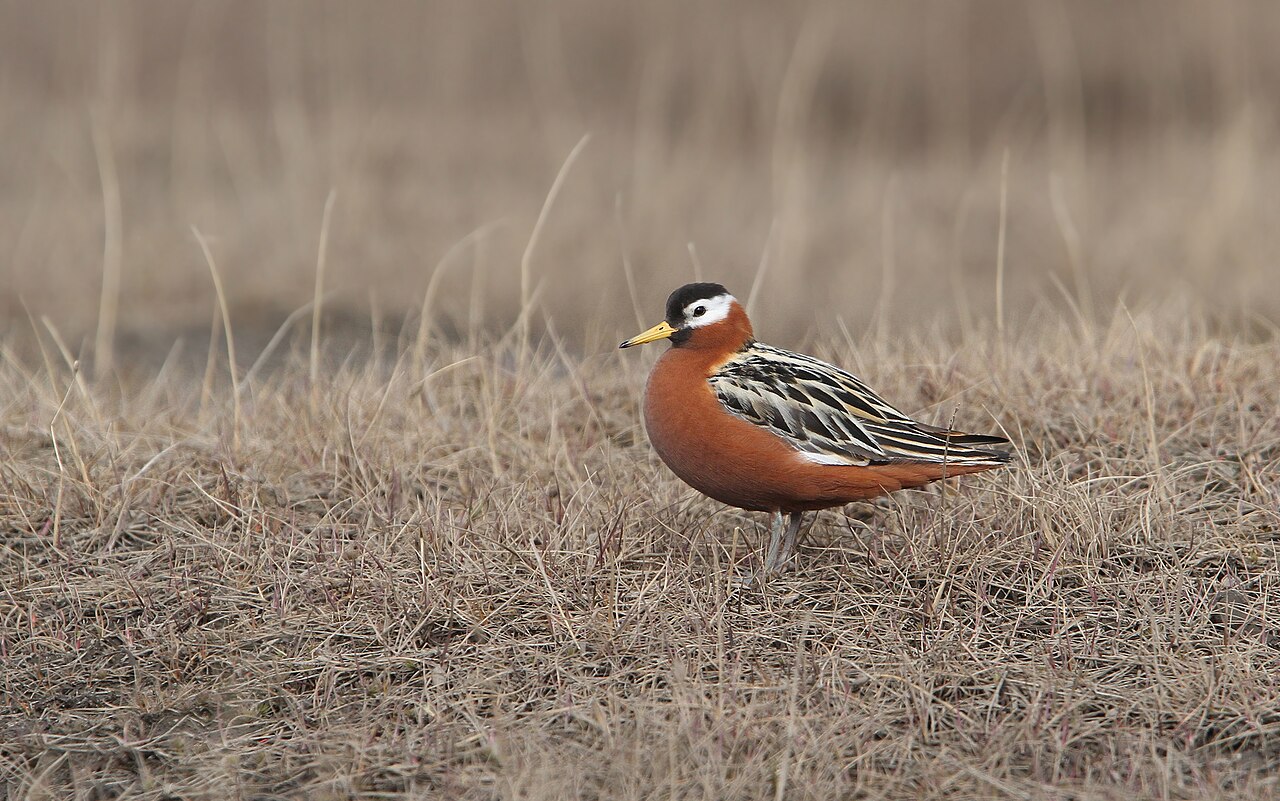
Slim, long-legged waders with a straight or slightly upturned bill that is relatively fine. They stand in shallow water rather than on drying mud and feed actively: wading, picking from the surface, sometimes dashing after small fish with the bill open, where the shore sandpipers probe steadily in one place. In flight a white rump or a white wedge up the back is often the best mark, and they call loudly on rising — usually singly or in loose parties rather than in dense flocks. They nest in marsh, bog and forest, a few even in an old nest in a tree. The phalaropes swim: lobed toes let them float buoyantly and spin in tight circles to stir food upwards, and the female is the brighter bird while the male incubates.
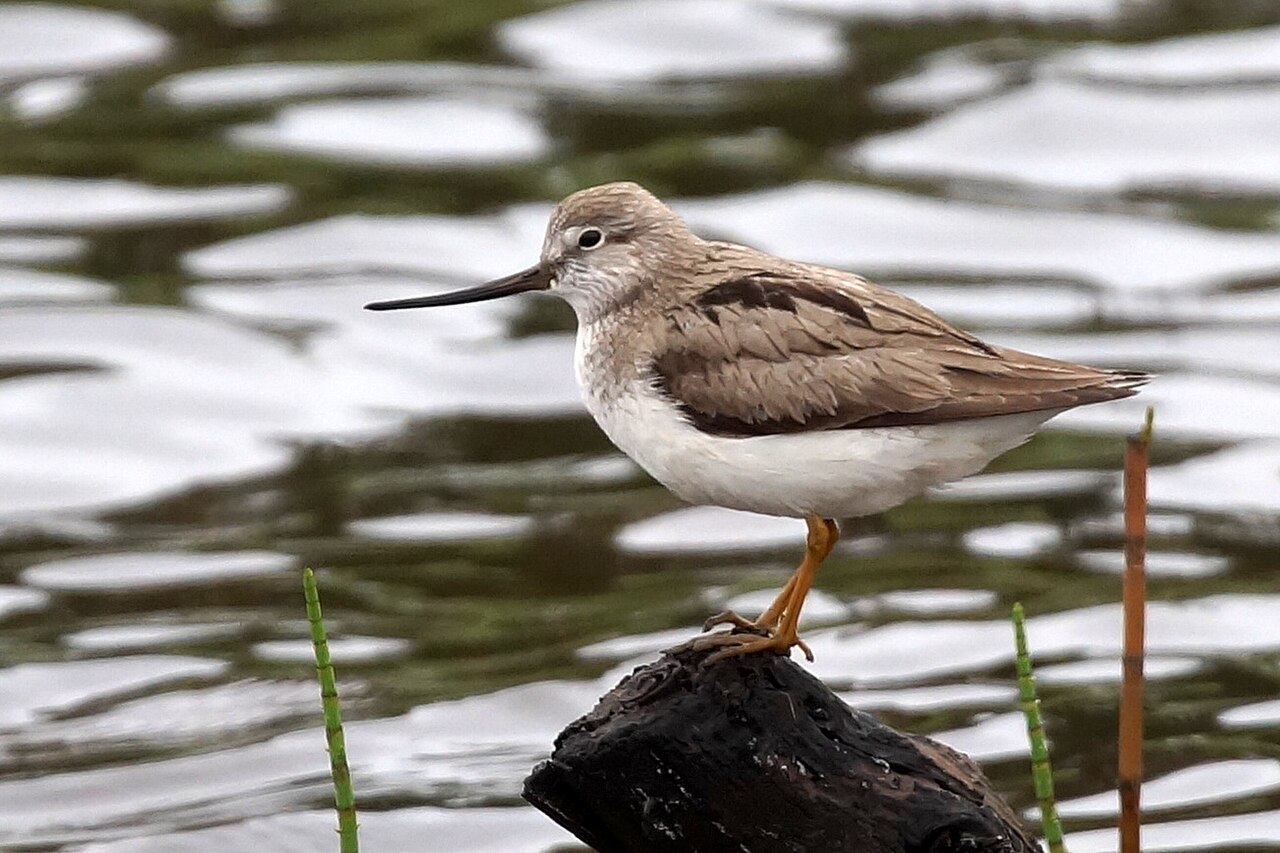
Actitis 1 species

Phalaropus 2 species
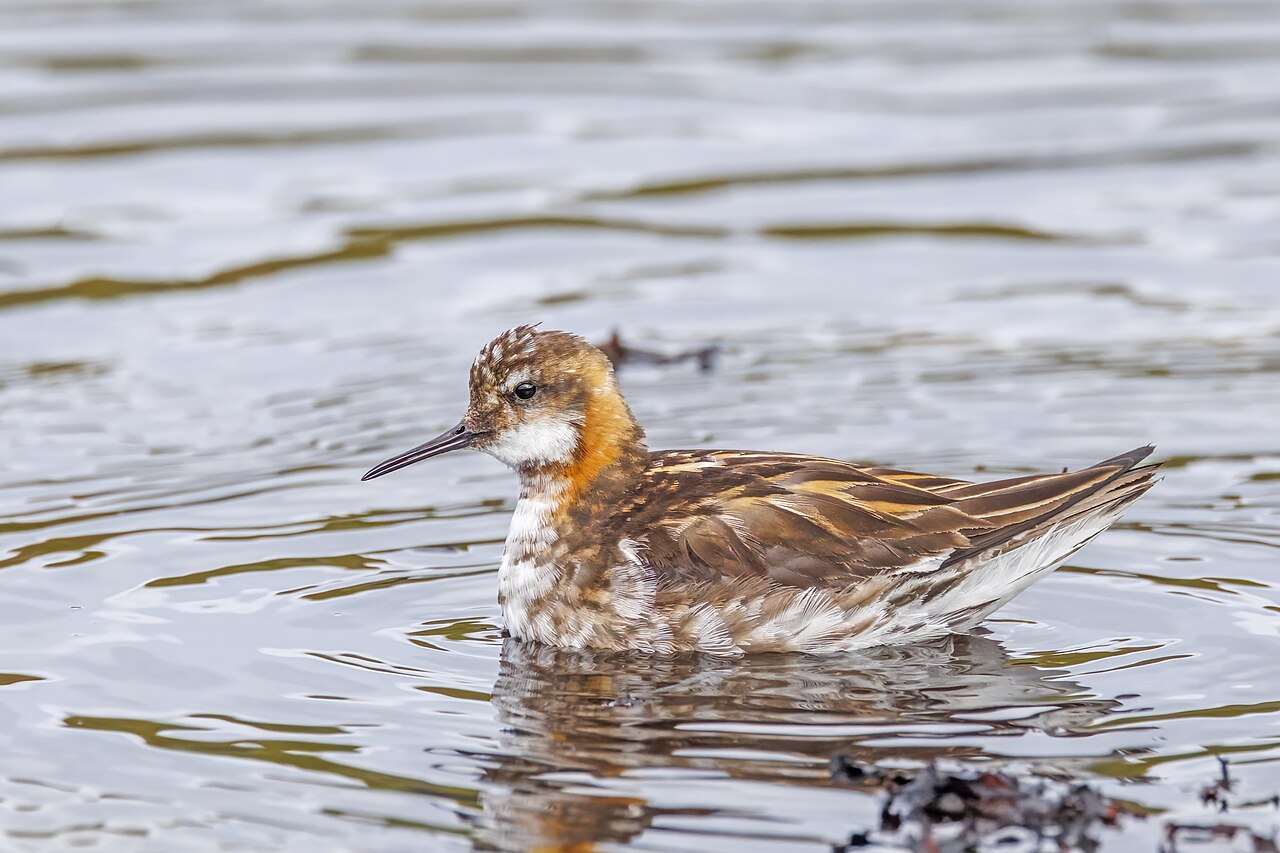
Tringa 6 species
-
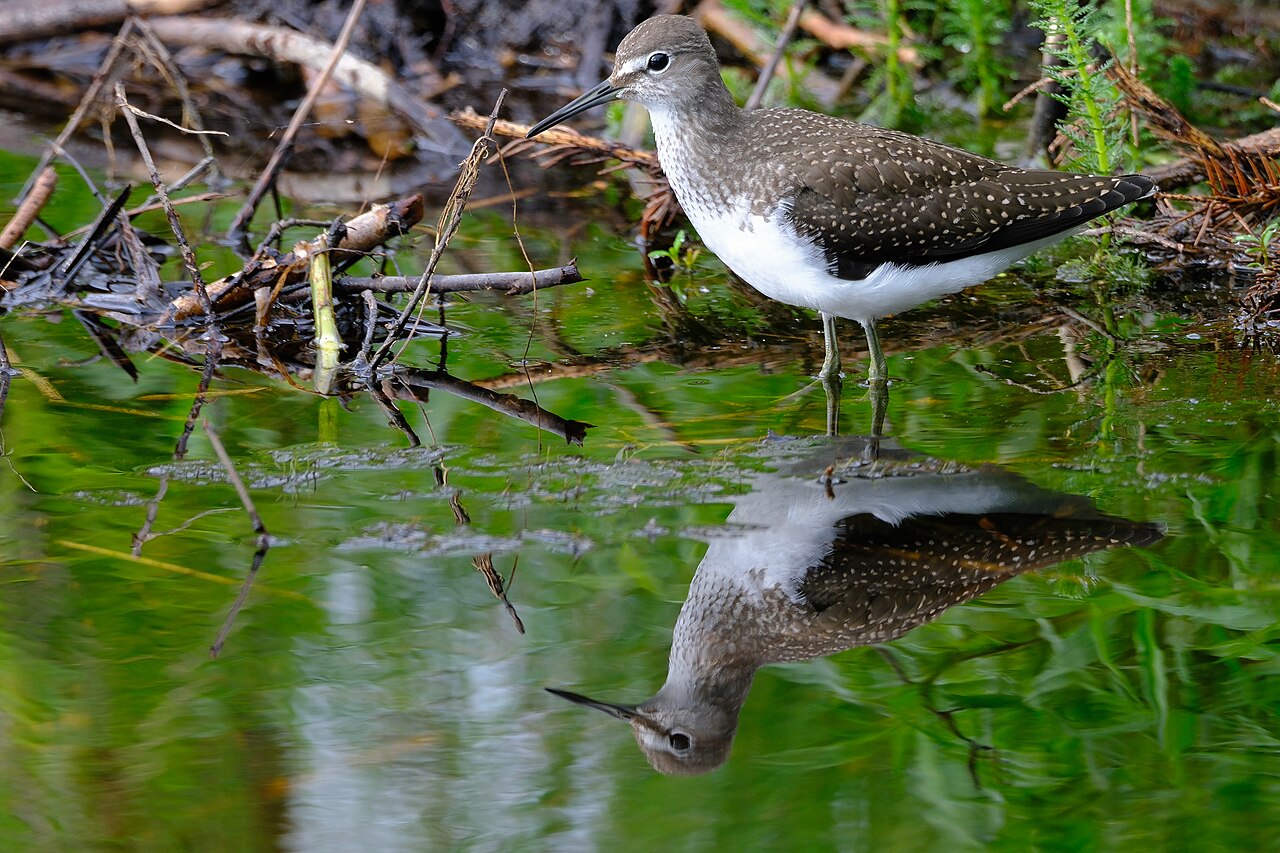
Green sandpiper
Tringa ochropus- Littoral zone of inland surface waterbodies
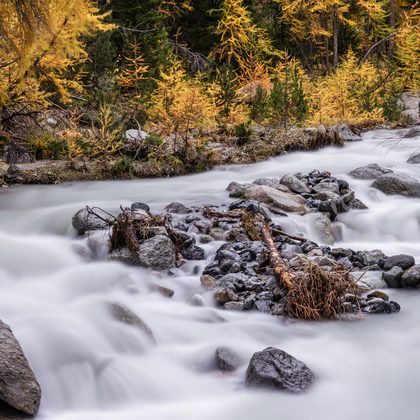 Surface running waters
- Highly artificial man-made waters
-

Marsh sandpiper
Tringa stagnatilis- Littoral zone of inland surface waterbodies
- Seasonally wet and wet grasslands
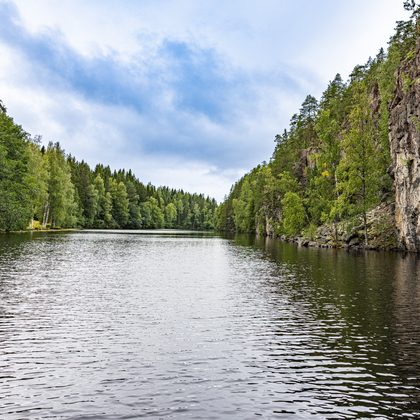 Surface standing waters
- Highly artificial man-made waters
- Inland saline and brackish marshes and reedbeds
-

Wood sandpiper
Tringa glareola- Littoral zone of inland surface waterbodies
- Seasonally wet and wet grasslands
- Raised and blanket bogs
- Highly artificial man-made waters
- Arable land and market gardens
-
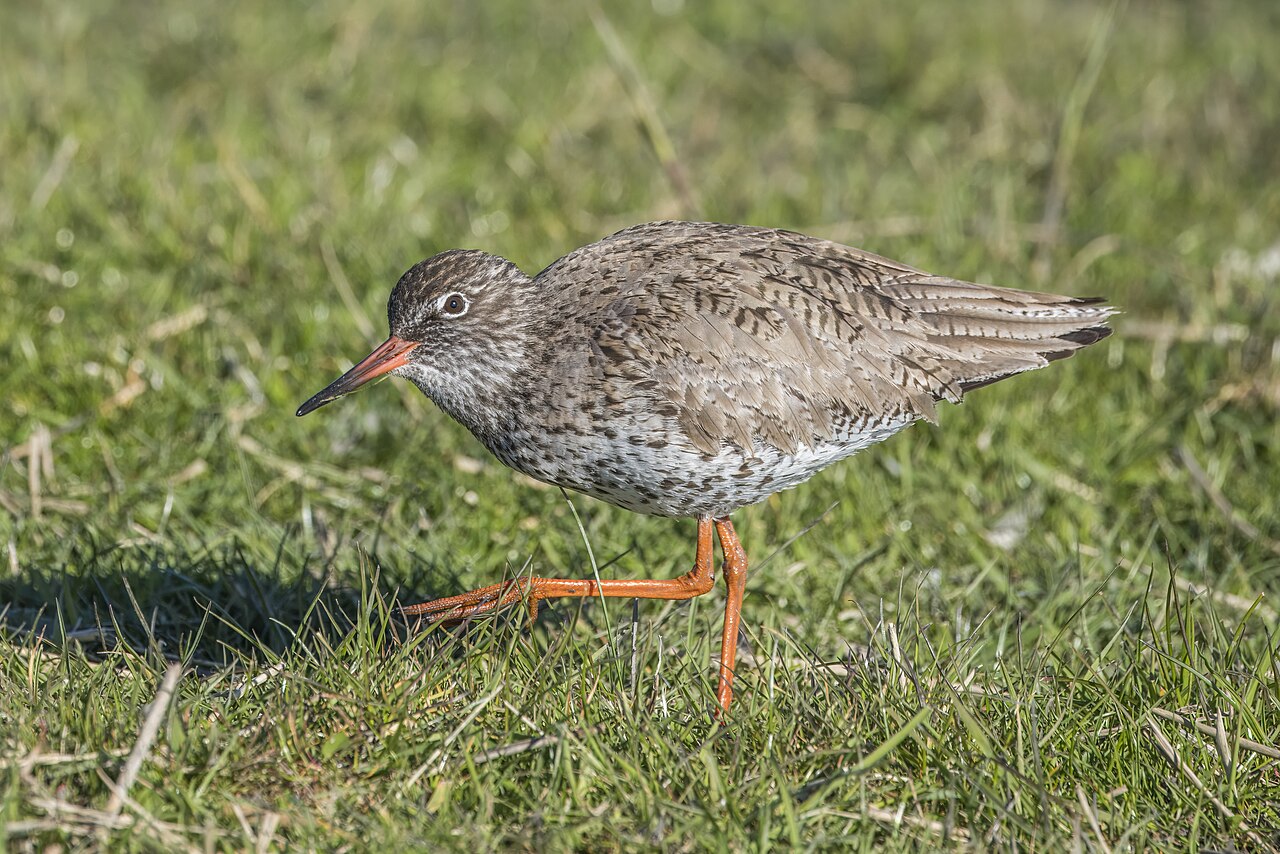
Common redshank
Tringa totanus- Littoral sediment
- Seasonally wet and wet grasslands
- Highly artificial man-made waters
- Littoral zone of inland surface waterbodies
-
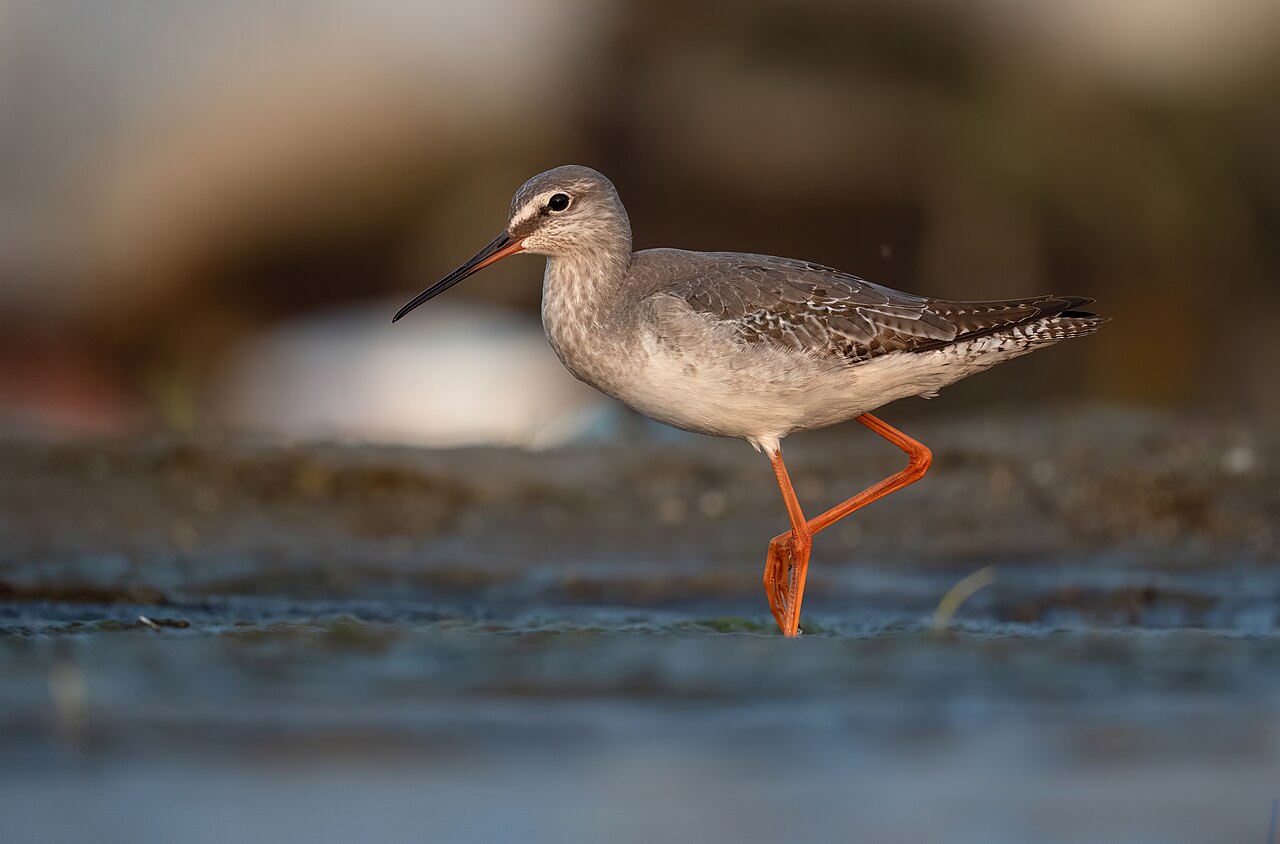
Spotted redshank
Tringa erythropus- Littoral sediment
- Surface standing waters
- Highly artificial man-made waters
- Seasonally wet and wet grasslands
-

Common greenshank
Tringa nebularia- Littoral sediment
- Littoral zone of inland surface waterbodies
- Highly artificial man-made waters
- Raised and blanket bogs
- Surface standing waters
Vagrants 19 species
Birds blown in from other continents. They have no range here, and so no distribution map.
-
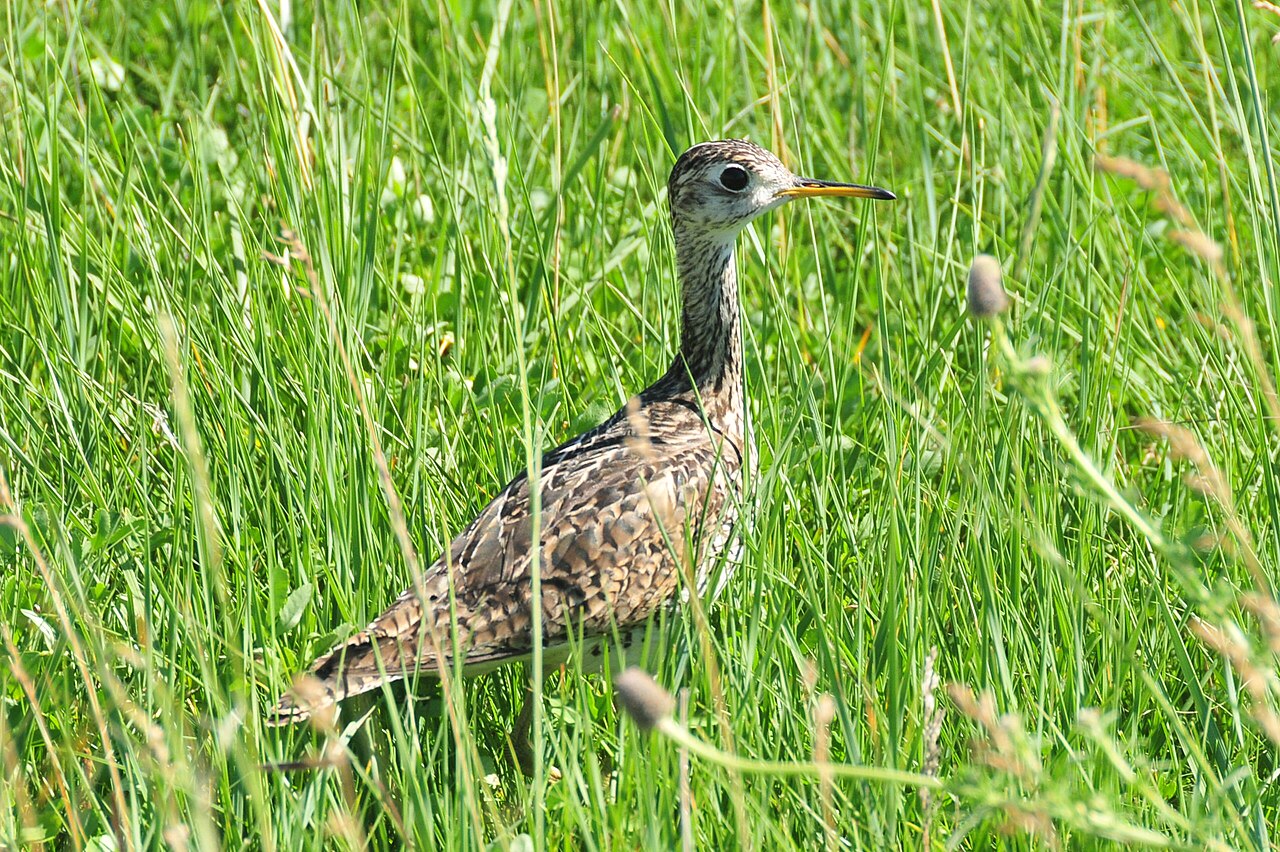
Upland sandpiper
Bartramia longicauda Dry grasslands
- Mesic grasslands
- Coastal dunes and sandy shores
- Arable land and market gardens
-
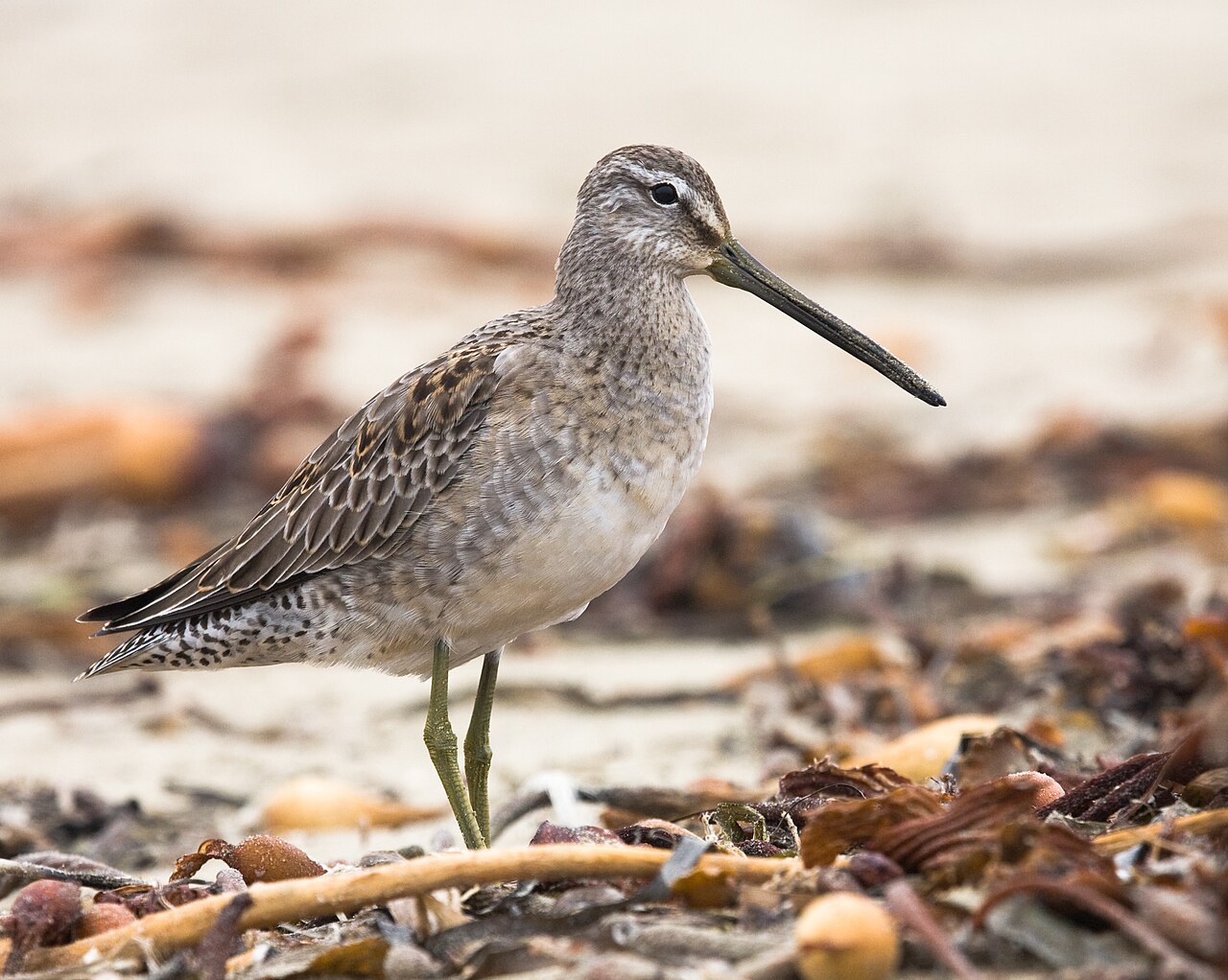
Long-billed dowitcher
Limnodromus scolopaceus- Surface standing waters
- Littoral zone of inland surface waterbodies
- Littoral sediment
- Tundra
-
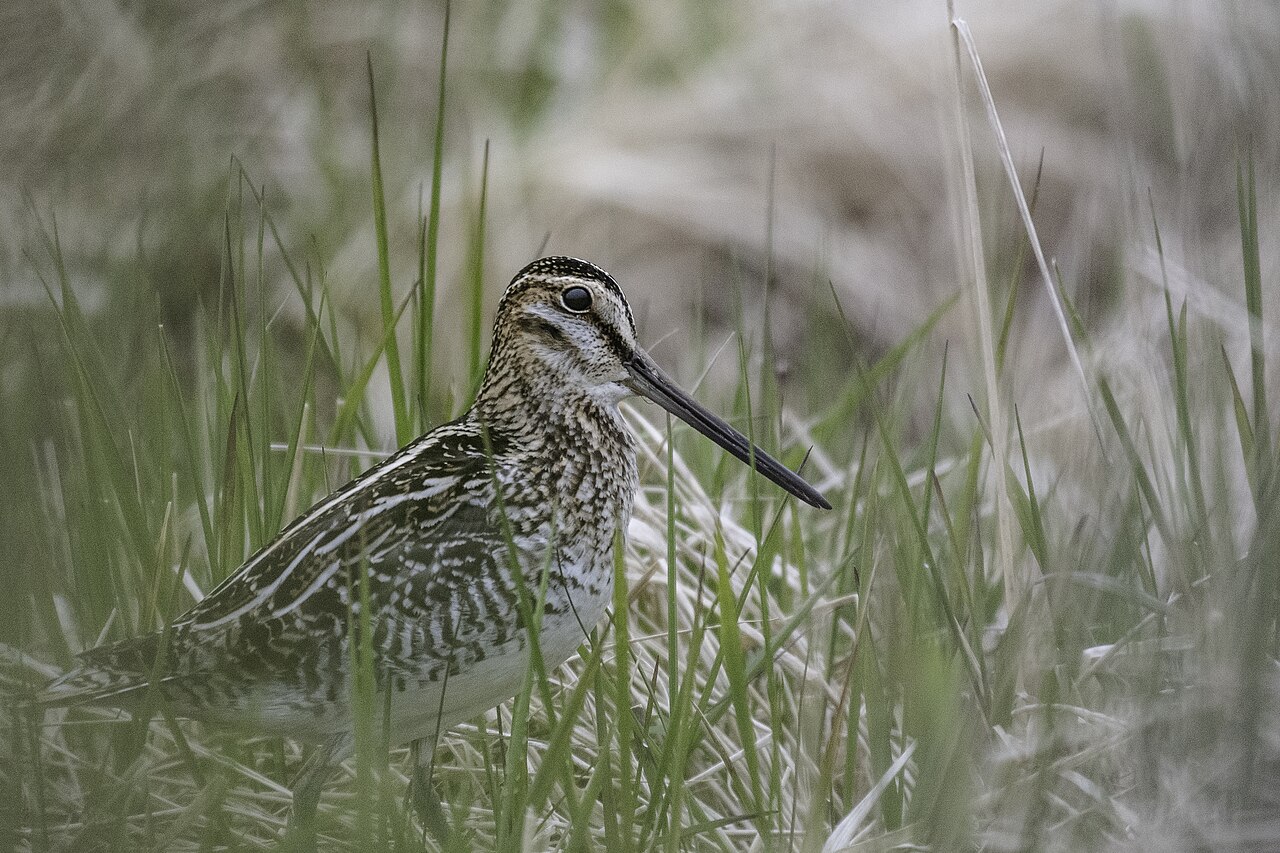
Wilson's snipe
Gallinago delicata- Seasonally wet and wet grasslands
- Littoral zone of inland surface waterbodies
- Sedge and reedbeds without free-standing water
- Arable land and market gardens
-
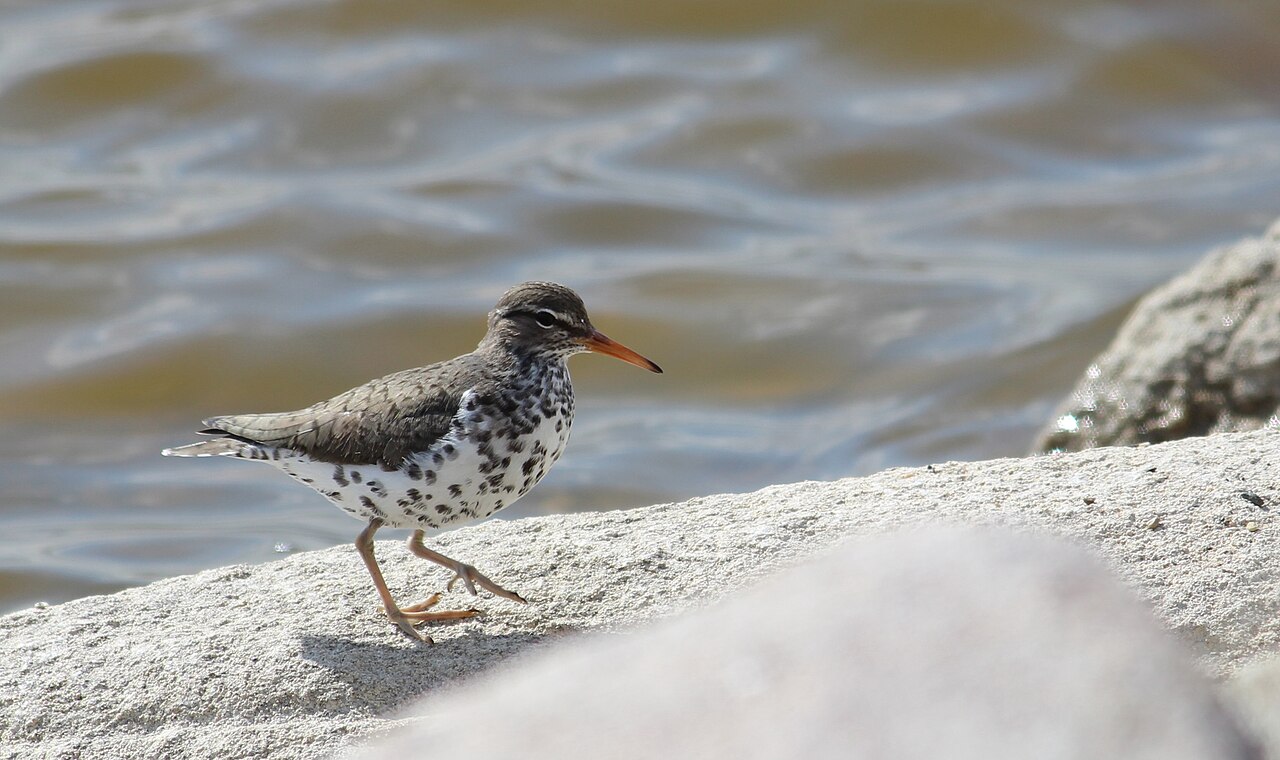
Spotted sandpiper
Actitis macularius- Littoral zone of inland surface waterbodies
- Surface running waters
- Highly artificial man-made waters
- Littoral sediment
-
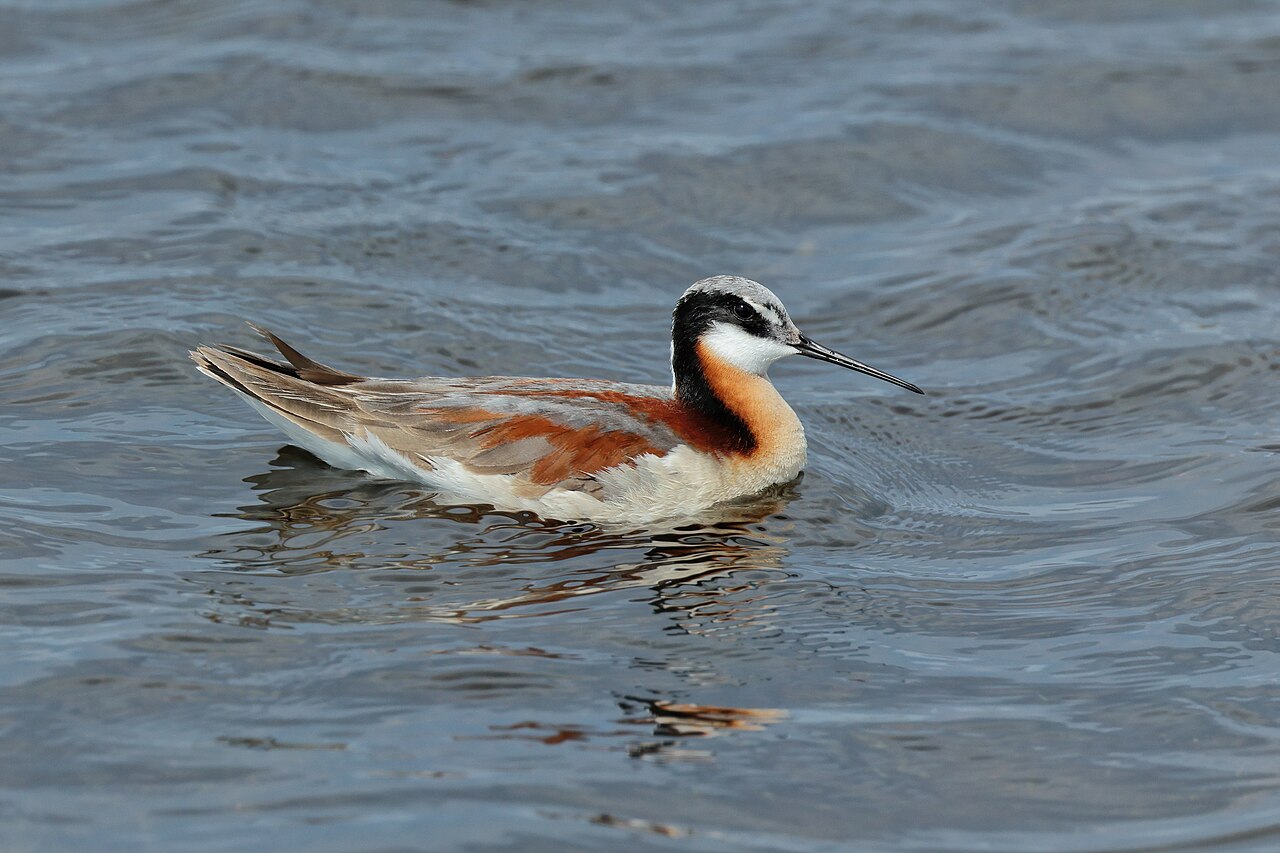
Wilson's phalarope
Phalaropus tricolor- Surface standing waters
- Littoral zone of inland surface waterbodies
- Inland saline and brackish marshes and reedbeds
- Seasonally wet and wet grasslands
- Highly artificial man-made waters
-
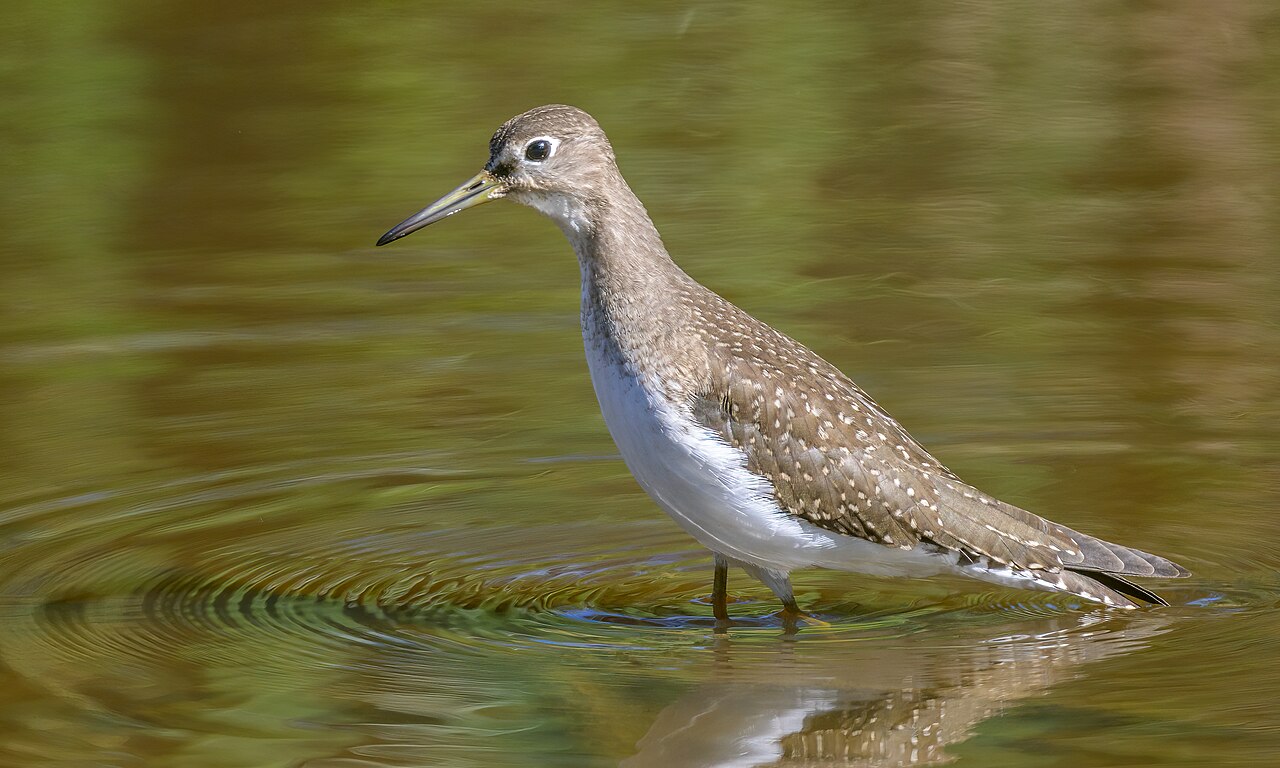
Solitary sandpiper
Tringa solitaria- Littoral zone of inland surface waterbodies
- Surface running waters
- Highly artificial man-made waters
- Raised and blanket bogs
-

Lesser yellowlegs
Tringa flavipes- Littoral zone of inland surface waterbodies
- Highly artificial man-made waters
- Surface standing waters
- Seasonally wet and wet grasslands
-
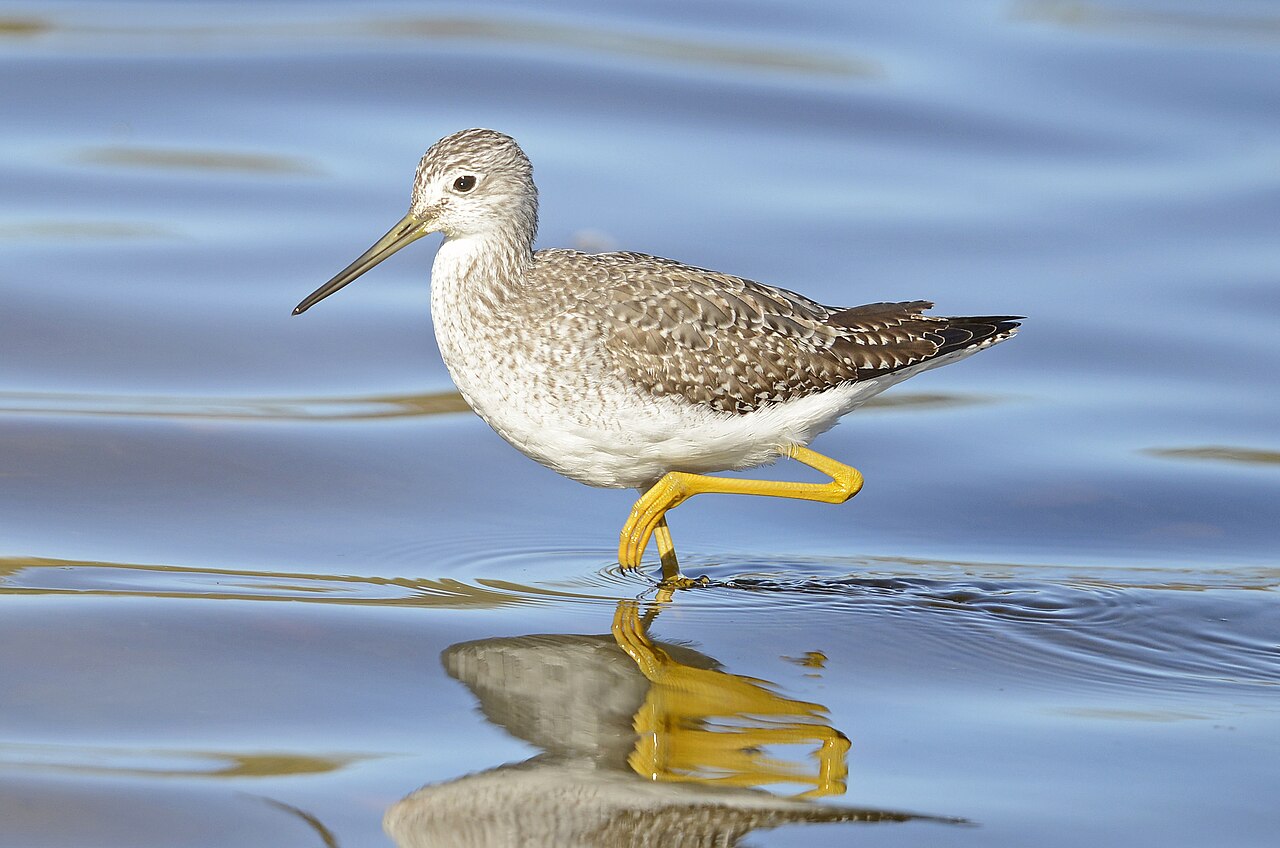
Greater yellowlegs
Tringa melanoleuca- Littoral zone of inland surface waterbodies
- Surface standing waters
- Highly artificial man-made waters
- Inland saline and brackish marshes and reedbeds
- Seasonally wet and wet grasslands
-

Great knot
Calidris tenuirostris- Littoral sediment
- Coastal dunes and sandy shores
- Tundra
-
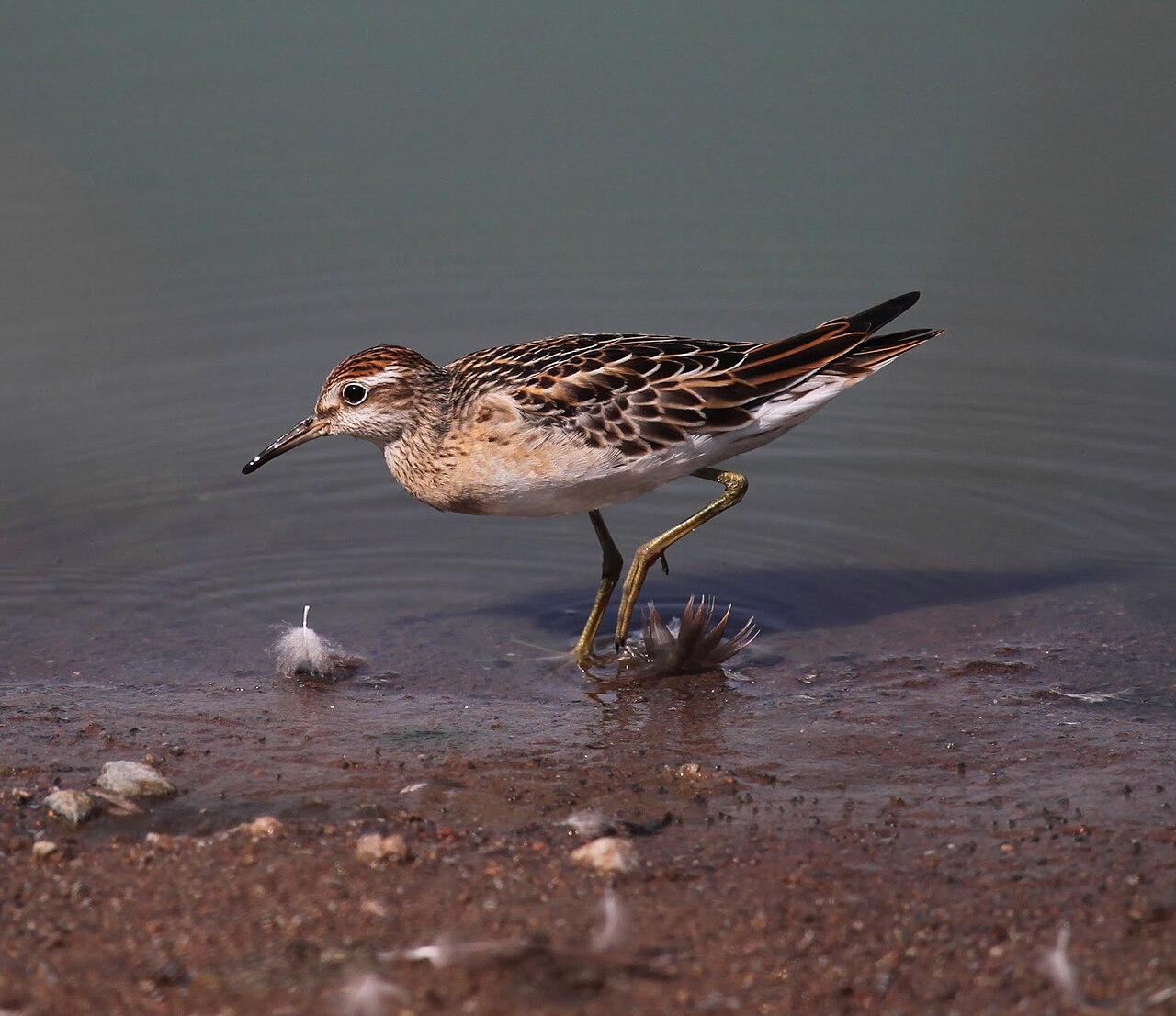
Sharp-tailed sandpiper
Calidris acuminata- Seasonally wet and wet grasslands
- Littoral zone of inland surface waterbodies
- Inland saline and brackish marshes and reedbeds
- Littoral sediment
-

Stilt sandpiper
Calidris himantopus- Littoral zone of inland surface waterbodies
- Surface standing waters
- Highly artificial man-made waters
- Tundra
-

Red-necked stint
Calidris ruficollis- Littoral sediment
- Inland saline and brackish marshes and reedbeds
- Littoral zone of inland surface waterbodies
- Highly artificial man-made waters
-
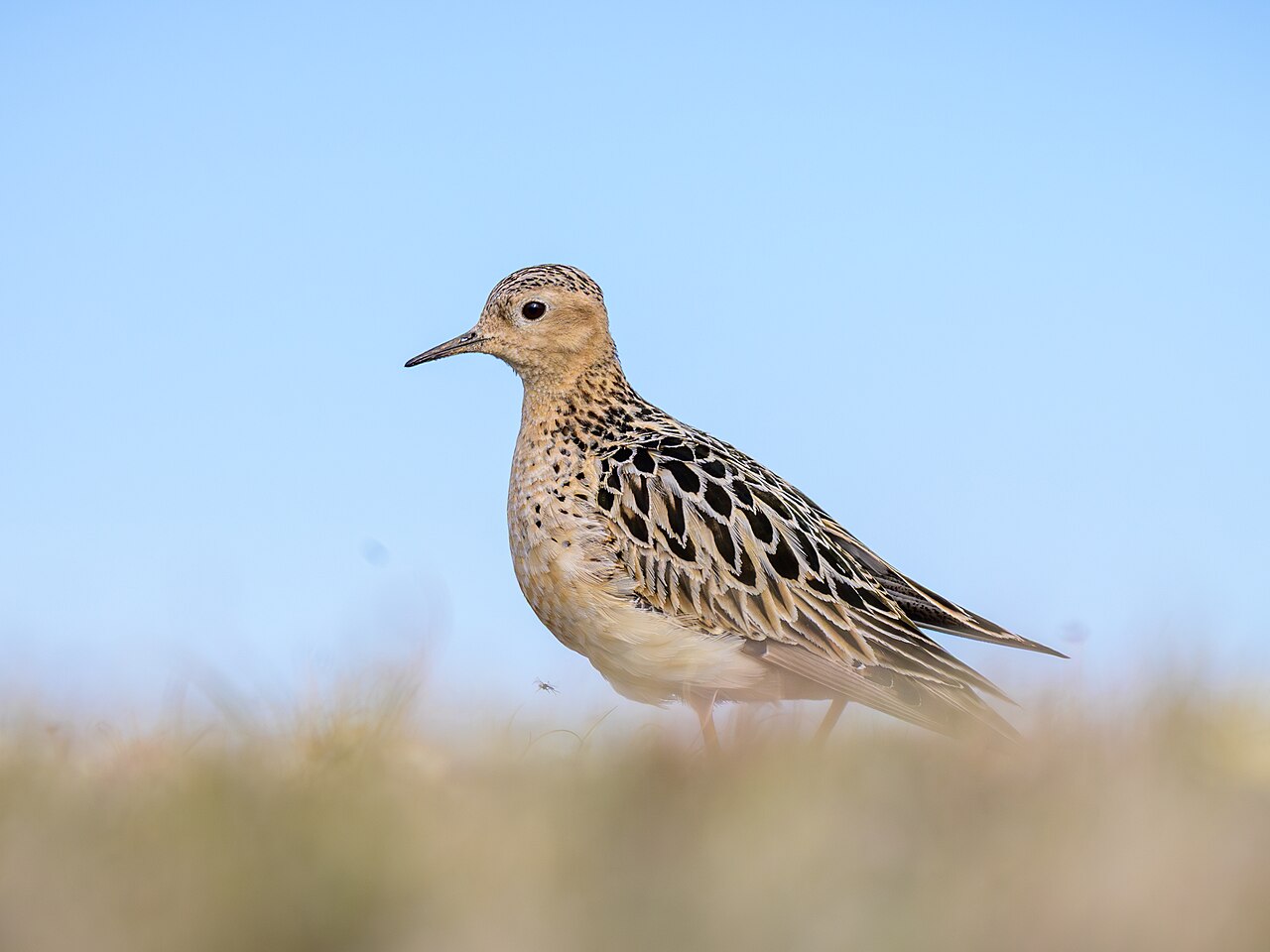
Buff-breasted sandpiper
Calidris subruficollis- Dry grasslands
- Mesic grasslands
- Tundra
- Coastal dunes and sandy shores
-
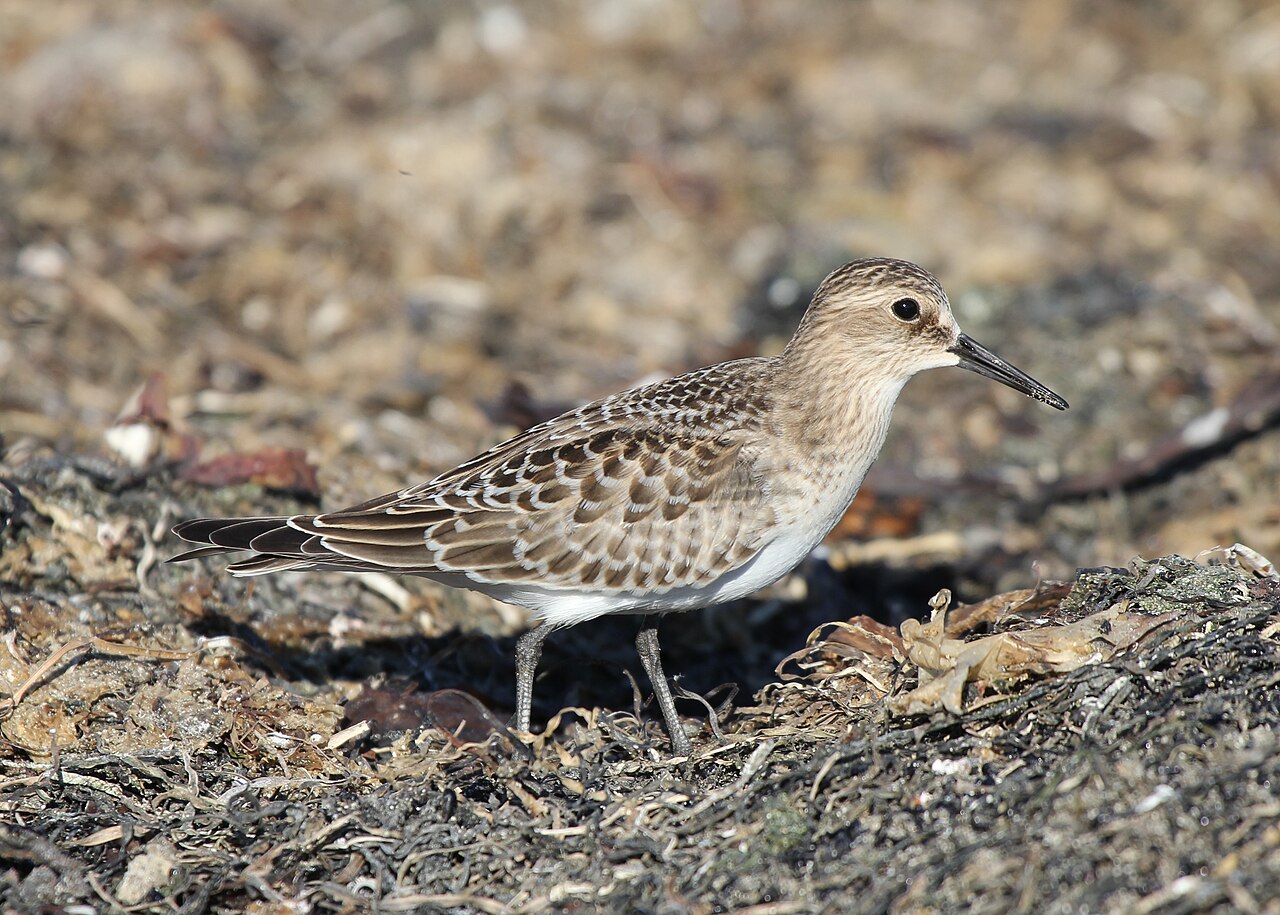
Baird's sandpiper
Calidris bairdii- Seasonally wet and wet grasslands
- Littoral zone of inland surface waterbodies
- Coastal dunes and sandy shores
- Highly artificial man-made waters
-

Pectoral sandpiper
Calidris melanotos- Seasonally wet and wet grasslands
- Littoral zone of inland surface waterbodies
- Inland saline and brackish marshes and reedbeds
- Highly artificial man-made waters
-

Semipalmated sandpiper
Calidris pusilla- Littoral sediment
- Coastal dunes and sandy shores
- Littoral zone of inland surface waterbodies
- Highly artificial man-made waters
-

Western sandpiper
Calidris mauri- Littoral sediment
- Coastal dunes and sandy shores
- Highly artificial man-made waters
- Littoral zone of inland surface waterbodies
-
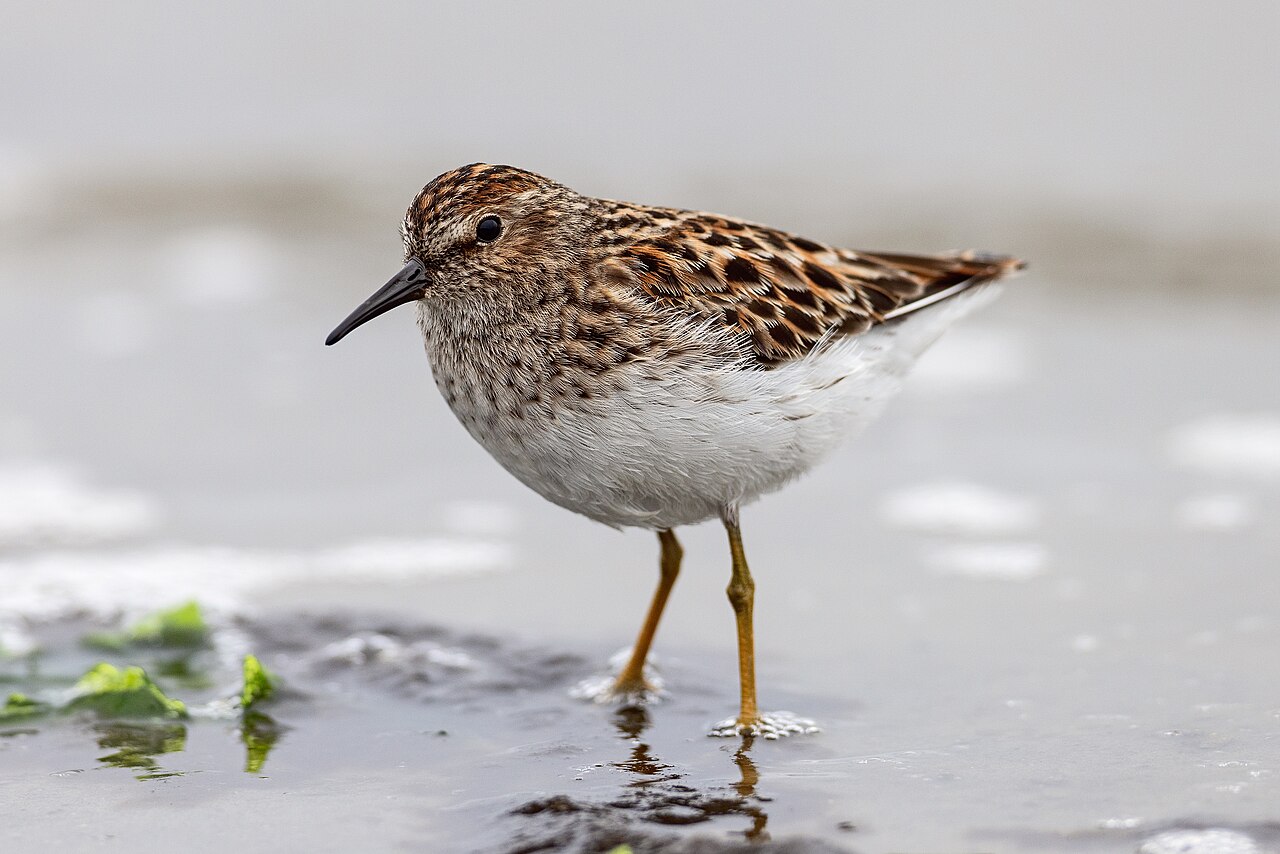
Least sandpiper
Calidris minutilla- Littoral zone of inland surface waterbodies
- Littoral sediment
- Highly artificial man-made waters
- Inland saline and brackish marshes and reedbeds
-
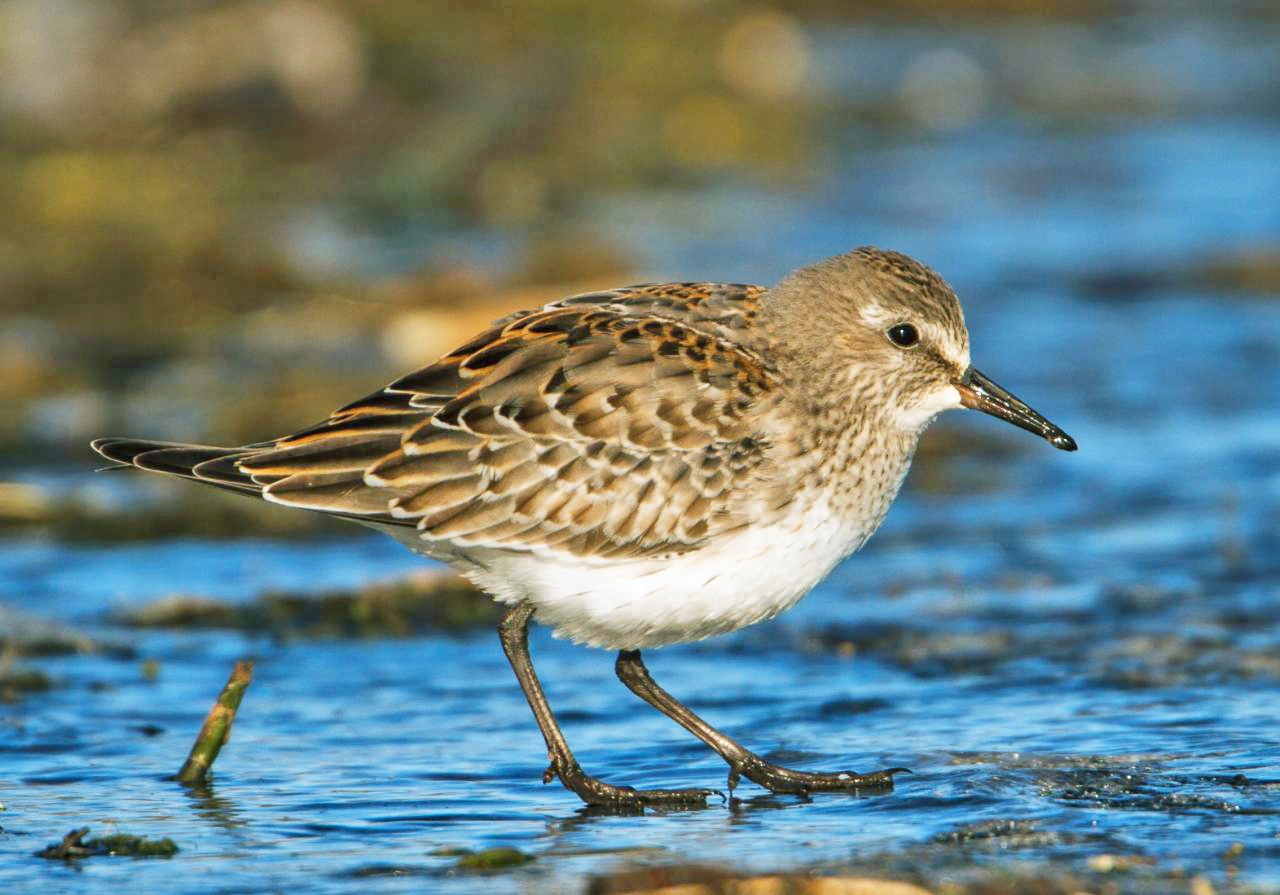
White-rumped sandpiper
Calidris fuscicollis- Littoral sediment
- Inland saline and brackish marshes and reedbeds
- Littoral zone of inland surface waterbodies
- Seasonally wet and wet grasslands