All species › Waders, gulls and terns › Sandpipers and snipes › Red-Necked Phalarope
Red-Necked Phalarope | Phalaropus lobatus
Grauwe franjepoot | Falaropo picofino | Odinshühnchen | שחיינית צרת-מקור | Phalarope à bec étroit
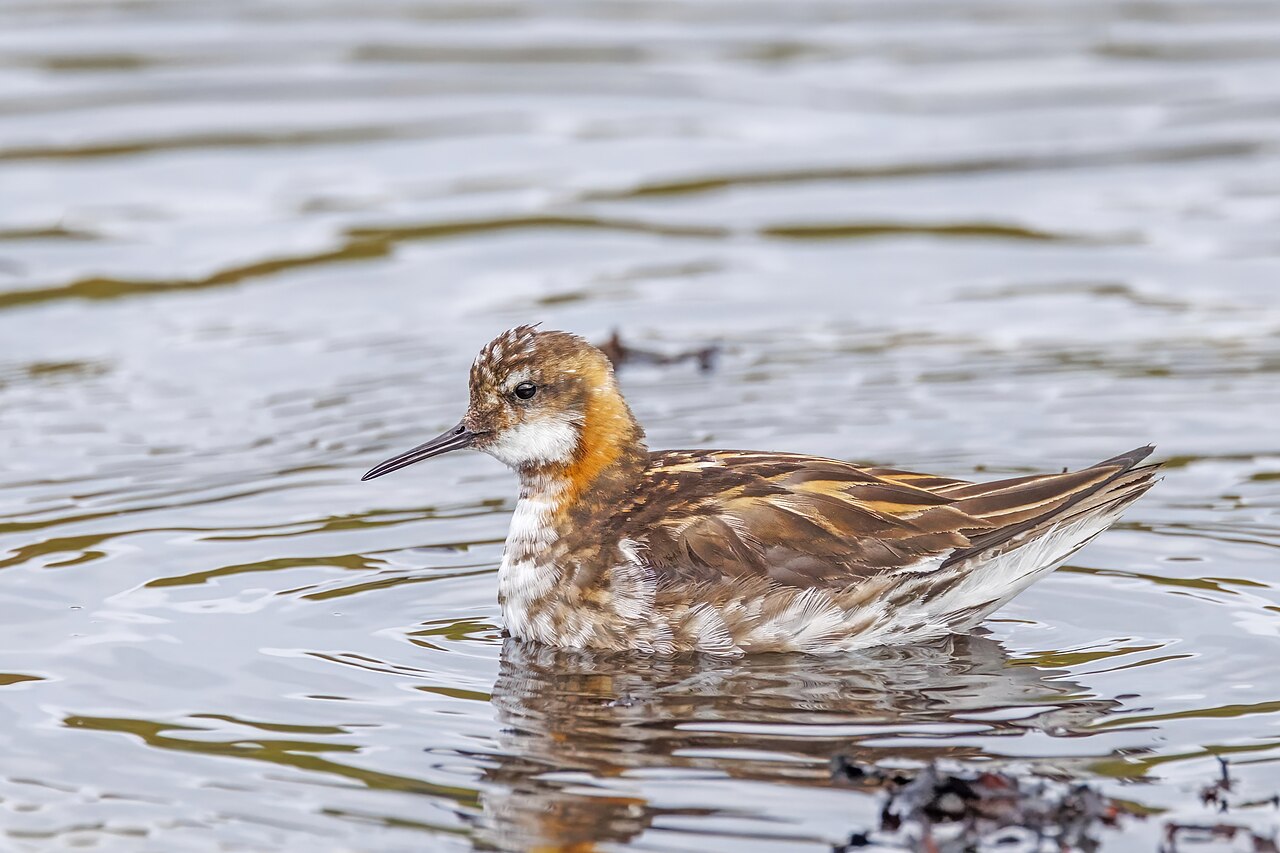
The Red-Necked Phalarope is the wader that swims where the others wade: a buoyant little bird spinning in circles on a shallow brackish pool, picking prey off the surface with quick jabs. It is not shy; disturbance rarely comes from the observer.
Click a thumbnail to switch the photo above.
Voice
A short, hard, low chirp or kit, heard mostly when a bird lifts off or when a party on the water keeps contact; it is fuller and drier than the thin pit of Red Phalarope. Feeding birds give a soft, rapid twitter. On the breeding grounds the displaying female utters a series of nasal rattling notes as she pursues the males. On passage you will usually get no more than that short flight call.
Recording: Jonathon Jongsma — CC BY-SA 3.0 · Wikimedia Commons
Identification
Small and slim, with a needle-fine, wholly black bill and dark legs with lobed toes. Summer females are the brightest, with a slate-grey head, an orange-red neck patch running onto the side of the neck, a white throat patch and warm ochre lines down the mantle; males are duller and browner. Juveniles, the birds that turn up on passage in August and September, are dark-backed with sharp buff-yellow mantle stripes, a black eye-patch on a white head and often a pink-buff wash on the neck. Winter adults are grey with the same pale mantle lines. In flight a clear white wingbar, a dark stripe down the centre of the rump and a fast, agile flight.
Confusion species
Red Phalarope is the counterpart: bulkier and rounder, with a short thick bill with a yellow base and, in winter, a plain pale grey mantle without stripes. Little Stint resembles a juvenile Red-Necked through the pale mantle lines, but does not swim, lacks lobed toes and lacks the black eye-patch on a white head. At sea it can suggest a small petrel or a Little Gull, but the spinning feeding action gives it away. Wood and Common Sandpipers may share the pool, but they wade.
Compare sandpipers, snipes and allies: bill, legs, wing bar and rump
Habitat
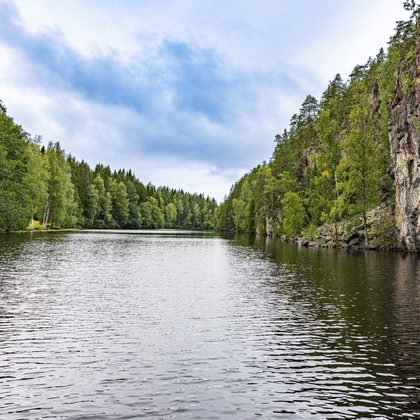
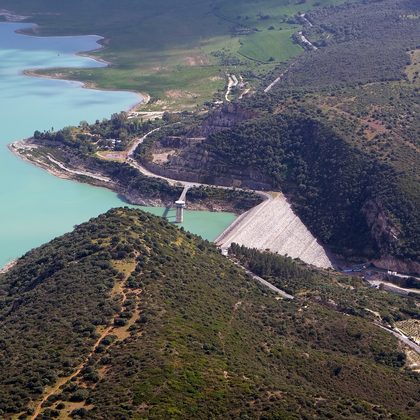
Shallow, nutrient-rich waters with an open surface: brackish coastal pools, creeks, saltpans, settling lagoons, flooded corners of grassland and the sheltered edges of lakes. It floats and spins rather than walks, taking midge larvae, water fleas and small crustaceans from just below the surface. At sea it works foam lines and current edges. It breeds beside pools in marshy tundra, raised bog and sedge mire in the far north.
Where the bird is most at home, classified with EUNIS — the European standard for habitats.



Range and movements
Breeds from Iceland and the British Isles through Fennoscandia into Siberia and winters largely at sea, in the Arabian Sea and the tropical Pacific. In north-western Europe a scarce but annual migrant, thin in spring in May and clearer in autumn with mostly juveniles from mid-August to early October, chiefly in the estuaries, along the Wadden coast and on inland pools. Through the Mediterranean the passage is heavier, with reliable sites in the Ebro delta, the saltpans of Alicante and Cádiz and along the Strait of Gibraltar, and it also passes through the Levant.
- Breeding (summer)
- Passage
- dark = core range, pale = thinly spread
How and when to look
Late August and September offer the best chances. Find a shallow brackish pool or a saltpan with open water and no fringing vegetation and scan the surface rather than the edges; what you are looking for is a small bird spinning in circles while waders wade around it. Go early, because on a windless morning the birds show far better on smooth water. Since they are barely shy, it pays to sit still: they often come in to feed within a few metres of their own accord.
Conservation status
Least Concern; the Siberian core of the population is large. In Europe, at the edge of the range, things are far worse: the breeders in Shetland have fallen to a few dozen pairs and depend on targeted management of their pools, and in Fennoscandia occupied sites are being lost to drainage, rank vegetation and predation. For migrants, keeping shallow, fishless brackish waters along the route matters, because that is where the insect abundance they refuel on is found.
Scientific name
Phalaropus lobatus | (Linnaeus, 1758)
Linnaeus described the species in 1758 as Tringa tobata; because it was later moved to another genus, the author and year stand in brackets. The genus Phalaropus was introduced in 1760 by Brisson. Phalaropus comes through French phalarope from Greek phalaris 'coot' and pous 'foot': like coots, phalaropes have lobed toes. lobatus is modern Latin for 'lobed', after the swimming lobes along the toes. The specimen the first description was based on came from Hudson Bay.